Monitoring visit to State Institution ‘Pyatykhatska Penal Colony No. 122’
I. General Information
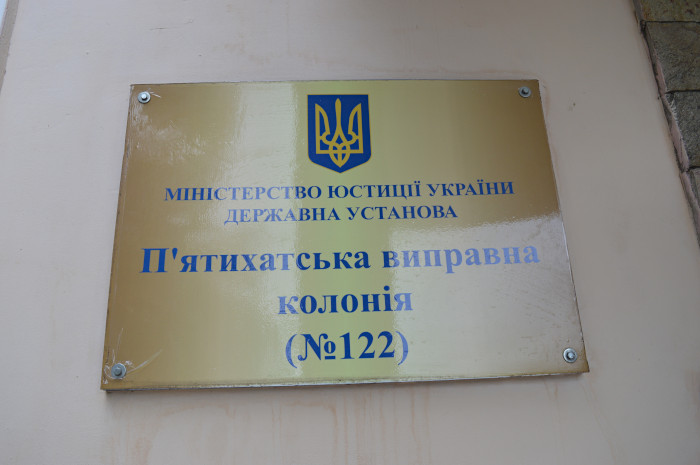
On 2 October 2020, a monitoring group consisting of People’s Deputy assistant Maksym Revyakin and two journalists, Hanna Ovdiienko and Pavlo Shvab, visited the State Institution ‘Pyatykhatska Penal Colony No. 122’. This colony is a medium-security facility for men who have previously served sentences. The establishment is located in the village of Krasnoivanivka, Pyatykhatky district, Dnipropetrovsk region, 8 km from the town of Pyatykhatky. The colony was established in 1983 as a correctional labour facility for those who had maliciously evaded alimony payments or employment at state and collective enterprises. The security structures and the facility’s premises were built around and adjacent to a brick factory that had existed in the village of Krasnoivanivka since the post-war period. Since 1995, the institution has been repurposed as a penal colony, No. 122.
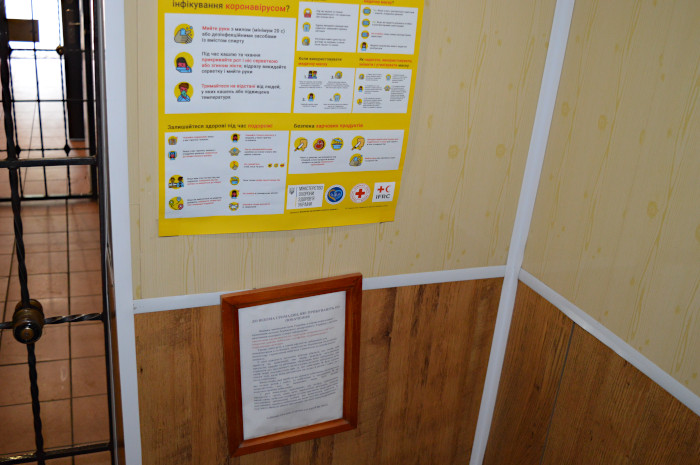
At the entrance to the facility, the monitors underwent a temperature screening and were offered masks and gloves. According to the colony’s representatives, personal protective equipment was purchased at the administration’s own expense.
II. Visitation Rooms
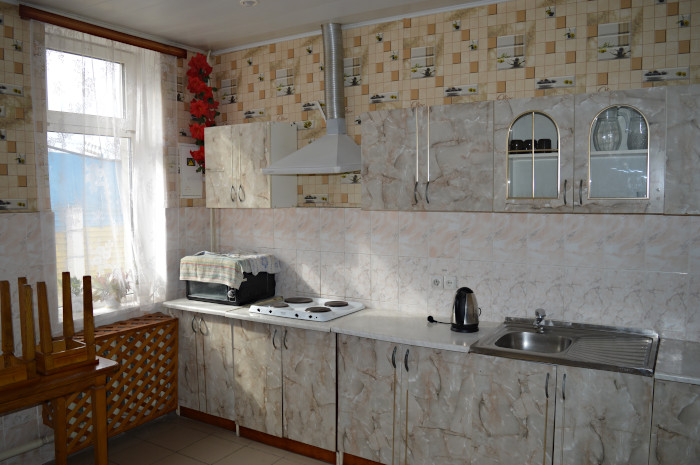
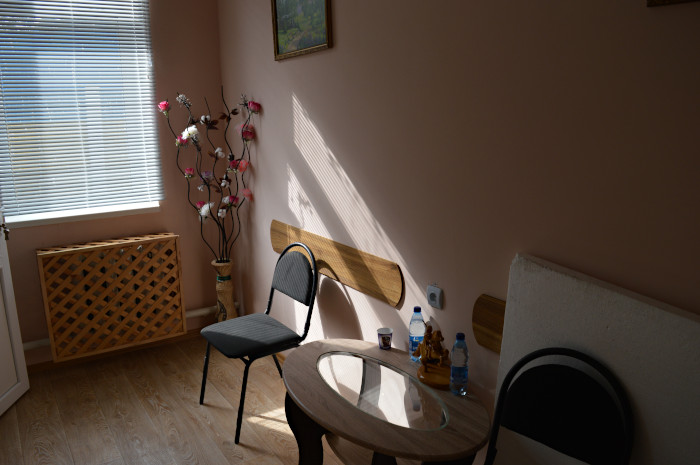
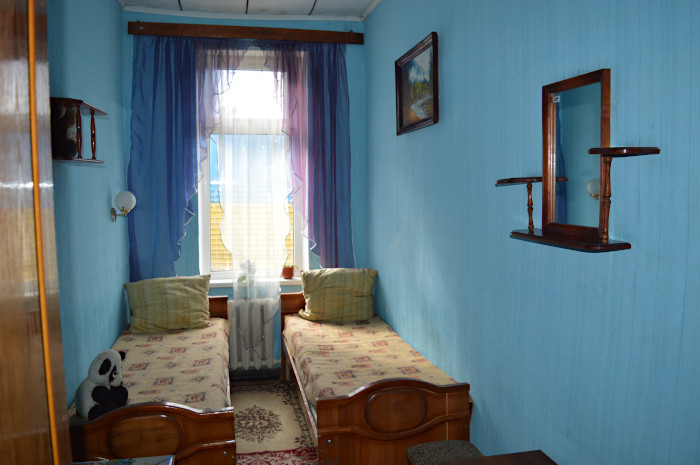
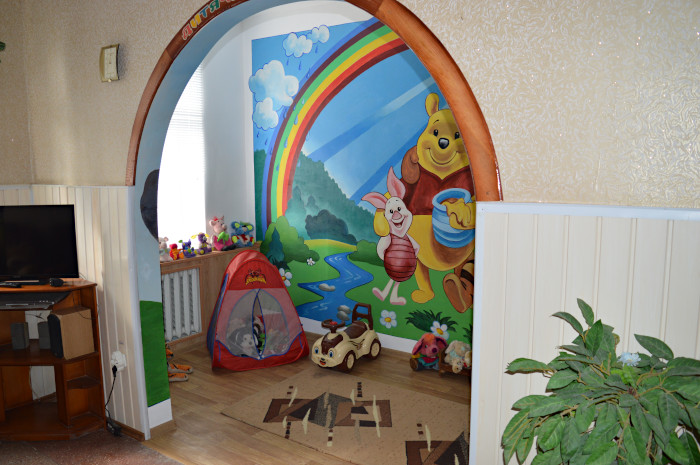
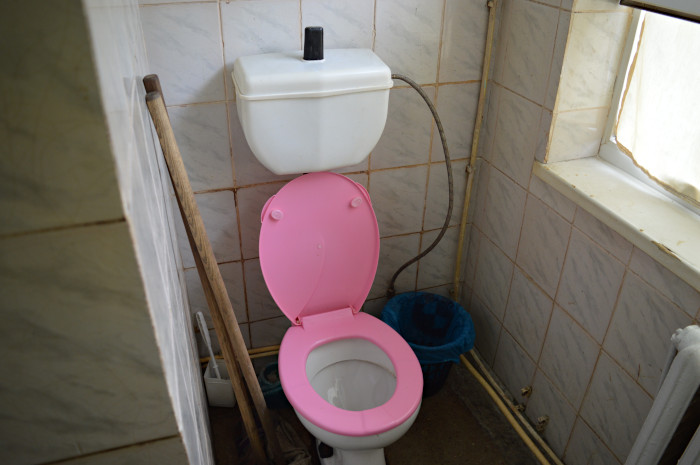
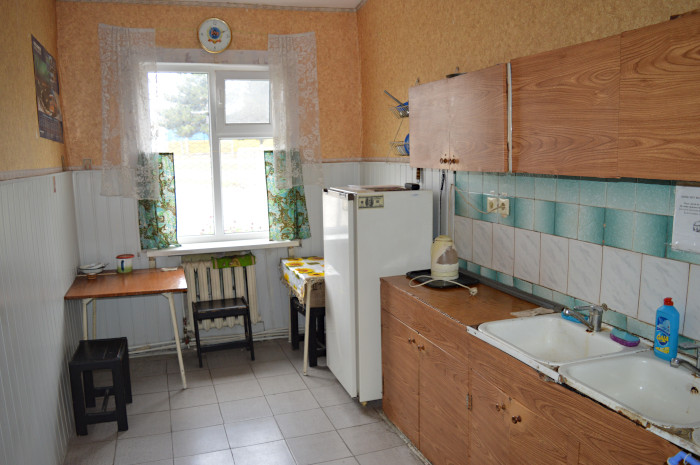
After passing the checkpoint, the monitors visited the short-term and long-term visitation rooms. The rooms have a shared kitchen and a shared sanitary unit, which have been recently renovated and appear tidy. The kitchen contains all necessary utensils, electric stoves, and microwaves. There is also a separate area for children.
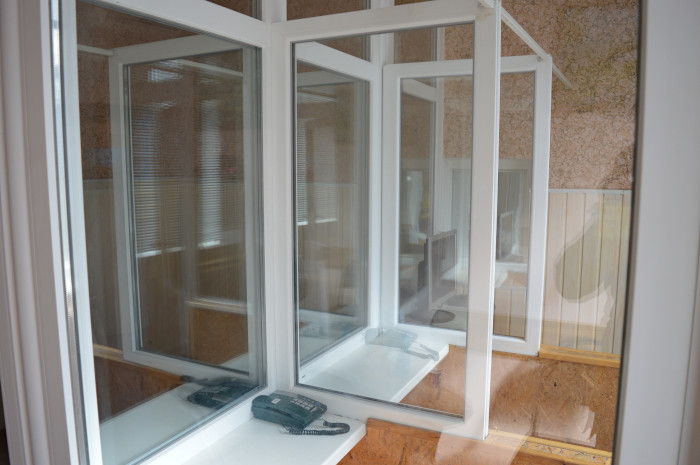
Unfortunately, neither the short-term nor the long-term visitation rooms have been functioning since March 2020 due to quarantine restrictions imposed by the Ministry of Justice. Convicts are able to communicate with visitors through double glazing via telephone.
III. Disciplinary Isolation Unit (DIZ)
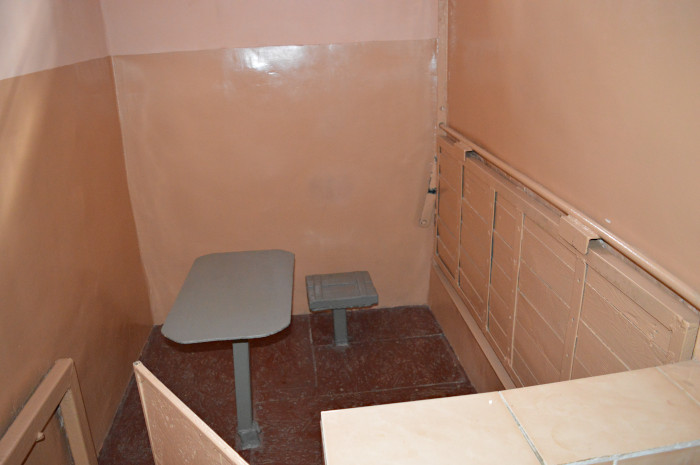
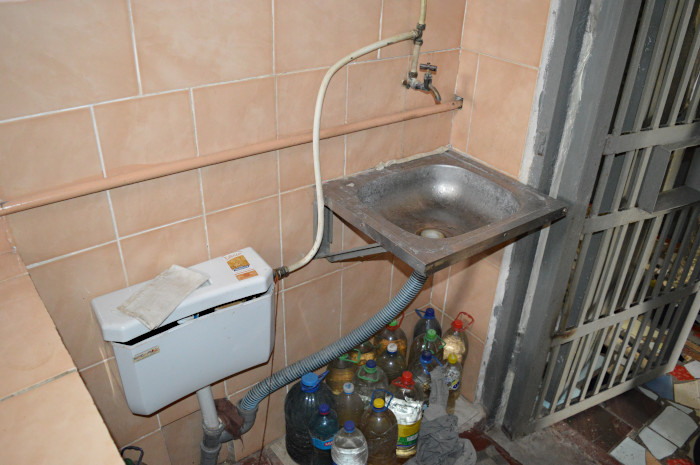
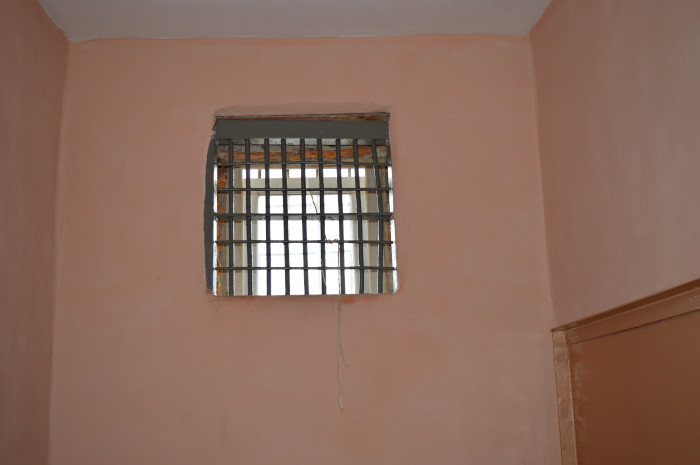
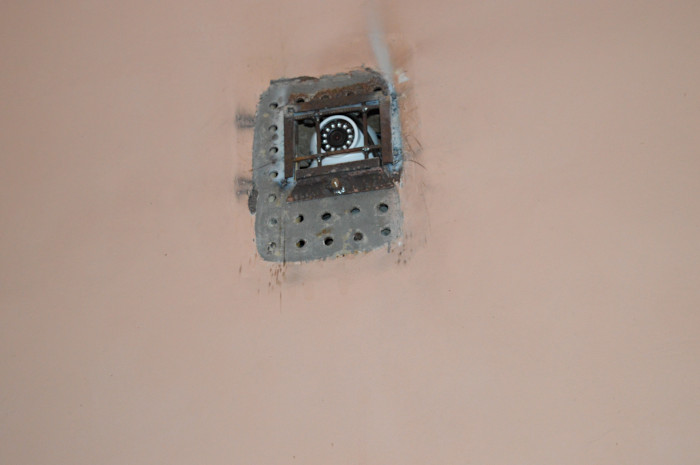
The disciplinary isolation unit is located separately in a single-storey building. At the time of the visit, several people were being held in the DIZ. According to administration representatives, this type of punishment is used extremely rarely. The cells have been recently renovated – cosmetic repairs have been completed. They also contain a washbasin and a toilet, which is separated by a small wall. According to the colony’s representatives, drinking water is provided upon the request of the individual serving the disciplinary sanction. The window opens, but it requires extra effort to reach it, namely climbing onto a small table. Additionally, video surveillance is installed in the cell, which, as the colony’s representatives note, does not violate privacy.
IV. Medical Unit
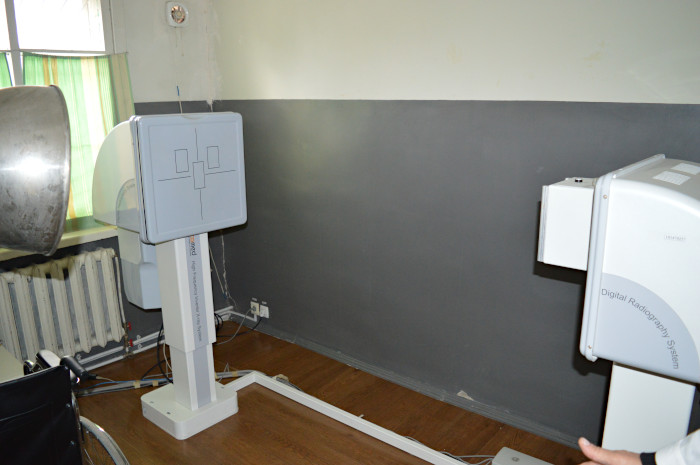
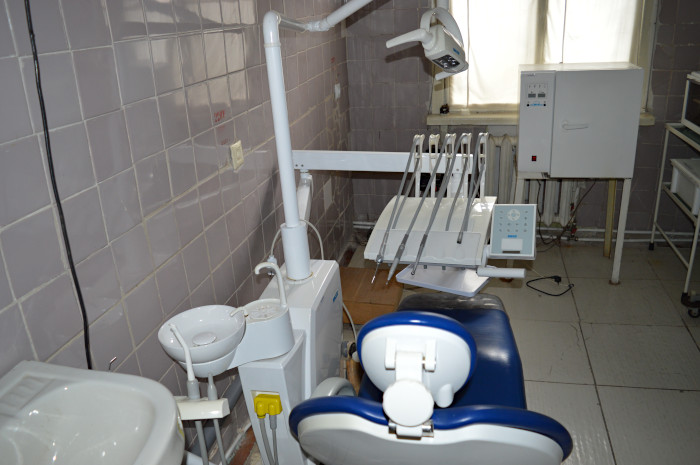
The medical unit is located in a single-storey building, divided into two parts: the reception area and the inpatient ward. The wards are bright and clean. They are designed for 2–5 people. Renovations were completed in the early 2000s. The beds are made of iron, and there is a wardrobe for storing patients’ personal belongings, as well as bedside tables for each bed. The shower room is combined with the toilet. The kitchen is bright and has the necessary utensils. The medical unit has a modern X-ray machine; since mid-2019, 670 images have been taken. There is also a dental office.
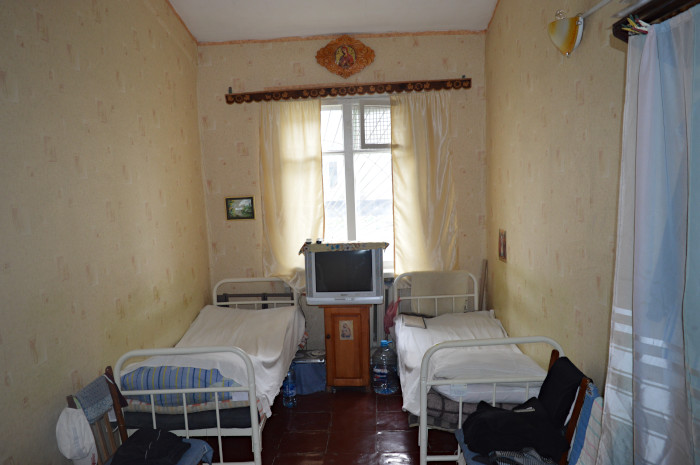
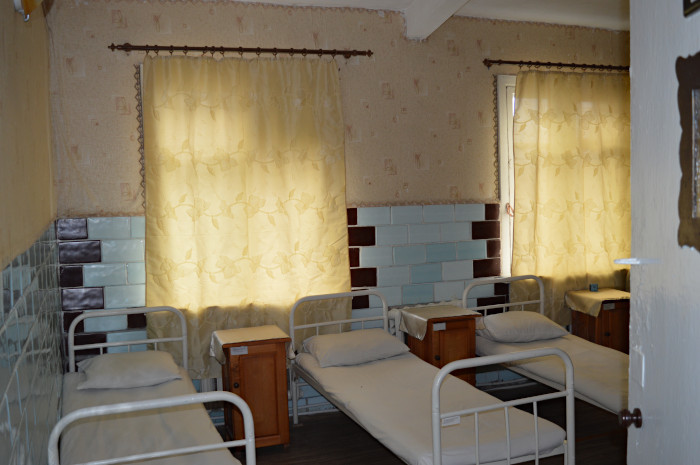
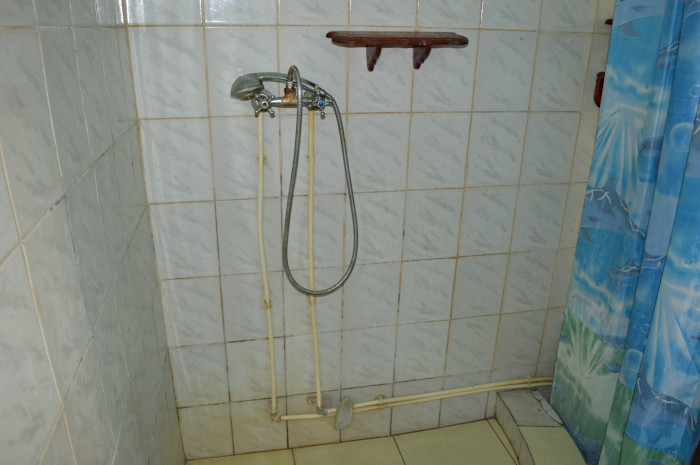
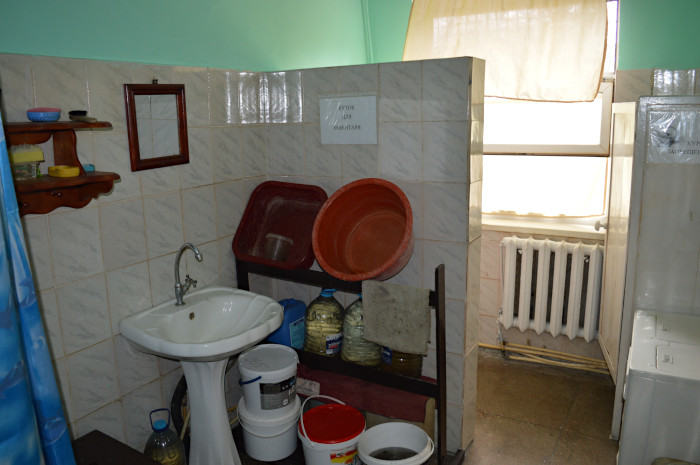
The monitoring group spoke with the head of the medical unit, who assured them that medical care is provided to the convicts in sufficient volume and that there is an adequate supply of medicines and doctors. However, later the convicts informed the monitors that the situation is actually somewhat worse. In particular, convicts do not receive medical assistance in a timely manner; the medical unit has only the most basic medicines, and all others must be purchased by the convicts’ relatives.
A convict suffering from a post-stroke condition approached the monitors. His blood pressure periodically rises above 180/100 mmHg, but the medical unit does not provide him with assistance; instead, they turn him away using profanities.
Seeking to resolve the situation, the People’s Deputy assistant and the journalists proceeded to the medical unit together with the sick convict. There, the convict’s blood pressure was measured, and it was found to be 220/110 mmHg. Since the figures were dangerously high, the monitors requested that medical assistance be provided to the convict immediately. In response, the head of the medical unit began shouting at the patient, insulting him and showing disrespect. He also claimed that the convict does not take the necessary medication himself and then complains about feeling unwell. But when the monitors looked at the list of prescribed medications, they discovered that it included ‘Ibuprofen’, which raises blood pressure. Of course, the monitors cannot assess the quality of the medical care provided, but they consider the insulting tone of the conversation with the sick convict unacceptable. Moreover, it is a well-known fact that hypertensive patients, especially in an acute state, should not be agitated, and the words of the head of the medical unit clearly caused stress to the patient.
V. Living Quarters
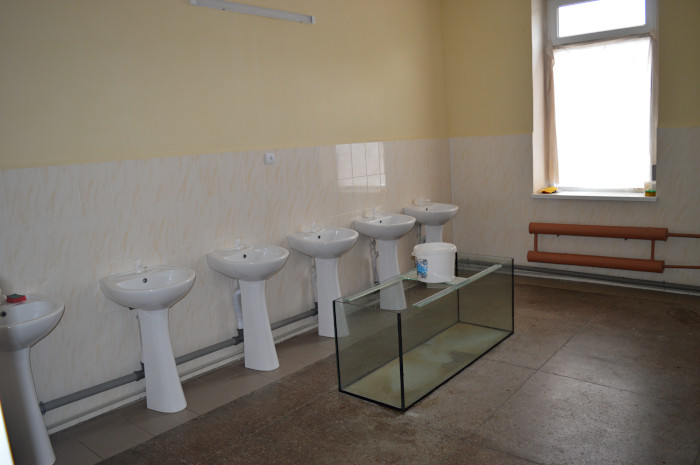
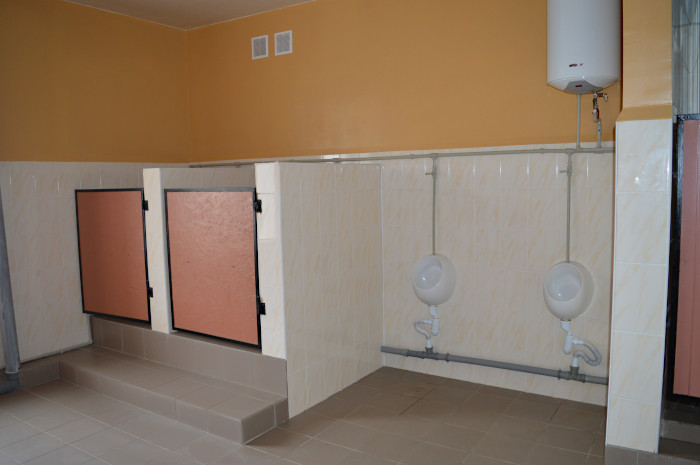
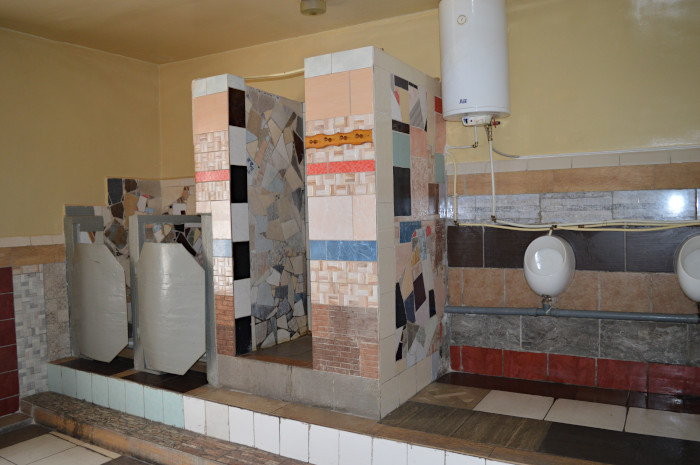
Next, the monitors visited resocialisation unit No. 1, where capital repairs were being completed. New washbasins, toilets, and a boiler for constant hot water supply were installed. Furthermore, old wooden windows were replaced with metal-plastic ones. With continuous funding, the colony’s representatives plan to carry out similar repairs in all living quarters. All living quarters are of the barracks type.
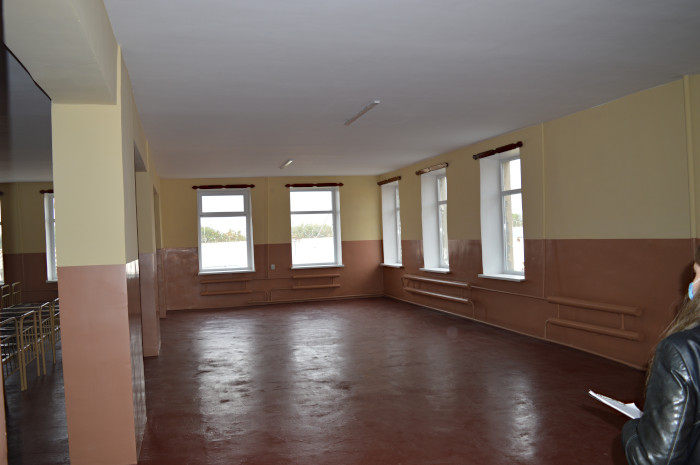
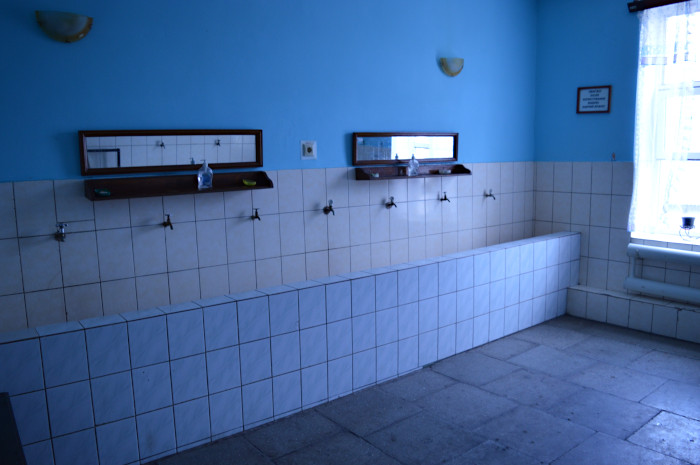
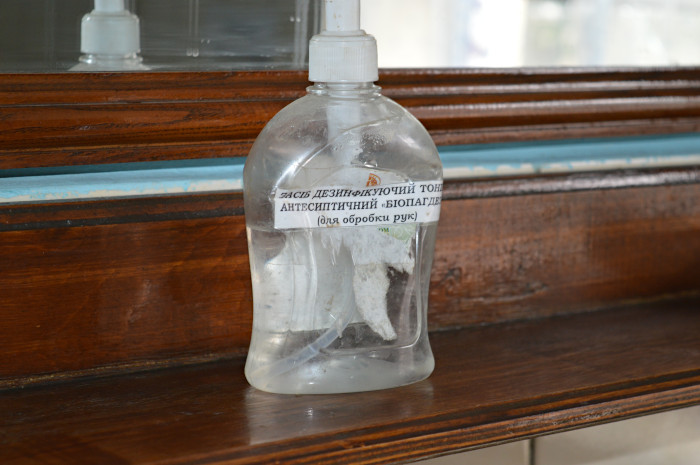
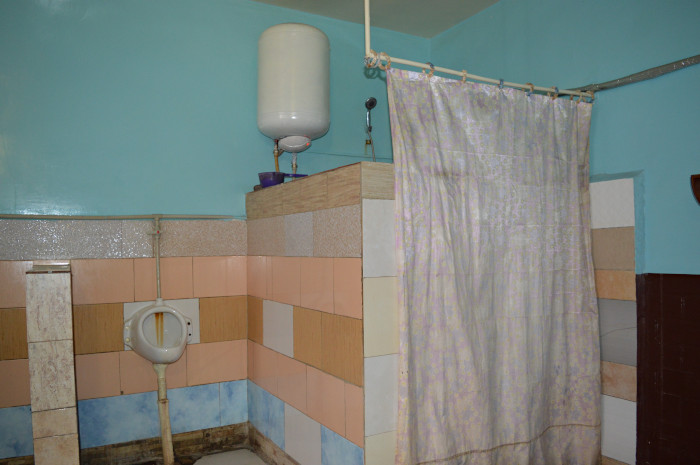
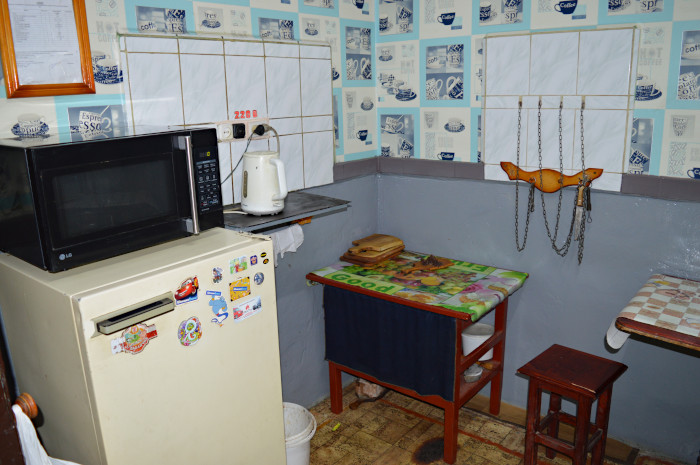
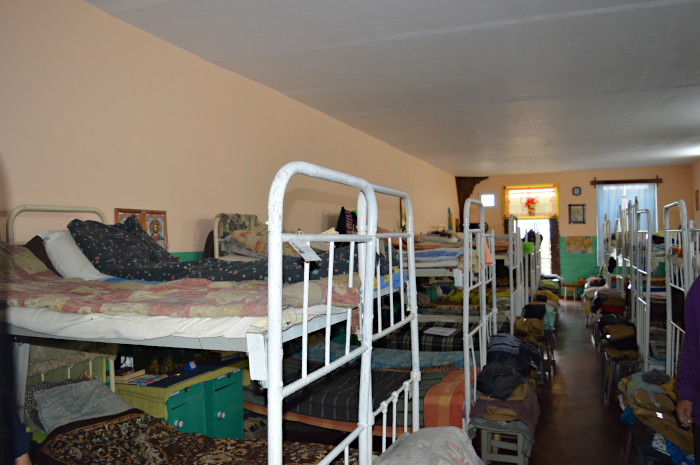
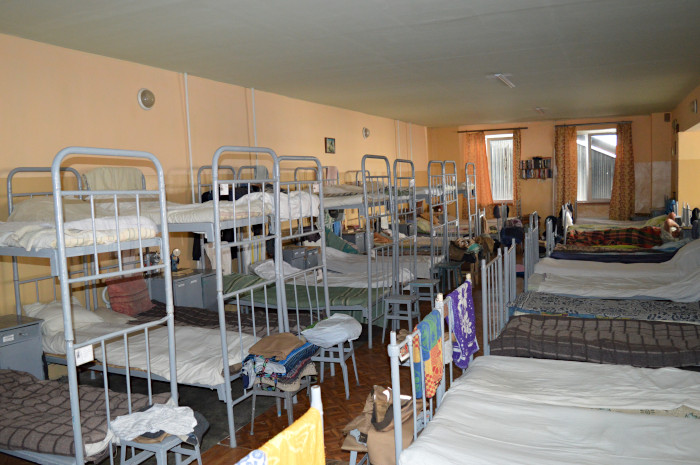
Cosmetic repairs have been carried out in other living quarters. In the toilet, there is a hand-washing system with hand disinfectants. The toilet is also equipped with a boiler and a shower cubicle, which allows those serving their sentences to wash more often than once a week – according to the bath schedule. The dining room has boiled drinking water and the necessary kitchen utensils. As for the sleeping area, the monitors noticed double-decker iron beds, which, according to the colony’s representatives, are a temporary necessity due to the renovations in the living unit. The monitors noted that there were approximately 50 people in the sleeping area. Moreover, some beds are located close to each other, which violates the social distancing of quarantine measures, as well as privacy.


VI. Production
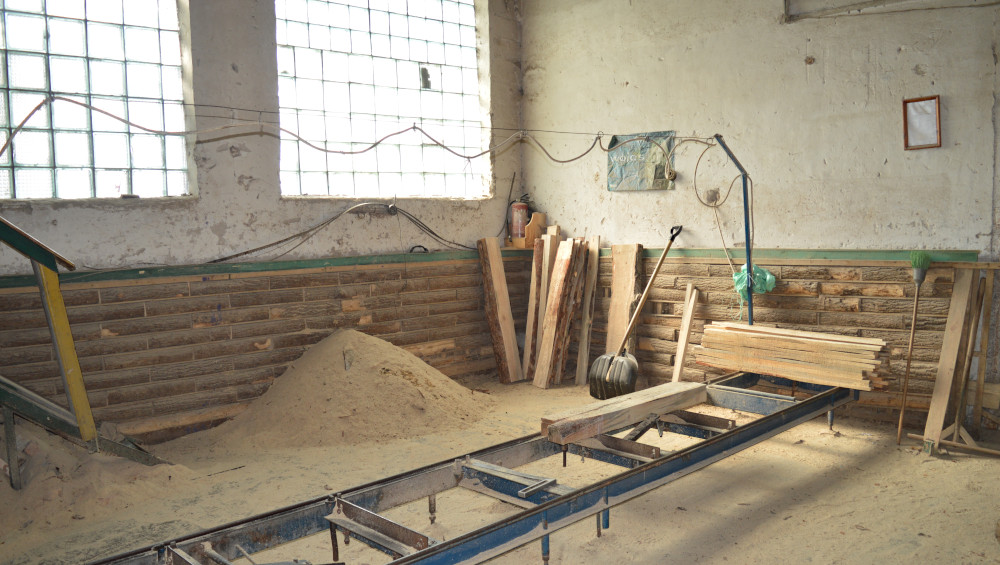
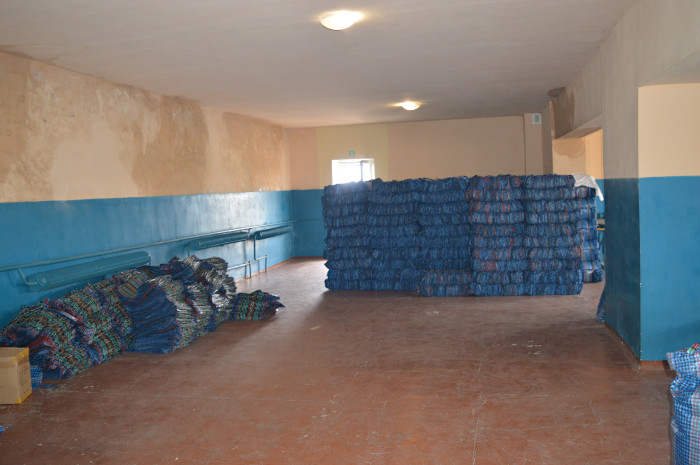
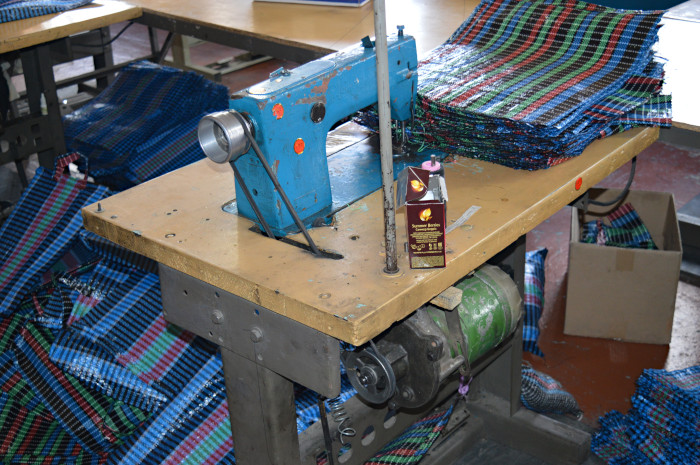
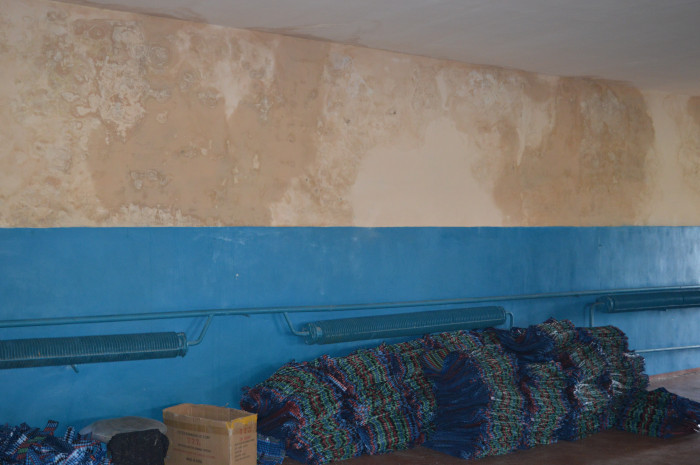
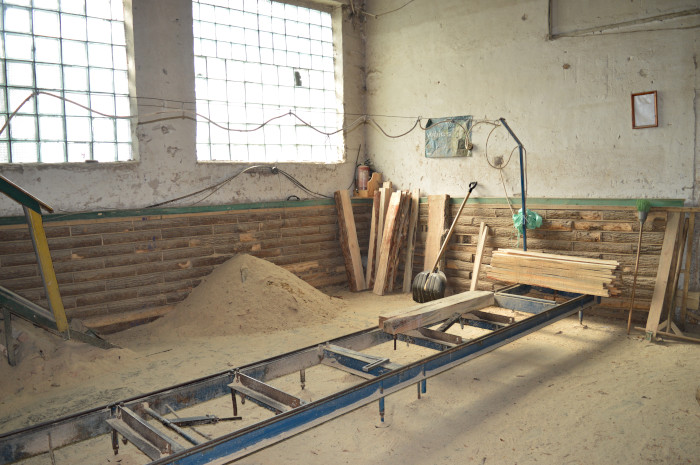
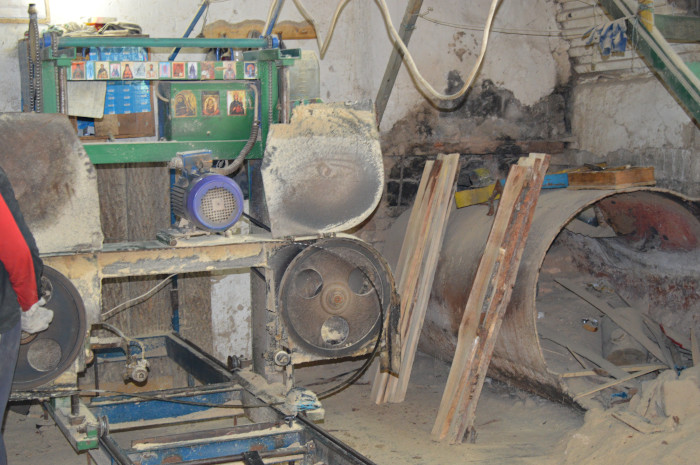
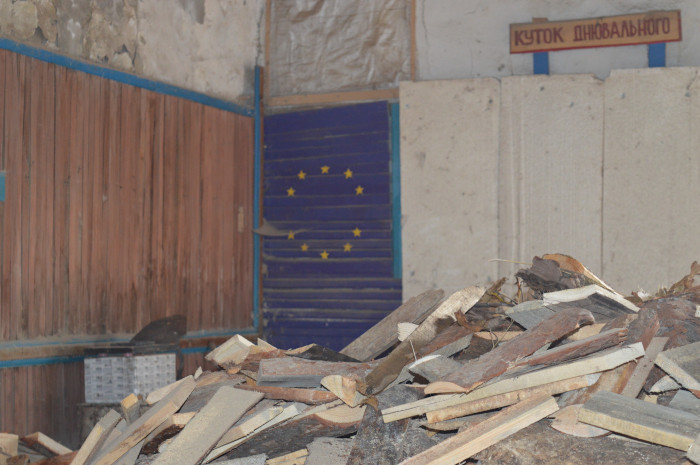
Production in the colony is represented by woodworking and a workshop. The workshop is located on the third floor of one of the living quarters. More than 10 people were working in the workshop, cutting and sewing plastic bags. The monitors noted that the workshop is inconveniently located, and while the individuals serving their sentences were working, there was an unpleasant smell of burning plastic from the cutting of the polythene. All workers were without respirators. The premises had been cosmetically renovated, but in some places, there is mould on the walls. As for the woodworking shop, officially only 12 people work there. According to the administration’s representatives, there are currently very few orders, if any, so few people are engaged in work.
VII. Bathing and Laundry Facility
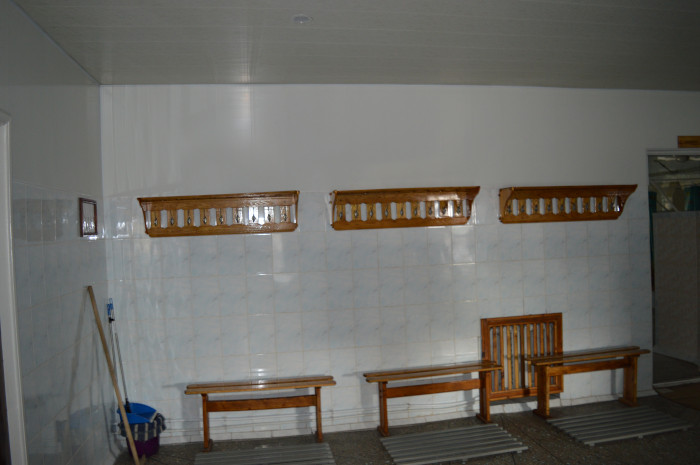
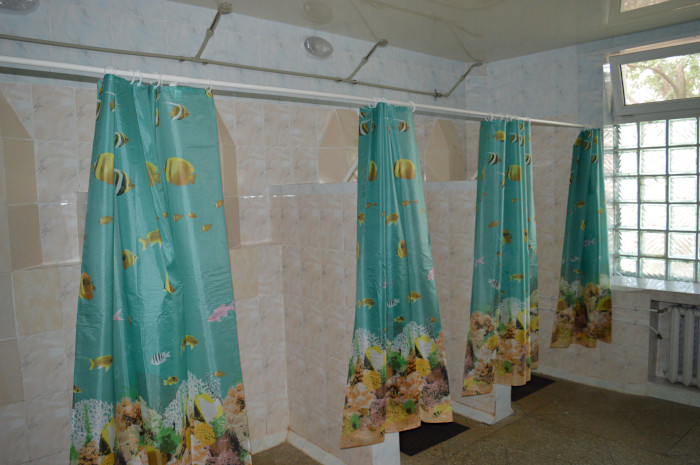
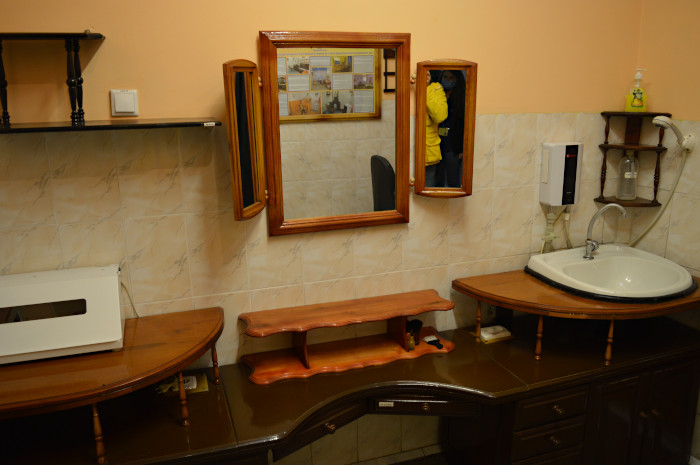
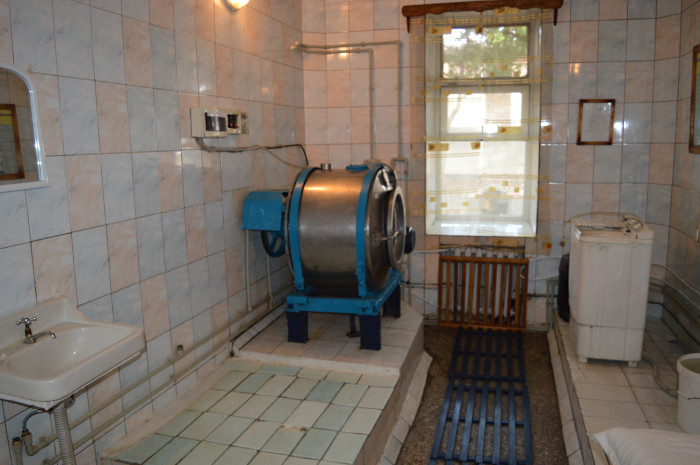
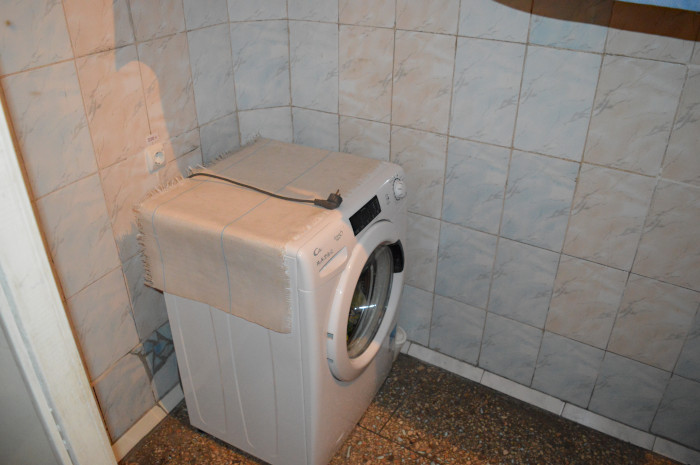
The bathhouse was renovated in 2014, but it is still in a tidy and usable condition. The shower cubicles are equipped with curtains and rubber mats. Water is heated by a wood-burning stove. In the changing room, there is a space for a general practitioner to examine bodily injuries. Individuals serving their sentences are able to wash once a week. This year, new washing machines were purchased, which are efficient and economical.
In the bathing and laundry facility, there is a barbershop where individuals serving their sentences can get a haircut for free.
VIII. Canteen
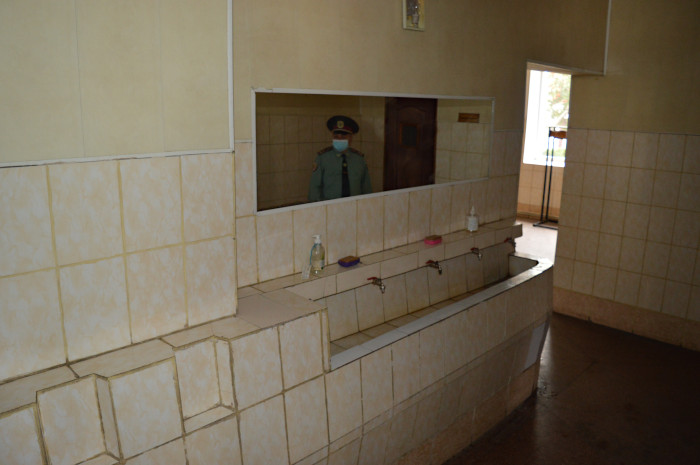
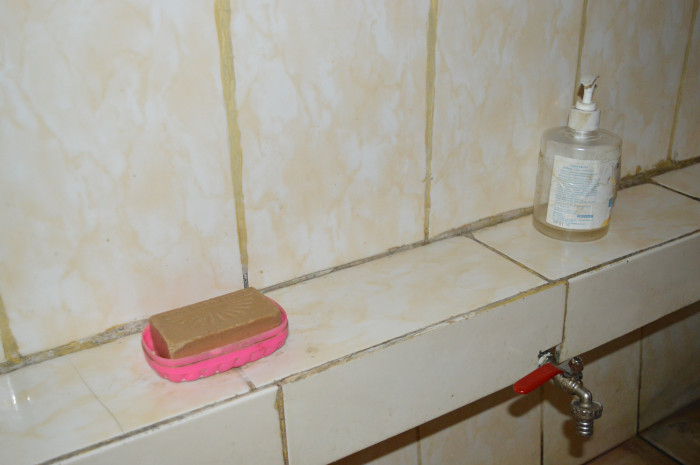
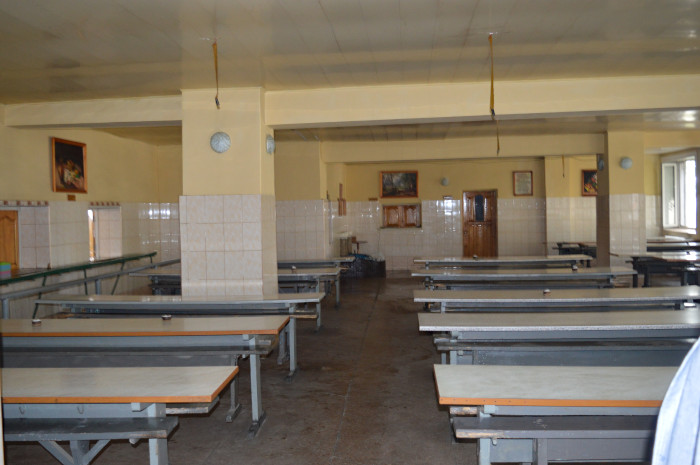
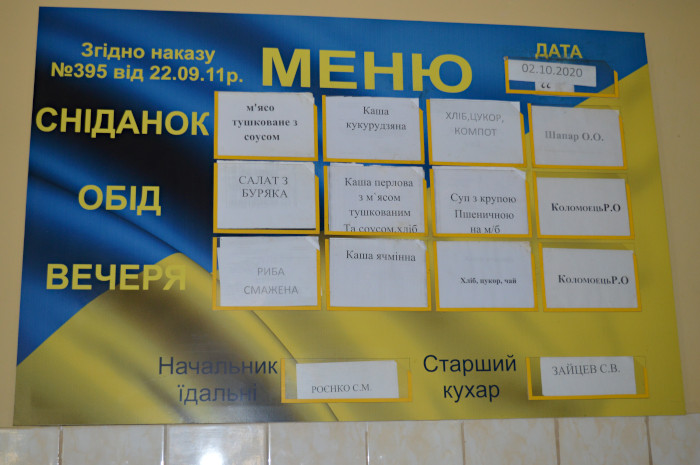
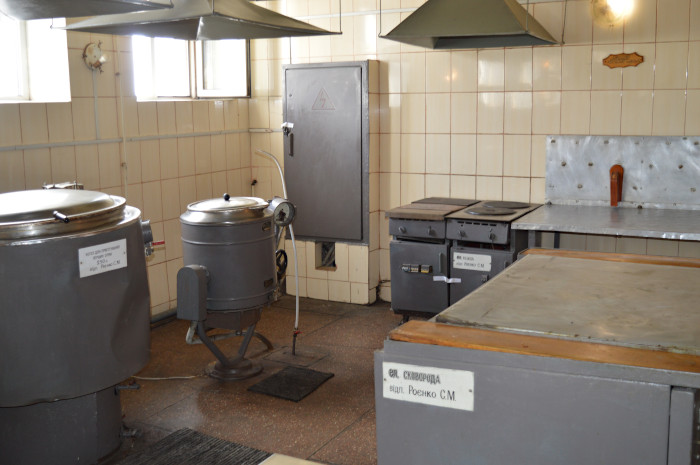
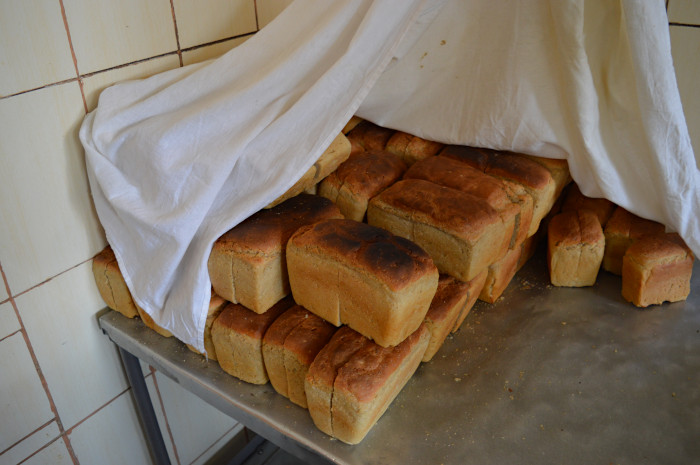
Next, the monitors visited the canteen. The canteen hall is spacious and bright, and the tables are designed for six people. The hand-washing system is in working order; there is soap and hand sanitiser. In the canteen hall, there is a menu of dishes for the day. All premises have been renovated. The canteen smells pleasant – like delicious food. In addition, the monitors were offered to taste bread produced on-site.
EU project ‘Resisting torture, cruel treatment and impunity in Ukraine’