Monitoring visit to the State Institution “Vinnytsia Institution for the Execution of Sentences No. 1”
I. General information
On 6 November 2020, a KHPG monitoring group consisting of an assistant to a People’s Deputy of Ukraine, Maksym Revyakin, and two journalists—Ihor Sosonskyi and Pavlo Shvab—visited the State Institution “Vinnytsia Institution for the Execution of Sentences No. 1”. The purpose of the visit was to monitor the conditions of detention for persons serving life imprisonment.
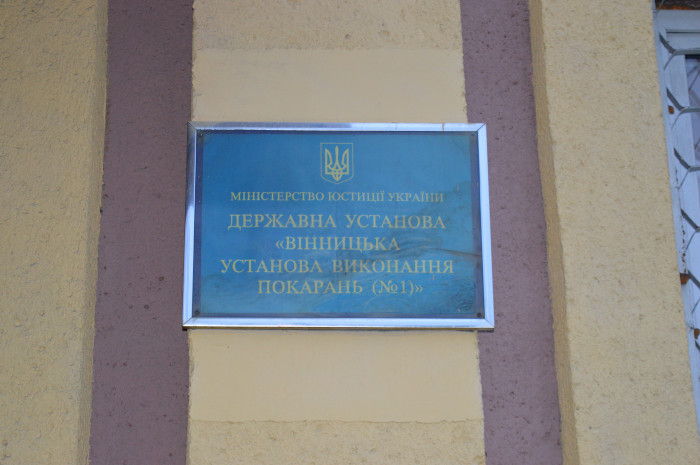
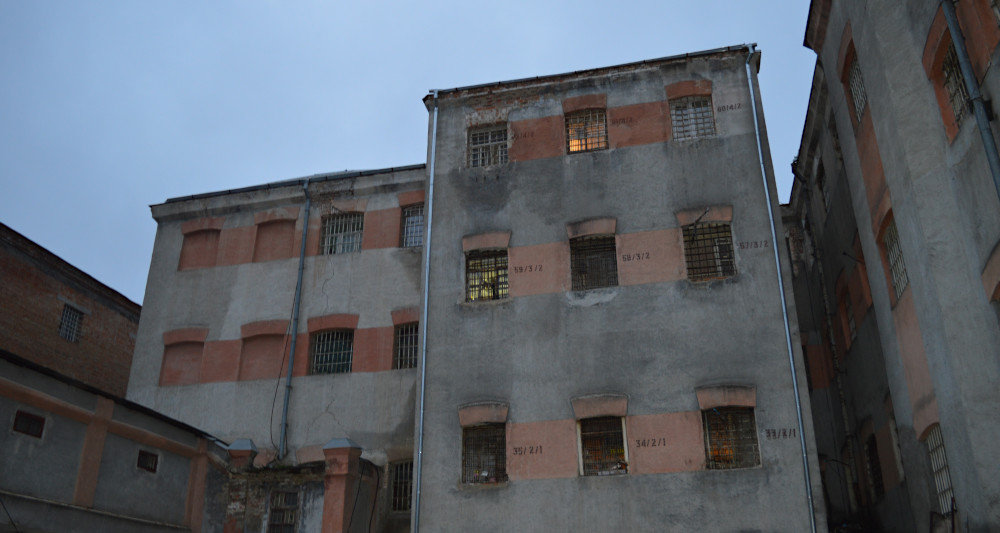
This institution is located in the city of Vinnytsia, not far from the Central-Western Interregional Department of the State Criminal-Executive Service of Ukraine. At the time of the visit, 1,059 people were in the institution, of whom 691 were in the pre-trial detention centre (SIZO), 336 were sentenced to life imprisonment, and 31 were in the maintenance unit. The administrative staff consists of 272 employees.
Upon arrival at the institution, the monitors underwent temperature screening and were offered hand sanitizer. Disinfection barriers were present at the checkpoint.
II. Maintenance block
First, the monitors visited the Social and Psychological Service (SPS) unit for inmates serving fixed-term sentences for the first time. These inmates perform maintenance duties. At the time of the visit, 31 people were serving their sentences in the block. An administration representative noted that inmates arrive at the block at their own request, and those who will work in the block are selected in advance from among the prisoners in the SIZO section of this institution.
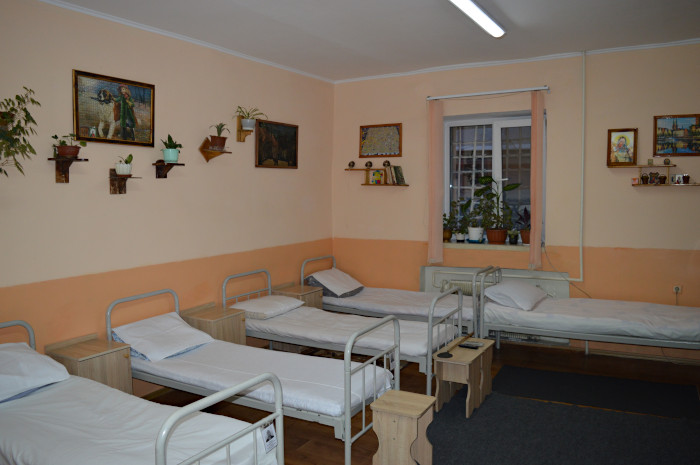
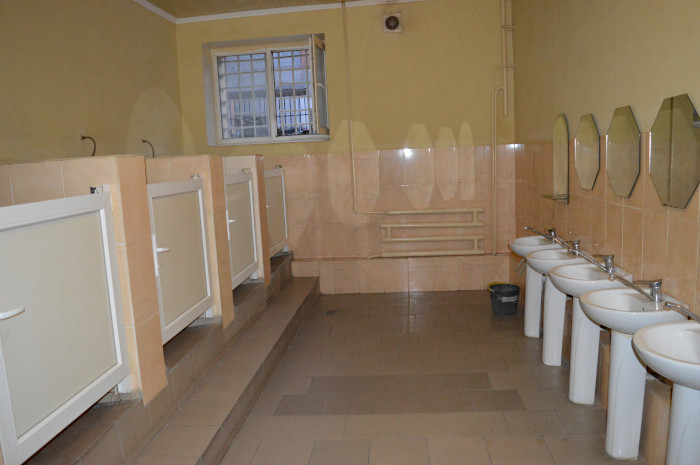
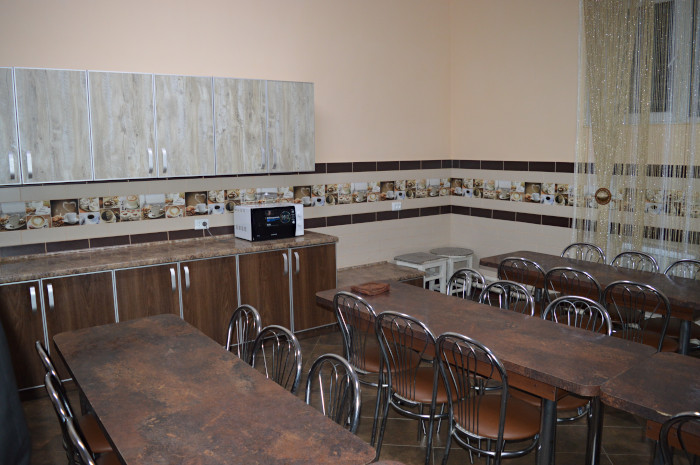
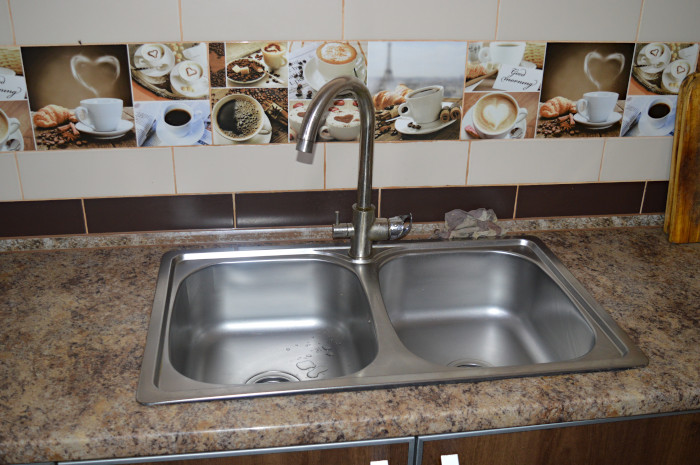
The living rooms in the block have recently been renovated; they are clean and tidy. The monitors noted positively that the beds are placed quite far apart, which is more than double the residential space standard per inmate. The recreation room is furnished, there is a television for leisure, and the room is tidy and well-lit. The sanitary facilities have been renovated and have washbasins. The toilets are equipped with partitions and doors. At the time of the visit, heating was on. Metal-plastic windows are installed in the rooms. The dining room is equipped with modern kitchen furniture and appliances. Water supply is centralised, and the washbasins are equipped with separate water purification filters.
III. Kitchen
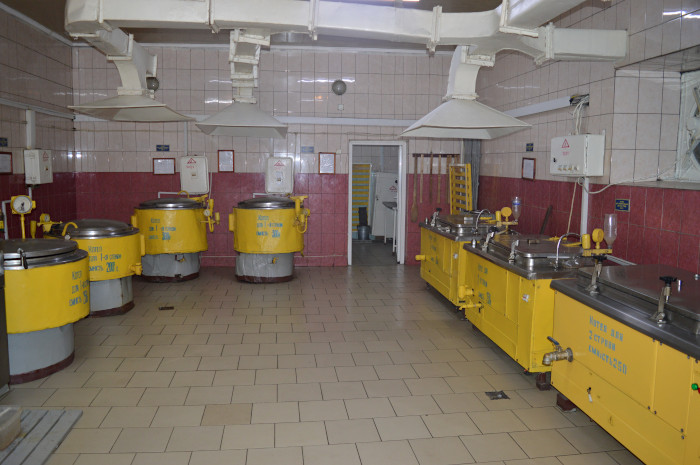
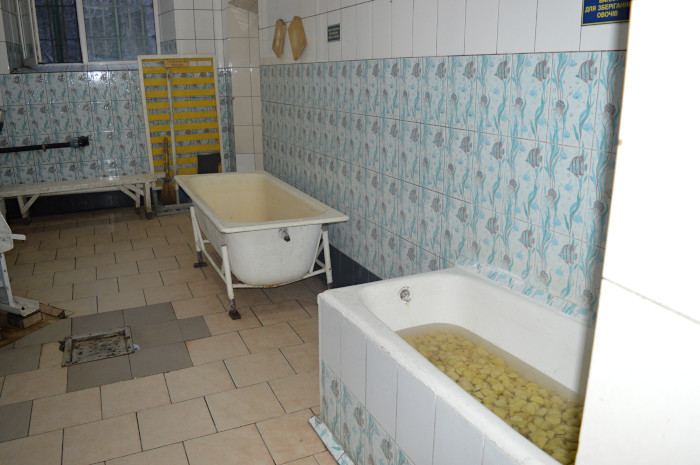
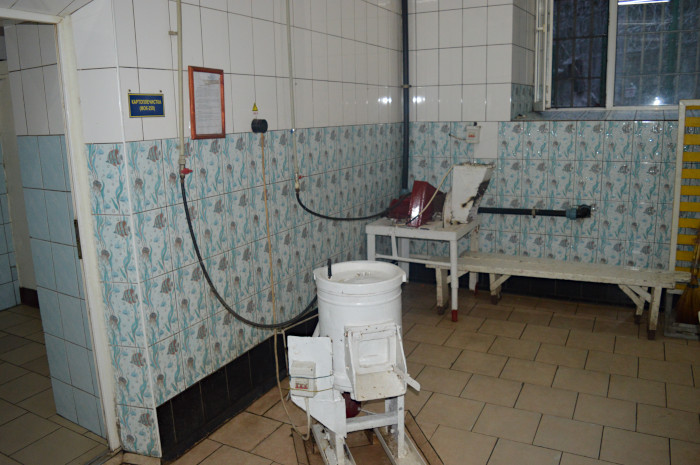
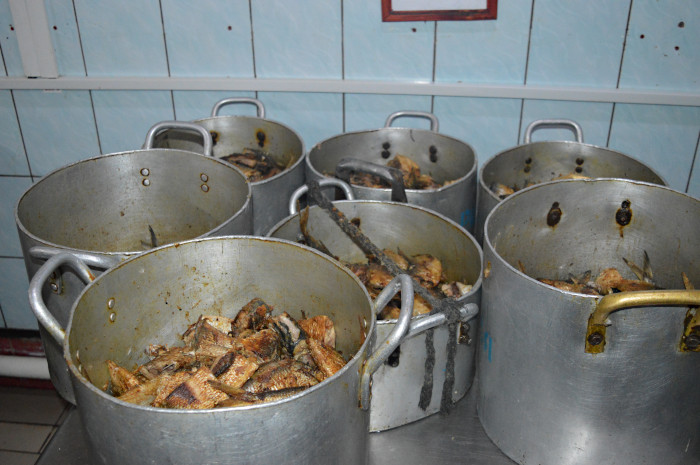
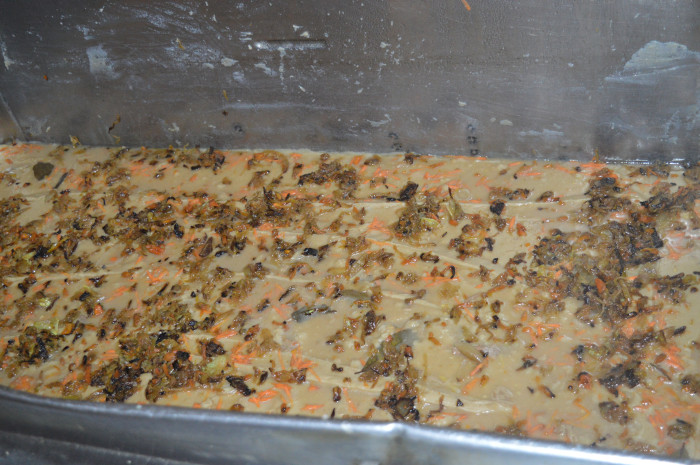
At the time of the monitors’ visit, dinner was being prepared in the kitchen, and there was a smell of food. There are renovated workshops for meat and fish processing, and the vegetable preparation areas are divided into dirty and clean vegetable sections. The cooking area is quite clean and spacious and is equipped with functional boilers for preparing food. The monitors noticed fried fish and mashed potatoes prepared in pots.
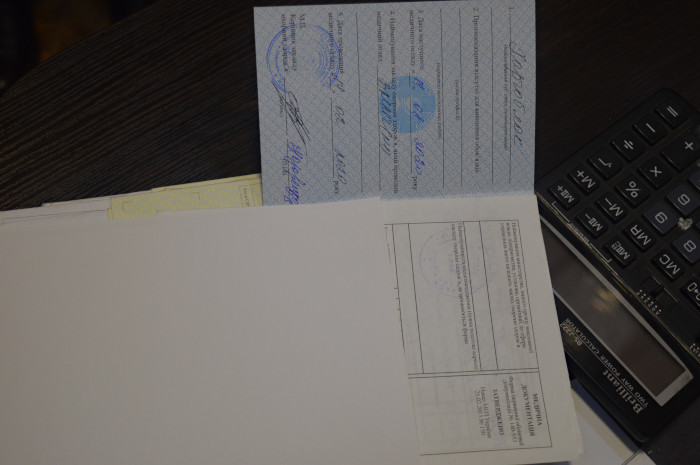
The monitors were provided with the staff’s medical books, but their validity had expired. However, the head of the kitchen assured us that from Monday, all books would be brought up to date and the kitchen staff would undergo the appropriate medical examination.
IV. Sector for persons sentenced to life imprisonment
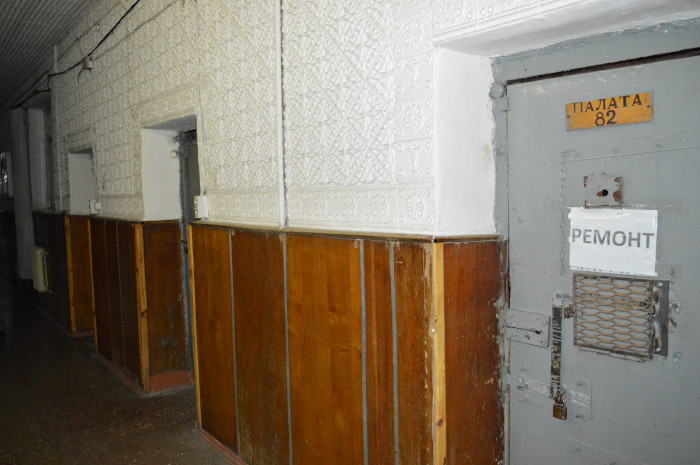
In the sector, inmates are kept in cells of 2 to 4 people. There is also a multi-occupancy cell for inmates who have served 10 years of their sentence and have proven by their behaviour that they can serve their sentence in a multi-occupancy cell. Some cells contain occupied bunk beds, which contradicts European prison standards. In the cells visited by the monitors, wooden windows were installed. The cells are centrally heated, as is the entire institution. It was warm in all cells, and in some places, it was hot.
The multi-occupancy cell has undergone a modern renovation; the dining area is neat, and there is modern kitchen furniture and household appliances. There are two shower cubicles, which are separated by partitions and curtains.
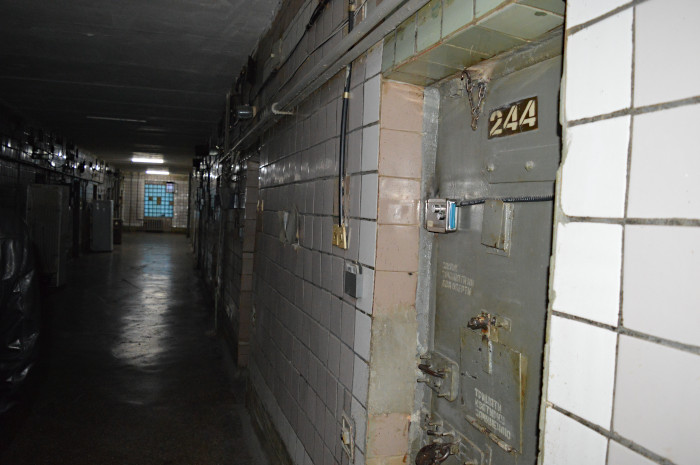
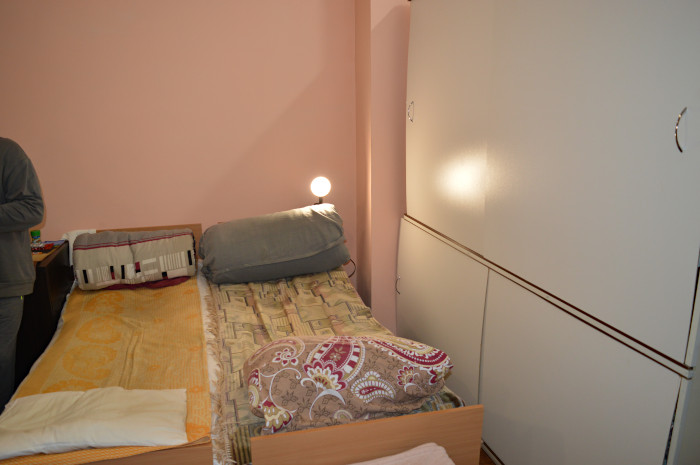
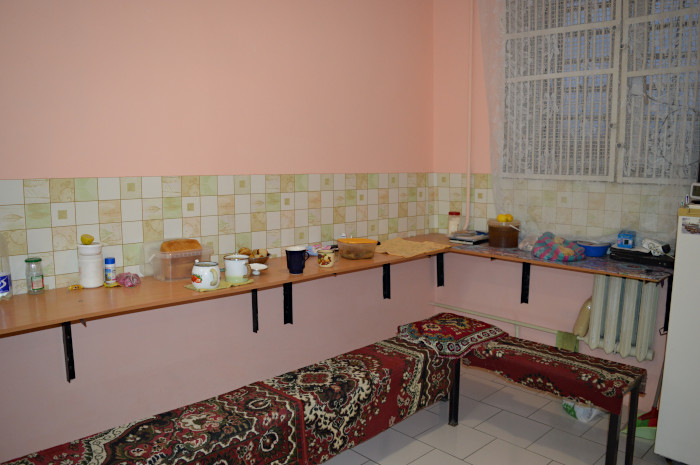
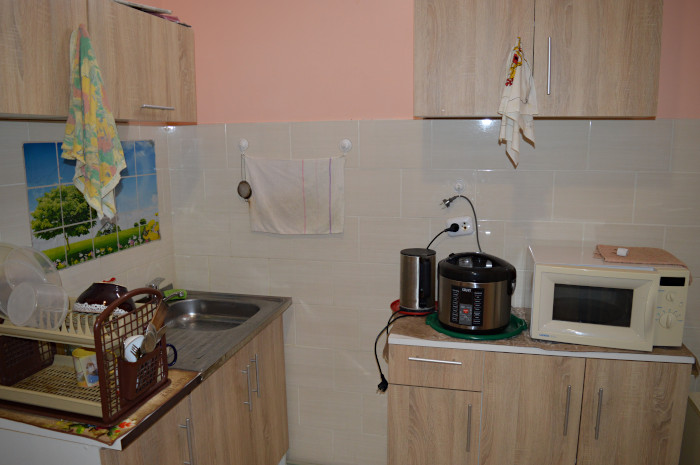
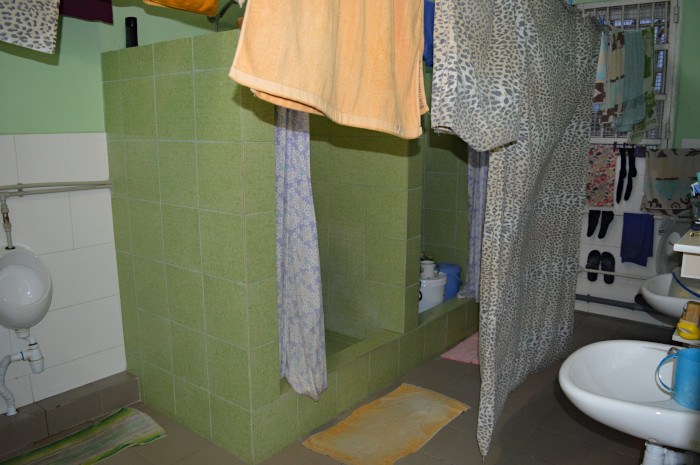
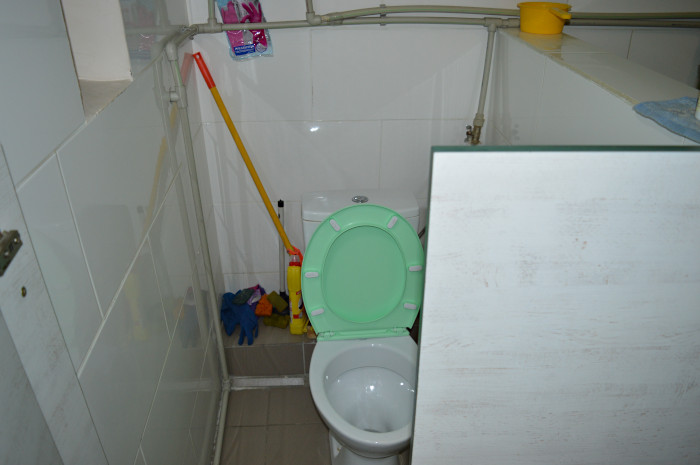
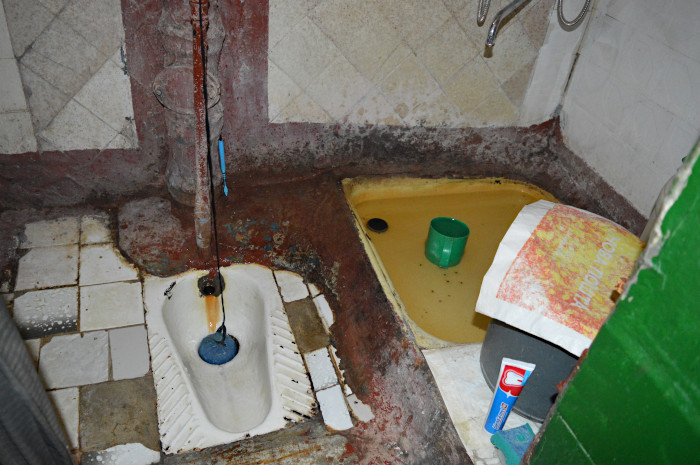
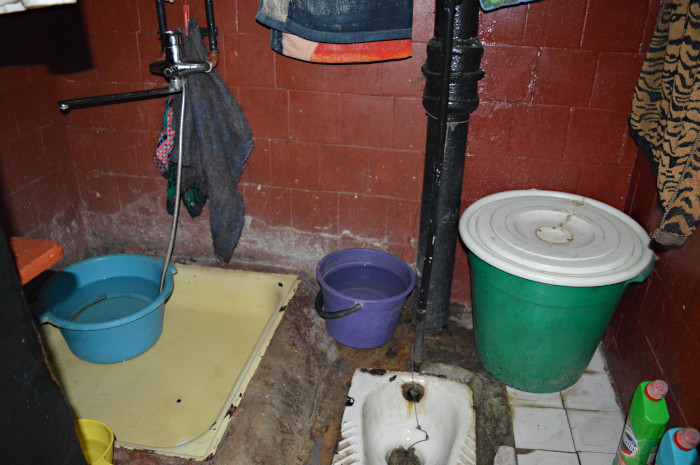
Other cells look somewhat worse. They have received routine cosmetic repairs, and some cells contain occupied bunk beds, which contradicts European prison standards. In every cell visited by the monitors, there are “Genoa-style” toilets, which had been plugged with homemade stoppers to eliminate an unpleasant, specific odour. Also, there is a “shower corner,” which is combined with the toilet and not partitioned off by anything. The monitors noted that this was the first time they had encountered such a combination of a toilet and a shower.
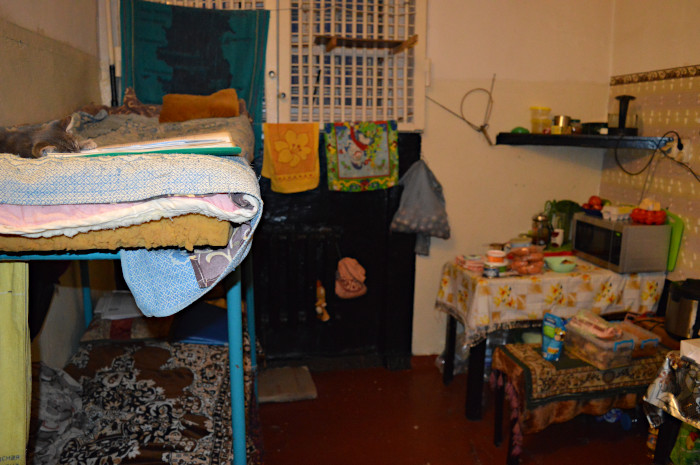
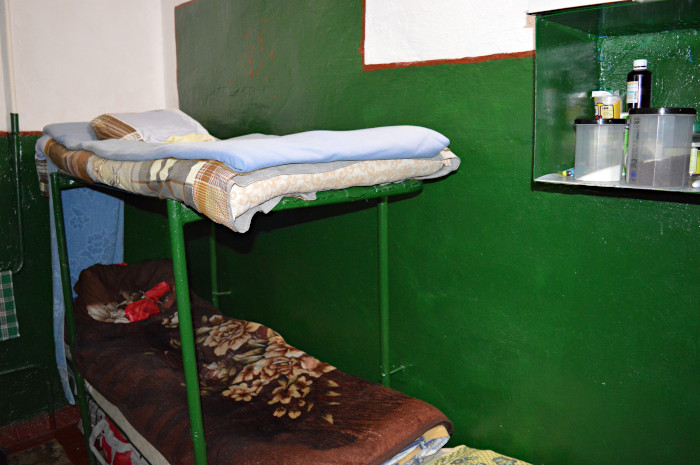
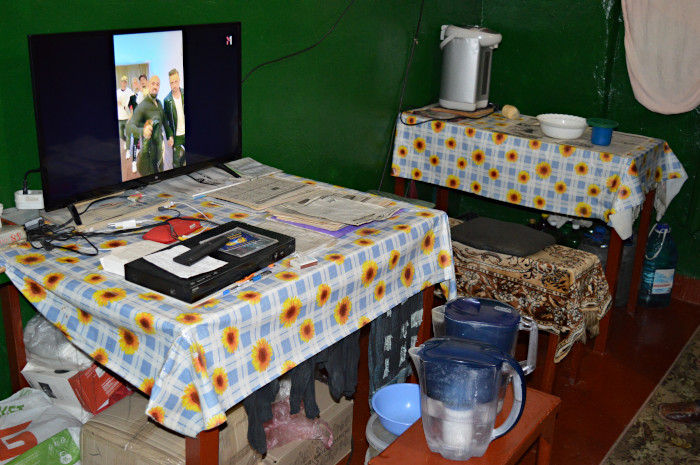
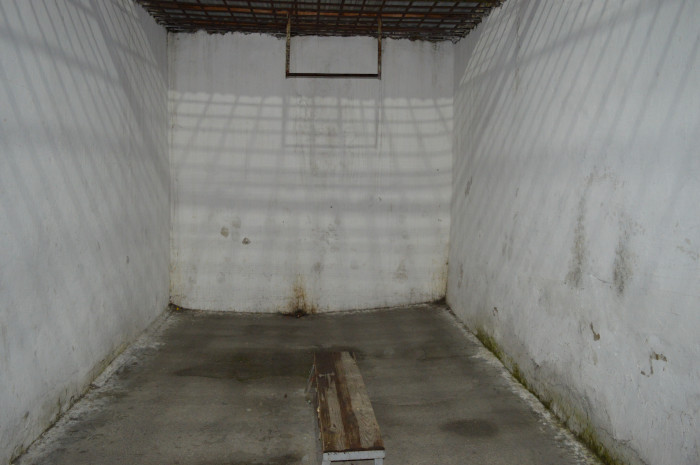
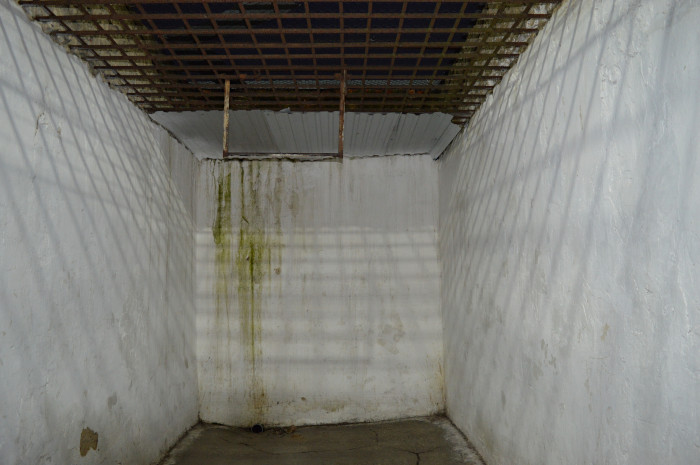
Exercise yards are located on the roof. They are almost completely covered, so sunlight does not reach them in sufficient quantities. The yards have not been renovated; they are equipped with horizontal bars and partially rotted benches for sitting, and parallel bars are missing, which contradicts the recommendations of the European Committee for the Prevention of Torture.
V. Medical unit
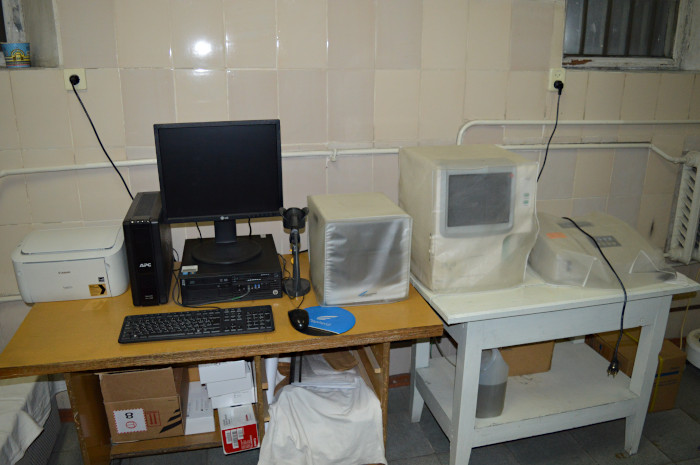
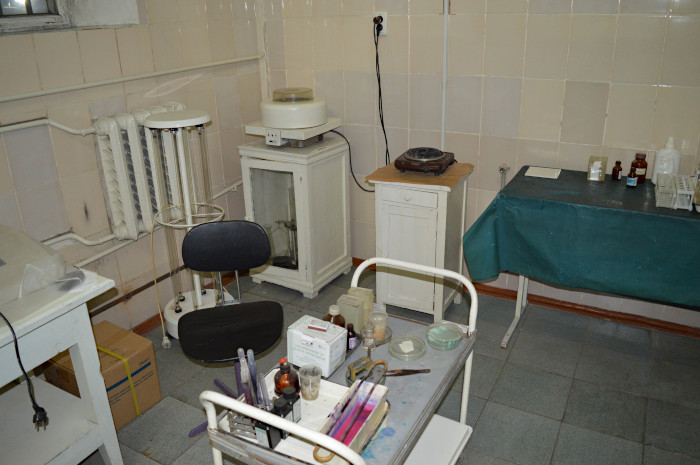
At the time of the visit, the medical unit had a certain staff shortage, specifically missing an infectious disease specialist, a dentist, and a nurse. The unit is well-equipped; there is a modern X-ray machine and a modern dental office. The laboratory has an apparatus for detecting HIV and hepatitis viruses. Also, there is equipment for testing the viral load of patients with HIV/hepatitis. The head of the medical unit noted that there is no shortage of medical supplies and personal protective equipment; everything is supplied centrally in sufficient quantities. During the COVID-19 pandemic, one representative of the institution’s administration contracted the disease, and one is still ill.