Report on the Results of a Monitoring Visit to Strizhavska Correctional Colony No. 81
On 30 August 2024, in accordance with the Optional Protocol to the Convention against Torture and Other Cruel, Inhuman or Degrading Treatment or Punishment, taking into account the provisions of the United Nations Standard Minimum Rules for the Treatment of Prisoners and the decisions of the European Court of Human Rights, on the basis of Article 24 of the Criminal Executive Code of Ukraine — Visiting Penitentiary Institutions, a group of monitors from the Kharkiv Human Rights Protection Group and the NGO ‘Prisoners’ Rights Protection of Ukraine’ carried out another visit to the state institution ‘Strizhavska Correctional Colony No. 81’ (hereinafter referred to as SCC No. 81, the institution, the facility).
The visit was carried out as part of the project ‘Reducing Prisoners’ Suffering in the Context of the War in Ukraine’, funded by the Government of Denmark in partnership with DIGNITY — The Danish Institute Against Torture.
The visit was carried out by the following monitors:
- Didenko Andriy Andriyovych — assistant to a Member of Parliament of Ukraine, Yaroslav Yurchyshyn, with experience in monitoring visits since 2014;
- Zuikov Serhiy Yuriyovych — assistant to a Member of Parliament of Ukraine, Kostiantyn Kasai, member of the Public Council under the Ministry of Justice of Ukraine, with experience in monitoring visits, specialising in issues of proper medical care provision;
- Tsvilyi Oleh Volodymyrovych — member of the Public Council under the Ministry of Justice of Ukraine, with extensive experience in monitoring visits, specialising in issues of torture and cruel, inhuman treatment.
The previous visit was carried out on 27 July 2022.
General Information
Strizhavska Correctional Colony No. 81 is a medium-security correctional facility for holding persons who have previously served sentences in places of deprivation of liberty. An inter-regional multidisciplinary hospital is located on the premises of the institution.
SCC-81 is located at the following address: Vinnytsia Region, Vinnytsia District, urban-type settlement Strizhavka, 62 Alei Street.
The institution consists of a production zone, a canteen, a residential area with social-psychological service units, a quarantine, diagnosis, and distribution (QDD) unit, a medical unit, a bath and laundry complex, a disciplinary cell (DIZO)/chamber-type premises (PKT) unit, a shop, a library, and administrative offices.
According to the administration’s data, the ratio of personnel to convicts is 1 staff member per 3 convicts. Three psychologists work at the institution. The cost of maintaining one prisoner per day is 45.45 Hryvnia.
As part of the study, it was established that during the first half of 2023, 3 appeals were sent by convicts to the Commissioner for Human Rights of the Verkhovna Rada, while in the first half of 2024, not a single appeal to the Ombudsman was recorded. Received: in the first half of 2023 — 1 response; in the first half of 2024 — zero responses. To human rights organisations during the first half of 2023 — 1 appeal; during the first half of 2024 — zero appeals.
During the current year, not a single complaint regarding improper conditions of detention or improper provision of medical care has been received from convicts. The monitoring group conducted a survey of approximately 112 convicts.
Preliminary Remarks
The previous visit to SCC-81 by a group of monitors was carried out on 27 July 2022. As a result of the visit, the following recommendations were sent to the institution’s management and the penitentiary department:
- Stop the practice of using orderlies in the QDD (Quarantine, Diagnosis, and Distribution unit), who reside on the territory of the QDD;
- Provide a doctor’s office in the DIZO/PKT (Disciplinary cell, chamber-type premises);
- Provide a room for a medical assistant in the bathhouse for the examination of convicts;
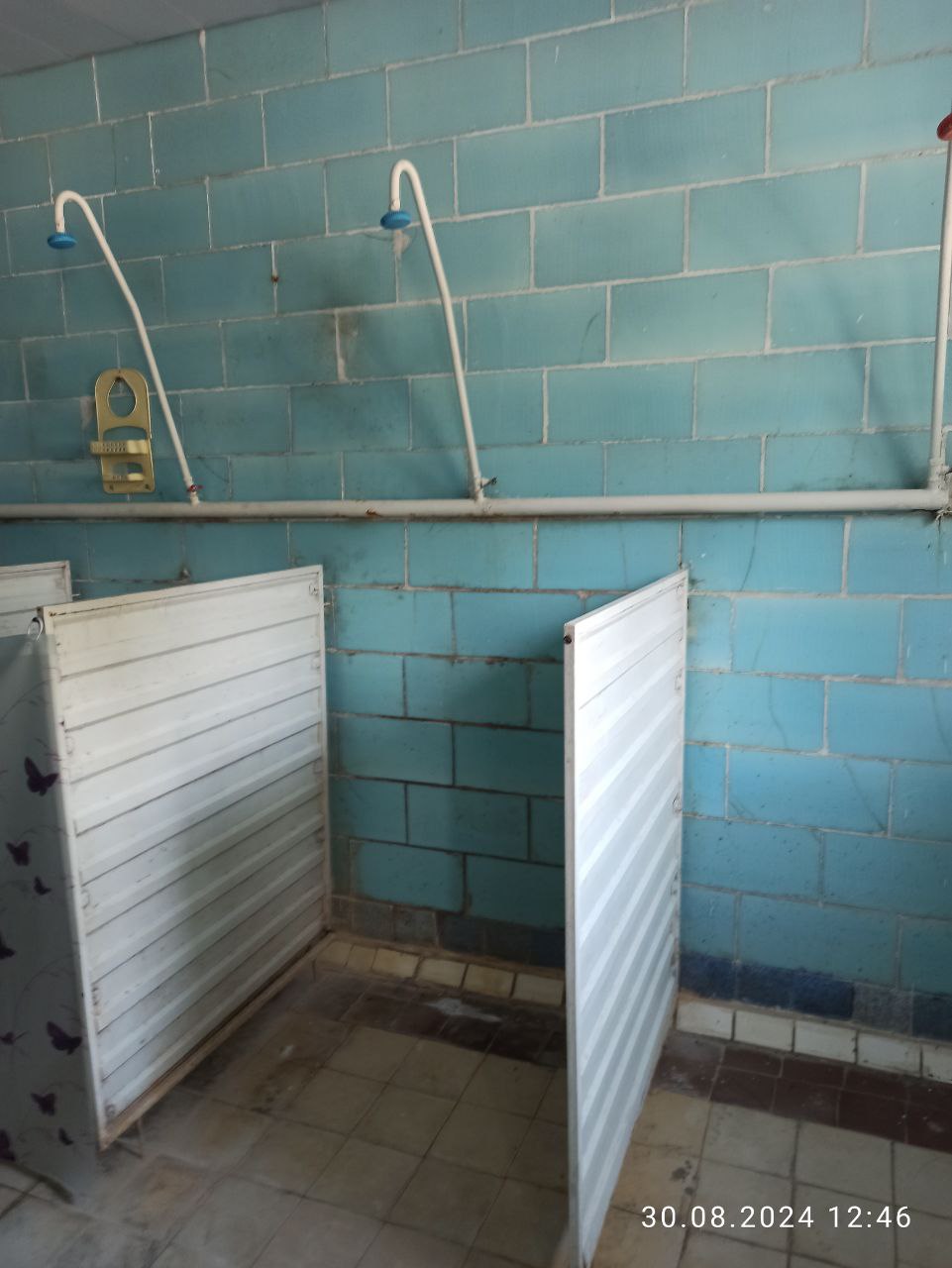
- Equip the shower stalls in the bathhouse with curtains.
These recommendations were partially implemented by the institution’s administration.
Facts Discovered During the Visit: Torture and Cruel Treatment
During the monitoring visit, violations of national legislation and non-compliance with international recommendations in the sphere of the treatment of prisoners were discovered, which lead to violations of the rights of convicted persons.
1. In violation of Part 1 of Article 115 of the Criminal Executive Code (CEC) of Ukraine and Point 10 of the United Nations Standard Minimum Rules for the Treatment of Prisoners, it was established that in certain residential premises of the Social-Psychological Service (hereinafter — SPS) units of the institution, the residential area norm per convict is less than 4 m². Thus, in residential premises No. 3 of SPS unit No. 7, where 23 beds are located, the area of the room is 85.8 m². Thus, the actual area per convict was 3.73 m².
In Point 13 of the 7th General Report of the European Committee for the Prevention of Torture and Inhuman or Degrading Treatment or Punishment (hereinafter — the Committee), it is noted that the problem of overcrowded chamber premises leads to unhygienic conditions, a constant lack of privacy, and the overloading of medical services and the institution’s infrastructure. The Committee concludes that quite often the negative impact of overcrowding resulted in inhuman or degrading conditions of detention (CPT/Inf (97) 10).
2. In violation of the requirements of Paragraph 9 of Part 1 of Article 8 and Part 1 of Article 118 of the CEC of Ukraine, the monitoring group established that the institution’s administration involves convicts in work in the QDD unit without concluding an employment contract. In particular, a convict is involved in work on an unpaid basis who, according to information from persons who were in the unit, performs the functions of an orderly and has the opportunity to independently visit the canteen and the SPS unit to which he is assigned.
This violates Article 96 of the CEC of Ukraine, Point 4 of Section II of the Internal Regulations of Penitentiary Institutions, approved by the order of the Ministry of Justice of Ukraine dated 28 August 2018 No. 2823/5 (hereinafter — the IR), and the requirements of Point 2 of Section 1 of the Regulations on the Quarantine, Diagnosis, and Distribution Unit, approved by the order of the Ministry of Justice of Ukraine dated 4 November 2013 No. 2300/5.
In the report following the visit to Ukraine in 2020, the Committee expressed serious doubts regarding the practice of using certain prisoners as ‘orderlies’, who perform functions of control over other prisoners in residential premises and at workplaces and report to staff about any incidents and violations of the regime. Therefore, the Committee noted with concern during this visit that this practice remained. Moreover, unfortunately, despite the specific recommendations previously given by the Committee, the practice of using ‘orderlies’ is also officially provided for by the Internal Regulations of Penitentiary Institutions.
As previously emphasised, the Committee considers that any partial abdication of responsibility for order and security in prisons, which is borne by the institution’s regime staff, is unacceptable. Such a practice exposes weaker prisoners to the risk of ill-treatment and exploitation by other prisoners. The Committee calls on the Ukrainian authorities to take all necessary steps — including legislative ones — to put an end to this practice. No prisoner (in any penitentiary institution in the country) should have authority over other prisoners (CPT/Inf (2020) 40, point 27).
3. The equipment of the DIZO unit does not meet the standards for the treatment of prisoners and the conditions of their detention in accordance with their needs. Thus, in violation of the requirements of the Standards for Provision with Furniture, Inventory, and Household Items of a Medium-Security Correctional Colony, approved by the order of the Ministry of Justice of Ukraine dated 27 July 2012 No. 1118/5 (hereinafter — the Provision Standards), the unit lacks a number of premises, namely: a room for the reception of convicts by the administration and medical staff, a room for storing the exchange fund of bedding, clothing, and special workwear; the room for storing food products and washing tableware lacks a two-chamber sink with a mixer tap.
The absence of these premises and their equipment leads to a violation of sanitary and hygienic standards. Thus, the improper organisation of the storage of personal belongings makes it difficult to maintain cleanliness and order in the premises where convicts are held, which worsens the overall sanitary situation in the institution, and the absence of a room for the reception of convicts by medical staff, as a result of which medical examinations of convicts are carried out in chamber premises, indicates that institution staff and other persons among the convicts obtain confidential information regarding the state of health of convicted persons during a medical examination, manipulations, or procedures.
This violates the requirements of Article 39-1 of the Law of Ukraine ‘Fundamentals of the Legislation of Ukraine on Healthcare’ regarding the right of persons to secrecy about their state of health, and Point 9 of Section I of the Procedure for Organizing the Provision of Medical Care to Convicts Sentenced to Deprivation of Liberty. Similar violations of the Provision Standards were recorded in SPS unit No. 7. In particular, there is no utility room, drying room, or room for storing food products.
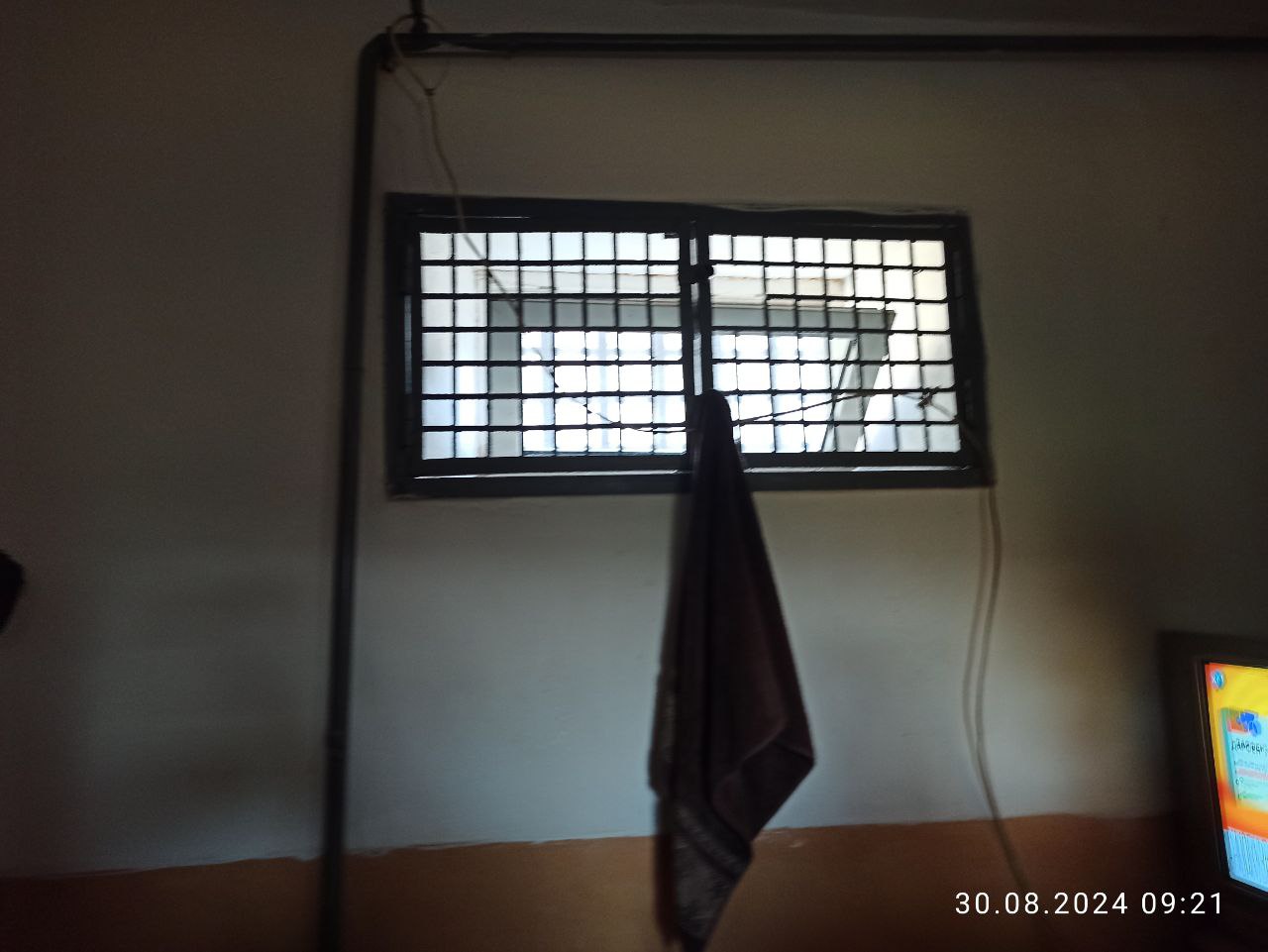
4. In the chamber premises of the DIZO unit, it was established that some sanitary facilities do not contain doors and sufficient partitions that allow for privacy, which violates the requirement of Rule 19.3 of the European Prison Rules. Individual chamber premises require renovation work with the replacement of sanitary equipment.
Due to the insufficient size of the windows, there is a lack of natural lighting in the chamber premises. At the same time, in the report of the Government of Ukraine following the visit in 2023, the Committee called on the Ukrainian authorities to take the necessary measures to improve material conditions of detention, in particular, to reduce the occupancy of cells so that there is at least 4 m² of living space per detained person (excluding the area occupied by in-cell toilets). All places for the accommodation of convicts and detained persons, including sanitary facilities, should be kept in a proper state of repair and hygiene, and disinsections should be carried out regularly and frequently. Ensure sufficient access to natural light and ventilation in the cells, and fully equip internal sanitary facilities with partitions (i.e., from floor to ceiling) (CPT/Inf (2024) 20, point 58).
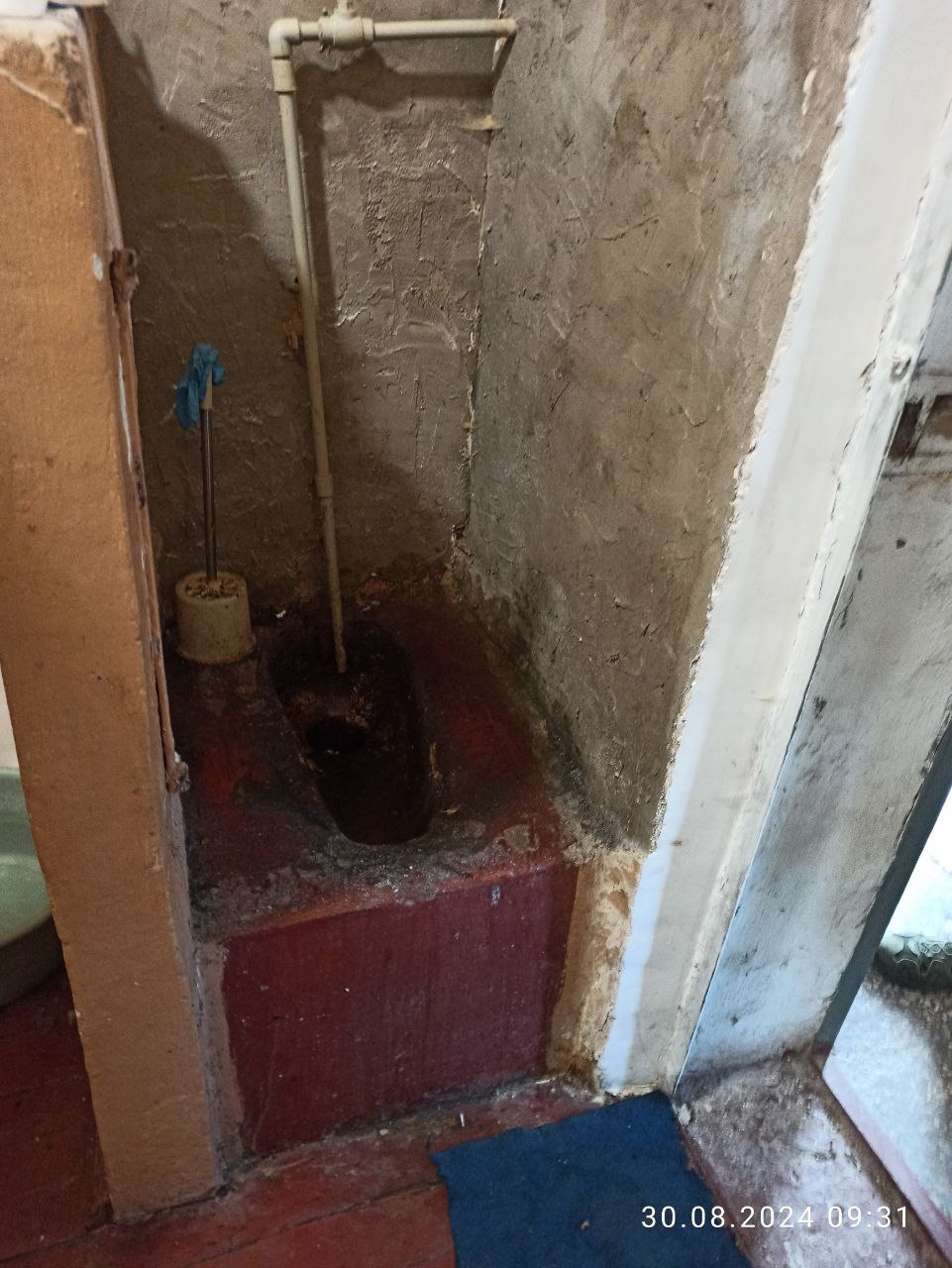
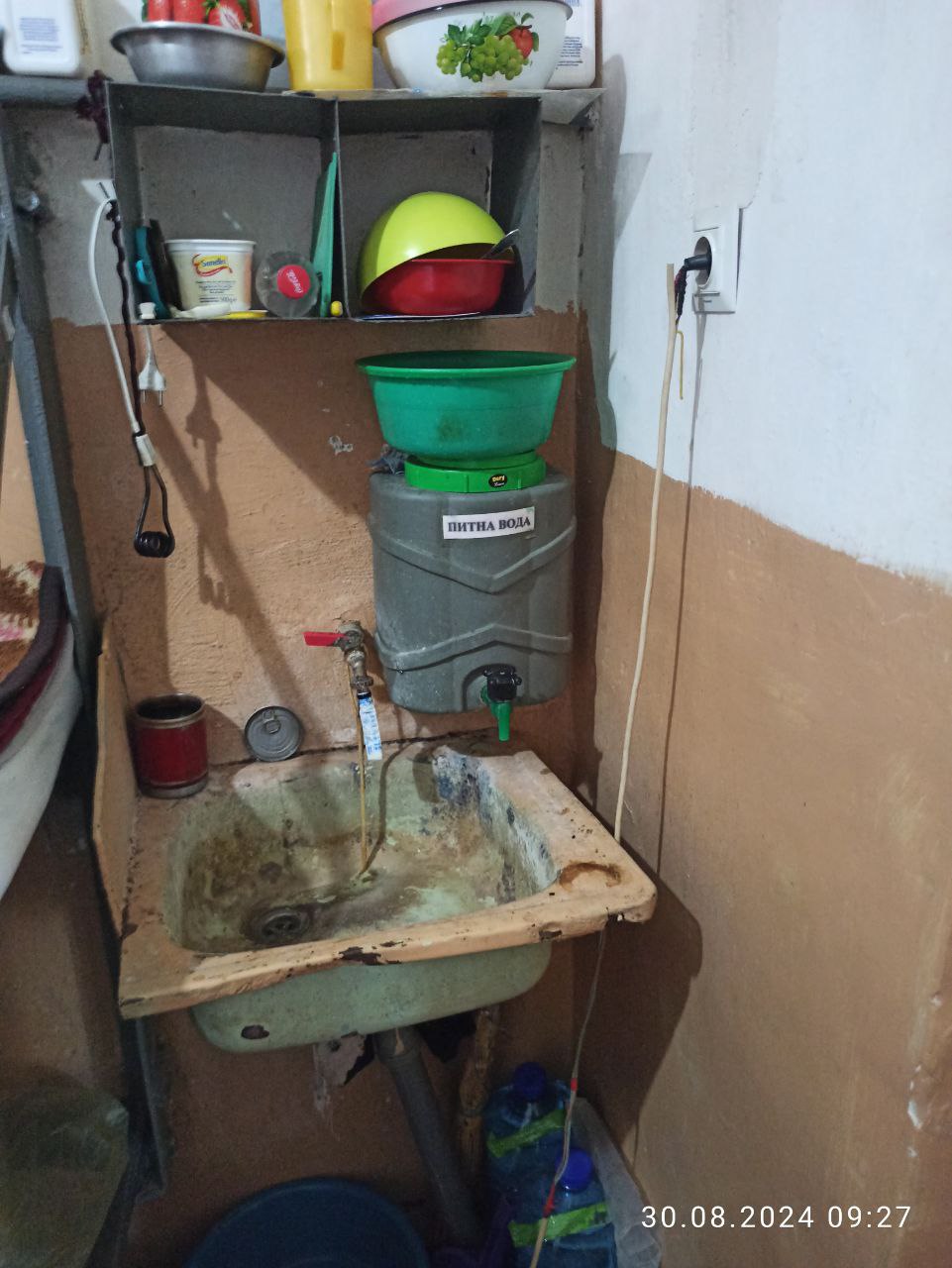
5. Article 8 of the Criminal Executive Code of Ukraine provides that convicts have the right to paid work in accordance with labour legislation. At the same time, it was established that the administration of the institution uses the labour of convicts in the positions of economic service department workers in the canteen without payment. Thus, according to the ‘Canteen’ timesheet, the duration of the working day of 8 workers does not exceed 1 hour and 45 minutes.
At the same time, during communication with the convicts, the monitoring group established that the duration of the working day for convicts in economic service roles is 8 hours, and sometimes reaches 10 hours per day, that is, over 40 hours per week, and the working week consists of six, and in individual cases seven, days.
This contradicts Article 119 of the CEC of Ukraine, Article 52 of the Labour Code of Ukraine, and the Instruction on Working Conditions and Wages for Convicts Sentenced to Restriction of Liberty or Deprivation of Liberty, approved by the order of the Ministry of Justice of Ukraine dated 7 March 2013 No. 396/5.
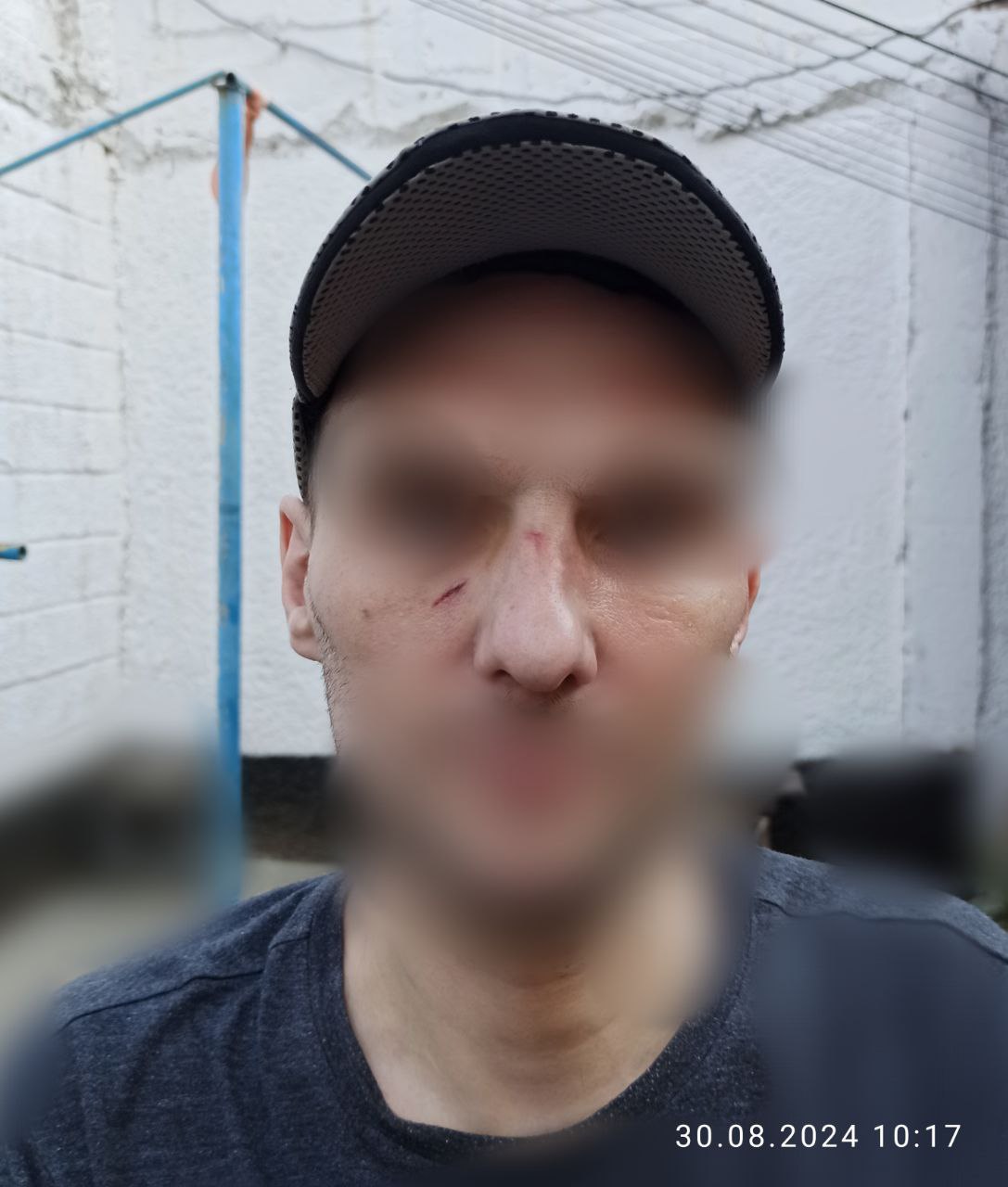
6. During the visit, the monitoring group identified a convict with bodily injuries, who refused to report the circumstances of how they were received and did not express complaints in this regard. Members of the monitoring group reported this fact to the institution’s staff and the medical personnel of the outpatient clinic department, to which they received the response that hospital medical personnel record bodily injuries only after the convicted persons who need it apply to them. That is, reports or information about the presence of bodily injuries in a particular convict are ignored by medical personnel until the convict independently asks for help.
Such inaction on the part of medical personnel contributes to the occurrence of cases of cruel treatment in the institution. The institution’s psychologist also noted an absence of information regarding conflict situations between convicts and cases of violence in the institution, which indicates an improper performance of her functions and duties. In confirmation of the above, during a confidential conversation, the convicts reported that their work with the psychologist is formal, has a certain coercive character, and is not based on trust. As an argument, they cite the psychologist’s participation in commissions, the making of certain decisions regarding convicts, and the compilation of a psychological profile, which is taken into account when considering issues regarding the possibility of conditional early release from serving a sentence or the replacement of the unserved part of the sentence with a more lenient one, etc.
It is also necessary to note that in July 2024, two cases of suicide were recorded in the institution, which indicates the ineffectiveness of the complex of measures for the prevention of suicide among convicts in penitentiary institutions. In the report of the Government of Ukraine following the visit in 2023, the Committee emphasises that the staff and administration of penitentiary institutions as a whole are obliged to protect the physical and psychological integrity of all convicts, including from attacks by other convicts. This positive duty implies that penitentiary staff must take decisive measures to prevent episodes of bullying and violence between prisoners and intervene immediately if such acts occur (CPT/Inf (2024) 20, point 44).
Furthermore, the lack of proper documentation of bodily injuries does not comply with Point 60 of the Committee’s recommendations (CPT/Inf(93)12-part), which states that medical services in places of deprivation of liberty can contribute to the prevention of violence against persons held in custody through the systematic registration of bodily injuries, and also, if necessary, through informing the relevant authorities. In addition, the Committee reiterates its recommendation to the Ukrainian authorities to further strengthen the provision of psychological assistance in institutions, as well as to develop the training and role of penitentiary psychologists, especially in terms of therapeutic clinical work with convicts. In this context, efforts must be made to recruit clinically trained psychologists, who should be part of the medical team and, in their work, should not combine two different roles, i.e., risk assessment and therapeutic clinical work (CPT/Inf (2024) 20, point 85).
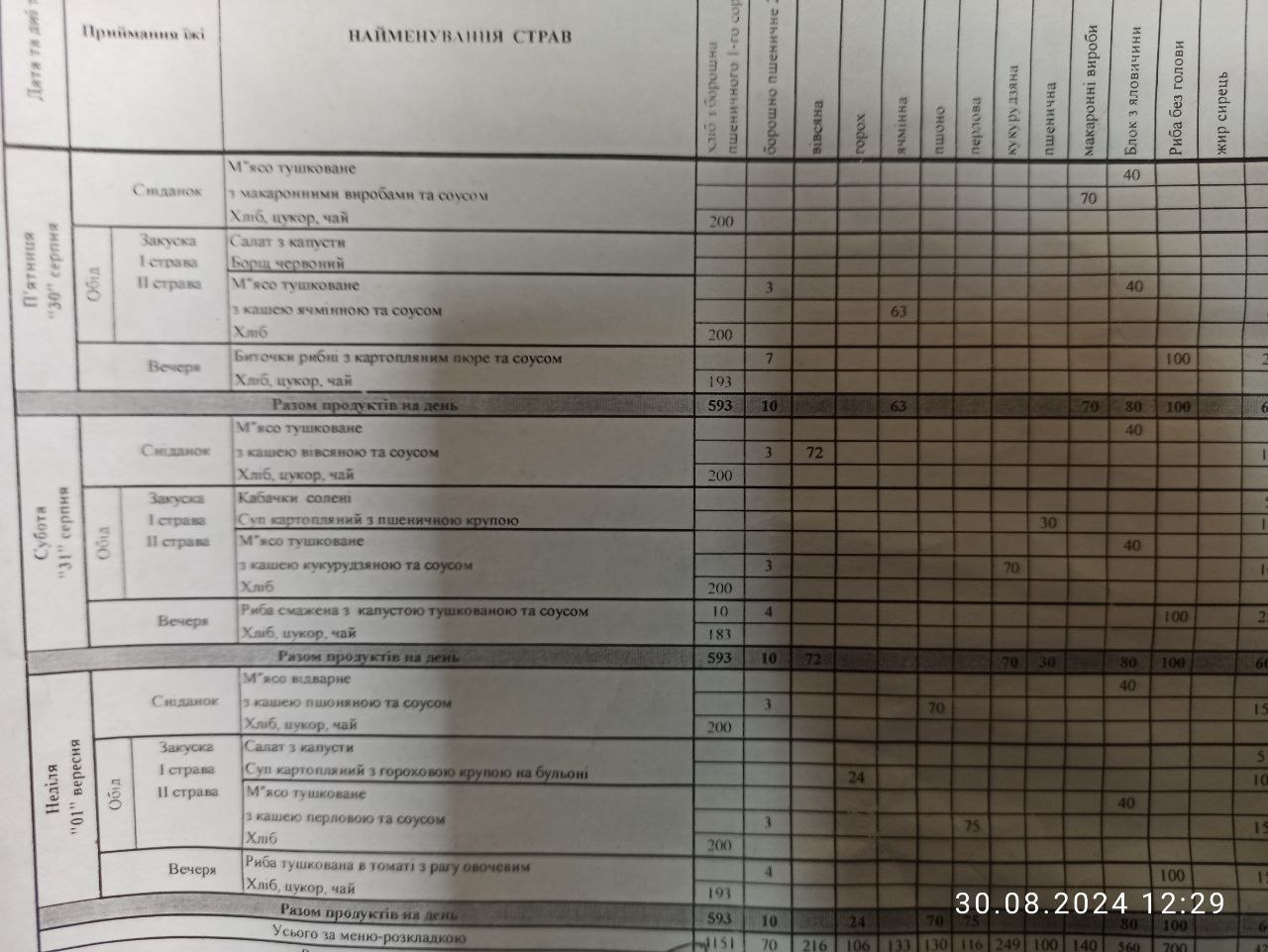
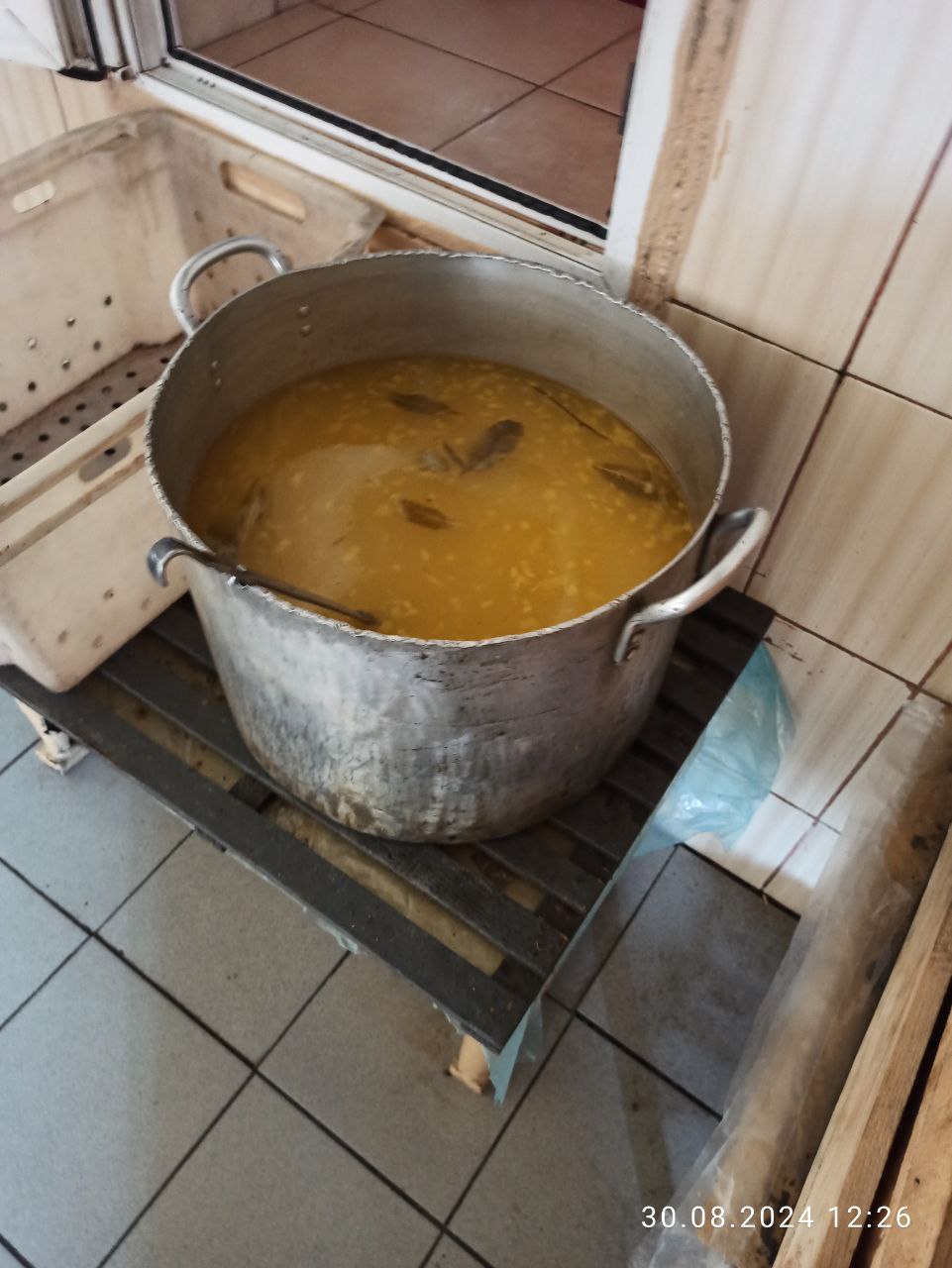
7. During the visit to the canteen, the monitoring group established a number of violations of the requirements of the Regulations on the Organisation of Food Supply in the State Penitentiary Service of Ukraine for Peacetime, approved by the order of the Ministry of Justice of Ukraine dated 15 June 2021 No. 2160/5 (hereinafter — the Regulations on Food Supply Organisation), the Provision Standards, etc. Thus, in violation of Point 5 of Section V of the Regulations on Food Supply Organisation, the dishes served for lunch did not correspond to the menu schedule.
These changes were made without the written permission of the head of the institution and the submission of a corresponding report by the deputy head of the institution for logistics and communal services. In addition, the absence of daily samples was established, which, according to Point 17 of Section V of the Regulations on Food Supply Organisation, are stored in the canteen refrigerator at a temperature from plus 4 to plus 8 °C. At the same time, according to Point 9 of Section V of the Regulations on Food Supply Organisation, it is forbidden to distribute food without taking a sample and making a note in the food quality logbook by a medical worker of the healthcare facility and the duty assistant to the head of the institution.
The monitoring group established the absence of working refrigeration equipment, which violates Point 5 of Section IV of the Regulations on Food Supply Organisation, which states that storage facilities must be provided with sufficient refrigeration equipment for storing perishable food products.
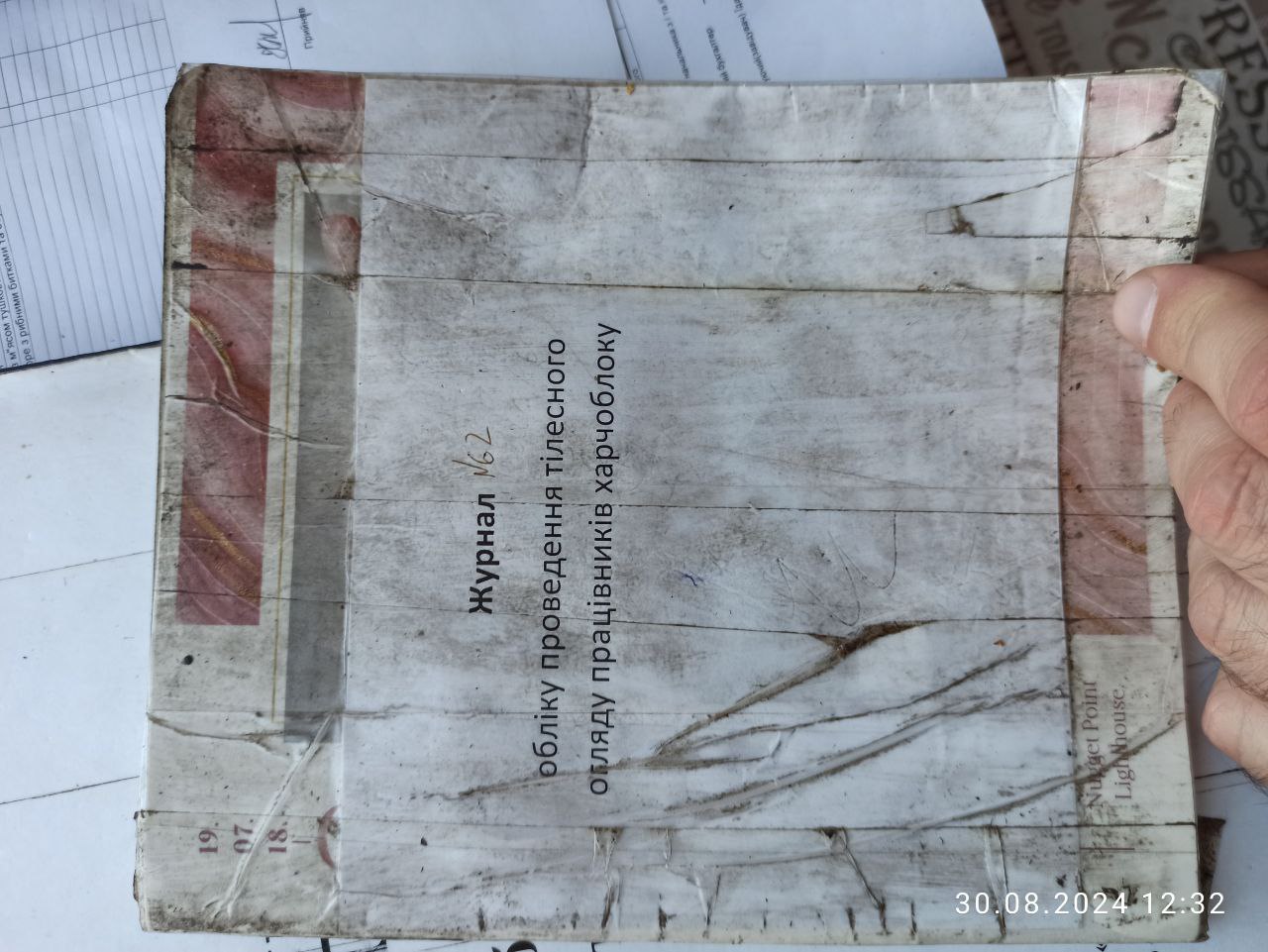
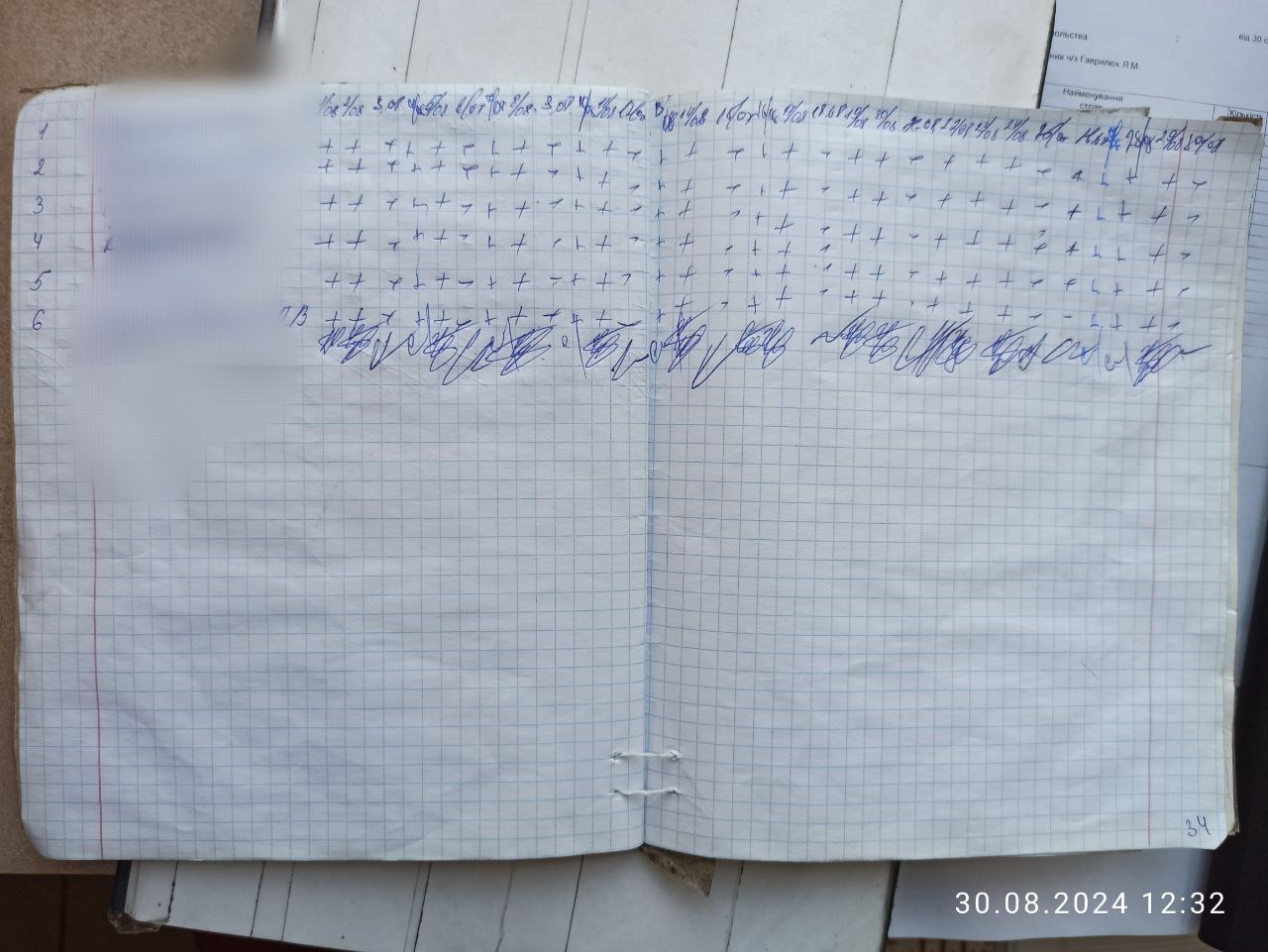
According to the logbook for conducting body inspections of canteen workers, two canteen workers do not undergo daily medical examinations before starting work. At the same time, the monitoring group recorded the absence of personal medical booklets for canteen workers and the results of examinations in the medical documentation, which are conducted by medical specialists (including laboratory, clinical, and other examinations), which are necessary for admission to work at food facilities.
This violates Point 7 of Chapter III of Section II of the ‘Procedure for Organizing the Provision of Medical Care to Convicts Sentenced to Deprivation of Liberty’, approved by the joint order of the Ministry of Justice of Ukraine and the Ministry of Healthcare of Ukraine dated 15 August 2014 No. 1348/5/572, and Point 14 of Section V of the Regulations on Food Supply Organisation. In violation of the requirements of the Provision Standards, there is no cloakroom in the institution’s canteen, which leads to convicts being forced to eat in their outerwear.
8. The monitoring group established a number of violations in the organisation of bath and laundry services for convicts and detained persons. Thus, in violation of the requirements of Point 2.11 of Section II of the Regulations on the Organisation of Bath and Laundry Services for Persons Held in Penitentiary Institutions and Pre-trial Detention Centres, approved by the order of the Ministry of Justice of Ukraine No. 849/5 dated 8 June 2021 (hereinafter — the Regulations), the forced supply and exhaust ventilation system does not work in the bathhouse premises.
In violation of Point 2.14 of Section II of the Regulations, the institution does not ensure the provision of hairdressing services to convicts and detainees. In violation of the requirements of Appendix 8 of the Regulations, there is no logbook for the disinfection (disinsection) of clothing and bedding in the institution’s disinfection chambers. In violation of the requirements of the Provision Standards, the laundry lacks a shower room and toilet for employees. In violation of the requirements of Rule 19.3 of the European Prison Rules, the right to privacy is not respected in the bathhouse premises due to the absence of curtains on the shower partitions.
9. According to official documentation, the staff shortage in the institution is 76 positions, or 25% of the standard number of personnel. At the same time, in the report of the Government of Ukraine following the visit in 2023, the Committee emphasises that ensuring a positive climate in a penitentiary institution requires the presence of a professional team of staff, who must be present in sufficient numbers at any moment in time in places of detention. An insufficient number of staff can only increase the risk of violence and bullying between convicts.
The shortage of staff who are on the front line also undermines the quality and level of measures offered to convicts and jeopardises the prospect of preparation for release and social rehabilitation. In connection with which, the Committee calls on the Ukrainian authorities to take decisive measures to significantly increase the number of personnel in penitentiary institutions in Ukraine where a low level of staffing is observed, with the aim of strengthening the presence of security and surveillance service staff inside the institutions. Measures must also be taken to put an end to 24-hour shifts for personnel on duty (CPT/Inf (2024) 20, point 93).
Recommendations:
- Ensure compliance with minimum standards of detention for convicts in residential premises — 4 m² per convict;
- Stop the practice of involving QDD convicts in work without concluding an employment contract;
- Stop the practice of using orderlies from among the convicts in the QDD who perform supervision functions over other convicts;
- Bring the availability of appropriate premises in the DIZO into compliance;
- Provide the DIZO cells with proper conditions of detention, specifically, equip the toilets with doors of appropriate size;
- Stop the practice of using the unpaid labour of convict economic service workers;
- Ensure proper documentation of bodily injuries;
- Ensure the proper work of psychologists;
- Ensure compliance with food supply standards in the canteen;
- Ensure the proper organisation of bath and laundry services.