Monitoring visit to the State Institution “Kharkiv Correctional Colony No. 43”
I. General information
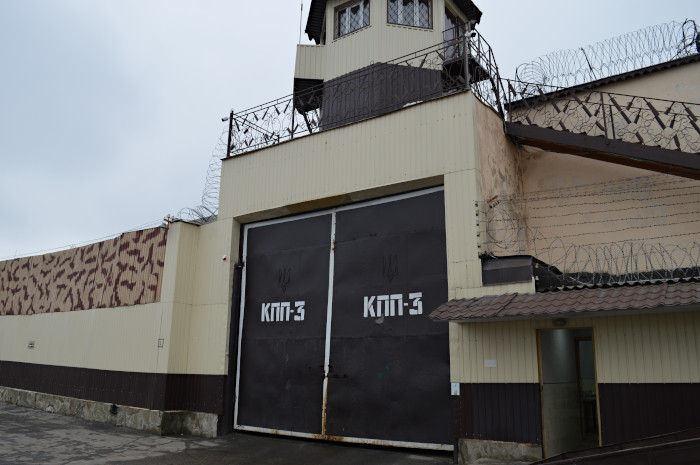
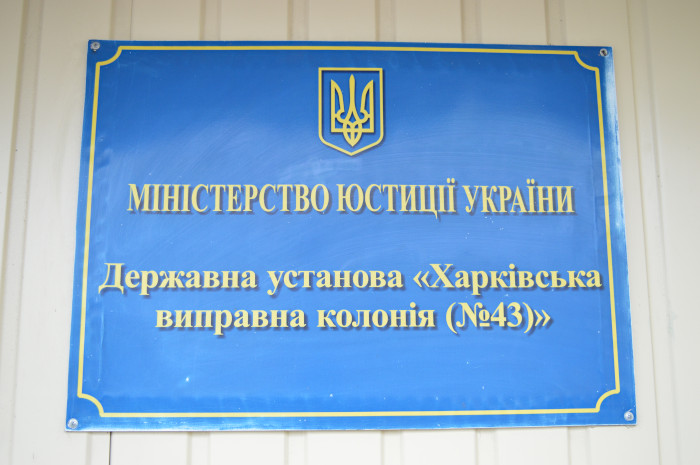
On 18 March 2021, a monitoring group of the Kharkiv Human Rights Group consisting of assistant to the People’s Deputy of Ukraine Maksym Revyakin and two journalists – Tamila Bespala and Pavlo Shvab – visited the State Institution “Kharkiv Correctional Colony No. 43”. This colony is located in the city of Kharkiv in the KhTZ area (Industrial district). The institution is a medium-security correctional colony for men sentenced to a fixed term who have previously served a sentence. The planned occupancy of the colony is 980 people, and on the day of the visit, there were 790 convicts in the colony. According to the staffing table, 306 personnel units are provided for in the colony, and 260 are actually filled.
The colony began its work in 1943 – immediately after the restoration of Soviet power – as a camp for German prisoners of war.
At the entrance to the colony, monitors underwent a temperature screening and were offered to disinfect their hands.
II. Canteen
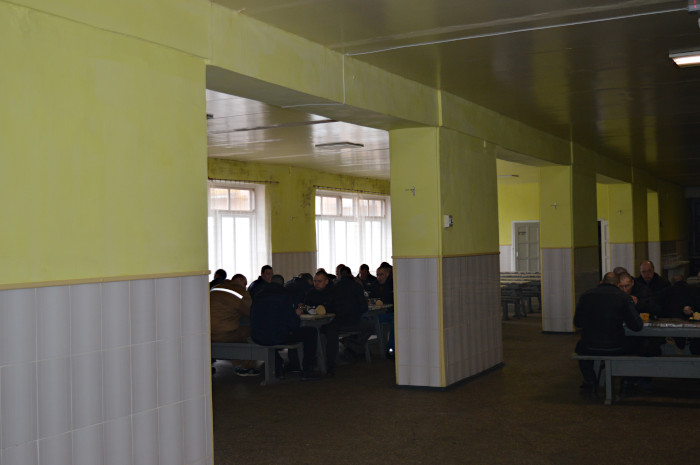
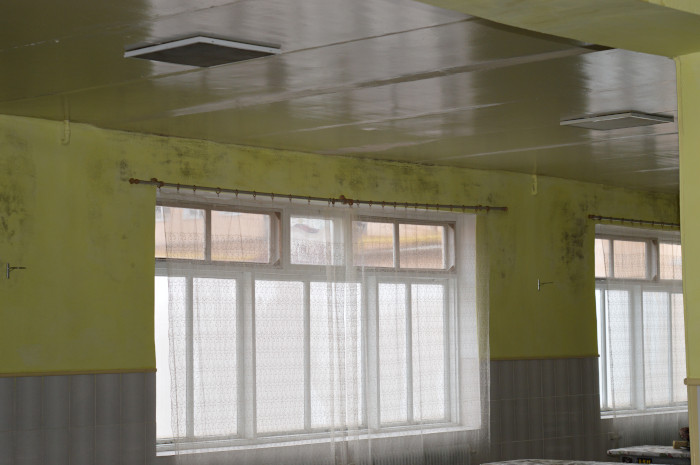
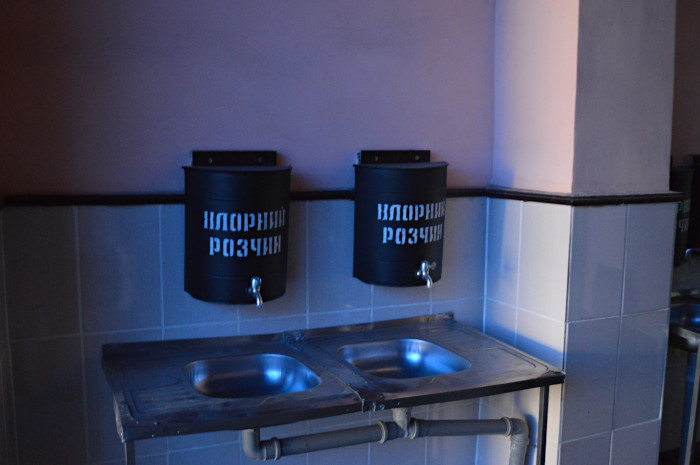
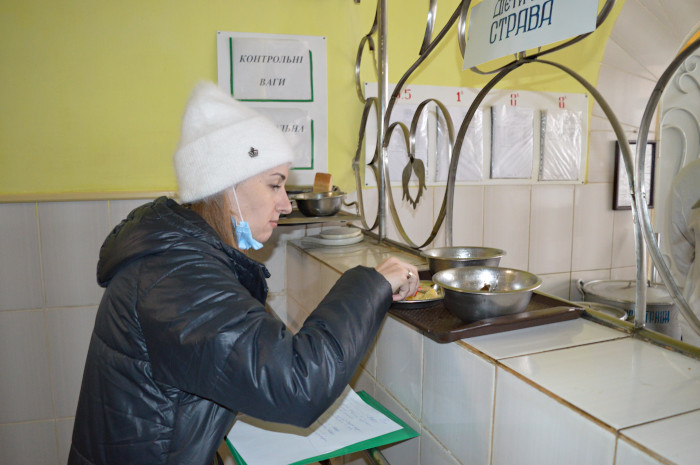
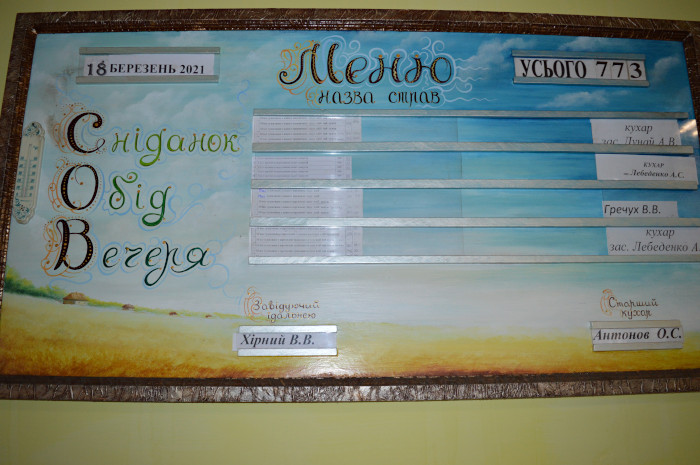
The canteen is located on the first floor of a two-storey building. At the entrance to the canteen premises, there are chlorine solution containers, but at the time of the visit, they were empty. The dining hall is spacious, but there is mould on the walls near the windows. There is an information menu stand with relevant information about the dishes. Just during the monitoring, the convicts were having lunch in the canteen. The kitchen has undergone cosmetic repairs, however, the monitors were unable to visit the kitchen because cleaning was being carried out. In addition, the monitors tasted the dishes for the convicts. The tasted dishes had a pleasant smell and taste. A total of 20 people work in the canteen in two shifts. The monitors spoke with the convicts who work in the canteen. They reported that they work according to a work schedule and receive a salary in the amount of 2,000 to 4,000 UAH.
III. Medical unit
According to the head, Denys Hennadiiovych Drokin, the medical unit of the institution is 100% supplied with all necessary medicines, equipment, and COVID-19 viral infection prevention measures. However, according to the Log of Medicines transferred by relatives to convicts, it can be traced that there is a shortage of even bandages, analgin, and other drugs. I would like to draw special attention to such a situation, as the heads of almost all medical units of colonies in Ukraine say that there are enough medicines, but the Logs of medicines transferred by relatives of convicts testify to the opposite.
The head of the medical unit also reported that about 60% of convicts in the colony suffer from hepatitis.
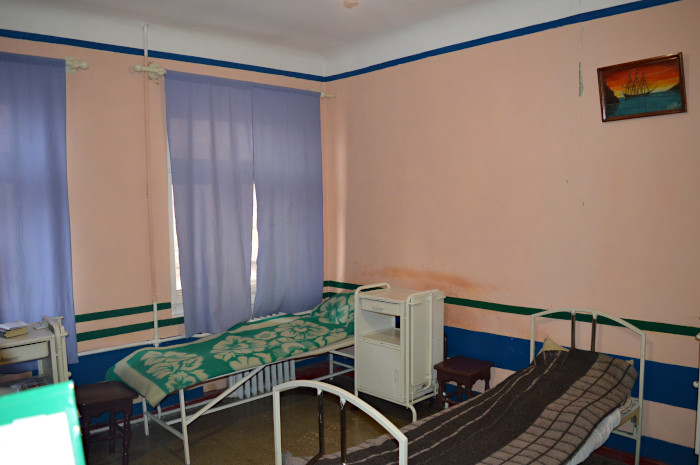
At the time of the visit, 6 people were in the inpatient ward. Considering the total number of convicts (790 people), one can conclude that people there are either almost not sick (despite the fact that the majority of convicts have a weak immune system against the background of HIV infection [56 people] and hepatitis), or the treatment they receive is inadequate.
Furthermore, according to the first deputy head of the colony, throughout the entire pandemic period, not a single convict in the colony became ill, because the institution’s management adopted a position towards employees: “If you feel you are not feeling well, it is better not to come to work.”
IV. Residential unit
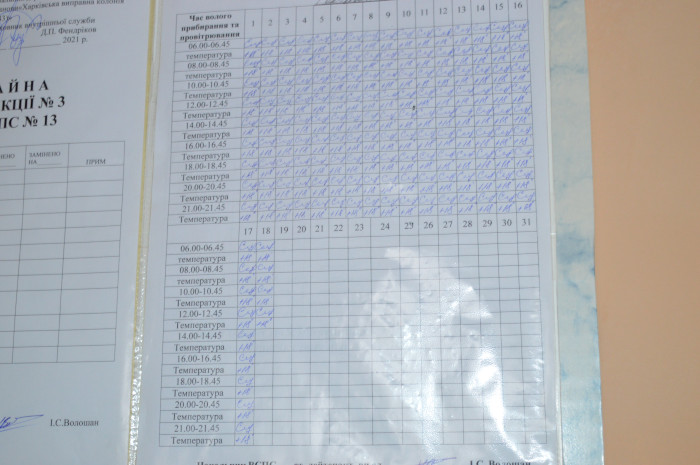
All residential units are of the block type. Some of them have undergone renovation of premises. In the rooms, it is warm – the temperature reaches almost 20 °C. The monitors were surprised that in one of the rooms, according to the room temperature monitoring schedule, the temperature remained at the same level for 16 days – +18 °C, although the outdoor air temperature on those days, according to meteorological data, fluctuated from -8 to +5 °C. Heating in the colony is centralised.
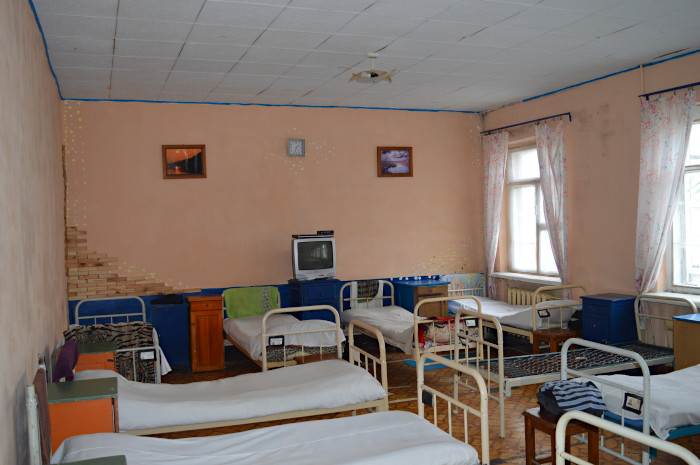
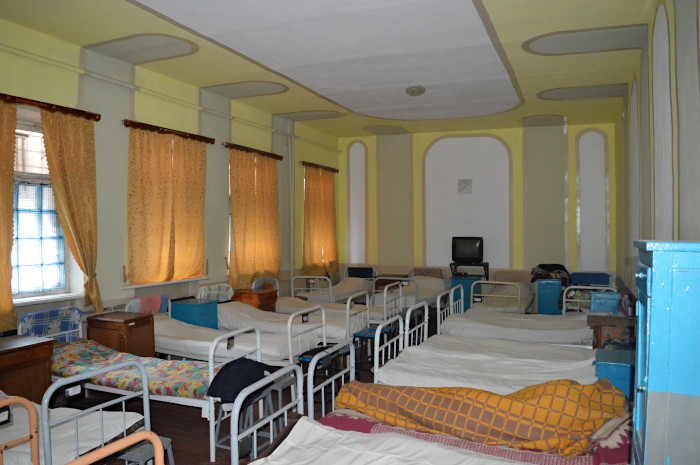
Living rooms are equipped with necessary furniture. Sufficient daylight enters the rooms. A toilet and showers are in every living room.
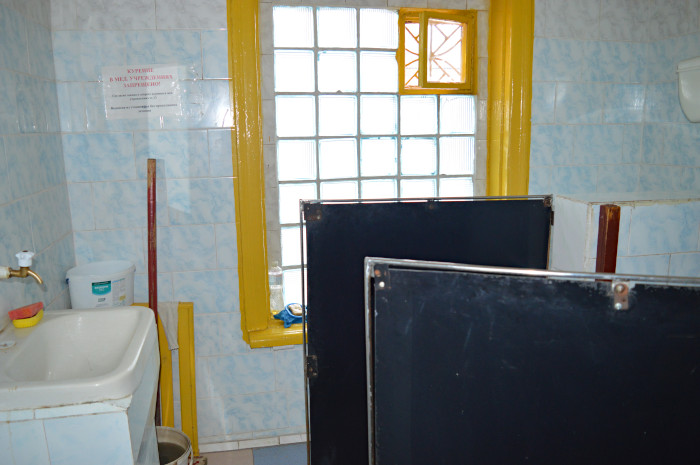
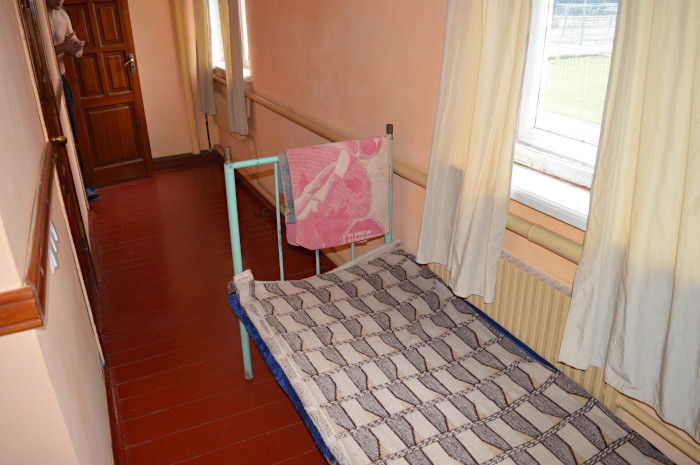
In some units, there is overcrowding. Due to the excessive accommodation of convicts in one room, the beds are placed directly next to the toilets, which, in the opinion of the monitors, creates discomfort, inconvenience, and degrades human dignity.
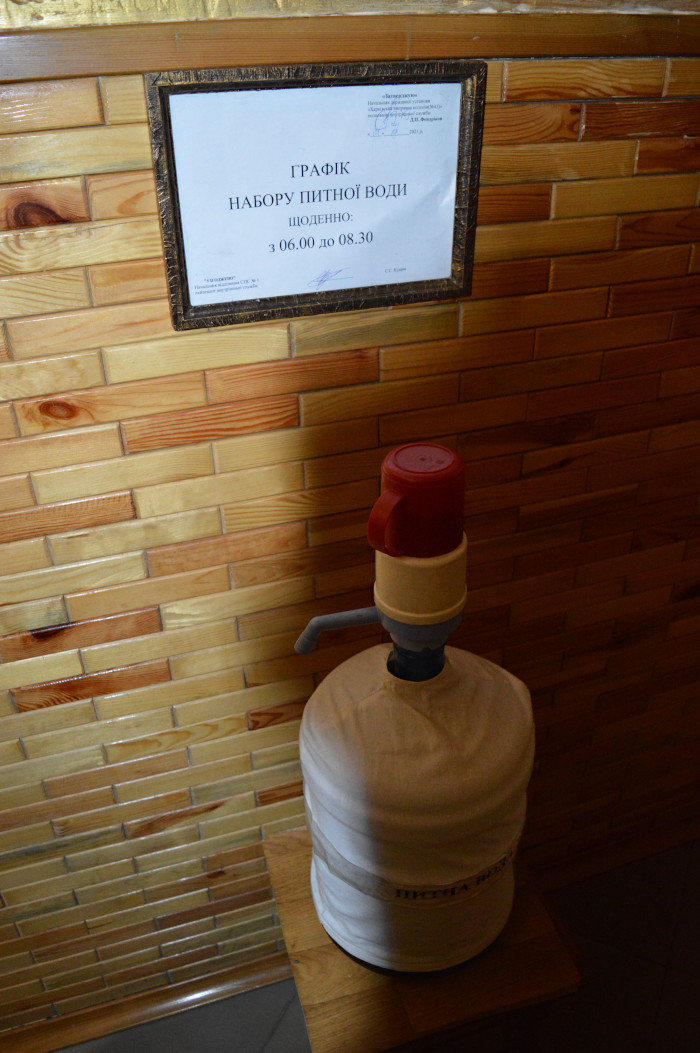
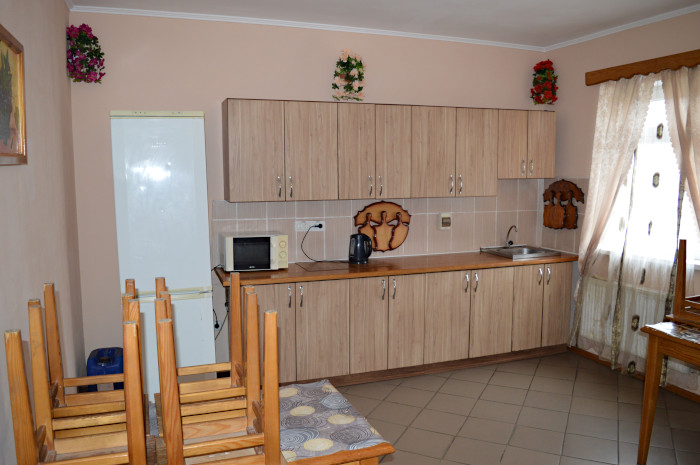
In free access for convicts in the corridor, there is a tank with boiled drinking water. Dining rooms are furnished and have necessary kitchen utensils – a microwave, an electric kettle, a refrigerator, and more. Regarding the recently allowed multicookers – they were absent in the units visited by the monitors.

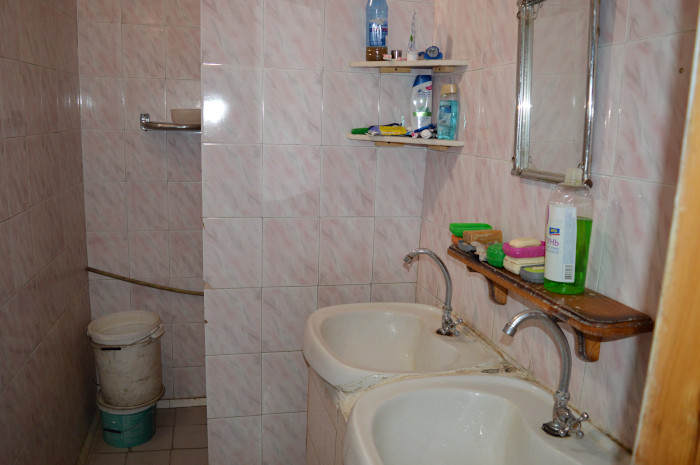
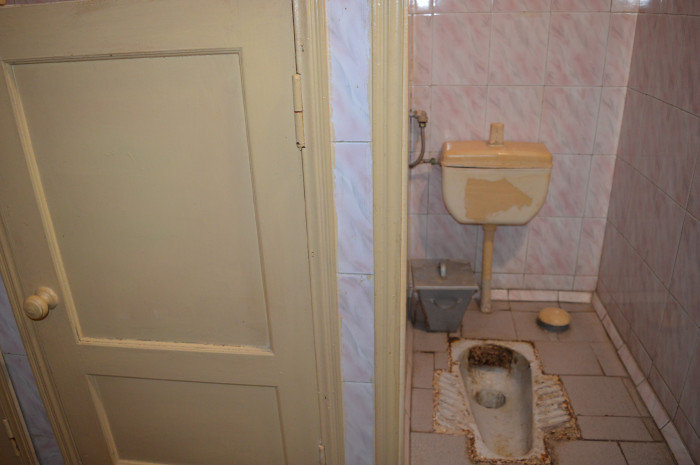
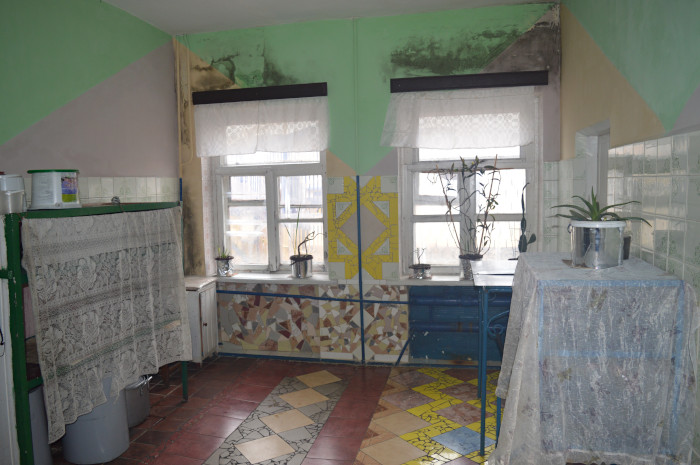
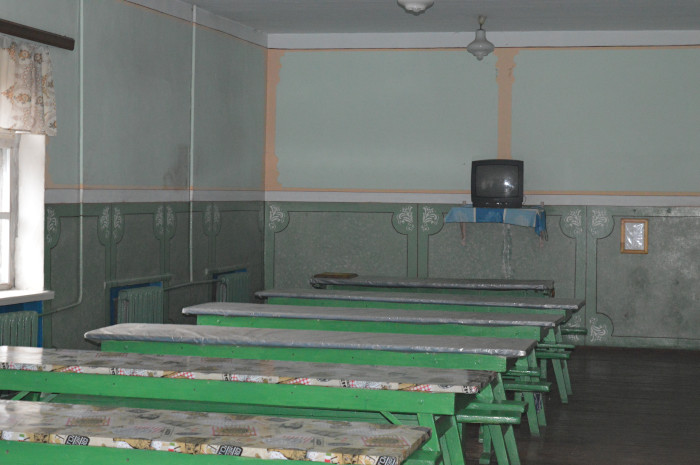
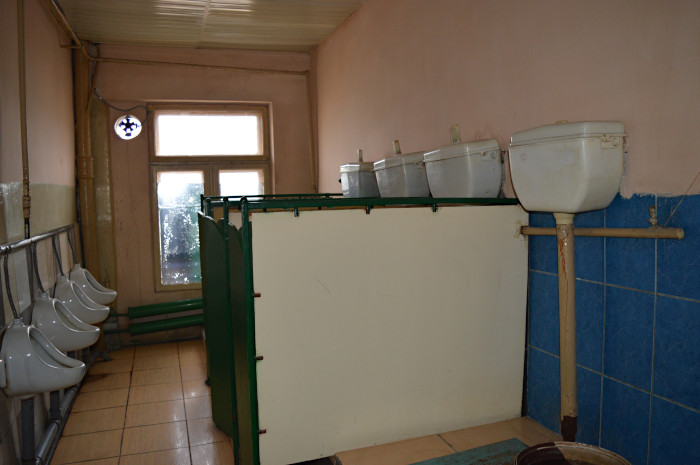
Separately, we want to mention special residential unit No. 13 for persons who have recovered from tuberculosis. The unit has old cosmetic repairs. In the dining room, above the windows and in the corners of the room, the walls are covered with mould. For convicts serving sentences in this unit, there is their own canteen, the dining hall of which is small. In the living rooms, traces of old flooding and traces of mould are also visible. Just like in the whole colony, there is overcrowding in this unit. In addition, in some rooms, the windows are completely closed, so daylight does not enter these rooms. Toilets are outdated and need repair. Partition walls are quite low, which violates privacy. Urinals do not work.

V. Bath and laundry complex
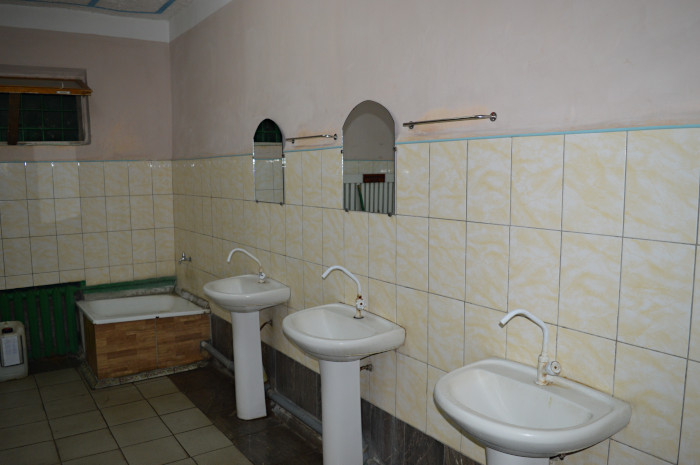
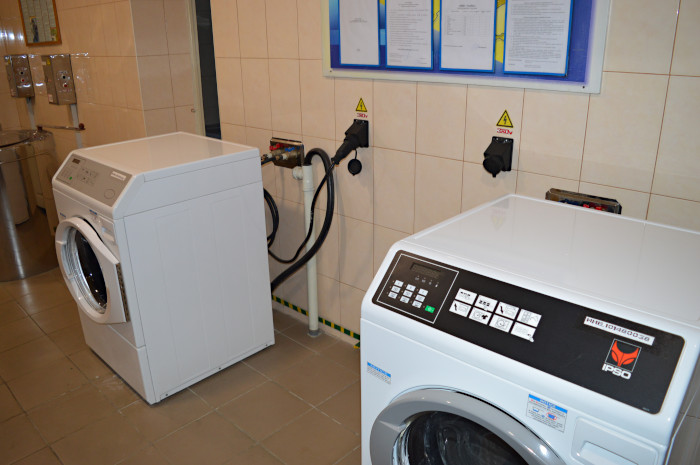
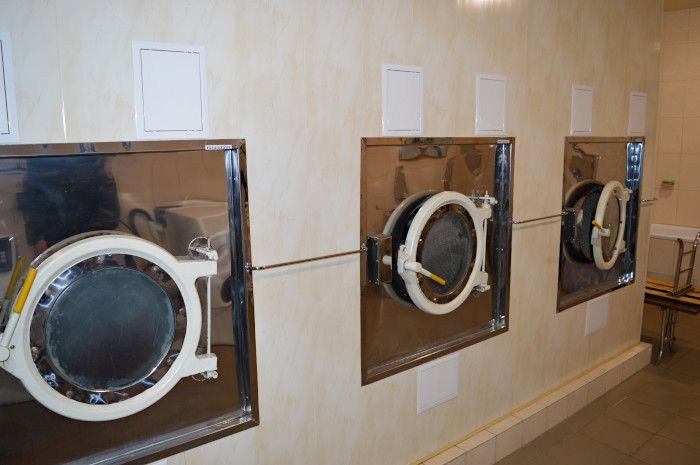
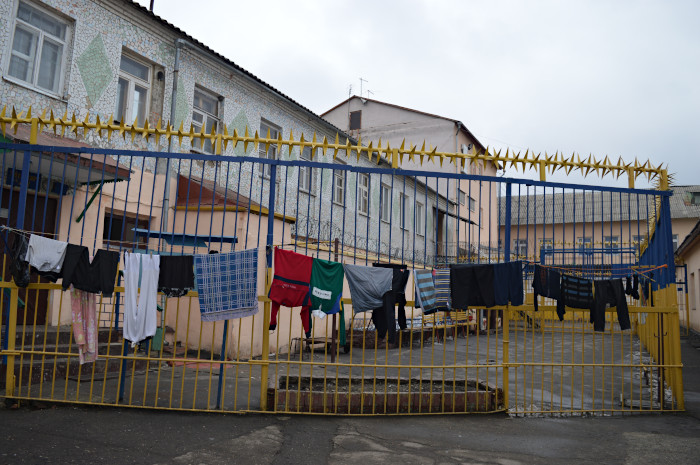
New washing machines have been purchased for the laundry, but repaired old ones are also still used. However, the monitors noticed that in the walking courtyards of each residential unit, clothes are hanging and drying. Therefore, the monitors believe that the laundry is either not coping with the load, or the convicts do not wish to give their clothes for washing.
The monitors did not visit the bathhouse premises because convicts who had just arrived at the colony were washing there.
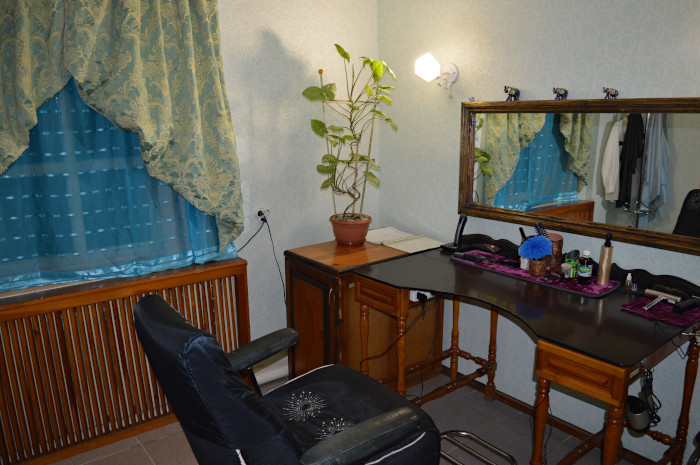
There is also a hairdresser.
VI. Leisure
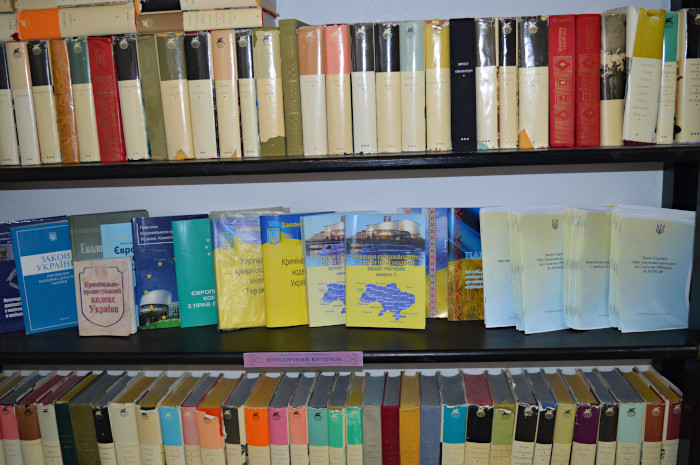
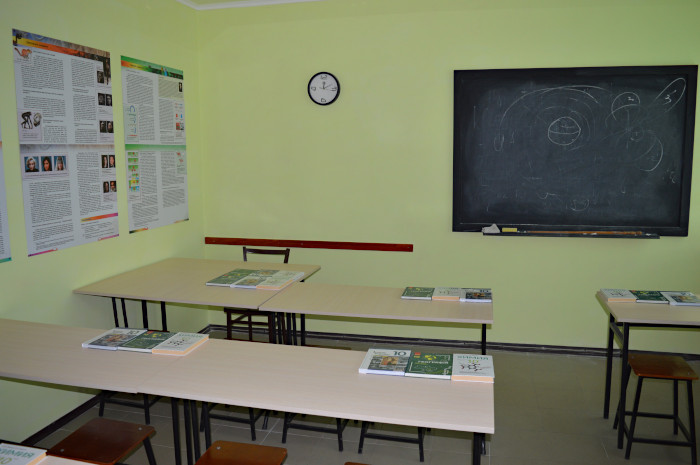
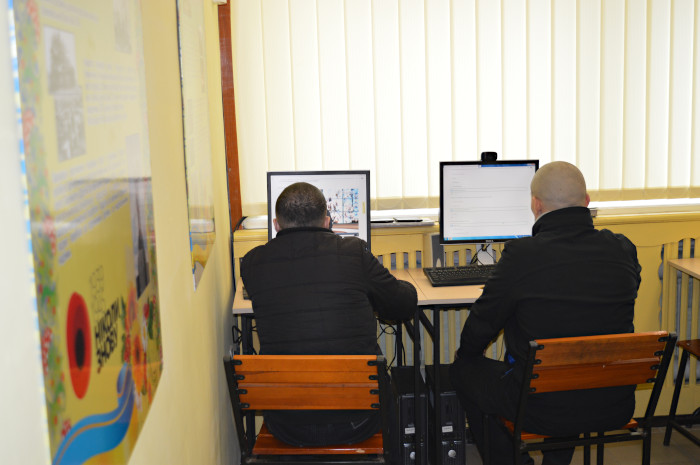
The colony has a library with fiction literature. There is also legal literature with outdated normative-legal acts. A school is in operation. There is a computer class with Internet access and educational programmes.
There is a separate room for telephone calls. Almost 250 telephone calls are made every day.
VII. Disciplinary isolation cell
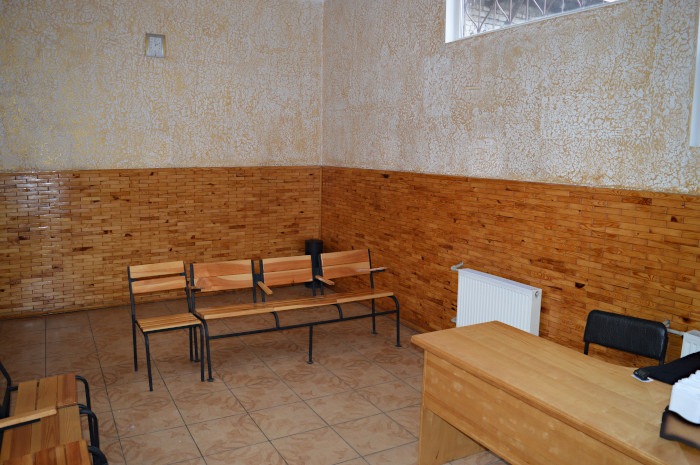
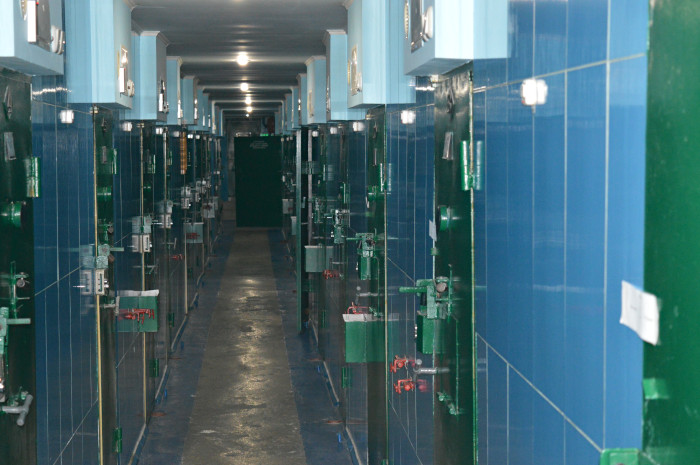
On the day of the visit, there were 5 people in the disciplinary isolation cell, and 1 person in the cell-type facility (PKT). Since the beginning of the year, 24 people and 7 people have been subjected to disciplinary penalties or increased supervision, respectively. The number of convicts regarding whom the colony administration appealed to the court under Article 391 of the Criminal Code of Ukraine is 4 people.
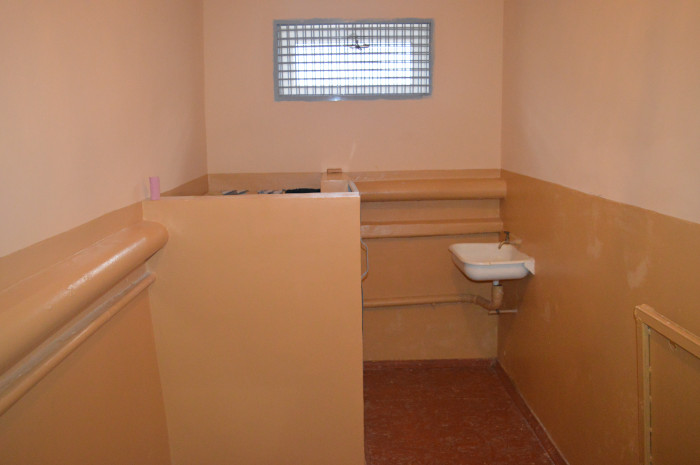
The cells of the disciplinary isolation cell and increased supervision are located in a semi-basement room. The DIZO and PKT premises have undergone renovation. The cells are renovated, and there is a washbasin. The toilet is fenced off by a low wall. New metal-plastic windows have been installed, but the persons in the disciplinary isolation cell do not have the opportunity to open them themselves.
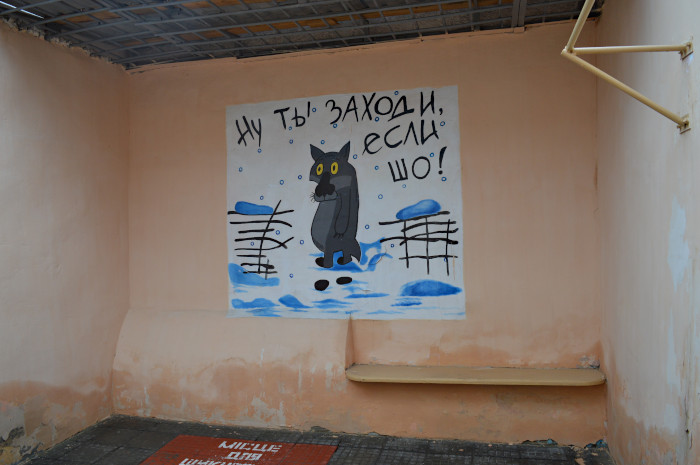
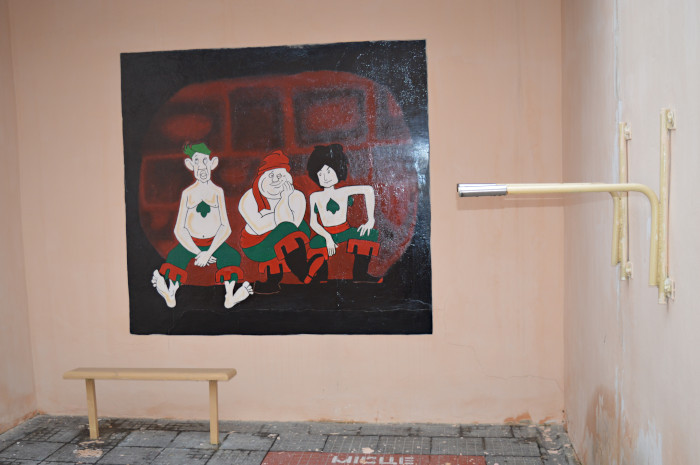
In the walking courtyards, cosmetic repairs were carried out last year. Sports equipment and benches have been installed. The walls are painted with graffiti.
The monitors spoke with the persons who were in the disciplinary isolation cell – they did not complain about the conditions of detention.
VIII. Production
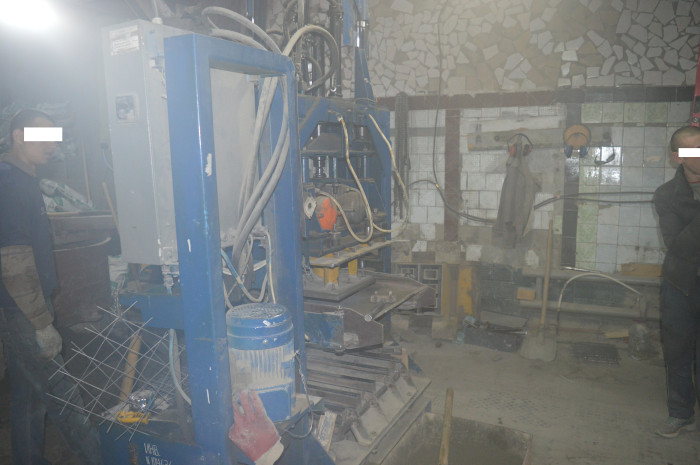
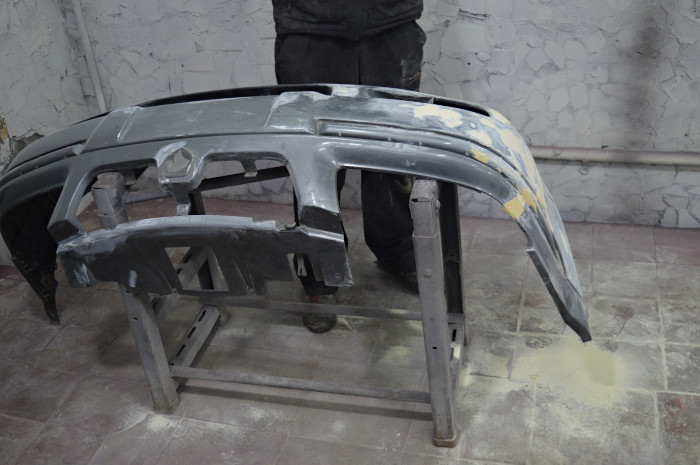
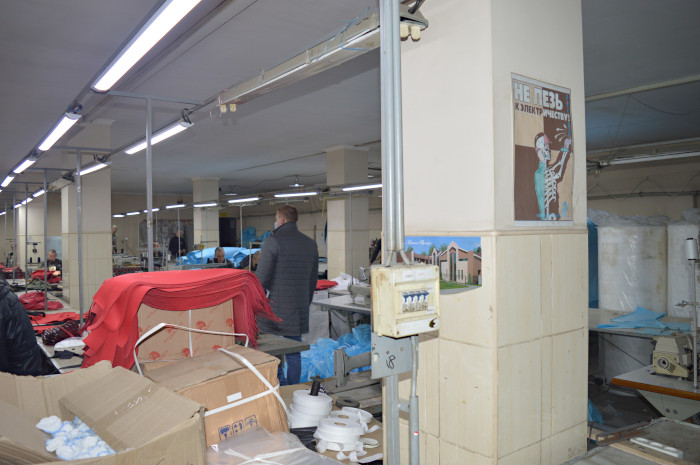
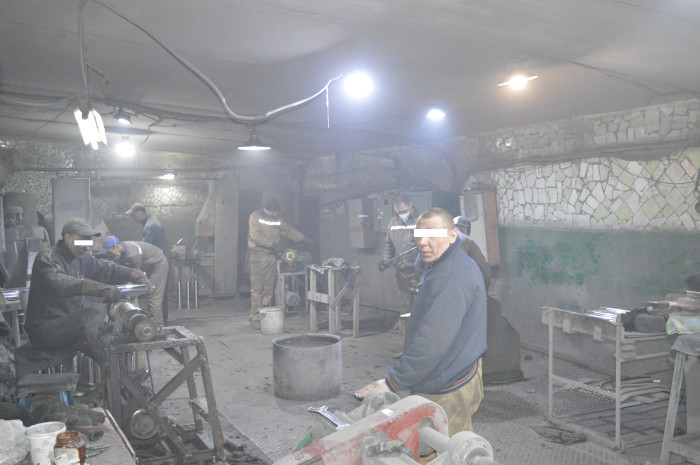
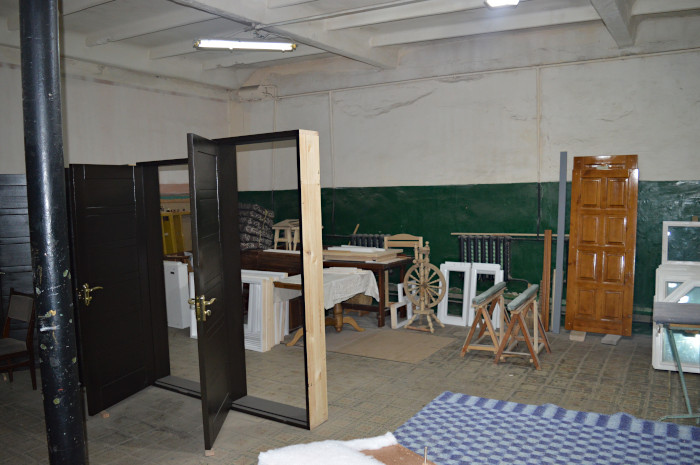
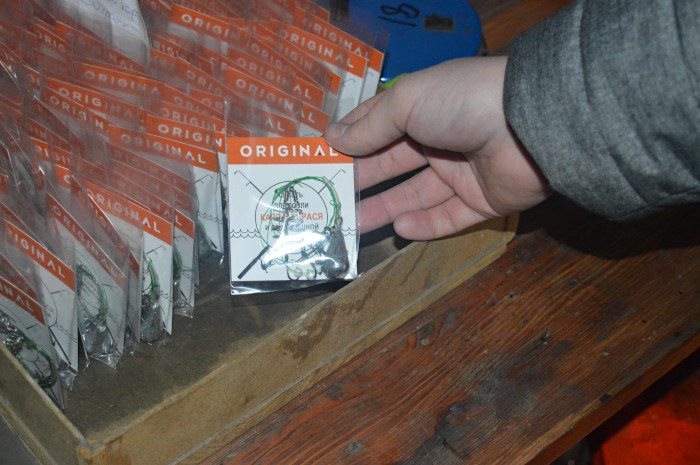
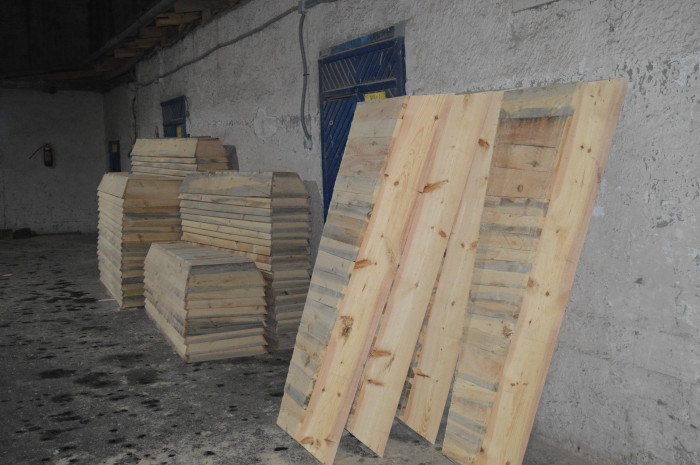
Production in the colony is extremely powerfully established: a metalworking and woodworking shop works, they manufacture paving tiles, there is a workshop for the manufacture of fishing equipment, and a car repair workshop. They also manufacture furniture, wooden products, heated towel rails, coffins, medical gowns, sports bags, and more.
In production, which is divided into 4 zones, 407 people work. All convicts work under fixed-term employment contracts, but payment for work depends on the output quota, which negates the legal nature of the employment contract. Some convicts reported that the actual amount of salary is 250 UAH, and the work schedule is from 5:00 to 18:00. Also, the monitors discovered that there are no signatures in the payroll for the received salary.
Working conditions are poor, except for the sewing workshop. Convicts work without protective glasses and masks, and in the workshop for the manufacture of paving tiles and plumbing, where there is a great roar – without headphones.

The material was prepared with the support of the European Union and the International Renaissance Foundation within the framework of the grant component of the EU4USociety project. The material does not necessarily reflect the position of the International Renaissance Foundation and the European Union.