‘In Captivity under Shellfire’ — a report on the results of a monitoring visit to the Kharkiv Correctional Colony No. 43
General Information
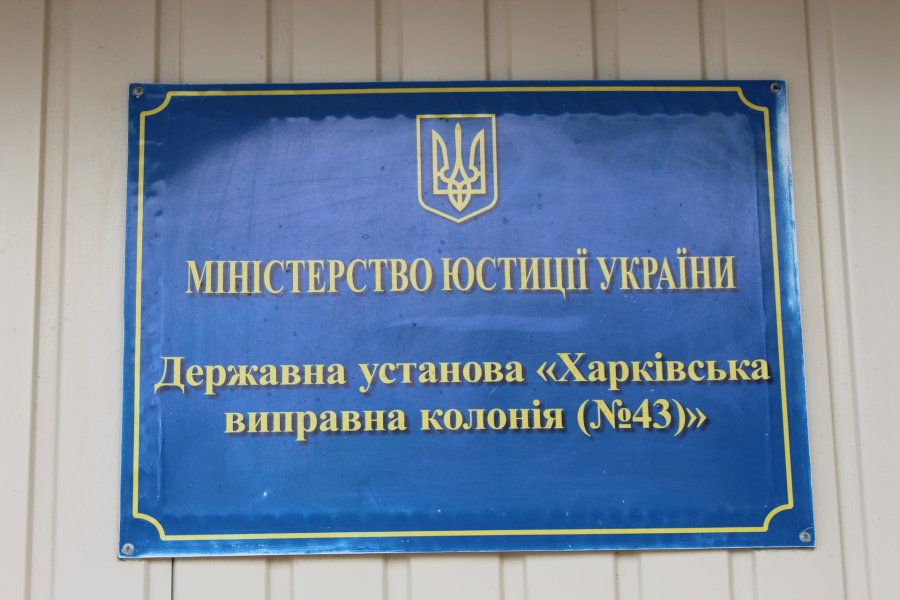
The Kharkiv Correctional Colony No. 43 is a medium-security penal institution for the detention of men sentenced to a fixed term who have previously served sentences in places of deprivation of liberty. The head of the institution is Colonel of the Internal Service Dmytro Fendrikov. The monitoring group was accompanied by the head of the institution and the First Deputy, Viacheslav Popov.
The monitors expressed their concern regarding the presence of Viacheslav Popov. Firstly, Mr Popov officially holds the position of First Deputy Head of the State Institution ‘Dykanivka Correctional Colony No. 12’. Secondly, for many years, victims of torture and ill-treatment in places of detention in the Kharkiv region have mentioned Mr Popov’s surname in various contexts. For example, back in 2016, during a press conference, individuals who had suffered from torture in OKV-25 identified Popov as a person who directly participated in torture.
We call upon the leadership of the State Penitentiary Service and the Prosecutor’s Office to provide a legal assessment of the situation recorded during the visit, specifically: how can the same individual simultaneously hold the positions of First Deputy Head of the colony at DVK-12 and KhVK-43.
According to official data provided by the institution’s management, on the day of the visit, there were 650 convicted persons and 9 detainees held at KhVK-43, with a planned capacity of 980 beds. The authorised staffing level for the institution is 252.05 positions, with an actual level of 222.5. Over the current year, 183 people have arrived at the institution. There are 3 operational Social and Psychological Service (SPS) units on the territory of the colony; 2 units are mothballed, one due to a direct hit, and the other due to renovation work. During the current year, 21 people have been released on parole. 80 convicts are employed under employment contracts. The average monthly wage is 2,801.00 hryvnias.
No one has been released from the institution due to serious illness. During the current year, 11 ambulance calls have been recorded. Over the period of 2022–2023, no cases of bodily injury have been recorded in the institution. In 2022, 6 people died; in 2023, 1 person died. In the current year, 44 long-term visits and 102 short-term visits have taken place; 97 of these short-term visits were conducted through a glass partition. There is only 1 psychologist working in the institution for 650 prisoners. There are 6 people on the register who are prone to self-harm, and 2 people who are prone to escape.
For the period 2022/2023, no complaints were received from convicts by the institution’s management or any other authorities regarding inadequate conditions of detention or inadequate medical care. The very fact that there are no complaints regarding the actions/inaction of the administration or the inadequate provision of medical care may indicate obstacles created by the administration when sending correspondence, a lack of awareness among convicts regarding their rights, or that the convicts see no point in filing such complaints, or are intimidated and afraid to do so. Among the convicts interviewed, none use internet services; the monitors did not notice a single tablet in the institution. Furthermore, the practice of appealing to human rights organisations is completely absent — not a single appeal has been sent from the institution during 2022 and 2023.
The monitors entered the territory of the institution without hindrance and had the opportunity to visit any premises of the institution, collect information, verify it, and have access to relevant documents. Logs, medical records, documents regarding disciplinary sanctions, and other materials related to the functioning of the institution were inspected. The monitors had the opportunity to communicate with convicts and staff, including under conditions of anonymity.
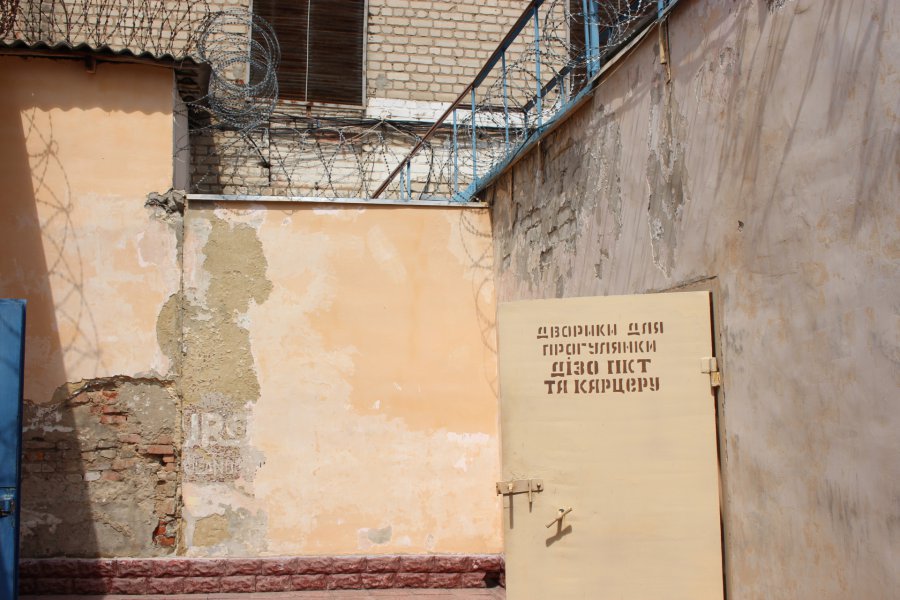
DIZO/PKT
During the visit, there was no one in the DIZO (disciplinary isolation ward) unit. After familiarising themselves with the logbook of convicts placed (transferred) to the DIZO, PKT (cell-type unit), and the punishment cell, the monitors noticed that, according to the log entry, convict H. should have been in the DIZO, but he was not there. The administration of the institution explained the absence of the convict by stating that he had been transferred to the specialised psychiatric hospital of the Centre for Health Care of the State Penitentiary Service on that very day. It is worth noting that convict H. had been placed in the DIZO three times in the last month as a disciplinary punishment with corresponding restrictions and without appropriate medical care.
There were 4 people in the PKT unit. During this year, convicts held in the PKT were permitted to make only 3 phone calls to relatives, and 2 of these calls were made by the same person. This fact may indicate that convicts who are disciplined and held in the PKT for up to three months do not have the opportunity to make phone calls or use the internet.
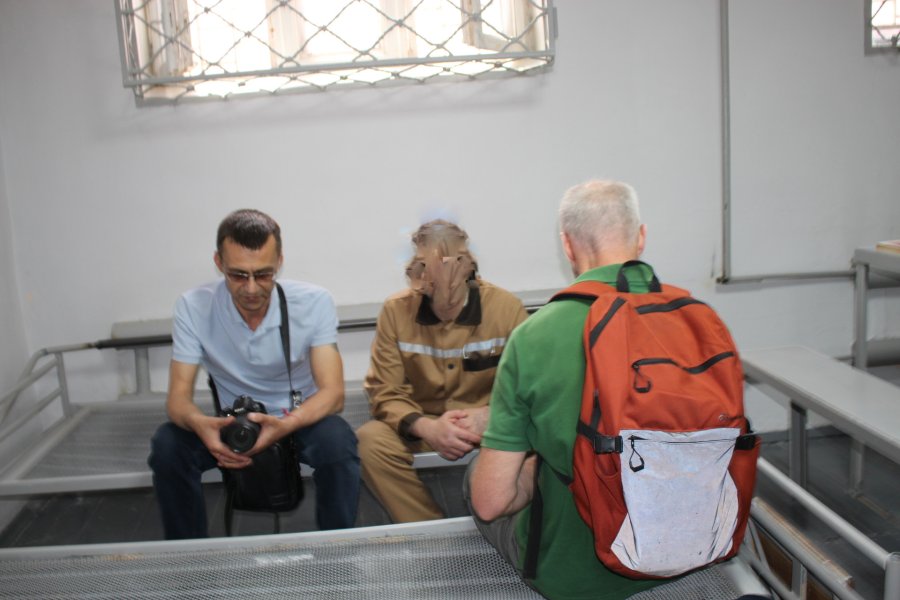
DPK
There were 4 people held in the DPK unit.
Production
The institution has two industrial production areas — metalworking and woodworking. There is no staffing table for production, and the convicts do not have employment record books. Also, for convicts who work, there is no provision for annual leave or payouts upon release for unused leave.
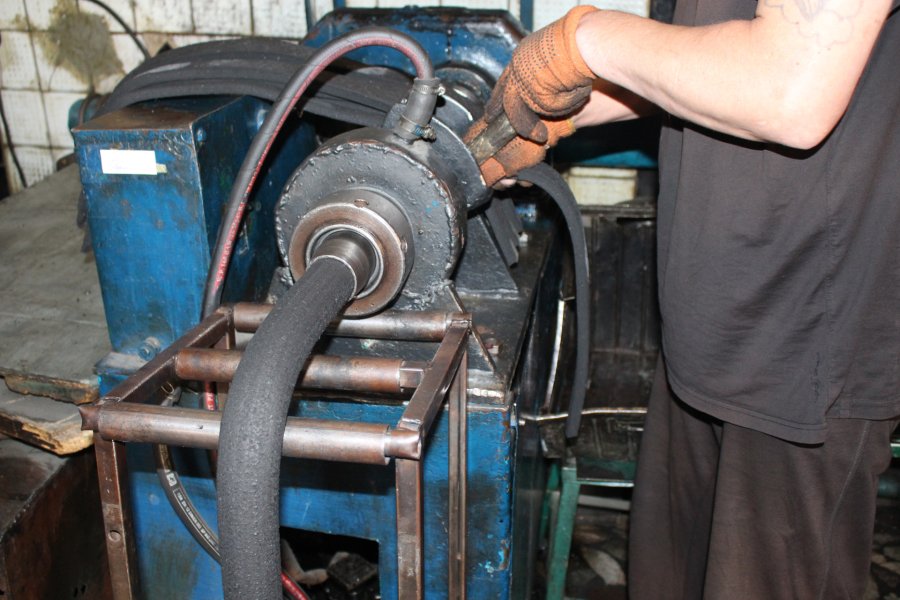
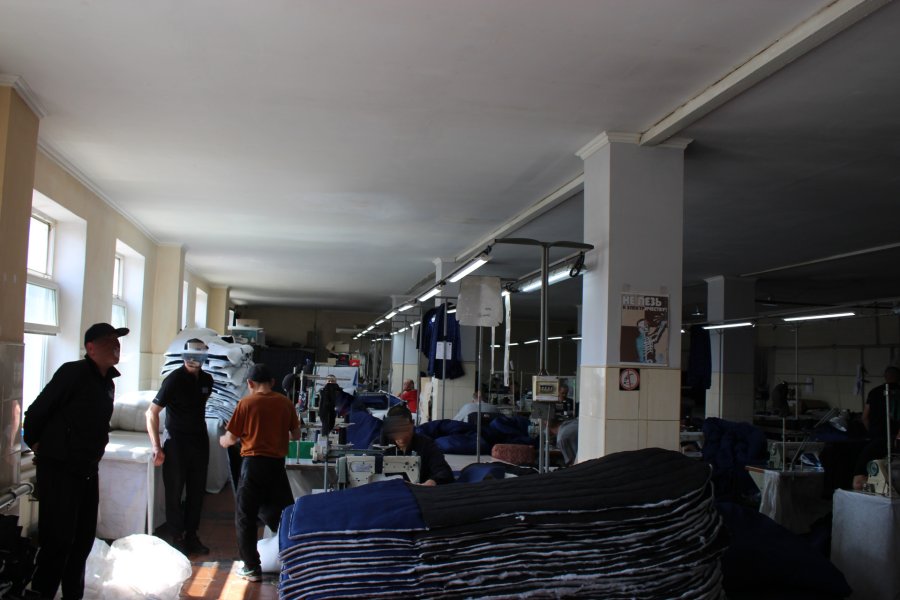
According to data obtained during the monitoring, there is an assumption that convicts work 12 hours a day. Convict H. reported that before the arrival of the monitoring group, the institution’s administration ordered everyone to say that they work until 16:00, not 20:00. Convicts who work in production are registered under civil law contracts. Contracts are concluded every month.
Metalworking workshops
Convict H. has worked for three years. Convict H. has worked for 2 years; according to him, he earns 700–800 hryvnias per month. Convict H. has worked for almost a year. Convict H. has worked for six months; he does not want to say how much he earns. Convict H. works in polishing; while there is no work, he cleans the streets. He has been working for over a year. Last month he received 120 hryvnias. Convict H. has worked in polishing for over a year and receives about 600 hryvnias monthly. Work in the polishing shop is clearly a hazardous production environment. The administration did not provide certification confirming compliance with workplace adequacy criteria. Convict H. has worked in the towel warmer section as a general labourer for over a year; he does not remember how much he earns.
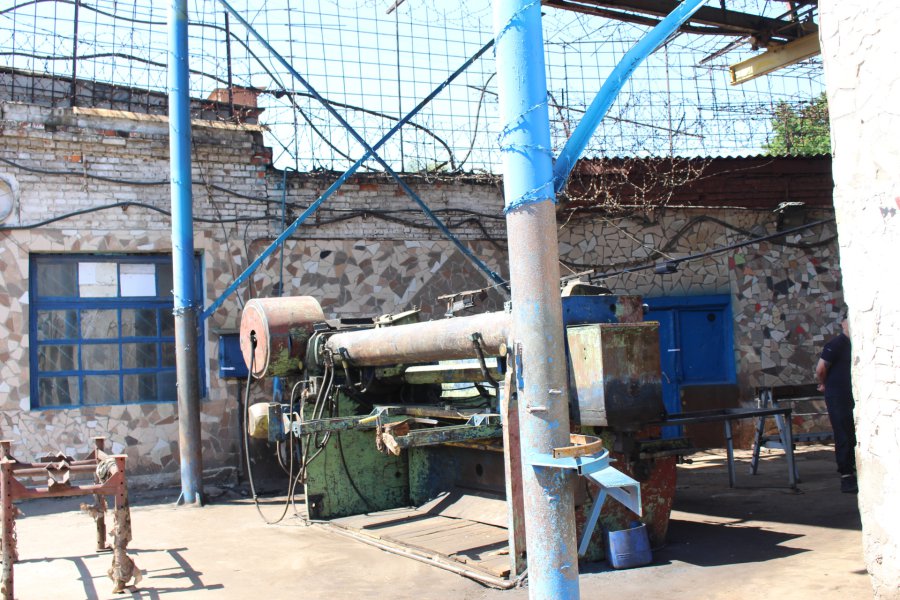
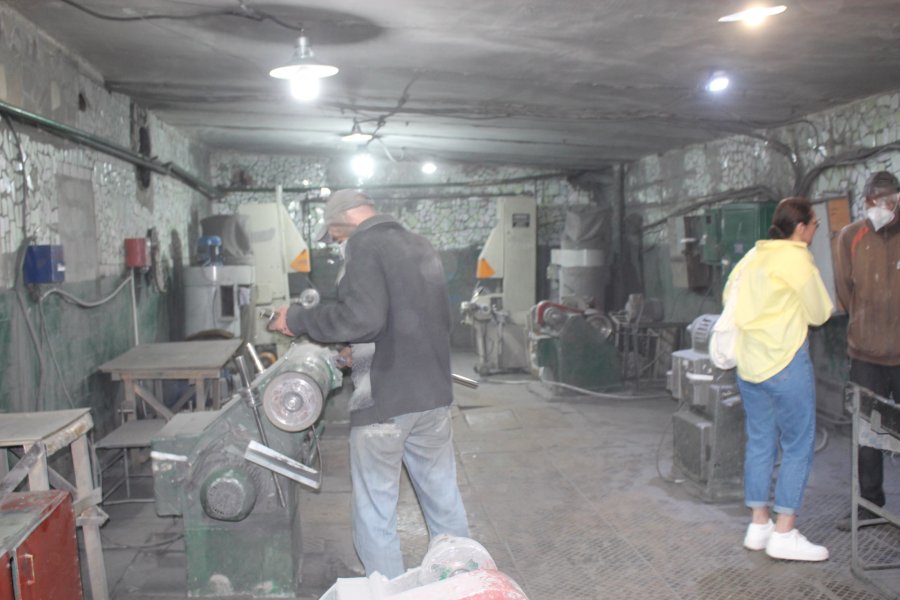
Welding area
Convict H. has worked for almost a year and earns about 1,200 per month; he was not issued overalls, nor special footwear. The administration did not provide information regarding the certification of the workplace for compliance regarding hazardous production.
Sewing and cutting workshops
Convict H. has worked for 8 months and earns an average of about 600 hryvnias per month. His relatives live in Moldova, and he communicates with them via the internet once a week. Convict H. has worked for over a year and does not know how much money he earns; his relatives are forced migrants abroad, and he has had no connection with them for over a year. Convict H. has worked for 1 year and 6 months, rewinding thread. The noise in the room is very loud. The convict has no protective equipment to prevent hearing damage.
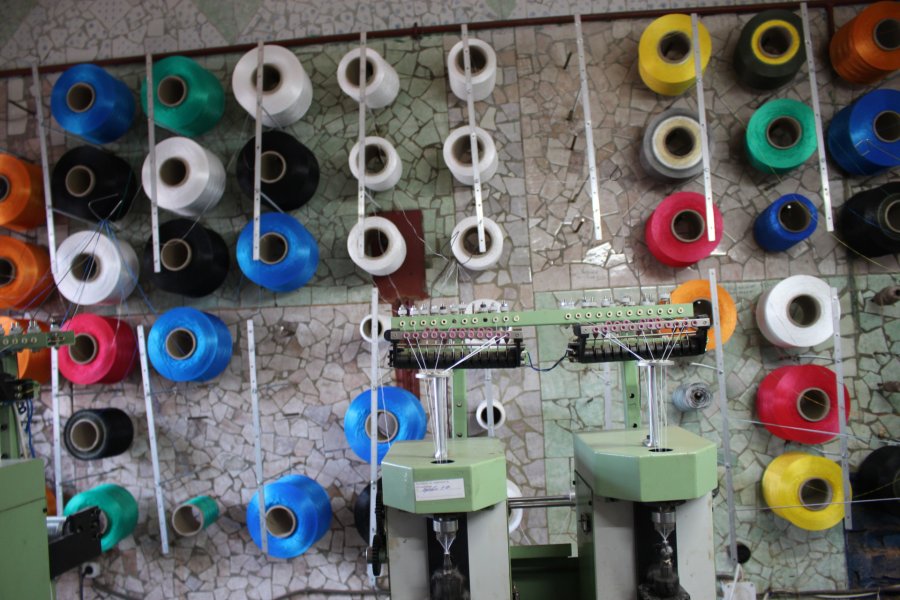
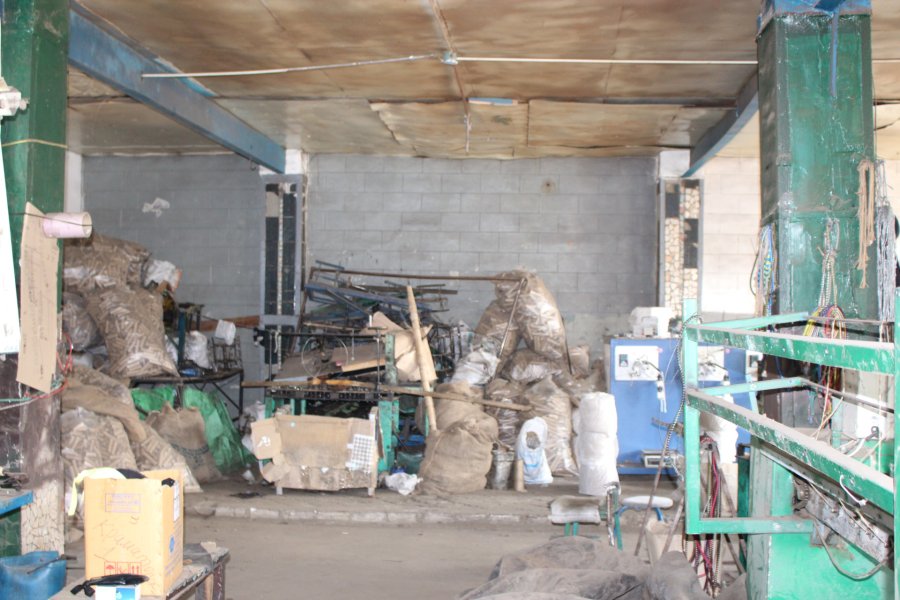
Garage
A service station (garage) operates on the territory of the institution, where private cars are repaired. Convict H. has worked for over a year; he refused to disclose the amount of his salary.
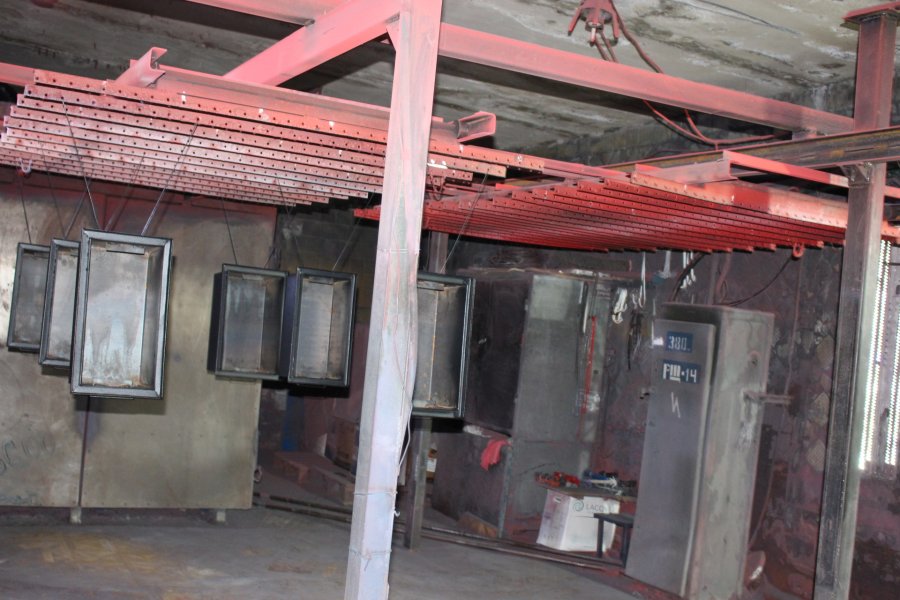
Paint shop
Convict H. has worked in this section for 4 years. He does not wear (protective) goggles, and he was not issued a special suit. He uses one mask for two days or more. He refused to name his earnings.
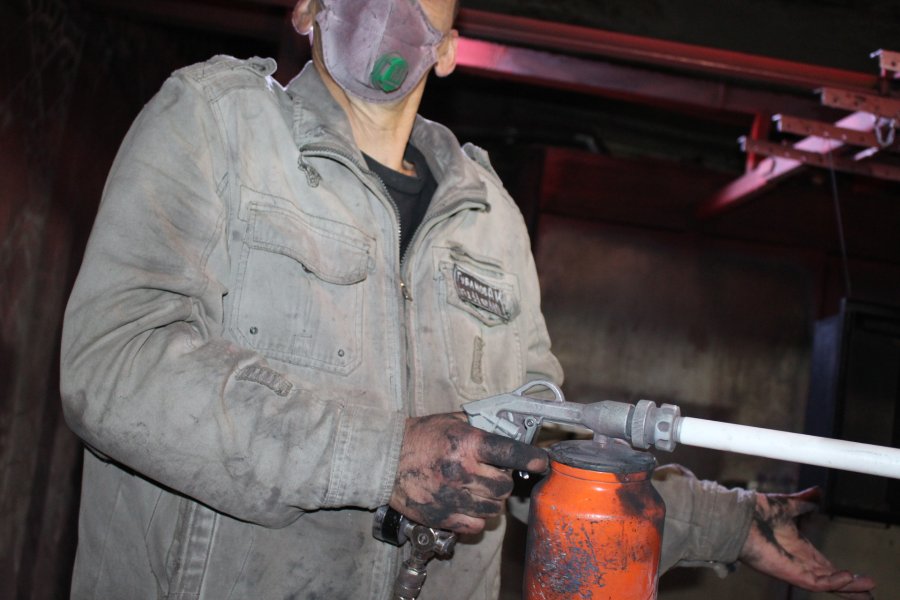
Ropes
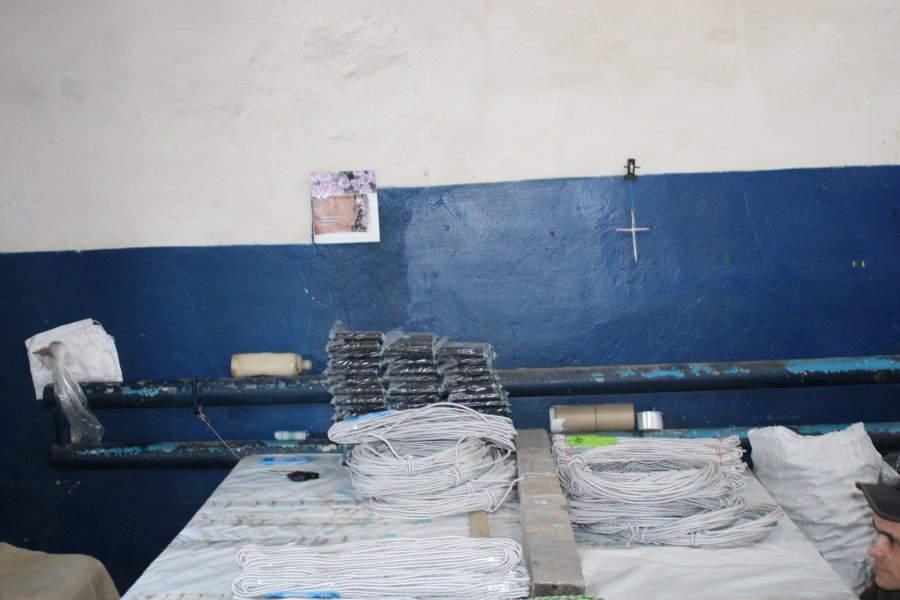
Convict H. has worked for two years; he does not know how much money he earns, and the last time he went to the shop was in the autumn.
There is no natural light in the production premises. Artificial lighting is very weak, which is clearly insufficient to ensure proper working conditions. Furthermore, there is no ventilation system in any of the production premises. The air in the rooms is stale. There is a noticeable smell of lubricant in the metalworking rooms.
Living Quarters
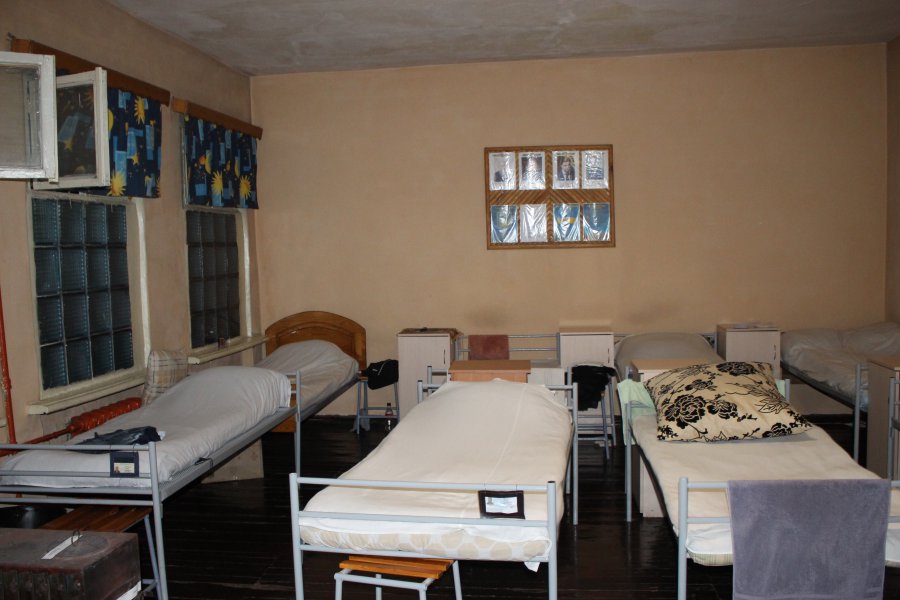
The monitoring group visited the Social and Psychological Service unit No. 13. The barrack-type premises are in need of repairs. Convicts are prohibited from sitting on their beds during the day. Everyone who refuses to work in production is engaged in two hours of unpaid labour under Art. 118 of the Correctional Code. There are no schedules or rotation; it is at the discretion of the unit orderly.
Canteen
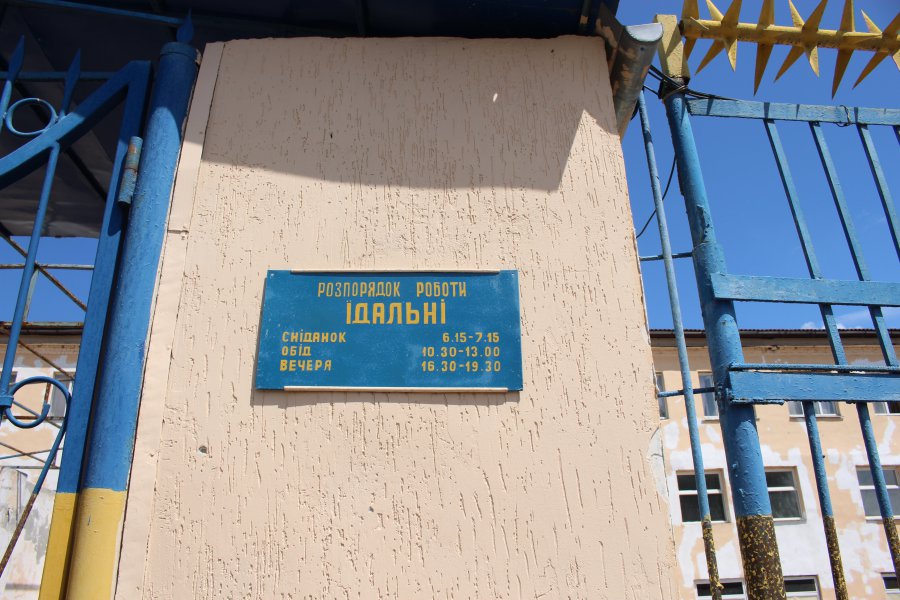
The canteen is located on the ground floor of a two-storey building. The dining hall is spacious, but there is mould on the walls near the windows. There is a menu information board with relevant information about the dishes. Cosmetic repairs have been carried out in the kitchen. According to the work schedule for May 2023, canteen staff work in two shifts. Also, 4 people work the night shift: from 16:00 to 06:00 the following day, which is 14 hours a day. 9 people work during the day. None of the convicts who work in the canteen/kitchen have medical books. After lunch, staff representatives conducted a search of the convicts. When asked what justified this action, the administration replied that it was to ensure they did not carry bread out of the canteen. Such measures in no way contribute to the goal of criminal punishment — resocialisation and social adaptation — but are elements of a punitive, Soviet-era mindset that should have been gotten rid of long ago.
Quarantine, Diagnostic and Distribution Unit
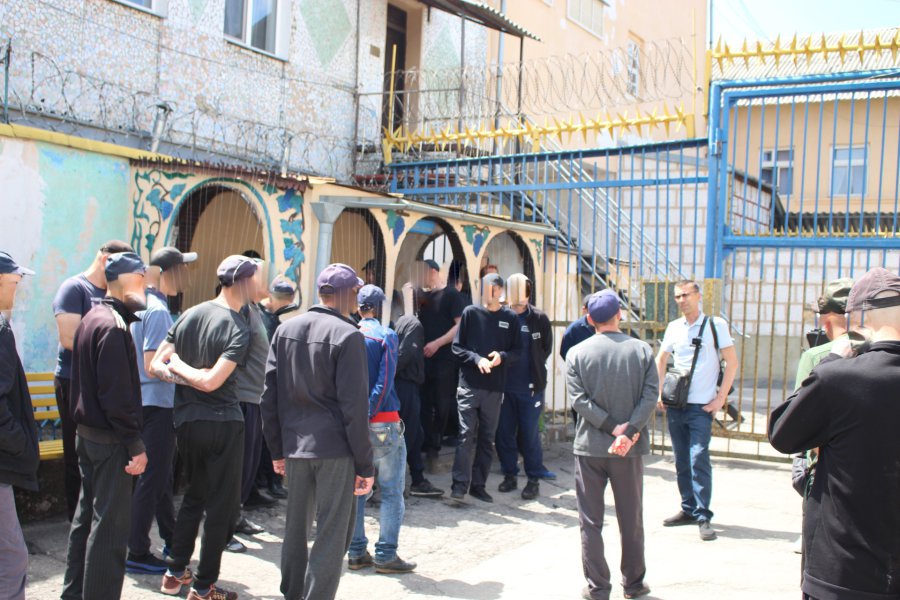
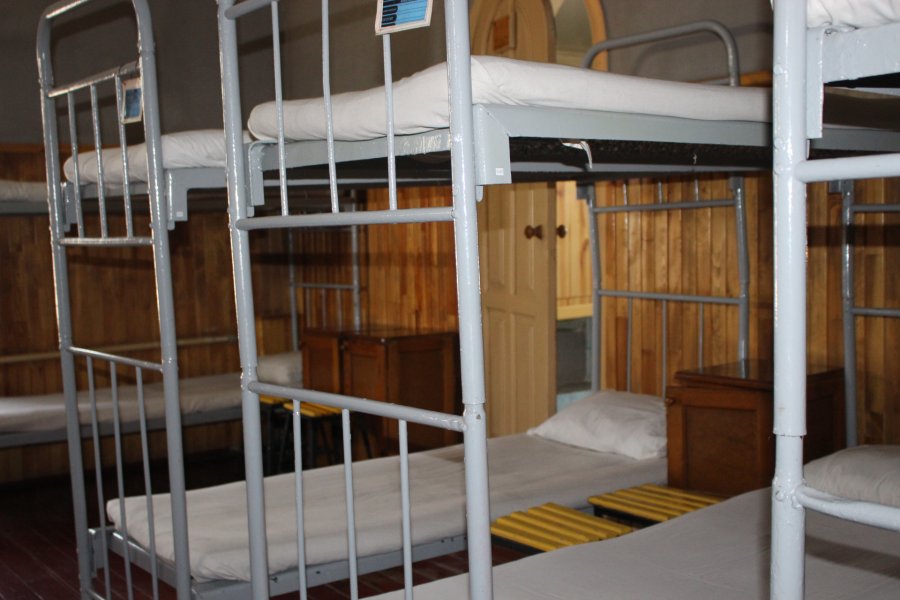
There were 10 newly arrived convicts in the quarantine, diagnostic and distribution unit. During communication, a high level of fear was observed. The convicts were intimidated and refused to speak with the monitors. All convicts, without exception, refused to answer questions and stated that everything was fine with them. During the conversation, the convicts hid their eyes and refused to answer direct questions. Such a practice indicates an atmosphere of psychological pressure and intimidation. There are double-decker beds in the premises of the unit. The rooms are cramped, and there is a noticeable unpleasant odour.
Bathhouse
Communication with the Outside World
In an institution with 650 convicts, there is not a single tablet computer for personal use. Convicts sentenced to deprivation of liberty have not even heard of the concept of an ‘electronic complaint’. When asked if they were aware of their right to their own tablet computer, some convicts replied that they did not have such information, while others remarked: ‘well, you understand everything yourselves why they are not here’.
Having inspected the internet usage log in the computer room, the monitors found that the global internet network had been used 58 times during the current year, and only 3 people use the internet. It should be noted that, according to official statistical data provided by the institution’s administration, the internet network using equipment on the institution’s balance sheet had been used 657 times, which does not correspond to the data recorded in the logbook.
Safety
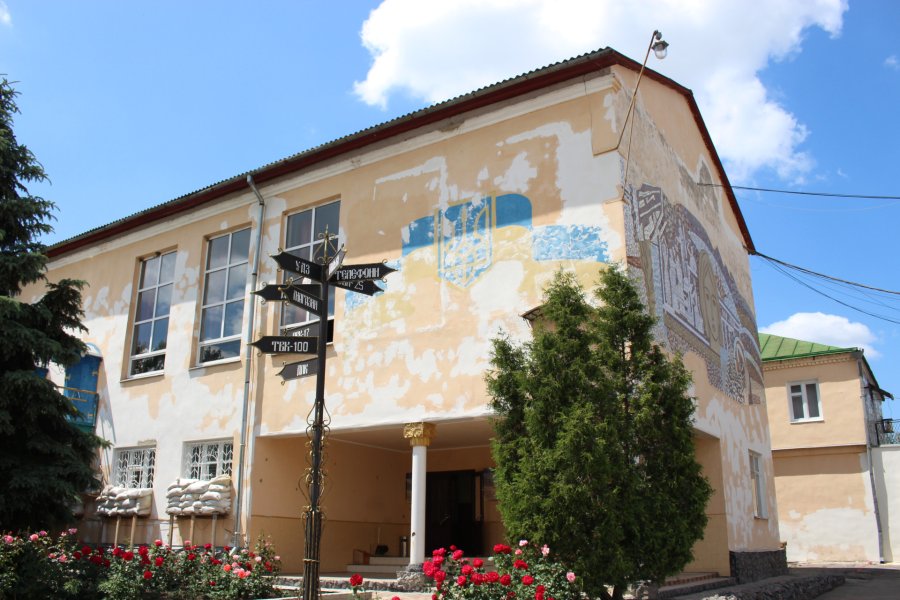
The State Institution ‘Kharkiv Correctional Colony No. 43’ has been hit by Russian shelling repeatedly since the beginning of the war, causing damage to buildings, fences, and other structures belonging to the institution. The danger continues, and the probability of repeated rocket and bomb attacks is very high. However, despite the high danger to the life and health of both convicts and staff, they continue to send people to the institution to serve sentences. Kharkiv’s penitentiary institutions have been hit by shelling multiple times, and we have cases of deaths and injuries among staff and convicts.
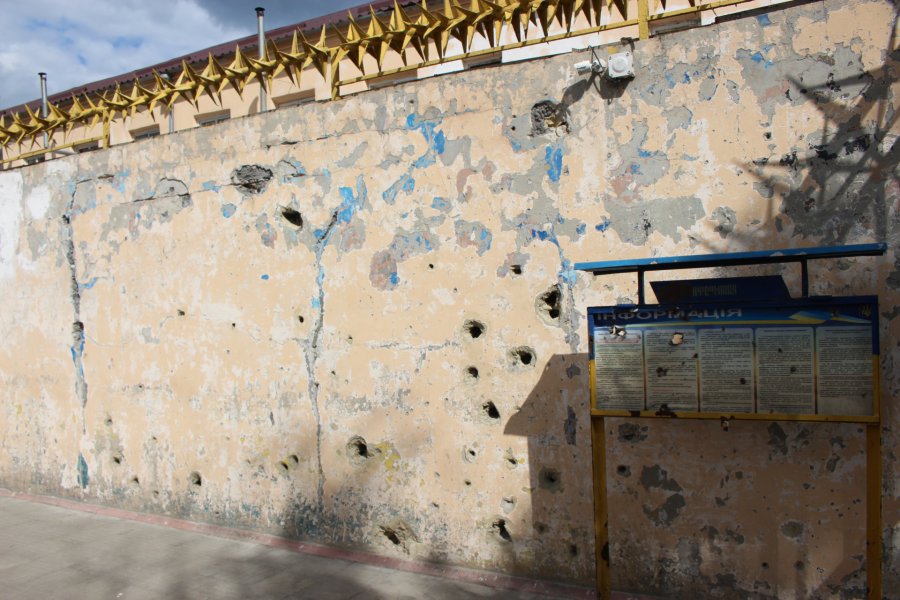
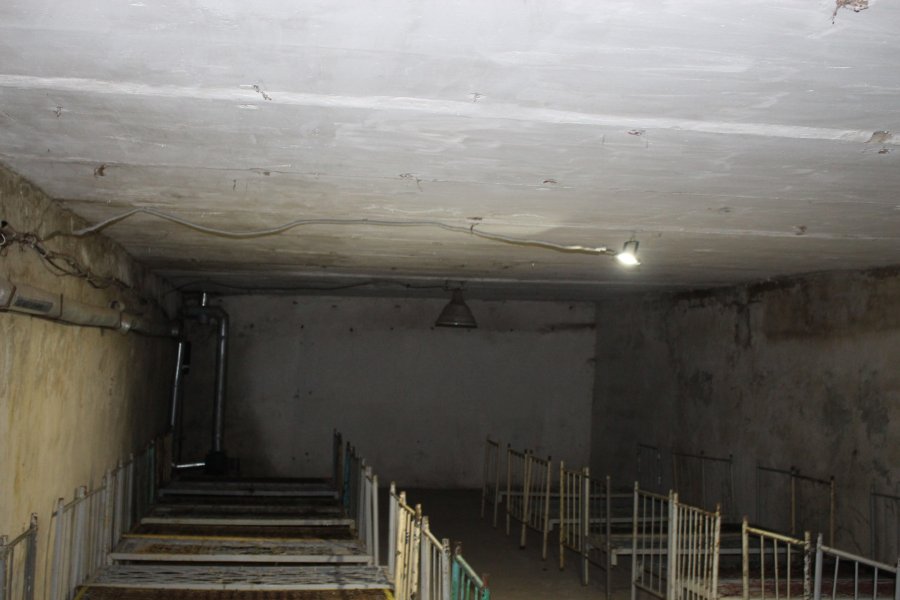
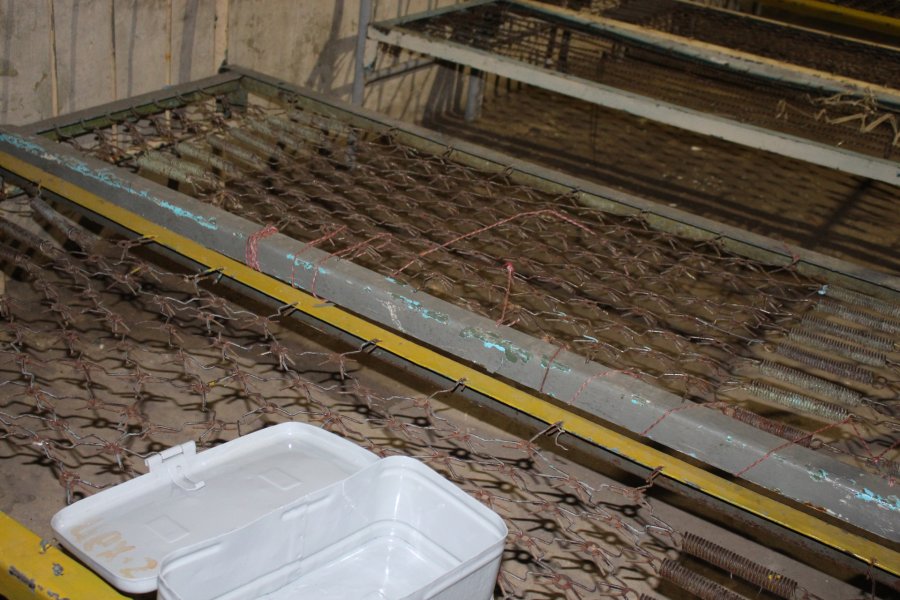
Bomb Shelter
Medical Unit No. 43 of the branch of the State Institution ‘Health Care Centre of the State Penitentiary Service of Ukraine’ in the Kharkiv and Luhansk Regions
The head of the medical unit is D.G. Drokin. The medical unit’s infirmary has 4 wards for somatic patients with 10 beds; and 3 infectious isolation wards with 6 beds. During the visit by the monitoring group, medical documentation was studied, and doctors’ offices, the X-ray room, wards, and other premises of the medical unit were inspected for their compliance with the requirements of the legislation of Ukraine and international standards. At the time of the visit, there were 2 people undergoing inpatient treatment.
According to the staffing table, the following positions are filled: Head of the Medical Unit/Doctor — 1 post; Therapist — 0.25 posts; Psychiatrist — 0.5 posts; Dentist — 0.5 posts; Radiologist — 0.5 posts; Phthisiatrician — 0.5 posts. The following positions remain vacant: General Practitioner/Family Doctor — 1 post; Therapist — 0.25 posts. Patients treated during the current year: in the infirmary — 13 people; outpatient — 802 patients. Dispensary supervision is carried out for: somatic diseases — 448 people; HIV-infected — 67 people (67 of whom are receiving ART); tuberculosis (cat. 5.1) — 54 people; mental disorders — 78 people.
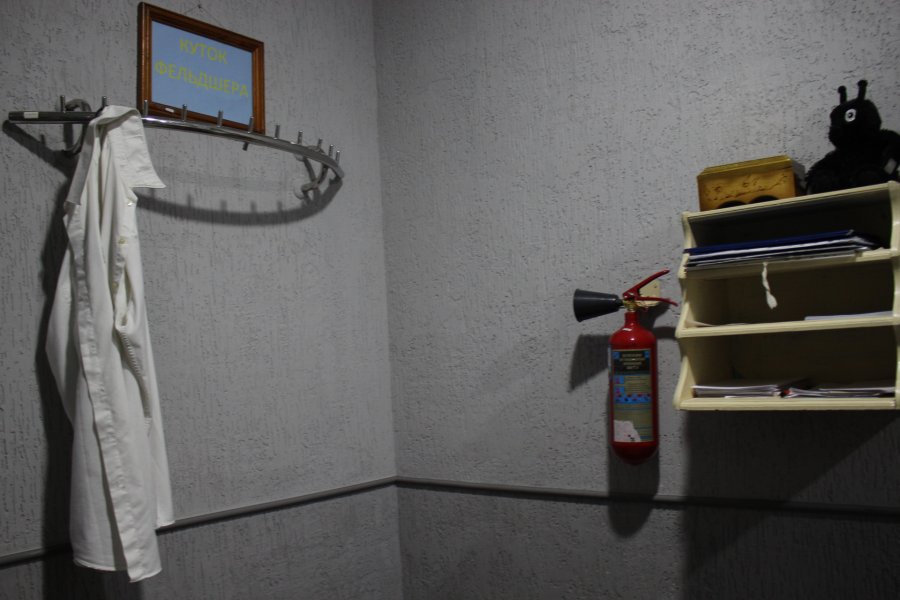
During the monitoring visit, shortcomings were identified in the work of the medical unit, leading to violations of the rights of convicts in the State Institution ‘Kharkiv Correctional Colony (No. 43)’, in particular:
1. Failure to provide primary, secondary and tertiary care
Due to the absence of signed declarations with a primary care physician, convicts do not have the opportunity to receive necessary medical services funded by the National Health Service of Ukraine (NHSU), which leads to a violation of the requirements of paragraphs 4 and 5 of Article 4 of the Law of Ukraine ‘Fundamentals of the Health Care Legislation of Ukraine’.
2. Violation of the rights of persons with disabilities (Article 9 of the UN Convention on the Rights of Persons with Disabilities)
Dispensary supervision is provided for 18 persons with disabilities. Of these, Group I — 1 person; Group II — 2 people; Group III — 7 people. During the study of the convicts’ medical documentation, it was established that 4 persons with disabilities lack individual rehabilitation programmes (hereinafter — IRP). Furthermore, IRP recommendations are not being implemented.
The institution has not created conditions for the maintenance of persons with disabilities; the infirmary is located on the second floor (there are no ramps, handrails, etc.).
3. Violation of the rights of persons suffering from viral hepatitis C
Since the beginning of 2023, 376 rapid tests for viral hepatitis C (hereinafter — VHC) have been conducted in the medical unit, of which 225 cases showed a suspected infection. A VHC diagnosis has been confirmed in 62 individuals, 14 of whom are receiving treatment. 1 person has died (cause of death — liver cirrhosis). Individuals suspected of having viral hepatitis C do not undergo PCR testing, due to which they do not receive the necessary treatment, which may lead to a deterioration in their health and the spread of the aforementioned infectious disease among convicts and detainees.
4. Failure to comply with infection control and epidemiological surveillance for tuberculosis
According to information provided by the medical staff, on the day of the visit (16.06.2023), convict B. and convict S., diagnosed with tuberculosis (new case), were sent to the Pokrovsk Specialised Tuberculosis Hospital (No. 17). During the study of the medical documentation, the monitors established that the suspicion of the disease was established on 15.05.2023, the tuberculosis diagnosis was confirmed on 23.05.2023, and they were hospitalised in the infirmary on 14.06.2023.
For over a month, they remained among the general population of convicts, which created the prerequisites for the spread of an infectious disease among the inmates. Furthermore, individuals held in the medical unit are not fully provided with personal protective equipment; strict control over adherence to the mask regime on the territory of the institution among prisoners is not carried out; daily temperature screening of convicts is not conducted.
5. Violation of fire safety rules
The premises of the medical unit are not equipped with fire extinguishing and fire alarm systems. Moreover, the rooms of the doctors’ offices and the X-ray room are not provided with fire extinguishers.
The above does not ensure safe conditions for patients staying in the infirmary and may pose a threat to their life and health.
6. Lack of equipment, medical supplies, and medicinal products in the medical unit
6.1 The medical unit lacks a dental X-ray machine, which makes it impossible to conduct an in-depth dental examination of convicts and does not ensure the timely provision of proper dental care.
6.2 During an inspection of the medical unit’s pharmacy, expired medicines were discovered.
6.3 During an inspection of the defibrillator’s operability, it was established that the electrodes were missing.
7. Violations in the operation of the room where the medical unit’s medicines are stored
In the room for storing medicines, there is no ability to maintain the air temperature in accordance with the requirements of the instructions for the use of medicinal products during the summer period (there is no air conditioner).
8. Violation of the right of convicts and detainees to information about their state of health, treatment methods, and improper documentation
8.1 It was established that informed voluntary consent for diagnosis and treatment signed by the patient is missing in the inpatient medical records No. 003/o. This may indicate the absence of voluntary consent from patients for the application of diagnostic, preventive, and treatment methods to them, and is a violation of Article 43 of the Law of Ukraine ‘Fundamentals of the Health Care Legislation of Ukraine’.
9. Violation of the right of detainees and convicts to proper sanitary and hygienic conditions in the health care facility
9.1 In the premises of the medical unit, the walls have peeling paint in some places, damaged ceramic tiles on wall panels, wooden windows, and old flooring, which complicates the disinfection of these premises.
9.2 Convicts do not receive hospital property (a hospital suit, dressing gown, and shoes). Convicts stay in the infirmary in their everyday clothes, sometimes with their own bed linen.
10. Violation of the right of convicts to psychiatric care
Dispensary supervision is carried out for 78 persons with mental disorders. The infirmary lacks an isolation ward for persons with mental disorders who pose a danger to others. The head of the medical unit explained this by saying that the room previously used as an isolation ward for persons with mental disorders does not meet requirements, and therefore is not used.
11. Violation of the rights of convicts and detainees during primary and preventive medical examinations
During the study of medical documentation, it was established that according to the ‘Logbook of results of preventive medical examinations at the Kharkiv Correctional Colony No. 43’, a periodic medical examination was conducted for 540 people during the current year. The medical examination was conducted by doctors: a dentist, a psychiatrist, and a therapist. The monitoring group recorded the absence of personal medical books for convicts at the State Institution ‘Kharkiv Correctional Colony No. 43’.
12. Violation of the rights of HIV-infected persons
During the study of medical documentation, it was established that dispensary supervision in the institution is provided for 67 HIV-infected persons. The medical unit does not have an infectious disease specialist on staff.
Torture and Ill-Treatment
After convicts are released or transferred to another institution, individuals complain of torture, and cruel and inhuman treatment in this institution. They name names, provide evidence, and demonstrate bodily injuries. Based on the facts of torture, criminal proceedings have been initiated by the competent authorities, and an investigation is underway.
If you have been a victim of or a witness to torture or beatings at KhVK-43, have bodily injuries, or are a victim of inhuman treatment, please contact the hotlines of the following public organisations: ZVU +380689332882, KHPG Public Reception in Kharkiv: +380 50 505 1415, +380 50 405 3015, and in Kyiv +380 50 555 27 95.
Conclusions and Recommendations
- Cease creating an atmosphere of fear and humiliation in the institution.
- Stop the practice of sending convicts to the institution to serve sentences due to the danger.
- Stop the practice of prohibiting sitting on beds in living quarters.
- Stop the practice of prohibiting the use of tablet computers and their accessories for personal use.
- Stop the practice of conducting searches in the canteen.
- Ensure convicts who work are paid the minimum wage.
- Ensure proper working conditions, including protective clothing and safety measures.
- Stop the use of the two-hour labour requirement in accordance with Art. 118 of the Correctional Code as an element of pressure.
- Assist convicts in restoring family ties lost due to the war.
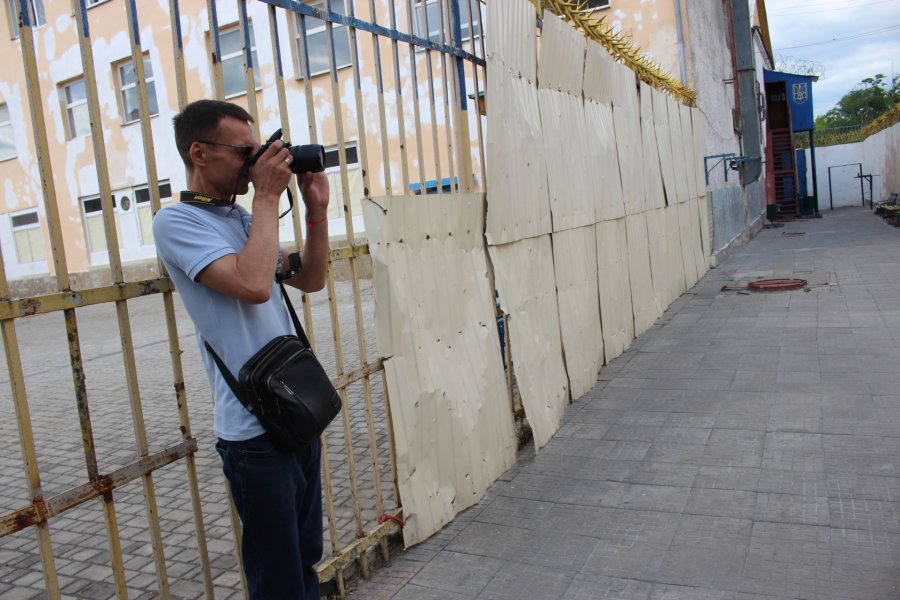
A preventive monitoring visit regarding human rights compliance in the penitentiary system to the State Institution ‘Kharkiv Correctional Colony No. 43’ was implemented by representatives of the NGO ‘Prisoners’ Rights Protection of Ukraine’ and the NGO ‘Kharkiv Human Rights Protection Group’. The monitoring group consisted of an assistant to the People’s Deputy of Ukraine Kostiantyn Kasai, members of the Public Council under the Ministry of Justice of Ukraine Serhiy Zuikov, Hanna Skrypka, and Oleh Tsvilyi, as well as an assistant to the People’s Deputy of Ukraine Yaroslav Yurchyshyn, and the KHPG programme coordinator and correspondent for the ‘Human Rights’ Information Bulletin of the Kharkiv Human Rights Protection Group, Mykhailo Romanov. The visit was conducted within the framework of the project ‘Reducing Prisoner Suffering in the Context of the War in Ukraine’, funded by the Government of Denmark in partnership with DIGNITY — The Danish Institute Against Torture. The purpose of the visit was to analyse human rights compliance in places of detention during the war.
Date of the visit: 16 June 2023.