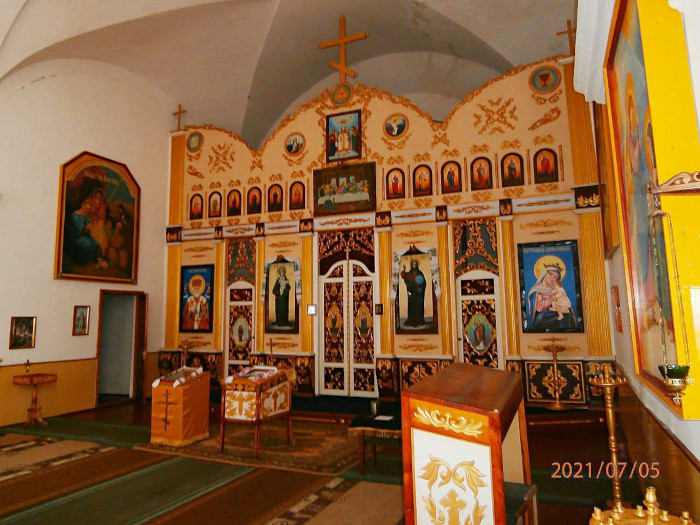
Monitoring visit to Zamkova Correctional Colony No. 58
General information
On 5 July 2021, the KHPG monitoring group, consisting of Serhiy Zuykov, a member of the Public Council under the Ministry of Justice, and Andriy Didenko, a journalist for the ‘Human Rights’ bulletin of the KHPG, conducted an unannounced visit to Zamkova Correctional Colony No. 58.
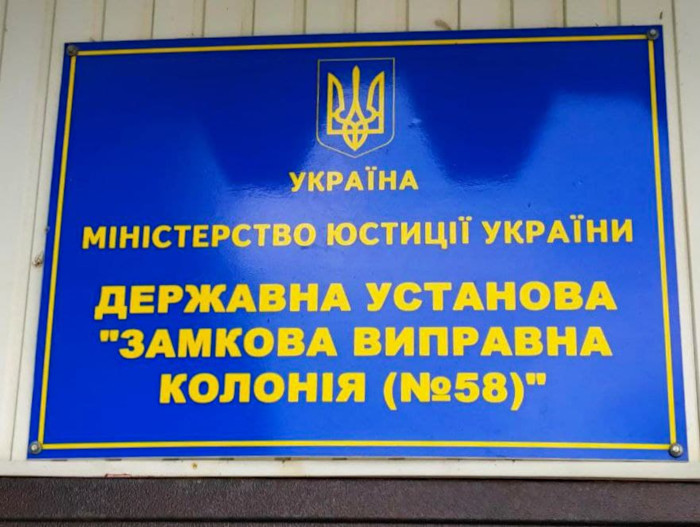
This is a maximum-security colony for holding persons convicted of serious crimes who have previous convictions. The colony has a section for life-sentenced prisoners.
The head of the institution is Lieutenant Colonel P. V. Dovhopolenko.
The number of staff is 251, and there are 198 prisoners, with a calculated capacity of 402 sleeping places.
There were 2 people in the disciplinary isolation unit (DIZO) and 1 in the disciplinary cell (OK).
There are 7 people registered with HIV/AIDS and 21 prone to suicide. No ambulance was called in 2021; the log for 2021 shows 3 cases of physical injury, and special equipment was used twice in 2021. No prisoner died during 2020–2021.
The monitoring group visited the section for life-sentenced prisoners, the medical unit, the resocialisation section, the DIZO/PKT (disciplinary cells), the bathroom, laundry, canteen, production zone, and economic section.
No obstacles were created by the institution’s management. Monitors were able to visit any room or section of the institution.
A bit of history and lyricism
There is a lot of information about this colony in the public sphere. There were times when human rights defenders organised public events to protect prisoners from torture and ill-treatment. Even a film entitled ‘Monastery of Suffering’ was shown in the office of the Ukrainian Parliament Commissioner for Human Rights. A resolution was passed to close the institution as a gross violator of human rights.
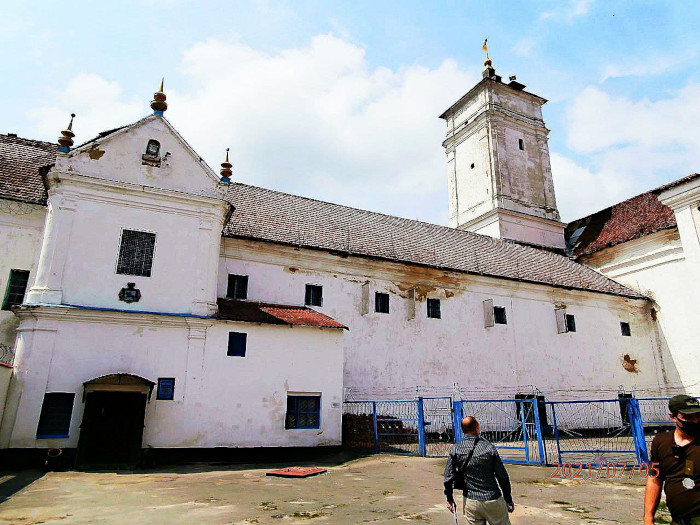
The monastery of the Order of the Bernardine Fathers—a monument of Baroque sacred architecture, a former Roman Catholic monastic complex founded in the early 17th century—turned into a continuous torture chamber, with occasional outbreaks of mass disobedience by prisoners recorded.
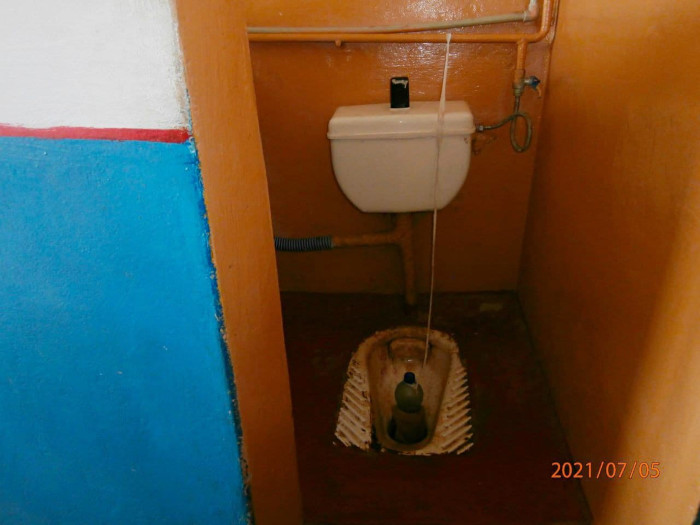
However, with the change in leadership, things that were common for Zamkova Correctional Colony No. 58, such as beatings, bullying, and placing prisoners in the section for life-sentenced prisoners for specific periods, seem to have become a thing of the past. We do not know how the institution’s management will cope with the challenges of winter cold, as inadequate living conditions have repeatedly been recognised by ECHR decisions as a violation of Article 3 of the Convention (torture and [inhuman treatment]). Repeatedly during monitoring visits, including those by the National Preventive Mechanism (NPM), the air temperature in the cell was recorded at 11 °C, which is nothing short of cruel treatment.
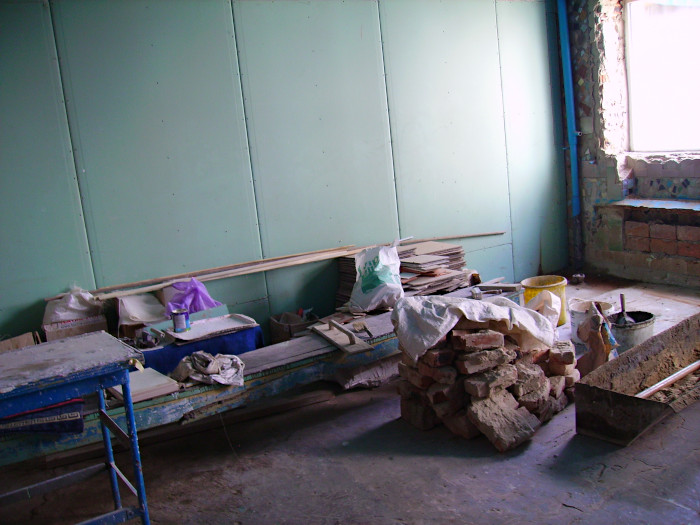
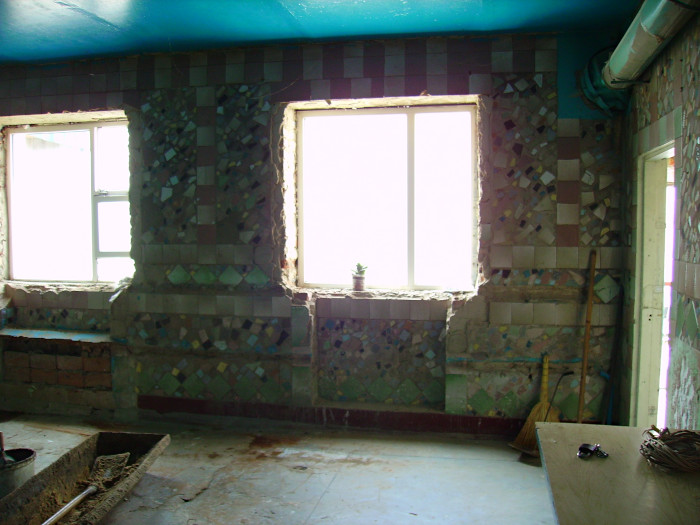
However, the head of the institution emphasised several times the need to repair the roof, and without this, clearly, there can be no talk of quality heating. The building is an architectural monument, and the state lacks the funds for repairs. We hope that the Ministry of Justice will allocate finances for repairs and will not delay this issue until winter, when frost strikes—as always, unexpectedly.
Life-sentenced prisoners
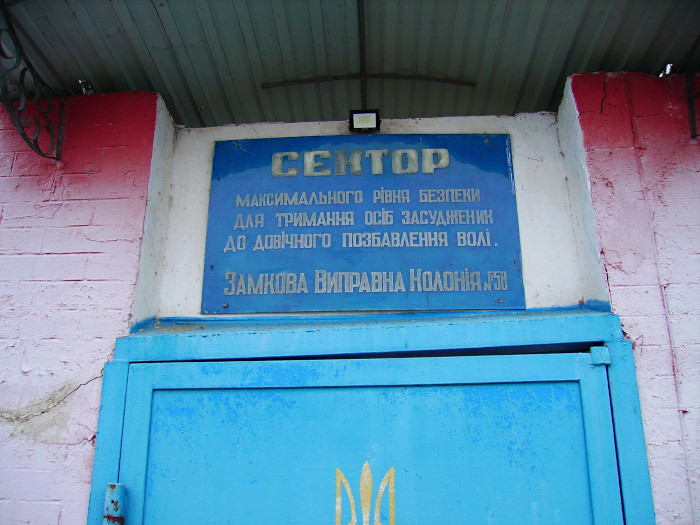
Within the framework of the ‘Fight for Life’ project, which serves as an information platform for lobbying for legislative changes to introduce a procedure for reviewing criminal sentences for those arbitrarily convicted, interviews were recorded with life-sentenced prisoners Vyacheslav Baranovskyi (more on this case here: Oleksandr Rafalskyi | The Fight for Life) and Idibek Zaripov, convicted of a double murder in the city of Sevastopol, where he had never been. Zaripov told how he was tortured in order to extract a confession for a crime he did not commit (more on this case here: Isakov Rashidbek | The Fight for Life).
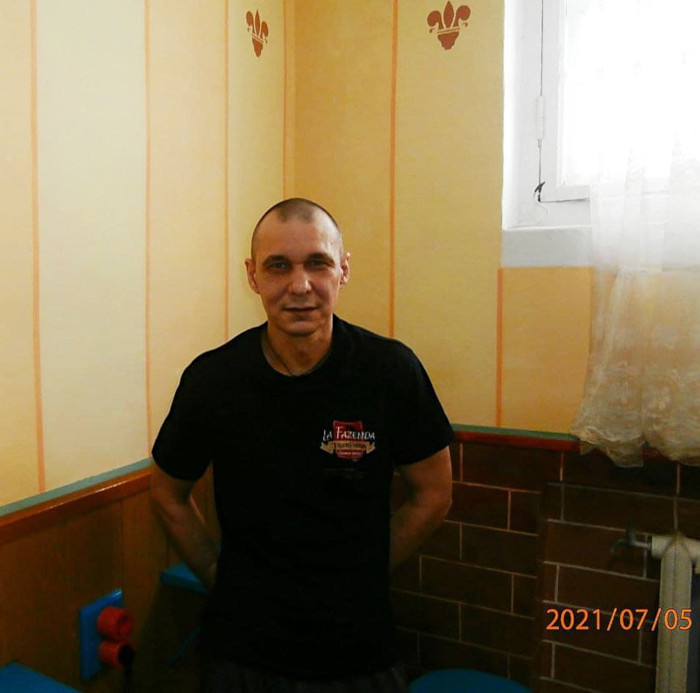
Vyacheslav Baranovskyi
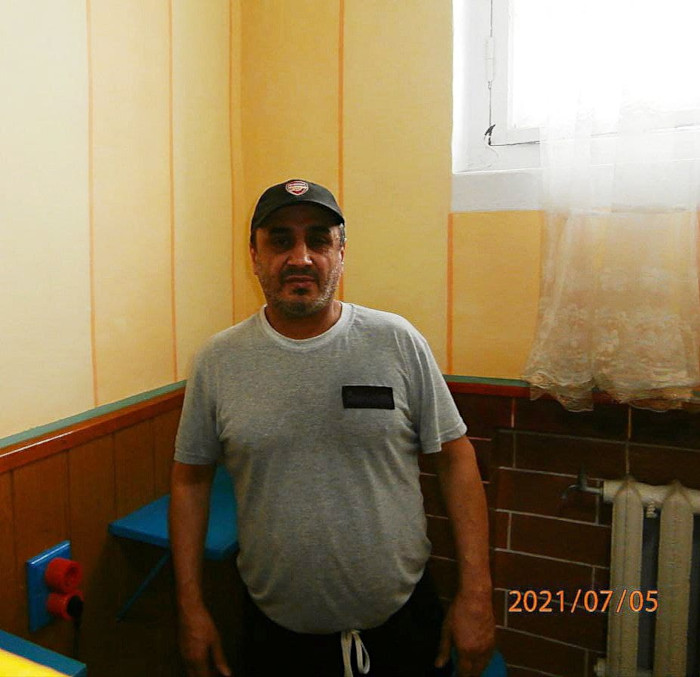
Idibek Zaripov
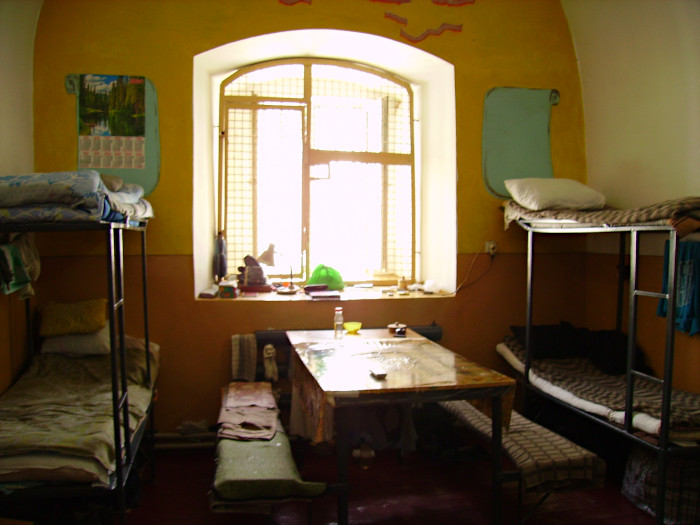
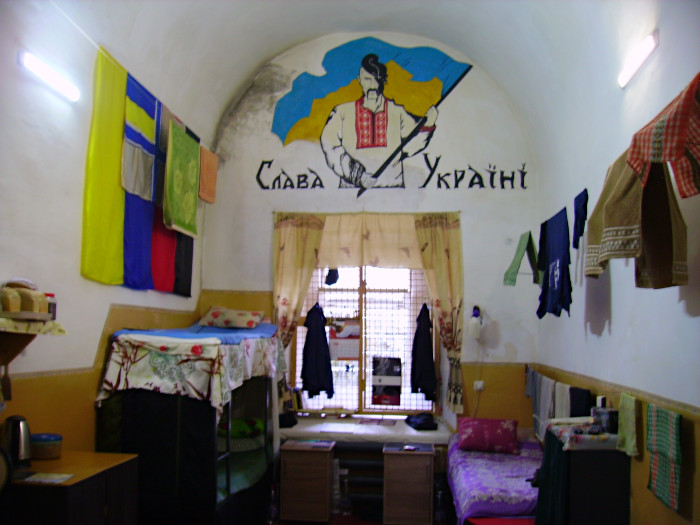
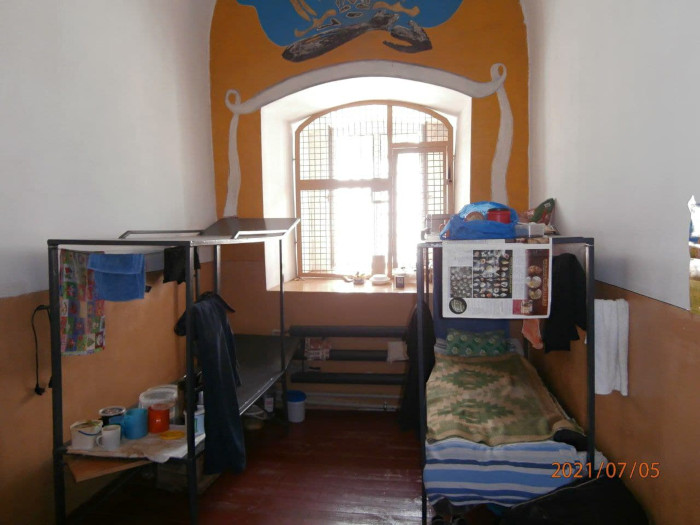
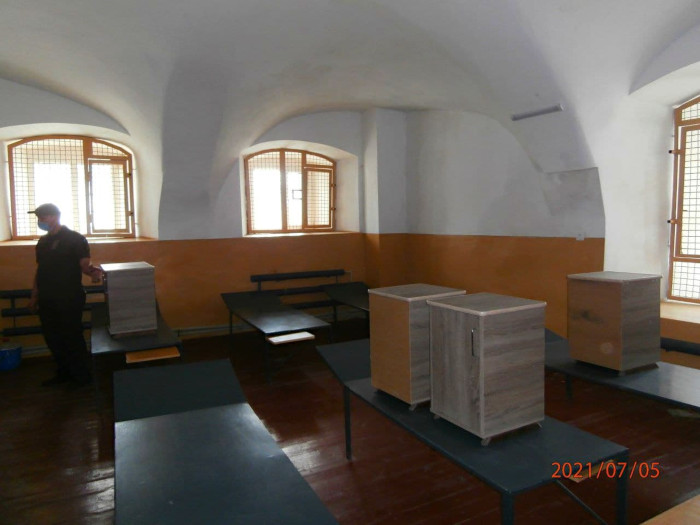
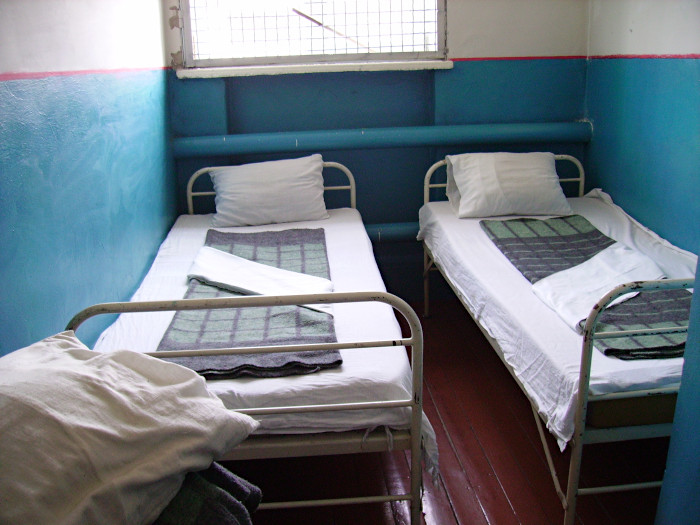
Cells for life-sentenced prisoners, including multi-occupancy cells, were inspected.
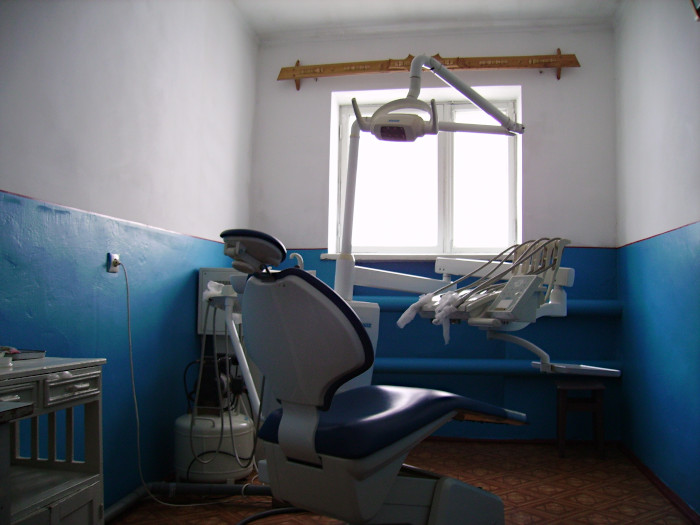
Medical unit
According to the head of the medical unit, Vasyl Vasylovych Bondar, he has worked at this institution for 27 years.
The absence of a log of bodily injuries for new arrivals was recorded. All bodily injuries are recorded in a single log.
25 prisoners have recovered from COVID-19, and 235 administration employees have been vaccinated with the first dose of the vaccine.
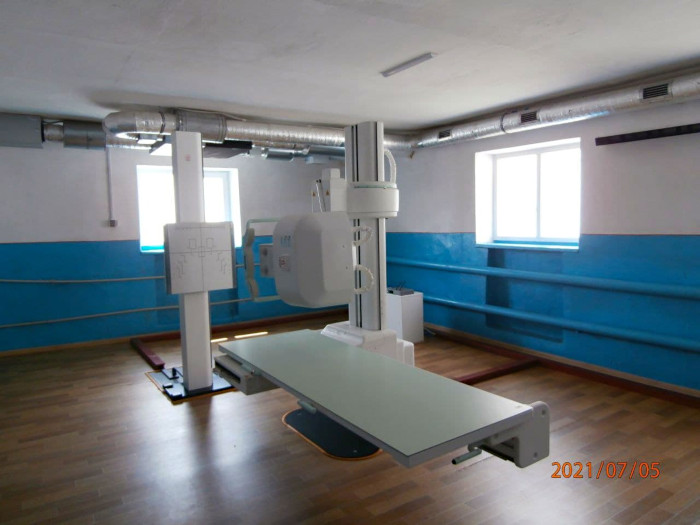
The head of the medical unit says that he is satisfied with the supply of medicine and equipment.
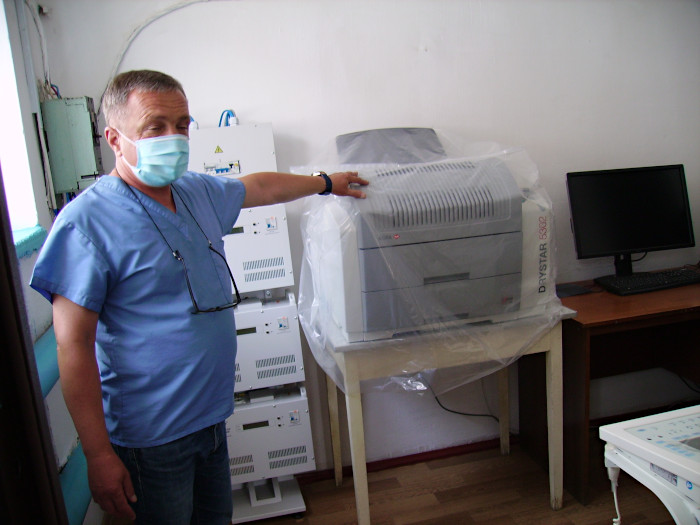
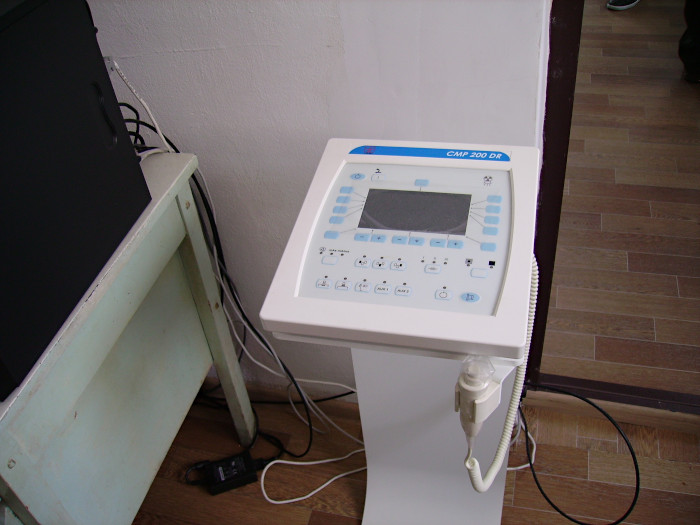
A fluorography machine is in operation; no active forms of tuberculosis have been detected in the last three years, and HIV/AIDS patients receive antiretroviral therapy. Two prisoners with hepatitis have been treated and are receiving therapy.
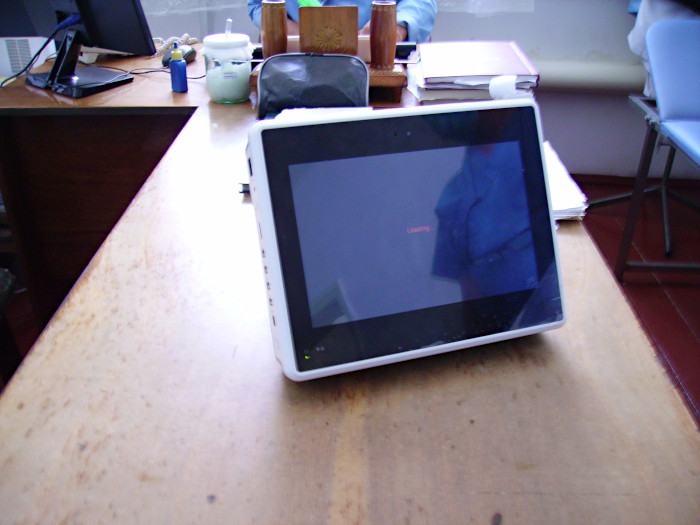
There is an IDIS machine—a system for decoding cardiograms—and the patient’s medical documentation is in electronic format.
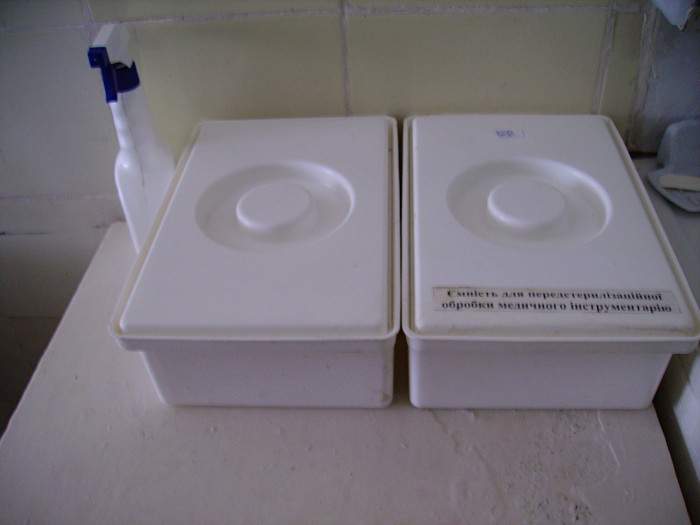
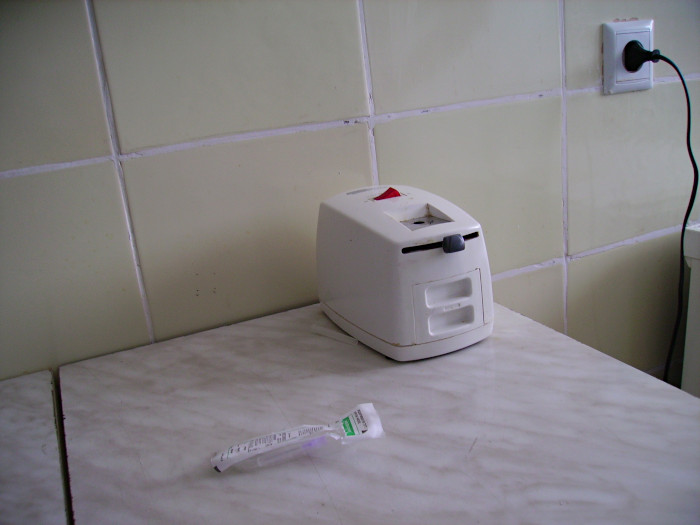
A prisoner ‘K.’, born in 1969, requested assistance in being assigned a special diet due to a stomach ulcer and poor health. The doctor on duty promised to facilitate this, even making an entry in the log, and the prisoner wrote an application by hand. However, the prisoner’s wife later called to inform us that prisoner ‘K.’ had been denied the dietary food. By the way, as it was discovered, only two prisoners use a special diet—one receiving inpatient treatment and one life-sentenced prisoner.
During the inspection of the log of bodily injuries, a case was discovered where prisoner ‘K.’ committed self-mutilation by nailing his own foot to the floor. No certificate or photograph was added to this record, as required by the relevant instructions. However, at the request of the monitors, the head of the medical unit brought the relevant certificate and demonstrated a photograph on a computer screen. The head explained the absence of the photo in the medical file by saying that there is no possibility of printing photos.
When asked about the reasons for such an act, prisoner ‘K.’ replied that the incident was over and he had no complaints about the actions of the administration. However, improper documentation is present.
Reduction in the number of prisoners
The reduction in the number of prisoners is noticeable. Staff explain this by the large number of releases due to the ‘Savchenko Law’.
DIZO (Disciplinary isolation unit)
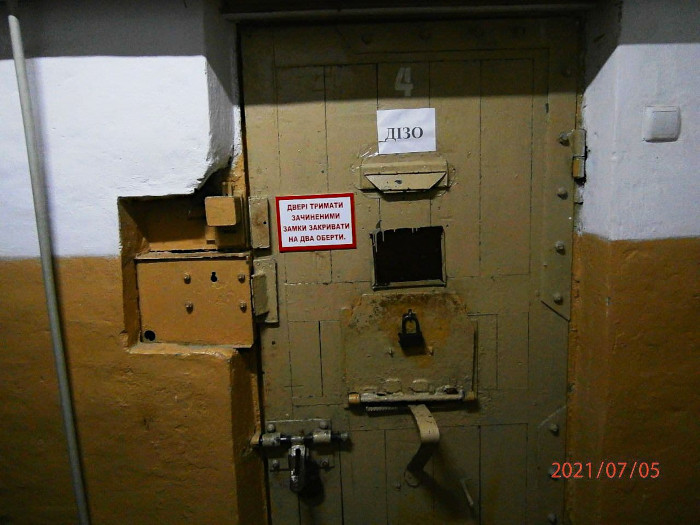
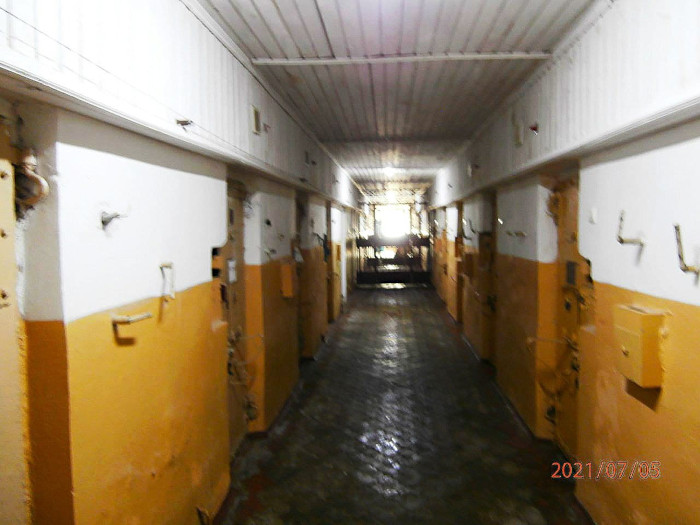
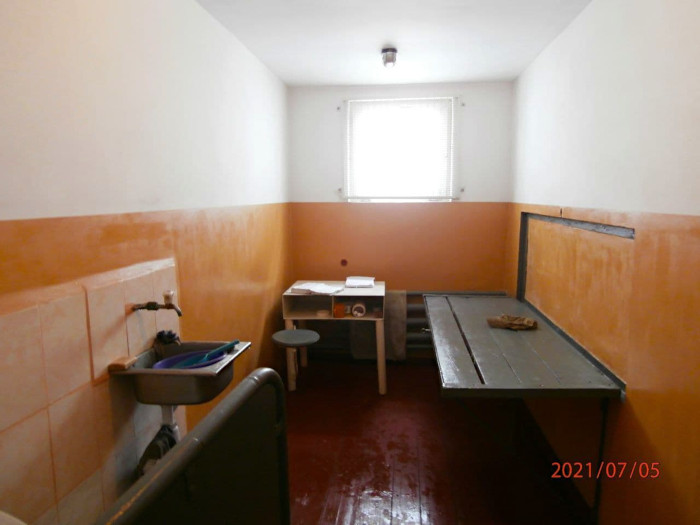
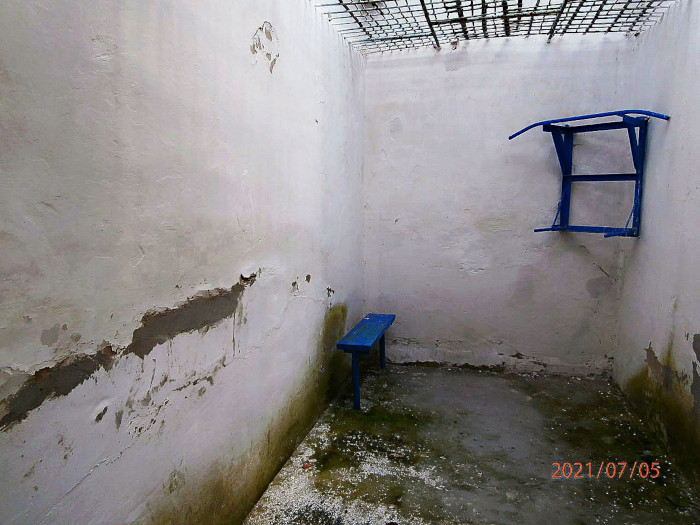
In the DIZO, the bed is not closed during the day.
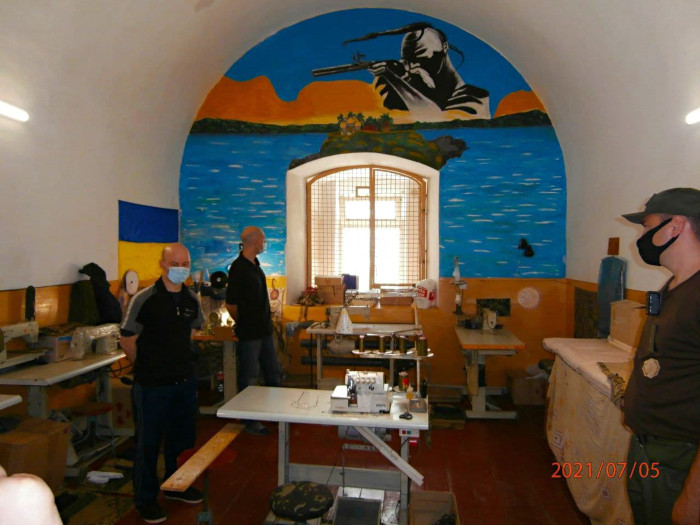
In the workshop cells, prisoners do repair work, and according to them, they receive a salary of about 600 UAH per month after all deductions.
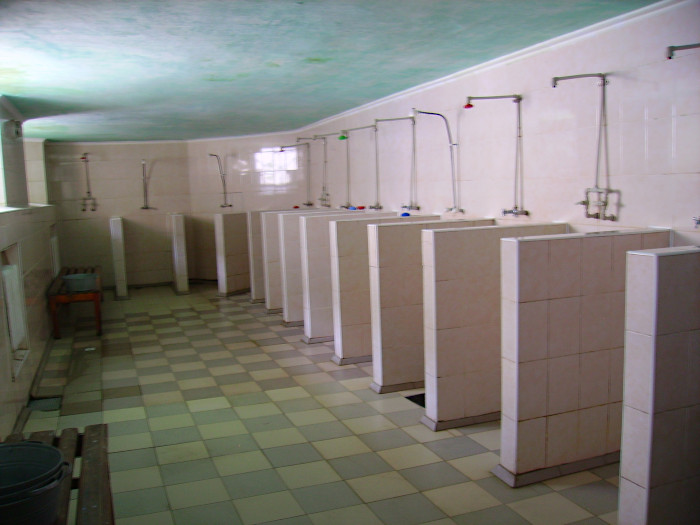
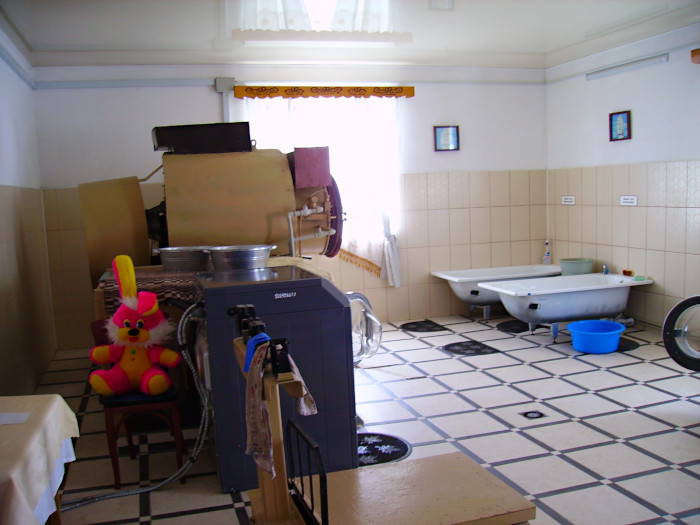
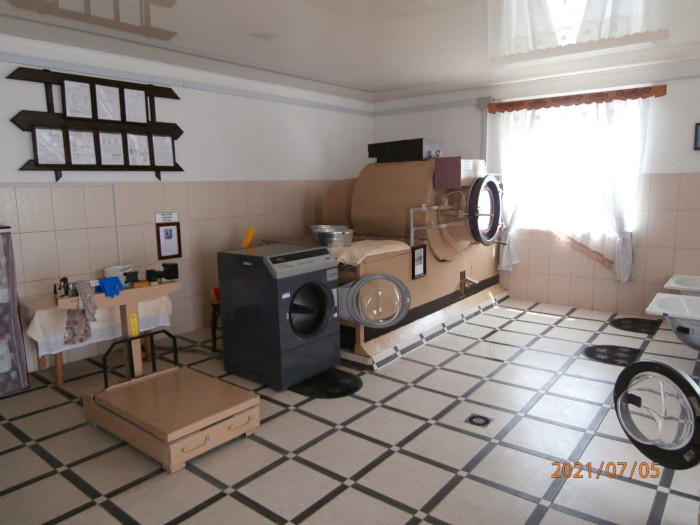
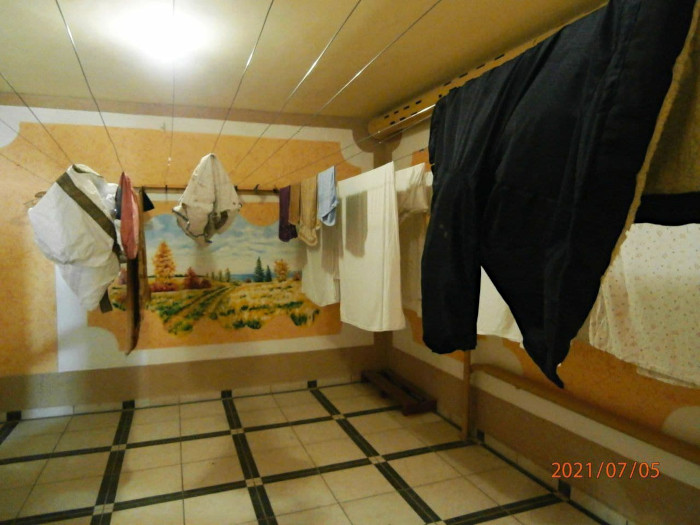
The monitors also visited the bathhouse and laundry with an ironing machine.
Canteen
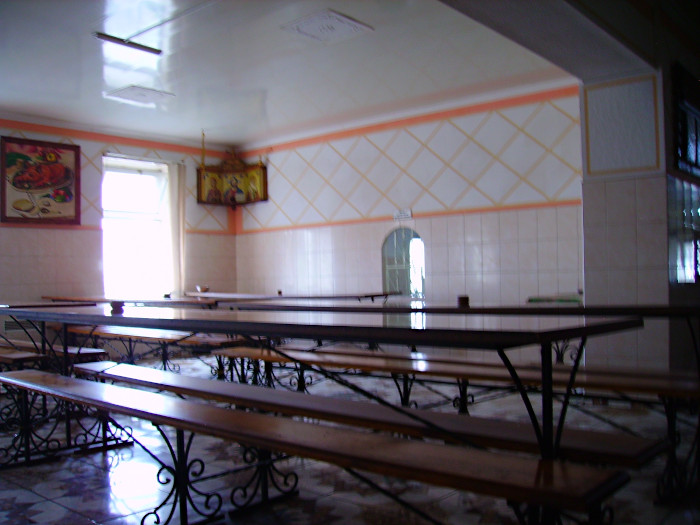
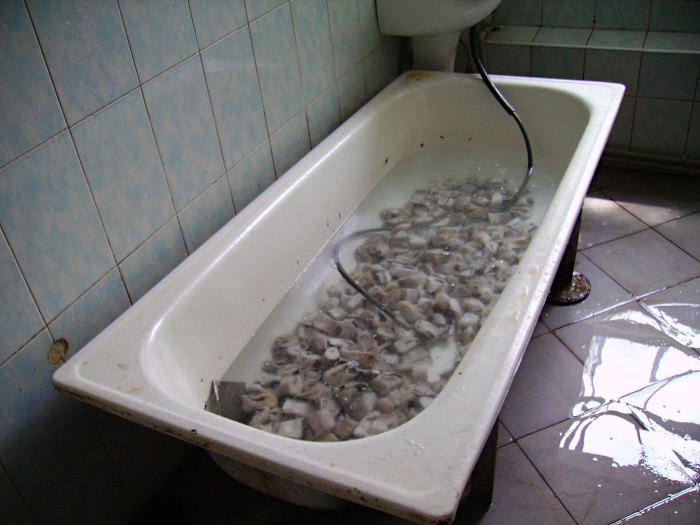
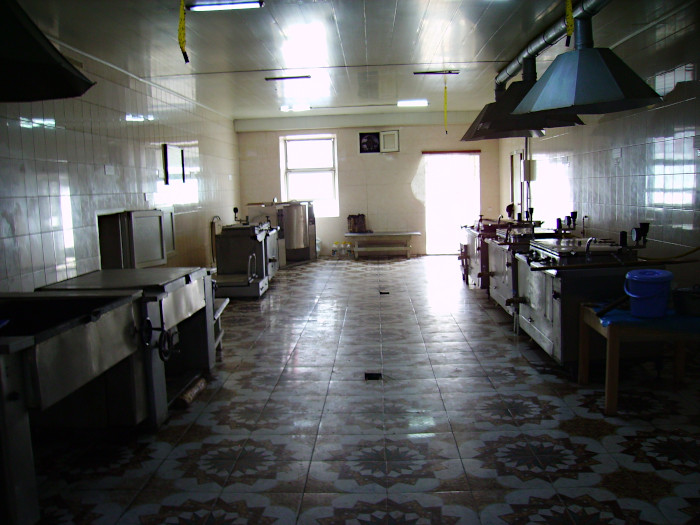
Production zone
Up to 20 prisoners work in production out of the total number.
As the administration representatives explained, this is because work is a right of the prisoner, not a duty.
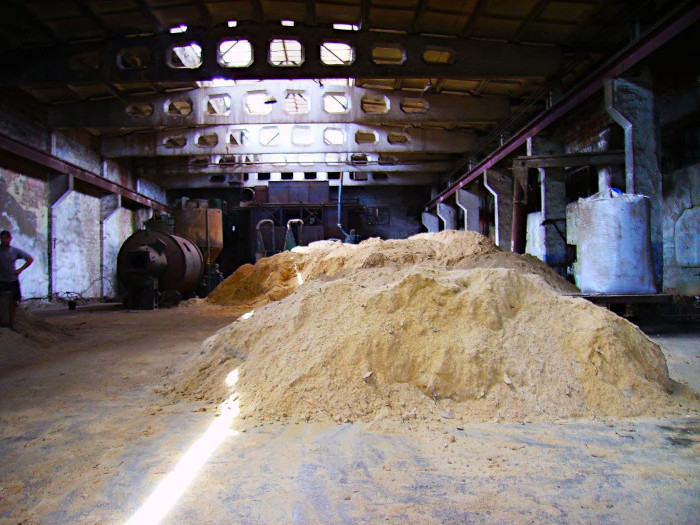
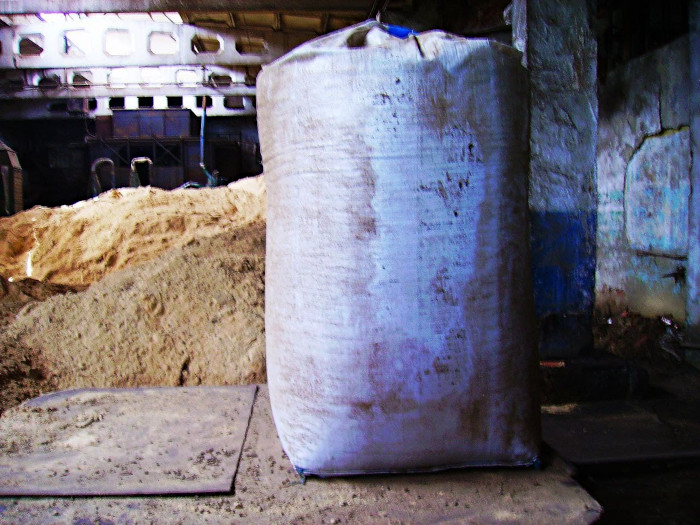
The head of production, Vadym Mykolaiovych Melnyk, explained that the main work is woodworking: sawing beams, and manufacturing planks and pallets. They produce alternative fuel from sawdust—pressed pellets of solid ecological fuel.
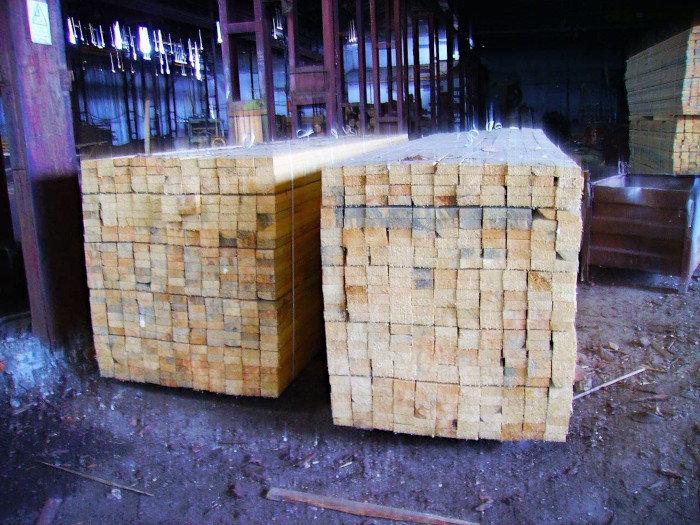
The prisoners performing repair work could not answer questions about how their employment contracts are drawn up or what wages they receive for their work.
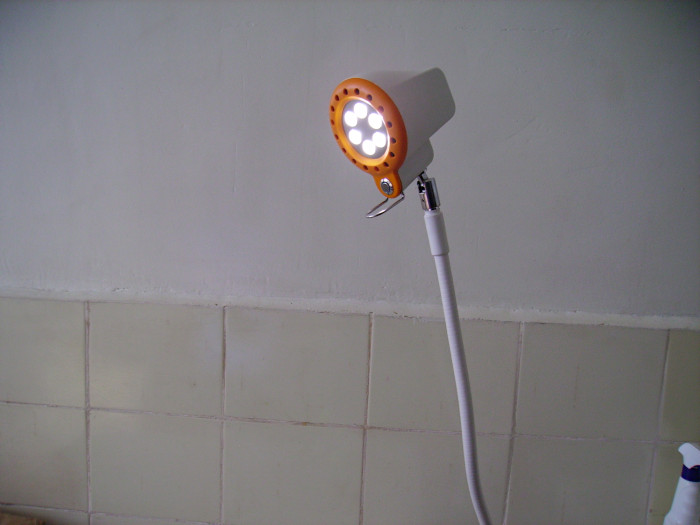
The parcels room is equipped with a quartz lamp and video surveillance.
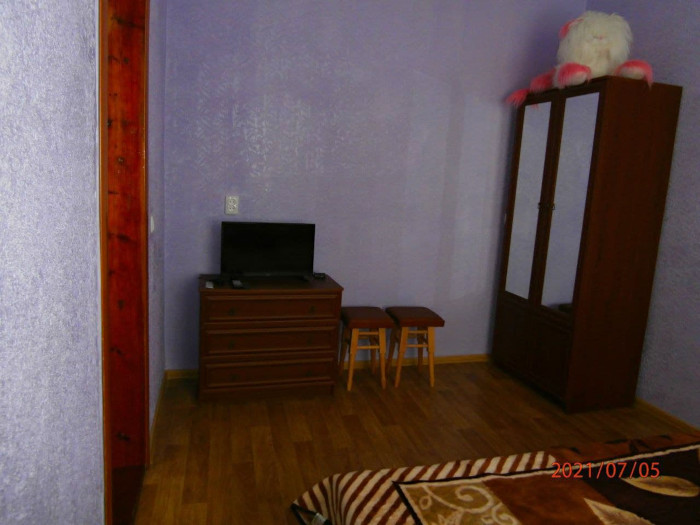
Room for long-term visits
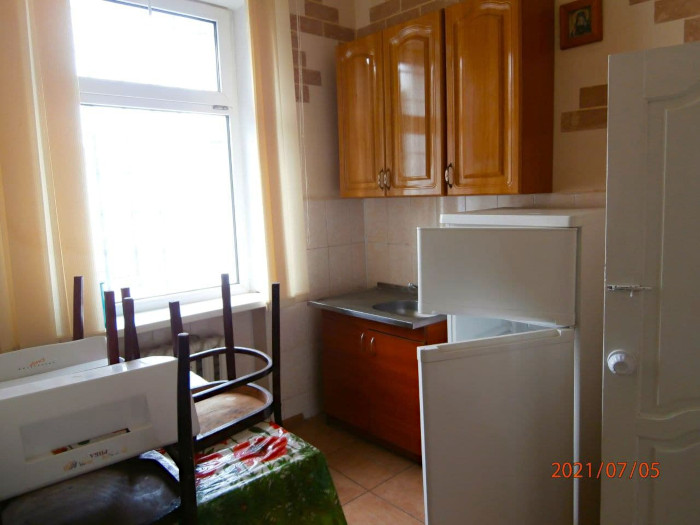
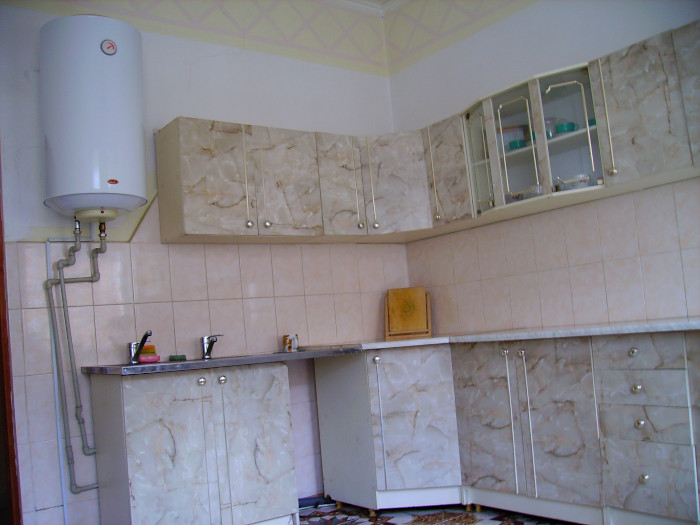
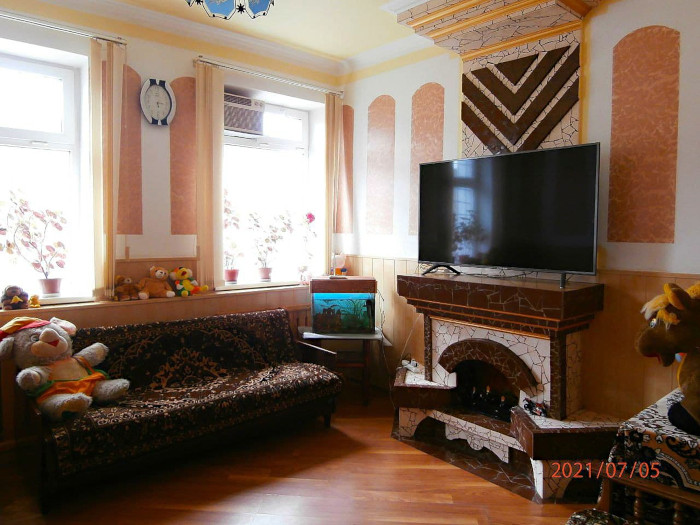
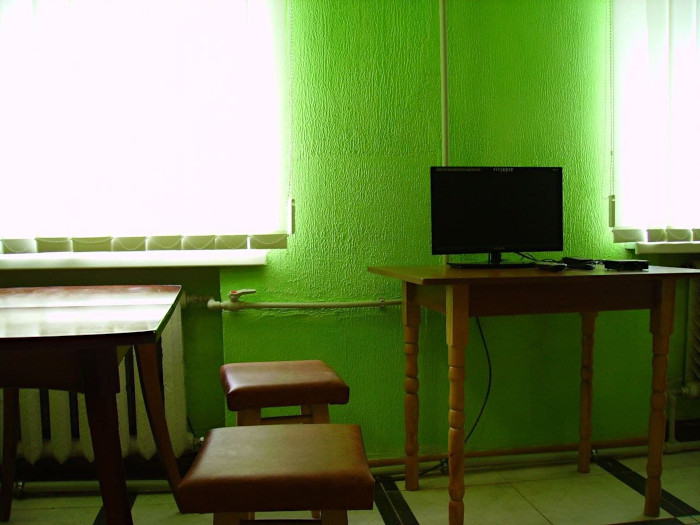
The long-term visit room for life-sentenced prisoners costs 130 hryvnias per day for one person.
Observations and suggestions
In all inspected sections, there are no drinking water tanks.
There is no log of bodily injuries for new arrivals.
Conduct awareness training among prisoners regarding the protection of the right to work and corresponding wages.
We convey the request of the institution’s management to the Ministry of Justice to facilitate the allocation of funds for roof repairs.