Monitoring Visit to the State Institution "Zamkova Penal Colony No. 58"
I. General Information
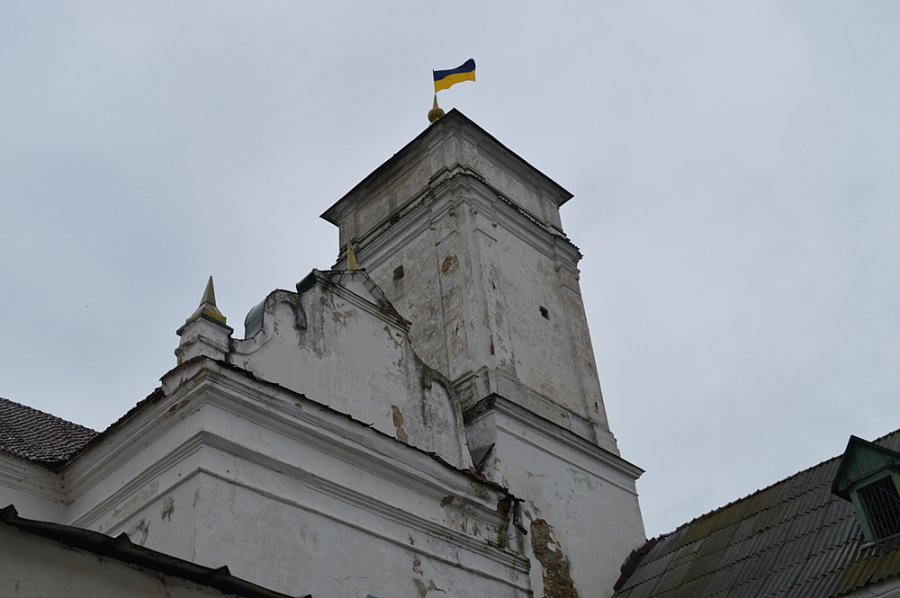
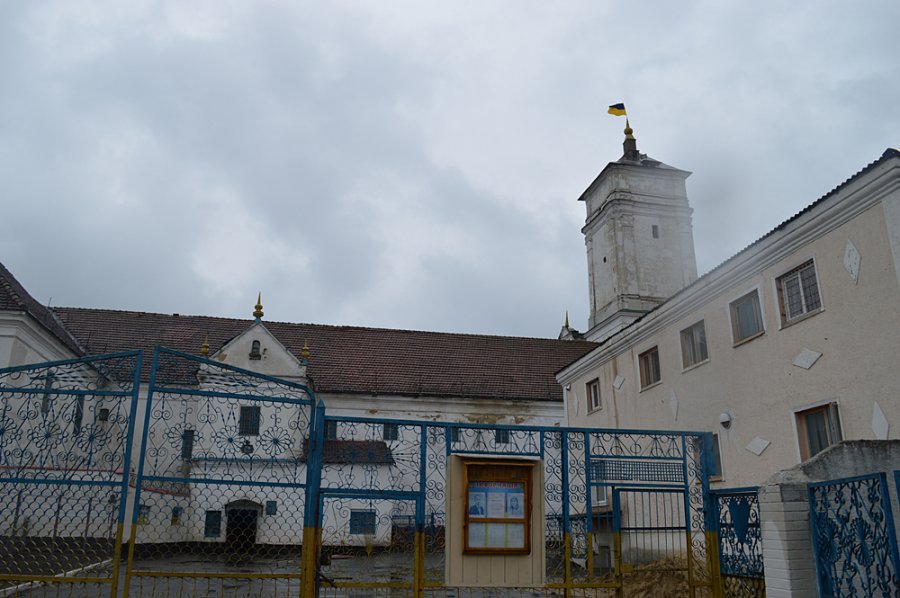
On 21 July 2021, a monitoring group consisting of Maksym Revyakin, an assistant-consultant to a People's Deputy of Ukraine, and two journalists – Hanna Ovdiienko and Pavlo Shvab – visited the State Institution "Zamkova Penal Colony No. 58". This is a maximum-security colony for men, which contains a sector for inmates sentenced to life imprisonment. The institution is located in the city of Iziaslav, Khmelnytskyi Region. The colony was founded in the 1920s on the site of a former Bernardine monastery – an architectural monument of the 17th century.
During the current year, one inmate was released on parole from the institution. Two cases of the use of special equipment have been registered. The monitors note that fifty-three outgoing letters from inmates have been registered since the beginning of the year. Considering the number of inmates (198 people) combined with the problematic practice of KHPG lawyers regarding receiving correspondence from this institution, such a number of outgoing correspondence from inmates suggests that there are certain obstacles to the free correspondence of inmates.
We remind you that on 5 July 2021, another KHPG monitoring group had previously conducted a visit to this institution. However, after this visit, many unresolved questions remained, so a decision was made to conduct a follow-up monitoring visit.
At the entrance to the adjacent territory of the colony, there is a checkpoint with mechanical iron gates. Therefore, to get to the main checkpoint of the colony, one needs to undergo an additional document check. At this checkpoint, the monitors were met by a person without a uniform or characteristic signs of belonging to the staff of the State Penitentiary Service, who asked the monitors to show their documents, after which they called someone and, after five minutes, allowed the monitors to pass to the main checkpoint. The monitors were met by the head and deputy head of the institution and were provided with unhindered access to the territory of the institution.
The monitors positively note that during the visit, the administration of the institution did not place any obstacles to the conduct of the visit, fulfilled all oral requests of the monitors, and in every way contributed to the inspection.
II. Kitchen, Canteen
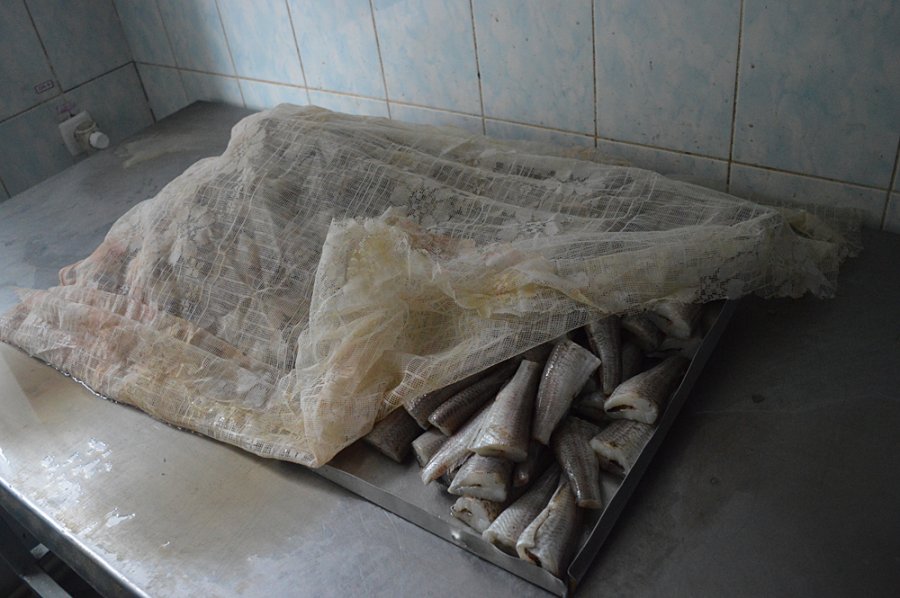
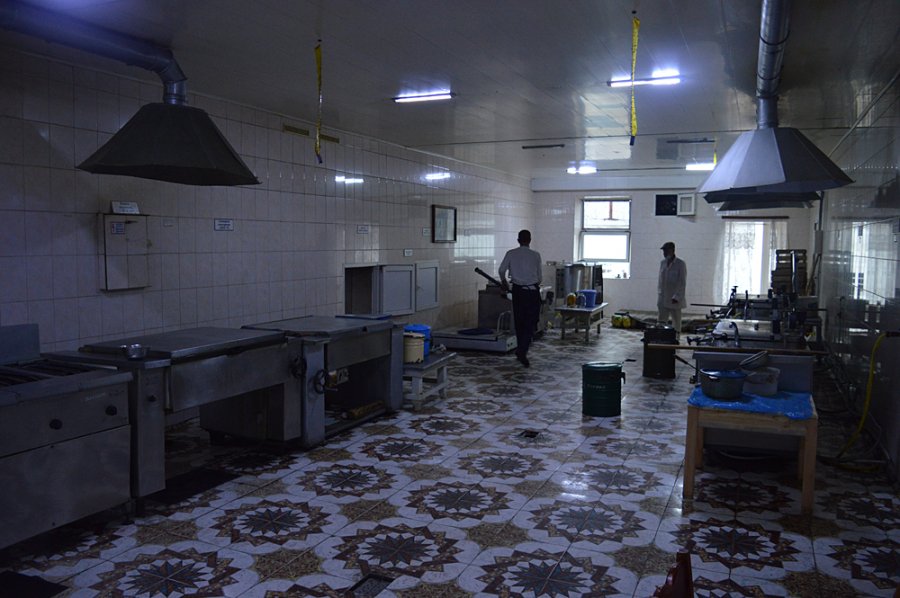
First, the monitors visited the kitchen. At that moment, inmates were cleaning kitchen equipment after breakfast and preparing to cook lunch. In the fish processing unit, the monitors discovered fish covered with plastic wrap, on which yellow, old stains were visible, which does not comply with the sanitary and hygienic norms for food storage. In this and other units, unknown products were stored in freezers in plastic bottles from carbonated drinks. The administration informed the monitors that these were the personal products of the kitchen staff. Although the monitors see this as a formal violation of the rules for food storage in the kitchen, they understand that this happens due to the lack of sufficient refrigeration equipment in the institution's residential units.
Today, the kitchen is in a satisfactory condition. The kitchen equipment is outdated but functional.
According to the budget request for 2020 for food products (KEKV 2230), the institution needed 6,671,000 hryvnias, which amounts to 2,800 hryvnias per month per inmate, but in fact, 270,100 hryvnias were received for this expenditure item from the State Budget, which, in terms of the month, amounts to 111 hryvnias per month and 3.70 hryvnias per day, respectively. We want to emphasise that only thanks to the concern of the administration and the involvement of funds from the special fund, the institution manages to keep the level of nutrition of inmates at a satisfactory level.
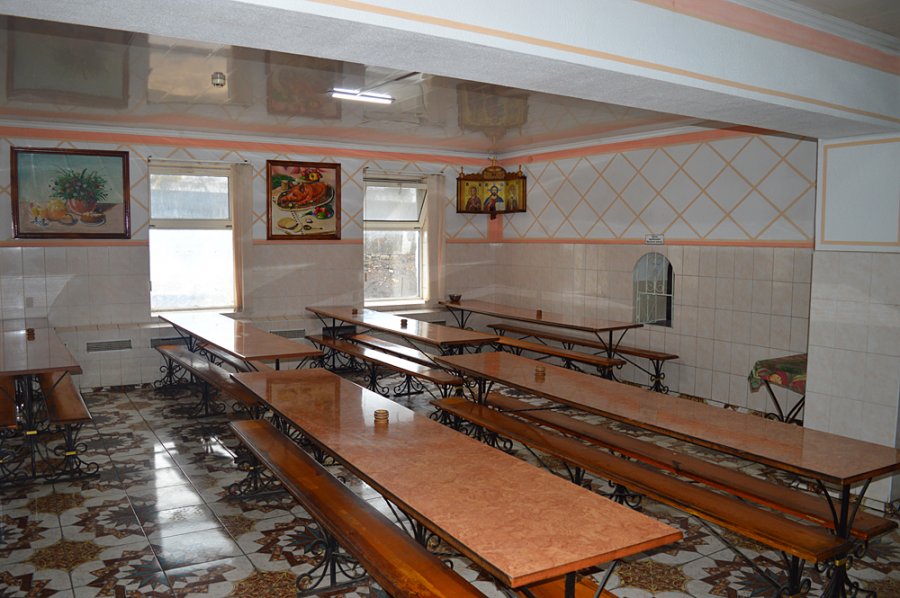
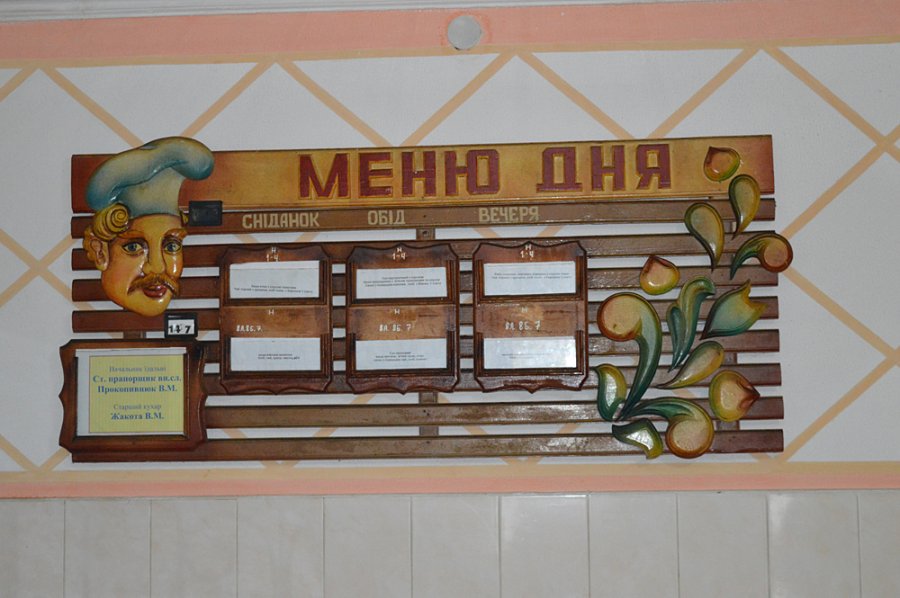
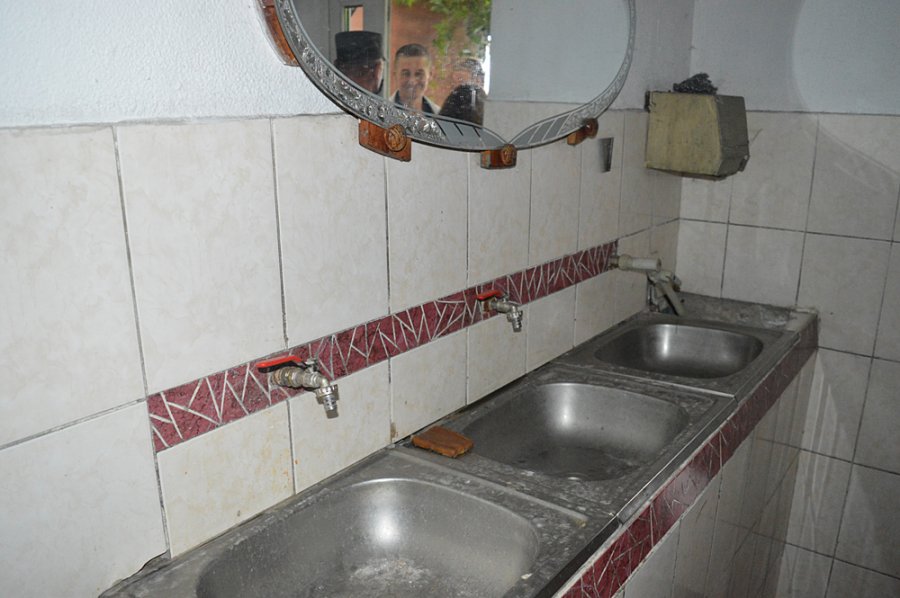
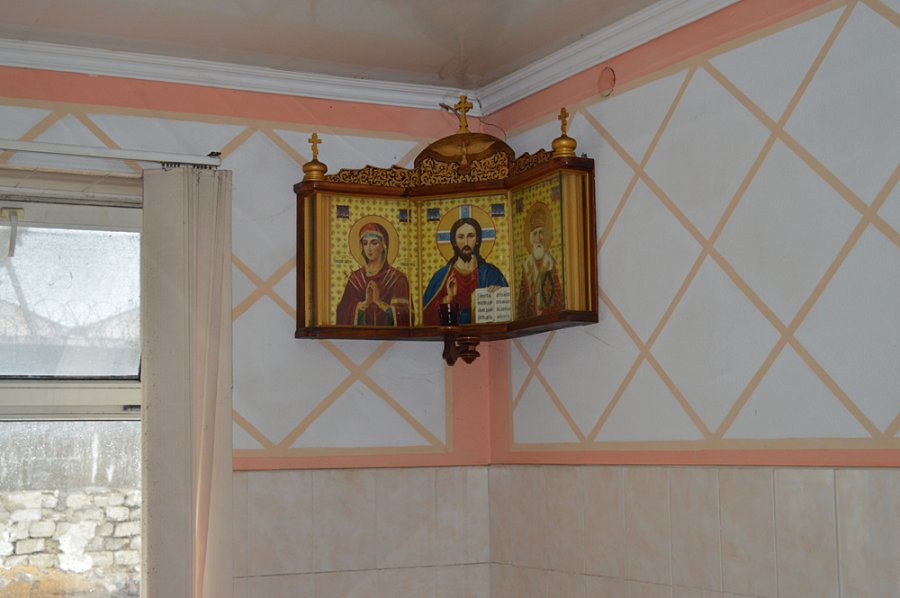
The institution's canteen is compact, and there is an information menu board. At the entrance to the canteen, there is a washbasin with soap; towels were missing. Although there is a hand dryer, representatives of the administration reported that inmates do not like to use it. In the corner of the canteen, there is an iconostasis with three icons of Orthodox saints, where faithful Orthodox inmates have the opportunity to pray before and after eating. However, inmates who profess other religions do not have such an opportunity, which puts such inmates in a certain discriminatory position compared to Orthodox inmates. The institution's administration assured that such an iconostasis was installed at the initiative of the Orthodox inmates, who are the majority in the institution. The monitors note that a state institution should not give priority to one religion or another.
III. Medical Unit
Next, the monitors headed to the medical unit. At the time of the visit, not a single inmate was in the inpatient ward of the medical unit. According to the staffing schedule, 10.5 staff positions are provided in the medical unit, and 10 staff positions are actually working (half a position of a therapist is vacant). In the Register of Bodily Injuries, only three cases have been recorded since the beginning of the year, and two in 2020, which is extremely low for an institution where 198 inmates are serving sentences. This leads the monitors to the idea of improper maintenance of such a register or improper organisation of procedures for examining inmates by medical personnel for the presence of bodily injuries. Not a single death has been recorded in the institution during the current year.
The dental office has filling material for light-cured fillings. The institution has a supply of rapid tests for HIV, hepatitis, and coronavirus, as well as an oxygen concentrator.
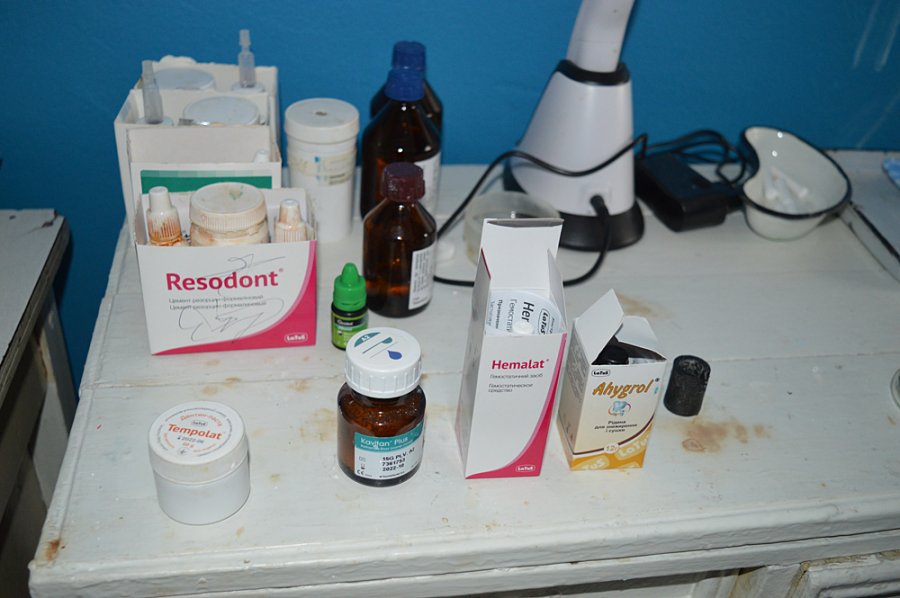
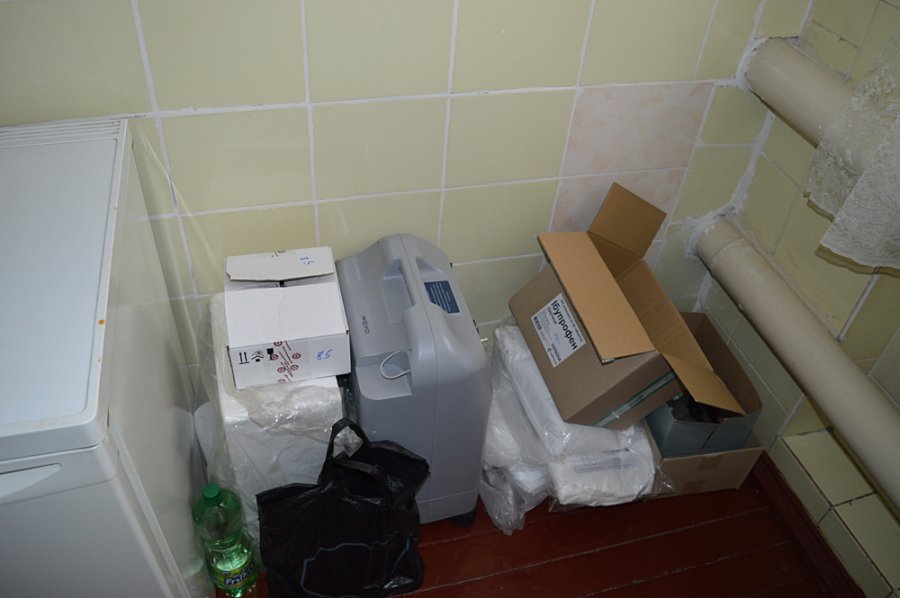
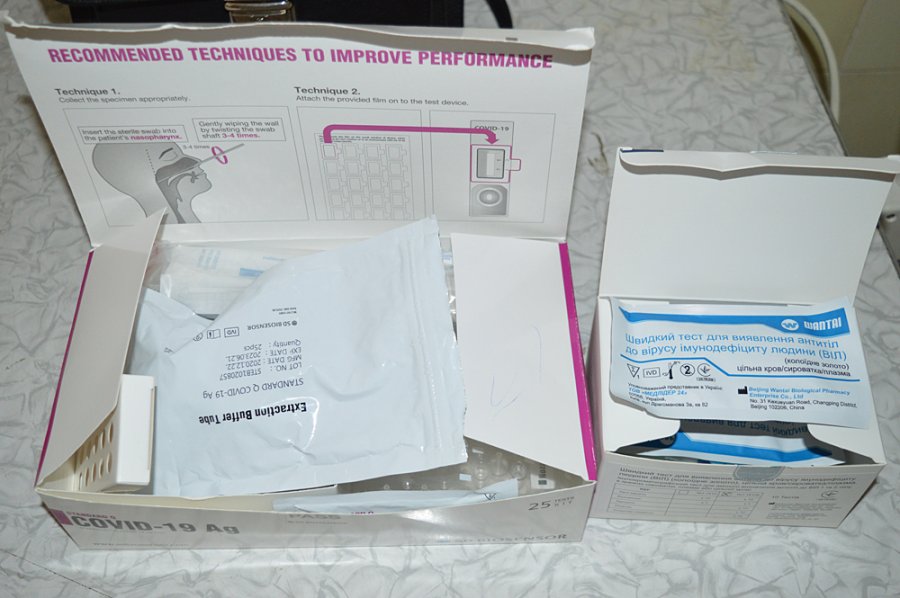
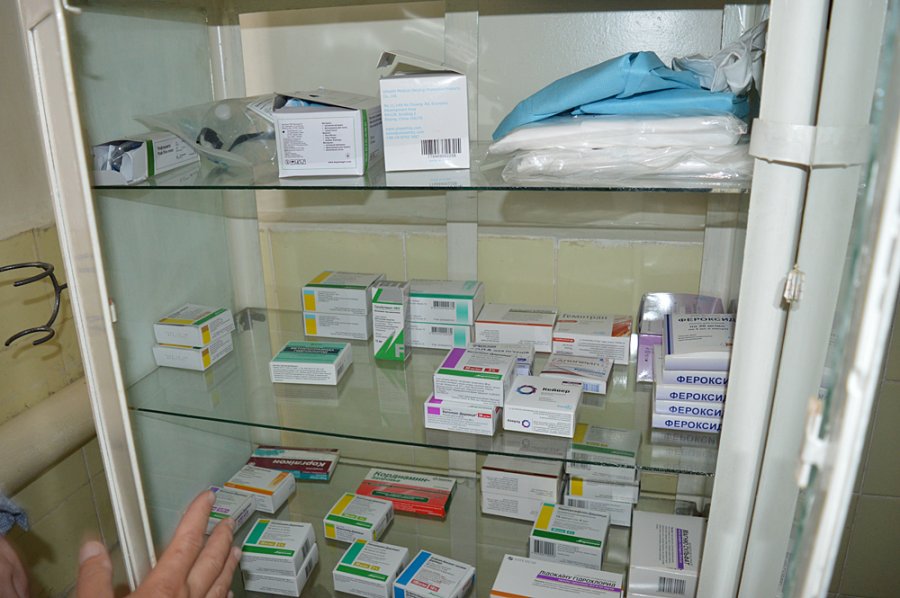
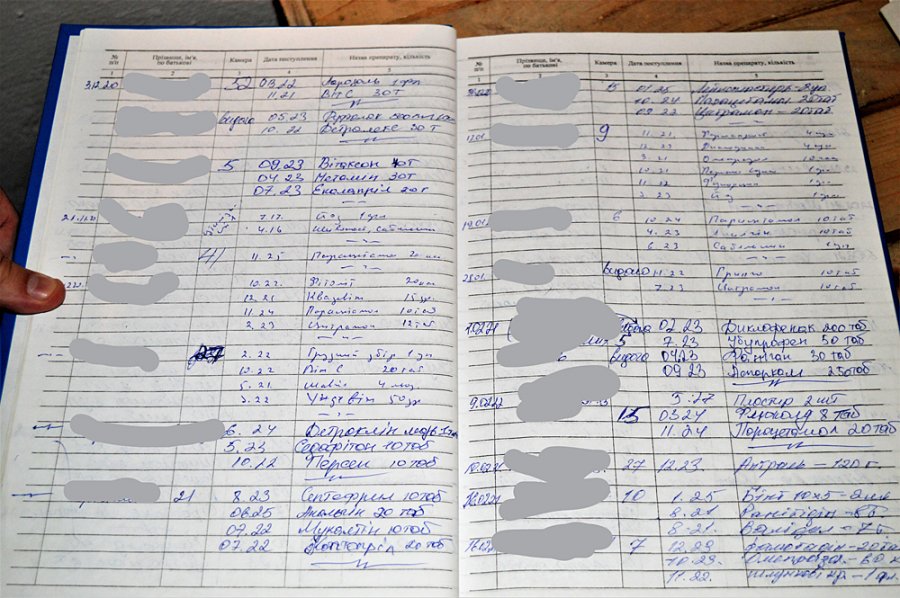
According to the head, the medical unit is fully provided with the necessary basic medicines. He even demonstrated the availability of some of them. However, the Register of Incoming Medications for inmates from relatives records that relatives pass on the simplest medicines to inmates, such as iodine, plasters, paracetamol, ibuprofen, etc.
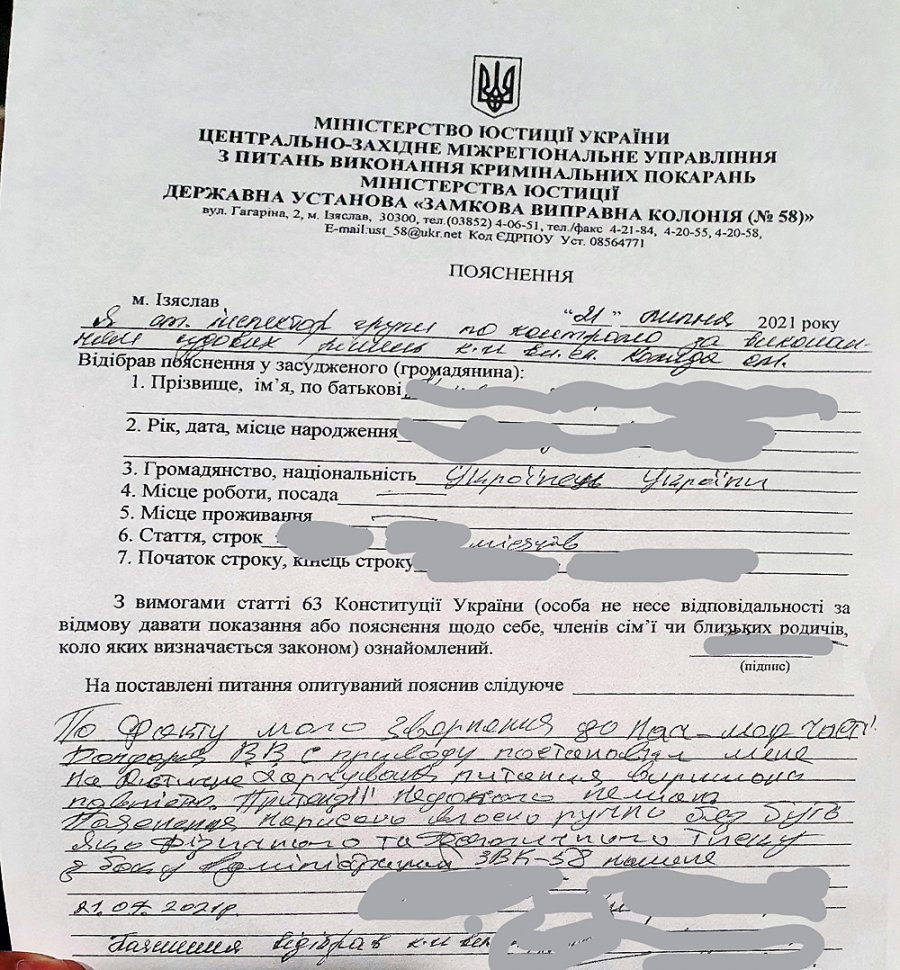
The report on the results of the previous monitoring visit outlined the situation with inmate K. regarding the provision of his dietary nutrition. The monitors decided to find out why inmate K. was refused dietary nutrition. The head of the medical unit explained in detail that he could not prescribe dietary nutrition for K. because, in accordance with the Instruction regulating the provision of dietary nutrition, its prescription is possible only for a person undergoing inpatient treatment. Furthermore, the head added that the inmate had previously received such nutrition. Also, the doctor demonstrated the written explanations of inmate K., who stated that he no longer had any complaints against the institution. Mr K. confirmed to the monitors the voluntary nature of providing such explanations.
IV. Bathhouse
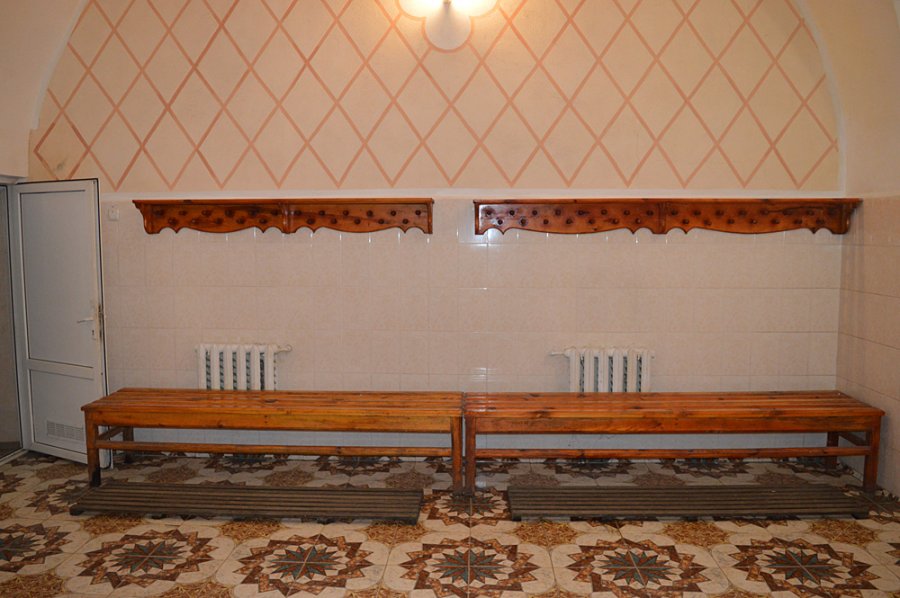
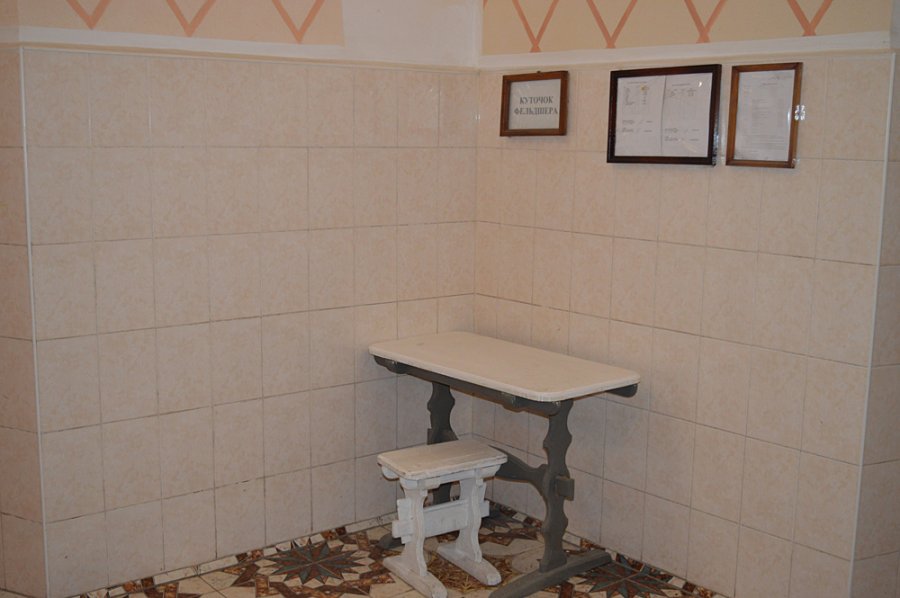
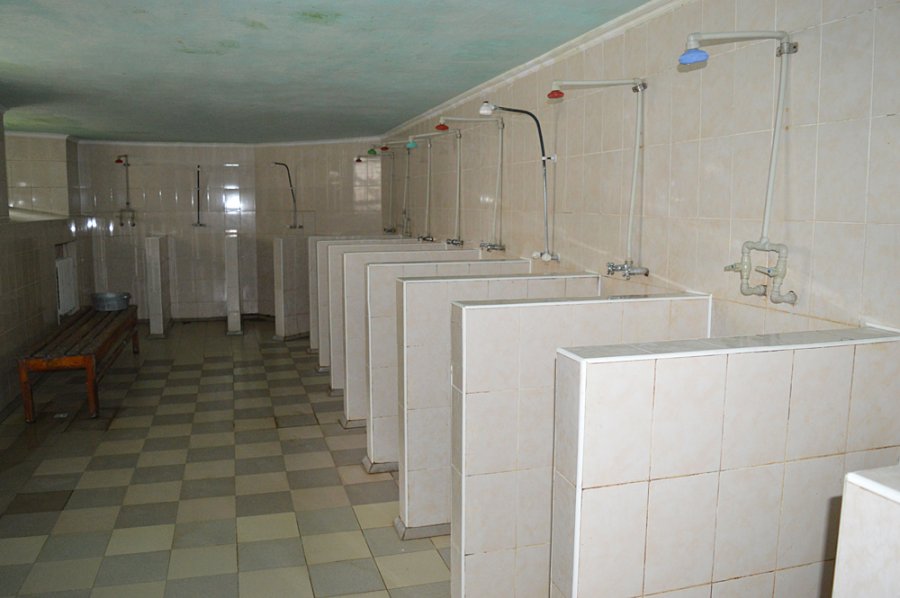
The bathhouse is located in the semi-basement premises of the monastery building. In the changing room, there is a paramedic's corner, which is not partitioned off by anything, which violates privacy during a medical examination. The showers are separated by low partitions; there are rubber mats, but curtains are missing.
V. Living Premises
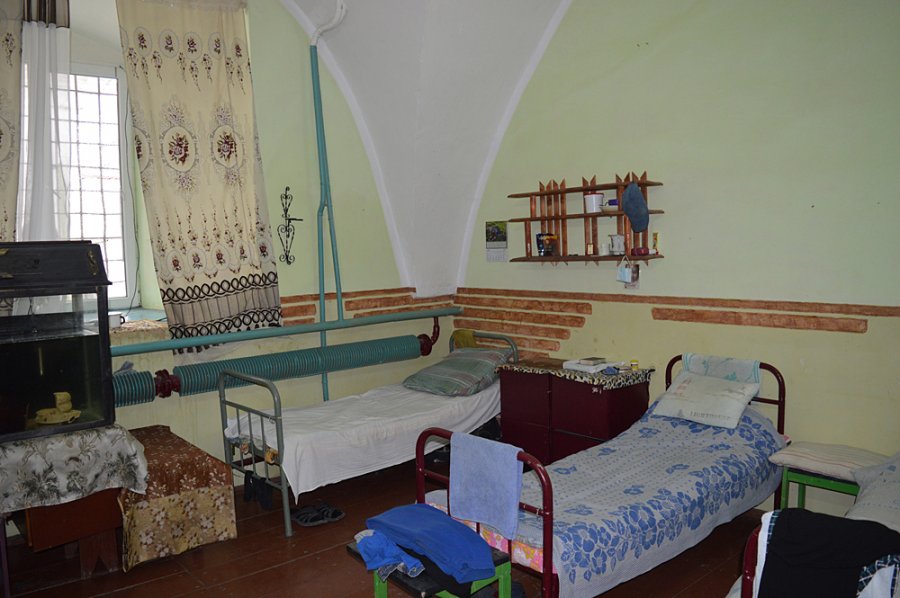
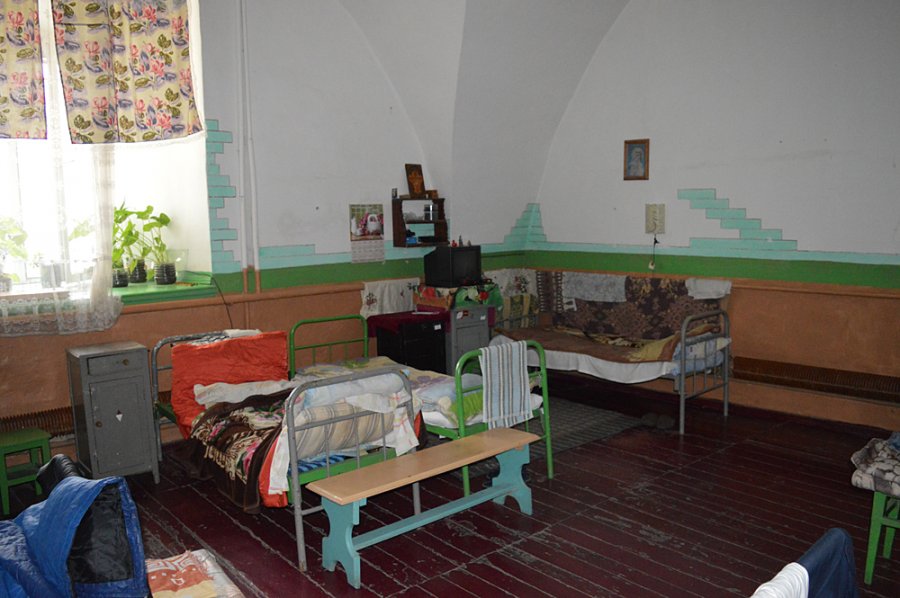
The living premises are located in the former cells of the monastery. The units have a cubicle system. At present, repair work is being carried out in the units. The entire renovation is nullified by the outdated roof, for the capital repair of which the necessary money is not being allocated. Only the development of the project requires 330 thousand hryvnias, while the entire funding for 2020 for the improvement of inmate detention conditions (KEKV 2210) amounted to 74.3 thousand hryvnias, while the budget request for this expenditure item for the relevant year was 6 million 395 thousand hryvnias. Therefore, the administration is forced to carry out only current repairs each year. Thus, the money spent does not improve the conditions of detention in any way and is spent only on maintaining the existing state. The monitors positively evaluate the administration's efforts to maintain proper conditions of detention under the total underfunding of the institution.
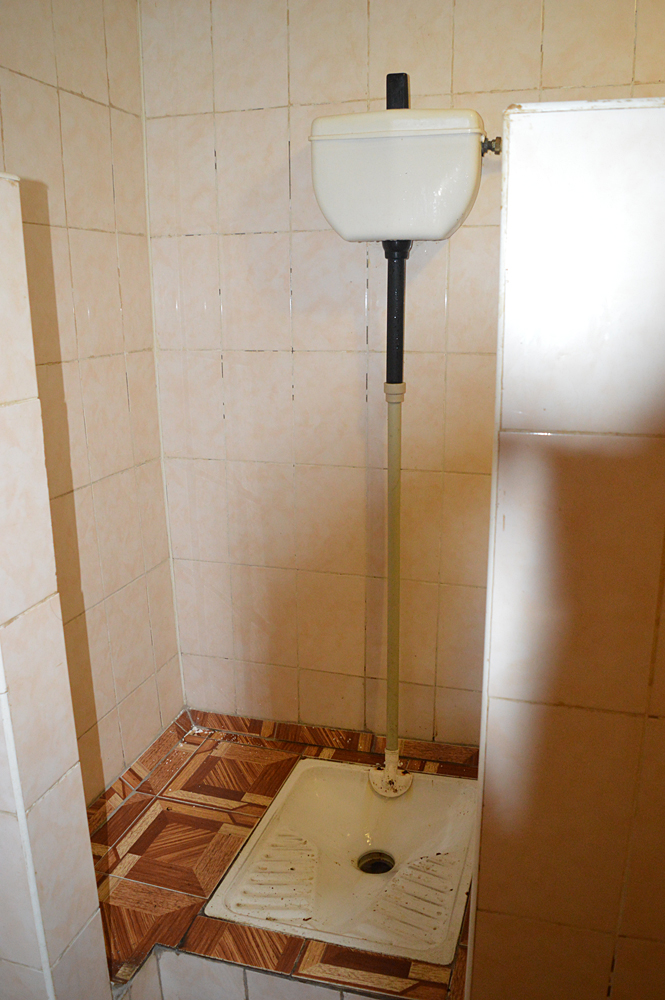
In the sanitary facilities, the toilets are separated by high partitions, but there are no doors of any kind. This violates the inmates' right to privacy, which is enshrined in the European Convention and the European Prison Rules.
VI. Maximum-Security Sector for Life-Sentenced Inmates
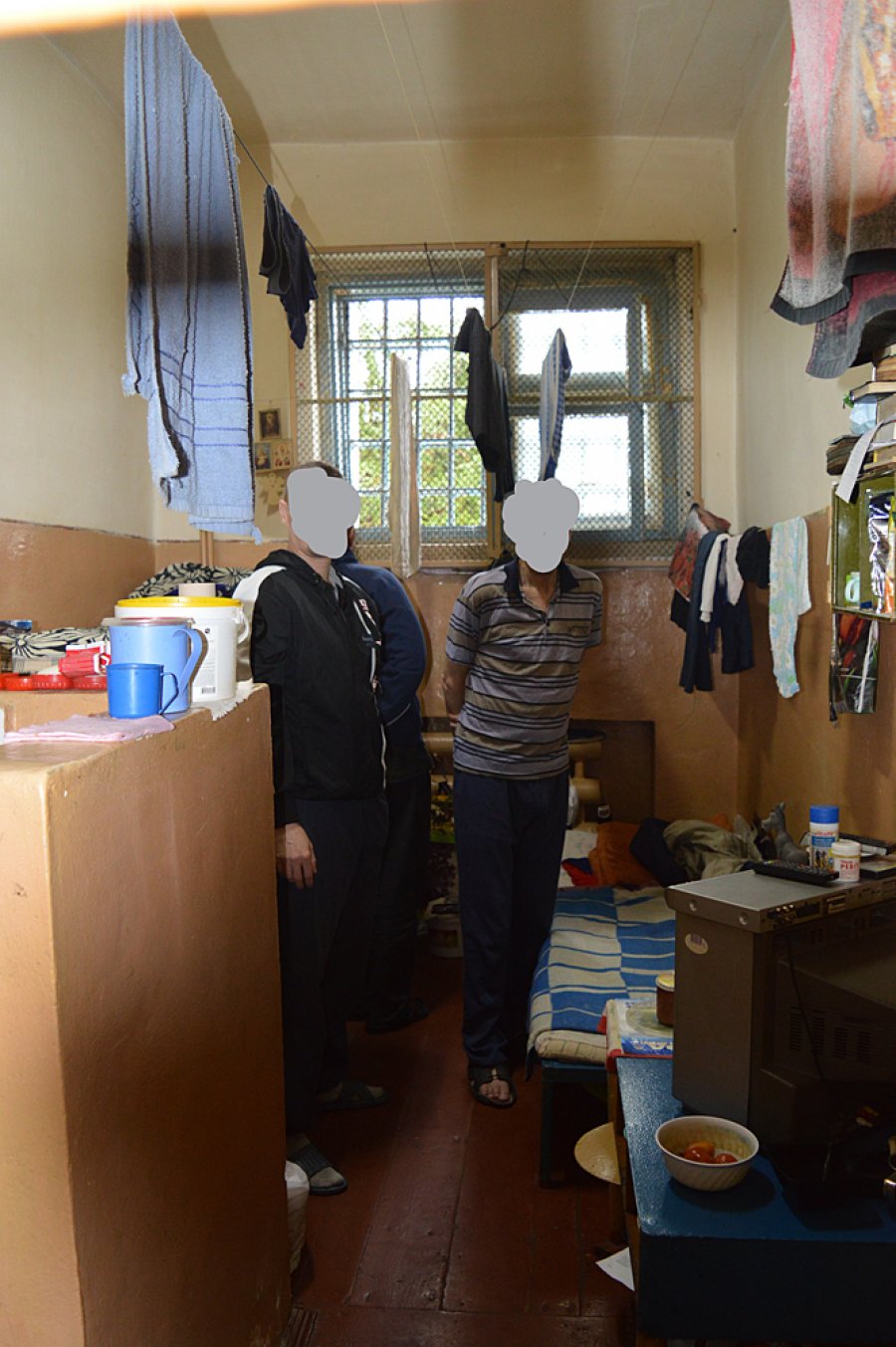
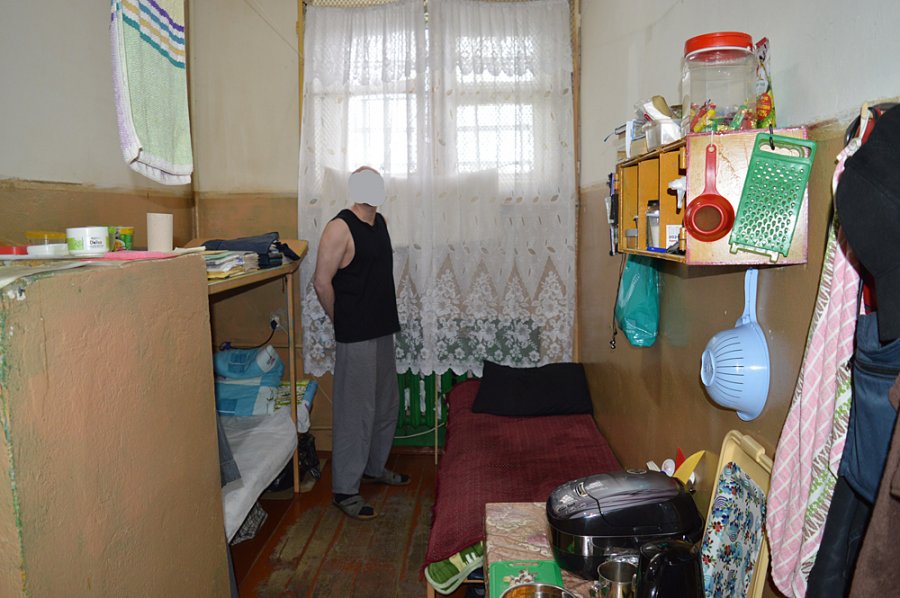
Inmates serve sentences, as a rule, three people in one cell. The cells are quite small, but the standard established by legislation (4 square metres per person) is observed. The cells are bright enough, and the inmates can independently regulate the air supply to the premises. The cells have satisfactory sanitary and living conditions. Round-the-clock video surveillance is carried out in each cell of the sector, including by female employees of the colony, which, according to the inmates, violates their right to privacy. They are forced to change clothes, perform sanitary and hygienic procedures, and other daily procedures under the constant video surveillance of persons of the opposite sex. The monitors note that round-the-clock video surveillance in the sector is carried out in execution of an instruction approved by the Ministry of Justice of Ukraine, and the representatives of the colony administration cannot fail to comply with it. The sanitary facilities are separated by a partition but are in need of repair.
The monitors conducted a personal reception without the participation of the administration of five people sentenced to life imprisonment, who reported the following:
– non-compliance of the ration with the norms of prisoner nutrition, specifically the insufficiency of meat products;
– delay in the issuance of parcels and transfers from relatives, due to which products with a short shelf life spoil;
– unstable water temperature during washing in the bathhouse;
– an insufficient number of calls, which amounts to two times for fifteen minutes per week. Regarding the calls, the colony administration explained that such a small number is related to the lack of staff and telephones, as well as the imperfection of the procedure for granting telephone conversations to life-sentenced inmates, which is established by the Ministry of Justice;
– lack of registration of applications, which deprives inmates of the possibility to prove the fact of the corresponding appeal and receive a response, and, if necessary, appeal it.

VII. Production
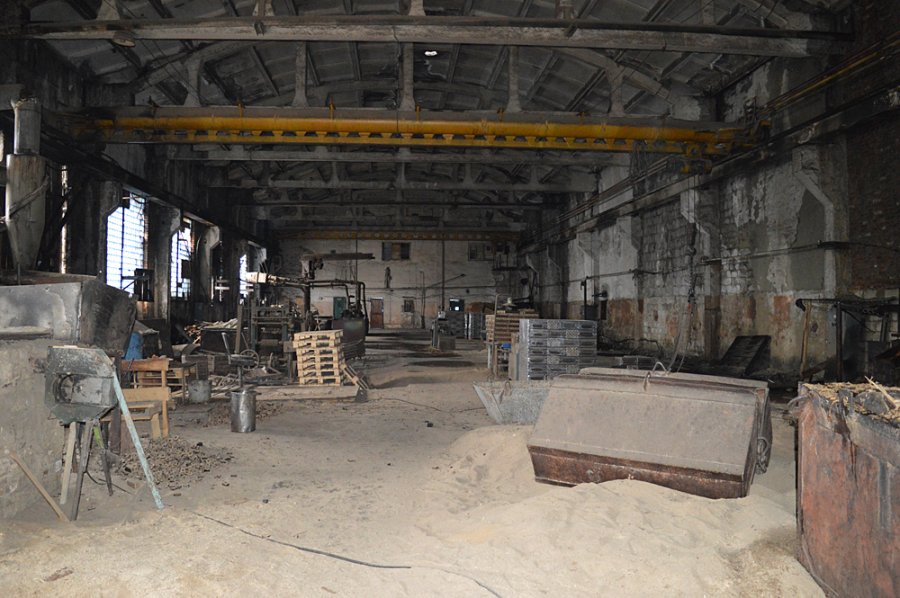
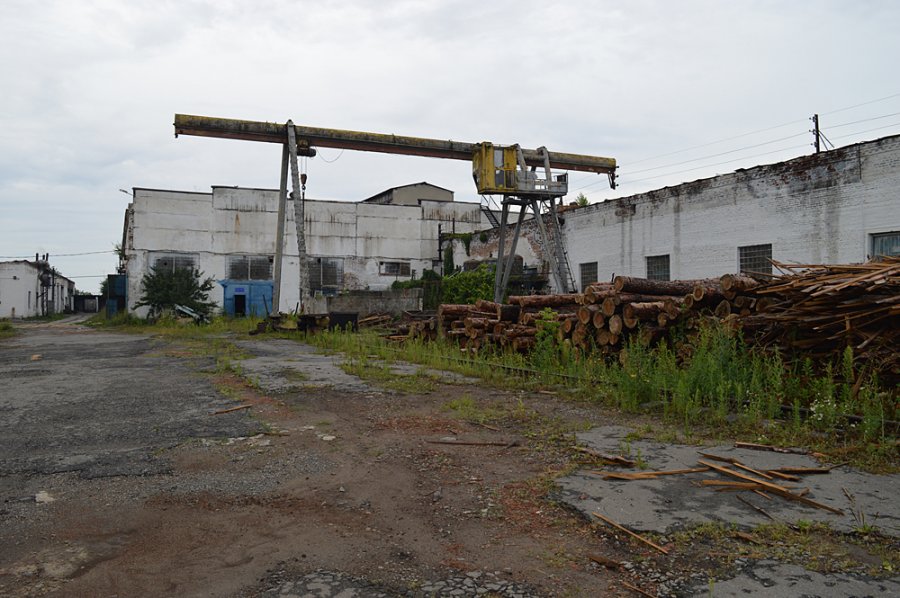
Production in the institution is represented by woodworking and the manufacture of fuel briquettes. On the day of the visit, 23 inmates were working in production. Most of them work under civil-law contracts. The monitors want to note that the work of inmates under civil-law contracts significantly narrows and does not protect the labour rights of inmates. In addition, the inmates interviewed by the monitors did not know the amounts of remuneration for one unit of manufactured product, although the remuneration directly depends on this.
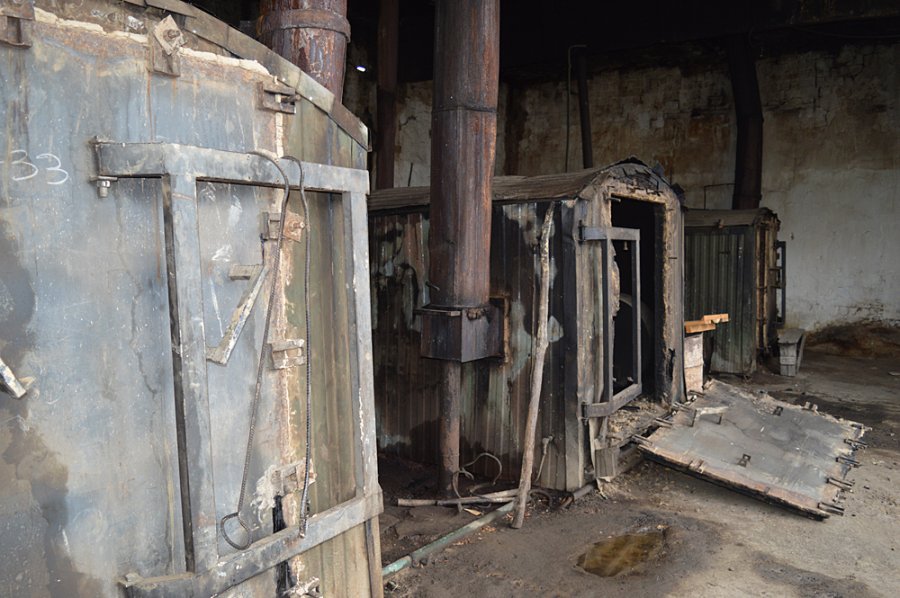
At the time of the visit, it was raining in the production area, so the monitors were able to fully assess the state of disrepair of the woodworking unit. Even during a light rain, the roof was leaking heavily, which is unacceptable for this unit.
VIII. Right to Freedom of Religion
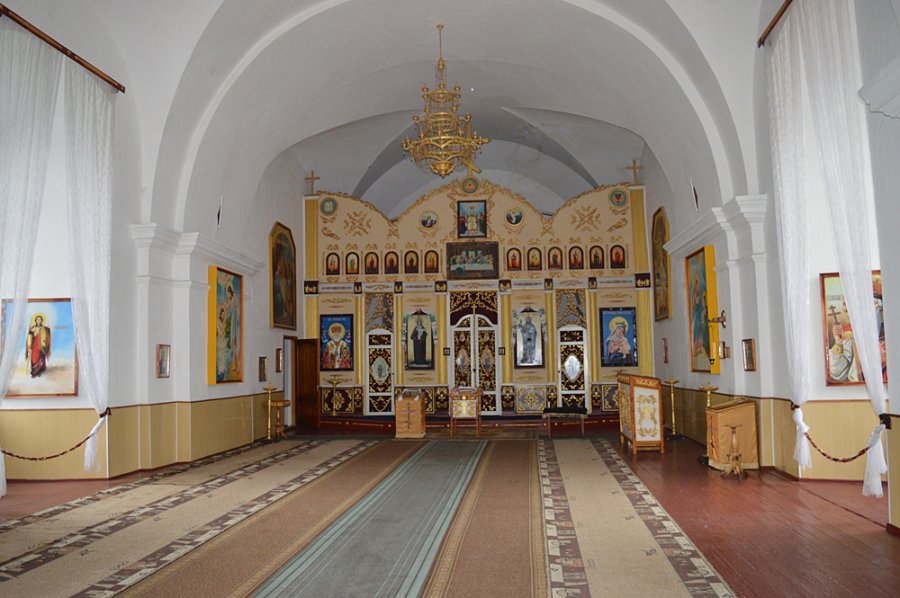
In the institution, inmates profess Orthodoxy, Catholicism, and Protestantism. In the living quarters and in the maximum-security sector, there are interfaith prayer rooms. Also, a chapel is equipped in the 17th-century monastery, where religious rites are performed. The institution does not provide food as provided by religious beliefs. Meetings with representatives of religious trends take place even during the quarantine.