Monitoring visit to the State Institution "Romny Correctional Colony No. 56"
1. General Information
On 4 December 2021, a monitoring group consisting of an assistant consultant to a People’s Deputy of Ukraine, Maksym Revyakin, and two journalists – Hanna Ovdiienko and Pavlo Shvab – visited the State Institution "Romny Correctional Colony No. 56." This is a medium-security institution for men who have been repeatedly sentenced to imprisonment. The institution also operates a maximum-security sector for life-sentenced prisoners, which includes a unit with general detention conditions for life-sentenced individuals who, after serving fifteen years of their sentence, have proven that they have embarked on the path of rehabilitation.
The planned capacity of the institution is 528 prisoners. On the day of the visit, there were 525 prisoners in the correctional colony. The institution employed 247 staff members, while the number of staff positions was 275.5. According to the institution's administration, some junior officer positions remain vacant, yet there is no overall shortage of staff. Although the institution is located in a small settlement (the village of Perekhrestivka), there are no issues with transport links, as a regional bus service is in operation.
Not a single prisoner has been released on parole in the institution this year. The administration explained that instead of parole, they apply the substitution of the unserved part of the sentence with a more lenient one, as the prisoners here are serving time for serious crimes. However, such a scheme for encouraging prisoners toward rehabilitation is surprising, given that parole is used in other institutions of the same security level.
2. Canteen
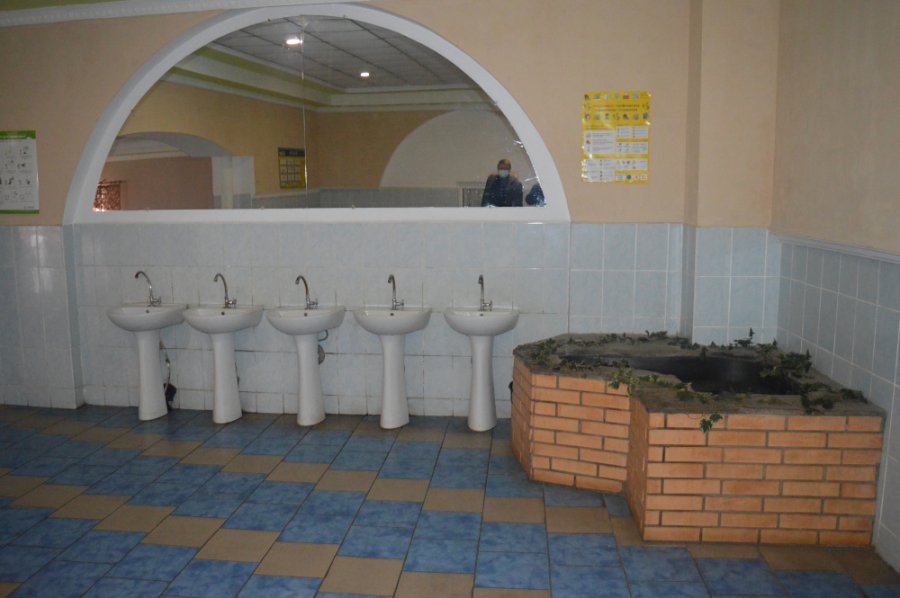
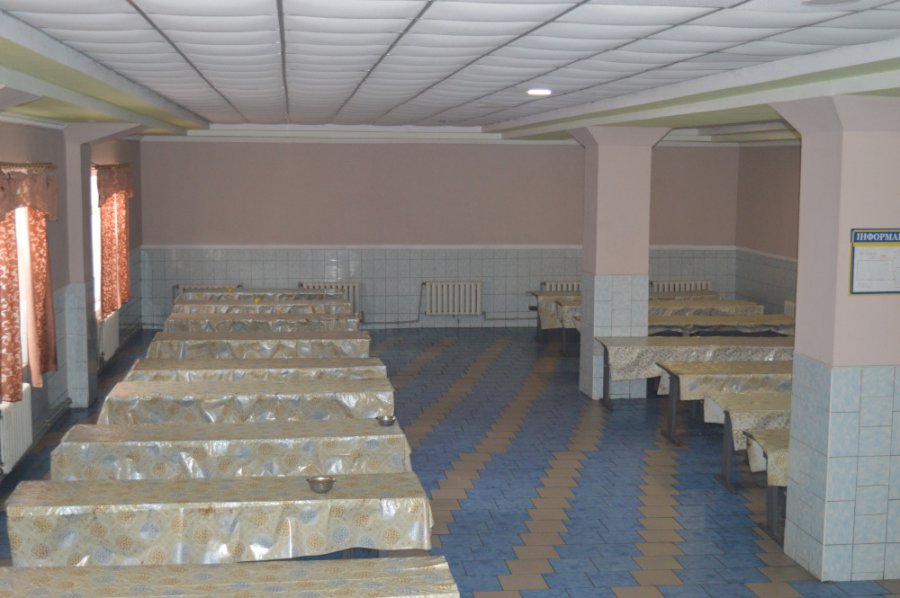
Handbasins are installed at the entrance to the canteen; however, there was no soap or towels available. The administration assured that these are provided immediately before meals. The dining hall in the institution is spacious.
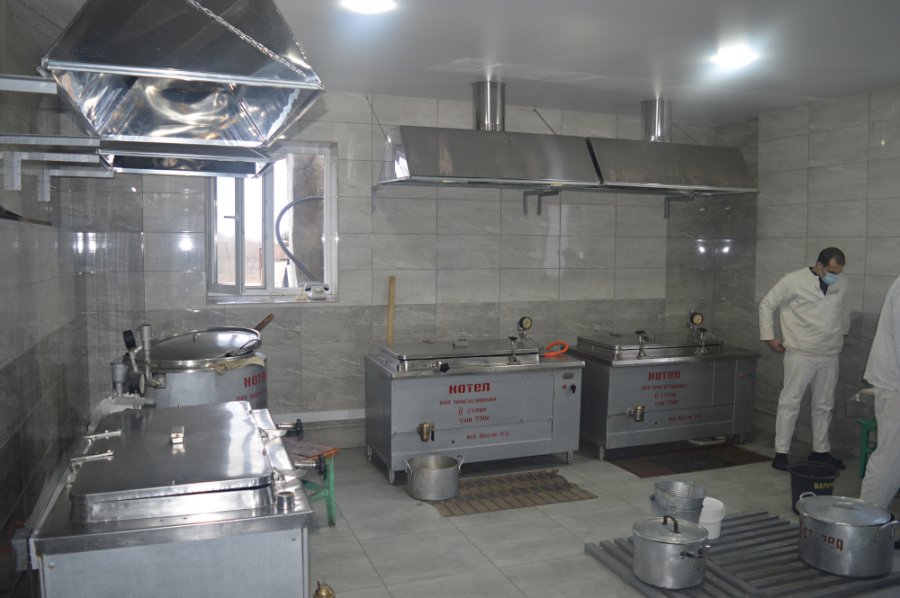
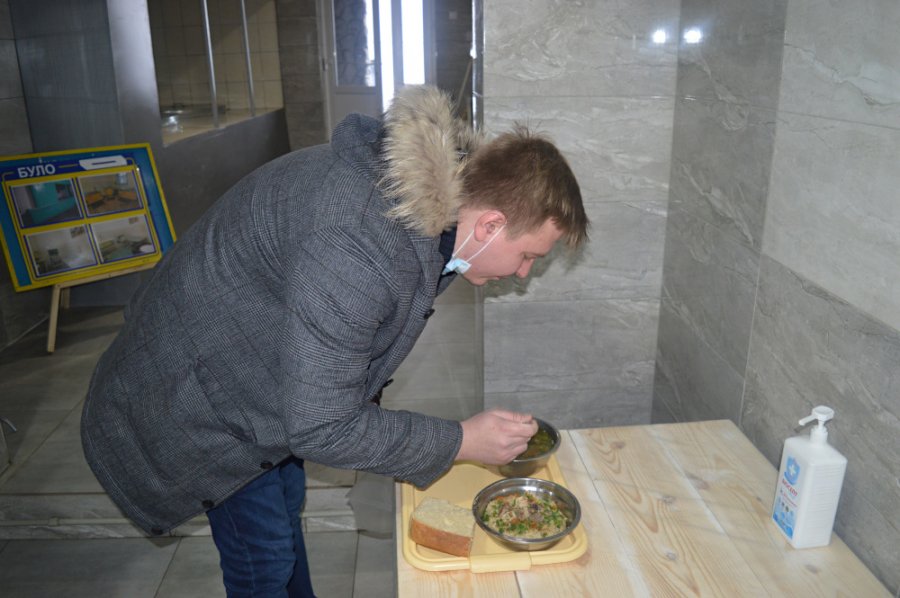
Last year, the correctional colony’s kitchen underwent major renovations. New kitchen equipment has been installed in the kitchen. The monitors sampled the prepared lunch and found the organoleptic qualities of the dishes to be satisfactory.
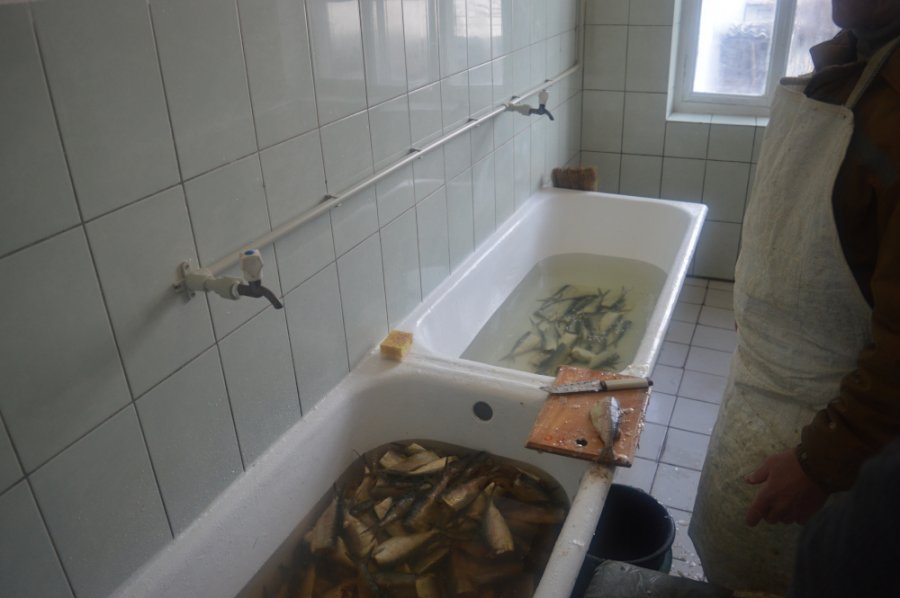
In the fish preparation area, the monitors observed a prisoner cleaning fish for dinner without protective gloves, which is a violation of sanitary and hygienic standards.
3. Maximum-Security Sector
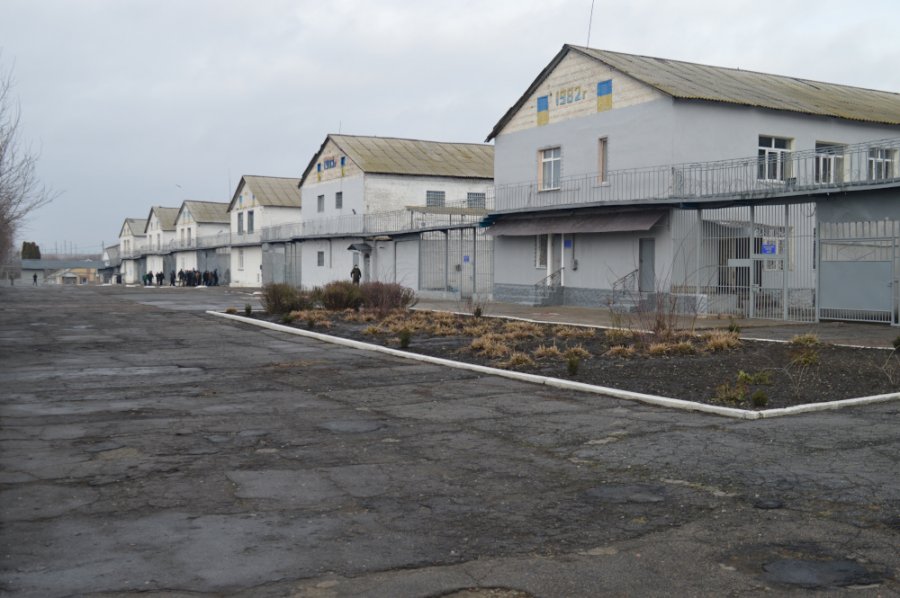
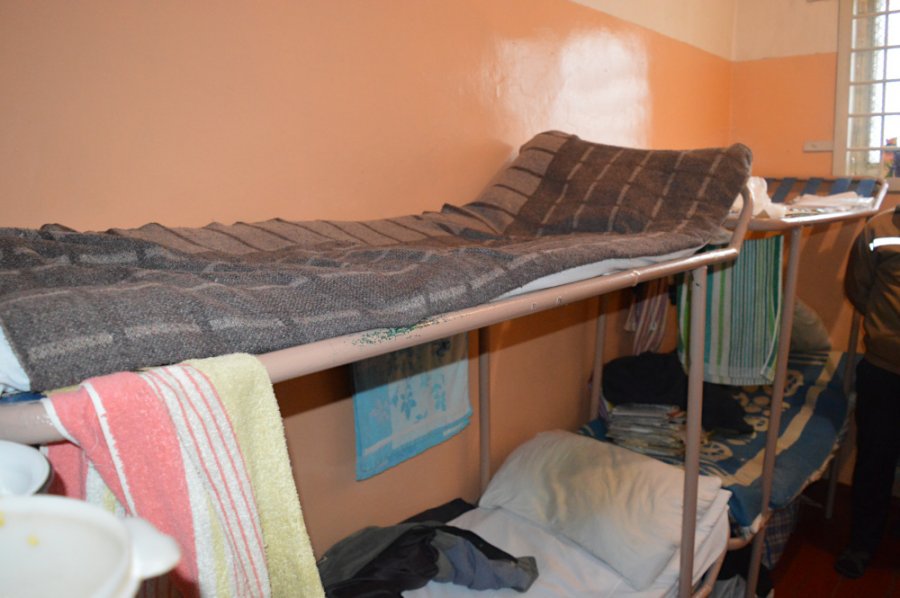
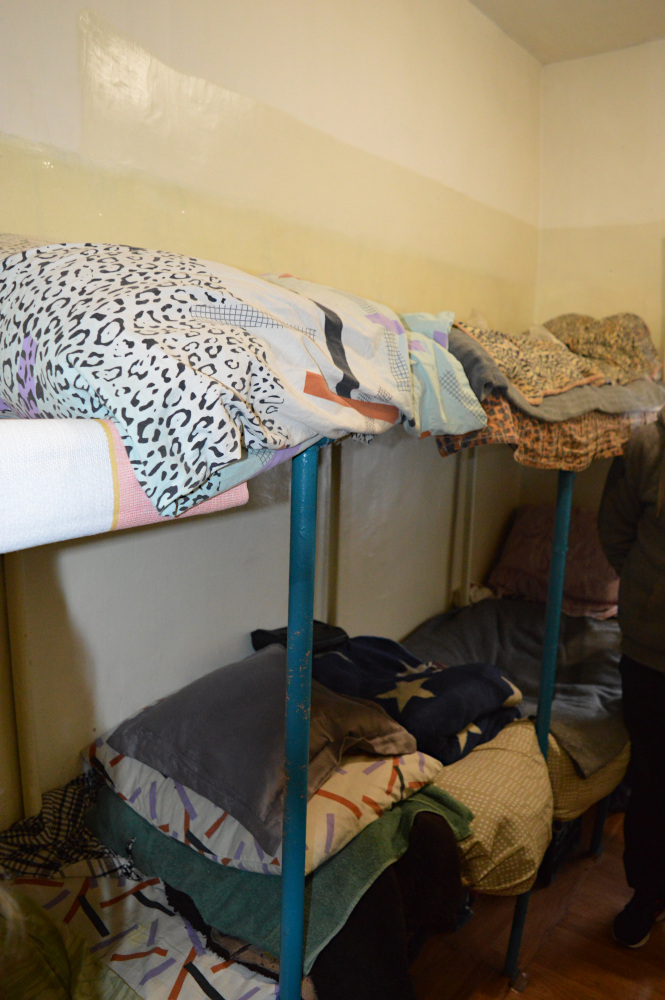
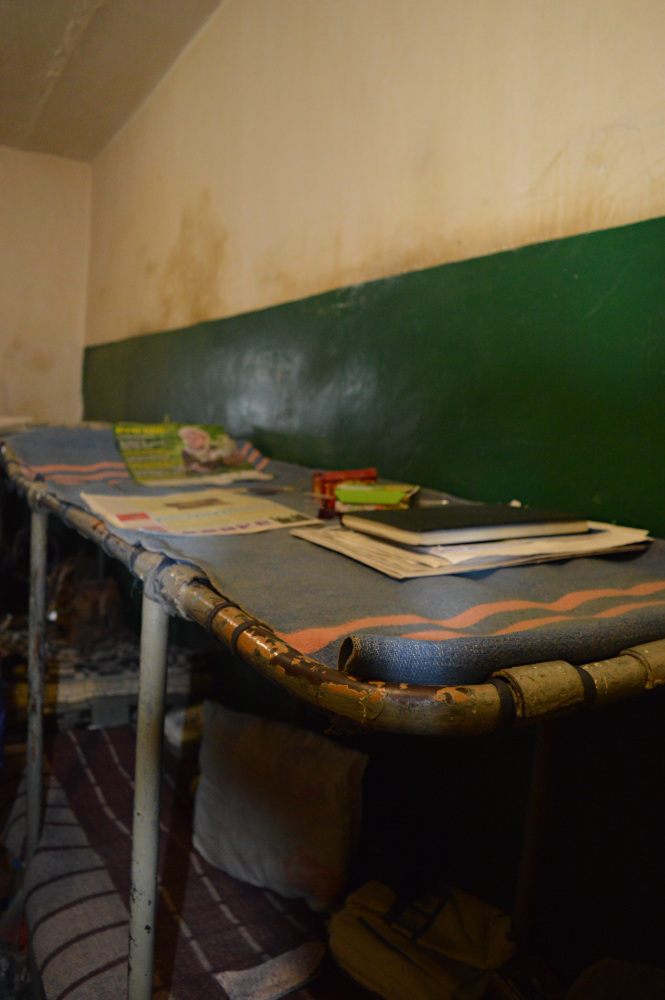
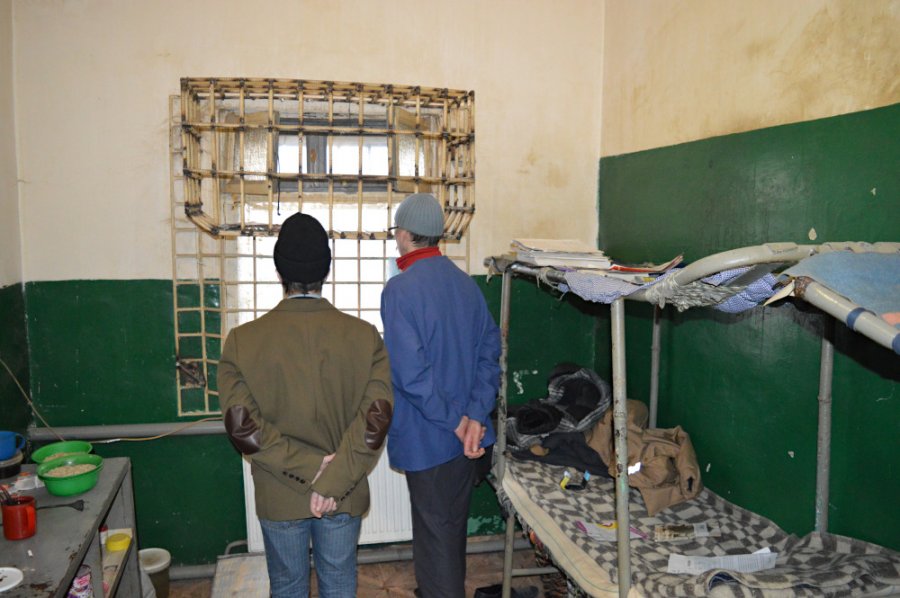
The maximum-security sector is located in two two-story buildings. For prisoners sentenced to life imprisonment, there are double, quadruple, and multi-occupancy cells.
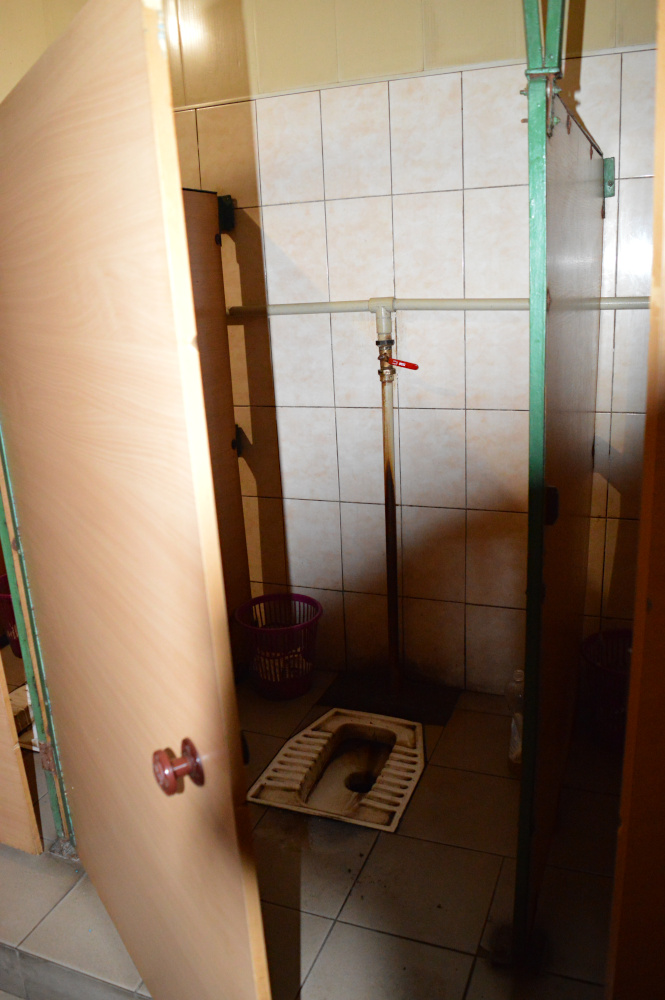
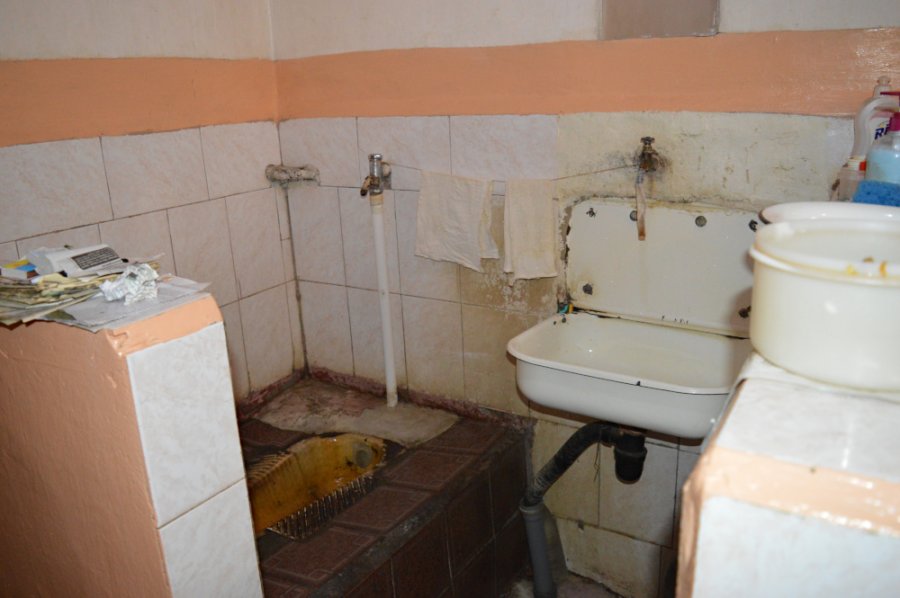
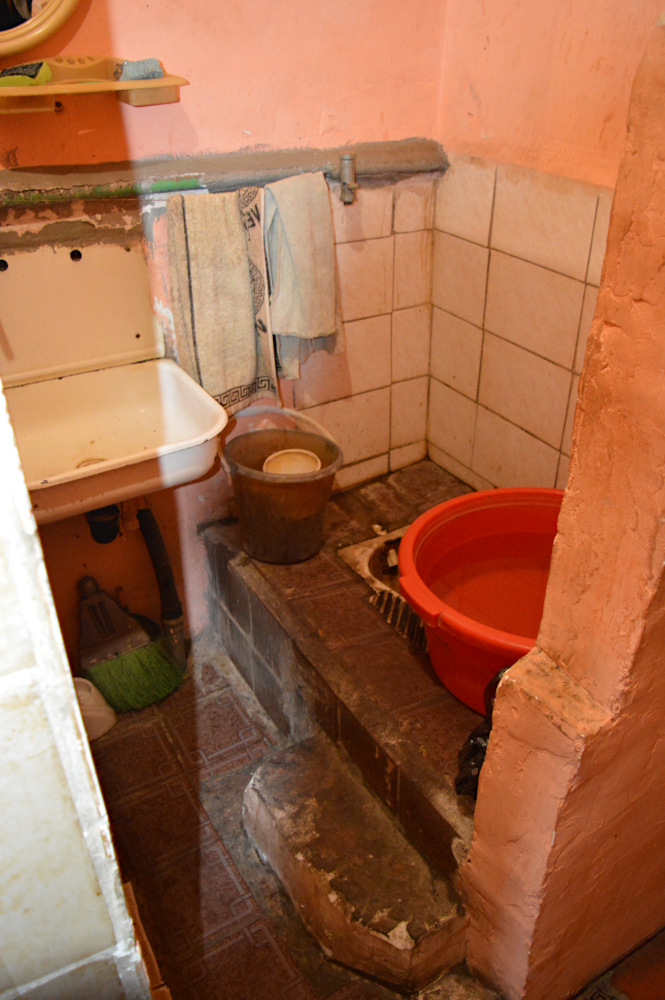
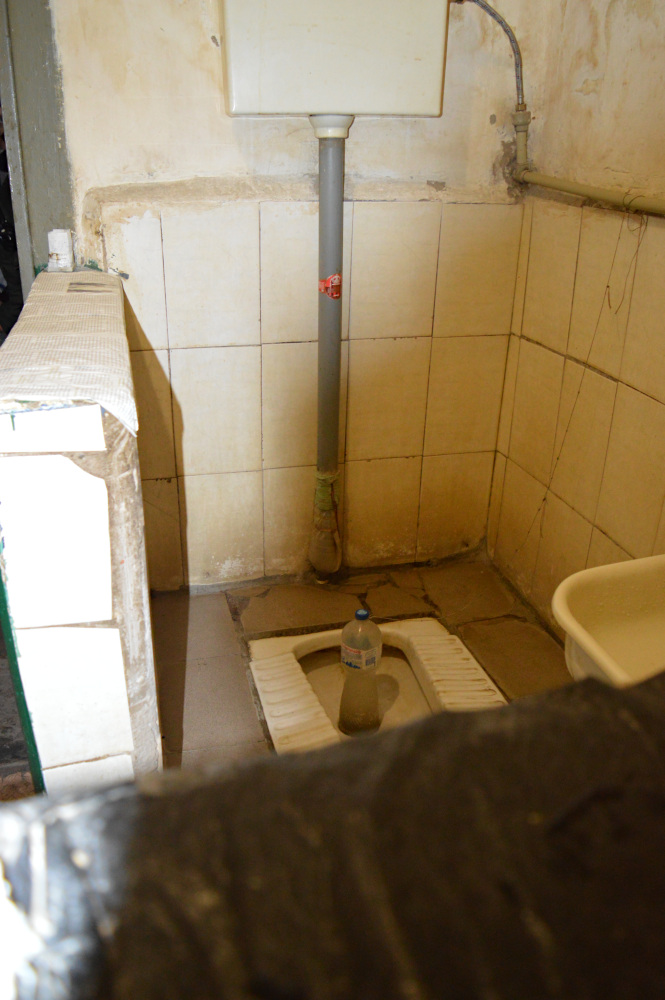
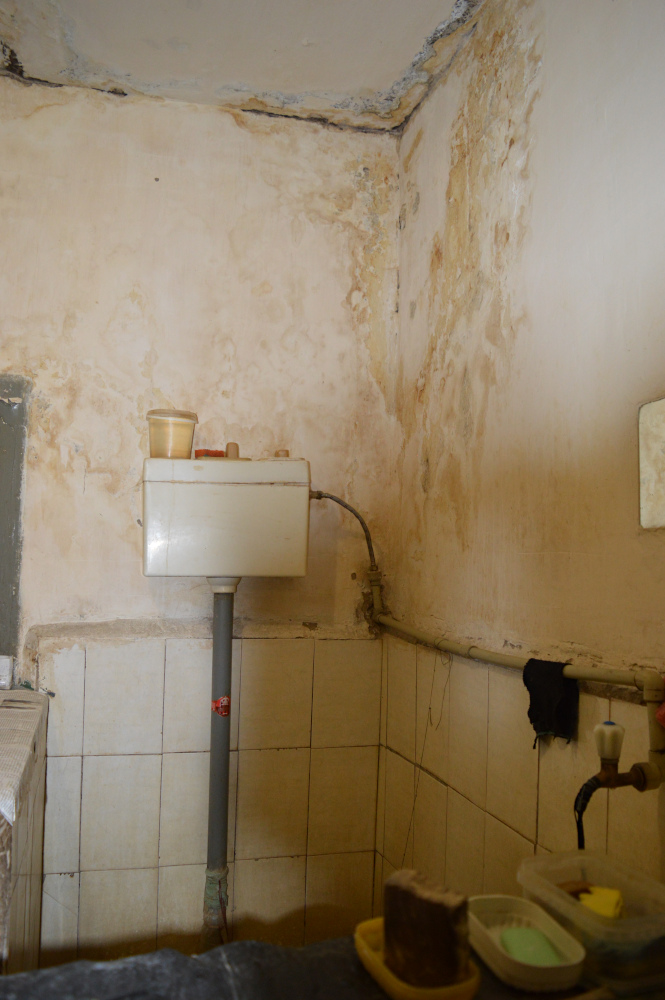
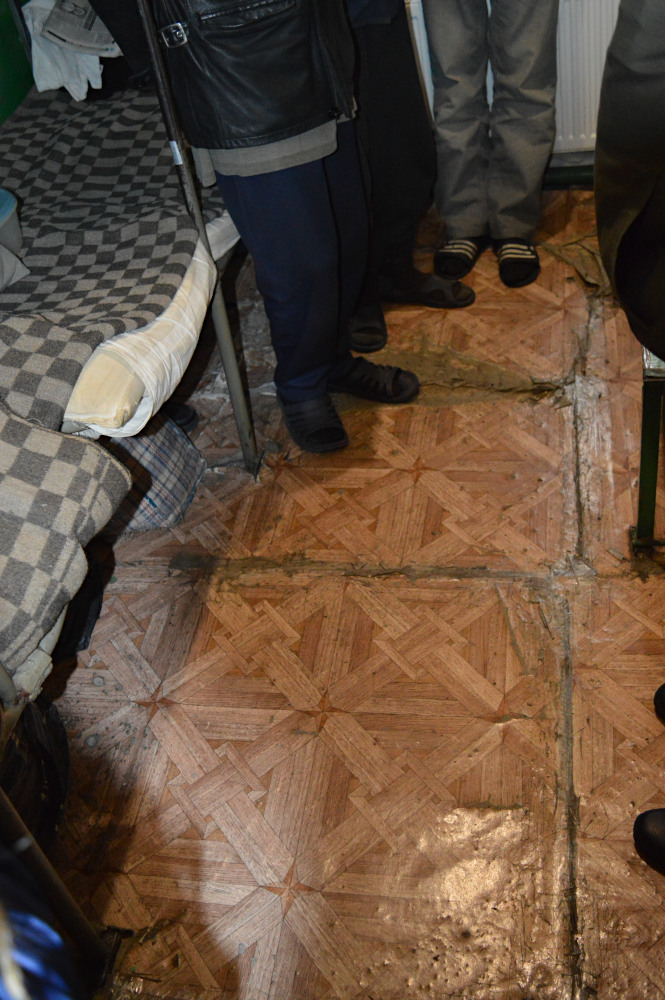
Most cells for life-sentenced prisoners require renovation, although some have undergone cosmetic repairs – at the prisoners' own expense. In the toilets of the maximum-security cells, there are no U-bends, which causes a specific unpleasant smell of sewage. Therefore, the sewer holes are plugged with makeshift stoppers. The toilets are separated from the common part of the cell by low walls and small doors that do not provide a sufficient level of privacy. There were no drinking water containers in the cells.
One of the cells had particularly dire conditions. Traces of past flooding were found on the walls, and there is fungus and mold.
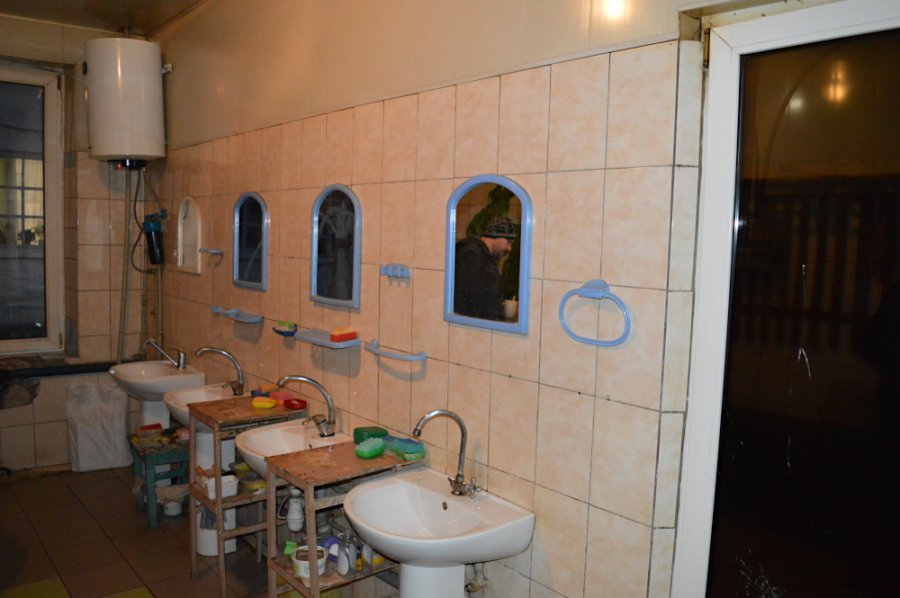
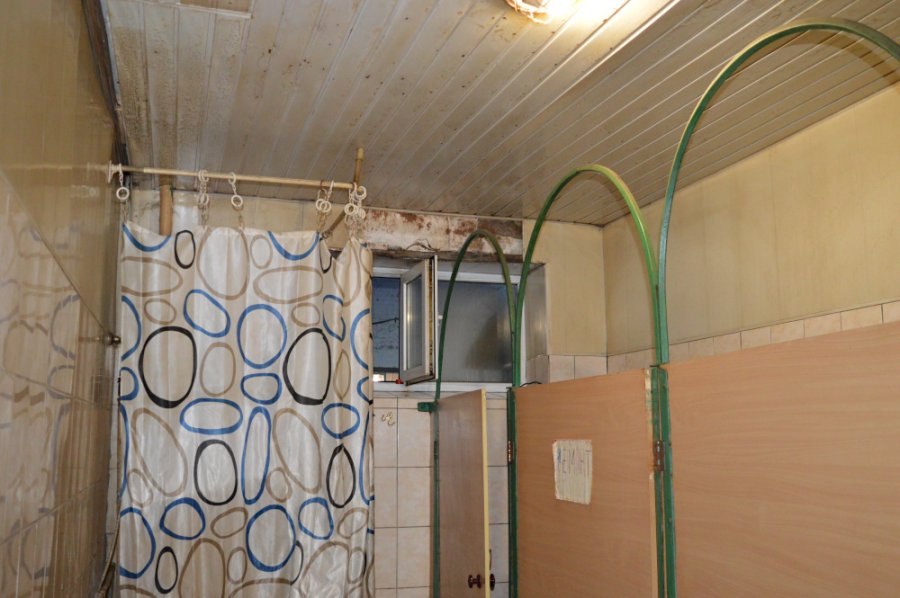
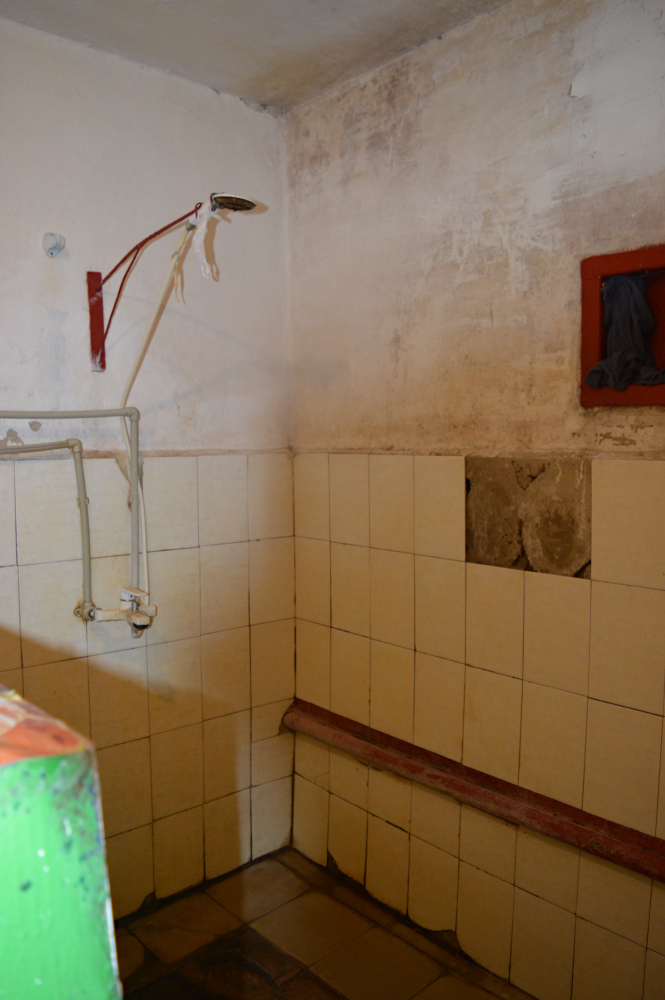
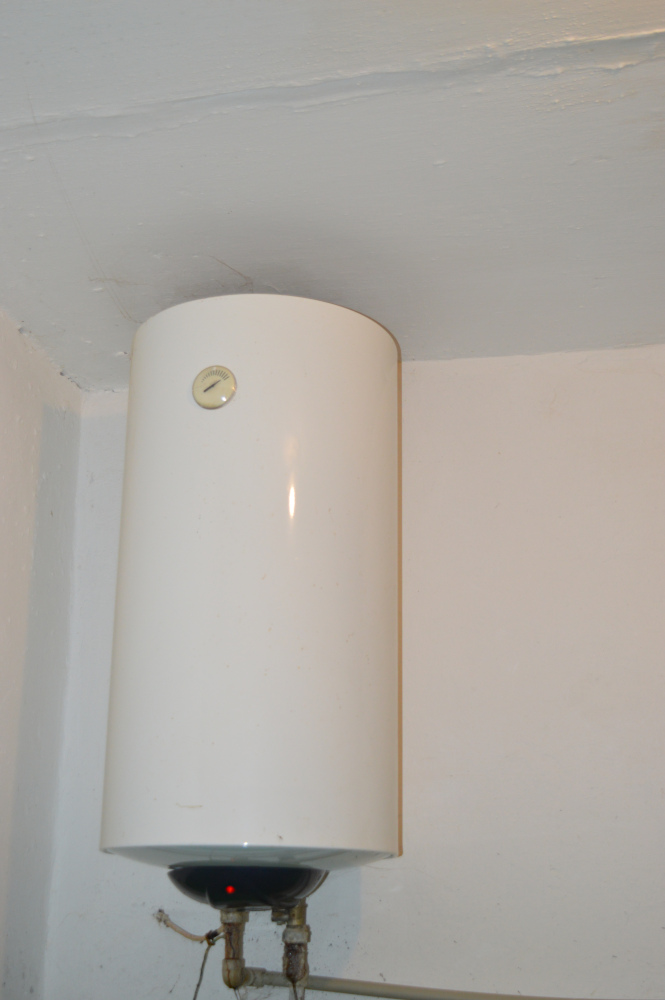
The bathhouse facility in dormitory No. 2 for life-sentenced prisoners is in a state of neglect. The walls are infected with fungus and mold. In the bathhouse, water is heated using a boiler. Prisoners have the opportunity to wash once a week, which complies with national legislation but contradicts the European Prison Rules.
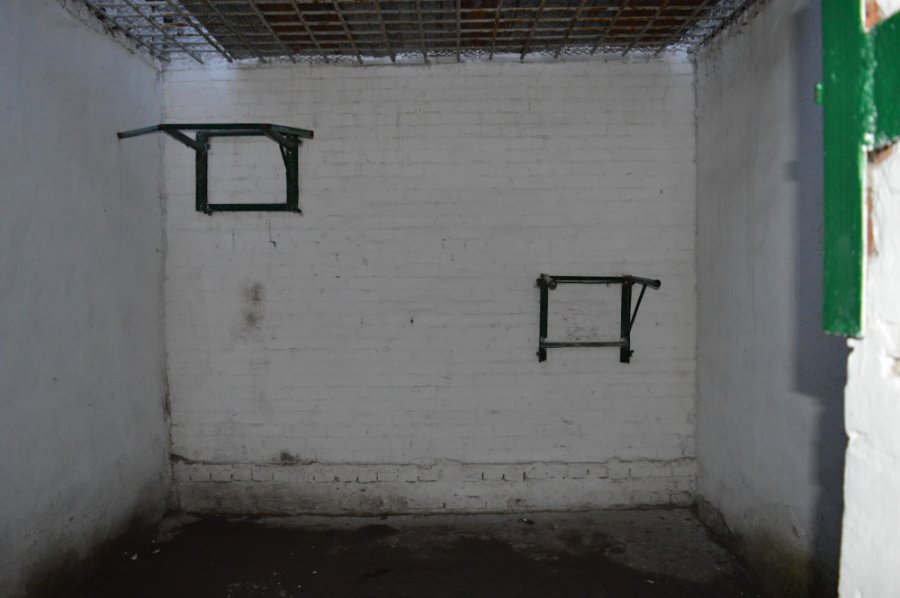
The exercise yards are in an unsatisfactory condition. Due to the lack of a rainwater drainage system and insufficient covering during rain, prisoners are forced to bail out the water themselves.
4. Medical Unit
Over the last year, only one prisoner was released from serving their sentence due to a serious illness.
On the day of the visit, there were no patients with coronavirus disease in the institution. All those who wished to be vaccinated were vaccinated, and awareness-raising work was carried out with those who refused.
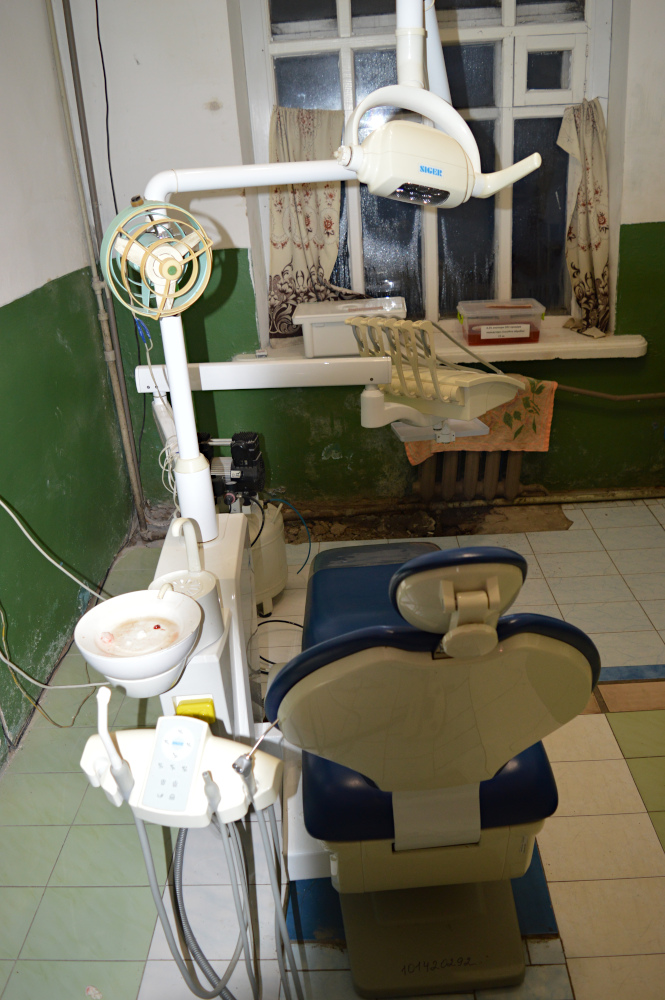
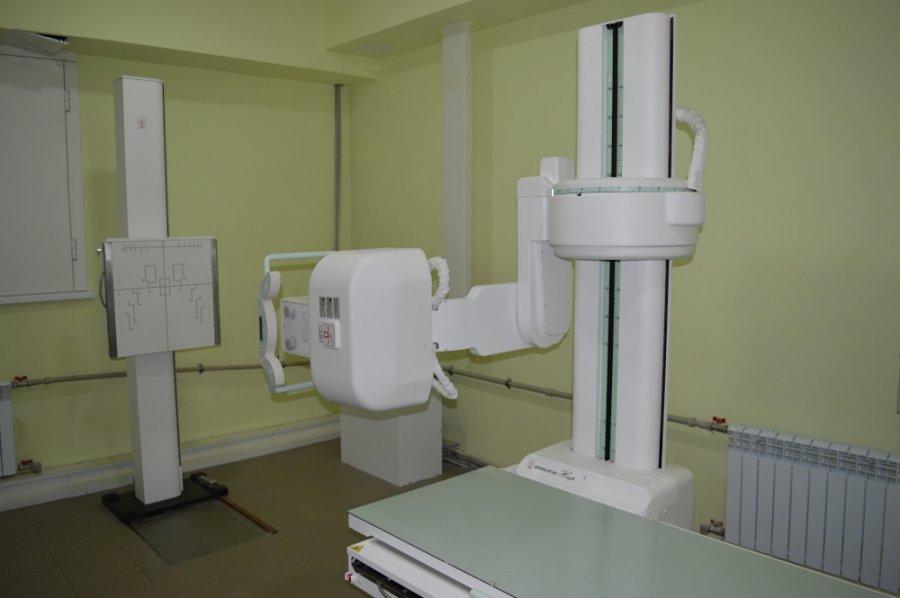
A new X-ray machine has been installed in the institution’s medical unit. There is a dental chair in the dentist’s office.
This year, 16 cases of bodily injuries and 5 cases of the use of special means were recorded in the institution. An ambulance was called to the institution 13 times.
5. Quarantine and Distribution Unit
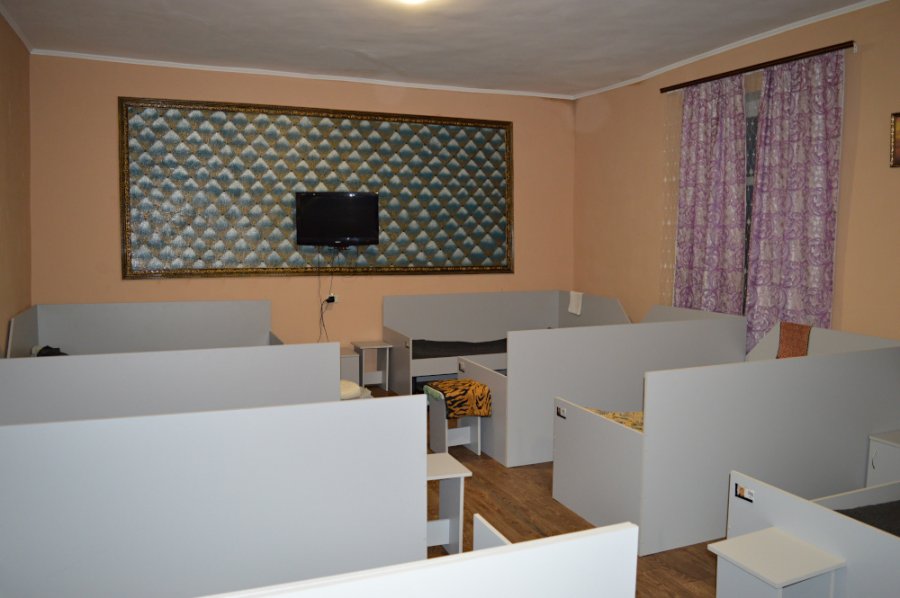
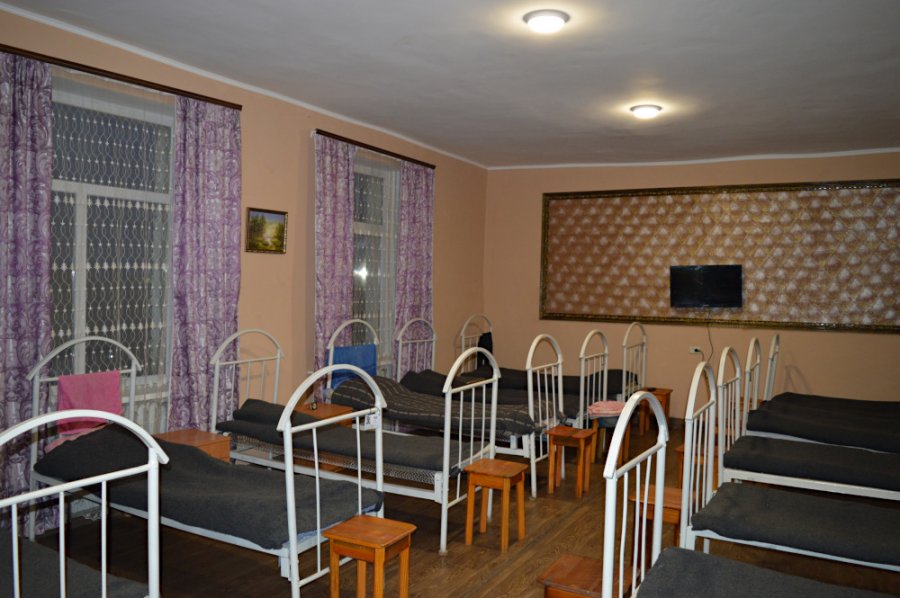
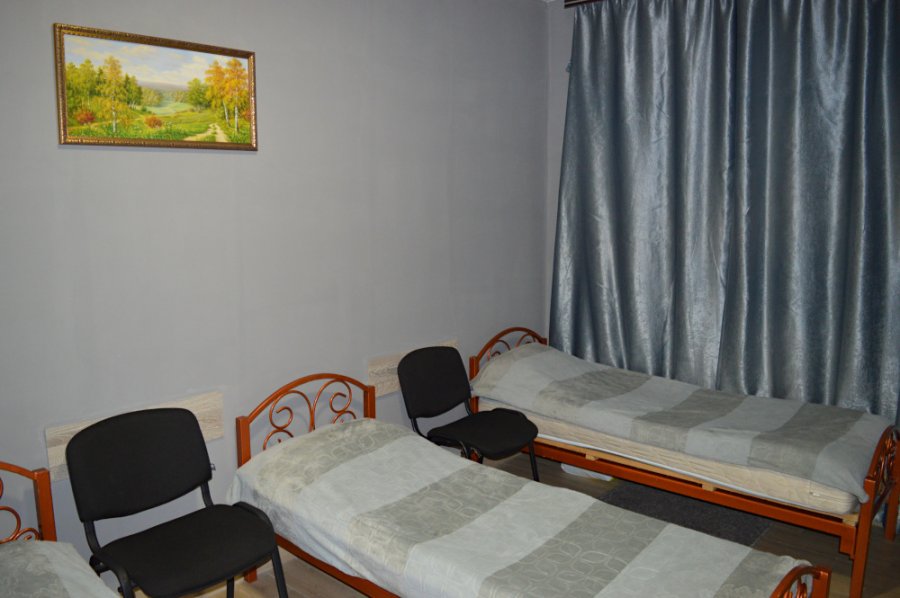
The quarantine and distribution unit of the institution was extensively renovated last year. New beds have been installed, partitioned from one another with walls, which provides an appropriate level of privacy. The administration assured that there are plans to install such beds in all units.
6. Duty Unit
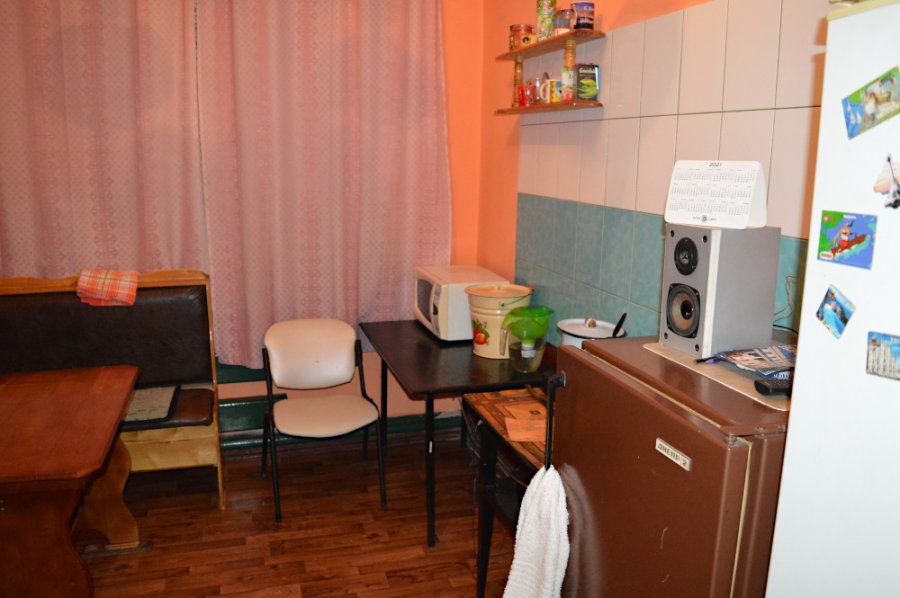
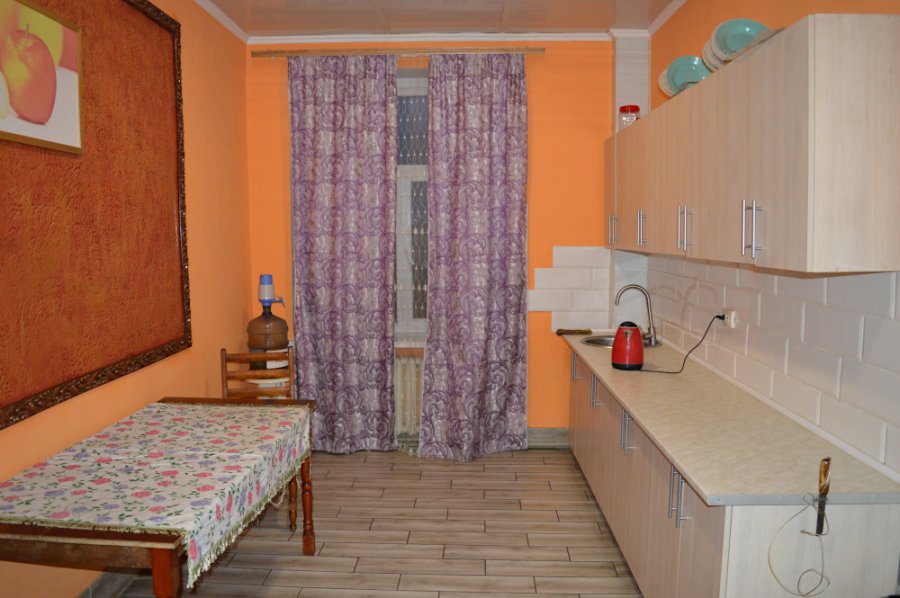
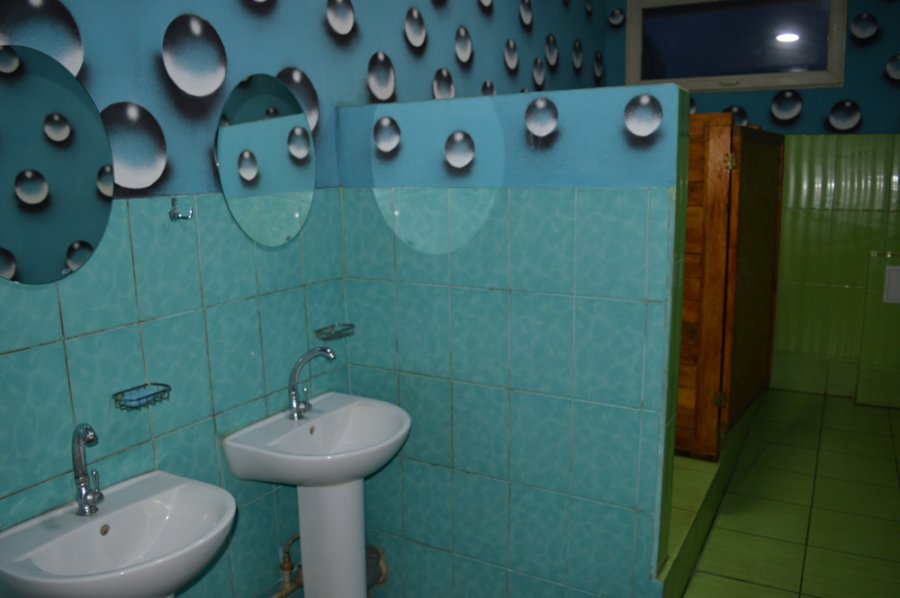
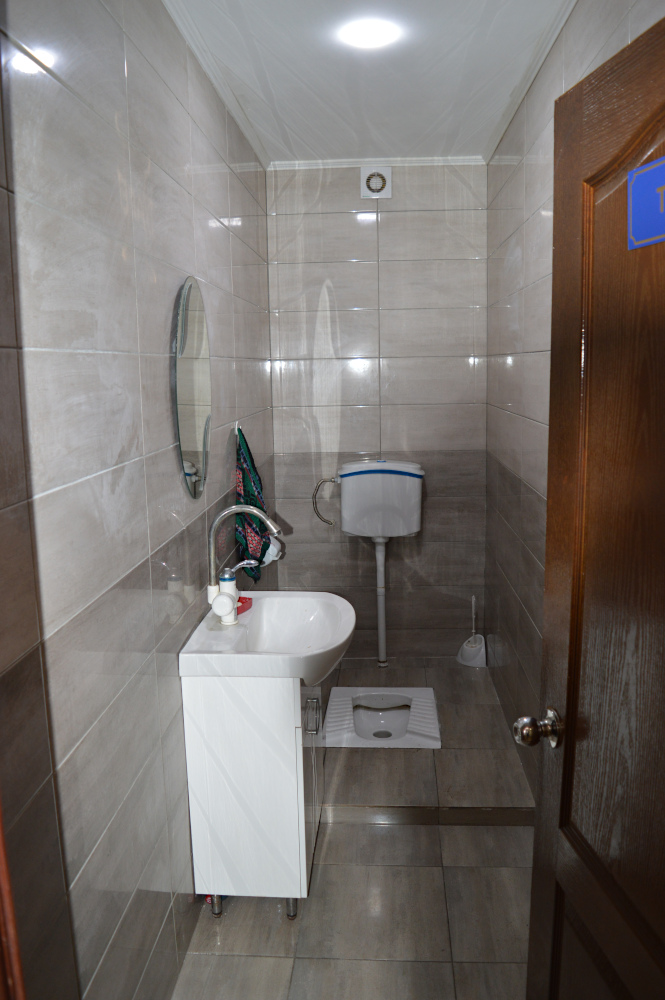
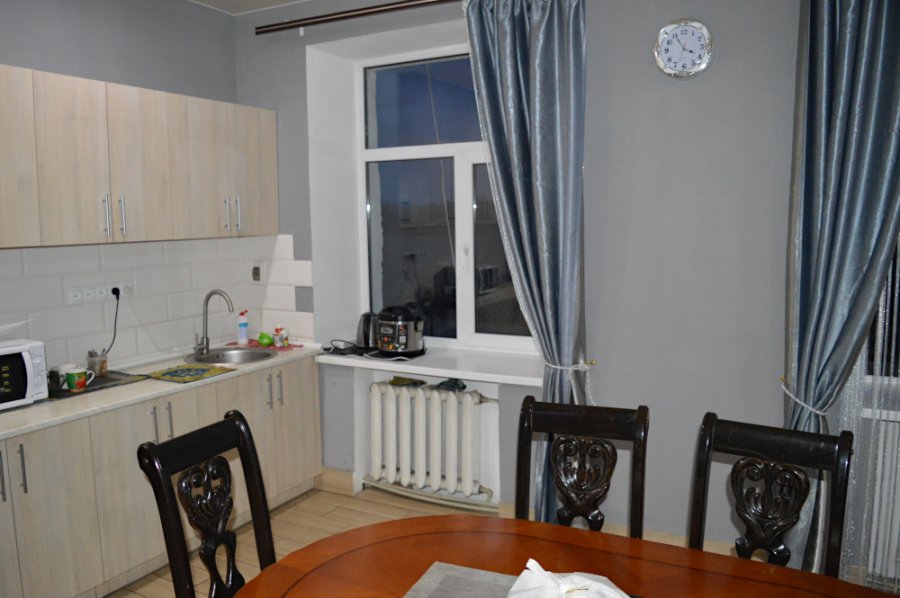
The duty unit has been renovated, and the conditions for the duty shift have been improved. There is a break room, a kitchenette with a dining table, and a thoroughly renovated sanitary facility. The monitors note with approval the management’s efforts to improve working conditions for employees, as the reform of the penitentiary system must begin with ensuring decent working conditions for the colony’s staff.
7. Residential Zone
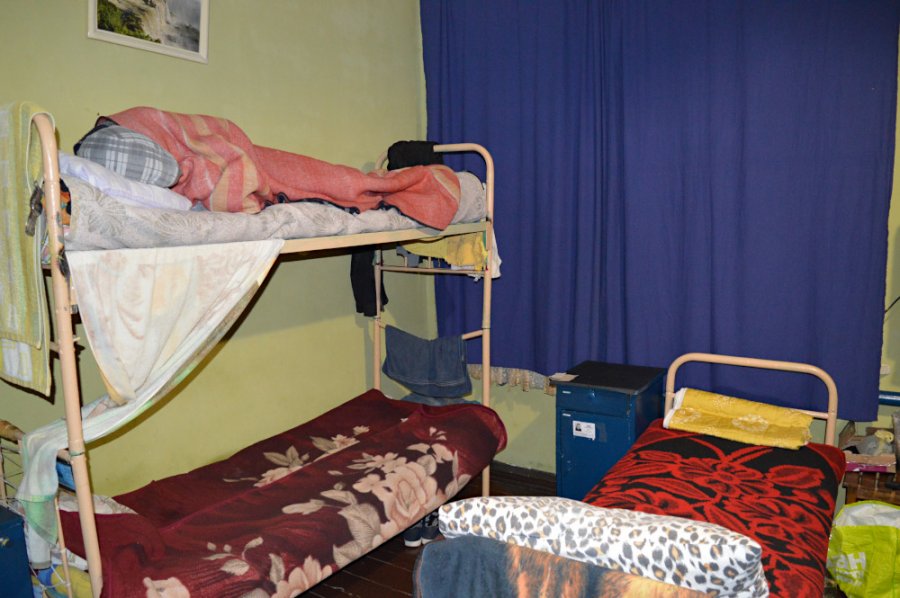
Due to the institution being almost at full capacity, bunk beds are used in the residential units, which creates additional inconvenience for the prisoners and contradicts the European Prison Rules. The sanitary facilities in the units are in a satisfactory condition.