Report on the Results of a Monitoring Visit to Romny Penal Colony No. 56
Historical Background
The institution is located on the site of a former local distillery, the premises and production workshops of which were ill-suited for housing convicts. Therefore, the main task for the colony's management became the construction of dormitories, production facilities, and public utility buildings. Capital construction took place at the institution for almost 24 years. In 1962, the colony’s perimeter fence, a vegetable storehouse, a heating network, an enclosure, and a kitchen for service dogs were built. During 1963, an artesian well with a pumping station, a fire reservoir, food and clothing warehouses, a bathhouse, and a laundry were built and put into operation. The following year, a cellar for storing vegetables, a canteen for convicts with 150 seats, and an inter-zone checkpoint were put into operation. In the maintenance yard, a garage for four vehicles and two eight-apartment residential buildings for colony staff were built. In 2000, one of the dormitories was converted into a unit for the social and psychological service to house convicts in cell-type premises. Since 28 August 2004, a sector for housing men sentenced to life imprisonment has been in operation.
General Section
The maximum-security colony (for housing men sentenced to fixed-term imprisonment and life imprisonment) is located in the village of Perekhrestivka, Romny District, Sumy Region. According to the facility’s management, at the time of the monitoring visit, there were 411 convicts housed in 10 social and psychological service units; two units are for life-sentenced prisoners.
Over the current year, 133 convicts have arrived at the institution. In 2022, four convicts died at the institution, and in 2023, four convicts died. Two psychologists work at the institution. 68 persons are employed, 47 of them under labour contracts and one under a civil law contract. The average monthly salary under a labour contract is 2,308.56 hryvnias, and 977.78 hryvnias under a civil law contract. Two convicts were held in the Disciplinary Isolation Cell (DIZO) for disciplinary penalties, and 10 were in the Disciplinary Unit (DPK). Nine people were in the medical unit, 25 were registered with HIV/AIDS, one person was prone to suicide, five to self-harm, seven to escape, and 11 were malicious violators of the detention regime. Two people were released due to severe illness during 2022, and one person in 2023. During 2022, 11 complaints were received from convicts regarding inadequate detention conditions and improper provision of medical care; during the current year, nine complaints were received. Two people are registered with a Group II disability, and nine with a Group III disability.
During 2022, 68 people were released, and in 2023, 49 people were released. Two people were released on parole in 2022, and one person during 2023. In 2022, five calls for an ambulance were recorded, and seven in 2023. During 2022, 10 cases of bodily injuries were recorded during their time at the institution; in 2023, one case was recorded upon arrival and seven cases during their time at the institution. In the current year, one case of the use of special means (handcuffs) was recorded. There are 68 convicts in the institution who are generally estranged. 241 convicts have a tablet for personal use. During 2022, there were 29 long-term visits, and 42 in 2023. Short-term visits in 2022: through a glass partition — 37, contact visits — 0. In 2023: through a glass partition — 64, contact visits — 14. 16,109 telephone calls were made. The institution has a staff shortage of 20 certified personnel and 4.5 civilian staff.
During the visit, the monitoring group examined documentation related to the colony’s operations, medical records, and inspected production, maintenance, and residential premises, as well as the medical unit, to ensure their compliance with the requirements of Ukrainian legislation and international standards. The monitors visited the production premises, the DIZO and DPK cells, residential premises, the bath and laundry complex, the kitchen, the medical unit, visiting rooms, and the sector for life-sentenced prisoners. The head of the institution is Colonel of the Internal Service Ihor Viktorovych Nesterenko.
Medical Unit No. 56 of the Branch of the State Institution “Centre for Health Care of the State Criminal-Executive Service of Ukraine in Sumy Region”
The Head of the Medical Unit is Ihor Hashenko. During the visit, the monitoring group examined medical documentation and inspected doctors’ offices, the X-ray room, wards, and other premises of the medical unit for compliance with the requirements of Ukrainian legislation and international standards. At the time of the visit, seven people were undergoing inpatient treatment. According to the staffing table provided by the Head of the Medical Unit, the following doctor positions are filled: Head of the Medical Unit-physician — 1 post; psychiatrist — 1 post; dentist — 1 post; infectious disease specialist — 0.5 post; radiologist — 0.5 post; phthisiatrician — 0.5 post. The following positions remain vacant: general practitioner (therapist) — 1 post; surgeon — 1 post. Dispensary supervision is provided for: HIV-positive persons — 25 people (24 of whom are receiving ART); tuberculosis (cat. 5.1) — 10 people; persons with mental disorders — 75 people.
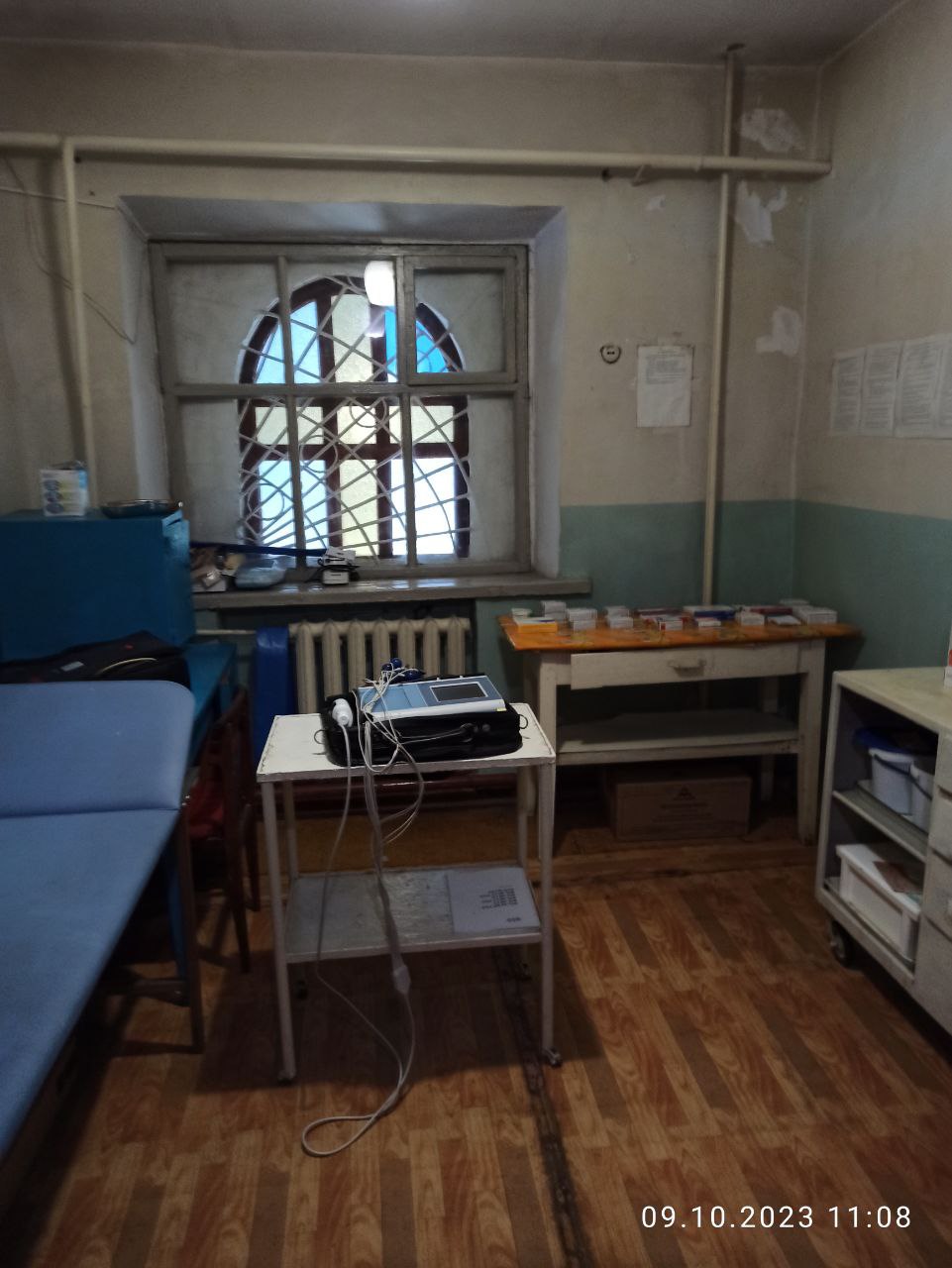
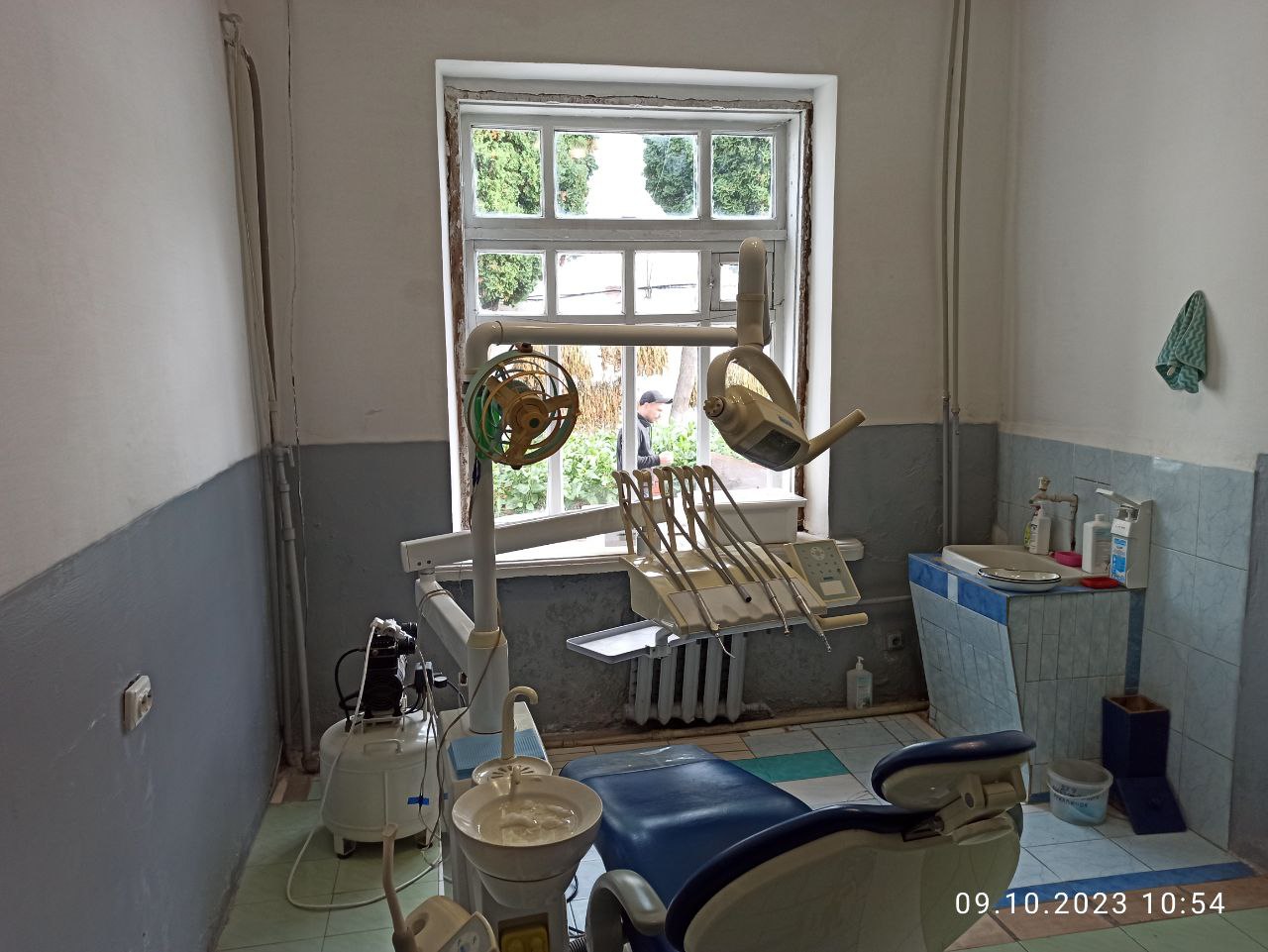
During the monitoring visit, shortcomings in the work of the medical unit were identified, which lead to violations of the rights of convicts in Romny Penal Colony No. 56, in particular:
1. Violation of the rights of convicts and detainees when providing medical care
Due to the lack of declarations concluded by convicts with a primary care physician, they are unable to receive necessary medical services at the expense of the National Health Service of Ukraine (NHSU), which leads to a violation of the requirements of paragraphs 4 and 5 of Article 4 of the Law of Ukraine “Fundamentals of the Legislation of Ukraine on Health Care”.
2. Violation of the rights of persons with disabilities (Article 9 of the UN Convention on the Rights of Persons with Disabilities)
Dispensary supervision is provided for 11 persons with disabilities. Of these, 2 are Group II, and 9 are Group III. Persons with disabilities do not receive proper diagnostic, treatment, and rehabilitation measures despite the existence of information confirming persistent impairment of body functions caused by diseases or the consequences of injuries that lead to limitations in normal daily activities. While examining the medical records of the convicts, it was established that one person with a disability lacks an Individual Rehabilitation Programme (hereinafter — IRP). Furthermore, the monitoring group established that some IRP recommendations are not being implemented. Conditions for housing people with disabilities have not been created in the institution (there are no ramps, handrails, etc.).
3. Violation of the rights of persons with viral hepatitis C
Since the beginning of 2023, the medical unit has conducted 78 screenings for hepatitis C virus (hereinafter — HCV) using rapid tests, 75 of which resulted in a suspected diagnosis. Persons suspected of having viral hepatitis C do not undergo PCR testing, which means they do not receive the necessary treatment, potentially leading to a deterioration in their health and the spread of this infectious disease among convicts and detainees.
4. Violation of the right of convicts to choose treatment methods and improper record keeping
4.1 The medical unit has not organised opioid substitution therapy (hereinafter — OST) for persons with mental and behavioural disorders resulting from opioid use. Drug-dependent persons are not provided with social and psychological support, cognitive-behavioural therapy (CBT), relapse prevention, motivational interviewing, self-help groups, etc.
4.2 The medical unit has not opened a “Control Card for Dispensary Supervision of an HIV-Infected Person” No. 030-5/0 for four individuals.
4.3 During the examination of medical documentation, it was established that the outpatient medical records (form 025/o) lack certificates and photographs of existing bodily injuries. The number of the medical record for convict S., who sustained an injury on 10.06.2023, is missing; it should correspond to the serial number of the patient’s registration indicated in the “Logbook of Recorded Bodily Injuries”.
5. Violation of the rights of convicts to medical care, violations during preventive medical examinations and medical check-ups
5.1 The vacant position of general practitioner (therapist) indicates that the primary and preventive medical examinations are incomplete.
5.2 During an inspection of the personal medical record books of convicts working in the canteen, it was established that these employees had not undergone an examination by a dermatovenereologist.
6. Lack of equipment, medical supplies, and medicines in the medical unit
6.1 The medical unit lacks a dental X-ray machine, which makes it impossible to conduct in-depth dental examinations of convicts and does not ensure the timely provision of proper dental care.
6.2 During an inspection of the defibrillator’s functionality, it was established that the electrodes were missing.
6.3 Furthermore, the monitors established that convicts do not undergo preventive medical examinations using the IDIS telemedicine complex because it is not functional. As medical staff explained, the problem lies in the inability to send medical examination data due to technical reasons.
6.4 During an inspection of the medical unit’s dental office, expired medicines were found.
7. Non-compliance with infection control and epidemiological surveillance
7.1 The medical unit is equipped with only one isolation ward for infectious patients, which makes it impossible to simultaneously house patients with dangerous infectious diseases separately from each other and from other convicts.
7.2 The medical unit does not adhere to the requirements for isolating patients with tuberculosis; wards are used for more than one or two people (one ward for three beds).
8. Violation of the right to adequate psychiatric care
There is no isolation ward in the inpatient facility for persons with mental disorders who pose a danger to others.
9. Violation of the right of detainees and convicts to adequate sanitary and hygienic conditions in a healthcare facility
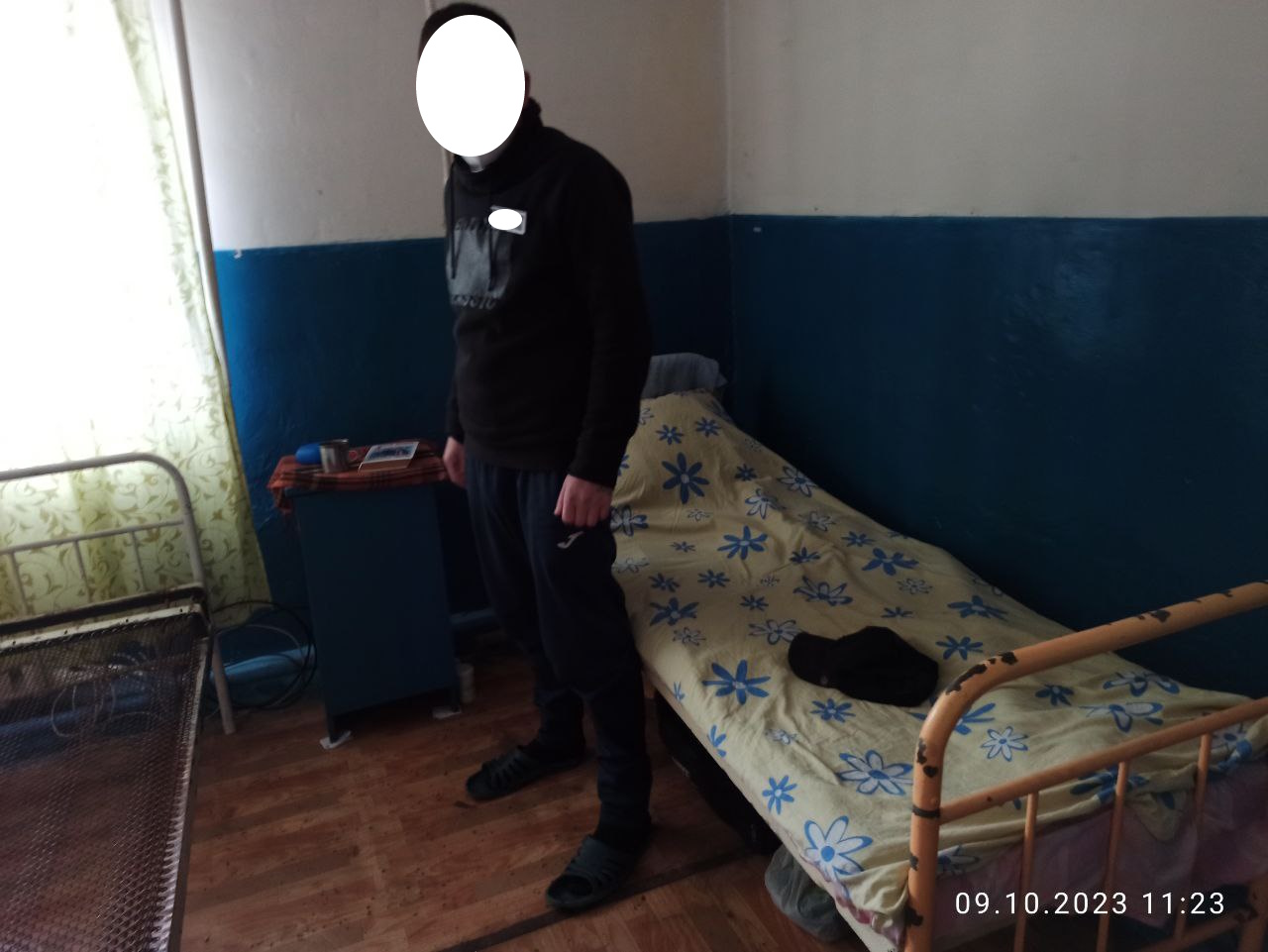
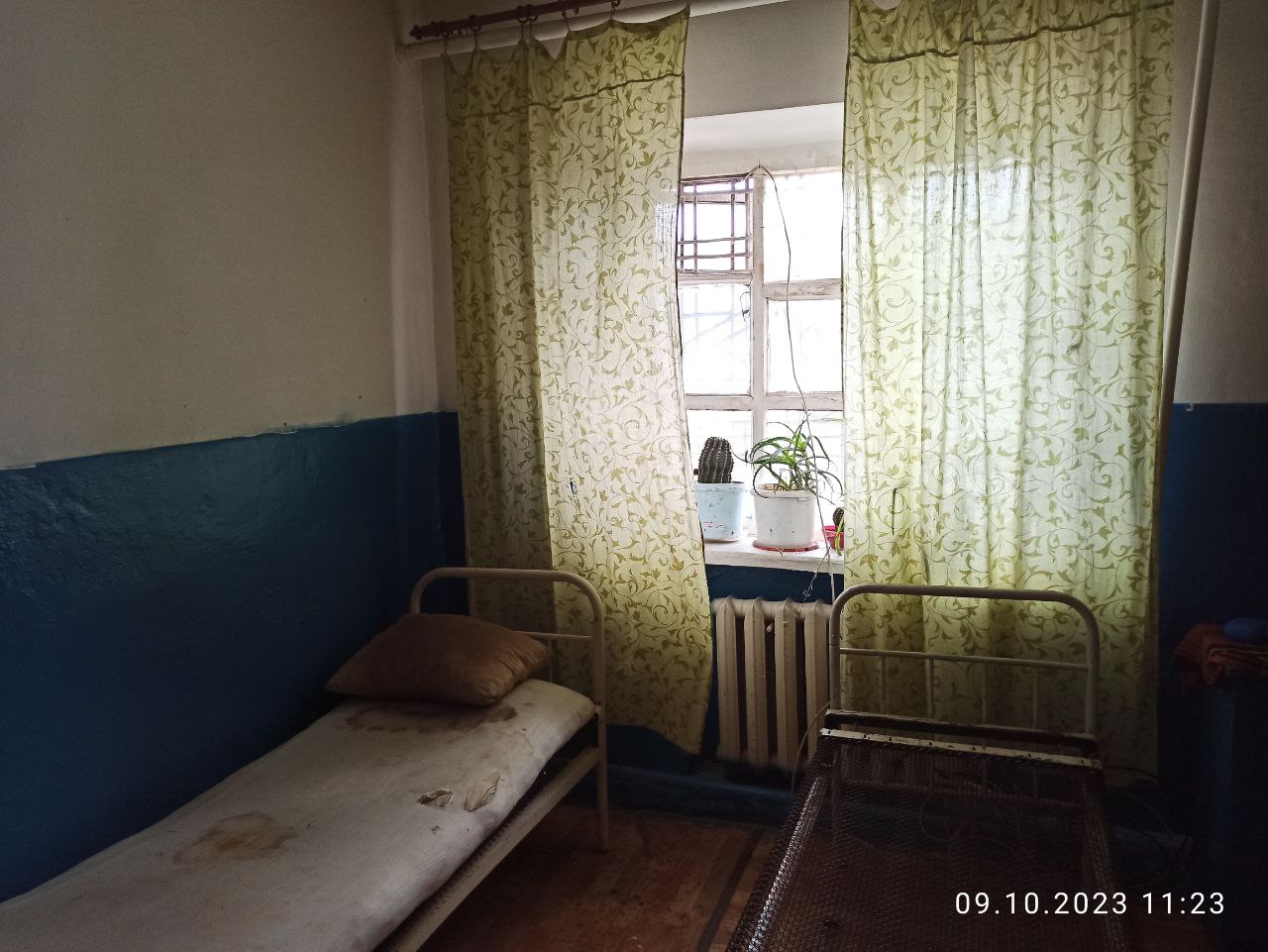
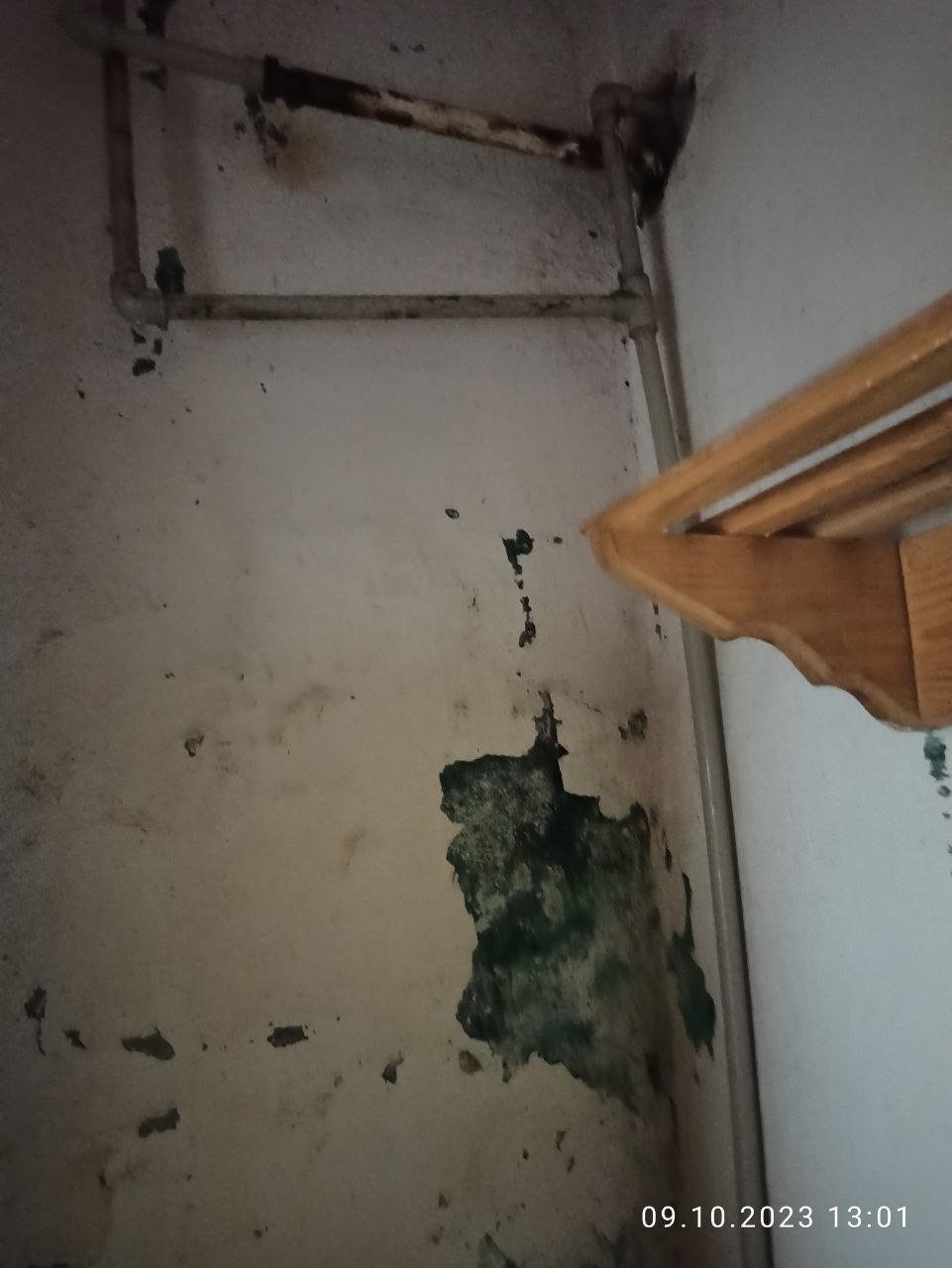
9.1 The medical unit wards require repairs: the floors and the bathroom need renovation, and mattresses and bedding are damp, dirty, and need replacement. The walls have peeling paint and missing tiles in places; there is old, damaged linoleum on the floor, which complicates the disinfection of these premises.
9.2 Convicts do not receive hospital property (hospital suit, robe, and shoes). Convicts stay in the inpatient facility in their everyday clothes, sometimes using their own bed linen.
10. Violation of fire safety rules
The premises of the medical unit are not equipped with fire suppression and fire alarm systems. Furthermore, the doctors’ office and the X-ray room are not provided with fire extinguishers. The X-ray room is used to store extraneous equipment and boxes. The aforementioned does not ensure safe conditions for patients in the inpatient facility and may pose a threat to their life and health.
Production
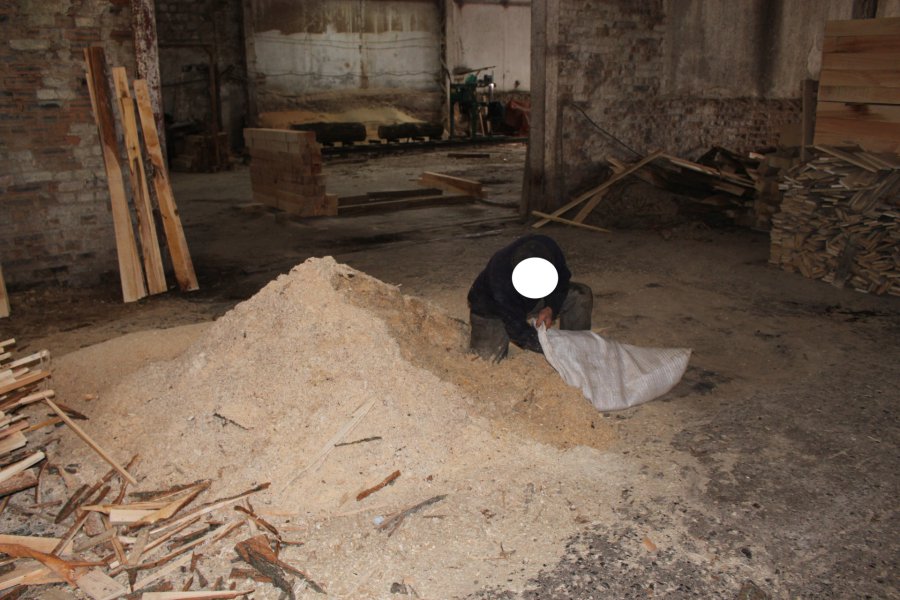
Convicts work in the woodworking section. They manufacture pallets.
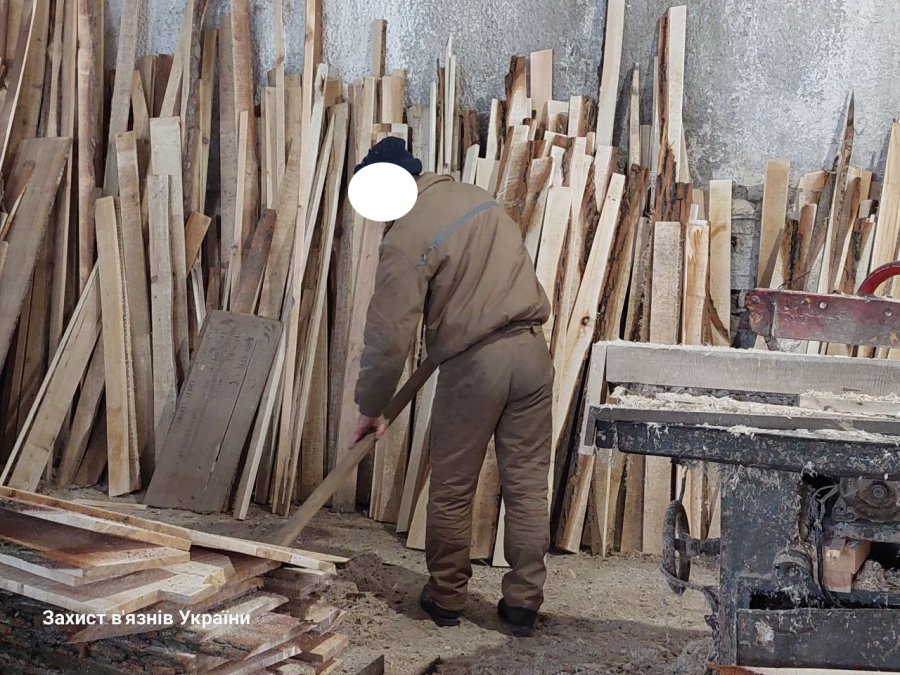
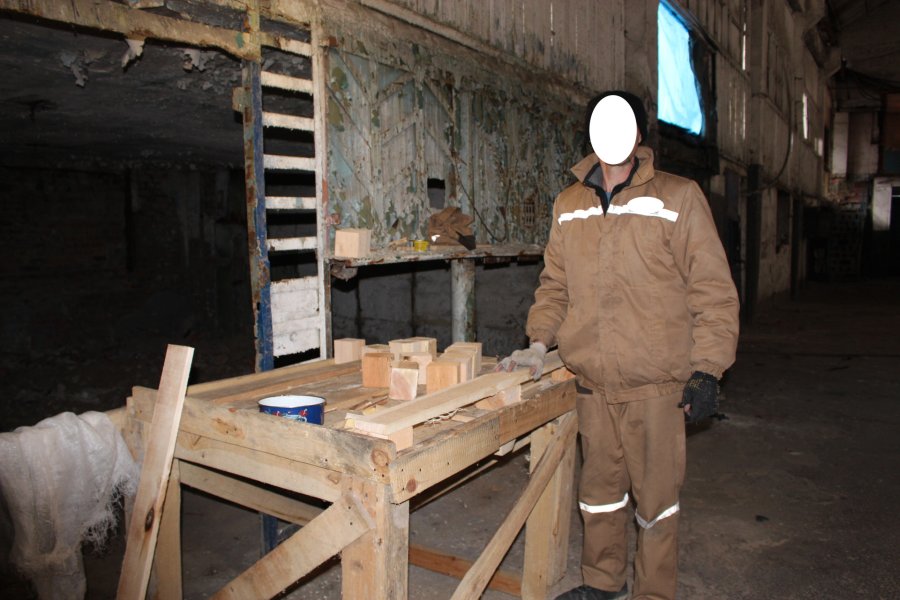
The interviewed convicts reported that they work a five-day schedule. Earnings reach 1,500–2,000 hryvnias. However, convicts interviewed on condition of anonymity provided different information. Convict M. reported that he earned 330 hryvnias last month. Convict R. reported that he receives remuneration for his labour in the form of tea and cigarettes. Woodworking waste is used for maintenance purposes.
Garment production
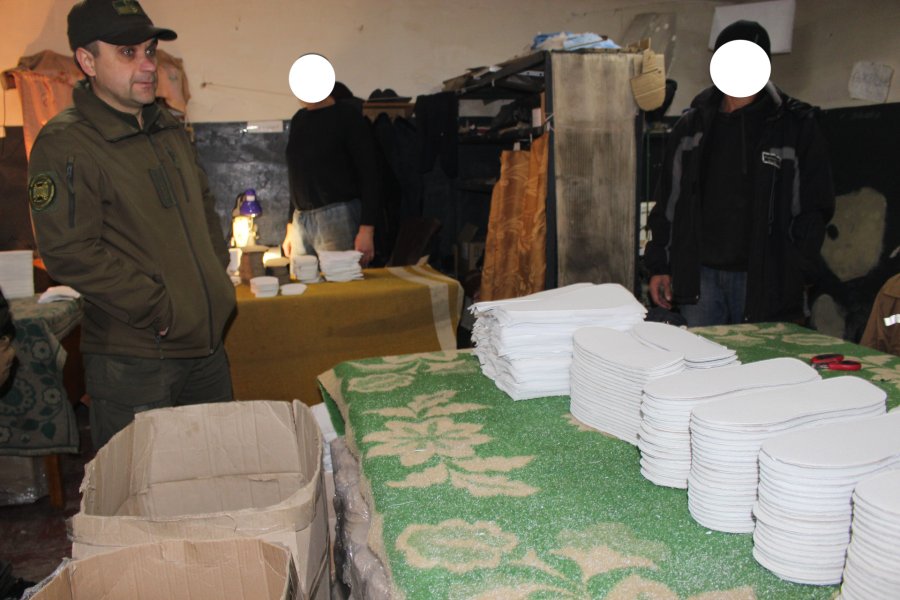
They manufacture insoles and disposable slippers for hotel rooms.
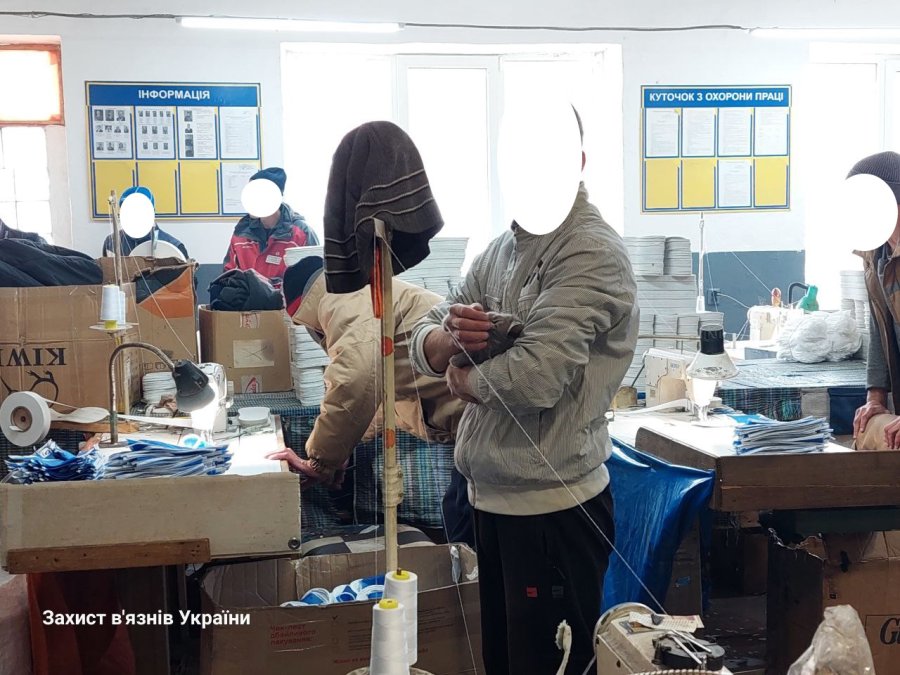
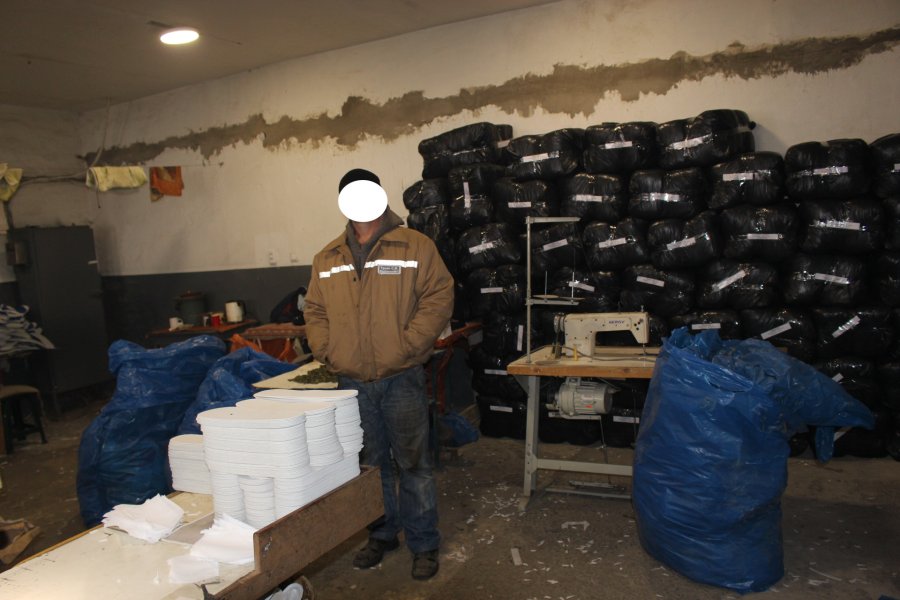
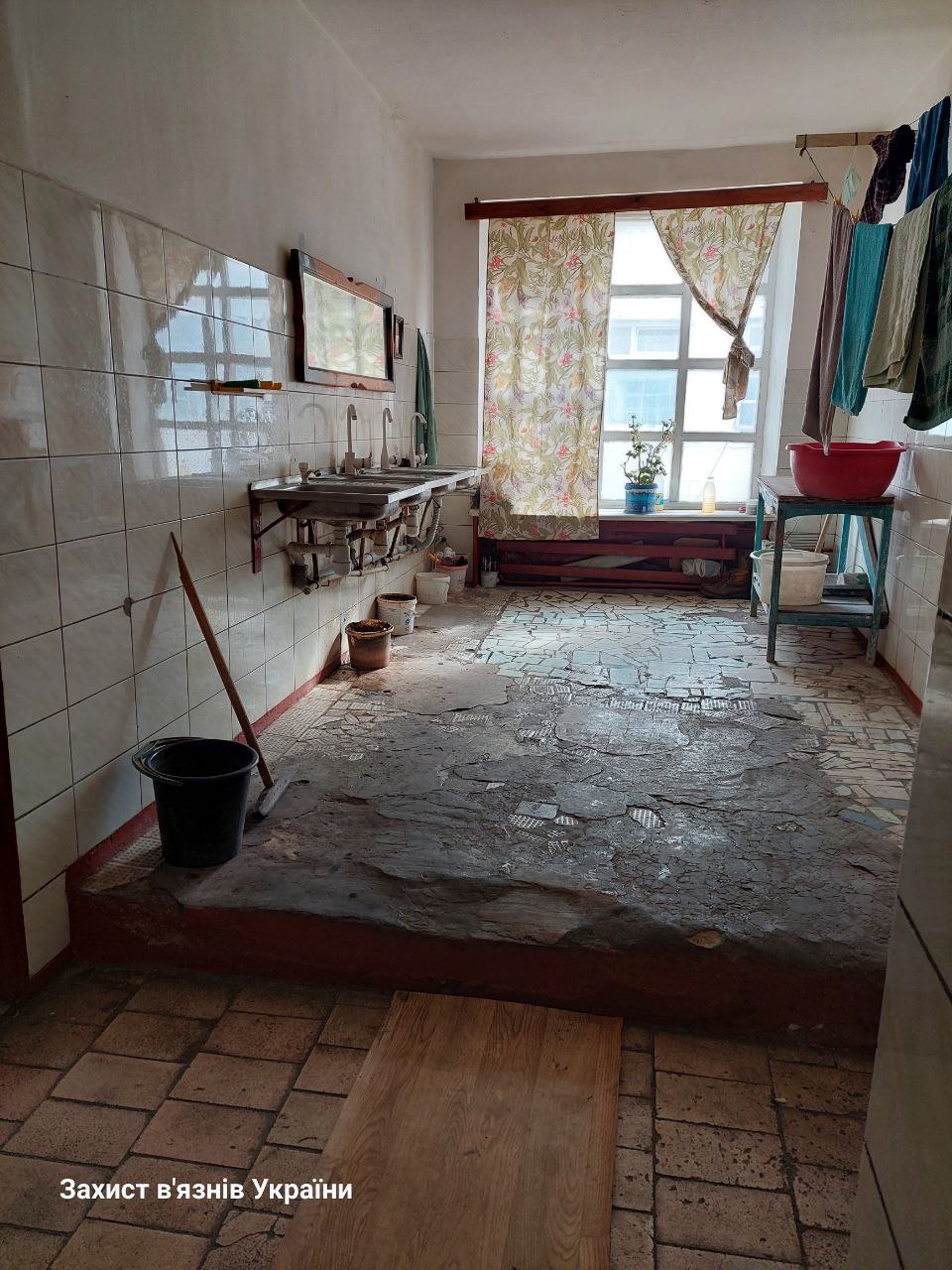
The bathhouse in the industrial zone is in a terrible condition.
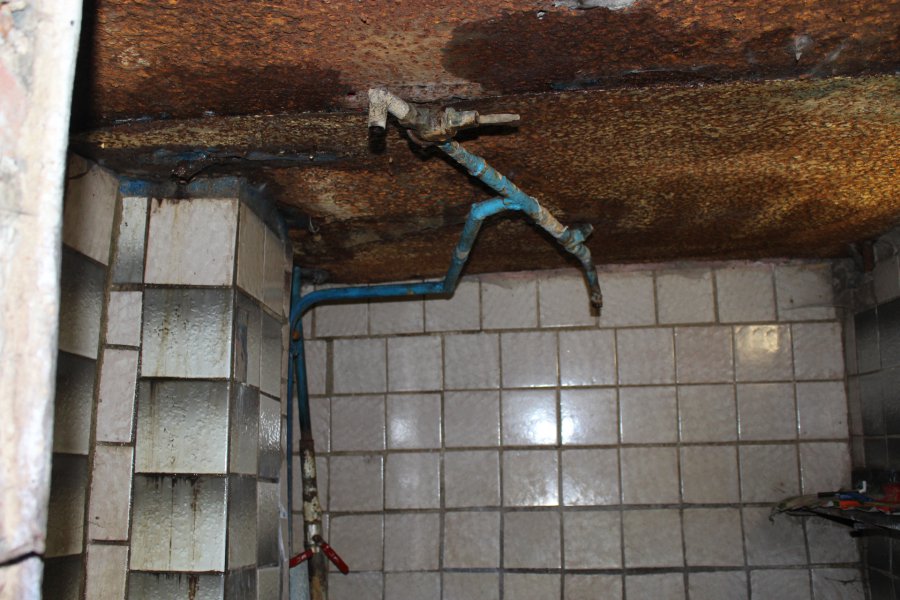
A workshop requiring careful attention
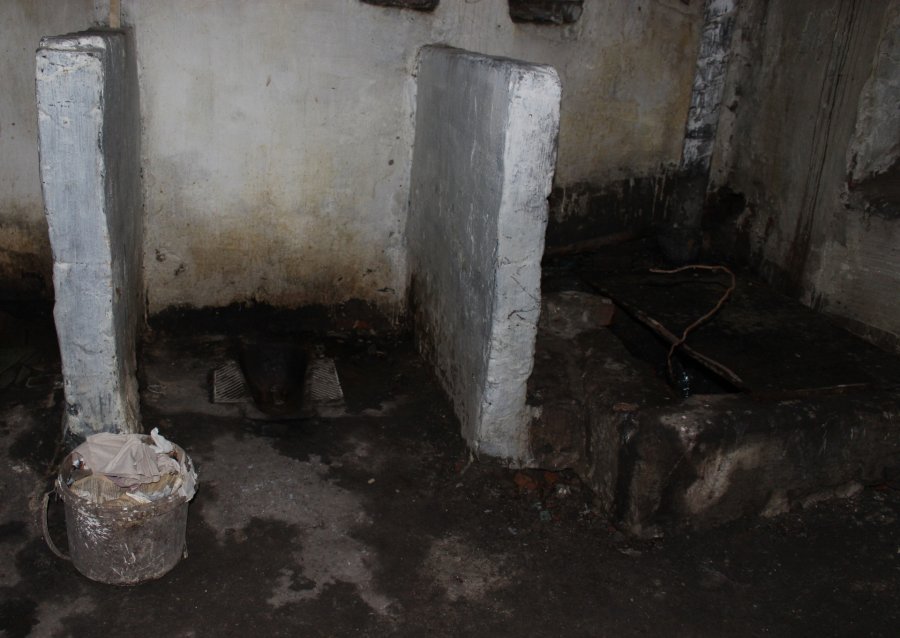
In the residential area, a workshop was found in the basement where sewing products were being made. The convicts working in this workshop manufacture disposable slippers. According to the convicts, they earn a meagre salary. For example, sewing one insole costs nine kopecks. The sanitary facilities in this “workshop” are in a terrible state: there is no ventilation, the sewage system is faulty, there is lack of sanitation, high humidity, and a foul stench.
Residential Zone
The residential premises for convicts working in maintenance roles have been renovated. Some premises are equipped with consideration for the convicts’ personal space.
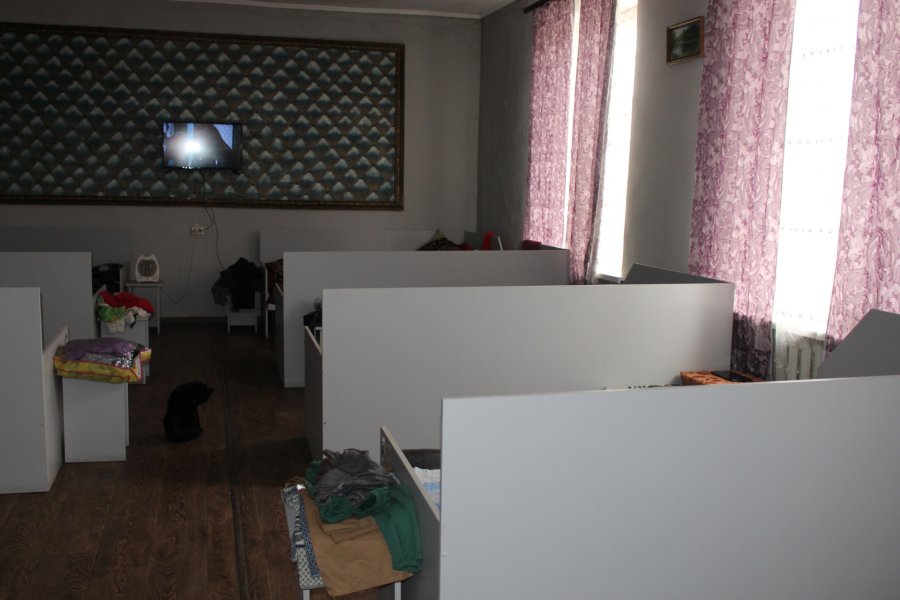
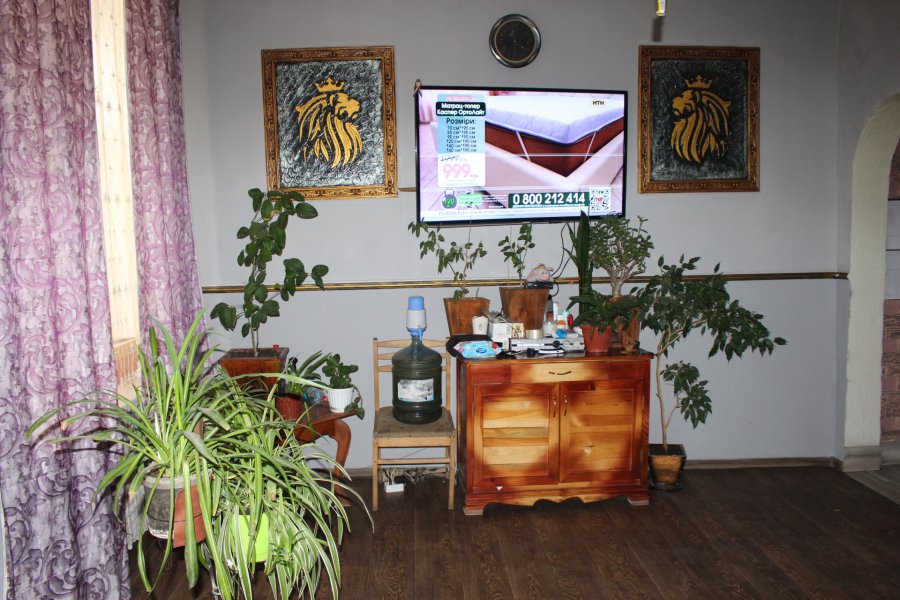
In the Social and Psychological Service (SPS) units, convicts live in barrack-style premises.
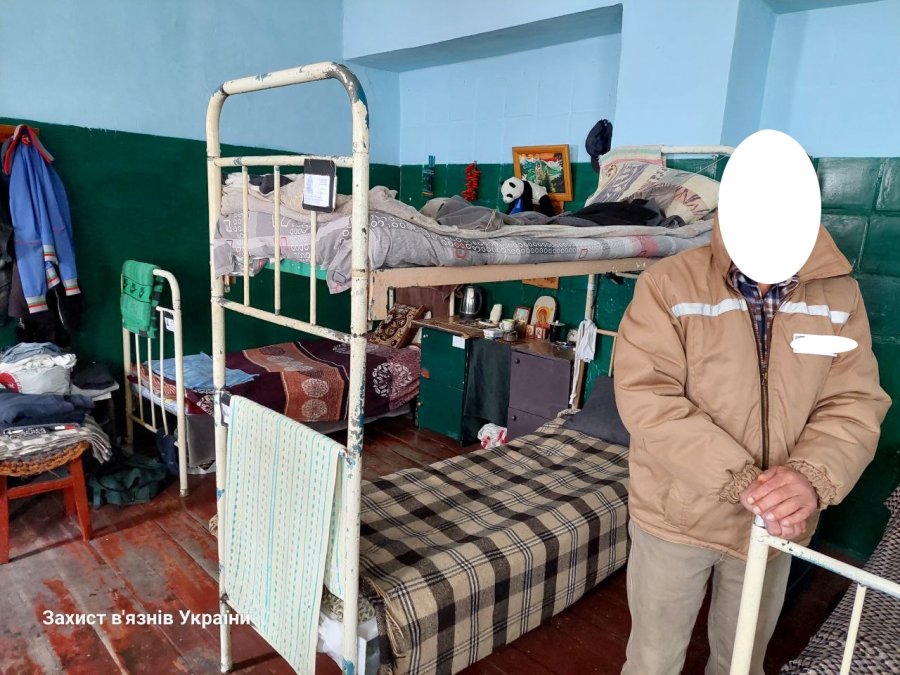
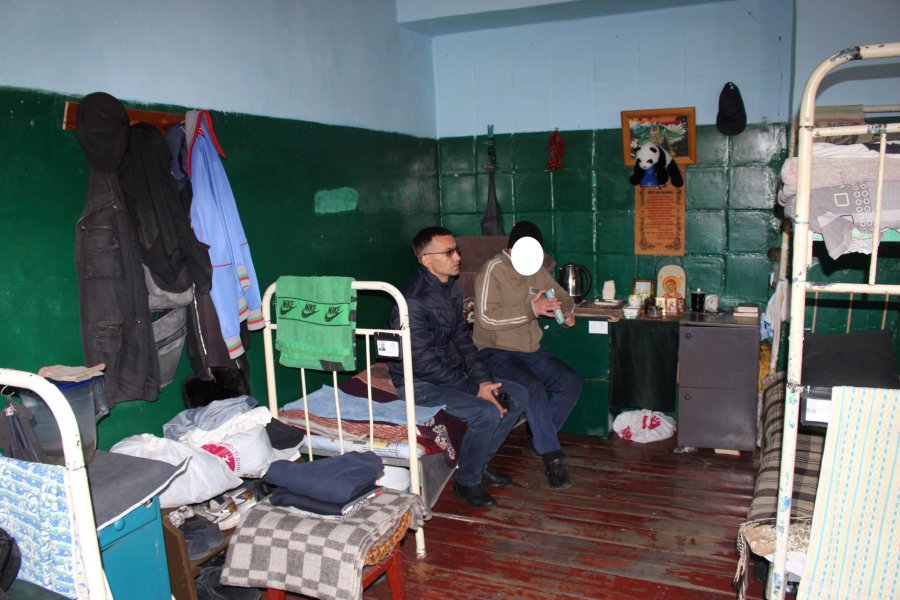
However, there are also cubicle-style premises. Some premises are in need of repair.
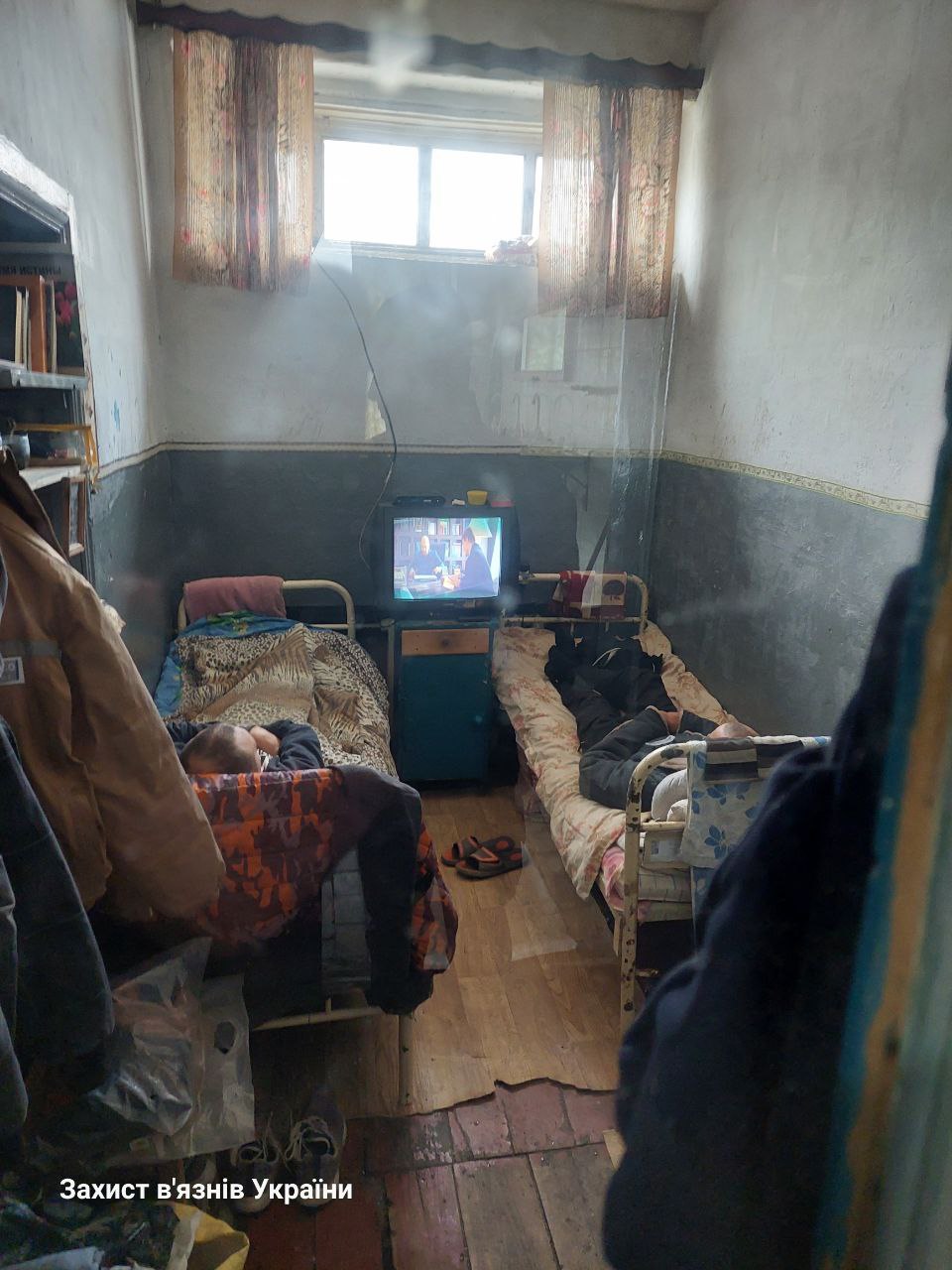
In the premises where convicts live, there is no access to the internet. To use the internet, convicts must go to the club, where they can get access to the network for a fee.
Convicts who were in the occupied territory in the Luhansk region since 2014 were interviewed. They recounted that they had been subjected to torture and demonstrated the marks left by the torture. Convict K. complained that new arrivals at the institution are not issued linen, and he is unable to find employment. Unit No. 3 is cold, and the windows are not insulated.
Unit for Life-Sentenced Prisoners
In the institution, life-sentenced prisoners are held in a cell-based system, as well as in an open-type section in regular residential premises.
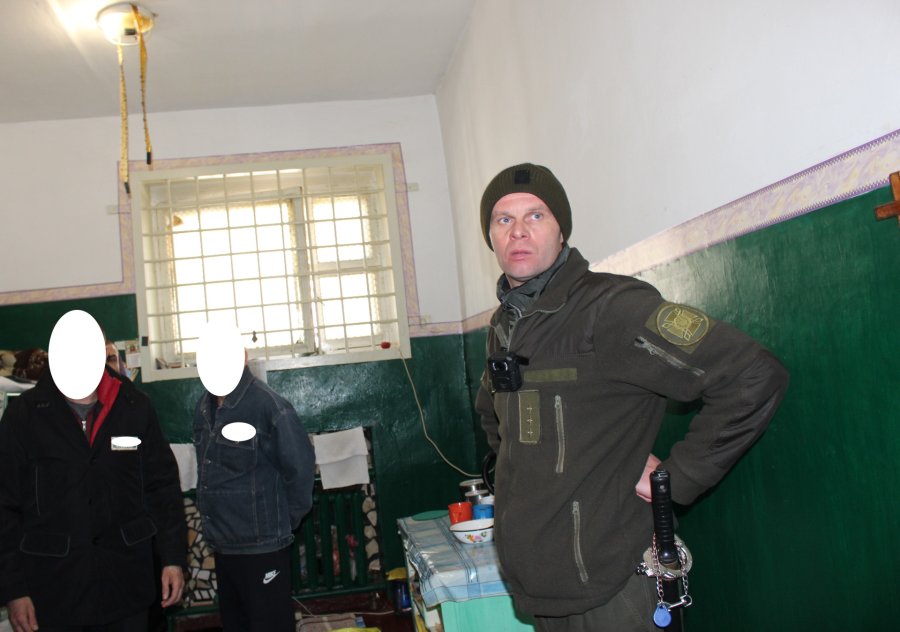
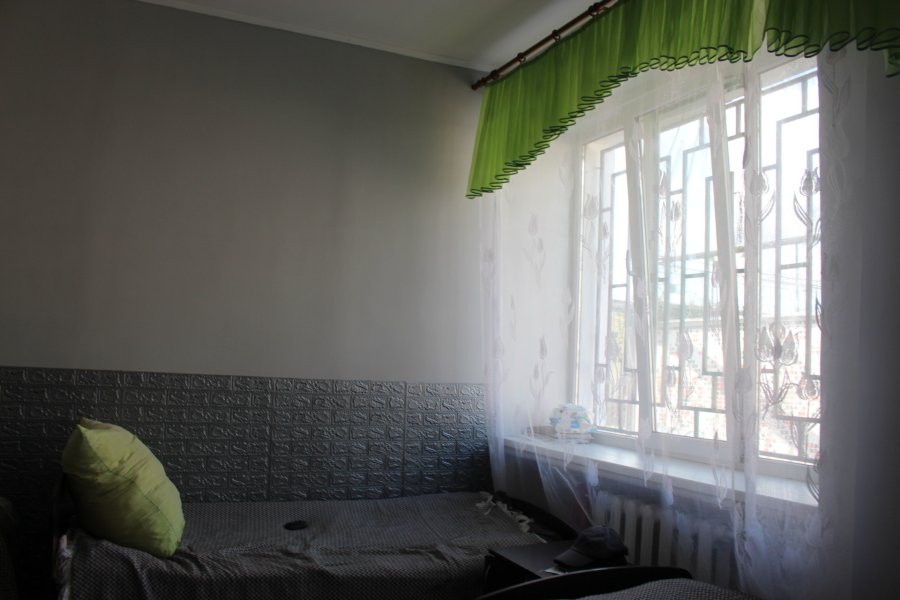
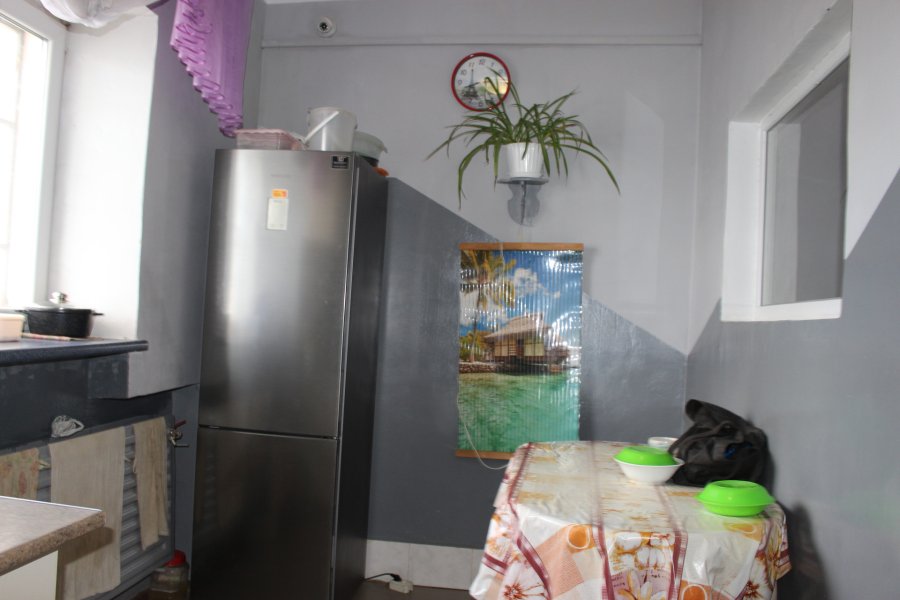
Life-sentenced prisoners held in cells can use the internet in a special room, as well as have their own tablets. Also, the convicts have the opportunity to realise their talents.
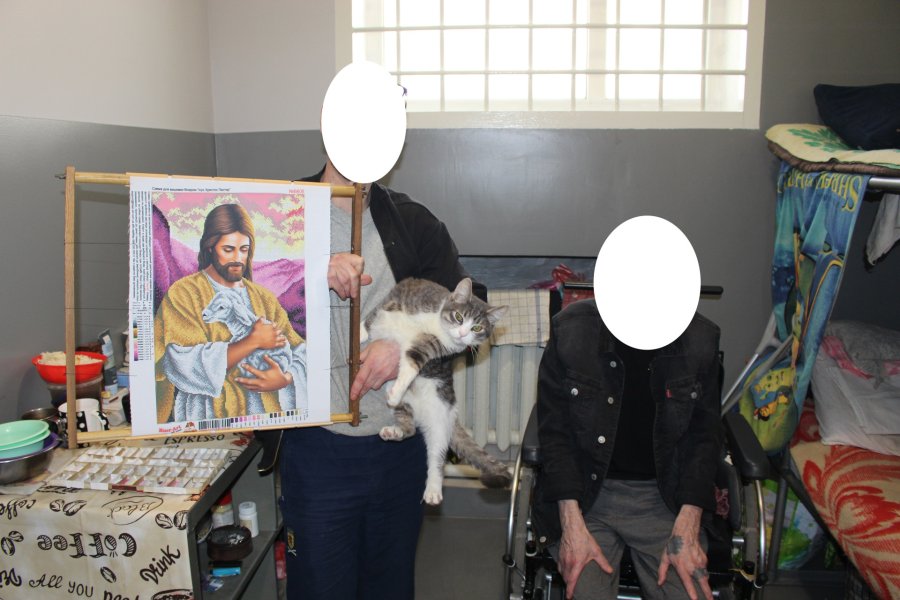
DIZO (Disciplinary Isolation Cell)
In the DIZO, there is no room for a medical assistant’s examination. All convicts in the DIZO and DPK are held in solitary confinement. The institution’s administration explained this practice as a means of preventing conflict.
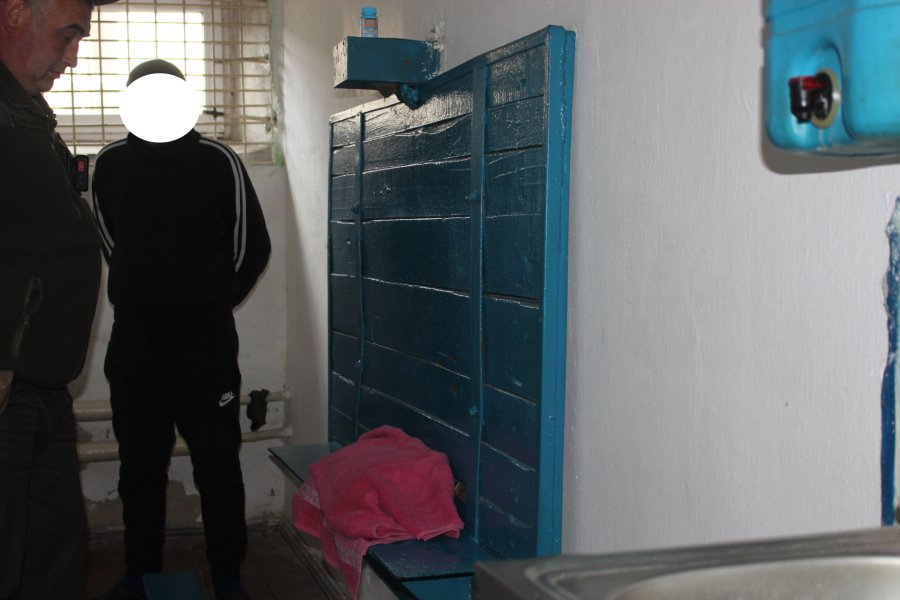
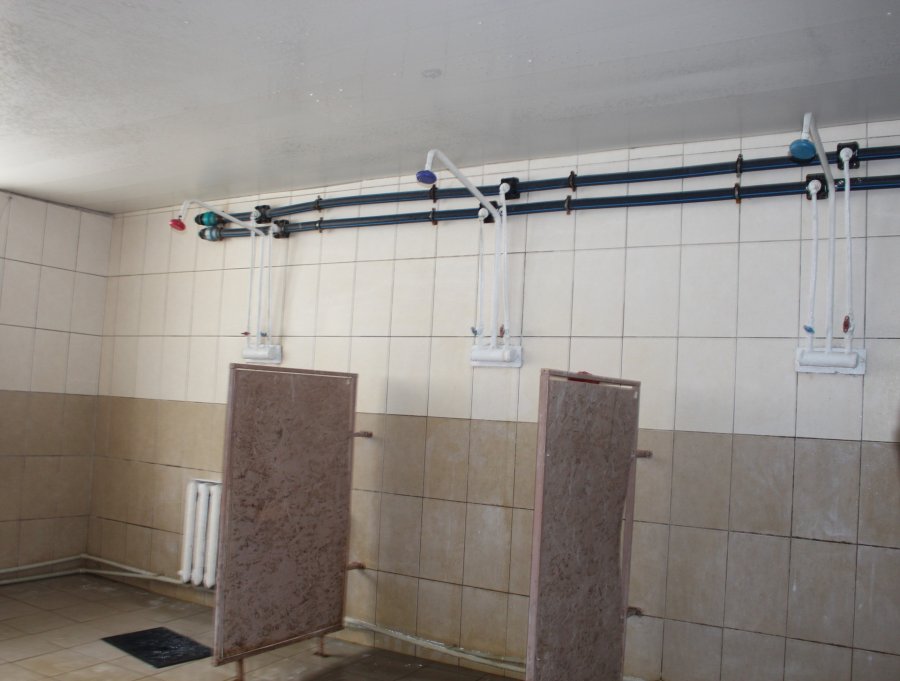
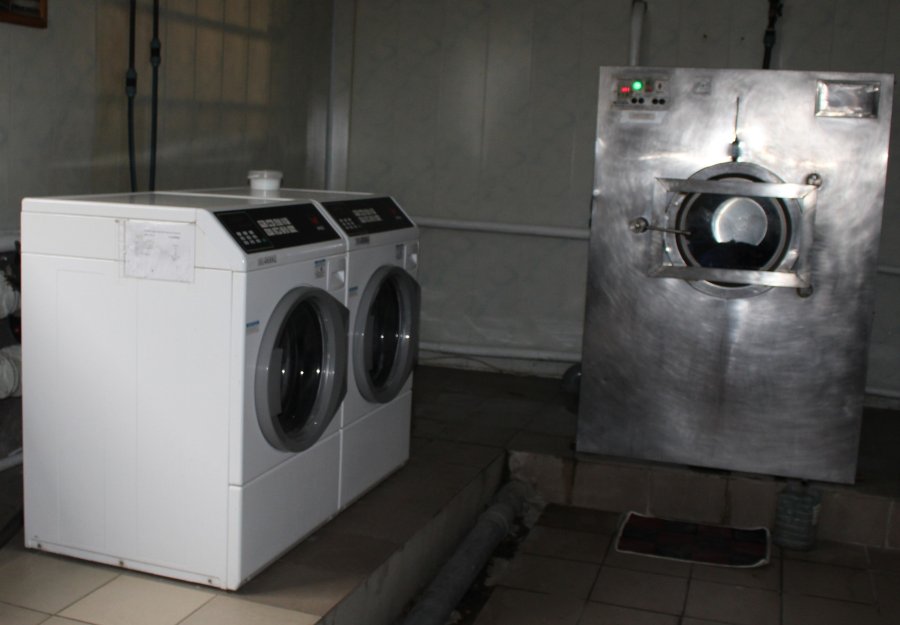
Bath and Laundry Complex
In the washing hall, there are no curtains in the cubicles, and there is also no medical assistant’s corner.
Kitchen (Canteen)
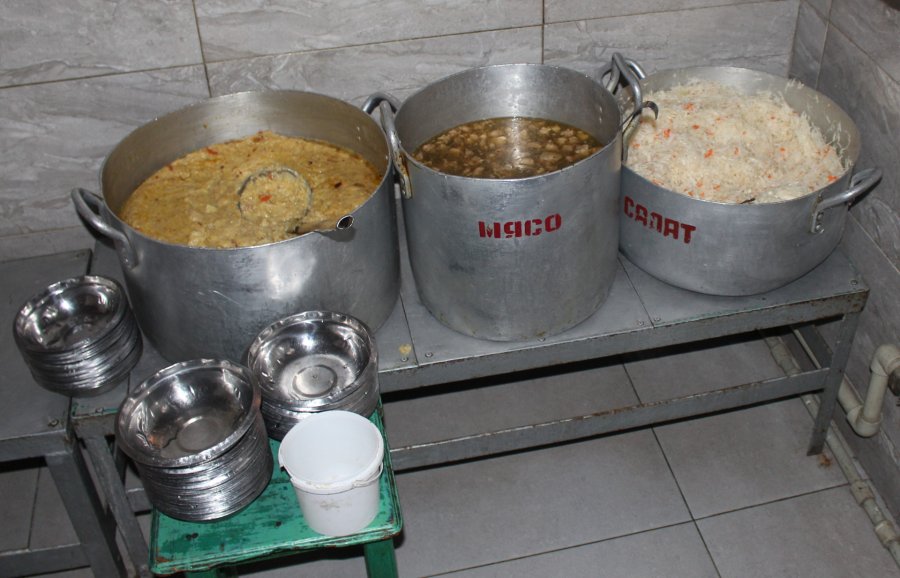
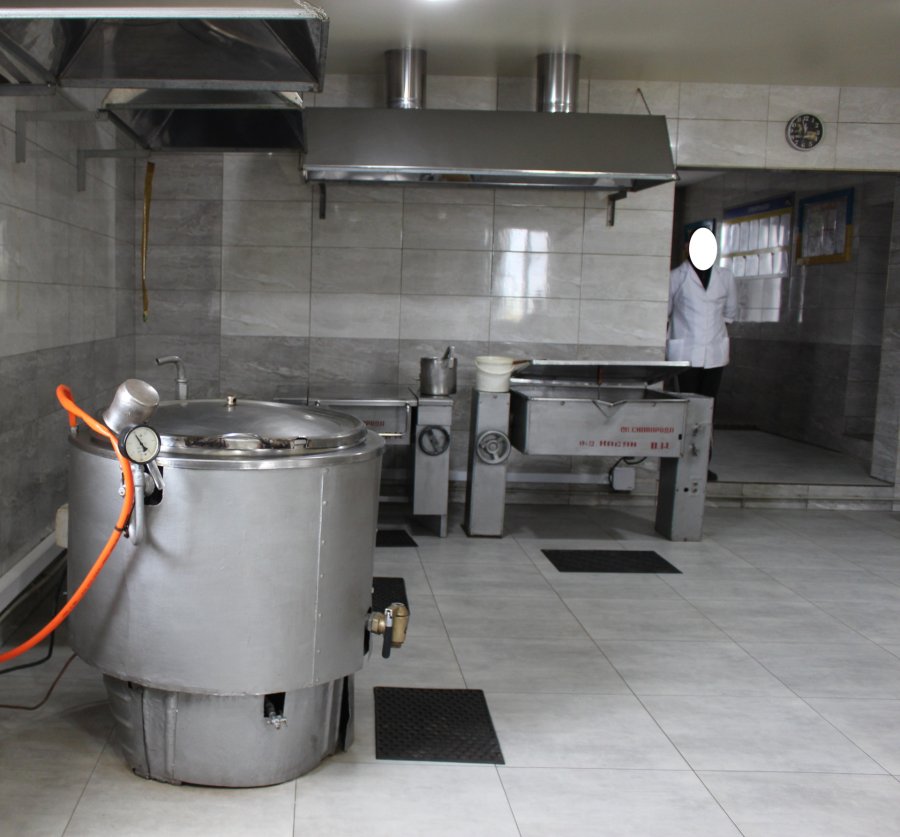
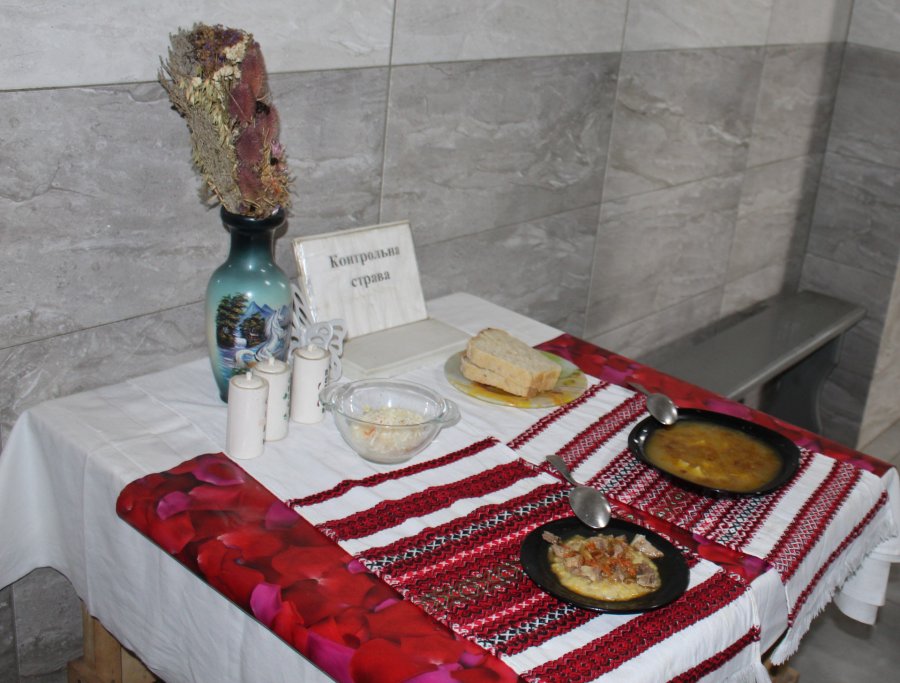
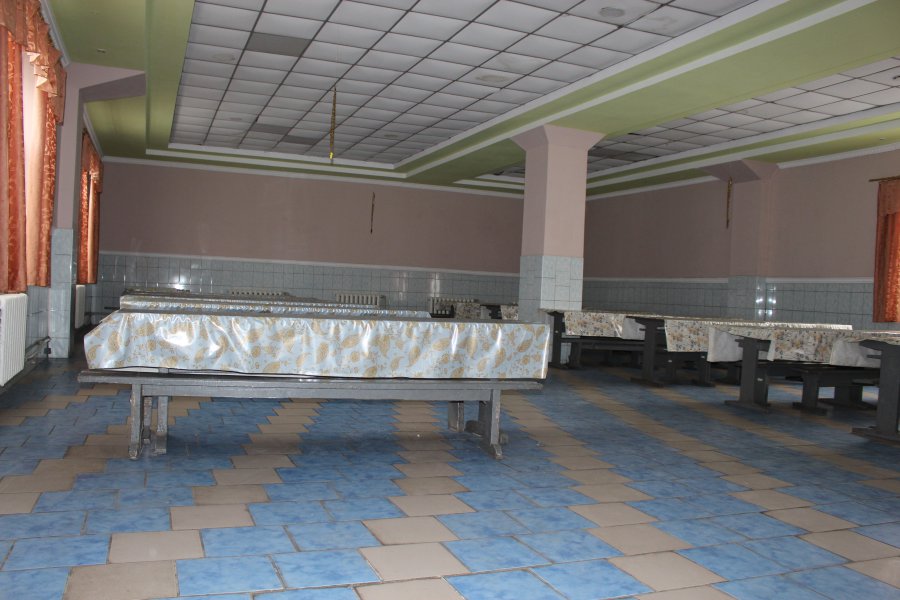
There are alternative sources for food preparation in the event of power outages. There are no towels for hand washing in the canteen. Convict T. complained that he has a medical condition — diabetes mellitus — but does not receive a special diet. The dining hall is spacious.
Internet Class
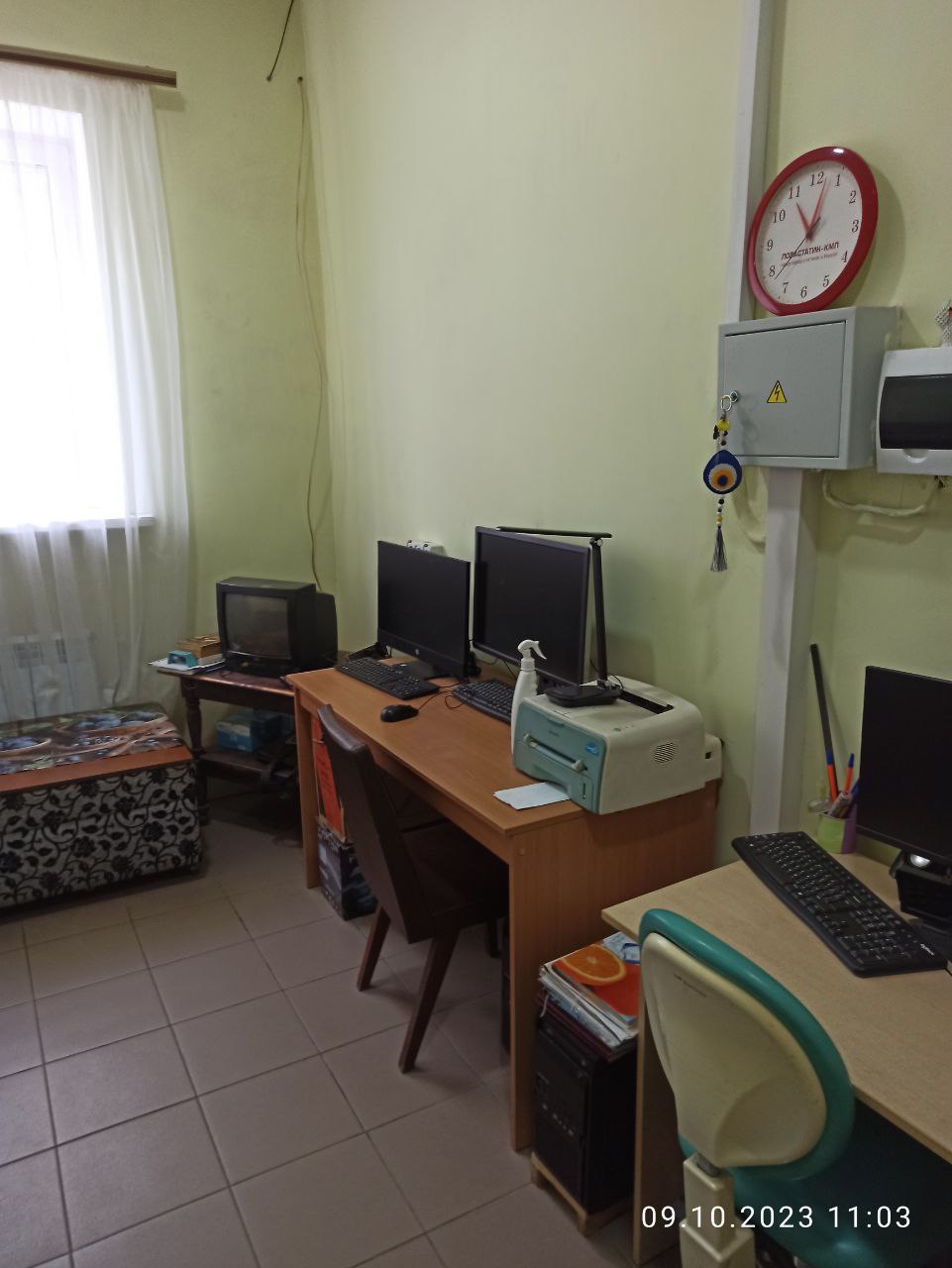
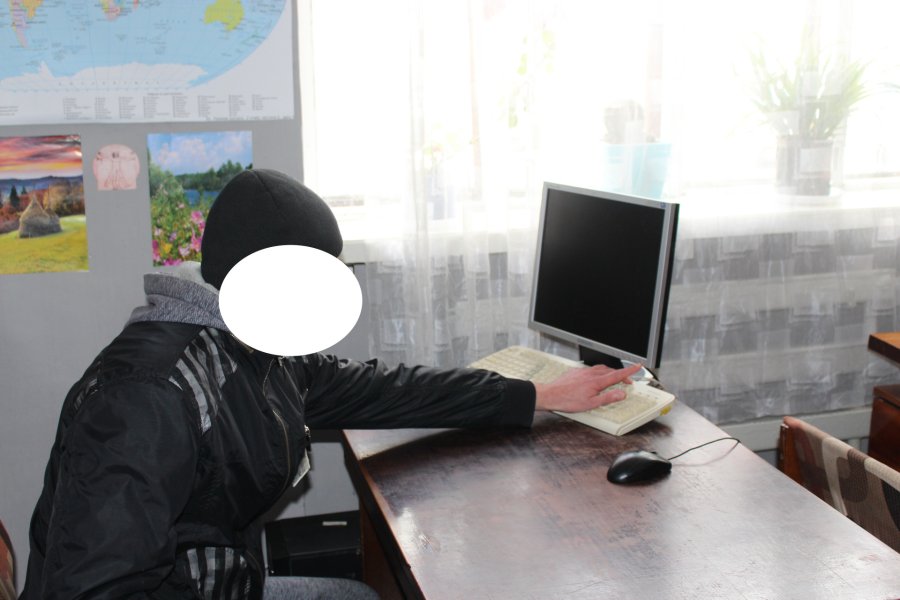
In the internet class, there are three outdated computers, none of which work.
Bomb Shelter
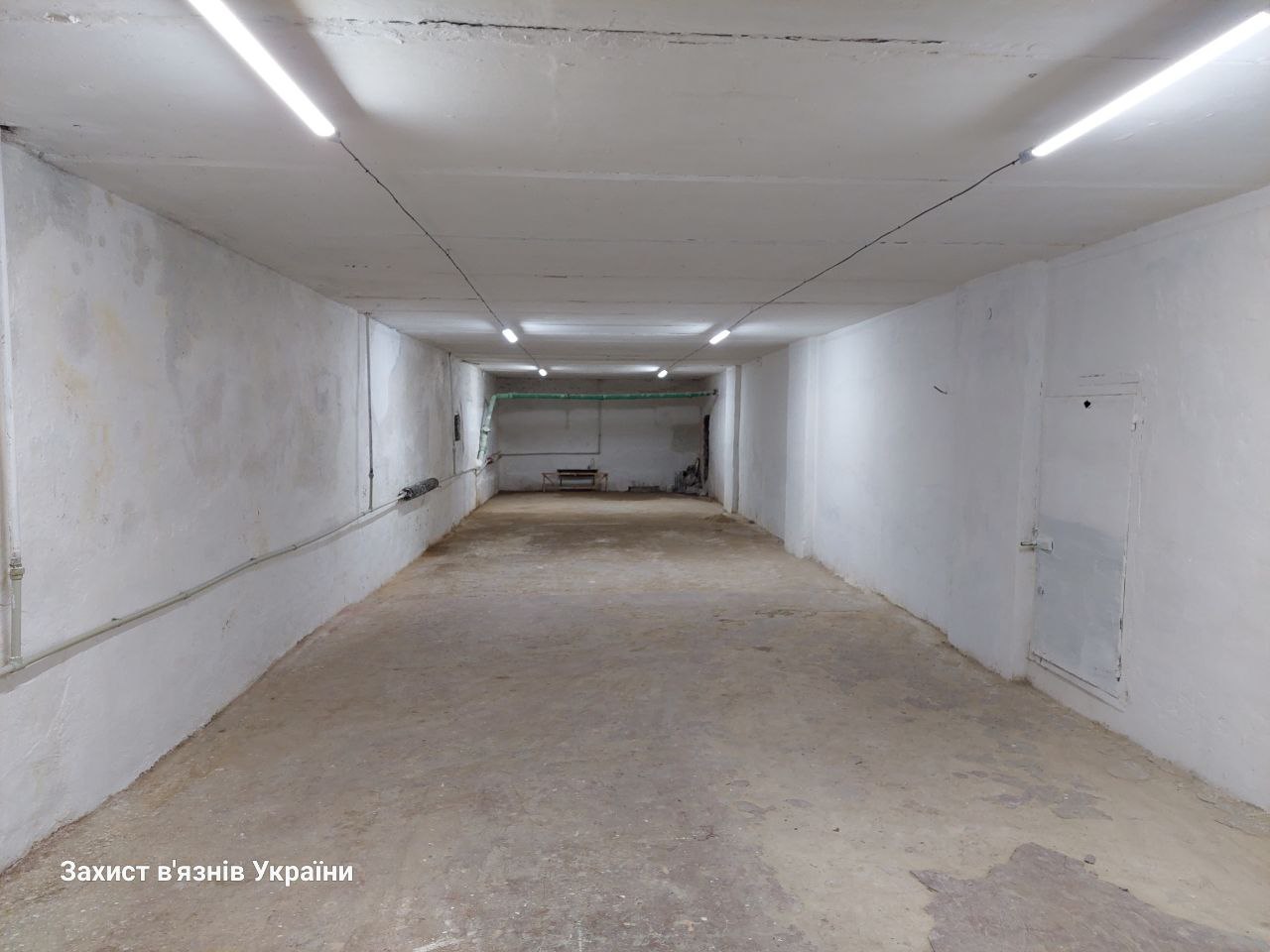
There are basement premises that could be used as a bomb shelter in the event of an air-raid siren. However, these premises are not properly equipped and, therefore, are not used.
A preventive monitoring visit to Romny Penal Colony No. 56 was conducted by the Kharkiv Human Rights Protection Group (KHPG) together with the NGO “Prisoners' Rights Protection of Ukraine”. The monitoring group included the assistant to the People's Deputy of Ukraine Kostiantyn Kasai, a member of the Public Council under the Ministry of Justice of Ukraine Serhii Zuikov, a member of the Public Council under the Ministry of Justice Oleh Tsvilyi, the assistant to the People's Deputy of Ukraine Yaroslav Yurchyshyn, and KHPG programme coordinator Andrii Didenko. The purpose of the visit: analysis of the observance of human rights in places of detention during the war. The visit was carried out within the framework of the project “Reducing the Suffering of Prisoners in the Context of the War in Ukraine”, funded by the government of Denmark in partnership with DIGNITY — Danish Institute Against Torture.
Date of visit: 9 October 2023