Monitoring visit to the State Institution “Raiki Correctional Colony (No. 73)”
On 23 June 2022, a monitoring group consisting of an assistant to a People's Deputy of Ukraine, Kostiantyn Kasai, and a member of the Public Council under the Ministry of Justice of Ukraine, Serhii Zuikov, an assistant to a People's Deputy of Ukraine, Yaroslav Yurchyshyn, a KHPG programme coordinator, Andrii Didenko, as well as a journalist from the “Poriad z vamy” (“Beside You”) Information Agency, Oleksa Yaroslavtsev, carried out a follow-up visit to the state institution “Raiki Correctional Colony (No. 73)”.
The previous visit by KHPG monitors can be found at this link.
The main objectives of the monitoring visit were to compare data from previous visits with current indicators, to compare the performance of penitentiary institutions of different security levels, to analyse the facility's operations during wartime, and to identify humanitarian needs.
The head of the facility is Colonel of the Internal Service Viktor Petrovych Muts.
The monitoring group was accompanied by the First Deputy Head of the colony, Lieutenant Colonel of the Internal Service Oleksandr Mykolaiovych Kotliarskyi.
The monitors had the opportunity to visit any premises and communicate with prisoners on condition of anonymity.
Regarding humanitarian issues, the administration identifies a lack of funding for obtaining passports for convicts.
GENERAL INFORMATION
A medium-security colony for the detention of men who have previously served sentences of imprisonment.
The number of convicts has decreased by 115 since the previous visit. Over the year, 84 convicts arrived at the facility; in 2021, 3 convicts died, and in 2022, 4; 74 convicts are employed, all under labour contracts; the shop operates based on the requests of the convicts; 2 people were in the disciplinary isolation ward (DIZ), and 3 in the cell-type premises (PKT); 7 people were in the healthcare facility of the Centre for Health Protection of the State Criminal-Executive Service (on the territory of the facility); 47 people are registered with HIV/AIDS; 11 convicts are prone to suicide. There was 1 act of suicide in 2021, and none in 2022.
21 convicts are registered as prone to self-harm; 6 people are recorded as prone to escape; 99 people are registered as malicious violators of the detention regime. Over the last two years, no convicts have been released due to illness. In 2021, no complaints from convicts regarding improper detention conditions or inadequate medical care were recorded by the colony administration; in 2022, 1 complaint was recorded regarding these issues. In the facility, 16 people have a disability of the third group; there are no convicts with the first or second group.
In 2021, a total of 91 convicts were released, 77 on parole (Article 81 of the Criminal Code of Ukraine) and 14 under Article 82 of the Criminal Code of Ukraine. In 2022, a total of 77 people were released, 26 of them on parole (Article 81 of the Criminal Code of Ukraine) and 2 under Article 82 of the Criminal Code of Ukraine. There were 16 ambulance calls in 2021, and 2 in 2022. A total of 23 cases of bodily injury were recorded in 2021, 3 upon arrival at the facility and 20 during their stay; in 2022, 4 cases of bodily injury were recorded, all of which occurred during the stay in the facility. No special means were applied to convicts this year.
47 visits were conducted via the internet, costing 9.60 hryvnias per hour. 5 workstations with internet access are used for remote learning. In 2021, there were 20 long-term visits, and 4 in 2022; there were 92 short-term visits in 2021, and 10 in 2022. In 2021, 167 people used the internet by signing a relevant agreement and purchasing a tablet; in 2022, there were 55 such people. The standard living space per convict is 4 square metres. Since the beginning of the current year, 630 convicts have been tested for SARS-CoV-2 (IgG, IgM), 23 people have recovered from the virus, and 376 convicts have been vaccinated.
The number of people who have submitted applications for a pardon to serve in the Armed Forces of Ukraine is not recorded by the administration; 4 people were released to serve in the ranks of the Armed Forces of Ukraine.
There is a noticeable trend towards switching to the Ukrainian language, both among the staff and the convicts.
VISITATION ROOMS
The room for short-term visits is renovated and comfortable.
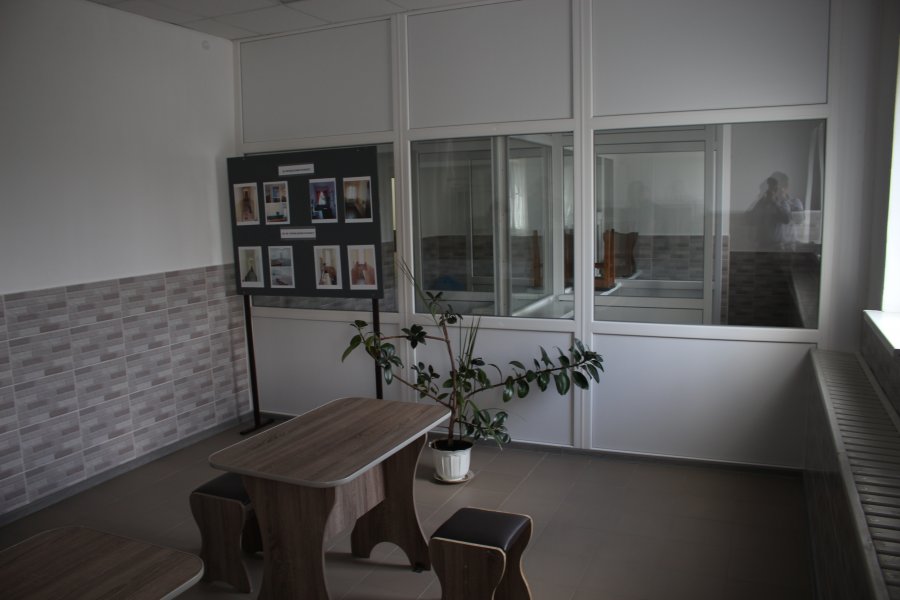
PARCEL COLLECTION ROOM
There is a quartz lamp available in the parcel processing room.
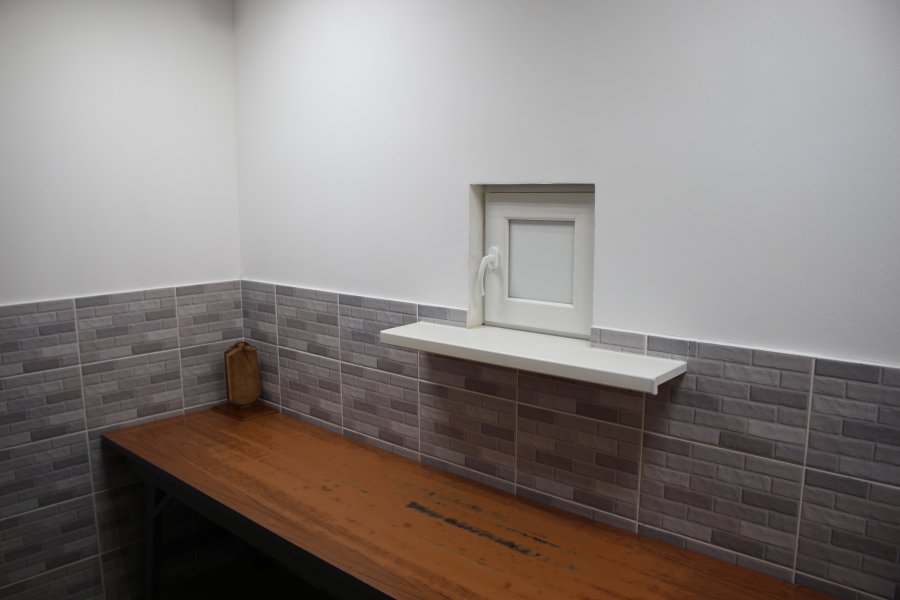
On the other hand, the room where convicts receive parcels needs renovation.
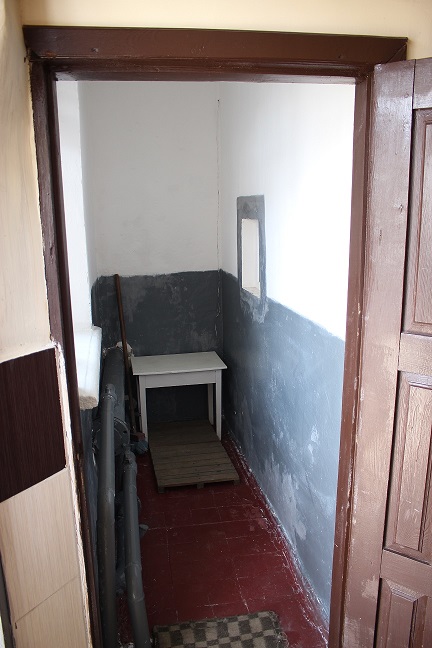
DIZ/PKT
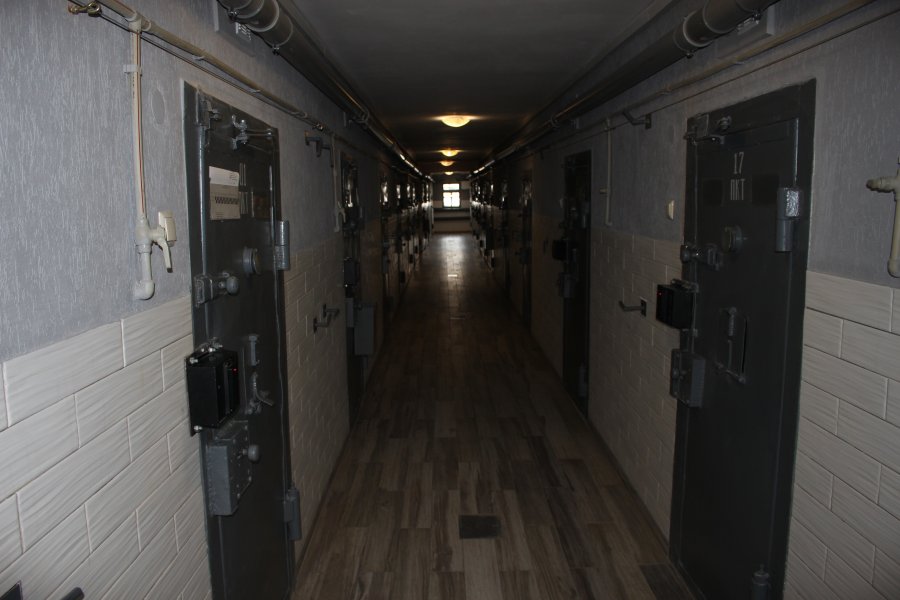
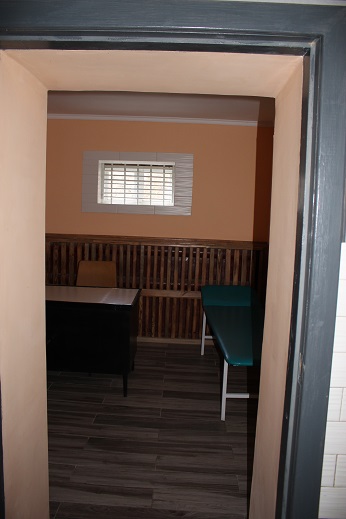
After being placed in the DIZ/PKT, convicts undergo a medical examination in the medical room.
During the monitoring, the PKT cells were inspected. The beds are open.
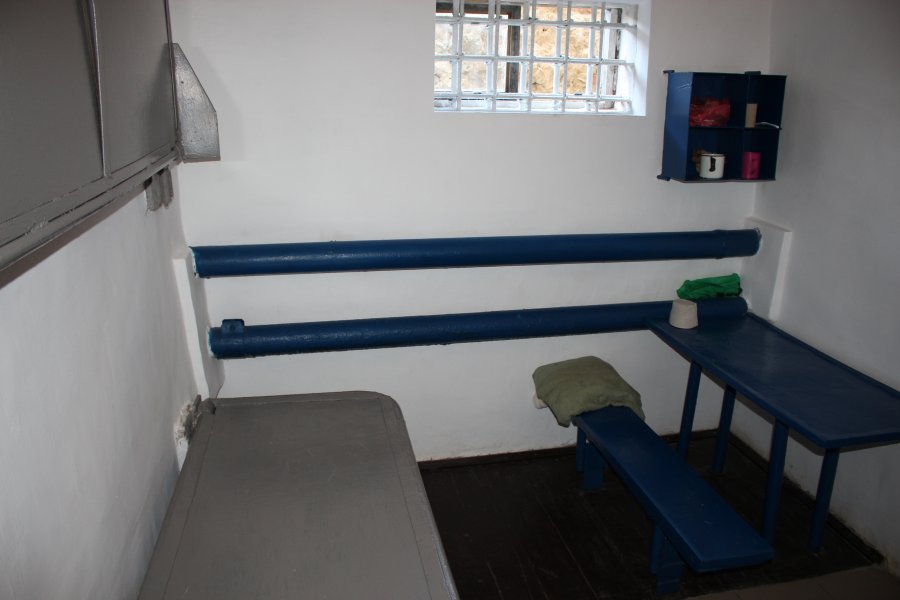
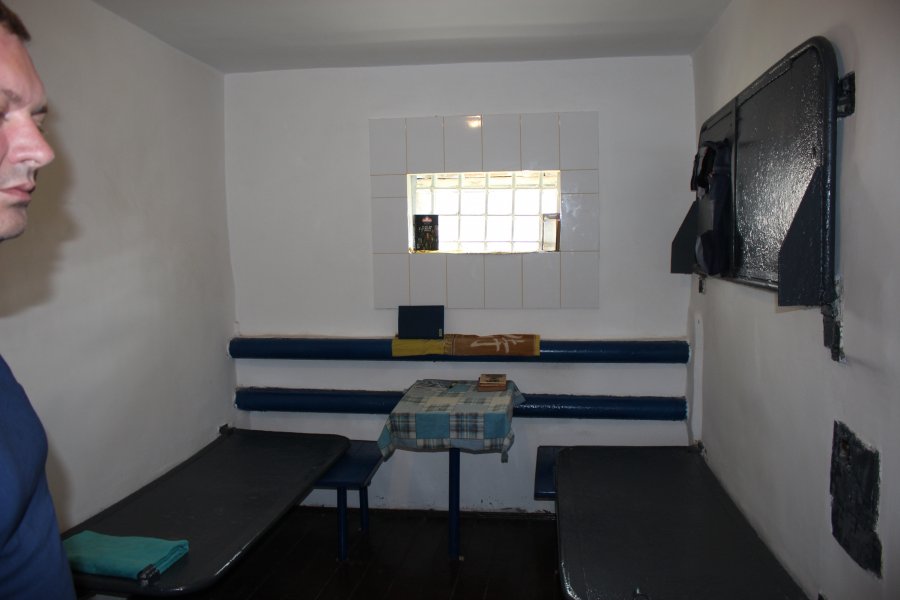
The premises are renovated and tidy.
The interviewed convicts could not explain what the violation that led to the PKT consisted of, despite the fact that disciplinary sanctions in the form of PKT are imposed by the court. Another convict reported that his violation was that he did not get up at the wake-up call. For this, he received a month in PKT. The convicts reported that they were aware of the right to appeal a disciplinary offence, as well as the possibility of seeking legal assistance from a lawyer, including at the Centre for Free Legal Aid.
Lighting in the cells complies with the standards.
The DIZ cells were inspected. One convict's violation was that he had covered his sleeping area, for which he received 5 days. The convict agreed with the disciplinary punishment and had no intention of appealing. Another convict received three days in the DIZ for playing cards. The monitors noted that the convict had no personal belongings or essential items in the cell.
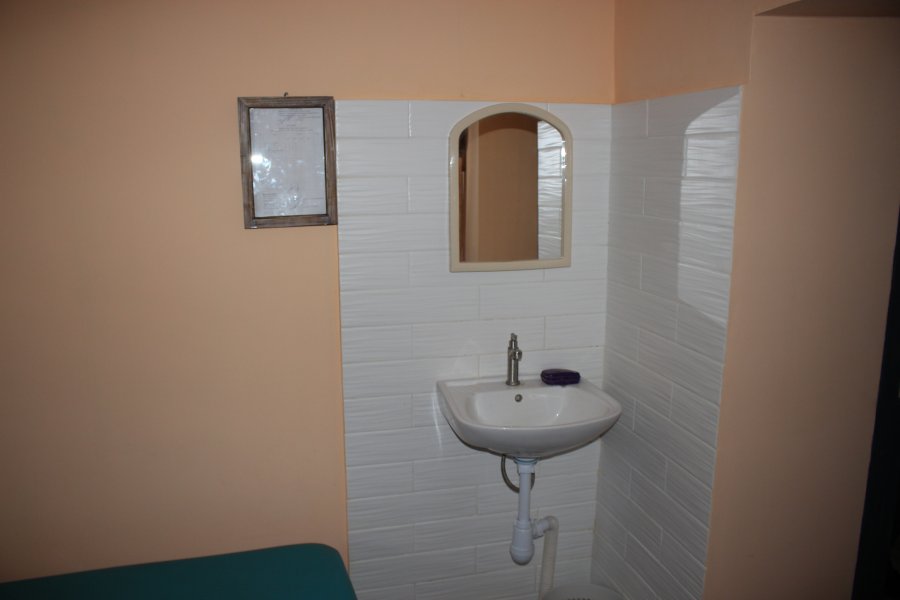
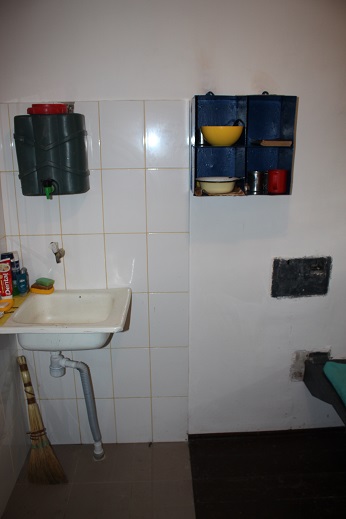
All DIZ and PKT cells are renovated and meet the general criteria. There is a washing room.
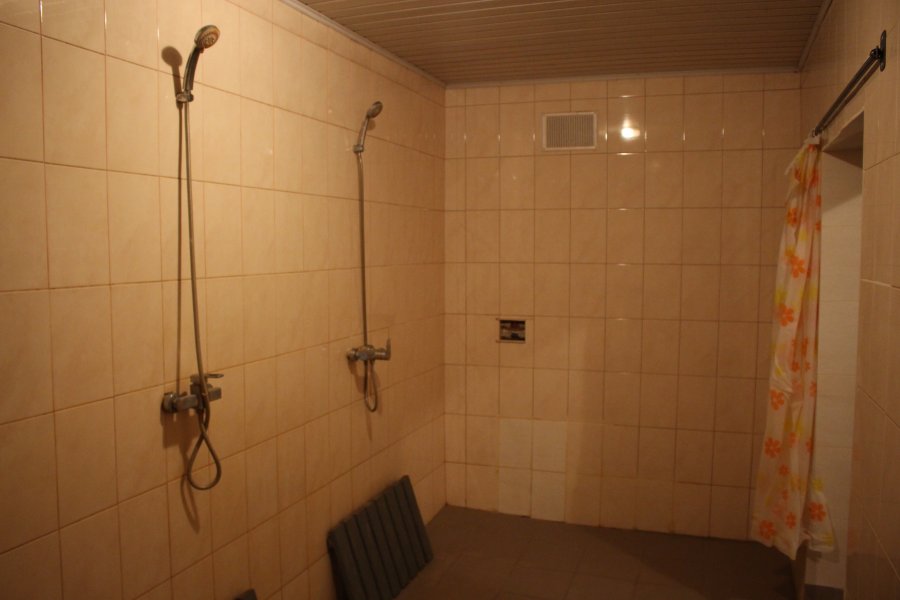
In total, there are 17 cells, 13 of which are DIZ and 4 are PKT.
The number of convicts receiving disciplinary sanctions is decreasing because the total number of convicts is decreasing, but the number of violations is also declining; convicts are becoming more understanding of the requirements of the law: the convicts have begun to respect the administration's requirements more. In general, stereotypes are changing in places of detention.
The monitoring group notes with approval the properly equipped examination room for convicts in the DIZ/PKT premises.
CANTEEN
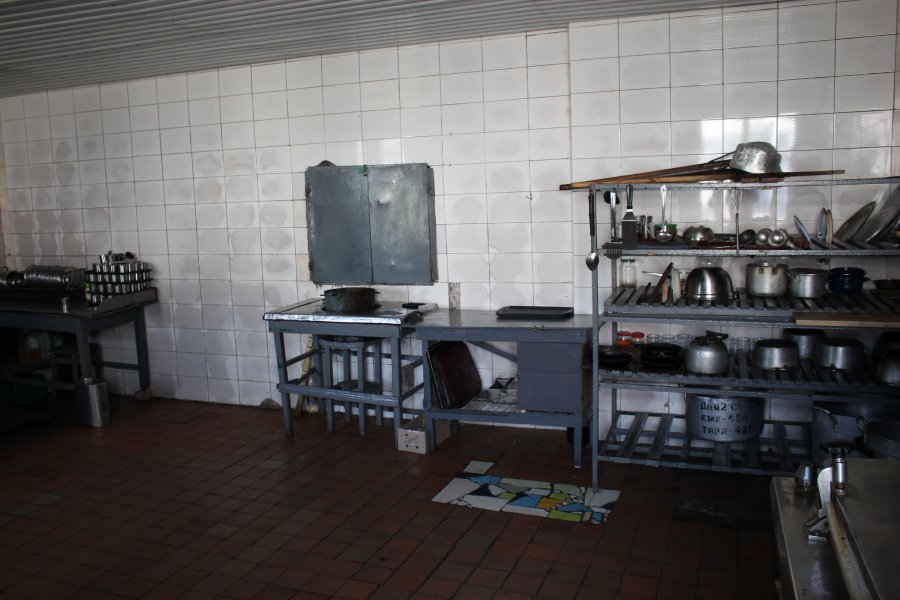
A delicious smell greeted the monitors in the canteen. Documentation for the renovation of the canteen was developed for 1.58 million hryvnias, but in fact, only 350,000 were allocated. These funds were used to repair the engineering networks, ceilings, and lighting in the canteen, and to replace windows and doors. The remaining funds will go towards replacing the tiles on the floor and walls with modern ones.
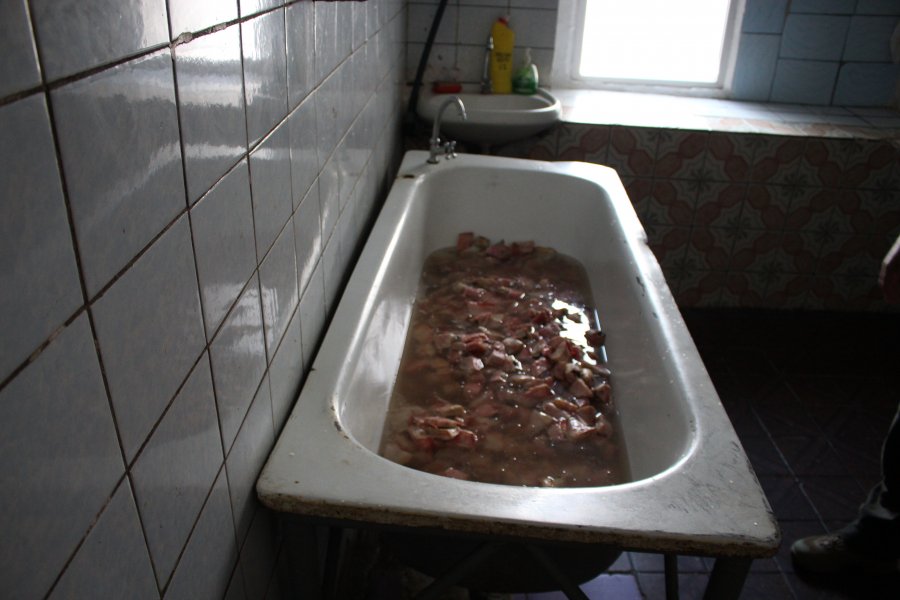
In the fish department, sea bass is being prepared for the convicts' meals.
Bread is baked on-site.
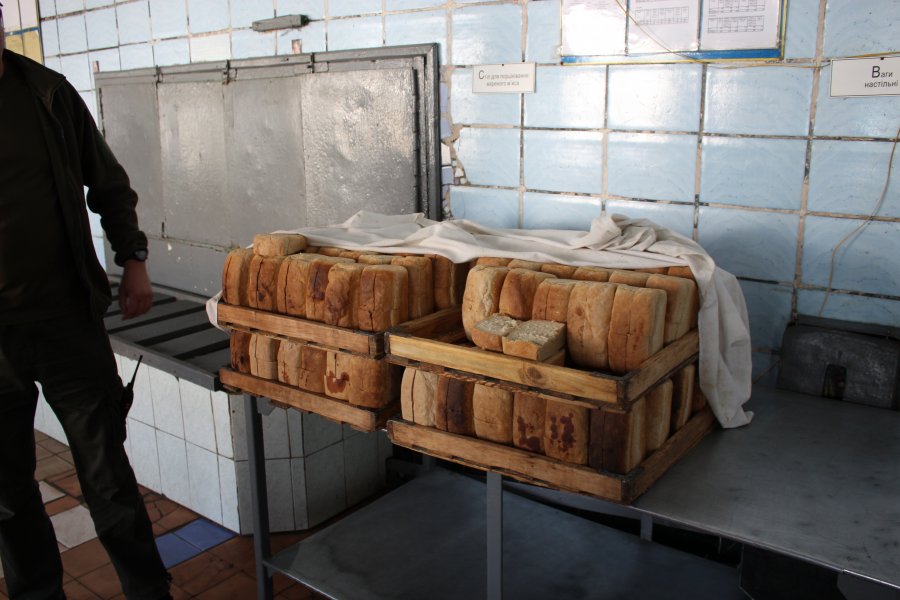
The meat is first-category beef on the bone. Food and cereals are delivered centrally: pearl barley, crushed barley, wheat, and corn. There are instructions for preparing food. There is also a small private greenhouse for their own needs, where herbs and other produce are grown. The state allocates funds monthly for butter, eggs, condensed milk, and dried fruit compote.
New stoves and other equipment were purchased for the hot kitchen. Thanks to a purchased boiler, they are provided with hot water.
Last year, the territorial community allocated 30,000 hryvnias, which were used to purchase tableware.
Payment for the work of persons employed in the canteen is made on the basis of civil law contracts. According to the workers, they receive a salary of 500–800 hryvnias per month after all deductions.
QUARANTINE PREMISES
There were no convicts in the ward, as they are expecting the arrival of a new group.
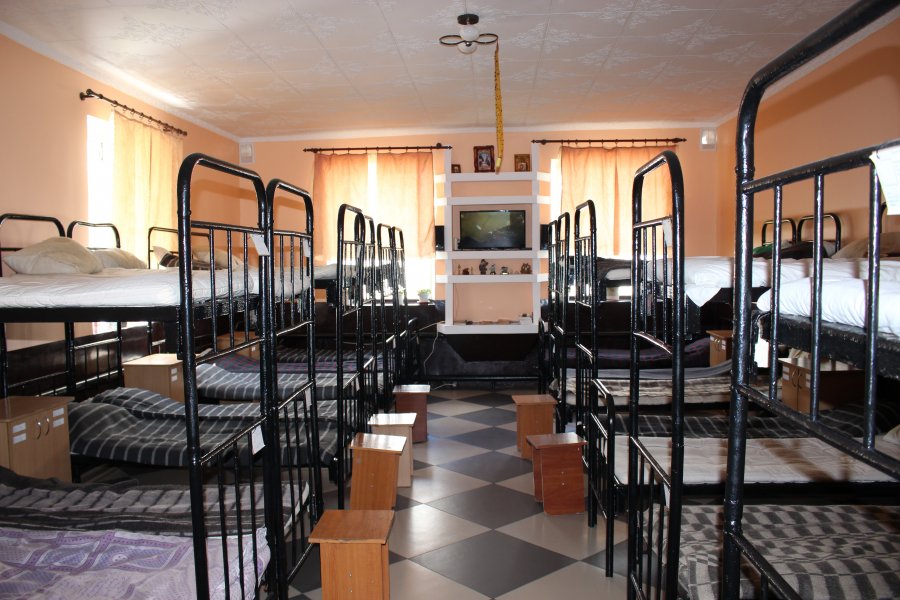
Groups arrive in small numbers – 3–4 people.
LIVING QUARTERS
Convicts complain about medical support. A convict complained of stomach pain and that in the medical unit, they sometimes provide pills without informing him of the diagnosis.
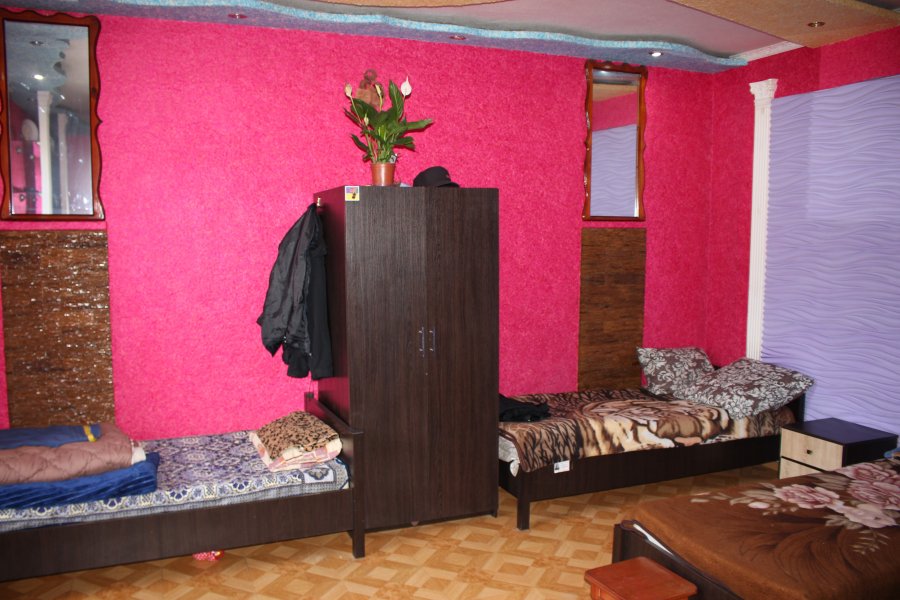
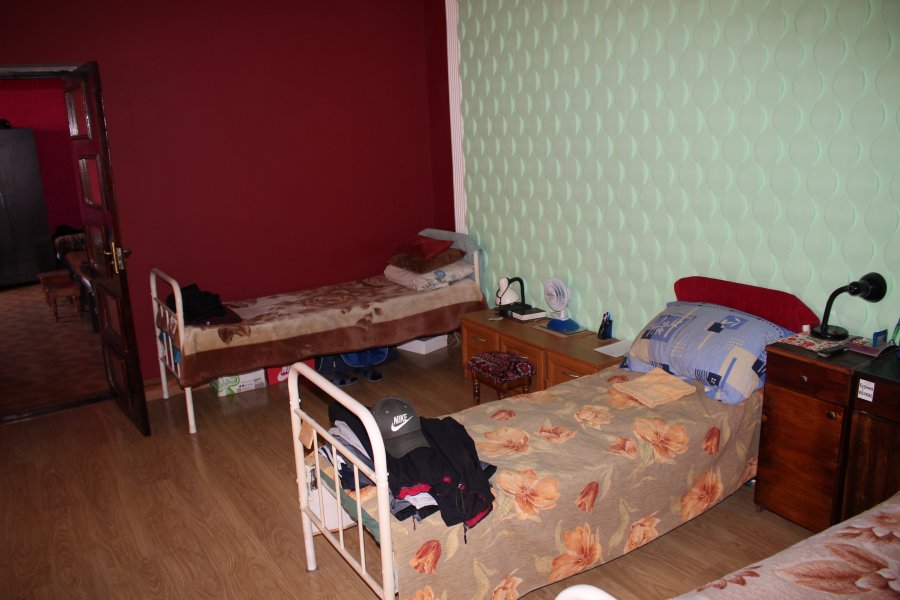
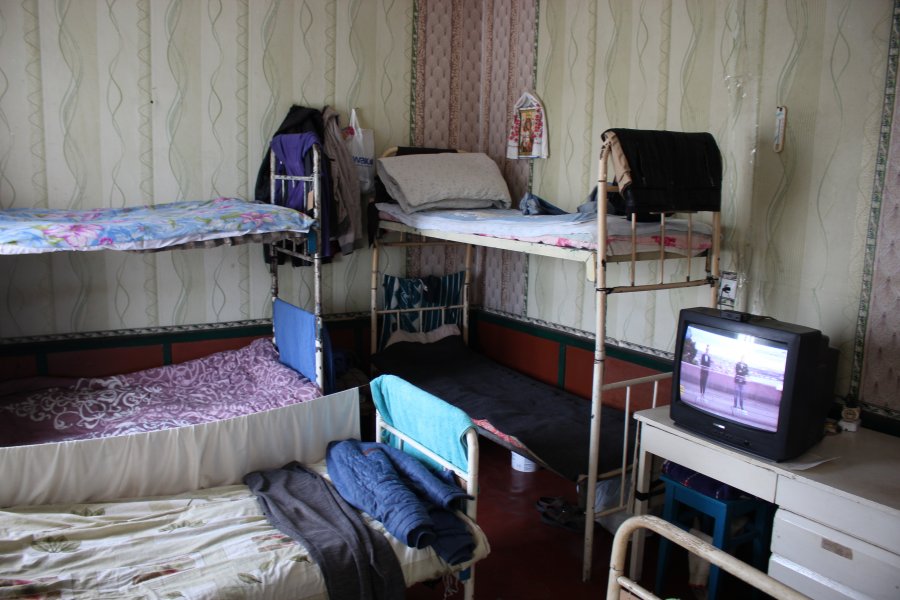
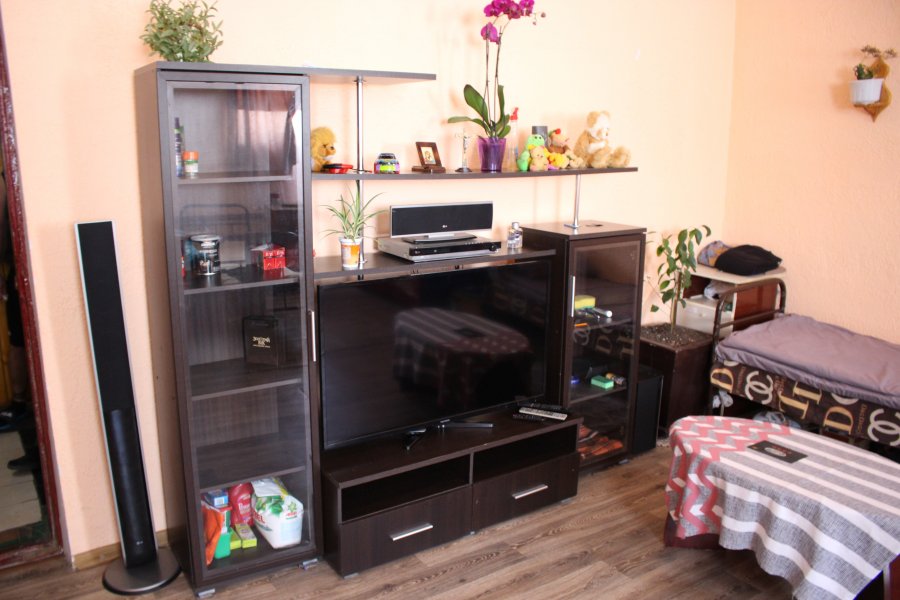
There are on average up to 50 people per unit. The conversion from barracks-style rooms to a cubicle-style system is gradually taking place.
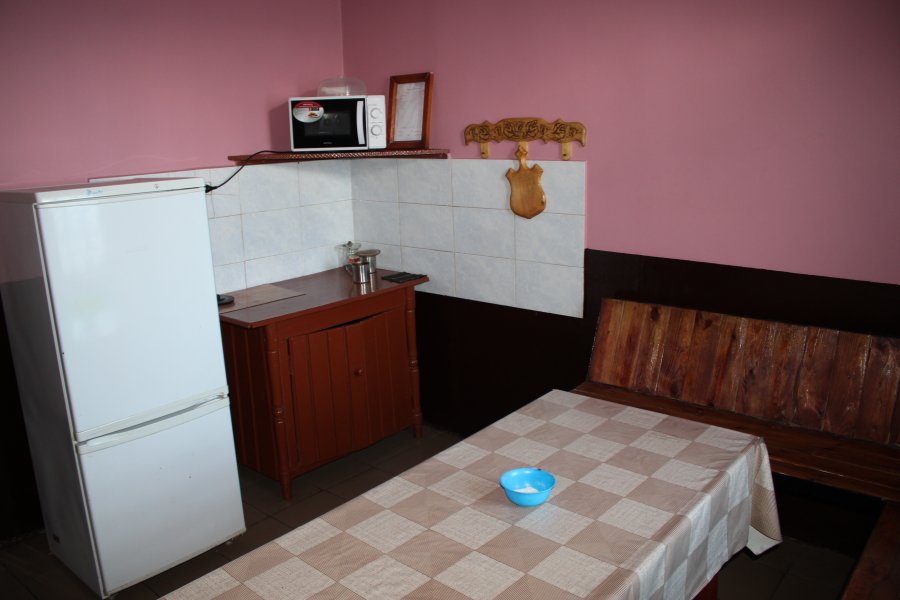
Canteen area:
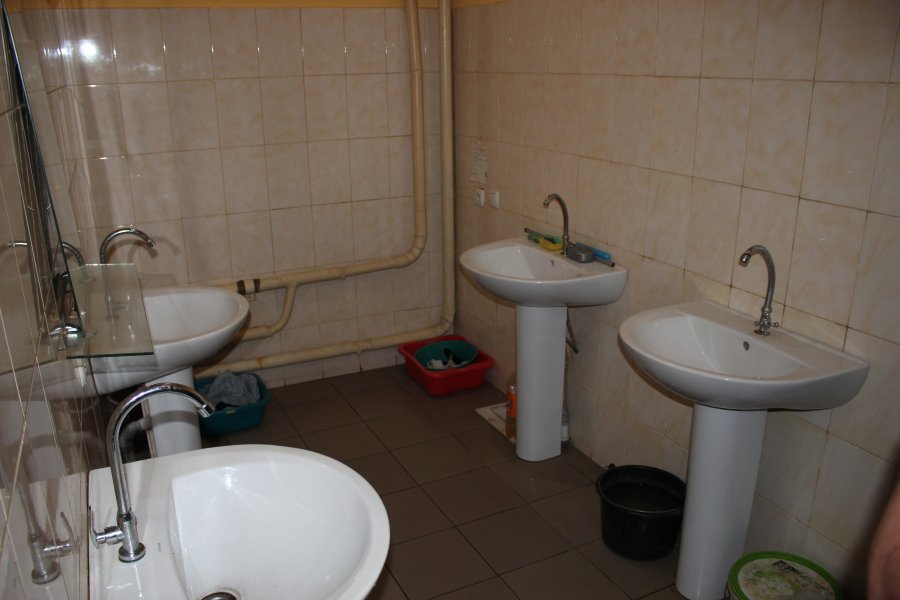
Tidy and renovated bathrooms:
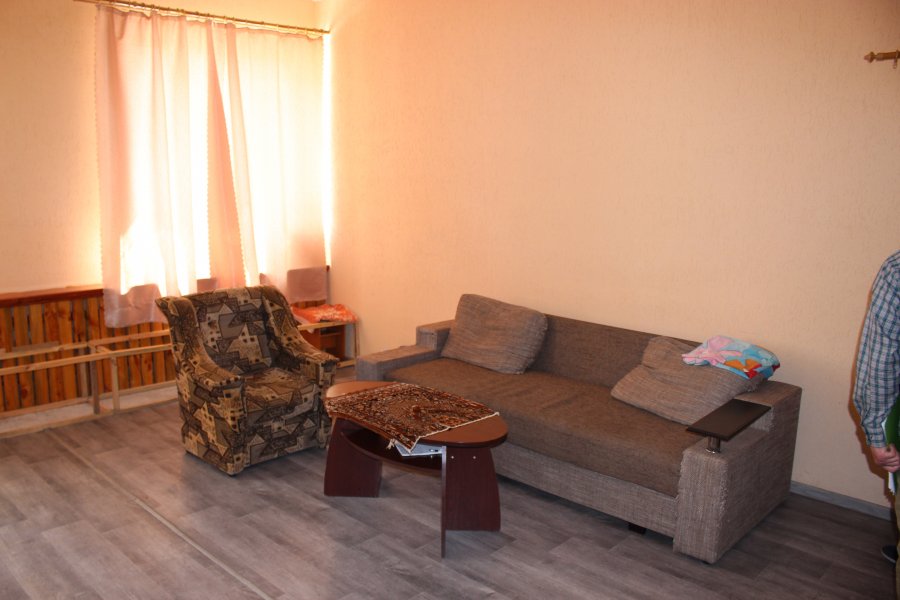
Recreation room:
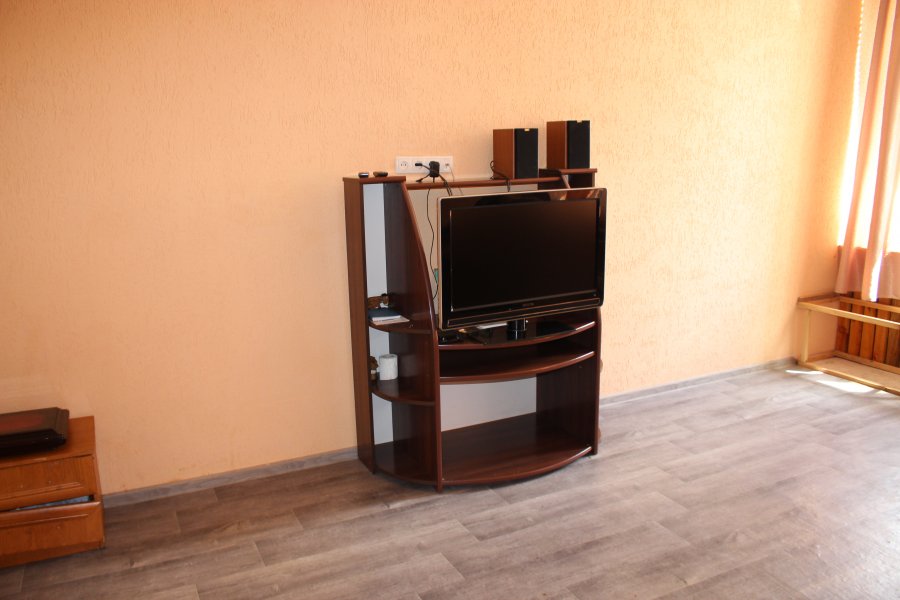
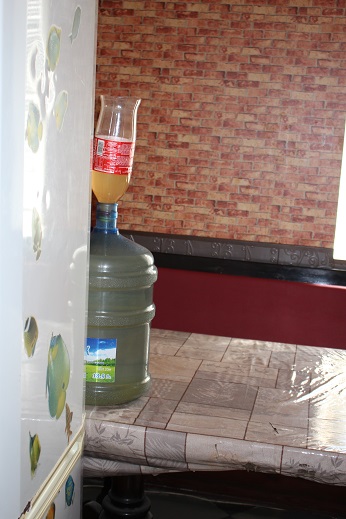
Problems with water. Water is collected from the borehole and then filtered. The issue of water quality has not been resolved. The boreholes date back to the last century, and the iron content is high. There were proposals to drill boreholes closer, but the situation remains unresolved, which is a pressing problem for the institution.
Renovation work is underway.

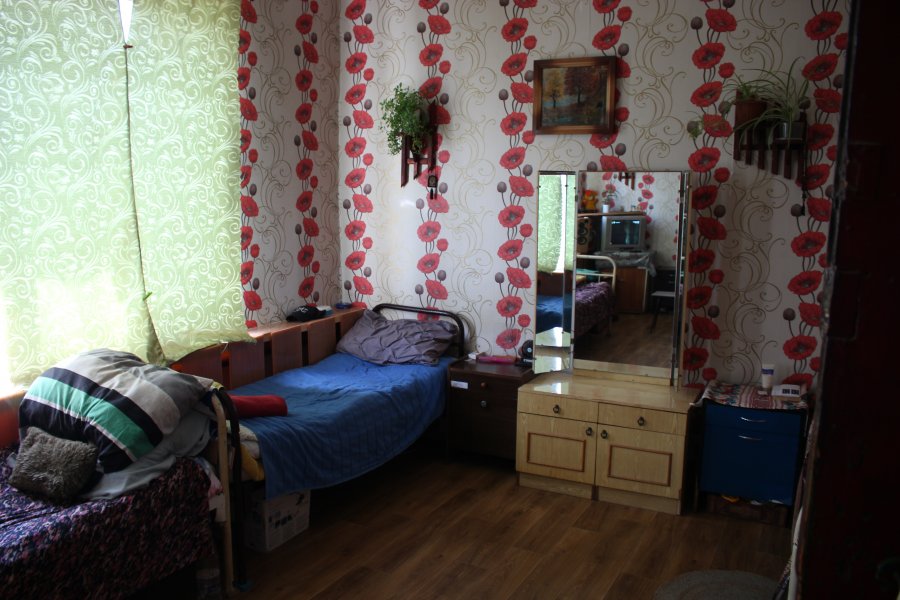
The rooms look decent after renovation. We also visited a room that is only currently in the plans for reconstruction.
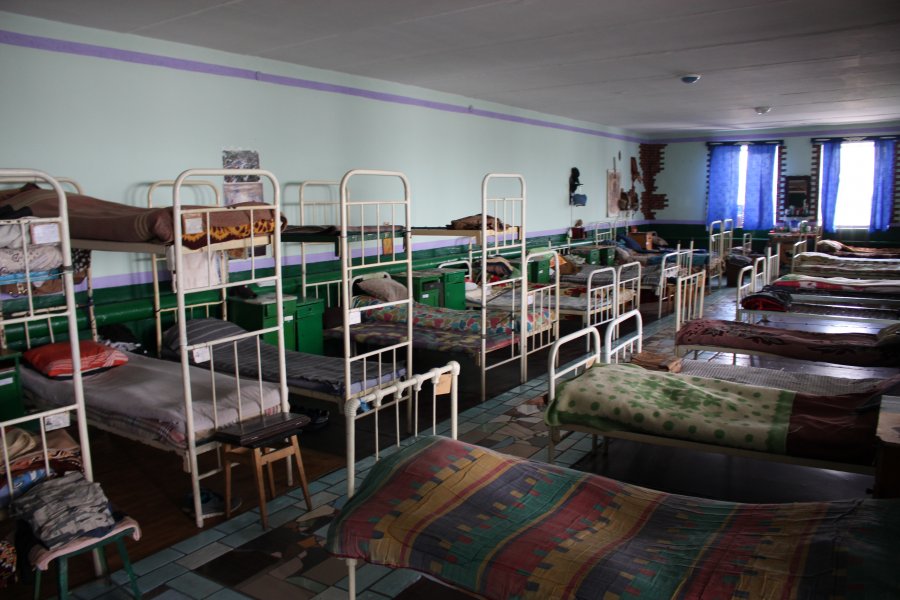
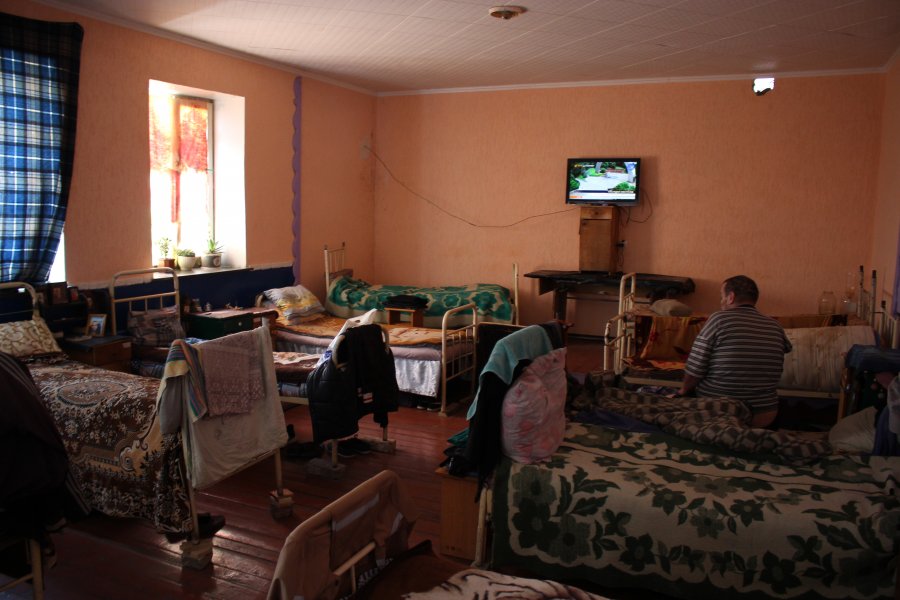
There is also a room for rest and playing ping-pong.
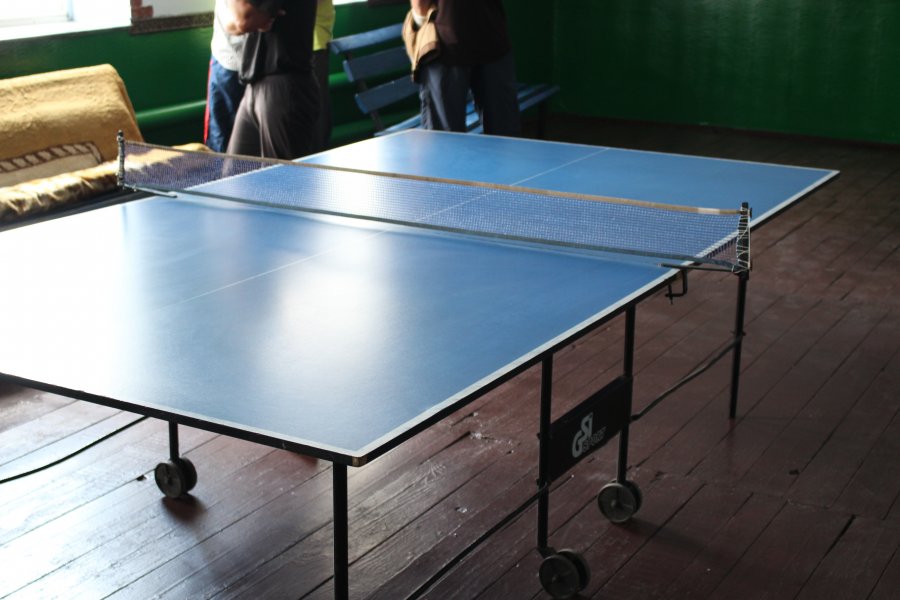
The conversion is being successfully implemented, in part due to the decrease in the number of convicts.
A convict who wishes to serve in the Armed Forces of Ukraine sought assistance; he was helped to draft a petition for a pardon. The convict noted that he has combat experience. Representatives of the administration explained that the convict has repeatedly applied for a pardon to serve in the Armed Forces of Ukraine.
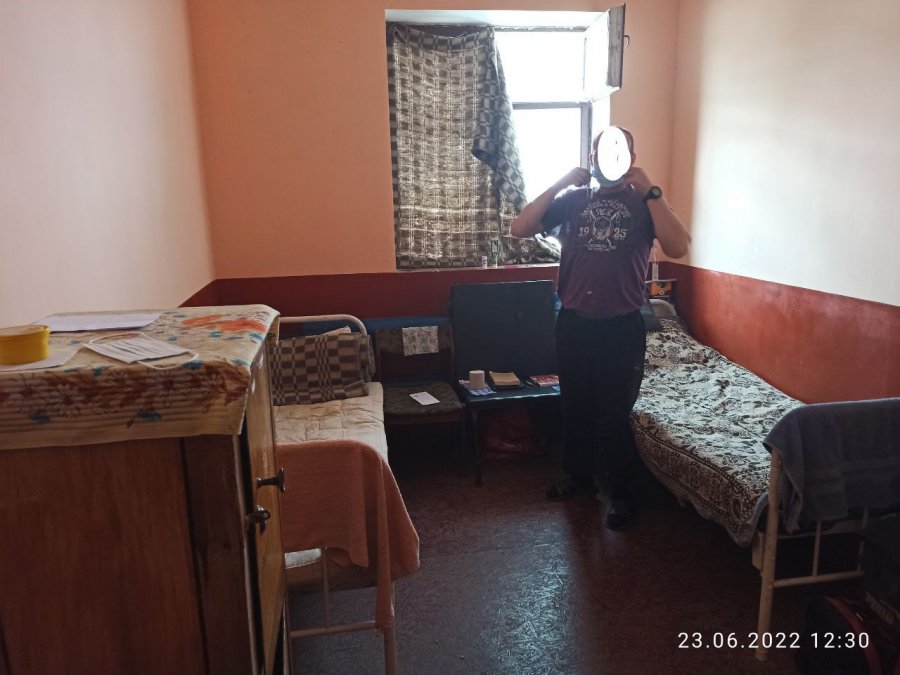
Renovations in the premises are carried out by the convicts themselves. Sleeping quarters are being completely refurbished so that the convicts feel more comfortable. The reformatting of living quarters from barracks-style to cubicle-style is largely taking place because the number of convicts has almost halved. Renovations are taking place in sectors 7 and 8, and the repair work is quite intensive. The interviewed convicts have no complaints or comments, and according to them, the food is also fine.
Questions arose regarding pension processing in Korosten. The convict still has 5 years of his sentence to serve. When offered help with pension processing, the convict refused, while complaining about his health due to receiving a significant dose of radiation at the time of the Chernobyl nuclear disaster.
A representative of the administration explained that some convicts deliberately do not wish to process their pension because deductions for their maintenance will be made; however, after their release, the individual will be able to process the pension and receive the full amount for the entire duration of their sentence.
Convict M., who had a stroke, spoke about the fact that he was admitted to hospital with a mini-stroke, and after receiving medical assistance, he suffered a stroke on the way back.
He lost his children. When he found out about this tragedy, he suffered a heart attack.
MEDICAL UNIT
The Head of Medical Unit No. 73 of the branch of the state institution “Centre for Health Protection of the State Criminal-Executive Service of Ukraine” in the Zhytomyr region (hereinafter – the medical unit) is Viacheslav Mykolaiovych Sirosh.
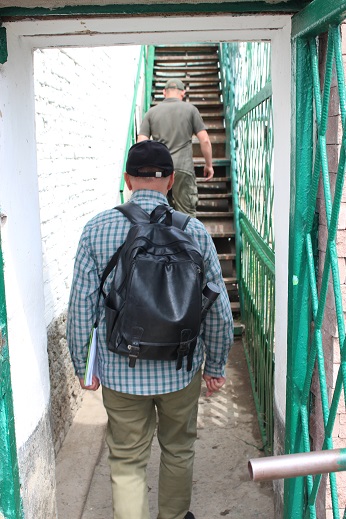
During the visit, the monitoring group inspected the medical unit's premises without hindrance, familiarised themselves with the conditions for providing medical care to prisoners, and studied medical documentation. The monitors noted that the medical unit is accessed by steep stairs, which create problems for people with disabilities when visiting.
During the communication, no complaints were received from convicts regarding unlawful actions by medical staff and facility workers, specifically: torture, or cruel, inhuman, or degrading treatment or punishment.
On the day of the visit, 7 people were receiving treatment in the medical facility. An ambulance was called to the institution twice this year.
According to the record of bodily injuries, 4 cases were recorded during the stay in the facility this year, which is reflected in the registry of statements and reports on committed criminal offences and other events. During the examination of medical documentation, it was established that in the outpatient medical records (form 025/o), photographs of existing bodily injuries are not attached, as required by Clause 3, Section 1, Chapter II of the Joint Order of the Ministry of Justice of Ukraine and the Ministry of Health of Ukraine dated 15.08.2014 No. 1348/5/572 “On Approval of the Procedure for Organizing the Provision of Medical Care to Convicted Persons”.
The medical unit provides round-the-clock duty for medical staff to provide emergency medical care and ensure convicts are supplied with medicines. The medical unit is equipped with bactericidal irradiators. There is no information regarding convicts who have signed declarations with family doctors while at liberty. According to a medical worker, none of the convicts requested to sign a declaration with a doctor. The medical unit contains: the office of the Head of the Medical Unit, the senior paramedic's office, an X-ray room, and manipulation, procedural, and dental offices.
As of the day of the visit, the following positions were filled: Head of the Medical Unit – 1 position; infectious disease doctor – 0.5 position; dentist – 0.5 position; radiologist – 0.5 position; senior paramedic – 1 position; paramedic – 4 positions; dental nurse – 0.5 position; X-ray technician – 0.5 position; pharmacy assistant – 0.5 position; laboratory technician – 1 position; junior nurse – 0.5 position;
The position of psychiatrist (0.25 position) remains unfilled according to the staffing schedule.
The positions of general practitioner (0.5 position) and phthisiatrist (0.5 position) remain vacant, which indicates that initial and full preventive examinations are not being fully conducted, violating Clause 3, Chapter 2 of the Procedure for Organizing the Provision of Medical Care to Convicted Persons. Specifically, in accordance with the legislation, a general practitioner (or a general practitioner/family doctor), a psychiatrist, and a dentist must participate in the preventive medical examination.
Due to the lack of the required number of medical staff, the facility is unable to form a Medical Advisory Commission (hereinafter – MAC) to conduct medical-social examinations of patients for subsequent referral to a medical-prophylactic institution to undergo the Medical-Social Expert Commission (MSEC) assessment. Therefore, to undergo the MAC, convicts are sent to the specialized hospital of the Centre for Health Protection of the State Criminal-Executive Service.
There are no conditions for accommodating people with disabilities. In particular, we must note the absence of ramps, handrails, and other equipment.
Since the beginning of the year, 530 people have been tested for SARS-CoV-2. The number of convicts who have recovered from SARS-CoV-2 is 23; the number of vaccinated people is 376.
There are 47 HIV-positive individuals registered (47 are receiving ART).
Substitution maintenance therapy (SMT) is unavailable.
Sputum microscopy is not carried out in the facility due to the lack of a laboratory, so samples are sent to the laboratory in Penal Colony No. 8. Furthermore, a sputum collection point is not properly equipped in the medical unit, which creates prerequisites for the spread of infectious diseases among detained convicts and also violates the Order of the Ministry of Health of Ukraine dated 01.02.2019 No. 287 “On Approval of the Standard of Infection Control for Healthcare Institutions Providing Care to Patients with Tuberculosis”.
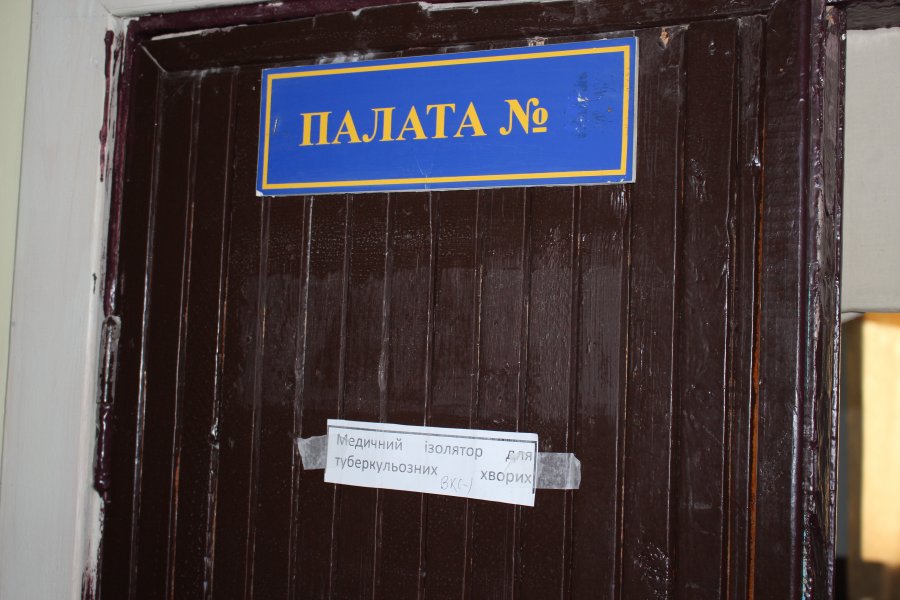
There is a shower room and an isolation ward for tuberculosis patients.

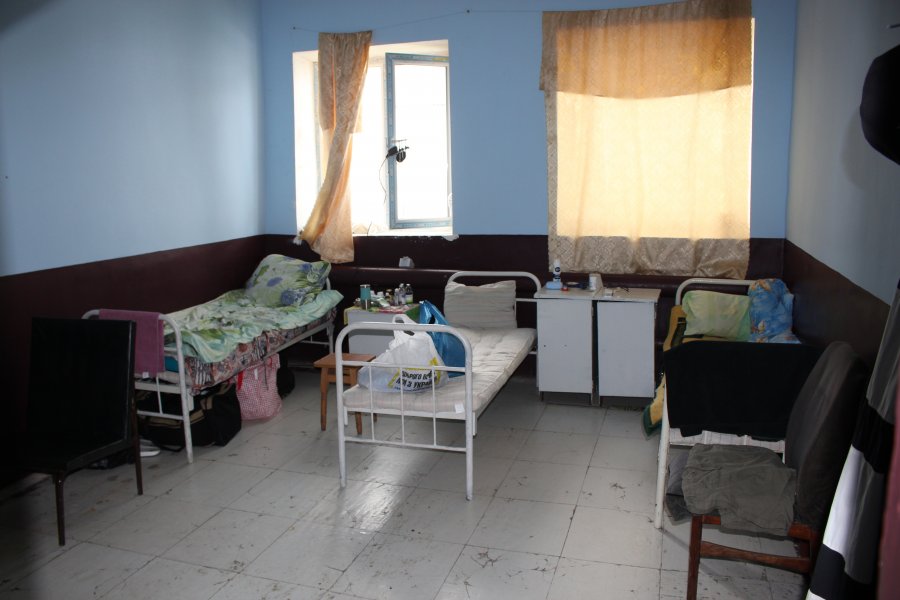
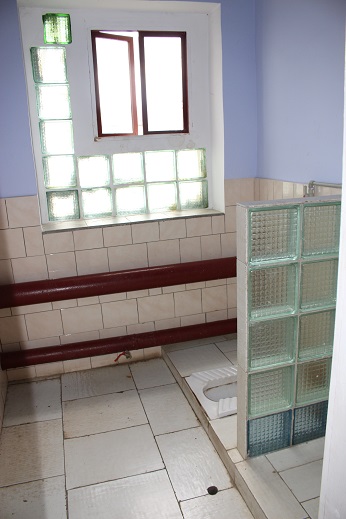
The toilet room is enclosed by a common partition but does not have cubicles.
INDUSTRIAL ZONE
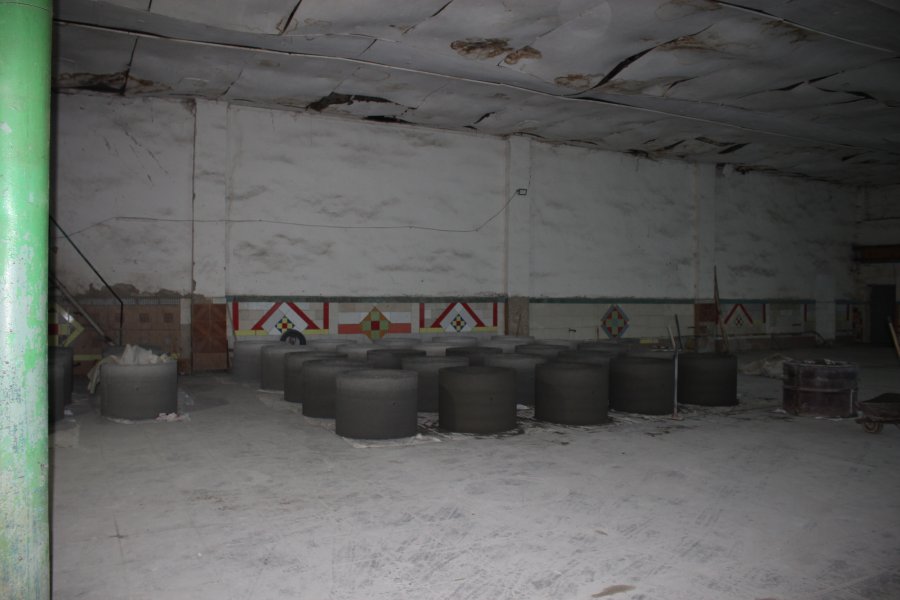
Well rings are being manufactured. Three people work in this production line and can earn 14 hryvnias per ring after all deductions.
Wood is also processed, and pellets and pallets are produced. The convicts work according to civil law contracts, and their salary depends on the quantity of products manufactured. 36 convicts work in production. The total salary is about 500 hryvnias per month after all deductions.
BATHHOUSE
In the bathhouse, there is a fenced-off paramedic's corner.
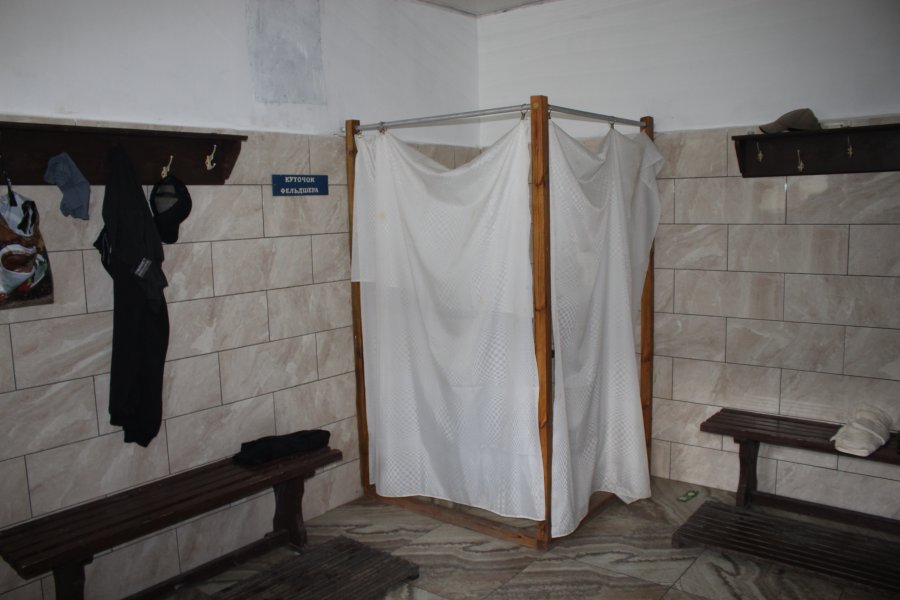
There are no curtains in the bathhouse stalls.