Report on the Findings of a Monitoring Visit to Raiky Correctional Colony No. 73
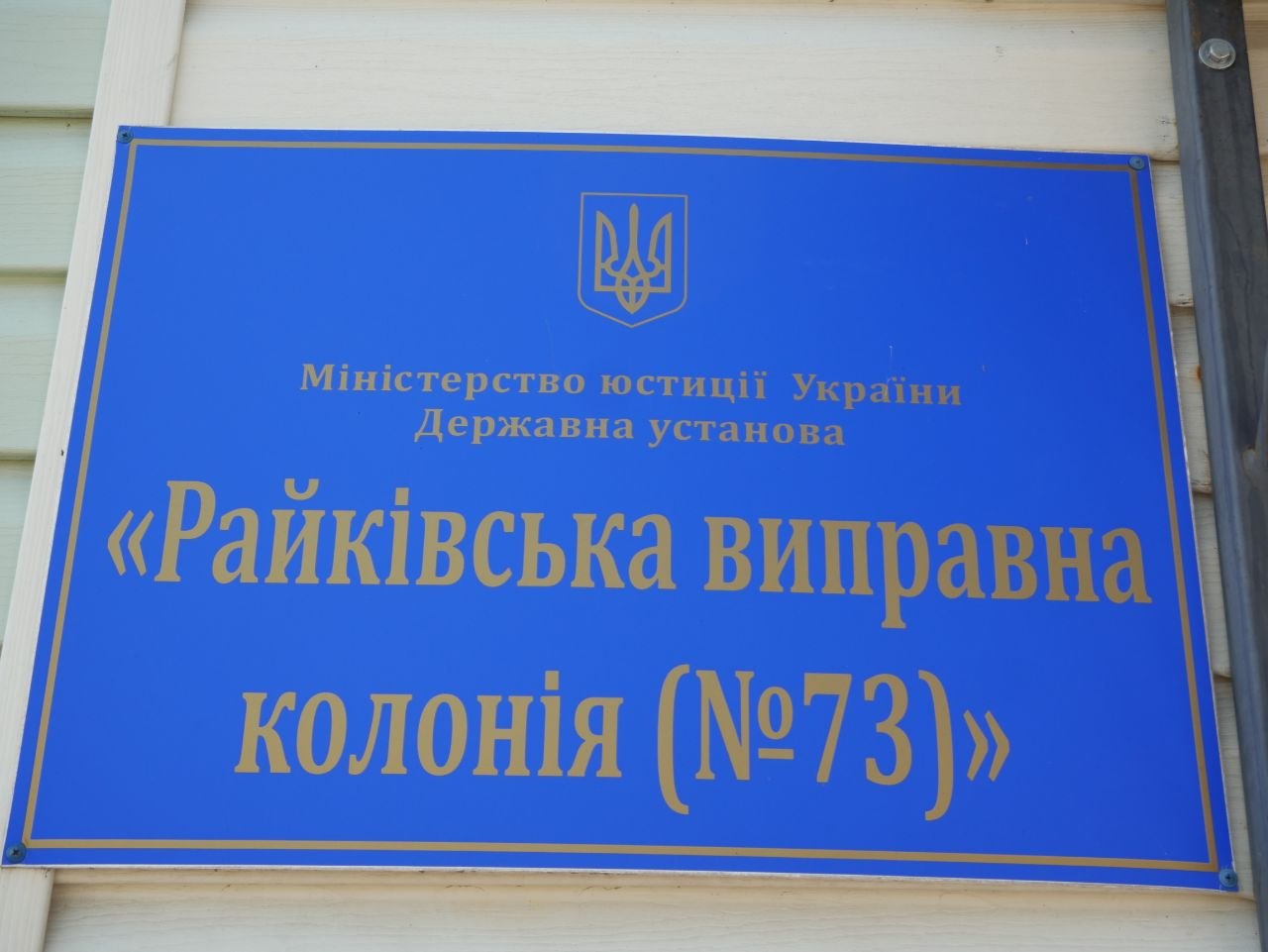
On 16 July 2026, in accordance with the Optional Protocol to the Convention against Torture and Other Cruel, Inhuman or Degrading Treatment or Punishment, taking into account the provisions of the United Nations Standard Minimum Rules for the Treatment of Prisoners (the Nelson Mandela Rules) and the case law of the European Court of Human Rights, and pursuant to Article 24 of the Criminal Executive Code of Ukraine (“Visits to Penal Institutions”), a group of monitors from the Kharkiv Human Rights Protection Group and the NGO “Protection for Prisoners of Ukraine” carried out a further scheduled visit to the state institution “Raiky Correctional Colony (No. 73)” (hereinafter — RCC-73, the institution, the facility, the colony). The visit was conducted without prior notice. In the course of the visit, all the institution’s facilities were examined.
The previous visit took place on 13 December 2025.
In preparing for the visit, the monitors drew on materials from complaints submitted by prisoners and their relatives, the materials of previous reports, and reports by monitors of the National Preventive Mechanism under the Ukrainian Parliament Commissioner for Human Rights (NPM).
The visit was carried out within the framework of the project “Seeking Justice for Survivors”, funded by the Ministry of Foreign Affairs of Denmark with the support of DIGNITY — the Danish Institute Against Torture.
The visit was conducted by the following monitors:
- Andrii Didenko — assistant to Yaroslav Yurchyshyn, Member of Parliament of Ukraine, programme coordinator at the Kharkiv Human Rights Protection Group, with experience of monitoring visits since 2014, NPM (National Preventive Mechanism) monitor and member of the NPM advisory board;
- Serhii Zuikov — assistant to Kostiantyn Kasai, Member of Parliament of Ukraine, member of the public council under the Ministry of Justice of Ukraine, member of the non-governmental organisation “Protection for Prisoners of Ukraine”, NPM monitor, with many years’ experience of monitoring visits;
- Artemii Shumnyi — journalist with the news agency “Protection for Prisoners of Ukraine / PROTECTION FOR PRISONERS OF UKRAINE”, lawyer at the Kharkiv Human Rights Protection Group, NPM monitor.
During the monitoring visit to RCC-73, positive changes were recorded in connection with the repair and refurbishment of individual facilities within the institution, the establishment of a quarantine, diagnosis and distribution unit, the renovation of the catering unit, and the continued implementation of the pilot project “SPS — On the Way Home (SCANDI)”. At the same time, the monitoring visit revealed numerous systemic shortcomings in securing the rights of prisoners.
The most serious violations concern the prolonged solitary confinement of a prisoner with a mental disorder who had repeatedly engaged in acts of self-harm without appropriate psychiatric supervision; inadequate material, living, sanitary and hygienic conditions in the disciplinary isolation unit (DIZO), the cell-type premises (PKT) and the quarantine, diagnosis and distribution unit; shortcomings in disciplinary practice; the organisation of bathing and laundry services; the safeguarding of privacy; access to legal information; and the maintenance of contact with the outside world. A considerable shortfall in staffing, together with shortcomings in individual social-educational and psychological work, creates additional risks that the process of correcting and resocialising prisoners will become a mere formality.
The organisation of prisoners’ labour requires particular attention. Discrepancies were established between the work actually performed and the accounting records; reports were received of prolonged work without days off and without proper remuneration; cases of work performed without any concluded contract were identified; and, in respect of certain prisoners, it proved impossible to confirm that the unified social contribution (USC) had been paid on an individualised basis or that insurance records were being accrued. Substantial shortcomings were also identified in the work of the medical unit: staff shortages, insufficient provision of psychiatric care, the absence of opioid substitution therapy, problems with the diagnosis and treatment of viral hepatitis C, improper maintenance of medical records, failure to implement certain rehabilitation measures for persons with disabilities, and the non-compliance of some premises with the established requirements.
General information
Raiky Correctional Colony No. 73 is located in the village of Raiky, Berdychiv district, Zhytomyr region. The institution was established in the early 1970s on the basis of the Raiky stone-crushing plant, which was transferred to the penal enforcement system. Historically, the colony’s activity was closely linked to the extraction and processing of granite, which for a long time determined its industrial specialisation. From 1971 onwards, a specialised medical subdivision for the treatment of prisoners operated at the institution.
The present-day complex of RCC-73 comprises a duty unit, a quarantine, diagnosis and distribution unit (QDD), units of the social and psychological service (SPS), a catering unit, a disciplinary isolation unit (DIZO), cell-type premises (PKT), a remand unit (SIZO), a medical unit, a bathing and laundry complex, premises for visits, a shop, a library, premises for receiving parcels, and administrative and utility facilities. RCC-73 currently operates as a medium-security penal institution.
The institution’s design capacity is 908 persons. As at the day of the monitoring visit, 361 prisoners were held there, which amounts to approximately 40% of its design capacity. Ten SPS units operate within the institution, and a further two units are undergoing repairs. The authorised staffing establishment of the institution comprises 260 posts, while the actual number of staff is 231. The staffing shortfall therefore amounts to 29 persons. The post of psychologist is not filled; the duties of the psychologist are performed by a member of the institution’s staff.
During 2026, as at the day of the visit, 119 prisoners had arrived at the institution. Over the same period, 110 persons were released from the institution, of whom 19 were released on parole and 5 by way of replacement of the unserved part of the sentence with a more lenient one pursuant to Article 82 of the Criminal Code of Ukraine. According to information provided by the administration, 188 prisoners are in employment: 75 under contracts at various sites, 45 in the workshops, 15 in domestic maintenance, 1 at a state enterprise and 52 at the branch enterprise. It was stated that 75 prisoners work under employment contracts and 113 under fixed-term contracts. On the day of the visit, four prisoners were held in DIZO and three in PKT. Sixteen prisoners were registered on the preventive record as being prone to suicide, 24 as being prone to self-harm and one as being prone to escape; 60 persons were recorded as persistent violators of the established order of serving the sentence. No cases of suicide were recorded in 2025 or during 2026 as at the day of the visit. Sixteen prisoners with disabilities were being held at the institution. During 2026, as at the day of the visit, two prisoners had been released on grounds of serious illness. According to the administration, in 2026, as at the day of the visit, two complaints had been received from prisoners concerning inadequate conditions of detention and three concerning inadequate provision of medical care. Over that period, emergency medical assistance was called out on ten occasions.
During 2026, as at the day of the visit, 17 cases of bodily injury to prisoners were recorded at the institution. Special means were used on two occasions, in both cases handcuffs.
Seventy-eight tablet computers are registered to prisoners and are in their personal use, and 54 email addresses have been registered. Over the past six months, the prosecution authorities have issued ten instruments of prosecutorial response. According to the information provided, two criminal offences under Article 391 of the Criminal Code of Ukraine were recorded in 2026 as at the day of the visit.
Positive experience
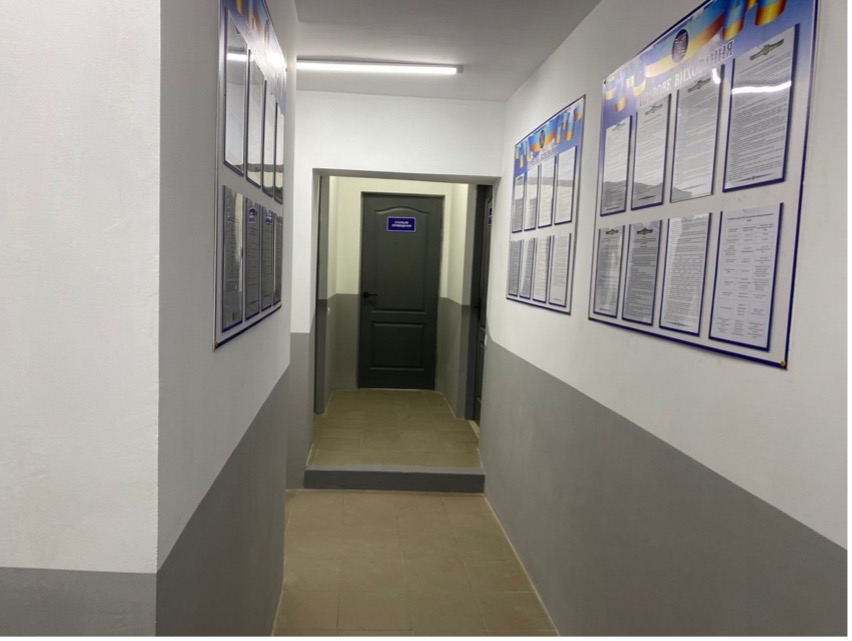
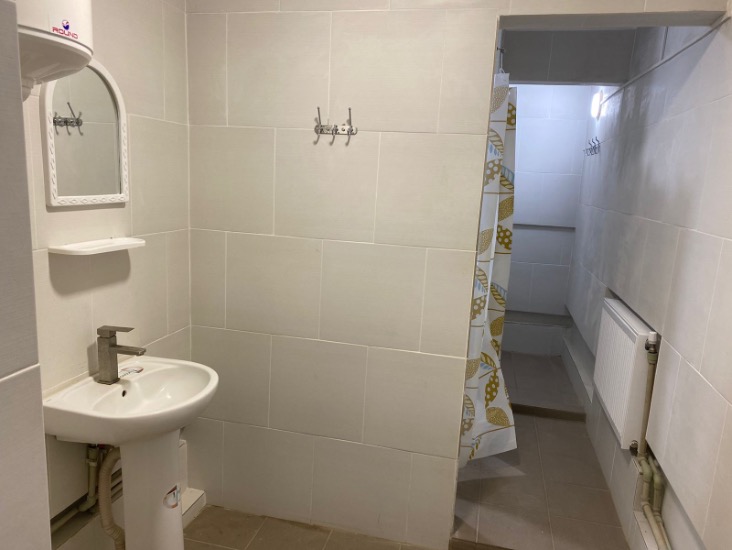
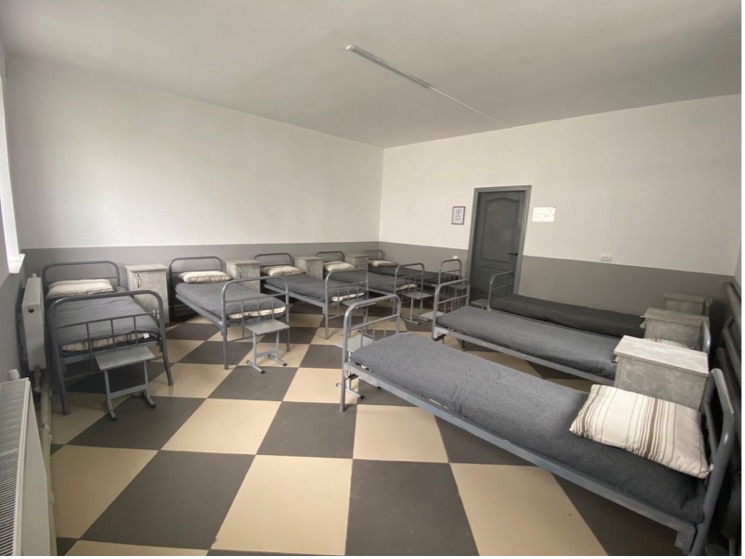
During the monitoring visit, the monitors noted the work carried out by the administration of the institution to improve the material and living conditions in which prisoners are held and to renovate individual infrastructure facilities. During the first half of 2026, a quarantine, diagnosis and distribution unit was established and fitted out for men serving a first custodial sentence. The living and domestic premises were repaired, and sanitary facilities, a dormitory, an educational work room, rooms for storing personal belongings and foodstuffs, and a room for taking meals were fitted out. The cost of the work carried out amounted to UAH 78,000. The repair work in the institution’s catering unit is assessed positively. In particular, routine repairs are being carried out in the hot-food section of the canteen, metal-plastic windows are being installed, and the walls are being tiled with ceramic tiles.
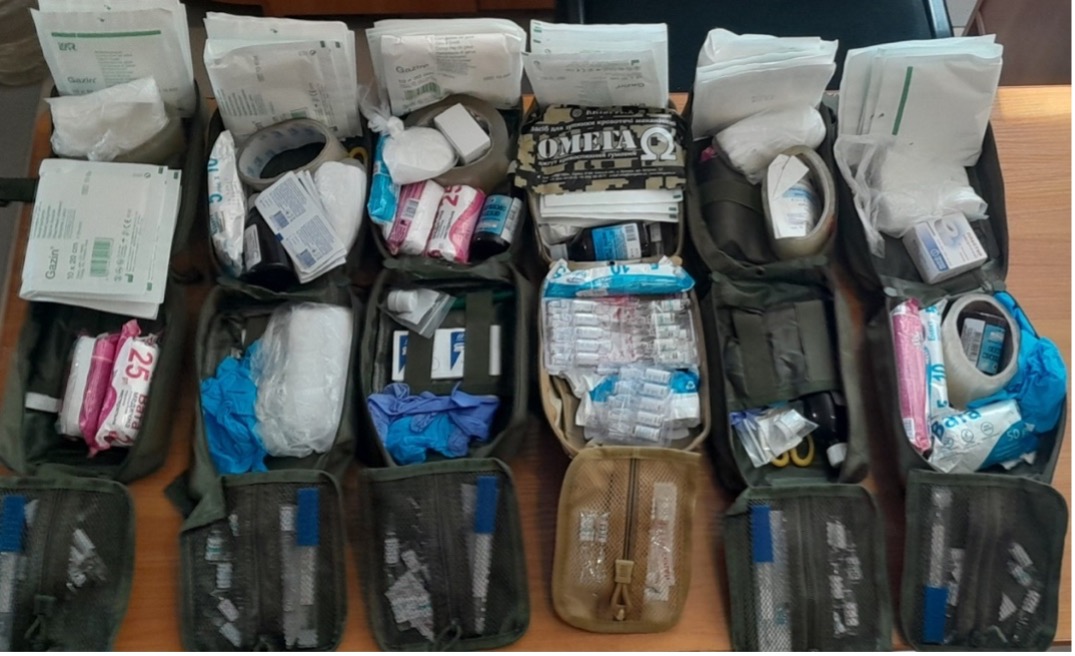
Particular mention should be made of the continued implementation at the institution of the pilot project “SPS — On the Way Home (SCANDI)”, which aims to create more favourable conditions for preparing prisoners for release and for their return to life in society. Under the project, sanitary facilities, a room for face-to-face communication and a washroom are being fitted out, and the heating system is being modernised, with the pipes replaced by modern ones. In addition, during the first half of 2026 the administration took steps to strengthen the institution’s technical provision: video cameras, body-worn video recorders, portable radio sets and other equipment were purchased. The use of body-worn video recorders by staff, provided that the established rules on video recording and on the protection of prisoners’ privacy are observed, may help to increase the transparency of staff conduct, ensure that incidents are properly recorded and prevent ill-treatment.

Violations of national and international law identified
During the monitoring visit, violations of the requirements of national legislation and failures to comply with international recommendations in the field of the treatment of prisoners were identified, resulting in breaches of prisoners’ rights:
1. During the visit to DIZO and PKT, facts were established that may indicate cruel, inhuman or degrading treatment or punishment of prisoners.
Under Rule 39.3 of the United Nations Standard Minimum Rules for the Treatment of Prisoners (the Nelson Mandela Rules), before imposing a disciplinary sanction the administration of a penal institution is obliged to ascertain whether a mental illness or developmental disability of the prisoner may have contributed to his or her conduct and to the infringement that gave rise to the sanction. The administration must not impose disciplinary sanctions for conduct that is the direct result of a prisoner’s mental disorder or intellectual disability.
Under Rule 45.2 of the United Nations Standard Minimum Rules for the Treatment of Prisoners (the Nelson Mandela Rules), the imposition of solitary confinement is prohibited in the case of prisoners with mental or physical disabilities where such measures would exacerbate their condition. In addition, under United Nations international standards in the field of criminal justice, the imposition of solitary confinement on women and children is prohibited.
Nevertheless, during the visit to PKT a prisoner was found who was being held in conditions of solitary confinement and who has a diagnosed mental disorder. According to the entries in the register of prisoners placed in the disciplinary isolation unit (hereinafter — DIZO) and PKT, the prisoner served a disciplinary sanction in DIZO from 29 May 2026 to 12 June 2026, after which, on 12 June 2026, he was placed in PKT for a period of two months for an act of self-harm. Accordingly, as at the day of the monitoring visit, the actual period of his uninterrupted solitary confinement exceeded two months.
At the same time, under paragraph 43 of the Third General Report of the European Committee for the Prevention of Torture and Inhuman or Degrading Treatment or Punishment (hereinafter — the Committee), persons with mental disorders should be held and treated in a properly equipped and adequately staffed medical facility. Such a facility may be a civil psychiatric hospital or a specialised psychiatric unit within the penitentiary system.
Under paragraph 44 of the Committee’s Third General Report, the treatment of a mentally unstable and aggressive patient must be carried out under constant medical supervision, with the provision of appropriate care and, where necessary, with the use of medication (CPT/Inf (93) 12-part).
Attention must also be drawn to the virtually uninterrupted isolation of the prisoner from other prisoners through his placement in DIZO and PKT for a period exceeding two months. In this connection, the Committee notes that the prolonged placement of persons with mental disorders in conditions of solitary confinement may amount to a failure to provide appropriate medical care. Where there are relevant medical indications, such persons should be transferred to specialised medical facilities (paragraph 96 of report CPT/Inf (2011) 29).
2. The cells in DIZO and PKT do not have an adequate level of natural light, since the windows are small in size and located at a considerable height, and, in the case of cells nos. 9–17, look directly onto a wall, with the result that access to natural light is limited and insufficient to ensure adequate conditions of detention. Such conditions also cause prisoners and remand detainees additional psychological discomfort, as they have no opportunity for visual contact with the outside environment.
The foregoing does not comply with the requirements of Rule 18.2(a) of the European Prison Rules or Rule 14 of the United Nations Standard Minimum Rules for the Treatment of Prisoners (the Nelson Mandela Rules).

3. During the visit to DIZO and PKT it was established that prisoners serving disciplinary sanctions had not been given a copy of the decision imposing the sanction, setting out the possibility of appealing against it and the procedure for doing so, contrary to Article 135 of the Criminal Executive Code of Ukraine.
In its report to the Government of Ukraine following its 2023 visit, the Committee recommends that steps be taken in Ukrainian penal institutions to ensure that prisoners on whom a disciplinary sanction has been imposed systematically receive a copy of the relevant decision. In addition, prisoners should be informed of their right of access to a lawyer in the context of disciplinary proceedings (CPT/Inf (2024) 20, paragraph 103).
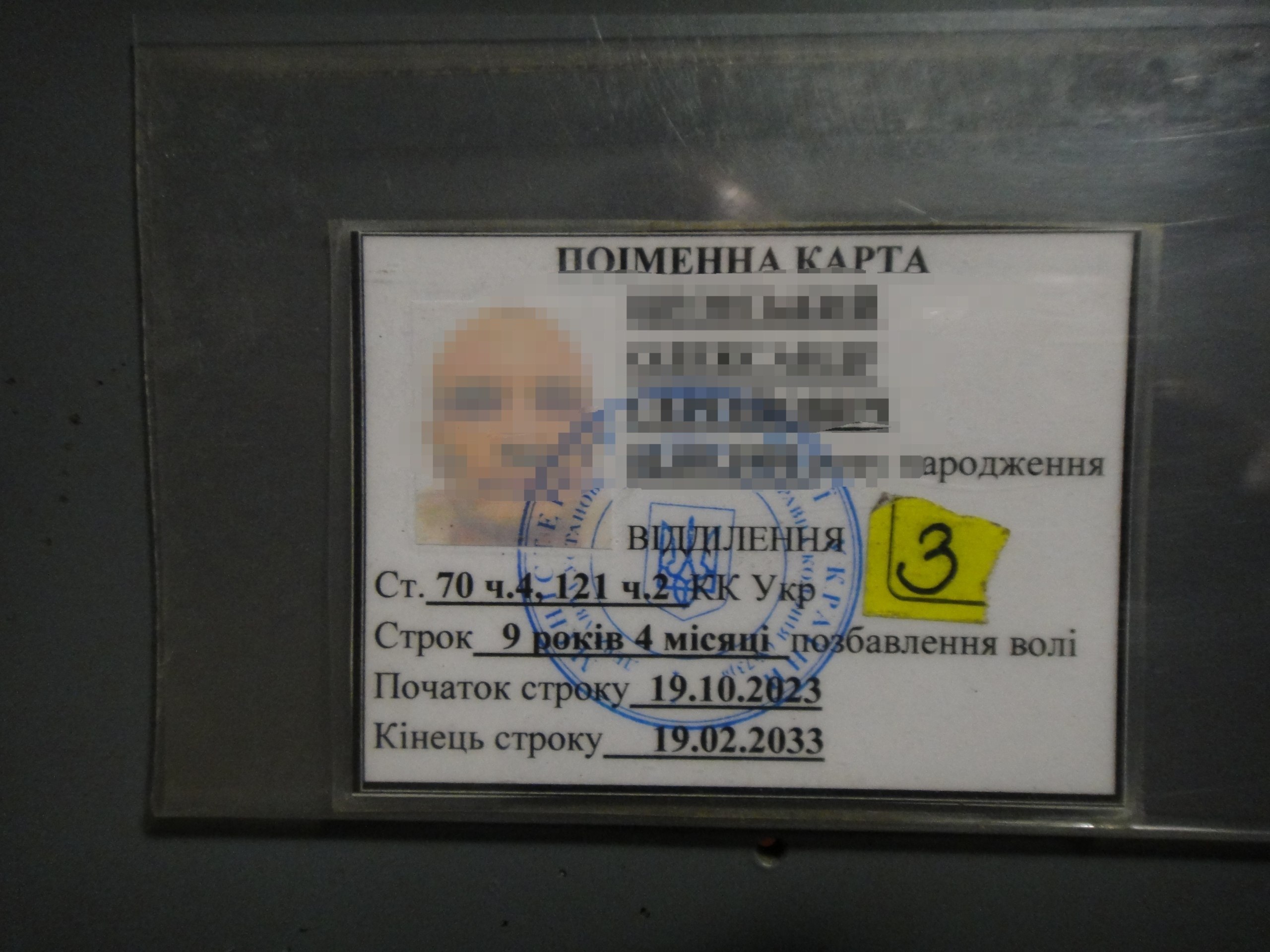
4. During the visit to DIZO and PKT, name cards were found on the outer doors of the cells, giving a brief description of the offences committed by the persons held in them.
In its report on its 2020 visit to Ukraine, the Committee stated that this practice should be discontinued, since it serves no reasonable purpose and, besides being stigmatising, has an adverse effect on relations between detainees and staff (CPT/Inf (2020) 40, paragraph 52).
5. The monitoring group established that the institution’s psychologist does not append psychological assessments to the materials on the placement of prisoners in the disciplinary isolation unit, which indicates that no proper psychological examination of such persons is carried out. In particular, psychological assessments were absent in respect of three of the four prisoners whose files were examined. This constitutes a breach of the requirements of paragraph 5 of Section V of the Model Job Duties of a Psychologist at a Penal Institution and Remand Centre, approved by Order of the Ministry of Justice of Ukraine No. 2300/5 of 4 November 2013, which provide that the psychologist is obliged to take part in the consideration of materials concerning the placement of prisoners in the disciplinary isolation unit and to provide the relevant conclusions.
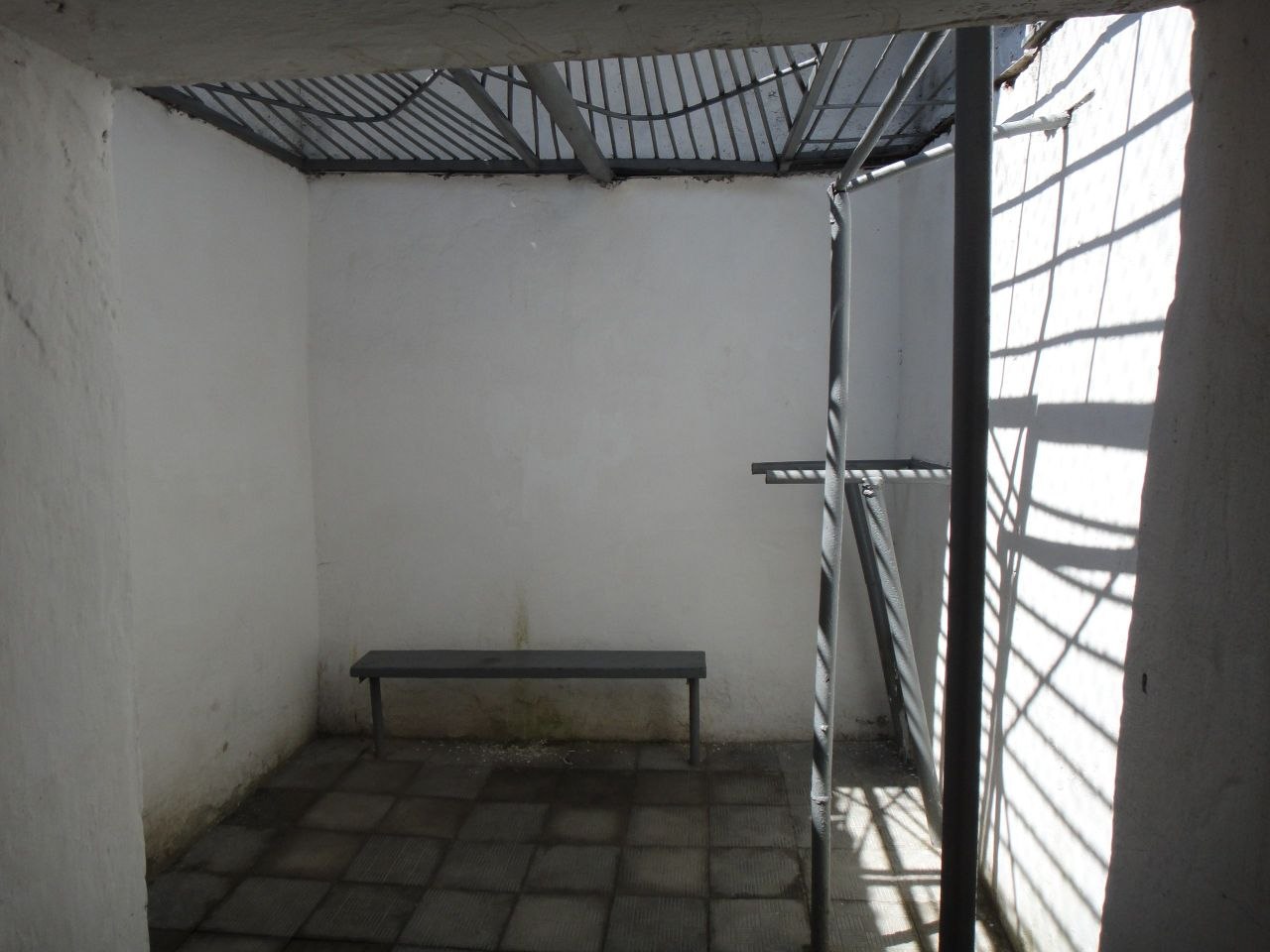
6. The area of certain exercise yards is insufficient to allow prisoners full physical activity. The yards require repair work. The Committee has repeatedly recommended reconsidering the design and size of exercise yards, “from which at best a view of the sky can be obtained” (paragraphs 122 and 127 of CPT/Inf (2014) 15).
7. The monitoring group established that the material and domestic provision of the QDD unit does not meet the established regulatory requirements. Thus, in breach of the requirements of the Standards for the Provision of Furniture, Equipment and Household Items for a Medium-Security Correctional Colony, approved by Order of the Ministry of Justice of Ukraine No. 1118/5 of 27 July 2012 (hereinafter — the Provision Standards), the unit lacks a number of premises, namely: a room for storing the exchange stock of bedding, clothing and workwear; a storeroom for the temporary storage of soiled bedding, clothing and workwear; a cloakroom; and a domestic room. The absence of these premises creates conditions that fall short of domestic standards, makes it impossible to comply properly with sanitary and hygiene requirements, and hampers the maintenance of cleanliness and order in prisoners’ living quarters. Such an arrangement of domestic life adversely affects the overall sanitary condition of the institution and may pose a risk to the health of those held there.
8. During the visit to the QDD unit it was established that the conditions in which prisoners are held do not meet the requirements of the first part of Article 115 of the Criminal Executive Code of Ukraine or of paragraph 1 of Section XXII of the Internal Regulations of Penal Institutions, approved by Order of the Ministry of Justice of Ukraine No. 2823/5 of 28 August 2018 (hereinafter — the Internal Regulations).
In particular, it was established that, in the living quarters of the QDD unit, the actual number of sleeping places exceeds the permissible number, which makes it impossible to ensure the statutory norm of living space per person of not less than 4 m².
Thus, a living room in the QDD unit which, according to the record of measurement of living space, is designed to accommodate 11 sleeping places within a total area of 45.7 m², is in fact equipped with 15 beds.
These circumstances create conditions conducive to possible abuses on the part of the administration and staff of the institution as regards compliance with the norm of living space per prisoner, and fail to ensure an adequate level of personal space for those held in the living quarters of the QDD unit.
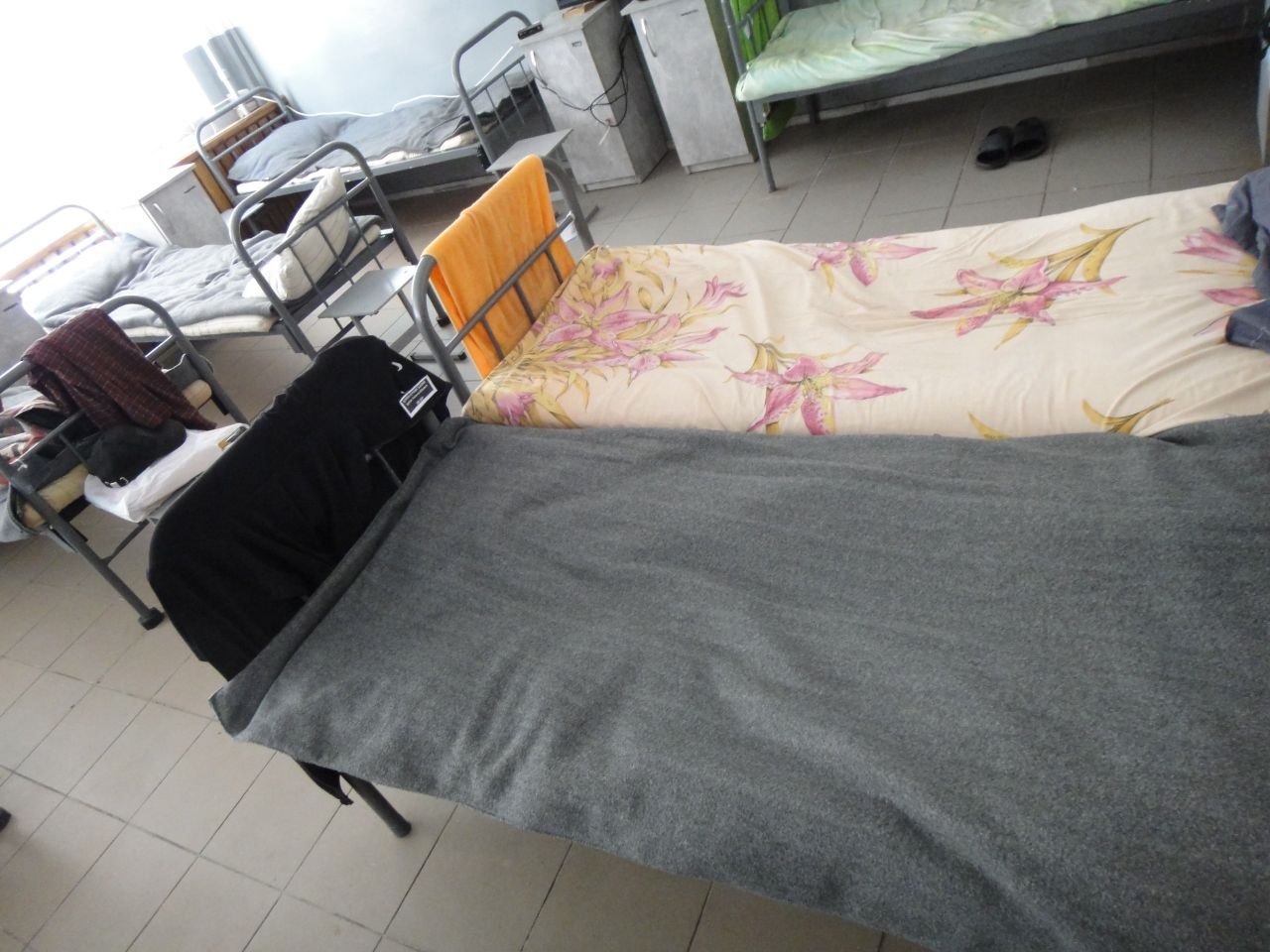
9. In the living quarters of the QDD unit, a violation of Article 8 of the Convention for the Protection of Human Rights and Fundamental Freedoms, which guarantees the right to respect for private life, was established. In particular, in breach of Rule 18.1 of the European Prison Rules, the beds are placed immediately adjacent to one another, which does not afford prisoners adequate personal space.
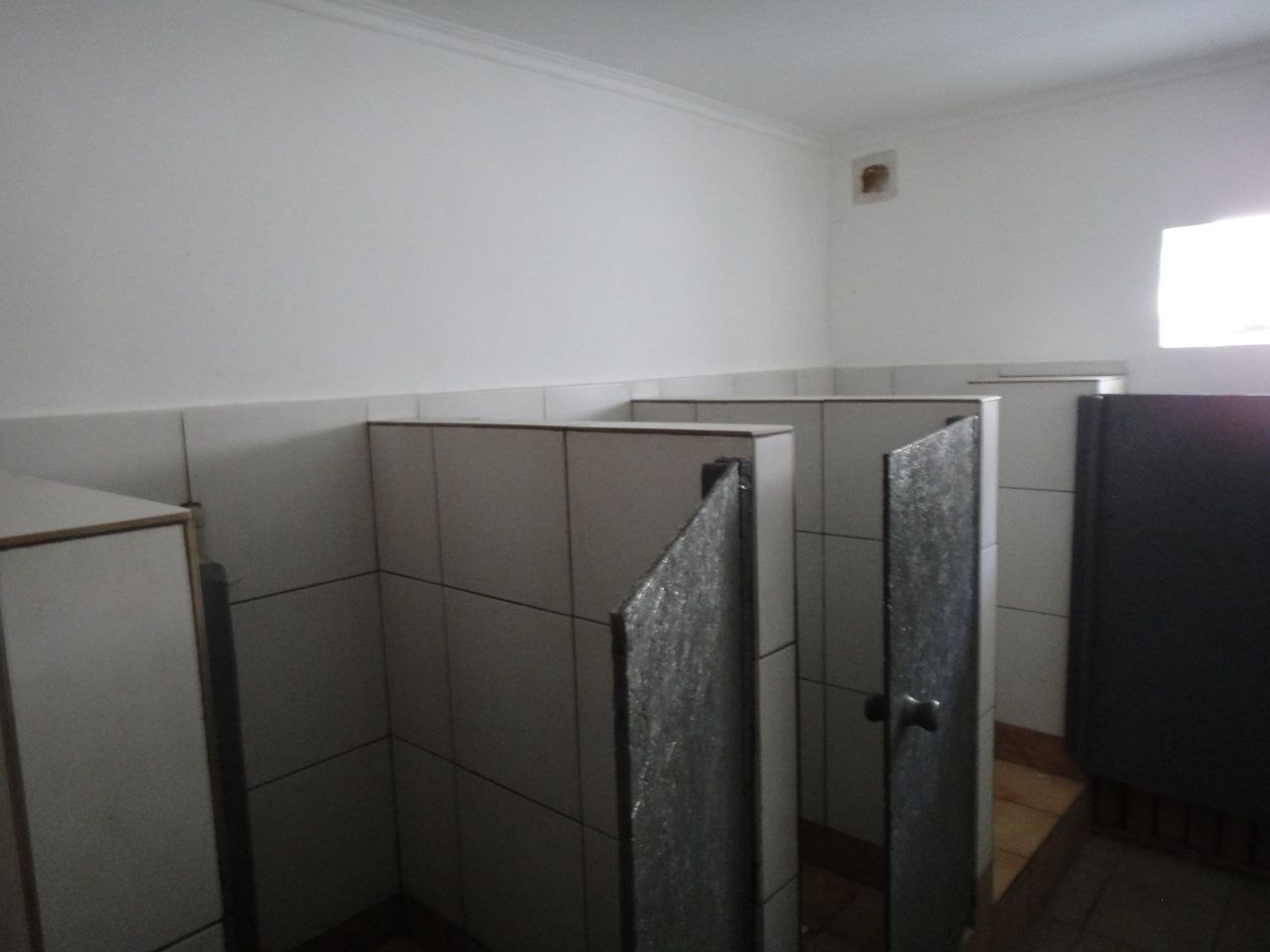
10. The sanitary facility of the QDD unit is not fitted with sufficient partitioning to allow privacy, which is in breach of Rule 19.3 of the European Prison Rules and Rule 15 of the United Nations Standard Minimum Rules for the Treatment of Prisoners (the Nelson Mandela Rules).
In its report to the Government of Ukraine following its 2023 visit, the Committee called upon the Ukrainian authorities to take the necessary steps to improve the material conditions of detention, in particular to maintain all accommodation for prisoners and remand detainees, including sanitary facilities, in a proper state of repair and hygiene and to carry out disinfestation regularly and frequently; to ensure adequate access to natural light and ventilation in cells; and to fit in-cell sanitary facilities with full partitioning, that is, from floor to ceiling (CPT/Inf (2024) 20, paragraph 58).
11. During the visit to the QDD unit it was established that the unit’s premises did not display information setting out the telephone numbers of the helplines, or the postal and email addresses of the State Bureau of Investigation, the Department, the interregional directorate and the Commission for the Examination of Complaints about Inadequate Conditions of Detention in Pre-Trial Detention Facilities and Penal Institutions.
The foregoing is contrary to paragraph 6 of Section II of the Internal Regulations.
12. No enhanced-control unit (hereinafter — ECU) operates at the institution. Yet the ECU is a structural unit of a medium-security correctional colony, and the procedure for holding prisoners in such a unit is provided for by Article 97 of the Criminal Executive Code of Ukraine and by other legal instruments.
13. During the visit, the monitoring group established that the institution’s shop did not stock slippers, mirrors, combs, envelopes, stamps, or devices for the consumption of tobacco products and the inhalation of aerosols (vapour) without combustion together with chargers for them, all of which are required by Annex 5 to the Internal Regulations.
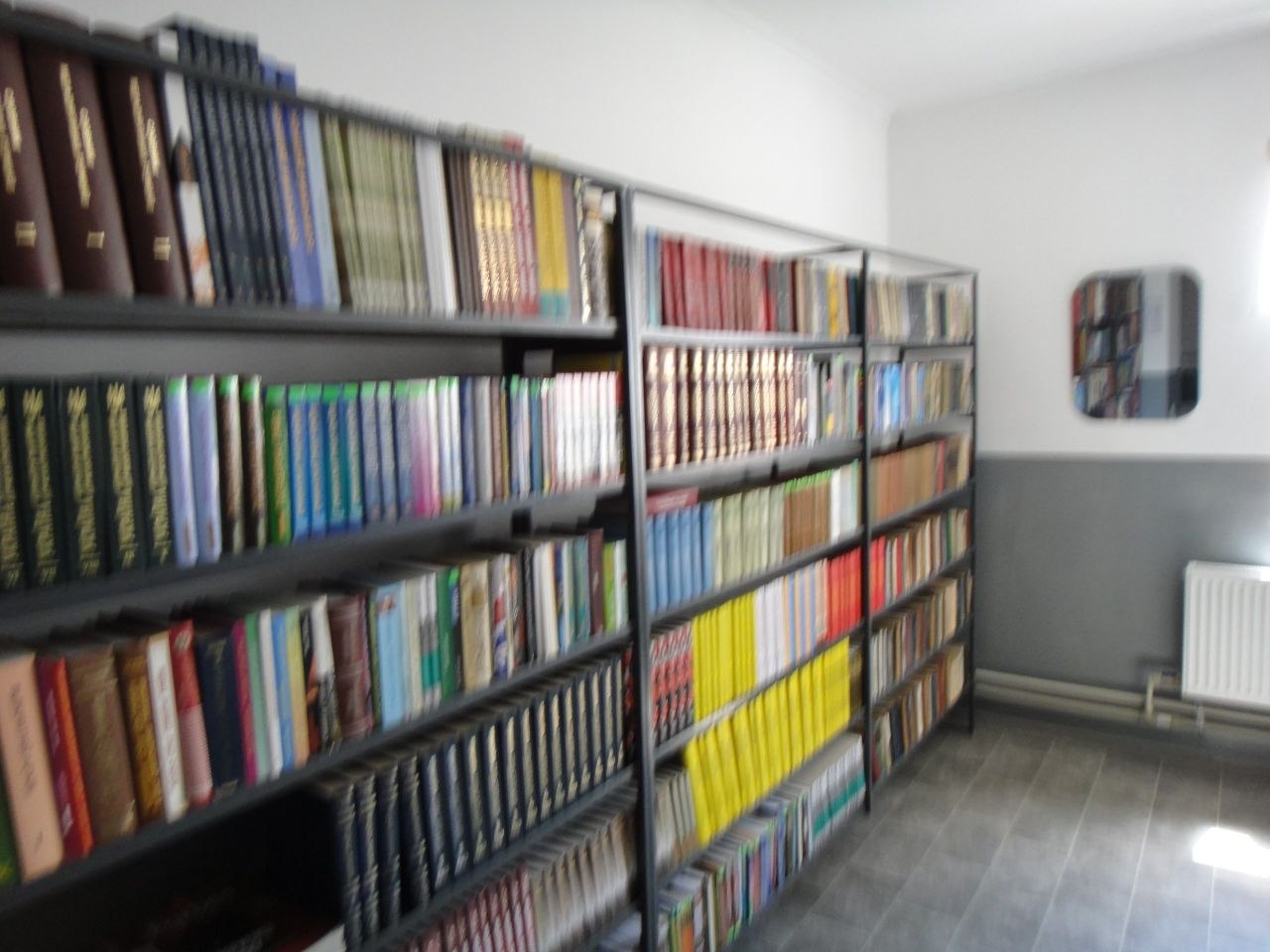
14. During the visit to the institution’s library, the monitoring group established that, contrary to the requirements of the third subparagraph of paragraph 4 of Section XX of the Internal Regulations, the library’s stock does not include the texts of the Internal Regulations of Remand Centres or of the Laws of Ukraine “On the Prosecutor’s Office” and “On the National Police”. In addition, it was established that the current version of the Criminal Executive Code of Ukraine was not freely available.
15. The monitoring group established a number of violations in the organisation of bathing and laundry services for prisoners and remand detainees.
Under paragraph 3.19.1 of Section III of the Regulation on the Organisation of Bathing and Laundry Services for Persons Held in Penal Institutions and Remand Centres, approved by Order of the Ministry of Justice of Ukraine No. 849/5 of 8 June 2012 (hereinafter — the Regulation), sanitary processing involves washing prisoners (remand detainees) in the bathhouse using soap and a flannel, the mandatory change of bed and body linen, and the disinfection (destruction of pathogenic micro-organisms) and disinfestation (destruction of insects and mites that carry infectious diseases) of personal clothing and bedding (pillows, mattresses, blankets) in a disinfection chamber.
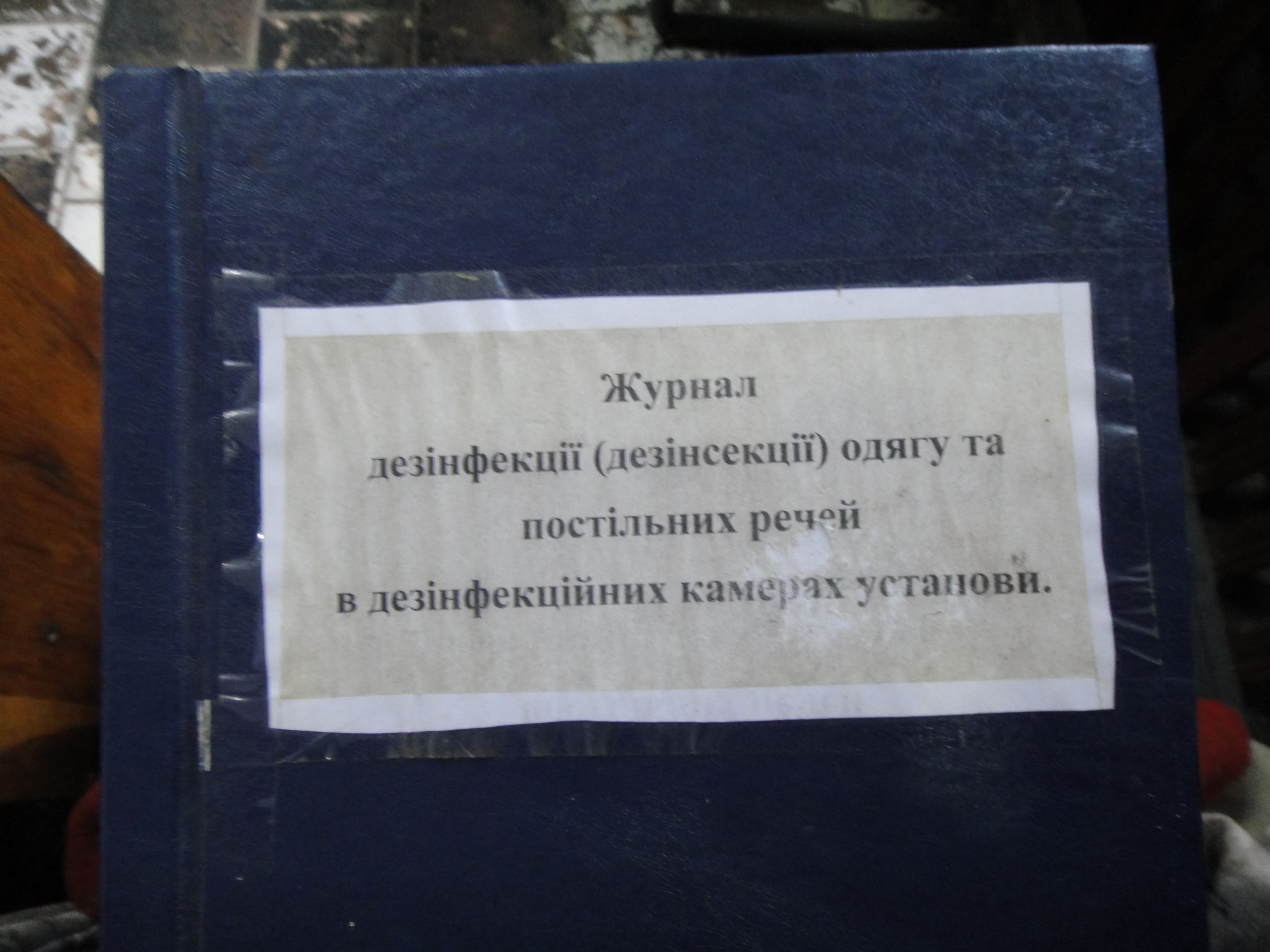
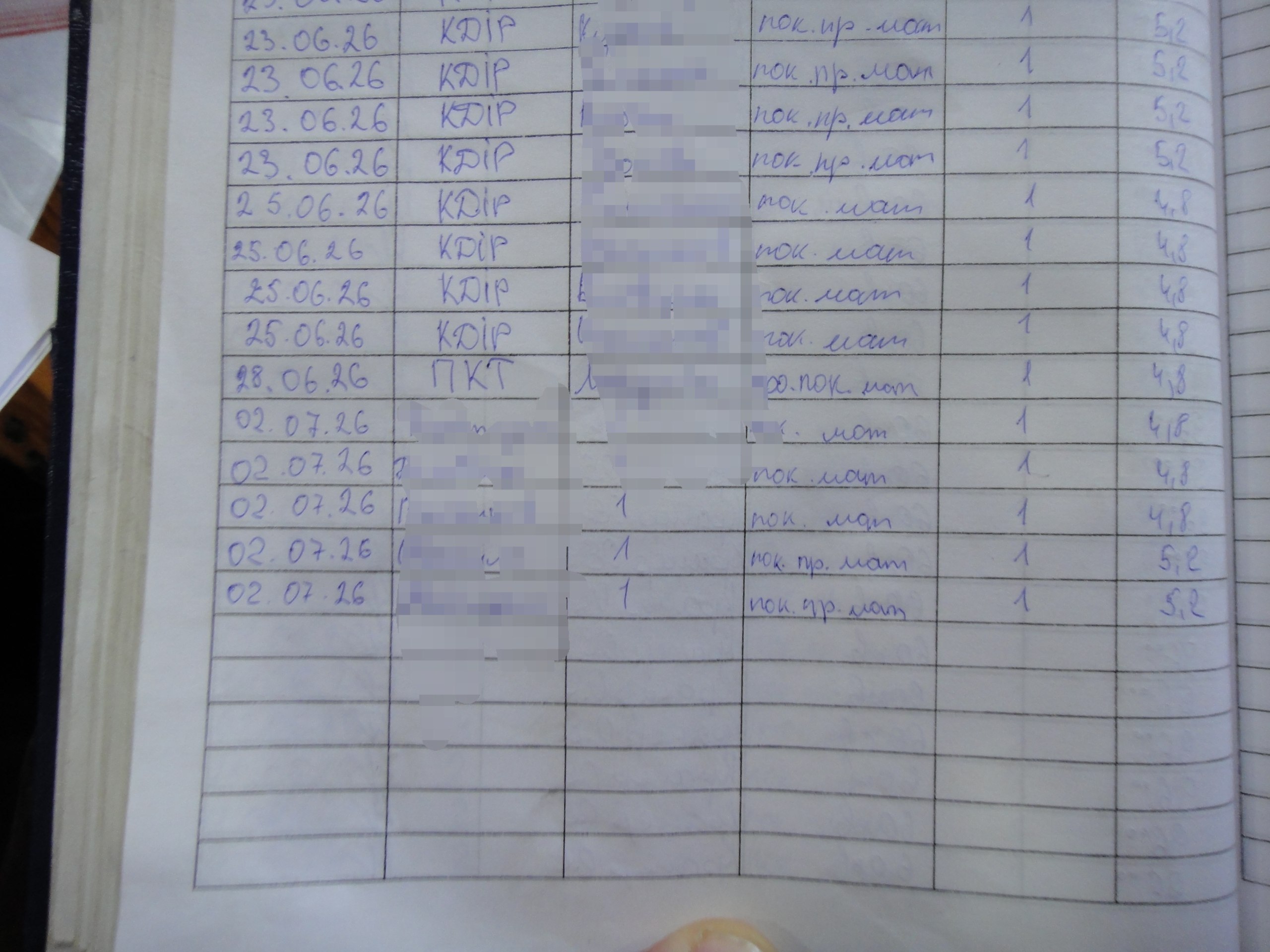
The monitoring group established, however, that the institution’s disinfection chamber has been out of operation since 2 July 2026, as confirmed by the last entry in the Register of Disinfection (Disinfestation) of Clothing and Bedding in the Disinfection Chamber. As at 16 July 2026 it had not been returned to service. This indicates that the sanitary processing of prisoners’ personal clothing and bedding is not carried out properly, increases the risk of the spread of infectious diseases among prisoners and staff, and is contrary to the established sanitary and hygiene requirements.
16. The monitoring group established that prisoners held in DIZO are able to use the bathhouse only once a week. This is in breach of the requirements of Rule 19.4 of the European Prison Rules and of paragraph 3.1 of the Regulation on the Organisation of Bathing and Laundry Services.
17. In breach of the requirements of paragraph 4 of Section XXII of the Internal Regulations and paragraph 3.19 of Section III of the Regulation, compliance with sanitary, hygiene and anti-epidemic requirements is not ensured at the institution.
In particular, the sanitary processing of prisoners arriving at the institution is not carried out properly. Thus, according to the entries in the Bathhouse Attendance Register, prisoners held in the quarantine, diagnosis and distribution unit (QDD) had used the bathhouse only three times between the beginning of 2026 and 16 July 2026, which indicates inadequate organisation of the sanitary processing of newly arrived prisoners and creates a risk of the spread of infectious diseases within the institution.
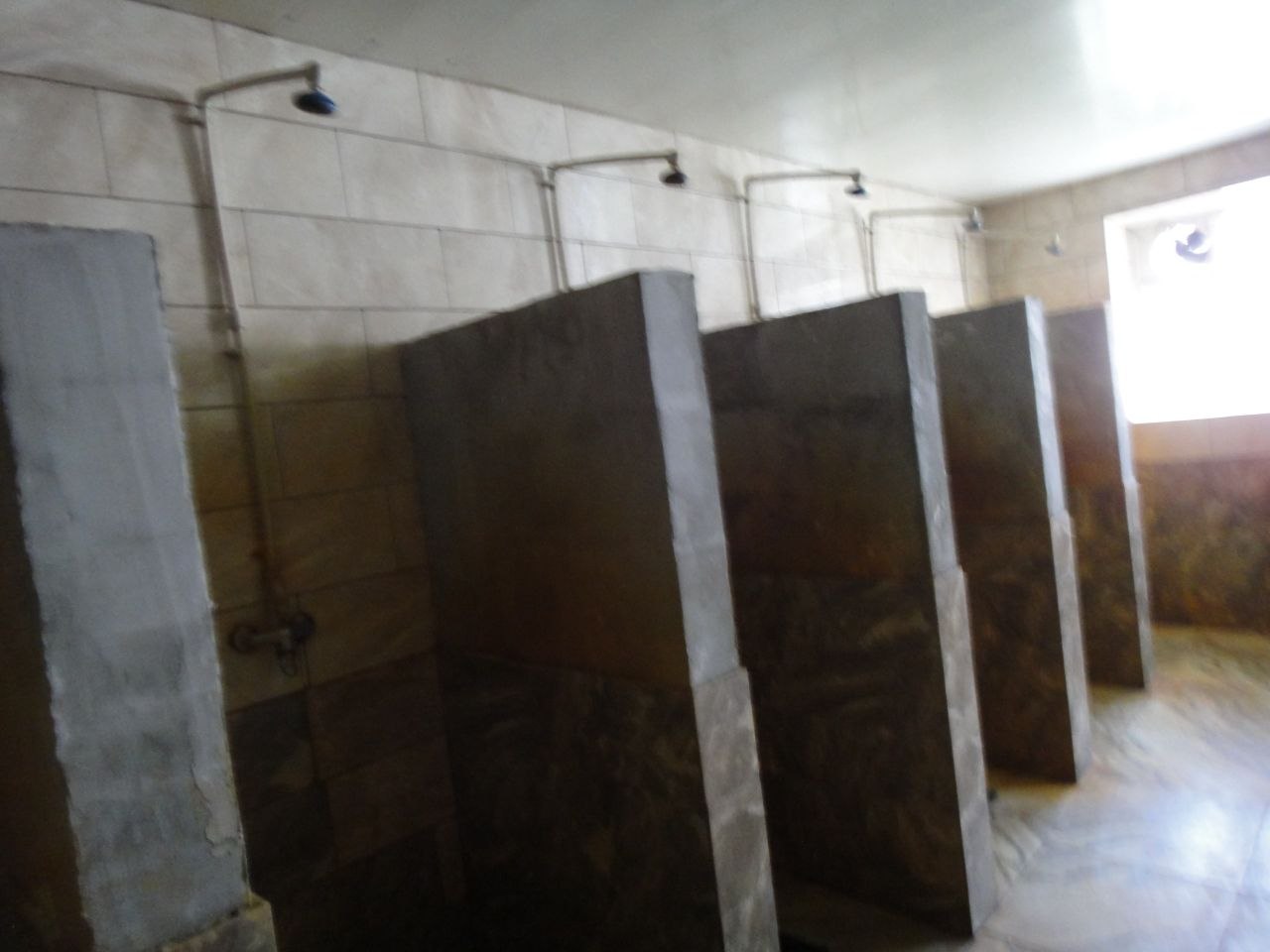
18. In breach of the requirements of Rule 19.3 of the European Prison Rules, the right to privacy is not ensured in the shower room, as there are no curtains on the shower partitions.
19. In breach of the requirements of Annex 3 to the Regulation, the laundry has no lavatory, no shower for staff and no staff room.
20. During the visit, the monitoring group examined the quality of the drinking water consumed by prisoners. According to the documentation provided, in particular the results of sanitary and microbiological analysis No. 20 of 25 February 2026, the water complies with the requirements of the relevant technical standards. According to drinking water analysis report No. 72 of 25 February 2026, its quality likewise complies with the requirements of the State Sanitary Norms and Rules “Hygiene Requirements for Drinking Water Intended for Human Consumption” (DSanPiN 2.2.4-171-10).
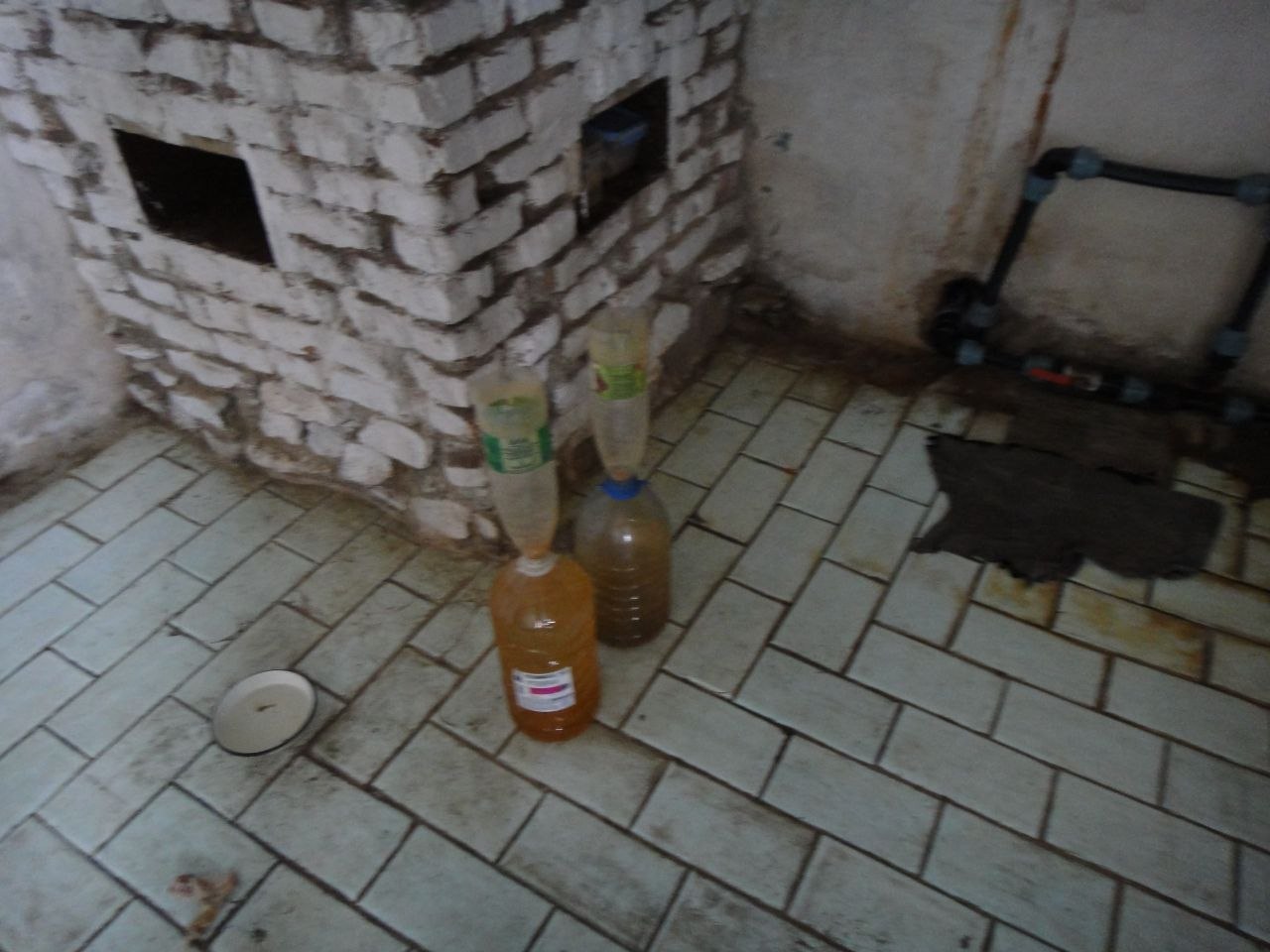
Nevertheless, during a tour of the dormitories of the SPS units and of the QDD unit, it was established that prisoners have to install additional filters to purify the water because of its yellowish colour when supplied from the mains. Such a discrepancy between the official laboratory results and the actual state of the water on the ground may indicate unstable water quality within the institution’s distribution system and gives prisoners reasonable grounds to doubt its safety.
21. During the visit, the monitoring group observed that staff of the institution who are in direct contact with prisoners openly carry special means, in particular rubber truncheons. Yet, under the eighth subparagraph of paragraph 1 of Section XXVI of the Internal Regulations, the carrying of special means by staff of penal institutions within the guarded territory of the institution must, as far as possible, be concealed from view.
The Committee, for its part, recommends that prison officers working in direct contact with prisoners should not openly carry special means (such as rubber truncheons, handcuffs and tear-gas canisters) in front of prisoners. Carrying them in this way is an obstacle to the establishment of normal relations between staff and prisoners (paragraph 85 of CPT/Inf (2011) 29; paragraph 23 of CPT/Inf (2013) 23; paragraph 166 of CPT/Inf (2014) 15).
22. According to information provided by the administration, between the beginning of 2026 and 16 July 2026 prisoners at the state institution “Raiky Correctional Colony (No. 73)” were granted 66 short-term visits, of which 18 took place in closed conditions — through a solid dividing glass partition using an intercom.
In its report to the Government of Ukraine following its 2023 visit, the European Committee for the Prevention of Torture stresses that, for all categories of prisoner, open visits (for example, across a table) should be the rule and closed visits the exception, permissible only on the basis of reasoned and substantiated decisions following an individual assessment of the potential risk posed by the particular prisoner. Accordingly, the Committee calls upon the Ukrainian authorities to review the arrangements for short-term visits in penal institutions with a view to ensuring that they are, as a rule, conducted in open conditions (CPT/Inf (2024) 20, paragraph 99).
23. Under subparagraph 5 of paragraph 2 of Section IV of the Regulation on the Programme of Differentiated Educational Influence on Prisoners “Preparation for Release”, approved by Order of the Ministry of Justice of Ukraine No. 1418/5 of 16 May 2016 and registered with the Ministry of Justice of Ukraine on 17 May 2016 under No. 735/28865, the staff of the institution’s social and psychological service who directly organise and implement measures under the “Preparation for Release” programme are obliged to assist prisoners in obtaining (renewing) a passport of a citizen of Ukraine, a taxpayer registration number (TRN) and other personal documents, and in arranging pensions.
Yet 26 prisoners require a passport of a citizen of Ukraine to be issued and 95 require a TRN to be obtained, which indicates that the department of social-educational and psychological work has not done enough to ensure that the necessary documents are obtained for prisoners who lack them.
24. According to the service documentation, the staffing shortfall at the institution as at 16 July 2026 amounted to 29 established posts. In its report to the Government of Ukraine following its 2023 visit, the Committee stresses that ensuring a positive climate in a penal institution requires a professional team of staff who must be present in sufficient numbers at all times in places of detention. An insufficient number of staff can only increase the risk of violence and intimidation among prisoners. A shortage of front-line staff also undermines the quality and level of the activities offered to prisoners and jeopardises the prospects of preparation for release and social rehabilitation.
In this connection, the Committee calls upon the Ukrainian authorities to take decisive steps substantially to increase staff numbers in those Ukrainian penal institutions where staffing levels are low, with a view to reinforcing the presence of custodial and supervisory staff inside the institutions. Steps must also be taken to put an end to 24-hour shifts for staff on duty (CPT/Inf (2024) 20, paragraph 93).
25. During the monitoring visit, the organisation of social-educational and psychological work with prisoners in the units of the social and psychological service (SPS) was examined, in particular the maintenance of individual work diaries, the timeliness of psychological examinations, the drawing up of individual social-educational work programmes and risk assessments, the conduct of individual interviews, and the exercise of supervision over this work by the responsible officials.
A sample analysis of individual work diaries revealed a number of recurring shortcomings relating to the untimely or incomplete conduct of the prescribed measures, the absence of proper documentation of individual work, and insufficient supervision of its organisation. Thus, the individual work diary of prisoner Ya. contains no notes to show that it had been checked by the head of department. The same shortcoming was found in the diary of K., which, moreover, contains no record of individual interviews conducted with him by the head of the SPS unit.
More substantial shortcomings were revealed on examination of the diary of prisoner B., who is held in SPS unit No. 8. It contains no record of a psychological examination, the results of which must be entered no later than 14 days after the prisoner’s arrival. There is likewise no individual social-educational work programme and no risk assessment, both of which must be carried out and documented no later than 30 days after arrival.
Shortcomings were also established in SPS units nos. 2–3. Thus, prisoner L. arrived in May 2026, yet as at the day of the monitoring visit his diary contained no note that it had been checked by the head of department and no individual social-educational work programme had been drawn up. Given the time that has elapsed since the prisoner’s arrival, the absence of an individual programme indicates a failure to observe the established time limits for organising individual social-educational work.
The diary of prisoner I., who arrived in June 2026, contains no record of a psychological examination, the results of which should have been entered no later than 14 days after his arrival. In addition, there is no note that the diary had been checked by the head of department.
The shortcomings identified cannot be regarded solely as breaches of record-keeping procedure. The individual work diary is an instrument for the consistent study of the prisoner’s personality, for identifying his needs and problems, for planning and documenting social-educational and psychological measures, for assessing risks and for tracking subsequent behavioural developments. The absence of the prescribed records and documents makes it impossible to confirm that the relevant individual work was in fact carried out in good time and to the requisite extent.
Of particular concern are the cases in which no psychological examination, individual social-educational work programme or risk assessment was carried out within the established time limits. It is precisely the results of the initial study of the prisoner that should form the basis for determining his individual needs, risk factors, and the aims and content of subsequent social-educational and psychological work. Where such measures are absent or are carried out late, individual work loses the requisite consistency and fails to provide a reasoned basis for planning the process of correction and resocialisation.
The recurring absence from the diaries examined of notes confirming checks by the head of department likewise indicates insufficient internal supervision of the organisation of SPS work. Without systematic supervision, psychological examinations that have not been carried out, individual programmes that have not been drawn up, missing risk assessments and other shortcomings that directly affect the quality of individual work with prisoners are not identified in good time.
The results of the sample examination of the diaries of Ya., K., B., L. and I. thus demonstrate the recurrence of shortcomings of the same type across different SPS units. This provides grounds for regarding the established facts not as isolated technical errors in the completion of documentation, but as indications of the inadequate organisation of individual social-educational and psychological work and of insufficient supervision over its conduct.
In such circumstances there is a risk that social-educational work will become a mere formality, in which record-keeping fails to ensure a consistent cycle of “studying the individual — identifying needs and risks — individual planning — implementation of measures — supervision and evaluation of results”. Such an approach is at odds with the very purpose of social-educational work with prisoners, which should be individualised and systematic and should be directed towards their correction, the development of self-directed law-abiding behaviour and the creation of genuine preconditions for their subsequent resocialisation.
26. During the monitoring visit, the organisation of prisoners’ labour was examined, along with the legal grounds for engaging them in work, the actual working arrangements and the recording of working time, the calculation and payment of remuneration, the making of mandatory deductions, the payment of the unified contribution to compulsory state social insurance and the accrual of insurance records. To that end, the monitoring group analysed the statistical data provided by the administration, fixed-term employment and civil-law contracts, payroll records, documents relating to the USC, work rosters for taking prisoners out to work, the register of the handover (receipt) of prisoners by production staff, the catering unit’s documentation, the register of medical examinations of workers, the register of the issue of sharp and cutting implements, and other primary documentation. The documentary data obtained were compared with information gathered during confidential interviews with prisoners.
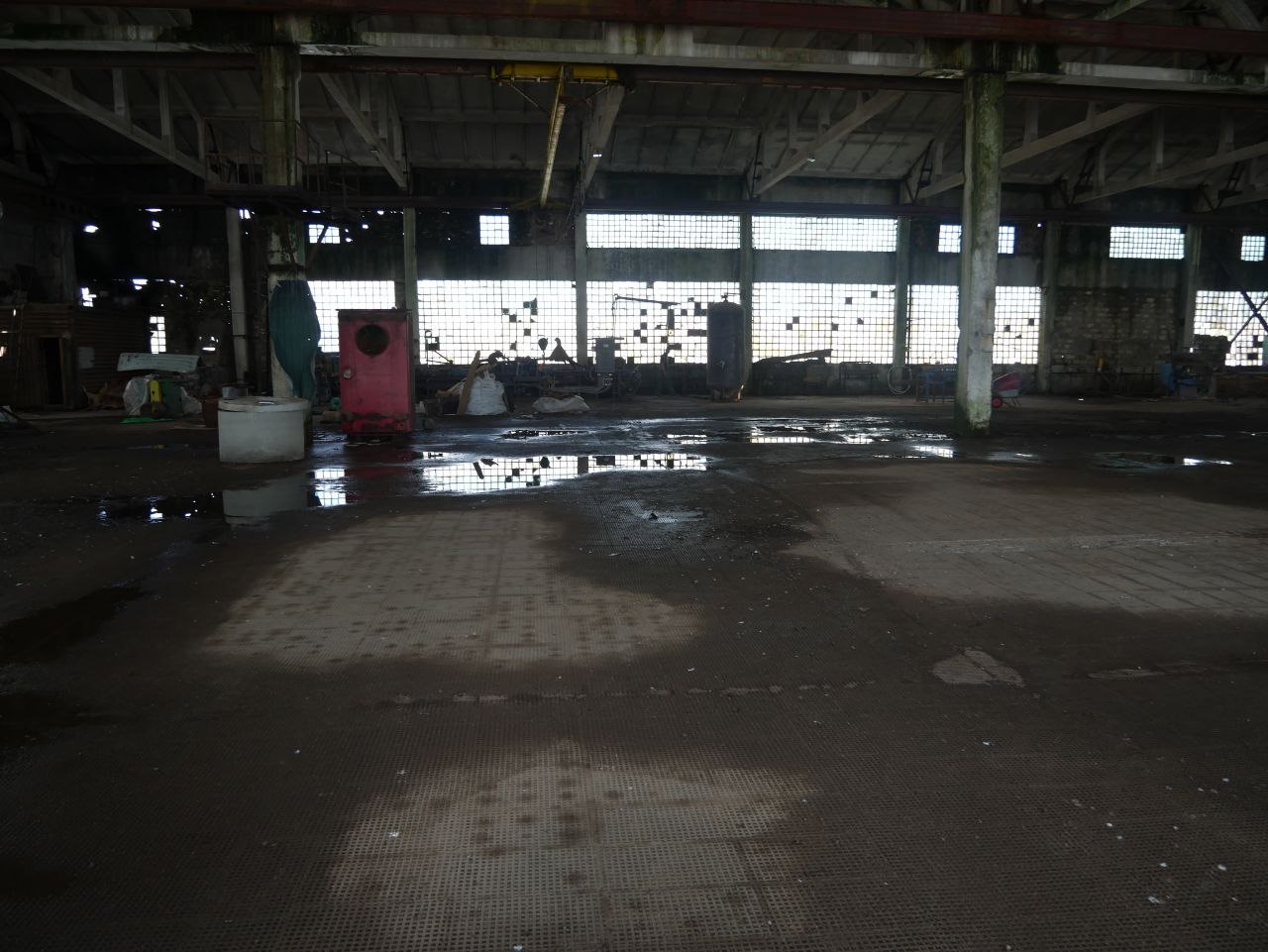
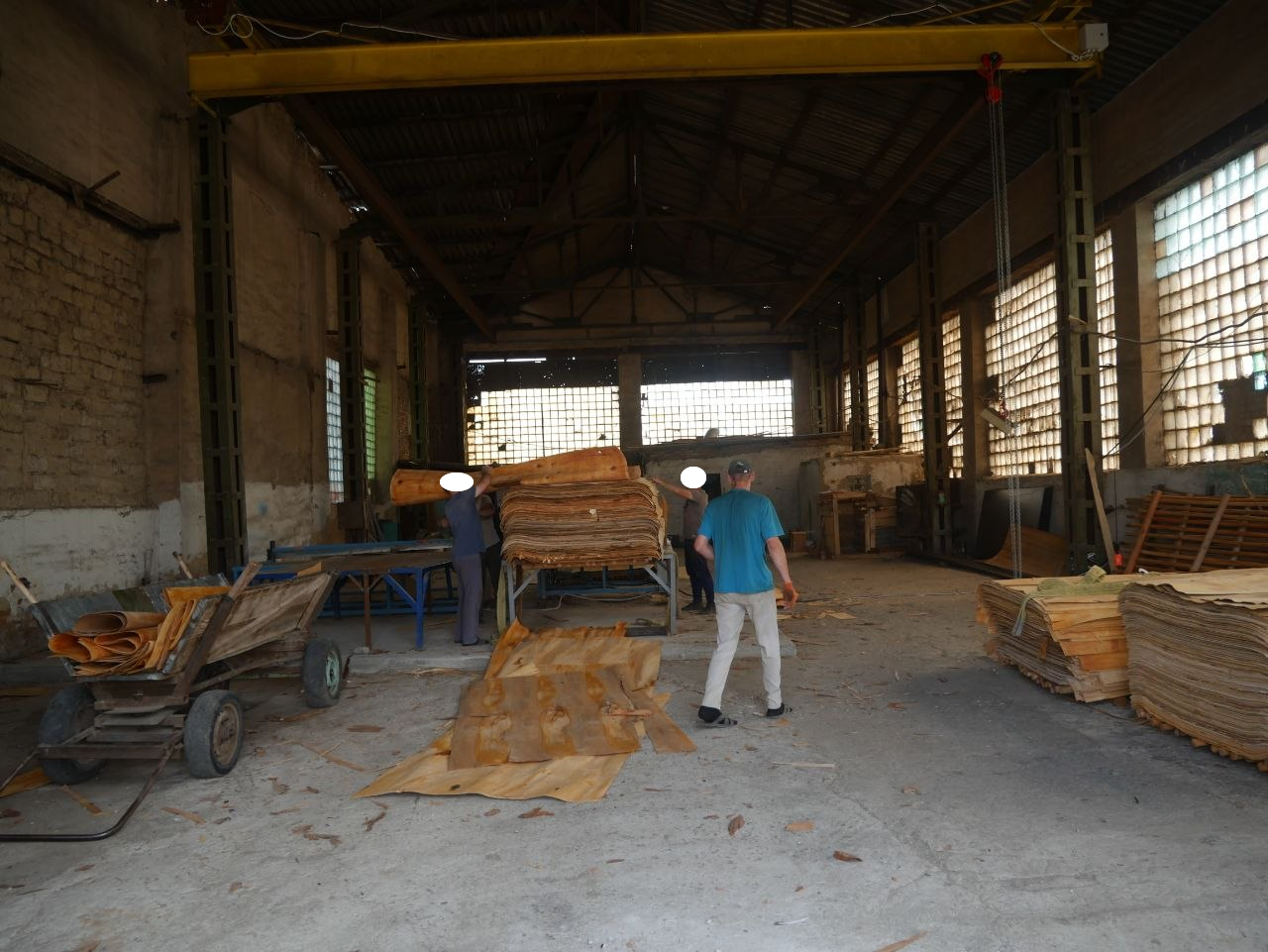
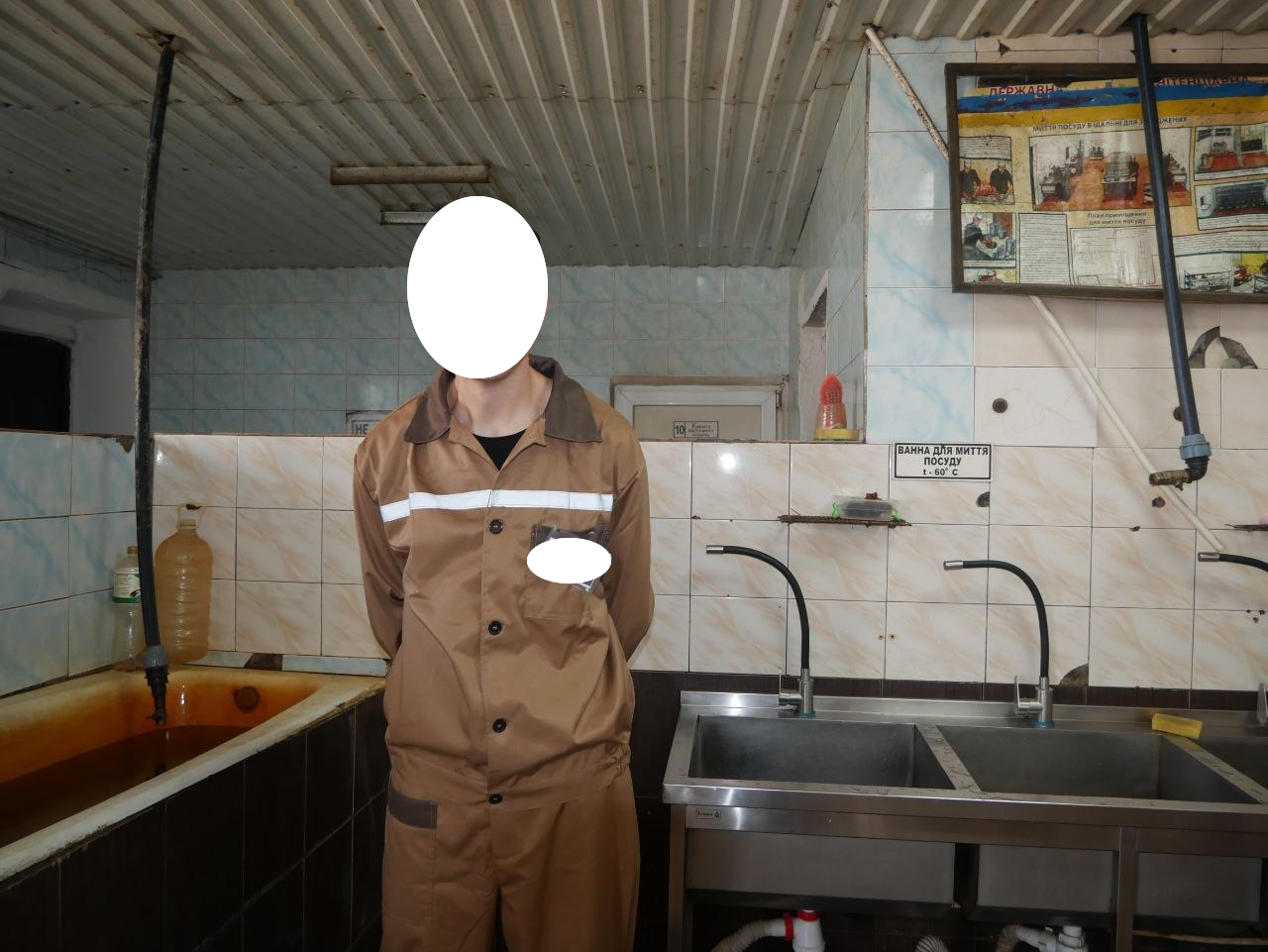
On the day of the monitoring visit, nine prisoners were working in workshop No. 2 of the branch enterprise, six in its joinery section, two in its engineering building, seven in workshop No. 1 of the branch enterprise, and four in the veneer-making workshop. Ten prisoners were engaged in work in the catering unit. In addition, prisoners’ labour was used for cleaning the living units and for servicing the institution’s sewerage and other utility networks.
The statistical data on the legal forms in which prisoners are engaged in work attracted particular attention. According to the information provided, 75 persons are recorded as working under employment contracts and a further 113 under fixed-term employment contracts. However, no separate figure is given in the statistical data for the number of prisoners engaged in work on the basis of civil-law contracts (hereinafter — CLCs), and, in response to the monitoring group’s request, the administration did not provide information on the total number of such persons.
At the same time, the primary documentation examined during the visit contains a considerable number of civil-law contracts with prisoners. The statistical data provided therefore do not allow a complete and unambiguous picture to be formed of the actual structure of prisoners’ employment by the legal form in which it is arranged. Furthermore, the distinction drawn in the statistics between persons working under “employment contracts” and persons working under “fixed-term employment contracts” requires clear methodological explanation, since a fixed-term employment contract is a type of employment contract. In the absence of a separate figure for CLCs, it is impossible properly to reconcile the statistical data with the primary documentation and to establish the actual number of prisoners engaged in work under each of the legal forms applied.
Under Article 118 of the Criminal Executive Code of Ukraine, persons sentenced to imprisonment have the right to work on a voluntary basis under a civil-law or employment contract. The law limits the possibility of engaging prisoners in unpaid work to a defined range of tasks relating to the upkeep of the colony and the adjacent territory, the improvement of prisoners’ living and domestic conditions, or ancillary work to supply the institution with food, which must be performed on a rota basis, outside working hours and within the duration established by law.
Analysis of the civil-law contracts provided revealed the systemic use of this form of arranging prisoners’ labour. At the same time, the actual nature of the work performed by some of the persons interviewed bears the hallmarks of a settled employment function: the same work is performed over a long period, at a defined workplace, on a systematic basis, under organisational supervision and in accordance with an established regime. The contracts examined themselves provide for the performance of defined work to the customer’s specification, the procedure for accepting and paying for it, and compliance with occupational safety requirements, and in some cases for the performance of work in accordance with a schedule approved by the administration.
In these circumstances, the legal classification of the relationship cannot be based solely on the title of the contract concluded. The long-term performance by one person of a permanent function, a defined place of work, the regularity of engagement and subordination to an established regime may indicate the hallmarks of an employment relationship. This is of fundamental importance, since guarantees relating to the duration of working time, rest, remuneration and social insurance depend on the proper legal formalisation of the relationship.
During the monitoring visit, the information obtained from individual prisoners was compared, person by person, with the payroll and other documentation provided. Thus, according to the information obtained, prisoner B. has been working for about two years, Ye. for about three years, and Sh. has been performing the work of a welder-fitter for more than a year; H. and Ya. work in the forge, Ya. having performed such work for about a year and a half. Ye. reported working on Saturdays and Sundays as well, and Ya. reported working on Saturdays.
The names of B., Ye., N., Sh., H. and Ya. were not found in the payroll records for May 2026 for the workshop and domestic maintenance that were provided to the monitoring group. However, since some of these persons work at the production facilities of the branch enterprise, their absence from these particular records is not in itself a sufficient basis for concluding that no payments were made. Nevertheless, the body of documentation provided to the monitoring group does not include individualised payroll documents of the branch enterprise that would make it possible to confirm, in respect of these persons, the remuneration accrued, its amount and its correspondence to the work actually performed.
The situation established in respect of prisoners who actually perform domestic maintenance work directly at the institution is of a different character. R. stated that he services the sewerage system daily and on some days works until 21:00. His name was not found in the payroll records for May 2026 that were examined. Accordingly, the payroll documents provided by the administration do not confirm that any remuneration was accrued to him for the work actually performed during the period examined.
A similar discrepancy between actual engagement in work and the payroll documentation was established in respect of H. and M. According to information obtained during confidential interviews, H. has for about a year performed cleaning work in SPS unit No. 8 and stated that he receives no payment for this work. M. has likewise in fact been engaged in work for about a year. Their names are absent from the payroll records examined, and no payroll documents confirming the accrual of remuneration to them for the said work were found among the documents provided. Nor do the documents provided confirm the individualised accrual of the USC in respect of these persons or, accordingly, the accrual of insurance records for the period during which they actually performed the work.
It was separately established that M. and H. in fact perform work in the engineering building. However, the monitoring group found no employment or civil-law contracts concluded with them among the documentation examined. Their names are likewise absent from the payroll records provided for the period examined. The documentation provided therefore confirms neither the proper legal formalisation of their engagement in work nor the accrual of remuneration for the work performed. Where such persons perform work systematically, this does not accord with the model of engaging prisoners in paid work established by Article 118 of the Criminal Executive Code of Ukraine.
Substantial shortcomings were established in the recording of hours actually worked. In particular, Ye. reported working on Saturdays and Sundays. Similar information about work on days off was received from other prisoners interviewed. Yet the register of the handover (receipt) of prisoners by production staff that was examined contains no entries recording attendance at work on certain Sundays. The working arrangements reported are therefore not fully reflected in the official records.
This discrepancy is of fundamental importance, since a reliable record of hours actually worked is a necessary precondition for monitoring compliance with the established duration of working time, the provision of weekly rest and the full payment of the work performed. Under Article 119 of the Criminal Executive Code of Ukraine, the duration of prisoners’ working time must not exceed the norm established by labour legislation. Where necessary, aggregated recording of working time may be applied, but its total duration over the accounting period may not exceed the established norm.
The problem emerges most clearly from an analysis of the organisation of work in the catering unit, where ten prisoners were working on the day of the visit. The information obtained during confidential interviews about systematic work without days off is consistent with other documentation examined. In particular, entries in the register of quality control of prepared food show the systematic involvement of prisoner F. in the preparation of breakfast, lunch and dinner. The register of medical examinations of catering unit workers likewise contains records of the daily medical examination of persons admitted to such work, including on days off. Taken together, this information confirms that the catering unit operates without interruption on every day of the week and that the individual work and rest schedules of the prisoners engaged there must be properly documented.

Prisoner K. stated that for about three months he has been working in the catering unit every day, without days off, from 07:00 to 20:00. His name appears in the information provided by the administration on persons engaged in domestic maintenance, but is absent from the payroll record for May 2026 for domestic maintenance that was examined. The administration’s documentation thus confirms his engagement in domestic maintenance, but the payroll documents provided do not confirm that any wages were accrued to him for the month examined.
If the arrangements reported by K. correspond to the actual circumstances, the duration of his presence at work amounts to some 13 hours a day. Combined with his report that he receives no weekly rest, this indicates a substantial risk that the established duration of working time is being exceeded. Yet the records examined do not reflect such working arrangements and therefore do not make it possible to verify the completeness of payment for the hours actually worked.
The situation of prisoner A. deserves separate attention. According to the information obtained, he works every day without days off serving dietary meals. His name appears in the payroll record for May 2026: UAH 2,450 was accrued, with UAH 441 withheld in personal income tax and UAH 122.50 in military levy. Thus, unlike in a number of the other cases examined, the accrual of income to him is reflected in the payroll documentation. However, during the monitoring visit it was learnt that A. is a stateless person and has neither a passport nor a TRN. In these circumstances, a legitimate question arises as to the mechanism by which he is properly identified when his work is formalised and by which the relevant tax and insurance payments are attributed to him. The documents provided to the monitoring group do not make it possible to establish under what identifying particulars his income is reflected in the relevant reporting, how the sums withheld are attributed to him, or whether the USC is accrued and paid in respect of him. Accordingly, the documents provided do not confirm the accrual of insurance records for A. for the period during which he actually worked.
This case clearly demonstrates that the mere fact that accrued remuneration is reflected in an internal payroll record and that deductions are made from it is not sufficient confirmation that a prisoner’s right to social insurance is being realised. That requires the proper individualised recording of the person, the basis of assessment and the USC paid in respect of him, since it is on this that the accrual of the corresponding insurance record depends.
The USC documents examined contain aggregate figures for the basis of assessment and the amounts of the unified contribution. However, the set of documents provided to the monitoring group does not contain sufficient individualised information to permit an end-to-end reconciliation for each individual prisoner along the following lines: “person — work actually performed — income accrued — USC assessment basis — USC amount — individualised record of insurance service”. For this reason, the documents provided do not make it possible to confirm the accrual of insurance records for B., Ye., N., Sh., R., H., Ya., H., M., M., H., K. and A.
Under Article 120 of the Criminal Executive Code of Ukraine, the labour of persons sentenced to imprisonment is remunerated according to its quantity and quality. The records examined for May 2026 contain extremely low amounts accrued to certain prisoners — from a few hundred to a few thousand hryvnias. A low amount accrued is not in itself sufficient proof of a violation if payment is determined by the volume of work actually performed. However, in the absence of complete and reliable records of working time and of proper reconciliation with the certificates of work performed and other primary documentation, it is impossible to establish whether these sums correspond to the actual quantity and quality of the work performed.
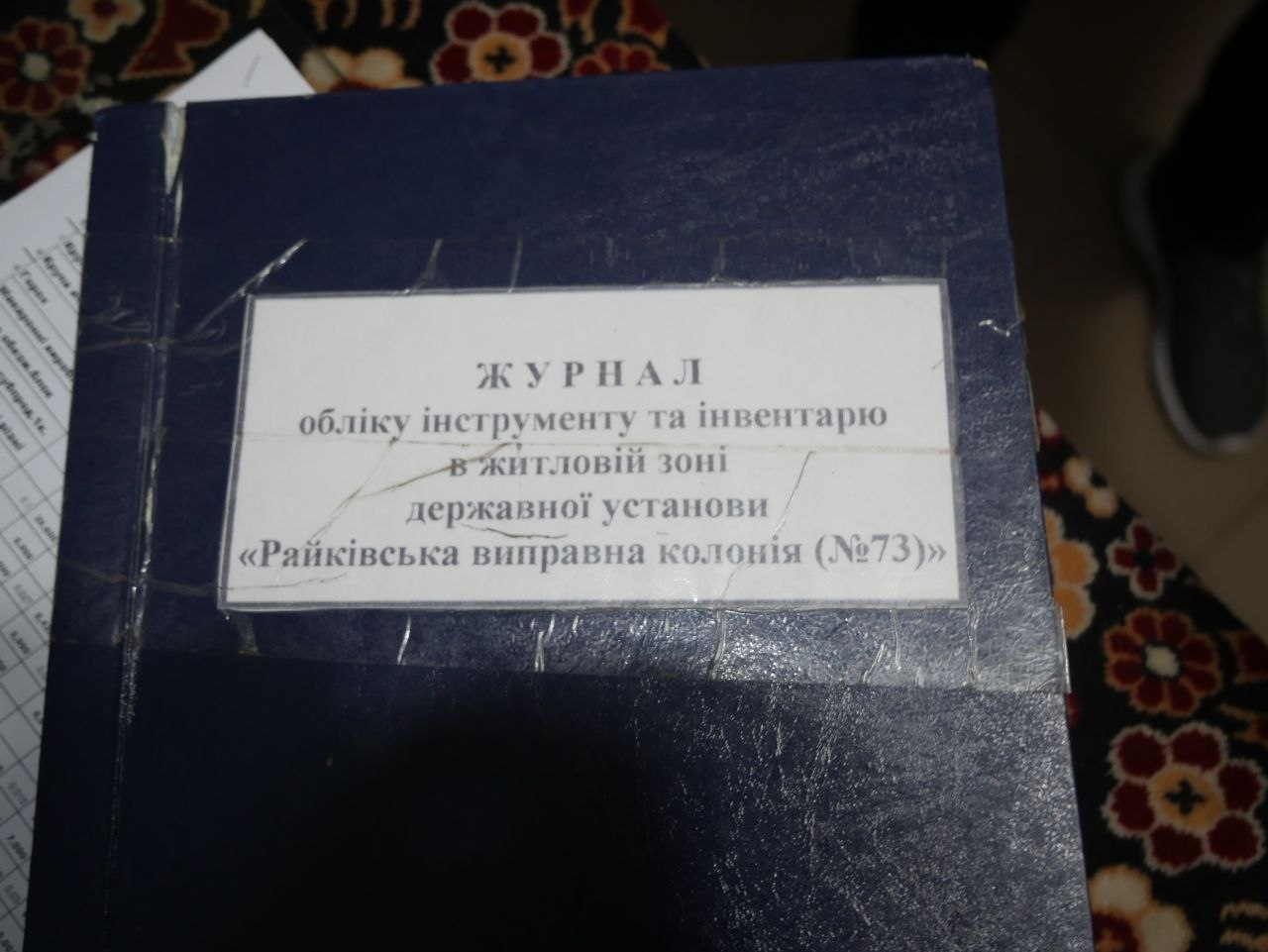
Additional shortcomings were identified in the maintenance of the register of the issue of sharp and cutting implements, in which the time of their issue is not recorded. In these circumstances it is impossible to establish precisely how long a given implement was in the possession of a particular prisoner or to reconcile this with the documented time at which the work was performed.
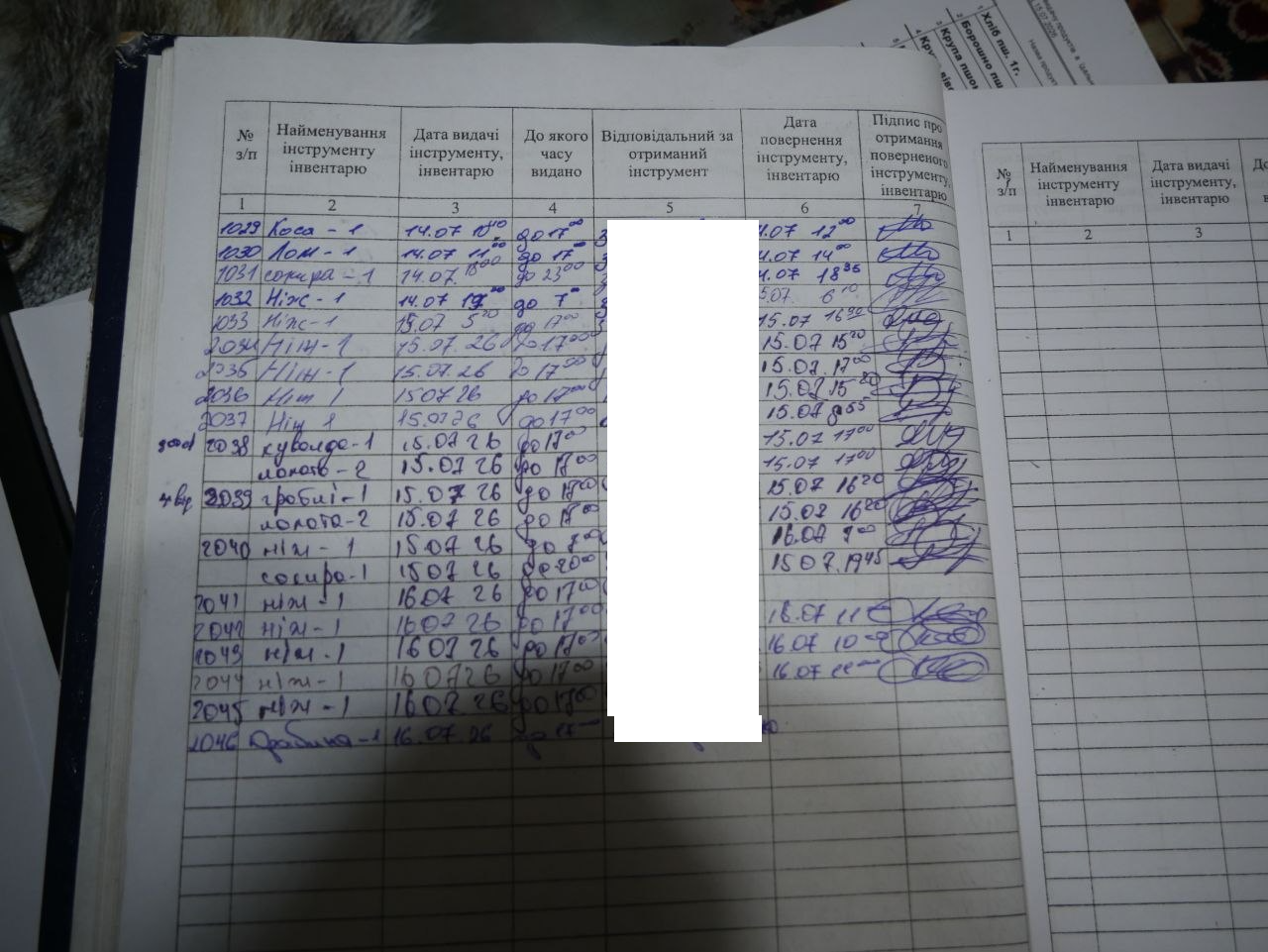
The comparison of statistical data, primary documentation and information obtained directly from prisoners thus revealed a complex of interrelated problems in the organisation and recording of their labour. These include the absence from the statistical reporting of complete information on the distribution of working prisoners by the legal forms in which they are actually engaged in work; the widespread use of CLCs alongside indications that permanent functions are performed on a long-term and systematic basis; cases in which work is in fact performed without any contract having been found; the absence of certain working persons from the payroll records provided; the discrepancy between reports of work on days off and the data in the register recording such work; reports of excessively long working days and of the absence of weekly rest; and the impossibility of tracing the individualised accrual of the USC and the accrual of insurance records for particular prisoners.
The discrepancies identified do not allow the problem to be regarded merely as a set of isolated record-keeping shortcomings. What is at issue is the insufficient transparency and traceability of the entire mechanism by which prisoners’ labour is used — from the determination of the legal basis on which a particular person is admitted to work, the place and nature of the function performed, and the actual days and hours worked, through to the determination of the amount of remuneration, its payment, the making of mandatory payments, the individualised accrual of the USC and the accrual of insurance records. In these circumstances there is a systemic risk that the work actually performed by certain prisoners is not accompanied by the full set of labour and social guarantees provided for by law.
In view of this, the organisation of prisoners’ labour needs to be brought into line with a model under which, in respect of every working person, there is a continuous and documented link between the legal basis for engagement in work, the work actually performed, working time, the remuneration accrued and paid, mandatory payments and the acquisition of rights in the field of social insurance. Only where such a system exists is it possible to ensure genuine rather than formal compliance with the guarantees provided for by Articles 118–120 of the Criminal Executive Code of Ukraine and by legislation on labour and on compulsory state social insurance.
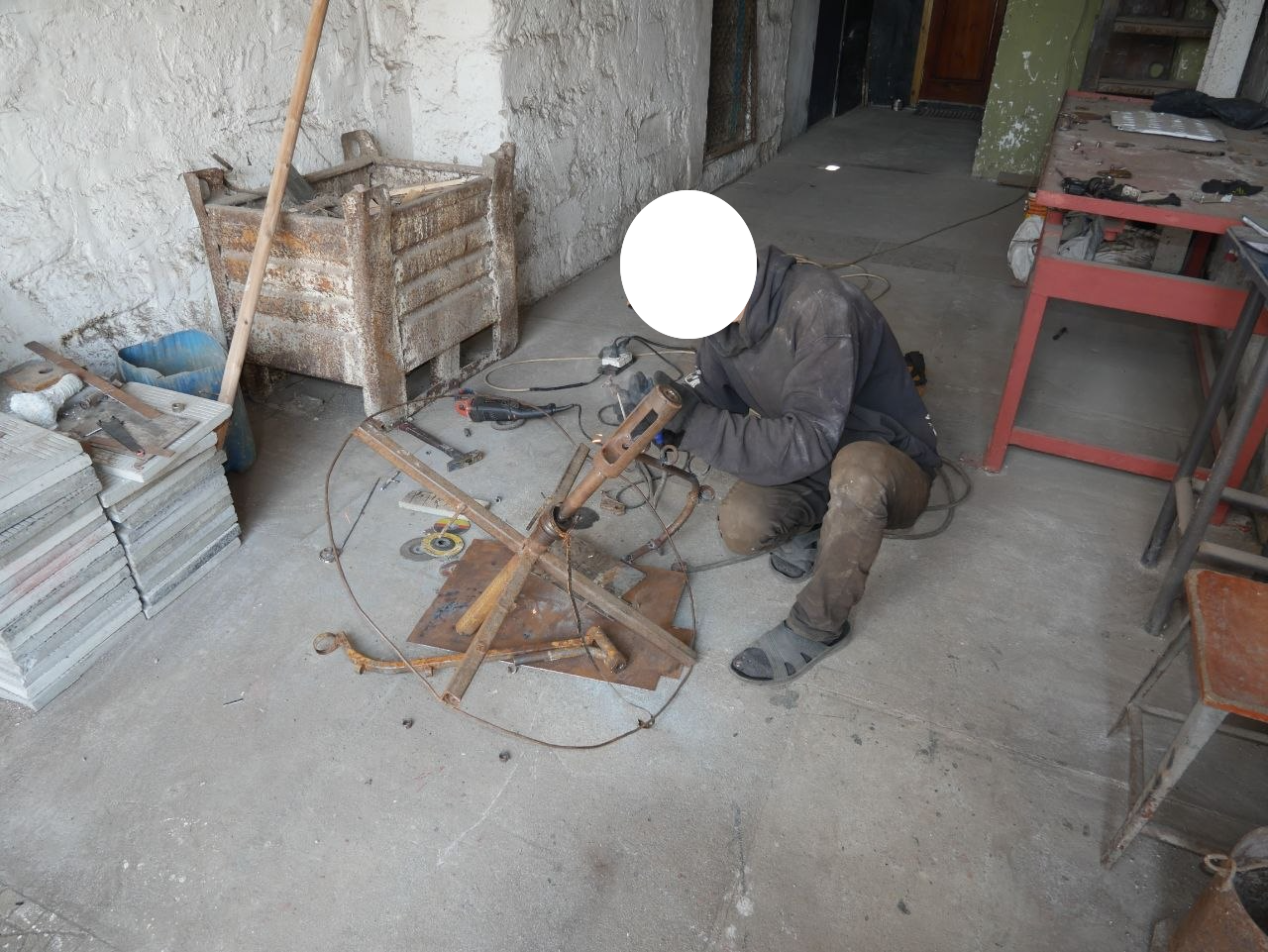
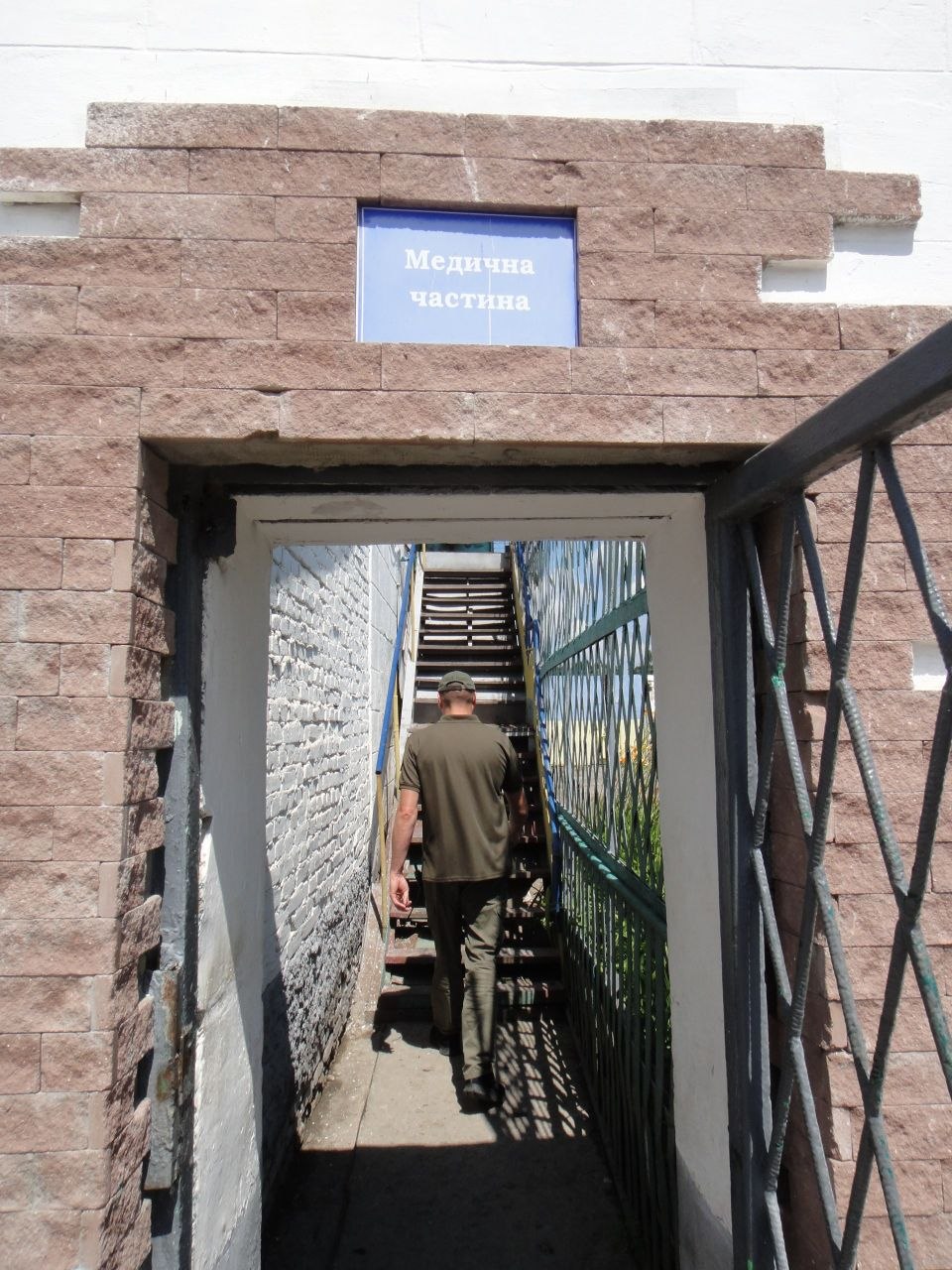
Medical Unit No. 73 of the Zhytomyr Regional Branch of the State Institution “Healthcare Centre of the State Criminal Executive Service of Ukraine”
The head of Medical Unit No. 73 of the Zhytomyr regional branch of the State Institution “Healthcare Centre of the State Criminal Executive Service of Ukraine” (hereinafter — the medical unit) is Viacheslav Mykolaiovych Sirosh.
At the time of the visit, the following posts remained unfilled: general physician — 1 established post; clinical psychologist — 1 established post; psychiatrist — 0.5 of an established post.
Two persons were receiving in-patient treatment.
During the monitoring visit, the monitoring group examined the medical records, inspected the premises of the medical unit and conducted individual interviews (surveys) with prisoners, as a result of which shortcomings in the organisation of medical provision were established that result in breaches of these persons’ rights:
1. Under Rule 39.3 of the United Nations Standard Minimum Rules for the Treatment of Prisoners (the Nelson Mandela Rules), before imposing a disciplinary sanction the administration of a penal institution is obliged to ascertain whether a mental illness or developmental disability of the prisoner may have contributed to his or her conduct and to the infringement that gave rise to the sanction. The administration must not impose disciplinary sanctions for conduct that is the direct result of a prisoner’s mental disorder or intellectual disability.
Under Rule 45.2 of the United Nations Standard Minimum Rules for the Treatment of Prisoners (the Nelson Mandela Rules), the imposition of solitary confinement is prohibited in the case of prisoners with mental or physical disabilities where such measures would exacerbate their condition.
Nevertheless, during the visit to the cell-type premises (hereinafter — PKT), a prisoner was found who was being held in conditions of solitary confinement and who has a diagnosed mental disorder. According to the entries in the register of prisoners placed in the disciplinary isolation unit (hereinafter — DIZO), the prisoner served a disciplinary sanction in DIZO from 29 May 2026 to 12 June 2026, after which, on 12 June 2026, he was placed in PKT for a period of two months for an act of self-harm. Accordingly, as at the day of the monitoring visit, the actual period of his uninterrupted solitary confinement exceeded two months.
An examination of the medical records established that the prisoner was last examined by a psychiatrist on 15 November 2025. As at 16 July 2026, no further examination by a psychiatrist had been carried out. Yet, according to the entries in the Register of Bodily Injuries, after that examination the prisoner twice engaged in acts of self-harm, which may have indicated a need for a further psychiatric examination, an assessment of his mental state and a decision on the provision of specialised psychiatric care to him.
Taken together, these circumstances — in particular the prolonged solitary confinement of a person with a mental disorder, the absence of proper psychiatric supervision following repeated acts of self-harm, and the failure to provide specialised psychiatric care — may indicate cruel, inhuman or degrading treatment or punishment of the prisoner within the meaning of Article 3 of the Convention for the Protection of Human Rights and Fundamental Freedoms.
At the same time, under paragraph 43 of the Third General Report of the European Committee for the Prevention of Torture and Inhuman or Degrading Treatment or Punishment (hereinafter — the Committee), persons with mental disorders should be held and treated in a properly equipped and adequately staffed medical facility. Such a facility may be a civil psychiatric hospital or a specialised psychiatric unit within the penitentiary system.
Under paragraph 44 of the Committee’s Third General Report, the treatment of a mentally unstable and aggressive patient must be carried out under constant medical supervision, with the provision of appropriate care and, where necessary, with the use of medication (CPT/Inf (93) 12-part).
Attention must also be drawn to the virtually uninterrupted isolation of the prisoner from other prisoners through his placement in DIZO and his subsequent transfer to PKT for a total period exceeding two months. In this connection, the Committee stresses that the prolonged holding of persons with mental disorders in conditions of solitary confinement may indicate a failure to provide them with appropriate medical care. Where there are relevant medical indications, such persons should be transferred to specialised medical facilities (paragraph 96 of report CPT/Inf (2011) 29).
2. Under paragraphs 2 and 3 of Chapter III of Section II of the Procedure for Organising the Provision of Medical Care to Persons Sentenced to Imprisonment, approved by joint Order of the Ministry of Justice of Ukraine and the Ministry of Health of Ukraine No. 1348/5/572 of 15 August 2014 (hereinafter — the Procedure), a general physician (or a general practitioner — family doctor), a psychiatrist and a dentist must take part in preventive medical examinations.
Yet the post of psychiatrist at the medical unit is vacant, which indicates that initial and preventive medical examinations are incomplete, with the result that prisoners and remand detainees do not receive appropriate medical care.
The foregoing does not comply with paragraph 38 of the Committee’s recommendations (CPT/Inf (93) 12-part), under which medical services in places of deprivation of liberty must be able to provide medical care and treatment, as well as an appropriate diet, physiotherapy, rehabilitation or any other special care, at a level equivalent to that offered to patients in civil medical establishments. Provision must be made for medical, ancillary medical and technical staff, as well as for appropriate premises, facilities and equipment.
3. The post of clinical psychologist on the medical unit’s establishment is vacant, which hampers the timely and effective provision of mental health care to prisoners. In its report following its 2023 visit to Ukraine, the Committee recommends further strengthening the provision of psychological care in institutions and developing the training and role of prison psychologists, particularly as regards therapeutic clinical work with prisoners. In this connection, efforts must be made to recruit clinically trained psychologists, who should form part of the medical team and who should not combine two different roles in their work, namely risk assessment and therapeutic clinical work (CPT/Inf (2024) 20, paragraph 85).
4. In breach of paragraph 8 of Chapter 5 of Section 2 of the Procedure, the in-patient facility of the medical unit has no properly equipped isolation room for persons with mental disorders who pose a danger to others.
5. The monitoring group established cases in which the psychiatrist conducts psychiatric examinations of patients without duly completing written informed consent. In particular, contrary to the requirements of the Instruction on Completing Primary Record Form No. 003-7/o “Informed Consent of a Person to a Psychiatric Examination”, approved by Order of the Ministry of Health of Ukraine No. 970 of 15 September 2016, it was established that the medical records, in particular the outpatient medical card of form No. 025/o, contain no patient-signed informed consent to a psychiatric examination.
6. During the visit, the monitoring group established that, for five of the eight patients receiving in-patient treatment at the medical unit, primary record form No. 003/o “In-patient Medical Card”, approved by Order of the Ministry of Health of Ukraine No. 110 of 14 February 2012, had not been completed. All data concerning treatment and diagnosis in the in-patient facility, including the results of the prisoner’s examinations and the prescription sheet, must be entered in that form. This breaches the requirements of paragraph 5 of Chapter 5 of Section II of the Procedure for Organising the Provision of Medical Care to Persons Sentenced to Imprisonment, approved by Order of the Ministry of Justice of Ukraine and the Ministry of Health of Ukraine No. 1348/5/572 of 15 August 2014 (hereinafter — the Procedure).
7. In breach of the requirements of the Instruction on Completing Primary Record Form No. 003-6/o “Informed Voluntary Consent of a Patient to Diagnosis and Treatment, to an Operation and Anaesthesia, and to the Presence or Participation of Participants in the Educational Process”, approved by Order of the Ministry of Health of Ukraine No. 110 of 14 February 2012, it was established that five patients in the in-patient facility of the medical unit had no signed informed voluntary consent to diagnosis and treatment.
This may indicate the absence of patients’ voluntary consent to the application to them of methods of diagnosis, prevention and treatment, which is in breach of Article 43 of the Law of Ukraine “Fundamentals of the Legislation of Ukraine on Healthcare” and of paragraph 47 of the Committee’s recommendations (CPT/Inf (93) 12-part).
8. The medical unit does not provide opioid substitution therapy (hereinafter — OST) for persons with mental and behavioural disorders resulting from opioid use in accordance with the Procedure for Providing Opioid Substitution Therapy to Persons with Mental and Behavioural Disorders Resulting from Opioid Use, approved by Order of the Ministry of Health of Ukraine No. 200 of 27 March 2012.
Persons with drug dependence are not provided with social and psychological support, cognitive behavioural therapy (CBT), relapse prevention, motivational interviewing, mutual support groups or similar services.
These persons are thus deprived of the opportunity to receive OST, which breaches their right to choose methods of treatment under Article 38 of the Law of Ukraine “Fundamentals of the Legislation of Ukraine on Healthcare”.
In its report following its 2023 visit to Ukraine, the Committee notes that admission to a penal institution is an opportunity to address a drug-related problem, and it is therefore important that appropriate assistance be offered to all those concerned; accordingly, appropriate medical services should be available in all institutions. The assistance offered to such persons should be varied; substitution therapy programmes for persons with drug dependence should be combined with genuine psychosocial and educational programmes for persons with opioid dependence who are unable to stop using drugs. In addition, access to OST programmes in institutions should be straightforward, and they should also be managed by prison doctors, who should receive specialised training in drug-related matters (CPT/Inf (2024) 20, paragraph 86).
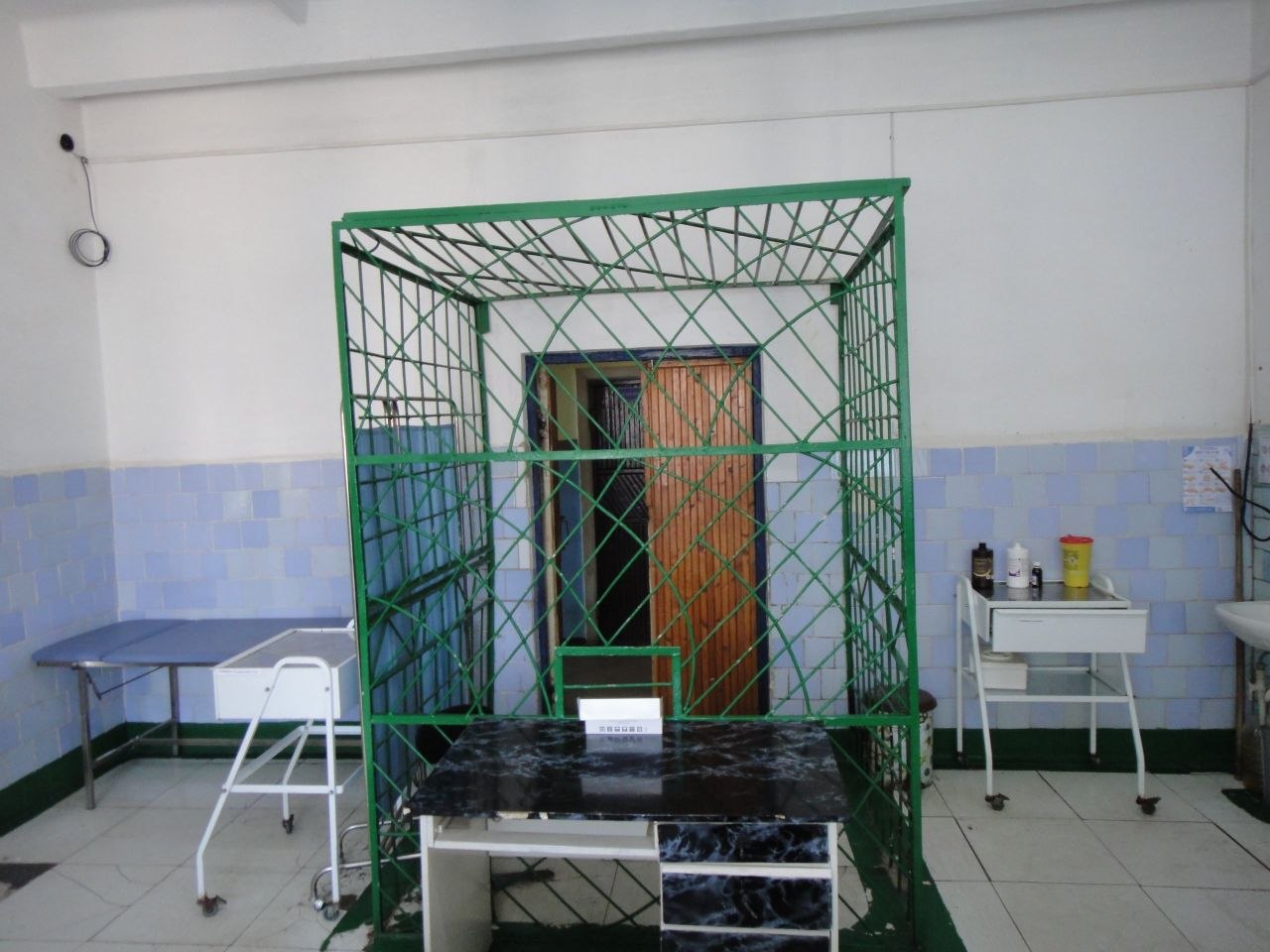
9. During the visit to the institution’s medical unit, the monitoring group found a metal cage in the treatment room, which is used to ensure the safety of medical staff when working with prisoners and remand detainees.
It should be noted that, in its report on its 2020 visit to Ukraine, the European Committee for the Prevention of Torture and Inhuman or Degrading Treatment or Punishment (hereinafter — the Committee) expressed concern about the practice of installing cages or metal enclosures in medical rooms, in which detainees were routinely held during medical consultations or procedures, in particular for the administration of injections. The Committee stressed that, while the use of additional security measures may be justified in isolated cases, the systematic practice of placing detainees in cages while they receive medical care grossly violates human dignity, impedes the formation of a relationship of trust between patient and doctor, and may hinder the objectivity of medical findings. The Committee strongly recommends that the Ukrainian authorities immediately dismantle cages and barred structures in the medical units of institutions and discontinue this practice entirely in all penal establishments (CPT/Inf (2020) 40, paragraph 60).
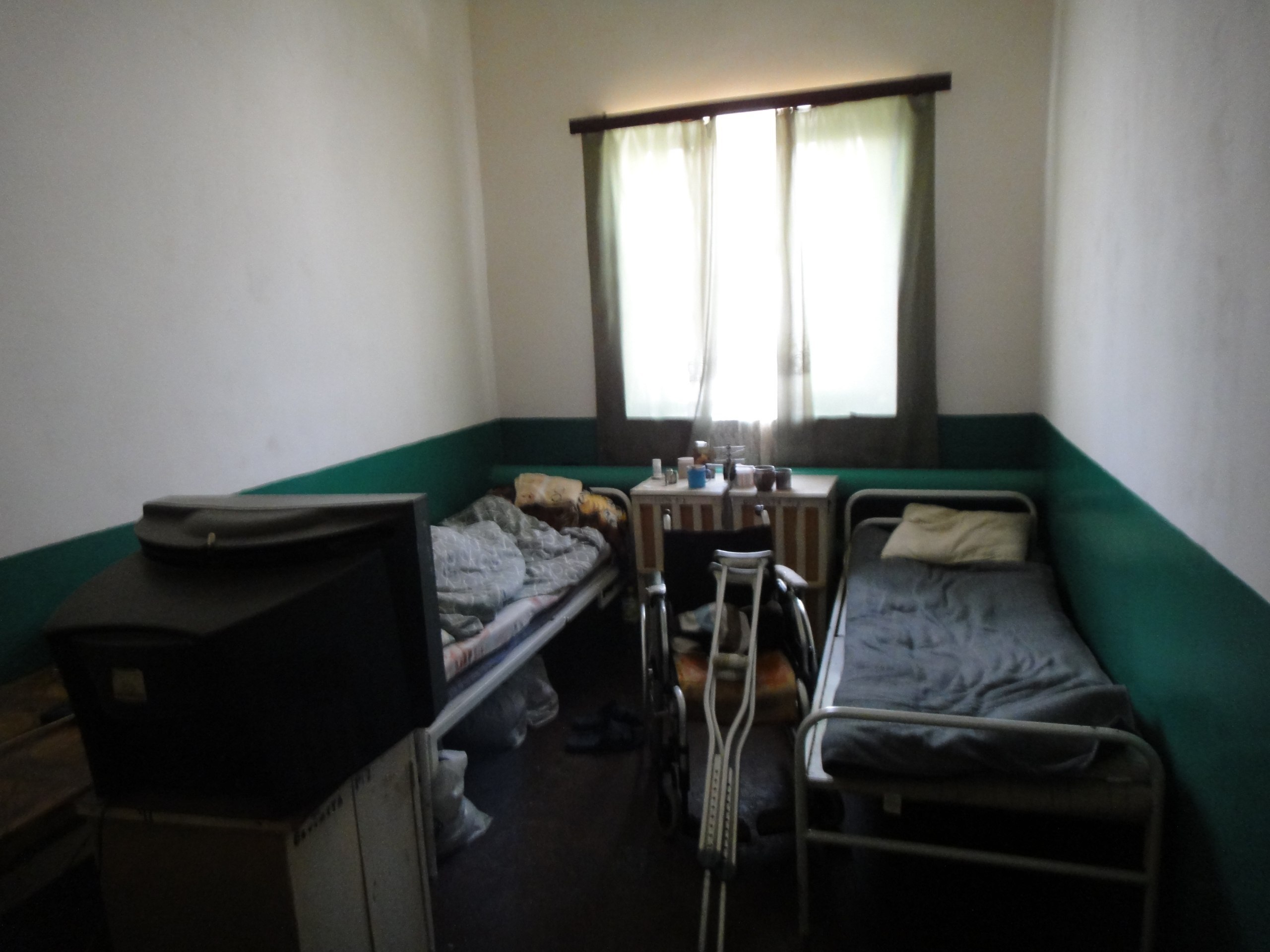
10. Two isolation rooms for infectious patients are provided in the in-patient facility of the medical unit. However, these premises do not comply with sanitary and hygiene norms or with the requirements of State Building Norms V.2.2-10:2022 “Healthcare Establishments. Basic Provisions”. Thus, the wards intended for holding such patients are not fitted with shower cubicles, which obliges infectious patients to use shared sanitary facilities together with other persons receiving treatment in the in-patient facility of the medical unit. The absence of appropriate conditions makes the effective isolation of patients impossible, contributes to the spread of infectious diseases and poses a threat to the health of both prisoners and medical staff.
11. In breach of the requirements of the Standards of Medical Care for Viral Hepatitis C in Adults, approved by Order of the Ministry of Health of Ukraine No. 1178 of 23 July 2025, not all persons suspected of having viral hepatitis C (16 persons as at 16 July 2026) undergo PCR testing, with the result that they do not receive the necessary treatment, which may lead to a deterioration in their health and to the spread of that infectious disease among prisoners and remand detainees. In addition, on the day of the visit the medical unit’s pharmacy had no medicines for the treatment of viral hepatitis C.
12. Sixteen persons with disabilities are under out-patient monitoring. Of these, none has a Group I disability, three have a Group II disability and 13 have a Group III disability. However, in breach of the requirements of the Law of Ukraine “On the Rehabilitation of Persons with Disabilities in Ukraine”, persons with disabilities do not receive appropriate diagnostic, treatment and rehabilitation measures where there is information confirming a persistent impairment of bodily functions caused by illness or by the consequences of injuries that restrict normal daily functioning.
An examination of prisoners’ medical records established that three persons with disabilities have no individual rehabilitation programme (hereinafter — IRP). Moreover, the recommendations of the IRP are not implemented, with the result that they do not receive appropriate diagnostic, treatment and rehabilitation measures where there is information confirming a persistent impairment of bodily functions caused by illness or by the consequences of injuries that restrict normal daily functioning.
13. In breach of the requirements of State Building Norms of Ukraine V.2.2-40:2018 “Inclusiveness of Buildings and Structures. Basic Provisions”, no conditions have been created at the medical unit for holding persons with disabilities.
14. In breach of paragraph 37 of Resolution of the Cabinet of Ministers of Ukraine No. 285 of 2 March 2016 “On Approving the Licensing Conditions for Carrying Out Economic Activity in Medical Practice”, the medical unit has no certificate confirming unimpeded access to the buildings and premises of the medical establishment for persons with reduced mobility, which it is obliged to obtain.
15. In breach of the requirements of the Schedule of Equipment for a Dentist’s and Dental Technician’s Workplace, approved by Order of the Ministry of Health of Ukraine No. 158 of 11 April 2005, the medical unit has no dental X-ray apparatus, which makes in-depth dental examination of prisoners impossible and fails to ensure the timely provision of appropriate dental care.
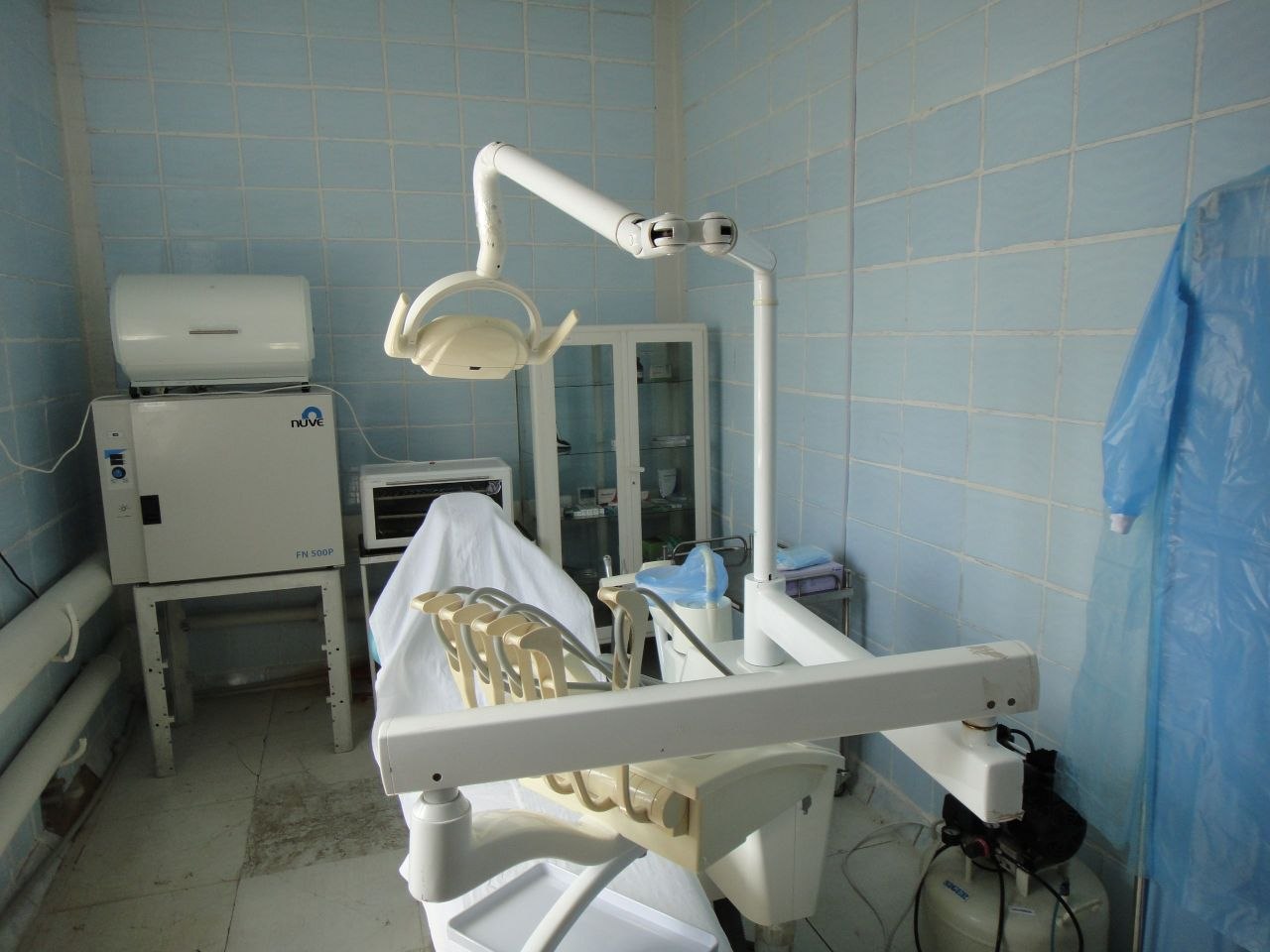
16. In breach of the Procedure for Organising Medical Care at the Primary, Secondary (Specialised) and Tertiary (Highly Specialised) Levels Using Telemedicine, approved by Order of the Ministry of Health of Ukraine No. 681 of 19 October 2015, technical limitations prevent the staff of the medical unit from submitting requests for telemedicine consultations and obtaining specialist assistance in providing medical services to prisoners.
17. In breach of the requirements of the Standards for the Provision of Bedding, Special Clothing and Special Footwear (Inventory Property) for Prisoners Undergoing Treatment in Medical and Preventive Establishments, Establishments with the Status of Medical Facilities and Medical Units at Penal Institutions and Remand Centres, approved by Order of the Ministry of Justice of Ukraine No. 280/5 of 20 February 2012, prisoners do not receive hospital issue (hospital suit, gown and slippers) upon admission. Prisoners remain in the in-patient facility in their everyday clothing, sometimes with their own bed linen.
18. The doctors’ room and the X-ray room are not provided with fire extinguishers, which breaches the requirements of paragraph 3.6 of Chapter 3 of Section V of the Rules and of paragraph 10.18 of Chapter 10 of the State Sanitary Rules and Norms “Hygiene Requirements for the Installation and Operation of X-ray Rooms and the Conduct of X-ray Procedures”, approved by Order of the Ministry of Health of Ukraine No. 294 of 4 June 2007 and registered with the Ministry of Justice of Ukraine on 7 November 2007 under No. 1256/14523.
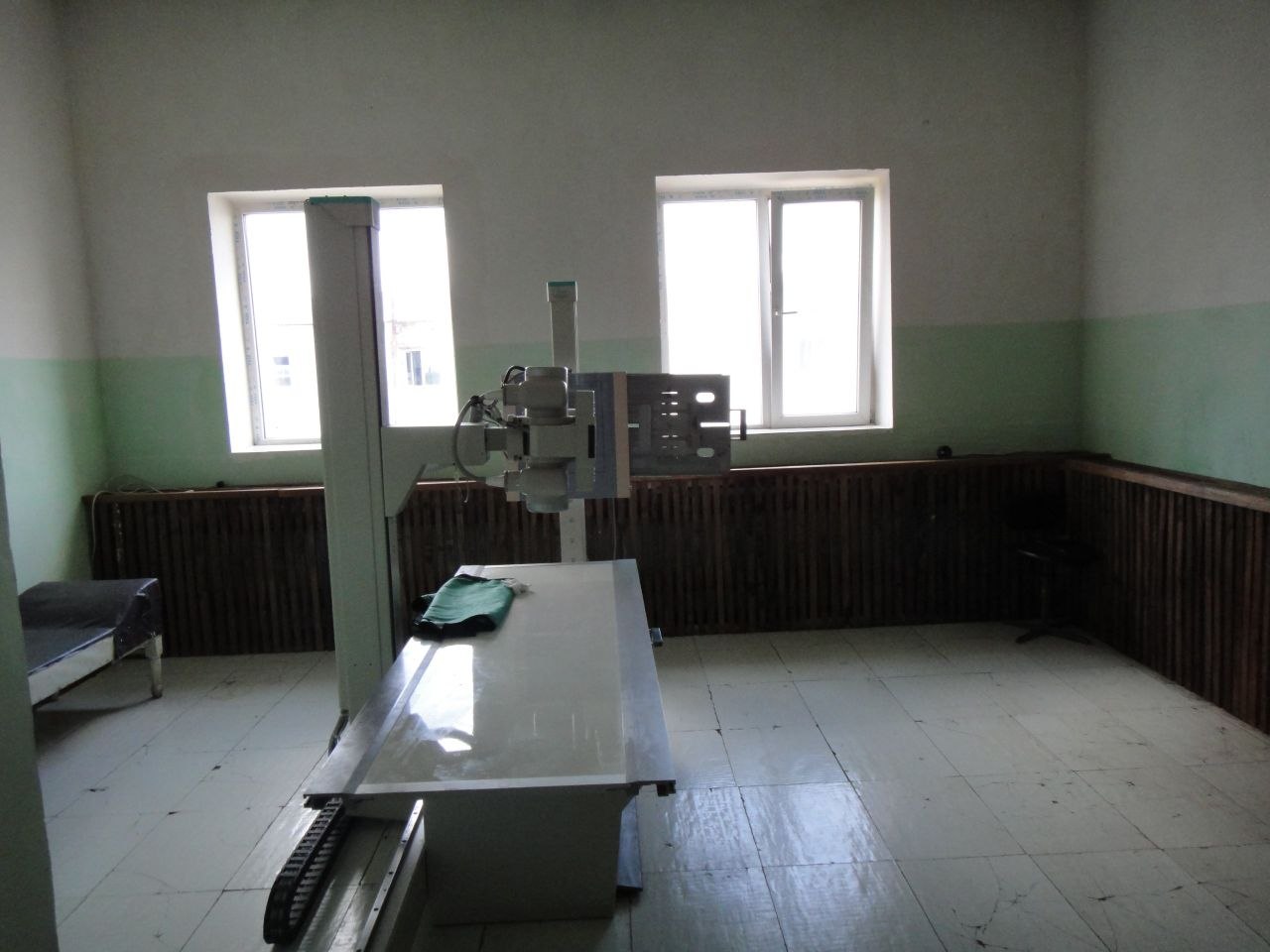
19. In breach of the Fire Safety Rules, the premises of the medical unit are not equipped with fire-extinguishing or fire alarm systems.
Recommendations
1. Discontinue the practice of prolonged solitary confinement of persons with mental disorders where such isolation may lead to a deterioration in their mental state; ensure that such persons undergo timely psychiatric examination and, where there are medical indications, that they are referred to specialised healthcare establishments.
2. Ensure an adequate level of natural light in the cells of DIZO and PKT and take steps to remove structural obstacles that substantially restrict access to natural light.
3. Ensure that prisoners are invariably given copies of decisions imposing disciplinary sanctions, with an explanation of the procedure for appealing against them and of the right to legal assistance.
4. Discontinue the display on cell doors of information about the nature or circumstances of the offences of which persons have been convicted, and ensure the mandatory participation of a psychologist and a proper psychological examination of prisoners when deciding on the imposition of disciplinary sanctions.
5. Repair and properly equip the exercise yards of DIZO and PKT, ensuring sufficient space and conditions for full physical activity by prisoners.
6. Bring the material and domestic provision of the QDD unit into line with the established standards, in particular by fitting out the domestic and storage premises required by law.
7. Ensure in the QDD unit the statutory norm of living space of not less than 4 m² per prisoner, bring the number of sleeping places into line with the actual capacity of the premises and ensure adequate personal space.
8. Fit sanitary facilities and shower rooms with partitions or other means affording a sufficient level of privacy during sanitary and hygiene procedures.
9. Display in the QDD unit the information required by the Internal Regulations on how to apply to state bodies, the interregional directorate and the Commission for the Examination of Complaints about Inadequate Conditions of Detention.
10. Ensure the operation of the enhanced-control unit required by law.
11. Ensure that the institution’s shop stocks the full range of goods provided for by Annex 5 to the Internal Regulations.
12. Provide the institution’s library with up-to-date texts of the legal instruments required by the Internal Regulations, including the current version of the Criminal Executive Code of Ukraine.
13. Return the disinfection chamber to service and ensure the proper disinfection and disinfestation of prisoners’ clothing, bed linen and bedding.
14. Ensure that prisoners, including those held in DIZO, are able to wash with the proper frequency, and that all newly arrived prisoners undergo full sanitary processing.
15. Fit the laundry with a lavatory, a shower and a staff room in accordance with the established regulatory requirements.
16. Carry out repeat laboratory testing of the drinking water, including at the points where prisoners actually consume it, and check the technical condition of the institution’s internal water mains in view of the recorded change in the colour of the water.
17. Discontinue the practice of the open carrying of special means by staff who are in direct contact with prisoners, except where this is objectively warranted by a specific security situation.
18. Ensure that short-term visits are, as a rule, held in open conditions; apply the closed format only on the basis of an individual risk assessment and a duly reasoned decision.
19. Step up work on obtaining and renewing prisoners’ passports, TRNs and other documents necessary for the realisation of their social rights and for proper preparation for release.
20. Take organisational and staffing measures to reduce the existing staffing shortfall and to ensure a sufficient presence of staff in the places where prisoners are held.
21. Remedy the shortcomings identified in the organisation of social-educational and psychological work: ensure the timely conduct of initial psychological examinations and risk assessments, the drawing up of individual social-educational work programmes, the conduct of individual interviews and the proper documentation of the measures carried out.
22. Strengthen internal supervision of the work of the SPS units by ensuring that individual work diaries are checked systematically by the responsible officials and that the shortcomings identified are remedied in good time.
23. Carry out a comprehensive review of the legal grounds on which prisoners are engaged in work, in particular whether the civil-law form of arrangement corresponds to the actual nature of the work they perform, and prevent the actual performance of permanent employment functions without proper legal formalisation.
24. Carry out an individual review in respect of those prisoners for whom discrepancies between the work actually performed and the accounting records were established during the monitoring visit, examining the legal grounds for their work, the period of work, the hours actually worked, the remuneration accrued and paid, and the individualised payment of the USC and accrual of insurance records.
25. Ensure reliable daily recording of the hours actually worked by each prisoner, including work on days off, and bring the registers, timesheets and work schedules into line with prisoners’ actual employment.
26. Ensure compliance with the established duration of working time, the right to weekly rest, the restrictions on overtime work and the statutory procedure for paying or compensating work on days off; carry out a separate review of the organisation of prisoners’ work in the catering unit.
27. Ensure the accrual and payment of remuneration for all paid work actually performed by prisoners and prevent the use of unpaid labour beyond the cases and limits expressly provided for by law.
28. Ensure the individualised accrual and payment of the USC in respect of prisoners in the cases provided for by law, and ensure that the accrual of their insurance records can be documented.
29. Ensure the proper maintenance of the register of the issue of sharp and cutting implements, with mandatory recording of the time of their issue and return, which will make it possible to establish how long a given item was in the possession of a particular person and to exercise proper control over its use.
30. Take measures aimed at remedying the human rights violations identified and at preventing cruel, inhuman or degrading treatment or punishment at Medical Unit No. 73 of the Zhytomyr regional branch of the State Institution “Healthcare Centre of the State Criminal Executive Service of Ukraine”.
31. Ensure supervision of the proper maintenance of medical records in accordance with the Procedure for Organising the Provision of Medical Care to Persons Sentenced to Imprisonment, approved by joint Order of the Ministry of Justice of Ukraine and the Ministry of Health of Ukraine No. 1348/5/572 of 15 August 2014, and with other legal instruments.
32. Staff the medical unit with specialist doctors according to need.
33. Ensure the timely psychiatric examination of persons with mental disorders, the provision of appropriate specialised psychiatric care and, where there are medical indications, their transfer to specialised medical facilities, avoiding their prolonged solitary confinement.
34. Ensure that an isolation room for persons with mental and behavioural disorders is equipped in accordance with the requirements.
35. Ensure that form No. 003/o “In-patient Medical Card” is maintained for all patients receiving in-patient treatment, in accordance with the requirements of the Procedure.
36. Ensure that patients’ informed consent to examination and treatment is obtained in the prescribed form.
37. Ensure that opioid substitution therapy can be obtained on the basis of a diagnosis of mental and behavioural disorders resulting from opioid use.
38. Dismantle the metal cage in the institution’s medical unit and bring conditions of detention into line with the recommendations of the European Committee for the Prevention of Torture, ensuring the dignified treatment of detainees.
39. Bring the isolation rooms for infectious patients into line with the requirements of State Building Norms of Ukraine V.2.2-10:2022 “Healthcare Establishments” by providing them with separate shower cubicles and the sanitary and domestic conditions necessary for the effective isolation of patients and for compliance with the anti-epidemic regime.
40. Ensure that all persons suspected of having HCV are given access to PCR testing as soon as possible, and arrange the necessary antiviral treatment for persons with a confirmed diagnosis.
41. Ensure that individual rehabilitation is provided to those who need it.
42. Ensure the accessibility of the institution’s buildings in accordance with State Building Norms of Ukraine V.2.2-40:2018 “Inclusiveness of Buildings and Structures. Basic Provisions”.
43. Comply with the requirements of paragraph 37 of Resolution of the Cabinet of Ministers of Ukraine No. 285 of 2 March 2016 “On Approving the Licensing Conditions for Carrying Out Economic Activity in Medical Practice”.
44. Provide the medical unit with a dental X-ray apparatus and the equipment necessary for full dental examination and treatment.
45. Ensure the proper functioning of the telemedicine system so that doctors can submit requests for telemedicine consultations.
46. Ensure that hospital issue is provided to prisoners upon admission in accordance with the provision standards.
47. Ensure that fire extinguishers are available in the doctors’ rooms and the X-ray room and that the requirements concerning the placement of extraneous objects are observed.
48. Remedy the breaches of fire safety requirements.