Monitoring visit to the State Institution ‘Berdychiv Correctional Centre (No. 108)’
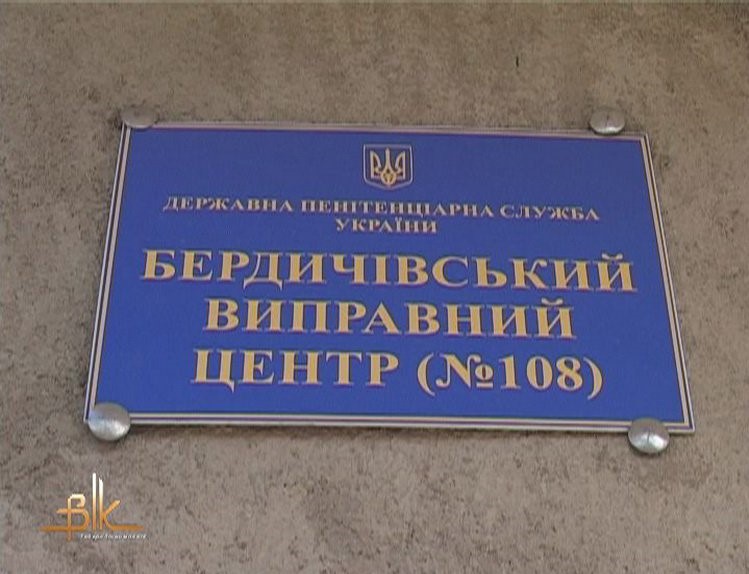
On 25 June 2022, a monitoring group consisting of an assistant to the People’s Deputy of Ukraine Kostiantyn Kasai, a member of the Public Council under the Ministry of Justice of Ukraine Serhii Zuikov, an assistant to the People’s Deputy of Ukraine Yaroslav Yurchyshyn, a KHPG programme coordinator Andrii Didenko, as well as a journalist from the information agency ‘Poryad z vamy’ (‘Next to You’) Oleksii Yaroslavtsev visited the state institution ‘Berdychiv Correctional Centre (No. 108)’.
The main objective of the monitoring visit was to analyse the institution’s operations during the war and to determine the institution’s humanitarian needs.
The head of the institution is Colonel of the Internal Service Armenak Yashevych Chobanyan.
The monitors had the opportunity to visit any premises and communicate with the prisoners on the condition of anonymity.
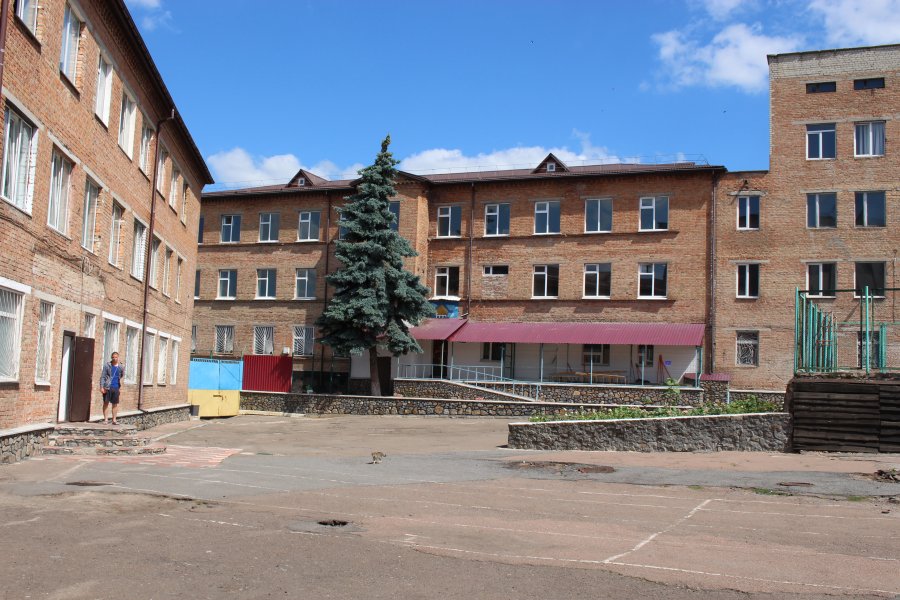
GENERAL INFORMATION
The institution houses persons convicted for the first time for minor criminal offences, to whom the court has determined punishment in the form of restriction of liberty, as well as persons sentenced to deprivation of liberty who have embarked on the path of correction and whose punishment has been replaced by the court with a milder one – in the form of restriction of liberty.
The staff-to-convict ratio in the institution is 1 staff member per 1.6 convicts; the cost of maintaining one convict is 80 hryvnias per day.
During the current year, 137 convicts arrived at the institution; in 2021, 2 people died, and in 2022 – 3 convicts. 73 convicts are employed, all working under civil law contracts. According to the administration, the average monthly salary of convicts in the current year is 6500 hryvnias.
There is no medical unit in the institution; 1 person was in a Ministry of Health medical facility. During the period 2021–2022, there was not a single case of suicide. However, among the convicts, there is one person prone to suicide. Also, according to the administration, one person is prone to escape.
There are no malicious violators of the detention regime in the institution. Also, during the period 2021–2022, not a single convict with a severe illness was released; no complaints from convicts regarding improper detention conditions have been recorded by the administration. 8 people are on a substitution therapy programme. Among the convicts, there are 3 people with group 3 disabilities.
In 2021, 104 people were released on parole (Art. 81 of the Criminal Code of Ukraine), and 15 people under Art. 82 of the Criminal Code. In 2022, 40 people were released on parole (Art. 81 of the CCU), and 8 people under Art. 82 of the CCU.
In 2021, an ambulance was called 60 times, and in 2022 – 29 times. In 2021, 18 cases of bodily injuries during their stay in the institution were recorded, and in 2022, seven such cases were recorded. In the current year, 5 cases of the use of special equipment were recorded.
In 2021, 2 long-term visits were held, and in 2022, also 2. There were 4 short-term visits in 2021, and in the current year – 3. The living space standard per convict is 4 square metres.
There is no record of the number of convicts who applied for release to serve in the Armed Forces of Ukraine (AFU), but 17 petitions were granted. Among those released who joined the AFU, there is one wounded person who was nominated for an award. Persons who had combat experience were selected for pardons with subsequent enlistment in the AFU.
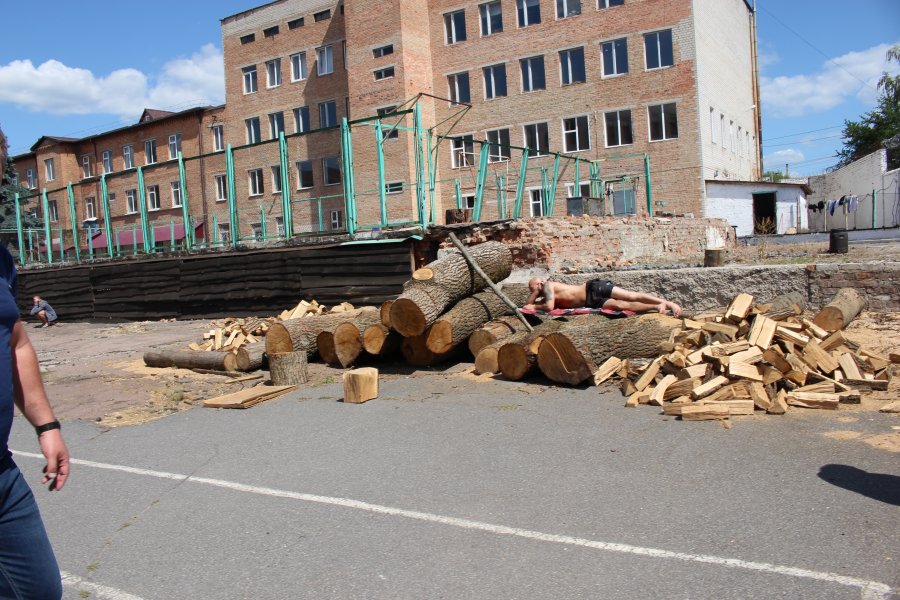
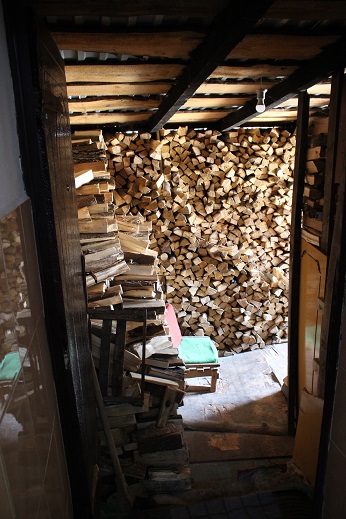
The heating system in the institution runs on firewood.
The type of punishment itself justifies its existence, but some nuances need to be adjusted within the legislative framework.
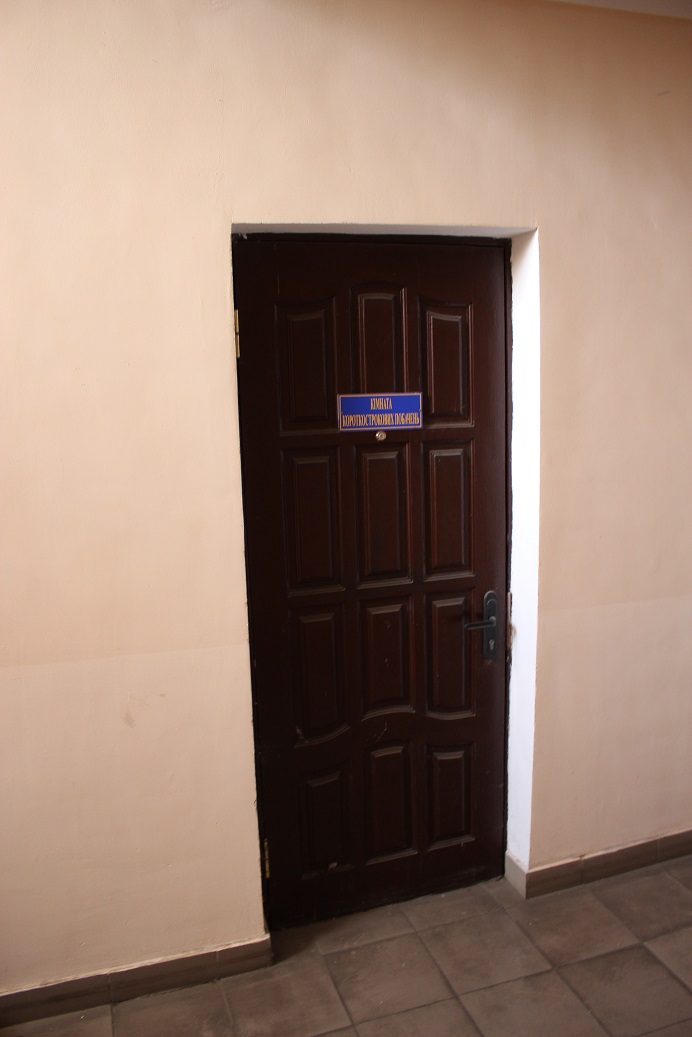
SHORT-TERM VISIT ROOM
DISCIPLINARY ISOLATION CELL (DIZO)
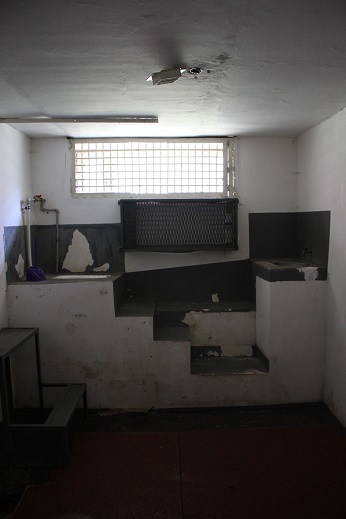
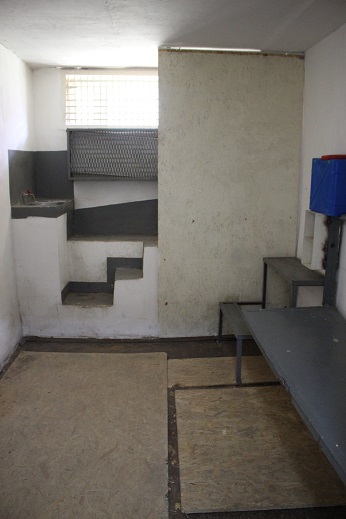
Placement in a disciplinary isolation cell (DIZO) is almost never applied in the institution. As the institution’s management explains, the convicts are disciplined, and there is little point in such a disciplinary penalty; personal communication is more effective. However, for offences such as alcohol consumption, a DIZO is still used. There was one such case this year.
The DIZO premises are also used as a bomb shelter.
LONG-TERM VISIT ROOM
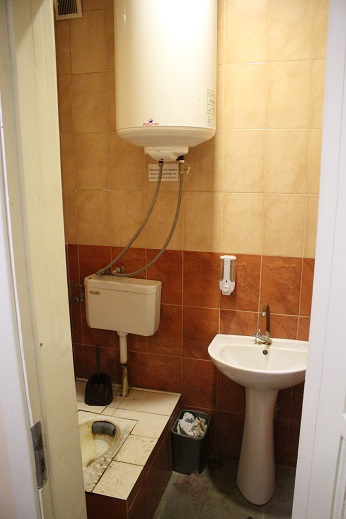
The room has a separate bathroom and shower.
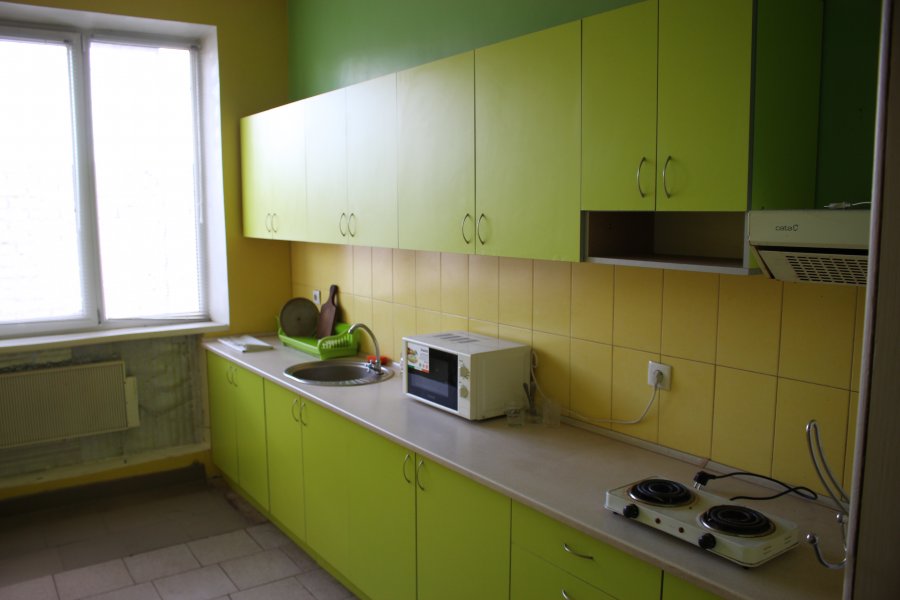
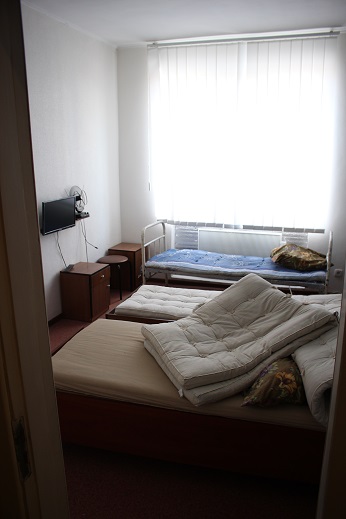
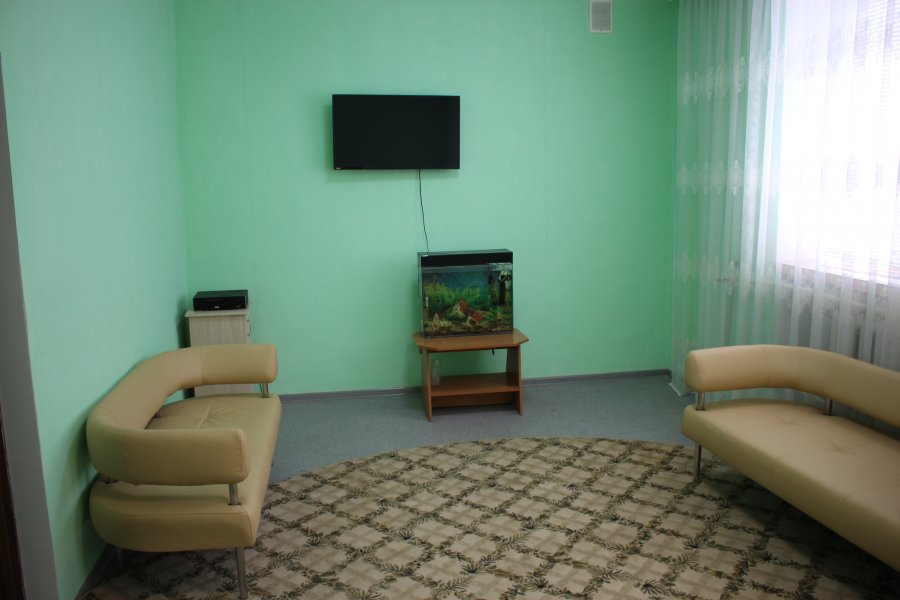
PSYCHOLOGICAL RELAXATION CLASSROOM
A psychologist’s office where convicts can address their own problems. It is also used for communication when a new group arrives.
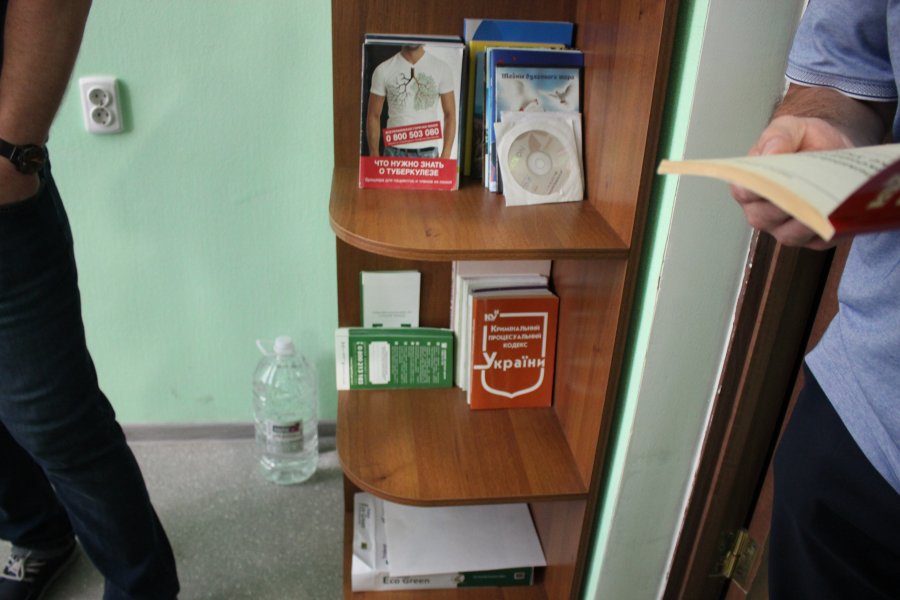
Legal literature is available.
As a rule, they stay in the institution for about a year.
SEPARATE PREMISES WHERE THEY ARE HELD FOR 14 DAYS AFTER ARRIVAL
A quarantine section is not provided for in the restriction of liberty institution.
Since most correctional centres are located in the temporarily occupied territory, all those sentenced to restriction of liberty are brought here and to the Kryzhopil centre.
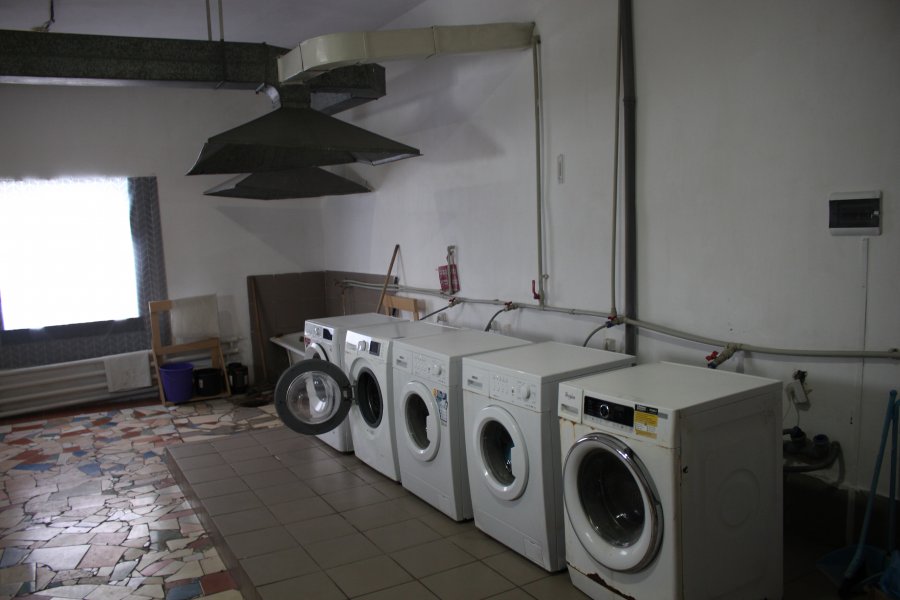
LAUNDRY
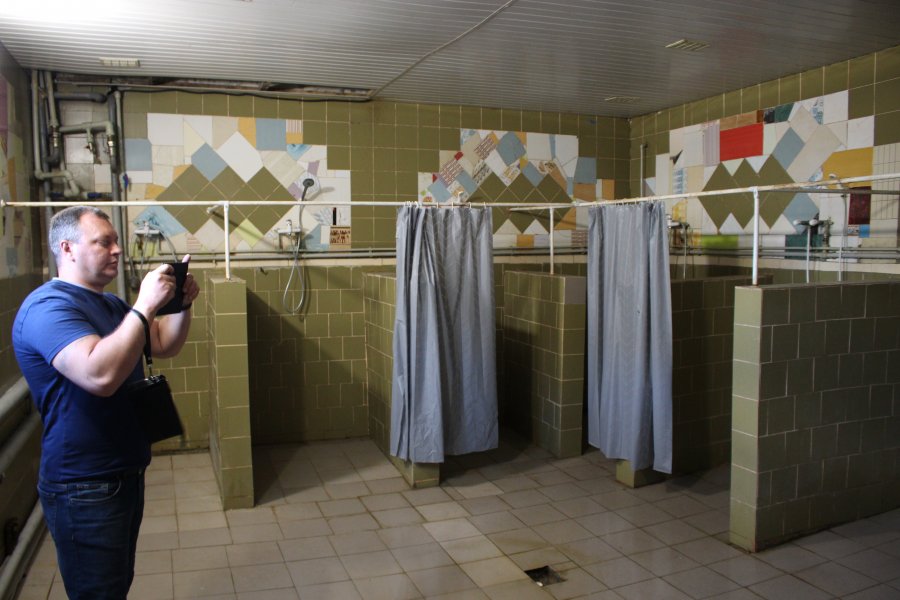
SHOWER ROOM
The cabins are partitioned.
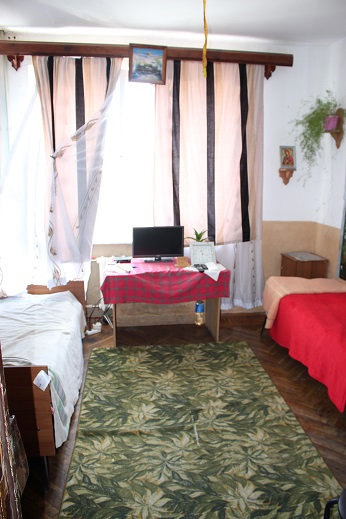
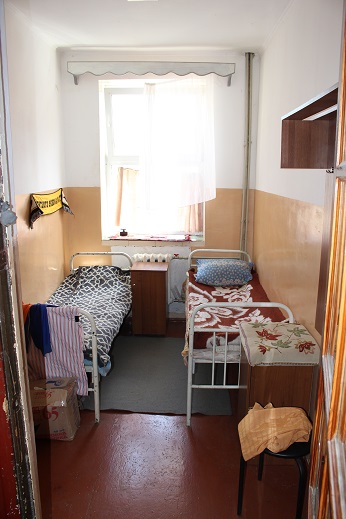
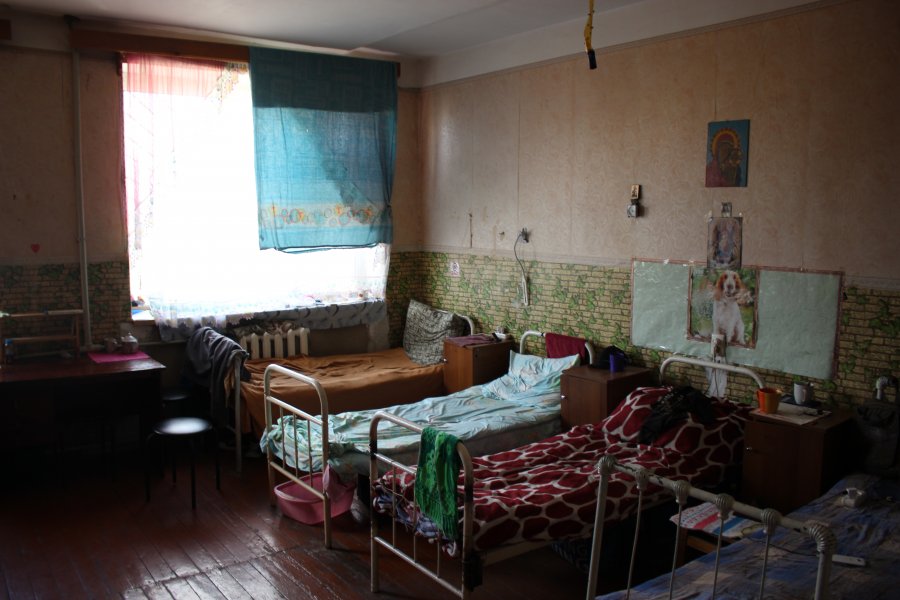
LIVING QUARTERS
Rooms for two or four people.
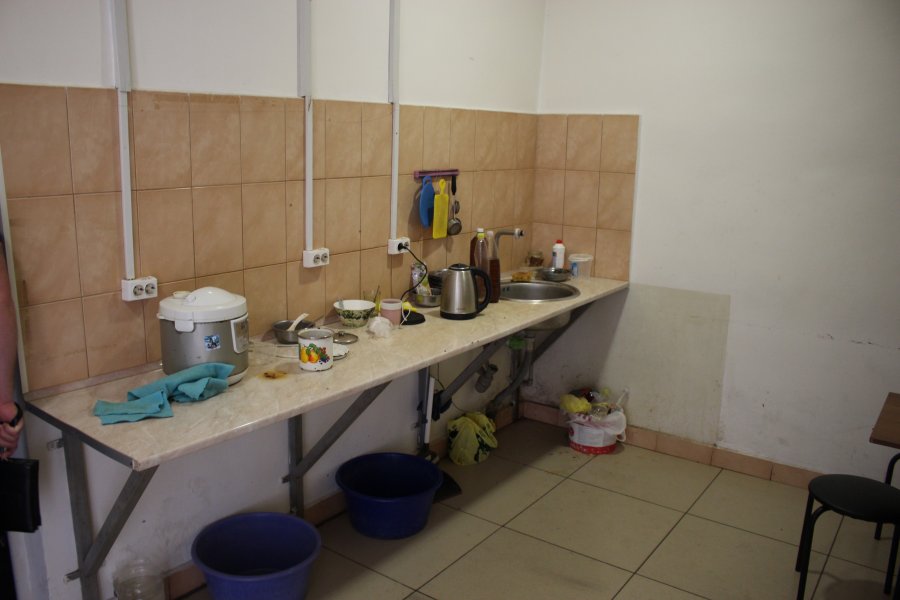
Cooking rooms, electric kettles, and multicookers are available.
In case of diligent work and adherence to the order of serving a sentence in the form of restriction of liberty, convicts have prospects for release on parole.
All rooms have a television. Convicts actively use mobile phones, tablets, and accessories for them.
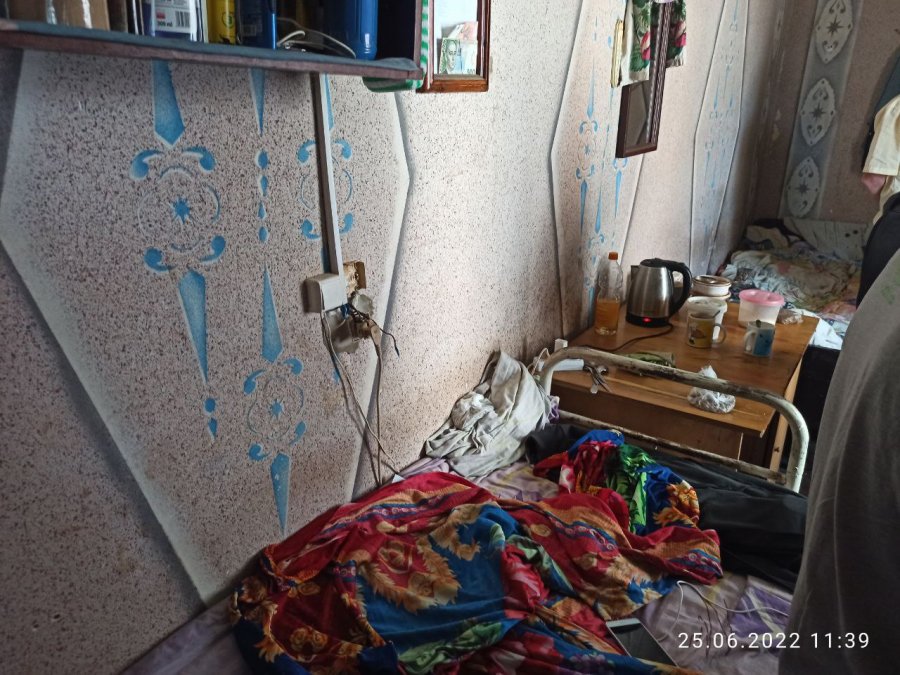
Some living quarters are in need of repair. In one of the rooms, there is a damaged socket right above a bed, which continues to be used, which is a gross violation of safety regulations.
During the monitoring, several convicts expressed a desire to talk. Some convicts complained about their health. One convict complained that he had been in the institution for more than a year, but was not being submitted for parole. He noted that yes, there were some conflicts, but they do not relate to the situation. The convict does not work, citing the fact that he is almost 60 years old. The head of the institution noted that one of the criteria for parole is a conscientious attitude towards work.
Another convict complained that he is not being accepted into the army, although he is not liable for military service, but he wants to serve in the Armed Forces of Ukraine. The convict claims that he has 3 months left until the end of his term, and after his release, he will definitely go to the military enlistment office and defend the Motherland.
Convicts work on the basis of a fixed-term employment contract. For some people, this is a problem: a passport and tax code are required for employment. If a person does not have a passport and a code, it is impossible to register them for work. The administration notes that it finds a way out of this situation, involves specialists, and arranges for a passport and code. There were cases when a person did not have a passport and a code, lived in Russia or Crimea before conviction, and these issues were also resolved.
Water is centralised; convicts also buy water at their own expense.
Three years ago, the roof was replaced; it no longer leaks. Also, heating pipes are being replaced with plastic ones. This winter, it was warm in the buildings.
Because most of the convicts in the institution are currently staying there for the first time, the number of cases of consumption of prohibited substances – alcohol, drugs – has decreased significantly.
Convicts can pay for meals or eat separately at their own expense.
CATERING UNIT
There are vegetable and meat workshops. Bread is purchased at a bakery in Berdychiv.
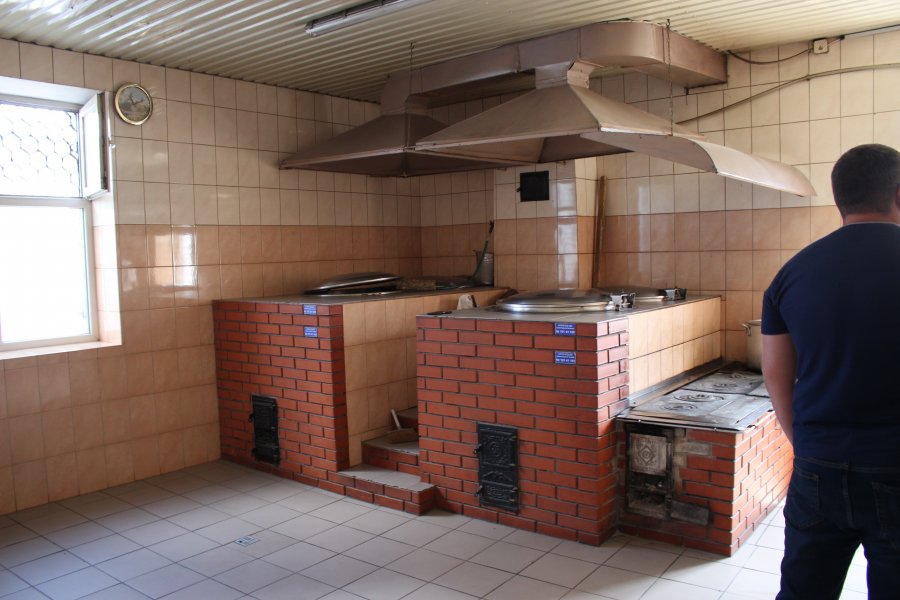
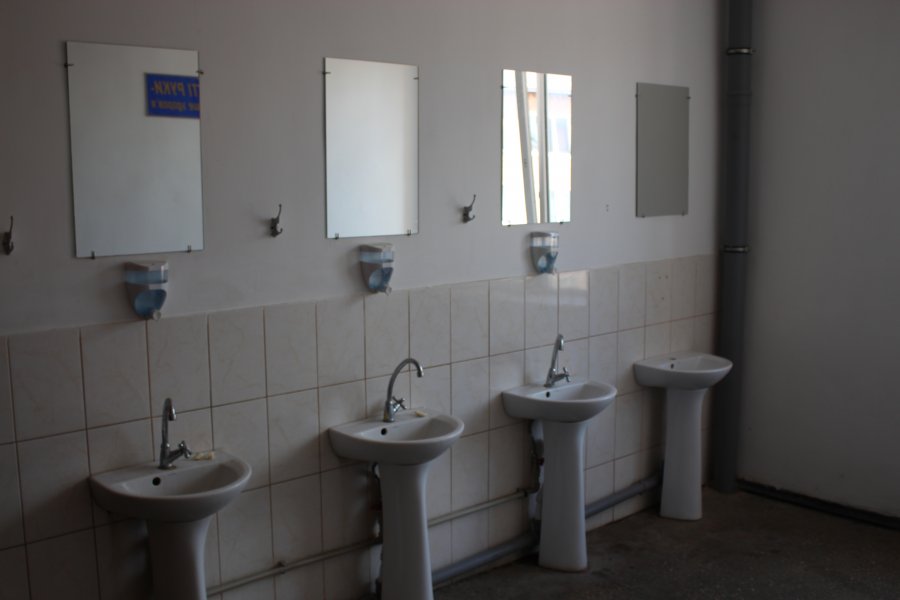
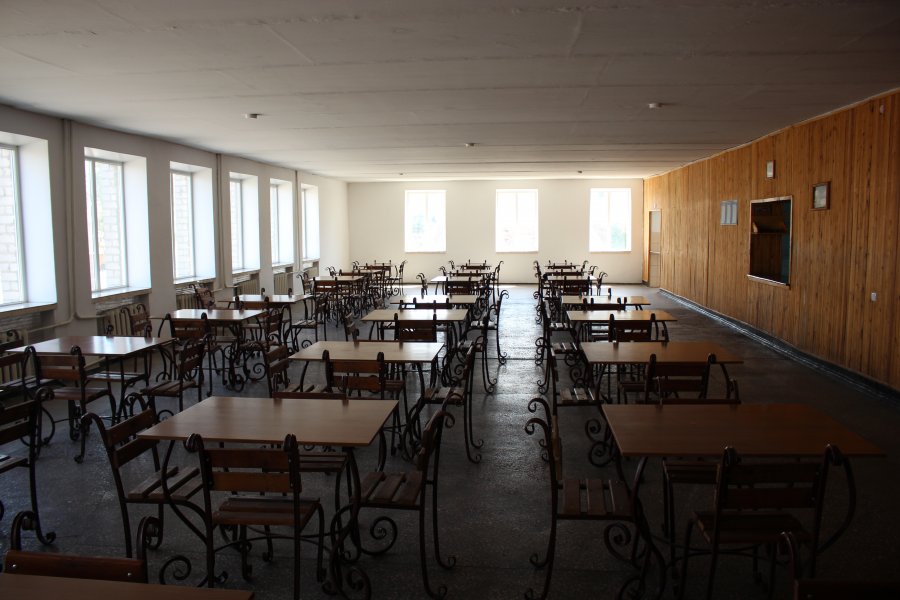
While visiting the catering unit, the monitors found that one of the convict canteen workers, who, according to him, has been working for several months, and whose work functions include cleaning the premises, washing dishes, and other minor work, does not have a medical book, and he has not yet undergone any preventive medical examinations, which is a gross violation. According to the Regulation on the Approval of the Procedure for Organizing the Provision of Medical Care to Convicts Sentenced to Deprivation of Liberty, convicts working at food facilities undergo mandatory preliminary and preventive medical examinations in accordance with the resolution of the Cabinet of Ministers of Ukraine dated 23 May 2001 No. 559 ‘On approval of the list of professions, production facilities, and organisations whose employees are subject to mandatory preventive medical examinations, the procedure for conducting these examinations, and the issuance of personal medical books.’ For each convict of the specified category, primary accounting documentation form No. 1-OMK ‘Personal Medical Book’ is created, approved by the order of the Ministry of Health of Ukraine dated 21 February 2013 No. 150, registered with the Ministry of Justice of Ukraine on 23 April 2013 under No. 662/23194.
WORKSHOPS
Paving slabs and gazebos are manufactured in the workshops.
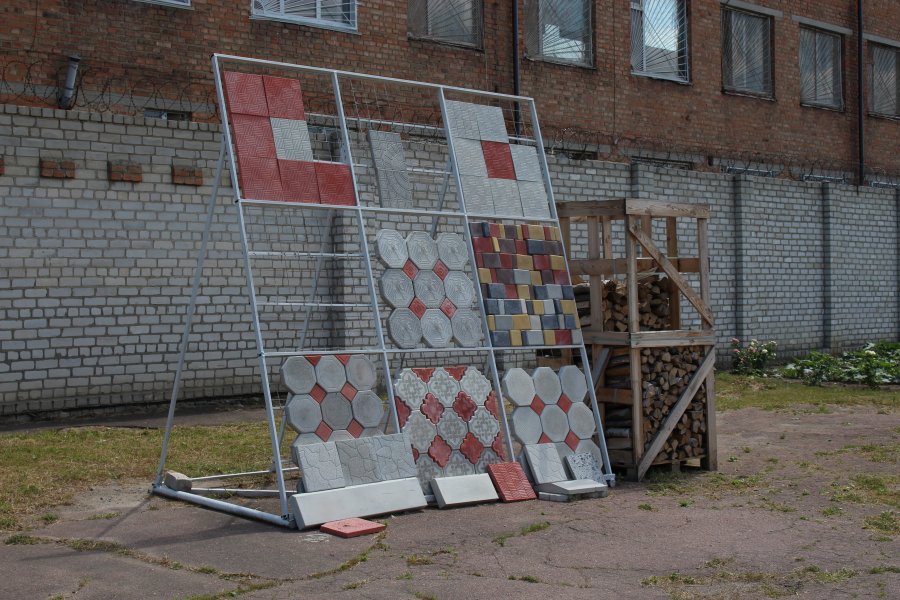
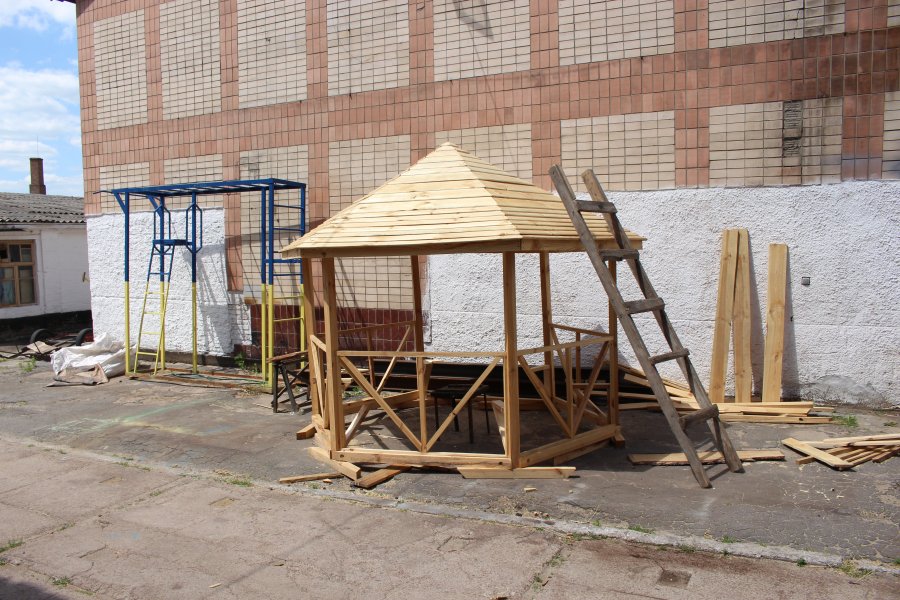
There are two sawmills.
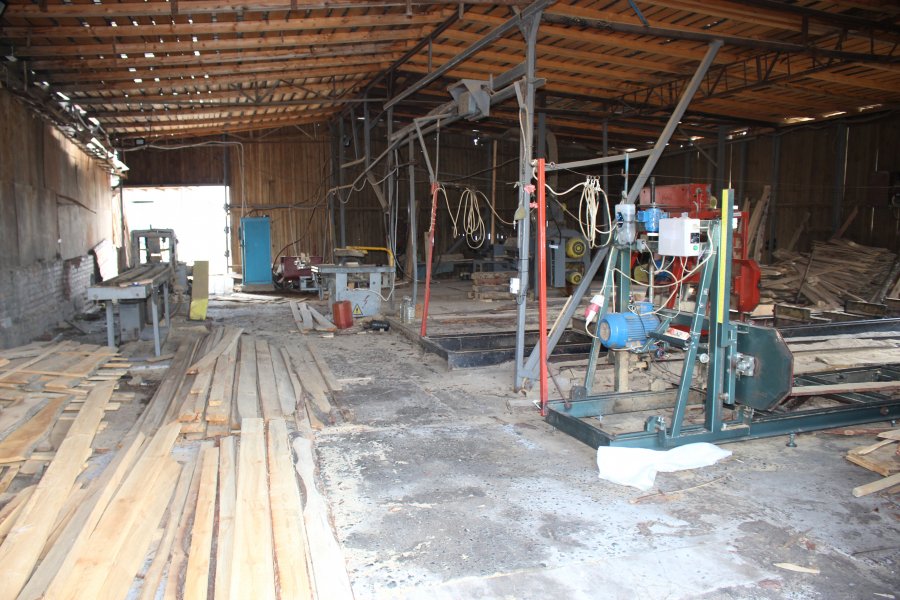
Saturday and Sunday are days off. There are orders, but they cannot be fulfilled because the Treasury is not processing payments.
GREENHOUSES
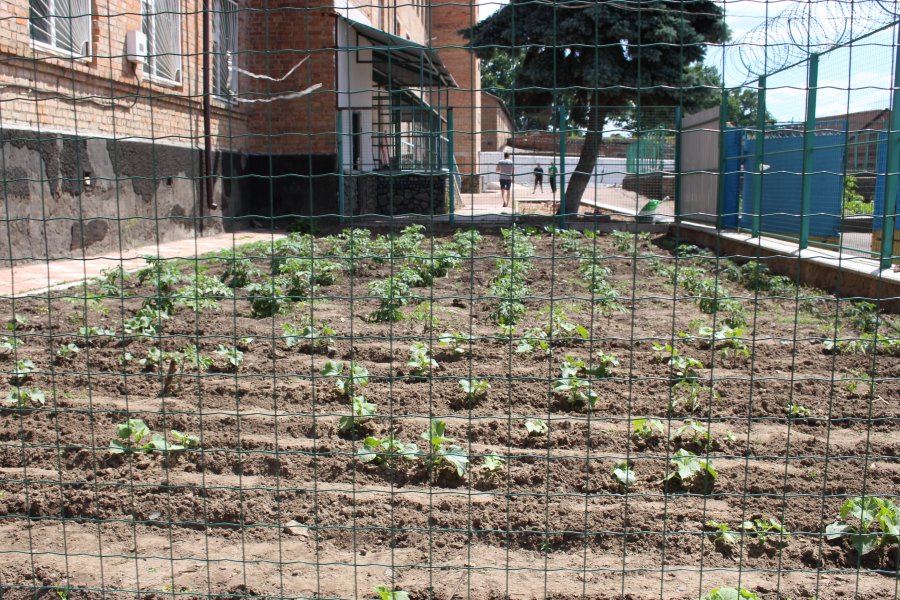
Courgettes and cucumbers are grown on the territory of the institution for the needs of the institution.
The head of the institution told about the events related to the war in a short interview.