Monitoring visit to the State Institution ‘Kryvyi Rih Penal Institution (No. 3)’
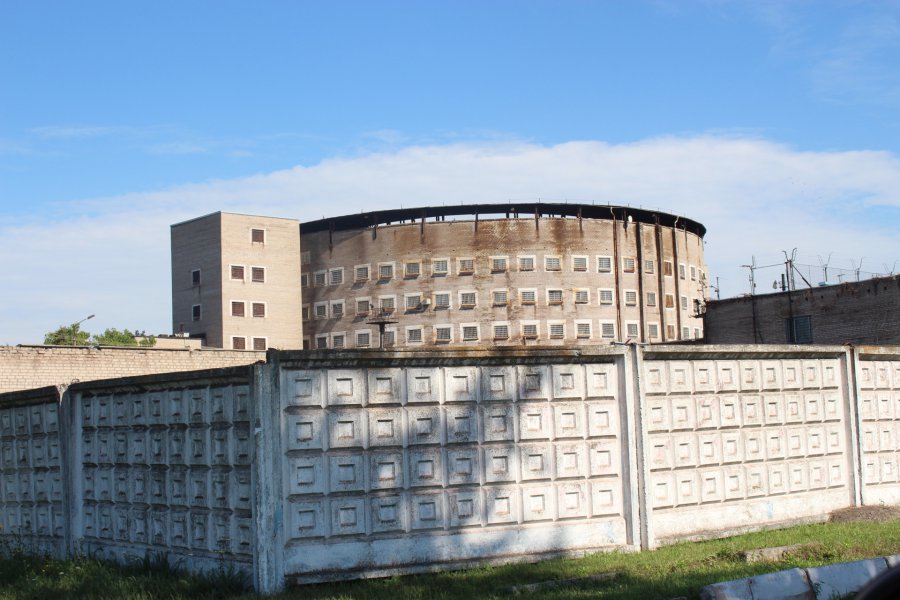
On 8 and 9 August 2022, a monitoring group consisting of an assistant to a Member of the Parliament of Ukraine, Kostiantyn Kasai; a member of the Public Council under the Ministry of Justice of Ukraine, Serhii Zuikov; an assistant to a Member of the Parliament of Ukraine, Yaroslav Yurchyshyn; a programme coordinator for the KHPG, Andrii Didenko; and a journalist for the ‘Poryad z vamy’ Information Agency, Oleksa Yaroslavtsev, conducted a scheduled visit to the State Institution ‘Kryvyi Rih Penal Institution (No. 3)’.
The previous visit by KHPG monitors can be found via this link.
The primary objectives of the monitoring visit were to analyse the facility’s operations during the war and to determine its humanitarian needs.
The monitors had the opportunity to visit any premises of the institution, to communicate with prisoners, including under conditions of anonymity, to collect information, verify it, and had access to relevant documents.
The head of the facility is Oleksandr Hryhorovych Karavaiev.
General Information
The Kryvyi Rih Penal Institution (No. 3) functions as a pre-trial detention centre, and there is also a maximum-security section on the premises for life-sentenced prisoners.
There are 106 cells in total in the institution. Following an evacuation, 11 people arrived. 92 prisoners are serving life sentences.
Personal appointments with prisoners (convicts) are conducted by the facility management daily.
Some cells are overcrowded and hot; renovation work is underway, and some cells have already been renovated.
Transit cells are not in use, and there are no production facilities in the institution. The institution cooperates with various humanitarian missions.
Water is provided through a central supply, and there is a reserve of drinking water. Heating is centralised, and the facility has its own boiler room.
During the visit, the monitors inspected the premises: waiting rooms for citizens, parcel reception and visitation areas; checkpoints (CPPs); the institution’s duty unit; the holding area and cabins; interrogation rooms; as well as the premises and internal posts of the security blocks: punishment cells, cells for holding various categories of prisoners and convicts; the maximum-security sector for life-sentenced prisoners; cells for minors, women, and the unit for convicts retained for household maintenance; the kitchen; the medical unit; and the bath and laundry facility. Additionally, they inspected the logs of incident reports regarding violations of the established detention regime and other offences by prisoners and convicts; the logs recording bodily injuries in persons arriving at the institution; social and educational work diaries with juvenile convicts; and records concerning the use of special means, straitjackets, and physical force against convicts (prisoners). There are three psychologists working at the institution. Special means have not been used over the past year.
During the current year, the administration has submitted 8 motions to the Ternivskyi District Court of Kryvyi Rih, Dnipropetrovsk Region, regarding the parole of convicts. As of 8 August 2022, four of them have been reviewed by the court, and the convicts were released on parole. Two more cases are pending consideration in court. Regarding the other two convicts, the motions were left without consideration.
Since the beginning of the year, convicts have not independently applied to the court with requests for parole. Almost all prisoners and convicts have submitted petitions for release to join the Armed Forces of Ukraine, but no person has been released.
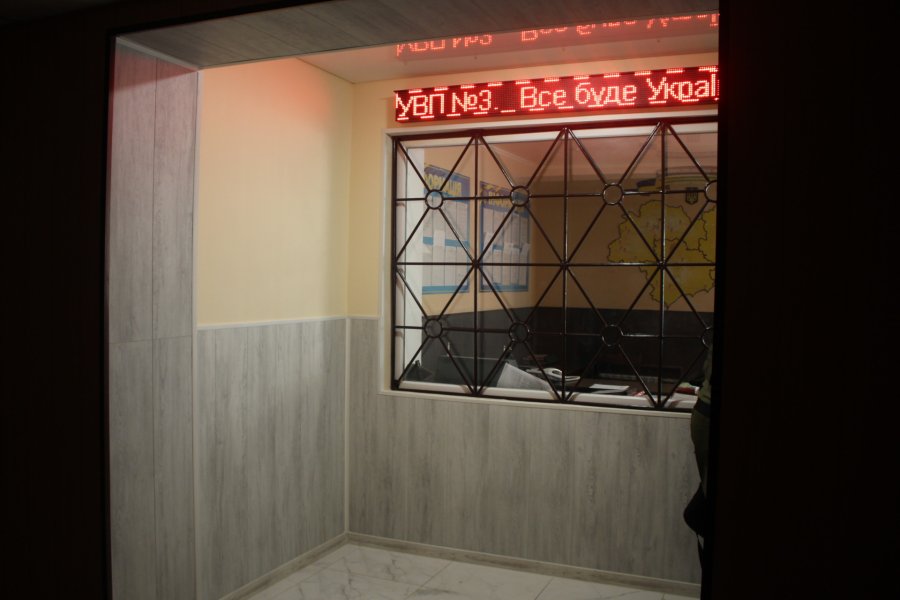
Duty Unit
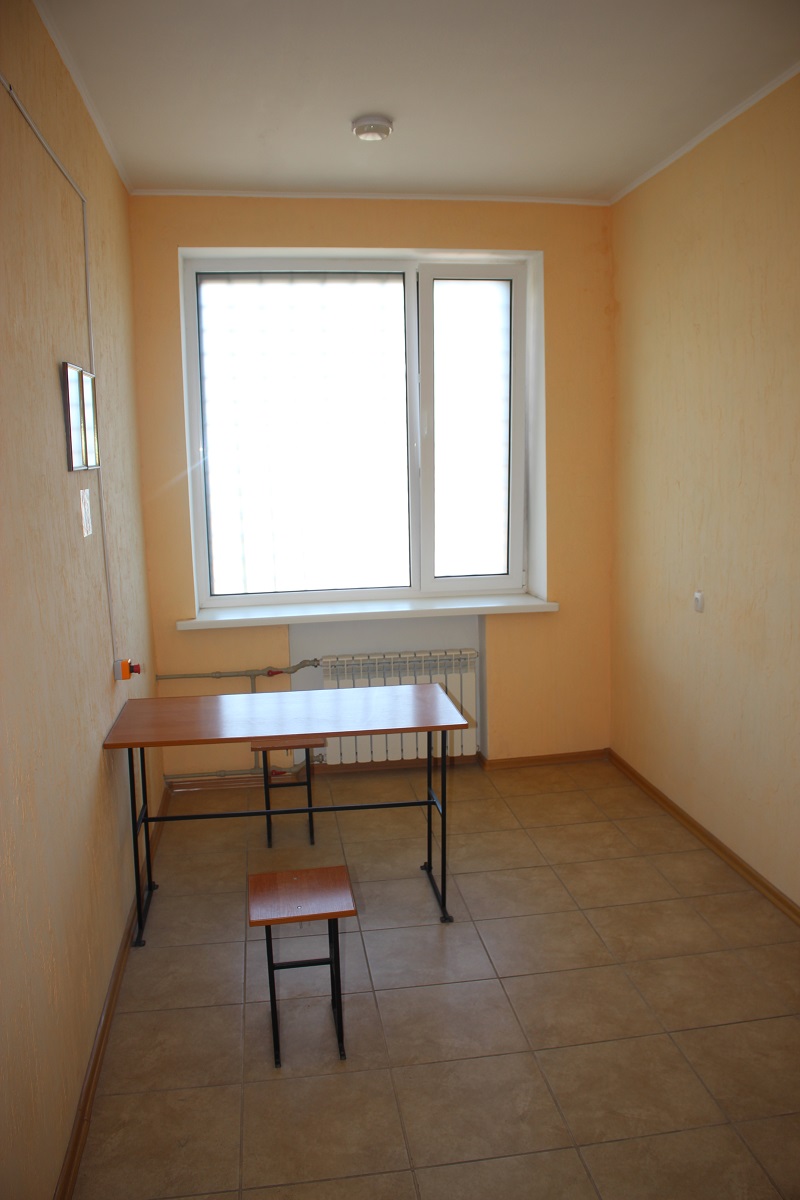
Interrogation Rooms
These are used for investigative actions, as well as for consultations with lawyers. Panic buttons for summoning the duty officer are located in a convenient and accessible place.
Holding Area
Prisoners brought to the pre-trial detention centre stay in the holding area for two hours, after which they are distributed to cells. Also, individuals being taken for investigative actions wait here for transfer. There is a medical worker's room.
Cells for Detainees
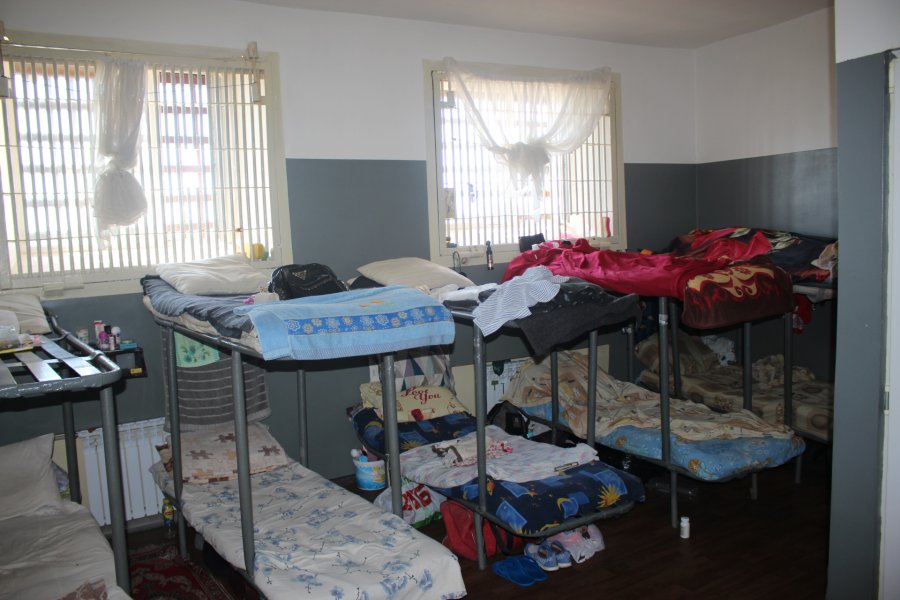
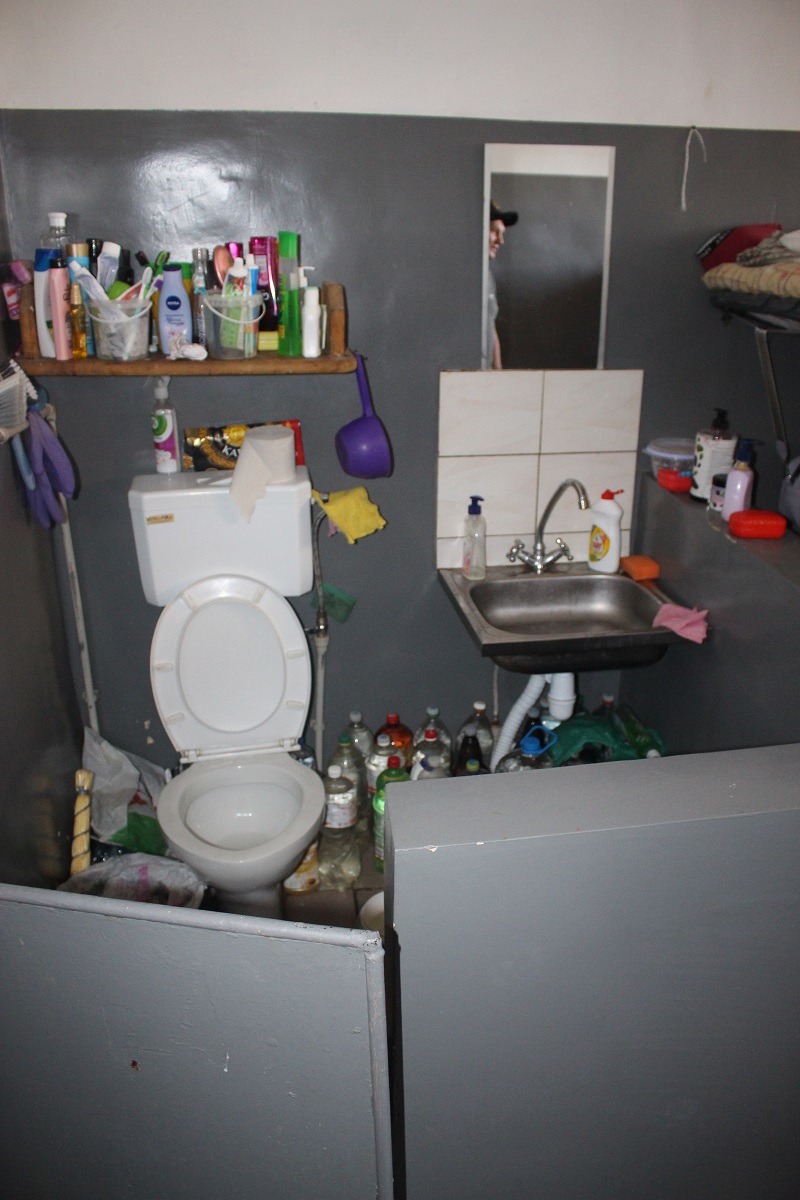
Prisoners are held separately in accordance with Article 8 of the Law ‘On Pre-trial Detention’. There are 3 beds in the cells, and the toilet is partitioned off.
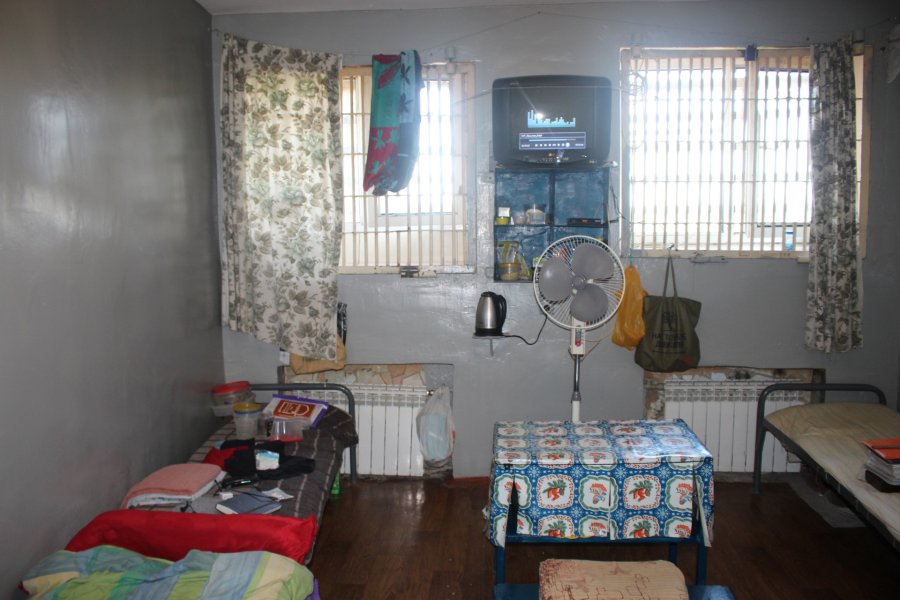
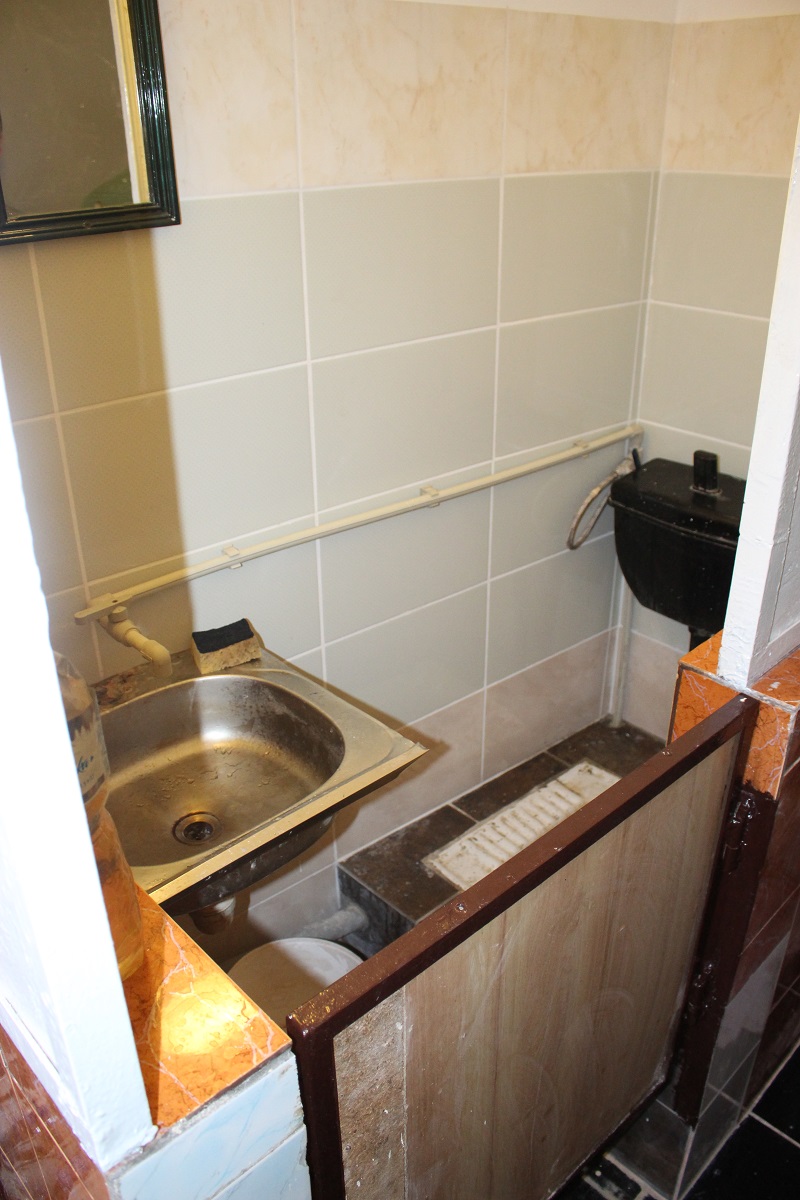
Renovations have been carried out. The area standard for one person in custody is at least 2.5 square metres (Article 11 of the aforementioned law), which has been complied with.
Multi-bed cells:
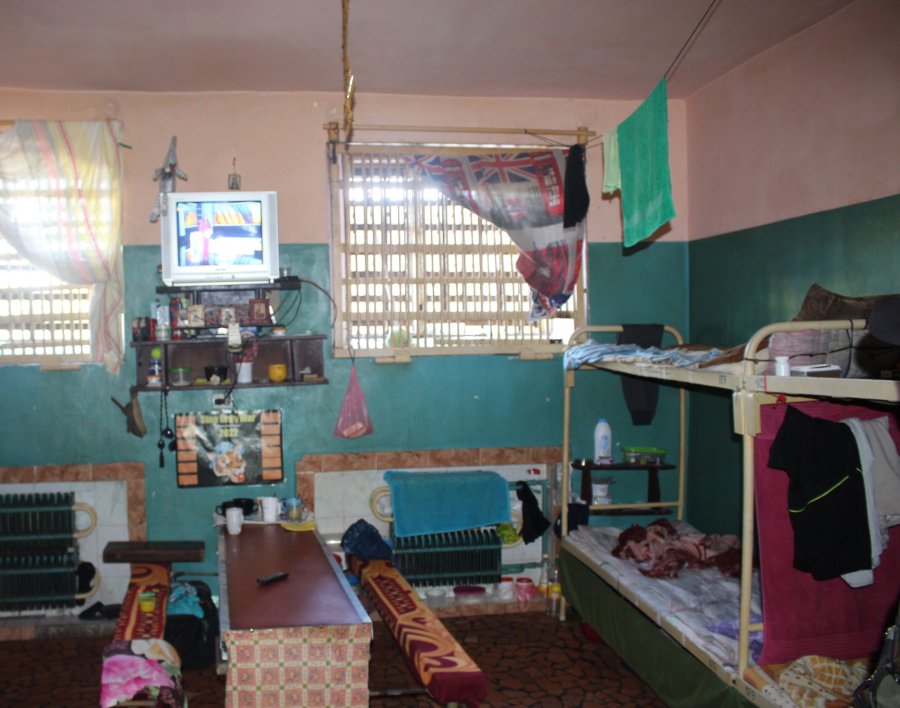
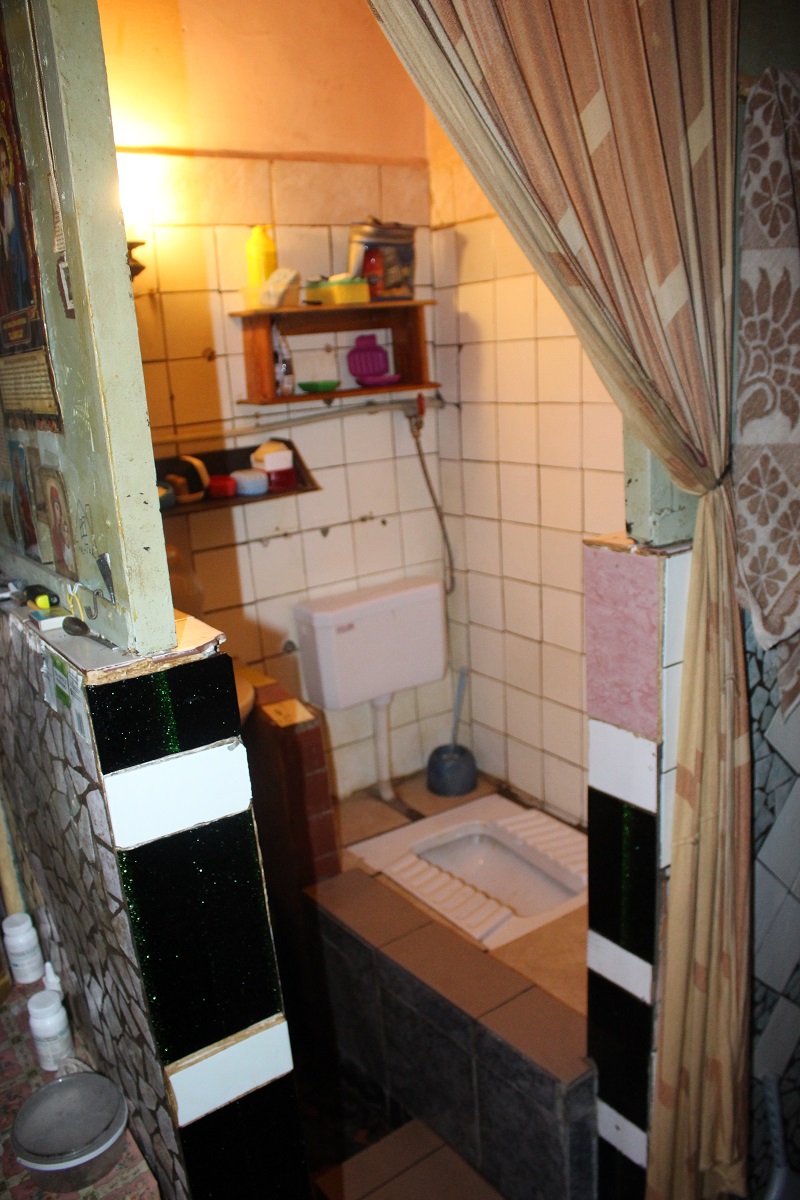
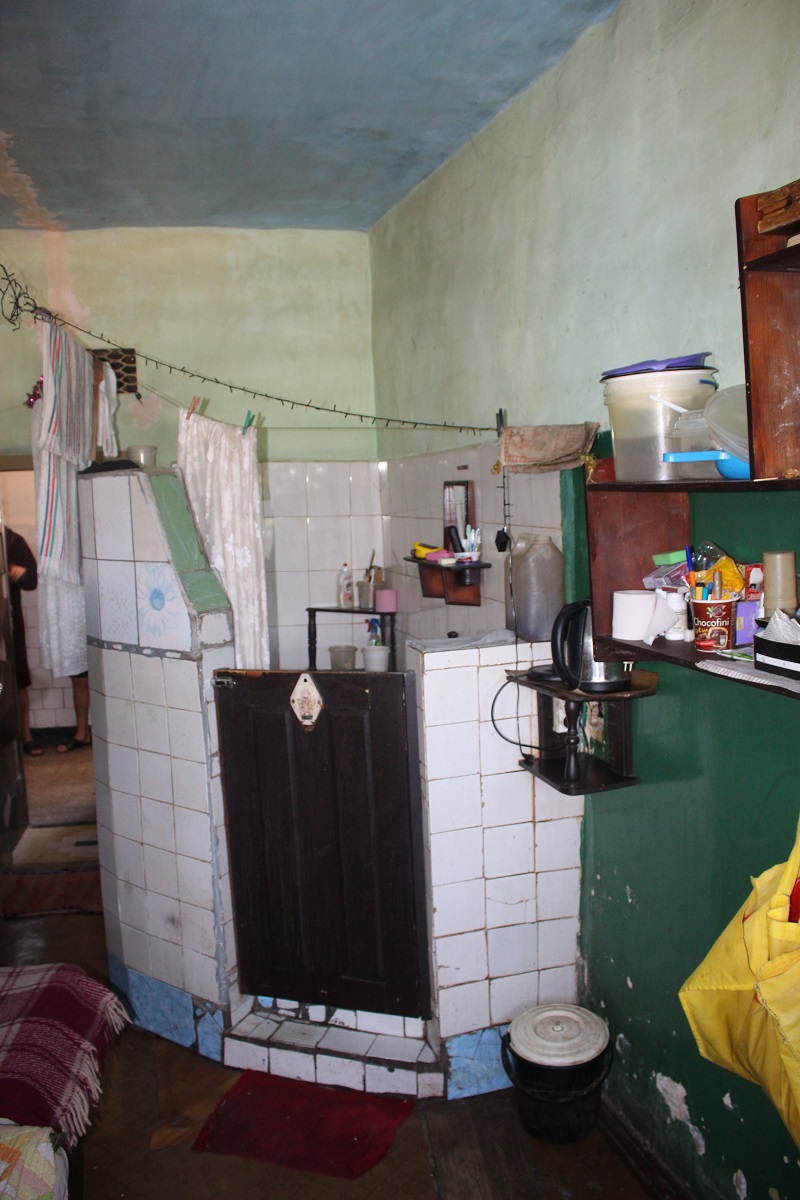
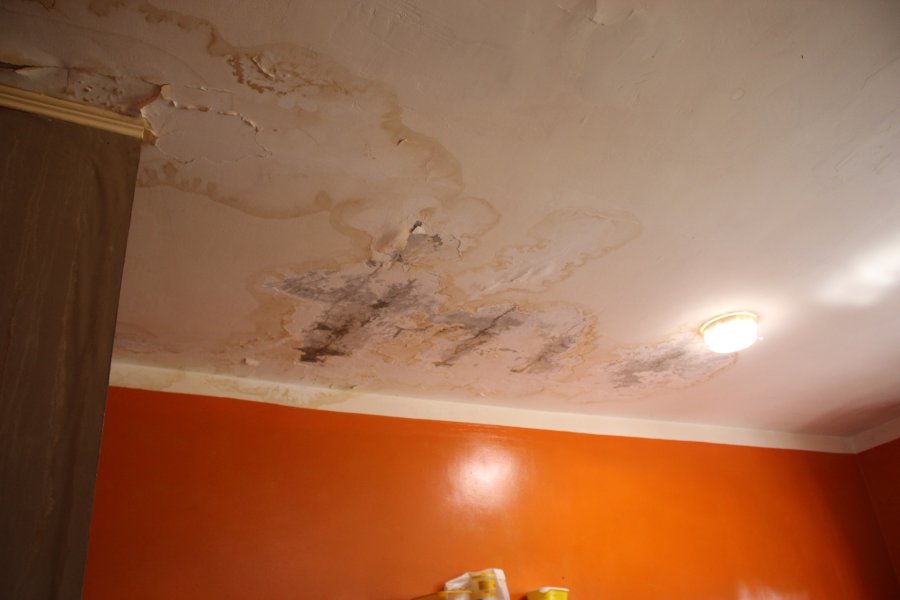
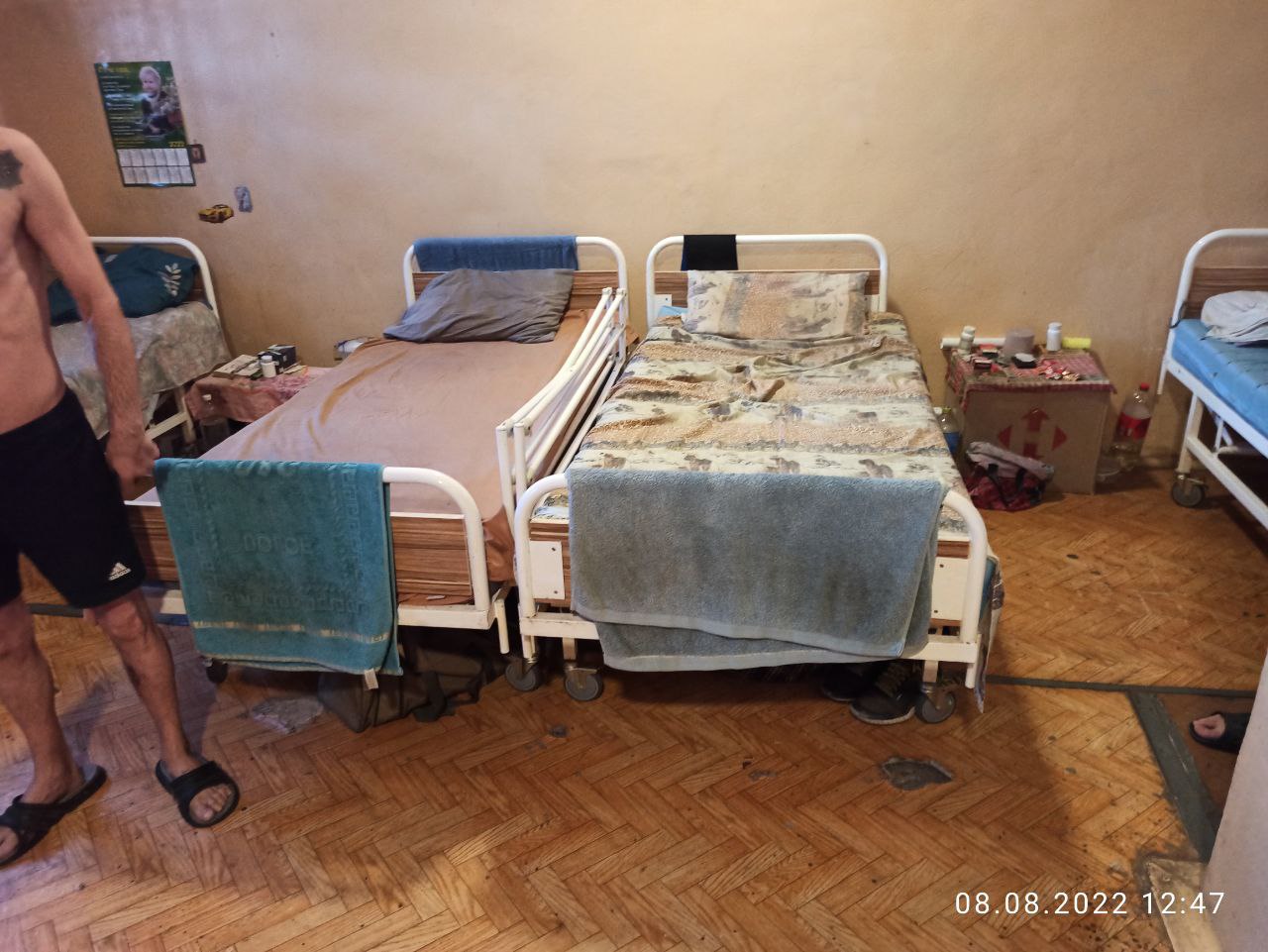
In the multi-bed cells, there is a noticeably unpleasant odour, and they are in need of repair.
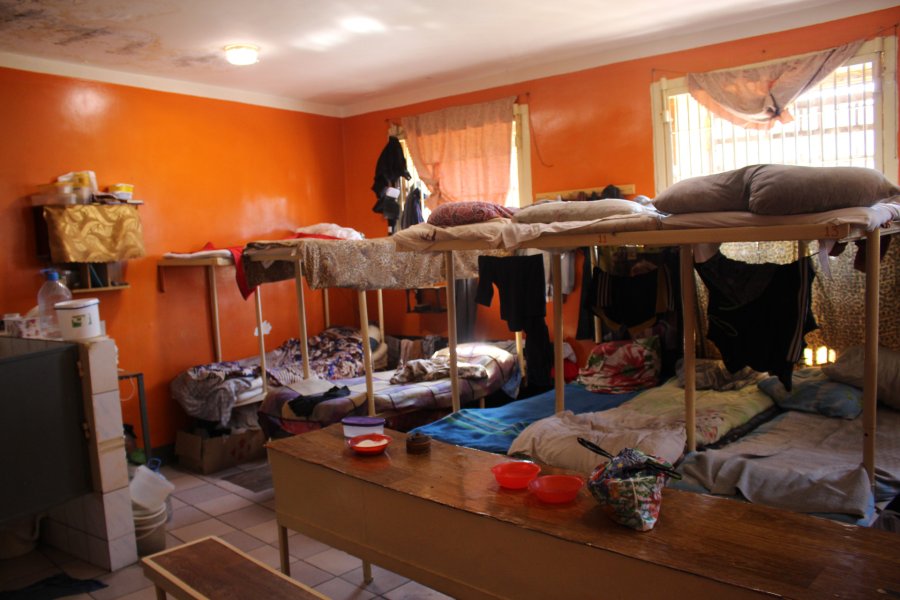
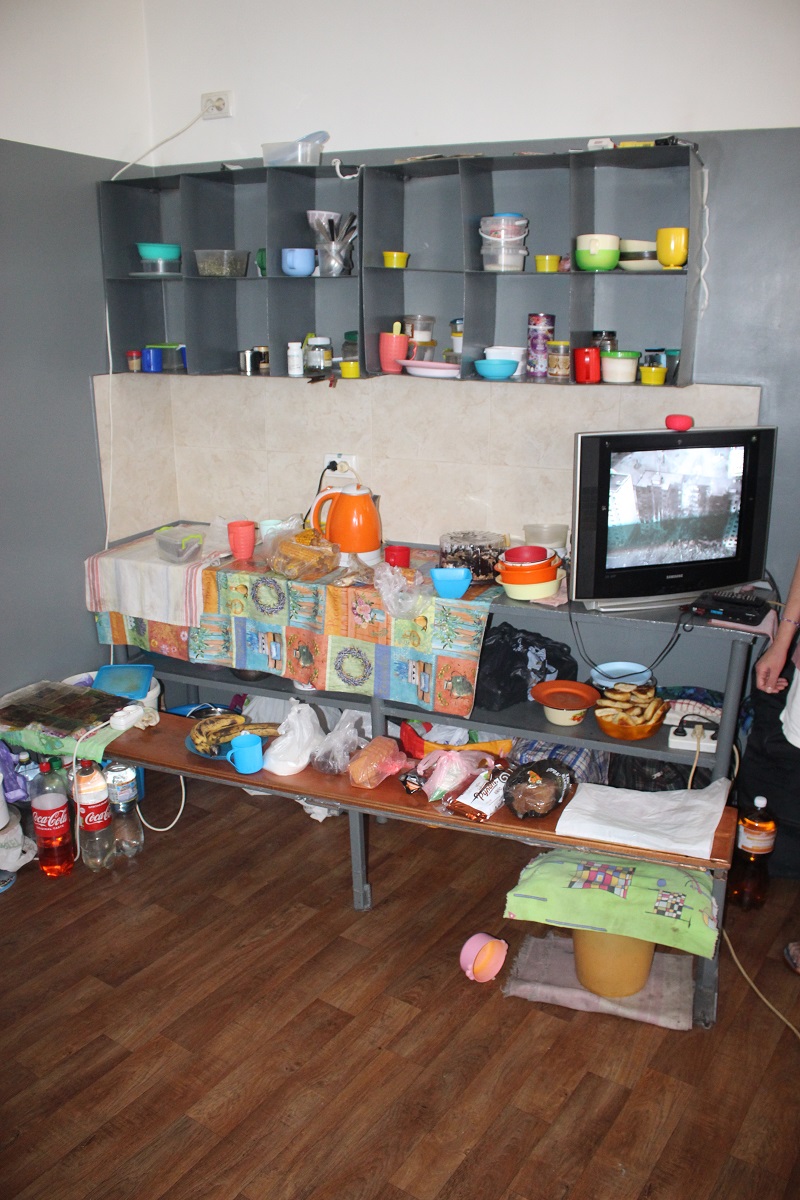
There are electric kettles and fans in the cells.
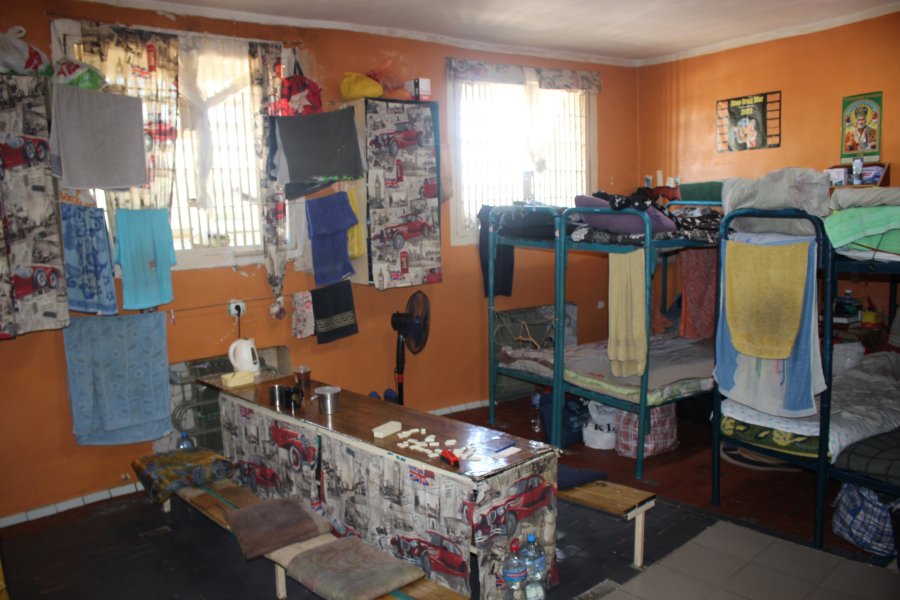
Wooden windows in the cells are being replaced with plastic ones.
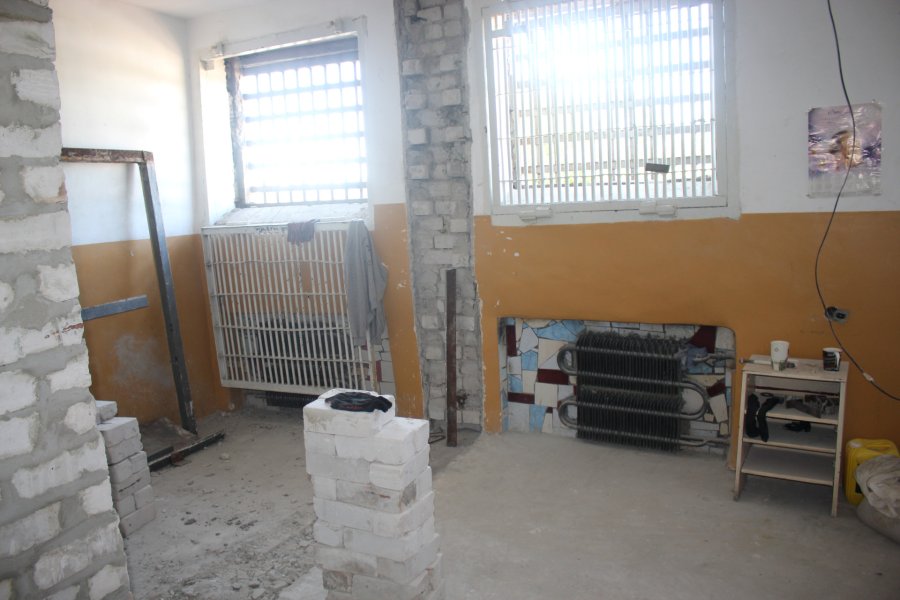
Repair work is ongoing in some areas.
Women’s Cells
Punishment Cells
The premises have been renovated. There were 4 people in the punishment cell. Beds are unlocked during the day.
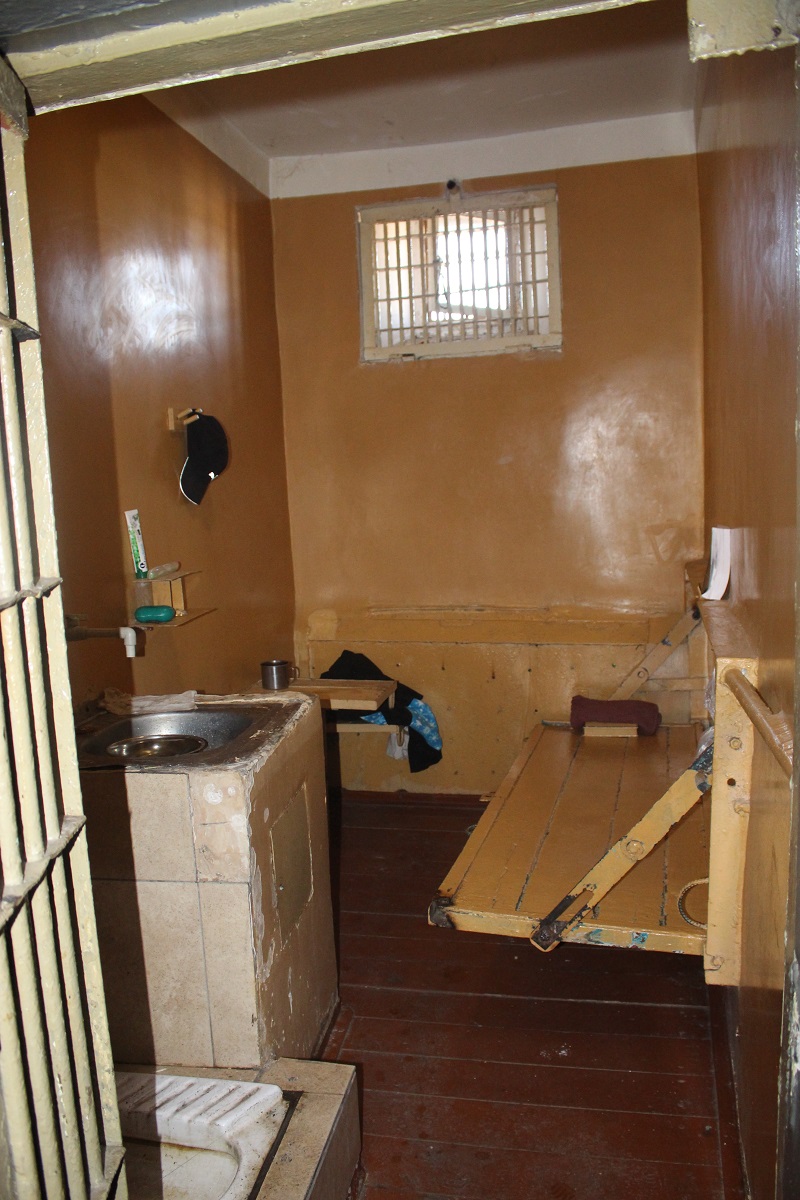
It is also possible to open and close the window independently. One can be placed in a punishment cell for having a mobile phone or for involvement in a conflict.
Medical Unit
During the visit, the monitoring group inspected the premises of the medical unit without hindrance, familiarised themselves with the conditions for providing medical care to prisoners, and had access to medical documentation.
According to the staffing table, the following positions are filled: psychiatrist — 0.5 FTE; obstetrician-gynaecologist — 0.5 FTE; infectious disease specialist — 0.5 FTE; paramedic — 3.5 FTE; nurse — 3 FTE; pharmacist — 1 FTE; clinical laboratory assistant — 1 FTE; radiologist — 1 FTE; radiology technician — 1 FTE; dentist — 1 FTE; dental nurse — 1 FTE.
The following positions remain vacant: head of the medical unit (doctor) — 1 FTE; general practitioner — 1 FTE; dermatovenereologist — 0.25 FTE; nurse — 0.5 FTE; clinical laboratory assistant — 1 FTE; phthisiatrician (TB specialist) — 1 FTE; dental nurse — 1 FTE.
According to information provided by the medical staff, 1,430 people have undergone preventive medical examinations. At the same time, shortcomings in the work of the medical unit were identified, which lead to violations of prisoners' rights to healthcare and proper medical assistance.
The position of general practitioner is not filled in the medical unit, which generally indicates that primary and full preventive examinations are not being conducted completely, violating the requirements of Chapter 2 of the Procedure for organising the provision of medical care to persons sentenced to imprisonment.
There is no isolation ward for infectious diseases in the medical unit.
At the same time, the medical unit houses a tuberculosis ward, which consists of 7 isolation cells for tuberculosis patients. There were 10 people diagnosed with tuberculosis, 4 of whom had active tuberculosis, awaiting transfer to the Dnipropetrovsk Specialised Tuberculosis Hospital No. 89.
According to Article 8 of the Criminal-Executive Code of Ukraine, convicts have the right to humane treatment and respect for their human dignity; convicts shall not be subjected to cruel, inhuman, or degrading treatment. However, the institution violates the right of prisoners to proper medical care, equality, and respect for their dignity. In particular, prisoners undergoing treatment are kept in infectious isolation wards for tuberculosis patients and are forced to stay in inadequate conditions. The monitors uncovered facts where sick prisoners were not provided with a place to sleep and were forced to sleep on the floor.
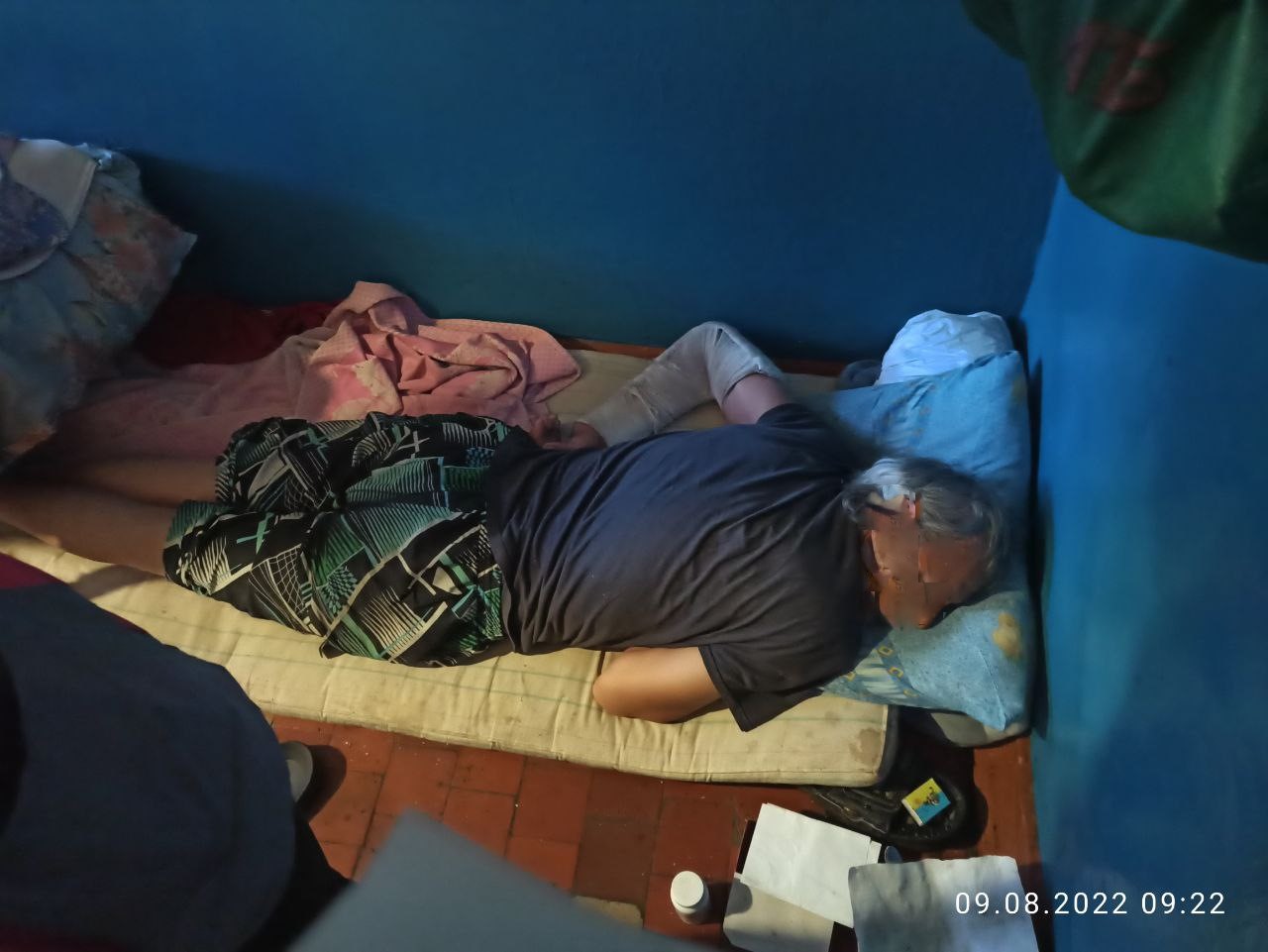
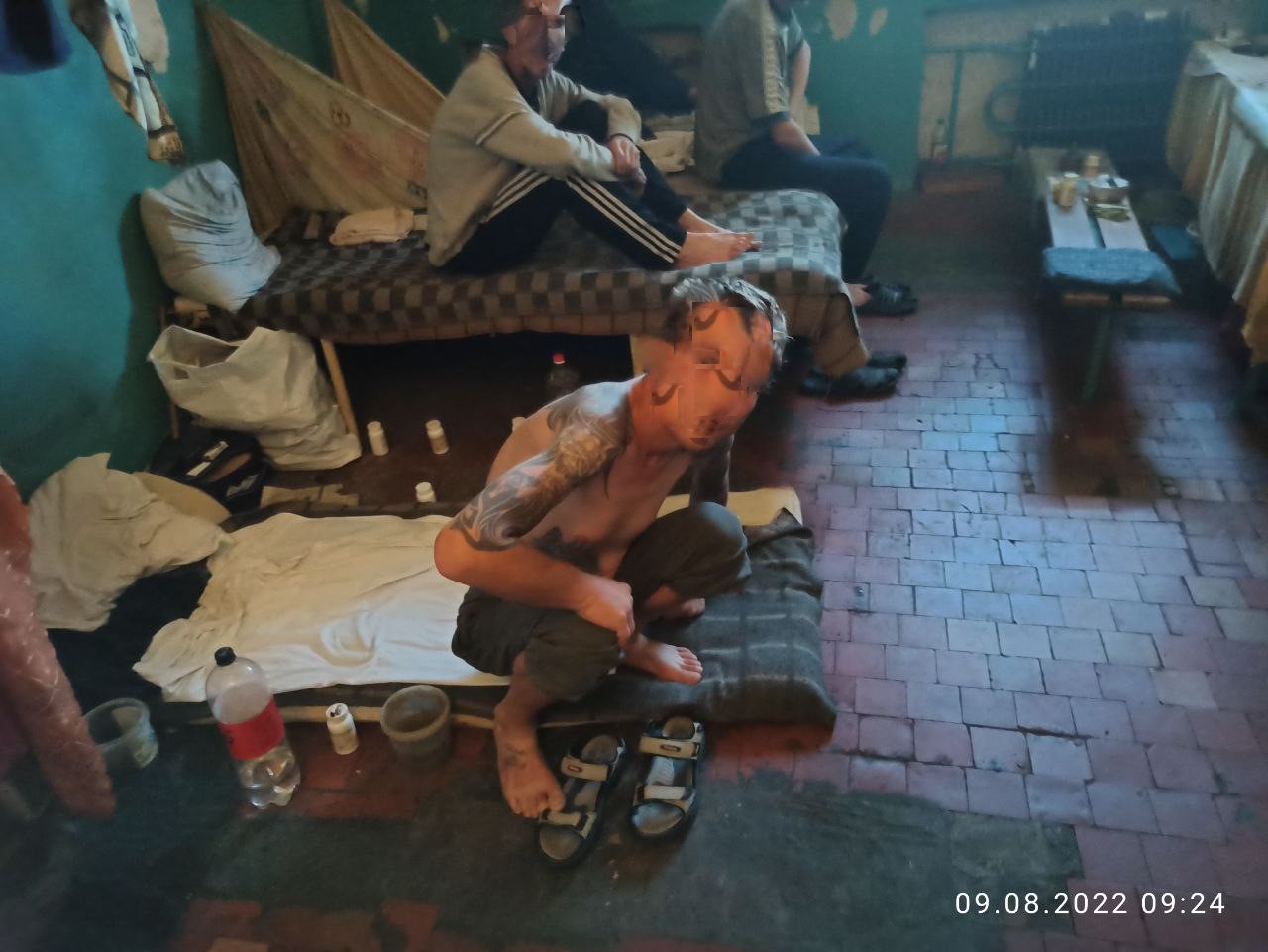
The premises require capital repairs; most cells are not equipped with sufficient artificial lighting, windows are excessively barred, and walls in the cells are damaged by fungus. The cells are not equipped with tanks for boiled drinking water or supply-and-exhaust ventilation.
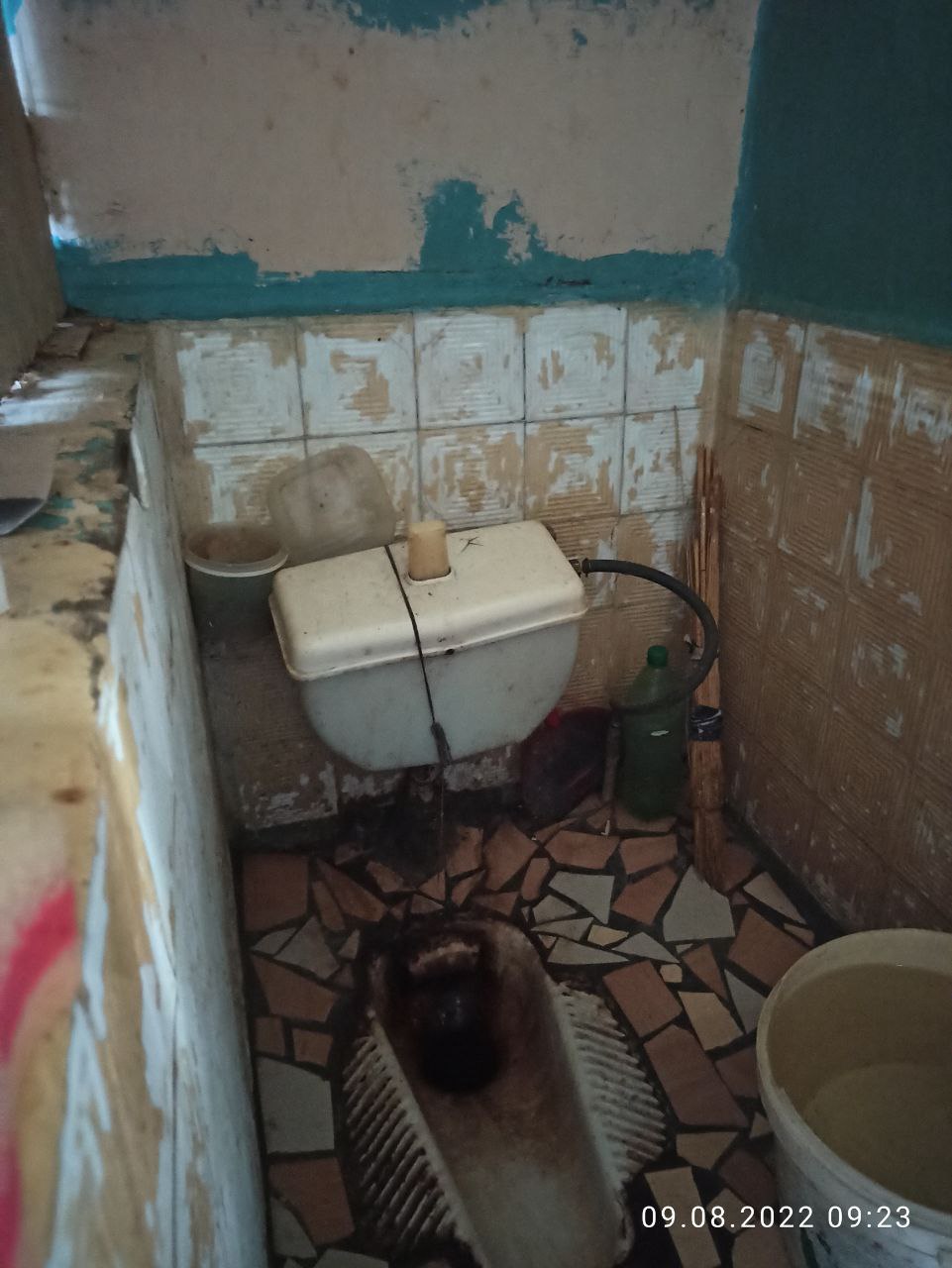
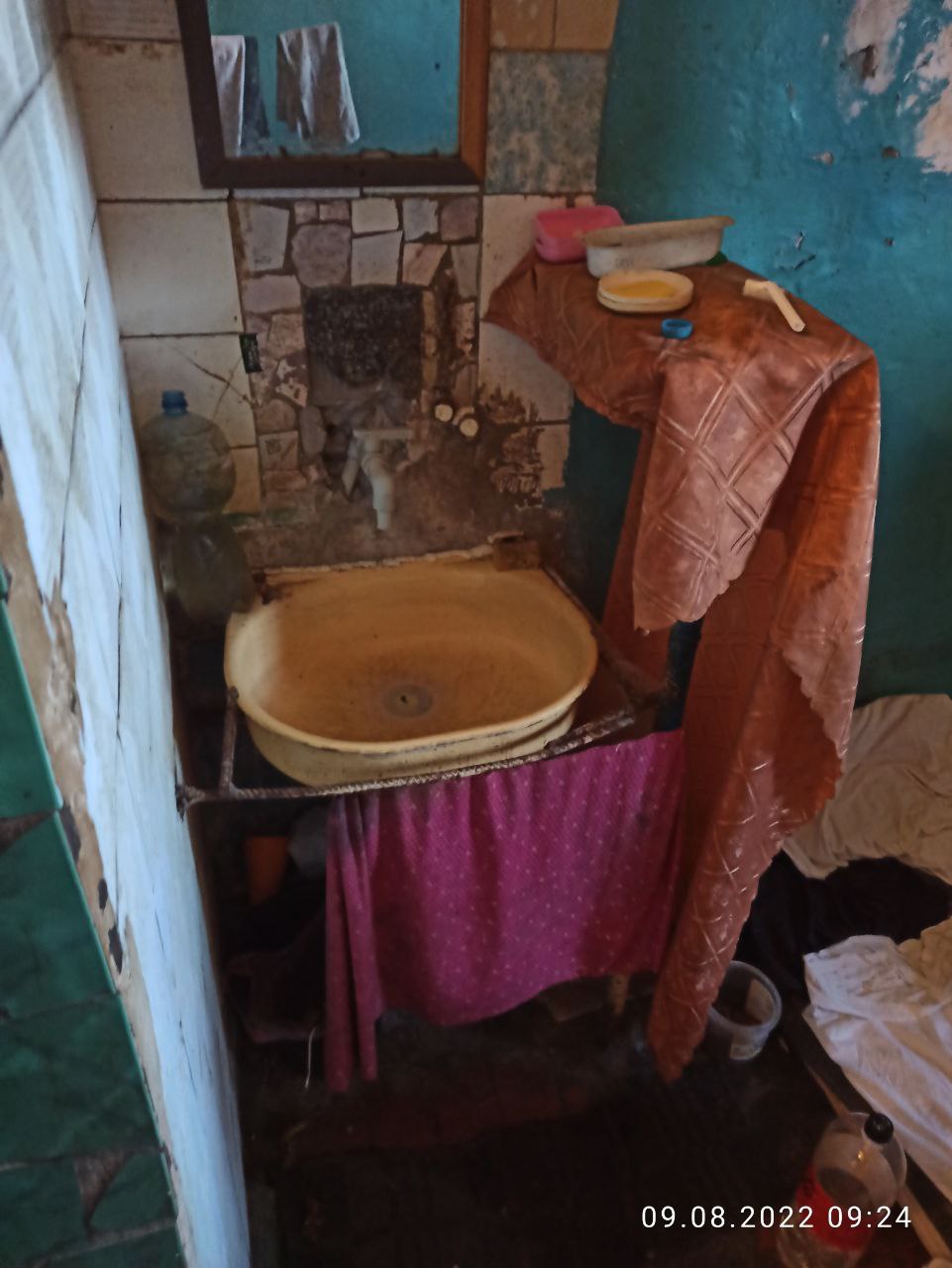
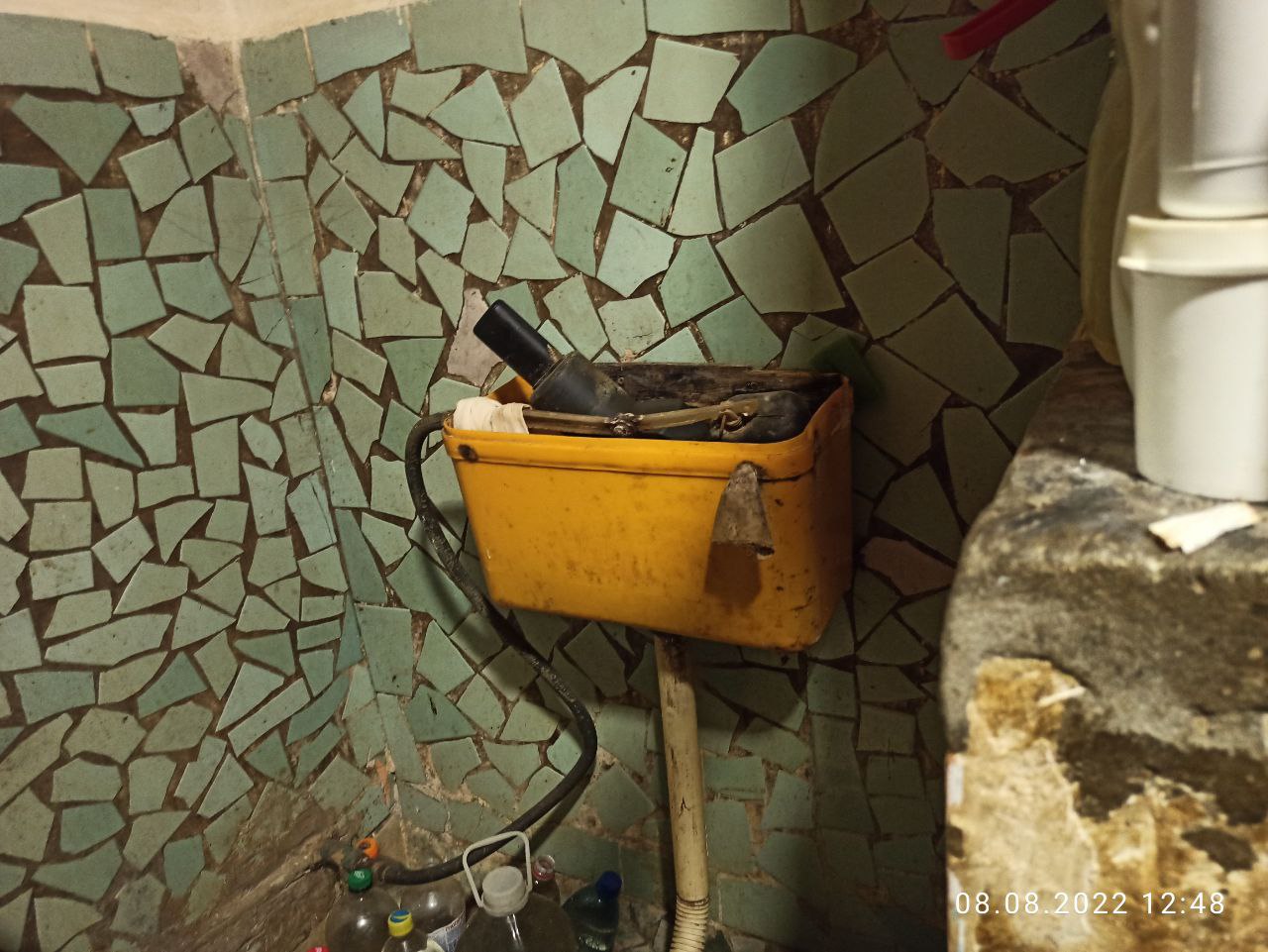
The sanitary facilities and sewage system are so dilapidated that they require repair and the replacement of sanitary equipment, which leads to filth, leaks, unsanitary conditions, and a persistent unpleasant odour, not to mention the serious harm to the health of the prisoners.
In order to detect and prevent the spread of infectious and parasitic diseases, and to identify general somatic diseases among prisoners in the pre-trial detention centre, preventive examinations of convicts are carried out by conducting an X-ray examination once a year. However, at the time of the inspection, it was established that a full preventive examination of prisoners had not been conducted for a long time due to the absence of a functioning fluorography and X-ray machine. It is worth noting that the organisation of the work of the pre-trial detention centre's medical unit does not allow for examinations to be conducted using a mobile fluorograph.
As a result, the pre-trial detention centre lacks the ability to conduct fluorographic examinations of the chest organs for prisoners. Given the lack of information regarding prisoners who have not been examined for a long time, in particular, it is impossible to detect tuberculosis at an early stage and begin timely treatment of patients; therefore, it can be stated that this situation indicates inadequate provision of medical care and failure to comply with tuberculosis infection control requirements.
In violation of clause 8 of paragraph 5 of Chapter 2 of the Procedure, there is no isolation ward in the hospital for persons with mental disorders who pose a danger to others. At the same time, the monitors were informed that there is a room in the medical unit that was previously used as an isolation ward for persons with mental disorders, but it is not currently used as it does not meet the requirements of the order of the Ministry of Health of Ukraine.
Consequently, the absence of an isolation ward for persons with mental disorders creates a dangerous environment among the convicts and endangers the staff of the institution.
Convicts with mental and behavioural disorders resulting from the use of psychotropic substances are NOT prescribed general strengthening therapy using substances that affect metabolic processes, nor are they prescribed sensitising therapy in the inpatient conditions of the medical unit.
The dentist is not provided with filling material to provide proper dental care. During the inspection of the dental office, the monitors discovered filling material that had already expired.
The monitors also recorded that Naloxone had been absent from the medical unit for a long time, which made it impossible to provide emergency medical assistance in cases of opioid overdose.
In the general bathhouse of the institution, body examinations of convicts are not conducted, and the log for recording such examinations is absent.
During the current year, 29 cases of bodily injuries in the institution have been recorded in the log. During the review of medical documentation, it was established that outpatient medical records (form 025/o) lack photographs of existing bodily injuries, as provided for in Chapter II, part 9 of the Order of the Ministry of Justice of Ukraine dated 14.06.2019 No. 1769/5 ‘On Approval of the Internal Regulations of Pre-trial Detention Centres of the State Criminal-Executive Service of Ukraine’.
The medical unit operates 24/7 duty coverage by medical staff to provide emergency medical care and ensure prisoners (convicts) are supplied with medicines.
Furthermore, during the inspection of the medical unit premises, the monitors met a convict who explained that he was performing the duties of an orderly, which is not provided for by any regulatory legal act in the medical institutions of the Health Care Centre of the State Criminal-Executive Service.
The inpatient department of the medical unit, in violation of the requirements of the ‘Norms for the provision of bedding, special clothing, and special footwear (inventory property) for prisoners undergoing treatment in medical-preventive institutions, institutions with the status of medical facilities, and medical units at penal institutions and pre-trial detention centres’, approved by order of the Ministry of Justice of Ukraine dated 20.02.2012 No. 280/5, is not provided with hospital property (hospital suits, robes, and slippers) for persons undergoing treatment. As a result, persons staying in the inpatient department are dressed in daily clothing and do not have change-of-footwear, which does not ensure a proper sanitary state in the healthcare facility.
There are 89 HIV-infected persons registered, 75 of whom are in Stage 4 HIV, and 84 persons are receiving ART.
During the current year, 94 immunological examinations (CD-4) and 85 virological examinations (viral load) have been conducted.
Substitution maintenance therapy (SMT) is absent.
Canteen
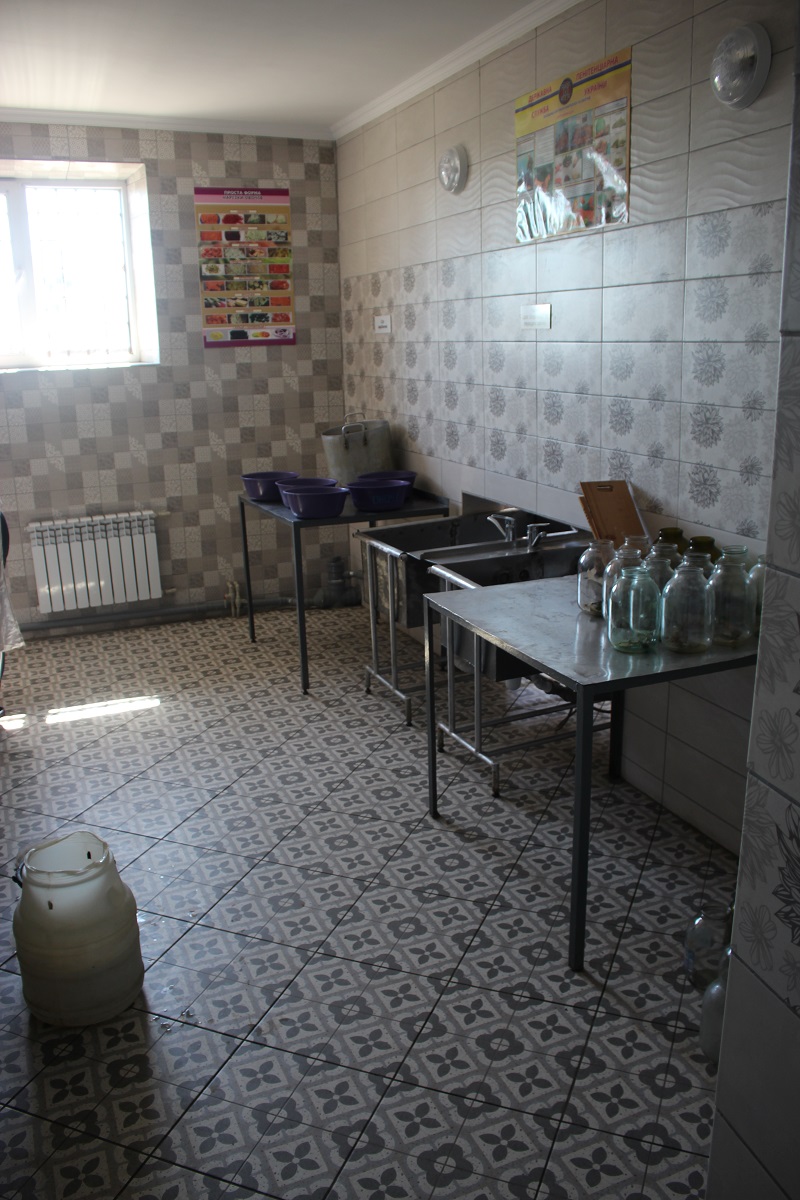
Food for the entire institution is prepared in the kitchen.
Vegetable preparation area:
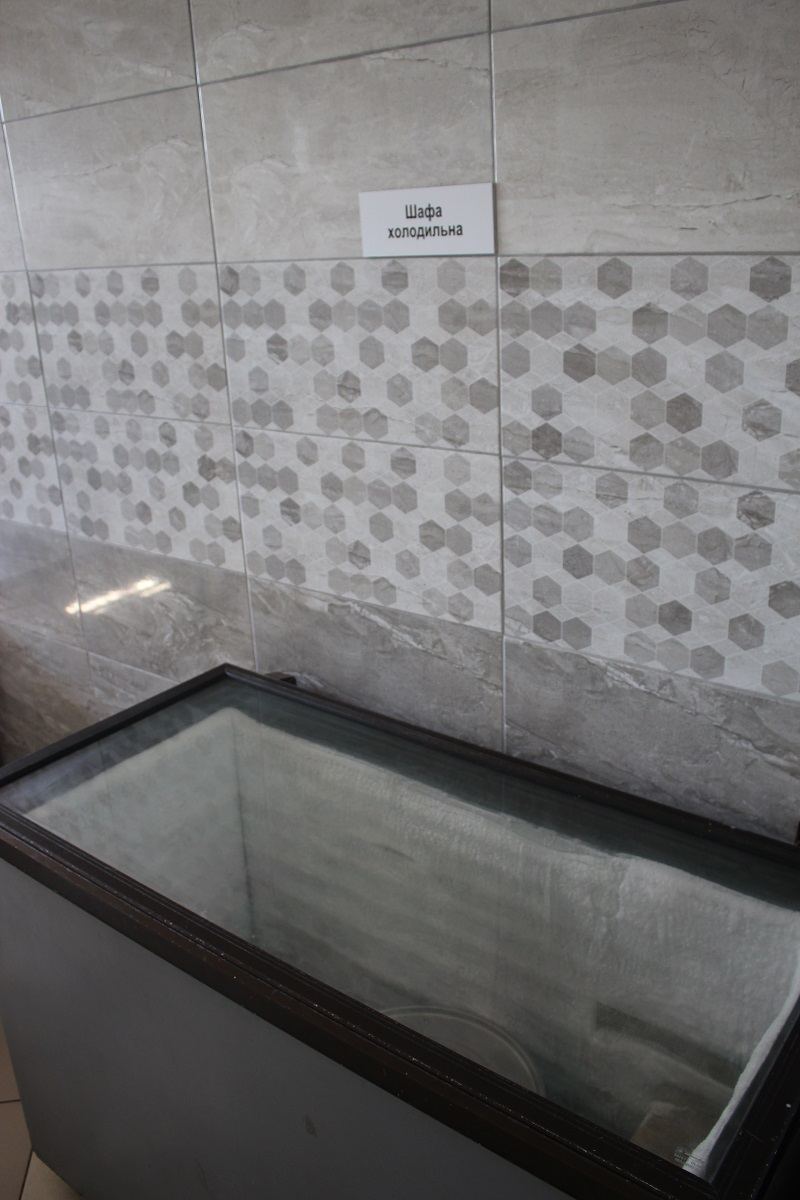
Fish preparation area:
Meat preparation area:
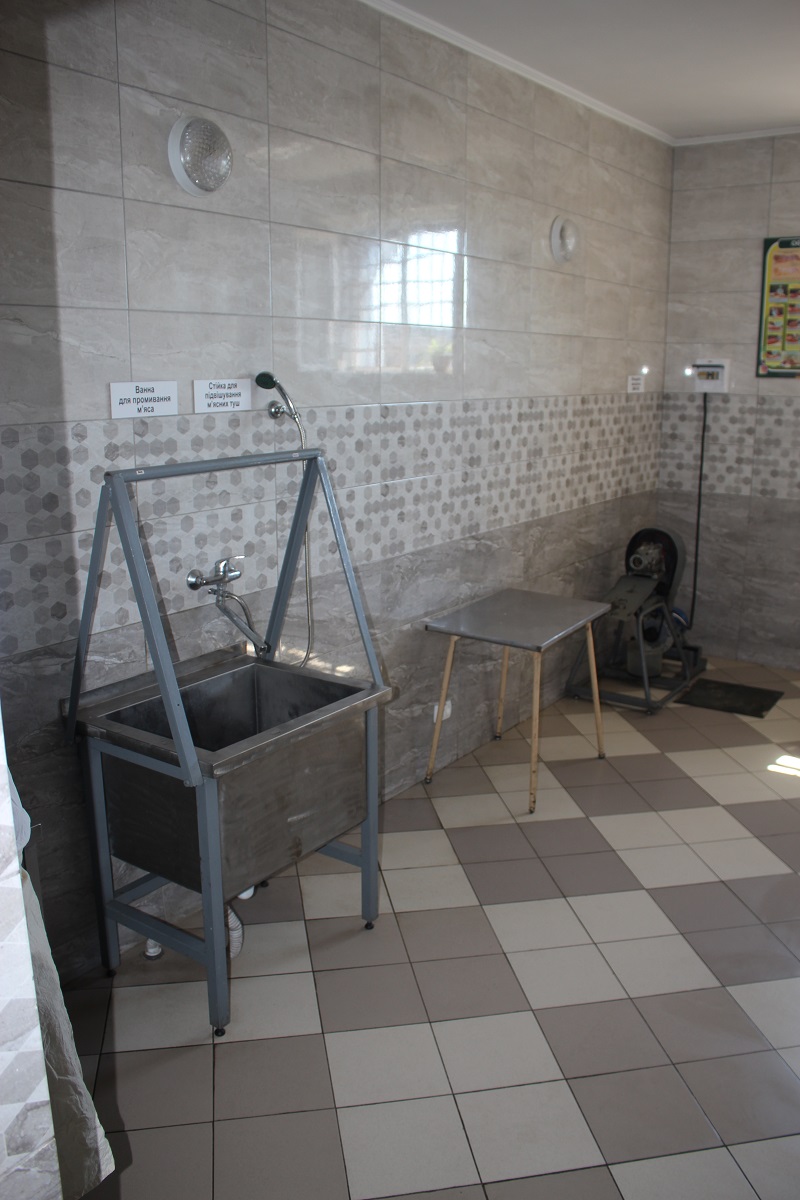
Hot food area. Electric boilers:
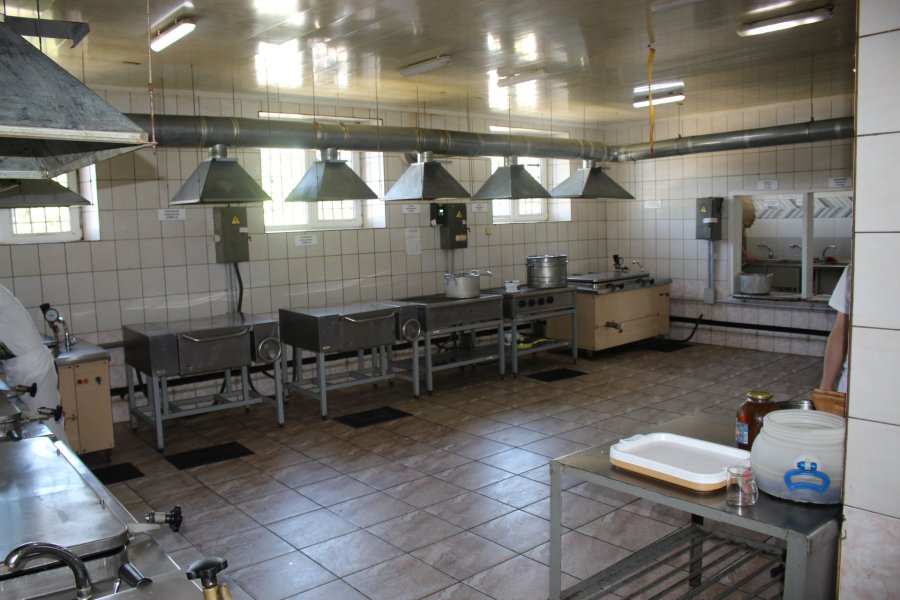
Boiler meters:
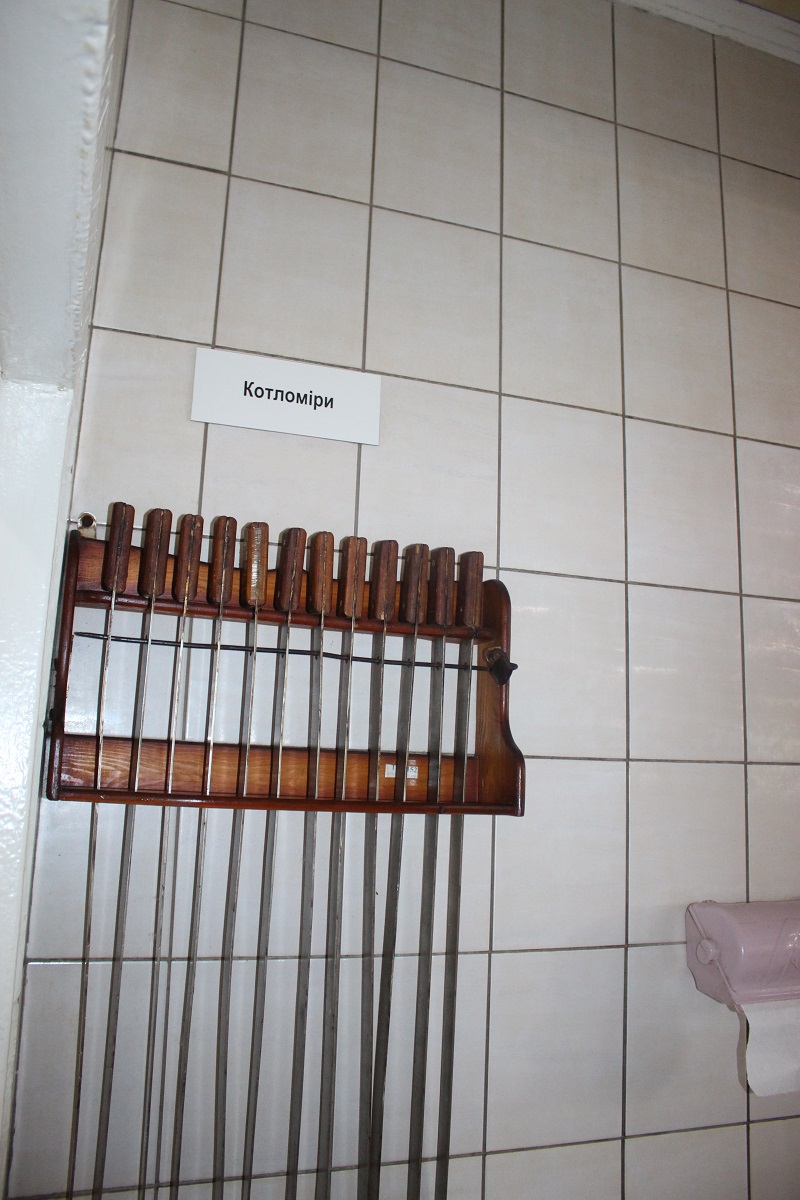
Since the facility functions as a pre-trial detention centre, there are no control portions.
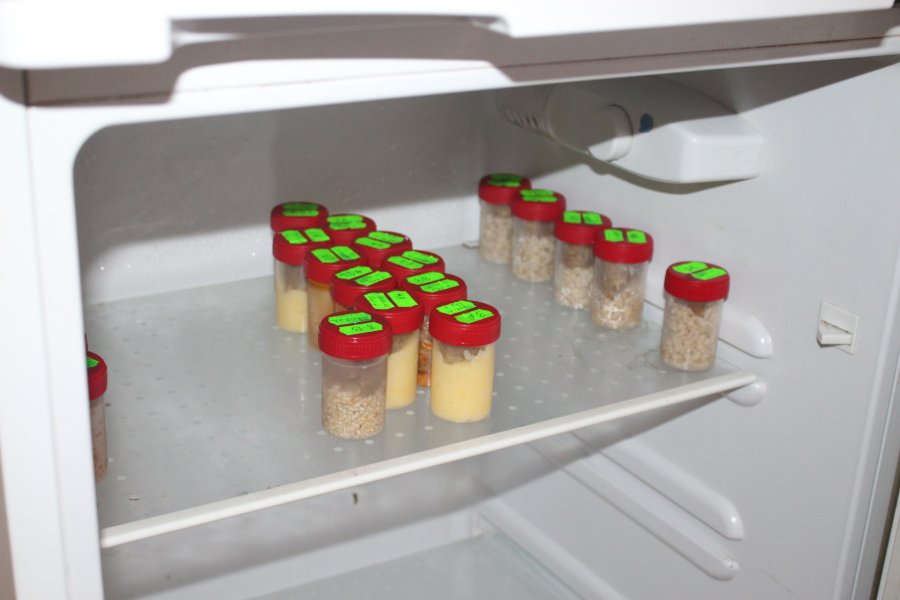
Food samples are kept in the refrigerator.
Sports Ground
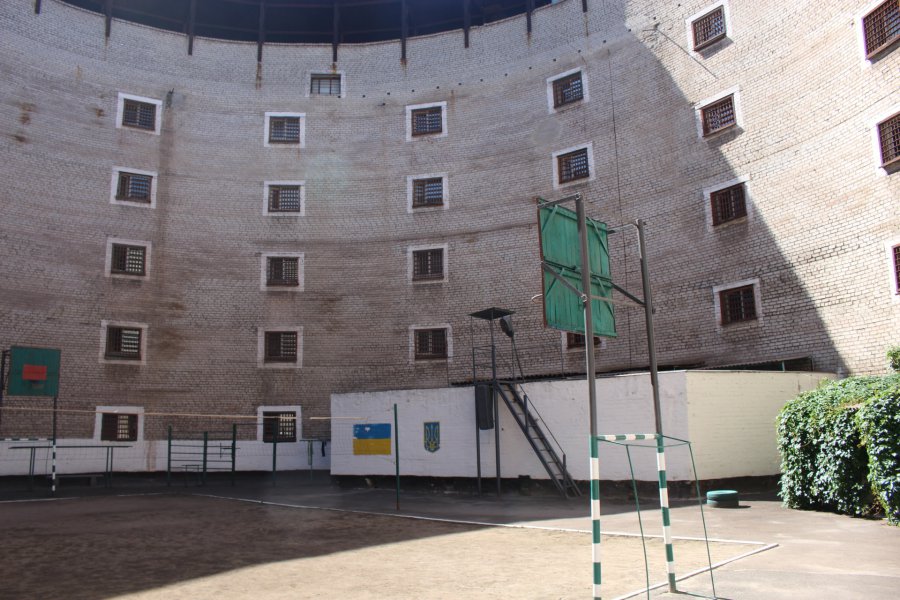
The institution is built in a circle. Inside, there is a sports ground.
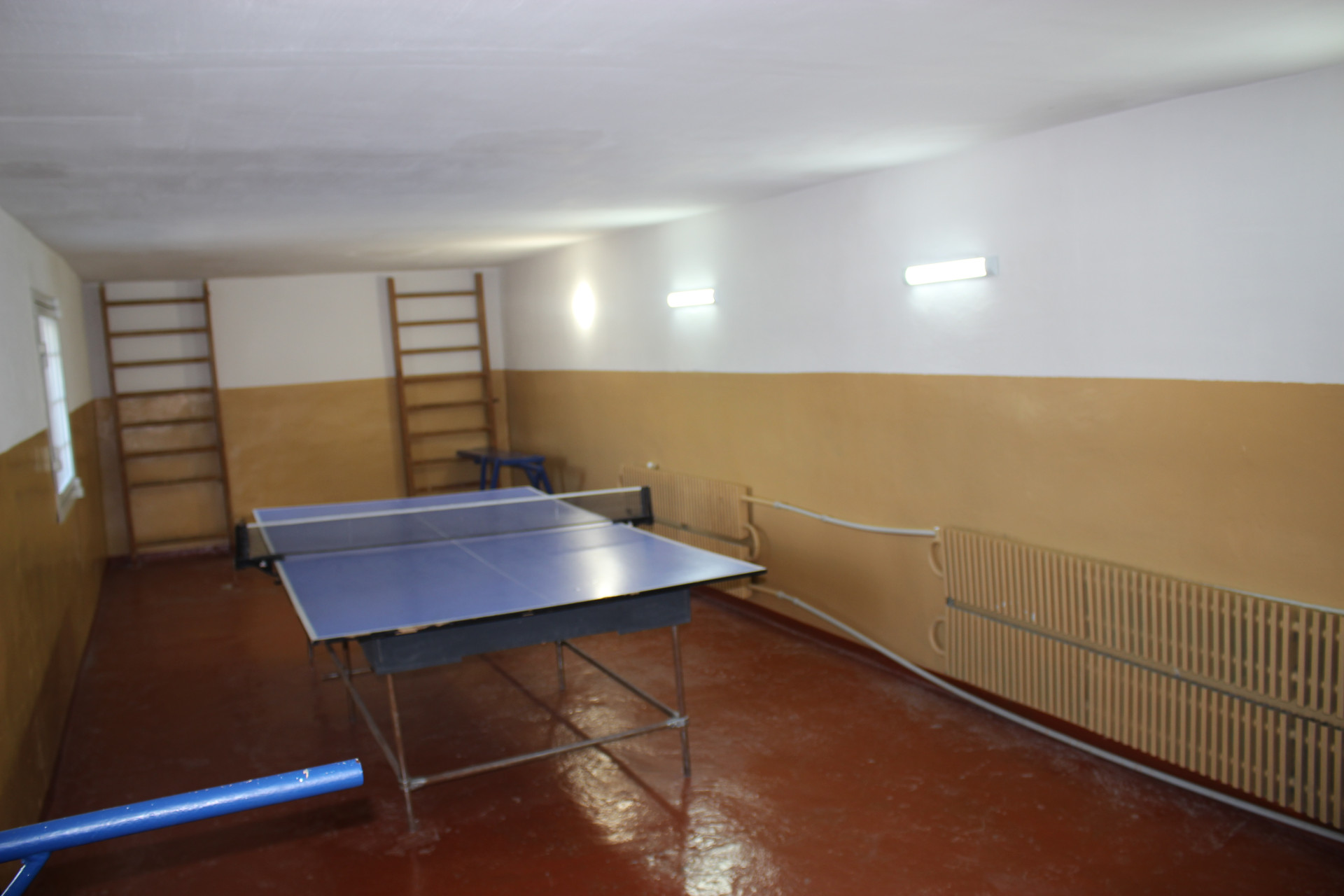
Sports Hall
Sports hall for minors:
Church on each floor
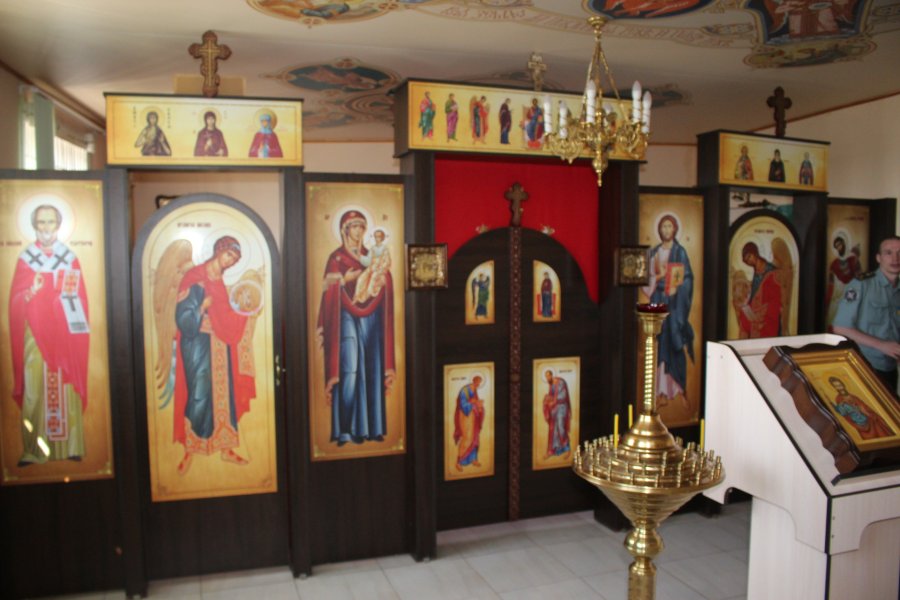
All individuals, both convicts and detainees, can exercise their right to freedom of religion and visit the premises by submitting an application.
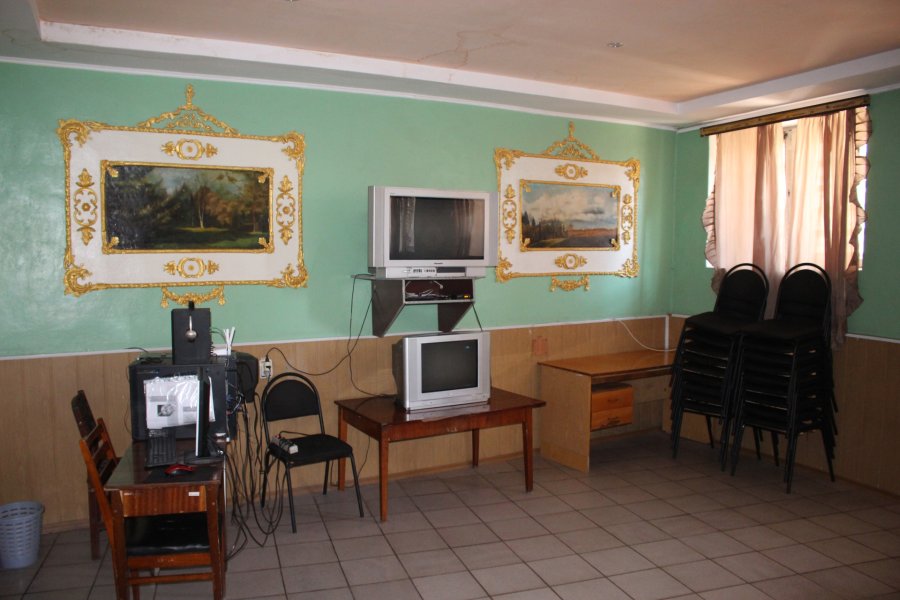
Recreation Room
Household Maintenance Unit
Renovations have been carried out. Canteen room, bedside tables where food is stored:
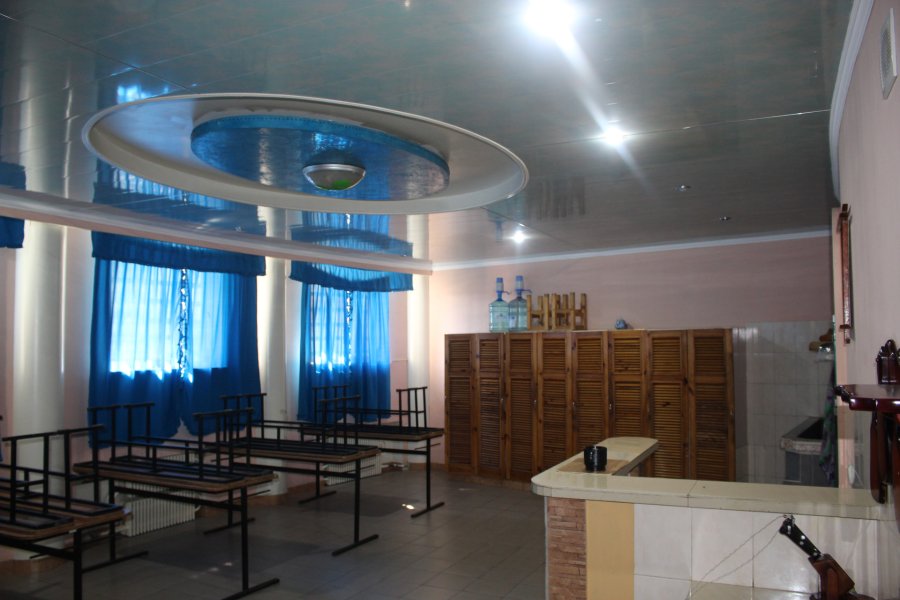
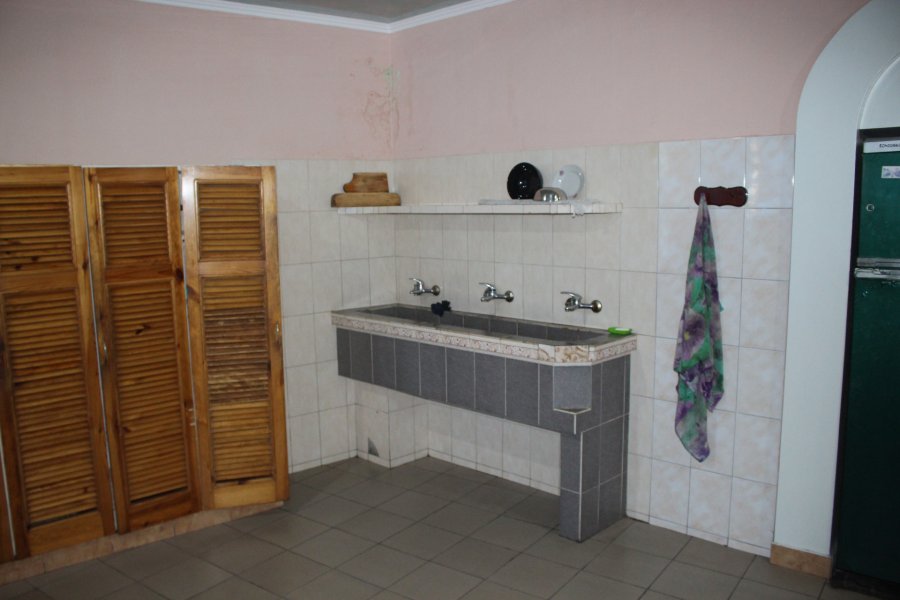
Sleeping quarters. Beds are separated:
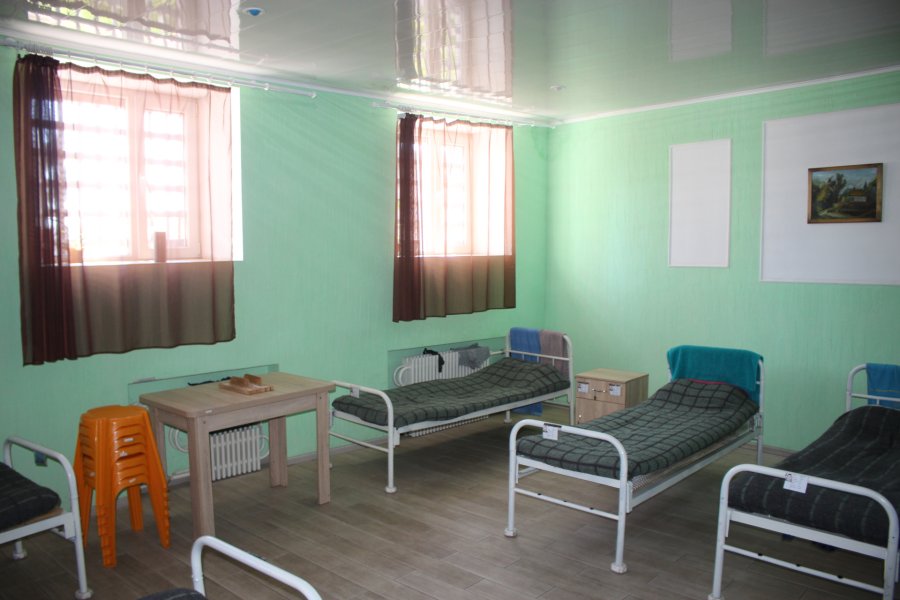
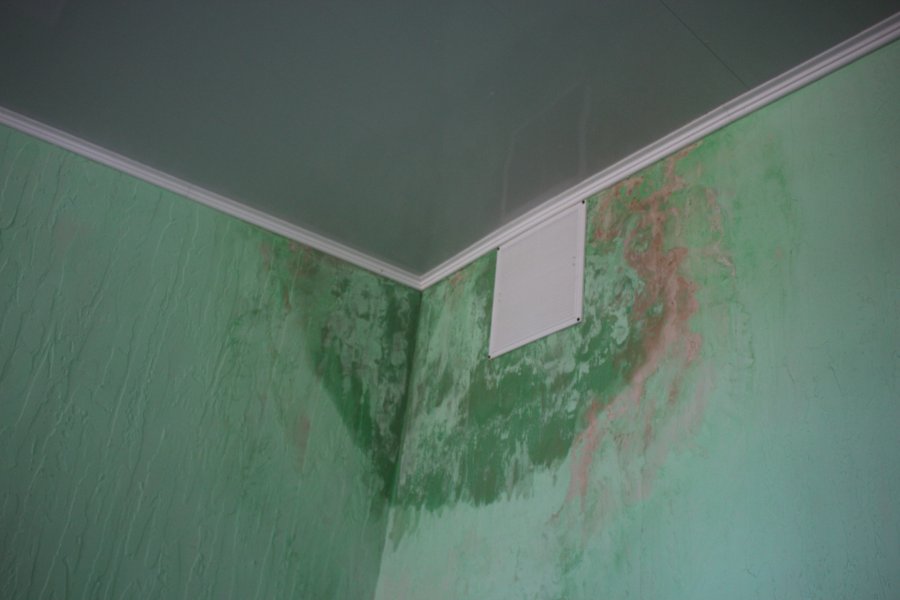
Renovations were funded by the institution. Disinfection is carried out.
In some places, there are damp spots from water.
Bath and Laundry Facility
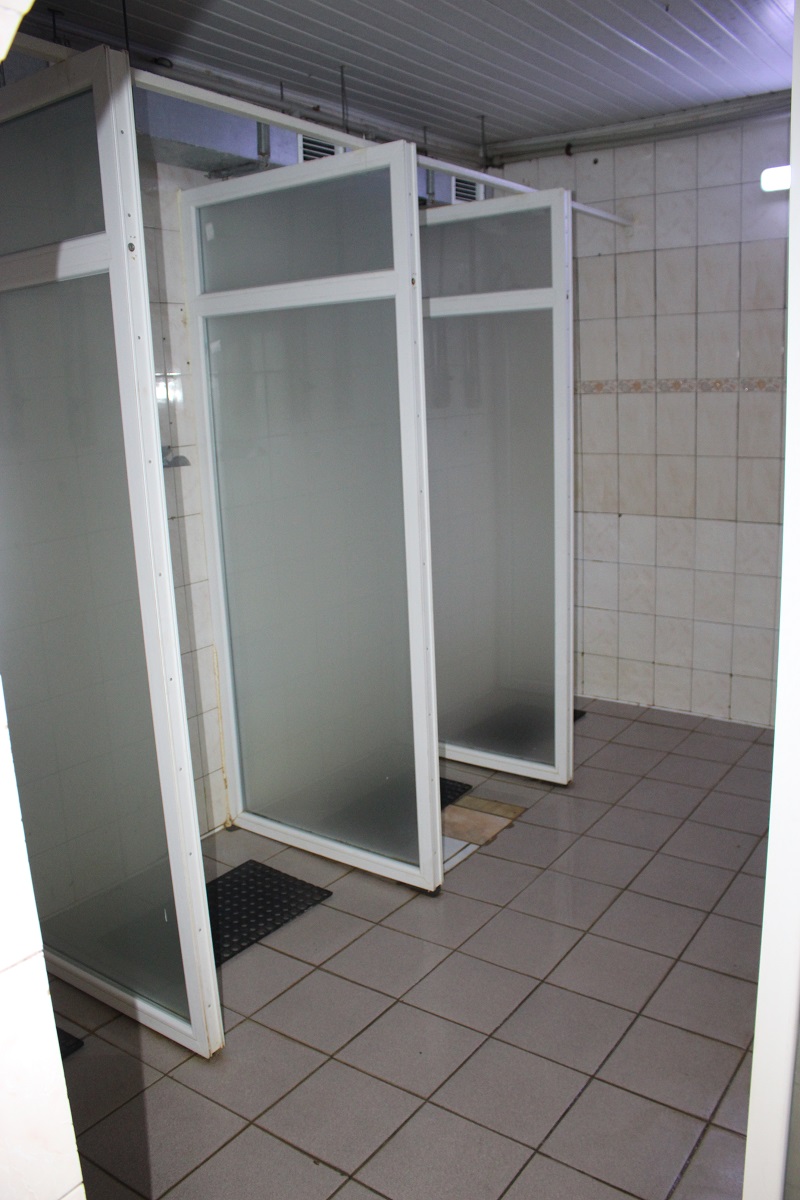
Shower stalls are partitioned off, each prisoner can adjust the water temperature independently, and there is a rubber mat in each stall; however, the stalls do not have curtains, which violates the right to privacy.
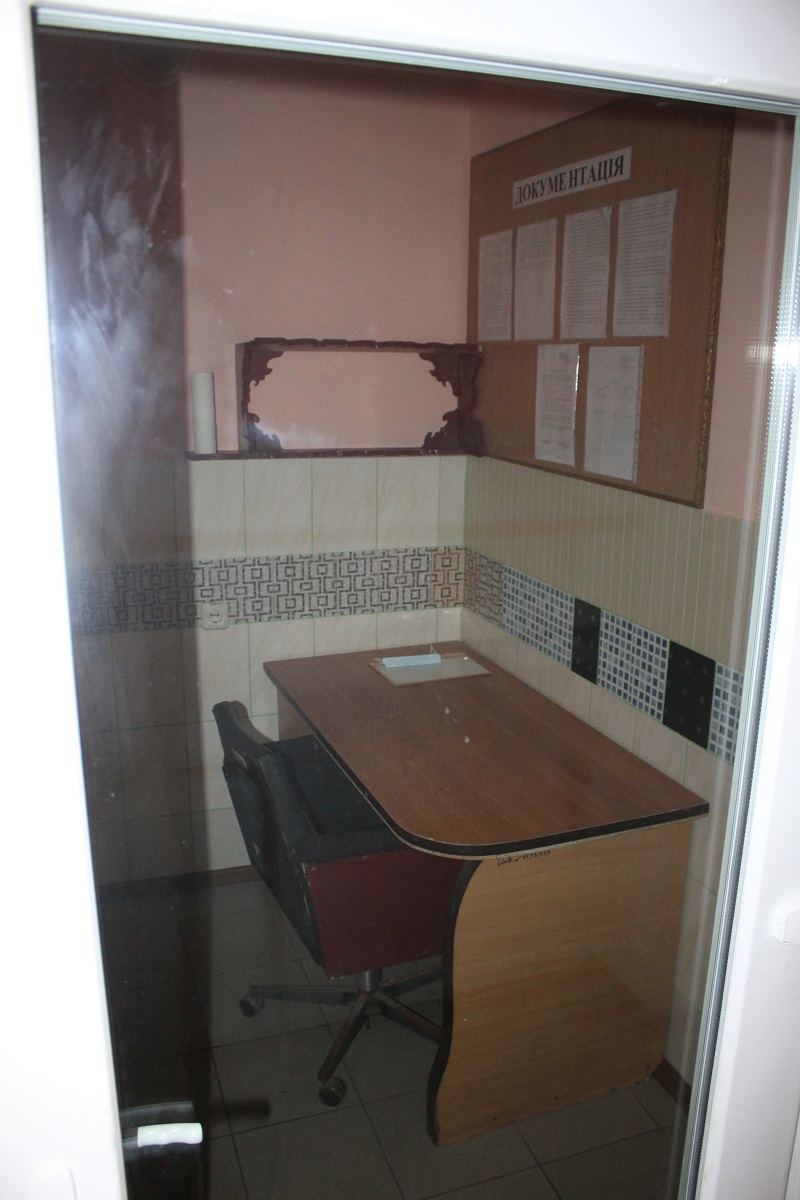
There is a separate paramedic room, but the paramedic’s examination log was not provided.
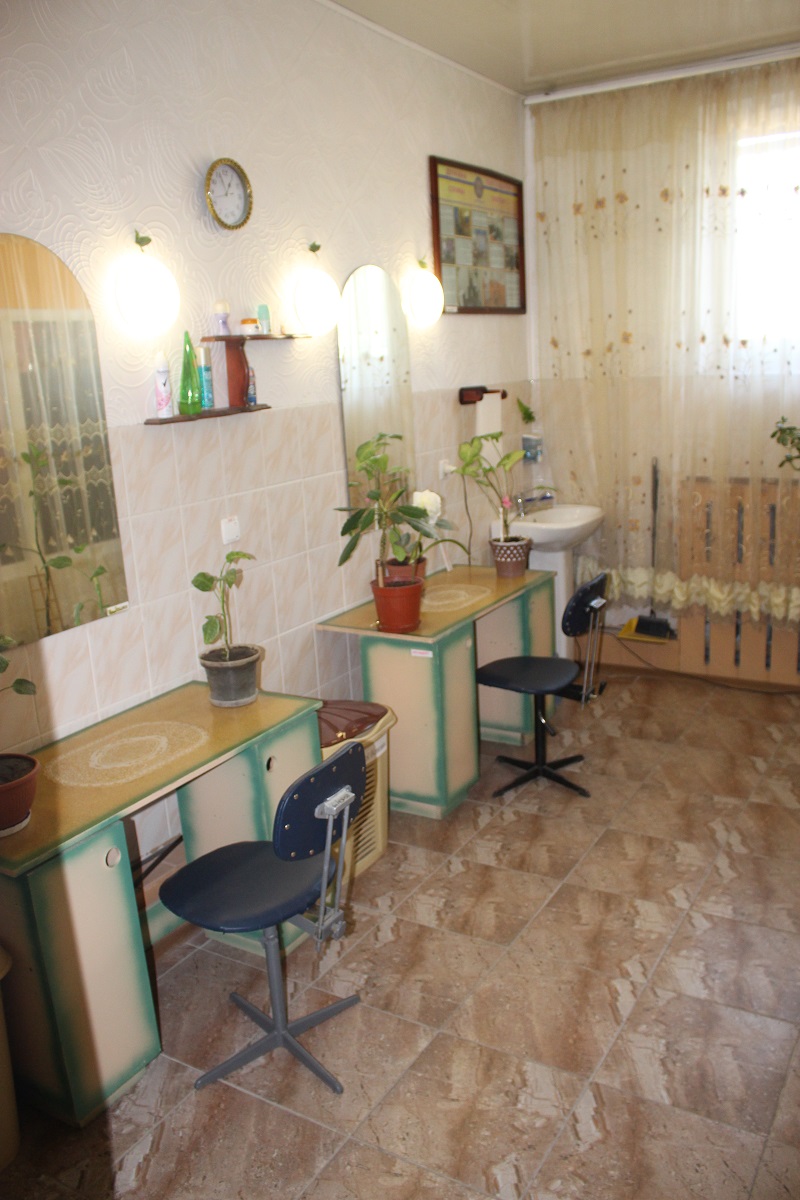
There is a barbershop.
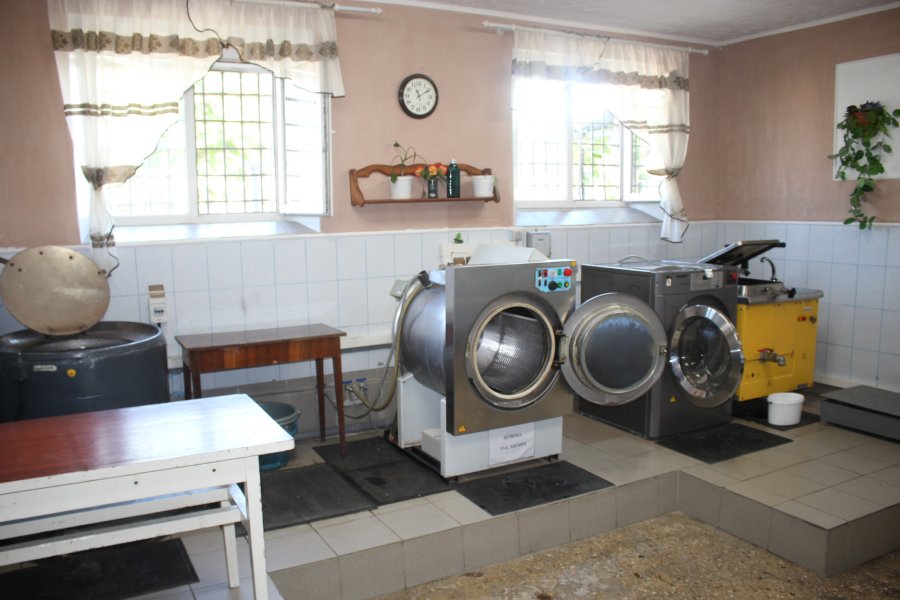
Washing machines:
Rooms for Long-term Visits
At the time of the visit, two rooms for long-term visits were not in use.
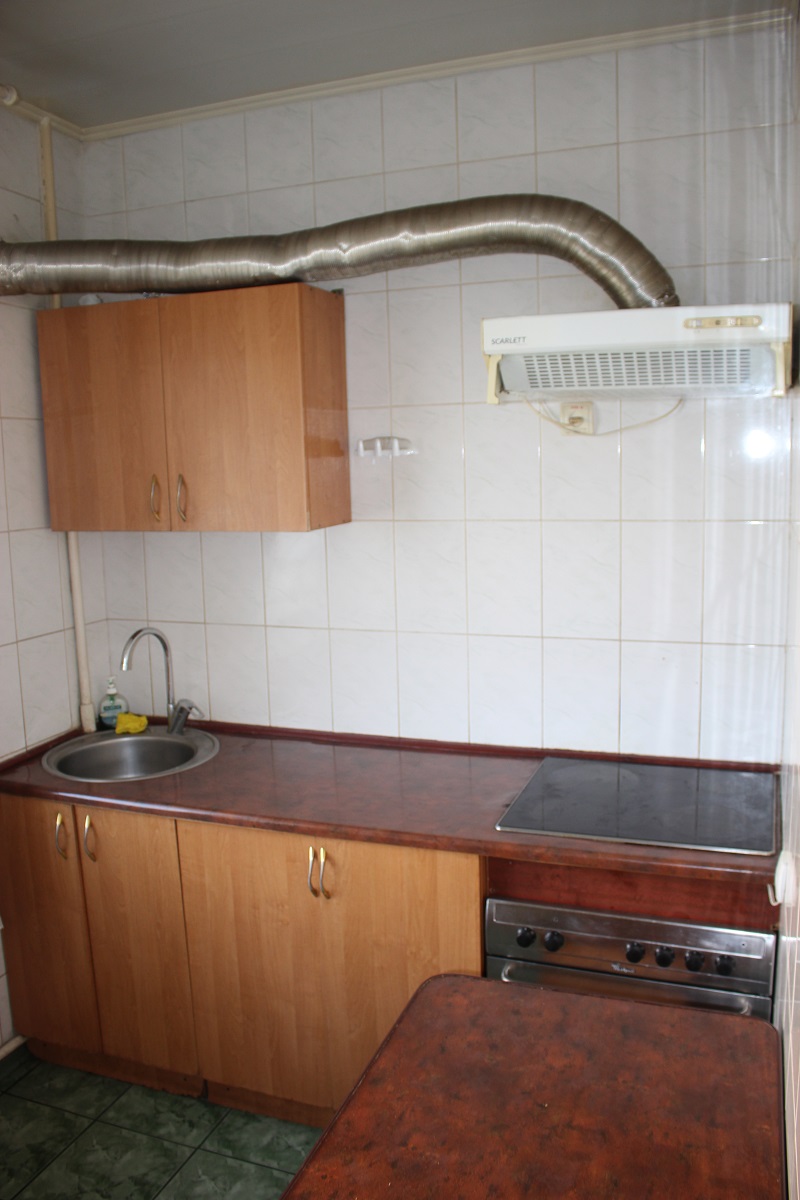
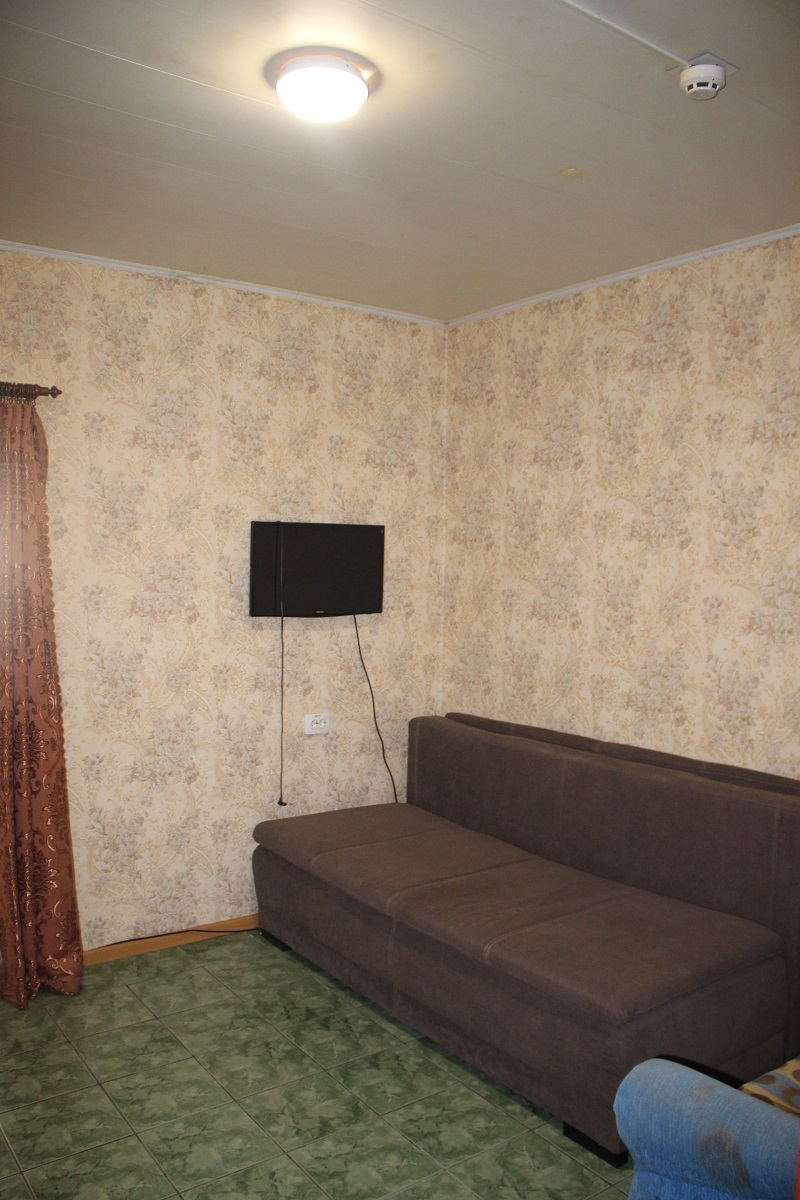
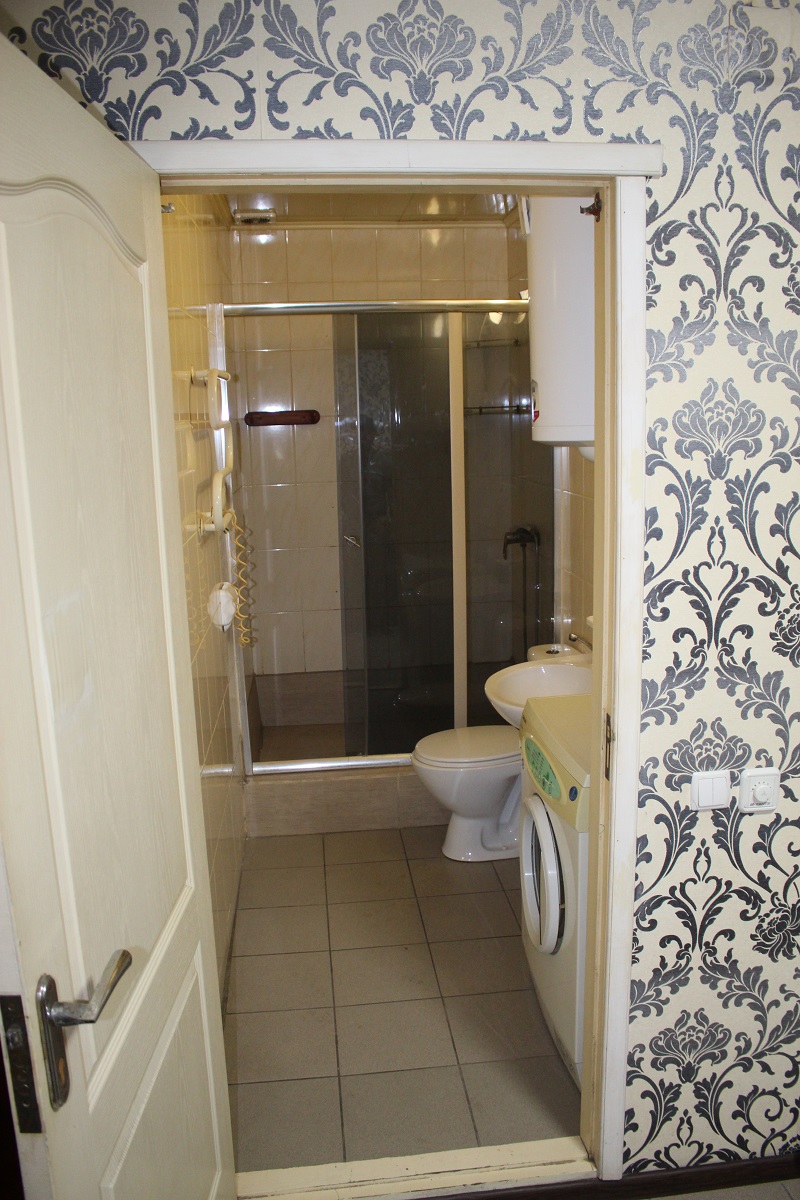
The rooms are used by life-sentenced prisoners, as well as convicts retained in the institution for household work.
Rooms for Short-term Visits
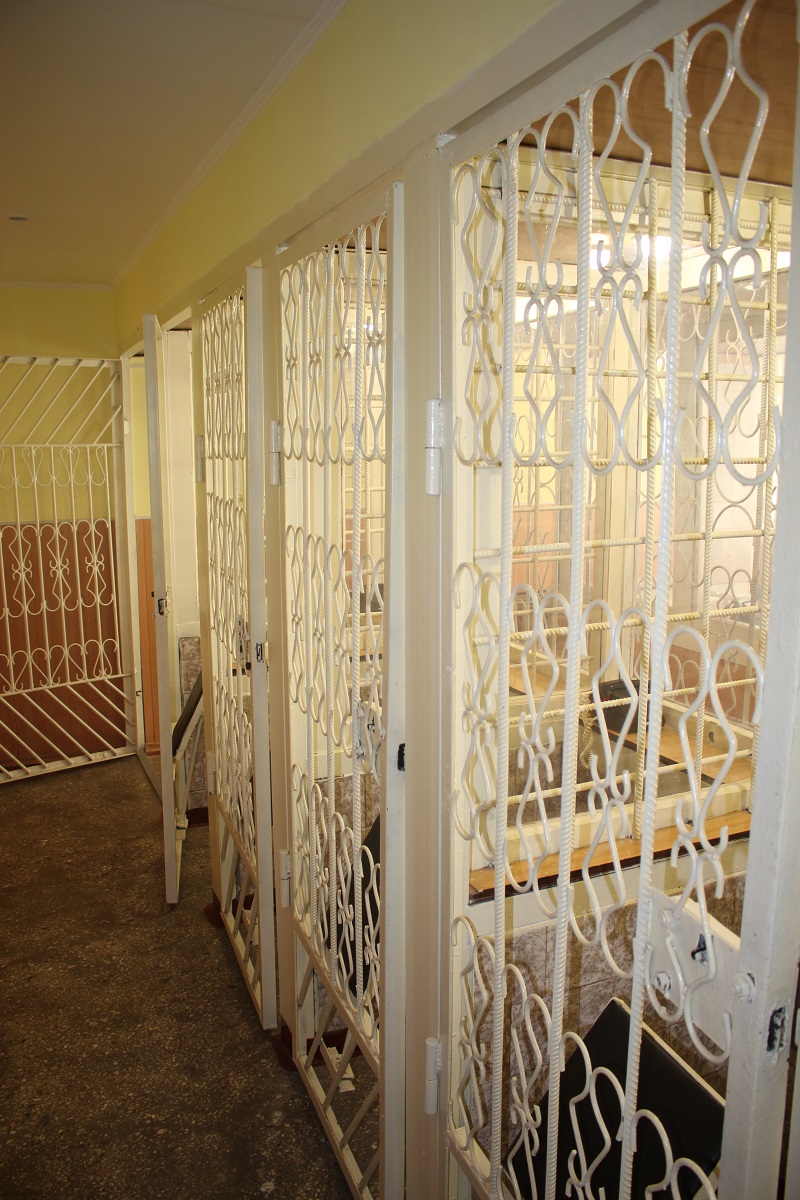
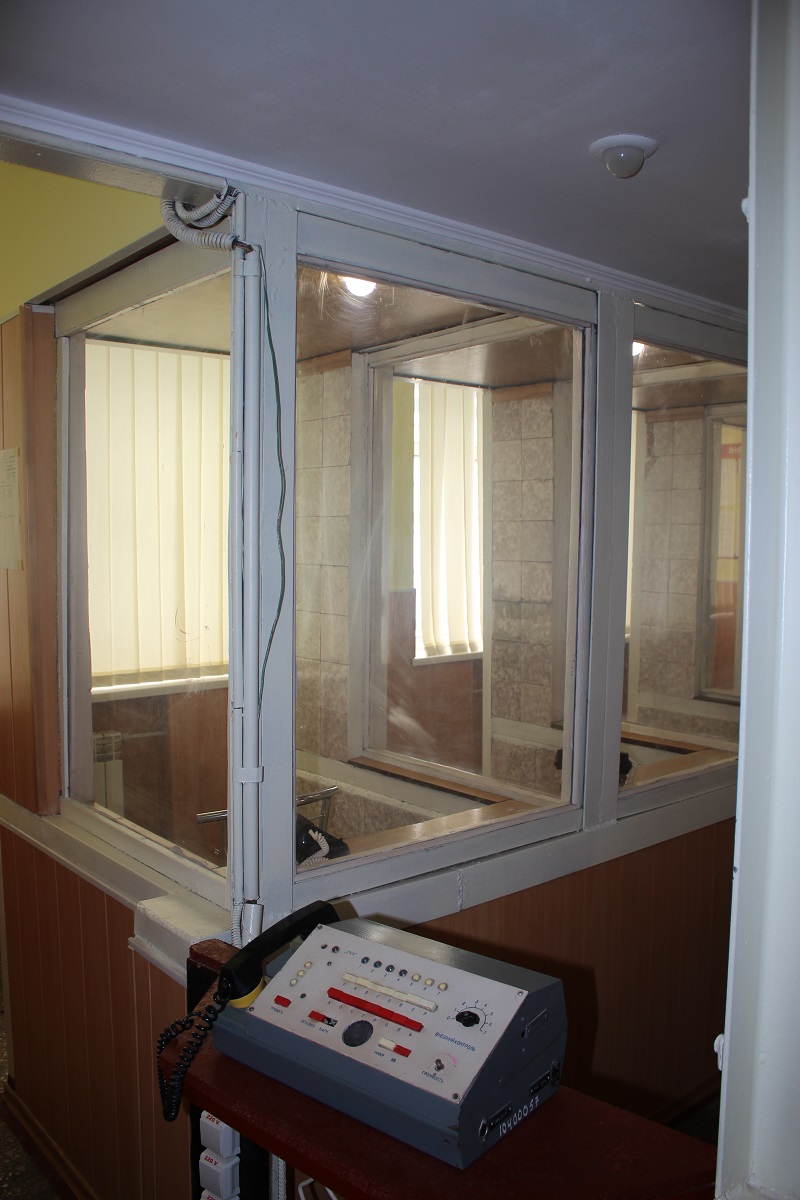
Rooms for Contact Short-term Visits
For individuals working on household maintenance jobs.
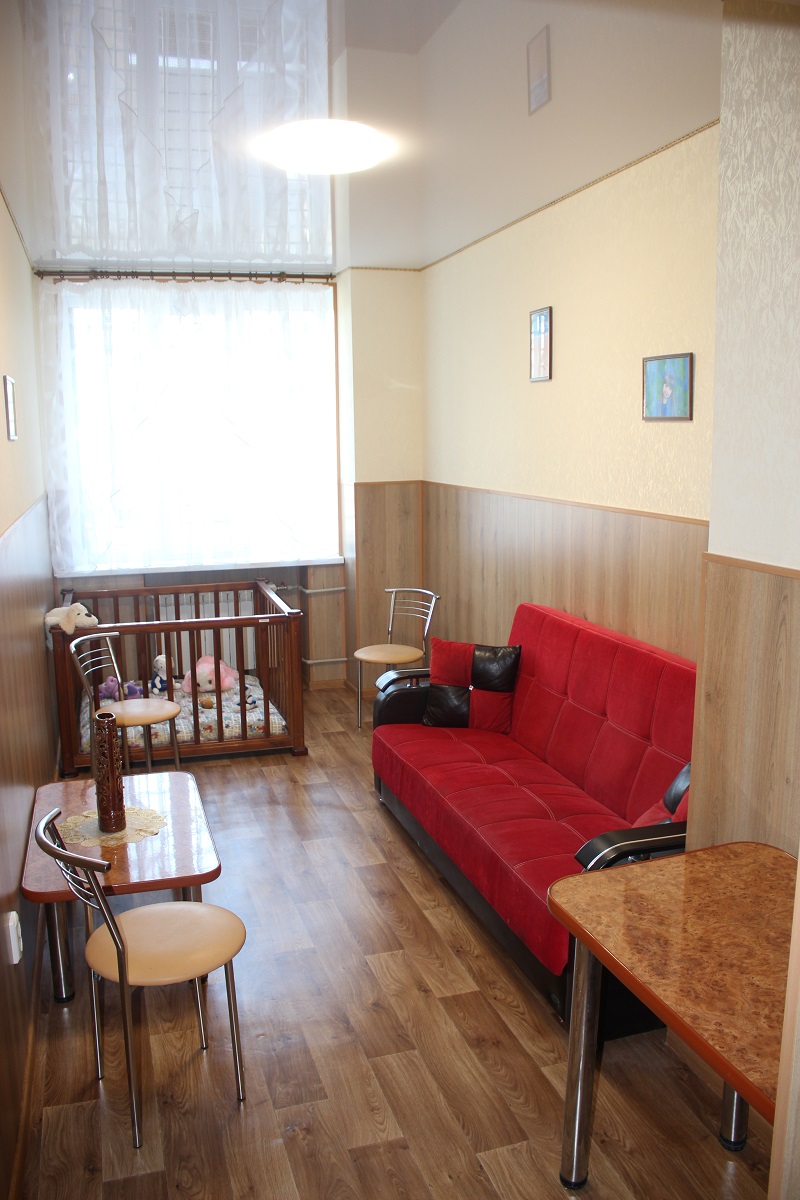
Life-sentenced Prisoners
Communication room:
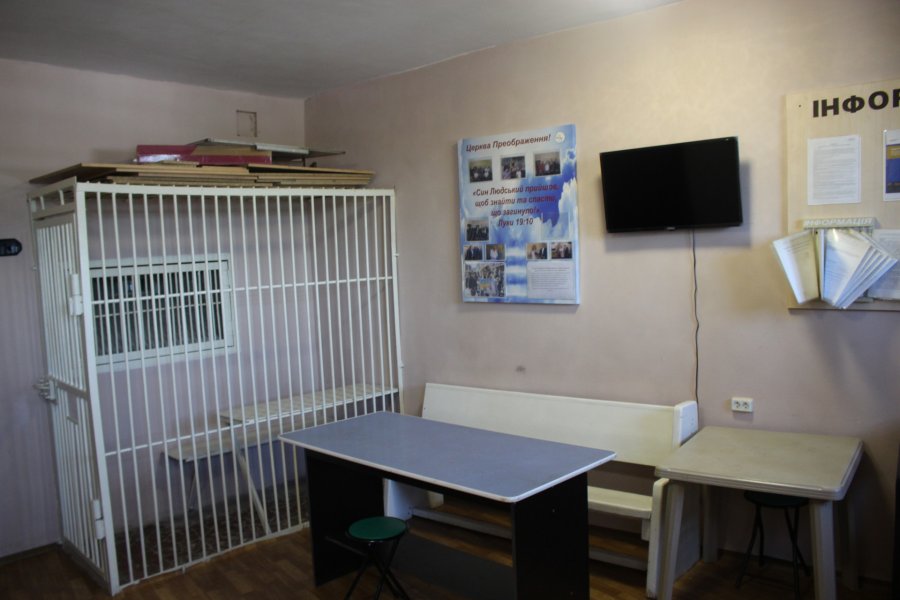
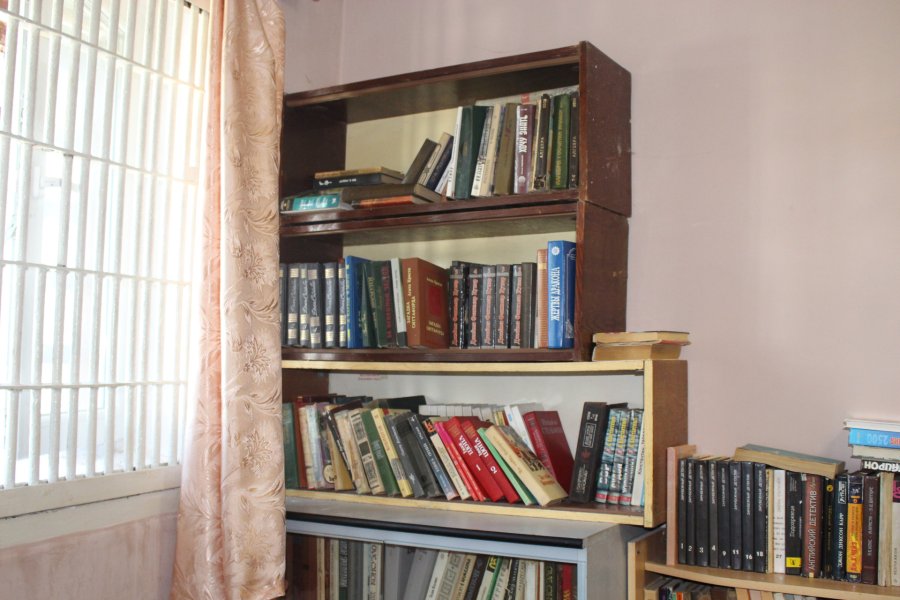
Library:
Multi-bed Cells
There are 4 multi-bed cells. Life-sentenced prisoners may be transferred to these cells after serving 5 years. In the cells, there are multicookers and a fan. Convicts have the opportunity to prepare their own food.
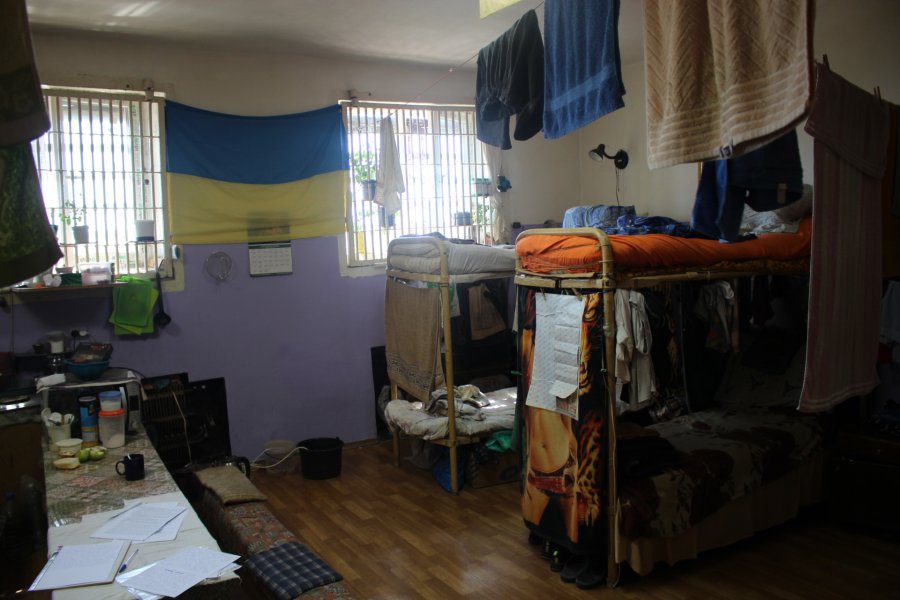

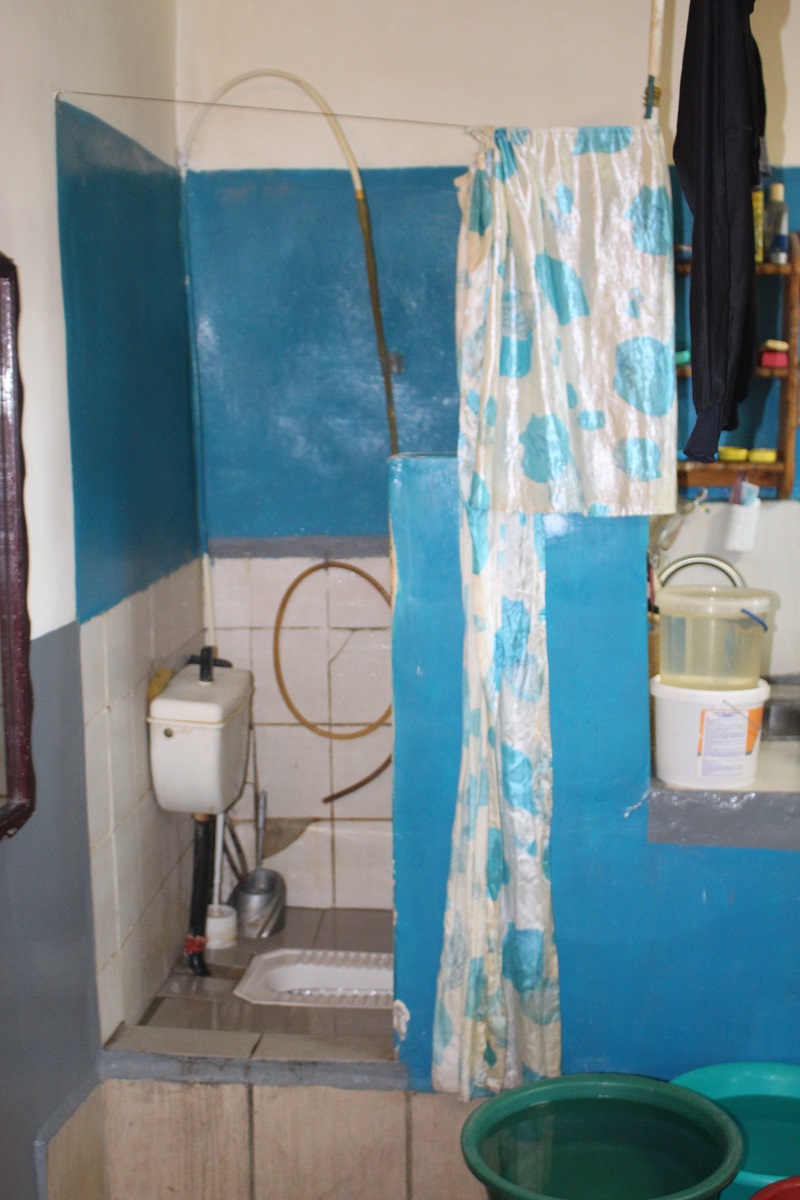
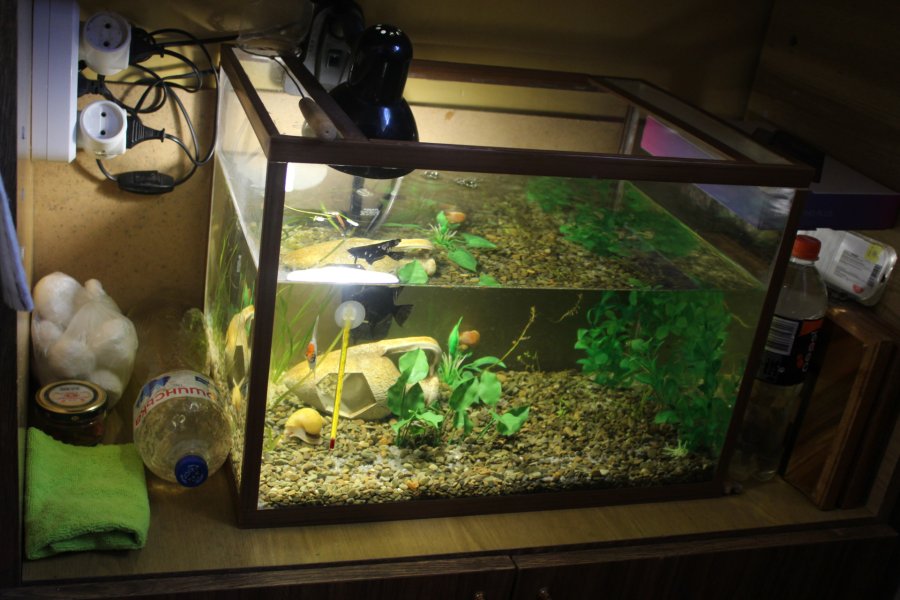
Convicts can have an aquarium with fish.
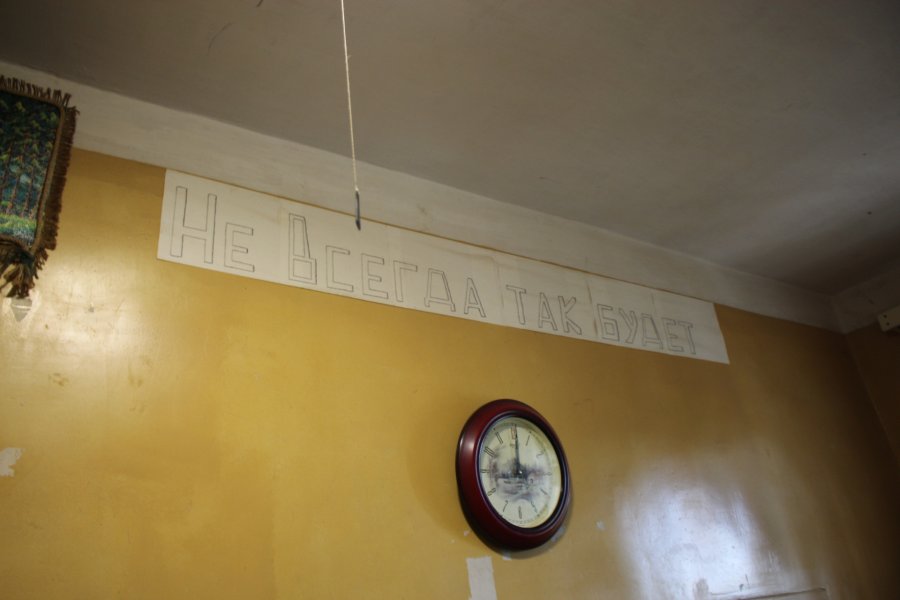
Convicts do not lose hope for release.
Convict I. has a disability and lived in Crimea before imprisonment. He does not receive a pension due to the lack of a passport.
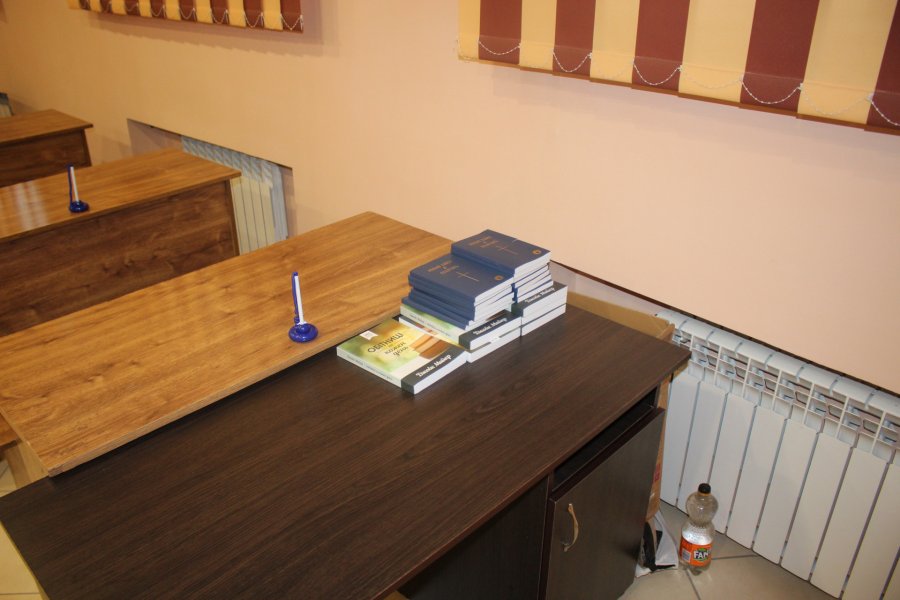
Classroom
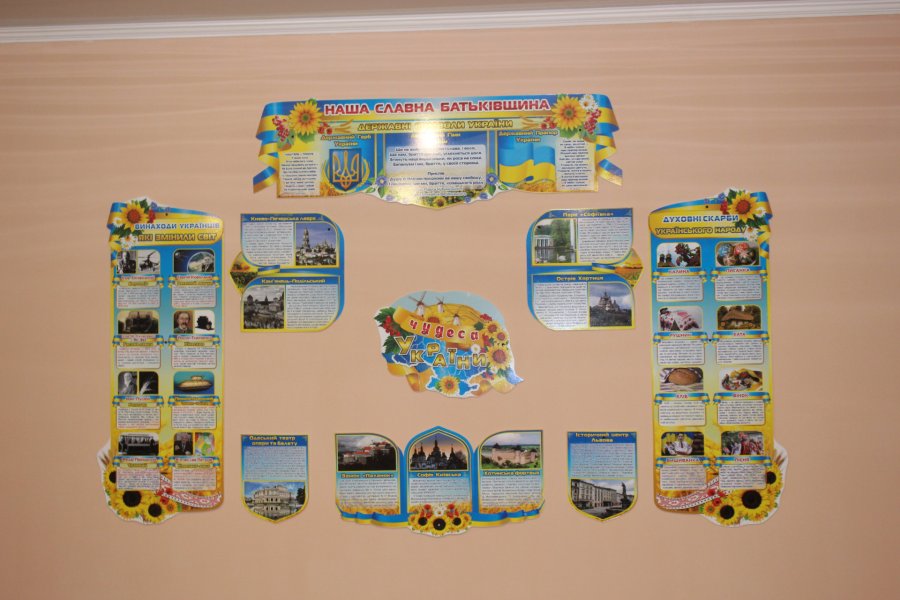
In the classroom, representatives of religious organisations of various denominations can meet with life-sentenced prisoners.
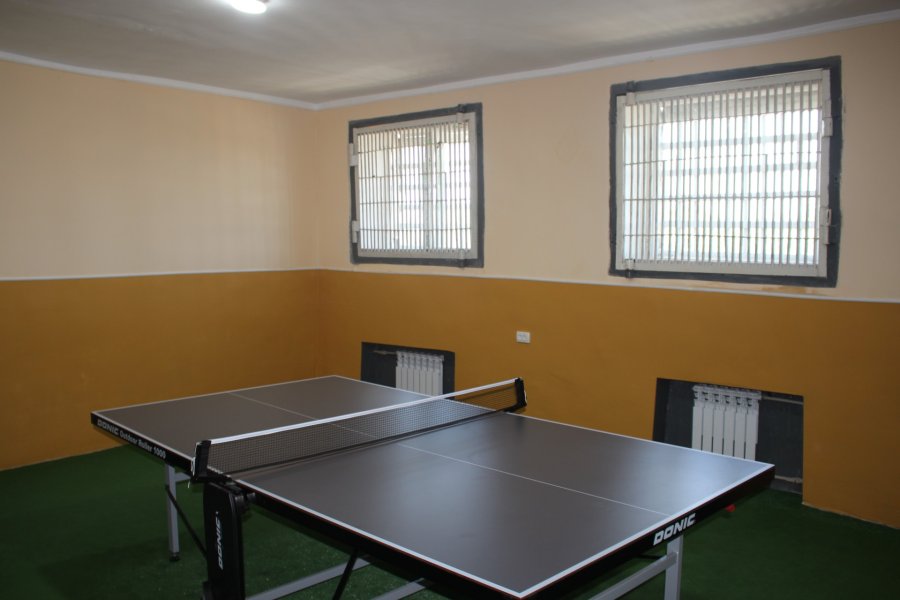
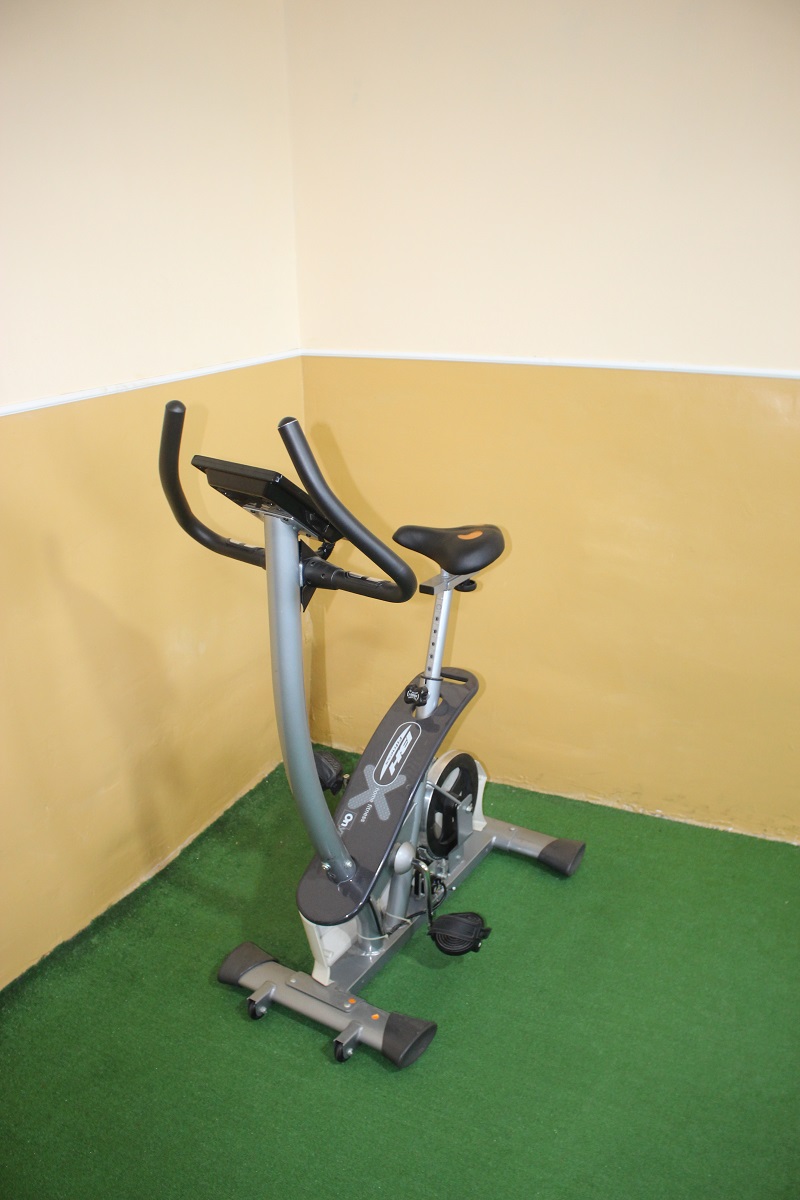
Sports Room
Administration representatives reported that despite the conditions created for sports, there are few life-sentenced prisoners who wish to use this hall.
Workshop
Not in use since pre-war times due to a lack of orders.

Computer Lab
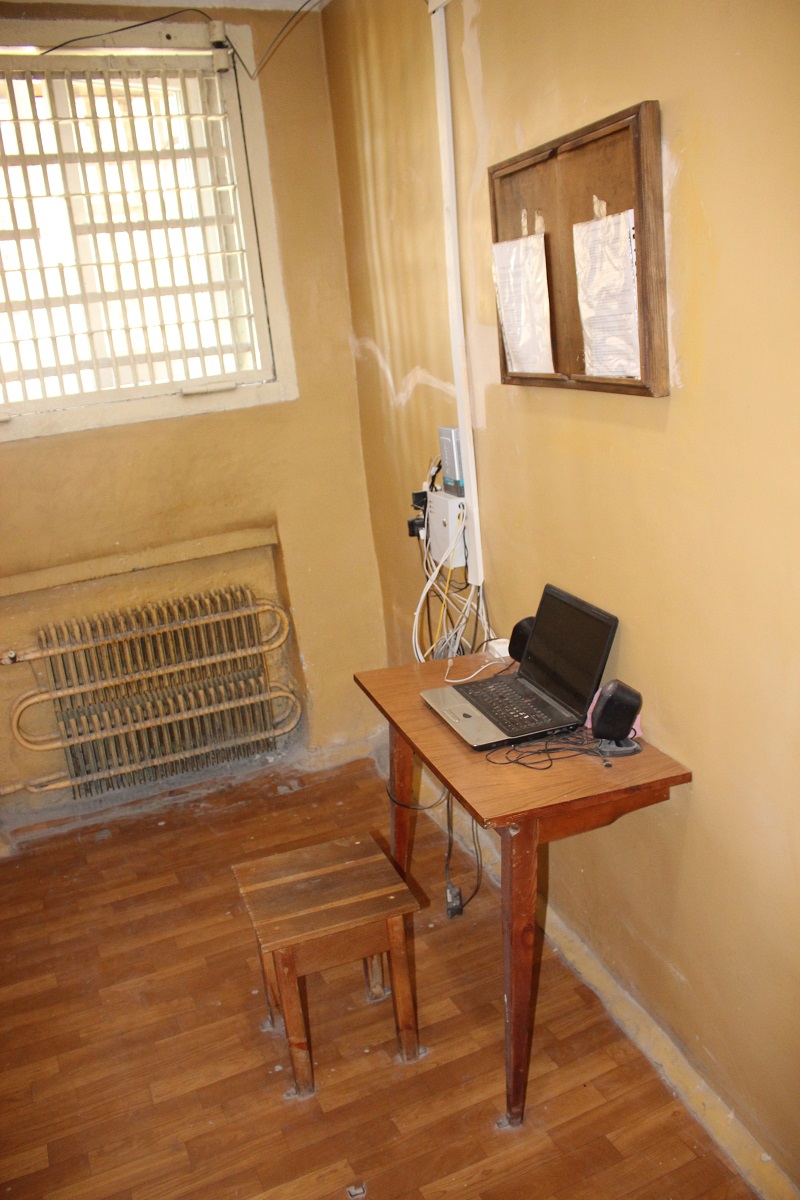
Used primarily by convicts who are studying in various institutions and receive assignments. Everyone else uses tablets in their cells.
Humanitarian Needs of the Institution
The institution has existing humanitarian needs, namely:
- toilet soap, washing powder, dishwashing liquid;
- drinking water containers with taps — 200 units;
- semi-cotton blankets — 500 units;
- bedding (cotton mattresses, cotton pillows, sheets, pillowcases, towels);
- industrial vegetable cutting machine for raw vegetables — 1 unit;
- industrial vegetable cutting machine for cooked vegetables — 1 unit;
- industrial washing machine for 16–25 kg — 2 units;
- industrial flour sifter — 1 unit;
- large freezer chests — 4 units;
- household refrigerators — 6 units;
- industrial centrifuge for spin-drying laundry — 1 unit;
- 50 kW diesel generator — 2 units.