Monitoring visit to the State Institution “Kryvyi Rih Correctional Colony (No. 80)”
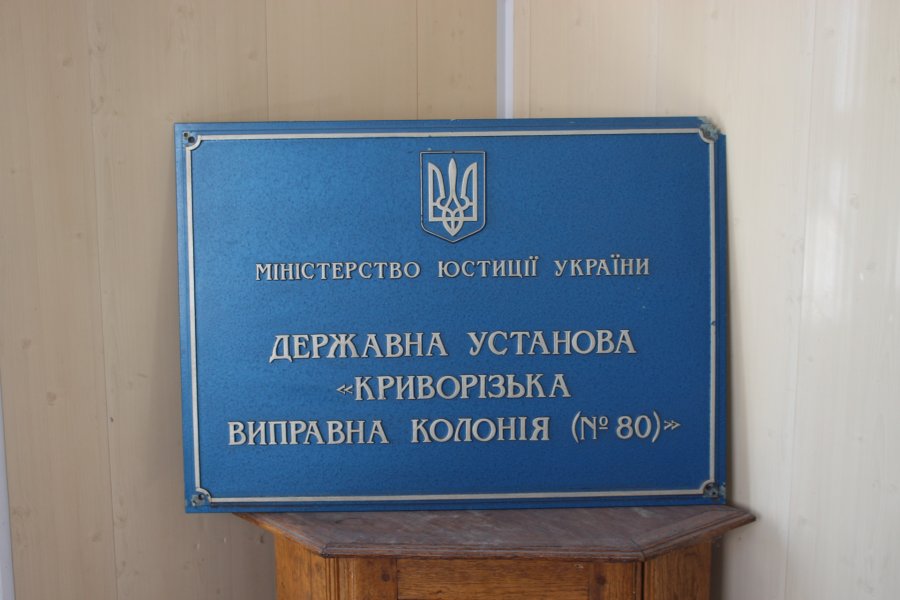
On 9 August 2022, a monitoring group composed of an assistant to the People's Deputy of Ukraine Kostiantyn Kasai, a member of the Public Council under the Ministry of Justice of Ukraine Serhii Zuikov, an assistant to the People's Deputy of Ukraine Yaroslav Yurchyshyn, a coordinator of KHPG programmes Andrii Didenko, and a journalist from the “Poryad z vamy” (“Beside You”) news agency Oleksa Yaroslavtsev conducted a routine visit to the state institution “Kryvyi Rih Correctional Colony (No. 80)”.
The report on the previous visit can be found via this link.
The main objectives of the monitoring visit were to analyse the institution's operations during the war and to determine its humanitarian needs.
The monitors gained access to the facility's territory without obstruction. They had the opportunity to visit any premises of the institution, communicate with convicts—including on the condition of anonymity—gather information, verify it, and had access to relevant documents.
The head of the institution is Vitalii Volodymyrovych Lemish.
General Information
Kryvyi Rih Correctional Colony (No. 80) is a medium-security correctional facility for holding convicts serving sentences for serious and particularly serious crimes for the first time. The institution operates 16 social and psychological service (SPS) units and one social rehabilitation ward. There are also 3 psychologists working at the institution.
The monitors inspected the logs of reports regarding violations of the established detention regime by convicts and other offences, as well as: the log of injuries detected in persons arriving at the USP (penal institution); records regarding the use of special means, straitjackets, and physical force against convicts; diaries of social and educational work with convicts; the record card for medicinal products, medical devices, and technical and other rehabilitation aids received from the relatives of convicts and other persons; the log of detected injuries in convicts; the log of admission, discharge, and refusal of hospitalisation in the medical unit; the log of convicts for whom grounds have been established to submit materials to the court for release from further serving of the sentence due to illness; the log of hourly checks of the presence of convicts at their workplaces; shift assignment records; the log of convicts working in production; lists of convicts involved in workshop work; orders on placing convicts in the disciplinary isolation unit (DIZO); and the log of visits to the disciplinary isolation unit and cell-type premises (PKT) by the institution's administration.
A tense atmosphere is palpable in the institution. Convicts are afraid to complain about the actions (or inaction) of the administration. According to the administration, approximately 10 per cent of the convicts are malicious violators of the detention regime. Five persons have been served with notices of suspicion under Article 391 of the Criminal Code of Ukraine, and 3 persons under Article 309 of the Criminal Code of Ukraine.
During 2022, physical influence measures and special means were used against convicts 9 times; 427 persons were placed in the disciplinary isolation unit (DIZO), 8 in cell-type premises (PKT), and 1 in the disciplinary cell (DPK).
Upon arrival at the institution, explanatory work is conducted regarding how to behave during air raids and shelling. In the units, convicts receive practical recommendations regarding safety. A special room, which meets level 2 security standards, is equipped as a bomb shelter. Each unit has its own marked route to reach the shelter. The room is equipped to accommodate virtually all convicts of the institution. At the time of the inspection of the bomb shelter, there were no supplies of water, medicine, or food in the room.
The vast majority of convicts in the institution submitted petitions for release to serve in the Armed Forces of Ukraine; 26 of them were released.
The administration of the institution holds reception hours for convicts every day.
The staff-to-convict ratio is 1 administrator for every 4.6 convicts.
The total staff shortage is 32 positions, which equals 12.3 per cent. The shortage of senior and middle management staff is 3 positions, consisting of:
- Head of the Operational Department — 1;
- Senior Inspector (for the organisation of clothing and household supplies) of the Intendance and Economic Support Department — 1;
- Head of the Social and Psychological Service Unit of the Social, Educational, and Psychological Work Department — 1;
The shortage of junior management staff is 26 positions, consisting of:
- Junior Inspector for Supervision and Safety — 19;
- Junior Inspector of the Security Department — 5;
- Driver/Employee of the Security Department — 1;
- Head of the Canteen of the Intendance and Economic Support Department — 1.
The shortage of civilian staff is 3 positions, consisting of:
- Cook of the Intendance and Economic Support Department — 1;
- Garage driver — 2 positions.
During the current year, the institution's commission considered 118 petitions for parole; of these, 76 convicts were refused, 42 petitions were submitted to the court, and 28 persons were released by the court. Three motions are currently pending in court. The court refused 11 persons. Regarding the substitution of the sentence with a more lenient one: the commission considered 140 petitions, with refusals for all 140. At the same time, complaints were received from a number of convicts that parole and transfer to a more lenient detention regime are not being applied to them.
Humanitarian aid is provided to the institution by 6 organisations. Thanks to this assistance, repair work is being carried out, and wooden windows are being replaced with plastic ones. Due to the martial law, an enhanced duty regime has been introduced in the institution. The administration reported that, due to the war, the Treasury is not transferring funds from the special fund.
DIZO/PKT
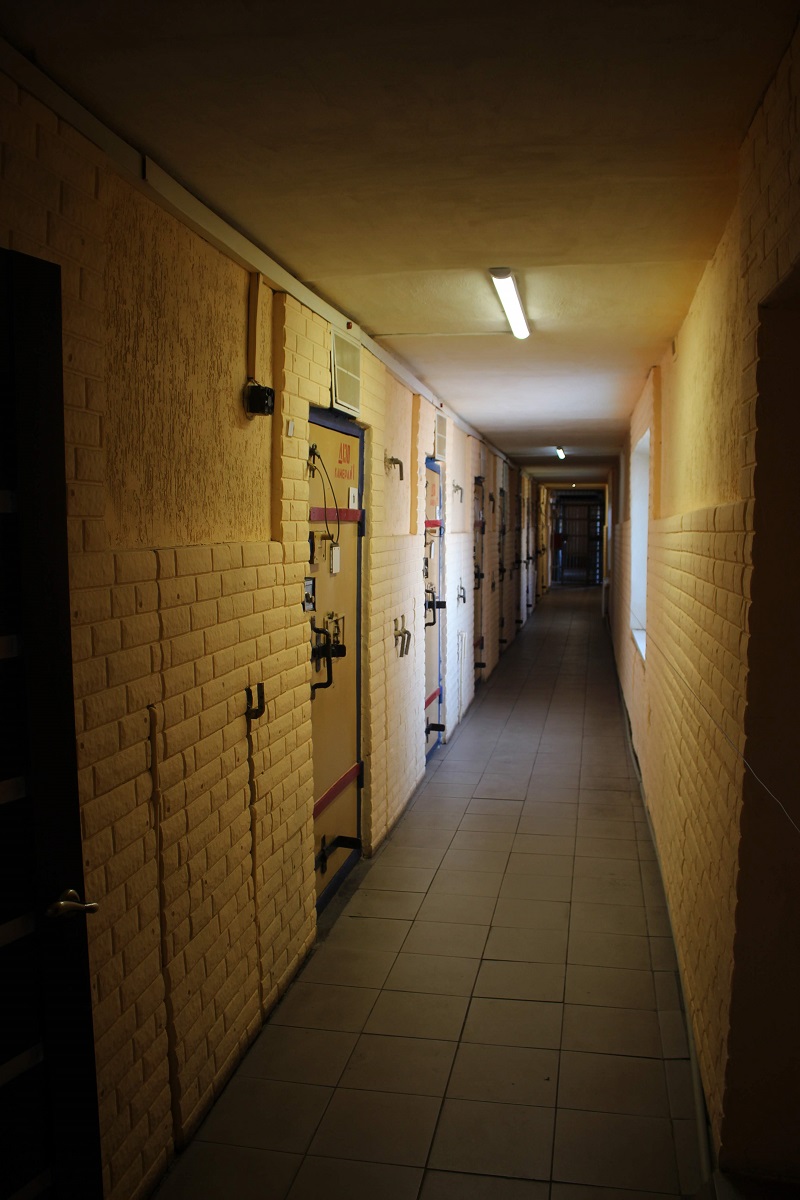
At the time of the visit, 15 convicts were serving penalties in the DIZO, 2 in the PKT, and 3 in the DPK. The orders for placing a convict in the disciplinary isolation unit and the log of visits to the disciplinary isolation unit by the administration of the penal institution were inspected.
The premises have been renovated. The reception area for convicts:
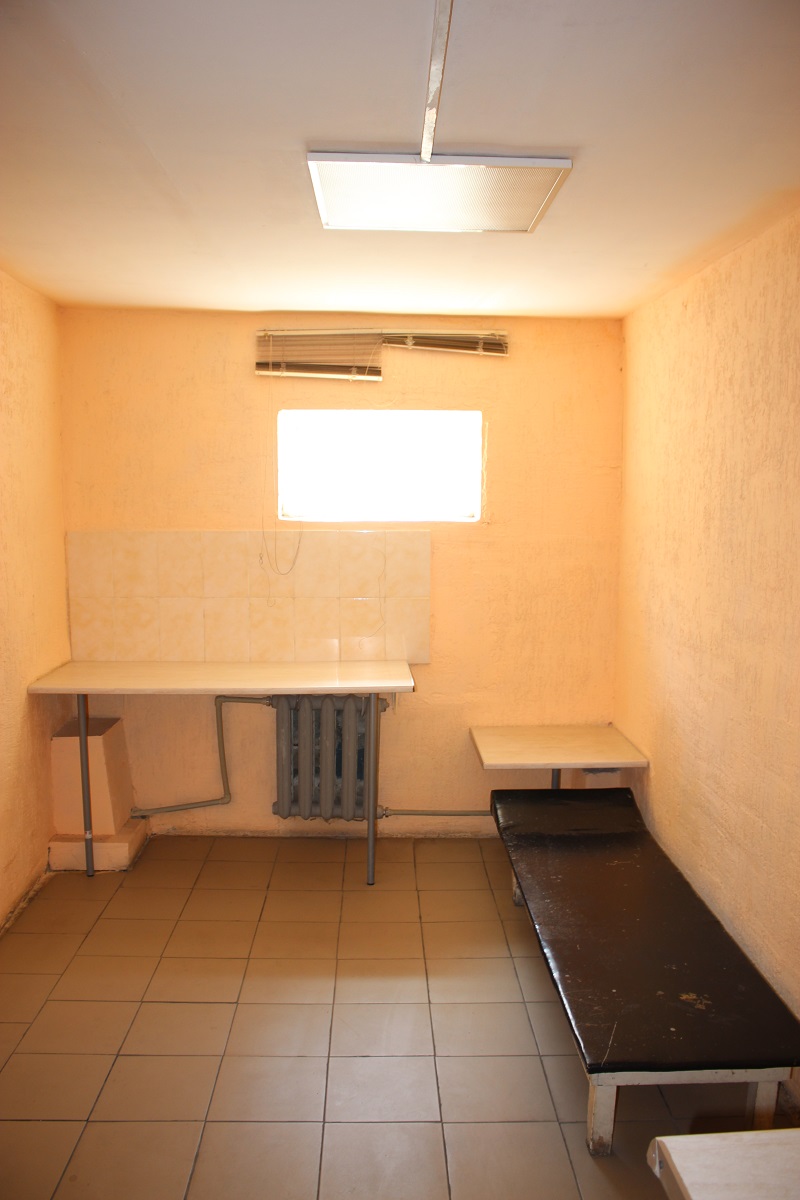
The disciplinary penalty files contain receipts from convicts confirming that they have been informed of their right to free legal aid.
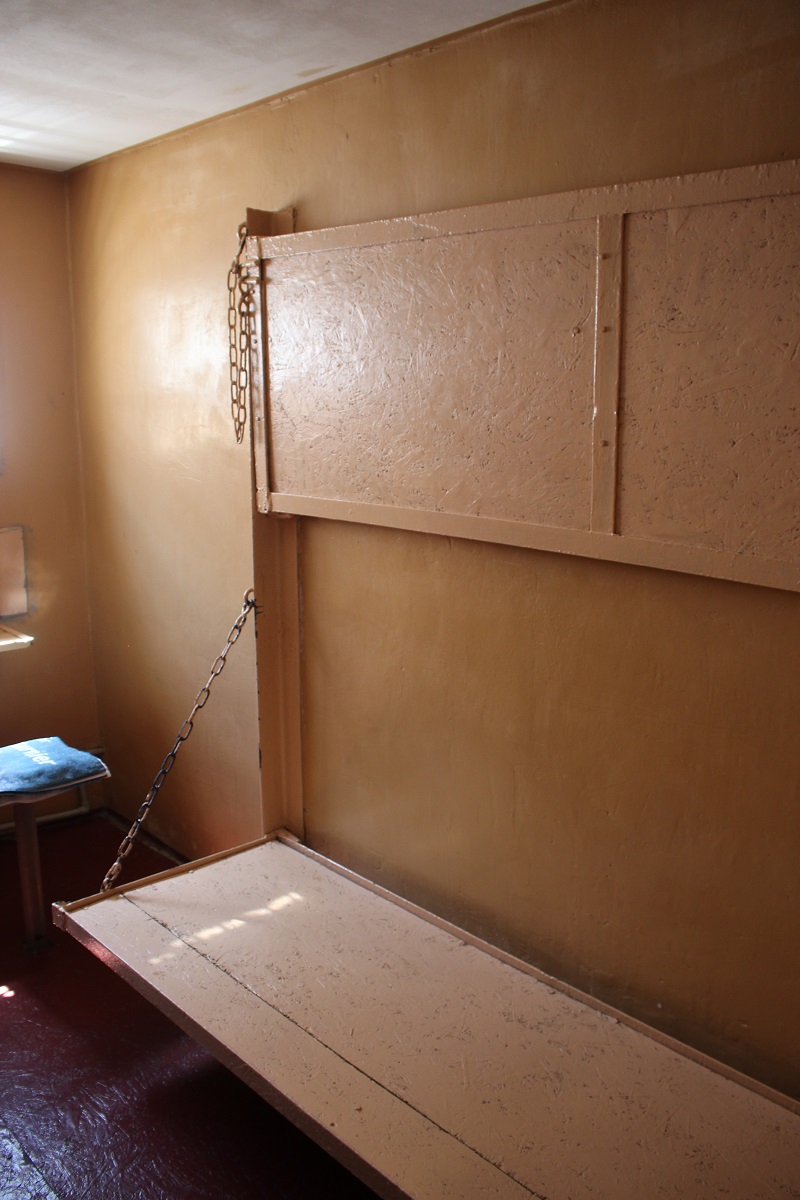
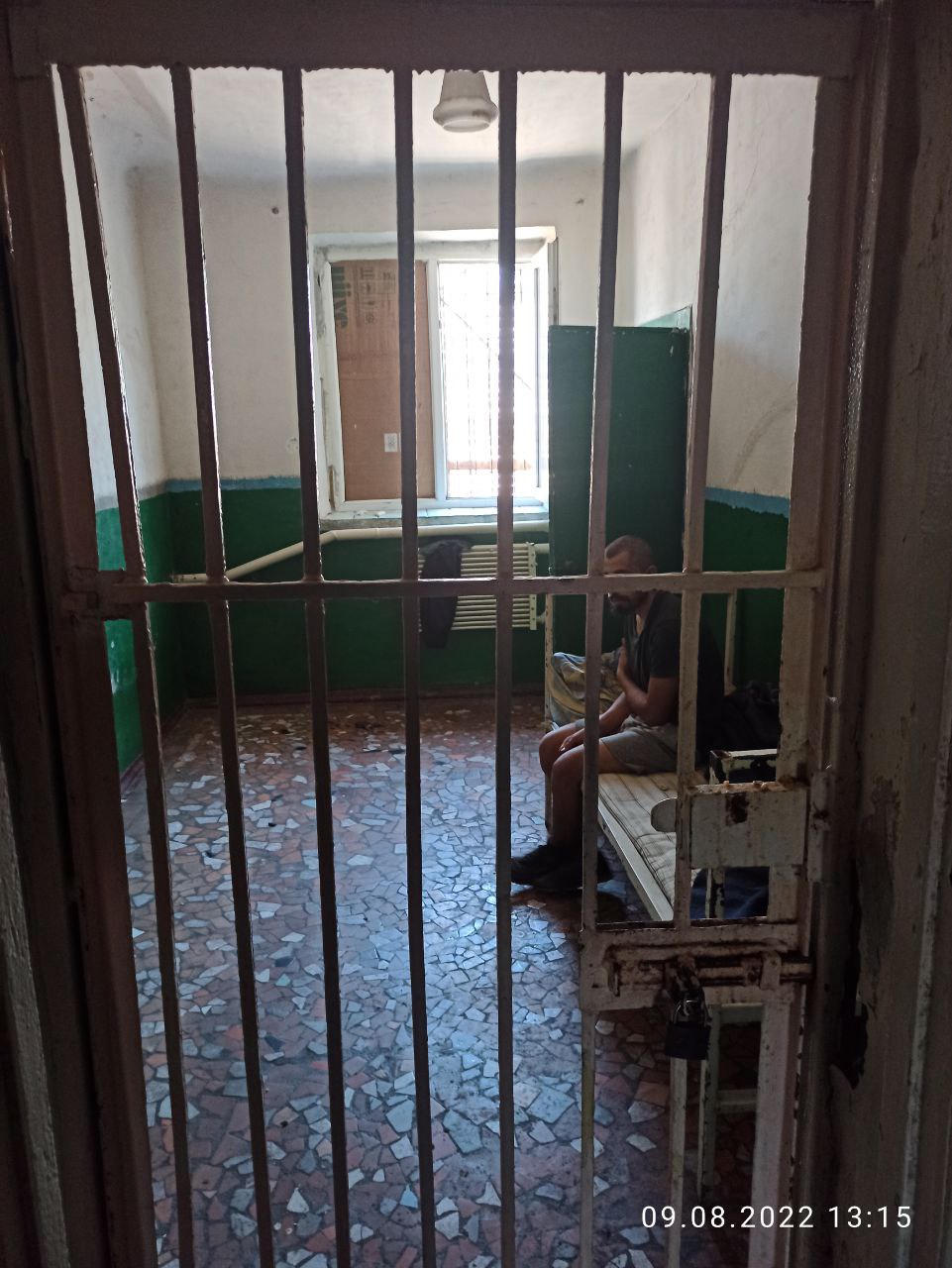
The beds in the DIZO cells were locked.
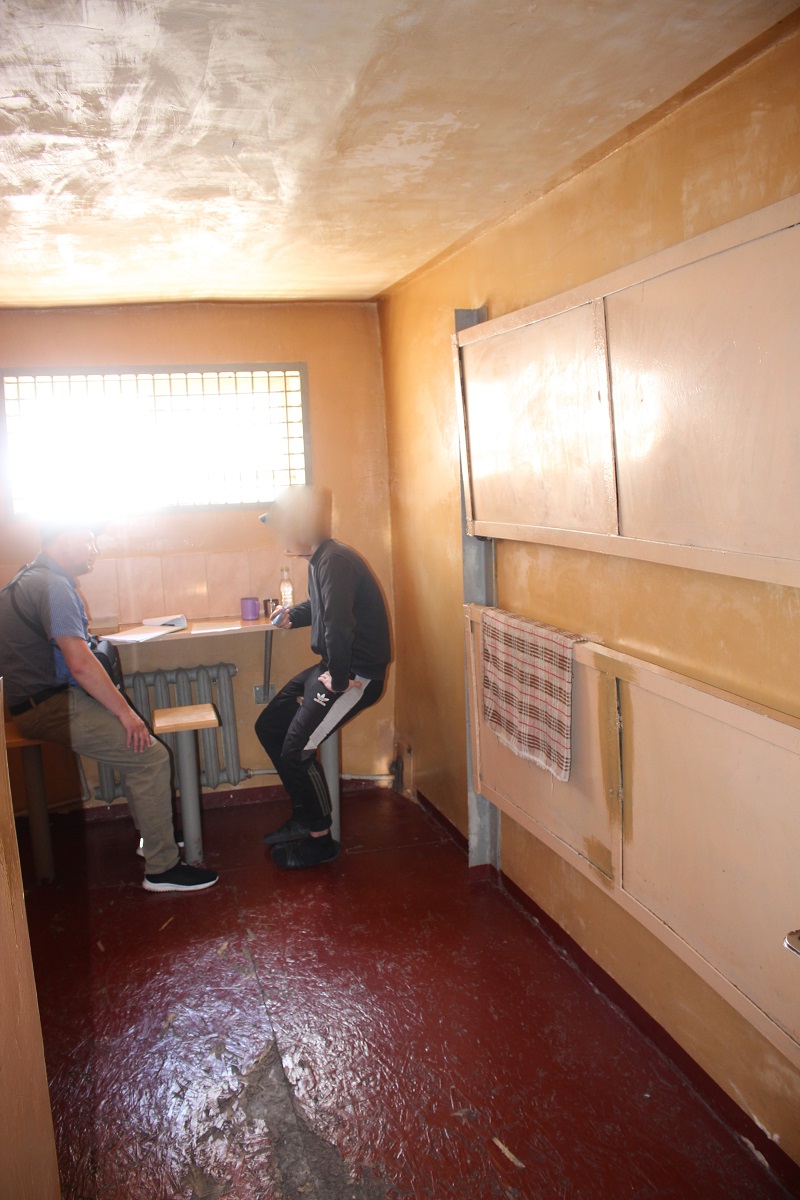
However, the monitors informed the administration that locking beds during the day is not provided for by current legislation; subsequently, the beds in the DIZO and PKT were unlocked. The monitors expressed their hope that the practice of locking beds would not be used in the future.
Each cell has a container for drinking water, which is brought from the canteen.
Convict P. took food out of the canteen and received 5 days in the DIZO; he had previously received a penalty for tactless behaviour.
Convict D. refused to clean the premises in the disciplinary block and was punished with 5 days in the DIZO.
Convict R. received 5 days in the DIZO for getting a tattoo.
Convict M. received 5 days for a dress code violation: he was not wearing a head covering.
Convict V. received 14 days for a regime violation: he moved around the institution outside of the formation, for which he was transferred to the PKT for three months. He did not appeal the penalty and consented to his personal file being reviewed.
Convict V. refused to clean and received 5 days. The convict reported that his right to free legal aid had not been explained to him.
Representatives of the administration reported that for minor disciplinary offences (such as the absence of a name badge), warnings, reprimands, and other disciplinary restrictions that are not related to transfer to a cell are applied first.
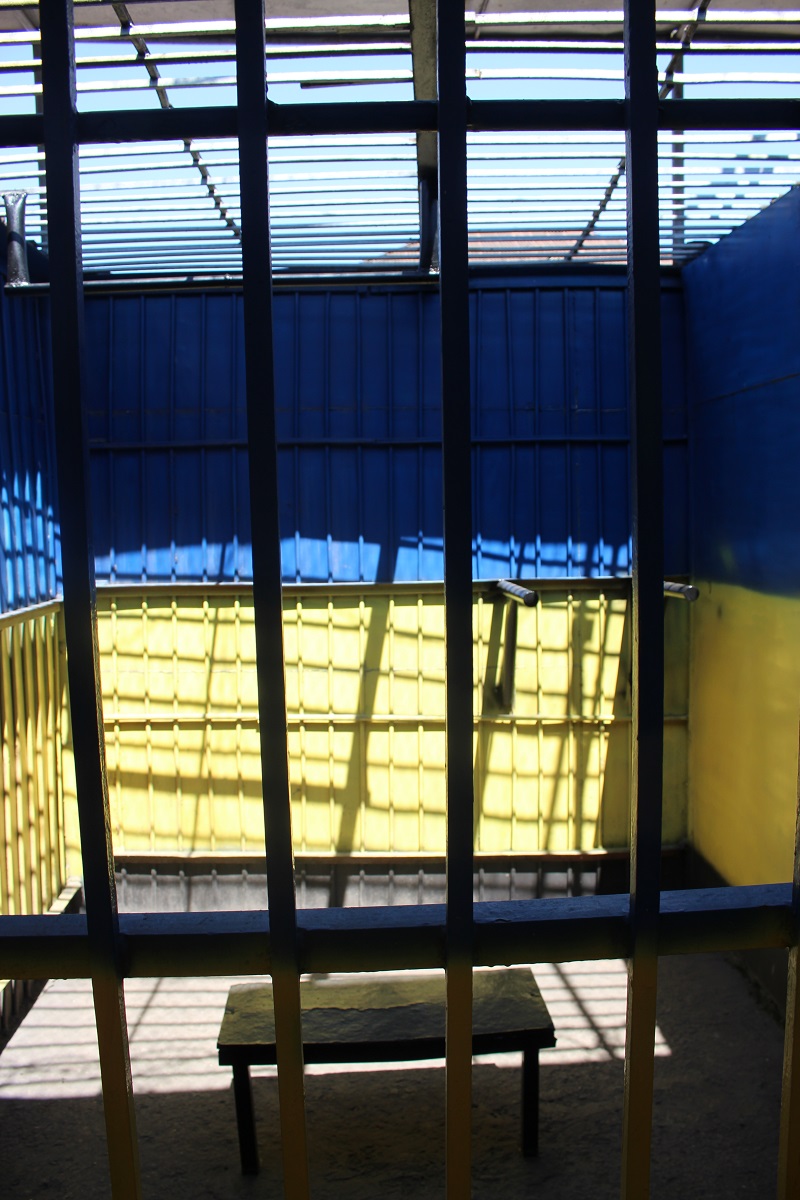
Exercise yard:
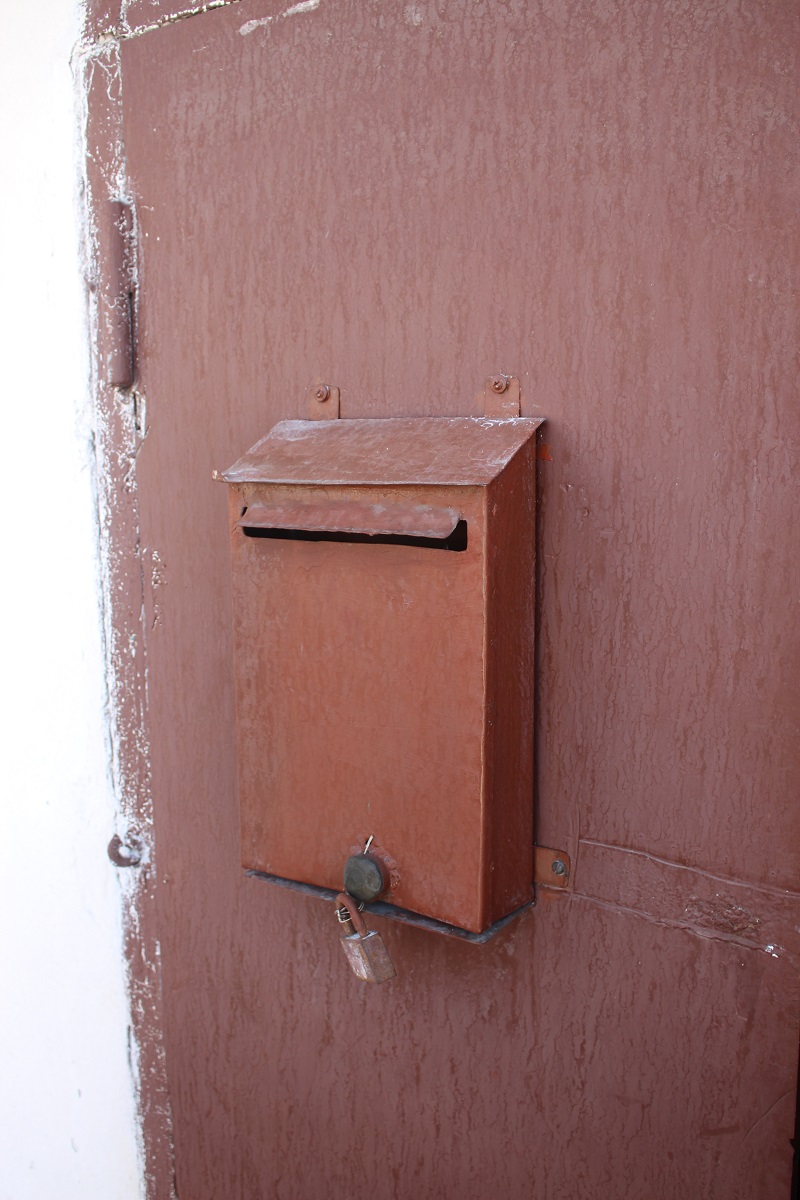
There is a box for applications and complaints.
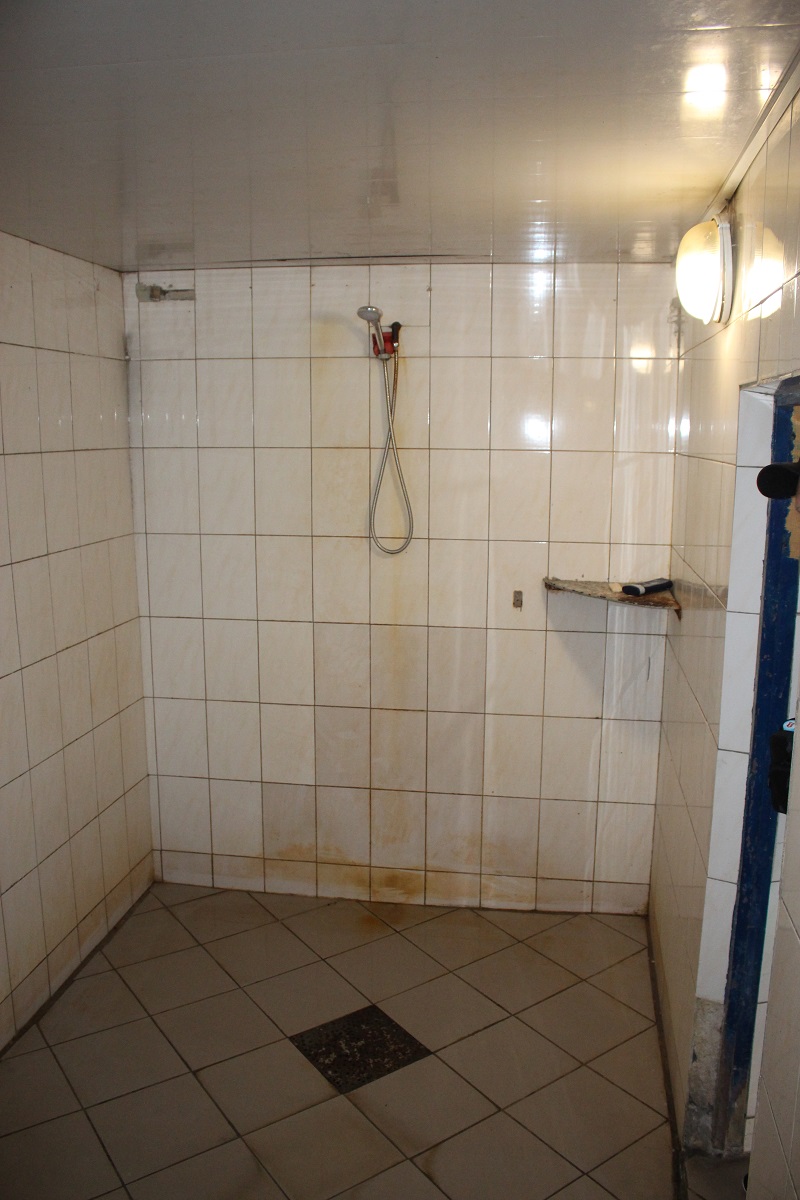
Bathing facility for convicts serving disciplinary penalties:
Medical Unit
The head of medical unit No. 80 of the branch of the State Institution “Centre for Health Care of the State Criminal-Executive Service of Ukraine” in the Dnipropetrovsk and Donetsk regions (hereinafter — the medical unit) is Iloana Volodymyrivna Krykunova.
On the day of the visit, there were 3 persons in the inpatient ward of the medical unit, none of whom had completed inpatient medical record files (form No. 003/o), in which all data regarding treatment and diagnostics in the medical unit are recorded, including data obtained during the examination of the sick convict with a prescription sheet. As the medical worker explained, the treatment of these persons is carried out according to prescription sheets because the position of general practitioner/family doctor in the medical unit was vacant on the day of the visit.
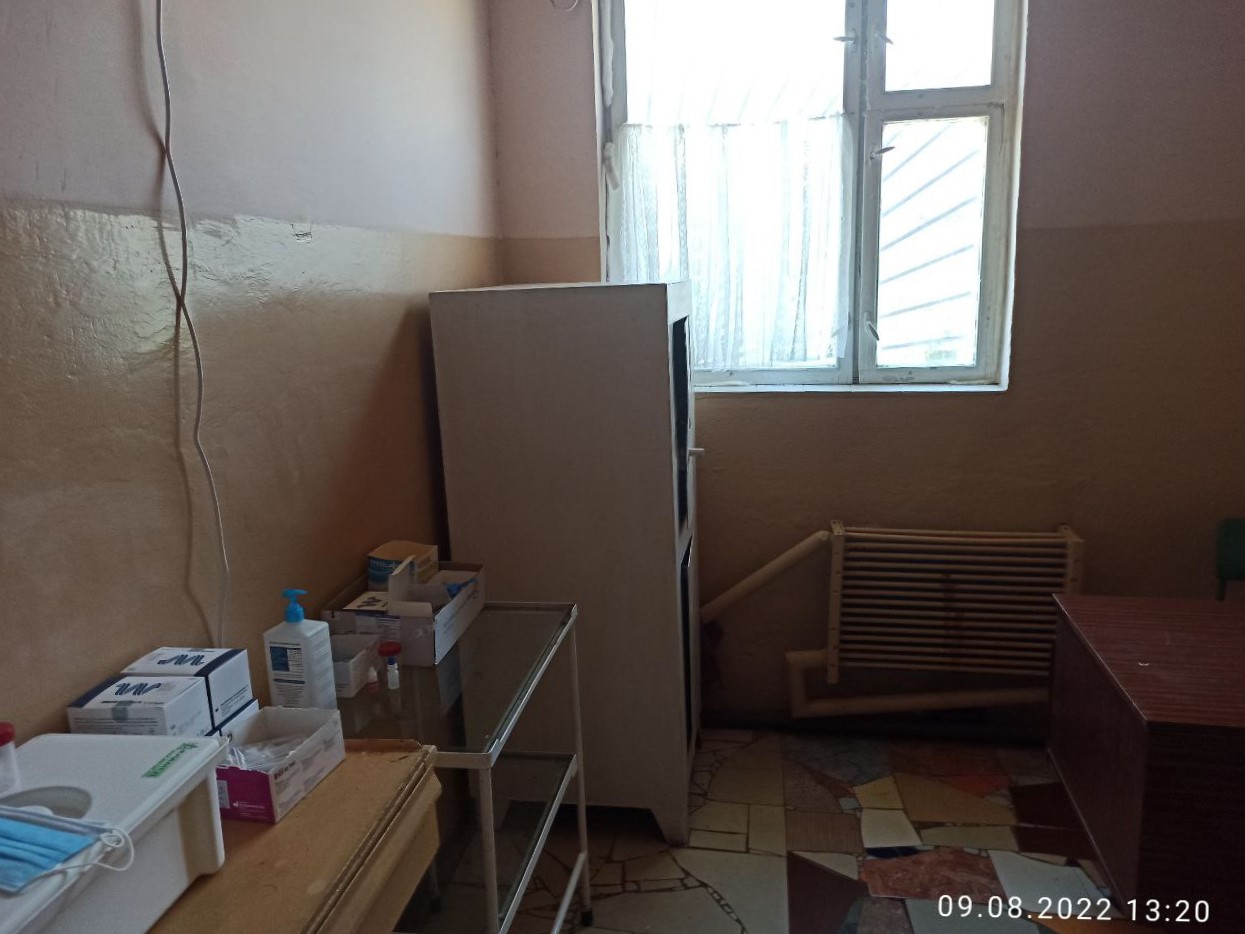
The following positions in the medical unit are filled:
- Head of the medical unit — 1 position;
- Dentist — 0.5 positions;
- Feldsher (paramedic) — 3 positions;
- Nurse — 1 position;
- X-ray laboratory assistant — 0.5 positions;
- Laboratory assistant — 0.5 positions.
The following positions remain vacant:
- General practitioner/family doctor — 0.5 positions;
- Feldsher — 1 position;
- Pharmacy assistant — 0.5 positions;
- Radiologist — 0.5 positions.
At the same time, the staffing table does not provide for the positions of psychiatrist, infectious disease specialist, narcologist, phthisiatrician, therapist, or epidemiologist, which indicates that convicts have not received consultations or undergone primary and full preventive check-ups for a long time. Consequently, in violation of Chapter 2 of the Procedure, preventive medical examinations are not carried out in full.
Psychiatric care in the medical facility is provided inadequately; in particular, the psychiatrist visits the institution only upon request (demand). At the same time, on the day of the visit, there were 3 convicts with mental disorders on the dispensary register. Thus, the absence of a staff psychiatrist indicates a lack of medical care for various mental illnesses during the detention of convicts with mental disorders in Kryvyi Rih Correctional Colony No. 80, which creates a dangerous environment among the convicts and endangers the staff of the institution.
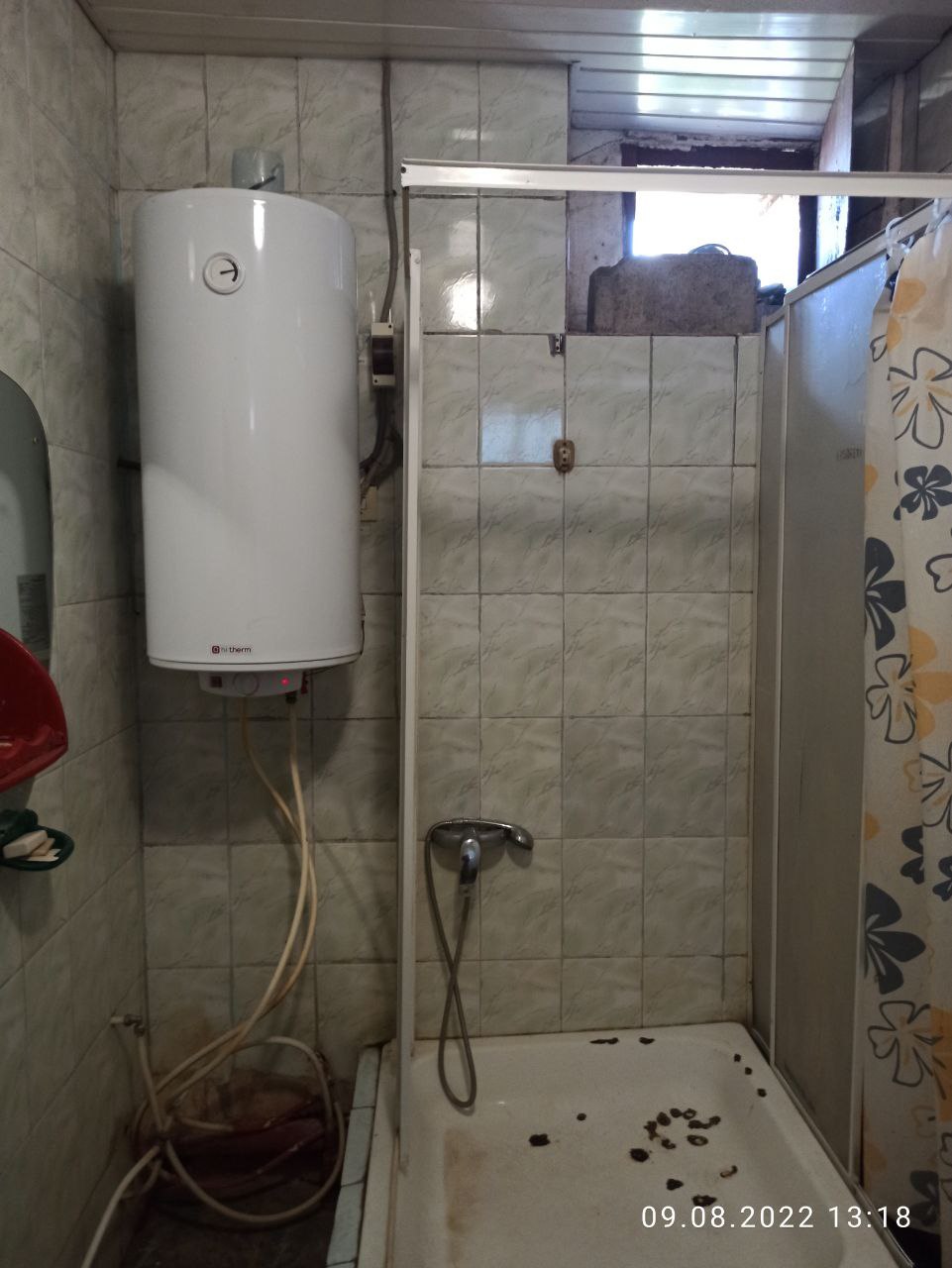
The infectious diseases isolation ward is not equipped with a shower room. Thus, sick convicts are deprived of their right to maintain hygiene, or their washing must take place in general showers, which means the principle of isolating patients with infectious diseases is not observed.
General shower for patients:
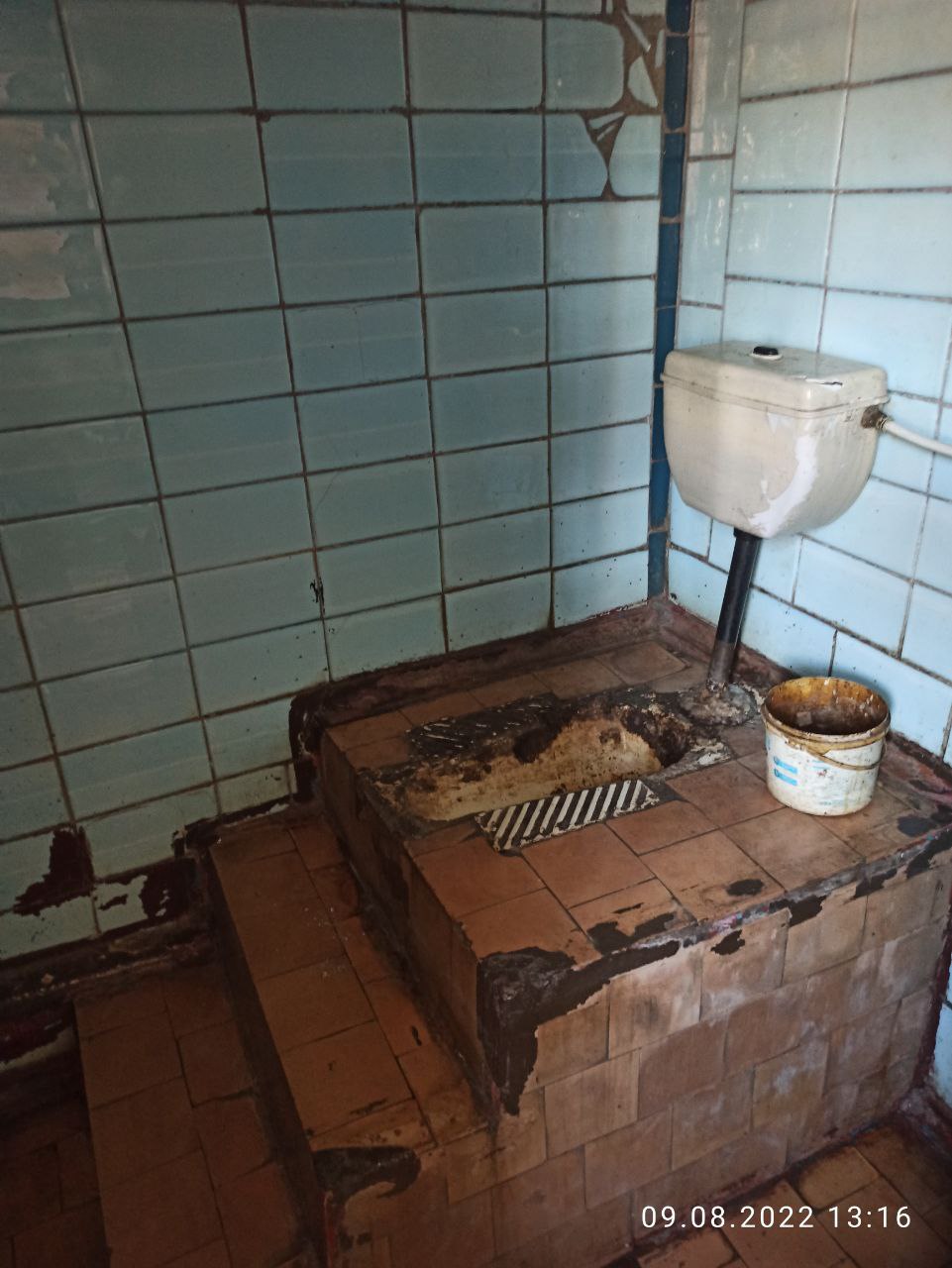
Toilets are not partitioned.
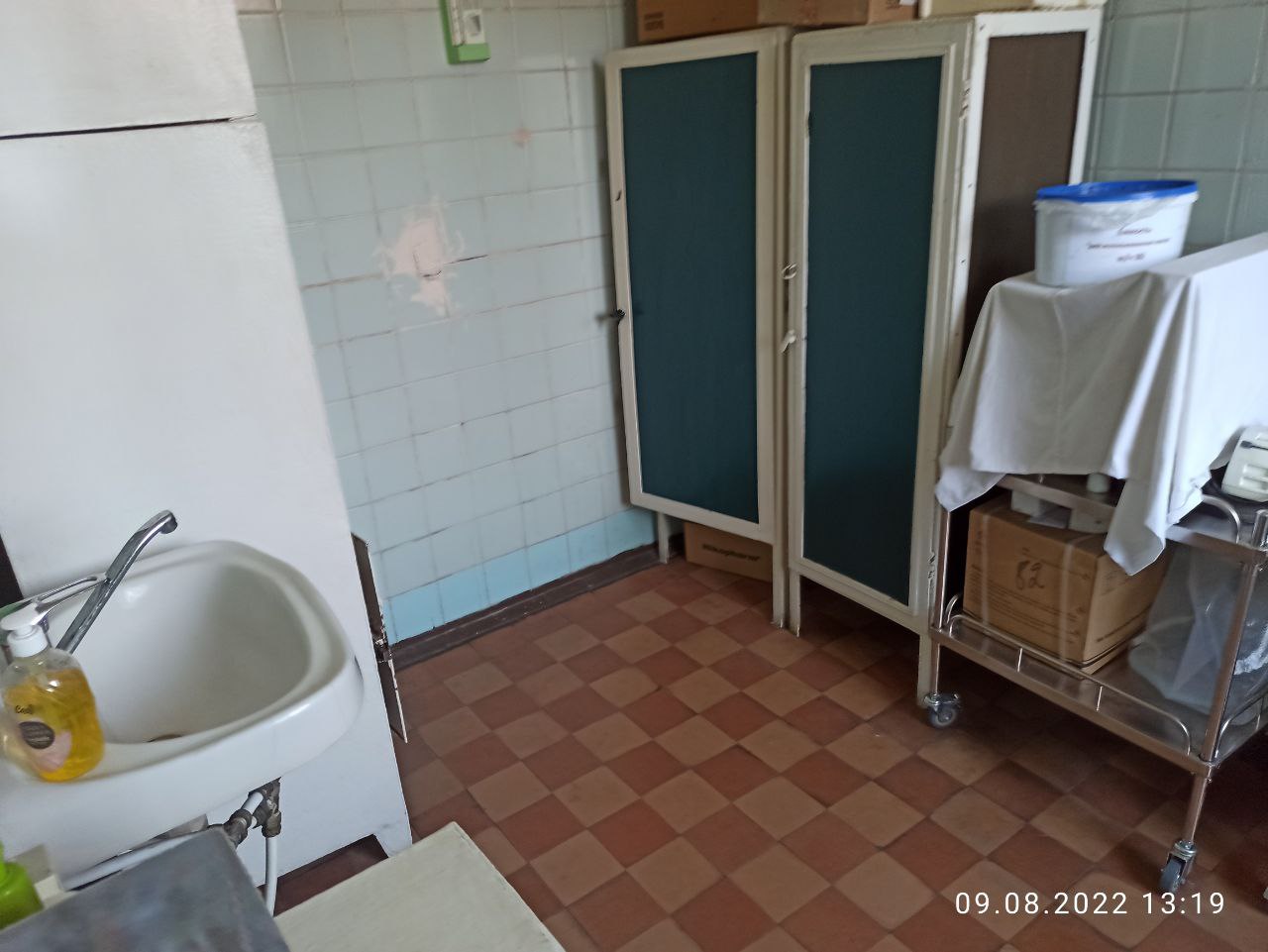
Treatment room:
According to the information provided by the medical staff, at the beginning of the year, 60 people underwent a preventive medical examination with the help of the branch of the Centre for Health Care of the State Criminal-Executive Service of Ukraine in the Dnipropetrovsk and Donetsk regions. However, the monitors were unable to verify this information: the log of preventive examinations was missing in the medical unit.
In order to detect and prevent the spread of infectious and parasitic diseases and to detect general somatic and mental illnesses among convicts, an annual preventive medical examination of convicts is carried out in penal institutions, which is performed by means of an X-ray examination. However, at the time of the inspection, it was established that there is no X-ray machine in the medical unit. According to the medical staff, a mobile fluorograph is engaged for the annual preventive examination. The last such engagement took place in November 2021.
Sputum microscopy is not carried out in the institution due to the lack of a laboratory; therefore, samples are sent to the laboratory of the State Institution “Kryvyi Rih Pre-trial Detention Centre (No. 3)”. Furthermore, the medical unit lacks a properly equipped sputum collection point, which creates prerequisites for the spread of infectious diseases among the detained convicts and also violates the Order of the Ministry of Health of Ukraine dated 01.02.2019 No. 287 “On Approval of the Standard of Infection Control for Health Care Facilities Providing Care to Patients with Tuberculosis”.
According to the injury log, 13 such cases were recorded this year. During the study of medical documentation, it was established that in some outpatient medical cards (form No. 025/o), certificates were drawn up improperly and photographs of existing injuries were missing, as required by Chapter II, Part 9 of the Order of the Ministry of Justice of Ukraine dated 14.06.2019 No. 1769/5 “On Approval of the Internal Regulations of Pre-trial Detention Centres of the State Criminal-Executive Service of Ukraine”.
There are 16 persons with disability status in the institution, of whom 3 have group 2 disability and 13 have group 3 disability. At the same time, there are no conditions for accommodating persons with disabilities; in particular, there are no ramps, handrails, or other equipment.
The medical unit lacks a separate cabinet for storing medicines from relatives. In addition, medical records (medical card No. 025/o or No. 003/o) do not contain applications from the convicts' relatives or other persons regarding the transfer of medicines or medical devices. This violates clause 23 of the General Provisions of the Procedure for organising medical care for convicts deprived of liberty, which states that medicinal products and medical devices received from relatives of convicts or other persons shall be kept in health care facilities of the State Criminal-Executive Service in separate cabinets and shall be accounted for in the card for recording medicinal products, medical devices, and technical and other rehabilitation aids received from the relatives of the convict and other persons, in the form defined in Annex 2 to this Procedure, where the convict signs after finishing the course of treatment.
Since the beginning of the year, 230 persons have been tested for HIV infection using rapid tests. 3 infected persons were identified. There are 72 HIV-infected persons on the register (69 are receiving ART). During the current year, 60 immunological (CD-4) and 28 virological (viral load) tests were conducted.
The medical unit lacks naloxone, which makes it impossible to provide emergency medical care in cases of opioid overdoses.
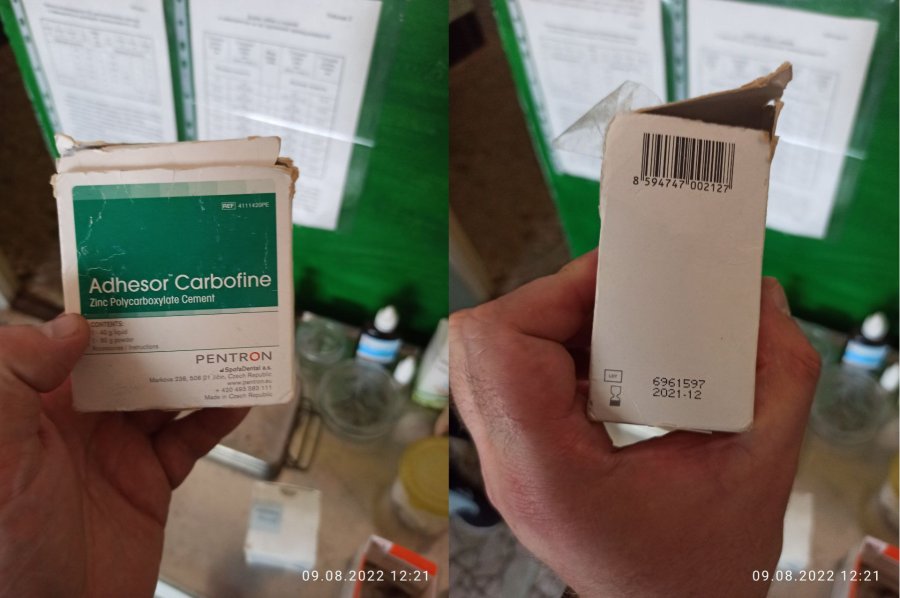
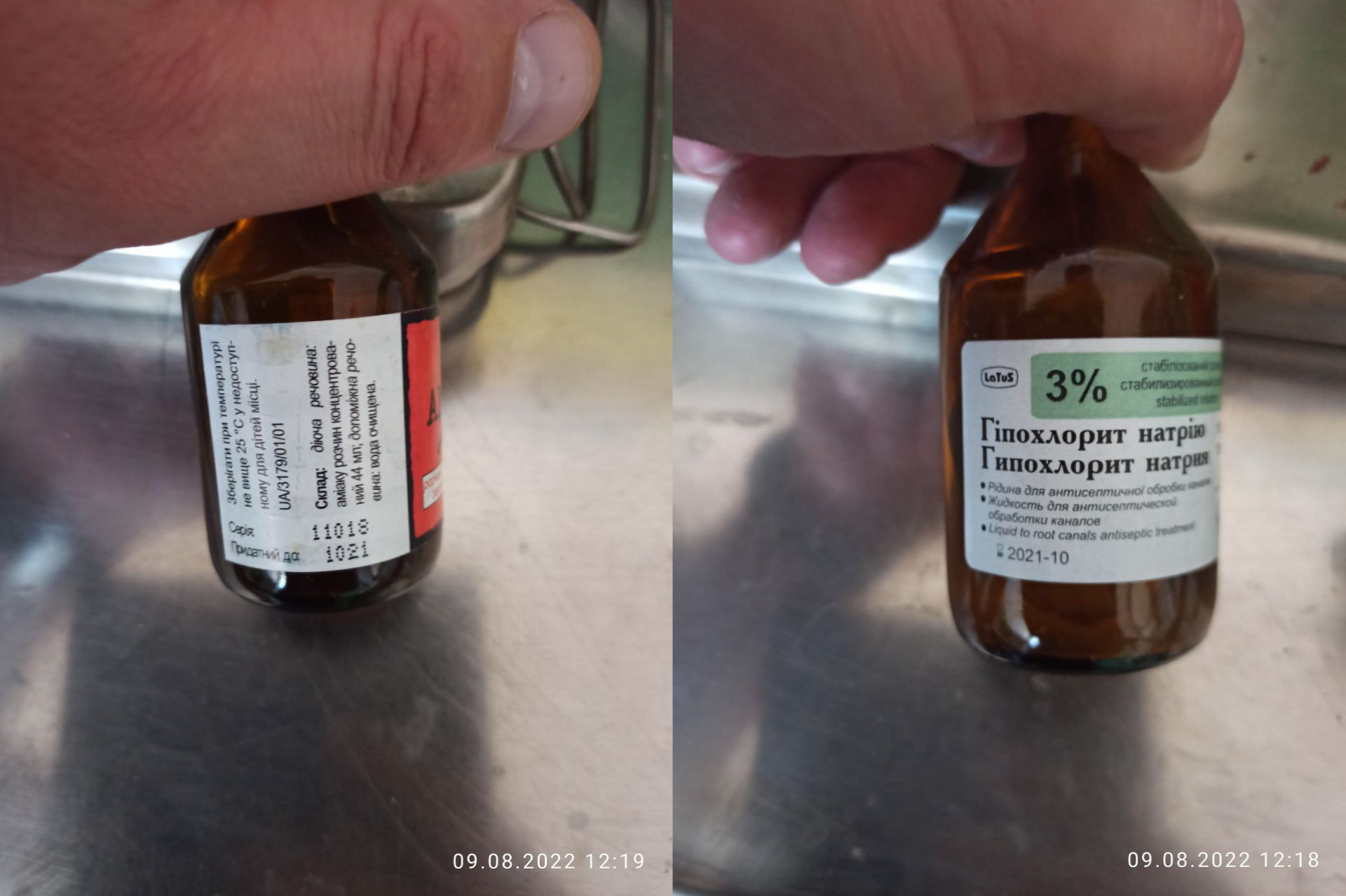
During the inspection of the dental office, the monitors found medications with expired shelf lives.
The monitors also recorded the presence of video surveillance cameras in the hall of the medical unit and in the isolation ward for persons with mental disorders. The institution's staff explained that these video surveillance cameras were installed to ensure the safety of the medical staff. However, the Procedure for the use of technical means of supervision and control in correctional and educational colonies of the State Criminal-Executive Service of Ukraine, approved by Order of the Ministry of Justice of Ukraine dated 26 June 2018 No. 2025/5 (Registered with the Ministry of Justice of Ukraine on 02 July 2018 under No. 766/32218), does not provide for the installation of video surveillance in the premises of the medical unit.
Living Quarters
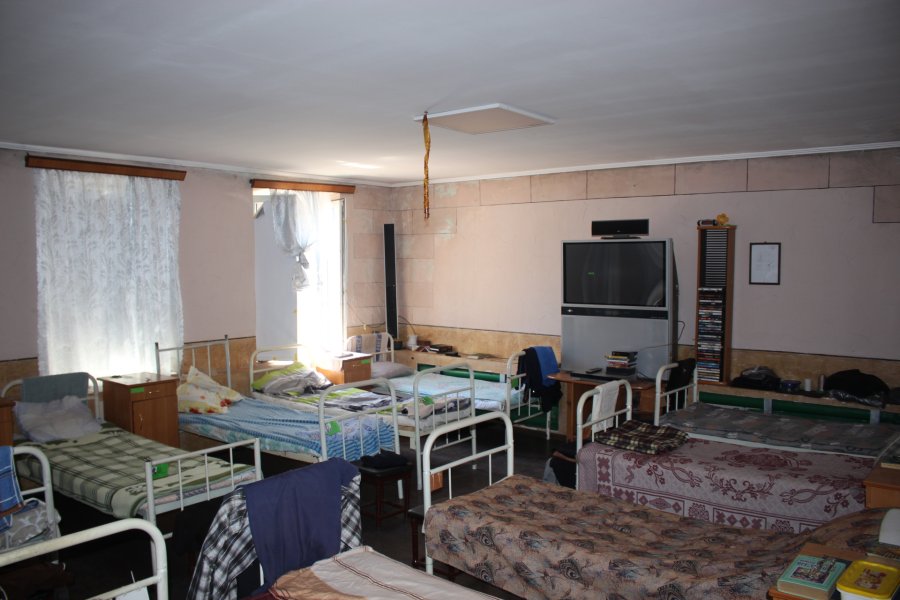
The premises are mostly of the barracks type.
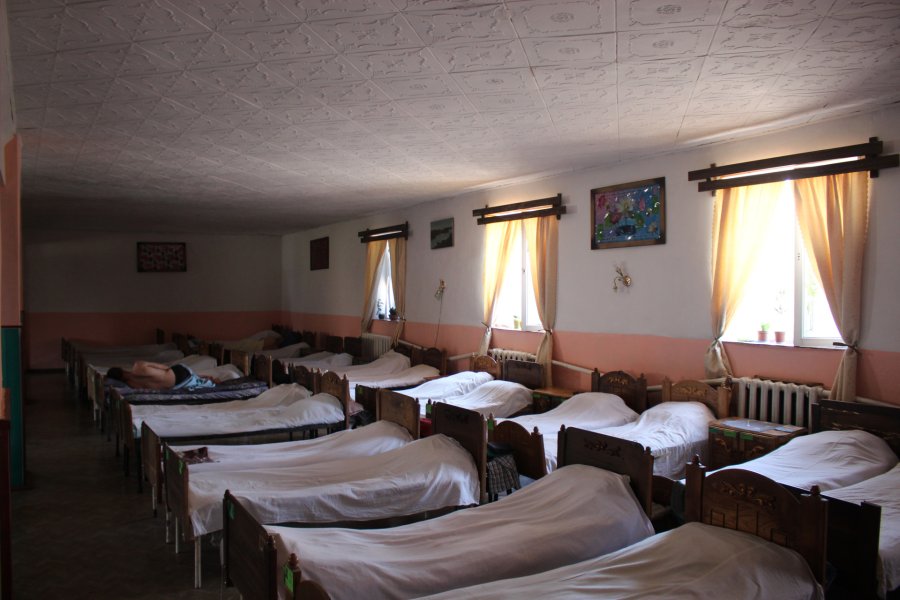
But there are also compartment-style ones.
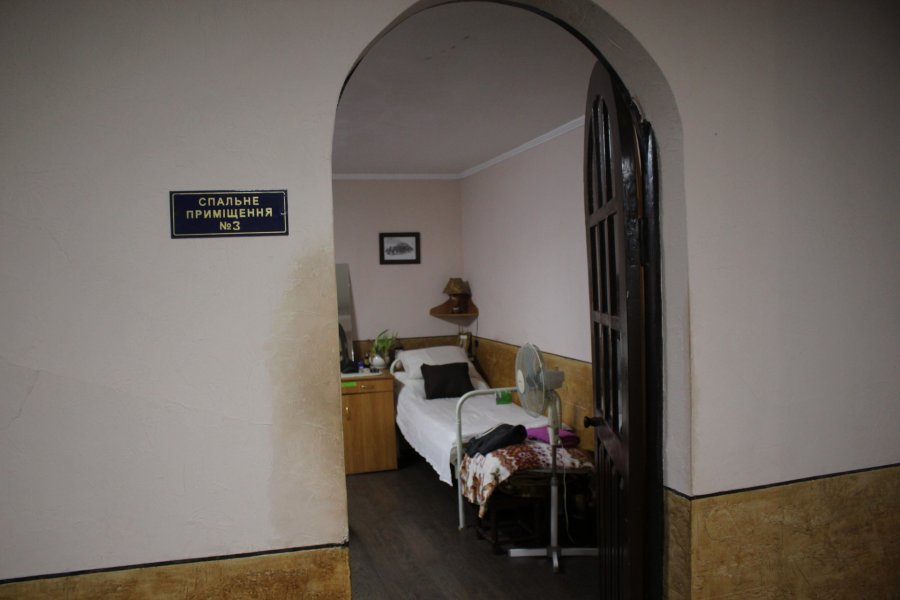
About 70 per cent of the premises have metal-plastic windows. Washbasin and shower:
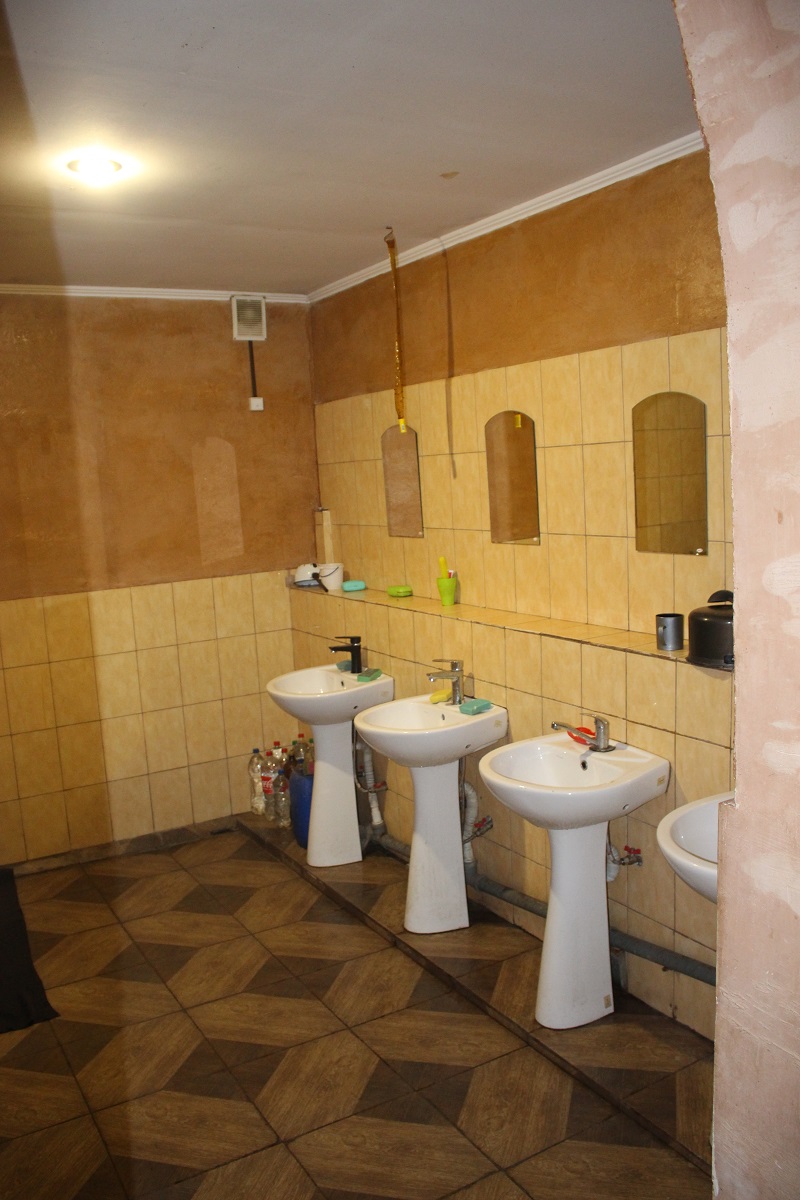
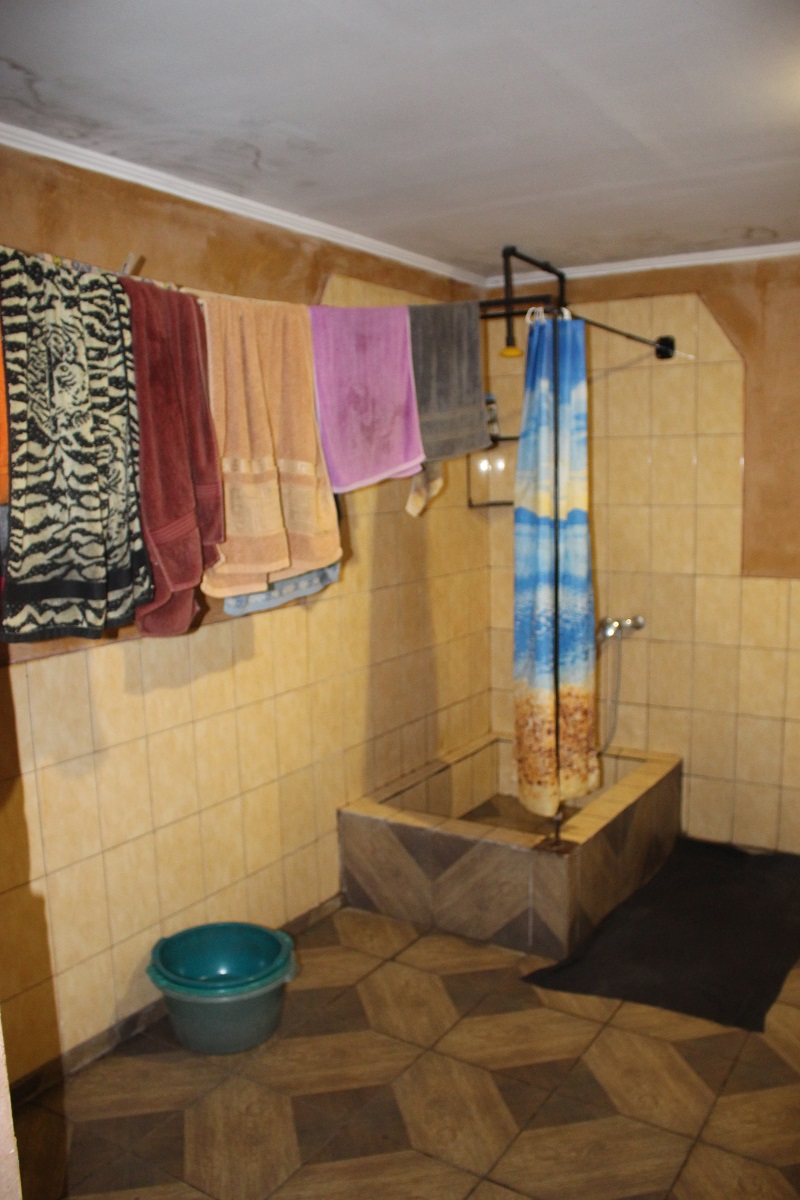
Dining room:

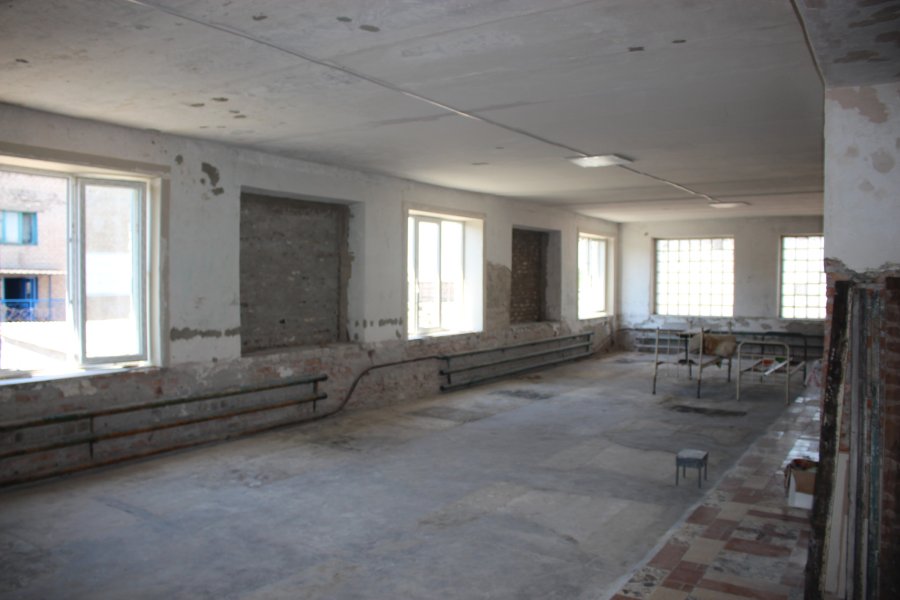
Repair work is underway:
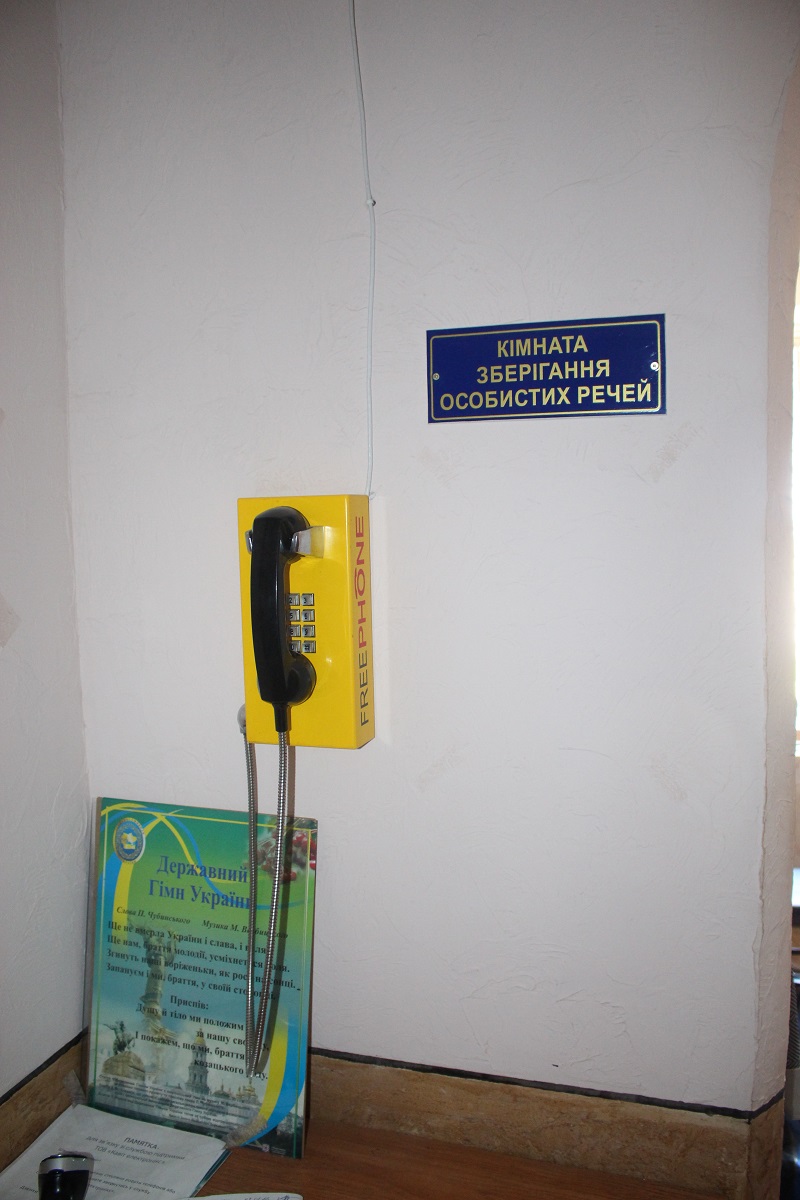
IP telephony phones (communication implemented using internet technologies) are located in the living quarters. Each convict has a personal number to which funds are added. The convict must provide a list of numbers to which he can make calls. If a number is not on the list, the call will not be made. “Kyivstar” company tariff: 120 minutes of calls for 200 hryvnias.
Only those convicts who have money in their personal accounts and who have topped up their individual number can call relatives. There are also internet routers located in the premises. A tablet can be purchased at the institution. Conditions have been created such that if relatives send a tablet for a convict, its mandatory reconfiguration will cost more than purchasing such a tablet through the company with which the institution has concluded a contract.
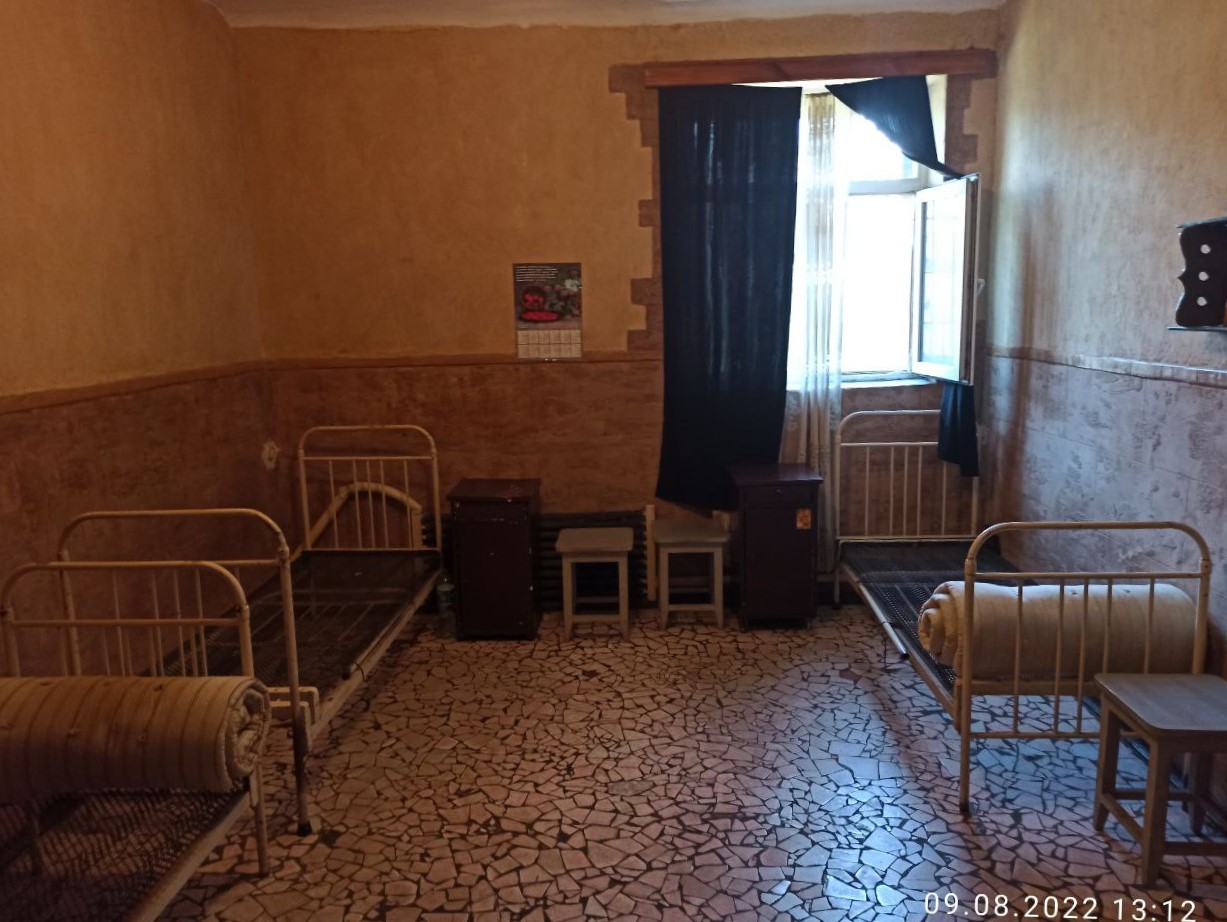
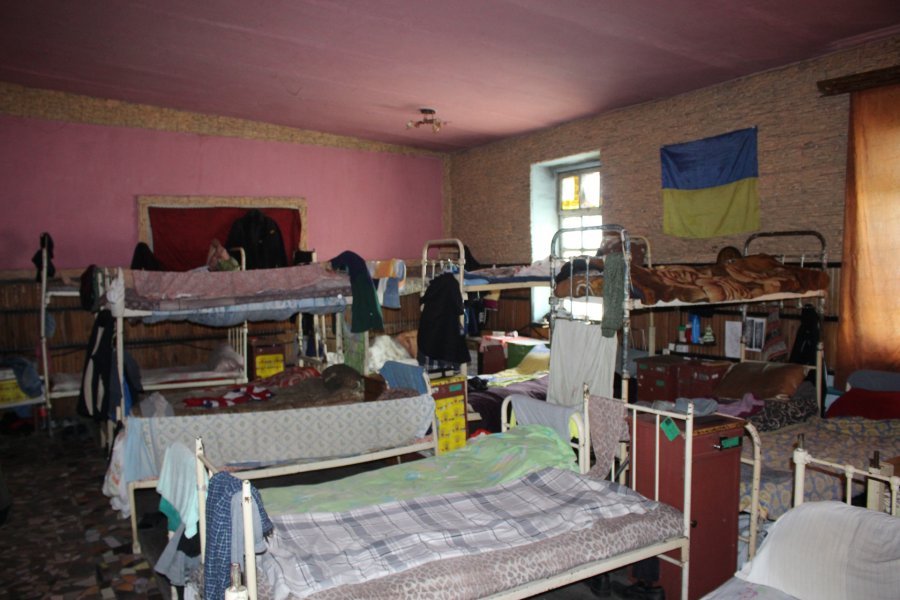
Bunk beds still exist in some premises, but their number is insignificant.
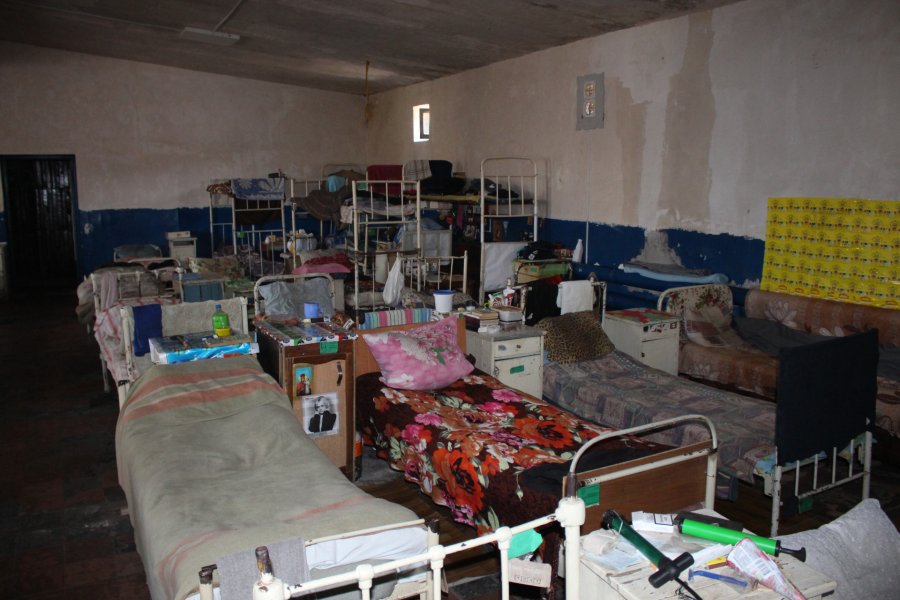
Some sleeping places are located in violation of the privacy requirement in the bedrooms.
The convicts did not demonstrate any disinfection agents in the sleeping quarters.
In the living quarters, there were refrigerators, microwave ovens, kitchen utensils for self-cooking, as well as places for non-perishable food products.
Convicts complained about dampness in the living quarters.
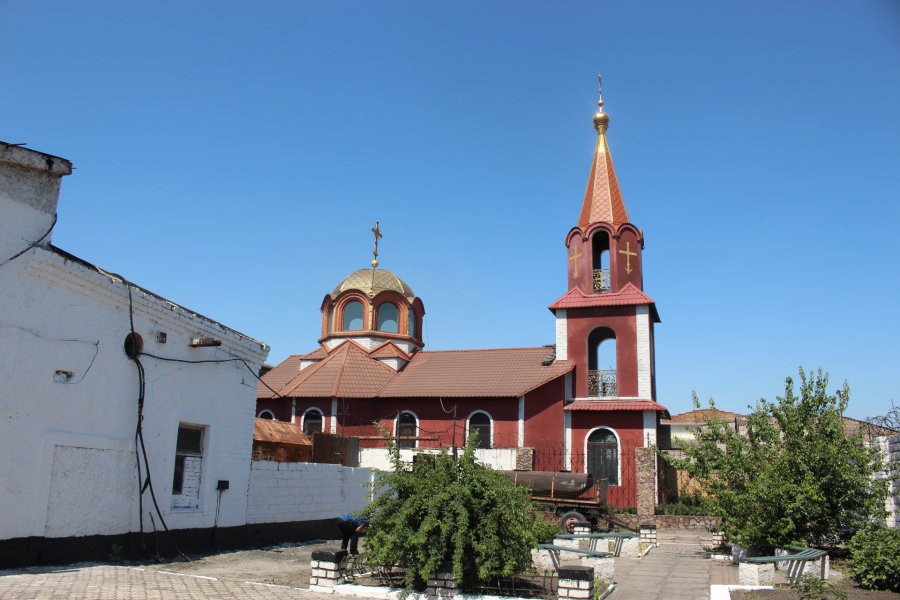
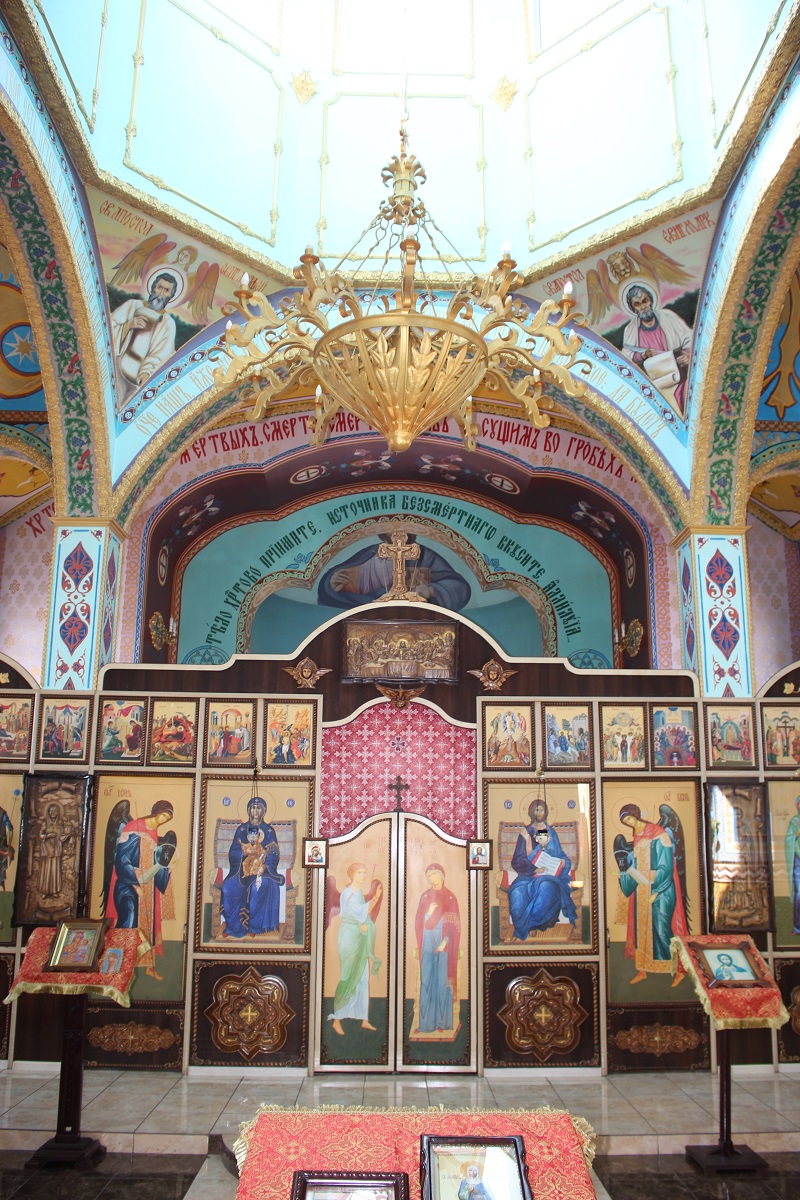
A church has been built on the territory of the institution.
Canteen
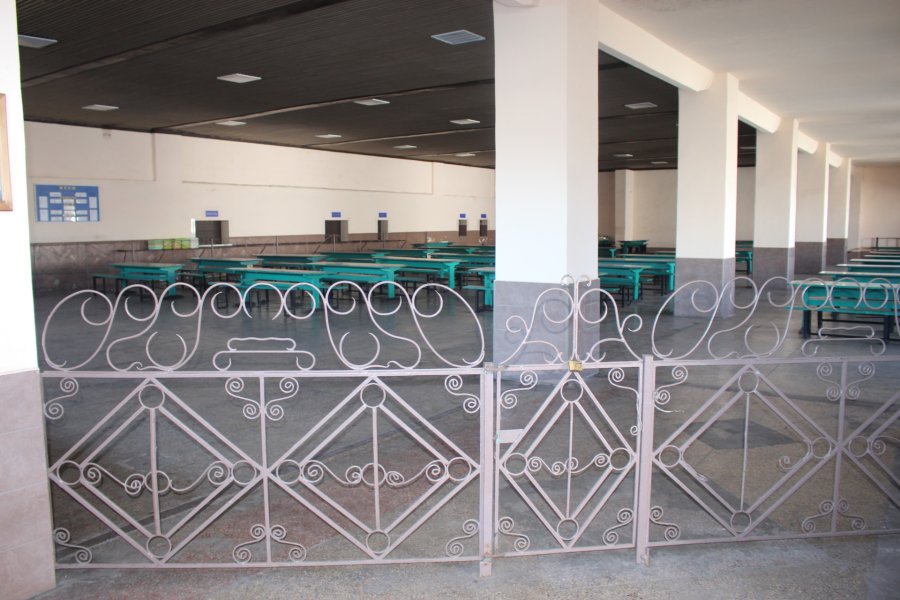
There is soap for washing hands, but no towels. In the general hall of the canteen, several tables are separated.
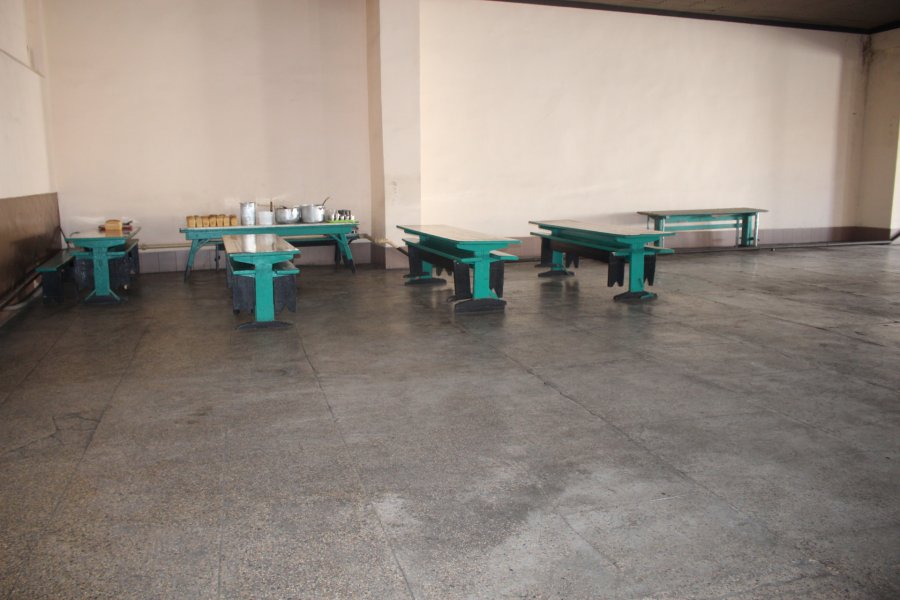
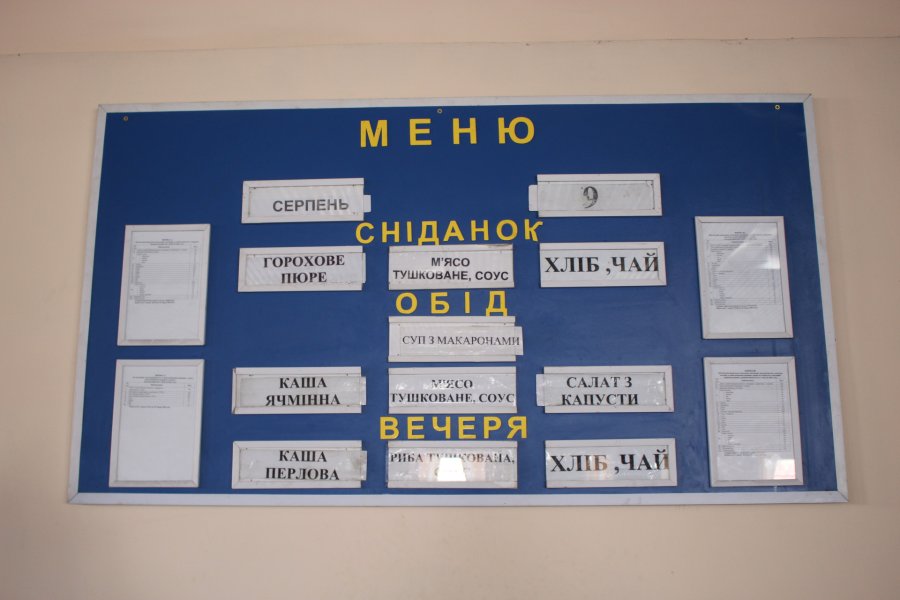
At the time of the visit, all convicts were eating according to the first diet standard; no convict was on a dietary regimen.
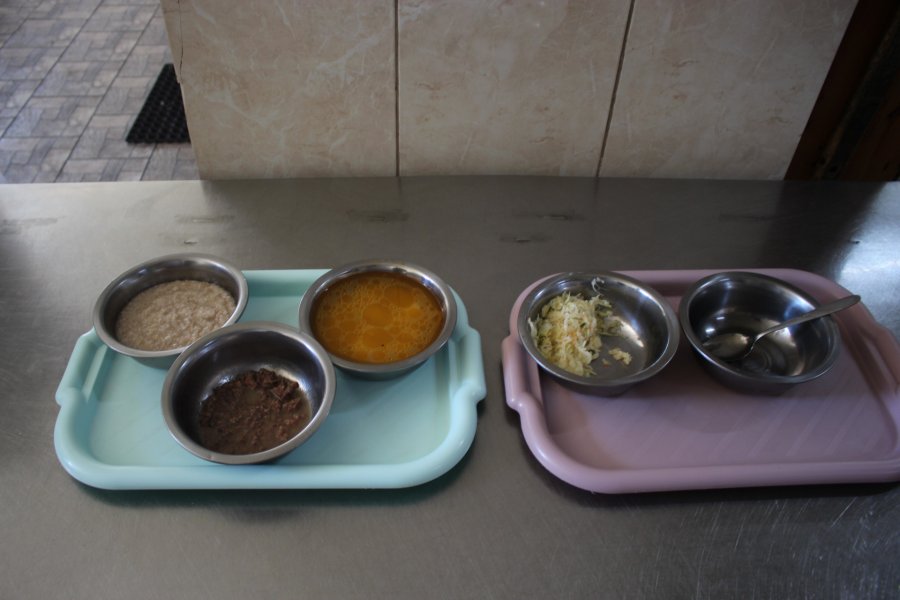
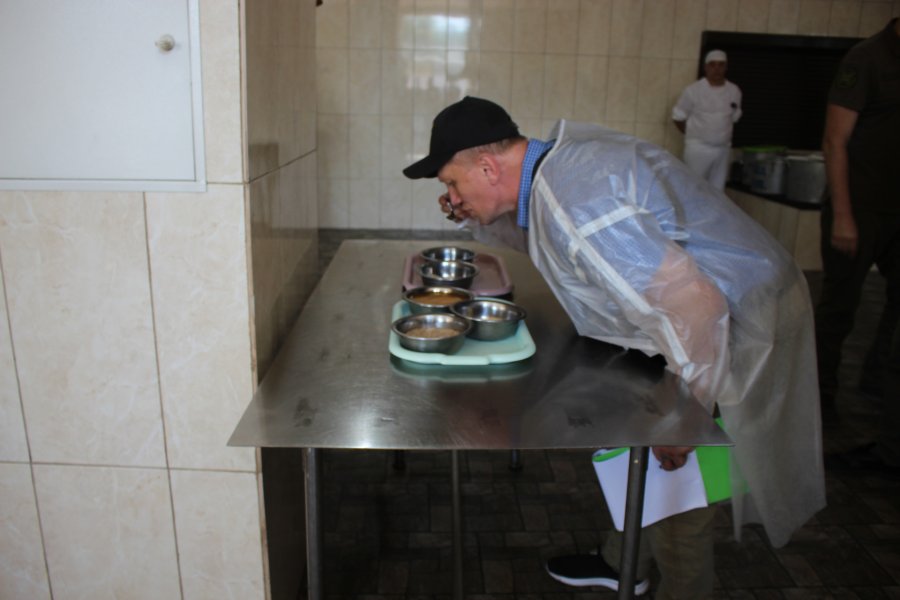
The monitors had the opportunity to taste a control portion of food. The organoleptic qualities of the food were satisfactory.
10 convicts work in the cooking unit.
19 medical cards of persons working in the canteen were inspected. The medical cards lack records of a dermatologist examination.
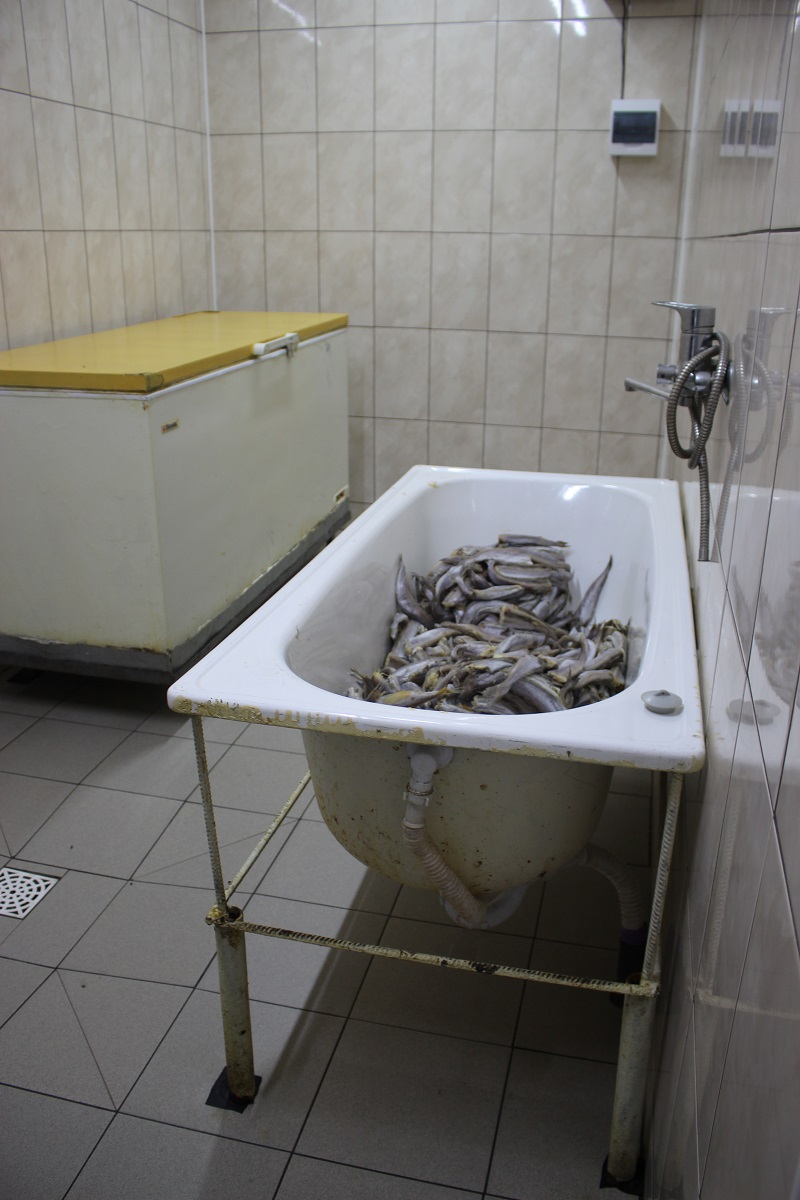
Fish processing unit:
Meat processing unit:
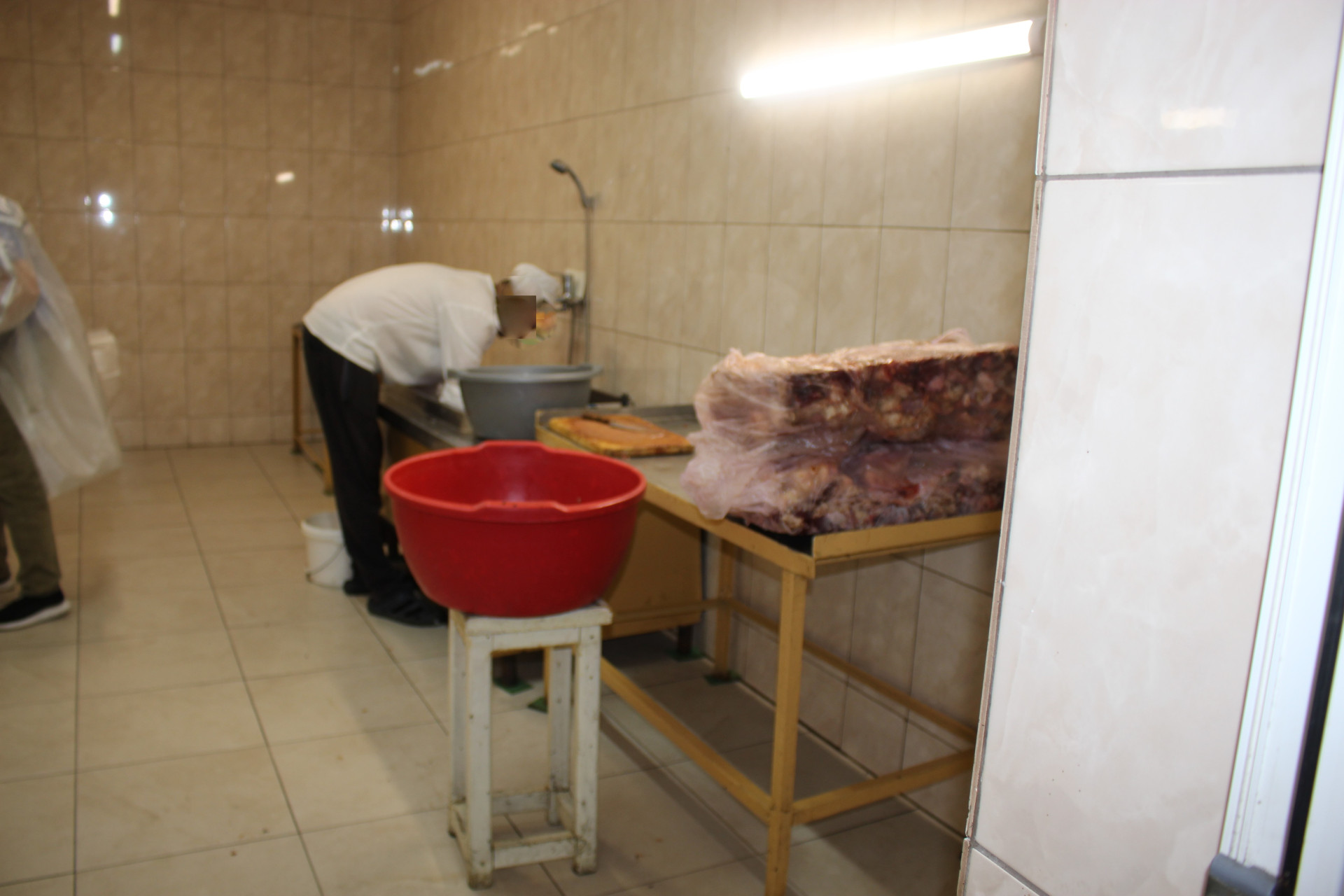
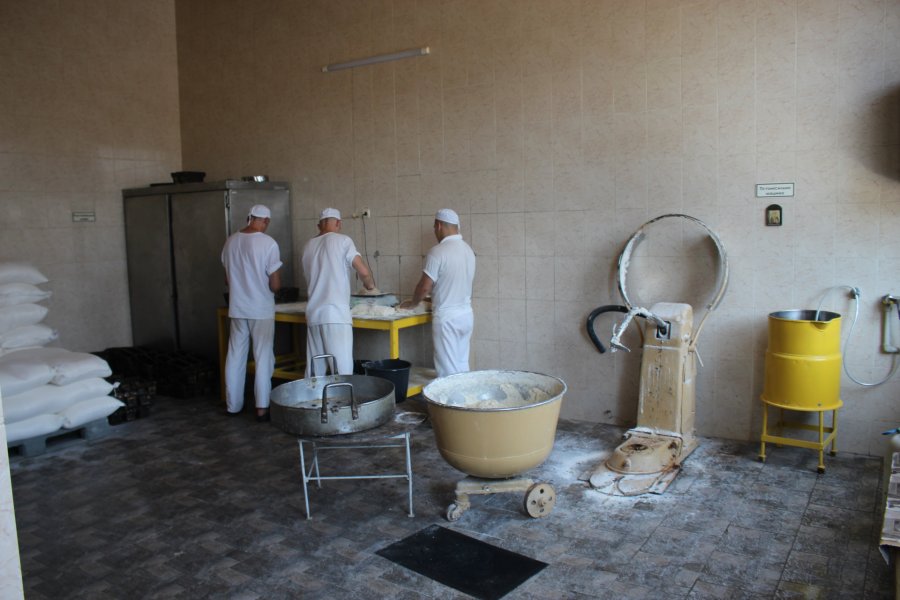
The convicts work without an employment contract. According to the administration's explanation, they work for 2 hours, as if for the improvement of the institution. It remains unclear: from a legal point of view, how do the convicts work “two hours for improvement”—those who cook food, in particular at night, as well as those who work at the bakery, wash dishes, and others who work in the canteen on a permanent basis? According to the administration, the institution does not have a staffing table for convicts' work in the canteen.
Bathing and Laundry Complex
General description of the premises: satisfactory. Ventilation is electric.
There is no paramedic's corner, but the log of examinations of convicts by a paramedic in the bathhouse is available.
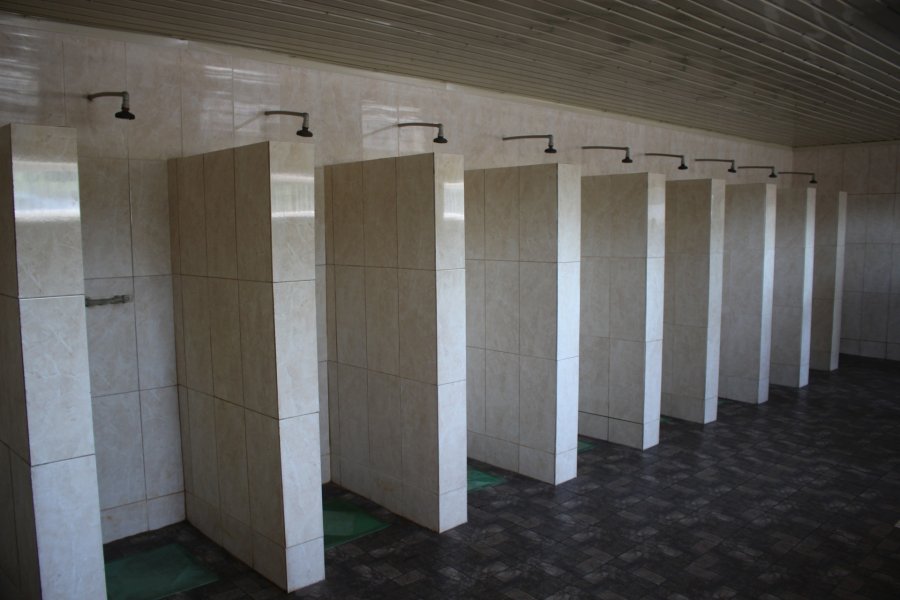
10 separate shower cabins are in operation. There are no curtains on the cabins, which violates the right to privacy. Each convict can independently regulate the water temperature while washing.
Heads of the SPS units receive soap for convicts. First-aid items, such as toothbrushes and toilet paper, are issued to those who need them in the units from humanitarian aid supplies.
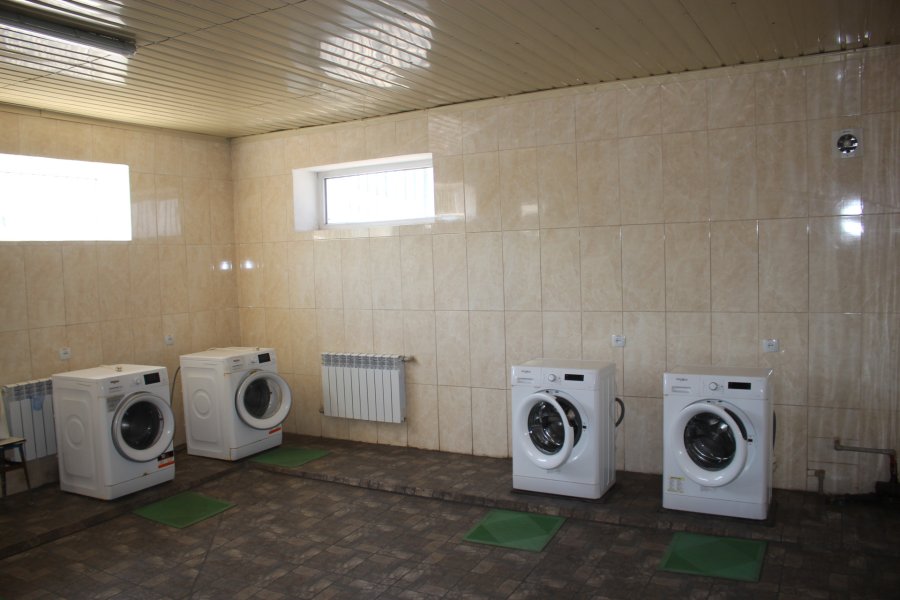
Laundry services are available: 6 washing machines—2 old and 4 new.
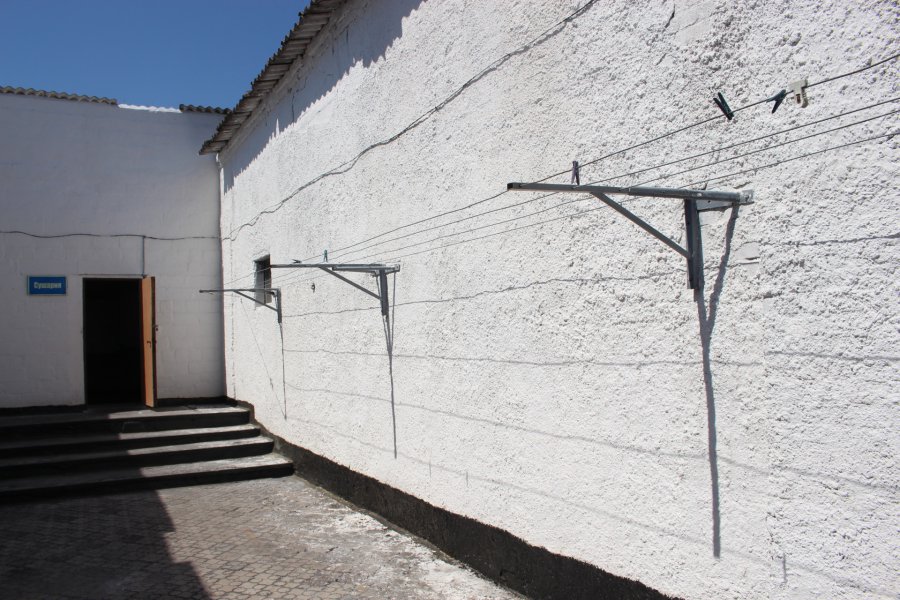
There is also a steaming room available. Outside, there is a possibility to dry laundry.
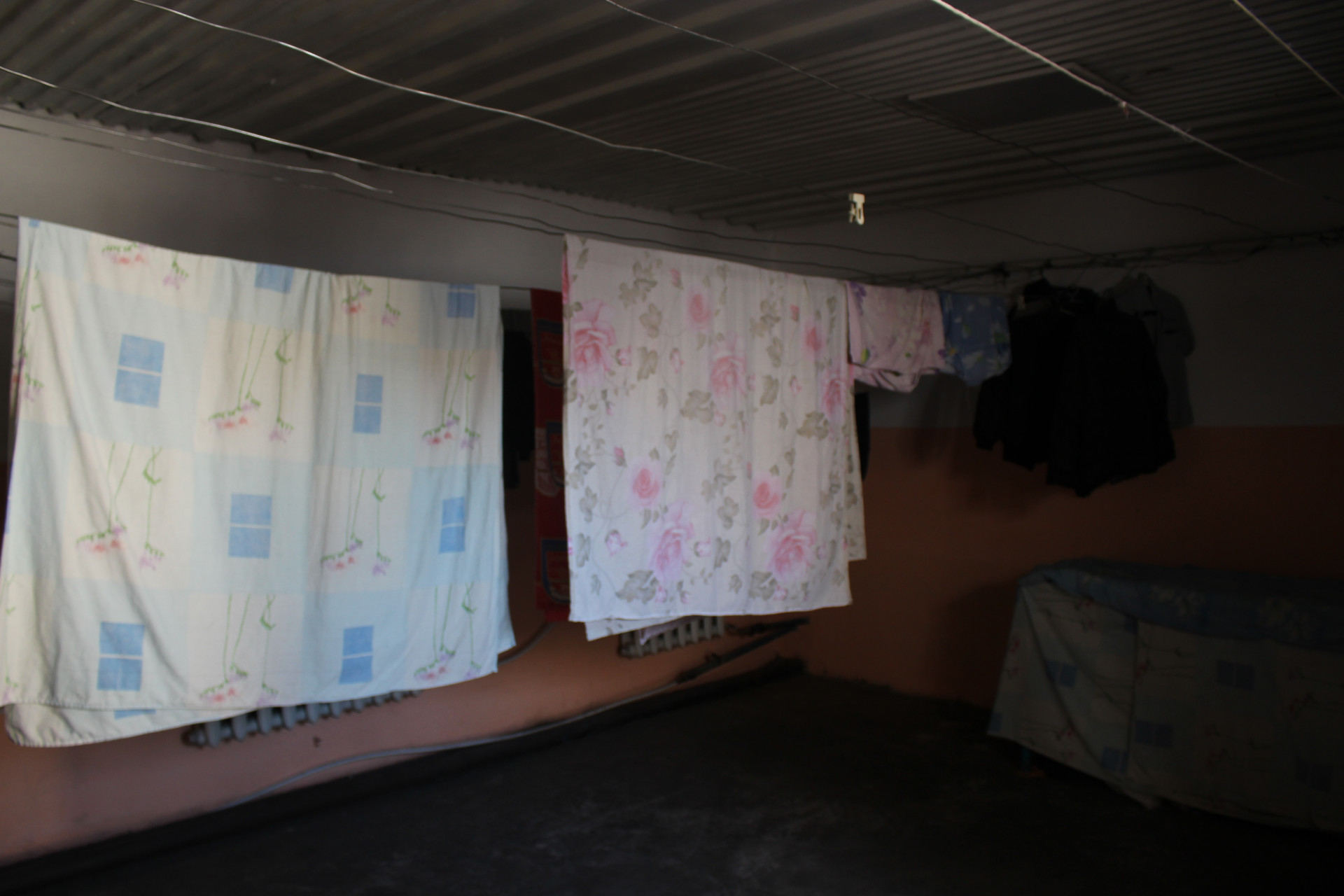
There is also a special room for drying.
In the laundry and bathhouse, convicts also work without establishing formal labour relations.
Industrial Zone
In the industrial zone, metal structures are manufactured. At the time of the visit, about 20 convicts were working in production. The convicts knew their functions and duties. After talking to various convicts, the monitors concluded that a convict earns no more than 20 hryvnias per shift in reality.
There is a vocational school at the institution.
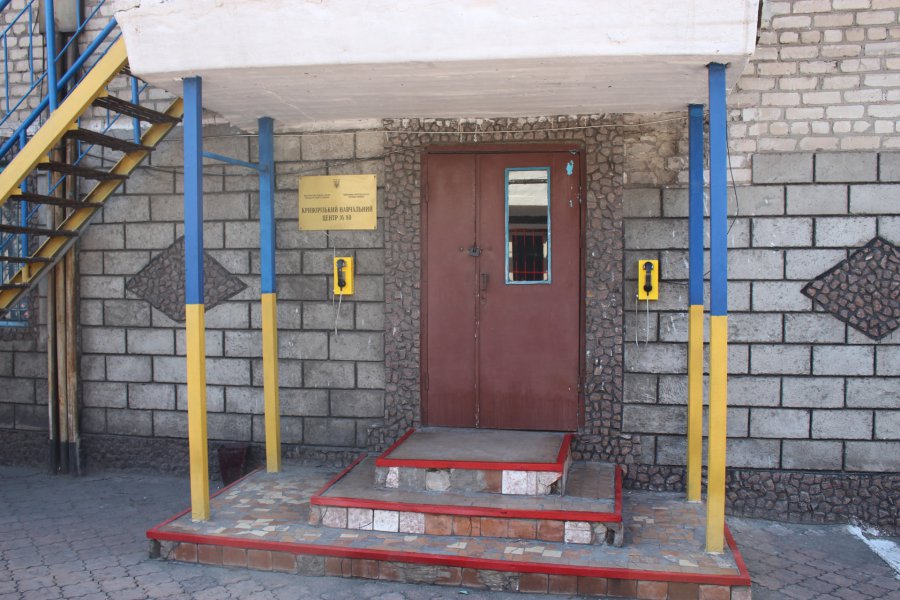
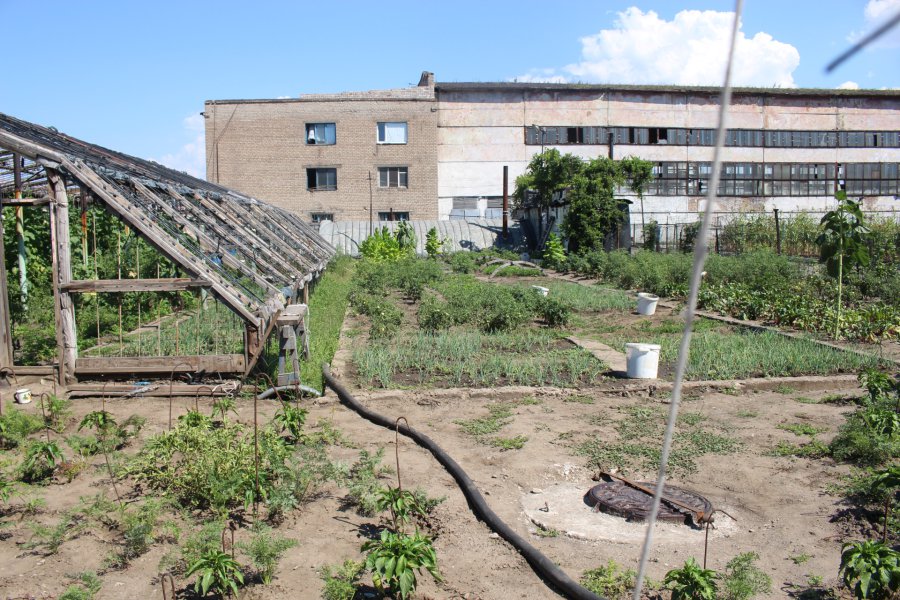
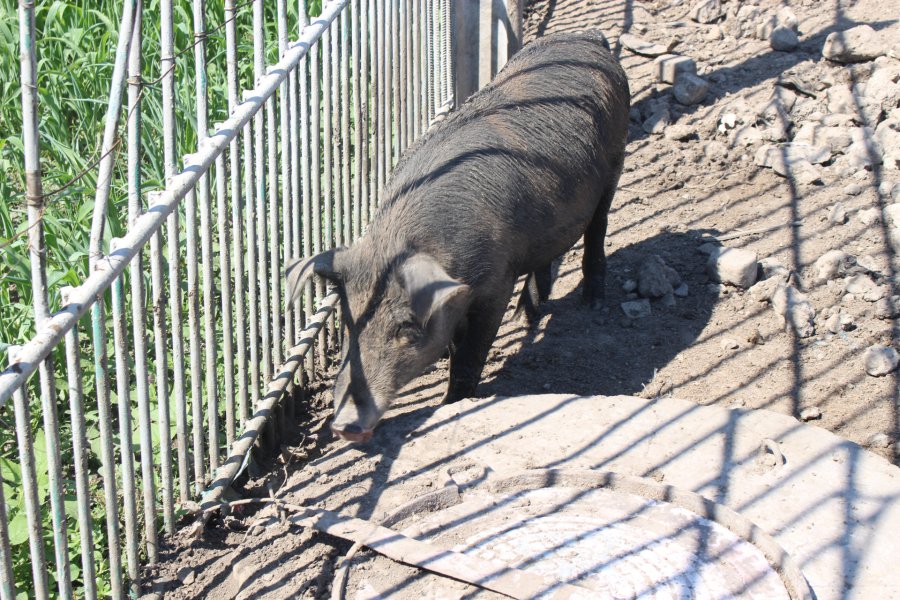
A small private farm: