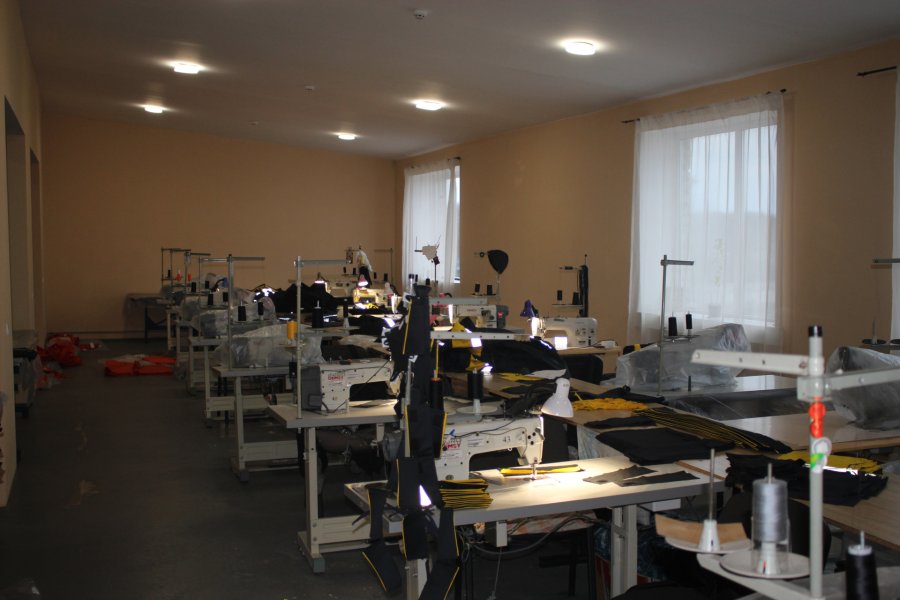
Monitoring visit to State Institution “Petrivska Correctional Colony No. 49”
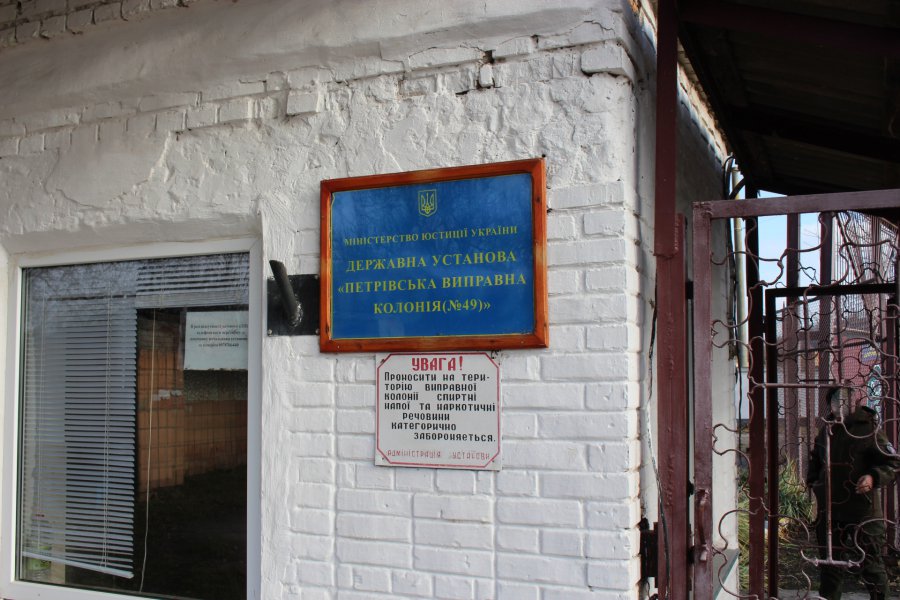
On 15 November 2022, a monitoring group consisting of an assistant to the People's Deputy of Ukraine Kostiantyn Kasai, a member of the Public Council under the Ministry of Justice of Ukraine Serhiy Zuikov, an assistant to the People's Deputy of Ukraine Yaroslav Yurchyshyn, KHPG program coordinator Andriy Didenko, and journalist Oleksiy Yaroslavtsev carried out a scheduled visit to the state institution “Petrivska Correctional Colony No. 49”.
The report on the previous visit to this institution is available via this link.
The main objectives of the monitoring visit were to analyse the institution's operations during the war and to compare the human rights situation with that of the previous visit.
The head of the institution is Colonel of the Internal Service Valerii Borysovych Anakidze.
The monitors entered the institution without hindrance, had access to all premises, and had the opportunity to communicate with representatives of the administration and prisoners, including under conditions of anonymity. The medical unit, living quarters, bath and laundry complex, canteen, and production area were inspected.
General information
Petrivska Correctional Colony is a maximum-security colony for the detention of prisoners convicted of grave and especially grave crimes. The road to the institution is simply appalling.
The monitors were accompanied by: the head of the institution, the first deputy head of the institution, Lieutenant Colonel of the Internal Service Vitalii Hura, and the deputy head of the institution for social and psychological work, Lieutenant Colonel of the Internal Service Serhii Khrameikov.
The institution has 9 social and psychological service units; none are mothballed. Renovation work is underway in some units.
According to data obtained from the colony's management regarding the general situation in the institution, the following was established. The ratio of personnel to prisoners is 2.6 prisoners per staff member; the cost of maintaining one prisoner is 268.46 hryvnias per day; 181 prisoners have arrived at the institution during the current year.
In 2021, 3 prisoners died. In 2022, 3 people also died.
28 prisoners are employed, all under civil law contracts. The average monthly salary since the beginning of the year is 994 hryvnias; for October, it was 3,817.86 hryvnias.
There is a shop operating in the institution.
On the day of the visit, 5 people were being held in the disciplinary isolation ward (DIZO). 2 prisoners were in the cell-type premises (PKT).
There were 6 people in the health care centre of the State Criminal-Executive Service located on the territory of the institution. There are 55 people registered with HIV/AIDS.
15 people are registered as prone to suicide; 27 are prone to self-harm; 19 are prone to escape. 3 are registered as malicious violators of the detention regime.
One person was released in 2021 due to severe illness; 4 people have a second-group disability, and 15 have a third-group disability.
During 2021, 54 people were released, of whom 4 were released on parole, and three prisoners had their sentences commuted to a milder one.
In 2022, 46 people were released, of whom 11 were released on parole, and five prisoners had their sentences commuted to a milder one.
During 2021, an ambulance was called to the institution three times. In 2022, there were 2 such cases.
During 2021, 24 cases of bodily injury were registered during the stay in the institution; for 2022, there were 14 cases during the stay in the institution.
During the current year, special means (handcuffs and physical force) were used 3 times.
During 2021, there were 41 long-term visits. In 2022, there were 27.
In 2021, 45 short-term visits took place; in 2022, there were 28. It is worth noting that in 2022, due to the dangers associated with martial law in the country, long-term visits were prohibited for a long time.
1,427 people were tested for SARS-CoV-2 (IgG, IgM) this year, 45 people fell ill, and 217 prisoners were vaccinated.
The monitors reviewed the logs of reports on violations of the established detention regime and other offences by prisoners; logs of individual educational work; logs recording bodily injuries in persons arriving at the correctional colony; diaries of social and educational work; records on the use of special means, straitjackets, and physical force against prisoners; logs of hourly checks of the presence of prisoners at their workplaces; lists of prisoners working in workshops; reviewed wage payment records; and examined orders regarding placement in the disciplinary isolation ward and cell-type premises.
The institution has a large territory. Produce is grown on its own land outside the institution.
Medical unit
The head of medical unit No. 49 of the branch of the State Institution “Center for Health Care of the State Criminal-Executive Service of Ukraine” in the Cherkasy and Kirovohrad regions (hereinafter referred to as the medical unit) is Roman Zinoviiovych Valaha.
The medical unit provides 24-hour duty by a medical worker to provide emergency medical care and ensure prisoners have access to medicines.
No complaints were received regarding unlawful actions by medical staff and institution employees, including torture or cruel, inhuman, or degrading treatment or punishment by prisoners.
On the day of the visit, 2 people were undergoing treatment in the medical unit's inpatient facility. One of them, a suspected tuberculosis patient, was in the infectious disease isolation ward.
The monitoring group discovered that the inpatient medical record form No. 003/o, in which all data regarding treatment and diagnostics in the inpatient facility—including data obtained during the examination of the sick prisoner, along with the prescription sheet—should be recorded, was missing for this person. Upon reviewing the primary accounting documentation No. 003/o “Inpatient Medical Record” of another patient, it was found that this record was also improperly completed. The surname, first name, patronymic, signature, and registration number of the doctor, which must be included in accordance with the Instructions on filling out the primary accounting documentation form No. 003/o “Inpatient Medical Record”, were missing.
In violation of the requirements of the “Norms for the provision of bedding, special clothing, and special footwear (inventory property) for prisoners undergoing treatment in medical and preventive institutions, institutions with the rights of medical facilities, and medical units at correctional institutions and remand prisons”, approved by the order of the Ministry of Justice of Ukraine dated 20 February 2012, No. 280/5, the medical unit's inpatient facility is not provided with hospital property (hospital suit, robe, and shoes) for persons undergoing treatment. Thus, persons staying in the inpatient facility are dressed in their daily clothing and do not have change-of-footwear, which fails to ensure proper sanitary conditions in the health care facility.
In the medical unit, the shower room functions only in the infectious disease isolation ward, which is designed for 1 bed. Prisoners suffering from infectious diseases who are in wards for somatic patients are deprived of the right to hygiene, or their washing is carried out in general showers, which fails to maintain the principle of isolation for patients with infectious diseases and creates the preconditions for the spread of dermatological diseases among prisoners.
The medical unit staff were unable to provide the monitors with the staffing schedule or the duty roster for doctors, which indicates that the medical personnel who were performing their duties at the time of the monitoring visit had insufficient knowledge regarding the general state of the organisation of the “Procedure for providing medical care to prisoners sentenced to imprisonment” in medical unit No. 49.
The inpatient facility of the medical unit has:
- 5 wards for somatic patients, designed for 7 beds;
- an infectious disease isolation ward consisting of 1 room, designed for 1 bed;
- an isolation room for persons with mental disorders with 1 bed.
The medical unit includes: the office of the head of the medical unit, a manipulation room, a dental office, a staff room, and an X-ray room.
The medical unit is equipped with modern X-ray/fluorography equipment; 270 examinations have been conducted this year.
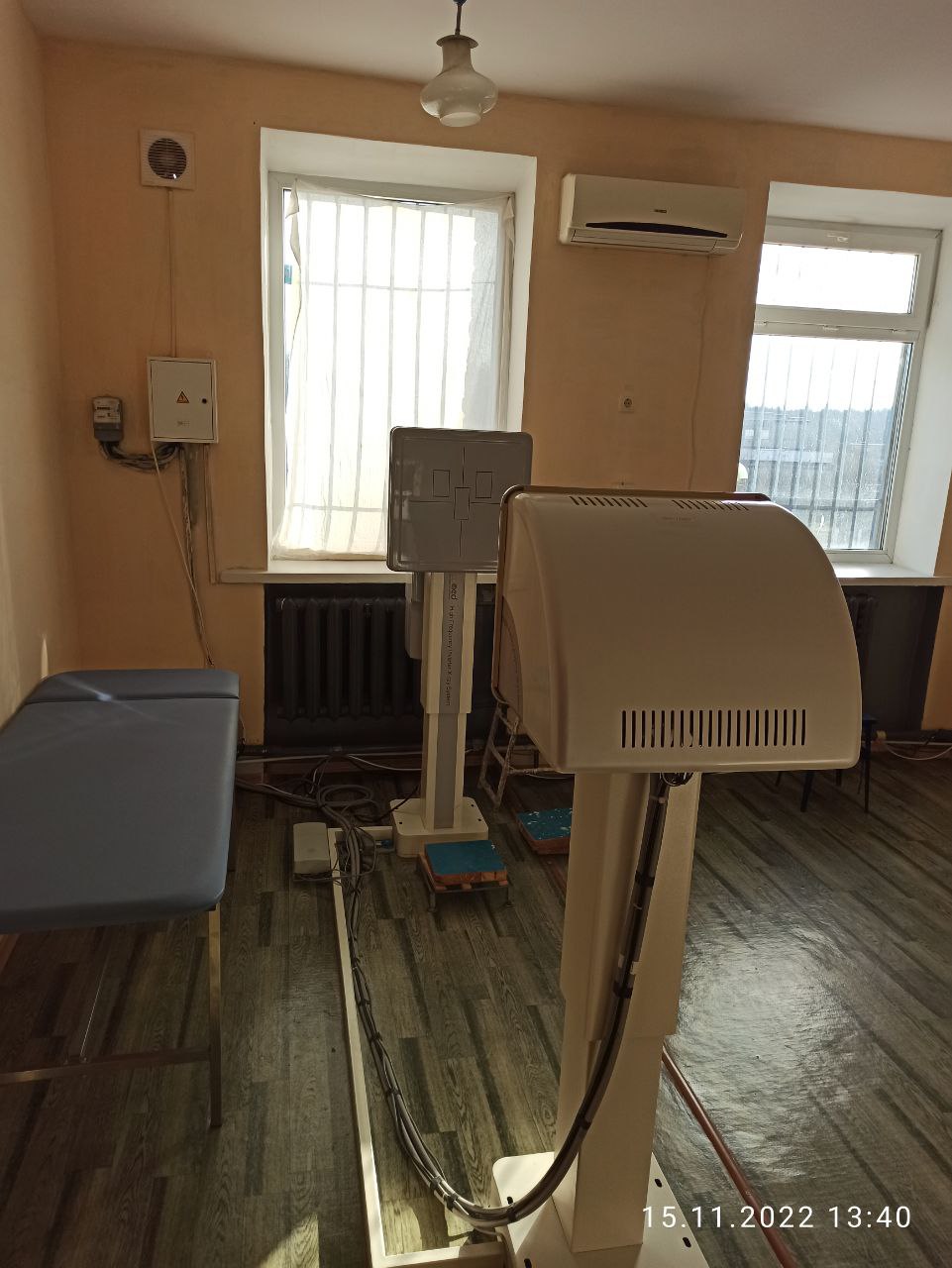
At the same time, the sputum collection point in the medical unit is improperly equipped, which creates preconditions for the spread of infectious disease among the held prisoners and also violates the order of the Ministry of Health of Ukraine dated 01 February 2019, No. 287 “On Approval of the Standard of Infection Control for Health Care Institutions Providing Assistance to Tuberculosis Patients”.
During the current year, 10 people suffering from active tuberculosis have been identified in the institution. Of these, 9 fell ill while in the institution, and 1 person's disease was detected upon arrival at the institution.
According to data obtained in the medical unit, 23 people with disabilities are registered for dispensary observation. Of these, 5 people are in disability group 2, and 17 are in group 3. However, there are no conditions for holding persons with disabilities; in particular, there are no ramps, handrails, or other equipment.
During the current year, 31 people were treated in the inpatient facility of the medical unit, and 4,515 people were treated on an outpatient basis.
During the current year, 14 cases of bodily injury were registered. The outpatient medical records No. 025/o contain a card for the primary documentation of bodily injuries; however, there are no medical reports, nor are there any attachments in the form of photographs of the existing bodily injuries, as provided for in clause 3 of section 1, chapter II of the joint Order of the Ministry of Justice of Ukraine and the Ministry of Health of Ukraine dated 15 August 2014, No. 1348/5/572 “On Approval of the Procedure for Organizing the Provision of Medical Care to Prisoners Sentenced to Imprisonment”.
In order to detect and prevent the spread of infectious and parasitic diseases, and to identify general somatic and mental illnesses among prisoners in the correctional institution, annual preventive examinations of prisoners are carried out once a year by conducting X-ray examinations. However, the monitors established that at the time of the inspection, planned preventive examinations in medical unit No. 49 were not being conducted. As the head of the medical unit explained, the main reason is a shortage of medical personnel to carry them out. Indeed, in confirmation of this information, the “Log of results of preventive medical examinations at Petrivska Correctional Colony No. 49” was checked; the last such examination was conducted on 18 July 2021.
The number of HIV-positive persons in the institution on the day of the visit was 55, of whom 50 are receiving antiretroviral therapy (ART). During the current year, 55 immunological examinations (CD4) were conducted for 19 HIV-infected prisoners, along with 55 virological (viral load) tests. Since the beginning of the year, 325 people have been tested for HIV using rapid tests.
There is no infectious disease specialist in the medical unit. According to information provided by the medical staff, the infectious disease specialist does not visit the institution. Consultations take place by telephone. Due to the absence of an infectious disease specialist, in violation of the Order of the Ministry of Health dated 21 March 2012, No. 182, registered with the Ministry of Justice of Ukraine on 18 May 2012 under No. 794/21107 “On Approval of Forms of Primary Accounting Documentation and Reporting on Monitoring the Treatment of HIV-Infected Persons and Instructions for Filling Them Out”, Primary Accounting Documentation Form No. 030-5/o “Control Card of Dispensary Observation for an HIV-Infected Person” has not been created for all persons in the medical unit.
Furthermore, due to a shortage of medical personnel in the medical unit, the order appointing medical workers responsible for implementing measures to counter HIV infection among persons deprived of liberty is considered invalid. This violates the requirements of the joint Order of the Ministry of Health, Ministry of Internal Affairs, and Ministry of Justice of Ukraine dated 05 September 2012, No. 692/775/1311/5 “On Approval of the Procedure for Interaction between Health Care Institutions, Territorial Bodies of Internal Affairs, Correctional Institutions, and Remand Prisons regarding Ensuring the Continuity of Dispensary Observation for HIV-Positive Persons, Implementing Clinical and Laboratory Monitoring of the Disease Progression, and Conducting Antiretroviral Therapy”, and measures by responsible staff regarding dispensary observation of HIV-positive persons in accordance with the order's requirements are not being ensured.
Substitution maintenance therapy (SMT) is absent.
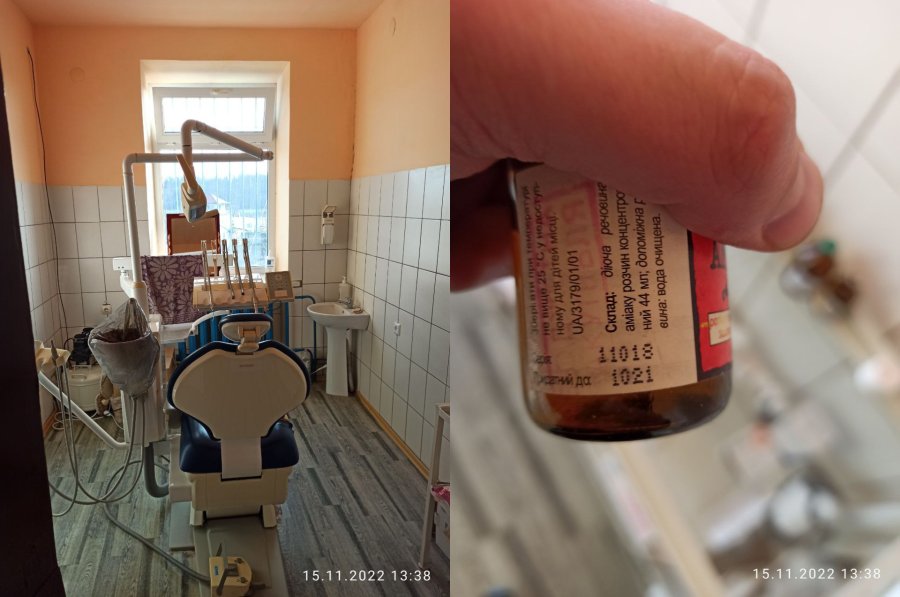
In the dental office and in the paramedic's bag, the monitors recorded medicines whose expiration dates had already passed.
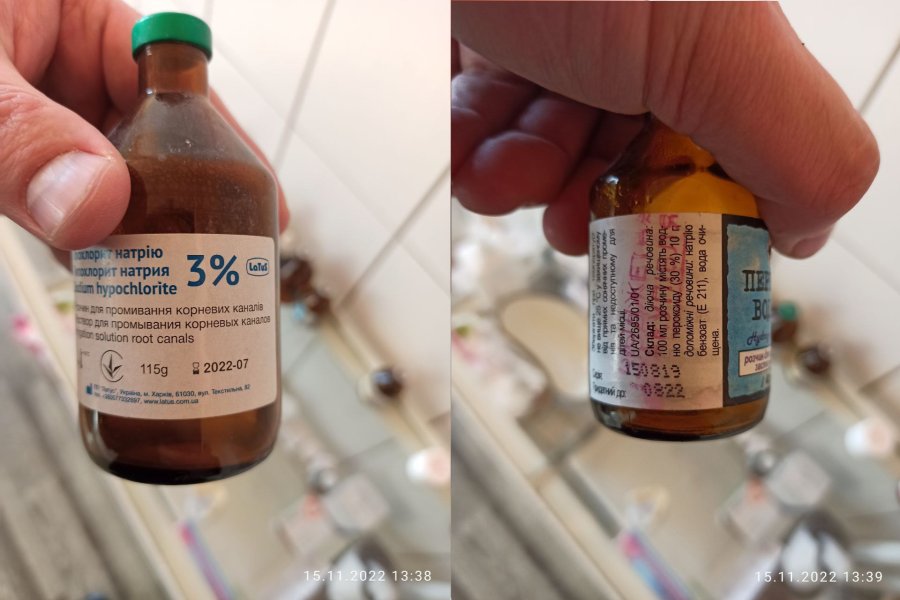
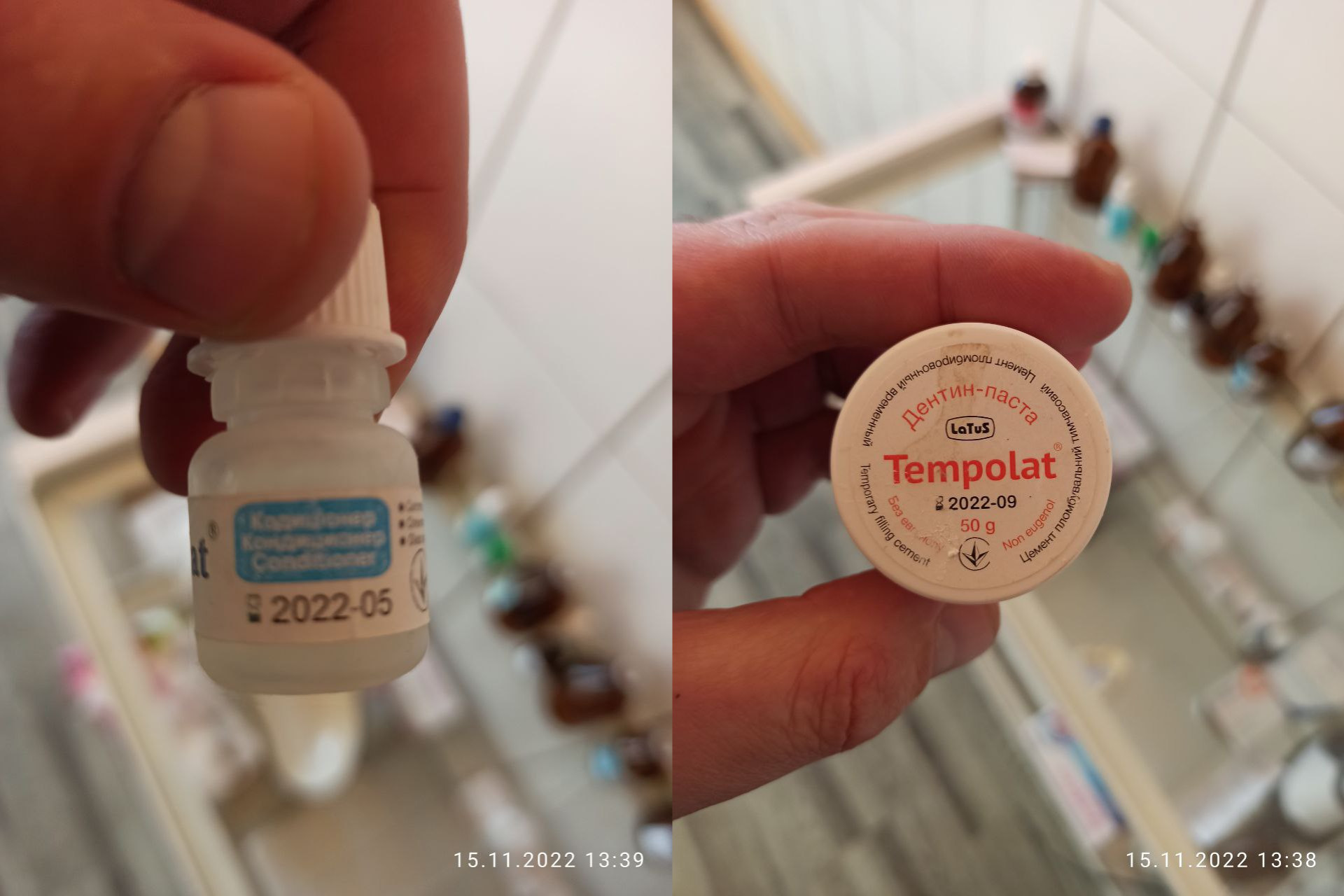
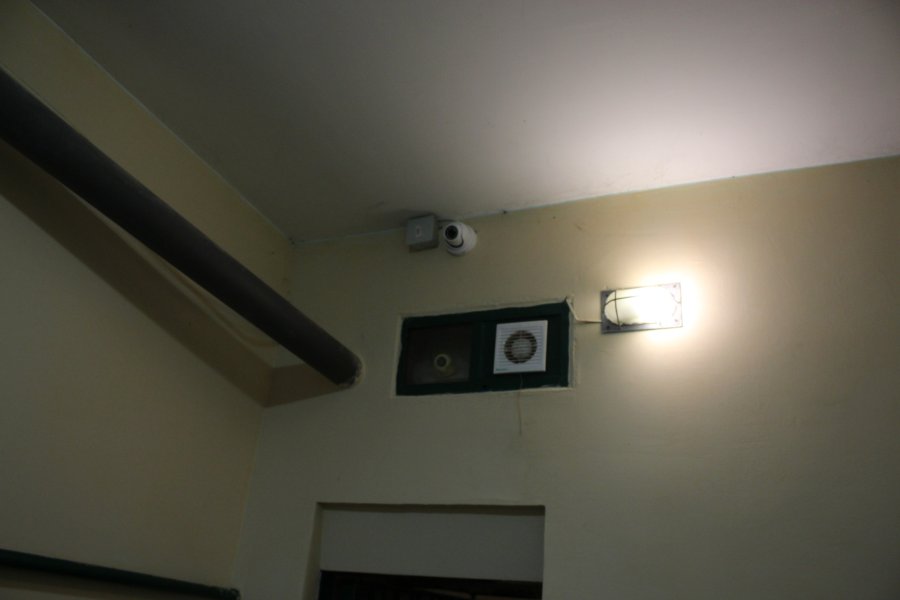
The monitors also recorded the presence of video surveillance cameras in the lobby of the medical unit. However, the “Procedure for the Use of Technical Means of Supervision and Control in Correctional and Educational Colonies of the State Criminal-Executive Service of Ukraine”, approved by Order of the Ministry of Justice of Ukraine dated 26 June 2018, No. 2025/5 (Registered with the Ministry of Justice of Ukraine on 02 July 2018 under No. 766/32218), does not provide for the installation of video surveillance in the premises of medical institutions.
DIZO/PKT/DPK
There were 5 people in the disciplinary isolation ward (DIZO), 2 in the cell-type premises (PKT), 3 people under general detention conditions, and 11 prisoners were being held in the disciplinary and correctional unit (DPK).
The orders regarding disciplinary penalties were inspected, and the monitors had the opportunity to speak with each disciplined prisoner. According to the administration, a disciplinary penalty in the form of DIZO can be received for possession of prohibited items; there are also a number of disciplinary violations for which a penalty not related to placement in a cell is initially assigned. Placement in the PKT can be applied if disciplinary measures have not achieved their goal.
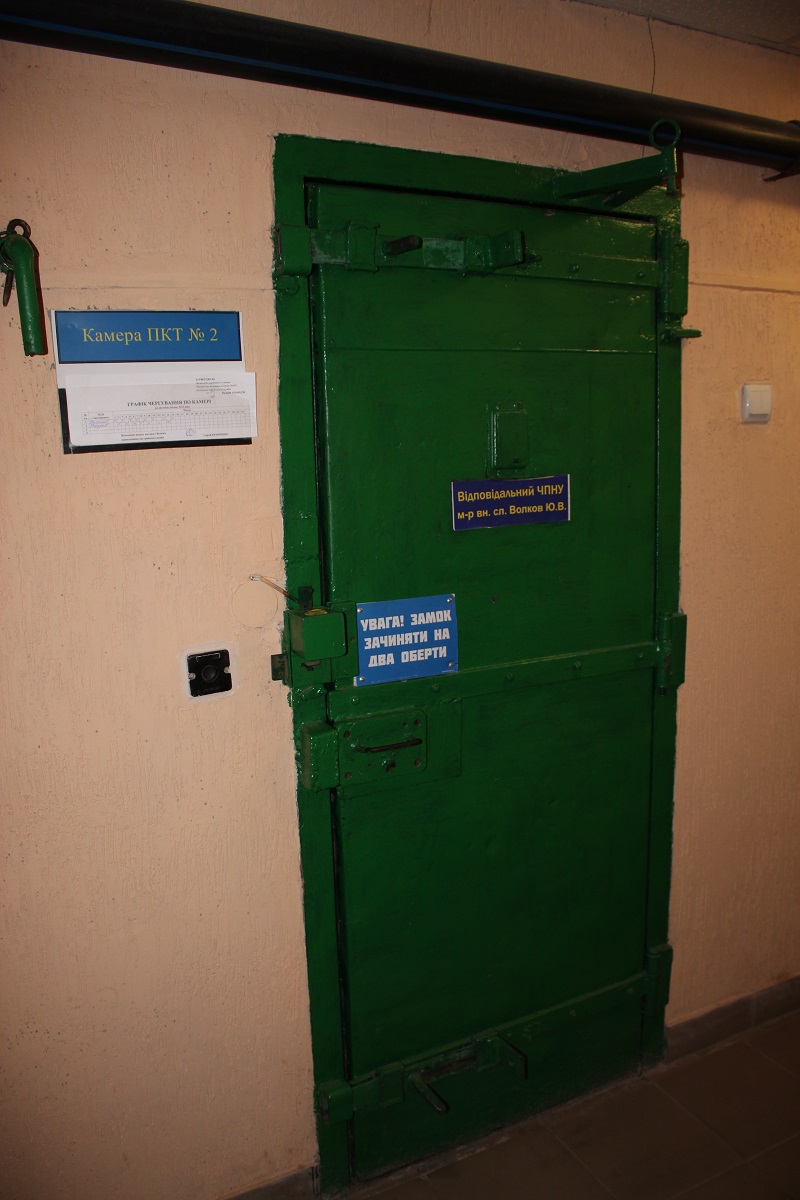
The DPK houses prisoners with a negative orientation who, in the administration's opinion, cannot be among the general population of prisoners due to the risk of disrupting the institution's operations.
In the opinion of the colony's head, at the present time, disciplinary penalties in the form of DIZO are necessary for those persons who do not wish to embark on the path of correction, and the PKT is an exceptional measure of disciplinary response that is applied when other measures have failed to have an effect.
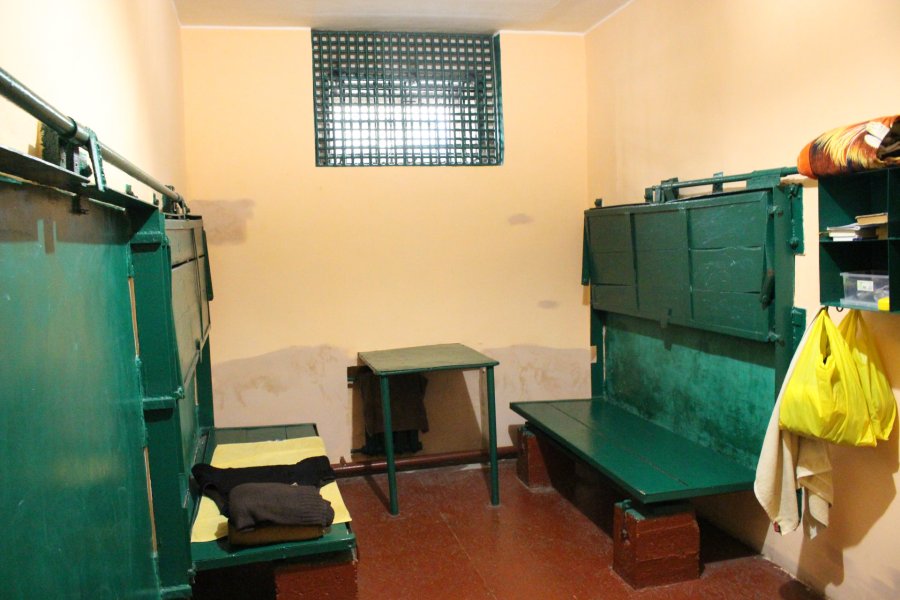
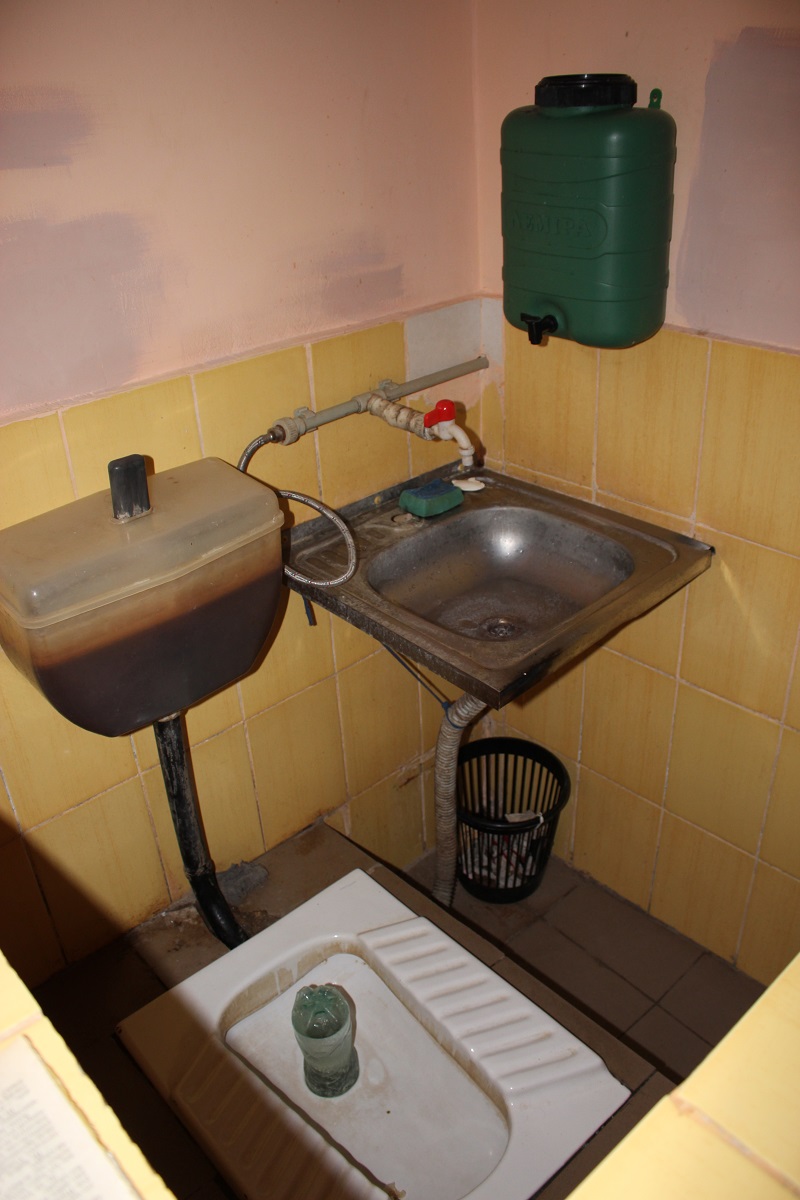
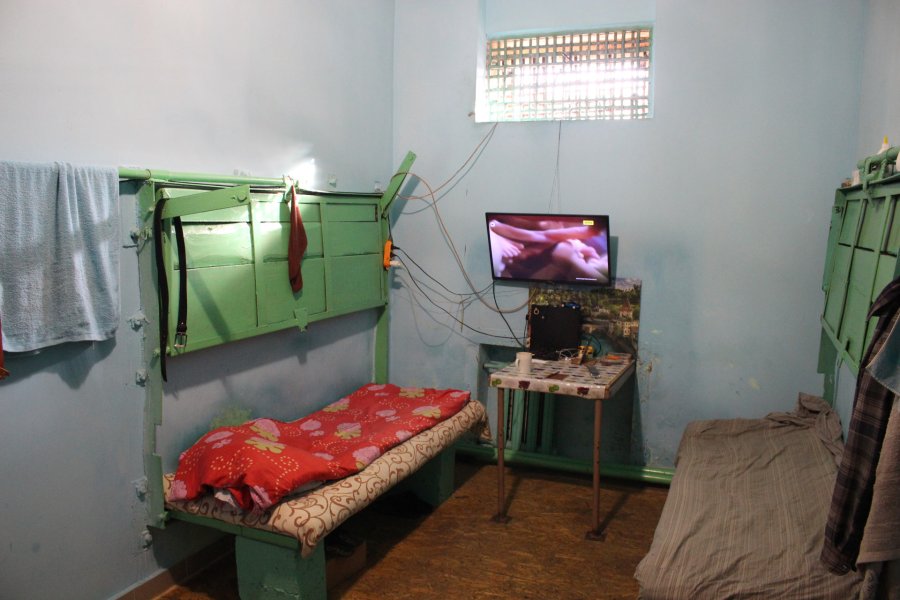
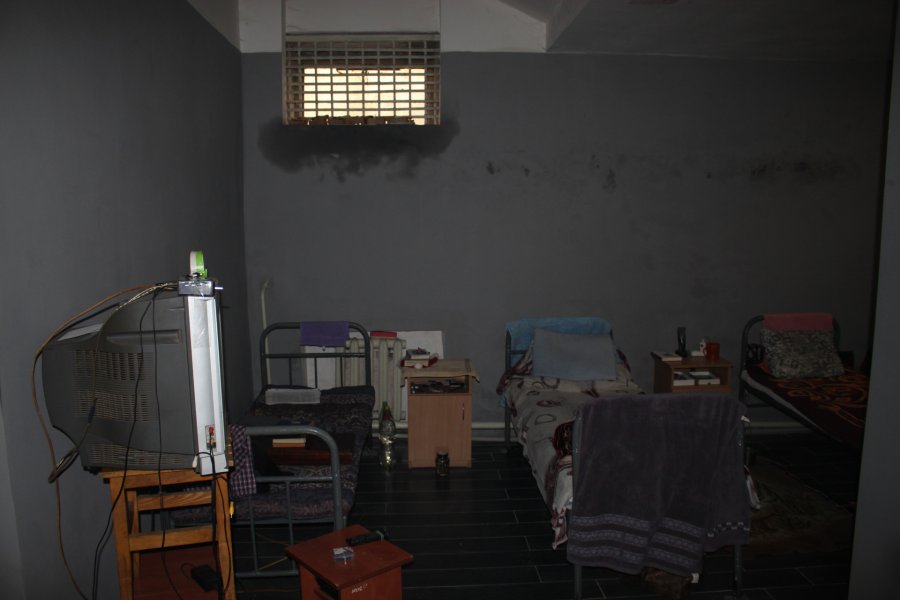
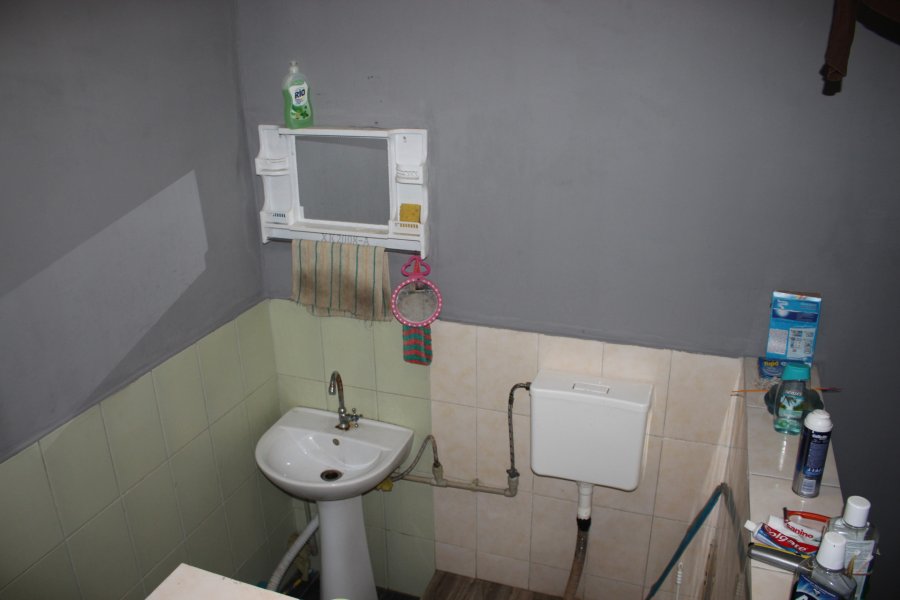
Each cell contains a tank with drinking water; water is brought from the canteen, and the toilet is partitioned off.
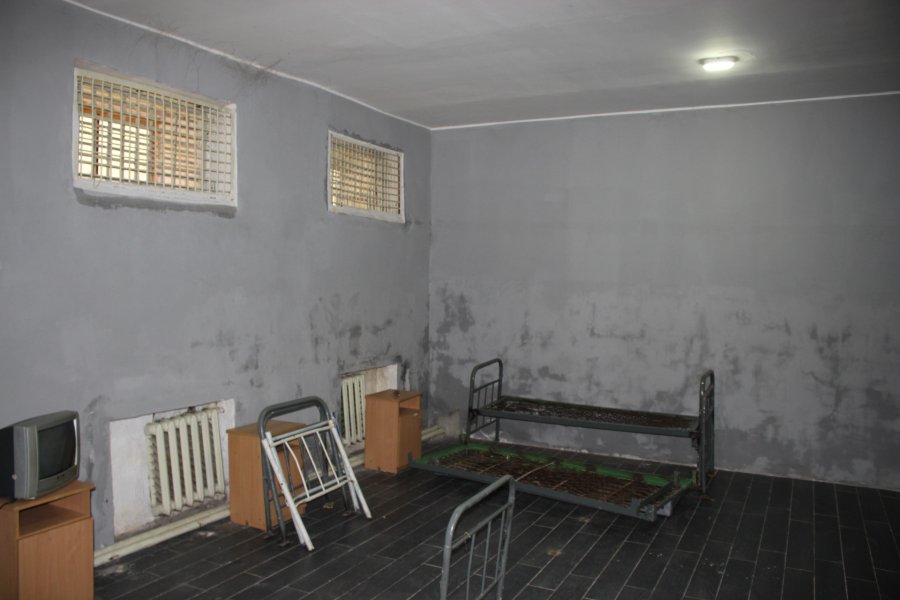
The floors in the cells are wooden, in accordance with standards. The heating radiators in the cells are hot.
Cells that do not meet the legal requirements of 4 square metres per prisoner have been mothballed. Renovation and restructuring work is taking place in some of them.
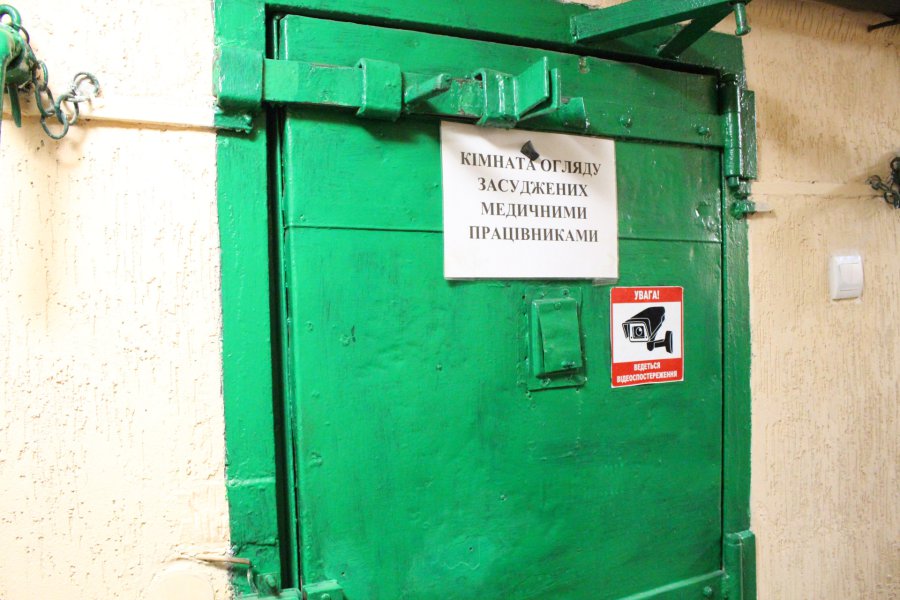
There is a medical examination room and a shower room.
Prisoners are aware of the possibility of appealing violations. During the visit, prisoners complained about the lack of medical care due to a shortage of medicine.
2 prisoners were held on general grounds. They did not express a desire to communicate under conditions of anonymity; there is video surveillance in the cells.
Prisoner Z. complained of difficulty breathing. The head of the medical unit noted that, according to fluorography, this prisoner had suffered from tuberculosis.
Prisoner T. received 10 days in the DIZO for not having a chest badge.
Prisoner P., who was sentenced to prison in Russia for murder and extradited to Ukraine, appealed. He claims he was sentenced unfairly.
Prisoner T. has been held alone in a cell for six months. He claims this is done at his request, on his initiative.
Prisoner P. is being held in the DPK section.
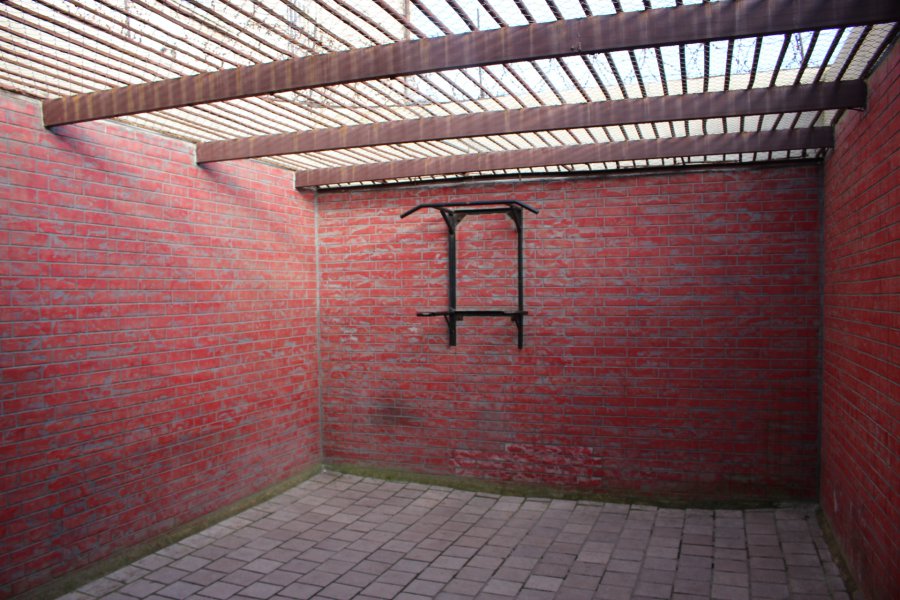
He complained that there is no designated smoking area in the institution for prisoners held in the DPK. Smoking is not forbidden in the DPK, but he is punished disciplinarily for smoking in the cell. The head of the colony noted that, in this case, there is a gap in the legislation. In medium-security institutions, the DPK is a separate section, whereas in a maximum-security colony, the DPK uses a cell system. Within the framework of fire safety, smoking in DPK cells is prohibited. The general practice is one hour per day during which one can smoke in the exercise yard.
Prisoner K. complained that, in his view, he is being held in this institution unlawfully because he is an accused under Article 391 of the Criminal Code of Ukraine and should be transferred to a remand prison, as his case is in court.
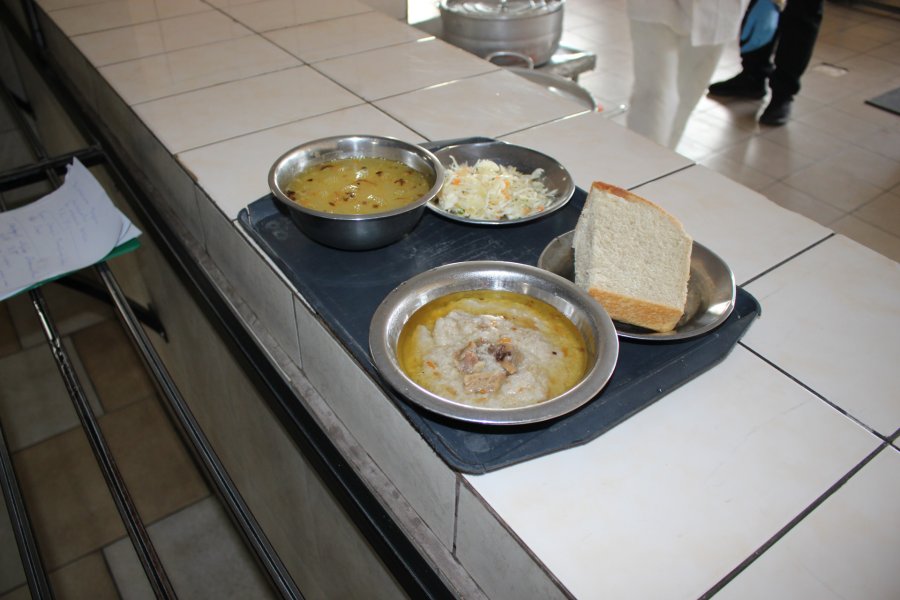
During the visit to the DIZO/PKT/DPK section, lunch was brought in. For the first course: borscht. For the second course: porridge with meat.
In the institution, there is a practice of appealing to Free Legal Aid Centres to protect the interests of prisoners.
Bath and laundry complex
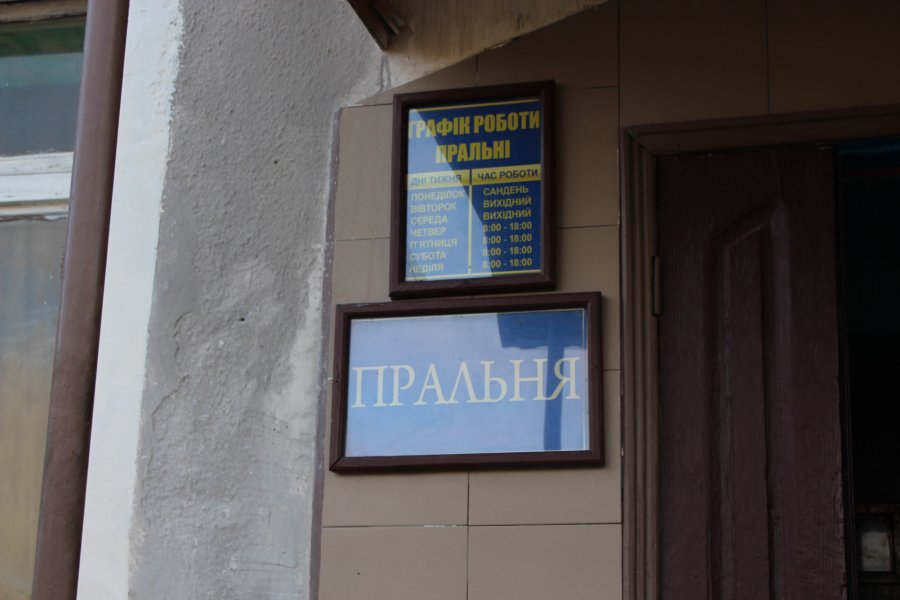
Room for receiving laundry. 6 washing machines are in operation.

Prisoners by unit visit the bath and laundry complex, where they hand in laundry for washing and receive soap.
There was no log recording bodily injuries in the bathhouse.
Barbershop:
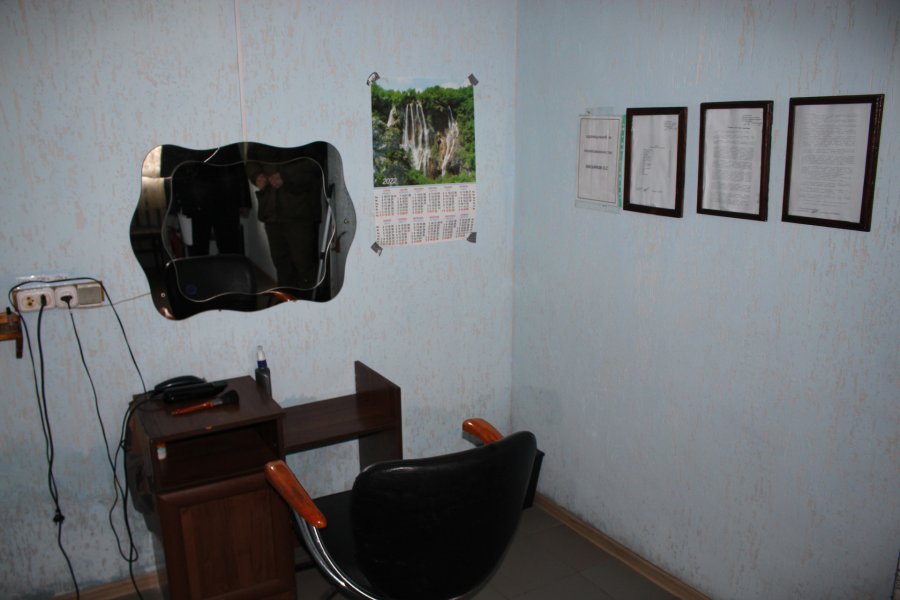
The barber works on bath days. There is no permanent staff member for the bath and laundry complex. There is a paramedic's corner.
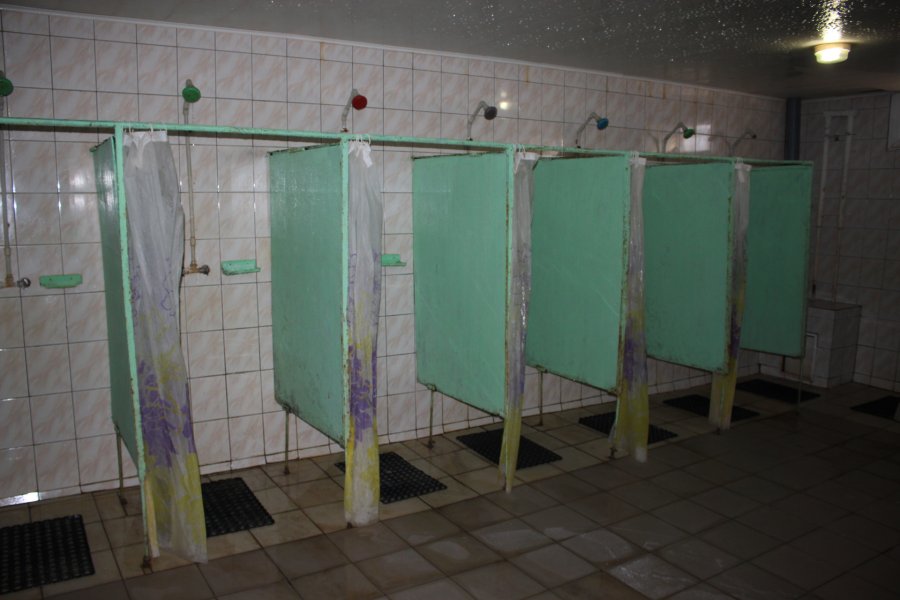
Water in the bathhouse is regulated by the prisoners themselves; there are mats and curtains.
Canteen
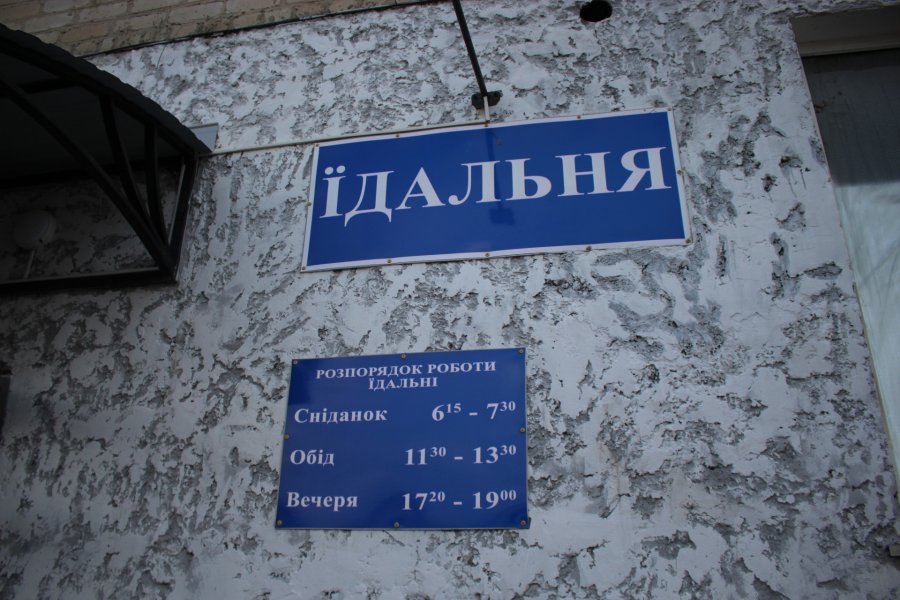
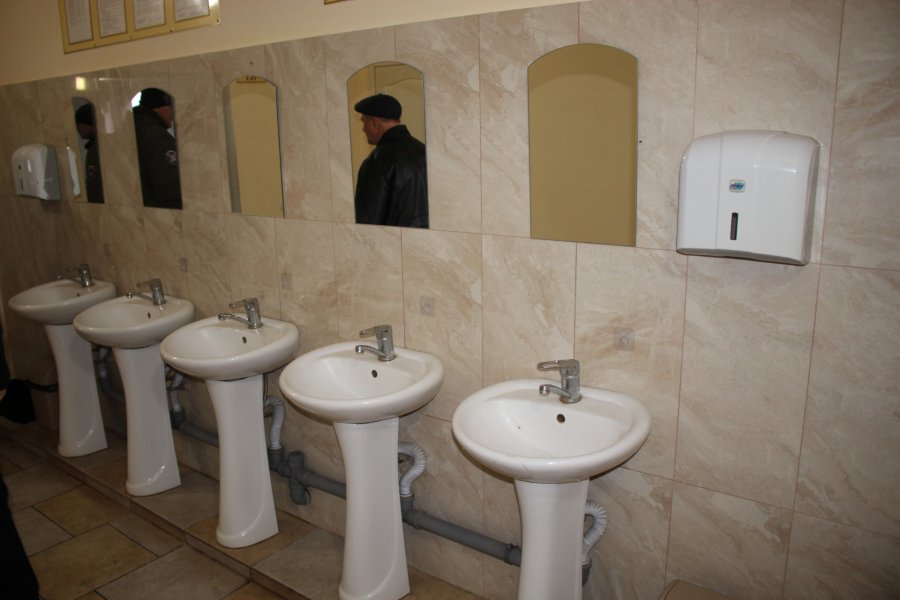
The water is cold, there is no soap, and there are no towels.
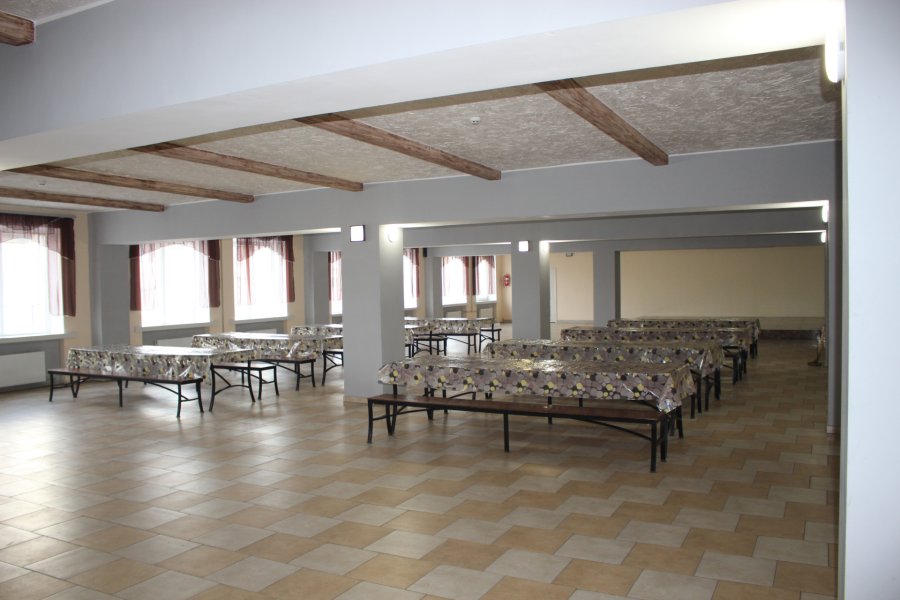
There are no separate tables in the large hall.
Music plays during lunch, and if a film needs to be shown, a screen is lowered, and the video is broadcast using a projector.
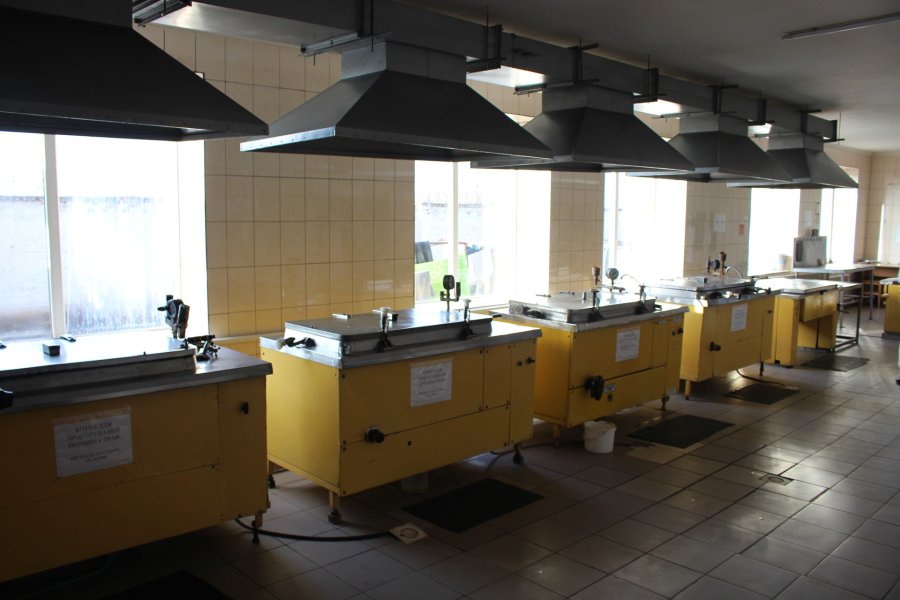
There are 6 pots operating in the kitchen.
Fish processing workshop:
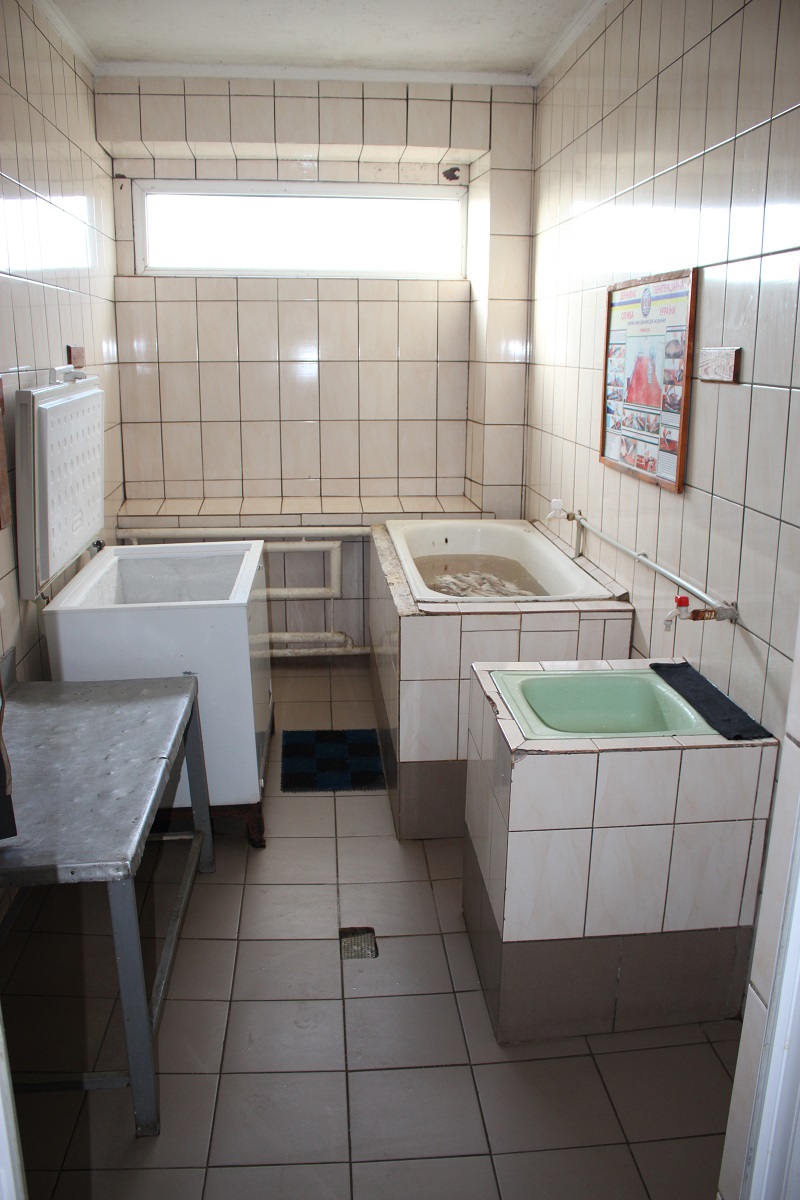
The management of the canteen is sharing ideas for the future expansion of the range of dishes for prisoners.
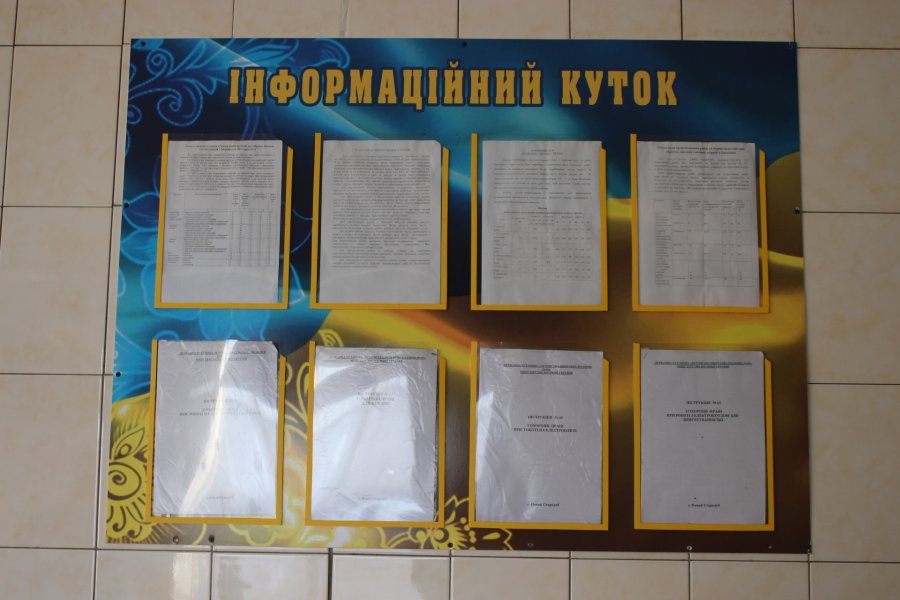
Drinking water tanks:
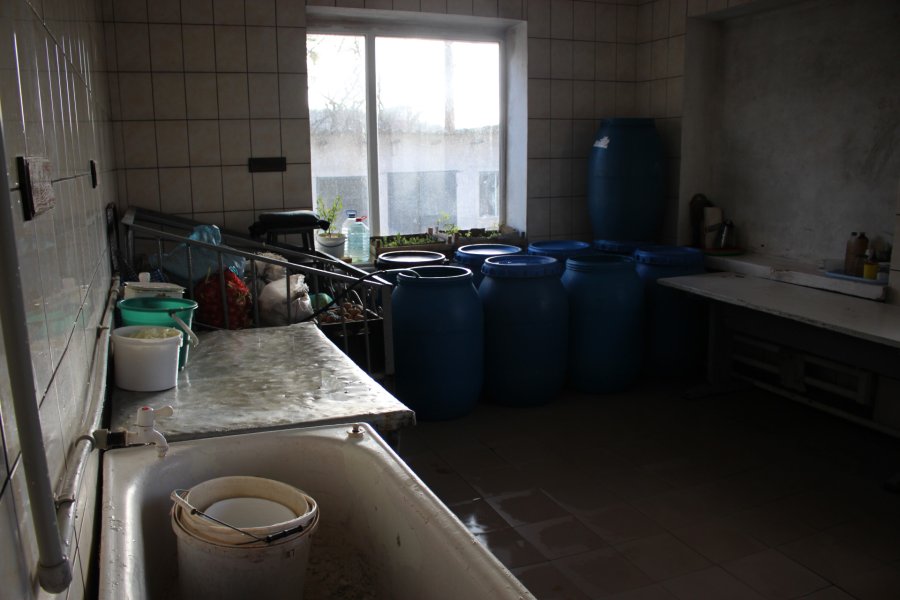
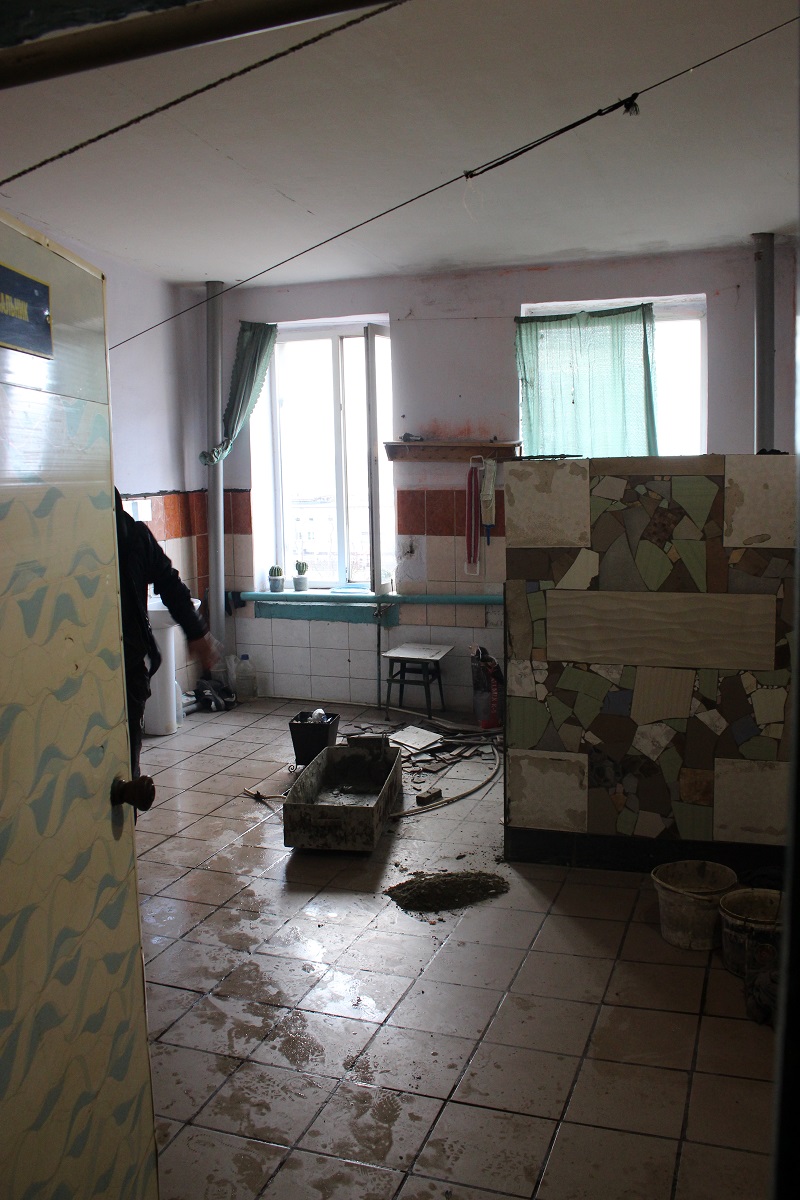
Renovation work is taking place in some rooms of the canteen.
Dishwashing department:
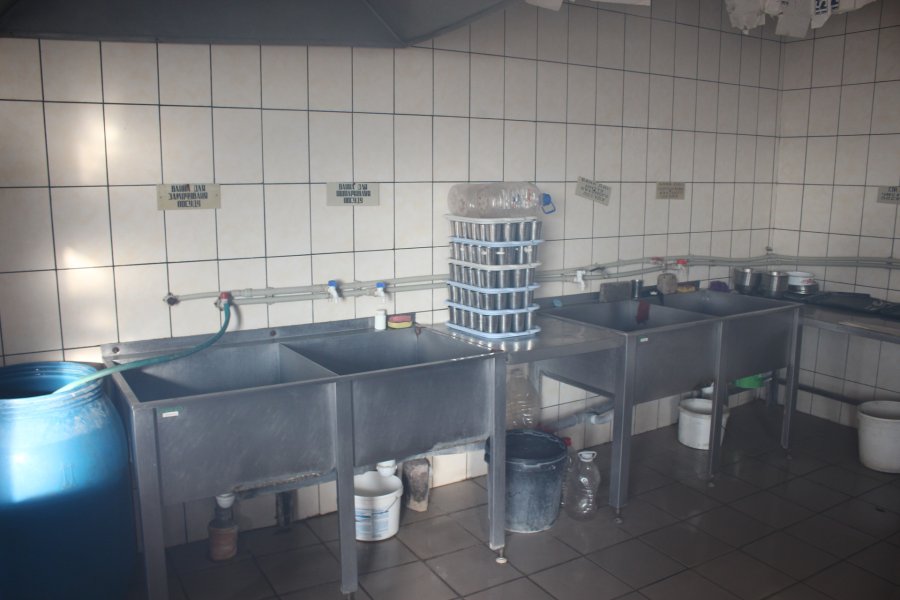
There is a special room for cooking on firewood in case of a power outage. During the visit, the canteen was operating in normal mode.
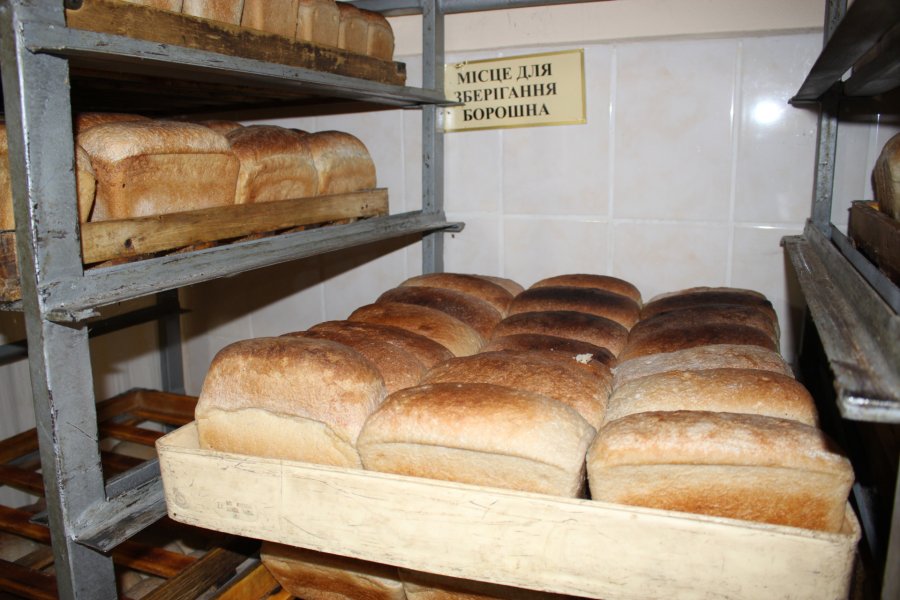
There is an on-site bakery; a daily supply of bread was demonstrated to the monitors.
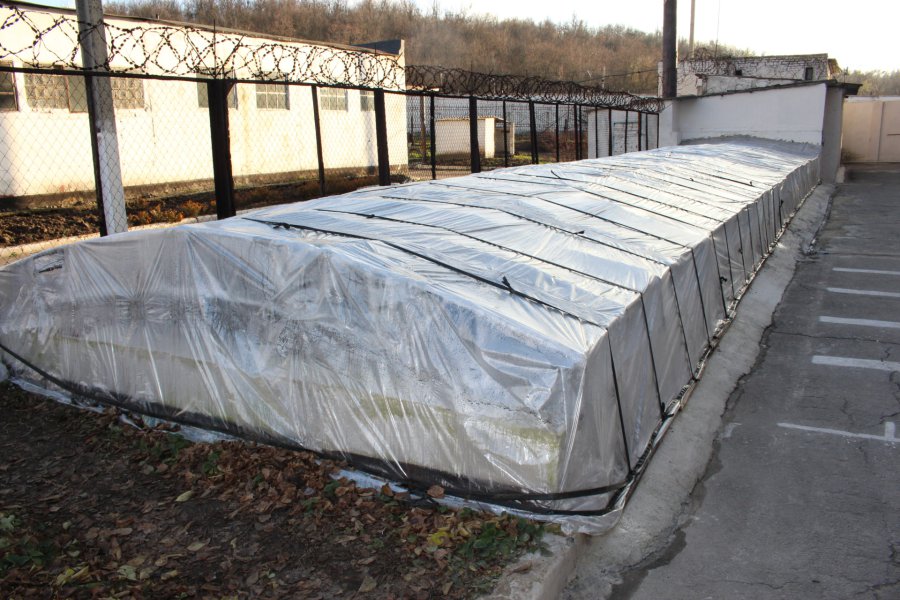
Vegetables are grown in greenhouses.
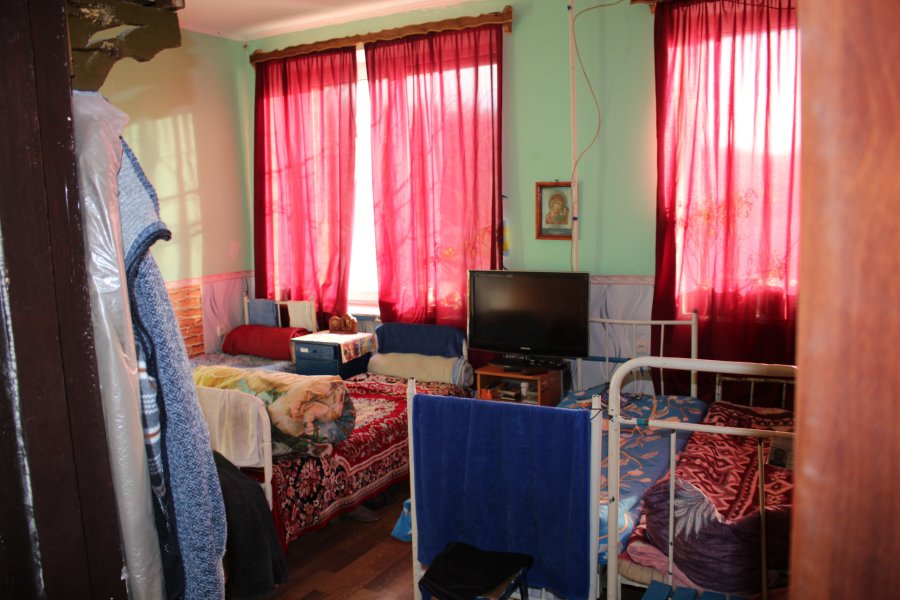
Living quarters
Next to the canteen is a section where 45 prisoners who work in the canteen live.
Prisoner K. raised the issue of the illegality of his sentence and also reported that his time was not calculated as ‘one day for two’, in accordance with legislation. The prisoner was provided with consultation regarding the dispatch of correspondence.
The monitors noted that there was absolutely no food in the refrigerators in the living quarters. Barracks-type premises are being converted into cubicle-type rooms.
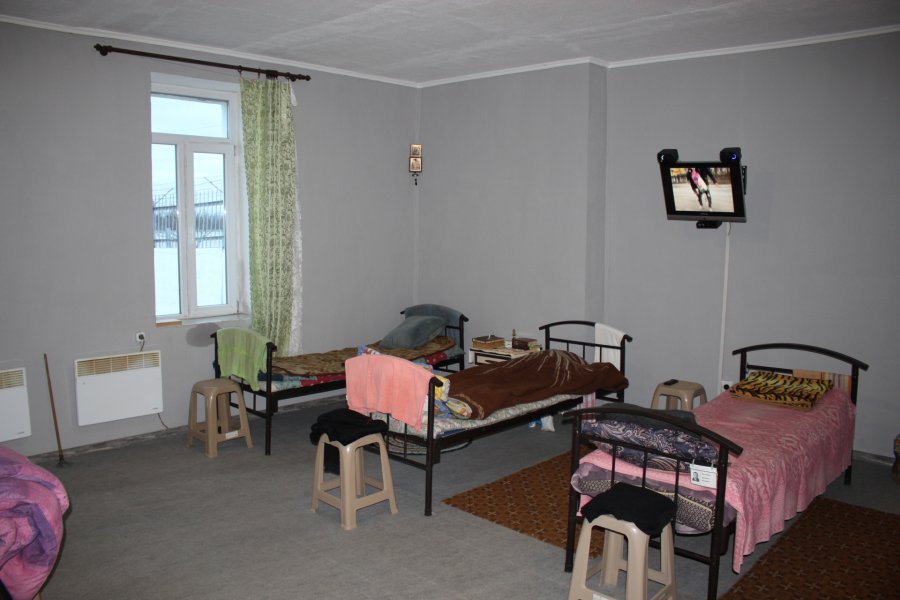
Places with personal space are provided. But there are still overcrowded barracks-type premises.
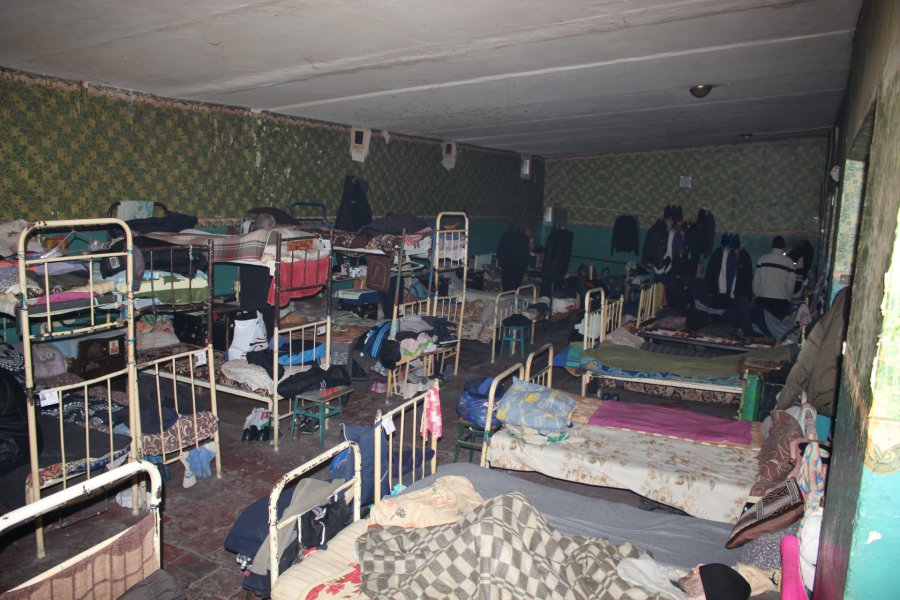
The interviewed prisoners working in the canteen reported that they do not receive wages. The institution's administration reported that the prisoners are engaged in accordance with part 5 of Article 118 of the Penal Code of Ukraine for “two hours of work for the improvement of the institution”.
Prisoners complain that they work but do not receive wages.
Prisoner Z. reported that he has been working in construction for over seven months, performing renovation work. He also receives no financial compensation for his work.
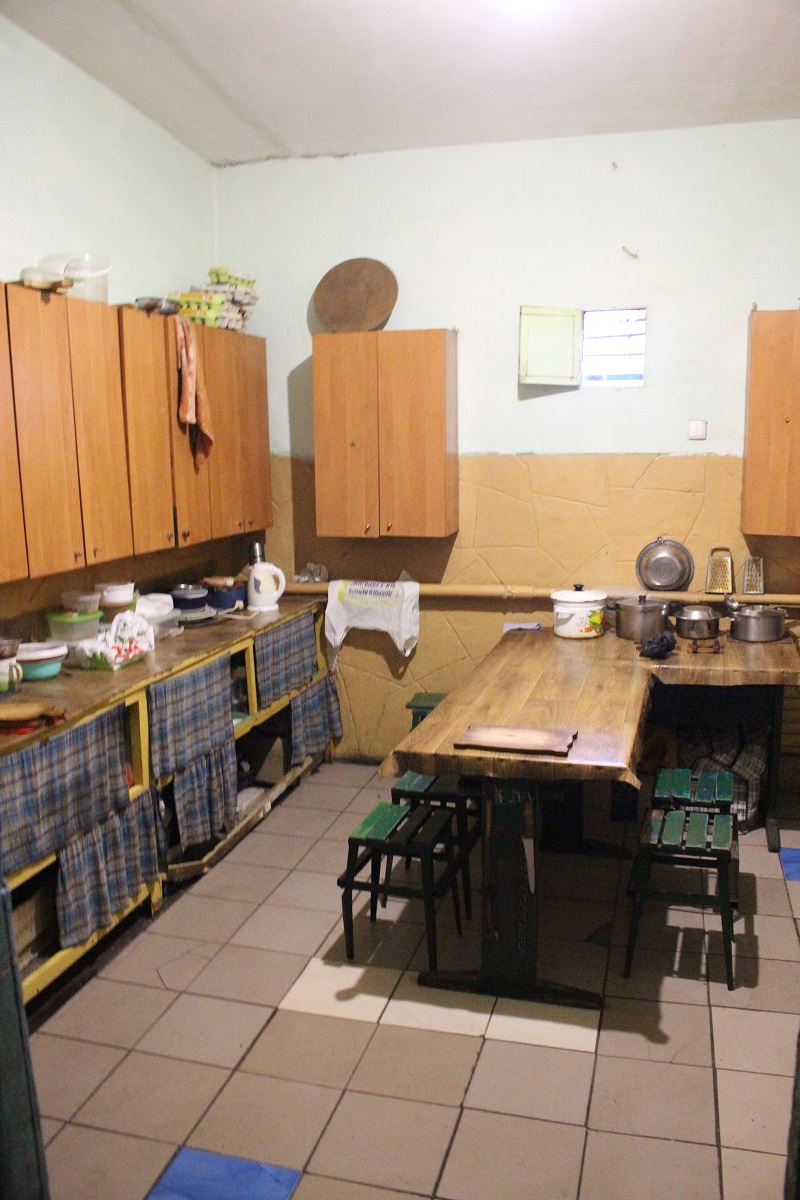
Dining room:
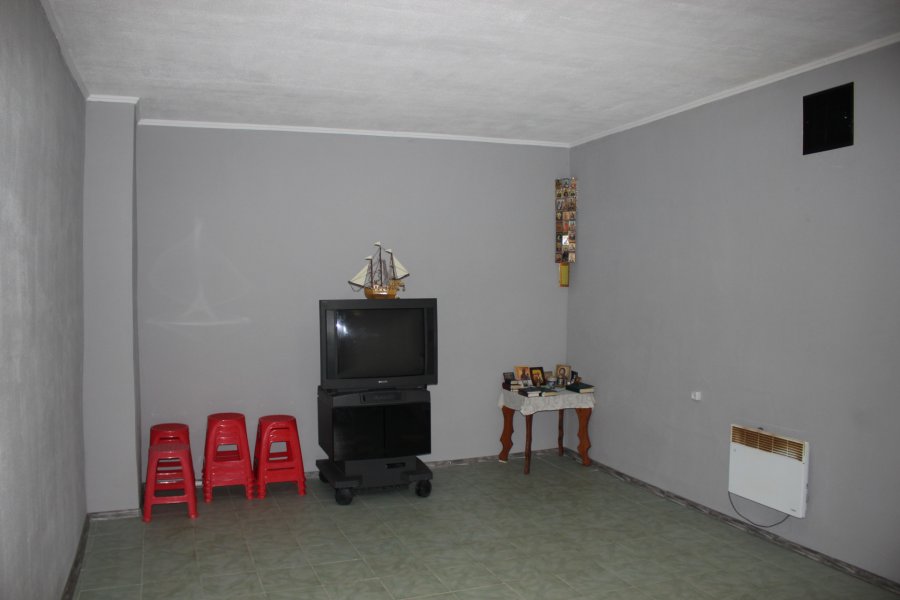
Recreation room:
Prisoners state that phone calls are made upon request, and if there are no funds, there is a general card from which one can make a call.
Prisoner M. appealed, stating he disagrees with the distribution of his place of serving the sentence and wants to be transferred to another colony. The prisoner was provided with consultation regarding the procedure for distribution and transfer to a colony near his place of residence.
Prisoner S. appealed; he was injured in Avdiivka in his own vegetable garden due to a shell explosion. The prisoner lost a leg, and he asked for help in obtaining disability status. Disability status has not been processed due to the lack of a passport.
Prisoner T. is looking for his child, who remained in Kherson.
Prisoner I. appealed and stated that he was transferred from Russia, and he is trying to challenge the type of institution; he believes his rights have been violated and that the regime of serving the sentence should not be so severe.
Workshops
Car repairs take place in the workshop. At the time of the visit, two cars were on the workshop premises. One of them was being prepared for painting. At the same time, one prisoner was at the workplace, who, according to him, has been working in the workshop for two months and is officially employed under a civil law contract.
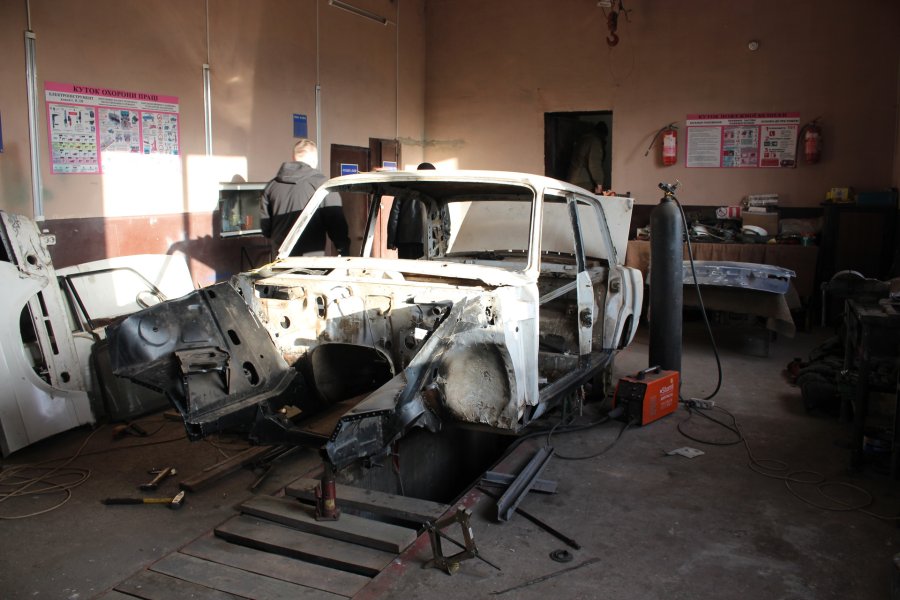
In the institution, in addition to the car workshop, a sewing workshop is in operation.