Report on the results of the monitoring visit to Petrivska Correctional Colony No. 49
On 15-16 November 2024, in accordance with the Optional Protocol to the Convention against Torture and Other Cruel, Inhuman or Degrading Treatment or Punishment, taking into account the provisions of the Standard Minimum Rules for the Treatment of Prisoners and the decisions of the European Court of Human Rights, and pursuant to Article 24 of the Criminal Executive Code of Ukraine — Visiting correctional institutions, a group of monitors from the Kharkiv Human Rights Protection Group and the NGO “Protection for Prisoners of Ukraine” carried out a scheduled visit to the state institution “Petrivska Correctional Colony No. 49” (hereinafter PCC-49, the institution, the facility).
The visit was carried out within the framework of the project “Reducing the suffering of prisoners in the context of the war in Ukraine,” funded by the Government of Denmark in partnership with DIGNITY — Danish Institute Against Torture.
The visit was conducted by the following monitors:
- Andrii Didenko — Assistant to the People's Deputy of Ukraine Yaroslav Yurchyshyn, experienced in monitoring visits since 2014;
- Serhii Zuikov — Assistant to the People's Deputy of Ukraine Kostiantyn Kasai, member of the public council under the Ministry of Justice of Ukraine, with many years of experience in monitoring visits;
- Artemii Shumnyi — journalist for “Protection for prisoners of Ukraine”.
General Information
PCC-49 is a maximum-security correctional institution for holding men convicted of serious and particularly serious crimes.
The institution is located at: 1 Polova Street, Novyi Starodub village, Petrivske district, Kirovohrad region, 28310.
The head of the institution is Colonel of the Internal Service Valerii Borysovych Apakidze.
The institution consists of a duty unit, residential and industrial zones, a disciplinary cell (DIZO), a chamber-type facility (PKT), a high-security unit (DPK), a sector for life-sentenced prisoners, a medical unit, a bath and laundry complex, visitation rooms, a shop, a library, a parcel reception room, and administrative premises.
According to the institution’s administration, the authorised staff establishment consists of 219.5 positions. The actual number is 176.5 positions. The total staff shortage for the institution is 43 employees.
The planned capacity is 656 persons. The actual number is 511 persons, of whom 496 are maximum-security convicts and 15 are life-sentenced convicts.
There are 2 psychologists working in the institution. There are 5 persons in the DIZO, 0 in the PKT, and 9 in the DPK. There is 1 patient undergoing treatment in the medical unit.
During 2024, 260 persons arrived at the institution. The number of persons on operational and preventive record in the institution was: prone to suicide — 20 persons, prone to self-harm — 38 persons, prone to escape — 18. Malicious violators of the regime of detention — 26, social outcasts (“rejected by the general population”) — 73 persons. In 2023, there was 1 suicide; in 2024, there were 0.
During 2023-2024, no complaints regarding improper conditions of detention or improper provision of medical care were received from convicts.
The convicts have 311 tablets with internet access in their own use.
During 2024, 29 cases of bodily injuries sustained while in the institution were recorded. The monitoring group interviewed approximately 201 convicts.
Facts discovered during the visit
During the monitoring visit, violations of national legislation and non-compliance with international recommendations in the field of prisoner treatment were identified, which lead to violations of the rights of convicted persons:
1. In violation of Part 1 of Article 115 of the Criminal Executive Code of Ukraine and Paragraph 10 of the Standard Minimum Rules for the Treatment of Prisoners, it was established that in certain residential premises of the socio-psychological service (hereinafter — SPS) units of the institution, the living space standard per convict is less than 4 m². Thus, in the residential premises of SPS unit No. 7, where 55 persons were staying, the area of the premises is 202.5 m². Therefore, the actual area per convicted person was 3.68 m².
In the residential premises of SPS unit No. 5, where 58 persons were staying, the area of the premises is 201 m². Thus, the actual area per convicted person was 3.46 m². Furthermore, it was established that in the sleeping premises of the quarantine, diagnostic and distribution unit (hereinafter — KDiR), the actual number of sleeping places exceeds the permissible number for ensuring the living space standard per person provided by law. Thus, in sleeping room No. 1 of the KDiR unit, where 13 beds are located, the area of the room is 40.3 m². Thus, the actual area per convicted person was 3.1 m².
In sleeping room No. 2, where 10 beds are located, the area of the room is 32.7 m². Thus, the actual area per convicted person is 3.27 m². This violation creates conditions for possible abuse by the administration and staff of the institution in the context of compliance with the living space standard per convicted person and does not ensure proper personal space for the persons held in the sleeping premises.
At the same time, Paragraph 13 of the 7th General Report of the European Committee for the Prevention of Torture and Inhuman or Degrading Treatment or Punishment (hereinafter — the Committee) states that the problem of overcrowded cell premises leads to unhygienic conditions, a constant lack of privacy, and an overload of medical services and the institution’s infrastructure. The Committee concludes that quite often the negative impact of overcrowding has resulted in inhuman or degrading conditions of detention for prisoners (CPT/Inf (97) 10).
2. In violation of the requirements of Paragraph 9 of Part 1 of Article 8 and Part 1 of Article 118 of the Criminal Executive Code of Ukraine, the monitoring group established that the institution’s administration engages convicts to work in the KDiR unit without concluding an employment contract. In particular, a convict, Z., is engaged in work on an unpaid basis as an orderly, who has arbitrarily equipped a sleeping place for himself and lived in the sleeping room together with newly arrived convicts.
This violates Article 96 of the Criminal Executive Code of Ukraine, Paragraph 4 of Section II of the Internal Regulations of Correctional Institutions, approved by Order of the Ministry of Justice of Ukraine No. 2823/5 dated 28.08.2018 (hereinafter — Internal Regulations), and the requirements of Paragraph 2 of Section 1 of the Regulation on the Quarantine, Diagnostic and Distribution Unit, approved by Order of the Ministry of Justice of Ukraine No. 2300/5 dated 04.11.2013.
In the report following the 2020 visit to Ukraine, the Committee expressed serious doubts regarding the practice of using certain prisoners as “orderlies” who perform control functions over other prisoners in residential premises and at workplaces and report any incidents or violations of the regime to the staff.
Therefore, the Committee noted with concern during this visit that this practice remained. Moreover, unfortunately, despite specific recommendations previously made by the Committee, the practice of using “orderlies” is also officially provided for by the Internal Regulations of correctional institutions.
As previously emphasised, the Committee considers that any partial abdication of responsibility for order and security in prisons, which lies with the custodial staff of the institution, is unacceptable. Such a practice exposes weaker prisoners to the risk of ill-treatment and exploitation by other prisoners. The Committee calls on the Ukrainian authorities to take all necessary steps — including of a legislative nature — to put an end to this practice. No prisoner (in any penal institution in the country) should have power over other prisoners (CPT/Inf (2020) 40, paragraph 27).
3. The equipment of the KDiR unit does not meet the standards for the treatment of prisoners and the conditions of their detention in accordance with their needs.
In violation of the requirements of the Standards for the provision of furniture, inventory and household items for a maximum-security correctional colony, approved by Order of the Ministry of Justice of Ukraine No. 1118/5 dated 27.07.2012 (hereinafter — Provisioning Standards), the unit lacks a number of premises, namely: an educational work room, a room for storing the reserve fund of bedding, clothing and workwear, a storeroom for temporary storage of dirty bedding, clothing and workwear, a cloakroom, a utility room, and a drying room.
The unit’s sleeping premises are not provided with a sufficient number of stools, at a rate of one stool per person, and bedside tables, at a rate of one table for two persons. The absence of the aforementioned premises or their improper arrangement leads to a violation of sanitary and hygienic standards. Thus, the improper organisation of personal belongings storage complicates maintaining cleanliness and order in the premises where convicts are held, which worsens the overall sanitary situation in the institution.
Furthermore, in the unit’s premises, convicts wash and dry their clothes, which indicates the improper organisation of the provision of bath and laundry services in the institution. Certain bedding, mattresses, and pillows need to be replaced. Beds in the sleeping premises are located immediately adjacent to one another, which does not ensure personal space for the convicts and contradicts Rule 18.1 of the European Prison Rules.
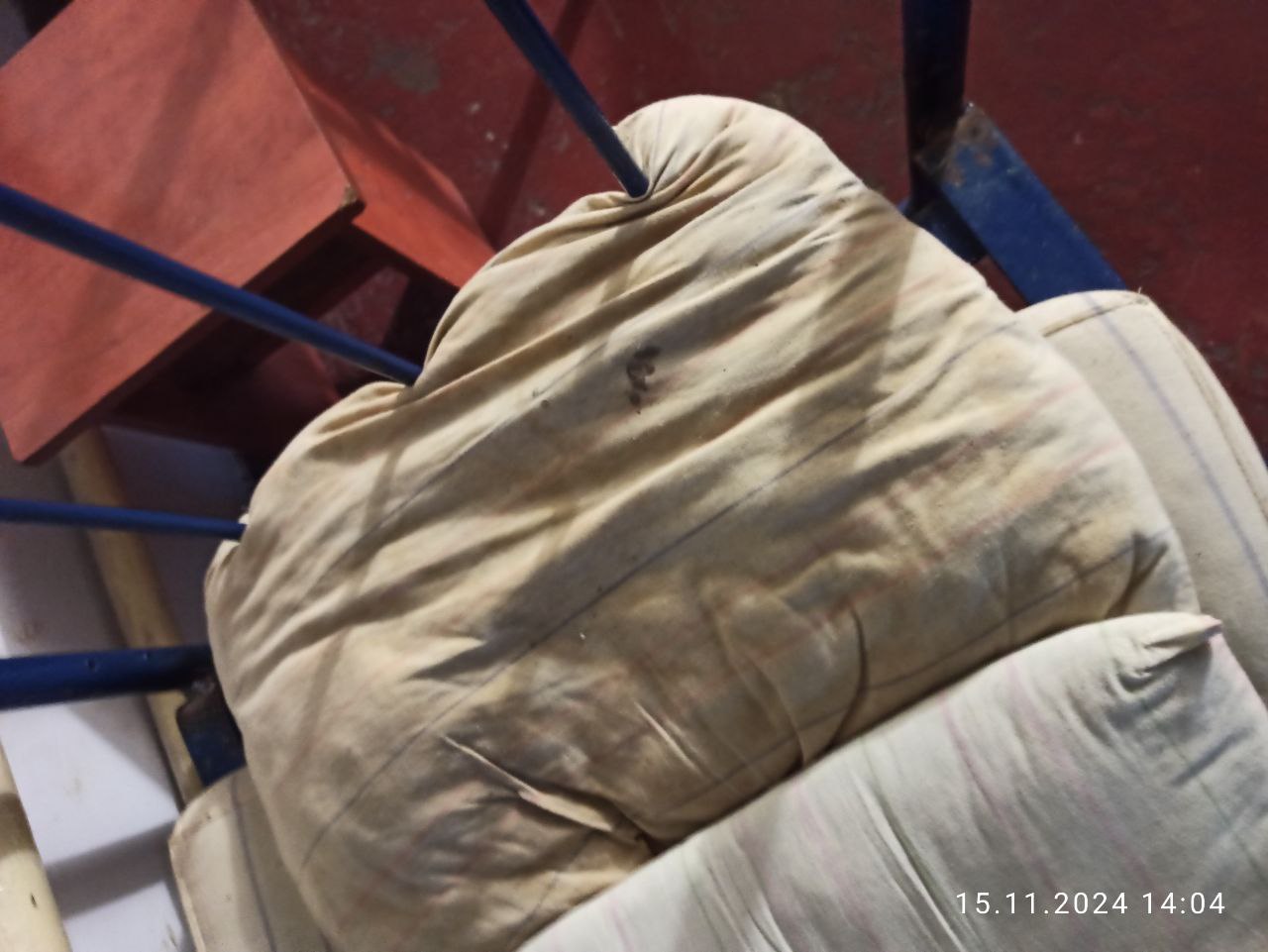
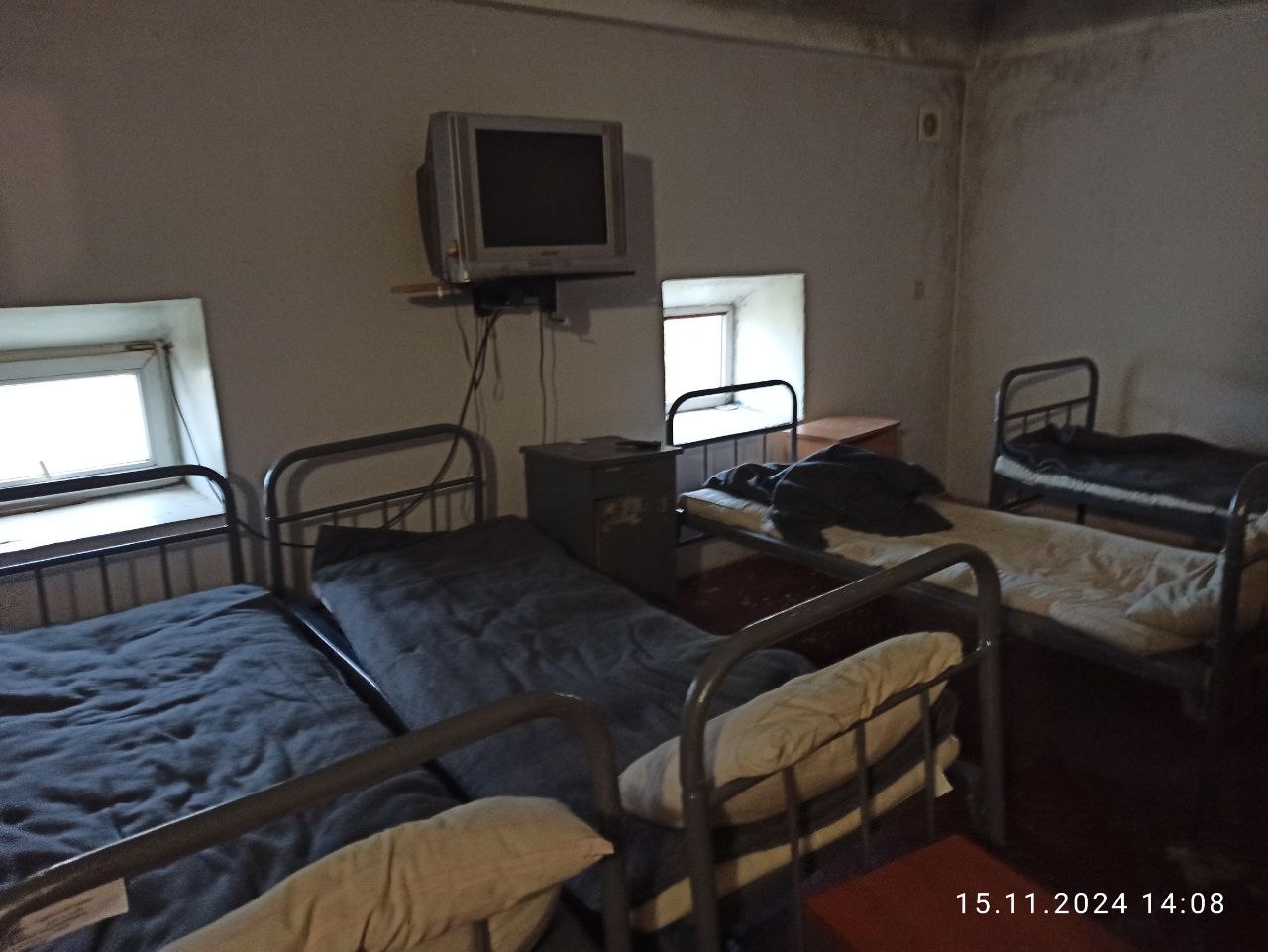
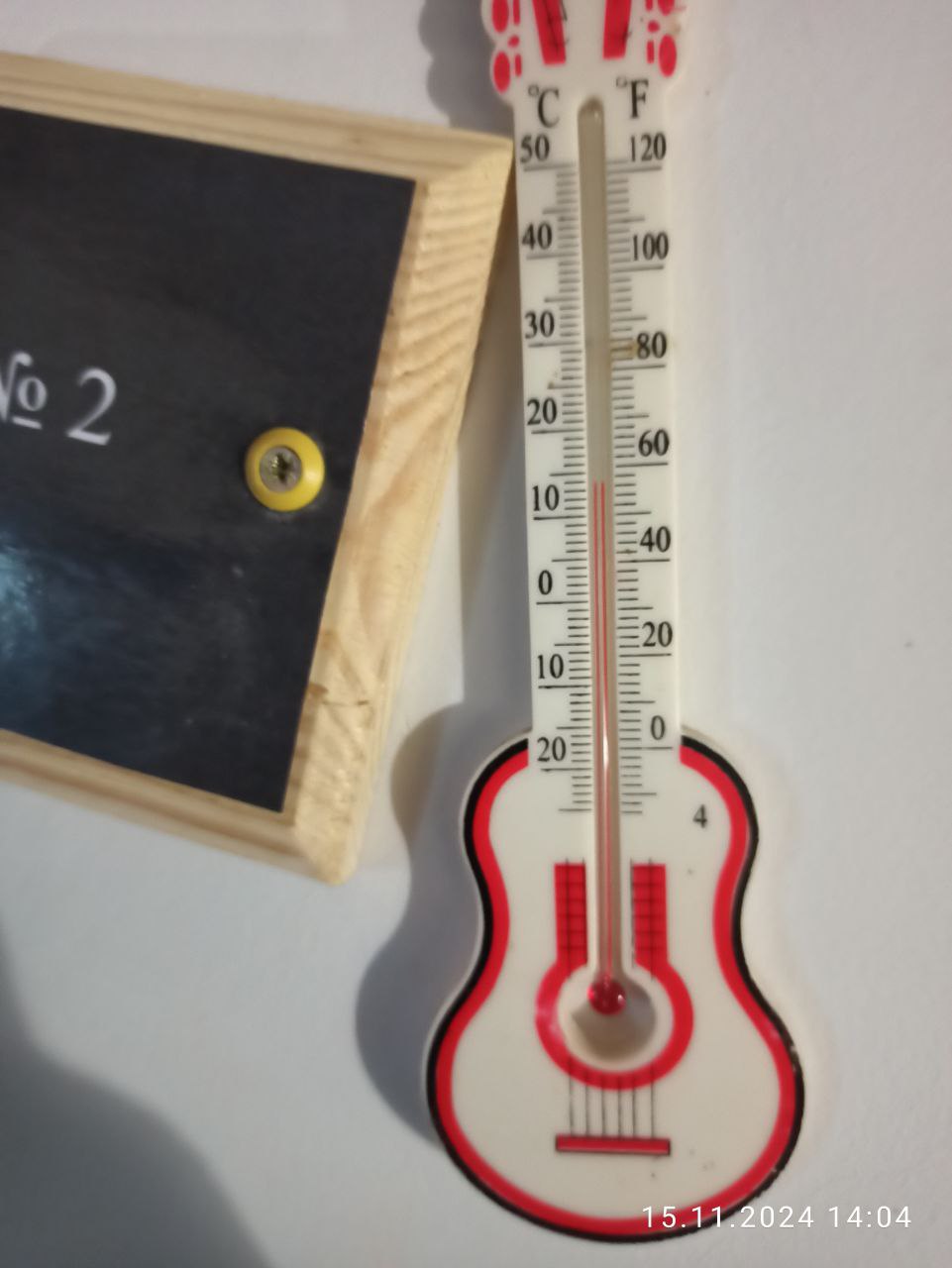
4. In the residential premises of the KDiR unit, the monitoring group identified a violation of the temperature regime. During the inspection, the air temperature was +14 °C, which does not comply with the requirements of Paragraph 1 of Section XXII of the Internal Regulations, according to which the temperature in the residential premises of correctional institutions should be maintained at a level of no less than +18 °C during the cold season.
5. In the residential premises of the socio-psychological service (SPS) units Nos. 5 and 7, a violation of Article 8 of the Convention for the Protection of Human Rights and Fundamental Freedoms, which ensures the right to respect for private life, was established. Thus, in violation of Rule 18.1 of the European Prison Rules, beds in the residential premises are located immediately adjacent to one another, which does not ensure personal space for the convicts. The sanitary facilities do not contain sufficient partitions that allow for privacy, which violates the requirement of Rule 19.3 of the European Prison Rules. Certain premises require renovation work with the replacement of sanitary equipment and electrical wiring.
At the same time, in the report to the Government of Ukraine following the 2023 visit, the Committee called on the Ukrainian authorities to take necessary measures to improve material conditions of detention, in particular, to reduce the occupancy of cells so that there is at least 4 m² of living space per person taken into custody (excluding the area occupied by in-cell toilets); to keep all accommodation and detention areas, including sanitary facilities, in a proper state of repair and hygiene, and to carry out disinfestations regularly and frequently; to ensure sufficient access to natural light and ventilation in the cells, and to fully equip internal sanitary facilities with partitions (i.e., from floor to ceiling) (CPT/Inf (2024) 20, paragraph 58).
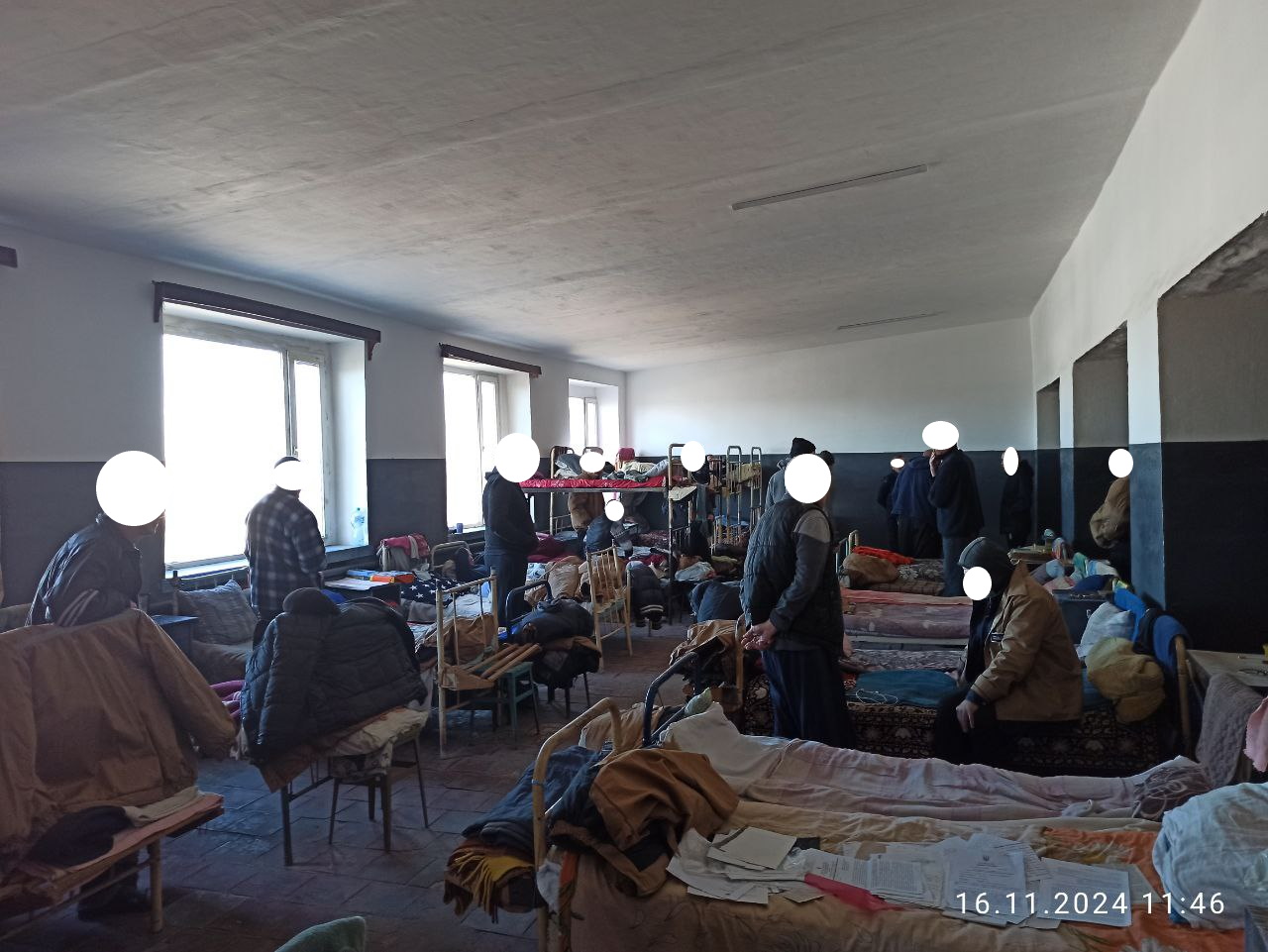
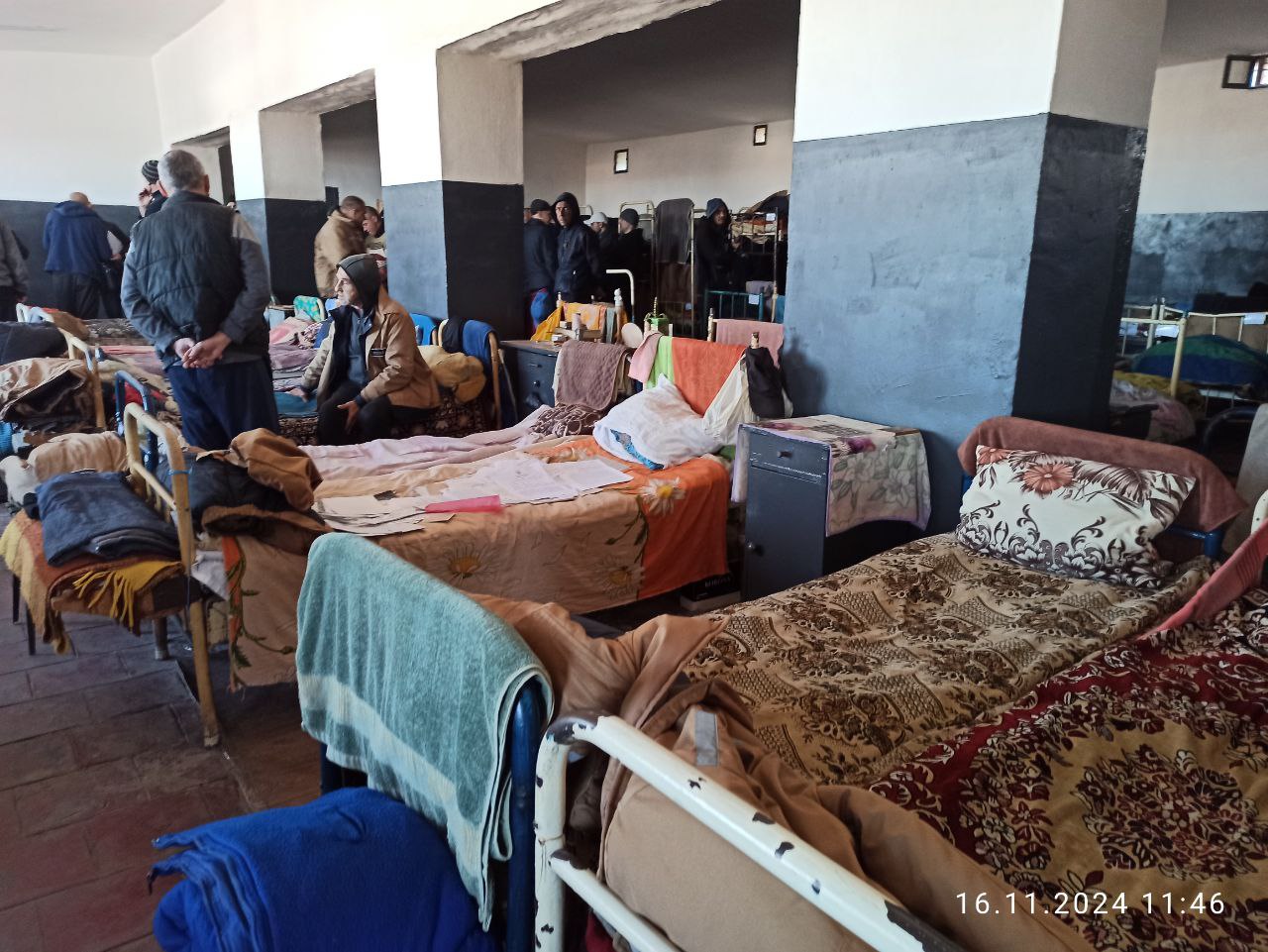

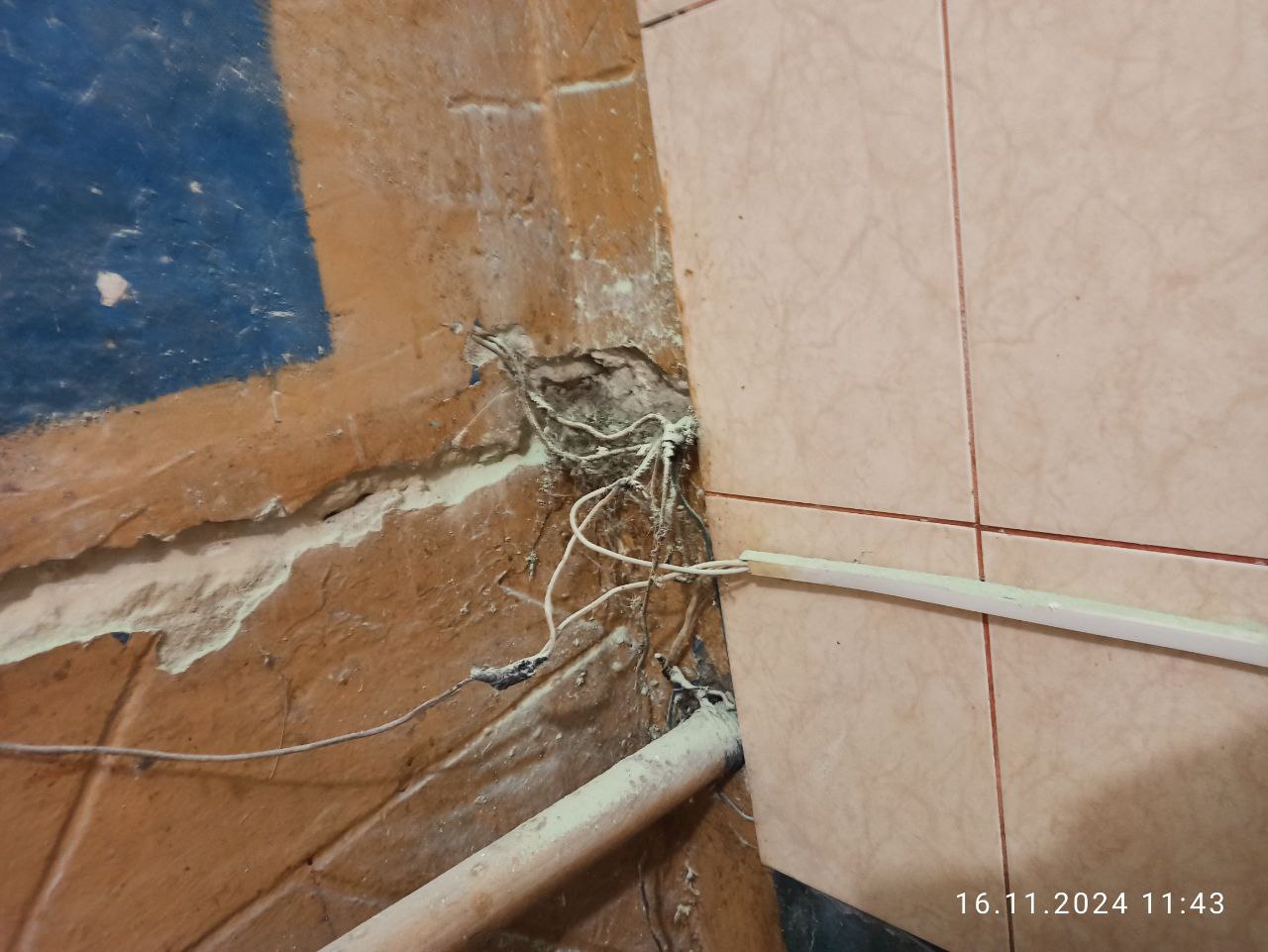
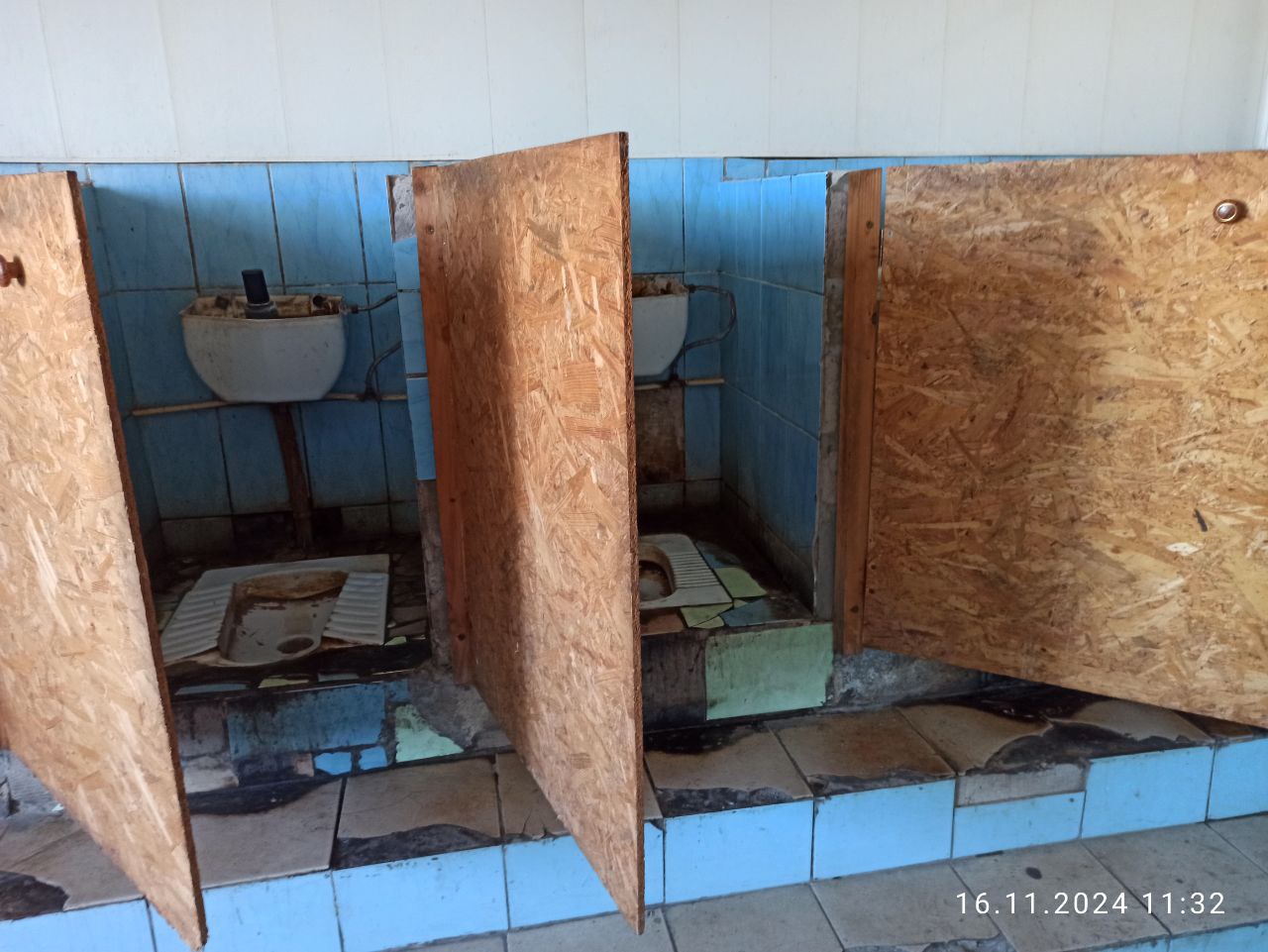
6. The monitoring group established the existing practice of segregation and stigmatisation of a separate, particularly vulnerable category of prisoners known as “rejected by the general population,” which is based on the negative influence of the informal prison hierarchy and leads to discrimination and unacceptable restrictions in the recognition, realisation, and enjoyment of the universally recognised fundamental right to respect for human dignity for these persons.
Thus, during a confidential interview, convicts classified as the “rejected by the general population” category reported that, along with other prisoners of this category, they are forced to be in isolation, in separate rooms, away from the general mass of convicts, to eat separately, to visit the bathhouse and wash their personal clothing, and to perform dirty work for others, in particular, cleaning the sanitary facilities.
At the same time, the Committee, in the report following the 2023 visit to Ukraine, calls on the Ukrainian authorities to develop and implement a comprehensive strategy to combat violence and intimidation among prisoners and to overcome the phenomenon of informal hierarchy among prisoners with all its negative consequences.
In this context, the penal administration must also rationalise the assessment of risks and needs, classification, and allocation of individual convicts in order to ensure that convicts are not exposed to the influence of other convicts who may cause them harm (CPT/Inf (2024) 20, paragraph 45).
7. When visiting the maximum-security sector, it was found that name tags with information and a brief description of the crimes committed by the persons held in the cells were placed on the external doors of the cells for holding life-sentenced prisoners.
In its report following the 2020 visit to Ukraine, the Committee stated that this practice should be stopped, as it serves no reasonable purpose and, in addition to stigmatisation, has the effect of worsening relations between prisoners and prison staff (CPT/Inf (2020) 40, paragraph 52).
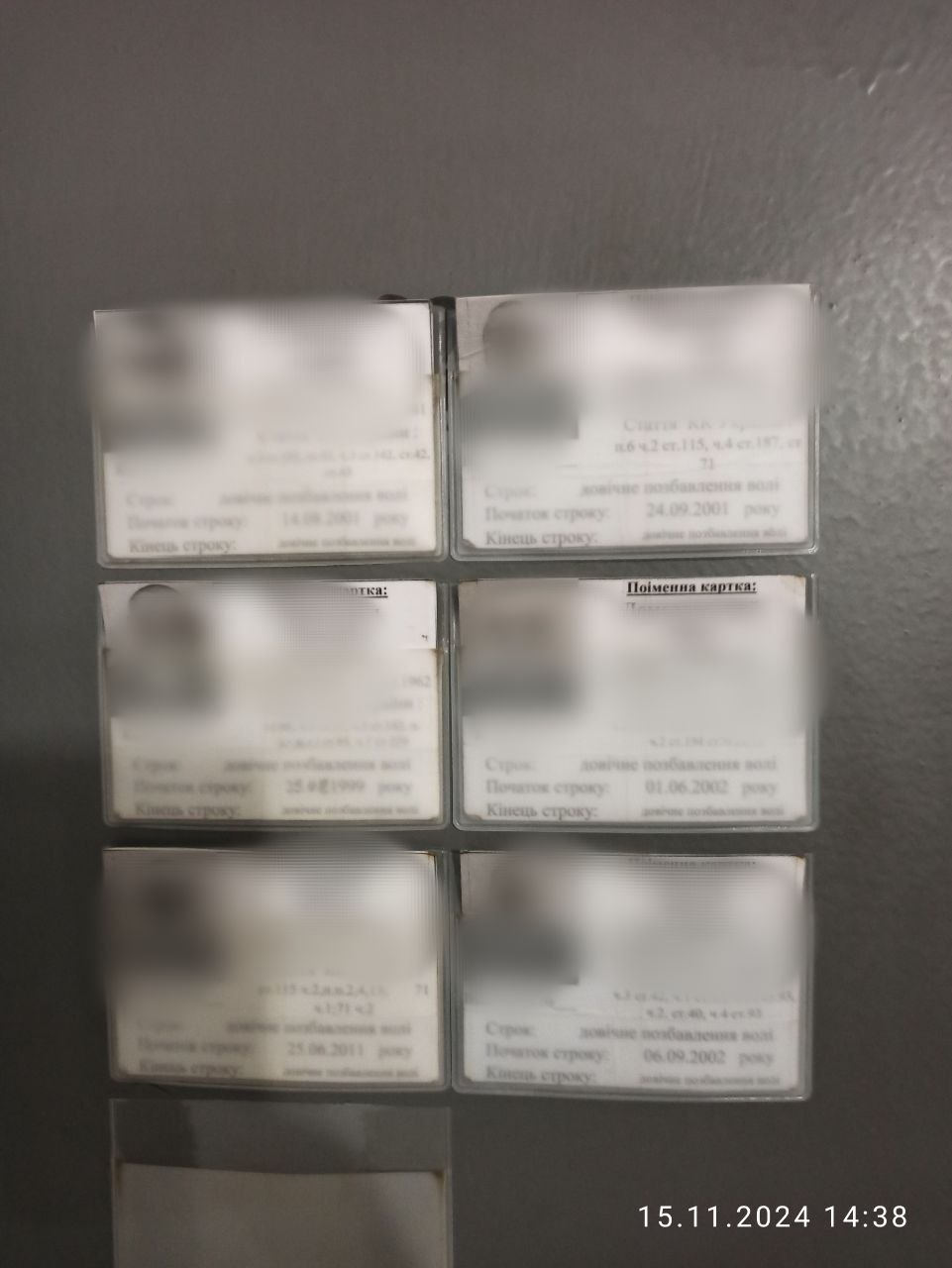
8. The monitoring group recorded the use of degrading practices, namely, standing facing the wall with hands behind the back every time a cell door is opened. In the report to the Government of Ukraine following the 2020 visit to Ukraine, the Committee noted that such practices are not necessary from a security perspective and do not contribute in any way to positive relations between staff and prisoners, and called on the Ukrainian authorities to put an immediate end to such practices (CPT/Inf (2020) 40, paragraph 46).
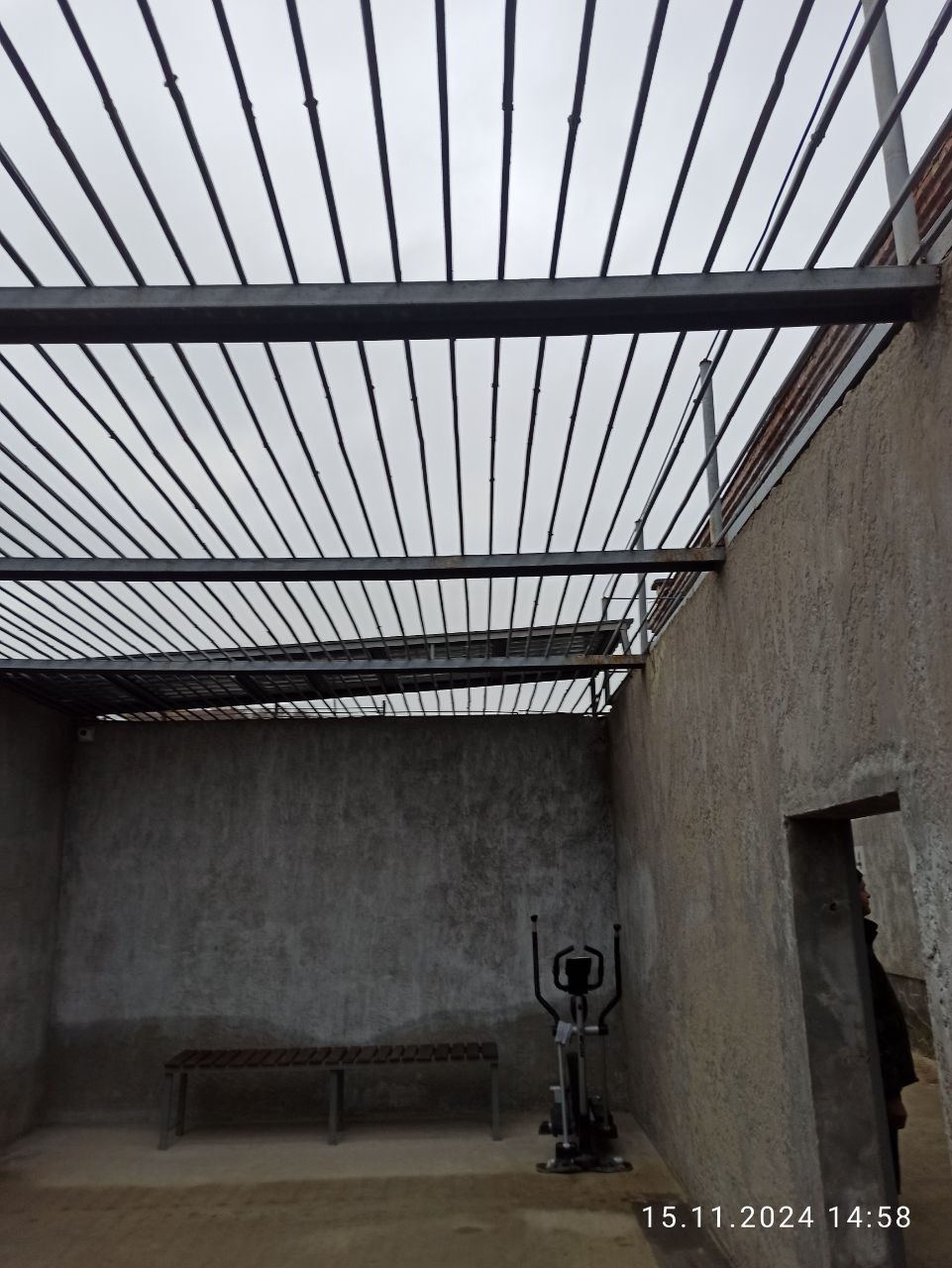
9. Exercise yard No. 3 is not equipped with sufficient shelter from atmospheric precipitation. At the same time, the Committee, in its second General Report, states that daily time in the open air must take place in an area of sufficient size. The area for outdoor exercise should, as far as possible, be equipped with shelter in case of bad weather (CPT/Inf (92) 3, paragraph 48).
10. In violation of Part 2 of Article 115 of the Criminal Executive Code of Ukraine and Paragraph 20.1 of the European Prison Rules, convicts are not provided by the institution with seasonal clothing and footwear.
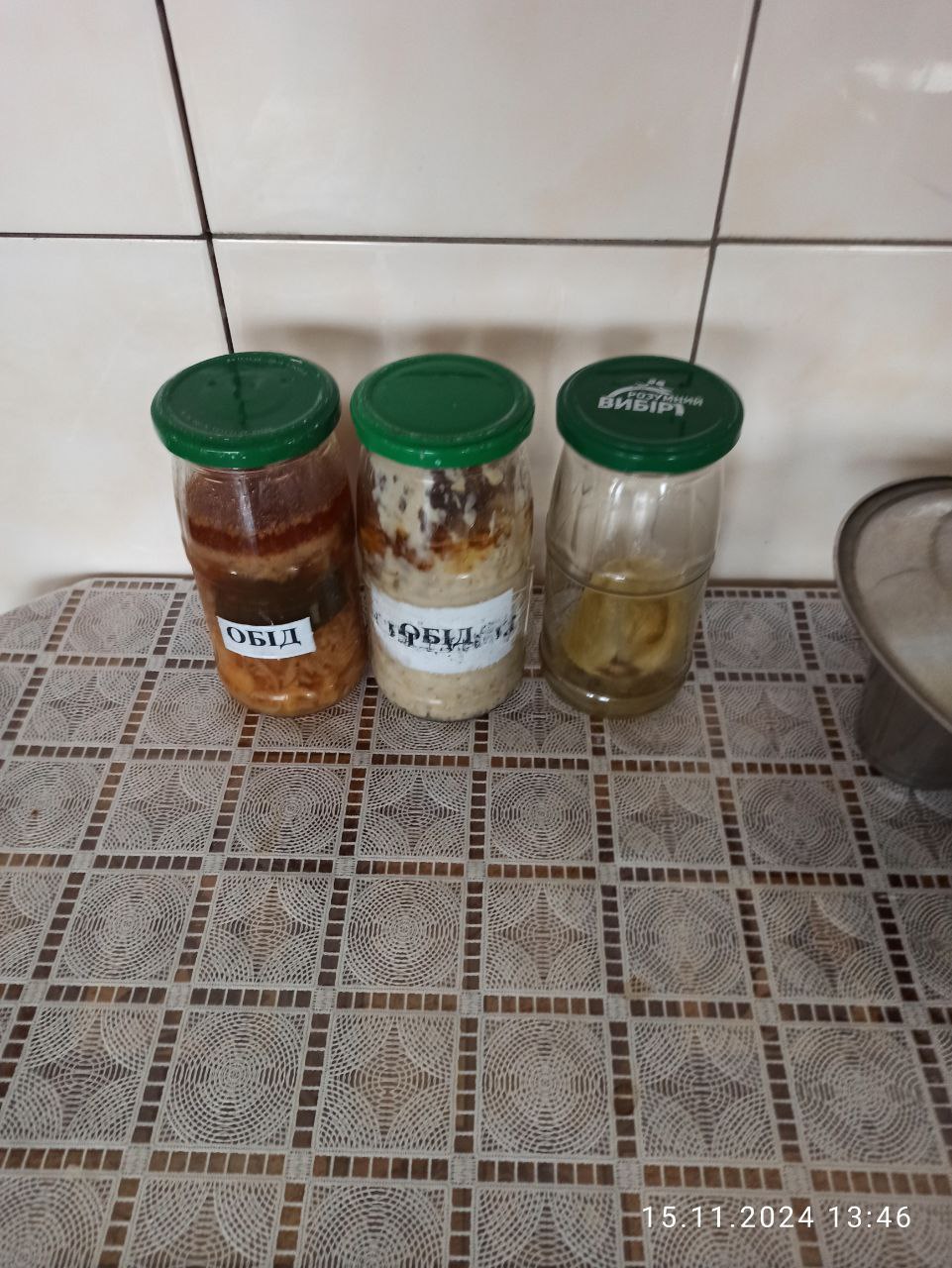
11. According to Paragraph 17 of Section V of the Regulation on the organisation of food provision in the State Criminal Executive Service of Ukraine for peacetime, approved by Order of the Ministry of Justice of Ukraine No. 2160/5 dated 15.06.2021, daily samples of each dish of the ration remain in the institution’s canteen.
The sampling is carried out by the cook from the pot in the presence of a medical worker of the healthcare facility in clean, covered containers (pre-washed and boiled) before the food is served. Daily samples are stored in the canteen refrigerator at a temperature from +4 to +8 °C. Samples of dishes from each meal are kept for 24 hours until the end of the similar meal the next day.
At the same time, the monitoring group, during the inspection of the canteen premises, established that daily samples were stored on a table in violation of the aforementioned temperature regime.
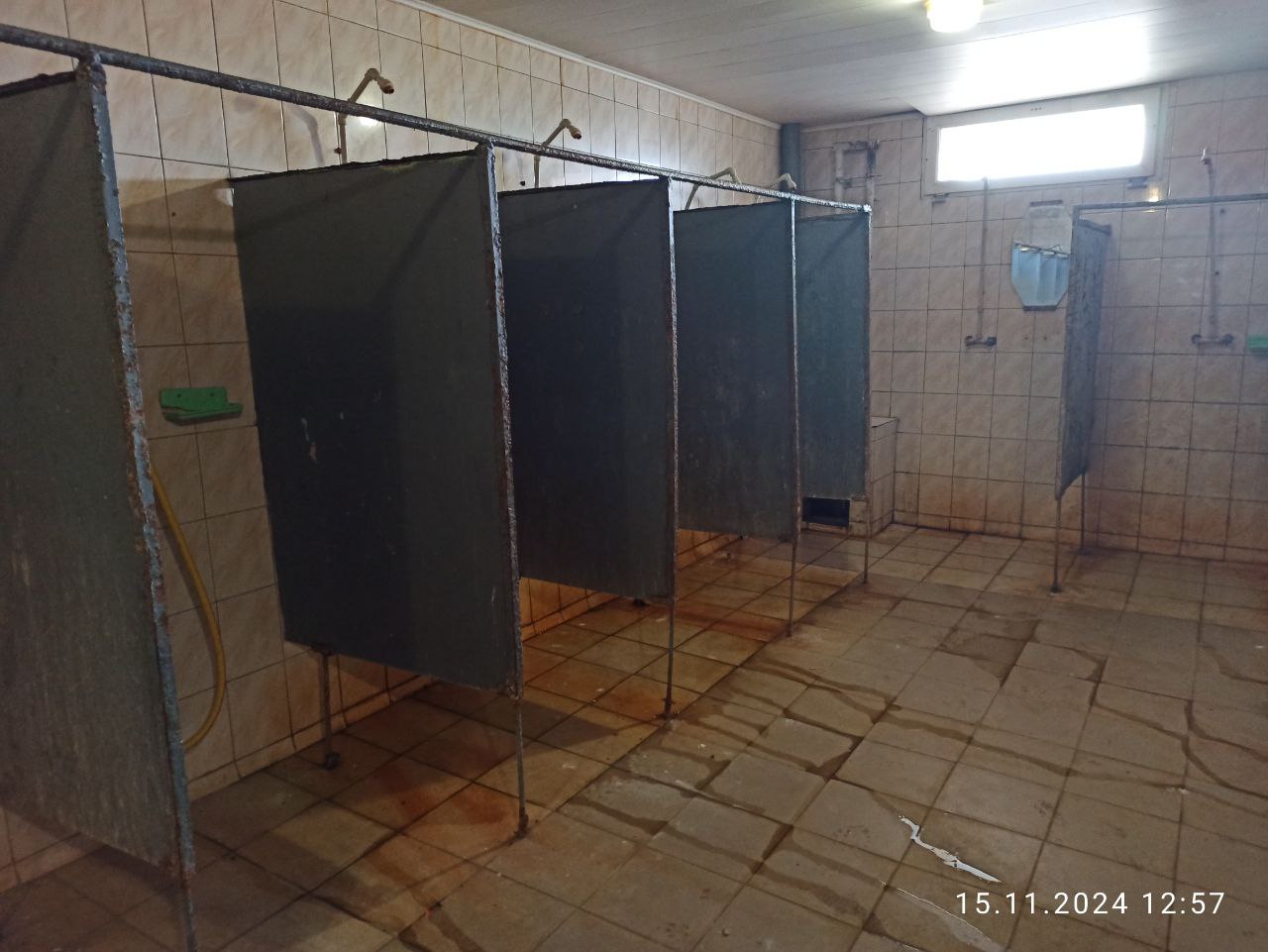
12. The monitoring group established a number of violations in the organisation of bath and laundry services for convicts and detained persons. In violation of Paragraph 2.14 of Section II of the Regulation on the organisation of bath and laundry services for persons held in correctional institutions and pre-trial detention centres, approved by Order of the Ministry of Justice of Ukraine No. 849/5 dated 08.06.2021 (hereinafter — the Regulation), the institution does not ensure the provision of hairdressing services to convicts and detainees.
According to Paragraph 3.19.1 of Section III of the Regulation, sanitary treatment includes: washing of convicts (persons taken into custody) in the bathhouse with soap and a washcloth with mandatory replacement of bedding and underwear, disinfection (destruction of pathogenic microorganisms), and disinsection (destruction of insects and ticks that are vectors of infectious diseases) of personal clothing and bedding (pillows, mattresses, blankets) in a disinfection chamber. At the same time, according to information provided by the institution’s staff, the disinfection chamber has not been working since the beginning of 2024. In violation of the requirements of Rule 19.3 of the European Prison Rules, the right to privacy is not observed in the bathhouse premises due to the lack of curtains on the shower partitions.
13. According to official documentation, the staff shortage in the institution is 43 positions (19.6% of the total authorised establishment of 219.5 positions). The shortage of middle and senior commanding staff is 11 positions. The shortage of rank-and-file and junior commanding staff is 26 positions. The shortage of civilian staff is 6 positions.
At the same time, in the report to the Government of Ukraine following the 2023 visit, the Committee emphasises that ensuring a positive climate in a penal institution requires a professional team of staff, who must be present in sufficient numbers at any moment in detention areas. Insufficient staff numbers can only increase the risk of violence and intimidation among prisoners. A shortage of frontline staff also undermines the quality and level of measures offered to prisoners and jeopardises the prospect of preparation for release and social rehabilitation.
In this regard, the Committee calls on the Ukrainian authorities to take decisive measures to significantly increase the number of staff in penal institutions of Ukraine where a low level of staffing is observed, with the aim of strengthening the presence of security and supervision service staff inside the institutions. Measures must also be taken to put an end to the 24-hour shift for staff on duty (CPT/Inf (2024) 20, paragraph 93).
14. According to the “Schedule for sending convicts to work,” 45 persons were engaged in work. In production: forge — 1 convict, loaders — 3 convicts, briquettes — 5 convicts, carpentry shop — 7 convicts, woodworking shop — 8 convicts, sewing shop — 13 convicts, car service station — 1 convict.


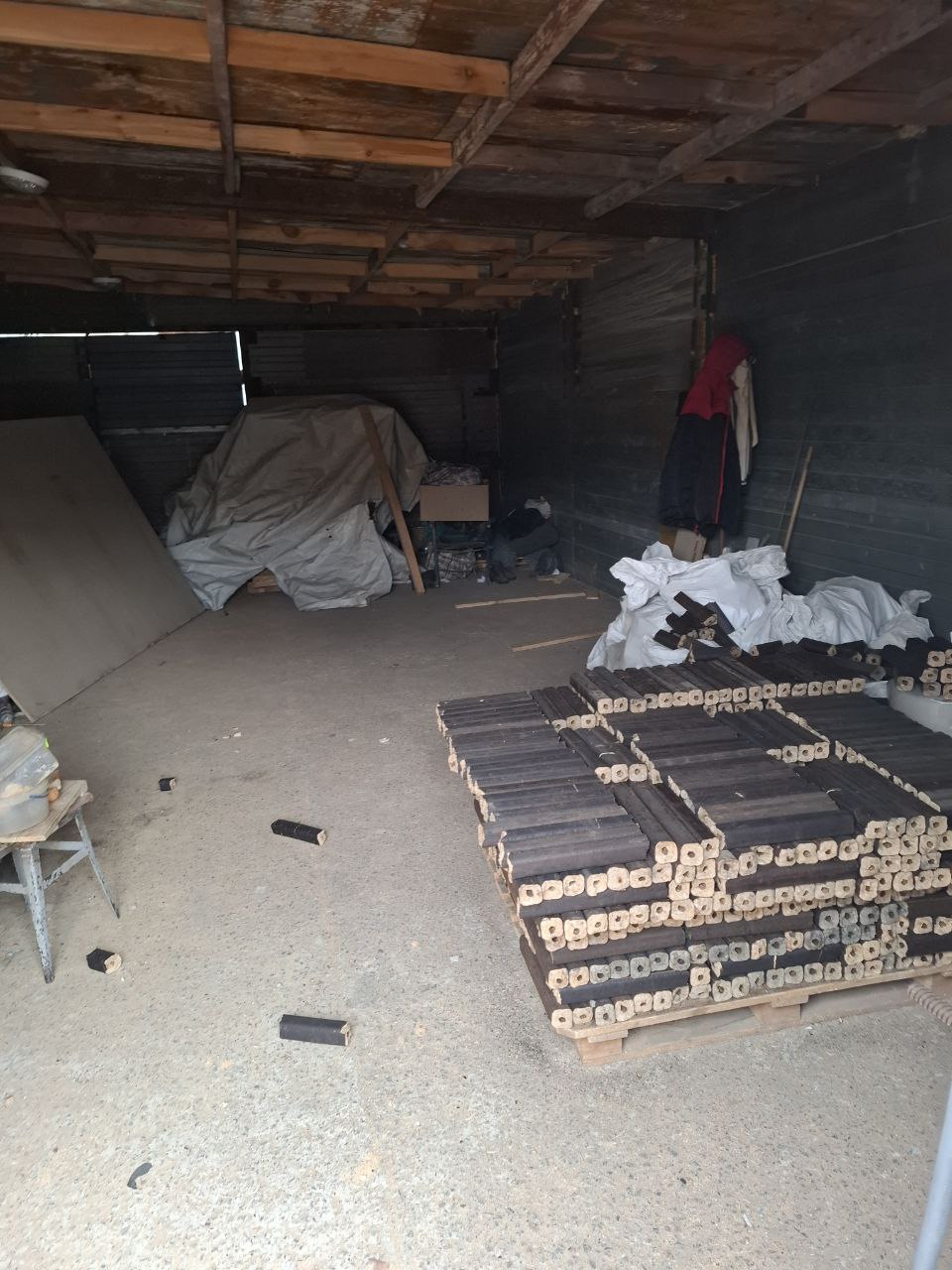
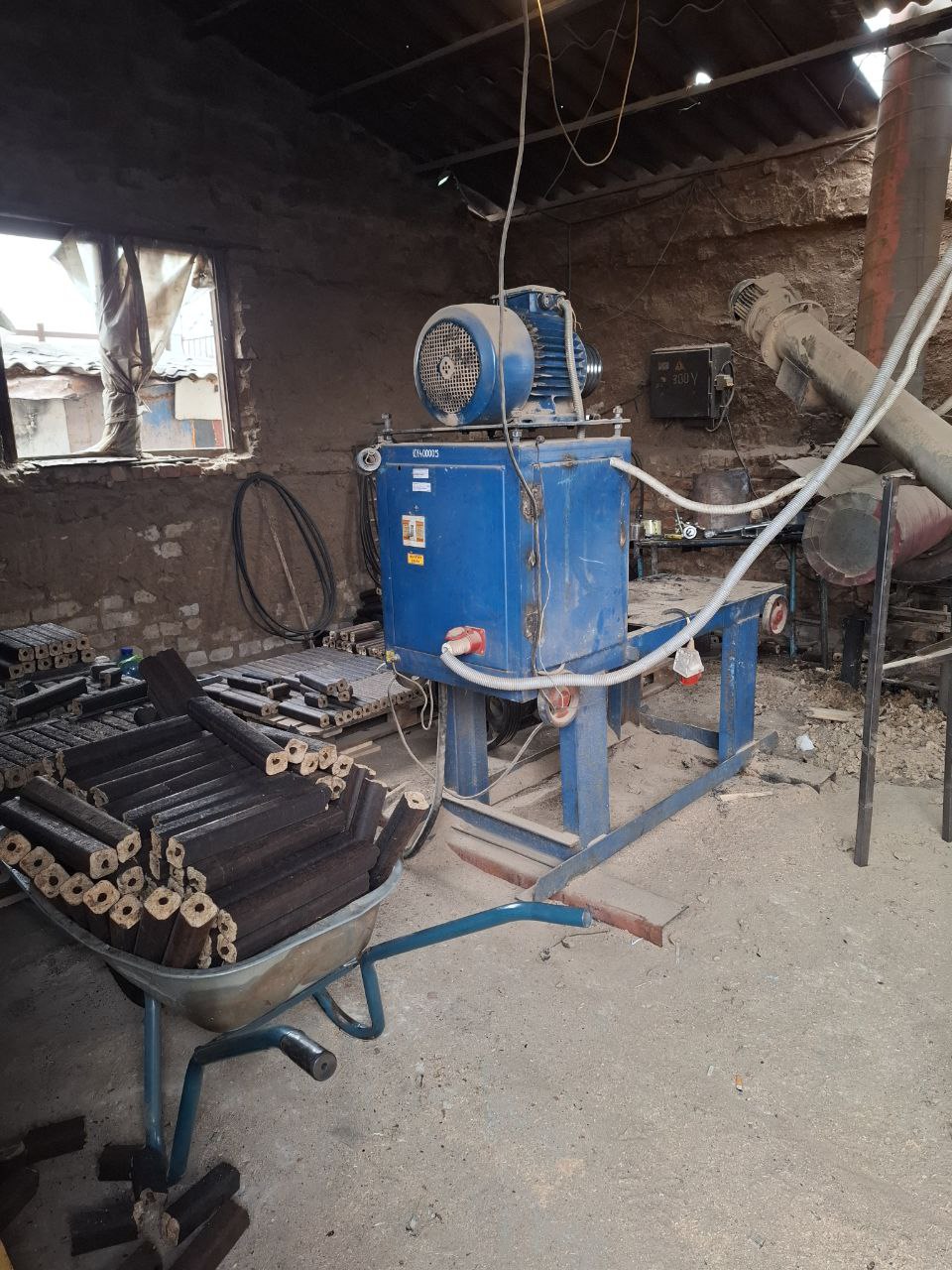
Also, convicts are engaged in household maintenance work: LPK — 1 convict, canteen — 4 convicts, boiler room — 2 convicts.
According to the Order of the Ministry of Justice of Ukraine No. 396/5 dated 07.03.2013 “On approval of the Instruction on working conditions and wages for persons sentenced to restriction of liberty or deprivation of liberty,” which was registered on 11 March 2013 under No. 387/22919, the work of convicts must be organised in compliance with the rules of occupational health, safety, and industrial sanitation established by labour legislation.
Paragraphs 3.1 and 3.2 of this Instruction stipulate that persons sentenced to deprivation of liberty have the right to work. Work is carried out on a voluntary basis based on a civil law contract or an employment contract, which is concluded between the convict and a sole proprietor or a legal entity for whom the convicts perform work or provide services.
On the day of the monitoring visit, it was established that the convicts engaged in work were working under employment contracts.
Employment contracts with working convicts are systematically concluded for incomplete months; in particular, the monitoring group was presented with fixed-term employment contracts (Nos. 251-265) concluded from 05 November 2024 to 26 December 2024.
The purpose of concluding employment contracts for incomplete months is to avoid paying the Unified Social Contribution (USC) at the minimum rate for such working convicts in accordance with Part 5 of Article 8 of the Law of Ukraine “On the collection and accounting of the unified contribution for mandatory state social insurance” (if an employee is hired not from the first working day and dismissed not on the last working day of the reporting month).
Such an approach to drafting employment contracts for convicts violates their labour and social rights, as these persons do not have the minimum insurance contribution credited, and accordingly, this work period is not counted towards their insurance record in full.
The convicts interviewed by the monitoring group confirmed that they actually work a full month, and writing job applications every month for a term of an incomplete month is a settled practice of concluding fixed-term contracts in this institution.
Medical Unit No. 49 of the branch of the State Institution “Centre for Healthcare of the State Criminal Executive Service of Ukraine in Cherkasy and Kirovohrad regions”
1. According to Paragraph 2, Paragraph 3 of Chapter III of Section II of the “Procedure for organising the provision of medical care to persons sentenced to deprivation of liberty,” approved by the joint order of the Ministry of Justice of Ukraine and the Ministry of Health of Ukraine No. 1348/5/572 dated 15.08.2014 (hereinafter — the Procedure), a physician-therapist (or general practitioner — family doctor), psychiatrist, and dentist must participate in the preventive medical examination.
At the same time, the medical unit has vacant positions for a physician-therapist and a psychiatrist, which indicates that the initial and preventive medical examination is incomplete, due to which convicts and detainees do not receive proper medical care.
This violates Paragraph 38 of the recommendations of the European Committee for the Prevention of Torture and Inhuman or Degrading Treatment or Punishment (CPT/Inf(93)12-part) (hereinafter — the Committee), where it is stated that medical services in places of detention must be able to provide medical care and treatment, as well as an appropriate diet, physiotherapy, rehabilitation, or any other special care at the same level as that offered to patients in civilian medical facilities. There must be provision for a sufficient number of medical, auxiliary medical, and technical staff, as well as adequate premises, equipment, and facilities.
2. In violation of Paragraph 4 of Section I and Paragraph 11 of Chapter 5 of Section II of the Procedure, 24-hour duty of medical staff is not organised in the medical unit due to a shortage of medical personnel.
3. In violation of the requirements of Subparagraph 5 of Paragraph 5 of Section II of the Procedure, for 3 patients undergoing inpatient treatment in the hospital, the primary accounting documentation form No. 003/o “Medical record of an inpatient,” approved by Order of the Ministry of Health of Ukraine No. 110 dated 14.02.2012, has not been opened. All data regarding treatment and diagnostics in the medical unit’s inpatient facility, including those obtained during the examination of the sick convict, along with the prescription sheet, should be entered into this record.
4. Convicted persons are not offered the opportunity to sign informed voluntary consent for diagnostics and treatment, in accordance with the Instruction on filling out the primary accounting documentation form No. 003-6/o “Informed voluntary consent of the patient to the provision of diagnostics, treatment, and to the conduct of an operation and anaesthesia, and to the presence or participation of participants in the educational process,” approved by Order of the Ministry of Health of Ukraine No. 110 dated 14.02.2012.
Thus, the absence of informed voluntary consent for diagnostics and treatment, signed by the patient, was established in the medical records of the inpatient (No. 003/o), which may indicate the lack of voluntary consent of patients for the application of diagnostic, preventive, and treatment methods to them, and is a violation of Article 43 of the Law of Ukraine “Fundamentals of Ukrainian Legislation on Healthcare” and Paragraph 47 of the CPT Standards.
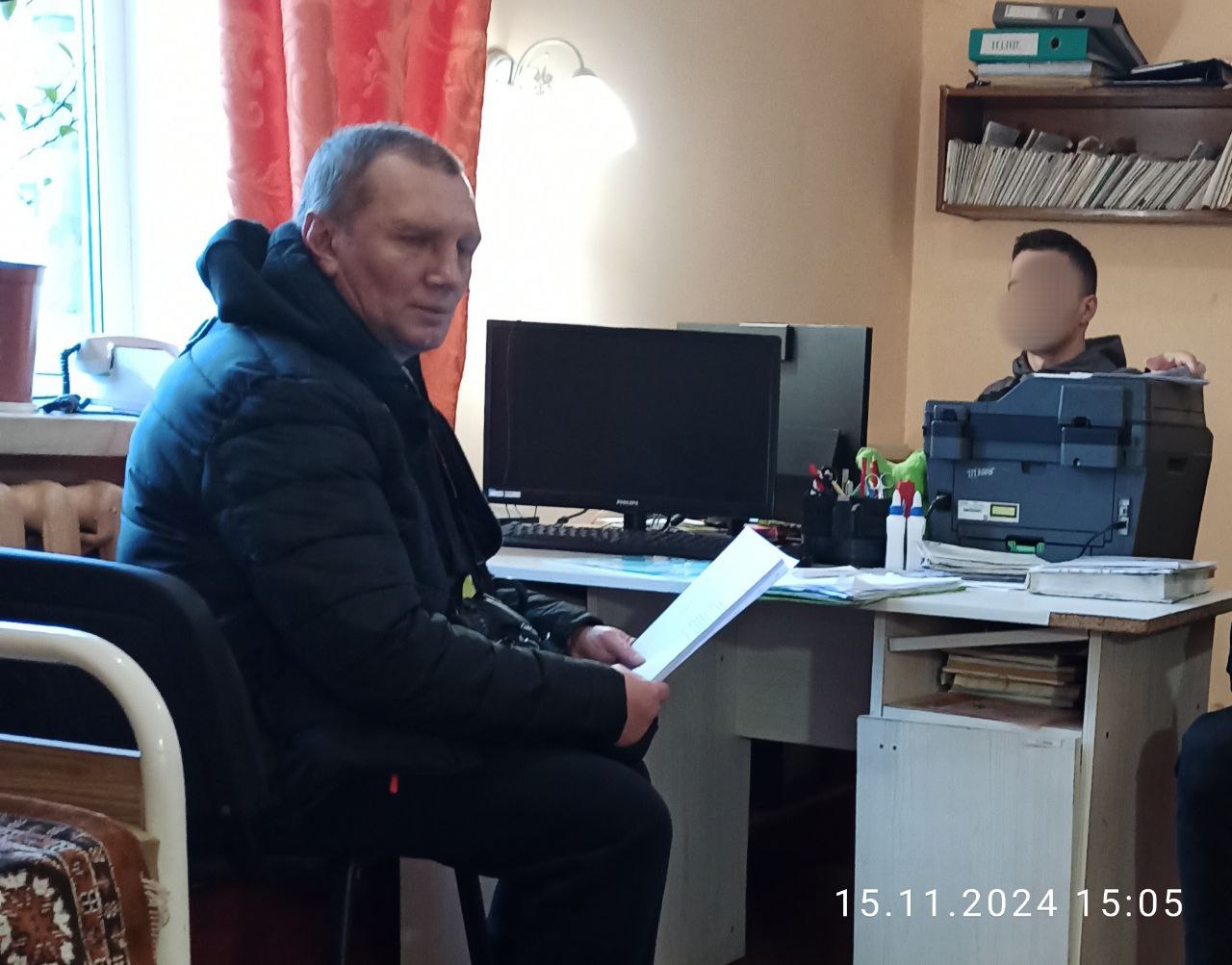
5. In violation of the requirements of the tenth paragraph of Paragraph 2 of Section XVII of the Internal Regulations of Correctional Institutions, approved by Order of the Ministry of Justice of Ukraine No. 2823/5 dated 28.08.2018 (hereinafter — Internal Regulations), there are two convicts in the medical unit who perform the functions of orderlies to the medical staff and have access to medical documentation.
Thus, the institution’s management and medical staff delegated to the orderlies the right to exercise constant supervision over convicts in the inpatient facility, conduct medical manipulations, control their compliance with the internal daily routine, etc.
At the same time, the Committee has repeatedly recommended ending the practice of using convicts as assistants in medical units and as orderlies. (Report of the Committee following the 2005 visit to Ukraine, paragraph 132 (CPT/Inf (2007) 22), in 2013 (paragraph 151, CPT/Inf (2014) 15), in 2017 (paragraph 86, CPT/Inf (2018) 41)).
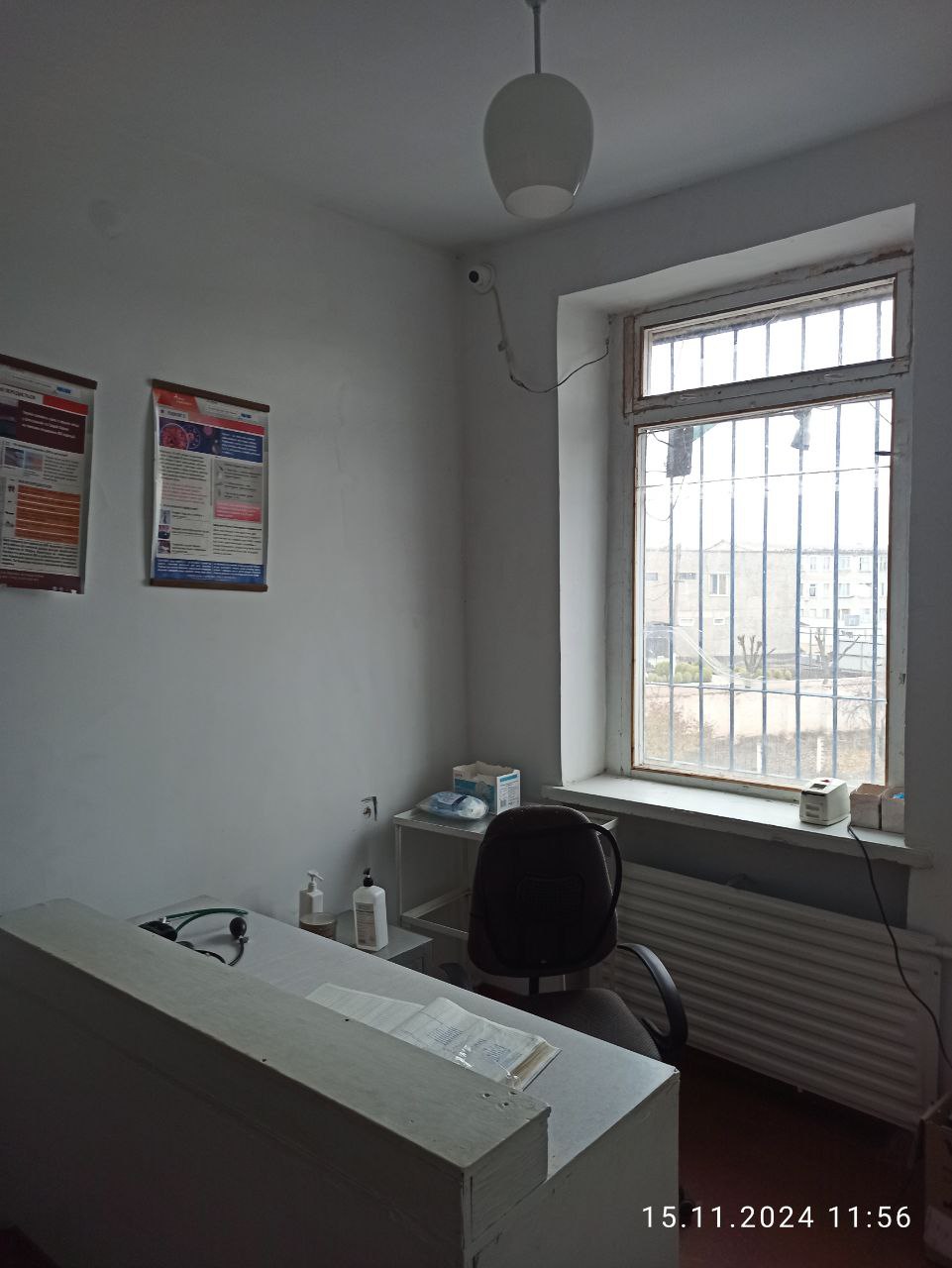
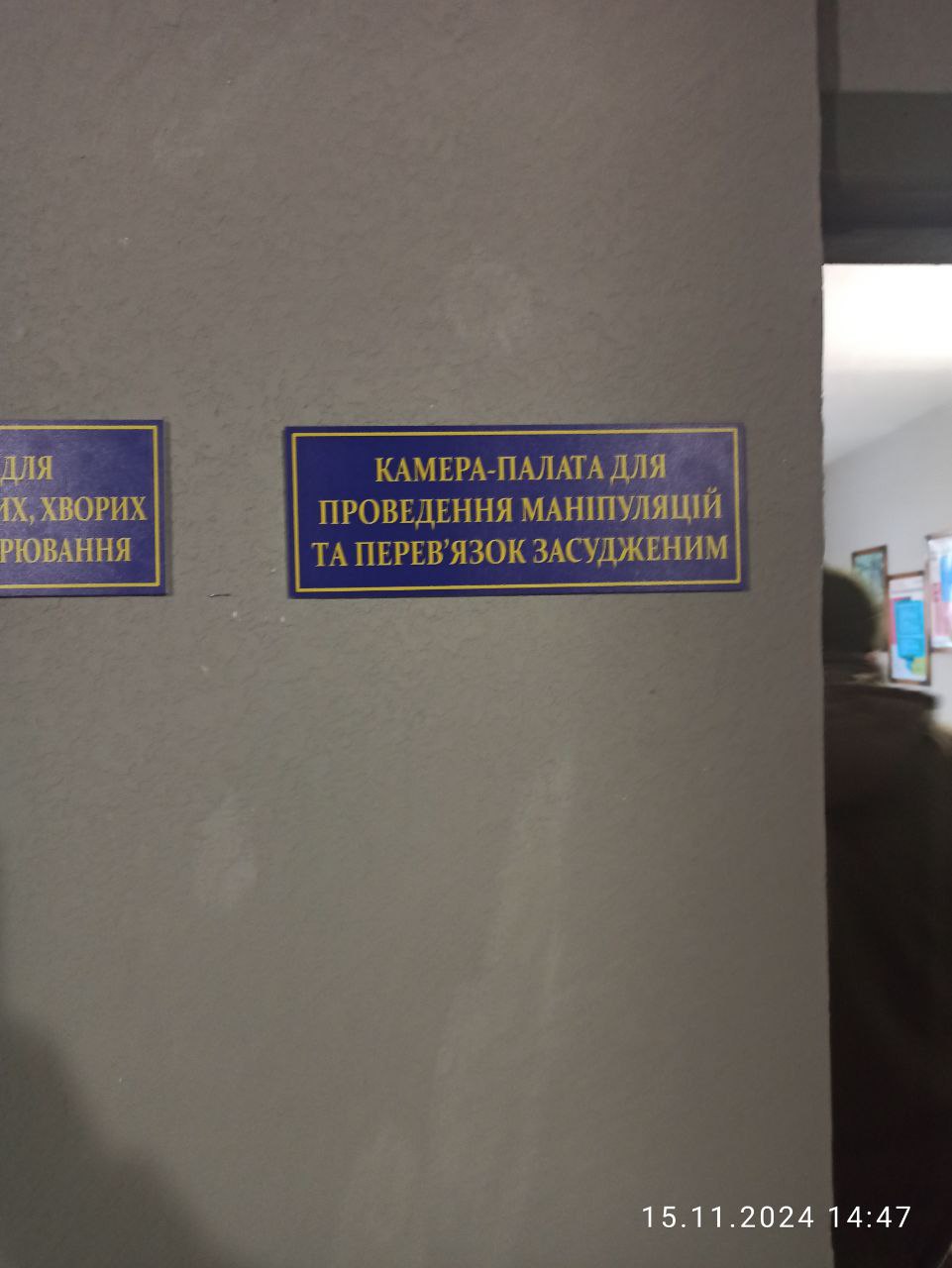
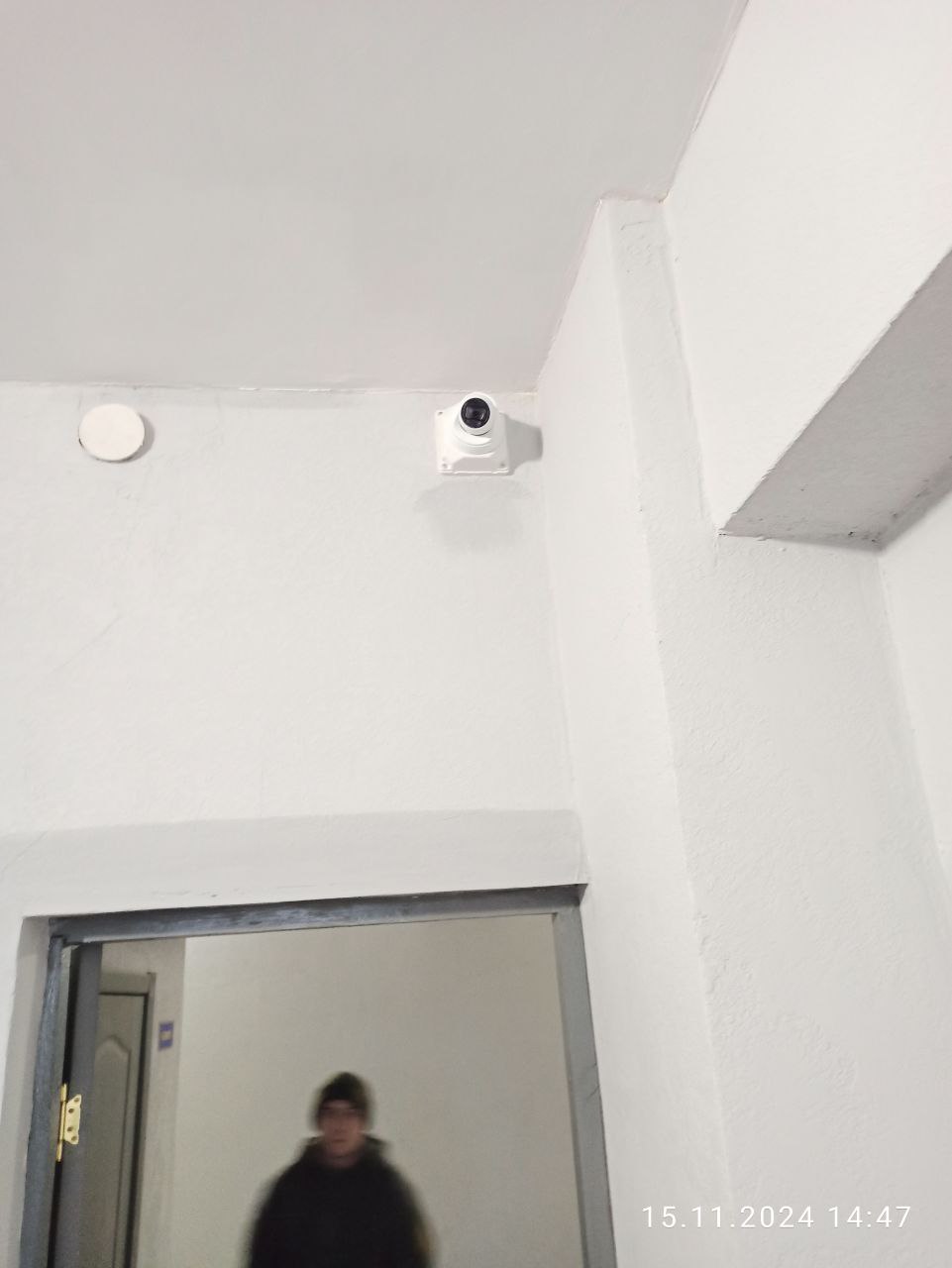
6. In the doctor’s office for outpatient reception of patients, in the ward-cell for conducting manipulations and dressings for convicts, and in the ward-cell of convicts with somatic diseases in the maximum-security sector, video surveillance cameras installed by the monitors were recorded.
At the same time, according to Paragraph 8 of Section VII of the Procedure for the use of technical means of supervision and control in correctional and educational colonies of the State Criminal Executive Service of Ukraine, approved by Order of the Ministry of Justice of Ukraine No. 2025/5 dated 26 June 2018 (registered with the Ministry of Justice of Ukraine on 02 July 2018 under No. 766/32218), the use of video cameras and portable video recorders is prohibited in premises (cells) where medical examinations (checks) of convicts and personal searches involving undressing are conducted.
This fact indicates the receipt by the institution’s staff of confidential information regarding the state of health of convicted persons during a medical examination, manipulation, or procedure.
This violates the requirements of Article 39-1 of the Law of Ukraine “Fundamentals of Ukrainian Legislation on Healthcare” regarding the right of persons to confidentiality of health status and Paragraph 9 of Section I of the Procedure for organising the provision of medical care to persons sentenced to deprivation of liberty.
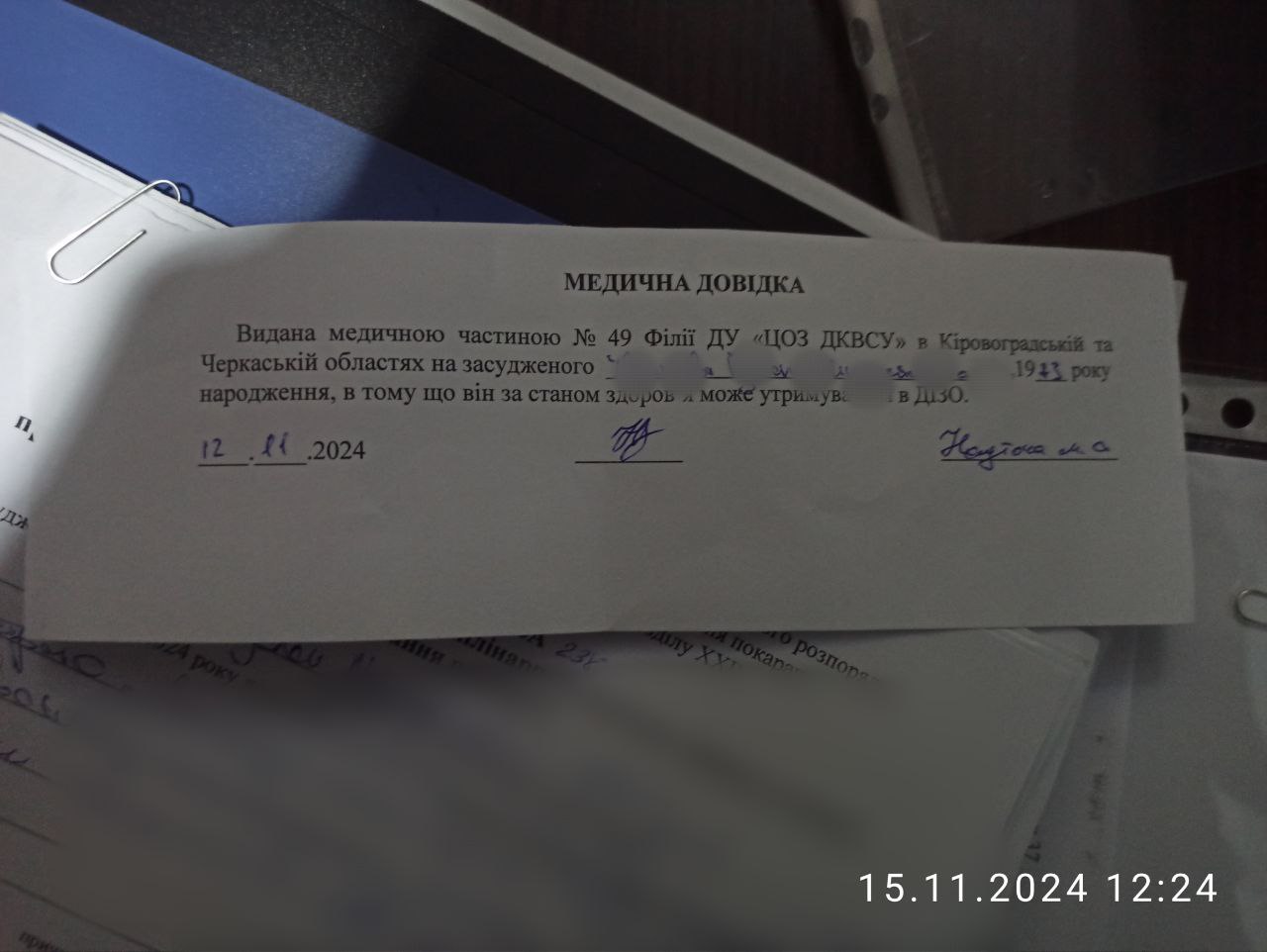
7. During the inspection of the DIZO unit, the monitors established that when a convict is placed in a disciplinary cell, it is practiced to include a medical certificate in the file, which contains the state of health and according to the conclusion of which the convict can be held in a DIZO/PKT due to their state of health. The discovered facts testify that the institution’s employees possess confidential information regarding the state of health of convicted persons held in the DIZO unit.
This violates the requirements of Article 39-1 of the Law of Ukraine “Fundamentals of Ukrainian Legislation on Healthcare” regarding the right of persons to confidentiality of health status. At the same time, the Committee has repeatedly emphasised that the obligation of prison doctors to certify the fitness of convicts to serve a disciplinary penalty is unlikely to contribute to the development of positive relations between doctor and patient.
In principle, medical personnel should never participate in any part of the decision-making process regarding the application of any form of solitary confinement, except in cases where this measure is applied for medical reasons.
On the other hand, medical personnel must be very attentive to the state of convicts who are in solitary confinement. Medical personnel must be informed immediately about every such placement and must visit the convict promptly after placement, and then regularly, no less than once a day, and provide them with prompt medical assistance and treatment if necessary. Medical personnel must notify the institution’s administration if the convict’s health is at serious risk due to solitary confinement (CPT/Inf (2024) 20, paragraph 104).
8. The medical unit has not organised the provision of Opioid Substitution Therapy (OST) for persons with mental and behavioural disorders due to opioid use, in accordance with the Procedure for conducting opioid substitution therapy for persons with mental and behavioural disorders due to opioid use, approved by Order of the Ministry of Health of Ukraine No. 200 dated 27.03.2012.
Drug-dependent persons are not provided with socio-psychological support, cognitive-behavioural therapy (CBT), relapse prevention, motivational interviewing, self-help groups, etc.
Thus, these persons are deprived of the opportunity to receive OST, which violates their right to choose methods of treatment in accordance with Article 38 of the Law of Ukraine “Fundamentals of Ukrainian Legislation on Healthcare”.
At the same time, the Committee, in the report following the 2023 visit to Ukraine, notes that entry into a penal institution is an opportunity to solve the problem related to drugs, and therefore it is important that appropriate assistance be offered to all interested persons; consequently, appropriate medical care must be available in all institutions.
The assistance offered to such persons must be diverse; substitution therapy programmes for persons with drug dependence should be combined with genuine psychosocial and educational programmes for persons with opioid dependence who are unable to stop drug use.
Furthermore, access to OST programmes in institutions should be easily accessible, and they should also be managed by prison doctors who have undergone special training on issues related to drug use (CPT/Inf (2024) 20, paragraph 86).
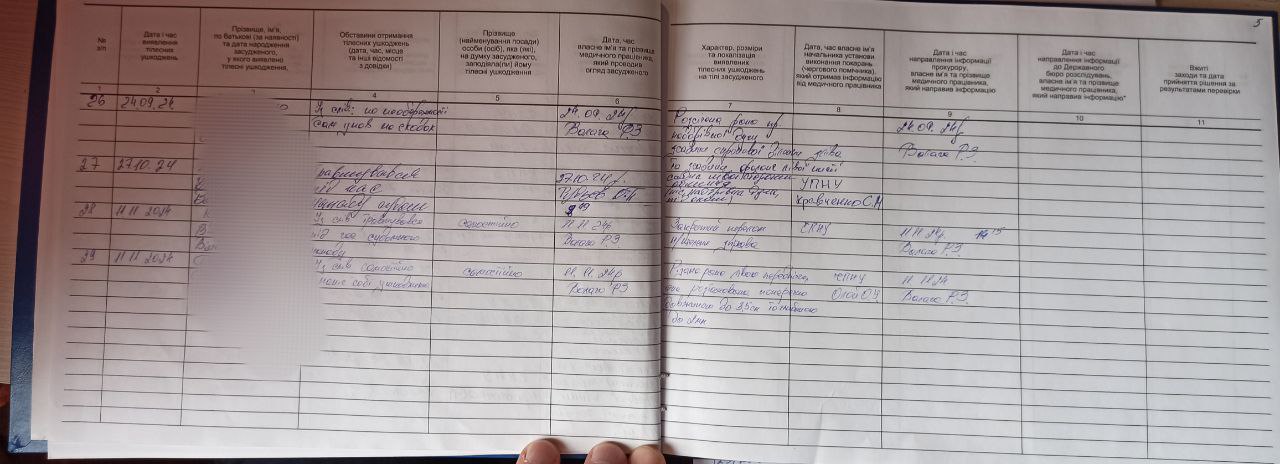
9. In violation of the requirements of Paragraph 3 of Section 1, Chapter II of the Procedure, medical staff do not draw up certificates that describe in detail the nature of bodily injuries, their size, and location. Thus, the absence of a completed primary accounting documentation form No. 511/o “Certificate on the recording of bodily injuries,” approved by Order of the Ministry of Health of Ukraine No. 186 dated 02 February 2024, was established for convict K., who sustained bodily injuries on 27.10.2024, according to the information entered in the Journal of recording facts of the detection of bodily injuries in convicts.
In addition, it was established that in the medical records of the outpatient (025/o), photographs of the existing bodily injuries are not attached to the drawn-up certificates, as provided for in the 5th paragraph of Paragraph 3 of Section I, Chapter II of the Procedure.
10. In violation of the Procedure for organising medical care at the primary, secondary (specialised), and tertiary (highly specialised) levels using telemedicine, approved by Order of the Ministry of Health of Ukraine No. 681 dated 19.10.2015, the staff of the medical unit is deprived of the opportunity to make requests for telemedicine consultation and receive consultation for the provision of medical care to convicted persons due to technical reasons.
11. In violation of the requirements of the Law of Ukraine “On rehabilitation of persons with disabilities in Ukraine,” persons with disabilities do not receive appropriate diagnostic, treatment, and rehabilitation measures, despite information confirming a persistent impairment of body functions caused by diseases or the consequences of injuries, which causes limitations in normal life activities. During the study of the medical documentation of convicts, it was established that not all persons with disabilities have individual rehabilitation programmes (hereinafter — IRP).
In addition, the recommendations of the IRP are not fulfilled, due to which they do not receive proper diagnostic, treatment, and rehabilitation measures, despite information confirming a persistent impairment of body functions caused by diseases and the consequences of injuries, which causes limitations in normal life activities.
12. In violation of the requirements of the State Building Standards of Ukraine V.2.2-17:2006 “Buildings and structures. Accessibility of buildings and structures for low-mobility groups of the population,” no conditions for holding people with disabilities have been created in the medical unit.
13. In violation of Paragraph 37 of the Resolution of the Cabinet of Ministers of Ukraine No. 285 dated 2 March 2016 “On approval of Licensing conditions for conducting business activities for medical practice,” the medical unit lacks a document confirming free access to the buildings and premises of the medical facility for low-mobility groups of the population, the receipt of which is mandatory.
14. In violation of the requirements of the Standards of medical care for chronic hepatitis C in adults, approved by Order of the Ministry of Health of Ukraine No. 51 dated 15.01.2021, not all persons with suspected viral hepatitis C undergo PCR testing, due to which they do not receive the necessary treatment, which can lead to a deterioration of their health and the spread of the aforementioned infectious disease among convicts and detainees. In addition, on the day of the visit, there were no drugs for the treatment of viral hepatitis C in the medical unit’s pharmacy.
15. In violation of the Measures and Means for preventing infection during patient care, approved by Order of the Ministry of Health of Ukraine No. 1777 dated 03.08.2020, the medical unit is equipped with only one isolation ward for infectious patients, which makes it impossible to simultaneously place patients with dangerous infectious diseases separately from one another and from other convicts.
16. In violation of the requirements of the Equipment List for one workplace of a dentist and a dental technician, approved by Order of the Ministry of Health of Ukraine No. 158 dated 11.04.2005, the medical unit lacks a dental X-ray machine, which makes it impossible to conduct an in-depth dental examination of convicts and does not ensure the timely provision of proper dental care.
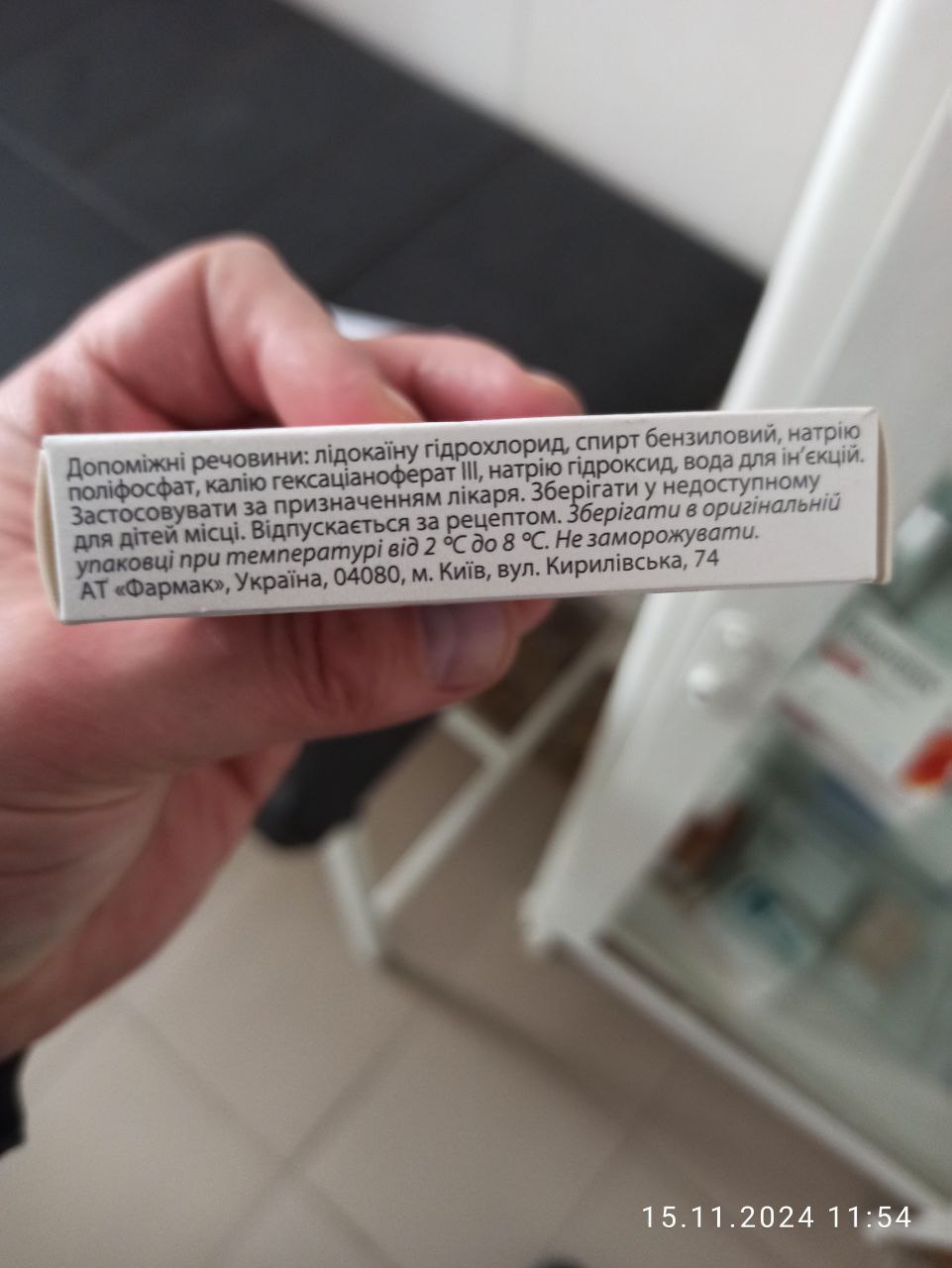
17. In violation of the requirements of Paragraph 5 of Section I of the “Rules for storage and quality control of medicinal products in medical and preventive institutions,” approved by Order of the Ministry of Health of Ukraine No. 584 dated 16.12.2003, during the inspection of the dentist’s office in the ward-cell for conducting manipulations and dressings for convicts in the maximum-security sector, medicinal products with expired shelf lives were found.
Furthermore, it was established that medicinal products are stored without taking into account the temperature regimes indicated by the manufacturers. Thus, in the medication storage room, 1 package of the medicinal product “Vitaxon” and 1 package of “Ascorbic acid” were recorded in a cupboard, the storage conditions for which cannot exceed a temperature higher than 8°C.


18. According to Paragraph 7 of Chapter III of Section II of the Procedure, convicts who work at food facilities (except for work related to the positions of sellers, heads of food and clothing warehouses, storekeepers) and the processing industry, in children’s homes, institutions of general secondary education, professional training units in special educational colonies, medical units (feldsher-midwife stations) and hospital facilities of the SCES (except for work related to the provision of medical care), laundries, bathhouses, rooms for long-term visits, dormitories, clubs, at water supply and sewage facilities, and sites for breeding and raising animals, undergo mandatory preliminary and preventive medical examinations in accordance with the resolution of the Cabinet of Ministers of Ukraine No. 559 dated 23 May 2001 “On approval of the list of professions, production facilities, and organisations whose employees are subject to mandatory preventive medical examinations, the procedure for conducting these examinations and issuing personal medical books,” and for each convict of the aforementioned category, a primary accounting documentation form No. 1-OMK “Personal medical book” is opened, approved by Order of the Ministry of Health of Ukraine No. 150 dated 21 February 2013, registered with the Ministry of Justice of Ukraine on 23 April 2013 under No. 662/23194.
At the same time, the monitoring group recorded the absence of a personal medical book for a canteen worker and the absence of examination results in the medical documentation conducted by specialist doctors (including laboratory, clinical, and other tests), which are necessary for admission to work at food facilities.
19. The premises of the doctors’ office and the X-ray room are not provided with fire extinguishers, which is a violation of the requirements of Paragraph 3.6 of Chapter 3 of Section V of the Rules and a violation of Paragraph 10.18 of Chapter 10 of the State Sanitary Rules and Norms “Hygienic requirements for the arrangement and operation of X-ray rooms and the conduct of X-ray procedures,” approved by Order of the Ministry of Health of Ukraine No. 294 dated 04.06.2007, registered with the Ministry of Justice of Ukraine on 07 November 2007 under No. 1256/14523.
20. In violation of the Fire Safety Rules in Ukraine, approved by the Ministry of Internal Affairs of Ukraine dated 30.12.2014 No. 1417 (hereinafter — the Rules), the medical unit’s premises are not equipped with fire extinguishing and fire alarm systems.
Recommendations:
- Ensure compliance with living space standards per convict;
- End the practice of engaging convicts to work in the KDiR unit without concluding an employment contract;
- Provide the KDiR unit with proper equipment, in accordance with the Provisioning Standards;
- Ensure compliance with temperature regime standards in the KDiR unit;
- End the practice of placing beds immediately adjacent to one another in the sleeping premises of SPS units;
- End the practice of segregation and stigmatisation of the vulnerable category of convicts;
- Change the practice of placing name tags for life-sentenced convicts;
- End the practice of degrading human dignity — standing facing the wall with hands behind the back when opening cell doors;
- Provide convicts with seasonal clothing and footwear;
- Ensure compliance with the right to work and social protection; end the practice of concluding employment contracts for incomplete months;
- Take measures aimed at eliminating identified human rights violations and preventing torture, other cruel, inhuman, or degrading treatment or punishment in Medical Unit No. 49 of the branch of the State Institution “Centre for Healthcare of the State Criminal Executive Service of Ukraine in Cherkasy and Kirovohrad regions”;
- Staff the medical unit with specialist doctors in accordance with needs;
- Ensure control over the proper maintenance of medical documentation in accordance with the Procedure for organising the provision of medical care to persons sentenced to deprivation of liberty, approved by the joint order of the Ministry of Justice of Ukraine and the Ministry of Health of Ukraine No. 1348/5/572 dated 15.08.2014, and other legal and regulatory acts;
- Fulfil the requirements of Paragraph 37 of the Resolution of the Cabinet of Ministers of Ukraine No. 285 dated 2 March 2016 “On approval of Licensing conditions for conducting business activities for medical practice”;
- Ensure the accessibility of the institution’s buildings in accordance with the State Building Standards of Ukraine V.2.2-17:2006 “Buildings and structures. Accessibility of buildings and structures for low-mobility groups of the population”;
- Ensure the conduct of individual rehabilitation for persons who require it;
- Ensure the receipt of informed consent from patients for examination and treatment in the established form;
- Ensure timely and proper recording of bodily injuries in convicts;
- Ensure proper maintenance of records of preventive examinations;
- Ensure the conduct of proper medical examinations for persons working with food products, and the issuance of personal medical books;
- End the practice of doctors certifying the state of health of convicts and detainees upon their placement in the DIZO/PKT unit;
- End the practice of using convicts as assistants in medical units and the institution;
- Dismantle video surveillance cameras from the medical unit’s premises;
- Provide the medical unit’s pharmacy with all necessary medicinal products and medical devices;
- Ensure measures are taken for the proper storage of medicinal products;
- Ensure proper medical care for persons suffering from viral hepatitis C;
- Equip a fire safety system in accordance with established requirements;
- Provide a fire extinguisher for the X-ray room premises;
- Ensure the proper operation of the telemedicine complex for doctors to make requests for telemedicine consultation;
- Ensure the possibility of receiving Opioid Substitution Therapy based on a diagnosis of mental and behavioural disorders due to opioid use;
- Ensure the equipment of the necessary number of isolation wards for infectious patients.