Report on the results of a monitoring visit to the State Institution ‘Manevychi Penal Colony (No. 42)’
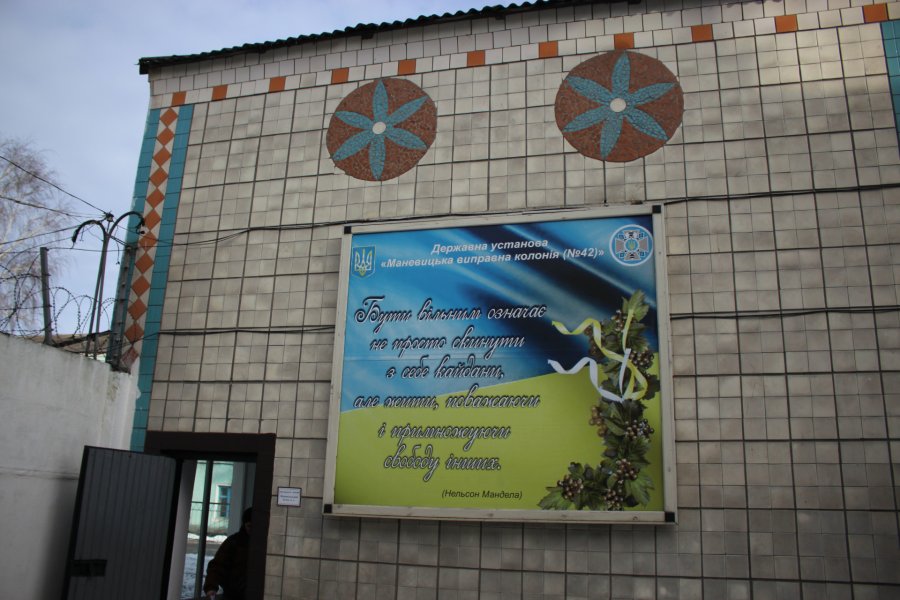
On 6 February 2023, a monitoring group consisting of an assistant to a Member of the Parliament of Ukraine, Kostiantyn Kasai; a member of the Public Council under the Ministry of Justice of Ukraine, Serhii Zuikov; an assistant to a Member of the Parliament of Ukraine, Yaroslav Yurchyshyn; a KHPG program coordinator, Andrii Didenko; as well as a journalist from the ‘Poryad z vamy’ (‘Beside You’) News Agency, Oleksa Yaroslavtsev, carried out a visit to the state institution ‘Manevychi Penal Colony (No. 42)’.
The main task of the monitoring visit was a comparative analysis of the institution’s operations in the context of the shortcomings identified during the previous visit.
The monitors had the opportunity to visit any premises, communicate with prisoners on the condition of anonymity, collect information, verify it, and gain access to relevant materials with the consent of the convicted persons, including personal files and medical records of the convicted. The monitors familiarised themselves with the relevant documentation regarding the institution’s operations.
The head of the institution is Lieutenant Colonel of the Internal Service Serhii Oleksandrovych Khovailo.
General Information
It is a medium-security colony for individuals who have previously served sentences in places of deprivation of liberty. According to the deputy head of the colony, the maximum prison sentence for one of the prisoners is 17 years.
A remand unit operates within the institution. The institution’s management provided statistical data regarding its activities.
On the day of the visit, there were 2.8 convicted persons (prisoners) per staff member.
Throughout 2022, 473 convicted persons and 20 detainees arrived at the institution. During 2022, 4 persons died, and one person has died in the current year. 29 persons are employed, 11 of whom are under labour agreements (contracts) with an average monthly salary of 3,888 Hryvnias. 42 persons are registered with HIV/AIDS; 12 are prone to suicide and 13 to self-harm; 10 are prone to escape; and 33 are malicious violators of the detention regime.
One person was released during 2022 due to a serious illness. There are 26 persons with disabilities; 219 persons were released during 2022, 83 of whom were released on parole. In the current year, 16 have been released, 2 of them on parole.
During 2022, 5 cases of bodily injuries were recorded while in the institution.
There were 35 long-term visits in 2022, and 1 in the current year. Short-term visits totalled 70 in 2022, and 14 in the current year.
Convicted persons in the institution possess 230 tablets, which they keep among their personal belongings. There are 5 Wi-Fi access points in the institution, and the institution pays for the internet. There is also an internet classroom in the institution.
A shop operates on a schedule; it was not working at the time of the visit.
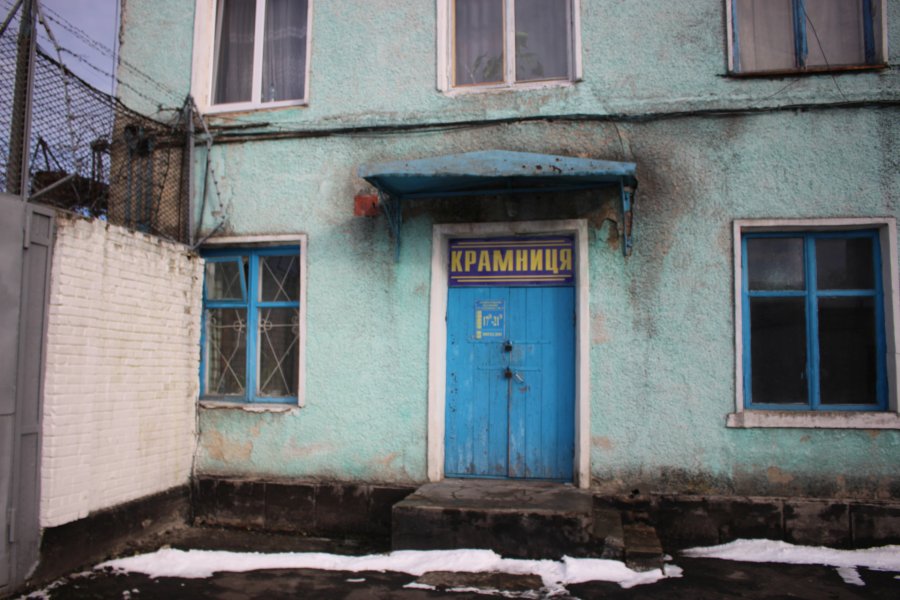
According to the administration, 40 per cent of convicted persons are released on parole.
During the monitoring visit, issues regarding the conclusion of agreements, work completion certificates, and wage calculations in the institution’s accounting department were also examined. Regarding production, an agreement is concluded once every six months, and a work completion certificate is issued monthly. Over the past year, according to the accompanying staff, only 40,000 Hryvnias were allocated from the budget for the institution’s needs.
Medical Unit
The head of Medical Unit No. 42 of the branch of the State Institution ‘Center for Healthcare of the State Criminal-Executive Service of Ukraine’ in the Volyn and Rivne regions (hereinafter — the medical unit) is Andrii Adamovych Makovetskyi.
During the visit, the monitoring group inspected the premises of the medical unit without hindrance, familiarised itself with the organisation of medical care provided to prisoners, and studied medical documentation. During conversations, no complaints were received from convicted persons regarding unlawful actions by medical staff or institution employees, in particular regarding torture, or cruel, inhuman, or degrading treatment or punishment.
The medical unit is located in:
- the office of the head of the medical unit,
- the feldsher reception office,
- the doctor’s reception office:
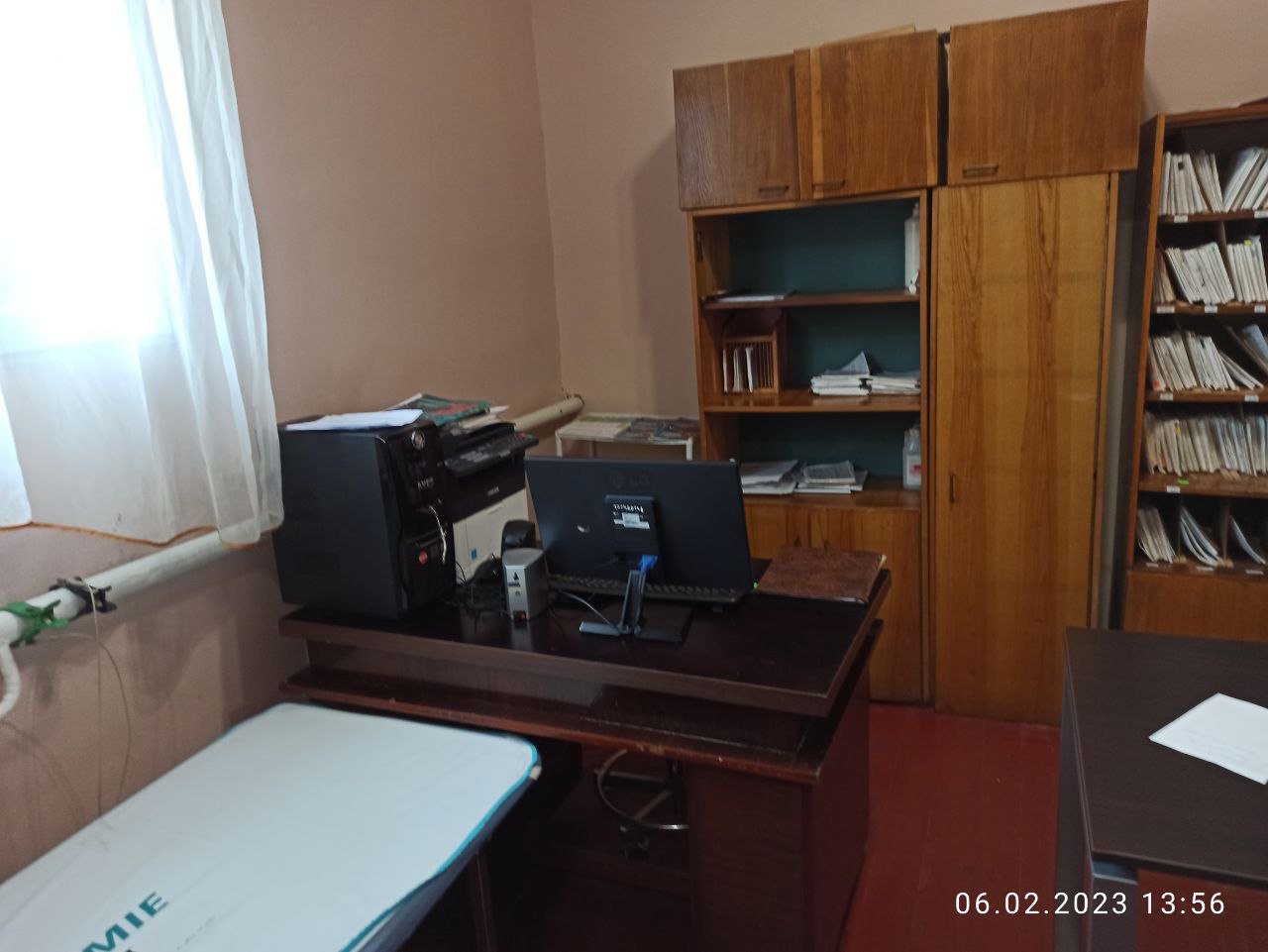
- a clinical diagnostic laboratory:
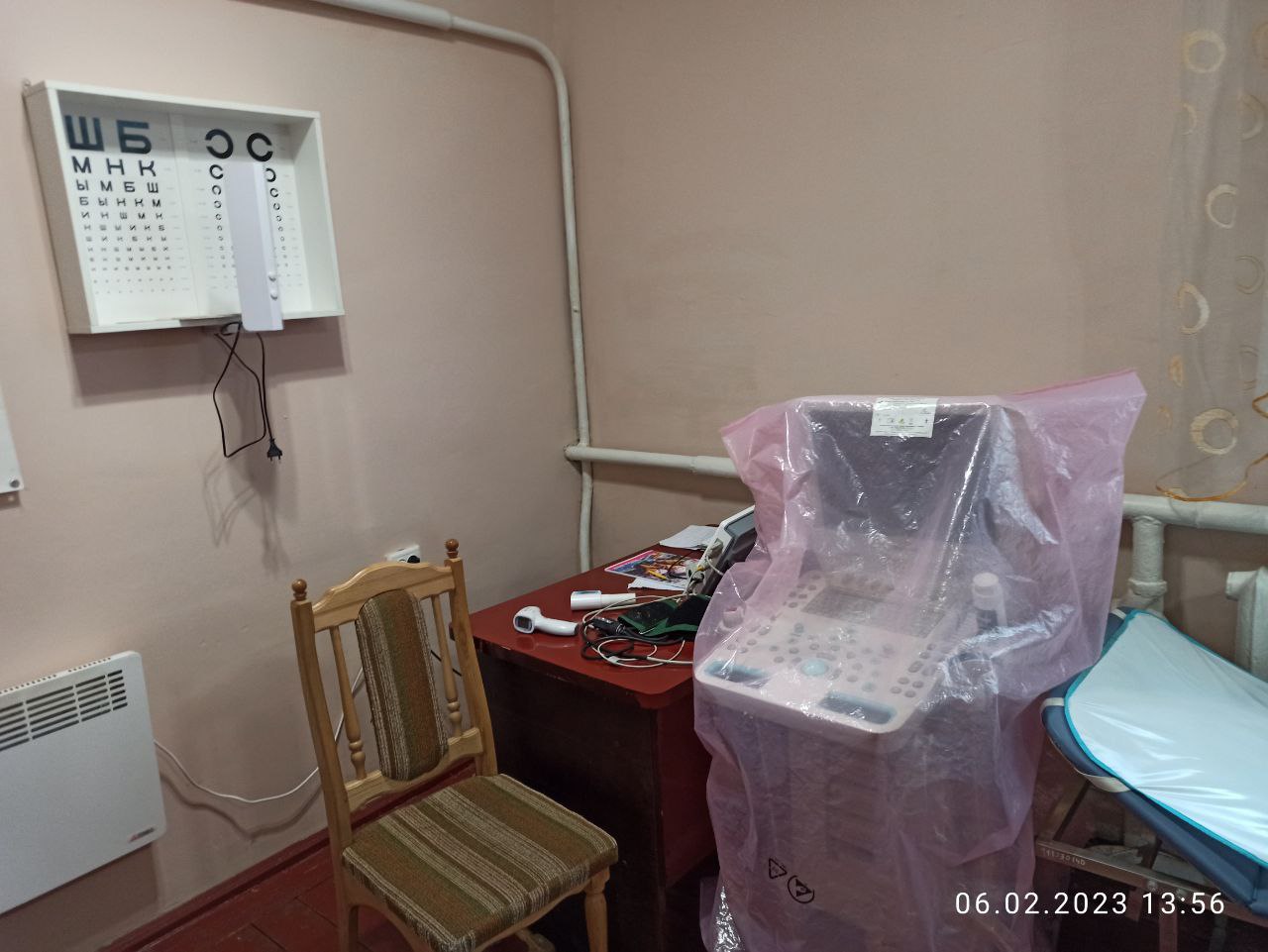
- a dental office, which is located outside the medical unit in the duty unit:
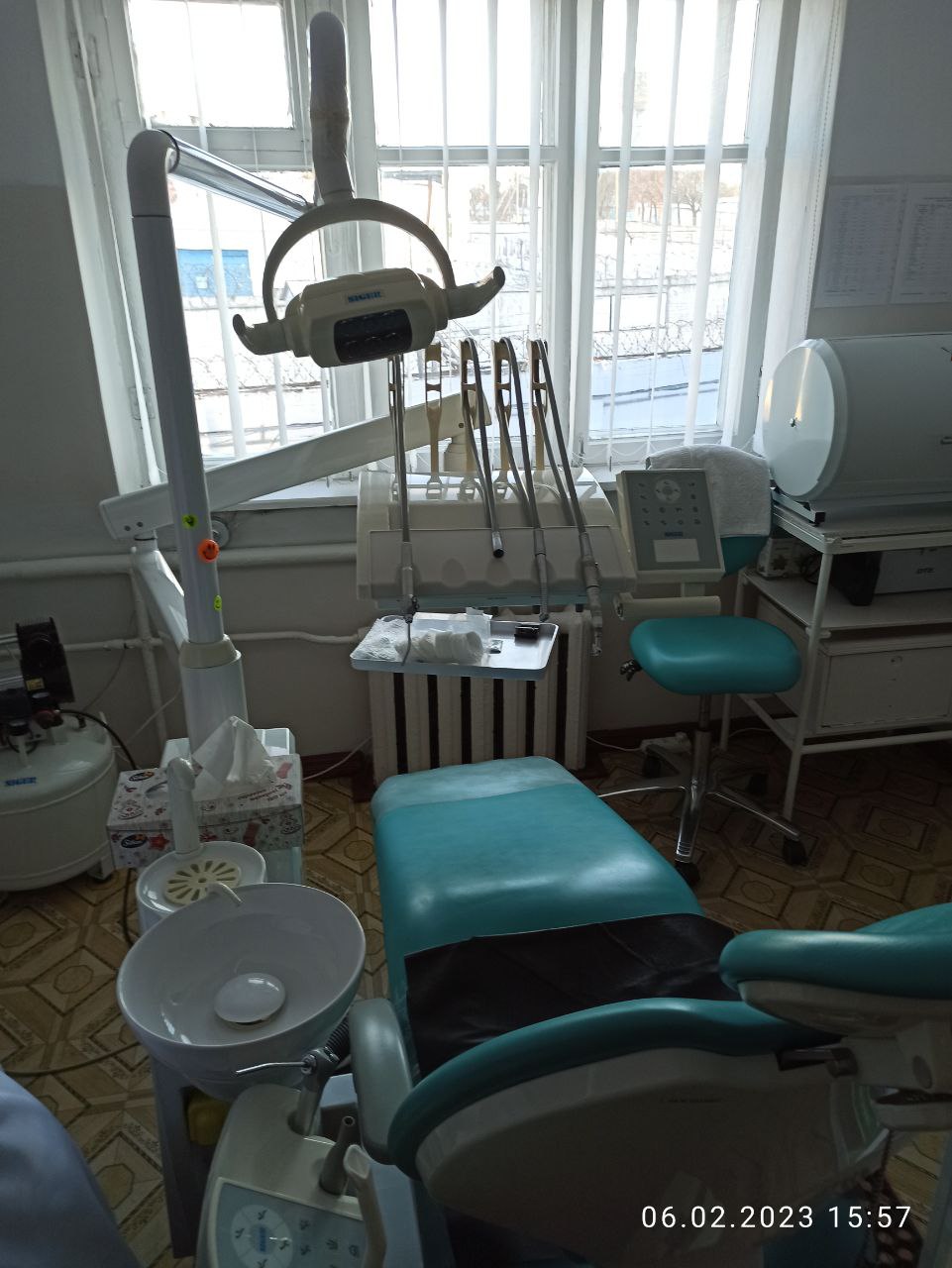
On the day of the visit, 5 people were in the institution’s inpatient facility.
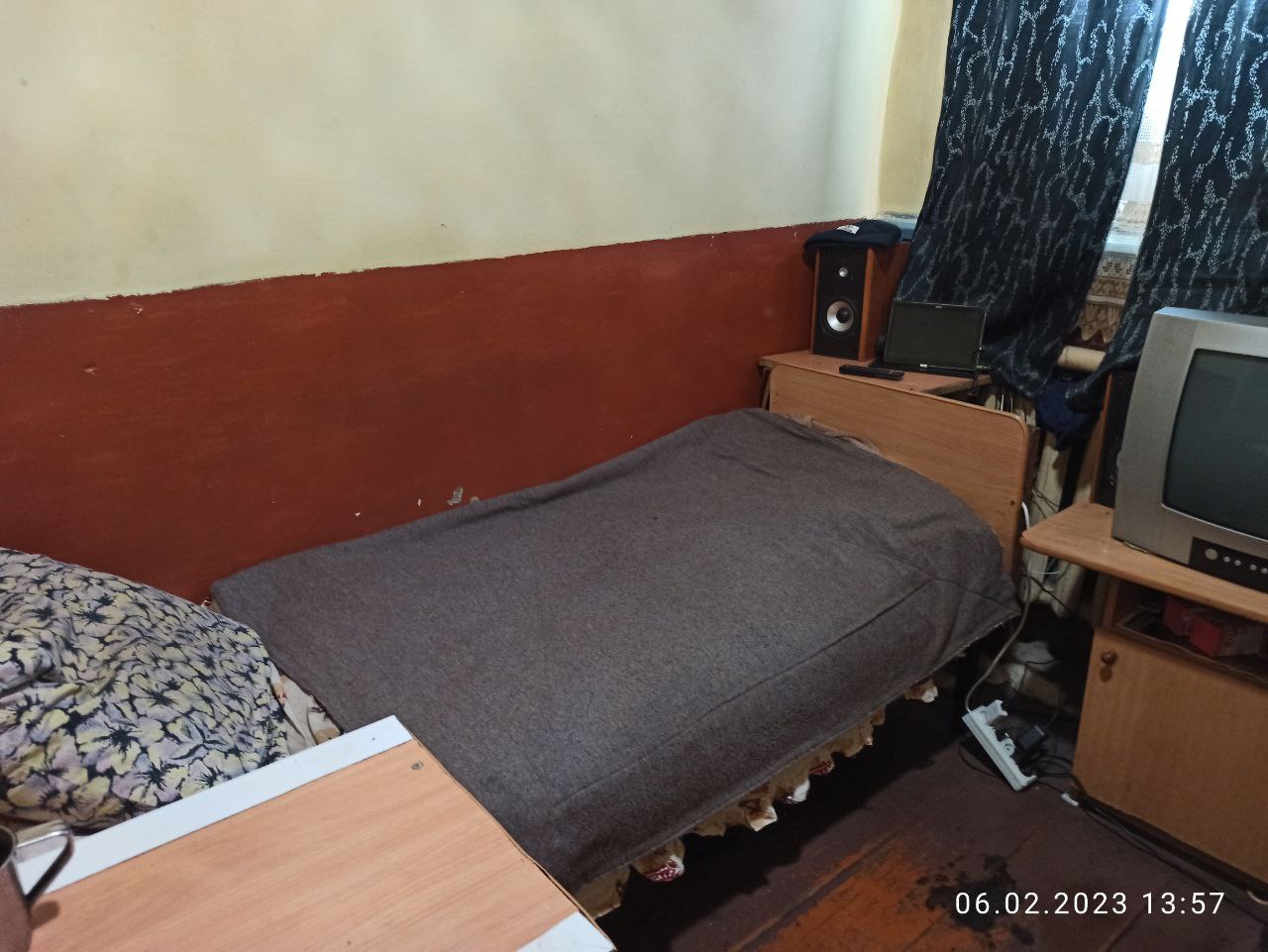
No cases of bodily injuries have been registered during the current year.
The inpatient facility of the medical unit has:
- 5 wards for somatic patients, designed for 10 beds:
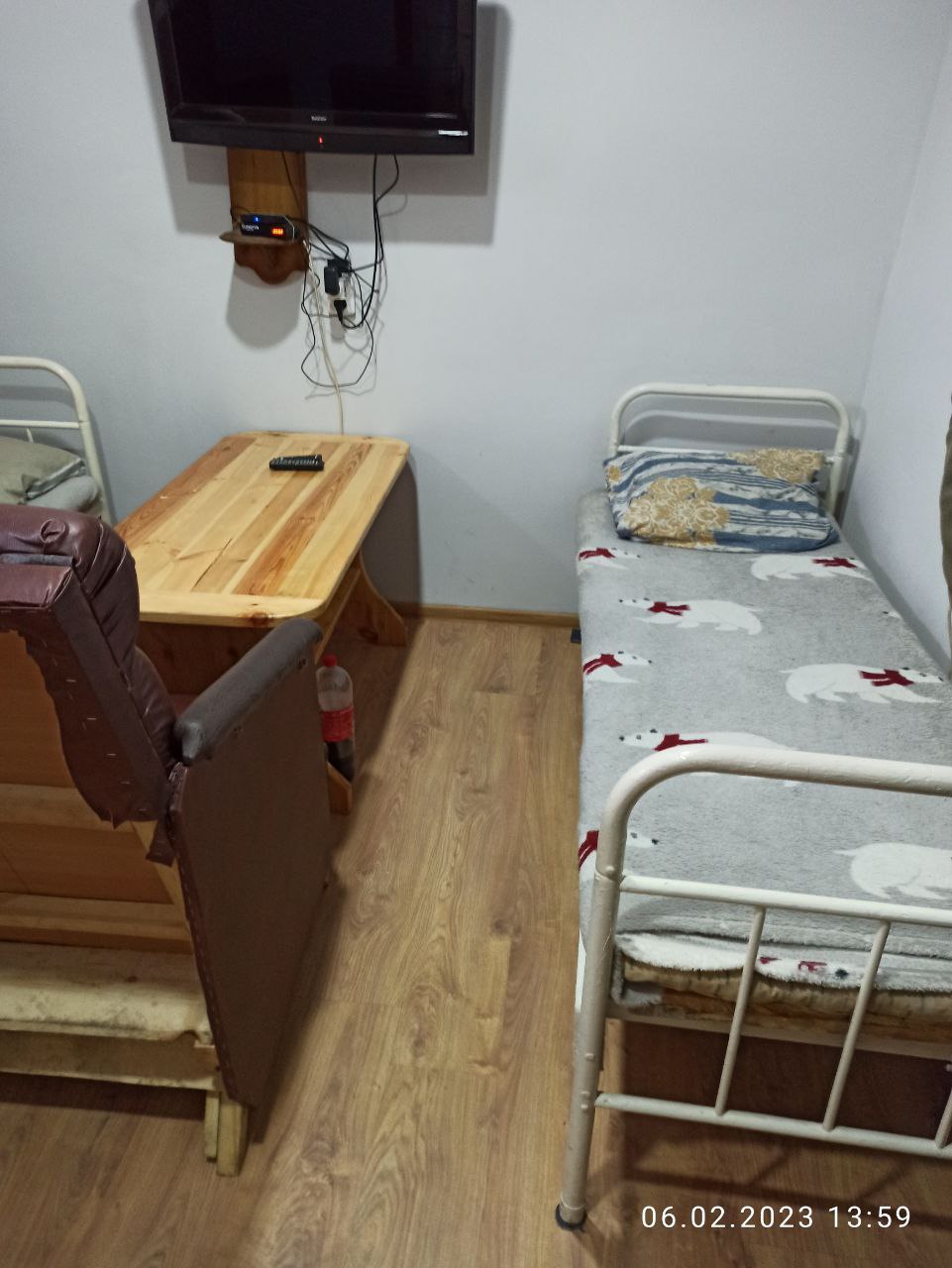
- 2 infectious disease isolation wards, designed for 4 beds:
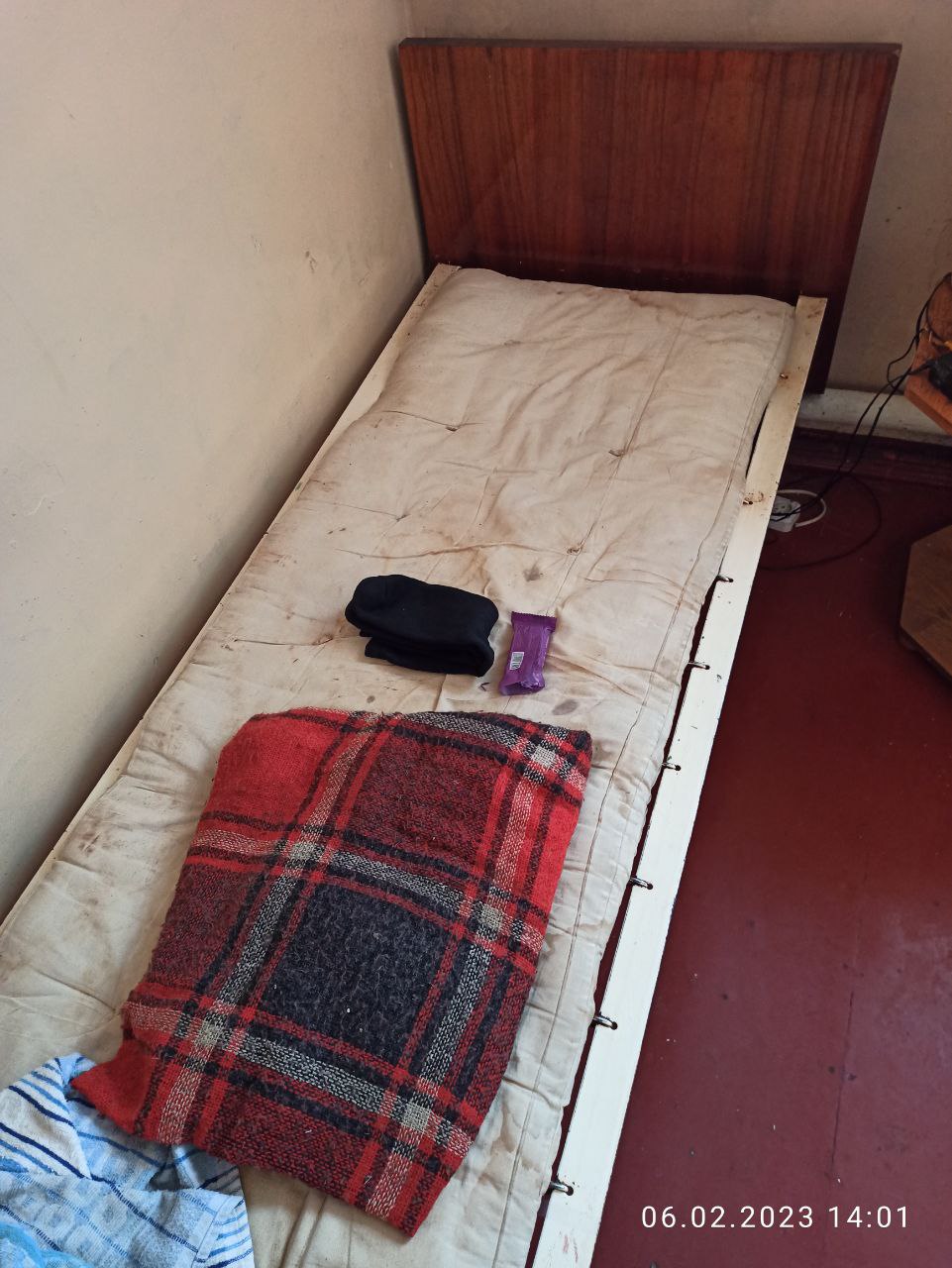
According to the staffing table provided to the monitors, the following positions are filled:
- head of the medical unit — 1 post;
- general practitioner — 0.5 post;
- ultrasound diagnostic physician — 0.25 post;
- otolaryngologist — 0.25 post;
- psychiatrist — 0.5 post;
- senior feldsher — 1 post;
- feldsher — 4 posts;
- dental nurse — 0.5 post;
- pharmacy assistant — 1 post;
- junior medical nurse — 0.5 post.
As of the day of the visit, the following positions remained vacant:
- general practitioner (family doctor) — 1 post;
- dentist — 0.25 post;
- infectious disease specialist — 0.5 post;
- dermatovenereologist — 0.25 post;
- feldsher — 1 post.
The general bathhouse is not equipped with a room for a medical worker, which is necessary for conducting examinations of convicted persons; therefore, medical examinations are conducted in the presence of other convicted persons. Shower stalls are not equipped with curtains, which does not allow convicted persons to exercise their right to privacy during hygiene procedures.
There is no doctor’s office in the DIZO/PKT (disciplinary isolation unit / chamber-type premises) and the remand unit.
Consequently, the right of convicted persons to healthcare, to the extent established by the fundamentals of the legislation of Ukraine on healthcare, is being violated in the institution and the medical unit, with the exception of restrictions provided for by law, which are enshrined in the Constitution of Ukraine and Art. 8 of the Criminal-Executive Code of Ukraine.
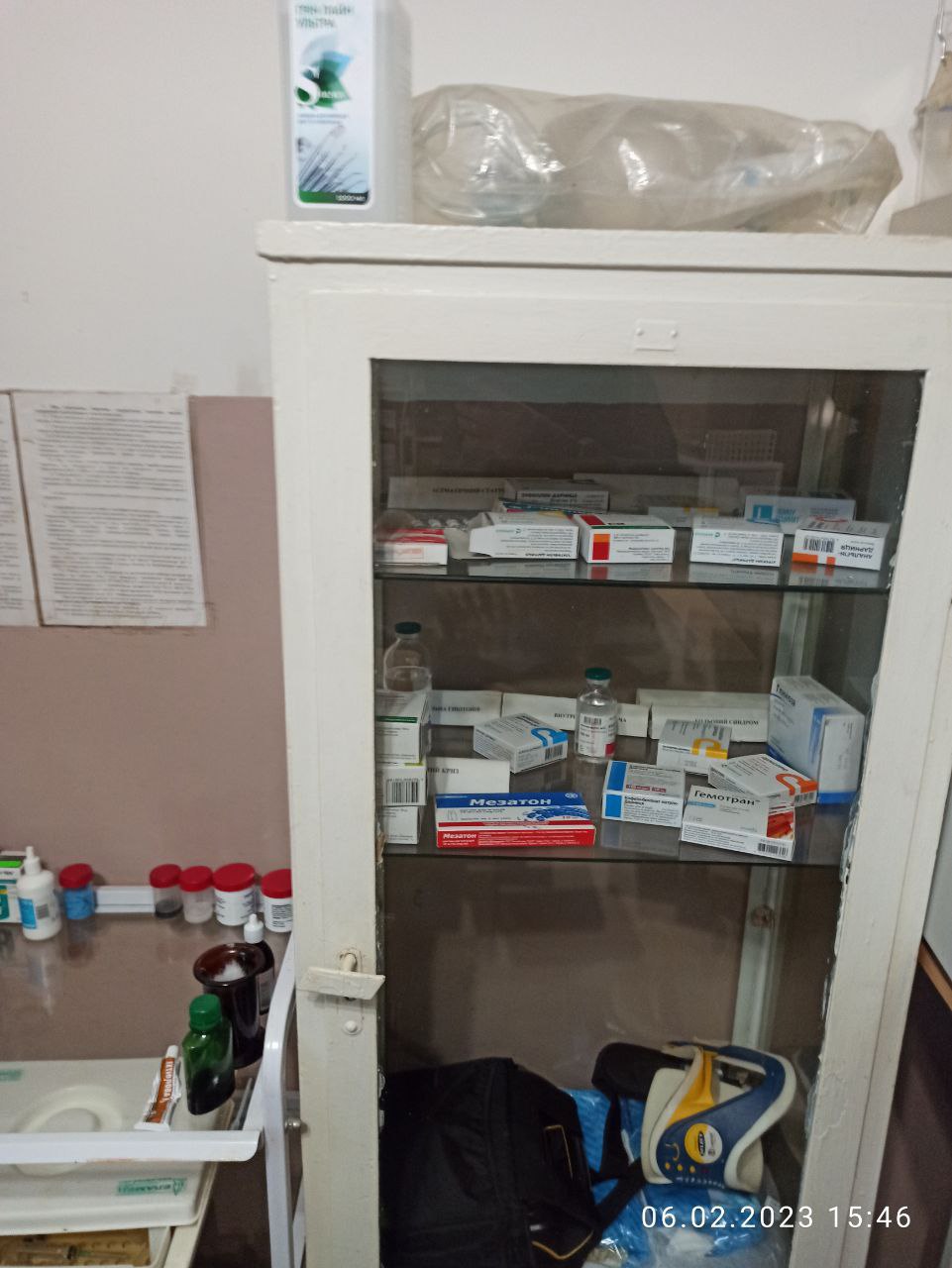
The medical unit lacks a separate cabinet for storing medicines from relatives. Medicines from relatives are stored on a shelving unit.
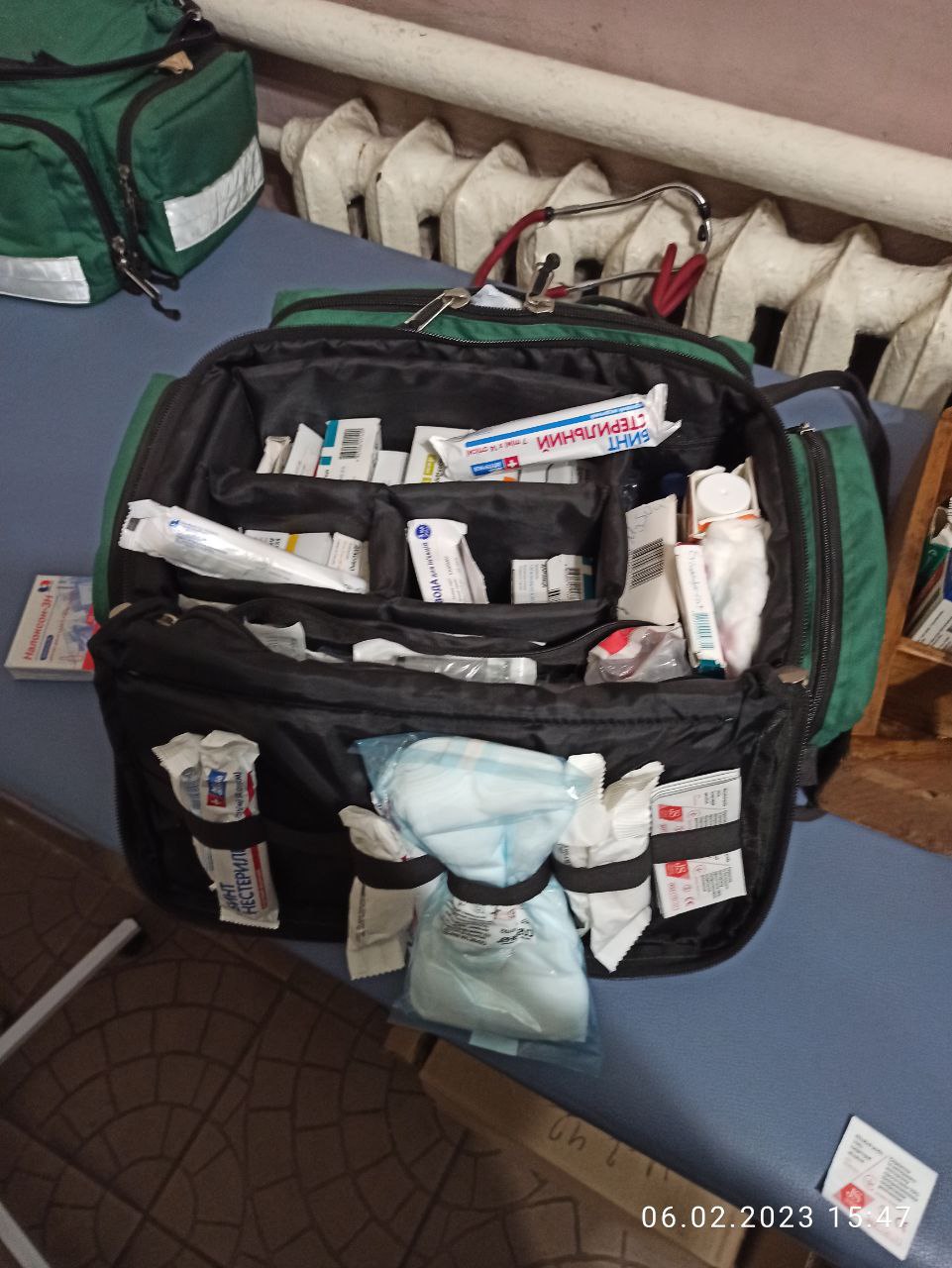
The feldsher’s medical bag:
Furthermore, in the medical documentation (medical record No. 025/o or No. 003/o), there are no applications from the relatives of the convicted persons or other persons regarding the transfer of medicines or medical devices, which violates clause 23 of the General Provisions of the Procedure for Organising the Provision of Medical Care to Persons Sentenced to Deprivation of Liberty, which states: “medicinal products and medical devices received from the relatives of convicted persons or other persons are stored in health care institutions of the State Criminal-Executive Service in separate cabinets and are kept on record, which is reflected in the record card for medicinal products, medical devices, and technical and other rehabilitation means received from the relatives of the convicted person and other persons, in the form defined in Annex 2 to this Procedure, where the convicted person signs after the completion of the course of treatment.”
During the current year, 75 people were screened for HIV using rapid tests; in the previous year (2022), 636 people were screened. 42 HIV-infected persons are registered (42 persons are receiving ART therapy). 35 immunological examinations (CD-4) were conducted over 6 months, and 34 virological examinations (viral load) were conducted for 34 persons over 6 months.
According to information provided by medical staff, the last visit by an infectious disease specialist was in November 2022.
Substitution maintenance therapy (SMT) is unavailable.
There are 35 convicted persons diagnosed with viral hepatitis C under dispensary observation in the medical unit. However, Medical Unit No. 42 of the State Institution ‘Center for Healthcare of the State Criminal-Executive Service of Ukraine’ in the Volyn and Rivne regions lacks the equipment and reagents for conducting biochemical blood tests, which complicates the treatment and monitoring of these patients. All biochemical tests are conducted at the Municipal Non-Profit Enterprise ‘Manevychi Multidisciplinary Hospital’, and not all patients with hepatitis C are covered by this examination twice a year.
The medical unit is not equipped with functioning fluorographic/X-ray equipment, as a result of which diagnostic examinations of the thoracic cavity organs are not conducted for convicted persons for the purpose of timely detection of respiratory diseases. This indicates that it is impossible to conduct early diagnosis of tuberculosis in the medical unit. At the same time, there are 51 persons in the institution diagnosed with tuberculosis cat. 5.1, who are under dispensary supervision. During the previous year, 2022, 3 persons with active tuberculosis were identified.
Sputum microscopy and GeneXpert testing are not carried out in the institution due to the absence of a laboratory; therefore, samples are also sent to the laboratory of the Municipal Non-Profit Enterprise ‘Manevychi Multidisciplinary Hospital’. Furthermore, the medical unit lacks a sputum collection point, which creates conditions for the spread of infectious diseases among the detained convicted persons and also violates Order No. 287 of the Ministry of Health of Ukraine dated 01.02.2019 “On Approval of the Standard of Infection Control for Health Care Institutions Providing Care to Patients with Tuberculosis”.
In violation of clause 8, part 5, chapter 2 of the Procedure for Organising the Provision of Medical Care to Persons Sentenced to Deprivation of Liberty, approved by the joint order of the Ministry of Justice of Ukraine and the Ministry of Health of Ukraine dated 15.08.2014 No. 1348/5/572, there is no isolation ward in the inpatient facility for persons with mental disorders for convicted persons who pose a danger to others.
There is no bathhouse in the premises of the medical unit; thus, sick convicted persons are deprived of the right to follow hygiene rules, or their bathing is carried out in general showers, due to which the principle of isolating patients with infectious diseases is not observed.
Video surveillance cameras are installed in the lobby of the medical unit; however, the Procedure for the Use of Technical Supervision and Control Means in Penal and Correctional Colonies of the State Criminal-Executive Service of Ukraine, approved by Order No. 2025/5 of the Ministry of Justice of Ukraine dated 26 June 2018 (registered with the Ministry of Justice of Ukraine on 02 July 2018 under No. 766/32218), does not provide for the installation of video surveillance in the premises of the medical unit.

Living Premises
Convicted persons who work in production and those who do not work live together.
About 80 people live in the unit. In some living quarters, the beds are bunk beds.
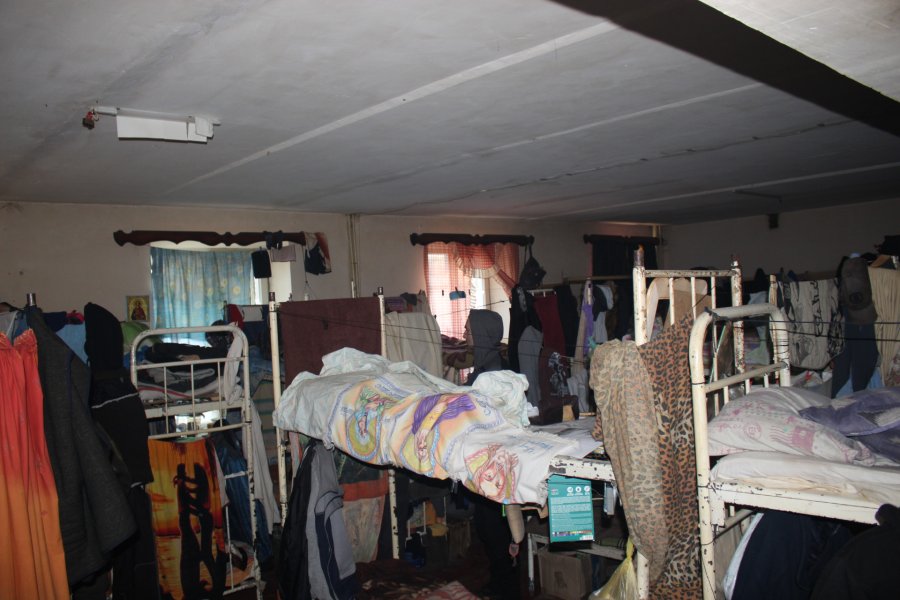
Convicted persons are asking questions about the possibility of a pardon for service in the Armed Forces of Ukraine.
A convicted person, T., who resided in the temporarily occupied territory, approached [the monitors] and claimed that all documents, both related to the case and for obtaining a passport, were destroyed; due to this, there is a problem with restoring documents after release.
Convicted person T. complained that for seven months, the local court has been unable to consider the issue of release under Article 81 of the Criminal Code of Ukraine (parole). The convicted person believes that the court is deliberately delaying the consideration of this issue.
DIZO/PKT
On the day of the visit, there were 13 convicted persons in the DIZO (disciplinary isolation unit), 4 of whom were serving a punishment and 9 were held on general grounds. The orders for those serving a punishment, as well as the logs for placement and visits by the institution’s management, were inspected. The monitors had the opportunity to communicate with the convicted persons on the condition of anonymity. Some cells were undergoing repairs.
Convicted person K. was serving a disciplinary penalty in the form of 14 days for consuming alcohol; he was on his second day.
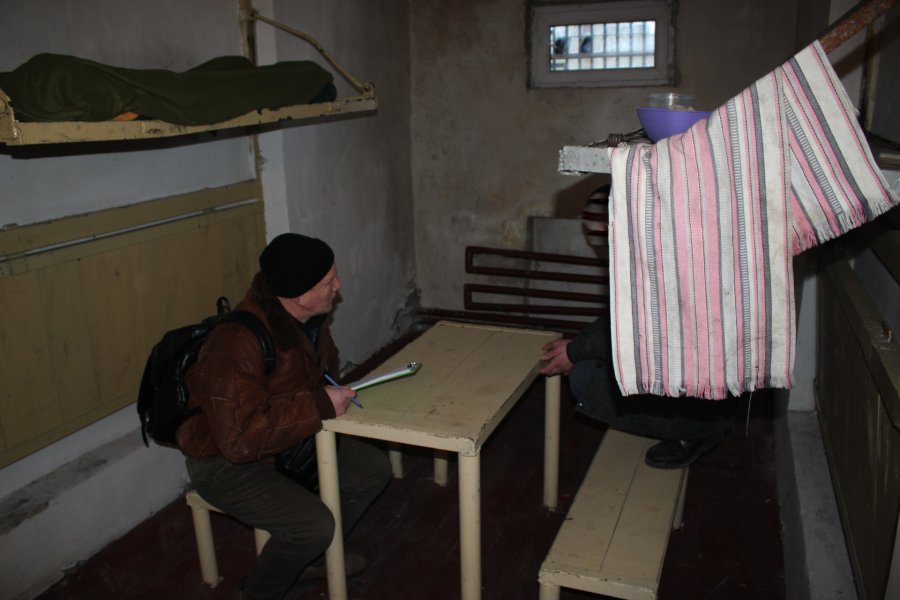
The convicted person complained of chest pain “due to a fall”. In this regard, the monitors appealed to the doctor, as a result of which the convicted person underwent an additional examination, which did not reveal any rib fractures. The convicted person has a 3-year sentence, of which he has served 1 year and 10 months; it is his first time in the DIZO.
Two other convicted persons held in the DIZO decided not to disclose the reason for the disciplinary punishment, but they acknowledge that they committed an offence and consider the penalty to be adequate and proportionate.
Convicted person P. was in a DIZO cell “on general grounds”; he explained that he “does not get along with the general mass”. He has been in this status for about three months. Out of his 6-year sentence, less than a year remains until the end of the term.
Convicted person Z. has been in a DIZO cell “on general grounds” for a year. He has a conflict situation with other convicted persons in the institution, so he writes an application every month for the application of safety measures in his regard. His total sentence is 5 years. 11 months remain until the end of the term. The convicted person knows how to read but does not know how to write.
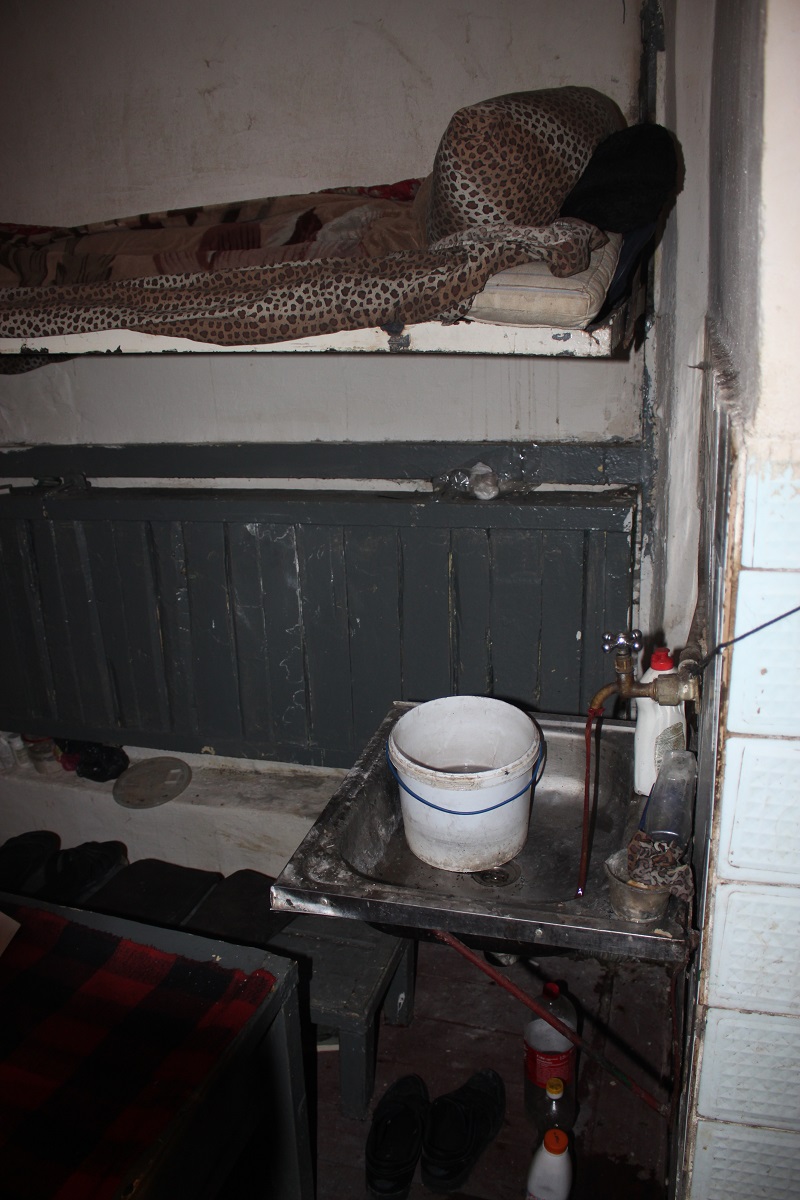
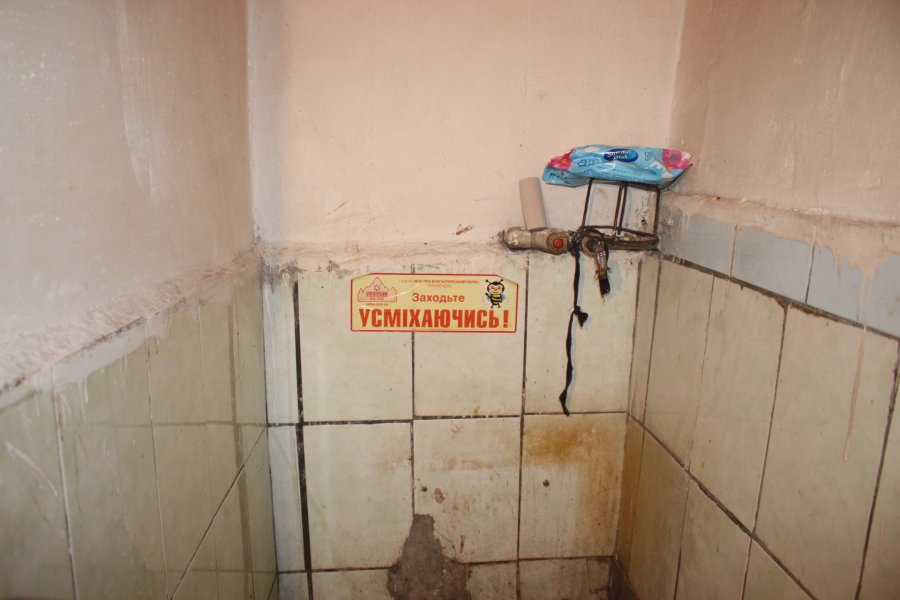
Convicted person P. has been “on general grounds” in the DIZO for the second month, and convicted person T. has also been there for the second month. They are held together in the cell. They have no complaints against the administration and explain that a conflict situation has developed among the convicted persons, because of which it is better for them to be isolated in a cell. According to the convicted persons, the conflicts are being resolved, and the administration is facilitating the resolution.
Convicted person S. has also been in a DIZO cell “on general grounds” for about a year; he has a conflict situation with convicted persons in the residential zone. He has 5 more years until the end of his term, and he hopes that the conflict situation will be resolved over time.
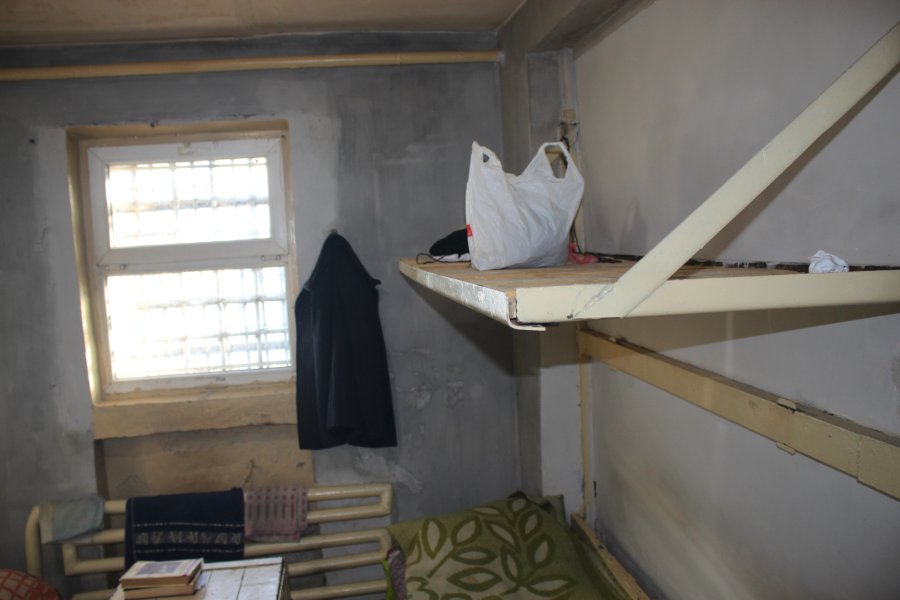
According to the administration’s explanation, in cases where convicted persons request to be placed in the DIZO “on general grounds”, a check is conducted within a month. If it turns out that the convicted person is not in any danger but does not wish to go to the residential zone, disciplinary penalties may be applied to the convicted person, but he is not forcibly transferred to the residential zone.
Convicted person P. is also in a DIZO cell “on general grounds” but had absolutely no personal belongings. To the question “where are his belongings?”, he replied that he has no belongings, he is constantly moving between stages, and he “decided to take a break from people”. The accompanying colony employee explained that this convicted person truly does not have any belongings; he arrived in a transfer stage without even having shoes. This convicted person has mental illnesses and is systematically sent to the hospital during exacerbations of the disease.
Thus, during the inspection of the DIZO section, the monitoring group established that the institution’s administration had placed a person with mental disorders in the DIZO.
According to information provided by the institution’s employees, the convicted person is mentally ill and is in the DIZO on general grounds. Furthermore, it was noted that when this convicted person experiences an exacerbation of his mental disorder, he is examined by a psychiatrist and, if necessary, a request for treatment is made, after which the convicted person is sent to the psychiatric department of Medical Unit No. 40 of the branch of the Center for Healthcare of the State Criminal-Executive Service of Ukraine in the Lviv region.
Remand Unit
There were 32 persons in the remand unit against whom the verdict had not yet entered into legal force. Over the course of the year, the number of detainees awaiting trial decreased by almost half.
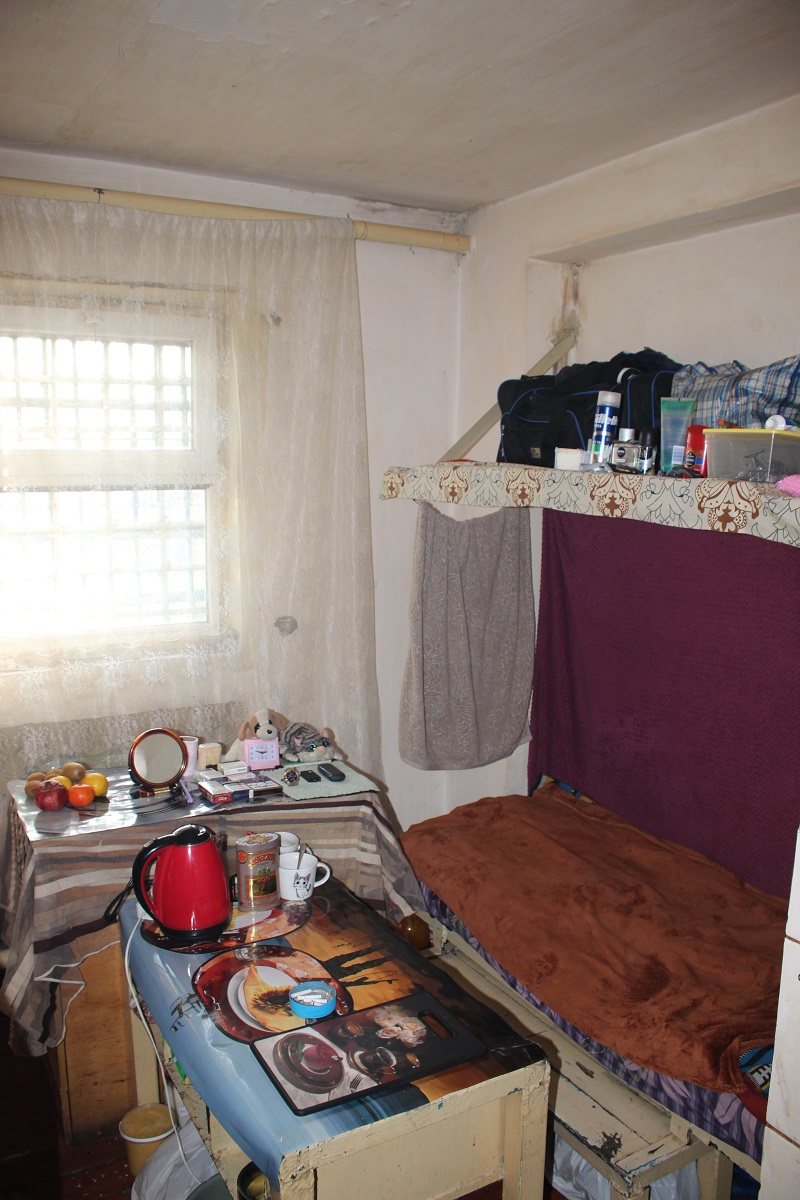
Those prosecuted for the first time are held separately.
There are renovated cells available.
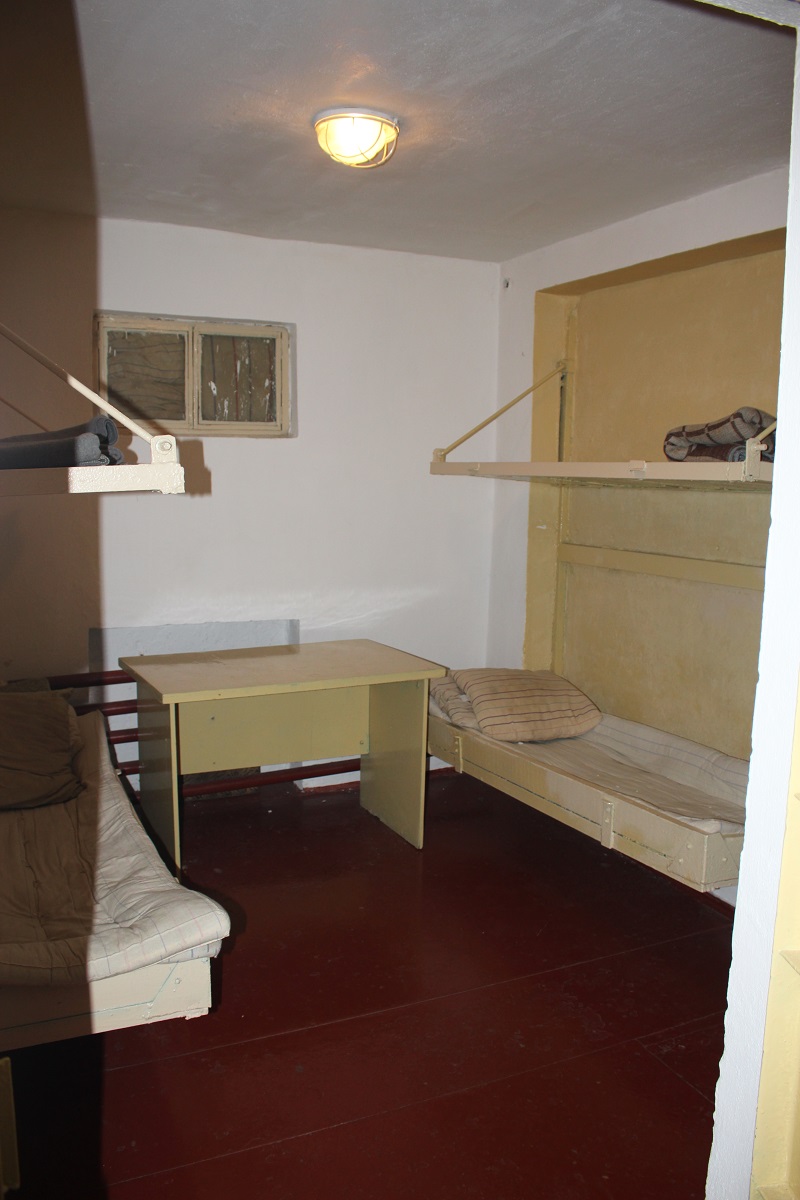
In some cells, repair work is underway.
A large number of court hearings take place via video conference.
There were no prisoners in the punishment cell.
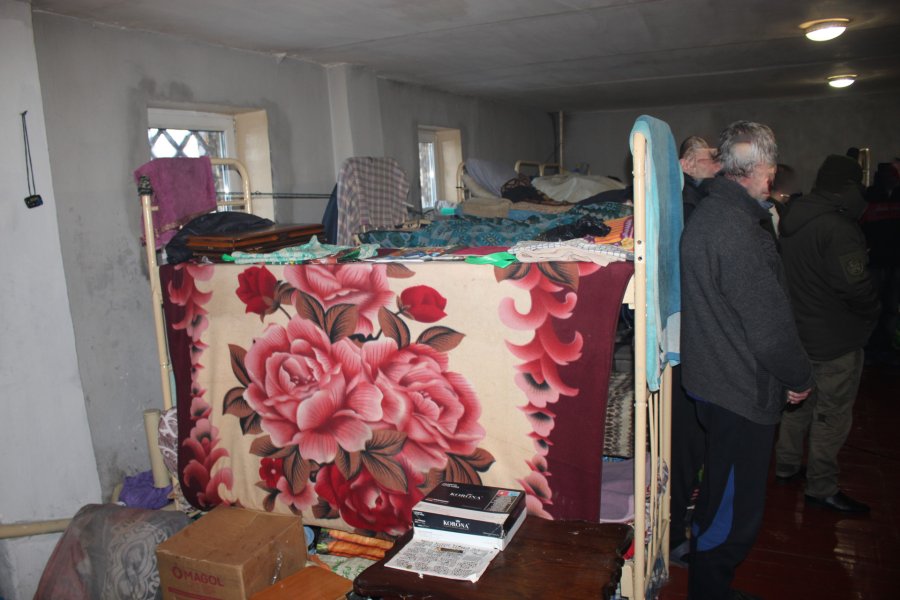
In a multi-occupancy cell of the remand unit, the convicted persons complained of the cold due to systematic power cuts.
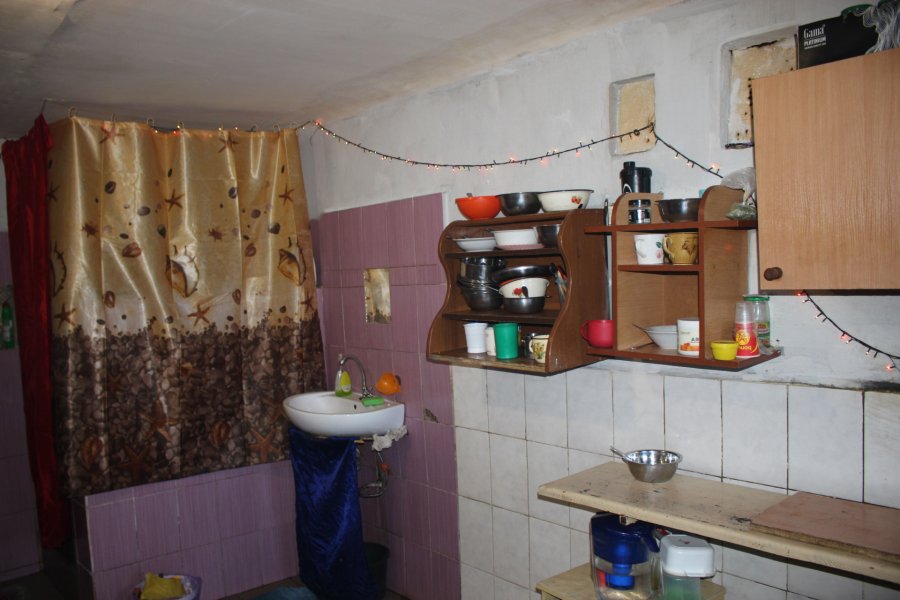
Canteen
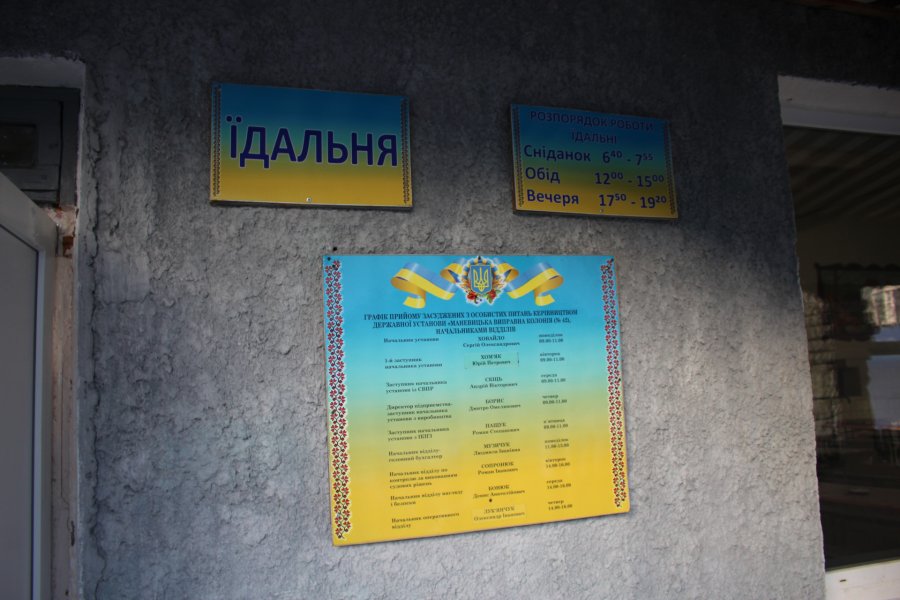
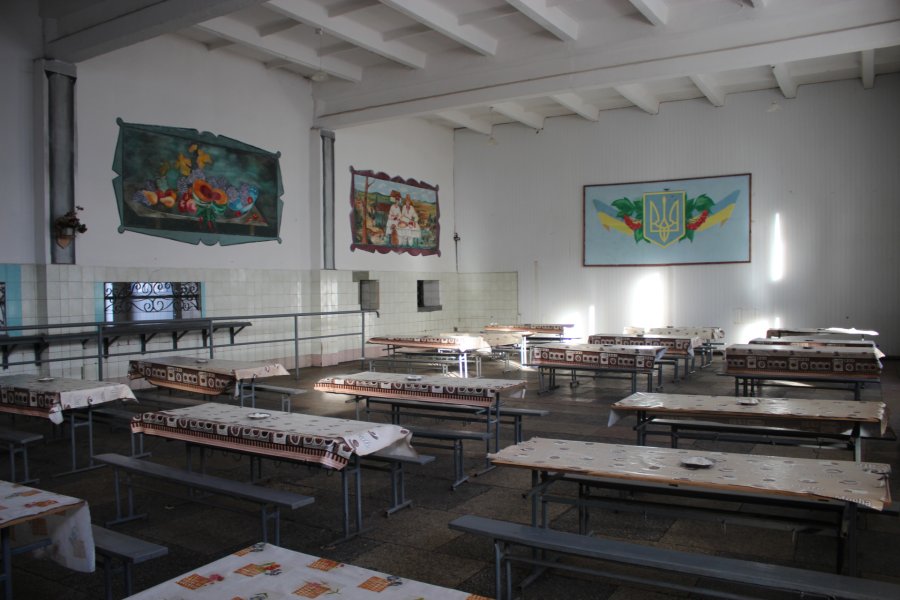
The dining hall is a large room, which, in addition to serving meals, is used during cultural and mass events.

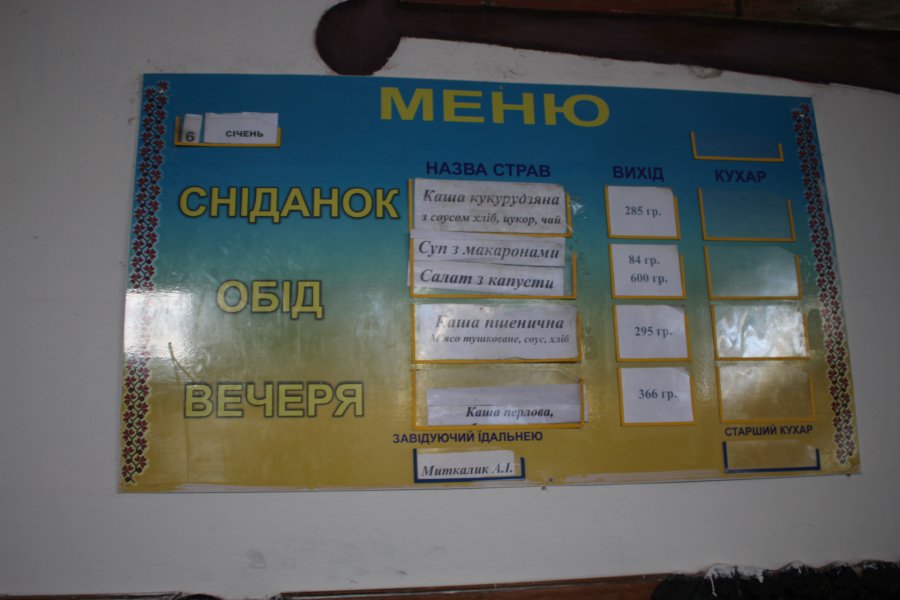
Meals in the institution take place in 4 shifts: for the residential zone and, separately, for the industrial zone.
The dining hall can accommodate up to 60–70 convicted persons at one time.
There is cold water in the taps; soap and towels are also available.
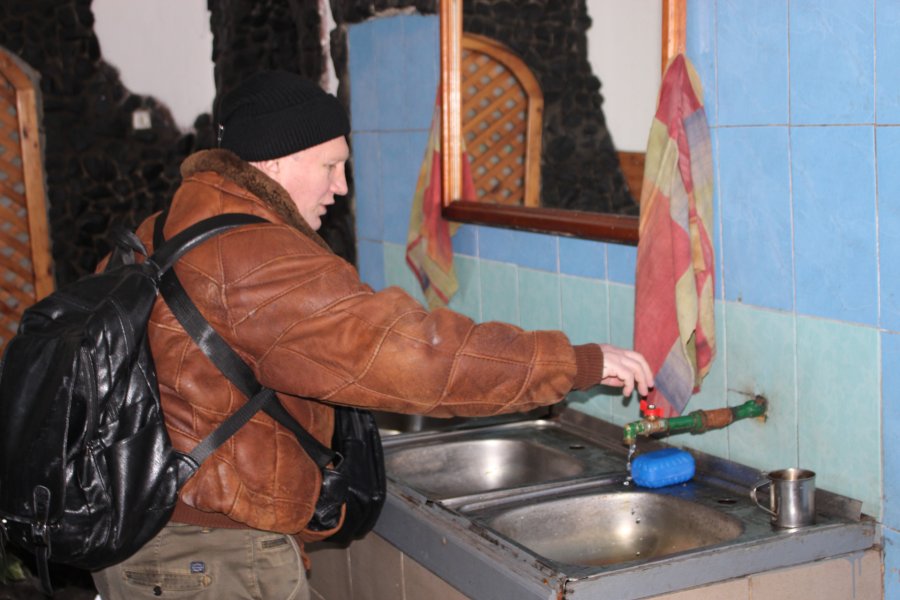
Bread is baked on-site. Fish is delivered centrally. 3 persons work in the canteen under contracts, and other convicted persons are also involved in work on maintenance and improvement.
There is no dietary menu.
Food is delivered to the DIZO/PKT/remand unit in thermoses.
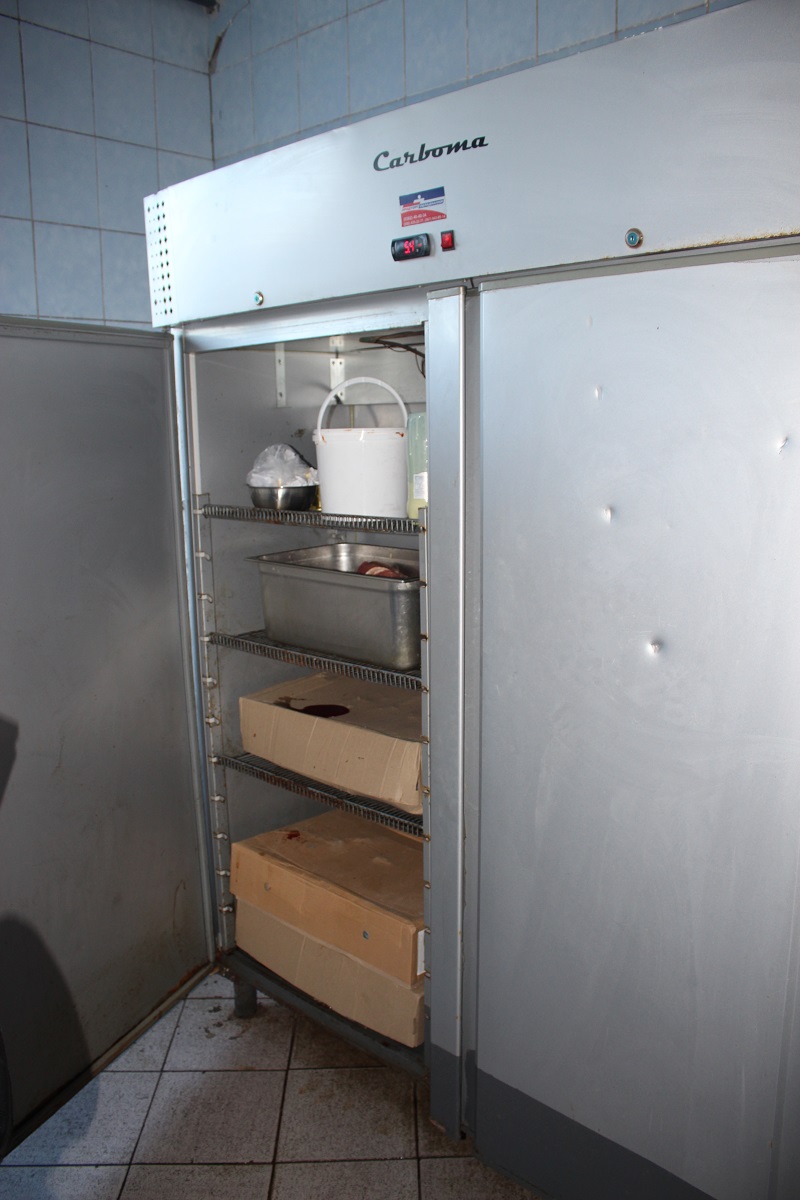
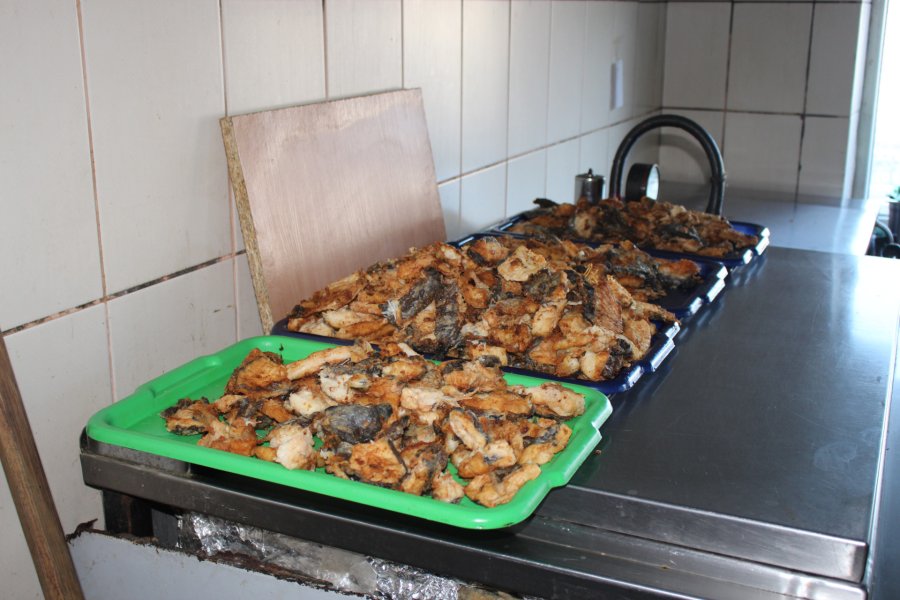
In case of power outages, food is prepared on backup boilers.
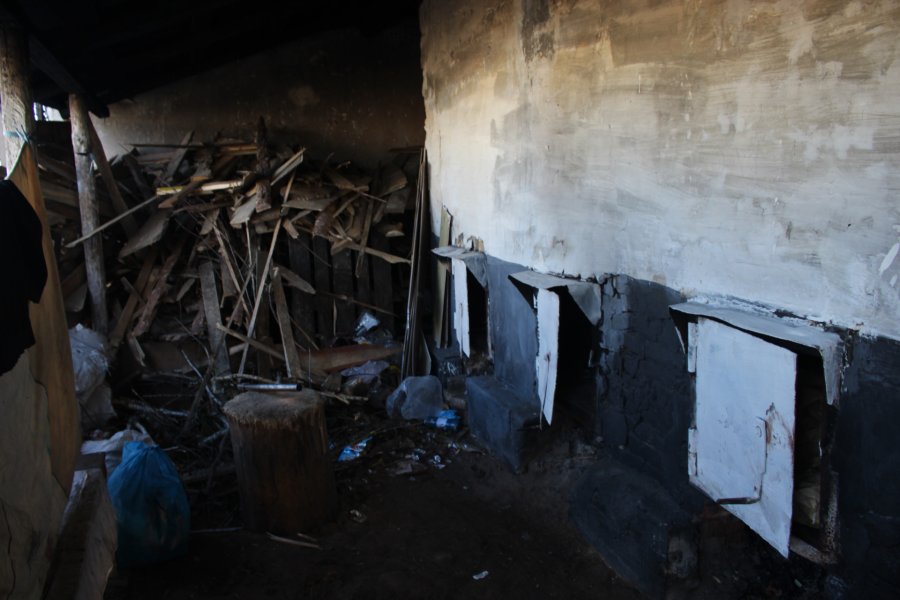
In some premises of the canteen, repair work is underway.
Bath and Laundry Complex
There is no feldsher’s corner in the bathhouse. Shower stalls are without curtains.
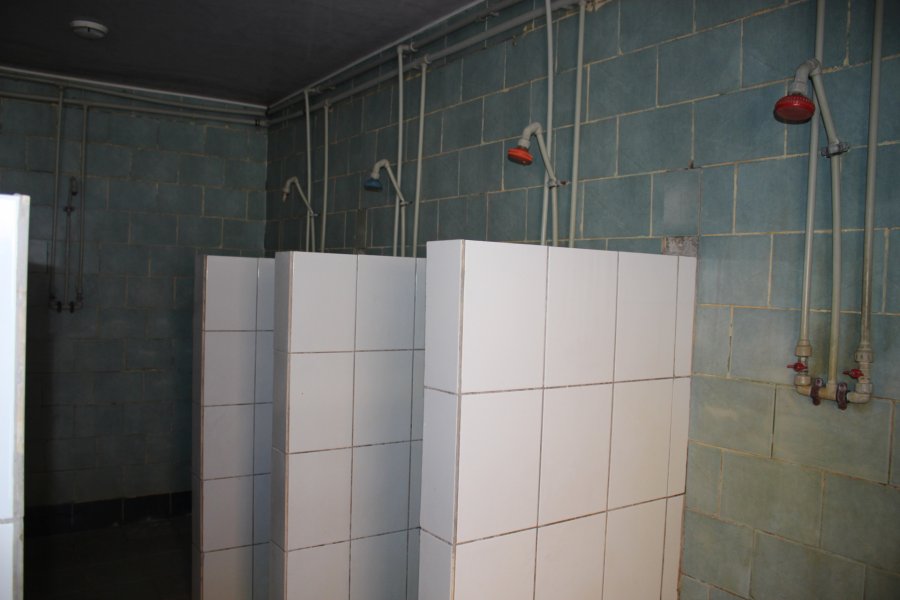
Each convicted person can adjust the water temperature individually.
There is a cupboard for heating items, and a disinfection corner.
Soap and powder are issued to the units.
There is a barber’s room, which has been renovated.
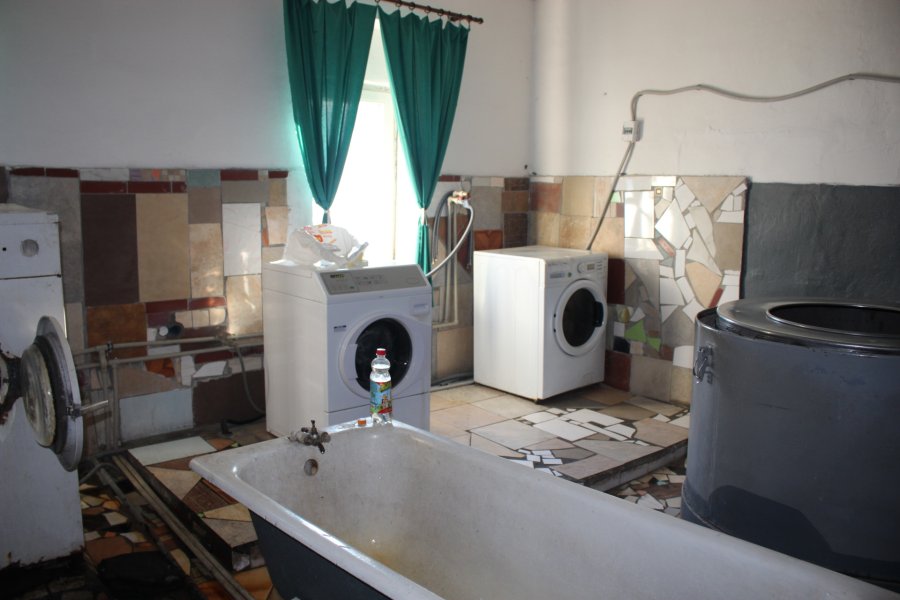
Washing machines:
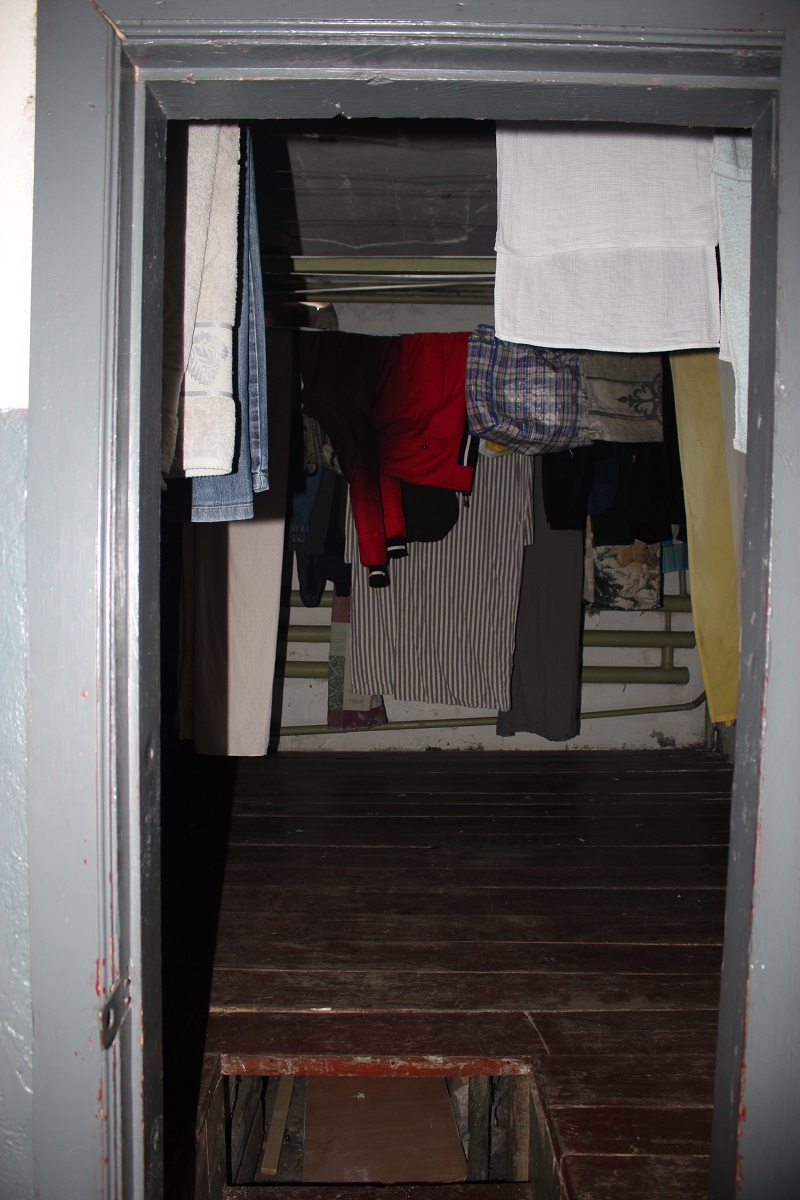
Drying room: