Report on the results of a monitoring visit to the State Institution ‘Lutsk Pre-trial Detention Centre’
On 7 February 2023, a monitoring group consisting of an assistant to a Member of Parliament of Ukraine, Kostiantyn Kasai; a member of the Public Council under the Ministry of Justice of Ukraine, Serhii Zuikov; an assistant to a Member of Parliament of Ukraine, Yaroslav Yurchyshyn; a programme coordinator of the Kharkiv Human Rights Protection Group (KHPG), Andrii Didenko; as well as a journalist from the ‘Poryad z vamy’ (‘Beside You’) Information Agency, Oleksii Yaroslavtsev, visited the State Institution ‘Lutsk Pre-trial Detention Centre’ within the framework of a project by the Danish Institute Against Torture (DIGNITY).
The monitors gained access to the facility's premises promptly and without obstruction. During the visit, they had the opportunity to inspect any premises and to communicate with detainees and staff. They were able to speak with convicted persons on the condition of anonymity. They were also granted access to review logs, prosecution response acts, medical records, and other documents pertaining to the operation of the pre-trial detention centre.
The primary objective of the preventive monitoring visit was to analyse the observance of human rights at the pre-trial detention centre, specifically regarding conditions of detention for remanded persons, the provision of medical care, and the conditions of detention for convicted persons.
The head of the institution is Lieutenant Colonel of the Internal Service, Andrii Ihorovych Hulovatyi.
General Information
The Lutsk Pre-trial Detention Centre is designed to hold remanded persons against whom a preventive measure of detention in custody has been chosen. Detainees are held in the facility during the pre-trial and trial investigation stages until the court verdict enters into legal force. Following this, they are transferred to correctional facilities with the appropriate level of security. Male and female detainees are held separately, in accordance with Article 8 of the Law ‘On Pre-trial Detention’.
During the monitoring visit, the monitors were accompanied by the head of the institution. They inspected the premises for citizen reception, the issuance and receipt of parcels/transfers, the provision of visitation, checkpoints, the facility's duty unit, the premises and cabins of the admission ward, and investigation rooms. Furthermore, they inspected the premises and internal posts of the security blocks, namely: punishment cells, cells for life-sentenced prisoners, remanded minors, women, and residential quarters for convicted persons retained for household maintenance or facility improvement work. The premises of the catering unit, the medical unit, the bath and laundry complex, exercise yards, and sports facilities were also inspected.
The monitors had the opportunity to communicate with remanded persons regarding conditions of detention and the provision of medical care. Life-sentenced prisoners sought consultation regarding the possibility of appealing court decisions.
According to data provided by the facility's management, there are approximately 2.3 detainees per staff member. The facility employs one psychologist.
During 2022, 457 persons arrived at the facility, and 2 deaths occurred. Twelve convicted persons are employed, all under employment contracts. The average monthly salary for the household maintenance staff is 3,381.23 hryvnias. There is a shop operating within the facility.
Fifteen persons are registered as living with HIV/AIDS. Seven are prone to suicide, six are prone to self-harm, and two are prone to escape. Four persons have disabilities. In 2022, 44 ambulance calls were recorded. As of the 2023 period, there has been one call.
During 2022, 116 cases of bodily injury were recorded, of which 81 occurred upon arrival at the facility and 35 during the stay in the facility. For the period of 2023, there have been 9 such cases: 6 upon arrival and 3 during the stay in the facility.
The facility uses IP-telephony; remanded persons are provided the opportunity to communicate with their relatives upon request, with the investigator notified after the phone call has taken place.
There is a staff shortage in the facility, with approximately 15 vacancies.
At the time of the visit, 24 remanded women were being held in the facility, two of whom were pregnant and two of whom were minors.
Humanitarian needs: books, hygiene products, seasonal clothing.
Medical Unit
The head of the Lutsk City Medical Unit of the branch of the Centre for Health Care of the State Penitentiary Service of Ukraine in the Volyn and Rivne regions (hereinafter referred to as ‘the medical unit’) is Tetiana Serhiivna Vasyliuk.
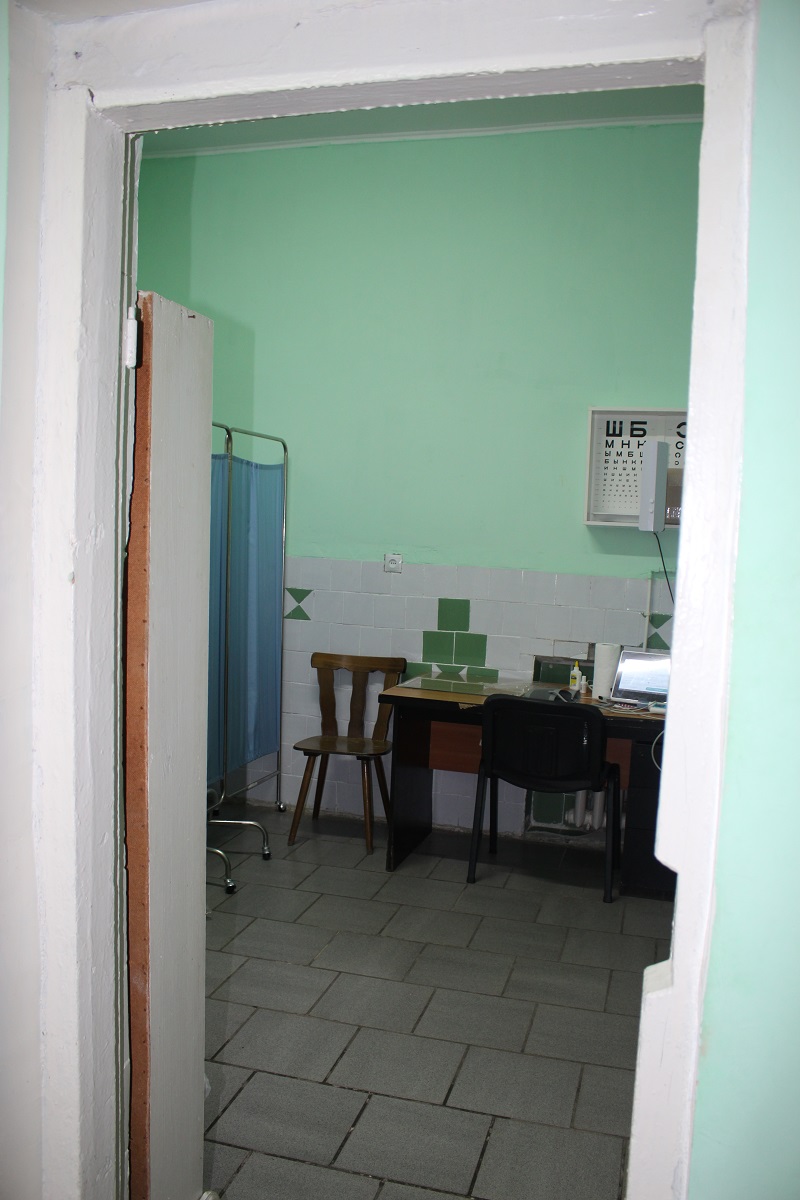
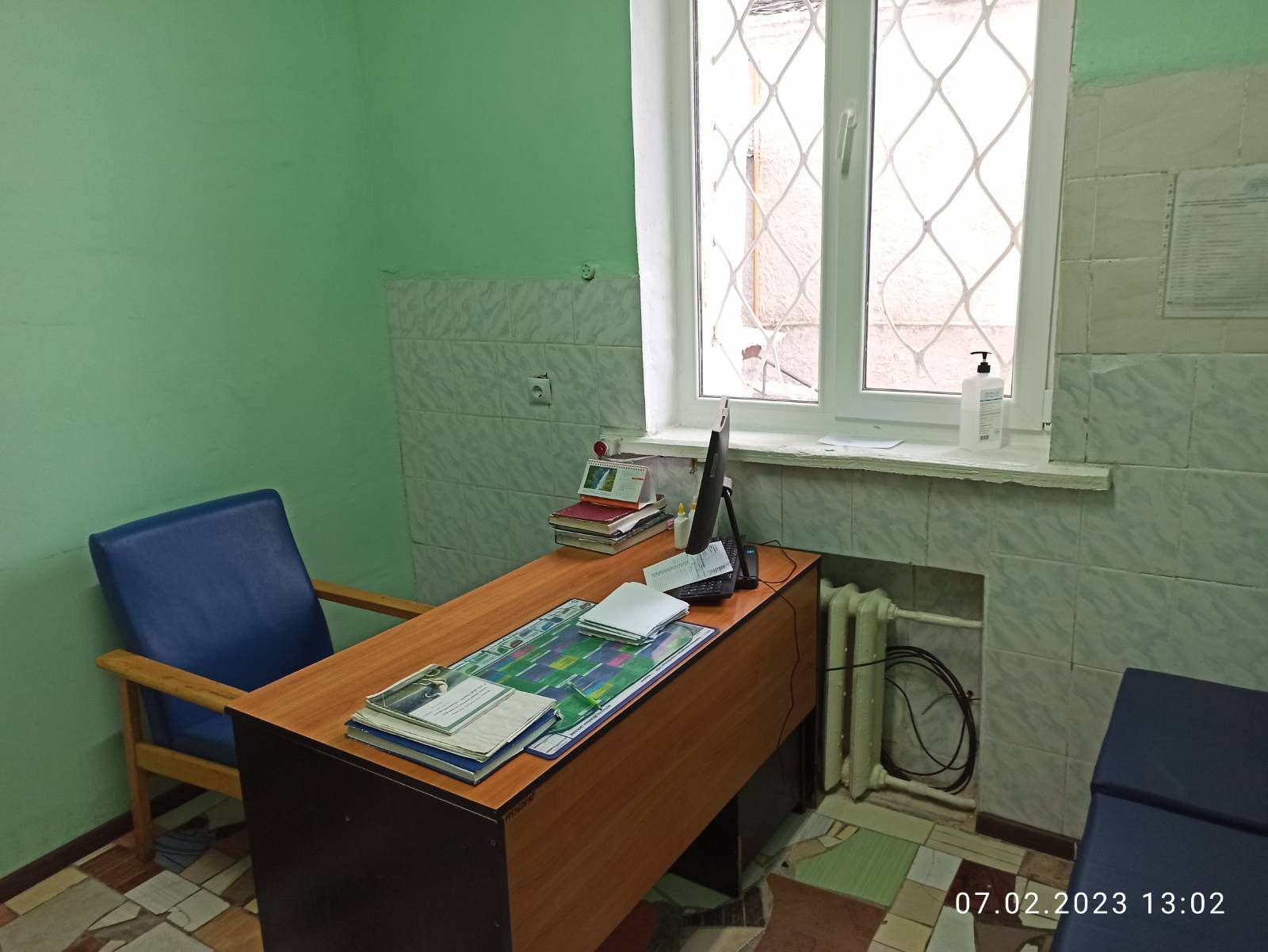
During the visit, the monitoring group inspected the medical unit's premises without obstruction, familiarised themselves with the organisation of medical care for prisoners, and had access to medical documentation.
According to the staffing schedule, the following positions are filled:
- Head of the medical unit — doctor — 1 full-time position,
- General practitioner — family doctor — 0.5 FTE,
- Therapist — 0.5 FTE,
- Dentist — 0.25 FTE,
- Psychiatrist — 0.25 FTE,
- Phthisiologist (TB specialist) — 0.25 FTE,
- Radiologist — 0.25 FTE,
- Otolaryngologist — 0.25 FTE,
- Surgeon — 0.25 FTE,
- Obstetrician-gynaecologist — 0.25 FTE,
- Ultrasound diagnostic physician — 0.25 FTE,
- Senior paramedic — 1 FTE,
- Paramedic — 4 FTE,
- Radiology technician — 0.5 FTE,
- Pharmacy assistant — 1 FTE,
- Laboratory assistant — 1 FTE,
- Junior medical nurse — 1 FTE.
The following positions remain vacant:
- Dentist — 0.25 FTE,
- Dermatovenereologist — 0.25 FTE,
- Medical nurse — 1 FTE,
- Dental nurse — 0.5 FTE.
No complaints regarding unlawful actions by medical staff or facility employees, specifically regarding torture, or cruel, inhuman, or degrading treatment or punishment, were received from the prisoners and convicted persons.
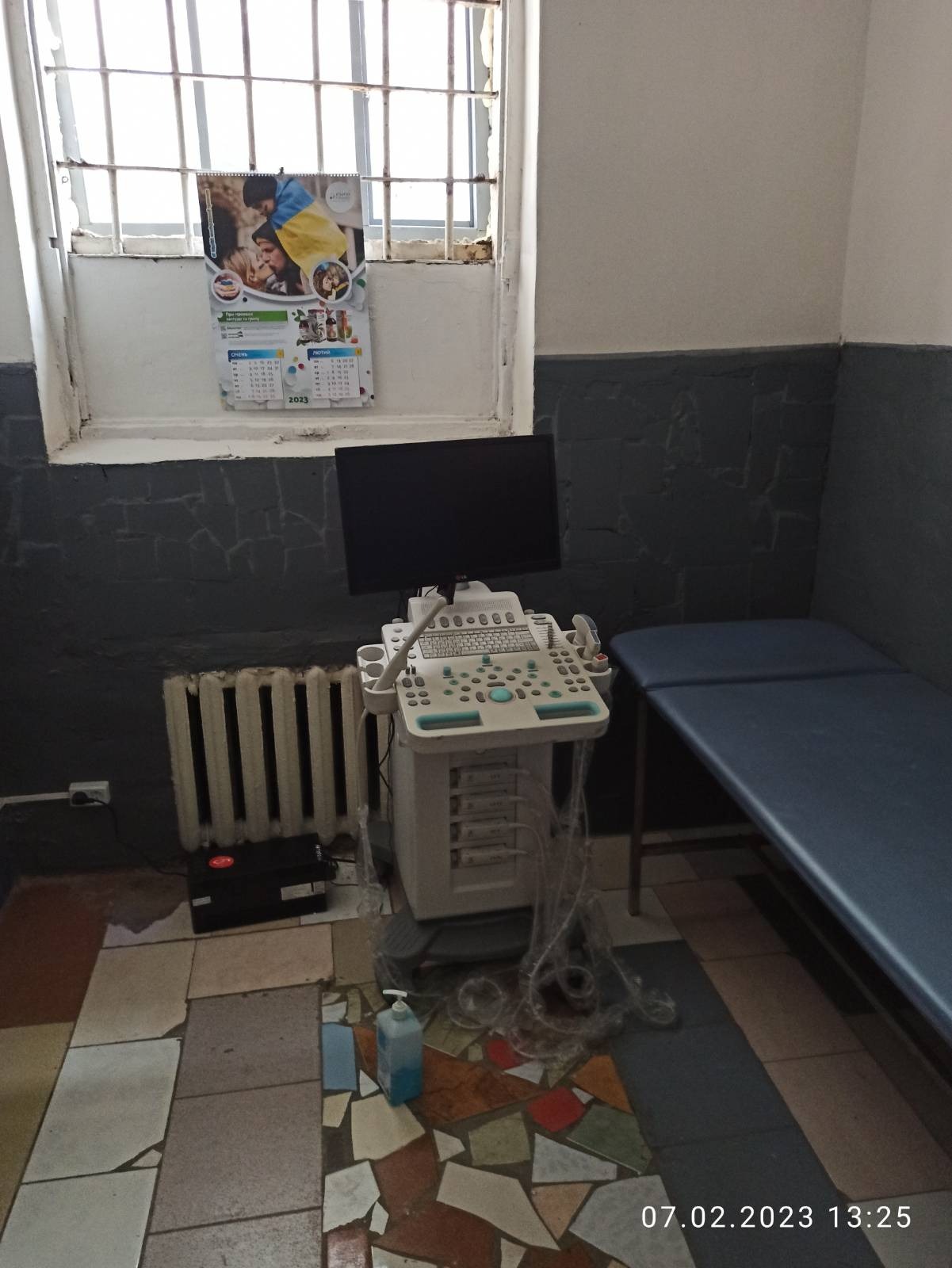
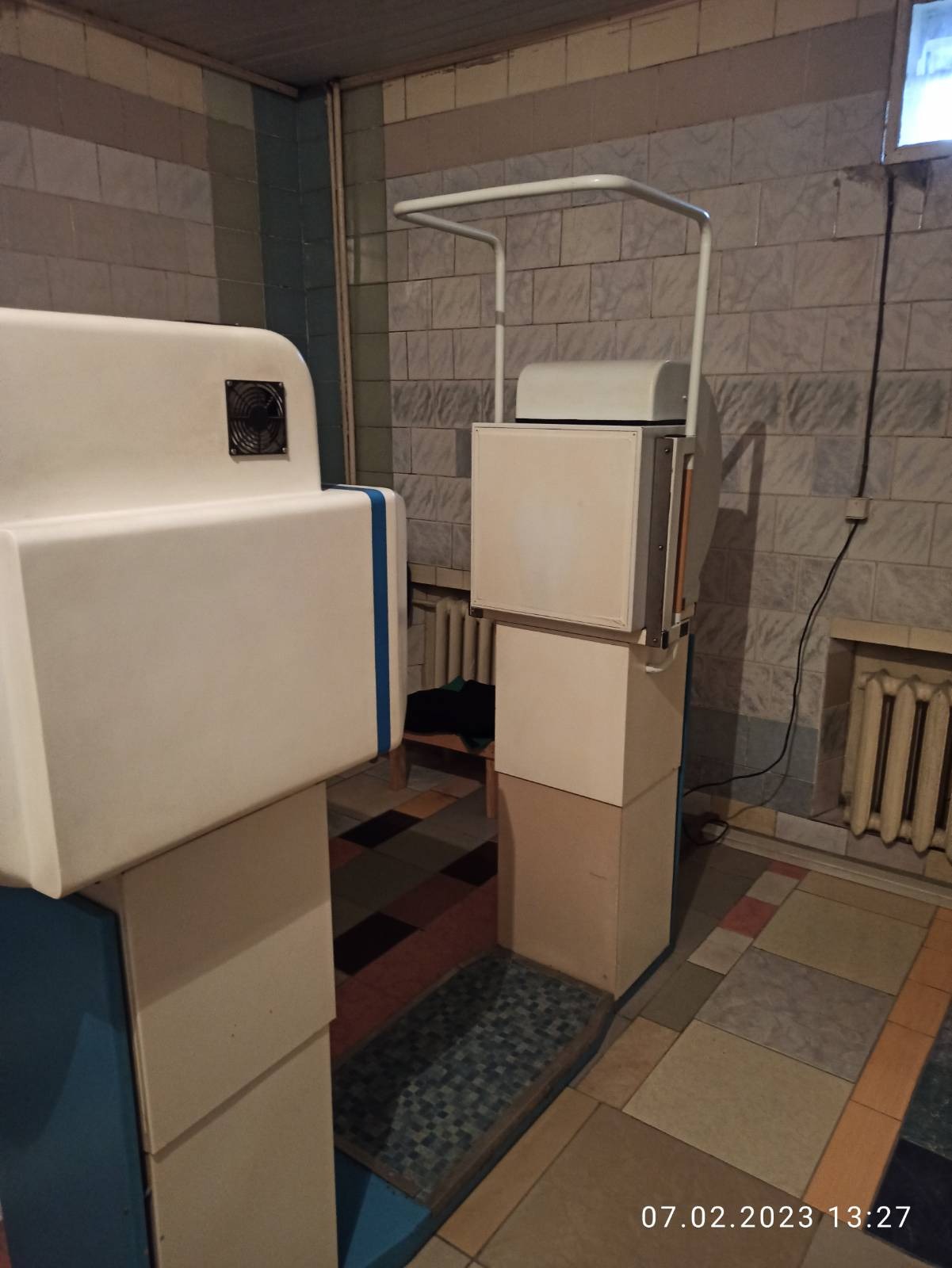
The medical unit is equipped with modern X-ray fluorography equipment.
The medical unit's inpatient ward has available:
- a ward for somatic patients, designed for 2 beds;
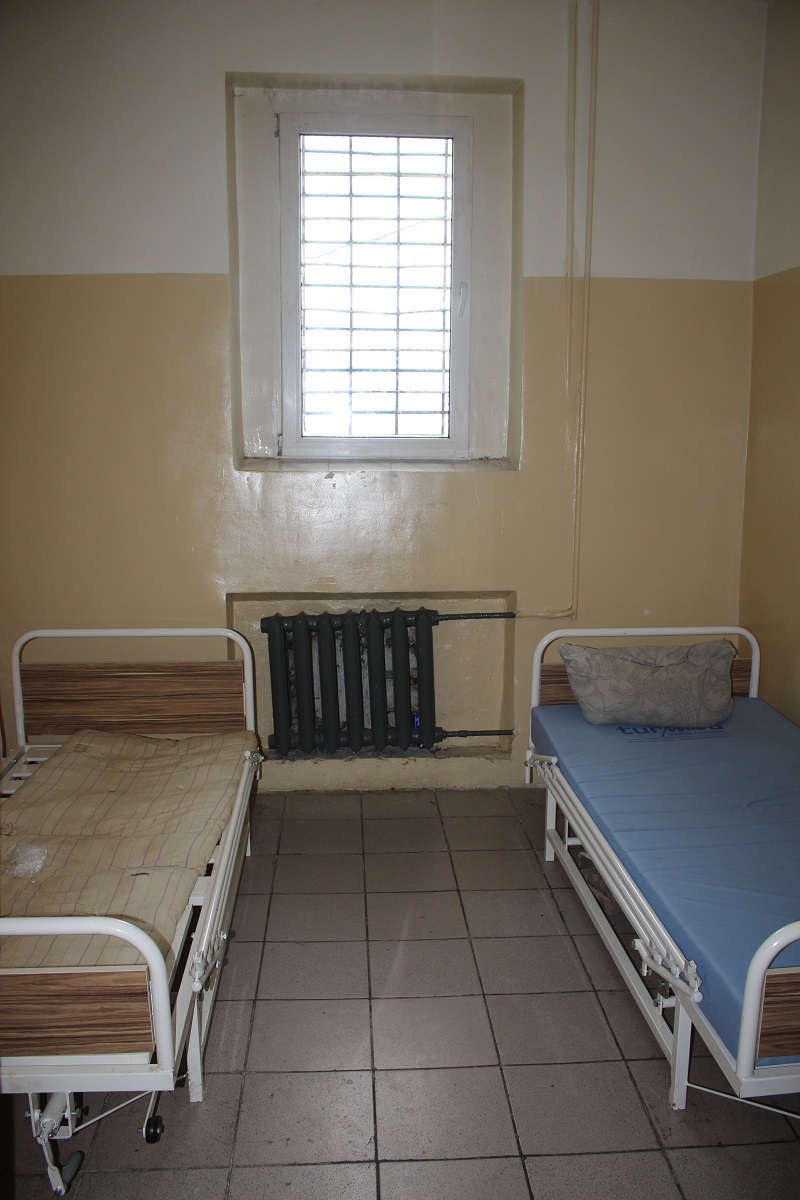
- an infectious disease isolation ward, designed for 4 beds;
The tuberculosis block consists of 2 wards with 5 beds, in which 5 persons suffering from active tuberculosis were present on the day of the visit.
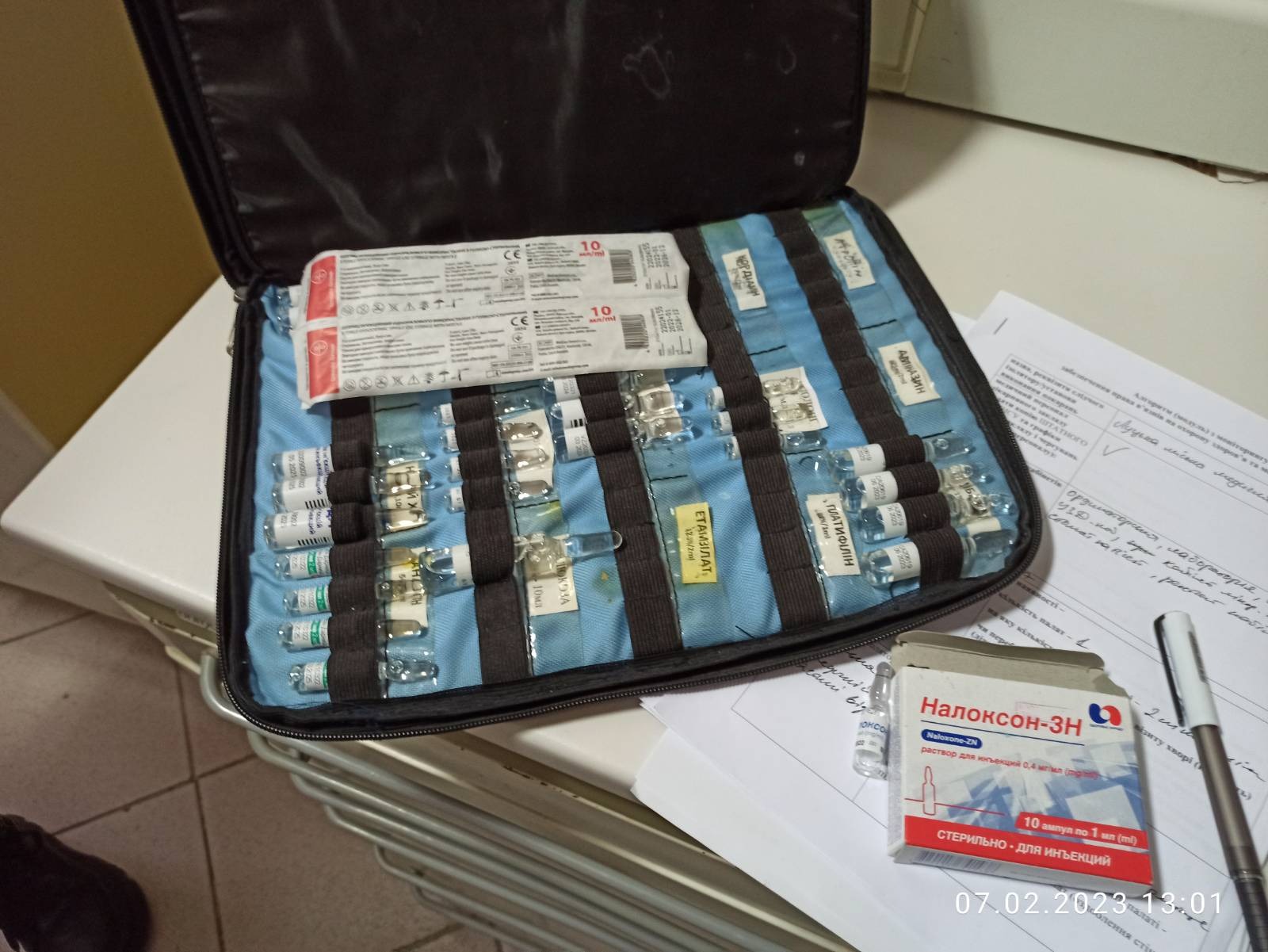
During the inspection, the monitoring group established that inpatient medical records (Form No. 003/o) had not been opened for patients in the inpatient ward. These records should contain all data regarding treatment and diagnostics in the medical unit's inpatient ward, including findings from examinations of the convicted patient, along with prescription charts; their absence indicates improper maintenance of medical documentation.
There are no drinking water containers in the patient wards. As the convicted persons explained, they drink tap water, which they collect in plastic bottles.
The wards are in an unsanitary state, and the bed linen requires replacement.
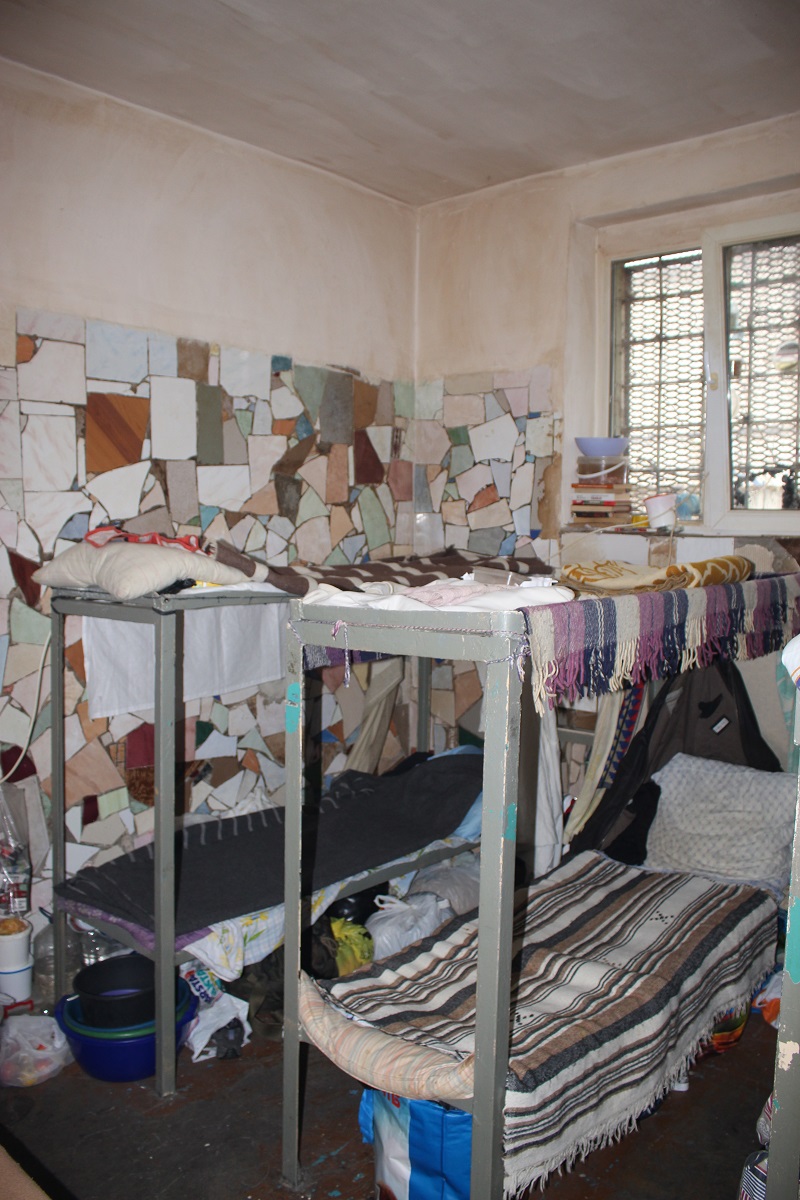
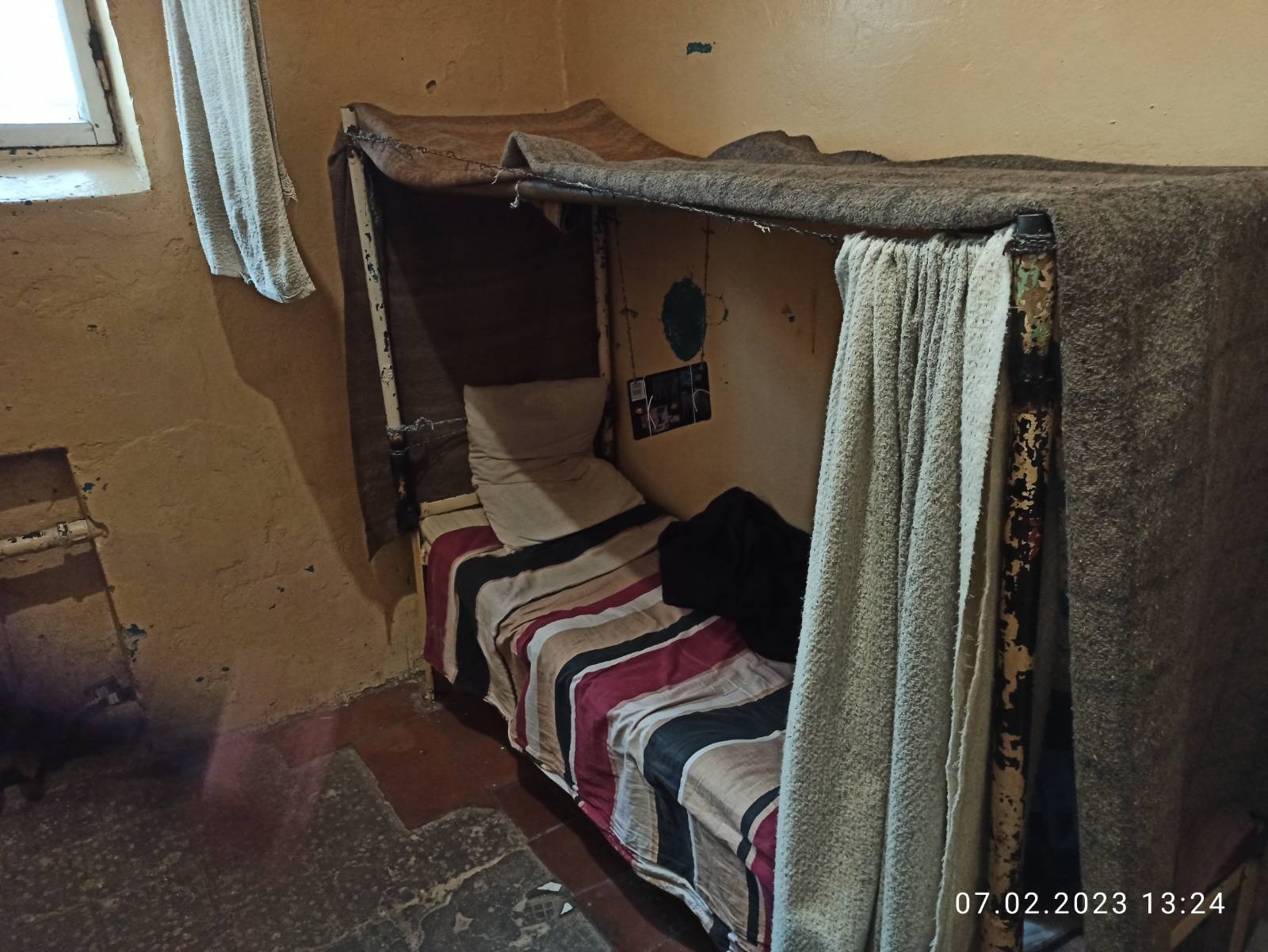
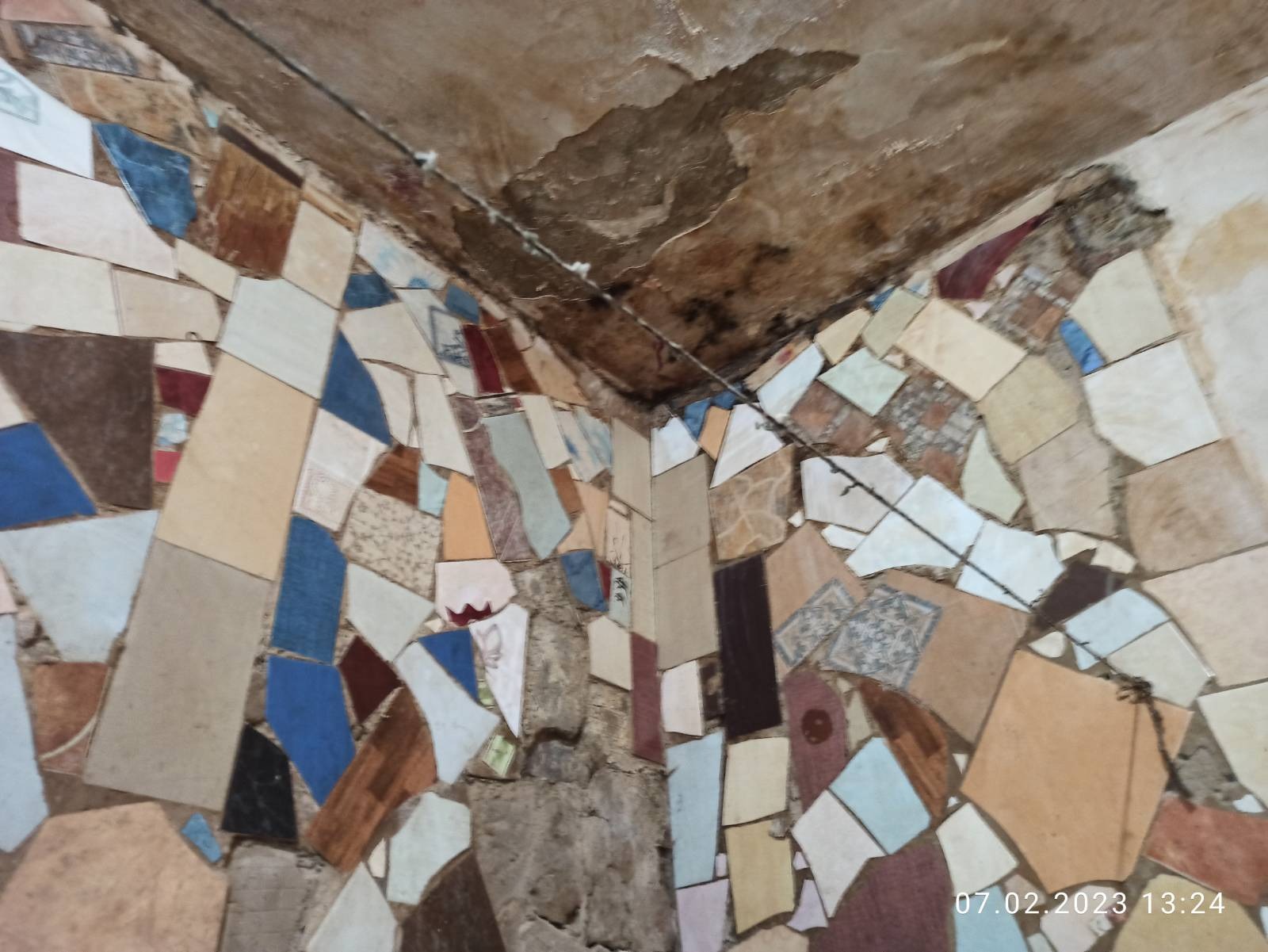
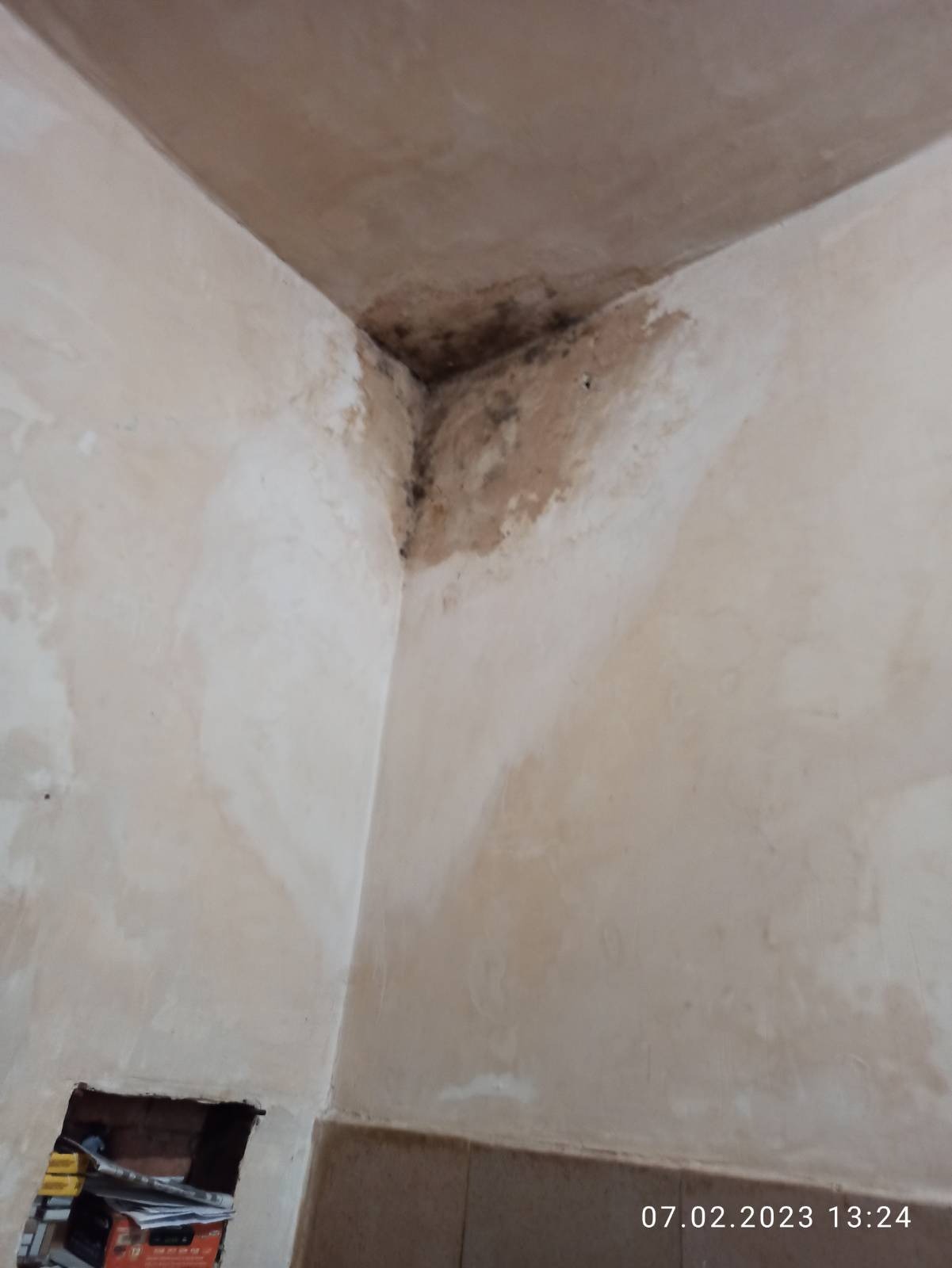
The premises where patients are kept are poorly heated. Specifically, the monitors recorded that the convicted persons were using heaters.
The toilets and sewage system are heavily worn and require immediate repair, including the replacement of sanitary equipment. The state of the sewage system results in filth, leaks, unsanitary conditions, and a persistent unpleasant odour, not to mention the serious harm to the health of the detainees. At the same time, the facility provides dispensary supervision for 31 persons diagnosed with category 5.1 tuberculosis.
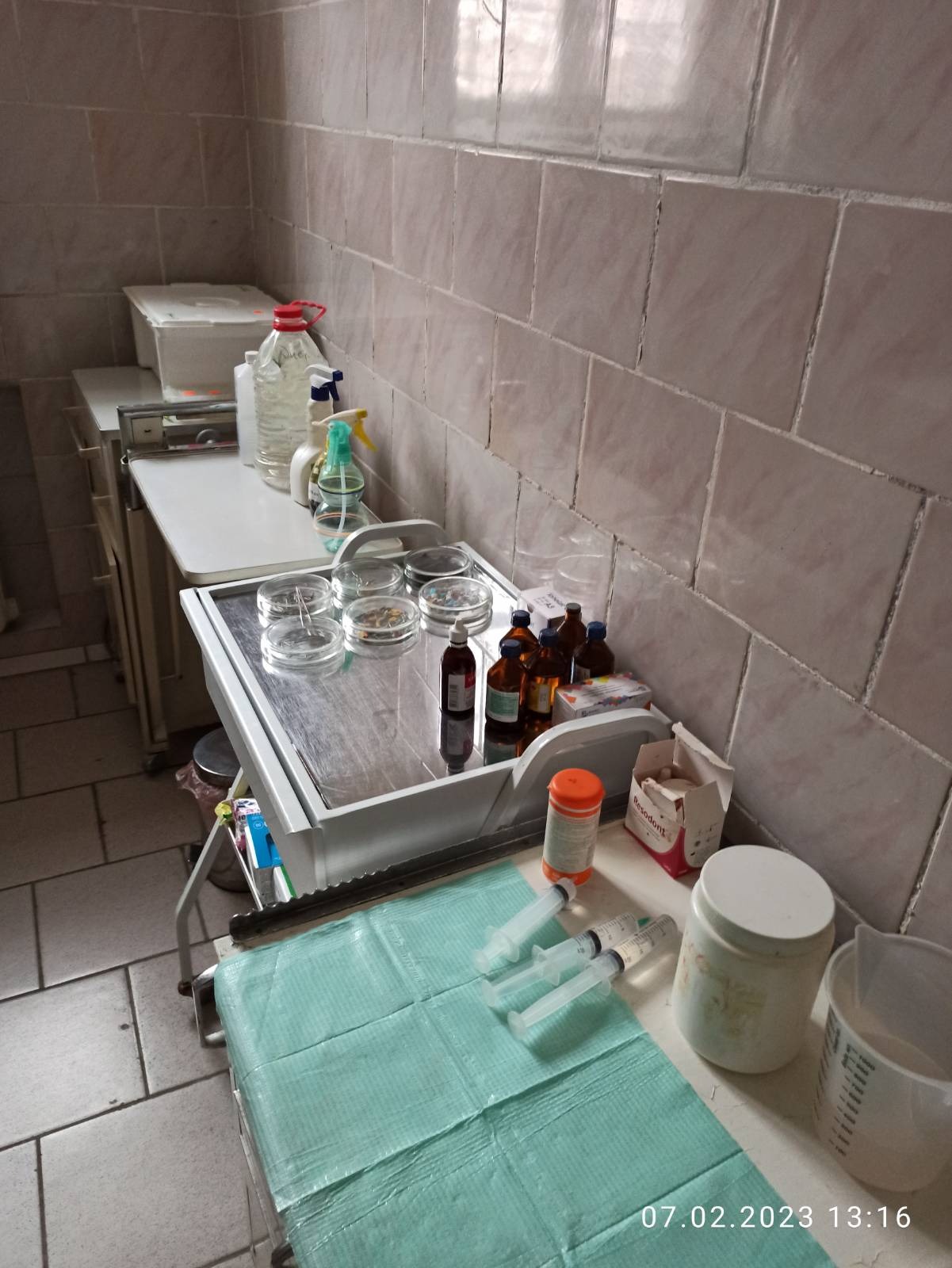
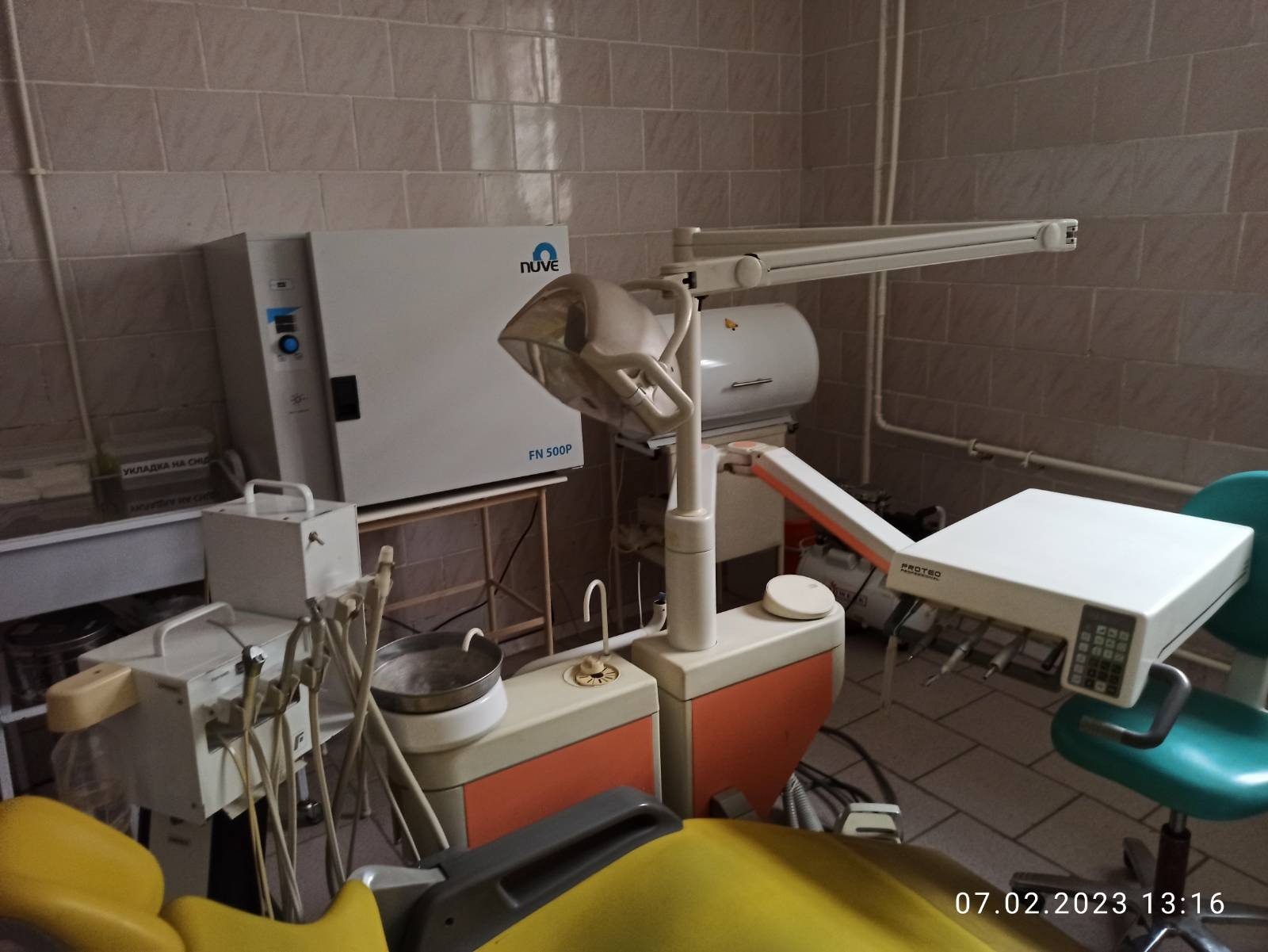
Dental office:
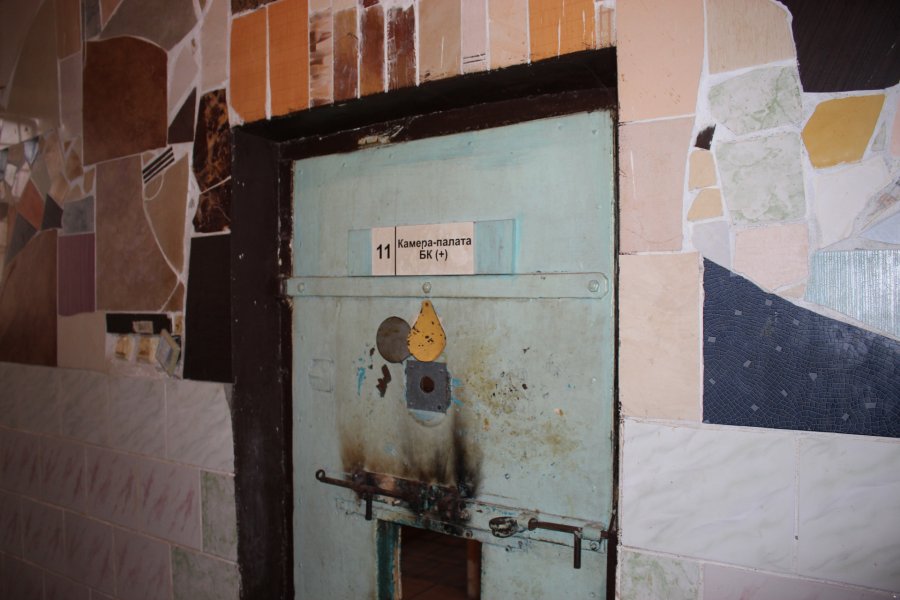
Furthermore, it should be noted that the medical unit entirely lacks a shower room. Thus, patients suffering from infectious diseases who should be kept in the infectious disease isolation ward or somatic wards are deprived of their right to maintain hygiene, or their washing is carried out in the general showers. This violates the principle of isolating patients with infectious diseases and creates prerequisites for the spread of dermatological diseases among detainees and convicted persons.
Fifteen HIV-infected persons are under dispensary observation (13 persons are receiving ART therapy). Over 2022, only 7 immunological examinations (CD-4) were conducted, and none in 2023. Over 6 months, 43 virological examinations (viral load) were conducted. The number of rapid tests performed this year: 106.
Medical staff attribute the insufficiency of immunological examinations (CD-4) to the lack of reagents. Therefore, it can be stated that the monitoring of antiretroviral therapy treatment is not being carried out in full. This monitoring should include control of treatment effectiveness, monitoring of adverse reactions, and adherence to treatment, in accordance with the new clinical protocol for the use of antiretroviral drugs for the treatment and prevention of HIV infection, approved by Order No. 1292 of the Ministry of Health of Ukraine on 5 June 2019.
Furthermore, dispensary observation cards for HIV-infected persons (Form No. 030-5/o) are not maintained for all HIV-infected individuals, and in some cases, information regarding medical examinations and data on sample collection are entirely absent.
The staffing schedule does not provide for the position of an infectious disease specialist.
Conditions for persons with disabilities are absent; specifically, the facility lacks ramps, handrails, and other equipment. At the same time, the facility provides dispensary supervision for 4 persons with disabilities.
The medical unit lacks a separate cupboard for storing medicines received from relatives. Medicines are kept on shelving units.
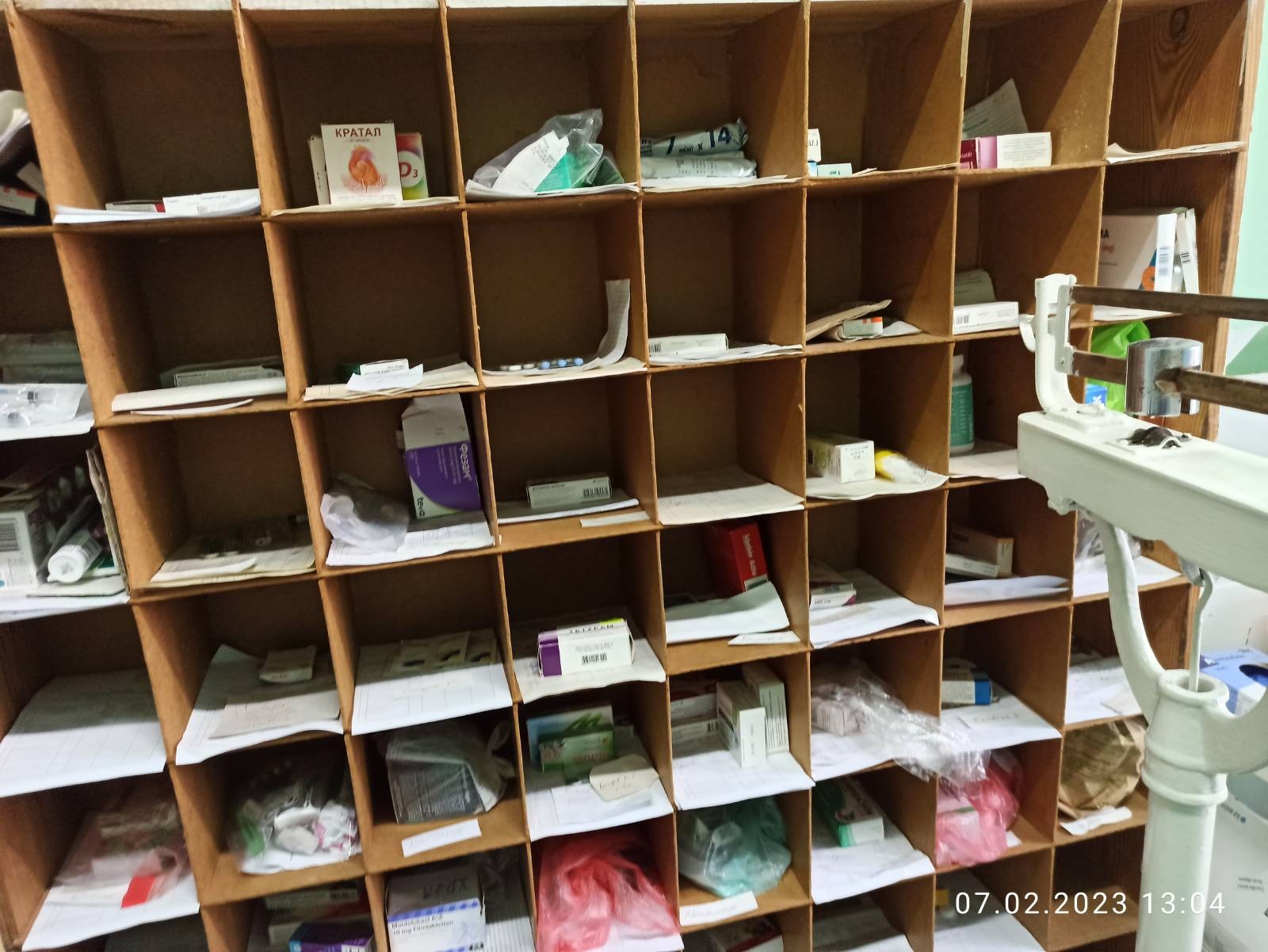
In addition, medical documentation (medical card No. 025/o or No. 003/o) lacks, or stores separately, applications from the relatives of convicted persons (or other individuals) regarding the transfer of medicines or medical products. This violates clause 23 of the General Provisions of the Procedure for organising the provision of medical care to persons sentenced to imprisonment, which states: medicinal products and medical devices received from the relatives of convicted persons or other individuals shall be stored in the health care institutions of the State Penitentiary Service in separate cabinets and recorded in the register, which is reflected in the record card for medicinal products, medical devices, and technical and other rehabilitation aids received from the relatives of the convicted person and other individuals, according to the form defined in Appendix 2 to this Procedure, where the convicted person signs upon completion of the course of treatment.
Three cases of bodily injury have been registered during the current year. However, the outpatient medical cards (Form 025/o) do not contain attachments in the form of photographs of the existing bodily injuries, as required by clause 3 of section 1, Chapter II of the Joint Order of the Ministry of Justice of Ukraine and the Ministry of Health of Ukraine No. 1348/5/572 of 15 August 2014, ‘On approval of the Procedure for organising the provision of medical care to persons sentenced to imprisonment’.
Fifty-three persons underwent a scheduled preventive medical examination. Thirty-five persons, including 13 mentally ill patients, are under the supervision of a psychiatrist. In violation of clause 8, part 5, chapter 2 of the Procedure for organising the provision of medical care to persons sentenced to imprisonment, approved by the joint order of the Ministry of Justice of Ukraine and the Ministry of Health of Ukraine of 15 August 2014 No. 1348/5/572, the inpatient ward lacks an isolation ward for persons with mental disorders who pose a danger to others. At the same time, the monitors were informed that the medical unit has a room that was previously used as an isolation ward for persons with mental disorders, but it is not currently used because it does not meet the requirements of the order of the Ministry of Health of Ukraine.
Therefore, the lack of an isolation ward for persons with mental disorders creates a dangerous environment among the convicted persons and endangers the institution's staff.
Admission Ward
The premises have been renovated and treated with foam boards to prevent fungus; there is a toilet. At the time of the visit, representatives of the National Guard and the SIZO were processing the admission of detainees.
In the ward, the room for conducting searches, the room for examination by medical personnel, and the room for communication with the psychologist were inspected.
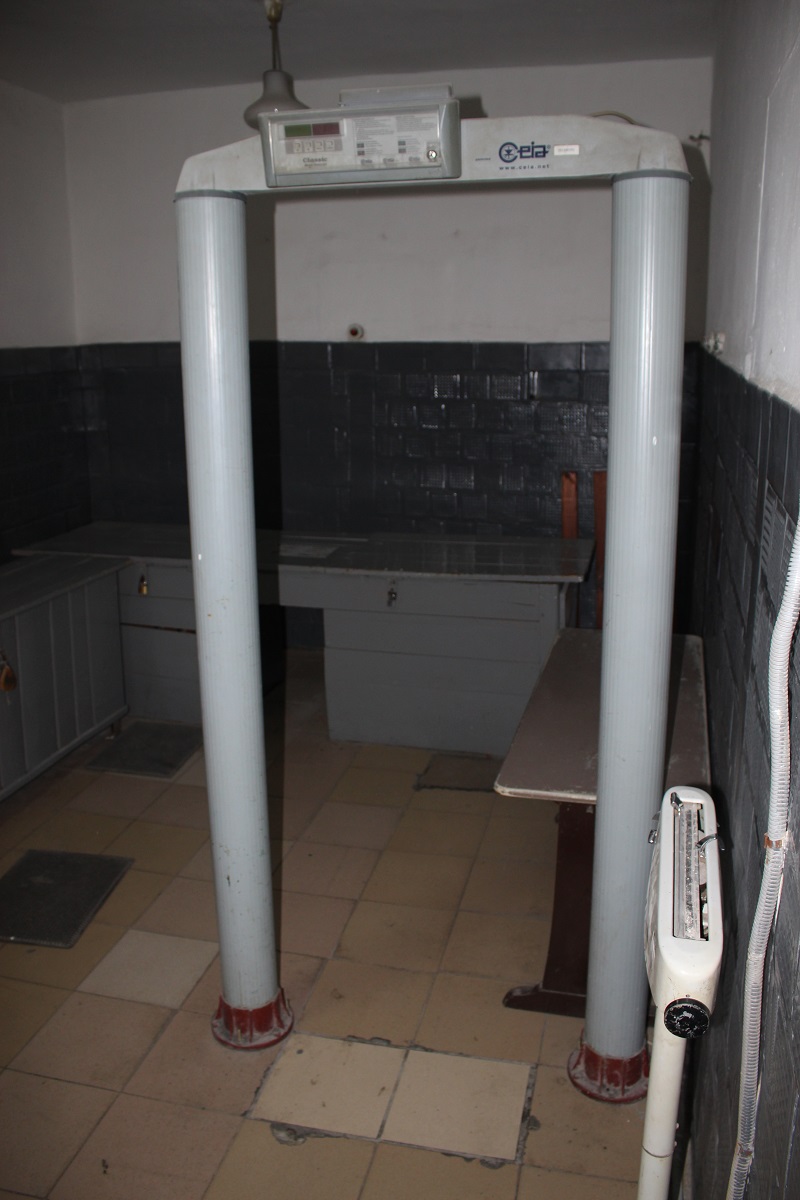
Inspection of Cells
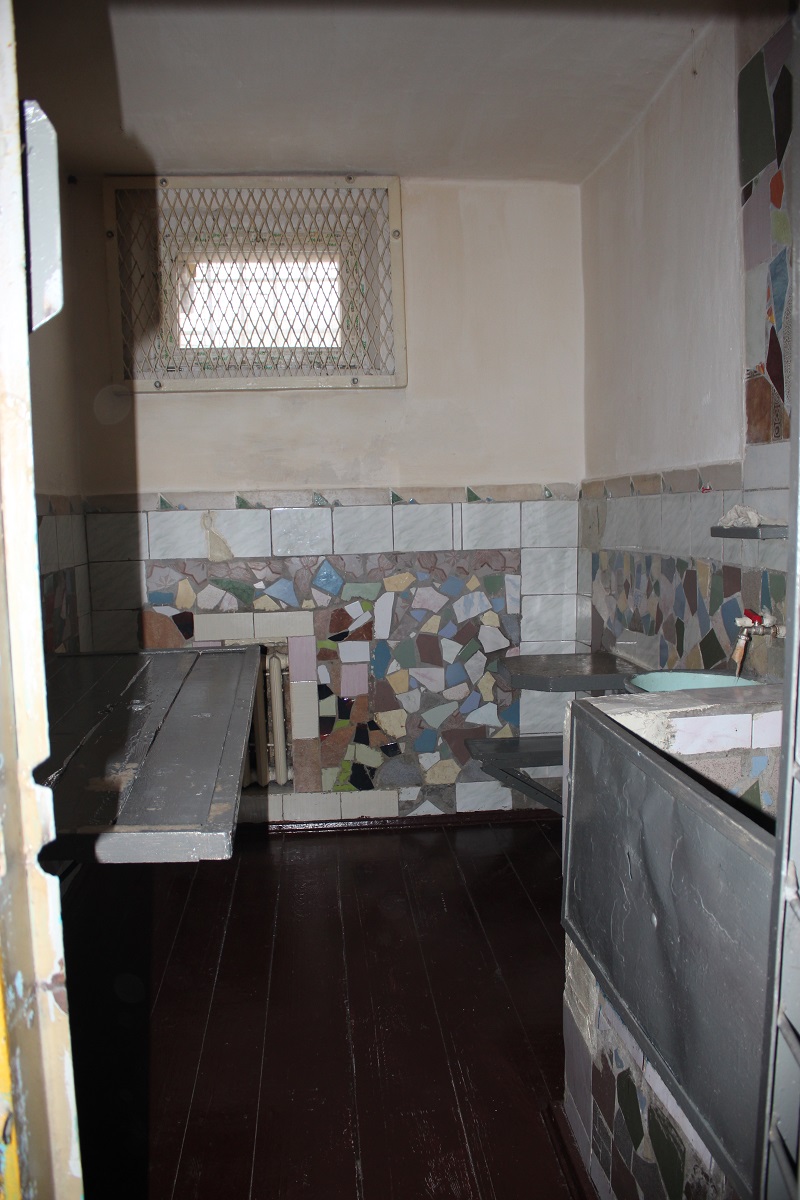
In the facility, as a rule, cells are designed for four or ten persons. There are no drinking water containers in the cells.
The monitors inspected the cells for holding convicted persons whose sentences had entered into legal force and who were awaiting transfer to the appropriate institution for serving their sentences.
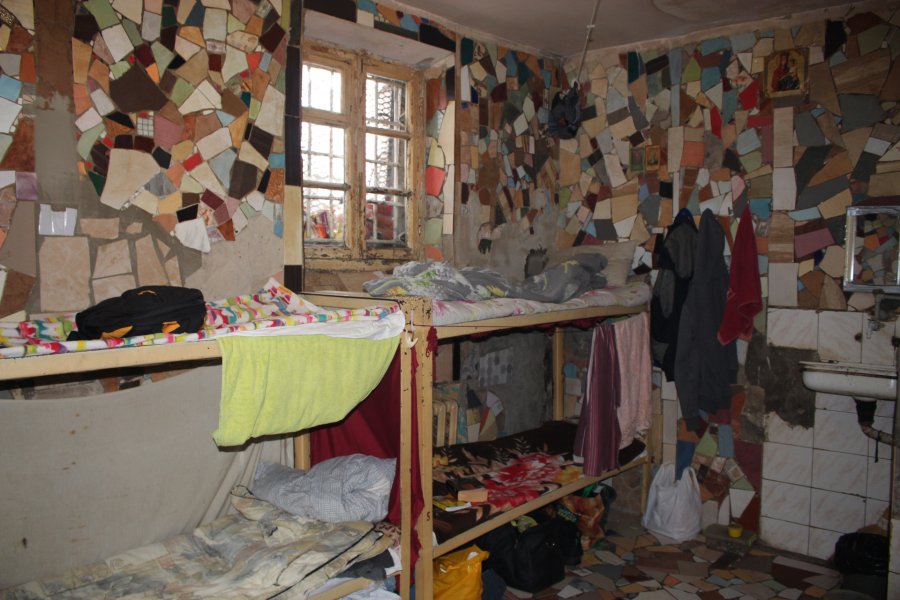
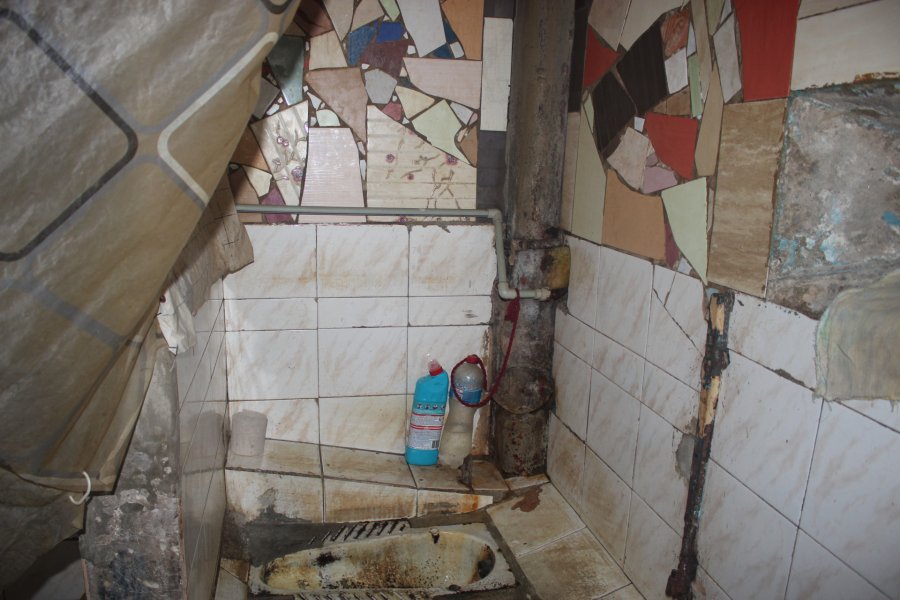
Cells for life-sentenced prisoners were also inspected, in which 2 persons were being held, awaiting a court hearing on the review of their sentences based on newly discovered circumstances.
Convicted person R. complained that he was convicted by an unlawful composition of the court, that the indictment was not served to him, and that other violations occurred during the pre-trial investigation. He has been fighting for his rights for many years.
In another cell, his son, who was also sentenced to life imprisonment (in the same case), was being held; the monitors had the opportunity to speak with him as well. The son confirmed the human rights violations and also noted that he and his father have been trying to appeal the court decision for 9 years.
The cells for holding remanded women and minors were also inspected.
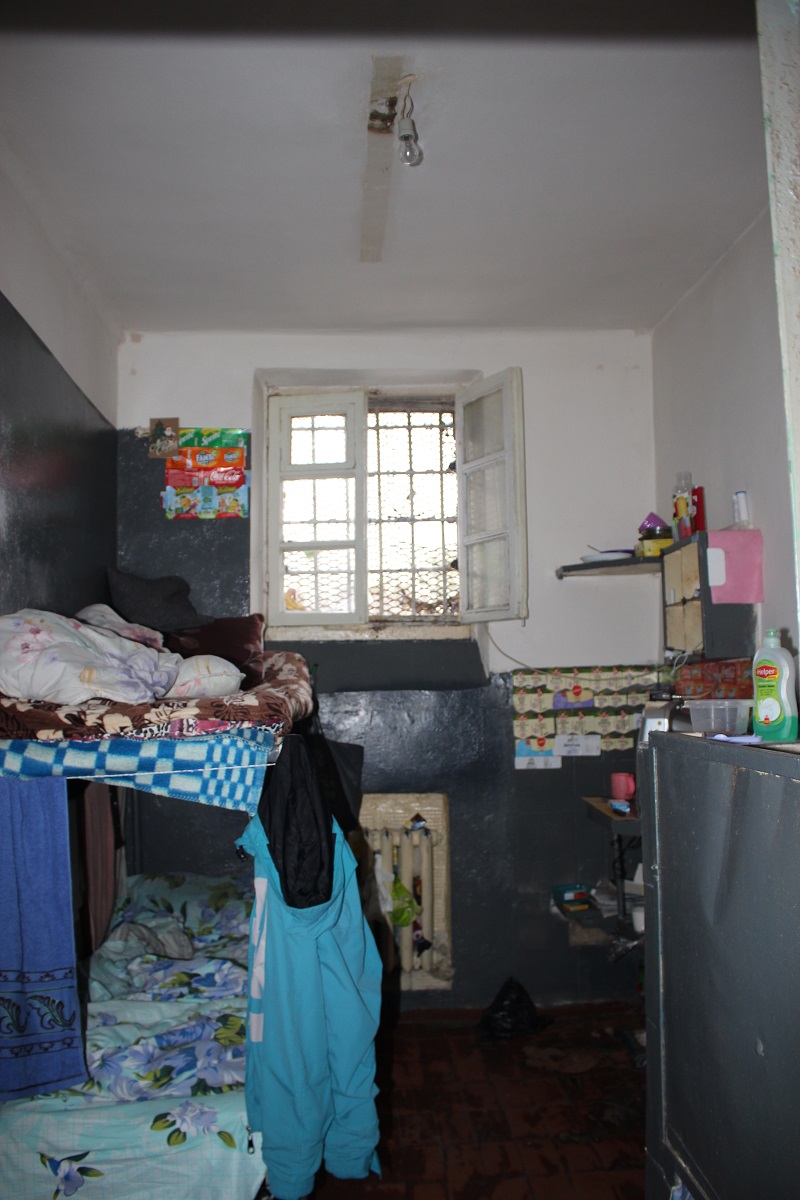
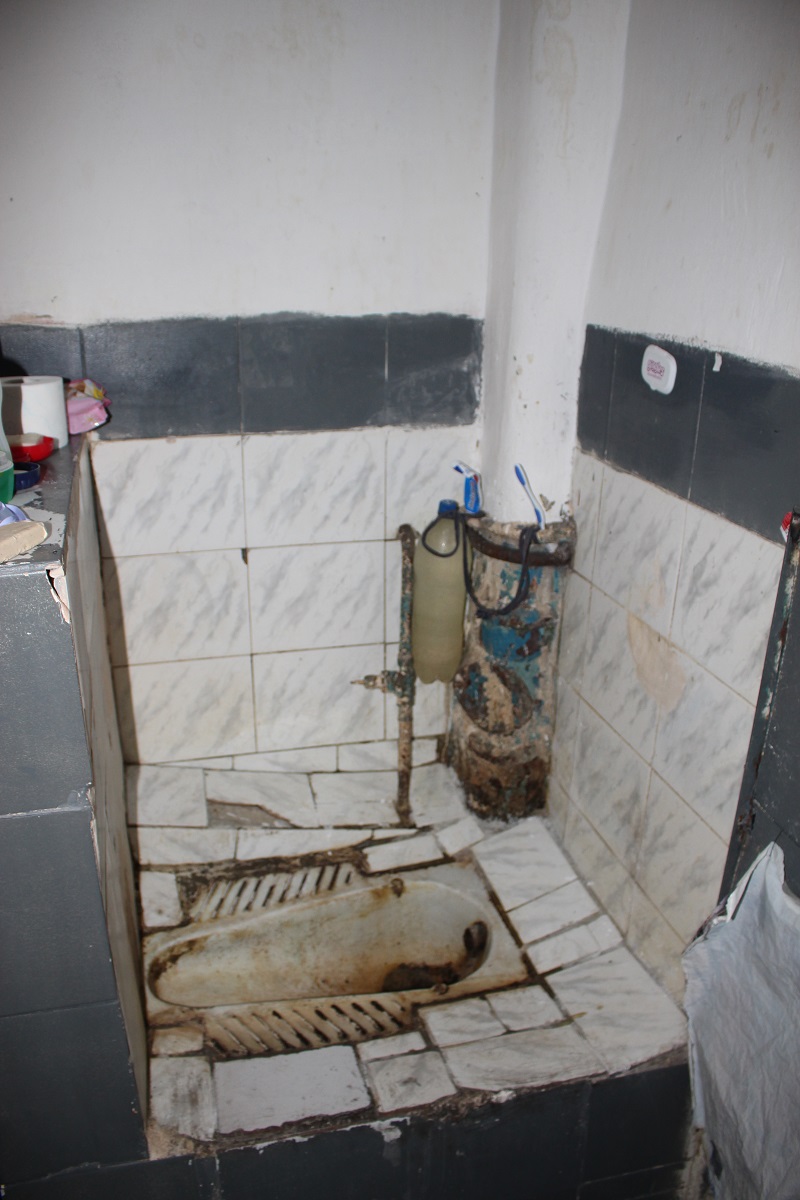
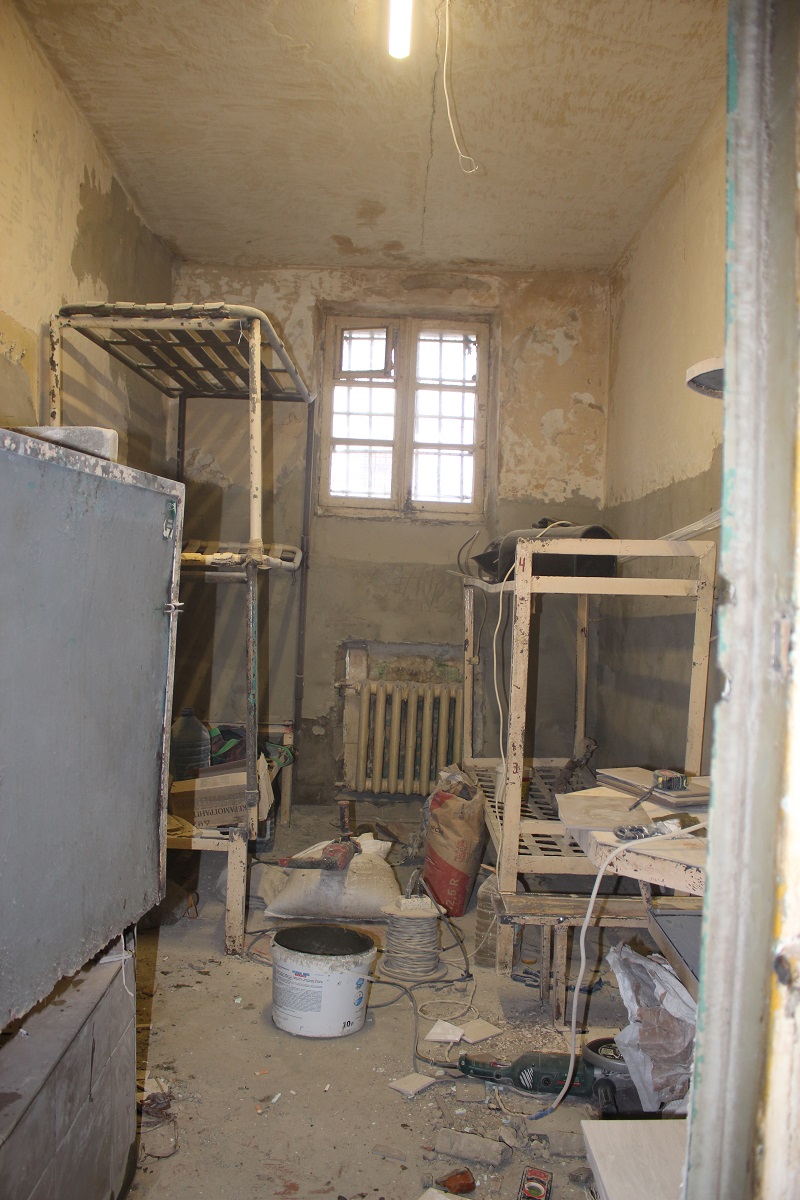
In some cells, renovation works are taking place.
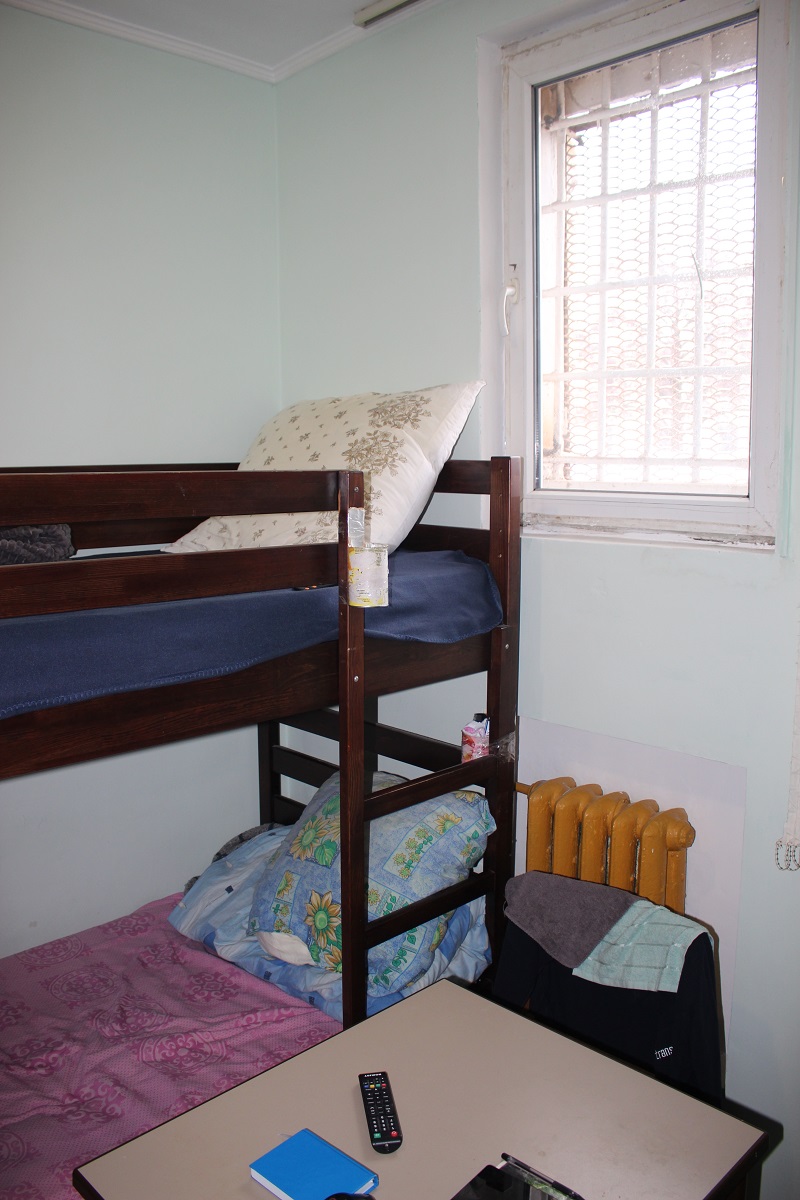
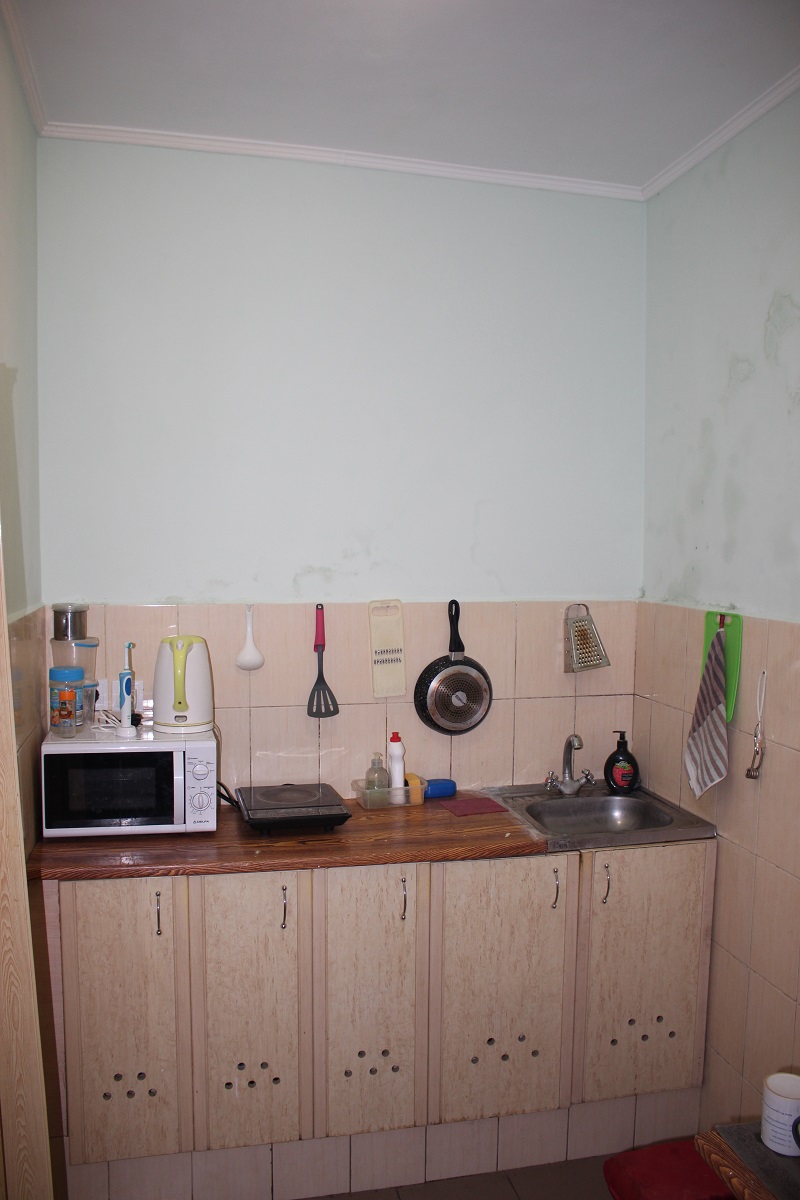
Paid Cell
There were two persons in the paid cell.
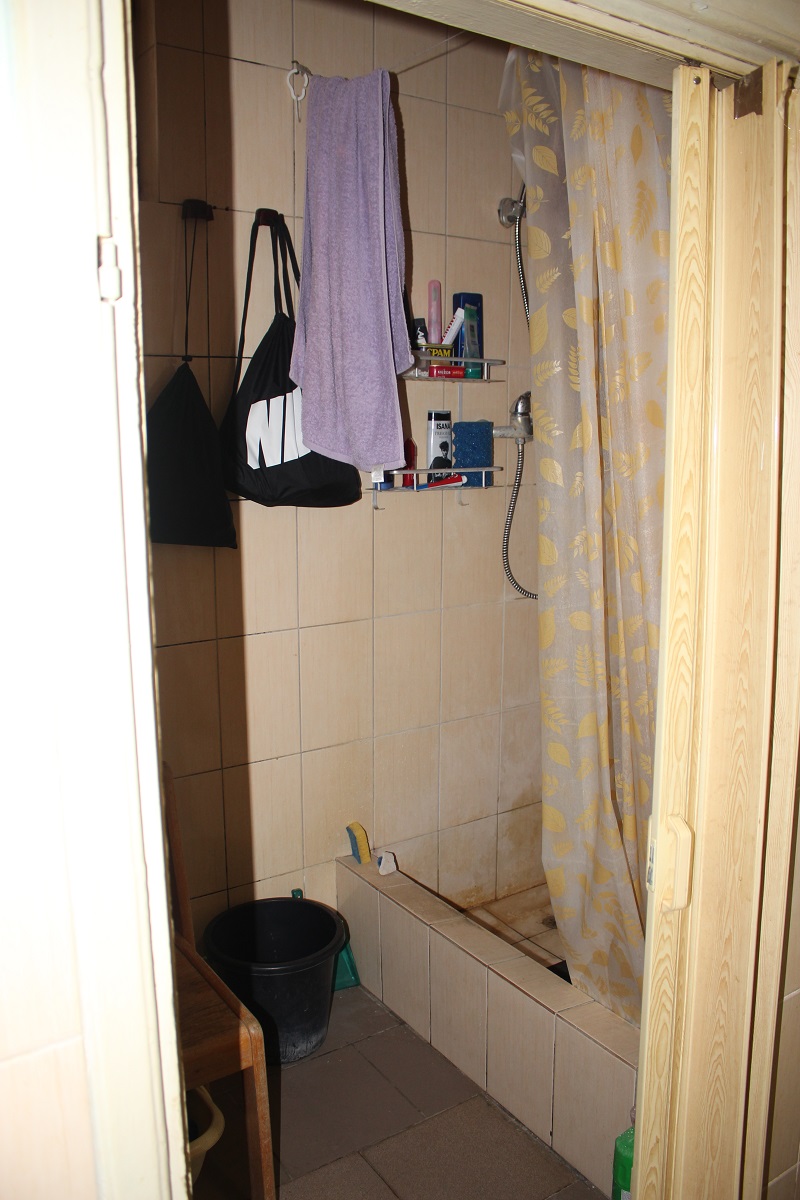
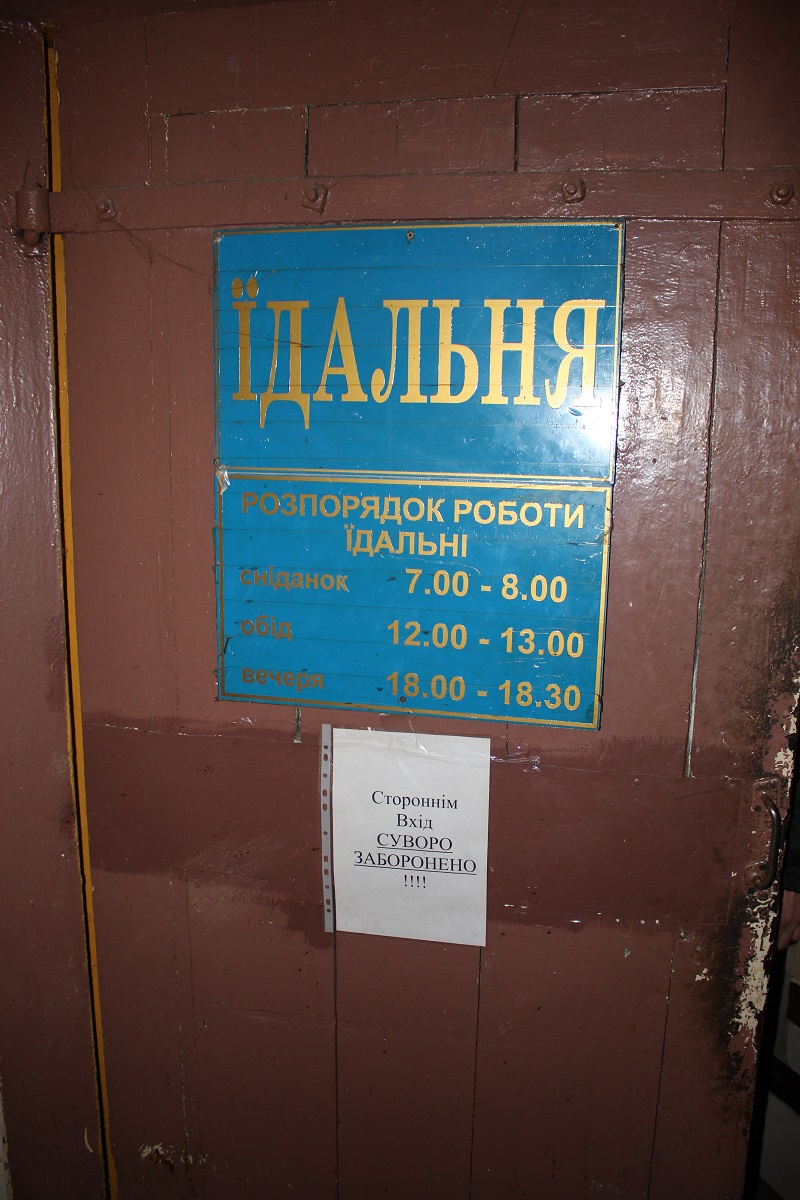
Catering Unit
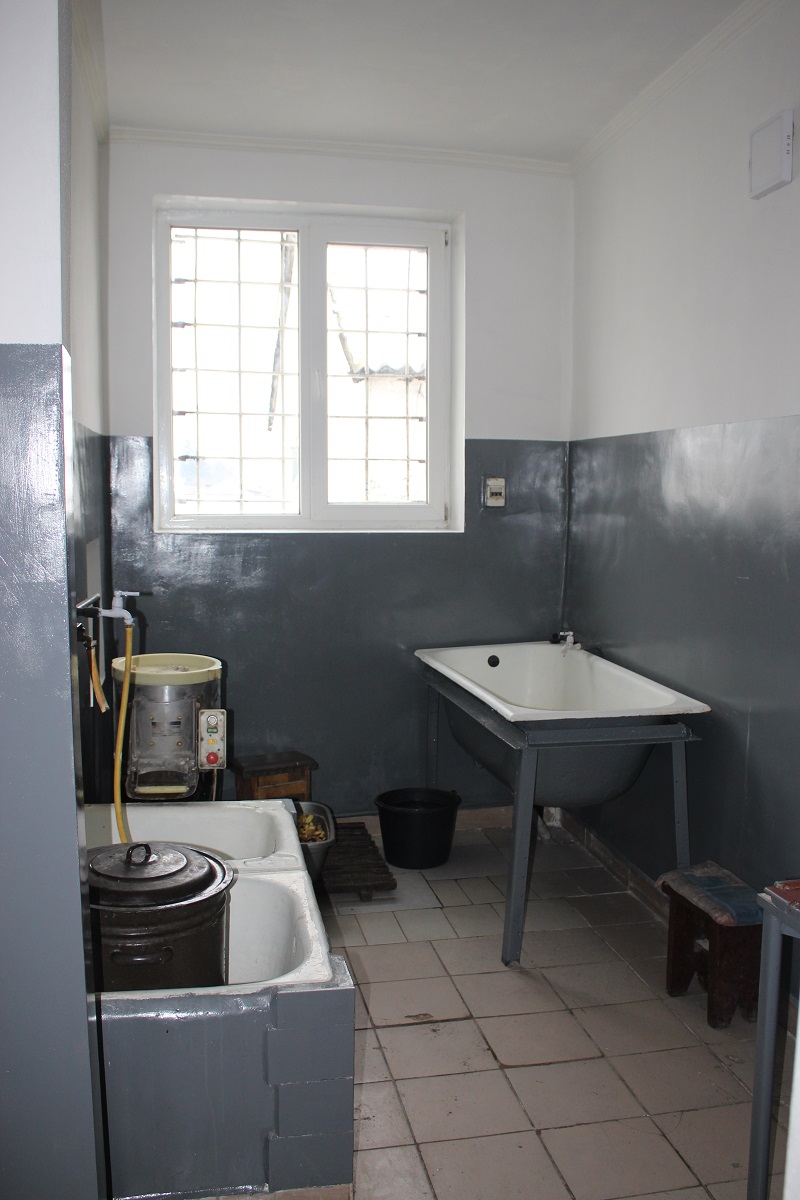
The cooking, vegetable, fish, and meat preparation sections were inspected.
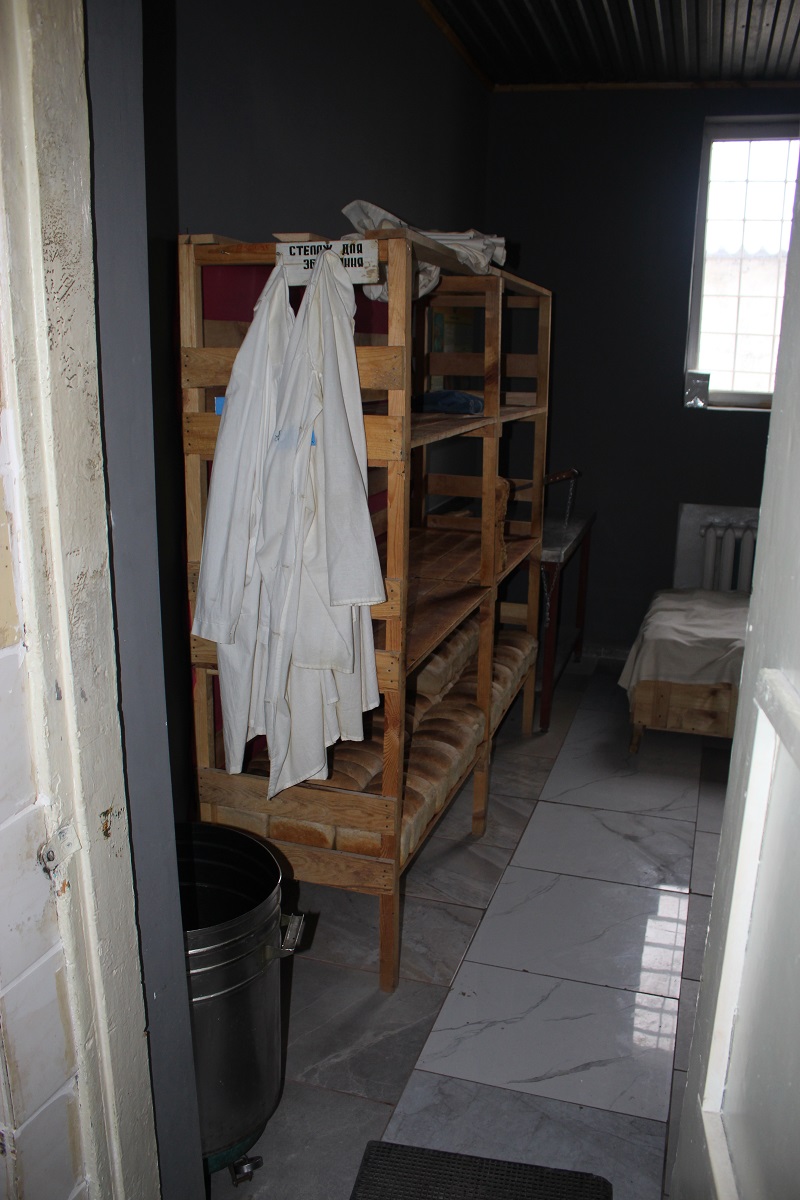
Bread is baked at the facility.
A reserve of drinking water is kept in barrels.
In the event of a power outage, the generator is capable of ensuring the uninterrupted operation of the catering unit.
Punishment Cell
There was one remanded person in the punishment cell. He did not express any complaints regarding conditions of detention, the failure to provide medical care, or other human rights violations. He considers the disciplinary punishment to be adequate and proportionate.
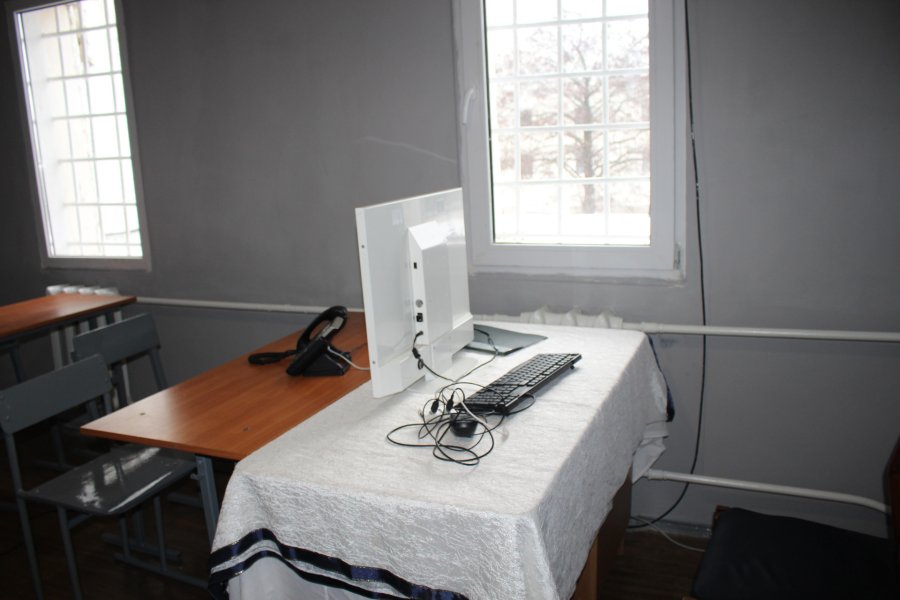
Classroom for Minors
The facility has a school classroom.
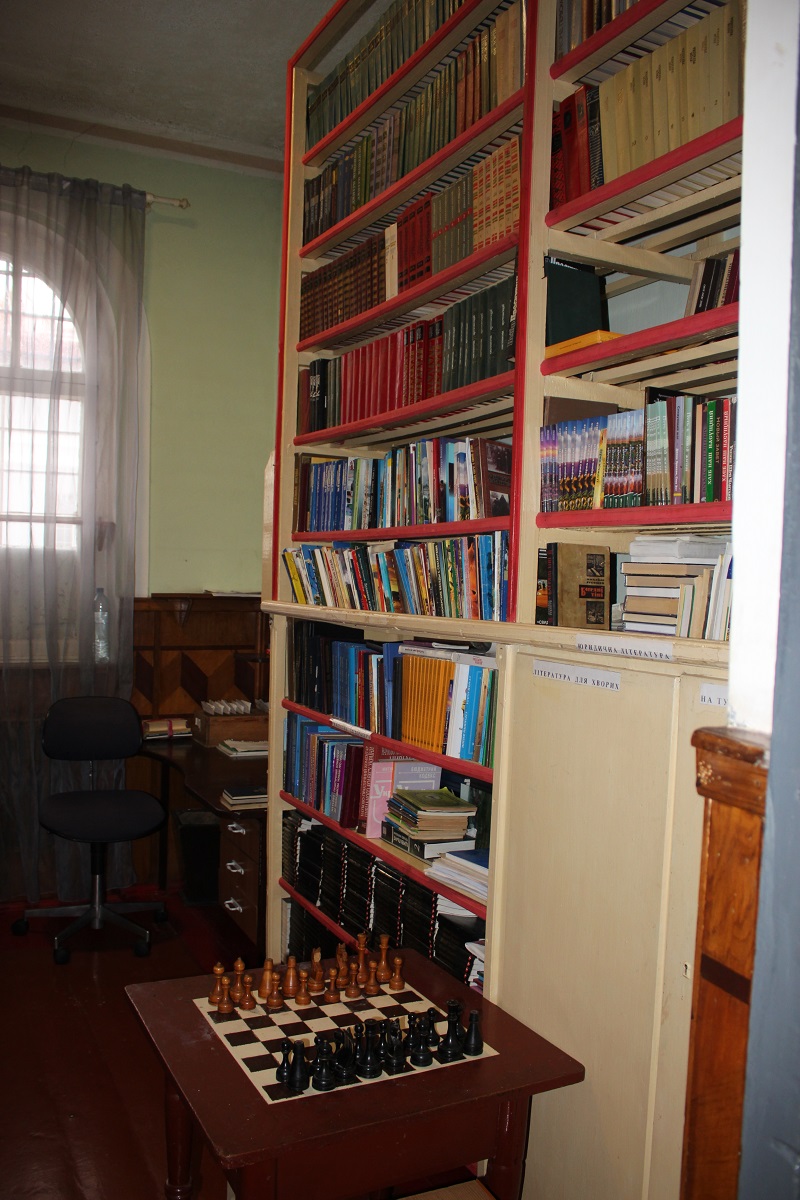
Library
The institution's library holds about 6,000 books, which are used by the detainees and convicted persons.
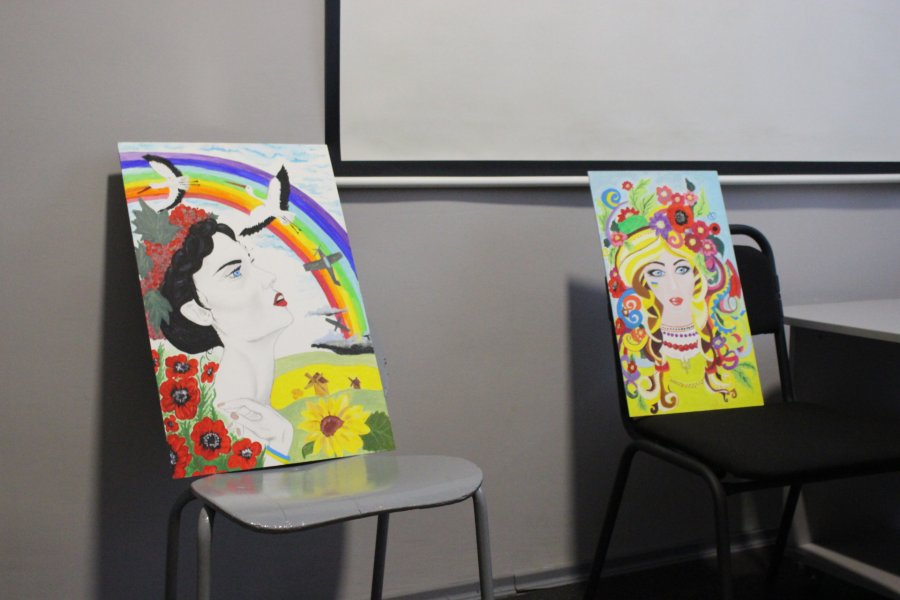
Prayer Room
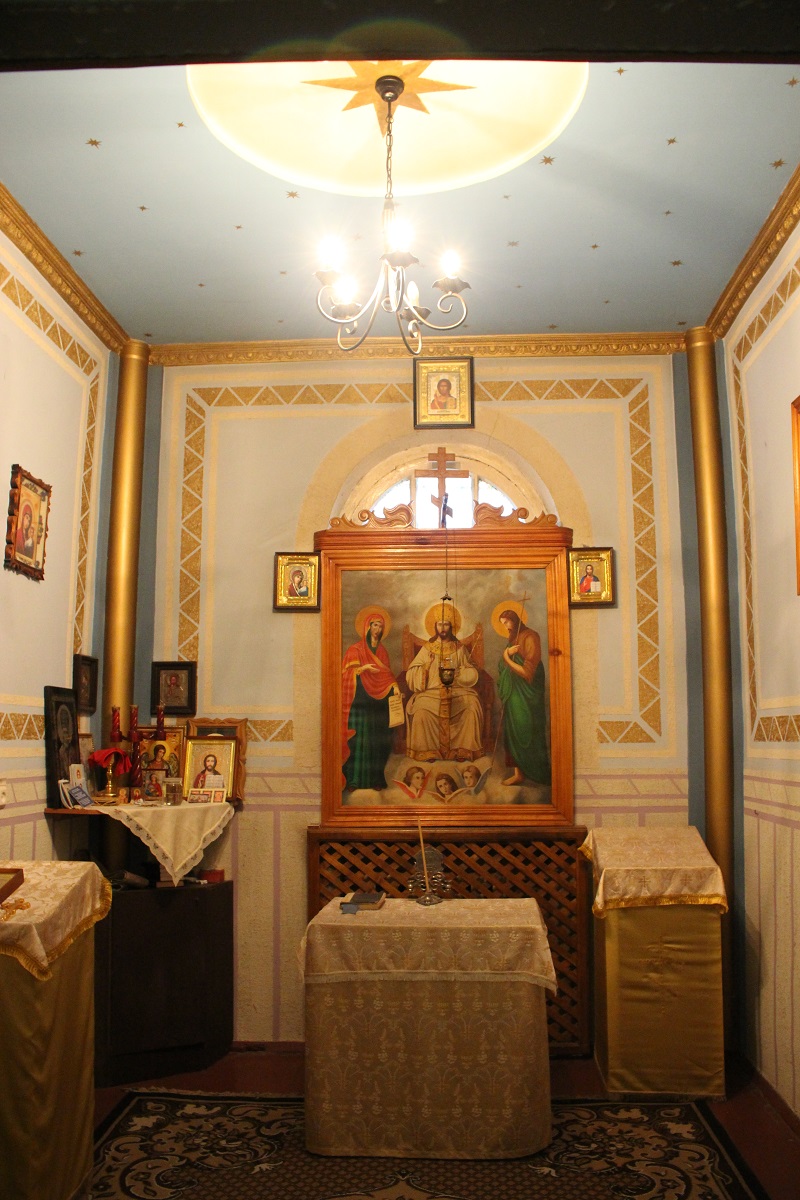
Section for Persons Working in Household Maintenance
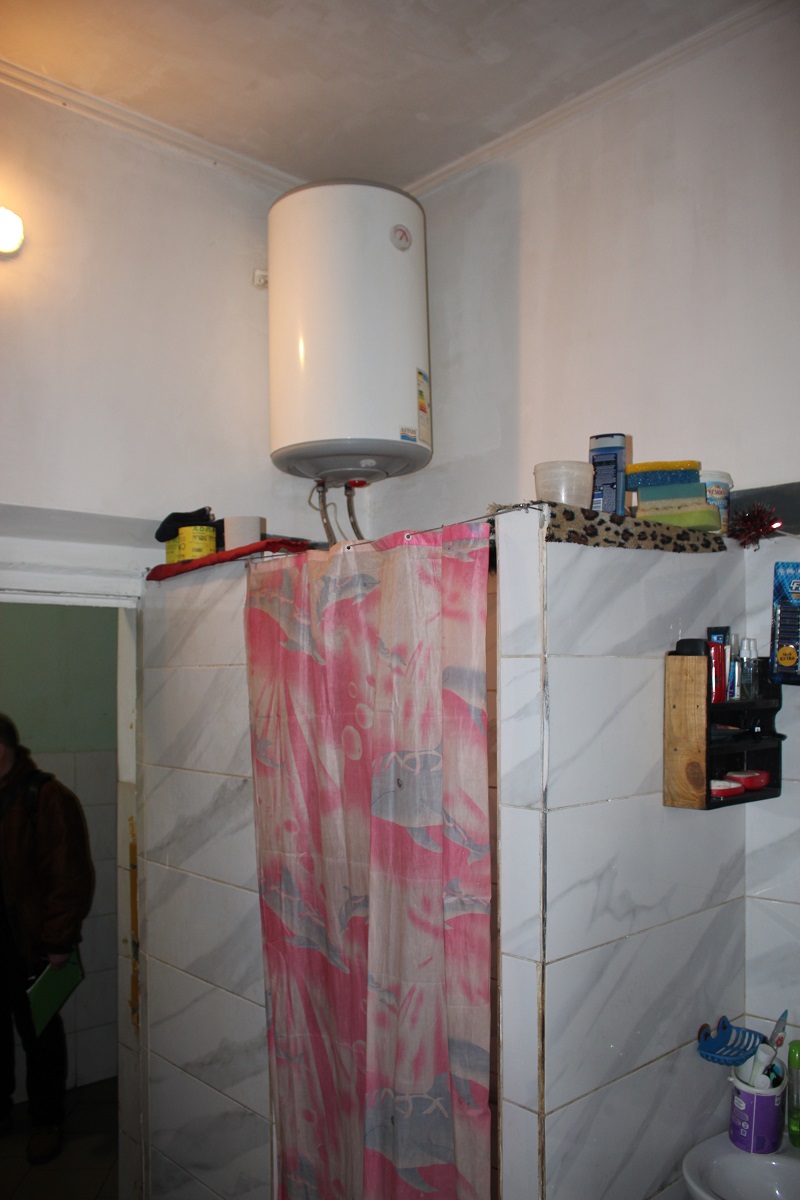
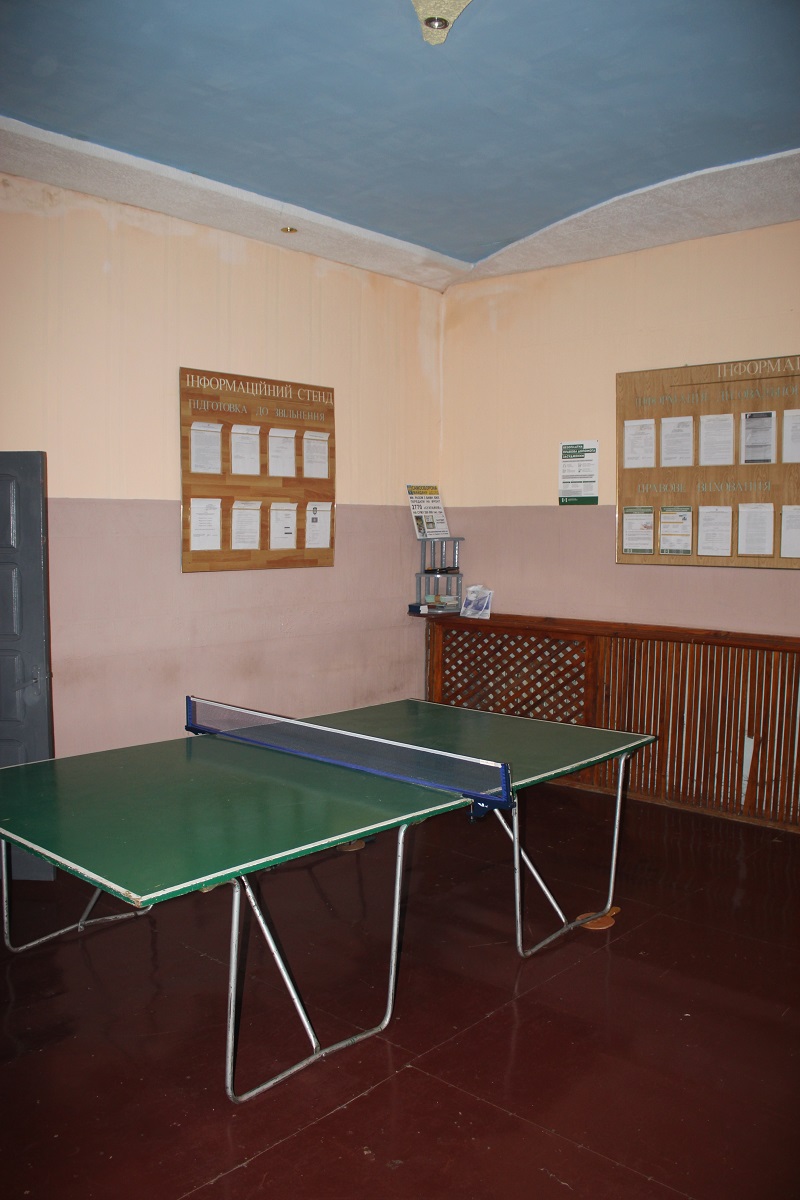
Thirteen persons convicted for the first time for less serious crimes live in this section.
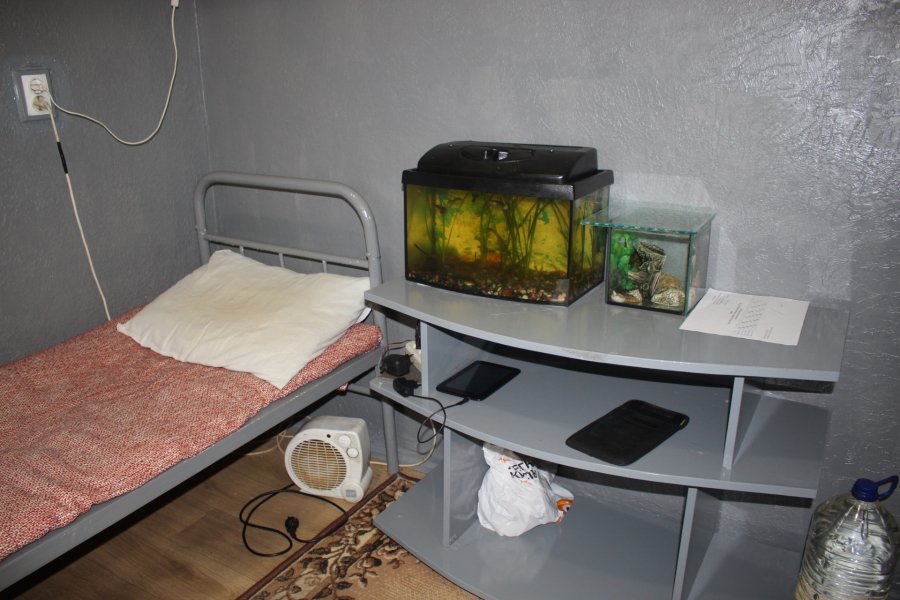
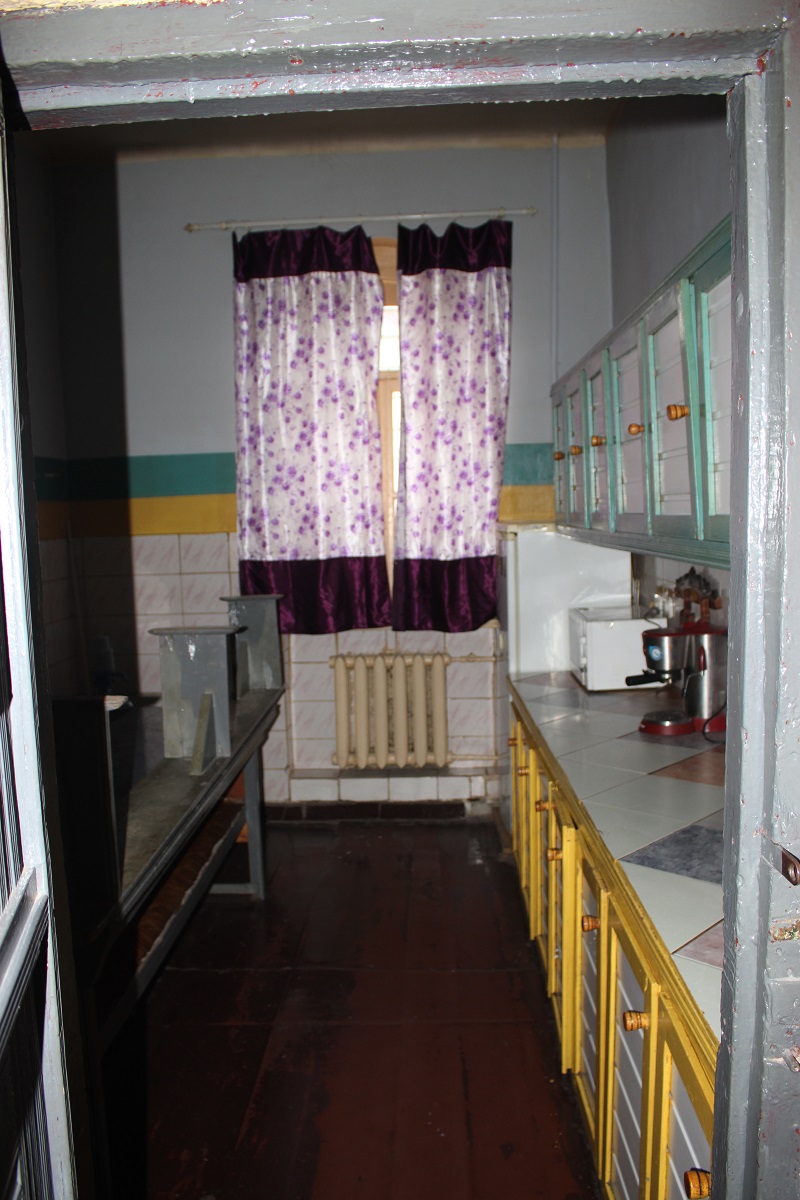
The institution is implementing an individual space project.
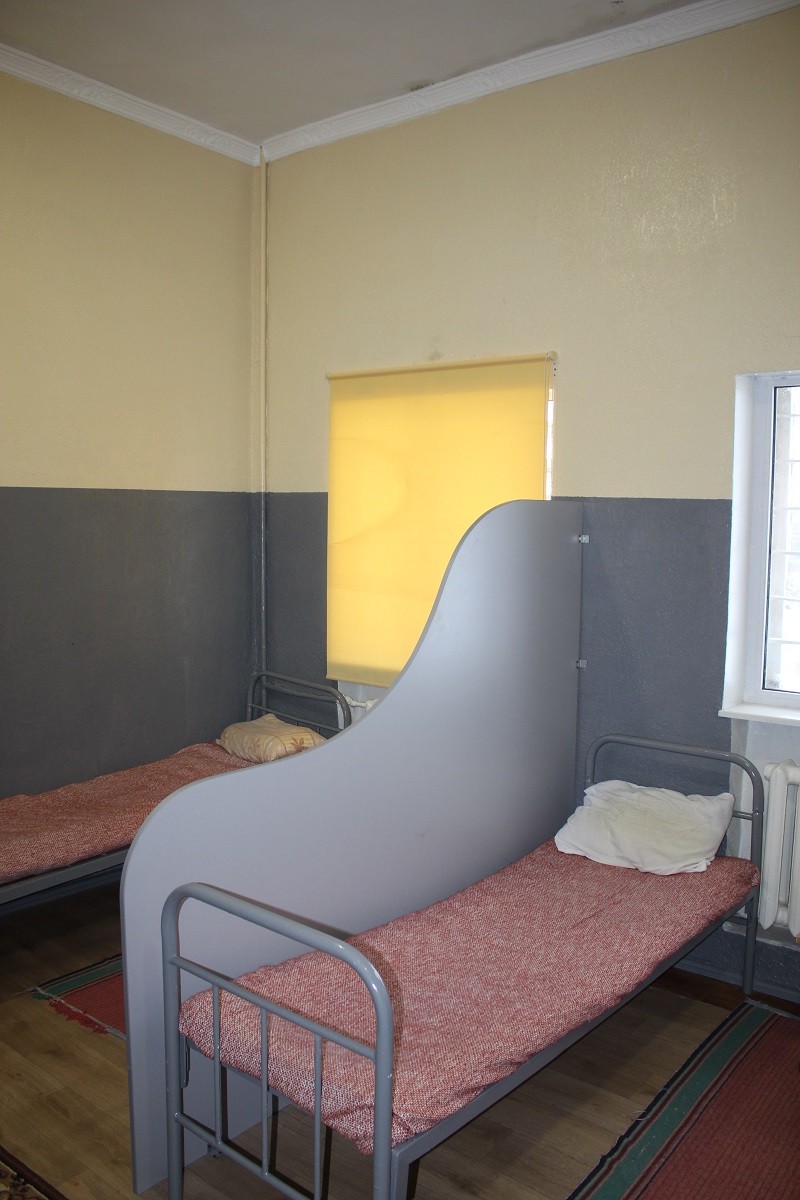
The rooms have been renovated, and there is a shower room, a refrigerator, and a room for eating and rest.
Mother and Child Room
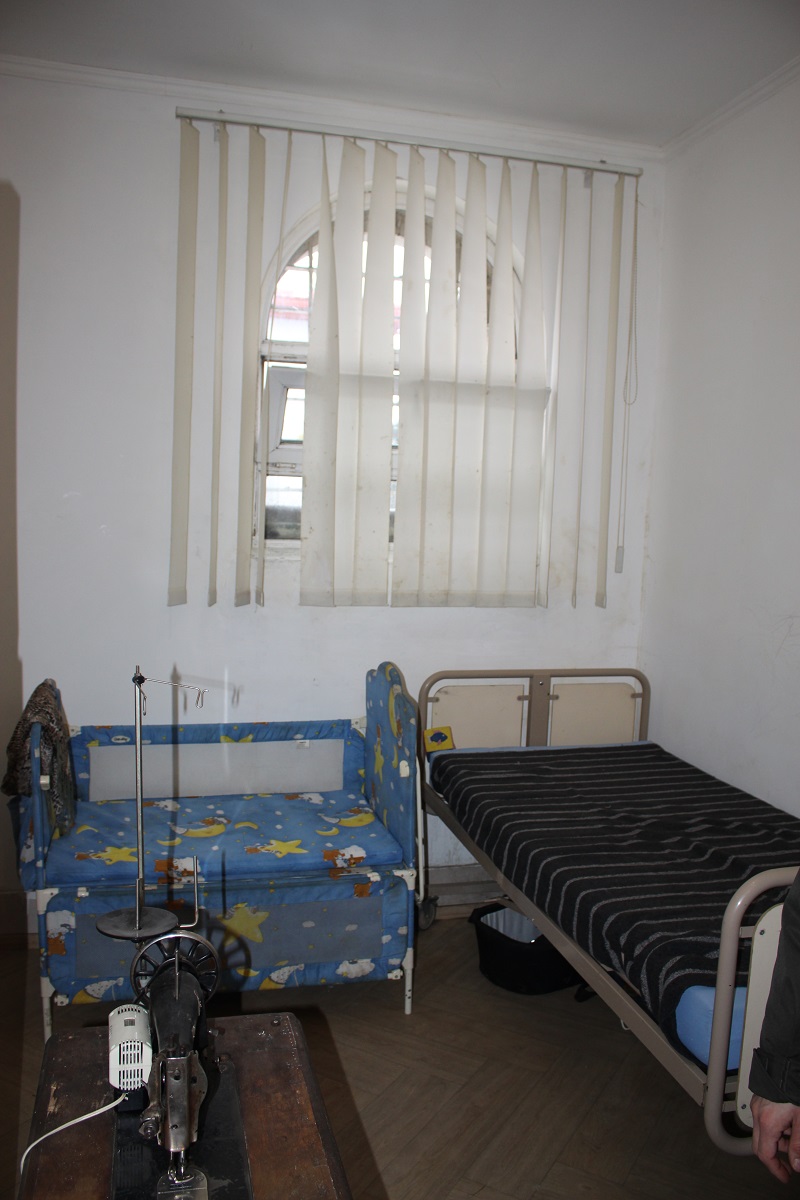
At the time of the visit, there were no persons with small children in the facility.
Bath and Laundry Complex
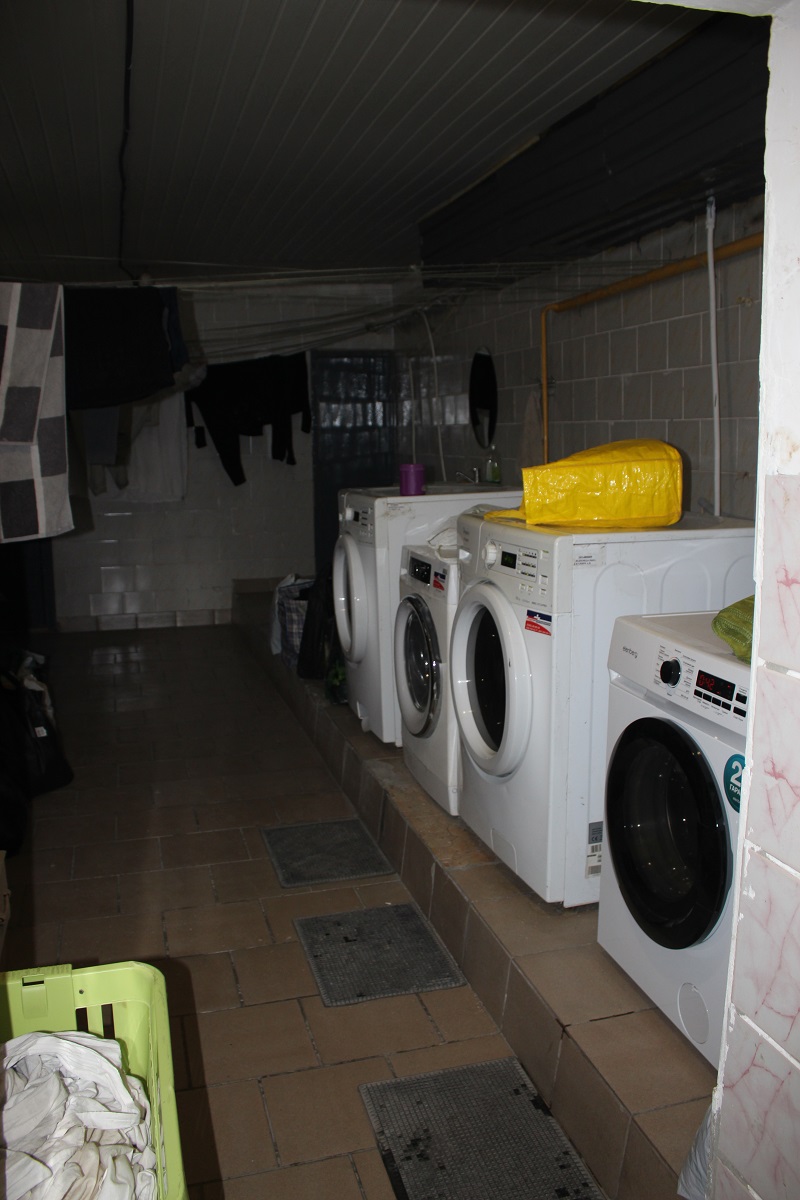
There are 4 washing machines available.
Exercise Yards
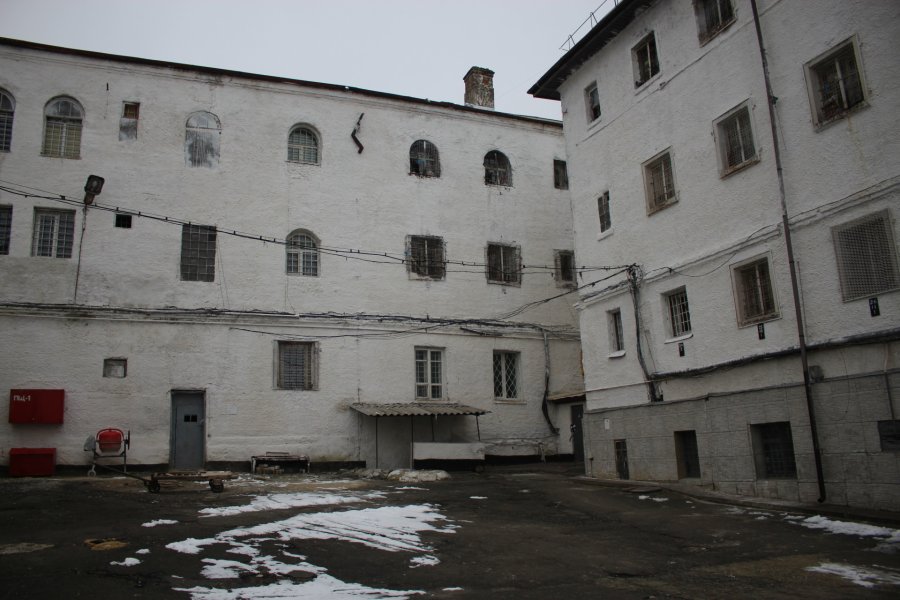
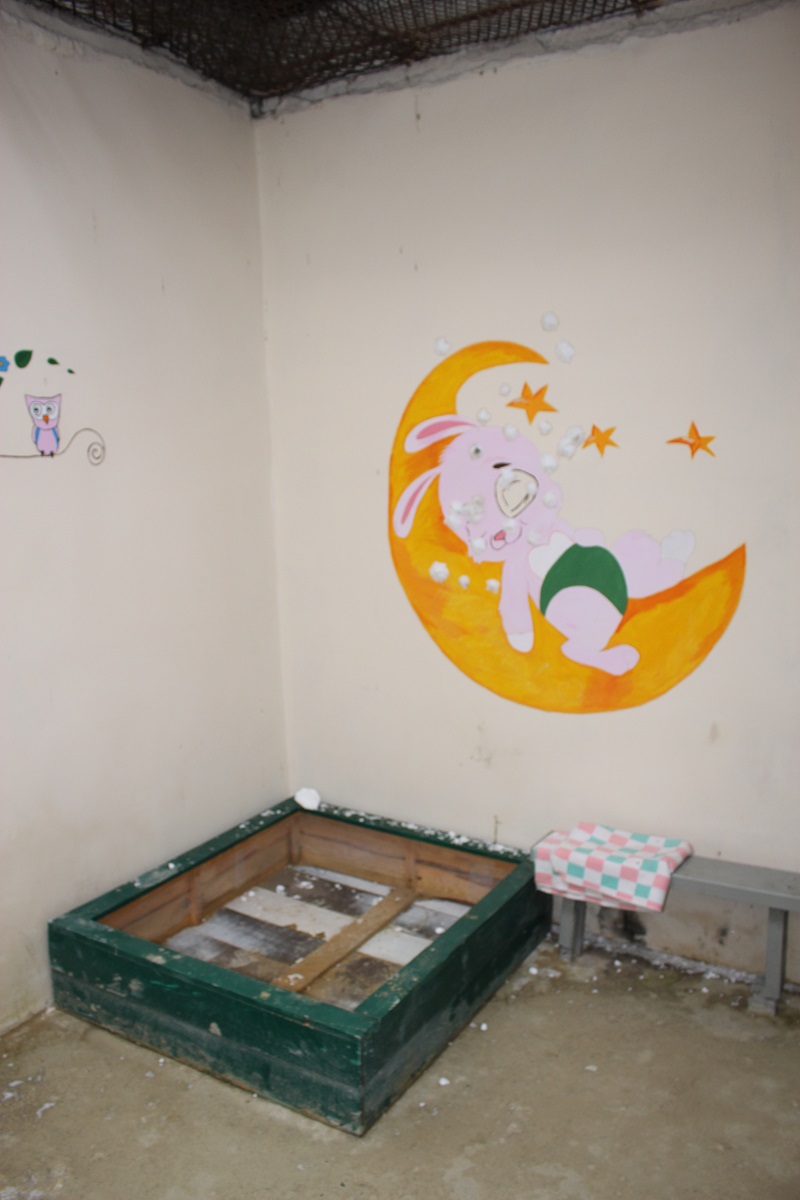
There is a separation for minors (pictured below) and those with tuberculosis.
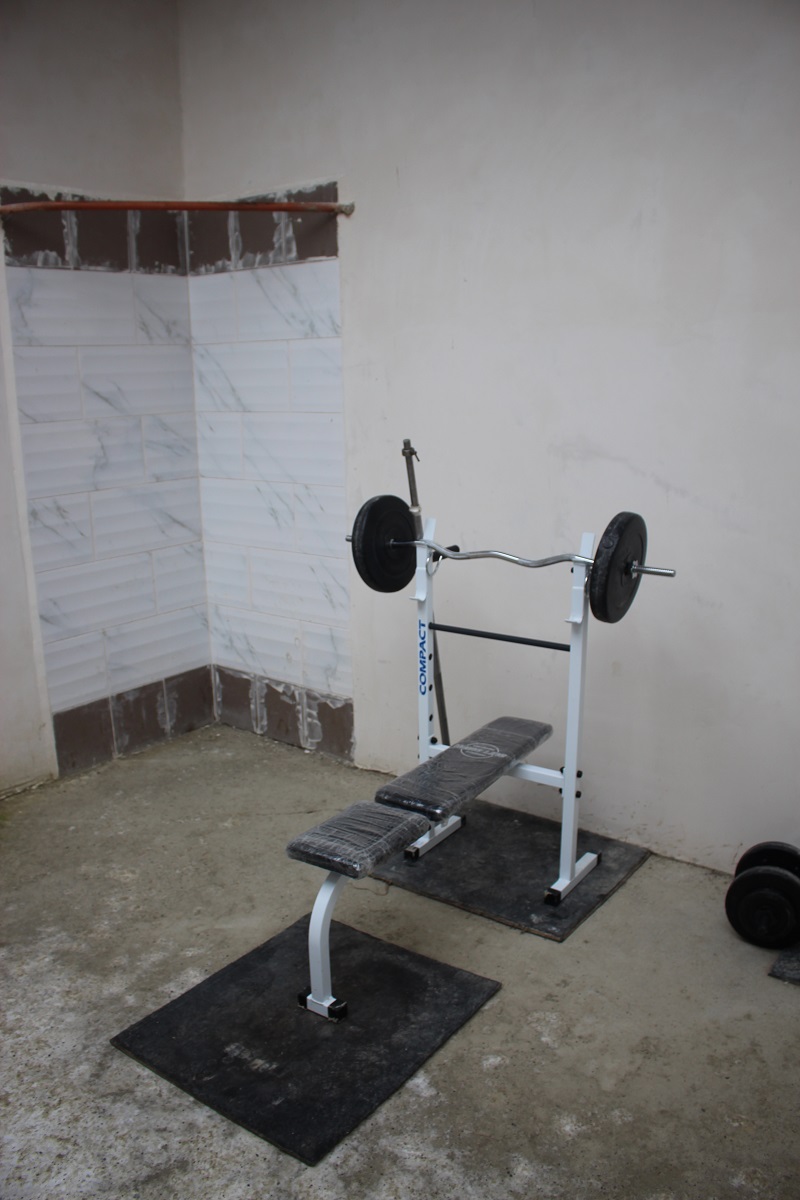
The yards have sports equipment.
Investigation Rooms
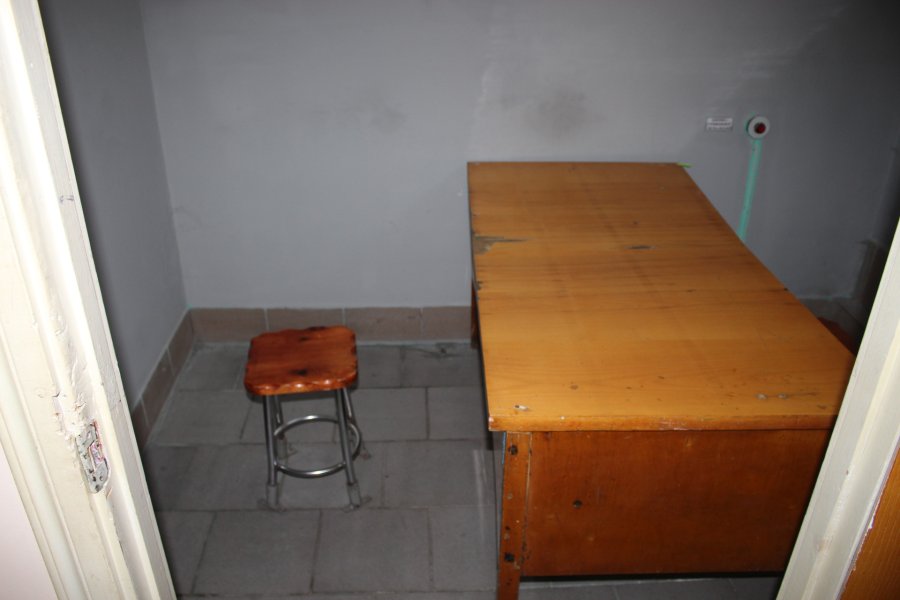
The rooms are equipped with a panic button.
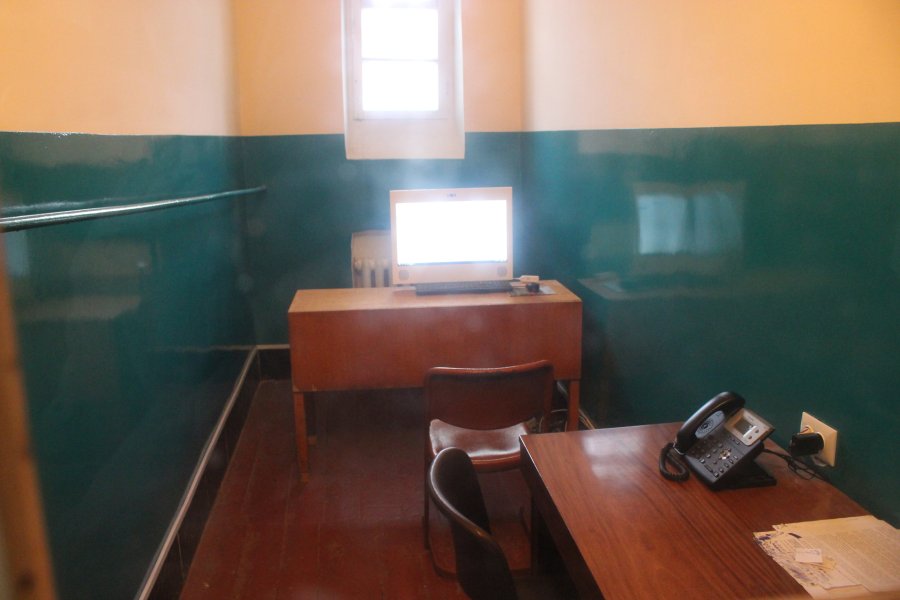
There are offices equipped for video conferencing, as well as for lawyer-client meetings, conducting investigative actions, etc.
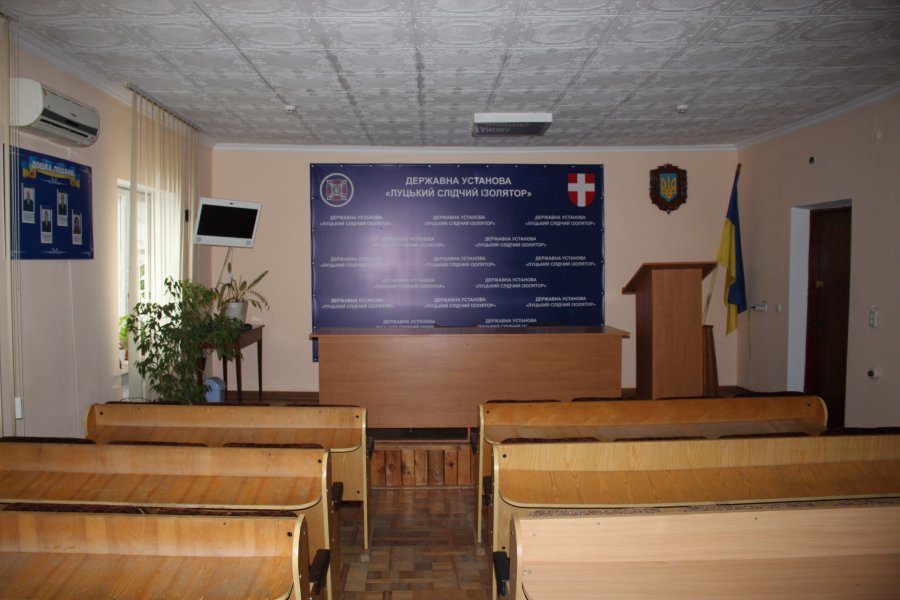
Staff Meeting Room
Staff Break Room
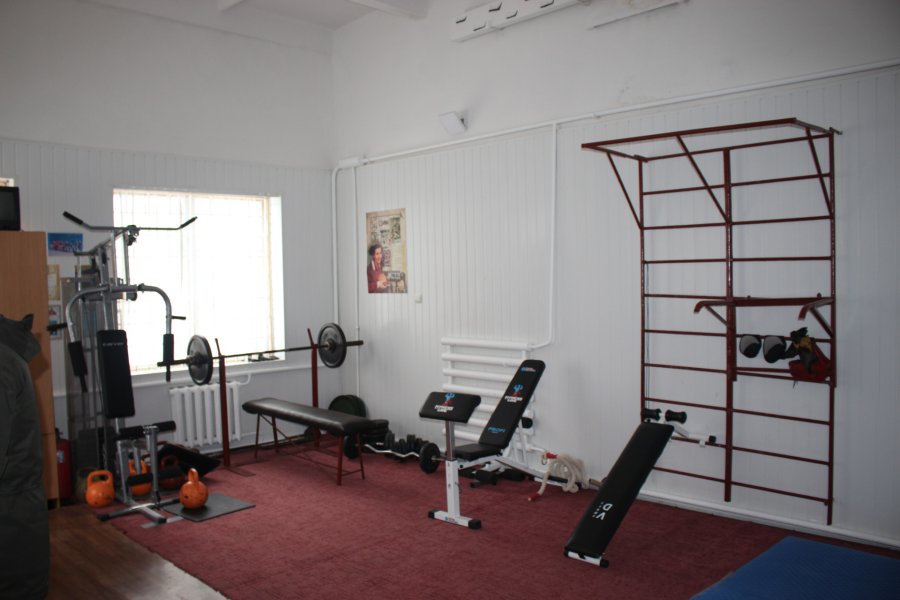
Staff members arriving for their 24-hour duty shift have the opportunity to rest in a special room. There is also a sports ground.
Visitation Rooms
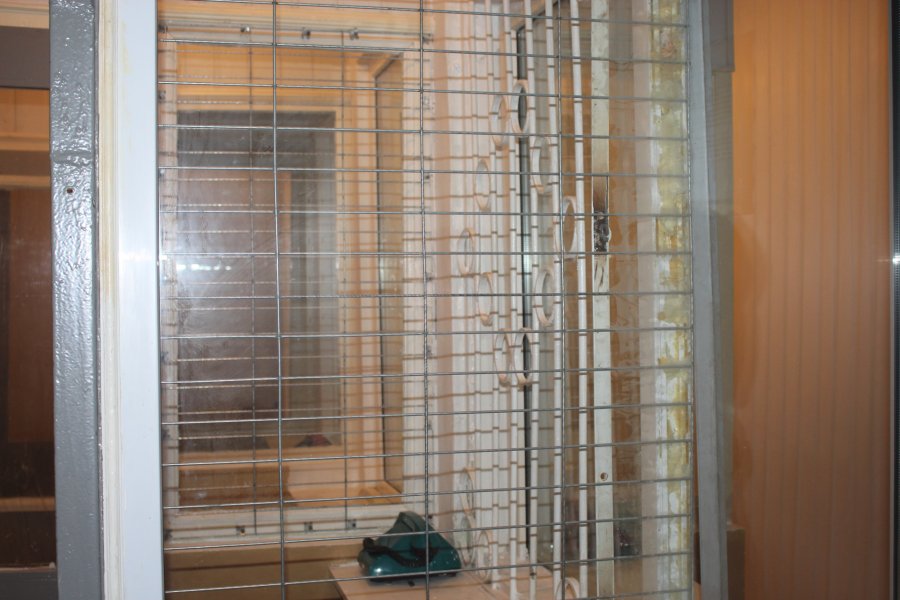
Room for short-term visits:
The facility employs a practice of contact visits with the relatives of detainees. Such visits are approved by the administration following a consultation with a psychologist.