Hazardous and injury-prone industrial work — a monitoring visit to Katerynivska Correctional Colony No. 46
Katerynivska Correctional Colony No. 46 is located in the village of Katerynivka in the Sarny district of the Rivne region. It was founded in November 1947 as a disability colony of the Ministry of Internal Affairs in the Rivne region. It now functions as a medium-security colony for men. The facility includes a maximum-security sector (convicts held in the maximum-security sector do not work in production and remain in their cells), a detention centre, and a social rehabilitation ward.
During the visit, the monitoring group examined documentation concerning the colony's operation and medical records, and inspected production, utility, and residential premises, as well as the medical unit, for compliance with the requirements of Ukrainian legislation and international standards.
The monitors visited production and workshop areas, disciplinary isolation ward (DIZO) cells, residential premises, the bath and laundry complex, the kitchen, the medical unit, visiting rooms, the maximum-security sector, and the detention centre. The monitoring group was accompanied by the head of the institution, Colonel of the Internal Service Oleksandr Volodymyrovych Rak, and the First Deputy Head of the institution, Lieutenant Colonel of the Internal Service Oleksandr Leonidovych Pavelchuk.
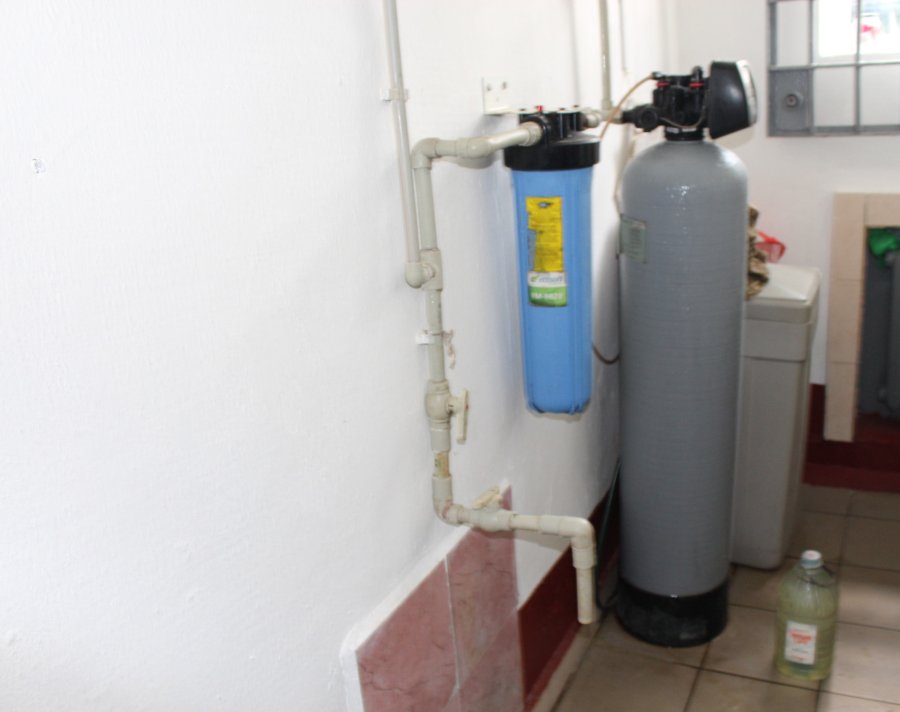
It is advisable to drink water in the facility filtered. Such filters are located in the residential areas and in the maximum-security sector.
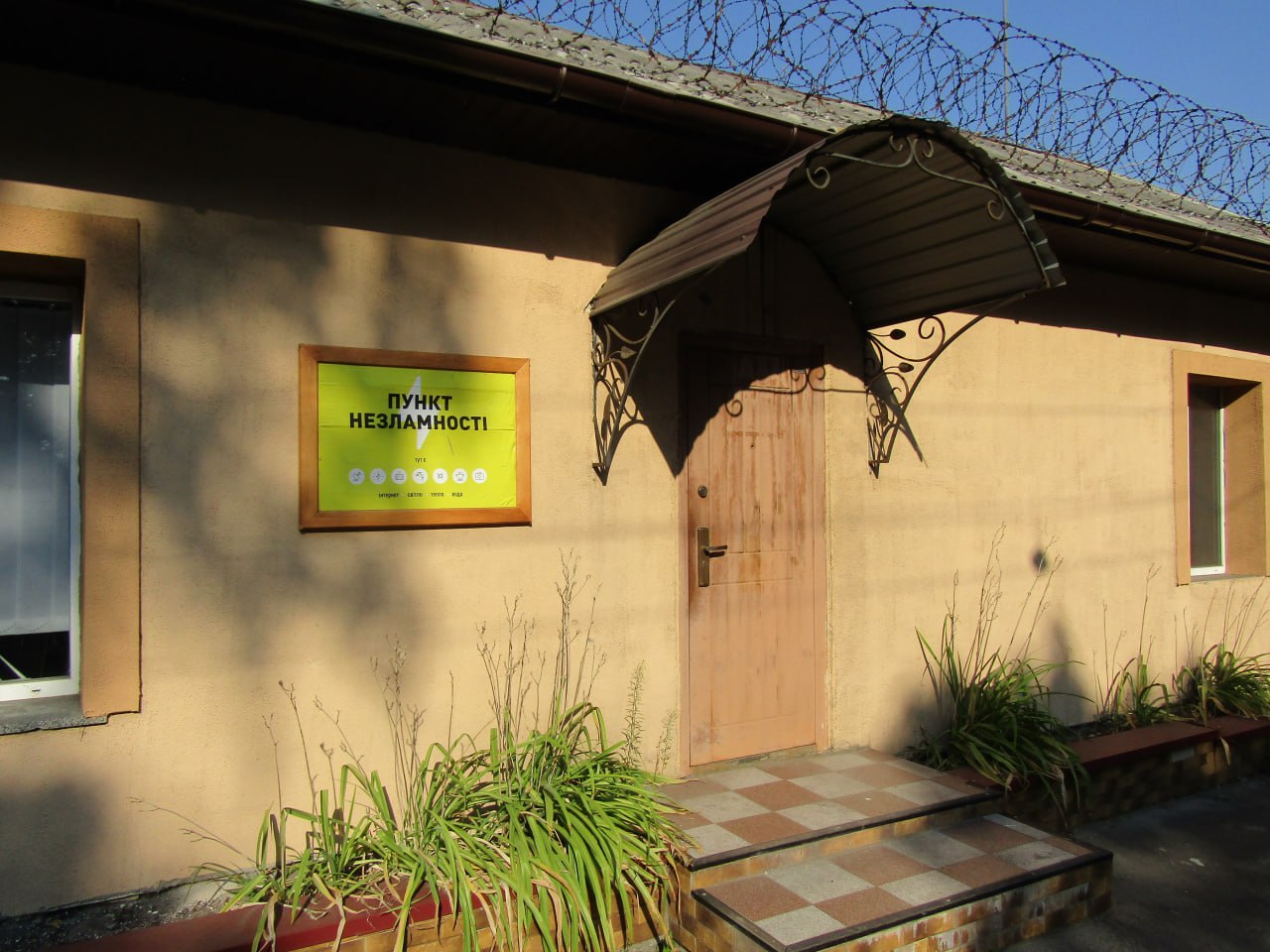
The facility has an “Invincibility Point” in operation.
General Information
According to the facility's management, 485 convicts were held in the institution at the time of the visit, of whom 104 were in the maximum-security sector and three were in the disciplinary isolation ward (DIZO). There were 89 people involved in production, 14 in the kitchen, and 11 in the boiler room. The facility employs two psychologists, and 218 convicts arrived at the institution during the current year. Two people died in 2022. There were 10 people in the medical unit. 39 people are registered as HIV/AIDS positive, 25 are prone to suicide, 21 are prone to self-harm, 10 are prone to escape, and 78 are malicious violators of the detention regime. During the current year, one person was released due to a serious illness; four people have Group II disability, and 12 have Group III disability.
During 2022, 244 people were released, including 69 on parole and 14 transferred to correctional centres. In 2023, 199 people were released, of whom 74 were paroled and eight were transferred to correctional centres. During 2022, 20 cases of bodily injury were recorded: nine upon arrival and 11 during their stay at the facility. In the current year, there have been two cases during their stay at the facility.
There are 255 tablets available for use by the convicts in the institution. During 2022, 31 long-term visits and 118 short-term visits were conducted: of these, 78 were through glass and 40 were contact visits. In 2023, 64 short-term visits and 154 long-term visits were conducted: of these, 17 were through glass and 137 were contact visits.
During 2022, one appeal was sent to the Ukrainian Parliament Commissioner for Human Rights in a sealed format, and zero in 2023; four letters were received in 2022, and one in 2023. Seven appeals were sent to the Prosecutor's Office in 2022, and two in 2023; 16 appeals were received in 2022, and four in the current year. 263 appeals were sent to other government bodies during 2022, and 86 in 2023. No letters were sent to human rights organisations during 2022 and 2023.
Medical Unit No. 46 of the Branch of the State Institution “Centre for Health Care of the State Criminal Executive Service of Ukraine” in the Volyn and Rivne regions
Head of the medical unit — V. P. Kuresha. During the visit, the monitoring group inspected the medical unit's premises without obstruction, familiarised themselves with the conditions for providing medical assistance to prisoners, and studied the medical documentation. The medical unit's inpatient ward has four rooms for somatic patients, designed for fifteen beds, and one infectious disease isolation ward, designed for four beds. At the time of the visit, 10 people were in the inpatient medical unit.
According to the staffing table provided by the head of the medical unit, the following positions are filled: Head of the medical unit/doctor — 1 post; paramedic — 4 posts; pharmacy assistant — 1 post; junior medical nurse — 1 post. Vacant positions include: physician (therapist) — 1 post; dentist — 0.75 post; infectious disease specialist — 0.5 post; paramedic — 1 post; laboratory assistant — 1 post (mobilised to the Armed Forces of Ukraine).
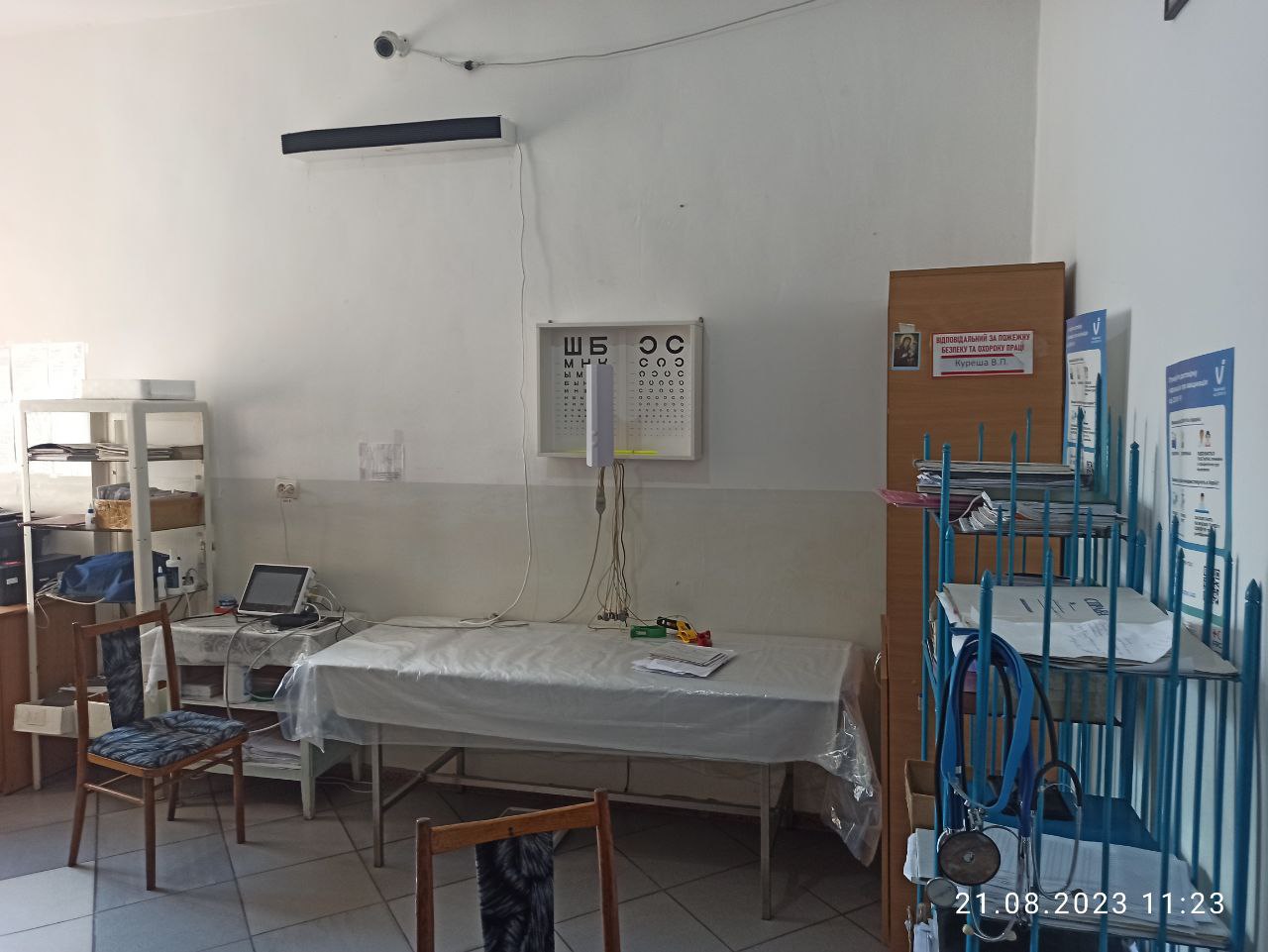
During the monitoring visit, shortcomings in the work of medical unit No. 46 were identified, including:
1. Failure to provide primary, secondary, and tertiary care
Due to the absence of declared registrations with a primary care physician, convicts are unable to receive the necessary medical services paid for by the National Health Service of Ukraine (NHSU), which leads to a violation of the requirements of paragraphs 4 and 5 of Article 4 of the Law of Ukraine “Fundamentals of Ukrainian Legislation on Health Care”.
2. Violation of the rights of persons with disabilities (Article 9 of the UN Convention on the Rights of Persons with Disabilities)
Dispensary supervision is carried out for 18 persons with disabilities. Of these: 4 persons have Group II disability; 12 persons have Group III disability. During the examination of the convicts' medical records, it was established that five persons with disabilities lack individual rehabilitation programmes (hereinafter — IRP). Thus, the recommendations of the IRP are not being fulfilled, and consequently, they are not receiving proper diagnostic, therapeutic, and rehabilitation measures. Furthermore, no conditions for the accommodation of persons with disabilities have been created in the facility.
3. Violation of the rights of persons with viral hepatitis C
As of 21 August 2023, 375 rapid tests for viral hepatitis C had been conducted in the medical unit, with 98 persons testing positive for suspected infection. Persons suspected of having viral hepatitis C do not undergo PCR testing; as a result, they do not receive the necessary treatment, which may lead to a deterioration in their health and the spread of this infectious disease among the convicted and imprisoned persons.
4. Violation of the right of convicted and imprisoned persons to information about their health status, methods of treatment, and improper documentation management
4.1 For two patients receiving inpatient treatment in the medical unit, the primary accounting document Form No. 003/o “Medical Card of an Inpatient” has not been opened.
4.2 It was established that informed voluntary consent for diagnostics and treatment is absent from the medical cards of inpatients (Form No. 003/o).
4.3 In the medical unit, opioid substitution therapy (OST) for persons with mental and behavioural disorders resulting from opioid use has not been organised. Drug-addicted persons are not provided with social-psychological support, cognitive behavioural therapy (CBT), relapse prevention, motivational interviewing, mutual aid groups, etc.
4.4 In the medical unit, the “Control Card for Dispensary Supervision of an HIV-infected Person” (Form No. 030-5/o) is not maintained.
5. Failure to comply with infection control and epidemiological surveillance
5.1 The medical unit is equipped with only one isolation ward for infectious patients, which makes it impossible to simultaneously house patients with infectious diseases separately from one another and from other convicts.
5.2 The medical unit does not comply with the requirements for isolating tuberculosis patients: the ward is used for more than one or two people (one ward-cell for four beds).
6. Lack of equipment, medical supplies, and medicines in the medical unit
6.1 The medical unit lacks X-ray equipment, which complicates the timely conducting of X-ray examinations upon arrival and during the stay at the facility.
6.2 The medical unit lacks a dental X-ray machine, which makes it impossible to conduct in-depth dental examinations and prevents the timely provision of proper dental care to prisoners and convicts.
6.3 During an inspection of the defibrillator's functionality, it was established that the electrodes were missing.
6.4 In addition, the monitors established that convicts do not undergo preventive medical examinations using the IDIS telemedicine complex because it is not working. As the medical staff explained, the problem lies in the inability to send medical examination data due to the cloud storage being full.
7. Violation of the right of convicts to psychiatric care
The staffing table does not provide for the position of a psychiatrist, which leads to a violation of the requirements of Article 25 of the Law of Ukraine “On Psychiatric Care”; consequently, prisoners suffering from mental and neurological disorders do not receive the necessary medical assistance.
8. Violation of the rights of convicts to medical care, and violations during preventive medical examinations and medical check-ups
According to clauses 2 and 3 of Chapter III, Section II of the “Procedure for Organising the Provision of Medical Assistance to Convicts Sentenced to Imprisonment”, a physician (or a general practitioner/family doctor), a psychiatrist, and a dentist must participate in the preventive medical examination. At the same time, the absence of a psychiatrist on the medical unit's staff and the vacancies for a therapist and a dentist indicate the incompleteness of the primary and preventive medical examinations.
Residential premises
The institution has 11 social and educational work (SPS) units, one of which is mothballed. Some units have undergone capital repairs, and some are in the process of renovation. There are also units where repairs have not been carried out, and problems with the sewage system have been identified.
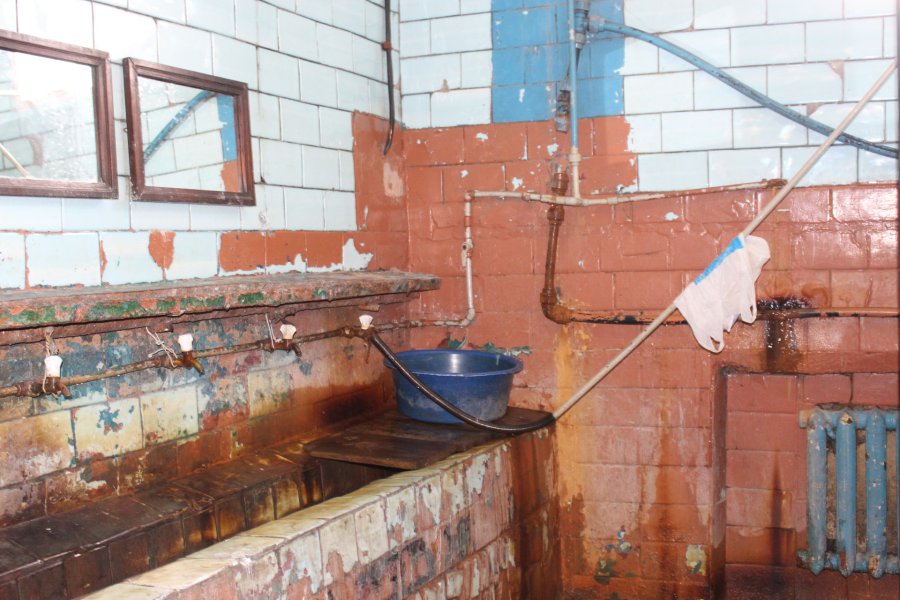
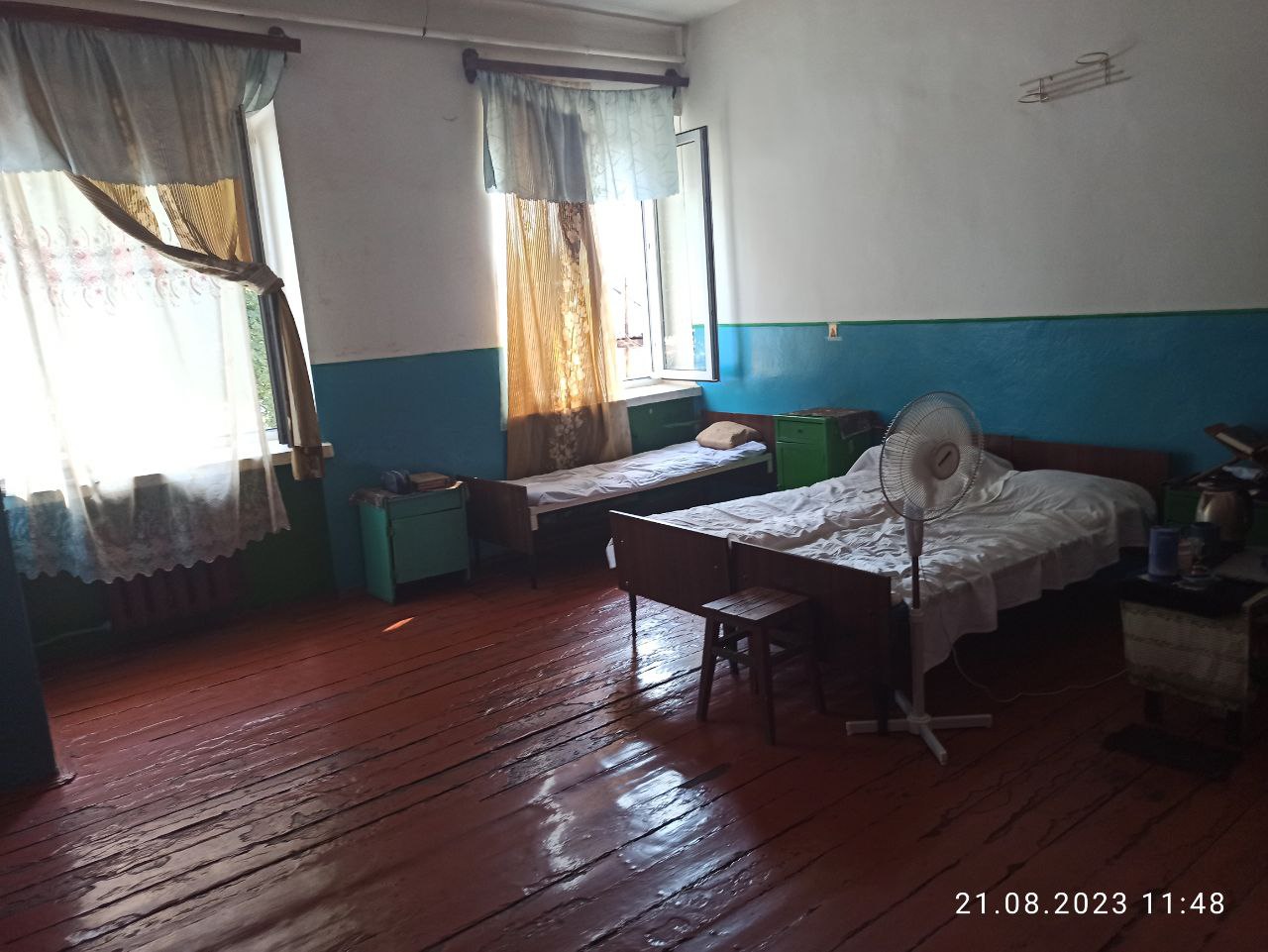
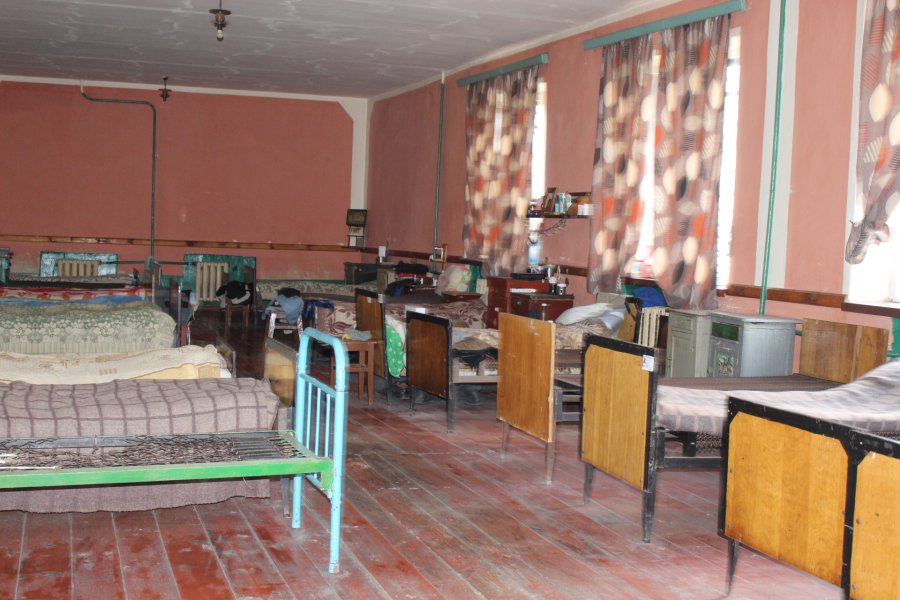
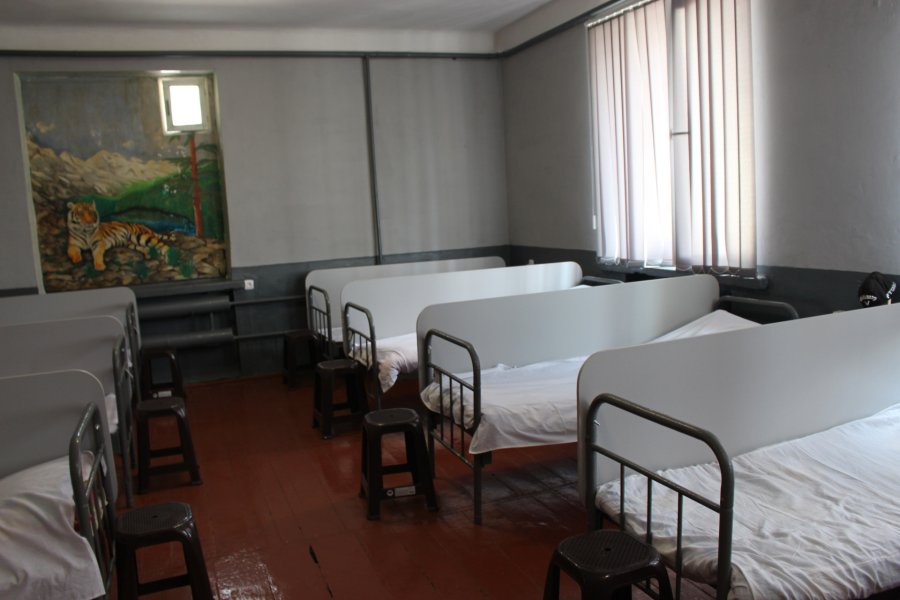
The premises are mainly of barrack type, with single-tier beds. The rooms are spacious.
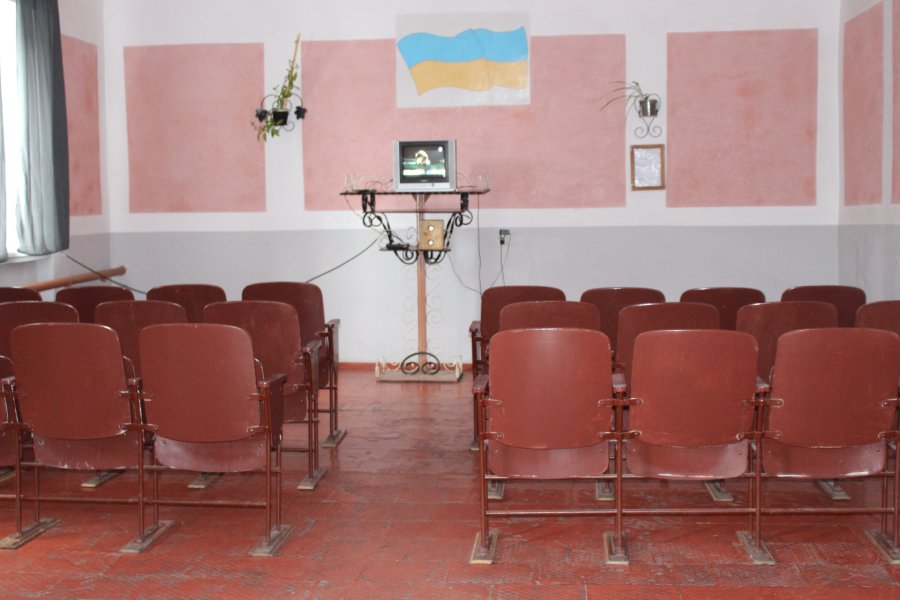
Each unit has an equipped room for social and educational work.
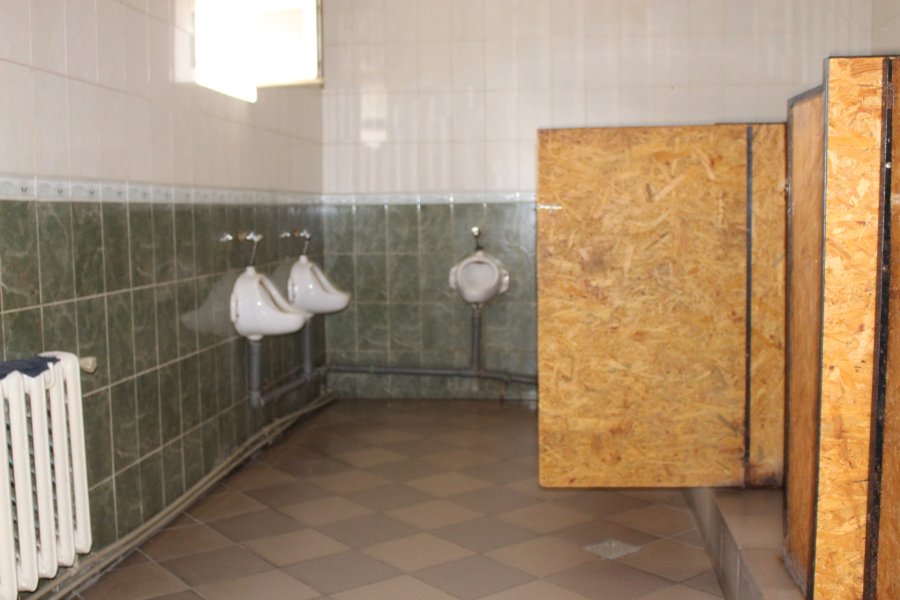
The toilets are partitioned.
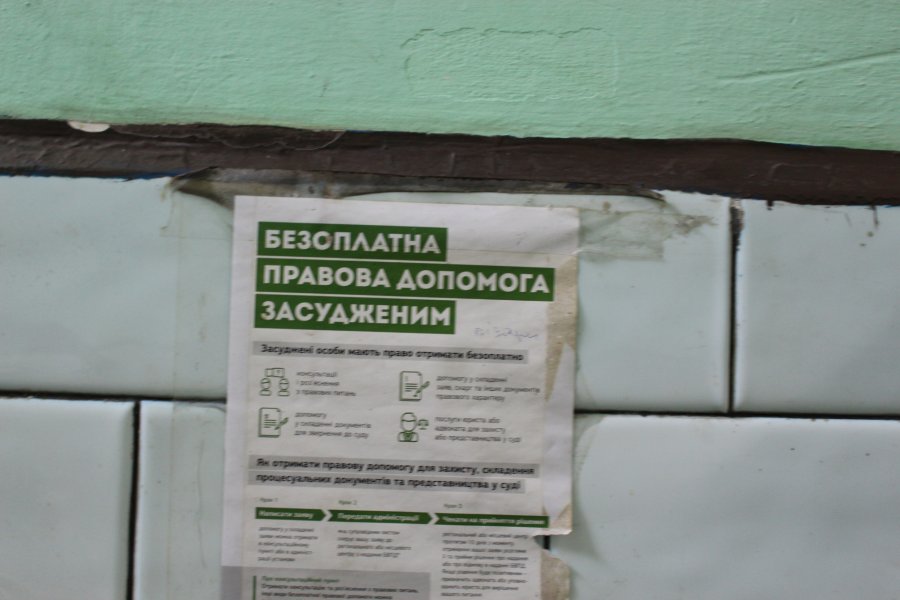
Information about free secondary legal aid is posted.
Some premises have been renovated with consideration for the right to personal space.
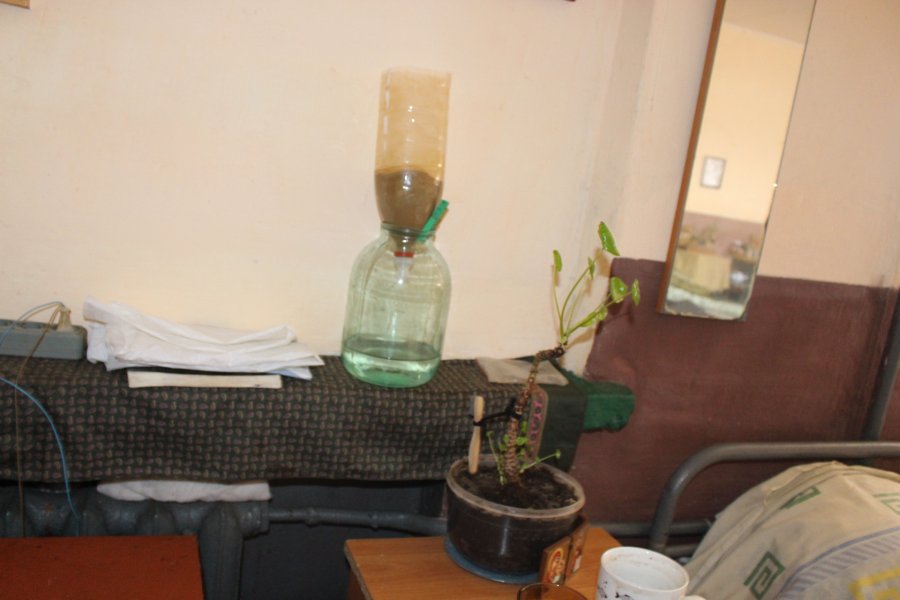
The convicts filter the water themselves.
Bath and Laundry Complex
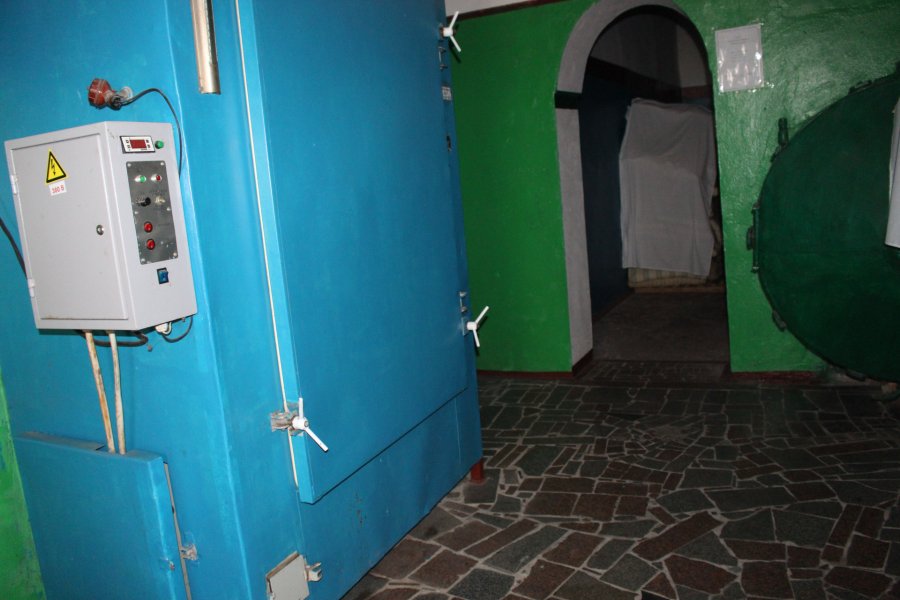
Four washing machines and a disinfection cabinet are in operation.
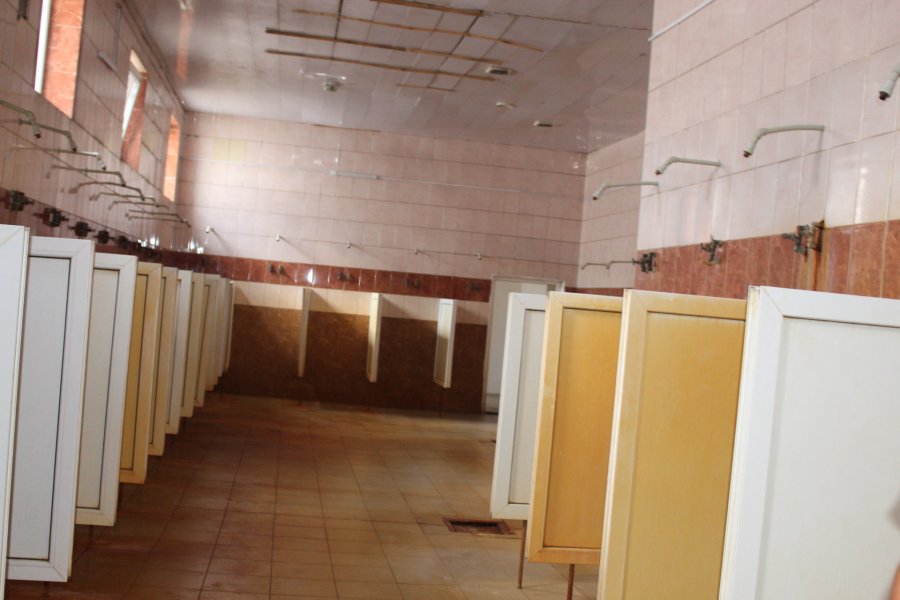
In the bathhouse, shower stalls are partitioned, but there are no curtains, which means prisoners do not have the opportunity to have privacy while showering. There is a possibility to regulate the water temperature. The paramedic's corner is not partitioned, which results in a lack of privacy during medical examinations.
DIZO, PKT, DPK
At the time of the monitoring group's visit, the DPK (disciplinary cell) was not being used (according to the administration). The PKT (cell-type premises) has also not been used recently due to a lack of necessity. Three people were being held in the DIZO (disciplinary isolation ward).
According to the administration, the institution has close relations with the Centre for Free Secondary Legal Aid. In the current year, there was one case involving a lawyer from the free legal aid centre during the imposition of a penalty in the form of DIZO. There were also cases where the disciplinary commission meeting was postponed due to the impossibility of the lawyers being present at the commission at the appointed time.
Convict N. received 14 days in DIZO for manufacturing alcoholic beverages. Convict M. received 14 days for consuming alcoholic beverages. He considers the penalty proportionate and lawful. Convict P. received 10 days for using obscene language. He has no intention of appealing the disciplinary penalty. They have been informed about the possibility of using free legal aid.
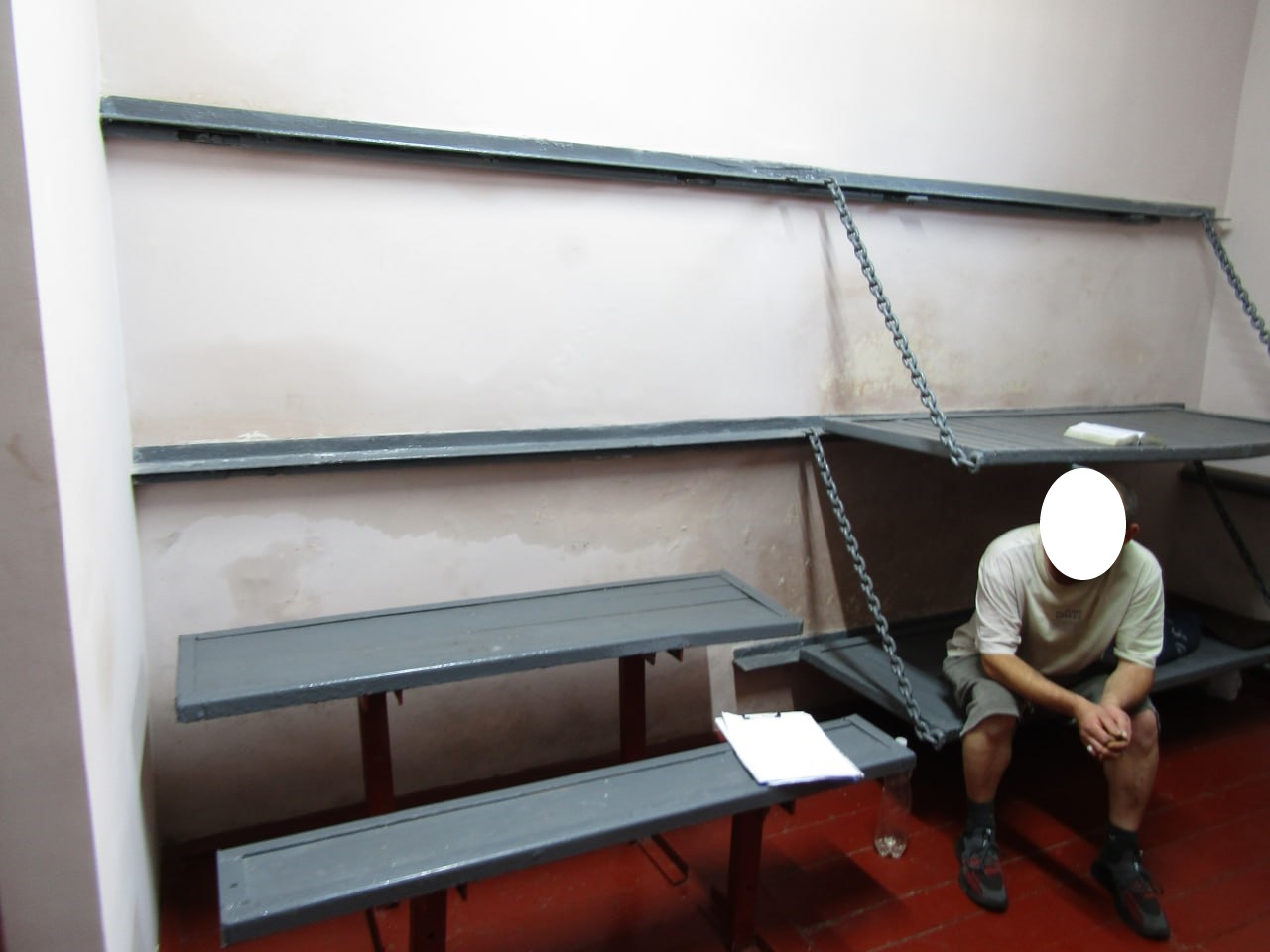
In the DIZO cells, there are tanks with drinking water; the water is acceptable for consumption. The cells are equipped with a panic button to call staff. In the DIZO premises, the sanitary facility is separated, containing a toilet and a washbasin. The exercise yards are equipped with sports equipment, and there are areas protected from the rain. There is a bathhouse in the DIZO premises, where the convicts wash once a week.
Production
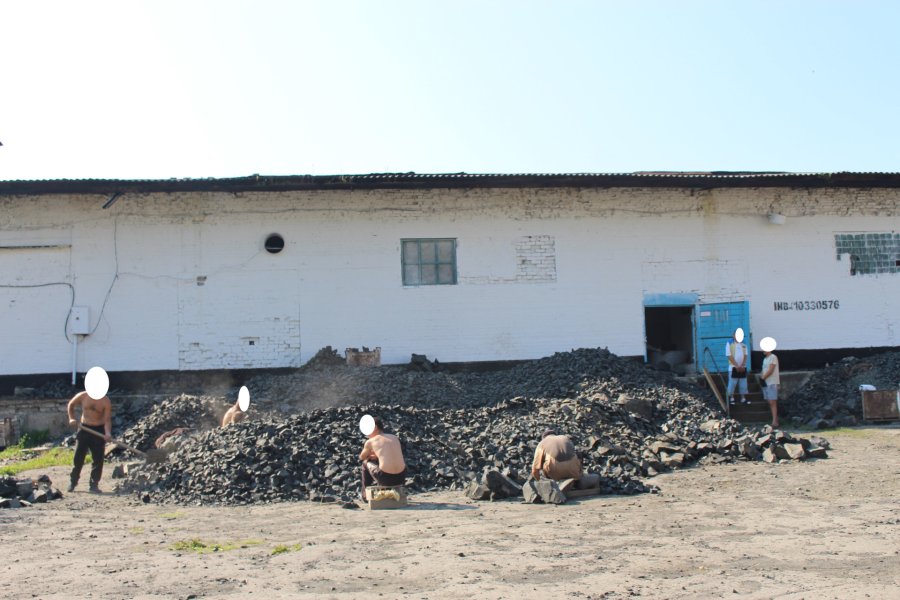
The institution's enterprise operates in such industries as metalworking, woodworking, mechanical processing of natural stone, etc.
At the time of the visit, 89 convicts were working in production and in the workshops. Contracts are mostly concluded with private enterprises for specific work. For the production of decorative stone, there are open-air sites where stone is manually processed to the required dimensions. Nearby, there is also a workshop where stone is cut using machines. Different orders — different technologies.
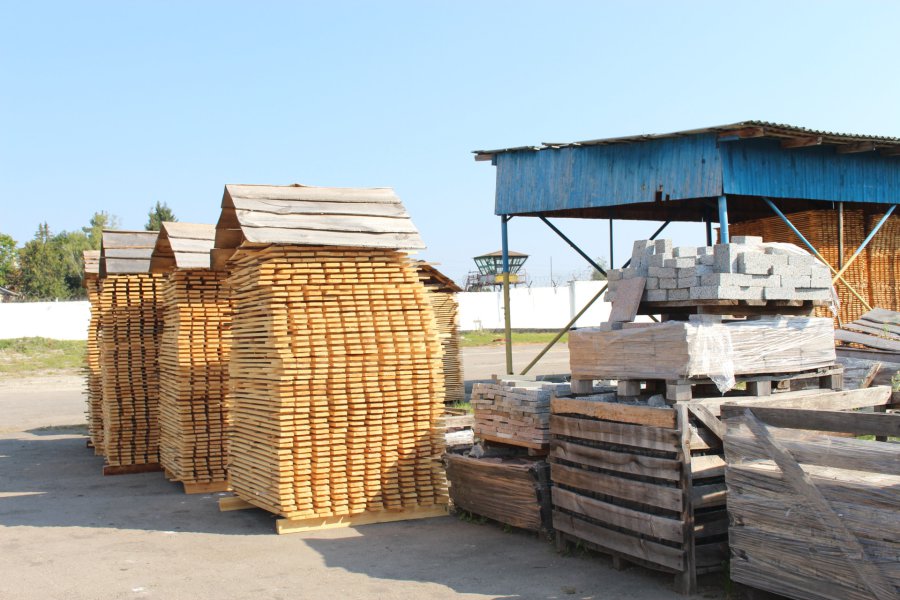
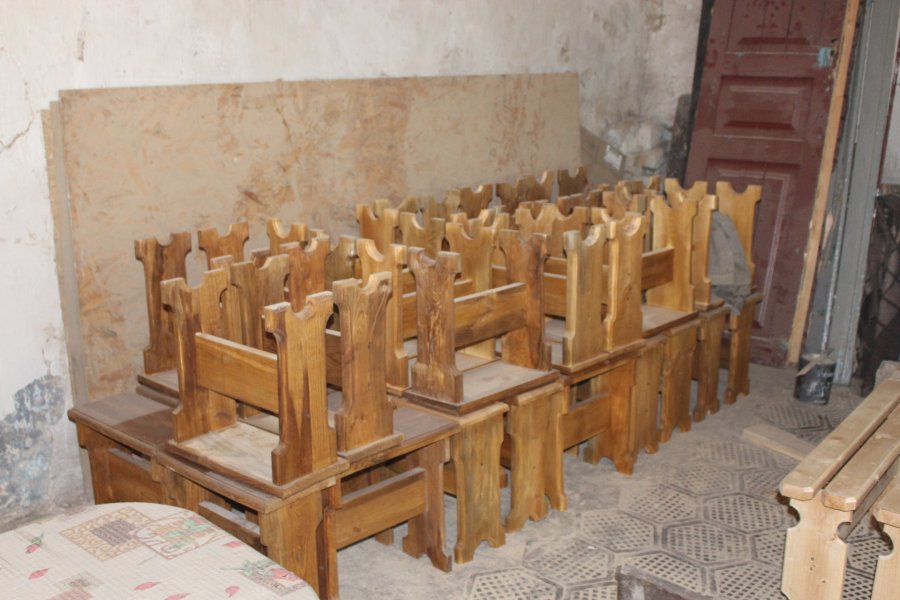
Wood products are standing in stacks on the site, but it is impossible to sell them due to the customers' problems.
According to the administration, persons working under employment contracts earn 2570.91 hryvnias per month. Convicts who work under a civil law contract (according to the accompanying person's explanation — based on actual output) earn 389.13 hryvnias per month.
Manual Stone Processing Site
12 people were working at the manual natural stone processing site. Convict T. has been working for over a year. He did not report how much he earns. Convict F. has been working for a year and a half, earning about 550 hryvnias per month. Convict G. has been working for about a year, hitting stone. Convict S. has been working for four months; he does not remember how much he earns. He does not use a phone. He has not called anyone in a year. The convicts break the stone and pile it up depending on the format. According to him, a tonne of broken stone measuring 7x7x7cm costs 1300 hryvnias. There is also a “five” (5x5x5 cm) and slab. It is very difficult to make a tonne of such stone. You need to have experience, skills, and devote a lot of time to this work.
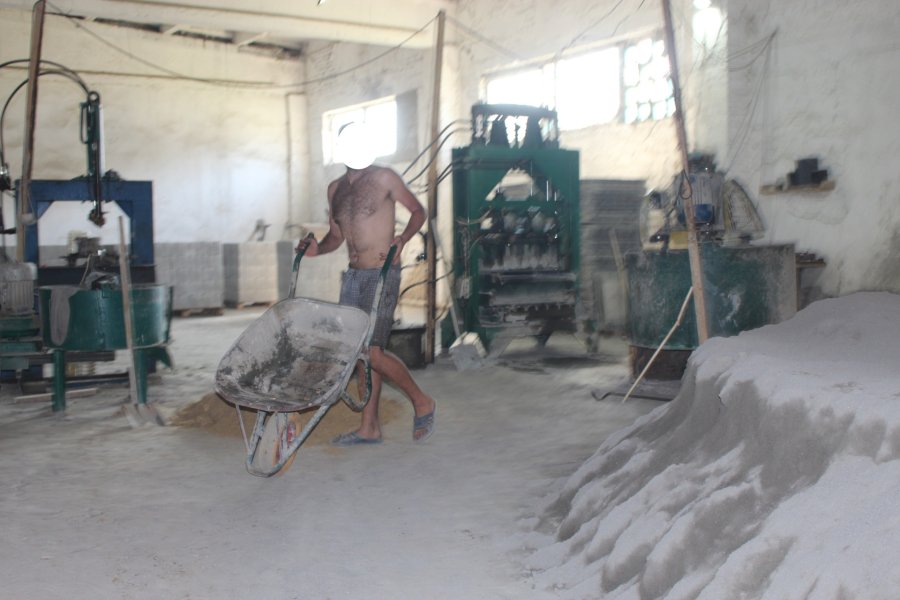
Cinder Block Manufacturing Site
At the time of the monitoring group's visit, six people were working at the site. Convict G. has been working for a year. Convict K. has been working for about a year. They did not report how much they earn.
Woodworking Site
Six people work here. They manufacture furniture for the institution's units.
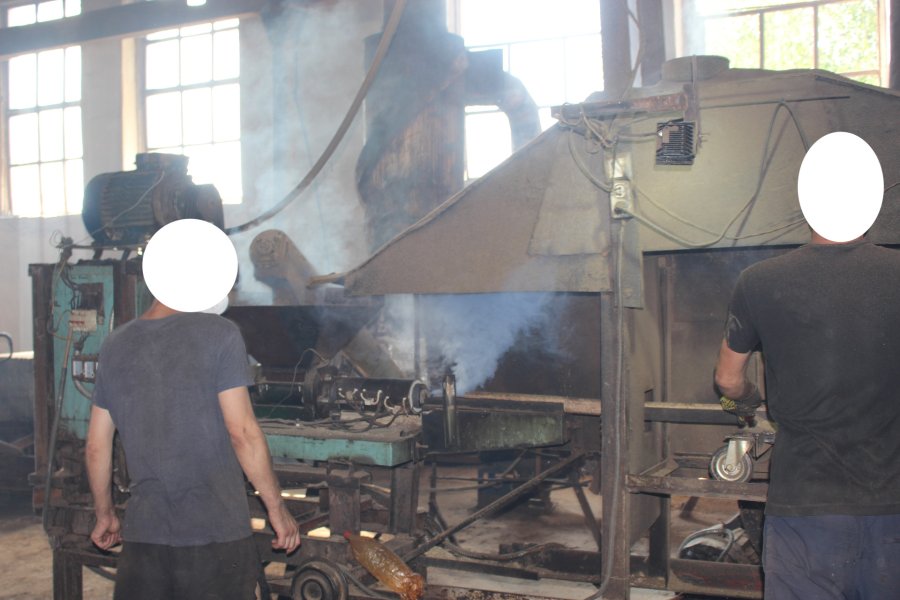
Briquettes
Six people work here. Convict P. has been working for a year and a half, earning 400 hryvnias per month. There is no safety equipment; people work without goggles. The production is dangerous, and injury is possible.
Auto Repair Shop
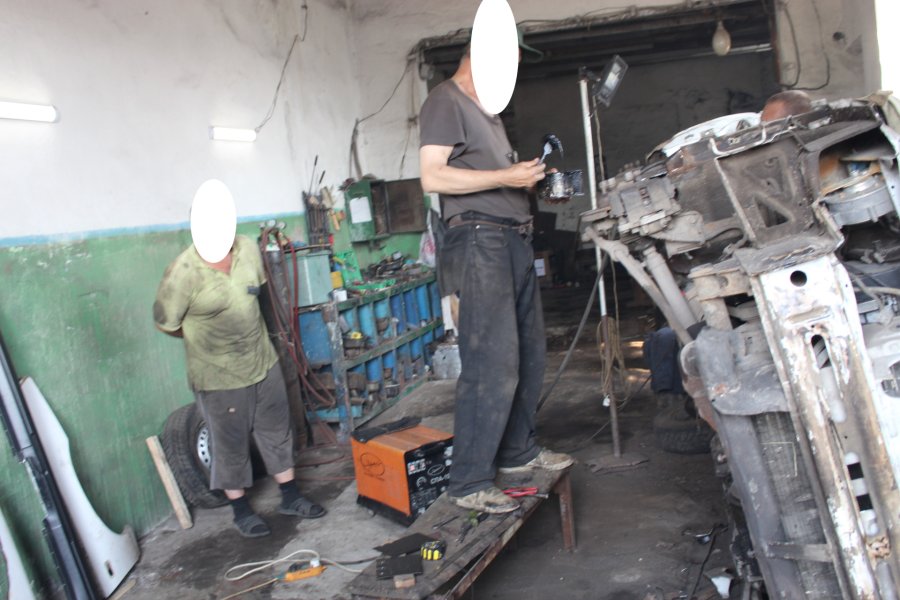
Boiler Room
Preparations for winter are underway in the boiler room. Repair works are ongoing. 11 people are working. Convict V. has been working for five months. Convict Sh. has been working for a year. Others noted that they have been working for two or three months. They do not wish to talk about the money they have earned.
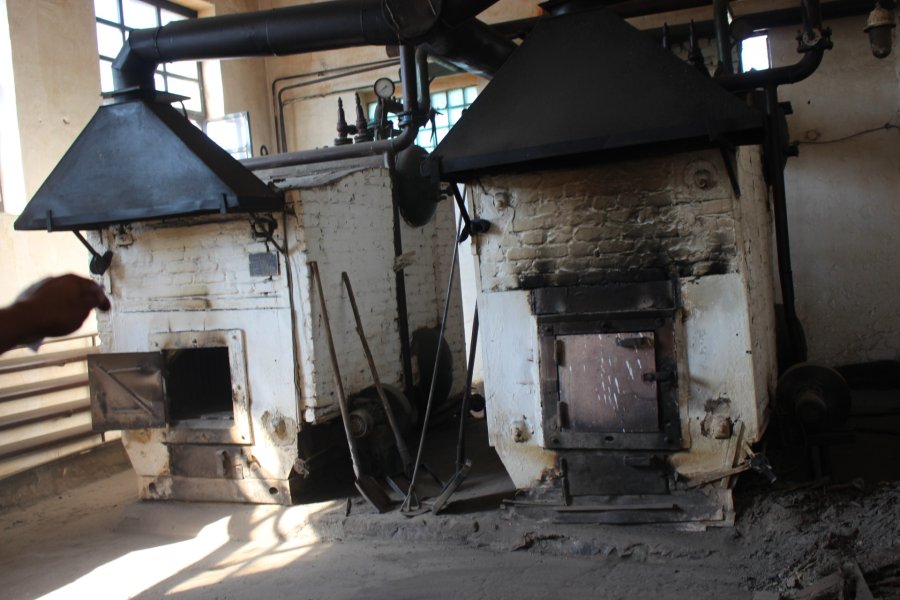
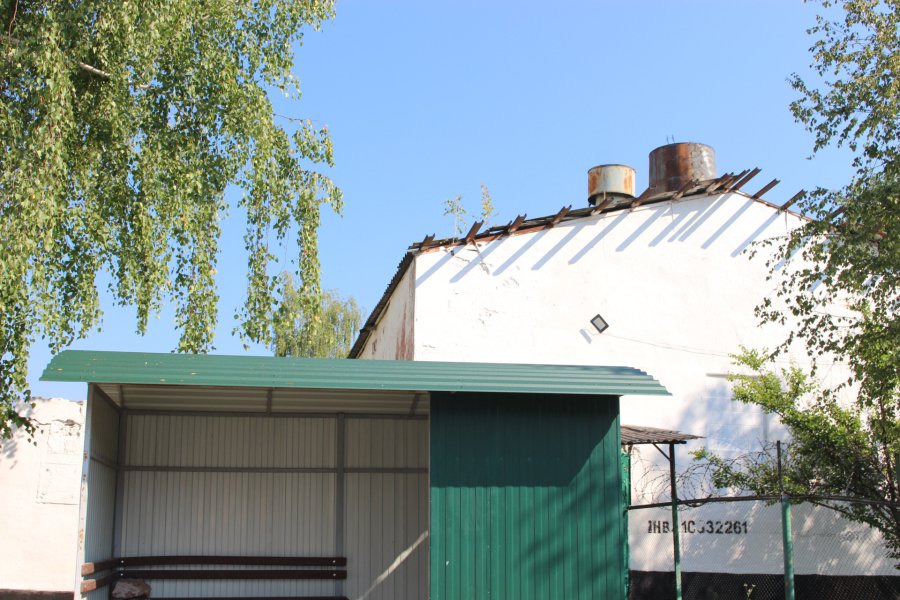
DOC-3
Eight people work here. Also, in production, they produce transport stops for the community by order.
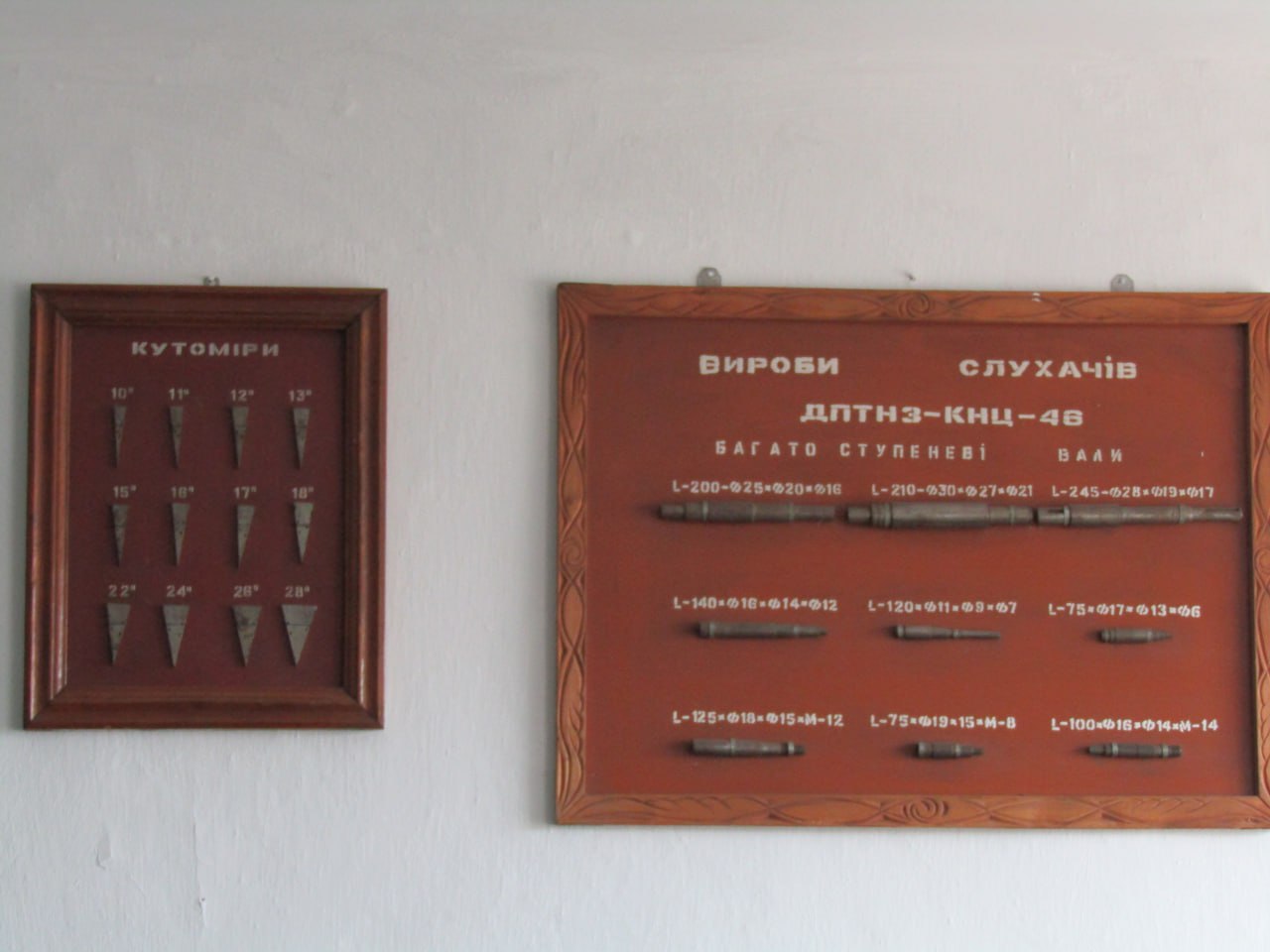
Vocational School
They train people for work in woodworking, the boiler room, the tool workshop, and as locksmiths.
Kitchen
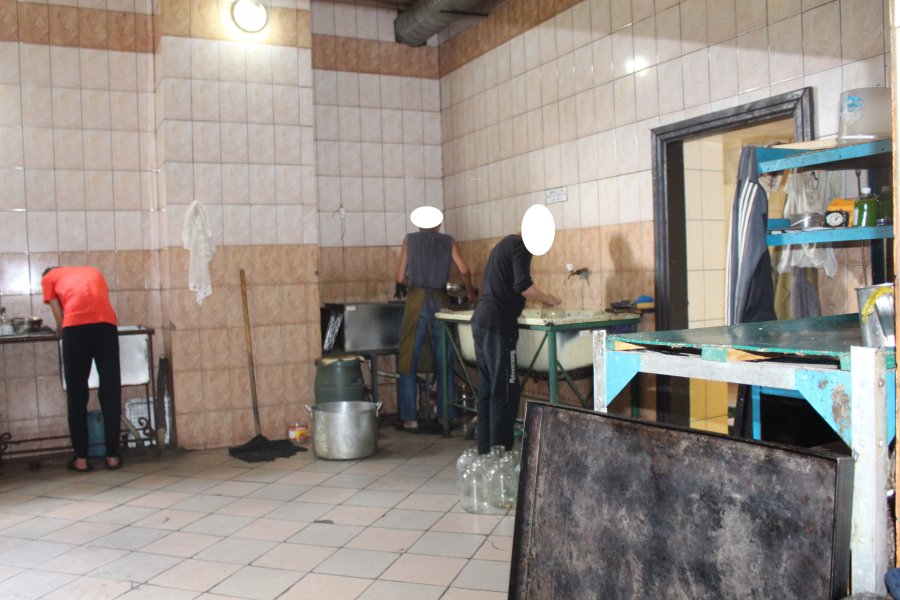
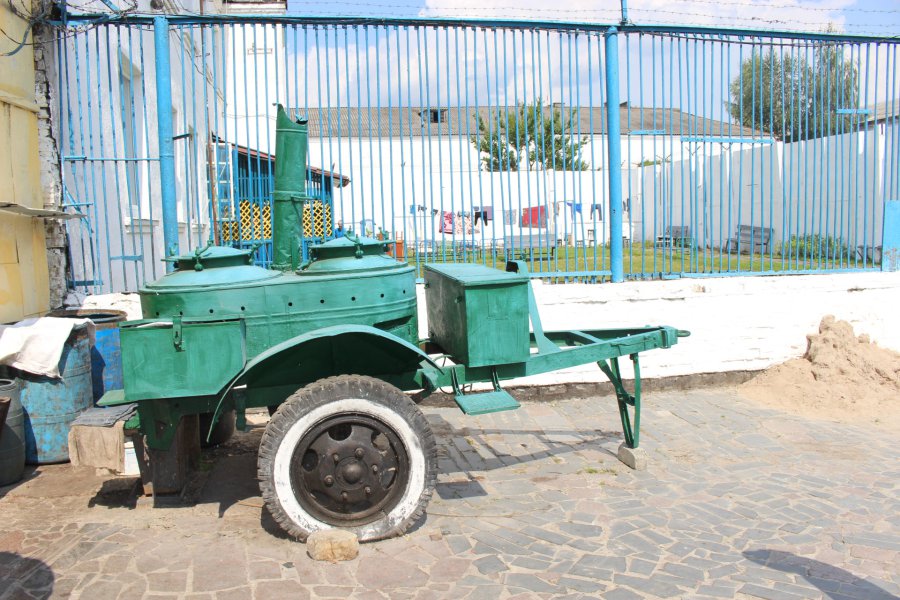
Employment contracts are not concluded with the persons working in utility roles in the kitchen. In case of a power outage, a field kitchen and boiling pots are available. Canned goods are available.
Maximum Security Sector
In the three-storey building, there are about one hundred cells for holding convicts who have been sentenced for grave and especially grave crimes and must be held in a cell-based system. Some convicts do not possess information about unobstructed access to the Commissioner for Human Rights or that such correspondence is not subject to censorship. In the sector, some cells are under renovation. According to the administration, there is a practice of transferring convicts from cells to regular residential premises in accordance with Article 101 of the Criminal Executive Code of Ukraine. The interviewed convicts who have tablets do not have their own email addresses.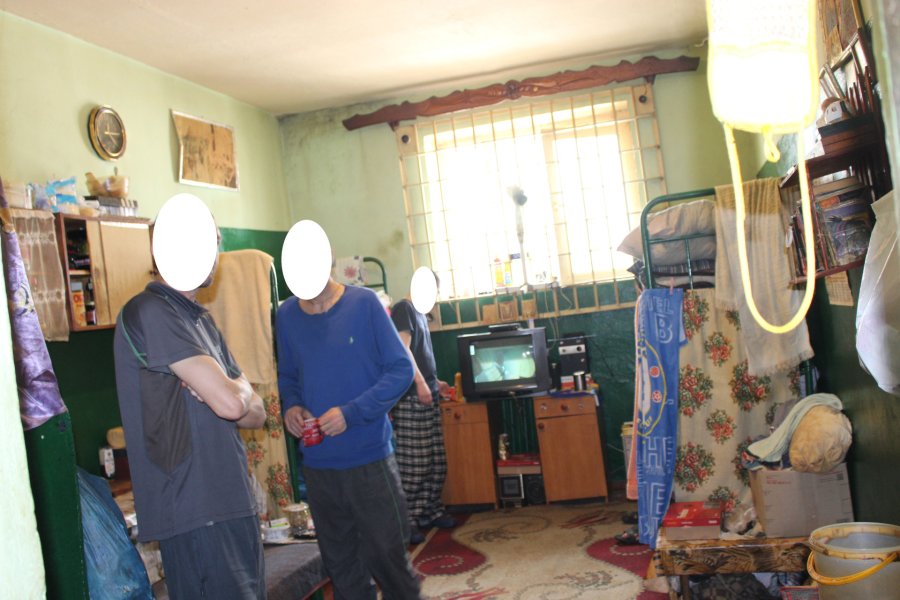
Detention Centre
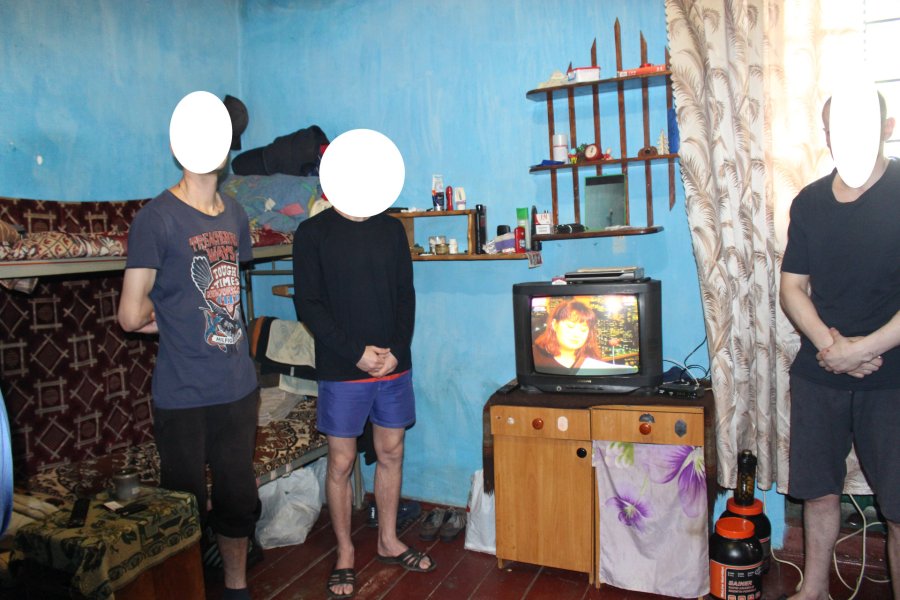
13 convicts sentenced to arrest are being held. A convict sentenced to arrest, P., born in 1960, receives a pension. Convicts sentenced to arrest have the opportunity to have visits with relatives, as well as telephone conversations. Convicts sentenced to arrest have their own tablets, but they do not have access to the internet.
Communication with the outside world
In the institution, convicts have 255 tablets for personal use, without internet access. For internet use, according to the convicts: “You can go to the headquarters, to the library, there is internet there, you can download films”. Telephone calls, if necessary for the convicts, take place in the duty unit.
Visiting rooms
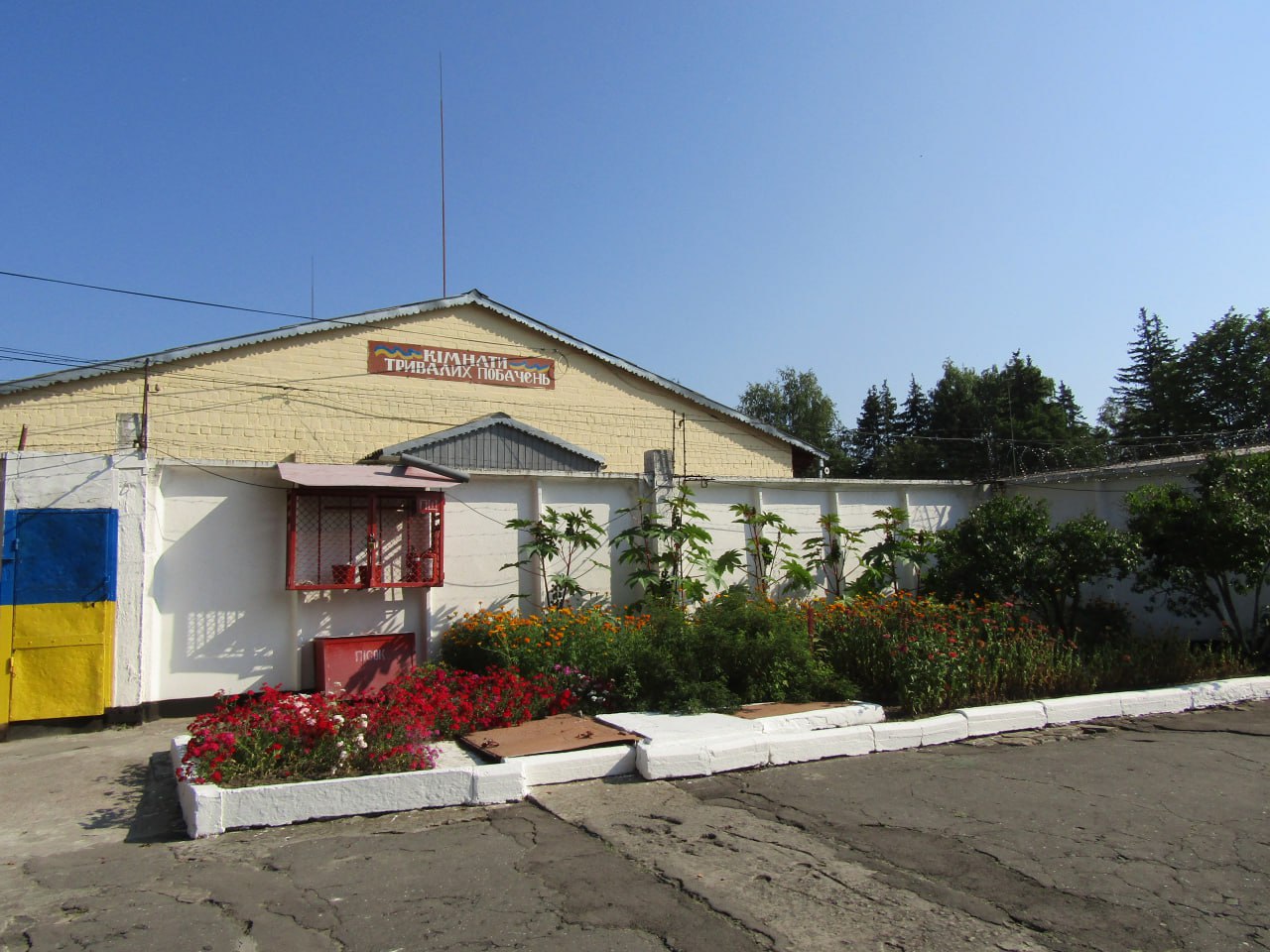
The institution practises both short-term visits through glass and contact visits. The long-term visiting rooms, where convicts have the opportunity to stay with relatives for up to three days, have a separate equipped courtyard, and there is a possibility to use a barbecue grill.
The preventive monitoring visit was carried out by the Kharkiv Human Rights Protection Group. The monitoring group consisted of an assistant to the People's Deputy of Ukraine Kostiantyn Kasai, members of the Public Council under the Ministry of Justice of Ukraine Serhii Zuikov, an assistant to the People's Deputy of Ukraine Yaroslav Yurchyshyn, Kharkiv Human Rights Protection Group (KHPG) programme coordinator Andrii Didenko, and a journalist from the “Alongside You” Information Agency, Oleksa Yaroslavtsev. The purpose of the visit: analysis of the observance of human rights in places of detention during the war.
The visit was carried out within the framework of the project “Reducing the Suffering of Prisoners in the Context of the War in Ukraine”, funded by the Government of Denmark in partnership with DIGNITY — Danish Institute Against Torture.
Date of visit: 21 August 2023