Report on the Monitoring Visit to Katerynivka Correctional Colony No. 46
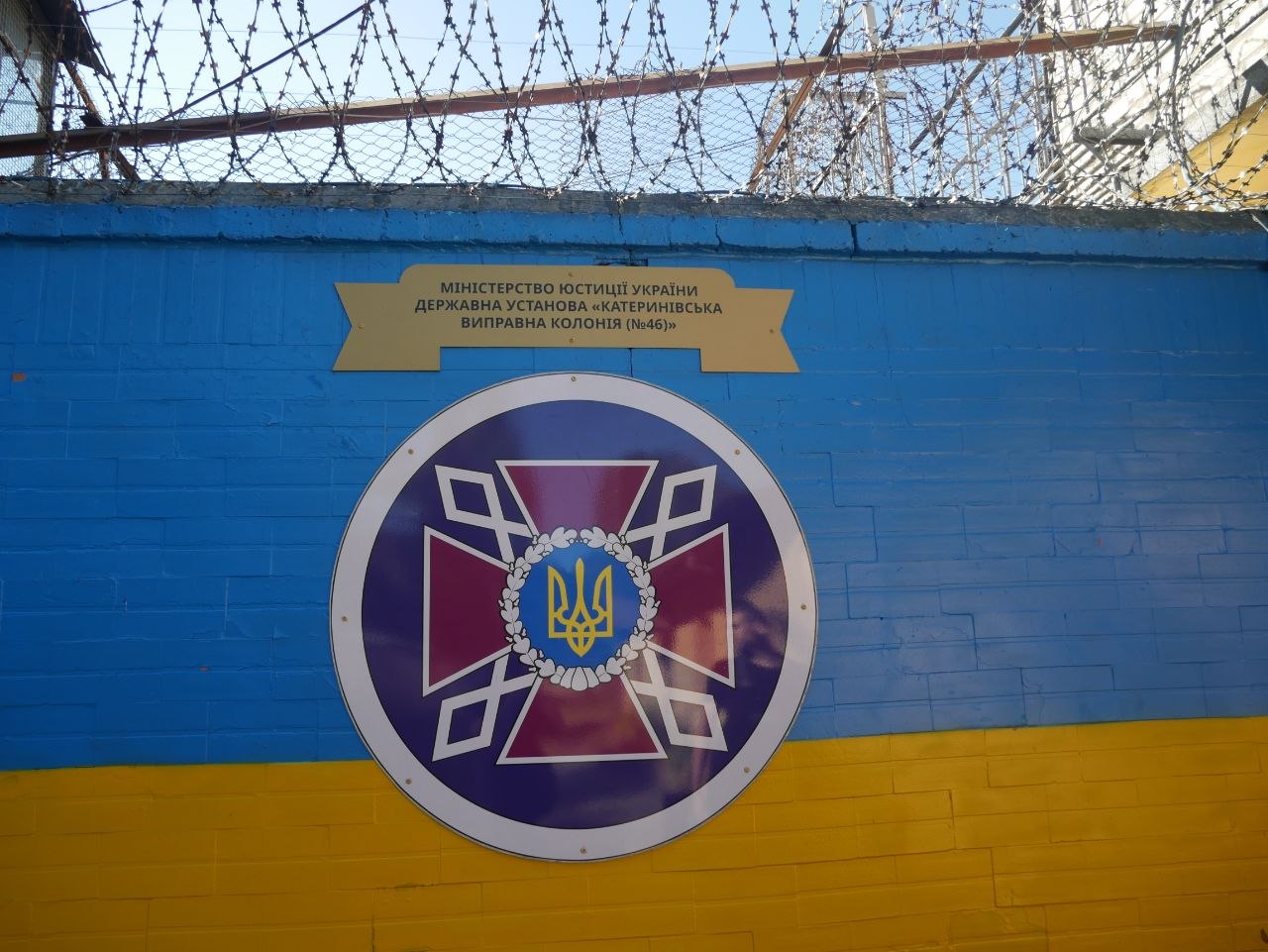
On 13.08.2026 a group of monitors from the Kharkiv Human Rights Protection Group and the NGO ‘Protection for Prisoners of Ukraine’ visited the State Institution ‘Katerynivka Correctional Colony (No. 46)’ (hereinafter KCC-46, the institution, the establishment or the colony). The visit was carried out under the Optional Protocol to the Convention against Torture and Other Cruel, Inhuman or Degrading Treatment or Punishment and under Article 24 of the Criminal Enforcement Code of Ukraine, ‘Visits to Penal Institutions’. The monitors also took into account the United Nations Standard Minimum Rules for the Treatment of Prisoners (the Nelson Mandela Rules) and the case law of the European Court of Human Rights. This was a regular scheduled visit made without prior notice, and all the institution's facilities were inspected.
The previous visit took place on 21.08.2023.
To prepare for the visit, the monitors used complaints from convicted persons and their relatives, previous reports, and reports by monitors of the National Preventive Mechanism under the Ukrainian Parliament Commissioner for Human Rights (NPM).
The visit was conducted as part of the project ‘Seeking Justice for Survivors’, funded by the Ministry of Foreign Affairs of Denmark with the support of the Danish Institute Against Torture (DIGNITY).
The visit was carried out by the following monitors:
- Andrii Didenko, assistant to the People's Deputy of Ukraine Yaroslav Yurchyshyn, programme coordinator at the Kharkiv Human Rights Protection Group, NPM monitor and member of the NPM Advisory Council, who has carried out monitoring visits since 2014;
- Serhii Zuikov, assistant to the People's Deputy of Ukraine Kostiantyn Kasai, member of the Public Council at the Ministry of Justice of Ukraine, member of the NGO ‘Protection for Prisoners of Ukraine’ and NPM monitor, who has many years of experience of monitoring visits;
- Artemii Shumnyi, journalist with the news agency ‘Protection for Prisoners of Ukraine / PROTECTION FOR PRISONERS OF UKRAINE’, lawyer at the Kharkiv Human Rights Protection Group and NPM monitor.
The visit to KCC-46 found some improvements, as several residential, sanitary and service premises had been repaired and refurbished. However, the monitors also identified a number of systemic problems in upholding the rights of convicted persons. In particular, they found shortcomings in the following areas:
- the work of the Quarantine, Diagnostics and Allocation Unit (QDAU);
- material and living conditions in the disciplinary isolation cells and cell-type premises (DIC/CTP) and the Enhanced Supervision Unit (ESU);
- privacy;
- ventilation;
- bathing and laundry services;
- access to means of communication.
The institution has no proper civil defence shelter, and 128 staff positions are vacant.
The organisation of labour is of particular concern. Of the 118 convicted persons in employment, 115 are engaged under civil-law contracts (CLCs). The monitors found signs of long-term systematic work, work without days off, and gaps between the actual workload of some individuals and the pay recorded for them. This puts at risk both proper pay and the accrual of insurance record. In the medical unit, the monitors identified the following problems:
- a shortage of staff;
- improper recording of bodily injuries;
- no opioid substitution therapy (OST);
- problems with the diagnosis and treatment of viral hepatitis C;
- shortcomings in the medical examinations of catering unit workers;
- shortcomings in upholding the rights of persons with disabilities;
- inadequate equipment and facilities.
General Information
The State Institution ‘Katerynivka Correctional Colony (No. 46)’ is located in the village of Katerynivka, Sarny district, Rivne Oblast. It reports to the Ministry of Justice of Ukraine. It is a medium-security correctional colony for men who have previously served sentences of imprisonment.
Katerynivka Correctional Colony has a long history. It was founded in November 1947 as a colony for disabled prisoners under the Rivne Oblast Department of the Ministry of Internal Affairs. At that time it had practically no production facilities of its own. Over the following decades the institution was reorganised and renamed several times. Until 2003 it was a strict-regime colony. When the Criminal Enforcement Code of Ukraine came into force, it was reclassified as a medium-security institution. In 2017, as part of the reform of the penitentiary system, it received its current name: the State Institution ‘Katerynivka Correctional Colony (No. 46)’.
On the day of the visit, the institution was headed by Oleksandr Volodymyrovych Rak.
The institution's infrastructure includes:
- administrative premises;
- the residential and production zones;
- the units of the social and psychological service (SPS);
- the Quarantine, Diagnostics and Allocation Unit (QDAU);
- the Enhanced Supervision Unit (ESU);
- the disciplinary isolation cells and cell-type premises (DIC/CTP);
- the catering unit (canteen);
- the bathing and laundry complex;
- the library;
- production facilities and workshops;
- Medical Unit No. 46;
- checkpoints;
- departmental fire protection (DFP) facilities.
The institution's planned capacity is 1,230 persons. On the day of the visit it held 323 persons. During 2026, 146 convicted persons arrived at the institution. The approved staff establishment was 347 posts, of which 219 were filled, leaving 128 vacancies. The institution employed one psychologist. Actual staffing was therefore considerably below the approved establishment, which indicates a serious staff shortage.
According to the administration, three convicted persons died in the institution during 2025 and three in 2026. Two suicides were recorded in 2025 and none in 2026. The following were on the preventive register:
- 10 persons as prone to suicide;
- 6 persons as prone to self-mutilation;
- 3 persons as prone to escape.
A further 42 convicted persons were classified as persistent violators of the established rules for serving sentences, and 39 persons in total were ostracised. Convicted persons were using 195 tablet devices, and not a single email address had been registered.
According to the administration, no complaints from convicted persons about poor conditions of detention or inadequate medical care were registered in 2025 or 2026. However, 19 cases of bodily injury to convicted persons were recorded in 2025, all of them sustained while in the institution. In 2026, 19 cases were recorded: 1 on arrival at the institution and 18 while in it.
During the visit the monitors spoke with, and gave individual consultations to, approximately 180 convicted persons. They gathered information on conditions of detention, respect for rights, the organisation of labour, medical care and other aspects of serving a sentence. This was done both in direct conversation and in confidential settings, including through an anonymous survey. The monitoring group compared the information obtained with official records and with what it saw when inspecting the institution's facilities.
Good Practice
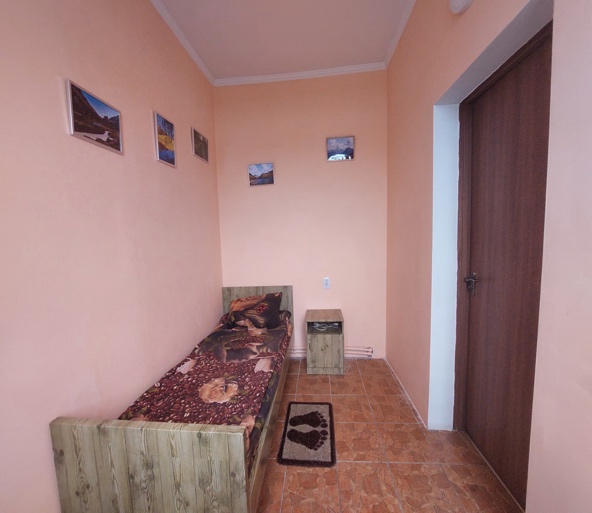
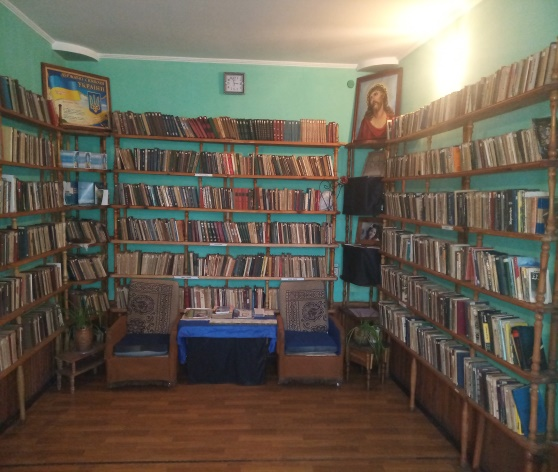
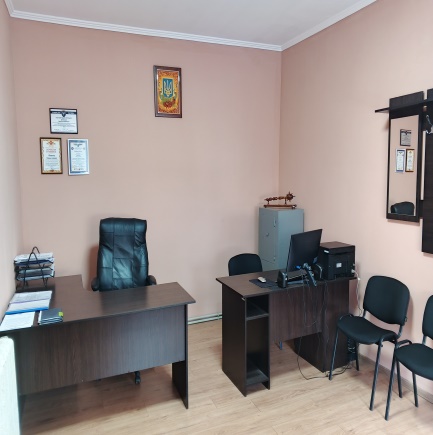
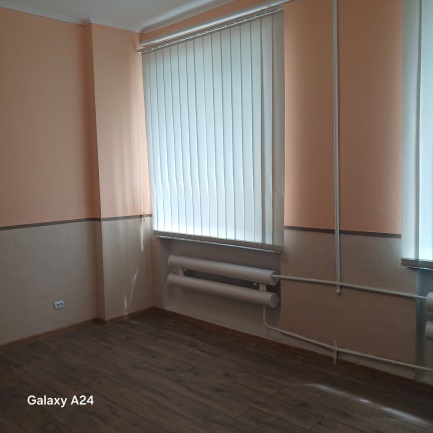
The monitors noted with approval that during the first half of 2026 the institution carried out a programme of repairs to improve conditions for convicted persons and persons held in custody. Some service premises were also properly refurbished.
The following rooms were repaired:
- cell No. 7 of the disciplinary isolation unit;
- the library for convicted persons;
- the office of the Social, Educational and Psychological Work Department;
- the office of the head of SPS Unit No. 1.
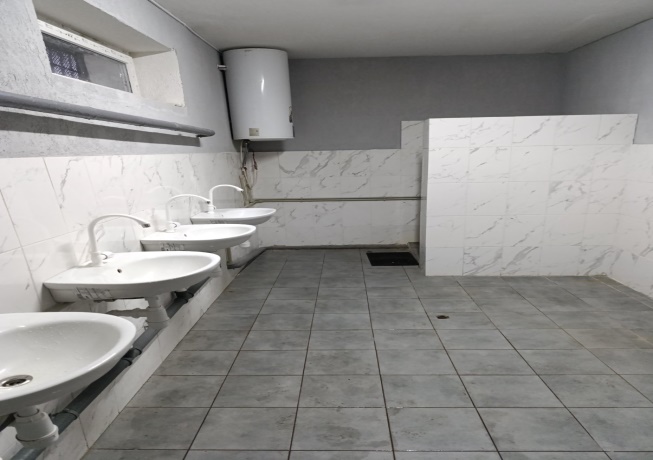
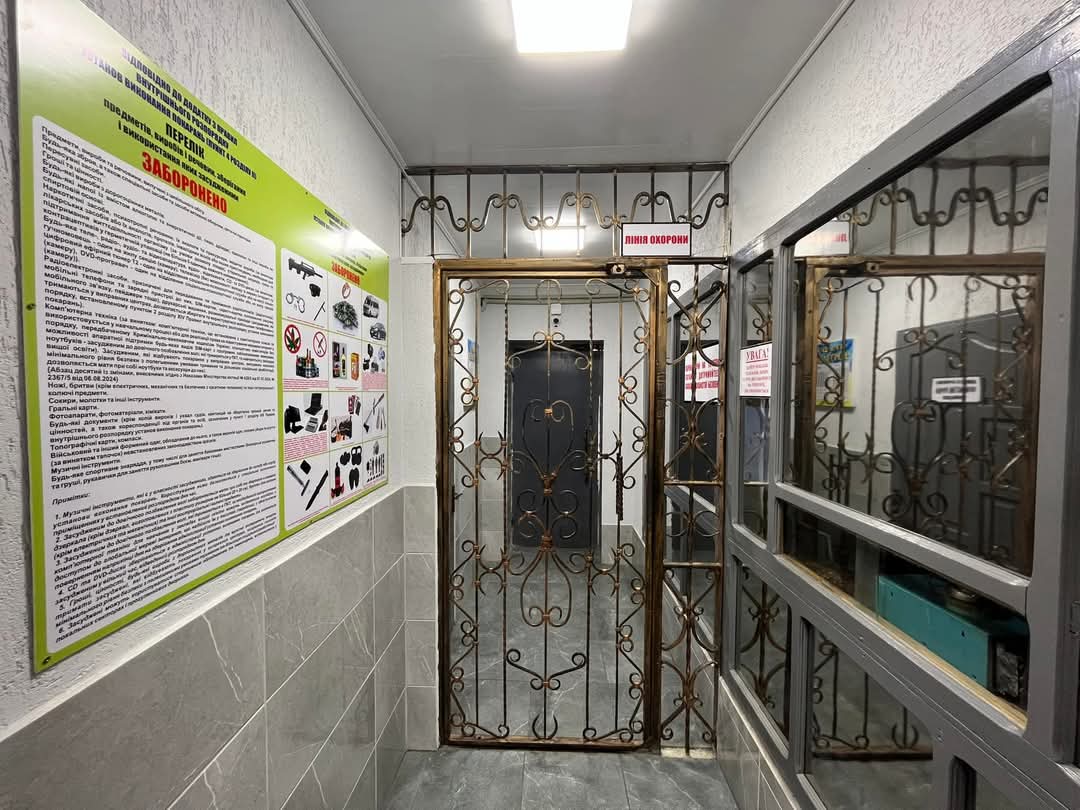
The refurbishment of sanitary facilities deserves particular credit. The washroom of SPS Unit No. 10 and the toilet of SPS Unit No. 1 were renovated, and partitions were installed that provide an adequate level of privacy. Repairs were also carried out in the following areas:
- the checkpoint passage corridor;
- the inter-zone checkpoint premises;
- the junior inspector's workroom;
- the room for storing special equipment.
Several departmental fire protection premises were refurbished, including the duty, dining and rest rooms, the office and the fire engine bay. The office of the Financial Support and Accounting Department was renovated and fitted with new furniture.
Overall, this work shows that the institution's material and living facilities are being steadily improved. It is particularly welcome that some of the repairs directly concern premises used by convicted persons, notably the DIC cell, the library and the sanitary facilities.
Violations of National and International Law
During the visit the monitors identified breaches of national legislation and failures to follow international recommendations on the treatment of prisoners, which result in violations of the rights of convicted persons:
1. The procedure and conditions for admitting convicted persons to the institution do not fully comply with Ukrainian law or with international standards for the treatment of prisoners.
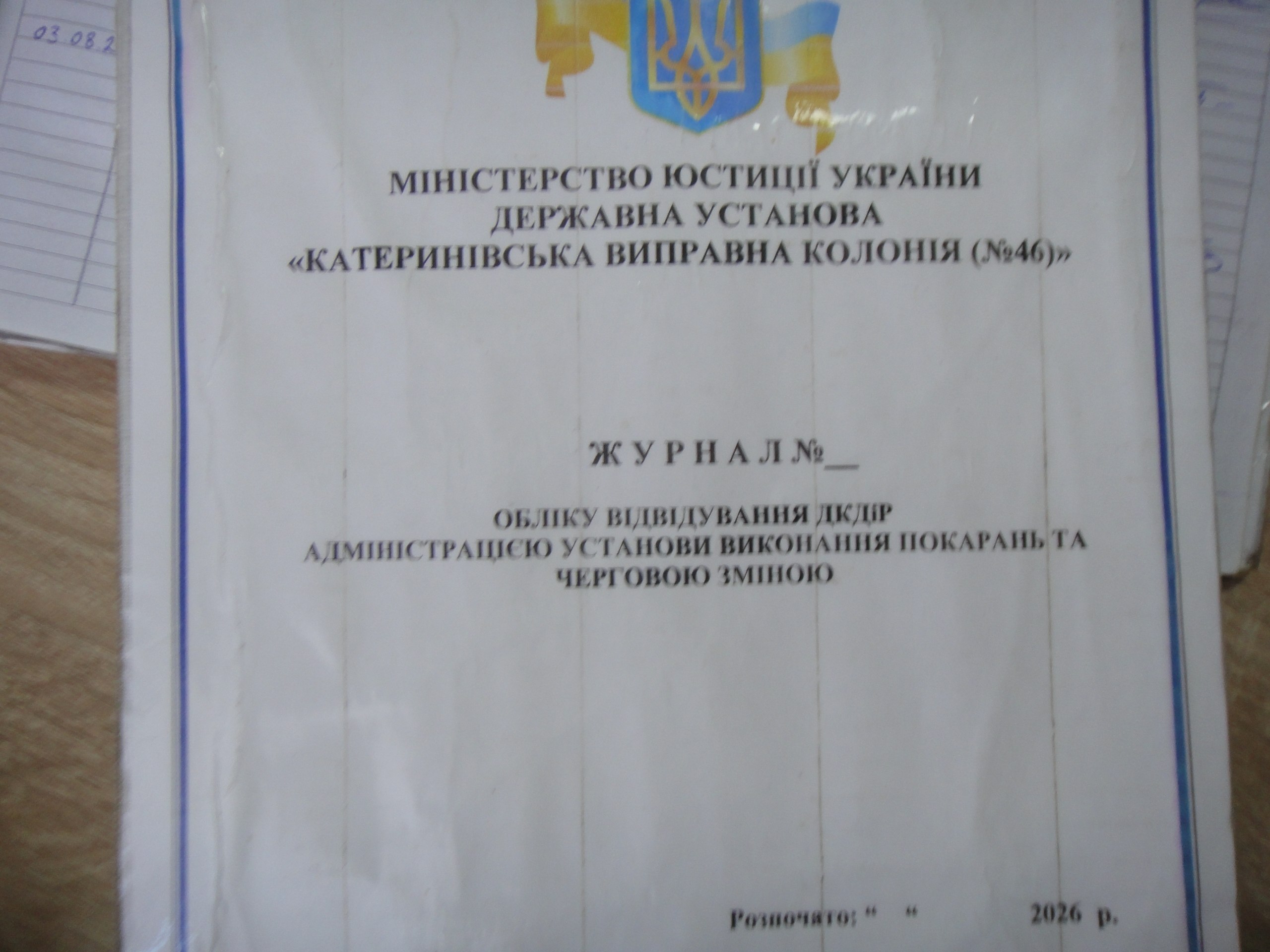
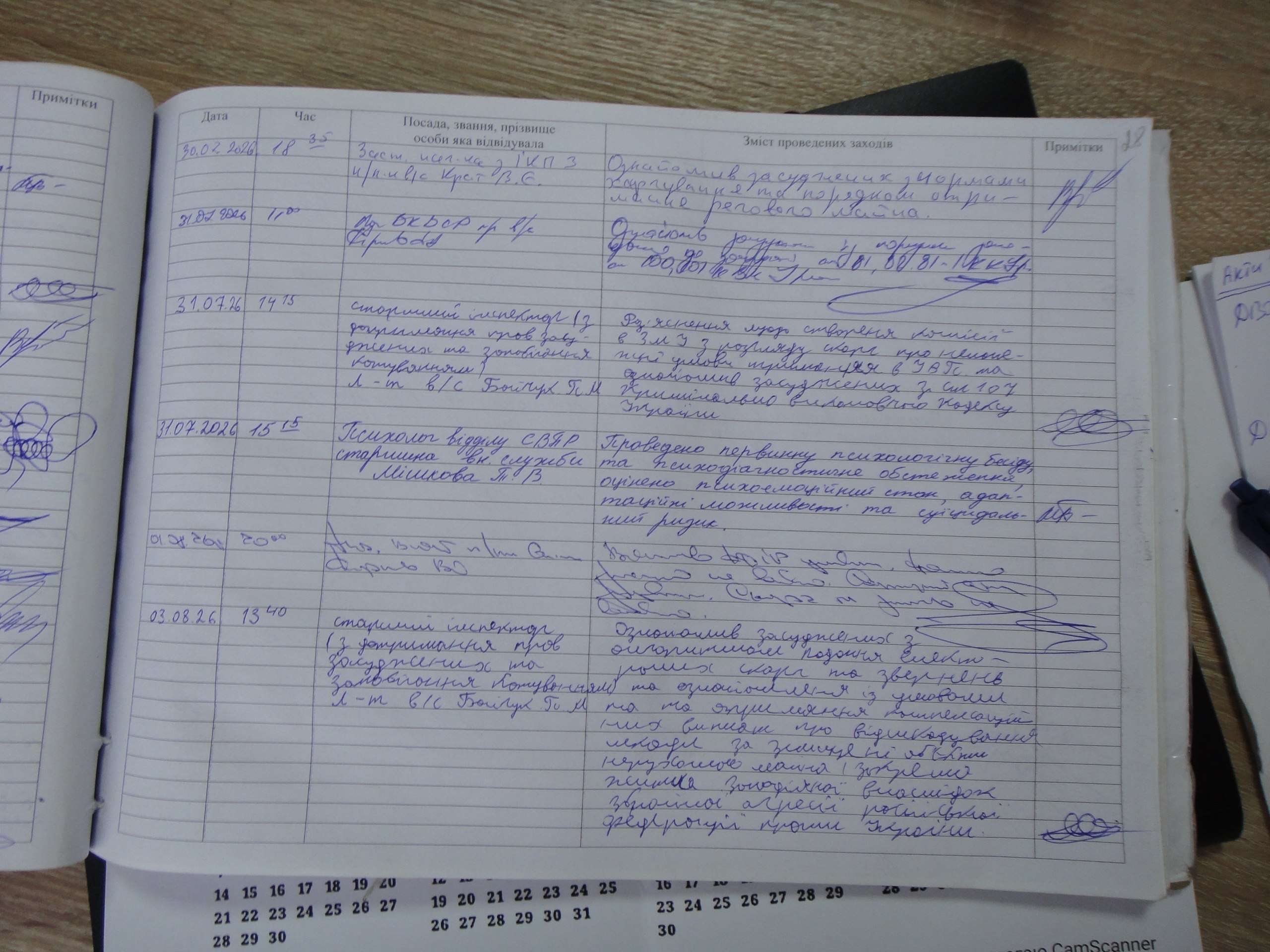
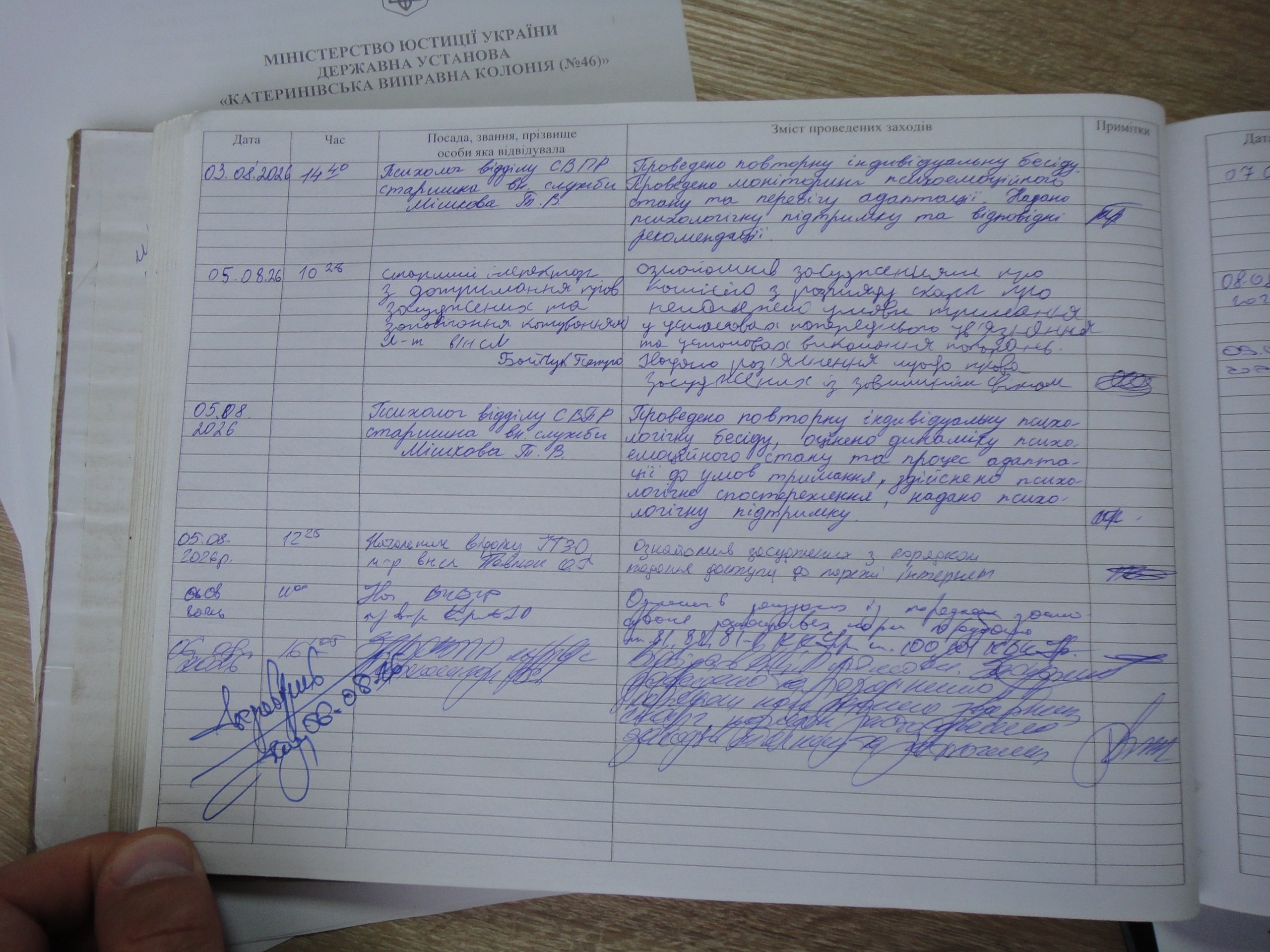
During the visit to the Quarantine, Diagnostics and Allocation Unit (QDAU), the monitors learnt that a newly arrived prisoner, K., who had arrived at the institution on 28.07.2026, was being used to clean the institution's duty office. This was done under Part 5 of Article 118 of the Criminal Enforcement Code of Ukraine.
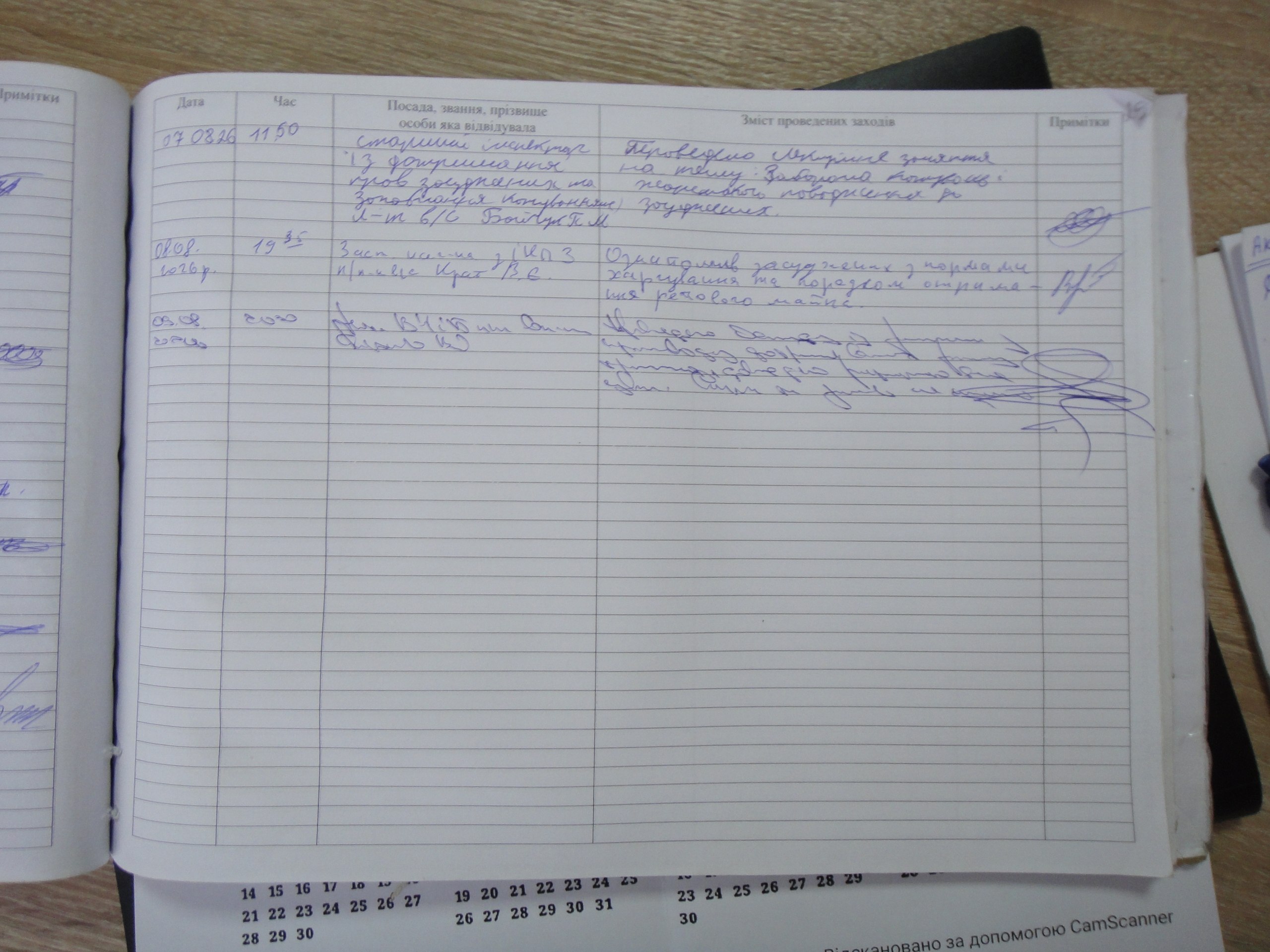
However, the duration and volume of his work effectively matched the working hours of employees who perform similar functions. The QDAU visitors' log, which records visits by the administration and the duty shift, shows that from 06.08.2026 to 10.08.2026 the prisoner was absent from the QDAU between 08:00 and 21:00. This suggests that he was put to work for long periods.
These circumstances suggest that the prisoner was put to work to an extent and on terms that do not comply with the procedure established by law. They also suggest that his labour was used without proper formalities or pay. This bears the hallmarks of a breach of Part 1 of Article 118 and Part 1 of Article 120 of the Criminal Enforcement Code of Ukraine.
In addition, this work required the prisoner to be present in the duty office and brought him into contact with other convicted persons. This may be contrary to paragraph 2 of Section I of the Regulations on the Quarantine, Diagnostics and Allocation Unit. These Regulations were approved by Order of the Ministry of Justice of Ukraine No. 2300/5 of 04.11.2013 and registered with the Ministry of Justice of Ukraine under No. 1864/24396 (hereinafter the QDAU Regulations). They require newly arrived prisoners to be held separately so that they cannot communicate with other prisoners without supervision.
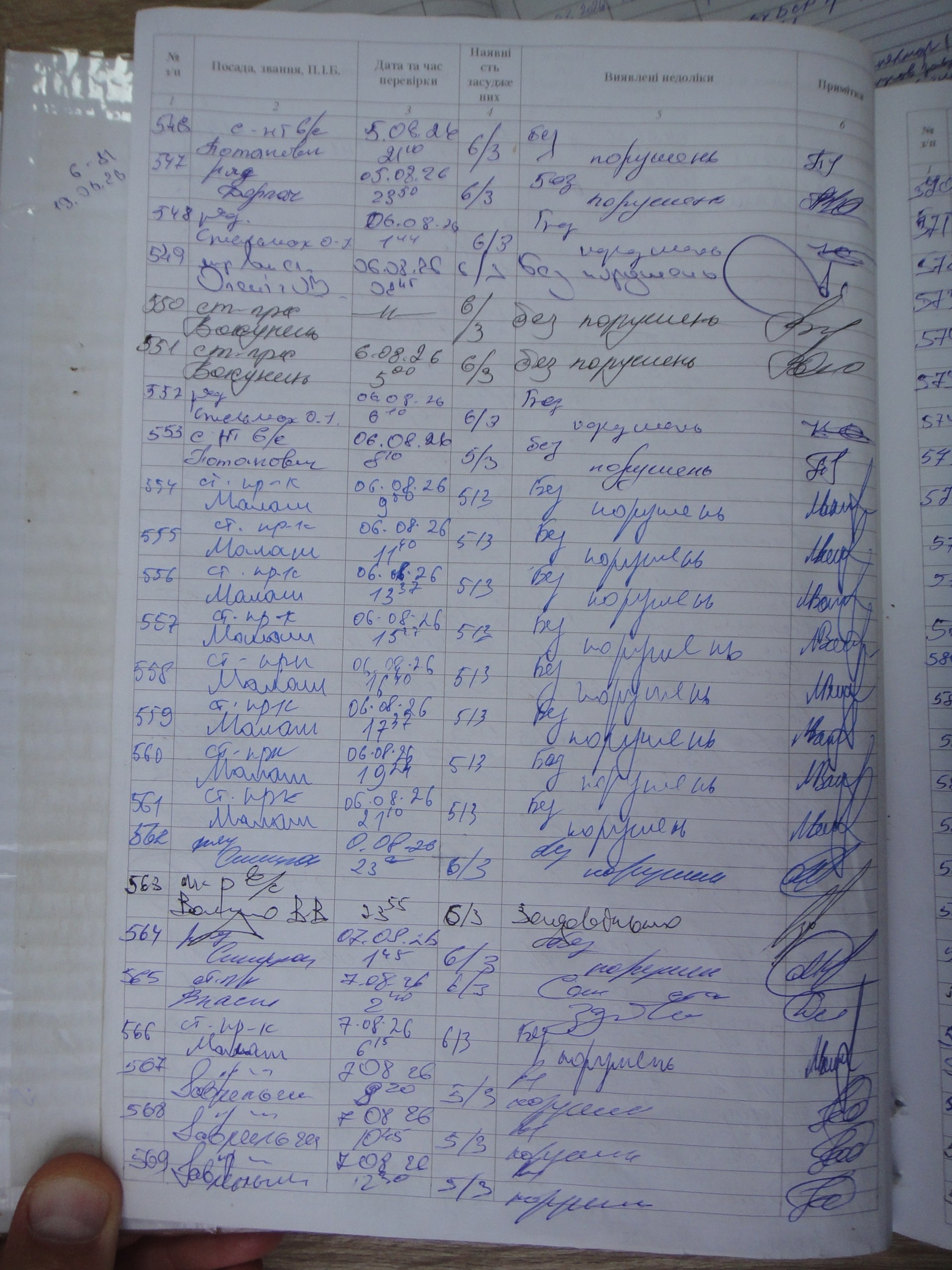
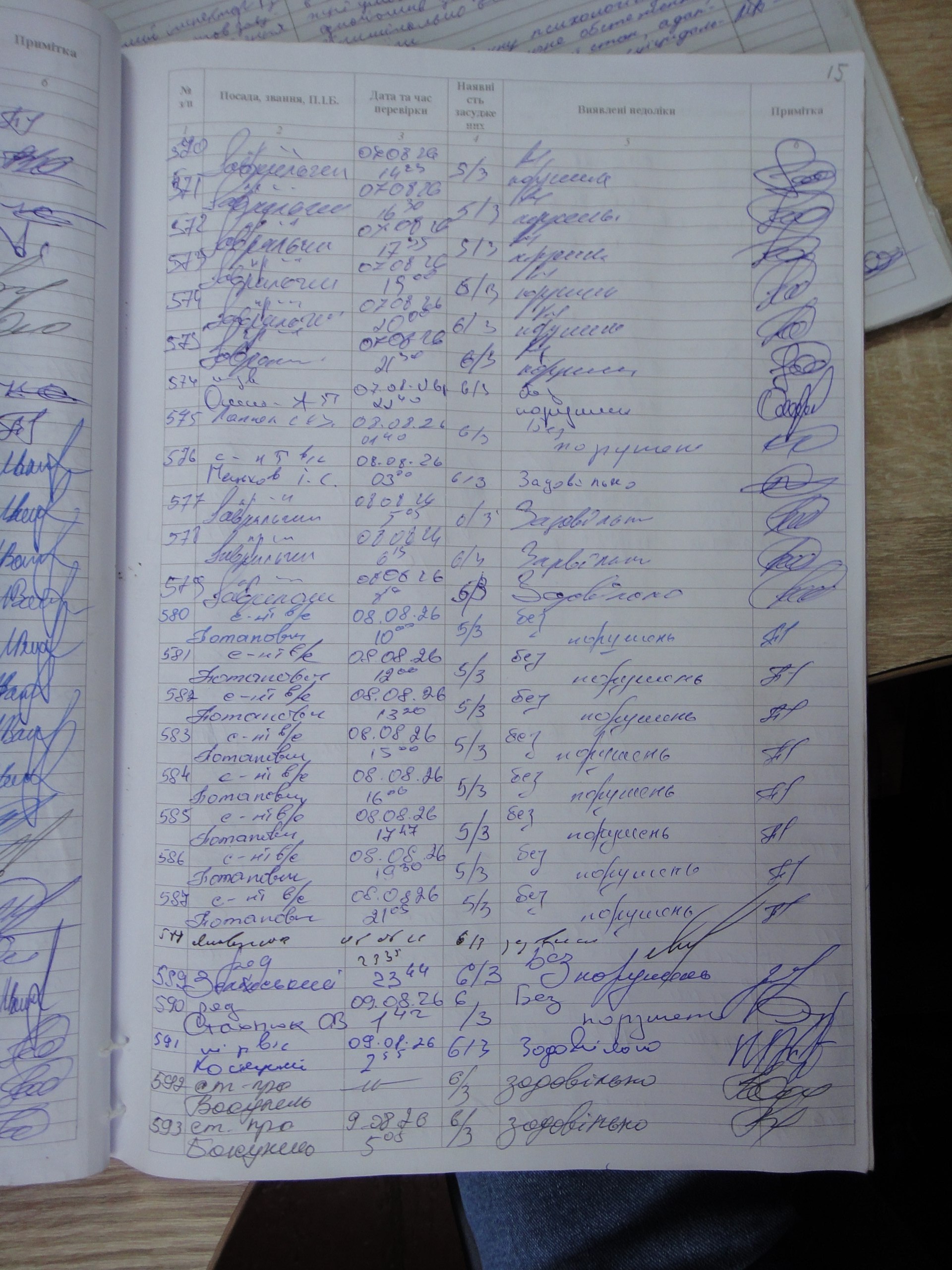
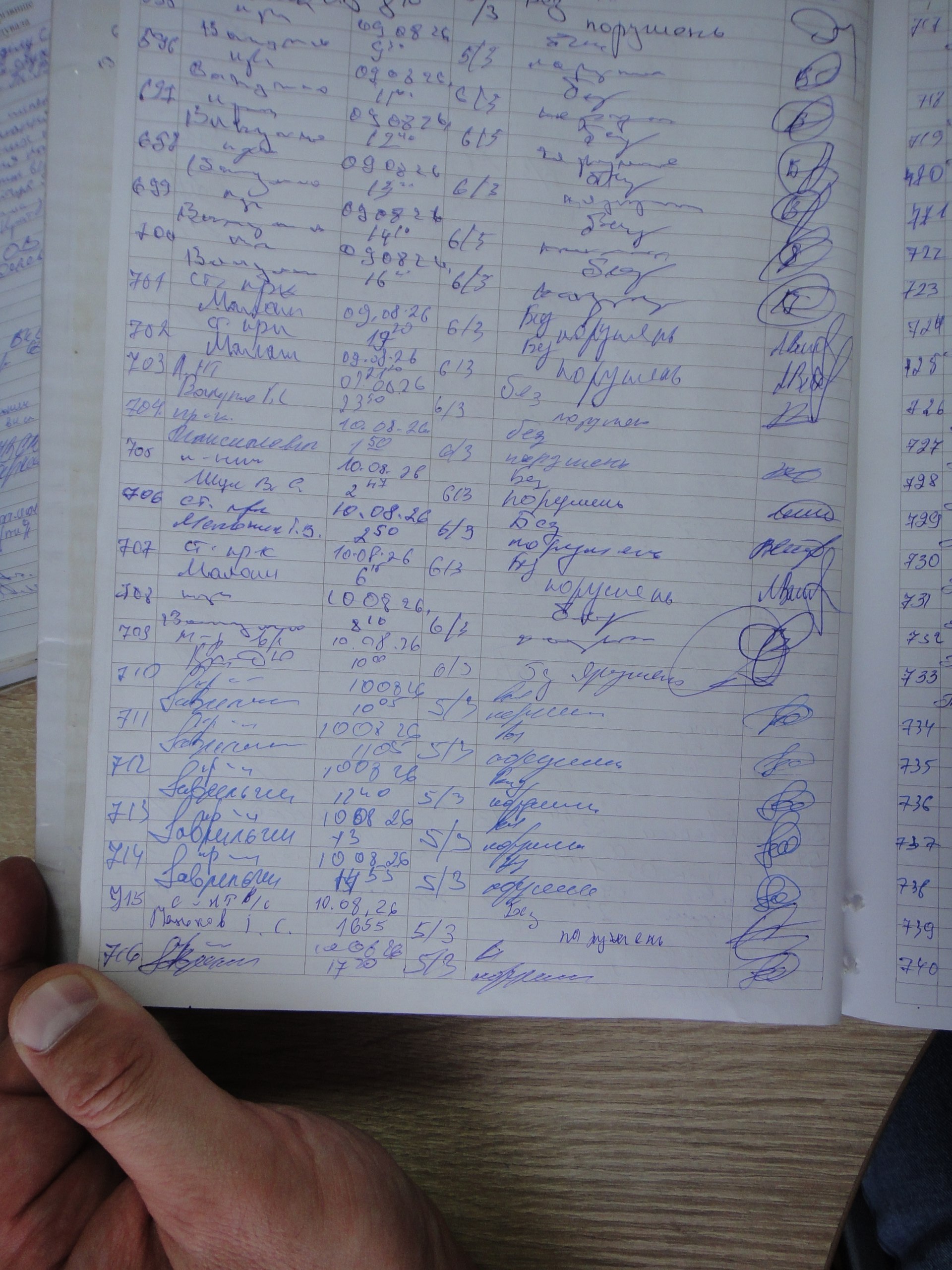
2. In the QDAU, the monitors found that certain prisoners were being used to maintain order and to control the behaviour of other prisoners. In effect, the administration had delegated to three prisoners (orderlies) the task of supervising newly arrived prisoners and making sure they kept to the daily routine. This is unacceptable.
It is contrary to the third subparagraph of paragraph 4 of Section II of the Internal Regulations of Penal Institutions, approved by Order of the Ministry of Justice of Ukraine No. 2823/5 of 28.08.2018 (hereinafter the IRPI). It is also contrary to paragraph 2 of Section I of the QDAU Regulations.
The European Committee for the Prevention of Torture and Inhuman or Degrading Treatment or Punishment (hereinafter the Committee) addressed this practice in its report on its 2020 visit to Ukraine, making the following points:
- It expressed serious reservations about using certain prisoners as ‘orderlies’ who control other prisoners in living quarters and at work and report any incidents or breaches of the regime to staff.
- It noted that, despite its earlier specific recommendations, the use of ‘orderlies’ is still formally provided for in the Internal Regulations of Penal Institutions.
- It reiterated that any partial abdication by custodial staff of their responsibility for order and security in prisons is unacceptable, because it exposes weaker prisoners to the risk of ill-treatment and exploitation by other prisoners.
- It called on the Ukrainian authorities to take all necessary steps, including legislative ones, to end this practice, stating that no prisoner in any penitentiary establishment in the country should have power over other prisoners (CPT/Inf (2020) 40, para. 27).
3. Under paragraphs 1 and 2 of Section II of the QDAU Regulations, the head of the institution must issue an order setting up a working group to organise work with newly arrived prisoners. The group must include the deputy heads of the institution, the heads of its departments, a psychologist and a medical worker.
To plan this work, a programme familiarising newly arrived prisoners with the procedure and conditions for serving their sentences must be drawn up each year and approved by the head of the institution.
However, the activities under this programme are not held as often as required. In particular, each member of the working group must visit the QDAU at least once a week, and this obligation is not being met.
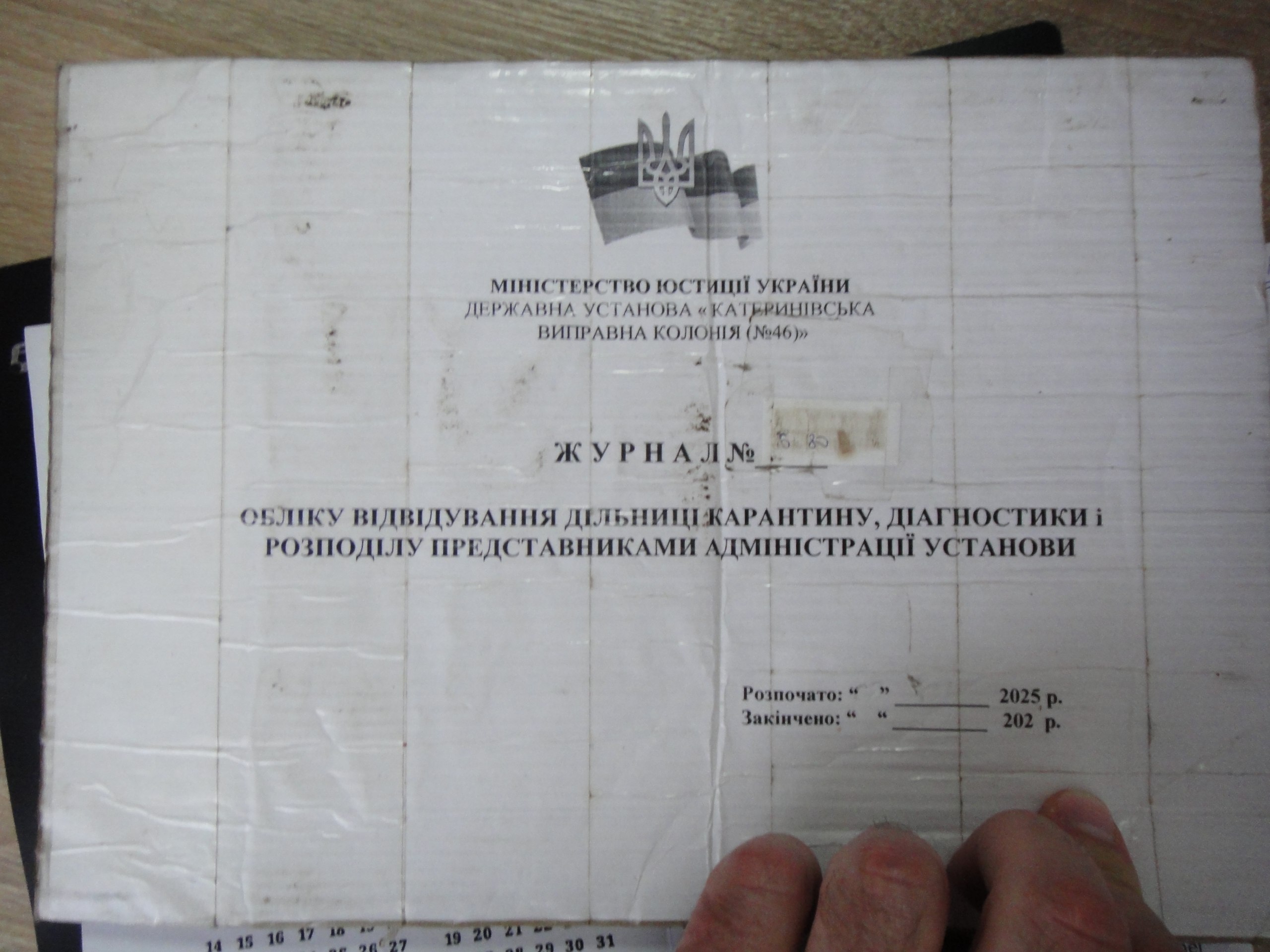
According to the QDAU log of visits by the administration, only seven of the ten members of the working group held activities with newly arrived prisoners between 03.08.2026 and 09.08.2026. This does not comply with paragraph 5 of Section II of the QDAU Regulations.
4. In breach of paragraph 1 of Section II of the QDAU Regulations, the Head of the Financial Support and Accounting Department (Chief Accountant) is not a member of the working group on newly arrived prisoners.
5. The monitoring group found that the material and living conditions in the QDAU do not fully meet the established requirements. The Standards for the Provision of Furniture, Equipment and Household Items for a Medium-Security Correctional Colony, approved by Order of the Ministry of Justice of Ukraine No. 1118/5 of 27.07.2012 (hereinafter the Provision Standards), require the unit to have certain rooms. In breach of these Standards, the unit lacks the following:
- a room for storing replacement stocks of bedding, clothing and workwear;
- a storeroom for temporarily keeping dirty bedding, clothing and workwear;
- a cloakroom;
- a utility room;
- a drying room.
Because these rooms are missing or poorly equipped, the unit cannot provide adequate material, living, sanitary and hygienic conditions. It is also harder to keep the unit clean and orderly, and newly arrived prisoners find it harder to adapt to serving their sentence.
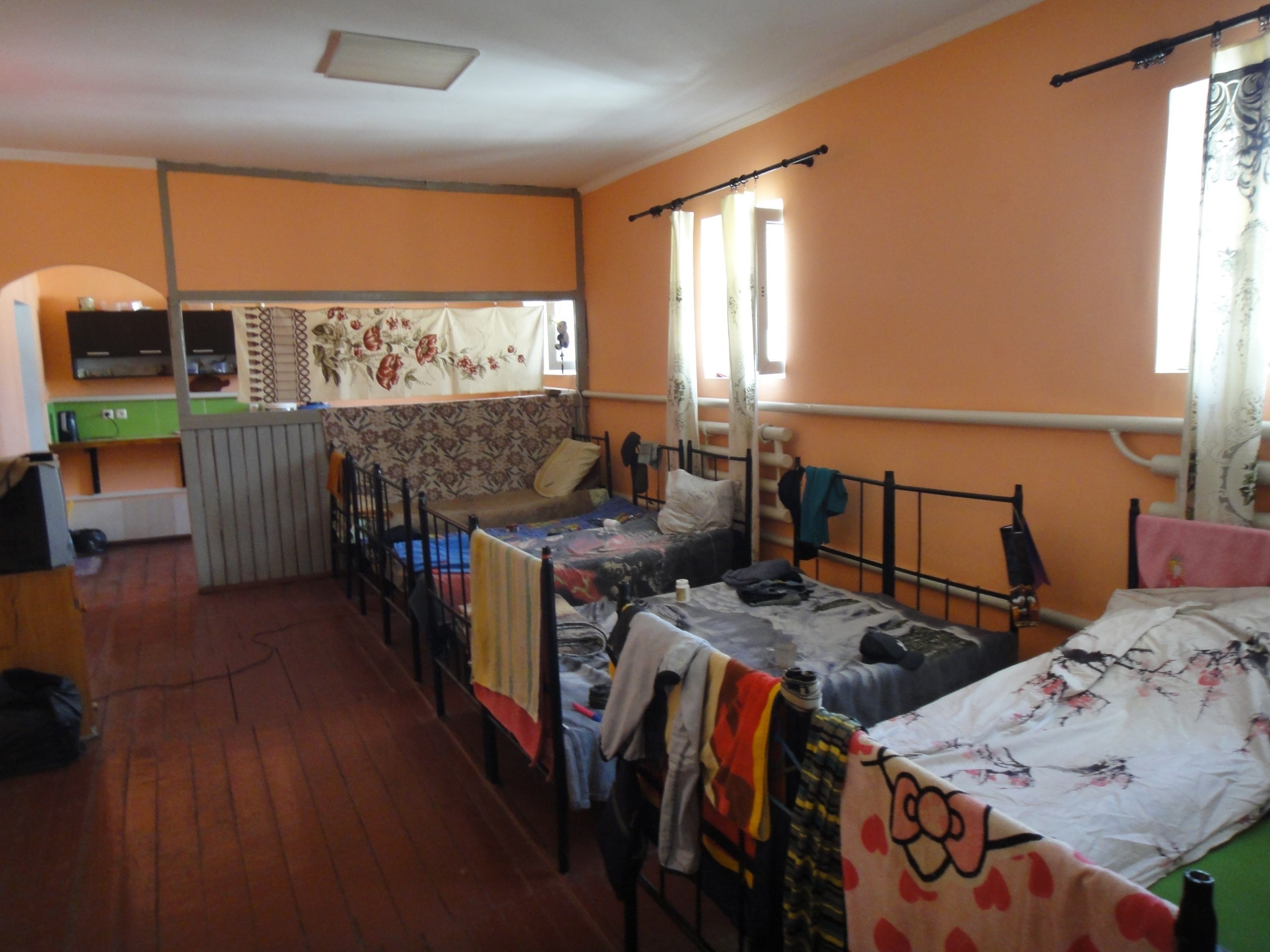
6. The monitors found a breach of Article 8 of the Convention for the Protection of Human Rights and Fundamental Freedoms, which guarantees the right to respect for private life, in the QDAU living quarters. In particular, the beds are placed right next to one another, in breach of Rule 18.1 of the European Prison Rules, so prisoners lack adequate personal space.
A similar violation was found in the living quarters of the Enhanced Supervision Unit.
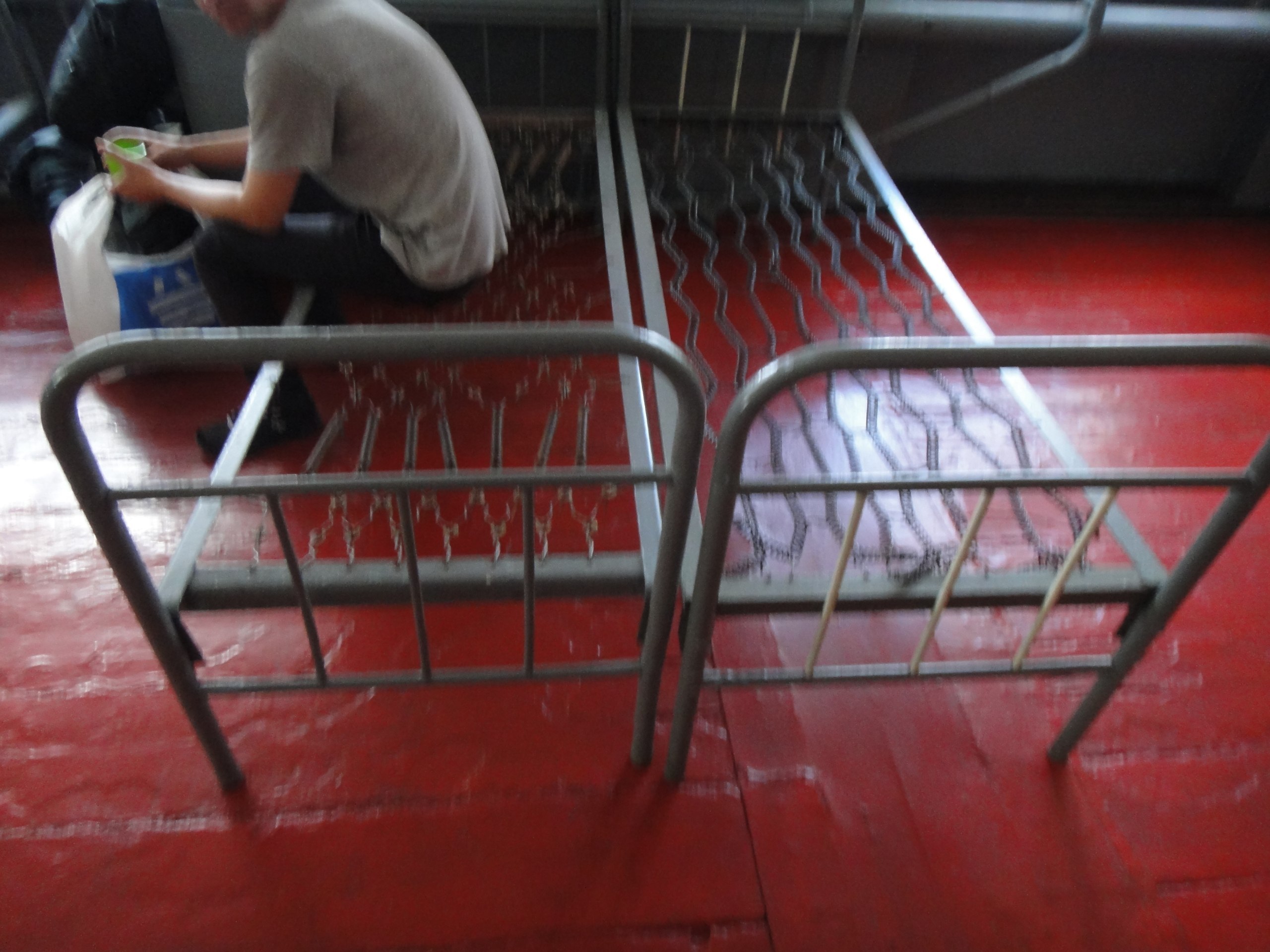
7. The QDAU living quarters lack a 15-litre drinking water tank with a tap, lid, mug and basin. This breaches Rule 22.5 of the European Prison Rules, Rule 22.2 of the United Nations Standard Minimum Rules for the Treatment of Prisoners (the Nelson Mandela Rules) and the Provision Standards.
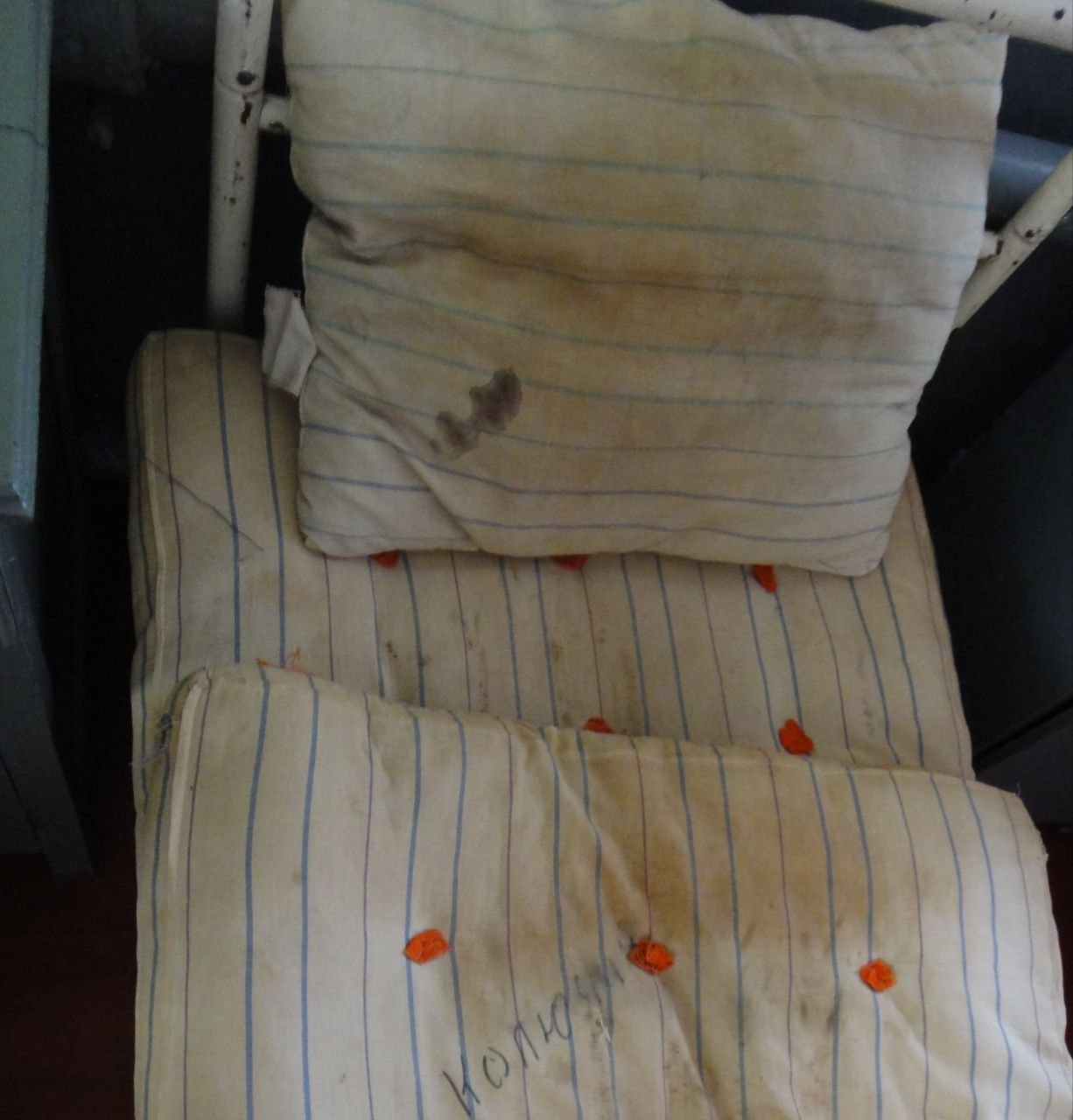
8. Some mattresses and pillows in the QDAU living quarters are in poor condition and need replacing. This is contrary to the Procedure for the Provision of Clothing and Personal Effects and the Standards of Entitlement to Clothing and Personal Effects for Convicted Persons, approved by Order of the Ministry of Justice of Ukraine No. 280/5 of 20.02.2012.
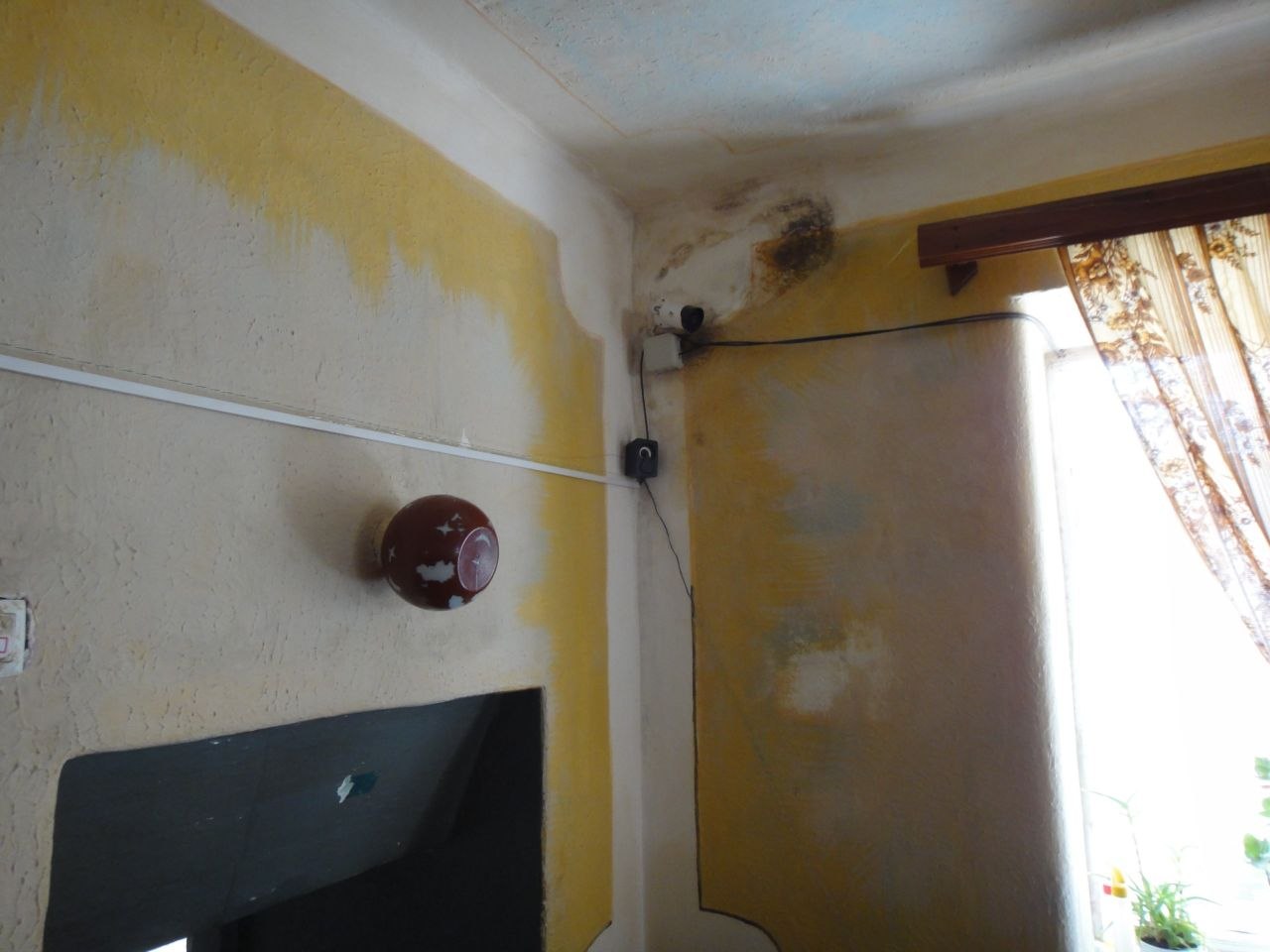
9. Paragraph 1 of Section XXIII of the IRPI defines supervision of convicted persons as a system of measures for enforcing sentences of restriction of liberty, imprisonment, life imprisonment and arrest. These measures involve round-the-clock, continuous monitoring of prisoners' behaviour where they live and work. Their purpose is to prevent and stop unlawful acts by prisoners, keep prisoners isolated and protect the staff of penal institutions. During the inspection, the monitors found CCTV cameras installed in the QDAU living quarters.
However, in its 2012 report the Committee criticised the excessive intrusion into privacy caused by installing cameras in prisoners' living quarters. It stated that any decision to place a particular prisoner under video surveillance must always be based on an individual assessment of the actual risks and must be reviewed regularly. Video surveillance is a serious intrusion into prisoners' private lives and makes the regime even more oppressive, especially when used over long periods (CPT/Inf (2013) 23, para. 52).
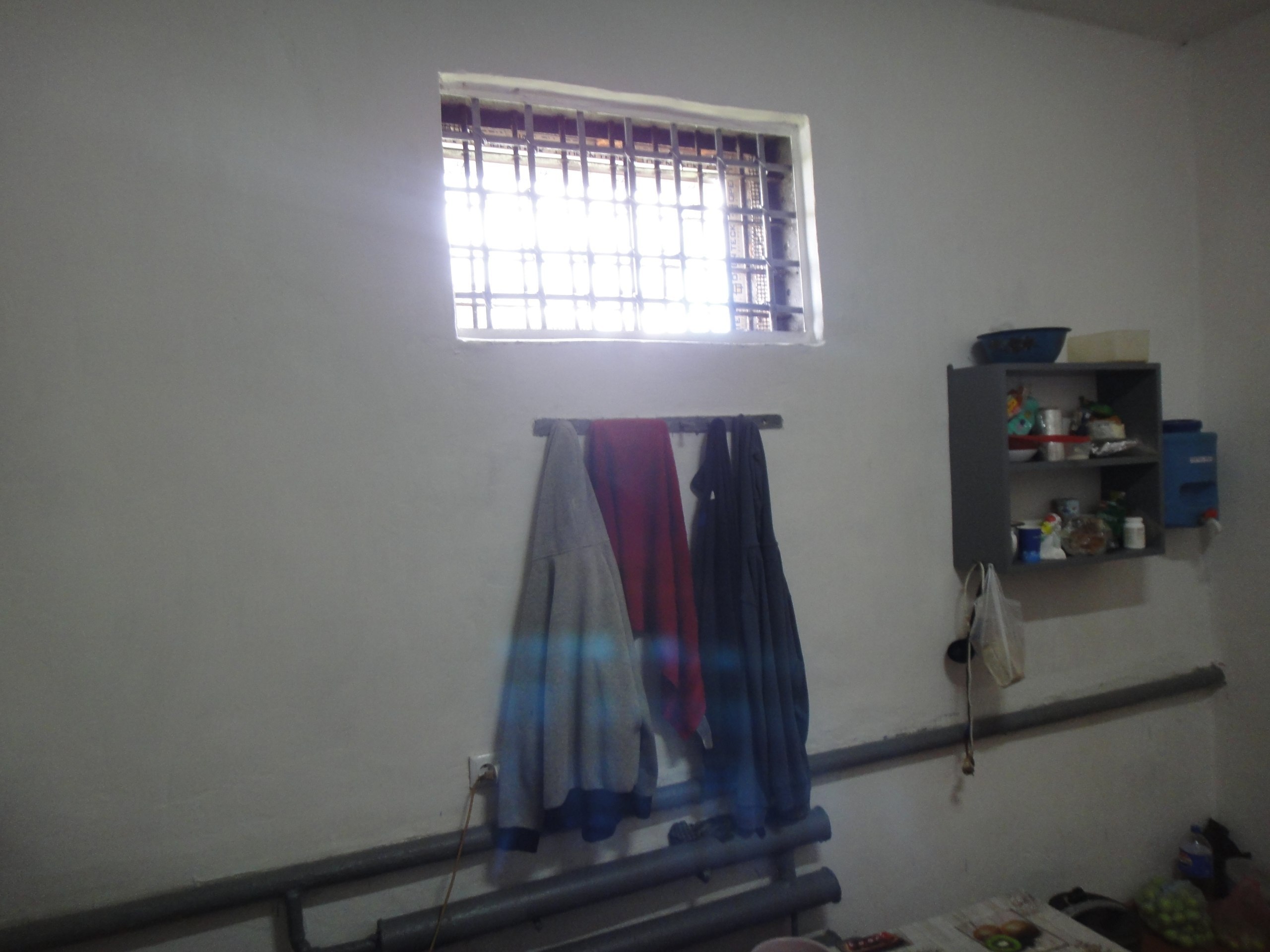
10. The equipment of the institution's disciplinary isolation unit (hereinafter the DIC) does not fully meet the established standards for the treatment of prisoners. It does not provide adequate material, living, sanitary or hygienic conditions, and this results in violations of prisoners' rights.
The DIC/CTP cells do not get enough natural light. The windows are small, set high up and covered with excessive bars, so the light they let in is too limited for normal living conditions. Because prisoners and detainees can see so little of the outside world, these conditions also cause them additional psychological distress.
This does not comply with Rule 18.2(a) of the European Prison Rules or Rule 14 of the United Nations Standard Minimum Rules for the Treatment of Prisoners (the Nelson Mandela Rules).
11. The toilets in some DIC cells, in particular cell No. 10, lack doors and adequate partitions, so prisoners cannot have privacy when using them. This does not comply with Rule 19.3 of the European Prison Rules or Rule 15 of the United Nations Standard Minimum Rules for the Treatment of Prisoners (the Nelson Mandela Rules).
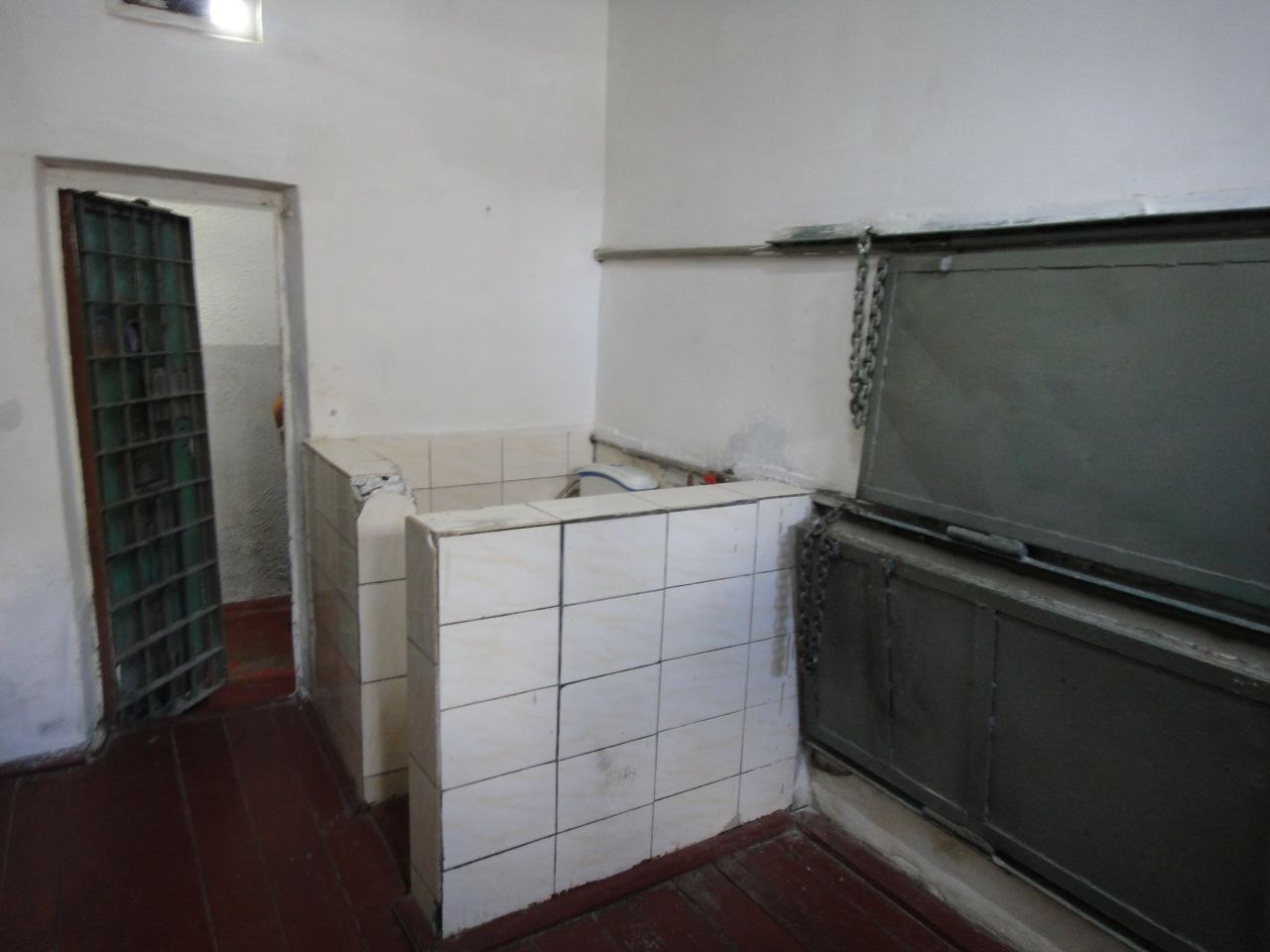
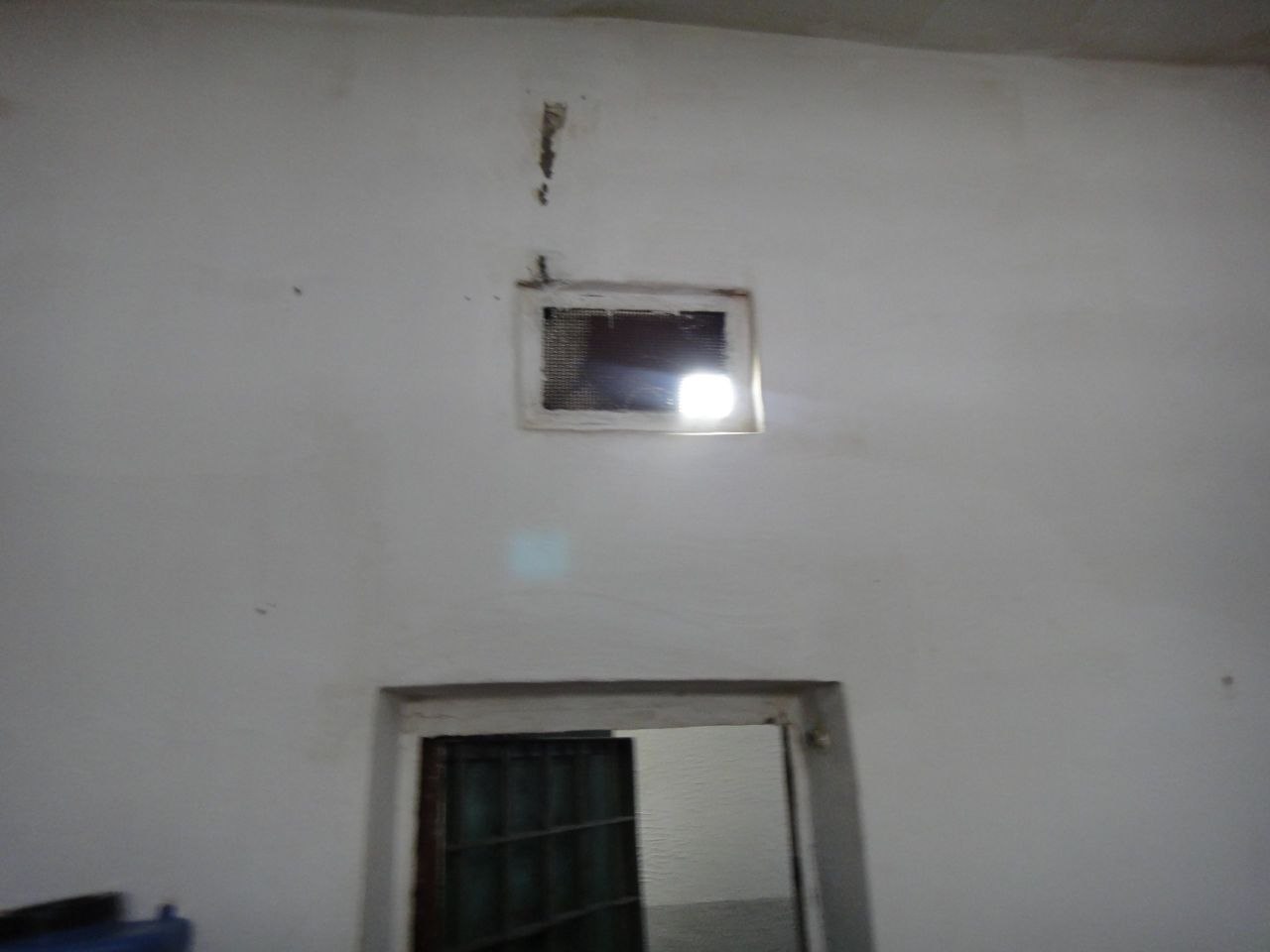
12. The mechanical ventilation in the DIC/CTP cells does not work. This does not comply with Rule 13 of the United Nations Standard Minimum Rules for the Treatment of Prisoners (the Nelson Mandela Rules).
13. In the DIC/CTP, radio is broadcast only in the common corridor, and prisoners cannot switch it on or off or adjust the volume themselves. There is no working radio in the cells. This is contrary to paragraph 3 of Section XX of the IRPI and Rule 63 of the United Nations Standard Minimum Rules for the Treatment of Prisoners (the Nelson Mandela Rules).
14. The monitoring group found that the institution's psychologist does not add psychological profiles to the files on placing prisoners in the disciplinary isolation unit. This shows that these prisoners are not properly assessed by a psychologist. Of the four prisoners whose files were checked, three had no psychological profile.
This breaches paragraph 5 of Section V of the Standard Job Description of a Psychologist of a Penal Institution and Pre-trial Detention Centre, approved by Order of the Ministry of Justice of Ukraine No. 2300/5 of 04.11.2013. Under that provision, the psychologist must take part in reviewing the files on placing prisoners in the disciplinary isolation unit and must give an opinion.
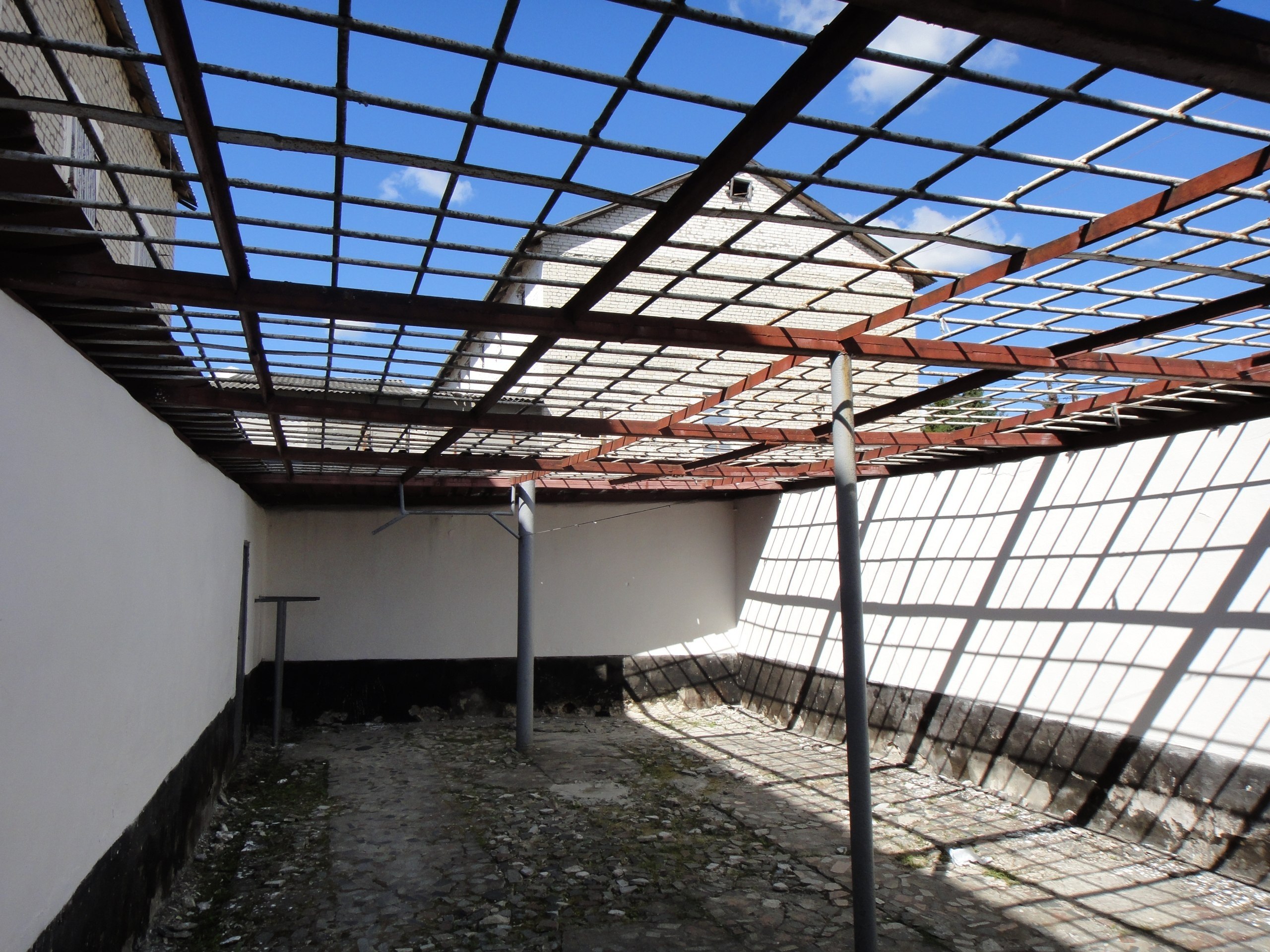
15. Some of the exercise yards of the DIC/CTP and the Enhanced Supervision Unit have no adequate shelter from rain. In its 2nd General Report, the Committee states that the daily outdoor exercise must take place in an area of sufficient size. As far as possible, the area should offer shelter from bad weather (CPT/Inf (92) 3, para. 48).
16. The monitors found that the material and living conditions in the ESU do not fully meet the established requirements.
In breach of the Provision Standards, the unit lacks the following rooms:
- a room for educational work;
- a cloakroom;
- a utility room;
- a drying room.
Because these rooms are missing or poorly equipped, sanitary and hygiene standards are breached, it is harder to keep the places where prisoners are held clean and orderly, and the overall condition of the institution suffers.
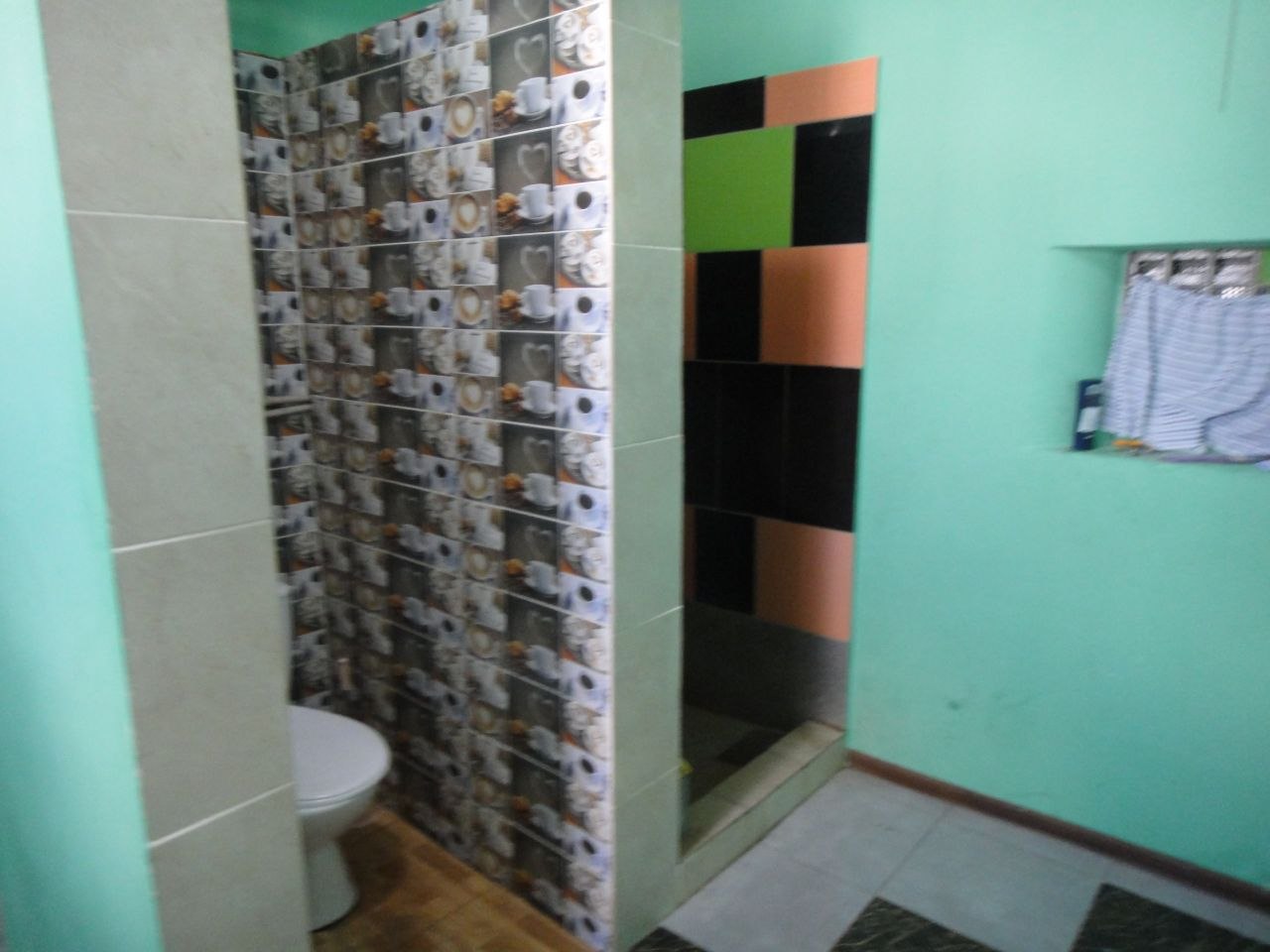
17. The toilet in the ESU has no door, so prisoners have no privacy when using it. This breaches Rule 19.3 of the European Prison Rules and Rule 15 of the United Nations Standard Minimum Rules for the Treatment of Prisoners (the Nelson Mandela Rules).
18. In Social and Psychological Service (hereinafter SPS) Unit No. 6, there was no displayed information giving:
- hotline telephone numbers;
- the postal and email addresses of the State Bureau of Investigation, the Office of the Prosecutor General, the oblast and district prosecutor's offices, the Department and the interregional directorate;
- the details of the regional centre for free legal aid.
This is contrary to paragraph 6 of Section II of the IRPI.
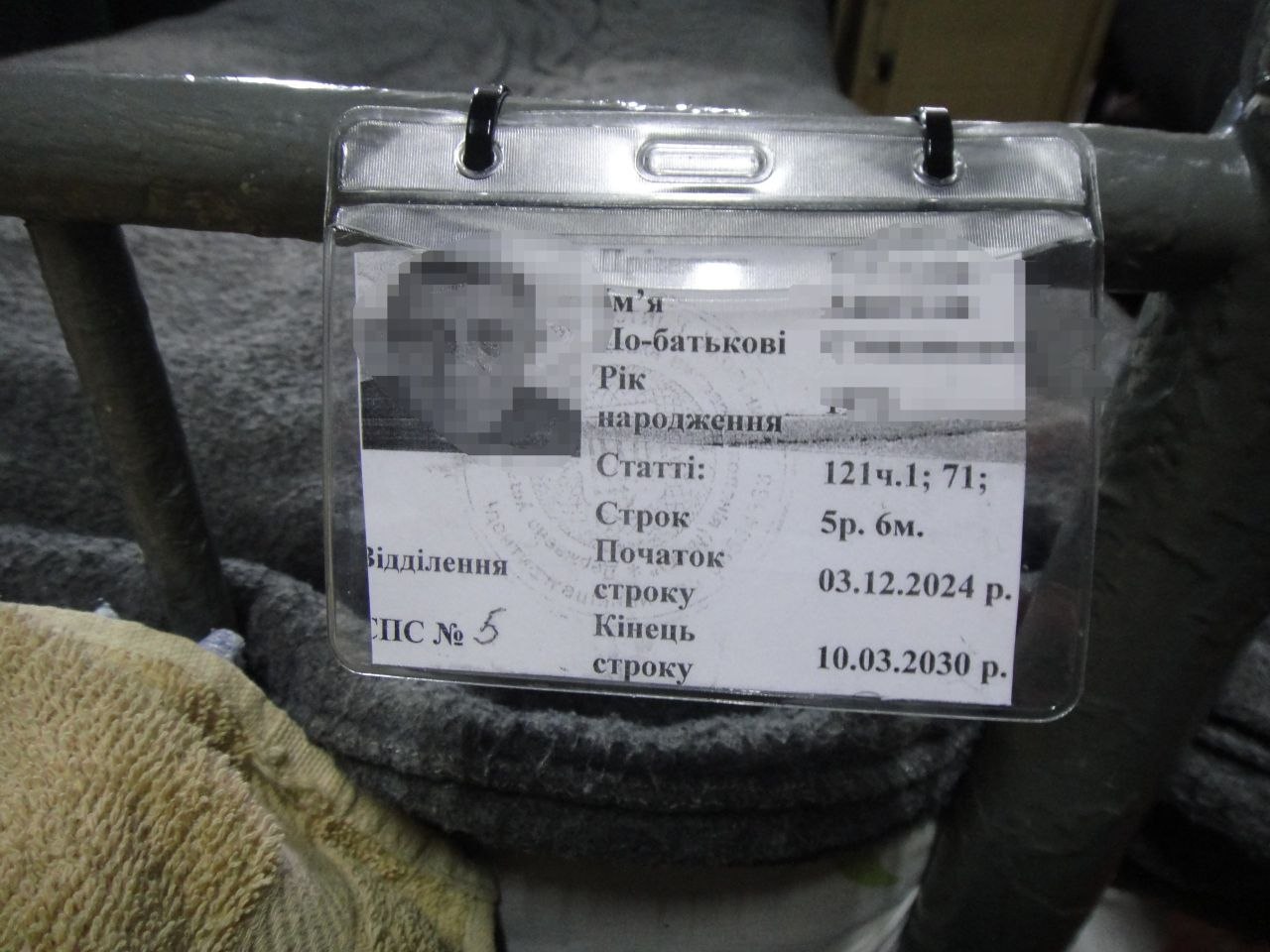
19. In the living quarters of the SPS unit, name cards had been placed on the prisoners' beds, each with a brief description of the offences committed by the occupant. In its report on its 2020 visit to Ukraine, the Committee addressed similar circumstances. It stated that this practice should be ended because it serves no reasonable purpose. Beyond stigmatising prisoners, it also harms relations between prisoners and staff (CPT/Inf (2020) 40, para. 52).
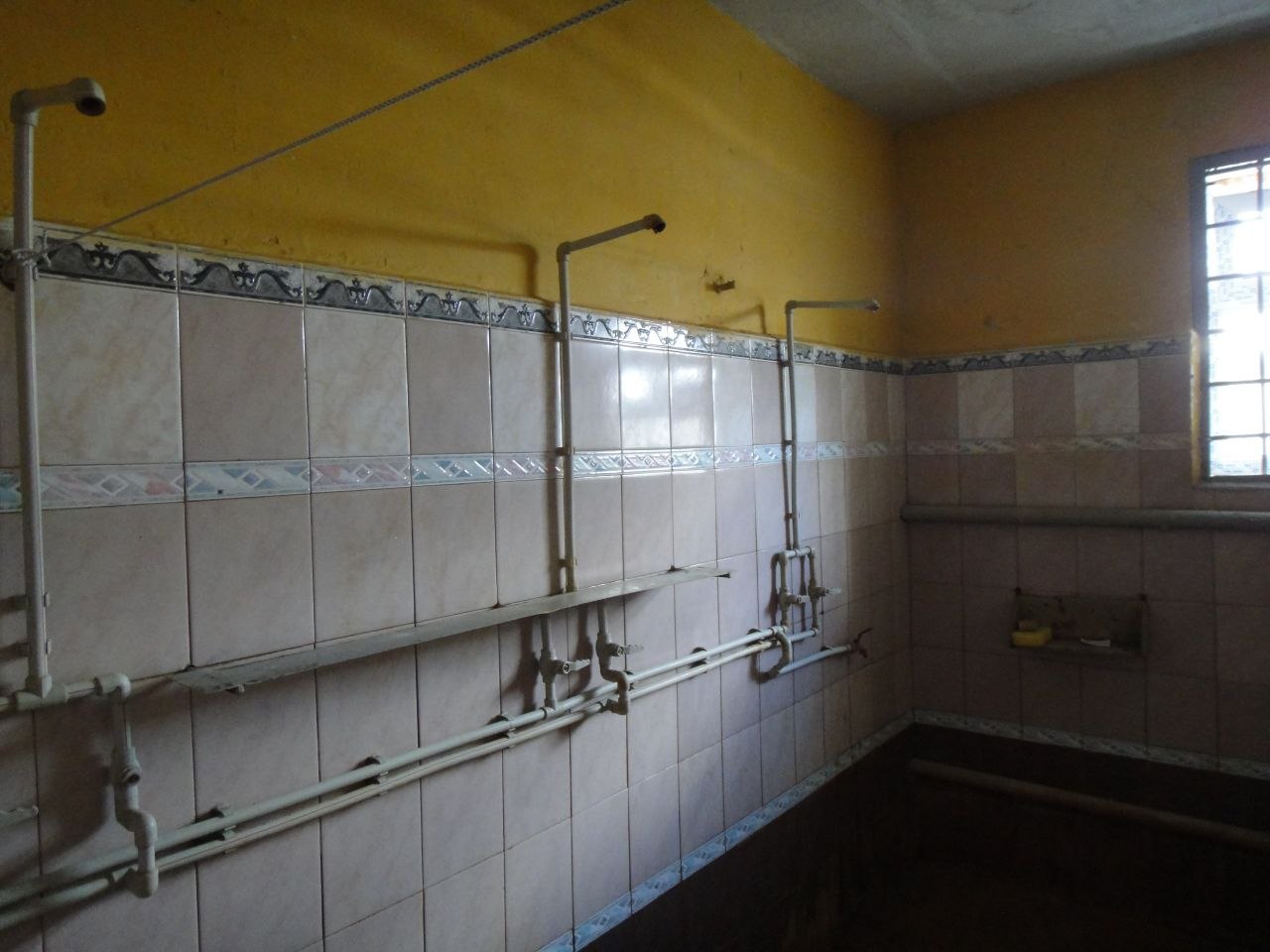
20. The monitoring group found a number of breaches in the bathing and laundry services for convicted persons and persons held in custody.
The monitors found that prisoners can use the bathhouse only once a week. This does not comply with the following requirements:
- Rule 19.4 of the European Prison Rules, under which prisoners must be able to shower, if possible daily, and at least twice a week;
- paragraph 3.1 of Section III of the Regulations on the Organisation of Bathing and Laundry Services for Persons Held in Penal Institutions and Pre-trial Detention Centres, approved by Order of the Ministry of Justice of Ukraine No. 849/5 of 08.06.2012 and registered with the Ministry of Justice of Ukraine on 13.06.2012 under No. 947/21259 (hereinafter the Bathing and Laundry Regulations), which require prisoners (persons held in custody) to wash in the bathhouse at least twice a week.
21. In breach of paragraph 2.14 of Section II of the Bathing and Laundry Regulations, the institution does not provide prisoners with hairdressing services.
22. In breach of paragraph 2.11 of Section II of these Regulations, the forced supply and exhaust ventilation in the DIC laundry and shower room does not work properly.
23. In breach of Rule 19.3 of the European Prison Rules, the shower room does not respect the right to privacy, as the shower partitions have no curtains.
24. In breach of paragraph 4 of Section XXII of the IRPI and paragraph 3.19 of Section III of these Regulations, the institution does not meet sanitary, hygiene and anti-epidemic requirements.
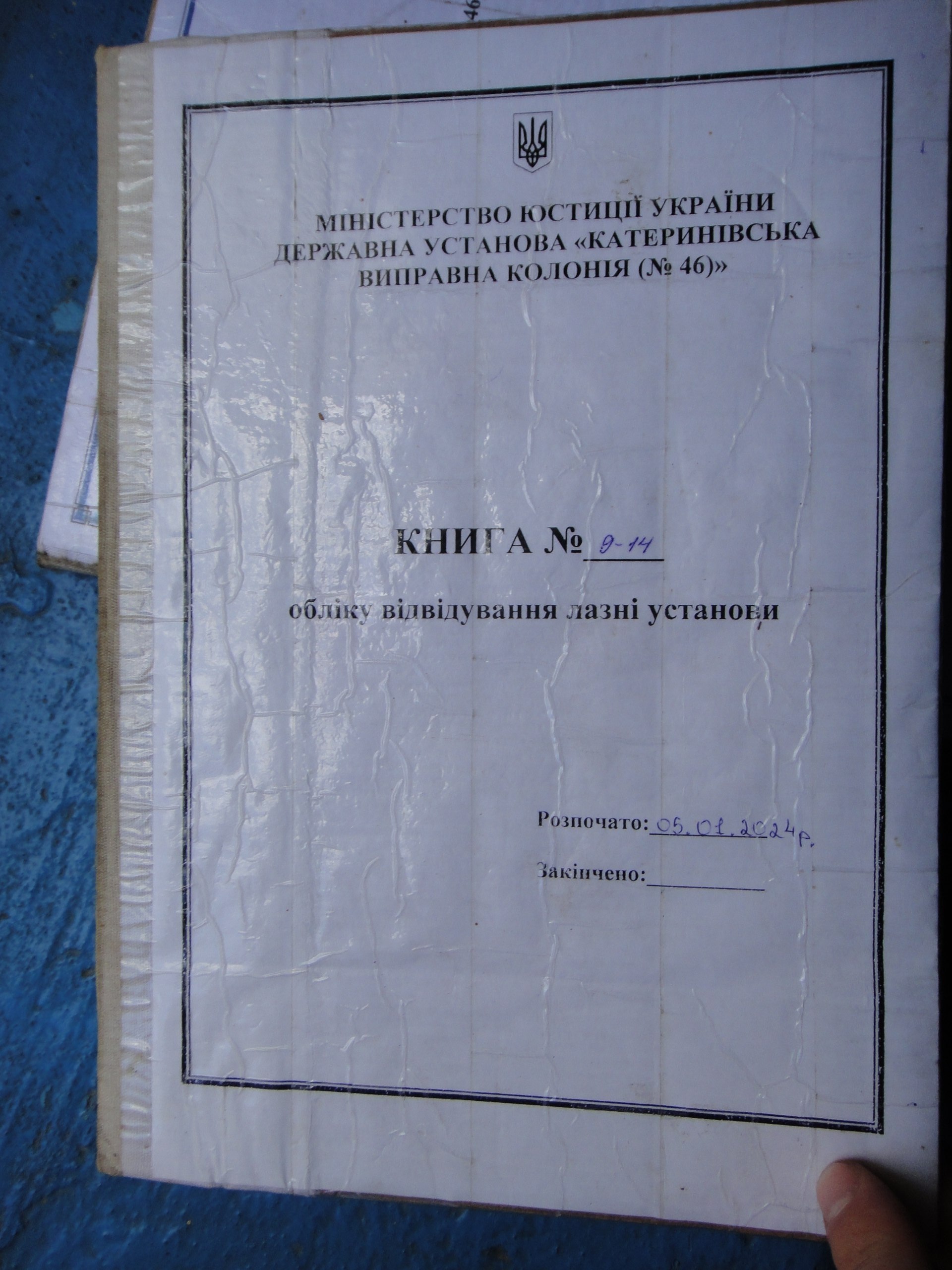
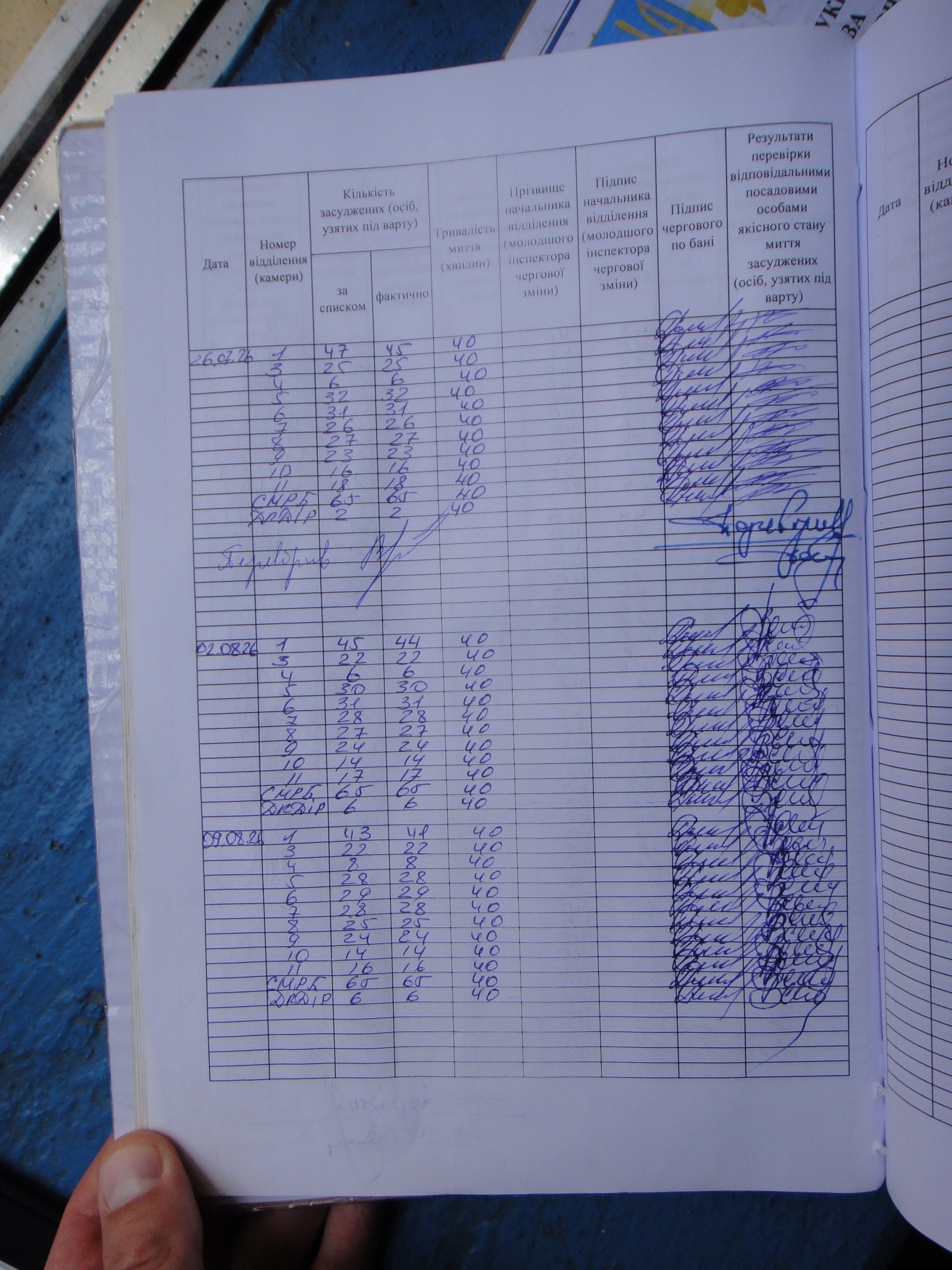
In particular, prisoners arriving at the institution are not given a sanitary treatment. For example, prisoners arrived at the institution on 28.07.2026, yet the bathhouse register contains no record of them having washed.
25. During the visit, the monitoring group saw staff in direct contact with prisoners openly carrying special equipment, in particular rubber batons. However, under the eighth subparagraph of paragraph 1 of Section XXVI of the IRPI, when penal institution staff carry special equipment within the guarded perimeter, it should be kept as far out of sight as possible.
The Committee recommends that prison staff in direct contact with prisoners should not carry special equipment, such as rubber batons, handcuffs and tear gas canisters, openly in front of prisoners. Carrying such equipment openly hinders the development of normal relations between staff and prisoners (CPT/Inf (2011) 29, para. 85; CPT/Inf (2013) 23, para. 23; CPT/Inf (2014) 15, para. 166).
26. The Regulations on the Differentiated Educational Programme for Convicted Persons ‘Preparation for Release’ were approved by Order of the Ministry of Justice of Ukraine No. 1418/5 of 16.05.2016 and registered with the Ministry of Justice of Ukraine on 17.05.2016 under No. 735/28865. Under subparagraph 5 of paragraph 2 of Section IV of these Regulations, the SPS staff who organise and deliver the ‘Preparation for Release’ programme must help prisoners with the following:
- obtaining (or renewing) a passport of a citizen of Ukraine;
- obtaining a registration number of the taxpayer's registration card (RNTRC);
- obtaining other personal documents;
- arranging pensions.
However, 19 prisoners need a passport of a citizen of Ukraine and 15 need an RNTRC. This shows that the Social, Educational and Psychological Work Department is not doing enough to obtain the necessary documents for prisoners who lack them.
27. According to official records, 128 staff posts in the institution were vacant as of 13.08.2026. In its report on its 2023 visit to Ukraine, the Committee made the following points:
- A positive climate in a penitentiary establishment requires a professional team of staff, present in sufficient numbers at all times in detention areas.
- Insufficient staffing can only increase the risk of violence and intimidation between prisoners.
- A shortage of frontline staff also undermines the quality and range of activities offered to prisoners and jeopardises the prospects of preparation for release and social rehabilitation.
The Committee therefore calls on the Ukrainian authorities to take decisive steps to increase staff numbers substantially in understaffed penitentiary establishments, so that security and supervision staff have a stronger presence inside them. Steps should also be taken to end 24-hour duty shifts (CPT/Inf (2024) 20, para. 93).
28. The monitors found that KCC-46 has no civil defence protective structure or other properly equipped room where prisoners and staff can shelter during air-raid alerts and other military threats.
If a missile or other air strike threatens, the administration therefore has no specially designated and equipped safe place for the people held in the institution. The problem is all the more serious because the state has restricted prisoners' freedom of movement. They cannot leave the institution on their own or choose another safe place during an air-raid alert.
The lack of a shelter shows that civil defence measures are inadequate, and it poses a direct risk to the lives and health of prisoners and staff during the ongoing armed aggression against Ukraine. Together with the governing body, the administration must identify and equip a room suitable for use as a basic shelter, or put in place some other effective means of protecting everyone on the premises, as civil defence legislation requires.
29. The monitors examined how prisoners gain access to the Internet and electronic communications through the institution's Internet room.
An Internet use log is kept, but its last entry is dated 06.07.2026. The documents provided therefore do not show that prisoners have used the Internet since that date.
The institution also keeps no log of prisoners' video calls and no log of email use. As a result, it is impossible to establish how many people actually used these means of communication or how often, or to check whether prisoners genuinely have access to these services.
The missing records and the long gap in the Internet use log may indicate that prisoners' use of the electronic communications provided for them is limited in practice. The administration must make sure that prisoners can genuinely and regularly use the Internet, video calls and email, and that this use is properly documented.
30. The monitoring group examined how prisoners at KCC-46 are put to work in practice. It looked at the following questions:
- the legal basis for their employment;
- working hours;
- pay for work performed;
- mandatory deductions;
- the calculation of the single contribution for mandatory state social insurance (SSC);
- the accrual of insurance record.
To this end it examined contracts, payroll statements, SSC documents, shift task and work completion registers, records of the production sections, the tool issue and return register, the log of medical examinations of canteen workers, the log of hourly checks at workplaces and other primary records. The monitors compared these records with how work was actually organised and with information obtained in confidential conversations with prisoners.
According to the administration, 118 prisoners are in paid work: 30 in production, 49 in workshops and 39 in maintenance and domestic services. Only 3 of them work under employment contracts, while 115 work under civil-law contracts (CLCs). About 97.5% of all those the administration counts as employed therefore work under CLCs.
These figures matter when assessing what kind of legal relationship actually exists. The civil-law contract is in practice the dominant model for using prisoners' labour in all three areas of employment. At the same time, the records examined show the following:
- work is organised in shifts;
- specific individuals report systematically to set workstations;
- they are issued shift tasks;
- the administration checks that they are present;
- they perform the same functions over long periods.
These features call for an assessment of the actual substance of the legal relationship, not merely the formal title of the contract.
According to the production records, the prisoners put to work included P., D., S., R., B., T., N., Sh. and B. The prisoner P. in fact worked as a general labourer, including on repair work. The shift task and work completion registers contain individual entries naming the workers and their tasks. To assess employment properly, these entries must be compared with the relevant CLC or employment contract, the certificates of work completed, the pay calculated and the SSC records.
The inspection of the catering unit was especially revealing. Seventeen prisoners were working there on the day of the visit. P. is listed in the records as a cleaner, but according to information obtained during the monitoring he also carries out repair work. This raises the question of whether the work he actually does matches the subject of his contract and the work for which he is paid.
The food quality control log shows that the prisoners recorded as A. and P. work systematically without days off. This was confirmed in confidential conversations.
The prisoner Ya. said that he has worked as an assistant cook for about eighteen months. He works every day without days off, usually from 07:00 to 18:00 and sometimes until 20:00. The schedule he described therefore amounts to long hours of work, systematically, over an extended period.
The prisoner S., who washes dishes, said that he works every day from about 06:00 to 19:00 without days off. H., B. and H. also work in the catering unit.
These accounts become particularly significant when compared with the payroll records. According to the statement of pay under civil-law contracts that the monitors examined, P. was paid UAH 500.00. From this, UAH 90.00 was withheld in personal income tax and UAH 25.00 in military levy, making total deductions of UAH 115.00. UAH 385.00 was credited to his personal account.
H. was likewise paid UAH 500.00, with UAH 90.00 withheld in personal income tax and UAH 25.00 in military levy. Total deductions came to UAH 115.00, and UAH 385.00 was credited to his personal account.
Ya. was paid UAH 500.00. Besides personal income tax of UAH 90.00 and military levy of UAH 25.00, the statement shows a further deduction of UAH 77.00. Total deductions came to UAH 192.00, and UAH 308.00 was credited to his personal account. This recorded monthly pay of UAH 500.00 must be assessed alongside Ya.'s account of working about 11 hours every day, and up to 13 hours on some days, without days off.
According to the relevant statement, B. was paid UAH 500.00, with UAH 90.00 withheld in personal income tax and UAH 25.00 in military levy. Total deductions came to UAH 115.00, and UAH 385.00 was credited to his personal account.
S. was paid UAH 250.00, with UAH 45.00 withheld in personal income tax and UAH 12.50 in military levy. Total deductions came to UAH 57.50, and UAH 192.50 was credited to his personal account. This is especially striking given that he reported working from 06:00 to 19:00 every day without days off. In these circumstances, the gap between the actual amount and duration of his work and the recorded pay of UAH 250.00 needs to be properly explained and checked.
H. was paid UAH 500.00, with UAH 90.00 withheld in personal income tax and UAH 25.00 in military levy. Total deductions came to UAH 115.00, and UAH 385.00 was credited to his personal account.
For P., H., Ya., B. and H., the records therefore mostly show pay of UAH 500.00, and for S. pay of UAH 250.00. Yet in confidential conversations Ya. and S. reported long hours of daily work without days off. These records therefore need to be compared further with the actual volume of work performed, the terms of the CLCs and the relevant payroll documents.
The monitoring group also examined the SSC records provided by the institution. They contain individual information on the base on which the contribution is calculated. When assessing these documents, however, it is essential to distinguish between calculating the SSC and actually paying it. The payroll or reporting documents alone are not enough to conclude with certainty that the sum reached the mandatory state social insurance system and that the person was credited with a full month of insurance record.
The pay recorded for the workers examined has a direct bearing on their insurance record. Under a CLC, insurance record does not depend on the contract being signed or on how long the work actually lasted. It depends on the recorded base for calculating the SSC and on the SSC being paid for the relevant period. So when a person in fact works systematically for a full month but is recorded as earning only UAH 250.00 or 500.00, there is a real risk that a month of actual work will not count as a full month of insurance record. To establish the insurance record definitively, the institution's records must be compared with the insured person's individual records.
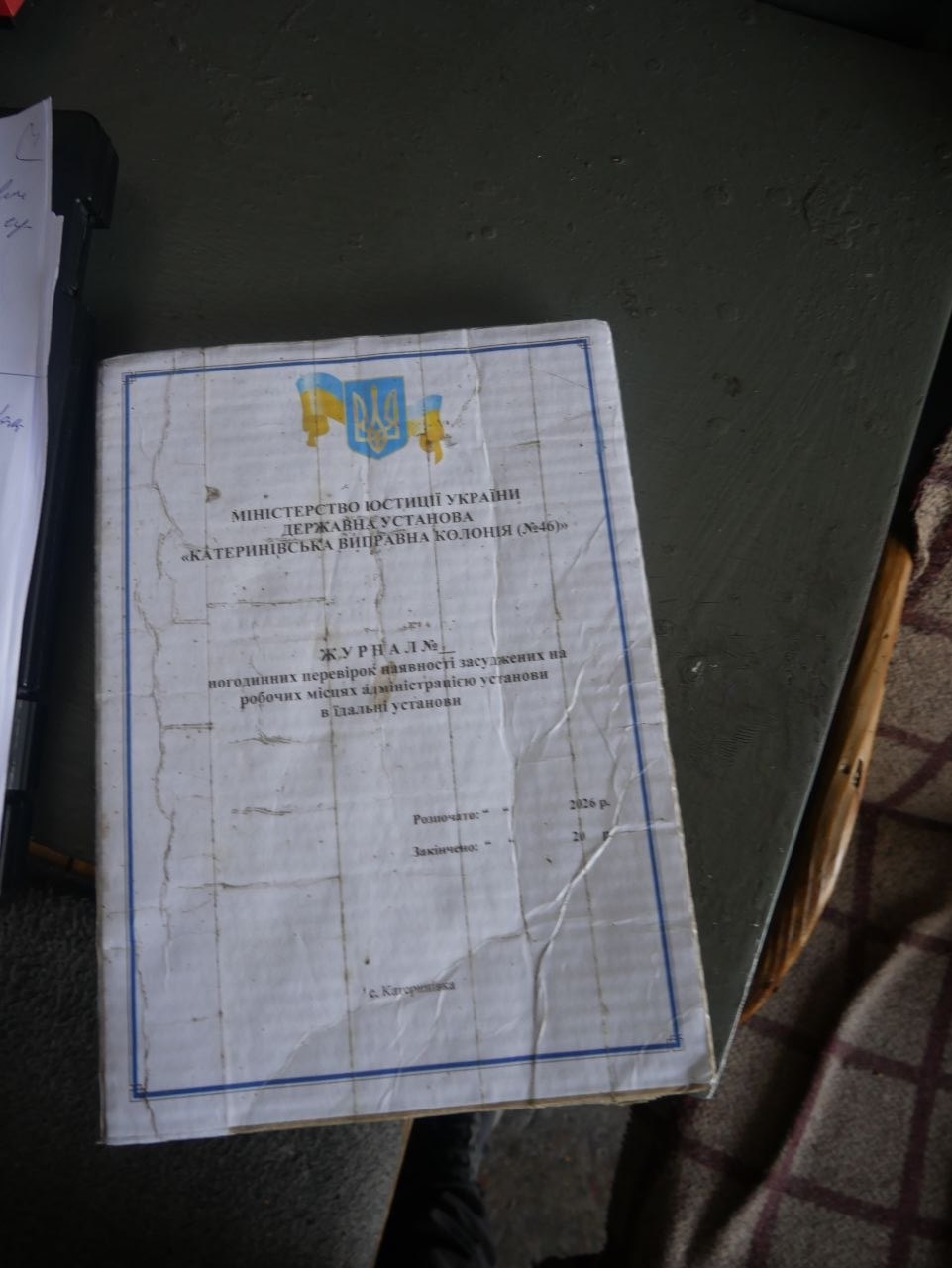
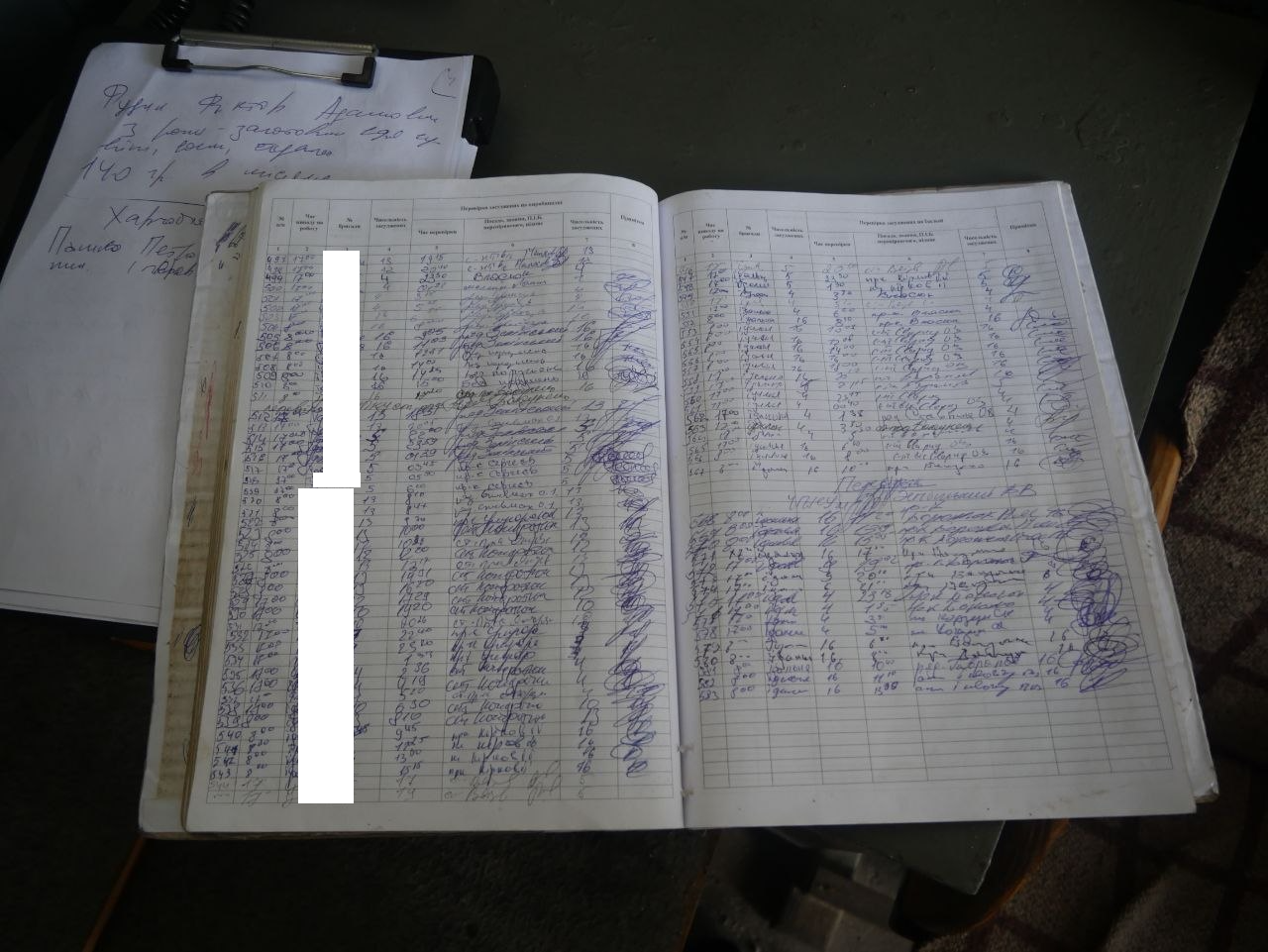
The primary records of actual work also had shortcomings. The catering unit's hourly check log gives no calendar dates, so it is impossible to tell on which day a particular check took place or to compare it with other documents. The log does record checks at 23:18, 01:35, around 03:00 and around 05:00, during which four persons were present in the catering unit. The institution's own records therefore confirm that working prisoners were in the catering unit at night. Because the log is poorly kept, however, it is impossible to establish the specific dates, how long the work lasted, or how it was reflected in the pay records.
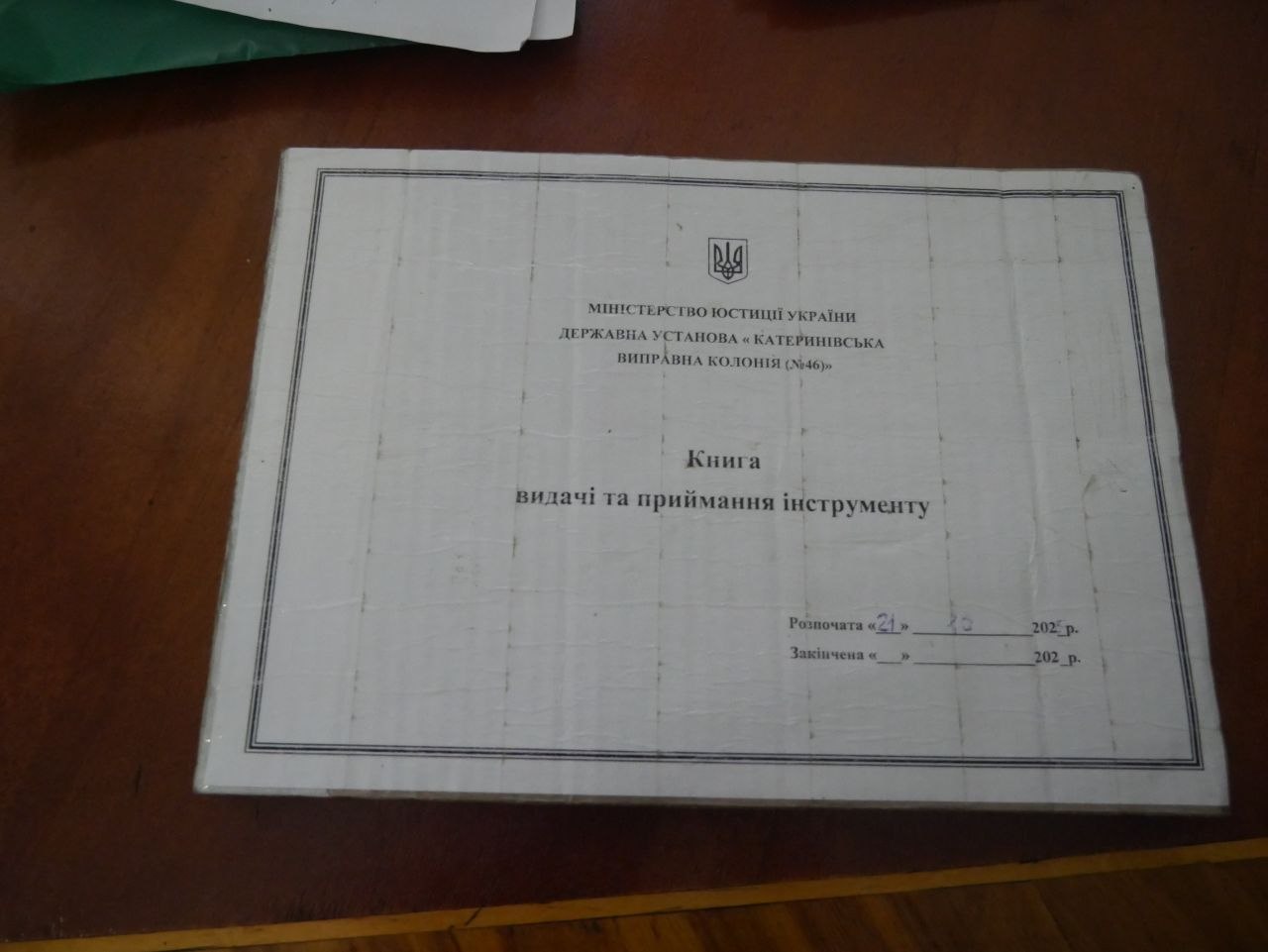
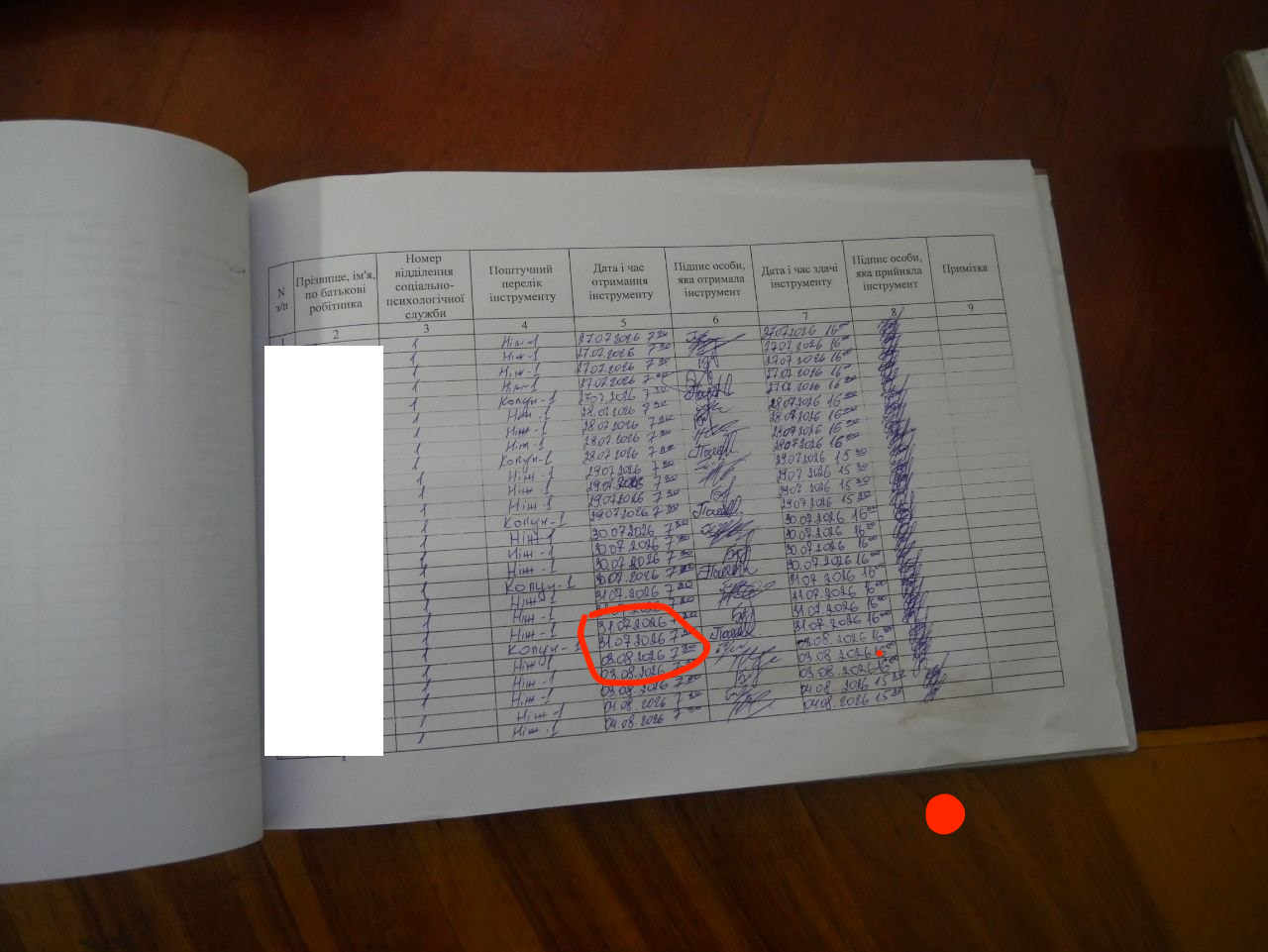
The tool issue and return register also showed that record-keeping is a formality. It contains no entries for kitchen knives being issued between 31.07.2026 and 03.08.2026. Given that the catering unit was operating and the nature of the work there, the register cannot be regarded as complete or reliable.
The earliest entries in the log of medical examinations of canteen workers are dated 08.08.2026. The records provided therefore do not show that medical checks of catering unit workers were properly documented before that date.
Taken together, these findings show that the organisation and documentation of prisoners' labour need to be improved. Of the 118 persons in work, 115 are engaged under CLCs. At the same time, the monitoring materials contain information that certain prisoners work regularly and for long hours, including without days off and at night.
Particular attention should be paid to whether the recorded pay matches the actual volume of work. For example, Ya. was paid UAH 500.00 and S. UAH 250.00 for July, yet in confidential conversations both reported working long hours every day without days off. Actual employment should therefore be compared with the CLCs, the certificates of work completed, the primary records, the pay calculated and the SSC records.
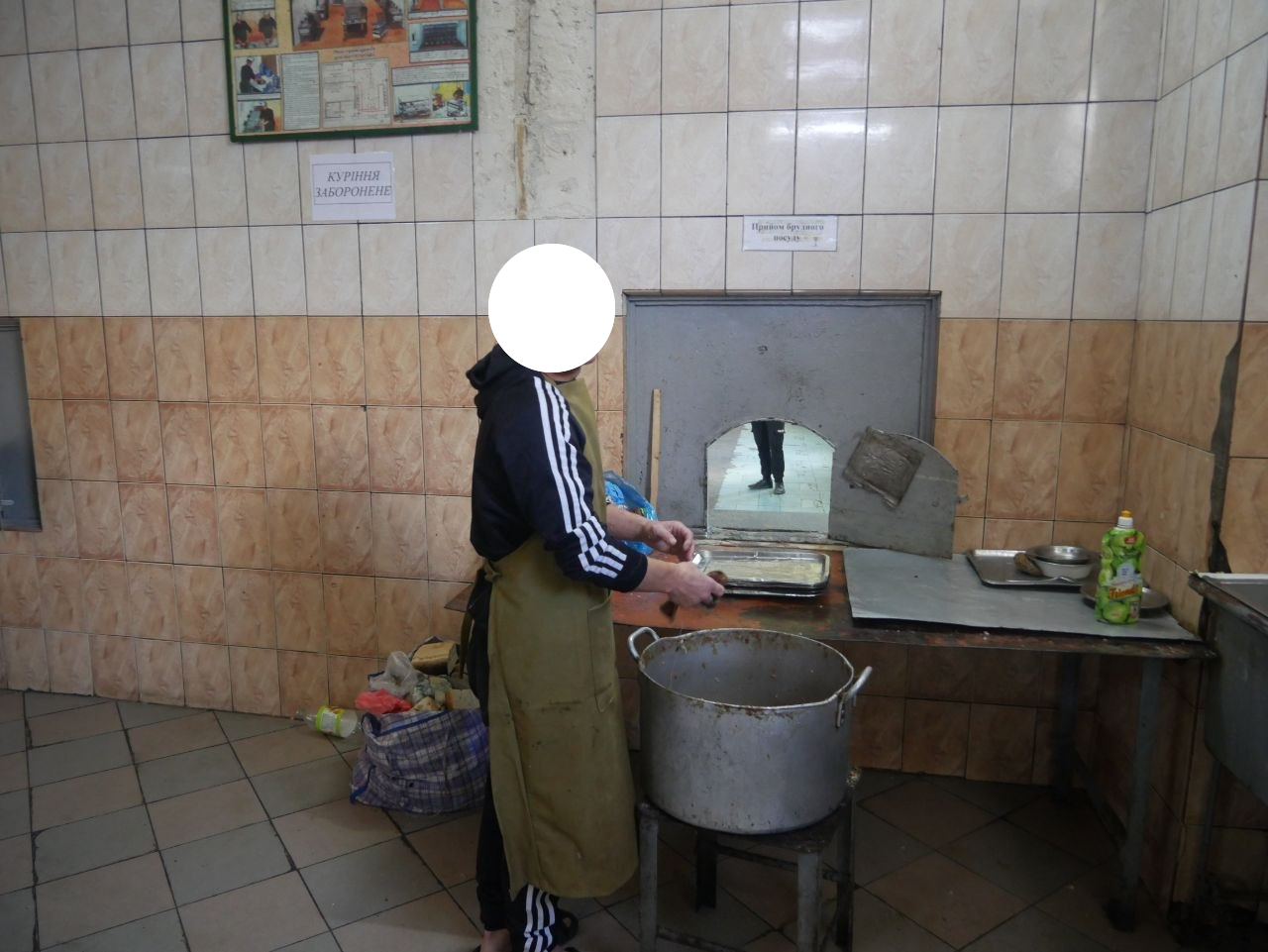
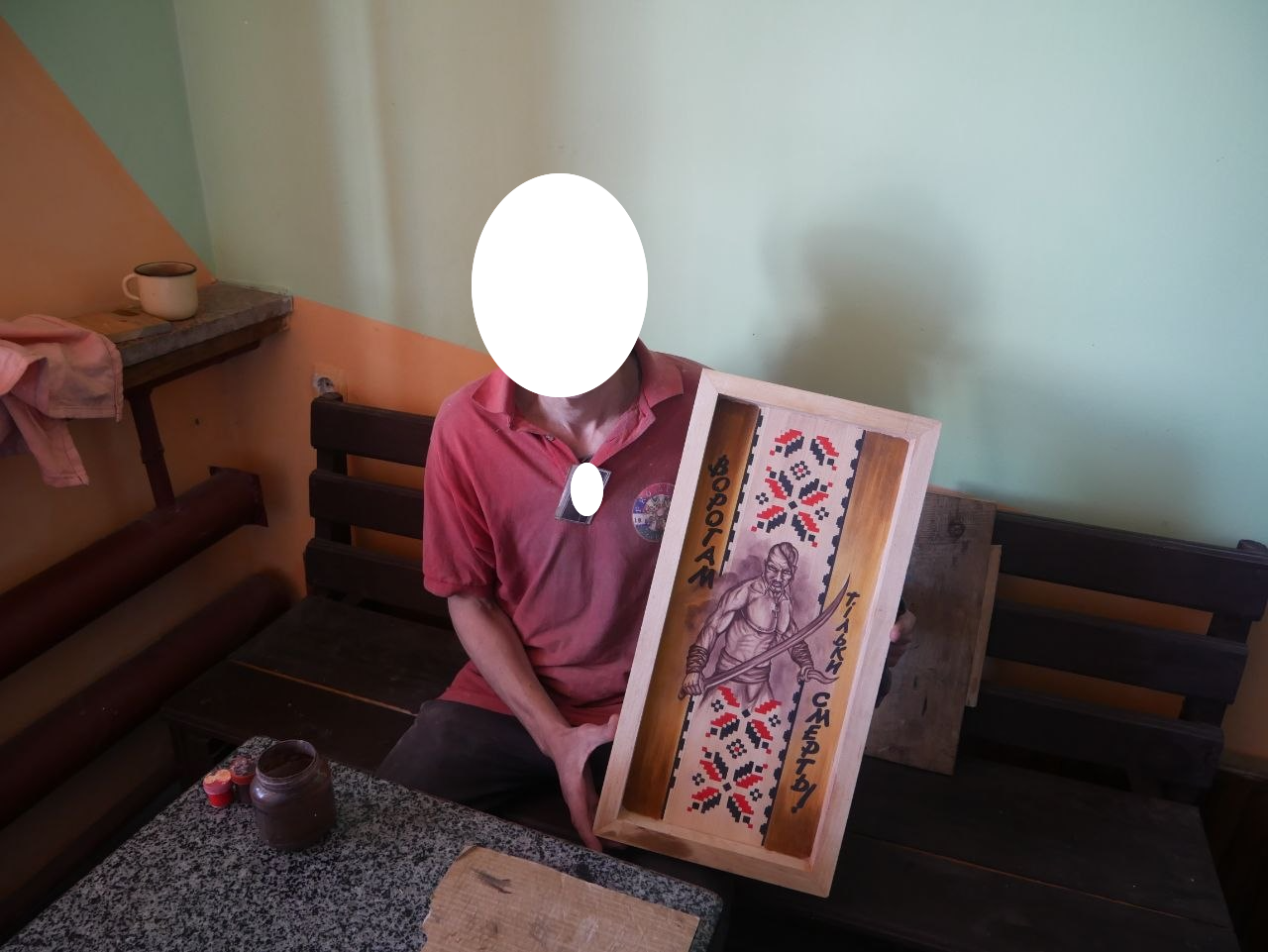
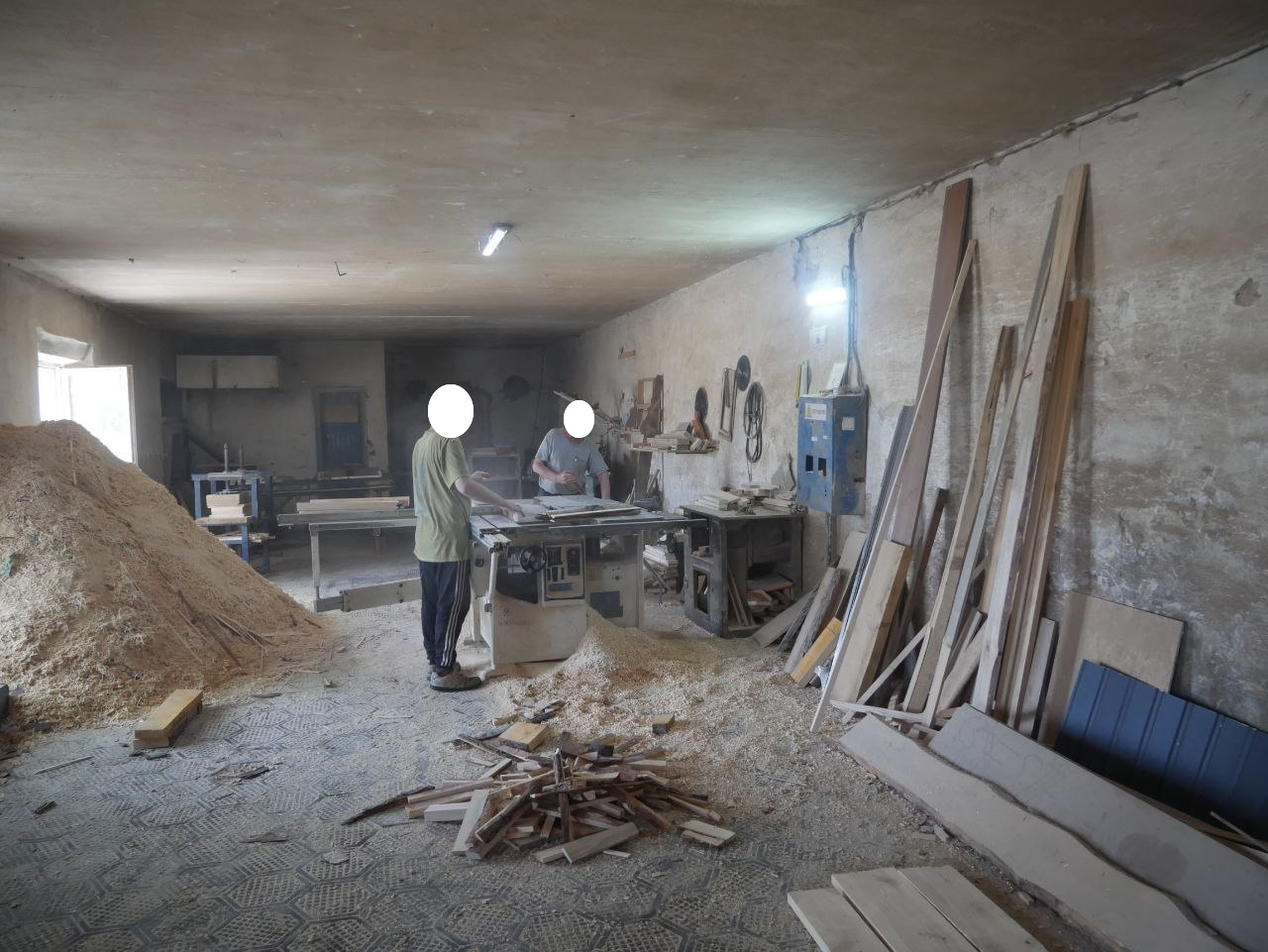
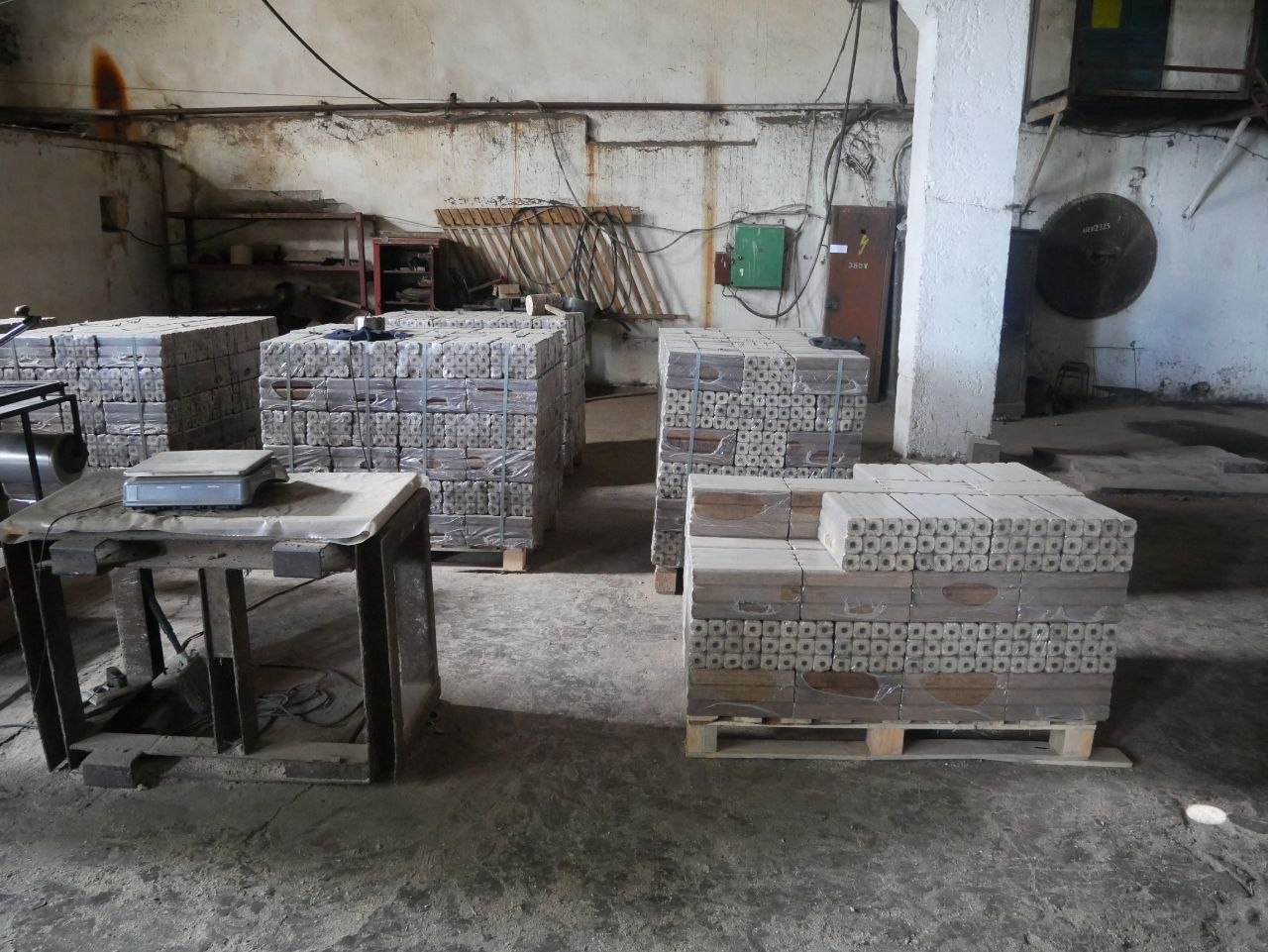
The findings therefore show that the organisation of prisoners' labour and their social protection require closer attention. A large share of workers are on CLCs (115 of the 118), and some prisoners are reported to work systematically and for long hours. The actual nature of the work should be compared in more detail with the form in which it is contracted, the amount of pay, the calculation and payment of the SSC, and the accrual of insurance record.
Medical Unit No. 46 of the Branch of the State Institution ‘Health Care Centre of the State Criminal Executive Service of Ukraine’ in Volyn and Rivne Oblasts
The Head of Medical Unit No. 46 of the Branch of the State Institution ‘Health Care Centre of the State Criminal Executive Service of Ukraine’ in Volyn and Rivne Oblasts (hereinafter the medical unit) is Valerii Petrovych Kuresha.
At the time of the visit, the following posts remained unfilled:
- general practitioner (internist): 0.5 of a full-time post;
- psychiatrist: 0.5 of a full-time post;
- infectious disease specialist: 0.25 of a full-time post;
- clinical psychologist: 0.5 of a full-time post.
During the visit the monitoring group studied medical records, inspected the medical unit's premises and held individual interviews with prisoners. It identified shortcomings in the organisation of medical care that result in violations of these persons' rights:
1. Under paragraphs 2 and 3 of Chapter III of Section II of the Procedure for Organising Medical Care for Persons Sentenced to Imprisonment, approved by Joint Order of the Ministry of Justice of Ukraine and the Ministry of Health of Ukraine No. 1348/5/572 of 15.08.2014 (hereinafter the Procedure), a general practitioner (or family doctor), a psychiatrist and a dentist must take part in every preventive medical examination. However, the psychiatrist's post in the medical unit is vacant. Initial and preventive medical examinations are therefore incomplete, and prisoners and detainees do not receive adequate medical care.
This breaches paragraph 38 of the recommendations of the European Committee for the Prevention of Torture and Inhuman or Degrading Treatment or Punishment (hereinafter the Committee). That paragraph states that health care services in places of deprivation of liberty should be able to provide medical treatment and nursing care, as well as appropriate diets, physiotherapy, rehabilitation or any other necessary special facility, on a level comparable to that enjoyed by patients in the outside community. Provision must be made for adequate medical, nursing and technical staff, as well as premises, installations and equipment (CPT/Inf (93) 12-part).
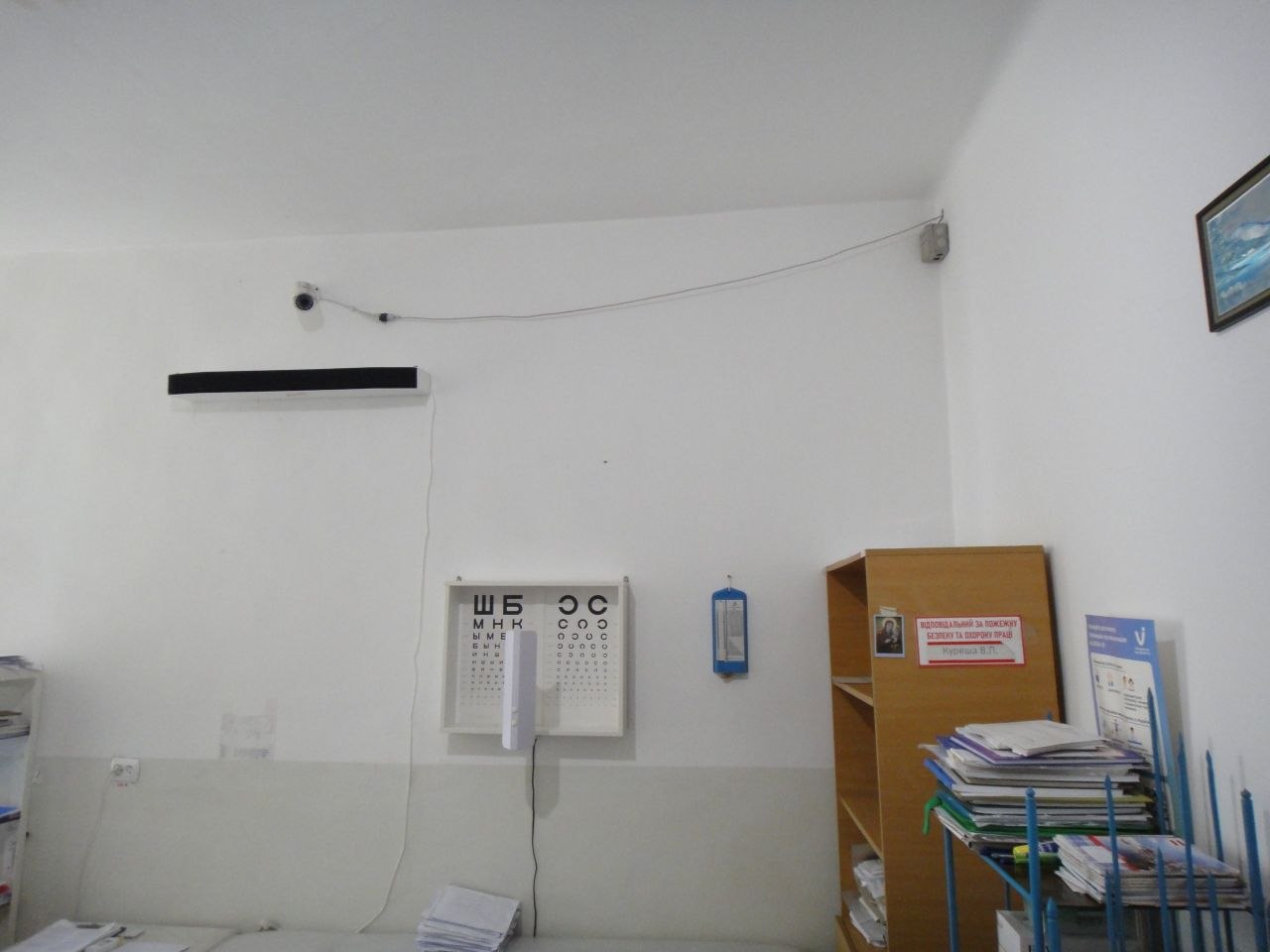
2. The monitoring group found a CCTV camera installed in the medical unit's consulting room. However, the following provisions prohibit the use of video cameras and portable video recorders in rooms (cells) where prisoners undergo medical examinations or strip searches, and in medical unit wards:
- paragraph 8 of Section VII of the Procedure for the Use of Technical Means of Supervision and Control in Correctional and Juvenile Colonies of the State Criminal Executive Service of Ukraine, approved by Order of the Ministry of Justice of Ukraine No. 2025/5 of 26.06.2018 and registered with the Ministry of Justice of Ukraine on 02.07.2018 under No. 766/32218;
- the fifth subparagraph of paragraph 1 of Section XXIII of the IRPI.
This suggests a possible violation of prisoners' right to confidentiality of their health information during medical examinations, procedures and interventions. It breaches Article 39-1 of the Law of Ukraine ‘Fundamentals of the Legislation of Ukraine on Health Care’ on the right to confidentiality of health information, as well as paragraph 9 of Section I of the Procedure.
3. The monitoring group found that medical staff do not properly record and document bodily injuries to persons deprived of liberty.
Under paragraph 3 of Chapter 1 of Section II of the Procedure for Organising Medical Care for Persons Sentenced to Imprisonment, approved by Joint Order of the Ministry of Justice of Ukraine and the Ministry of Health of Ukraine No. 1348/5/572 of 15.08.2014 (hereinafter the Procedure), a medical worker who finds bodily injuries on a prisoner must draw up a certificate in three copies. The certificate must set out in detail:
- information on how the injuries were sustained, taken from the prisoner's written statement or oral or written explanation, including the date, time and place, the way the injuries were inflicted, details of the person or persons who, in the prisoner's view, inflicted them, and any other relevant information;
- a full description of the medical findings on the prisoner's state of health, and of the nature, size and location of the injuries;
- the medical worker's conclusions, based on the prisoner's account and the medical findings, with reasons explaining how the two relate.
The medical worker must attach to the certificate primary record form No. 511/o, ‘Certificate of Recorded Bodily Injuries’, together with photographs of the prisoner's injuries. Form No. 511/o was approved by Order of the Ministry of Health of Ukraine No. 110 of 14.02.2012, registered with the Ministry of Justice of Ukraine on 28.04.2012 under No. 661/20974. Two copies of the certificate and its attachments are placed in the prisoner's personal file and in the outpatient medical record (form No. 025/o), and the third copy is handed to the prisoner who was examined.
However, the monitors found that when injuries are detected, medical staff in practice fill in only primary record form No. 511/o. They do not draw up the certificate in three copies or take the full set of steps required by the Procedure. This shows a systemic breach of paragraph 3 of Chapter 1 of Section II of the Procedure and improper organisation of the medical recording of bodily injuries.
Failing to record bodily injuries properly does not comply with paragraph 60 of the Committee's recommendations. Under that paragraph, health care services in places of deprivation of liberty should help prevent violence by systematically recording injuries and, where appropriate, informing the relevant authorities (CPT/Inf (93) 12).
4. The medical unit does not provide opioid substitution therapy (hereinafter OST) for persons with mental and behavioural disorders due to opioid use. This is contrary to the Procedure for Providing Opioid Substitution Therapy to Persons with Mental and Behavioural Disorders due to Opioid Use, approved by Order of the Ministry of Health of Ukraine No. 200 of 27.03.2012.
Drug-dependent persons are not offered social and psychological support, cognitive behavioural therapy (CBT), relapse prevention, motivational interviewing, mutual support groups or similar help.
These persons therefore cannot receive OST, which violates their right to choose their treatment under Article 38 of the Law of Ukraine ‘Fundamentals of the Legislation of Ukraine on Health Care’.
In its report on its 2023 visit to Ukraine, the Committee made the following points:
- Entering a penitentiary establishment is an opportunity to address a person's drug problem, so help should be offered to everyone concerned, and appropriate health care should be available in all establishments.
- The help offered should be varied.
- Substitution programmes for drug-dependent persons should be combined with genuine psychosocial and educational programmes for opioid-dependent persons who are unable to stop using drugs.
- OST programmes in establishments should be easy to access, and prison doctors, specially trained in drug-related issues, should also run them (CPT/Inf (2024) 20, para. 86).
5. The clinical psychologist's post in the medical unit is vacant, which makes it harder to provide prisoners with timely and effective mental health care. In its report on its 2023 visit to Ukraine, the Committee recommends that psychological care in establishments be further strengthened. It also recommends developing the training and role of prison psychologists, particularly in therapeutic clinical work with prisoners. To this end, efforts should be made to recruit clinically trained psychologists. They should form part of the health care team and should not combine two different roles in their work, namely risk assessment and therapeutic clinical work (CPT/Inf (2024) 20, para. 85).
6. The isolation ward for persons with mental disorders does not meet the established requirements. This breaches:
- paragraph 9 of the Rules on the Use of Physical Restraint and/or Seclusion in the Provision of Psychiatric Care to Persons Suffering from Mental Disorders, approved by Order of the Ministry of Health of Ukraine No. 240 of 24.03.2016 and registered with the Ministry of Justice of Ukraine on 15.04.2016 under No. 570/28700;
- paragraph 8.3.4 of State Building Standards of Ukraine V.2.2-10:2022 ‘Health Care Facilities’.
The room is designed for more than one person (five persons), which runs counter to the principles of seclusion.
The room also has the following deficiencies:
- there is no toilet, so the persons held there do not have unimpeded access to sanitary facilities;
- there are no drinking water tanks;
- there is no mechanical ventilation.
7. Not all persons suspected of having viral hepatitis C (92 persons as of 13.08.2026) undergo PCR testing. As a result, diagnoses are not confirmed in time and the necessary antiviral therapy is not prescribed. This breaches the Standards of Medical Care for Viral Hepatitis C in Adults, approved by Order of the Ministry of Health of Ukraine No. 1178 of 23.07.2025. It may cause patients' health to deteriorate and help the infection spread among prisoners and detainees.
The monitoring group also found that eight patients with chronic viral hepatitis C who need antiviral therapy are on the medical unit's follow-up register. However, on the day of the visit the medical unit's pharmacy had no stock of the relevant medicines. Without timely treatment, the disease is more likely to progress and cause severe liver damage, and hepatitis C may spread to other patients. This violates prisoners' right to adequate medical care.
8. The monitors found that the infectious disease isolation ward of the medical unit's inpatient department is closed for repairs. Patients with infectious diseases therefore cannot be properly isolated, which creates a risk of infection spreading. This does not comply with paragraph 8 of Chapter 5 of Section II of the Procedure.
9. Twelve persons with disabilities are under follow-up care: none with a Group I disability, four with Group II and eight with Group III. The records show that these persons have lasting impairments of bodily functions, caused by illness or the after-effects of injury, which limit their normal daily activities. Yet, in breach of the Law of Ukraine ‘On the Rehabilitation of Persons with Disabilities in Ukraine’, they do not receive adequate diagnostic, treatment and rehabilitation measures.
When examining prisoners' medical records, the monitors found that two persons with disabilities have no individual rehabilitation programme (hereinafter IRP). Moreover, the recommendations in existing IRPs are not followed, so these persons do not receive adequate diagnostic, treatment and rehabilitation measures, even though the records confirm lasting impairments of bodily functions that limit their normal daily activities.
10. In breach of State Building Standards of Ukraine V.2.2-40:2018 ‘Inclusiveness of Buildings and Structures. Basic Provisions’, the medical unit has not been adapted to accommodate persons with disabilities.
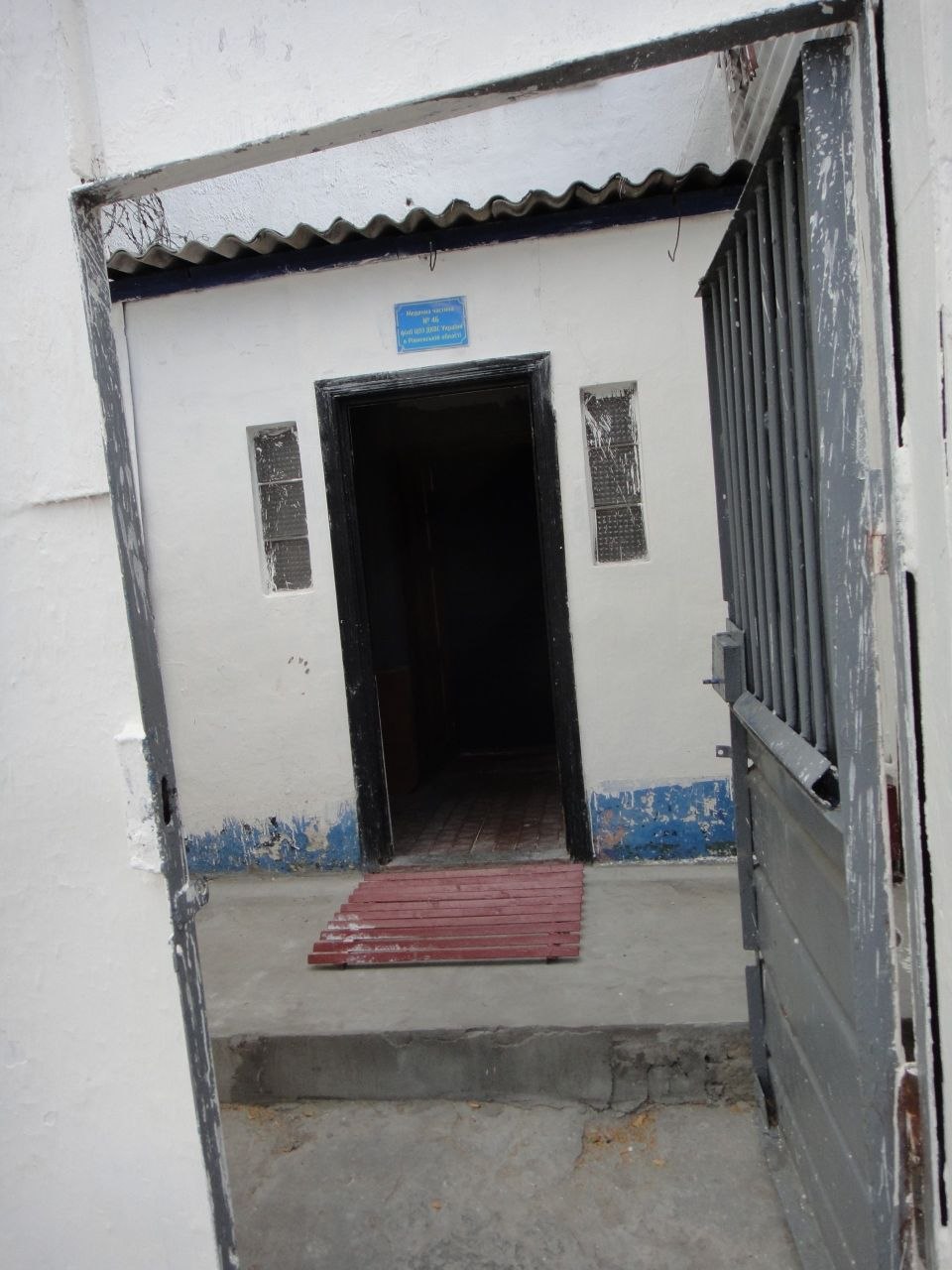
11. The medical unit lacks the mandatory certificate confirming that people with limited mobility have unobstructed access to the medical facility's buildings and premises. This breaches paragraph 37 of Cabinet of Ministers of Ukraine Resolution No. 285 of 02.03.2016 ‘On Approval of the Licensing Conditions for Conducting Business Activities in Medical Practice’.
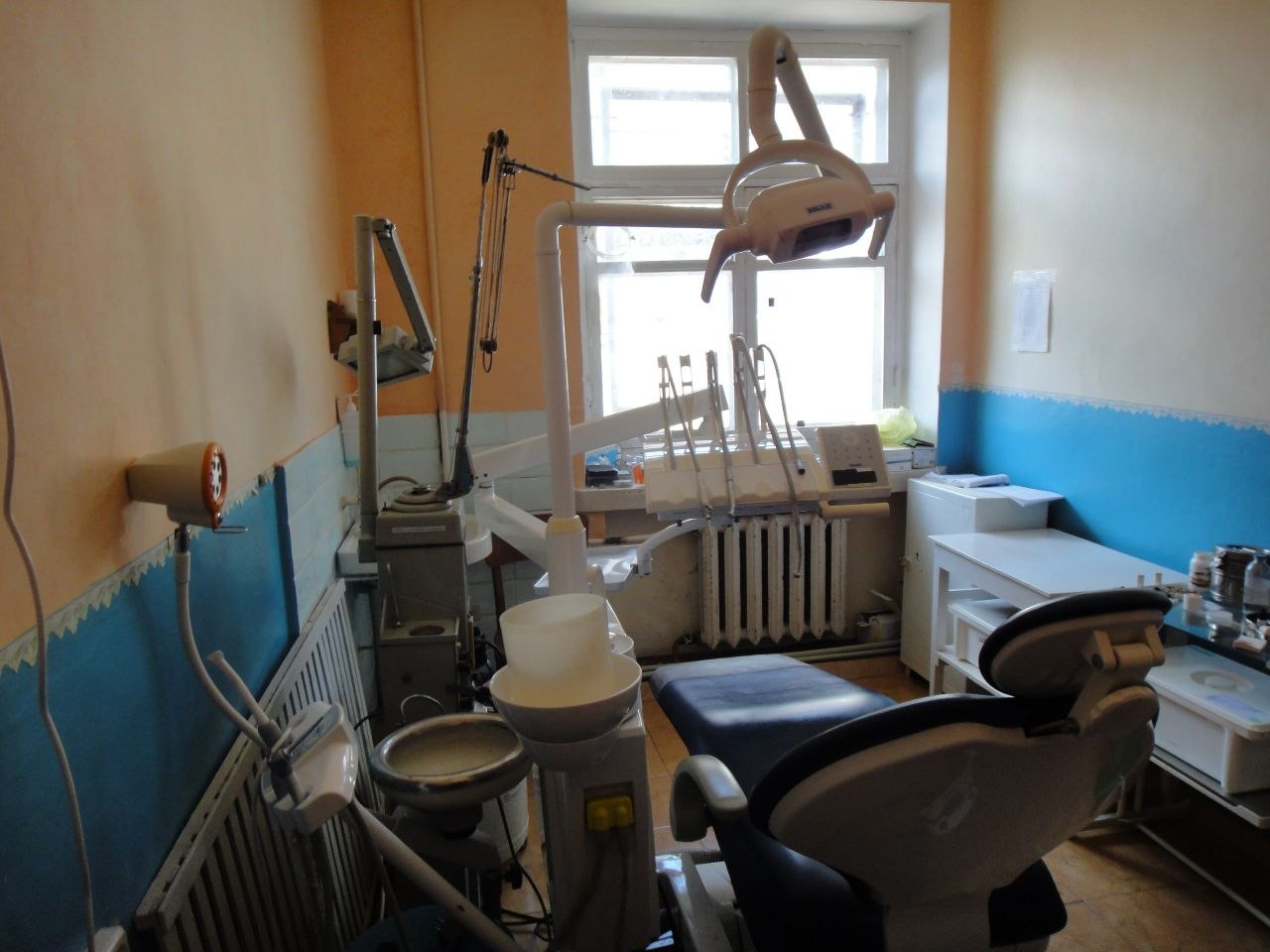
12. The medical unit has no dental X-ray unit, in breach of the Schedule of Equipment for One Workstation of a Dentist and Dental Technician, approved by Order of the Ministry of Health of Ukraine No. 158 of 11.04.2005. As a result, prisoners cannot be given in-depth dental examinations or timely, adequate dental care.
13. Because of technical limitations, the medical unit's staff cannot request telemedicine consultations or obtain specialist advice for treating prisoners. This breaches the Procedure for Organising Medical Care at the Primary, Secondary (Specialised) and Tertiary (Highly Specialised) Levels Using Telemedicine, approved by Order of the Ministry of Health of Ukraine No. 681 of 19.10.2015.
14. Under paragraph 7 of Chapter III of Section II of the Procedure, certain categories of working prisoners must undergo mandatory preliminary and periodic medical examinations. These examinations are carried out in accordance with Cabinet of Ministers of Ukraine Resolution No. 559 of 23.05.2001 ‘On Approval of the List of Occupations, Industries and Organisations Whose Employees Are Subject to Mandatory Preventive Medical Examinations, the Procedure for Conducting Such Examinations and the Issue of Personal Medical Books’. The requirement applies to prisoners working in the following places:
- catering facilities, except for work as shop assistants, food and clothing warehouse managers or storekeepers;
- the processing industry;
- children's homes;
- general secondary education institutions;
- vocational training units in special juvenile colonies;
- medical units (feldsher posts) and SCES hospitals, except for work involving the provision of medical care;
- laundries and bathhouses;
- long-term visit rooms;
- hostels and clubs;
- water supply and sewerage facilities;
- animal breeding and rearing sections.
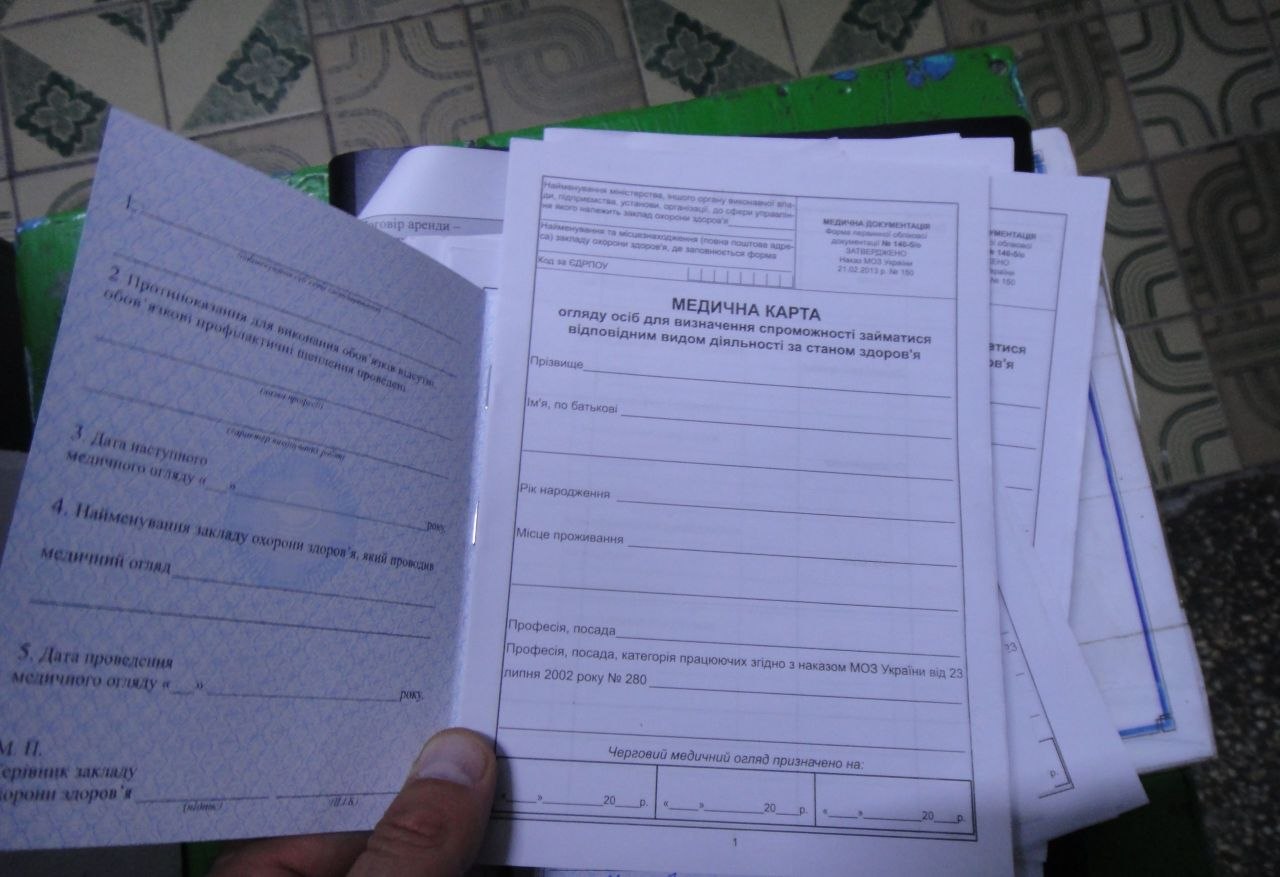
A primary record form No. 1-OMK, ‘Personal Medical Book’, must be opened for every prisoner in these categories. The form was approved by Order of the Ministry of Health of Ukraine No. 150 of 21.02.2013, registered with the Ministry of Justice of Ukraine on 23.04.2013 under No. 662/23194.
However, the monitors checked the personal medical books of prisoners working in the canteen and found that they had not been examined by specialist doctors: a general practitioner, a dermatovenereologist, an otolaryngologist, a dentist and other specialists as required. Nor had they undergone laboratory and functional tests. This is contrary to the List of Required Examinations by Specialist Doctors and Types of Clinical, Laboratory and Other Tests Necessary for Mandatory Medical Examinations, and Their Frequency, approved by Order of the Ministry of Health of Ukraine No. 280 of 23.07.2002 and registered with the Ministry of Justice of Ukraine on 08.09.2002 under No. 639/6927.
15. The doctors' office and the X-ray room have no fire extinguishers. This breaches the following provisions:
- paragraph 3.6 of Chapter 3 of Section V of the Rules;
- paragraph 10.18 of Chapter 10 of the State Sanitary Rules and Standards ‘Hygiene Requirements for the Design and Operation of X-ray Rooms and the Performance of X-ray Procedures’, approved by Order of the Ministry of Health of Ukraine No. 294 of 04.06.2007 and registered with the Ministry of Justice of Ukraine on 07.11.2007 under No. 1256/14523.
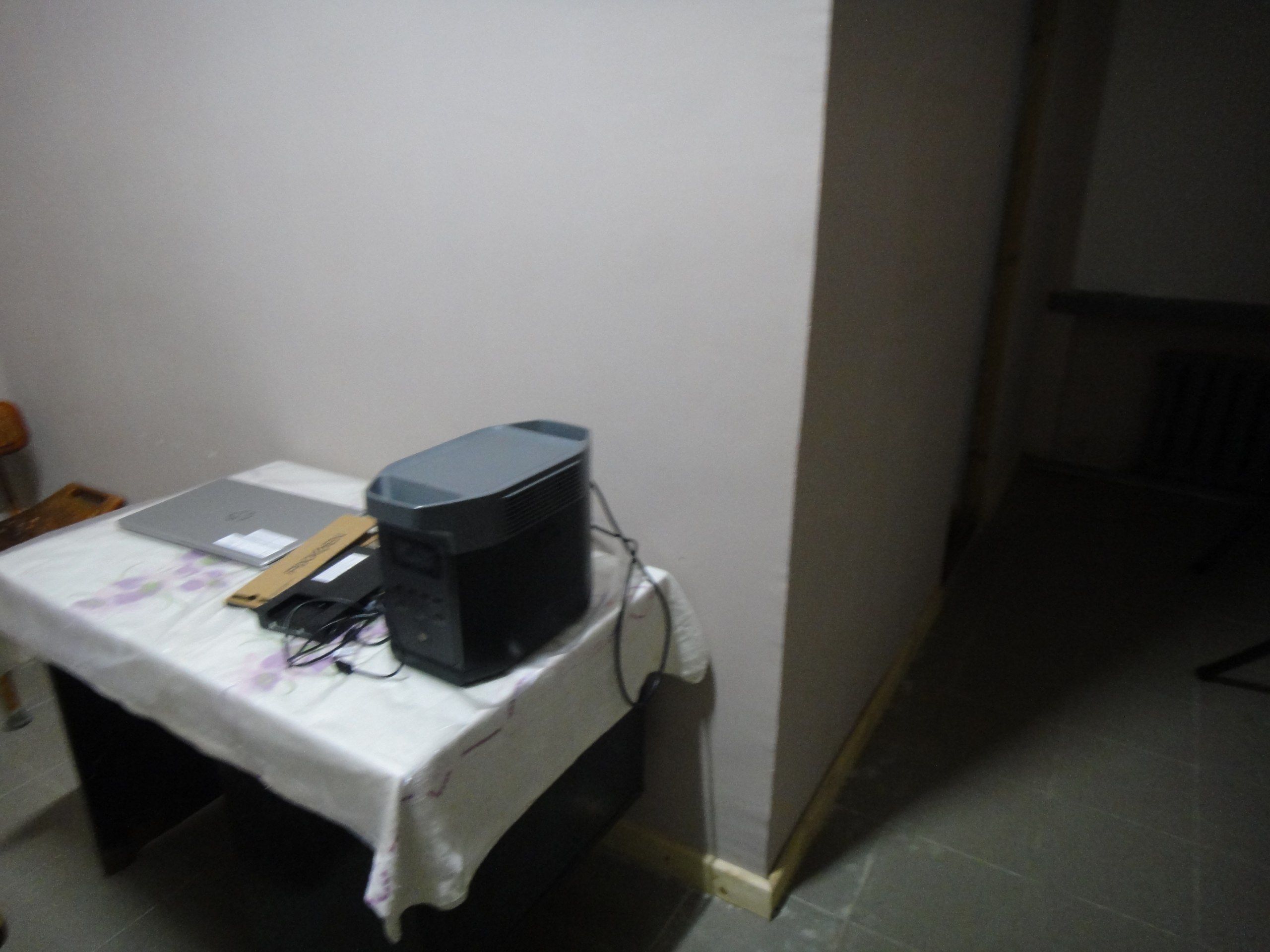
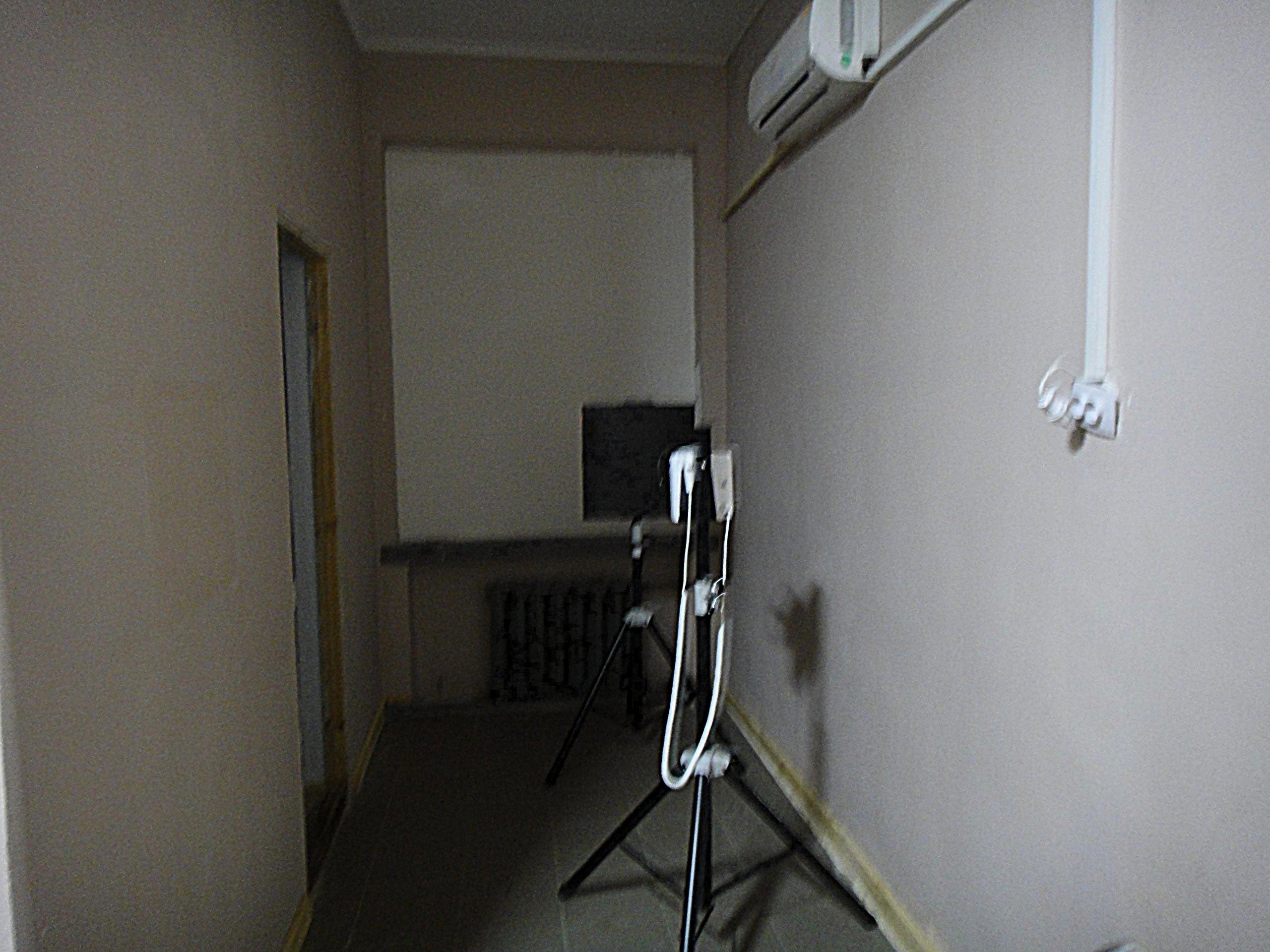
16. The medical unit's premises have no fire extinguishing or fire alarm systems. This breaches the Fire Safety Rules of Ukraine, approved by Order of the Ministry of Internal Affairs of Ukraine No. 1417 of 30.12.2014 (hereinafter the Rules).
Recommendations
1. Ensure that newly arrived prisoners are held in the QDAU in accordance with the established procedure. Stop putting them to work for long, unpaid periods outside the unit, and keep them separate from other prisoners as required.
2. Stop assigning prisoners (‘orderlies’) to supervise or control the behaviour of other prisoners, or giving them any other powers that belong to the institution's staff.
3. Ensure that all members of the working group carry out the programme for newly arrived prisoners in the QDAU as often as required. Add the Head of the Financial Support and Accounting Department (Chief Accountant) to the working group.
4. Bring the material and living conditions in the QDAU and ESU into line with the established standards. In particular:
- equip the rooms that the standards require;
- provide adequate personal space between beds;
- provide drinking water;
- replace unusable mattresses and pillows.
5. Review whether CCTV in the QDAU living quarters is justified, taking into account necessity, proportionality and prisoners' right to privacy.
6. In the DIC/CTP cells:
- provide adequate natural light;
- ensure that the mechanical ventilation works;
- fit the toilets with adequate partitions and doors;
- restore radio in the cells and allow prisoners to operate it themselves.
7. Ensure that prisoners are assessed by a psychologist whenever their placement in the DIC is being decided, and that the psychological profiles are added to the disciplinary files.
8. Provide the exercise yards of the DIC/CTP and the ESU with adequate shelter from rain.
9. In the SPS units, display up-to-date information on how to contact the relevant state authorities. Stop placing name cards stating prisoners' criminal offences next to their beds.
10. Ensure the following for prisoners:
- they can wash at least twice a week;
- they have access to hairdressing services;
- the supply and exhaust ventilation in the DIC laundry and shower room works properly;
- they have privacy when using the showers.
11. Ensure that all newly arrived prisoners receive a sanitary treatment and that this is properly recorded.
12. Ensure that staff in direct contact with prisoners keep special equipment as far out of sight as possible, as required.
13. Do more to help prisoners obtain passports of a citizen of Ukraine, RNTRCs and other necessary personal documents, starting with those preparing for release.
14. Take organisational and staffing measures to reduce the number of vacant posts and to ensure that enough staff responsible for security, supervision and social and educational work are present.
15. Establish a proper civil defence shelter at the institution that can protect prisoners and staff during air-raid alerts and other military threats.
16. Ensure that prisoners can genuinely and regularly use the Internet, video calls and email, and that this use is properly recorded, including in the relevant logs.
17. Carry out a comprehensive review of the legal basis on which prisoners are put to work. In particular, check whether it is justified to engage 115 of the 118 working prisoners under CLCs, by comparing the contract terms with the actual nature, regularity, duration and pattern of the work.
18. Keep proper records of actual hours worked and work performed, and respect prisoners' right to rest. Stop systematically putting prisoners to work for long hours without days off and without proper documentation.
19. Ensure that pay matches the actual volume of work. For each prisoner, compare the CLC, the certificates of work completed, the primary employment records, the pay calculated, the deductions made and the sums credited to the prisoner's personal account.
20. Ensure that the SSC is properly calculated and paid for working prisoners. Check their insurance record against their individual records, particularly where a prisoner works systematically but is recorded as earning only UAH 250–500.
21. Keep accurate primary records of prisoners' labour, in particular the catering unit's hourly check logs, the records of issuing and returning knives and other tools, and the records of medical examinations of catering unit workers.
22. Take measures to remedy the human rights violations identified and to prevent torture and cruel, inhuman or degrading treatment or punishment in Medical Unit No. 46 of the Branch of the State Institution ‘Health Care Centre of the State Criminal Executive Service of Ukraine’ in Volyn and Rivne Oblasts.
23. Monitor the proper keeping of medical records in accordance with the Procedure for Organising Medical Care for Persons Sentenced to Imprisonment, approved by Joint Order of the Ministry of Justice of Ukraine and the Ministry of Health of Ukraine No. 1348/5/572 of 15.08.2014, and other regulations.
24. Staff the medical unit with specialist doctors according to need.
25. Remove the CCTV cameras from the medical unit's premises.
26. Ensure that bodily injuries to prisoners and detainees are recorded promptly and properly.
27. Equip isolation wards in the medical unit for persons with infectious diseases, in line with the law.
28. Equip the isolation ward for persons with mental and behavioural disorders in line with the requirements.
29. Provide opioid substitution therapy to persons diagnosed with mental and behavioural disorders due to opioid use.
30. Ensure that all canteen workers have personal medical books and have undergone the full set of medical examinations required before they may work in catering.
31. Provide individual rehabilitation to everyone who needs it.
32. Make the institution's buildings accessible in line with State Building Standards of Ukraine V.2.2-40:2018 ‘Inclusiveness of Buildings and Structures. Basic Provisions’.
33. Ensure that the telemedicine system works properly so that doctors can request telemedicine consultations.
34. Provide the medical unit with a dental X-ray unit and the equipment needed for full dental examination and treatment.
35. Comply with paragraph 37 of Cabinet of Ministers of Ukraine Resolution No. 285 of 02.03.2016 ‘On Approval of the Licensing Conditions for Conducting Business Activities in Medical Practice’.
36. Give everyone suspected of having HCV access to PCR testing as soon as possible, and arrange the necessary antiviral treatment for those with a confirmed diagnosis.
37. Provide fire extinguishers in the doctors' offices and the X-ray room, and comply with the rules on keeping unrelated items in these rooms.
38. Remedy the breaches of fire safety requirements.