Report on the results of a monitoring visit to Kolomyia Correctional Colony No. 41
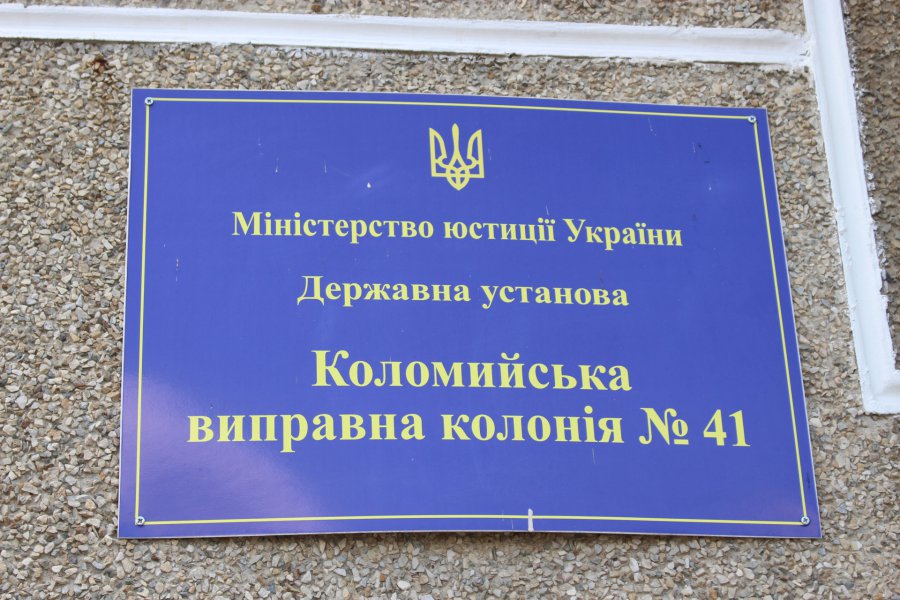
Kolomyia Correctional Colony No. 41 is a multi-regime penitentiary institution for men. In fact, prisoners of all security levels serve their sentences in the institution. The institution operates a section for prisoners sentenced to life imprisonment of an open type. Life-sentenced prisoners live in ordinary residential premises and work in production. Life-sentenced prisoners from various institutions, who, by court decision, have been recognised as having embarked on the path of rehabilitation, are transferred from institutions where they served their sentences in a cellular system for further serving their sentences in ordinary residential premises. There are 50 such individuals in the institution, 24 of whom work in production in the industrial zone.
During the visit, the monitoring group examined the documentation regarding the colony’s operations, medical documentation, and inspected the production, utility, and residential premises, as well as the medical unit, for their compliance with the requirements of Ukrainian legislation and international standards. The monitors visited the production facilities, the cells of the disciplinary isolation ward (DIZO) and the arrest house, residential premises, the bath and laundry complex, the canteen, the medical unit, visitation rooms, and the maximum-security section. The institution holds prisoners of all regimes: maximum, medium, minimum, and those under arrest. The head of the institution is Colonel of the Internal Service, Taras Mykolaiovych Katrych. The monitors were accompanied by V. V. Semoniuk and H. M. Barii.
General Section
According to the institution’s management, at the time of the monitoring visit, there were 746 prisoners held in the institution, accommodated in 11 Social and Psychological Service (SPS) units; three units have been mothballed. During the current year, 486 prisoners arrived at the institution. In 2022, three people died in the institution, and in 2023, six people. There are three psychologists working in the institution. 126 people are employed, of whom 46 are on employment contracts and 80 are on civil law contracts. In the disciplinary isolation ward (DIZO), five prisoners were held due to disciplinary penalties and four on general grounds.
There were seven people in the medical unit; 30 are registered with HIV/AIDS, 18 are prone to suicide, 18 to self-harm, 8 to escape, and 60 are malicious violators of the detention regime. One person was released in 2022 due to a serious illness. In 2022, there was one case of suicide. Seven people are registered with Group II disability, and 12 people with Group III disability.
During 2022, 164 people were released, and in 2023, 159 people. 59 people were released on parole in 2022. Seven were transferred to more lenient conditions of detention. During 2023, 31 people were released on parole, and eight were transferred to more lenient conditions of detention. In 2022, there were 22 ambulance call-outs, and in 2023, 27. There are 45 prisoners in the institution who are generally ostracised. In 2022, four cases of bodily injury were recorded: one upon arrival and three during the stay in the institution. In 2023, there were seven cases: one upon arrival and six during the stay in the facility. In the current year, one case of the use of special means has been documented, namely: handcuffs and a rubber truncheon. 365 prisoners have their own tablets with access to the internet.
During 2022, 31 long-term visits took place, and 70 in 2023. Regarding short-term visits: in 2022, through glass — 0, contact visits — 172. In 2023, through glass — 0, contact visits — 314. 1,072 telephone calls were made. During the current year, there was one case of a short-term exit outside the institution in connection with exceptional circumstances. The institution has a staff shortage of 40 employees.
Monitors from the Kharkiv Human Rights Protection Group conducted research on the sending and receiving of correspondence in this colony. During 2022, one appeal was sent in a sealed envelope to the Ukrainian Parliament Commissioner for Human Rights, and in 2023, also one. Received: in 2022, one letter, and in 2023, also one letter. 25 appeals were sent to the prosecutor’s office and other state bodies in sealed envelopes during 2022, and 20 in 2023. 57 appeals were received in 2022, and 43 in the current year. Nine appeals were sent to human rights organisations during 2022, and eight in 2023.
According to the administration, the institution is in need of humanitarian aid; specifically, it requires basic necessities and hygiene products: mattresses, dishes, paint, building materials, a computer, printers, a laptop, bed sheets, and detergents are needed.
Medical Unit No. 41
The head of Medical Unit No. 41 of the Branch of the State Institution ‘Centre for Healthcare of the State Penitentiary Service of Ukraine’ in the Chernivtsi, Ivano-Frankivsk, Zakarpattia, and Ternopil regions is Vasyl Tarasovych Skoreiko.
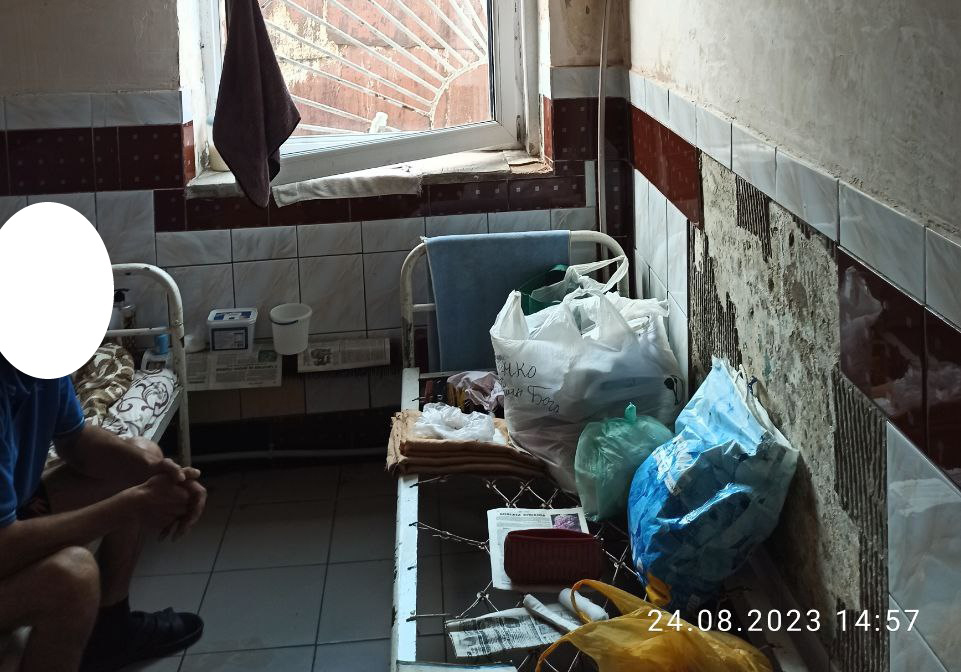
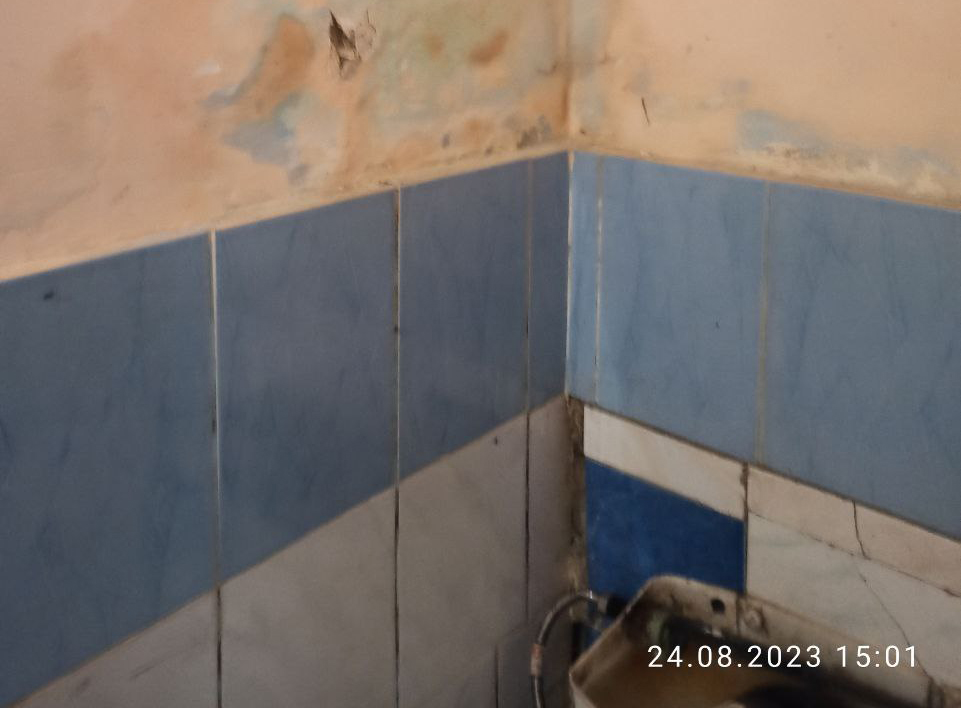
The medical unit’s inpatient ward has five rooms for somatic patients, designed for 15 beds, and two infectious disease isolation wards, designed for five beds. On the day of the visit, there were seven people in the medical unit’s inpatient ward.
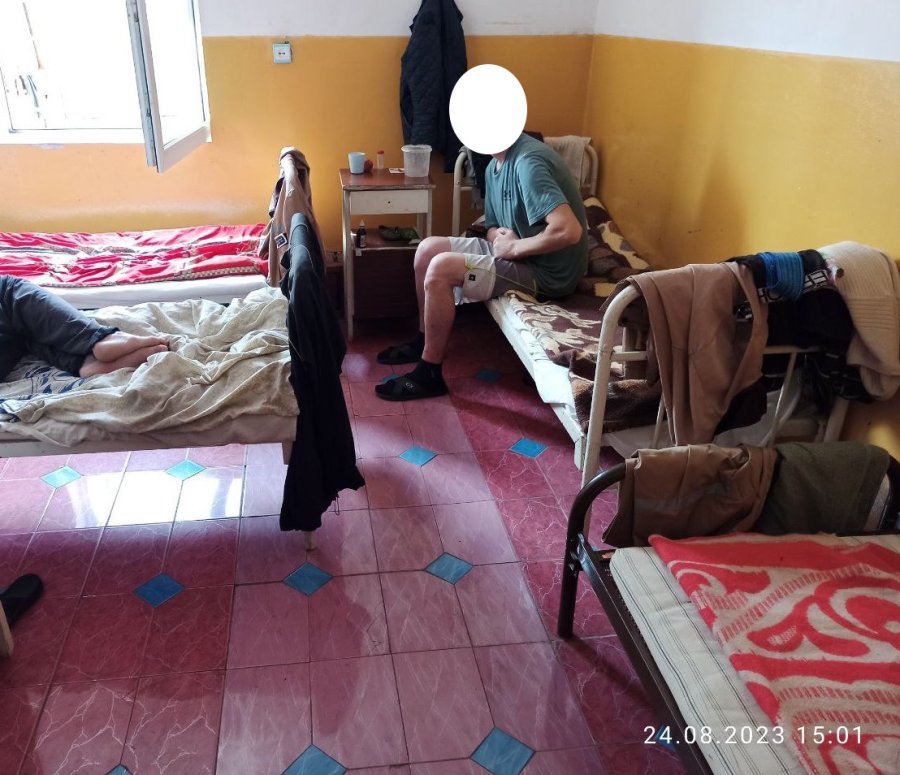
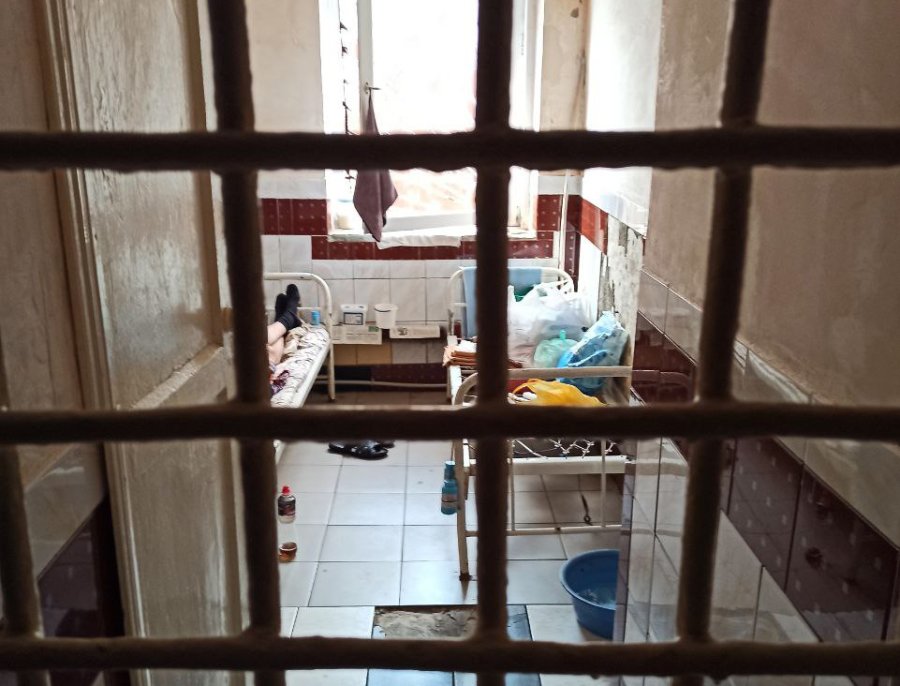
According to the staffing table provided by the head of the medical unit, the following positions are filled: head of the medical unit-doctor — 1 position; general practitioner-family doctor — 1 position; dentist — 1 position; radiologist — 0.5 position; paramedic — 4.5 positions; dental nurse — 0.5 position; X-ray technician — 0.5 position; pharmacist — 1 position; addiction psychiatrist — 1 position; junior medical nurse — 0.5 position; infectious disease specialist — 0.5 position. The vacant positions are: psychiatrist — 0.5 position; laboratory technician — 0.5 position.
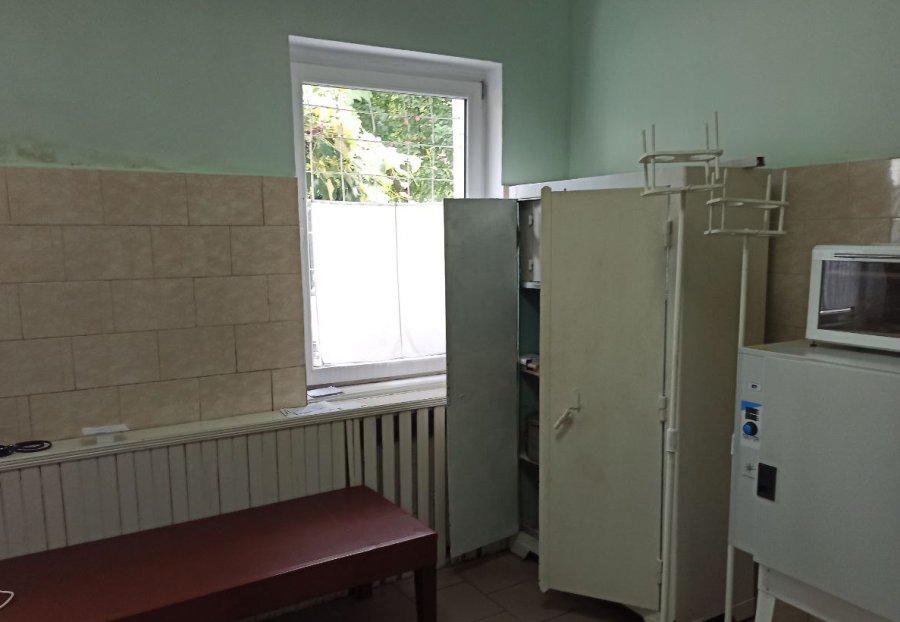
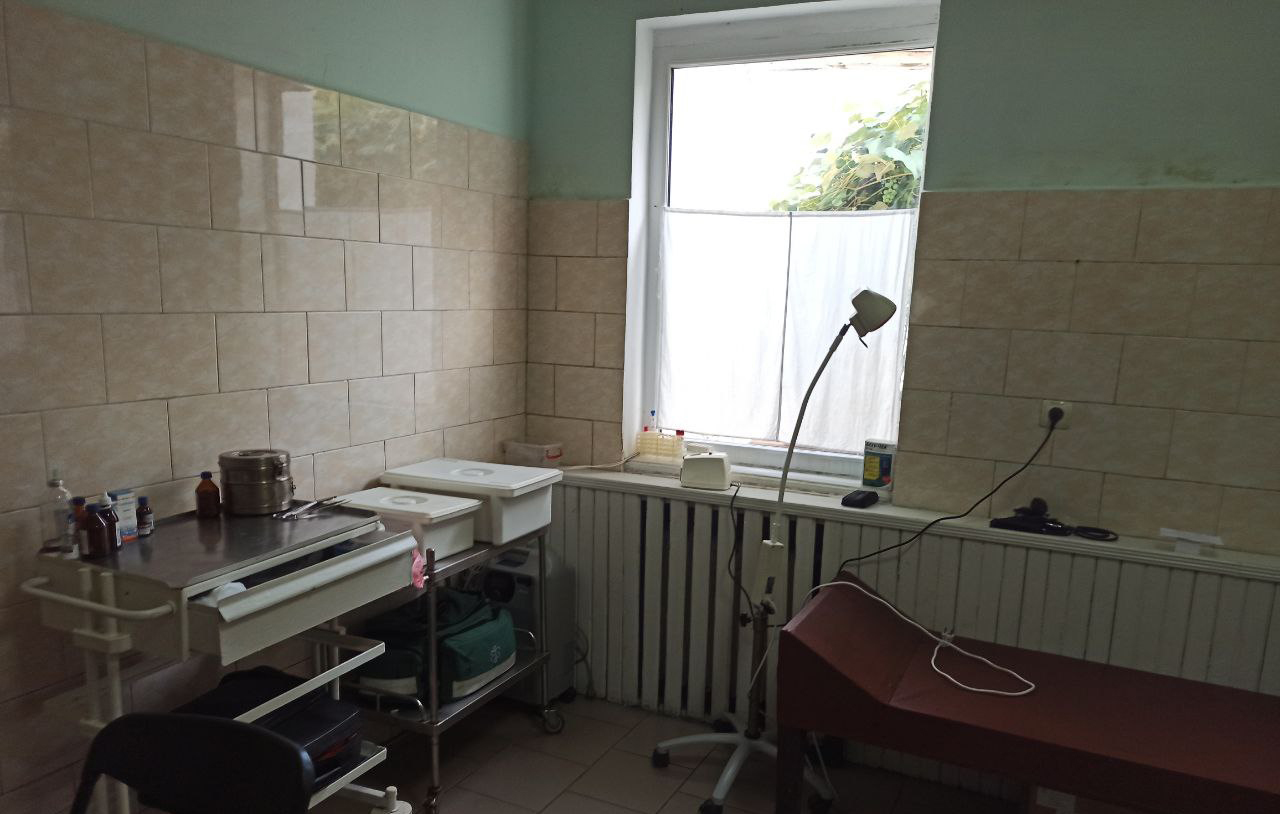
Patients treated during the current year: in the inpatient ward — 42 people, on an outpatient basis — 4,175 people. Dispensary observation is carried out for: HIV-infected — 32 people (of whom 31 are receiving ART); tuberculosis (cat. 5.1) — 21 people; those with mental disorders — 51 people.
During the monitoring visit, shortcomings in the work of Medical Unit No. 41 were identified, which lead to violations of the rights of prisoners, in particular:
1. Violation of the rights of convicted and detained persons when providing medical care
Due to the lack of signed declarations with a primary care physician by the prisoners, they do not have the opportunity to receive the necessary medical services at the expense of the National Health Service of Ukraine (NHSU), which leads to a violation of the requirements of paragraphs 4 and 5 of Article 4 of the Law of Ukraine ‘Fundamentals of the Legislation of Ukraine on Healthcare’.
2. Violation of the rights of persons with disabilities (Article 9 of the UN Convention on the Rights of Persons with Disabilities)
Dispensary observation is carried out for 17 people who have a disability. Of these, Group II — seven people; Group III — 10 people. During the study of the prisoners’ medical documentation, it was established that one person with a disability lacks an individual rehabilitation programme (IRP). Furthermore, the monitoring group established that some IRP recommendations are not being fulfilled, as a result of which people do not receive proper diagnostic, treatment, and rehabilitation measures, despite information confirming persistent impairment of bodily functions caused by illnesses and the consequences of injuries, which cause restrictions on normal vital activities. Conditions for housing persons with disabilities have not been created in the institution; the inpatient ward is located on the second floor (there are no ramps, handrails, etc.).
3. Violation of the rights of persons suffering from viral hepatitis C
Since the beginning of 2023, 143 tests for the presence of viral hepatitis C (VHC) have been conducted in the medical unit using rapid tests, 52 of which showed a suspected infection. Persons suspected of having viral hepatitis C do not undergo PCR testing, due to which they do not receive the necessary treatment, which may lead to a deterioration in their health and the spread of the specified infectious disease among the prisoners and detainees.
4. Violation of the right of prisoners and detainees to information about their health status, treatment methods, confidentiality, and improper maintenance of documentation
4.1 It was established that informed voluntary consent for diagnostics and treatment is absent in the medical records of inpatients No. 003/o.
4.2 The medical unit has not organised opioid substitution therapy (OST) for persons with mental and behavioural disorders resulting from opioid use. Drug-dependent persons are not provided with social-psychological support, cognitive-behavioural therapy (CBT), relapse prevention, motivational interviewing, self-help groups, etc. Thus, these individuals are deprived of the opportunity to receive OST, which violates their right to choose treatment methods, in accordance with Article 38 of the Law of Ukraine ‘Fundamentals of the Legislation of Ukraine on Healthcare’.
4.3 ‘Control card for dispensary observation of an HIV-infected person’ No. 030-5/0 has not been created for 27 people.
4.4 Monitors established that medical outpatient records 025/o lack certificates and photographs of existing bodily injuries. Furthermore, during the study of the documentation, the monitors established that the number of the medical record of prisoner R. (date and time of examination: 20.07.2023) is missing, which should correspond to the patient registration number specified in the ‘Logbook for recording facts of bodily injuries detected in prisoners at Kolomyia Correctional Colony No. 41’.
4.5 According to the staffing table, the position of psychiatrist is vacant, which leads to a violation of the requirements of Article 25 of the Law of Ukraine ‘On Psychiatric Care’; because of this, prisoners suffering from mental and neurological disorders do not receive the necessary medical care.
4.6 In the inpatient ward for patients, the monitors recorded a video surveillance camera, even though the use of video cameras and portable video recorders in premises (cells) where medical examinations (check-ups) of detainees and prisoners are conducted, or personal searches involving stripping, is prohibited. This fact indicates that the institution’s staff are obtaining confidential information regarding the health status of prisoners undergoing inpatient treatment in this ward during medical examinations, doctor rounds, manipulations, and procedures.
5. Violation of fire safety rules
The premises of the medical unit are not equipped with fire extinguishing and fire alarm systems. The doctors’ office and X-ray room premises are not provided with fire extinguishers. This does not create safe conditions for patients staying in the inpatient ward and may pose a threat to their life and health.
Production
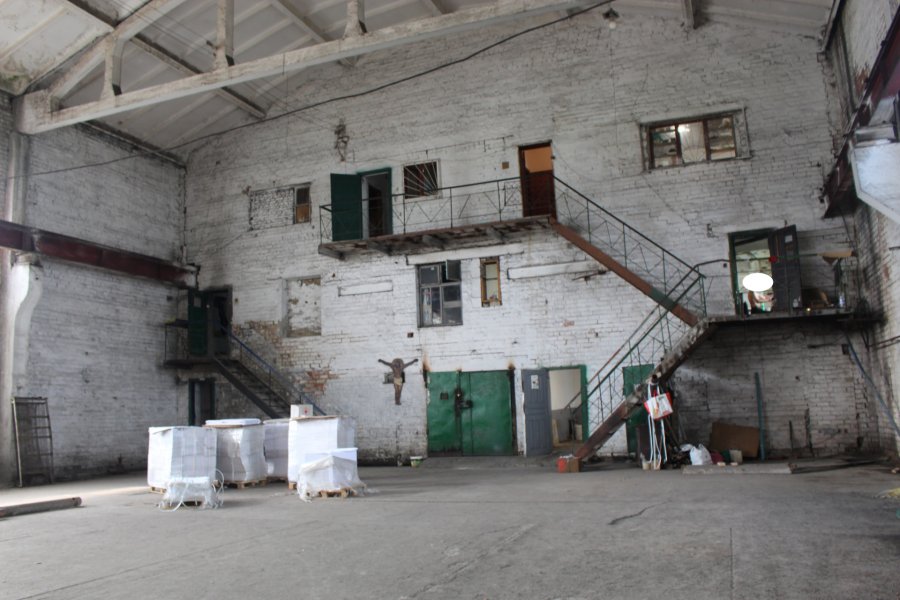
The workshop where 24 prisoners sentenced to life imprisonment work.
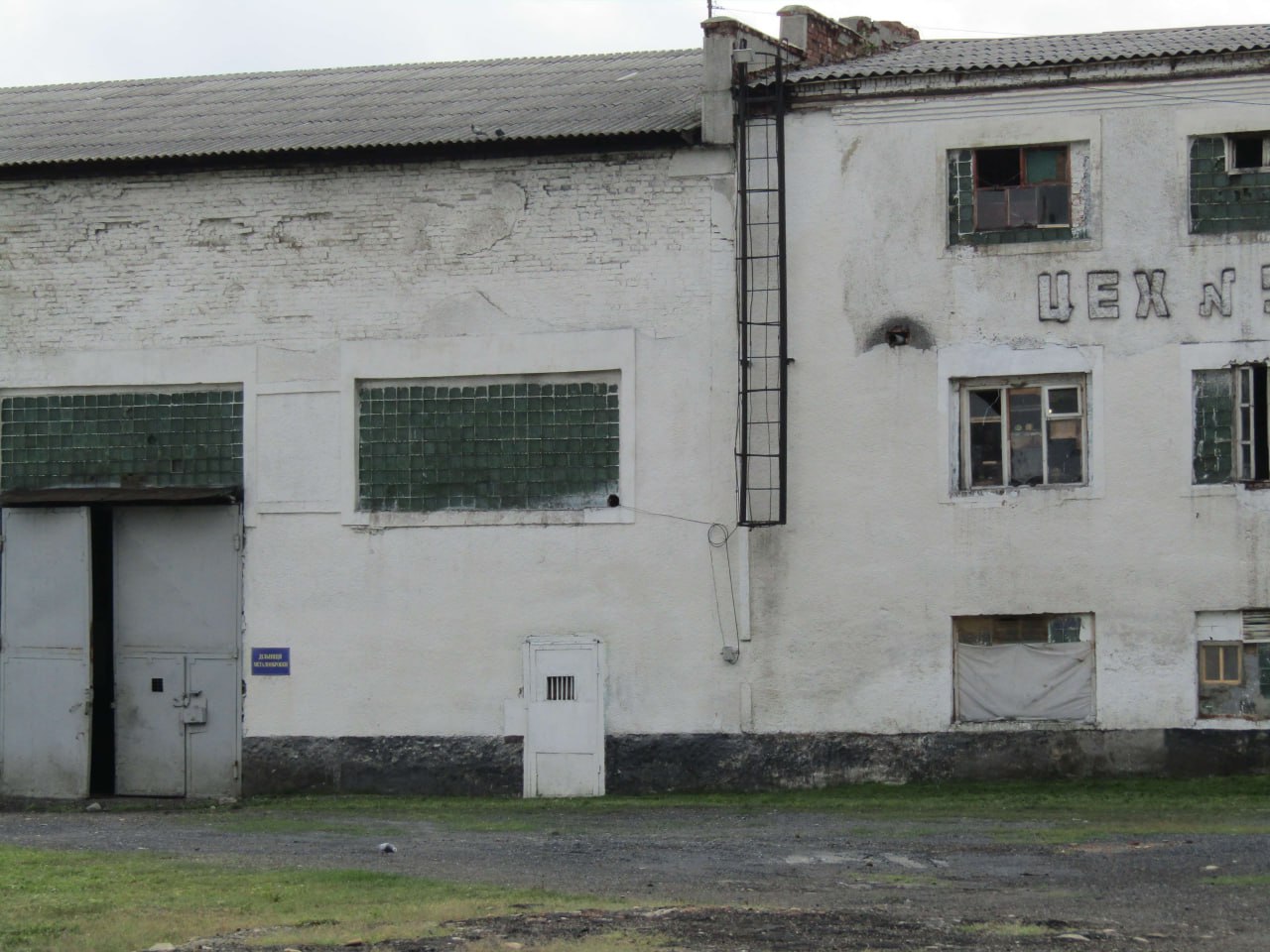
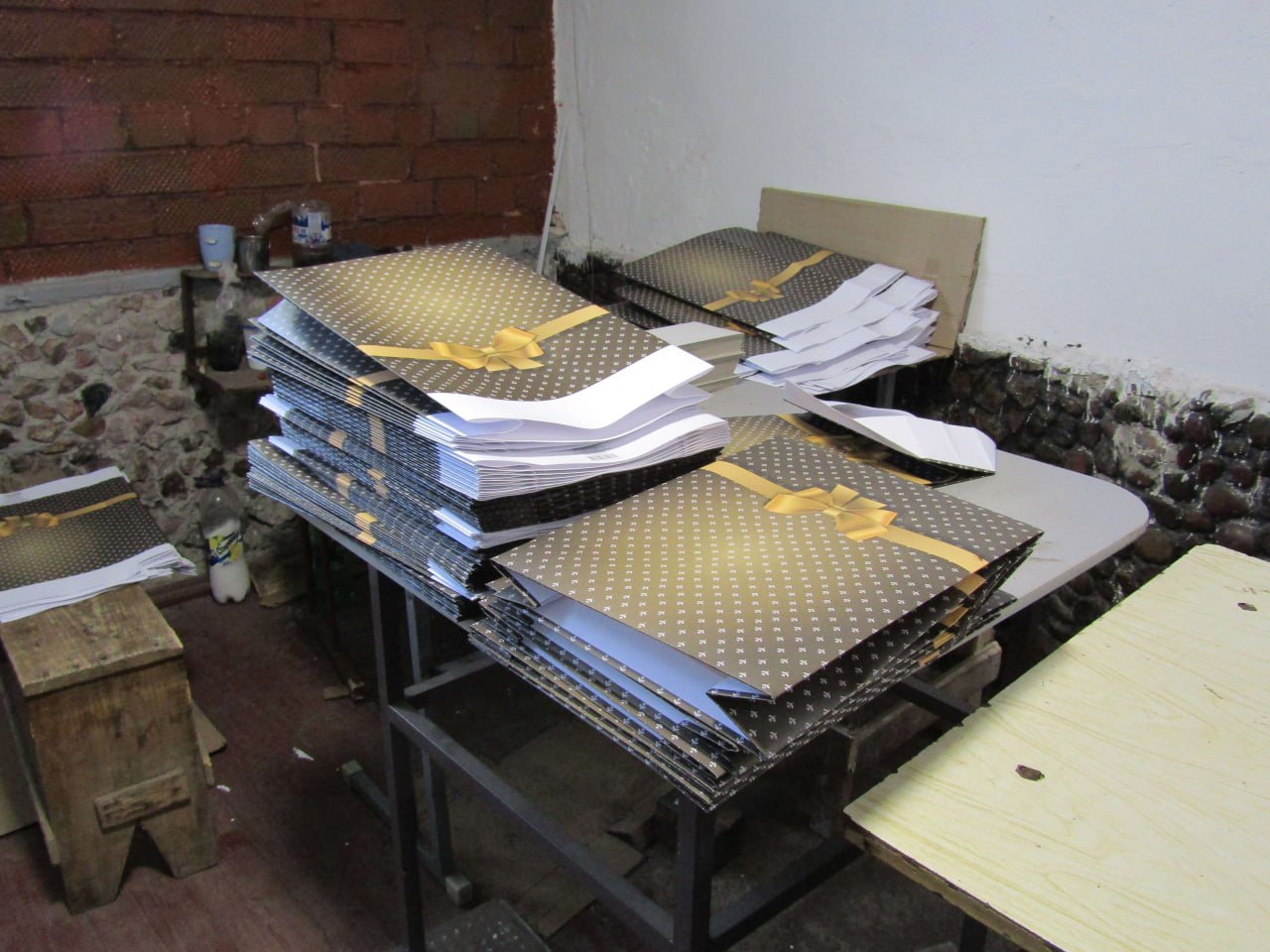
In the production area, the prisoners make paper bags.
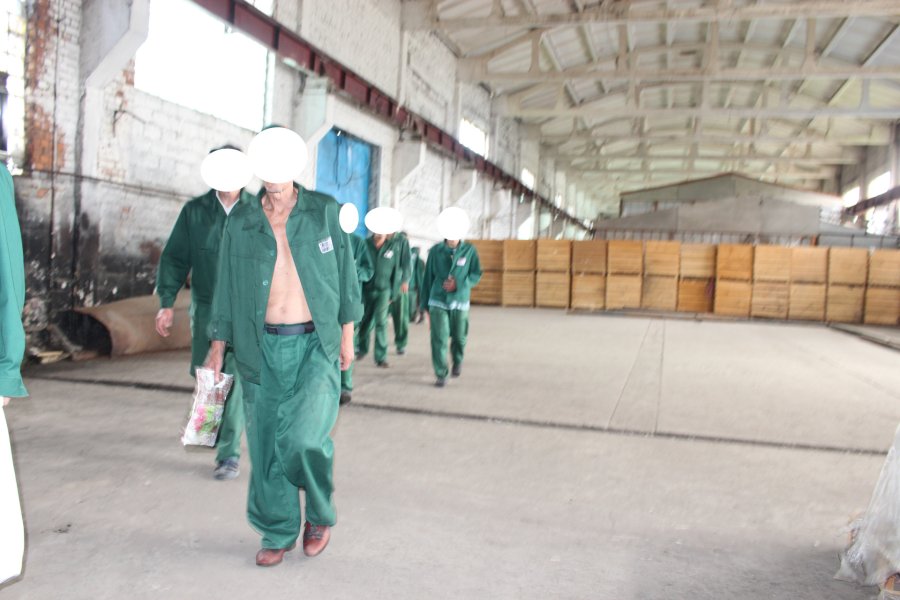
Life-sentenced prisoners returning from the canteen after lunch.
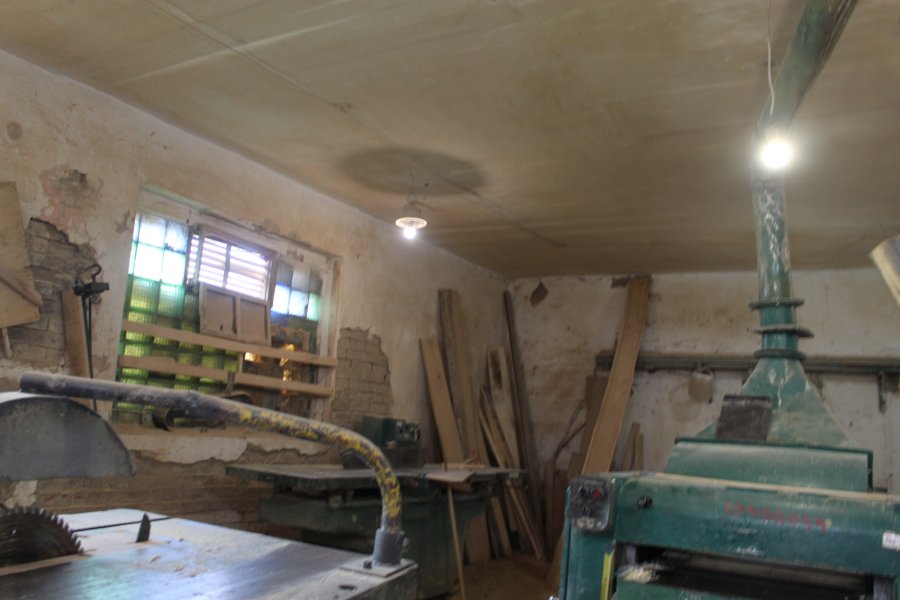
Woodworking workshop
Various wooden products are manufactured to order.
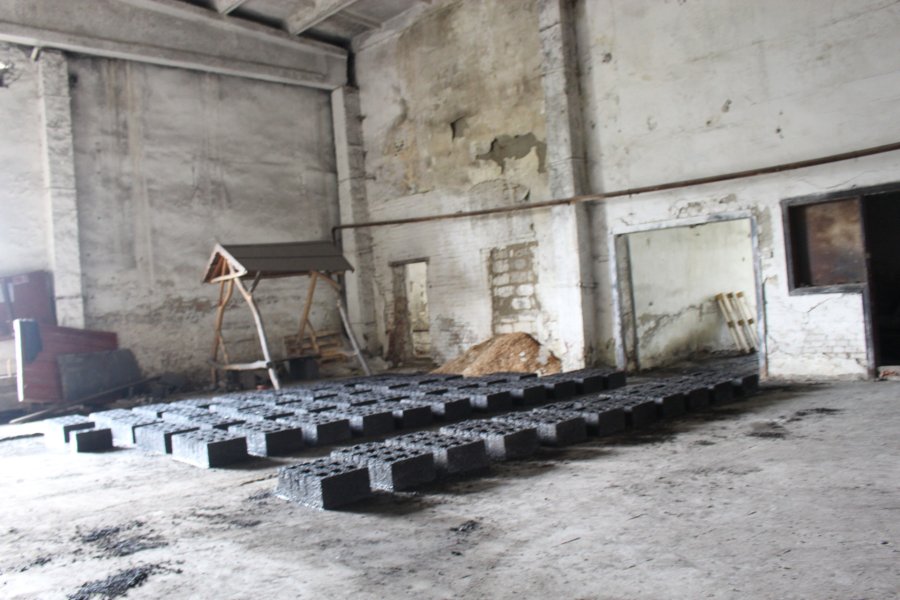
Cinder block production workshop
Workshop No. 3
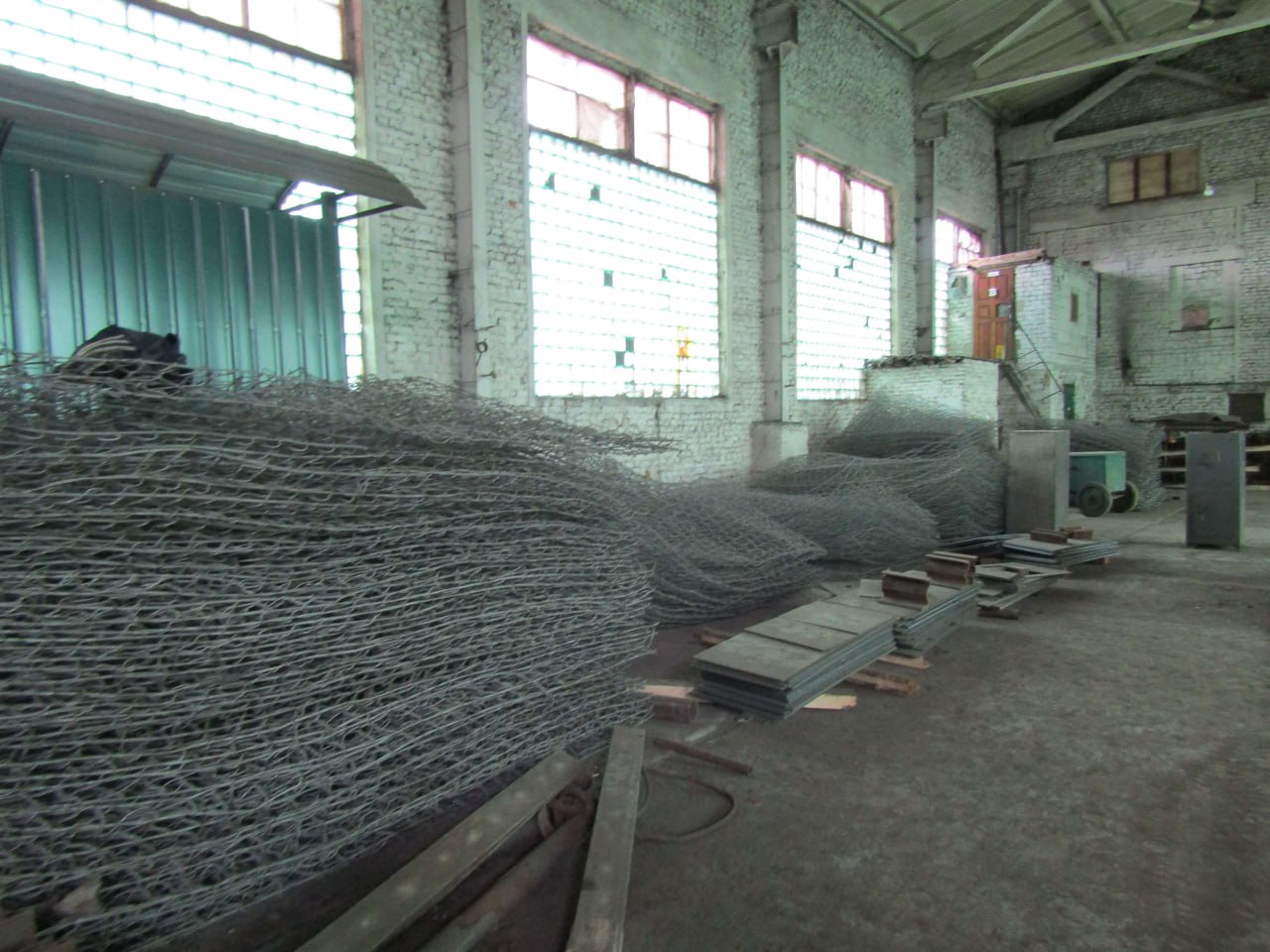
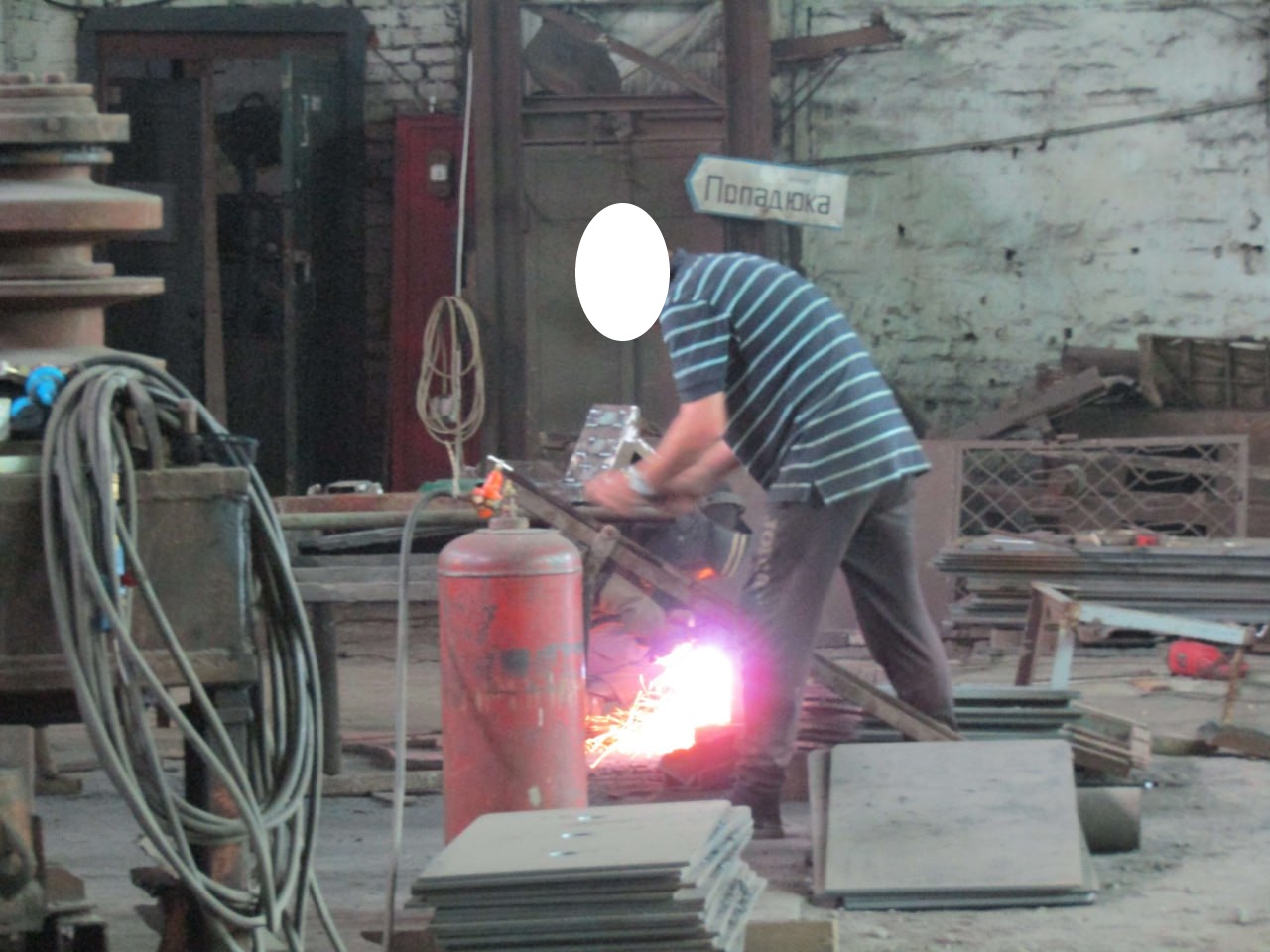
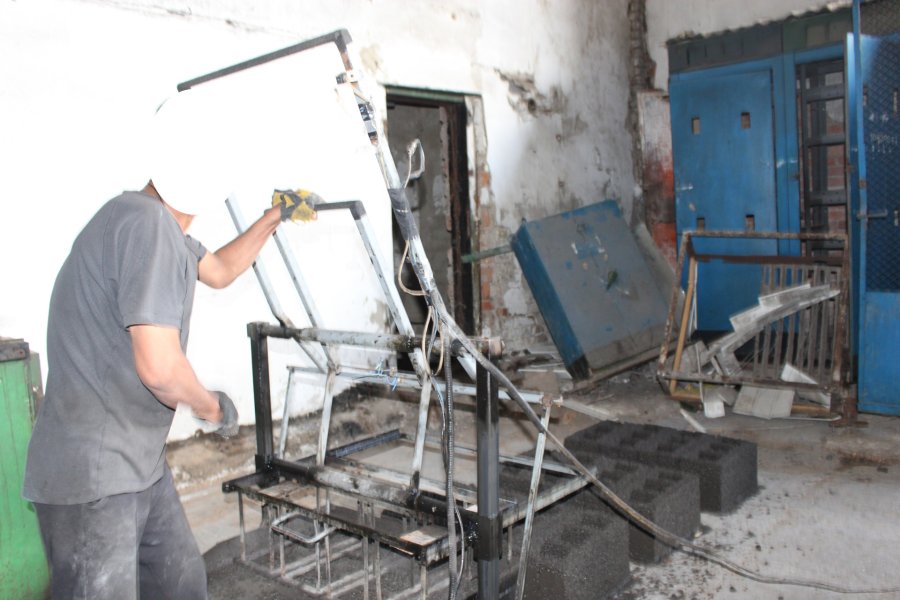
Metal products workshop. Prisoners work without protective clothing, violating safety regulations.
Residential Zone
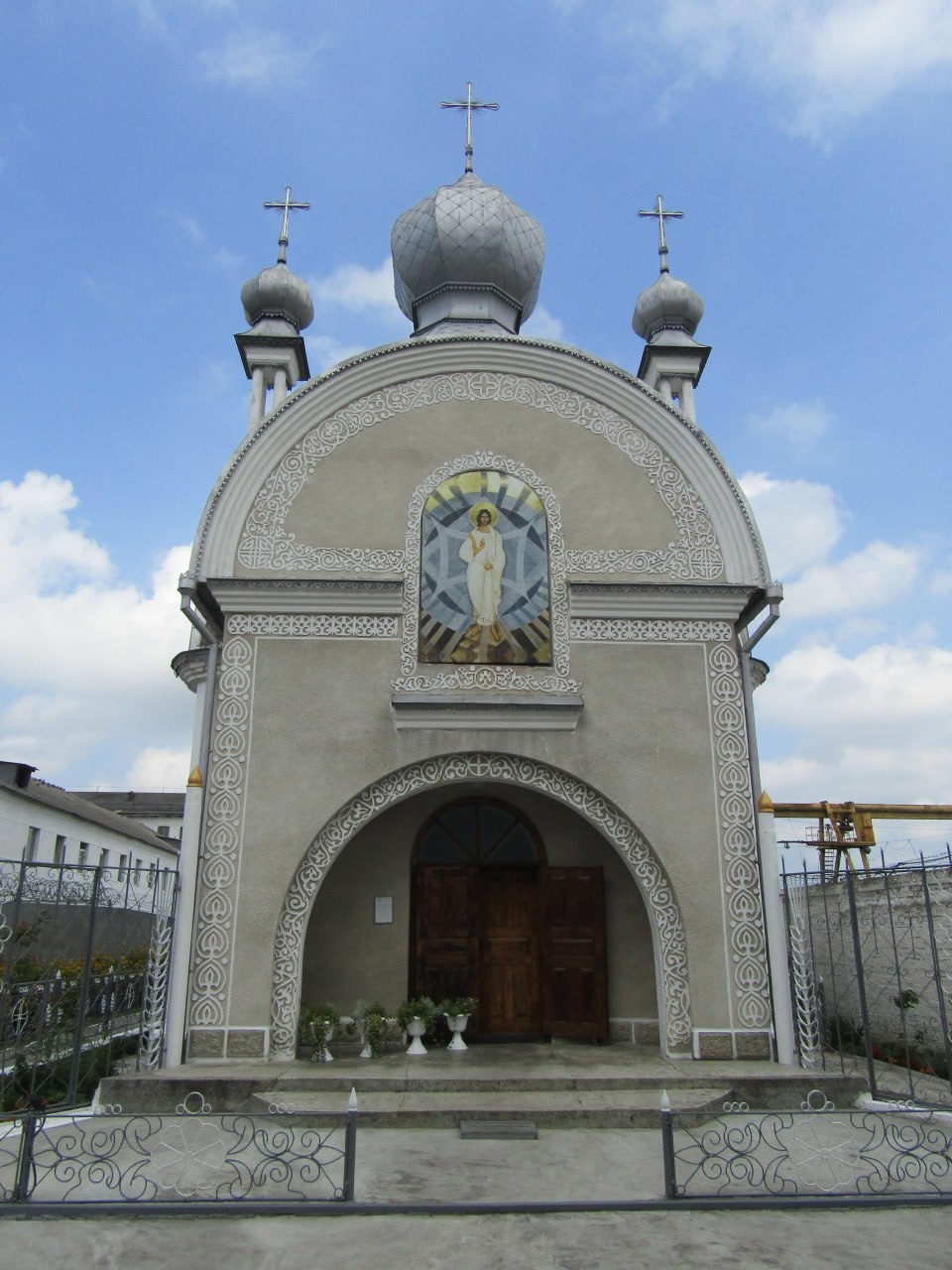
A church has been built on the territory of the residential zone.
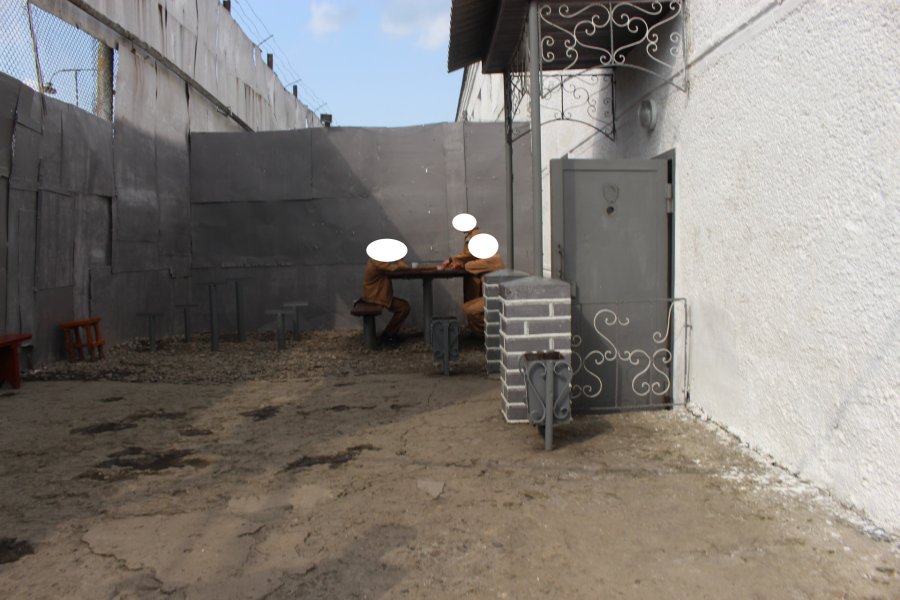
The institution has 11 SPS units, three of which are mothballed.
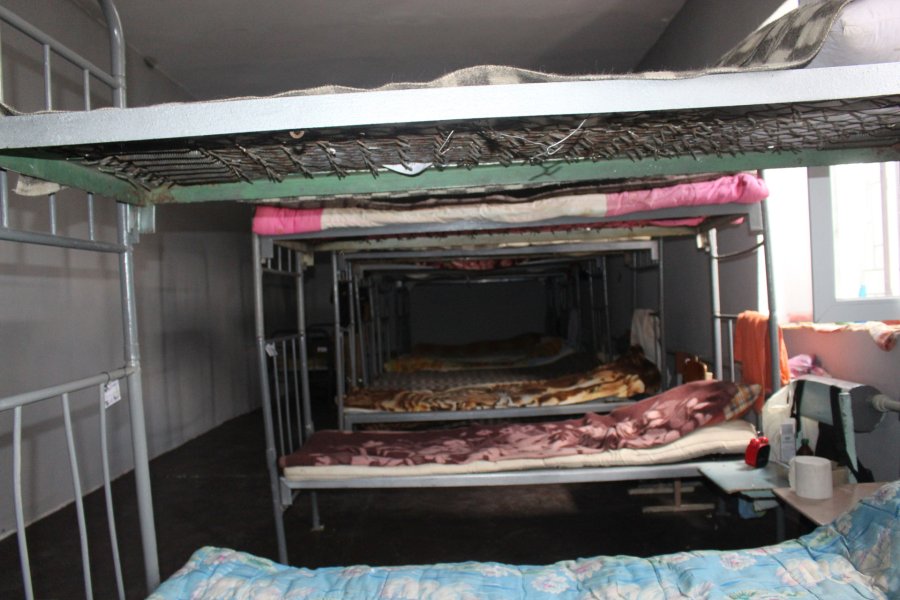
Barracks-type residential premises.
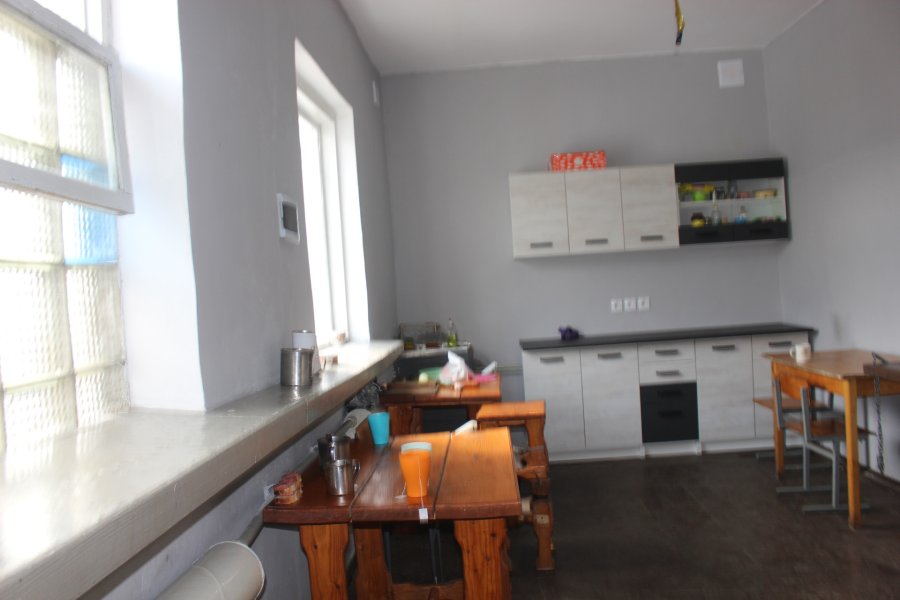
Dining area.
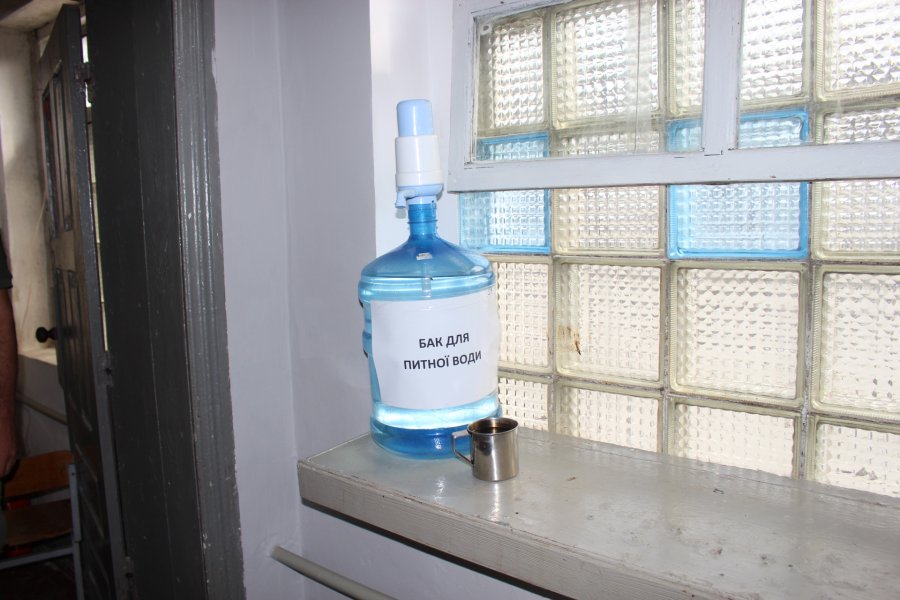
Drinking water tanks.
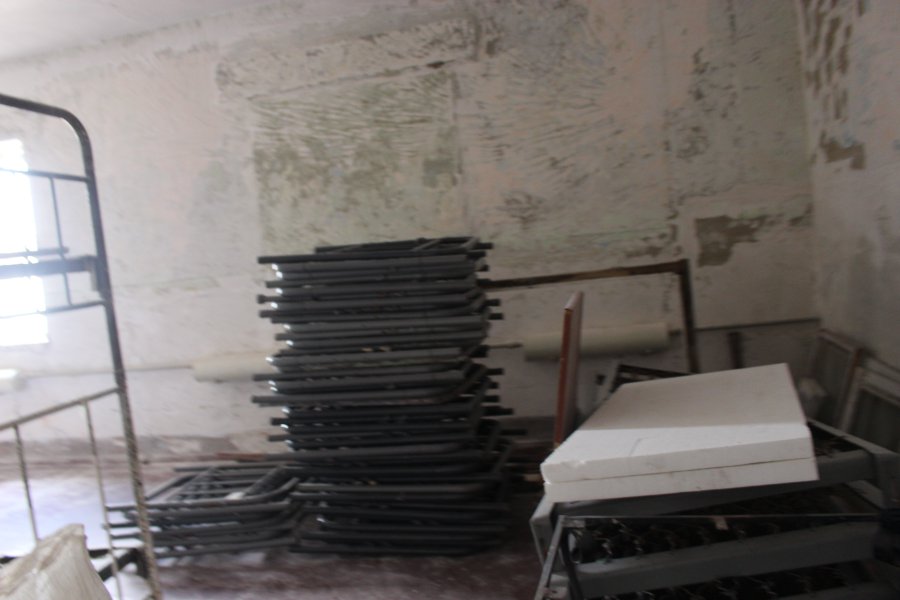
Renovation work is taking place in some premises.
Unit for life-sentenced prisoners
A maximum-security sector for housing life-sentenced prisoners is separated within the institution. However, unlike other institutions that hold this category of prisoners, life-sentenced prisoners in this facility are held in ordinary residential premises. Prisoners serving life sentences who have been transferred from various institutions and who, by court decision, have been granted a more lenient detention regime, serve their sentences in this unit. The prisoners have their own tablets with internet access. A brigade of life-sentenced prisoners works in production.
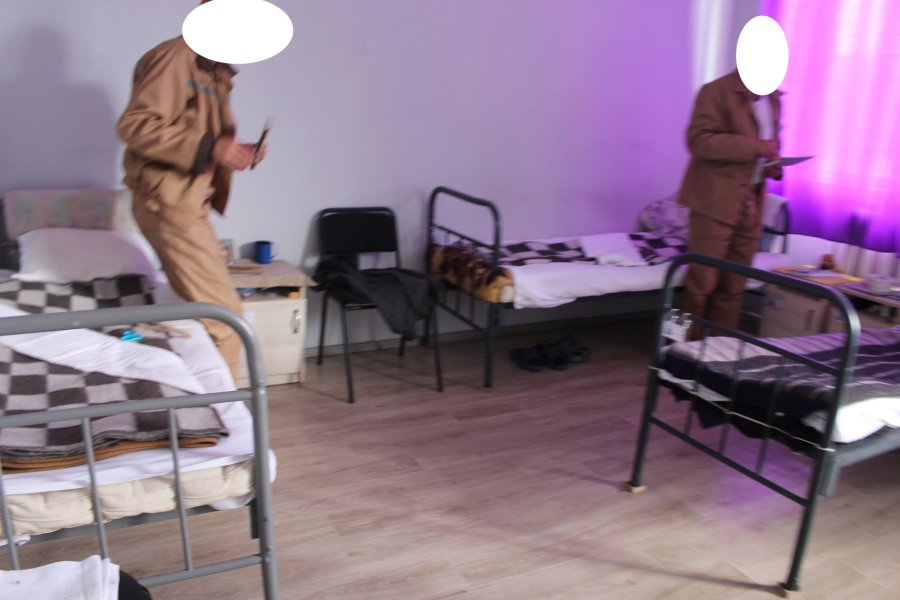
DIZO/Arrest House
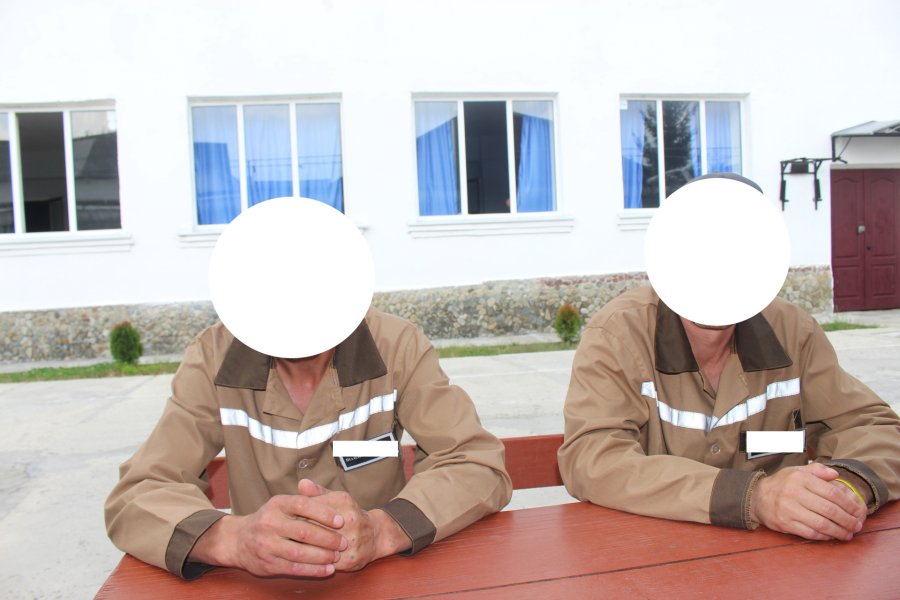
Three people are serving a sentence in the form of arrest. This is the lightest type of punishment, up to six months. According to the prisoners, they have contact with relatives, receive parcels and transmissions, and have the opportunity to make phone calls.
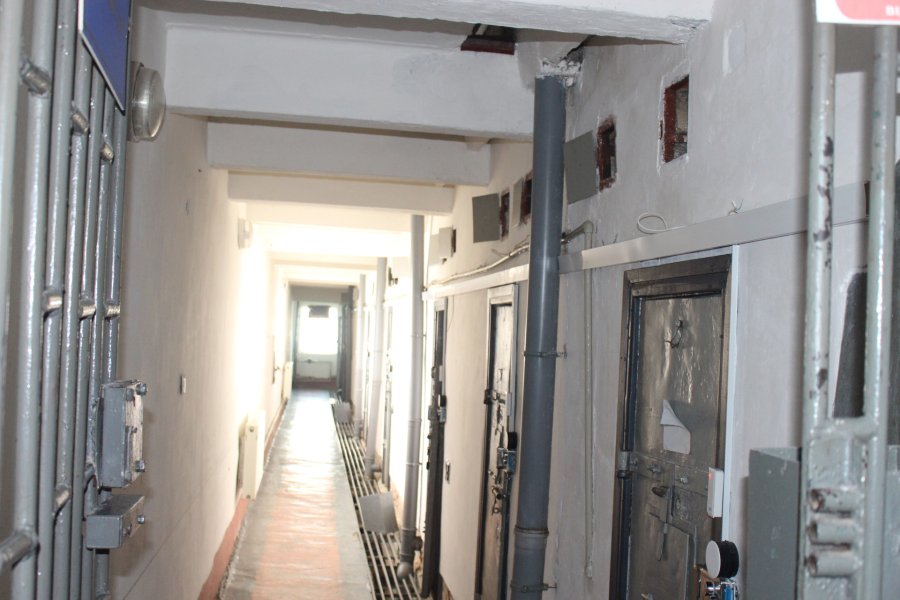
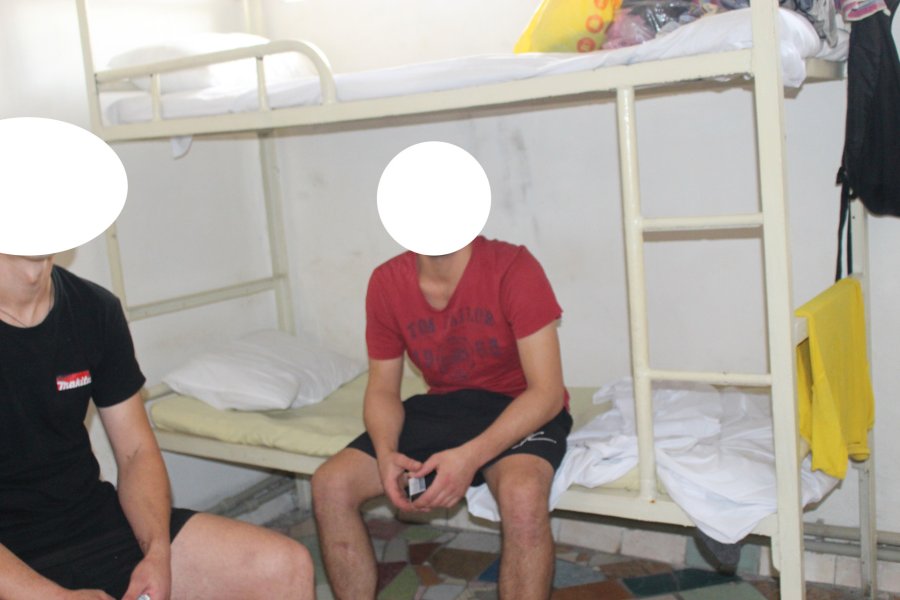
Five people were serving disciplinary penalties of up to 14 days in the DIZO. The interviewed prisoners reported that the penalties were proportionate to the offence committed, and that they were informed of their rights to a lawyer from the Free Secondary Legal Aid (FSLA) centre and to appeal to the Ukrainian Parliament Commissioner for Human Rights. In each cell, there is a tank with drinking water, which is brought from the canteen.
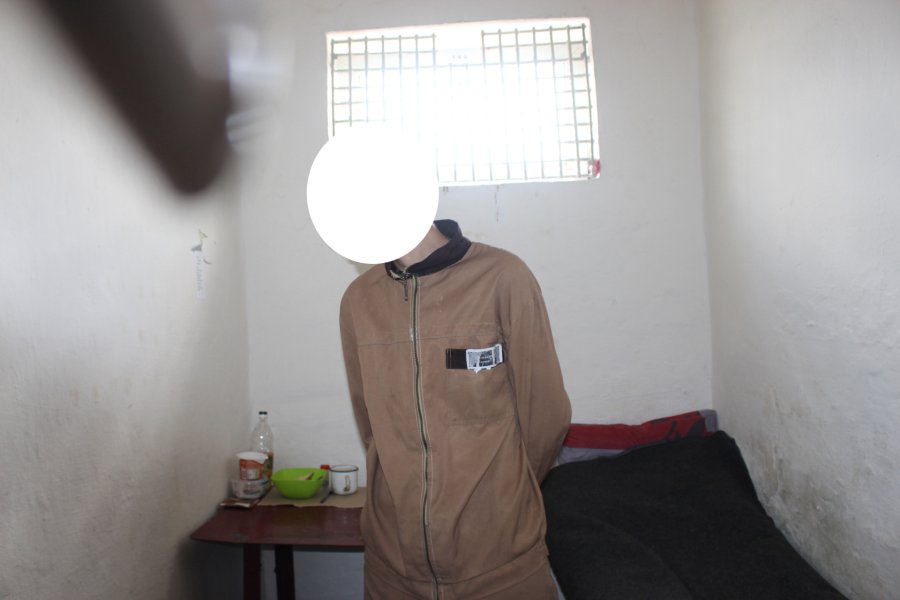
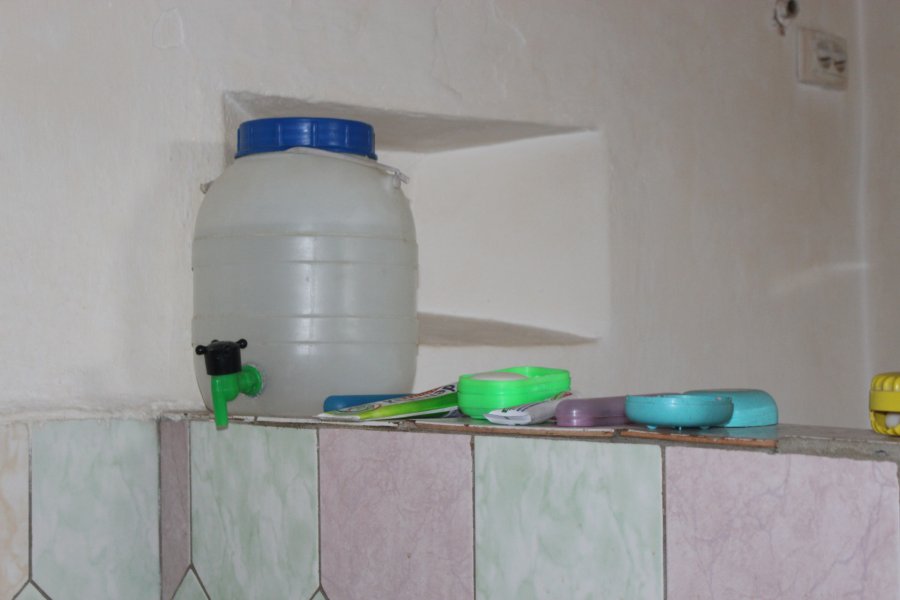
Four people were held in cells on general grounds. The interviewed prisoners reported that they have conflict situations that are in the process of being resolved.
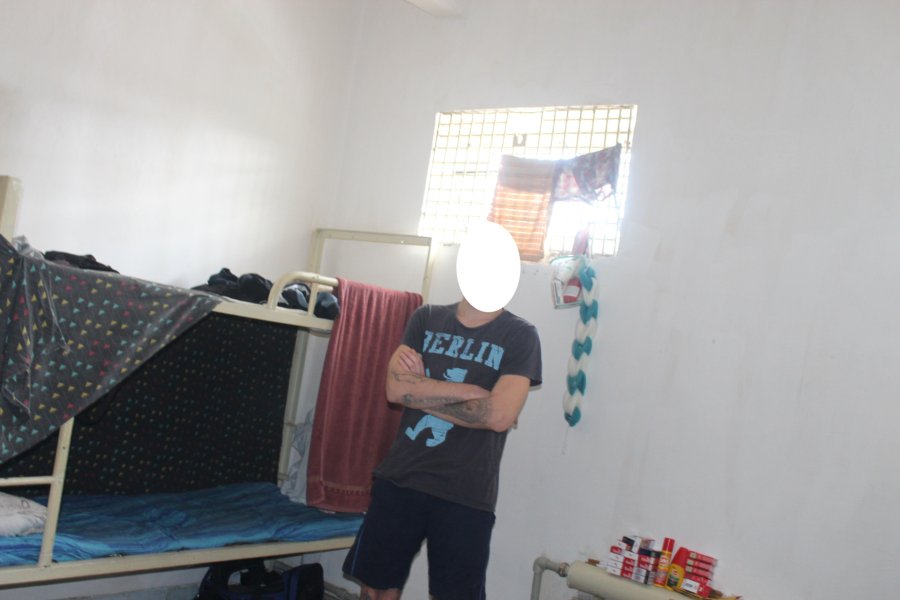
Bath and laundry complex
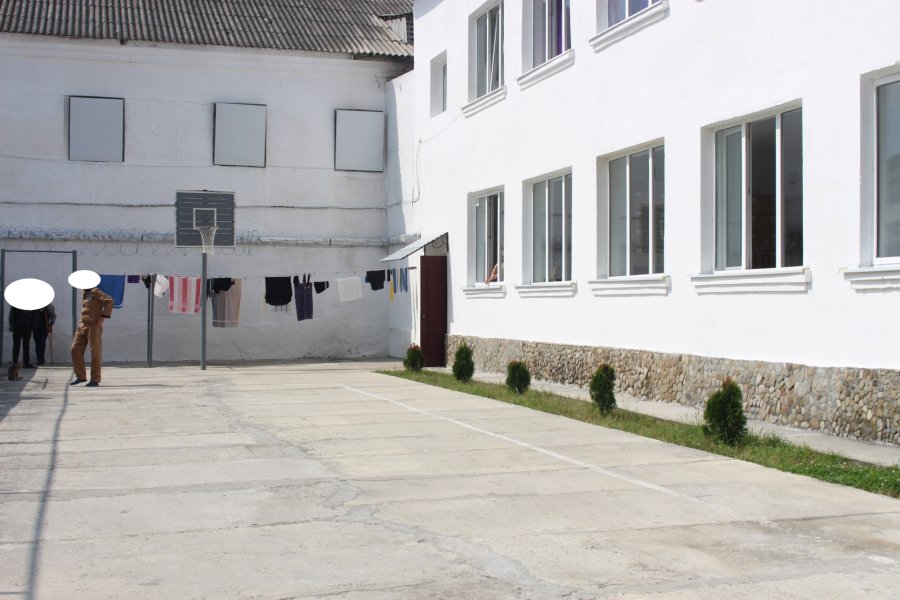
There is an opportunity to dry laundry outside, as well as indoors.
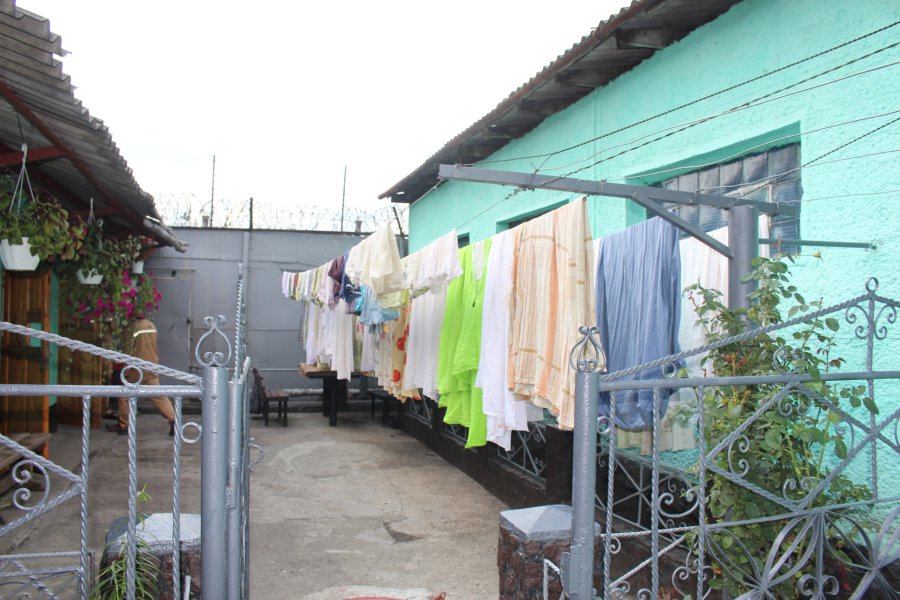
There is a separate office for the paramedic in the bathhouse.
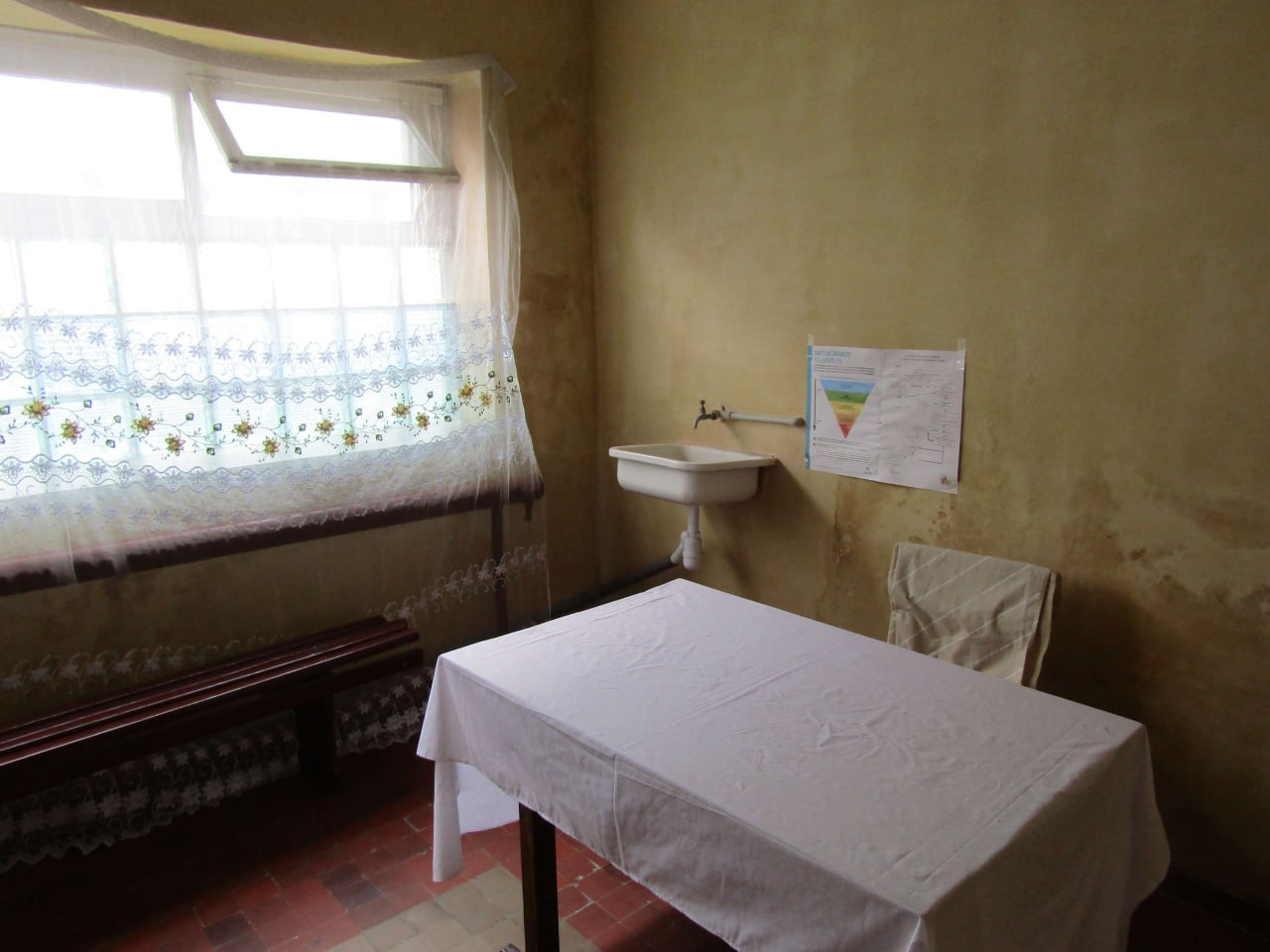
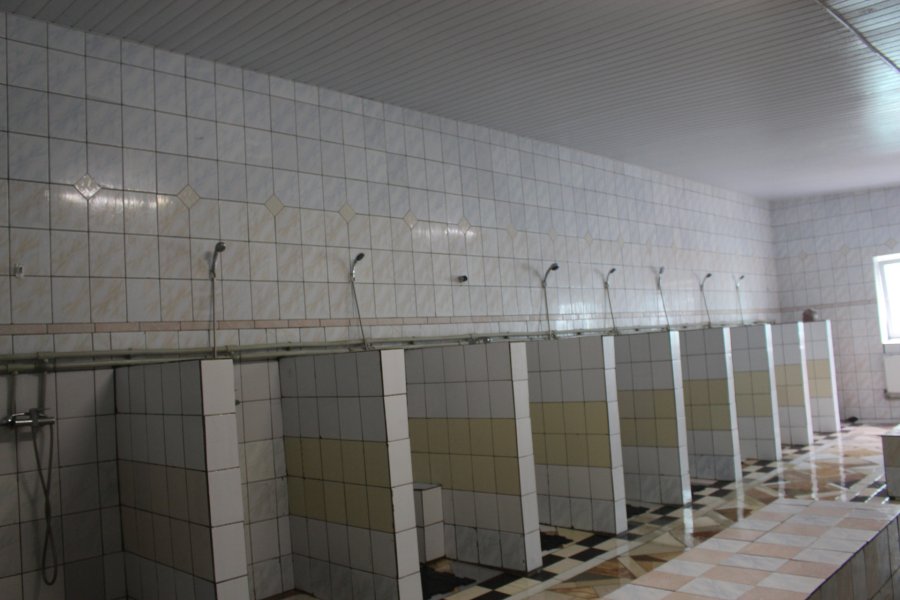
There are no curtains in the bathhouse cubicles, which is a violation of the right to privacy.
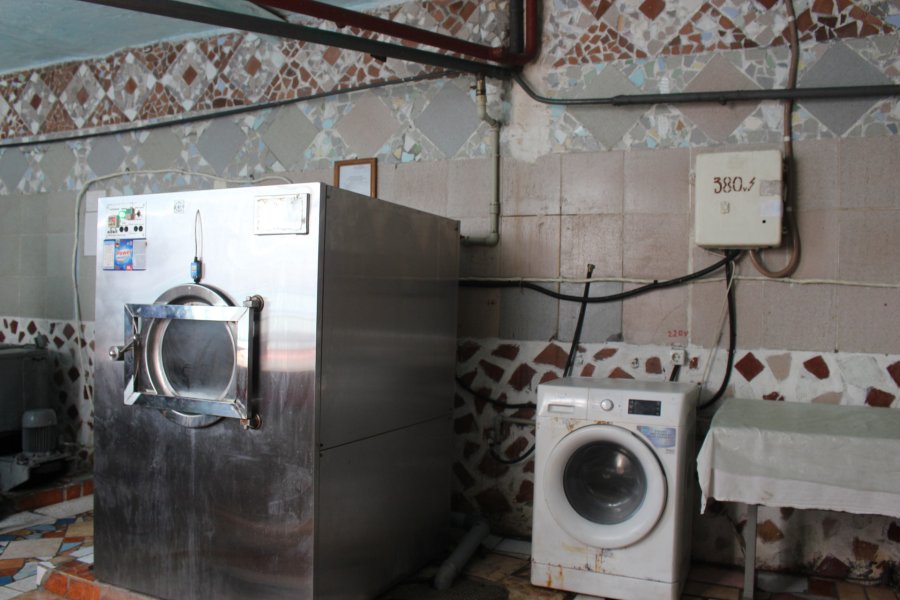
Washing machines.
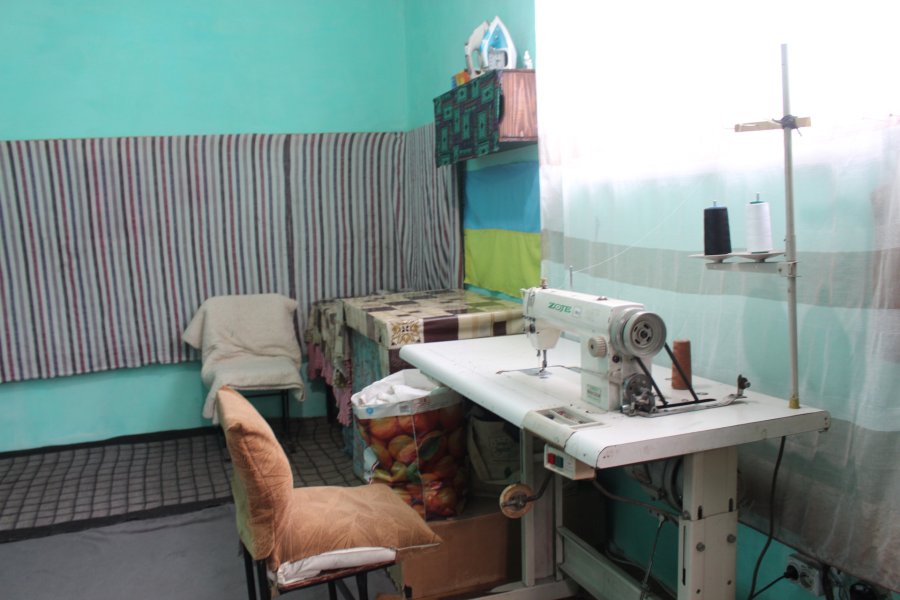
Special workshop for clothing repair.
Canteen
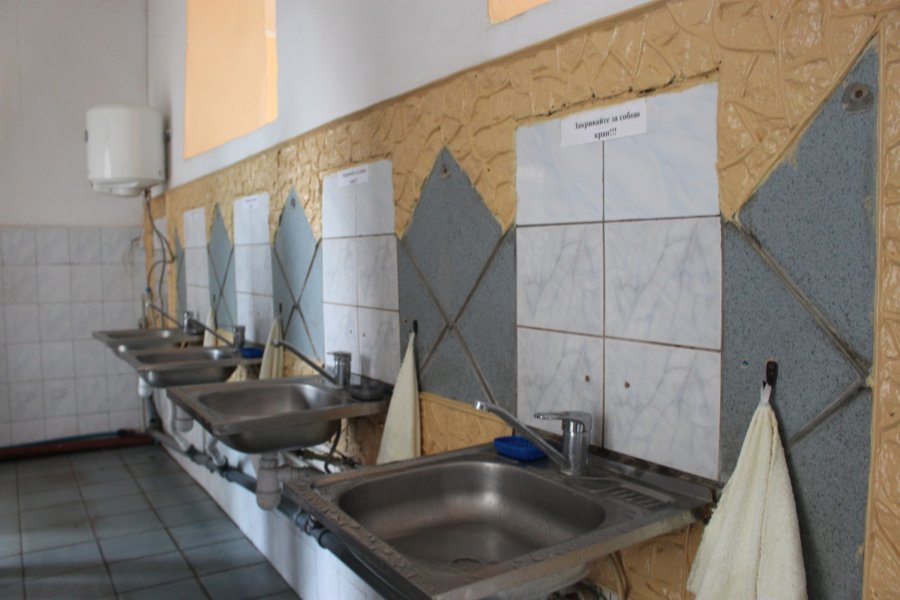
A large, neat dining hall. There is hot water, soap, and towels in the washbasins. Drinking water is available.
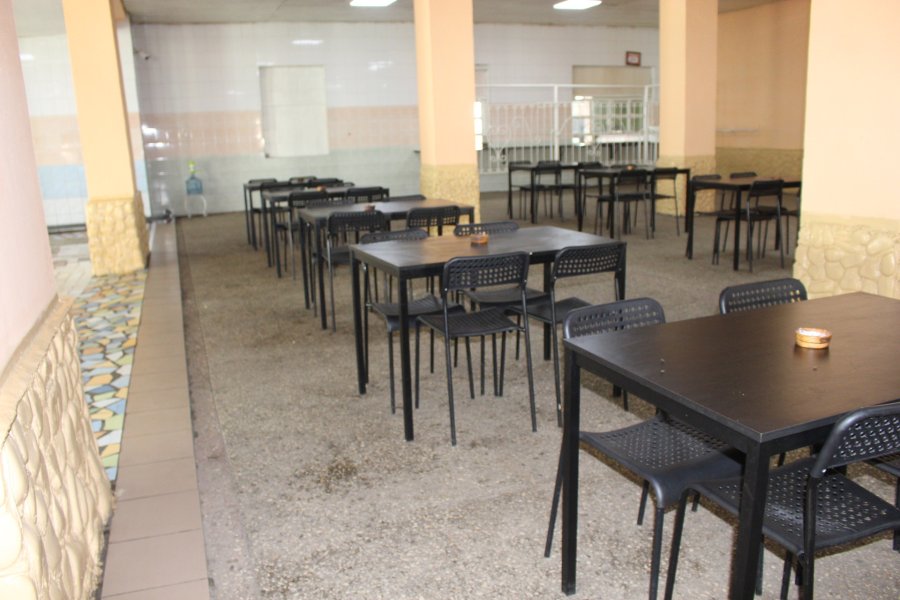
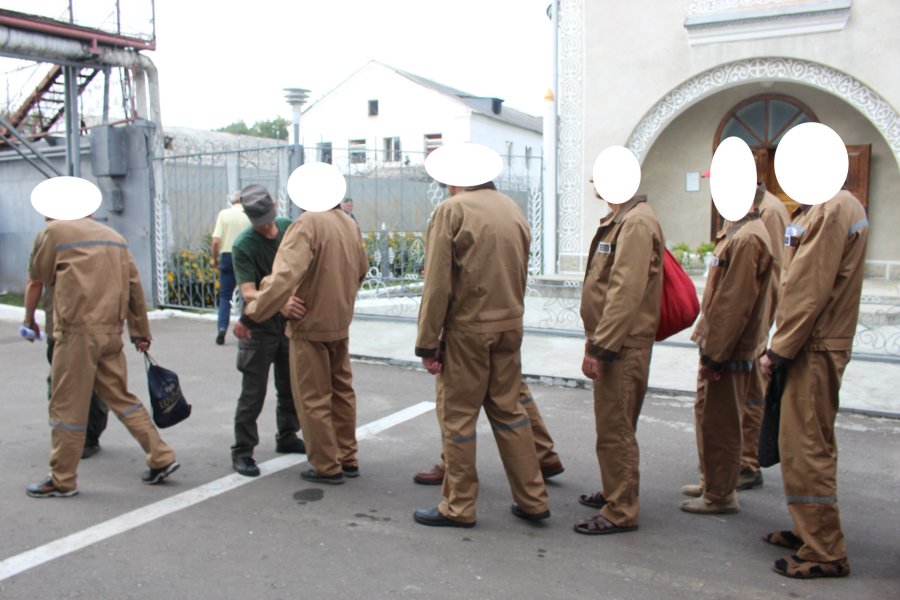
Prisoners leaving the canteen are subject to a search. There is a prohibition on taking food products out of the canteen.
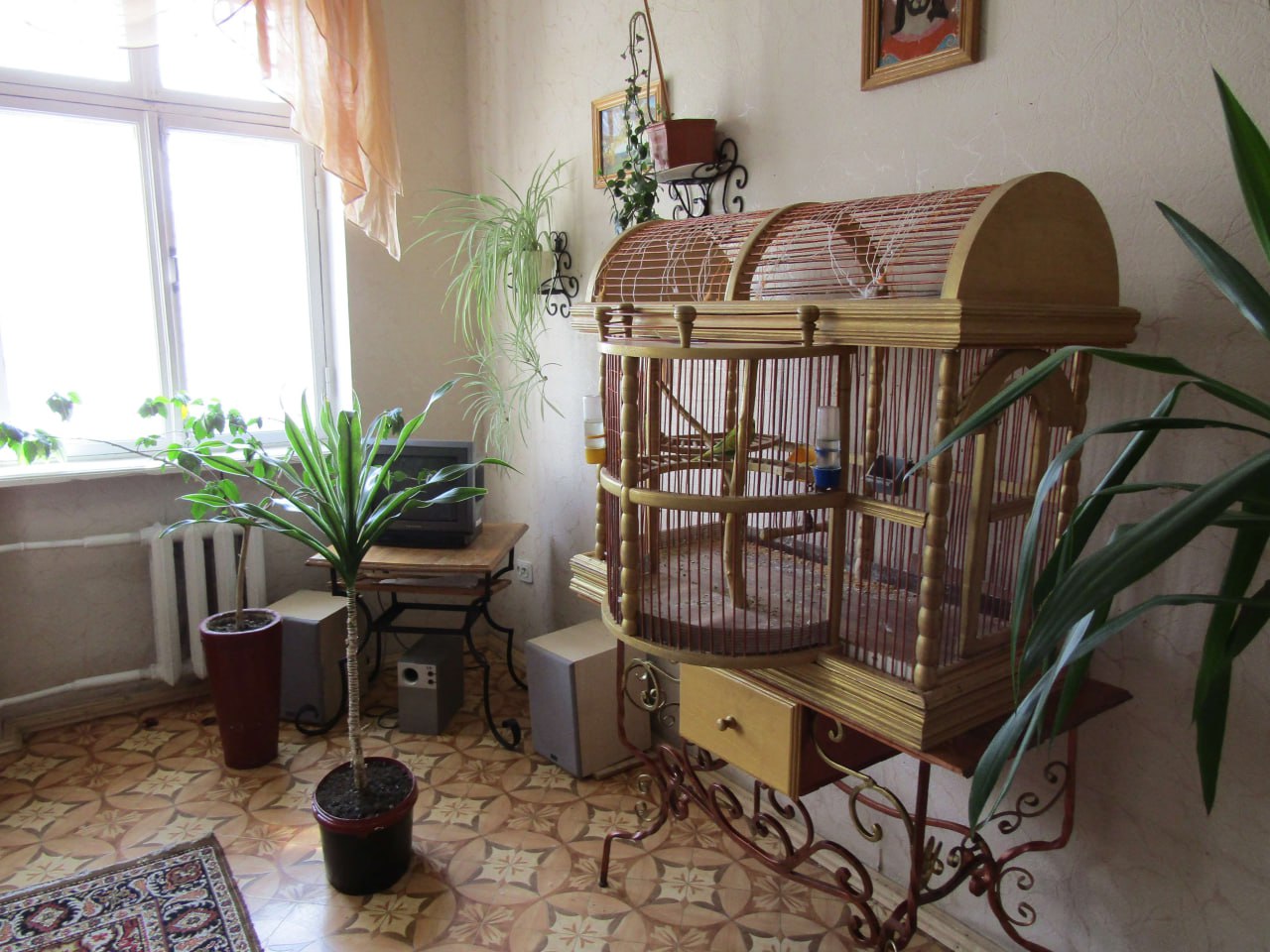
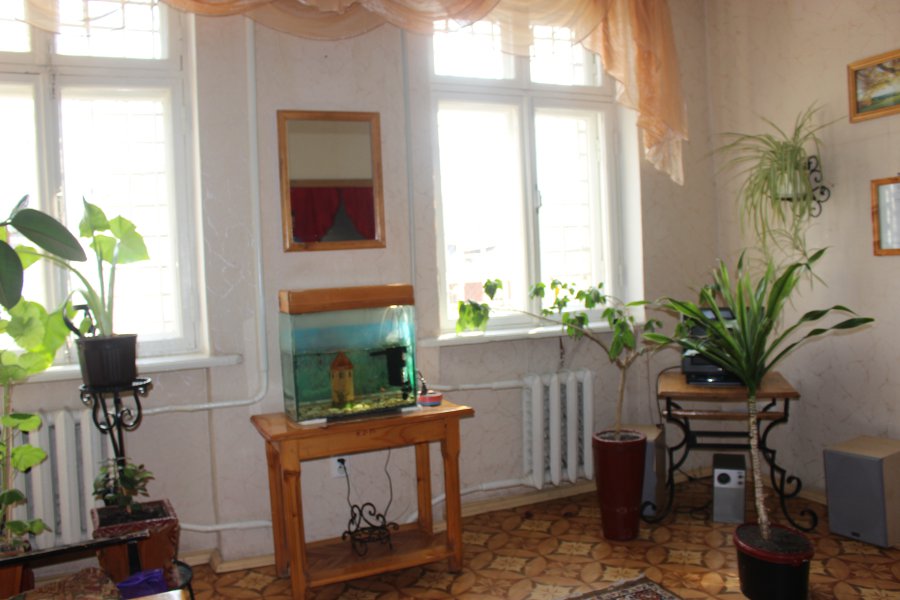
Visitation rooms
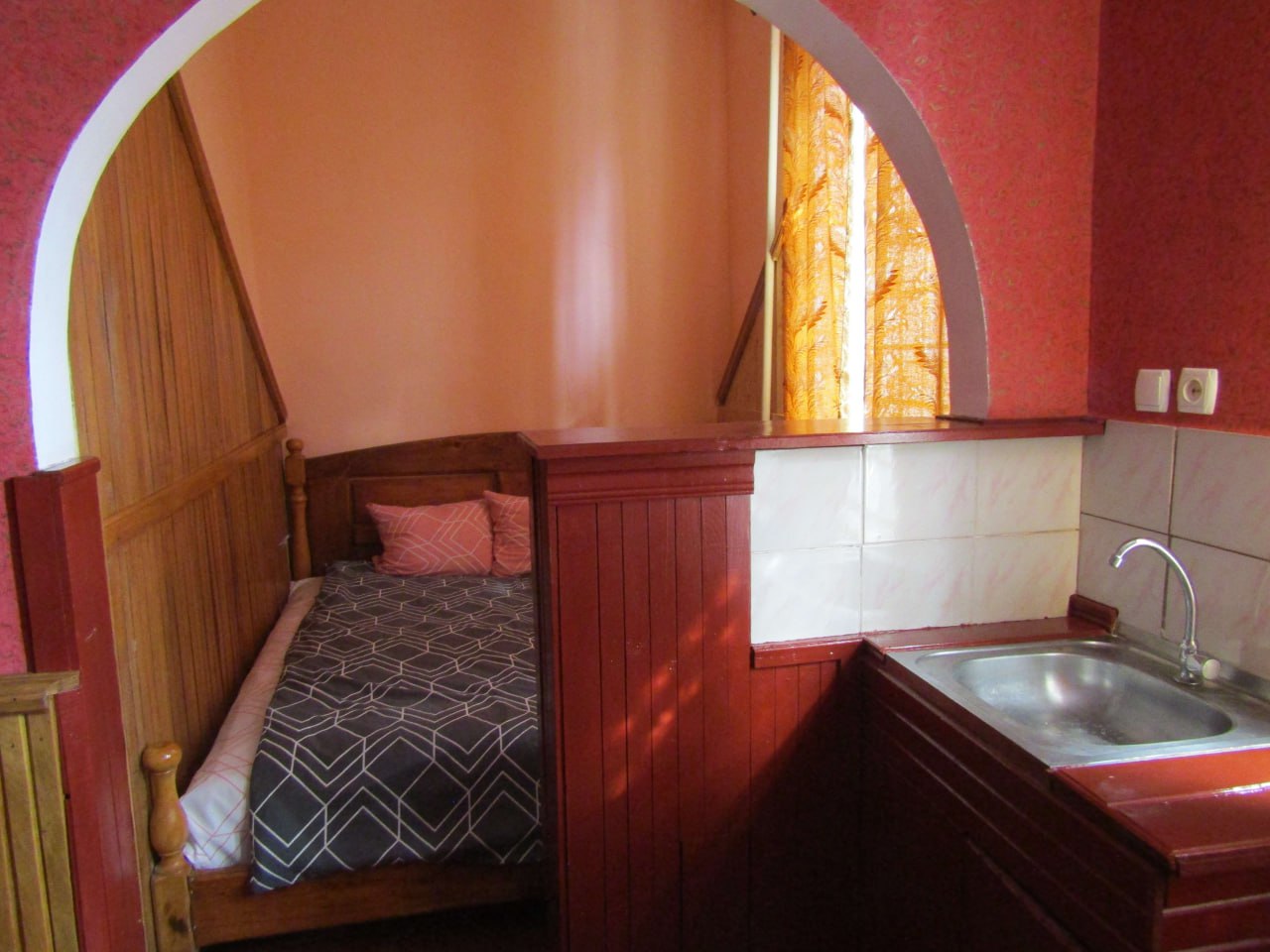
A preventive monitoring visit to Kolomyia Correctional Colony No. 41 was carried out by the Kharkiv Human Rights Protection Group. The monitoring group consisted of an assistant to the People’s Deputy of Ukraine Kostiantyn Kasai, members of the Public Council under the Ministry of Justice of Ukraine Serhii Zuikov, an assistant to the People’s Deputy of Ukraine Yaroslav Yurchyshyn, KHPG programme coordinator Andrii Didenko, as well as a journalist from the Information Agency ‘Poryad z vamy’ (‘Alongside You’), Oleksa Yaroslavtsev. The purpose of the visit: analysis of respect for human rights in places of detention during the war. The visit was carried out within the framework of the project ‘Reducing the suffering of prisoners in the context of the war in Ukraine’, funded by the government of Denmark in partnership with DIGNITY — The Danish Institute Against Torture.
Date of visit: 24 August 2023