Report on the Results of a Monitoring Visit to Zbarazh Correctional Colony No. 63
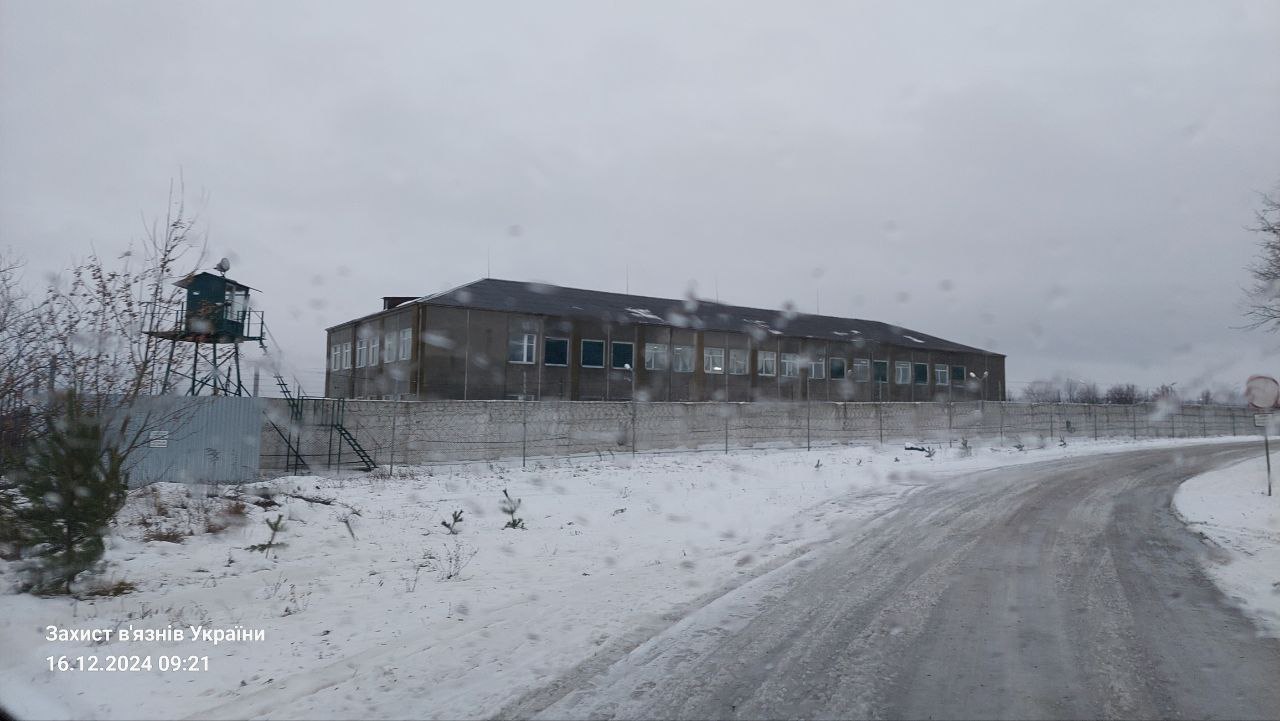
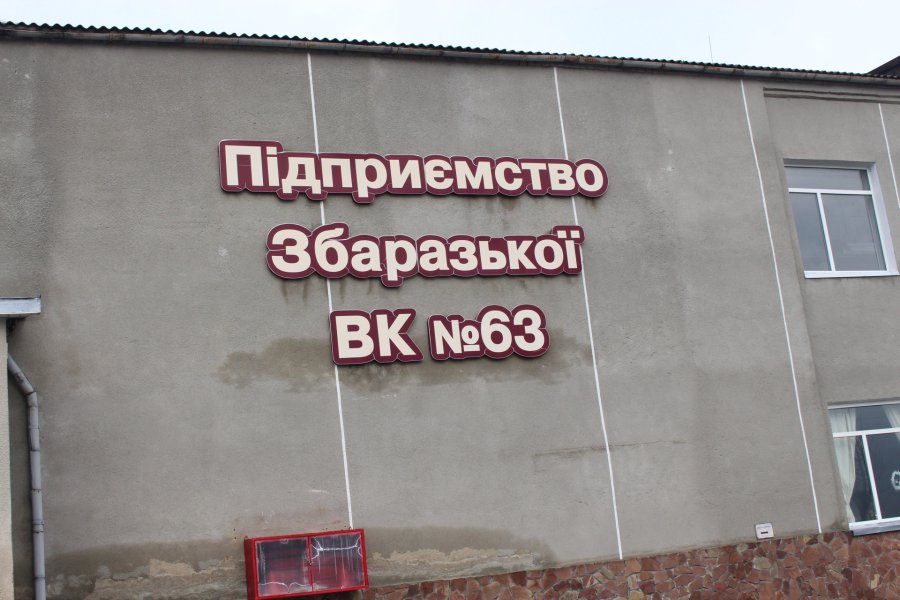
On 16–17 December 2024, in accordance with the Optional Protocol to the Convention against Torture and Other Cruel, Inhuman or Degrading Treatment or Punishment, taking into account the provisions of the United Nations Standard Minimum Rules for the Treatment of Prisoners and the rulings of the European Court of Human Rights, and based on Article 24 of the Criminal Executive Code of Ukraine — Visiting Penitentiary Institutions — a monitoring group from the Kharkiv Human Rights Protection Group and the NGO “Prisoners' Rights Protection of Ukraine” conducted a visit to the state institution “Zbarazh Correctional Colony No. 63” (hereinafter referred to as the ZCC-63, the institution, or the facility).
A planned visit was conducted without prior notice due to a large number of complaints from convicts and their relatives regarding human rights violations at ZCC-63.
In preparation for the visit, the monitors used materials from appeals submitted by convicts and their relatives, as well as a report by the Representative of the Ukrainian Parliament Commissioner for Human Rights in the Ternopil region. The monitoring visit covered the entire institution.
The visit was carried out within the framework of the project “Reducing the Suffering of Prisoners in the Context of the War in Ukraine”, funded by the government of Denmark in partnership with DIGNITY — The Danish Institute Against Torture.
The visit was conducted by the following monitors:
- Andriy Didenko — Assistant to the People’s Deputy of Ukraine Yaroslav Yurchyshyn, programme coordinator for the Kharkiv Human Rights Protection Group, experienced in monitoring visits since 2014;
- Serhiy Zuikov — Assistant to the People’s Deputy of Ukraine Kostyantyn Kasai, member of the Public Council under the Ministry of Justice of Ukraine, member of the NGO “Prisoners' Rights Protection of Ukraine”, possesses many years of experience in monitoring visits;
- Hanna Skrypka — Member of the Public Council under the Ministry of Justice of Ukraine, lawyer for the NGO “Prisoners' Rights Protection of Ukraine”, specialises in citizens' appeals, has experience in monitoring visits;
- Oleh Tsvilyi — Member of the Public Council under the Ministry of Justice of Ukraine, head of the NGO “Prisoners' Rights Protection of Ukraine”, has extensive experience in monitoring visits, specialises in issues of torture and cruel, inhuman treatment.
General Information
ZCC-63 is a closed-type, minimum-security institution with general living conditions for women who have been sentenced to imprisonment, both repeat and first-time offenders.
The institution is located at the following address: 9 Molodizhna Street, Dobrovody village, Ternopil district, Ternopil region, 47341.
The head of the facility is Internal Service Colonel Andriy Vasyliovych Makar.
The institution consists of a duty unit, residential and industrial zones, a DISO (Disciplinary Isolation Ward), a medical unit; the facility also houses an inter-regional specialised tuberculosis hospital, a bath and laundry complex, visitation rooms, a shop, a library, a parcel collection room, and administrative premises.
According to the institution's administration, the authorised staff size consists of 192.5 positions. The actual number is 162.5 positions. There is a total staff shortfall of 30 employees at the institution.
The institution is authorised to have two psychologists, but in reality, only one is working; the second psychologist is on additional maternity leave for child care until the child reaches the age of three.
At the time of the visit, 406 convicts were being held in the institution, residing in 6 Social and Psychological Service (SPS) departments. The institution has a capacity for 871 persons. During 2024, 400 convicts arrived at the institution.
In 2023, 2 people died in the institution, and in 2024, 1 convict passed away.
There are 8 people currently receiving inpatient treatment in the medical unit. 47 convicts are registered as living with HIV/AIDS.
According to data provided by the management, 128 convicts are engaged in work under civil law contracts, but according to the remuneration payment sheet for convicts at the “Zbarazh No. 63” branch of the State Enterprise “Enterprise of the State Criminal-Executive Service of Ukraine No. 63” for November 2024, 197 individuals are listed.
There are 17 individuals registered as prone to suicide and 31 individuals registered as prone to self-harm. During 2023–2024, no convict filed complaints regarding inadequate detention conditions or inadequate medical care.
As part of the study on correspondence, during the first half of 2023, 1 appeal was sent to the Ukrainian Parliament Commissioner for Human Rights, and 1 response was received. During the first half of 2024, there were 3 such appeals, and 4 responses were received. During the first half of 2023, 0 appeals were sent to the prosecutor's office, and 2 responses were received; during the first half of 2024, 2 appeals were sent, and 8 responses were received. During the first half of 2023, 1 appeal was sent to human rights organisations, and during the first half of 2024, 4 appeals were sent. There is no practice of sending electronic appeals in the institution.
During 2023, 2 cases of bodily injuries were recorded upon arrival, and 5 cases were recorded during the stay in the institution. During 2024, 17 cases of bodily injuries were recorded during the stay in the institution. The convicts have 50 tablets for personal use, and 24 individuals have registered email addresses.
Positive Practices
Short-term contact visits take place in a special, comfortable room.
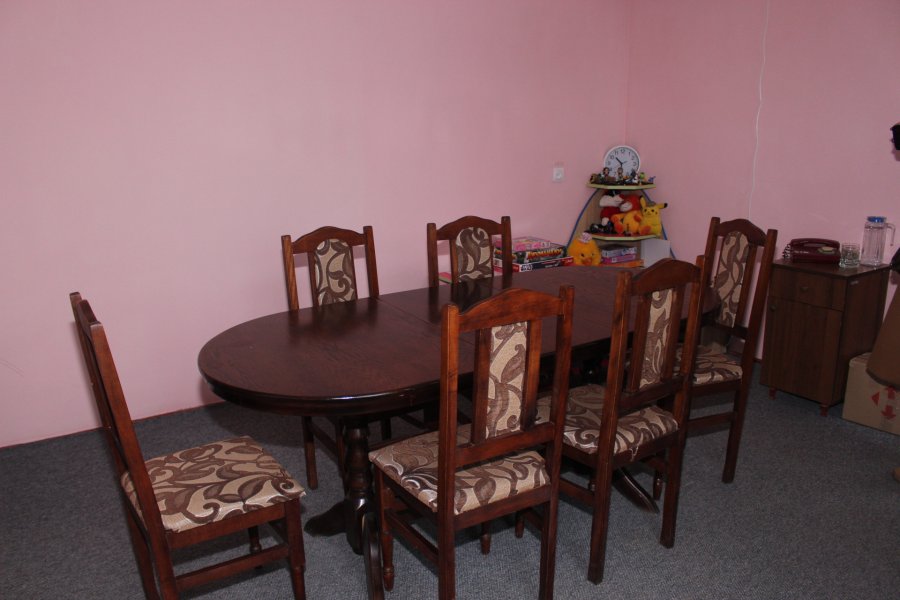
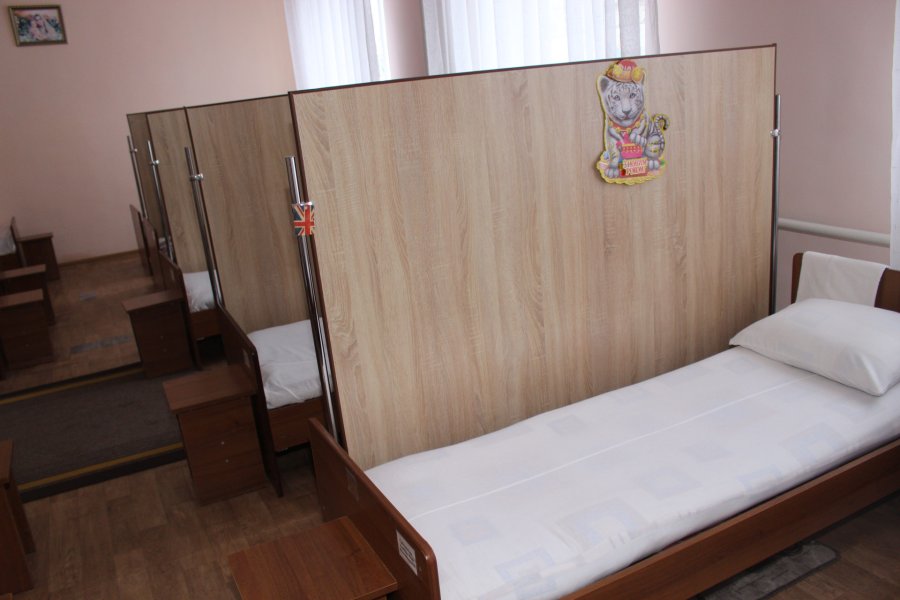
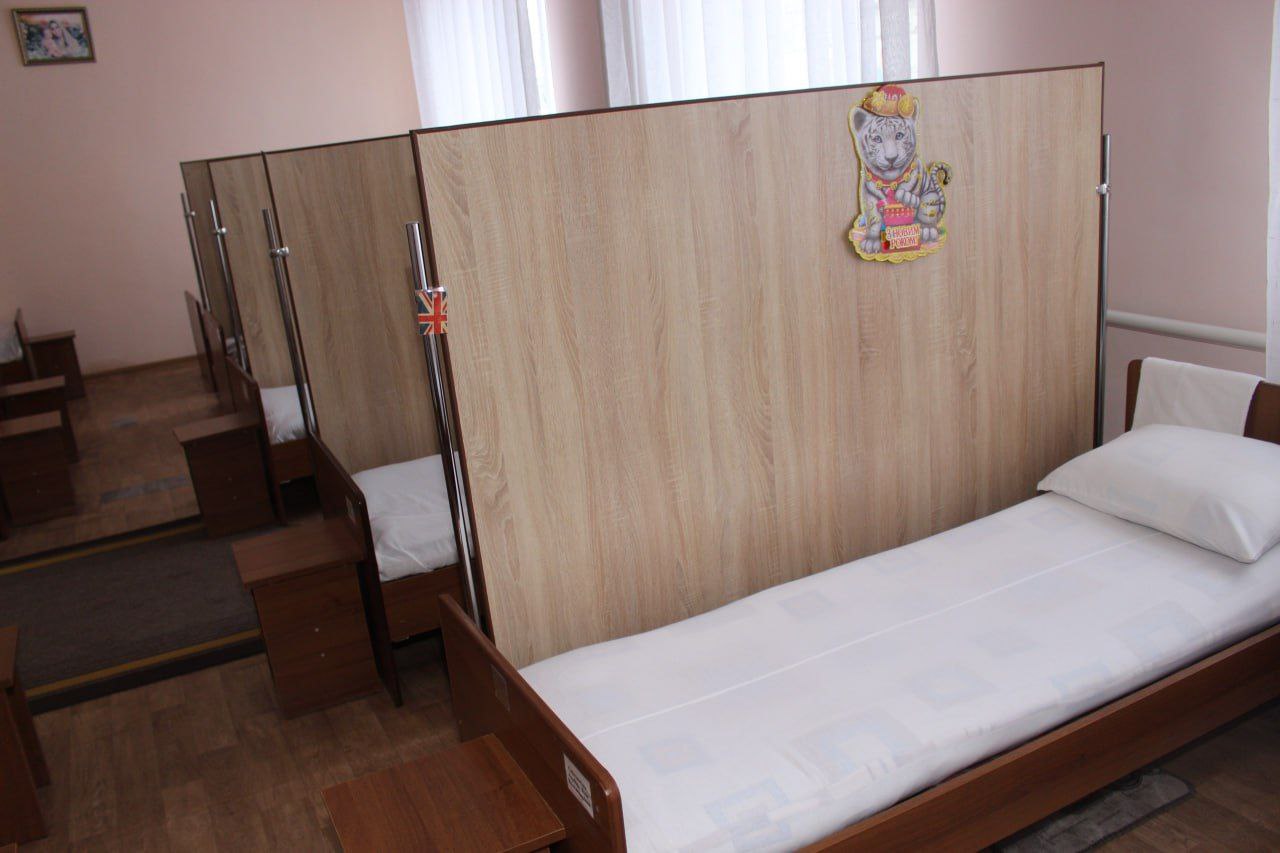
The premises have been renovated, taking into account personal space for the convicts.
The institution encourages patriotic education. Two women shared their creative work with us.
Facts Discovered During the Visit
During the monitoring visit, violations of national legislation and non-compliance with international recommendations regarding the treatment of prisoners were identified, leading to infringements of the rights of convicted persons.
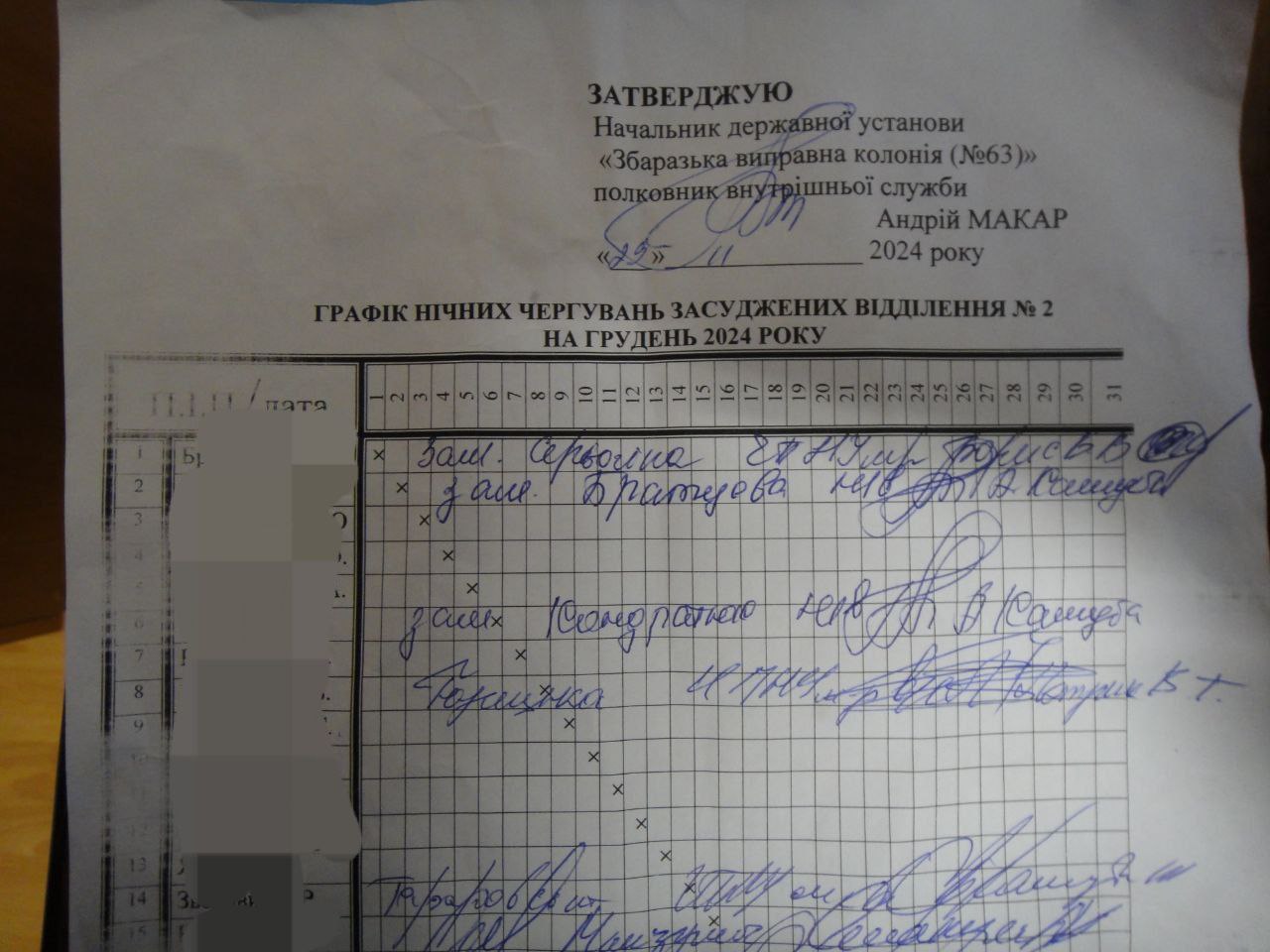
1. During the visit to the institution, numerous complaints were received from convicts regarding ill-treatment by the administration and staff. The monitoring group established facts of an unauthorised practice of compulsory involvement of convicts by the administration and staff in night shifts at the Quarantine, Diagnostics, and Distribution Ward (hereinafter — QDD) and the Social and Psychological Service (hereinafter — SPS) departments, during time which, according to the daily schedule, is allocated for the uninterrupted sleep of convicts.
Night shifts were carried out in accordance with the “Schedule of Night Shifts for Convicts”, compiled monthly for each department and approved by the Head of the State Institution “Zbarazh Correctional Colony No. 63” for the purpose of performing tasks related to maintaining order and monitoring the behaviour of other convicts in the QDD and SPS departments. During these shifts, the women convicts were strictly forbidden to lie down, sleep, or leave the duty post for any reason other than a valid one; the post is located in the department corridor and equipped with a table, a chair, and a landline phone with the capability to call different parts and services of the institution in the event of disorder or other incidents.
It should be noted that the women convicts are engaged in night shifts after finishing a full working day, as well as on weekends. Women with disabilities, women suffering from illnesses, and elderly women were also involved in these shifts. Thus, depriving women convicts of sleep not only violates their fundamental rights but may also have serious consequences for their physical and mental health.
The aforementioned indicates that the administration and staff of the institution violate the requirements of Clause 1, Section VI of the Internal Regulations of Penitentiary Institutions, approved by the Order of the Ministry of Justice of Ukraine No. 2823/5 dated 28.08.2018 (hereinafter — Internal Regulations of PEIs), regarding the right of convicts to 8 hours of uninterrupted sleep, and Clause 97.2 of the UN Standard Minimum Rules for the Treatment of Prisoners (Nelson Mandela Rules), according to which the work of prisoners must not cause them suffering.
In addition, in the report on the results of the visit to Ukraine in 2020, the European Committee for the Prevention of Torture and Inhuman or Degrading Treatment or Punishment (hereinafter — the Committee) expressed serious doubts regarding the practice of using certain prisoners as “orderlies” who perform supervisory functions over other prisoners in residential areas and at the workplace and report any incidents or violations of the regime to the staff.
Therefore, the Committee noted with concern during this visit that this practice persisted. Furthermore, unfortunately, despite specific recommendations previously made by the Committee, the practice of using “orderlies” is also officially provided for by the Internal Regulations of Penitentiary Institutions. As emphasised previously, the Committee considers any partial abdication of responsibility for order and security in prisons by custodial staff to be unacceptable. Such a practice exposes more vulnerable prisoners to the risk of ill-treatment and exploitation by other prisoners. The Committee calls on the authorities of Ukraine to take all necessary steps — including legislative measures — to put an end to this practice. No prisoner (in any penitentiary institution in the country) should have power over other prisoners. (CPT/Inf (2020) 40, paragraph 27).
2. During confidential communication, the convicts noted that the administration and staff abuse the requirement for convicts to stand up and greet staff upon meeting them. This means that convicts who are in the sleeping quarters must stand up and greet the administrative representatives every time they enter, and this can be repeated several times with the same staff member.
The monitors established that the institution's administration prohibits convicts from sitting and lying on their beds in the SPS departments during the day, including the period after working hours.
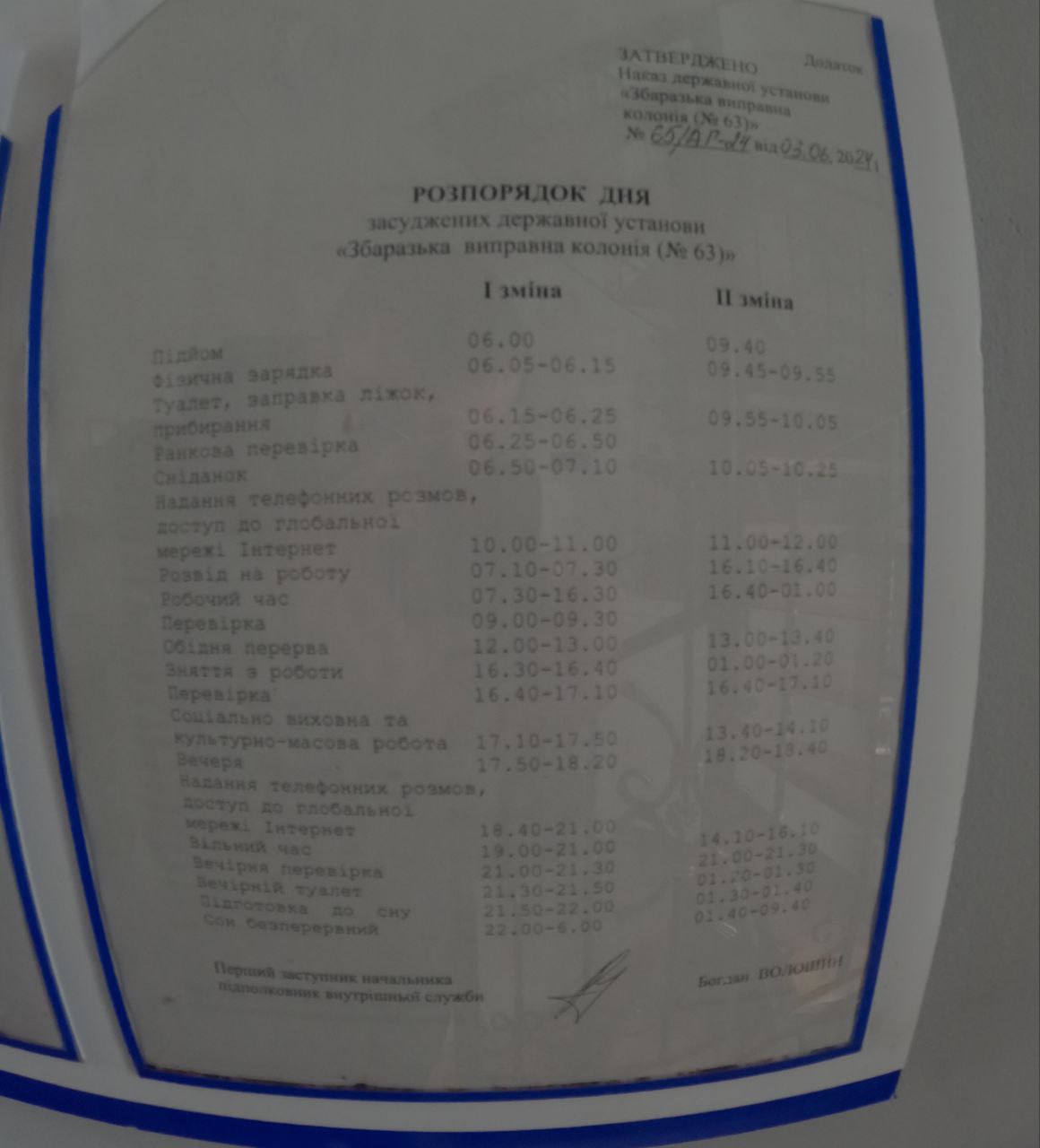
This restriction also applies to both convicts who, for various reasons, are not employed (those who are ill, elderly, or have disabilities) and remain in the departments during the day, and those who return from work at 16:30. According to the daily schedule, free time for convicts is provided only from 18:00 to 19:00 and from 19:30 to 20:30, which does not allow even those who work the opportunity to use their sleeping places for rest immediately after work.
Clause 4 of Annex 8 to the Internal Regulations of PEIs explicitly states that convicts are not prohibited from sitting or lying on their beds during their free time. However, due to the specifics of the implemented daily schedule, according to which working convicts return from work before their free time begins, and non-working individuals remain in the SPS departments during the entire working day, the administration's restrictions lead to an actual violation of their rights to rest.
Such an approach is excessively militarised and contradicts the principles of dynamic security, which are based on building positive relationships between the institution's staff and the convicts. In this context, the Committee recommends that the Ukrainian authorities take measures to improve the recruitment procedure and professional training of all penitentiary staff with the aim of preparing them to adapt to new relationships with convicts, rather than continuing to use a static approach to maintaining security and the daily schedule of the correctional colony. (Paragraph 22 (CPT/Inf (2013) 23)).
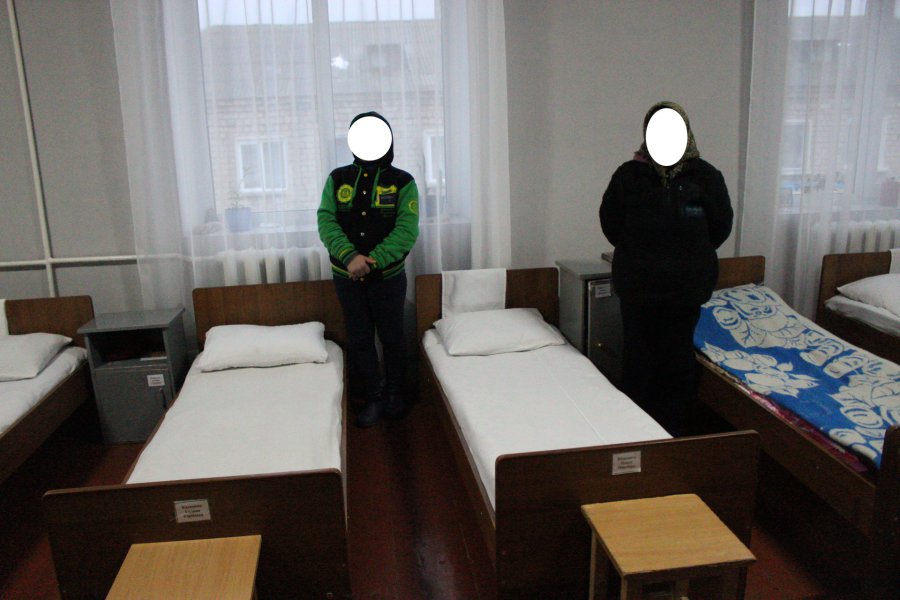
3. In violation of Part 1 of Article 115 of the Criminal Executive Code of Ukraine and Clause 10 of the Standard Minimum Rules for the Treatment of Prisoners, it was established that in some sleeping quarters of the SPS departments, the living space per convict is less than 4 m². For instance, in sleeping quarters No. 2 of SPS department No. 4, where 7 beds are located and 7 convicts were staying, the area of the room is 21.21 m². Thus, the actual area per convict was 3.03 m².
Similar violations were established in sleeping quarters Nos. 3, 4, 6, 8, and 9.
In paragraph 13 of its Seventh General Report, the Committee notes that the problem of overcrowded cell-type premises leads to unhygienic conditions, a constant lack of privacy, and overburdening of the institution's medical services and infrastructure, and concludes that quite often, the negative impact of overcrowding has resulted in inhuman or degrading conditions of detention (CPT/Inf (97) 10).
4. The equipment of the QDD ward does not meet the standards for the treatment of prisoners and the conditions of their detention according to their needs. Thus, in violation of the requirements of the Standards for Provision with Furniture, Equipment, and Household Items for a Minimum-Security Correctional Colony with General Conditions of Detention, approved by the Order of the Ministry of Justice of Ukraine No. 1118/5 dated 27.07.2012 (hereinafter — Provision Standards), the ward lacks a number of premises, namely: a room for educational work; a room for storing food products; a room for storing the exchange fund of bedding, clothing, and workwear; a storage room for temporary keeping of dirty bedding, clothing, and workwear; a cloakroom; a utility room; and a drying room.
The sleeping quarters of the ward are not provided with a sufficient number of stools, at a rate of one stool per person. The absence of these premises and their improper arrangement leads to a violation of sanitary and hygienic standards. Consequently, food products may be stored at improper temperatures, in damp or contaminated rooms, which contributes to their rapid spoilage, the development of mould, and the multiplication of pathogenic bacteria. Furthermore, the improper organisation of personal belongings storage complicates the maintenance of cleanliness and order in the premises where convicts are held, which worsens the overall sanitary situation in the institution.
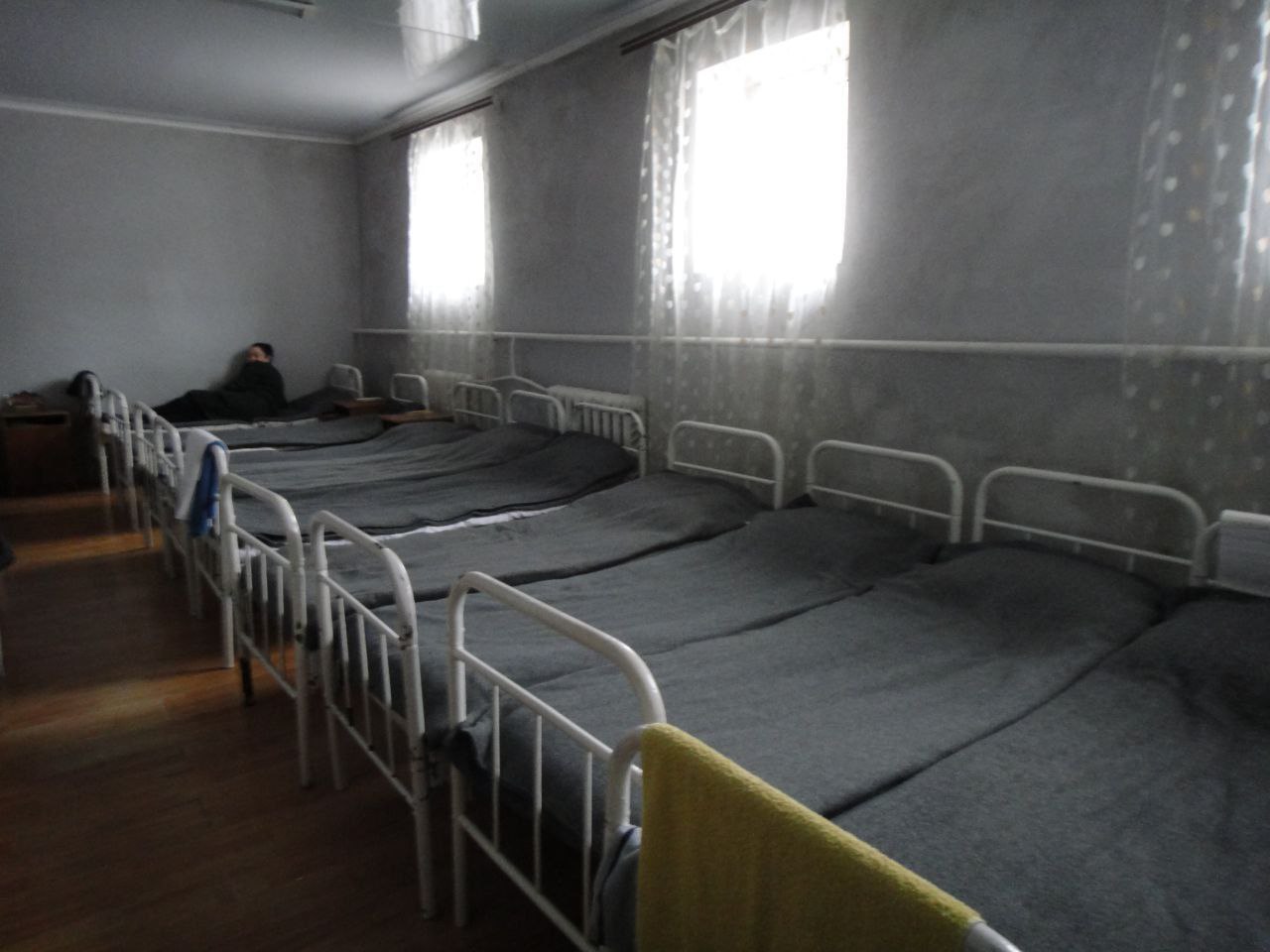
At the same time, it was established that the actual number of sleeping places in the sleeping quarters exceeds the permissible limit to ensure the standard of space per person provided by law. Specifically, in QDD sleeping quarters No. 1, which, according to the living space measurement certificate, is designed for 8 places based on the norm of 4 m² per person, there are 13 beds. This violation creates conditions for potential abuse by the administration and staff of the institution in the context of complying with the living space standard per convict.
Furthermore, in violation of Rule 18.1 of the European Prison Rules, the beds in the mentioned sleeping quarters are positioned directly next to each other, which does not provide new convicts with personal space. In violation of the requirements of Rule 22.5 of the European Prison Rules and the Provision Standards, there is no drinking water tank in the QDD sleeping quarters.
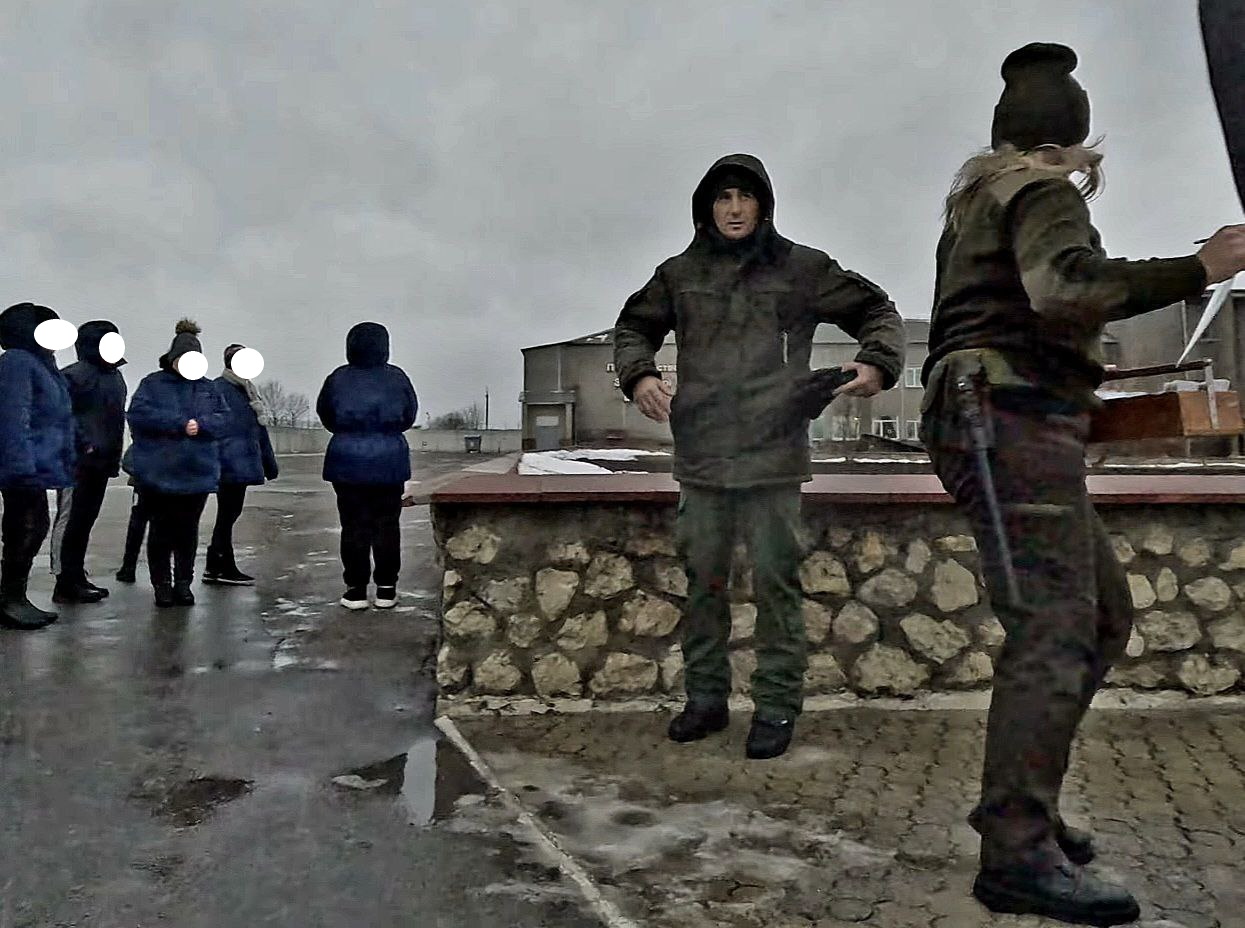
5. During the visit, the monitoring group recorded that the institution's staff, who have direct contact with convicts, openly carry special equipment, including rubber batons. However, according to the eighth paragraph of Clause 1, Section XXVI of the Internal Regulations of PEIs, the carrying of special equipment by personnel of penitentiary institutions within the guarded territory of the penitentiary institution must be as concealed from the surroundings as possible.
At the same time, the Committee recommends that penitentiary staff working in direct contact with prisoners should not carry special equipment (such as rubber batons, handcuffs, and tear gas canisters) openly in front of prisoners. Such carrying hinders the establishment of normal relations between staff and prisoners. (Para 85 (CPT/Inf (2011) 29), para 23 (CPT/Inf (2013) 23), para 166 (CPT/Inf (2014) 15)).
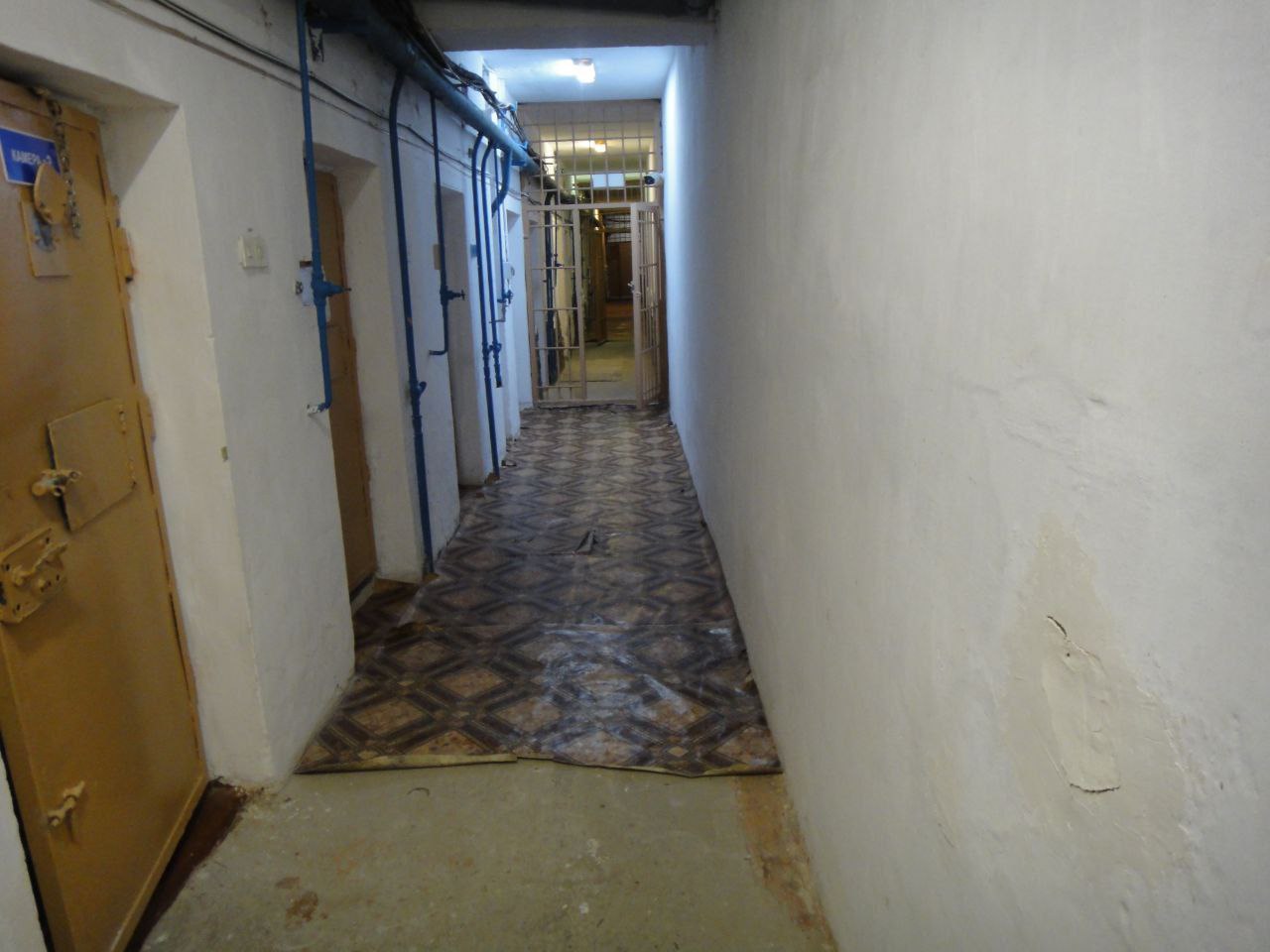
6. During the visit to the institution’s Disciplinary Isolation Ward (hereinafter — DISO), it was established that in violation of Clause 3, Section XX of the Internal Regulations of PEIs, there is no radio connection in the DISO cell premises. According to the twenty-third paragraph of Clause 6, Section XXI of the Internal Regulations of PEIs, the head of the medical unit (or duty doctor) visits the DISO, punishment cells, and disciplinary cells daily to provide medical assistance and, if necessary, examines convicts.
However, during the inspection of the Logbook of Visits to the Disciplinary Isolation Ward, it was established that there was no corresponding record by medical staff regarding a visit to the DISO on 13.10.2024, when convict B. was held there serving a penalty.
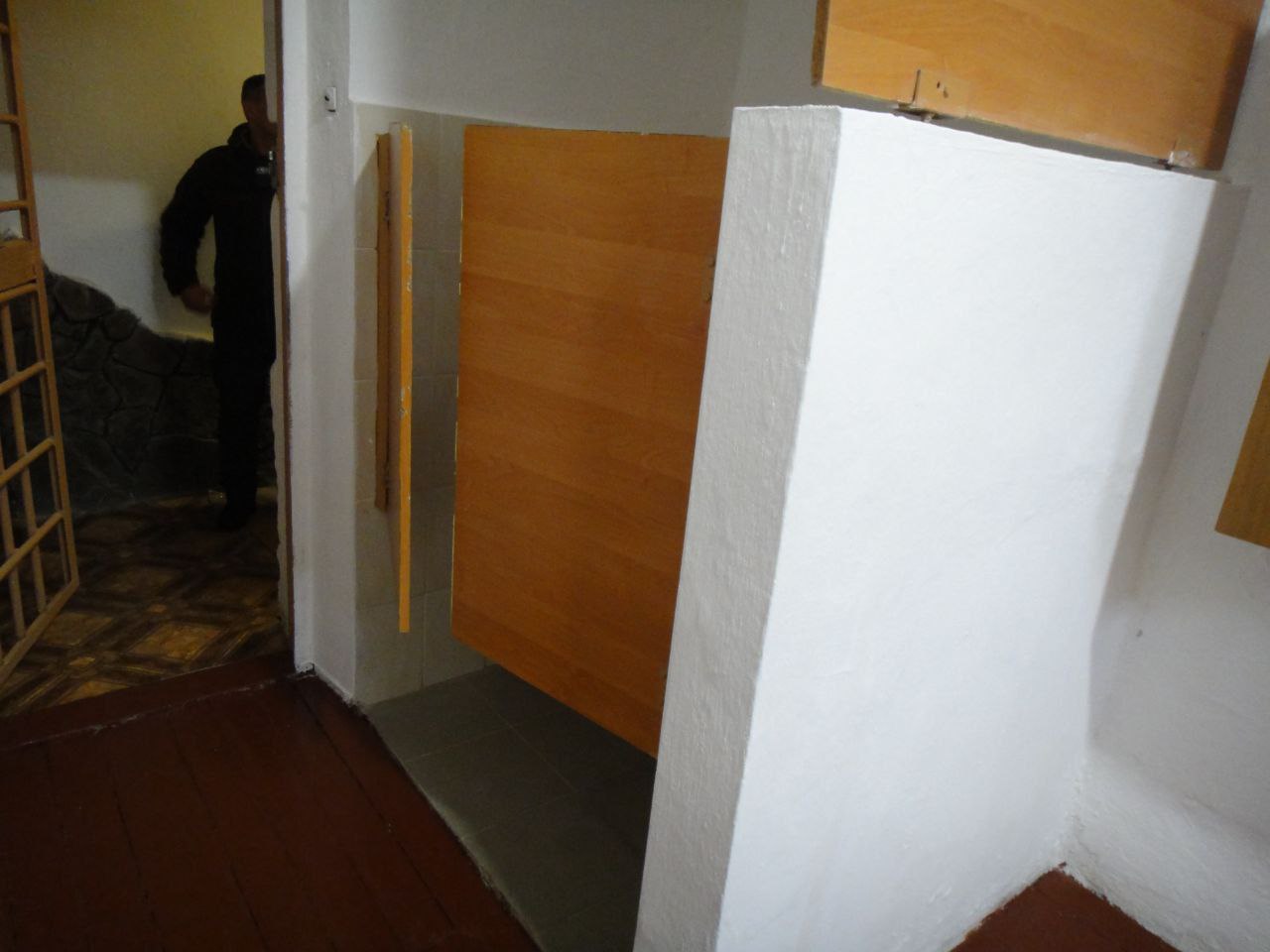
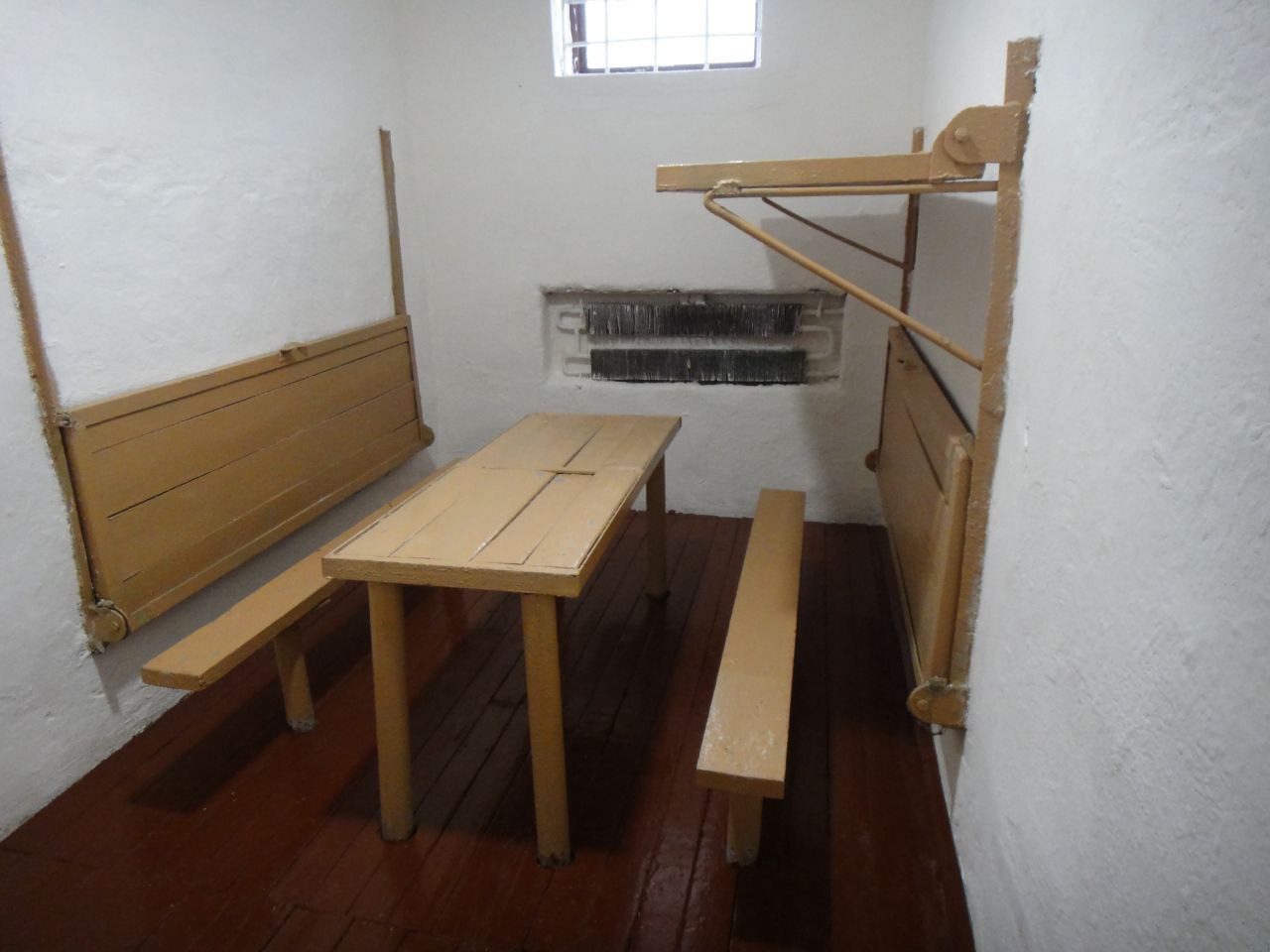
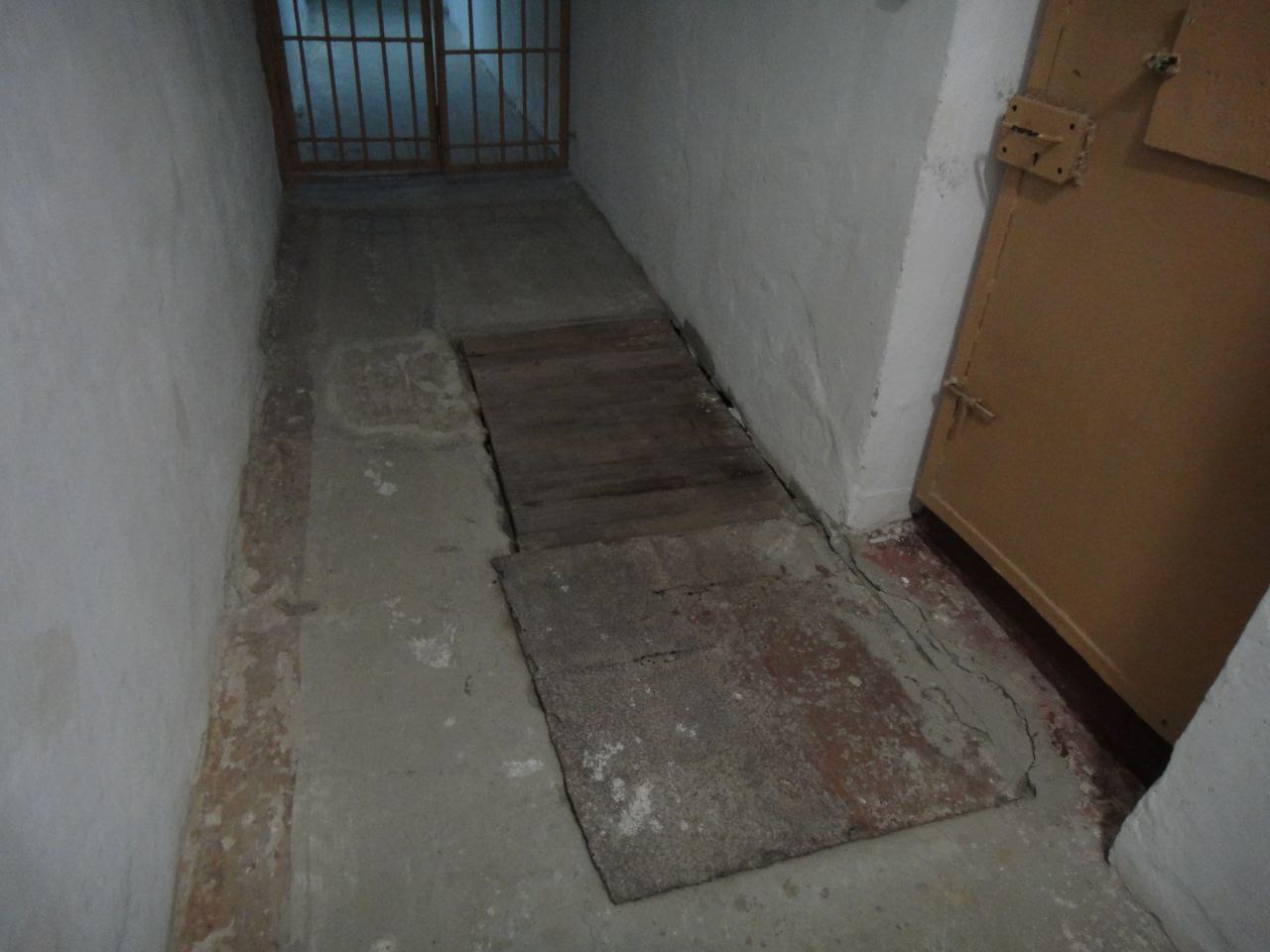
The premises, particularly the floor in the corridor, require repair work. There is no drinking water tank in cell No. 1. The cell premises are not provided with a sufficient level of natural light. The sanitary facilities do not contain sufficient partitions to allow for privacy, which violates the requirement of Rule 19.3 of the European Prison Rules.
At the same time, in the report on the results of the visit in 2023, the Committee called on the Ukrainian authorities to take the necessary measures to improve the material conditions of detention, in particular, to reduce the occupancy of cells so that there is at least 4 m² of living space per detained person (excluding the area occupied by in-cell toilets); to keep all places where convicts and detained persons are accommodated, including sanitary facilities, in a proper state of repair and hygiene, and to carry out disinsection regularly and frequently; to ensure sufficient access to natural light and ventilation in the cells, and to fully equip internal sanitary facilities with partitions (i.e., from floor to ceiling). (CPT/Inf (2024) 20, paragraph 58).
7. During the visit, numerous complaints were received from convicts regarding insufficient heating of premises, both in production and residential areas. The monitoring group established a violation of the temperature regime in sleeping quarters No. 13 of SPS department No. 4. Specifically, during the inspection, the air temperature in the sleeping quarters was 13°C.
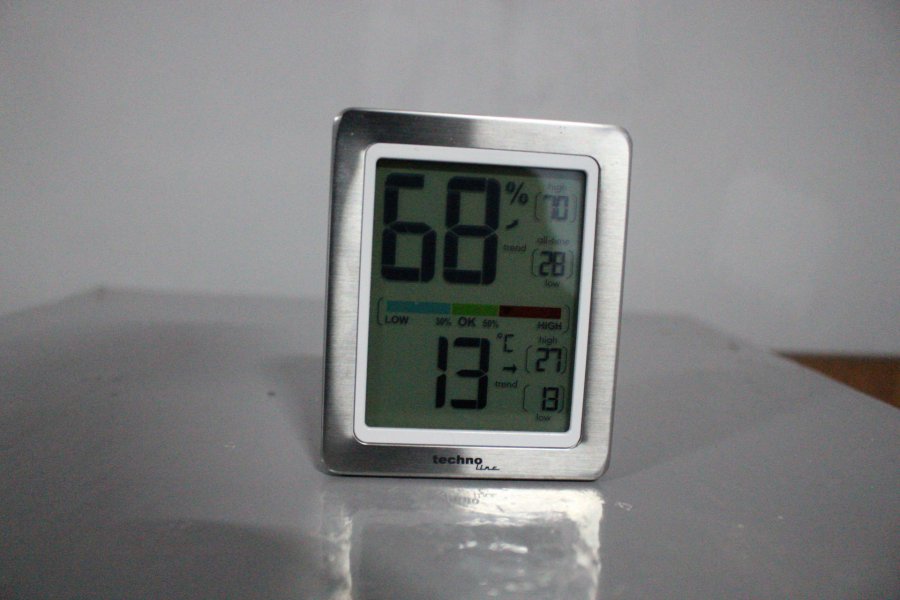
At the same time, according to Clause 1, Section XXII of the Internal Regulations of PEIs, during the cold season, the temperature in the residential premises of penitentiary institutions must be maintained at a level not lower than 18°C.
In the production area, in the sewing workshop (brigade No. 11), a temperature of 16°C was recorded.
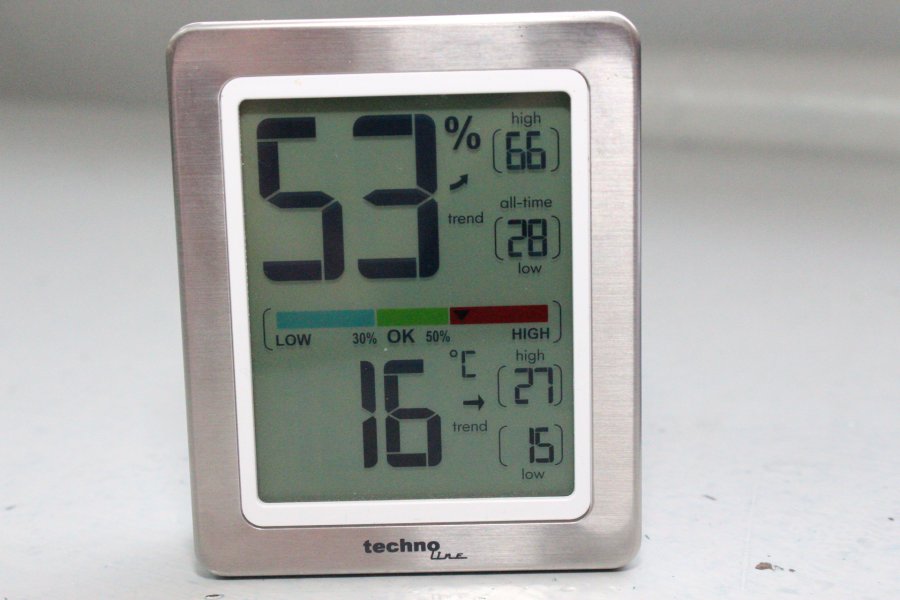
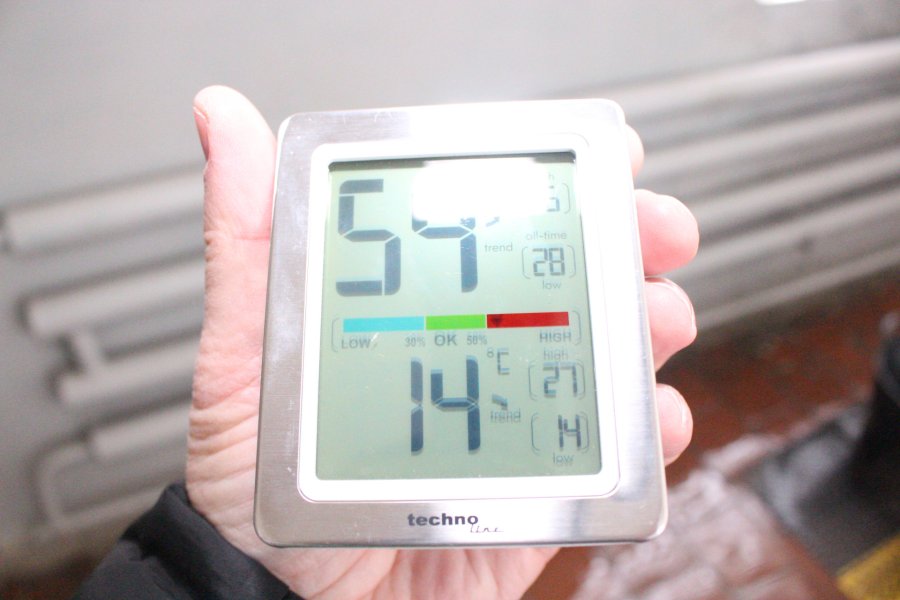
In the work area of brigade No. 17, as well as in workshop No. 5, the temperature was 15°C. In workshop No. 3, there is significant humidity, and there are traces of water seepage on the ceiling and walls. The temperature was 14°C.

8. Violation of the right to work of convicts and protection against exploitation (Article 43 of the Constitution of Ukraine, Article 4 of the Convention for the Protection of Human Rights and Fundamental Freedoms, ILO Convention No. 29 concerning Forced or Compulsory Labour). According to Clause 3.1 of the Instruction on Working Conditions and Wages of Convicts Sentenced to Restriction of Liberty or Imprisonment, approved by the Order of the Ministry of Justice of Ukraine No. 396/5 dated 07.03.2013 (hereinafter — Labour Conditions Instruction), work is carried out on a voluntary basis based on a civil law contract or an employment contract concluded between the convict and a sole proprietor or a legal entity for whom the convicts perform work or provide services.
At the same time, it was established that the institution's administration uses the labour of convicts in positions of kitchen staff without payment. During confidential communication, it was established that convict K. has been working without an employment contract for about two years, and convict P. has been engaged in work without payment at the food service facility for over two months. Furthermore, in violation of Article 119 of the Criminal Executive Code of Ukraine, Article 52 of the Labour Code of Ukraine, and the Instruction on Conditions, the monitoring group established that the duration of the working day for convicts in the kitchen is longer than 8 hours, reaching 9–10 hours per day, i.e., more than 40 hours per week, and the working week consists of six, and in some cases, seven days.
The Resolution of the Cabinet of Ministers “On Measures to Ensure the Activities of the State Criminal-Executive Service” dated 22 April 1999 No. 653 stipulates that “…income from the employment of convicts consists of charges on their wages in the amount of 50 per cent and is attributed to the cost of production (work, services)”.
In accordance with Article 118 of the Criminal Executive Code of Ukraine, convicts are granted the right to work under civil law contracts for other business entities: “Convicts sentenced to imprisonment have the right to work. Work is carried out on a voluntary basis based on a civil law contract or an employment contract, which is concluded between the convict and a sole proprietor or a legal entity, for whom the convicts perform work or provide services.
Such contracts are agreed upon with the colony administration and must contain the procedure for their execution. The administration is obliged to create conditions for the work of convicts under civil law contracts and employment contracts.” No regulatory act defines the concept of “labour usage” of convicts, and the Constitution and labour legislation use only the categories of “right to work” and “right to participate in employment activities”.
According to Article 7 of the Criminal Executive Code of Ukraine: “The State respects and protects the rights, freedoms, and legitimate interests of convicts, ensures the necessary conditions for their correction and resocialisation, social and legal protection, and their personal safety.” Thus, the work of convicts and the approaches to its organisation cannot differ from the work of all other citizens. The use of a category such as “labour usage” does not correspond to the Constitution of Ukraine and points not to a form of a citizen realising their constitutional right, but rather acts as an indication of the use of human labour exclusively as a means of material support for the system in which the person is forcibly and temporarily held.
In the Resolution of the Supreme Court of Ukraine dated 09 June 2021, in case No. 420/2174/19 (para. 40 of the reasoning part of the decision), it is stated that a civil law contract is an agreement between a citizen and an organisation for the performance of specific work, where the subject is the provision of a specific result of labour. In particular, the Labour Conditions Instruction states that the conclusion of civil law contracts is carried out in accordance with the provisions of the Labour Code of Ukraine and the Civil Code of Ukraine, with the peculiarities defined by the Criminal Executive Code of Ukraine.
By the Order of the Ministry of Justice of Ukraine dated 11 October 2023 No. 3603/5, the Labour Conditions Instruction was supplemented with the Procedure for Preparation and Approval of Draft Employment Contracts, Civil Law Contracts (hereinafter — the Procedure). The Procedure, in addition to the format and structure of the civil law contract, defines those responsible for preparation, processing, approval, accounting, and storage. There is no mention or reference in the Instruction to the need to draw up additional agreements with third parties in the process of concluding labour relations based on a civil law contract between a convict and a legal entity.
Monitors were provided with a number of contracts concluded between the customer in the person of a sole proprietor, or an individual, or a Limited Liability Company, and the Executor of all these contracts is the State Institution ZCC-63 in the person of the head, Andriy Makar. According to these contracts, the executor undertakes to “provide services provided for by the contract involving the labour force from among the convicts”. The subject of such contracts was stated as “…the provision of labour force from among the convicts in accordance with the order”.
Payment by the Customer was to be made in accordance with the certificates of work performed/services provided submitted by the Executor. That is, contracts are not concluded between the customer and the executor — directly by the employee, the convicted person, as provided for by current legislation — but between the customer and the head of ZCC-63, which is a violation of the rights and legitimate interests of the convicts working in production, which may be qualified under the features of Article 173 of the Criminal Code of Ukraine as a gross violation of a labour agreement.
Monitors reviewed the remuneration calculation sheets for convicts at the ZCC-63 enterprise branch regarding 197 individuals working under civil law contracts. The convicts were engaged in work according to civil law contracts (hereinafter — CLC) from October 2024, valid until 31.12.2024. As the analysis of the content of the convicts' CLCs showed, these contracts are concluded for a 2–3 month term, and such a practice is systemic in nature. Legislation and judicial practice state that concluding a CLC with the same performer three or more times a year will be grounds for considering such a contract as an employment contract.
During the study of the documentation, it was established that the contracts do not contain a protocol of agreed prices (estimates), as stated in clause 1.1 of the institution’s standard contract. However, according to Chapter III, an integral part of the CLC may be: a schedule of work performance; a certificate of work performed; and other documentation that is the basis for signing the contract or its integral component. According to para. 1, Part 8, Art. 9 of the Law of Ukraine “On Collection and Accounting of a Single Contribution to Compulsory State Social Insurance”, employers are obliged to pay the single contribution accrued for a calendar month no later than the 20th day of the following month. All payers who have the right to voluntary payment of the single contribution for certain types of compulsory state social insurance submit a declaration to the controlling bodies at the place of residence (in our case, the place of serving the sentence).
According to the order “On Approval of the Instruction on the Procedure for Accrual and Payment of the Single Contribution to Compulsory State Social Insurance”, it is necessary to provide for deduction: a copy of the employment record book (if available), an extract from the personalised accounting system (OK-5), and a copy of an identity document. At the same time, monitors discovered at the production site that at least 8 convicts do not have a passport or TIN (Taxpayer Identification Number), which makes employment impossible altogether.
Brigade No. 31. Convict Zh. has been working for 1 year and 2 months without a passport. Convict D. has been working for 1 year without a passport. Convict K. has been working for 2 years and 5 months without a passport. Convict S. has been working for 1 year without a passport. In the cutting workshop, convict A. has been working for 8 months without a passport. Thus, individuals working without passports and TINs will be considered as not having worked after release, and insurance seniority will not be credited to such persons.
Job descriptions regulate the organisational and legal status of employees and define their specific tasks and duties, rights, powers, responsibilities, knowledge, and qualifications required to ensure the effective work of employees. A job description is a primary personnel document that has legal force and promotes legal protection at an enterprise, institution, or organisation. In addition, it should be noted that the name of the job (profession or position) indicated in the employee’s job description must correspond to the staffing table, the order (instruction) on hiring, and be developed on the basis of the National Classification of Occupations, approved by the Order of the State Committee for Technical Regulation dated 28.07.2010 No. 327, taking into account the Handbook of Qualification Characteristics of Employee Occupations, approved by the Order of the Ministry of Labour dated 29.12.2004 No. 336.
Job descriptions are approved by an Order (instruction) of the head or an authority authorised by them. After the job description is approved by the head or the authorised body, it must be brought to the employee's attention for signature. At the same time, during the verification of documentation, monitors established that employees do not have approved job descriptions, and there is also no staffing table.
During the study of the documentation, it was established that on 01.10.2024, an agreement No. G-52/1 for subcontracting raw material processing was concluded between LLC “GREEN MODA” and the State Enterprise “Enterprise of the State Criminal-Executive Service of Ukraine No. 131” in the person of the Director of the “Zbarazh No. 63” Branch. In accordance with the SPECIFICATION, the production (sewing) of 500 sleeping bags was commissioned at a price of 465.36 UAH (including VAT) per unit.
At the same time, according to the certificate of work performed by convict N., with whom a civil law contract was concluded, the cost of one unit for sewing a sleeping bag equals 101.79 UAH, which is significantly lower than in the main contract.
In the institution, women manufacture elements of exterior design according to orders between enterprises of the State Criminal-Executive Service. During the visit, it was established that the women do not have work clothes and work in 2 shifts. The second shift is from 16:00 to 24:00.
In violation of the requirements of Article 153 of the Labour Code of Ukraine and Rule 13 of the UN Standard Minimum Rules for the Treatment of Prisoners (Nelson Mandela Rules), it was established that production premises are not heated, which creates unfavourable working conditions for the women convicts working in sewing workshops. The female workers are forced to work in hats and jackets and complain about the low temperature and the lack of opportunity to warm up.
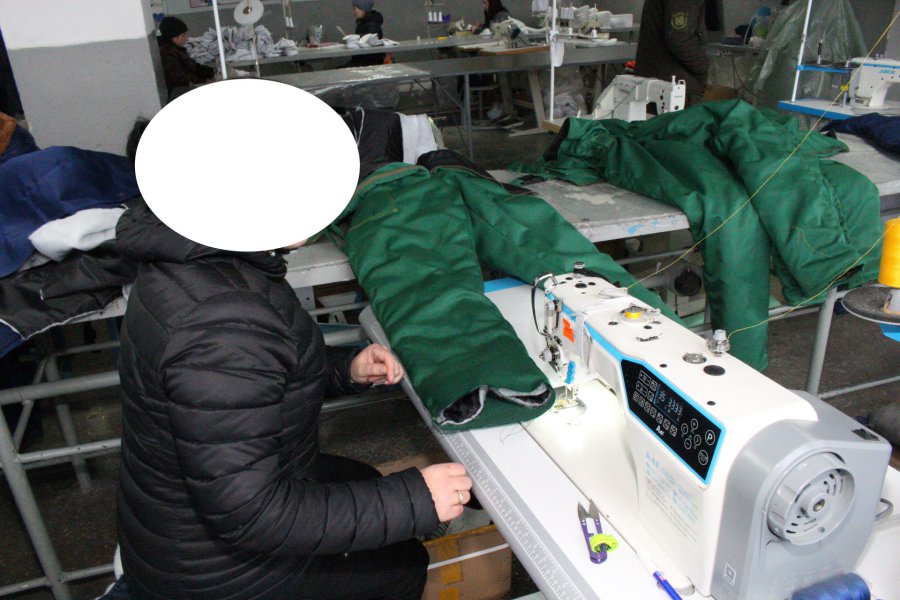
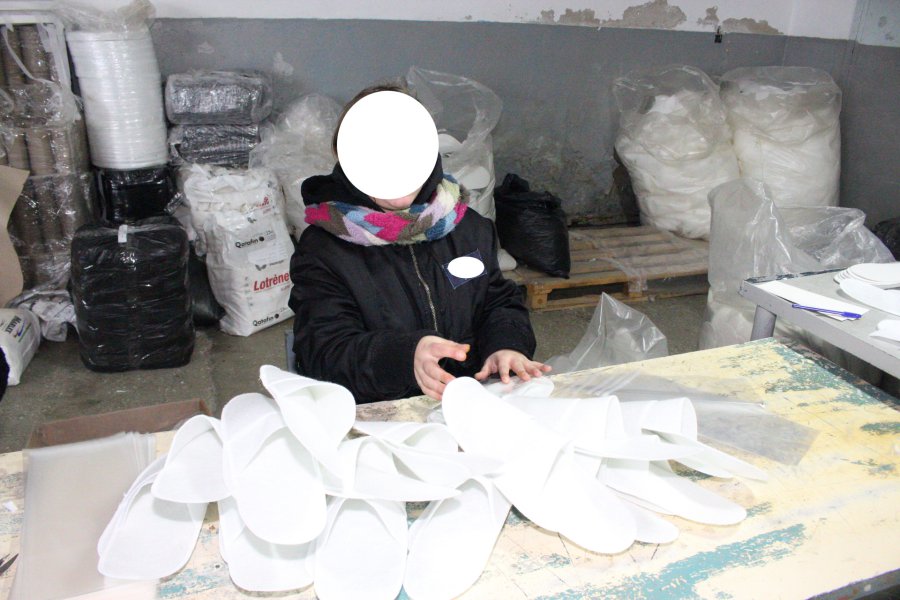
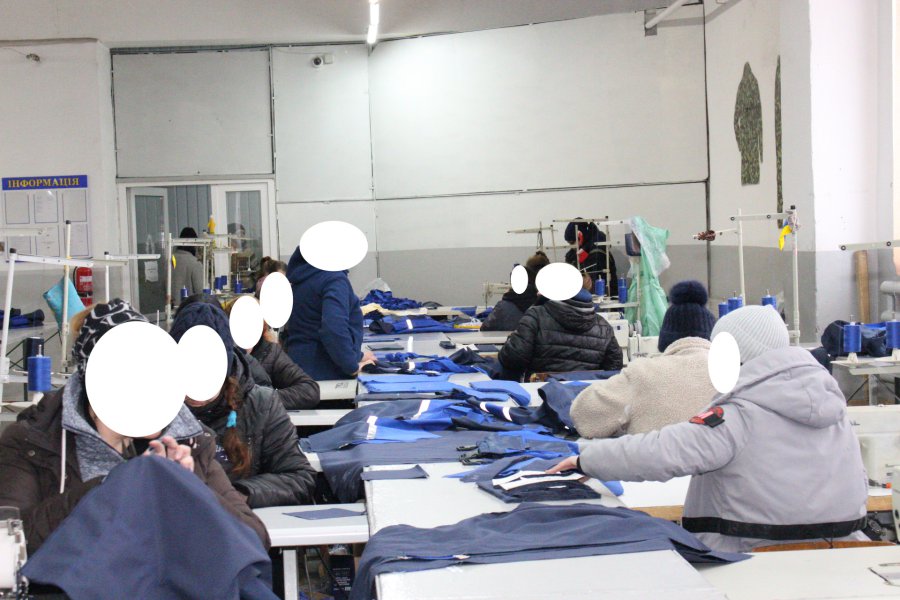
It was also recorded that during the working day, women are deprived of the opportunity to prepare hot tea or get boiling water. At the time of the visit, the staff could not provide evidence of the presence of a kettle or other equipment at the production site to provide convicts with hot water.
Furthermore, the women expressed complaints about the low level of remuneration and inequality in the distribution of work processes. Specifically, some convicts are assigned to high-paying processes, while others work in low-paying positions, which creates conditions for discrimination and inequality.
For example, according to the remuneration records for November 2024, convicts Ya., S., Ch., B., Sh., S., S., R. were credited to their personal accounts 918, 416, 663, 482, 304, 403, 204, 272 UAH, after deductions for writs of execution, for food and accommodation, the amounts credited for payment were 739, 335, 533, 388, 245, 324, 164, 218 UAH. At the same time, convict B. was credited 8,525 UAH, with 6,862 UAH for payment; convict K. was credited 7,963 UAH, with 6,410 UAH for payment; convict G. earned 7,841 UAH, and received 6,312 UAH for payment after deductions. Such significant discrepancies in receiving remuneration for work performed may indicate unfair distribution of work and unequal treatment of convicts.
9. In accordance with clauses 3 and 4 of Chapter 1, Section II of the “Procedure for Organising the Provision of Medical Care to Convicts Sentenced to Imprisonment”, approved by the Order of the Ministry of Justice of Ukraine and the Ministry of Health of Ukraine No. 1348/5/572 dated 15 August 2014, in the event of bodily injuries being discovered on a convict, the medical worker who discovered such injuries must draw up a report in three copies, which details: information (written statement, oral or written explanation of the convict regarding the circumstances of receiving the bodily injuries (date, time, place of occurrence, methods of infliction, information about the person(s) who, in the convict’s opinion, inflicted them), as well as other information regarding the reception of bodily injuries); an exhaustive description of medical indicators characterising the state of health of the convict, the nature of the injuries, their size and location; the assumption of the medical worker based on the information provided by the convict and medical indicators, as well as the justification for their correlation.
Photographs of the convict’s existing bodily injuries are attached to the report by the medical worker. Two copies of the report are attached to the materials of the personal file and the outpatient medical record 025/o, and the third copy is issued personally to the convict.
The medical worker must inform the prosecutor and the administration of the penitentiary institution about the fact of bodily injuries being discovered on a convict immediately, but no later than 24 hours from the moment of discovery, by telephone, e-mail, or written notice, and in cases where the convict reports that the bodily injuries were inflicted by officers or command staff of the State Criminal-Executive Service of Ukraine or employees of other law enforcement agencies, also — the State Bureau of Investigation.
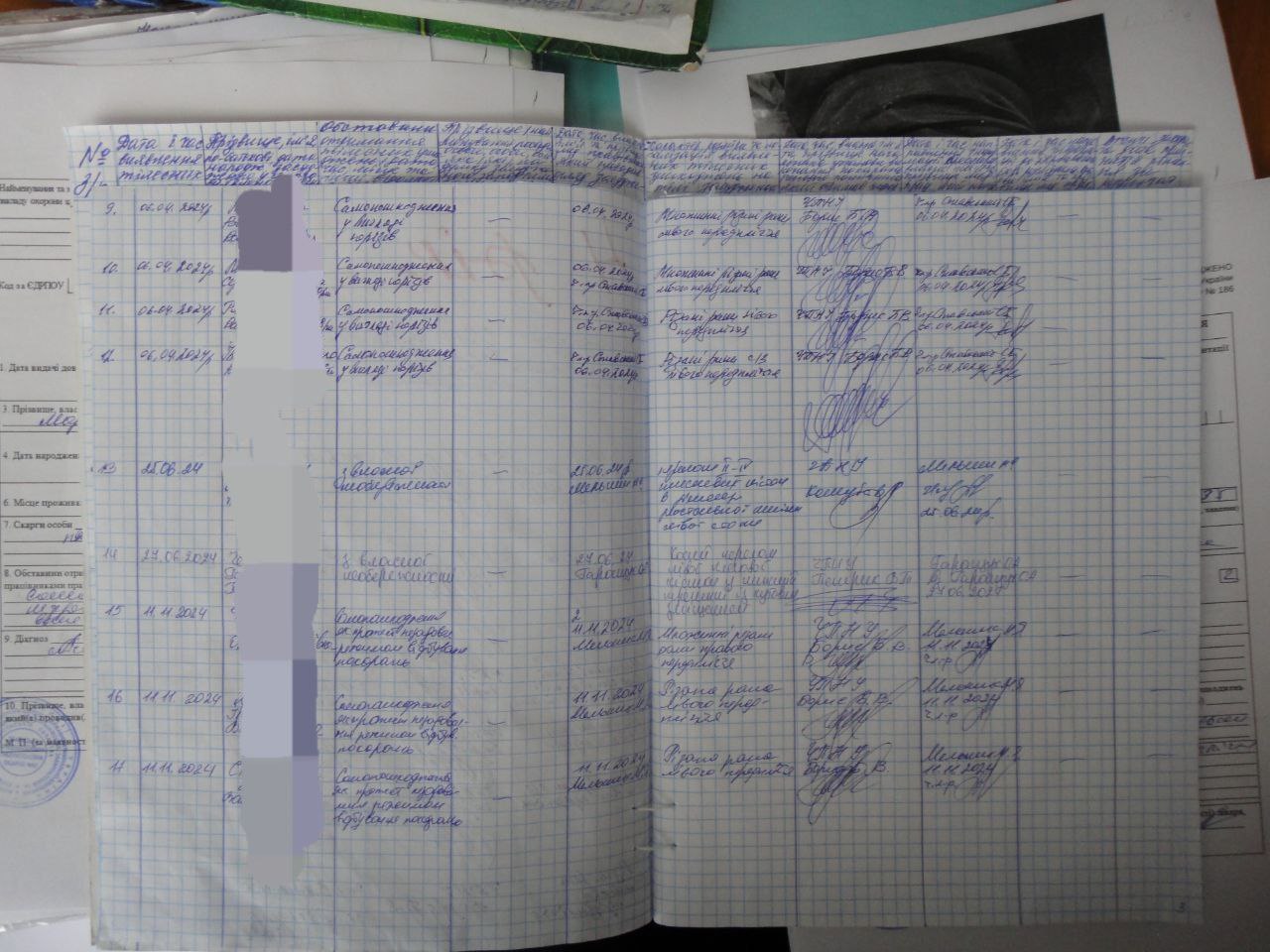
Information about the fact of discovering bodily injuries is entered by the head of the medical unit or the duty medical worker into the logbook of facts of discovering bodily injuries in convicts, the form of which is shown in Annex 3 to this Procedure, which is stored in the corresponding health facility of the State Criminal-Executive Service.
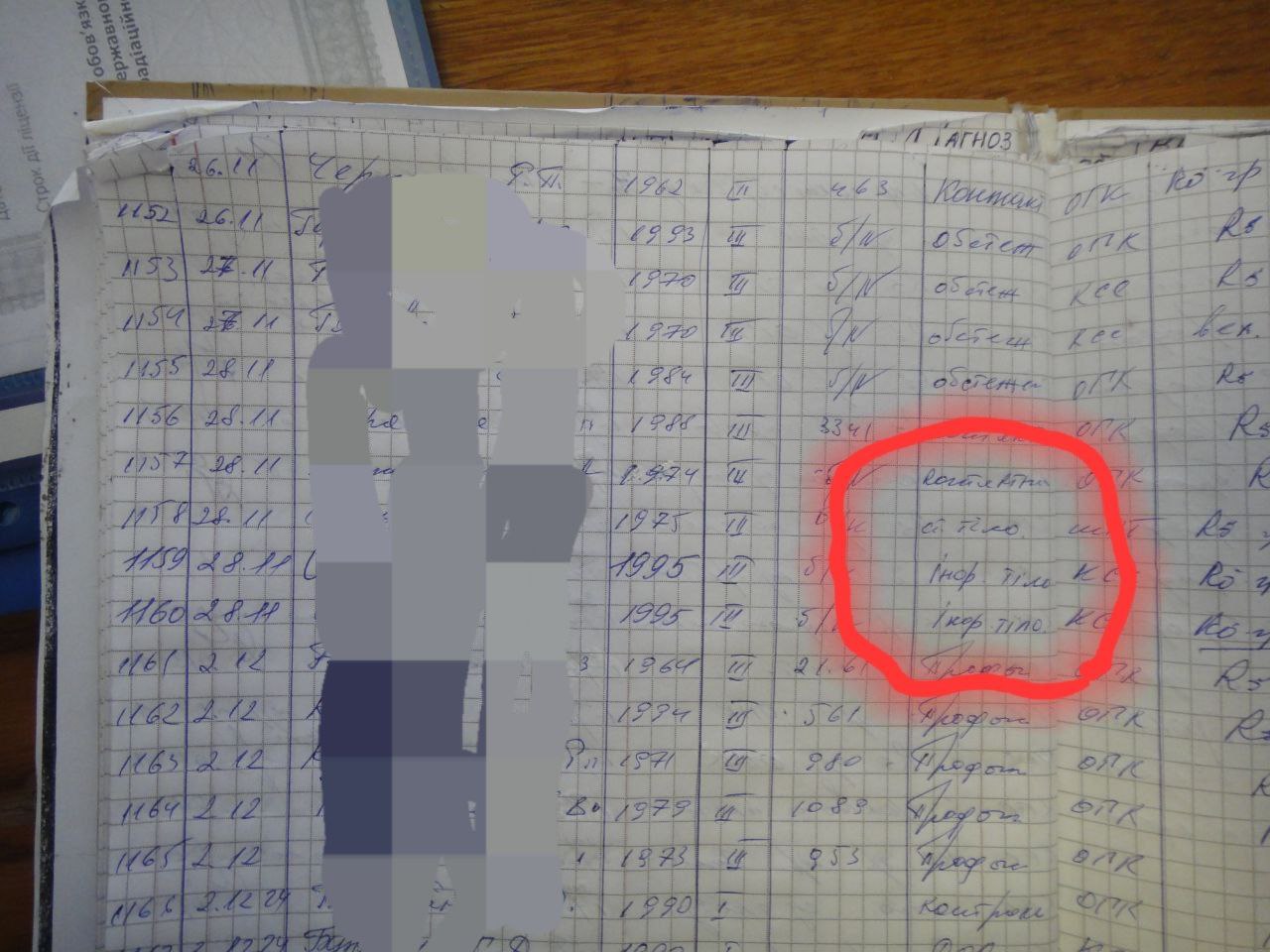
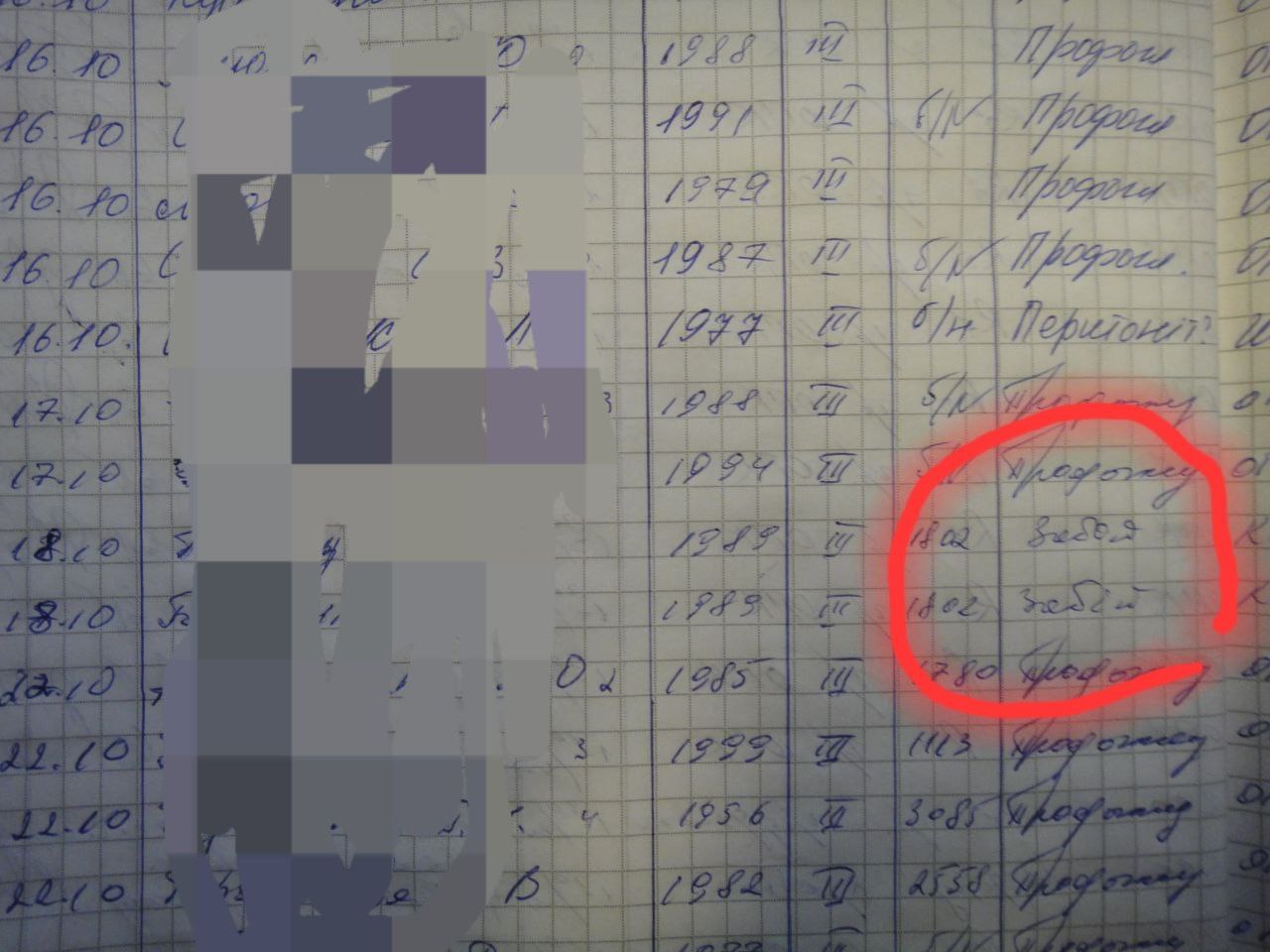
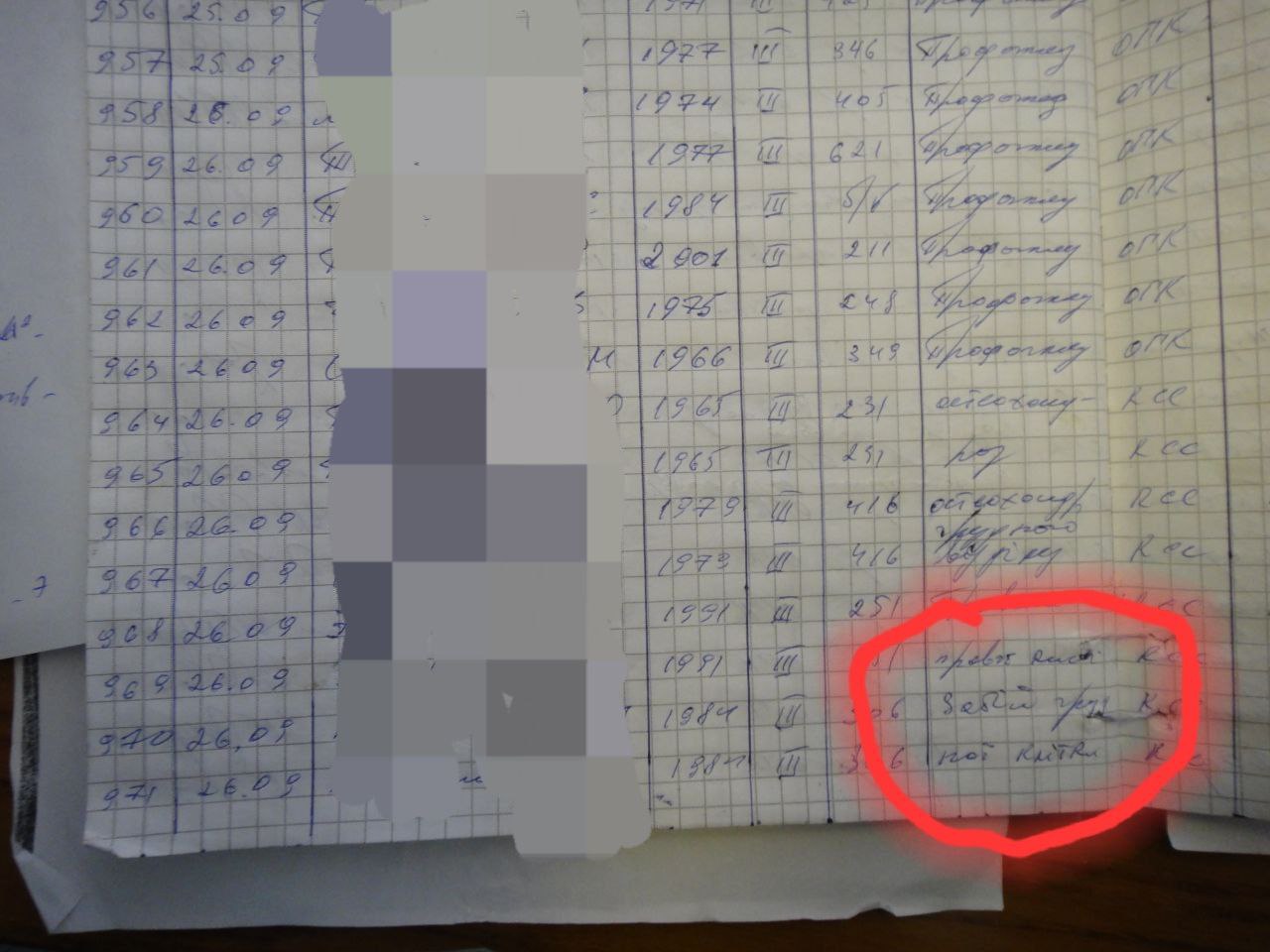
At the same time, during the visit, the monitoring group established facts of improper recording of bodily injuries. Thus, during the inspection of the Logbook for X-ray examination records for the period from 26.09.2024 to 17.12.2024, 8 cases of recorded injuries were discovered, including foreign bodies in the form of needles in the fingers of the hand, chest contusions, and other injuries, information about which was not entered into medical documentation.
Thus, the medical staff did not draw up reports in accordance with the Instruction on completing primary accounting documentation form No. 511/o “Report on Fixing Bodily Injuries”, approved by the Order of the Ministry of Health of Ukraine No. 186 dated 02 February 2024, information about the fact of discovering bodily injuries was not entered into the logbook of facts of discovering bodily injuries in convicts, and the Prosecutor was not properly notified.
Such actions by medical staff may indicate the concealment of facts of inflicting bodily injuries on convicts or negligent performance of their duties. This not only violates the rights of convicts to proper medical care and recording of injuries but also makes it impossible to conduct a timely investigation of such cases and hold the guilty persons accountable. In addition, the lack of proper recording of bodily injuries does not comply with paragraph 60 of the Committee’s recommendations (CPT/Inf(93)12-part), which states that medical services in places of detention can contribute to the prevention of violence against persons held in custody by systematically registering bodily injuries, as well as, if necessary, by informing the relevant authorities.
10. According to official documentation, the total staff shortfall at the institution amounts to 29 positions (15.5%). The shortfall of middle and senior commanding staff is 5 positions (10.8%). The shortfall of rank-and-file and junior commanding staff is 17 positions (15%). At the same time, in the report on the results of the visit in 2023, the Committee emphasises that ensuring a positive climate in a penitentiary institution requires a professional team of staff, who must be present in sufficient numbers at any moment in time in places of detention.
Insufficient staffing can only increase the risk of violence and intimidation between convicts. The lack of frontline staff also undermines the quality and level of measures offered to convicts and jeopardises the prospect of preparation for release and social rehabilitation.
In connection with this, the Committee calls on the Ukrainian authorities to take decisive measures to substantially increase the number of staff in penitentiary institutions of Ukraine where low staffing levels are observed, in order to strengthen the presence of security and supervision staff inside the institutions. It is also necessary to take measures to end 24-hour shifts for personnel on duty. (CPT/Inf (2024) 20, paragraph 93).
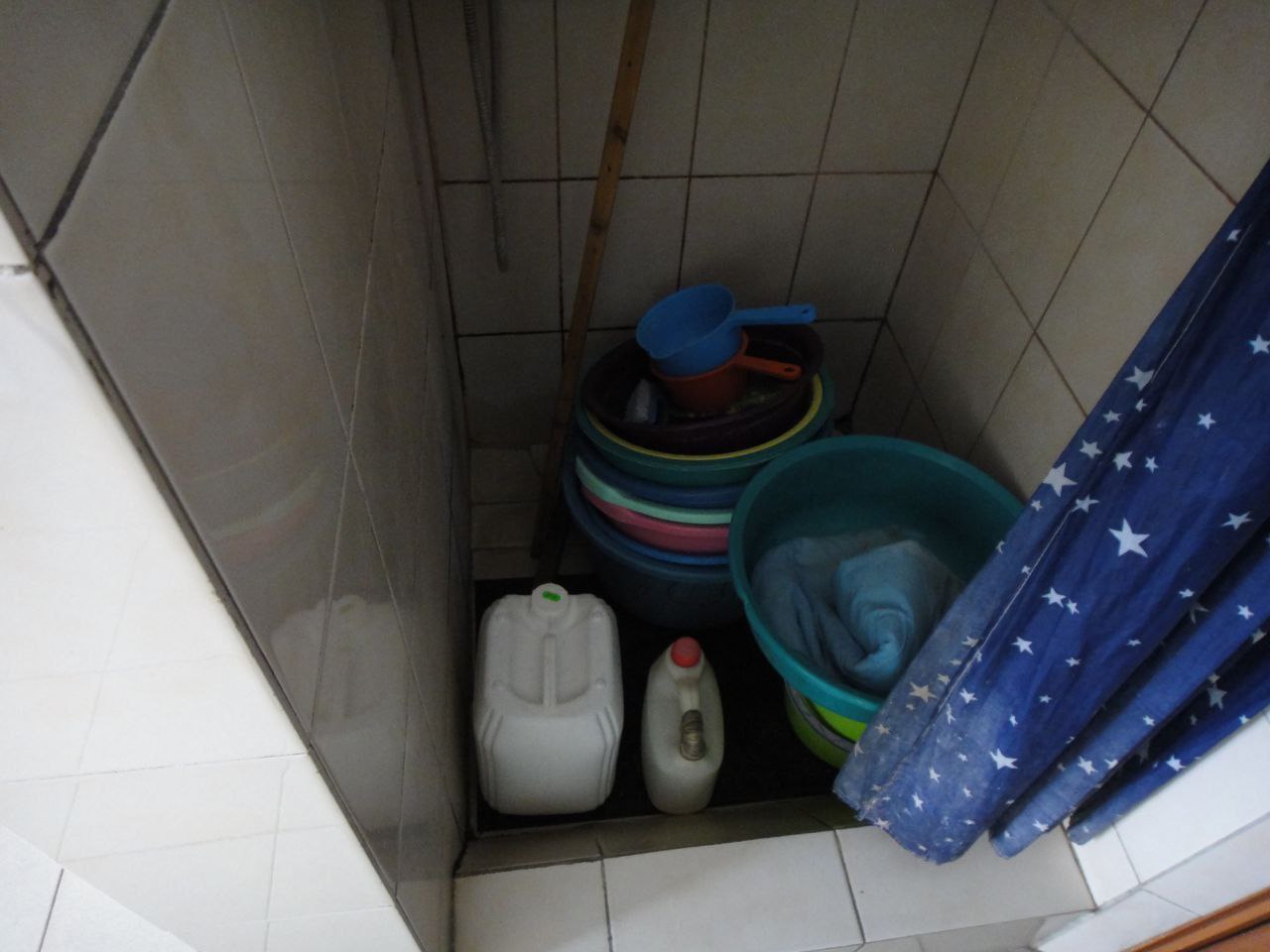
11. The monitoring group established a number of violations in the organisation of bath and laundry services for convicts and detainees. Thus, during communication, the monitoring group established that female convicts have the opportunity to take a shower only once a week. This violates the requirements of Rule 19.4 of the European Prison Rules and Clause 3.2 of the Regulations on the Organisation of Bath and Laundry Services for Persons Held in Penitentiary Institutions and Pre-trial Detention Centres, approved by the Order of the Ministry of Justice of Ukraine No. 849/5 dated 08.06.2021 (hereinafter — Regulations).
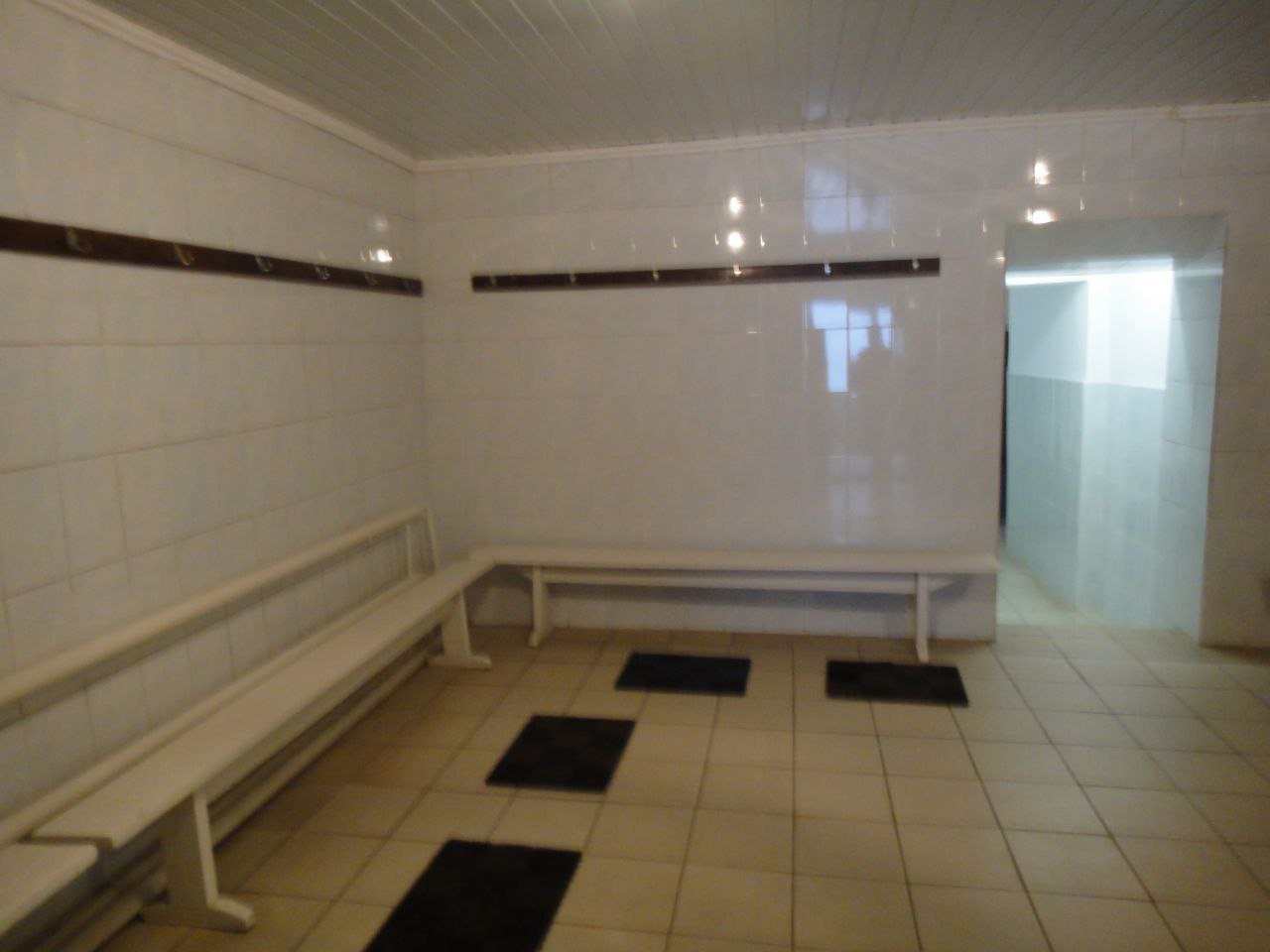

In violation of Clause 2.14 of Section II of the Regulations, the institution does not provide hairdressing services to convicts and detainees. In violation of the requirements of Clause 2.11 of Section II of the Regulations, the forced supply-and-exhaust ventilation system in the bathhouse and DISO shower room is not working. During communication with newly arrived persons who were in the QDD ward, and checking the Logbook of Visits to the institution’s bathhouse, it was established that in violation of the requirements of Clause 4, Section XXII of the Internal Regulations of PEIs and Clause 3.19 of Section III of the Regulations, compliance with sanitary, hygienic, and anti-epidemic rules is not properly ensured.
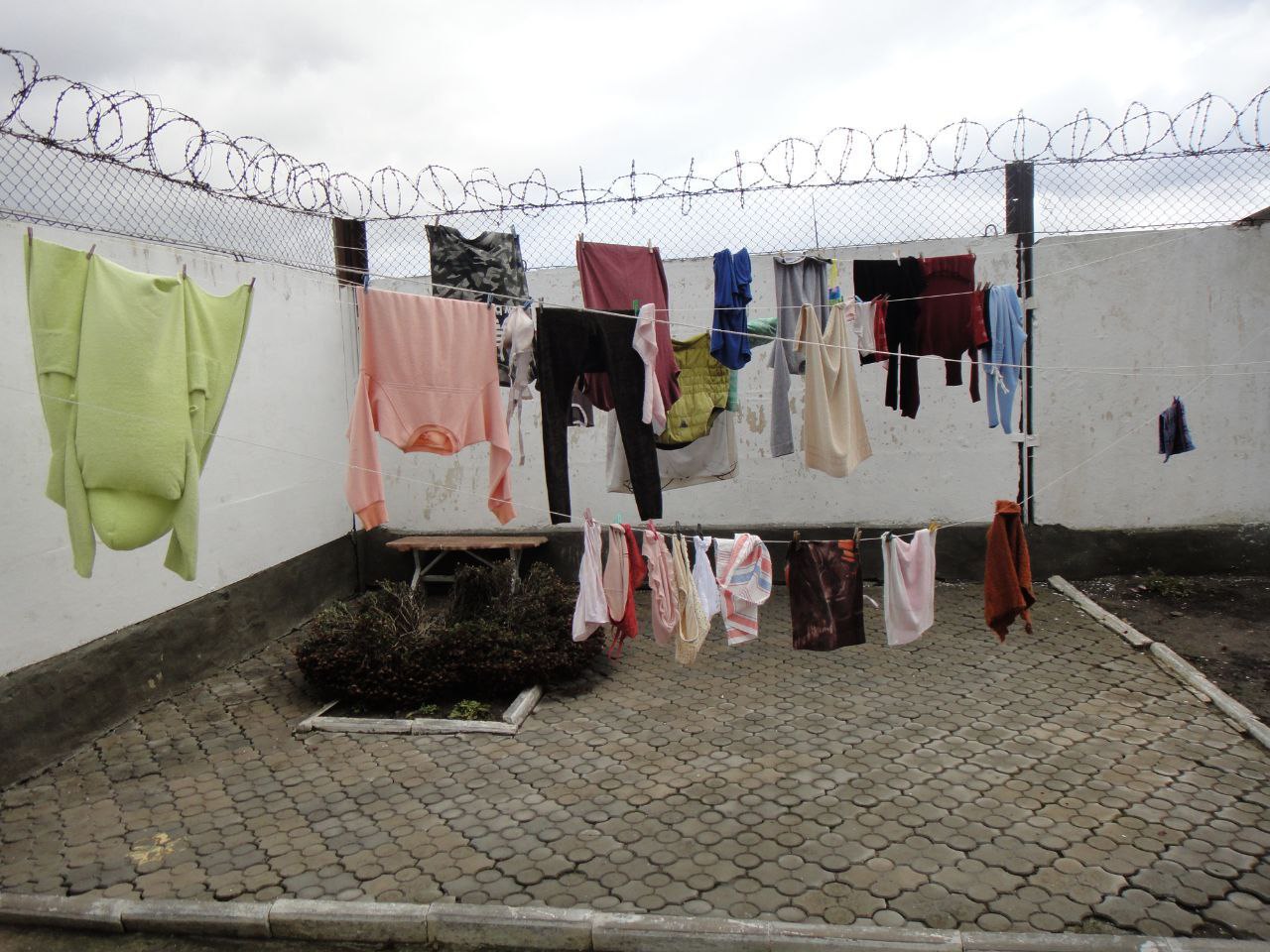
Sanitary processing of convicts arriving at the institution is not carried out on time. Washing of personal belongings is mostly carried out in the SPS departments, where, due to the lack of a drying room, a utility room, a room for storing the exchange fund of bedding, clothing, and workwear, and other premises provided for by the Provision Standards, proper drying, care, and storage of convicts' personal belongings is not organised (SPS department No. 4).
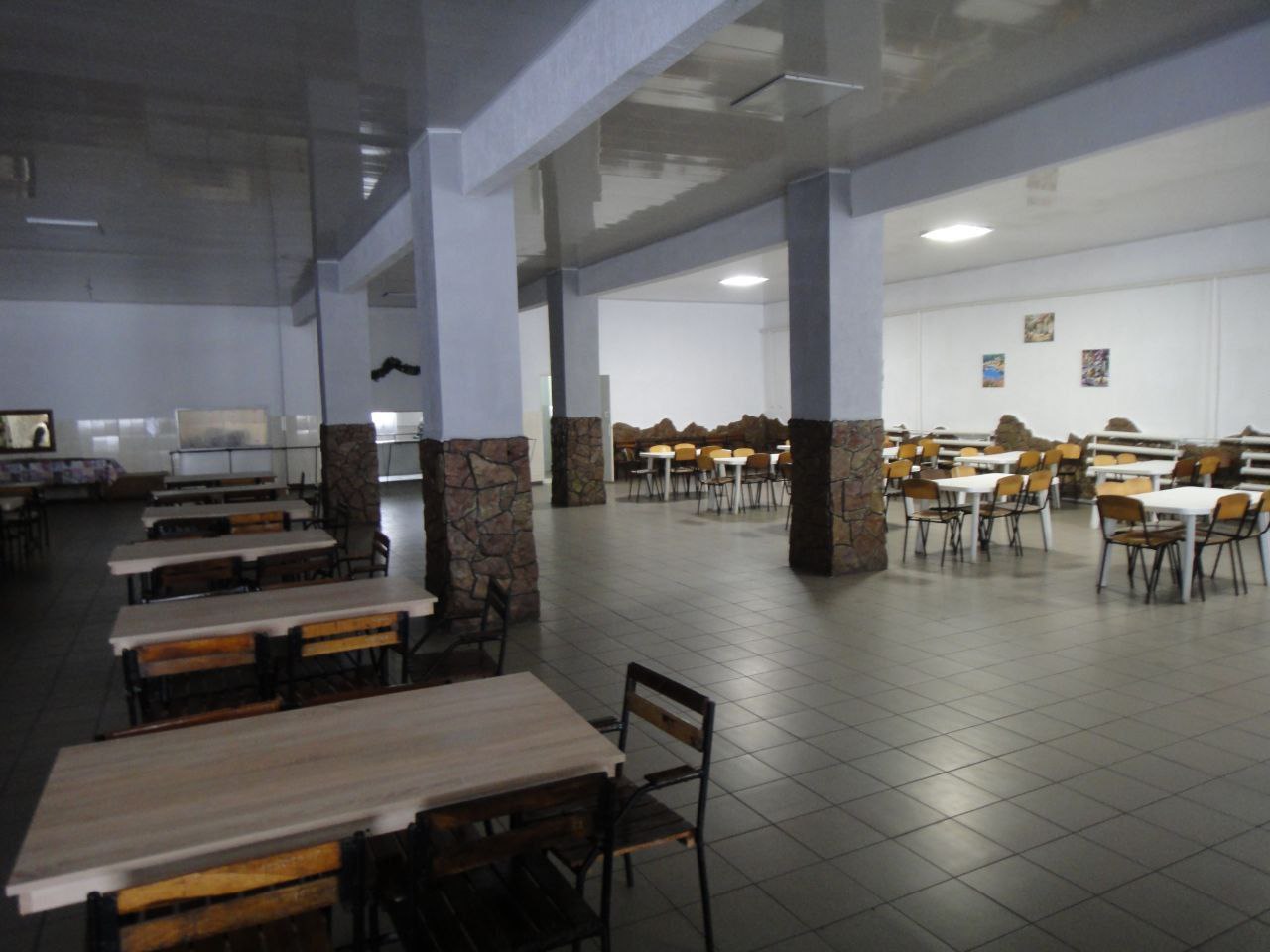
12. In violation of the requirements of the Provision Standards, there is no cloakroom in the institution’s canteen, which leads to convicts being forced to eat in their outer clothing.
13. In accordance with the requirements of Section XII of the Rules, convicts have the right to receive tablet computers in parcels (packages) without hardware support for any types of SIM cards and to use them after software blocking of the cameras by the institution’s staff.
Furthermore, Clause 2, Section 1 of the Procedure provides for the right of convicts to use the service of access to the Internet and to send online appeals from a tablet computer. According to Clause 2, Chapter 2 of the “PROCEDURE for Organising the Provision of Access to the Global Internet Network to Convicts”, convicts may create an email address and use it under the control of the institution’s administration.
At the same time, a rule has been established in the institution according to which convicts must “earn” the right to use a tablet. During confidential communication, the convicts explained that tablets are allowed only to certain individuals at the discretion of the administration, which does not comply with current legislation.
A practice of restricting the use of email for convicts was recorded. The institution's management artificially and groundlessly created restrictions on the use and registration of certain domains, with the exception of services on the .met domain, whereas registration of mailboxes in publicly available services (for example, Gmail) is prohibited without valid reasons. Such actions by the administration restrict the right of convicts to communication and sending appeals, including emails to the Office of the Prosecutor General, the Ukrainian Parliament Commissioner for Human Rights, and other state and non-state bodies for the protection of their rights and legitimate interests.
14. Clause 1, Section XXIII of Rules No. 2823/5 defines that the supervision of convicts is a system of measures aimed at ensuring the serving and execution of criminal penalties in the form of restriction of liberty and imprisonment, life imprisonment, and arrest through round-the-clock and constant control over the behaviour of convicts in places of their residence and work, the prevention and suppression of unlawful actions on their part, and the assurance of requirements for the isolation of convicts and the safety of the staff of penitentiary institutions.
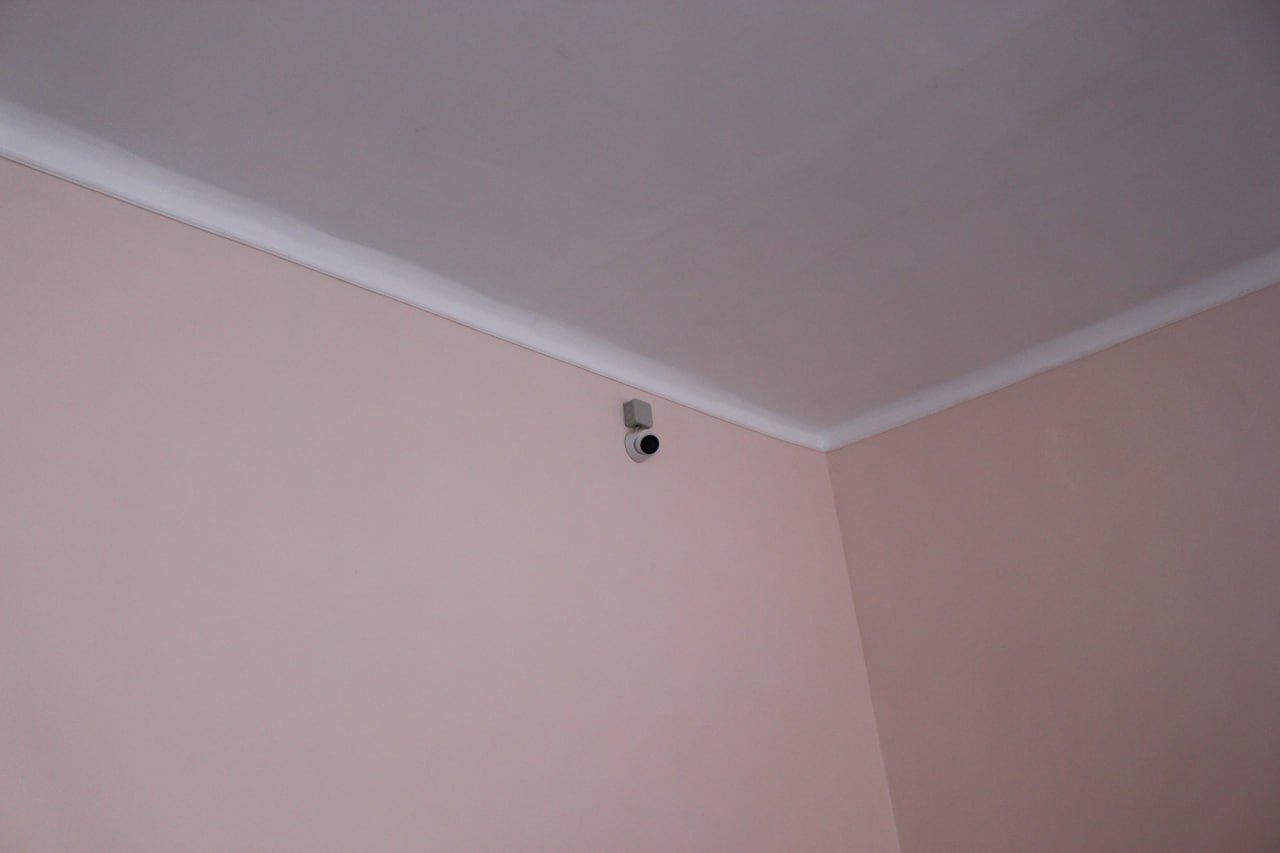
Thus, during the inspection of individual sleeping quarters of the SPS department, installed video surveillance cameras were recorded. However, in its 2012 report, the Committee criticised excessive interference with privacy through the installation of video cameras in convicts’ residential premises: “The CPT agrees that video surveillance in cells can be a useful safeguard in certain cases, for example, when a person is considered to be of concern regarding the risk of self-harm or suicide, or if there are specific suspicions that a convict is committing certain acts in the cell that may jeopardise security.
However, any decision to use video surveillance regarding a specific convict should always be based on an individual assessment of real risks and must be frequently reviewed on a regular basis. Video surveillance is a serious interference with the private life of prisoners and makes the regime even more repressive, particularly when applied over a long period of time.” (CPT/Inf (2013) 23, paragraph 52).
Recommendations:
1. Terminate the practice of involving convicts in night shifts in the QDD and SPS departments within the framework of duty schedules;
2. Terminate the practice of using “orderlies” from among the convicts who perform control and supervisory functions over other convicts;
3. Terminate the practice of prohibiting sitting and lying on beds in SPS wards during free time;
4. Ensure compliance with minimum living space standards per convict;
5. Provide the necessary premises in the QDD ward in accordance with the Provision Standards, and also ensure compliance with minimum living space standards per convict;
6. Terminate the practice of open demonstration of security equipment by personnel in front of convicts;
7. Carry out repair work in cell No. 1 of the DISO, provide all DISO cells with drinking water tanks, ensure a sufficient level of natural light and ventilation in DISO cells, and ensure compliance with minimum living space standards per person. Also, ensure daily visits to those disciplined in the DISO by a doctor;
8. Terminate the practice of unpaid use of convicts for utility work, such as in the kitchen;
9. Ensure compliance with working time standards (duration of the working day) for convicts working in the kitchen;
10. Terminate the practice of using employment contracts between a customer and an executor in the person of the colony head;
11. During the performance of labour obligations, conclude an employment contract between the customer and the executor from among the convicts, rather than a civil law contract;
12. Provide all individuals working in production with passports and TINs;
13. Ensure the availability of approved job descriptions in production;
14. Provide work clothes to convicts in production;
15. Ensure proper heating of production premises;
16. Ensure proper recording of bodily injuries;
17. Ensure shower facilities for convicts twice a week;
18. Ensure forced supply-and-exhaust ventilation in the bath and laundry complex;
19. Provide a cloakroom in the canteen;
20. Terminate the practice of selective permission to receive tablets;
21. Terminate the practice of prohibiting the use of Internet provider domains that are not prohibited by current legislation.