Report on the results of the monitoring visit to Zbarazh Correctional Colony No. 63
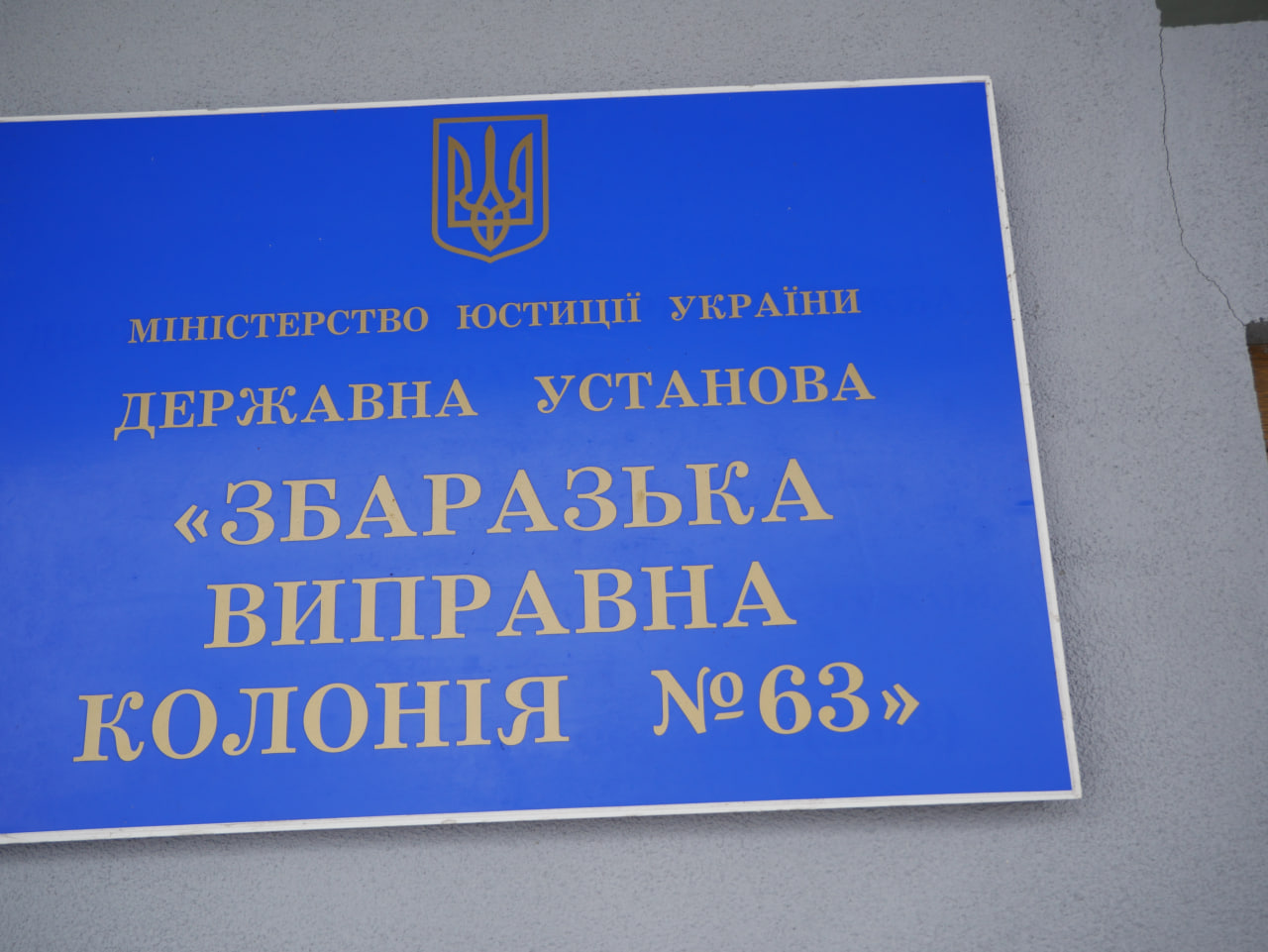
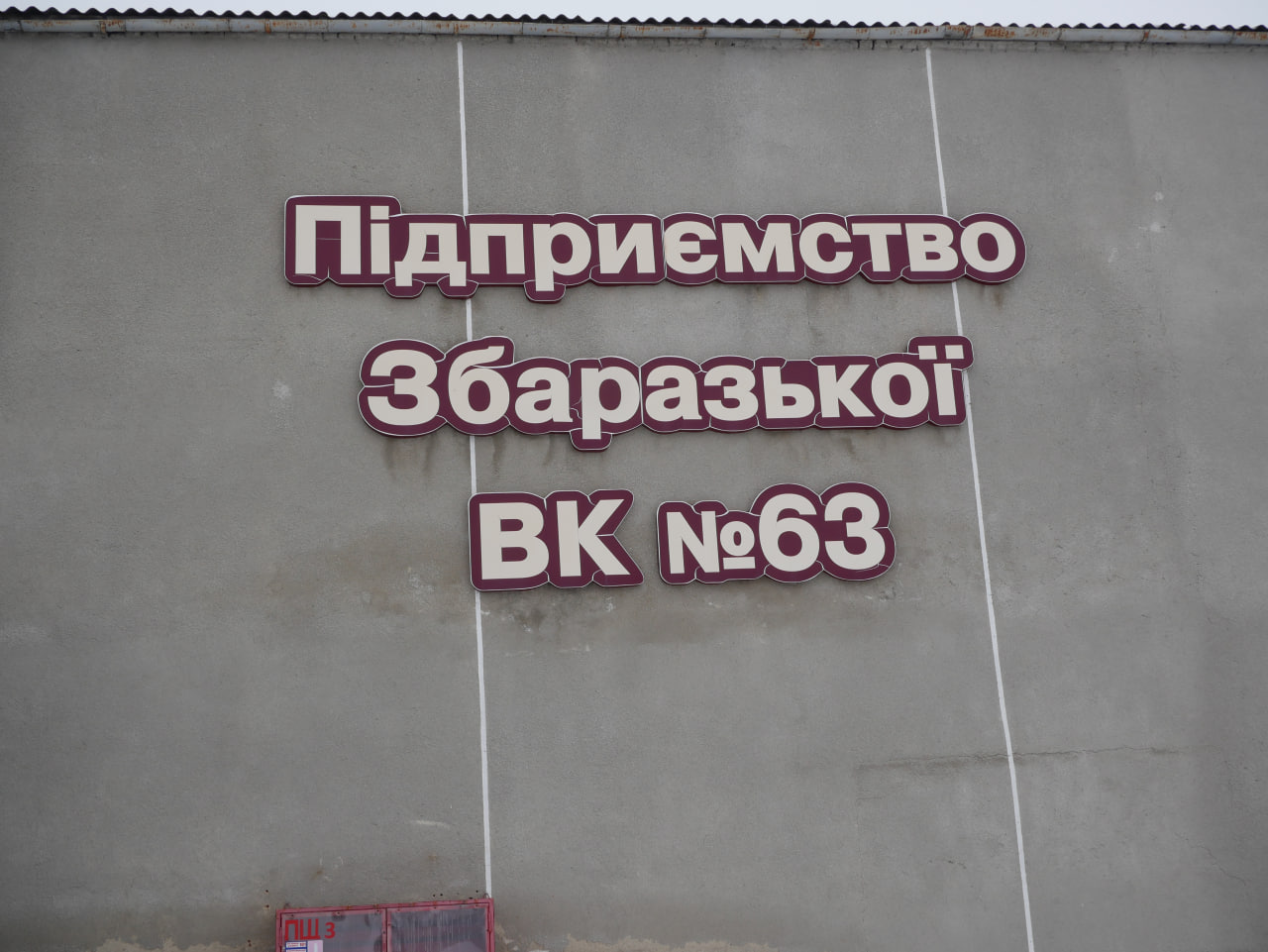
On 17–18 February 2026, in accordance with the Optional Protocol to the Convention against Torture and Other Cruel, Inhuman or Degrading Treatment or Punishment, taking into account the provisions of the United Nations Standard Minimum Rules for the Treatment of Prisoners (the Mandela Rules) and the rulings of the European Court of Human Rights, and on the basis of Article 24 of the Criminal Executive Code of Ukraine, ‘Visiting institutions for the execution of sentences’, a team of monitors from the Kharkiv Human Rights Protection Group and the NGO ‘Protection of Prisoners of Ukraine’ visited the state institution ‘Zbarazh Correctional Colony (No. 63)’ (hereinafter — ZCC-63, the institution, the facility, the colony). A regular scheduled visit was carried out without prior notice, and all objects of the institution were examined. The previous visit took place on 16–17 December 2024.
In preparation for the visit, the monitors used materials from complaints filed by prisoners and their relatives, materials from previous reports, and reports from monitors of the National Preventive Mechanism (NPM) under the Commissioner for Human Rights of the Verkhovna Rada of Ukraine.
The visit was conducted within the framework of the project ‘Reducing the suffering of prisoners in the context of the war in Ukraine’, funded by the government of Denmark in partnership with DIGNITY — Danish Institute Against Torture.
The visit was conducted by the following monitors:
- Andrii Didenko — assistant to the People’s Deputy of Ukraine Yaroslav Yurchyshyn, programme coordinator of the Kharkiv Human Rights Protection Group, experienced in monitoring visits since 2014, NPM monitor, member of the NPM advisory council;
- Serhii Zuikov — assistant to the People’s Deputy of Ukraine Kostiantyn Kasai, member of the public council under the Ministry of Justice of Ukraine, member of the NGO ‘Protection of Prisoners of Ukraine’, NPM monitor, possesses many years of experience in monitoring visits;
- Oleh Tsvilyi — member of the public council under the Ministry of Justice of Ukraine, head of the NGO ‘Protection of Prisoners of Ukraine’, has extensive experience in monitoring visits, specialising in issues of torture and cruel, inhuman treatment.
During the monitoring visit to ZCC-63, alongside systemic violations, individual positive practices were identified, which indicate the existence of a material base for improving the conditions of detention for prisoners. Specifically, part of the living quarters, study rooms, the library, the computer classroom, and individual premises for educational work, leisure, and household use are in a proper condition, as is part of the canteen, which is equipped with modern appliances. This demonstrates the potential for ensuring more dignified conditions of detention and resocialisation.
At the same time, the visit established numerous violations of national legislation and international standards. Unauthorised delegation of supervision functions to prisoners over other individuals was recorded, particularly in the sector for minors, as well as violations in the operation of the quarantine, diagnostic, and distribution ward, deficiencies in material and domestic provision, violations of requirements regarding living space, personal space, the provision of drinking water, and sanitary-hygienic conditions. Significant deficiencies were also identified in the sphere of social-educational and psychological work, as well as violations in the conditions of detention in the disciplinary isolation unit (DIZO), improper organisation of medical support for certain categories of prisoners, the absence of some premises provided for by regulations, and inadequate provision of prisoners’ rights to information and preparation for release.
A separate block of violations concerns the organisation of prisoner labour. The institution operates a sewing factory, a canteen, a bath and laundry complex, and other types of work; however, a systemic practice of engaging prisoners in labour under the guise of vocational training without proper remuneration, the use of civil law contracts instead of employment contracts, the lack of transparency in production accounting, and a low level of accrued wages were established. In the sewing workshop, an improper temperature regime, limited access to the toilet, cases of cold allergy among women, and other conditions that may be considered degrading to human dignity were recorded.
Furthermore, despite the formal technical possibility of using the Internet, prisoners have limited access to certain human rights resources, which narrows their ability to receive information about their rights and the mechanisms for their protection.
Therefore, the results of the visit indicate that, despite some positive changes, the institution retains systemic problems in the sphere of detention conditions, regime, labour, medical care, access to information, and resocialisation, which require proper response and rectification.
General Information
The state institution ‘Zbarazh Correctional Colony No. 63’ is a minimum-security correctional colony with general conditions of detention for women who are convicted for the first or subsequent times to imprisonment.
The institution is located at the address: 9 Molodizhna St., Dobrovody village, Ternopil district, Ternopil region, 47341.
The colony was established in 1962 as a correctional labor colony within the structure of the USSR Ministry of Internal Affairs system. From the beginning, its operation was linked to the use of prisoner labor in production units, which corresponded to the general model of the Soviet penitentiary system, focused on combining isolation and labor exploitation. In 1964, the institution was repurposed into a women’s colony, which defined its subsequent specialisation as a place for women to serve sentences. Subsequently, it functioned as a general regime institution for convicted women. In the 1980s, specialised medical infrastructure was deployed on the territory of the institution, including an inter-regional tuberculosis hospital for prisoners, reflecting the all-union practice of concentrating medical facilities within individual colonies.
During the same period, a medical-labor dispensary functioned on the basis of the institution, which was used for the forced detention of persons with addictions — a characteristic element of the Soviet punitive-preventive system. After Ukraine gained independence, the institution was included in the national penal system. In the process of the reforms of the 1990s–2000s, it came under the subordination of the State Criminal-Executive Service of Ukraine, with a gradual move away from the Soviet model of ‘correctional-labor colonies’ to the modern system of execution of sentences, oriented towards legal standards and resocialisation. Subsequently, the institution retained its specialisation as a women’s colony, while transforming its organisational structure, medical provision, and approaches to detention in accordance with changes in legislation and international standards.
As of the time of the visit, the institution is headed by Colonel of the Internal Service Andrii Vasylovych Makar.
The facility consists of a duty unit, a KDiR department (quarantine, diagnostic, and distribution ward), SPS units (social-psychological service), a canteen, DIZO premises (disciplinary isolation unit), a pre-trial detention unit, a medical unit; an inter-regional specialised tuberculosis hospital is located on the base of the institution; a bath and laundry complex; visiting rooms; a shop; a library; a parcel reception room; and administrative premises.
The institution has 9 SPS units. According to the institution’s administration, the authorised staffing level is 192.5 positions. The actual number is 154.75 positions. The total staff shortage in the institution is 37.75 positions (19.6%). The planned capacity of the facility is 871 persons. The actual number of persons detained in the institution is 447 prisoners. ZCC-63 has 9 active SPS units. There is 1 psychologist working at the facility.
During 2026, 33 people arrived at the colony. During 2025, 1 person died. 163 people were employed, including: 3 — under employment contracts, 9 — under fixed-term contracts, and 153 people — under civil law contracts (CLC). On operational-preventive registration were: 13 persons prone to suicide, 20 persons prone to self-harm, and 1 person prone to escape.
During 2025–2026, not a single complaint about improper detention conditions or improper medical care in the institution was recorded. 25 people have disabilities: 1 person — group I, 3 persons — group II, and 21 persons — group III. Prisoners have 135 tablets and 129 registered email addresses for personal use.
During 2025, 14 cases of bodily injury were recorded while in the institution; during 2026, 3 cases of bodily injury were recorded while in the institution.
The monitoring team interviewed approximately 240 prisoners during visits to production premises, workshops, SPS units, and utility rooms, during general conversations providing consultations, answering questions, surveying on human rights violations, as well as during individual communication with persons, including on the condition of anonymity.
Positive experience
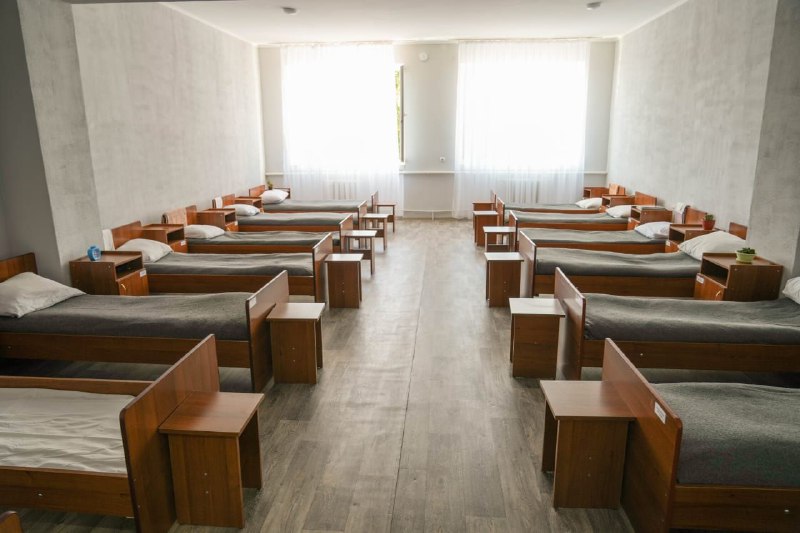
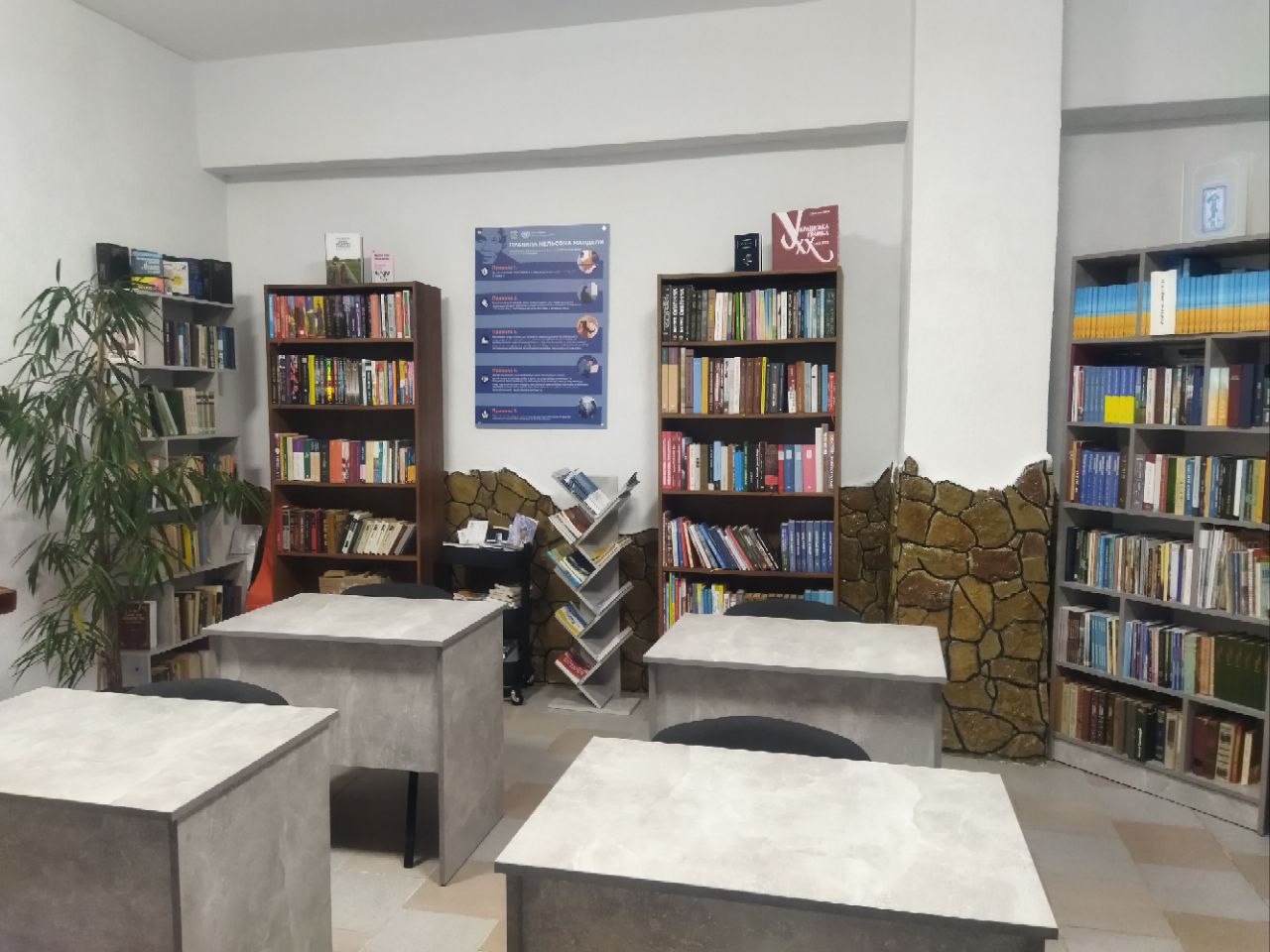
During the monitoring visit to the institution, a number of positive practices were identified, indicating the presence of individual elements of proper organisation of domestic life, the educational environment, and infrastructure, which could potentially be used as a basis for further improvement of prisoner detention conditions. In particular, the proper state of certain living quarters is noteworthy. Bedrooms are equipped with individual beds with bedside tables; the premises are bright, have sufficient access to natural light, and are maintained in a restrained and tidy style. The general appearance indicates that repairs have been carried out and a proper sanitary state is maintained. Such conditions generally meet basic requirements for ensuring a dignified standard of living.
The organisation of the educational space is also positive. The institution operates classrooms equipped with desks, boards, educational materials, and visual elements that facilitate the educational process. Some premises are decorated taking into account motivational and educational components, which creates a favourable environment for acquiring knowledge and resocialisation. The presence of such classrooms demonstrates the potential possibility of realising the prisoners’ right to education.
Separately, it should be noted the arrangement of the library space. The library premises are well-organised and contain a sufficient number of books of various types, including fiction, educational, and reference literature. The space is organised in such a way that it provides an opportunity for quiet reading and independent work. This is an important element of ensuring the right to access information, self-development, and the maintenance of the intellectual activity of prisoners.
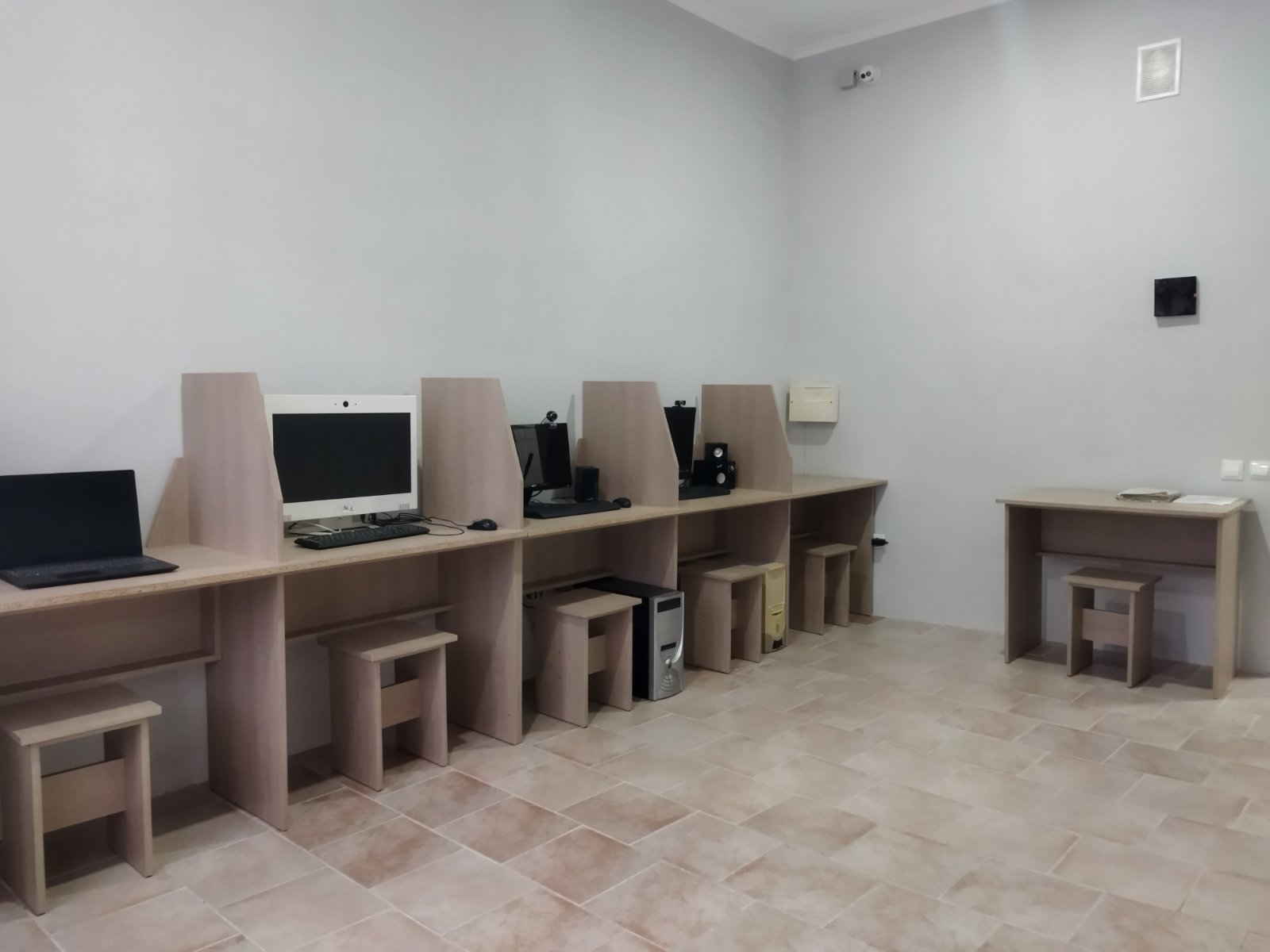
Another positive example is the arrangement of premises for the use of computer equipment. The presence of a separate room with workstations, computers, and organised space indicates the creation of conditions for access to information resources, which is important given modern standards of resocialisation and maintaining social ties.
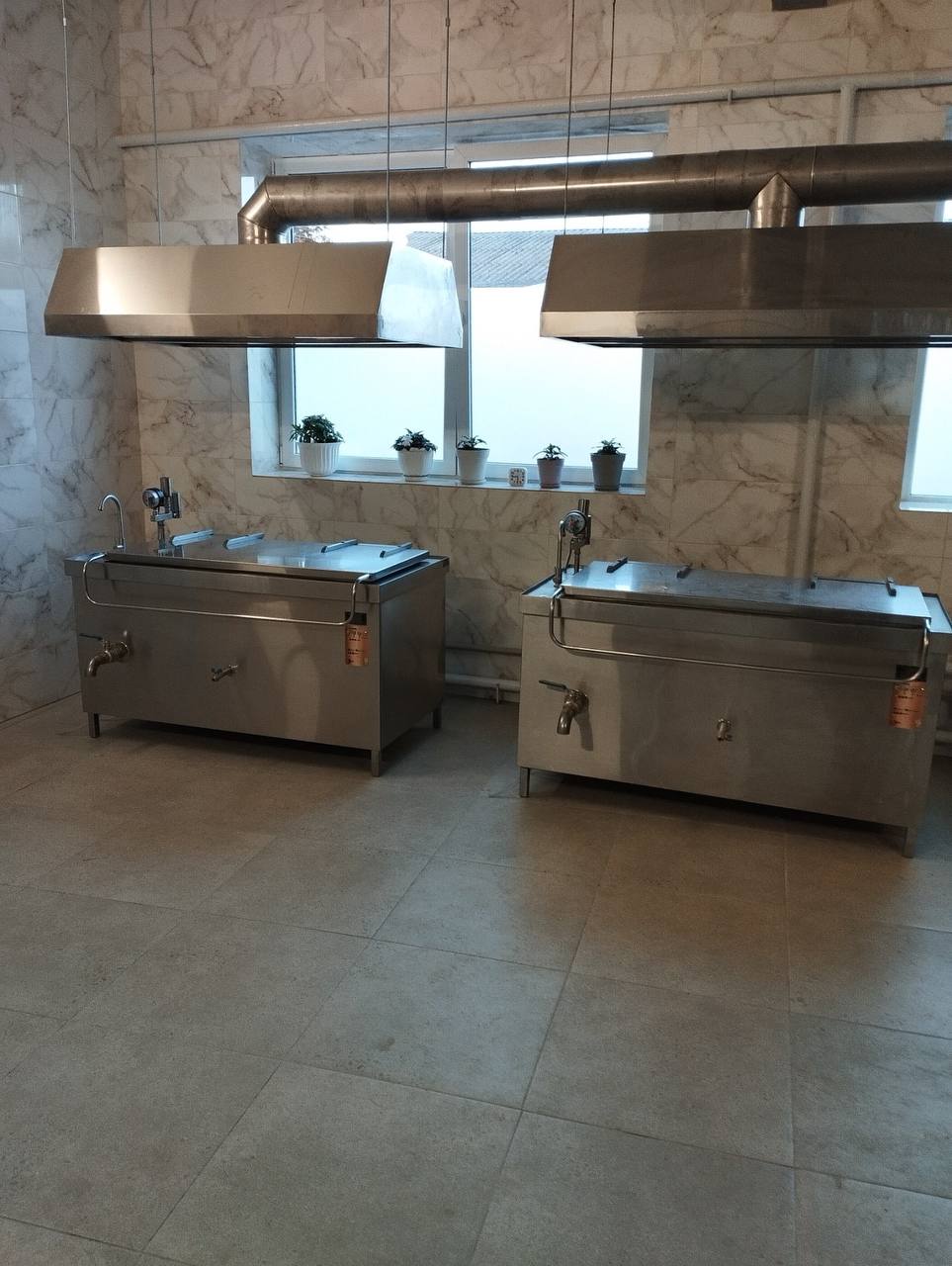
In the sphere of catering, the proper technical state of individual premises of the canteen should be noted. The kitchen equipment is modern, metal surfaces are kept clean, and the premises show signs of recent renovation. The presence of industrial equipment for cooking indicates the possibility of ensuring a proper level of catering organisation, provided that relevant standards are met.
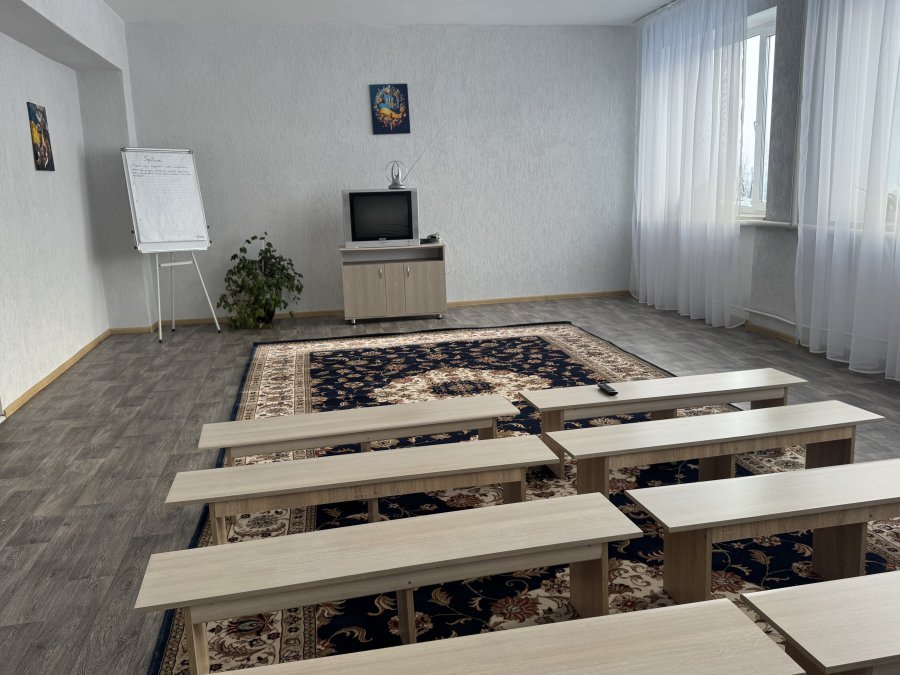
The institution also has individual premises for holding group activities, educational work, and leisure. Specifically, the presence of spacious halls with seating, television equipment, and interior elements creates the prerequisites for organising collective events, informational work, and maintaining social interaction between prisoners. Individual household premises, specifically kitchen rooms for independent use, are equipped with furniture and appliances and are maintained in a proper condition, which indicates the possibility of partial realisation by prisoners of the skills of independent domestic management.
In general, the identified positive practices demonstrate that the institution possesses a material-technical base and individual organisational solutions which, given proper management and compliance with legislation, can be used to ensure dignified detention conditions, the development of educational programmes, and effective resocialisation of prisoners.
Identified violations of national and international legislation
During the monitoring visit, violations of national legislation requirements and non-compliance with international recommendations in the sphere of the treatment of prisoners were identified, leading to breaches of the rights of prisoners:
1. During the visit to the sector for minors, a practice was recorded of engaging an individual prisoner to perform functions related to maintaining order and controlling the behaviour of minors. The specified prisoner has the opportunity to stay in the sector around the clock and use an equipped sleeping place. In fact, the institution’s administration has delegated to the prisoner R. (an orderly) the authority to exercise constant supervision over minors and control their compliance with the daily schedule requirements, which is unacceptable and indicates an improper delegation of personnel powers to prisoners.
Delegating supervision functions to prisoners creates prerequisites for abuse, the formation of an informal hierarchy, and the exercise of uncontrolled influence over other persons. Given the age and psychological characteristics of minors, such a practice creates increased risks of mental traumatisation and self-harm. Specifically, during confidential communication with prisoners, the monitoring group was informed that this practice led to a conflict between the prisoner and a minor, as a result of which the latter inflicted bodily injuries on herself (cuts to the left forearm).
Such circumstances indicate systemic violations in the organisation of supervision over minors, create real prerequisites for cruel, inhuman, or degrading treatment and punishment, and have signs of violating part one of Article 8 of the Criminal Executive Code of Ukraine and Article 3 of the Convention for the Protection of Human Rights and Fundamental Freedoms. This is also incompatible with international standards of child rights protection, specifically the provisions of the UN Convention on the Rights of the Child, and indicates the creation of conditions that degrade the dignity of minors.
Furthermore, the specified practice does not align with the requirements of part one of Article 92 of the Criminal Executive Code of Ukraine and Rule 11(d) of the United Nations Standard Minimum Rules for the Treatment of Prisoners (the Mandela Rules), which provide for the separate detention of minors and adults.
In its report following the visit to Ukraine in 2020, the European Committee for the Prevention of Torture and Inhuman or Degrading Treatment or Punishment (hereinafter — the Committee) expressed serious doubts regarding the practice of using certain prisoners as ‘orderlies’, who perform control functions over other prisoners in living quarters and at the workplace and report to staff about any incidents and regime violations. As previously emphasised, the Committee believes that any partial abdication of responsibility for order and security in prisons, which is borne by the institution’s regime staff, is unacceptable. Such a practice exposes weaker prisoners to the risk of ill-treatment and exploitation by other prisoners. The Committee calls on the Ukrainian authorities to take all necessary steps, including of a legislative nature, to put an end to this practice. No prisoner (in any penitentiary institution in the country) should have power over other prisoners (CPT/Inf (2020) 40), paragraph 27).
2. The procedure and conditions for receiving prisoners into the institution do not fully comply with the requirements of current Ukrainian legislation and international standards for the treatment of prisoners. In accordance with paragraphs 1 and 2 of Section II of the Regulation on the quarantine, diagnostic, and distribution ward, approved by the Order of the Ministry of Justice of Ukraine of 4 November 2013 No. 2300/5 (hereinafter — the Regulation on KDiR), in order to organise work with newly arrived prisoners, the head of the institution orders the creation of a working group, which includes deputy heads of the institution, heads of structural units, a psychologist, and a medical professional. To plan this work, a programme of familiarising newly arrived prisoners with the order and conditions of serving sentences is drawn up annually, which is approved by the head of the institution.
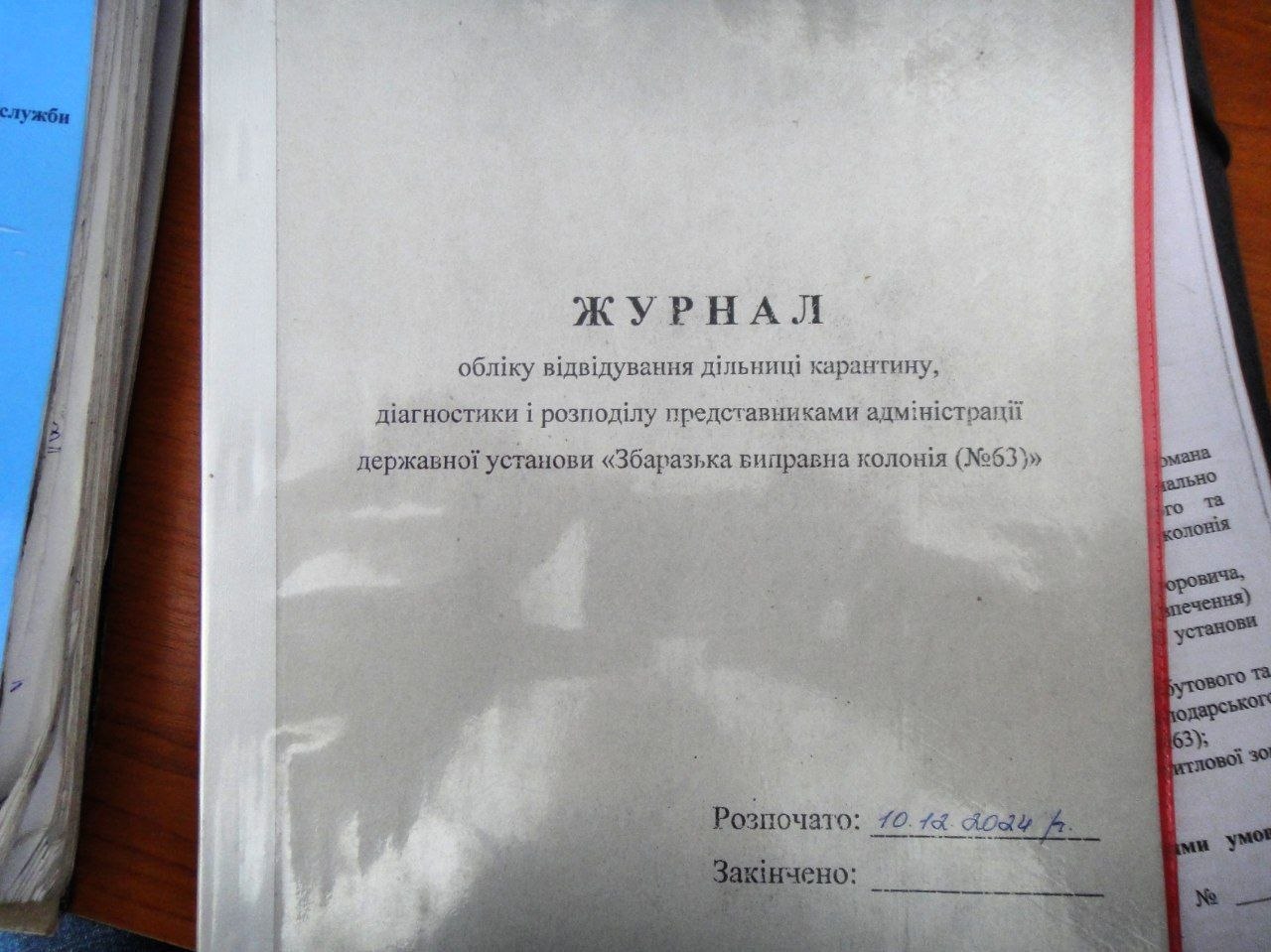
At the same time, it was established that the implementation of measures provided for by the programme of familiarising newly arrived prisoners with the order and conditions of serving sentences is carried out in violation of the requirements regarding their frequency, specifically the obligation of each member of the working group to visit the quarantine, diagnostic, and distribution ward (KDiR) at least once a week. Thus, in the period from 6 to 13 February 2026, according to the logbook of visits to the KDiR ward by representatives of the administration, measures with newly arrived prisoners were conducted by only eight out of ten members of the working group, which does not meet the requirements of paragraph 5 of Section II of the Regulation on the KDiR ward.
Specifically, Roman Yuriyovych Drozdovskyi, Deputy Head of the Institution for Intendant and Communal-Domestic Support, and Mykhailo Stefanovych Bihus, Head of Unit No. 63 of the Zbarazh Specialised Tuberculosis Hospital — a branch of the state institution ‘Centre for Health Protection of the State Criminal-Executive Service of Ukraine’ in the Chernivtsi, Ivano-Frankivsk, Zakarpattia, and Ternopil regions, did not participate in the conduct of these measures.
3. In violation of paragraph 1 of Section II of the Regulation on the KDiR ward, the Head of the Financial Support and Accounting Department — Chief Accountant — is not included in the composition of the working group for work with newly arrived prisoners.
4. During the visit to the KDiR ward, a practice was recorded of the administration and personnel engaging a prisoner to perform functions related to maintaining order and controlling the behaviour of other persons, specifically the prisoner R., who performs the functions of an orderly in the sector for minors (the institution’s quarantine, diagnostic, and distribution ward and the sector for minors are located in the same building and border one another). This contradicts the requirements of paragraph 4 of Section II of the Internal Rules of Procedure of institutions for the execution of sentences, approved by the Order of the Ministry of Justice of Ukraine of 28 August 2018 No. 2823/5 (hereinafter — IRP UIS), paragraph 2 of Section I of the Regulation on the KDiR ward, and the recommendations of the European Committee for the Prevention of Torture.
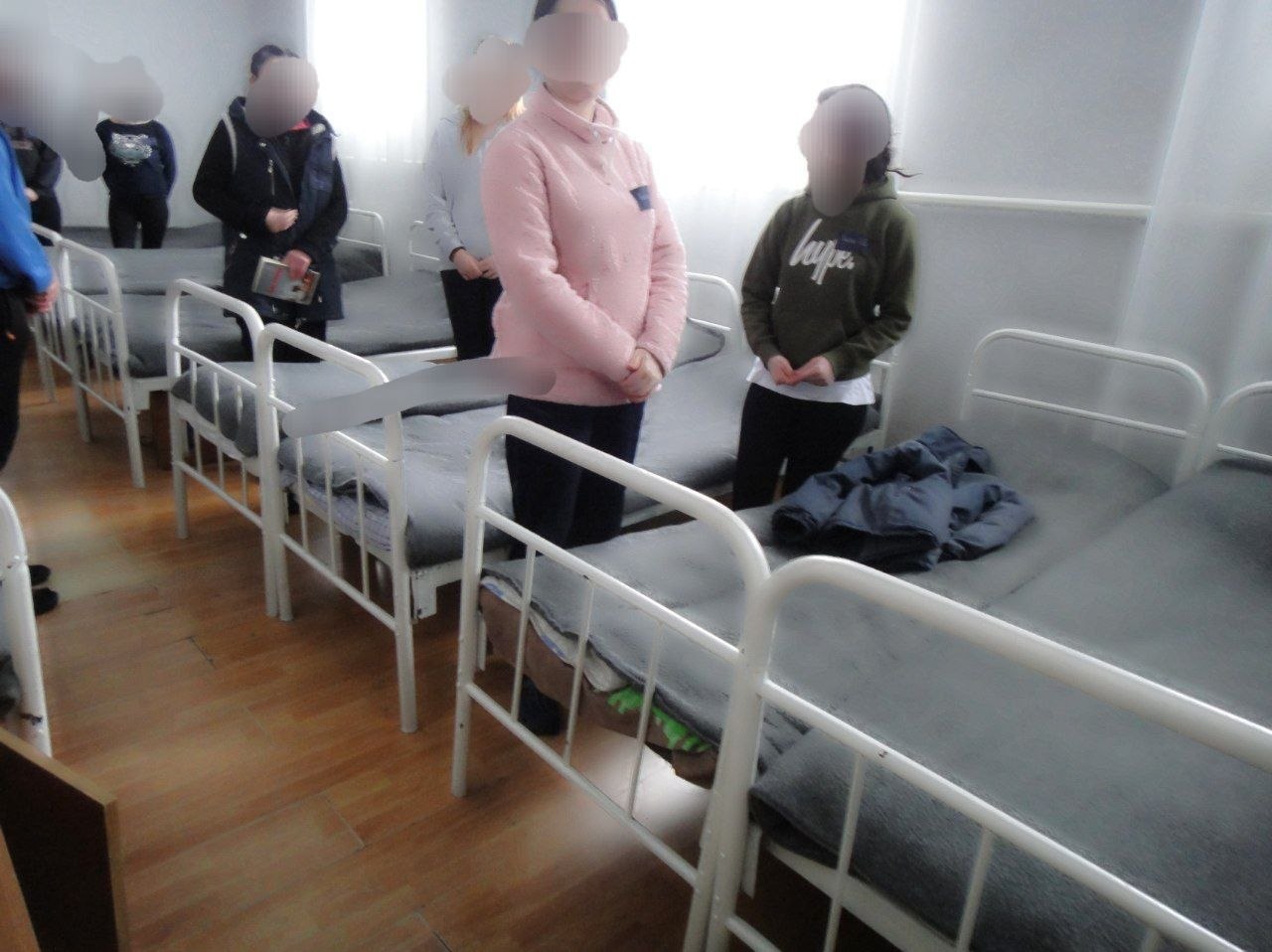
5. The monitoring group established that the material-domestic provision of the KDiR ward does not fully comply with established regulatory requirements. Thus, in violation of part one of Article 115 of the Criminal Executive Code of Ukraine and Rule 13 of the United Nations Standard Minimum Rules for the Treatment of Prisoners (the Mandela Rules), it was established that in individual living quarters of the institution’s KDiR ward, the living space norm per one prisoner is less than 4 m². Specifically, in living quarter No. 1 of the KDiR ward, where 13 beds are located and 11 persons were residing, the area of the premises according to the living space measurement certificate is 32.8 m². Thus, the actual area per one prisoner was 2.98 m².
At the same time, paragraph 13 of the Seventh General Report of the Committee notes that the problem of overcrowded cell-type premises leads to unhygienic conditions, a constant lack of privacy, the overloading of medical services and institution infrastructure, and the Committee concludes that quite often the negative impact of overcrowding resulted in inhuman or degrading conditions of prisoner detention (CPT/Inf (97) 10).
6. In violation of the requirements of the ‘Norms for the provision of furniture, inventory, and household items for a minimum-security correctional colony with general conditions of detention’, approved by the Order of the Ministry of Justice of Ukraine of 27 July 2012 No. 1118/5 (hereinafter — the Norms of Provision), the KDiR ward lacks a number of premises, namely: a room for educational work; a room for storing food products; a room for storing exchange stocks of bedding, property, and special clothing; a storeroom for the temporary storage of dirty bedding, property, and special clothing; a cloakroom; a domestic room; and a drying room.
The ward’s sleeping room is not sufficiently provided with stools and bedside tables at the rate of one stool per person and one table per two persons, respectively. The absence of the specified premises or their improper arrangement leads to non-compliance with sanitary-hygienic norms. Thus, the improper organisation of storing personal belongings complicates the maintenance of cleanliness and order in the premises where prisoners are detained, which worsens the general sanitary situation in the institution.
7. In living quarter No. 1 of the KDiR ward, a violation of Article 8 of the Convention for the Protection of Human Rights and Fundamental Freedoms, which guarantees the right to respect for private life, was identified. Specifically, in violation of Rule 18.1 of the European Prison Rules, beds in sleeping rooms are located right next to each other, which makes it impossible to ensure personal space for prisoners.
8. In violation of the requirements of Rule 22.5 of the European Prison Rules, Rule 22.2 of the United Nations Standard Minimum Rules for the Treatment of Prisoners, and the Norms of Provision, living quarter No. 1 of the KDiR ward is not equipped with a 15-litre drinking water tank with a tap, lid, mug, and basin.
9. The monitoring group established deficiencies in the organisation and implementation of social-educational and psychological work with prisoners. Thus, in violation of the requirements of paragraph 9 of Section I of the Regulation on the social-psychological service unit, approved by the Order of the Ministry of Justice of Ukraine of 4 November 2013 No. 2300/5 (hereinafter — the Regulation on the SPS unit), individual programmes of social-educational work with prisoners are not reviewed by the head of the social-psychological service (hereinafter — SPS) unit within the established time frame (every six months), and the results of their implementation are not reflected in the corresponding section of the individual work diary.
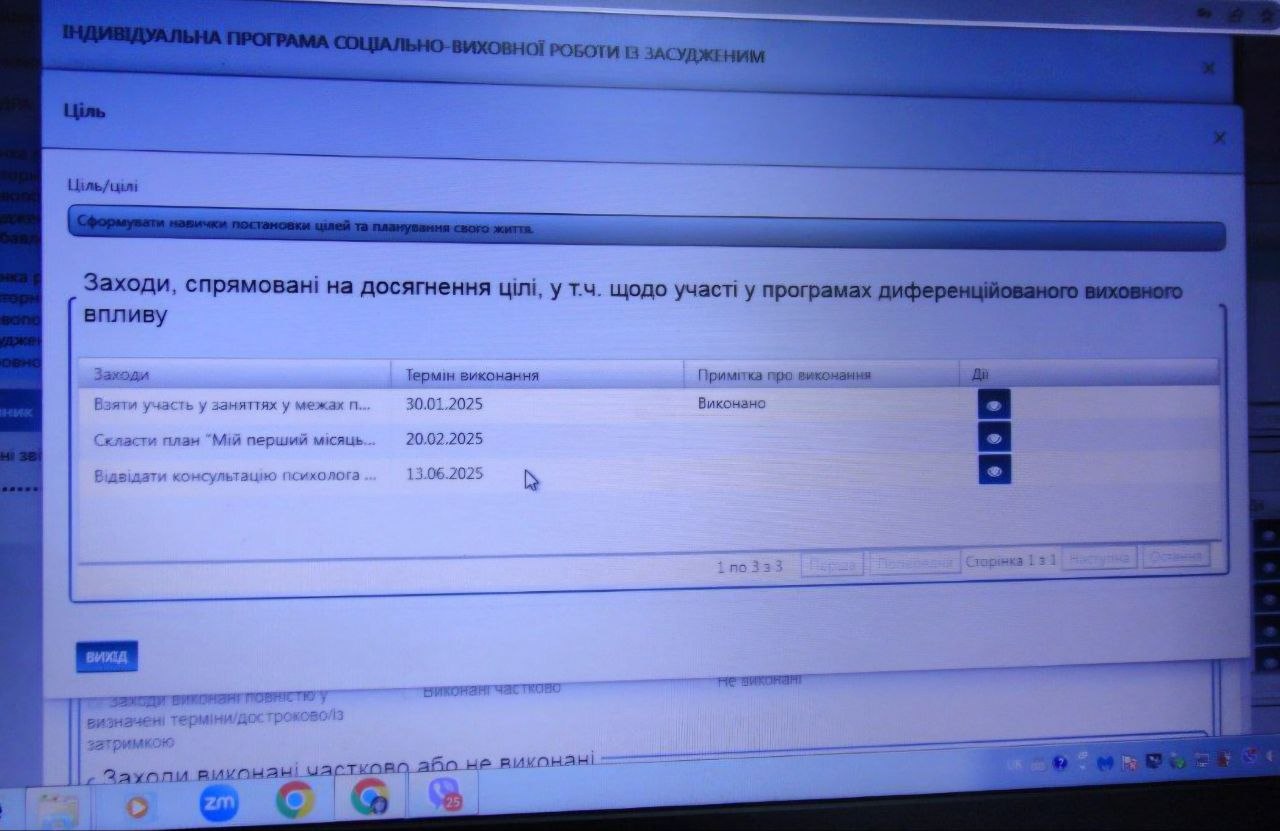
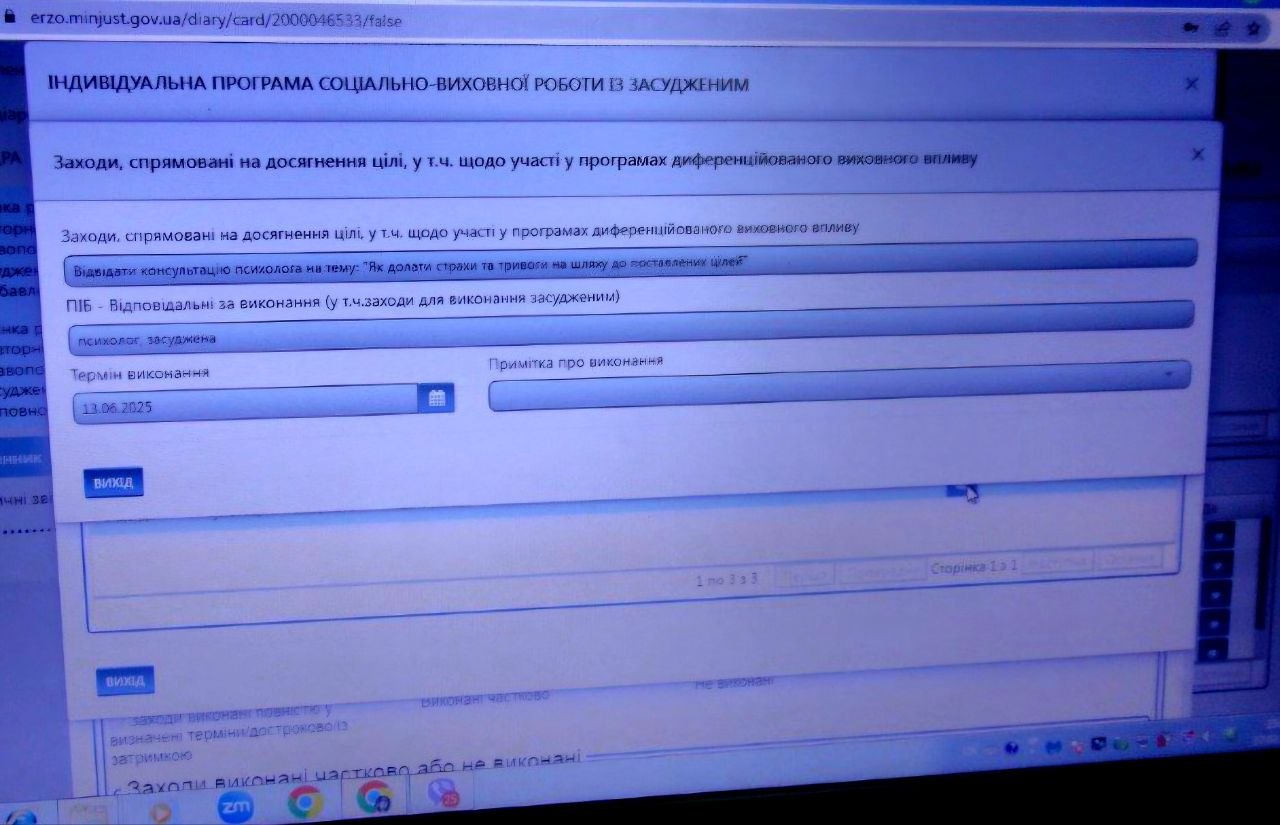
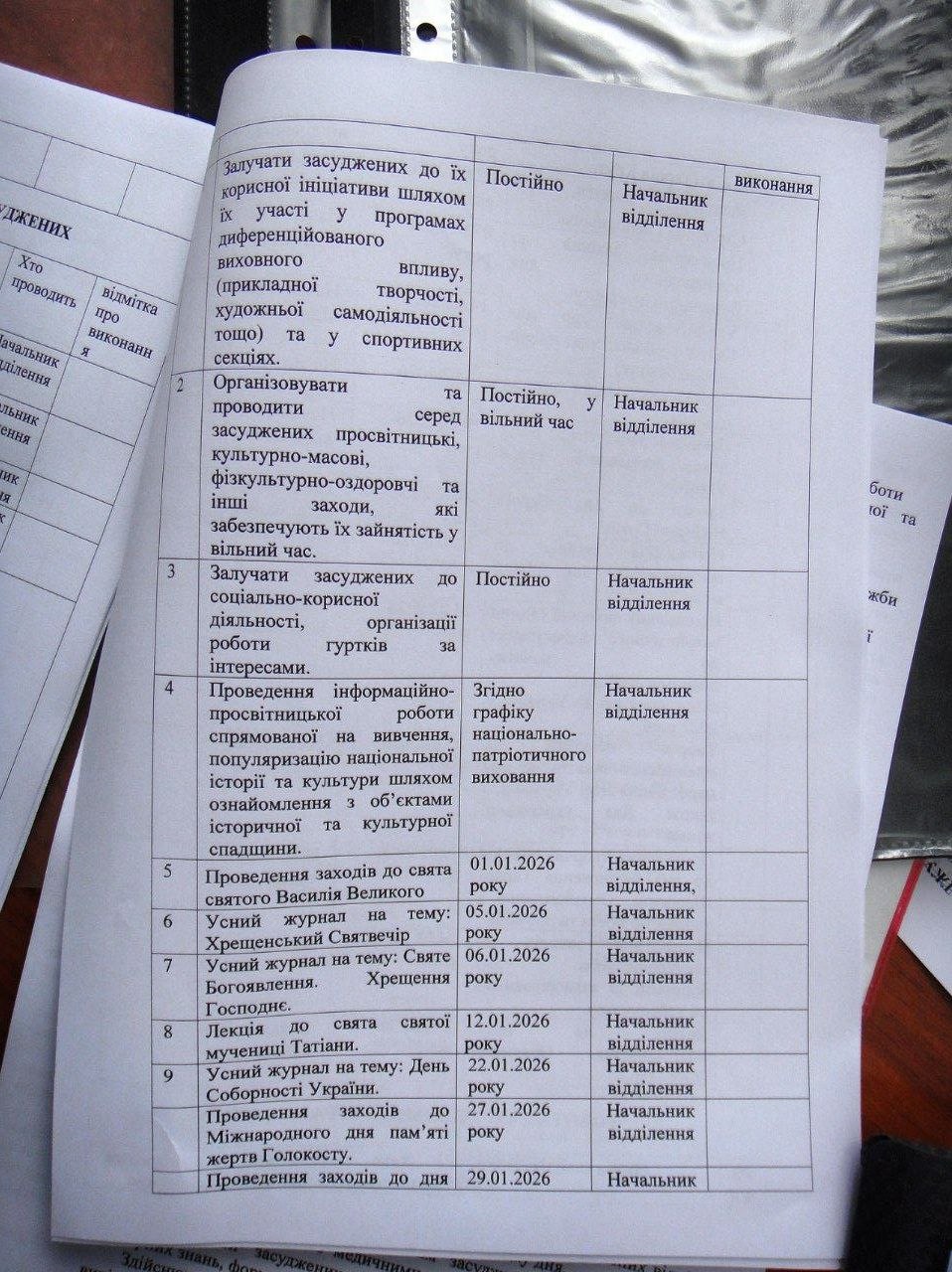
At the same time, it was established that the head of the SPS unit does not ensure the implementation of measures provided for by the work plan with prisoners of SPS unit No. 4 for the first quarter of 2026 (hereinafter — the quarterly plan), which is confirmed by the prisoners’ explanations obtained during confidential communication, as well as the absence of relevant notes regarding the conduct of measures in the quarterly plan. The specified contradicts the requirements of paragraph 20 of Section III and subparagraph 2 of paragraph 1 of Section IV of the Regulation on the SPS unit.
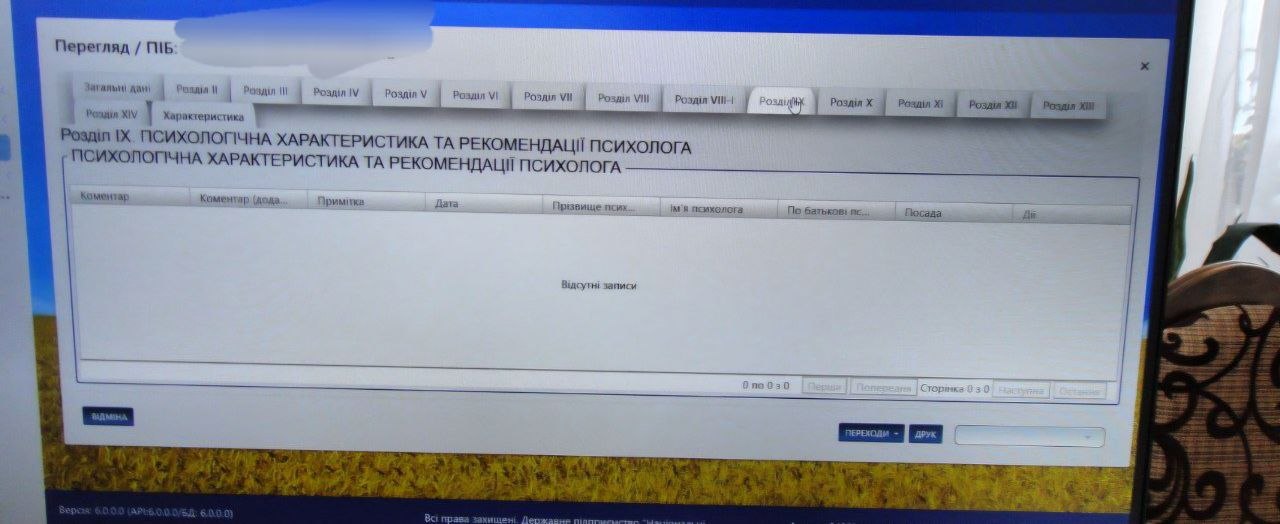
Along with this, it was established that for certain prisoners, who, in accordance with the minutes of the institution’s distribution commission, had already been distributed between SPS units, data from psychological examinations, psychological characteristics, and recommendations regarding the organisation and conduct of individual work with them are absent in section IX of their individual work diaries.
The specified indicates non-compliance with the requirements of paragraph 2 of Section V of the ‘Typical job descriptions for a psychologist at a penal institution and pre-trial detention centre’, approved by the Order of the Ministry of Justice of Ukraine of 4 November 2013 No. 2300/5, in accordance with which the psychologist is obliged to study prisoners and persons taken into custody, compile their psychological characteristics, and provide the institution’s personnel with reasoned recommendations regarding the organisation of work with them.
During the visit to SPS unit No. 4, it was established that there is no visual information indicating ‘hotline’ telephone numbers, as well as postal and electronic addresses of the Ministry of Justice of Ukraine, the Commissioner for Human Rights of the Verkhovna Rada of Ukraine, the European Court of Human Rights, the State Bureau of Investigation, the Office of the Prosecutor General, regional and district prosecutor’s offices, the Department, the interregional administration, and the regional centre for the provision of free legal aid. The specified contradicts paragraph 6 of Section II of the IRP UIS.
10. During the visit to the DIZO, facts were established that may indicate cruel, inhuman, or degrading treatment and punishment of prisoners. According to Rule 39.3 of the United Nations Standard Minimum Rules for the Treatment of Prisoners (the Mandela Rules), before imposing disciplinary sanctions, the administration of a penitentiary institution is obliged to determine whether a mental illness or developmental disability of a prisoner could have influenced their behaviour and caused the violation that led to the disciplinary response. The administration of the institution must not apply disciplinary sanctions for behaviour that is a direct consequence of a prisoner’s mental disorder or intellectual disability.
In accordance with Rule 45.2 of the United Nations Standard Minimum Rules for the Treatment of Prisoners (the Mandela Rules), the use of solitary confinement is prohibited for prisoners with mental or physical disabilities if such measures could lead to a deterioration of their condition. The use of solitary confinement against women and children is also prohibited, as provided by international UN norms in the sphere of criminal justice.
At the same time, during the visit to the DIZO premises, a fact was established of placing a prisoner in the DIZO in the period from 21 October 2025 to 31 October 2025, who was held in conditions of complete isolation (alone in a cell) and has diagnosed mental disorders, which creates a risk of causing harm to her mental health. Furthermore, it was established that during her stay in the DIZO, the prisoner refused to go for a walk, follow personal hygiene (washing), and eat, which may indicate a deterioration of her mental state and a need for urgent medical, specifically psychiatric, examination and the provision of appropriate care.
At the same time, the lack of proper reaction on the part of the institution’s personnel to such signs may indicate improper performance of duties regarding ensuring the health of prisoners and creates additional risks for her life and health.
At the same time, in accordance with paragraph 43 of the Third General Report of the Committee’s recommendations, a mentally ill prisoner should be kept and cared for in a hospital facility with sufficient equipment and properly trained staff. Such a facility could be a regular (civilian) psychiatric hospital or a specially equipped psychiatric facility within the penitentiary system.
In accordance with paragraph 44 of the Third General Report of the Committee’s recommendations, the treatment of a mentally unstable and violent patient should be carried out under strict supervision with the provision of care for the patient and, if deemed necessary, the application of sedatives. (CPT/Inf (93) 12-part)
11. In violation of the requirements of the Norms of Provision, the DIZO/PKT lacks a number of premises, namely: a room for the reception of prisoners by the administration and medical personnel; a room for storing prisoners’ personal belongings; a room for storing exchange stocks of bedding, property, and special clothing; a storeroom for the temporary storage of dirty bedding, property, and special clothing; a hairdressing room; a room for food distribution, storing food products, and washing tableware.
The absence of the specified premises or their improper arrangement leads to non-compliance with sanitary-hygienic requirements. Specifically, the improper organisation of storing personal belongings complicates the maintenance of cleanliness and order in the premises where prisoners are detained, which negatively affects the general sanitary state of the institution. Furthermore, the absence in the DIZO/PKT of a separate room for the reception of prisoners by medical personnel necessitates conducting medical examinations in the duty shift room or in the cell premises, which does not ensure confidentiality and creates a risk of disclosing information about the health status of prisoners to unauthorised persons, including the institution’s personnel.
The specified contradicts the requirements of the twenty-first paragraph of paragraph 6 of Section XXI of the IRP UIS, Article 39/1 of the Law of Ukraine ‘Fundamentals of the legislation of Ukraine on healthcare’ regarding the guarantees of the right to medical confidentiality, as well as paragraph 9 of Section I of the ‘Procedure for organising the provision of medical care to persons sentenced to imprisonment’, approved by the joint Order of the Ministry of Justice of Ukraine and the Ministry of Health of Ukraine of 15 August 2014 No. 1348/5/572 (hereinafter — the Procedure).
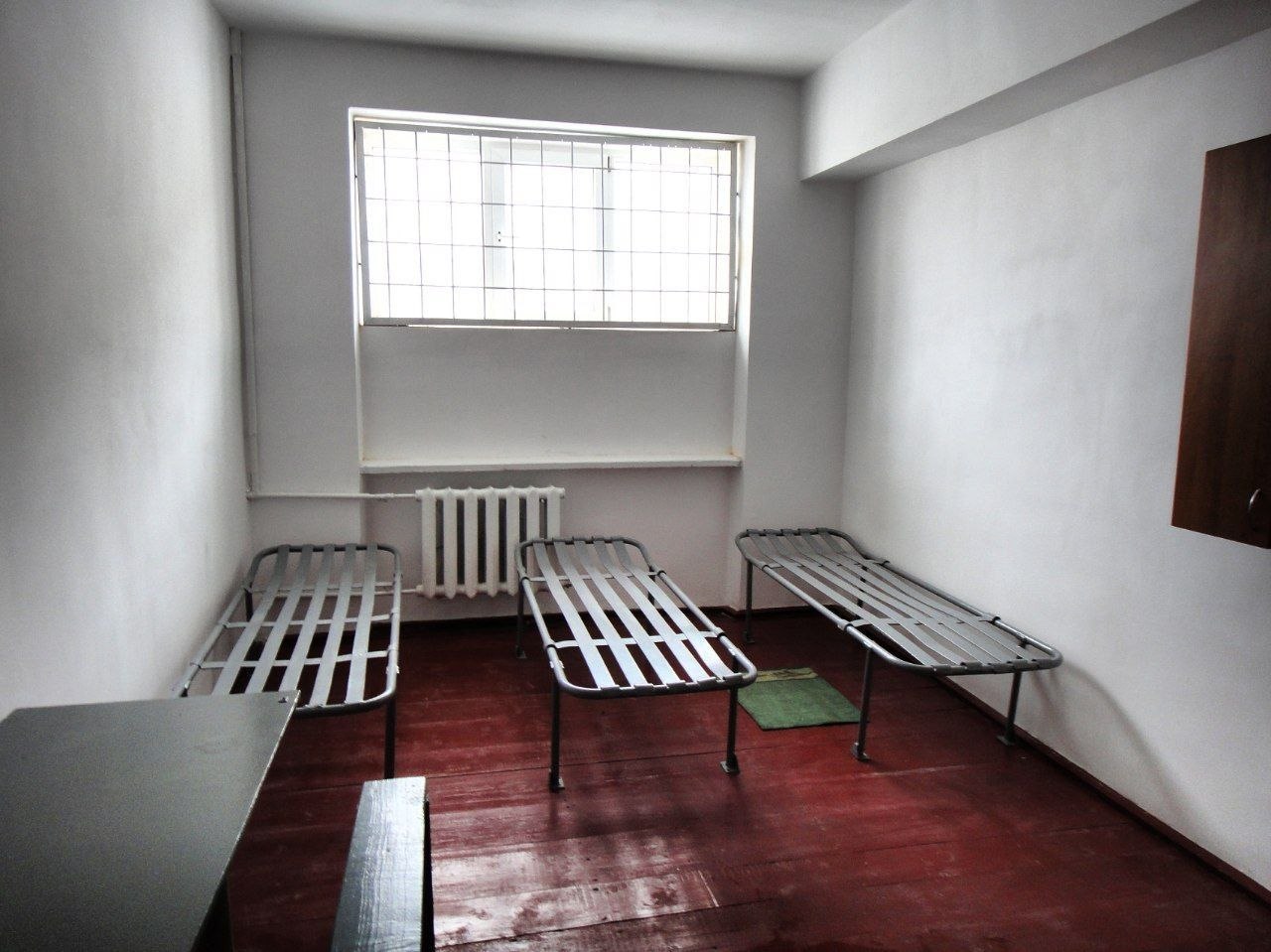
12. Paragraph 1 of Section XXIII of the IRP UIS defines that the supervision of prisoners is a system of measures aimed at ensuring the serving and execution of criminal punishments in the form of restriction and deprivation of liberty, life imprisonment, and arrest through 24-hour and constant control over the behaviour of prisoners in their places of residence and work, preventing and stopping illegal actions on their part, ensuring the requirements of prisoner isolation and the safety of the personnel of institutions for the execution of sentences. Thus, during the inspection of the DIZO cell premises, an installed video surveillance camera was recorded.
At the same time, in its 2012 report, the Committee criticised the excessive interference with privacy through the installation of video cameras in prisoners’ living quarters: ‘The CPT agrees that video surveillance in cells can be a useful safeguard in certain cases, for example, when a person is considered a concern regarding the risk of self-harm or suicide, or if there are specific suspicions that a prisoner is engaging in certain actions in the cell that could jeopardise security.’
‘However, any decision to apply video surveillance to a specific prisoner must always be based on an individual assessment of real risks and must be reviewed frequently on a regular basis. Video surveillance is a serious interference with the private life of prisoners and makes the regime even more repressive, especially when applied over a long period of time.’ (CPT/Inf (2013) 23, paragraph 52).
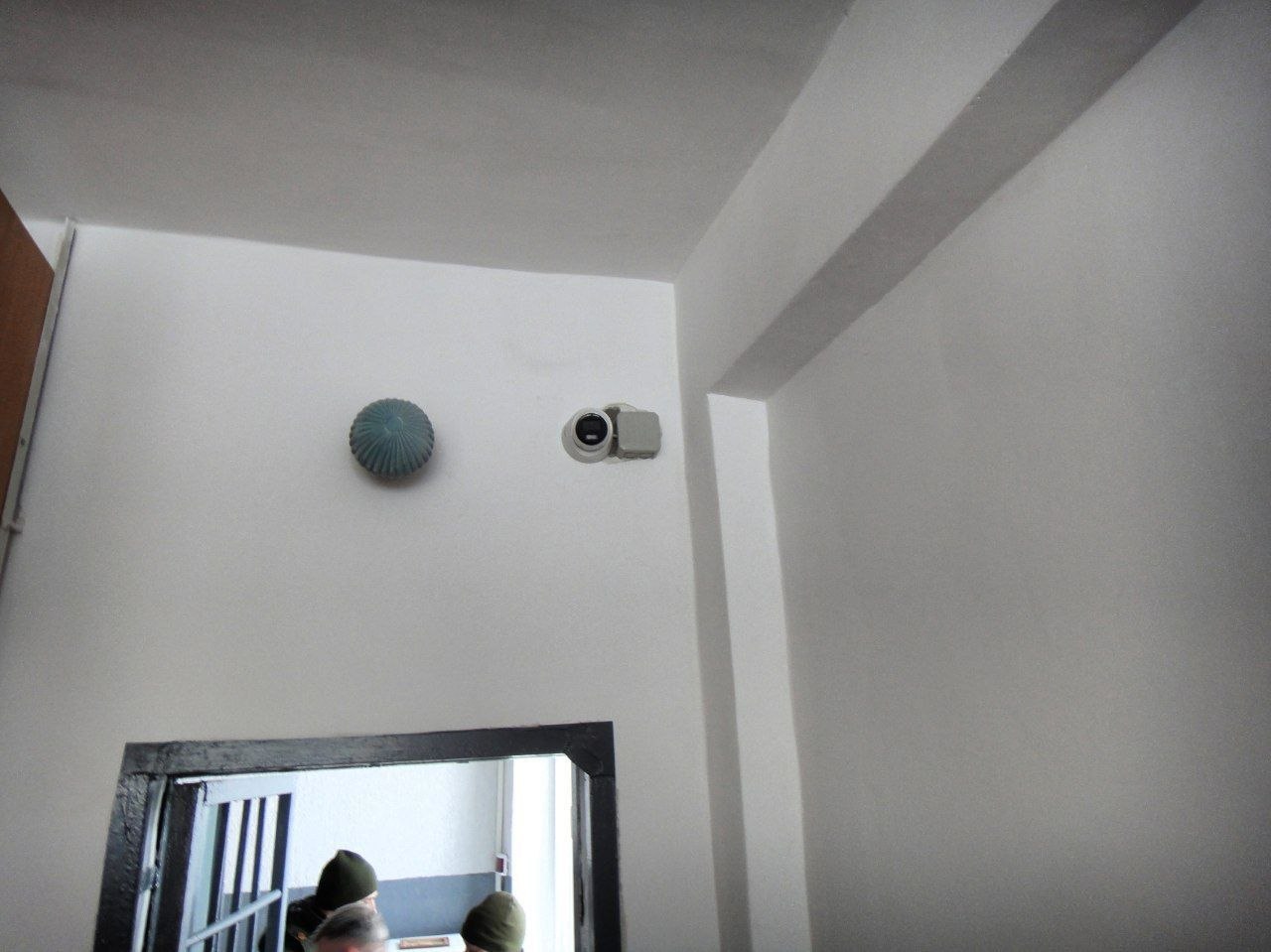
13. Radios are absent in the DIZO cell premises, which contradicts the requirements of paragraph 3 of Section XX of the IRP UIS and paragraph 63 of the United Nations Standard Minimum Rules for the Treatment of Prisoners.
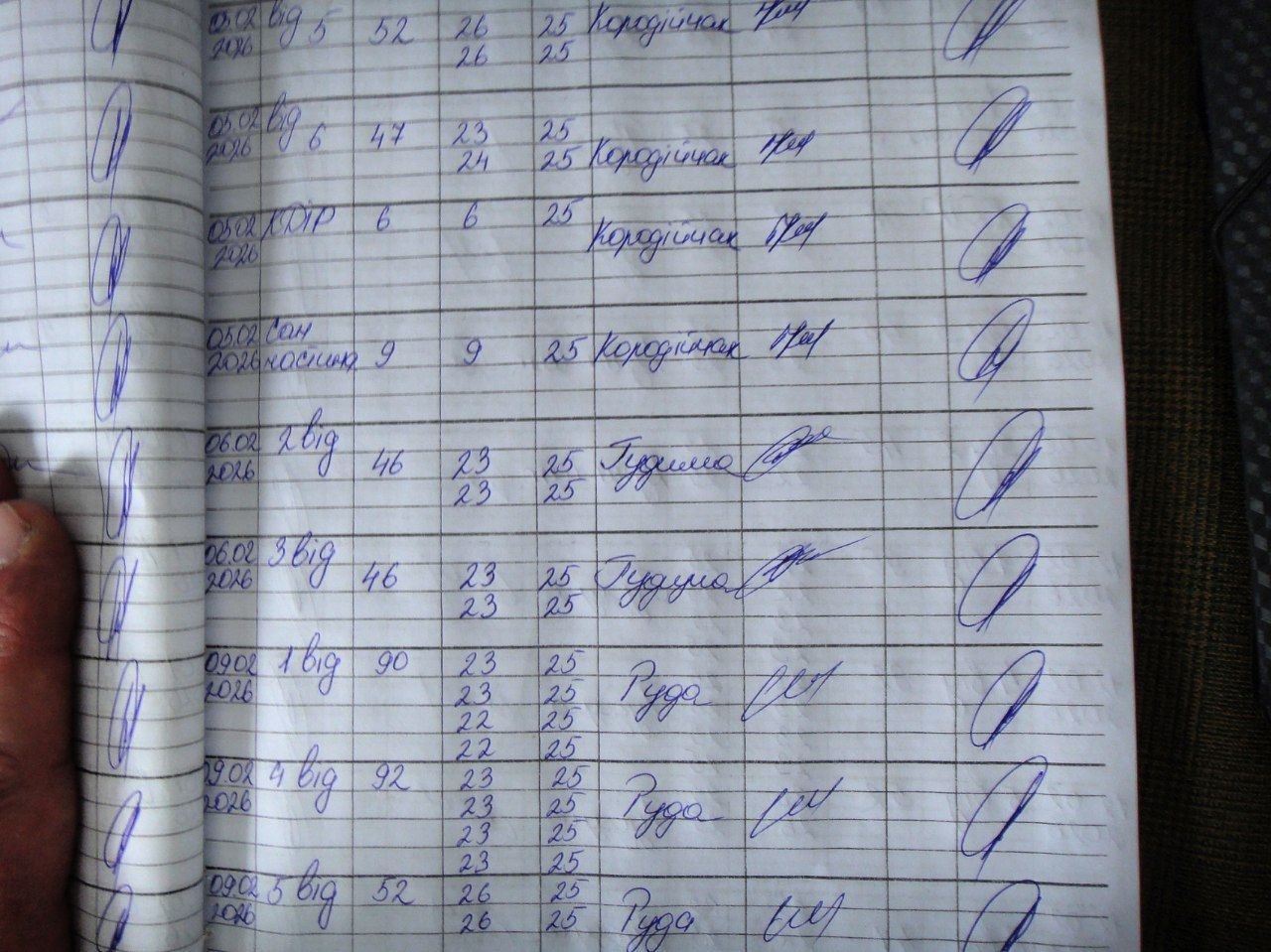
14. In violation of the requirements of paragraph 4 of Section XXII of the IRP UIS and paragraph 3.19 of Section III of the ‘Regulation on the organisation of bath and laundry services for persons held in institutions for the execution of sentences and pre-trial detention centres’, approved by the Order of the Ministry of Justice of Ukraine of 8 June 2021 No. 849/5, the institution has not ensured compliance with sanitary-hygienic and anti-epidemic requirements.
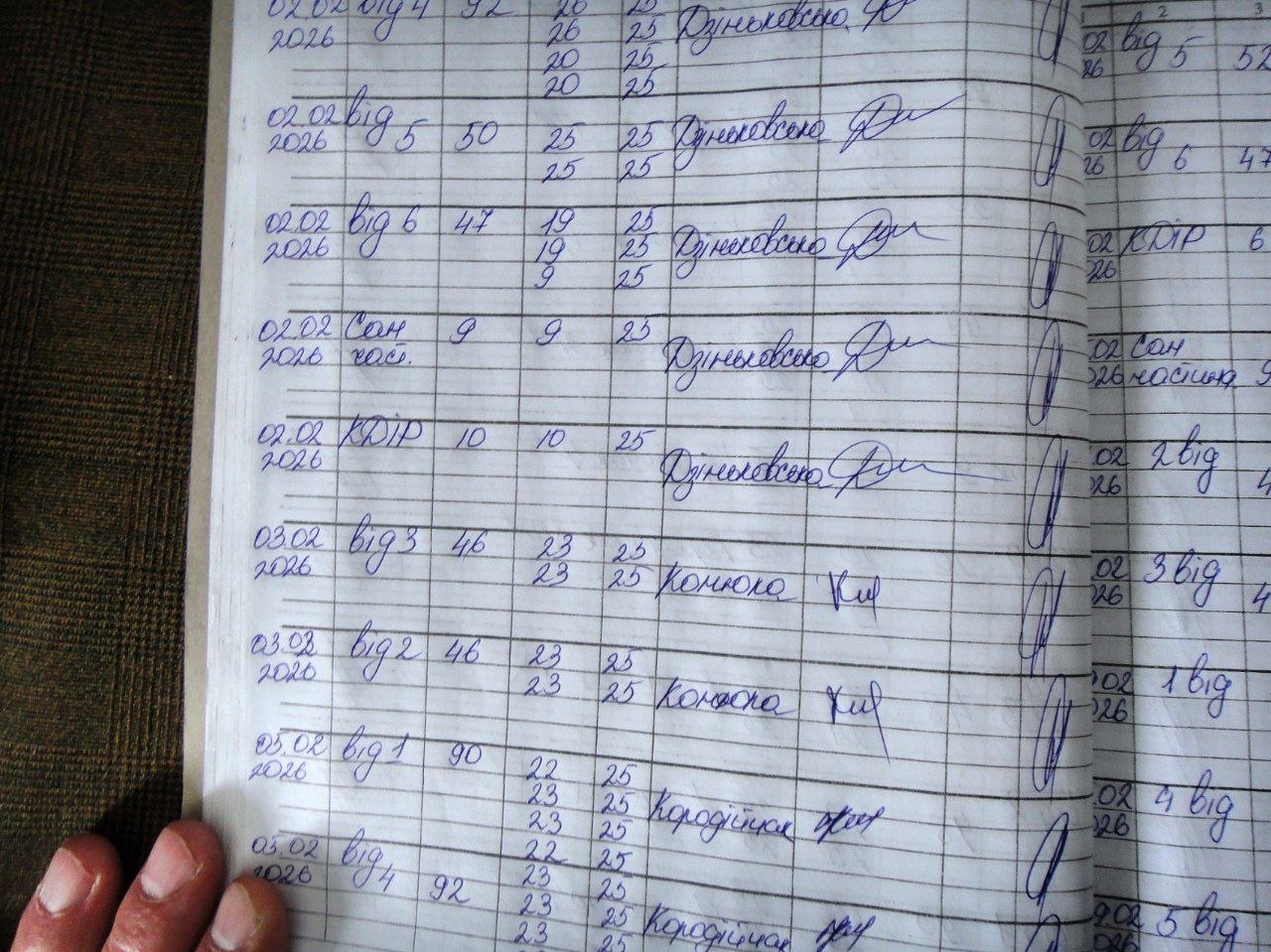
Specifically, the sanitary treatment of prisoners arriving at the institution is not conducted. Thus, on 3 February 2026 and 6 February 2026, prisoners arrived at the institution, yet information about their washing is absent in the bathhouse visit logbook.
15. According to paragraph 7 of Chapter III of Section II of the Procedure, prisoners working at catering facilities (except for work related to the positions of salespeople, managers of food and clothing warehouses, storekeepers), the processing industry, children’s homes, institutions of general secondary education, professional training units in special educational colonies, medical units (paramedic stations), and hospital facilities of the State Criminal-Executive Service (except for work related to the provision of medical care), laundries, baths, rooms for long-term visits, dormitories, clubs, water supply and sewage facilities, and animal breeding and farming sites, undergo mandatory preliminary and preventive medical examinations in accordance with the Resolution of the Cabinet of Ministers of Ukraine of 23 May 2001 No. 559 ‘On approval of the list of professions, production areas, and organisations whose employees are subject to mandatory preventive medical examinations, the procedure for conducting these examinations, and issuing personal medical records’.
For each prisoner of this category, primary accounting documentation form No. 1-OMK ‘Personal Medical Record’ is opened, approved by the Order of the Ministry of Health of Ukraine of 21 February 2013 No. 150, registered with the Ministry of Justice of Ukraine on 23 April 2013 under No. 662/23194. At the same time, during the check of the personal medical records of prisoners working in the canteen, it was established that these workers had not undergone general examinations by medical specialists (general practitioner, dermatovenereologist, otolaryngologist, dentist, and other specialists (if necessary)), laboratory and functional examinations according to the ‘List of necessary examinations by medical specialists, types of clinical, laboratory, and other studies required for mandatory medical examinations, and the frequency of their conduct’, approved by the Order of the Ministry of Health of Ukraine of 23 July 2002 No. 280, registered with the Ministry of Justice of Ukraine on 8 September 2002 under No. 639/6927.
16. During the visit to the institution’s library, the monitoring group established that, contrary to the requirements of the third paragraph of paragraph 4 of Section XX of the Internal Rules of Procedure of institutions for the execution of sentences (IRP UIS), the library’s book collection is not provided with copies of the Law of Ukraine ‘On the Public Prosecutor’s Office’, the Law of Ukraine ‘On Pre-trial Detention’, the European Prison Rules, and the Internal Rules of Procedure of pre-trial detention centres.
17. During the visit, the monitoring group established that the institution’s shop lacks stockings, gloves, sports shoes, slippers, mirrors, combs, robes, dresses, headscarves, headwear, devices for consuming tobacco products and inhaling aerosols (vapour) without combustion, as well as chargers for them, the availability of which is provided for by Appendix 5 to the IRP UIS.
18. During the visit, the monitoring group recorded that the institution’s personnel who are in direct contact with prisoners openly carry special equipment, specifically rubber batons. At the same time, according to the eighth paragraph of paragraph 1 of Section XXVI of the IRP UIS, the carrying of special equipment by the personnel of institutions for the execution of sentences within the protected territory of the institution for the execution of sentences should, if possible, be maximally hidden from others.
At the same time, the Committee recommends that penitentiary staff working in direct contact with prisoners should not carry special equipment (such as rubber batons, handcuffs, and tear gas canisters) openly before prisoners. Such carrying hinders the establishment of normal relationships between staff and prisoners (CPT/Inf (2011) 29, paragraph 85; CPT/Inf (2013) 23, paragraph 23; CPT/Inf (2014) 15, paragraph 166).
19. In accordance with subparagraph 5 of paragraph 2 of Section IV of the ‘Regulation on the programme of differentiated educational influence on prisoners “Preparation for release”’, approved by the Order of the Ministry of Justice of Ukraine of 16 May 2016 No. 1418/5, registered with the Ministry of Justice of Ukraine on 17 May 2016 under No. 735/28865, the staff of the institution’s social-psychological service, who directly organise and carry out measures for the implementation of the ‘Preparation for release’ programme, are obliged to provide prisoners with assistance in obtaining (renewing) a passport of a citizen of Ukraine, the registration number of the taxpayer’s account card (RNOKPP), other personal documents, and in processing pensions.
At the same time, 10 prisoners require the production of a passport of a citizen of Ukraine, which indicates that the social-educational and psychological work department has not conducted sufficient work to ensure the processing of necessary documents for prisoners who do not have them.
20. According to official documentation, the staff shortage in the institution as of 17 February 2026 is 37.75 (19.6%) staff units. At the same time, in the Government of Ukraine’s report following the visit in 2023, the Committee emphasises that ensuring a positive climate in a penitentiary institution requires a professional team of staff, who must be present in sufficient numbers at any moment in time in detention places. Insufficient numbers of staff can only increase the risk of violence and intimidation among prisoners.
A shortage of staff who are ‘on the front line’ also undermines the quality and level of measures offered to prisoners and jeopardises the prospect of preparation for release and social rehabilitation.
In this regard, the Committee calls on the Ukrainian authorities to take decisive measures to substantially increase the number of staff in penitentiary institutions of Ukraine, where a low level of staff manning is observed, with the aim of strengthening the presence of security and supervision service staff inside the institutions. It is also necessary to take measures to put an end to 24-hour shifts for staff on duty (CPT/Inf (2024) 20, paragraph 93).
21. During the monitoring visit, the issue of ensuring prisoners’ access to the Internet as a component of realising the right to information and effective protection of their rights was also investigated. It was established that technical conditions have been created in the institution for using the Internet: specifically, prisoners have 135 tablet devices in their own use, and 129 email accounts have been registered. This indicates a formal provision by the institution’s administration of the possibility of access to information resources.
At the same time, during the visit, it was established that prisoners’ access to certain websites of non-governmental organisations, specifically the ‘Kharkiv Human Rights Protection Group’ and the NGO ‘Protection of Prisoners of Ukraine’, is limited. Prisoners do not have the possibility to visit the specified resources, despite the fact that they contain legal-character information related to human rights protection, detention conditions, the practice of the European Court of Human Rights, and mechanisms for applying for legal aid. Such a limitation does not align with the requirements of regulatory acts.
In accordance with the ‘List of websites to which access is allowed for prisoners’, approved by the Order of the Ministry of Justice of Ukraine of 19 October 2017 No. 3233/5, prisoners should be provided with access to, in particular, websites of non-governmental organisations, legal websites, websites of international organisations, as well as information resources containing legal and reference information. The sites of the ‘Kharkiv Human Rights Protection Group’ and the NGO ‘Protection of Prisoners of Ukraine’, in terms of their content and functional purpose, correspond to the specified categories, as they are resources of non-governmental organisations that carry out activities in the sphere of human rights protection, and also contain legal and human rights information. Accordingly, blocking them or limiting access to them has no proper regulatory justification.
Furthermore, such limitations contradict the general principles of ensuring the right to information and access to legal aid, which are an integral part of the right to a fair trial and an effective remedy. Limiting access to human rights-oriented information resources actually narrows the opportunities for prisoners to receive information about their rights, ways to protect them, and mechanisms for appealing to national and international institutions.
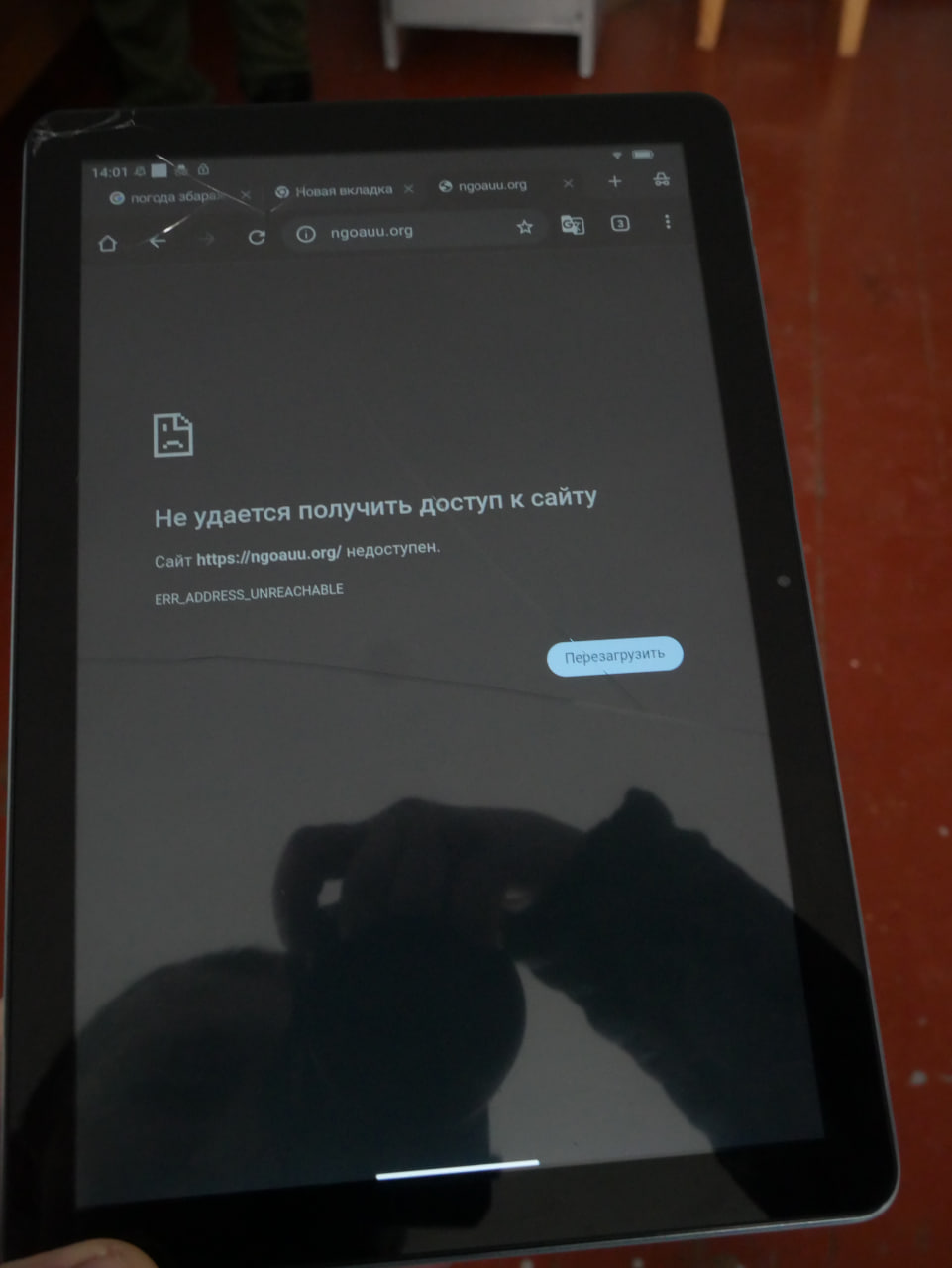
Thus, it must be stated that despite the formal provision of technical possibility of access to the Internet, actual limitations regarding visiting certain websites, specifically those of a human rights orientation, demonstrate the institution’s administration’s non-compliance with the requirements of current legislation and create obstacles for prisoners to realise the right to information and effective protection of their rights.
22. In the course of the monitoring visit, a comprehensive study of the organisation of prisoner labour at ZCC-63 was carried out with an analysis of production activities, primary documentation, rates, wage accrual statements, contracts, as well as actual working conditions. The institution operates several directions of engaging prisoners in labour. The primary one is sewing production, which has signs of a full-fledged production process with division of labour into operations, time-norming, and rate-setting. Separately, prisoners are engaged in work in the canteen, the bath and laundry complex, and in performing auxiliary functions, which are formally defined as improvement works. Furthermore, a practice of engaging prisoners in labour under the guise of vocational training was established, which is effectively used as a mechanism for organising unpaid labour.
Analysis of the sewing production documents shows that each product is broken down into a significant number of operations with the definition of the execution time and cost for each of them. Such a norming system is characteristic of classic production with hired labour, not for the execution of ad-hoc tasks. Given that 153 people work at the institution under civil law contracts, payment is set for individual operations, which makes it impossible to form a proper level of wages even under conditions of a full working day. The actual organisation of labour is confirmed by requisitions, lists of prisoners engaged in work, as well as other documents. At the same time, a log of shift tasks for produced goods is not maintained, which makes it impossible to properly control output and creates prerequisites for non-transparent wage accrual. The same individuals are systematically engaged in performing work, which indicates the permanent nature of their employment.
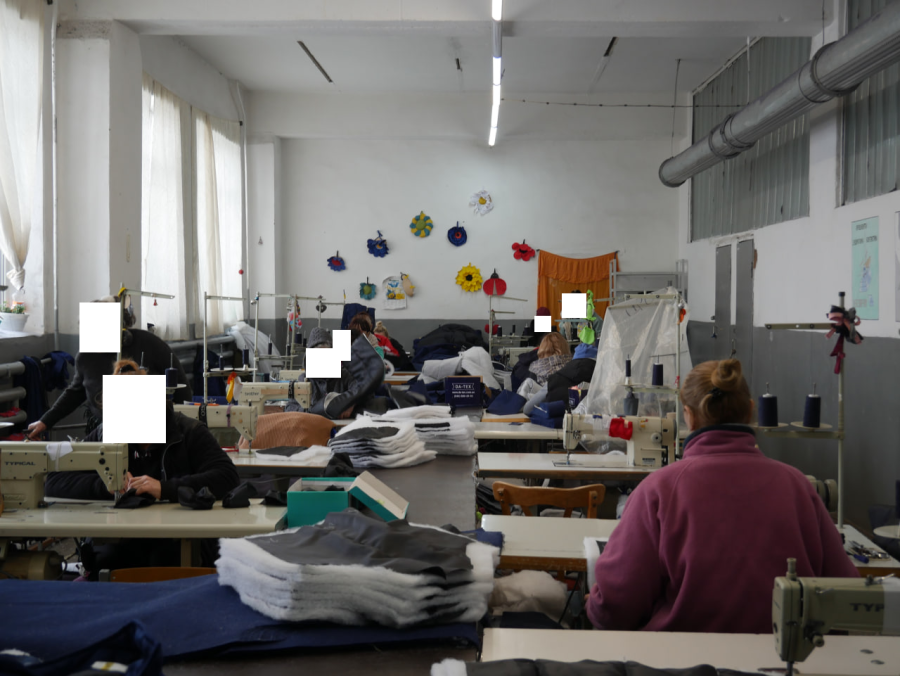
It was established that alongside the performance of paid work, there is a practice of engaging prisoners in performing similar production operations under the guise of vocational training without payment. Thus, a situation is created in which prisoners are forced to choose between unpaid labour or work under civil law contracts with a low level of remuneration.
Examination of the statements regarding wage accruals shows their low level and lack of transparency in formation. Specific data for January 2026 demonstrate a significant deviation from minimum state guarantees. Specifically, prisoner K. was accrued 2896.64 UAH, from which 521.40 UAH of personal income tax and 144.83 UAH of military levy were deducted, as a result of which 2230.41 UAH remained for payment; prisoner S. was accrued 305.38 UAH, from which 54.97 UAH of PIT and 15.27 UAH of military levy were deducted, with 235.14 UAH determined for payment; prisoner S. was accrued 193.89 UAH, after deductions of 34.90 UAH of PIT and 9.69 UAH of military levy, 149.30 UAH remained for payment.
Such sums are obviously disproportionate to the actual volume of work performed and do not correspond to the minimum guarantees in labour payment. Analysis of data regarding other prisoners (G., R., S., T., D.) also does not confirm proper labour accounting and transparent calculation of remuneration, as there is an absence of clear correlation between their engagement in production and the reflection of payments in the provided statements. Similar questions arise regarding the canteen workers (B., G., Ch., Ya.), where for actual employment, no complete and understandable system of wage accrual is traceable.
Analysis of the contracts shows systemic use of civil law contracts to formalise actual employment relationships. Prisoners perform work in designated premises, according to an established schedule, under the control of the administration, and using its resources. Such features correspond to labour relationships; however, the use of civil law contracts deprives prisoners of the guarantees provided for by labour legislation. Accrual of the unified social contribution is carried out from the actual payment amounts, which are low, casting doubt on the formation of a full insurance record and the realisation of the prisoners’ right to social protection.
During the visit to the production zone (sewing workshops Nos. 3, 4), circumstances were established indicating that the prisoners’ working conditions do not meet the requirements of national legislation and international standards for the treatment of prisoners. Specifically, it was established that on the floor where the sewing workshop is located, the sanitary-hygienic premise (toilet) does not function. To satisfy physiological needs, prisoners are forced to approach the institution’s personnel with a request to open access to another floor where the restroom is located.
At the same time, access to it is limited, as the doors between the floors are kept locked. According to the prisoners, such a practice entails the need to inform personnel about the intention to use the toilet, which creates a situation of humiliation of human dignity and psychological discomfort, especially considering that part of the personnel is of the opposite sex.
The specified does not meet the requirements of Article 28 of the Constitution of Ukraine, the third paragraph of part one of Article 8 of the Criminal Executive Code of Ukraine, Rule 15 of the United Nations Standard Minimum Rules for the Treatment of Prisoners (the Mandela Rules), as well as paragraph 19.3 of the European Prison Rules. Furthermore, it was established that an appropriate temperature regime is not ensured in the sewing workshop premises. The indicated violation was recorded by the monitoring group both during this visit and during the previous monitoring visit, which indicates its long-term and systemic nature.
According to the prisoners, in the cold period of the year, the temperature in the premises is low, which leads to hypothermia during work. Specifically, numerous cases of symptoms characteristic of cold allergy were recorded among prisoners, namely: skin rashes, itching, redness, and swelling after staying in a cold environment.
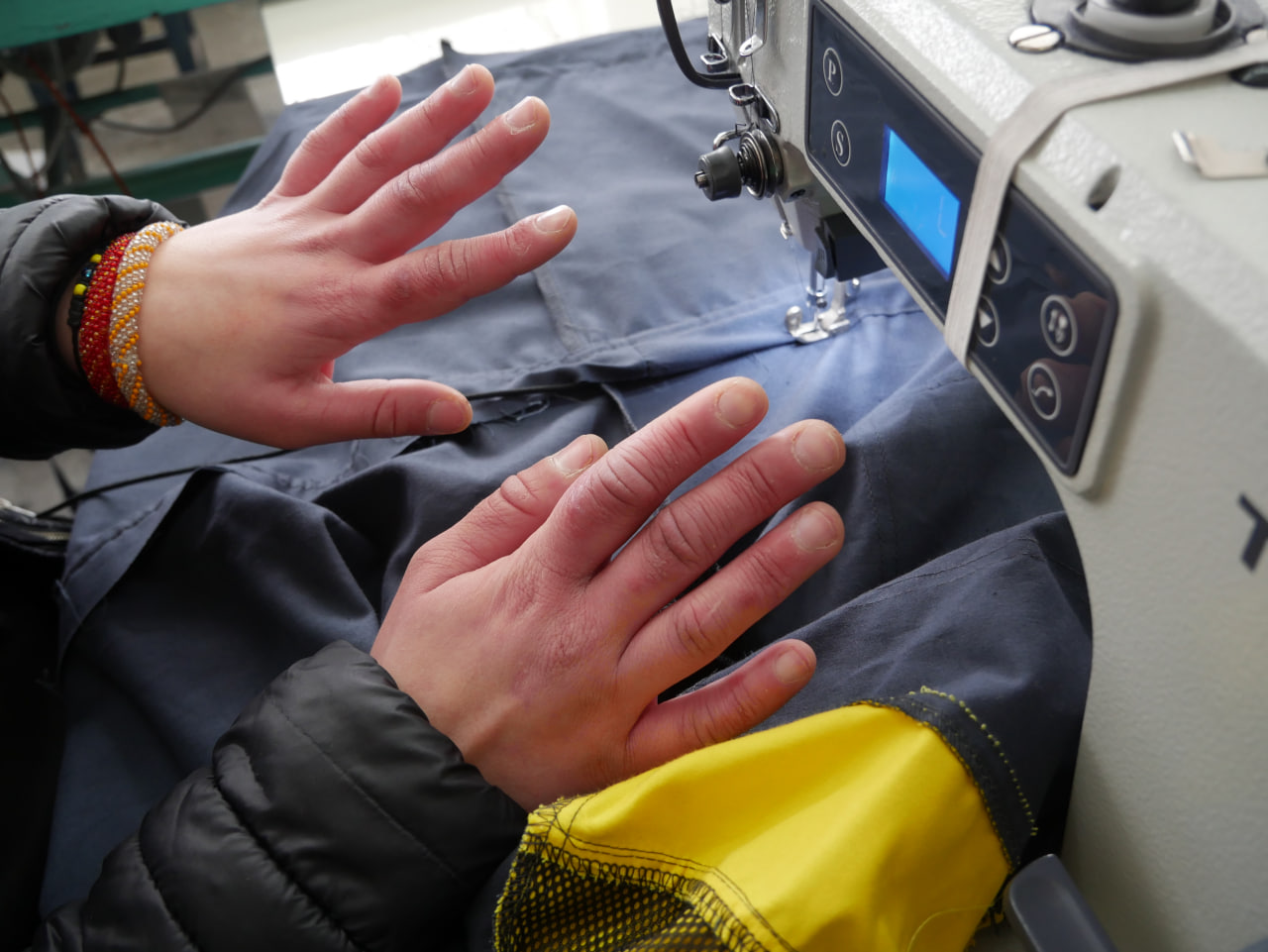
After an examination by a dermatovenereologist of the outpatient clinic of the Zbarazh Specialised Tuberculosis Hospital No. 63, which provides medical assistance to persons serving sentences at the state institution ‘Zbarazh Correctional Colony (No. 63)’, a corresponding diagnosis was established for individual prisoners. At the same time, in such cases, the institution’s administration applies the practice of temporarily releasing prisoners from work, which leads to a restriction on the realisation of their right to work. Meanwhile, measures to eliminate the causes of the occurrence of the specified states, specifically ensuring a proper temperature regime, are not taken.
The specified indicates non-compliance with the requirements of Article 43 of the Constitution of Ukraine, part three of Article 119 of the Criminal Executive Code of Ukraine, Article 153 of the Labour Code of Ukraine, as well as Rule 13 of the United Nations Standard Minimum Rules for the Treatment of Prisoners (the Mandela Rules) and paragraph 26.13 of the European Prison Rules.
The identified violations indicate an inadequate provision by the institution’s administration of the basic needs of prisoners while they perform labour, specifically access to sanitary-hygienic conditions and a safe microclimate. The sum of the established circumstances may be regarded as degrading treatment in the sense of Article 3 of the Convention for the Protection of Human Rights and Fundamental Freedoms, and indicates the state’s failure to fulfil its positive obligation to ensure proper conditions of detention and labour for persons deprived of liberty.
Additionally, violations of safety requirements were established, specifically in the part concerning the accounting of tools, where one person receives a significant number of knives with their subsequent transfer to other persons. In the canteen, daily medical examinations of the same employees give grounds to assume the absence of a proper regime of work and rest. Separately, the practice of engaging prisoners in performing functions that do not correspond to the content of improvement works was recorded, specifically staying at a post for the purpose of controlling order, which has signs of assigning administrative functions.
The sum of the established circumstances indicates systemic non-compliance with the requirements of national legislation in the sphere of labour, healthcare, and execution of sentences. Specifically, the recorded facts do not correspond to the guarantees provided for by Article 43 of the Constitution of Ukraine regarding the right to proper, safe, and healthy working conditions, part three of Article 119 of the Criminal Executive Code of Ukraine, which imposes on the administration the duty to ensure safe working conditions for prisoners, as well as Article 153 of the Labour Code of Ukraine regarding the creation of safe and harmless working conditions.
It was separately established that there is systemic use of civil law contracts to formalise actual employment relationships, which, by their characteristics, have the nature of subordinate, regular, and organised labour. Such a practice contradicts the legal nature of civil law contracts, as defined by the Civil Code of Ukraine, and leads to the circumvention of labour legislation requirements, depriving prisoners of the guarantees provided by the Labour Code of Ukraine, particularly regarding remuneration, working hours, rest, and social insurance. The identified violations also do not align with the requirements of the legislation on mandatory state social insurance in terms of the proper accrual of the single social contribution and the formation of insurance records.
Recommendations:
1. Immediately terminate the practice of delegating functions of supervision, control over the behaviour of other persons, and maintenance of order to prisoners, particularly in the sector for minors and the KDiR ward, and ensure that these functions are performed exclusively by the institution's personnel.
2. Ensure the separate detention of minor and adult prisoners in a manner that excludes any informal influence of adult prisoners over minors.
3. Conduct an internal investigation into the circumstances of engaging prisoner R. to perform the functions of an orderly, as well as the circumstances of the conflict that led to the self-harm of the minor, providing a proper legal assessment of the personnel's actions.
4. Bring the procedure for working with newly arrived prisoners in the KDiR ward into full compliance with the requirements of the Regulation on the KDiR, ensuring the mandatory participation of all members of the working group in conducting measures at least once a week.
5. Amend the composition of the KDiR working group to include the head of the financial support and accounting department — chief accountant.
6. Ensure proper control over the maintenance of the KDiR visit logbook by administration representatives and personal accountability of officials for failure to perform duties in this regard.
7. Eliminate violations of living space norms in the KDiR ward and ensure at least 4 m² of living space for each prisoner.
8. Equip the KDiR ward with all premises, furniture, inventory, and household items provided for by the Provision Norms, including a room for educational work, a domestic room, a cloakroom, a drying room, and premises for storing food products, exchange stocks, and dirty laundry.
9. Complete the furnishing of the KDiR sleeping quarters with stools and bedside tables in accordance with established standards.
10. Ensure the proper arrangement of beds in the KDiR sleeping quarters, respecting the personal space of prisoners and the requirements of the right to respect for private life.
11. Equip the KDiR living quarters with 15-litre drinking water tanks with a tap, lid, mug, and basin.
12. Ensure the proper organisation of social-educational work in the SPS units, specifically the timely review of individual programmes at least once every six months and the proper reflection of the results of their implementation in individual work diaries.
13. Ensure the actual implementation of measures provided for by the quarterly work plans of the SPS units, with proper documentation of the measures conducted.
14. Ensure the psychological study of all prisoners, the compilation of psychological profiles, and the provision of written recommendations to the institution’s personnel regarding the organisation of individual work.
15. Display visual information in the SPS units with ‘hotline’ telephone numbers, as well as postal and electronic addresses of the Ministry of Justice of Ukraine, the Commissioner for Human Rights of the Verkhovna Rada of Ukraine, the European Court of Human Rights, the State Bureau of Investigation, prosecutor’s offices, the Department, the interregional administration, and free legal aid centres.
16. Terminate the practice of placing persons with mental disorders in the DIZO without a proper prior medical and psychiatric assessment of their condition.
17. Ensure mandatory medical and psychiatric examination of prisoners before the application of disciplinary sanctions in cases where their behaviour may be related to their mental health state.
18. Develop and implement a procedure for the urgent response of personnel to signs of deterioration in the mental state of prisoners in the DIZO, including refusal to eat, walk, wash, or other risky manifestations.
19. Bring the DIZO/PKT into compliance with the Provision Norms by creating all mandated premises, specifically a room for the reception of prisoners by the administration and medical personnel, rooms for storing personal belongings, exchange stocks, dirty laundry, a hairdressing room, and a room for food distribution and washing tableware.
20. Ensure that medical examinations in the DIZO/PKT are conducted in a room that guarantees confidentiality and adherence to medical secrecy.
21. Review the practice of video surveillance in DIZO cell premises, ensuring its application is based solely on an individual risk assessment, with regular review of the expediency of such a measure.
22. Ensure the provision of radio facilities in the DIZO cell premises in accordance with established requirements.
23. Ensure mandatory sanitary treatment for all prisoners arriving at the institution, with proper recording of this information in the bathhouse visit logbook.
24. Ensure the conduct of full preliminary and periodic preventive medical examinations for all prisoners engaged in work in the canteen, with the proper issuance of personal medical records in full compliance with legislative requirements.
25. Supplement the library collection with texts of regulatory legal acts provided for by the IRP UIS, specifically the Law of Ukraine ‘On the Public Prosecutor’s Office’, the Law of Ukraine ‘On Pre-trial Detention’, the European Prison Rules, and the Internal Rules of Procedure of pre-trial detention centres.
26. Ensure the availability in the institution’s shop of the entire list of goods provided for by Appendix 5 to the IRP UIS, including items of clothing, footwear, personal hygiene products, and other essential goods.
27. Terminate the practice of personnel openly carrying special equipment during direct contact with prisoners and bring the procedure for carrying them into compliance with the IRP UIS and the Committee’s recommendations.
28. Strengthen the work of the social-educational and psychological work department regarding the processing of passports of citizens of Ukraine, RNOKPP (taxpayer ID), and other necessary documents for prisoners, primarily for those preparing for release.
29. Take measures to reduce staff shortages, ensure a sufficient presence of staff in prisoner detention areas, and review the practice of 24-hour personnel shifts.
30. Ensure that prisoners have actual access to websites permitted by the order of the Ministry of Justice of Ukraine No. 3233/5, including resources of a human rights and legal nature, specifically the sites of the NGO ‘Kharkiv Human Rights Protection Group’ and the NGO ‘Protection of Prisoners of Ukraine’.
31. Investigate the grounds and procedure for limiting access to certain human rights websites and lift limitations that lack proper regulatory justification.
32. Bring the organisation of prisoner labour into compliance with the requirements of labour legislation, excluding the substitution of labour relationships with civil law contracts in cases where the work is of a systemic, controlled, and permanent nature.
33. Terminate the practice of engaging prisoners in unpaid labour under the guise of vocational training in cases where production work is actually being performed in the interests of the institution or contractors.
34. Ensure proper accounting of prisoner labour and output, including by maintaining a log of shift tasks for produced goods and other primary documentation, which prevents non-transparent wage accrual.
35. Conduct an audit of the accuracy of wage accruals for prisoners engaged in sewing production, the canteen, the bath and laundry complex, and other works, with an assessment of the compliance of such payments with minimum state guarantees.
36. Ensure a transparent and documented link between work actually performed, its volume, rates, wage accruals, and deductions.
37. Verify the legality and completeness of the accrual and payment of the unified social contribution from the amounts paid to prisoners and take measures to ensure the proper formation of their insurance record.
38. Eliminate violations of working conditions in the sewing workshop, ensuring unhindered access for prisoners to sanitary-hygienic premises without the need to ask for permission from personnel every time.
39. Restore the functioning of the sanitary-hygienic premise on the floor where the sewing workshop is located, or ensure other free, safe, and dignified access to a toilet.
40. Ensure a proper temperature regime in the sewing workshop in accordance with occupational health and safety requirements and take urgent measures to eliminate the causes of hypothermia among prisoners during work.
41. Organise proper medical support for prisoners who have symptoms of cold allergy or other conditions related to improper working conditions, with priority on eliminating the causes of such conditions, rather than just temporary release from work.
42. Ensure compliance with safety requirements during the handling of tools and inventory, excluding the practice of one person receiving a significant number of knives with their subsequent transfer to other persons.
43. Review the work and rest regime of canteen workers, specifically the practice of daily medical examinations for the same individuals, and bring it into compliance with legislative requirements.
44. Terminate the practice of engaging prisoners in performing functions not inherent to improvement works, specifically staying at a post for the purpose of controlling order, and do not permit the assignment of administrative functions to prisoners.