Report on the results of the monitoring visit to Ivano-Frankivsk Penitentiary Institution No. 12
On 13 March 2025, in accordance with the Optional Protocol to the Convention against Torture and Other Cruel, Inhuman or Degrading Treatment or Punishment, taking into account the provisions of the Standard Minimum Rules for the Treatment of Prisoners and the rulings of the European Court of Human Rights, and on the basis of Article 24 of the Criminal Executive Code of Ukraine — Visiting Penitentiary Institutions, a monitoring group from the Kharkiv Human Rights Protection Group and the NGO “Protection of Prisoners of Ukraine” conducted a repeat visit to the state institution “Ivano-Frankivsk Penitentiary Institution No. 12” (hereinafter I-FPI-12, the institution, the facility).
A planned, unannounced visit took place. The previous visit took place on 24 August 2023.
While preparing for the visit, the monitors used materials from complaints made by prisoners/convicts and their relatives, materials from previous reports, and the report of the monitors of the National Preventive Mechanism (NPM) under the Commissioner for Human Rights of the Verkhovna Rada of Ukraine.
The visit was conducted within the framework of the project “Reducing the suffering of prisoners in the context of the war in Ukraine”, funded by the Government of Denmark in partnership with DIGNITY — Danish Institute Against Torture.
The visit was conducted by the following monitors:
- Andrii Didenko — Assistant to the People's Deputy of Ukraine Yaroslav Yurchyshyn, programme coordinator of the Kharkiv Human Rights Protection Group, experience in monitoring visits since 2014;
- Serhii Zuikov — Assistant to the People's Deputy of Ukraine Kostiantyn Kasai, member of the Public Council under the Ministry of Justice of Ukraine, member of the public organisation “Protection of Prisoners of Ukraine”, has many years of experience in monitoring visits;
- Oleh Tsvilyi — member of the Public Council under the Ministry of Justice of Ukraine, head of the public organisation “Protection of Prisoners of Ukraine”, has extensive experience in monitoring visits, specialises in issues of torture and cruel, inhuman treatment.
During the repeat monitoring visit to the SI “Ivano-Frankivsk Penitentiary Institution No. 12”, a number of systemic violations of national legislation and international standards in the field of human rights protection were identified.
Despite some positive progress in improving the material and living conditions of detention and service conditions for staff, most of the recorded violations relate to inadequate detention conditions, inaccessibility of medical care, abuses in the sphere of prisoners' labour, and violations of procedural guarantees during the use of the “Cassandra” risk assessment subsystem.
Convicted persons and prisoners are held in overcrowded cells in violation of housing space standards, without proper access to light, ventilation, privacy, and sanitary and hygienic conditions.
The medical unit does not provide the necessary level of treatment and rehabilitation, particularly for individuals with chronic illnesses, mental disorders, and drug addiction.
The practice of concluding fixed-term employment contracts without legal grounds and disguising labour relations as civil law contracts deprives convicted persons of labour and social guarantees.
Of particular concern is the use of the “Cassandra” subsystem without proper notification of the convicted persons, their participation in the procedure, access to results, and the possibility of appealing them. This creates serious risks of violating the right to privacy, a fair procedure, and legal protection.
The identified violations are of a complex nature and require a systemic response from state authorities, including improvement of the regulatory framework, strengthening of oversight, and the reinforcement of legal protection guarantees for persons in conditions of deprivation of liberty.
General information
The institution functions as a pre-trial detention centre. The facility holds persons accused of committing criminal offences for whom a preventive measure of detention in custody has been chosen by a court decision.
I-FPI-12 is located at the following address: 76000, 70 Yevhena Konovaltsia Street, Ivano-Frankivsk city, Ivano-Frankivsk region.
The head of the institution is Colonel of the Internal Service Volodymyr Atamaniuk.
The facility consists of a duty unit, a reception ward, a catering unit, cells for male, female, and juvenile detainees, a maximum-security sector for life-sentenced prisoners, transit cells, a facility maintenance unit, punishment cells, a medical unit, a bath and laundry complex, visitation rooms, a shop, a library, a parcel reception room, and administrative premises.
According to the institution's administration, the authorised staff size consists of 202 positions. The actual number is 127 positions. The total staff shortage for the institution is 43 employees.
The planned capacity of the facility is 519 persons. The actual number of prisoners/convicted persons is 318. There are 76 cell units in the institution. Two psychologists work at the facility. In 2024, 3 people died.
18 convicted persons are employed in maintenance: 14 under employment contracts, 4 under civil law contracts (CLC). There are 14 people registered with HIV/AIDS. The operational-preventive register of the institution included: 9 prisoners and 4 convicted persons prone to suicide, 4 prisoners and 2 convicted persons prone to self-harm, and 5 convicted persons prone to escape.
During 2024-2025, no person submitted complaints regarding inadequate conditions of detention or inadequate provision of medical care. 11 people have disabilities, and 7 are rejected in total.
Convicted persons have 23 tablets for personal use.
During 2024, 16 cases of bodily injuries were recorded: 12 cases upon arrival and 4 cases during their stay at the institution. During the current year, 4 cases have been recorded: 3 upon arrival and 1 case during their stay at the institution.
The monitoring group interviewed about 109 people from among the prisoners and convicted persons during cell visits and general conversations, providing consultations, answering questions, polling on human rights violations, and conducting individual communications with individuals, including on an anonymous basis.
It is worth noting that the institution's administration responds adequately to complaints from prisoners regarding the actions/inaction of the administration. Furthermore, the administration does not conceal cases of human rights violations, which can be considered signs of openness and transparency, and constitutes a proper, adequate response.
Positive experience
Measures have been taken to improve service conditions for staff, namely: a number of measures aimed at improving service conditions for personnel have been carried out at the penitentiary institution.
In particular, painting was carried out in checkpoint No. 1, the parcel and package reception room, the rapid response group room, and the offices of the senior officers on duty. The interior decoration of the corridor on the ground floor, the evening school classroom, and dormitory room No. 72 have been renovated, which has generally improved the sanitary and hygienic condition and aesthetic appearance of the service zones.
Improvements have also been made to the conditions of detention for prisoners. Repair work has been carried out on cells for prisoners, which has positively affected the conditions of their detention. Specifically, cells No. 3 and No. 5 in regime building No. 2, as well as cells No. 8, 14, 34, 50, and 52 in regime building No. 1, have been repaired.
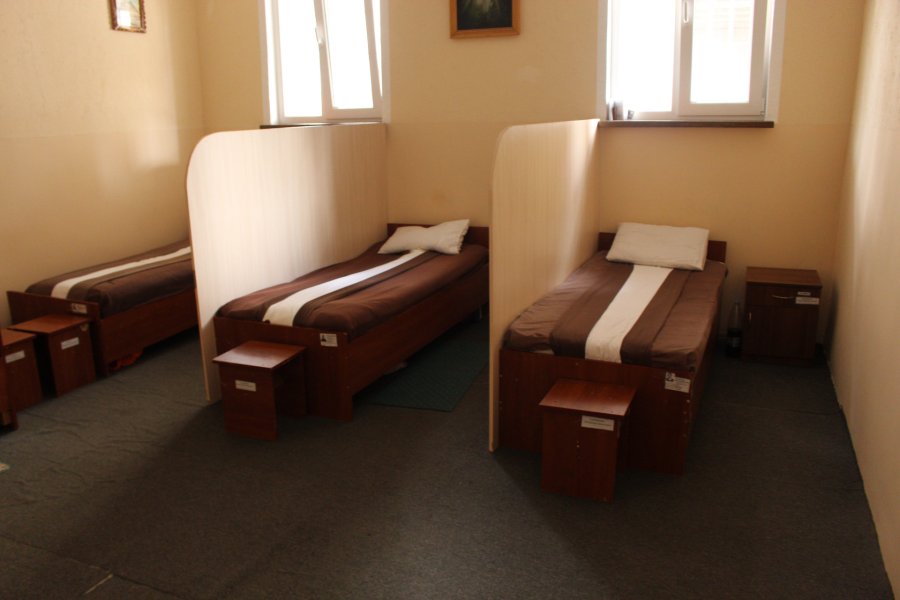
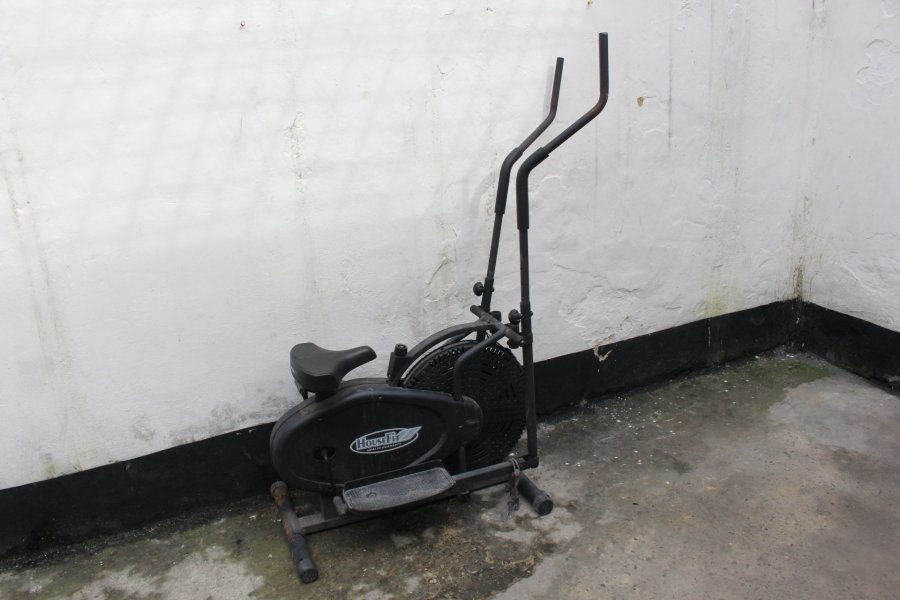
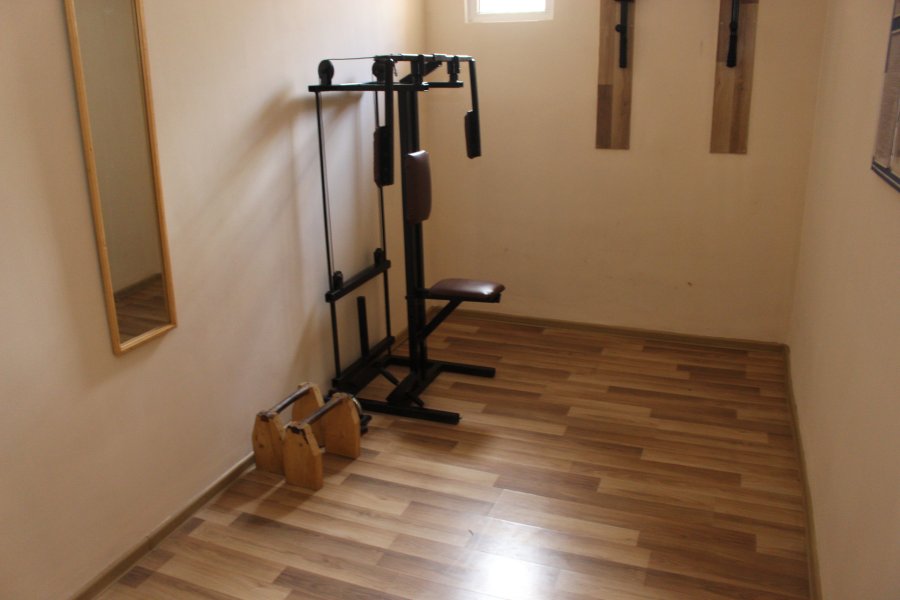
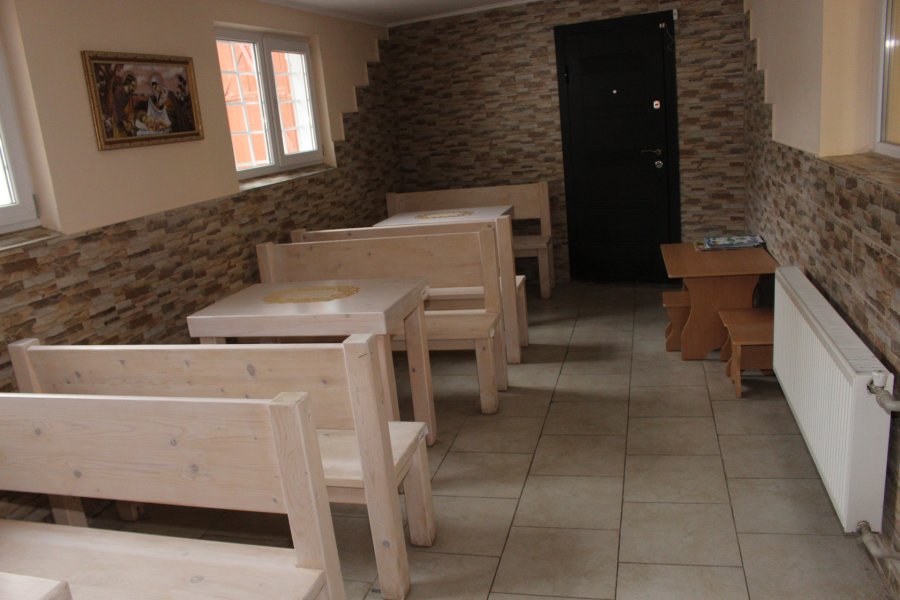
In addition, repairs were carried out on cells No. 25, 27, 30, and 32, intended for holding extradited persons. As a result of the work performed, living conditions have been improved, and a proper state of material and living support has been ensured in the detention areas. The institution operates renovated contact visitation rooms, a gym, and exercise equipment in the walking yard.
Facts identified during the visit
In the course of the monitoring visit, violations of national legislation requirements and failure to adhere to international recommendations in the field of prisoner treatment were identified, leading to violations of the rights of prisoners and convicted persons:
1. During the visit to the premises of the reception ward, the monitoring group established that their equipment does not fully comply with the requirements of the Procedure for Provision, Accounting and Operation of Furniture, Inventory and Household Items and the standards of their provision and operation in penitentiary institutions and pre-trial detention centres of the State Criminal-Executive Service of Ukraine, approved by the Order of the Ministry of Justice of Ukraine dated 27.07.2012 No. 1118/5, registered with the Ministry of Justice of Ukraine on 30.07.2012 under No. 1274/21586 (hereinafter — Provision Standards).
Thus, the reception ward lacks rooms: for document processing; a photo laboratory; a storeroom for temporary storage of soiled bedding and property; a hairdresser’s; a shower; a quarantine cell; a cell for the sick (isolation cell); and rooms for food distribution, food storage, and washing of tableware.
It must be noted that the absence of a quarantine cell and an isolation cell for the sick in the institution's reception ward facilitates the spread of infectious diseases among newly arrived persons, increases the risk of epidemiological outbreaks, and complicates the timely identification and isolation of the sick, which poses a threat to both the detainees and the facility's staff.
At the same time, there are only two cell units for holding persons arriving at and departing from the institution, which does not allow for keeping prisoners and convicted persons in compliance with isolation requirements, which is a violation of paragraph 10, Chapter 2, Section II of the Internal Regulations of Pre-Trial Detention Centres of the State Criminal-Executive Service of Ukraine, approved by the Order of the Ministry of Justice of Ukraine dated 14.06.2019 No. 1769/5 (hereinafter — IRR PTDC) and Article 8 of the Law of Ukraine “On Pre-trial Detention”.
The windows of cell units No. 1 and 2 face a blank wall, preventing natural light from penetrating into the premises, which may create additional psychological pressure on prisoners, as there is no connection, not even a visual one, with the outside world.
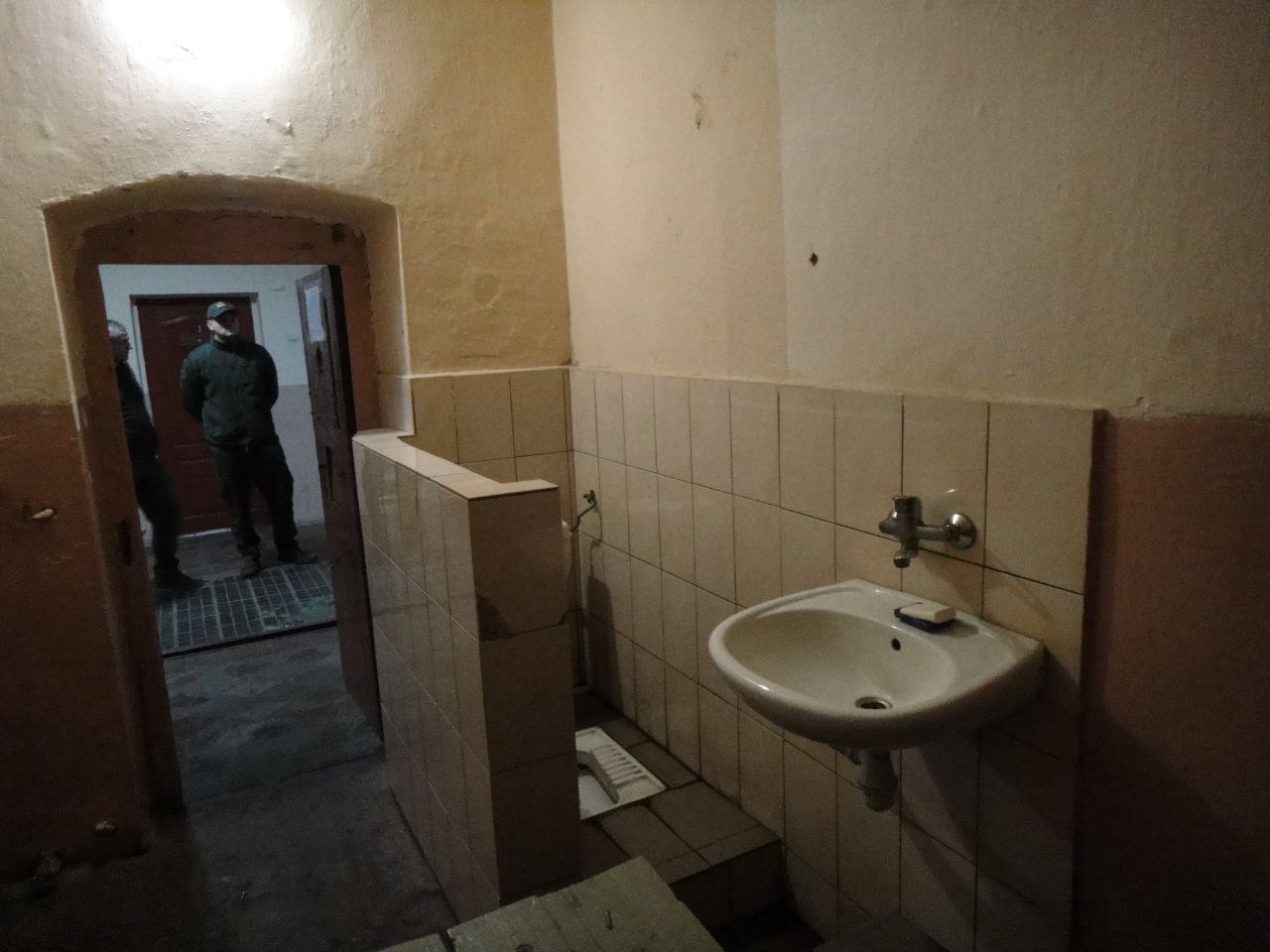
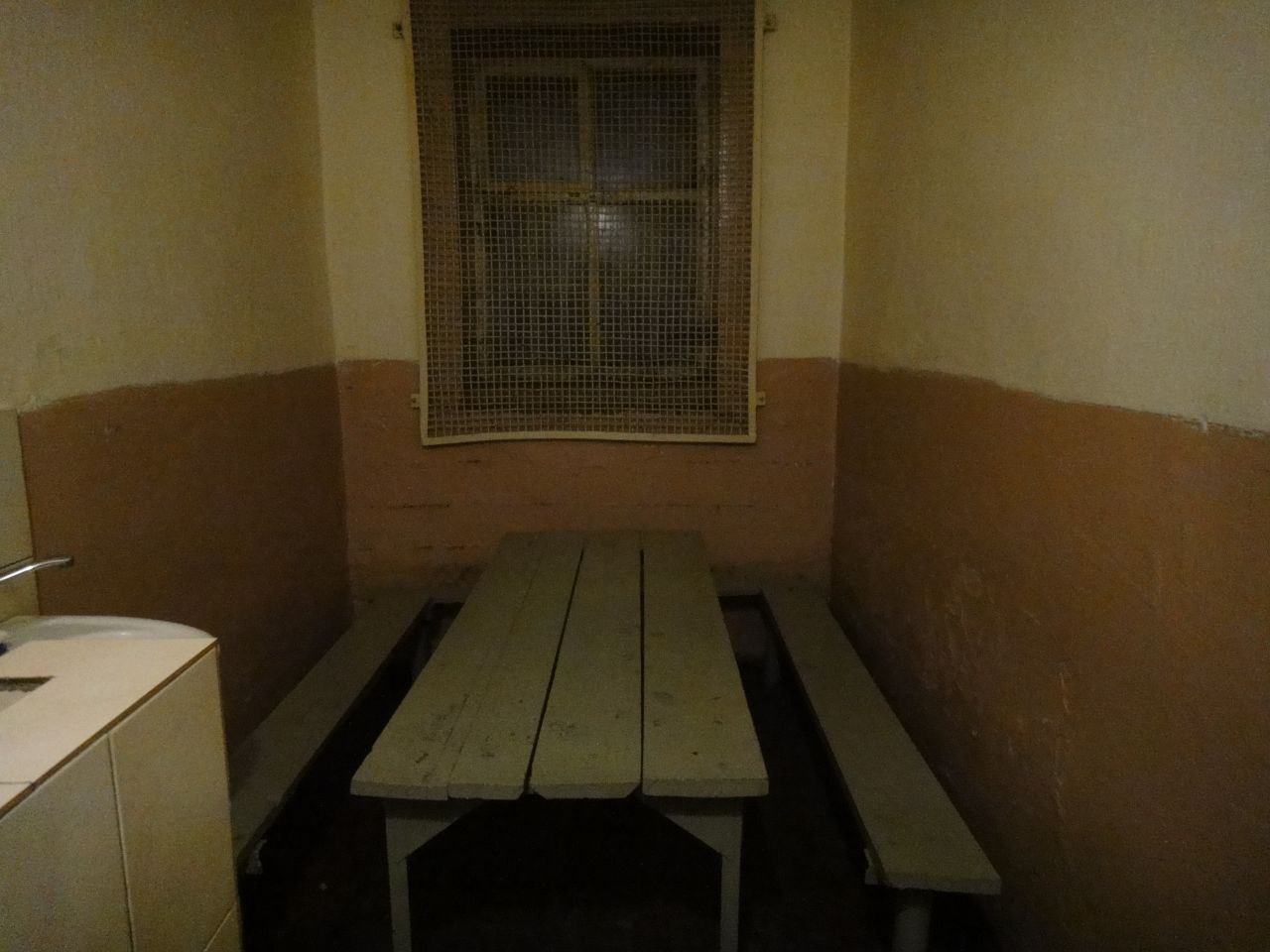
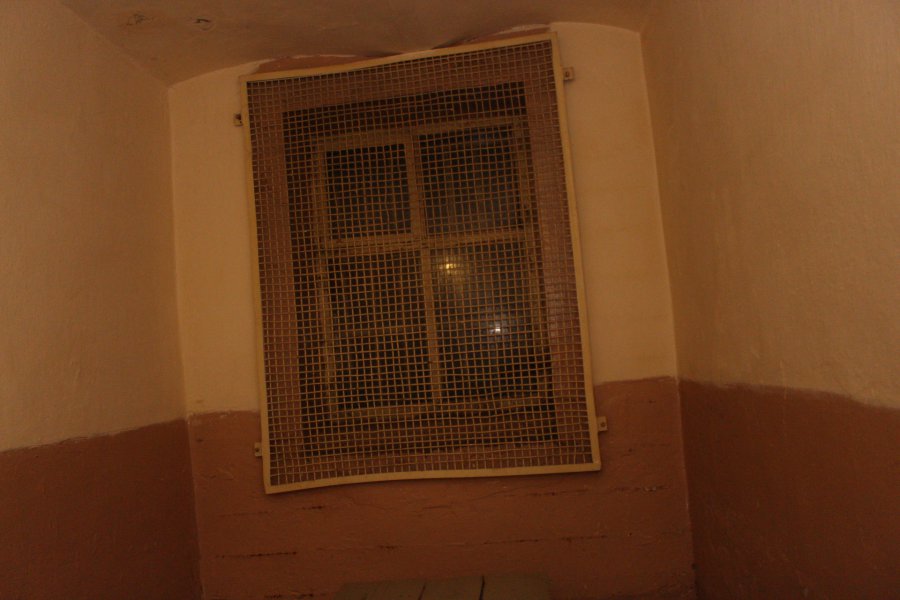
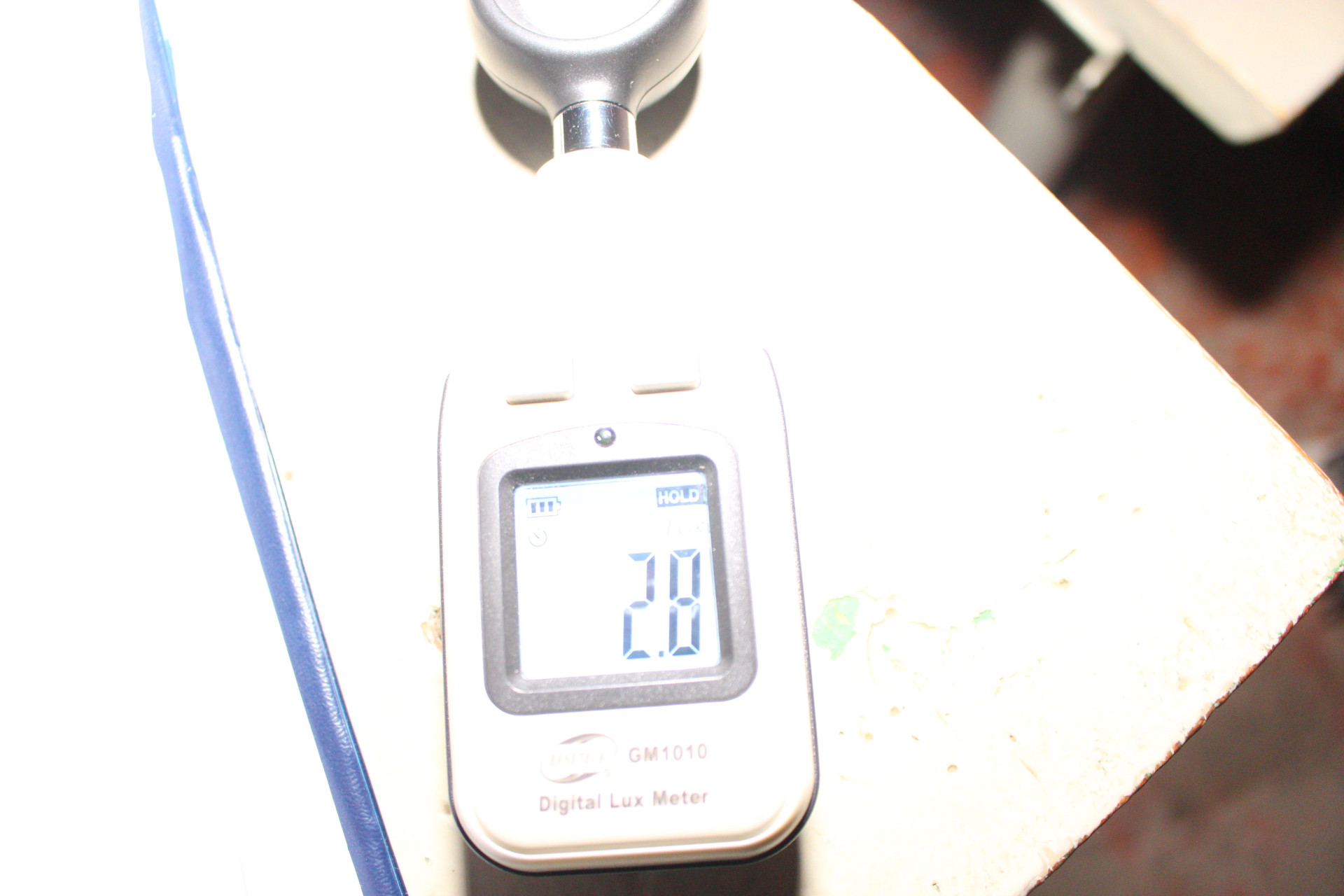
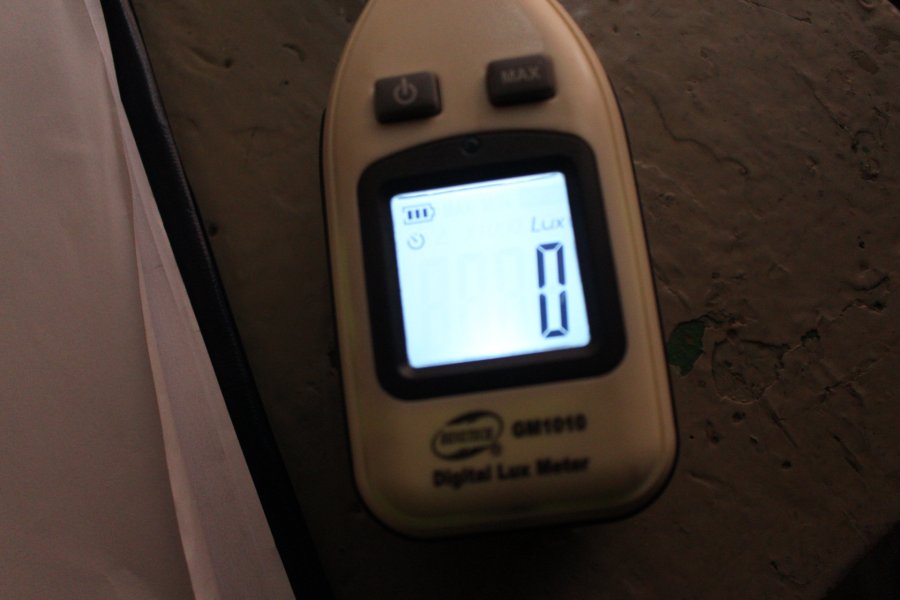
According to Appendix Zh “Normative indicators for lighting of residential building premises”, DBN V.2.5-28:2018 “Natural and artificial lighting”, approved by the order of the Ministry of Regional Development, Construction and Housing and Communal Services of Ukraine dated 03.10.2018 No. 264, the illumination of working surfaces in sleeping and residential rooms must be 150 LUX. In cell unit No. 1, 2.8 LUX of artificial lighting and 0 LUX of natural lighting were recorded.
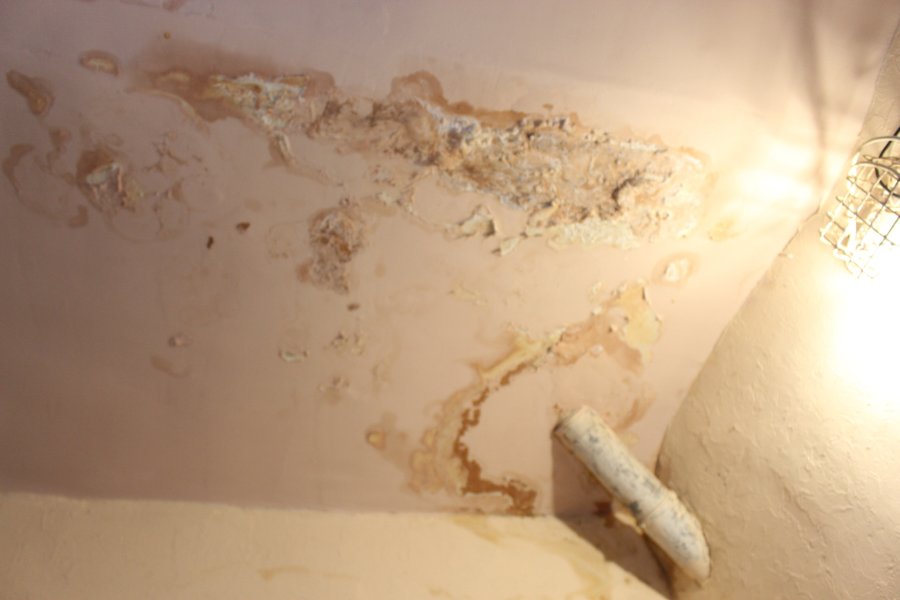
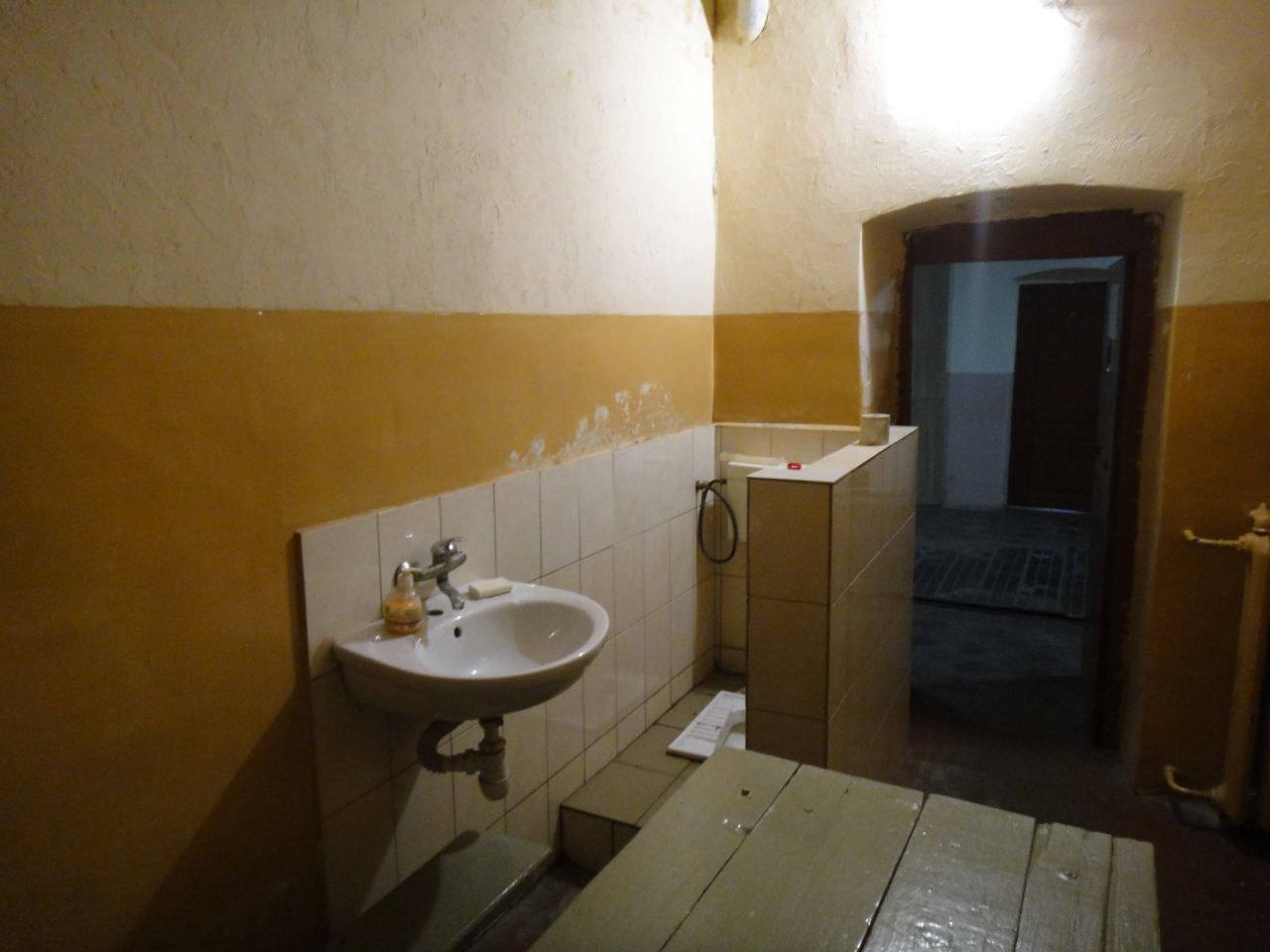
The bathrooms in the cells are not equipped with sufficient partitions and doors that ensure the possibility of privacy, which violates the requirement of Rule 19.3 of the European Prison Rules. In cell No. 2, there is leakage from the ceiling.
The cell units of the reception ward function in contradiction to Rule 22.5 of the European Prison Rules, as well as paragraphs 14 and 15 of the UN Standard Minimum Rules for the Treatment of Prisoners (the Mandela Rules).
The above indicates a violation of the rights of prisoners to humane treatment and respect for their human dignity, as provided for by Part 3 of Article 1 of the Law of Ukraine “On Pre-trial Detention” and Rule 13 of the UN Standard Minimum Rules for the Treatment of Prisoners (the Mandela Rules).
Furthermore, in its 11th General Report, the European Committee for the Prevention of Torture or Inhuman or Degrading Treatment or Punishment (hereinafter — the Committee) notes that security measures must not result in depriving prisoners of natural light and fresh air, to which every prisoner has a right. Moreover, the lack of sunlight and fresh air creates conditions conducive to the spread of diseases, particularly tuberculosis (CPT/Inf (2001) 16, paragraph 30).
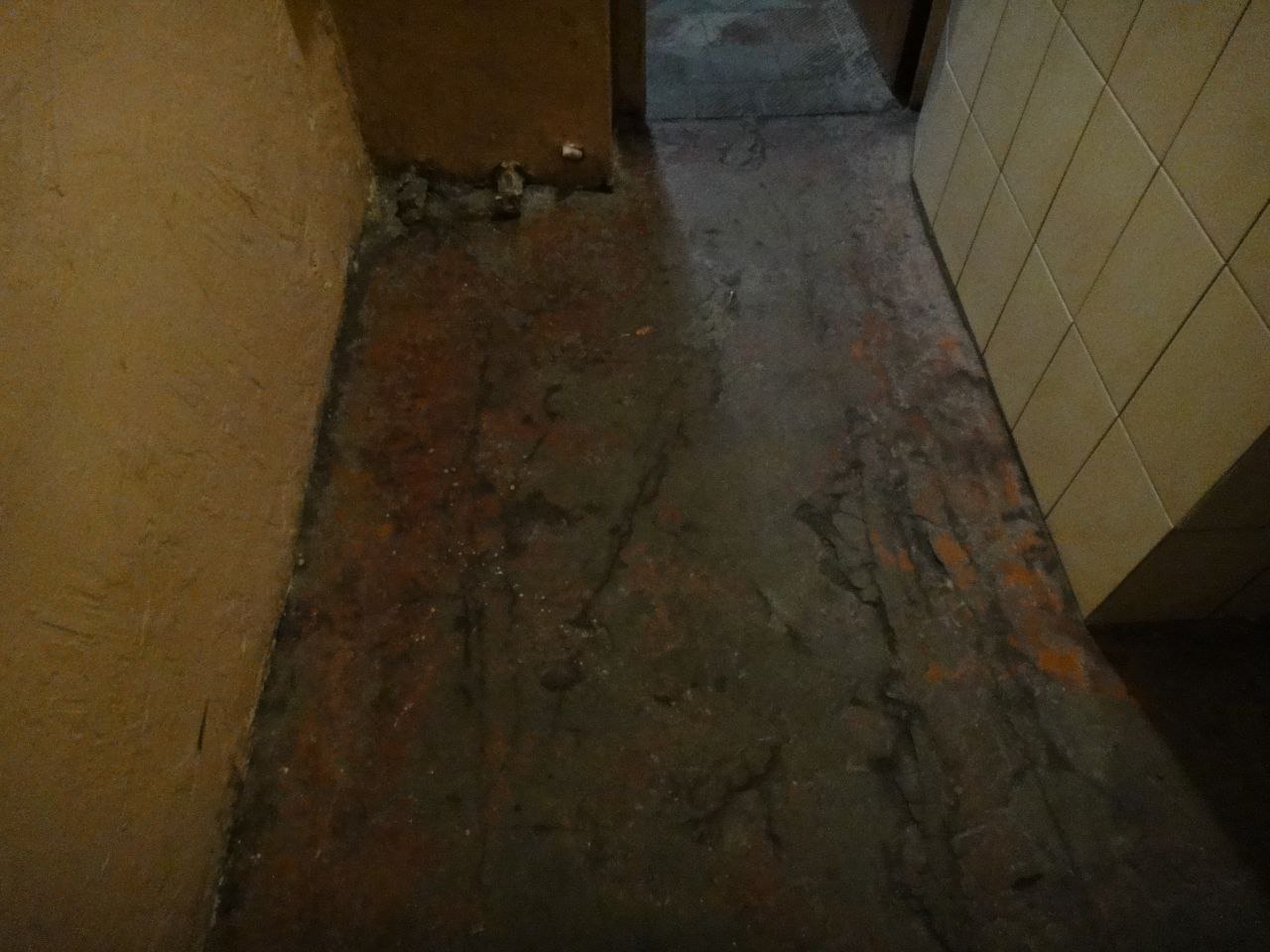
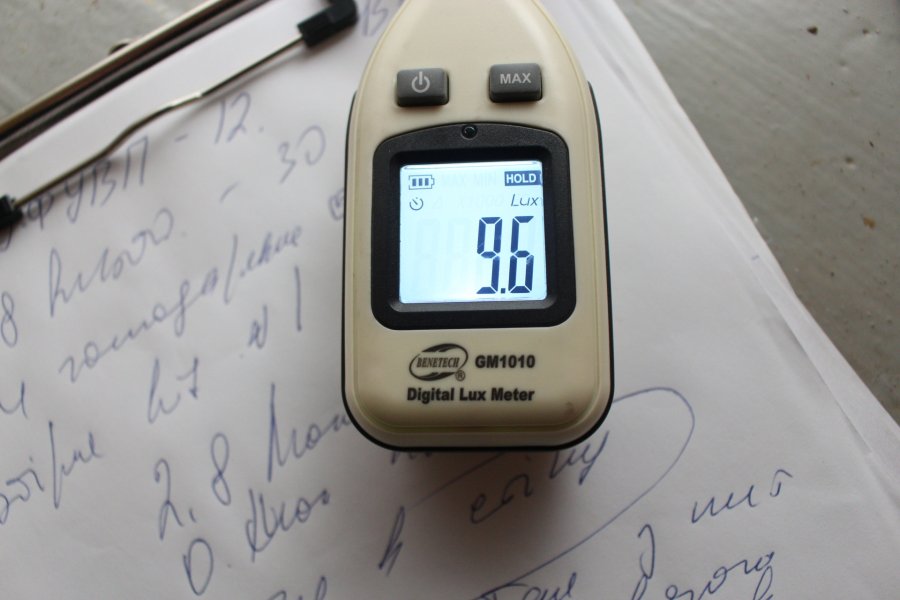
In the punishment cell, the window does not open, there is no drinking water, no ventilation, and due to excessive gridding, 9.6 LUX of artificial lighting and 0 LUX of natural lighting were recorded.

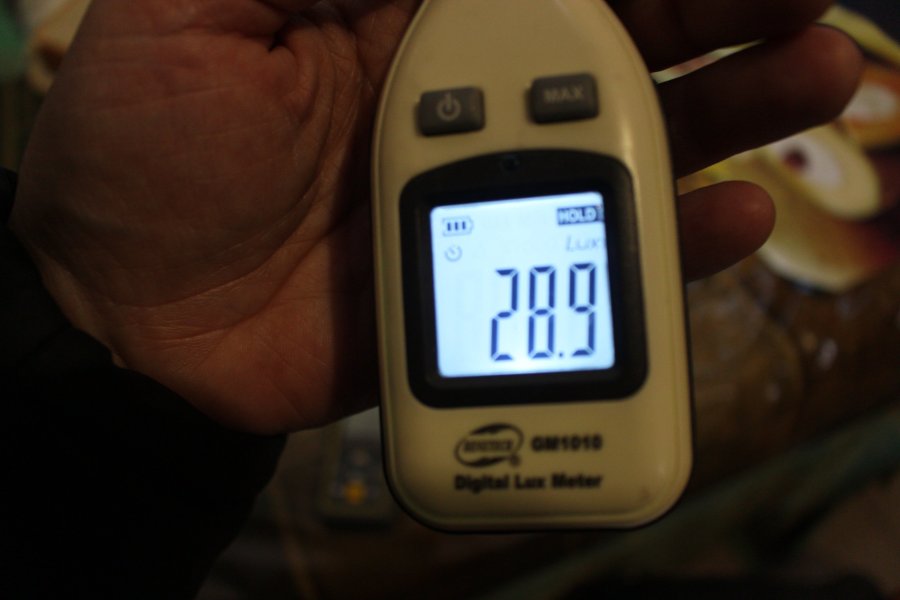
2. In violation of Part 1 of Article 115 of the Criminal Executive Code of Ukraine, and paragraph 10 of the Standard Minimum Rules for the Treatment of Prisoners, it was established that in cell units for holding persons in transit, the standard of living space per one convicted person is less than 4 m². Thus, in cell unit No. 49, where 8 beds are located and 8 convicted persons were staying, the area of the room, according to the living space measurement certificate, is 23.0 m².
Therefore, the actual area per convicted person was 2.87 m². There is also insufficient lighting: 28.9 LUX of artificial lighting was recorded.
Paragraph 13 of the Committee's Seventh General Report notes that the problem of overcrowded cell units leads to unhygienic conditions, a constant lack of privacy, and the overloading of medical services and institution infrastructure, and concludes that quite often, the negative impact of overcrowding resulted in inhuman or degrading conditions of detention for prisoners (CPT/Inf (97) 10).
3. During the visit to the institution, the monitoring group identified the presence of a metal cage in the room for conducting court hearings via video conference, which is used to isolate convicted persons and persons taken into custody.
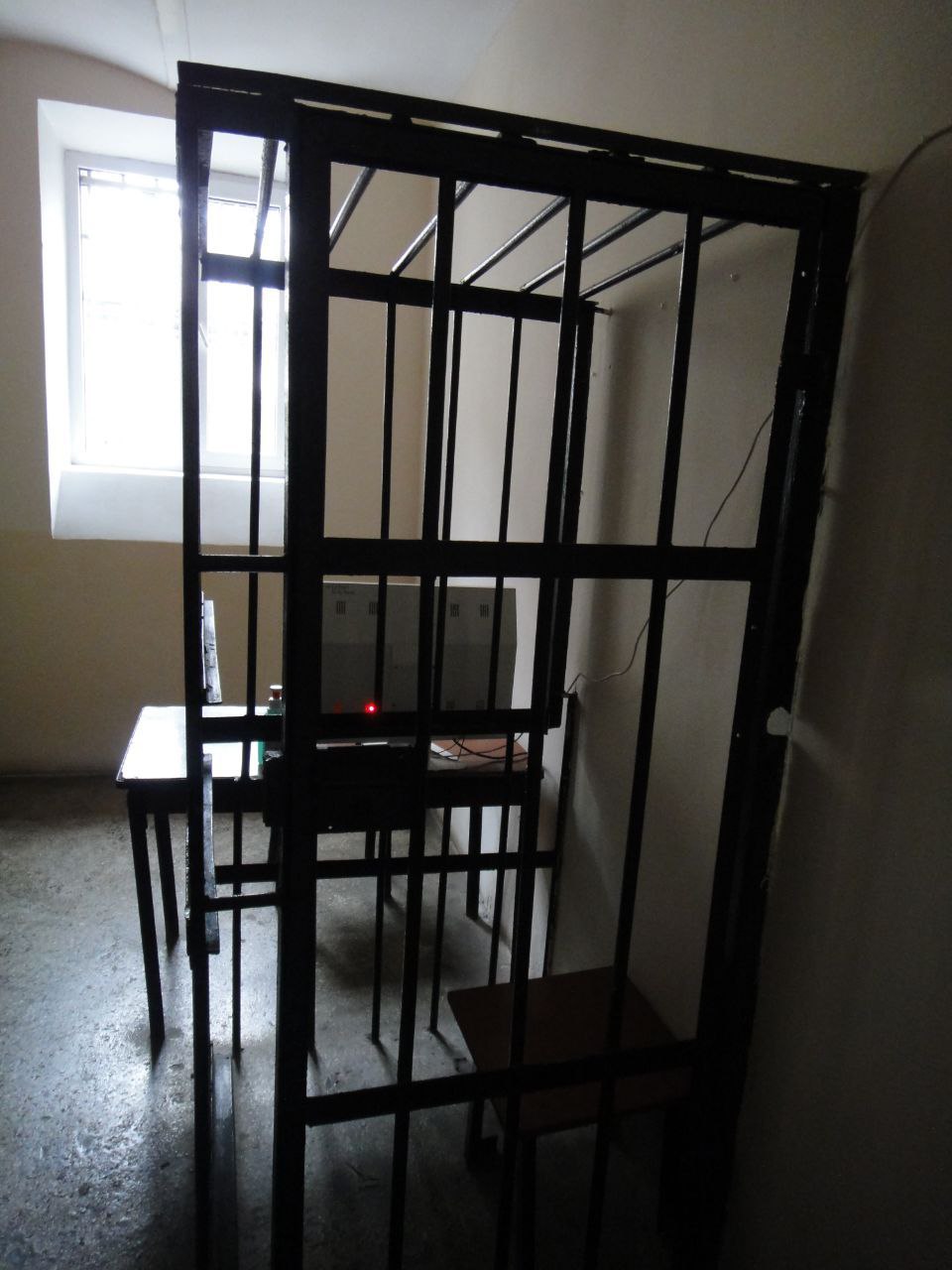
At the same time, the Committee has repeatedly emphasised in its reports that keeping convicted persons in metal cages during meetings with lawyers or other defence representatives can be considered inhuman and degrading treatment. The Committee has called on the Ukrainian authorities to review these provisions and end such practices (CPT/Inf (2007) 22, paragraph 114; CPT/Inf (2013) 23, paragraph 51).
4. During the visit to the maximum-security sector, it was established that near the external doors of the cells for holding persons sentenced to life imprisonment, personal information cards were posted containing a brief description of the crimes committed by the individuals in the cells.
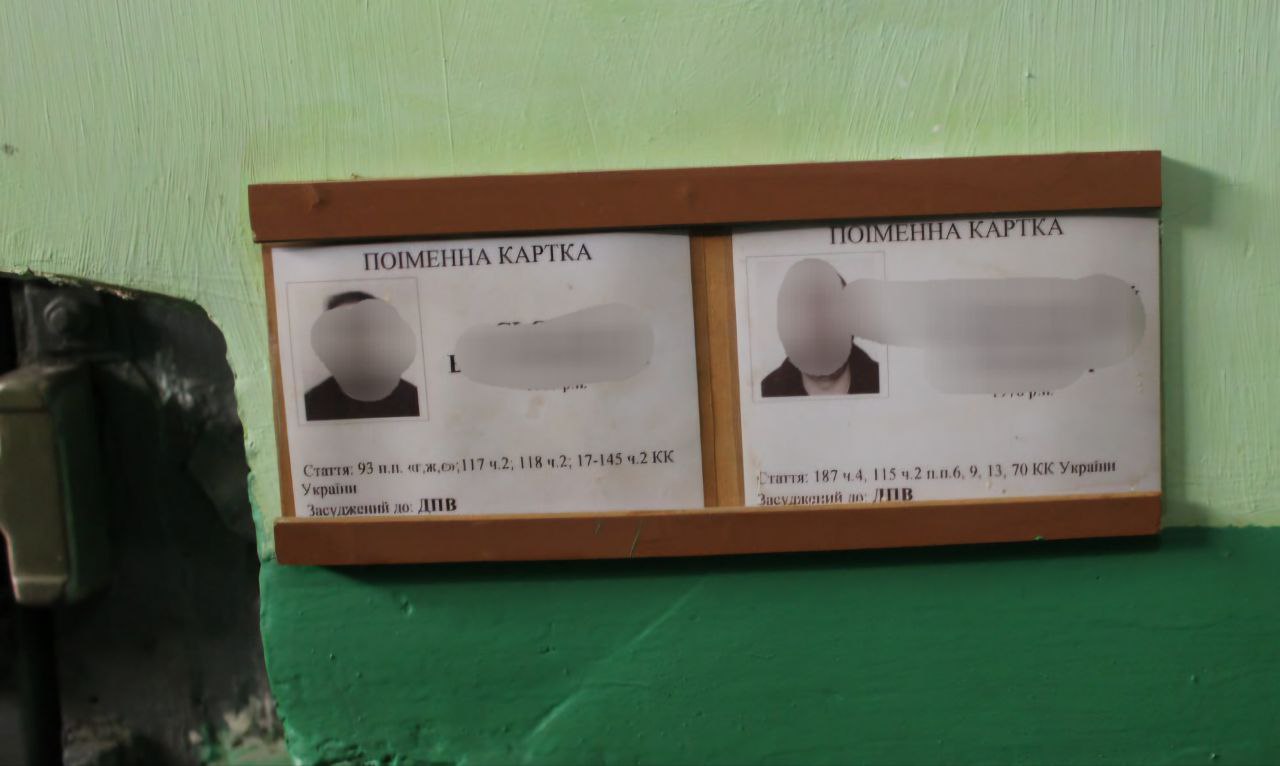
In its report on the results of the 2020 visit to Ukraine, the Committee noted that this practice should be stopped because it serves no reasonable purpose, and in addition to stigmatisation, has the effect of damaging relationships between prisoners and prison staff (CPT/Inf (2020) 40, paragraph 52).
5. The monitoring group investigated the issue of the observance of the rights of persons for whom the competent authority of a foreign state has made a decision on their extradition to Ukraine.
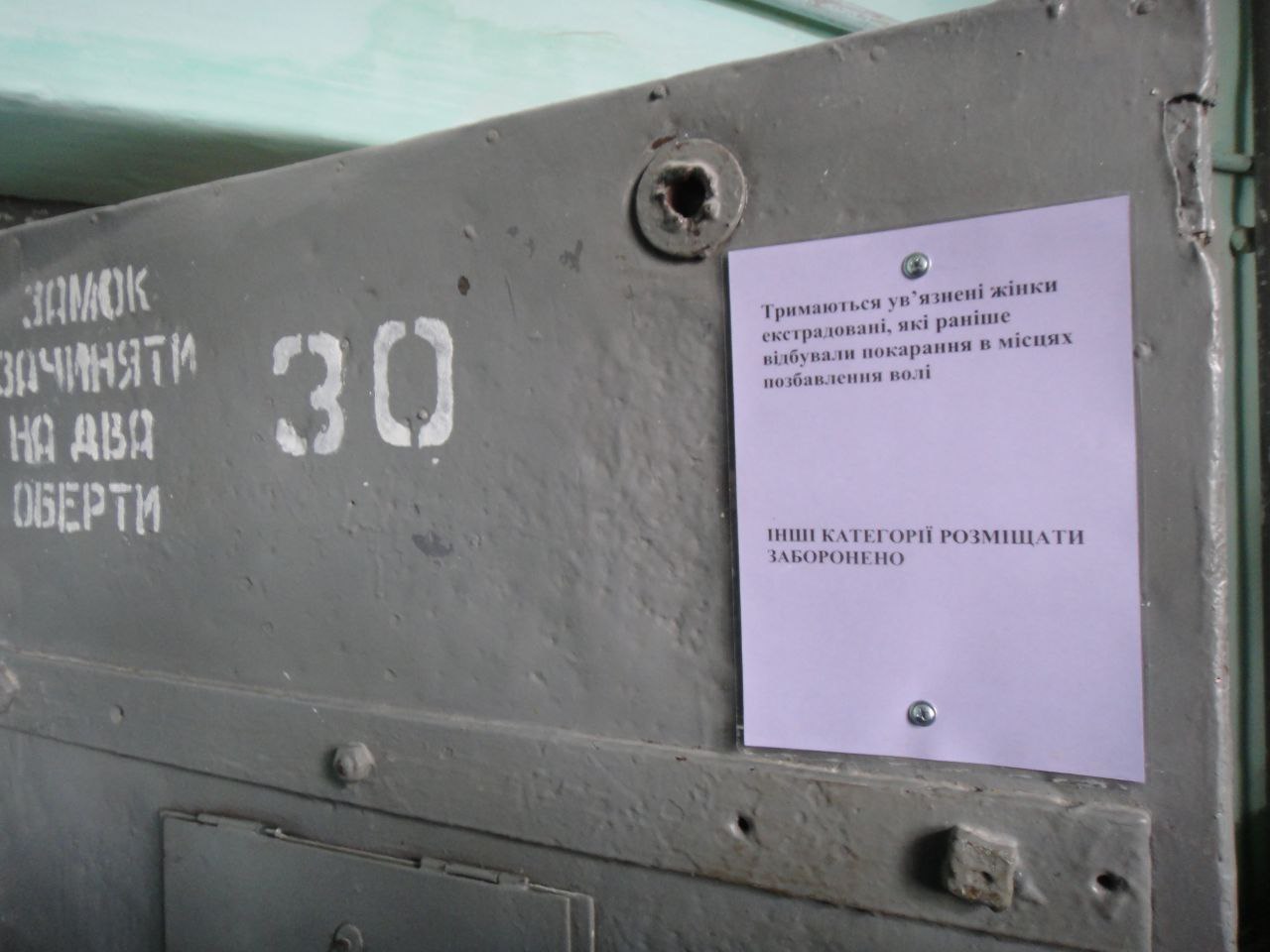
Two renovated cell units, No. 25 and 30, were inspected, which comply with the living space standard of 4 m² per person and have been repaired and equipped with the necessary equipment and furniture.
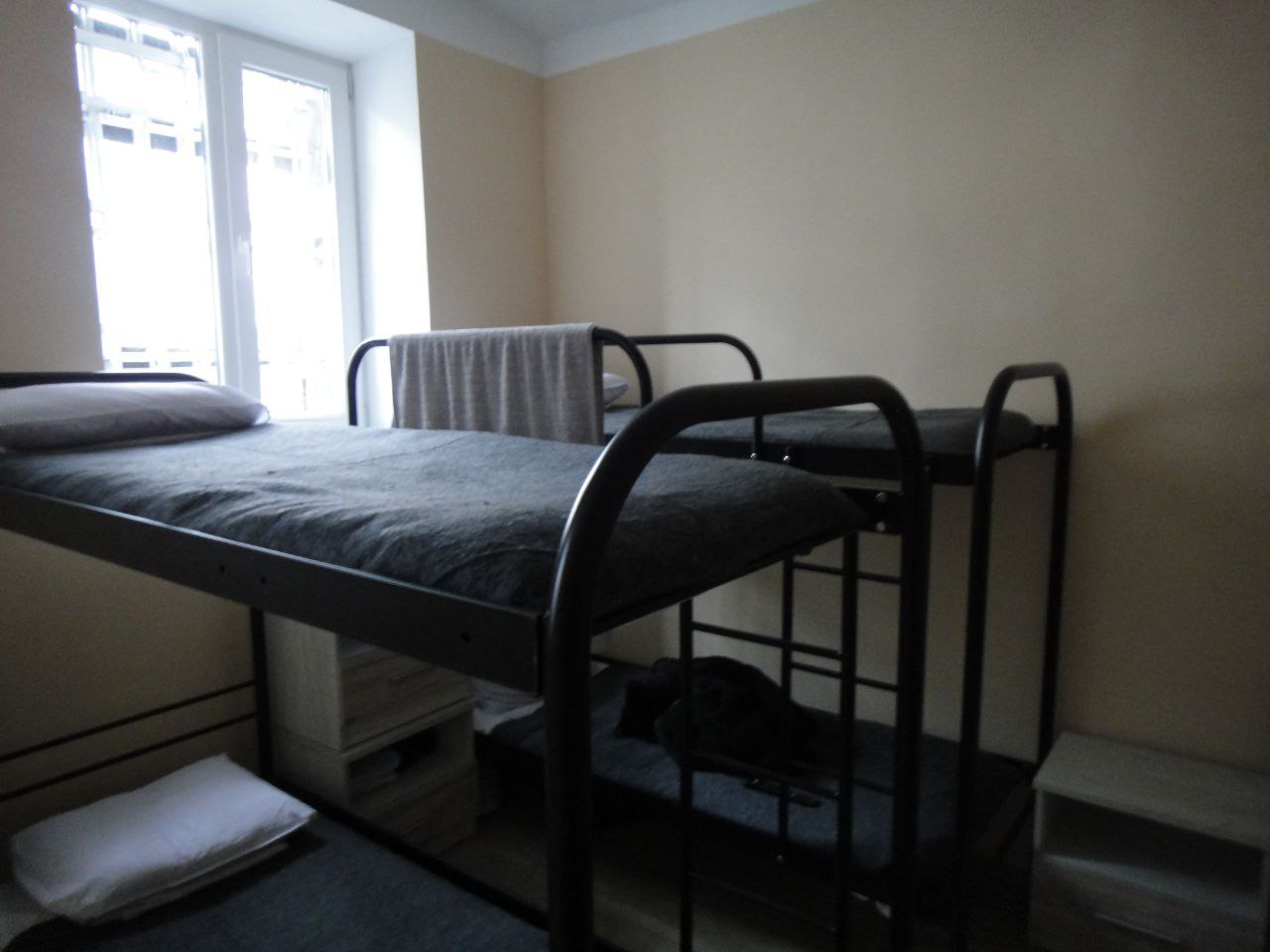
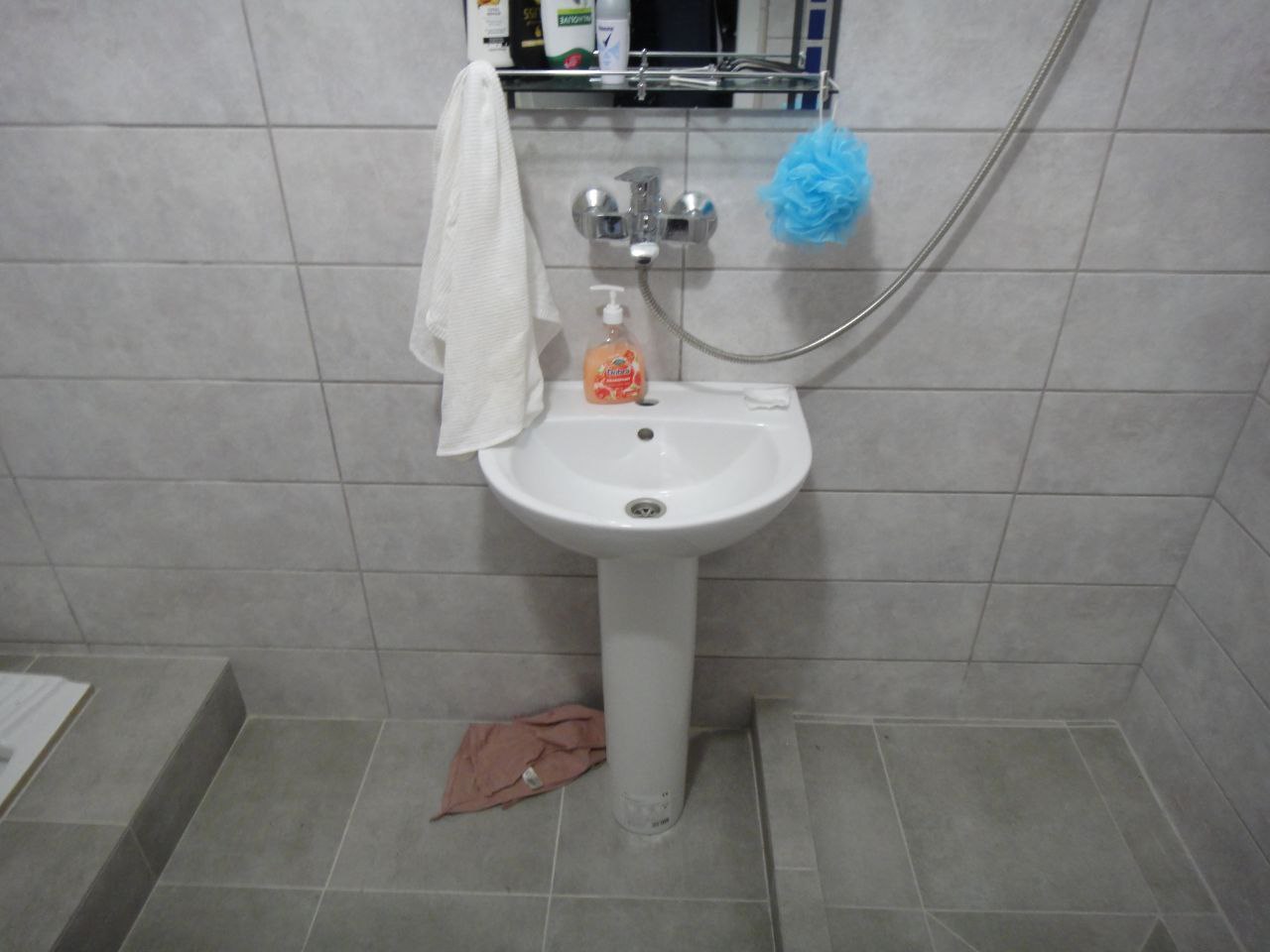
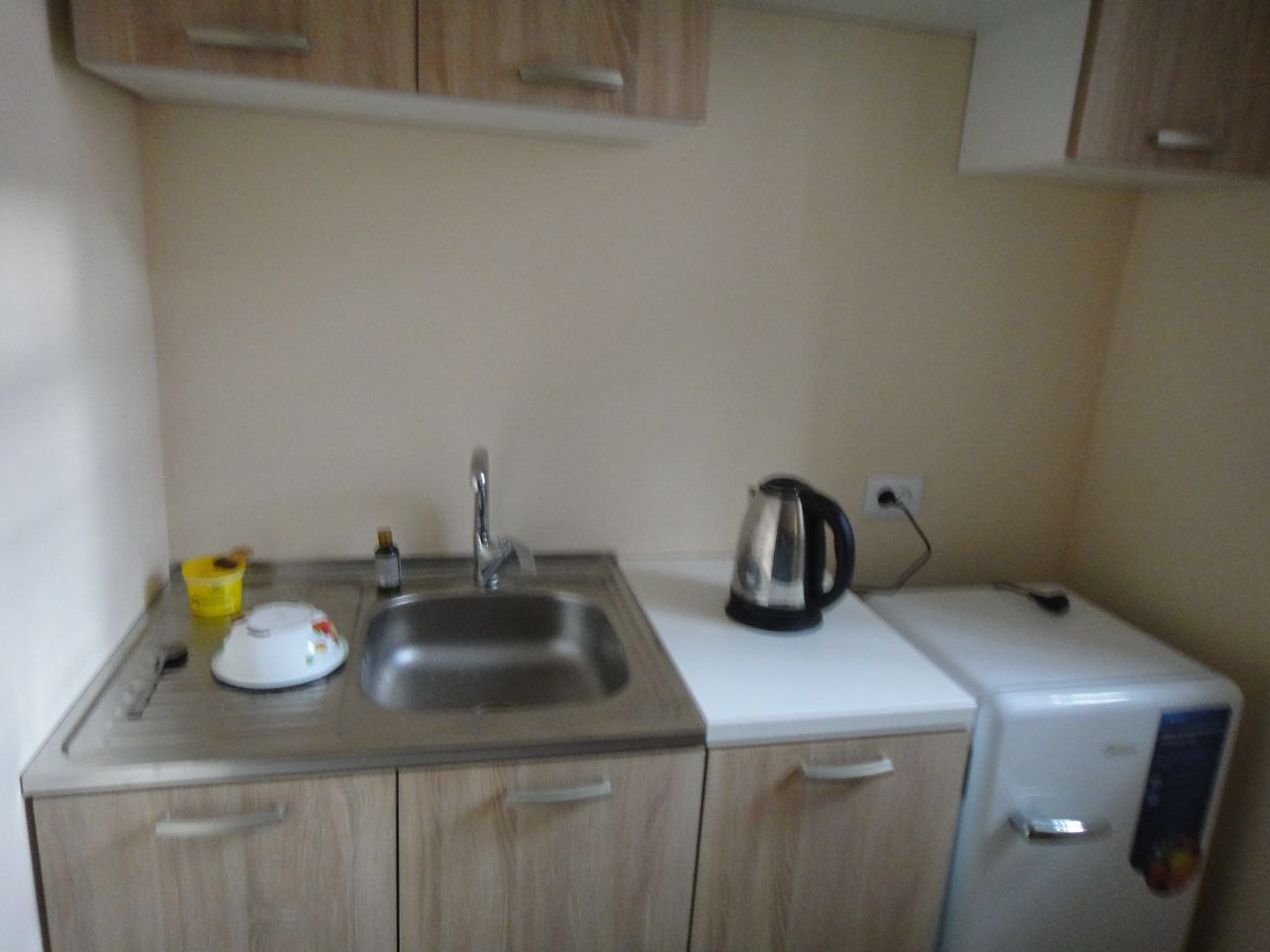
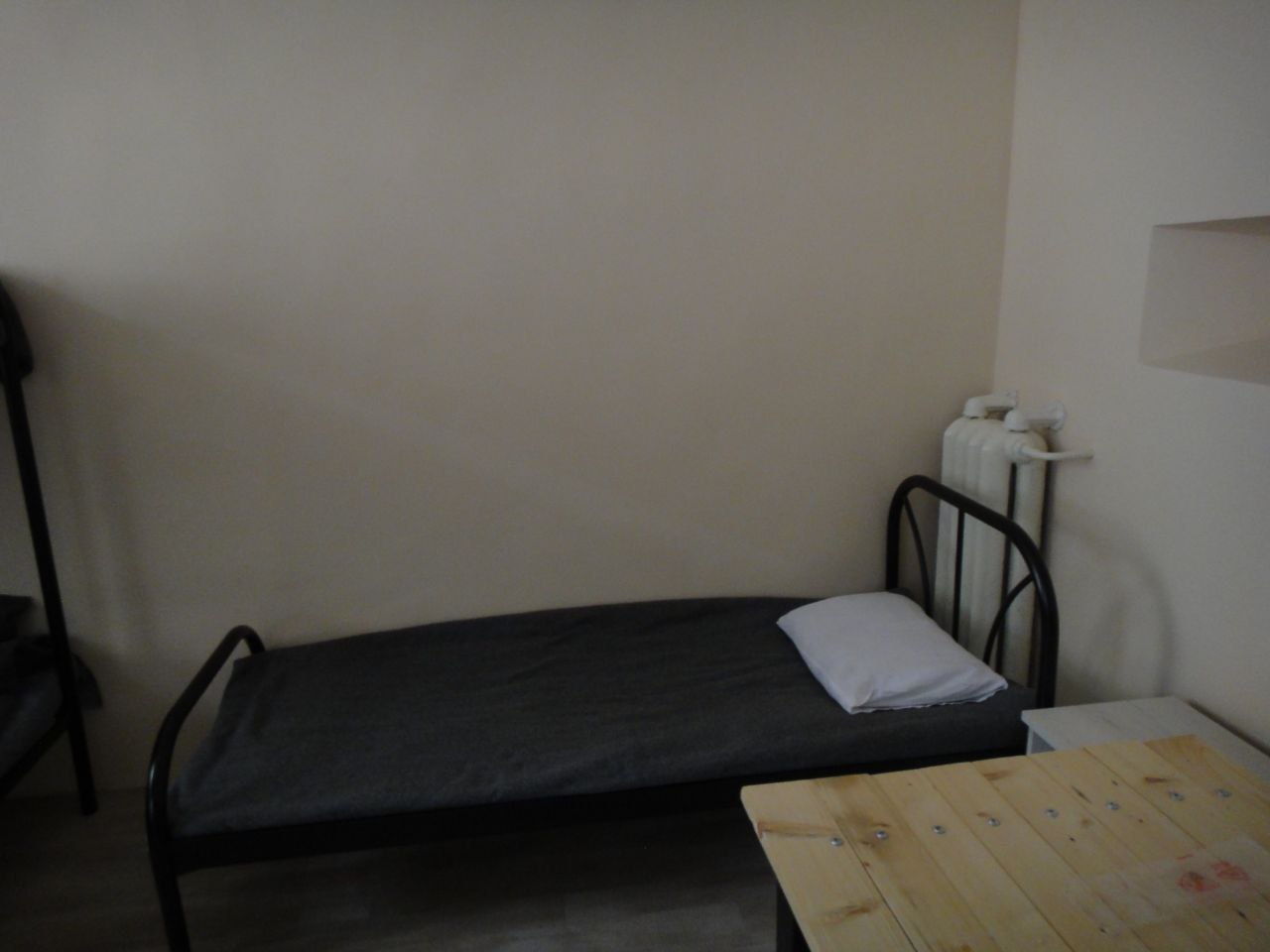
At the same time, the monitoring group recorded an insufficient level of natural lighting. According to Appendix Zh “Normative indicators for lighting of residential building premises”, DBN V.2.5-28:2018 “Natural and artificial lighting”, approved by the order of the Ministry of Regional Development, Construction and Housing and Communal Services of Ukraine dated 03.10.2018 No. 264, the illumination of working surfaces in sleeping and residential rooms must be 150 LUX. Meanwhile, in cell unit No. 30, only 25.4 LUX was recorded, which is significantly lower than the established standards. There is no forced ventilation.
The monitoring group established that extradited persons are held alone in cell units for long periods. At the same time, according to paragraph 53 of the Committee's 21st General Report, solitary confinement can have extremely destructive consequences for the psychological, somatic, and social health of these individuals, which can occur immediately and intensify depending on how long this measure lasts and how indefinite it is in time.
Furthermore, it can create conditions for deliberate ill-treatment of prisoners away from the eyes of other prisoners and prison staff (CPT/Inf (2011) 28).
Paragraph 4, Chapter 2, Section III of the IRR PTDC stipulates that for the purpose of preventing escapes and the commission of criminal offences, violations of the order of detention and serving sentences established by legislation, as well as ensuring the safety of prisoners, convicted persons, prison staff, and other persons on the territory of the pre-trial detention centre, audiovisual, electronic, and other technical means are used.
During the inspection of cell unit No. 30, intended for holding extradited prisoners, the presence of an installed video surveillance camera was recorded.
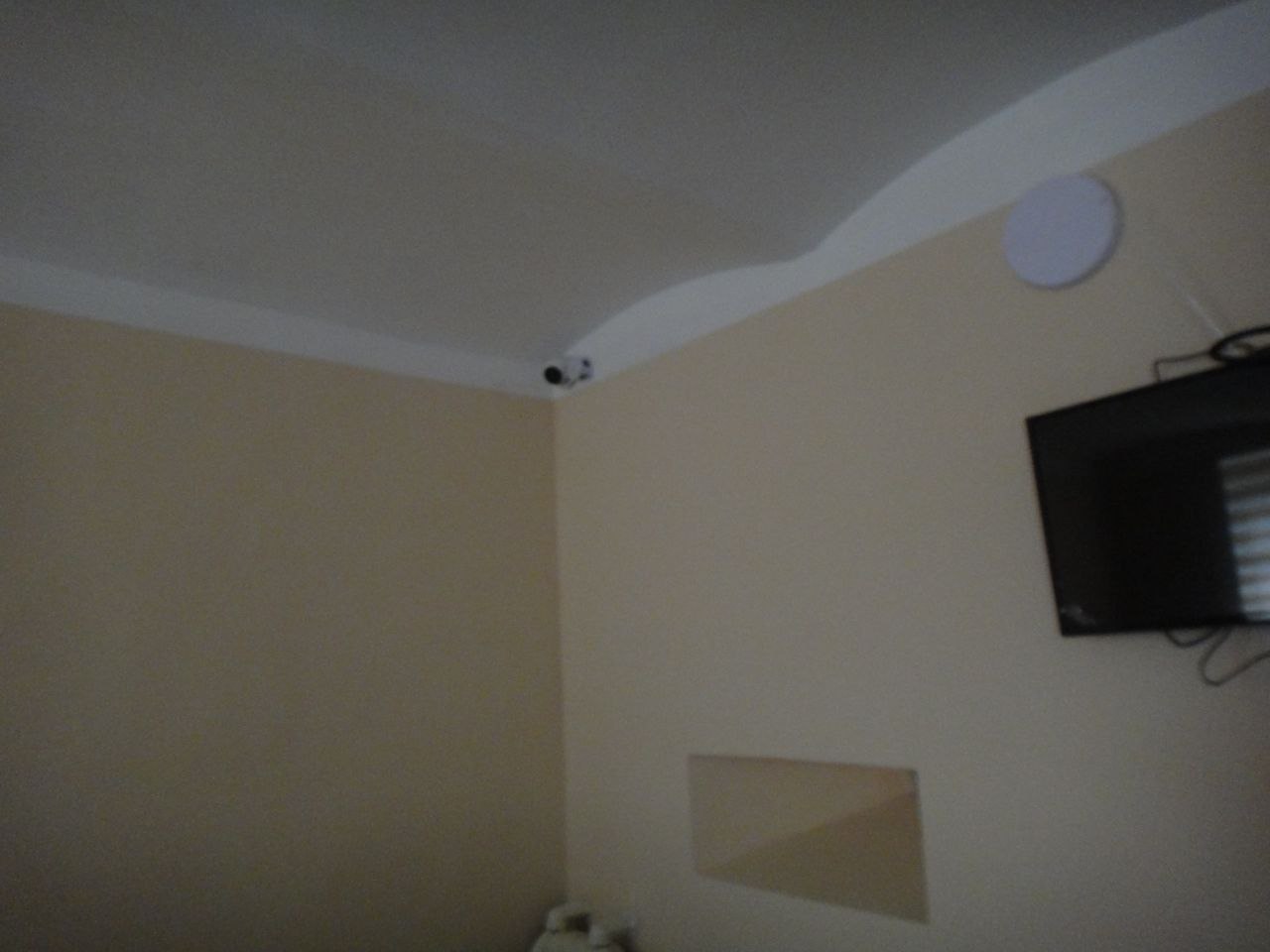
At the same time, in its 2012 report, the Committee criticised excessive interference with privacy through the installation of video cameras in prisoners' living quarters. The Committee agrees that video surveillance in cells can be a useful safeguard in specific cases, for example, when a person is considered to be of concern regarding the risk of self-harm or suicide, or if there are concrete suspicions that the prisoner is committing certain acts in the cell that may compromise safety.
However, any decision to apply video surveillance to a specific prisoner should always be based on an individual assessment of real risks and must be reviewed frequently on a regular basis. Video surveillance is a serious interference with the privacy of prisoners and makes the regime even more repressive, particularly when applied over a long period (CPT/Inf (2013) 23, paragraph 52).
In violation of the requirements of Rule 22.5 of the European Prison Rules (EPR) and the Procedure for Provision, Accounting and Operation of Furniture, Inventory and Household Items and the standards of their provision and operation in penitentiary institutions and pre-trial detention centres of the State Criminal-Executive Service of Ukraine, approved by the order of the Ministry of Justice of Ukraine dated 27 July 2012 No. 1118/5, registered in the Ministry of Justice of Ukraine on 30 July 2012 under No. 1274/21586 (hereinafter — Provision Standards), the cell units are not equipped with a 15-litre drinking water tank with a tap, lid, mug, and basin. In this connection, convicted persons are forced to consume technical water from the central water supply or buy drinking water in the institution's shop.
Some walking yards do not have sufficient shelter from atmospheric precipitation. At the same time, the Committee has repeatedly recommended reviewing the design and size of walking yards “where at best there is a view of the sky” (paragraph 122, paragraph 127, CPT/Inf (2014) 15).
Regarding physical activity and leisure outside the cells, prisoners are guaranteed the right to a daily walk in the fresh air for at least one hour. However, the institution's staff did not offer any alternative types of out-of-cell activities.
In this context, the Committee, in its 2023 report, states that the situation with out-of-cell activities for persons in custody has not improved since the time of the 2017 visit.
As before, with the exception of a small number of working individuals, adult persons in custody (particularly women) in the visited institutions remain in cells for up to 23 hours a day, having limited access to activities outside the cell, apart from daily walks and, in some cases, episodic visits to the sports hall. Walks last only one hour a day (sometimes a little longer for women) in small yards with a depressing design (high walls that limit the view).
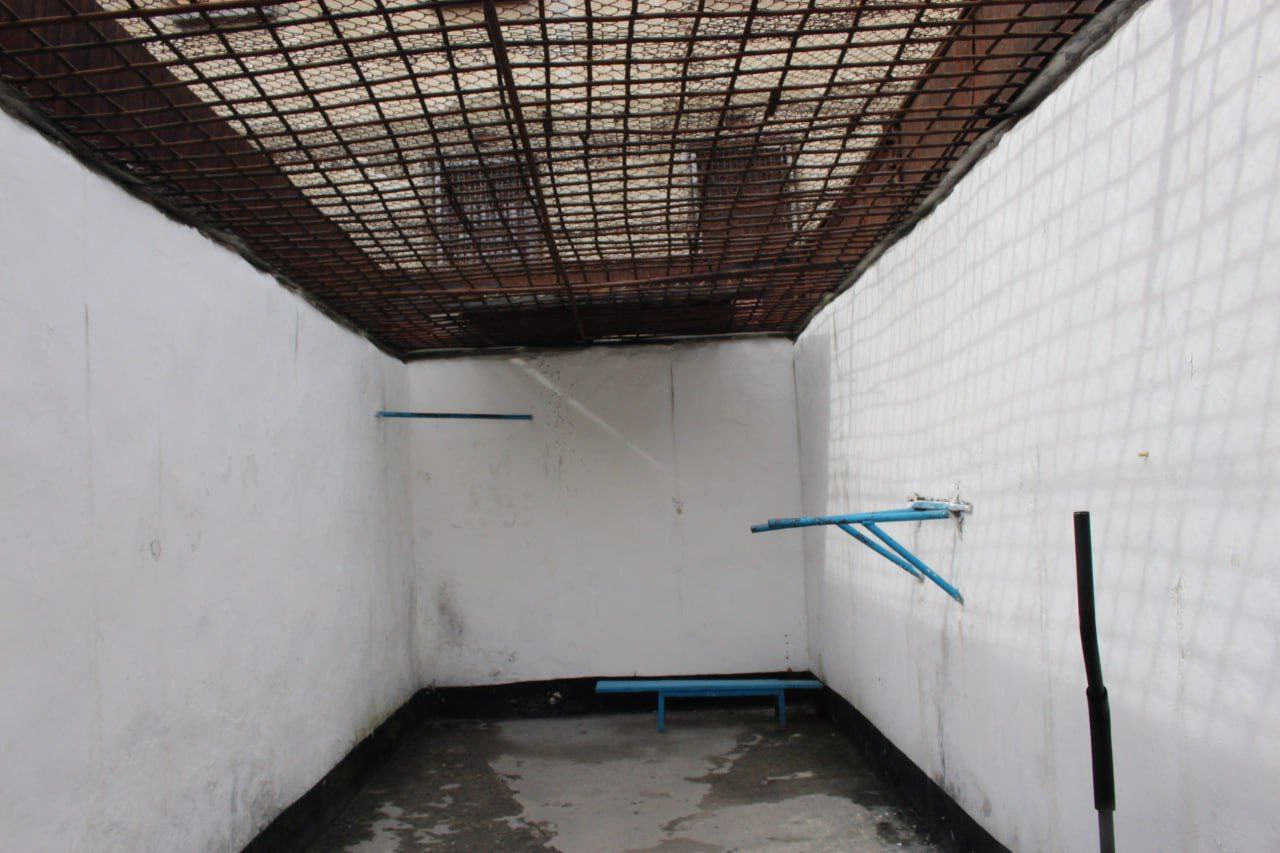
Inside the cells, the main means of leisure are a TV, books, and board games. The Committee expresses concern over the prolonged stay of individuals in such conditions and calls on the authorities to develop activity programmes for those in custody, as well as to set up more spacious walking yards with the possibility of physical exercise and a better view (CPT/Inf (2024) 20, paragraph 58).
During the communication, prisoners reported that neither upon arrival at the institution nor subsequently did the administration and staff provide them with any information regarding the availability of a shelter for protection against possible shelling and the procedure to follow in the event of an “Air Raid Alert” signal.
Furthermore, according to them, during air raids, the institution's staff did not offer to descend into the shelter. This indicates that prisoners remain unprotected in cell units during air raid alerts, which creates a real risk to their life and health under the conditions of the Russian Federation’s armed aggression against Ukraine.
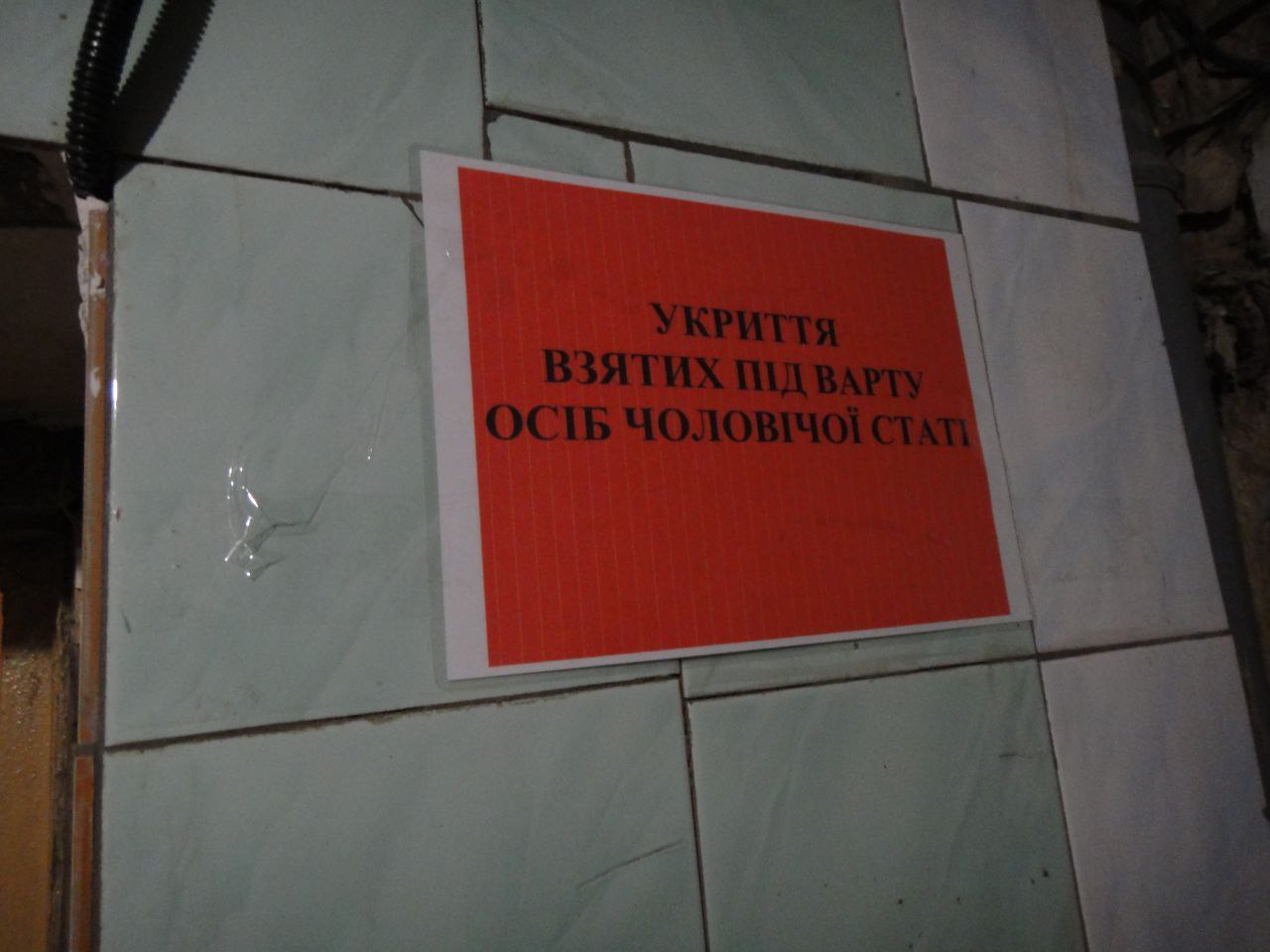
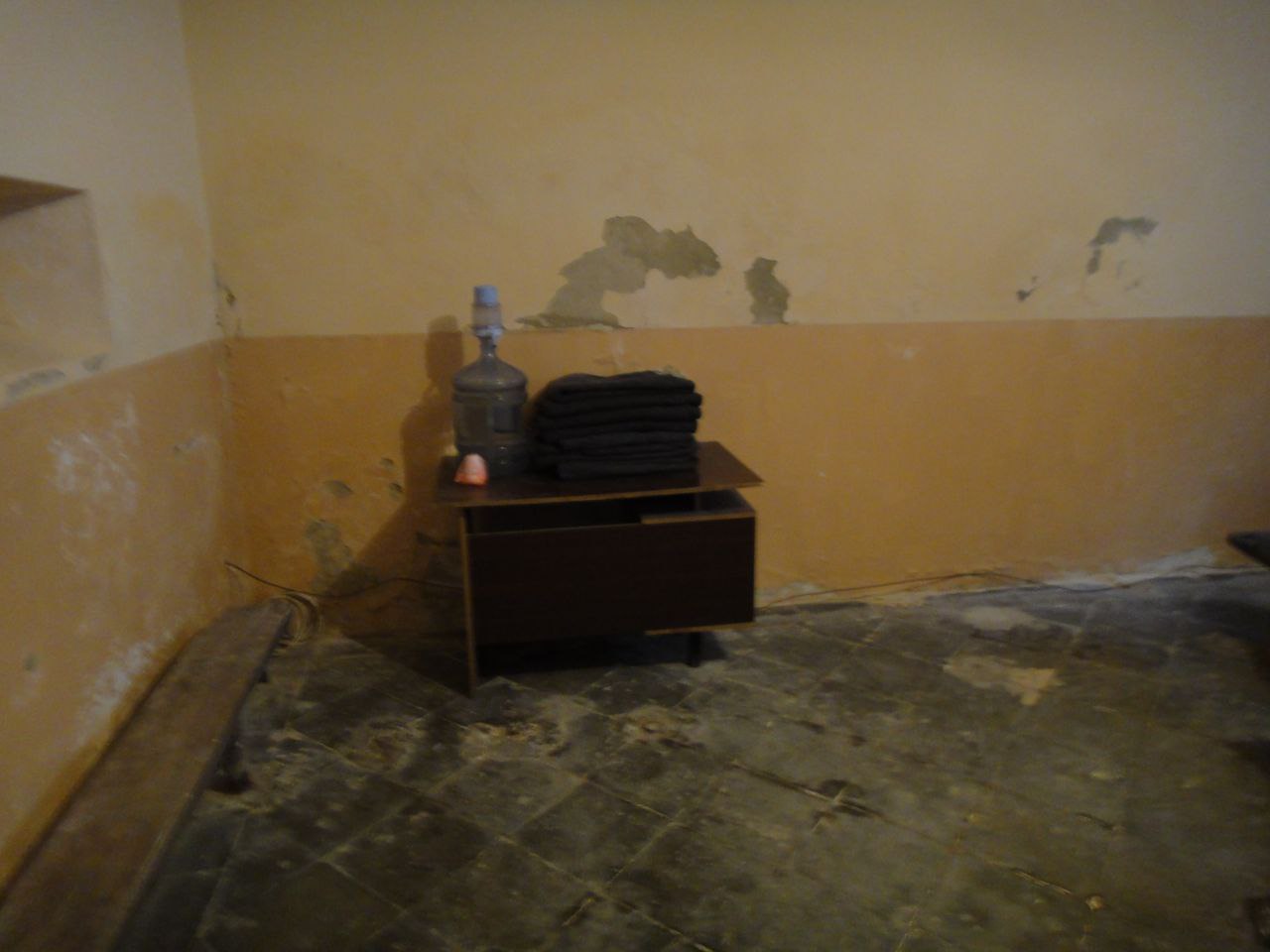
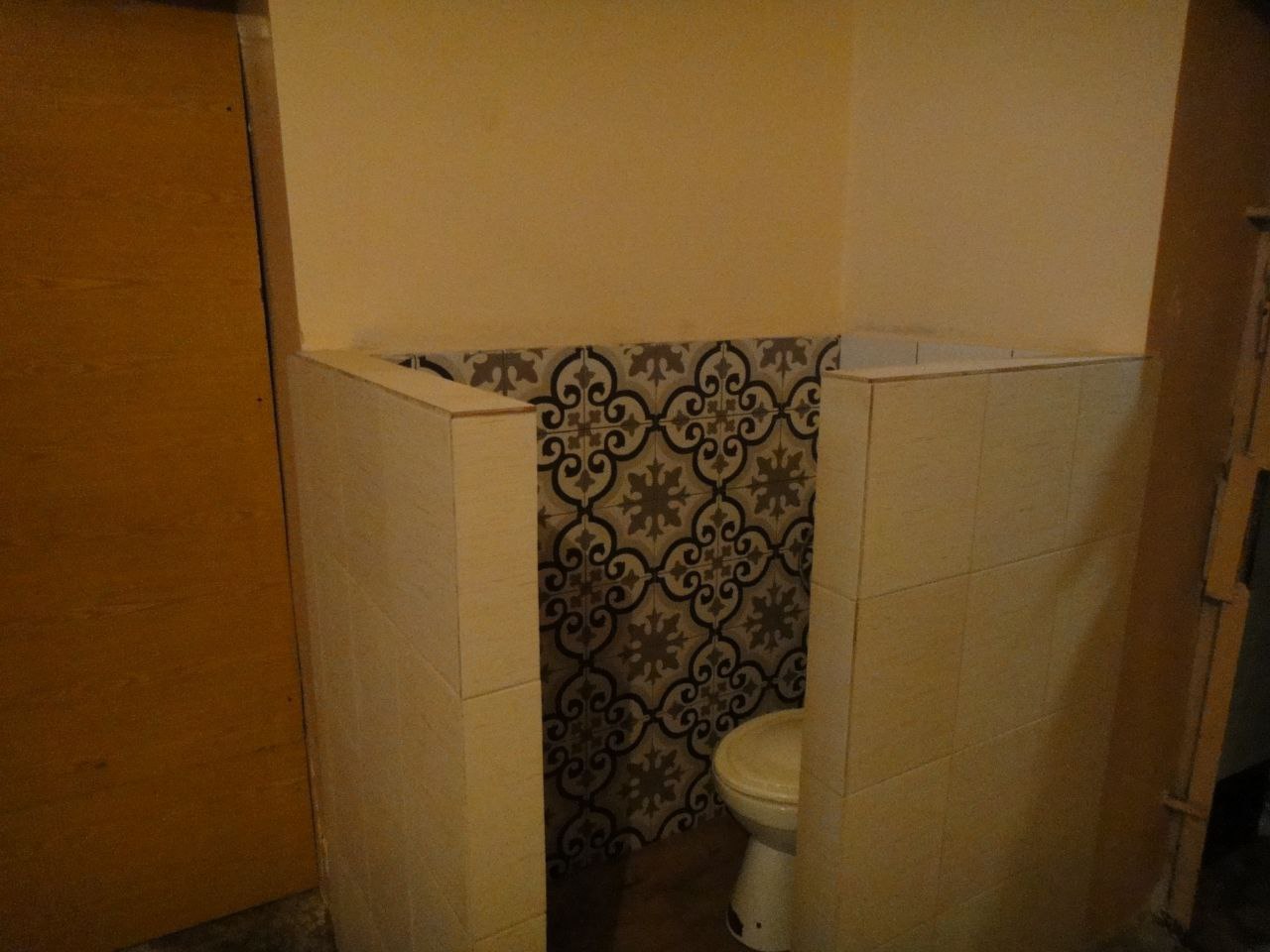
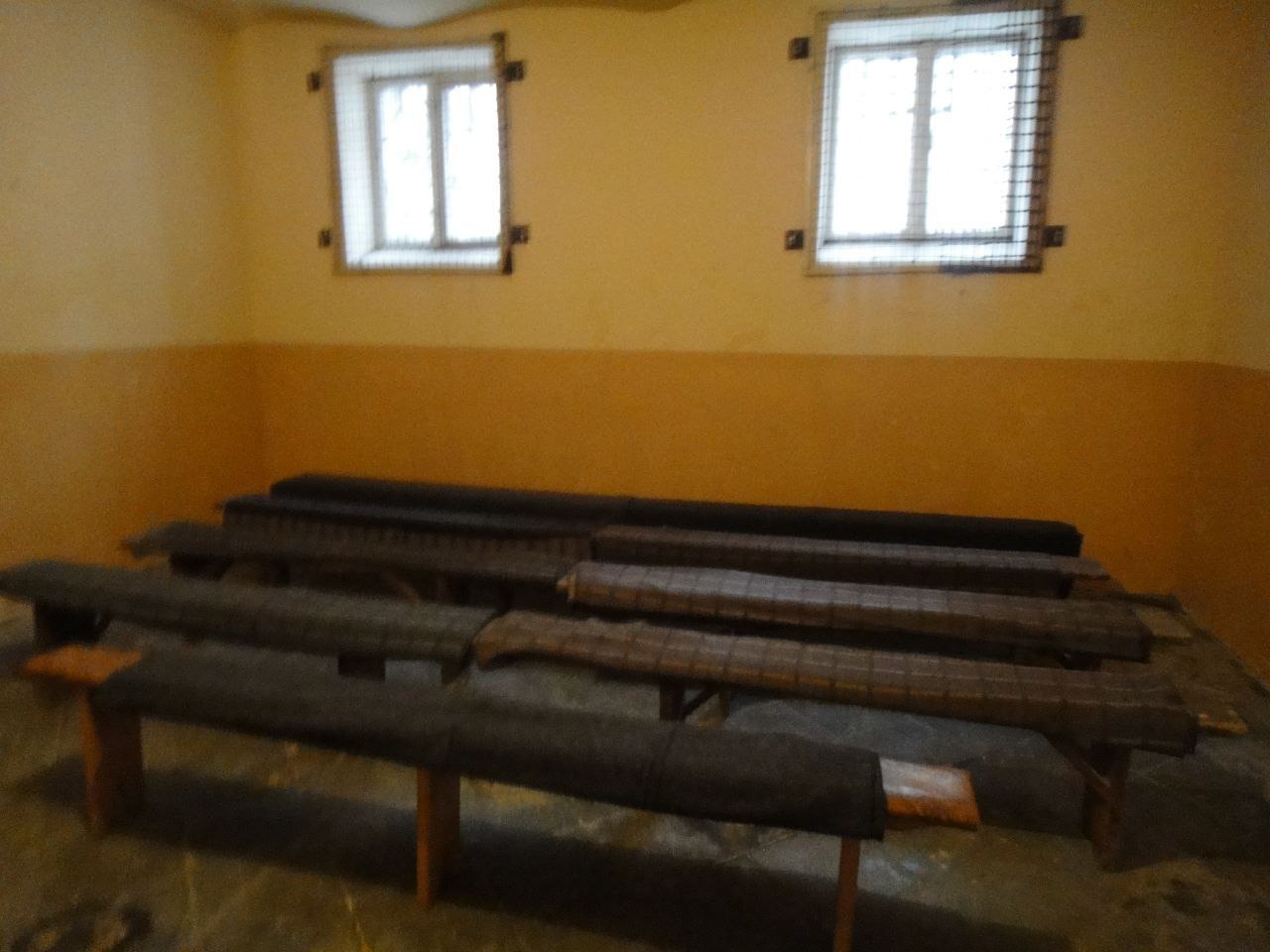
The monitoring group investigated the issue regarding the shelter available at the institution, which is located in the basement. However, contrary to the requirements of the Civil Protection Code of Ukraine, the Procedure for Creation, Maintenance of the Fund of Civil Protection Structures, Exclusion of Such Structures from the Fund and Keeping its Records, approved by the Resolution of the Cabinet of Ministers of Ukraine dated 10 March 2017 No. 138, as well as the Requirements for the Maintenance and Operation of Civil Protection Structures, approved by the order of the Ministry of Internal Affairs of Ukraine dated 9 July 2018 No. 579, the shelter does not fully provide conditions for the stay of persons.
In particular, the bathrooms are not equipped with doors and sufficient partitions that ensure the possibility of privacy, which violates the requirement of Rule 19.3 of the European Prison Rules; there is no ventilation system. Excessive humidity and the need for repair work, etc., were recorded in the room.
Thus, these circumstances may significantly affect the decision-making process of the competent authorities of foreign states regarding the issue of extradition to Ukraine of persons suspected or accused of committing a crime.
6. In the cell units, a violation of Article 8 of the Convention for the Protection of Human Rights and Fundamental Freedoms, which ensures the right to respect for private life, was established. Thus, in violation of Rule 18.1 of the European Prison Rules, the beds in some cell units are located directly next to each other, which does not provide prisoners with personal space (cells No. 49, 53, 28, 33, etc.).
The bathrooms in most cells do not contain sufficient partitions or doors that allow for privacy, which violates the requirement of Rule 19.3 of the European Prison Rules.
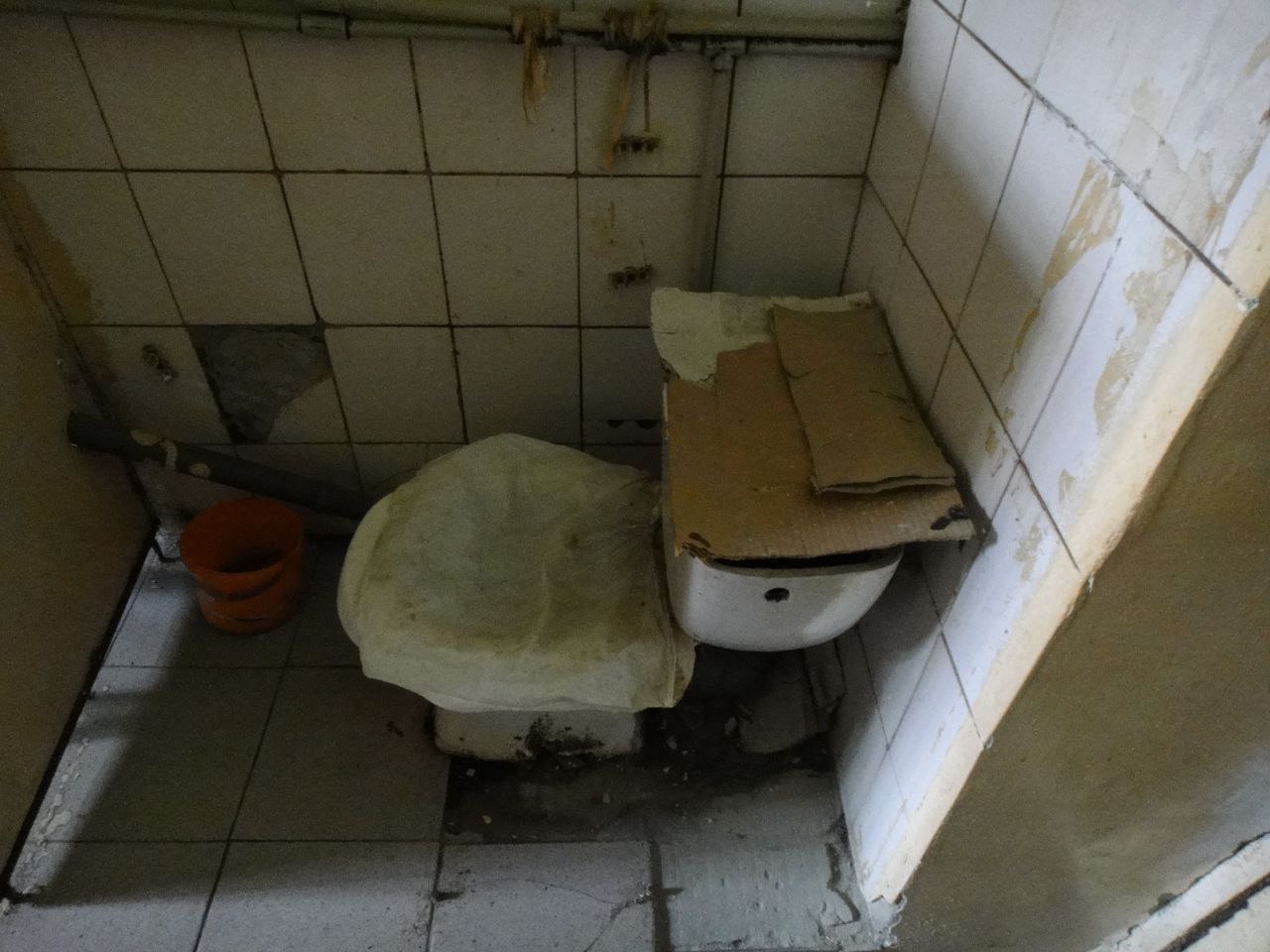
The disinsection measures taken by the institution's administration are insufficient; in some cell units, monitors recorded the presence of cockroaches, and beds are placed close together. Most cell units are not provided with a sufficient level of natural lighting and ventilation.
The above indicates a violation of the prisoners' rights to humane treatment and to respect for their human dignity, in accordance with Part 3 of Article 1 of the Law of Ukraine “On Pre-trial Detention” and Rules 13, 14, 15 of the UN Standard Minimum Rules for the Treatment of Prisoners (the Mandela Rules).
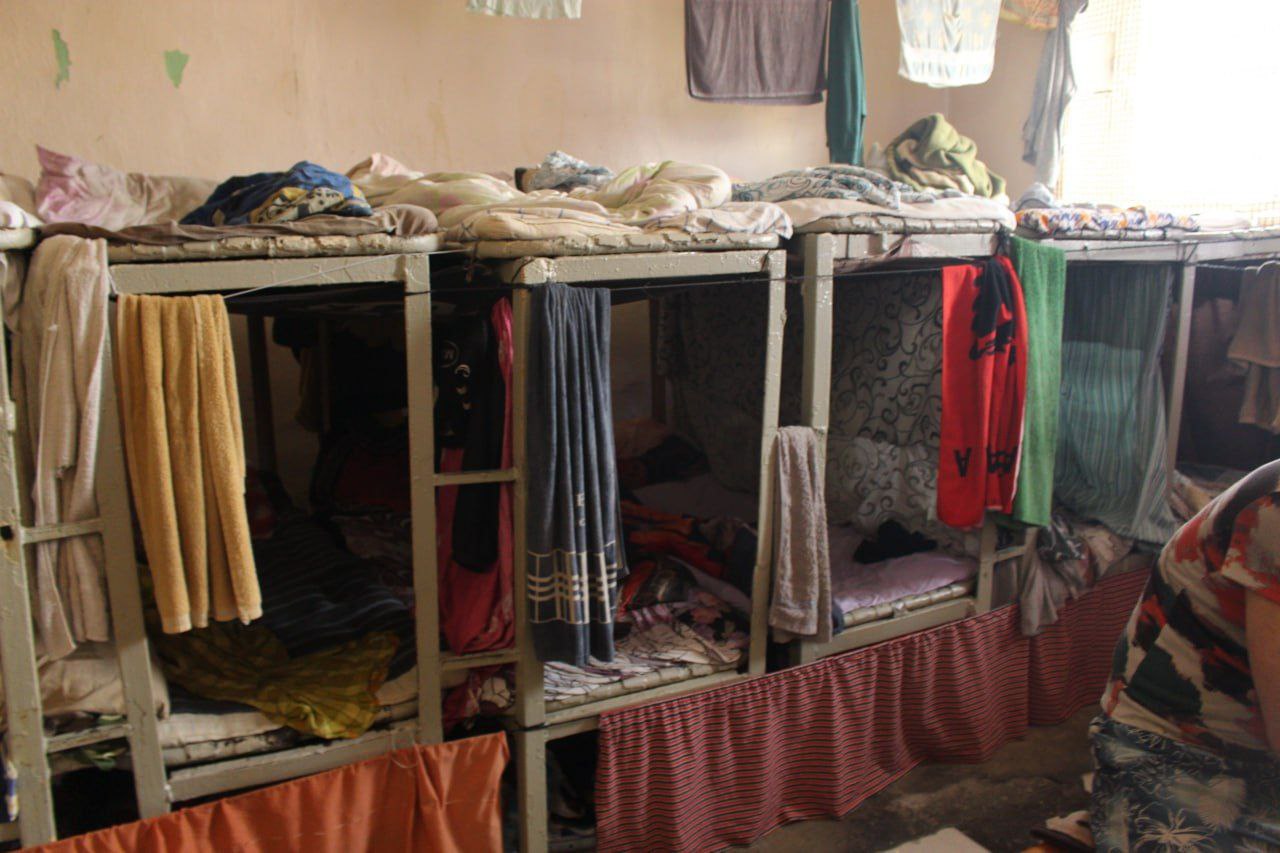
At the same time, in the report of the Government of Ukraine following the 2023 visit, the Committee called on the Ukrainian authorities to take necessary measures to improve material conditions of detention, in particular, to reduce cell occupancy in such a way that each person in custody has at least 4 m² of living space (excluding the area occupied by in-cell toilets); to keep all places where convicted and detained persons are housed, including sanitary facilities, in a proper state of repair and hygiene, and to carry out disinsection regularly and frequently; to ensure sufficient access to natural light and ventilation in the cells, and to fully equip internal sanitary facilities with partitions (i.e., from floor to ceiling) (CPT/Inf (2024) 20, paragraph 58).
7. The monitoring group established a number of violations in the organisation of bath and laundry services for convicted persons and detainees. In accordance with paragraph 3.19.1, Section III of the Regulation on the organisation of bath and laundry services for persons held in penitentiary institutions and pre-trial detention centres, approved by the order of the Ministry of Justice of Ukraine No. 849/5 dated 08.06.2021 (hereinafter — the Regulation), sanitary treatment involves washing convicted persons (persons taken into custody) in a bath using soap and a sponge, mandatory replacement of bedding and underwear, as well as disinfection (destruction of pathogenic microorganisms) and disinsection (destruction of insects and mites that are carriers of infectious diseases) of personal clothing and bedding (pillows, mattresses, blankets) in a disinfection chamber.
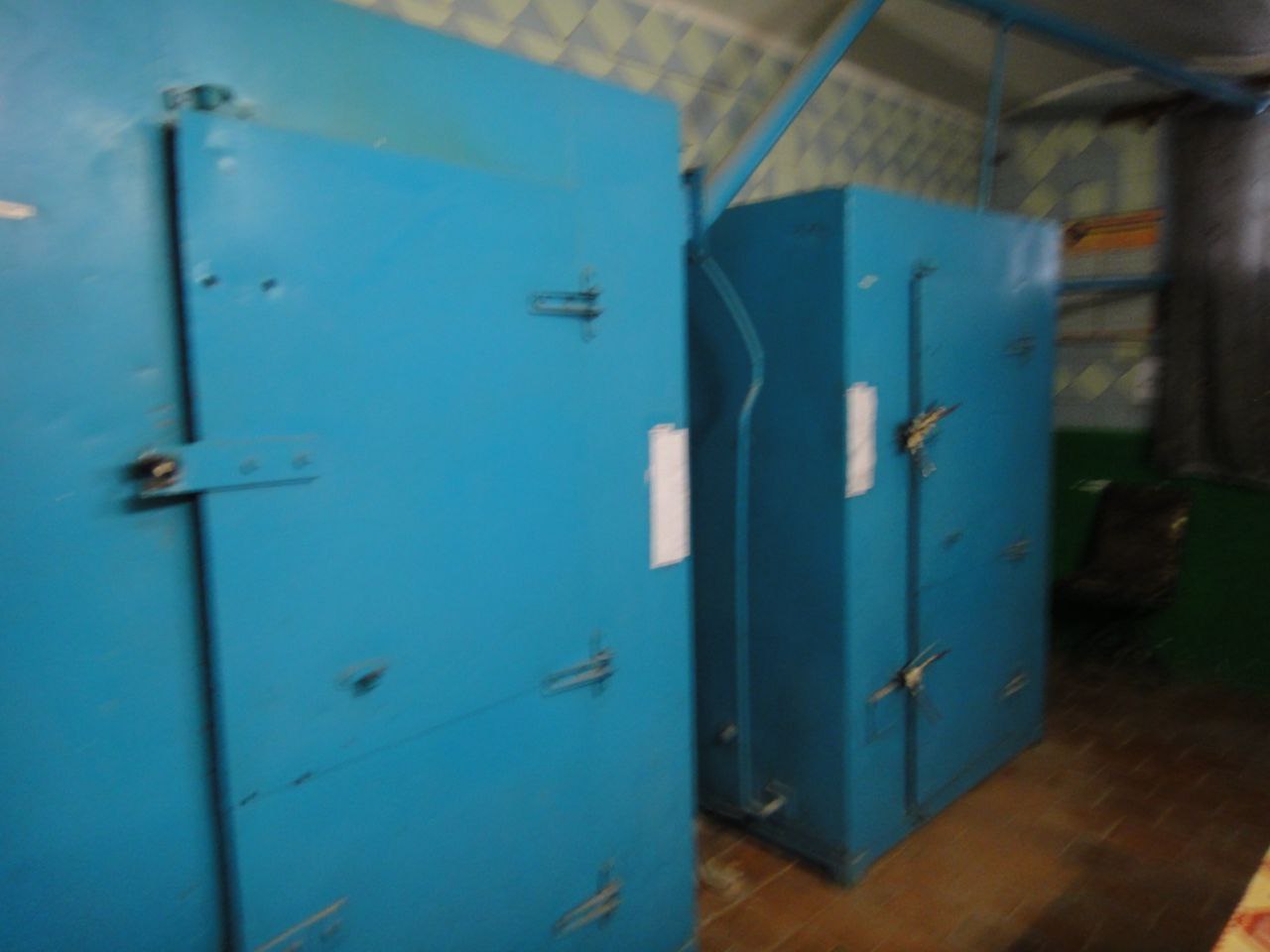
However, as established by the monitoring group, the disinfection chamber in the institution has not been working for more than a year, which makes proper sanitary treatment of bedding and clothing impossible, increases the risk of spreading infectious diseases among convicted persons and staff, and contradicts established sanitary and hygienic standards.
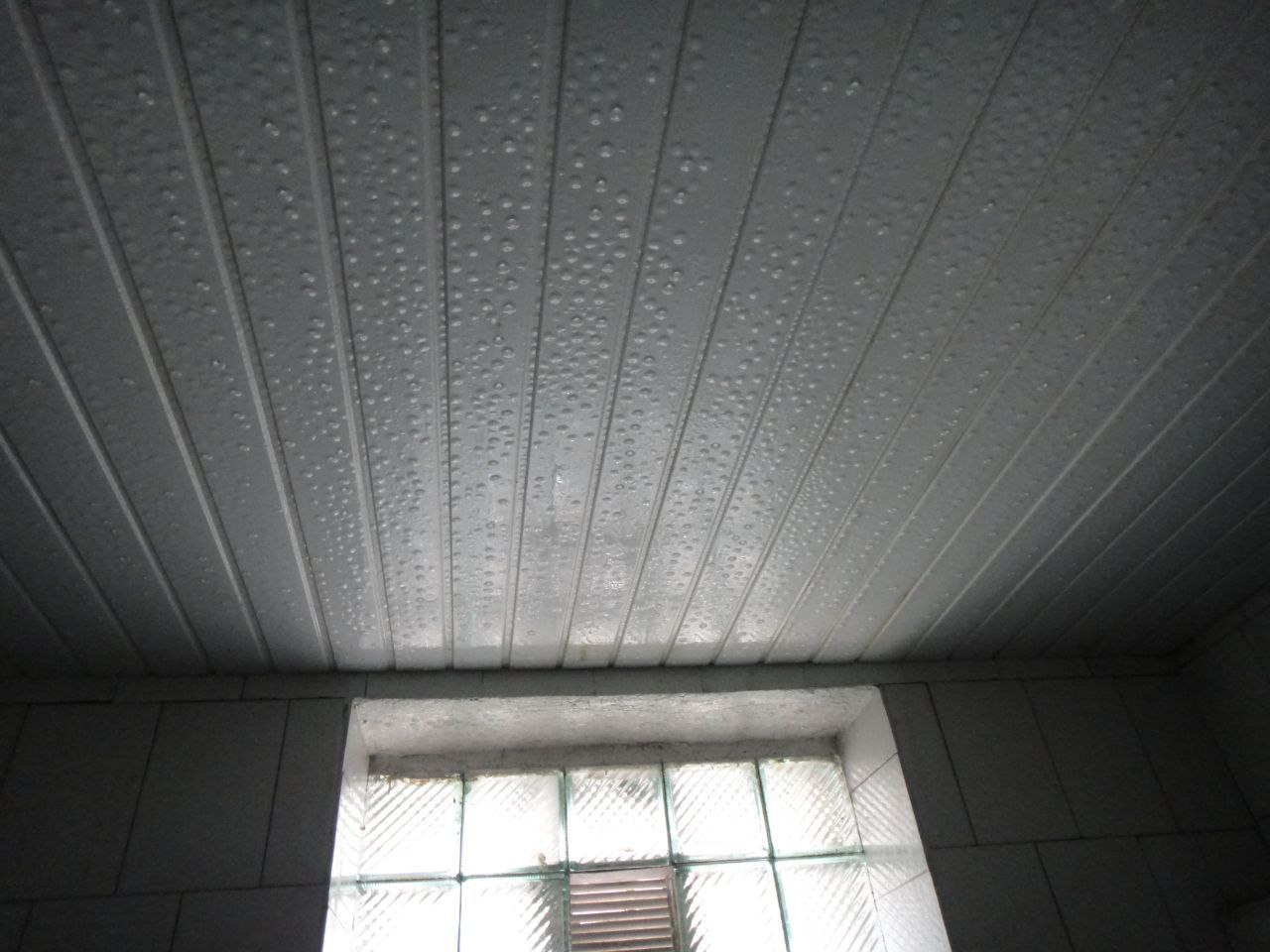
In violation of the requirements of paragraph 2.11, Section II of the Regulation, the forced supply and exhaust ventilation system in the bathhouse does not work properly and requires repair. There is significant condensation on the walls and ceiling.
In violation of paragraph 3.5, Section III of the Regulation, the institution's administration does not ensure the duration of washing of convicted persons in the institution's bath (at least 40 min). Thus, during the monitoring visit, it was established that the duration of washing for a group of prisoners was 20 minutes.
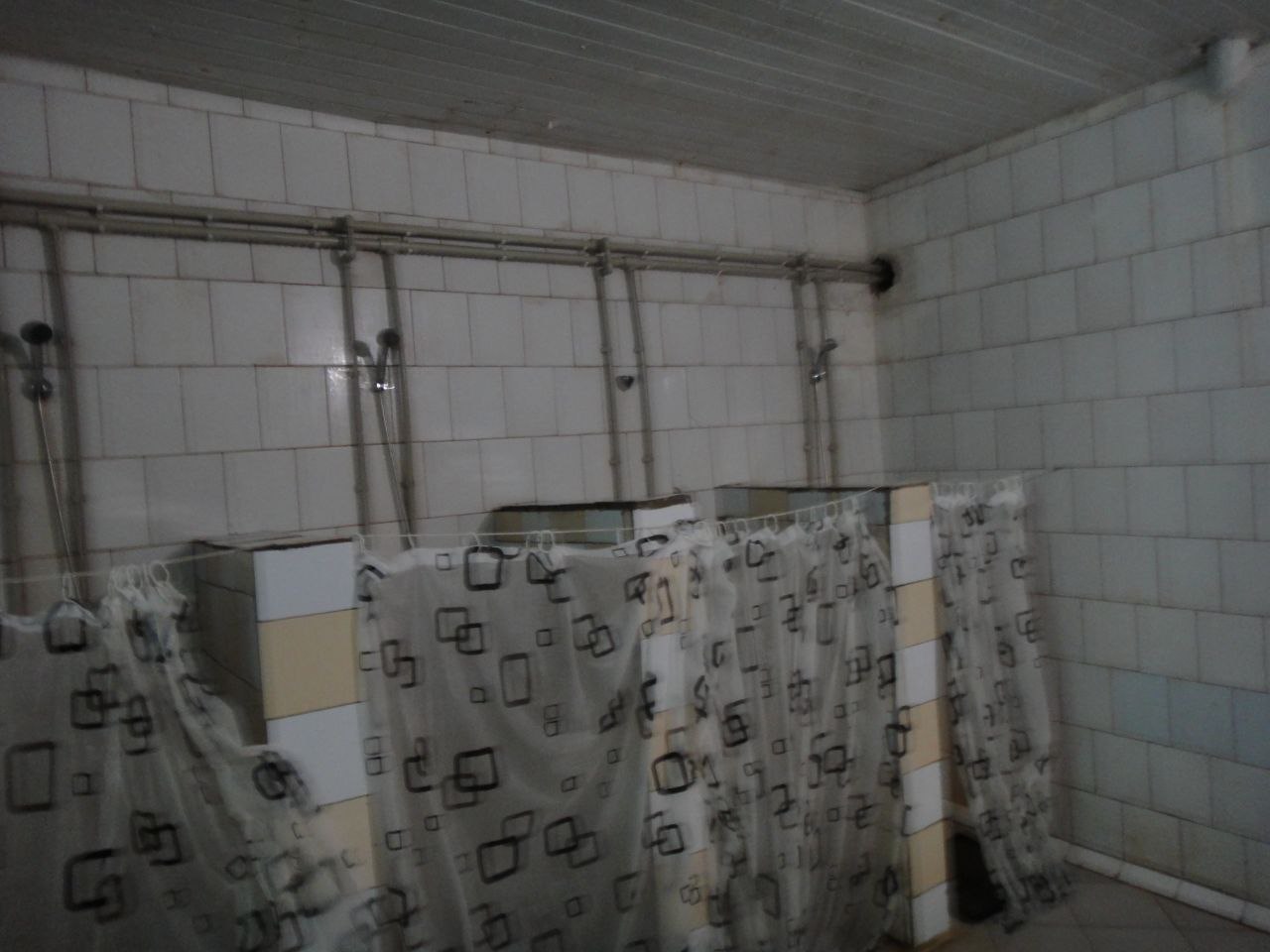
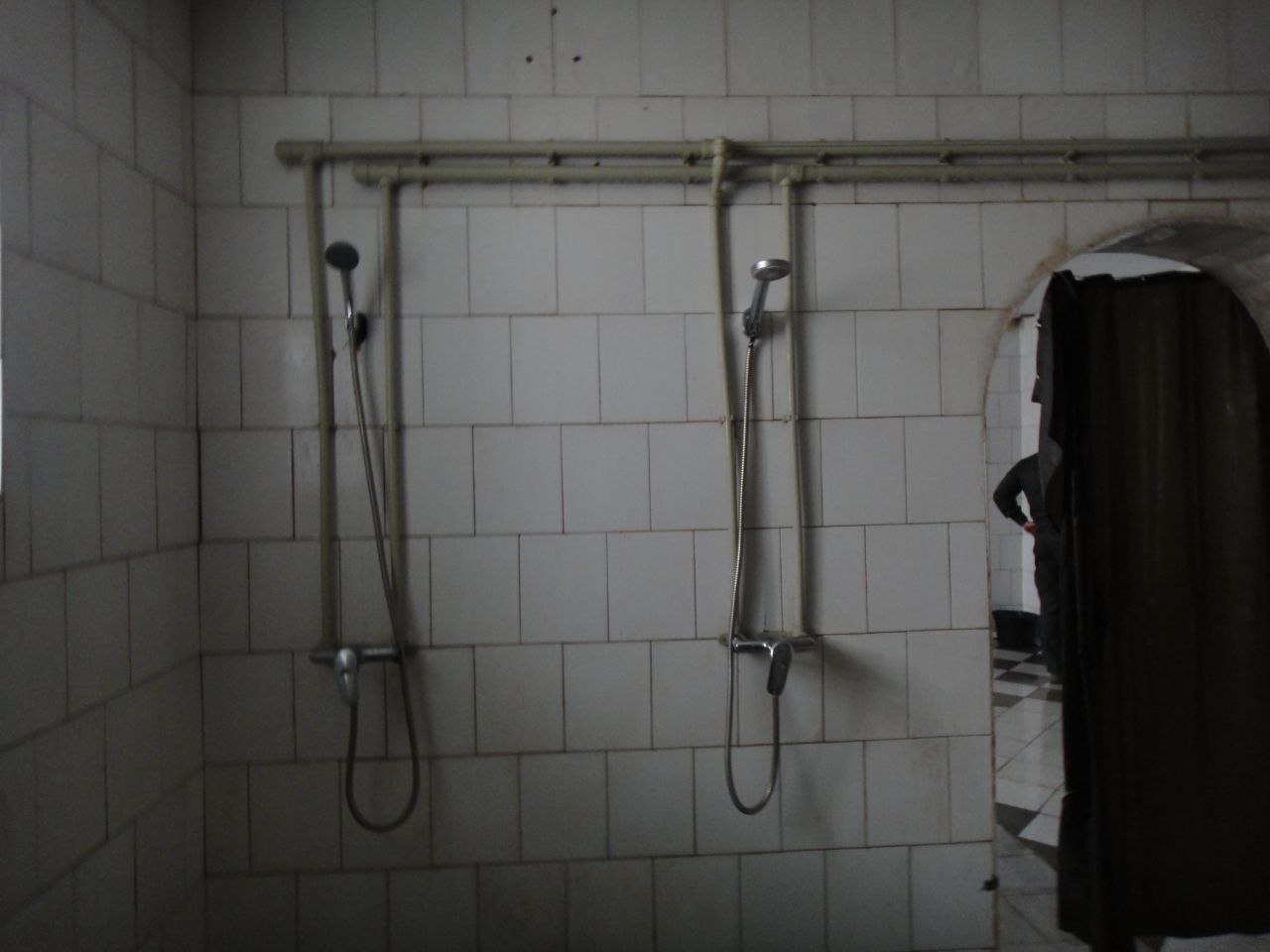
In violation of the requirements of Rule 19.3 of the European Prison Rules, the right to privacy is not observed in the bathhouse due to the absence of curtains on individual shower partitions.
8. During the investigation of the observance of the right to work and social guarantees in the institution, systemic violations of labour rights were established. Namely: the monitoring group found that all employment contracts concluded by the institution's administration with convicted persons performing maintenance functions (cleaning, technical maintenance, delivery and distribution of food, etc.) are in the form of fixed-term contracts for 3 months.
At the same time, these contracts do not contain legal justification for the fixed term, as required by Part 3 of Article 23 of the Labour Code of Ukraine. Relevant labour functions are permanent in nature, which requires the conclusion of indefinite-term contracts.
In addition, a number of other violations were established: a specific salary amount is not defined, which contradicts Articles 2, 21, 97 of the Labour Code of Ukraine; there is no reference to the source of funding for the work; job descriptions are not attached, which violates the requirements of Article 29 of the Labour Code of Ukraine; and the completion of occupational safety briefings is not confirmed.
Such shortcomings indicate a formal approach to the registration of labour legal relations and a violation of the obligation to familiarise the employee with the essential conditions of work, which directly contradicts Article 29 of the Labour Code of Ukraine.
The use of civil law contracts as a hidden form of labour exploitation. The analysed civil law contracts No. Ts-03, No. Ts-04, No. Ts-05, concluded in January-February 2025 with convicted persons Sh., S., F., indicate the actual performance of a labour function under the guise of a civil law contract.
The content of the work (washing dishes, cleaning, food preparation, loading works), the regularity and organisation of performance, subordination to the internal regime of the institution, as well as the fixed volume of work and payment for results indicate the existence of labour, not civil law, relations. This contradicts Article 21 of the Labour Code of Ukraine, which defines the features of labour relations, and Part 4 of Article 118 of the Criminal Executive Code of Ukraine.
The labour of convicted persons is not accompanied by the registration of social insurance; the accrual of pension service; the keeping of time records; or guarantees of occupational safety.
The identified violations also contradict the provisions of international law. Rule 97 of the UN Standard Minimum Rules for the Treatment of Prisoners (the Nelson Mandela Rules) obliges the provision of working conditions equivalent to conditions in the free community. ILO Convention No. 29 on Forced Labour prohibits hidden forced labour and requires the provision of social guarantees for persons involved in labour while serving a sentence. The International Covenant on Economic, Social and Cultural Rights (Article 7) guarantees the right to fair and favourable working conditions, including sufficient pay, safe conditions, equal opportunities, and social protection.
A systemic practice of violating labour legislation has been established, in particular, the conclusion of fixed-term employment contracts without legal grounds and the mass use of civil law contracts for the actual organisation of labour activity. Convicted persons are deprived of fundamental labour rights, including social guarantees, occupational safety, and protection against exploitation.
A low level of legal awareness among convicted persons and the absence of mechanisms for protecting their labour rights in the institution were identified.
9. During the visit, the monitoring group recorded that staff of the institution who are in direct contact with convicted persons openly carry special equipment, in particular, rubber batons.
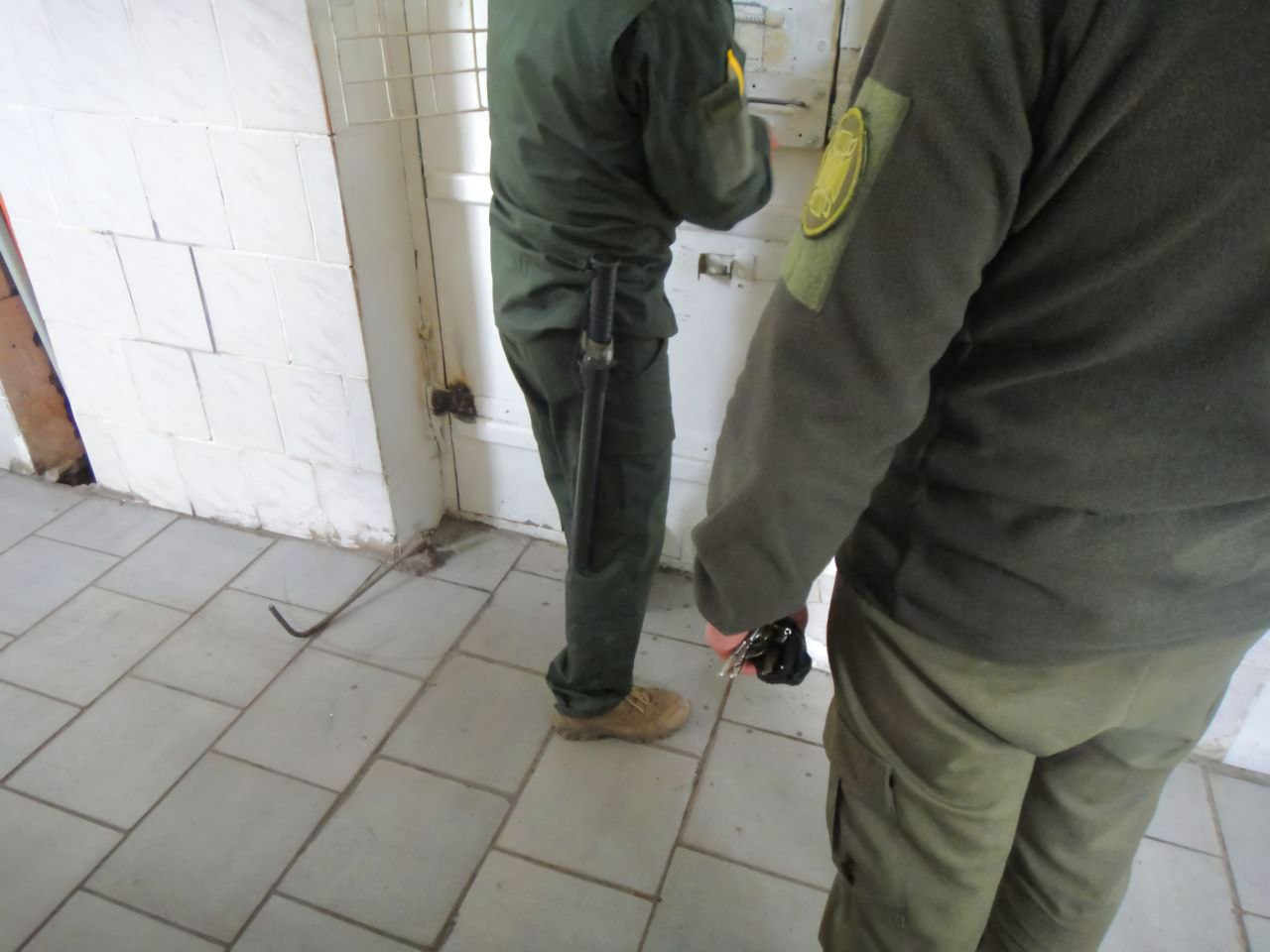
At the same time, according to paragraph 8 of the note to paragraph 8, Chapter 1, Section V of the IRR PTDC, the carrying of special equipment by pre-trial detention centre staff within the protected territory of the centre should, if possible, be as hidden as possible from those around them.
Meanwhile, the Committee recommends that penitentiary staff working in direct contact with prisoners should not carry special equipment (such as rubber batons, handcuffs, and canisters filled with tear gas) openly in front of prisoners. Such carrying hinders the establishment of normal relationships between staff and prisoners (CPT/Inf (2011) 29, paragraph 85; CPT/Inf (2013) 23, paragraph 23; CPT/Inf (2014) 15, paragraph 166).
10. According to service documentation, as of 13 March 2025, the total vacancy rate for the institution was 43 positions from the authorised staff size.
At the same time, in the report of the Government of Ukraine following the 2023 visit, the Committee emphasises that ensuring a positive climate in a penitentiary institution requires the presence of a professional team of staff, who must be present in sufficient numbers at any moment in detention areas. Insufficient staffing can only increase the risk of violence and intimidation between prisoners.
The shortage of front-line staff also undermines the quality and level of activities offered to prisoners and jeopardises the prospect of preparation for release and social rehabilitation. In this regard, the Committee calls on the Ukrainian authorities to take decisive measures to significantly increase the number of staff in penitentiary institutions of Ukraine where there is a low level of staffing, in order to strengthen the presence of security and surveillance staff inside the institutions. It is also necessary to take measures to end the 24-hour shift for staff on duty (CPT/Inf (2024) 20, paragraph 93).
11. The monitoring group studied the practice of applying the “Cassandra” risk assessment subsystem for re-offending in the facility by analysing the responses of the institution's administration and interviewing convicted persons. Significant shortcomings in compliance with procedural and processual guarantees were identified, which negatively affect the assurance of the rights of convicted persons.
Lack of informed participation of convicted persons in risk assessment. Most of the interviewed convicted persons could not explain what the “Cassandra” subsystem is, for what purpose it is used, who conducts the assessment, and when such an assessment was last carried out. This indicates the actual absence of informed consent to the processing of personal data, which is a violation of the principles of Articles 8 and 13 of the Convention for the Protection of Human Rights and Fundamental Freedoms, as well as Article 32 of the Constitution of Ukraine.
Formal information about rights. Although the institution's administration indicated that convicted persons are familiarised with the assessment procedure, the interviewees themselves point to a lack of real information about their rights during the assessment. This contradicts the principle of access to information enshrined in the UN Beijing Rules (paragraph 7.1) and the Standard Minimum Rules for the Treatment of Prisoners (UN Rules, paragraphs 54, 59).
Lack of access to assessment results and appeal mechanisms. Convicted persons do not have access to the full risk assessment form, do not receive copies of the conclusions, are not familiarised with them under signature, and do not know how and where to appeal the results. This violates the right to a fair trial, enshrined in Article 6 of the ECHR, and the right to an effective legal remedy (Article 13 of the ECHR).
Non-observance of the right to participate in decision-making that affects the person's fate. Most convicted persons were not present during the assessment or the compilation of the individual programme of social-educational work, the character reference, and the conclusion on correction. This indicates the formal nature of such instruments and a violation of the participation principle, which follows from European penitentiary standards.
Unclear procedure for storing and deleting personal data. The administration could not provide information regarding the retention periods for data in “Cassandra”, and did not specify the procedure for deleting information after release. Convicted persons are not aware of the possibility of submitting a request for deletion or correction of data. This violates the norms of the Law of Ukraine “On Personal Data Protection” and GDPR principles regarding the preservation and control of one’s own data.
The state of use of the “Cassandra” subsystem in the institution indicates systemic human rights violations, in particular: the right to informed consent and access to personal data; the right to participate in procedures that have consequences for the status of the convicted person; the right to effective appeal of the results of administrative actions. The identified practices violate the requirements of national legislation and international standards for the treatment of prisoners.
Ivano-Frankivsk City Medical Unit No. 12 of the branch of the SI “Health Care Centre of the State Criminal-Executive Service of Ukraine” in Chernivtsi, Ivano-Frankivsk, Zakarpattia and Ternopil regions
The head of Ivano-Frankivsk City Medical Unit No. 12 of the branch of the state institution “Health Care Centre of the State Criminal-Executive Service of Ukraine” in Chernivtsi, Ivano-Frankivsk, Zakarpattia and Ternopil regions (hereinafter — the medical unit) — Andrii Lyzyn.
According to the information provided by the medical unit's staff, the following positions are filled: head of the medical unit-physician — 1 position; general practitioner — 1 position; dermatologist-venereologist — 0.5 position; psychiatrist — 0.5 position; phthisiologist — 1 position; radiologist — 0.5 position; infectious disease specialist — 0.5 position; dentist — 0.5 position; obstetrician-gynecologist — 0.5 position; narcologist — 0.5 position.
During the visit, the monitoring group studied the medical documentation, inspected the premises of the medical unit for their compliance with the requirements of the legislation of Ukraine and international standards, and identified shortcomings in the work of Ivano-Frankivsk City Medical Unit No. 12, which lead to the violation of the rights of convicted persons and persons held in custody in the state institution “Ivano-Frankivsk Penitentiary Institution No. 12”.
1. In violation of paragraph 4, Chapter 1, Section X of the Internal Regulations of Pre-Trial Detention Centres of the State Criminal-Executive Service of Ukraine (hereinafter — IRR PTDC), approved by the order of the Ministry of Justice of Ukraine dated 14.06.2019 No. 1769/5, and the Regulation on Ivano-Frankivsk City Medical Unit No. 12 of the branch of the state institution “Health Care Centre of the State Criminal-Executive Service of Ukraine” in Chernivtsi, Ivano-Frankivsk, Zakarpattia and Ternopil regions, the provision of inpatient medical care is not organised in the medical unit.
This leads to limiting the access of convicted persons and persons taken into custody to proper medical supervision and treatment in inpatient conditions, which can lead to a deterioration of their health status, complication of chronic diseases, and an increase in health-related risks, violating their right to health care and medical assistance guaranteed by Article 49 of the Constitution of Ukraine.
Furthermore, this contradicts paragraph 38 of the Committee's recommendations, which states that medical services in places of detention should be able to provide medical assistance and treatment, as well as appropriate diet, physiotherapy, rehabilitation, or any other special care at the same level as that offered to patients in civilian medical facilities. Provision must be made for staffing with medical, auxiliary, and technical personnel, and appropriate premises, equipment, and facilities must be provided (CPT/Inf (93) 12-part).
2. During the study of medical documentation, it was established that in the outpatient medical records 025/o for the primary accounting documentation form No. 511/o “Certificate of recording bodily injuries”, approved by the order of the Ministry of Health of Ukraine dated 02 February 2024 No. 186, photographs of existing bodily injuries are not attached, as provided for by paragraph 2.11 of Section II of the Procedure for interaction between health care institutions of the State Criminal-Executive Service of Ukraine and health care institutions on matters of providing medical assistance to persons taken into custody, approved by the joint order of the Ministry of Justice of Ukraine and the Ministry of Health of Ukraine dated 10.02.2012 No. 239/5/104 (hereinafter — the Procedure).
At the same time, the Committee in its report on the results of the 2023 visit to Ukraine notes that any traumatic injuries discovered during a medical examination should be photographed in detail, and the photographs, together with body charts, should be kept in the individual medical record of the person (CPT/Inf (2024) 20, paragraph 82).
3. The medical unit does not organise opioid substitution therapy (hereinafter — OST) for persons with mental and behavioural disorders due to opioid use in accordance with the Procedure for conducting opioid substitution therapy for persons with mental and behavioural disorders due to opioid use, approved by the order of the Ministry of Health of Ukraine dated 27.03.2012 No. 200.
Drug-addicted persons are not provided with social-psychological support, cognitive-behavioural therapy (CBT), relapse prevention, motivational interviewing, mutual aid groups, etc.
Thus, these persons are deprived of the opportunity to receive OST, which violates their right to choose methods of treatment in accordance with Article 38 of the Law of Ukraine “Fundamentals of Ukrainian Legislation on Healthcare”.
At the same time, the European Committee for the Prevention of Torture or Inhuman or Degrading Treatment or Punishment in its report following the 2023 visit to Ukraine notes that entry into a penitentiary institution is an opportunity to solve the problem associated with drugs, and therefore it is important that appropriate assistance is offered to all interested persons, and therefore, appropriate medical care should be available in all institutions.
The assistance offered to such persons must be diverse; substitution therapy programmes for persons with drug dependence must be combined with genuine psychosocial and educational programmes for persons with opioid dependence who are unable to stop using drugs. Furthermore, access to OST programmes in institutions should be easily accessible and managed by penitentiary doctors who have undergone special training on issues related to drug use (CPT/Inf (2024) 20, paragraph 86).
4. In violation of the requirements of the Standards for Medical Care for Hepatitis C in adults, approved by the order of the Ministry of Health of Ukraine dated 15.01.2021 No. 51, not all persons (5 persons as of 13.03.2025) with suspected viral hepatitis C undergo PCR testing, due to which they do not receive the necessary treatment, which may lead to a deterioration of their health and the spread of the specified infectious disease among convicted persons and prisoners.
Furthermore, on the day of the visit, the medical unit's pharmacy lacked drugs for the treatment of viral hepatitis C.
5. In violation of the requirements of paragraph 1, Section II of the Standard of Infection Control for Health Care Institutions Providing Care to Patients with Tuberculosis, approved by the order of the Ministry of Health of Ukraine dated 01.02.2019 No. 287, the medical unit does not comply with the requirements for isolating patients with tuberculosis. In particular, the wards are used for housing more than one or two persons (one ward-cell is designed for four bed places), the doors are not equipped with a sealed threshold and seals at the edges, and air recirculation is not ensured due to the absence of mechanical ventilation.
6. Dispensary monitoring is carried out for 11 persons with disabilities. Of them, group I — 0 persons; group II — 2 persons; group III — 9 persons. At the same time, in violation of the requirements of the Law of Ukraine “On Rehabilitation of Persons with Disabilities in Ukraine”, persons with disabilities do not receive proper diagnostic, treatment, and rehabilitation measures in the presence of information confirming persistent impairment of body functions caused by diseases, consequences of injuries, which cause restrictions on normal vital activity.
Thus, during the study of the medical documentation of convicted persons, it was established that for 1 person with a disability, the individual rehabilitation programme (hereinafter — IRP) is missing. Furthermore, IRP recommendations are not being implemented, due to which they do not receive proper diagnostic, treatment, and rehabilitation measures in the presence of information confirming persistent impairment of body functions caused by diseases and consequences of injuries, which cause restrictions on normal vital activity.
7. In violation of the requirements of the State Building Norms of Ukraine V.2.2-17:2006 “Buildings and structures. Accessibility of buildings and structures for low-mobility groups of the population”, conditions for housing persons with disabilities have not been created in the medical unit.
8. In violation of paragraph 37 of the Resolution of the Cabinet of Ministers of Ukraine No. 285 dated 2 March 2016 “On approval of Licensing conditions for the conduct of economic activity in medical practice”, the medical unit lacks a conclusion confirming free access to the buildings and premises of the medical facility for low-mobility groups of the population, the receipt of which is mandatory.
9. In violation of paragraph 9 of the Rules for the Application of Physical Restraint and (or) Isolation when providing psychiatric care to persons suffering from mental disorders, approved by the order of the Ministry of Health of Ukraine dated 24 March 2016 No. 240, registered with the Ministry of Justice of Ukraine on 15 April 2016 under No. 570/28700, paragraph 8.3.4 of the State Building Norms of Ukraine V.2.2-10:2022 “Health Care Institutions”, the isolation ward for persons with mental disorders does not meet the established requirements.
The premises are designed for the stay of more than one person (for 8 persons), which contradicts the principles of isolation. Bunk beds are used, and the equipment has sharp corners, which poses a potential danger to patients.
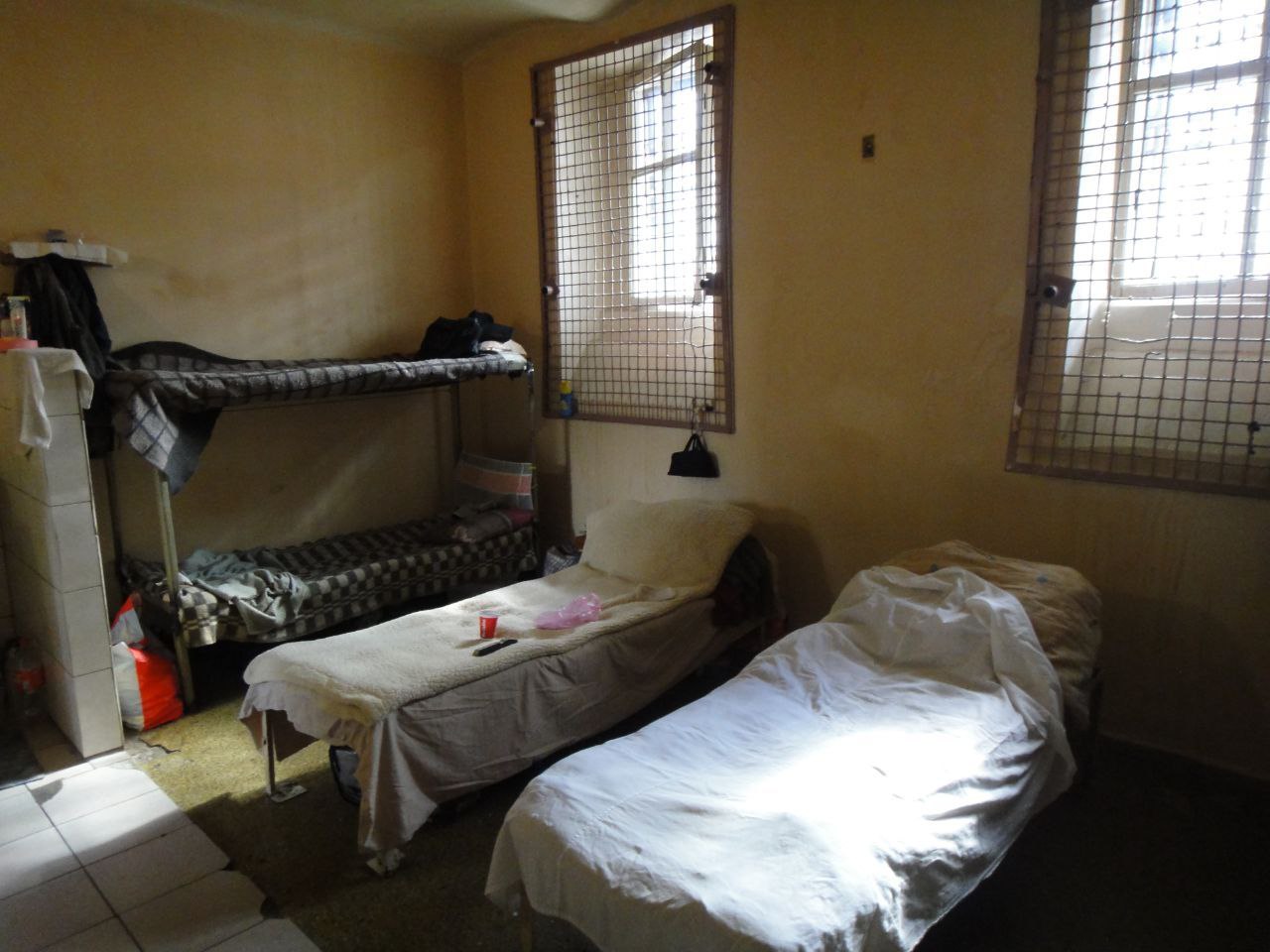
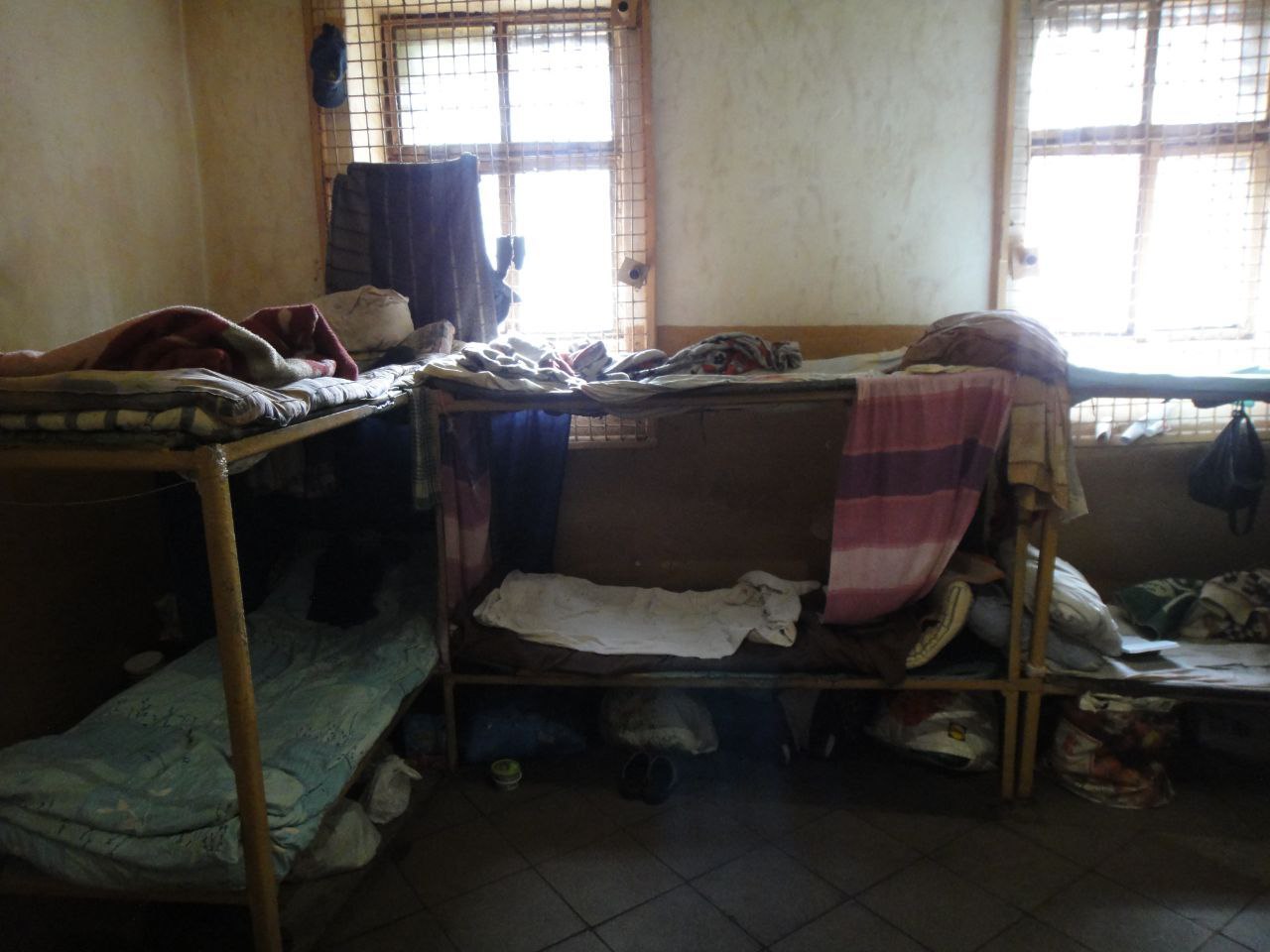
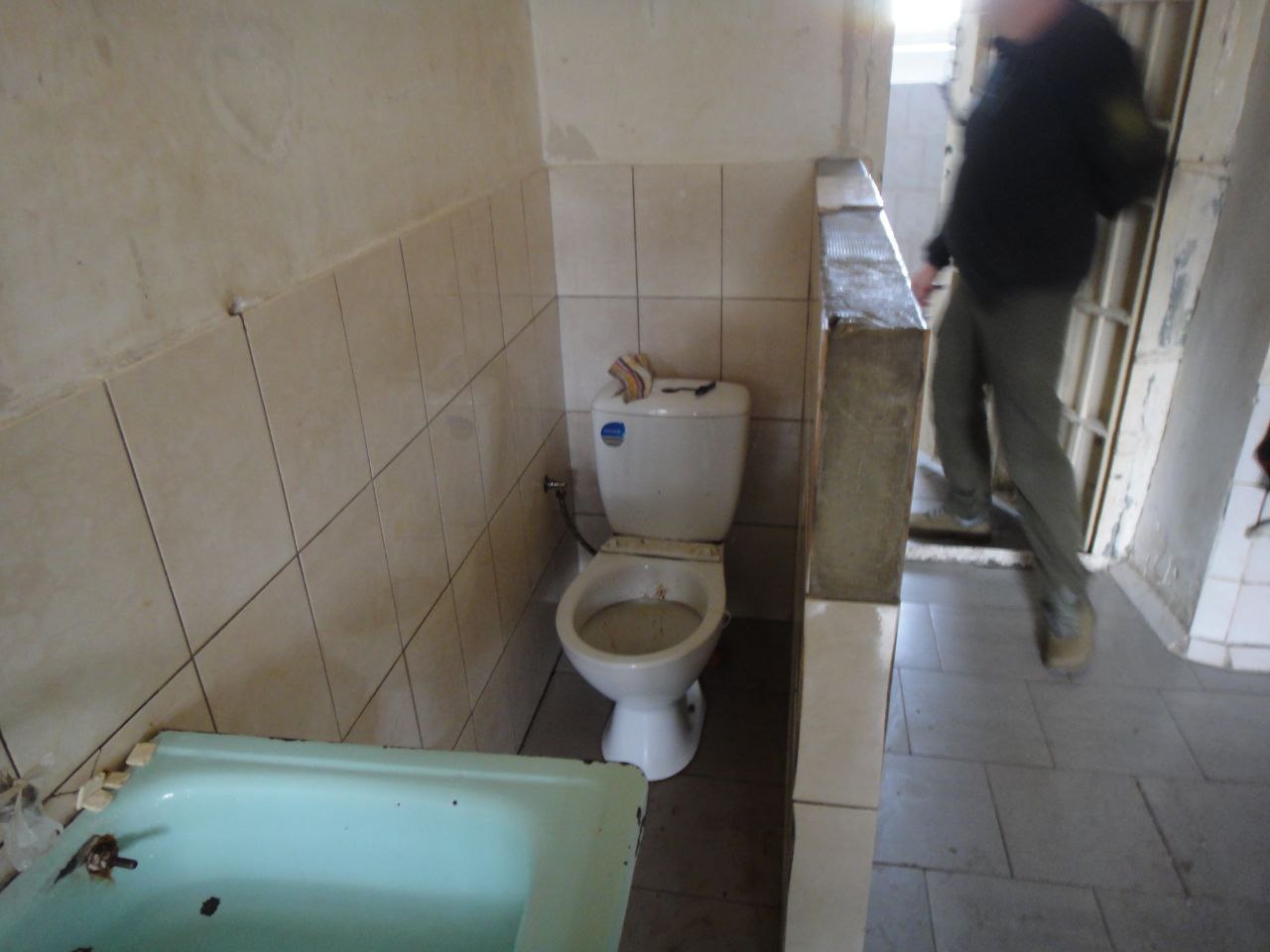
The sanitary unit is not equipped with doors and sufficient partitions, which makes privacy impossible. There is no tank with boiled drinking water. Bedding and mattresses need to be replaced.
10. In violation of the Procedure for organising medical care at the primary, secondary (specialised) and tertiary (highly specialised) levels using telemedicine, approved by the order of the Ministry of Health of Ukraine dated 19.10.2015 No. 681, the staff of the medical unit are deprived of the possibility to send requests for telemedicine consultations and receive professional assistance for providing medical services to convicted persons due to technical limitations.
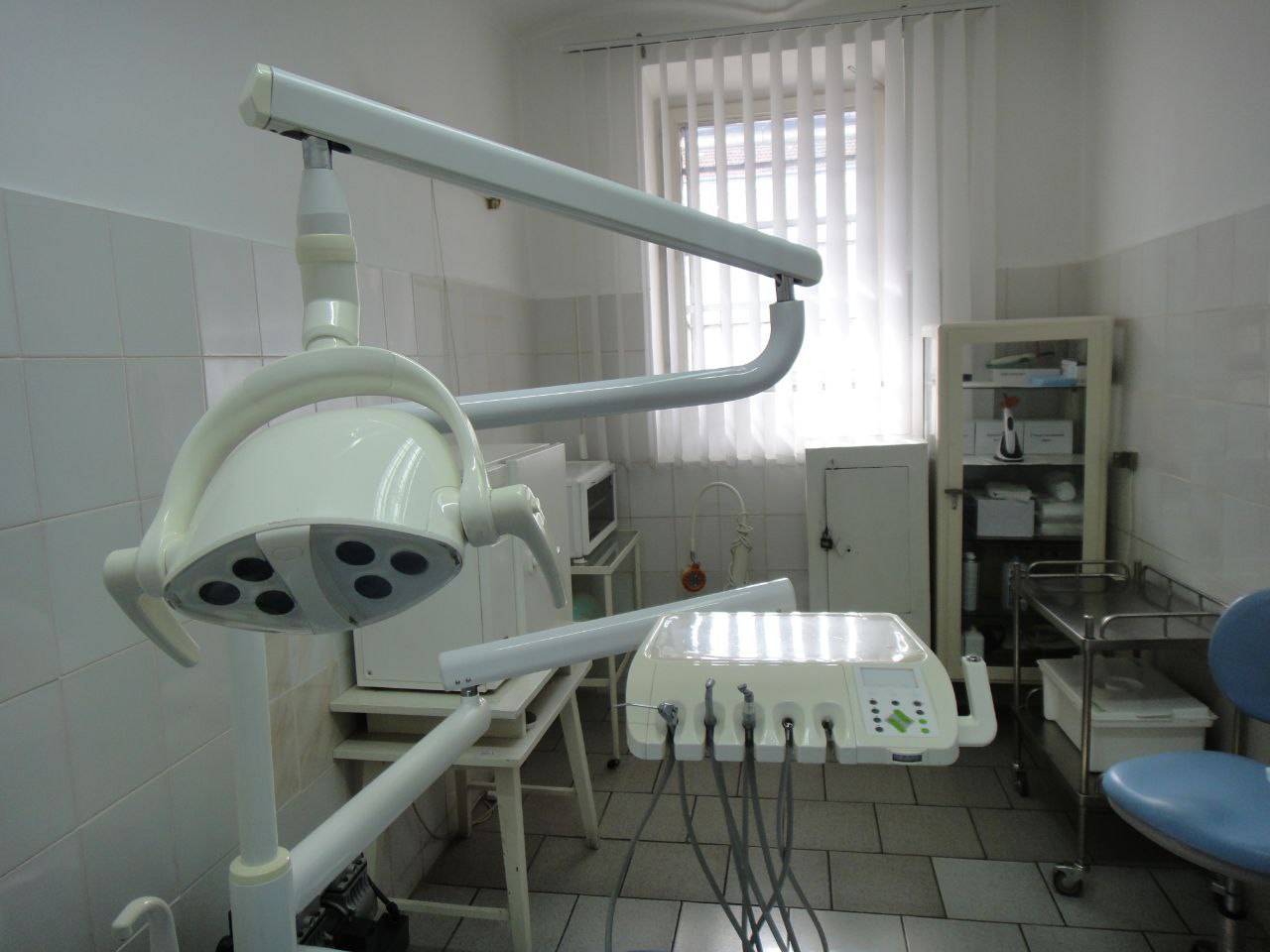
11. In violation of the requirements of the Equipment Schedule for one workplace of a dentist and dental technician, approved by the order of the Ministry of Health of Ukraine dated 11.04.2005 No. 158, the medical unit lacks a dental X-ray machine, which makes it impossible to conduct an in-depth dental examination of convicted persons and does not ensure the timely provision of proper dental care.
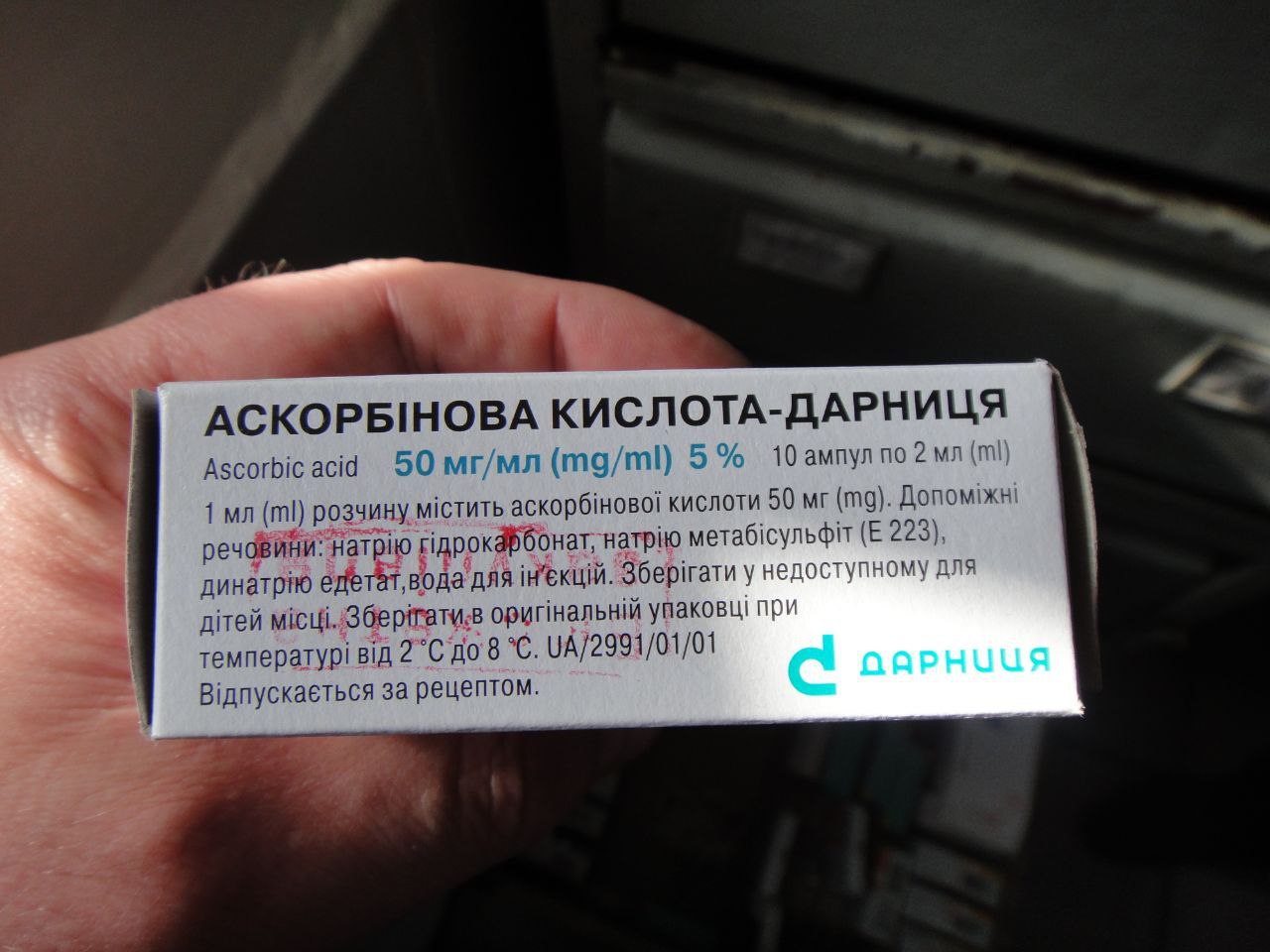
12. In violation of the requirements of the order of the Ministry of Health of Ukraine dated 16.12.2003 No. 584 “On approval of the Rules for storage and quality control of medicinal products in medical and preventive institutions”, medicinal products are stored without observing the temperature regimes established by the manufacturers. In particular, in the manipulation room in the cabinet and on the table, one package of the medicinal product “Ascorbic Acid” was found, for which the maximum storage temperature is established not to exceed 8°C.
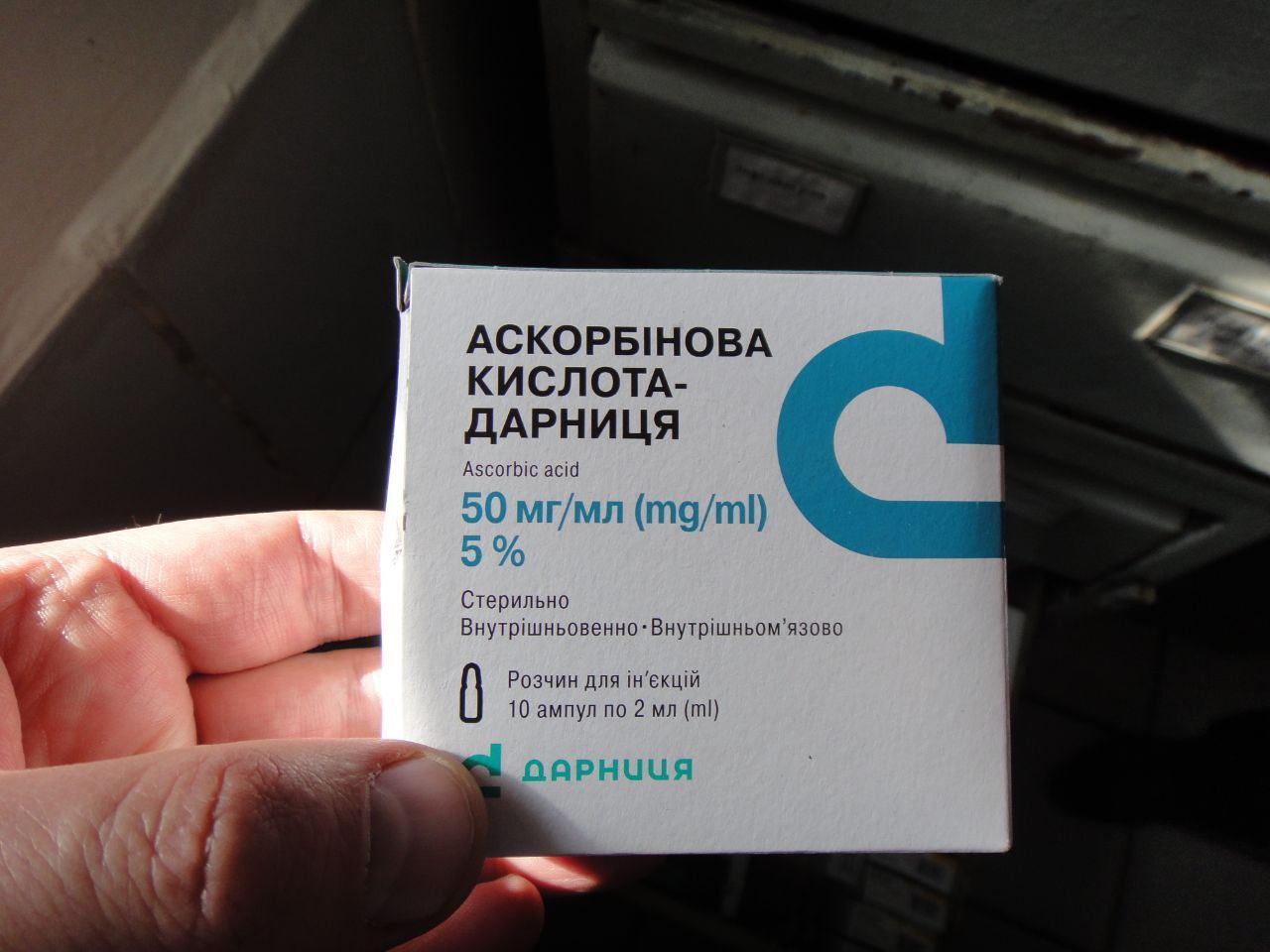
Failure to comply with appropriate conditions can lead to the loss of effectiveness of medicinal products, which poses a risk to the life and health of patients.
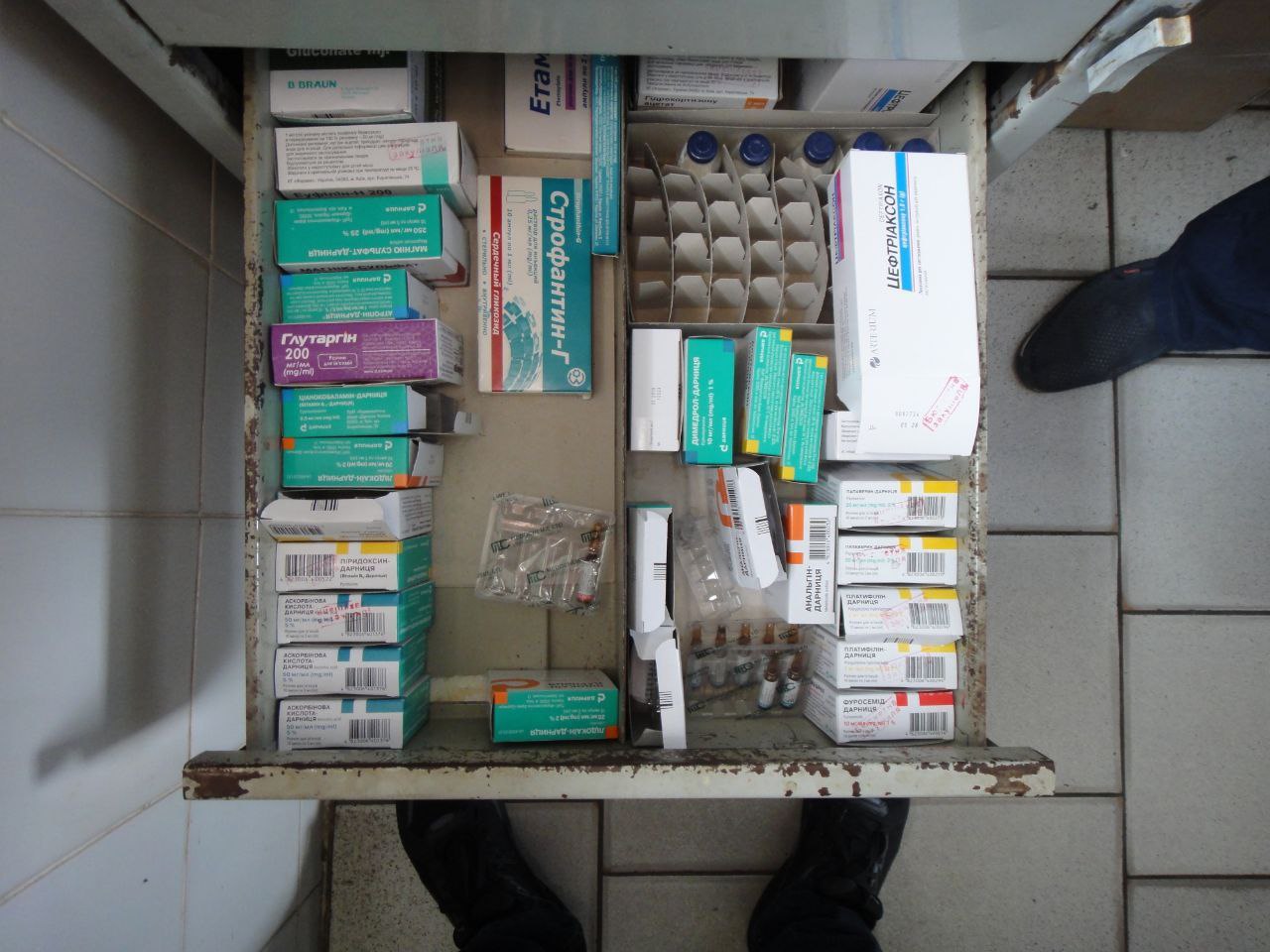
13. According to paragraph 10, Chapter 2, Section IX of the IRR PTDC, those left in the pre-trial detention centre for maintenance work are subject to mandatory preventive medical examination in accordance with the requirements of the Resolution of the Cabinet of Ministers of Ukraine dated 23 May 2001 No. 559 “On approval of the list of professions, production and organisations whose employees are subject to mandatory preventive medical examinations, the procedure for conducting these examinations and the issuance of personal medical books”. For each convicted person of the specified category, the primary accounting documentation form No. 1-OMK “Personal medical book” is created, approved by the order of the Ministry of Health of Ukraine dated 21 February 2013 No. 150, registered with the Ministry of Justice of Ukraine on 23 April 2013 under No. 662/23194.
At the same time, the monitoring group recorded the absence of personal medical books for 3 catering unit workers and the absence of examination results in the medical documentation, which are conducted by medical specialists (including laboratory, clinical, and other examinations), which are necessary for admission to work at food facilities.
14. The premises of the doctors' office and the X-ray room are not equipped with fire extinguishers, which is a violation of the requirements of paragraph 3.6, Chapter 3, Section V of the Rules and a violation of paragraph 10.18, Chapter 10 of the State Sanitary Rules and Norms “Hygienic requirements for the arrangement and operation of X-ray rooms and the conduct of radiological procedures”, approved by the order of the Ministry of Health of Ukraine dated 04.06.2007 No. 294, registered with the Ministry of Justice of Ukraine on 07 November 2007 under No. 1256/14523 (hereinafter — Hygienic requirements for the arrangement and operation of X-ray rooms and the conduct of radiological procedures).
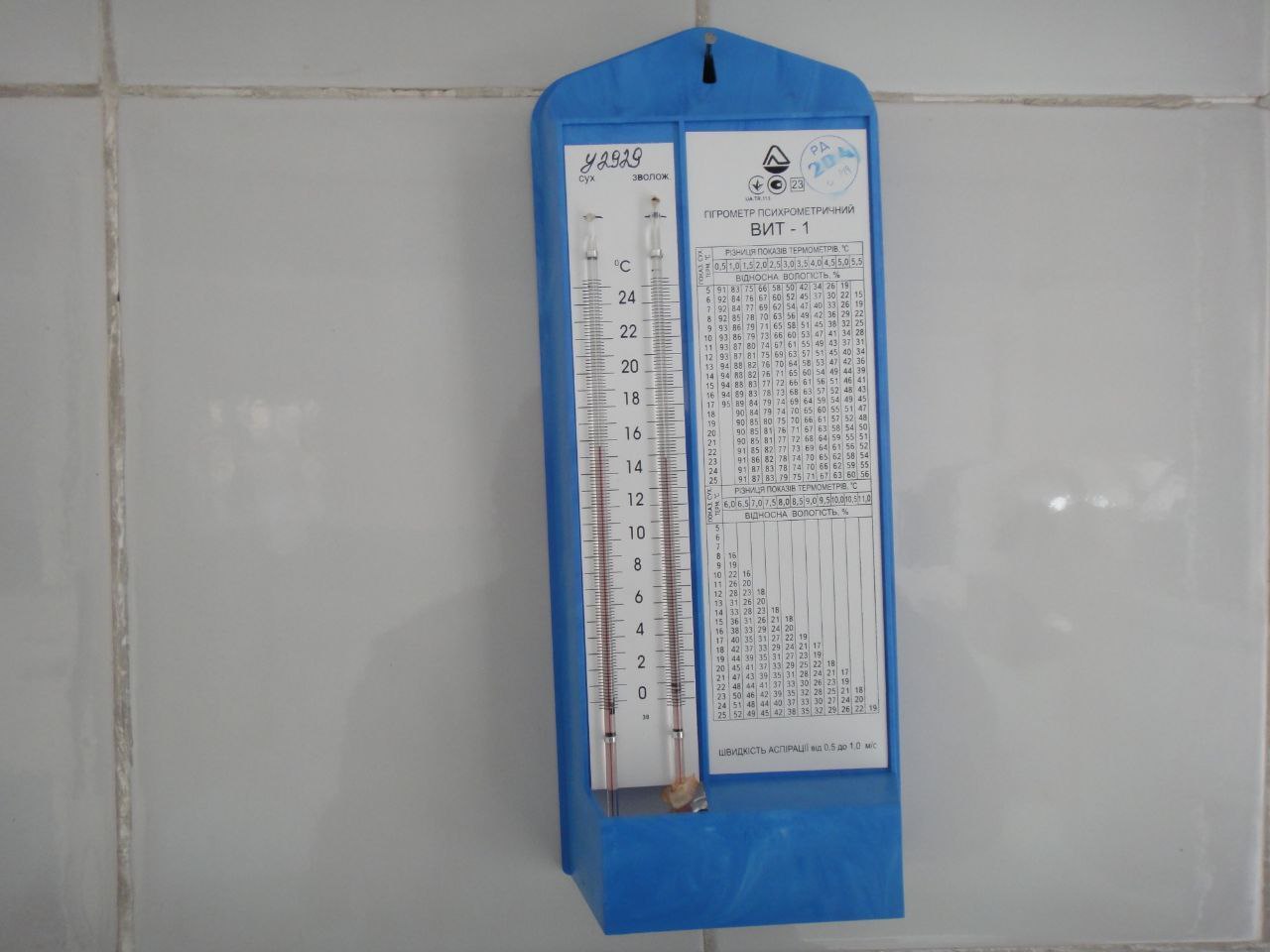
15. In the X-ray room, the air temperature is 15°C, which does not provide comfortable conditions for the patient and staff and violates paragraph 2.10, Chapter 2 of the Hygienic requirements for the arrangement and operation of X-ray rooms and the conduct of radiological procedures.
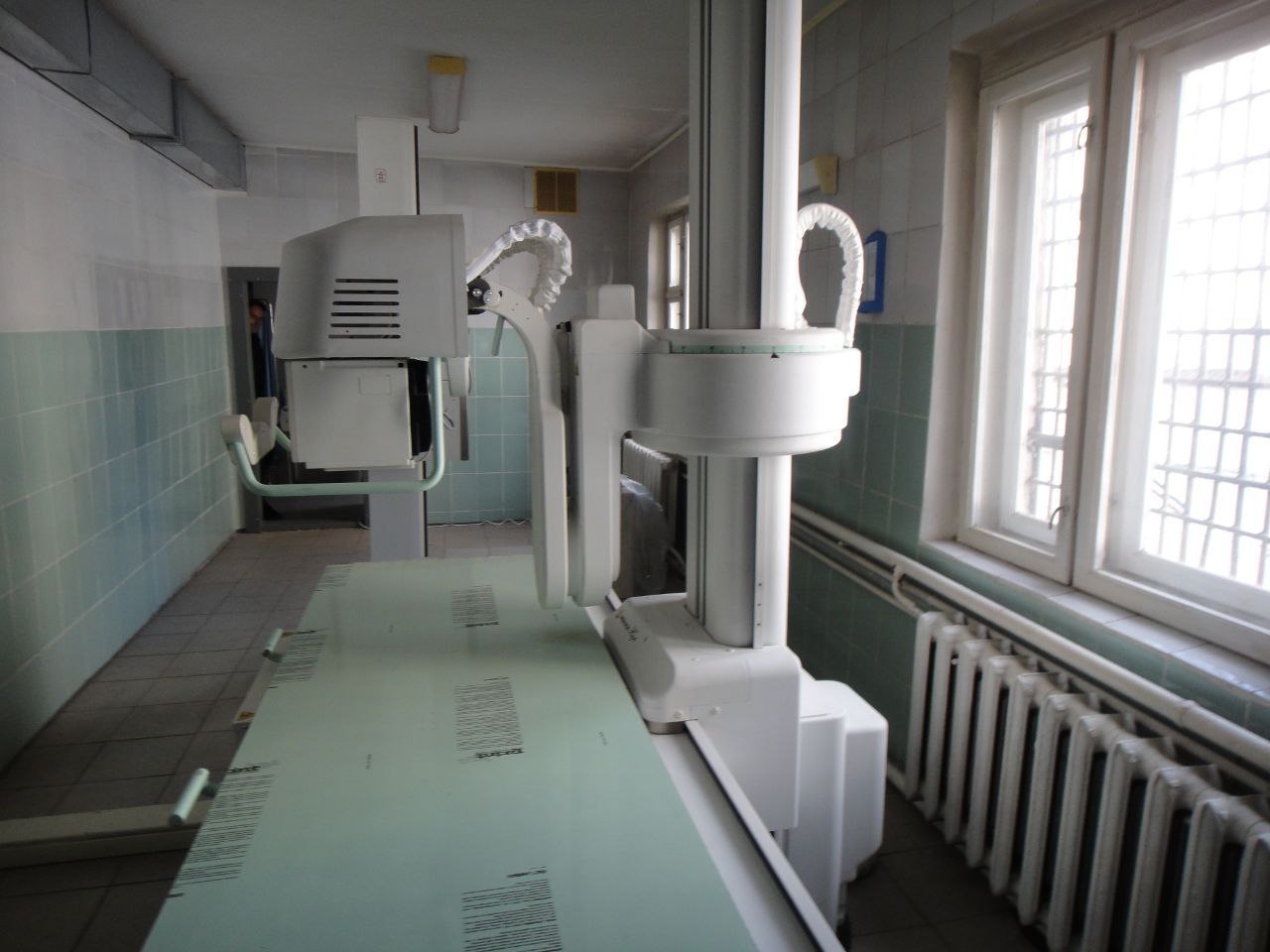
16. In violation of the Fire Safety Rules in Ukraine, approved by the Ministry of Internal Affairs of Ukraine dated 30.12.2014 No. 1417, the premises of the medical unit are not equipped with fire extinguishing and fire alarm systems.
Recommendations:
To the Administration of SI Ivano-Frankivsk PI No. 12
In the sphere of labour rights:
- Terminate the practice of concluding civil law contracts with convicted persons in cases where the nature of the work performed meets the signs of labour relations.
- Conclude indefinite-term employment contracts with convicted persons in cases of performing work of a permanent nature, in accordance with the requirements of Article 23 of the Labour Code of Ukraine.
- Ensure a clear definition of payment terms in employment contracts, including: payment amount (salary), source of funding, procedure and mechanism of accrual.
- Attach job descriptions to employment contracts, and have convicted persons familiarise themselves with them under signature.
- Guarantee the completion of occupational safety briefings, provision of personal protective equipment, and the conduct of medical examinations in accordance with current legislation.
- Provide convicted persons with written information regarding working conditions, labour rights provided for by legislation, and mechanisms for their protection and appeal.
Regarding the “Cassandra” subsystem:
- Ensure regular written notification of convicted persons about the application of the risk assessment subsystem, their rights, the purpose of the assessment, and the possibility of participation in the procedure.
- Provide convicted persons with copies of assessment results or extracts from them under signature.
- Implement a procedure for submitting objections to assessment results with mandatory recording in the information system.
- Guarantee the participation of the convicted person during risk assessment, with the possibility of involving a lawyer or representative.
- Regulate the procedure for storing, reviewing, and deleting personal data related to the “Cassandra” system, in compliance with the Law of Ukraine “On Personal Data Protection”.
In the sphere of medical provision:
- Organise the provision of inpatient medical care in accordance with the requirements of the IRR PTDC and the Regulation on the medical unit.
- Ensure proper maintenance of medical documentation, including recording bodily injuries with photo documentation, in accordance with the Procedure for interaction of the SCES with the MH.
- Ensure the conduct of mandatory medical examinations for catering unit workers and the issuance of personal medical books.
- Ensure access to opioid substitution therapy (OST) in accordance with medical indications and regulatory requirements.
- Ensure the conduct of PCR testing for all persons with suspected viral hepatitis C and the availability of appropriate medications.
- Comply with isolation standards for persons with tuberculosis in accordance with the MH Infection Control Standard.
- Provide persons with disabilities with rehabilitation measures in accordance with their IRP; eliminate accessibility violations in medical premises in accordance with DBN V.2.2-17:2006.
- Equip the medical unit with modern diagnostic equipment, in particular a dental X-ray machine.
- Establish the functioning of the telemedicine complex for receiving specialised consultations.
- Ensure compliance with the temperature regime for storing medicinal products in accordance with the manufacturer's instructions.
- Eliminate fire safety violations: install fire extinguishers, a fire alarm system, and bring the X-ray room into compliance with sanitary norms.
To the Ministry of Justice of Ukraine
- Prohibit the use of civil law contracts in cases that have the signs of labour relations, especially regarding the labour of convicted persons.
- Provide official explanations to the administrations of SCES institutions regarding the inadmissibility of concluding fixed-term employment contracts without legal justification.
- Initiate the development and approval of template forms for employment contracts, adapted to the Labour Code and the Criminal Executive Code of Ukraine.
- Conduct an inspection of the observance of the labour rights of convicted persons in SI “Ivano-Frankivsk PI No. 12” and other institutions, with the involvement of the State Labour Service.
- Develop a regulatory framework for ensuring procedural transparency in the application of the “Cassandra” subsystem: the procedure for notification, appeal of results, access to data, and storage of personal information.
- Conduct an audit of the legal and technical aspects of the functioning of the “Cassandra” subsystem.
To the Office of the Commissioner for Human Rights of the Verkhovna Rada of Ukraine (NPM)
- Conduct a thematic monitoring of the national practice of applying the “Cassandra” subsystem in SCES institutions.
- Raise the issue before the Ministry of Justice regarding the provision of legal guarantees during the application of the risk assessment system.
- Recommend that the Ministry of Justice unify the practice of using civil law contracts and exclude the possibility of violating the labour rights of convicted persons.