Report on the Results of the Monitoring Visit to the Kropyvnytskyi Pre-trial Detention Centre
On 11 April 2025, in accordance with the Optional Protocol to the Convention against Torture and Other Cruel, Inhuman or Degrading Treatment or Punishment, taking into account the provisions of the Standard Minimum Rules for the Treatment of Prisoners and the decisions of the European Court of Human Rights, and on the basis of Article 24 of the Criminal Executive Code of Ukraine — Visiting Penal Institutions, a group of monitors from the Kharkiv Human Rights Protection Group and the NGO “Protection of Prisoners of Ukraine” carried out a follow-up visit to the state institution Kropyvnytskyi Pre-trial Detention Centre (hereinafter the SIZO, the institution, the facility).
The previous visit took place on 11 November 2024. A scheduled, unannounced visit was conducted.
During the preparation for the visit, the monitors used materials from complaints by detainees/convicts and their relatives, materials from previous reports, and the report of the monitors of the National Preventive Mechanism under the Ukrainian Parliament Commissioner for Human Rights (NPM).
The visit was conducted within the framework of the project “Reducing the Suffering of Prisoners in the Context of the War in Ukraine”, funded by the Government of Denmark in partnership with DIGNITY — The Danish Institute Against Torture.
The visit was conducted by the following monitors:
- Andrii Didenko — Assistant to the People’s Deputy of Ukraine Yaroslav Yurchyshyn, Programme Coordinator of the Kharkiv Human Rights Protection Group, experienced in monitoring visits since 2014;
- Serhii Zuikov — Assistant to the People’s Deputy of Ukraine Kostiantyn Kasai, member of the Public Council under the Ministry of Justice of Ukraine, member of the NGO “Protection of Prisoners of Ukraine”, and possesses many years of experience in monitoring visits.
During the monitoring visit to the Kropyvnytskyi SIZO, a number of systemic human rights violations were identified, particularly regarding conditions of detention, access to medical care, and the right to work and privacy. Some cells do not meet the minimum standards of area per person; the equipment of the processing unit and sanitary-hygienic conditions remain unsatisfactory, and the punishment cells have an area of less than 6 m². Detainees and convicts were engaged in labour without proper documentation of employment relations, which contradicts the Constitution of Ukraine and international standards.
The situation regarding the provision of medical care causes particular concern: a lack of informed consent for treatment, failure to comply with the rules for documenting bodily injuries, a lack of isolation for tuberculosis patients, and a lack of proper conditions for persons with disabilities were recorded. The implementation of partial infrastructure upgrades and the administration’s openness to cooperation are positive aspects. At the same time, the situation requires urgent intervention by the authorities to ensure compliance with national and international legislation and to prevent inhuman treatment.
General Information
The institution performs the functions of a pre-trial detention centre. The facility holds persons accused of committing criminal offences for whom a preventive measure of detention in custody has been chosen by a court decision.
The SIZO is located at: 50-B Kuropiatnykova Street, Kropyvnytskyi, Kirovohrad Region, 25009.
The head of the facility is Colonel of the Internal Service Roman Serhiiovych Chabanenko.
The facility consists of a duty unit, a processing unit, a food block, cells for male, female, and juvenile detainees, a maximum-security sector for those sentenced to life imprisonment, transit cells, a facility maintenance department, punishment cells, a medical unit, a bath and laundry complex, visitation rooms, a shop, a library, a parcel reception room, and administrative premises.
According to the administration of the institution, the authorized staffing level of the facility consists of 206 positions. The actual number is 104 positions. The total staff shortage in the institution is 33 employees. The planned capacity of the facility is 824 persons, with 695 sleeping places. The actual number of detainees is 374, convicts — 15, extradited persons — 2. There are 166 cell premises in the facility: 151 operational and 15 under renovation. There are 3 psychologists working in the institution.
During 2024, 6,749 persons arrived at the facility, and in 2025, 1,457. In 2024, 4 persons died; in 2025, 4. 36 persons were employed under employment contracts. 35 persons are registered with HIV/AIDS. The operational-preventive register of the institution included: 11 persons prone to suicide, 48 prone to self-harm, 5 prone to escape, and 26 malicious violators of the detention regime. During 2024, there were 5 complaints regarding inadequate medical care; during 2025, no person submitted complaints regarding inadequate detention conditions or inadequate medical care. 1 person has a disability.
Convicts have 9 tablets for their personal use. During 2024, 17 cases of bodily injuries were recorded upon arrival and 6 cases during their stay at the facility. During the current year, 1 case of bodily injuries was recorded upon arrival and 5 cases during their stay at the facility.
The monitoring group interviewed about 126 persons among the detainees and convicts during the visit to the cells and during general conversations, providing consultations, answering questions, and polling on human rights violations, as well as conducting individual conversations with persons, including on the condition of anonymity. It is worth noting that the administration of the institution responds adequately to complaints from detainees regarding the actions/inaction of the administration. Also, the administration does not conceal cases of human rights violations, which can be considered signs of openness and transparency, and proper, adequate response.
Positive Experience
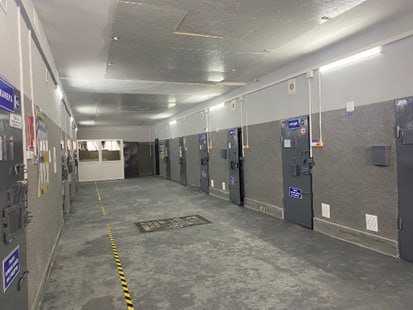
During 2024, the state institution “Kropyvnytskyi Pre-trial Detention Centre” implemented a number of positive practices aimed at improving the conditions of detention for convicts and detainees. Among the most significant achievements is the completion of the reconstruction of the maximum-security sector for persons sentenced to life imprisonment.
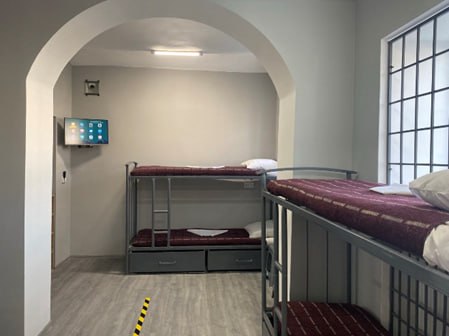
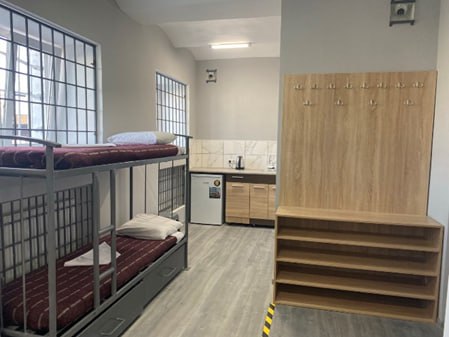
This sector ensures a high level of isolation and security through the installation of electromechanical locks as well as energy-saving systems. In addition, the renovation of the small-capacity cell premise was completed, which improved conditions for holding persons at the maximum security level, in particular by creating a space in accordance with international standards, providing a modern bathroom, and improved lighting.
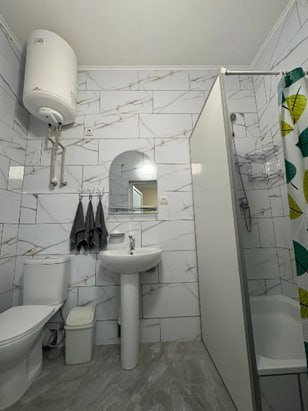
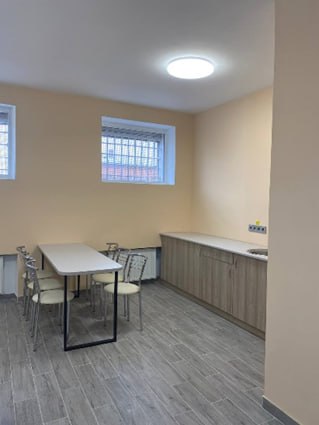
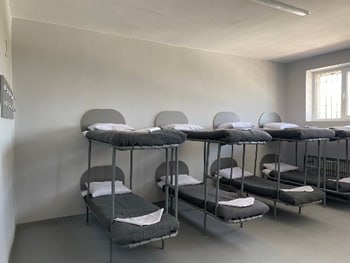
Additionally, significant work was carried out to modernise the premises for holding juveniles and extradited persons, which includes the renovation of cells with an allocation of at least 4 m² per person, furnishing them with modern furniture and televisions. New conditions for the psycho-emotional relief of juvenile convicts were created thanks to the “Green Room” project, which helps to reduce the level of stress among detainees. The implementation of such initiatives is an important step in the realisation of the Strategy for Reforming the Penitentiary System until 2026, contributing to the creation of decent detention conditions and the observance of human rights.
Facts Discovered During the Visit
During the monitoring visit, violations of the requirements of national legislation and non-compliance with international recommendations in the field of treatment of prisoners were identified, which lead to violations of the rights of detainees and convicts:
1. In violation of paragraph 2 of Article 11 of the Law of Ukraine “On Pre-trial Detention”, and Rule 10 of the Standard Minimum Rules for the Treatment of Prisoners, the area per person held in custody in individual cell premises is less than 2.5 m². Thus, during a selective check, it was established that in cell premise No. 159, where 3 male detainees were being held, the area of the cell according to the living space measurement certificate is 6.66 m². Thus, the actual area per person held in custody was 2.22 m². Similar violations were identified in cell premises Nos. 157, 160, 162, 166, 185, 190, 191, 192, 193, 197.
Furthermore, in violation of point 1 of Chapter 2 of Section III of the Internal Regulations of Pre-trial Detention Centres of the State Criminal Executive Service of Ukraine, approved by Order of the Ministry of Justice of Ukraine dated 14.06.2019 No. 1769/5 (hereinafter — the SIZO Internal Regulations), it was established that in a number of cell premises, the actual availability of sleeping places exceeds the permissible number for ensuring the area per person provided by law.
Thus, in cell premises Nos. 156, 157, 159, 160, 161, 162, 166, 185, 190, 191, 192, 193, 197, etc., which according to the living space measurement certificate are designed for two places at the rate of 2.5 m² per person, three, and sometimes four beds, are located in each cell premise. This violation creates conditions for potential abuse by the administration and facility staff in the context of compliance with the living space standard per person and does not ensure proper personal space for persons held in cell premises.
In point 13 of the 7th General Report of the European Committee for the Prevention of Torture and Inhuman or Degrading Treatment or Punishment (hereinafter — the Committee), it is noted that the problem of overcrowded cell premises leads to unhygienic conditions, a constant lack of privacy, and the overloading of the facility’s medical services and infrastructure. The Committee concludes that quite often the negative impact of overcrowding has resulted in inhuman or degrading conditions of detention for prisoners (CPT/Inf (97) 10).
In addition, the Committee, in its report following the 2023 visit to Ukraine, once again calls on the Ukrainian authorities to take measures, in accordance with the Committee’s long-standing recommendation, to review existing legal norms regarding living space for persons held in custody, in order to guarantee at least 4 m² per person in cells for several persons (not counting the area occupied by toilets in the cells). (CPT/Inf (2024) 20) point 38).
2. In violation of Article 8 of the Law of Ukraine “On Pre-trial Detention” and Rule 17.2 of the European Prison Rules, the monitors established instances of violation of the requirements regarding the separate detention of detainees. Thus, in cell premises Nos. 302, 303, 317, 319, 320, 325, 342, 117, and 142, persons who had previously served sentences in places of deprivation of liberty were held together with a person/persons being held criminally liable for the first time. This indicates a systemic failure by the institution’s administration to comply with the requirements for ensuring proper control over the placement of detainees; it does not correspond to the principles of dynamic security and leads to a violation of the prisoners’ rights to personal safety, which contradicts national legislation and international standards, in particular Article 3 of the Convention for the Protection of Human Rights and Fundamental Freedoms.
3. Just as during the previous visit, the monitoring group established that the equipment of the processing unit premises does not fully comply with the requirements of the Procedure for Provision, Accounting, and Operation of Furniture, Inventory, and Household Items and the Norms of their Provision and Operation in Penal Institutions and Pre-trial Detention Centres of the State Criminal Executive Service of Ukraine, approved by the Order of the Ministry of Justice of Ukraine dated 27.07.2012 No. 1118/5, registered with the Ministry of Justice of Ukraine on 30.07.2012 under No. 1274/21586 (hereinafter — the Provision Norms).
Thus, in the premises of the processing unit, the following rooms are missing: a room for processing documents; a photo laboratory; a storeroom for the temporary storage of dirty bedding and personal property; a barber shop; a shower room; a cell for sick persons (quarantine cell); a room for food distribution, food storage, and dishwashing; and a procedure room. It should be noted that due to the lack of an equipped doctor's office in the processing unit, the medical examination of new arrivals is carried out in the search room, i.e., under conditions that do not ensure privacy and confidentiality, which in turn indicates that facility staff and other persons among detainees and convicts gain access to confidential information regarding the health status of these persons during the medical examination.
This violates the requirements of point 7 of Chapter 2 of Section X of the SIZO Internal Regulations, Article 39-1 of the Law of Ukraine “Fundamentals of Ukrainian Legislation on Healthcare” regarding the right of persons to secrecy about their health status, and point 9 of Section I of the “Procedure for Organising the Provision of Medical Care to Convicts to Deprivation of Liberty”, approved by the joint order of the Ministry of Justice of Ukraine and the Ministry of Health of Ukraine dated 15.08.2014 No. 1348/5/572 (hereinafter — the Procedure).
In turn, the lack of a quarantine cell and a cell for sick persons (quarantine cell) in the SIZO processing unit creates conditions for the spread of infectious diseases among new arrivals, increases the risk of epidemiological outbreaks, and complicates the timely detection and isolation of sick persons, which may pose a threat both to the detained persons and the facility staff.
At the same time, there are only two premises available for holding persons arriving at and departing from the institution, which does not allow for holding detainees and convicts in compliance with isolation requirements, which is a violation of point 10 of Chapter 2 of Section II of the SIZO Internal Regulations and Article 8 of the Law of Ukraine “On Pre-trial Detention”.
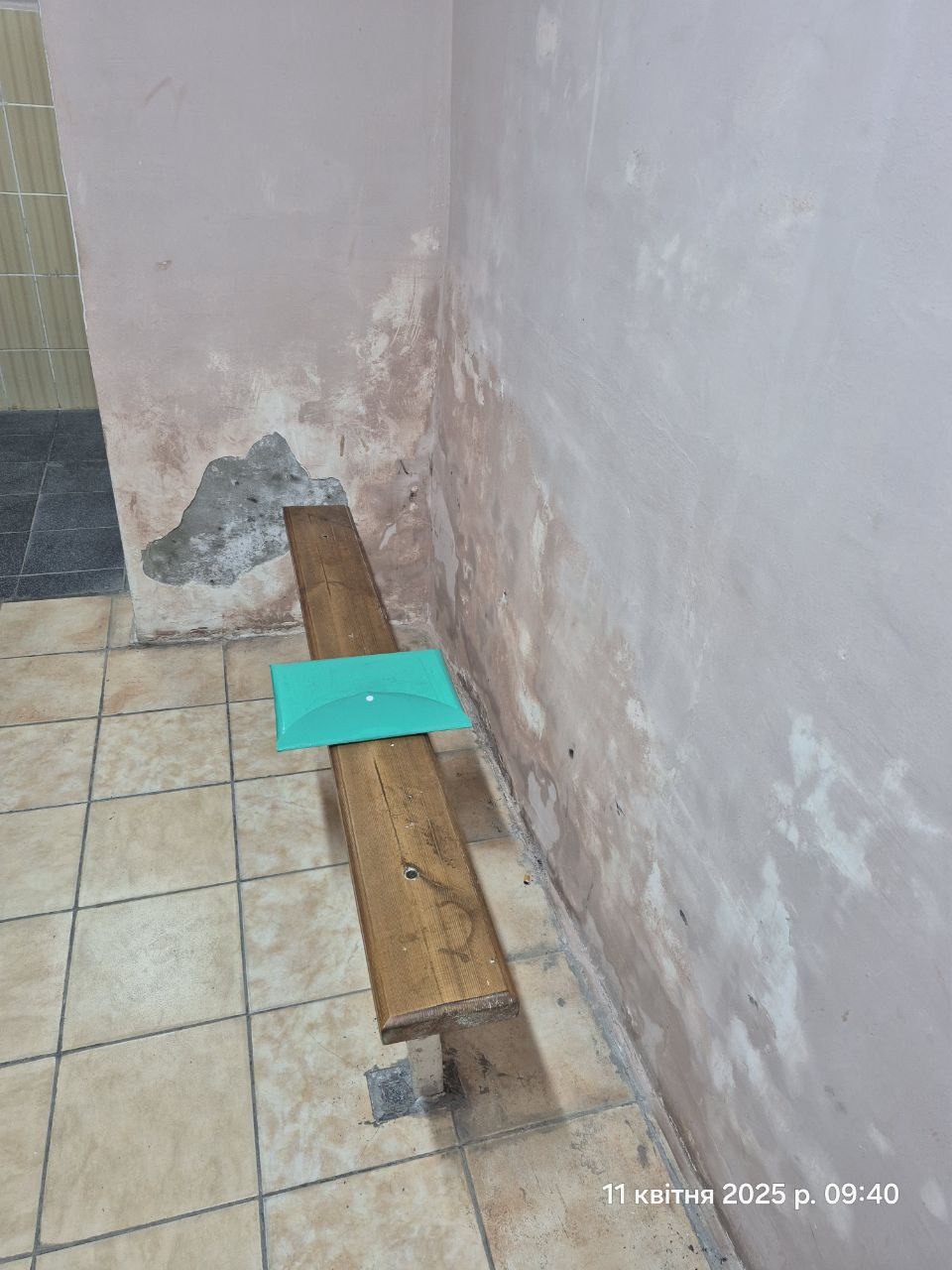
The bathroom in cell premise No. 1 is not equipped with a door that ensures the possibility of privacy, which violates the requirement of Rule 19.3 of the European Prison Rules. The cell room has significant humidity, and there are traces of mould on the wall due to water leakage. Due to the small size of the window and excessive grating, the level of natural lighting in the room is insufficient.
4. As during the previous visit, the monitoring group established a violation of Article 8 of the Convention for the Protection of Human Rights and Fundamental Freedoms, which guarantees the right to respect for private life. In particular, contrary to Rule 18.1 of the European Prison Rules, in some cell premises, the beds are located close to each other, which deprives detainees of personal space. The bathrooms in individual cells (Nos. 156, 157, 159, 160, 161, 162, 166, 185, 188, 189, 190, 191, 192, 193, 194, 195, 196, 197, etc.) are not equipped with sufficient partitions and doors that ensure the possibility of privacy, which violates Rule 19.3 of the European Prison Rules.
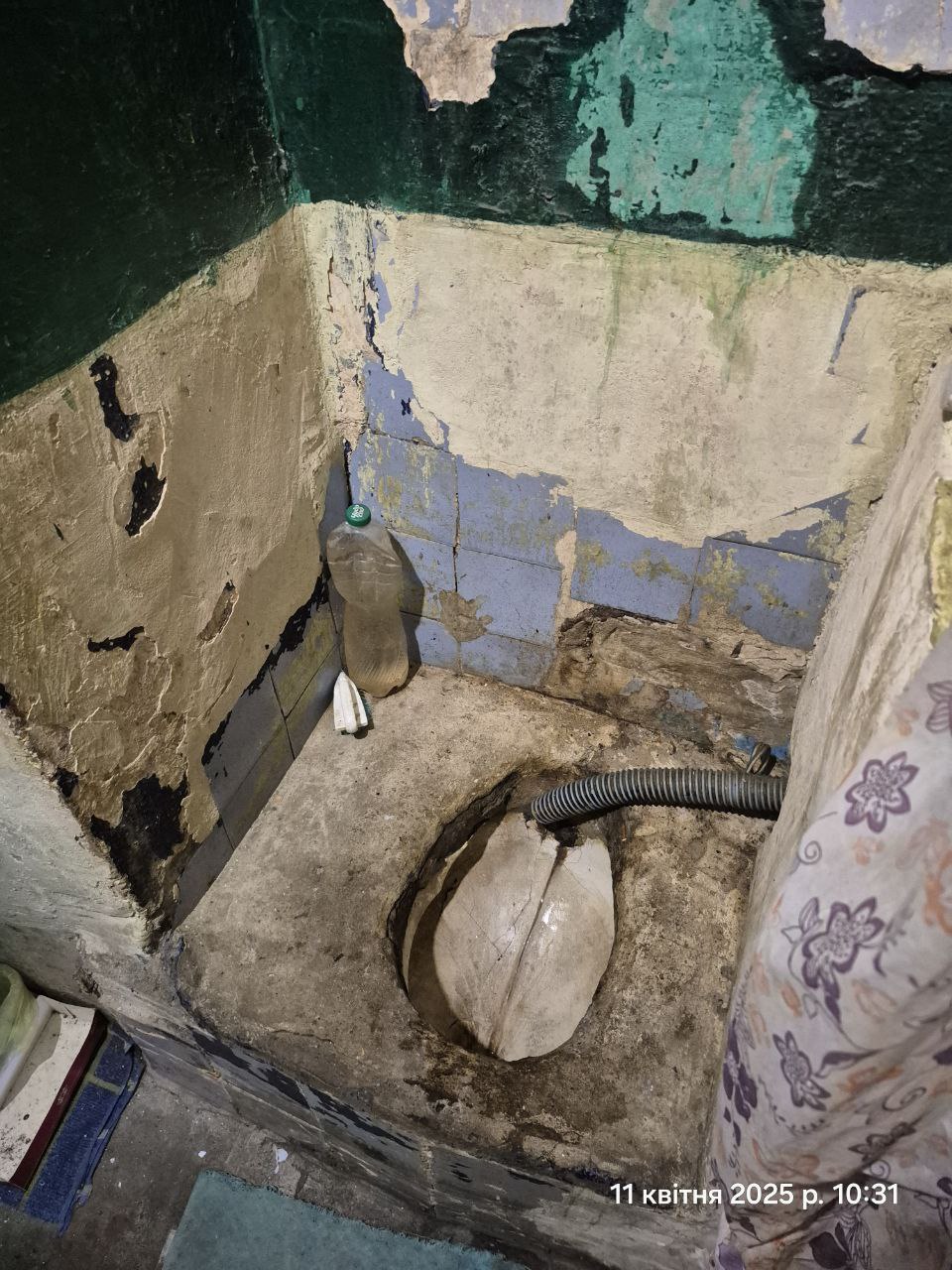
Contrary to the requirements of Article 11 of the Law of Ukraine “On Pre-trial Detention” and point 2 of Chapter 3 of Section IX of the SIZO Internal Regulations, detainees are not provided with proper material and living conditions that comply with sanitary and hygienic rules. In particular, in the cell premises, detainees are forced to wash and dry their clothes, which indicates the inadequate organisation of bath and laundry services. Some cells require renovation, including the replacement of sanitary-technical equipment and electrical wiring. There is an unpleasant odour in the premises, unsanitary conditions, excessive dampness and mould are observed on the ceilings and walls of some cells due to water leakage, significant clutter with personal belongings, and the bedding and mattresses need replacement.
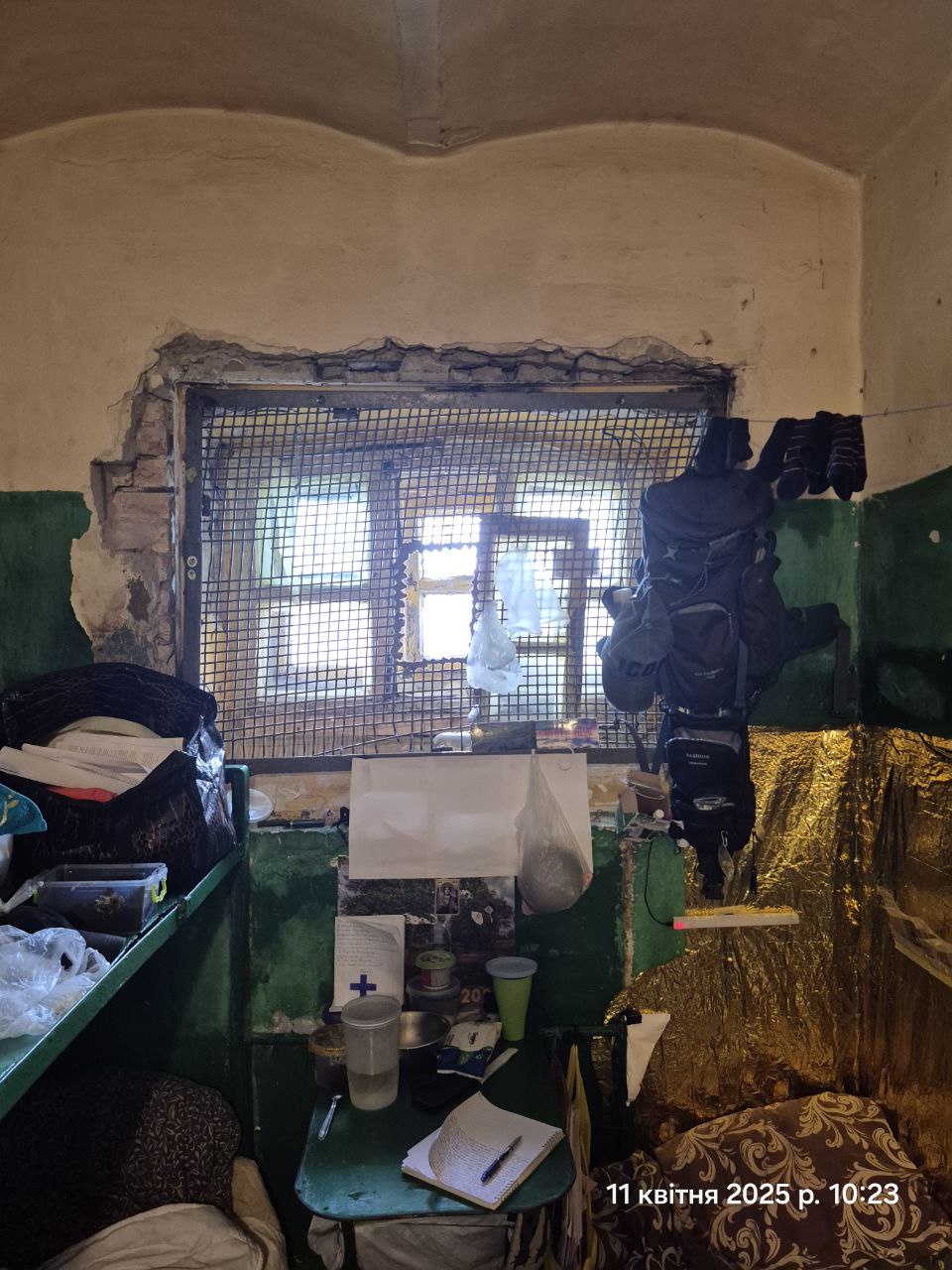
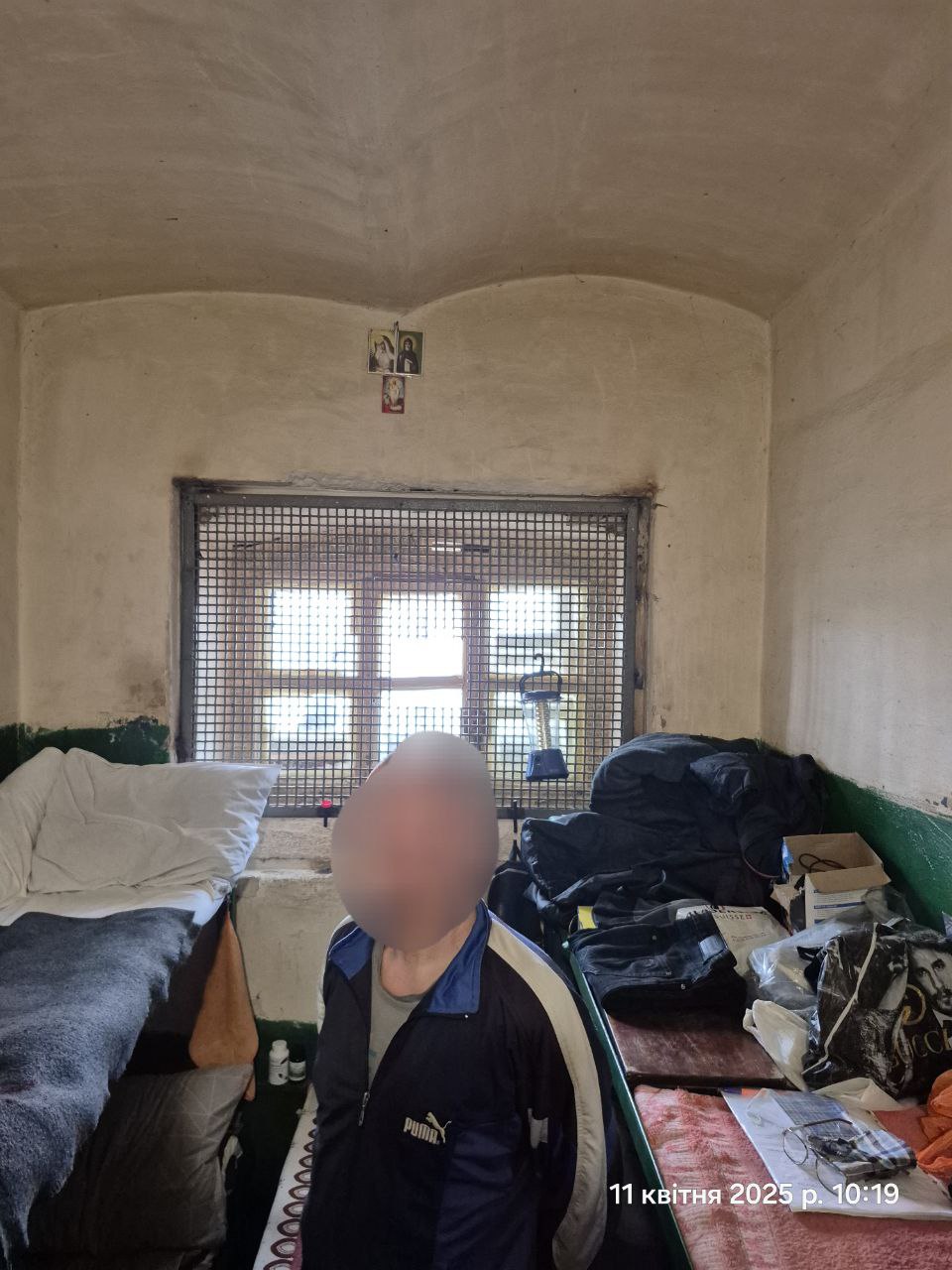
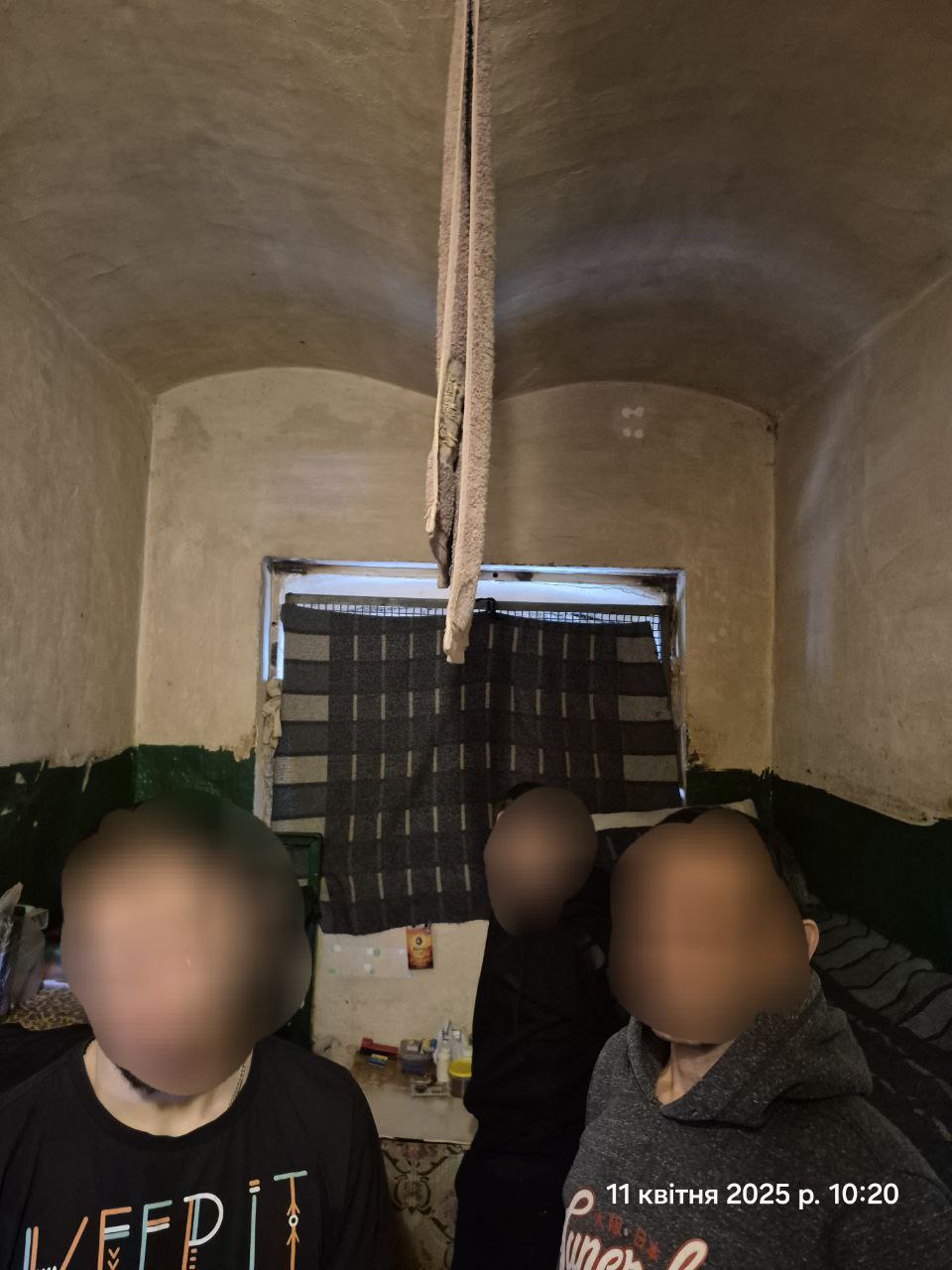
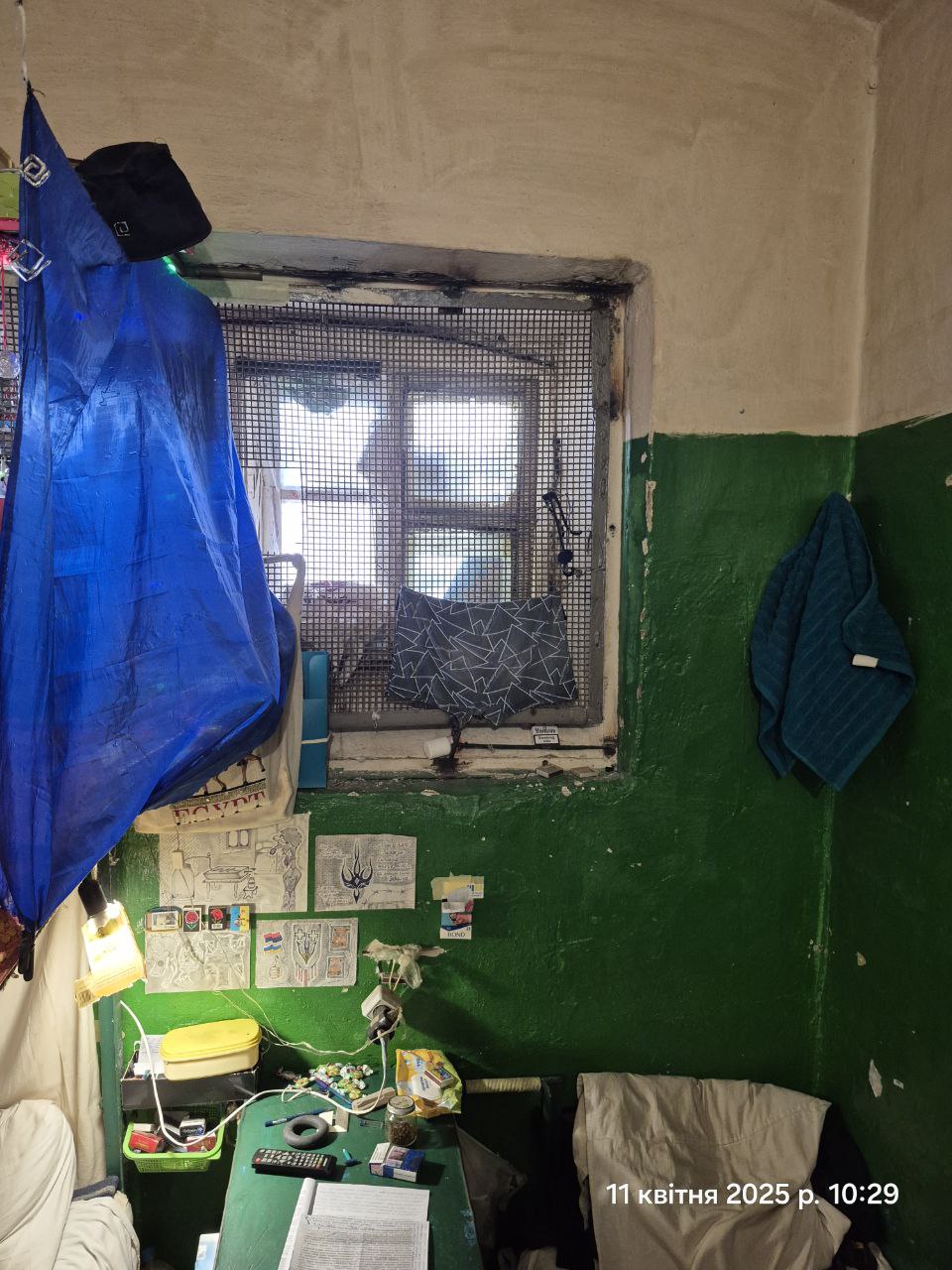
At the same time, in the report of the Government of Ukraine following the 2023 visit, the Committee called on the Ukrainian authorities to take the necessary measures to improve material conditions of detention, in particular, to reduce the occupancy of cells so that there is at least 4 m² of living space per person held in custody (not counting the area occupied by in-cell toilets); to keep all places where convicts and detained persons are placed, including sanitary premises, in a proper state of repair and hygiene, and to carry out disinfestation regularly and frequently; to ensure sufficient access to natural light and ventilation in the cells; and to fully equip internal sanitary premises with partitions (i.e., from floor to ceiling). (CPT/Inf (2024) 20) point 58).
5. The premises of the department for convicts left to work in economic maintenance do not fully comply with the requirements of the Provision Norms. In particular, the following rooms are missing: a room for storing the exchange fund of bedding, personal property, and special clothing; a storeroom for the temporary storage of dirty bedding, personal property, and special clothing; a changing room; a utility room; and a drying room. The absence of these rooms or their inadequate setup leads to a violation of sanitary-hygienic norms. Thus, the inadequate organisation of the storage of personal belongings complicates the maintenance of cleanliness and order in the premises where convicts are held, which worsens the general sanitary situation in the institution.
6. The equipment of the institution's punishment cells does not meet the standards for the treatment of prisoners and the conditions of their detention according to their needs. In point 59 of the 21st General Report of the Committee, it is noted that any cell smaller than 6 m² should no longer be used to hold prisoners. (CPT/Inf (2011) 28).
In the Report of the Government of Ukraine following the visit to Ukraine in 2012, the Committee notes that any single cells must have a living space of at least 6 m² (not including the built-in toilet); the distance between the cell walls should be at least 2 m. (point 45, CPT/Inf (2013) 23).
At the same time, the monitoring group established the use of premises for holding detainees that do not meet these requirements, in particular, punishment cells Nos. 308, 309, 310, the area of which, according to the living space measurement certificate, is only 4.4 m².
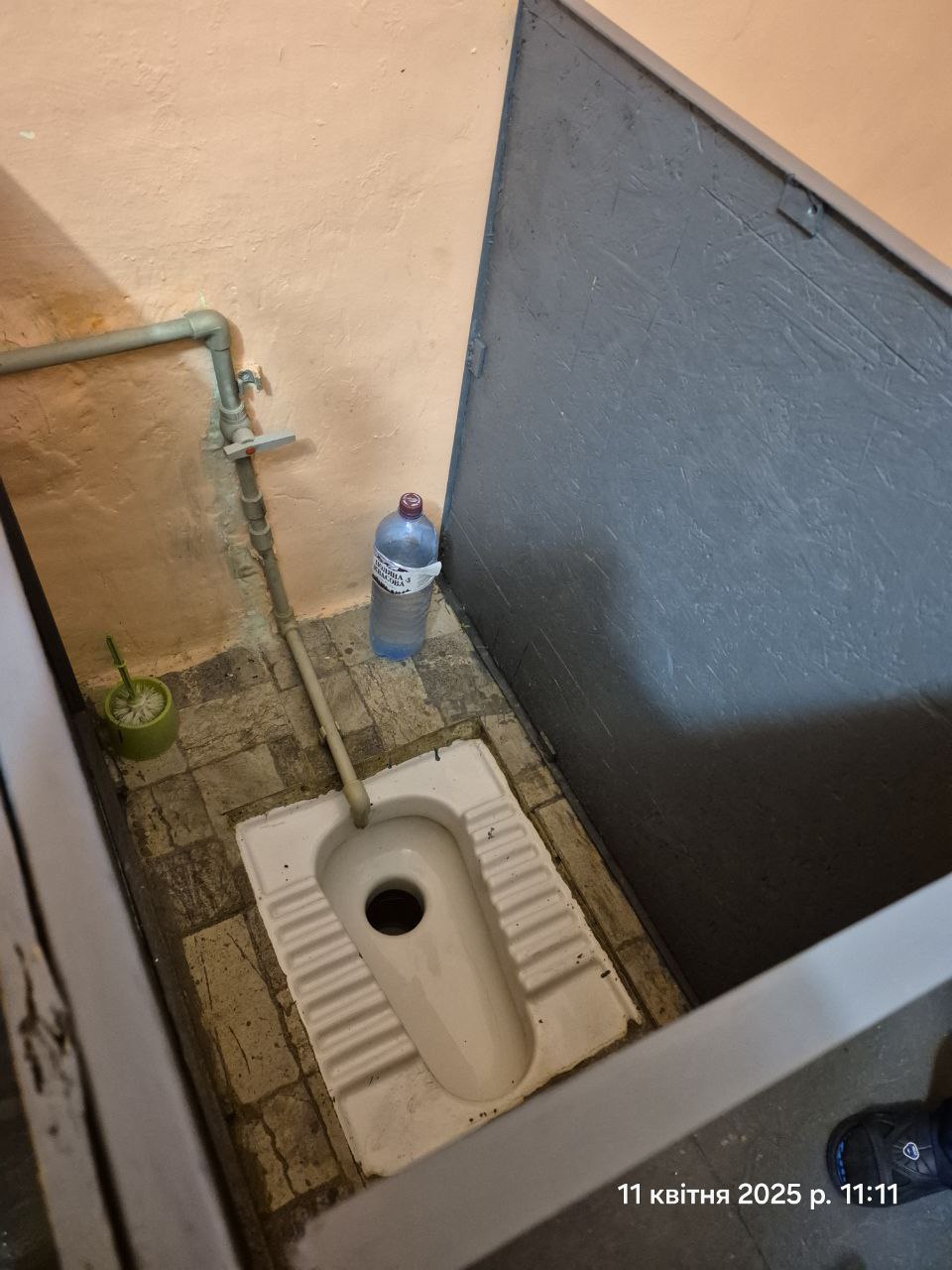
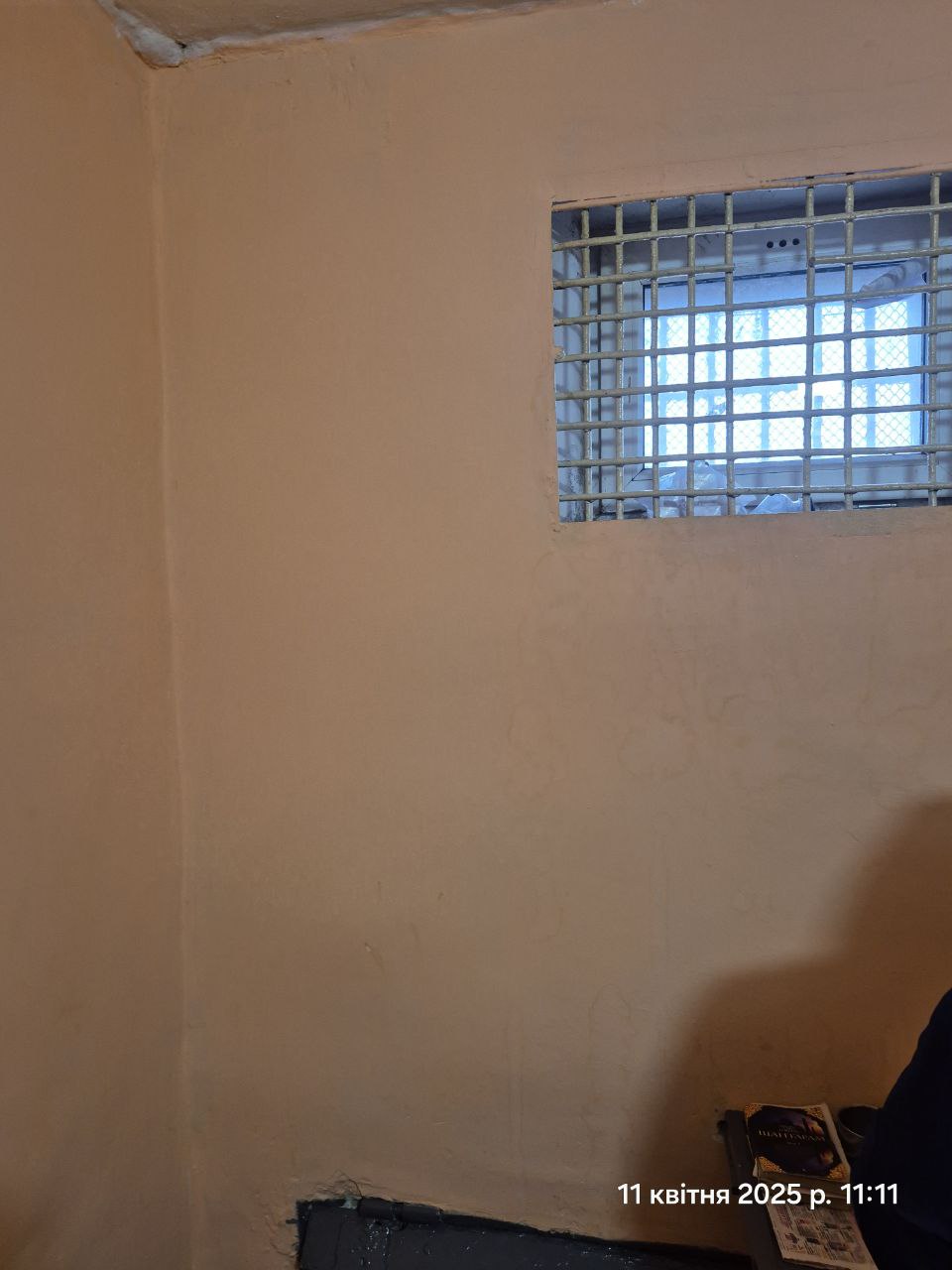
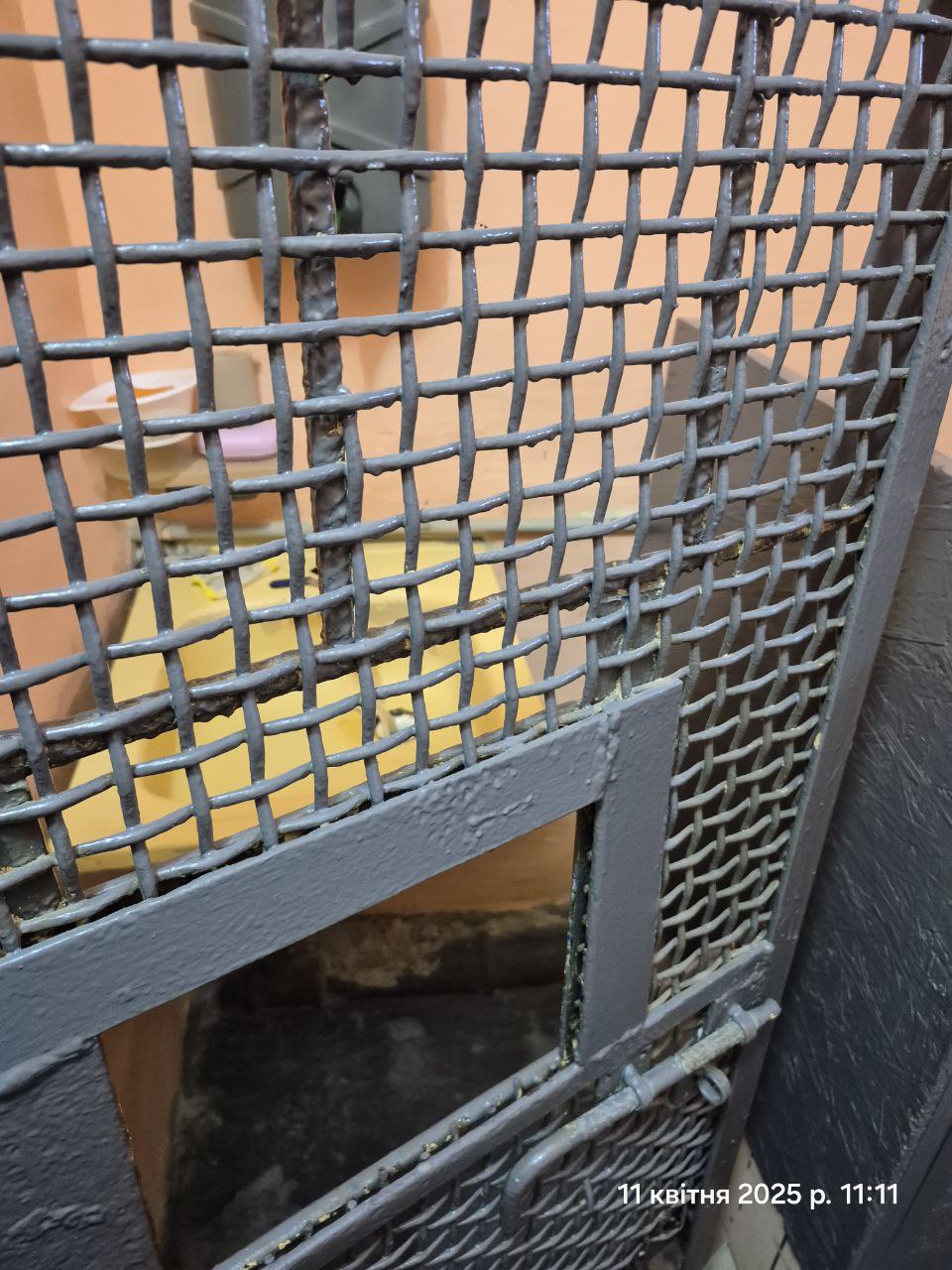
This leads to the fact that due to the limited space, detainees cannot move freely inside the cell, which creates a feeling of physical discomfort. Punishment cells do not ensure a sufficient level of natural light and ventilation, and windows cannot be opened independently, which violates Rule 18.2a of the European Prison Rules. Bathrooms do not have sufficient partitions that ensure the possibility of privacy, which is a violation of Rule 19.3 of the European Prison Rules. Such conditions do not comply with points 13, 14, and 15 of the UN Standard Minimum Rules for the Treatment of Prisoners (the Nelson Mandela Rules).
7. The monitoring group established that means for fixing beds to the walls are installed in the punishment cells.

At the same time, regulatory legal acts do not provide for the locking of folding beds in cell-type premises and disciplinary isolation wards, where convicts serve penalties. This creates conditions for potential abuse by institution staff, as detainees may be deprived of the opportunity to sit or lie on the bed during the day.
8. Point 4 of Chapter 2 of Section III of the SIZO Internal Regulations stipulates that to prevent escapes and the commission of criminal offences, violations of the order of detention and serving sentences established by law, as well as to ensure the safety of detainees, convicts, SIZO staff, and other persons present on the territory of the SIZO, audiovisual, electronic, and other technical means are used. During the inspection of the punishment cell premises, the presence of installed video surveillance cameras was recorded.
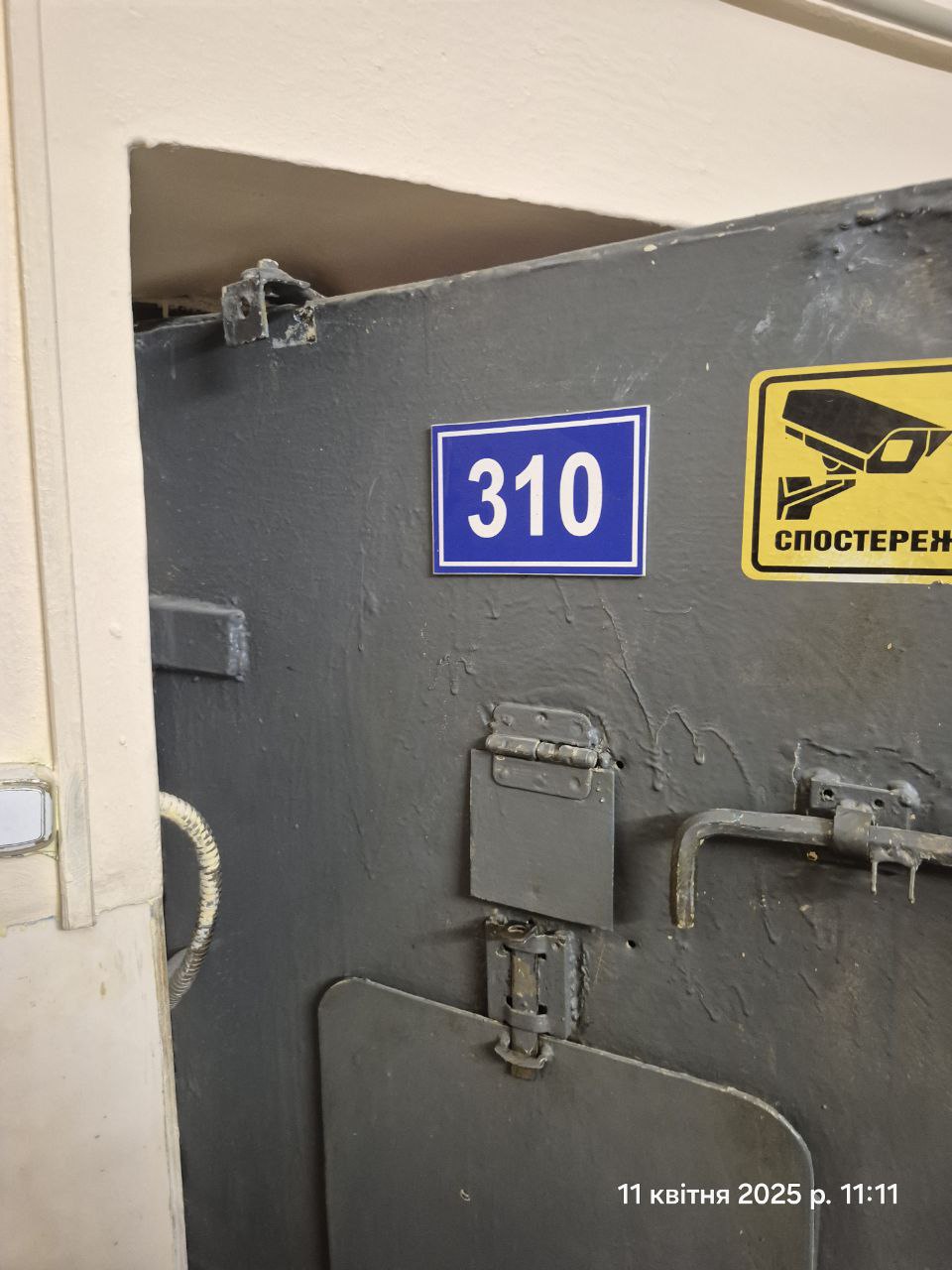
At the same time, in its 2012 report, the Committee criticised excessive interference in privacy through the installation of video cameras in the living quarters of convicts. The Committee agrees that video surveillance in cells can be a useful safeguard in specific cases, for example, when a person is considered a cause for concern regarding the risk of self-harm or suicide, or if there are specific suspicions that a convict is performing certain actions in the cell that may jeopardise safety. However, any decision to use video surveillance on a specific convict must always be based on an individual assessment of real risks and should be reviewed on a regular basis. Video surveillance is a serious interference in the private life of prisoners and makes the regime even more repressive, in particular, when used over a long period. (CPT/Inf (2013) 23, point 52).
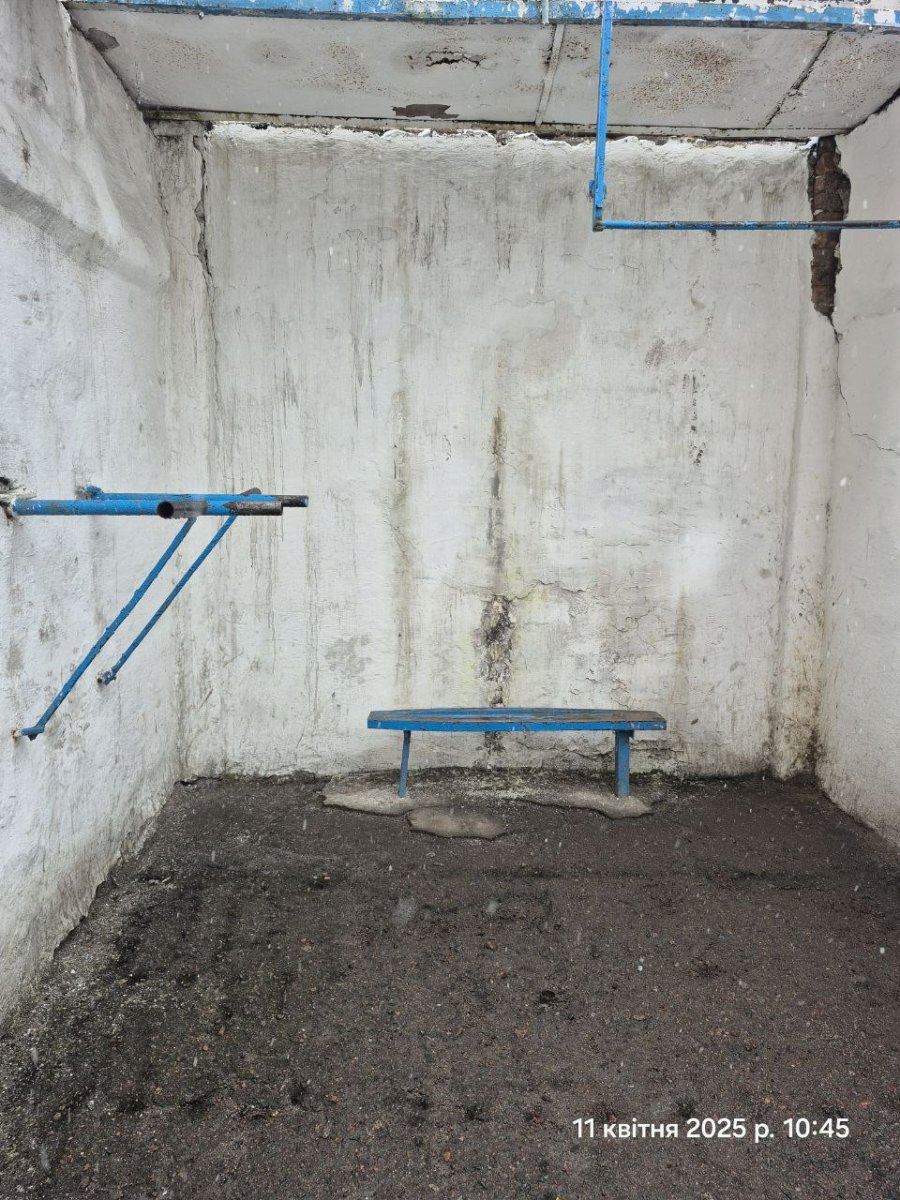
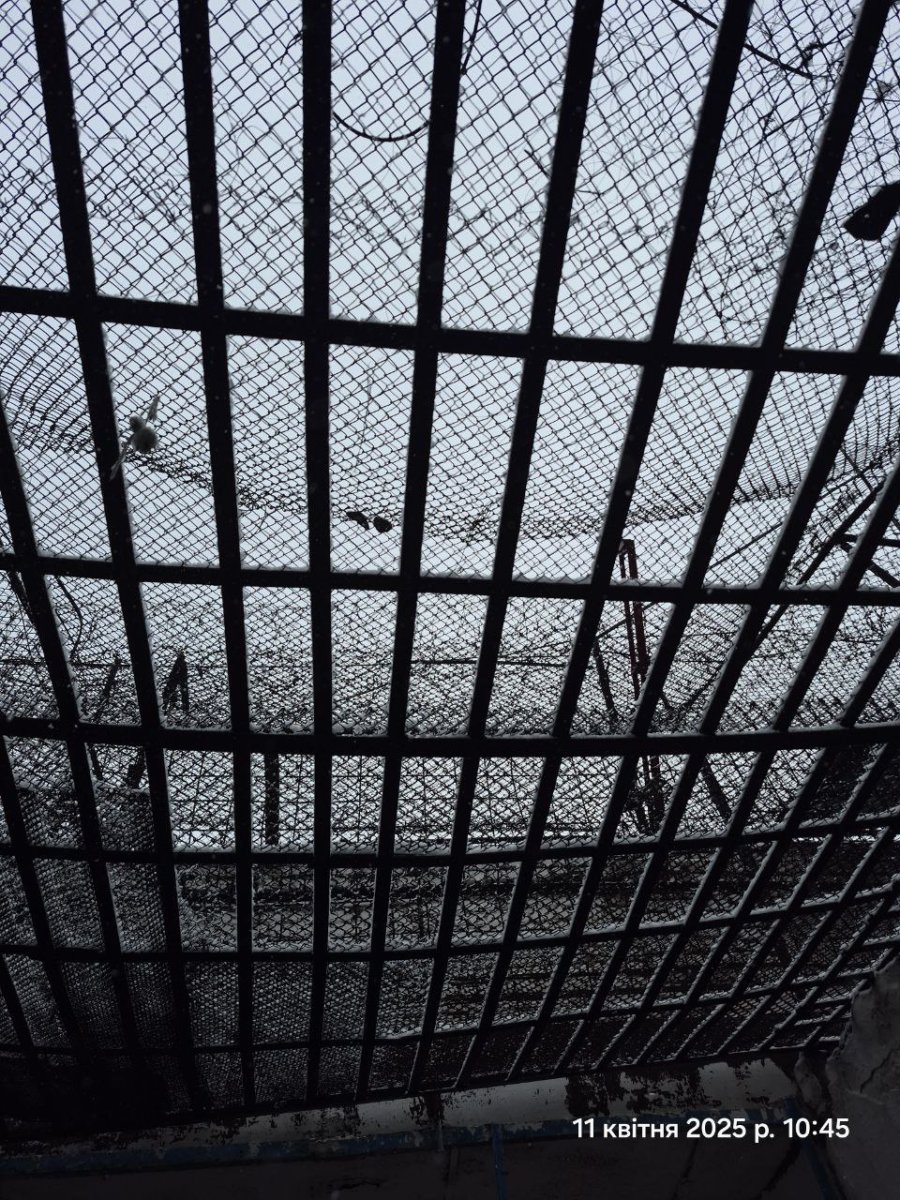
9. In violation of Point 3 of Chapter 2 of Section III of the SIZO Internal Regulations, most of the exercise yards of building No. 1 are not equipped with sufficient shelter from atmospheric precipitation (photos 31, 32, 33, 34). At the same time, the Committee has repeatedly recommended reviewing the design and size of exercise yards, "from which, at best, there is a view of the sky". (point 122, point 127, CPT/Inf (2014) 15).
10. The monitoring group established a number of violations in the organisation of bath and laundry services for convicts and detainees. In violation of the requirements of point 2.11 of Section II of the Regulation on the organisation of bath and laundry services for persons held in penal institutions and pre-trial detention centres, approved by the Order of the Ministry of Justice of Ukraine No. 849/5 dated 08.06.2021 (hereinafter — the Regulation), the forced supply and exhaust ventilation system in the bathhouse does not work properly and is in need of repair. In violation of point 2.6.2 of Section II of the Regulation, the shower heads in the bathhouse are not equipped with taps for hot and cold water, due to which detainees and convicts do not have the ability to regulate the water temperature in the shower (photo 35). In violation of the requirements of Rule 19.3 of the European Prison Rules, the right to privacy is not observed in the bathhouse premises due to the lack of curtains on shower partitions. Supervision of compliance with the order during the washing of convicts and detainees in the bathhouse, as well as control over cleaning, disinfection of premises, and medical examinations, provided for by points 3.10 and 3.11 of the Regulation, are not effectively ensured by the duty medical worker.
11. Contrary to the requirements of point 5 of Section IV of the Regulation on the organisation of food supply in the State Criminal Executive Service of Ukraine during peacetime, approved by the Order of the Ministry of Justice of Ukraine dated 15 June 2021 No. 2160/5, the institution’s administration does not ensure the proper placement and storage of food (in particular, frozen fish and meat) taking into account the rules of commodity neighbourhood.
12. During the visit, the monitoring group recorded that the institution’s staff who are in direct contact with convicts openly carry special means, in particular rubber truncheons. At the same time, according to paragraph eight of point 8 of Chapter 1 of Section V of the SIZO Internal Regulations, the carrying of special means by SIZO staff within the guarded territory of the SIZO should be, if possible, as hidden from the environment as possible.
At the same time, the Committee recommends that penitentiary staff working in direct contact with prisoners should not carry special means (such as rubber truncheons, handcuffs, and tear gas canisters) openly in front of prisoners. Such carrying hinders the establishment of normal relationships between staff and prisoners (point 85, CPT/Inf (2011) 29; point 23, CPT/Inf (2013) 23; point 166, CPT/Inf (2014) 15).
13. According to official documentation, the staff shortage in the institution as of 11.04.2025 is 35 positions. At the same time, in the report of the Government of Ukraine following the 2023 visit, the Committee emphasises that ensuring a positive climate in a penitentiary institution requires the presence of a professional team of staff who must be present in sufficient numbers at any moment in the places of detention. An insufficient number of staff can only increase the risk of violence and intimidation between convicts.
The lack of frontline staff also undermines the quality and level of measures offered to convicts and jeopardises the prospect of preparation for release and social rehabilitation. In this regard, the Committee calls on the Ukrainian authorities to take decisive measures to significantly increase the number of staff in penitentiary institutions of Ukraine where there is a low level of staffing, in order to strengthen the presence of security and supervision service staff inside the institutions. It is also necessary to take measures to put an end to 24-hour shifts for staff on duty. (CPT/Inf (2024) 20, point 93).
14. During the monitoring visit, a systematic violation of the right to work for convicts and detainees was established. A number of detainees were engaged in labour activities without proper legal registration, in particular, before the court verdict was passed, which is a gross violation of Article 62 of the Constitution of Ukraine (presumption of innocence). Work was performed in woodworking and sewing workshops, as well as in the food block, but individual employment contracts were not concluded with some persons, contrary to the requirements of Art. 24 of the Labour Code of Ukraine and Arts. 118, 119 of the Criminal Executive Code of Ukraine.
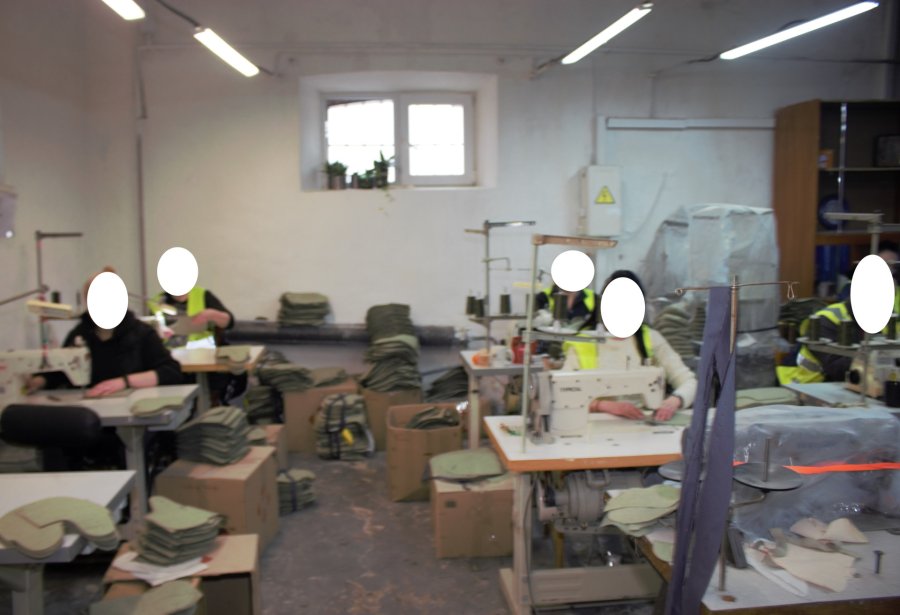
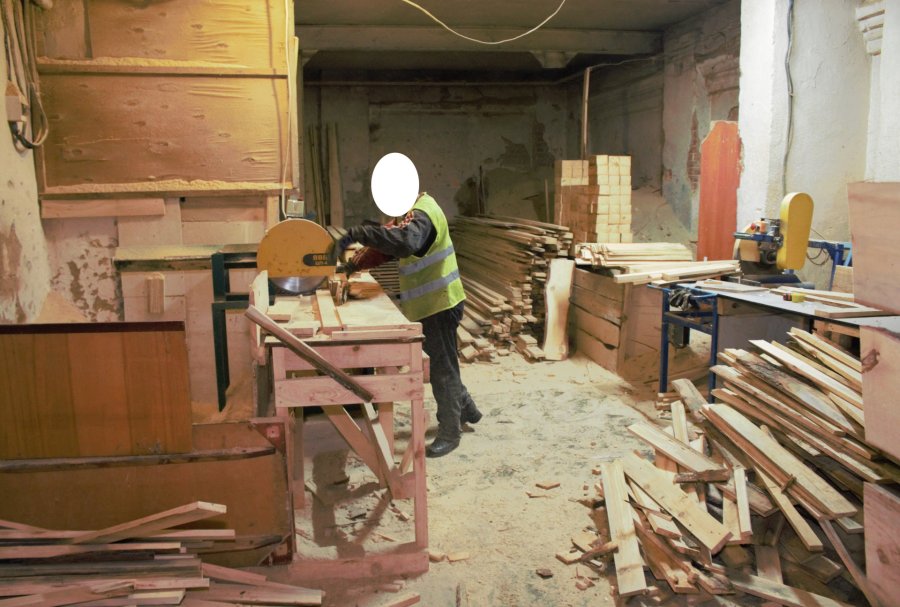
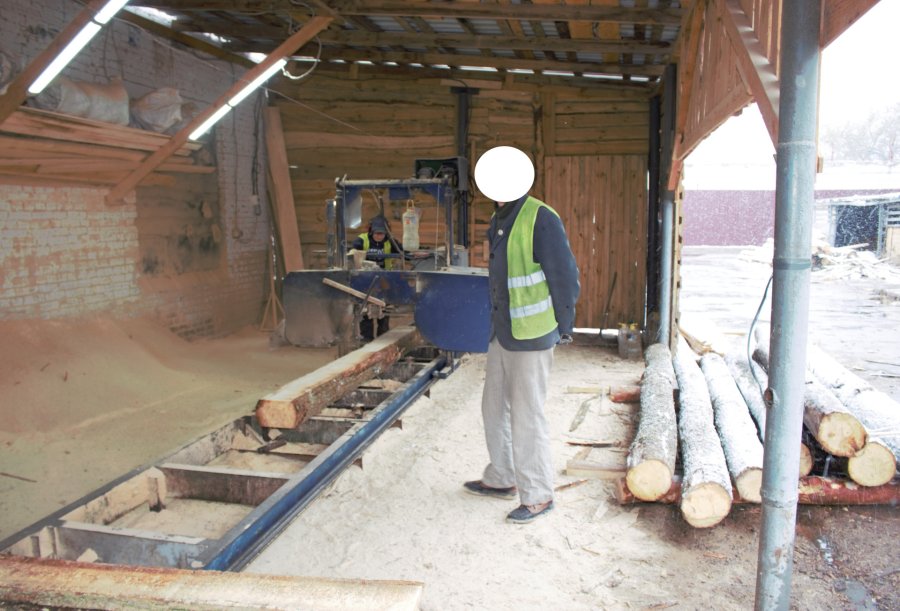
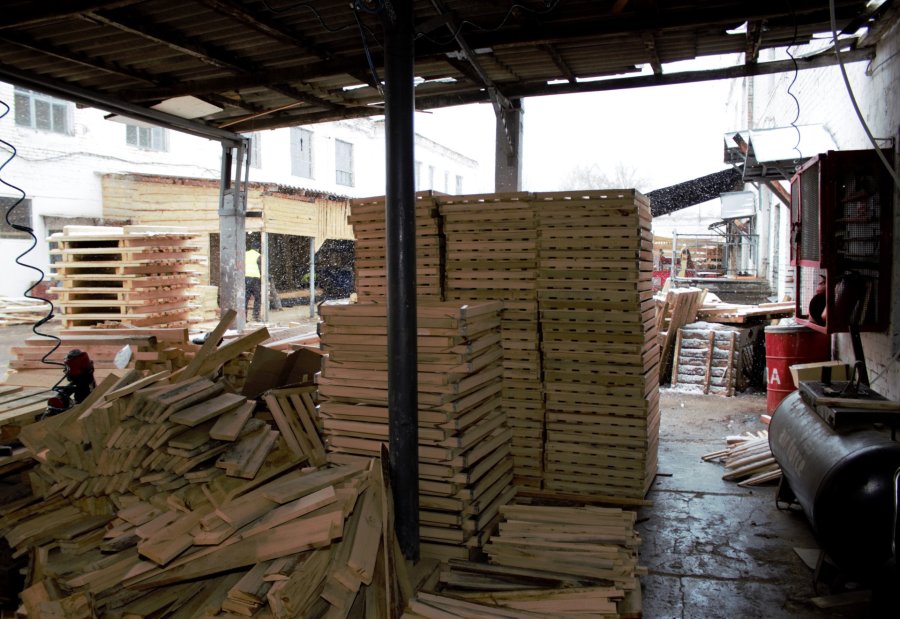
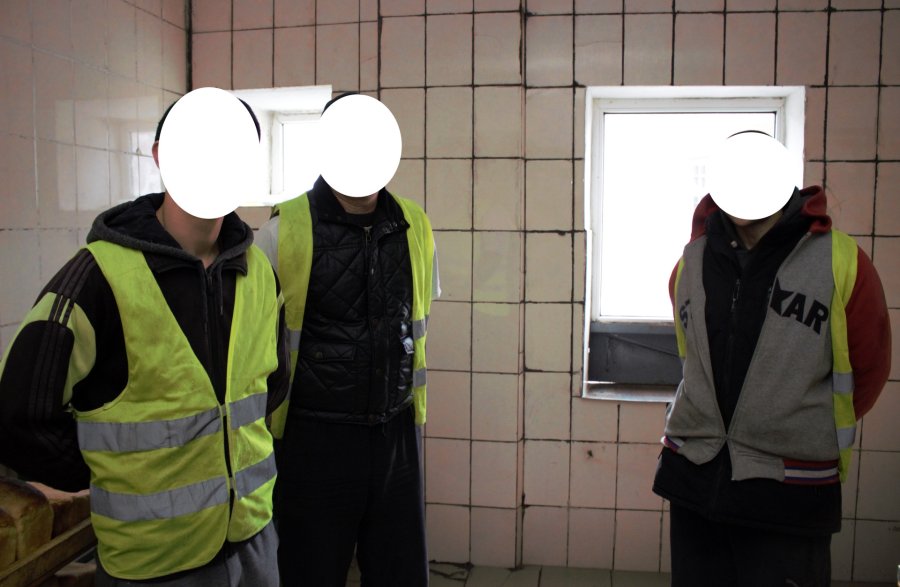
Instead, contracts were concluded only between the state enterprise and private customers. Detainees effectively acted as a workforce without legal status, which creates signs of forced labour and discrimination. Mentions of the surnames of detainees in economic contracts without their consent were recorded, which violates the Law of Ukraine “On Personal Data Protection”.
Also, the absence of occupational safety briefings, medical examinations, and documentary confirmation of the provision of individual protection equipment was identified. The level of payment is non-transparent and unregulated, with possible delays or complete absence of payments, which does not meet the requirements of Art. 95 of the Labour Code of Ukraine. Thus, a systemic violation of Art. 43 of the Constitution of Ukraine regarding the right to work, which cannot be realised without guarantees, payment, and protection of the worker, is taking place in the institution.
Kropyvnytskyi City Medical Unit No. 14 of the branch of the State Institution “Centre for Health Care of the State Criminal Executive Service of Ukraine” in Cherkasy and Kirovohrad regions
The Head of the Kropyvnytskyi City Medical Unit No. 14 of the branch of the State Institution “Centre for Health Care of the State Criminal Executive Service of Ukraine” in Cherkasy and Kirovohrad regions (hereinafter — the medical unit) is Valerii Fedorovych Livinchuk.
During the monitoring visit, violations of the requirements of national legislation and non-compliance with international recommendations in the field of treatment of prisoners were identified, which lead to violations of the rights of convicts:
1. During the study of medical documentation, it was established that in the outpatient patient medical records (form 025/o), photographs of existing bodily injuries are not attached to the primary accounting documentation form No. 511/o “Certificate of recording bodily injuries”, approved by the Order of the Ministry of Health of Ukraine dated 02 February 2024 No. 186, as provided for by point 2.11 of Section II of the Procedure for interaction between healthcare facilities of the SCES of Ukraine and healthcare facilities regarding the provision of medical care to persons held in custody, approved by the joint order of the Ministry of Justice of Ukraine and the Ministry of Health of Ukraine dated 10.02.2012 No. 239/5/104 (hereinafter — the Procedure for interaction between healthcare facilities).
At the same time, the Committee, in its report following the 2023 visit to Ukraine, notes that any traumatic injuries detected during a medical examination should be photographed in detail, and the photographs, along with body diagrams, should be stored in the person’s individual medical record. (CPT/Inf (2024) 20, point 82).
2. In violation of the requirements of 2.11 of Section II of the Procedure for interaction between healthcare facilities and the Instructions for filling out the primary accounting documentation form No. 511/o “Certificate of recording bodily injuries”, medical workers do not draw up certificates properly.
In particular, in most cases, point 8 of the form, which provides for indicating the circumstances of receiving bodily injuries, is filled out formally, without specification, for example: “by myself, in cell conditions”, which does not allow for identifying the actual circumstances of the event.
The lack of full documentation of the circumstances of injury and inadequate recording of bodily injuries does not correspond to point 60 of the Committee’s recommendations (CPT/Inf (93) 12-part), which states that medical services in places of deprivation of liberty can contribute to the prevention of violence against persons held in custody through the systematic registration of bodily injuries, and also, if necessary, through informing the relevant authorities.
3. According to point 2, point 3 of Chapter III of Section II of the “Procedure for organising the provision of medical care to convicts to deprivation of liberty”, approved by the joint order of the Ministry of Justice of Ukraine and the Ministry of Health of Ukraine dated 15.08.2014 No. 1348/5/572 (hereinafter — the Procedure), a therapist (or general practitioner — family doctor), a psychiatrist, and a dentist must participate in the preventive medical examination.
At the same time, the position of therapist is vacant in the medical unit, which indicates the incompleteness of the primary and preventive medical examination, due to which convicts and detainees do not receive proper medical care. This violates point 38 of the Committee’s recommendations (CPT/Inf (93) 12-part), which states that medical services in places of deprivation of liberty must be able to provide medical care and treatment, as well as an appropriate diet, physiotherapy, rehabilitation, or any other special care at the same level as that offered to patients in civilian medical facilities. Provision should be made for the availability of medical, auxiliary medical, and technical personnel, and appropriate premises, equipment, and apparatus should be provided.
4. In violation of the requirements of the Instructions for filling out the primary accounting documentation form No. 003/o “Medical record of an inpatient”, approved by the Order of the Ministry of Health of Ukraine dated 14.02.2012 No. 110, which provides for the mandatory entry into the said form of all data on treatment and diagnostics in the hospital, including information obtained during the examination of the patient and the doctor’s prescriptions, the monitoring group established the fact of the absence of completed inpatient medical records (form No. 003/o) for two detainees who were in the inpatient treatment wards of the medical unit at the time of the visit.
5. In violation of the requirements of the Instructions for filling out the primary accounting documentation form No. 003-6/o “Informed voluntary consent of the patient to diagnosis, treatment, and to surgery and anaesthesia and to the presence or participation of educational process participants”, approved by the Order of the Ministry of Health of Ukraine dated 14.02.2012 No. 110, the absence of informed voluntary consent for diagnosis and treatment was established in patients who were in the inpatient ward of the medical unit. This may indicate a lack of voluntary consent of the patient for the application of diagnostic, preventive, and treatment methods to them, which is a violation of Article 43 of the Law of Ukraine “Fundamentals of Ukrainian Legislation on Healthcare” and point 47 of the Committee’s recommendations (CPT/Inf (93) 12-part).
6. According to part six of Article 6 of the Law of Ukraine “On Psychiatric Care”, it is forbidden, without the written consent of the person or without the written consent of their legal representative and the psychiatrist providing psychiatric care, to publicly demonstrate a person suffering from a mental disorder, to photograph them, or to film, video record, sound record, and eavesdrop on the person’s interviews with medical workers or other specialists when providing them with psychiatric care.
At the same time, a video surveillance camera was recorded by the monitoring group in the ward for persons with mental disorders.
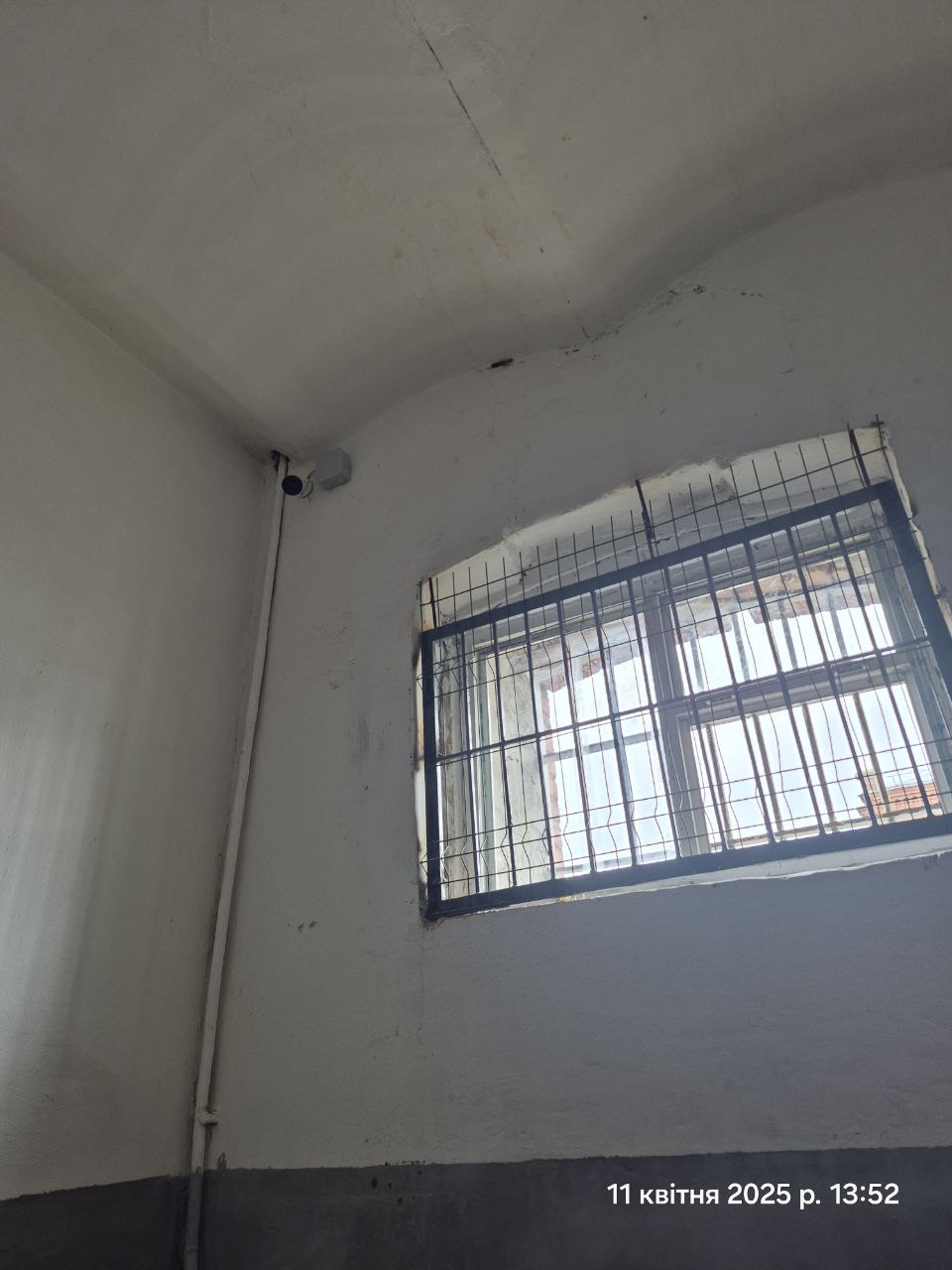
At the same time, according to point 8 of Section VII of the Procedure for the use of technical surveillance and control means in correctional and educational colonies of the State Criminal Executive Service of Ukraine, approved by the Order of the Ministry of Justice of Ukraine dated 26 June 2018 No. 2025/5 (registered with the Ministry of Justice of Ukraine on 02 July 2018 under No. 766/32218), the use of video cameras and portable video recorders is prohibited in premises (cells) where medical examinations (checks) of detainees and convicts, and personal searches with undressing are conducted.
This fact indicates that facility staff gain access to confidential information regarding the health status of detainees and convicts during medical examinations, manipulations, or procedures. In addition, this violates the requirements of Article 39-1 of the Law of Ukraine “Fundamentals of Ukrainian Legislation on Healthcare” regarding the right of persons to secrecy about their health status.
7. In violation of point 9 of the Rules for the use of physical restraint and (or) isolation when providing psychiatric care to persons suffering from mental disorders, approved by the Order of the Ministry of Health of Ukraine dated 24 March 2016 No. 240, registered with the Ministry of Justice of Ukraine on 15 April 2016 under No. 570/28700, the isolation ward for persons with mental disorders is not properly equipped: there is no supply and exhaust ventilation; the bathroom is not equipped with partitions sufficient for privacy, which violates the right to privacy; and there is no tank with drinking boiled water.
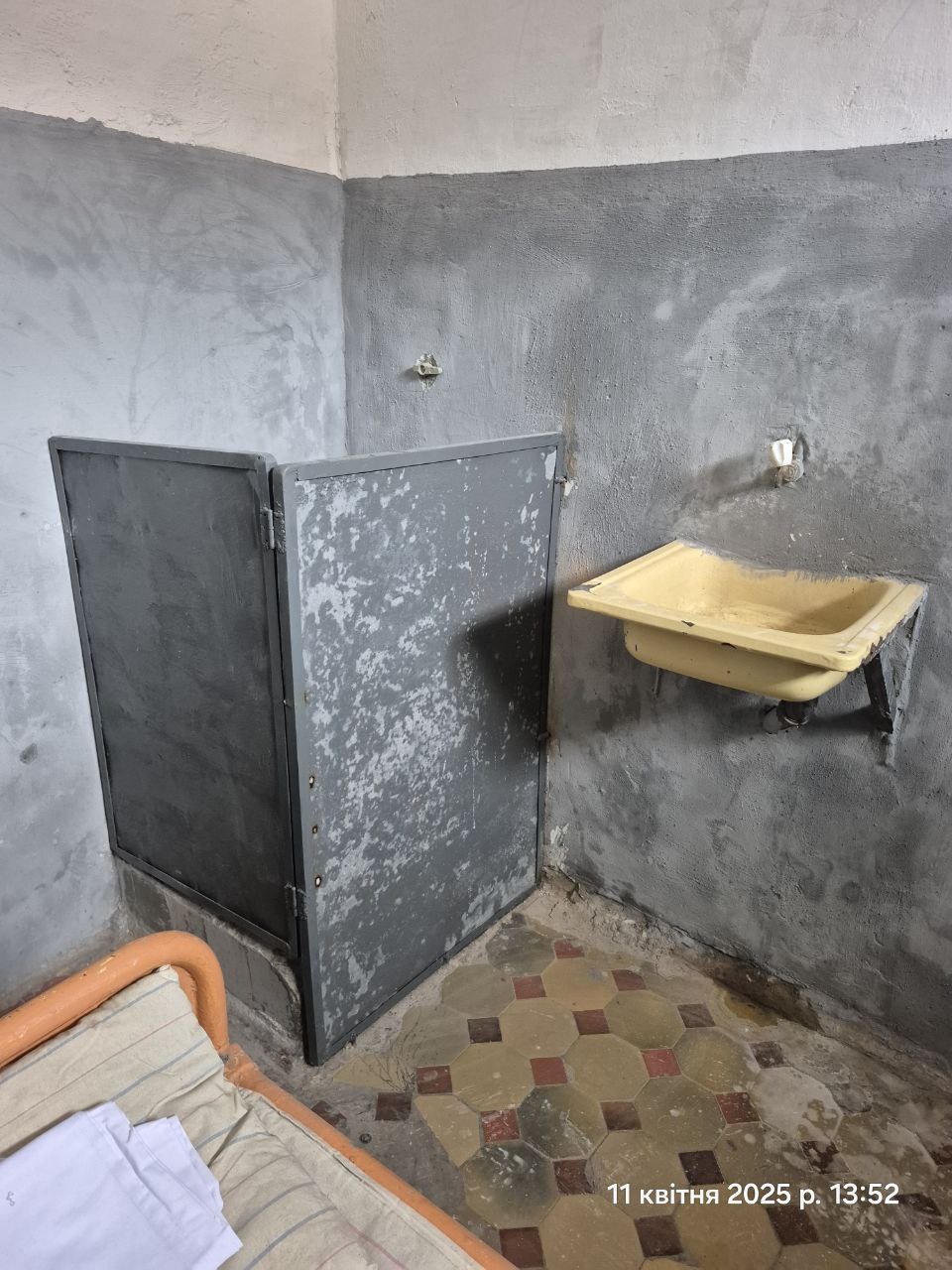
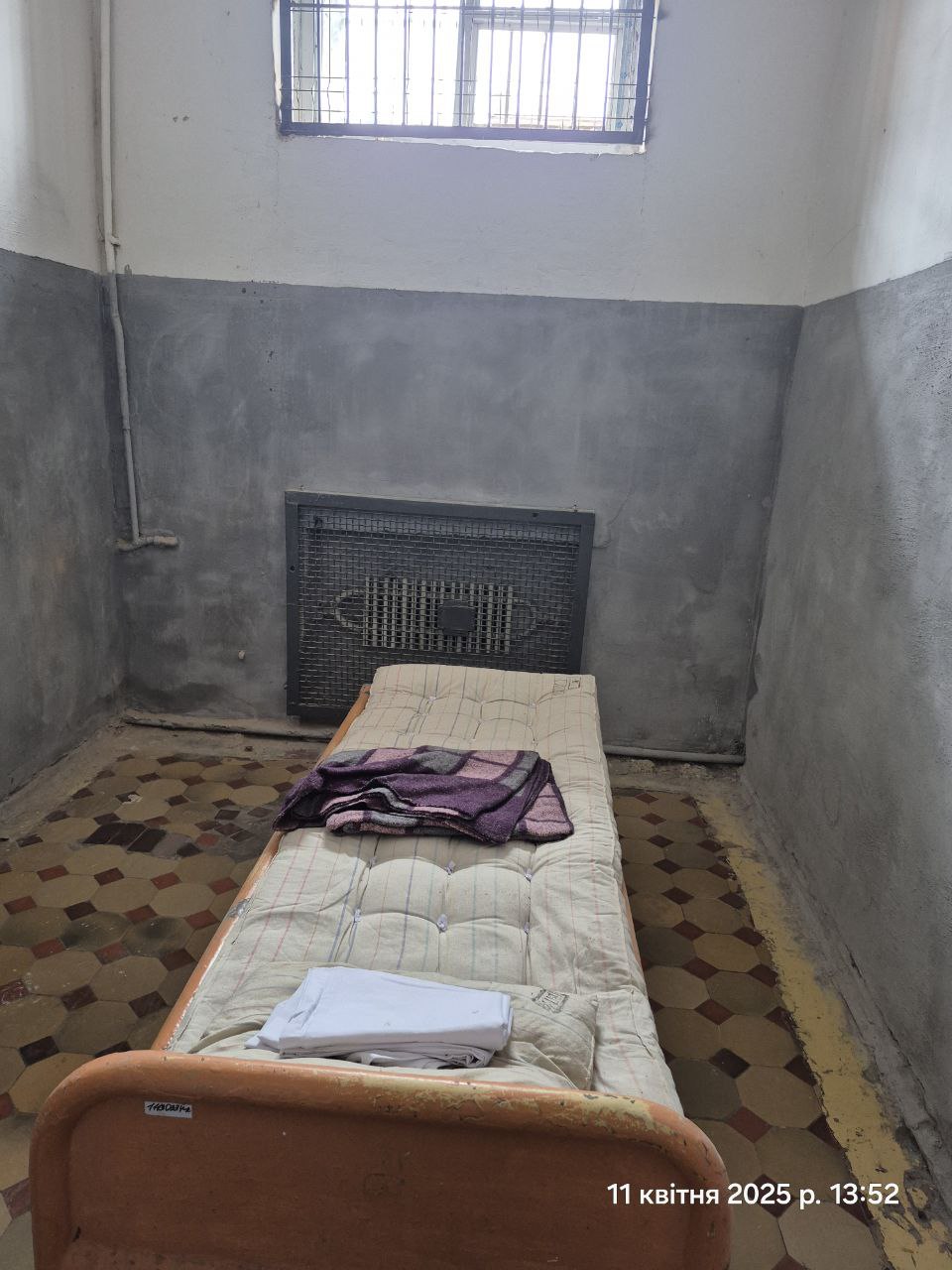
8. The monitoring group established that the psychiatrist conducts psychiatric examinations of patients without proper execution of written informed consent. In particular, contrary to the requirements of the Instructions for filling out the primary accounting documentation form No. 003-7/o “Informed consent of a person to undergo a psychiatric examination”, approved by the Order of the Ministry of Health of Ukraine dated 15 September 2016 No. 970, it was established that in the medical documentation (in particular, in the outpatient patient medical record form No. 025/o and the inpatient patient medical record form No. 003/o), there is no informed consent for the psychiatric examination signed by the patient.
9. Dispensary supervision is carried out for 3 persons who have a disability. Of these, 1 person has Group I; 0 persons have Group II; 2 persons have Group III. At the same time, in violation of the requirements of the Law of Ukraine “On Rehabilitation of Persons with Disabilities in Ukraine”, persons with disabilities do not receive proper diagnostic, treatment, and rehabilitation measures in the presence of information confirming a persistent impairment of body functions caused by diseases, consequences of injuries, which cause restrictions on normal vital activity.
Thus, during the study of the convicts' medical documentation, it was established that 1 person with a disability lacks an individual rehabilitation programme (hereinafter — IRP). Furthermore, the IRP recommendations are not fulfilled, due to which they do not receive proper diagnostic, treatment, and rehabilitation measures in the presence of information confirming a persistent impairment of body functions caused by diseases and consequences of injuries, which cause restrictions on normal vital activity.
10. In violation of the requirements of the State Building Norms of Ukraine V.2.2-17:2006 “Buildings and structures. Accessibility of buildings and structures for persons with limited mobility”, conditions for holding persons with disabilities have not been created in the medical unit.
11. In violation of point 37 of the Resolution of the Cabinet of Ministers of Ukraine No. 285 dated 2 March 2016 “On approval of Licensing conditions for conducting economic activities in medical practice”, there is no conclusion in the medical unit confirming free access to the buildings and premises of the medical institution for persons with limited mobility, the receipt of which is mandatory.
12. In violation of the requirements of the Standards of medical care for HCV in adults, approved by the Order of the Ministry of Health of Ukraine dated 15.01.2021 No. 51, not all persons with suspected viral hepatitis C undergo PCR testing (12 persons as of 11.04.2025), due to which they do not receive the necessary treatment, which may lead to a deterioration of their health status and the spread of the mentioned infectious disease among convicts.
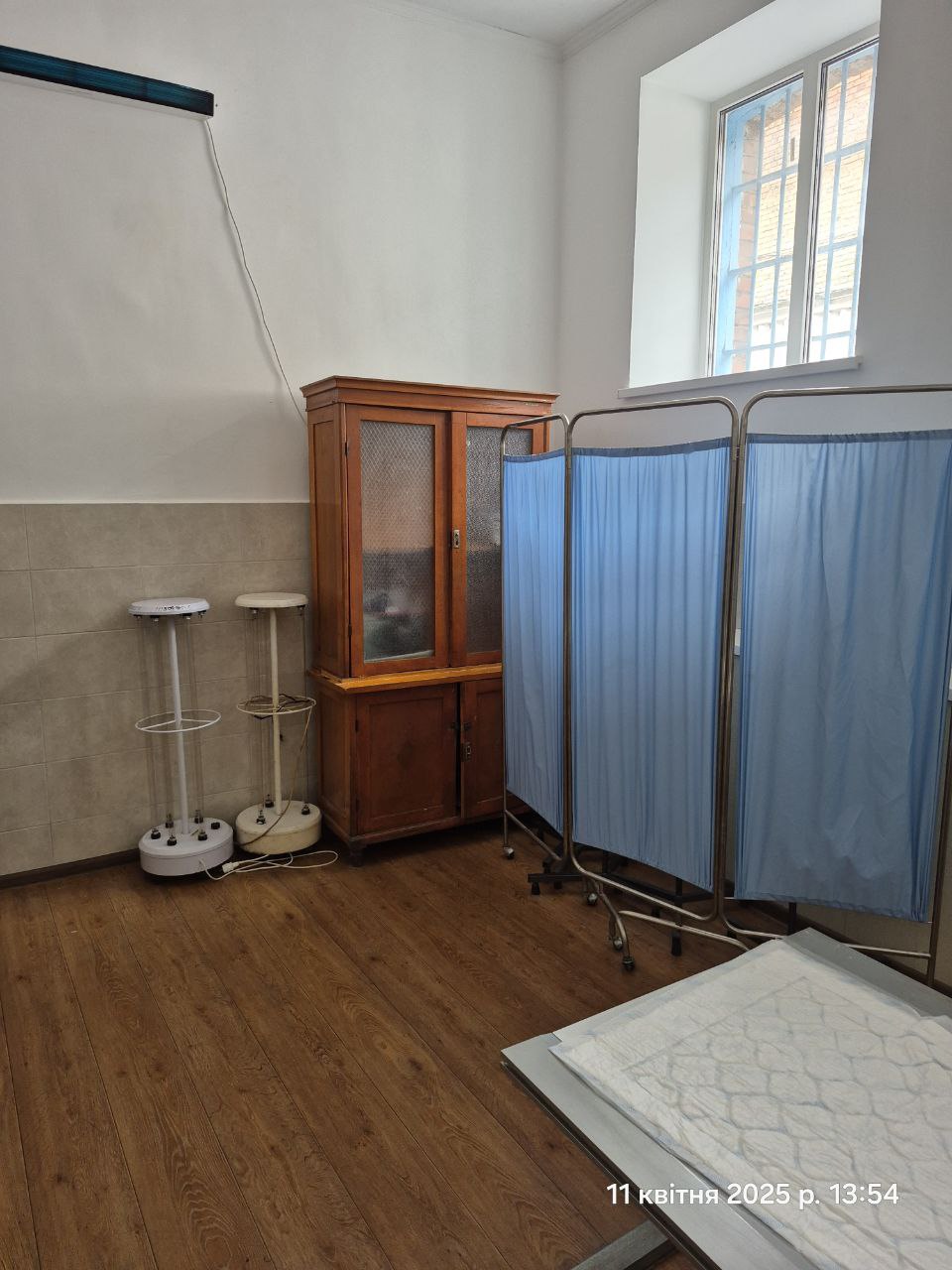
13. In violation of the requirements of point 1 of Section II of the Infection Control Standard for healthcare facilities providing care to tuberculosis patients, approved by the Order of the Ministry of Health dated 01.02.2019 No. 287, the medical unit does not comply with the requirements for the isolation of tuberculosis patients, the ward is used for more than one or two persons (1 ward-cell for 4 beds); the door to the ward is not equipped with a sealed threshold or seals along the edges; air recirculation using mechanical ventilation is not ensured.
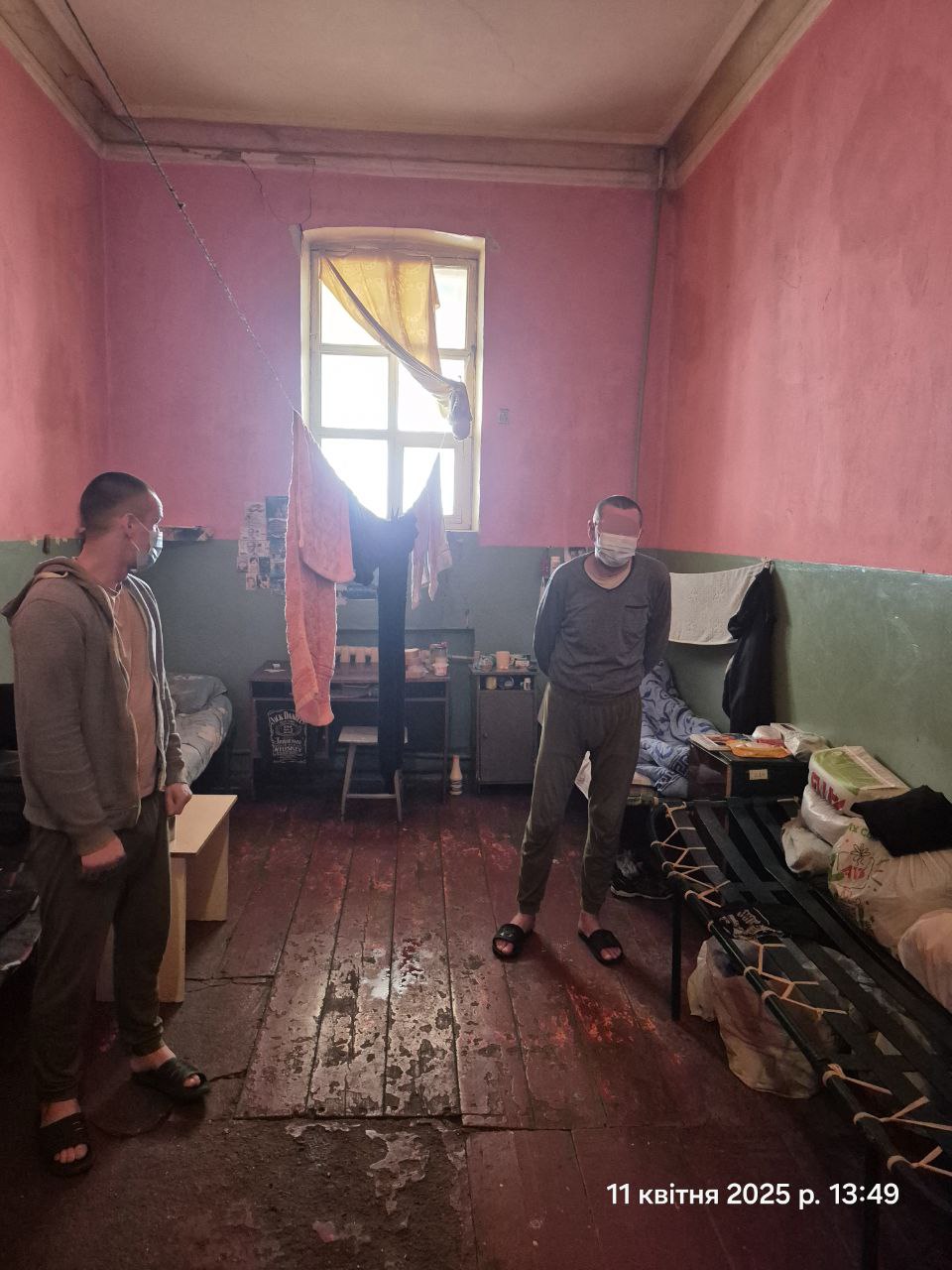
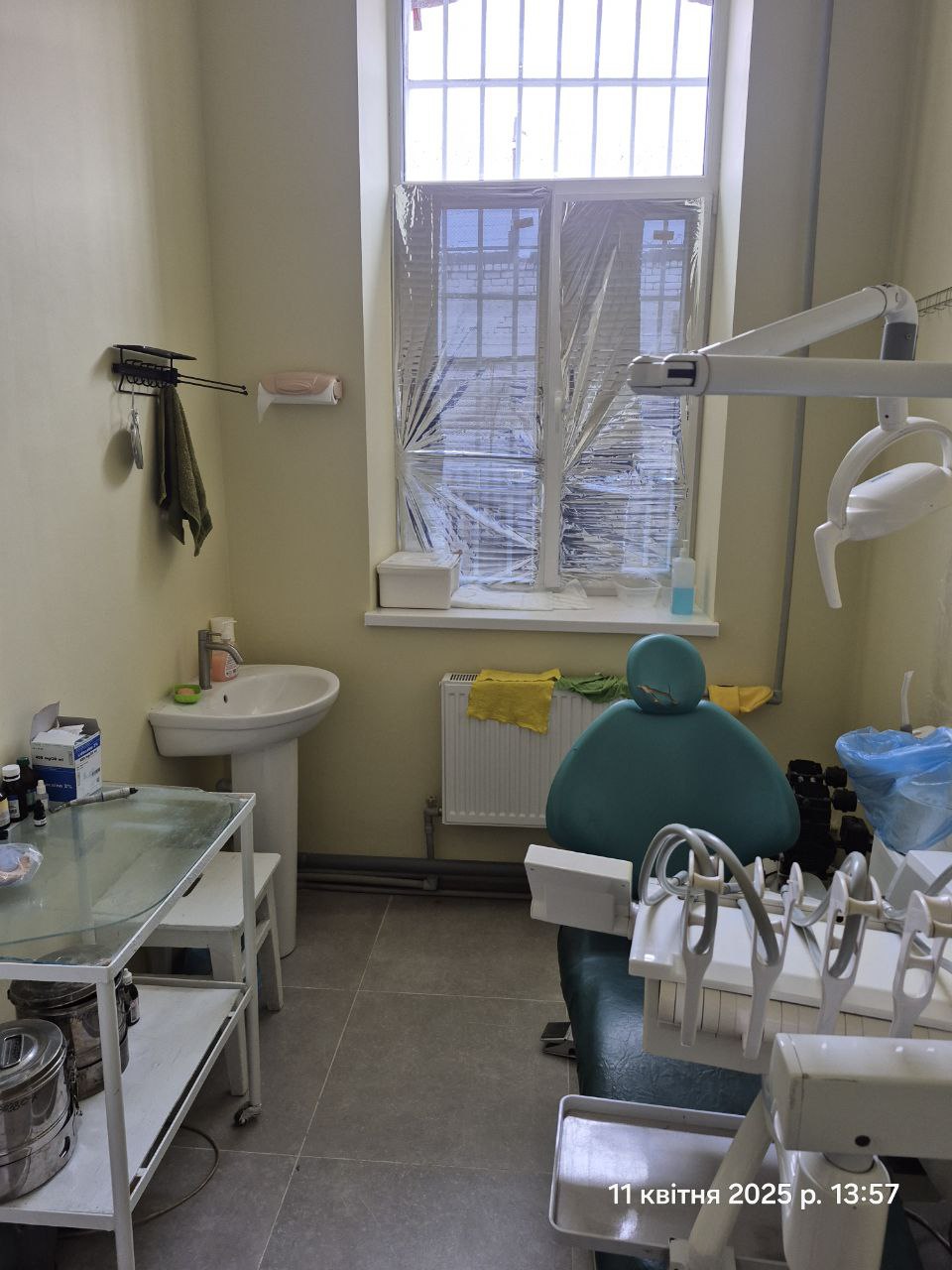
14. There is no separate office for a gynaecologist in the medical unit. The mentioned doctor sees sick convicts in the procedure room, which probably does not ensure confidentiality and may lead to a violation of the right to privacy during medical examinations.
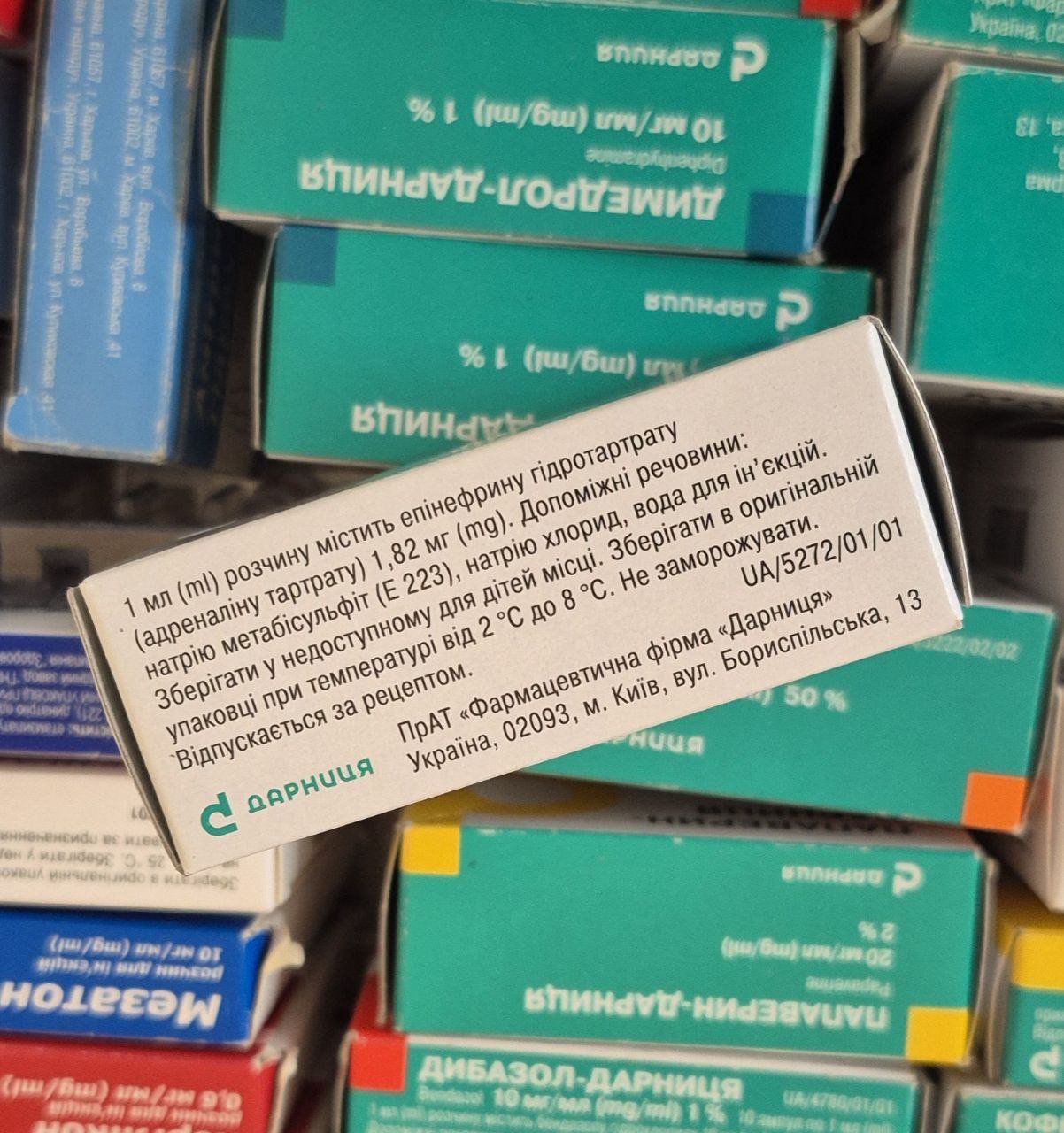
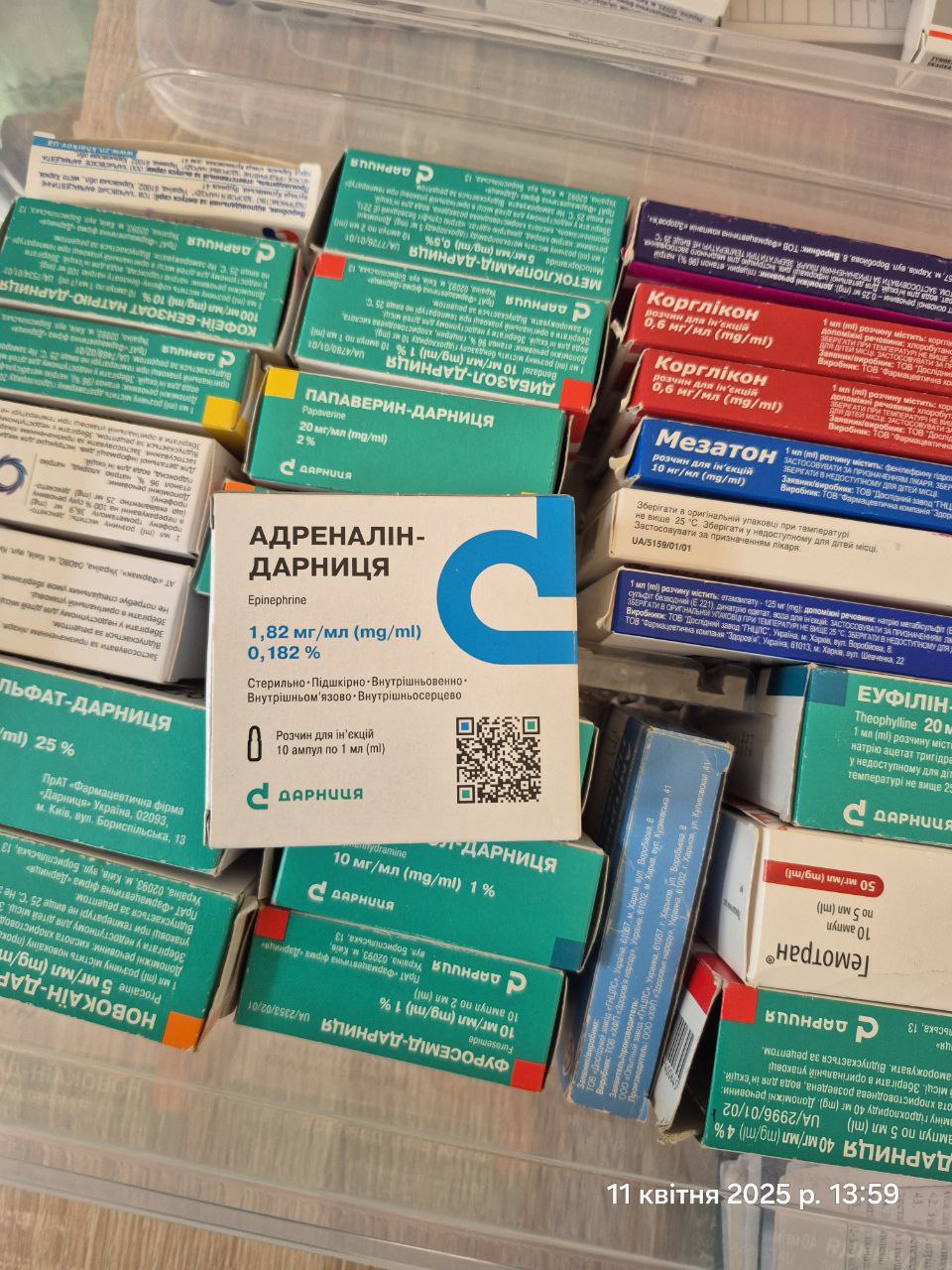
15. In violation of the requirements of the Order of the Ministry of Health of Ukraine dated 16.12.2003 No. 584 “On approval of the Rules for storage and quality control of medicines in medical and preventive institutions”, medicines are stored without compliance with the temperature regimes established by the manufacturers. In particular, in the procedure room, one package of the medicine “Adrenaline” was found on the table, for which the maximum storage temperature is established not to exceed 8° C. Failure to comply with the appropriate conditions may lead to a loss of the effectiveness of the medicines, which poses a risk to the life and health of patients.
16. In violation of the Procedure for organising medical care at the primary, secondary (specialised), and tertiary (highly specialised) levels using telemedicine, approved by the Order of the Ministry of Health of Ukraine dated 19.10.2015 No. 681, the staff of the medical unit is deprived of the possibility to make requests for telemedical consultation and receive advice for providing medical care to detainees and convicts for technical reasons.
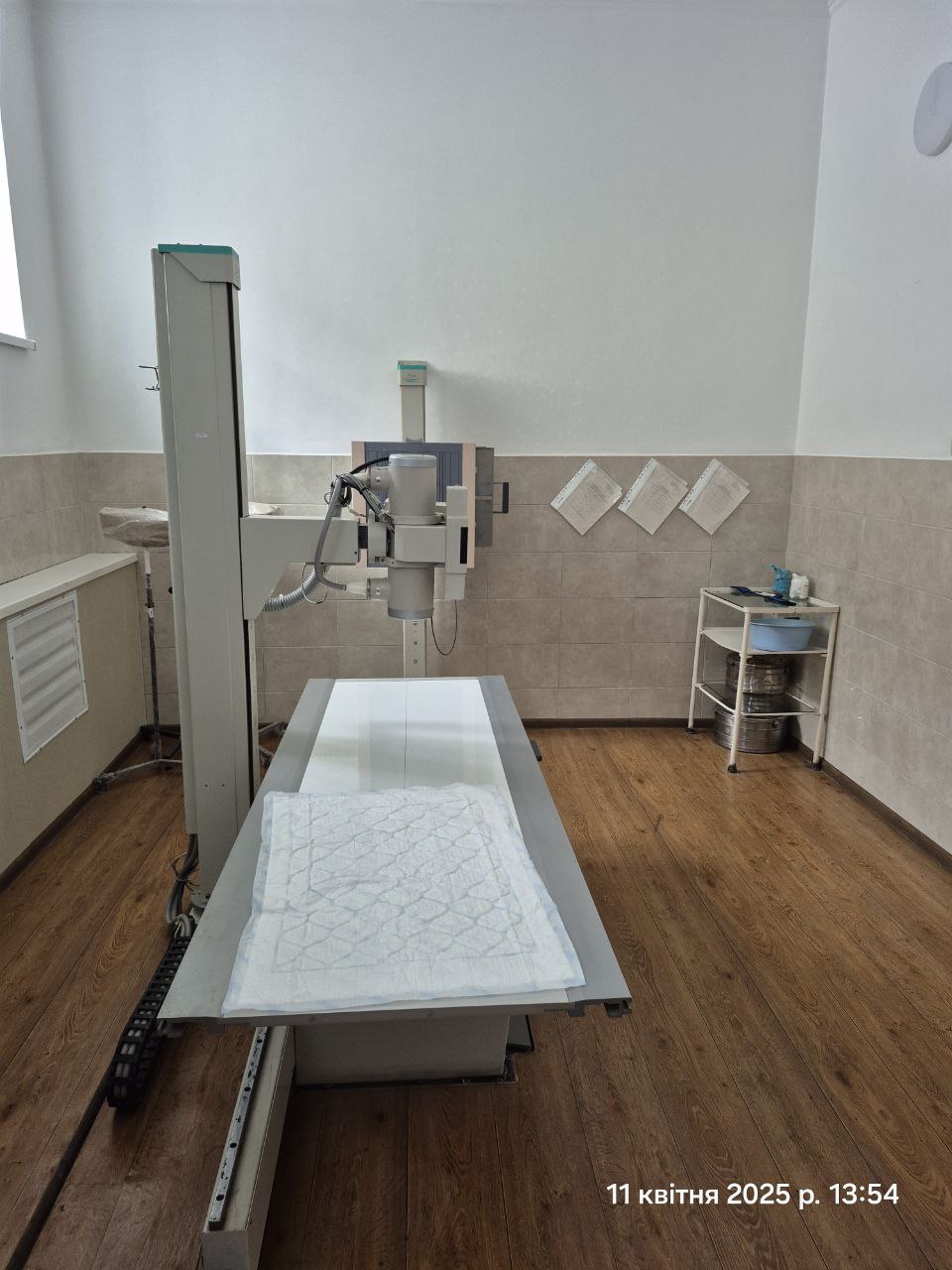
17. In violation of the requirements of the Equipment Table for a dentist’s and dental technician’s workstation, approved by the Order of the Ministry of Health of Ukraine dated 11.04.2005 No. 158, there is no dental X-ray machine in the medical unit, which makes it impossible to conduct an in-depth dental examination of convicts and does not ensure the timely provision of proper dental care.
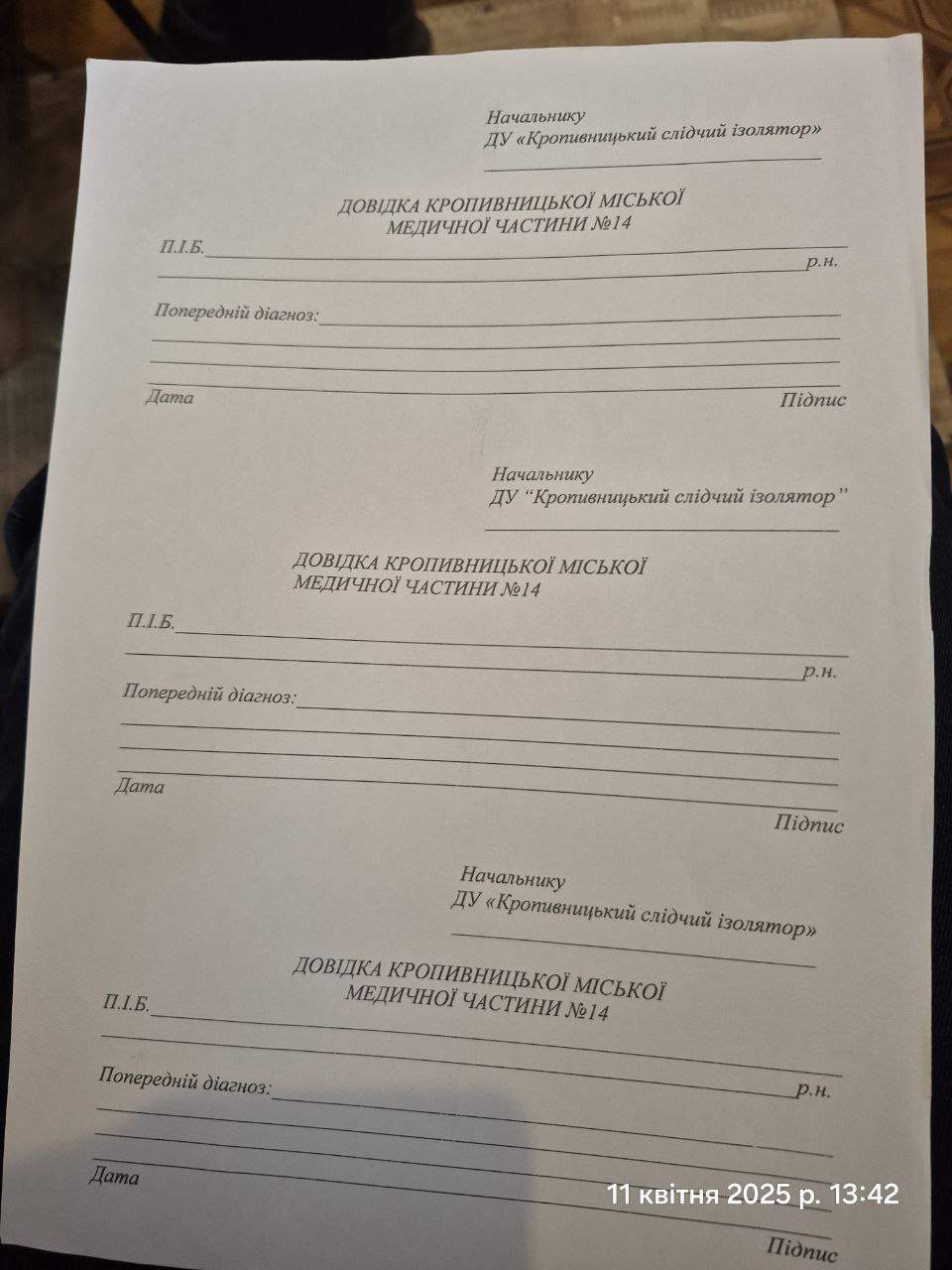
18. The monitoring group established that when placing a detainee in a punishment cell, it is standard practice to attach a medical certificate to the file, which contains the health status and according to the conclusion of which the detainee can be held in the punishment cell due to their health status. The facts identified testify that the institution’s staff possess confidential information regarding the health status of detainees who are in the punishment cell.
This violates the requirements of Article 39-1 of the Law of Ukraine “Fundamentals of Ukrainian Legislation on Healthcare” regarding the right of persons to secrecy about their health status. At the same time, the Committee has repeatedly emphasised that the obligation of penitentiary doctors to certify the fitness of convicts to serve a disciplinary penalty is unlikely to contribute to the development of positive relations between the doctor and the patient. In principle, medical personnel should never participate in any part of the decision-making process on the application of any type of solitary confinement, unless this measure is applied for medical reasons.
On the other hand, medical personnel must be very attentive to the condition of convicts who are in solitary confinement. Medical personnel must be informed immediately of every such placement and must visit the convict immediately after placement, and then regularly, at least once a day, and provide them with prompt medical care and treatment if necessary. Medical personnel should inform the institution’s administration if the convict’s health is seriously threatened by solitary confinement. (CPT/Inf (2024) 20, point 104).
In addition, this contradicts points 43.2 and 43.3 of the European Prison Rules.
19. In violation of the Fire Safety Rules in Ukraine, approved by the Ministry of Internal Affairs of Ukraine dated 30.12.2014 No. 1417, the premises of the medical unit are not equipped with fire extinguishing and fire alarm systems.
20. The doctors' office and the X-ray room are not equipped with fire extinguishers, which is a violation of point 3.6 of Chapter 3 of Section V of the Fire Safety Rules, as well as point 10.18 of Chapter 10 of the State Sanitary Rules and Norms “Hygienic requirements for the arrangement and operation of X-ray rooms and the performance of radiological procedures”, approved by the Order of the Ministry of Health of Ukraine dated 04.06.2007 No. 294, registered with the Ministry of Justice of Ukraine on 07.11.2007 under No. 1256/14523.
In addition, in violation of the requirements of point 2.23 of Chapter 2 of the mentioned Sanitary Rules, the presence of extraneous equipment was found in the procedure room, which is not intended for use in this room.
Recommendations:
1. Ensure a living space standard of at least 2.5 m² per person, and in the future — 4 m², in accordance with the recommendations of the European Committee for the Prevention of Torture.
2. Eliminate instances of placing an excessive number of beds in cells, which exceeds the permissible number of detainees.
3. Ensure proper separate detention of detainees in accordance with their legal status (first-time offenders/previously convicted).
4. Bring the premises of the processing unit into compliance with regulatory requirements (equip a shower, photo laboratory, storerooms, isolation wards, etc.).
5. Ensure medical examination of new arrivals in a specially equipped office while maintaining confidentiality.
6. Create isolation wards for sick persons and quarantine cells to prevent infectious diseases.
7. Equip bathrooms with doors or partitions to ensure privacy.
8. Repair cells with mould, poor ventilation, and lighting.
9. Ensure a proper level of privacy (distance between beds, screens in bathrooms).
10. Organise the washing of detainees’ clothes, replace worn-out bedding, and improve the sanitary condition of the cells.
11. Equip living premises for convicts from economic maintenance in accordance with the norms — storage rooms, utility rooms, drying rooms, etc.
12. Do not use cells with an area of less than 6 m² for holding detainees.
13. Ensure a sufficient level of natural light and ventilation in punishment cells.
14. Ensure privacy in punishment cells — bathrooms must be equipped with partitions.
15. Prohibit the practice of fixing beds in a vertical position without legal justification.
16. Use video surveillance in cells only based on an individual risk assessment and with regular review.
17. Equip exercise yards with roofs or canopies against rain.
18. Carry out repairs to the bath-laundry block, equip showers with taps for temperature regulation, and install curtains for privacy.
19. Ensure medical control during visits to the bathhouse.
20. Improve the storage of food products in accordance with the rules of commodity neighbourhood.
21. Prohibit the open demonstration of special means by staff in the presence of detainees.
22. Increase the number of staff, and eliminate staff shortages.
23. Stop engaging detainees in labour before the court verdict is passed.
24. Conclude employment contracts with all employed convicts in accordance with the law.
25. Ensure transparent payment of wages at a level no lower than the minimum.
26. Conduct an audit of the legality of contracts with the deduction of 25% from orders.
27. Ensure occupational safety: briefings, medical examinations, protective equipment.
28. Ensure the right of detainees to familiarise themselves with contracts and financial calculations regarding their labour.
29. Take measures aimed at eliminating identified human rights violations and preventing torture, other cruel, inhuman or degrading treatment or punishment in the City Medical Unit No. 14 of the branch of the State Institution “Centre for Health Care of the State Criminal Executive Service of Ukraine” in Cherkasy and Kirovohrad regions.
30. Ensure control over proper maintenance of medical documentation in accordance with the Procedure for interaction between healthcare facilities of the SCES of Ukraine and healthcare facilities regarding the provision of medical care to persons held in custody, approved by the joint order of the Ministry of Justice of Ukraine and the Ministry of Health of Ukraine dated 10.02.2012 No. 239/5/104, the Procedure for organising the provision of medical care to convicts to deprivation of liberty, approved by the joint order of the Ministry of Justice of Ukraine and the Ministry of Health of Ukraine dated 15.08.2014 No. 1348/5/572, and other regulatory legal acts.
31. Provide the medical institution’s staff with medical specialists in accordance with needs.
32. Ensure timely and proper documentation of bodily injuries in convicts and detainees.
33. Ensure proper accounting of preventive medical examinations.
34. Ensure proper medical care for persons with viral hepatitis C.
35. Comply with the requirements of point 37 of the Resolution of the Cabinet of Ministers of Ukraine No. 285 dated 2 March 2016 “On approval of Licensing conditions for conducting economic activities in medical practice”.
36. Ensure the conduct of individual rehabilitation for persons who need it.
37. Ensure the accessibility of the institution’s buildings in accordance with the State Building Norms of Ukraine V.2.2-17:2006 “Buildings and structures. Accessibility of buildings and structures for persons with limited mobility”.
38. Ensure the proper operation of the telemedical complex for doctors to make requests for telemedical consultation.
39. Ensure the implementation of measures for the proper storage of medicines.
40. Ensure the equipment of the isolation ward for persons with mental and behavioural disorders in accordance with the requirements.
41. Ensure the obtaining of informed consent from patients for examination and treatment in the established form.
42. Ensure the provision of proper psychiatric medical care.
43. Ensure compliance with the isolation requirements for persons with tuberculosis in accordance with the Standard.
44. Stop the practice of doctors certifying the health status of convicts and detainees when placing them in a punishment cell.
45. Dismantle video surveillance cameras from the medical unit premises.
46. Equip the fire protection system in accordance with established requirements.
47. Provide a fire extinguisher for the X-ray room.