Report on the Results of the Monitoring Visit to the Poltava Correctional Colony No. 64
In accordance with the Optional Protocol to the Convention against Torture and Other Cruel, Inhuman or Degrading Treatment or Punishment, taking into account the provisions of the Minimum Standard Rules for the Treatment of Prisoners and the decisions of the European Court of Human Rights, and on the basis of Article 24 of the Criminal-Executive Code of Ukraine — Visiting Penitentiary Institutions, a follow-up visit was conducted by a group of monitors from the Kharkiv Human Rights Protection Group and the NGO “Defence of Prisoners of Ukraine” to the state institution “Poltava Correctional Colony No. 64” (hereinafter referred to as PCC-64, the institution, or the facility).
The previous visit took place on 24 September 2020.
A scheduled, regular, full-scale, unannounced visit was carried out, and all facilities were inspected. The visit took place on 1 May 2025.
In preparation, the monitors utilised materials from appeals made by convicts and their relatives, previous reports, and the report from the National Preventive Mechanism (NPM) under the Commissioner for Human Rights of the Verkhovna Rada of Ukraine. Complaints from convicts were received via hotlines and at the public offices of the KHPG and DPU.
The visit was conducted as part of the project “Reducing Prisoners’ Suffering in the Context of the War in Ukraine”, funded by the Danish government in partnership with DIGNITY — Danish Institute Against Torture.
The visit was carried out by the following monitors:
- Andriy Didenko — Assistant to the People’s Deputy of Ukraine Yaroslav Yurchyshyn, programme coordinator of the Kharkiv Human Rights Protection Group, with experience in monitoring visits since 2014;
- Serhiy Zuikov — Assistant to the People’s Deputy of Ukraine Kostiantyn Kasai, member of the public council under the Ministry of Justice of Ukraine, member of the NGO “Defence of Prisoners of Ukraine”, with many years of experience in monitoring visits;
- Oleh Tsvilyi — Member of the public council under the Ministry of Justice of Ukraine, head of the NGO “Defence of Prisoners of Ukraine”, with extensive experience in monitoring visits, specialising in issues of torture and cruel, inhuman treatment.
The monitoring visit to PCC-64 confirmed the presence of systemic human rights violations, which indicate a failure by the state to comply with its international and national obligations regarding the protection of dignity, the prohibition of torture, the right to work, healthcare, and the provision of proper detention conditions. Of particular concern are the instances of humiliation and segregation among the convicts, hierarchical practices in the QDD (Quarantine, Diagnostics, and Distribution unit), labour exploitation, insanitary conditions in the medical unit, violations of the right to confidentiality of medical care, and a lack of proper access to healthcare.
Positive steps were also identified — in particular, the modernisation of certain facilities, the implementation of IT infrastructure, and access to means of communication. However, these do not compensate for the deep-seated problems, which are systemic in nature.
The visit highlighted the need for independent oversight of human rights compliance, the reform of approaches to the detention of convicts, a review of the labour system, the strengthening of medical provision, and the combatting of informal practices that create an environment of degradation and violence.
General Information
PCC-64 is a penitentiary institution under the jurisdiction of the Ministry of Justice of Ukraine. It is a medium-security correctional facility for holding men convicted for the first time for committing grave and particularly grave crimes.
The facility is located at the following address: 36015 Poltava, 5 Starokotelivska Street.
The head of the institution is Colonel of the Internal Service Vadym Mykolaiovych Oleksieienko.
The facility consists of a duty unit, social and psychological service (SPS) units, a canteen, a Disciplinary Isolation Unit (DIU), a chamber-type premises (CTP), a pre-trial detention unit (SIZO), a medical unit, a bath and laundry complex, visiting rooms, a shop, a library, a room for receiving parcels, and administrative premises.
According to the institution’s administration, the authorised staff headcount consists of 213.5 positions. The actual number is 193.5 positions. The total staff shortage for the institution is 20 employees, specifically: junior commanding staff — 14, middle and senior commanding staff — 4, and staff without special ranks — 2.
The planned capacity of the facility is 685 persons. The actual number of convicts is 320, with 12 persons in pre-trial detention. There are 11 SPS units in the facility (2 are mothballed). The institution employs 2 psychologists.
In 2024, 4 convicts died. 224 convicts were employed under employment contracts. There were 12 persons held in the pre-trial detention unit. On the operational-preventive register: prone to suicide — 9 persons, prone to self-harm — 12, prone to escape — 1. 16 convicts are malicious violators of the detention regime.
During 2024-2025, no one submitted complaints regarding improper conditions of detention or inadequate provision of medical care. 9 persons have Group II disabilities, and 11 convicts have Group III disabilities. 9 persons are ‘generally ostracised’.
Convicts have 147 tablets for their own use, and 5 persons have email addresses. Over the last six months, there have been 5 acts of prosecutorial response. In 2024, 2 cases of bodily injuries were recorded upon arrival at the institution and 4 cases during the stay at the facility; in 2025, 2 cases of bodily injuries were recorded during the stay in the institution.
The monitoring group interviewed about 112 convicts during the visit to the industrial zone, SPS units, and disciplinary premises, conducting general conversations, providing consultations, answering questions, surveying on the subject of human rights violations, and holding individual discussions with persons, including on an anonymous basis.
Positive Experience
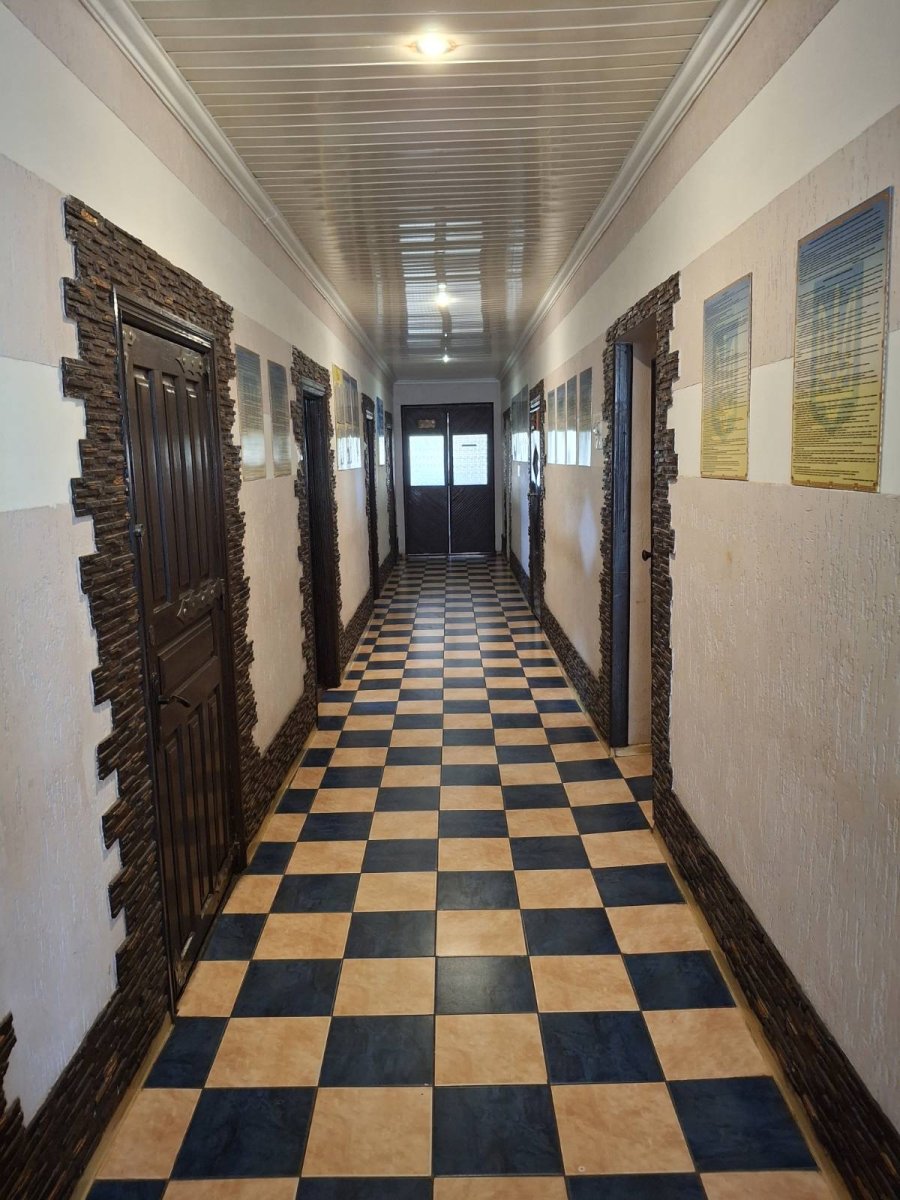
Between 2020 and 2025, a number of measures were taken at PCC-64 to modernise infrastructure and improve the conditions of detention for convicts.
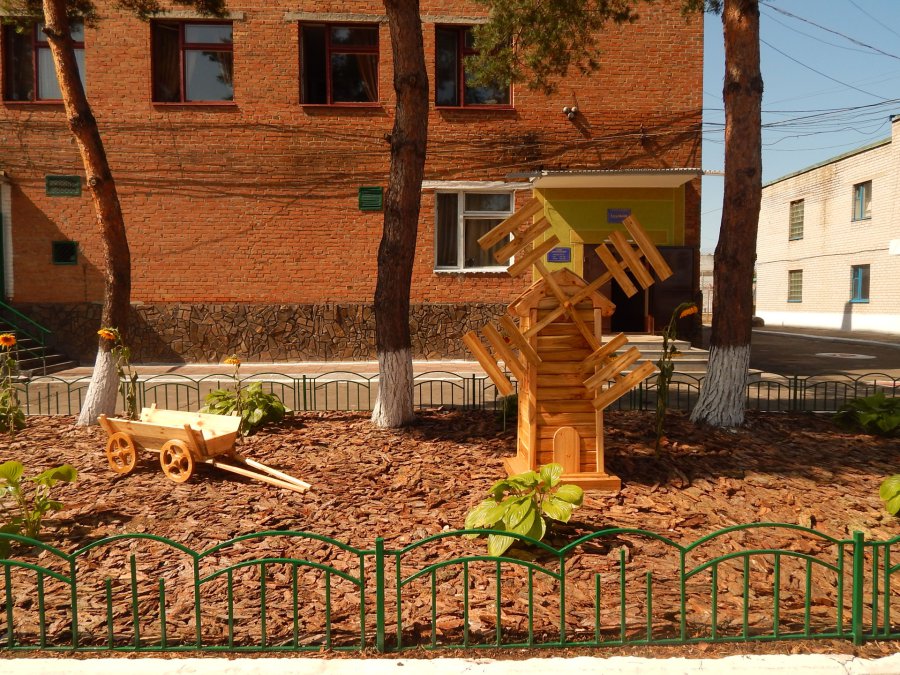
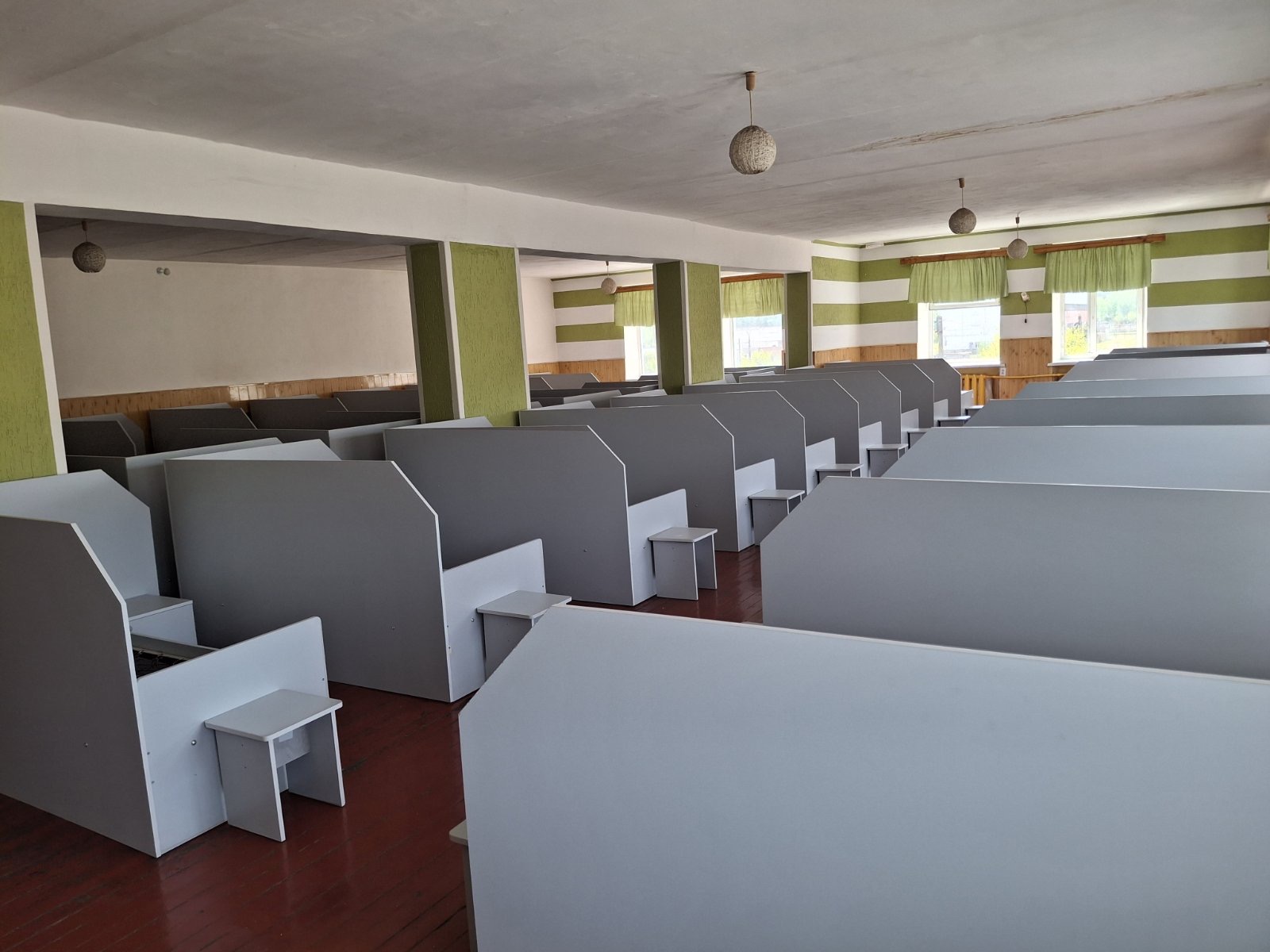
A Quarantine, Diagnostics, and Distribution (QDD) unit has been built and put into operation, and 120 individual spaces have been equipped in two social and psychological service units.
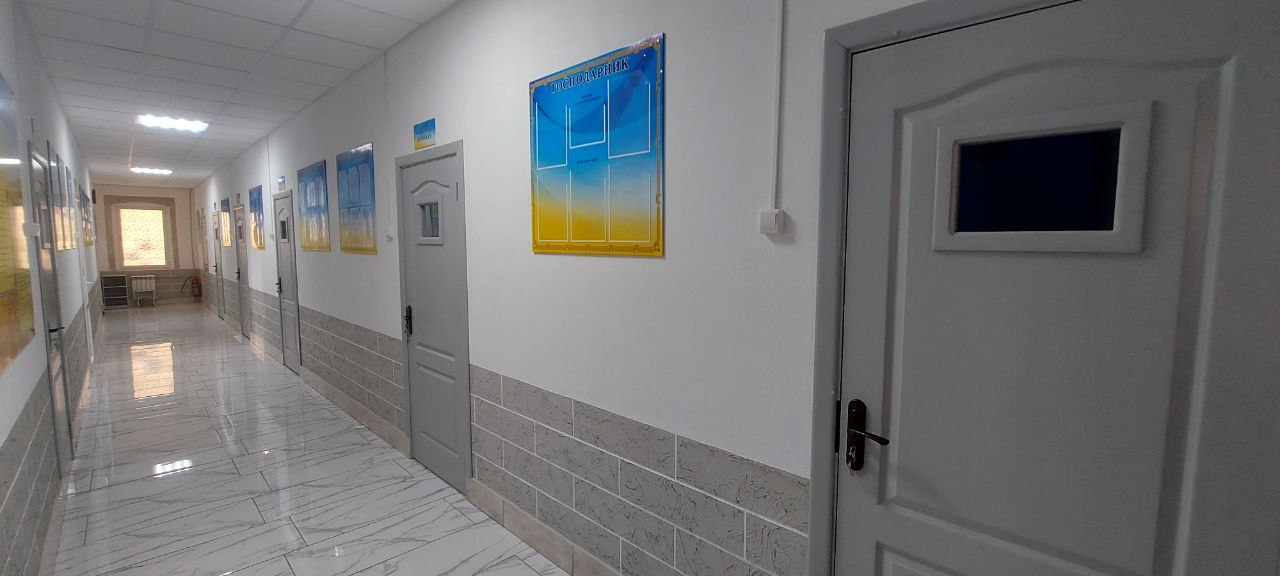
Major repairs have been carried out in SPS unit No. 10, the dormitories, and the psycho-emotional relief room, and the maintenance of temperature regimes during the heating season has been ensured.
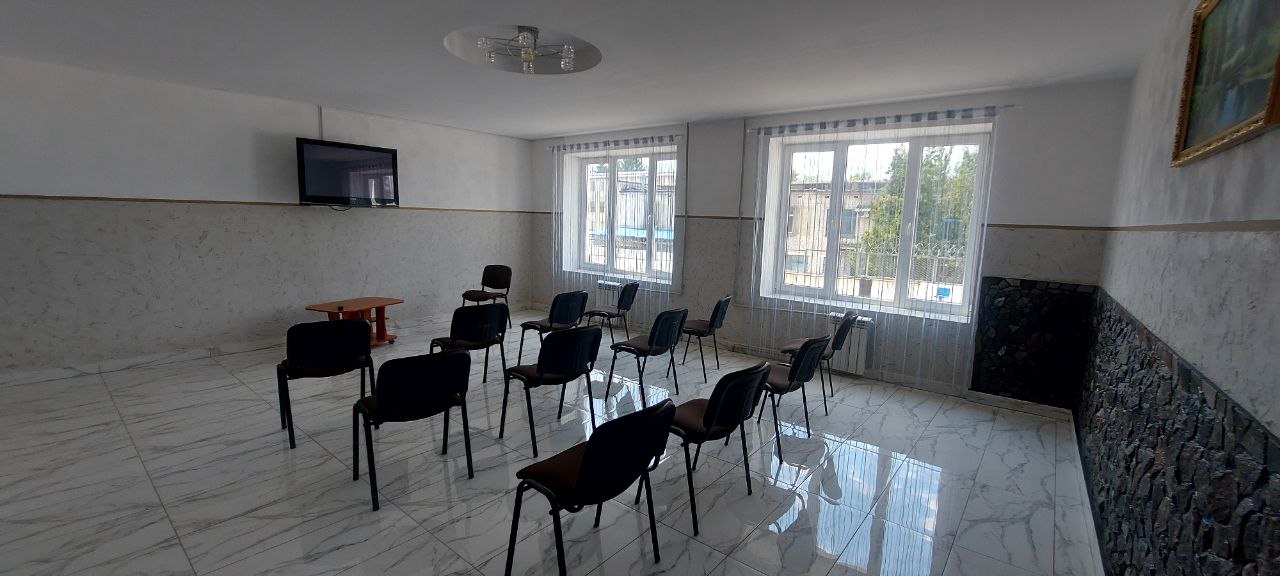
The institution is equipped with modern infrastructure for communication and resocialisation: rooms with Internet access have been set up for communication via Skype, as well as for online consultations and training.
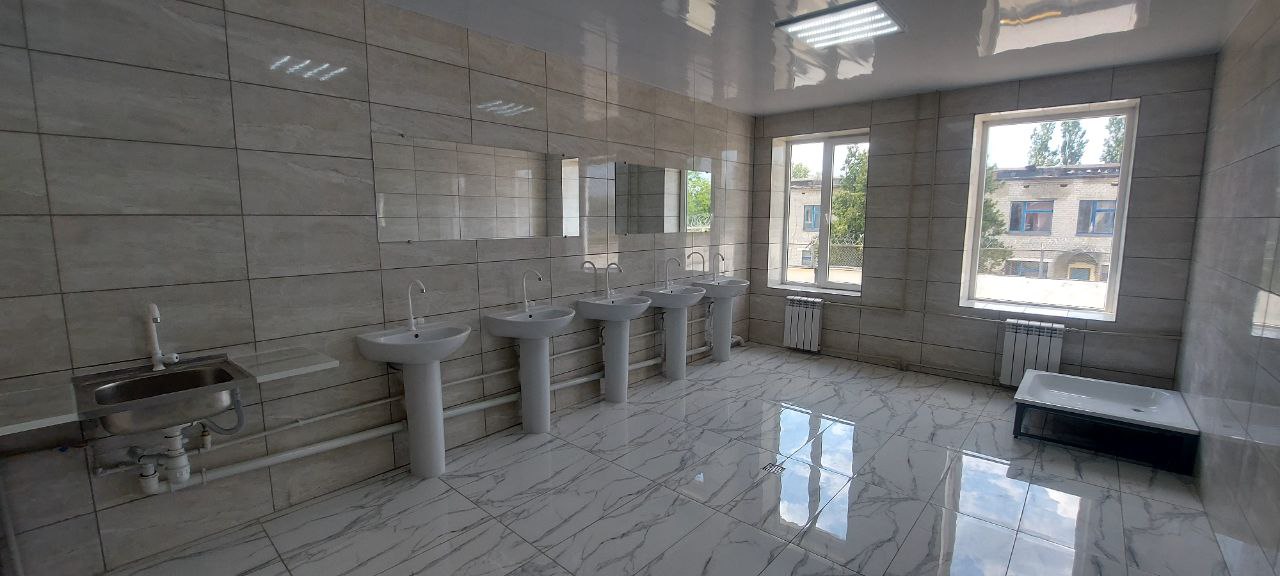
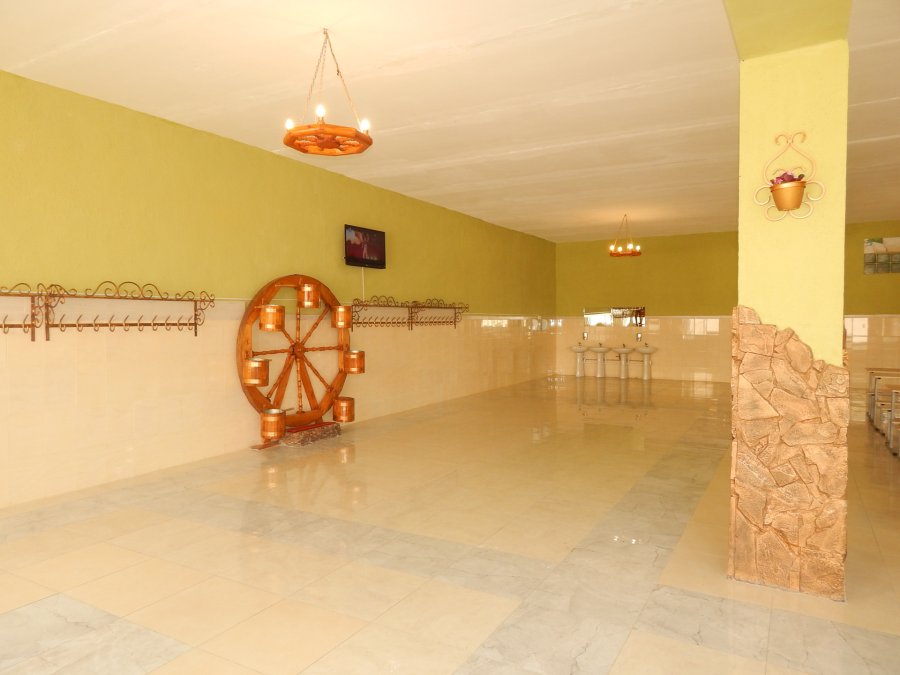
The canteens, workshops, visiting rooms, and the bath and laundry complex have been renovated, and conditions for the personal hygiene of convicts have been created in compliance with sanitary standards.
The Unified Register of Convicts has been implemented, and three workstations have been created for its maintenance.
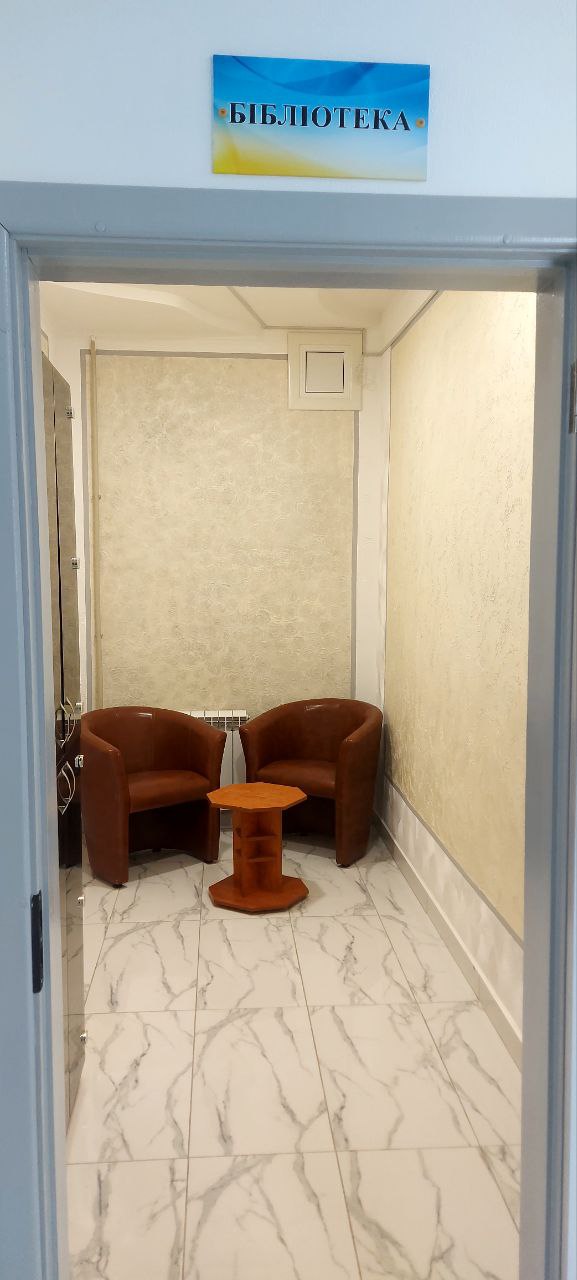
In addition, the disciplinary premises, exercise yards, the dining hall, and short-term visiting rooms have been renovated. The room for receiving parcels has been reconstructed and equipped with modern furniture, household inventory, appliances, and lighting. In general, the institution demonstrates a gradual alignment of living conditions with national requirements and international standards.
Facts Discovered During the Visit
In the course of the monitoring visit, violations of national legislation requirements and non-compliance with international recommendations in the field of prisoner treatment were identified, leading to violations of the rights of convicted persons:
1. During the visit to the institution, complaints were received from convicts regarding improper treatment by the administration and staff. In particular, during confidential interviews, individual convicts reported that upon arrival at the institution, in the Quarantine, Diagnostics, and Distribution (hereinafter — QDD) unit, staff forced them to publicly perform humiliating tasks for the purpose of exerting pressure and subjugating their will. It was reported that these actions were recorded using technical means, including those with photo and video filming functions.
Convict T., during a confidential interview, stated that after arriving at the institution, he was told in the presence of other convicts to clean the toilet, after which he was classified as a member of the group known as “generally ostracised”. Convict P. recounted that he was assigned to the same category in the social and psychological service (hereinafter — SPS) unit, after which the convicts forced him out of the unit, and he is now forced to stay in the medical unit around the clock, performing the work of a paramedic and cleaner.
Such actions are humiliating, violate the principle of respect for human dignity, and testify to the existence of an informal prison hierarchy with signs of caste division. Persons assigned to lower hierarchical groups, according to the testimonies of the convicts themselves, suffer from discrimination, humiliation, and violence by other prisoners. This leads to conflicts between groups of convicts and contributes to the strengthening of criminal subculture within the institution.
Furthermore, the monitoring group identified the practice of segregating and stigmatising a separate category of particularly vulnerable convicts, known as “generally ostracised”. This practice is based on the influence of the informal prison hierarchy and leads to discrimination and restrictions in the exercise of the guaranteed right to respect for human dignity. Convicts assigned to this category reported that they are forced to remain in isolation from other prisoners, work separately, perform humiliating tasks (in particular, cleaning toilets for others), and use the bathhouse and launder personal belongings separately.
The aforementioned contradicts the requirements of parts one and two of Article 24 of the Constitution of Ukraine, part five of Article 7 of the Criminal-Executive Code of Ukraine (hereinafter — CEC of Ukraine), and point 13 of the European Prison Rules, and may indicate a violation of the right of convicts to protection from cruel, inhuman, or degrading treatment, enshrined in Article 28 of the Constitution of Ukraine and Article 3 of the Convention for the Protection of Human Rights and Fundamental Freedoms.
At the same time, the European Committee for the Prevention of Torture and Inhuman or Degrading Treatment or Punishment (hereinafter — the Committee), in its report on the results of the 2023 visit to Ukraine, calls on the Ukrainian authorities to develop and implement a comprehensive strategy to combat violence and intimidation among convicts and to overcome the phenomenon of the informal hierarchy among convicts with all its negative consequences.
In this context, the penitentiary administration must also rationalise the assessment of risks and needs, classification, and distribution of individual convicts, in order to ensure that convicts are not exposed to the influence of other convicts who may cause them harm. (CPT/Inf (2024) 20) point 45).
2. The monitoring group recorded a practice introduced by the institution’s administration regarding locking convicts in the sleeping quarters of the QDD unit at night without providing access to sanitary and hygienic facilities. There are no toilets in these premises, which forces the convicts to call a staff member for a long period at night to get permission to go to the toilet.
Such a practice contradicts point 19.3 of the European Prison Rules, as well as Rule 15 of the UN Standard Minimum Rules for the Treatment of Prisoners (the Mandela Rules), which oblige the state to ensure unimpeded access for prisoners to sanitary facilities that meet hygienic requirements and guarantee the possibility of privacy. These actions degrade the human dignity of the persons held in the institution and create additional physical and psychological suffering.
Furthermore, the monitoring group established that the administration of the institution also practices locking sleeping quarters during the daytime so that convicts cannot use their beds. Such a practice contradicts point 4 of Appendix 8 to the Internal Regulations of Correctional Institutions, according to which convicts are not prohibited from sitting or lying on their beds during their free time.
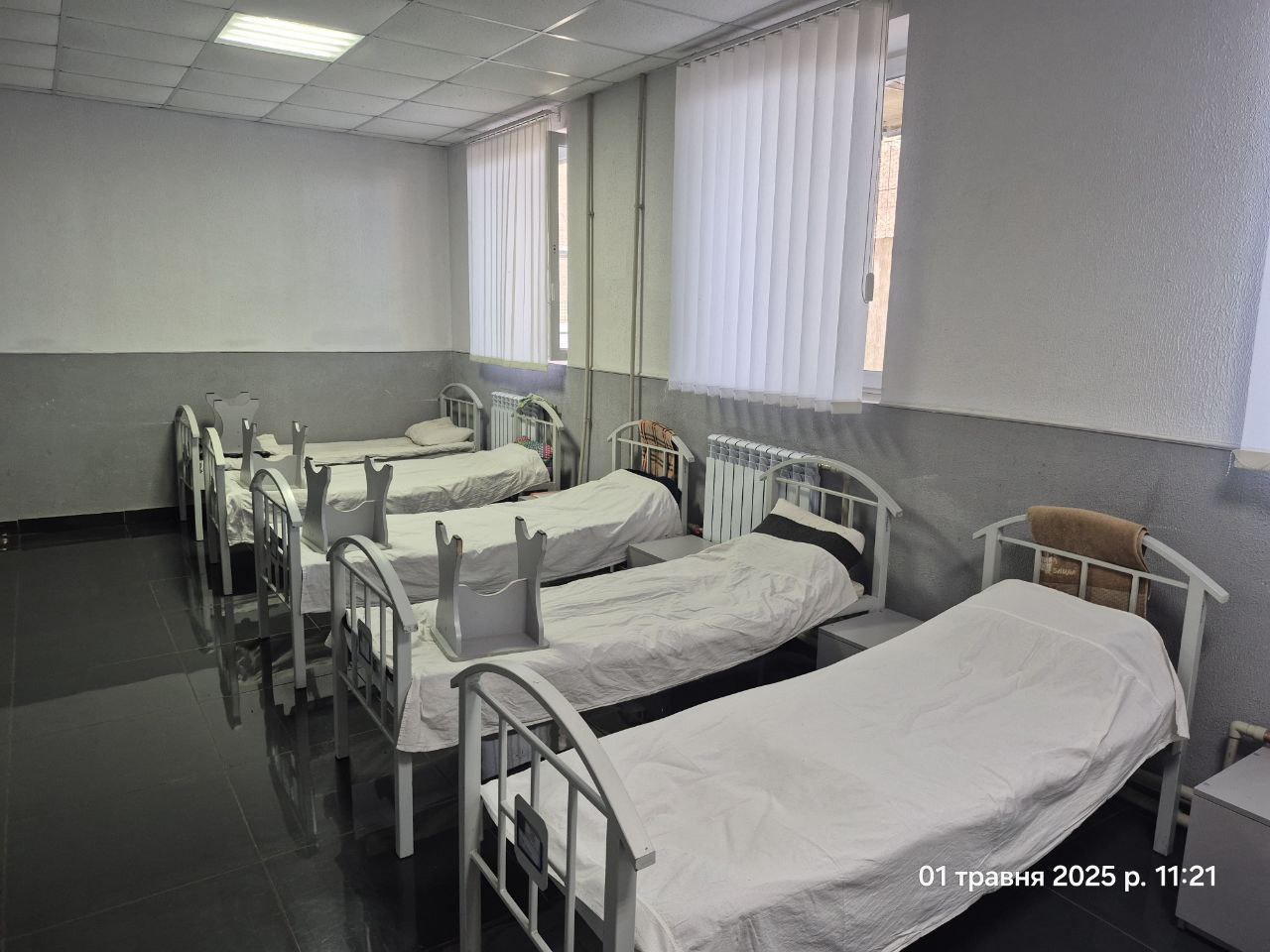
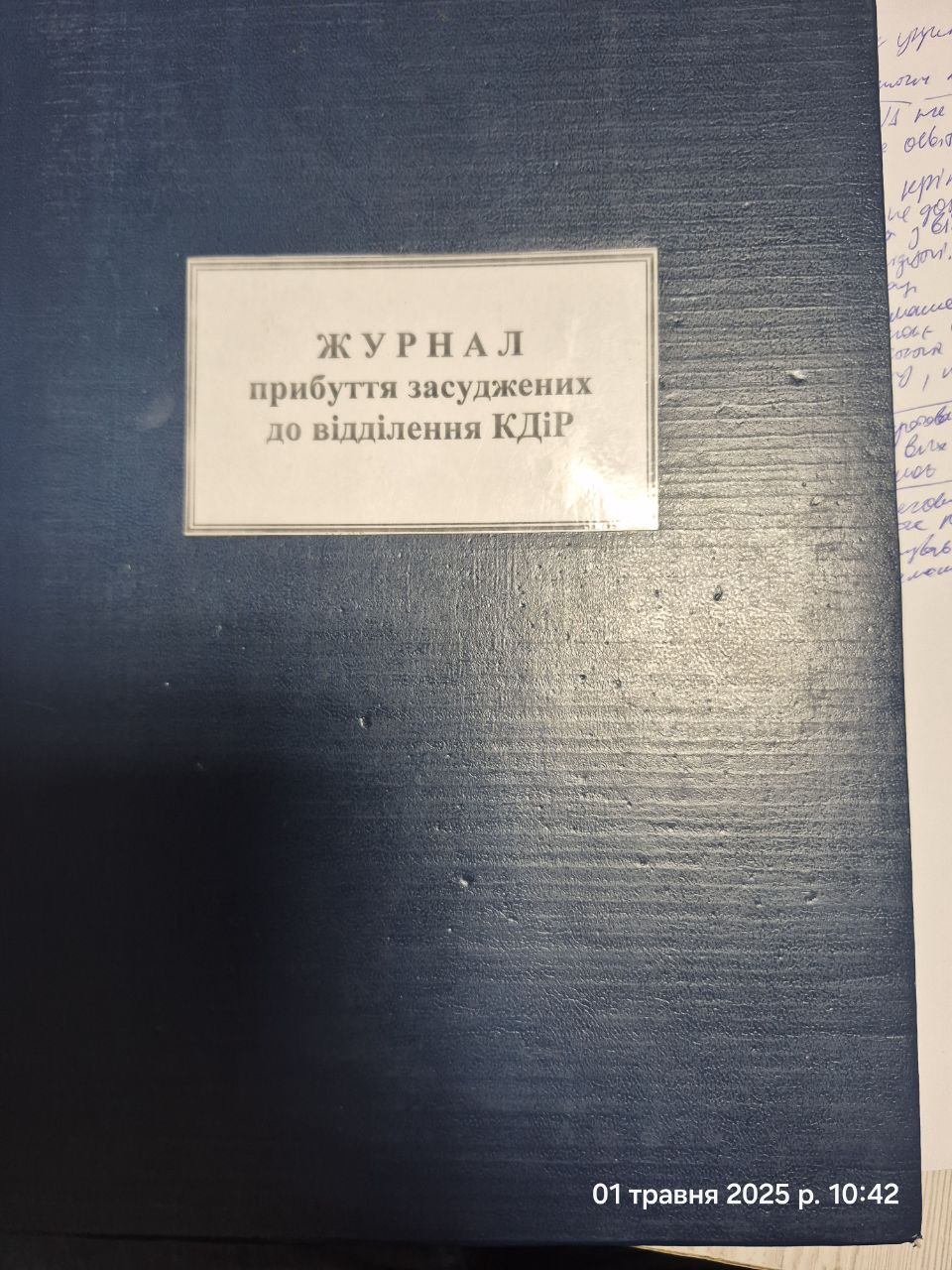
3. The monitoring group established that the administration and staff of the institution do not ensure proper organisation of work with newly arrived convicts. During the visit to the QDD unit, violations of the requirements of Article 95 of the Criminal-Executive Code of Ukraine and point 3 of section I of the Regulation on the QDD unit, approved by the Order of the Ministry of Justice of Ukraine dated 4 November 2013 No. 2300/5, registered with the Ministry of Justice of Ukraine on 4 November 2013 under No. 1864/24396, were identified.
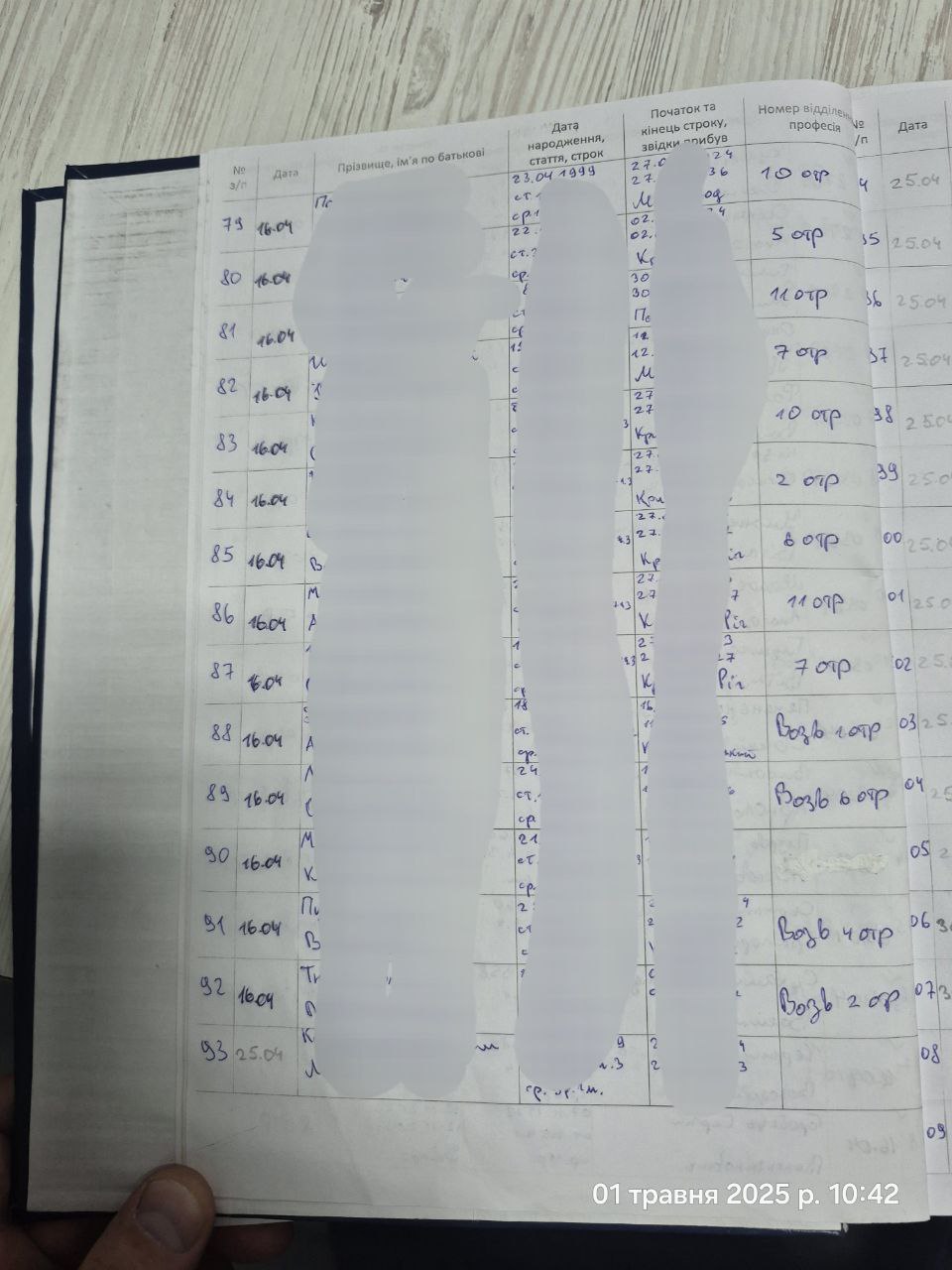
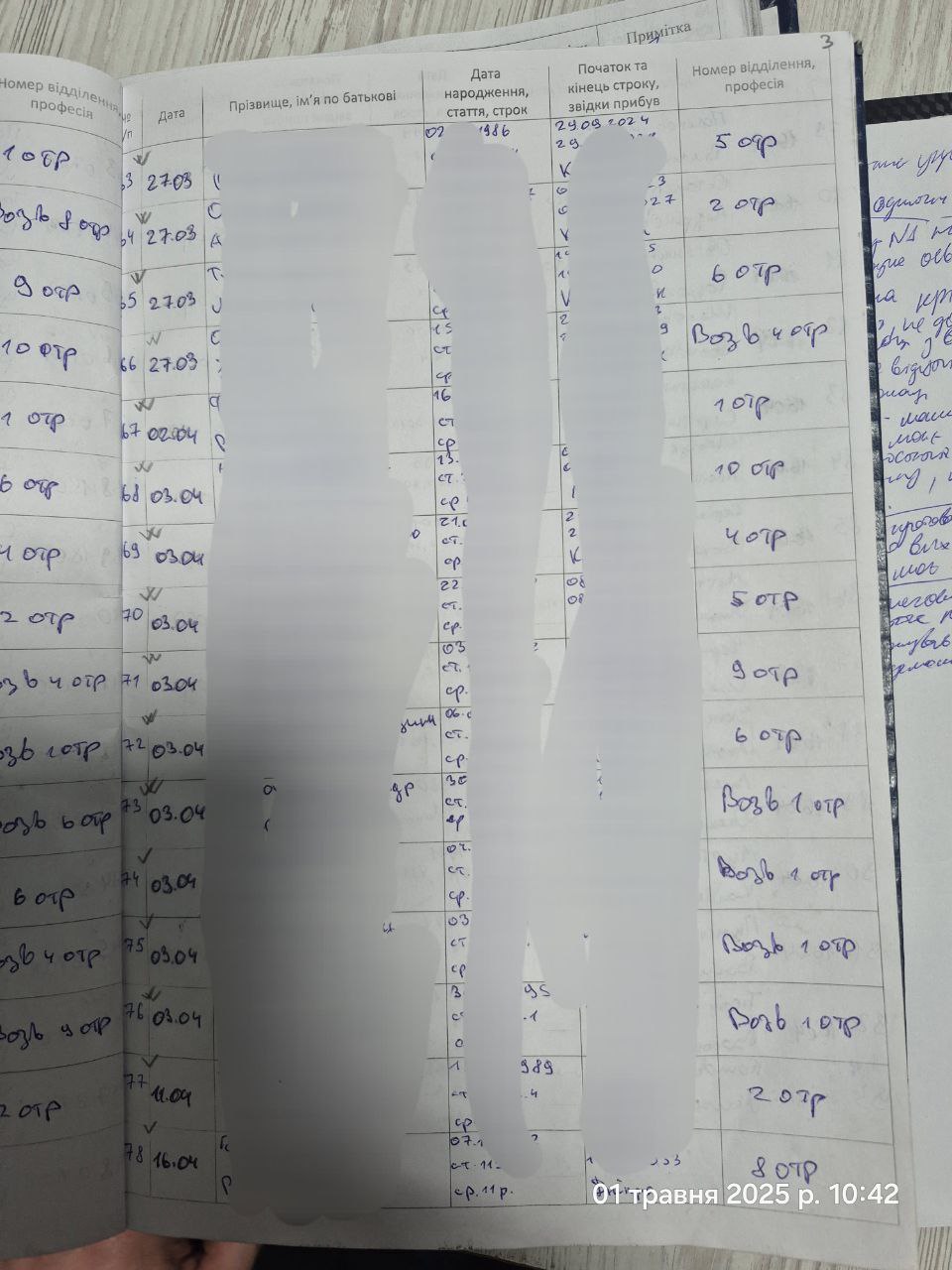
Thus, on 16 April 2025, 15 convicts arrived at the institution, which is confirmed by the corresponding entry in the Logbook of Arrivals to the QDD unit. According to current legislation, newly arrived persons placed in the QDD unit must undergo a full medical examination within 14 days to identify infectious, somatic, and mental illnesses, as well as an initial psychological and pedagogical study. Thus, the distribution of these 15 persons among the institution’s units should have taken place no earlier than 30 April 2025.
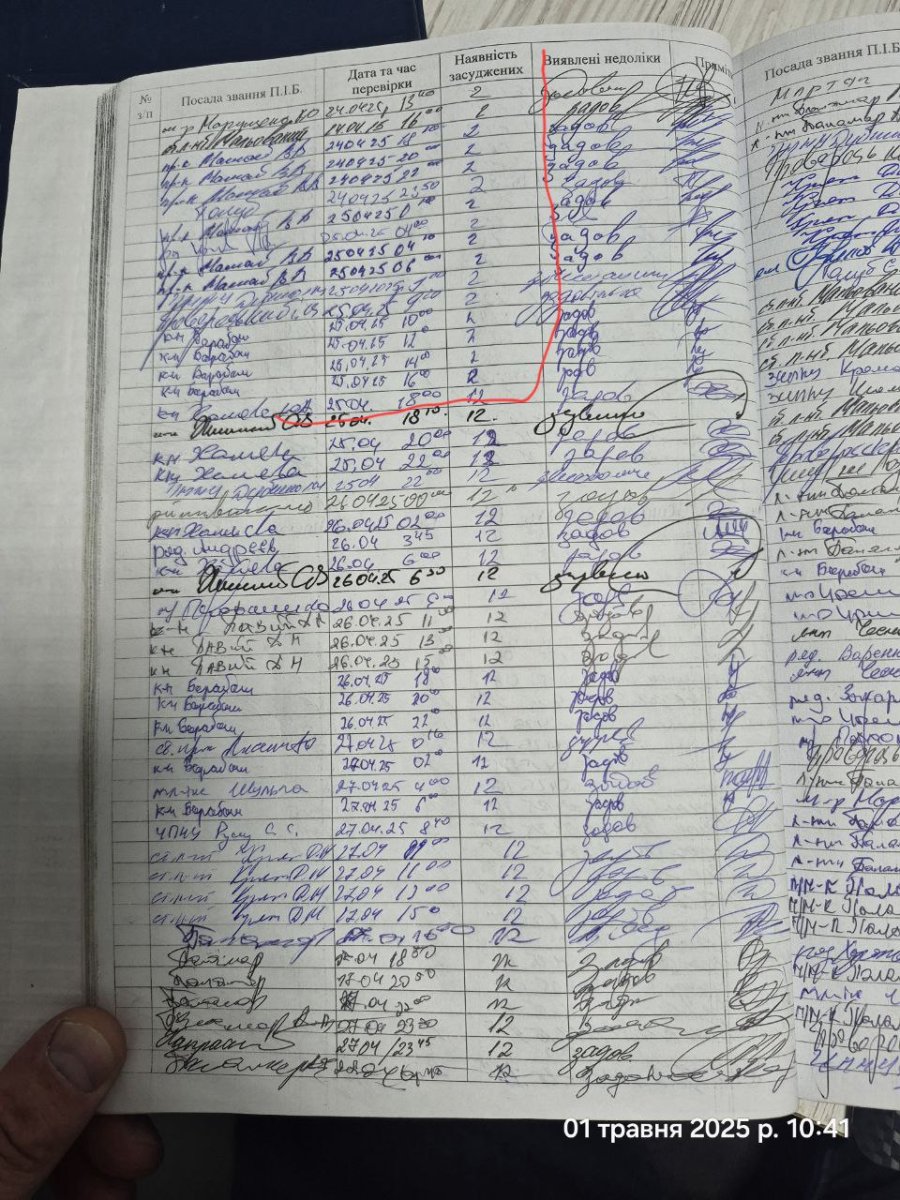
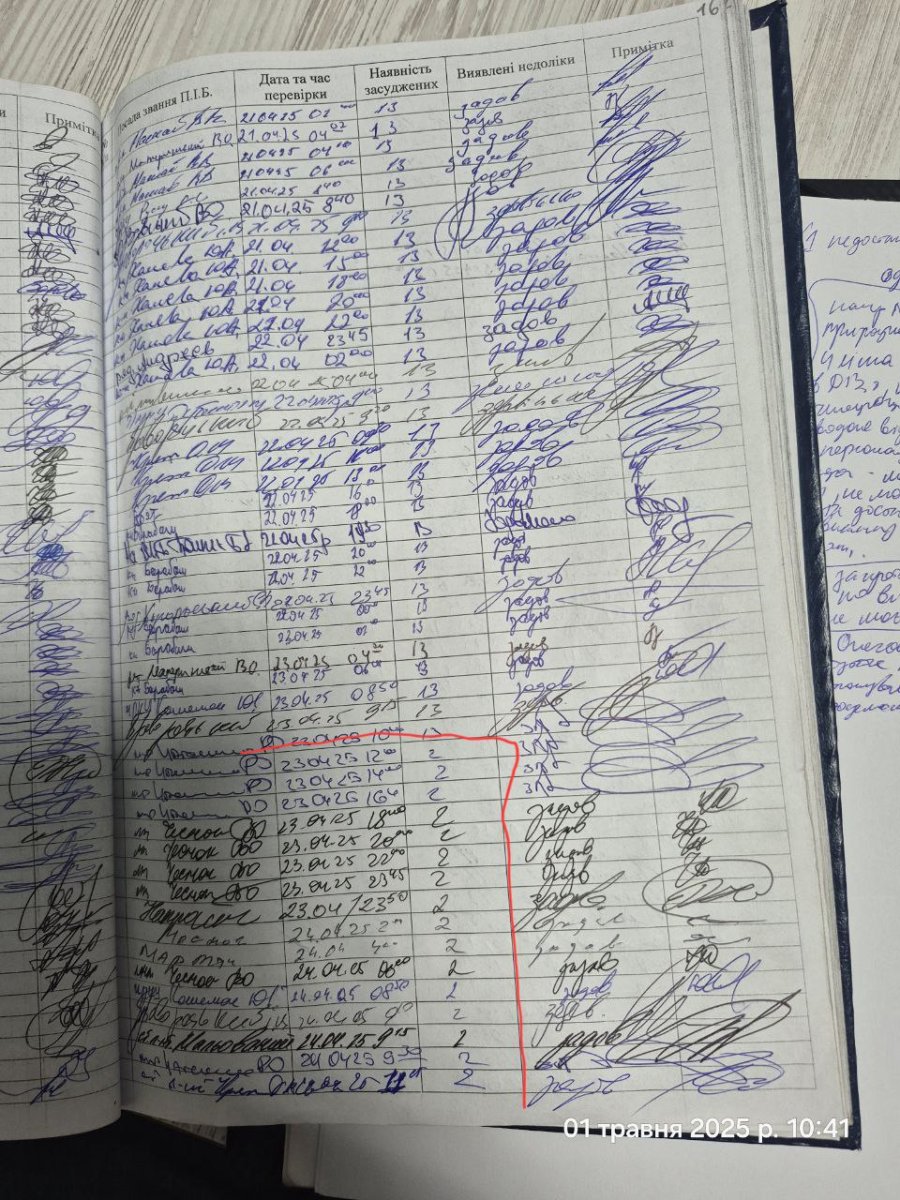
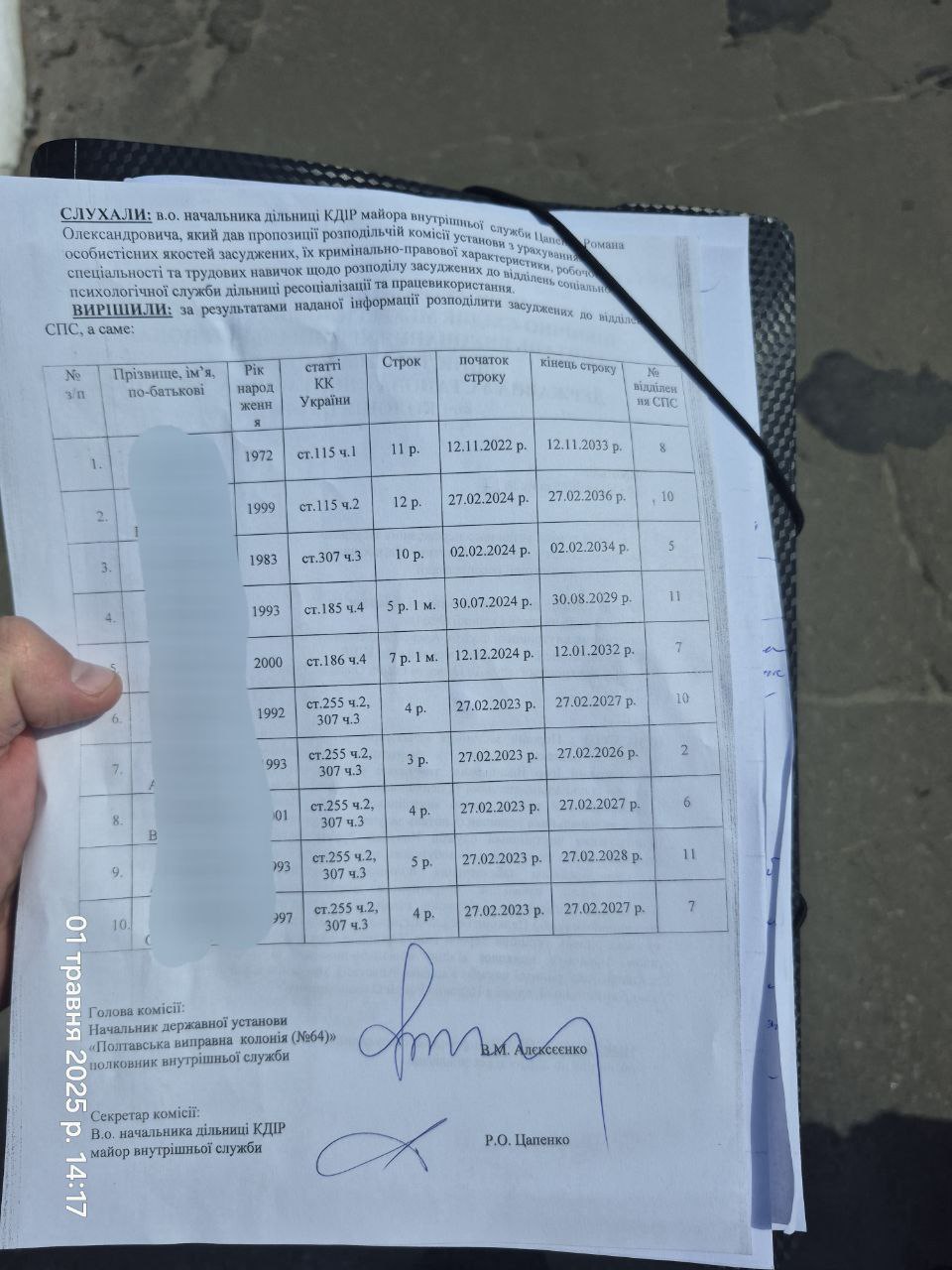
However, according to Protocol No. 17 of the meeting of the institution’s commission on the transfer of convicts from the QDD unit to resocialisation units dated 30 April 2025, only 10 persons were transferred. At the same time, according to the Logbook of Visits to the QDD unit, in the period from 23 to 25 April 2025, only two convicts were in the unit. This indicates that the 15 convicts who arrived on 16 April 2025, in fact, stayed in the QDD unit for no more than one week, which is a violation of the established 14-day period. Thus, the organisation of work with newly arrived convicts, including the implementation of measures according to the induction programme in the QDD unit by members of the working group, is not carried out in full.
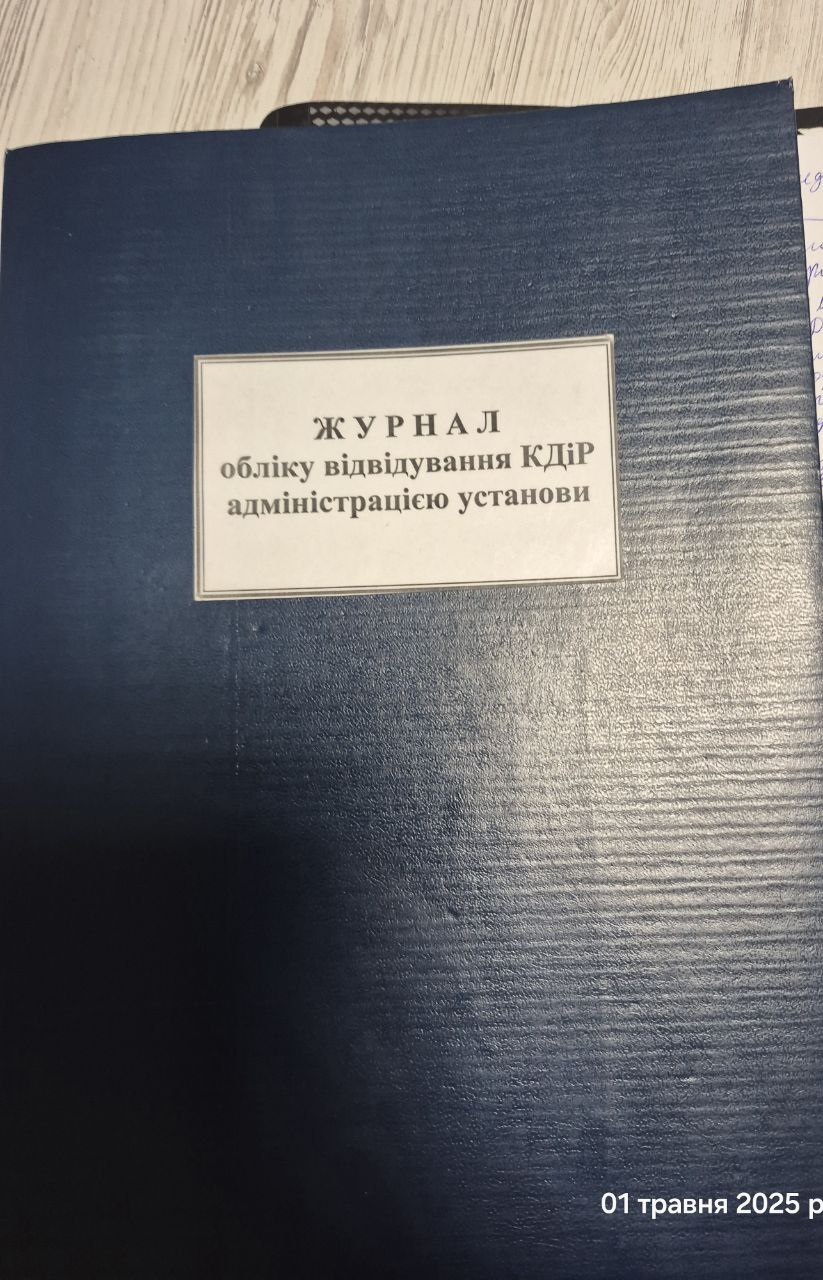
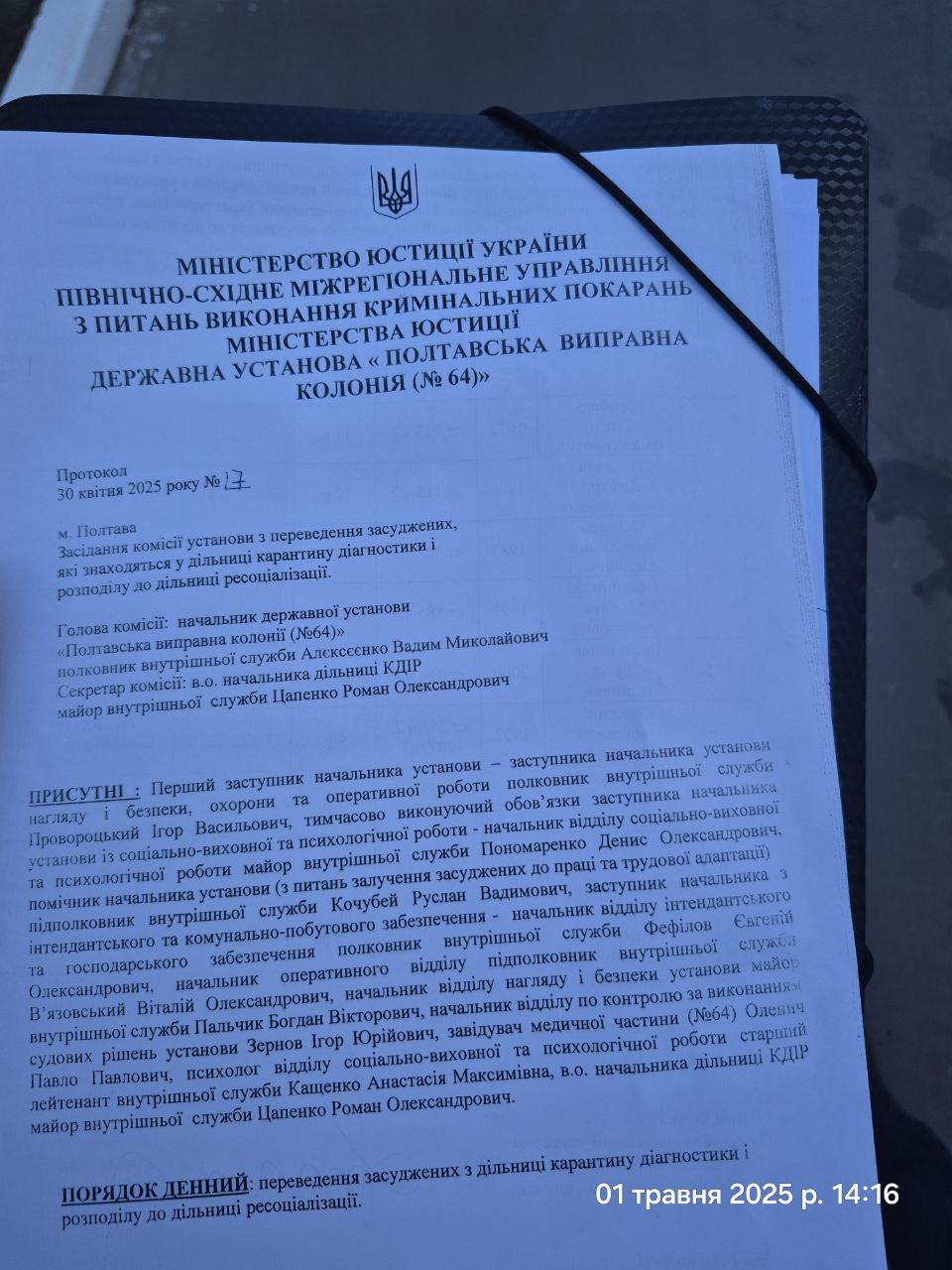
4. The equipment of the QDD unit does not meet the established requirements regarding the proper conditions of detention for convicts and their treatment. Thus, in violation of the requirements of the Standards for Provision of Furniture, Inventory, and Household Items for a Medium-Security Correctional Colony, approved by the Order of the Ministry of Justice of Ukraine dated 27.07.2012 No. 1118/5 (hereinafter — Provision Standards), the unit lacks a number of premises, namely: a room for storing food products; a storage room for temporary storage of dirty bedding, property, and workwear; a utility room; a drying room.
The absence of these premises or their improper arrangement leads to a violation of sanitary and hygienic standards. Thus, the improper organisation of personal item storage complicates the maintenance of cleanliness and order in the premises where convicts are held, which worsens the overall sanitary situation in the institution.
5. The equipment of the premises of the institution’s Disciplinary Isolation Unit (hereinafter — DIU/CTP) does not fully meet the established standards of prisoner treatment and does not ensure proper conditions of detention, taking into account their needs. Point 59 of the 21st General Report of the Committee for the Prevention of Torture (CPT/Inf (2011) 28) states that any cell smaller than 6 m² should not be used for holding prisoners. In its Report on the results of the 2012 visit to Ukraine, the Committee also emphasised that the area of a single cell should be no less than 6 m² (excluding the built-in toilet), and the distance between walls — no less than 2 metres (point 45, CPT/Inf (2013) 23).
At the same time, the monitoring group recorded the use of a punishment cell, the parameters of which do not meet the specified requirements. In particular, the distance between the walls in one of the premises is less than 2 metres. Due to the limited area, convicts are deprived of the opportunity to move freely, which causes physical discomfort and makes it impossible to be held in proper conditions.
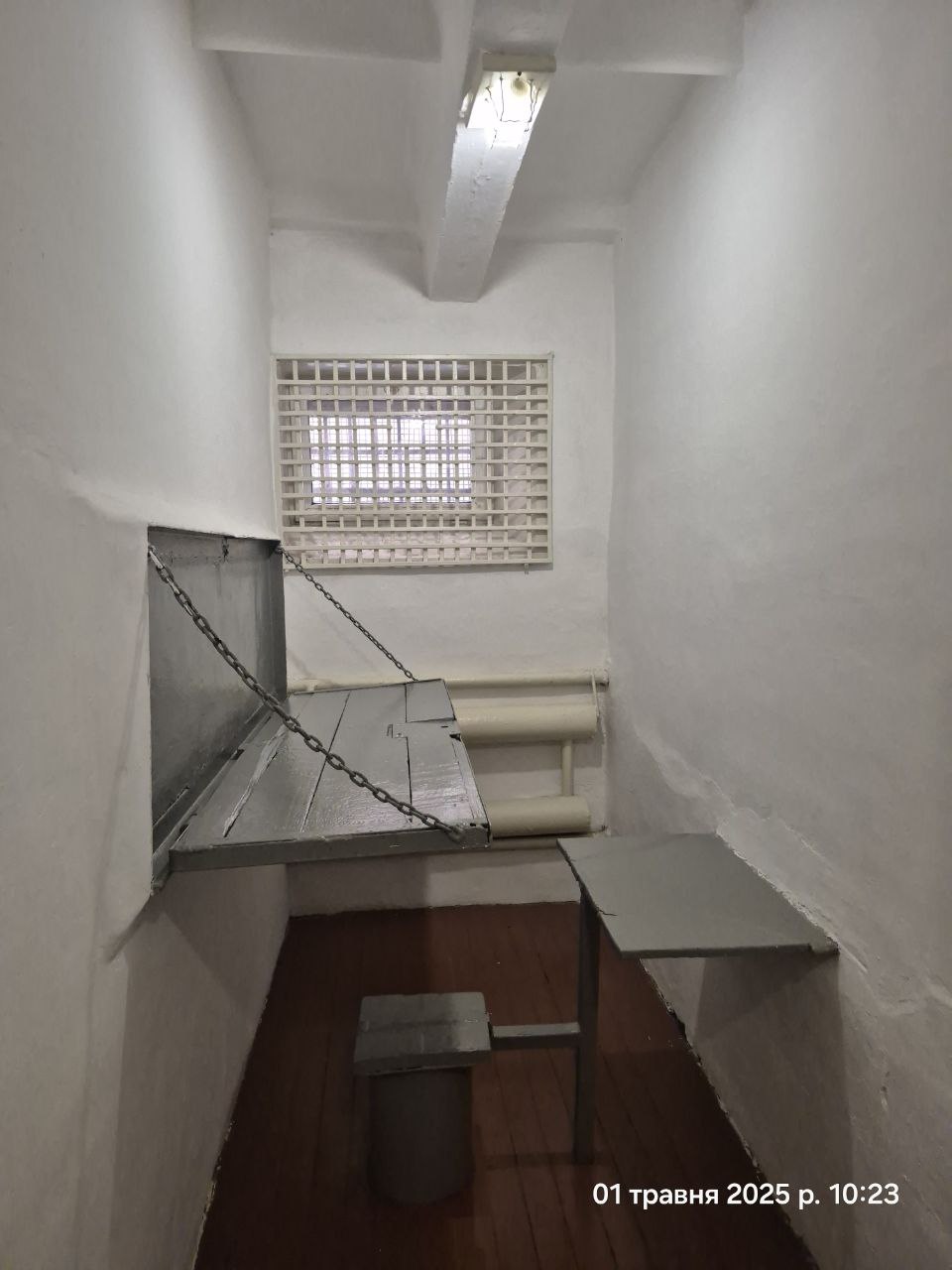
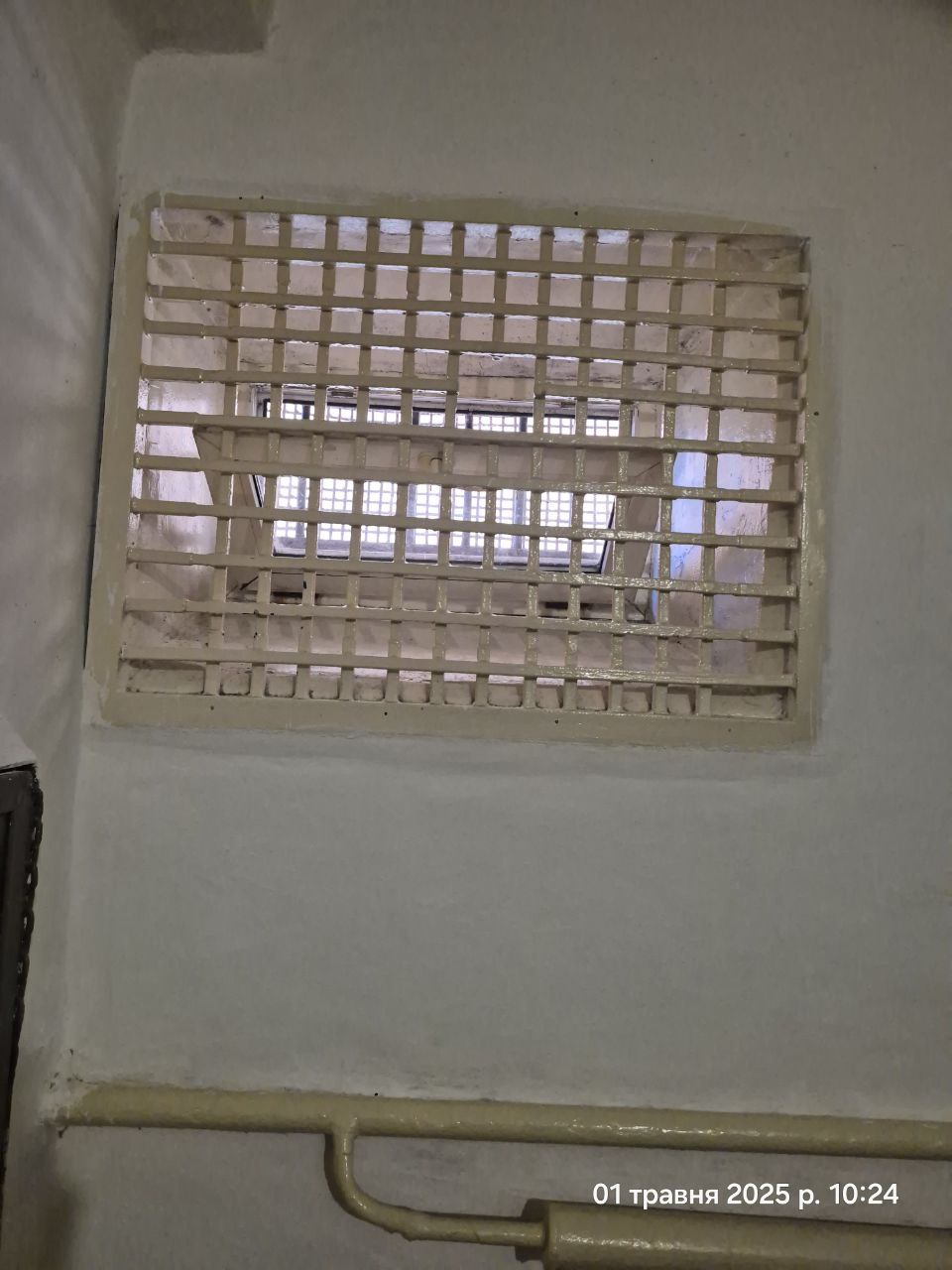
In the cell-type premises of the DIU, a sufficient level of natural lighting is not ensured, as the windows of the cells face a wall, due to which natural light practically does not penetrate the room, which may create additional psychological pressure on the convicts due to the absence of any, even visual, connection with the outside world.
In violation of point 4 of section IV of the Procedure for the Use of Technical Supervision and Control Means in Correctional and Educational Colonies of the State Penitentiary Service of Ukraine, approved by the Order of the Ministry of Justice of Ukraine dated 26.06.2018 No. 2025/5 (hereinafter — Procedure for the Use of Technical Means), it was established that the DIU cells are not equipped with staff call buttons, which complicates the operational contact of convicts with the institution’s staff.
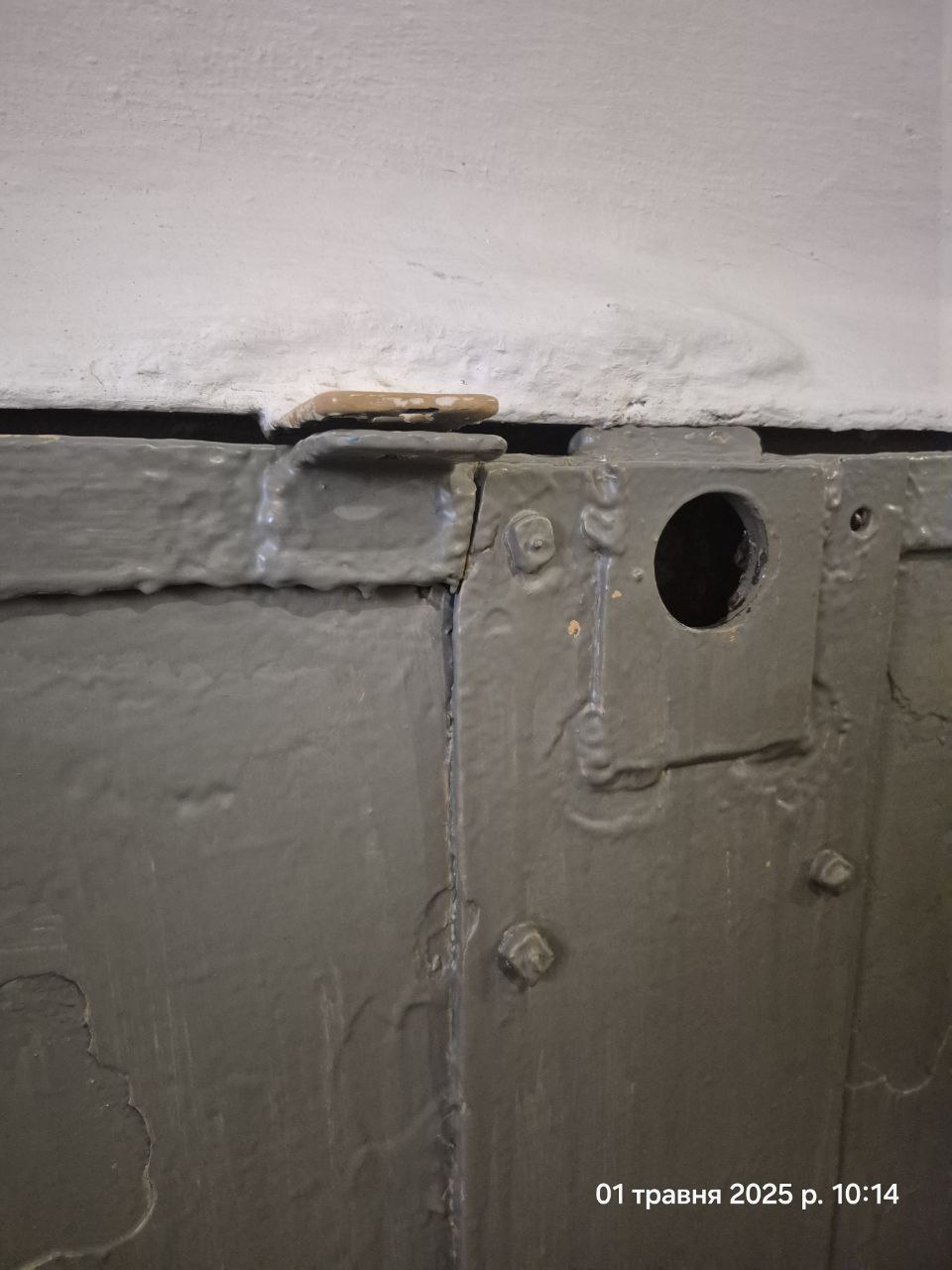
Furthermore, in the cell-type premises of the DIU, means for securing beds to the walls were installed. At the same time, normative legal acts do not provide for locking folding beds in chamber-type premises and disciplinary isolation units, where convicts are serving penalties. This creates conditions for potential abuse by the institution’s staff, as convicts can be deprived of the opportunity to sit or lie on the bed during the day.
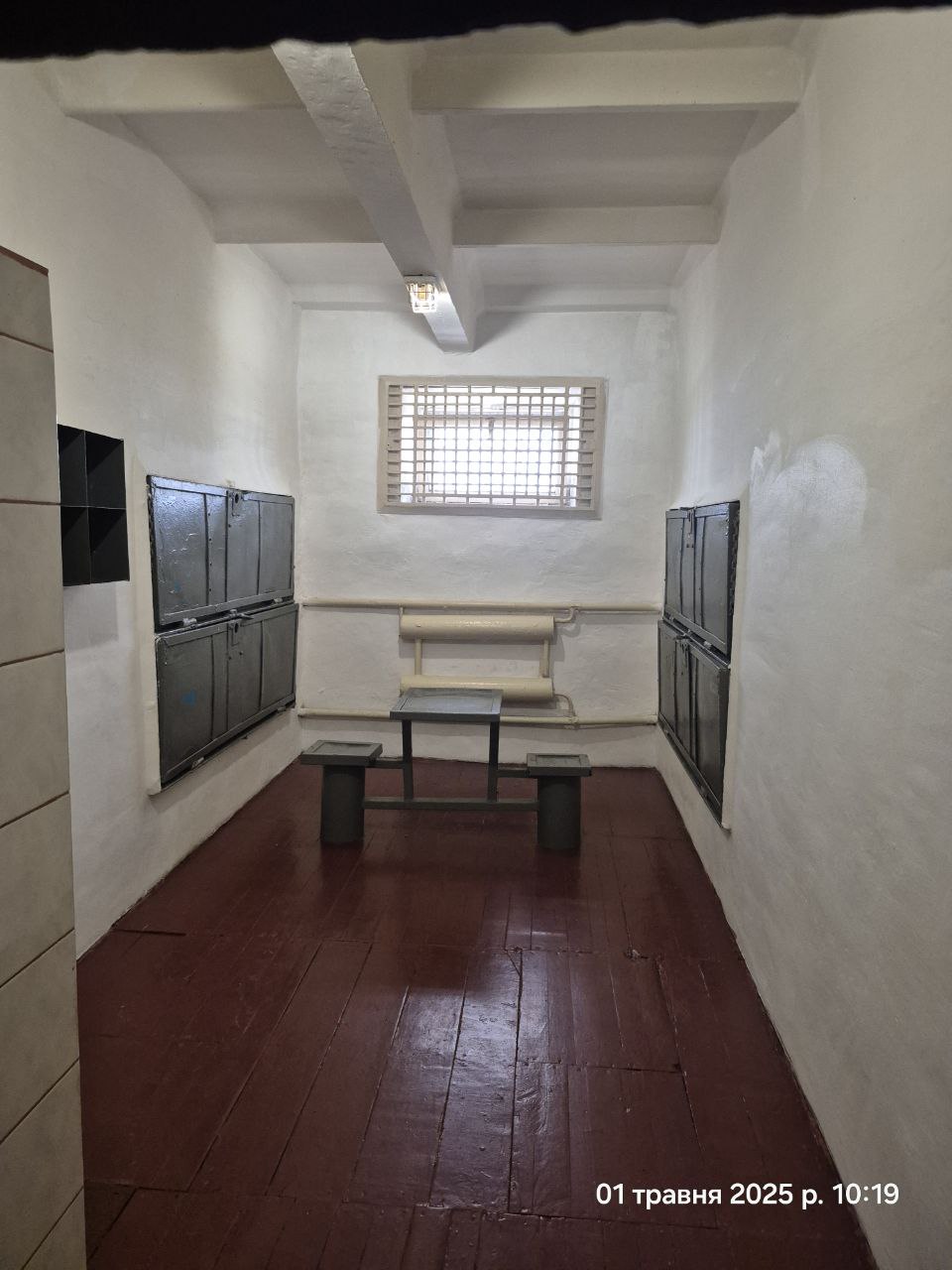
In violation of the requirements of Rule 22.5 of the European Prison Rules and the Provision Standards, the cell premises are not provided with drinking water tanks.
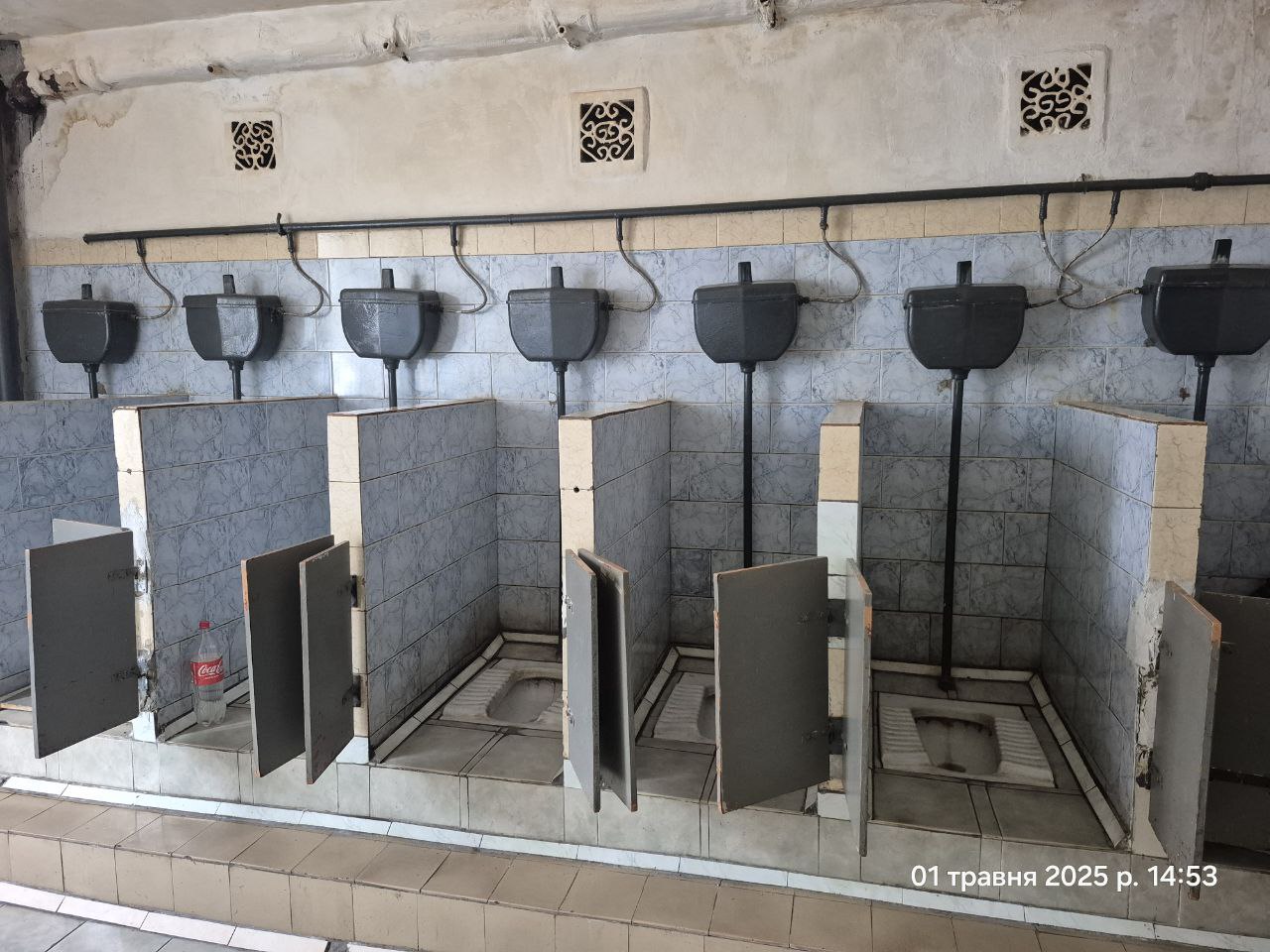
Toilets in the DIU/CTP cell premises are not equipped with sufficient partitions that ensure privacy, which violates Rule 19.3 of the European Prison Rules. A similar violation was identified in the SPS units.
At the same time, in the Government of Ukraine’s report on the results of the 2023 visit, the Committee called on the Ukrainian authorities to take the necessary measures to improve material conditions of detention, in particular, to maintain all places where convicts and detainees are held, including sanitary facilities, in a proper state of repair and hygiene, and to carry out disinsection regularly and frequently; to ensure sufficient access to natural light and ventilation in cells, and to fully equip internal sanitary facilities with partitions (i.e., from floor to ceiling). (CPT/Inf (2024) 20) point 58).
The monitoring group identified the absence of letterboxes in front of the exercise yards, which contradicts the requirements of point 1 of section XIII of the Internal Regulations of Correctional Institutions.
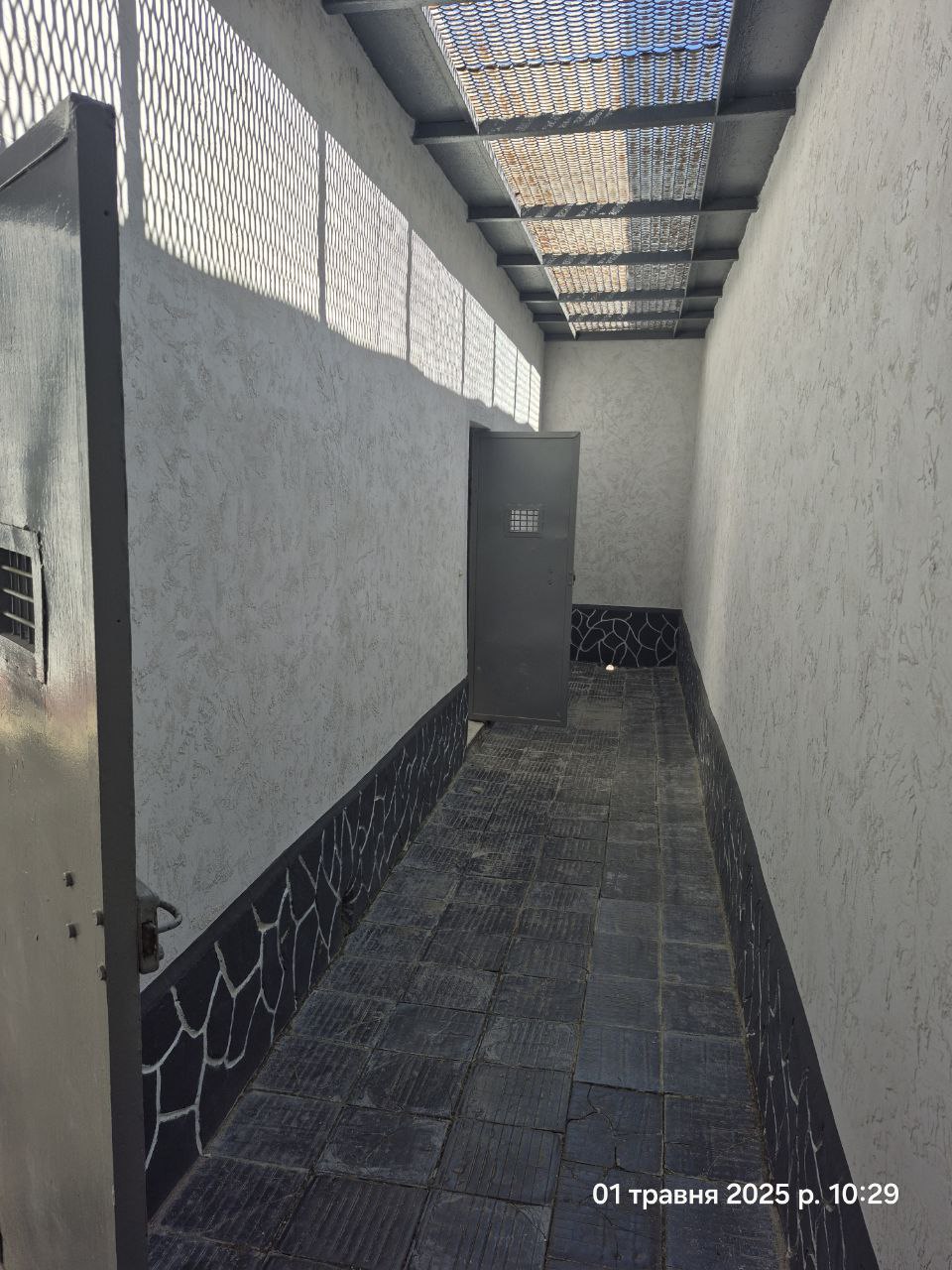
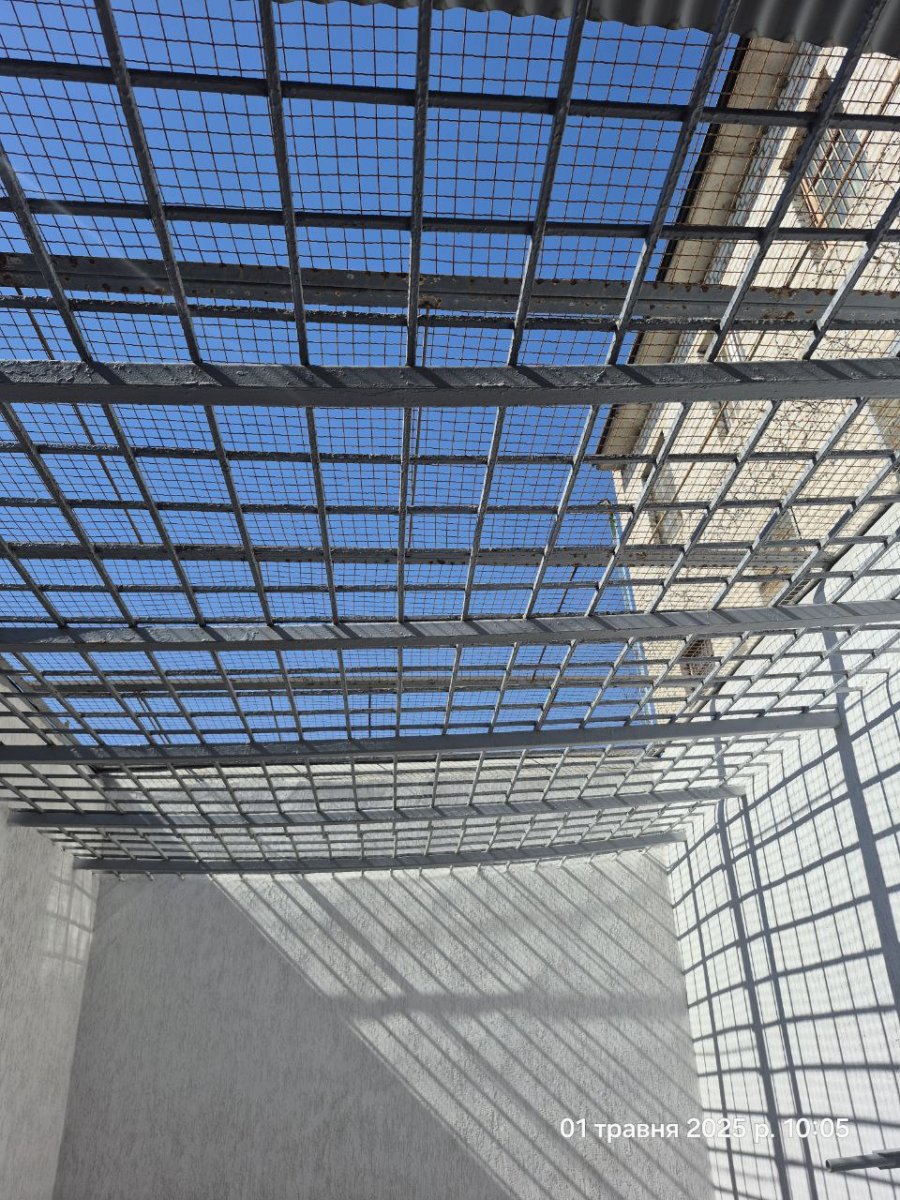
Exercise yard No. 1 is not equipped with proper shelter for protection against atmospheric precipitation, and the area is insufficient to ensure full physical activity for the convicts. At the same time, the Committee, in its second General Report, emphasises that the daily stay of persons in the open air should take place in a yard of sufficient area, and the exercise zones themselves, as far as possible, should be equipped with shelter in case of adverse weather conditions. (CPT/Inf (92) 3) point 48).
6. The monitoring group established a number of violations in the organisation of bath and laundry services for convicts and detainees. Thus, in violation of point 2.11 of section II of the Regulation on the Organisation of Bath and Laundry Services for Persons Held in Correctional Institutions and Pre-trial Detention Centres, approved by the Order of the Ministry of Justice of Ukraine No. 849/5 dated 08.06.2021 (hereinafter — the Regulation), the forced supply and exhaust ventilation system is not working in the laundry and bathhouse premises.
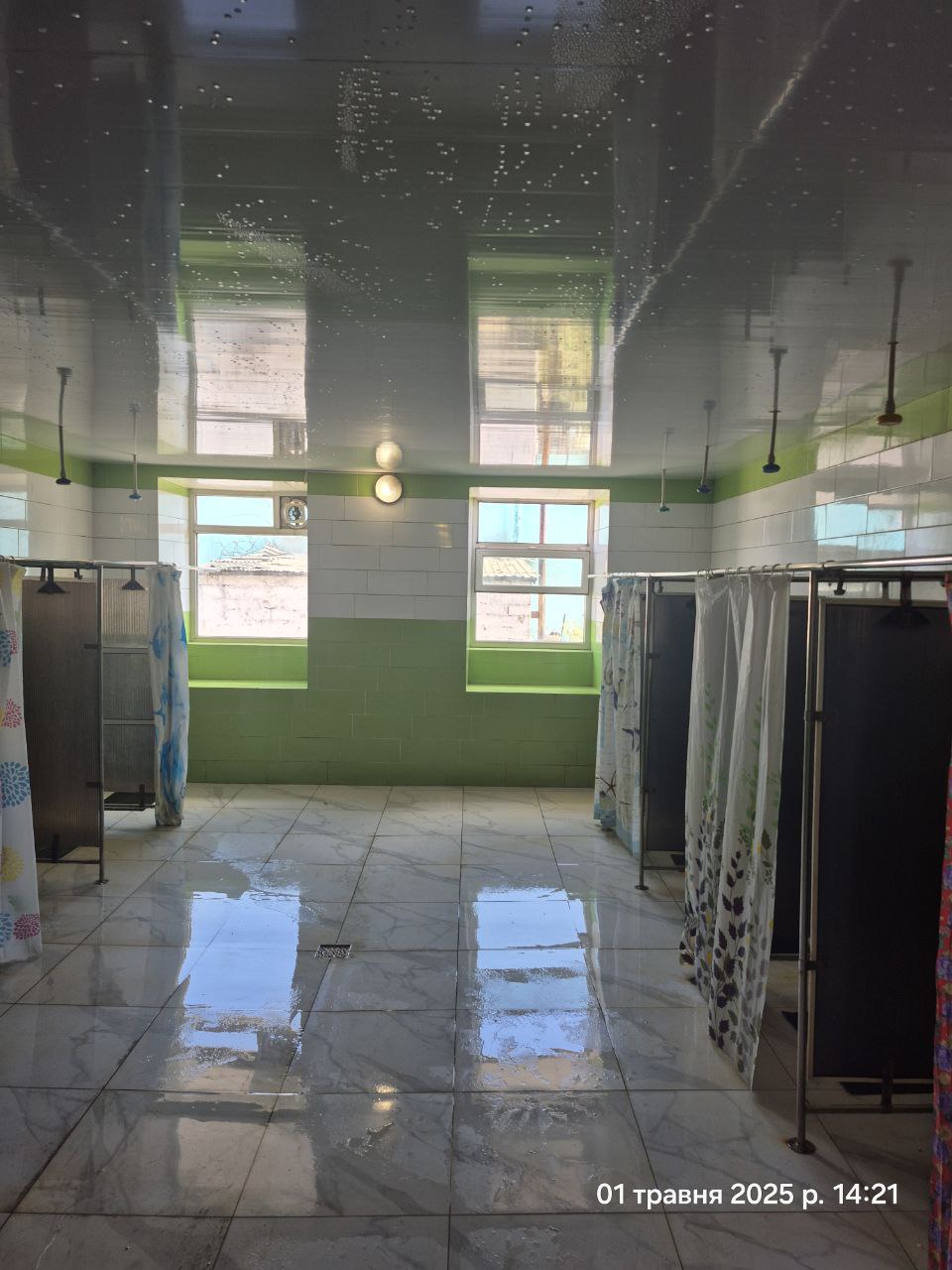
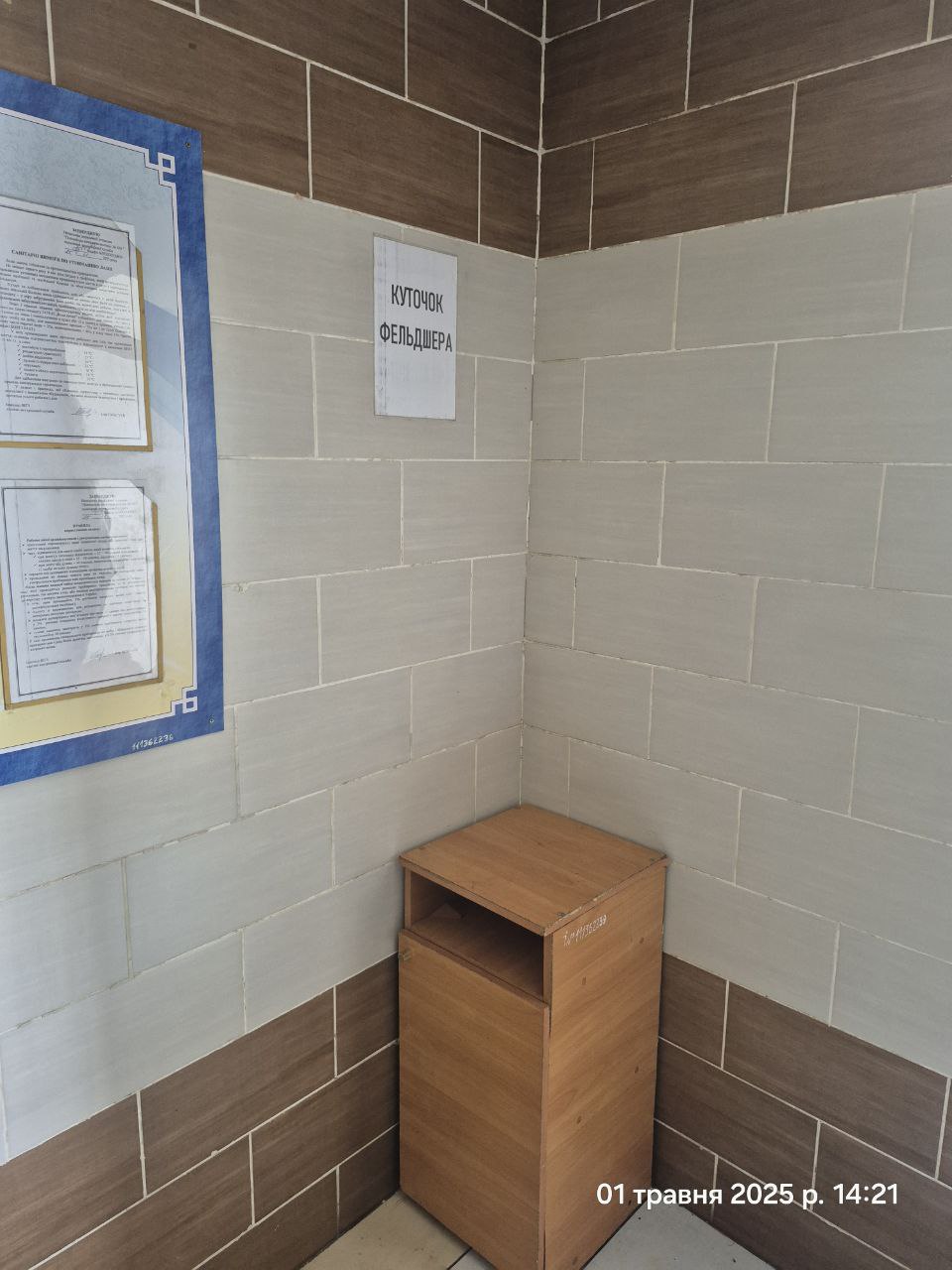
Contrary to the requirements of point 3.11 of section III of the Regulation, the place (corner) for the medical unit paramedic in the undressing (dressing) room for conducting physical examinations and providing medical assistance to convicts (detainees) is not properly equipped; it must be provided with a table and a chair. Supervision over the observance of order during the washing of convicts and detainees in the bathhouse, as well as control over the cleaning and disinfection of premises and the performance of medical examinations, as provided for by points 3.10 and 3.11 of the Regulation, are not effectively ensured by the duty medical staff.
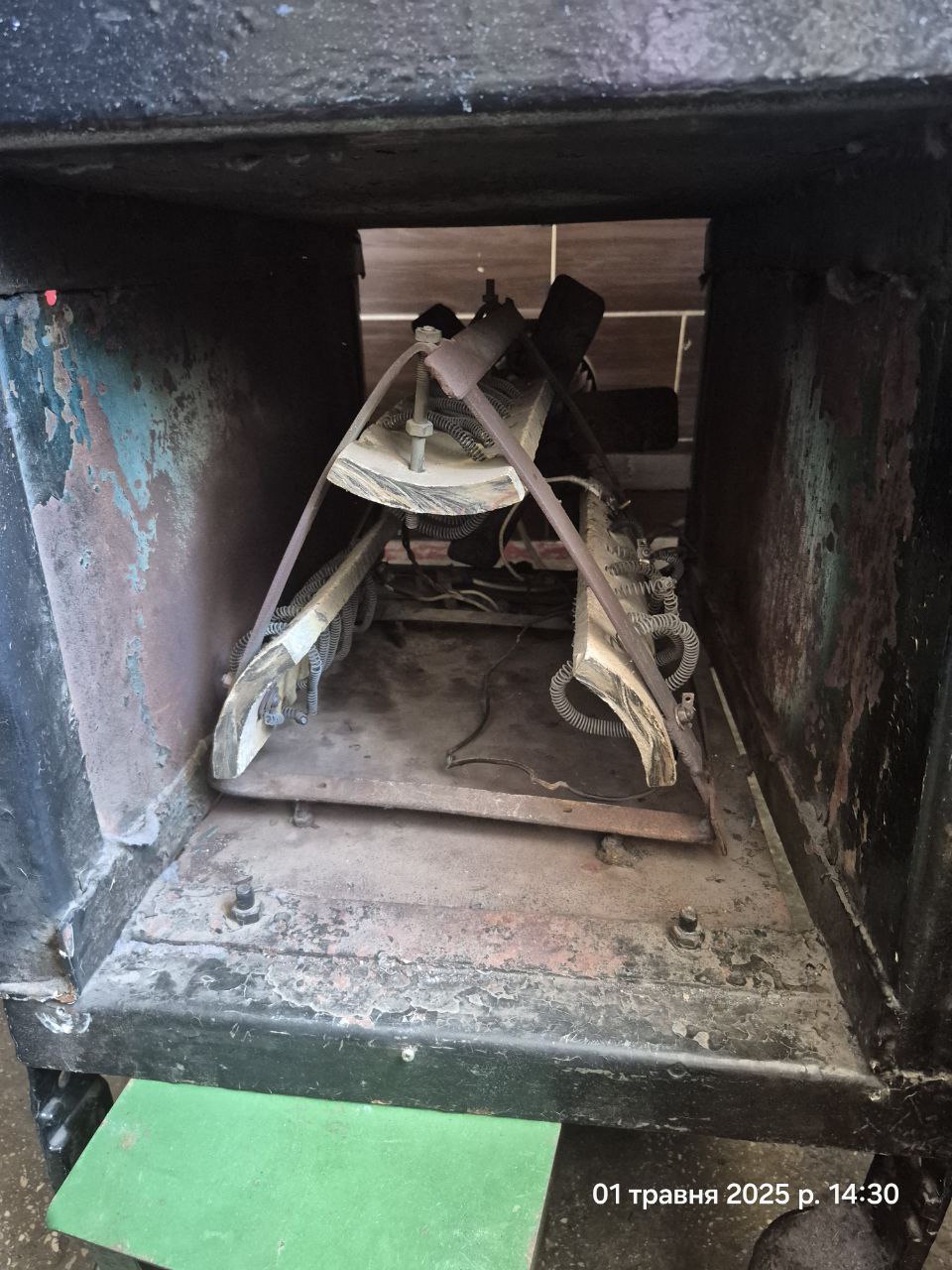
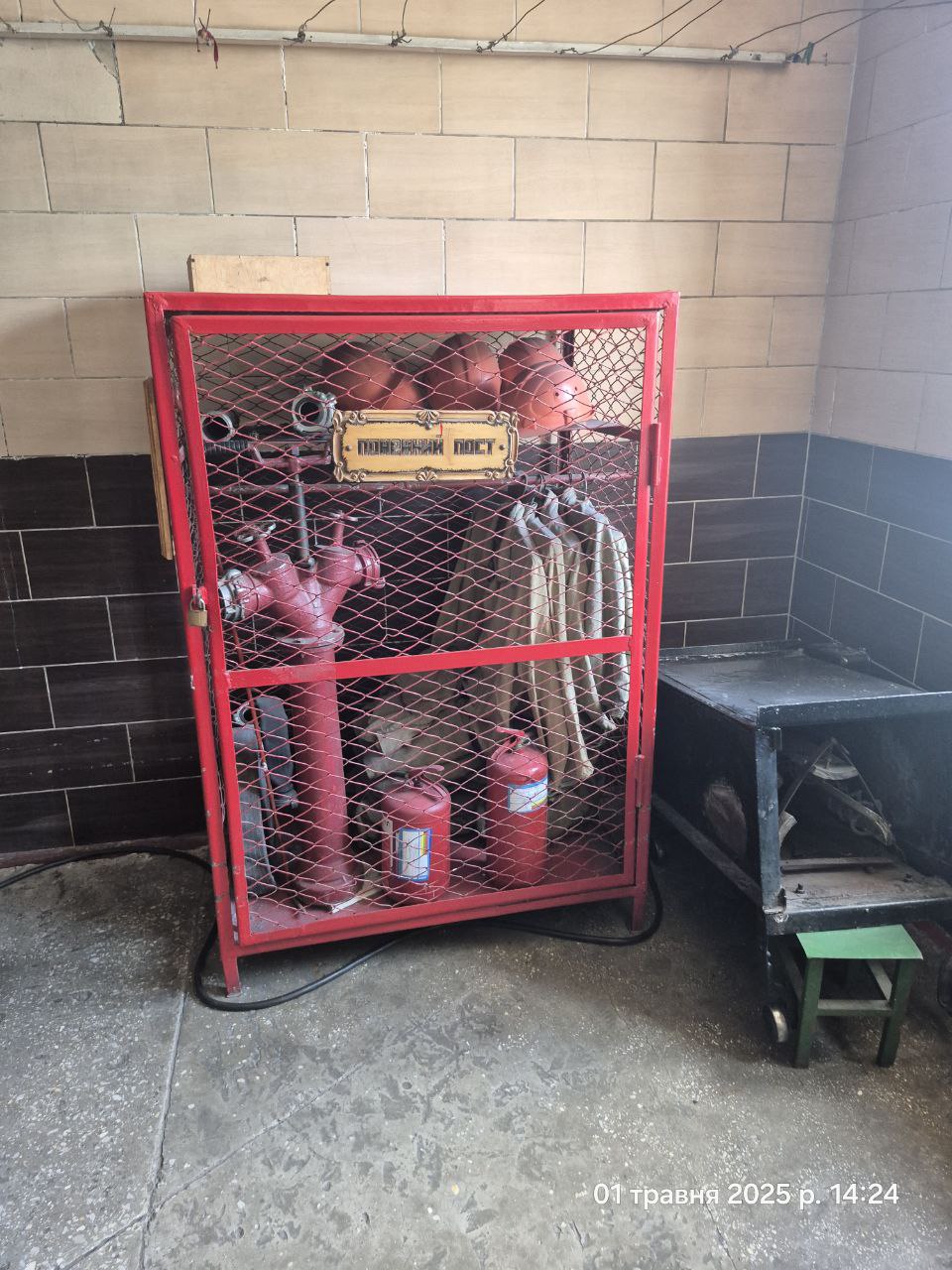
In violation of the requirements of Appendix 8 of the Regulation, the Logbook of disinfection (disinsection) of clothing and bedding in the institution’s disinfection chambers is missing. In the laundry room for drying linen, the requirements of Fire Safety Rules are grossly violated. In particular, the room is disconnected from the general heating system, and the temperature in it is maintained through the use of a homemade heating device located directly under the linen being dried. Such a method of heating creates a significant risk of fire, which could lead to dangerous consequences, including a threat to the life and health of persons in the institution.
7. During the visit, the monitoring group recorded that the institution’s staff who are in direct contact with convicts openly carry special means, in particular rubber batons. At the same time, according to the eighth paragraph of point 1 of section XXVI of the Internal Regulations of Correctional Institutions, the carrying of special means by staff of correctional institutions within the guarded territory of the correctional institution should, if possible, be maximally concealed from the surroundings.
At the same time, the Committee recommends that penitentiary staff working in direct contact with prisoners should not carry special means (such as rubber batons, handcuffs, and tear gas canisters) openly in front of prisoners. Such carrying hinders the establishment of normal relations between staff and prisoners (point 85 (CPT/Inf (2011) 29), point 23 (CPT/Inf (2013) 23), point 166 (CPT/Inf (2014) 15)).
8. According to service documentation, the staff shortage at the institution as of 01.05.2025 is 20 positions. At the same time, in the Government of Ukraine’s report on the results of the 2023 visit, the Committee emphasises that ensuring a positive climate in a penitentiary institution requires the presence of a professional team of staff who must be present in sufficient numbers at any given moment in places of detention. An insufficient number of staff can only increase the risk of violence and intimidation among convicts.
The lack of frontline staff also undermines the quality and level of measures offered to convicts and jeopardises the prospect of preparation for release and social rehabilitation. In this regard, the Committee calls on the Ukrainian authorities to take decisive measures to significantly increase the number of staff in penitentiary institutions of Ukraine, where low staffing levels are observed, in order to strengthen the presence of security and supervision staff inside the institutions. Measures must also be taken to put an end to 24-hour shifts for staff on duty. (CPT/Inf (2024) 20) point 93).
9. The monitoring group established systemic violations of the right to work and social protection.
As of 01.05.2025, 164 convicts were employed in the production zone of the institution, in particular: in the metal structure manufacturing section; in the sewing workshop (sewing workwear); in the vehicle repair section; in the souvenir production workshops; and in the big-bag repair and metalworking section for railway carriages (bolts, awnings, etc.).

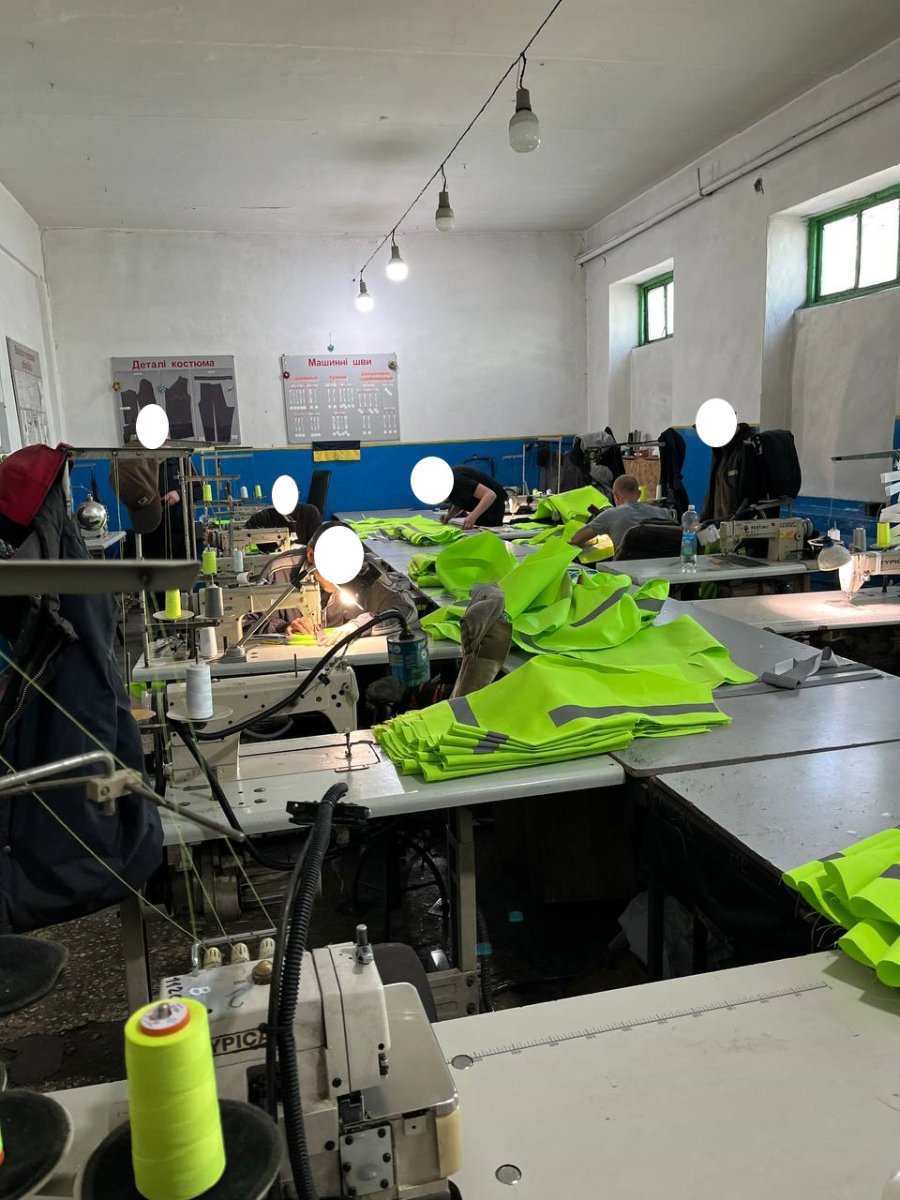
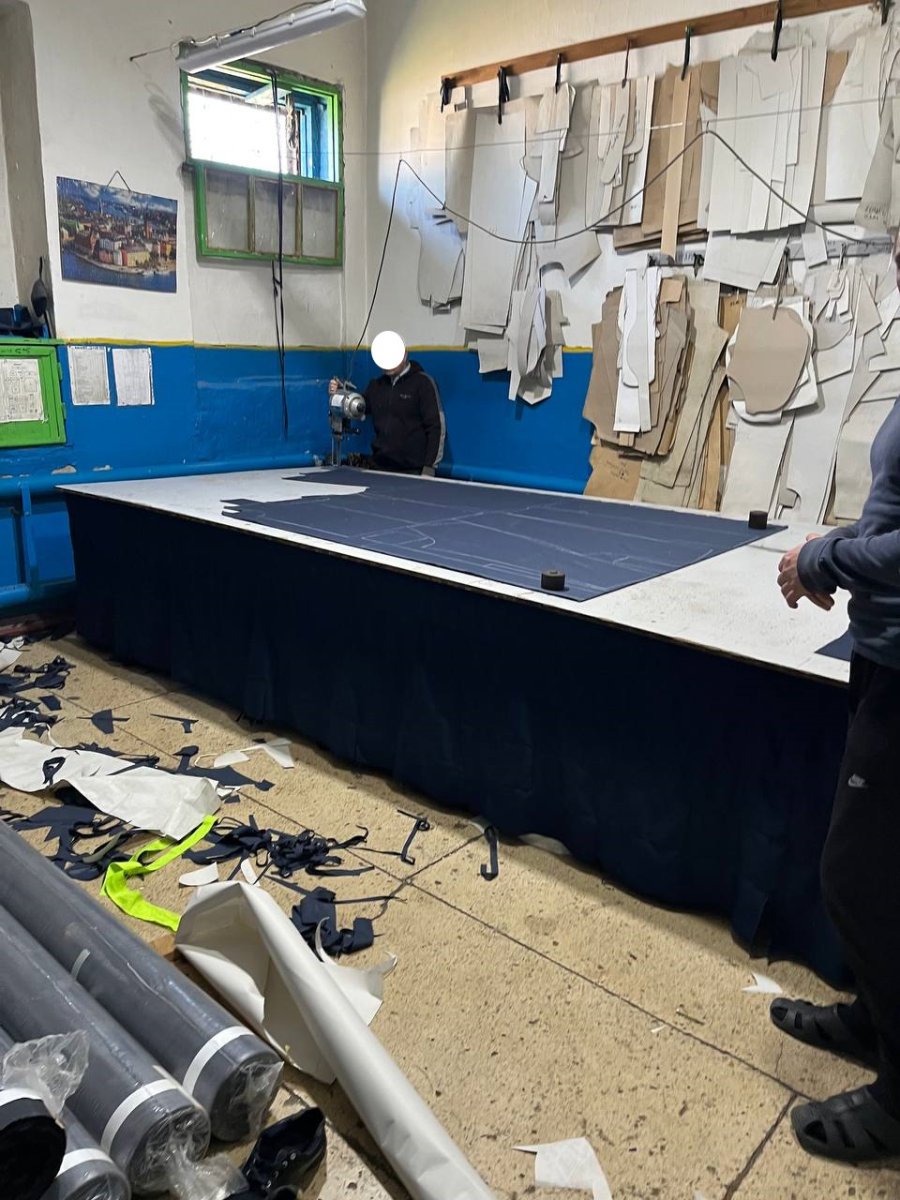
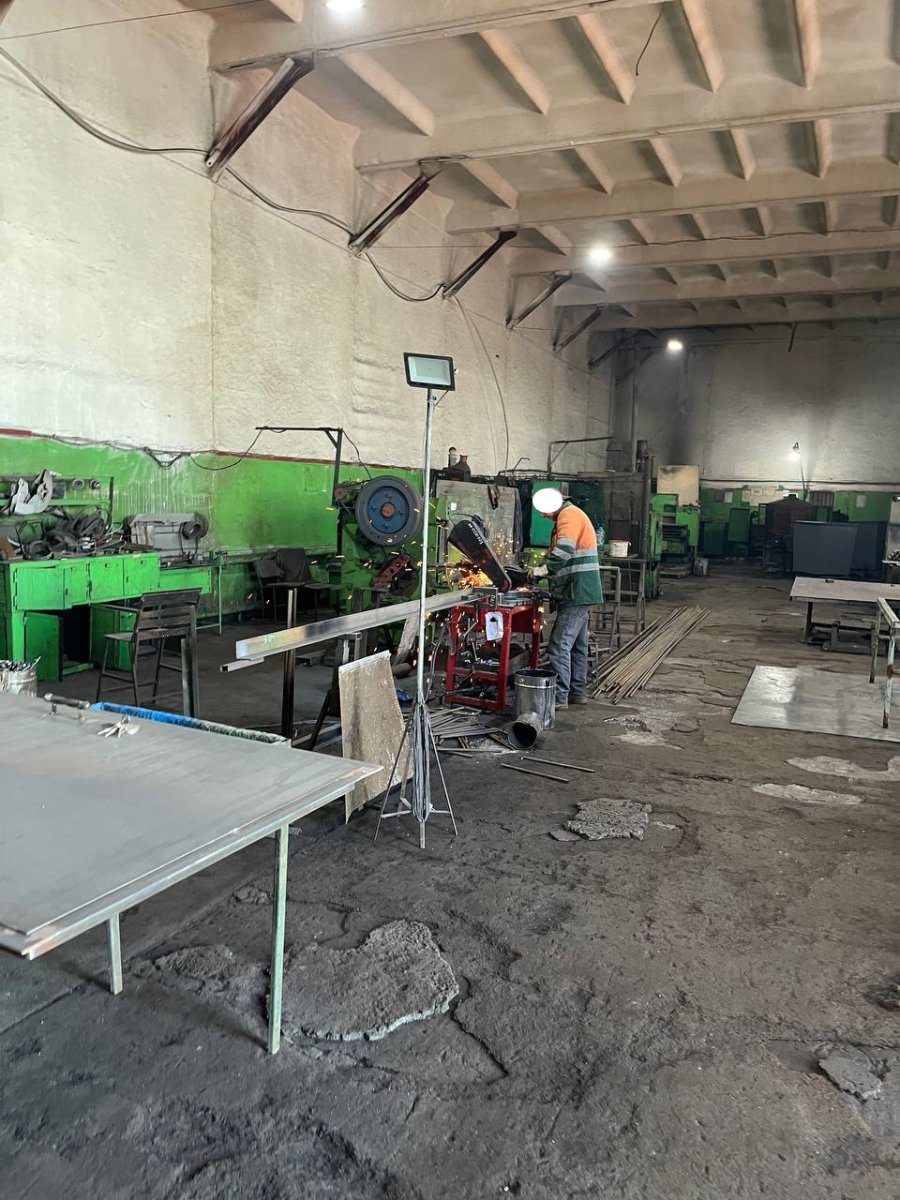
Employment is carried out through a branch of the State Enterprise “Enterprise of the State Penitentiary Service of Ukraine No. 100”, which operates on the basis of PCC-64. In this case, employment contracts are mainly concluded for a period of 1-3 months with periodic renewal. Such a practice contradicts the requirements of Art. 24 of the Labour Code of Ukraine (mandatory written form), Art. 39-1 of the Labour Code (prohibition of abuse of fixed-term employment contracts), and Art. 43 of the Constitution of Ukraine (the right of everyone to work, which they freely choose).
Convicts report that they are not acquainted with the content of the contracts before signing, which violates the principle of voluntary employment. In some cases, copies of the contracts are not provided, which makes it impossible to exercise the right to protect one’s labour rights (Art. 2 of the Labour Code).
According to settlement sheets, the average salary after all deductions is 500-2500 UAH. However, in accordance with part 4 of Art. 118 of the Criminal-Executive Code of Ukraine, convicts have the right to use a portion of their earned funds for personal needs monthly. The actual practice of fully crediting funds to the institution’s deposit violates this right and is a manifestation of excessive restriction of rights, which is not justified by any norm of current legislation.
During the examination of documentation and communication with convicts in the big-bag repair workshop, convict V. reported that he had been working for over 6 months without a valid employment contract, despite performing permanent work. The timesheet contained 20 working days, but only 12 were included in the financial order, which indicates a possible illegal underpayment of wages (violation of Art. 115 of the Labour Code of Ukraine).
The institution lacks a local regulation on the remuneration of convicts, which contradicts Art. 97 of the Labour Code of Ukraine and Art. 118 of the Criminal-Executive Code, making the mechanisms of salary calculation incomprehensible and impossible to appeal.
In the household sector of the institution (kitchen, laundry, bathhouse, cleaning work), 28 convicts are involved. No orders on assignment, employment contracts, or job descriptions were found in the institution’s documents. Some convicts actually perform duties without proper registration of employment relations, which is a direct violation of Art. 21 and 24 of the Labour Code of Ukraine, as well as part 1 of Art. 43 of the Constitution of Ukraine, which prohibits forced labour without a proper legal basis.
In the laundry, convict T. has been performing duties without a written contract for over 4 months, which directly contradicts part 1 of Art. 24 of the Labour Code of Ukraine. Convict K., who works as an orderly in the residential sector, reported that he receives 200 UAH per month for full daily work lasting over 6 hours. This violates Art. 95 of the Labour Code of Ukraine regarding the guaranteed minimum wage, as well as Art. 43 of the Constitution of Ukraine regarding protection against exploitation.
16 convicts work in the woodworking and sewing workshops. Some equipment lacks certified protective devices, and occupational safety briefing protocols are absent. In violation of Art. 13 of the Law of Ukraine “On Occupational Safety”, convicts are not properly provided with personal protective equipment, and there is no control over compliance with work safety.
In the woodworking section, a machine without a protective casing was identified, and the worker (convict Z.) was working without goggles or gloves, admitting that he had never undergone occupational safety training. This is a violation of Art. 18 and 19 of the Law “On Occupational Safety”.
In the sewing workshop, the briefing log is missing, which makes it impossible to establish whether the convicts underwent safety training.
Medical Unit No. 64 of the branch of the State Institution “Centre for Healthcare of the State Penitentiary Service of Ukraine in Poltava Region”
The head of the Medical Unit No. 64 of the branch of the State Institution “Centre for Healthcare of the State Penitentiary Service of Ukraine” in Poltava region (hereinafter — the medical unit) is Pavlo Olenych.
During the monitoring visit, violations of the requirements of national legislation and non-compliance with international recommendations in the field of prisoner treatment were identified, leading to violations of the rights of convicted persons:
1. The monitoring group established that a convict who has been assigned the functions of an orderly stays in the medical unit of the institution around the clock. In particular, a convict was in the isolation ward for infectious patients who, according to the information provided, constantly occupies a bed in this room and performs the duties of a paramedic. During a confidential conversation, the convict reported that he belongs to the category of so-called “generally ostracised” and is engaged by the medical staff to perform work related to the care of seriously ill patients, as well as to clean wards and corridors of the medical unit, including the dirtiest types of work.
At the same time, it should be noted that the Committee has repeatedly emphasised the inadmissibility of using convicts as assistants to medical staff or paramedics in medical institutions of the penitentiary system. In particular, relevant recommendations were expressed following the results of visits to Ukraine in 2005 (point 132, CPT/Inf (2007) 22), in 2013 (point 151, CPT/Inf (2014) 15), and in 2017 (point 86, CPT/Inf (2018) 41).
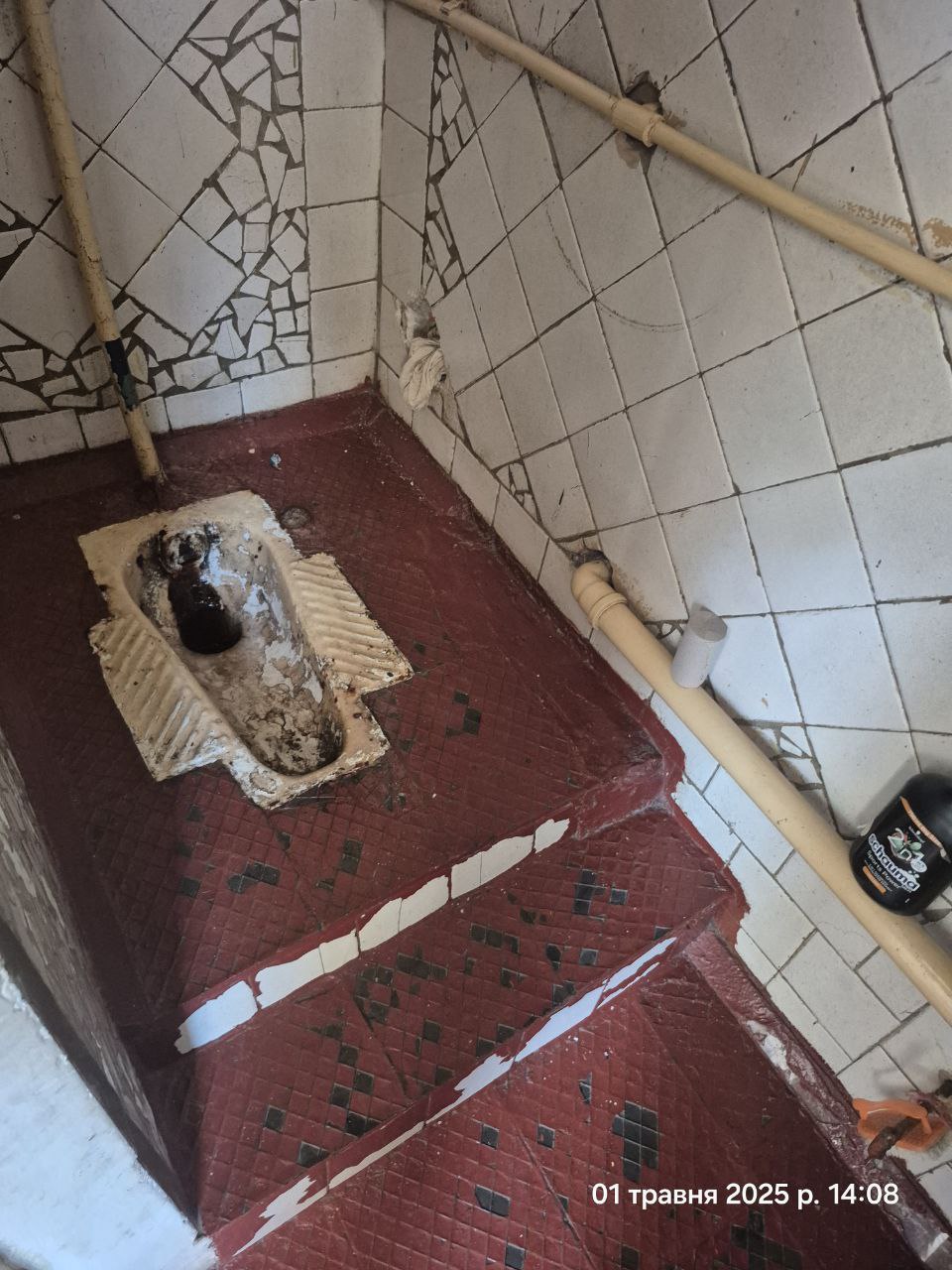
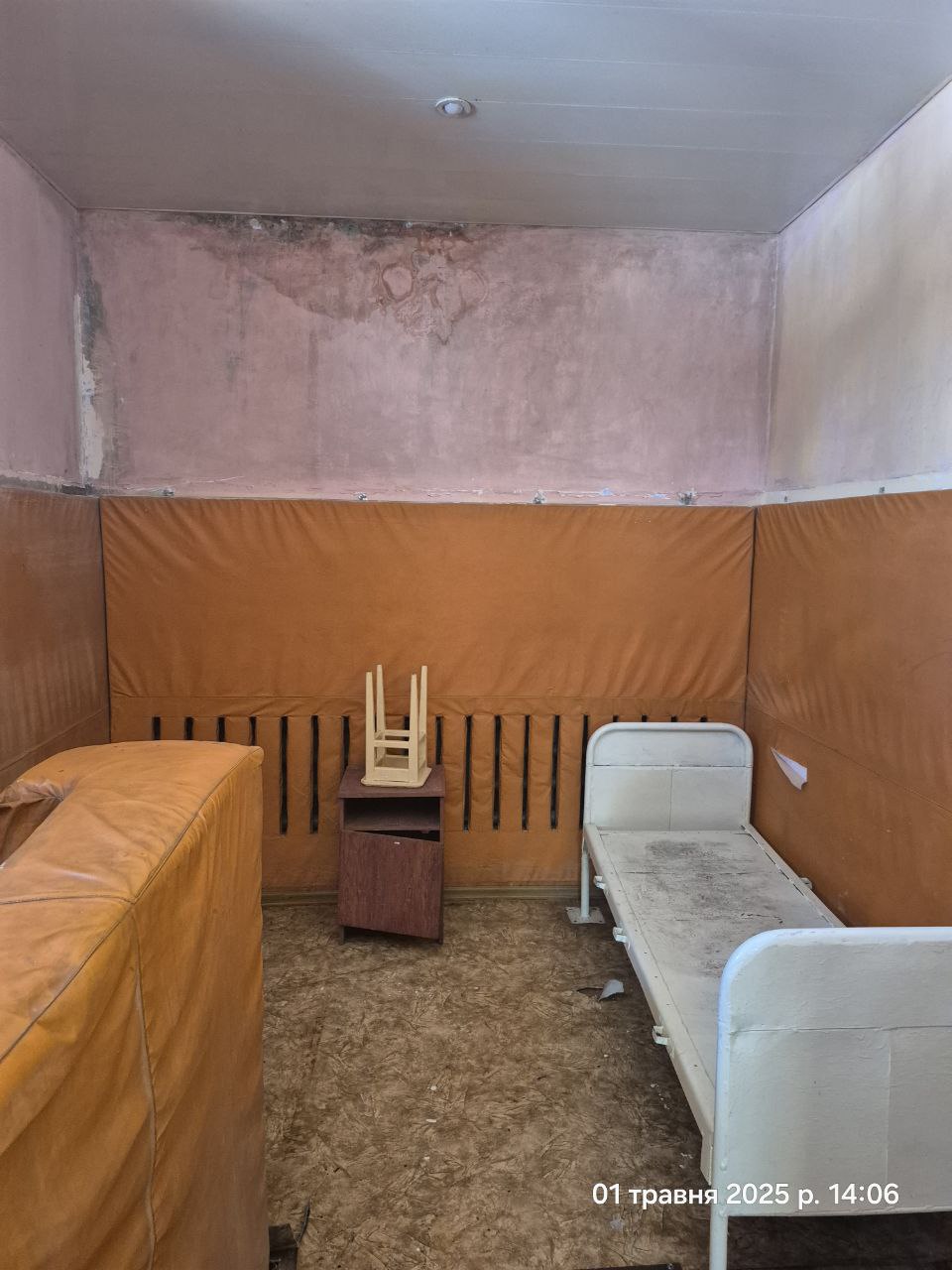
2. In violation of the requirements of parts one and two of Article 115 of the Criminal-Executive Code of Ukraine, most of the examined ward premises require repair work, in particular, the installation of new plastic windows, the replacement of sanitary equipment, and the renewal of the electrical network. In some wards, there is a persistent unpleasant odour, an insanitary state, and walls are covered in mould due to water leakage. Bedding, pillows, and mattresses need replacement. Toilets are not equipped with toilet bowls and do not have doors or sufficient partitions that ensure the possibility of privacy, which is a violation of Rule 19.3 of the European Prison Rules.
In violation of the requirements of Rule 22.5 of the European Prison Rules and the Provision Standards, the premises are not provided with drinking water tanks. Furthermore, a violation of the living space standards provided for the detention of convicts in the inpatient wards of healthcare facilities was established, according to which the area per person must be no less than 5 m². In particular, in ward No. 6 for the treatment of somatic patients, where 5 beds are placed, the total area of the room is 19.06 m², which in fact provides only 3.8 m² per person. Similar violations were recorded in the isolation ward for infectious patients.
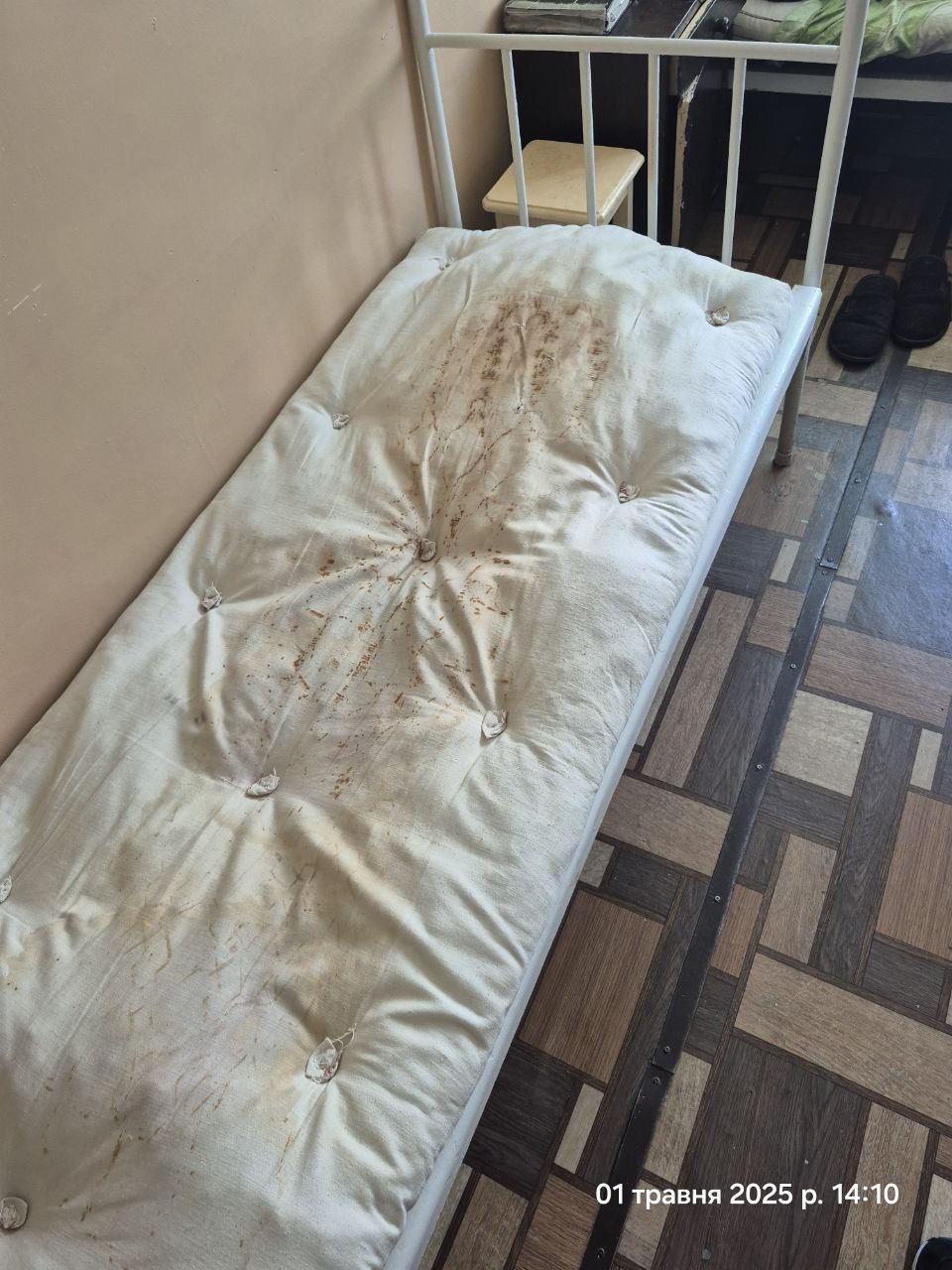
3. The medical unit does not organise substitution maintenance therapy (hereinafter — SMT) for persons with mental and behavioural disorders resulting from opioid use in accordance with the Procedure for Conducting Substitution Maintenance Therapy for Persons with Mental and Behavioural Disorders Resulting from Opioid Use, approved by the Order of the Ministry of Health of Ukraine dated 27.03.2012 No. 200.
Drug-dependent persons are not provided with social-psychological support, cognitive-behavioural therapy (CBT), relapse prevention, motivational interviewing, self-help groups, etc.
Thus, these persons are deprived of the opportunity to receive SMT, which violates their right to choose methods of treatment in accordance with Article 38 of the Law of Ukraine “Fundamentals of Legislation of Ukraine on Healthcare”.
At the same time, the Committee, in the report on the results of the 2023 visit to Ukraine, notes that entry into a penitentiary institution is an opportunity to solve the problem associated with drugs, and therefore it is important that appropriate assistance be offered to all interested persons; therefore, appropriate medical care must be available in all institutions.
The assistance offered to such persons must be diverse; substitution therapy programmes for persons with drug addiction must be combined with genuine psychosocial and educational programmes for persons with opioid dependence who are unable to stop using drugs.
Furthermore, access to SMT programmes in institutions must be easily accessible, and they must also be managed by penitentiary doctors, who must undergo special training on issues related to drug use. (CPT/Inf (2024) 20) point 86).
4. During the study of medical documentation, it was established that in the outpatient medical records form 025/o, photographs of existing bodily injuries are not attached to the compiled certificates, as is provided for in point 3 of section I, chapter II of the Procedure for Organising the Provision of Medical Care to Convicts Sentenced to Imprisonment, approved by the joint Order of the Ministry of Justice of Ukraine and the Ministry of Health of Ukraine dated 15.08.2014 No. 1348/5/572 (hereinafter — the Procedure).
At the same time, the Committee, in the report on the results of the 2023 visit to Ukraine, notes that any traumatic injuries detected during a medical examination should be photographed in detail, and the photographs, together with body diagrams, should be kept in the person’s individual medical record. (CPT/Inf (2024) 20) point 82).
5. During communication with newly arrived convicts in the QDD unit, it was established that medical examinations are conducted by medical personnel in the presence of non-medical personnel, in particular, institution staff. Such a practice violates the requirements of Article 39¹ of the Law of Ukraine “Fundamentals of Legislation of Ukraine on Healthcare” regarding the right of persons to the preservation of medical confidentiality, as well as point 9 of section I of the Procedure for Providing Medical Care to Convicts.
Furthermore, the European Committee for the Prevention of Torture, in its report on the results of the 2012 visit to Ukraine, criticises excessive security measures and recognises such a practice as inadmissible, as it encroaches on the dignity of prisoners, hinders the formation of trusting relations between medical staff and the patient, and may prevent an objective medical conclusion (point 50, CPT/Inf (2013) 23).
6. In violation of the requirements of the Instruction on completing the primary accounting documentation form No. 003-6/o “Informed voluntary consent of the patient to diagnostics, treatment, and to surgery and anaesthesia and to the presence or participation of participants in the educational process”, approved by the Order of the Ministry of Health of Ukraine dated 14.02.2012 No. 110, the absence of signed informed voluntary consent for diagnostics and treatment was established for two patients who were in the inpatient ward of the medical unit.
The aforementioned may indicate the absence of voluntary consent of the patient for the application of diagnostic, preventive, and treatment methods to them, which is a violation of Article 43 of the Law of Ukraine “Fundamentals of Legislation of Ukraine on Healthcare” and point 47 of the Committee’s recommendations (CPT/Inf(93) 12-part).
7. The monitoring group established that the psychiatrist conducts psychiatric examinations of patients without proper execution of written informed consent. Specifically, contrary to the requirements of the Instruction on completing the primary accounting documentation form No. 003-7/o “Informed consent of a person to undergo a psychiatric examination”, approved by the Order of the Ministry of Health of Ukraine dated 15 September 2016 No. 970, it was established that in the medical documentation (in particular, in the outpatient medical record form No. 025/o and the inpatient medical record form No. 003/o), there is no informed consent signed by the patient to undergo a psychiatric examination.
8. In violation of point 8 of chapter 5 of section 2 of the Procedure, there is no properly equipped isolation ward in the inpatient unit for persons with mental disorders for convicts who pose a danger to others, due to ongoing repair work.
9. Dispensary supervision is carried out for 23 persons who have disabilities. Of these, Group I — 0 persons; Group II — 10 persons; Group III — 13 persons. At the same time, in violation of the requirements of the Law of Ukraine “On the Rehabilitation of Persons with Disabilities in Ukraine”, persons with disabilities do not receive proper diagnostic, treatment, and rehabilitation measures in the presence of information confirming a persistent impairment of bodily functions caused by diseases, consequences of injuries, which cause restrictions on normal life activity.
Thus, during the study of the medical documentation of the convicts, it was established that 1 person with a disability lacks an individual rehabilitation programme (hereinafter — IRP). Furthermore, IRP recommendations are not implemented, due to which they do not receive proper diagnostic, treatment, and rehabilitation measures in the presence of information confirming a persistent impairment of bodily functions caused by diseases and consequences of injuries, which cause restrictions on normal life activity.
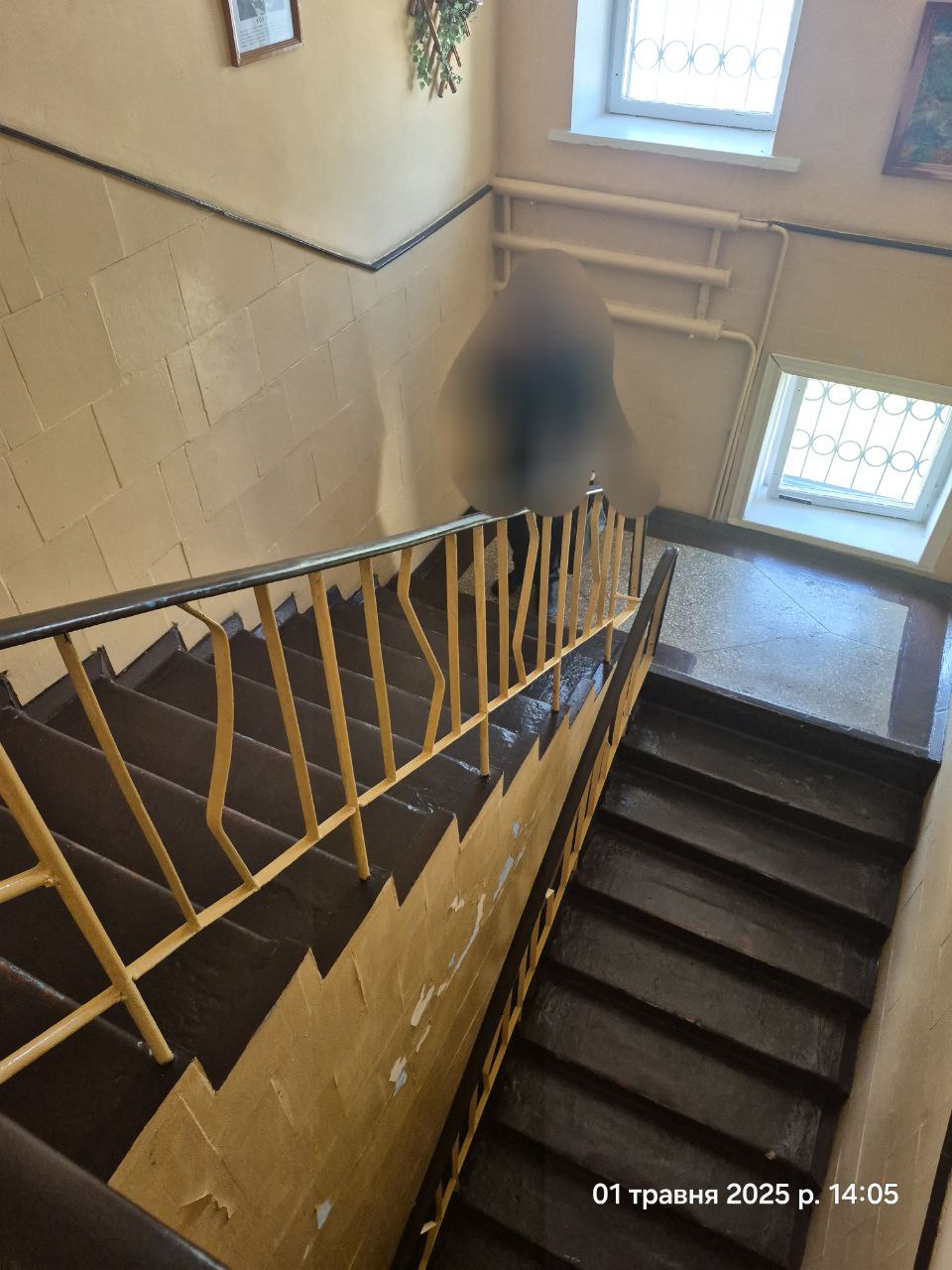
10. In violation of the requirements of State Building Standards of Ukraine V.2.2-17:2006 “Buildings and structures. Accessibility of buildings and structures for low-mobility groups of the population”, conditions for holding people with disabilities have not been created in the medical unit.
11. In violation of point 37 of the Resolution of the Cabinet of Ministers of Ukraine No. 285 dated 2 March 2016 “On Approval of Licensing Conditions for Conducting Economic Activities in Medical Practice”, there is no conclusion in the medical unit confirming free access to the buildings and premises of the medical institution for low-mobility groups of the population, the obtaining of which is mandatory.
12. In violation of the requirements of the Medical Care Standards for HCV in adults, approved by the Order of the Ministry of Health of Ukraine dated 15.01.2021 No. 51, not all persons (15 persons as of 01.05.2025) with suspected viral hepatitis C undergo PCR testing, due to which they do not receive necessary treatment, which may lead to the deterioration of their health and the spread of this infectious disease among convicts and detainees.
13. In violation of the Measures and Means for Preventing Infection during Patient Care, approved by the Order of the Ministry of Health of Ukraine dated 03.08.2020 No. 1777, only one isolation ward for infectious patients is equipped in the medical unit, which makes it impossible to simultaneously house patients with dangerous infectious diseases separately from one another and from other convicts.
14. In violation of the Procedure for Organising Medical Care at the Primary, Secondary (Specialised), and Tertiary (Highly Specialised) Levels using telemedicine, approved by the Order of the Ministry of Health of Ukraine dated 19.10.2015 No. 681, the staff of the medical unit, due to technical limitations, are deprived of the opportunity to send requests for telemedicine consultations and receive professional assistance for providing medical services to convicts.
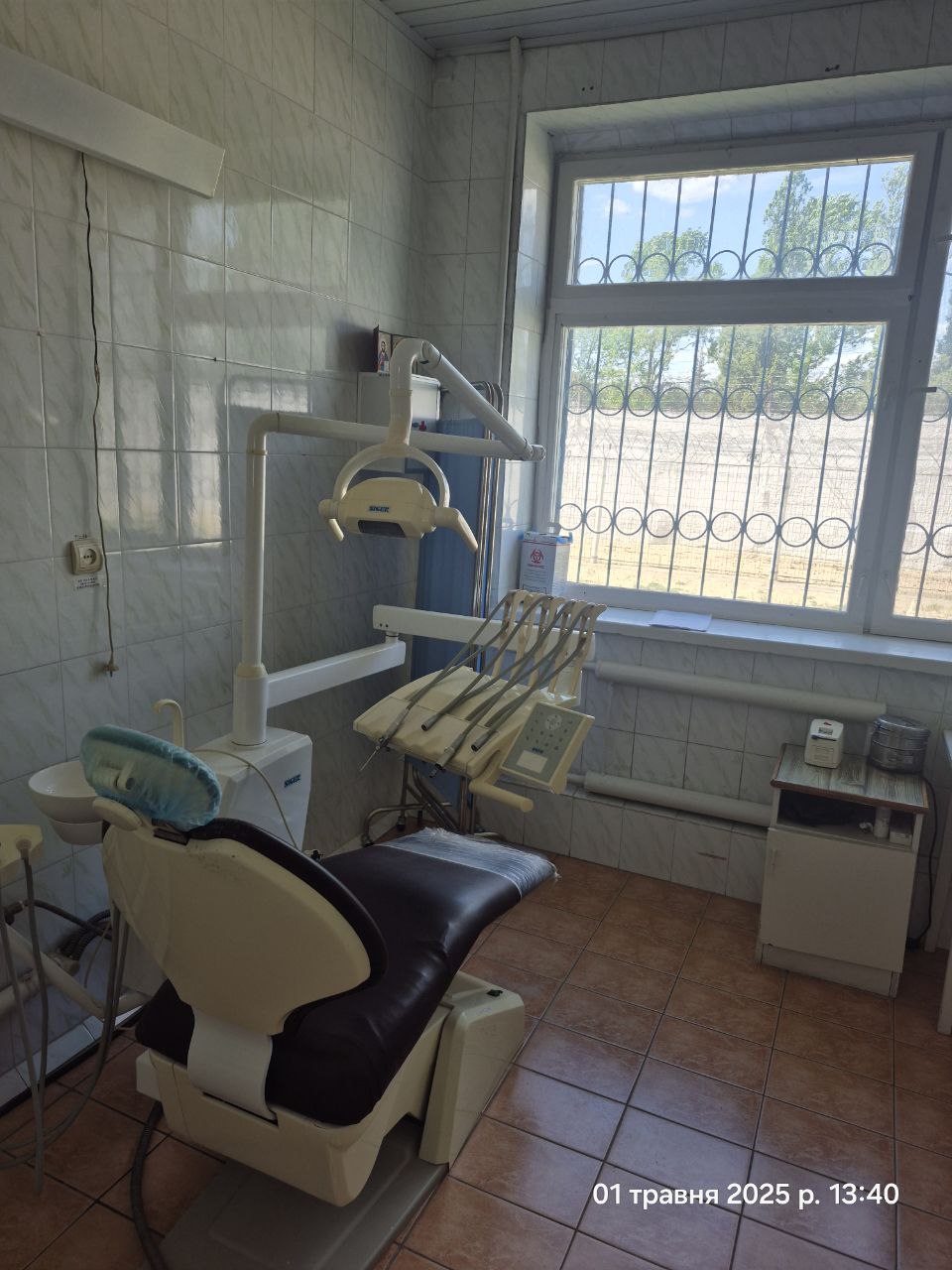
15. In violation of the requirements of the Equipment List for a dental practitioner’s workplace and a dental technician, approved by the Order of the Ministry of Health of Ukraine dated 11.04.2005 No. 158, the medical unit lacks a dental X-ray machine, which makes it impossible to conduct an in-depth dental examination of convicts and does not ensure the timely provision of proper dental care.
16. In violation of the requirements of the Standard of Adequacy of Bedding, special clothing, and special footwear (inventory property) for convicts undergoing treatment in medical and prophylactic institutions, institutions with the rights of medical ones, and in medical units at correctional institutions and pre-trial detention centres, approved by the Order of the Ministry of Justice of Ukraine dated 20.02.2012 No. 280/5, convicts in the inpatient unit do not receive hospital property (hospital suit, robe, and slippers).
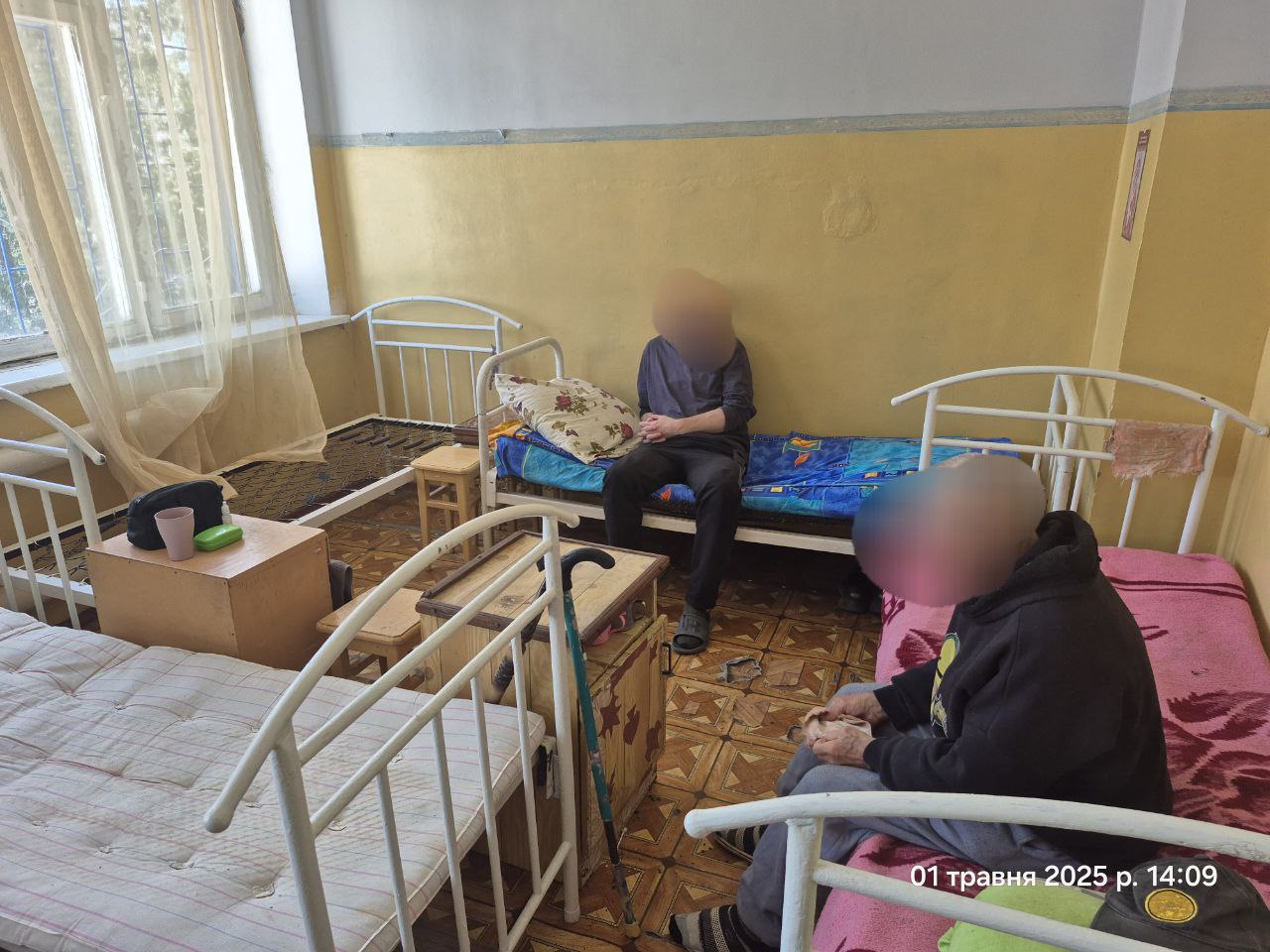
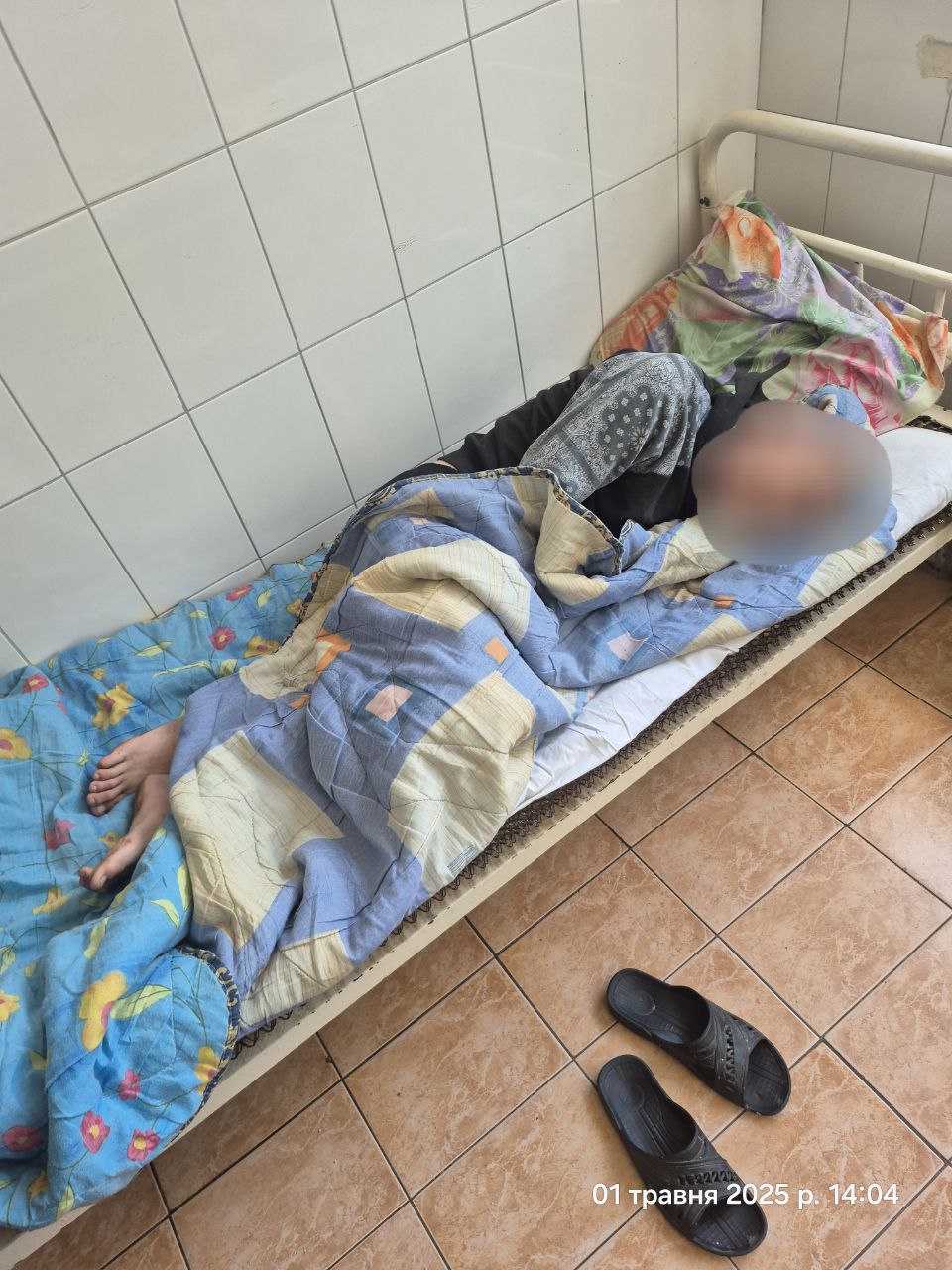
17. Convicts arriving at the inpatient ward do not undergo sanitary processing, as provided for by point 7 of chapter 5 of section II of the Procedure for Providing Medical Care to Convicts, which increases the risk of spreading infectious diseases among patients and indicates a violation of infection control requirements in healthcare institutions.
18. Doctors’ offices lack hot water supply, and medical staff workstations do not meet the requirements of current legislation and violate Article 19 of the Law of Ukraine “Fundamentals of Legislation of Ukraine on Healthcare” and Article 13 of the Law of Ukraine “On Occupational Safety”.
19. In violation of the Fire Safety Rules in Ukraine, approved by the Ministry of Internal Affairs of Ukraine dated 30.12.2014 No. 1417 (hereinafter — the Rules), the premises of the medical unit are not equipped with fire extinguishing and fire alarm systems.
20. In violation of part 5 of Article 110 of the Criminal-Executive Code of Ukraine, convicts during their stay in the inpatient ward of the medical unit are not ensured the right to use the global Internet network. The lack of access to the Internet limits their ability to receive information, exercise the right to education, self-education, and maintain social ties, which contradicts point 63 of the Committee’s recommendations (CPT/Inf(93) 12-part).
Recommendations:
To the management of the State Institution “Poltava Correctional Colony No. 64”
1. Immediately prohibit the practice of humiliating treatment of newly arrived convicts, in particular, forcing them to clean toilets in the presence of others, recording humiliating actions on video, etc. Conduct an internal investigation, identify the persons involved, and bring them to disciplinary responsibility.
2. Ensure the prevention of discrimination and segregation of prisoners based on the informal prison hierarchy, end the practice of isolating “generally ostracised” persons, and ensure equal access to conditions of detention, work, medical care, and household needs.
3. Ensure nighttime access to the toilet for persons held in the QDD unit by installing toilets or a system for free exit.
4. End the practice of locking sleeping quarters during the daytime and the prohibition on using beds during rest periods.
5. Ensure appropriate QDD infrastructure, including the arrangement of a utility room, a drying room, a room for storing food and personal items, in accordance with current Provision Standards.
6. Prohibit the use of cells smaller than 6 m² or with a width of less than 2 m.
7. Ensure proper natural lighting.
8. Install staff call buttons in all cells.
9. Ensure the availability of drinking water in the DIU.
10. Eliminate the practice of securing beds in the DIU.
11. Equip toilets with full-height partitions.
12. Restore ventilation and fire safety in the bath and laundry complex, prohibit the use of homemade heating devices, set up a paramedic point, and restore disinfection records.
13. Ensure concealed carrying of special means by staff who are in contact with convicts.
14. Equip exercise yards with overhead shelters, ensure sufficient area for physical activity.
15. Install letterboxes for convicts in accessible areas.
To the State Penitentiary Service of Ukraine / Department for Execution of Penalties of the Ministry of Justice
1. Develop and implement a national strategy to combat prison hierarchy, violence, and segregation among convicts, including a new model for distribution and risk assessment in the QDD.
2. Ensure the authorised staffing levels of the colony’s personnel, including medical, social, and security services. Prohibit 24-hour staff shifts.
3. Develop a model regulation on the remuneration of convicts, which will ensure transparency of calculations and prevent violations of Art. 118 of the CEC of Ukraine.
4. Conduct an audit of household work in correctional institutions to identify hidden or unregistered labour of convicts.
5. Prepare amendments to subordinate acts that will regulate the prohibition of using cells smaller than 6 m², as well as unify technical standards for cells, toilets, and ventilation.
To the State Enterprise “Enterprise of the State Penitentiary Service of Ukraine No. 100”
1. The conclusion of fixed-term employment contracts should be carried out only in cases defined by part 2 of Art. 23 of the Labour Code of Ukraine, with adherence to the principles of non-discrimination and transparency.
2. Ensure the informing of convicts about the content of contracts, mandatory issuance of signed copies, and familiarisation before signing.
3. Avoid the systemic renewal of short-term contracts, which has signs of abuse — in accordance with Art. 39-1 of the Labour Code.
4. Ensure compliance with occupational safety standards, the conduct of briefings, equipment with protective devices, and the maintenance of safety logs.
5. Check the compliance of working conditions in all workshops and premises with safety standards, ensure the conduct of briefings, and the provision of PPE (personal protective equipment) to convicts.
To the Commissioner for Human Rights of the Verkhovna Rada of Ukraine (NPM)
1. Initiate an investigation into the facts of humiliating treatment, pressure, and forced labour of convicts by the prosecutor’s office and the Ministry of Justice.
2. Prepare a special representation to the Ministry of Justice with the requirement to eliminate systemic violations of conditions of detention, sanitary and labour standards at PCC-64.
3. Contribute to the development and implementation of methodological recommendations on the adaptation of the Mandela Rules and European Prison Rules into the regulatory framework of Ukraine.
To the Medical Unit No. 64 of the branch of the State Institution “Centre for Healthcare of the State Penitentiary Service of Ukraine in Poltava Region”
1. Take measures aimed at eliminating the identified human rights violations and preventing torture, other cruel, inhuman, or degrading treatment and punishment in Medical Unit No. 64 of the branch of the State Institution “Centre for Healthcare of the State Penitentiary Service of Ukraine” in Poltava region.
2. Ensure control over the proper maintenance of medical documentation in accordance with the Procedure for Organising the Provision of Medical Care to Convicts Sentenced to Imprisonment, approved by the joint Order of the Ministry of Justice of Ukraine and the Ministry of Health of Ukraine dated 15.08.2014 No. 1348/5/572 and other normative legal acts.
3. Ensure the possibility of receiving substitution maintenance therapy based on a diagnosis of mental and behavioural disorders resulting from opioid use.
4. Ensure proper medical care for persons with viral hepatitis C.
5. Fulfil the requirements of point 37 of the Resolution of the Cabinet of Ministers of Ukraine No. 285 dated 2 March 2016 “On Approval of Licensing Conditions for Conducting Economic Activities in Medical Practice”.
6. Ensure the conduct of individual rehabilitation for persons who need it.
7. Ensure the accessibility of the institution’s buildings in accordance with the State Building Standards of Ukraine V.2.2-17:2006 “Buildings and structures. Accessibility of buildings and structures for low-mobility groups of the population”.
8. Ensure the proper operation of the telemedicine complex for doctors to send requests for telemedicine consultations.
9. Ensure the equipment of the isolation ward for persons with mental and behavioural disorders in accordance with requirements.
10. Ensure the provision of proper psychiatric medical care.
11. Ensure the obtaining of informed consent of patients for examination and treatment in the established form.
12. Ensure timely and proper documentation of bodily injuries in convicts.
13. End the practice of using convicts as assistants in medical units and the institution.
14. Provide the medical unit with hospital property (hospital suit, robe, and hospital slippers).
15. Provide the medical unit with necessary diagnostic equipment, including a dental X-ray machine.
16. Ensure compliance with the established norm of area per convicted person in accordance with the requirements of Article 115 of the Criminal-Executive Code.
17. Equip a fire protection system in accordance with established requirements.