Report on the results of the monitoring visit to Poltava Correctional Colony No. 64
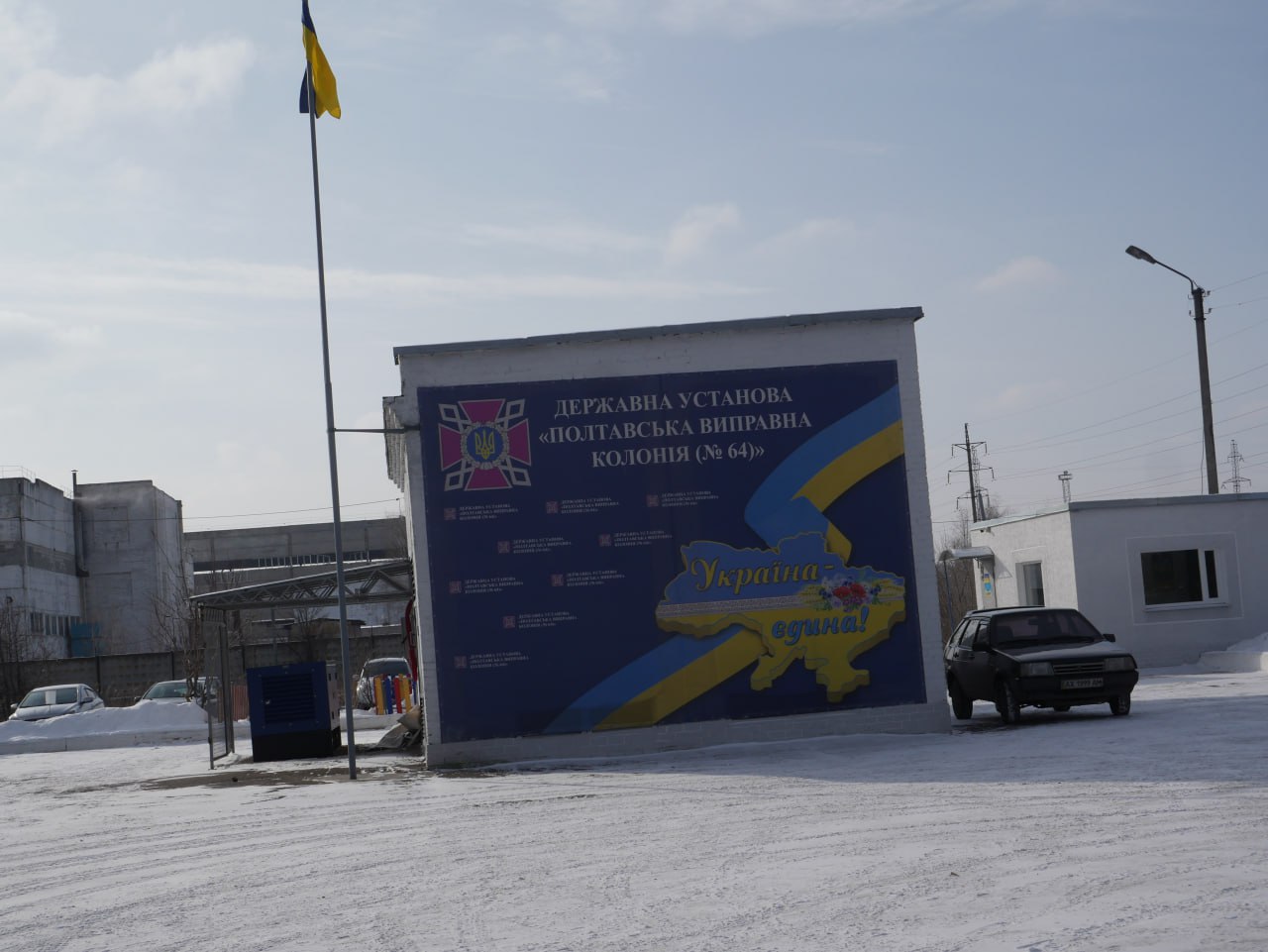
On 23 January 2026, in accordance with the Optional Protocol to the Convention against Torture and Other Cruel, Inhuman or Degrading Treatment or Punishment, taking into account the provisions of the United Nations Standard Minimum Rules for the Treatment of Prisoners (the Nelson Mandela Rules) and the practice of the European Court of Human Rights, and on the basis of Article 24 of the Criminal Executive Code of Ukraine “Visiting penal institutions”, a group of monitors from the Kharkiv Human Rights Protection Group and the “Protection of Prisoners of Ukraine” NGO carried out a visit to the state institution “Poltava Correctional Colony (No. 64)” (PCC-64, institution, facility, colony). The visit was carried out in a planned manner without prior notice; all of the institution’s facilities were inspected.
The previous visit took place on 01.05.2025.
During the preparation for the visit, the monitors used materials from appeals submitted by convicts and their relatives, materials from previous reports, as well as reports by monitors from the National Preventive Mechanism (NPM) under the Commissioner for Human Rights of the Verkhovna Rada of Ukraine.
The visit was conducted within the framework of the project “Reducing the suffering of prisoners in the context of the war in Ukraine”, funded by the government of Denmark in partnership with DIGNITY — Danish Institute Against Torture.
The visit was carried out by the following monitors:
- Andriy Didenko — assistant to a People’s Deputy of Ukraine Yaroslav Yurchyshyn, programme coordinator of the Kharkiv Human Rights Protection Group, experience in monitoring visits since 2014, NPM monitor (National Preventive Mechanism), member of the NPM advisory council;
- Serhiy Zuykov — assistant to a People’s Deputy of Ukraine Kostiantyn Kasai, member of the public council under the Ministry of Justice of Ukraine, member of the “Protection of Prisoners of Ukraine” NGO, NPM monitor, with many years of experience in monitoring visits;
- Oleh Tsvilyi — member of the public council under the Ministry of Justice of Ukraine, head of the “Protection of Prisoners of Ukraine” NGO, has extensive experience in monitoring visits, specialising in issues of torture and cruel, inhuman treatment.
Based on the results of the monitoring visit to PCC-64, it was established that alongside certain positive changes in the organisation of the institution's activities and the updating of its infrastructure, there is a significant number of violations of the rights of convicts and shortcomings in ensuring proper conditions of detention. Positive aspects include the arrangement of “individual space” areas in Social and Psychological Service (SPS) units, the creation of a medium-security sector for a separate category of convicts, the commissioning of the Quarantine, Diagnostics, and Distribution (KDiR) unit, the carrying out of repairs to individual residential, sanitary-domestic, and security premises, as well as the implementation of certain social-psychological and re-socialisation initiatives, including those aimed at supporting war veterans.
At the same time, these measures have not eliminated systemic problems regarding the procedure for receiving newly arrived convicts, the activities of the KDiR unit, the functioning of the disciplinary cell, the organisation of social-educational and psychological work, the provision of proper material and living conditions, access to the Internet, the safety of shelters, as well as the proper staffing of the institution.
A separate block of violations concerns the organisation of the convicts’ labour, the formalisation of employment relations, working time accounting, remuneration, and the payment of the unified contribution for compulsory state social insurance. The examined documents indicate the use of both labour formalised by fixed-term employment contracts and the actual involvement of a portion of the convicts in production activities without proper documentation, without being recorded in paid labour timesheets, and without proper remuneration, in particular in workshops and under the guise of participation in so-called clubs.
Numerous violations were also established in the sphere of medical provision, including improper organisation of physical examinations, shortcomings in inpatient treatment, the unsatisfactory sanitary and technical condition of the medical unit premises, the absence of certain types of medical care, non-compliance with the rights of persons with disabilities, and limited access to necessary diagnostics and treatment.
The aggregate of identified circumstances indicates the existence of systemic problems in the institution’s activities that require comprehensive elimination and the bringing of conditions of detention, labour organisation, and medical provision into compliance with the requirements of national legislation and international standards.
General information
PCC-64 is a medium-security correctional colony for holding men convicted for the first time for committing serious and particularly serious crimes.
The institution is located at the address: 6 Starokotelevska St., Poltava, Poltava region, 36015.
The State Institution “Poltava Correctional Colony (No. 64)” was established by Order of the Ministry of Internal Affairs of the Ukrainian SSR No. 0248 dated 17.12.1981 as a high-security corrective labour institution. The construction of the institution was carried out on the outskirts of Poltava near the Poltava–Kotelva highway and the Vakulentsi railway station. During the Soviet period, the colony functioned as a corrective labour institution where men convicted of serious crimes served sentences, and the labour of the convicts was utilised in production facilities operating at the institution.
After the declaration of Ukraine’s independence, the institution was reorganised in accordance with national criminal-executive legislation and became part of the penal enforcement system of Ukraine. In the process of reforming the penitentiary system, its subordination changed — from the structure of the Ministry of Internal Affairs to the State Penitentiary Service of Ukraine, and from 2016, to the sphere of management of the Ministry of Justice of Ukraine.
At the time of the visit, the head of the institution was Colonel of the Internal Service Vadym Mykolaiovych Alieksieienko.
The facility consists of a duty unit, a KDiR unit (quarantine, diagnostics, and distribution unit), 11 SPS units (social and psychological service units), 2 units are mothballed, a catering block, disciplinary cell (DIZO) premises, high-security block (PKT) premises, reinforced control unit (DPK), SIZO unit (pre-trial detention centre), a medical unit, a bath and laundry complex, visitation rooms, a shop, a library, a room for receiving parcels, and administrative premises.
According to the institution’s administration, the authorised staff size is 213.5 positions, with an actual number of 187.5 positions. The total staff shortage in the institution is 25 employees: junior command staff — 17, mid-level and senior command staff — 5, employees without special ranks — 3.
The planned capacity of the facility is 685 persons. The actual number of persons held in the institution is 10 detainees and 349 convicts. Two psychologists work in the facility.
During 2025, 384 persons arrived at the colony. In 2024, 4 persons died, and in 2025, 0 persons. The following were registered for operative-preventive supervision: prone to suicide — 9 persons, prone to self-harm — 13 persons, prone to escape — 1, malicious violators of the detention regime — 14 persons.
In 2024–2025, not a single complaint was recorded regarding inadequate conditions of detention or inadequate provision of medical care. 23 persons have disabilities: 10 persons of group II and 13 persons of group III. The convicts have 137 tablets for their own use; 6 email addresses have been registered. 15 persons are generally rejected.
During 2024, 2 cases of bodily injuries were recorded upon arrival at the institution and 4 cases during their stay in the institution; in 2025, 3 cases of bodily injuries were recorded during their stay in the institution.
The monitoring group interviewed about 260 convicts during visits to production premises, workshops, SPS units, disciplinary premises, utility rooms, during general conversations while providing consultations, answering questions, surveying them on the subject of human rights violations, as well as during individual communication with persons, including on the condition of anonymity.
Positive experience
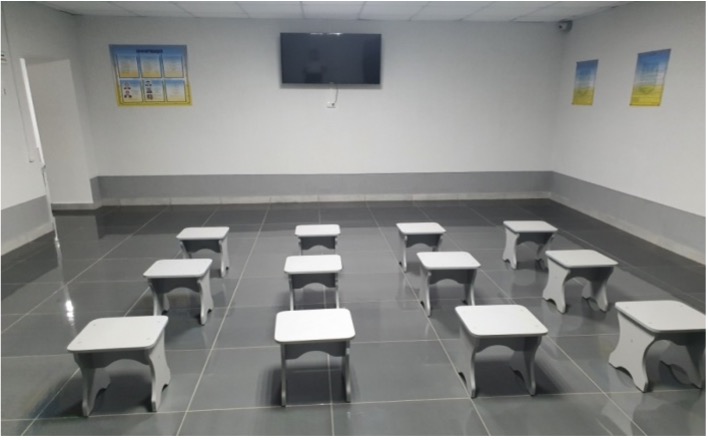
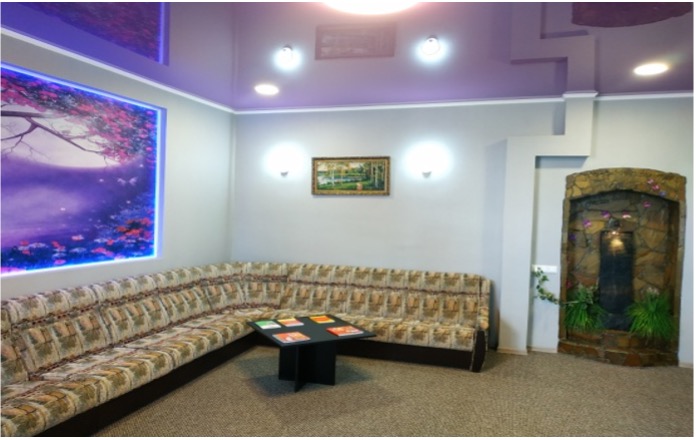
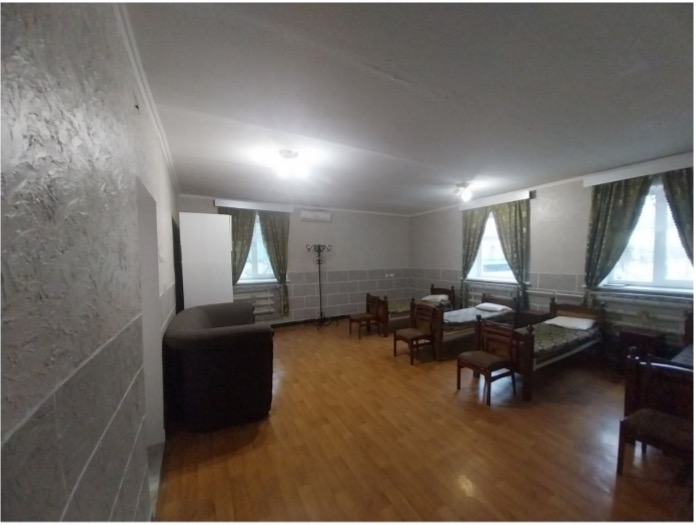
Among the positive practices identified during the monitoring visit to PCC-64, the consistent updating of the institution’s infrastructure and the creation of more appropriate conditions of detention for convicts should be noted. From the provided materials, it is evident that “individual space” areas for holding convicts have been arranged in SPS units No. 11 and No. 6, which is aimed at ensuring privacy, safety, sufficient living space, and compliance with sanitary-hygienic requirements.
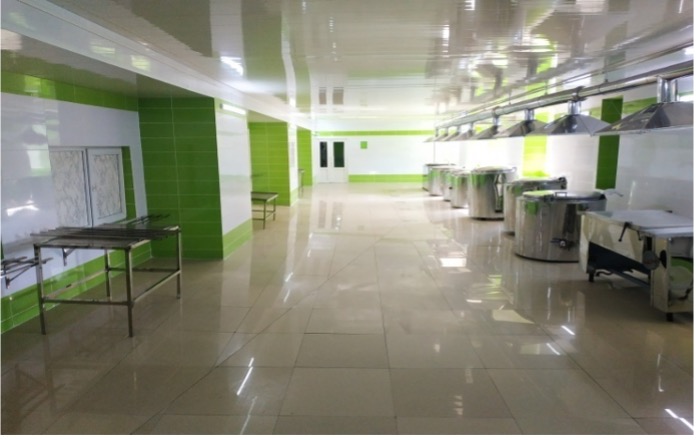
A medium-security sector for 60 men who previously worked in courts, prosecutor’s offices, justice departments, and law enforcement agencies has also been created, the KDiR unit has been commissioned, and repairs have been carried out in the dining hall, sanitary-domestic premises, exercise yards of the DIZO/PKT, the roof of the bath and laundry complex, as well as the psycho-emotional relaxation room. These measures indicate the administration’s desire to improve living conditions, the level of privacy, and the sanitary state of individual objects of the institution.
Individual steps aimed at developing the re-socialisation and social-psychological components of the institution’s activities also deserve a positive assessment. In particular, a social project “Listen to Believe” was created in the institution jointly with the “Poltava Regional Association of Churches of Evangelical Christians-Baptists” religious organisation, as well as the socially significant project “Worthy Return to the Ukrainian Ranks”, implemented jointly with the “Centre for Reintegration of the Veteran Community” non-governmental organisation.
Furthermore, on 04.12.2025, a memorandum of cooperation was signed with the “Veteran Centre Poltava” municipal institution of the Poltava City Council regarding the support of convicted war veterans, and in 2025, a correctional programme “Psychosocial aspects of the readaptation of convicts – combatants” was piloted. Such initiatives indicate the institution’s attempt to introduce targeted approaches to the re-socialisation of specific categories of convicts, in particular war veterans, and to strengthen social-psychological support for persons preparing to return to society.
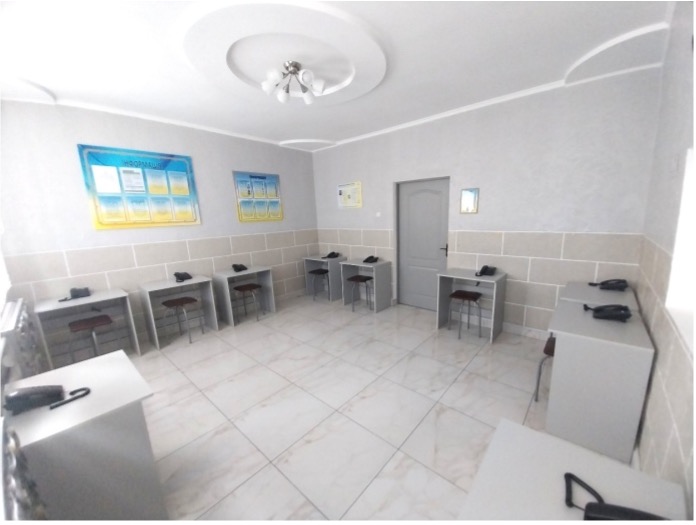
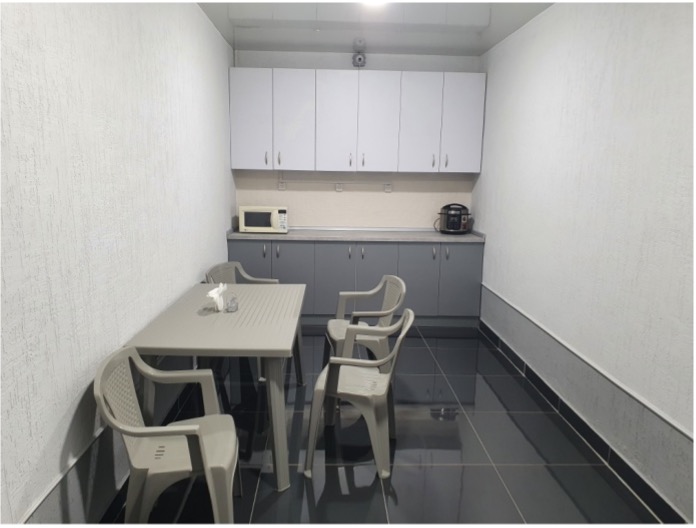
Separately, measures related to digitalisation, safety, and energy efficiency of the institution should be noted, namely: the furnishing of premises for telephone calls, the updating of the duty unit premises and the automated workstation, as well as improvements in the premises for receiving parcels and for staff work. At the same time, to ensure the continuous life of the institution, a “Point of Invincibility” (a hub for electricity and warmth), backup means for preparing food, and a generator for autonomous power supply to the administrative building, dormitories, and perimeter lighting have been installed.
Taken together, these measures indicate the presence of institutional practices aimed at maintaining the basic stability of the institution’s functioning under martial law, increasing the resilience of critical infrastructure, and partially improving the convicts’ access to communication and services.
Violations of national and international legislation identified
During the monitoring visit, violations of national legislation requirements and non-compliance with international recommendations in the field of prisoner treatment were identified, which lead to violations of the rights of convicts:
1. The monitoring group established that the administration and personnel of the institution have not ensured the proper organisation of work with newly arrived convicts. During the visit to the KDiR unit, a practice was recorded of involving individual convicts in performing functions related to maintaining order and controlling the behaviour of other persons. In fact, the administration has delegated to two convicts (orderlies) the authority to carry out constant supervision of newly arrived convicts and to control their compliance with the daily schedule requirements, which is unacceptable.
This contradicts the requirements of Clause 4, Section II of the Internal Regulations of Penal Institutions, approved by the Order of the Ministry of Justice of Ukraine dated 28.08.2018 No. 2823/5 (hereinafter — PVR UVP), as well as Clause 2, Section I of the Regulations on the KDiR unit, approved by the Order of the Ministry of Justice of Ukraine dated 04.11.2013 No. 2300/5 (hereinafter — Regulations on the KDiR unit).
In its report on the results of the visit to Ukraine in 2020, the European Committee for the Prevention of Torture and Inhuman or Degrading Treatment or Punishment (hereinafter — the Committee) expressed serious doubts regarding the practice of using some prisoners as “orderlies” (dnyuvalnyi), who perform functions of controlling other prisoners in residential premises and at production facilities and report to staff about any incidents and violations of the regime. Therefore, the Committee noted with concern during this visit that this practice persists.
Furthermore, unfortunately, despite specific recommendations previously made by the Committee, the practice of using “orderlies” is also officially envisaged by the Internal Regulations of Penal Institutions. As previously emphasised, the Committee considers that any partial abdication of responsibility for order and security in prisons, which should be borne by the institution’s regime staff, is unacceptable.
Such a practice exposes weaker prisoners to the risk of ill-treatment and exploitation by other prisoners. The Committee calls on the authorities of Ukraine to take all necessary steps — including legislative measures — to put an end to this practice. No prisoner (in any penitentiary institution in the country) should have authority over other prisoners. (CPT/Inf (2020) 40, paragraph 27).
2. In accordance with Clauses 1 and 2 of Section II of the Regulations on the KDiR, in order to organise work with newly arrived convicts, a working group is created by order of the head of the institution, which includes deputy heads of the institution, heads of structural subdivisions, a psychologist, and a medical worker. In order to plan this work, a programme of familiarising newly arrived convicts with the order and conditions of serving their sentence (hereinafter — the Programme) is drawn up annually, which is approved by the head of the institution.
At the same time, the members of the working group do not properly ensure the implementation of the measures envisaged by the Programme, which is confirmed by the absence of relevant entries and marks in the logbook for recording visits to the quarantine, diagnostics, and distribution unit by representatives of the administration, in particular the head of the medical unit.
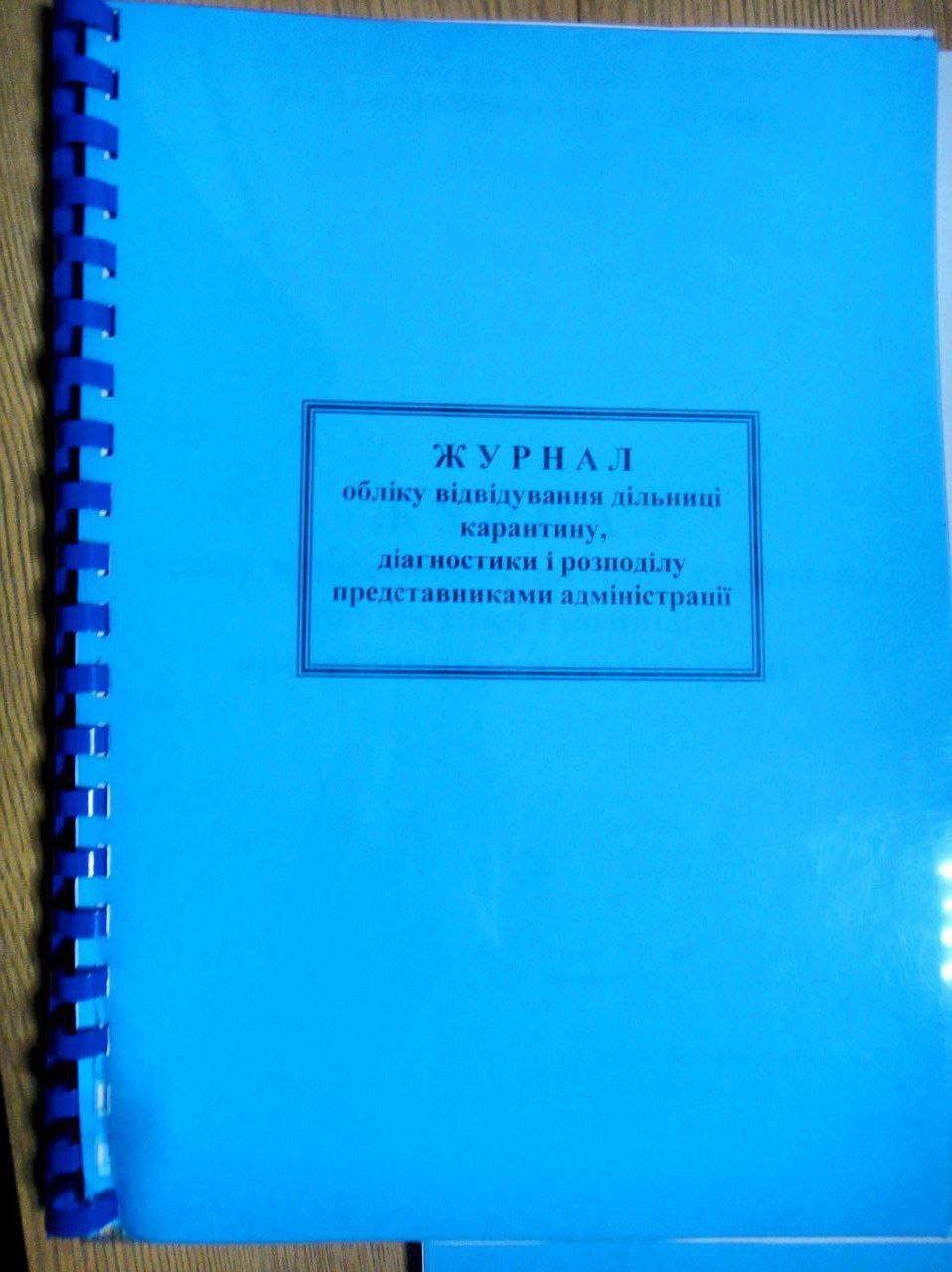
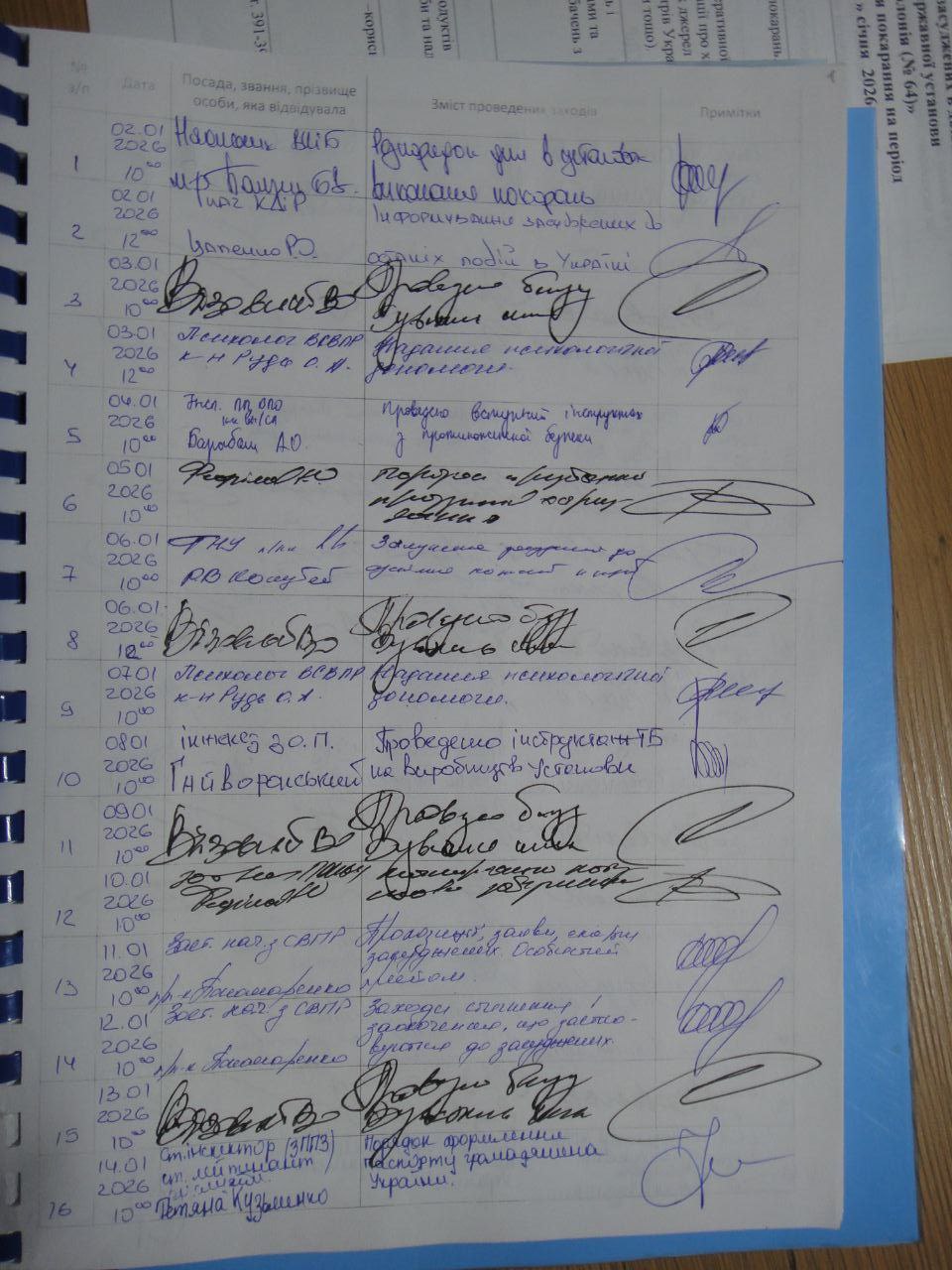
It is noteworthy that, despite the inclusion of the head of the medical unit of the PCC-64 branch of the Centre for Healthcare of the State Penitentiary Service of Ukraine in the Poltava region, Pavlo Olenych, in the working group, the measures envisaged by the Programme are not carried out by him. Instead, sessions on issues of obtaining medical care in accordance with the Programme are conducted by the head of the institution’s logistics and household support department, Yevhen Fefilov, which does not fall within his job duties or competence.
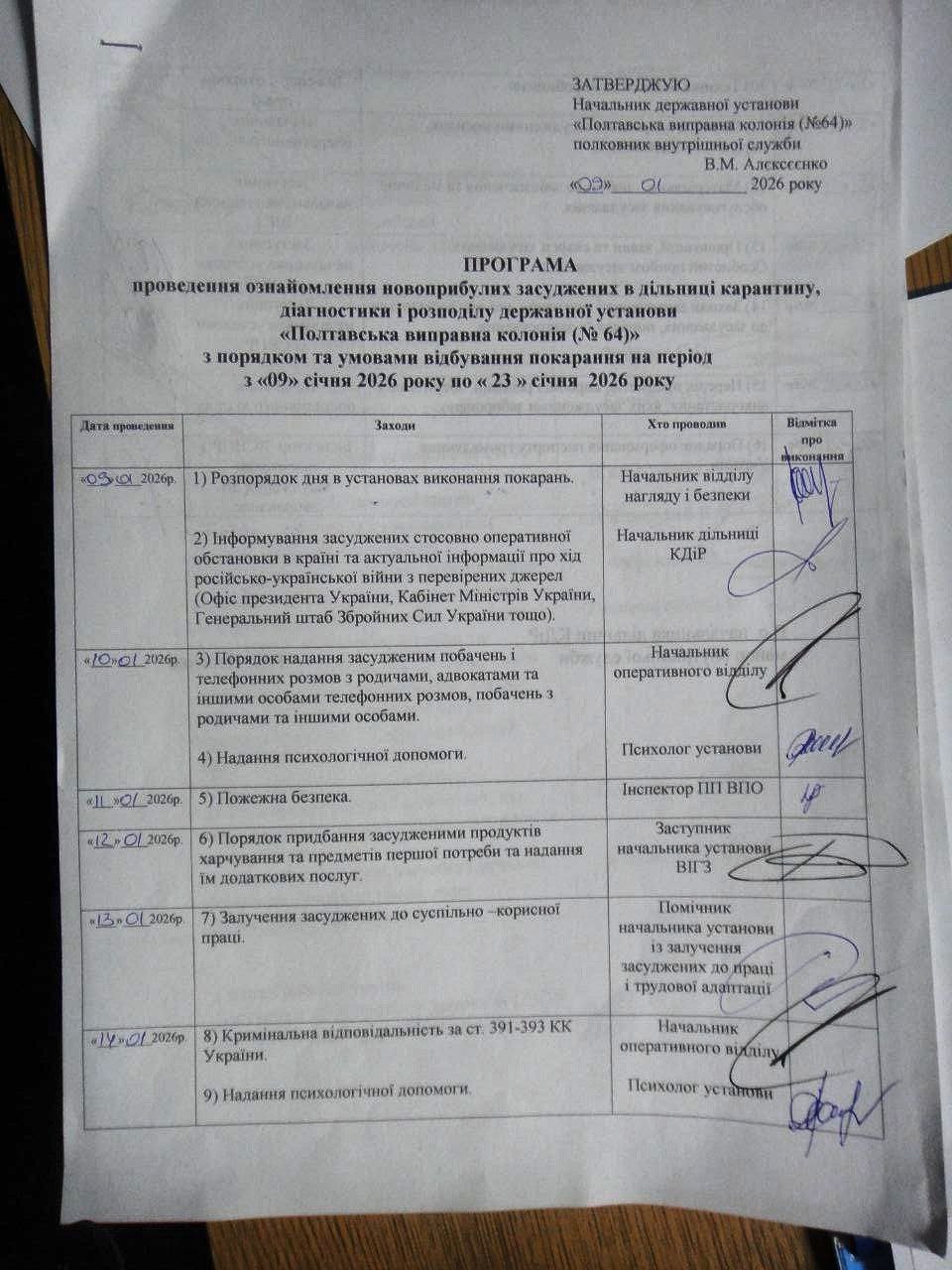
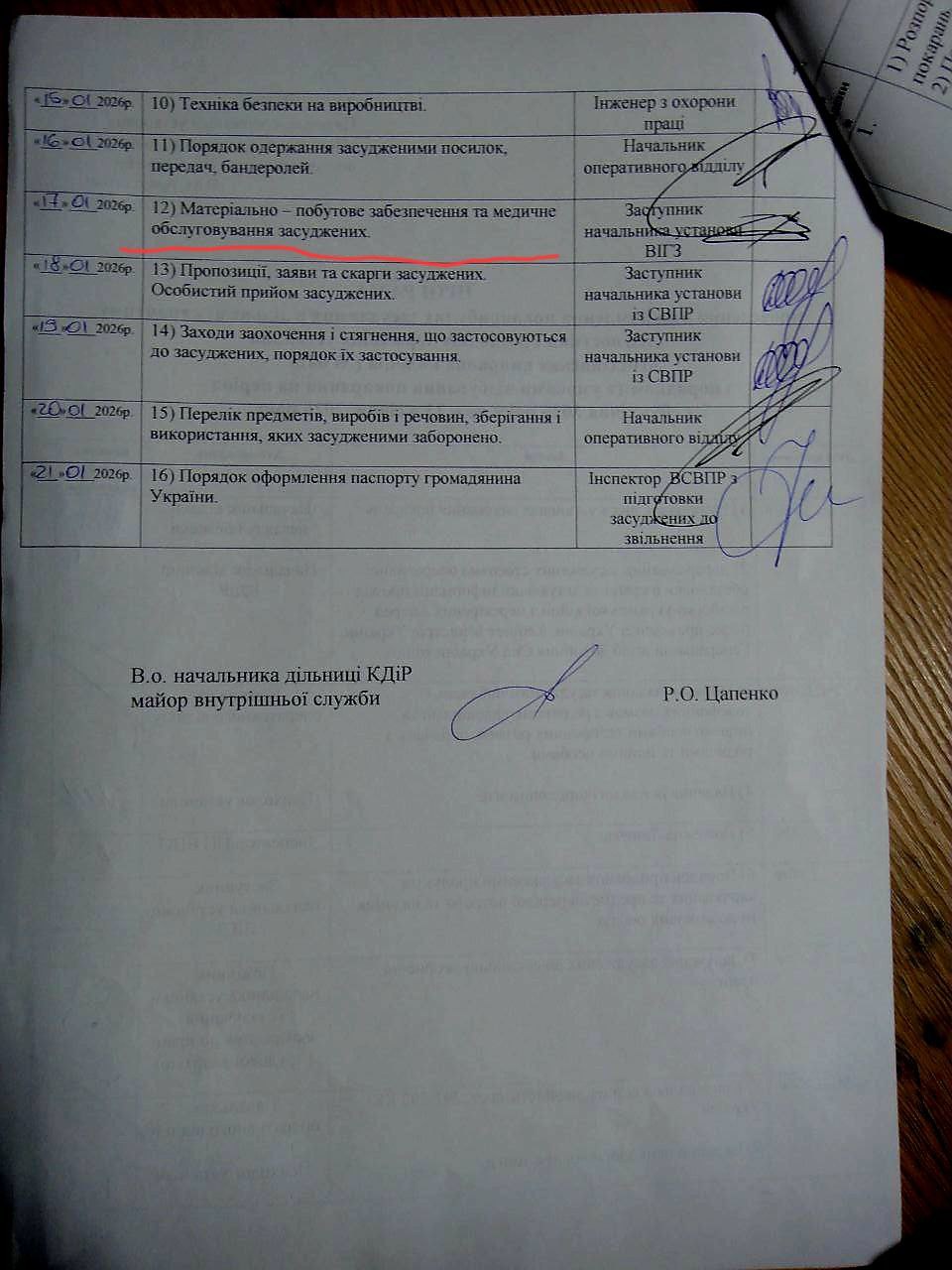
3. In violation of Clause 1, Section II of the Regulations on the KDiR unit, the working group for work with newly arrived convicts does not include the head of the department for control over the execution of court decisions and the head of the financial support and accounting department — chief accountant.
4. In violation of Clause 3, Section II of the Regulations on the KDiR unit, the Programme does not include measures regarding the following issues: the procedure for obtaining complete general secondary education and vocational (vocational-technical) education; the procedure for obtaining free legal aid; the procedure for granting convicts access to the Internet.
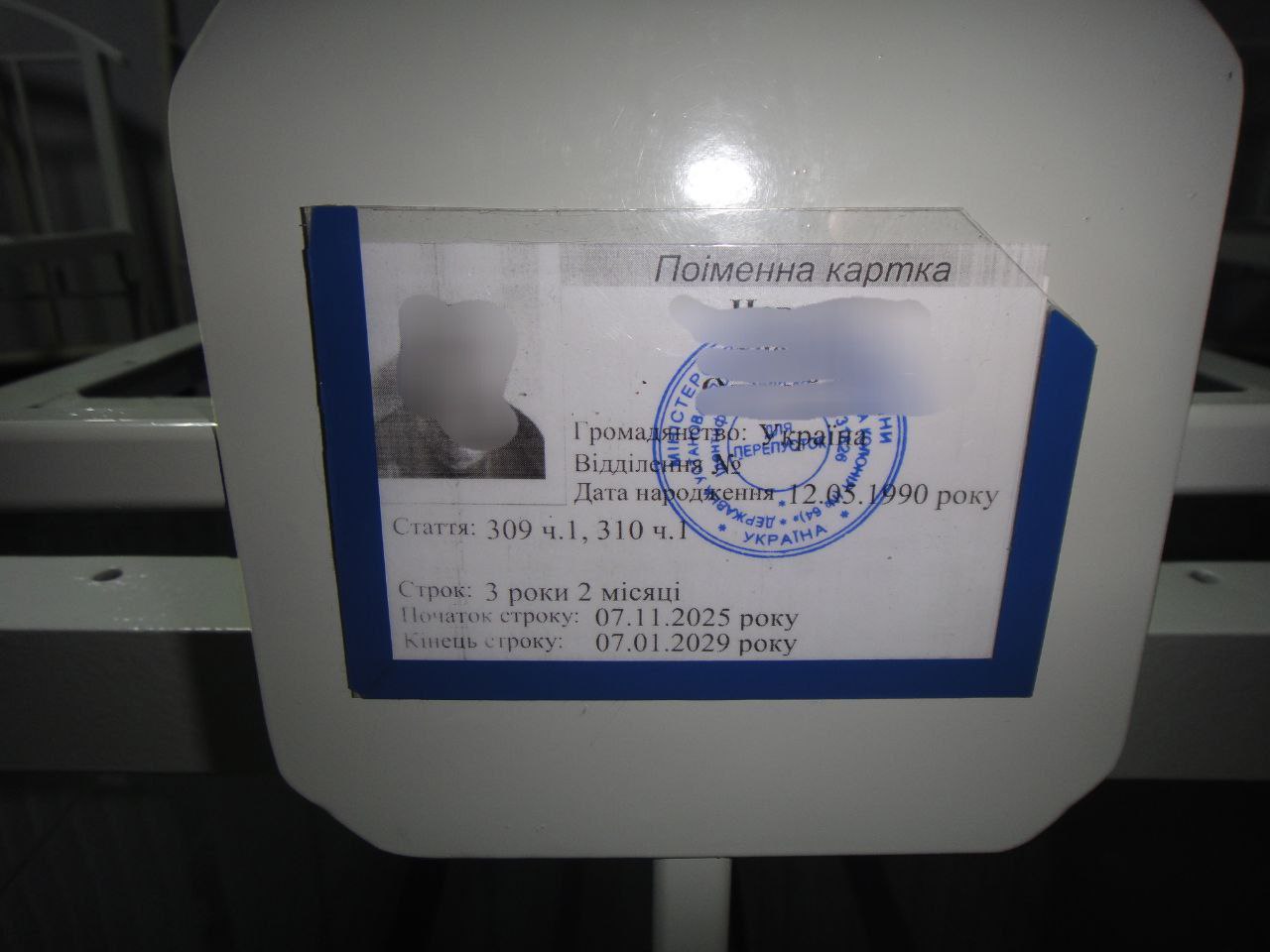
5. During the visit to the KDiR unit, in the sleeping area, name cards were found placed on the convicts’ beds with a brief description of the crimes committed by the persons occupying these beds. In its report on the results of the visit to Ukraine in 2020, under similar circumstances, the Committee noted that this practice should be stopped, as it serves no reasonable purpose and, apart from stigmatisation, has the effect of deteriorating relationships between prisoners and prison staff. (CPT/Inf (2020) 40, paragraph 52).
6. The monitoring group established that the material and living provision of the KDiR unit does not fully meet the established regulatory requirements. Thus, in violation of the requirements of the Standards for Provision of Furniture, Inventory, and Household Items for a Medium-Security Correctional Colony, approved by the Order of the Ministry of Justice of Ukraine dated 27.07.2012 No. 1118/5 (hereinafter — Provision Standards), the unit lacks a number of premises, namely: a room for storing food products; a storeroom for the temporary storage of dirty bedding, property, and workwear; a household room; a drying room.
The absence of the specified premises or their improper arrangement leads to a violation of sanitary-hygienic standards. Thus, the improper organisation of personal belongings storage complicates the maintenance of cleanliness and order in the premises where convicts are held, which worsens the overall sanitary situation in the institution.
7. During the visit to the disciplinary isolation ward of the institution (hereinafter — DIZO), facts were established that may indicate cruel, inhuman, or degrading treatment of convicts. According to Rule 39.3 of the UN Standard Minimum Rules for the Treatment of Prisoners (the Nelson Mandela Rules), before imposing disciplinary sanctions, the administration of a penitentiary institution is obliged to clarify whether the mental illness or developmental disability of the convicted person could have influenced their behaviour and caused the violation that became the basis for disciplinary response. The administration of the institution should not apply disciplinary sanctions for behaviour that is a direct consequence of a prisoner’s mental disorder or mental retardation.
In accordance with Rule 45.2 of the UN Standard Minimum Rules for the Treatment of Prisoners (the Nelson Mandela Rules), the use of solitary confinement is prohibited for prisoners with mental or physical disabilities if such measures could lead to a deterioration of their condition. The use of solitary confinement is also prohibited for women and children, as provided for by international UN standards in the field of criminal justice.
At the same time, during the visit to DIZO cell No. 1, a convict was found who was being held in conditions of total isolation (alone in a cell) and has diagnosed mental disorders. According to the certificate of penalties and rewards, only in the period from 17.01.2024 to 23.01.2026, 21 disciplinary sanctions were imposed on him, of which 4 were in the form of placement in a DIZO (from 7 to 14 days) for refusing to perform the duties of an orderly and smoking in an unauthorised place, as well as 1 in the form of placement in a PKT (for 1 month) for refusing to perform the duties of an orderly according to the schedule.
At the same time, in accordance with Clause 43 of the Third General Report of the Committee's recommendations, a mentally ill prisoner should be kept and cared for in a hospital facility with sufficient equipment and properly trained staff. Such a facility could be a regular (civil) psychiatric hospital or a specially equipped psychiatric facility within the penitentiary system.
In accordance with Clause 44 of the Third General Report of the Committee's recommendations, the treatment of a mentally unstable and violent patient should be conducted under strict supervision, ensuring care for the patient and, if deemed necessary, with the use of sedative medications. (CPT/Inf (93) 12-part).
It is also necessary to note the duration of the practically continuous isolation of the convict from the general body of convicts by placement in a PKT for one month when applying a sanction measure. In this context, the Committee notes that placing convicts with mental disorders in such conditions for a long period can be considered a denial of proper treatment, and therefore, if necessary, such persons should be transferred to specialised institutions. (CPT/Inf (2011) 29, paragraph 96).
8. The arrangement of the DIZO/PKT premises does not meet the standards of prisoner treatment and their conditions of detention, taking into account individual needs. Thus, individual DIZO/PKT cell facilities do not ensure an adequate level of natural light, as the cell windows are located at a significant height, are small in size, and face a wall, as a result of which natural light practically does not penetrate the premises.
These conditions can create additional psychological pressure on convicts due to the absence of any contact, including visual contact, with the outside environment. This does not meet the requirements of Rule 18.2(a) of the European Prison Rules and Rule 14 of the UN Standard Minimum Rules for the Treatment of Prisoners (the Nelson Mandela Rules).
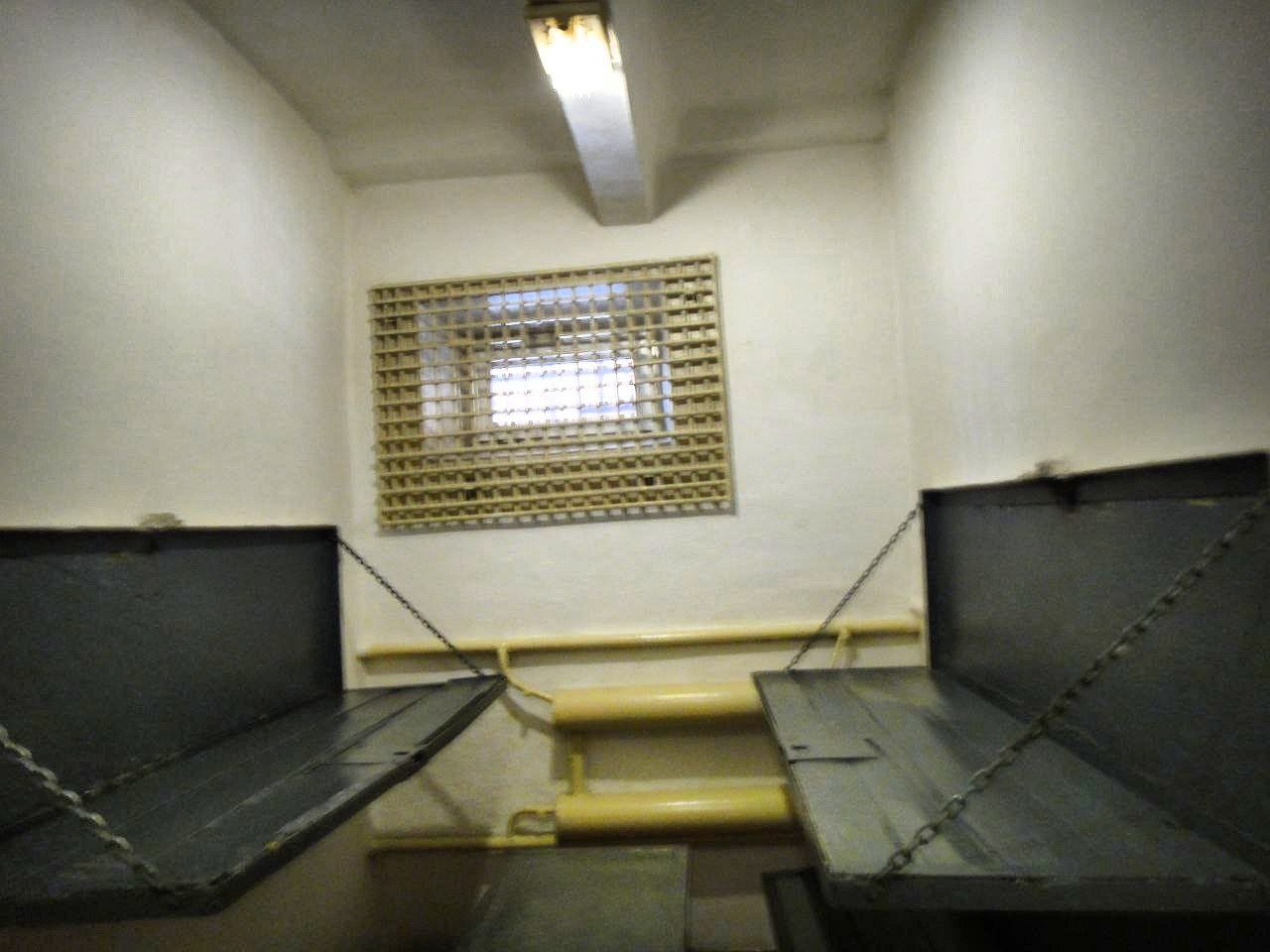
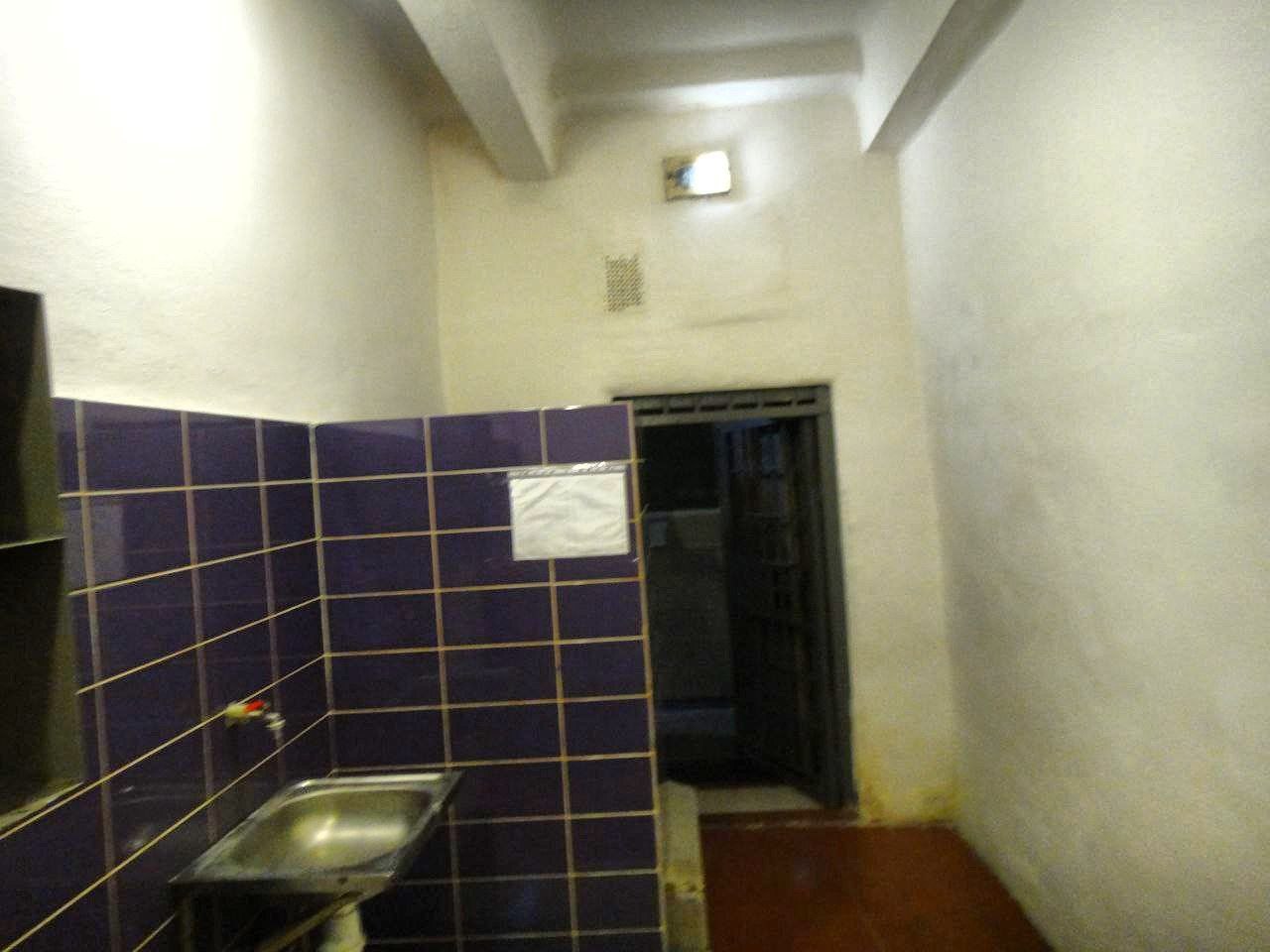
9. In violation of the requirements of Rule 22.5 of the European Prison Rules, Rule 22.2 of the UN Standard Minimum Rules for the Treatment of Prisoners, and the Provision Standards, cell facilities are not provided with 15-litre drinking water tanks with a tap, lid, mug, and basin.
10. Sanitary facilities in the DIZO/PKT cell facilities are not equipped with sufficient partitions ensuring privacy, which violates Rule 19.3 of the European Prison Rules. At the same time, in the report to the Government of Ukraine on the results of the visit in 2023, the Committee called on the Ukrainian authorities to take necessary measures to improve material conditions of detention, in particular: to keep all places where convicts and persons taken into custody are accommodated, including sanitary facilities, in a proper state of repair and hygiene; to ensure regular and frequent disinsection; to ensure sufficient access to natural light and ventilation in cells; and to fully equip internal sanitary facilities with partitions (i.e., from floor to ceiling). (CPT/Inf (2024) 20, paragraph 58).
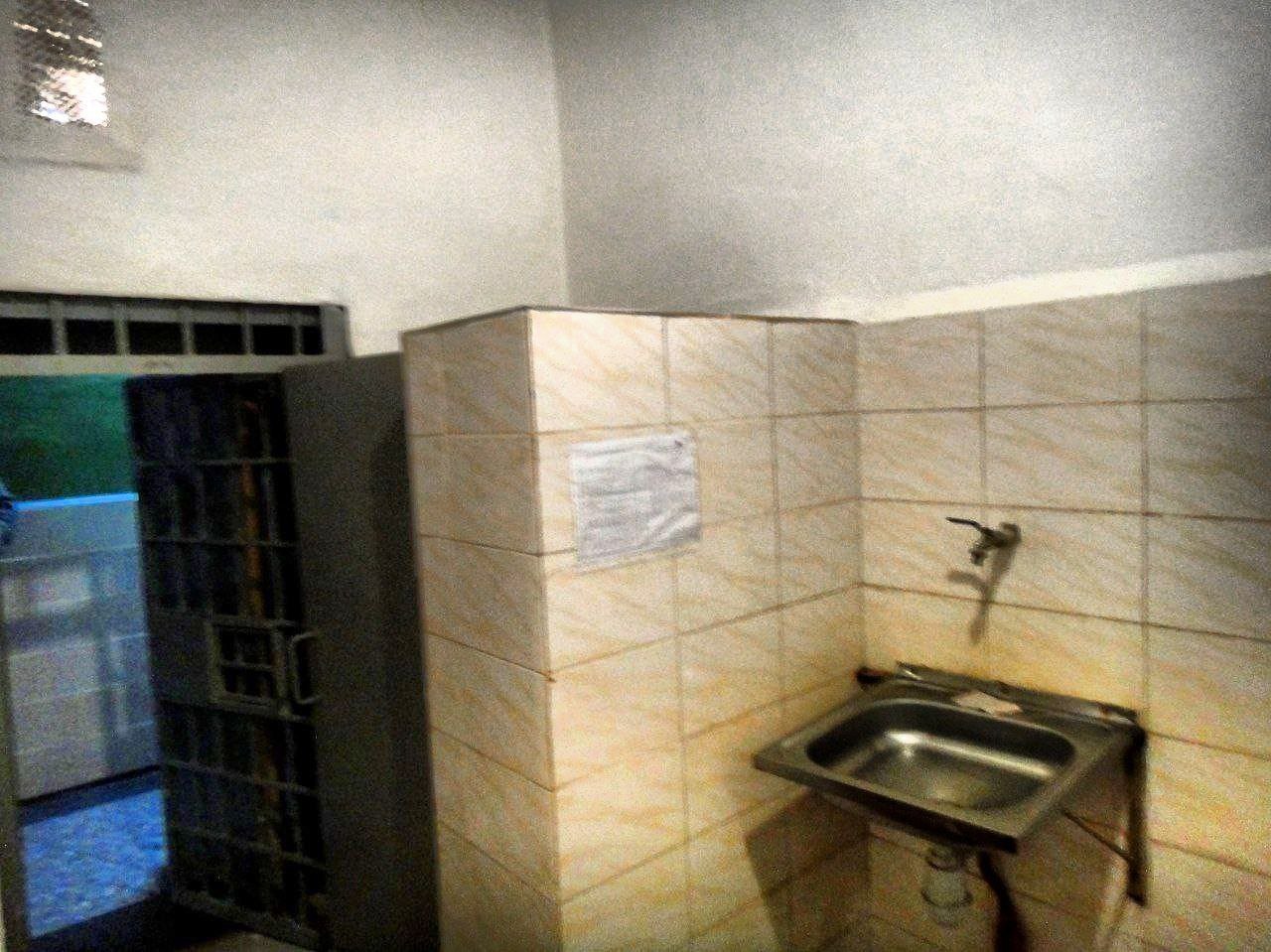
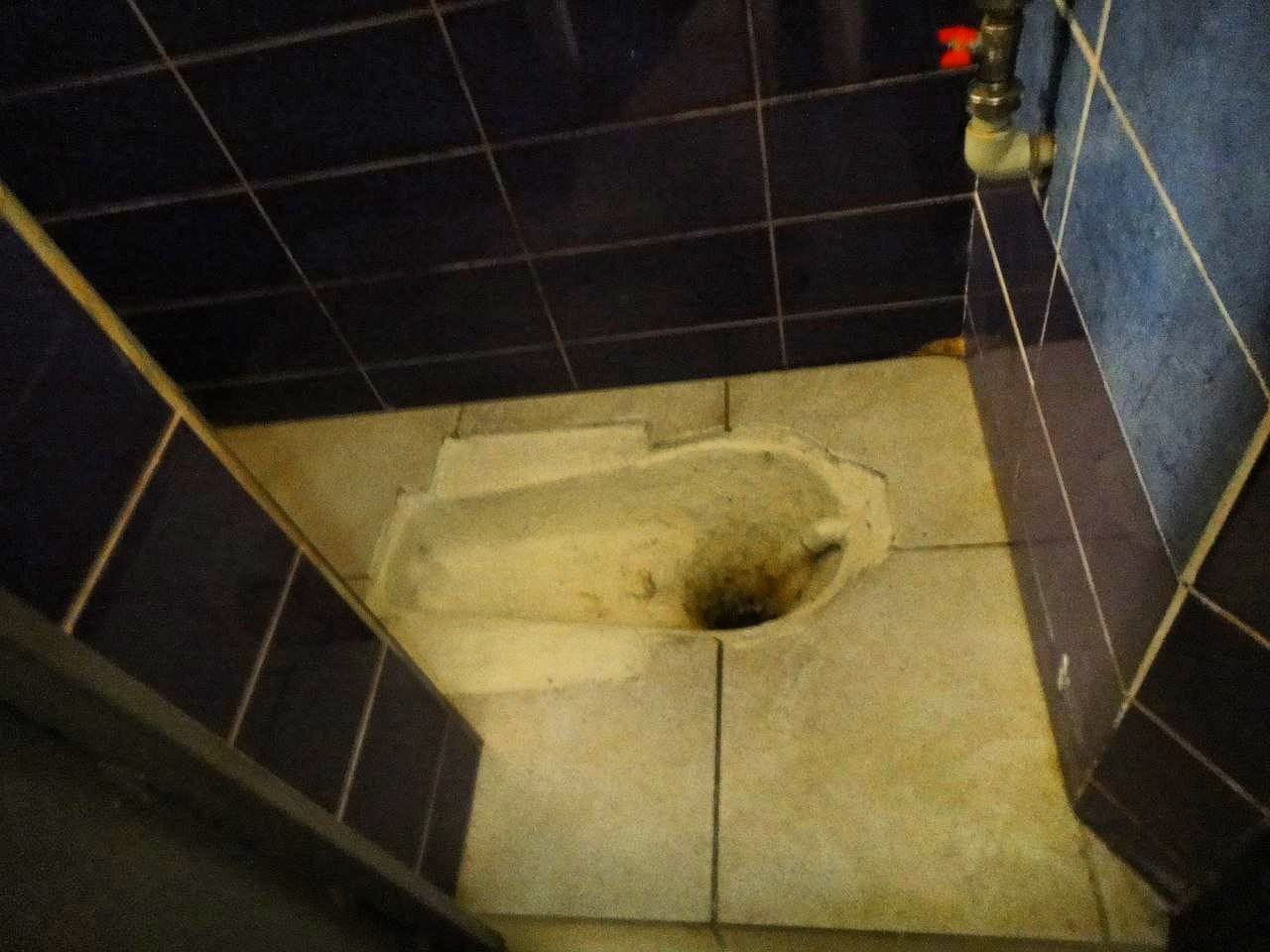
11. In violation of Clause 4, Section IV of the Procedure for the Use of Technical Supervision and Control Equipment in Correctional and Educational Colonies of the State Penitentiary Service of Ukraine, approved by the Order of the Ministry of Justice of Ukraine dated 26.06.2018 No. 2025/5 (hereinafter — Procedure for the Use of Technical Equipment), it was established that DIZO cells are not equipped with buttons to call personnel, which complicates prompt contact between convicts and the institution’s staff.
12. According to the twenty-third paragraph of Clause 6, Section XXI of the PVR UVP, for conducting individual preventive work, the head of the social and psychological service unit visits the DIZO, punishment cells, and PKT (OK) upon the placement/transfer of a convict and at least once a week. Based on the results of visiting the DIZO, punishment cells, and PKT (OK), they are obliged to make relevant entries in the logbook for recording visits to the disciplinary isolation ward, chamber-type premises, solitary cells, and punishment cells by the administration of the penal institution.
At the same time, during the inspection of the logbook for recording visits to the disciplinary isolation ward (DIZO), an absence of entries was established which, in accordance with current regulatory requirements, should have been made by the head of the social and psychological service unit No. 8 during the serving of a disciplinary sanction by convict T. This may indicate the actual failure of the head of the social and psychological service unit No. 8 to perform their duties and the improper organisation of social-educational and psychological work.
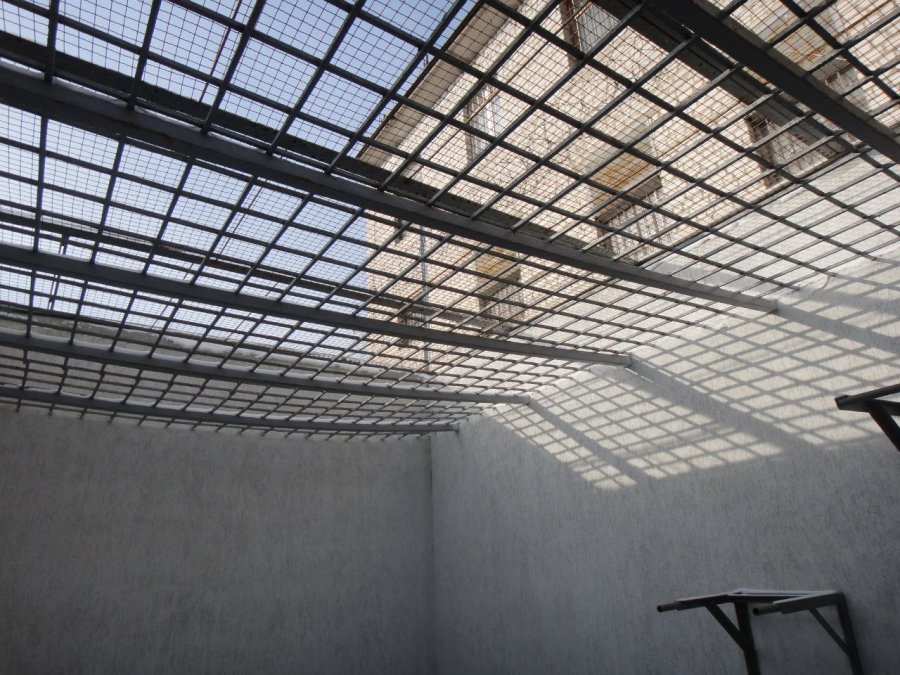
13. Exercise yard No. 1 is not equipped with proper shelter for protection against atmospheric precipitation. At the same time, the Committee in its second General Report emphasises that daily access to fresh air should take place in an area of sufficient size, and the exercise areas themselves, as far as possible, should be equipped with shelter in case of adverse weather conditions (CPT/Inf (92) 3, paragraph 48).
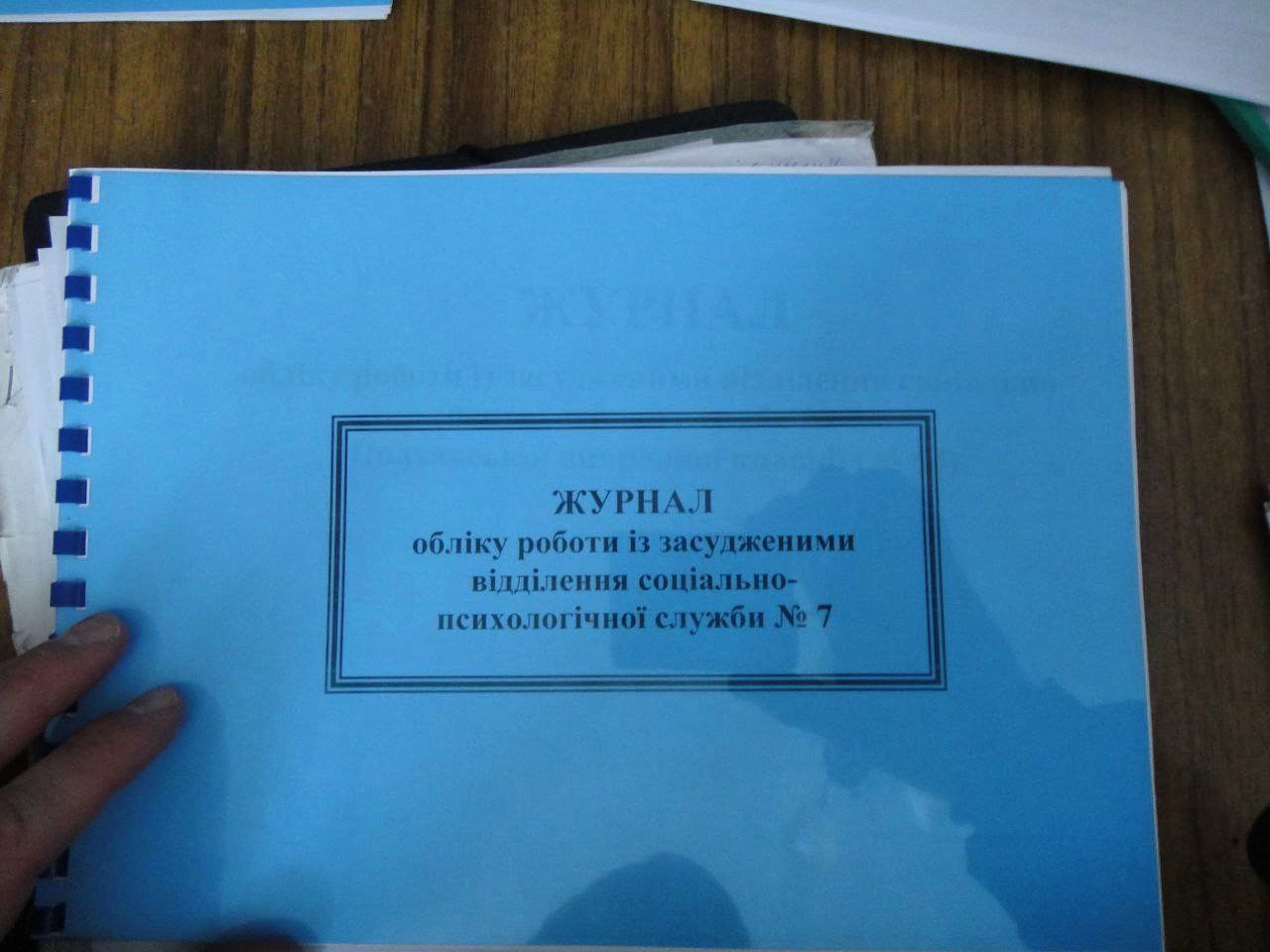
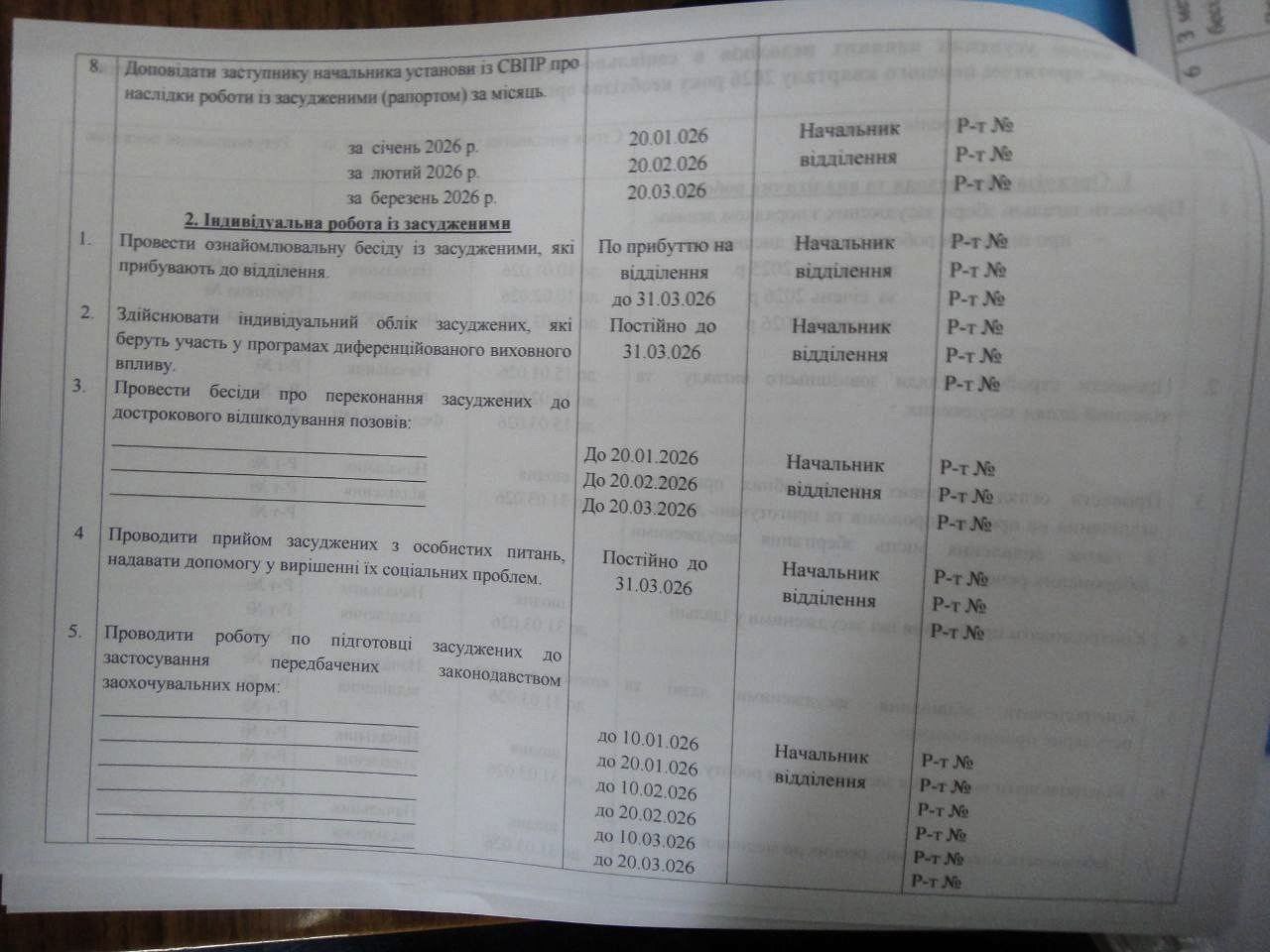
14. The monitoring group established that the state of organisation and implementation of social-educational and psychological work with convicts is unsatisfactory. Specifically, it was established that the head of the SPS unit does not ensure the full implementation of measures envisaged by the work plan with convicts of SPS unit No. 7 for the 1st quarter of 2026 (hereinafter — quarterly plan), which is confirmed by the explanations of convicts obtained during confidential communication, the absence of relevant marks on the completion of measures in the quarterly plan, as well as the report to the deputy head of the institution for social-educational and psychological work on the results of work with convicts for the month.
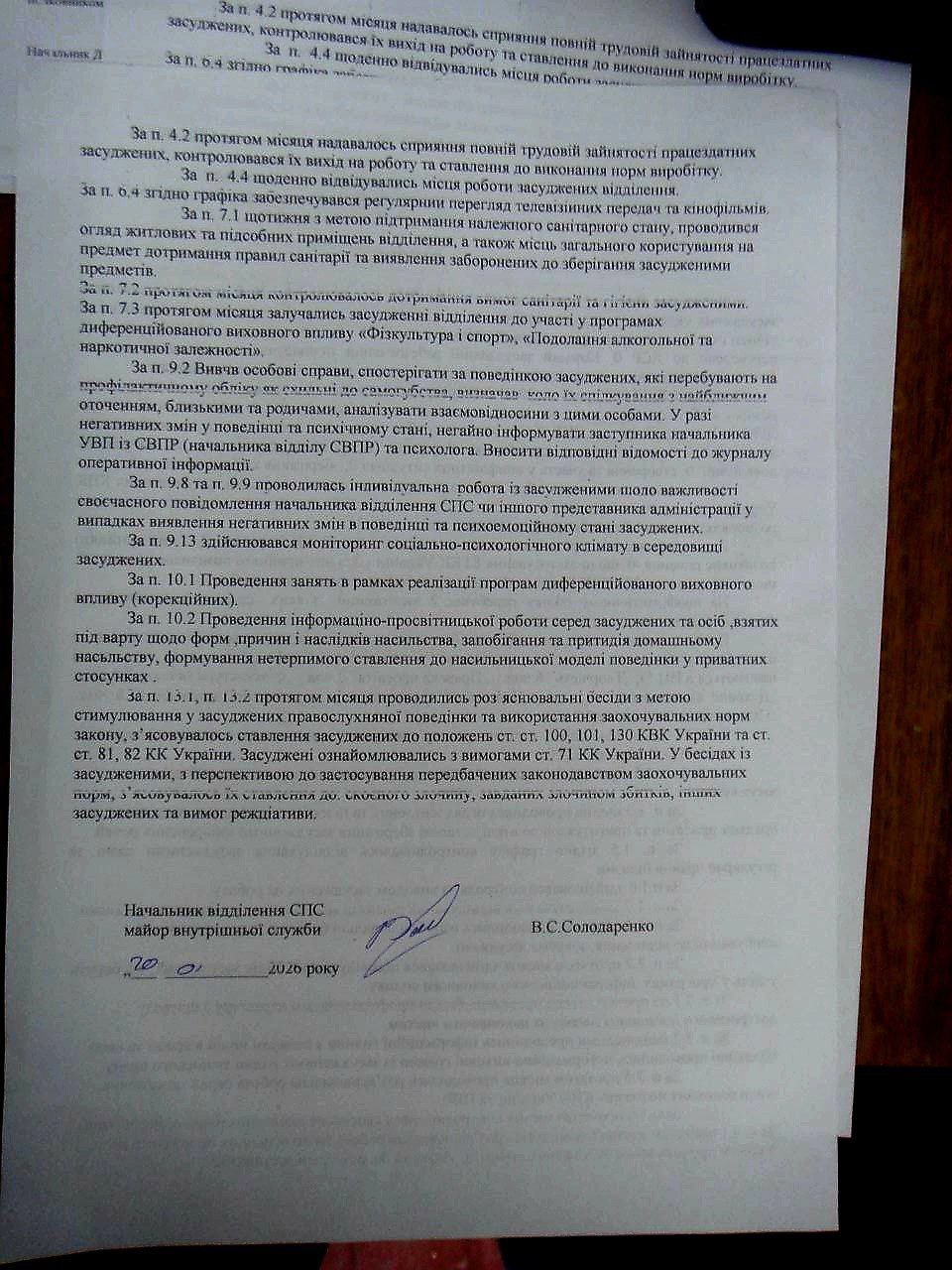
In accordance with the specified report, it was established that: for item 1.1 of the quarterly plan, a general meeting of convicts with a defined agenda was not held (deadline — 10.01.2026, protocol missing); for item 2.5, work on preparing convicts for the application of incentive norms provided for by legislation was not carried out (deadlines — 10.01.2026 and 20.01.2026, reports missing); for item 4.5, a lecture on the organisation of general secondary and vocational-technical education for convicts was not held (report missing); for item 6.1, conversations aimed at forming positive changes in the personality of convicts and readiness for law-abiding behaviour were not conducted (deadline — 15.01.2026, report missing); for item 6.5, cultural-mass events on the occasion of the Day of Unity of Ukraine were not organised (report missing); for item 7.5, an information hour on the topic “Harm of alcohol and drugs to human health” was not conducted (deadline — 20.01.2026, report missing), etc. Furthermore, the absence of individual lesson plans and methodological materials for conducting measures envisaged by the quarterly plan was established.

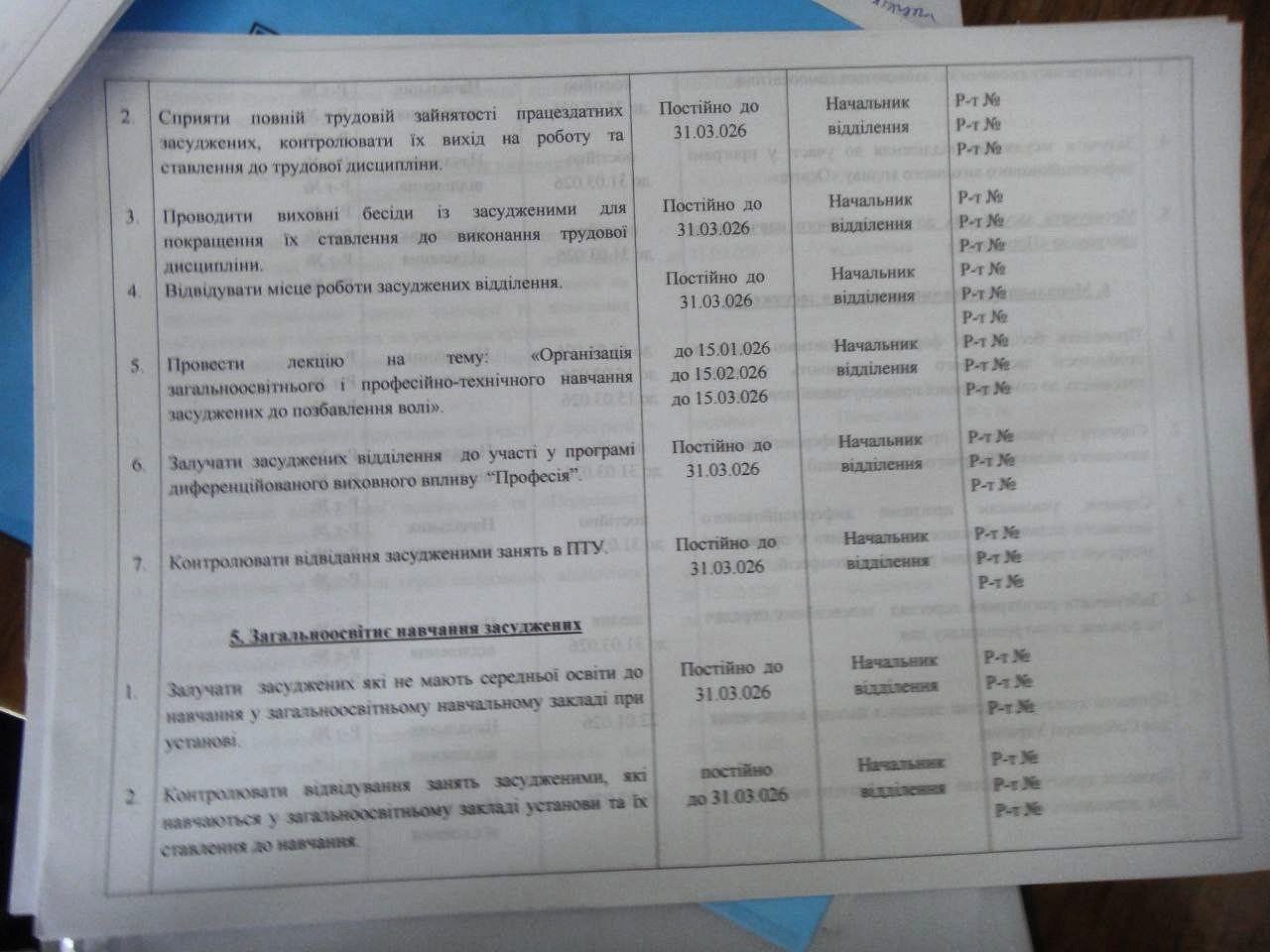
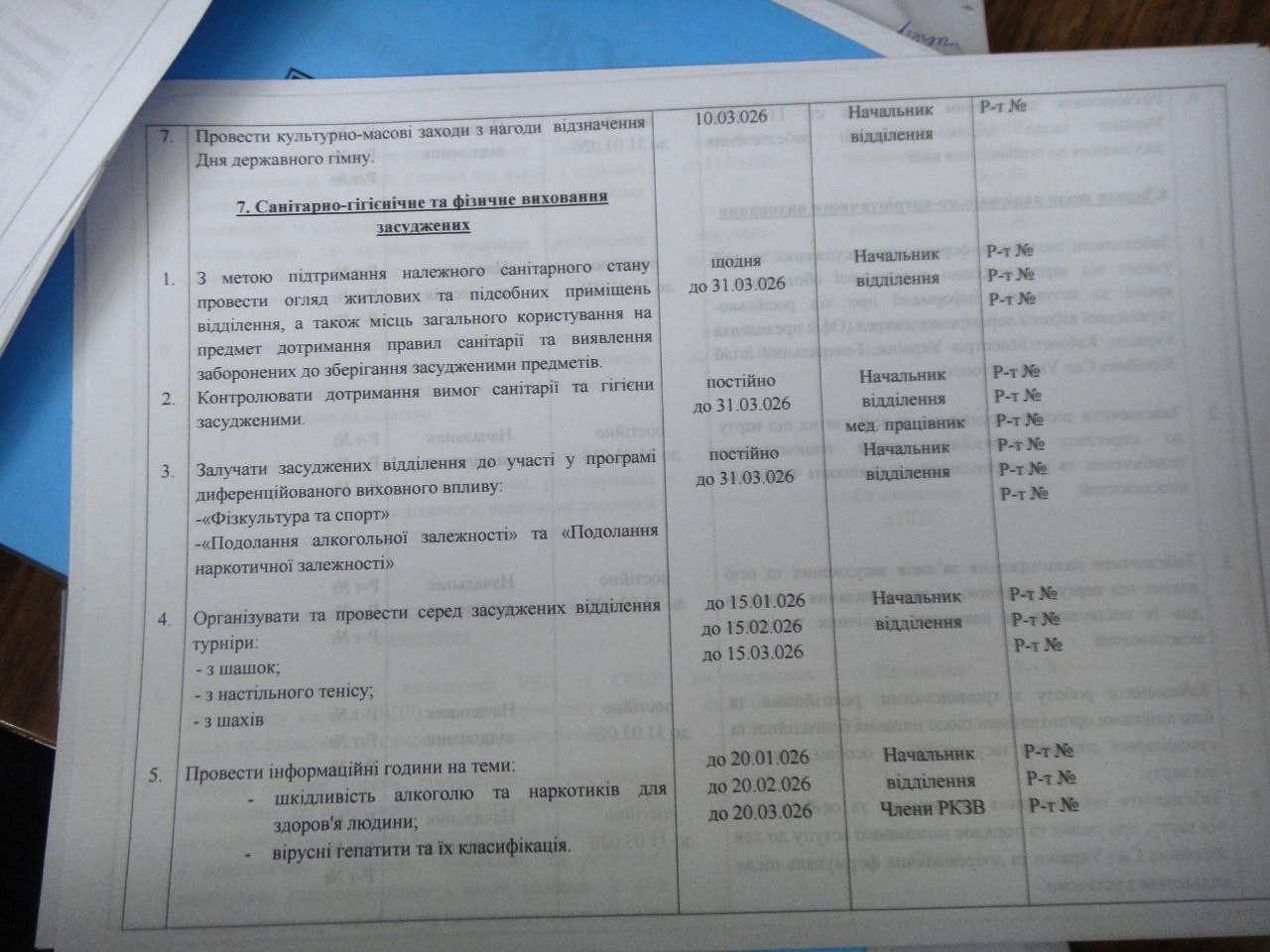
This indicates improper performance of job duties, a formal approach to the organisation of social-educational and psychological work, and leads to a decrease in the effectiveness of the process of re-socialising convicts. Such actions (inaction) contradict the requirements of Clause 20, Section III and Sub-clause 2 of Clause 1, Section IV of the Regulations on the Social and Psychological Service unit, approved by the Order of the Ministry of Justice of Ukraine dated 04.11.2013 No. 2300/5, registered with the Ministry of Justice of Ukraine on 04.11.2013 under No. 1863/24395 (hereinafter — Regulations).
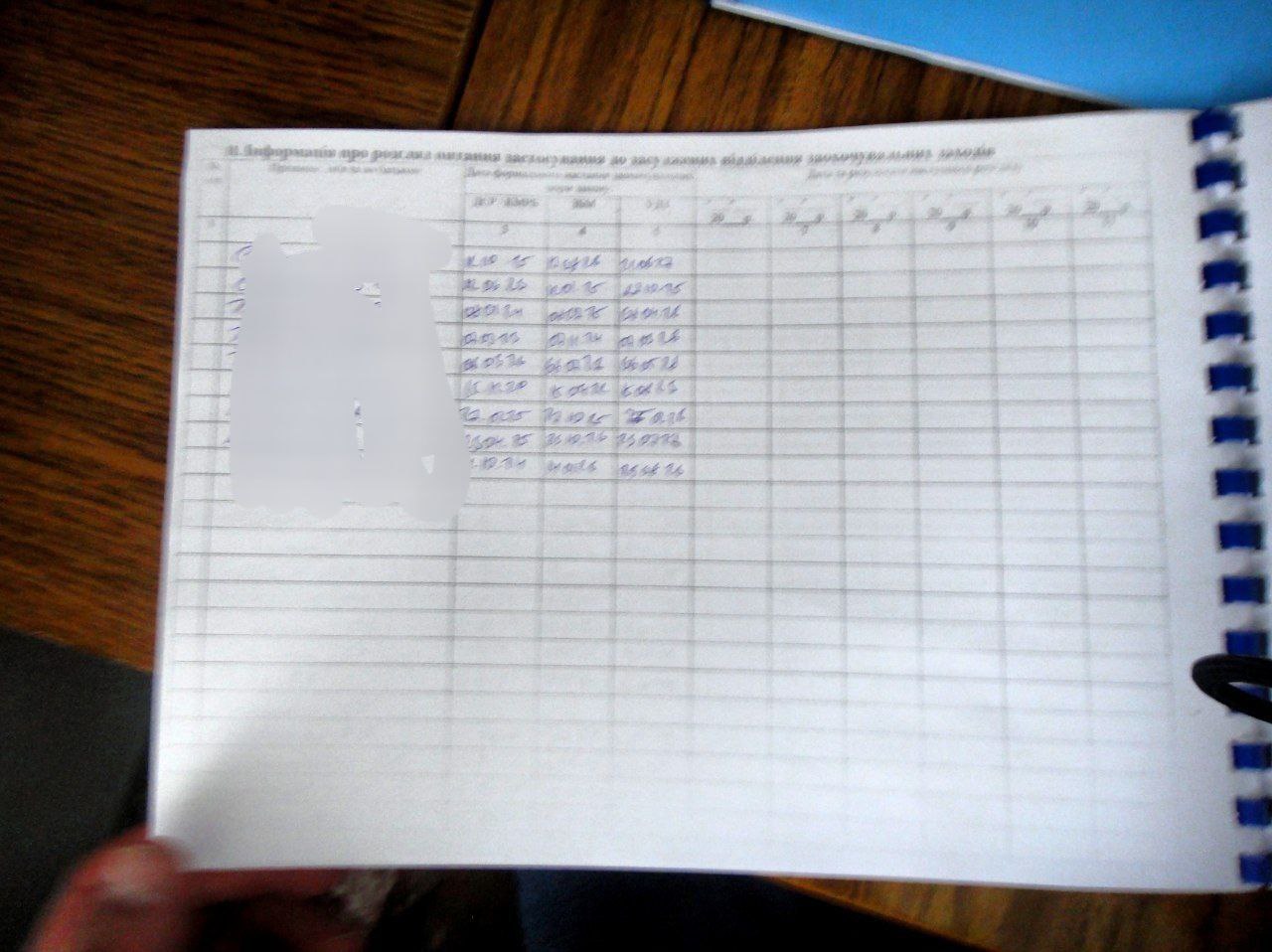
Furthermore, information is not entered in a timely and complete manner into the Logbook for Recording Work with Convicts of SPS unit No. 7. Thus, in the section “Information on the consideration of issues regarding the application of incentive measures to convicts”, dates and results of considering materials are not recorded, nor are data on the application of incentives and benefits provided for by law. These shortcomings indicate improper maintenance of service documentation and failure of the head of the SPS unit to perform assigned functional duties, which contradicts Sub-clause 3 of Clause 1, Section IV of the Regulations.
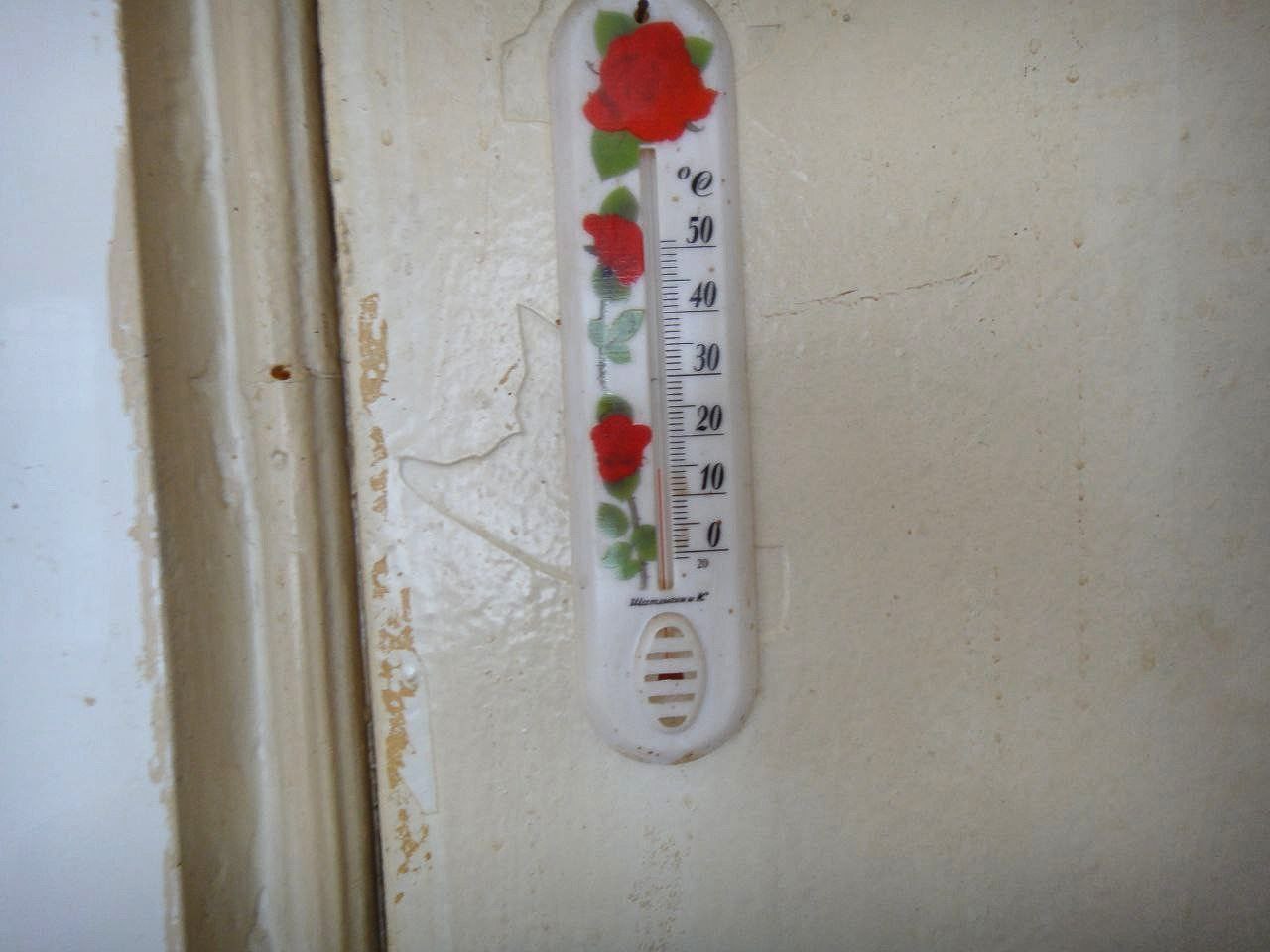
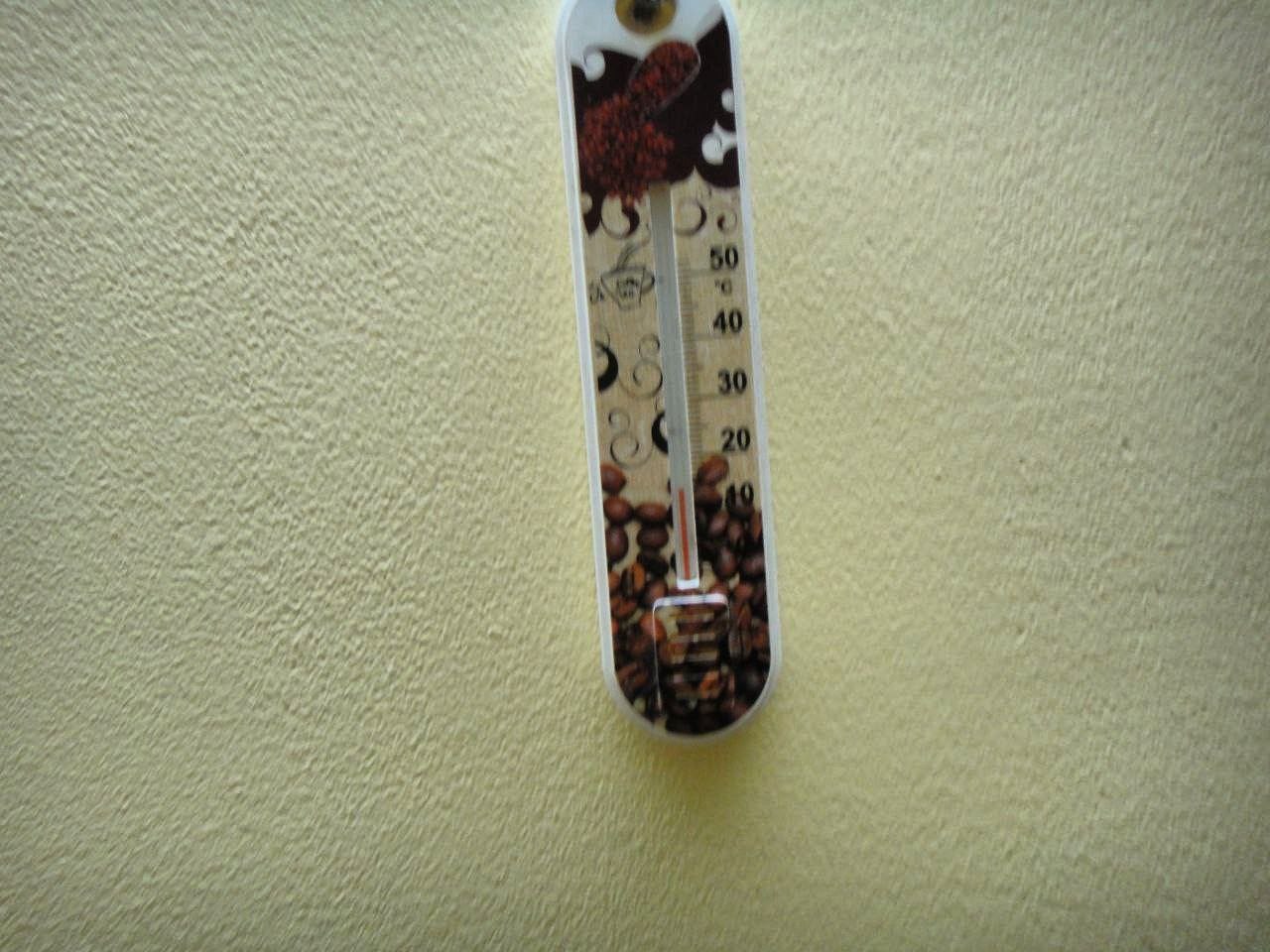
15. In individual residential premises, the monitoring group recorded a violation of the established temperature regime. Thus, during the inspection, the air temperature in residential premises was +14–16°C, whereas in accordance with Clause 1, Section XXII of the Internal Regulations of Penal Institutions, in the cold season, the temperature in residential premises must be maintained at a level no lower than +18°C.
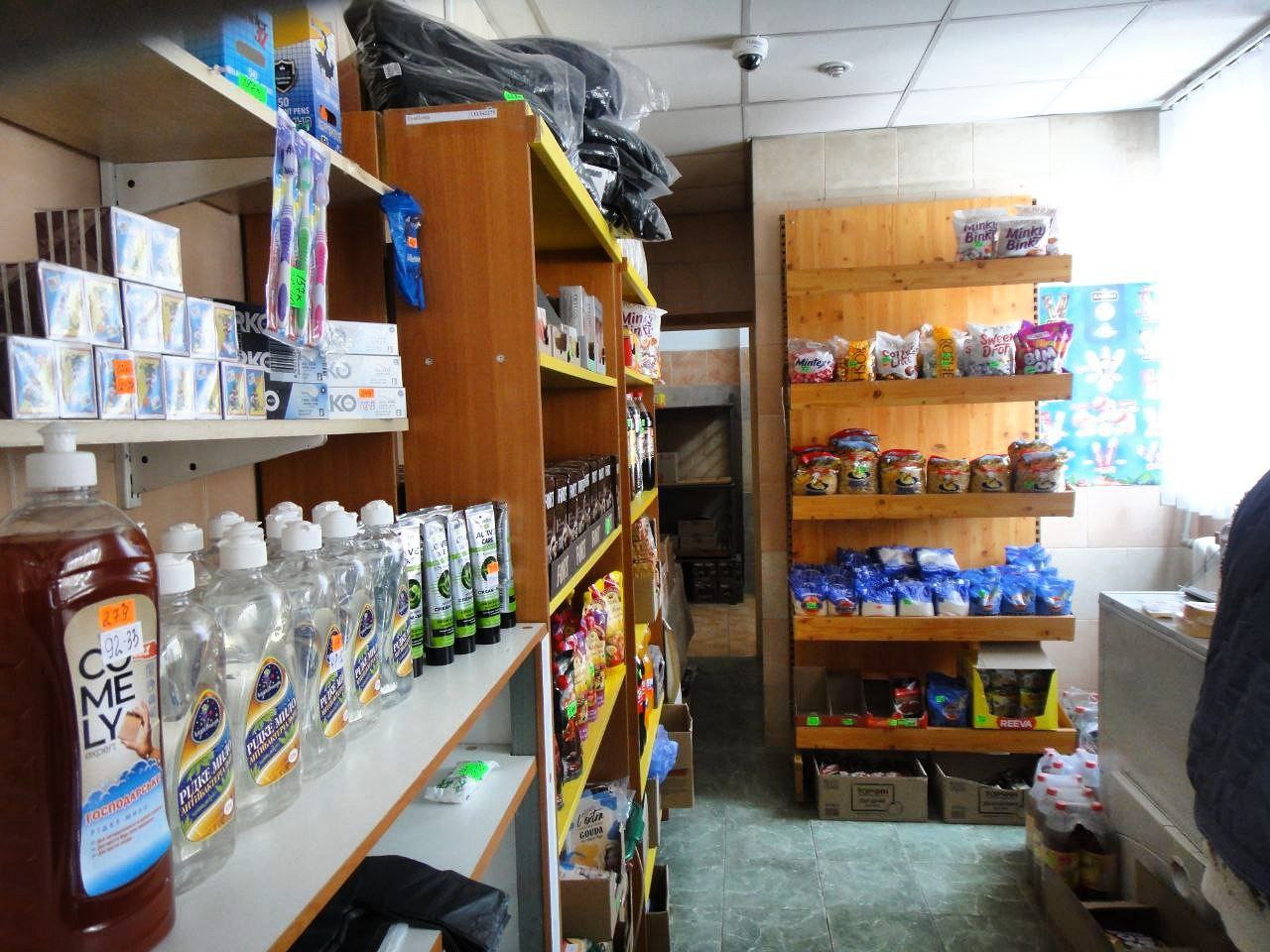
16. During the visit to the institution, the monitoring group established that the institution’s shop lacks underwear, socks, mittens, sports shoes, indoor slippers, watches, mirrors, combs, notebooks, writing paper, envelopes, and stamps, the availability of which is provided for in Appendix 5 to the PVR UVP.
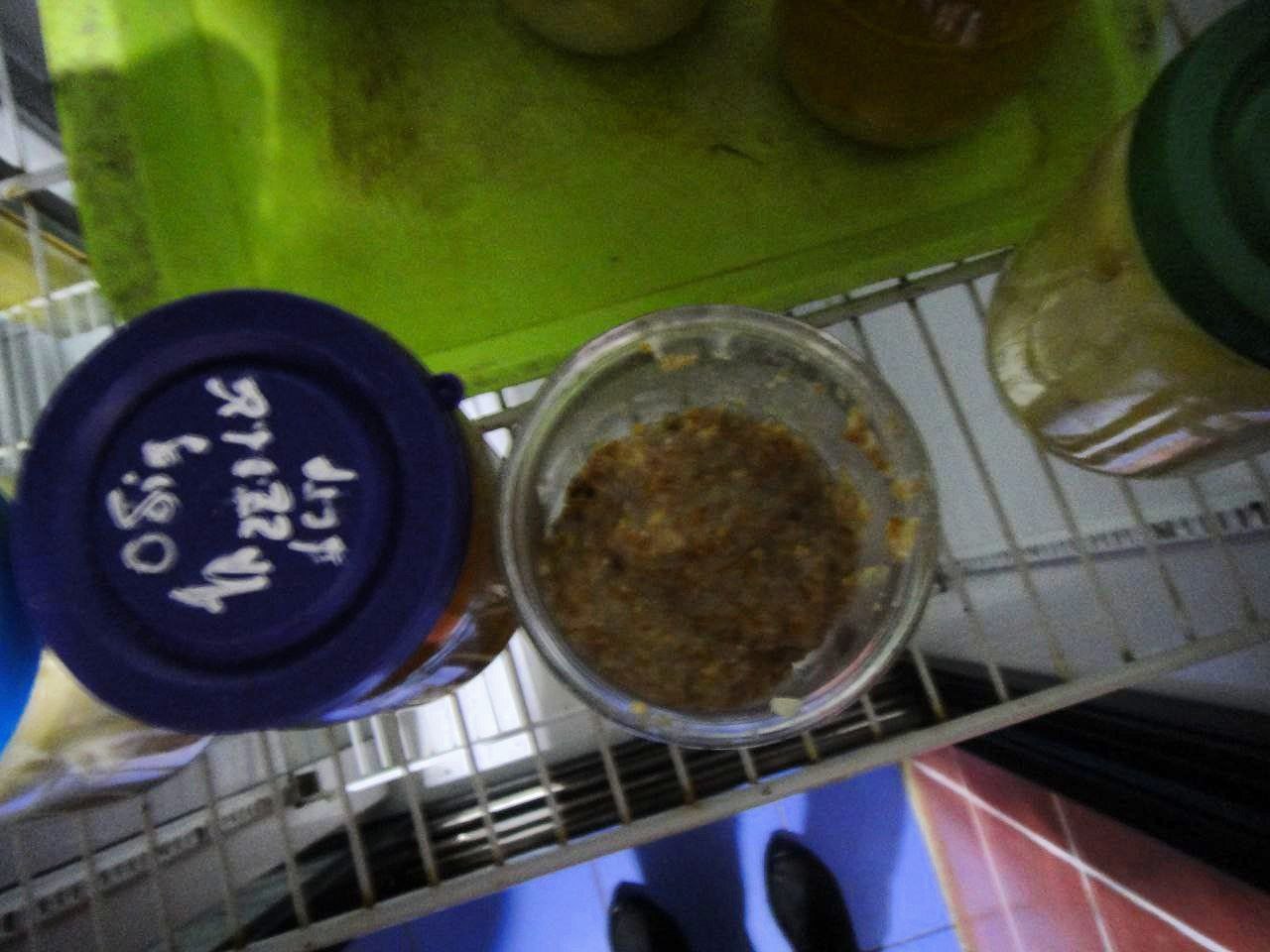
17. According to Clause 17, Section V of the Regulations on the Organisation of Food Provision in the State Penitentiary Service of Ukraine for Peacetime, approved by the Order of the Ministry of Justice of Ukraine dated 15.06.2021 No. 2160/5 (hereinafter — Regulations on Food Provision Organisation), daily samples of each meal of the ration must be kept in the institution’s canteen. Sampling is carried out by the cook from the cauldron in the presence of a medical worker of the healthcare facility in clean dishes with a lid (previously washed and boiled) before the food is served. Daily samples are stored in the canteen refrigerator at a temperature of +4 to +8°C and must be kept for 24 hours until the end of the similar meal the next day.
At the same time, in violation of the specified requirements, during the inspection of the canteen refrigerator, the monitoring group established the absence of a sample of boiled meat in the breakfast dishes for 23.01.2026 according to standard 1A. Furthermore, the absence of samples of dinner dishes for 22.01.2026, as well as breakfast and lunch for 23.01.2026 according to standard Nos. 3A, 8A, 8B, 8V, 7A was established.
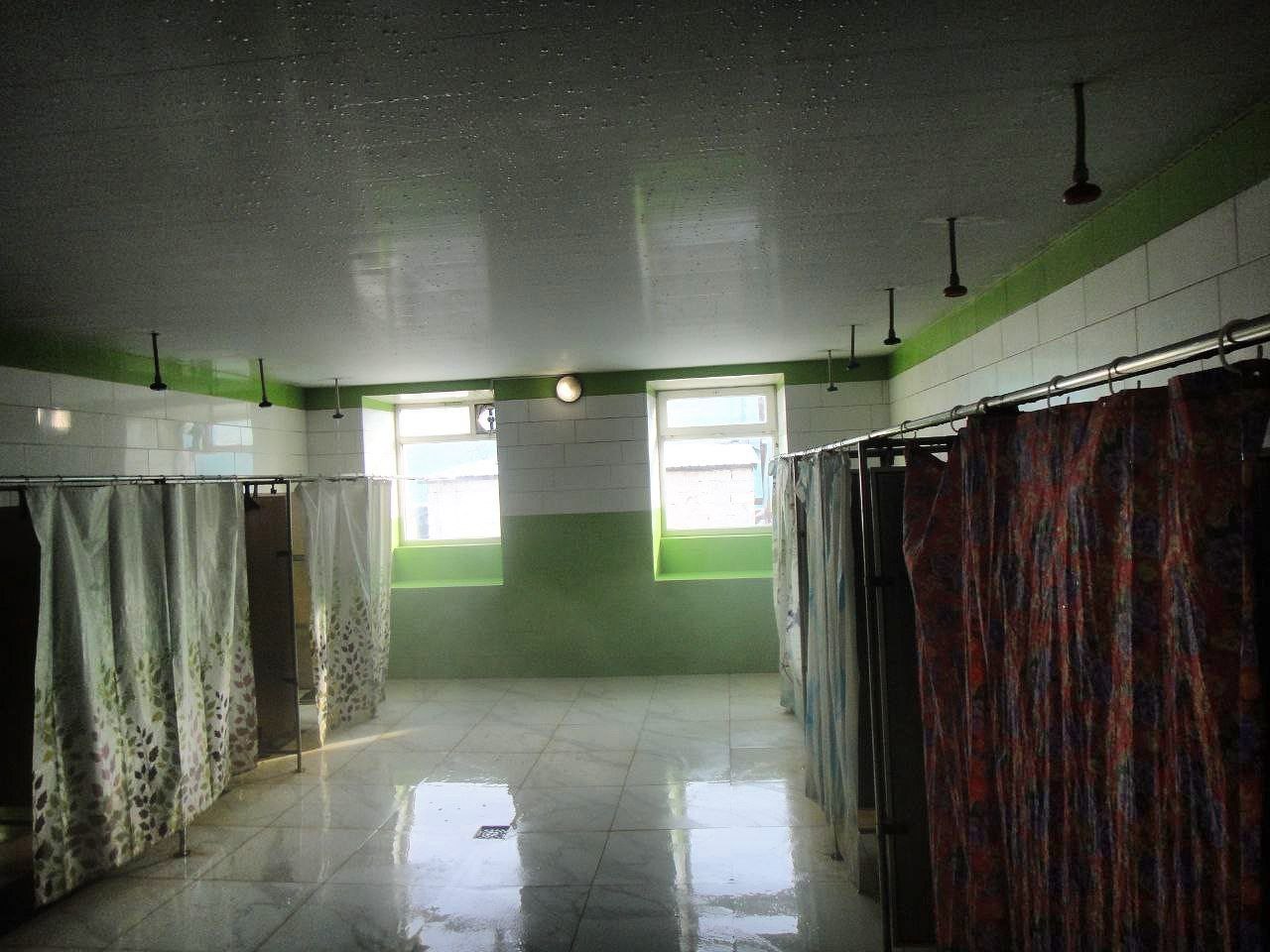
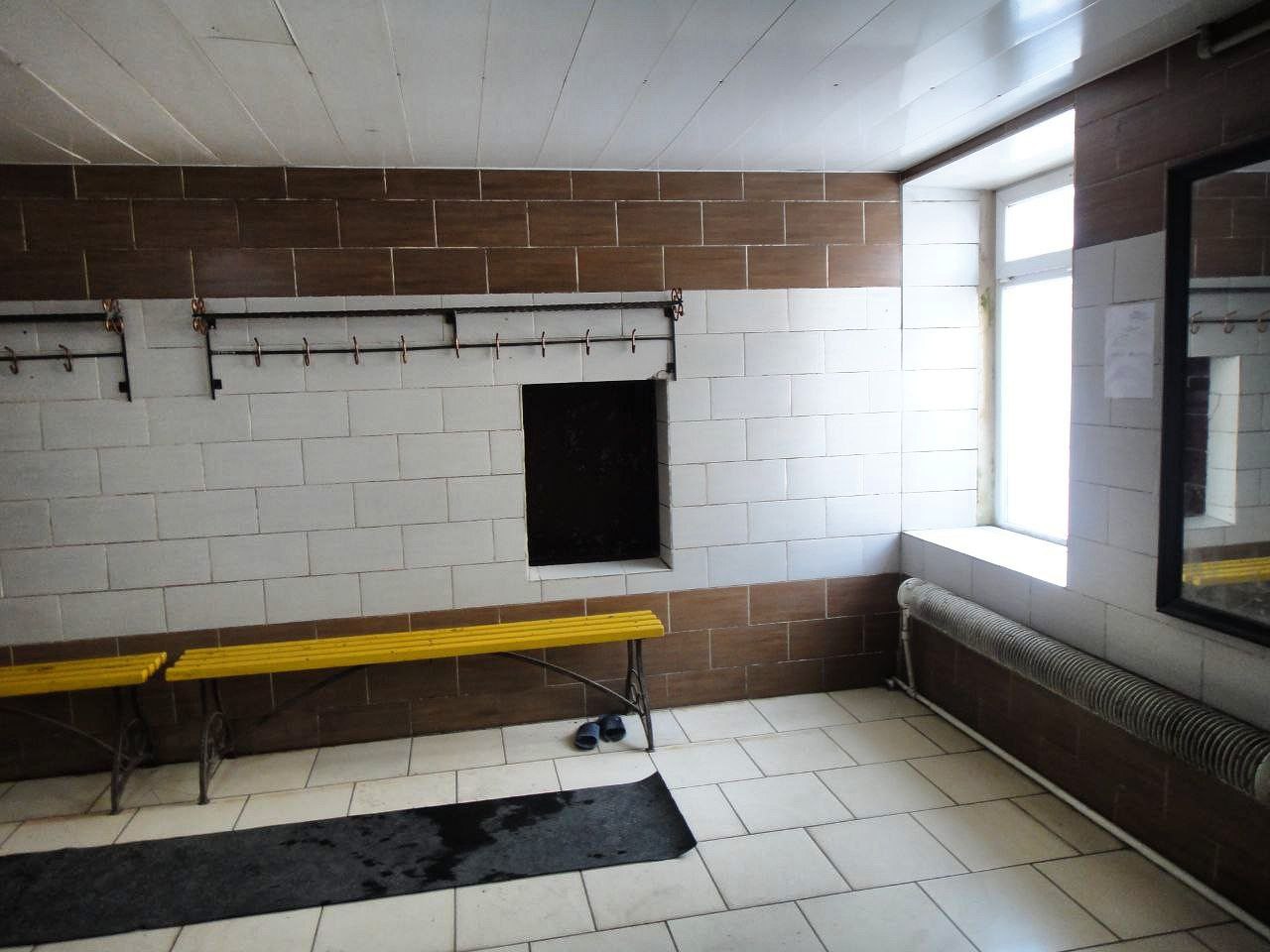
18. The monitoring group established a number of violations in the organisation of bath and laundry services for convicts and prisoners. Thus, in violation of the requirements of Clause 2.11, Section II of the Regulations on the Organisation of Bath and Laundry Services for Persons Held in Penal Institutions and Pre-trial Detention Centres, approved by the Order of the Ministry of Justice of Ukraine dated 08.06.2021 No. 849/5 (hereinafter — Regulations on Bath and Laundry Services), the forced supply-and-exhaust ventilation system does not work properly in the bathhouse and laundry.
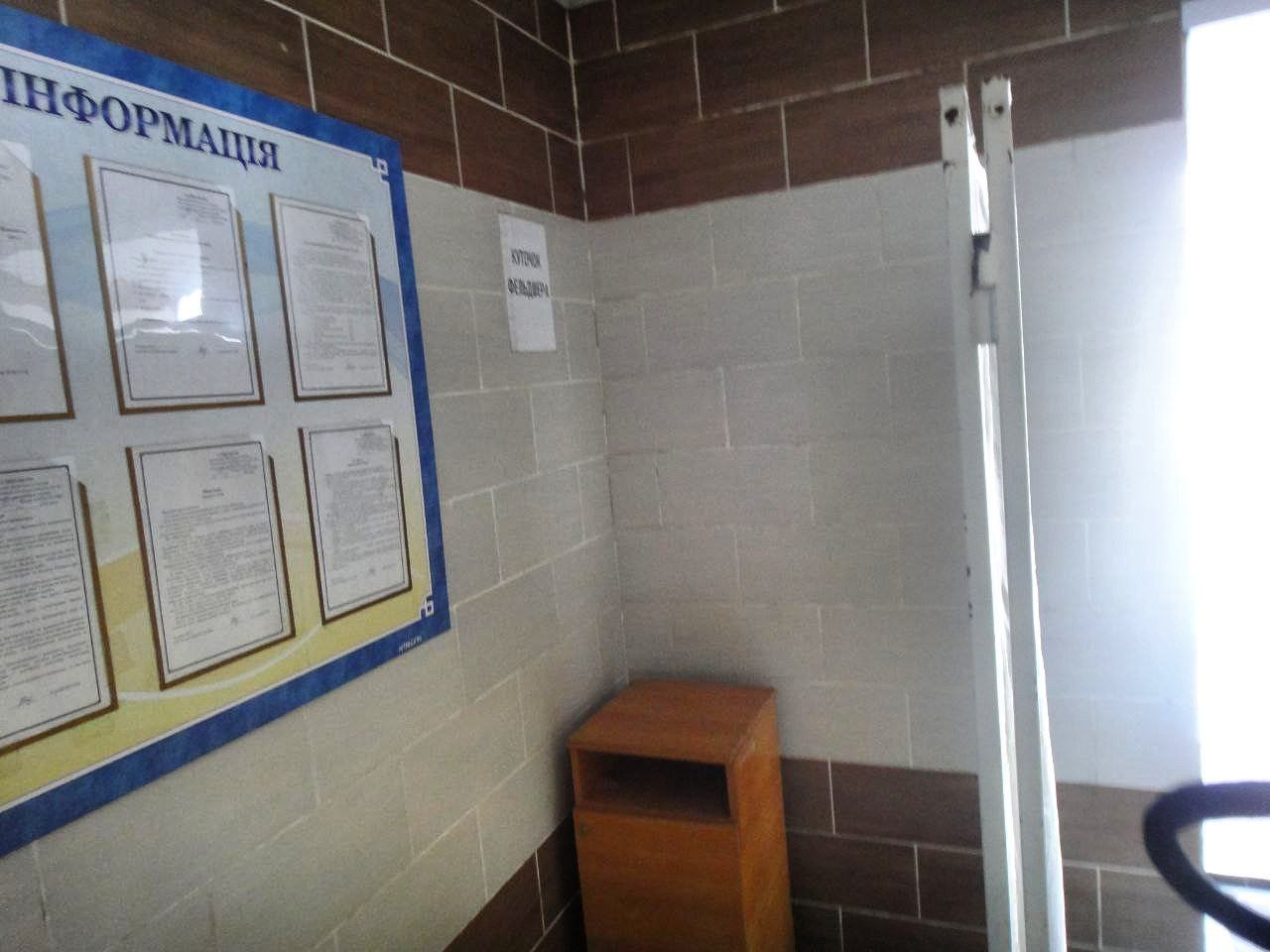
Contrary to the requirements of Clause 3.11, Section III of the Regulations, the place (corner) for the medical unit paramedic to conduct a physical examination and provide medical assistance to convicts (persons taken into custody) is equipped not in the undressing (dressing) room, but in the hall near the entrance to the premises. Furthermore, the specified place is not properly equipped, in particular, it is not provided with a table and chair, which makes it impossible to create proper conditions for conducting medical examinations, compliance with confidentiality requirements, and the organisation of primary medical aid provision.
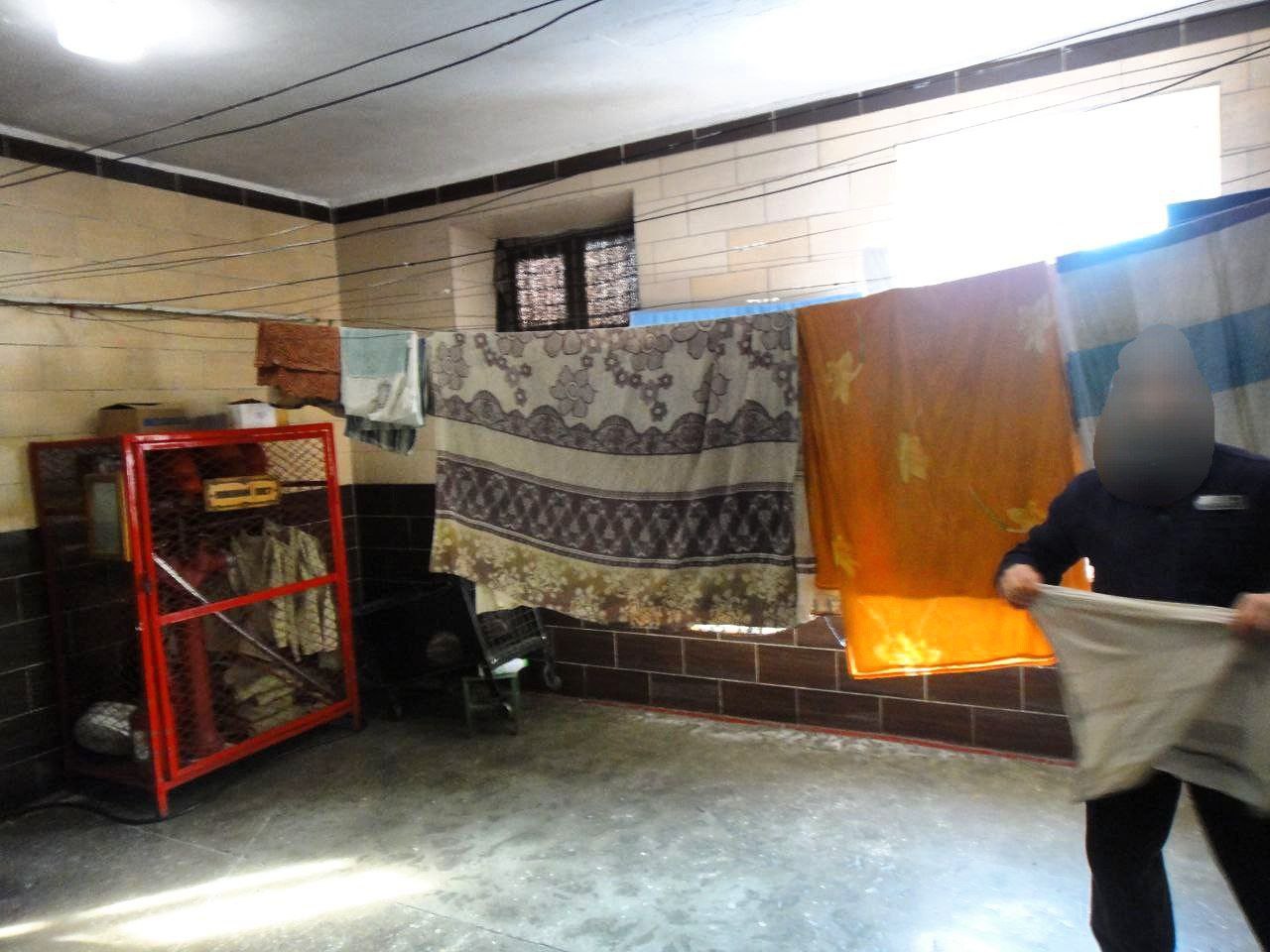
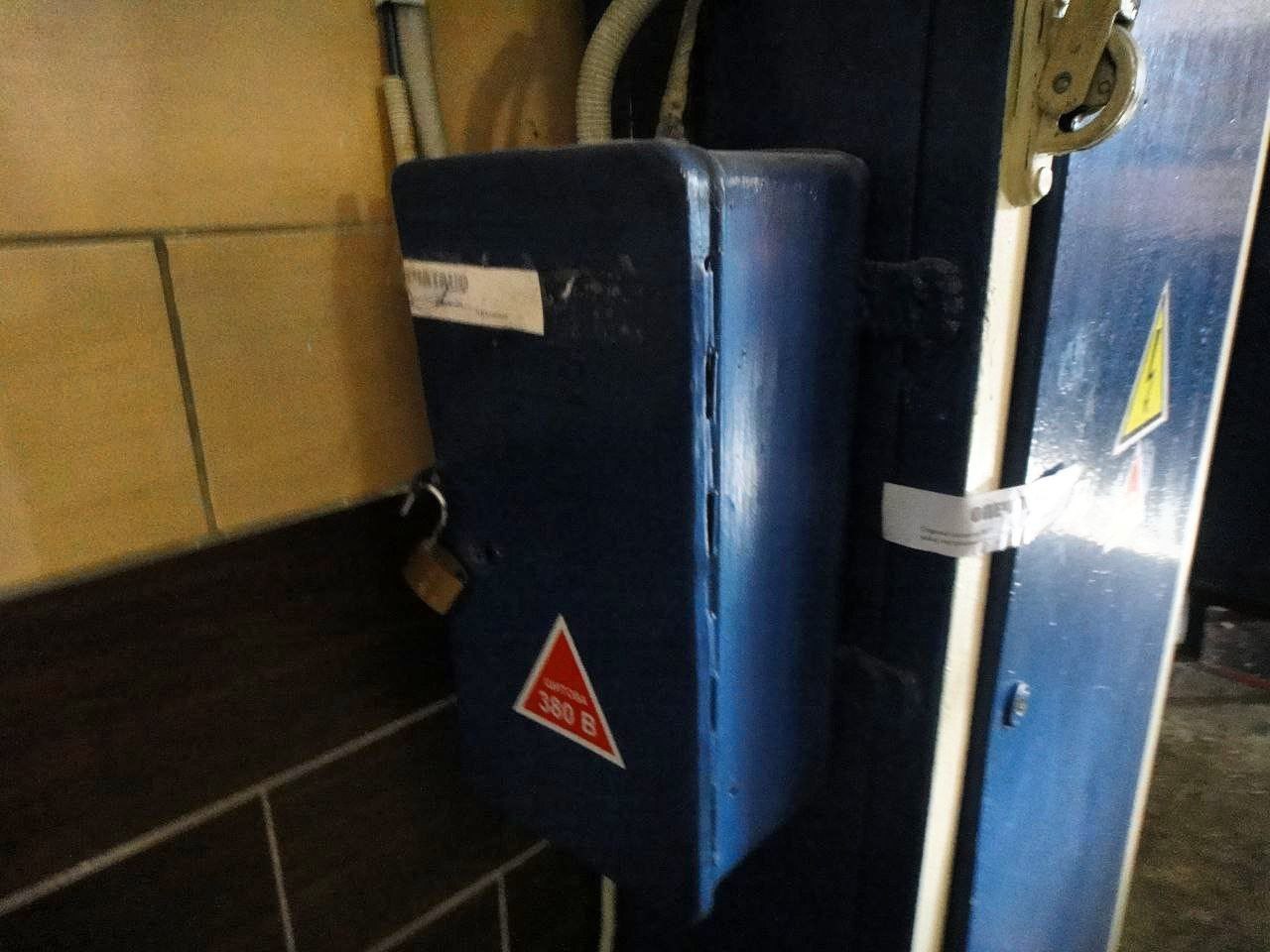
19. In the laundry premises, violations of the requirements of the Fire Safety Rules in Ukraine, approved by the Order of the Ministry of Internal Affairs of Ukraine dated 30.12.2014 No. 1417, registered with the Ministry of Justice of Ukraine on 05.03.2015 under No. 252/26697 (hereinafter — Fire Safety Rules), were permitted. Specifically, the electrical switchboard room door remains open, which creates a real threat of electric shock to convicts and the institution’s personnel, and also increases the risk of man-made emergencies.
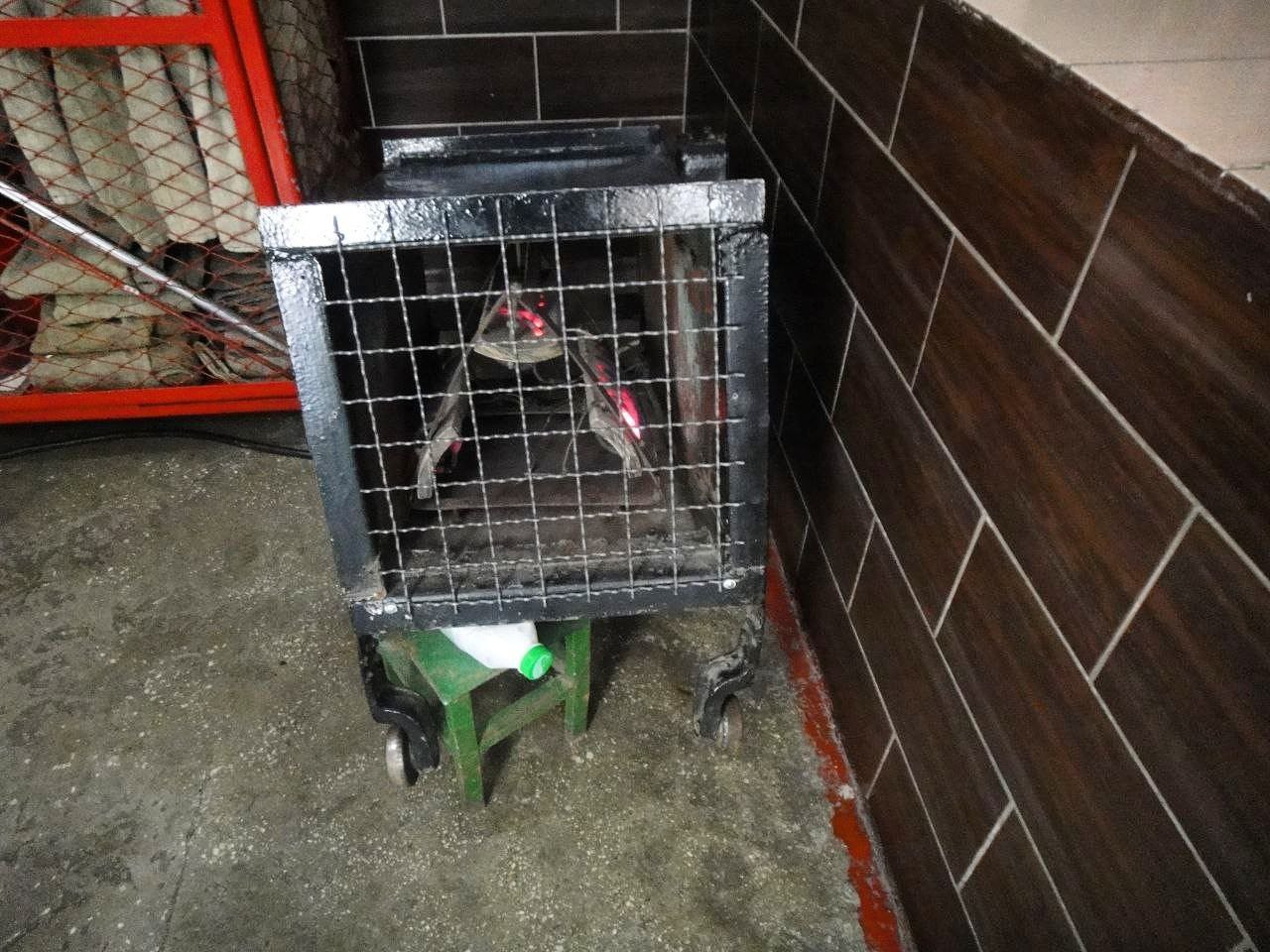
Furthermore, due to the fact that the laundry’s clothing drying room is disconnected from the general heating system, the temperature in it is maintained through the use of a homemade heating device located directly under the drying laundry. This method of heating creates a significant risk of fire, which could lead to dangerous consequences, including a threat to the life and health of persons present in the institution.
20. During the visit, the monitoring group recorded that the institution’s personnel who directly contact convicts openly carry special means, in particular rubber batons. At the same time, according to the eighth paragraph of Clause 1, Section XXVI of the PVR UVP, the carrying of special means by personnel of penal institutions within the guarded territory of the penal institution must, if possible, be maximally hidden from surroundings.
At the same time, the Committee recommends that penitentiary staff working in direct contact with prisoners should not carry special means (such as rubber batons, handcuffs, and sprays equipped with tear gas) openly in front of prisoners, as such carrying hinders the establishment of normal relations between staff and prisoners (CPT/Inf (2011) 29, paragraph 85; CPT/Inf (2013) 23, paragraph 23; CPT/Inf (2014) 15, paragraph 166).
21. According to the information provided by the administration, in 2025, 397 short-term visits were granted to convicts at PCC-64, of which 287 took place in a contactless manner — through solid partition glass using an intercom device. At the same time, in the report to the Government of Ukraine on the results of the visit in 2023, the Committee emphasises that for all categories of convicts, open visits (for example, at a table) should be the rule, and closed ones the exception, the application of which is allowed only on the basis of justified and reasoned decisions after an individual assessment of the potential risk of a specific convict.
In this regard, the Committee calls on the Ukrainian authorities to review the procedure for conducting short-term visits in penitentiary institutions with the aim of ensuring they are held, as a rule, in open conditions (CPT/Inf (2024) 20, paragraph 99).
22. According to official documentation, the staff shortage in the institution as of 23.01.2026 is 25 staff units. At the same time, in the report to the Government of Ukraine on the results of the visit in 2023, the Committee emphasises that ensuring a positive climate in a penitentiary institution requires the presence of a professional team of personnel, who must be present in sufficient numbers at any given time in places of detention. An insufficient number of personnel can only increase the risk of violence and intimidation between convicts.
The shortage of “front-line” personnel also undermines the quality and level of measures offered to convicts and jeopardises the prospect of preparation for release and social rehabilitation. In this regard, the Committee calls on the Ukrainian authorities to take decisive measures to significantly increase the number of personnel in penitentiary institutions of Ukraine, where a low level of staffing is observed, with the aim of strengthening the presence of security and supervision service personnel inside the institutions. It is also necessary to take measures to put an end to 24-hour shifts for personnel on duty (CPT/Inf (2024) 20, paragraph 93).
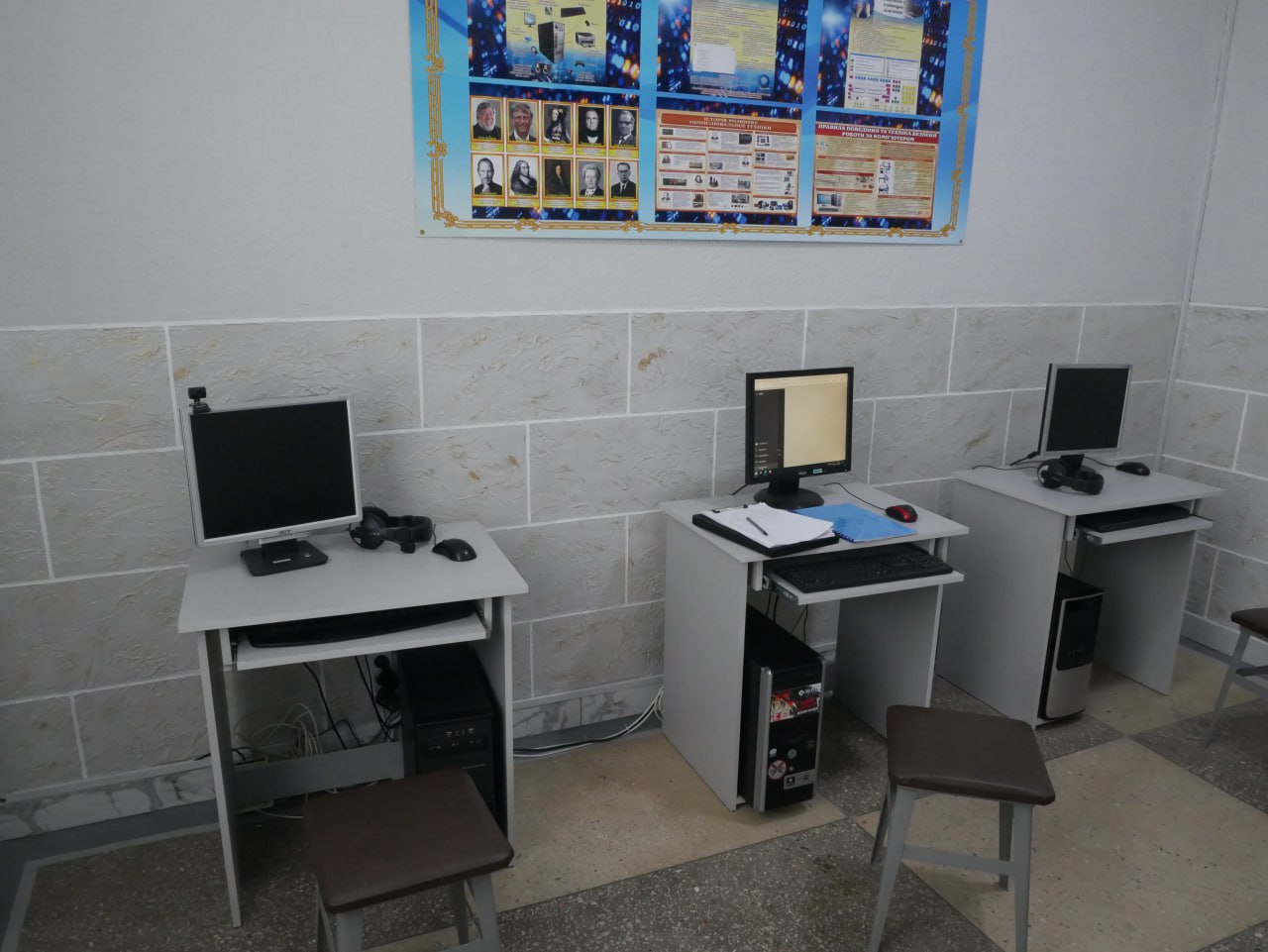
23. During the monitoring visit, it was established that the institution operates an internet classroom intended for the use of Internet information resources by convicts. The premises are equipped with three computer workstations, each consisting of a system unit, monitor, keyboard, computer mouse, and headphones. Workstations are located separately, which allows convicts to use computers individually. At the same time, the actual amount of equipment is extremely limited given the number of the institution’s contingent.
At the moment of the visit, 349 convicts were held in the colony, while only three computers were available for Internet use. Thus, in fact, one computer accounts for approximately 116 convicts, which significantly limits the real access of most persons to the Internet. Given this number of workstations, access to the Internet for a significant portion of convicts is episodic and depends on the internet classroom usage schedule. Under such conditions, the ability of convicts to use Internet information resources, in particular for educational needs, maintaining social ties, or obtaining information, essentially remains limited. This indicates a need to expand technical capabilities for Internet access to ensure more real and equal access for convicts to information resources.
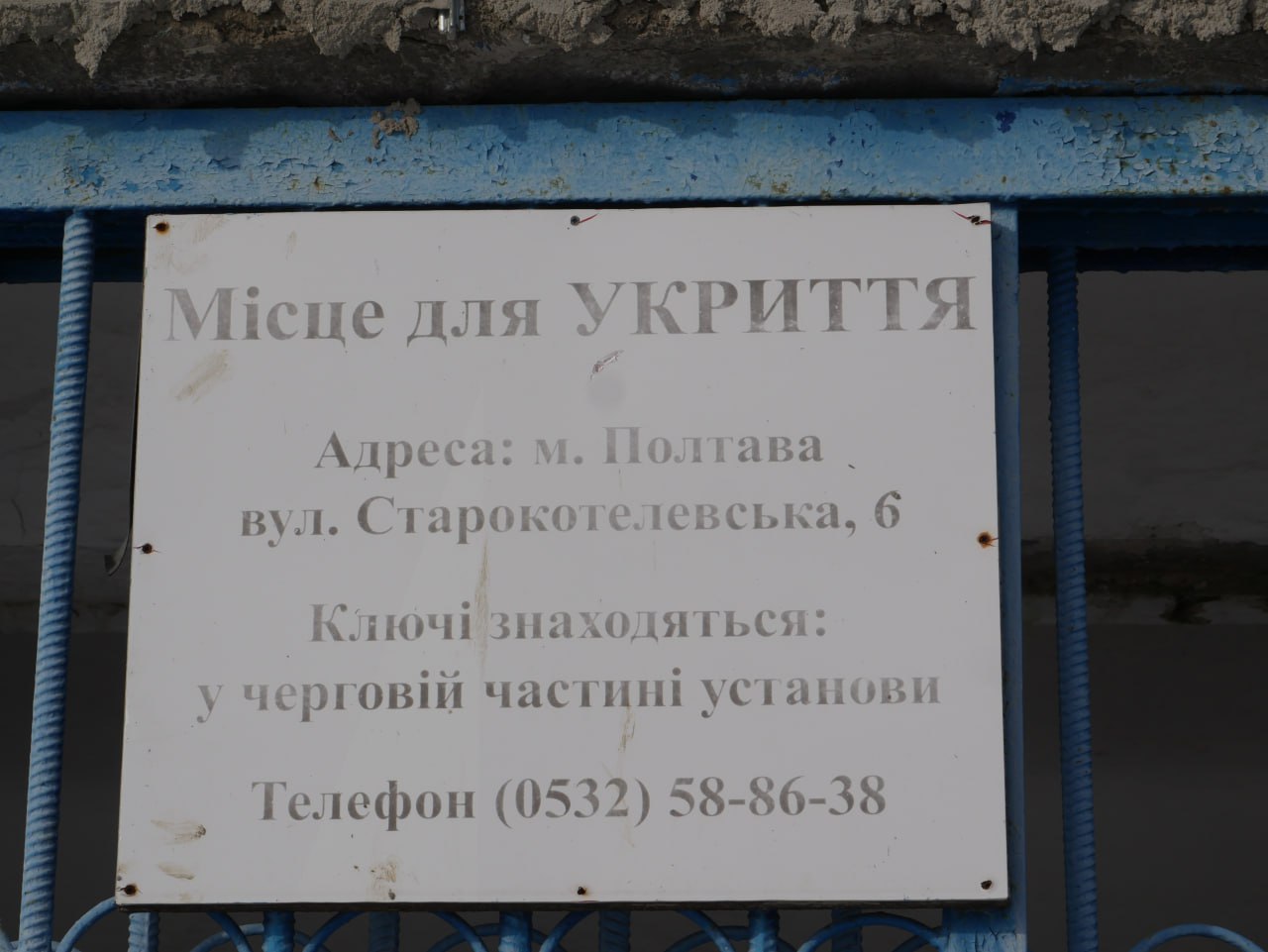
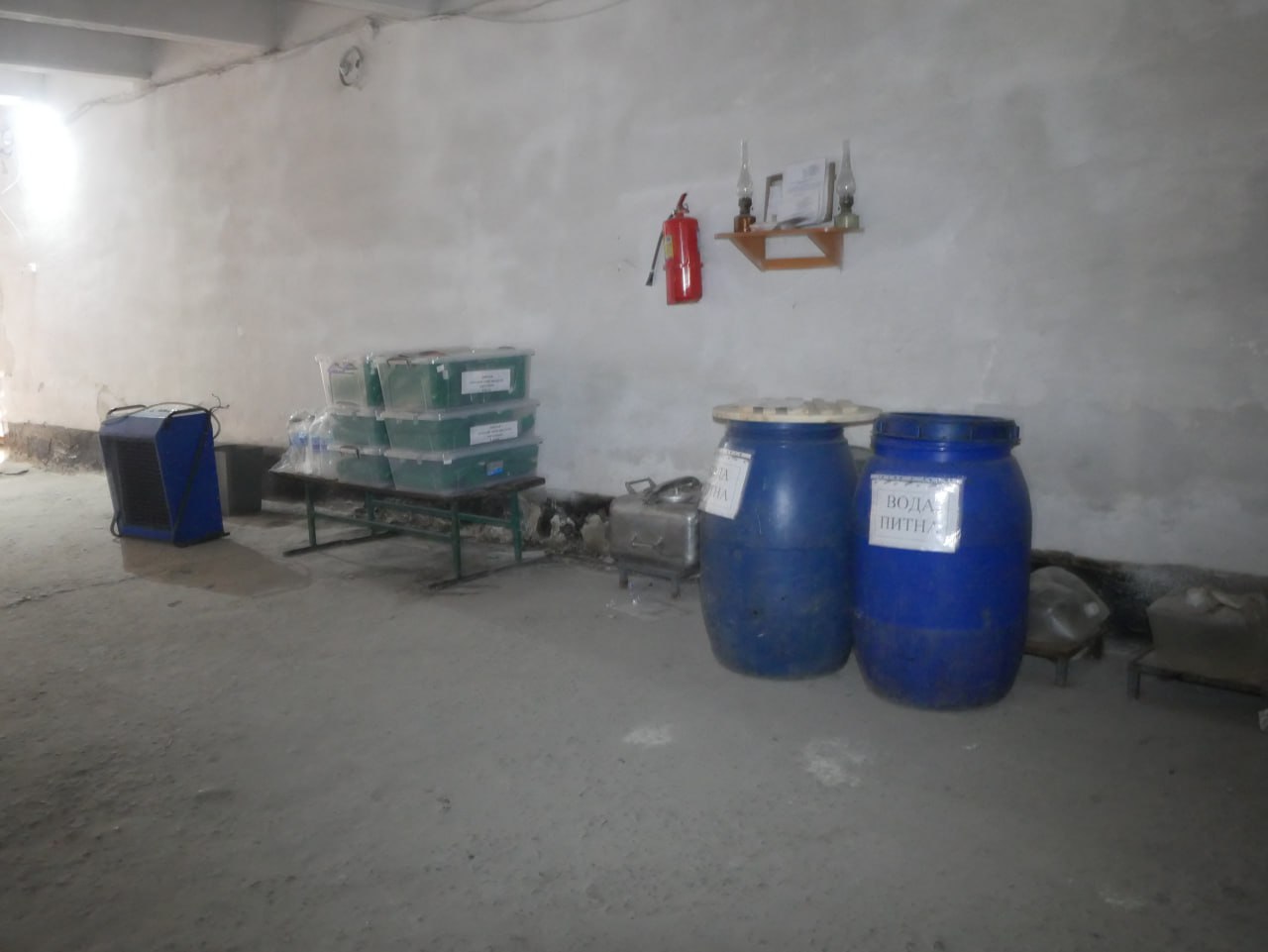
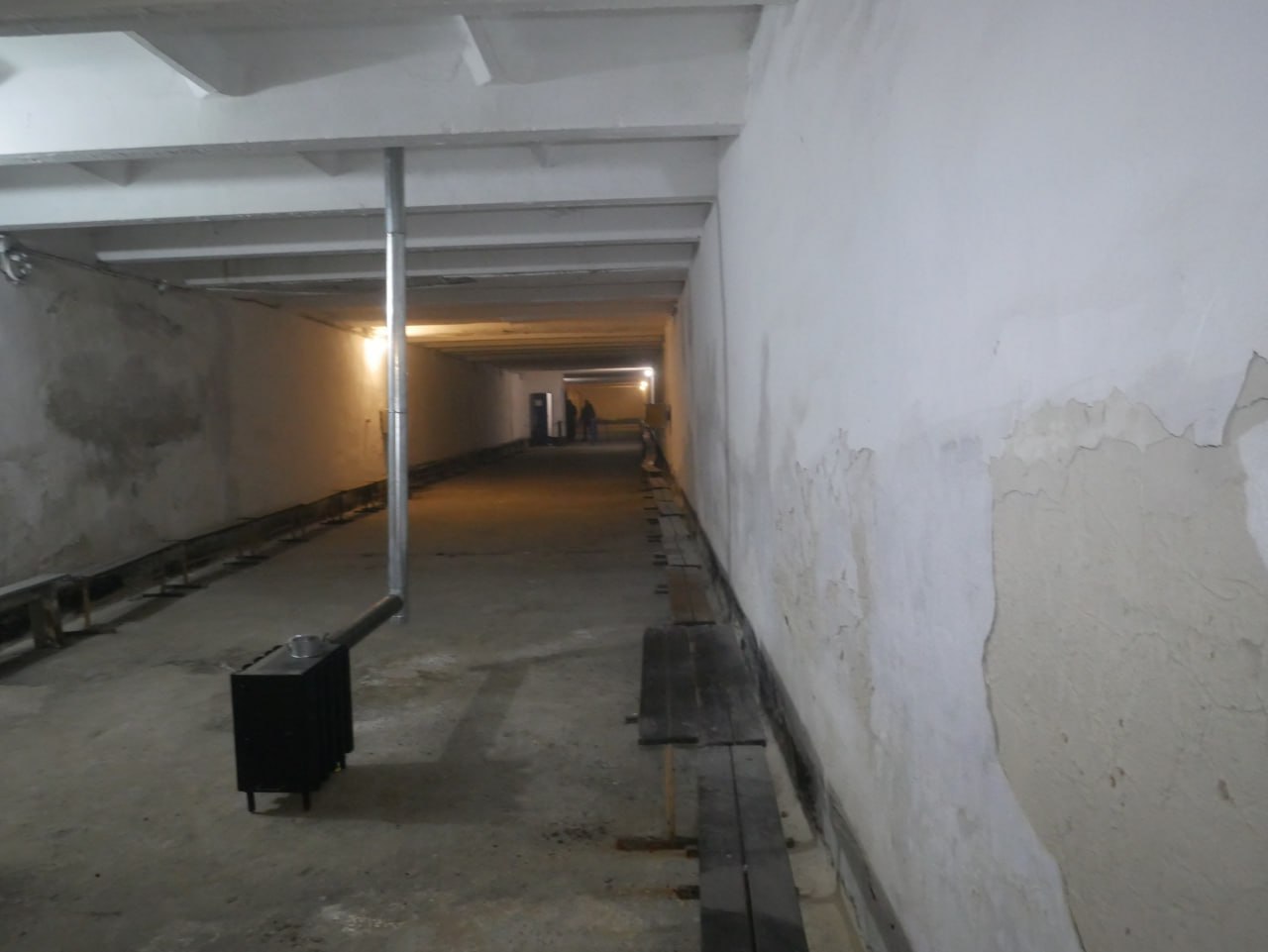
24. During the monitoring visit, it was established that so-called shelters are designated in the institution for use during air raids or other emergencies, which are located in the basements of the SPS unit buildings. In fact, these premises are used as places for the temporary stay of convicts during an “Air Raid” signal. At the same time, the inspection carried out indicates that these premises are only formally designated as shelters and do not meet basic safety requirements and elementary conditions for the long-term stay of people.
Specifically, it was established that the majority of such premises do not have a second evacuation exit, which in the event of a collapse or damage to the main entrance could create a real threat to the lives of people inside. The absence of an alternative exit is a critical shortcoming from the perspective of civil protection. Furthermore, in the basement premises, there is no proper ventilation system. In some premises, ventilation is not provided at all, which in the event of a significant number of people being present simultaneously could lead to a rapid deterioration in air quality and the creation of health-hazardous conditions.
A separate problem is the absence of stationary sanitary-hygienic facilities. Sewerage is not provided in the shelter premises; instead, containers for waste are provided for the needs of use. This method of organising sanitary needs does not meet minimum hygiene requirements and may create additional health risks for people, especially in the event of a long stay in the shelter.
At the same time, some premises have stocks of drinking water, as well as individual essential items. The presence of containers with drinking water and containers with basic necessities for use in emergency situations was established. At the same time, their volume and organisation of storage appear insufficient given the possible number of persons who could be in the premises simultaneously. Also, in part of the basement premises, metal stoves of the “potbelly” type are used for heating. The use of such heating means in premises without proper ventilation and smoke extraction can create additional risks of smoke inhalation and the accumulation of combustion products.
The inspection of the premises also showed their unsatisfactory technical condition: walls have traces of moisture and damage to the finish, and in places, traces of dampness and peeling plaster are observed. The premises are equipped with benches for sitting, however, the general condition of the shelters indicates their insufficient adaptation for a significant number of people to be present even for a relatively short time.
Thus, the basement premises designated in the institution are effectively used as shelters, however, due to their technical condition and level of arrangement, they do not meet basic safety requirements and conditions for the stay of people during emergencies, which creates additional risks to the life and health of convicts.
25. During the monitoring visit to PCC-64, the organisation of convicts’ labour, the procedure for their involvement in work, working conditions, formalisation of employment relations, calculation and payment of wages, as well as the payment of mandatory payments, in particular the unified contribution for compulsory state social insurance (USC), were investigated. For this purpose, fixed-term employment contracts with convicts, timesheets for working hours used, consolidated and itemised statements for wage calculation, a report on the involvement of convicts in labour, documents regarding the payment of USC, personal income tax (PIT), and the military levy, hourly check logbooks, logbooks for the issuance of cutting and stabbing tools, logbooks of medical examinations by medical staff, logbooks of convict admission/handover at production sites, work orders, and nominal lists of persons involved in work were analysed.
During the visit, it was established that the labour of convicts in the institution is utilised in several main directions. Firstly, it is work at production sites VD-1, VD-2, and VD-5. Secondly, it is work in workshops, in particular at the souvenir product manufacturing site, in the carpentry workshop, and at the vehicle repair site. Thirdly, it is the household maintenance of the institution, including the catering block, bakery, laundry complex, cleaning, kitchen, and other internal institution work. Separately, the institution uses a form of involvement in the so-called “applied arts” circle, which by its actual content lacks signs of leisure or exclusively educational activity, but is connected with the manufacture of products in a workshop.
At production site VD-1, according to the provided documents, about 20 convicts work. At the same time, entries in the hourly check logbook indicate that individual persons are present at the site in the evening time, in particular until 21:00, which goes beyond the limits of the usual duration of a working day and requires evaluation regarding compliance with requirements regarding the duration of working time, payment for work during overtime and evening or night time, and the provision of rest between shifts. In accordance with Article 119 of the Criminal Executive Code of Ukraine, the working week of convicts cannot exceed the norm of working time duration established by labour legislation, and according to Article 50 of the Labour Code of Ukraine, the normal duration of working time cannot exceed 40 hours per week; work at night time is regulated by separate rules of Articles 54 and 108 of the Labour Code of Ukraine.
At the VD-2 site, work is organised in two shifts. According to the documents provided during the visit, on 22.01.2026, 52 persons worked in the first shift, and 53 persons in the second, i.e., 105 convicts in total. At the same time, the shift assignment issuance logbook for the same date contains information about the issuance of assignments to 110 persons. Such a discrepancy of 5 persons between the number of persons who received shift assignments and the number of persons reflected in the composition of the shifts indicates improper accounting of actual employment and creates justified doubts regarding the completeness of the documentation of the labour of all persons actually involved in production.
At site VD-5, the hourly check logbook contains entries about the work of 8 persons until 20:00, in particular on 20, 21, and 22.01.2026. This confirms that work at the site was actually performed in the late evening. At the same time, documents regarding remuneration at this site reflect the receipt of wages by only six persons. By combining the logbooks and salary documents, this indicates a clear discrepancy between the actual involvement of convicts in work and the number of persons whose employment relations and remuneration are properly reflected in accounting.
The situation in the workshops is the most problematic, primarily at the souvenir product manufacturing site and in the carpentry direction. The timesheet for working hours for December 2025 at the souvenir product manufacturing site contains only six paid employees: I., M., K., T., K., and B. Simultaneously, a separate list of persons who are taken to the “applied arts” circle at the souvenir product manufacturing site is maintained in the institution. It lists at least eight persons: Sh., B., K., P., B., T., I., and I. Thus, the actual number of persons performing work at this site is at least 14 persons, while only six are reflected in documents regarding paid labour. By its content, such “circle” activity does not look like cultural-educational or purely academic.
It is connected with the actual performance of work in a workshop where products are manufactured, for which there is a price list, orders, work assignments, and output accounting in the institution. According to the provided documents, convicts K., B., B., and I. are on the list of persons who are taken to the circle but are not reflected in the paid labour timesheet of this site. This gives reason to believe that their labour is utilised without proper formalisation of employment relations and without the accrual of wages. Another discrepancy is particularly telling: 16 persons actually work in the carpentry direction, while only 8 are reflected in work assignments, which points to double or incomplete accounting of the persons actually working.
In the household maintenance of the institution, in particular in the catering block and bakery, signs of systemic use of labour in a regime not consistent with the requirements of labour legislation were also established. According to the timesheets, among others, convicts Sh. and B. work in the catering block. The catering block hourly check logbook for 21.01.2026 testifies that in the period from 22:00 to 05:30, three persons were present in the catering block; the logbook itself records night checks at 22:00, 23:00, 00:00, 01:00, 02:00, 03:00, 04:00, and 05:00.
The cutting and stabbing tools issuance logbook confirms the daily issuance of knives and other inventory to convicts who work in the catering block, and the medical examination logbook confirms daily admission to work in the catering block and bakery, including on weekends. Taken together, these documents testify that the catering block’s work is effectively continuous in nature, and a portion of the convicts is involved in it systematically, in a regime close to daily work without full weekly rest. This contradicts the instruction of Article 119 of the Criminal Executive Code of Ukraine, according to which convicts are exempted from work on weekends, holidays, and non-working days defined by labour legislation.
An analysis of fixed-term employment contracts showed that the institution uses a typical model of formal employment of a portion of the convicts under fixed-term employment contracts in accordance with Article 118 of the Criminal Executive Code of Ukraine. According to the provided samples, such contracts are concluded, as a rule, for the position of auxiliary worker, often for the same term, and contain general references to internal regulations, safety techniques, and the Instruction on working conditions and wages for convicts.
At the same time, these contracts predominantly have a template nature and insufficiently individualise the essential conditions of specific work: the immediate workplace, the actual production site, the work regime, the nature of work, the remuneration system, and the volume of labour functions. Formally, they confirm the existence of employment relations only regarding a portion of the convicts but do not explain why other persons who actually perform analogous work, in particular in workshops, are not reflected in paid labour timesheets. At the same time, Article 118 of the Criminal Executive Code of Ukraine directly provides that convicts sentenced to deprivation of liberty are involved in socially useful paid labour under an employment contract, and the labour of convicts is regulated by labour legislation; Article 120 of the Criminal Executive Code of Ukraine anchors the remuneration of convicts, and Article 122 — their subjection to compulsory state social insurance.
Financial documents testify that the officially formalised portion of convicts’ labour indeed goes through the system of wage accrual, taxes, and USC. According to the wage summary for December 2025 at the “P” branch of the “P” State Enterprise, 174 convicts were involved in labour, and the total amount of accrued wages was 732,006.98 UAH. From this amount, in particular, 131,760.90 UAH of PIT, 36,600.33 UAH of military levy, and other deductions were withheld; 501,585.00 UAH was credited to the personal accounts of the convicts.
7. Dispensary observation is carried out for 3 persons with disabilities. Of these, group I: 0 persons, group II: 0 persons, group III: 3 persons. At the same time, in violation of the requirements of the Law of Ukraine “On Rehabilitation of Persons with Disabilities in Ukraine”, persons with disabilities do not receive proper diagnostic, treatment, and rehabilitation measures given the existence of information confirming persistent impairment of bodily functions caused by diseases or the consequences of injuries, which cause restrictions on normal daily life.
Thus, during the examination of the convicts’ medical documentation, it was established that one person with a disability lacks an individual rehabilitation programme (hereinafter – IRP). Furthermore, the recommendations of the IRP are not being fulfilled, as a result of which they do not receive proper diagnostic, treatment, and rehabilitation measures given the existence of information confirming persistent impairment of bodily functions caused by diseases and the consequences of injuries, which cause restrictions on normal daily life.
8. In violation of the requirements of the State Building Norms of Ukraine V.2.2-40:2018 “Inclusivity of buildings and structures. Basic provisions”, conditions for holding persons with disabilities have not been created in the medical unit.
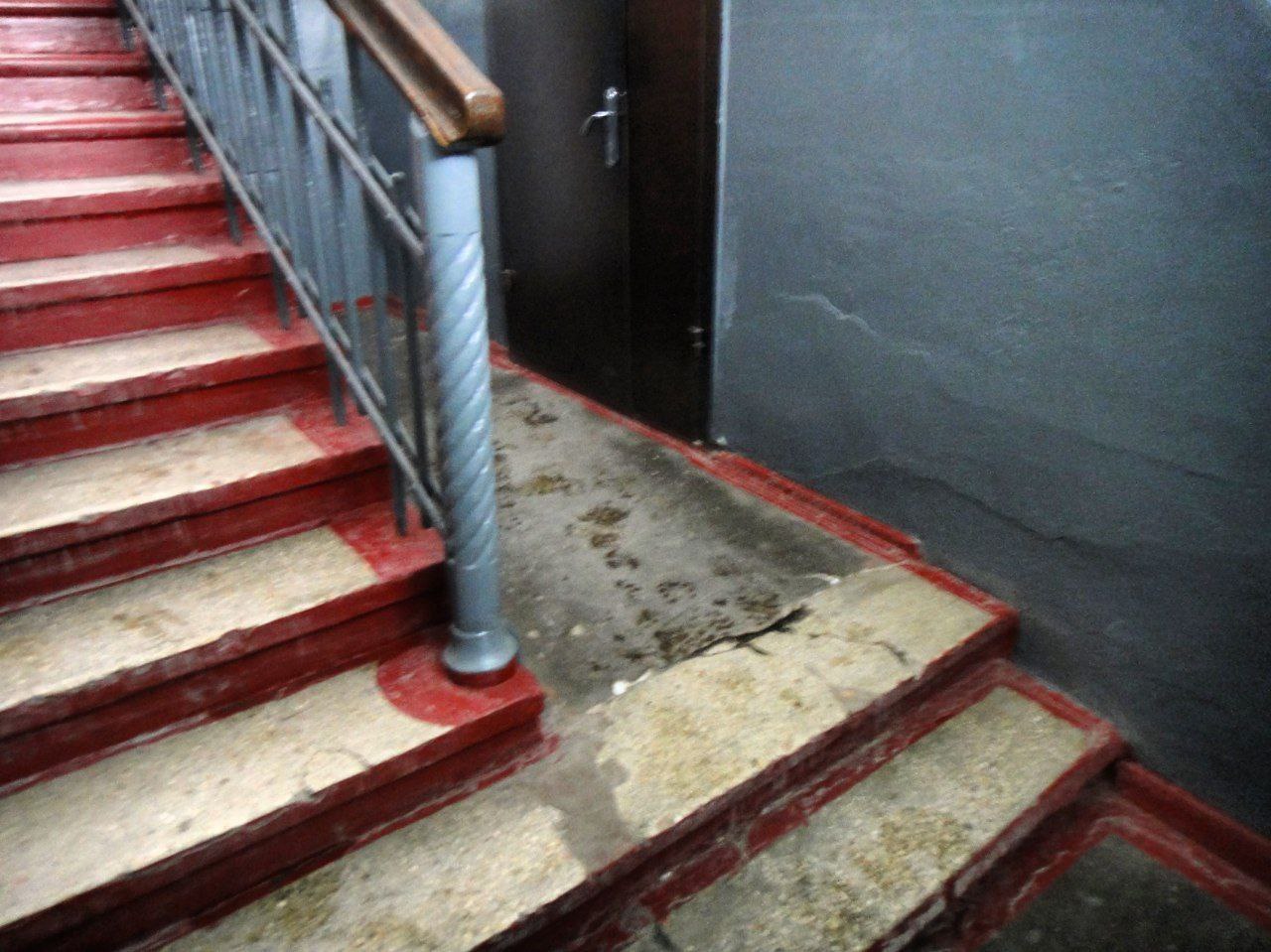
9. In violation of Clause 37 of the Resolution of the Cabinet of Ministers of Ukraine dated 02.03.2016 No. 285 “On Approval of Licensing Conditions for Carrying Out Economic Activities in Medical Practice”, the medical unit lacks a conclusion confirming free access to the buildings and premises of the medical facility for persons with reduced mobility, the receipt of which is mandatory.
10. In violation of the Procedure for organising the provision of medical care at the primary, secondary (specialised), and tertiary (highly specialised) levels using telemedicine, approved by the Order of the Ministry of Health of Ukraine dated 19.10.2015 No. 681, the medical unit personnel are deprived of the ability to send requests for telemedicine consultations and receive professional assistance for the provision of medical services to convicts due to technical limitations.
11. The monitoring group established that 6 patients with chronic viral hepatitis C (hereinafter – HCV) who require treatment are registered at the institution. As of the day of the visit, antiviral therapy for the treatment of HCV was absent in the medical unit’s pharmacy, which contradicts the requirements of the Standards of Medical Care for HCV in Adults, approved by the Order of the Ministry of Health of Ukraine dated 23.07.2025 No. 1178. The absence of timely treatment increases the risk of disease progression, the development of liver complications, and creates a threat of the infection spreading among other patients, violating the convicts’ right to receive proper medical care.
12. During the visit, the monitoring group established the absence of a defibrillator in the medical unit, which creates risks of untimely provision of emergency medical care. At the same time, the Committee recommended that medical services in all penitentiary institutions of Ukraine be equipped with life-saving equipment (Committee report on the results of the visit to Ukraine in 2017, CPT/Inf (2018) 41, paragraph 87).
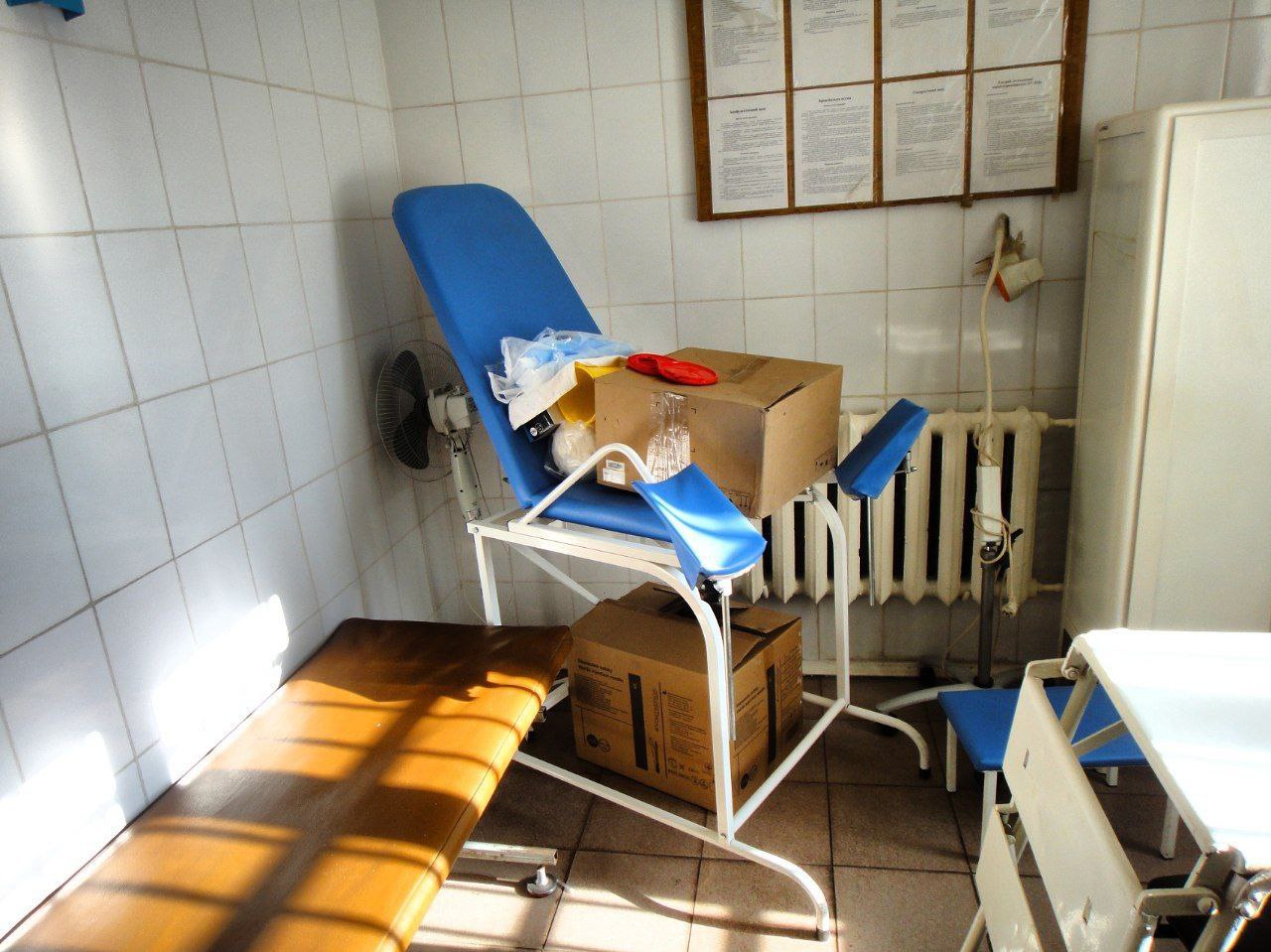
13. The medical unit lacks a separate office for a gynaecologist. The reception of sick convicts and prisoners is conducted in the procedure room, which is also used by other doctors. This organisation of work, in all likelihood, does not ensure the necessary level of confidentiality and may violate the patients’ right to privacy during medical examinations.
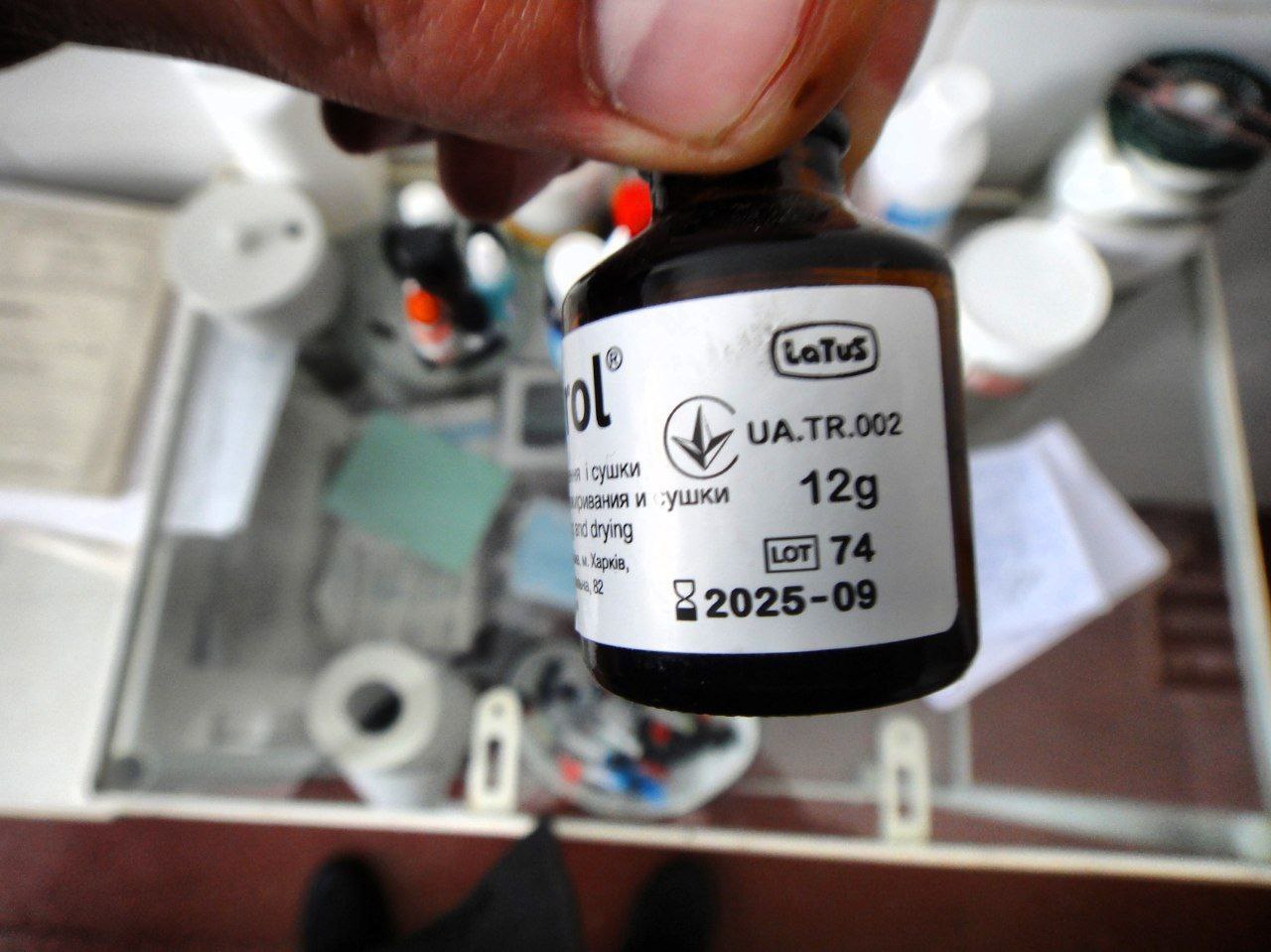
14. In violation of the requirements of Clause 5, Section I of the “Rules for Storage and Quality Control of Medicinal Products in Treatment and Prevention Facilities”, approved by the Order of the Ministry of Health of Ukraine dated 16.12.2003 No. 584, medicines with expired shelf lives were discovered in the medical unit during the inspection of the dentist’s office.



15. In violation of the Fire Safety Rules in Ukraine, approved by the Order of the Ministry of Internal Affairs of Ukraine dated 30.12.2014 No. 1417, the medical unit premises are not equipped with fire extinguishing and fire alarm systems (except for the pharmacy and the OST office).
Recommendations:
1. Bring the conditions of detention at the State Institution “Poltava Correctional Colony (No. 64)” into compliance with the requirements of national legislation and international standards, primarily by eliminating cell overcrowding, preventing the placement of persons exceeding the established area norm, and reviewing the practice of using cells the area of which is less than the minimum permissible.
2. Ensure proper separate detention of prisoners in accordance with the requirements of legislation, taking into account the nature and severity of the incriminated crimes, as well as the requirements of personal safety for persons held in custody.
3. Bring the admissions unit into compliance with established standards, in particular by outfitting missing premises, ensuring quarantine and isolation of the sick, proper sanitary-hygienic conditions, access to natural light, ventilation, drinking water, the proper sanitary-technical condition of sanitary facilities, and the possibility of privacy during their use.
4. Ensure proper maintenance of the duty logbook for the admissions unit, timely recording of the time of placement and departure of persons, and proper control over compliance with the established duration of stay in the admissions unit premises.
5. Eliminate violations of material and living conditions in cell facilities, including ensuring proper sanitary conditions, sufficient personal space, privacy in sanitary facilities, access to natural light, ventilation, drinking water, the proper condition of the electrical network, sanitary-technical equipment, bedding, and mattresses, as well as restoring the functioning of the radio system.
6. Equip exercise yards with proper shelter from atmospheric precipitation and carry out necessary repair work to ensure proper conditions for daily access to fresh air.
7. Ensure the availability of a doctor’s office for outpatient reception in the maximum-security sector, premises for educational work and for religious rites, and create conditions for out-of-cell activities and work for convicts sentenced to life imprisonment.
8. End the practice of placing name cards on cell doors and in sleeping areas with information regarding the nature of the crimes committed.
9. Equip cell facilities with buttons to call personnel and ensure their proper functioning.
10. Review the practice of installing and using video surveillance in punishment cells and cell facilities, taking into account the principles of necessity, proportionality, and individual risk assessment.
11. Ensure compliance with requirements regarding the selection, storage, and recording of daily samples of ready-made meals in the institution’s canteen.
12. Bring the catering block premises into compliance with the requirements of the Provision Standards, in particular by outfitting a cold food preparation room, a break room for cooks, and a changing room for canteen staff with a shower and sanitary facility.
13. Ensure proper organisation of bath and laundry services, including regular sanitary treatment of prisoners and convicts, systemic disinfection and disinsection of personal clothing and bedding, the provision of hairdressing services, and the creation of proper conditions for maintaining personal hygiene.
14. Equip premises for holding women in accordance with established standards, including with shower trays with a shower head on a flexible hose, and ensure the right to privacy in shower rooms.
15. Ensure the availability in the institution’s shop of goods provided for in Appendix 5 to the Internal Regulations of Penal Institutions of the State Penitentiary Service of Ukraine.
16. End the practice of personnel openly carrying special means during direct contact with convicts and prisoners.
17. Review the procedure for conducting short-term visits with the aim of ensuring they are held, as a rule, in open conditions, and leave the application of the contactless format as an exception based on individual risk assessment.
18. Take measures to staff the institution with personnel in the required volume to ensure safety, proper supervision, social-educational work, and proper functioning of the institution.
19. Bring the shelter into compliance with the requirements of legislation in the field of civil protection, providing it with ventilation, places for sitting or lying down, stocks of drinking water, and proper conditions for the long-term stay of people.
20. Bring the organisation of the work of prisoners and convicts into compliance with the requirements of legislation, ensuring proper accounting of those taken out to work, personalised accounting of working time, documentation of employment relations, compliance with requirements regarding work and rest regimes, proper preparation of employment contracts, transparent wage calculation, and payment of the unified social contribution in full.
21. Eliminate the practice of using the labour of persons without proper documentation and without the ability to verify the actual duration of the working day, the volume of work performed, and the appropriateness of the accrual of social guarantees.
22. Ensure compliance with the basic labour rights of prisoners and convicts, including the right to proper working conditions, rest, remuneration, and social protection, and eliminate signs of hidden employment relations without remuneration.
23. Take measures aimed at eliminating identified human rights violations and preventing torture, other cruel, inhuman, or degrading treatment or punishment at the medical unit No. 64 of the branch of the State Institution “Centre for Healthcare of the State Penitentiary Service of Ukraine” in Poltava region.
24. Ensure control over the proper maintenance of medical documentation in accordance with the Procedure for the Organisation of the Provision of Medical Care to Convicts Sentenced to Deprivation of Liberty, approved by the joint Order of the Ministry of Justice of Ukraine and the Ministry of Health of Ukraine dated 15.08.2014 No. 1348/5/572, and other regulatory legal acts.
25. Provide the medical unit staff with specialist doctors in accordance with needs.
26. Ensure timely and proper recording of bodily injuries in convicts and persons taken into custody.
27. Ensure the equipment of an isolation ward for persons with mental and behavioural disorders in accordance with the requirements of legislation.
28. Ensure the maintenance of form No. 003/o “Medical Card of an Inpatient” for all patients undergoing inpatient treatment, and the entry of information about patients into the logbook for admission, discharge of convicts, and refusal of hospitalisation in accordance with the requirements of the Procedure.
29. Ensure the obtaining of informed consent from patients for examination and treatment in the established form.
30. Ensure the outfitting of isolation wards for persons with infectious diseases in the medical unit in accordance with established requirements of legislation.
31. Ensure, in the shortest possible time, the provision of necessary antiviral treatment to persons with chronic viral hepatitis C.
32. Ensure the medical unit is equipped with a defibrillator and other necessary life-saving equipment in accordance with the recommendations of the European Committee for the Prevention of Torture.
33. Ensure the implementation of individual rehabilitation for persons who require it.
34. Ensure the accessibility of the institution’s buildings in accordance with State Building Norms of Ukraine V.2.2-40:2018 “Inclusivity of buildings and structures. Basic provisions”.
35. Ensure the proper operation of the telemedicine complex for doctors to make requests for telemedicine consultation.
36. Ensure measures are taken for the proper storage of medicinal products.