Report on the results of the monitoring visit to Berdychiv Correctional Colony No. 70
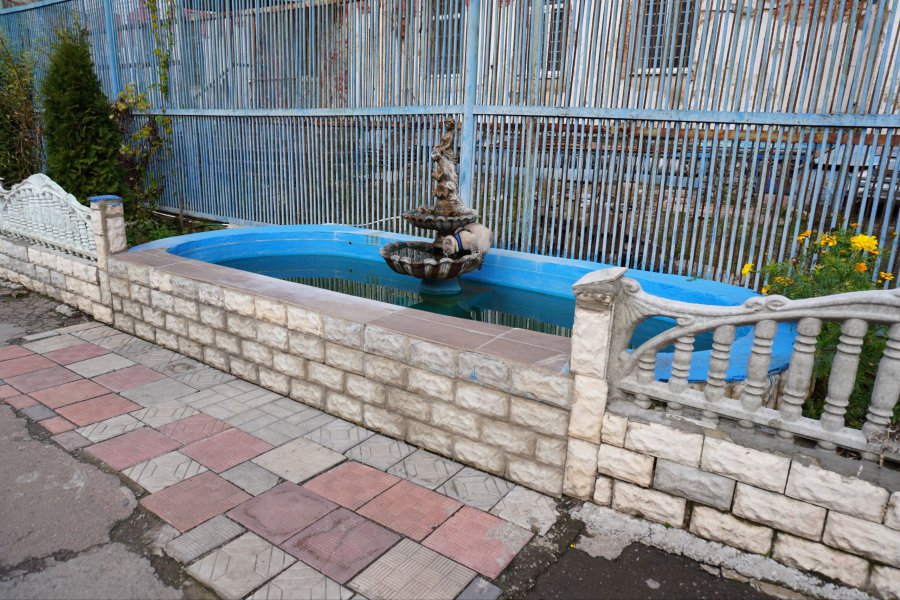
On 12 November 2025, in accordance with the Optional Protocol to the Convention against Torture and Other Cruel, Inhuman or Degrading Treatment or Punishment, taking into account the provisions of the United Nations Standard Minimum Rules for the Treatment of Prisoners and decisions of the European Court of Human Rights, and on the basis of Article 24 of the Criminal Executive Code of Ukraine ‘Visiting correctional facilities’, a group of monitors from the Kharkiv Human Rights Protection Group and the non-governmental organisation ‘Protection of Prisoners of Ukraine’ conducted a visit to the state institution ‘Berdychiv Correctional Colony (No. 70)’ (hereinafter — BCC-70, institution, facility, colony).
A routine unannounced visit was carried out, during which all the institution’s facilities were inspected. The previous visit took place on 1 May 2024.
In preparing for the visit, the monitors used materials from complaints by convicts and their relatives, materials from previous reports, as well as reports from monitors of the National Preventive Mechanism under the Ukrainian Parliament Commissioner for Human Rights (NPM).
The visit was conducted within the framework of the project ‘Reducing Prisoners’ Suffering in the Context of the War in Ukraine’, funded by the government of Denmark in partnership with DIGNITY (Danish Institute Against Torture).
The visit was carried out by the following monitors:
- Andriy Didenko — assistant to People's Deputy of Ukraine Yaroslav Yurchyshyn, programme coordinator of the Kharkiv Human Rights Protection Group, experienced in monitoring visits since 2014, NPM monitor, member of the NPM advisory council;
- Serhiy Zuikov — assistant to People's Deputy of Ukraine Kostiantyn Kasai, member of the public council under the Ministry of Justice of Ukraine, member of the non-governmental organisation ‘Protection of Prisoners of Ukraine’, NPM monitor, with many years of experience in monitoring visits;
- Oleh Tsvilyi — member of the public council under the Ministry of Justice of Ukraine, head of the non-governmental organisation ‘Protection of Prisoners of Ukraine’, possesses significant experience in monitoring visits, specialises in issues of torture, cruel and inhuman treatment.
In 2024–2025, individual repair and organisational measures were carried out at BCC-70, aimed at partially improving the material, living, and sanitary-hygienic conditions of detention. At the same time, the results of the monitoring visit showed the existence of systemic, persistent, and interrelated violations of human rights and standards of prisoner treatment, which are complex in nature and are not resolved by targeted infrastructural changes.
The identified shortcomings concern compliance with minimum living space standards, proper organisation of work with new arrivals, ensuring privacy, temperature control, and conditions of detention in residential premises, the QDR unit, and disciplinary isolation cells. A separate problem is the practice of engaging convicts in unpaid labour without proper legal formalisation, as well as the de facto delegation of supervisory functions to them, which is incompatible with the principle of exclusive staff responsibility for safety and regime.
Furthermore, systemic violations of the convicts’ right to work and social protection were established, manifesting in the constant use of convict labour at the facility’s utility sites under conditions of formal or improper legal documentation, extremely low pay, and the absence of basic social guarantees. Taken together with the opaque practice of applying the risk assessment subsystem, the unsatisfactory state of civil defence shelters, staff shortages, and other identified shortcomings, this indicates the institution’s structural inability to ensure real, rather than declarative, compliance with the rights of persons under the state’s full control.
General Information
BCC-70 is a maximum-security correctional facility for holding men convicted of intentional especially grave crimes.
The institution is located at the address: Nyzhiretska St., Berdychiv, Zhytomyr Oblast, 13306, Ukraine.
BCC-70 is one of the oldest penitentiary institutions in the Zhytomyr region. Historically, since the beginning of the 20th century, places for detaining persons deprived of liberty have functioned on the territory of the modern colony. At various times, prison and transit facilities operated here, used by public authorities to hold prisoners within the then-existing penitentiary system.
During the Soviet period, the site repeatedly changed its functional purpose in accordance with the all-union penal system, and after the declaration of Ukraine’s independence, it was integrated into the national penitentiary system. The institution was registered as a separate legal entity in 2000 and is subordinate to the management bodies of the State Penitentiary Service of Ukraine. Currently, the institution is intended for holding men convicted of especially grave crimes, as well as persons transferred from other institutions in connection with regime violations.
The facility provides separate sections for holding convicts under different regime conditions, including a sector for holding persons sentenced to life imprisonment. In recent years, the colony has been in the focus of attention of national and international human rights institutions as part of monitoring the observance of human rights in places of detention. The institution’s history reflects the general evolution of Ukraine’s penitentiary system — from the punitive model of the past to gradual attempts at reform and bringing detention conditions in line with modern standards.
At the time of the visit, the head of the institution is Oleksandr Pavlovych Dorobaliuk.
The facility consists of a duty unit, a QDR unit (quarantine, diagnostics and reception unit), SPS units (social and psychological service units), a catering unit, DIZO premises (disciplinary isolation cell), PKT (chamber-type premises), DPK (enhanced supervision unit), a SIZO unit (pre-trial detention centre), a sector for holding life-sentenced persons, a medical unit, a bath and laundry complex, rooms for visits, a shop, a library, a parcel reception room, and administrative premises.
According to the institution’s administration, the authorised staff number is 230.5 positions, with an actual number of 187.5 positions. The total staff shortage for the institution is 43 persons. The planned capacity of the facility is 407 persons. The actual number of persons held in the institution is 297 convicts. There are 3 psychologists working in the facility.
During 2025, 131 persons arrived at the colony. During 2024, 4 persons died, and during the current year — 0 persons. As of the time of the visit, 2 persons were held in the DIZO, 20 in the DPK, 1 in the PKT, and 1 in the SIZO unit. There were 15 persons prone to suicide, 22 prone to self-harm, 4 prone to escape, and 28 malicious violators of the detention regime on operational-preventive registration.
During 2024–2025, no person filed a complaint regarding inadequate conditions of detention or inadequate provision of medical care. 8 persons have disabilities, of whom: 1 person — group I, 2 persons — group II, 5 persons — group III. Convicts have 188 tablets for personal use. The total number of rejected persons is 42.
During 2024, 3 cases of bodily injuries while in the institution were recorded. During the current year, 5 cases of bodily injuries have been recorded, of which 1 occurred upon arrival and 4 during the stay at the institution.
The monitoring group conducted interviews with about 180 convicts during visits to production areas, workshops, SPS units, disciplinary premises, sectors for holding life-sentenced persons, as well as utility rooms. The interviews were conducted in the format of general conversations, providing consultations, answering questions, identifying possible human rights violations, and through individual communication with specific persons, including on conditions of anonymity.
Positive Experience
In pursuance of the strategic goal ‘Creating proper conditions for the detention of convicts and persons taken into custody’, defined by the Strategy for Reforming the Penitentiary System for the period until 2026, a number of measures aimed at improving the material, living, and sanitary-hygienic conditions of convicts and persons taken into custody were carried out in the institution in 2024–2025.
Repair work was carried out in residential and utility premises of the QDR unit, SPS units, as well as in residential premises of the sector for holding convicts sentenced to life imprisonment in multi-bed chamber-type premises.
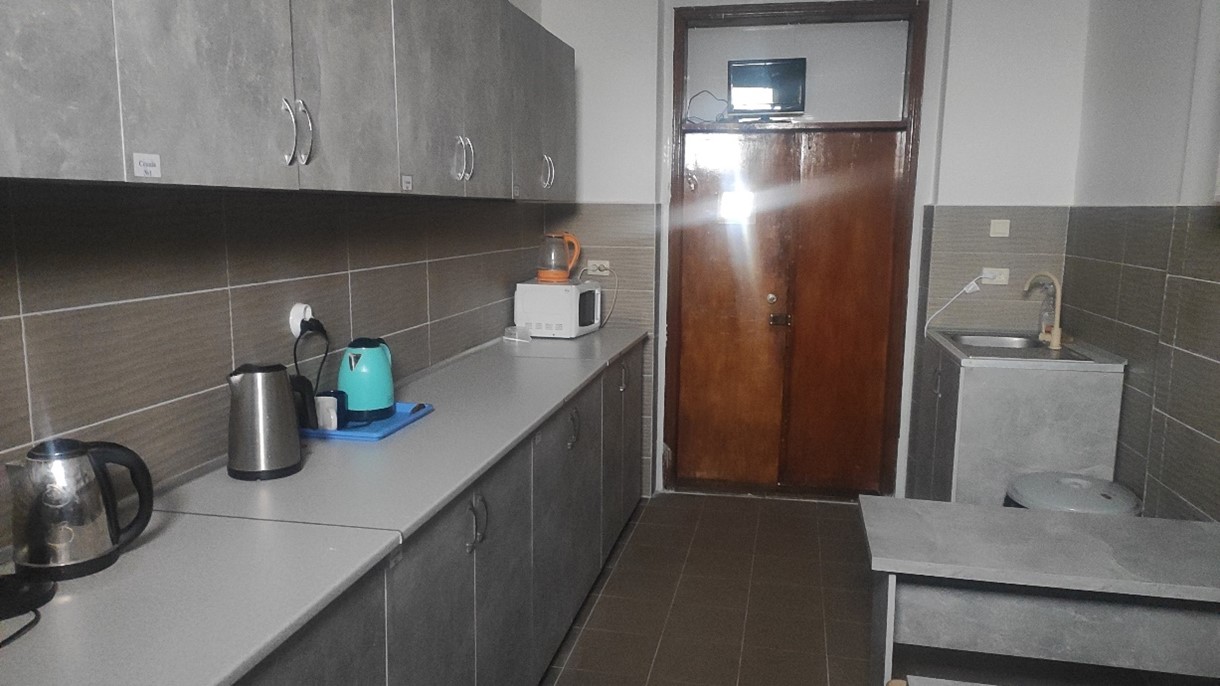
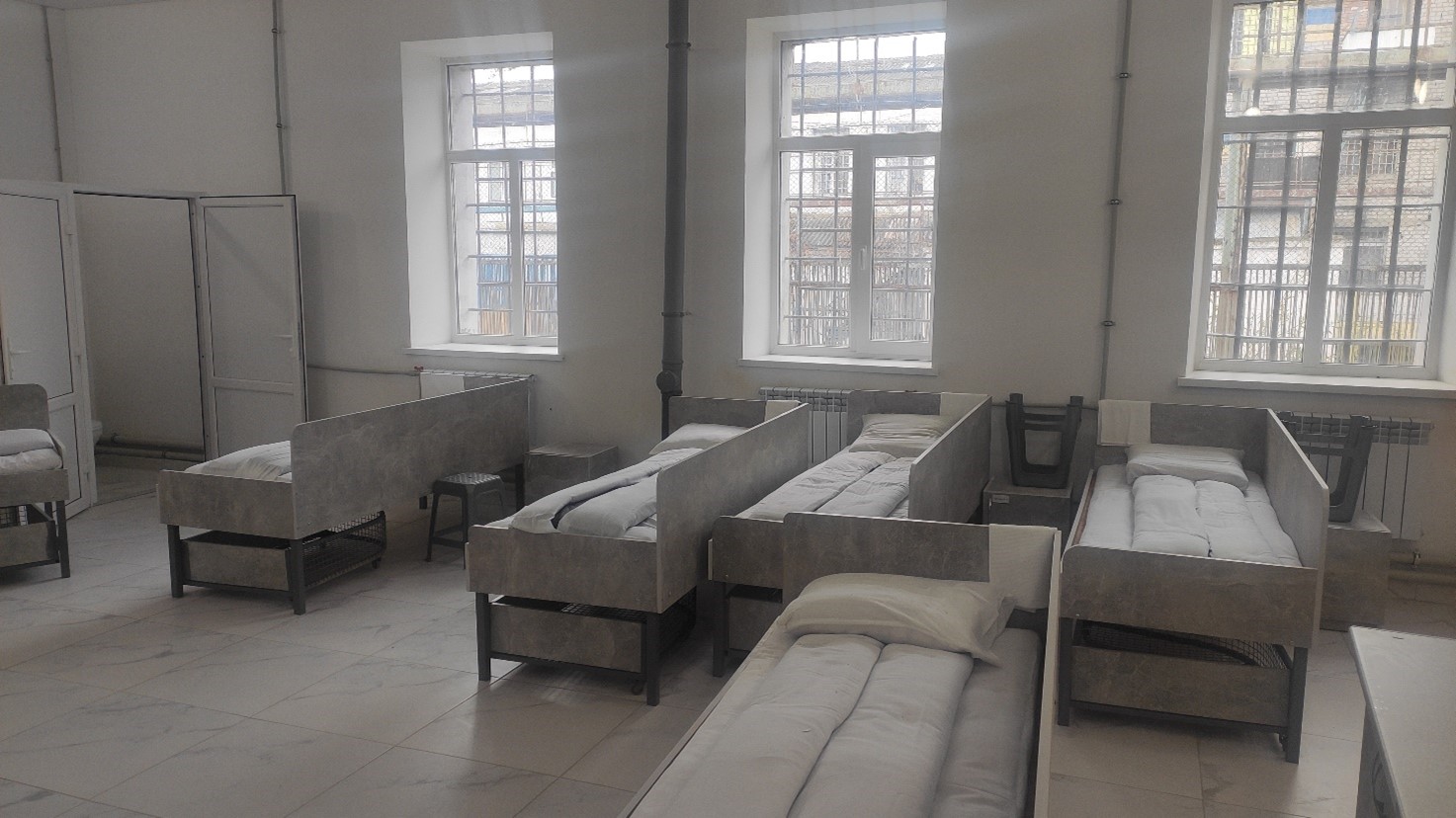

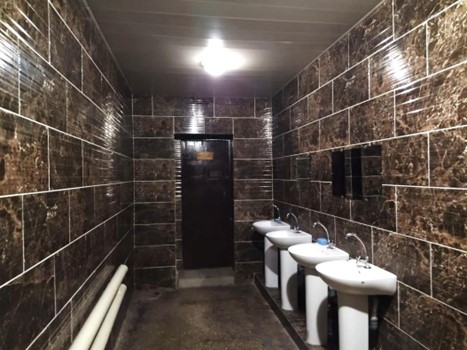
Two work cells were equipped for life-sentenced prisoners.
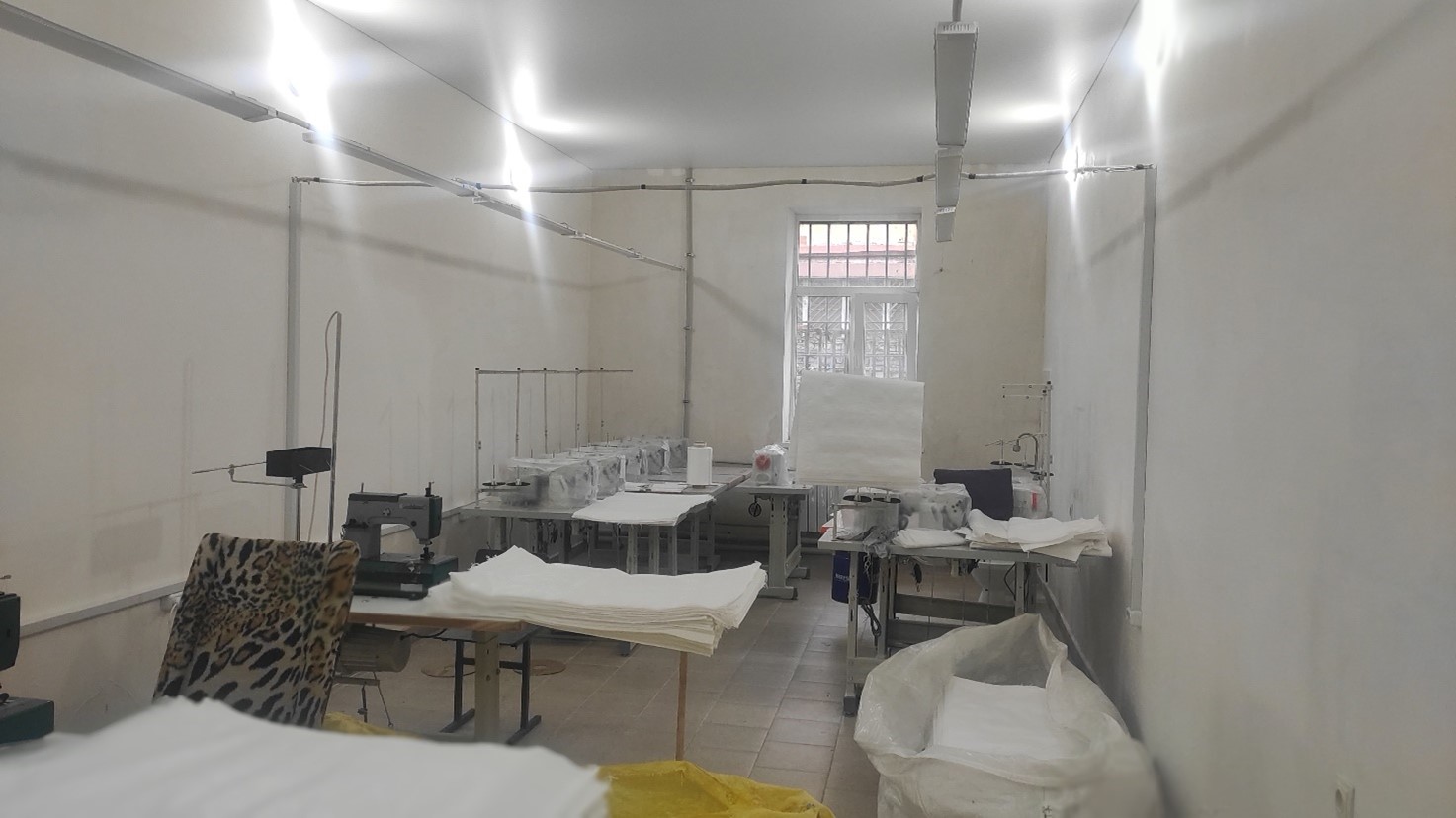
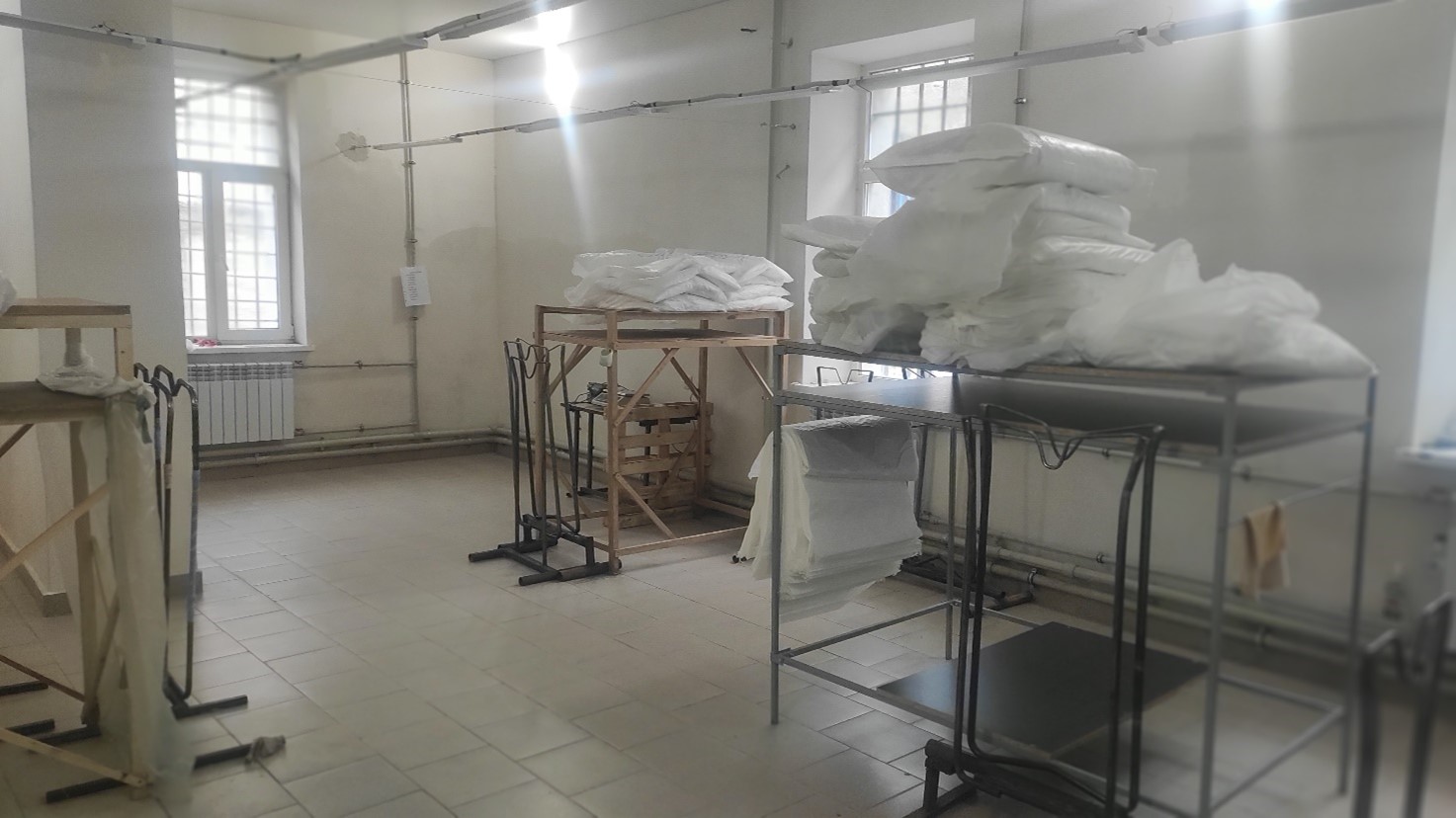
Cosmetic repairs were carried out in walking yards for life-sentenced prisoners and DPK prisoners, as well as in small-capacity cells for life-sentenced prisoners.
Violations of National and International Legislation Identified
During the monitoring visit, violations of national legislation requirements and non-compliance with international recommendations in the sphere of prisoner treatment were identified, leading to violations of the rights of convicts:
1. In violation of Part 1 of Article 115 of the Criminal Executive Code of Ukraine (hereinafter — CEC of Ukraine) and Rule 13 of the Standard Minimum Rules for the Treatment of Prisoners, it was established that in certain residential premises of the social and psychological service (hereinafter — SPS) units of the institution, the living space standard per convict is less than 4 m².
Thus, in residential premises No. 3 of dormitory building No. 1, where 8 beds are located and 8 persons were present, the area of the premises according to the living space measurement certificate is 22.9 m². Thus, the actual area per convict was 2.86 m². In residential premises No. 2 of dormitory building No. 1, where 8 beds are also located and 8 persons were present, the area of the premises is 25.0 m², which provides an actual area of 3.12 m² per convict.
At the same time, Paragraph 13 of the 7th General Report of the European Committee for the Prevention of Torture and Inhuman or Degrading Treatment or Punishment (hereinafter — the Committee) notes that the problem of overcrowded chamber premises leads to unhygienic conditions, a constant lack of privacy, and overstraining of medical services and institution infrastructure, concluding that quite often the negative impact of overcrowding results in inhuman or degrading conditions of detention for prisoners (CPT/Inf (97) 10).
2. The monitoring group established that the institution’s administration and staff do not ensure the proper organisation of work with newly arrived convicts. In violation of Paragraph 9 of Part 1 of Article 8 and Part 1 of Article 118 of the CEC of Ukraine, facts were recorded of institution staff engaging three convicts to perform work in the quarantine, diagnostics and reception (QDR) unit without an employment contract and without pay.
Specifically, these convicts were engaged in performing the duties of ‘duty convicts’ (dyunuvalni). Furthermore, it was established that these convicts have the opportunity to stay in the QDR unit around the clock, have assigned sleeping places, and can independently visit the canteen and the social and psychological service units to which they are formally assigned. The administration and staff of the institution have effectively delegated the functions of constant supervision over newly arrived convicts placed in the QDR unit, as well as control over their compliance with the daily routine, to these ‘duty convicts’, which is unacceptable.
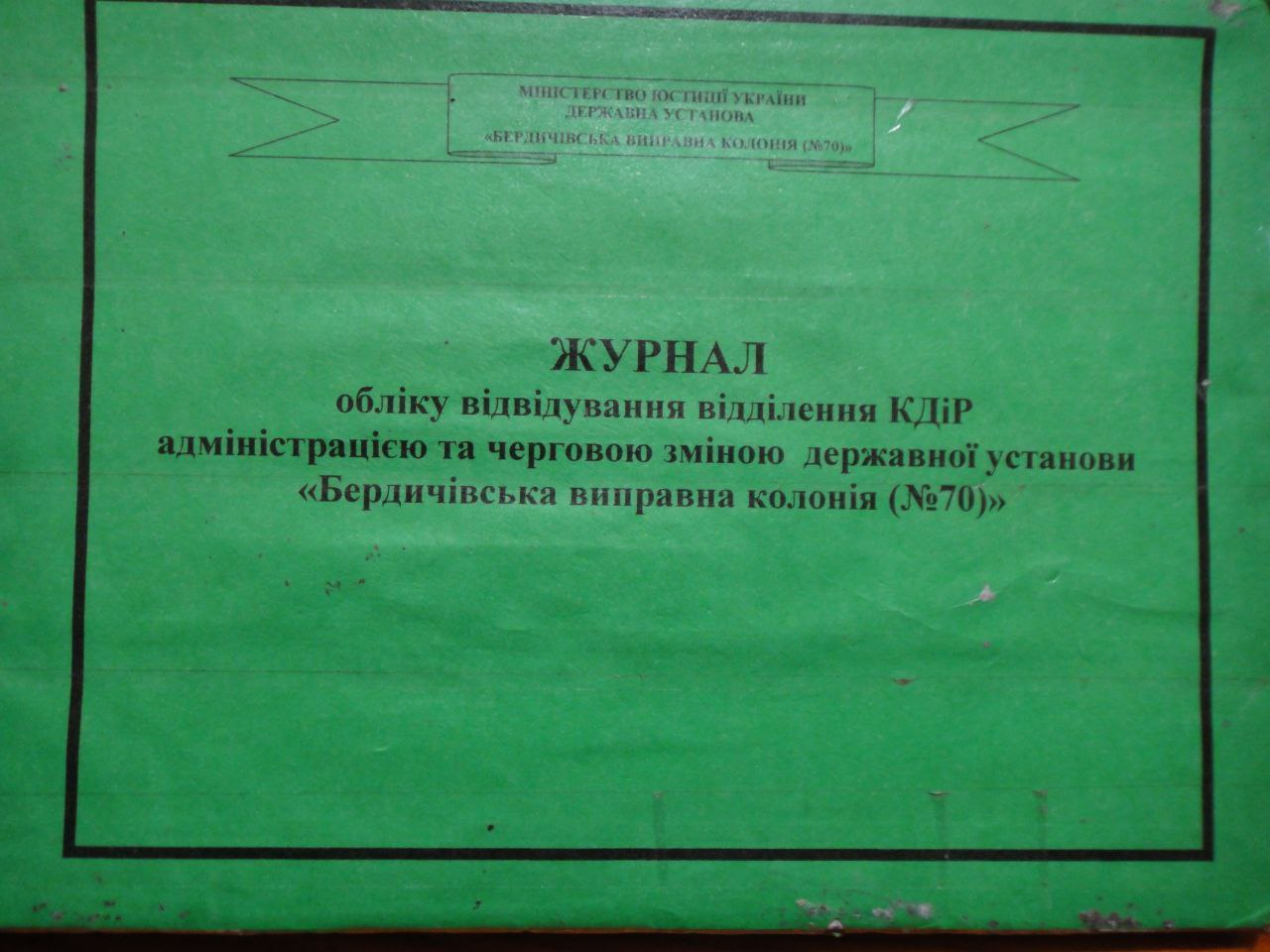
This is confirmed by the results of confidential interviews with newly arrived convicts, as well as the corresponding entry in the Log of visits to the QDR unit by the administration and the duty shift of the state institution ‘Berdychiv Correctional Colony (No. 70)’. Thus, as of 12 November 2025, there should have been 8 newly arrived convicts in the QDR unit who arrived at the institution on 6 November 2025. Instead, according to the records in said Log, the actual number of persons was 11. Such actions contradict the requirements of Article 96 of the CEC of Ukraine, Paragraph 4 of Section II of the Internal Regulations of Correctional Facilities, approved by the order of the Ministry of Justice of Ukraine dated 28 August 2018 No. 2823/5 (hereinafter — IRCF), as well as Paragraph 2 of Section I of the Regulations on the QDR Unit, approved by the order of the Ministry of Justice of Ukraine dated 4 November 2013 No. 2300/5, registered with the Ministry of Justice of Ukraine under No. 1864/24396 (hereinafter — Regulations on the QDR Unit).
In the report on the results of the visit to Ukraine in 2020, the Committee expressed serious doubts regarding the practice of using individual prisoners as ‘duty convicts’, who perform control functions over other prisoners in residential premises and at workplaces and report any incidents and regime violations to the staff. The Committee noted with concern that during this visit, such a practice continued to be applied. Moreover, despite the specific recommendations previously provided by the Committee, the practice of using ‘duty convicts’ is also officially provided for by the Internal Regulations of Correctional Facilities.
As previously emphasised, the Committee considers that any partial abdication of responsibility for order and safety in prisons, which lies with the institution’s regime officers, is unacceptable. Such a practice exposes more vulnerable prisoners to the risk of cruel treatment and exploitation by other prisoners. The Committee calls on the Ukrainian authorities to take all necessary measures, including of a legislative nature, with the aim of ending this practice. No prisoner in any penitentiary institution in the country should have authority over other prisoners (CPT/Inf (2020) 40, paragraph 27).
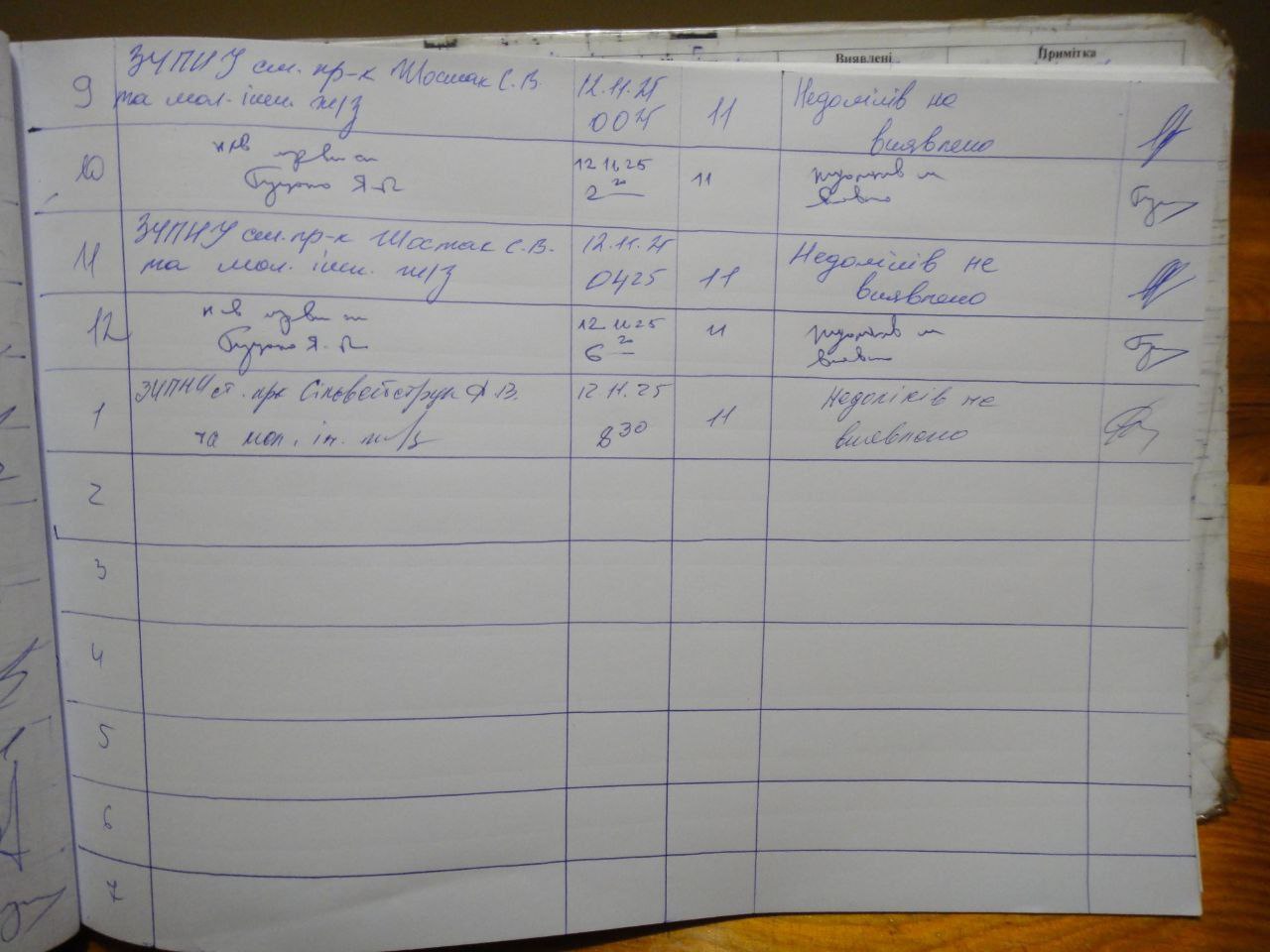
3. During the visit to the QDR unit as of 12 November 2025, as already noted, there should have been 8 newly arrived convicts who arrived at the institution on 6 November 2025. Instead, there were actually 7 newly arrived convicts in the unit. It was subsequently clarified that convict K., who was absent, had been engaged by the institution’s administration and staff to perform work in the production zone. This contradicts the requirements of Article 95 of the CEC of Ukraine, Paragraph 1 of Section V of the IRCF, and Paragraph 2 of Section I of the Regulations on the QDR.
4. The monitoring group established that the material and living support of the QDR unit does not meet established regulatory requirements. Thus, in violation of the requirements of the Norms of provision with furniture, inventory, and household items for a maximum-security correctional colony, approved by the order of the Ministry of Justice of Ukraine dated 27 July 2012 No. 1118/5 (hereinafter — Provision Norms), a number of premises are missing in the unit, namely: an educational work room; a food storage room; a room for storing the exchange fund of bedding, clothing, and special gear; a storeroom for temporary storage of dirty bedding, clothing, and special gear; a cloakroom; a utility room; a drying room.
The absence of said premises creates conditions that do not meet living standards, makes proper compliance with sanitary-hygienic requirements impossible, and complicates maintaining cleanliness and order in places where convicts live. Such a state of household organisation negatively affects the general sanitary state of the institution and may pose a risk to the health of persons held therein.
5. In violation of the requirements of Rule 22.5 of the European Prison Rules and the Provision Norms, the unit’s residential premises are not provided with 15-litre drinking water tanks equipped with a tap, a lid, a mug, and a basin.
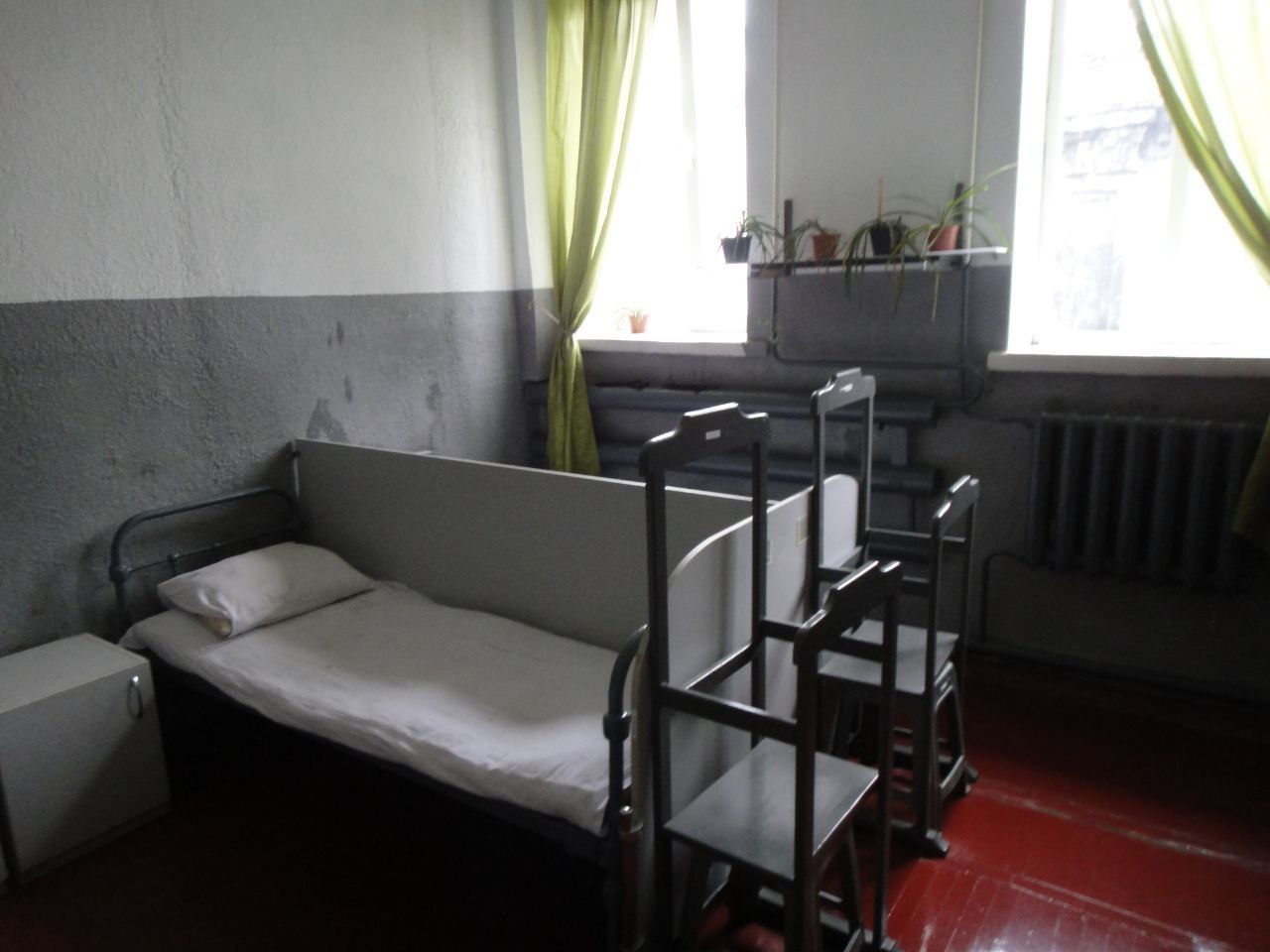
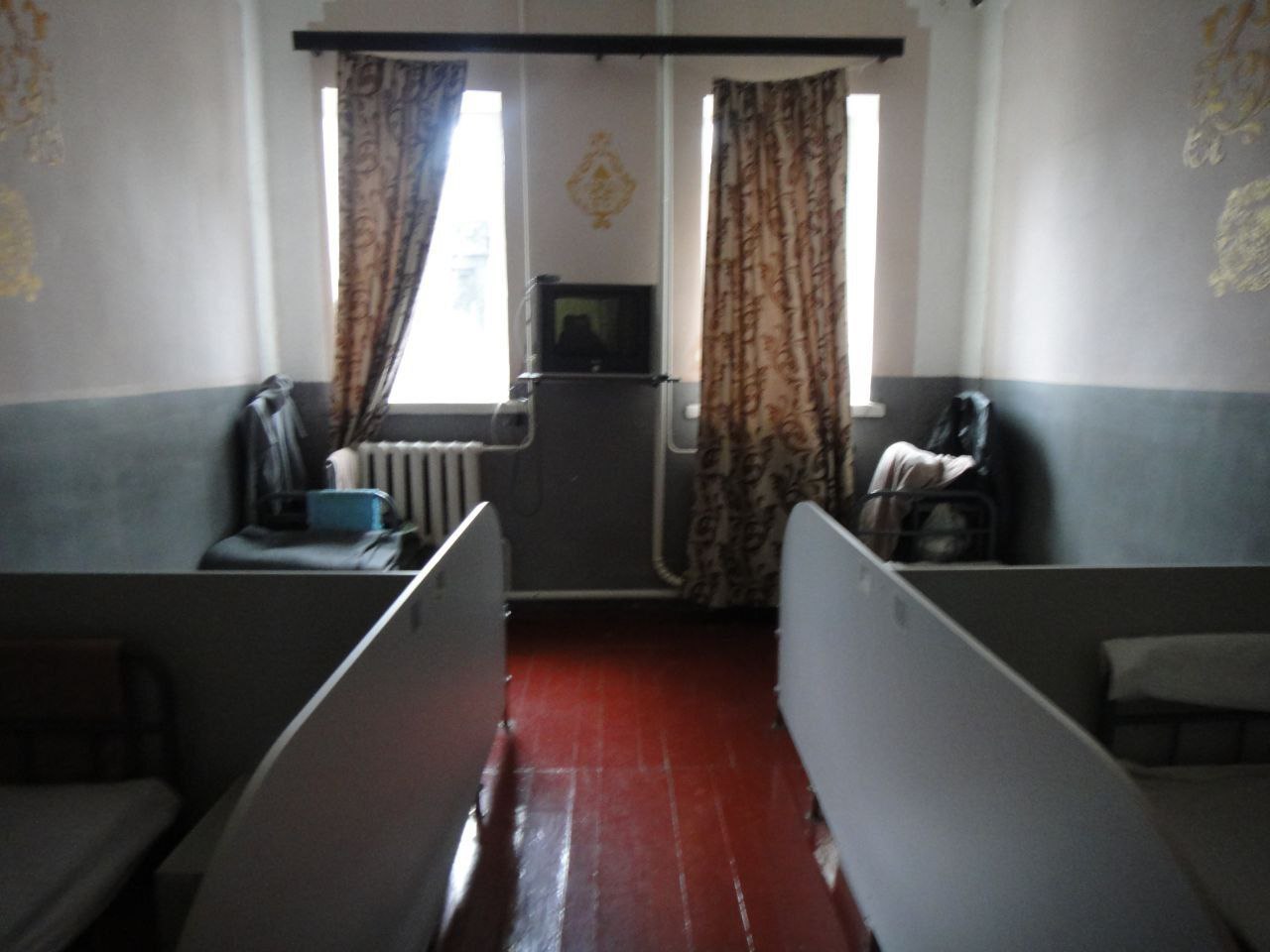
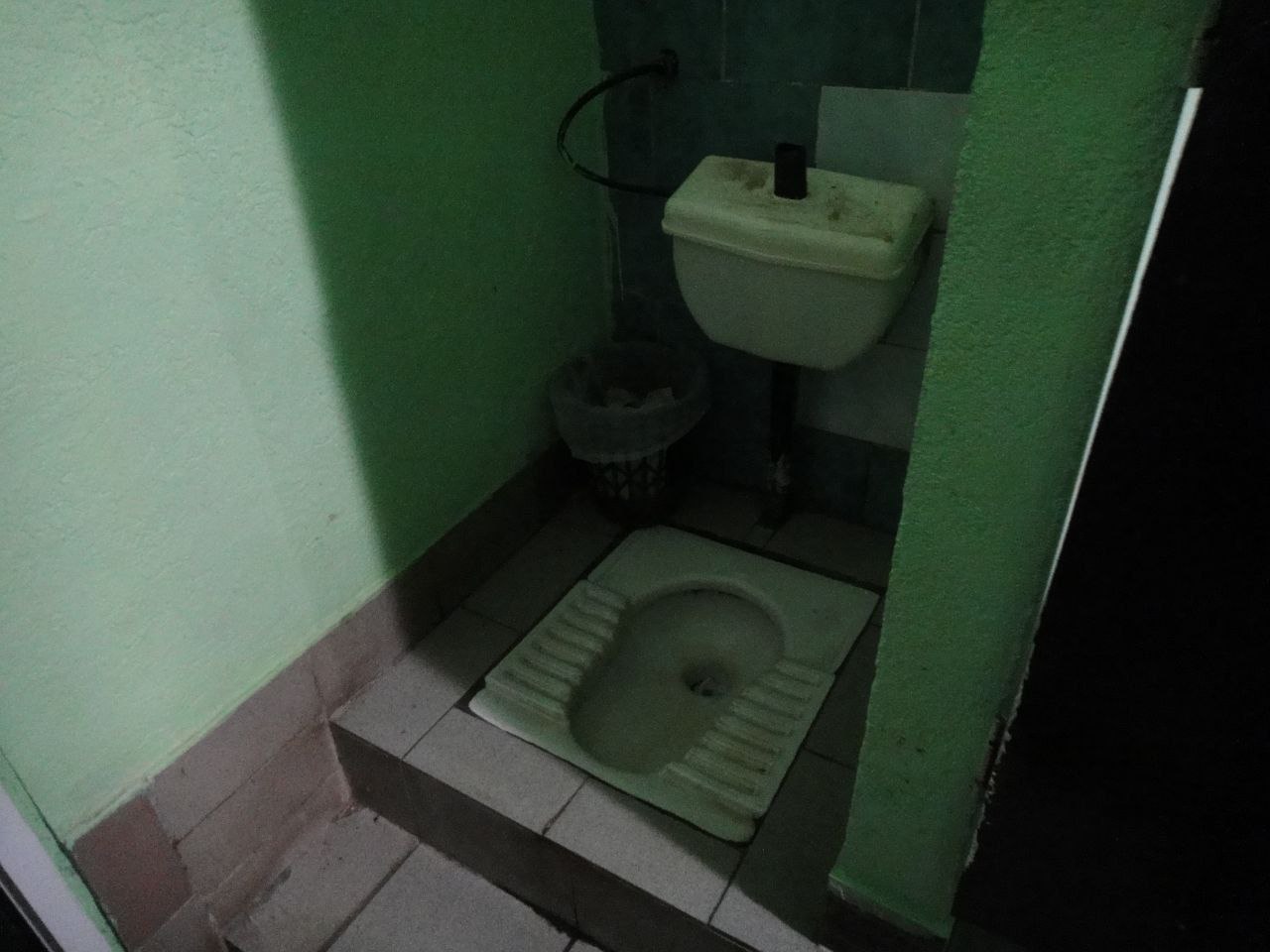
6. The sanitary unit is not equipped with doors or sufficient partitions that ensure the possibility of privacy, which violates Rule 19.3 of the European Prison Rules.
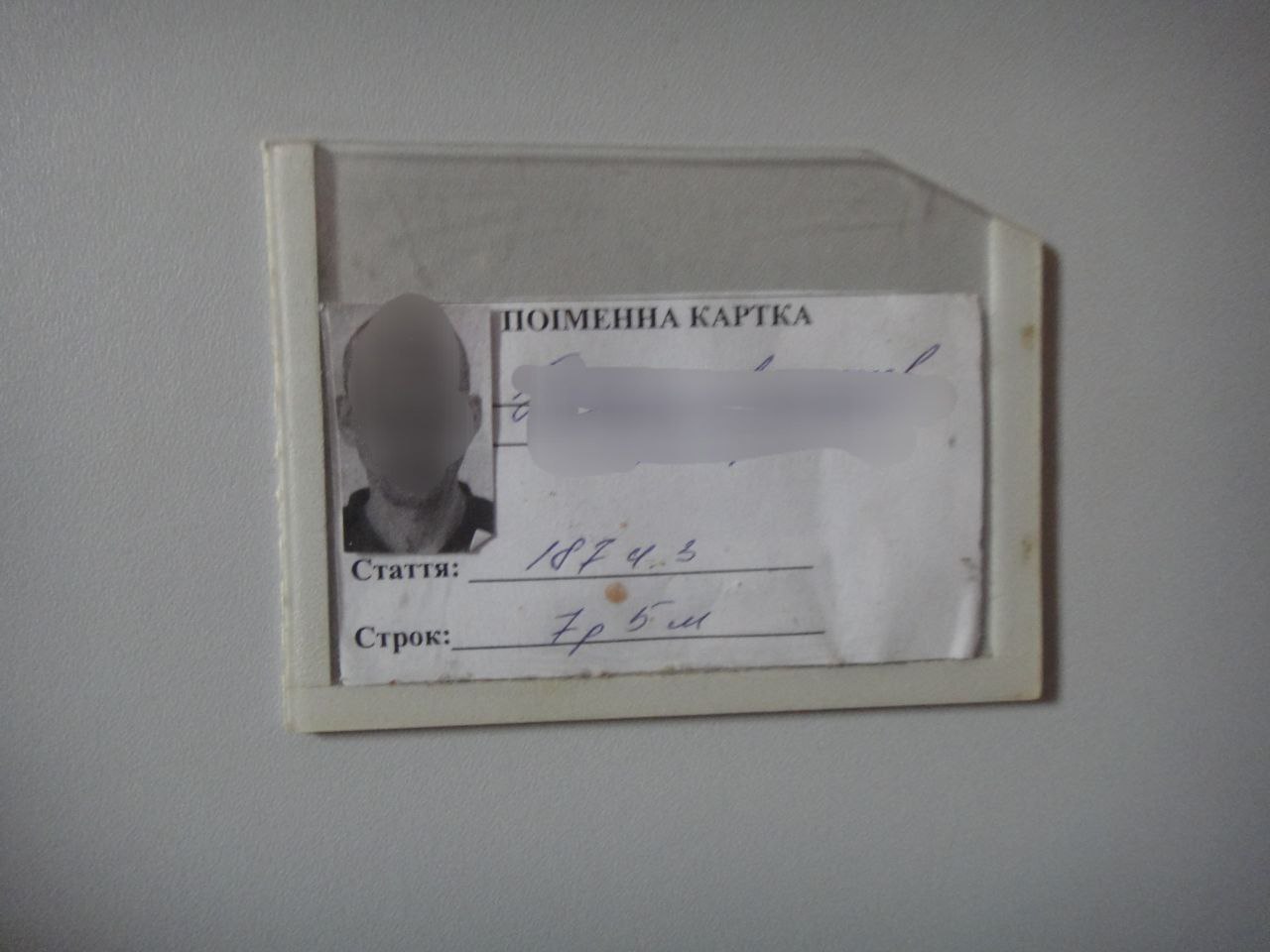
7. During the visit to the QDR unit, nominal cards were found placed on the convicts’ beds in the sleeping area, indicating information regarding a brief description of the crimes committed by the persons occupying these beds. Similar violations were established in the maximum-security sector.
In its report on the results of the visit to Ukraine in 2020, under similar circumstances, the Committee noted that such a practice should be ended, as it serves no reasonable purpose and, apart from stigmatisation, results in the deterioration of relations between prisoners and the institution’s staff (CPT/Inf (2020) 40, paragraph 52).
8. In the residential premises of the QDR unit, the monitoring group recorded violations of the temperature regime. Thus, at the time of the inspection, the air temperature in the residential premises was +15°C, whereas in accordance with Paragraph 1 of Section XXII of the IRCF, during the cold season, the temperature in residential premises of correctional facilities must be maintained at a level of no less than +18°C. Similar violations were established in the disciplinary isolation cell premises and residential premises of SPS units.
9. Paragraph 1 of Section XXIII of the IRCF defines that supervision over convicts is a system of measures aimed at ensuring the serving and execution of criminal penalties through round-the-clock and constant control over the behaviour of convicts in their places of residence and work, preventing and suppressing unlawful actions on their part, and ensuring isolation requirements and the safety of correctional facility staff.
During the inspection of the QDR unit’s residential premises, an installed video surveillance camera was recorded. At the same time, in its 2012 report, the Committee criticised excessive interference with privacy in connection with the installation of video cameras in convicts’ residential premises, noting that video surveillance can be justified only in exceptional cases, in particular in the presence of a risk of self-harm or suicide, and must be based on an individual assessment of real risks with regular review of such a decision. The Committee emphasises that video surveillance is a serious interference in the private life of prisoners and, when used for a long time, makes the detention regime even more repressive (CPT/Inf (2013) 23, paragraph 52).
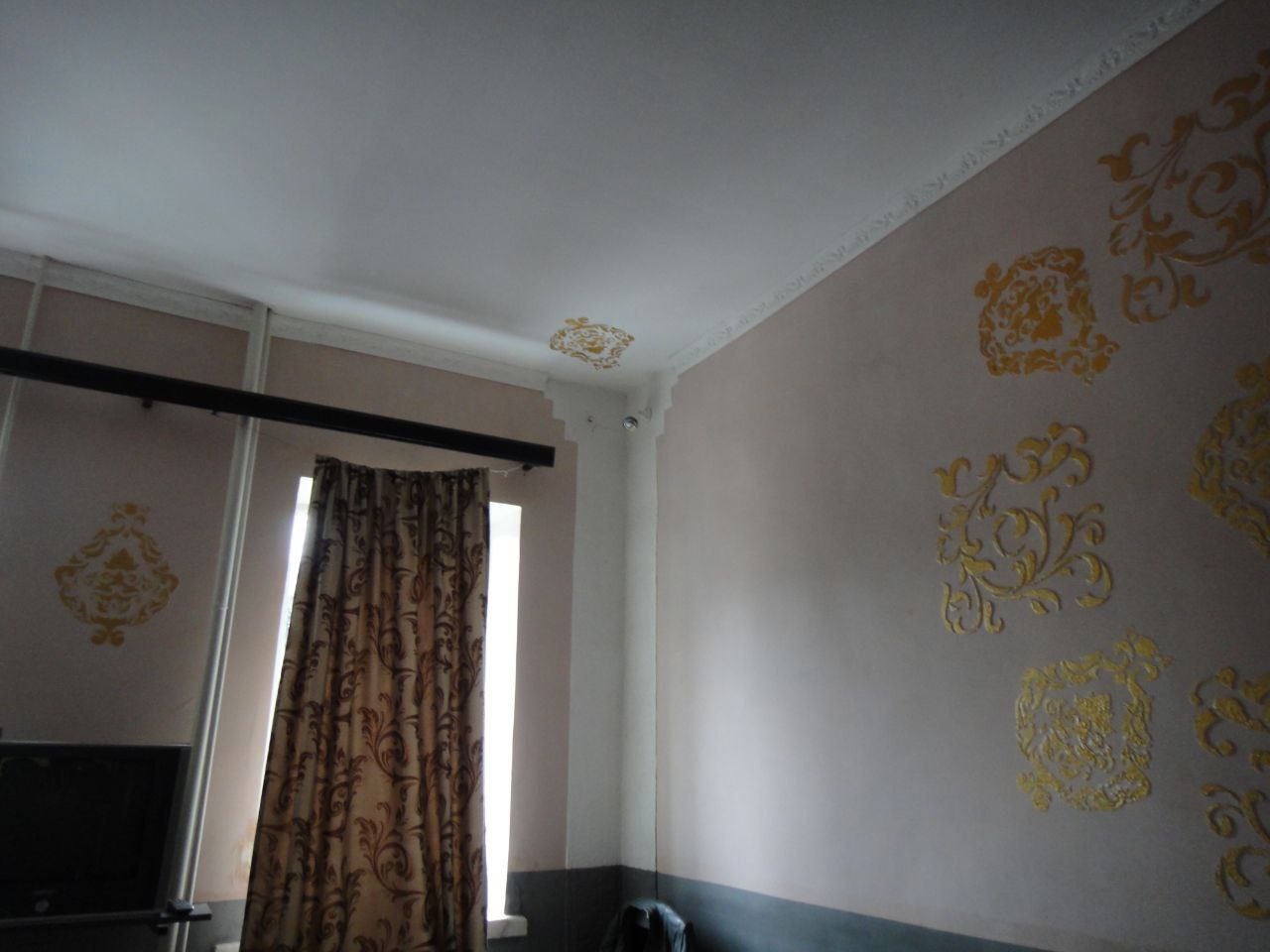
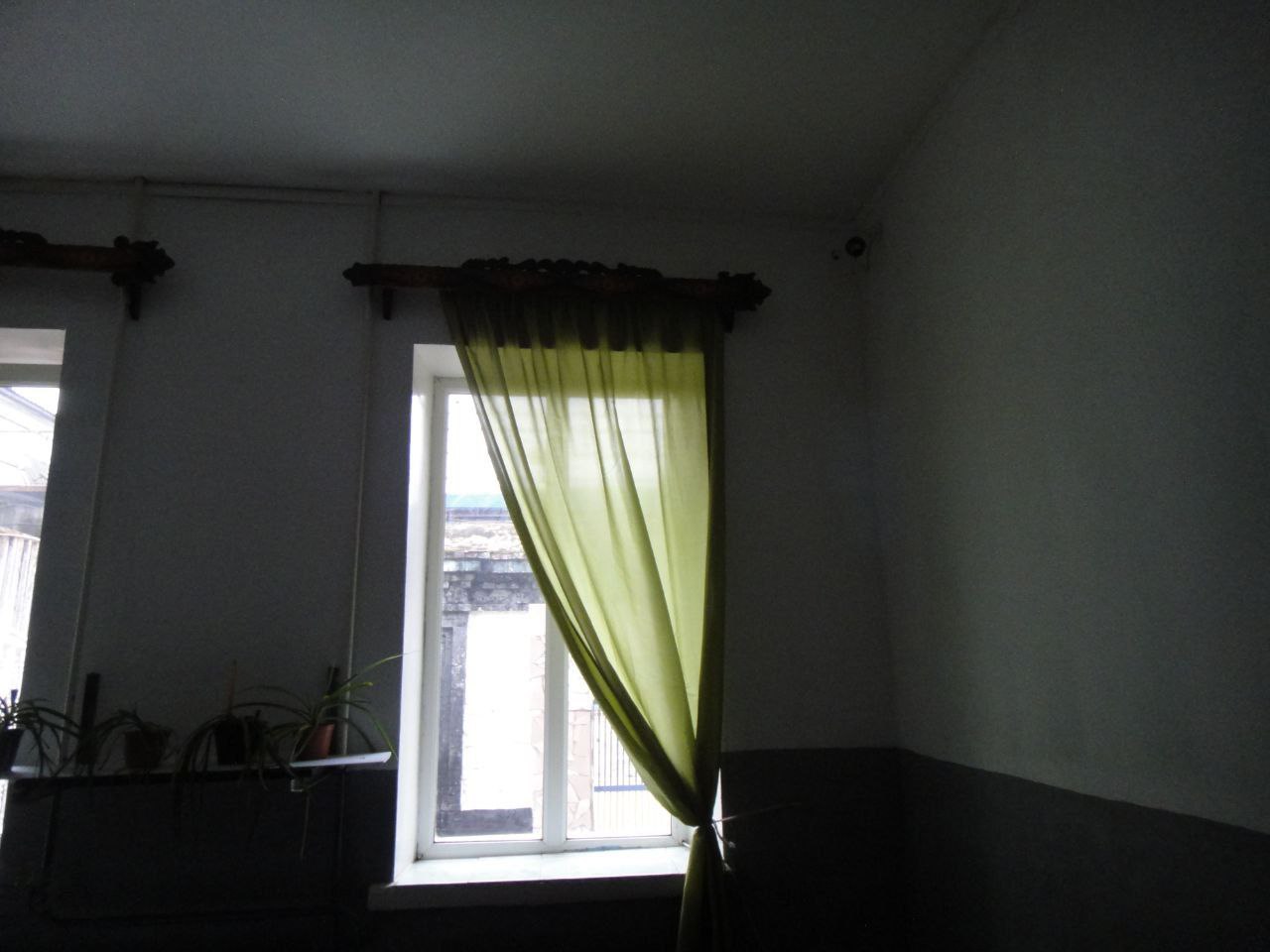
10. The state of the institution’s disciplinary isolation cell premises (hereinafter — DIZO/PKT) does not fully comply with established standards of prisoner treatment and does not ensure proper conditions for holding convicts, taking into account their needs. Thus, in violation of the Provision Norms, a number of necessary premises are missing in the DIZO/PKT, in particular: rooms for receiving convicts by the administration and medical staff; a room for storing the exchange fund of bedding, clothing, and special gear; a storeroom for temporary storage of dirty bedding, clothing, and special gear; a barbershop; rooms for distributing food, storing food products, and washing tableware.
The absence of such premises or their improper equipping leads to violations of sanitary-hygienic norms. Due to the lack of a room in the DIZO/PKT for receiving convicts by medical staff, medical examinations of convicts are conducted in improper conditions, which creates a risk of disclosing confidential information regarding the health status of persons to institution staff and other persons among the convicts during examinations, manipulations, or procedures.
The above violates the requirements of Article 39-1 of the Law of Ukraine ‘Fundamentals of the Legislation of Ukraine on Healthcare’ regarding the right of persons to secrecy about their health status, as well as Paragraph 9 of Section I of the Procedure for organising the provision of medical care to convicts sentenced to imprisonment, approved by the joint order of the Ministry of Justice of Ukraine and the Ministry of Health of Ukraine dated 15 August 2014 No. 1348/5/572.
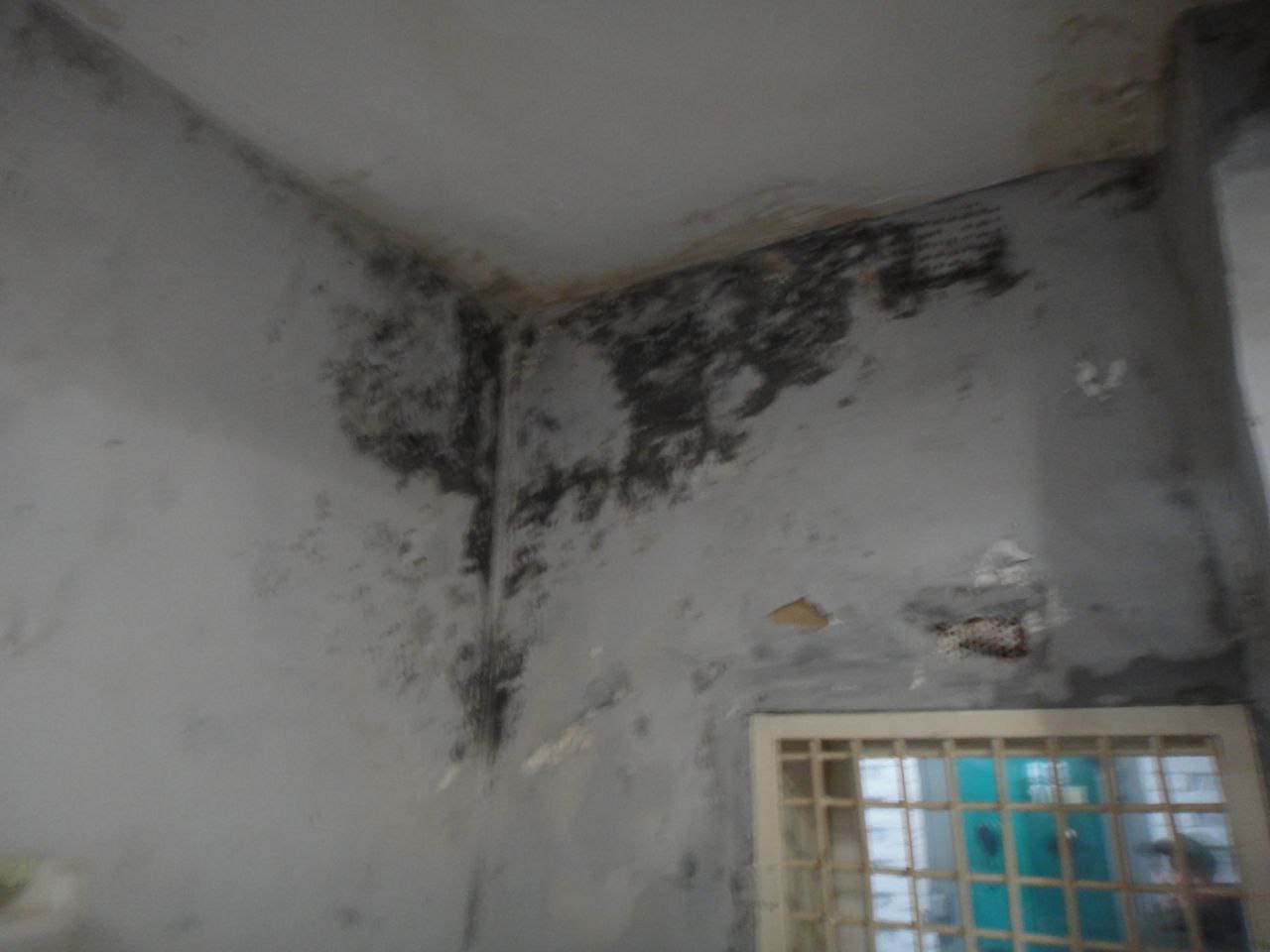
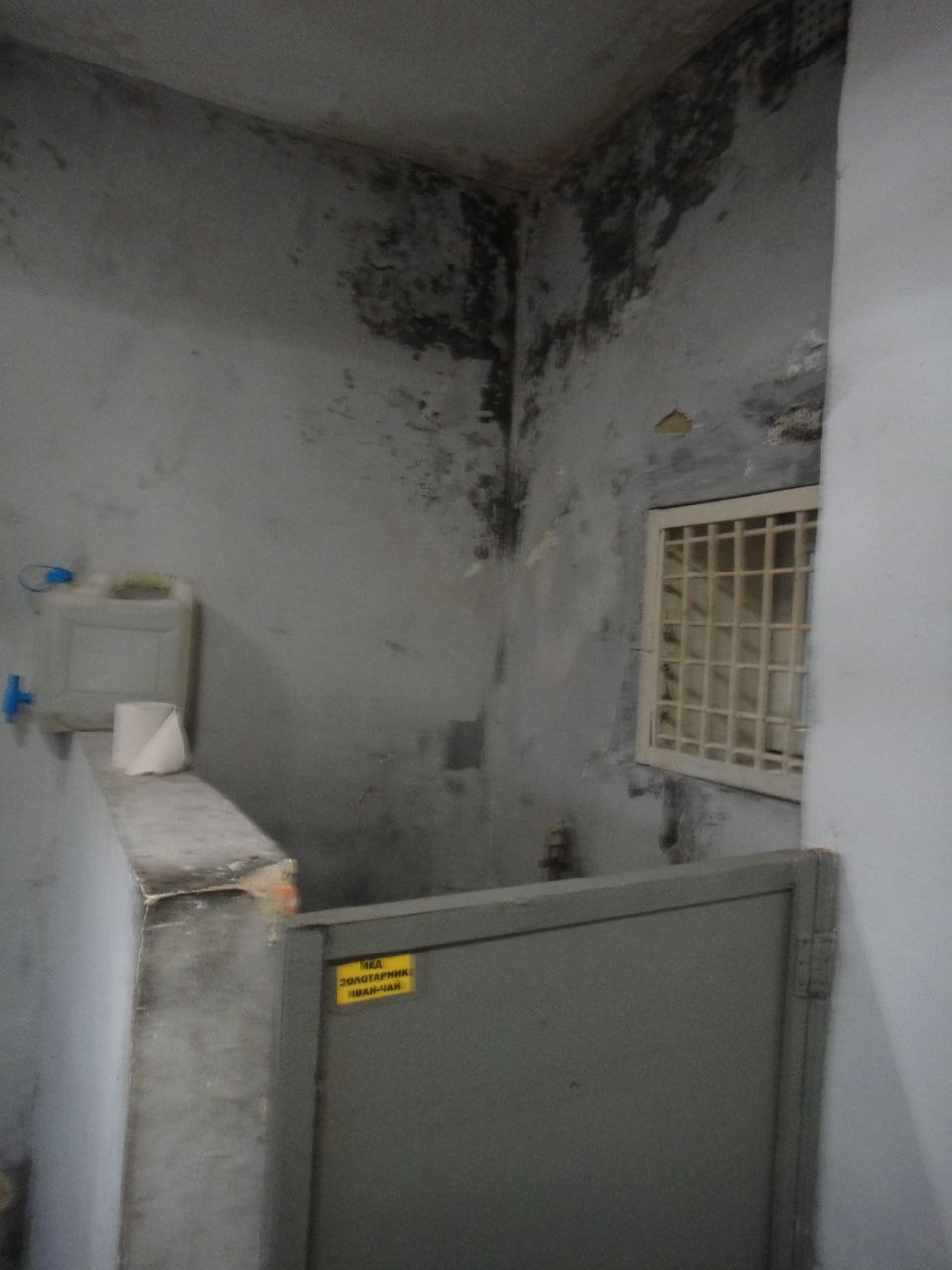
11. One of the most critical problems is excessive humidity in the DIZO premises. In a number of cells, dampness of the floor and walls was recorded, which are covered with mould as a result of water seepage, which leads to an unsanitary state. Such a situation creates significant risks to the health of persons held there, in particular in connection with prolonged stay in a humid environment, the presence of mould, and an increased probability of developing respiratory, skin, and infectious diseases. This contradicts the requirements of Article 115 of the Criminal Executive Code of Ukraine.
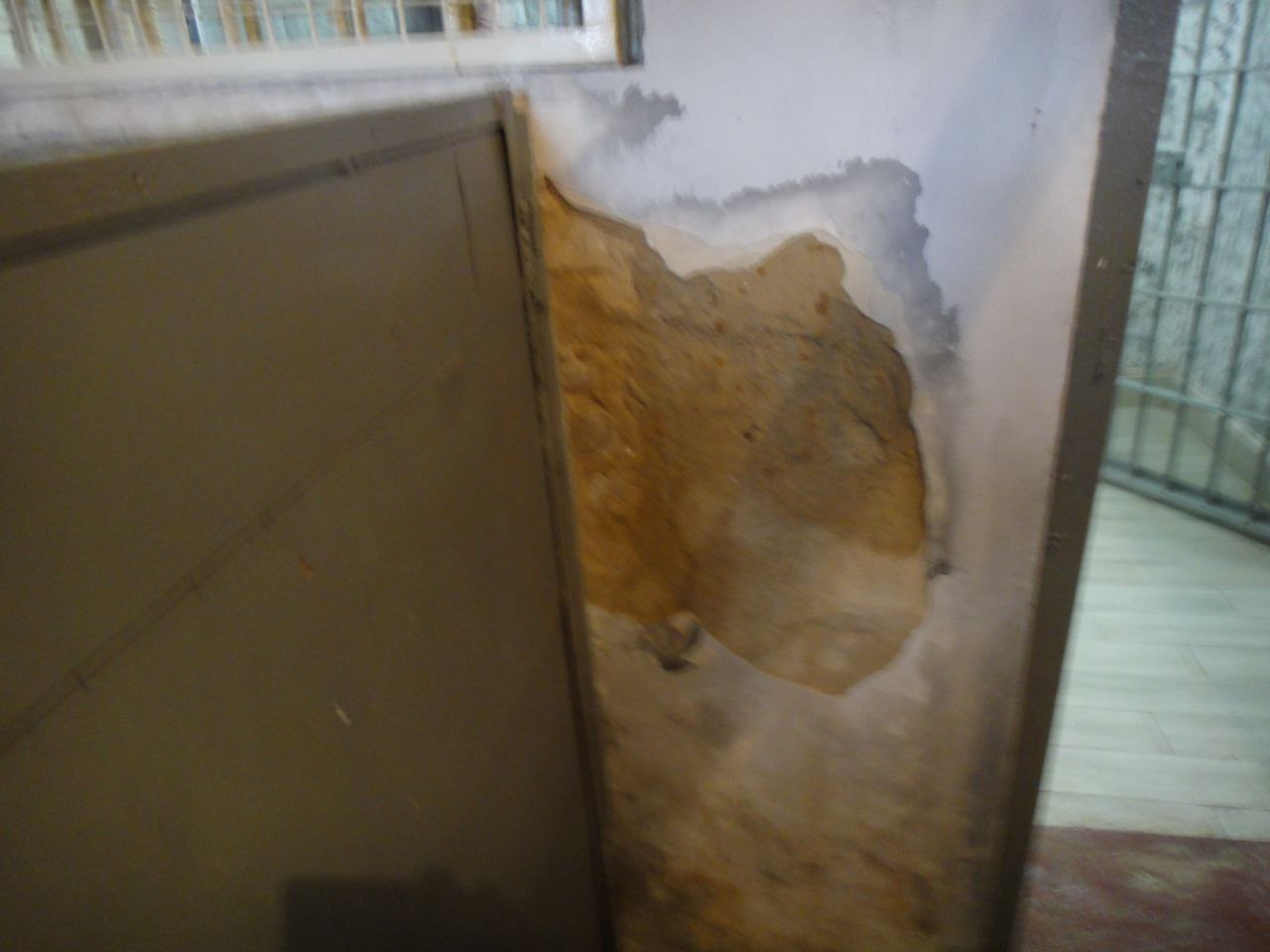
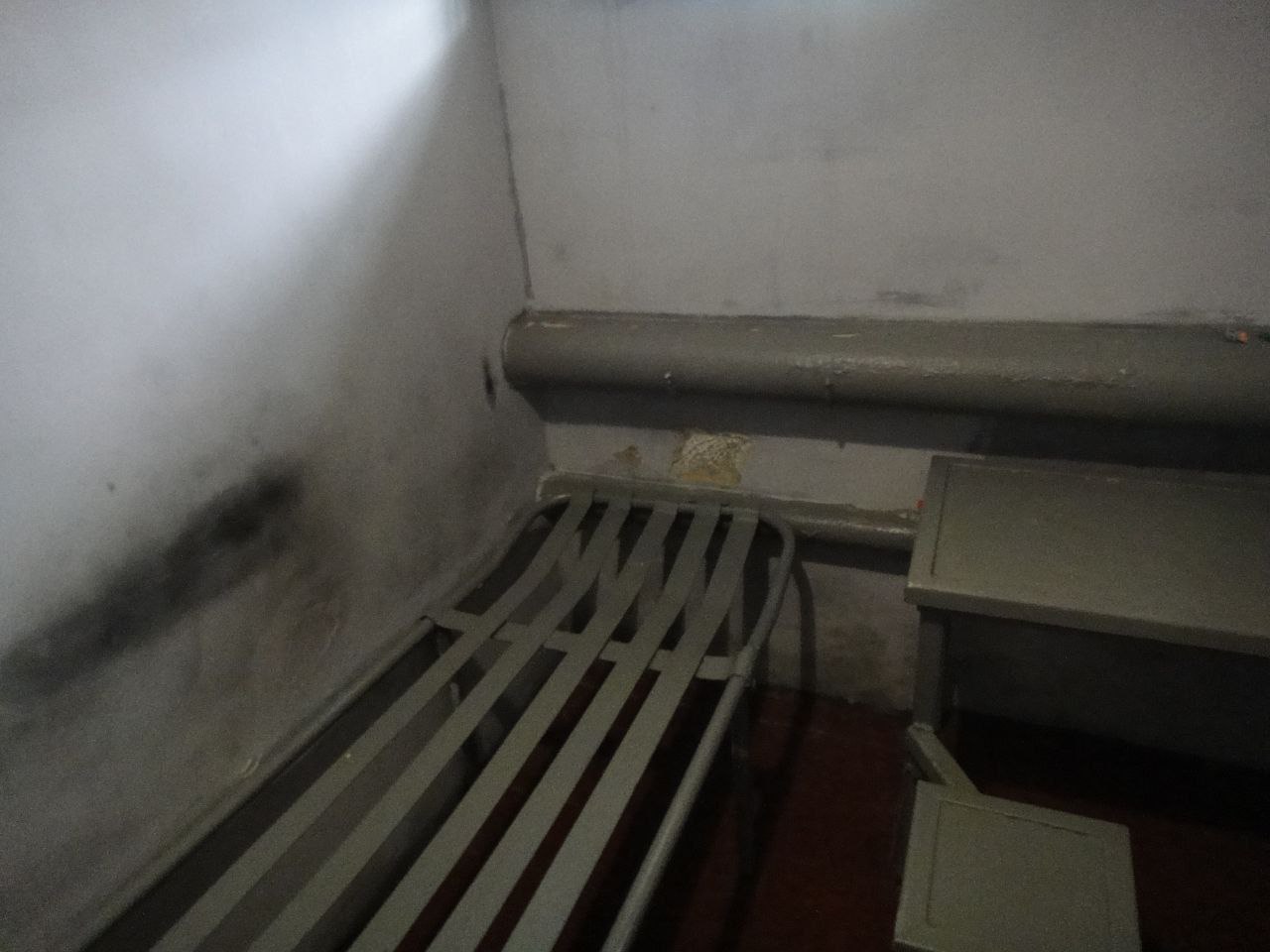
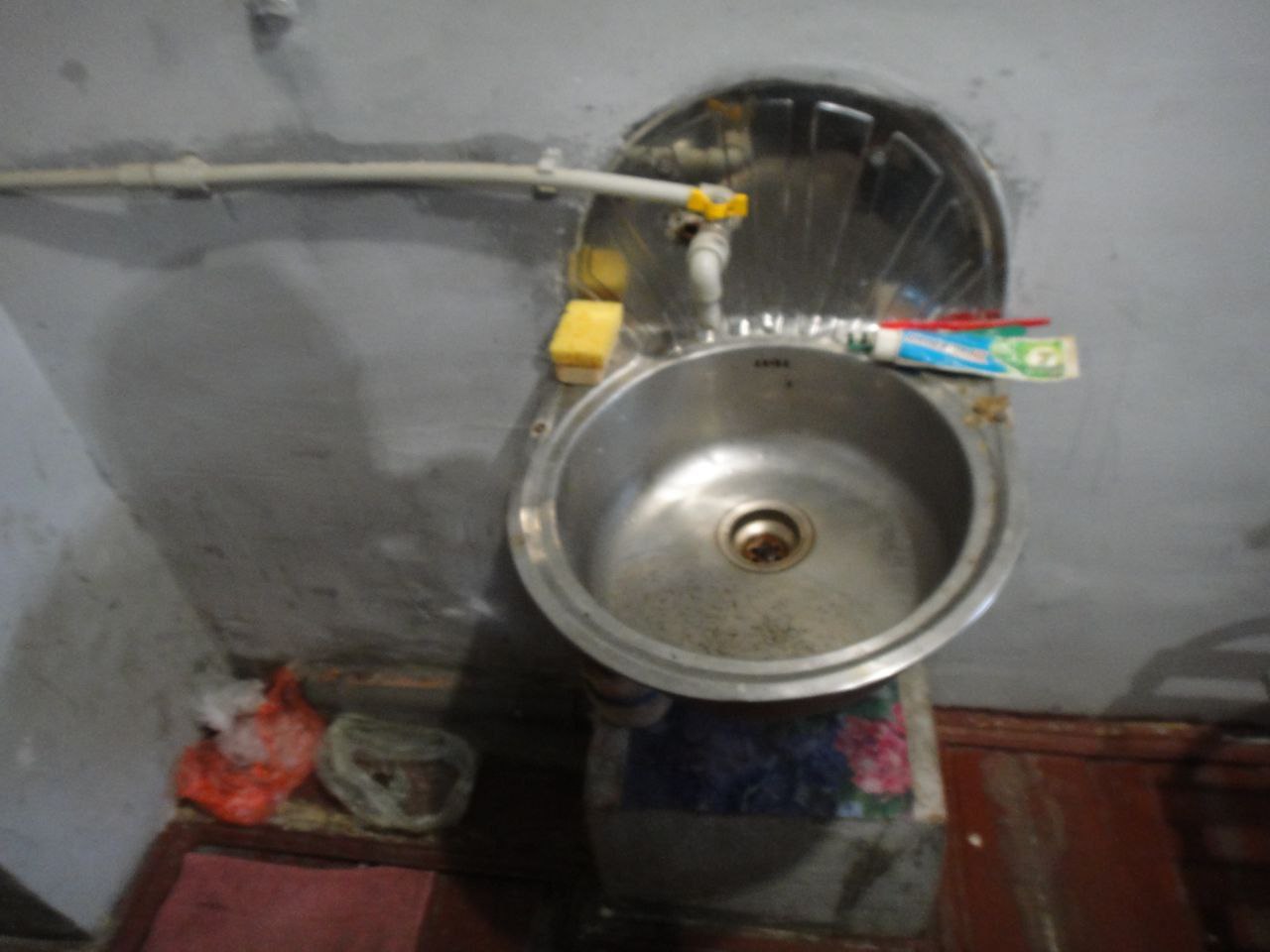
12. Sanitary facilities in the DIZO/PKT chamber premises are not equipped with sufficient partitions that ensure the possibility of privacy, which violates Rule 19.3 of the European Prison Rules.
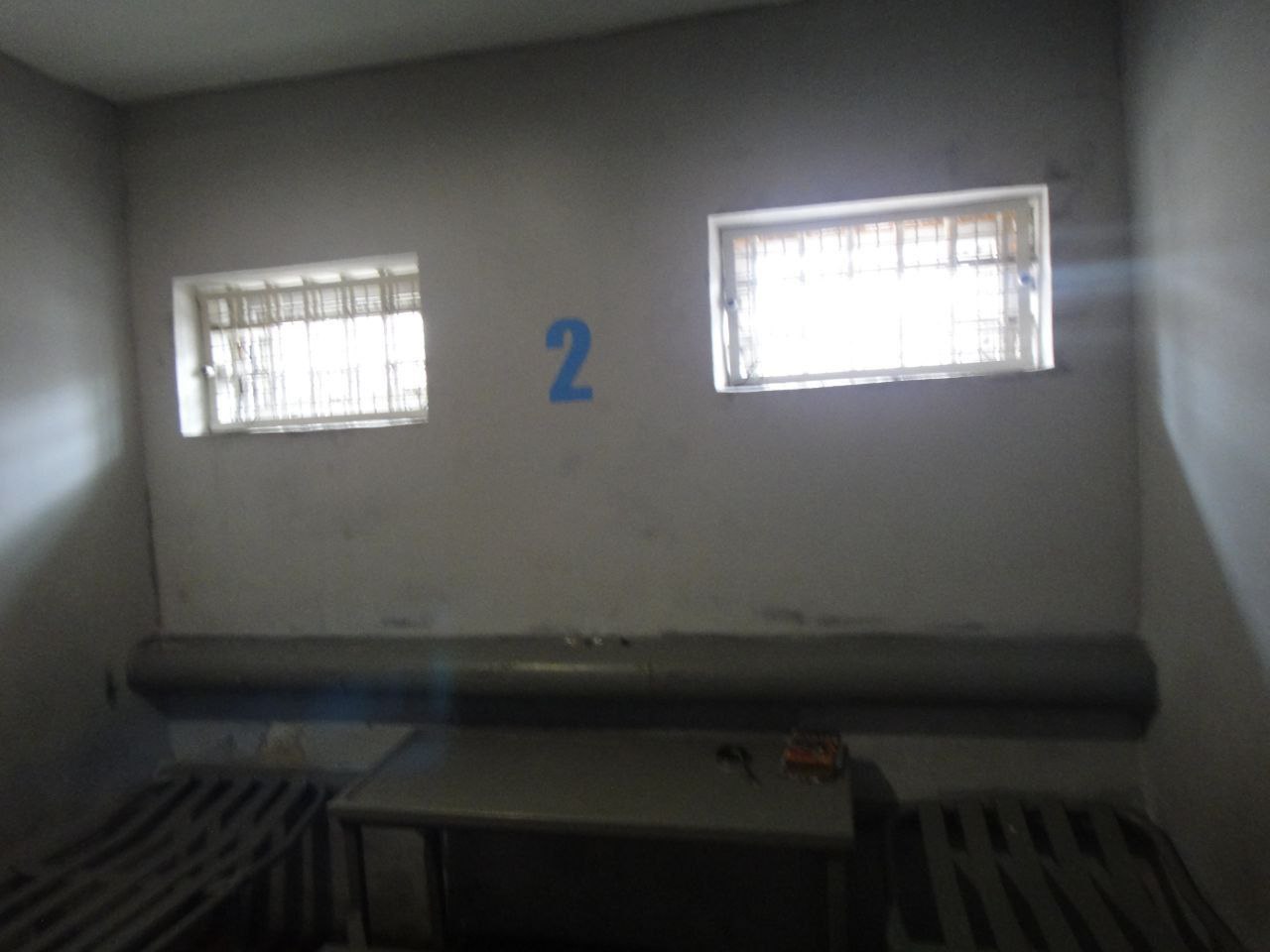
13. Due to the small size of the windows in the DIZO chamber premises, a sufficient level of natural lighting is not ensured, which does not meet Rule 18.2a of the European Prison Rules and Rule 14 of the UN Standard Minimum Rules for the Treatment of Prisoners (Nelson Mandela Rules). Contrary to the requirements of Rule 22.5 of the European Prison Rules, the drinking water tanks are not filled with clean drinking water, due to which convicts are forced to consume technical water from the centralised water supply.
At the same time, in the report to the Government of Ukraine following the 2023 visit, the European Committee for the Prevention of Torture and Inhuman or Degrading Treatment or Punishment (hereinafter — the Committee) called on the Ukrainian authorities to take the necessary measures to improve material conditions of detention, in particular to maintain all places for accommodating convicts and persons taken into custody, including sanitary premises, in a proper state of repair and hygiene, to ensure regular and frequent disinfestation, sufficient access to natural lighting and ventilation in cells, and to fully equip internal sanitary premises with partitions (i.e., from floor to ceiling) (CPT/Inf (2024) 20, paragraph 58).
14. Radiofication in DIZO chamber premises No. 2, 3 is not working, which contradicts the requirements of Paragraph 3 of Section XX of the IRCF and Rule 63 of the UN Standard Minimum Rules for the Treatment of Prisoners.
15. In violation of Paragraph 4 of Section IV of the Procedure for the use of technical supervision and control means in correctional and educational colonies of the State Penitentiary Service of Ukraine, approved by the order of the Ministry of Justice of Ukraine dated 26 June 2018 No. 2025/5 (hereinafter — Procedure for the use of technical means), it was established that DIZO cells are not equipped with staff call buttons, which complicates operational contact between convicts and institution staff.
16. During the visit to the DIZO/PKT, it was established that convicts who were serving a disciplinary penalty were not issued copies of the decisions on the application of the penalty to them by the institution’s administration, with an indication of the possibility and procedure for its appeal, which contradicts the requirements of Article 135 of the Criminal Executive Code of Ukraine.
At the same time, in the report to the Government of Ukraine following the 2023 visit, the Committee recommends taking measures in Ukraine’s penitentiary institutions with the aim of ensuring that convicts to whom a disciplinary penalty is applied systematically receive a copy of the corresponding decision. Furthermore, convicts should be informed about their right to access a lawyer in the context of disciplinary proceedings (CPT/Inf (2024) 20, paragraph 103).
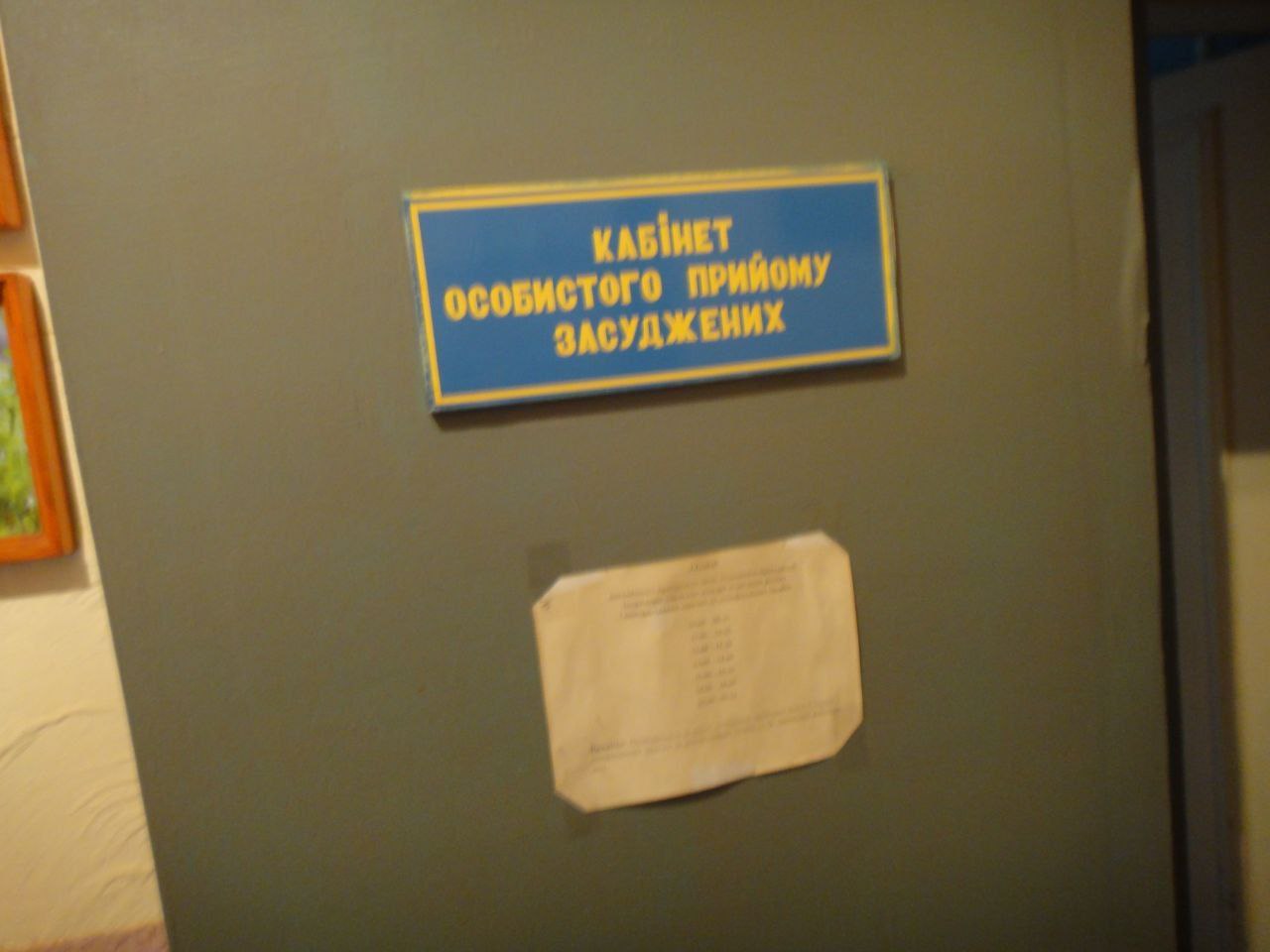
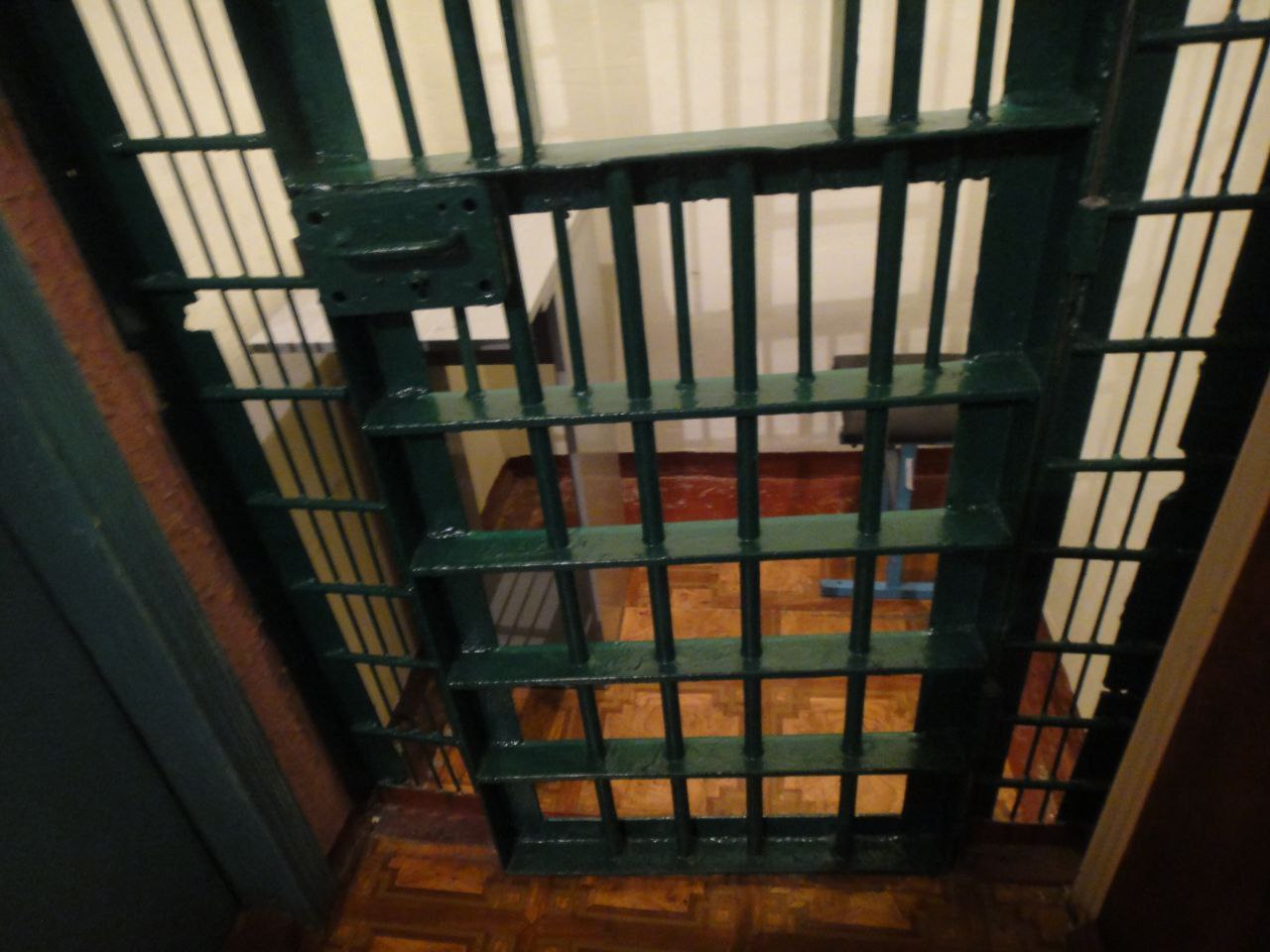
17. During the visit to the institution, the monitoring group identified the presence of a metal cage in the room for personal reception of the maximum-security sector (hereinafter — SMSS), which is used for isolating life-sentenced prisoners during communication with the administration or other persons. Said practice contradicts modern standards of prisoner treatment.
Under similar circumstances, the Committee in its reports has repeatedly emphasised that holding convicts in metal cages during meetings with lawyers or other defence representatives may be considered inhuman and degrading treatment. The Committee called on the Ukrainian authorities to review the corresponding provisions and end such a practice (CPT/Inf (2007) 22, paragraph 114; (CPT/Inf (2013) 23, paragraph 51).
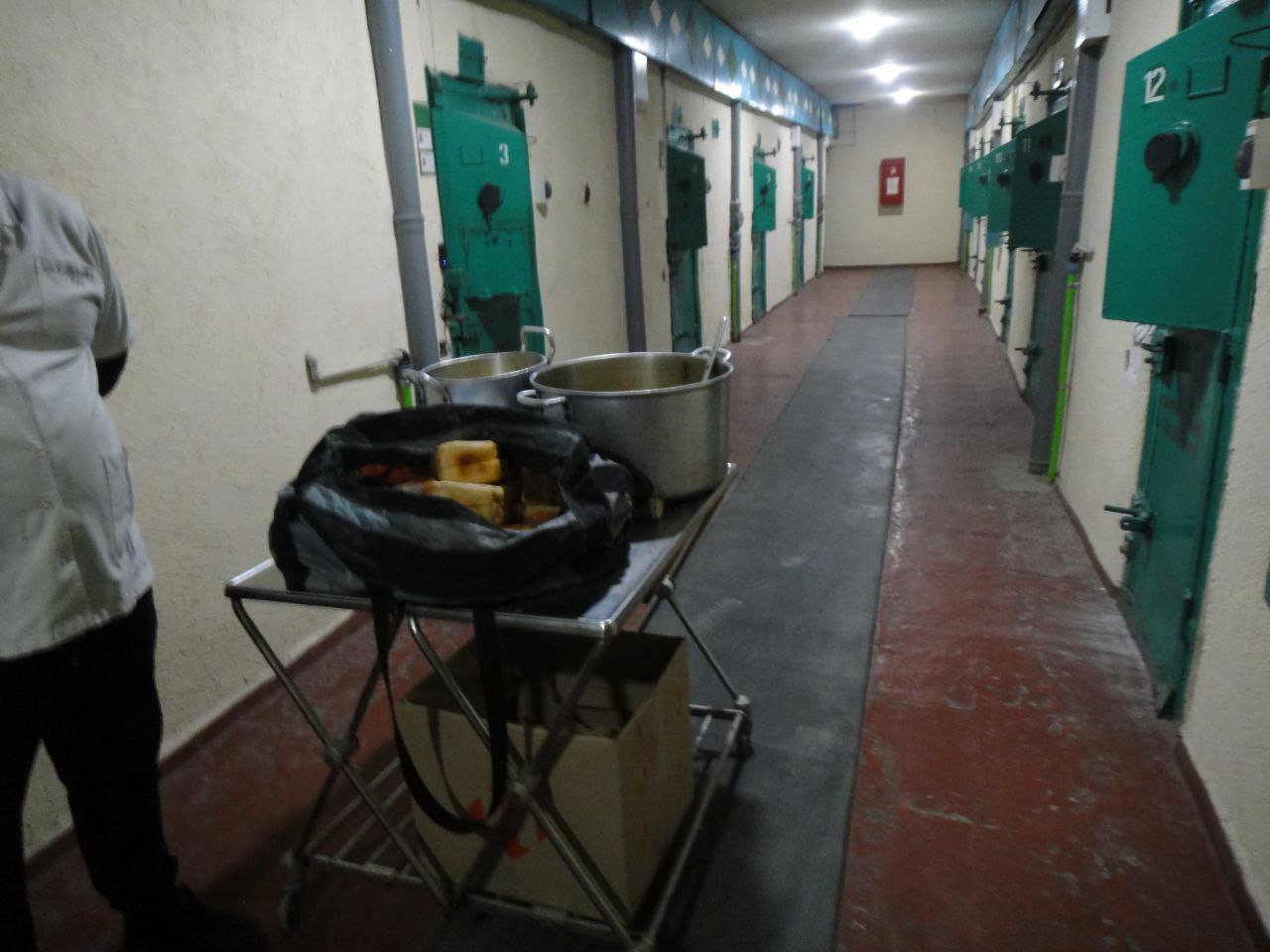
18. In violation of the requirements of Paragraph 14 of Section V of the Regulation on the organisation of food supply in the State Penitentiary Service of Ukraine during peacetime, approved by the order of the Ministry of Justice of Ukraine dated 15 June 2021 No. 2160/5 (hereinafter — Regulation on the organisation of food supply), food for prisoners and convicts is delivered from the institution’s canteen in metal pots rather than in marked thermoses.
19. The monitoring group established a number of violations in the organisation of bath and laundry services for convicts and persons taken into custody. In accordance with Paragraph 3.19.1 of Section III of the Regulation on the organisation of bath and laundry services for persons held in correctional facilities and pre-trial detention centres, approved by the order of the Ministry of Justice of Ukraine dated 8 June 2021 No. 849/5 (hereinafter — Regulation), sanitary processing involves washing convicts (persons taken into custody) in a bath using soap and a washcloth, mandatory replacement of bedding and underwear, as well as conducting disinfection (destruction of pathogenic microorganisms) and disinfestation (destruction of insects and ticks that are carriers of infectious diseases) of personal clothing and bedding (pillows, mattresses, blankets) in a disinfection chamber.
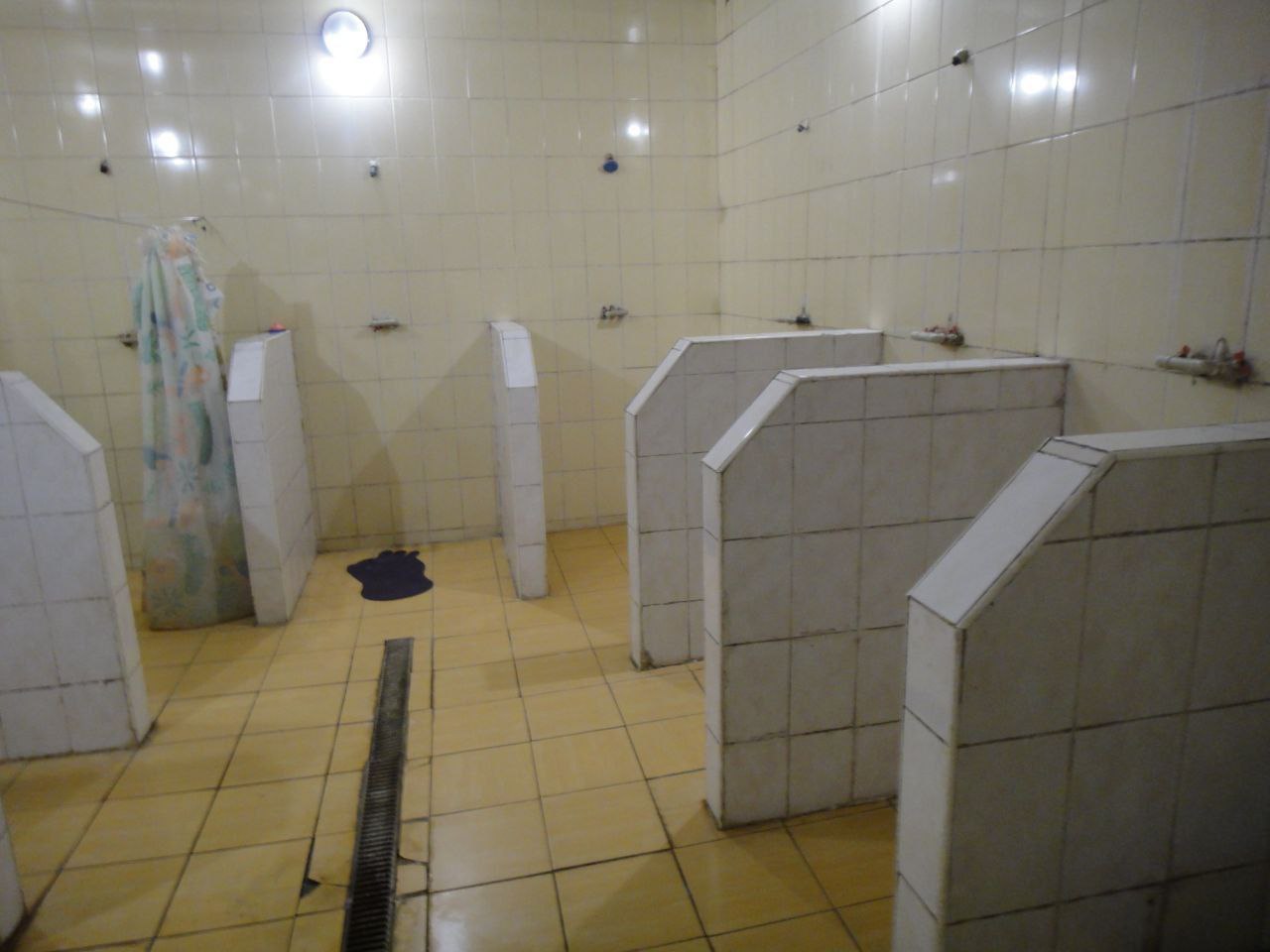
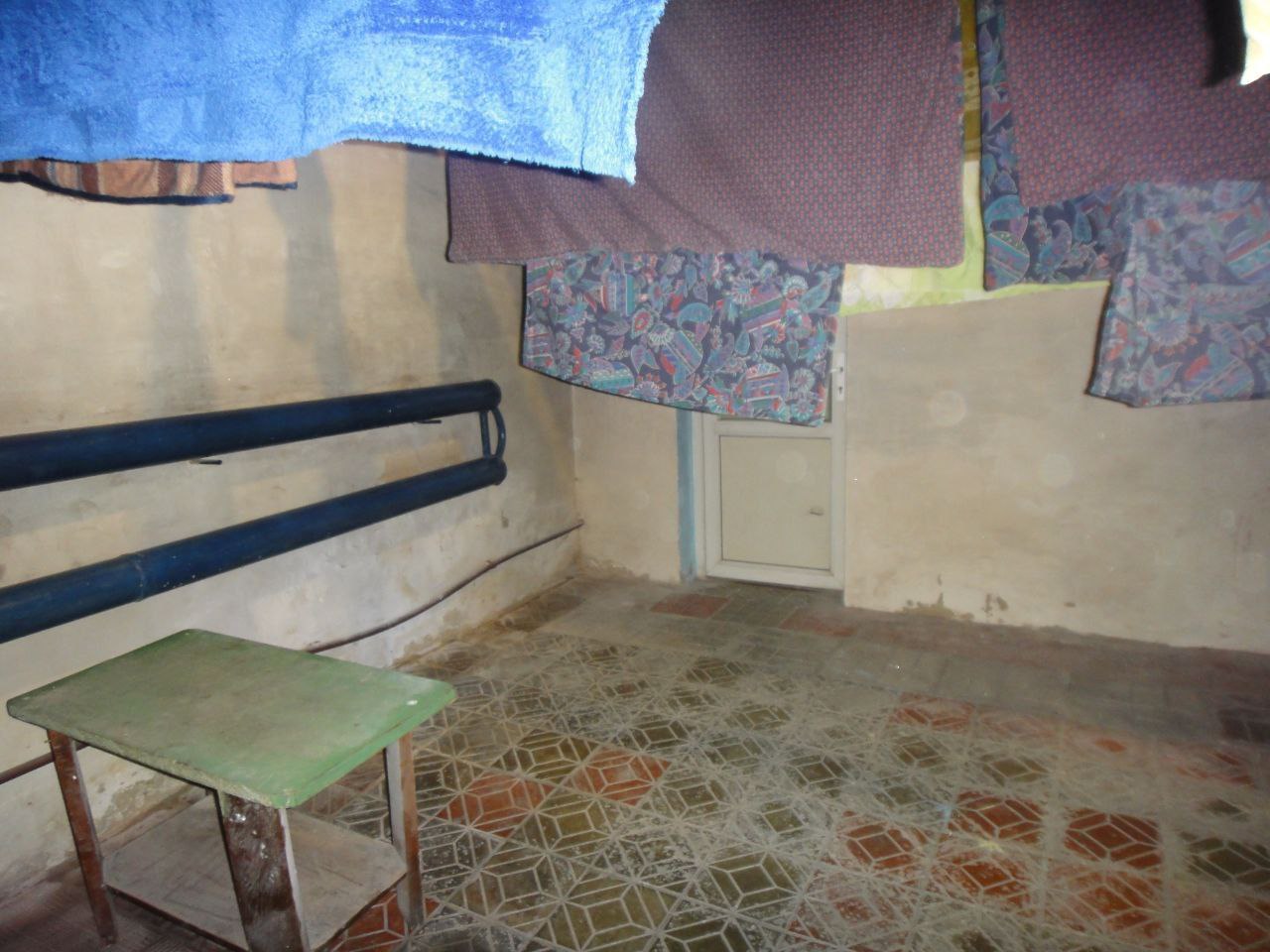
However, as established by the monitoring group, the disinfection chamber in the institution is not working, which makes proper sanitary processing of bedding and clothing impossible, increases the risk of spreading infectious diseases among convicts and staff, and contradicts established sanitary-hygienic norms. In violation of the requirements of Paragraph 2.11 of Section II of the Regulation, the forced supply-exhaust ventilation system is not working in the laundry room. In violation of the requirements of Rule 19.3 of the European Prison Rules, the right to privacy is not ensured in the shower room due to the absence of curtains on shower partitions. In violation of the requirements of Appendix 3 to the Regulation, there is no toilet for staff in the laundry.
20. During the visit, the monitoring group recorded that institution staff who are in direct contact with convicts openly carry special means, including rubber batons. At the same time, according to Paragraph 8 of Paragraph 1 of Section XXVI of the IRCF, the carrying of special means by staff of correctional facilities within the protected territory of a correctional facility must be, if possible, maximally hidden from the environment.
Along with this, the Committee recommends that penitentiary officers who work in direct contact with prisoners should not carry special means (such as rubber batons, handcuffs, and canisters equipped with tear gas) openly before prisoners, as such carrying hinders the establishment of normal relations between staff and prisoners (CPT/Inf (2011) 29, paragraph 85; (CPT/Inf (2013) 23, paragraph 23; (CPT/Inf (2014) 15, paragraph 166).
21. The monitoring group established that the institution’s administration is likely creating artificial obstacles to the implementation of norms that provide for the possibility of replacing the unserved part of the sentence with a more lenient one, as well as for the application of parole, which contradicts the principle of phased reintegration of convicts into society. According to the information provided, at the state institution ‘Berdychiv Correctional Colony (No. 70)’ as of 12 November 2025, 17 convicts were subject to Article 81 of the Criminal Code of Ukraine, 17 persons were considered by the institution’s commission on the issue of applying incentive norms to convicts, and Article 81 of the Criminal Code of Ukraine was applied to 1 convict — parole.
38 convicts were subject to Article 82 of the Criminal Code of Ukraine, 38 persons were considered by the institution’s commission, of whom 5 were sentenced to life imprisonment (materials regarding them are under consideration in the Berdychiv City District Court of the Zhytomyr region). Article 82 of the Criminal Code of Ukraine was applied to 1 convict — replacement of the unserved part of the sentence with a more lenient one, with imprisonment replaced by restriction of liberty, after which the convict departed to a correctional centre for further serving the sentence.
22. In accordance with Subparagraph 5 of Paragraph 2 of Section IV of the Regulation on the programme of differentiated educational influence on convicts ‘Preparation for release’, approved by the order of the Ministry of Justice of Ukraine dated 16 May 2016 No. 1418/5, registered with the Ministry of Justice of Ukraine on 17 May 2016 under No. 735/28865, staff of the institution’s social and psychological service who directly organise and carry out measures to implement the ‘Preparation for release’ programme are obliged to provide assistance to convicts in obtaining (renewing) a passport of a citizen of Ukraine, the registration number of the taxpayer’s account card (RNOKPP), other personal documents, as well as in processing pensions.
At the same time, 37 convicts require the issuance of a passport of a citizen of Ukraine, which indicates insufficient work of the social-educational and psychological work department regarding ensuring the processing of necessary documents for convicts who do not have them.
23. According to information provided by the institution’s administration, since the beginning of 2025 (as of 12 November 2025), 75 short-term visits were granted to convicts at the state institution ‘Berdychiv Correctional Colony (No. 70)’, 58 of which took place in a non-contact way — through continuous partition glass using an intercom device. At the same time, in the report to the Government of Ukraine following the 2023 visit, the European Committee for the Prevention of Torture emphasises that for all categories of convicts, open visits (for example, at a table) should be the rule, and closed ones — the exception, the application of which is allowed only on the basis of justified and reasoned decisions after an individual assessment of the specific convict’s potential risk.
In this regard, the Committee calls on the Ukrainian authorities to review the procedure for conducting short-term visits in penitentiary institutions with the aim of ensuring their conduct, as a rule, in open conditions (CPT/Inf (2024) 20, paragraph 99).
24. According to official documentation, the staff shortage in the institution as of 12 November 2025 is 43 authorised positions. At the same time, in the report to the Government of Ukraine following the 2023 visit, the Committee emphasises that ensuring a positive climate in a penitentiary institution requires the presence of a professional team of staff, which must be present in sufficient numbers at any moment in time in places of detention. An insufficient number of staff increases the risk of violence and intimidation between convicts.
The shortage of staff who are on the front line of interaction with prisoners also undermines the quality and level of measures offered to convicts and jeopardises the prospect of preparation for release and social rehabilitation. In this regard, the Committee calls on the Ukrainian authorities to take decisive measures for a significant increase in the number of staff in Ukraine’s penitentiary institutions, where a low level of staffing is observed, with the aim of strengthening the presence of security and supervision service staff inside the institutions, as well as ending the practice of 24-hour shifts for staff on duty (CPT/Inf (2024) 20, paragraph 93).
25. The study of the practice of using the ‘Cassandra’ subsystem in the institution was carried out on the basis of a written survey of 11 persons among those sentenced to life imprisonment. The survey covered questions of convicts’ awareness regarding the essence of the subsystem, the risk assessment procedure, convicts’ participation in the formation of individual social-educational work programmes, characterisations and conclusions about correction, as well as opportunities for accessing information and appealing it.
The results of the survey indicate a systemic lack of awareness of life-sentenced convicts regarding the purpose of the ‘Cassandra’ subsystem, its operation algorithms, and the legal consequences of using risk assessment. Most of the surveyed noted that they were not explained for what purpose the risk assessment is conducted, how often it is carried out, and how its results affect their legal status. Convicts are not informed about the conduct of risk assessment, do not receive copies of its results, and do not have access to data entered about them into the subsystem.
They do not participate in the assessment procedure, cannot provide explanations or objections regarding the information recorded by the institution’s staff, and do not have the opportunity to engage a lawyer during the risk assessment. The survey showed that the results of the risk assessment using the ‘Cassandra’ subsystem are used when drawing up individual social-educational work programmes, characterisations of convicts, and conclusions about their correction.
At the same time, the convicts themselves are not present during the drawing up of these documents, are not involved in their discussion, and do not receive copies of them. Thus, documents that directly affect the legal status of a life-sentenced convict are formed without his participation and without effective control. It was separately established that convicts do not know the sources of information used to enter data into the ‘Cassandra’ subsystem, which creates a risk of using subjective evaluative judgments, unverified or outdated information without the possibility of refuting or clarifying it. Convicts also do not possess information regarding the possibility of correcting or deleting data about them in the subsystem in case of a change in legal status or after serving the sentence.
Taken together, the established circumstances indicate that the ‘Cassandra’ subsystem is used in the institution primarily as a closed administrative instrument of internal control, and not as an individualised mechanism for risk assessment aimed at resocialisation and review of the legal status of life-sentenced persons. For this category of persons, such a practice means the de facto impossibility of influencing the content of the risk assessment, appealing its results, or achieving the consideration of positive behavioural dynamics.
From a legal point of view, said practice contradicts the principle of individualisation of the execution of punishment, enshrined in the Criminal Executive Code of Ukraine, and nullifies the convicts’ right to participate in procedures that determine their legal status. The lack of access to information, the impossibility of being heard, and the absence of effective mechanisms for appealing the results of risk assessment violate the principles of legal certainty and fair procedure.
For life-sentenced convicts, this model of using the ‘Cassandra’ subsystem has especially negative consequences, as it is the results of the risk assessment and related characterisations and conclusions that effectively form the administrative perception of the degree of the person’s dangerousness without real opportunities for the convict to influence this process. This reinforces the risk of life-long fixation of a negative status regardless of the person’s behaviour and progress, which contradicts the standards of the European Convention on Human Rights and ECHR practice regarding the necessity of a real prospect of reviewing life imprisonment.
Thus, the use of the ‘Cassandra’ subsystem in its current form does not ensure proper procedural guarantees for life-sentenced convicts, does not correspond to the principles of transparency, individualisation, and the person’s participation in solving issues concerning their legal status, and effectively turns risk assessment into a formal instrument of administrative control without effective legal protection.
26. The institution has two civil defence protective structures in the form of shelters, which are on the balance sheet of the state institution. At the same time, the results of the analysis of the provided documentation and the actual state of these shelters indicate a significant discrepancy between the formal conclusions of the readiness assessment acts for protective structures and the real conditions of their technical and operational suitability.
The first shelter is not equipped with a ventilation system, which makes it impossible for people to safely stay in an enclosed space for the time required to take cover from threats related to military actions or emergency situations. In fact, the shelter has only one functional evacuation exit, whereas current regulatory requirements provide for the presence of at least two independent evacuation exits.
At the same time, the readiness assessment acts state the presence of two exits, which does not correspond to the actual state of affairs. The sewage system in this shelter is absent, backup containers or alternative sanitary solutions are not provided, which makes its use for its intended purpose impossible in the event of people staying for a long time.
The second shelter is in a critical technical state. Increased humidity was recorded in the premises, dampness and water are present, which indicates a violation of waterproofing and creates risks to the structural safety of the structure, as well as to the life and health of persons who may be in it.
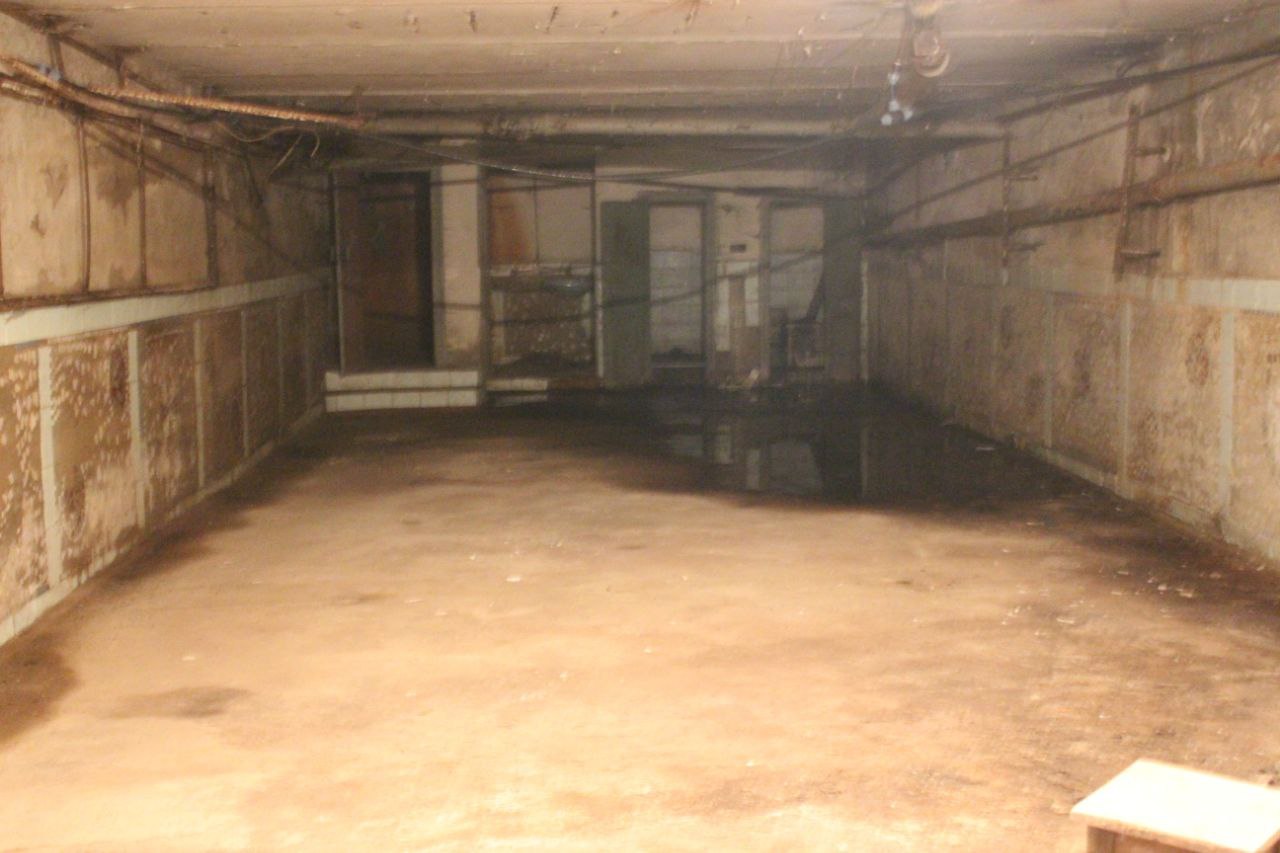
The second evacuation exit in this shelter is effectively absent or in a non-functional state, however, in the corresponding readiness assessment acts, it is indicated as present. Such a discrepancy between documentary conclusions and the actual state is a gross violation of safety requirements. Although there is formally sewage in this shelter, the absence of a ventilation system makes its safe use impossible. Taken together, the second shelter is effectively in an emergency state and cannot be considered suitable for operation.
The nature of the documentation regarding both shelters is of particular concern. The readiness assessment acts have identical content, phrasing, and conclusions, including the statement about the presence of a second evacuation exit, which does not correspond to the actual state of any of the protective structures.
Such identity of documents under conditions of significant differences and existing technical defects testifies to a formal approach to conducting inspections, the absence of an individual assessment of each object, and the likely drawing up of acts without a full-fledged factual examination. This creates a false impression about the level of readiness of protective structures and makes proper risk management impossible.
The formal definition of both shelters as limited-ready does not correspond to actual conditions, as the absence of ventilation, a second evacuation exit, and a sewage system in one of the shelters, as well as the emergency state of the other object, objectively make their use for the intended purpose impossible. Under such conditions, the shelters are unable to ensure the minimally necessary level of safety for convicts and staff in the event of an armed shelling or other emergency situation.
The identified state of the shelters and the inaccuracy of information reflected in the readiness assessment acts violate the requirements of the Civil Defence Code of Ukraine, state building norms, and subordinate normative-legal acts in the sphere of civil defence, which oblige the balance-holder to ensure real, not declarative, readiness of protective structures for use for the intended purpose, including through equipping with ventilation, two independent evacuation exits, a proper sanitary-technical state, and autonomous life-support systems.
Furthermore, such circumstances indicate a violation of Article 3 of the Constitution of Ukraine, which defines human life and safety as the highest social value, Article 27 of the Constitution of Ukraine regarding the state’s duty to protect human life, as well as Article 2 of the European Convention on Human Rights regarding the state’s positive obligation to take preventive measures to protect the lives of persons who are under its full control, in particular persons deprived of liberty.
Taken together, the established facts testify not only to the unsatisfactory technical state of the shelters but also to systemic formalism in documenting their readiness, which effectively deprives persons held in the institution of real protection in conditions of military threat and emergency situations and requires an immediate response from management and control bodies in the sphere of civil defence.
27. During the monitoring visit to BCC-70, the issue of compliance with the convicts’ right to work and social guarantees was comprehensively investigated, in particular, the organisation of labour, types of work, the character of legal formalisation of labour relations, the level of wages, and the presence of social protection. The analysis was carried out on the basis of service contracts, remuneration accrual statements, logs for checking convicts at workplaces, logs for receiving and handing over convicts to production staff, logs of medical examinations, logs of issuing inventory and items, work orders for performing work, and nominal lists of convicts engaged in labour.
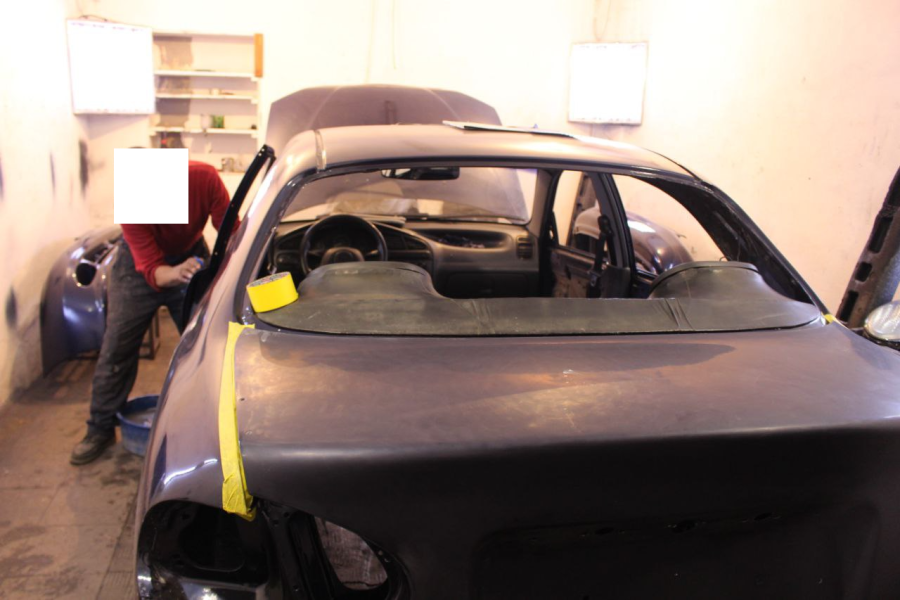
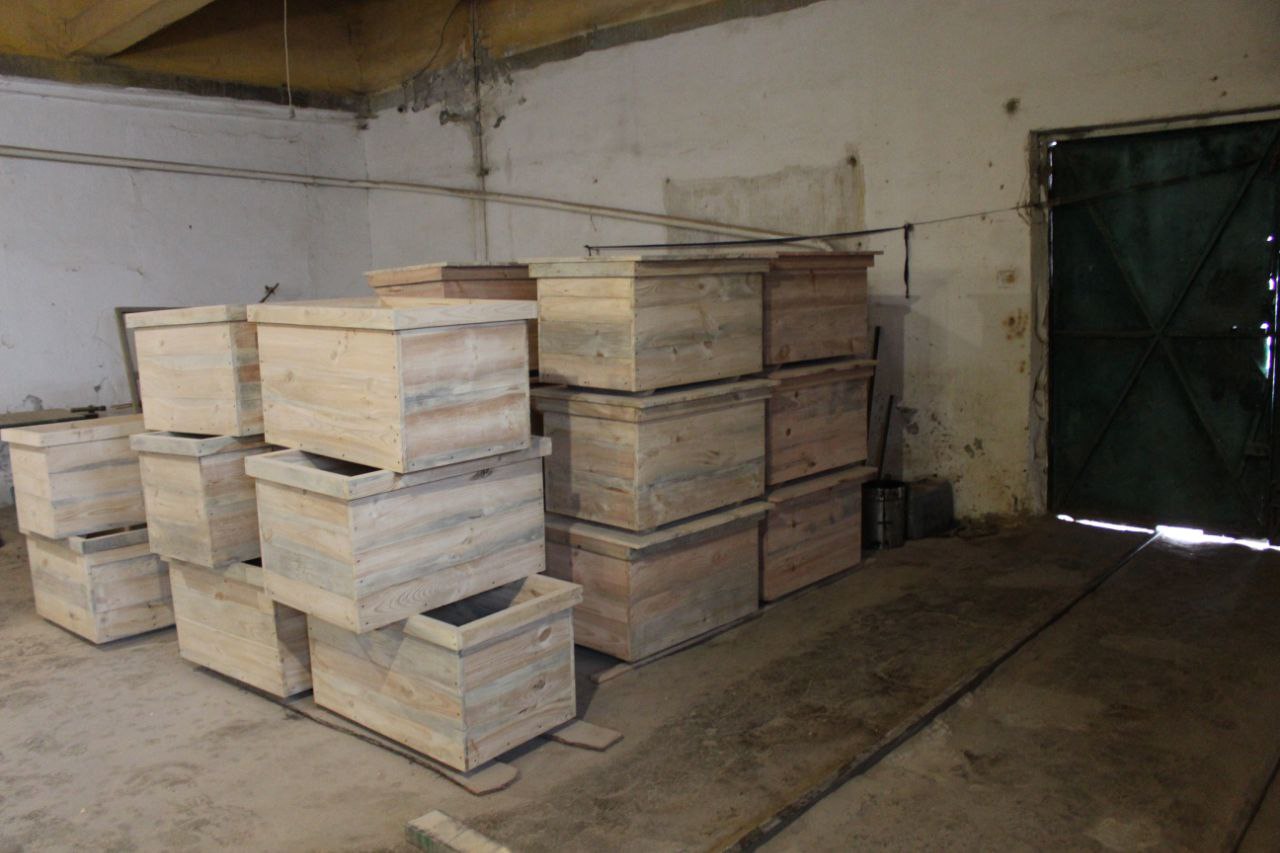
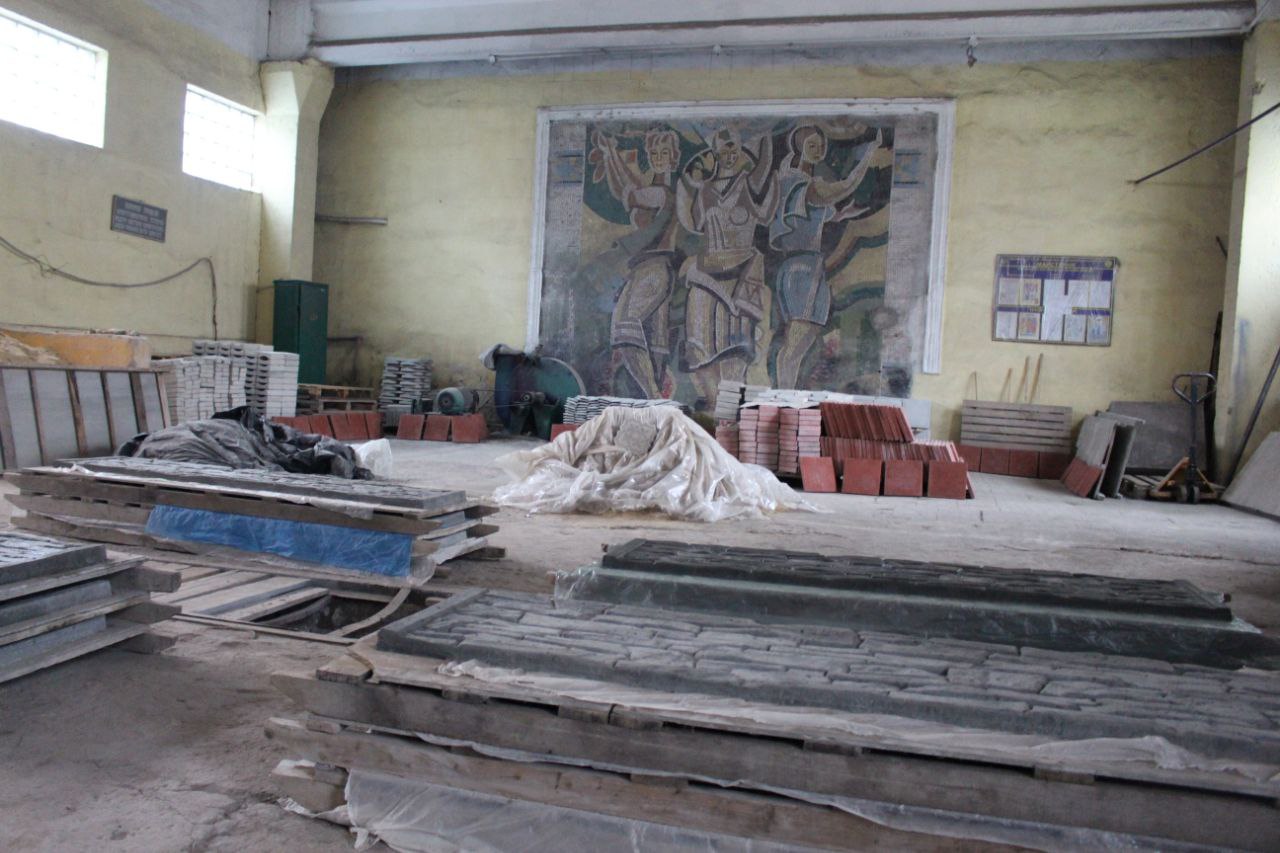
It was established that a system of constant use of convict labour has been formed in the institution in production and household units that ensure the daily functioning of the colony. Convicts are engaged in work in auto repair shops, in sewing production, in small-scale industrial processing units, in the carpentry unit, in the catering unit, as well as at other auxiliary household facilities.
According to work orders and inspection logs, labour is organised according to defined schedules with an indication of the time of start and end of the working day, with convicts assigned to specific units and constant control by the institution’s administration. The work is performed on a regular basis, in a number of cases daily without days off, which is confirmed by systematic entries in medical examination logs and inventory issuance logs.
The analysis of the legal formalisation of labour relations showed that effectively all labour of convicts is formalised through the conclusion of civil-law service contracts or is carried out without proper legal formalisation. At the same time, the actual conditions of performing work testify to the presence of all essential signs of labour relations.
Convicts perform work personally, within the framework of the institution’s constant production processes, obey internal regulations, work according to an established schedule, are under constant control of the administration, and do not have independence in determining the method, time, and organisation of performing work. The works are not of a one-off or temporary nature but are performed over long periods.
This is confirmed by concrete examples. Convict K. has effectively worked in auto repair shops for about two years, convict N. has been engaged in sewing production for approximately two years, D. has been working in the small-scale industrial processing unit for about fourteen months, M. has been engaged in labour for about six months, Z. works constantly in the carpentry unit.
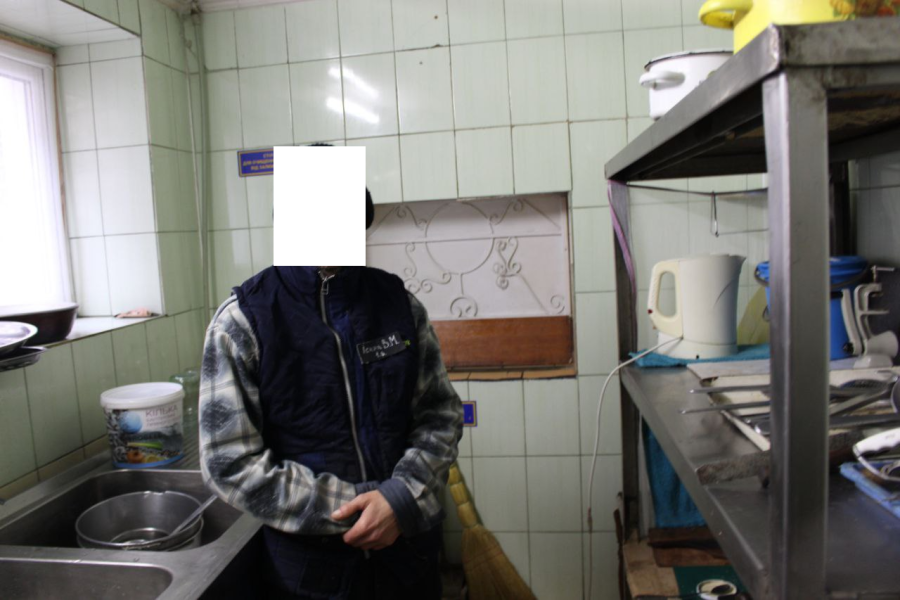
In the catering unit, the engagement of convict R. as a trainee without proper confirmation of the official formalisation of labour relations was recorded. Especially revealing is the example of convict I., who works washing dishes in the catering unit daily from five o'clock in the morning until eighteen o'clock without days off, which is confirmed by medical examination logs, inventory issuance logs, and logs of checks at the workplace. At the same time, it was established that convicts engaged in work in the catering unit are formalised exclusively under civil-law contracts, and an authorised staff roster for this structural unit does not exist in the institution.
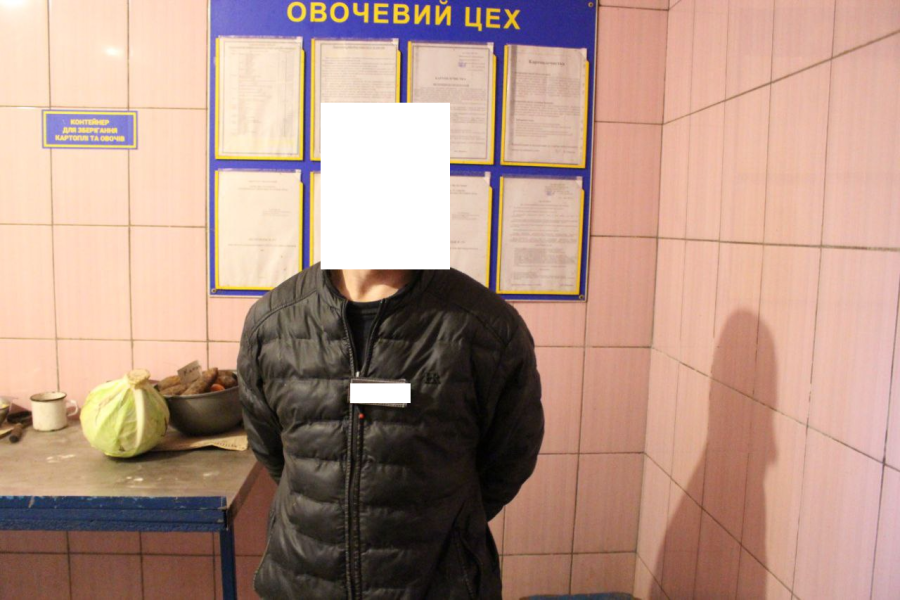
The analysis of remuneration accrual statements showed an extremely low level of payment for convict labour. According to the provided documents, for a full month of work, including daily employment, convicts are accrued amounts that fluctuate within a few hundred hryvnias or about one to two thousand hryvnias.
Such payments do not correspond to the actual volume of time worked, do not take into account the duration of the working day and work without days off, and do not reach the level of the minimum wage even in proportional recalculation. Payment is carried out in the form of remuneration under a service contract without linking to the number of hours worked or the duration of working time, which effectively devalues the convicts’ labour and violates the principle of fair remuneration.
Systemic violations of social guarantees were also established. For convicts, the unified social contribution is not accrued and paid, insurance length of service is not formed, and paid leave, sick leave, and other types of social security are not provided. In case of injury or illness during the performance of work, convicts effectively remain without social protection, despite the fact that they are under the full control of the state. Such a practice contradicts the resocialisation function of convict labour and turns it into an instrument of utilitarian use of labour force.
The application of civil-law contracts under the identified conditions is legally unjustified. A civil-law contract provides for the performance of specifically defined work or the achievement of a certain result, independence of the executor, and the absence of subordination to internal labour regulations. Instead, in the investigated institution, convict labour has a constant character, is carried out according to fixed schedules, as part of the institution’s production processes, and under constant administrative control, which in its essence corresponds to labour, not civil-law relations.
Said practice violates Article 43 of the Constitution of Ukraine, Articles 118, 120, and 121 of the Criminal Executive Code of Ukraine, Articles 21, 24, 50, 52, and 67 of the Labour Code of Ukraine, the requirements of the Law of Ukraine ‘On collection and accounting of the unified contribution for general compulsory state social insurance’, as well as international standards, in particular the Standard Minimum Rules for the Treatment of Prisoners (Mandela Rules) and European Prison Rules. The consequence of such practice is a systemic violation of the convicts’ right to work and social protection, economic exploitation, undermining the resocialisation function of labour, and creating risks of state liability for failure to fulfil positive obligations in the sphere of human rights.
In summary, it was established that at BCC-70, the convicts’ right to work and social guarantees is implemented formally, without real ensuring of labour rights and social protection, which requires a fundamental review of approaches to the organisation and legal formalisation of convict labour in accordance with the requirements of national legislation and international standards.
Medical Unit No. 71 of the branch of the state institution ‘Health Care Centre of the State Penitentiary Service of Ukraine’ in Zhytomyr Oblast
Head of Medical Unit No. 70 of the branch of the state institution ‘Health Care Centre of the State Penitentiary Service of Ukraine’ in Zhytomyr Oblast (hereinafter — medical unit) — V. S. Balytskyi.
At the time of the visit, there were no vacant positions on the medical unit’s staff. During the monitoring visit, violations of national legislation requirements and non-compliance with international recommendations in the sphere of prisoner treatment were identified, leading to violations of the rights of convicts:
1. During the visit, the monitoring group established that medical staff do not ensure proper recording and documentation of bodily injuries of persons deprived of liberty. In accordance with Paragraph 3 of Chapter 1 of Section II of the Procedure for organising the provision of medical care to convicts sentenced to imprisonment, approved by the order of the Ministry of Justice of Ukraine and the Ministry of Health of Ukraine dated 15 August 2014 No. 1348/5/572 (hereinafter — Procedure), in case of detecting bodily injuries in a convict, the medical worker who detected such injuries draws up a certificate in three copies, in which are detailed: information (written statement, oral or written explanation of the convict) relating to the circumstances of receiving bodily injuries (date, time, place of receiving, method of inflicting injuries, information about the person (persons) who, in the convict’s opinion, inflicted them, as well as other information regarding the receiving of bodily injuries); an exhaustive description of medical indicators characterising the convict’s health status, the nature of injuries, their size, and location; the medical worker’s assumption in view of the information provided by the convict and medical indicators, as well as the justification for their correlation.
To the certificate, the medical worker adds a form of primary accounting documentation No. 511/o ‘Certificate of Recording Bodily Injuries’, approved by the order of the Ministry of Health of Ukraine dated 14 February 2012 No. 110, registered with the Ministry of Justice of Ukraine on 28 April 2012 under No. 661/20974, and photographs of the convict’s existing bodily injuries. Two copies of the certificate and its appendices are attached to the materials of the personal file and the medical record of the outpatient No. 025/o; the third copy is issued personally to the convict who underwent the examination.
Instead, as established during the monitoring visit, in cases of detection of bodily injuries, the medical staff effectively only fill out the form of primary accounting documentation No. 511/o, without drawing up the certificate in three copies and without performing the full complex of actions provided for by the Procedure. This indicates a systemic violation of the requirements of Paragraph 3 of Chapter 1 of Section II of the Procedure and an improper organisation of medical recording of bodily injuries.
2. In violation of Paragraph 2 of Chapter 2 of Section II of the Procedure, the medical unit is not provided with functioning fluorographic/radiological equipment, as a result of which diagnostic examinations of the thoracic cavity organs are not conducted for convicts and prisoners with the aim of timely detection of respiratory diseases. This indicates the impossibility of conducting early diagnosis of tuberculosis in the medical facility.
3. The medical unit has not organised the provision of opioid agonist therapy (hereinafter — OAT) for persons with mental and behavioural disorders resulting from opioid use, in accordance with the Procedure for conducting opioid agonist therapy for persons with mental and behavioural disorders resulting from opioid use, approved by the order of the Ministry of Health of Ukraine dated 27 March 2012 No. 200. Drug-dependent persons are not provided with social-psychological support, cognitive-behavioural therapy (CBT), relapse prevention, motivational interviewing, self-help groups, etc.
Thus, these persons are deprived of the opportunity to receive OAT, which violates their right to choose treatment methods in accordance with Article 38 of the Law of Ukraine ‘Fundamentals of the Legislation of Ukraine on Healthcare’. At the same time, the Committee in its report following the 2023 visit to Ukraine notes that entering a penitentiary institution is an opportunity to solve a problem related to drugs, and therefore it is important that appropriate assistance be offered to all interested persons; consequently, appropriate medical care must be available in all institutions.
The assistance offered to such persons must be diverse; agonist therapy programmes for persons with drug addiction must be combined with genuine psychosocial and educational programmes for persons with opioid dependence who are unable to stop drug use. Furthermore, access to OAT programmes in institutions must be easily accessible, and they must also be managed by penitentiary doctors who have undergone special training on issues related to drug use (CPT/Inf (2024) 20, paragraph 86).
4. In violation of Paragraph 10 of Paragraph 2 of Section XVII of the IRCF, a convict who performs the functions of a ‘duty convict’ stays in the medical unit’s inpatient ward around the clock. During confidential communication with convicts, the monitoring group established that various jobs are assigned to him, including caring for the seriously ill, cleaning the premises, and that he has set up a sleeping place for himself in the medical unit’s shower room. The above violates the requirements of Article 96 of the CEC of Ukraine.
At the same time, the Committee has repeatedly recommended ending the practice of using convicts as assistants in medical units and as orderlies (Committee report on the results of the visit to Ukraine in 2005 (CPT/Inf (2007) 22, paragraph 132; in 2013 (CPT/Inf (2014) 15, paragraph 151; in 2017 (CPT/Inf (2018) 41, paragraph 86)).
5. In violation of the requirements of Paragraph 8 of Chapter 5 of Chapter 2 of the Procedure, there is no equipped isolation ward for persons with mental disorders who pose a danger to others in the medical unit’s inpatient ward.
6. In violation of the requirements of the Standards of Medical Care for Chronic Hepatitis C in adults, approved by the order of the Ministry of Health of Ukraine dated 15 January 2021 No. 51, not all persons (40 persons as of 12 November 2025) with suspected viral hepatitis C undergo PCR testing, due to which they do not receive the necessary treatment, which may lead to the deterioration of their health and the spread of said infectious disease among convicts and prisoners. Furthermore, on the day of the visit, the medical unit’s pharmacy lacked drugs for the treatment of viral hepatitis C.
7. Dispensary supervision is carried out for 8 persons who have disabilities. Of them: group I — 1 person, group II — 2 persons, group III — 5 persons. At the same time, in violation of the requirements of the Law of Ukraine ‘On the Rehabilitation of Persons with Disabilities in Ukraine’, persons with disabilities do not receive proper diagnostic, treatment, and rehabilitation measures in the presence of information confirming a persistent impairment of bodily functions caused by diseases and the consequences of injuries, which cause restrictions on normal life activities.
Thus, during a selective study of the convicts’ medical documentation, it was established that one person who has a disability lacks an individual rehabilitation programme (hereinafter — IRP). Furthermore, the IRP recommendations are not being implemented, due to which such a person does not receive proper diagnostic, treatment, and rehabilitation measures.
8. In violation of the requirements of State Building Norms of Ukraine V.2.2-40:2018 ‘Inclusivity of buildings and structures. Main provisions’, conditions for holding people with disabilities have not been created in the medical unit.
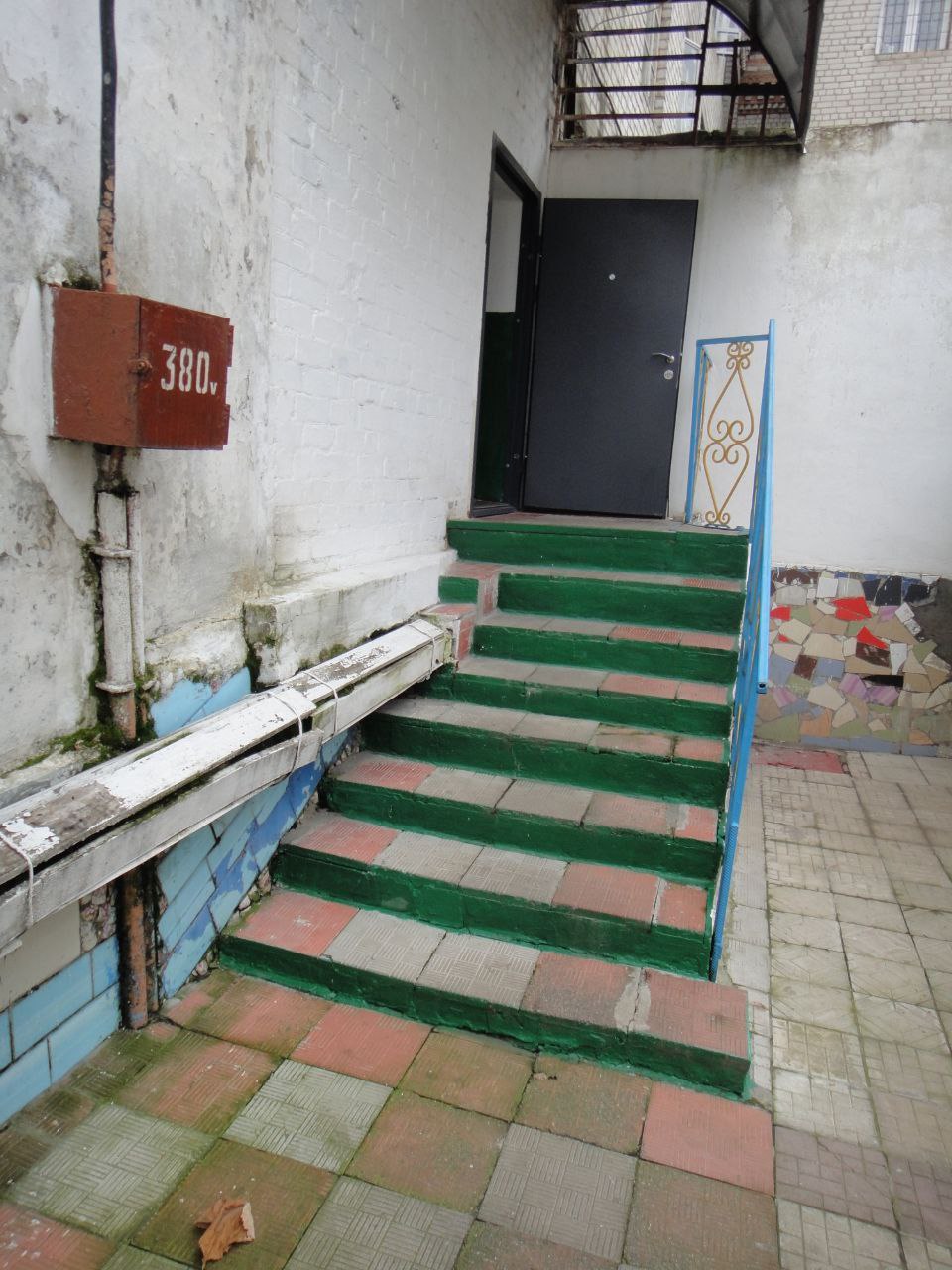
9. In violation of Paragraph 37 of the Resolution of the Cabinet of Ministers of Ukraine dated 2 March 2016 No. 285 ‘On approval of Licensing conditions for conducting economic activities in medical practice’, the medical unit lacks a conclusion confirming free access to the buildings and premises of the medical facility for persons with reduced mobility, the receipt of which is mandatory.
10. In violation of the requirements of the Norms of entitlement to bedding, special clothing, and special footwear (inventory property) for convicts undergoing treatment in medical-preventive institutions, institutions with the rights of medical ones, and in medical units at correctional facilities and pre-trial detention centres, approved by the order of the MoJ of Ukraine dated 20 February 2012 No. 280/5, convicts do not receive hospital property (suit, robe, and hospital slippers) during hospitalisation.
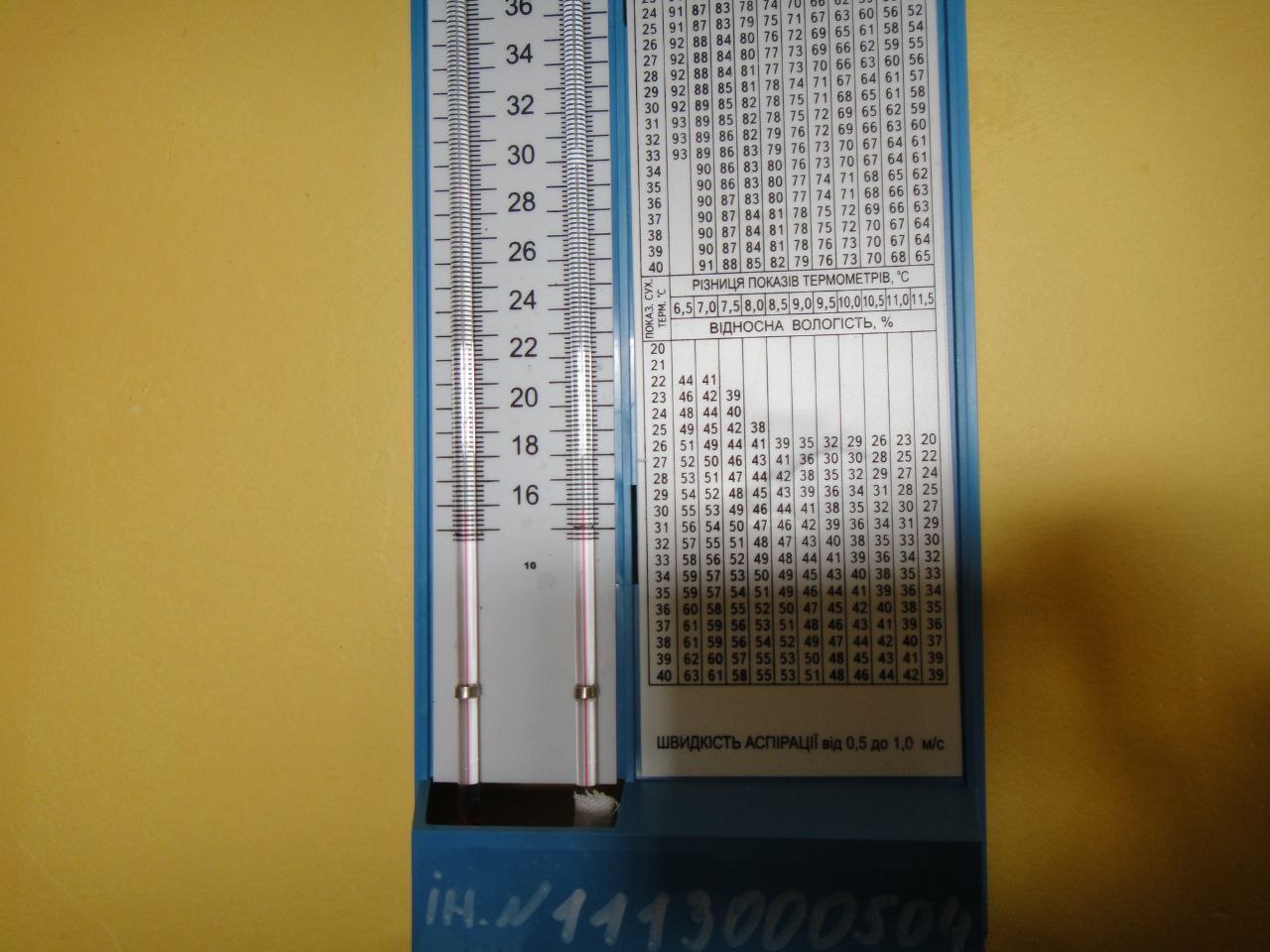
11. In the medical unit, particularly in the wards, the monitoring group recorded violations of the temperature regime. Thus, at the time of the inspection, the air temperature in certain premises was +15°C, which does not meet the requirements of Section VI of the State Sanitary Norms and Rules, approved by the order of the Ministry of Health of Ukraine dated 2 April 2013 No. 259, as well as Paragraph 1 of Section XXII of the IRCF, according to which, in the cold season, the temperature in residential premises of correctional facilities must be maintained at a level of no less than +18°C.
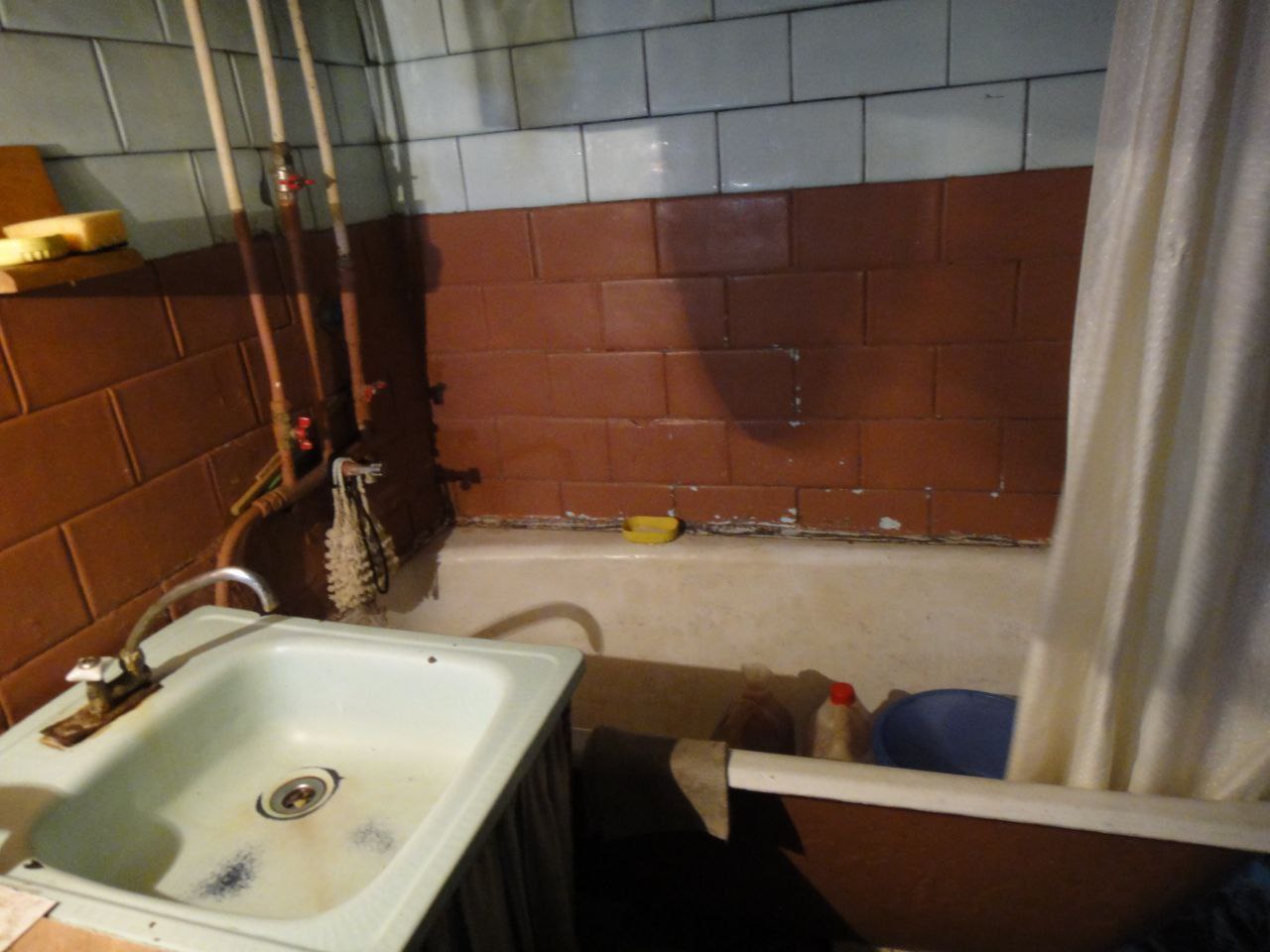
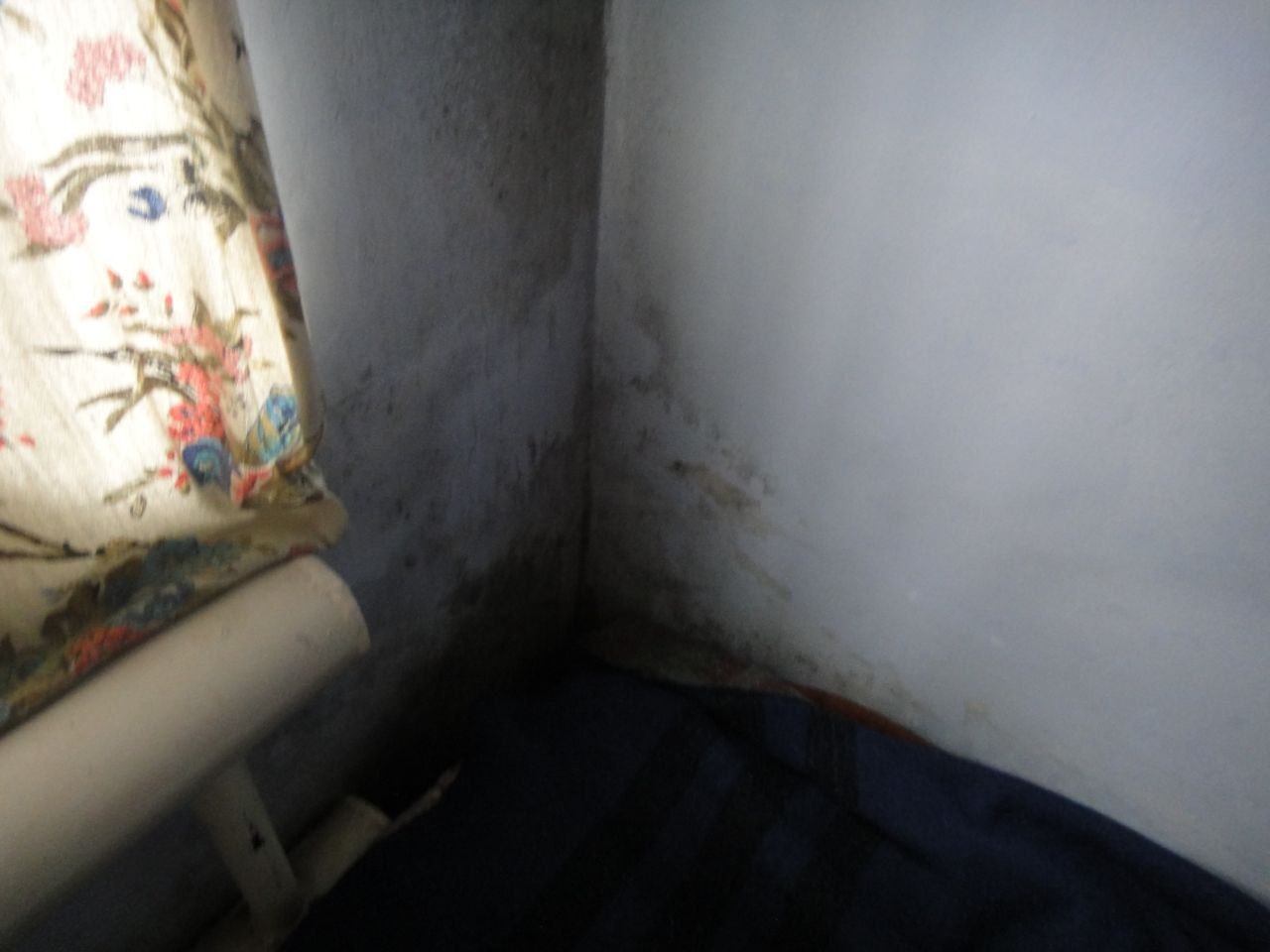
12. In violation of the requirements of Part 1 of Article 115 of the Criminal Executive Code of Ukraine, individual ward premises are in an unsatisfactory technical state and require repair work. The spread of mould on the walls was recorded, which is caused by water seepage. The above creates significant risks to the health of persons held there, in particular in connection with a prolonged stay in a humid environment, the presence of mould, and an increased probability of developing respiratory, skin, and infectious diseases.
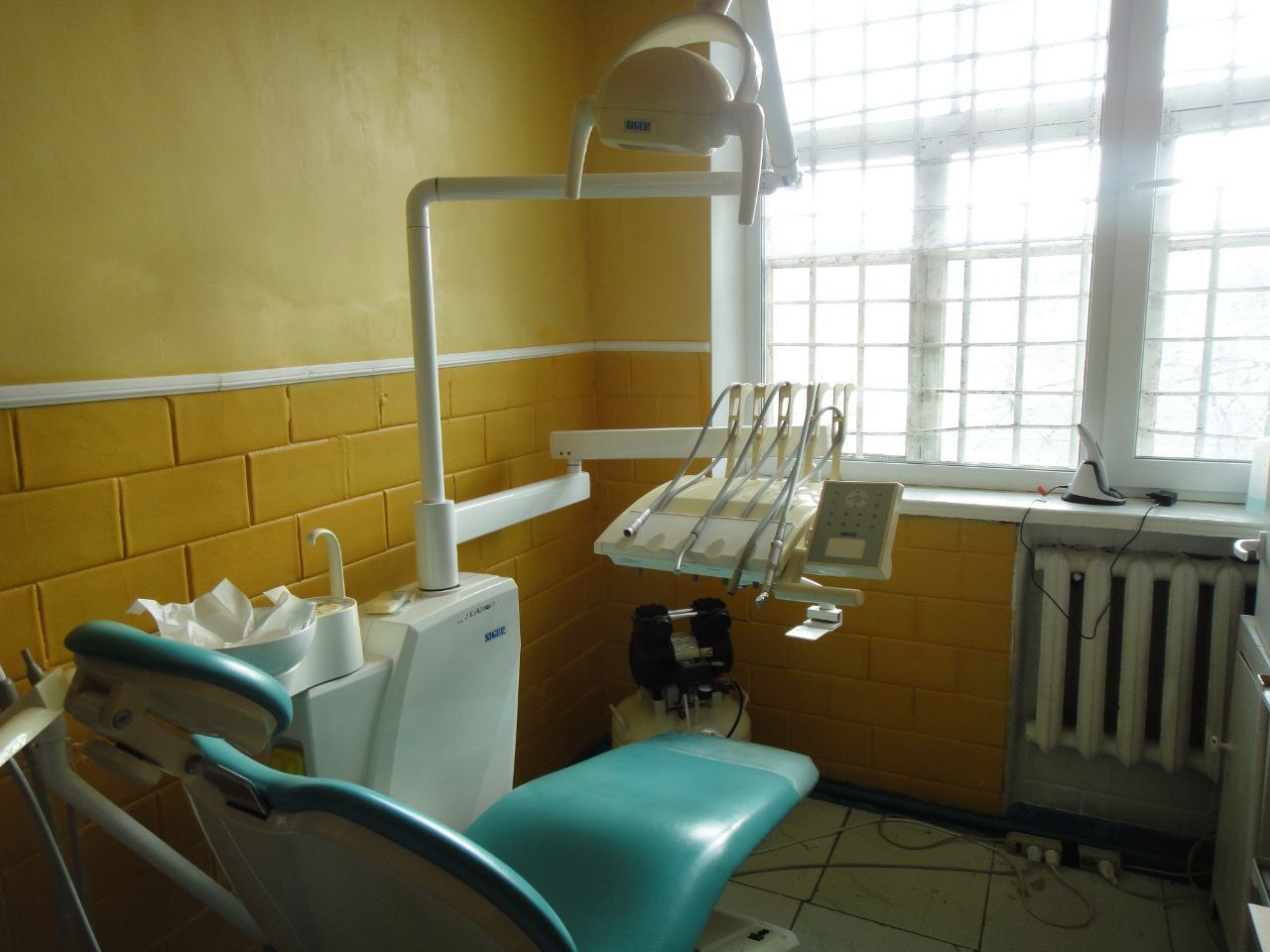
13. In violation of the requirements of the Equipment Table for a dentist’s and dental technician’s workplace, approved by the order of the Ministry of Health of Ukraine dated 11 April 2005 No. 158, the medical unit lacks a dental X-ray machine, which makes it impossible to conduct an in-depth dental examination of convicts and does not ensure the timely provision of proper dental care.
14. In violation of the requirements of the Procedure for organising medical care at the primary, secondary (specialised), and tertiary (highly specialised) levels using telemedicine, approved by the order of the Ministry of Health of Ukraine dated 19 October 2015 No. 681, the medical unit’s staff, due to technical limitations, are deprived of the possibility to send requests for telemedicine consultations and receive professional assistance for providing medical services to convicts.
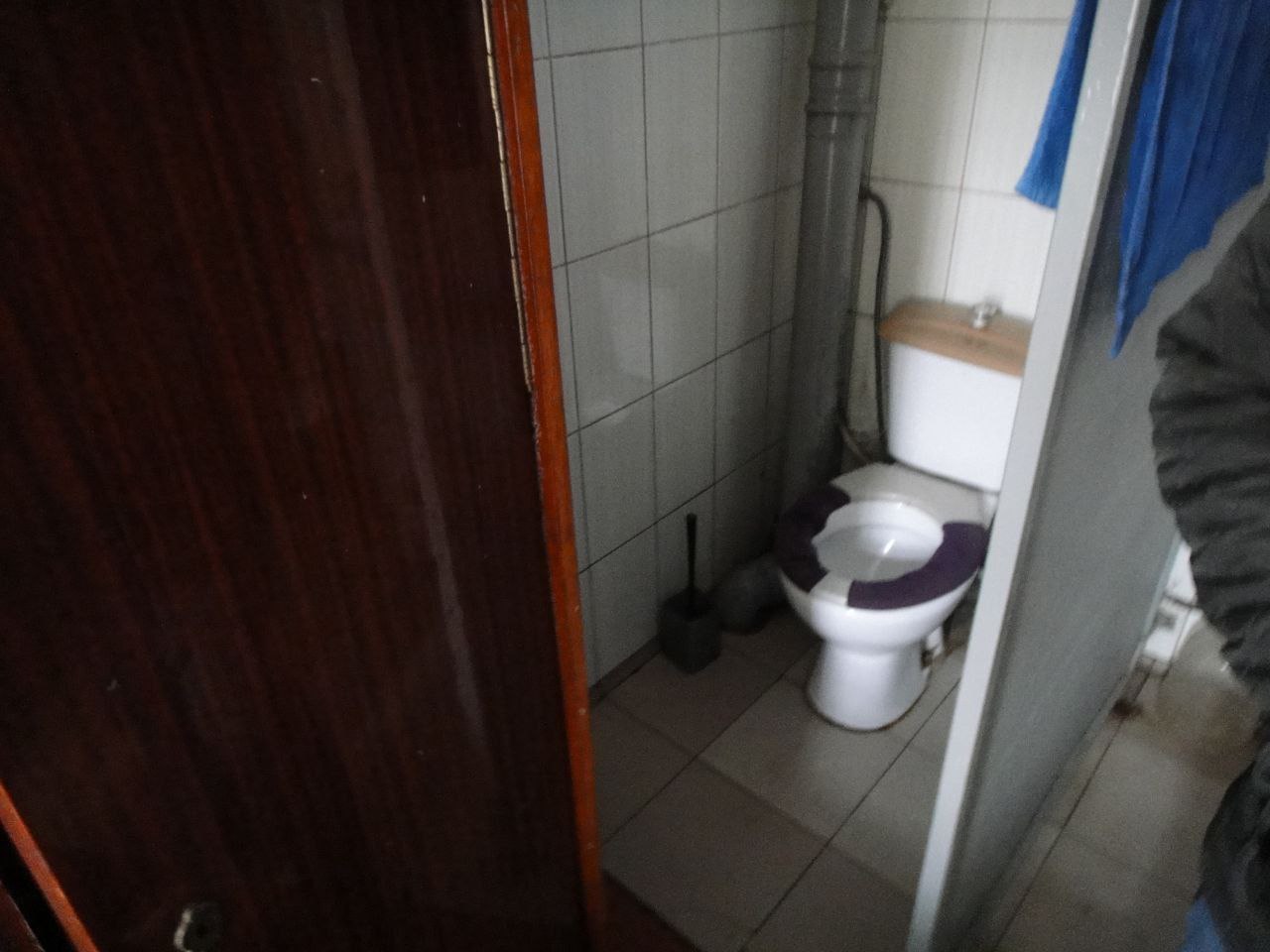
15. In violation of the requirements of Rule 19.3 of the European Prison Rules, the sanitary unit in the ward for somatic patients and in the infectious isolation ward is not equipped with doors, due to which the convicts’ right to privacy is not observed.
16. In violation of the requirements of Paragraph 7 of Chapter III of Section II of the Procedure, the monitoring group recorded the absence of personal medical books for canteen workers, as well as the absence in medical documentation of results of examinations conducted by medical specialists (including laboratory, clinical, and other studies), which are necessary for admission to work at food facilities.
17. In violation of the requirements of the Fire Safety Rules in Ukraine, approved by the order of the Ministry of Internal Affairs of Ukraine dated 30 December 2014 No. 1417 (hereinafter — Rules), the medical unit’s premises are not equipped with fire extinguishing and fire alarm systems.
Recommendations:
1. Ensure a living space standard of no less than 4 m² per person in residential premises and eliminate overcrowding by redistributing persons and reducing room occupancy.
2. Establish proper organisation of work with new arrivals in the QDR, in particular, ensure clear records, compliance with the established regime of stay, and prevent unauthorised movements and factual discrepancies between accounting documents and the actual number of persons.
3. End the practice of using convicts as ‘duty convicts’ to control other convicts and ensure that supervision and maintaining order are carried out exclusively by the institution’s staff.
4. Do not allow the engagement of convicts in work in the QDR without proper legal formalisation and pay; in case of need to perform work, ensure the conclusion of employment contracts and the payment of wages.
5. Prohibit the engagement of new arrivals from the QDR in work in the production zone in violation of the established procedure and ensure internal control with the aim of making such cases impossible.
6. Bring the material and living support of the QDR into compliance with regulatory requirements, in particular, equip premises for educational work, food storage, storage of the exchange fund and special clothing, temporary storage of dirty laundry, a cloakroom, a utility room, a drying room, and other necessary premises.
7. Ensure the presence of drinking water tanks of the established capacity and proper configuration in the QDR residential premises, and organise their constant filling with clean drinking water.
8. Equip sanitary units in the QDR with doors and partitions that ensure the possibility of privacy, and guarantee the observance of the convicts’ right to privacy.
9. End the practice of placing nominal cards with descriptions of crimes on beds, remove such cards, and ensure the prevention of stigmatisation of convicts.
10. Ensure compliance with a temperature regime of no less than +18°C in the cold season in QDR residential premises, DIZO/PKT, and SPS units; organise regular control and immediate response to any deviations.
11. Review the practice of video surveillance in residential premises, apply it exclusively when there is a justified need, on the basis of individual risk assessment, with regular review of expediency and without excessive interference with privacy.
12. Further equip the DIZO/PKT with necessary premises in accordance with regulatory requirements and ensure the conduct of medical examinations in proper conditions with observance of the confidentiality of medical information.
13. Eliminate the causes of increased humidity and seepage in DIZO cells, eliminate mould, and perform repair and sanitary-hygienic measures with the aim of excluding an unsanitary state and risks to health.
14. Equip sanitary units in DIZO/PKT cells with partitions that ensure the possibility of privacy and observance of the right to privacy.
15. Ensure a sufficient level of natural lighting in DIZO cells and organise constant access to clean drinking water; end the practice where convicts are forced to consume technical water.
16. Restore the operation of radiofication in DIZO chamber premises in accordance with established requirements.
17. Equip DIZO cells with staff call buttons and ensure their operability for operational communication between convicts and institution staff.
18. Ensure that every person to whom a disciplinary penalty is applied receives a copy of the corresponding decision with an explanation of the procedure for its appeal and information about the right to legal aid.
19. End the use of a metal cage during personal reception of life-sentenced prisoners and organise communication with the administration and defenders without degrading elements.
20. Organise the delivery of food from the canteen in marked thermoses, rather than in metal pots, in accordance with established regulatory requirements.
21. Restore the operation of the disinfection chamber and ensure full sanitary processing of items; restore ventilation in the laundry; ensure privacy in the shower; equip a toilet for laundry staff.
22. Ensure that staff who are in direct contact with convicts do not carry special means openly; bring the corresponding practice into compliance with established rules and recommendations.
23. Eliminate practices that create artificial obstacles to the application of parole and replacement of punishment; ensure transparent, motivated, and consistent consideration of materials in the presence of grounds provided for by law.
24. Strengthen work on processing documents for convicts who do not have them and ensure real assistance in obtaining a passport of a citizen of Ukraine and other documents within the determined deadlines.
25. Review the practice of short-term visits in such a way that open visits are the rule, and non-contact ones are applied only as an exception on the basis of individual risk assessment and a motivated decision.
26. Take measures for reducing staff shortages, strengthening the presence of staff in residential sectors, and abandoning 24-hour shifts.
27. Ensure transparent application of the ‘Cassandra’ subsystem regarding life-sentenced convicts, in particular information about the purpose and consequences of risk assessment, participation in the assessment procedure, provision of copies of results, access to data, possibility of submitting objections, correction of information, and appealing results, including with the possibility of receiving legal aid.
28. Conduct a real examination of both shelters with the correction of inaccurate information in the acts; ensure ventilation, two independent evacuation exits, proper sanitary solutions, and elimination of flooding and emergency state; until brought to a safe state, do not consider the shelters suitable for use.
29. Ensure the ending of the practice of formalising the permanent labour of convicts under civil-law contracts and bring the legal formalisation of labour relations into compliance with their factual content through the conclusion of employment contracts in cases where work has a permanent character, is performed according to a schedule, and is under the control of the administration.
30. Conduct an inventory of all workplaces where convict labour is used, with the determination of their status, type of work, duration of employment, and legal form of engagement, with special attention to the catering unit, production units, and workshops.
31. Develop and approve an authorised staff roster for structural units in which convict labour has a permanent character, in particular the catering unit, and ensure transparent accounting of positions and functions that are actually performed.
32. Ensure payment for convict labour in amounts commensurate with time actually worked, taking into account the duration of the working day, work without days off, and the principle of fair remuneration, without allowing payments that have a symbolic or formal character.
33. Ensure compliance with minimum social guarantees for convicts engaged in work, in particular the accrual and payment of the unified social contribution, formation of insurance length of service, and provision of social protection in case of illness or injury during the performance of work.
34. End the practice of engaging convicts in performing work without any legal formalisation, in particular under the guise of traineeship or performing auxiliary functions, and ensure documentary confirmation of the grounds and conditions for engagement in work of each person.
35. Introduce effective internal control over the organisation of convict labour with recording of working time, working conditions, and factual performance of work, as well as ensure convicts’ access to information regarding their labour rights and conditions of payment.
36. Ensure bringing the practice of organising convict labour into compliance with Article 43 of the Constitution of Ukraine, norms of the Criminal Executive Code of Ukraine, the Labour Code of Ukraine, and international standards of prisoner treatment, in particular the Mandela Rules and European Prison Rules.
37. Ensure a review of approaches to the use of convict labour with an emphasis on its resocialisation function, and not the utilitarian provision of the institution’s needs, with real observance of labour rights and social protection.
38. Take measures aimed at the elimination of identified human rights violations and the prevention of torture, other cruel, inhuman, or degrading treatment or punishment in medical unit No. 70 of the branch of the state institution ‘Health Care Centre of the State Penitentiary Service of Ukraine’ in Zhytomyr Oblast.
39. Ensure control over proper maintenance of medical documentation in accordance with the Procedure for organising the provision of medical care to convicts sentenced to imprisonment, approved by the joint order of the Ministry of Justice of Ukraine and the Ministry of Health of Ukraine dated 15 August 2014 No. 1348/5/572, as well as other normative-legal acts.
40. Ensure timely and proper recording of bodily injuries in convicts.
41. Provide the medical unit with necessary diagnostic equipment, including an X-ray machine.
42. End the practice of using convicts as assistants in medical units.
43. Ensure all persons with suspected HCV have access to PCR testing in the shortest possible time and organise necessary antiviral treatment for persons with a confirmed diagnosis.
44. Ensure the conduct of individual rehabilitation of persons who require it.
45. Provide the medical unit with a dental X-ray machine and necessary equipment for conducting a full-fledged dental examination and treatment.
46. Ensure the proper operation of the telemedicine complex for doctors to send requests for telemedicine consultation.
47. Ensure the possibility of receiving agonist therapy on the basis of a diagnosis of mental and behavioural disorders resulting from opioid use.
48. Fulfill the requirements of Paragraph 37 of the Resolution of the Cabinet of Ministers of Ukraine No. 285 dated 2 March 2016 ‘On approval of Licensing conditions for conducting economic activities in medical practice’.
49. Ensure the accessibility of the institution’s buildings in accordance with State Building Norms of Ukraine V.2.2-40:2018 ‘Inclusivity of buildings and structures. Main provisions’.
50. Equip the sanitary unit in the medical unit with doors with the aim of ensuring the convicts’ right to privacy in accordance with Rule 19.3 of the European Prison Rules.
51. Ensure the restoration and proper equipping of the isolation ward for persons with mental disorders after the completion of repair work in accordance with the requirements of Paragraph 8 of Chapter 5 of Section II of the Procedure.
52. Ensure all canteen staff have personal medical books and a full complex of medical examinations provided for by the Procedure, necessary for admission to work at food facilities.
53. Ensure compliance with a proper temperature regime in medical unit wards in accordance with the requirements of state sanitary norms and the IRCF, maintaining a temperature of no less than +18°C in the cold season.
54. Ensure the conduct of repair work in the medical unit’s ward premises with the aim of eliminating mould, seepage, and other technical defects that create a threat to the health of held persons.
55. Eliminate violations of fire safety requirements.