Report on the monitoring visit to State Institution "Naderzhynshchynska Correctional Colony (No. 65)"
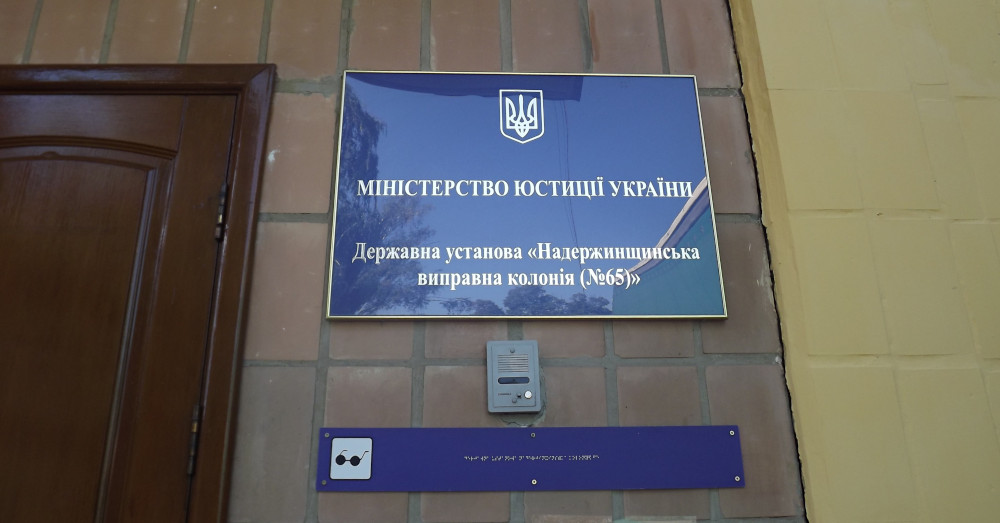
On 15 September 2020, representatives of the Kharkiv Human Rights Protection Group – assistant to a People's Deputy of Ukraine, lawyer Volodymyr Hlushchenko, and journalists Ihor Sosonskyi and Tamara Horbachevska – carried out a monitoring visit to the State Institution "Naderzhynshchynska Correctional Colony (No. 65)".
The colony is located in the village of Bozhkove, Poltava district, Poltava region, and was reorganised from the Bozhkivskyi medical-labour dispensary in the Poltava region into a corrective labour colony. The monitors arrived at the colony at 14:00 and quite quickly reached the guarded territory. At the entrance to the checkpoint, there were announcements and explanatory information regarding safety measures, countering the spread of, and prevention of the COVID-19 coronavirus infection. All Government recommendations regarding quarantine measures were complied with when passing through the checkpoint: the monitors had their body temperature checked and were verified for the presence of protective masks and gloves.
All representatives of the administration were wearing protective masks. Disinfection treatment of the premises is carried out, and disinfectants are placed in free access everywhere. Individuals serving sentences wore masks when communicating with the monitors, however, in the absence of outsiders, the convicts do not wear masks.
The State Institution "Naderzhynshchynska Correctional Colony (No. 65)" is a general regime penal institution for holding convicted women with a planned capacity of 510 people, who are serving a sentence of imprisonment for the second time. Today, 226 convicts are serving sentences in the institution. The colony is self-sufficient.
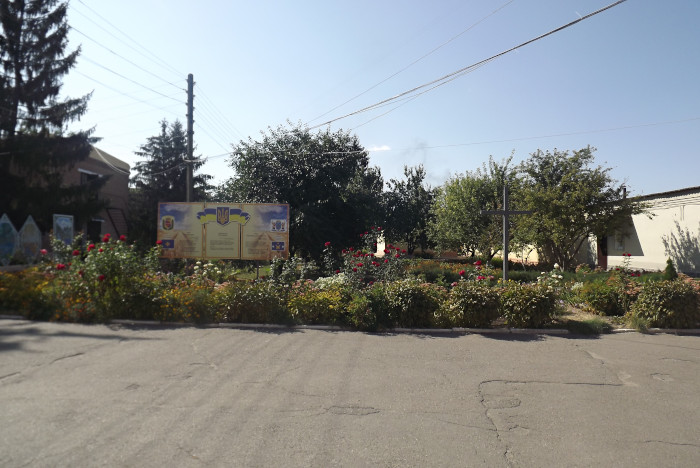
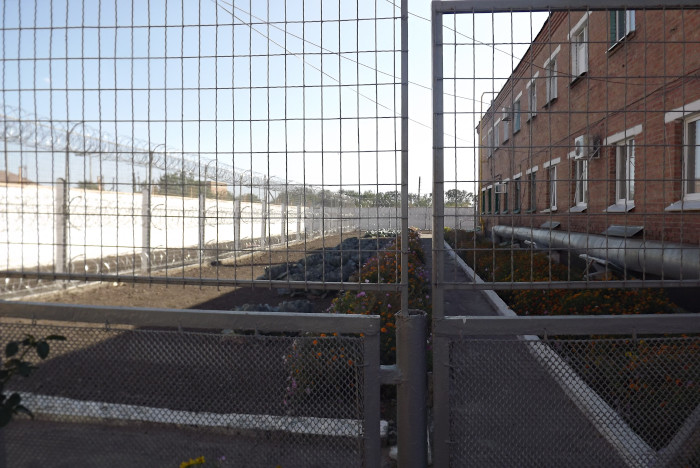
The territory of the colony looks pleasant; everywhere they grow flowers, vegetables, and are engaged in poultry farming.
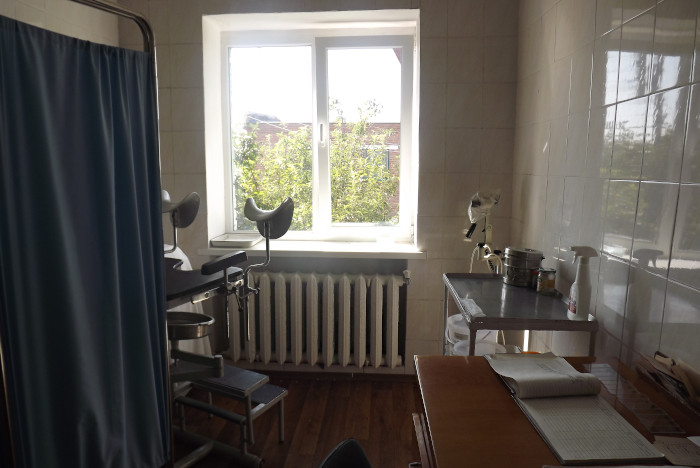
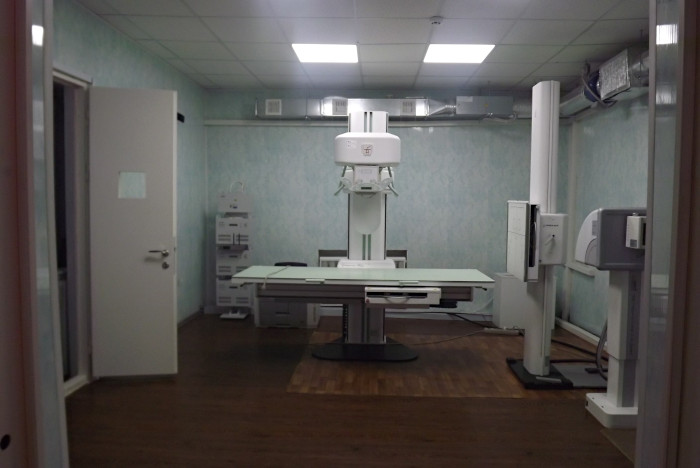
Initially, the monitors visited the medical unit of the colony. The unit is fully staffed with doctors and is equipped with modern radiological and cardiological equipment. The gynaecologist's office is also equipped with necessary equipment, however, the monitors could not be shown disposable gynaecological sets for women, which are necessary for such a number of convicts who require planned gynaecological examinations.

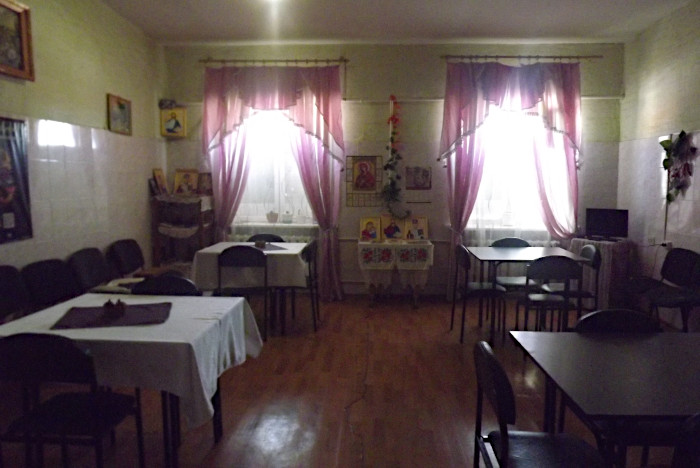
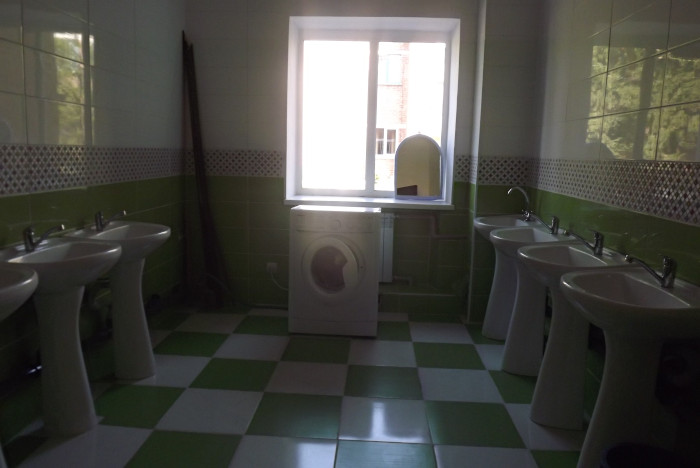
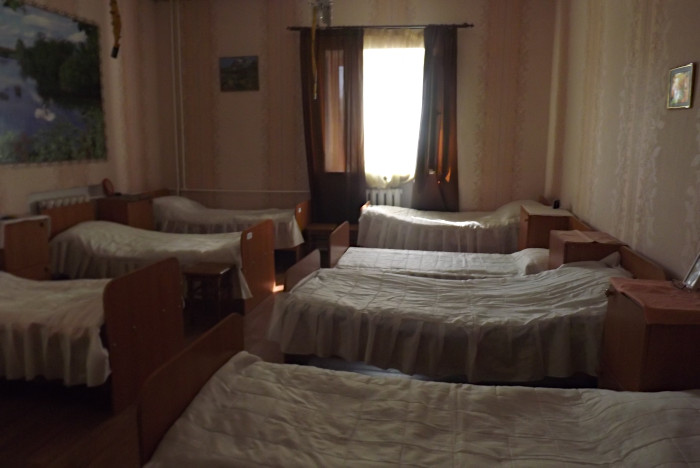
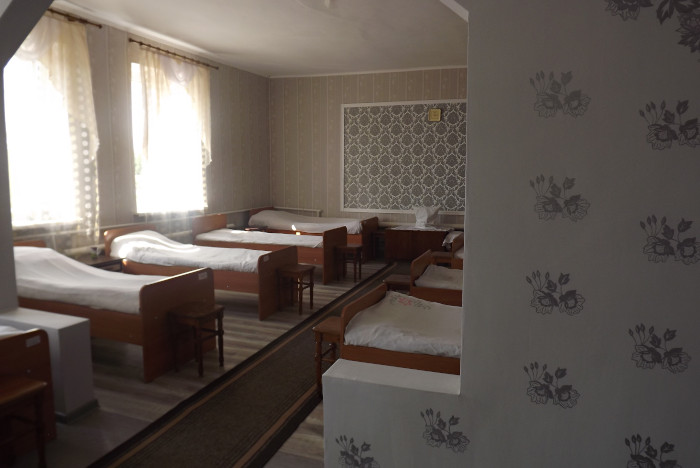
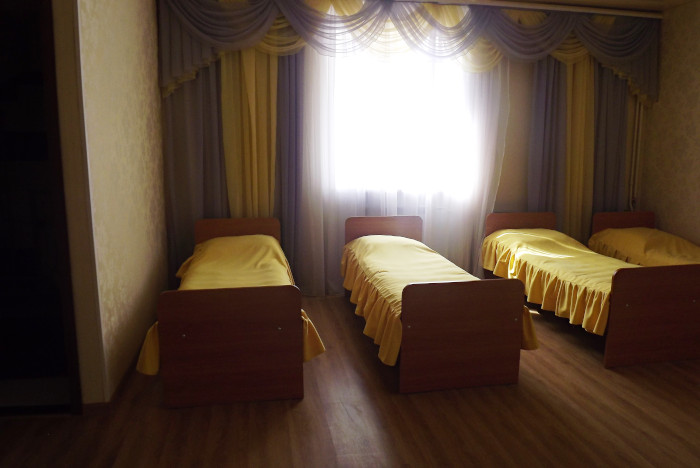
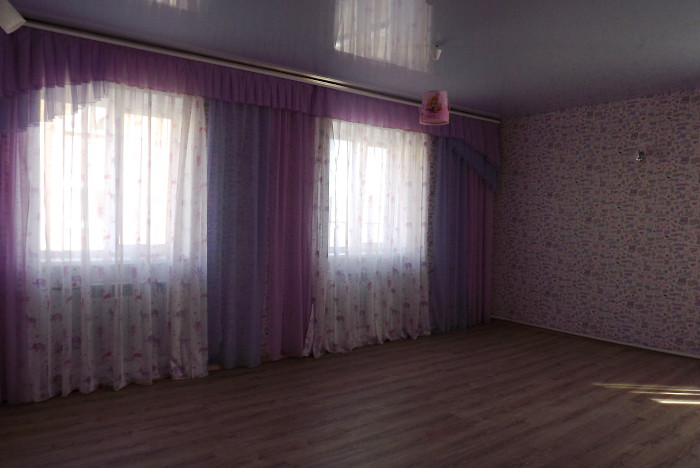
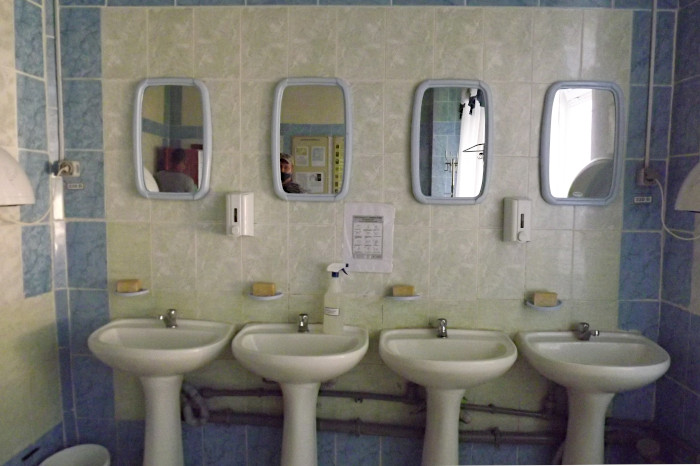
Subsequently, the monitors visited the residential premises. The premises are clean, all are renovated. In large residential rooms, for greater cosiness, wall partitions have been created, which turn into an arch in the centre of the room. The beds are all single-tier; mattresses and bed linen are in good condition. In the dining rooms, there are personal cells where food products are stored; refrigerators are also filled with products. The toilets are renovated and have separate partitions and doors – any unpleasant smell is absent. Also, a shower cabin is installed in each hygiene room for convicted women, to which a boiler is connected and a modern washing machine is installed. In the residential premises, there are rooms for dining and recreation, where repairs have been carried out and necessary furniture has been placed.
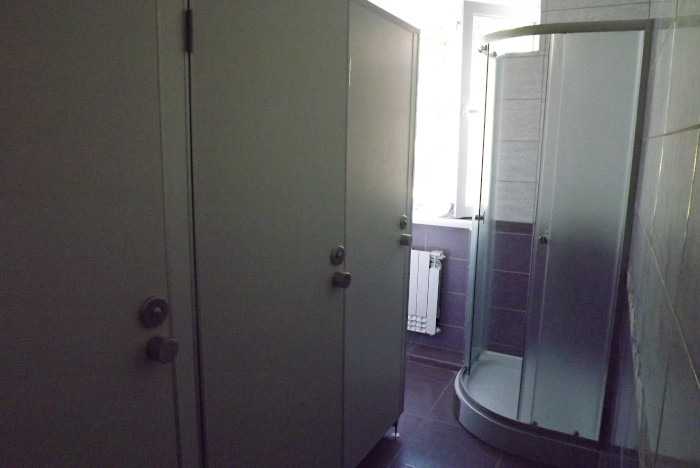

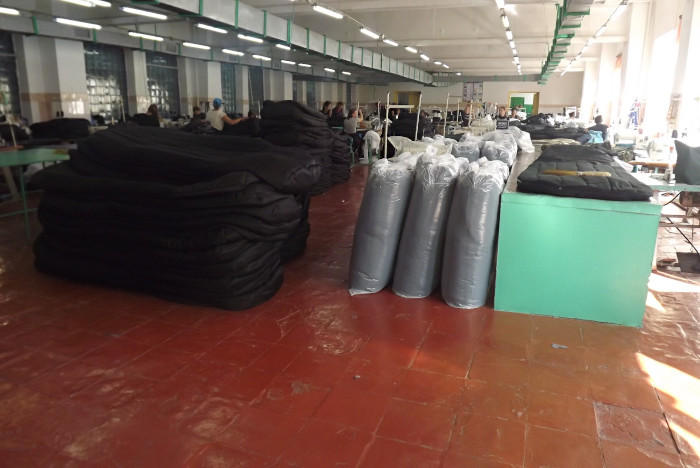
The monitors visited the production workshops located on the territory of the colony. According to the administration representatives, all convicted individuals work in production. The colony cooperates with the Ministry of Defence of Ukraine, on whose order the convicted women sew suits, blankets, bedspreads, etc. At the exit from the industrial zone, there are toilet rooms and shower cabins, which are equipped with partitions. The colony representatives spoke about the difficulties in concluding employment contracts with individuals who arrived to serve their sentence without any documents identifying them.
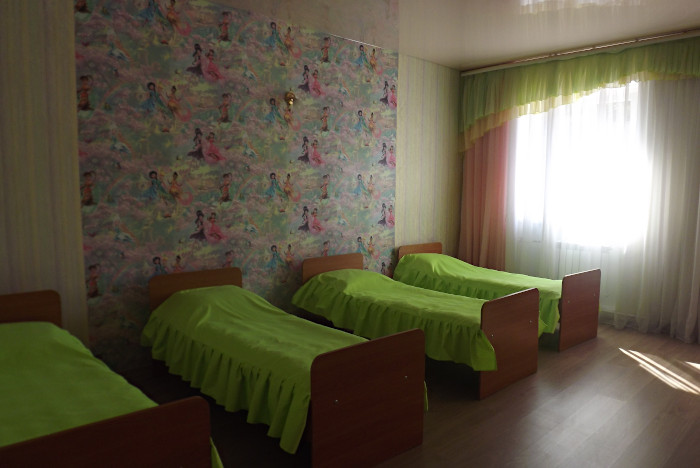
A house for the children of the convicts has been built and fully equipped on the colony's territory, in which suitable conditions for the stay of children have been created. However, as of September 2020, no one lives in it.
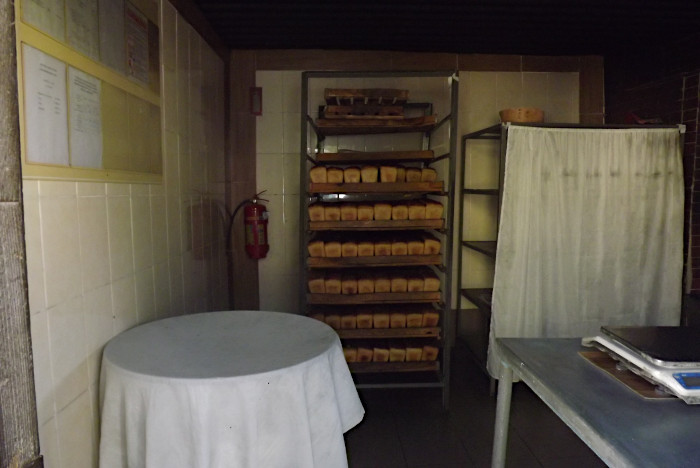
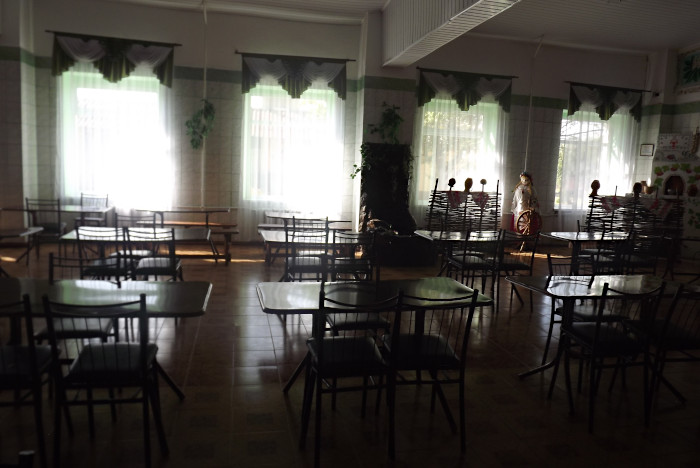
The monitors also inspected the dining hall for the convicts. In the dining hall premises, wet cleaning is carried out constantly; antiseptics and soap are available in sufficient quantity. A bakery is set up on the colony's territory, where the convicts bake bread.
In general, the monitors were left with a positive impression of the detention conditions of the convicts in the colony. A negative element is the lack of opportunity for the convicts to communicate with clergy, as religious events are not carried out in the colony during the quarantine period. During the personal reception, numerous appeals were received from the convicts regarding the incorrect recalculation by courts of the convicts' sentence terms in accordance with the new law on misdemeanours, which provides for a reduction in penalties for committing certain crimes. Representatives of the KHPG provided the convicts with legal consultations regarding the filing of appeals against court decisions.
EU Project "Resisting Torture, Cruel Treatment and Impunity in Ukraine"