‘Flawless behaviour has not been established by the court’ — report on the results of a monitoring visit to Naderzhynshchynska Penal Colony No. 65
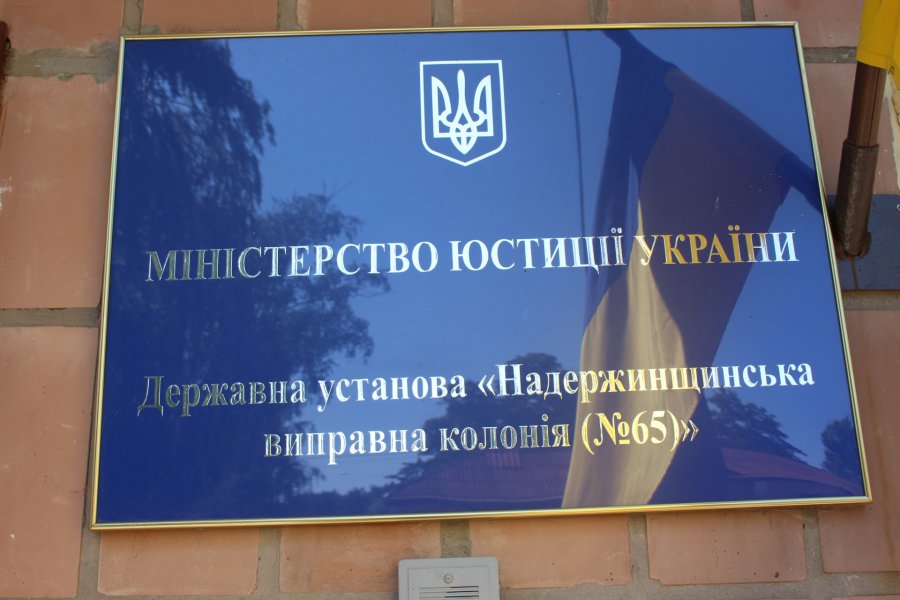
State Institution Naderzhynshchynska Penal Colony No. 65 is a minimum-security correctional institution for women who have previously served sentences in places of deprivation of liberty. The head of the institution is Mykola Ivanovych Alekseienko.
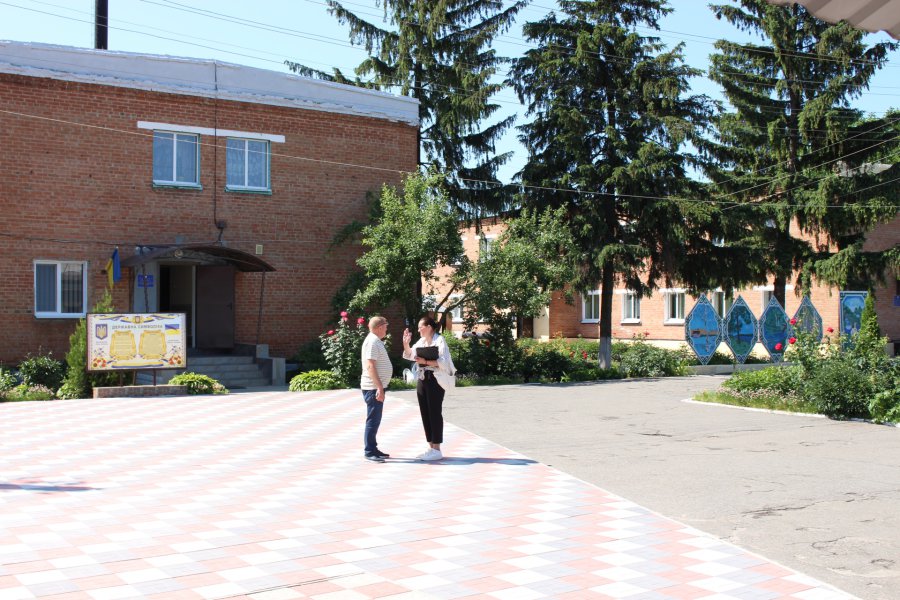
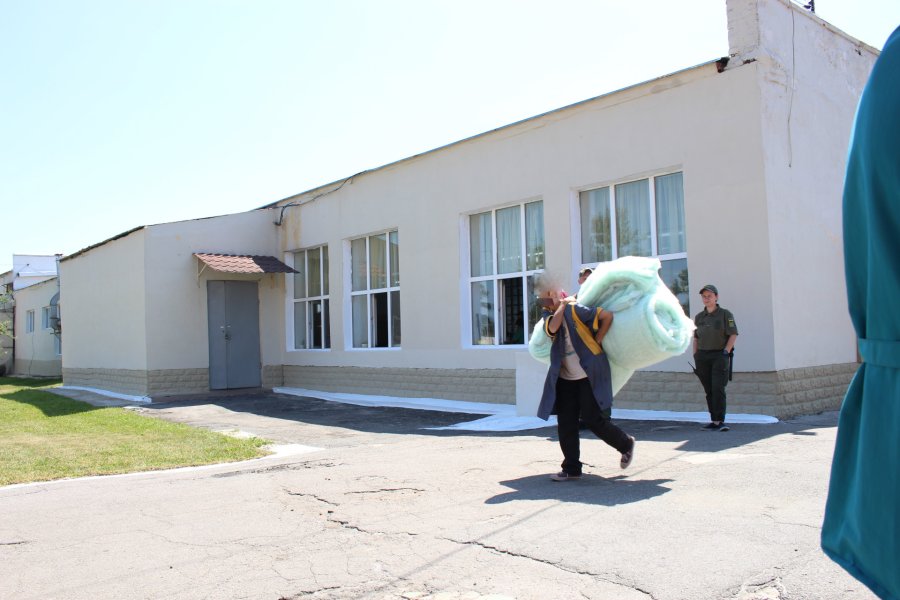
The planned capacity of the institution is 426 persons. At the time of the visit, 274 convicted women and 8 prisoners were serving sentences in the colony. The territory of the facility looks pleasant, with flowers everywhere, neat trees, and lots of greenery.
The monitoring group was accompanied by the head of the institution. Monitors entered the premises unhindered and had the opportunity to visit any room, collect information, verify it, and have access to relevant documents. Journals, medical documentation, and other materials related to the functioning of the facility were inspected. The monitors had the opportunity to communicate with the convicted women and staff, including under conditions of anonymity, and to visit any premises without hindrance. Representatives of the administration fully facilitated the visit.
General Information
According to official data provided by the head of the institution, the staff complement is 166 units, with 152 actually employed. During the current year, 149 people arrived at the institution. There are 3 social and psychological service departments functioning on the colony grounds. 16 people have been released on parole this year. 174 convicted persons are employed under an employment contract/civil law contract. The average monthly salary is 4600.56 UAH.
No one has been released from the institution due to serious illness. During 2022–2023, 2 cases of bodily injuries were recorded in the institution. In 2022, 2 people died; in 2023, 1 person died. In the current year, 1 long-term visit and 61 short-term visits have been conducted, 24 of which were conducted through glass. There is only 1 psychologist working in the institution. There are 12 people registered as prone to self-harm and 1 person prone to escape.
During the 2022–2023 period, no complaints were received from the prisoners by the management of the facility or any other authorities regarding inadequate conditions of detention or inadequate provision of medical care. Among the interviewed prisoners, none use the internet, and the monitors did not notice a single tablet in the institution.
Production
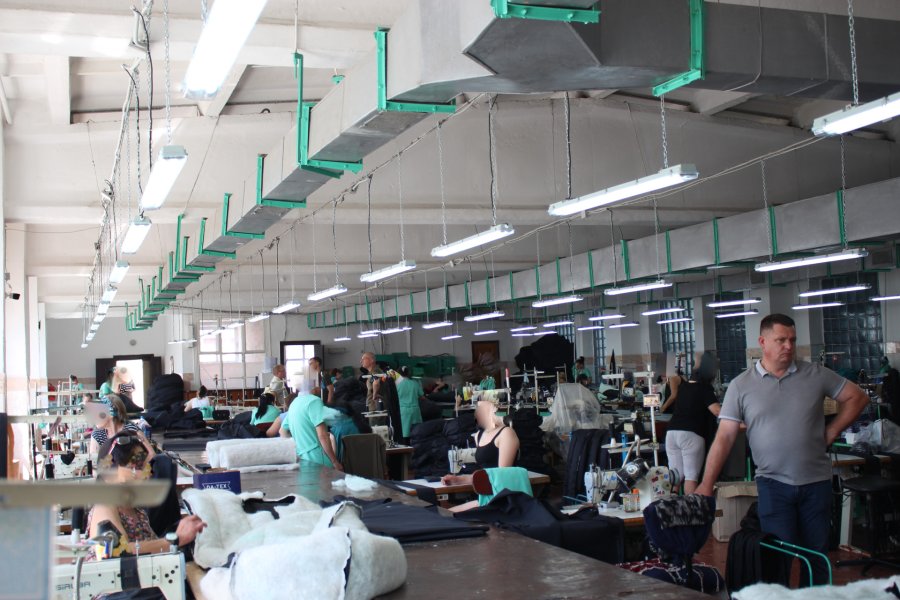
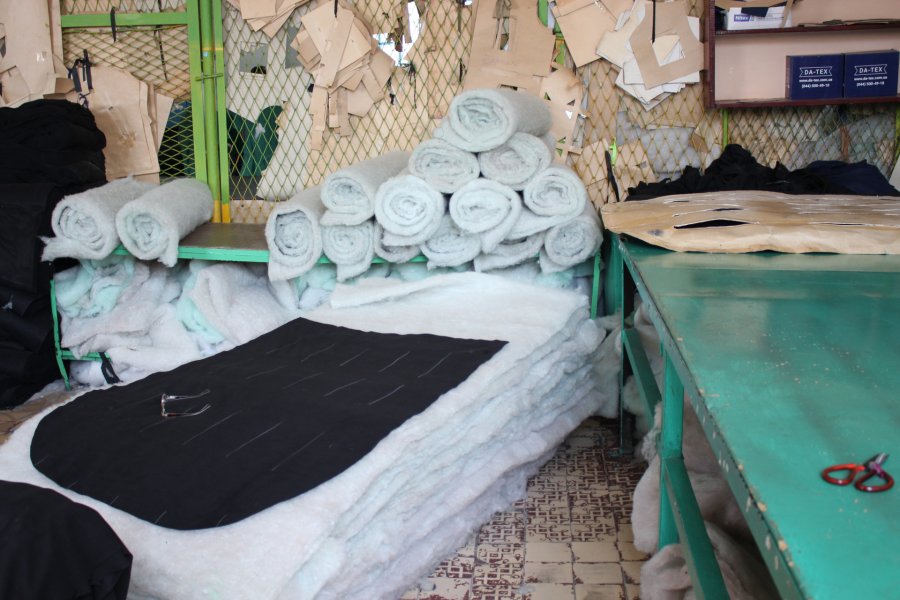
The convicted women work in garment production based on civil law contracts. The workshops are large and spacious, production is streamlined, and each person performs their own operation. Cutters prepare the patterns, and seamstresses sew each part. For the period from 02.06.2023 to 29.07.2023, 12 prisoners were employed. Contracts are concluded for each section of work. According to the institution's management, 174 prisoners are employed in this way. According to the reviewed records, the average monthly salary of the prisoners is 600–700 UAH.
Living Quarters
The institution is clean, all premises have been renovated, which creates comfortable conditions for staying. Special attention was paid to the large living rooms, where wooden partitions have been installed, creating conditions of privacy, personal space, and relative cosiness. The beds in the institution are single-tiered, and mattresses and bedding are in a satisfactory condition.
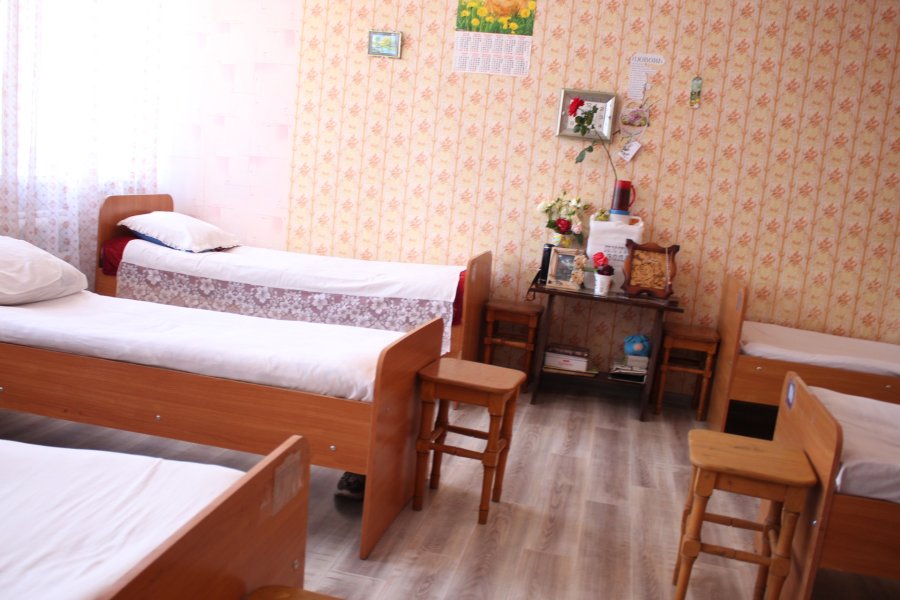
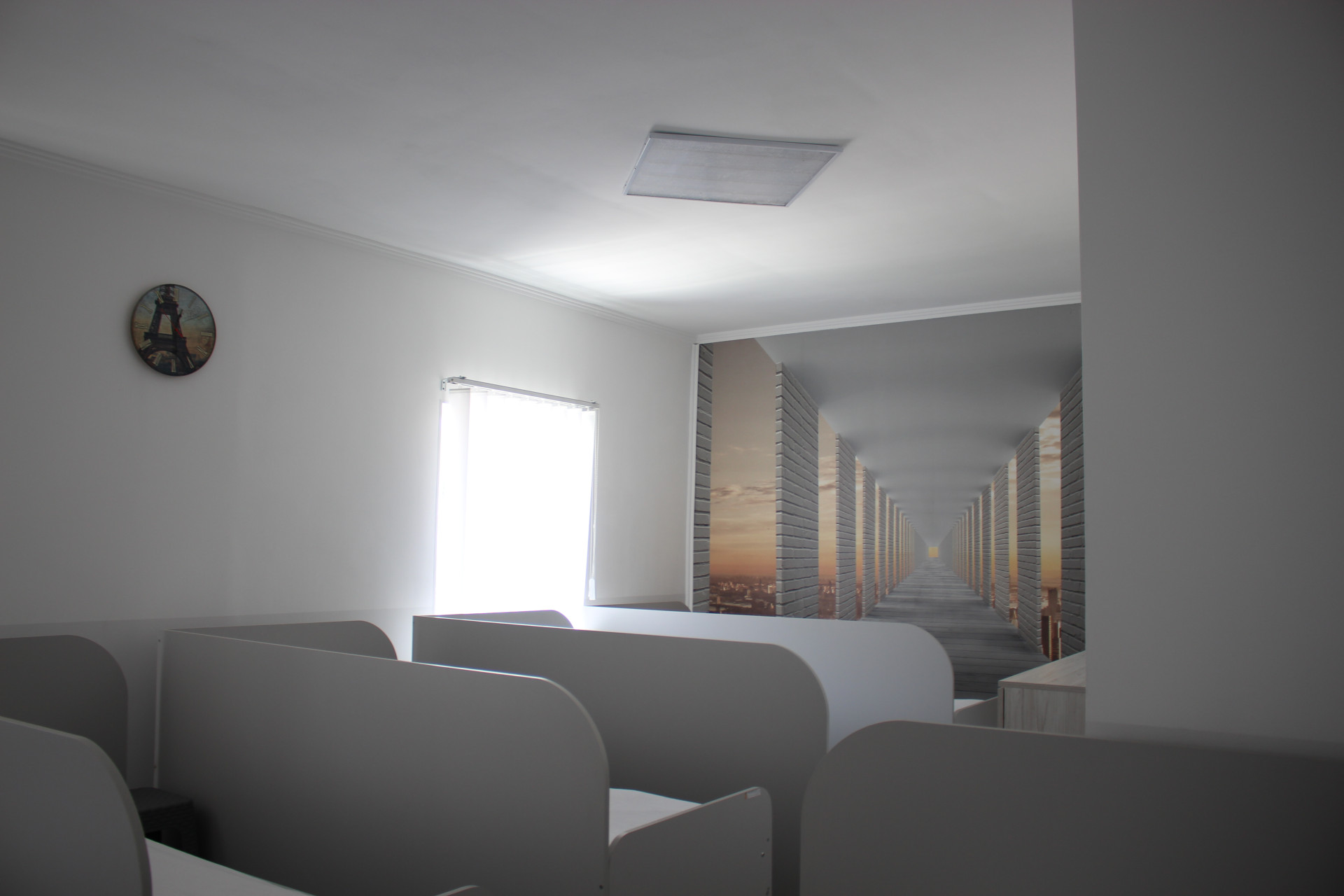
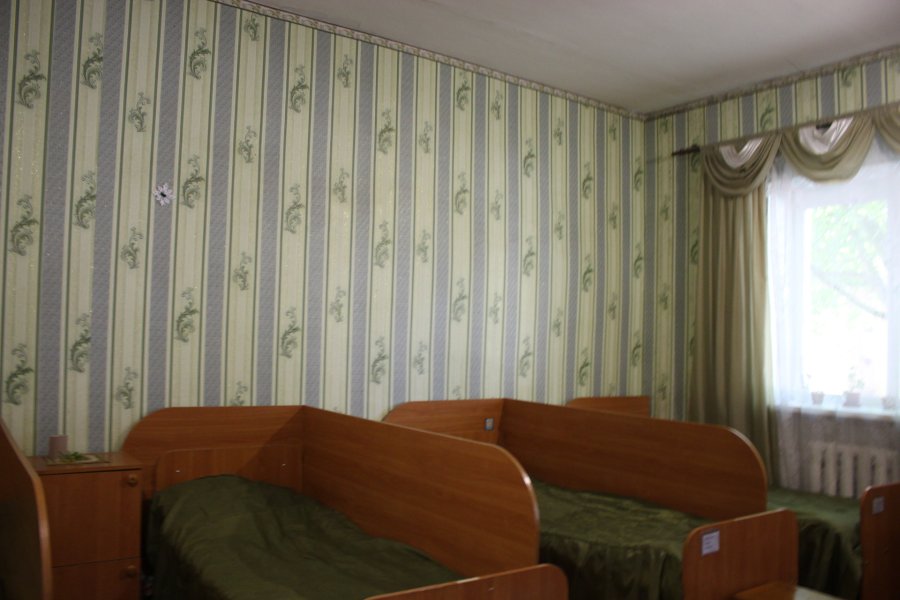
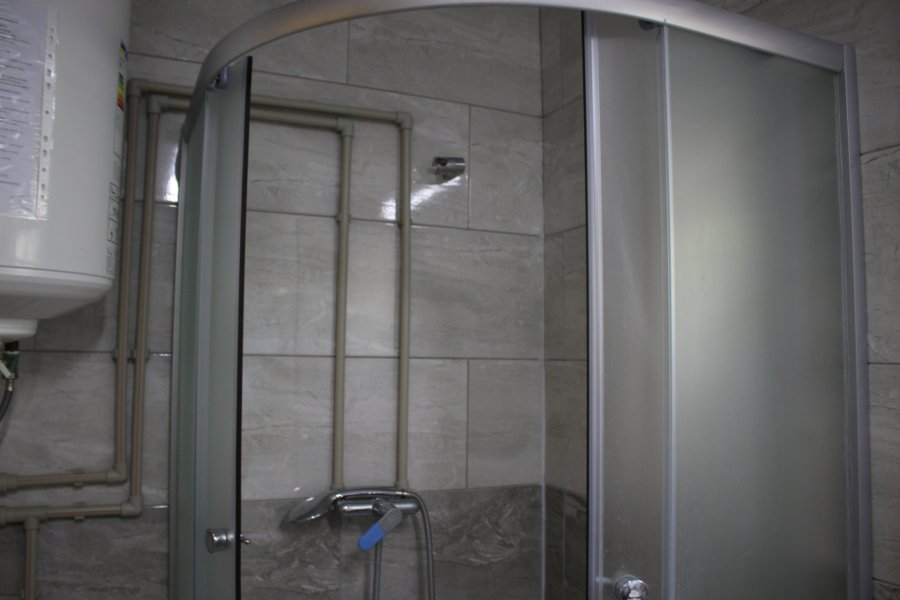
In the dining rooms, there are personal lockers for storing food. There are microwave ovens, and boiled drinking water is available both at the entrance to the living quarters and in the kitchen. The toilets are fully renovated and equipped with separate partitions and doors, which ensures privacy and convenience in use. It is worth noting that there is no unpleasant smell in these rooms, which is an indicator of high-quality sanitary conditions. It should also be mentioned that the institution provides the opportunity for individuals — convicted women — to use shower stalls connected to a boiler, as well as modern washing machines. This contributes to meeting hygiene needs and maintains a proper level of comfort.
Confidential Communication
During confidential conversations, the convicted women were most concerned about the issue of parole. Almost everyone complained that when the court considers the issue of parole, the prisoners are refused. Appellate review also does not yield appropriate results. This is a general trend: the topic of parole is the most relevant and vulnerable. Women complain that despite having a flawless reference from the institution's management, incentives for conscientious attitude towards work, and law-abiding behaviour, the court, in its decision, groundlessly refuses to satisfy the motion, justifying the refusal by stating that “...flawless behaviour of the convicted woman throughout the entire term of serving the sentence has not been established by the court. …incentives are of the same type”. The prisoners do not understand what else they need to do to prove their “flawless behaviour” to the court. It is characteristic of this situation that the institution's administration supports the release of the prisoners. Perhaps it is necessary to pay attention to the quality of court decisions regarding the parole of prisoners and conduct monitoring of court decisions regarding parole.
Right to Privacy
During communication, the convicted women said that video surveillance cameras are planned to be/are being installed in the living quarters. The women express their indignation that cameras are being installed directly in the sleeping quarters where they rest and sleep. The prisoners believe that this violates their right to privacy, as both women and men work among the staff in the institution, who may watch them.
We believe that in this situation, between security measures and the protection of human rights, specifically the right to privacy, preference should be given to the protection of human rights, and security measures should be adequate and understandable. In this situation, the installation of video surveillance cameras in sleeping quarters must be justified by the necessity of taking such measures. In addition, the presence of male staff, who could hypothetically observe convicted women through video surveillance cameras, may become the basis for a series of appeals to competent state bodies and lawsuits in judicial instances. The management of the institution should be more careful about the policy of installing video surveillance cameras in compliance with the women's right to privacy. The installation of video surveillance cameras is possible in places where the right to privacy is not violated.
KDiR Department
The KDiR (Correction/Discipline/Regime) department has been completely renovated, and comfortable living conditions have been created. Convicted woman G. lives in this department, who, according to the women, has privileges compared to others serving sentences. Convicted woman G. has permission to move freely around the institution, lives separately in the KDiR department, but can sleep in another department at her own request. The convicted women complain that convicted woman G. uses profanity, insults other prisoners, and behaves inappropriately. She also uses physical force to discriminate against other prisoners. The institution's administration pretends not to notice the illegal actions of convicted woman G.
Baby House
“Baby House” functions on the territory of the colony — a section for convicted women who have children under three years of age. Appropriate proper conditions have been created for comfortable living and raising children. As of the day of the visit, there were 6 children in the house. This house provides convicted mothers with the opportunity to maintain a connection with their child and encourages law-abiding behaviour.
Shop
Medical Unit No. 65 of the branch of the State Institution “Public Health Centre of the State Criminal-Executive Service of Ukraine” in the Poltava Region
Head of the medical unit — O. V. Prokofieva. During the visit, the monitoring group inspected the premises of the medical unit without hindrance, familiarised themselves with the conditions for the organisation of medical care for prisoners, and studied medical documentation.
The inpatient facility of the medical unit has 2 wards for somatic patients with 16 beds, and 2 infectious disease isolation wards with 8 beds. On the day of the visit, 4 people were in the inpatient facility of the medical unit. According to the staffing table provided by the head of the medical unit, the following doctor positions are staffed: head of the medical unit-doctor — 1 post; therapist — 1 post; dentist — 0.5 post; psychiatrist — 0.5 post; infectious disease specialist — 0.5 post; obstetrician-gynaecologist — 0.5 post; radiologist — 0.5 post; narcologist — 0.5 post; ultrasound specialist — 0.5 post; paediatrician — 0.5 post.
During the monitoring visit, shortcomings were identified in the work of Medical Unit No. 65, which leads to the violation of the rights of prisoners in SI Naderzhynshchynska Penal Colony No. 65, in particular:
1. Non-provision of primary, secondary, and tertiary care
Due to the absence of concluded declarations with a primary healthcare physician by the prisoners, they do not have the opportunity to receive necessary medical services at the expense of the National Health Service of Ukraine (NHSU), which leads to a violation of the requirements of paragraphs 4 and 5 of Article 4 of the Law of Ukraine “Fundamentals of Ukrainian Legislation on Healthcare”.
2. Violation of the rights of persons with disabilities (Article 9 of the UN Convention on the Rights of Persons with Disabilities)
Dispensary observation is carried out for 18 persons with disabilities. Of them, group I — 1 person, group II — 1 person, group III — 22 persons. During the study of the medical documentation of the prisoners, it was established that not all persons with disabilities have individual rehabilitation programmes (hereinafter — IRP). Furthermore, IRP recommendations are not being implemented.
3. Violation of the rights of persons with viral hepatitis C
As of 01.06.2023, 167 rapid tests for the presence of viral hepatitis C were conducted in the medical unit, from which 49 persons were suspected of having the disease. Persons with suspected viral hepatitis C do not undergo PCR testing, due to which they do not receive the necessary treatment, which may lead to a deterioration in health and the spread of the specified infectious disease among the convicted women and prisoners.
4. Improper storage of medicines received from relatives
There is a separate cabinet in the medical unit for storing medicines from relatives. At the same time, in the medical documentation (medical card No. 025/o or No. 003/o) there are no statements from the relatives of the prisoners or other persons regarding the transfer of medicines or medical devices, which violates clause 22 of Section I of the General Provisions of the Procedure for organising the provision of medical care to persons sentenced to imprisonment.
5. Violation of the right of convicted women and prisoners to information about health status, methods of treatment, and improper keeping of documentation
5.1 For three patients who were undergoing inpatient treatment in the medical unit, primary accounting documentation form No. 003/o “Medical card of an inpatient” was not created.
5.2 It was established that the informed voluntary consent for diagnostics and treatment was missing from the medical card of the inpatient No. 003/o.
5.3 In the medical cards of the outpatient 025/o, there are no certificates and attachments in the form of photographs of existing bodily injuries. The number of the card of convicted woman B. is missing, which must correspond to the serial number of patient registration specified in the “Journal of accounting facts of detected bodily injuries in prisoners”.
6. Lack of equipment, medical devices, and medicines in the medical unit
6.1 There is no dental X-ray machine in the medical unit, which makes it impossible to conduct an in-depth dental examination of the prisoners and does not ensure the timely provision of proper dental care.
6.2 During the check of the functionality of the defibrillator, it was established that the electrodes were missing.
7. Non-compliance with infection control and epidemiological surveillance
In the medical unit, the requirements for isolating patients with tuberculosis are not met; in particular, there are no partitions with doors or airlocks at the boundaries of clean zones and high-risk zones; wards for patients are used for more than one or two people (2 wards for 8 beds); the doors to the ward are not equipped with a sealed threshold or seals on the edges; air recirculation using mechanical ventilation is not provided. The detainees in the medical unit are not fully provided with personal protective equipment; strict control over compliance with the mask regime is not carried out.
8. Violation of the right of prisoners to psychiatric care
Dispensary observation is carried out for 78 persons with mental disorders. There is no isolation ward for persons with mental disorders for prisoners who pose a danger to others.
9. Other
The premises of the medical unit do not meet the requirements of Article 22 of the Law of Ukraine “On ensuring sanitary and epidemiological well-being of the population”. The walls in the premises of the medical unit have peeled paint in places, broken ceramic tiles on wall panels, wooden windows, and an old floor, which complicates the disinfection of these premises.
In the medical unit, monitors recorded the practice of involving orderlies; however, the Internal Regulations (PVR) or any other regulatory acts do not provide for the functioning of orderlies from among the prisoners in a medical facility.
Conclusions:
- Conditions of detention in this institution are satisfactory, the attitude of the staff towards the prisoners is adequate and humane;
- The prisoners behave freely and are not afraid to express criticism towards the administration. This indicates reasonable and proportional response measures from the management of the institution to violations of order in the colony.
Recommendations:
- Facilitate proper working conditions, protection of social and labour rights, and worthy remuneration for work performed;
- Take response measures regarding informal relationships in the environment of the prisoners. Stop the unauthorised illegal behaviour of individual prisoners;
- Stop the practice of video surveillance in sleeping quarters;
- Stop the practice of prohibiting the use of tablet computers and accessories for them for personal use.
Preventive monitoring visit on human rights in the penitentiary system carried out by representatives of the NGO “Protection of Prisoners of Ukraine” and the NGO “Kharkiv Human Rights Protection Group”. The monitoring group consists of an assistant to the People's Deputy of Ukraine Kostyantyn Kasai, members of the Public Council under the Ministry of Justice of Ukraine Serhii Zuikov, Hanna Skrypka and Oleh Tsvilyi, as well as an assistant to the People's Deputy of Ukraine Yaroslav Yurchyshyn, and HRPG programme coordinator Andrii Didenko. The visit was carried out within the framework of the project “Reducing the suffering of prisoners in the context of the war in Ukraine”, funded by the government of Denmark in partnership with DIGNITY — the Danish Institute Against Torture. Purpose of the visit: analysis of compliance with human rights in places of detention during the war.
Date of visit: 19 June 2023.