Six men conduct round-the-clock video surveillance of women in dormitory rooms
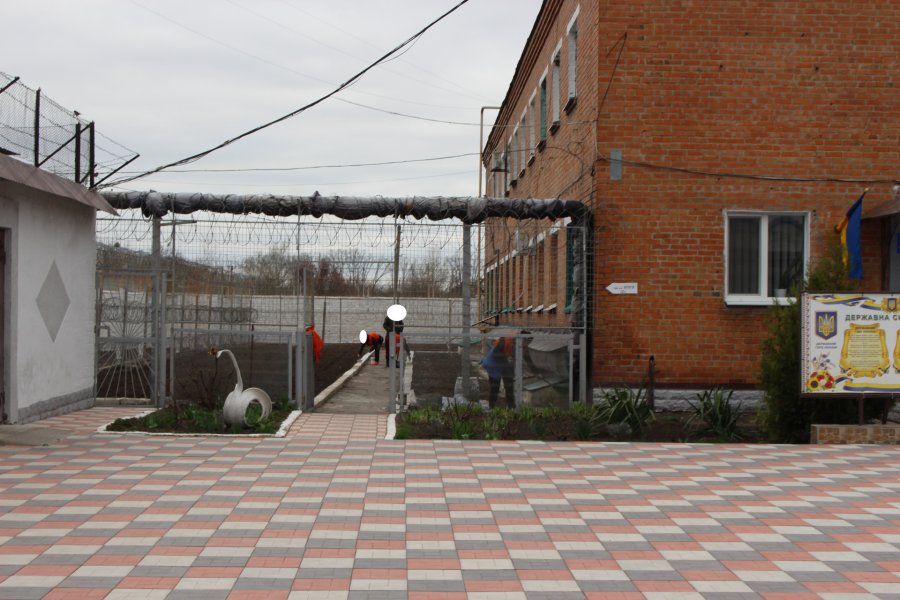
The State Institution ‘Naderzhynshchyna Correctional Colony No. 65’ is a minimum-security correctional facility for women who have previously served sentences in places of deprivation of liberty. The head of the institution is Mykola Ivanovych Alieksieienko. The planned capacity of the institution is 426 people. At the time of the visit, there were 241 convicted women serving sentences in the colony, which is 33 fewer than last year, and five detainees, which is three fewer than during the previous visit.
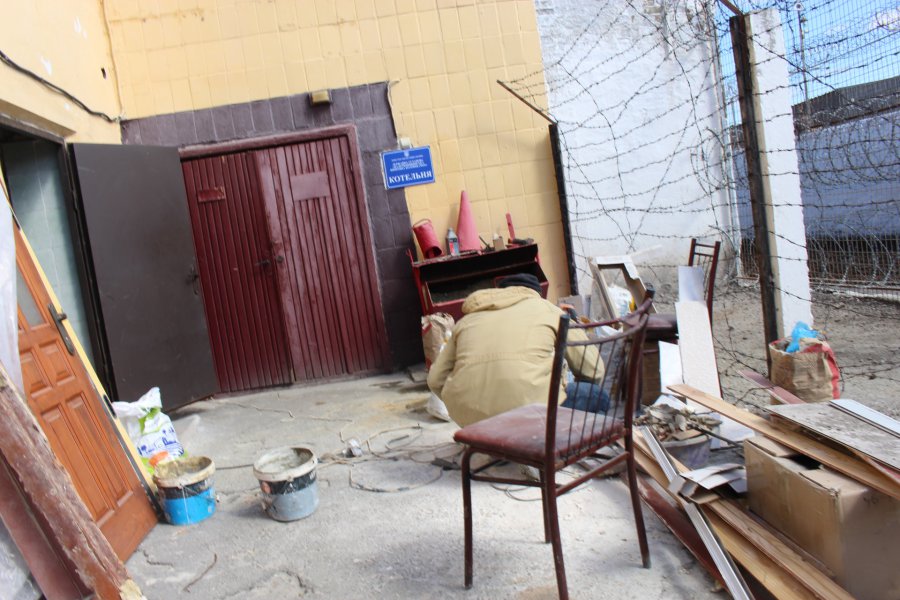
The monitoring group was accompanied by the deputy heads of the institution: Pavlo Oleksandrovych Usov and Oleksandr Ivanovych Riabokin. The monitors entered the territory without hindrance and had the opportunity to visit any premises, gather and verify information, and speak with convicts and staff, including anonymously. However, there were attempts by the administration to obstruct a full visit.
General information
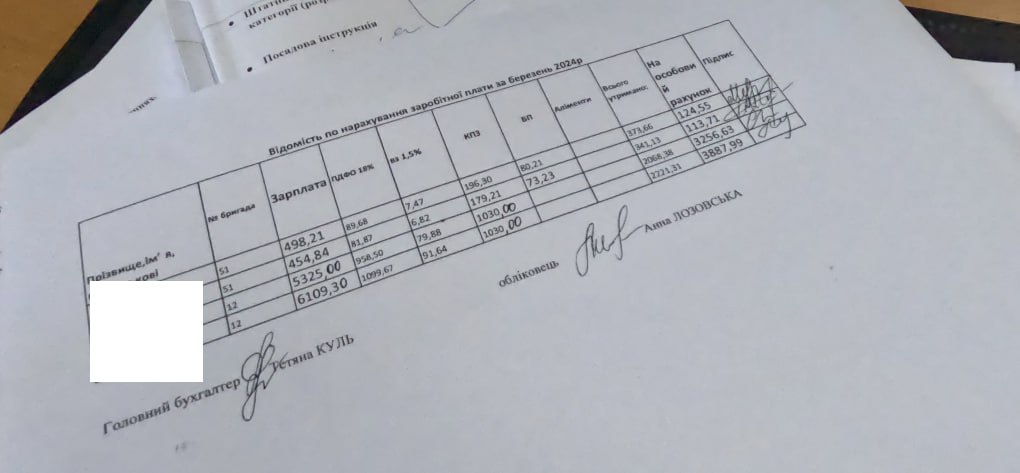
According to official data provided by the head of the institution, the authorized staff of the institution consists of 166 posts, with an actual number of 155, which is three employees more than during the previous visit. During 2023, 319 people arrived at the institution. Three social and psychological service (SPS) units operate on the territory of the colony. In 2023, 58 people were released on parole, and one person was transferred to more lenient conditions of detention; in the current year, 20 people have been released on parole. A total of 148 convicted persons are employed under employment contracts. The average monthly wage is 3,016 hryvnias.
No one was released from the institution due to severe illness. During 2023, three cases of bodily injuries were recorded in the institution. In 2023, two people died. In 2023, 15 long-term visits and 79 short-term visits were held, 24 of which were conducted through glass. This year, there have been seven long-term and 25 short-term visits. There is no practice of short-term contact visits in the institution. There is only one psychologist working in the facility. Fourteen people prone to self-harm and one person prone to escape are on the register.
During 2022–2023, not a single complaint was received from convicts by the administration of the institution or any other authorities regarding inadequate conditions of detention or inadequate medical care. There is only one tablet in use by the convicts in the institution, and two people have their own email addresses. During the monitoring visit, about 70 convicts were interviewed. The residential premises, both dormitories and recreation rooms, are renovated. Refurbishment works are also ongoing.
Obstruction of the monitoring group’s work
Article 24 of the PEC of Ukraine ‘Visiting correctional institutions’
‘Without special permission (accreditation), at any time, to freely visit correctional institutions to exercise control and conduct inspections (if desired, accompanied by up to three medical workers for the medical examination of convicts and up to two media representatives) are entitled: ...People’s Deputies of Ukraine, their assistant-consultants...’
Since 2014, a well-established practice of monitoring visits has developed. It is worth noting that the administrations of institutions where systemic human rights violations occur try in every possible way to create obstacles to high-quality monitoring.
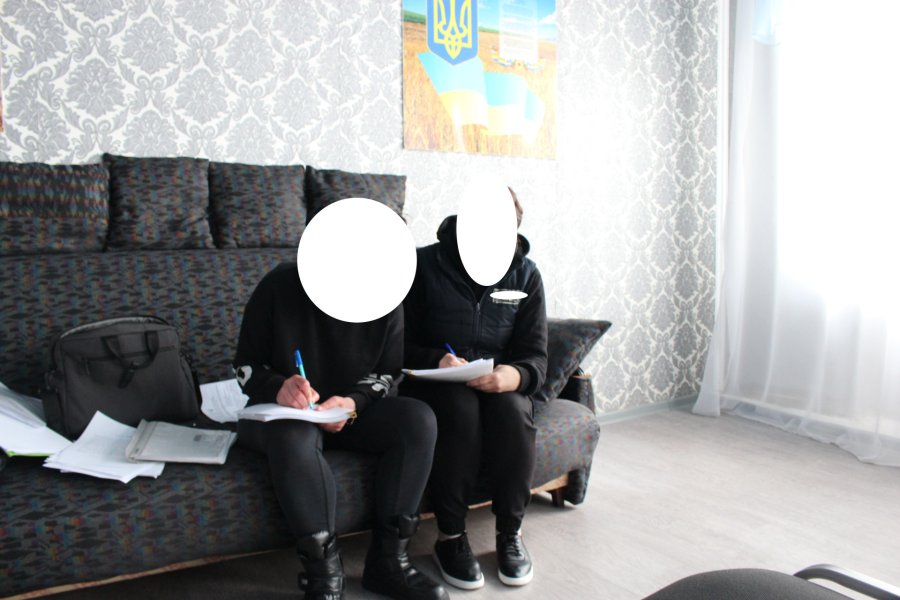
After undergoing the appropriate check, the representatives of the monitoring group were on the territory of the institution. At the same time, representatives of the institution’s administration — Lieutenant Colonel of the Internal Service Pavlo Oleksandrovych Usov and Major of the Internal Service Dmytro Mykolaiovych Makarenko — systematically attempted to obstruct the work of the monitoring group. Specifically, they demanded additional permitting documents from the assistants of People’s Deputies to check the availability of the relevant registers, which are inspected in the general course of a monitoring visit and do not contain personal data of the convicts. The administration representatives demanded that the assistant of a People’s Deputy of Ukraine have a separate authorisation from the People’s Deputy to inspect each individual register.
The administration representatives justified these demands by referring to the Resolution of the Verkhovna Rada of Ukraine ‘On Approval of the Regulations on the Assistant-Consultant of a People’s Deputy of Ukraine’, where Article 2.1 lists the rights of an assistant-consultant of a People’s Deputy of Ukraine, specifically paragraph 8: ‘to receive, upon a written request of a People’s Deputy of Ukraine, from executive bodies, local self-government bodies, public associations, state enterprises, institutions, and organisations, in accordance with the established procedure, documents, information, and reference materials necessary for the People’s Deputy of Ukraine to exercise their parliamentary powers’.
The monitoring group also included members of the Public Council under the Ministry of Justice of Ukraine. When asked whether a representative of the Public Council needed a separate authorisation to inspect each register, the administration representatives provided the relevant registers for inspection, but prohibited taking photographs, allowing only video and audio recording, which seemed rather strange.
We note the inappropriate behaviour of the institution’s management and deliberate delays (documents were provided very slowly).
Furthermore, acts of prosecutorial response, inspection reports of the State Penitentiary Service, industrial timesheets, and work orders were not provided. Despite the convicts’ requests consenting to the processing of their personal data, the convicts’ personal files were not provided. Out of 15 requests by convicts within the scope of researching working conditions and the protection of social rights, the administration chose to provide information regarding only four convicts — a fixed-term contract and a payroll statement for March.
Production
Article 118 of the PEC of Ukraine ‘Involvement of persons sentenced to deprivation of liberty in socially useful work’
‘Persons sentenced to deprivation of liberty have the right to work. Work is performed on a voluntary basis under a civil law contract or an employment contract concluded between the convict and an individual entrepreneur or a legal entity for whom the convicts perform work or provide services.’
Article 115 of the Labour Code of Ukraine — deadlines for payment of wages
‘Wages shall be paid to employees regularly on working days... at least twice a month at intervals not exceeding sixteen calendar days, and no later than seven days after the end of the period for which the payment is made.’ ‘Wages for the entire period of annual leave shall be paid to employees no later than three days before the start of the leave.’
Article 253 of the Labour Code of Ukraine
‘Persons subject to compulsory state social insurance. Persons working under an employment contract (agreement) at enterprises, institutions, and organisations, regardless of the form of ownership, type of activity, and management, or for an individual, are subject to compulsory state social insurance.’
Article 16 of the Law on Pre-trial Detention
‘Conditions and remuneration of work of persons taken into custody.’ ‘Persons taken into custody may be involved in work only within the territory of the place of pre-trial detention, with their consent and with the permission of the investigator or court conducting the criminal proceedings.’
On the day of the visit, 121 people were working in the institution’s production area. The main production is sewing.
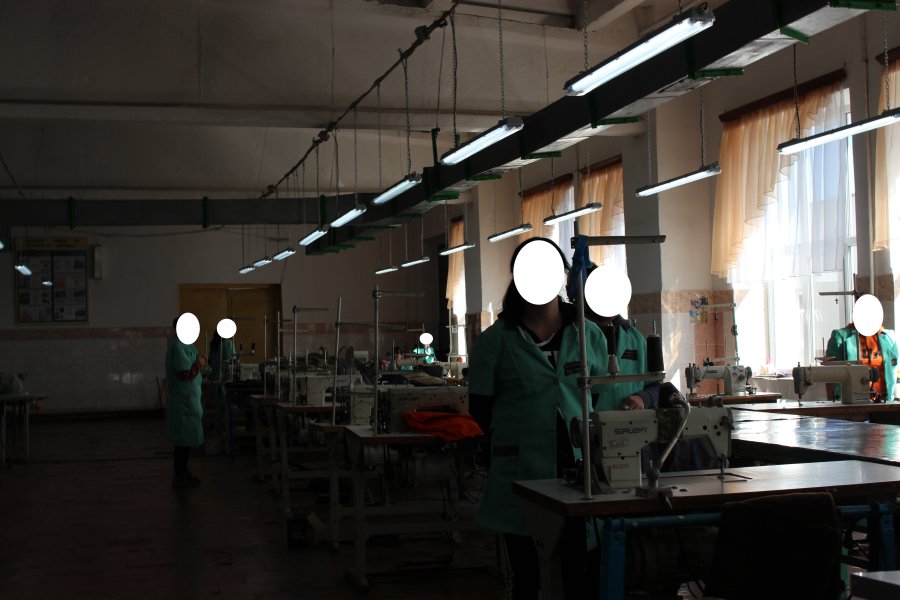
Violations of labour legislation as well as social protection guarantees were recorded. Namely:
- a certain number of convicts work in production without having a passport or tax identification number;
- the involvement of pre-trial detainees held in the remand prison (SIZO) sector in production work was recorded. These individuals work alongside convicts sentenced to deprivation of liberty. Fixed-term employment contracts have been concluded with the detainees, who have the status of accused (defendants), and taxes are deducted (including from individuals who do not have passports or other documents). It should be noted that the work of such individuals must be paid at the tariff rates (salaries) applicable in the national economy. Profits obtained from the use of detainees’ labour are not subject to taxation and must be used to arrange the place of pre-trial detention and improve the conditions of detention;
- wages are paid once a month, which violates Part 1 of Article 115 of the Labour Code of Ukraine and Part 1 of Article 24 of the Law of Ukraine ‘On Remuneration of Labour’ No. 108;
- the calculation and payment of wages to convicts are carried out without calculating and paying the single social contribution to compulsory state social insurance;
- the fixed-term employment contracts do not specify the amount of wages;
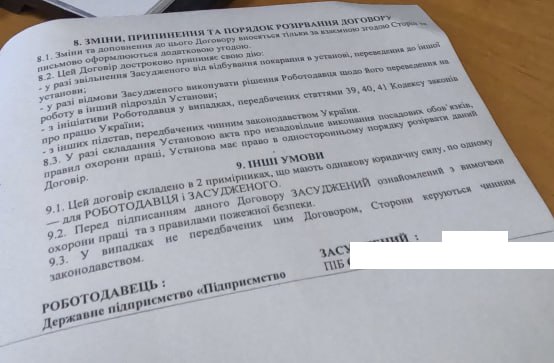
- female workers are deprived of the right to annual leave, and upon release, they do not receive compensation for unused annual leave;
- the fixed-term employment contracts do not specify the term of the contract;
- not all fixed-term employment contracts contain the signatures of the parties and the position for which the female worker was hired, in violation of the approved Order of the State Consumer Standard No. 327 dated 28 July 2010, taking into account the Directory of Qualification Characteristics of Professions of Workers, approved by Order of the Ministry of Labour No. 336 dated 29 December 2004.
During anonymous conversations, the women testified to low wages; for example, they receive between two and ten kopecks for sewing a single unit of finished product, while forewomen assign so-called ‘favourites’ to better-paid processes.
Remand Prison (SIZO) Sector
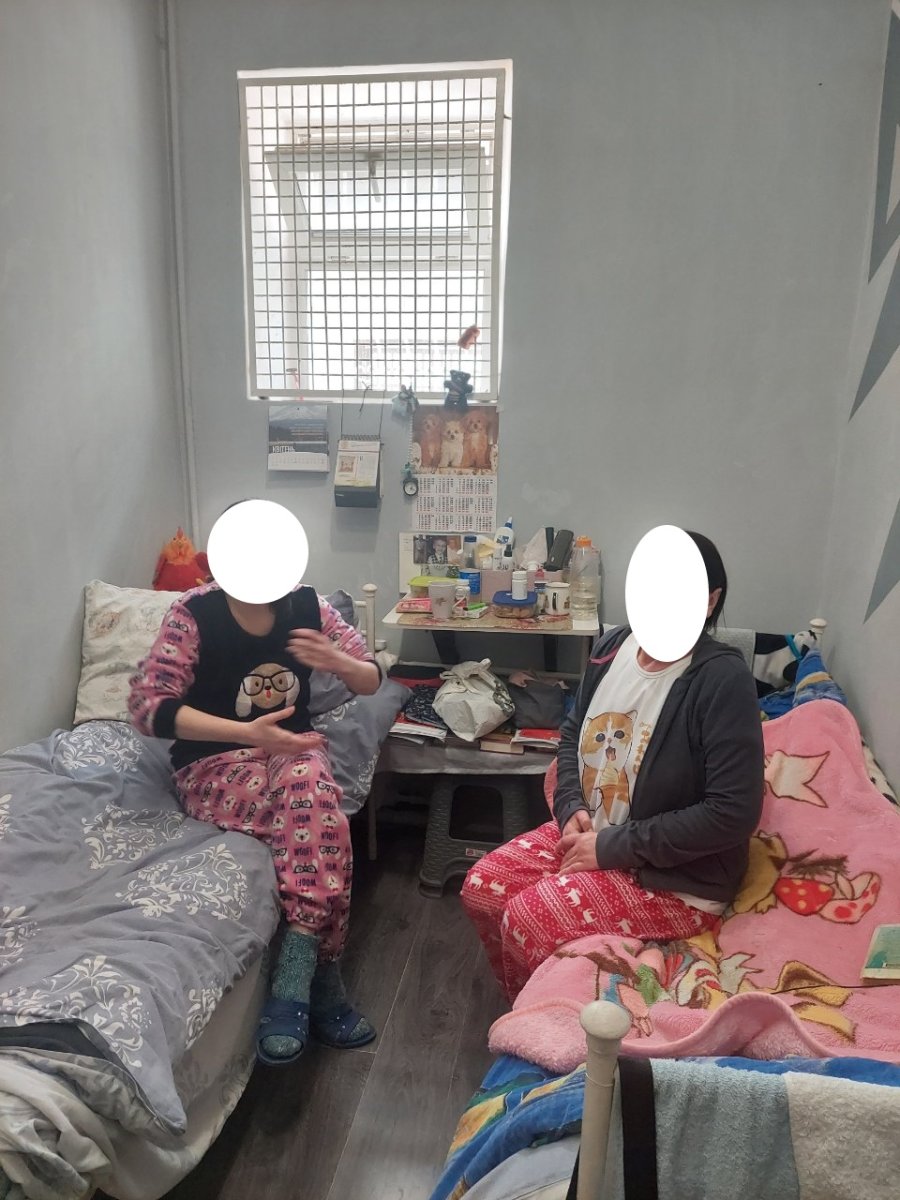
At the time of the visit, five women were held in the SIZO sector. These are individuals held in custody with the status of accused (defendants). During conversations, the women complained about being held in the SIZO sector for a long time: detainee L. — for a year and a half, and detainee T. — for almost two years. Furthermore, the women do not have the right to phone calls with their relatives. The cell area does not meet the minimum standards for holding detainees, i.e., 2.5 square metres per person.
Quarantine, Diagnostics and Distribution (KDiR) Sector
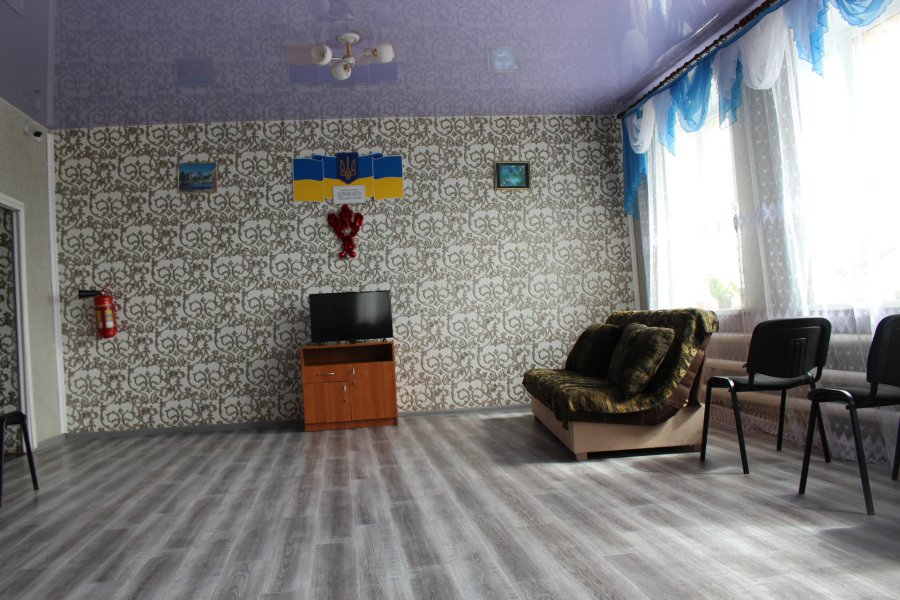
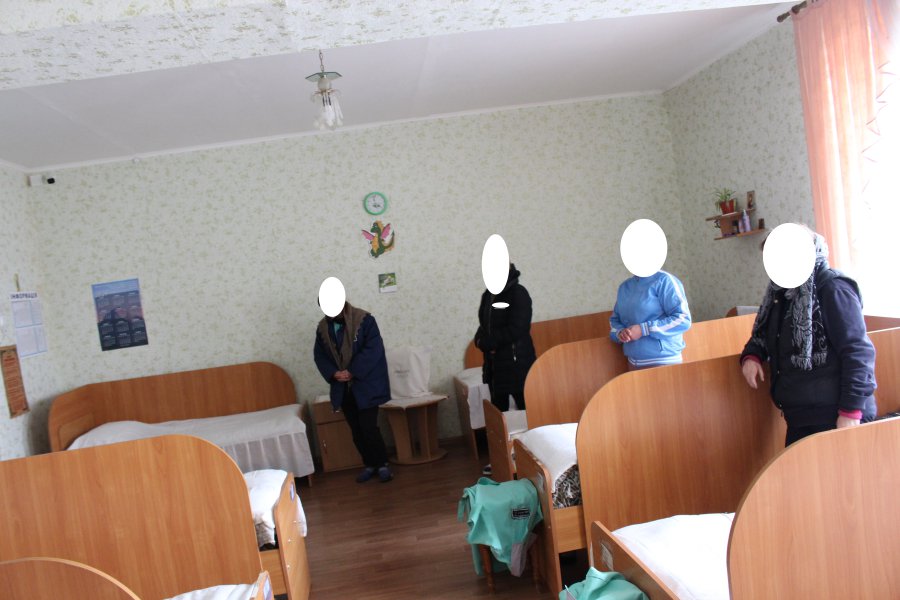
The KDiR unit has been completely renovated; comfortable living conditions have been created, and beds are arranged with personal space in mind. Round-the-clock video surveillance cameras have been installed in each dormitory room.
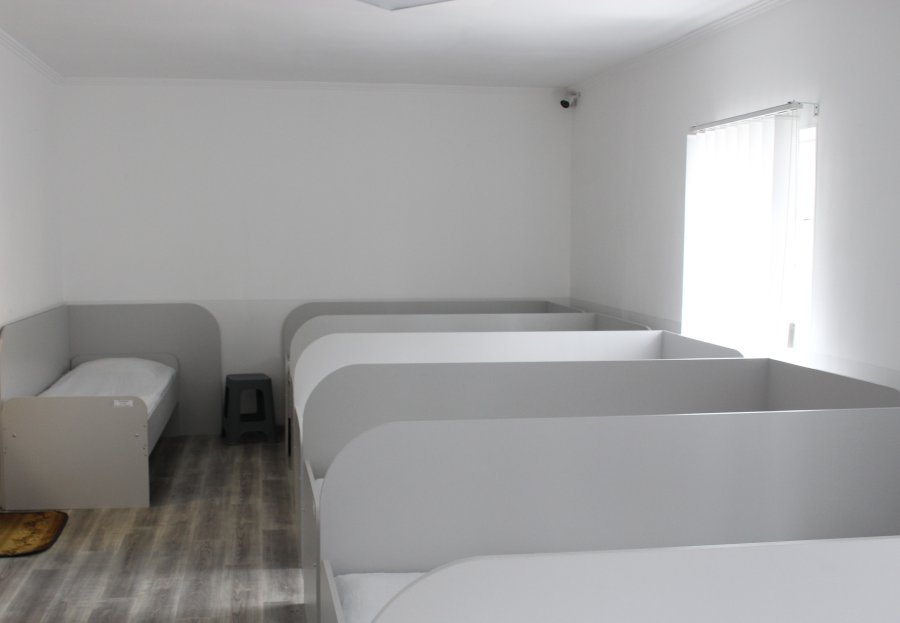
In addition to newcomers, convicted woman G. resides in this unit. During personal conversations, the convicted women reported that nothing had changed since the monitors’ previous visit, and convict G. continues to live in the KDiR unit, regardless of whether there are new arrivals or not.
As we mentioned in our previous report, ‘...according to the women, she enjoys privileges compared to other persons serving sentences. Convict G. has permission to move freely around the institution and lives separately in the KDiR unit, but can spend the night in another unit of her own accord. The convicted women complain that convict G. uses profanity, insults other convicts, and behaves inappropriately. She also uses physical force to discriminate against other convicts. The institution’s administration pretends not to notice the unlawful actions of convict G.’
During confidential conversations with the convicts, the monitors received information that new arrivals in the KDiR sector are not provided with bed linen, hygiene products, or basic necessities. The monitors decided to verify this information. During conversations with the women held in the KDiR sector, when asked if they had received bed linen upon arrival at the institution, the convicts replied in the affirmative.
It was noticeable that the convicts were nervous, and convict G. tried to influence the conversation. When the monitors asked the women to show the bed linen they were given upon arrival at the institution, they were unable to do so, claiming that the linen had been sent to the laundry. Consequently, the monitors were unable to verify that newly arrived convicts are provided with bed linen and basic necessities.
Contact with the outside world
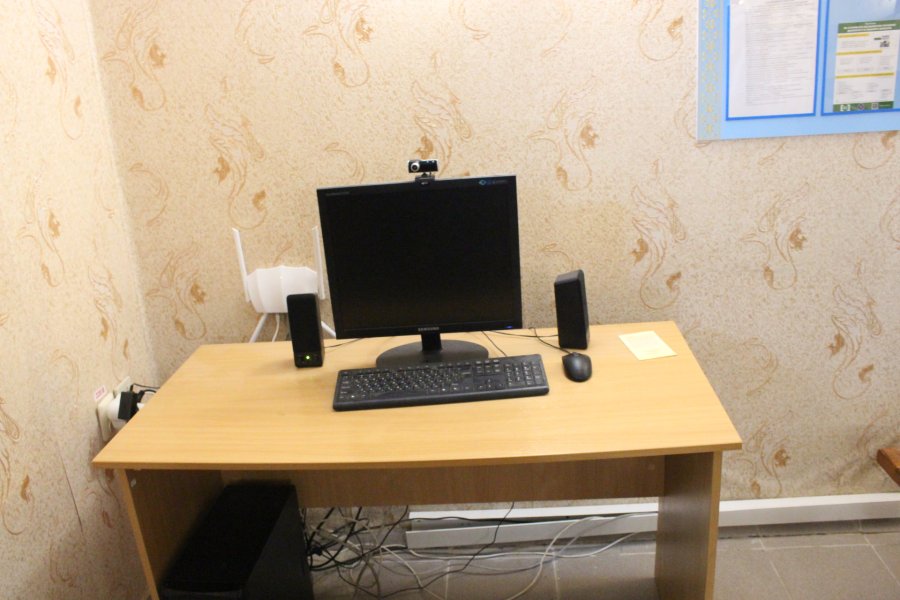
According to the administration, only one convicted woman uses a tablet. Following the relevant chapter of the Procedure for Organising Access to the Global Internet for Convicted Persons, two convicts have created email accounts. While reviewing the register of convicts’ electronic correspondence, the monitoring group noticed that all email accounts are subject to review.
The institution’s administration was unable to explain to the monitoring group what specific necessity and which individual risks justified the decision to read the content of incoming and outgoing messages. According to the administration, 99% of the convicts are — under suspicion, which is why their messages are subject to monitoring by the staff.
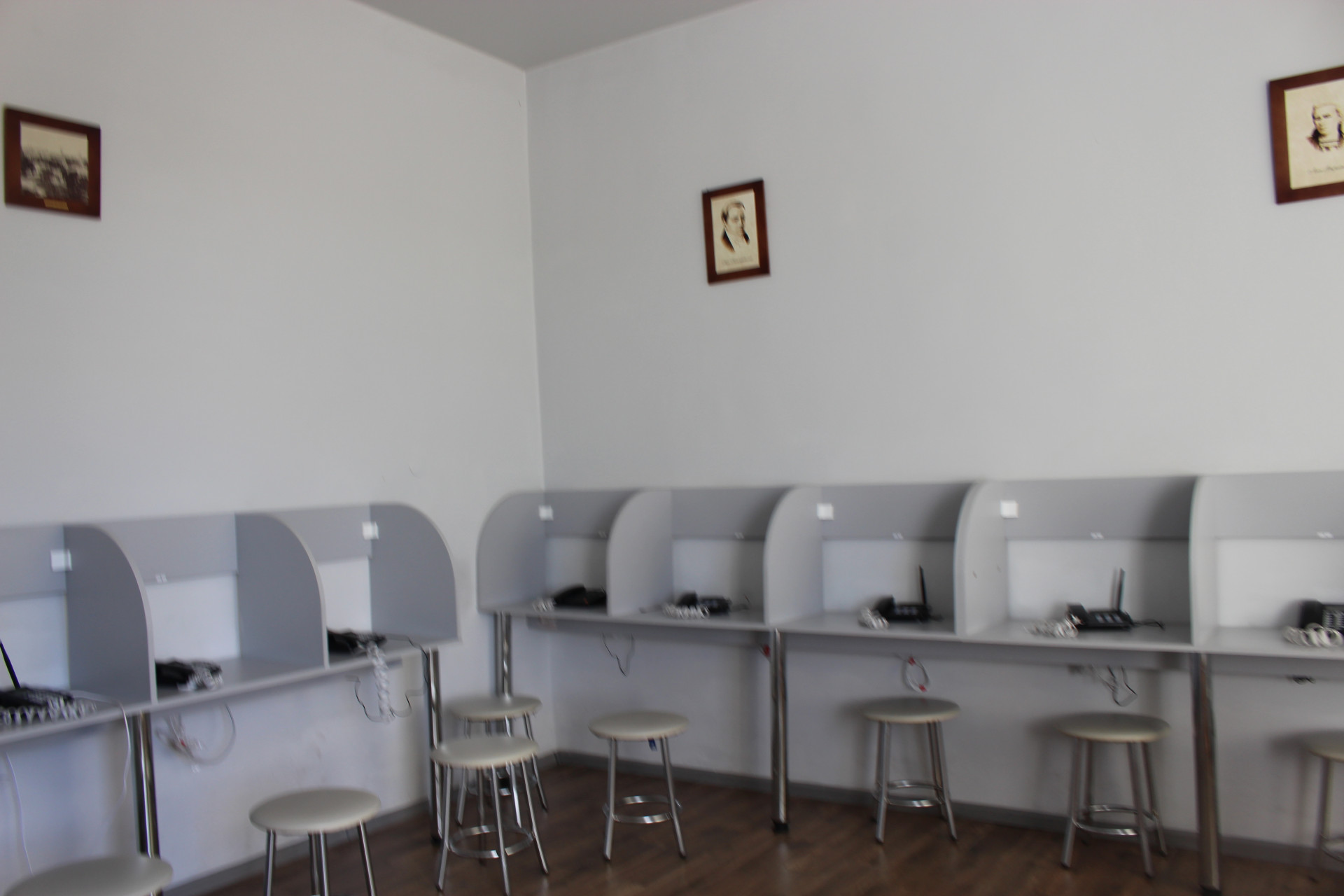
The monitoring group is unaware of the existence of any notifications regarding the screening of incoming and outgoing emails signed by the convicts to confirm they have been informed. Communication with the outside world takes place via letters and telephone calls in a designated room.
Canteen
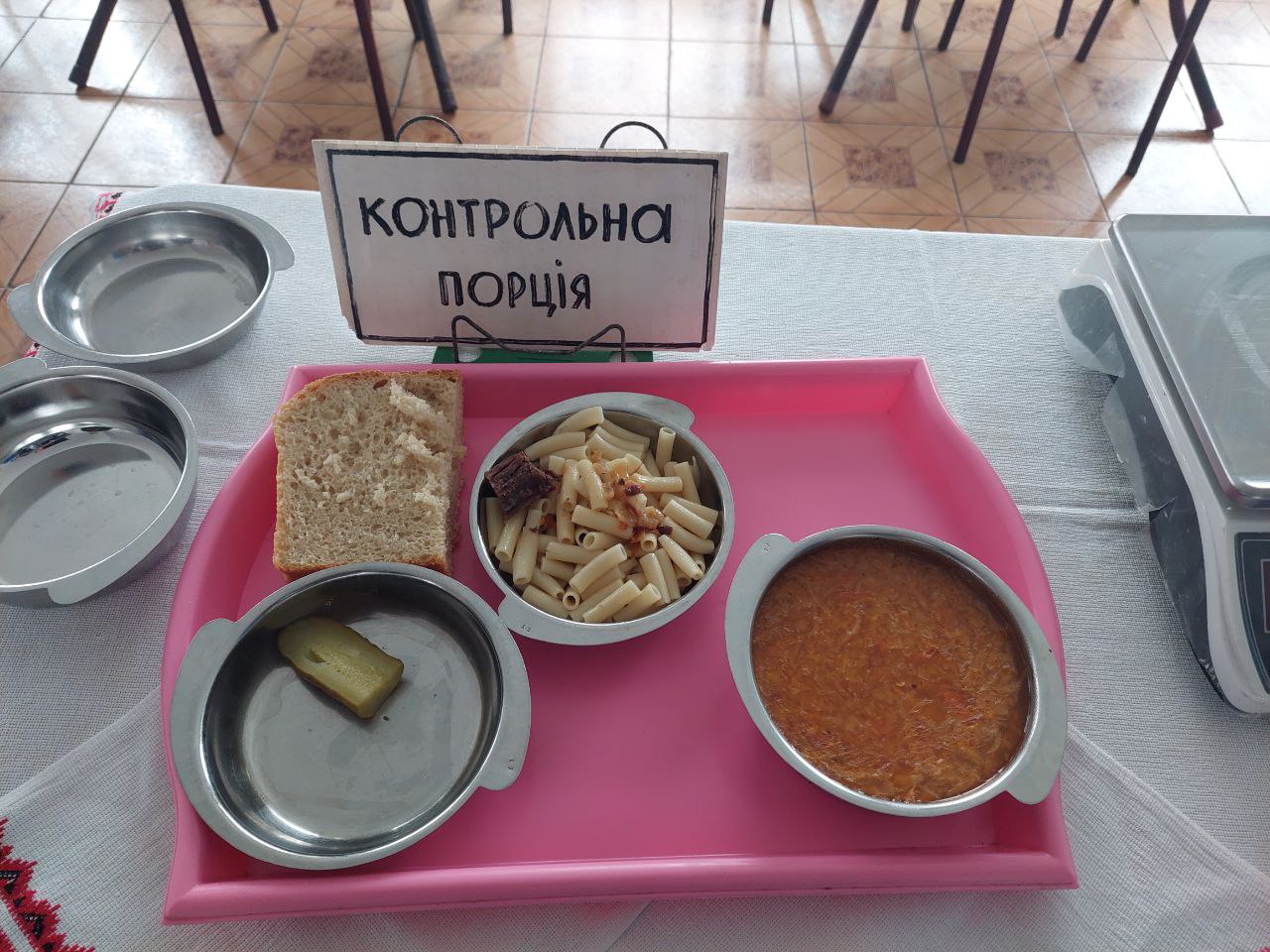
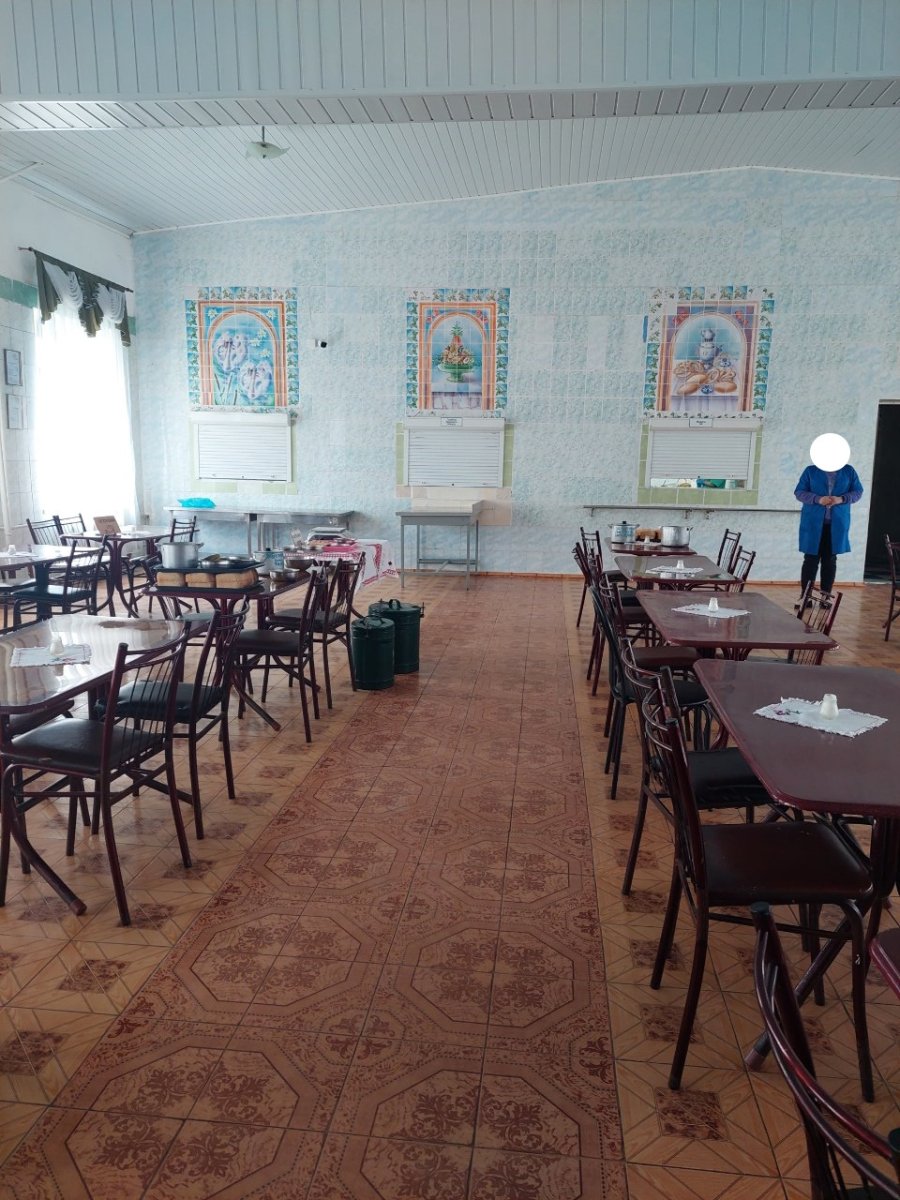
The canteen premises are clean and renovated. The convicts prepare food products themselves. According to the administration, 18 convicts are supposed to receive a therapeutic diet. However, at the time of the visit, no one was receiving therapeutic meals.
The right to privacy
Article 8 of the Convention for the Protection of Human Rights and Fundamental Freedoms states that everyone has the right to respect for his private and family life, his home and his correspondence.
Article 19 of the Constitution of Ukraine establishes that public authorities and local self-government bodies, and their officials, are obliged to act only on the basis, within the powers, and in the manner prescribed by the Constitution and laws of Ukraine.
In accordance with Article 32 of the Constitution of Ukraine, no one shall be subject to interference in their personal and family life, except in cases envisaged by the Constitution of Ukraine.
Parts one, two, and four of Article 7 of the PEC of Ukraine determine that the state respects and protects the rights, freedoms, and legitimate interests of convicts, provides the necessary conditions for their correction and resocialisation, social and legal protection, and their personal security. Public authorities may not interfere with the exercise of this right, except in cases where such interference is in accordance with the law and is necessary in a democratic society in the interests of national and public security or the economic well-being of the country, for the prevention of disorder or crime, for the protection of health or morals, or for the protection of the rights and freedoms of others.
According to Article 103 of the PEC of Ukraine, the colony administration has the right to use audiovisual, electronic, and other technical means to prevent escapes and other criminal offences, violations of the procedure for serving sentences established by legislation, and to obtain necessary information about the behaviour of convicts.
Paragraph 1 of Section XXIII of Rules No. 2823/5 defines supervision of convicts as a system of measures aimed at ensuring the serving and execution of criminal sentences in the form of restriction and deprivation of liberty, life imprisonment, and arrest through round-the-clock and constant monitoring of the behavior of convicts in their places of residence and work, preventing and stopping illegal actions on their part, ensuring the requirements of isolation of convicts, and the safety of the staff of correctional institutions. To ensure supervision of the behavior of convicts in the units of social and psychological services, local sectors, cells, exercise yards, their places of work, canteens, clubs, medical units, and hospital facilities, the administration of correctional institutions shall install video cameras, of which the convict is informed against their signature.
An analysis of the provisions of the PEC of Ukraine, Procedure No. 2025/5, and Rules No. 2823/5 shows that video surveillance is carried out to prevent escapes and other criminal offences, violations of the regime established by law, as well as to obtain necessary information about the behaviour of convicts. These legal norms are aimed at maintaining order in correctional institutions, which facilitates the application of appropriate security measures — both for the staff of the institutions and for the convicts themselves.
During the inspection of the dormitory rooms in SPS sectors 3 and 4, and the KDiR sector, video surveillance cameras were recorded. The installation of round-the-clock video surveillance cameras in other dormitory rooms is also ongoing.

In accordance with Order No. 136/Ah-24 of the head of the institution — head of the remand house, Colonel of the Internal Service Mykola Alieksieienko, dated 15 March 2024, ‘On ensuring the uninterrupted functioning of the video monitoring centre, approving the list of persons involved in serving at the security television (video) system post, and persons who have the right of round-the-clock access to the video monitoring centre’, the following men are responsible: Serhiy Savin and Ivan Prokofiev, as well as persons who are allowed access to the video monitoring centre during the performance of duties by the operator of the security television (video) system — Pavlo Usov, Dmytro Makarenko, Serhiy Voronkov, and Yuriy Tverdokhlib.
15 women requested legal aid from human rights defenders to help protect their rights and legitimate interests.
Following the monitoring visit, applications regarding the commission of an offence were sent to the competent authorities, demanding that the relevant details be entered into the Unified Register of Pre-trial Investigations (ERDR) within the statutory timeframe and that an independent investigation be conducted.
We believe that in this situation, when balancing security measures with the protection of human rights — specifically, the right to privacy — priority must be given to the protection of human rights, and security measures must be proportionate and transparent. In this instance, the installation of video surveillance cameras in dormitories must be justified by the necessity of such measures. Furthermore, the presence on staff of male employees who, under the order of the head of the institution, have the right and ability to monitor convicted women 24/7 via video surveillance cameras, is a violation of the right to privacy. The management of the institution must immediately stop using video surveillance cameras in dormitories and cease violating the privacy rights of women.
Inappropriate and degrading treatment
Article 3 of the Convention for the Protection of Human Rights and Fundamental Freedoms states: ‘No one shall be subjected to torture or to inhuman or degrading treatment or punishment.’
During personal communication with convicts and detainees, the monitoring group was informed about alleged ill-treatment. In particular, individuals who, in the opinion of the institution’s administration, have committed disciplinary offences, may be placed in the DIZO (disciplinary isolation cell) exercise yard for two hours as a punishment, regardless of the weather conditions and the season. This is confirmed by entries in the DIZO registration log of convicts, in the absence of decisions on disciplinary sanctions, and placement in the DIZO for 24 hours on the authority of the DAHC (duty assistant to the head of the colony).
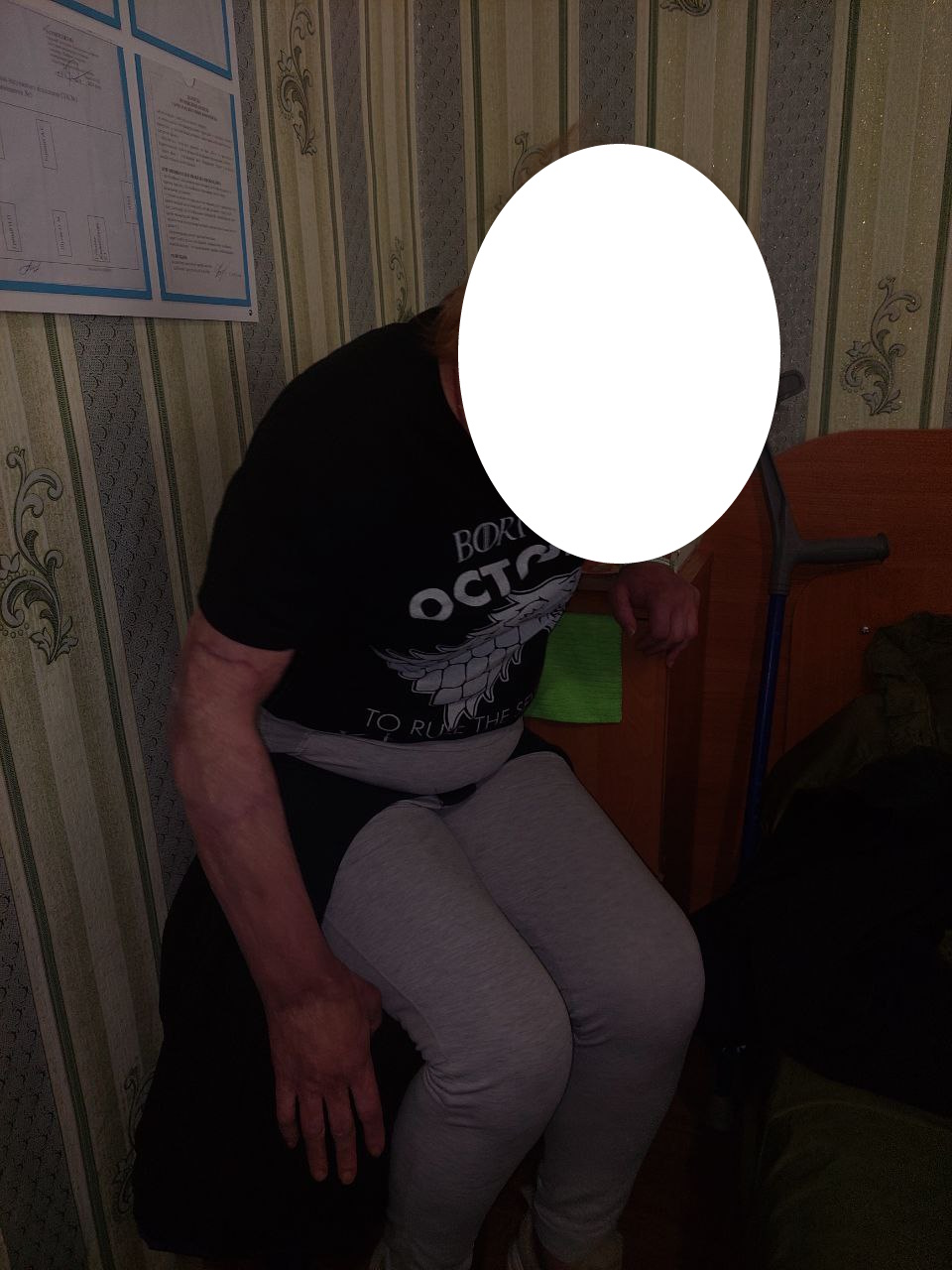
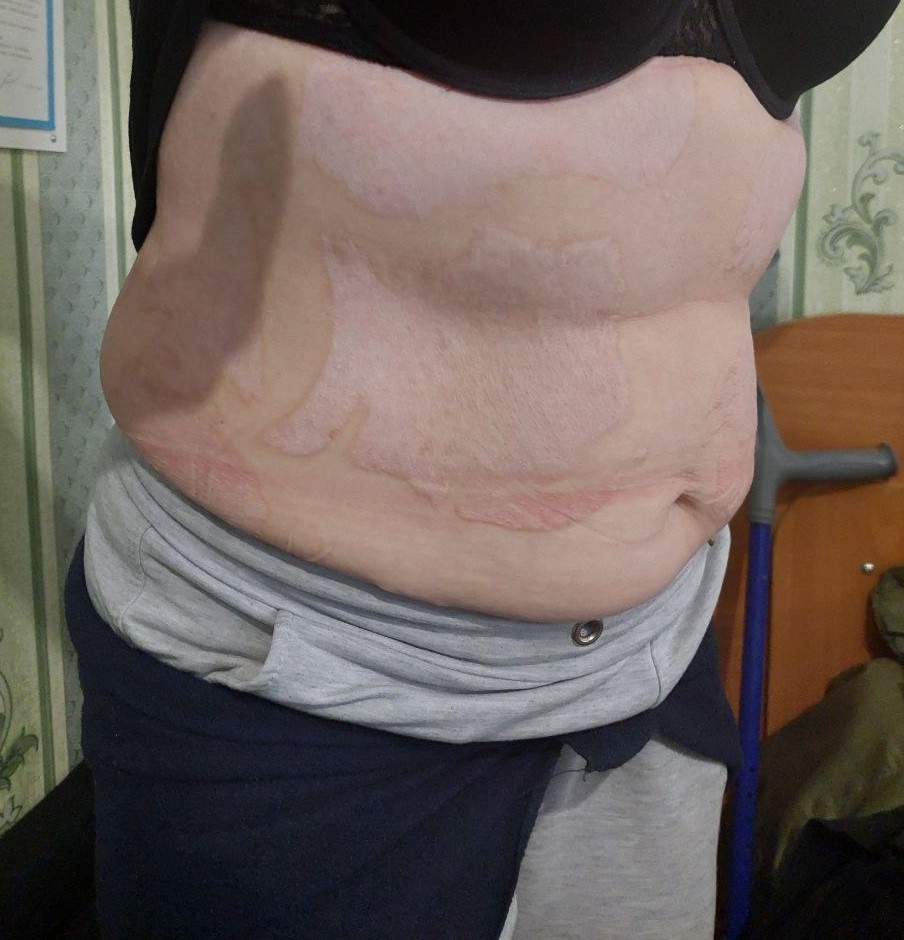
Convict N. has numerous bodily burns and does not receive adequate medical assistance.
Convict G. has a thyroid disease and complained of feeling unwell and of not being provided with medical care.
Baby Home
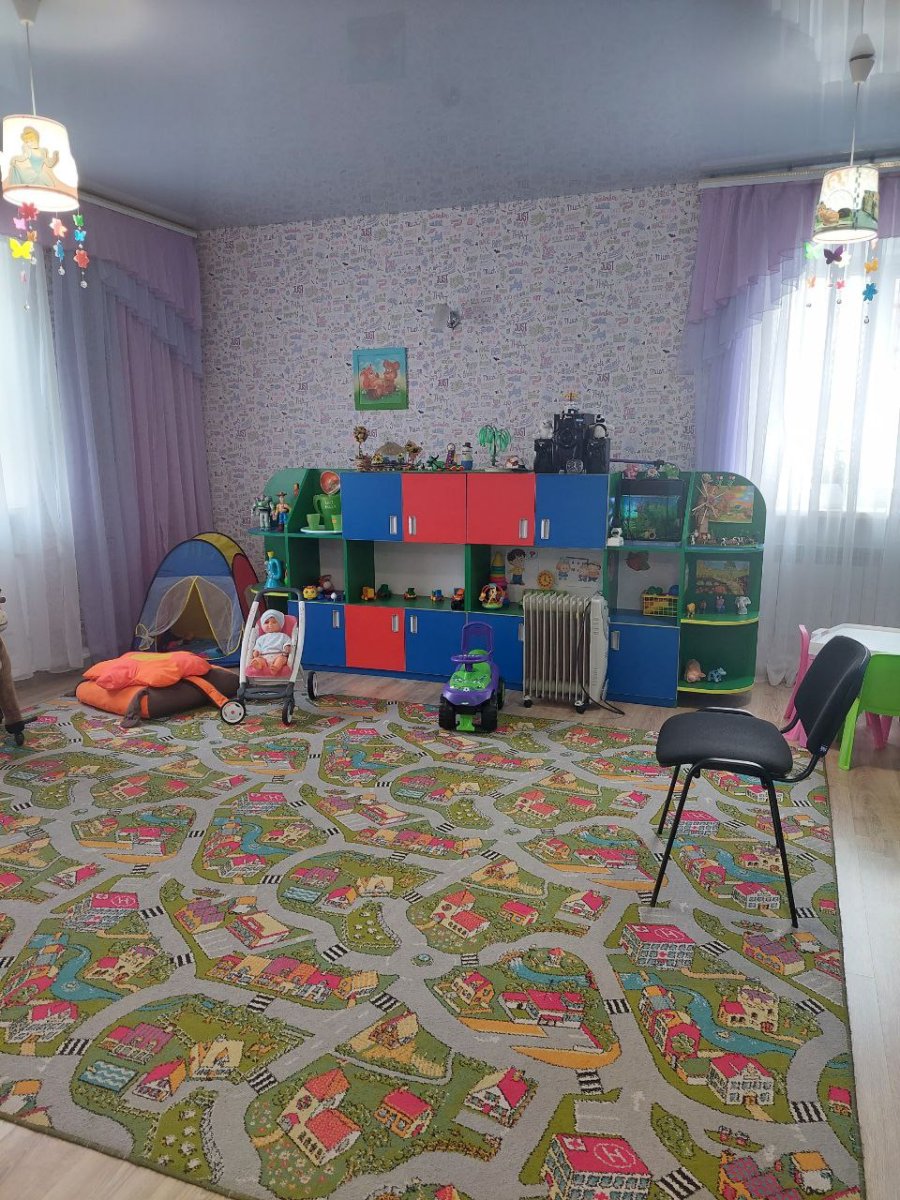
A ‘Baby Home’ operates on the territory of the colony — a sector for convicts with children under the age of three. Appropriate, decent conditions have been created for comfortable living and child-rearing. On the day of the visit, there were six children in the home. This home provides convicted mothers with the opportunity to maintain a connection with their child and encourages law-abiding behaviour.
Medical Unit No. 65 of the Branch of the State Institution ‘Center for Healthcare of the State Penitentiary Service of Ukraine’ in Poltava Oblast
The head of the medical unit is O. V. Prokofieva. During the visit, the monitoring group inspected the premises of the medical unit without hindrance, familiarised themselves with the conditions of organising medical care for prisoners, and studied the medical records.
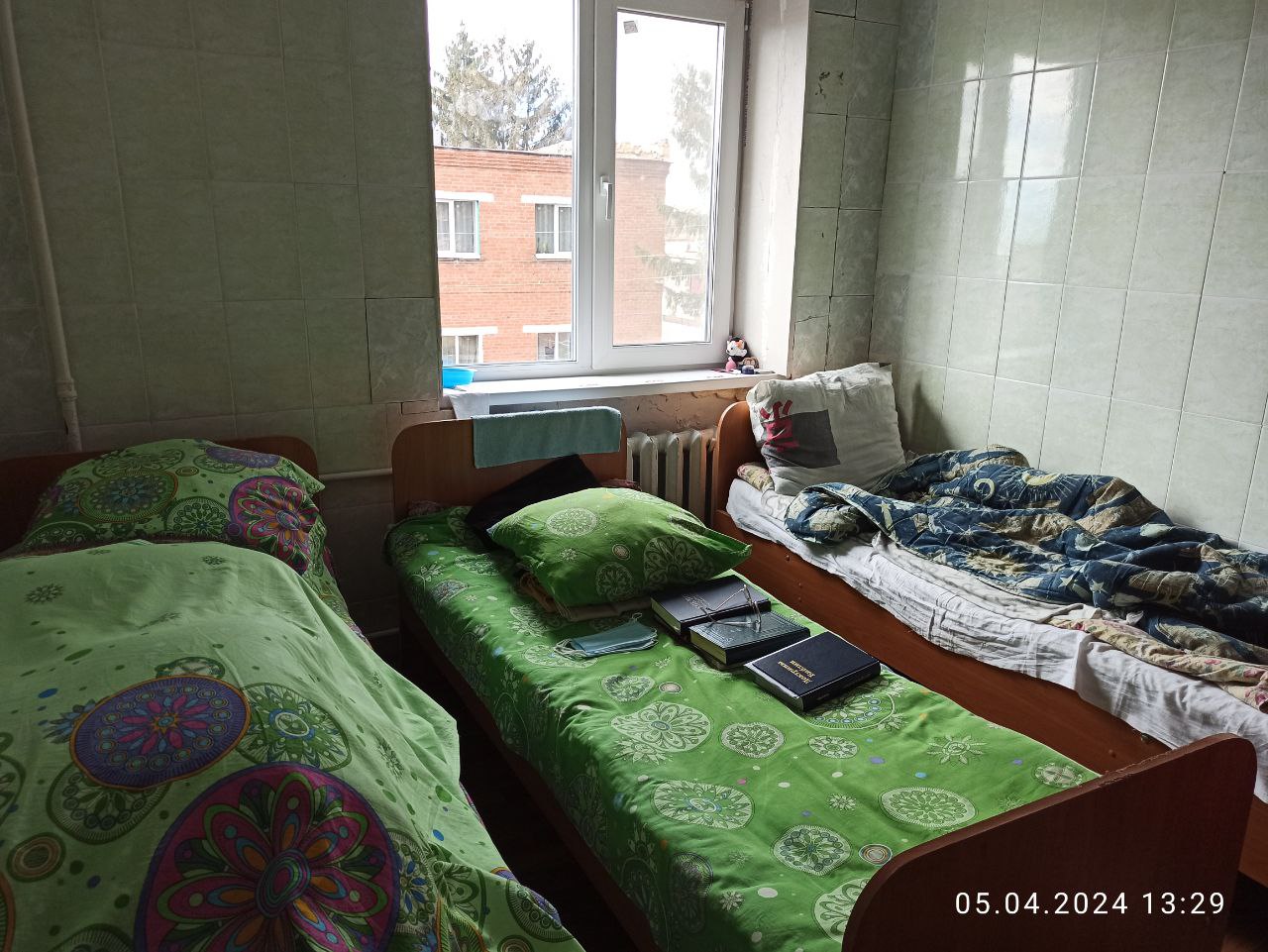
The inpatient department of the medical unit has two wards for somatic patients, designed for 14 beds, and two infectious disease isolation wards, designed for eight beds. On the day of the visit, seven people were in the inpatient department of the medical unit.
According to the staffing table, the following medical positions are filled: head of the medical unit/doctor — 1.0 post; general practitioner (therapist) — 1.0 post; dentist — 0.5 post; psychiatrist — 0.5 post; infectious disease specialist — 1.0 post; obstetrician-gynecologist — 0.5 post; radiologist — 0.5 post; narcologist — 0.5 post; ultrasound specialist — 0.5 post; pediatrician — 0.5 post.
During the monitoring visit, shortcomings were identified in the work of Medical Unit No. 65, leading to violations of the rights of convicts in the institution.
1. Violation of the right of convicted persons to protection against torture or inhuman or degrading treatment or punishment (Article 3 of the Convention for the Protection of Human Rights and Fundamental Freedoms) and Violation of the right to health protection and medical care (Article 49 of the Constitution of Ukraine)
1.1. During the examination of medical documentation, it was established that the medical staff does not compile certificates of existing bodily injuries to be attached to the outpatient medical records (Form 025/o), as provided for in paragraph 3 of Section I, Chapter II of Joint Order No. 1348/5/572 of the Ministry of Justice of Ukraine and the Ministry of Health of Ukraine dated 15 August 2014 ‘On Approval of the Procedure for Organising the Provision of Medical Care to Persons Sentenced to Deprivation of Liberty’. The failure to properly record bodily injuries does not comply with paragraph 60 of the recommendations of the European Committee for the Prevention of Torture and Inhuman or Degrading Treatment or Punishment (CPT/Inf(93)12-part) (hereinafter referred to as the CPT Standards), which states that medical services in places of deprivation of liberty can contribute to the prevention of violence against detained persons by systematically recording bodily injuries and, if necessary, by informing the relevant authorities.
1.2. In violation of the requirements of Ministry of Health Order No. 182 dated 21 March 2012, registered with the Ministry of Justice of Ukraine on 18 May 2012 under No. 794/21107 ‘On Approval of Primary Record and Reporting Forms for Monitoring the Treatment of HIV-infected Persons and Instructions on How to Complete Them’, the medical unit does not maintain control charts of dispensary observation of an HIV-infected person (Form No. 030-5/o).
1.3. In accordance with the requirements of paragraph 7 of part 1 of Resolution of the Cabinet of Ministers of Ukraine No. 1394 dated 22 December 2023 ‘Some issues of implementation of the programme of state guarantees of medical services for the population in 2024’, the NHSU (National Health Service of Ukraine) pays for medical services provided under paper-based referrals to patients held in correctional institutions or remand prisons of the State Penitentiary Service, pending the creation of technical capability by healthcare institutions of the State Penitentiary Service to issue electronic referrals. However, due to the lack of signed declarations with primary healthcare physicians for the convicts, they cannot receive the necessary medical services at the expense of the NHSU, which leads to a violation of the requirements of paragraphs 4 and 5 of Article 4 of the Law of Ukraine ‘Fundamentals of the Legislation of Ukraine on Healthcare’.
1.4. In violation of the Procedure for Organising Medical Care at the Primary, Secondary (Specialised), and Tertiary (Highly Specialised) Levels Using Telemedicine, approved by Order of the Ministry of Health of Ukraine No. 681 dated 19 October 2015, the medical unit staff is deprived of the opportunity to make requests for telemedicine consultations and receive consultations to provide medical care to convicts, due to the lack of access to the Internet because of full storage.
2. Violation of the right of convicts and detainees to information on their state of health, methods of treatment, and the right to medical confidentiality
During the inspection of the DIZO sector, the monitors established that upon placing a convicted woman in a disciplinary isolation cell, the practice of attaching a medical certificate containing health information and complaints is observed; according to its conclusion, the convict can be held in a DIZO, PKT (cell-type premises), or punishment cell (karatser) based on her state of health. The established facts prove that the institution’s staff possess confidential information regarding the health status of convicted persons in the DIZO sector. This violates the requirements of Article 39-1 of the Law of Ukraine ‘Fundamentals of the Legislation of Ukraine on Healthcare’ concerning the right of individuals to medical confidentiality.
Furthermore, the European Committee for the Prevention of Torture and Inhuman or Degrading Treatment or Punishment has repeatedly recommended that doctors should not certify that the state of health of convicts allows placement in DIZO/PKT. In this regard, the CPT would like to emphasise that medical professionals working in correctional institutions are the personal doctors of the prisoners, which ensures positive doctor-patient relationships and is an important factor in preserving the health, well-being, and welfare of prisoners. The above practice undermines the positive relations between convicts and doctors (Report of the Committee on its visit to Ukraine in 2005 (144.CPT/Inf (2007) 22), and 2009 (151.CPT/Inf (2011) 29). In addition, it contradicts Rule 43.3 of the European Prison Rules.
3. Violation of the rights of convicts and detainees during initial and preventive medical examinations
In violation of paragraph 6 of Chapter III, Section II of the ‘Procedure for Organising the Provision of Medical Care to Persons Sentenced to Deprivation of Liberty’, approved by Joint Order of the Ministry of Justice of Ukraine and the Ministry of Health of Ukraine No. 1348/5/572 dated 15 August 2014 (hereinafter referred to as the Procedure), the diagnosis, recommendations, first name, surname, and signature of the doctor, which must be registered in the logbook of results of preventive medical examinations (the form of which is given in Annex 4 to the Procedure), are missing.
4. Violation of the rights of persons with viral Hepatitis C
In violation of the requirements of the Standards of Medical Care for HCV in Adults, approved by Order of the Ministry of Health of Ukraine No. 51 dated 15 January 2021, not all individuals suspected of having viral Hepatitis C undergo PCR testing, and as a result, they do not receive the necessary treatment, which could lead to a deterioration of their health and the spread of this infectious disease among convicts and detainees. Furthermore, the pharmacy of the medical unit is not supplied with test kits for detecting antibodies to the Hepatitis C virus.
5. Non-compliance with infection control and epidemiological surveillance
In violation of the requirements of paragraph 1 of Section II of the Infection Control Standard for Healthcare Facilities Providing Care to Tuberculosis Patients, approved by Order of the Ministry of Health No. 287 dated 1 February 2019, the medical unit does not comply with the requirements for isolating tuberculosis patients: the wards are used for more than one or two people (two wards for seven beds), the doors to the wards are not equipped with threshold seals or edge seals, and air recirculation using mechanical ventilation is not provided.
6. Violation of the right to adequate psychiatric care
6.1. In violation of paragraph 8 of part 5 of Chapter 2 of the Procedure for Organising the Provision of Medical Care to Persons Sentenced to Deprivation of Liberty, approved by Joint Order of the Ministry of Justice of Ukraine and the Ministry of Health of Ukraine No. 1348/5/572 dated 15 August 2014, the inpatient department lacks a properly equipped isolation room for convicts with mental disorders who pose a danger to others.
6.2. In violation of the requirements of the Instructions for completing the primary record form No. 003-7/o ‘Informed Consent of a Person to Psychiatric Examination’, approved by Order of the Ministry of Health of Ukraine No. 970 dated 15 September 2016, it was established that during the initial consultation, the psychiatrist does not properly complete the informed consent forms for a psychiatric examination.
7. Lack of equipment, medical devices, and medicines in the medical unit
7.1. In violation of the requirements of the Equipment List for one workplace of a dentist and a dental technician, approved by Order of the Ministry of Health of Ukraine No. 158 dated 11 April 2005, the medical unit lacks a dental X-ray machine, which makes it impossible to conduct in-depth dental examinations of convicts and fails to ensure the timely provision of appropriate dental care.
This violates paragraph 38 of the recommendations of the CPT Standards, which states that medical services in places of deprivation of liberty should be able to provide medical care and treatment, as well as an appropriate diet, physiotherapy, rehabilitation, or any other special care on the same level as that offered to patients in civil medical facilities. Provision must be made for medical, paramedical, and technical staff, as well as appropriate premises, installations, and equipment.
7.2. During the inspection of the defibrillator’s operability, it was established that the electrodes were missing. At the same time, the CPT has recommended that medical services in all visited prisons (and all other penitentiary institutions in Ukraine) be equipped with life-saving equipment for doctors (Report of the Committee on its visit to Ukraine in 2017, paragraph 87, CPT/Inf (2018) 41).
7.3. There is no hot water supply in the doctors’ consulting rooms; the workstations of medical staff do not meet the requirements of current legislation and violate Article 19 of the Law of Ukraine ‘Fundamentals of the Legislation of Ukraine on Healthcare’ and Article 13 of the Law of Ukraine ‘On Occupational Safety’.
8. Violation of the right of convicts to decent sanitary and hygienic conditions during their stay in a healthcare facility
8.1. In violation of Article 115 of the Penitentiary Code of Ukraine, in the infectious disease isolation room, which is designed for four beds, the requirements for the norm of living space per convict undergoing inpatient treatment (not less than 5 square metres) are violated, and the beds are located almost right next to each other. Furthermore, the wards do not meet the requirements of paragraph 8.3.5.1 of the State Building Codes of Ukraine for buildings and facilities of healthcare institutions. In particular, there is no furniture for storing belongings (bedside tables and chairs corresponding to the number of beds in the ward).
8.2. Convicts are not provided with drinking water. They collect water for consumption directly from the centralised water supply network or boil it themselves.
8.3. In violation of the ‘State Sanitary and Anti-Epidemic Rules and Standards for Medical Waste Management’, approved by Order of the Ministry of Health of Ukraine No. 325 dated 8 June 2015, the branch of the State Institution ‘Center for Healthcare of the State Penitentiary Service of Ukraine’ in Poltava Oblast has not concluded an agreement with a specialised enterprise for medical waste disposal. As a result, proper collection, sorting, and disposal of medical waste has not been organised in the medical unit since the beginning of 2024.
9. Violation of the rights of persons with disabilities (Article 9 of the UN Convention on the Rights of Persons with Disabilities)
In violation of the requirements of the State Building Codes of Ukraine V.2.2-17:2006 ‘Buildings and Structures. Accessibility of Buildings and Structures for People with Limited Mobility’, no conditions for holding persons with disabilities have been created in the medical unit (ramps, handrails, etc. are missing). Access for persons with limited physical mobility is difficult because the consulting rooms and wards in the medical unit are located on the first floor (the second floor in Ukrainian terms) of the building.
Restriction of Liberty Sector
During the inspection of the restriction of liberty sector, it was established that, contrary to current legislation, convicts are prohibited from having Android phones. The active penitentiary legislation does not define the specifications of mobile phones or other qualifying characteristics that establish or restrict rules for the use of mobile communications. The establishment of restrictions on the types of mobile phones by the administration of the correctional institution exceeds its powers, which was also communicated in an official letter from the State Penitentiary Service to the correctional institutions.
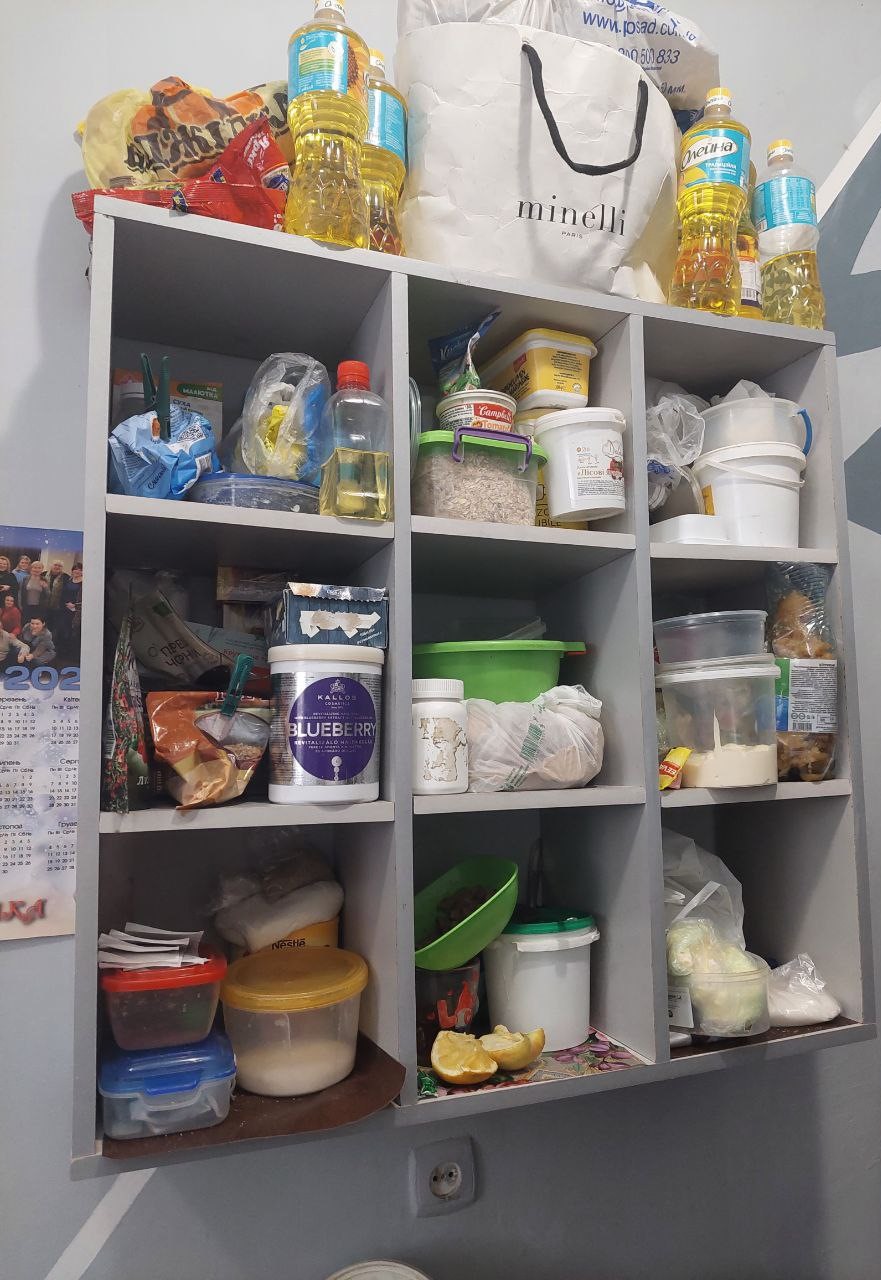
There is no refrigerator in the restriction of liberty sector; consequently, food products in the restriction of liberty sector were stored in a bedside table.
According to Chapter XXIX of the ‘Internal Regulations of Correctional Institutions’ and paragraph 6 of the Temporary Procedure for the Detention of Persons Sentenced to Restriction of Liberty in Correctional Colonies of the State Penitentiary Service of Ukraine, convicts serving sentences in correctional centres enjoy all human and civil rights provided for by the Constitution of Ukraine, with the exception of restrictions defined by the Penitentiary Code of Ukraine, the laws of Ukraine, and established by a court sentence. The admission of convicts to the sectors for their detention, their registration, the conditions of serving the sentence, involvement in work, and medical care are carried out in accordance with Chapter 13 of the Penitentiary Code of Ukraine.
In each correctional centre, the boundary of the correctional institution is determined, and convicts are prohibited from leaving it without authorisation.
The boundary of a correctional centre is established by order of the head of the interregional administration in agreement with local self-government bodies, taking into account the specifics of the correctional institution, and runs along the boundary of the settlement, but within a radius of no more than five kilometres from the territory of the correctional centre. The boundary of the correctional centre is declared to the convicts against their signature, which is attached to their personal files.
At the same time, upon the monitors’ request, the management of the institution did not show the order establishing the boundaries of the correctional centre/sector of the correctional centre, nor the receipts signed by the individuals confirming they were familiarised with the respective boundaries.
Recommendations that were ignored following the previous visit:
- Promote decent working conditions, protection of social and labour rights, and decent remuneration for performed work.
- Take response measures regarding informal relations among convicts. Stop the arbitrary unlawful behaviour of individual convicts.
- Stop the practice of video surveillance in dormitories.
- Stop the practice of prohibiting the personal use of tablet computers and their accessories.
New recommendations are added with the hope of implementation:
- Stop the practice of the administration obstructing monitoring visits, and demanding special permits and authorisations not provided for by law.
- Take measures aimed at eliminating the identified human rights violations and preventing torture and other cruel, inhuman, or degrading treatment and punishment in the medical unit.
- Ensure control over the proper maintenance of medical records in accordance with current legislation.
- Provide convicted persons with signed declarations with doctors providing primary healthcare in healthcare institutions of the Ministry of Health of Ukraine.
- Ensure access to the Internet for doctors to make requests for telemedicine consultations.
- Ensure timely and proper recording of bodily injuries in convicts.
- Replace the pads of the automated external defibrillator.
- Ensure that the isolation room for persons with mental and behavioural disorders is equipped in accordance with the requirements.
- Ensure the timely disposal of medicines and medical devices.
- Provide the medical unit with the necessary diagnostic equipment, including a dental X-ray machine.
- Ensure that patients’ informed consent for examination and treatment is obtained in the prescribed form;
- Stop the practice of doctors certifying the health status of convicts and detainees upon their placement in the DIZO/PKT sector.
- Ensure the accessibility of the medical unit for the free movement of people with limited mobility.
- Provide the medical unit premises with hot water supply.
- Supply the medical unit pharmacy with all necessary medicines and medical devices, in particular test kits for detecting antibodies to the Hepatitis C virus.
- Ensure compliance with social distancing measures for convicts under quarantine restrictions, as well as the right of convicts to personal space and privacy.
- Equip the medical unit with durable inventory in accordance with current legislation.
Date of the visit: 5 April 2024
Date of the previous visit: 19 June 2023.