Monitoring visit to the State Institution “Kropyvnytskyi Correctional Colony (No. 6)”
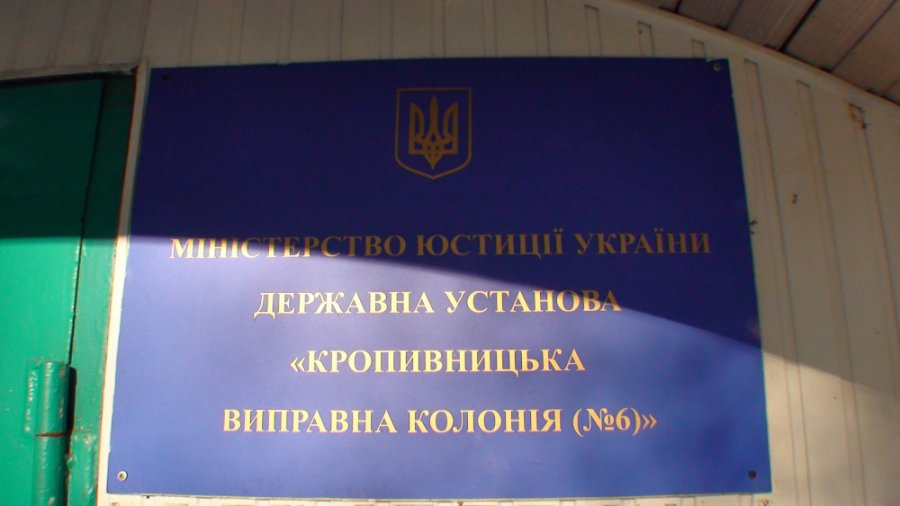
On 1 October 2021, a monitoring group consisting of Serhiy Zuykov, a member of the Public Council under the Ministry of Justice of Ukraine, and Andriy Didenko, a journalist for the “Human Rights” bulletin of the Kharkiv Human Rights Protection Group, visited the State Institution “Kropyvnytskyi Correctional Colony (No. 6)”. The head of the facility is Colonel of the Internal Service Volodymyr Valentynovych Mastytskyi.
The following areas were visited: the medical unit, the resocialisation section, the disciplinary block, the canteen, the bath and laundry complex, the industrial zone, and the visiting rooms.
General Information
At the time of the visit, the authorised personnel count was 218, with an actual staff count of 200;
There is one psychologist working with the staff and two working with the convicts;
The total number of convicts in the institution: in 2020, as of January – 516 persons, as of December – 425; in 2021, as of January – 425 persons, as of September – 398;
Deaths in Ministry of Health facilities and the institution’s medical unit: in 2019 – 3 persons, in 2020 – 8, and in 2021 – 4.
85 convicts are employed under employment contracts with an average monthly salary of 1,302.48 hryvnias;
There were 10 convicts in the disciplinary isolation unit (DIZO) and 3 in the chamber-type premises (PKT);
10 persons were undergoing treatment at the Healthcare Centre of the State Criminal-Executive Service located on the colony's premises;
Convicts serving sentences under Article 391 of the Criminal Code: in 2020 – 2 persons, and in 2021 – 2 persons; criminal proceedings under Article 391 of the Criminal Code in 2020 – 3, and in 2021 – 4; under Article 255 of the Criminal Code – 1 proceeding;
5 persons were transferred to other penal institutions in 2020, and 4 persons in 2021;
49 persons are registered with HIV/AIDS, 48 of whom are receiving ART therapy;
6 persons are prone to suicide; 1 suicide was committed in 2020;
30 convicts are prone to self-harm; 4 persons are prone to escape;
38 are registered as malicious violators of the detention regime;
no complaints were recorded from the convicts during 2020 and 2021 (which seems strange);
in 2020, 182 persons were released, including 78 on parole (Art. 81 of the Criminal Code of Ukraine) and 47 under Art. 82 of the Criminal Code of Ukraine (restriction of liberty);
in 2020, an ambulance was called 20 times, and in 2021 – 18 times;
in 2020, 2 cases of bodily injury were recorded upon arrival at the institution, and 5 cases during their stay;
in 2021, 0 cases occurred upon arrival and 4 during their stay in the institution;
special means were applied to convicts 4 times in 2020 and zero times in 2021;
17 visits were conducted using video communication via the internet;
there are 2 workstations with internet access for distance learning; the cost of using the internet in the established manner is 200 hryvnias;
in 2020, 27 long-term visits took place, and in 2021 – 1;
short-term visits in 2020 – 235, and in 2021 – 222;
throughout the year, 27 people used the internet by concluding a corresponding agreement, totalling 65 tablets;
249 people were tested for SARS-CoV-2 (IgG, IgM) since the beginning of the year; no convict has had the disease; among the vaccinated convicts, 60 have received the vaccine once, and 41 have received it twice.
Medical Unit
The premises of the medical unit are in a dilapidated state and require a major overhaul. There is no therapist on staff.
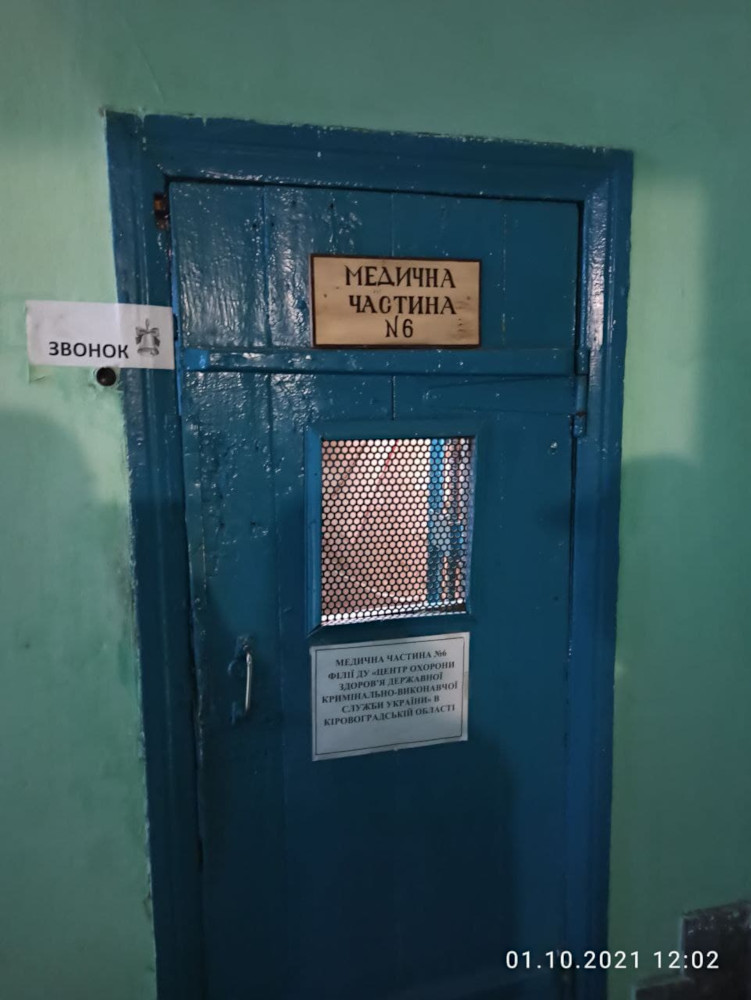
Due to the lack of a diagnostic laboratory and a fluorography or X-ray machine, the medical unit is unable to conduct full preventative medical examinations.
There is a dental office, an examination room, and a quartz lamp in operation.
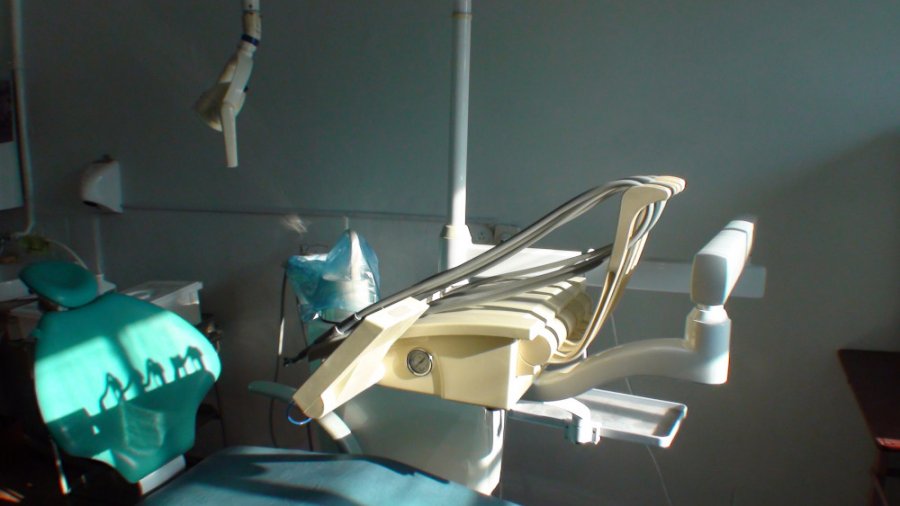
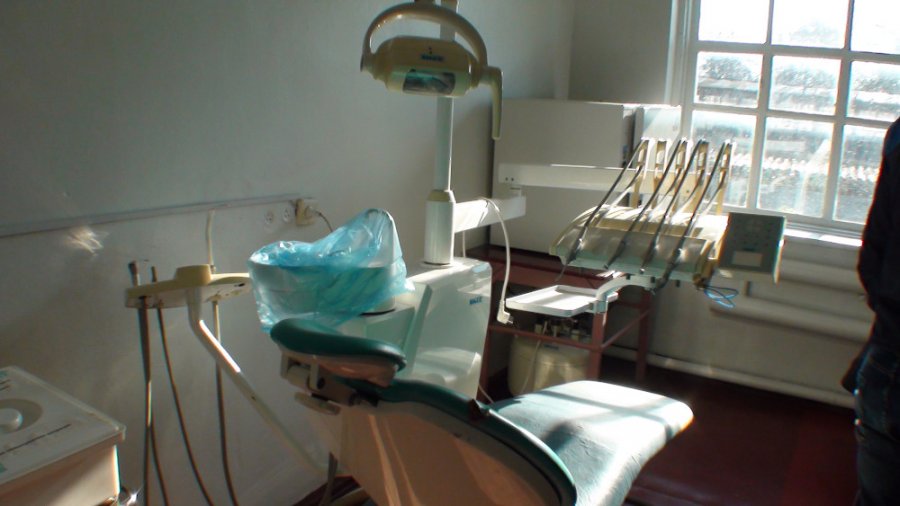
Dental office
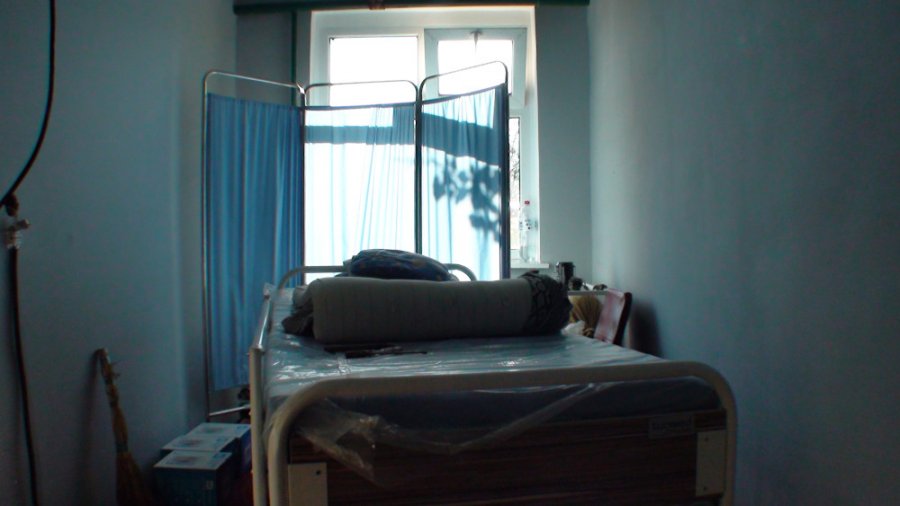
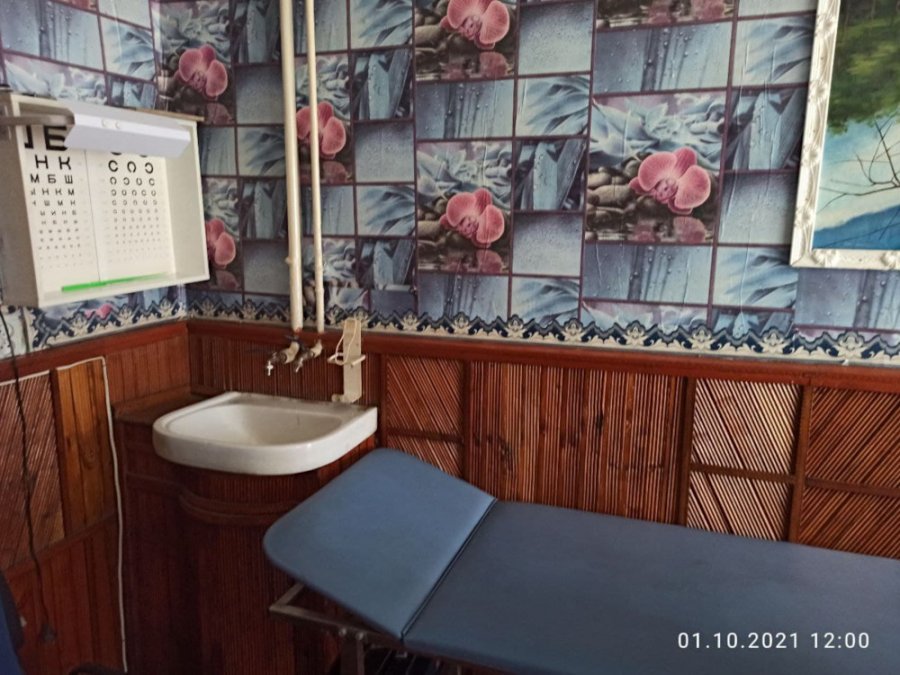
Examination room
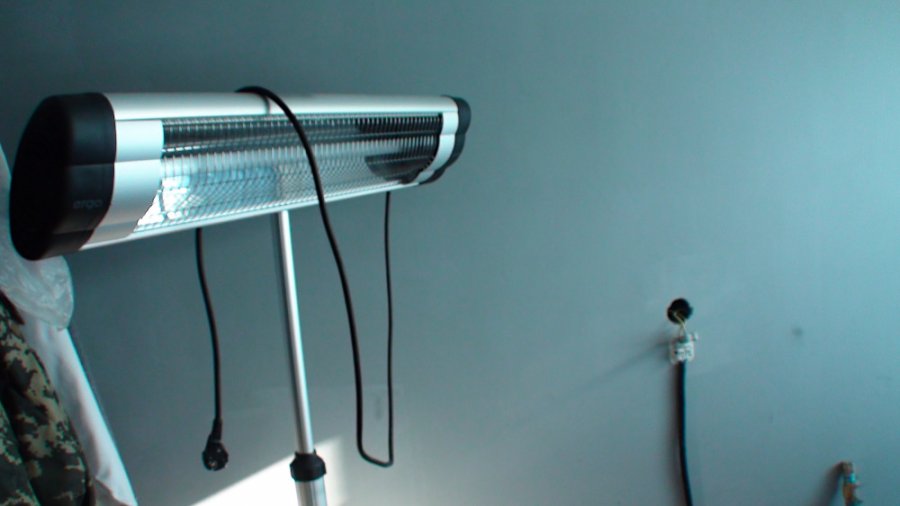
Quartz lamp
The wards, sanitary rooms, and the water heater were inspected.
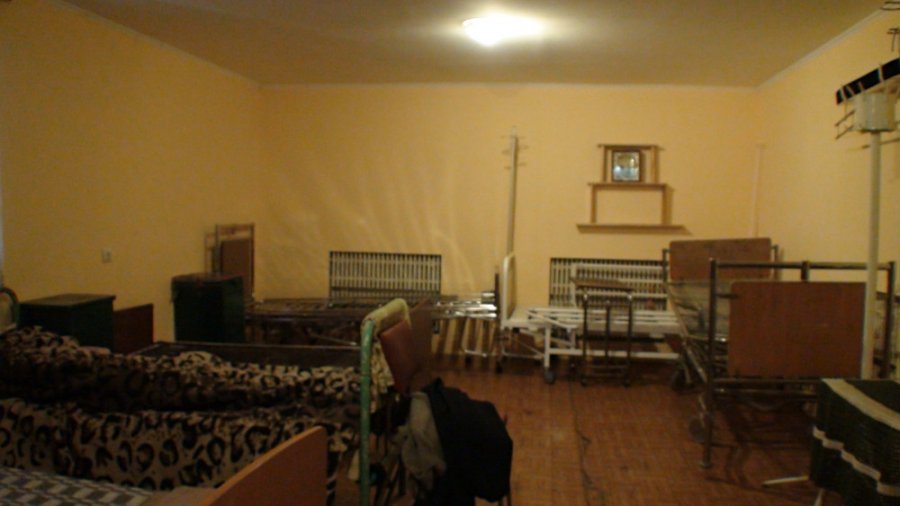
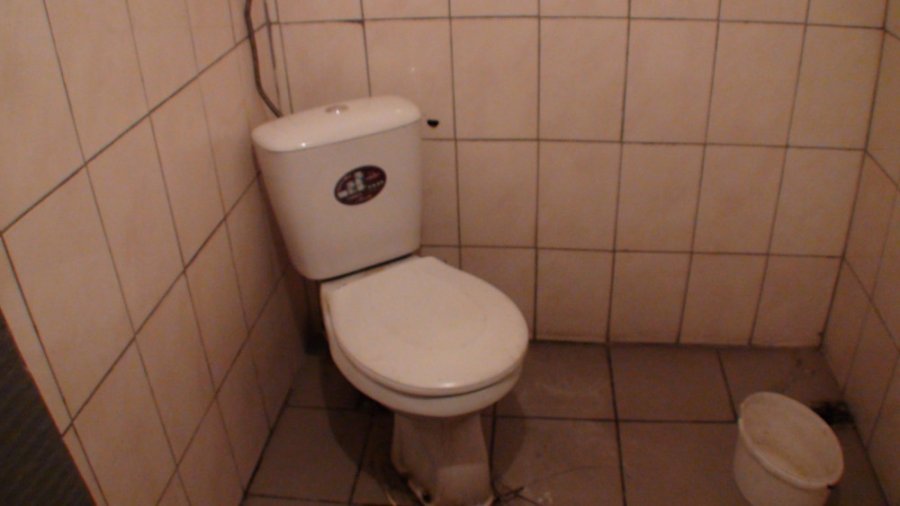
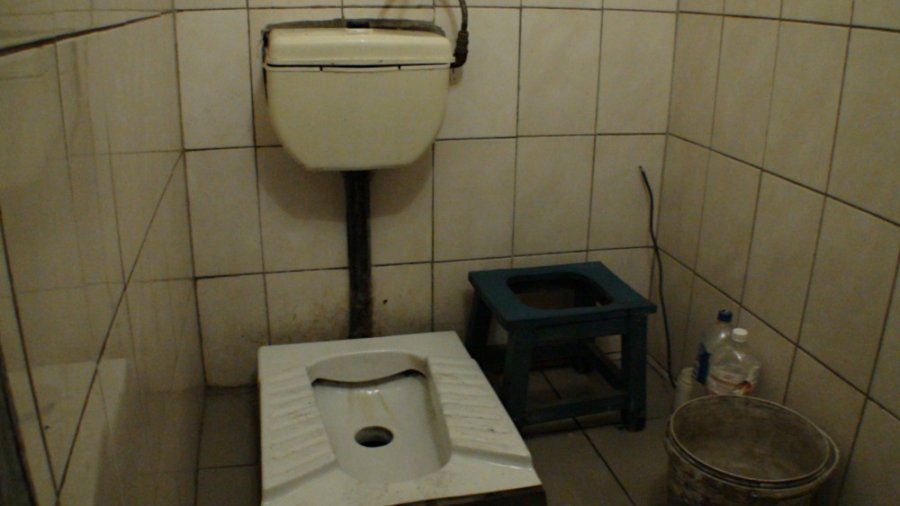
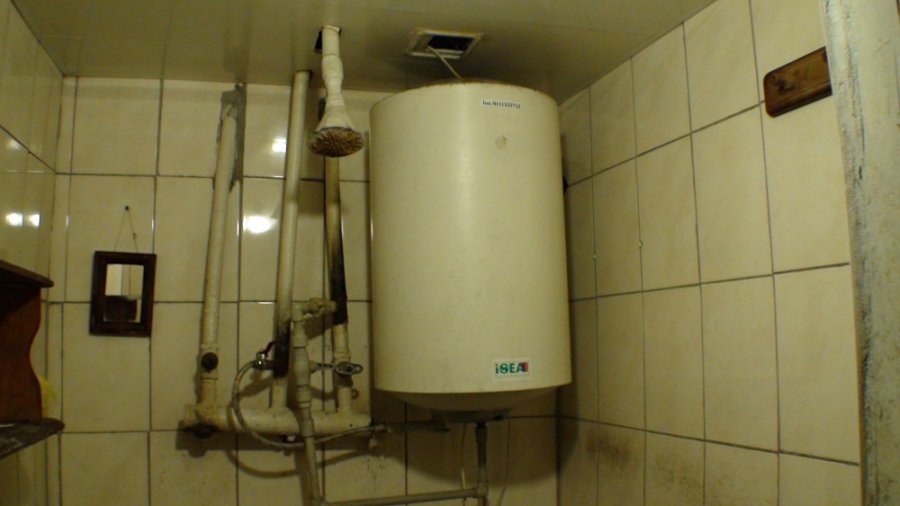
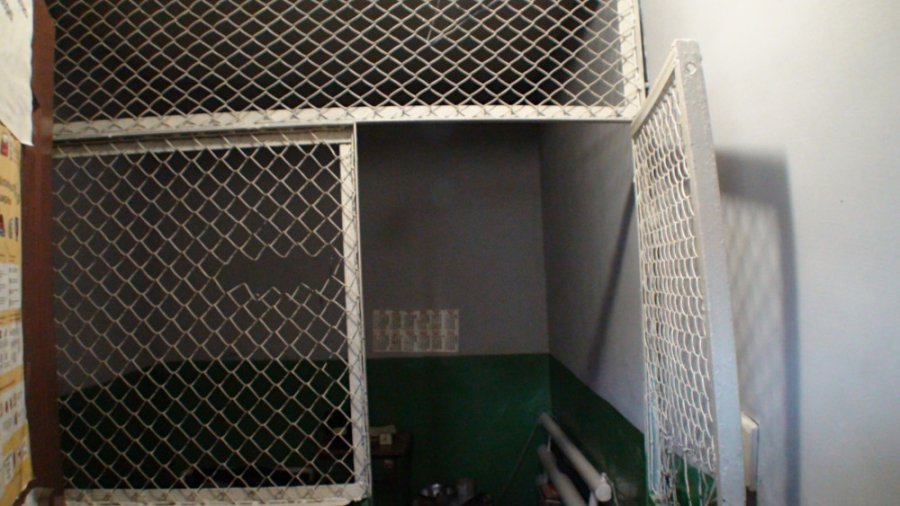
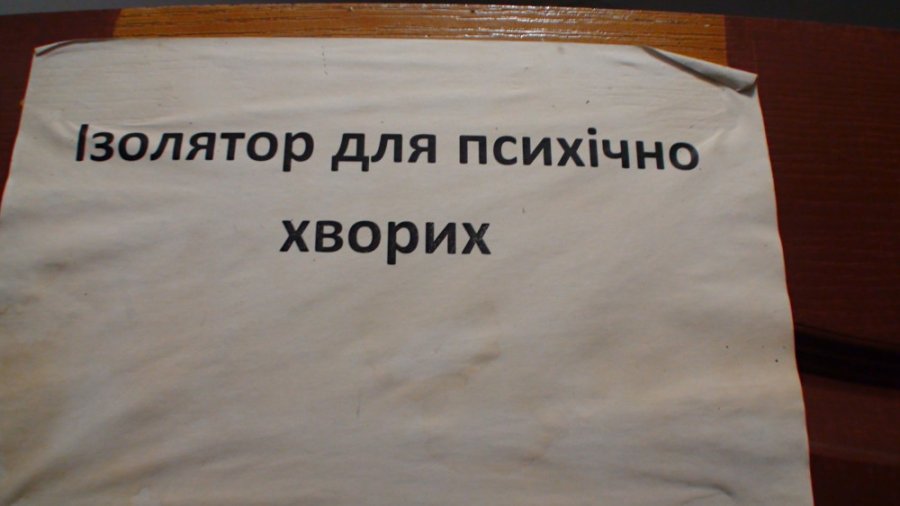
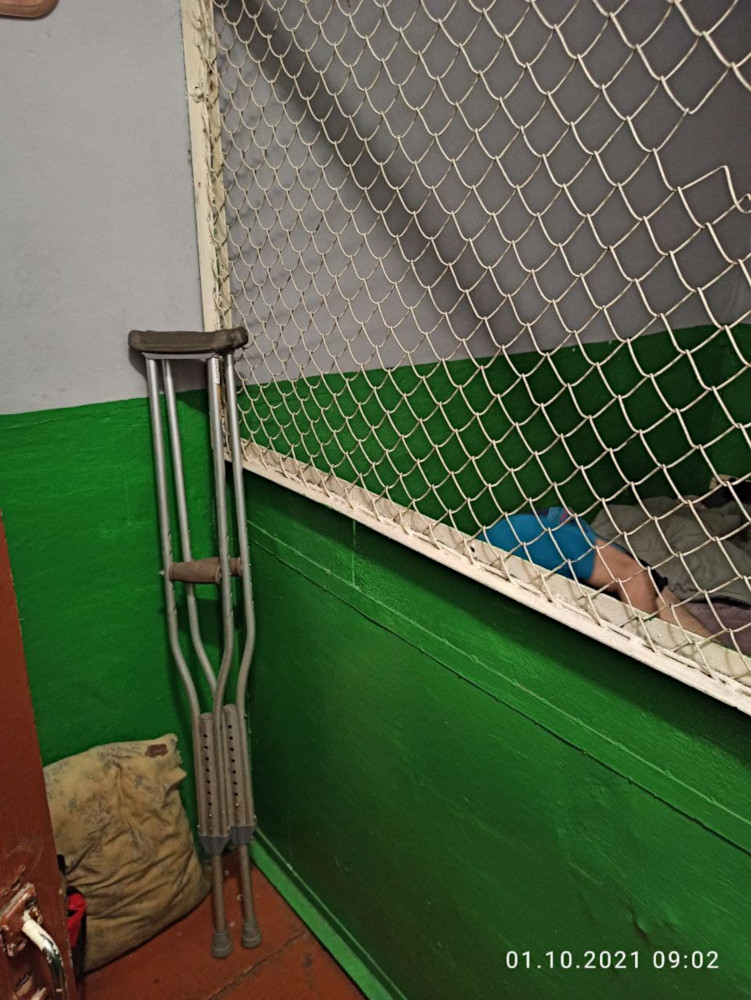
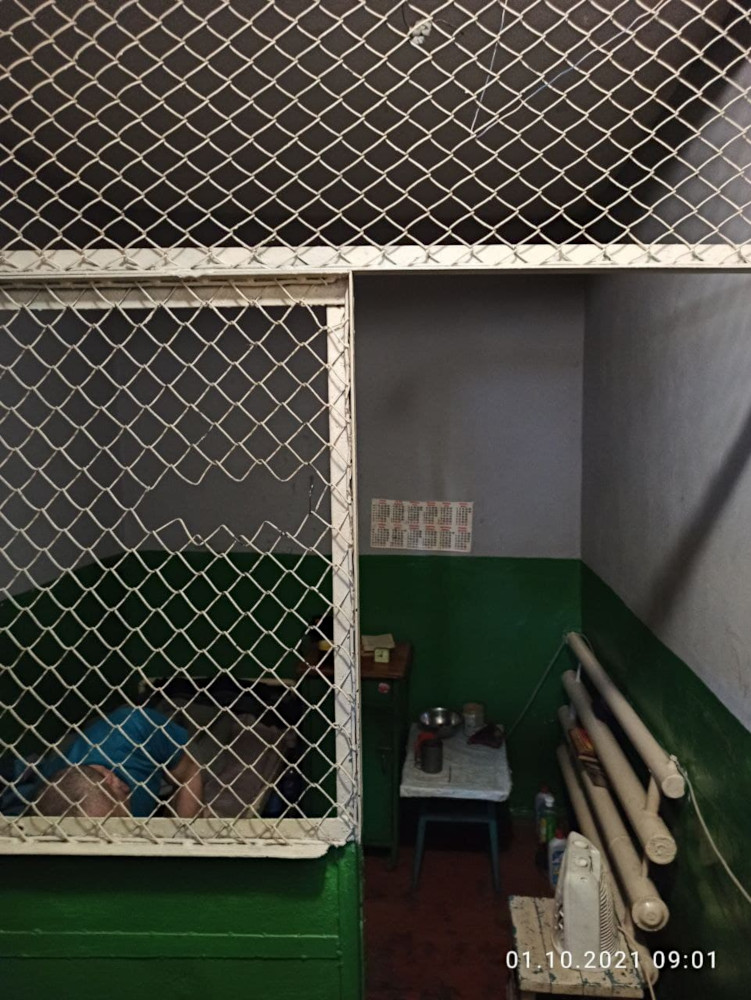
A convict who is a person with a group 2 disability was kept in improper conditions – in a cell labelled “For the mentally ill”, which does not meet the basic requirements for human accommodation.
Resocialisation Sections
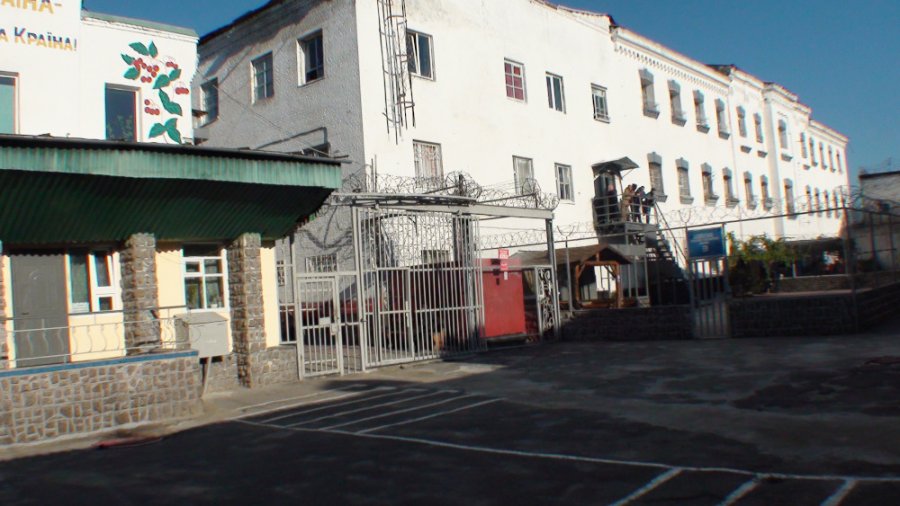
There are seven resocialisation units in the colony, housing 398 convicts; each unit has approximately 40–50 persons.
The monitors visited units No. 2 and No. 3. The resocialisation units have sleeping quarters, rooms where convicts can heat up food, refrigerators, hotplates, electric kettles, and multicookers. Each unit has boiled drinking water brought from the canteen.
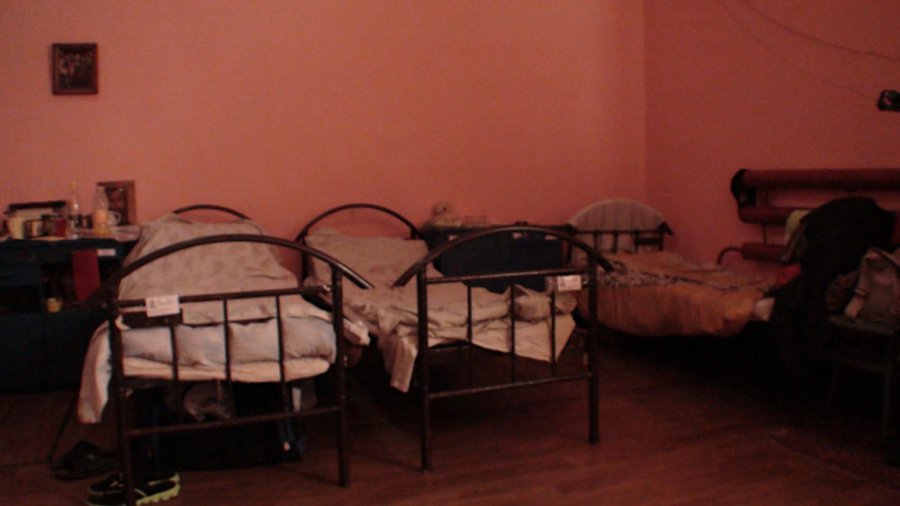
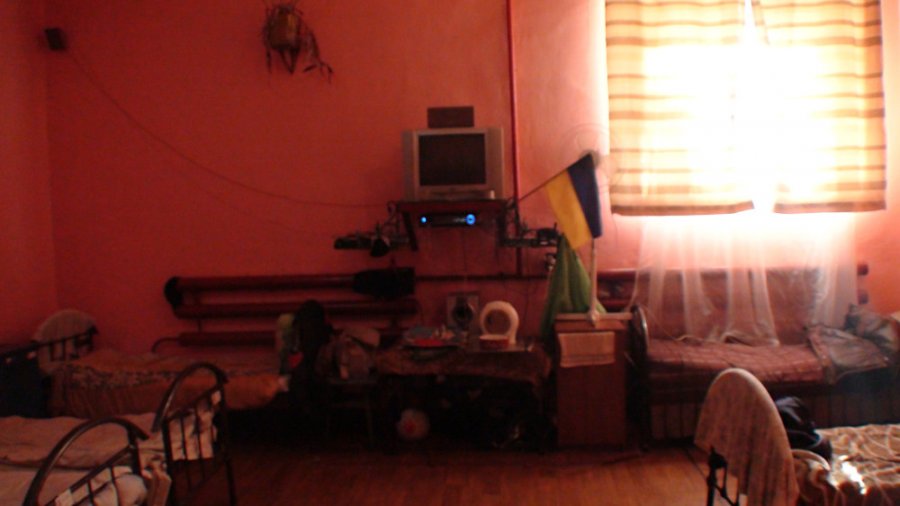
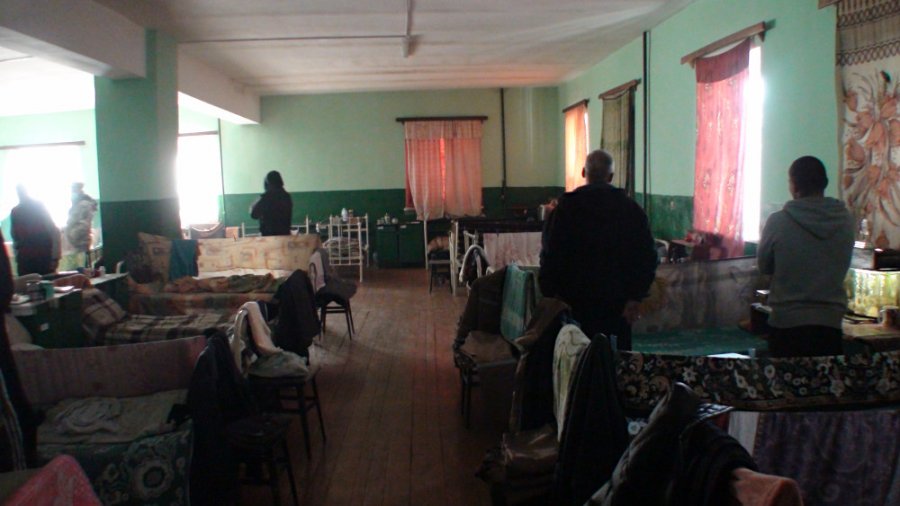
Sleeping quarters
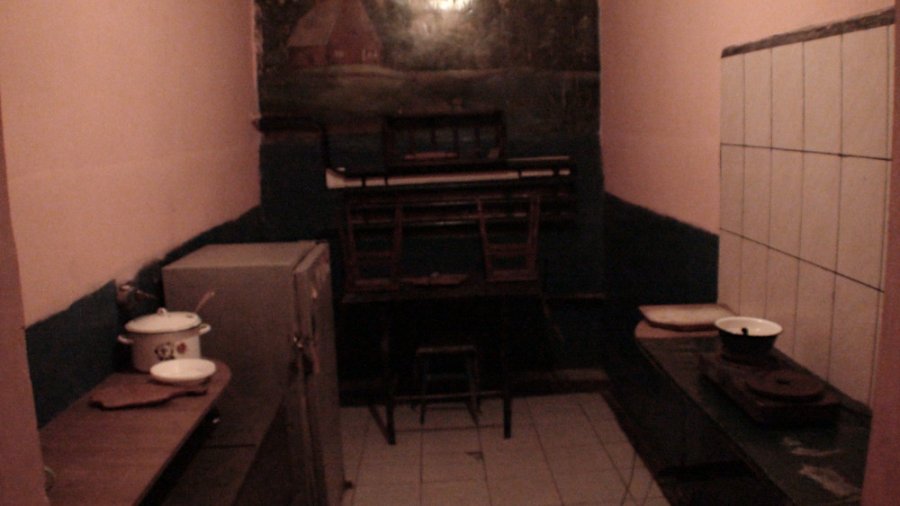
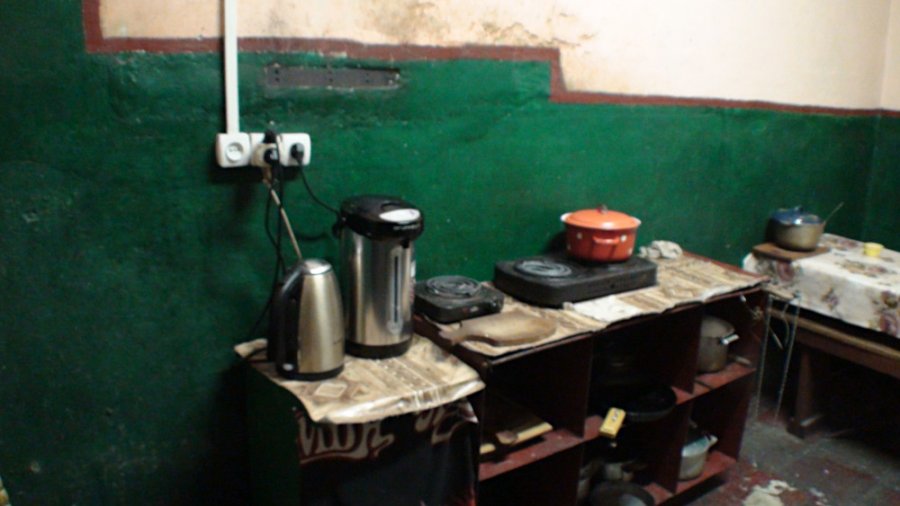
Each unit has a head-of-unit office where convicts are received for personal matters, where educational work with convicts is conducted, and where personal convict records are kept.
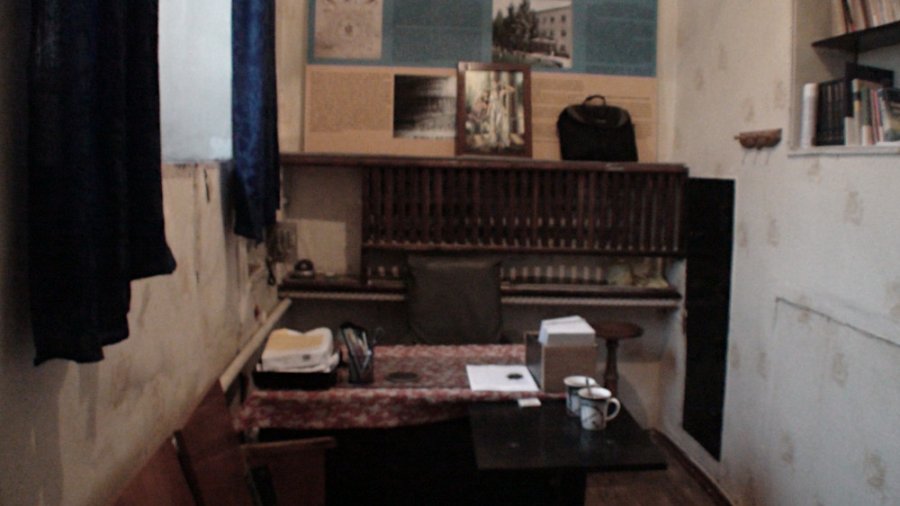
Repair works are underway in almost all units. Major repairs are being carried out gradually. We saw the renovation of the educational work room and the head-of-unit office. Priority is given to the convicts’ rooms.
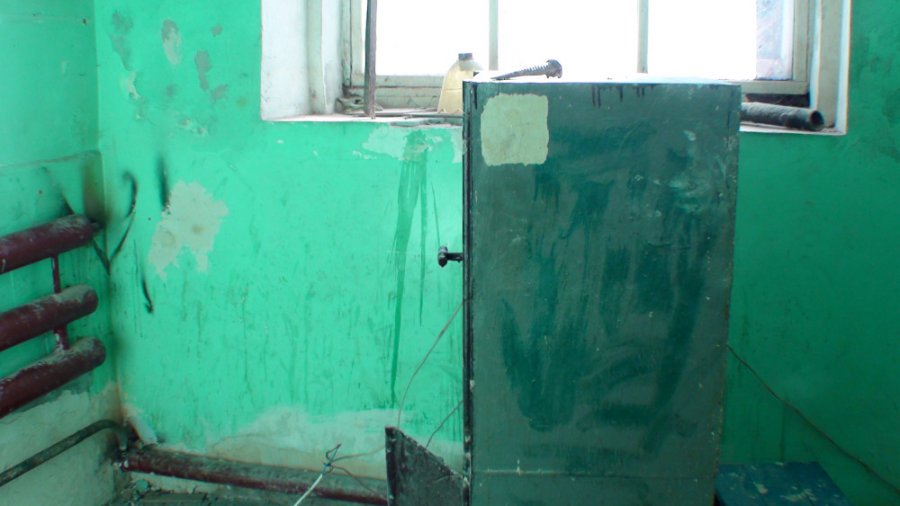
In one of the rooms, the number of prisoners is too high and does not meet the standard of 4 square metres per convict.
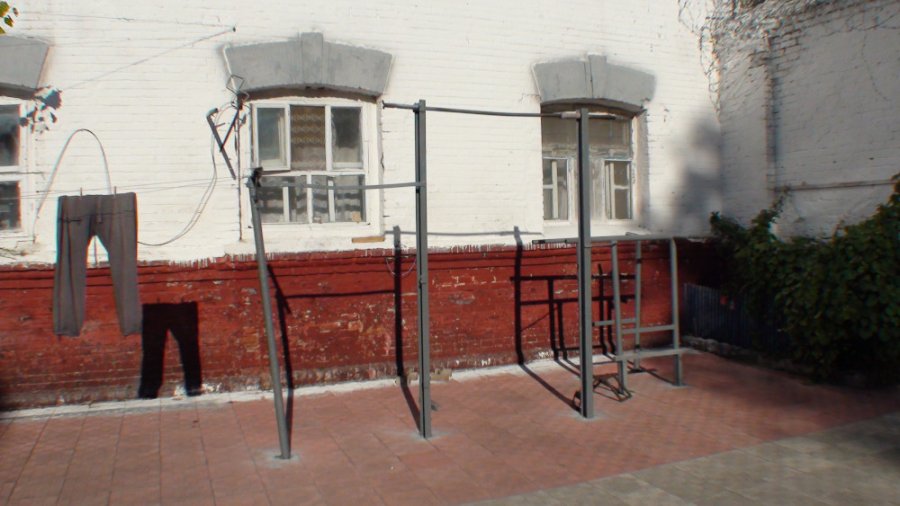
In the resocialisation section courtyard, there is a sports ground, football goals, sports equipment, and seating areas.
Convict B. filed a complaint regarding his inability to obtain medicine. He noted that he has heart disease, but the institution’s medical unit has no medicine. He had not submitted a written request to the administration regarding this issue.
The issue raised by convict P. remains unresolved. He has been unable to obtain a passport since 1984. According to him, he had a Soviet-style passport. After that passport lost its validity, convict P. applied to the passport office several times, where he was refused. Convict P. approached a lawyer at the Free Legal Aid Centre to draft an appeal to the court to have him recognised as a citizen of Ukraine. He was born on the territory of Ukraine and has been in Ukraine continuously since the collapse of the USSR. The passport was lost during the investigation.
The colony administration explained that there are currently about ten convicts in a similar situation – they had USSR passports, and to obtain a passport of a citizen of Ukraine, confirmation of Ukrainian citizenship and residence on the territory of Ukraine is required. Some individuals have been refused. An administration representative reported that a meeting is being planned directly with a representative of the passport office to clarify each individual case of passport acquisition.
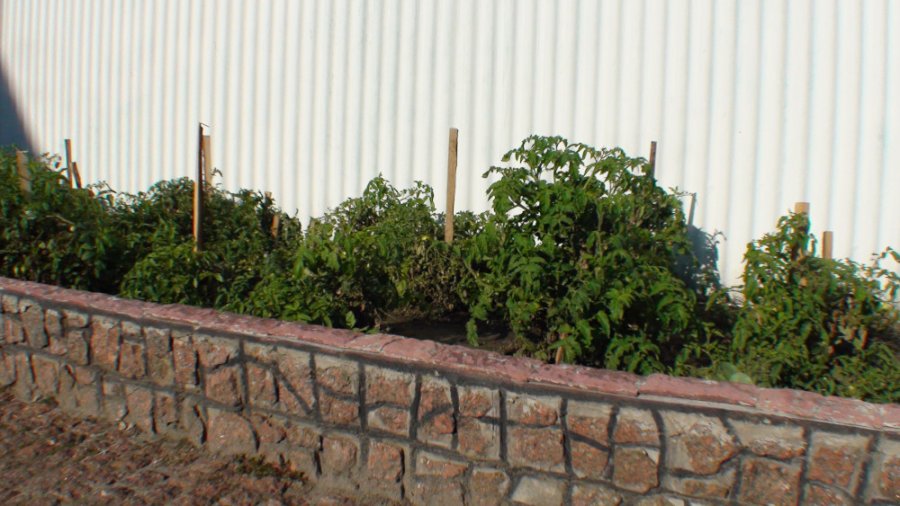
On the institution’s territory, there is a small plot for growing vegetables.
DIZO, PKT
There were 10 persons in the DIZO cells and 5 persons in the PKT.
2 persons are held on general grounds; 2 persons are in the pre-trial detention centre section – criminal proceedings have been initiated against them under Article 391 of the Criminal Code of Ukraine.
Convict L. expressed a desire to speak on the condition of anonymity. He reported that he has been held on general grounds for a month and a half as a suspect under Art. 391. They came according to the duty roster. In the morning, the unit was taken out for inspection. In his view, it was done on purpose: cigarette butts were emptied from ashtrays, and the people scheduled to clean were called in. The convict complained of an ailment, specifically an inguinal hernia, and stated that it was difficult for him to move. According to him, he had asked the medical assistant for help. He was summoned to the head of the colony and, for refusing to clean, the police were called. No suspicion has been presented for a month and a half.
After examining the convict’s case file, it was found that there is an extract from the Unified Register of Pre-trial Investigations dated 18.08.2021 regarding the registration of proceedings (separation of pre-trial investigation materials) under Article 391 of the Criminal Code of Ukraine. There are no other materials, including any court decision regarding the criminal prosecution of the person, and a court decision cannot be issued without the presentation of a notice of suspicion.
The second convict did not go to work and he has a lawsuit. He has also been held for over a month without a notice of suspicion being presented.
Two persons are supposedly in the stage of criminal prosecution under Article 391 of the Criminal Code of Ukraine, yet they do not have the procedural status of a suspect. These persons have been in a cell for over thirty days without a court decision. This violation was reported in writing to the prosecutor’s office.
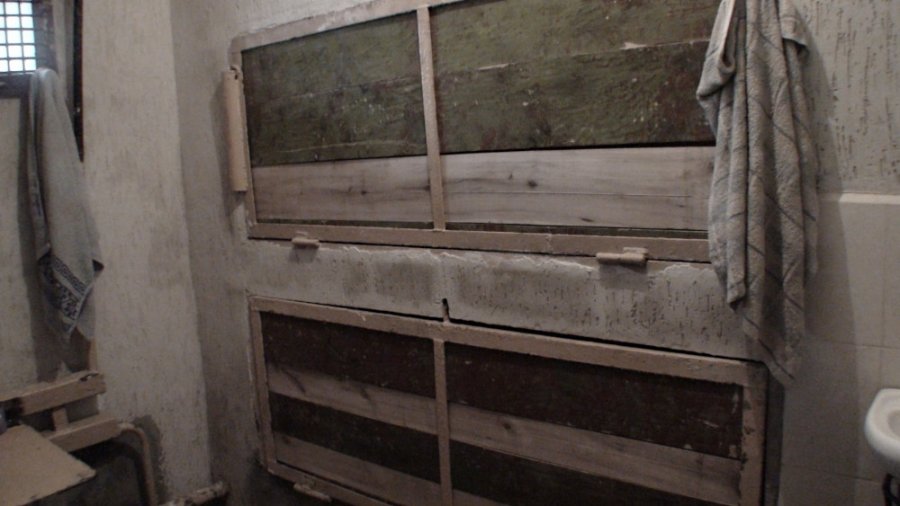
In the DIZO cells, the beds are locked, and convicts do not have the opportunity to sit or lie on them during the day. Representatives of the institution’s administration reported that they were unaware that beds should not be locked during the daytime.
Convicts are not informed that they have the right to appeal disciplinary penalties.
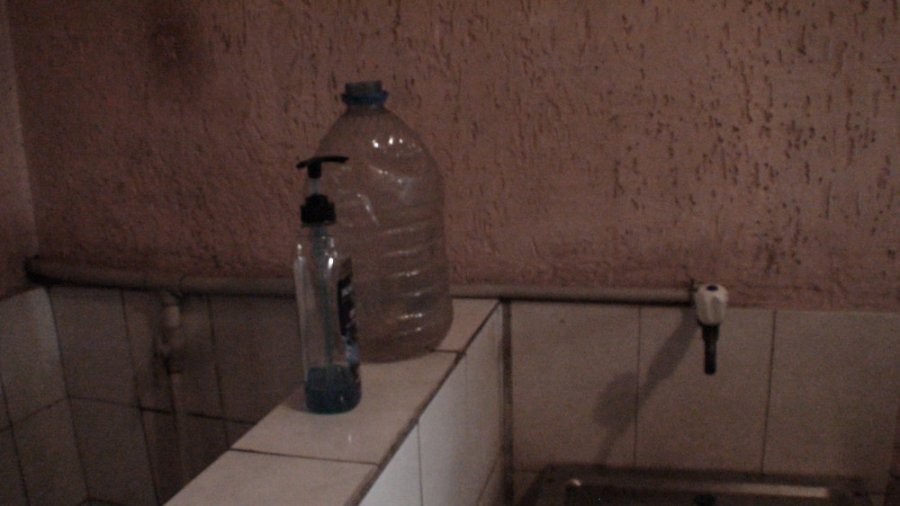
There is no drinking water in the DIZO cells.
Convicts in the PKT say that they possess information regarding the appeal of disciplinary penalties, are attempting to appeal disciplinary offences, and have a lawyer.
In the DIZO/PKT premises, the doctor’s office is under repair.
One person has been in a cell in the pre-trial detention section for about three years.
Catering Unit
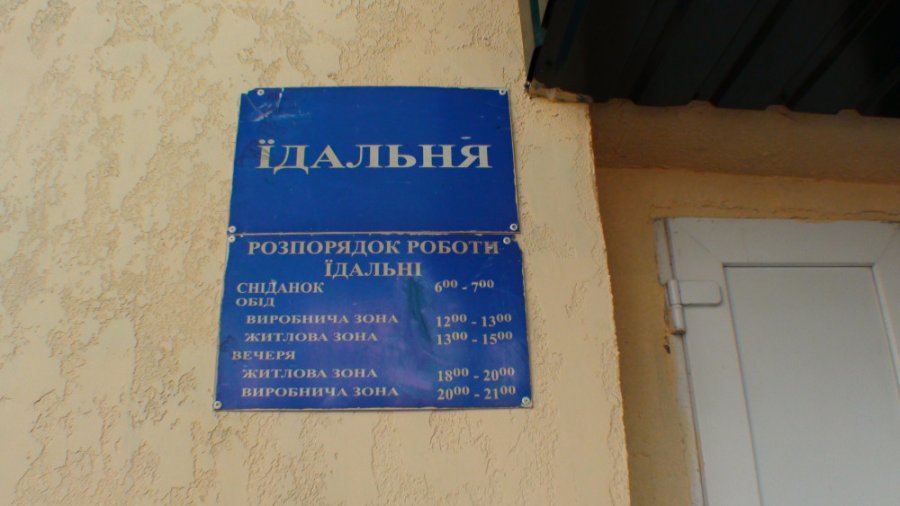
Hot Food Section
The cooking boilers are old but functional.
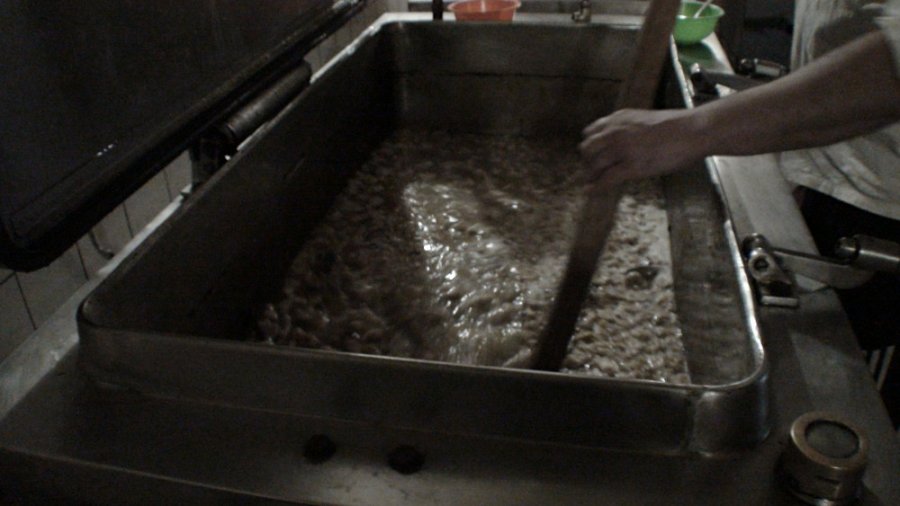
For lunch – dumpling soup; for the main course – porridge with meat gravy.
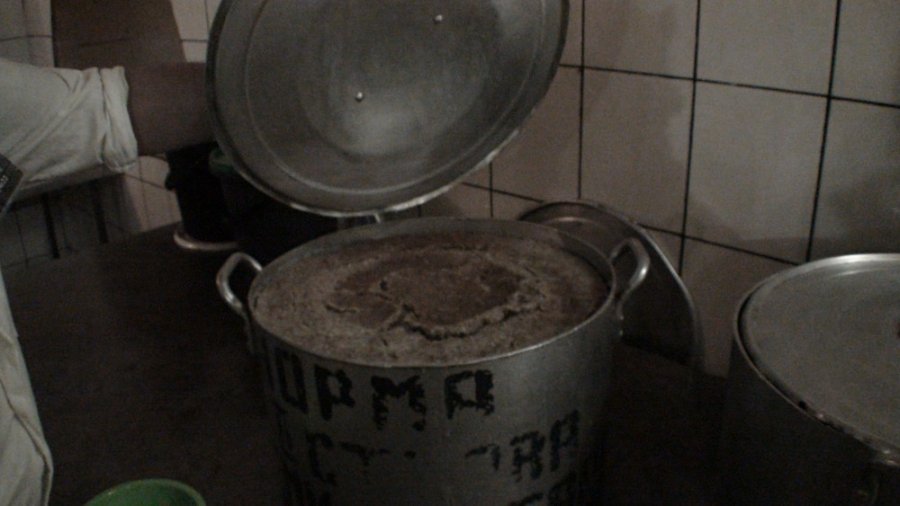
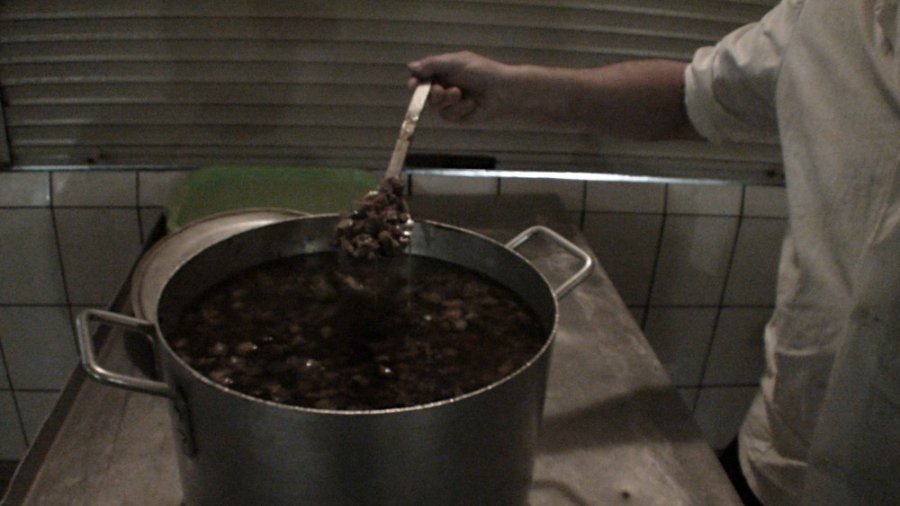
They bake their own bread.
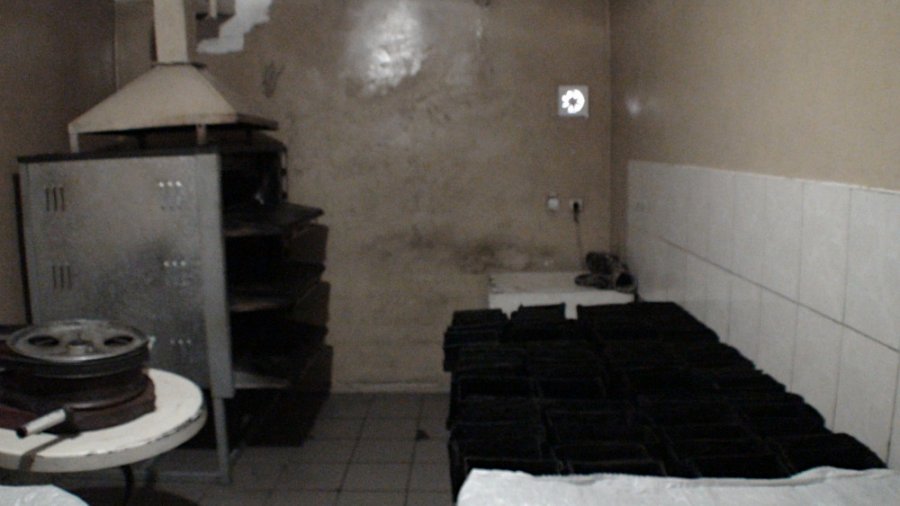
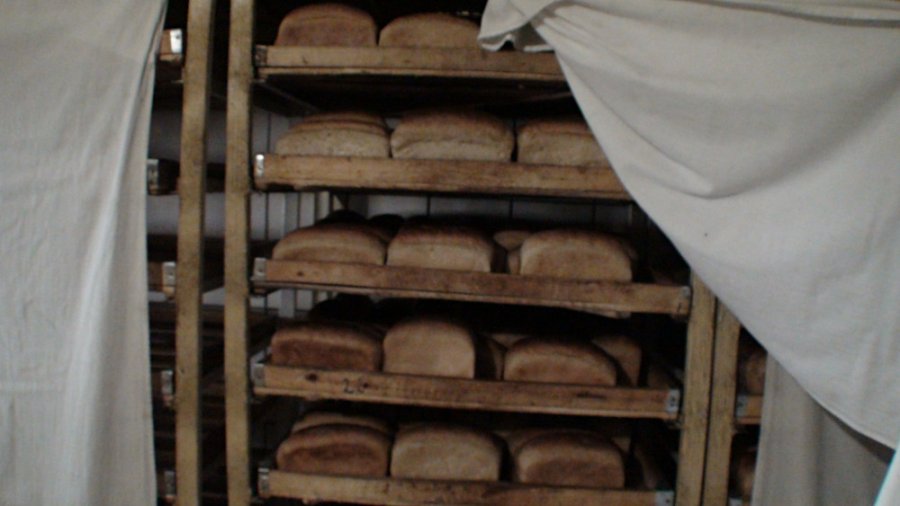
Reserve ovens are solid-fuel operated.
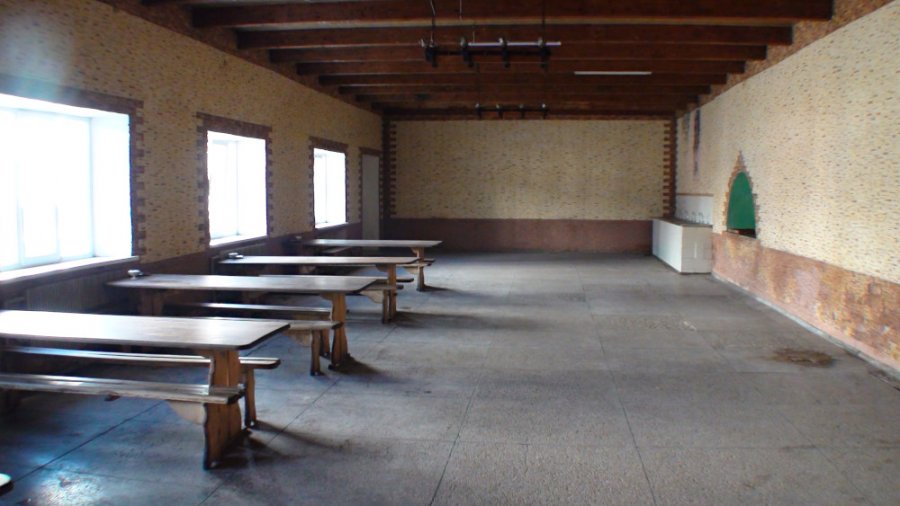
The dining hall is spacious. Each unit eats separately.
Bath and Laundry Complex
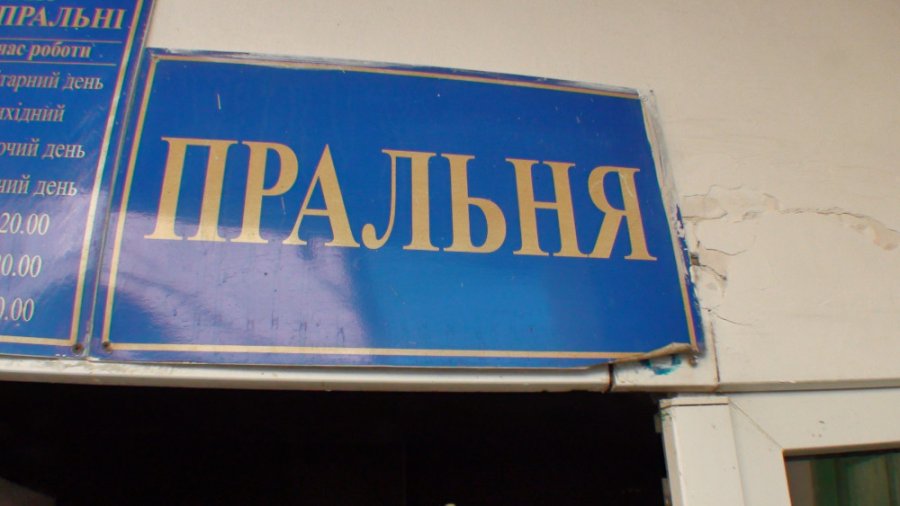
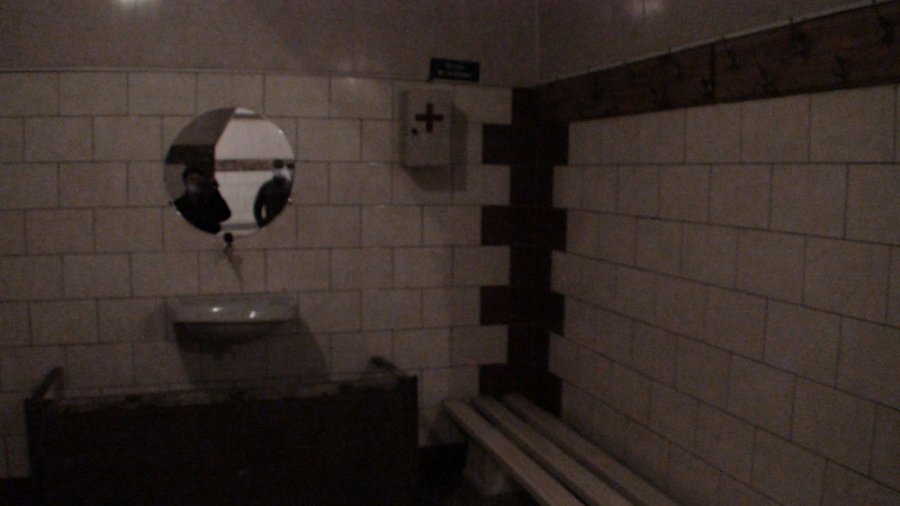
The corner for medical examination of convicts by the medical assistant in the bathhouse is not fenced off.
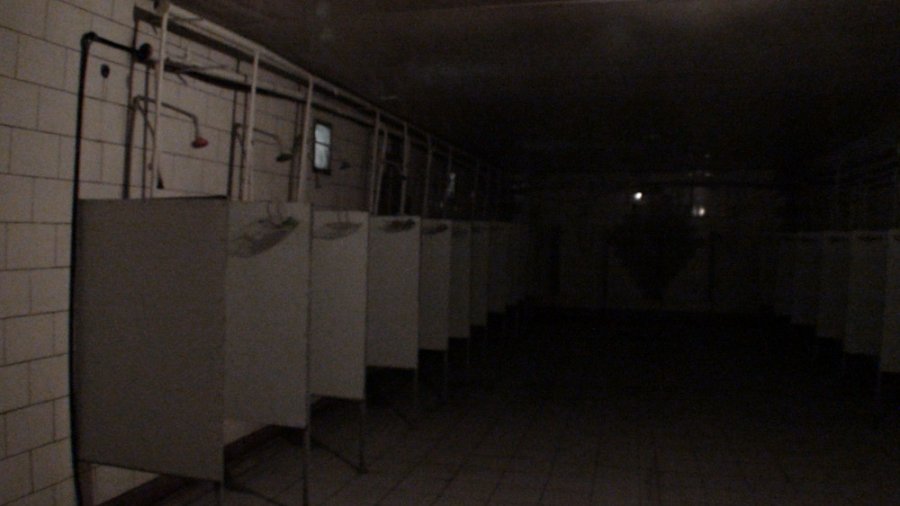
The cabins in the bathhouse are partitioned.
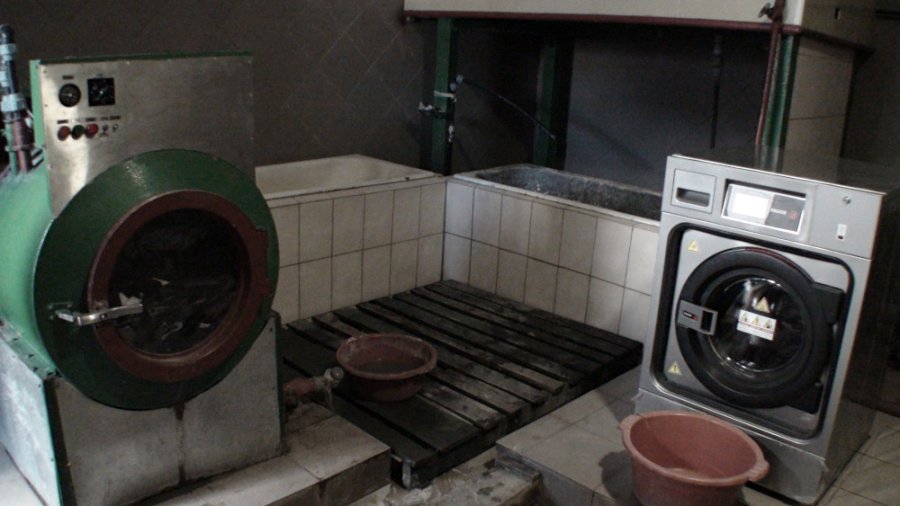
The laundry has washing machines – one is new, others are old but functional.
Production Zone
Woodworking, sewing section, nail manufacturing.
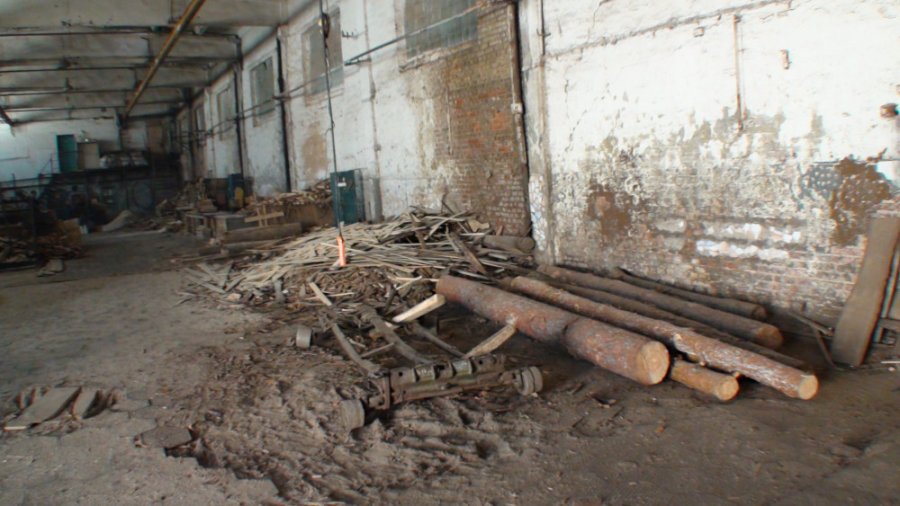
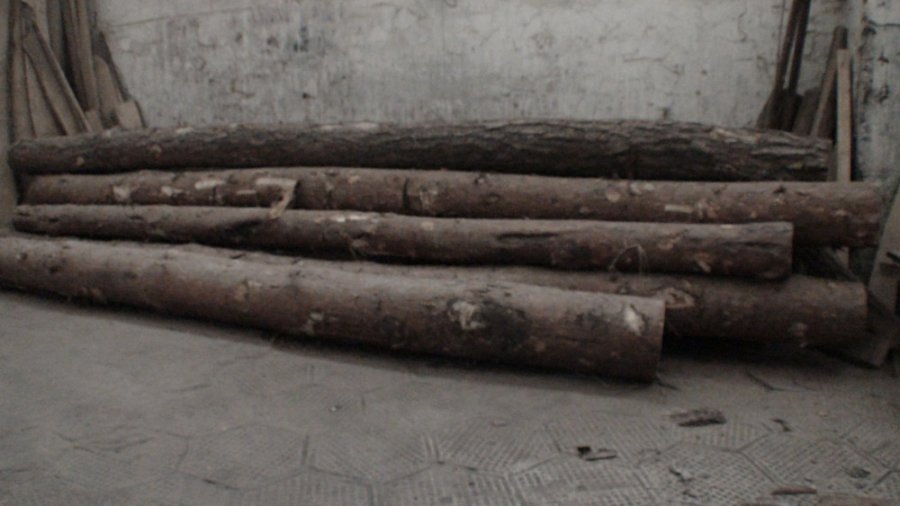
An employment contract is concluded with the convicts. A copy of the contract remains in the convict’s personal file; it is not issued to the convict. Raw logs are delivered and sawn into planks and slats.
A convict complains that the salary recorded is symbolic. What the contract is, is unclear. The Labour Code is not working, and they are not being sent to the settlement colony. There are all the benefits, but no incentives are accrued.
There is a temporary timber storage facility, which is then used.
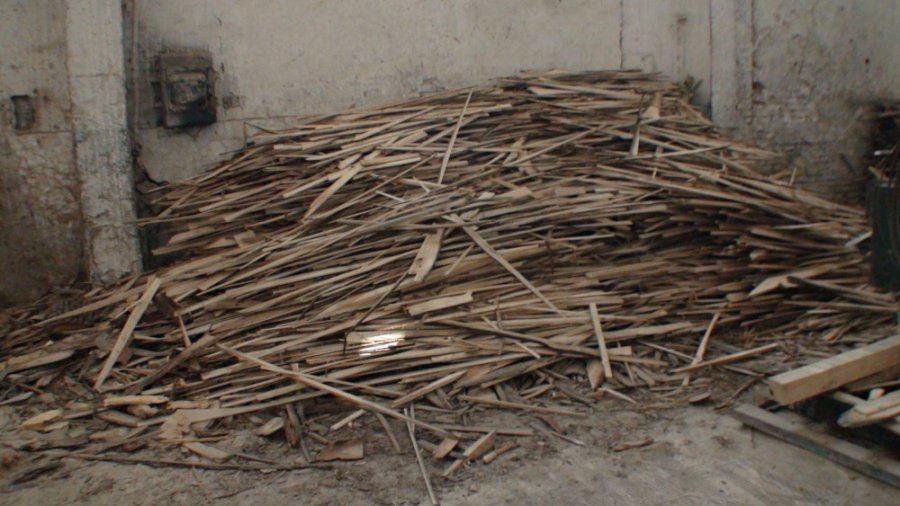

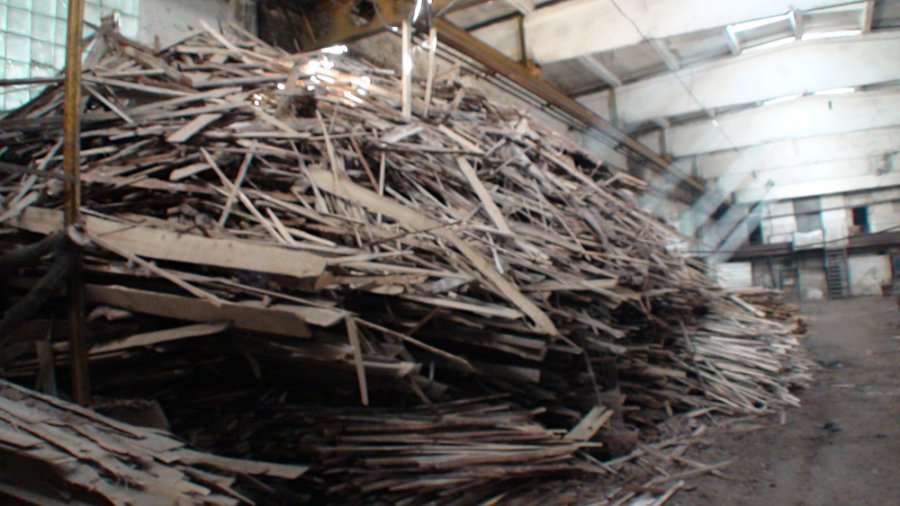
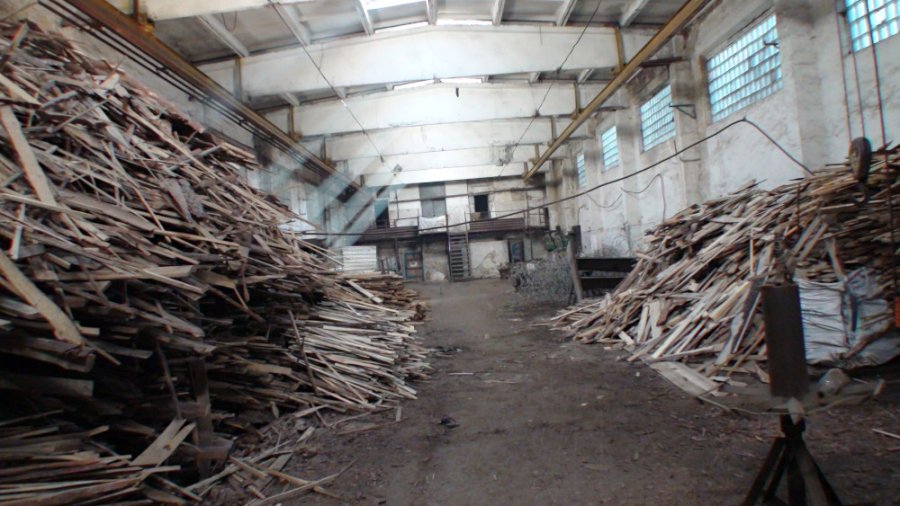
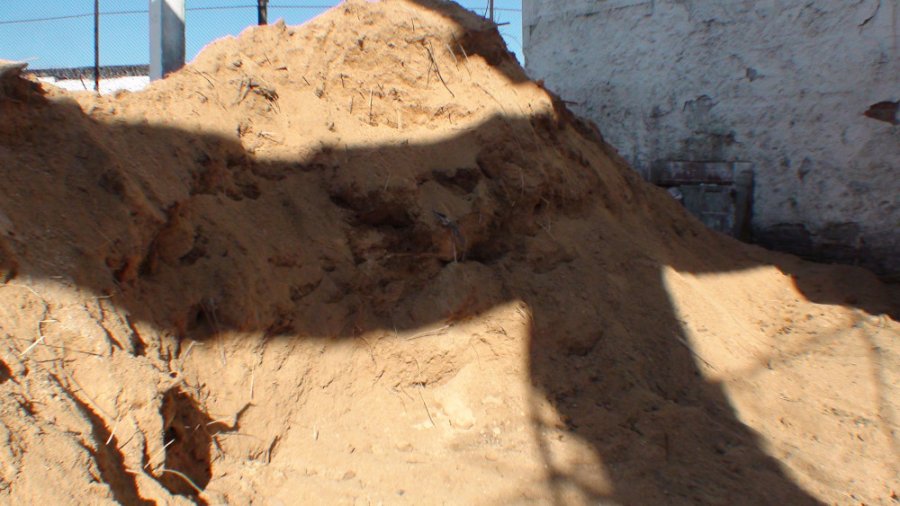
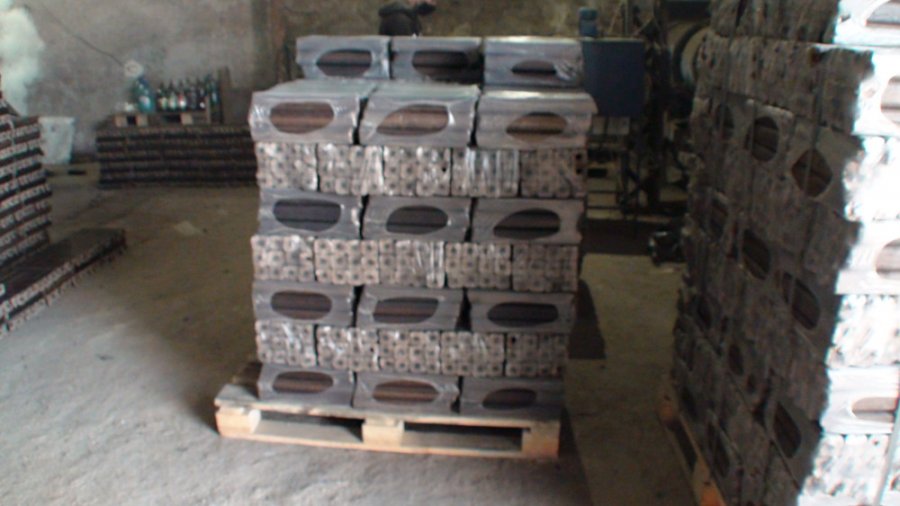
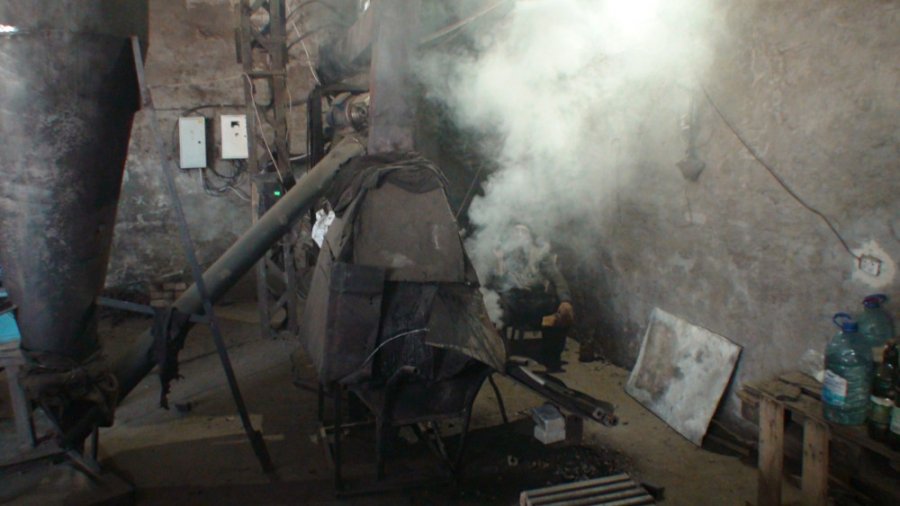
Solid fuel briquettes are made from sawdust.
There is a problem for the staff – the colony was closed, and they have to travel a hundred kilometres to work.
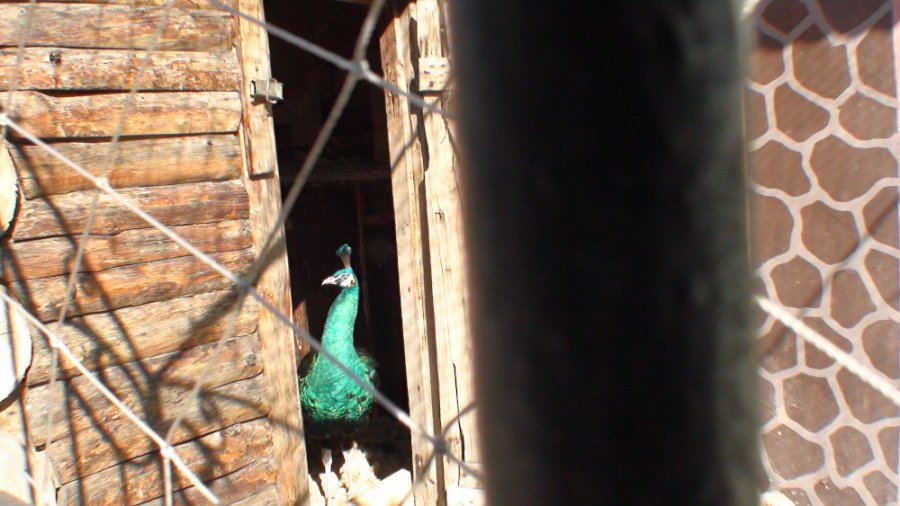
A peacock is our pride.
The vocational school (PTU) is under quarantine. The vocational school provides training for the professions of welder, builder, and joiner.
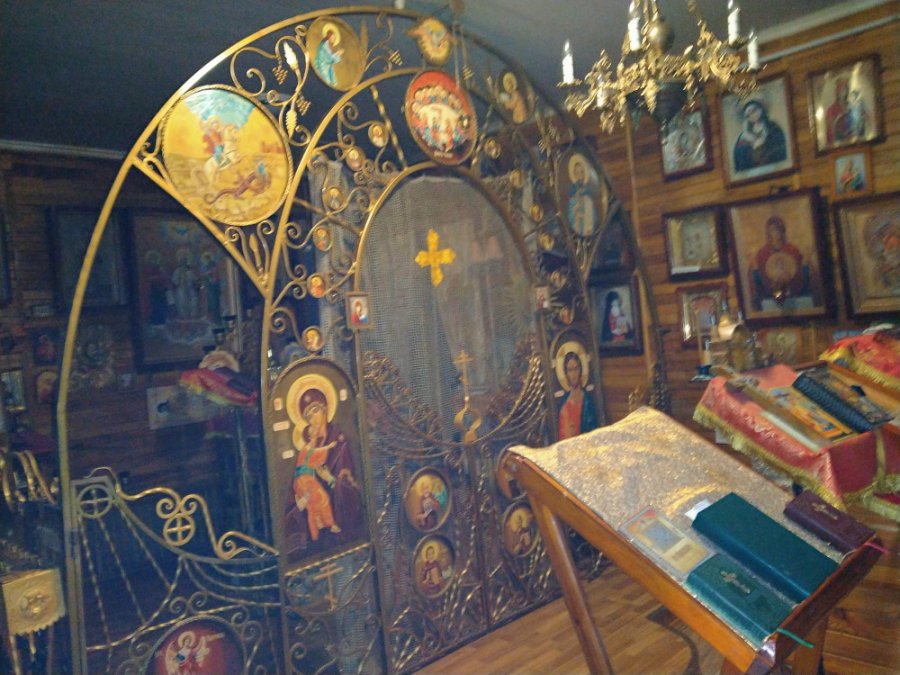
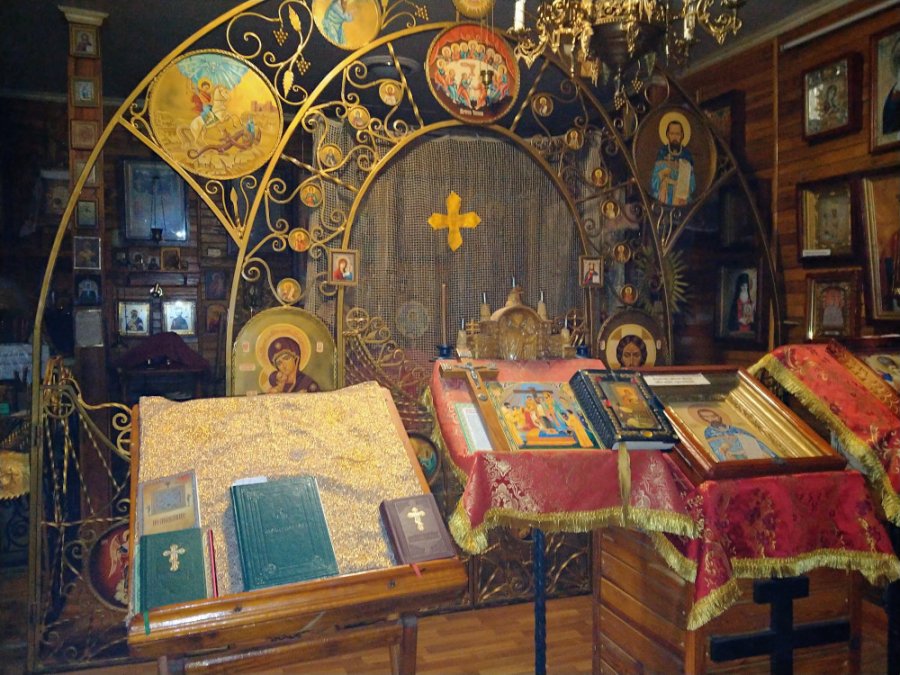
An Orthodox church operates in the colony.
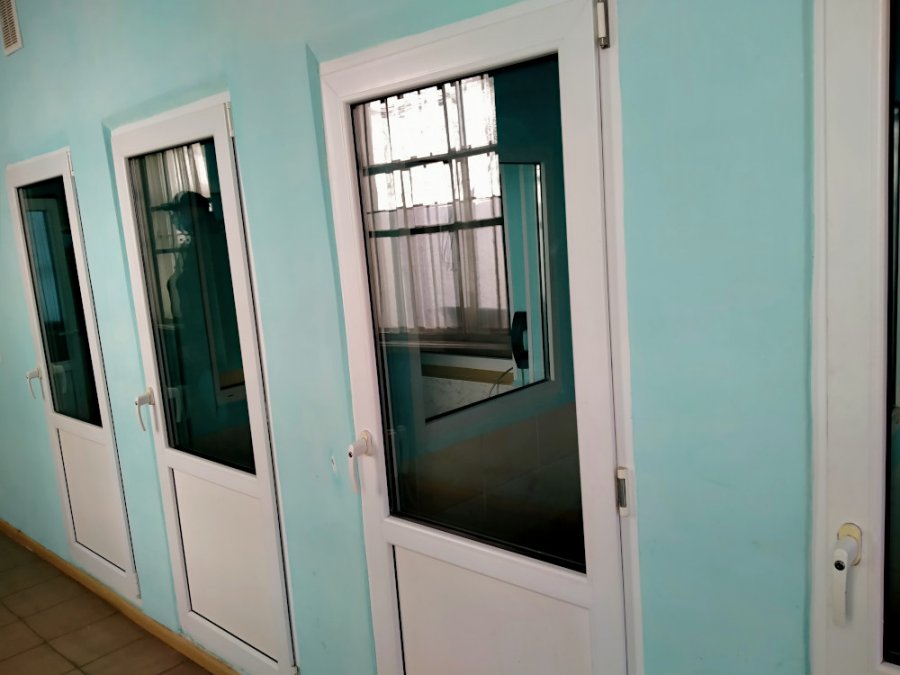
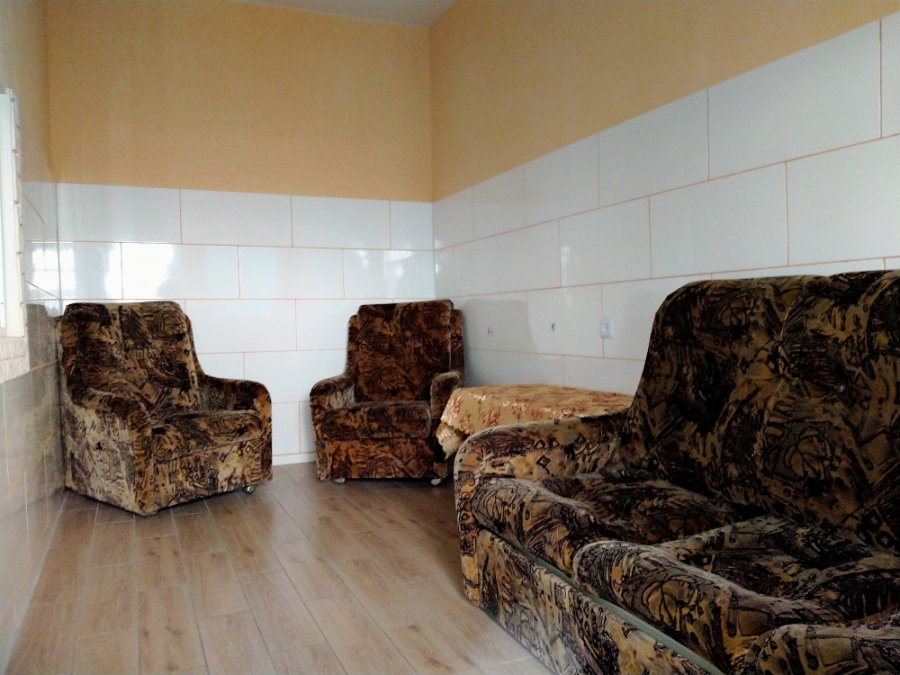
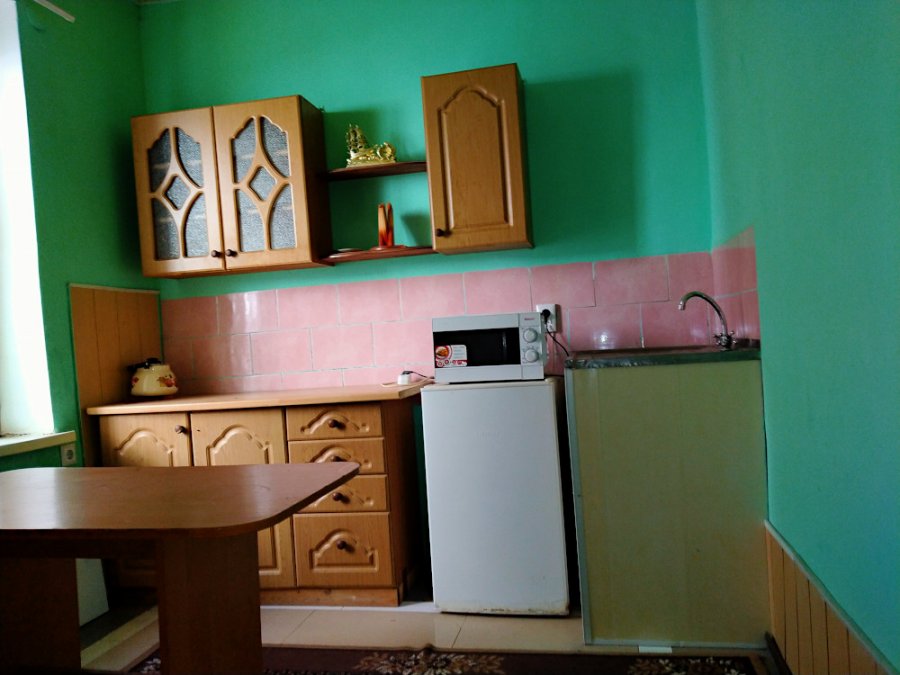
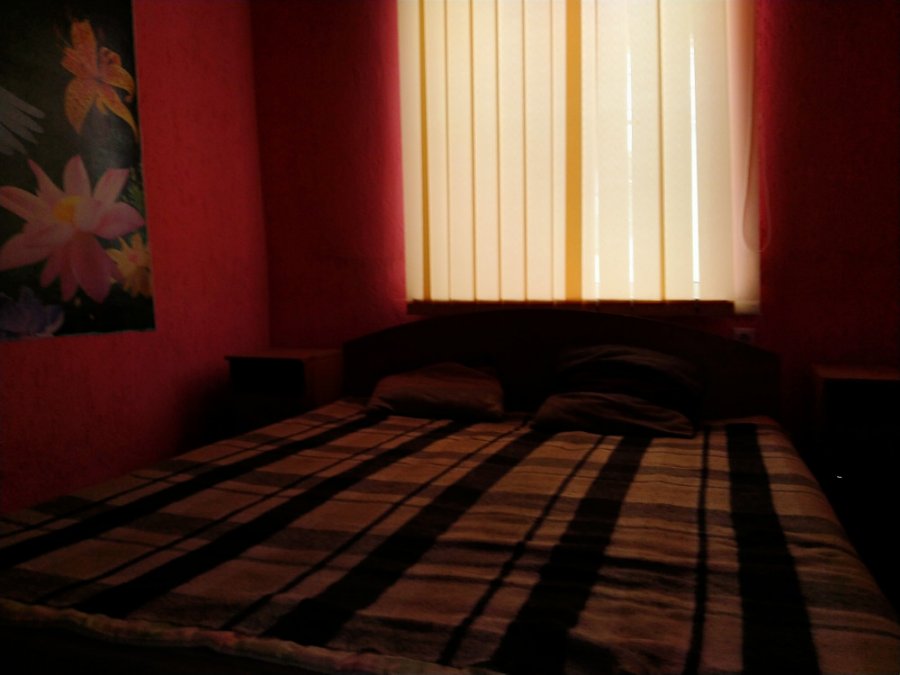
Short-term and Long-term Visiting Rooms