Report on the results of the monitoring visit to Kropyvnytskyi Correctional Colony No. 6
On 1 April 2026, in accordance with the Optional Protocol to the Convention against Torture and Other Cruel, Inhuman or Degrading Treatment or Punishment, taking into account the provisions of the United Nations Standard Minimum Rules for the Treatment of Prisoners (the Nelson Mandela Rules) and the case law of the European Court of Human Rights, and pursuant to Article 24 of the Penitentiary Code of Ukraine ‘Visiting correctional institutions’, a monitoring group from the Kharkiv Human Rights Protection Group and the NGO ‘Protection of Prisoners of Ukraine’ visited the State Institution ‘Kropyvnytskyi Correctional Colony (No. 6)’ (KCC-6, the institution, the facility, the colony). The visit was carried out as a routine unannounced visit; all areas of the institution were inspected. The previous visit took place on 10 April 2025.
In preparing for the visit, the monitors used materials from appeals submitted by convicts and their relatives, materials from previous reports, as well as reports by monitors of the National Preventive Mechanism under the Commissioner for Human Rights of the Verkhovna Rada of Ukraine (NPM).
The visit was conducted as part of the project ‘Reducing the Suffering of Prisoners in the Context of War in Ukraine’, funded by the Danish Government in partnership with DIGNITY — Danish Institute Against Torture.
The visit was carried out by the following monitors:
- Andriy Didenko — assistant to the People’s Deputy of Ukraine Yaroslav Yurchyshyn, programme coordinator of the Kharkiv Human Rights Protection Group, with experience in monitoring visits since 2014, an NPM (National Preventive Mechanism) monitor, and a member of the NPM Advisory Board;
- Serhiy Zuikov — assistant to the People’s Deputy of Ukraine Kostiantyn Kasai, member of the Public Council under the Ministry of Justice of Ukraine, member of the non-governmental organisation ‘Protection of Prisoners of Ukraine’, and an NPM monitor with many years of experience in monitoring visits;
- Oleh Tsvilyi — member of the Public Council under the Ministry of Justice of Ukraine, head of the non-governmental organisation ‘Protection of Prisoners of Ukraine’, with extensive experience in monitoring visits, specialising in issues of torture and cruel and inhuman treatment.
During the monitoring visit to KCC-6, systemic violations of the rights of convicts were identified in the areas of conditions of detention, material and living provisions, the right to privacy, disciplinary practice, healthcare, organisation of work, access to information, social protection, and safety. Facts were established regarding the premature allocation of newly arrived convicts from the KDiR unit, the improper functioning of the working group for the adaptation of convicts, the absence of rooms prescribed by regulations, violations of sanitary and hygienic conditions, inadequate provision of access to drinking water, insufficient natural light, and the lack of privacy in sanitary facilities.
The monitoring group recorded the excessive use of video surveillance in residential premises, and violations of detention conditions in the DIZO/PKT, the DPK (enhanced control sector), and the sector for holding pre-trial detainees, including dampness, mould, inadequate lighting, and the lack of proper ventilation and privacy. Violations were identified during the application of disciplinary sanctions, along with improper organisation of social-educational work, shortcomings in bath and laundry provisions, fire safety violations, the pro forma nature of the internet classroom’s functioning, and the use of an unsuitable industrial room as a shelter during air raid alerts.
Particular attention was paid to systemic violations of convicts’ labour rights. Facts were established regarding the use of labour without proper registration of employment relations, without remuneration or payment of the single social contribution (ESV), and the involvement of convicts in sewing production, the catering unit, wire product manufacturing sections, and facility maintenance work with signs of disguised employment relations. Violations of working hours, the pro forma maintenance of medical documentation of catering unit workers, and the use of convicts’ labour under the guise of ‘non-formal education’ were also recorded.
In the field of medical care, violations were identified regarding the conditions of holding individuals in the isolation ward for persons with mental disorders, improper documentation of informed consent for psychiatric examination and treatment, the absence of opioid substitution therapy, shortcomings in infection control, inadequate conditions of inpatient treatment, lack of accessibility for persons with disabilities, problems with the provision of telemedicine, and incomplete examinations of persons with suspected Hepatitis C.
General information
KCC-6 is a medium-security correctional facility for holding men who have previously served sentences in places of deprivation of liberty. The facility is located at 50 Yanovskoho Street, Kropyvnytskyi, Kirovohrad oblast, 25006.
At the time of the visit, the head of the institution was Artem Viktorovych Lazarenko.
The State Institution ‘Kropyvnytskyi Correctional Colony (No. 6)’ is one of the oldest penitentiary institutions in the Kirovohrad oblast. The establishment of the institution took place during the functioning of the Soviet system of corrective labour colonies, the main concept of which was to combine the isolation of convicts with the use of their labour in industrial and economic activities. Following the declaration of Ukraine’s independence, the institution continued to function within the structure of the State Penitentiary Service of Ukraine as a correctional colony for holding men sentenced to deprivation of liberty.
For a long time, the colony’s production sector remained an important component of the institution’s functioning and included sewing production, repair work, the manufacture of metal and wire products, facility maintenance, as well as work to meet the internal needs of the institution. At the same time, a significant part of the colony’s material and technical base was established in the last century and retains signs of physical and obsolescent wear and tear. Historically, institutions of this type were characterised by the extensive use of convicts’ labour as a resource to ensure the functioning of the institution itself.
The facility includes a duty station, a KDiR (quarantine, diagnostics and distribution) unit, SPS (social and psychological service) sectors, a catering unit, a disciplinary isolation cell (DIZO), cell-type premises (PKT), an enhanced control sector (DPK), a medical unit, a bath and laundry complex, visitor rooms, a shop, a library, a parcel reception room, and administrative premises.
According to the data of the institution’s administration, the authorised staff consists of 330.5 posts, and the actual number is 188.5 posts. The total staff shortage across the institution is 142 employees. The planned capacity of the facility is 616 people. The actual number of persons held in the institution is 299 convicts.
One psychologist is employed. In 2025, 320 people arrived at the colony. During 2025, 1 convict died, and during the current year, 2 people have died. A total of 94 convicts are employed.
The following were on the operational preventive register: 9 people prone to suicide, 34 prone to self-harm, 2 prone to escape, and 36 persistent violators of the detention regime.
During 2025, two people were released due to severe illnesses. Throughout 2025–2026, not a single complaint was recorded from convicts regarding inadequate conditions of detention or inadequate medical care. Nine people have disabilities. A total of 5,544 hryvnias and 62 kopecks is spent on one convict per month.
Convicts have 148 tablets in their personal use. Twenty-seven individuals belong to the category of overall rejected. No cases of bodily injuries were recorded in 2025 and 2026.
The monitoring group interviewed about 170 convicts during visits to production premises, workshops, SPS sectors, the maximum-security sector (SMRB), disciplinary facilities, and utility rooms, during general conversations while providing advice, answering questions, surveying for human rights violations, and through individual discussions, including on an anonymous basis.
Positive experience
During the monitoring visit to KCC-6, certain positive practices were identified aimed at improving the conditions of detention for convicts and modernising the institution’s infrastructure. In particular, the creation of a medium-security sector for men sentenced to deprivation of liberty for the first time is evaluated positively, which helps minimise the negative influence of persons with criminal experience and corresponds to the principles of individualising the execution of sentences.
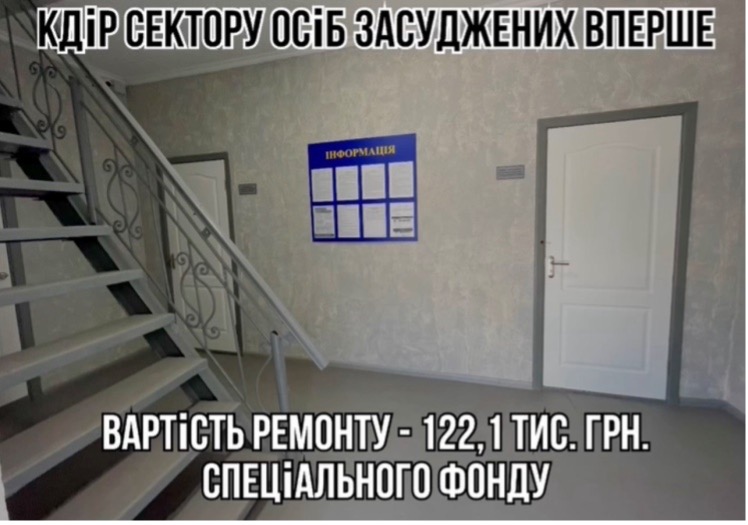
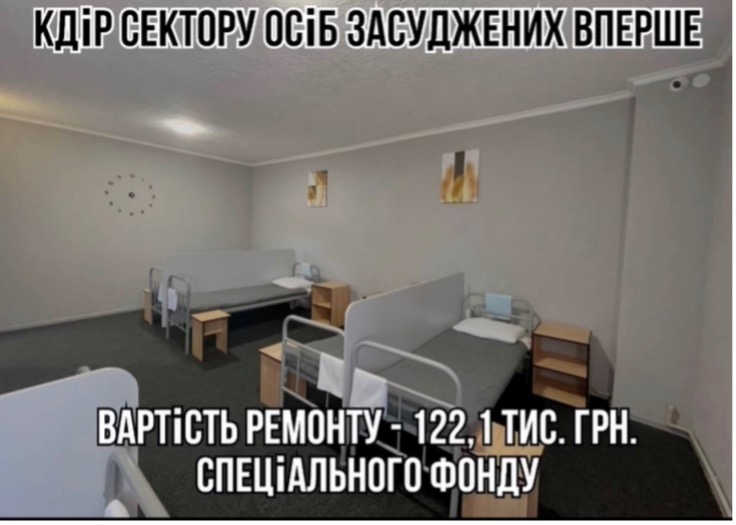
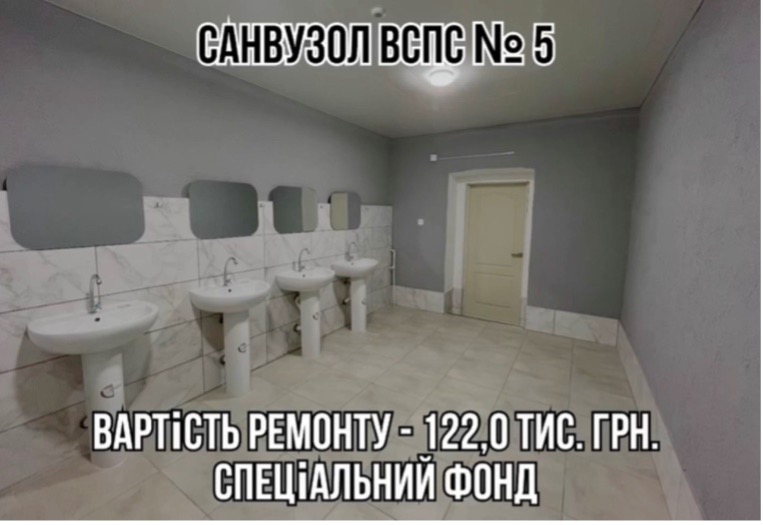
In addition, a major renovation of the sector for quarantine, diagnostics, and distribution of convicts was carried out in the institution, resulting in an improved sanitary and hygienic condition of the premises and better conditions for the initial adaptation of convicts. Furthermore, the administration renovated certain social and living premises, which contributed to improving hygienic conditions.
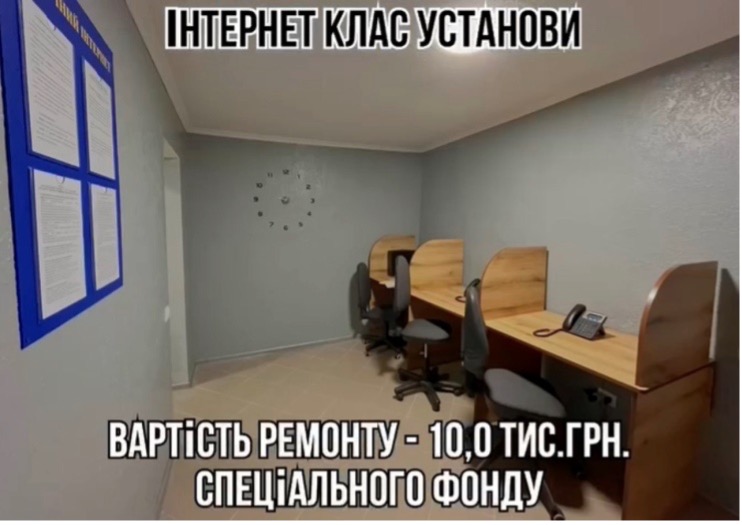
The equipping of an internet classroom and the installation of computer equipment can also be considered a positive practice, which could potentially be used to ensure communication for convicts, access to educational programmes, and the maintenance of social ties, although during the visit, it was established that at the time of the inspection, this room was not actually being used for its intended purpose.
Identified violations of national and international legislation
During the monitoring visit, violations of national legislation and non-compliance with international recommendations on the treatment of prisoners were identified, leading to violations of the rights of convicts:
1. The procedure and conditions for admitting convicts to the institution do not fully comply with the requirements of the current legislation of Ukraine and international standards for the treatment of prisoners. KCC-6 is a medium-security correctional facility for holding men who have previously served sentences of deprivation of liberty. On the basis of the Order of the Ministry of Justice of Ukraine No. 1898/5 dated 4 July 2025, a sector for men sentenced to deprivation of liberty for the first time was created in the State Institution ‘Kropyvnytskyi Correctional Colony (No. 6)’.
In order to ensure conditions for the segregation of different categories of convicts, the institution’s administration organised the functioning of a separate KDiR sector for men sentenced to deprivation of liberty for the first time, designed to hold 6 newly arrived persons. However, during the visit to the specified KDiR sector, violations of the requirements of part one of Article 95 of the Penitentiary Code of Ukraine and point 3 of Section I of the Regulations on the Quarantine, Diagnostics, and Distribution Sector, approved by Order of the Ministry of Justice of Ukraine No. 2300/5 dated 4 November 2013, registered with the Ministry of Justice of Ukraine on 4 November 2013 under No. 1864/24396 (hereinafter referred to as the Regulations on the KDiR Sector), were identified.
Specifically, on 23 March 2026, three first-time convicts arrived at the institution, on 25 March 2026 — one convict, and on 30 March 2026 — another three first-time convicts. According to the requirements of the legislation, newly arrived persons placed in the KDiR sector must remain there for 14 days, during which they must undergo a full medical examination to identify infectious, somatic, and mental illnesses, as well as an initial psychological-pedagogical and other assessment. Consequently, the allocation of the three persons who arrived on 23 March 2026 should have taken place no earlier than 6 April 2026, the person who arrived on 25 March 2026 — no earlier than 8 April 2026, and the three persons who arrived on 30 March 2026 — no earlier than 13 April 2026.
However, during the monitoring visit on 1 April 2026, only three newly arrived convicts were in the KDiR sector, as confirmed by entries in the KDiR visitor logbook, the institution’s administration, and the duty shift. This indicates that four out of the seven convicts who arrived on 23 March 2026, 25 March 2026, and 30 March 2026 were prematurely allocated to social and psychological service (SPS) units, which violates the established period of stay in the KDiR. Furthermore, the commission's decisions on allocating the specified convicts to SPS units were not documented in the respective minutes, as confirmed by their absence, which violates the requirements of point 4 of Section III of the Regulations on the KDiR Sector.
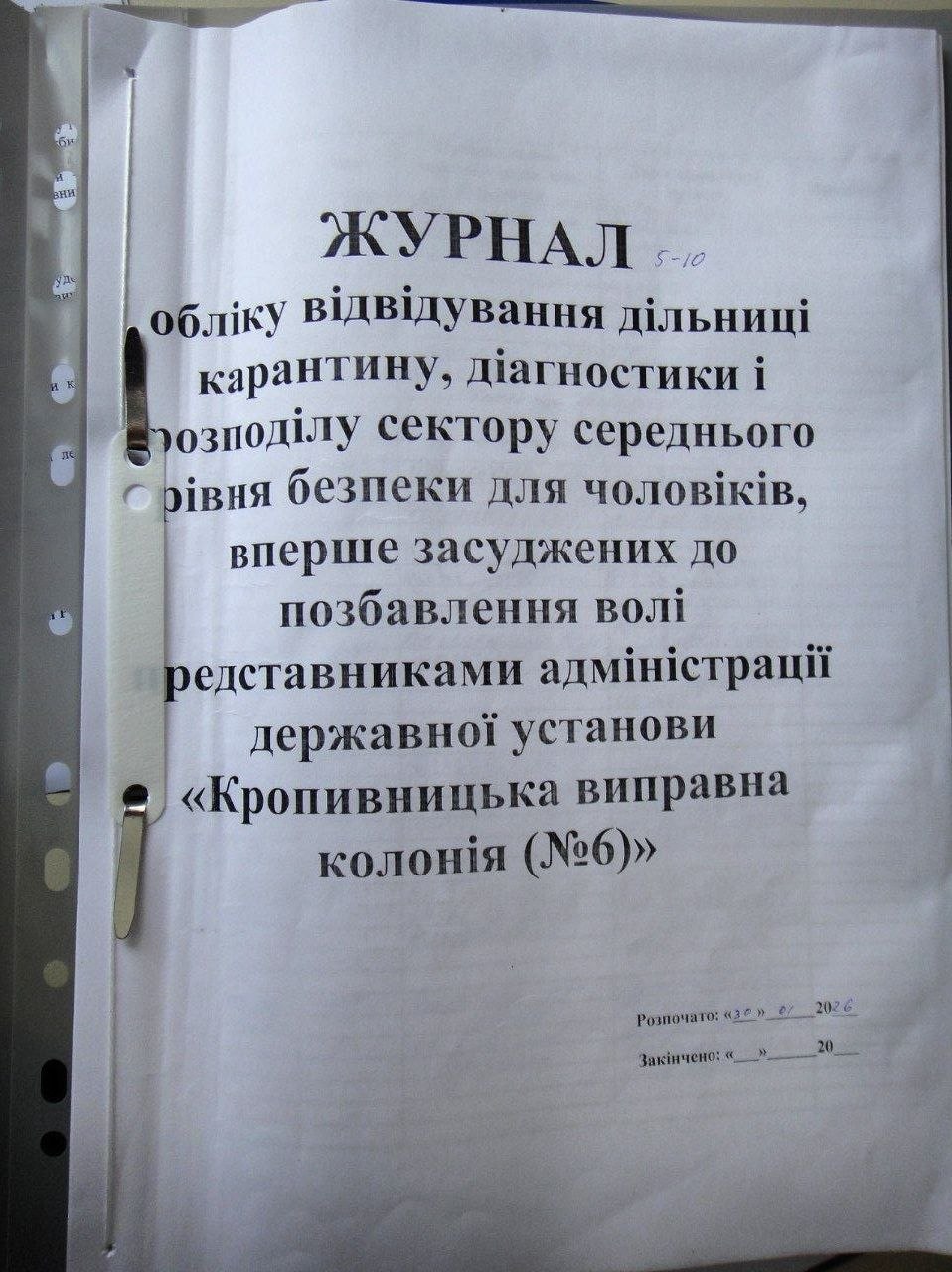
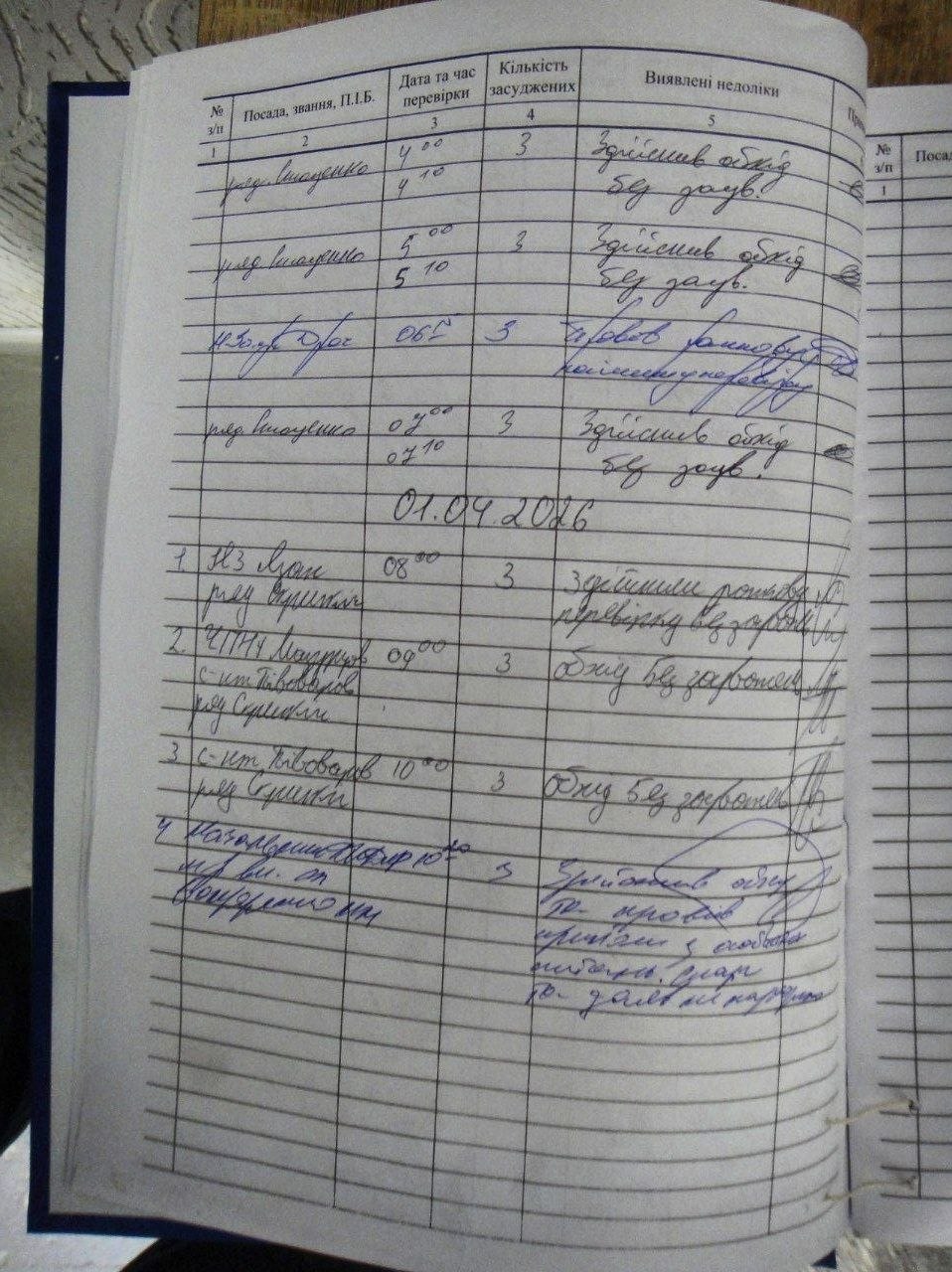
2. In accordance with points 1 and 2 of Section II of the Regulations on the KDiR Sector, for the purpose of organising work with newly arrived convicts, a working group is created by order of the head of the institution, consisting of the deputy heads of the institution, heads of structural units, a psychologist, and a medical worker. To plan this work, a programme is developed annually to familiarise newly arrived convicts with the rules and conditions of serving sentences, which is approved by the head of the institution.
At the same time, during confidential communication with convicts and analysis of official documentation, the monitoring group established that members of the working group do not fully implement the measures stipulated by the specified programme. This is confirmed, in particular, by the absence of corresponding entries in the logbook of KDiR visits by representatives of the administration. Specifically, during the period from 16 March 2026 to 20 March 2026, according to the logbook of KDiR visits by representatives of the administration, Viktoriia Serhiyivna Onufriienko, a psychologist of the social-educational and psychological work department of the institution and Lieutenant of the Internal Service, did not participate in conducting these activities, which does not comply with the requirements of point 5 of Section II of the Regulations on the KDiR Sector.
3. In violation of point 1 of Section II of the Regulations on the KDiR Sector, the head of the financial provision and accounting department — the chief accountant — is not included in the working group for working with newly arrived convicts.
4. The monitoring group established that the material and living provisions of the KDiR sector for men sentenced to deprivation of liberty for the first time do not fully comply with established regulatory requirements. Thus, in violation of the requirements of the Norms for the Provision of Furniture, Inventory, and Household Items in a Medium-Security Correctional Colony, approved by Order of the Ministry of Justice of Ukraine No. 1118/5 dated 27 July 2012 (hereinafter referred to as the Provision Norms), a number of rooms are missing in the sector, namely: an educational work room; a food storage room; a room for storing the exchange stock of bedding, clothing, and protective wear; a storage room for temporary storage of dirty bedding, clothing, and protective wear; a cloakroom; a utility room; and a drying room. The absence of these rooms or their improper equipping leads to violations of sanitary and hygienic standards, complicates the maintenance of cleanliness and order in the premises where convicts are held, which in turn negatively affects the overall sanitary condition of the institution.
5. In violation of the requirements of Rule 22.5 of the European Prison Rules, Rule 22.2 of the United Nations Standard Minimum Rules for the Treatment of Prisoners (the Nelson Mandela Rules), and the Provision Norms, the residential premises of the sector are not provided with a 15-litre drinking water tank with a water tap, a lid, a mug, and a basin.
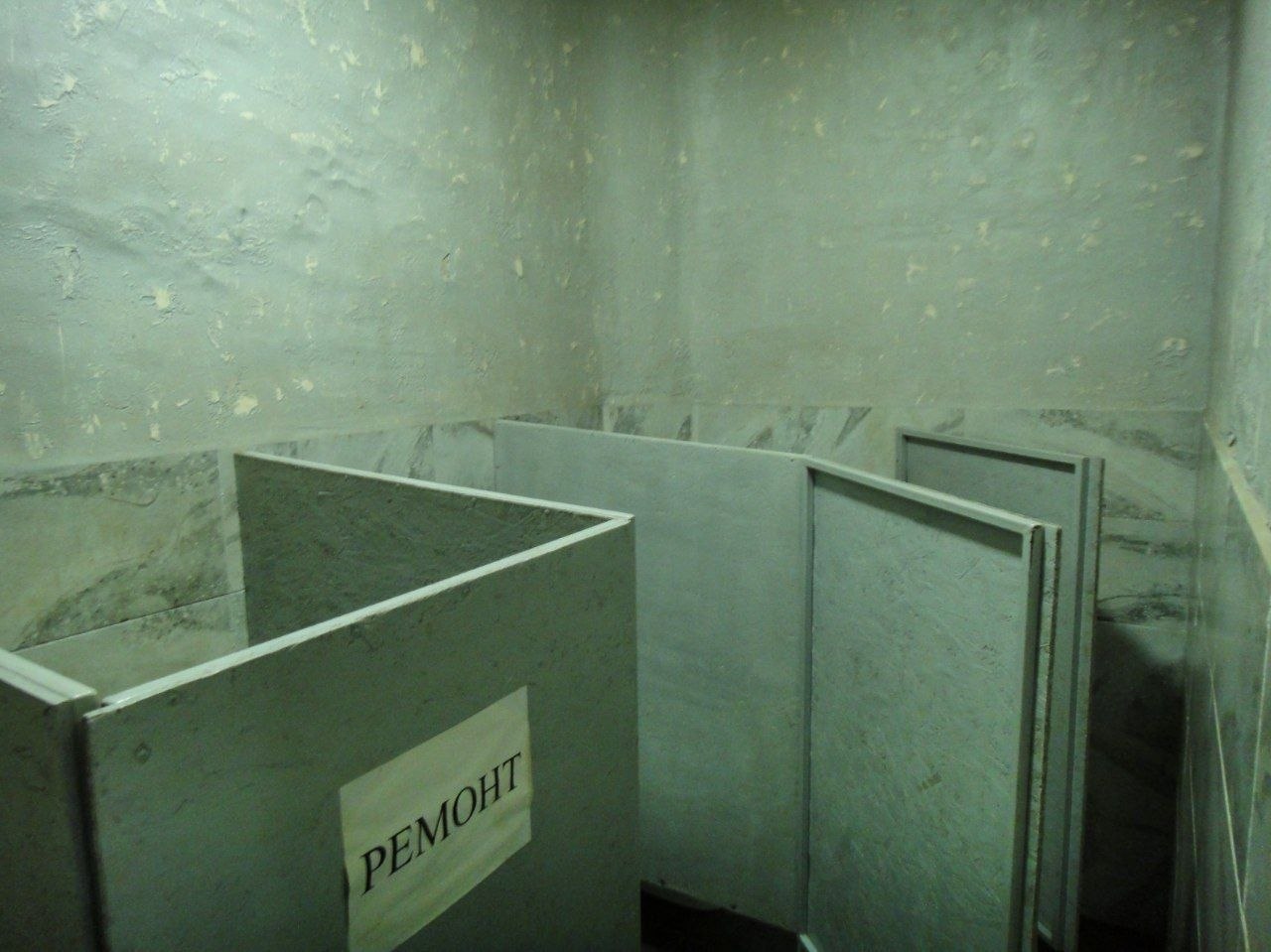
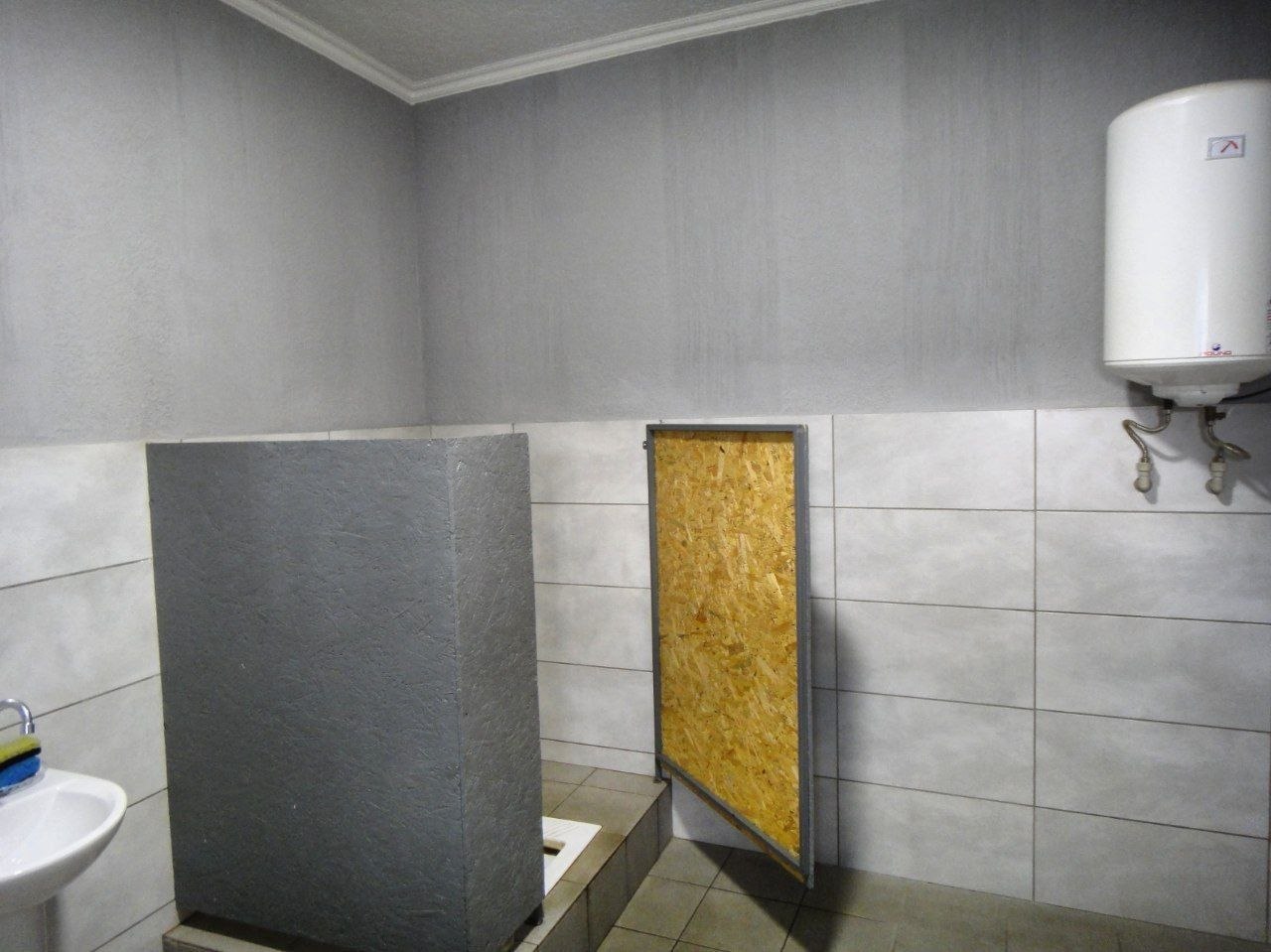
6. The toilet in the KDiR sector is not equipped with sufficient partitions to ensure privacy, which violates Rule 19.3 of the European Prison Rules.
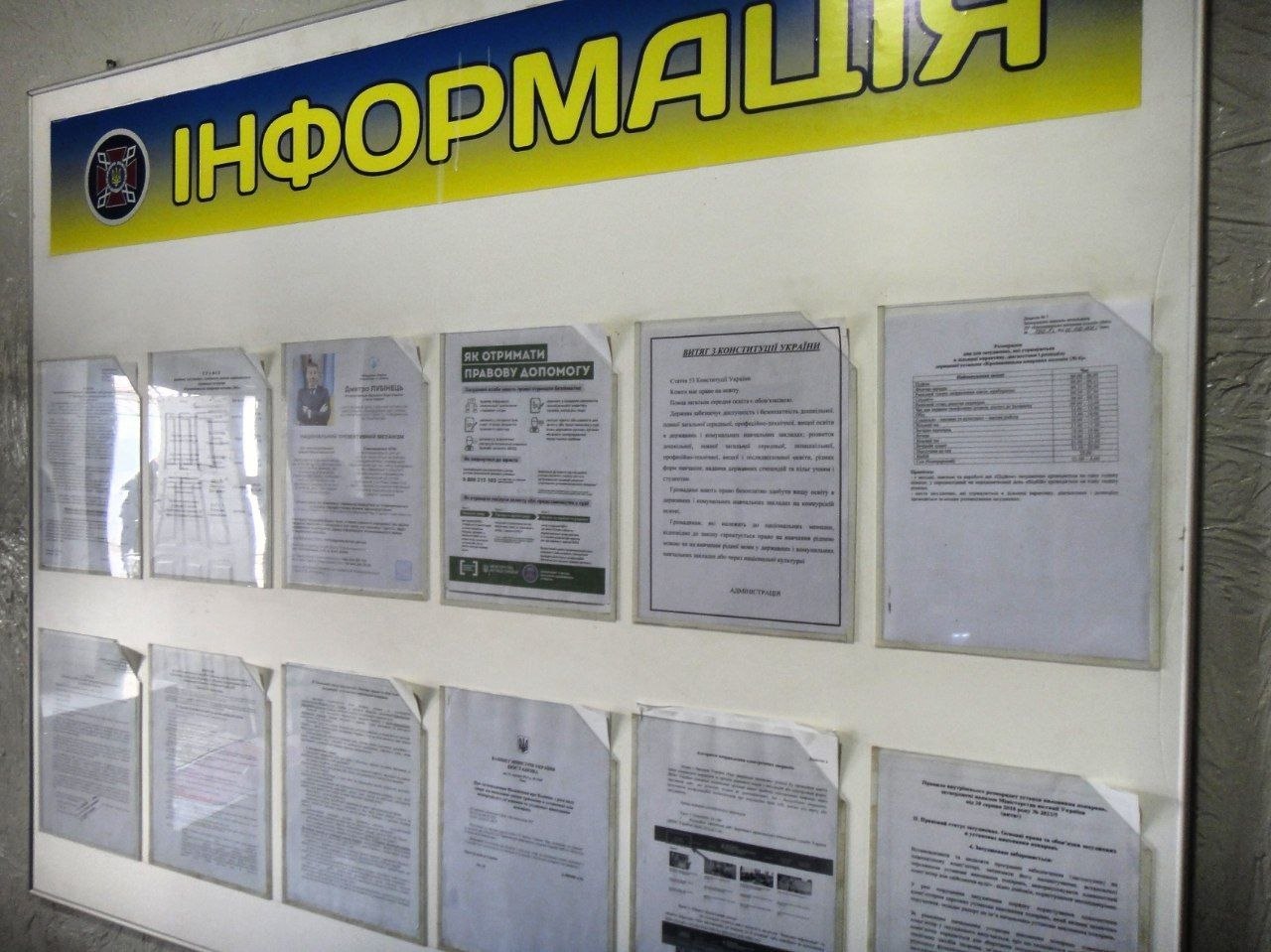
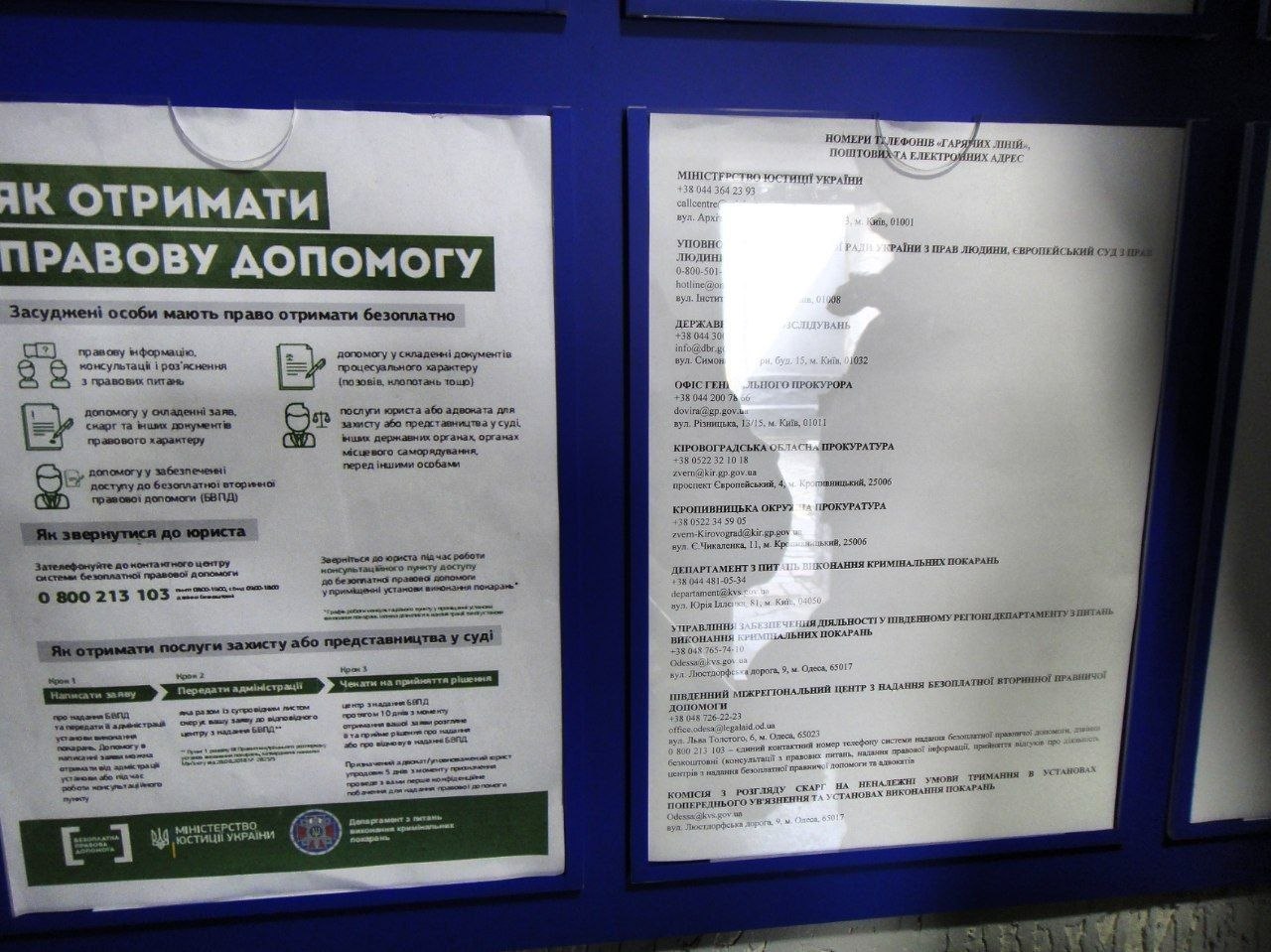
7. During the visit to the KDiR sector, a lack of visual information was established in the premises indicating the telephone numbers of ‘hotlines’, as well as the postal and email addresses of the European Court of Human Rights, the State Bureau of Investigation, the Office of the Prosecutor General, the regional and district prosecutor’s offices, the Department, and the interregional administration, which contradicts point 6 of Section II of the Internal Regulations of Correctional Institutions, approved by Order of the Ministry of Justice of Ukraine No. 2823/5 dated 28 August 2018 (hereinafter referred to as the IRCI).
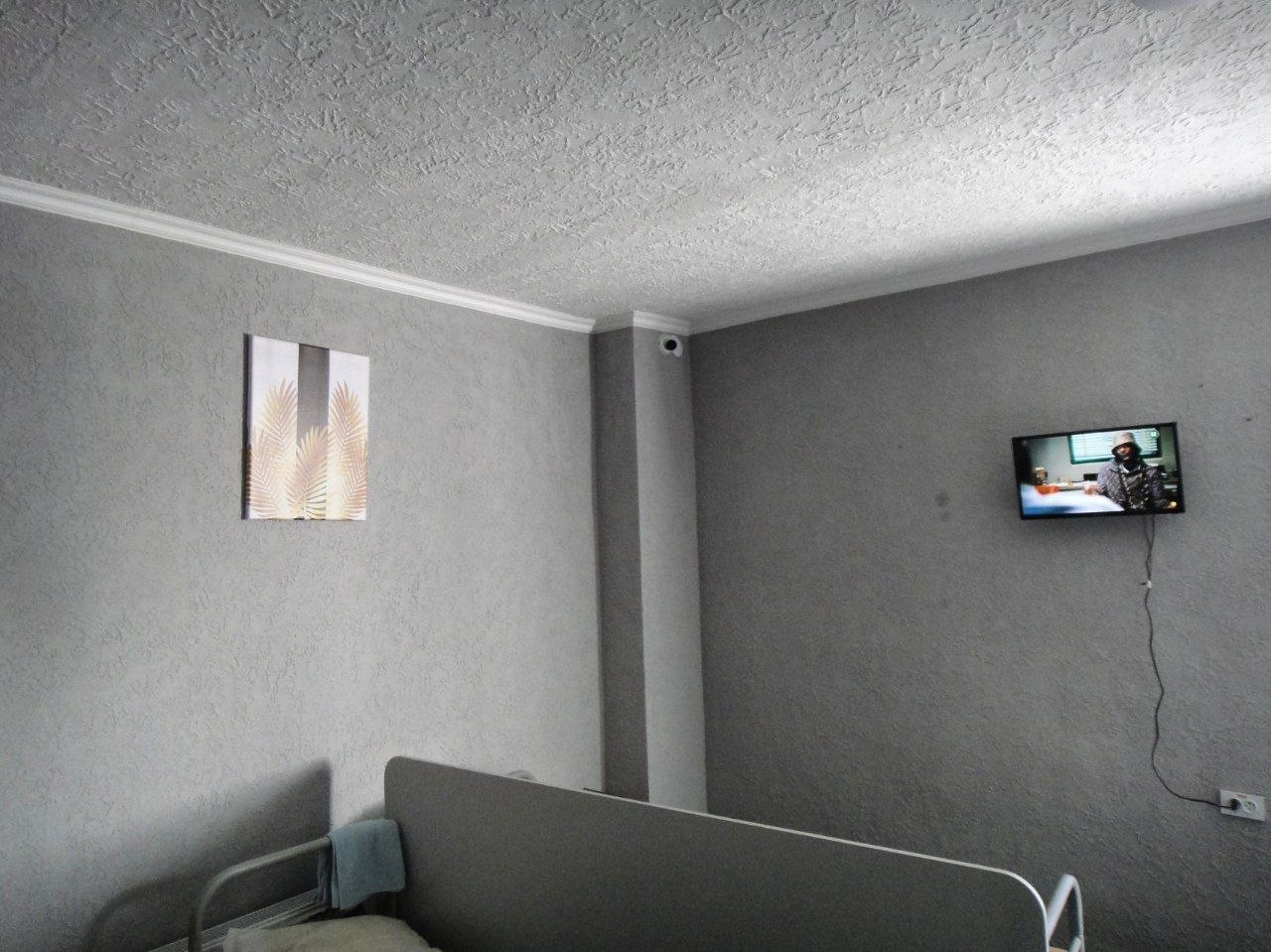
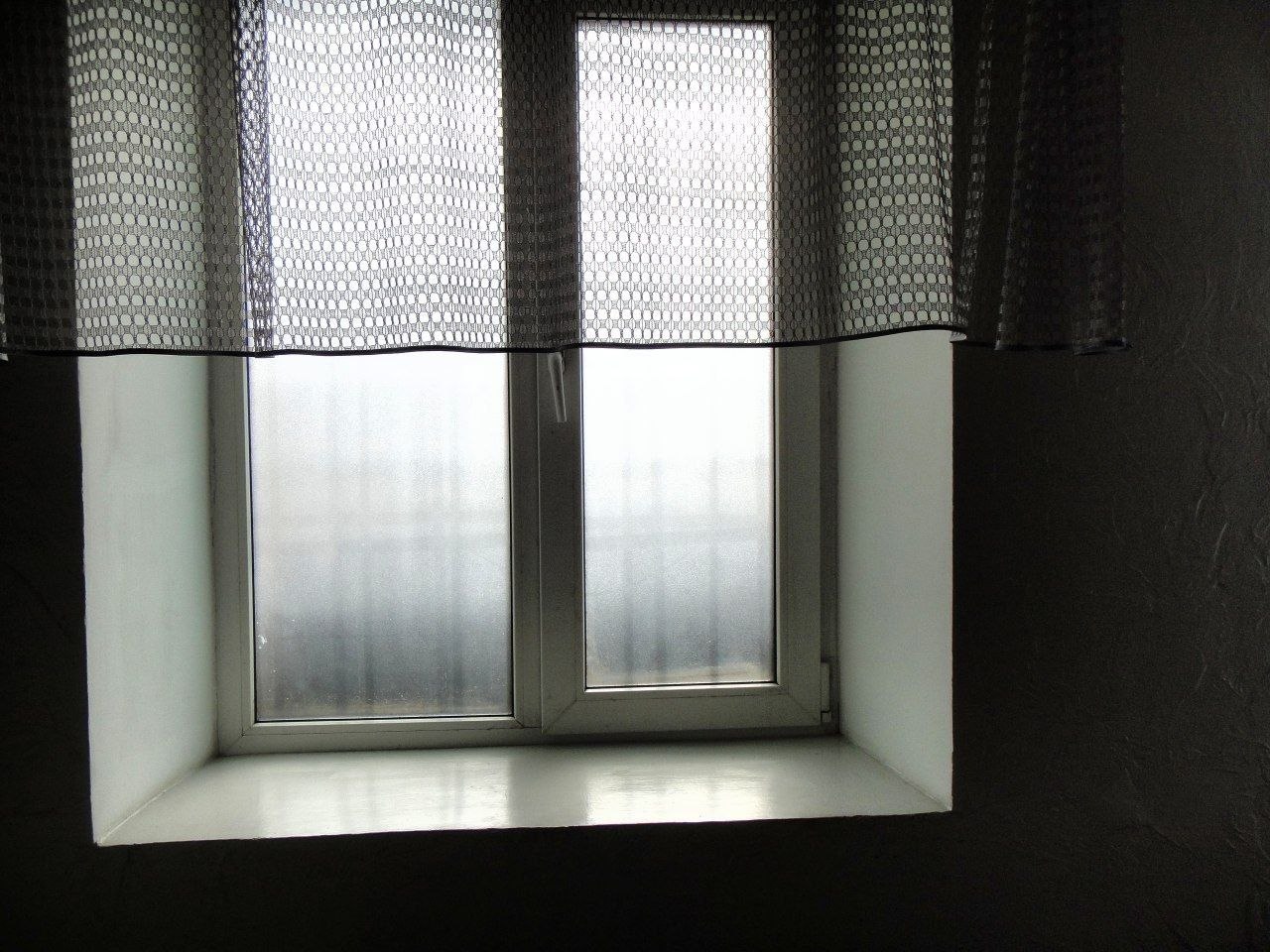
8. In the residential premises of the KDiR sector for holding men who have previously served sentences of deprivation of liberty, the monitoring group established the presence of windows that had been equipped with obscured glass, as a result of which natural light practically does not penetrate the room. In its report on the results of the visit to Ukraine in 2020, the CPT had already drawn attention to this and recommended taking measures to review the design of windows in cells to allow prisoners to see outside the cell (CPT/Inf (2020) 40, paragraph 48).
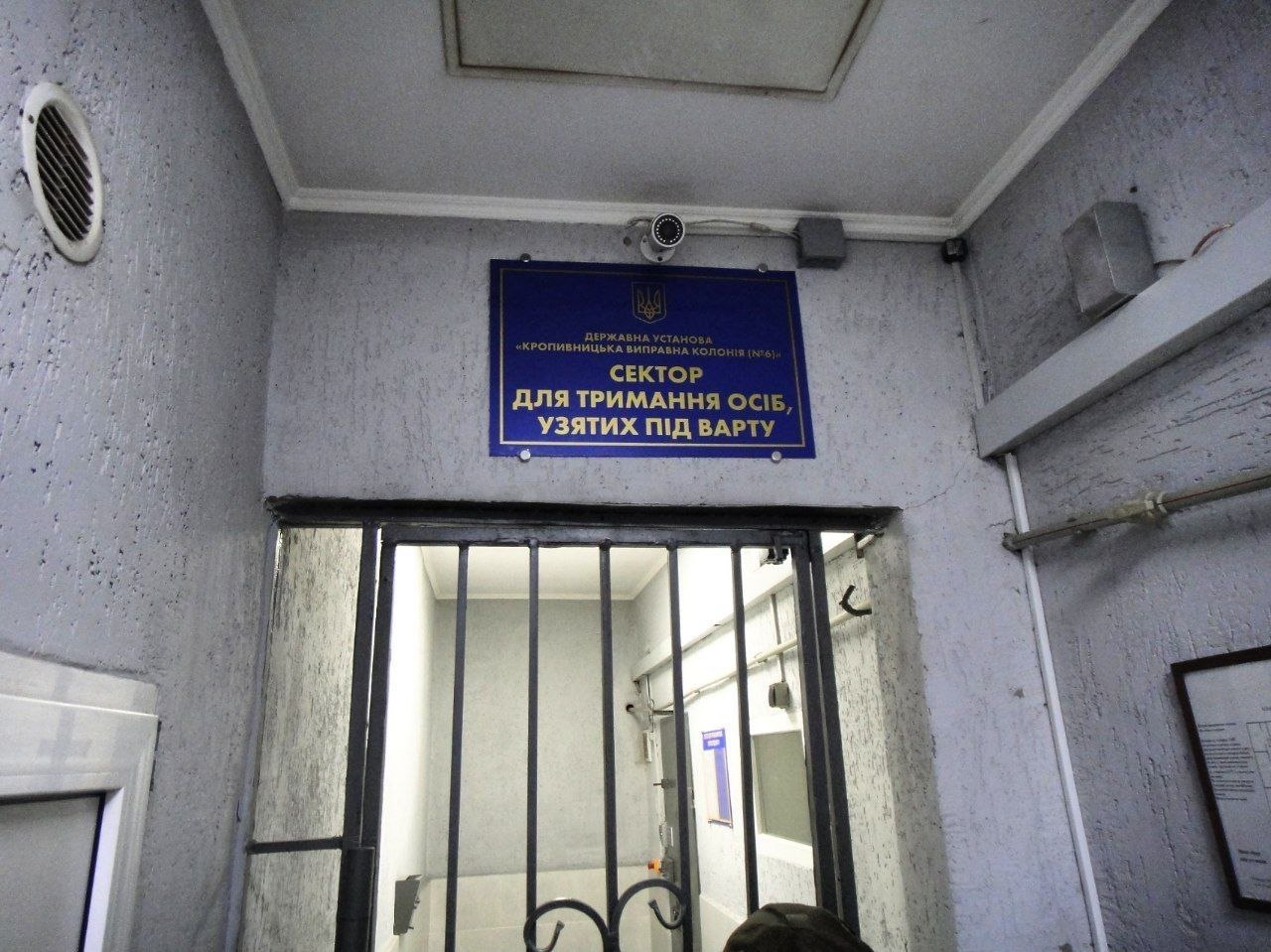
9. Point 1 of Section XXIII of the Internal Regulations of Correctional Institutions defines supervision of convicts as a system of measures aimed at ensuring the execution of criminal sentences through constant monitoring of convicts’ behaviour in their places of residence and work, preventing and stopping unlawful actions, and ensuring the requirements of isolation and the safety of the staff of correctional institutions. During the monitoring visit to KCC-6, it was established that video surveillance cameras are located directly in the dormitories of SPS sector No. 1 and the KDiR sector, i.e., in the places of permanent residence of the convicts.
De facto, video surveillance is conducted in the mode of continuous round-the-clock control over the daily life of convicts, including their presence in the residential sections, which is a significant intrusion into the right to privacy. At the same time, the institution’s administration did not provide any documents confirming an individual risk assessment for specific convicts, the necessity of applying precisely this level of video control, or a periodic review of the expediency of the further use of cameras in residential premises. The installation of cameras has a general, rather than individualised, character, indicating a systemic and indiscriminate application of video surveillance measures.
Furthermore, in studying the order of the head of the institution No. 22/Ah dated 5 January 2026 ‘On determining persons who have access to view video information and ensuring the stable operation of the video surveillance system’, it was established that the list of persons who have access to the video surveillance system and can view video information regarding male convicts includes several women: Private Nataliia Volodymyrivna Balashova, Junior Sergeant Alisa Olehivna Kalinina, Sergeant Yana Oleksandrivna Baradulina, Private Yelizaveta Serhiyivna Piskun, and Warrant Officer Nadiya Olehivna Zelenkova. Thus, the institution’s administration has de facto provided female employees with the opportunity of constant surveillance of male convicts in the residential premises where they remain 24/7, which further intensifies the intrusion into the right to privacy and human dignity.
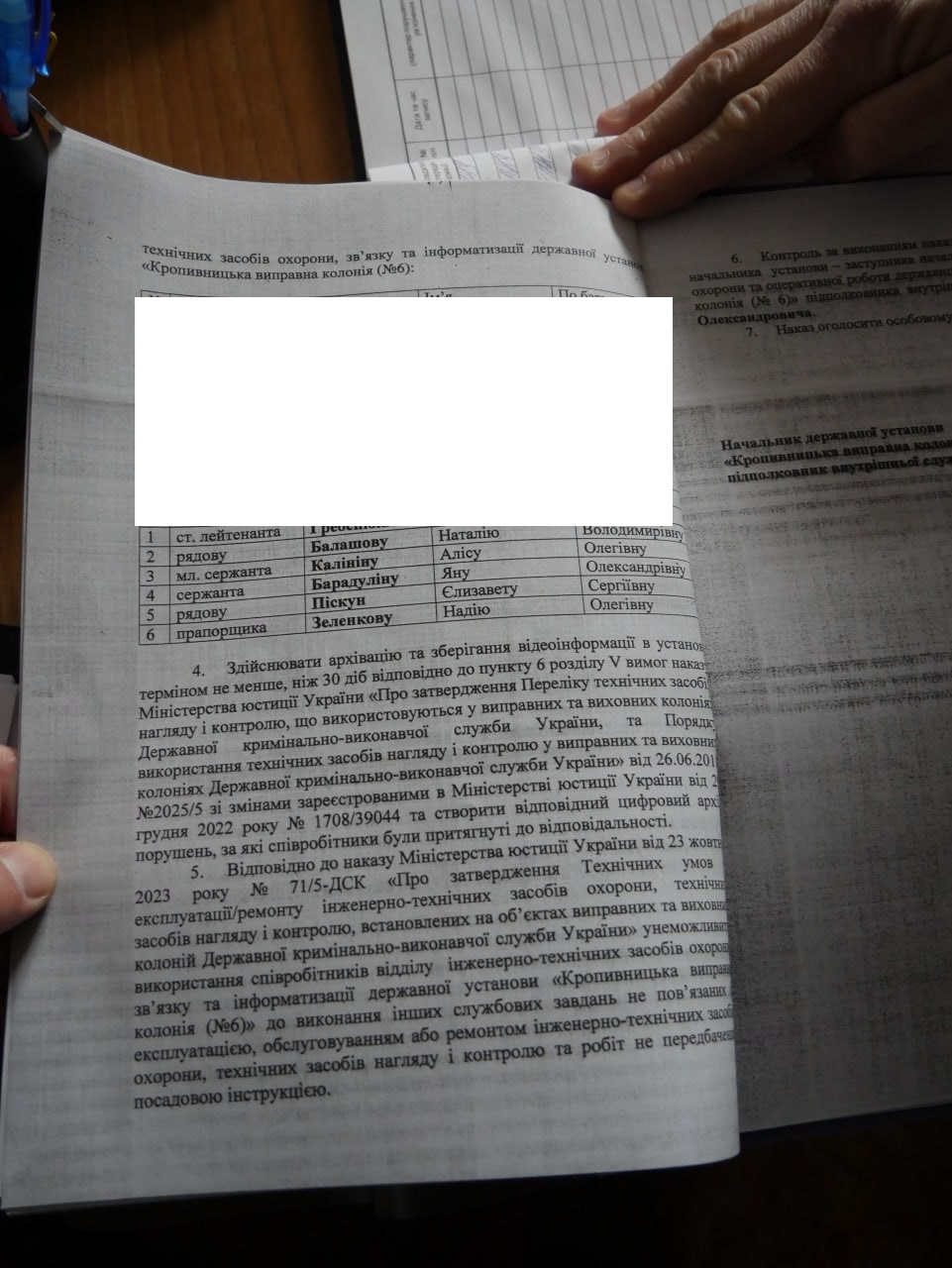
Such circumstances are not consistent with international standards on the treatment of prisoners. In its report on the results of the visit to Ukraine in 2012, the Council of Europe's Committee for the Prevention of Torture emphasised that the installation of video cameras in convicts’ living quarters is an excessive intrusion into private life and can be applied exclusively on the basis of an individual risk assessment for a specific person with a regular review of such necessity. The Committee specifically highlighted that the prolonged use of video surveillance in living quarters makes the detention regime more repressive and incompatible with the principle of respect for human dignity (CPT/Inf (2013) 23, paragraph 52).
The circumstances established during the visit indicate disproportionate and excessive intrusion of the institution’s administration into the private life of convicts, which may indicate a violation of Article 8 of the Convention for the Protection of Human Rights and Fundamental Freedoms, the Nelson Mandela Rules, the European Prison Rules, as well as the principles of legality, necessity, and proportionality in the application of technical means of supervision in places of deprivation of liberty.
10. The arrangement of the premises of the institution’s disciplinary isolation cell — DIZO/PKT, as during previous visits, does not fully comply with established standards for the treatment of prisoners and fails to provide adequate material, living, sanitary, and hygienic conditions, which leads to violations of the rights of convicts. Thus, paragraph 59 of the 21st General Report of the European Committee for the Prevention of Torture states that any cell measuring less than 6 m² should not be used to hold prisoners (CPT/Inf (2011) 28).
In its report on the results of the visit to Ukraine in 2012, the CPT notes that single cells should have a living space of at least 6 m² excluding the sanitary facility, and the distance between the walls should be at least 2 metres (CPT/Inf (2013) 23, paragraph 45).
At the same time, the monitoring group established the use of cells for holding convicts that do not meet these requirements. In particular, when measuring the area of certain DIZO cells, it was found that the distance between the walls is less than 2 metres.
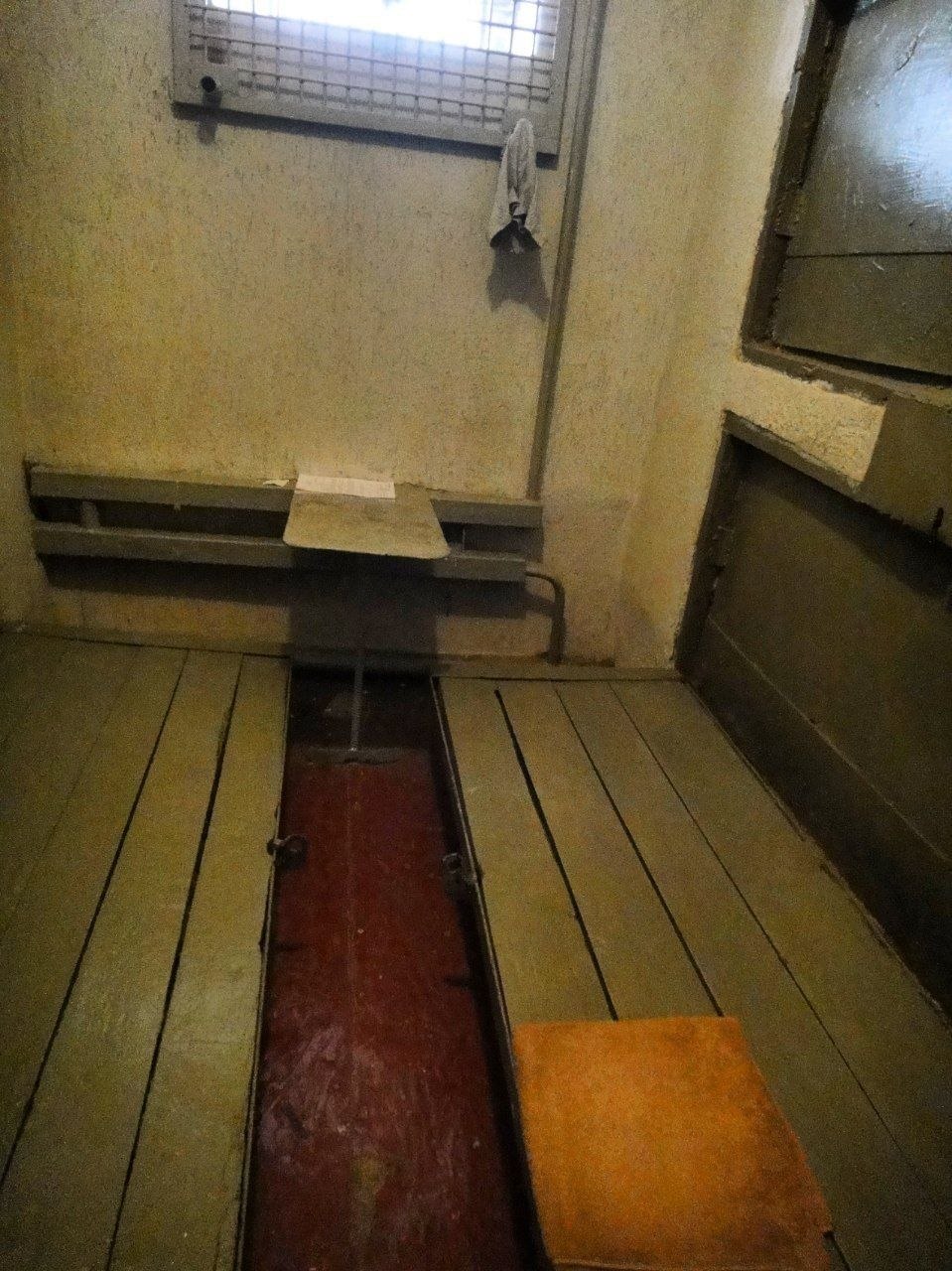
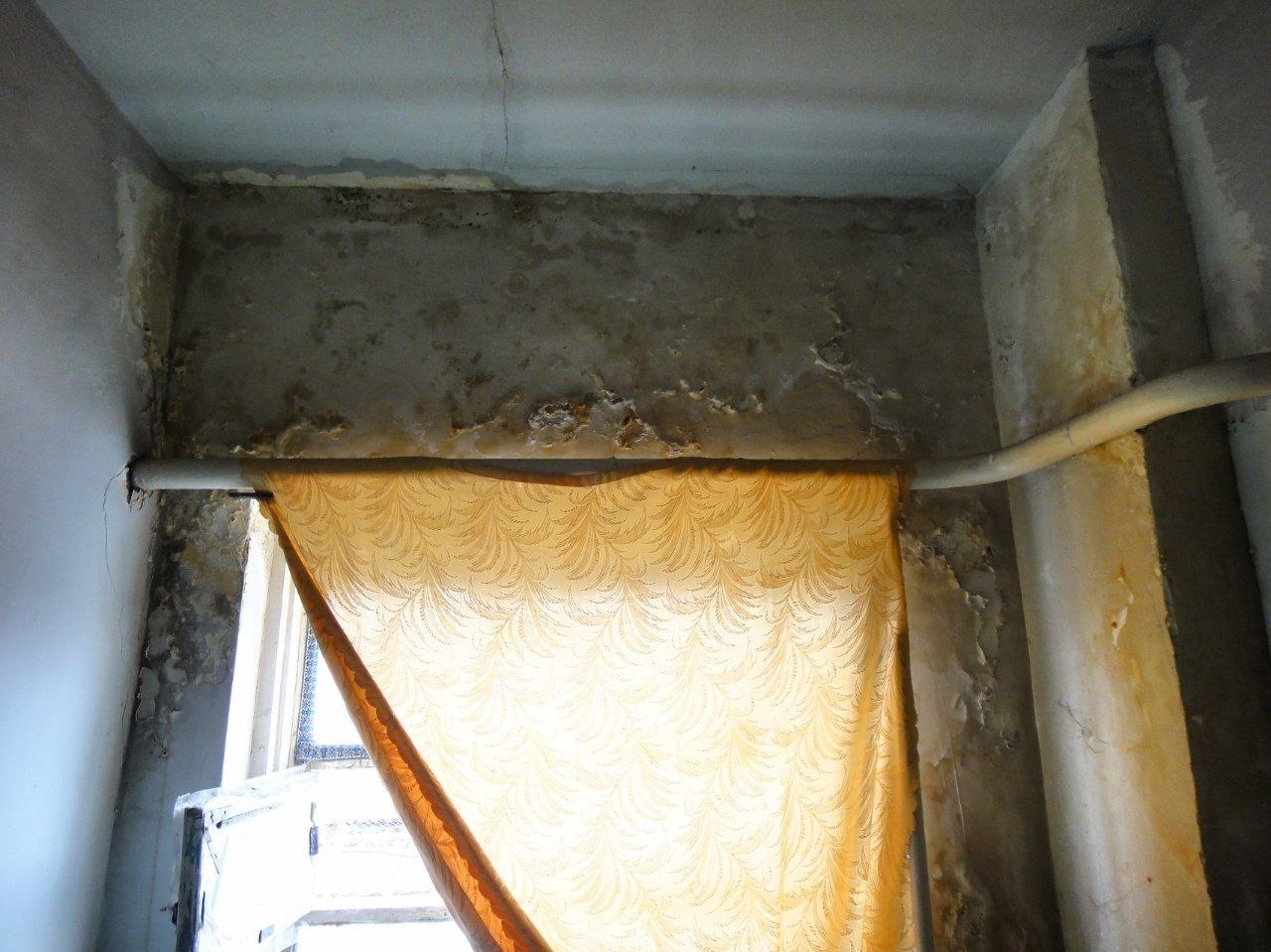
11. One of the most critical problems is excessive humidity in the DIZO premises: dampness of the floor and walls was recorded in a number of cells. A similar situation, but with more pronounced negative consequences, in particular in the form of mould arising from systematic water leaks and causing a persistent unhygienic state, was established in the sector for holding pre-trial detainees, as well as in the enhanced control sector (DPK), which indicates the widespread and systemic nature of the identified violations. This situation poses a real threat to the health of held persons due to prolonged stay in a damp environment, exposure to mould, and an increased risk of developing respiratory, skin, and infectious diseases.
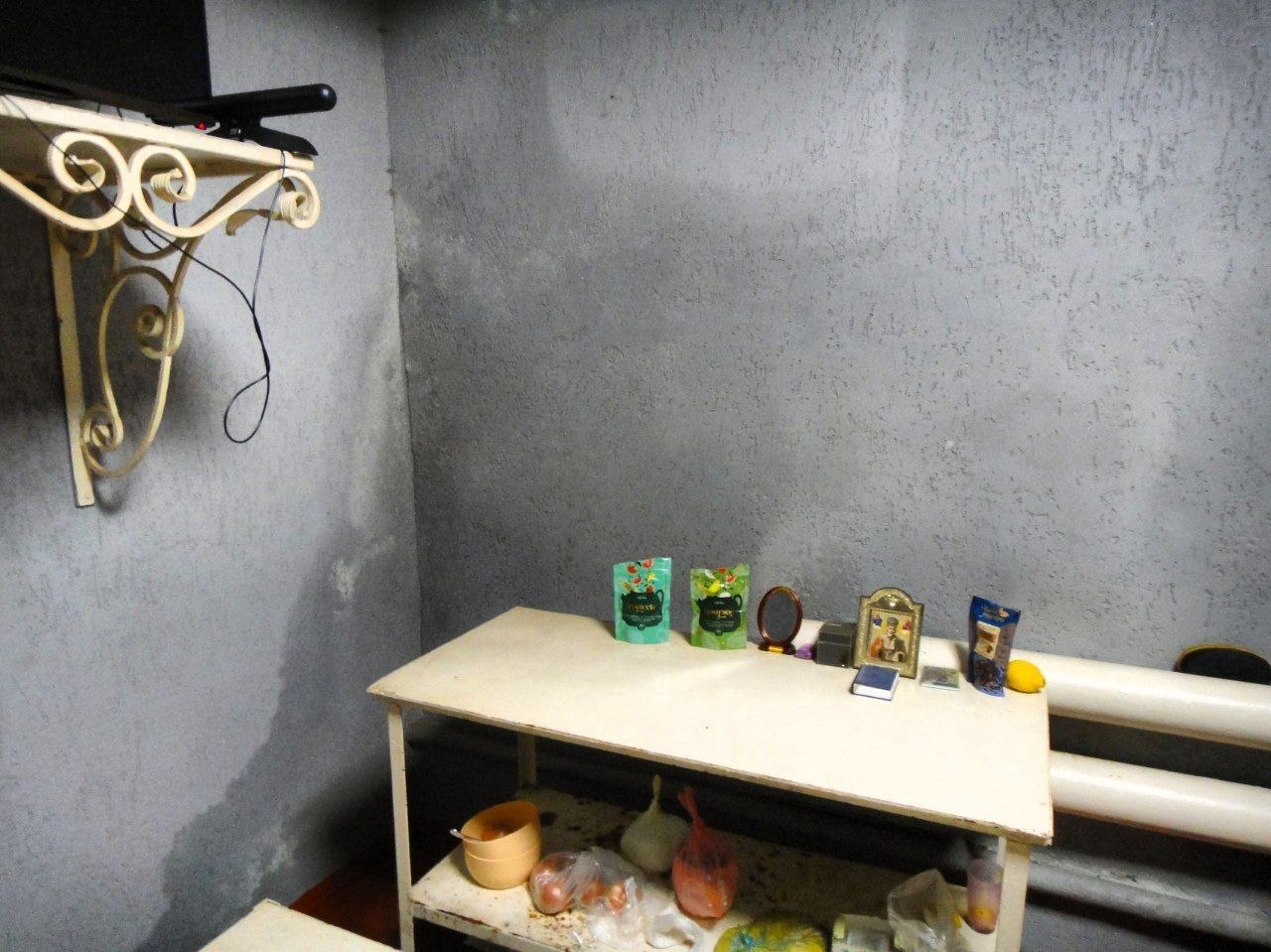
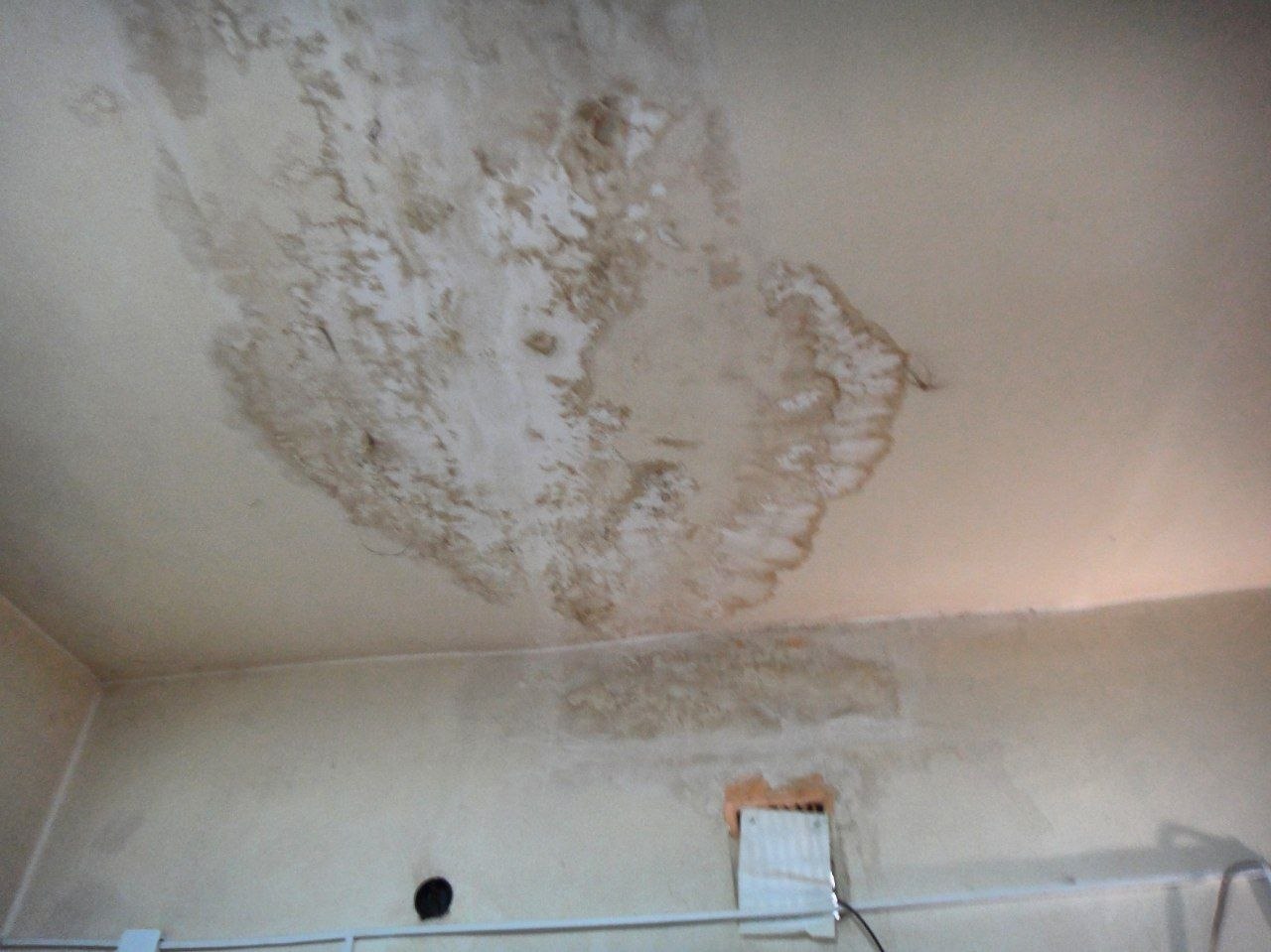
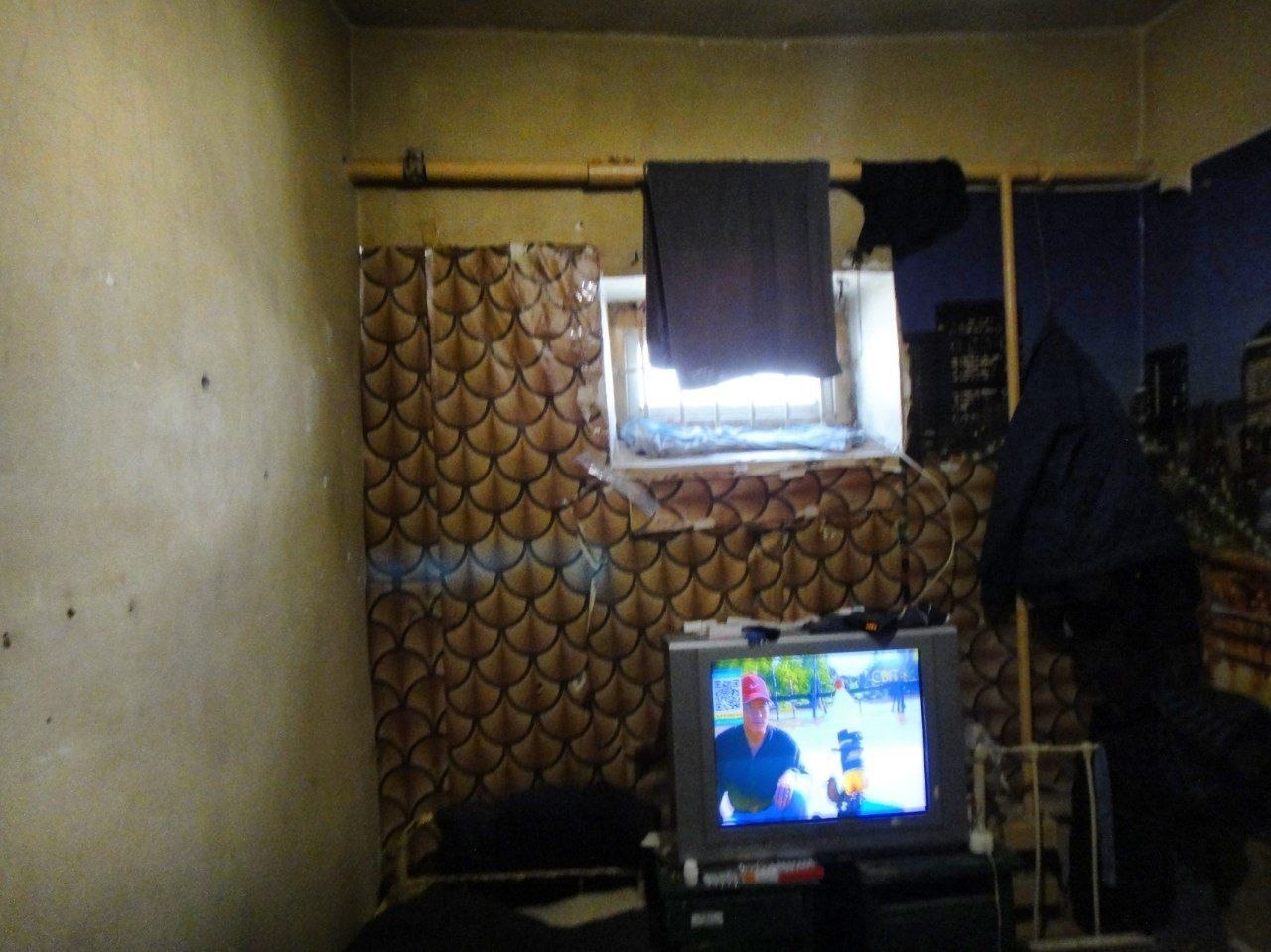
12. In the cells of the DIZO/PKT, the sector for holding pre-trial detainees, and the DPK, an appropriate level of natural light is not ensured, as the cell windows are small in size, located at a significant height, and have excessive grating, as a result of which access to natural light is restricted and insufficient to ensure normal conditions of stay. These conditions create additional psychological discomfort for convicts and detainees due to the restricted visual contact with the external environment.
This does not comply with the requirements of Rule 18.2 (a) of the European Prison Rules and Rule 14 of the United Nations Standard Minimum Rules for the Treatment of Prisoners (the Nelson Mandela Rules).
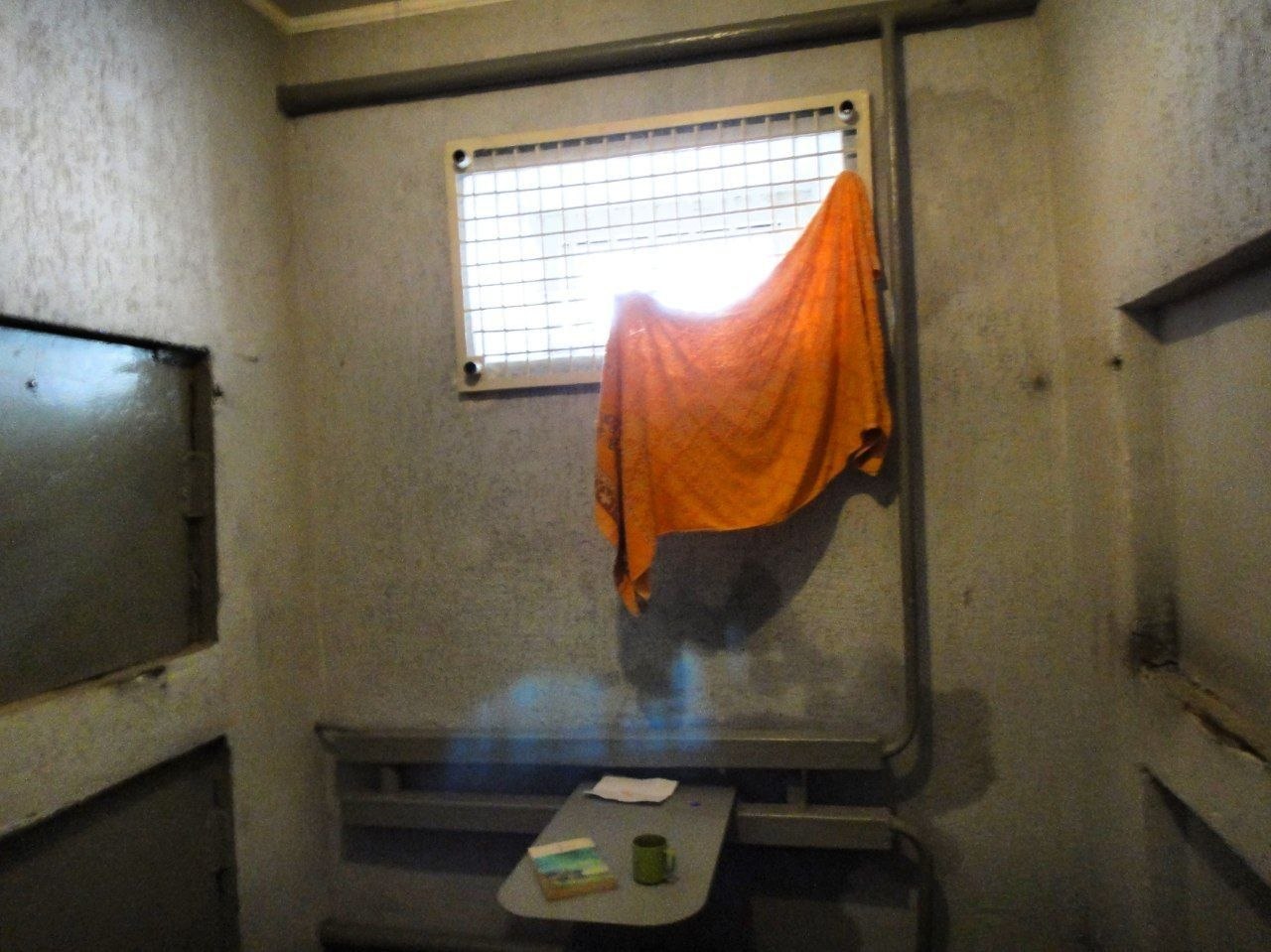
13. Sanitary facilities in the cells of the DIZO/PKT, the sector for holding pre-trial detainees, and the DPK are not equipped with sufficient partitions to ensure privacy, which violates Rule 19.3 of the European Prison Rules. At the same time, in the report to the Government of Ukraine on its visit in 2023, the CPT called on the Ukrainian authorities to take the necessary measures to improve the material conditions of detention, in particular: to reduce cell occupancy in such a way that there is at least 4 m² of living space per person remanded in custody, excluding the area occupied by in-cell toilets; to maintain all accommodation for convicts and remanded persons, including sanitary premises, in a proper state of repair and hygiene; to ensure regular and frequent disinfestation; to ensure sufficient access to natural light and ventilation in cells; and to fully equip internal sanitary premises with partitions, i.e., from floor to ceiling (CPT/Inf (2024) 20, paragraph 58).
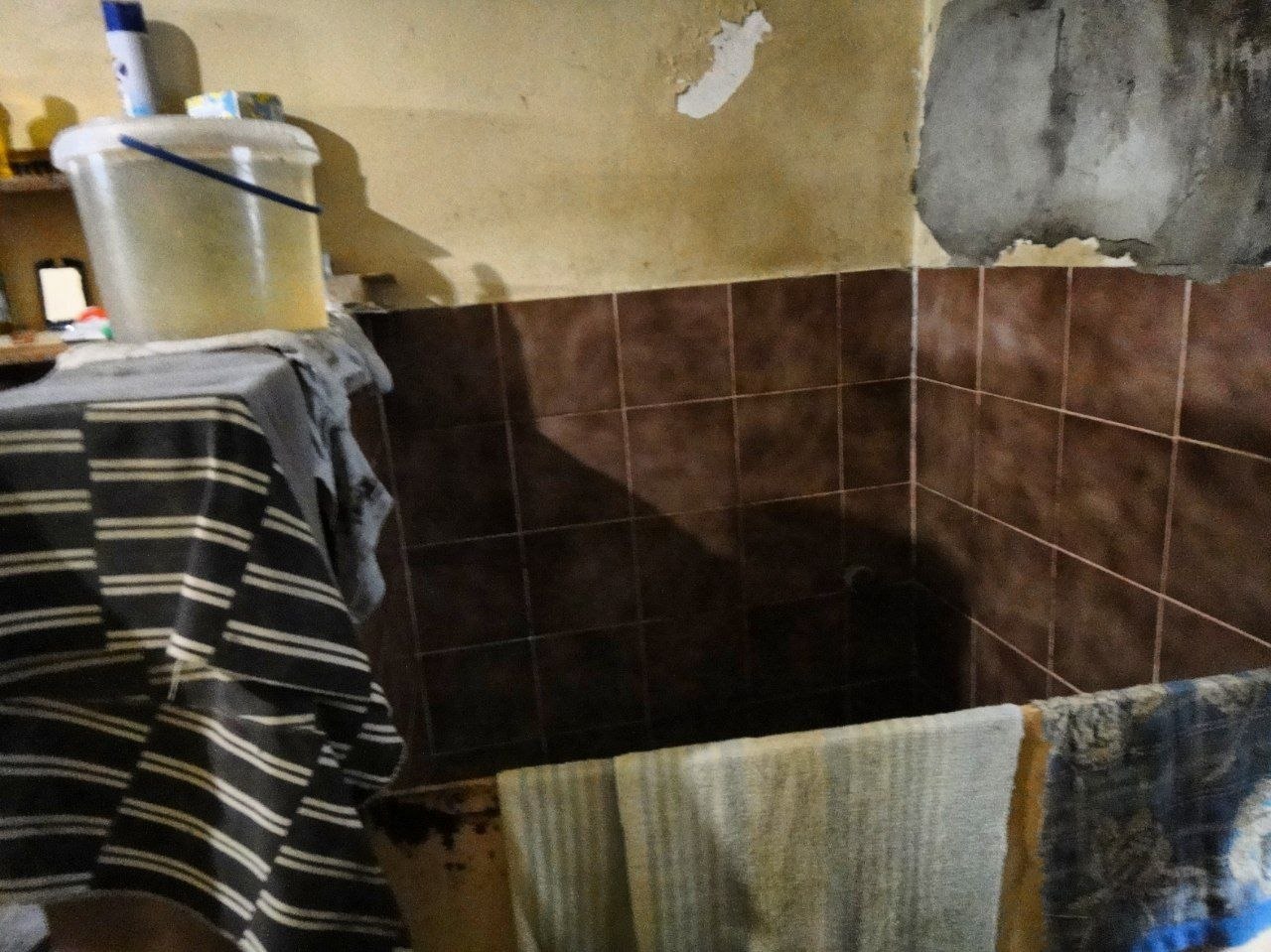
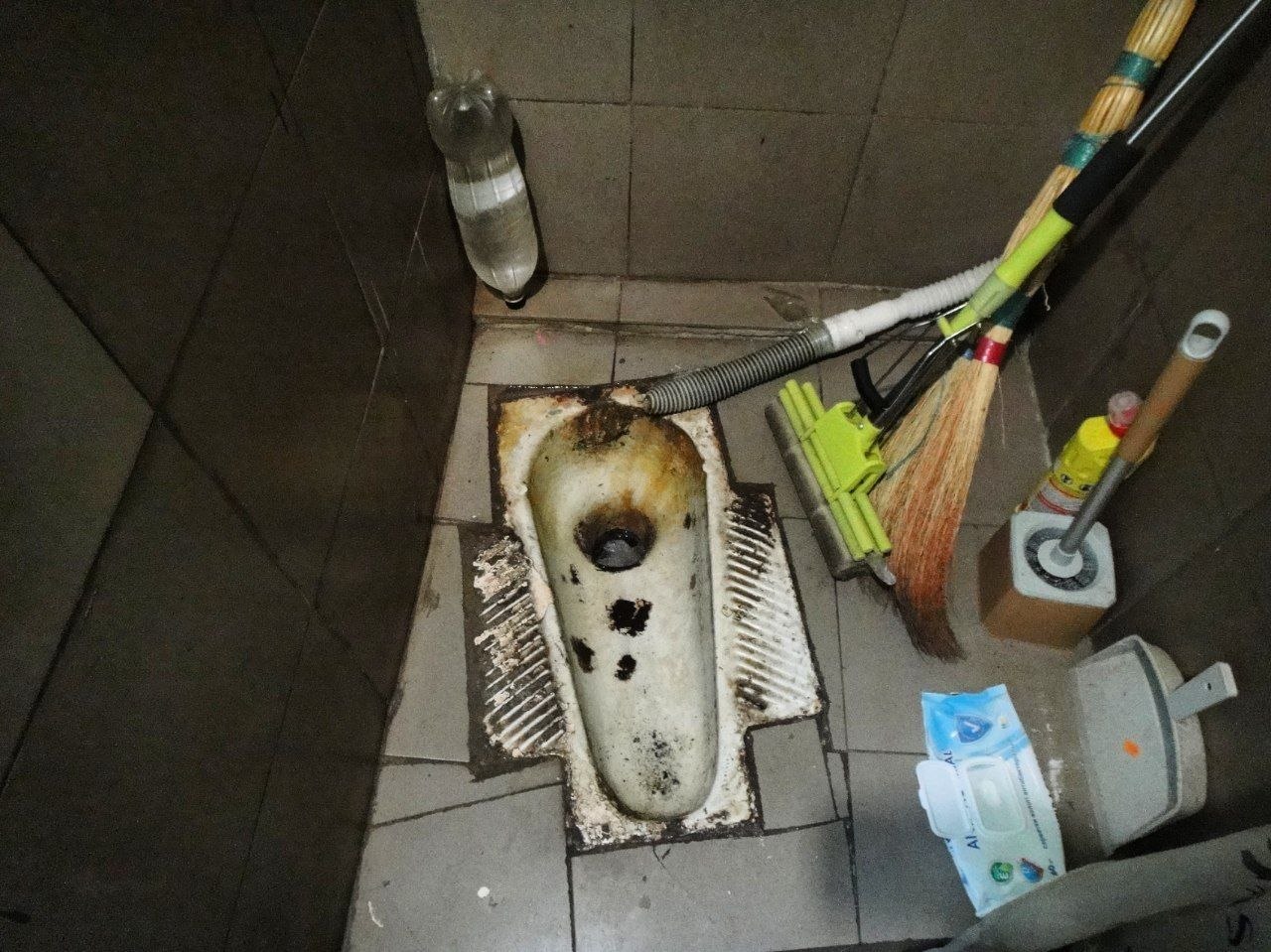
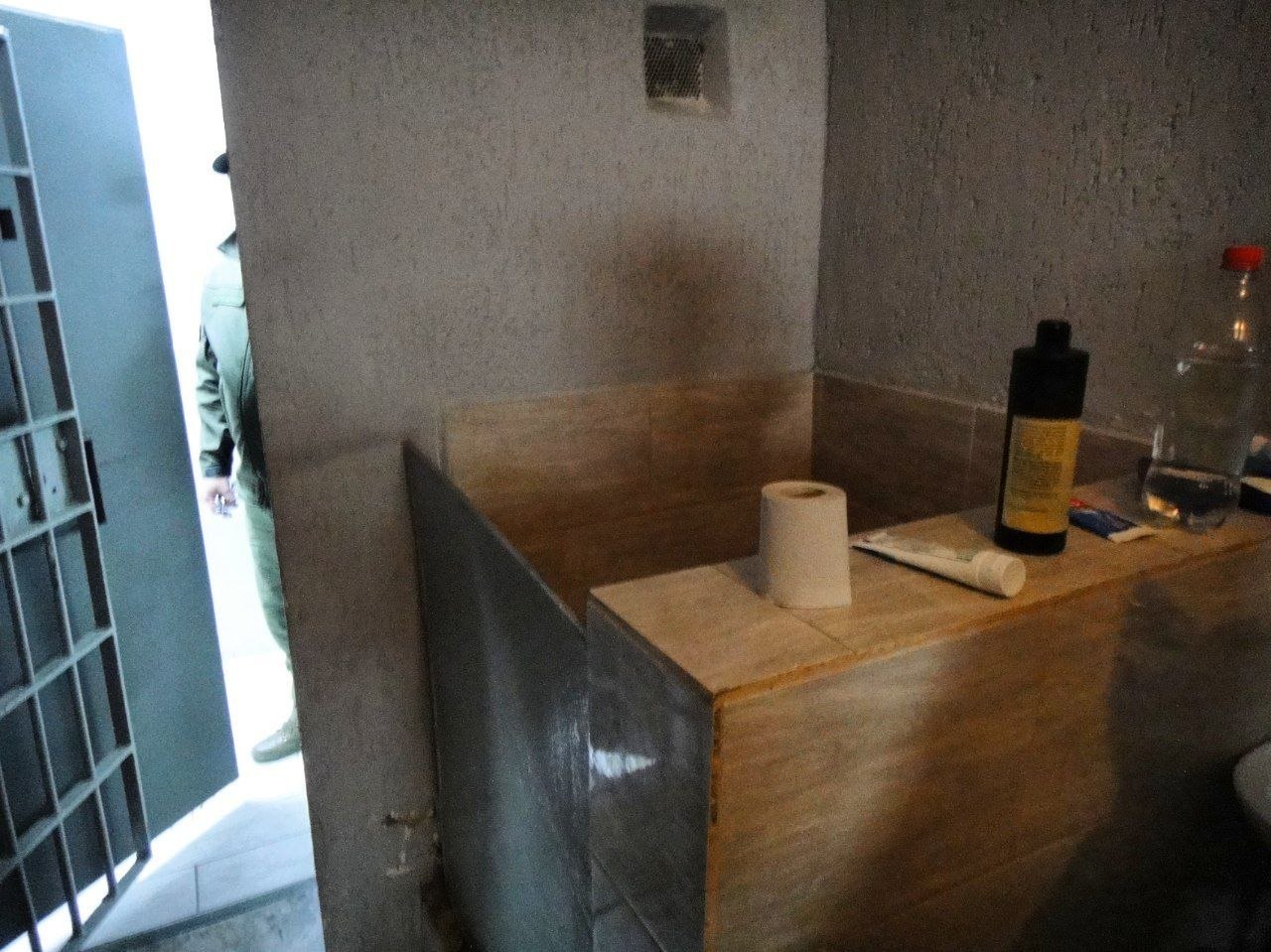
14. During the visit to the cells of the DIZO/PKT, the sector for holding pre-trial detainees, and the DPK, a lack of visual information in the cells was established indicating the telephone numbers of ‘hotlines’, as well as the postal and email addresses of the Ministry of Justice of Ukraine, the Commissioner for Human Rights of the Verkhovna Rada of Ukraine, the European Court of Human Rights, the State Bureau of Investigation, the Office of the Prosecutor General, the regional and district prosecutor’s offices, the Department, the interregional administration, as well as the regional centre for the provision of free legal aid. This contradicts point 6 of Section II of the IRCI and paragraph 14 of Chapter 2 of Section II of the Internal Regulations of Remand Prisons of the State Penitentiary Service of Ukraine, approved by Order of the Ministry of Justice of Ukraine No. 1769/5 dated 14 June 2019 (hereinafter referred to as the IRRP).
15. In the DIZO/PKT and the sector for holding pre-trial detainees, the radio installation is provided only in the general corridor, with convicts unable to independently turn it on, off, or adjust the volume. Meanwhile, in the cells of the DIZO/PKT, it does not function at all, which contradicts the requirements of point 3 of Section XX of the IRCI and Rule 63 of the United Nations Standard Minimum Rules for the Treatment of Prisoners (the Nelson Mandela Rules).
16. During the visit to the enhanced control sector (hereinafter referred to as the DPK), it was established that the material and living provisions of the sector do not fully comply with established regulatory requirements. Thus, in violation of the requirements of the Provision Norms, a number of rooms are missing, namely: an educational work room; a food storage room; a room for storing the exchange stock of bedding, clothing, and protective wear; a storage room for temporary storage of dirty bedding, clothing, and protective wear; a cloakroom; and a utility room. The DPK premises require renovation with replacement of sanitary-technical equipment and the electrical network.
The absence of the aforementioned rooms or their improper equipping leads to violations of sanitary and hygienic standards, complicates the maintenance of cleanliness and order in the premises where convicts are held, which in turn negatively affects the overall sanitary condition of the institution.
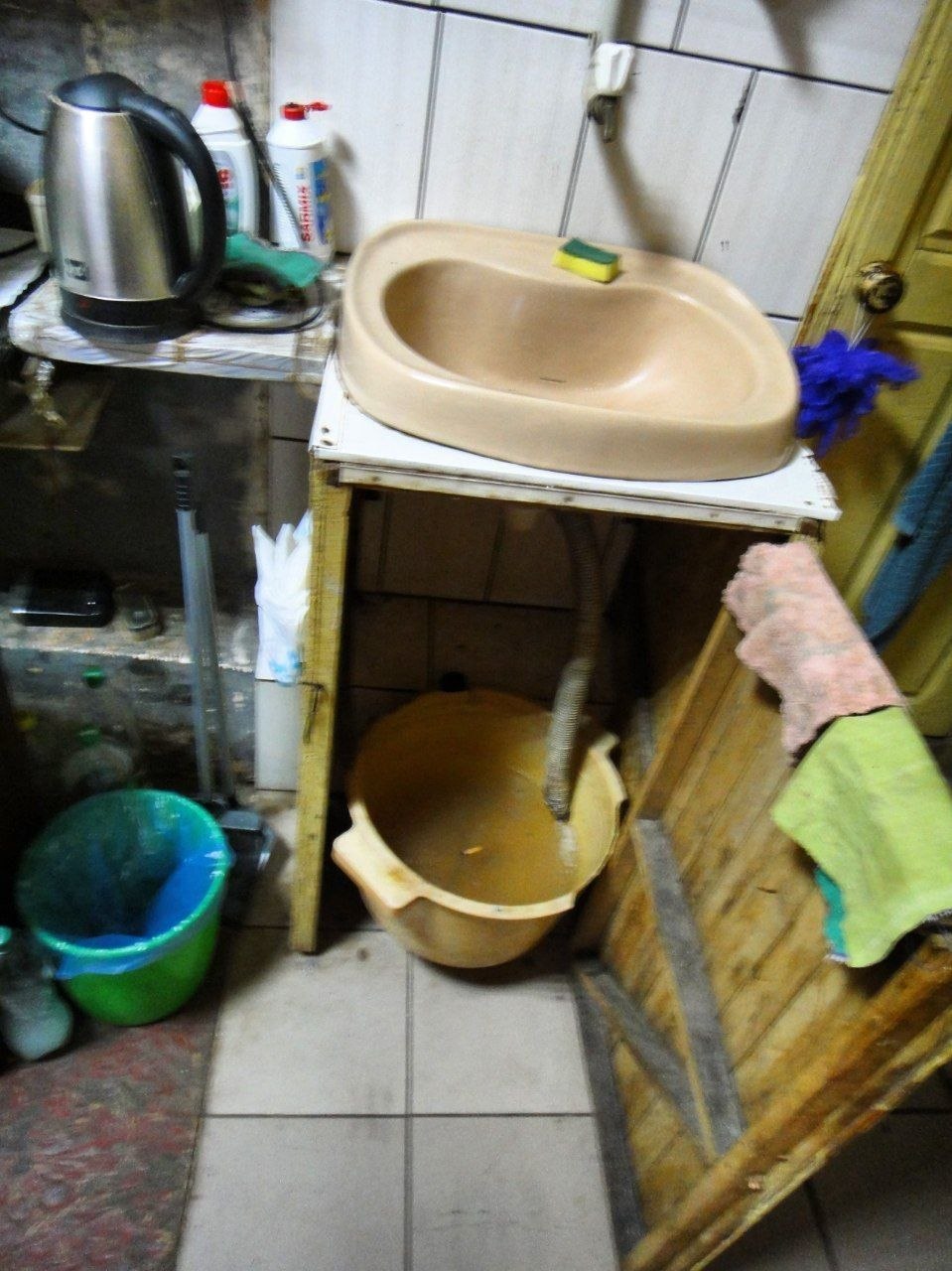
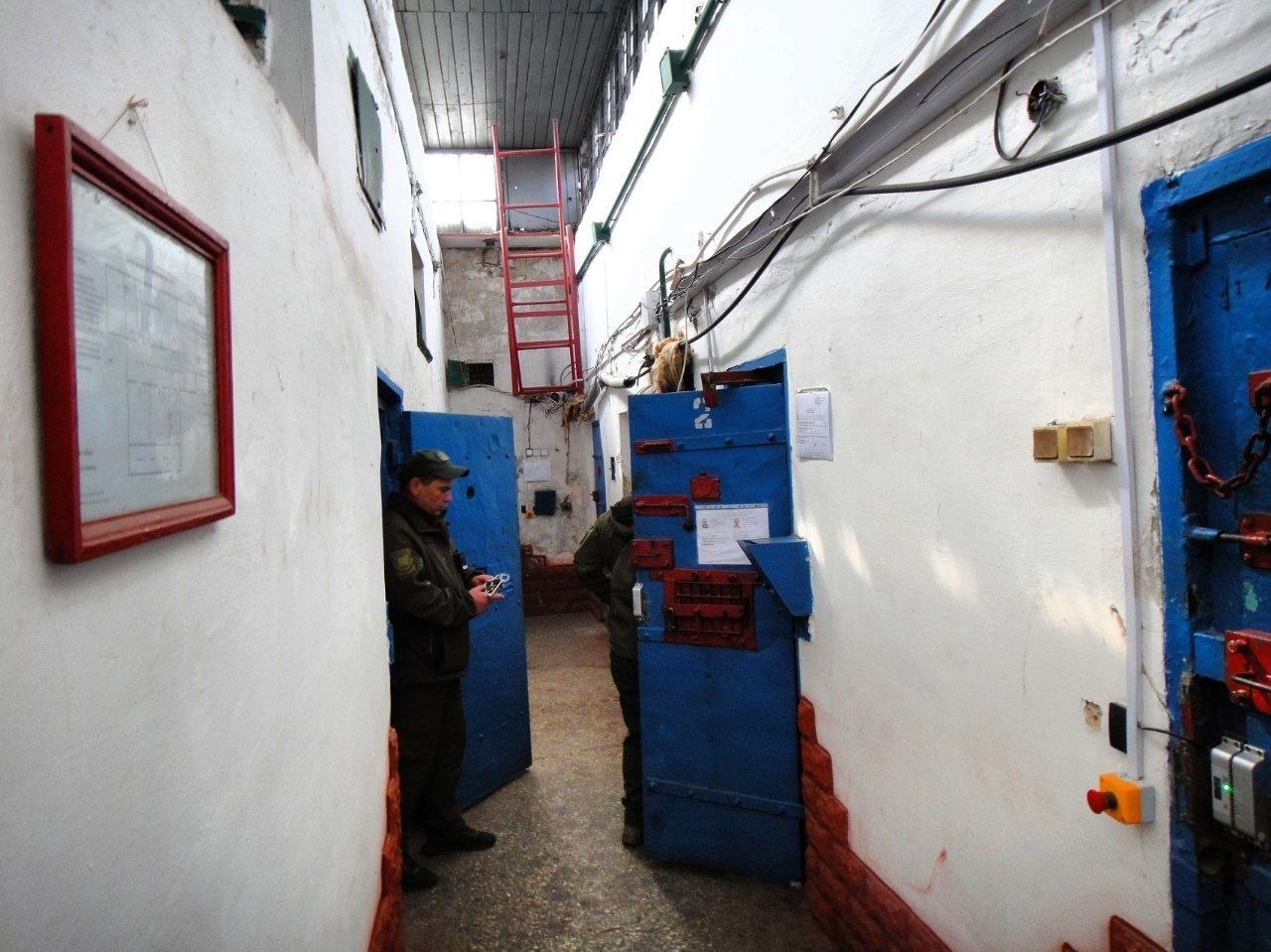
17. During the visit to the DPK, the placement of name cards with a brief description of the crimes committed by the individuals in the cells was established on the outer side of the cell doors. In its report on the results of the visit to Ukraine in 2020, the CPT noted that this practice should be discontinued, as it serves no reasonable purpose and, besides stigmatisation, has the effect of deteriorating relations between prisoners and prison staff (CPT/Inf (2020) 40, paragraph 52).
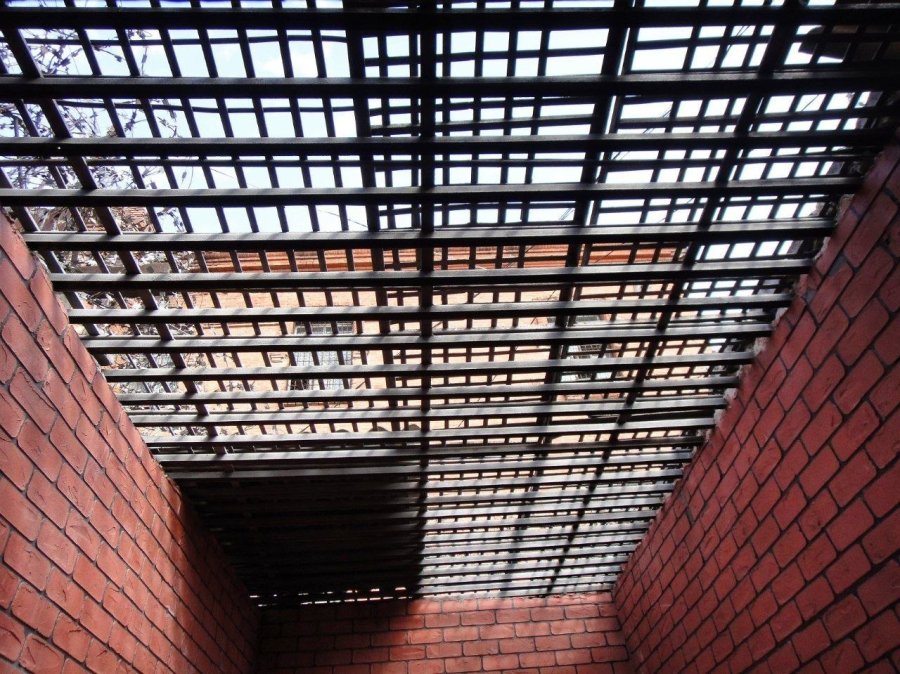
18. The DPK exercise yard and yard No. 1 of the DIZO are not equipped with sufficient shelter from atmospheric precipitation. At the same time, in its 2nd General Report, the CPT notes that daily outdoor exercise should take place in an area of sufficient size. The outdoor exercise area should, as far as possible, be equipped with a shelter in case of inclement weather (CPT/Inf (92) 3, paragraph 48).
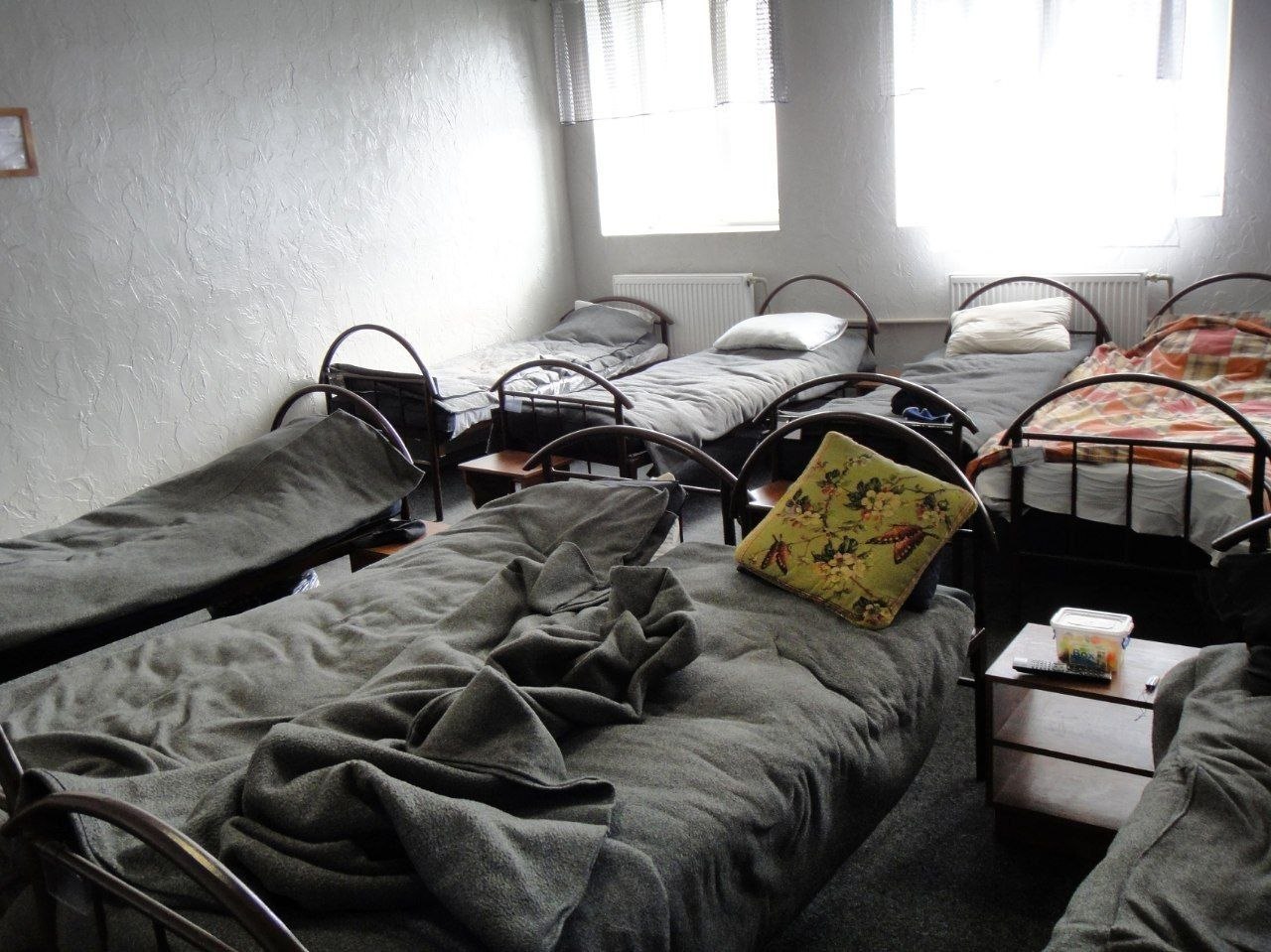
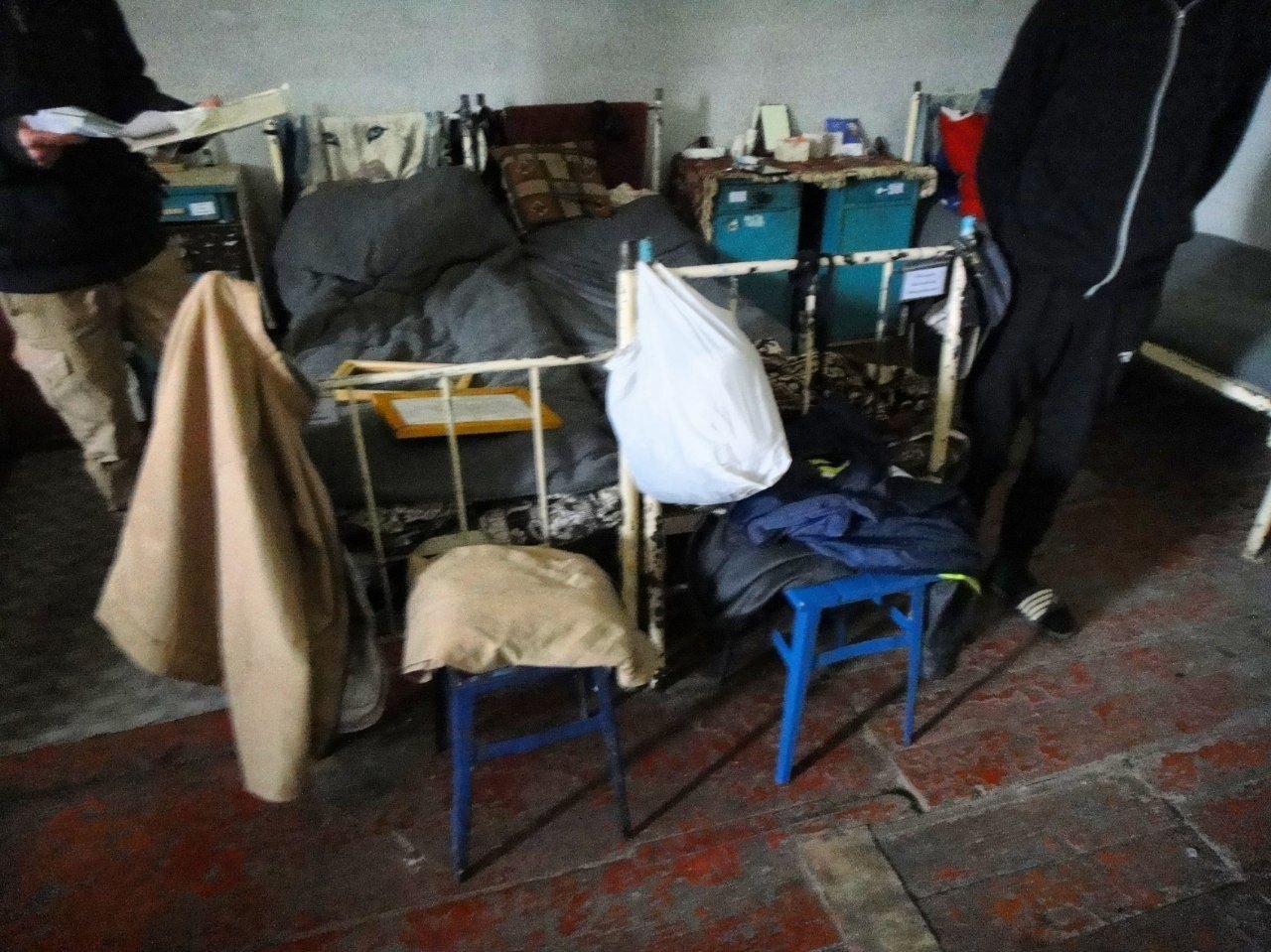
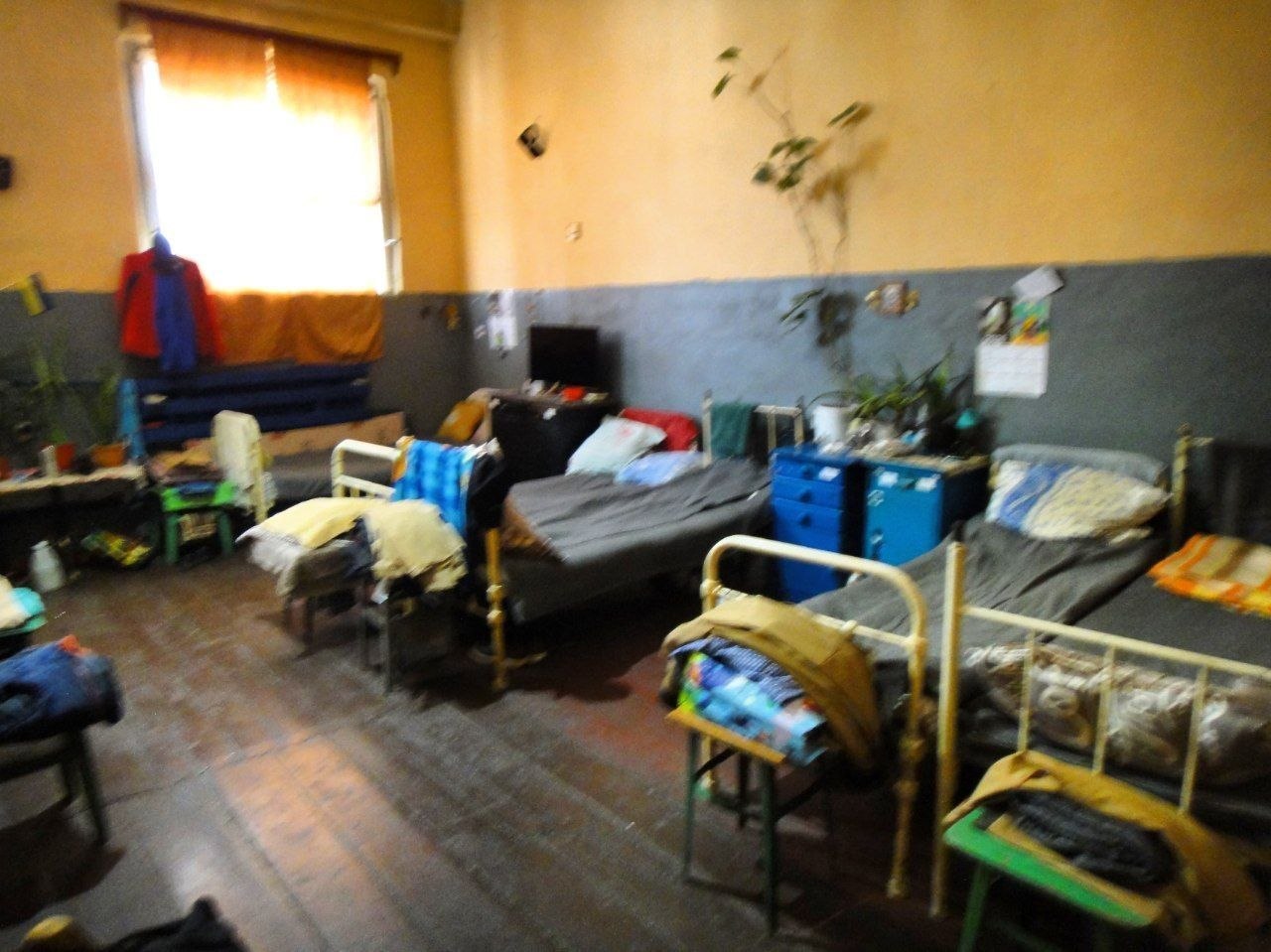
19. In the residential premises of the KDiR sector, SPS sector No. 5, and the DPK premises, violations of Article 8 of the Convention for the Protection of Human Rights and Fundamental Freedoms, which guarantees the right to respect for private life, were identified. Specifically, in violation of Rule 18.1 of the European Prison Rules, the beds in the dormitories are located right next to each other, making it impossible to ensure personal space for the convicts.
20. During the visit to the DIZO/PKT, it was established that convicts who were serving a disciplinary sanction were not issued a copy of the decision on the application of the sanction indicating the possibility and procedure for its appeal by the institution’s administration, which contradicts Article 135 of the Penitentiary Code of Ukraine. At the same time, in its report on the results of the visit to Ukraine in 2023, the CPT recommends that measures be taken in Ukrainian penitentiary institutions to ensure that convicts subjected to a disciplinary sanction systematically receive a copy of the relevant decision. Furthermore, convicts should be informed of their right of access to a lawyer in the context of disciplinary proceedings (CPT/Inf (2024) 20, paragraph 103).
21. According to the twenty-third paragraph of point 6 of Section XXI of the IRCI, for conducting individual preventive work, the head of the social and psychological service unit visits the DIZO, punishment cells, and PKT (isolation cells) upon the placement/transfer of a convict, and at least once a week. Based on the results of visiting the DIZO, punishment cells, and PKT (isolation cells), they are obliged to make corresponding entries in the logbook of visits to the disciplinary isolation cell, cell-type premises, single cells, and the punishment cell by the administration of the correctional institution.
However, during the inspection of the DIZO visit logbook, a lack of entries was established, which according to current regulatory requirements should have been made by the heads of social and psychological service units No. 3 and No. 6 during the serving of disciplinary sanctions by convicts B., Sh., and B. in the period from 23 March 2026 to 29 March 2026. This violation may indicate the actual failure of the heads of social and psychological service units No. 3 and No. 6 to perform their duties and the improper organisation of social-educational and psychological work.
22. During the visit to the institution by the monitoring group, it was established that the institution’s shop lacks underwear, mirrors, combs, notebooks, pencils, pens, envelopes, stamps, devices for the consumption of tobacco products and inhalation of aerosols (vapour) without combustion, and chargers for them, the availability of which is prescribed by Annex 5 to the IRCI.
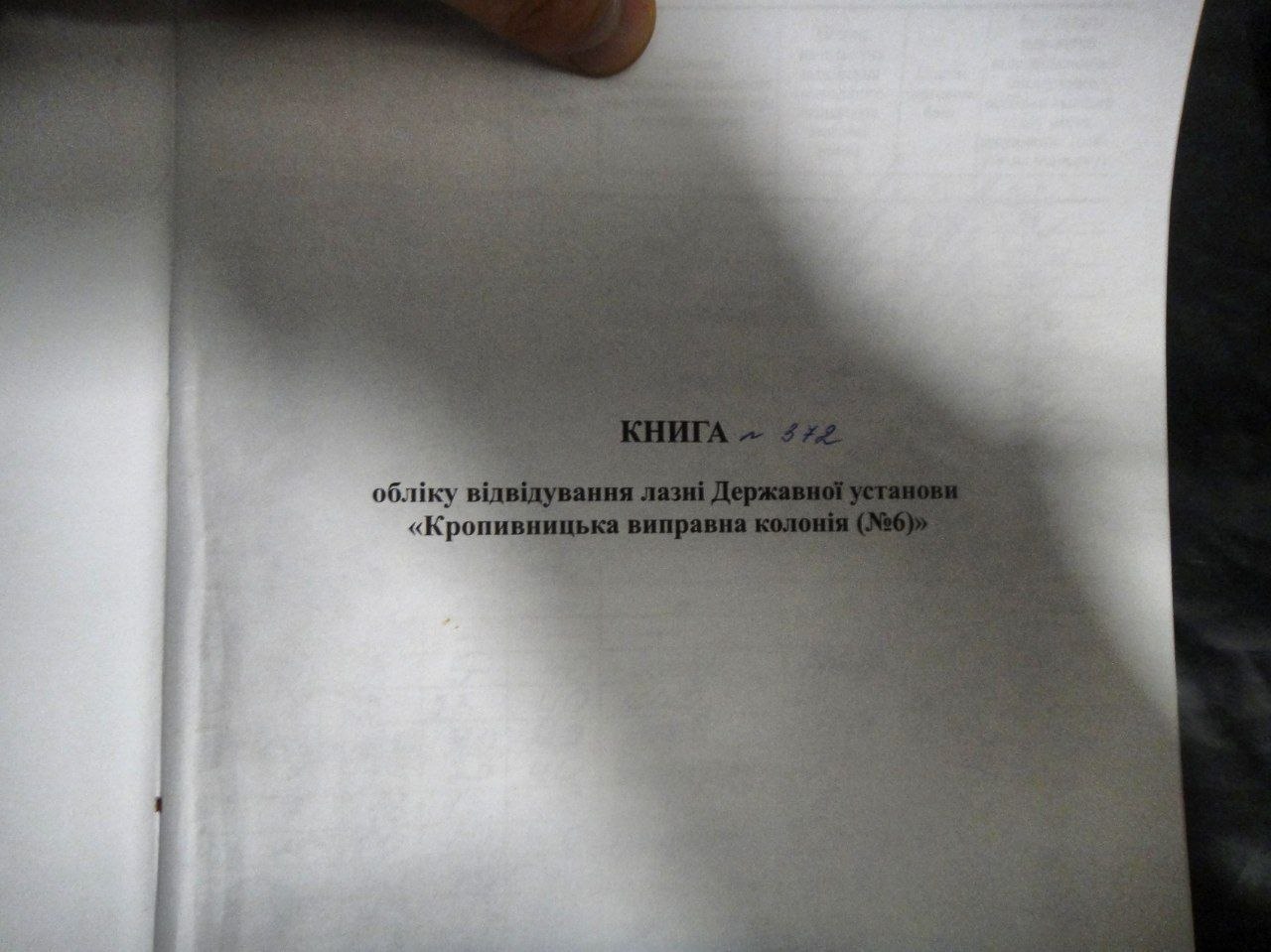
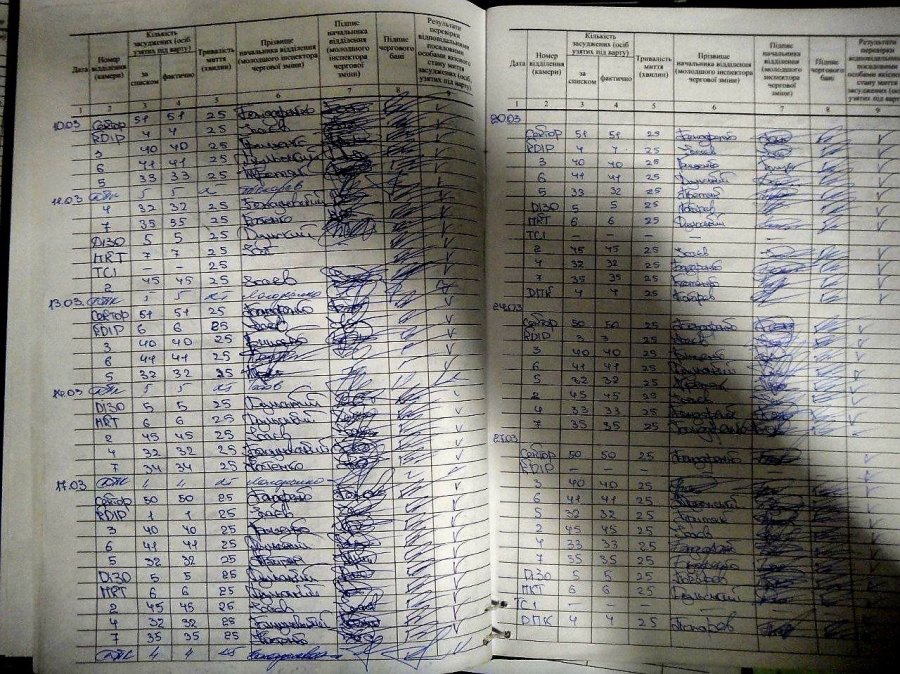
23. The monitoring group identified a number of violations in the organisation of bath and laundry services for convicts and detainees. In violation of the requirements of point 4 of Section XXII of the IRCI and point 3.19 of Section III of the Regulations on the Organisation of Bath and Laundry Services for Persons Held in Correctional Institutions and Remand Prisons, approved by Order of the Ministry of Justice of Ukraine No. 849/5 dated 8 June 2021 (hereinafter referred to as the Regulations), compliance with sanitary, hygienic, and anti-epidemic requirements is not ensured in the institution. In particular, sanitary treatment of convicts arriving at the institution is not carried out. Thus, on 23 March 2026 and 25 March 2026, convicts arrived at the institution, but there is no information about their bathing in the logbook of bath visits.
24. In violation of point 2.14 of Section II of the Regulations on the Organisation of Bath and Laundry Services, the provision of hairdressing services to convicts and detainees is not ensured in the institution.
25. In violation of the requirements of Annex 3 to the Regulations, there is no toilet and no shower for workers in the laundry.
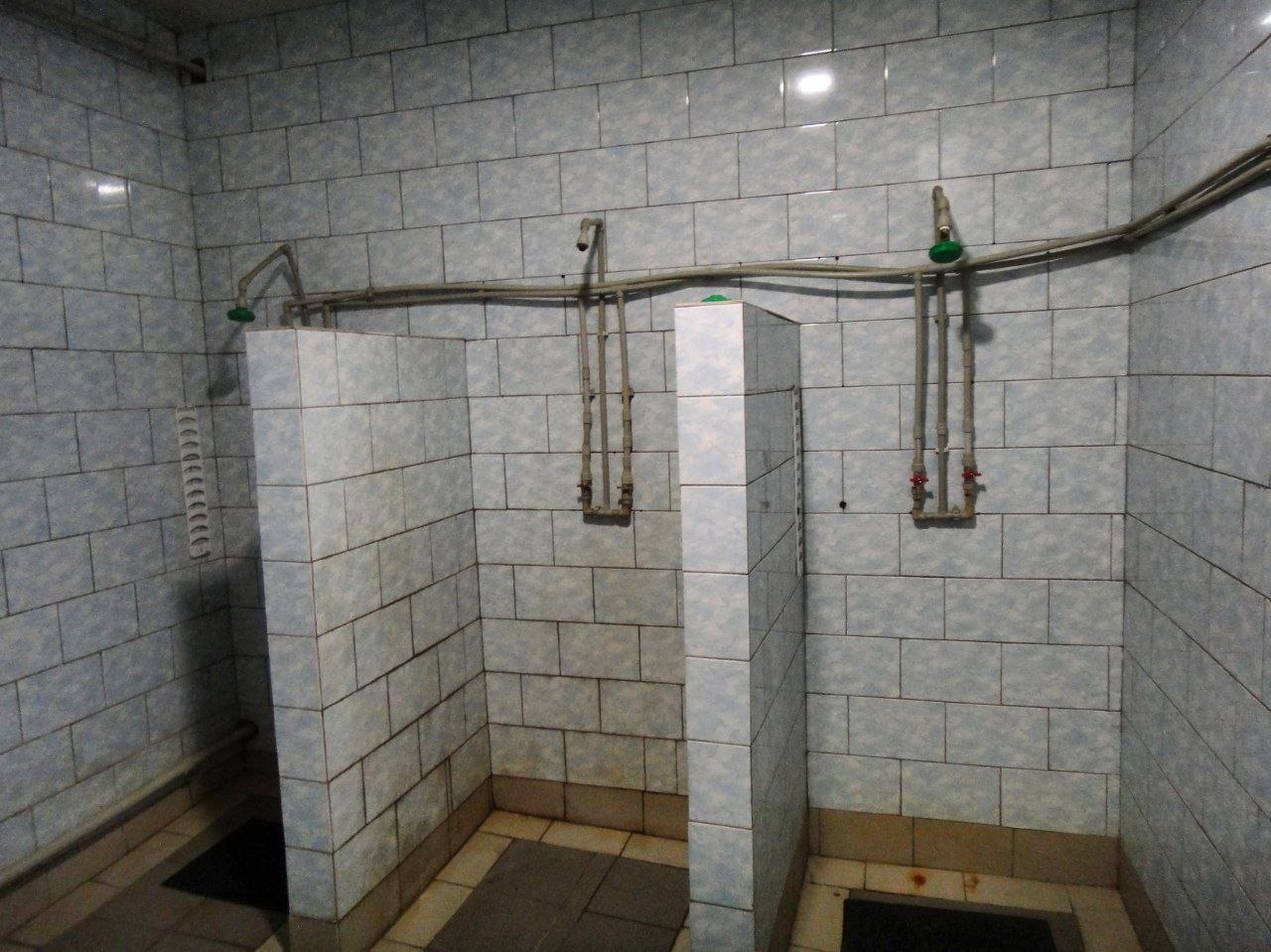
26. In violation of the requirements of Rule 19.3 of the European Prison Rules, the right to privacy is not ensured in the DIZO shower room due to the absence of curtains on the shower partitions.
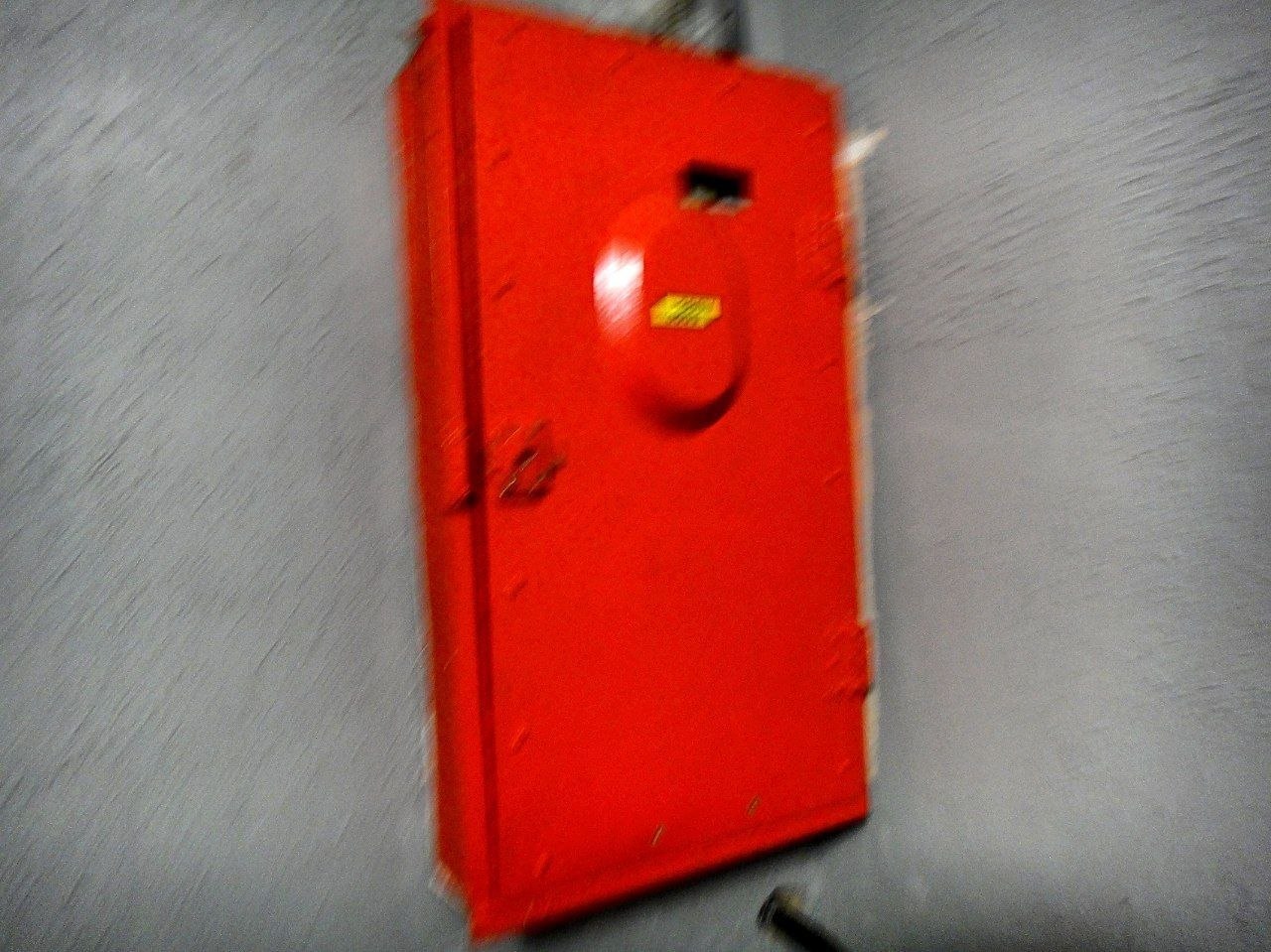
27. In the bathhouse, violations of the requirements of the Fire Safety Rules in Ukraine, approved by Order of the Ministry of Internal Affairs of Ukraine No. 1417 dated 30 December 2014, registered with the Ministry of Justice of Ukraine on 5 March 2015 under No. 252/26697 (hereinafter referred to as the Fire Safety Rules), were allowed. In particular, the door of the electrical switchboard room remains open, which poses a real threat of electric shock to convicts and staff of the institution, and increases the risk of emergency situations of a technological nature.
28. During the visit, the monitoring group recorded that the staff of the institution who are in direct contact with convicts openly carry special means, in particular rubber truncheons. At the same time, according to the eighth paragraph of point 1 of Section XXVI of the IRCI, the carrying of special means by the staff of correctional institutions within the protected territory of a correctional institution should, as far as possible, be concealed from view as much as possible. At the same time, the CPT recommends that prison staff who work in direct contact with prisoners should not carry special equipment, such as rubber truncheons, handcuffs, and tear gas canisters, openly before prisoners, as such carrying hinders the establishment of normal relations between staff and prisoners (CPT/Inf (2011) 29, paragraph 85; CPT/Inf (2013) 23, paragraph 23; CPT/Inf (2014) 15, paragraph 166).
29. According to the information provided by the administration, from the beginning of 2026, in the State Institution ‘Kropyvnytskyi Correctional Colony (No. 6)’, convicts were granted 63 short-term visits, 28 of which took place in a non-contact manner — through solid dividing glass using an intercom device. At the same time, in the report to the Government of Ukraine on its visit in 2023, the European Committee for the Prevention of Torture emphasises that for all categories of convicts, open visits, for example at a table, should be the rule, and closed ones the exception, the use of which is permitted only on the basis of reasoned and justified decisions after an individual assessment of the potential risk of a specific convict. In this regard, the CPT calls on the Ukrainian authorities to review the procedure for conducting short-term visits in penitentiary institutions to ensure that they are, as a rule, conducted in open conditions (CPT/Inf (2024) 20, paragraph 99).
30. According to official records, as of 1 April 2026, the staff shortage in the institution amounts to 142 posts. At the same time, in its report on the 2023 visit to Ukraine, the CPT emphasises that ensuring a positive climate in a penitentiary institution requires a professional team of staff who must be present in sufficient numbers at any given time in places of detention. An insufficient number of staff can only increase the risk of violence and intimidation among convicts. The shortage of front-line staff also undermines the quality and level of activities offered to convicts and compromises the prospect of preparation for release and social rehabilitation. In this regard, the CPT calls on the Ukrainian authorities to take decisive steps to substantially increase the number of staff in Ukrainian penitentiary institutions where understaffing is observed, with a view to strengthening the presence of security and supervision staff inside the institutions. Steps should also be taken to put an end to the 24-hour shift system for duty personnel (CPT/Inf (2024) 20, paragraph 93).
31. During the monitoring visit to KCC-6, it was established that the premises of a so-called ‘internet classroom’ were formally created in the institution to ensure the realisation of convicts’ right to access the Internet and electronic communication tools. However, the actual state of this room’s functioning indicates its nominal nature and the lack of real safeguarding of the relevant right of convicts. During the inspection, it was established that the room does not contain any information signs, working schedules, procedures for using the Internet, or other informational materials regarding the rules of convicts’ access to electronic services. Computer equipment in the room is not actually used for its intended purpose; some computers are not connected to the network, and there are no signs of active use of the equipment by convicts.
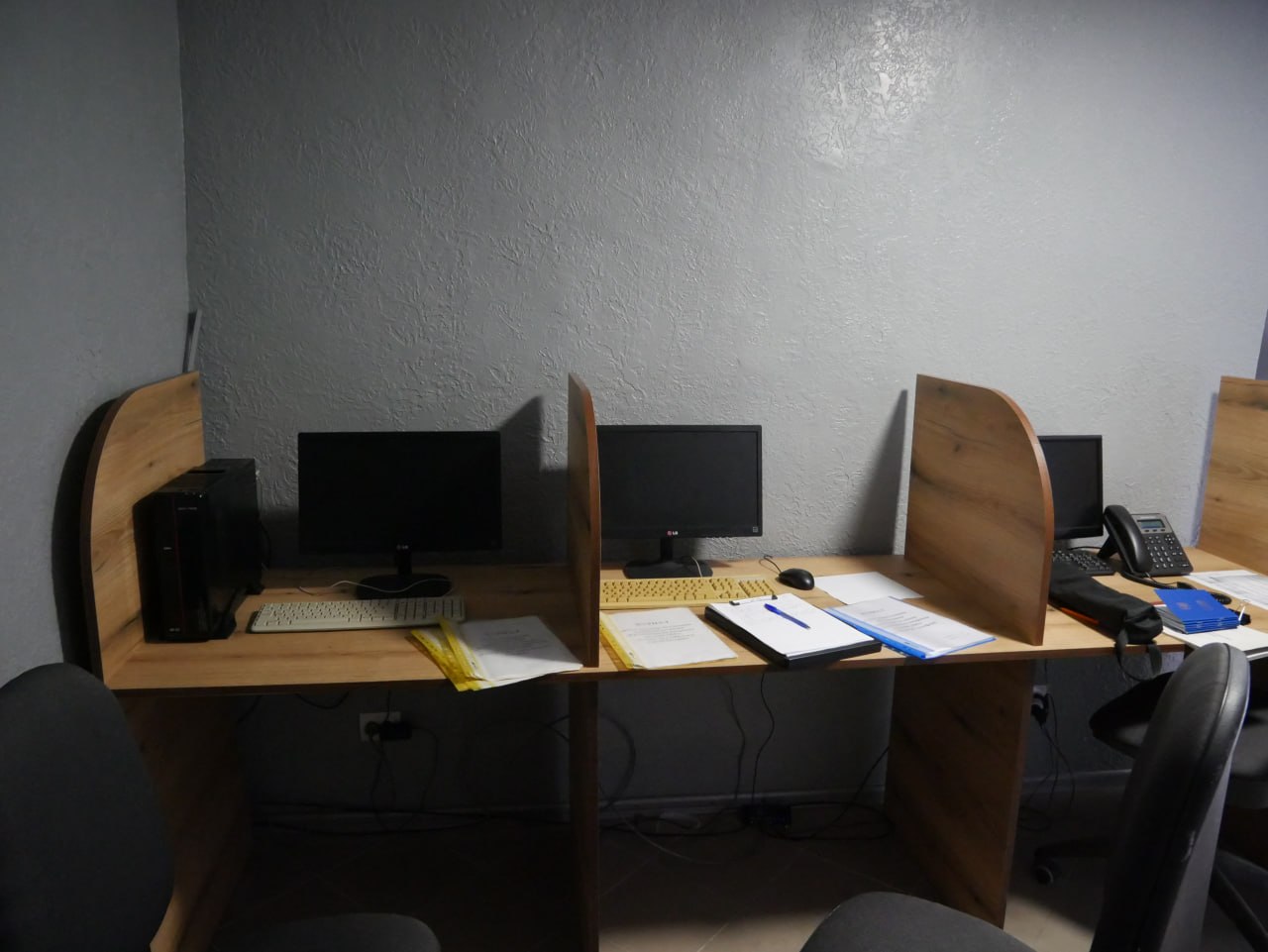
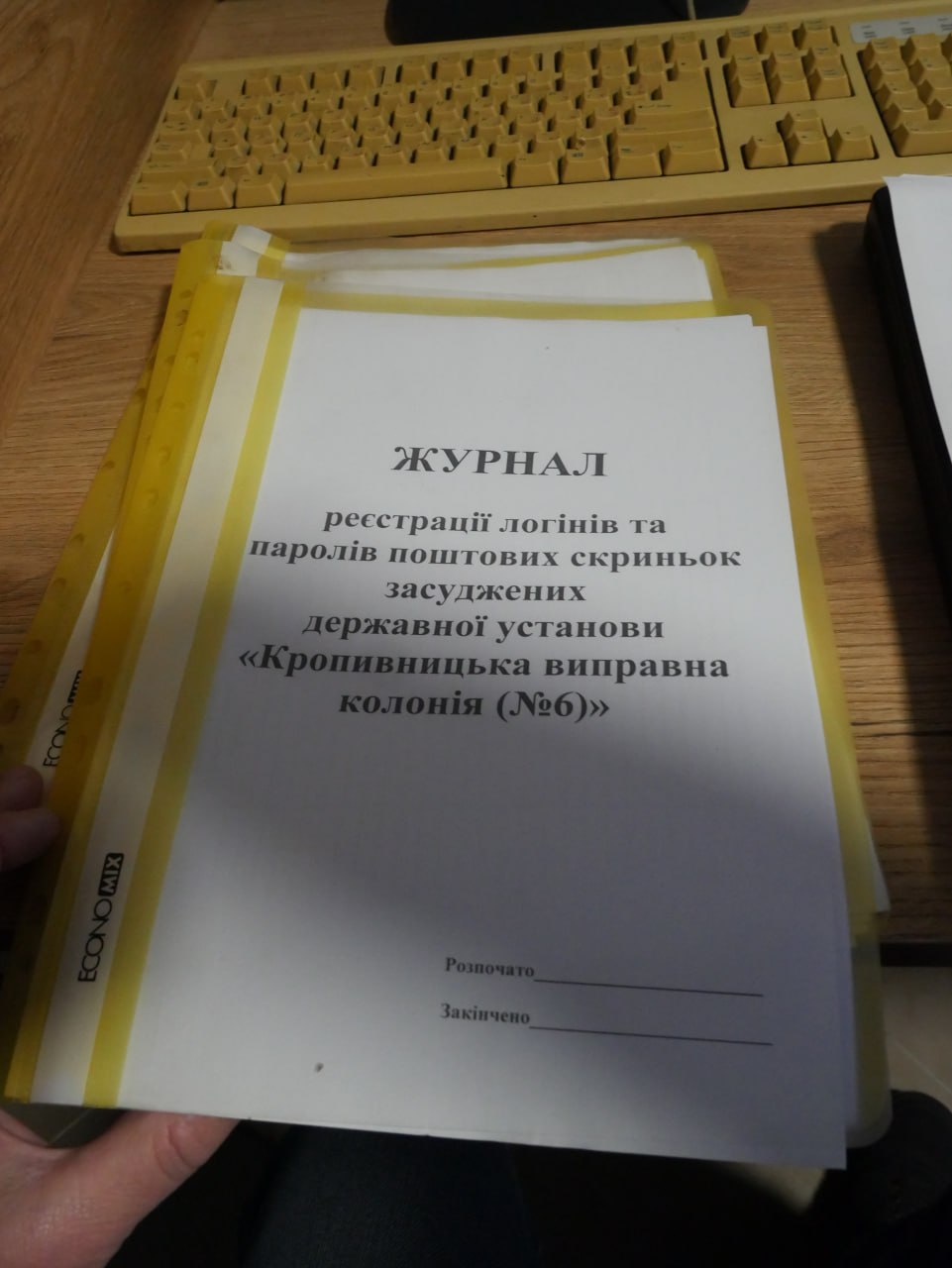
The monitoring group also examined the official documentation maintained regarding the functioning of the internet classroom. Specifically, there are no entries in the register of convicts’ email login credentials, which indicates that convicts do not actually use email and that there is a lack of proper organisation of access to relevant services. Similarly, the logbook of video calls is not actually maintained, and there are no entries in it, which indicates that the possibility of convicts using video communication and other forms of remote communication is not provided.

In addition, in the logbook of convicts’ access to the Internet, the last entry is dated 8 November 2025, after which any information about convicts’ use of the Internet is absent. This indicates a prolonged de facto suspension of the internet classroom’s work or the absence of real access of convicts to the corresponding services.
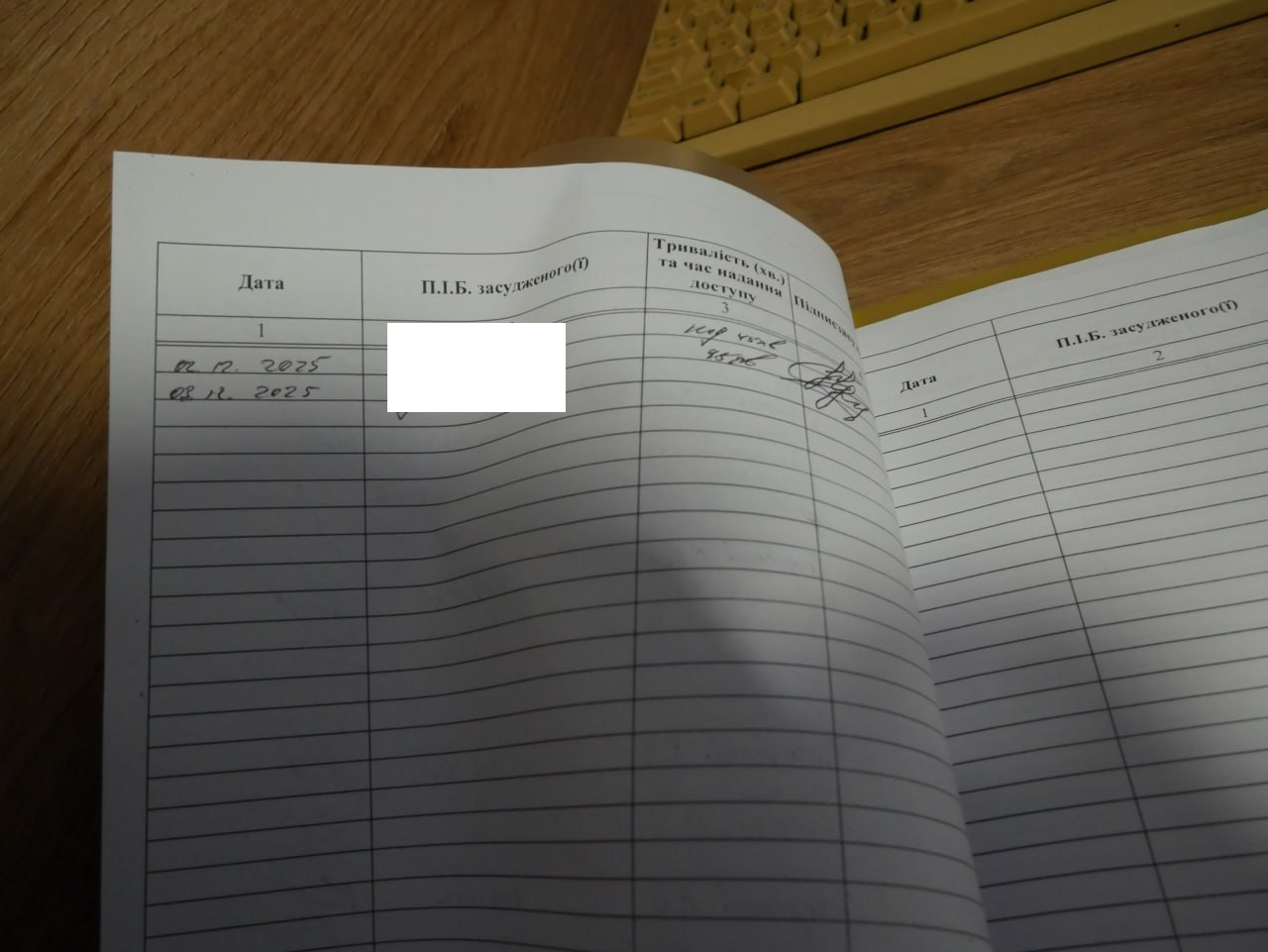
The established circumstances indicate that the institution’s administration has created only formal conditions for the functioning of the internet classroom without actually ensuring the realisation of the convicts’ right to access information and electronic means of communication. Such an approach shows signs of mimicking compliance with legislative requirements and creating the appearance of the service's functioning without its actual use. The failure to properly provide access to the Internet negatively affects the maintenance of convicts’ social ties, the possibility of communication with relatives, obtaining information, preparing procedural documents, and appealing to state authorities and human rights institutions, and also contradicts modern approaches to the resocialisation of persons deprived of their liberty.
This does not comply with the provisions of the Penitentiary Code of Ukraine, the Internal Regulations of Correctional Institutions, the European Prison Rules, as well as the principles of ensuring the right to information and maintaining social ties of persons in places of deprivation of liberty.
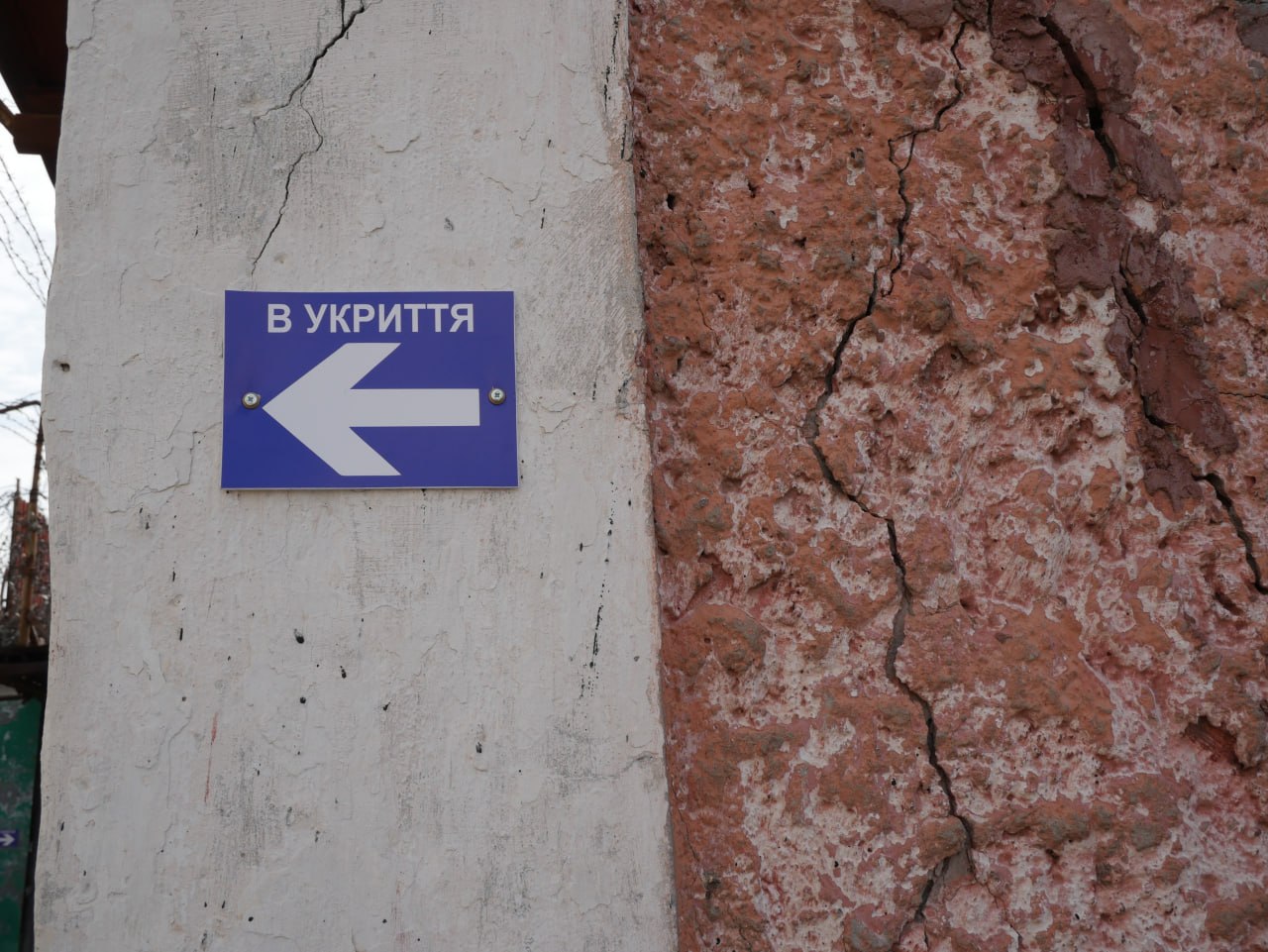
32. During the monitoring visit to KCC-6, it was established that the production premises of the wire product manufacturing section are used as a shelter for convicts and staff, which de facto do not meet the minimum safety requirements, sanitary norms, and requirements for the civil protection of the population. Direction signs to the shelter are placed on the territory of the institution, but in fact, a semi-ruined industrial building showing signs of an emergency technical state is used as this ‘shelter’. During the inspection, the presence of significant cracks in the support structures and walls, partial destruction of plaster and brickwork, an uneven and damaged floor, traces of long-term destruction of the building, and the absence of any equipment for people to stay during an air raid alert were established. The room itself is simultaneously used as a production zone for manufacturing wire products, which precludes its safe use as a civil protection facility.
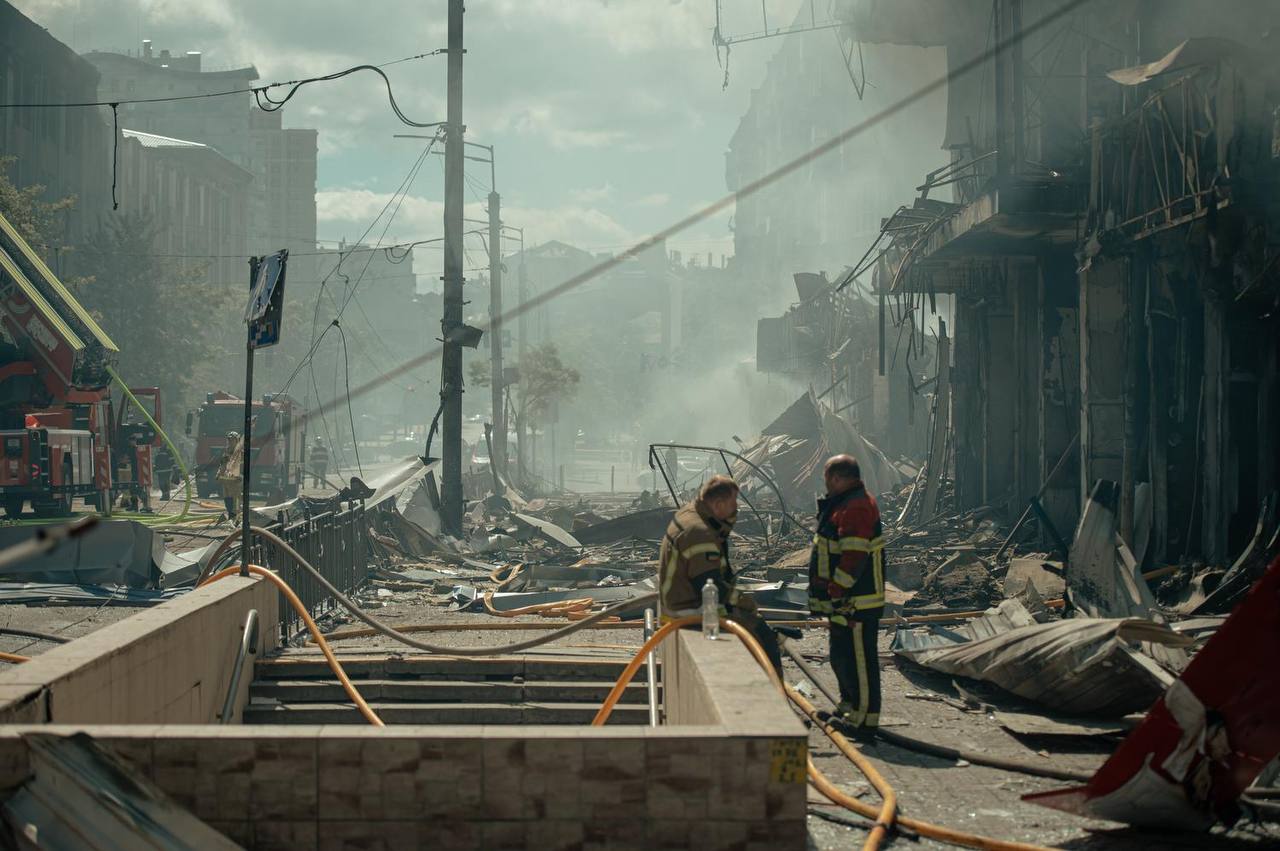
Sewerage, sanitary facilities, sources of drinking water, and hygiene facilities are absent in the room. No ventilation systems or proper air exchange are installed either, which under conditions of a significant number of people staying there during prolonged air raid alerts poses a real threat to the health and safety of convicts and staff. De facto, the premises are not adapted for a long-term stay of people, especially in conditions of smoke, power outages, or an emergency.
Furthermore, the industrial use of the room itself indicates the presence of additional risks. Work on manufacturing metal and wire products is carried out in the section, which involves storing materials, metal structures, tools, and equipment. Under such conditions, the stay of people in the room during an air raid alert carries risks of injury, including due to the possible fall of structures, debris, production equipment, or materials.
The established circumstances indicate that the institution’s administration formally designated the production premises as a shelter without bringing it into compliance with the requirements of legislation in the field of civil protection. In fact, the shelter does not provide either adequate protection against hazardous factors of a military nature, or the basic conditions for the safe stay of people.
Such circumstances may indicate a violation of the requirements of the Civil Protection Code of Ukraine, State Building Codes of Ukraine DBN V.2.2-5:2023 ‘Civil Protection Shelters’, the Fire Safety Rules in Ukraine, as well as Article 3 of the Convention for the Protection of Human Rights and Fundamental Freedoms regarding the state’s obligation to ensure safe and appropriate conditions of detention for persons under the full control of the state. Under martial law, the inadequate technical condition of the shelter poses a real threat to the life and health of convicts and the institution’s staff.
33. During the analysis of documents obtained in the institution, as well as information recorded directly during the monitoring visit, the existence of a systemic practice of using convicts’ labour with signs of disguised employment relations, unpaid work, and the formal documentation of certain categories of work was established. The provided fixed-term employment contracts, timesheets, briefing logs, medical books, medical examination logs, work deployment orders, and production documents show that the actual volume of convicts’ labour significantly exceeds the officially registered paid employment.
Several areas of convicts’ labour function in the institution: a sewing section, the manufacture of fishing nets and wire products, work in the canteen and the catering unit, clothes repair, facility maintenance, bathhouse maintenance, work in the boiler room, the laundry, and other auxiliary work. At the same time, the organisation of these processes itself indicates a fully-fledged productive and economic activity with a clear division of functions, schedules, timesheets, briefings, and control by the administration. This disproves any possibility of interpreting such work as episodic self-service or short-term involvement within the scope of part five of Article 118 of the PEC of Ukraine.
Particularly indicative is the situation in the sewing section. An equipped production premises with industrial sewing machines, organised workstations, fabrics, threads, and finished products was recorded. The very nature of the premises and the available equipment indicates a systematic production process. At the same time, it was established that convict S. has been working for about two years without an employment contract and even without a passport. Meanwhile, he actually performs production work in the sewing room. The presence of regular work, undergoing briefings, and the use of his labour by the administration testify to the existence of de facto employment relations, regardless of whether they are executed in writing. The absence of a passport cannot be grounds for the indefinite use of a person's labour without any social guarantees, as the institution's administration, knowing this fact, continues to use the convict's labour in the production process.
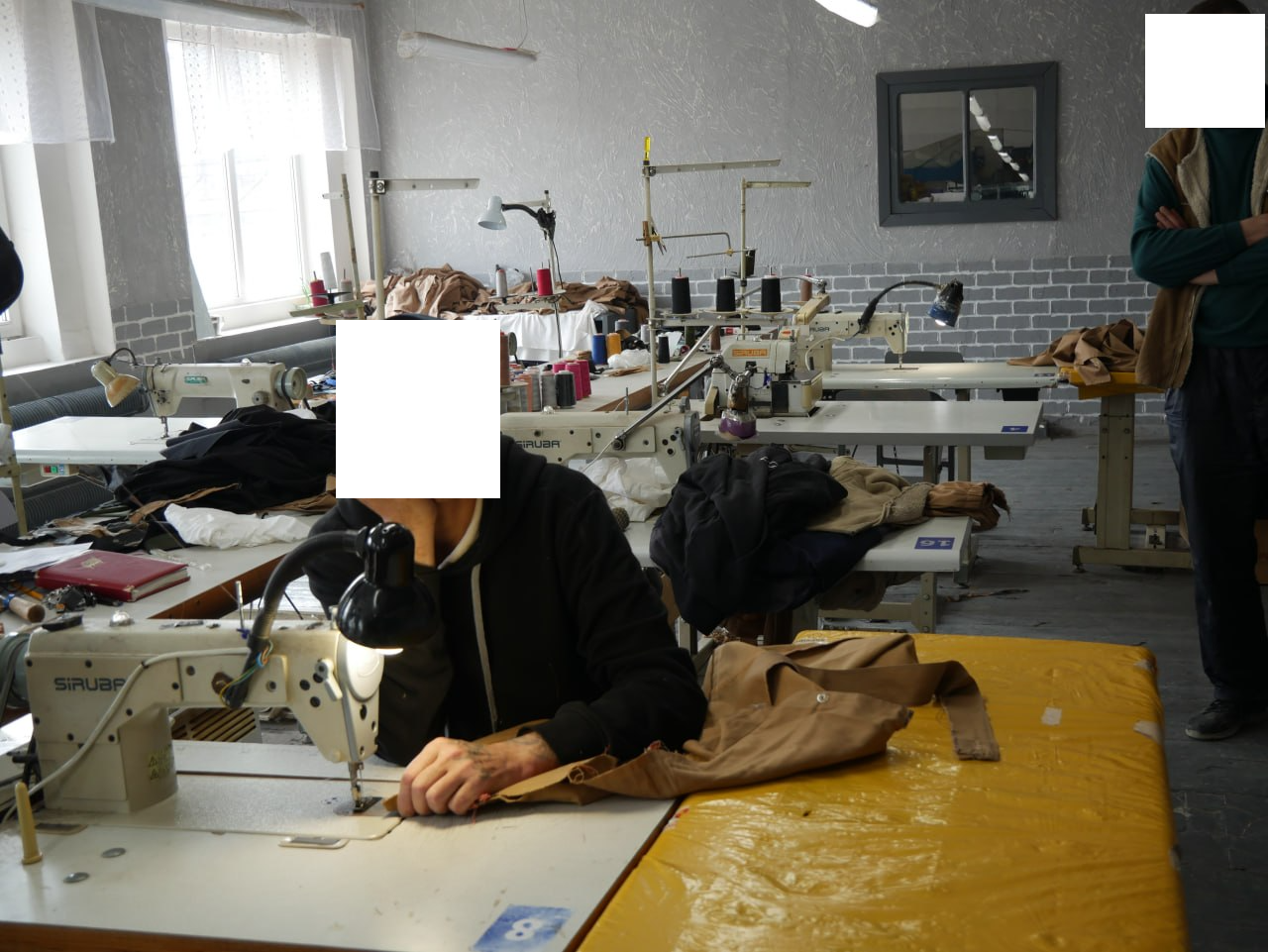
Separately, it was established that two convicts constantly carry out clothes repair full-time without remuneration. Meanwhile, they undergo safety and occupational health briefings, which confirms the administration's official awareness of the hazardous and industrial nature of such work. The very fact of conducting briefings is proof that the administration views these individuals as workers in a production process, rather than as persons who occasionally engage in self-service.
An analysis of documents regarding the manufacture of fishing nets, floats, sinkers, and wire products indicates the functioning of a separate organised production in the institution, which is carried out on the basis of civil law contracts. The contracts, work orders, timesheets, production records, and technological documentation provided by the administration confirm the systematic involvement of convicts in manufacturing products for a third-party counterparty — Sole Proprietor L. The documents feature convicts A., A., B., B., V., V., H., K., K., L., M., Ch., Ch., Ya., and other convicts. The timesheets contain specific hours of work, tracking of output, and convicts' signatures, indicating the continuous and systematic nature of the production activity.

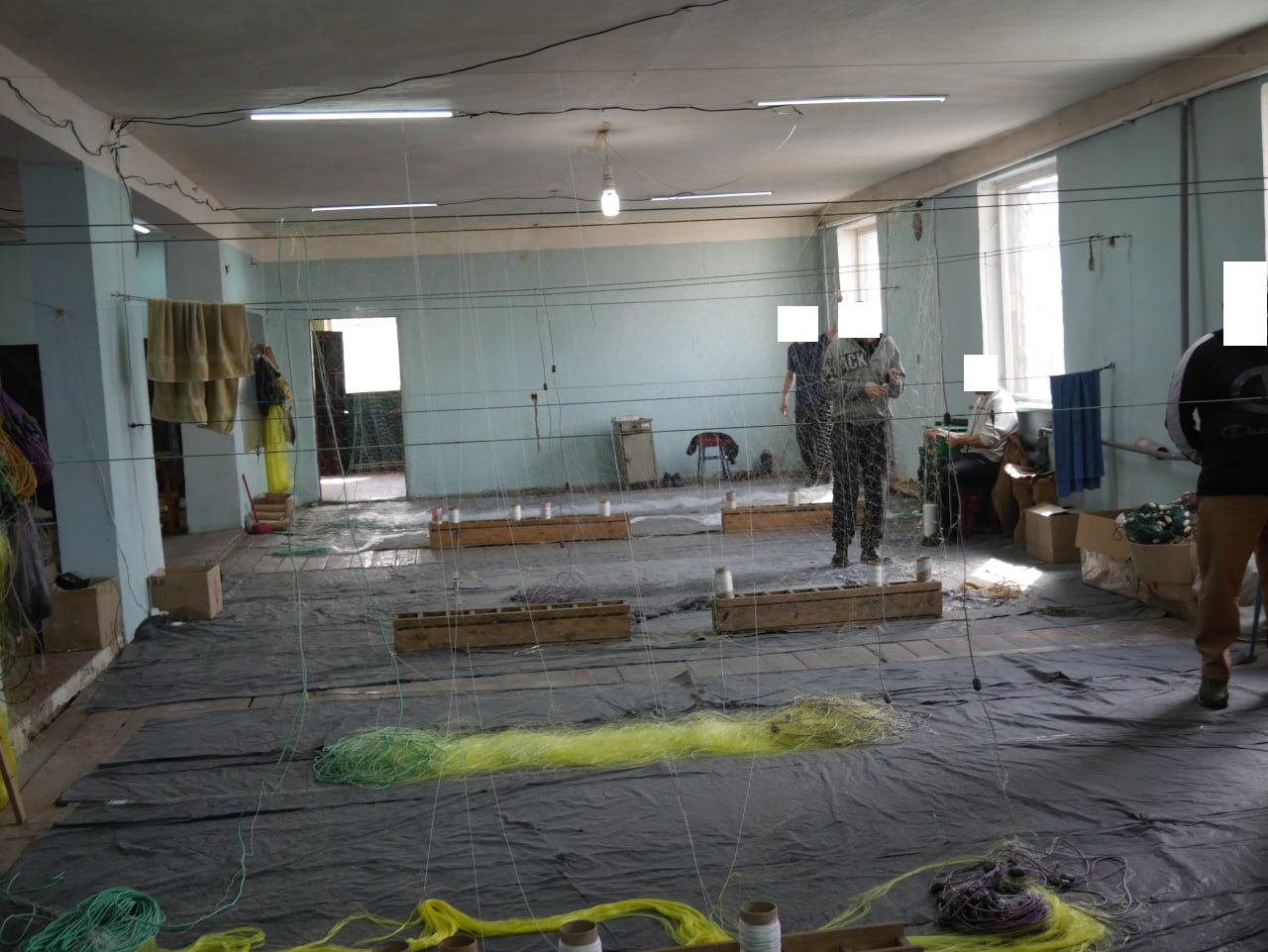
At the same time, the nature of labour organisation indicates the presence of signs of precisely employment, rather than civil law, relations. Convicts work in designated production premises within an organised production process, undergo occupational safety briefings, are subordinate to the institution's administration, and de facto perform continuous production functions. In addition, the work is not one-off but systematic, with collective organisation of labour, tracking of working hours, and production norms. Under such conditions, the use of civil law contracts may indicate the substitution of employment relations with civil law agreements for the purpose of simplifying the registration of convicts’ labour and minimising labour and social guarantees.
Particularly problematic is the situation in the catering unit. The provided documents and explanations indicate the de facto functioning of constant shifts of convicts who daily ensure the operation of the canteen, but proper employment registration and remuneration are not confirmed for all individuals. Convict V., according to the information provided, works from 6:00 to 20:00 daily without days off. Such working hours significantly exceed the working hours regulations established by legislation and testify to the actual use of the person’s labour in the mode of continuous industrial employment. Meanwhile, in the briefing log, he is listed as a baker, although he actually works as a dishwasher. Such a discrepancy between the actual work performed and the documentation indicates the formal nature of personnel documentation and an attempt to hide the actual working conditions.
Additionally, it was established that in the medical book of V., the last entry is dated 28 May 2025, although he actually continues to work in the catering unit in 2026. At the same time, his surname is entirely absent from the medical examination logbook. This indicates the admission of a person to work with food products without an up-to-date medical examination, which creates direct risks of violating sanitary requirements and food safety.
Convict M., according to the information provided, performs a wide range of tasks in the canteen: heating the stove, frying fish, and ensuring other production processes. His surname is present in the medical examination logs as a person working in the catering unit, but confirmation of the proper registration and remuneration of his labour is missing. Likewise, the last entry in his medical book is dated 28 May 2025, although he continues to work in 2026. Thus, the administration de facto admits persons to work in the catering unit without proper medical control and without confirmation of labour guarantees.
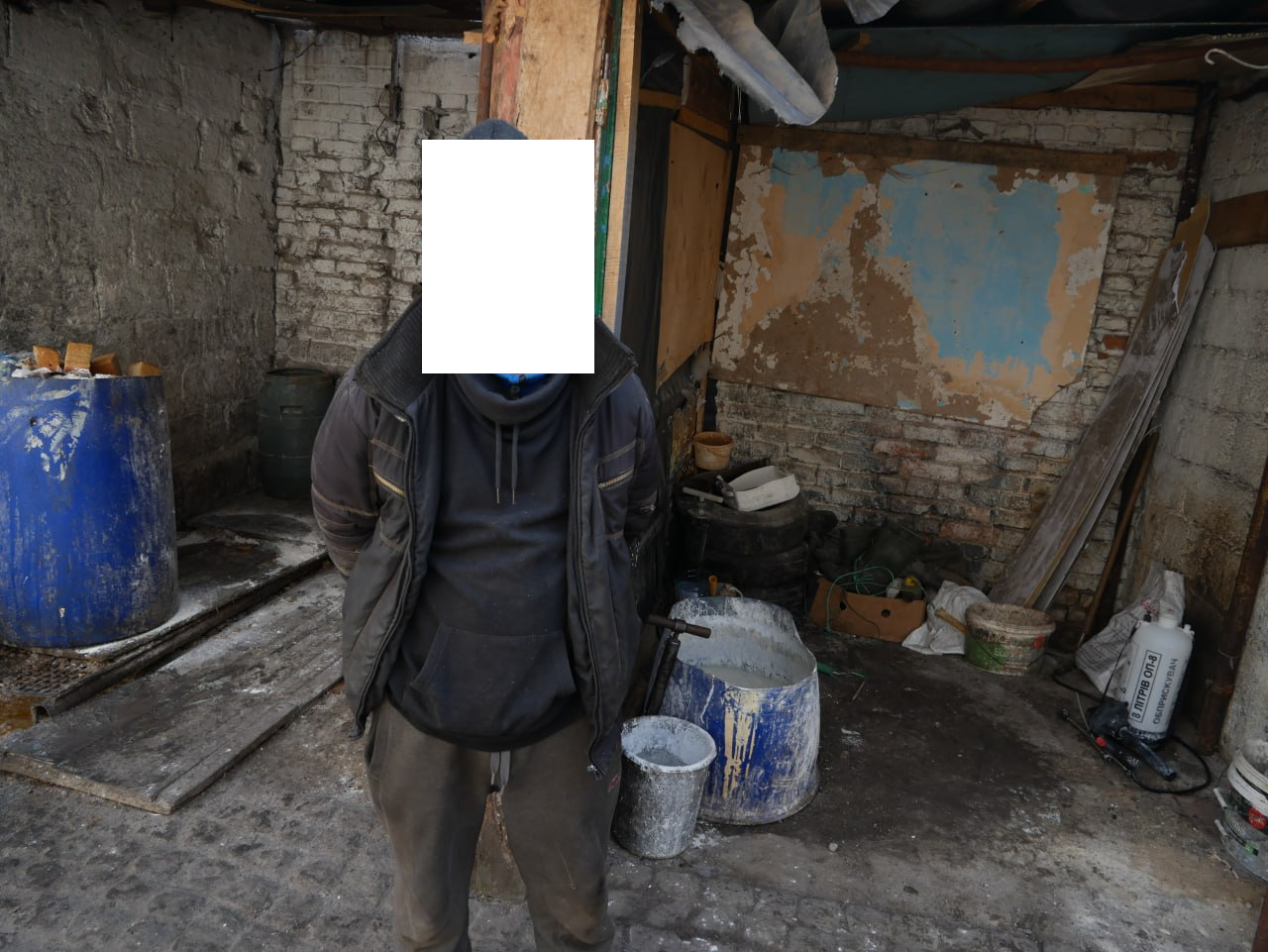
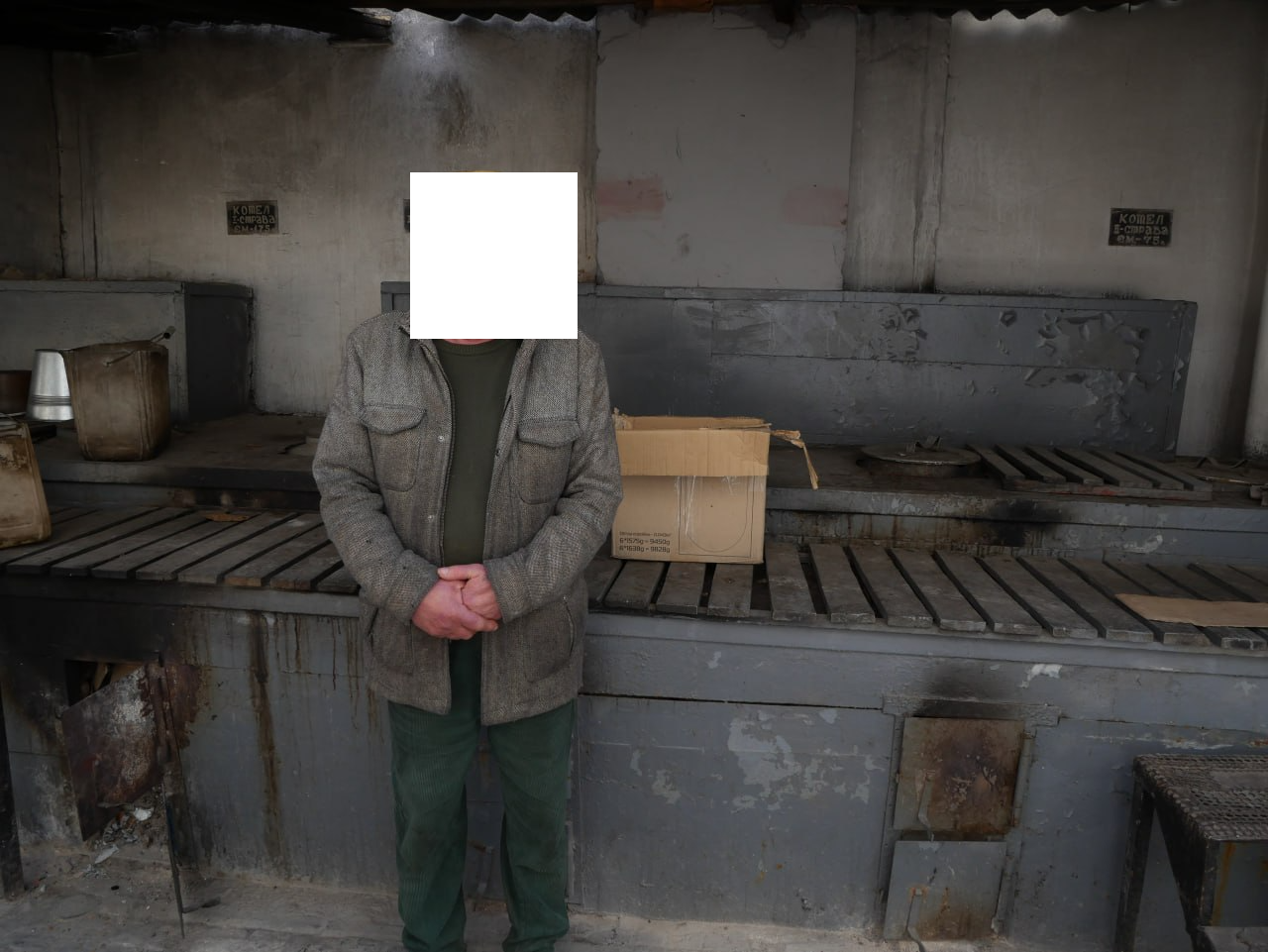
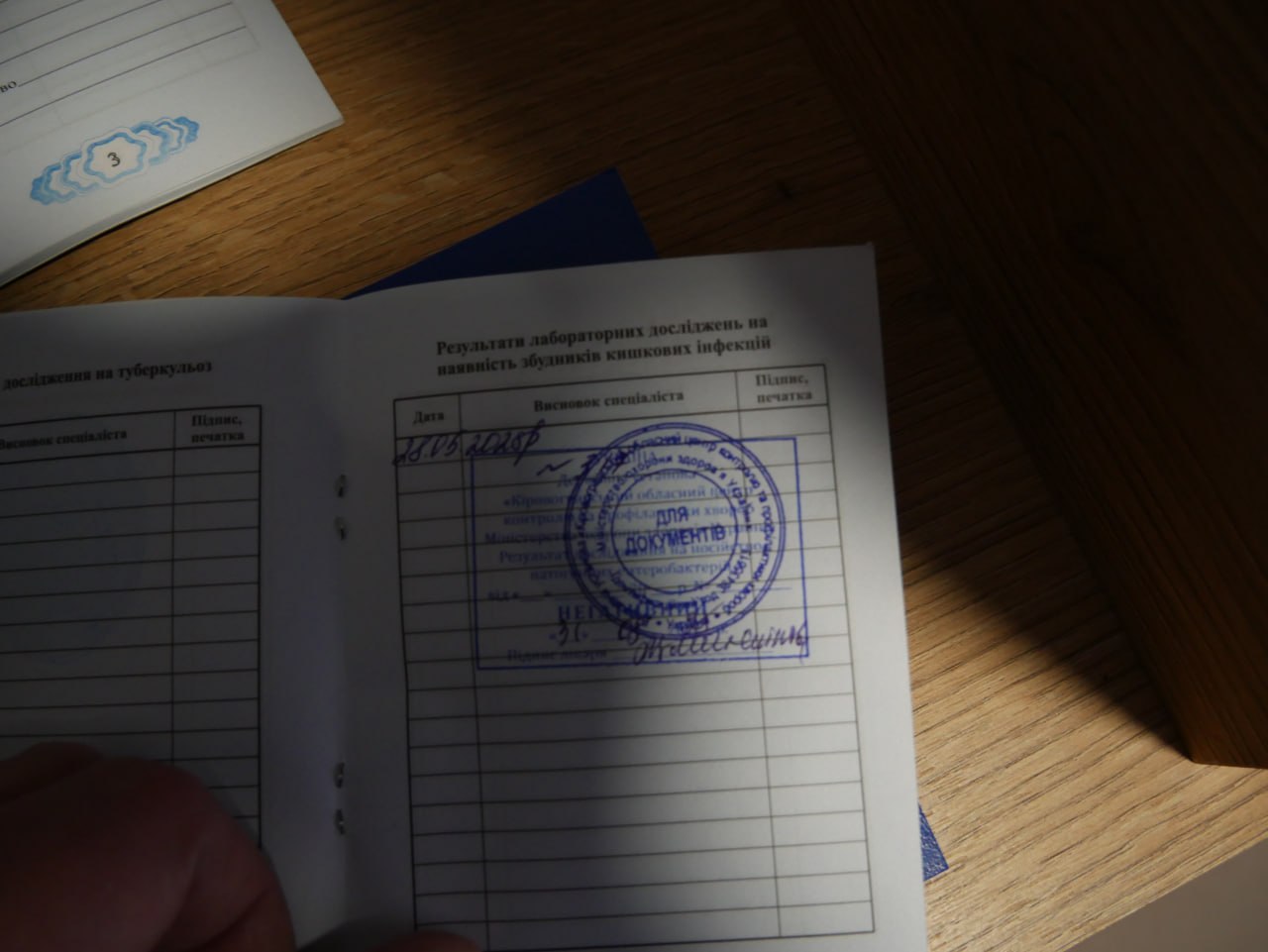
The medical examination logbook of the canteen workers is generally kept pro forma. During the visit, it was established that for 2 April 2026, the doctor’s signature on conducting the examination was already present, although the monitoring visit took place on 1 April 2026. This indicates the possible beforehand entry of records or the absence of actual medical control. The same individuals — O., B., M., B., Ch. — systematically appear in the logbook, confirming their continuous use in the catering unit's work. At the same time, some of the actually working persons, in particular V., are not properly reflected in the logbook.
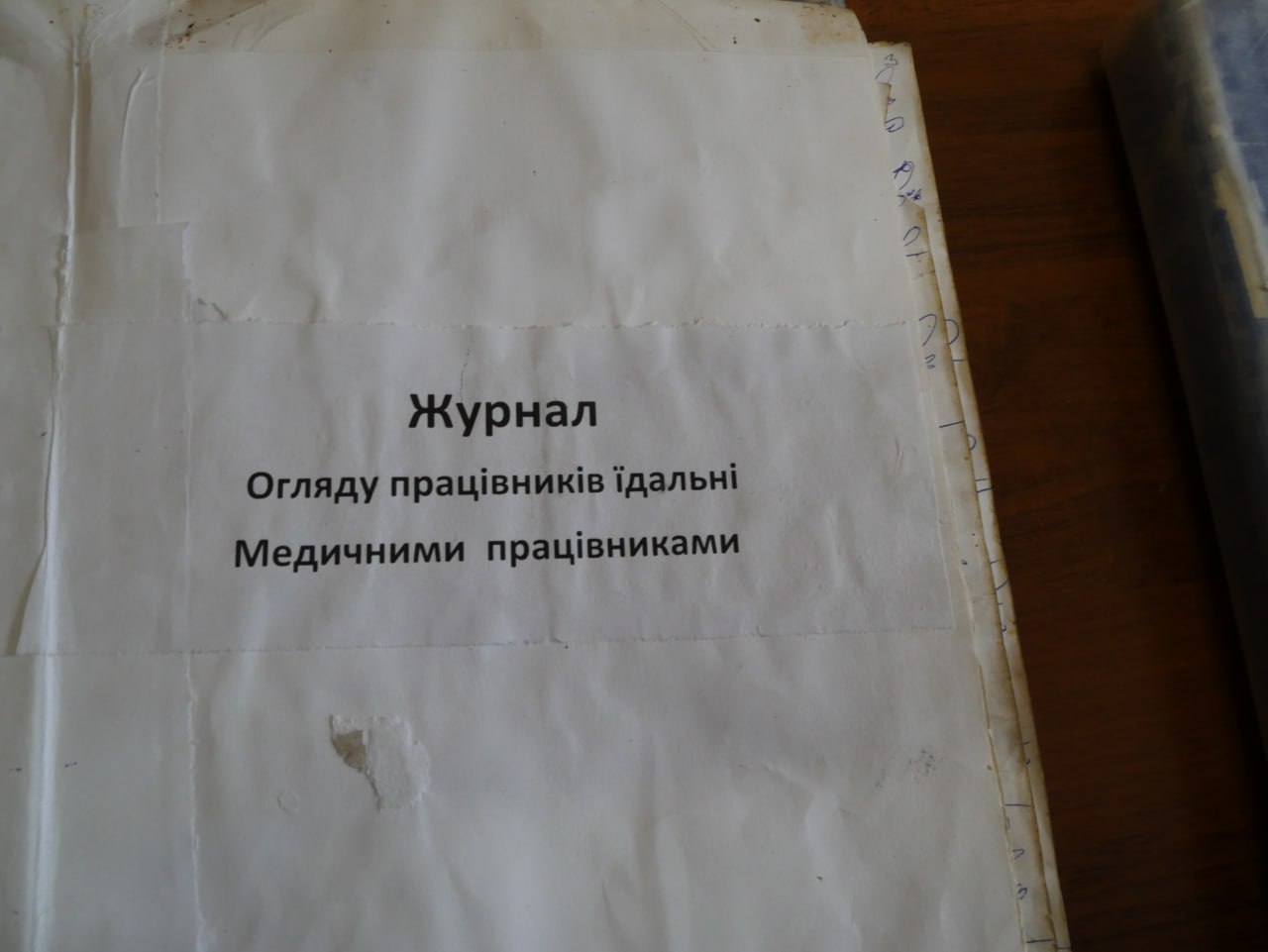
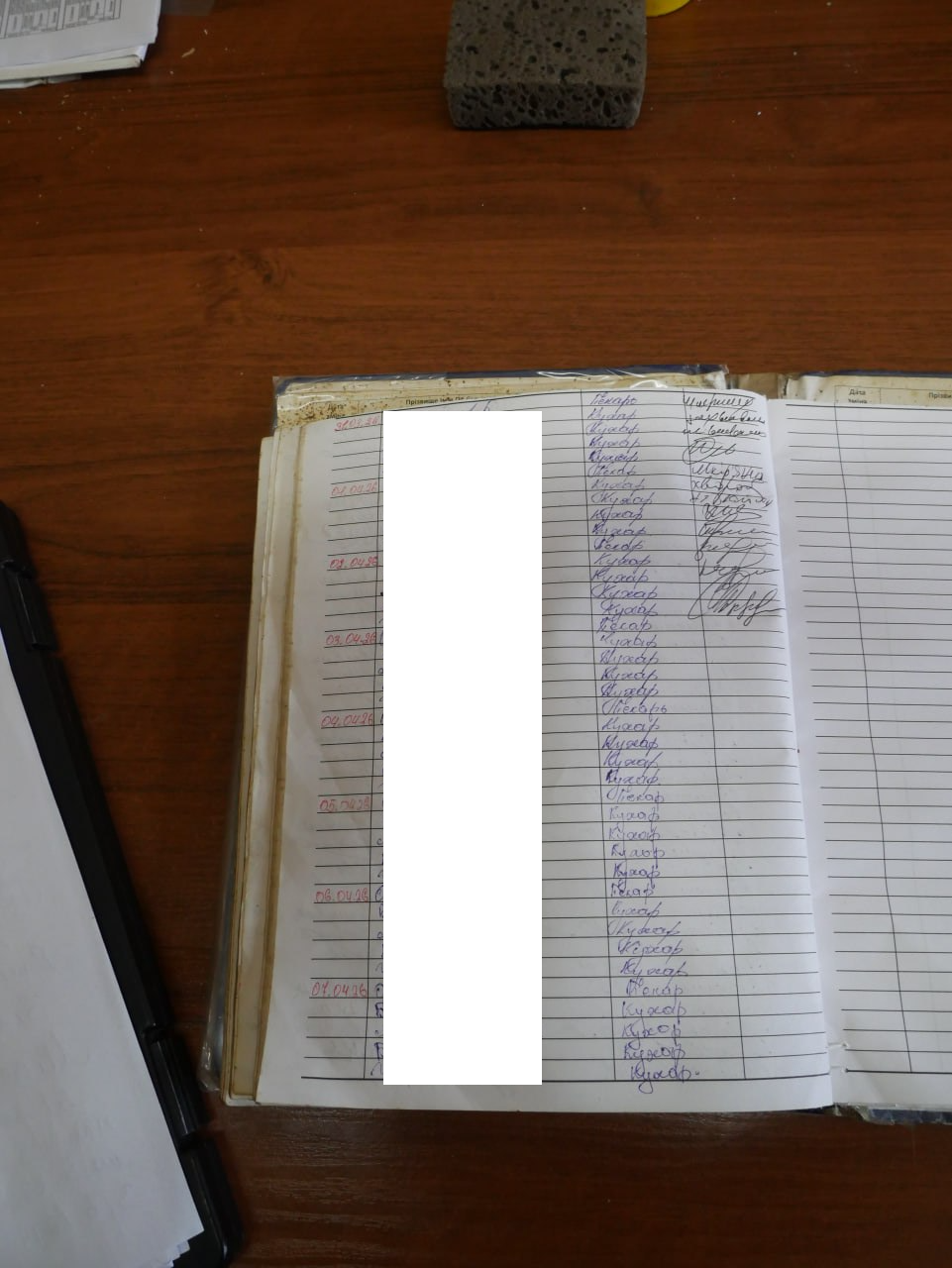
Separately, it was established that, according to the food preparation quality logbook, at least three individuals work daily without any days off. Furthermore, other convicts are involved in work under the guise of so-called ‘non-formal education’. This mechanism is used by the administration to circumvent the requirements of labour legislation and to conceal actual employment relations. If individuals perform permanent functions in the canteen's production process, regardless of the term used for their involvement, their work must be remunerated, and the employment relations must be properly registered.
Additionally, it was established that, according to the hourly check logbook, at least two convicts work the night shift. However, the provided documents contain no confirmation of increased remuneration for night hours or any special record-keeping of such work. This may indicate a violation of legislative norms regarding night work and the concealment of the actual duration of the working day.
Particular attention should be paid to the application of part five of Article 118 of the PEC of Ukraine. Convict Sh. works in accordance with this provision without remuneration. However, the nature of his work requires a separate evaluation. If a person systematically performs functions necessary for the continuous operation of the institution, such labour cannot be used indefinitely as unpaid work. Part five of Article 118 of the PEC of Ukraine does not provide for the possibility of substituting fully-fledged employment relations with the indefinite, unpaid use of convicts’ labour.
Furthermore, convict B. has been working for over a year without receiving a salary. The very fact of such a prolonged use of labour without remuneration shows signs of forced unpaid labour. If a person systematically performs work according to a defined schedule and in the interests of the institution, the lack of payment directly contradicts both national legislation and international standards.
An analysis of the provided documents also indicates the selective nature of salary calculations and single social contribution (ESV) payments. Payment instructions confirm that for a portion of the convicts, the ESV is indeed calculated and paid. However, this applies only to certain officially registered individuals. For a significant number of actually working convicts, there is no confirmation of salary calculation or ESV payment. Thus, the institution de facto uses a mixed model: some convicts are registered officially to create the appearance of legality, while another portion performs similar work without proper registration and social guarantees.
The established facts indicate a possible violation of Article 43 of the Constitution of Ukraine, Article 118 of the PEC of Ukraine, Articles 21, 24, 50, 52, 67, 94, and 95 of the Labour Code of Ukraine, the Law of Ukraine ‘On Remuneration of Labour’, legislation on the ESV, legislation on occupational health and safety, and sanitary legislation. In addition, the identified practices show signs of non-compliance with ILO Convention No. 29 on Forced Labour, the European Prison Rules, and the United Nations Standard Minimum Rules for the Treatment of Prisoners (the Nelson Mandela Rules).
Overall, the analysis of documents and materials indicates that the labour of convicts in KCC-6 is used as a systemic resource to support the economic activities of the institution, yet without the proper provision of minimum labour guarantees, transparent registration of employment relations, appropriate remuneration, compliance with working hours regulations, medical control, and social insurance for a significant portion of the working convicts.
Medical Unit No. 6 of the Branch of the State Institution ‘Center for Healthcare of the State Penitentiary Service of Ukraine’ in Cherkasy and Kirovohrad Oblasts
The head of Medical Unit No. 6 — a doctor of the branch of the State Institution ‘Center for Healthcare of the State Penitentiary Service of Ukraine’ in Cherkasy and Kirovohrad Oblasts (hereinafter referred to as the medical unit) — is Oleh Yaroslavovych Mota.
At the time of the visit, the following post remains vacant: clinical psychologist — 0.5 of a post.
Twelve people were receiving inpatient treatment.
During the monitoring visit, the monitoring group carried out a review of medical documentation, inspected the premises of the medical unit, and conducted individual interviews (surveys) with convicts, as a result of which shortcomings were identified in the organisation of medical care, leading to violations of the rights of the specified persons:
1. In violation of the requirements of point 9 of the Rules for the Application of Physical Restraint and (or) Isolation in the Provision of Psychiatric Care to Persons Suffering from Mental Disorders, approved by Order of the Ministry of Health of Ukraine No. 240 dated 24 March 2016, registered with the Ministry of Justice of Ukraine on 15 April 2016 under No. 570/28700, as well as paragraph 8.3.4 of the State Building Codes of Ukraine V.2.2-10:2022 ‘Healthcare Facilities’, the isolation ward for persons with mental disorders does not meet established regulatory requirements.
In particular, the room is designed to accommodate more than one person, namely 2 people, which contradicts the purpose and essence of isolation.
The area of the room is less than 7 m²; it is not equipped with windows, which makes access to natural light and the flow of fresh air impossible.
A washbasin and toilet are absent in the room, which deprives individuals of the opportunity for unhindered access to sanitary and hygienic conditions; no drinking water containers have been set up; and mechanical supply and exhaust ventilation is absent.
Such conditions do not comply with Rules 13, 14, 15, and 22.2 of the United Nations Standard Minimum Rules for the Treatment of Prisoners (the Nelson Mandela Rules).
Taken together, these conditions make the safe and dignified stay of a person in isolation impossible, pose risks to life and health, and are incompatible with the principles of humane treatment.
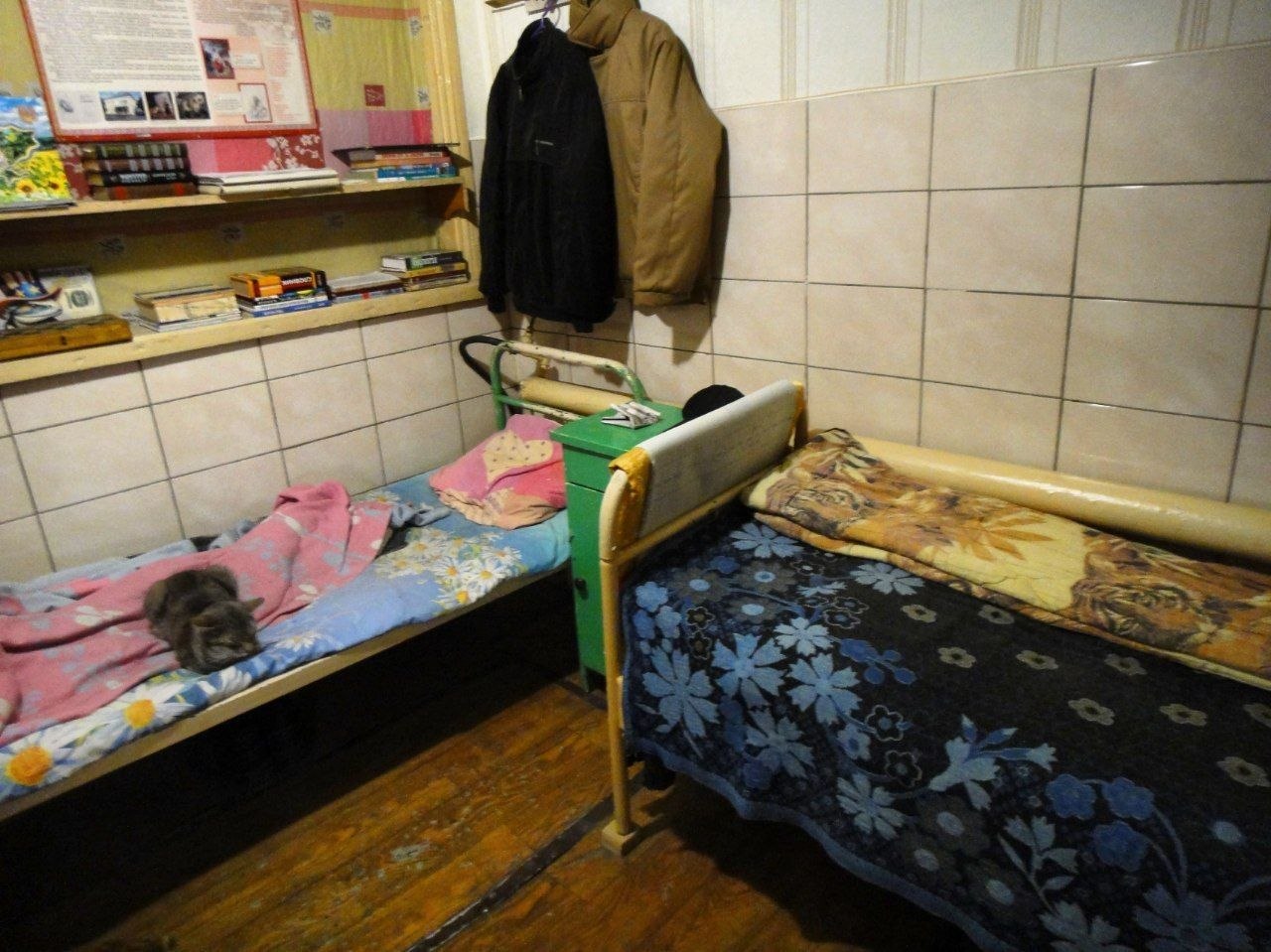
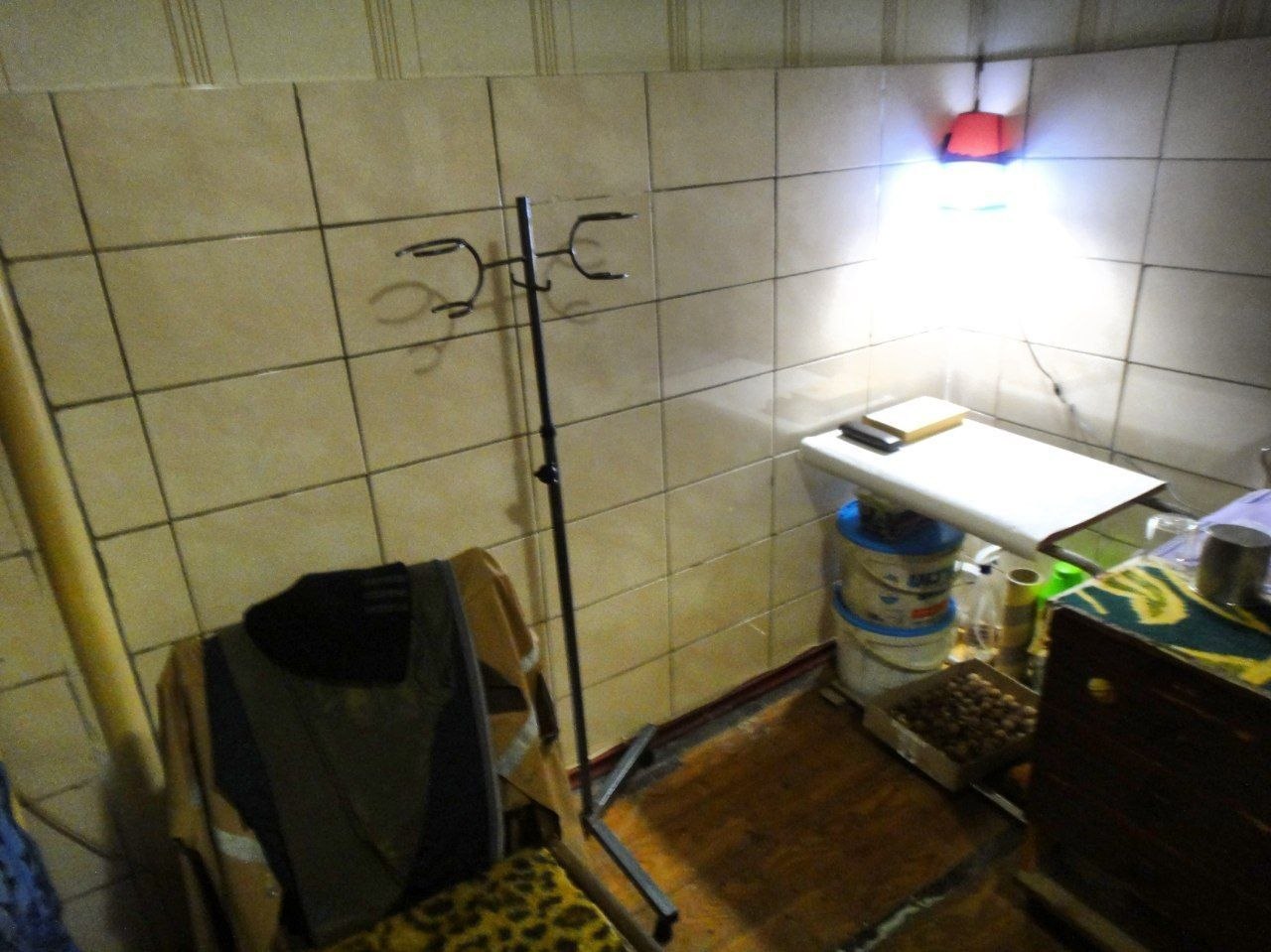
2. The monitoring group established that the psychiatrist conducts psychiatric examinations of patients without proper documentation of written informed consent. In particular, contrary to the requirements of the Instructions for completing the primary record form No. 003-7/o ‘Informed Consent of a Person to Psychiatric Examination’, approved by Order of the Ministry of Health of Ukraine No. 970 dated 15 September 2016, it was established that in the medical records, specifically in the outpatient medical card (Form No. 025/o) and the inpatient medical card (Form No. 003/o), a signed informed consent to a psychiatric examination is absent.
3. In the medical unit, opioid substitution therapy (hereinafter referred to as OST) for persons with mental and behavioural disorders due to opioid use is not organised in accordance with the Procedure for Opioid Substitution Therapy for Persons with Mental and Behavioural Disorders Due to Opioid Use, approved by Order of the Ministry of Health of Ukraine No. 200 dated 27 March 2012.
Drug-dependent persons are not provided with socio-psychological support, cognitive behavioural therapy (CBT), relapse prevention, motivational interviewing, mutual aid groups, etc.
Thus, the specified individuals are deprived of the opportunity to receive OST, which violates their right to choose methods of treatment in accordance with Article 38 of the Law of Ukraine ‘Fundamentals of the Legislation of Ukraine on Healthcare’.
At the same time, in its report on the results of the visit to Ukraine in 2023, the CPT notes that admission to a penitentiary institution is an opportunity to resolve a drug-related problem, and therefore it is important that appropriate assistance is offered to all interested parties, meaning that appropriate healthcare must be available in all institutions. The assistance offered to such individuals should be diverse; substitution therapy programmes for persons with drug addiction should be combined with genuine psychosocial and educational programmes for persons with opioid dependence who are unable to stop drug use. In addition, access to OST programmes in institutions should be easily accessible, and they should also be managed by prison doctors who must undergo special training on issues related to drug use (CPT/Inf (2024) 20, paragraph 86).
4. In violation of the requirements of the Instructions for completing the primary record form No. 003-6/o ‘Informed Consent of a Patient to Diagnostics, Treatment, Operation, Anaesthesia, and to the Presence or Participation of Participants in the Educational Process’, approved by Order of the Ministry of Health of Ukraine No. 110 dated 14 February 2012, the lack of signed informed voluntary consent to diagnostics and treatment was established for patients in the medical unit inpatient department. This may indicate the absence of voluntary consent of patients for the application of methods of diagnostics, prevention, and treatment, which is a violation of Article 43 of the Law of Ukraine ‘Fundamentals of the Legislation of Ukraine on Healthcare’ and paragraph 47 of the recommendations of the CPT (CPT/Inf (93) 12-part).
5. In violation of the requirements of paragraph 1 of Chapter 5 of Section II of the Procedure, as well as the tenth paragraph of point 2 of Section XVII of the Internal Regulations of Correctional Institutions, approved by Order of the Ministry of Justice of Ukraine No. 2823/5 dated 28 August 2018 (hereinafter referred to as the IRCI), convicts performing the functions of orderlies are accommodated in the medical unit inpatient department.
6. During the visit, the monitoring group established that upon placing a convict in a disciplinary isolation cell, the practice of attaching a medical certificate is observed, according to the conclusion of which the convict can be held in DIZO/PKT based on their health status. At the same time, the CPT has repeatedly emphasised that the obligation of prison doctors to certify the fitness of convicts to undergo disciplinary punishment is unlikely to promote a positive doctor-patient relationship.
In principle, medical personnel should never participate in any part of the decision-making process to apply any type of solitary confinement, except when this measure is applied for medical reasons. On the other hand, medical staff must be very attentive to the condition of convicts held in solitary confinement. Medical staff must be immediately informed of each such placement and must visit the convict immediately after placement, and then regularly, at least once a day, and provide them with prompt medical assistance and treatment if necessary. Medical staff must notify the institution’s administration if the health of the convict is seriously threatened by solitary confinement (CPT/Inf (2024) 20, paragraph 104).
7. In violation of the requirements of the Measures and Means for the Prevention of Infection during Patient Care, approved by Order of the Ministry of Health of Ukraine No. 1777 dated 3 August 2020, only one isolation room for infectious patients is equipped in the medical unit, which makes the simultaneous placement of persons suffering from dangerous infectious diseases separately from each other and from other convicts impossible.
Furthermore, the isolation room for persons with infectious diseases is not equipped with a toilet and a shower cubicle, which forces infectious patients to use shared sanitary facilities alongside other persons undergoing treatment in the medical unit’s inpatient department. The lack of proper conditions makes effective isolation of patients impossible, promotes the spread of infectious diseases, and poses a threat to the health of both convicts and the institution’s staff.
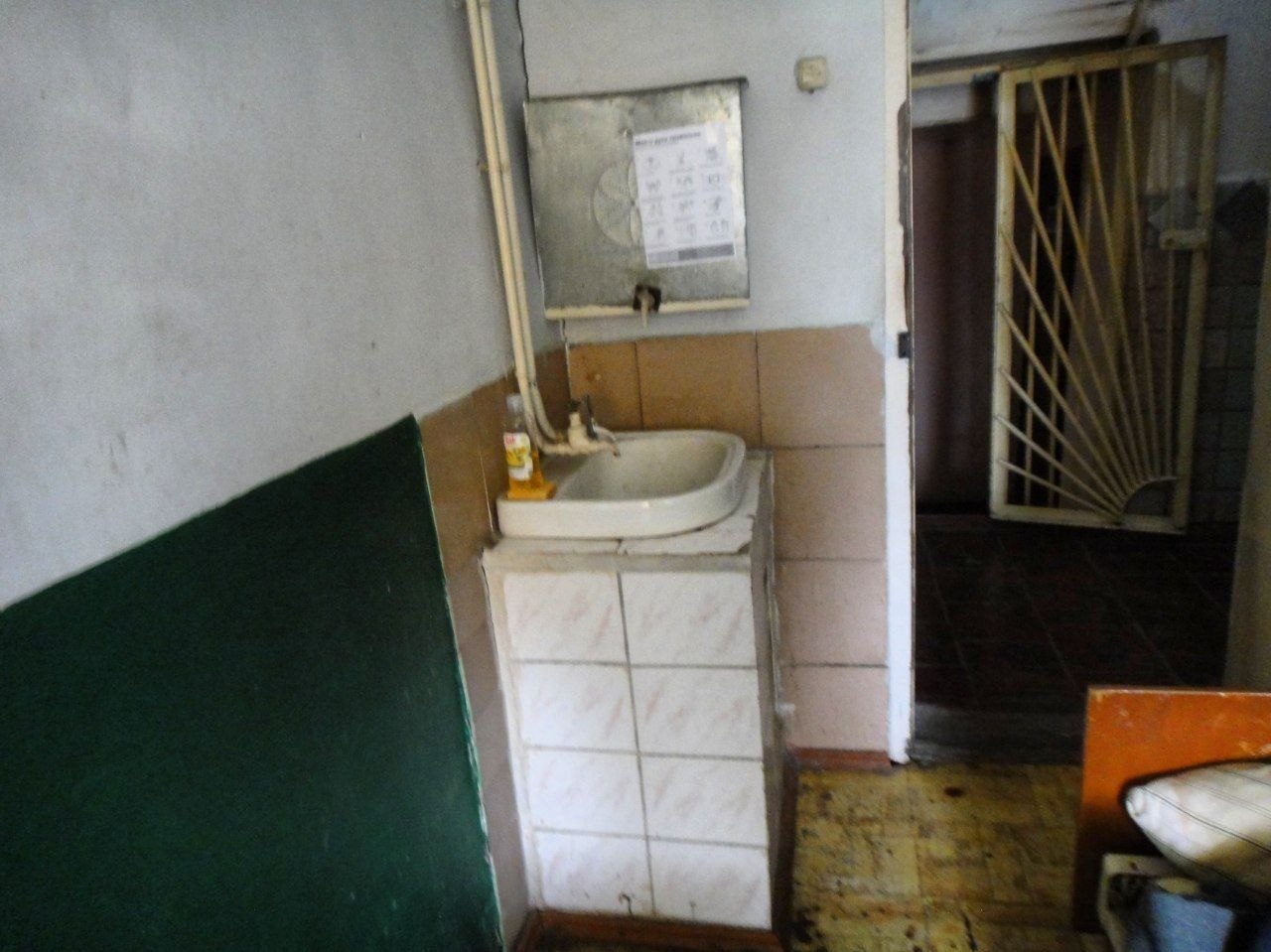
8. In violation of the requirements of part one of Article 115 of the Penitentiary Code of Ukraine, most of the inspected ward premises require renovation work, in particular the installation of new plastic windows, restoration of wall and floor finishes, replacement of sanitary-technical equipment, and update of the electrical network.

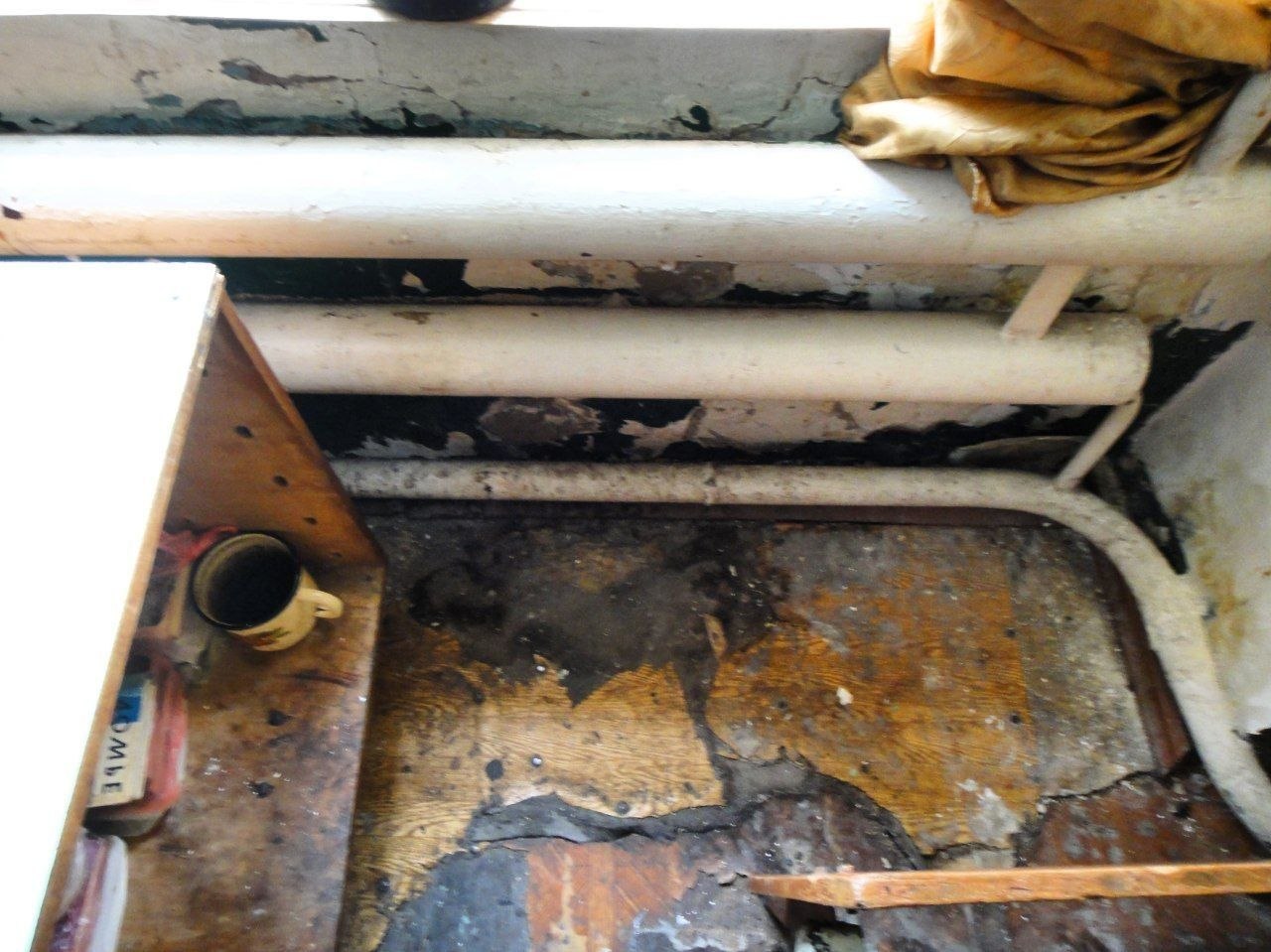
9. Dispensary observation is carried out for 9 persons with disabilities, all of whom have Group III disability. At the same time, in violation of the requirements of the Law of Ukraine ‘On Rehabilitation of Persons with Disabilities in Ukraine’, persons with disabilities do not receive proper diagnostic, treatment, and rehabilitation measures despite the availability of data confirming permanent impairment of body functions caused by diseases or consequences of injuries that result in limitations of normal life activities. Specifically, during the examination of the medical documentation of convicts, it was established that 1 person with a disability lacks an individual rehabilitation programme (hereinafter referred to as the IRP). Furthermore, the IRP recommendations are not implemented, as a result of which she does not receive proper diagnostic, treatment, and rehabilitation measures despite the availability of data confirming permanent impairment of body functions caused by diseases and consequences of injuries that result in limitations of normal life activities.
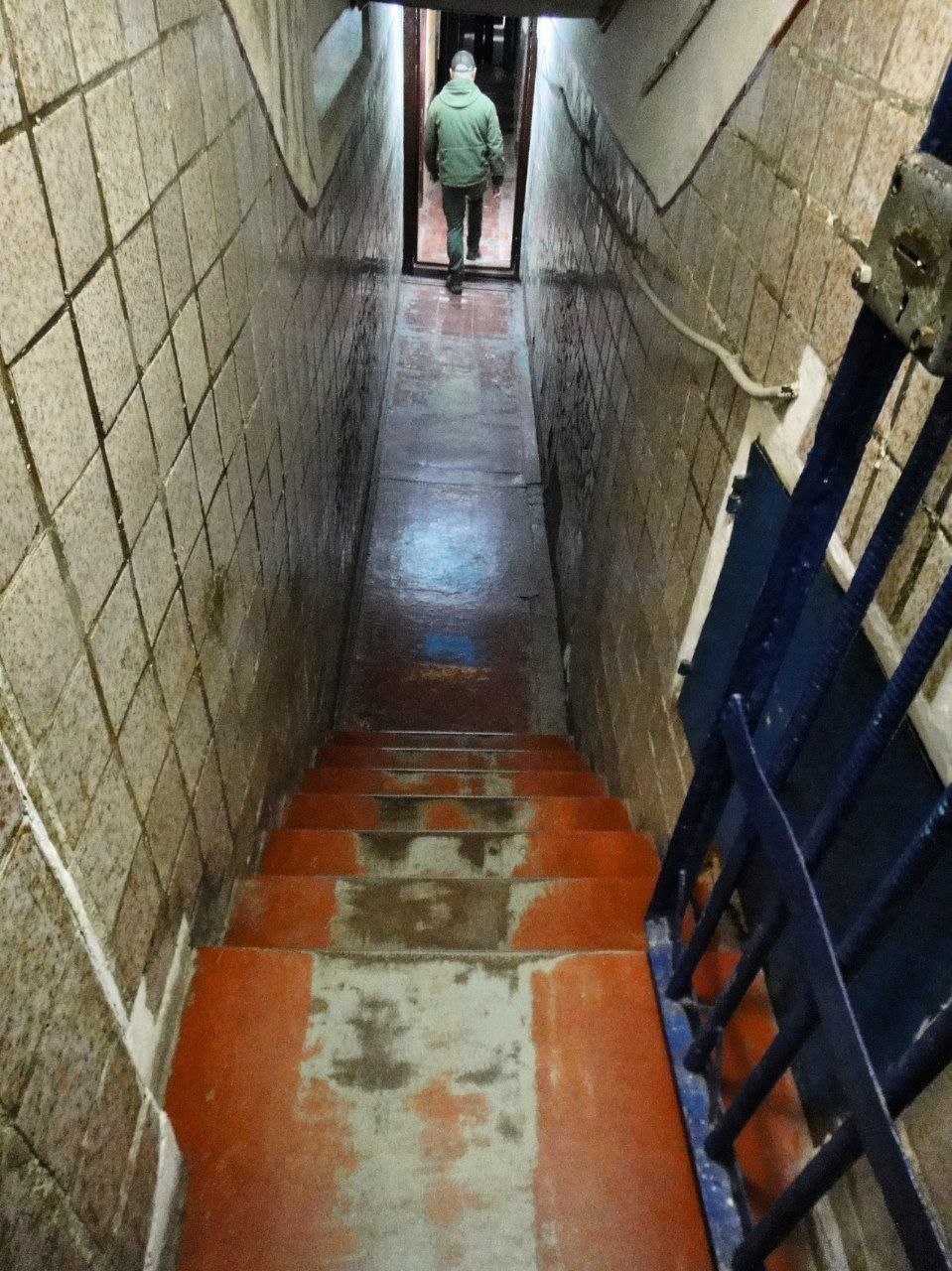
10. In violation of the requirements of the State Building Codes of Ukraine V.2.2-40:2018 ‘Accessibility of Buildings and Structures. General Provisions’, no conditions for holding persons with disabilities have been created in the medical unit.
11. In violation of paragraph 37 of Resolution of the Cabinet of Ministers of Ukraine No. 285 dated 2 March 2016 ‘On Approval of Licensing Conditions for Conducting Business Activities in Medical Practice’, the medical unit lacks a certificate confirming free access to the buildings and premises of the medical institution for people with limited mobility, the acquisition of which is mandatory.
12. In violation of the requirements of the Standards of Medical Care for HCV in Adults, approved by Order of the Ministry of Health of Ukraine No. 1178 dated 23 July 2025, not all individuals suspected of having viral Hepatitis C — 20 people as of 1 April 2026 — undergo the necessary PCR testing, as a result of which they do not receive proper treatment, which can lead to a deterioration of their health and the spread of this infectious disease among convicts and detainees.
13. In violation of the Procedure for Organising Medical Care at the Primary, Secondary (Specialised), and Tertiary (Highly Specialised) Levels Using Telemedicine, approved by Order of the Ministry of Health of Ukraine No. 681 dated 19 October 2015, the medical unit staff is deprived of the opportunity to make requests for telemedicine consultations and receive expert assistance to provide medical services to convicts due to technical limitations.
14. In violation of the requirements of the Equipment List for one workplace of a dentist and a dental technician, approved by Order of the Ministry of Health of Ukraine No. 158 dated 11 April 2005, the medical unit lacks a dental X-ray machine, which makes it impossible to conduct in-depth dental examinations of convicts and fails to ensure the timely provision of appropriate dental care.
15. In violation of the requirements of the Norms for Bedding, Special Clothing, and Special Footwear (Inventory Property) for Convicts Undergoing Treatment in Treatment and Prevention Facilities, Facilities with the Status of Treatment Facilities, and Medical Units under Correctional Institutions and Remand Prisons, approved by Order of the Ministry of Justice of Ukraine No. 280/5 dated 20 February 2012, convicted persons do not receive hospital clothing (hospital suit, gown, and slippers). Convicts remain in the inpatient department in everyday clothing, sometimes with their own bedding. Some mattresses require replacement.
16. In the medical unit, separate consulting rooms are absent for a general practitioner (family doctor), infectious disease specialist, psychiatrist, and dermatologist. The specified doctors examine sick detainees and convicts in the same room, which does not ensure confidentiality and may lead to a violation of the right to privacy during medical examinations.
17. In violation of the Fire Safety Rules in Ukraine, approved by Order of the Ministry of Internal Affairs of Ukraine No. 1417 dated 30 December 2014, the medical unit premises are not equipped with fire-fighting and fire alarm systems.
Recommendations:
1. Ensure compliance with the legally established procedure for the stay of newly arrived convicts in the KDiR sector for the specified period, and cease the practice of their premature allocation to SPS units without proper documentation of the commission’s decisions.
2. Ensure the proper functioning of the working group for working with newly arrived convicts, the participation of all designated group members in conducting adaptation activities, and the proper maintenance of the relevant documentation.
3. Include the head of the financial provision and accounting department in the working group for working with newly arrived convicts in accordance with legislative requirements.
4. Bring the material and living provisions of the KDiR and DPK sectors into compliance with established standards, ensuring the availability of all prescribed rooms.
5. Provide the residential premises of the KDiR sector with drinking water tanks in accordance with established standards.
6. Equip sanitary facilities in the KDiR sector, DIZO/PKT, the sector for holding pre-trial detainees, the DPK, and shower premises with appropriate partitions and curtains to ensure the right to privacy.
7. Place visual information indicating the contacts of state authorities, human rights institutions, and the free legal aid system in residential and cell premises.
8. Take measures to ensure proper natural light in residential and cell premises, including by reviewing window design.
9. Cease the practice of installing video surveillance cameras in dormitories without conducting an individual risk assessment, and ensure compliance with the convicts' right to privacy.
10. Review the procedure for staff access to video surveillance systems in convicts’ living quarters, taking into account the requirements of respect for privacy and human dignity.
11. Bring the DIZO/PKT cells into compliance with international standards regarding minimum area and distance between walls.
12. Eliminate the causes of high humidity, water leaks, and mould formation in the DIZO/PKT, the DPK, and the sector for holding pre-trial detainees.
13. Ensure the proper functioning of the radio installation in cells and the possibility for convicts to independently regulate its use.
14. Cease the practice of placing information about the convicts’ committed crimes on cell doors.
15. Equip exercise yards with shelters from atmospheric precipitation.
16. Ensure the right of convicts to personal space through proper arrangement of beds in residential quarters.
17. Ensure that convicts are issued copies of decisions on the application of disciplinary sanctions, with an explanation of the procedure for their appeal and the right to legal aid.
18. Ensure proper performance by the heads of SPS units of their duties regarding individual preventive work with convicts placed in the DIZO/PKT.
19. Ensure the availability in the institution’s shop of the goods prescribed by Annex 5 to the IRCI.
20. Ensure proper bath and laundry services for convicts, including sanitary treatment of newly arrived persons.
21. Organise the provision of hairdressing services to convicts and detainees.
22. Equip the laundry with a toilet and a shower for workers.
23. Eliminate violations of fire safety requirements in the bathhouse and other facilities of the institution.
24. Ensure that special means are carried in a concealed manner by the institution’s staff during direct contact with convicts.
25. Review the practice of conducting short-term visits and ensure that priority is given to open visits.
26. Take measures to staff the institution and gradually phase out the practice of 24-hour shifts.
27. Ensure the actual functioning of the internet classroom, convicts’ access to the Internet, email, and video calls, and the proper maintenance of relevant documentation.
28. Bring the shelter for convicts and staff into compliance with the requirements of legislation in the field of civil protection, and ensure appropriate conditions for the safe stay of people during air raid alerts.
29. Cease the practice of using convicts’ labour without proper registration of employment relations, remuneration, and payment of the single social contribution (ESV).
30. Ensure the official registration of employment relations with convicts who are actually involved in systematic production activities.
31. Ensure compliance with the legally established norms of working hours, rest time, and remuneration of convicts, including for work at night.
32. Cease the use of unpaid convicts’ labour to perform permanent functions that ensure the operation of the institution.
33. Ensure proper medical control of persons working in the catering unit, timely medical examinations, and proper maintenance of relevant documentation.
34. Ensure proper maintenance of medical examination logs and eliminate the practice of pro forma entry recording.
35. Ensure compliance with legislative requirements regarding remuneration, social insurance, and occupational safety of convicts.
36. Take measures aimed at eliminating identified human rights violations and preventing torture and cruel, inhuman, or degrading treatment and punishment in Medical Unit No. 6 of the branch of the State Institution ‘Center for Healthcare of the State Penitentiary Service of Ukraine’ in Cherkasy and Kirovohrad Oblasts.
37. Ensure control over the proper maintenance of medical records in accordance with the Procedure for Organising the Provision of Medical Care to Persons Sentenced to Deprivation of Liberty, approved by Joint Order of the Ministry of Justice of Ukraine and the Ministry of Health of Ukraine No. 1348/5/572 dated 15 August 2014, and other regulatory legal acts.
38. Ensure the staffing of the medical unit with specialist doctors in accordance with needs.
39. Ensure the equipping of the isolation room for persons with mental and behavioural disorders in accordance with requirements.
40. Ensure that patients' informed consent for examination and treatment is obtained in the prescribed form.
41. Cease the practice of using convicts as orderlies in the inpatient department, ensuring that supervision, patient care, and control over compliance with internal regulations are carried out exclusively by officials of the institution and medical staff.
42. Cease the practice of doctors certifying the health status of convicts upon their placement in the DIZO/PKT sector.
43. Ensure the equipping of isolation rooms in the medical unit for persons with infectious diseases in accordance with established legislative requirements.
44. Bring the condition of ward premises and sanitary and living provisions for convicts into compliance with the requirements of part one of Article 115 of the Penitentiary Code of Ukraine by conducting necessary renovation work and eliminating unhygienic conditions.
45. Ensure individual rehabilitation is conducted for individuals who require it.
46. Ensure the accessibility of the institution’s buildings in accordance with the State Building Codes of Ukraine V.2.2-40:2018 ‘Accessibility of Buildings and Structures. General Provisions’.
47. Fulfill the requirements of paragraph 37 of Resolution of the Cabinet of Ministers of Ukraine No. 285 dated 2 March 2016 ‘On Approval of Licensing Conditions for Conducting Business Activities in Medical Practice’.
48. Ensure that all persons with suspected HCV have access to PCR testing within the shortest possible timeframe, and organise the necessary antiviral treatment for persons with a confirmed diagnosis.
49. Ensure the proper operation of the telemedicine complex for doctors to make requests for telemedicine consultations.
50. Provide the medical unit with a dental X-ray machine and the necessary equipment to conduct full dental examination and treatment.
51. Ensure the equipping of separate consulting rooms for doctors to guarantee the confidentiality of medical examinations and respect the convicts’ right to privacy.
52. Eliminate violations of fire safety requirements