Report on the results of the monitoring visit to the Kropyvnytskyi Correctional Colony No. 6
On 12 November 2024, in accordance with the Optional Protocol to the Convention against Torture and Other Cruel, Inhuman or Degrading Treatment or Punishment, taking into account the provisions of the United Nations Standard Minimum Rules for the Treatment of Prisoners and the decisions of the European Court of Human Rights, on the basis of Article 24 of the Criminal-Executive Code of Ukraine — Visiting Penal Institutions, a group of monitors from the Kharkiv Human Rights Protection Group and the NGO “Protection of Prisoners of Ukraine” carried out a regular visit to the state institution “Kropyvnytskyi Correctional Colony No. 6” (hereinafter — KCC-6, the institution, the facility).
The visit was carried out within the framework of the project “Reducing prisoners’ suffering in the context of the war in Ukraine”, funded by the government of Denmark in partnership with DIGNITY — Danish Institute Against Torture.
The visit was conducted by monitors:
- Didenko Andrii Andriiovych — assistant to a Member of Parliament of Ukraine, Yaroslav Yurchyshyn, with experience in monitoring visits since 2014;
- Zuikov Serhii Yuriiovych — assistant to a Member of Parliament of Ukraine, Kostiantyn Kasai, member of the Public Council under the Ministry of Justice of Ukraine, with many years of experience in monitoring visits.
General information
KCC-6 is a medium-security penal institution for the detention of men who have previously served sentences in places of deprivation of liberty.
The institution is located at the address: 50-B Kuropiatnykova Street, Kropyvnytskyi, Kirovohrad region, 25009.
The head of the facility is Colonel of the Internal Service, Myahkykh Oleksandr Oleksandrovych.
The institution consists of a duty unit, residential and industrial zones, a DIZO (disciplinary isolation ward), PKT (cell-type premises), DPK (enhanced control unit), a medical unit, a bath and laundry complex, visitation rooms, a shop, a library, a parcel reception room, and administrative premises.
According to the administration of the institution, the staff consists of 330.5 positions. The actual number is 195.5 positions. The total staff shortage in the institution is 139 employees.
The planned capacity is 616 people. The actual number is 284 people. There are 3 psychologists working in the institution.
There are 4 people in the DIZO. There are 15 patients undergoing treatment in the medical unit.
During 2024, 190 people arrived at the institution. The following were under operational-preventive supervision in the institution: prone to suicide — 8 people, prone to self-harm — 21 people, prone to escape — 4. There are 15 malicious violators of the detention regime. In 2023, there was 1 suicide; in 2024, there were 0.
During 2023-2024, not a single complaint was received from convicts regarding improper conditions of detention or improper provision of medical care.
The convicts have 153 tablets with internet access for their own use.
During 2023, 10 cases of bodily injuries were recorded while staying in the institution. During 2024, there were 12 cases while staying in the institution.
The monitoring group interviewed about 112 convicts. It is worth noting that the administration does not conceal shortcomings in the institution; the management of the facility facilitated the monitoring visit in every way, which can be considered a sign of openness and transparency, as well as proper and adequate response to human rights violations.
Positive practices
Residential, household, and utility premises in the institution have been renovated.
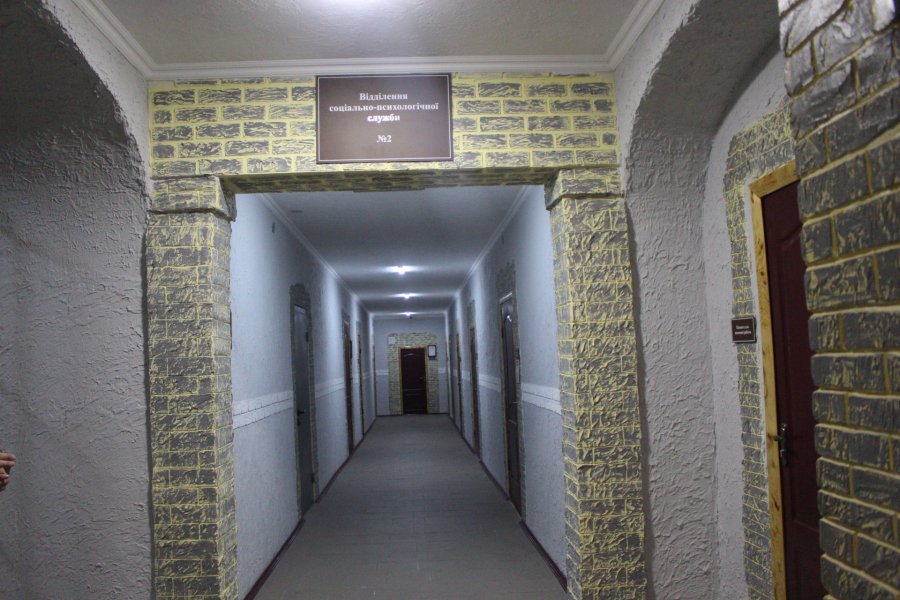
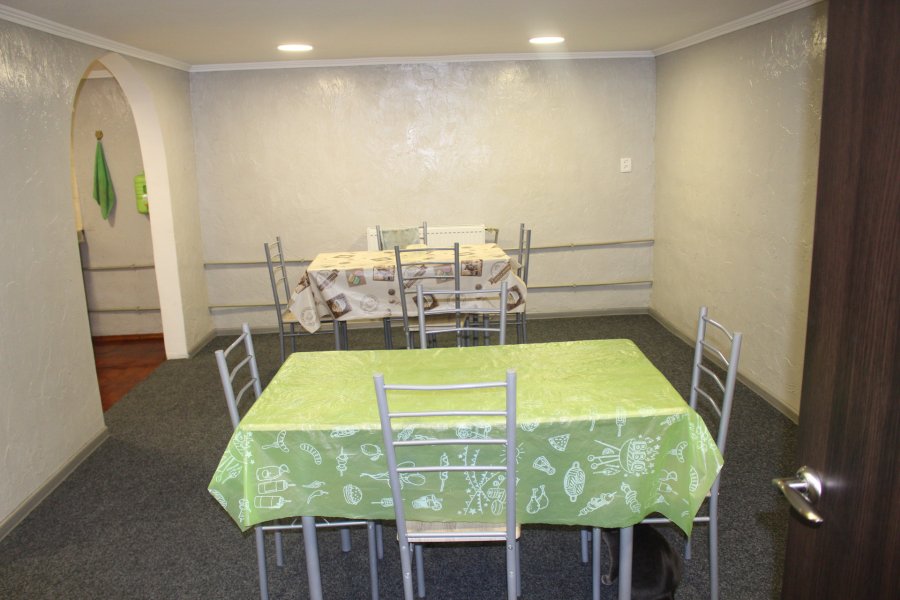
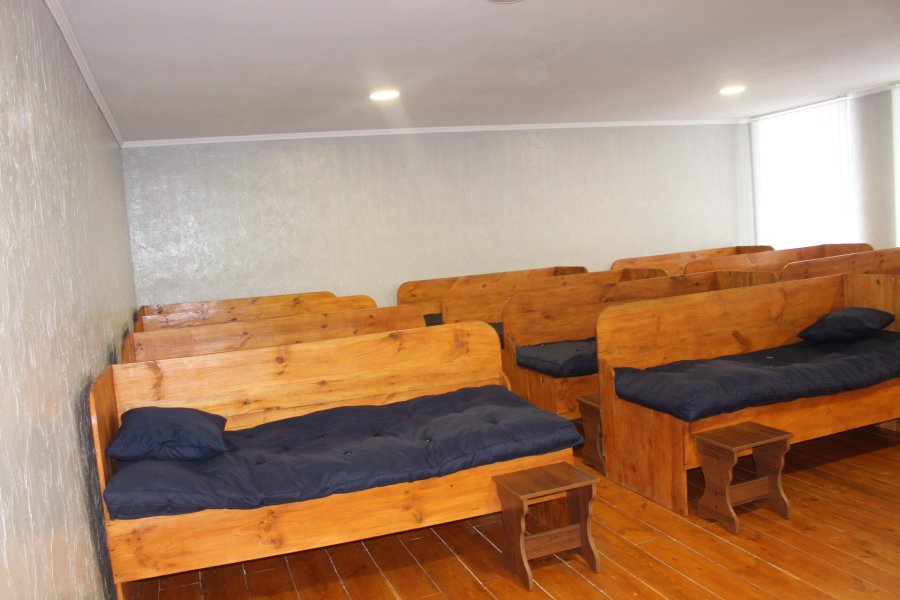
Facts discovered during the visit
During the monitoring visit, violations of the requirements of national legislation and non-compliance with international recommendations in the field of prisoner treatment were identified, which lead to violations of the rights of convicted persons:
1. During the visit to the institution, numerous complaints were received from convicts regarding improper treatment by the administration and staff of the institution. Specifically, during a confidential conversation, most of the prisoners reported that upon arrival at the institution in the quarantine, diagnostic and distribution unit (hereinafter — QDDU), staff members, in order to force them to perform actions contrary to the convicts’ will, compelled them to publicly, one by one, perform humiliating tasks, including demonstrating cleaning in public, thereby publicly defining their place in the informal prison hierarchy, while recording these actions with technical devices/tools having photo, filming, and video recording functions.
In case of refusal, disciplinary sanctions were applied to the convicts, including placement in a disciplinary isolation ward (hereinafter — DIZO), with the prospect of applying Article 391 of the Criminal Code of Ukraine to them. These actions degrade human dignity and bear signs of caste division within the informal prison hierarchy. As a result, prisoners who fall into lower castes often become objects of discrimination, humiliation, and physical violence by other convicts, which can provoke conflicts between different groups of prisoners and generally strengthen the criminal subculture inside the institution.
In addition, the monitoring group established the existing practice of segregation and stigmatization of a separate, particularly vulnerable category of prisoners, known as “outcasts”, which is based on the negative influence of the informal prison hierarchy and leads to discrimination, inadmissible restrictions on the recognition, realization, and enjoyment of the universally recognised fundamental right to respect for the human dignity of these individuals.
Thus, during a confidential conversation, convicts who were classified as “outcasts” reported that, together with other prisoners of this category, they are forced to stay in isolation, in separate premises from the general mass of convicts, to eat separately, to visit the bathhouse and wash personal clothes separately, and to perform dirty work for others, including cleaning the restroom.
At the same time, the European Committee for the Prevention of Torture and Inhuman or Degrading Treatment or Punishment (hereinafter — the Committee), in its report on the results of the visit to Ukraine in 2023, calls on the Ukrainian authorities to develop and implement a comprehensive strategy to combat violence and intimidation among prisoners and to overcome the phenomenon of informal hierarchy among prisoners with all its negative consequences.
In this context, the penitentiary administration must also rationalise risk assessment and needs, classification, and distribution of individual convicts in order to ensure that convicts are not exposed to the influence of other convicts who may cause them harm. (CPT/Inf (2024) 20) paragraph 45).
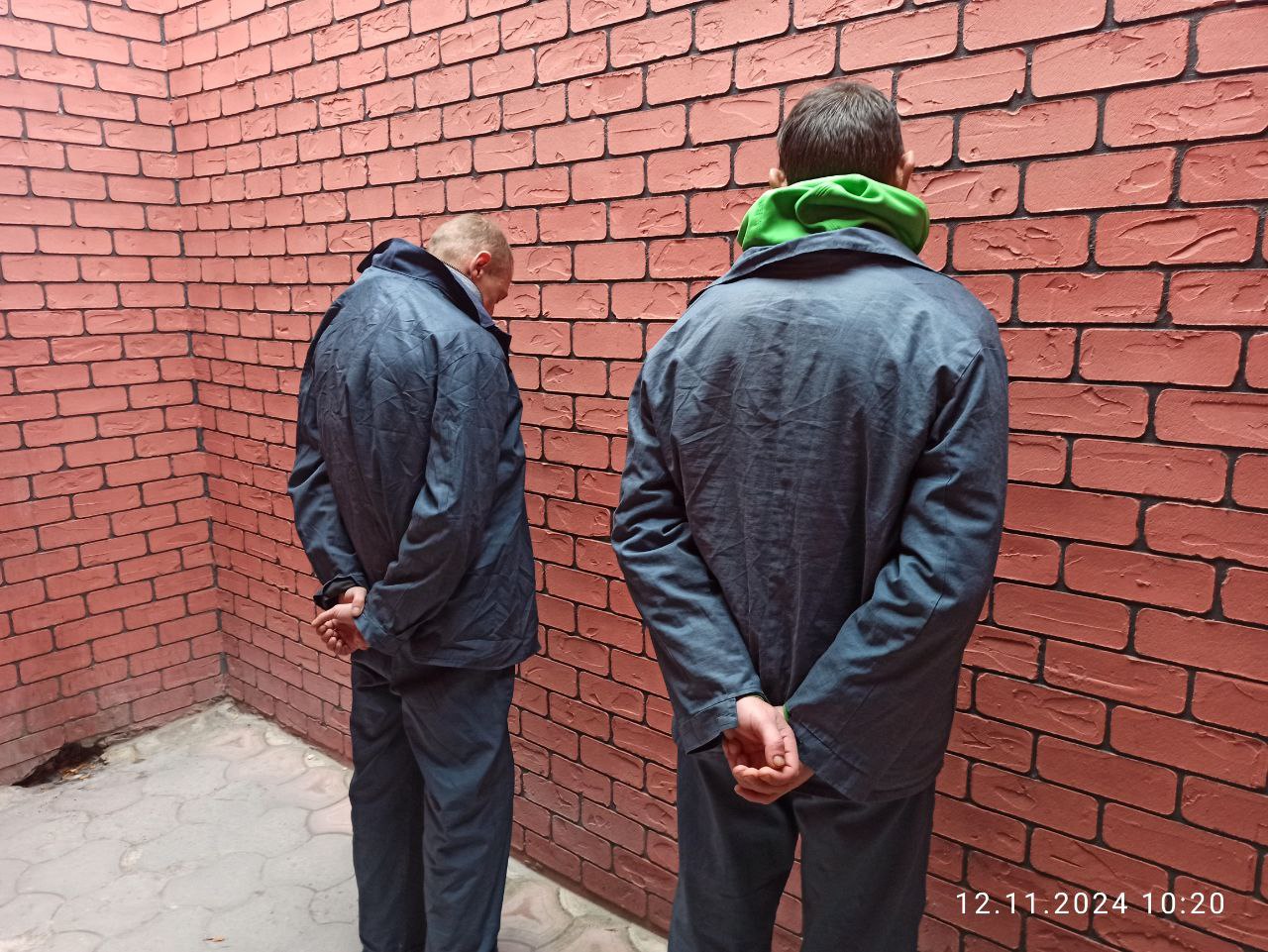
2. In the DIZO unit, the monitoring group recorded the application of a practice that degrades the human dignity of individuals held there. Specifically, they were required to stand facing the wall with their hands behind their backs every time the doors were opened by the administration and staff.
The Committee, in its report to the Government of Ukraine on the results of the visit to Ukraine in 2020, noted that such practices are not necessary from a security point of view and do not in any way contribute to positive relations between staff and prisoners, and it called on the Ukrainian authorities to immediately put an end to such practices. (CPT/Inf (2020) 40) paragraph 46).
3. While measuring the area in the cell premises of the DIZO, the monitoring group established that the width between the walls of the said cell premises is 1.8 m². At the same time, in the Report to the Government of Ukraine on the results of the Committee’s visit to Ukraine in 2012, the Committee notes that any single cells should have a living area of no less than 6 m² (not including an integrated toilet); the distance between the cell walls should be no less than 2 m. (paragraph 45(CPT/Inf (2013) 23).
4. Furthermore, it was established that in a number of DIZO cell premises, the actual number of sleeping places exceeds the permissible limit for ensuring the living area standard per person provided by legislation.
Specifically, in DIZO cell premises Nos. 1 and 3, which, according to the living area measurement act, are designed for two places based on the standard of 4 m² per person, there are 4 beds. This violation creates conditions for possible abuse by the administration and staff of the institution in the context of compliance with the living area standard per convicted person.
At the same time, in paragraph 13 of the Seventh General Report, the Committee notes that the problem of overcrowded cell premises leads to unhygienic conditions, a constant lack of privacy, and the overloading of medical services and the institution’s infrastructure, and concludes that quite often the negative impact of overcrowding has resulted in inhuman or degrading conditions of detention for prisoners (CPT/Inf (97) 10).
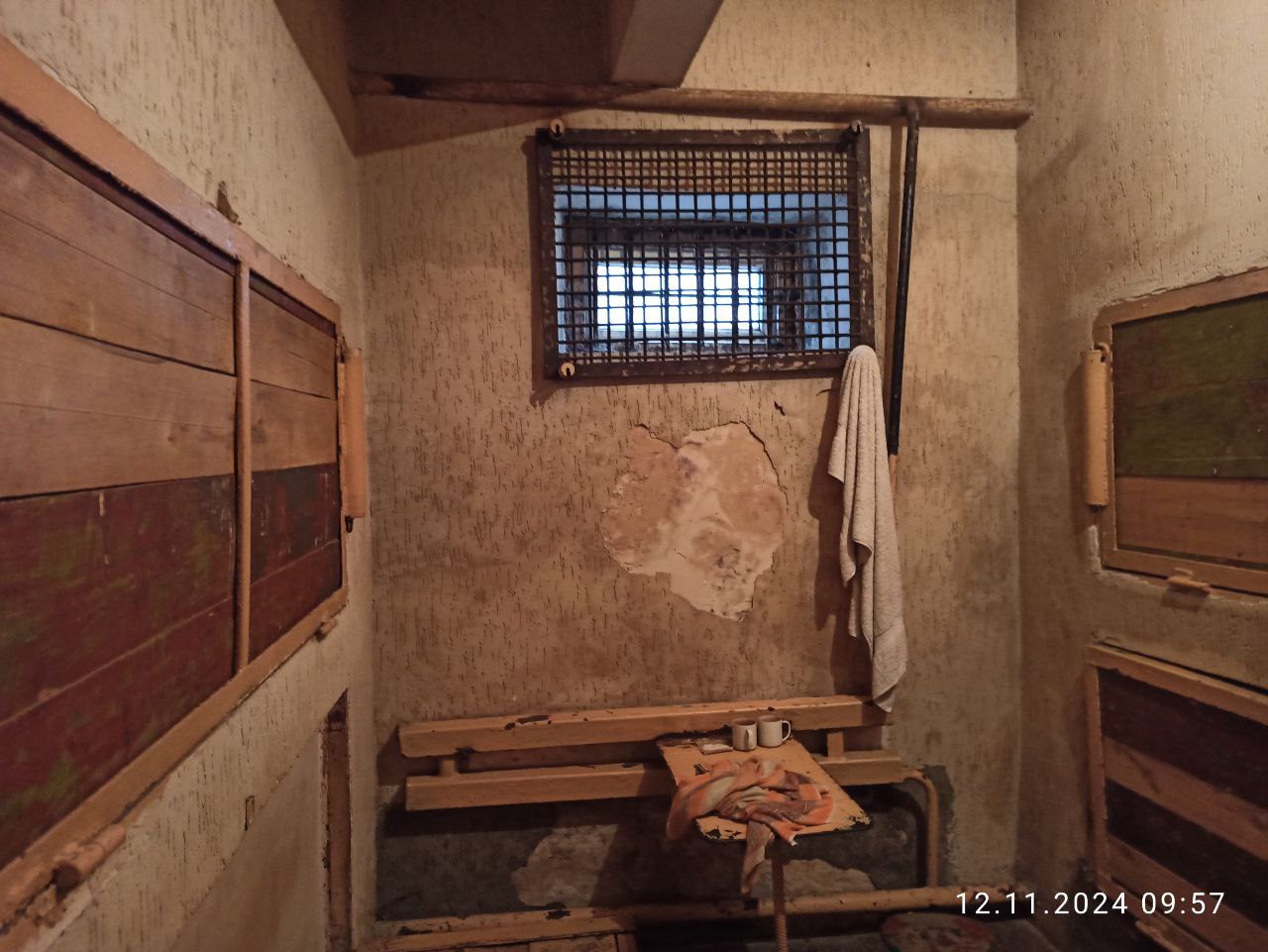
5. The equipment of the quarantine, diagnostic and distribution unit (hereinafter — QDDU) does not meet the standards for the treatment of prisoners and the conditions of their detention in accordance with their needs. Thus, in violation of the requirements of the Standards for the provision of furniture, inventory, and household items for medium-security correctional colonies, approved by the Order of the Ministry of Justice of Ukraine dated 27 July 2012 No. 1118/5 (hereinafter — Provision Norms), the unit lacks a number of premises, namely: a room for storing food products; a room for storing the exchange fund of bedding, personal property, and special clothing; a storeroom for temporary storage of dirty bedding, personal property, and special clothing; a household room; a drying room.
The absence of these premises leads to a violation of sanitary and hygienic standards. As a result, food products may be stored at improper temperatures, in damp or contaminated premises, which contributes to their rapid spoilage, the development of mould, and the reproduction of pathogenic bacteria, and the improper organization of storage of personal belongings complicates the maintenance of cleanliness and order in the premises where convicts are held, which worsens the overall sanitary situation in the institution.
6. In violation of the requirements of paragraph nine of part one of Article 8 and part 1 of Article 118 of the Criminal-Executive Code of Ukraine, the monitoring group established that the institution’s administration engages convicts to work in the QDDU without concluding an employment contract. Specifically, a convict R. is engaged in work on a gratuitous basis, who, according to information from persons who were in the unit, performs the functions of an orderly and has the opportunity to independently visit the dining room and the Social and Psychological Service (SPS) department No. 1 to which he is assigned.
This violates Article 96 of the Criminal-Executive Code of Ukraine, paragraph 4 of Section II of the Internal Regulations of Penal Institutions, approved by Order of the Ministry of Justice of Ukraine dated 28 August 2018 No. 2823/5 (hereinafter — IRR), and the requirements of paragraph 2 of Section 1 of the Regulation on the quarantine, diagnostic and distribution unit, approved by Order of the Ministry of Justice of Ukraine dated 4 November 2013 No. 2300/5.
In the report on the results of the visit to Ukraine in 2020, the Committee expressed serious doubts regarding the practice of using some prisoners as “orderlies” who perform control functions over other prisoners in residential premises and at work and report to staff about any incidents and violations of the regime. Therefore, the Committee noted with concern during this visit that this practice remained.
Furthermore, unfortunately, despite the specific recommendations previously given by the Committee, the practice of using “orderlies” is also officially provided for by the Internal Regulations of Penal Institutions. As previously emphasised, the Committee considers that any partial abandonment of responsibility for order and security in prisons, which is borne by the institution’s regime staff, is unacceptable. Such a practice exposes weaker prisoners to the risk of cruel treatment and exploitation by other prisoners.
The Committee calls on the Ukrainian authorities to take all necessary steps — including those of a legislative nature — to put an end to this practice. No prisoner (in any penitentiary institution in the country) should have power over other prisoners. (CPT/Inf (2020) 40) paragraph 27).
7. In violation of Annex 8 to the Internal Regulations of Penal Institutions, approved by Order of the Ministry of Justice of Ukraine dated 28 August 2018 No. 2823/5 (hereinafter — IRR PI), the monitoring group established that the administration of the institution arbitrarily introduced a rule, effectively an additional element of punishment, which prohibits convicts in DIZO cell premises from using their sleeping places during the day, particularly during their free time.
8. During confidential communication, complaints were received from convicts that the administration and staff of the institution prohibit the use of reading materials while staying in the DIZO unit.
At the same time, in the report to the Government of Ukraine on the results of the visit in 2017, the Committee reiterated its recommendation that prisoners held in disciplinary cells should be allowed a reasonable choice of reading materials (not only religious literature) (paragraph 109 (CPT/Inf (2018) 41).
9. Exercise yard No. 1 is not equipped with sufficient shelter from atmospheric precipitation. At the same time, the Committee in its Second General Report notes that daily time in the fresh air should take place in an area of sufficient size. The area for walking in the fresh air should be, as far as possible, equipped with shelter in case of bad weather. (CPT/Inf (92) 3) paragraph 48).
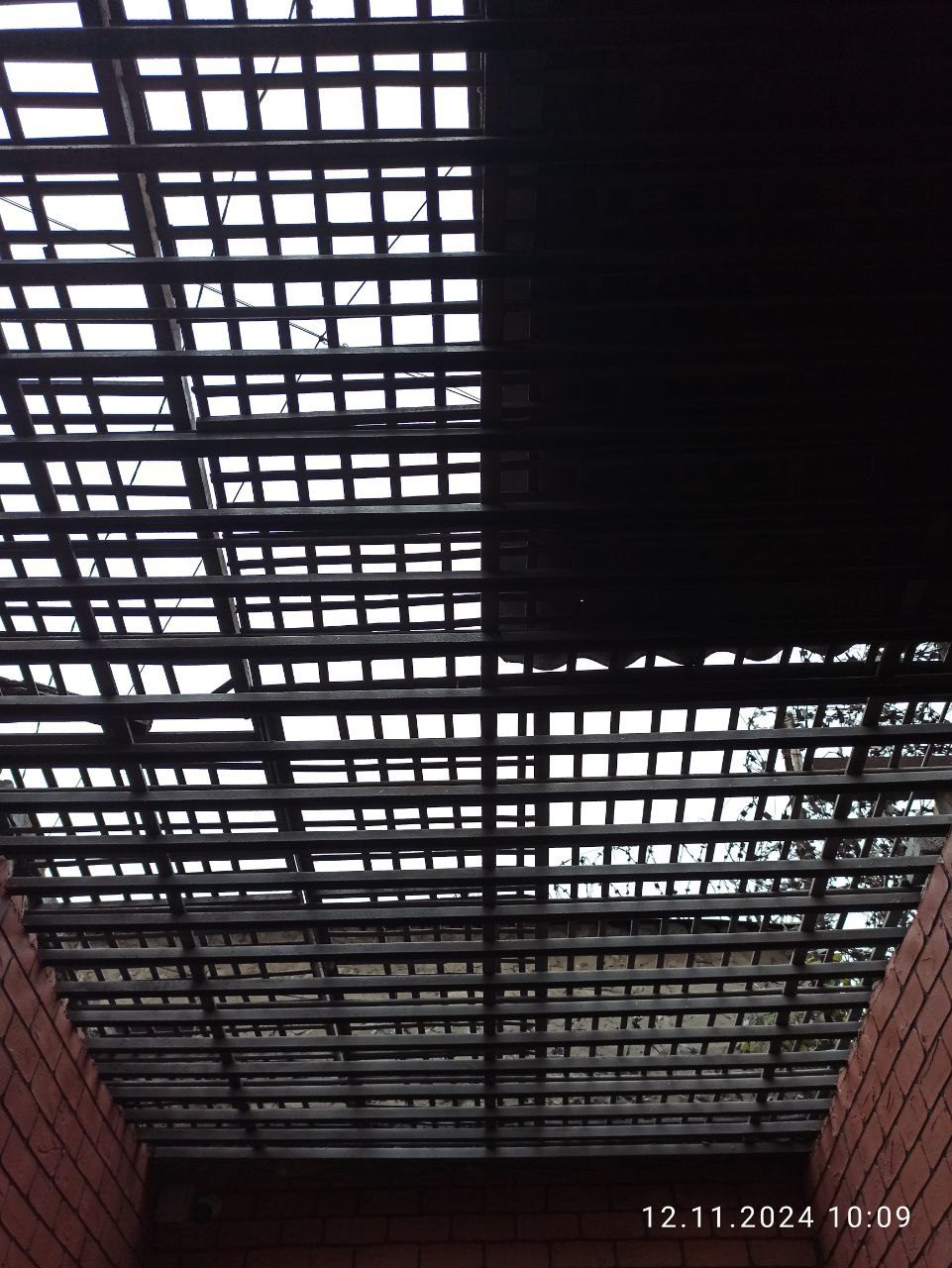
10. In the residential premises of the Social and Psychological Service (hereinafter — SPS) departments Nos. 4 and 6, a violation of Article 8 of the Convention for the Protection of Human Rights and Fundamental Freedoms, which ensures the right to respect for private life, was established.
Thus, in violation of Rule 18.1 of the European Prison Rules, beds in some residential premises are placed close to each other, which does not ensure personal space for convicts. The restrooms do not contain sufficient partitions and doors that allow for privacy, which violates the requirement of Rule 19.3 of the European Prison Rules. Certain premises require renovation work, including the replacement of sanitary equipment and the electrical network.
At the same time, in the report to the Government of Ukraine on the results of the visit in 2023, the Committee called on the Ukrainian authorities to take the necessary measures to improve material conditions of detention, in particular, to reduce the occupancy of cells in such a way that each detained person has at least 4 m² of living space (excluding the area occupied by in-cell toilets); to keep all places where convicts and detained persons are accommodated, including sanitary facilities, in a proper state of repair and hygiene, and to carry out regular and frequent disinfestations; to ensure sufficient access to natural light and ventilation in cells, and to fully equip internal sanitary facilities with partitions (i.e., from floor to ceiling). (CPT/Inf (2024) 20) paragraph 58).
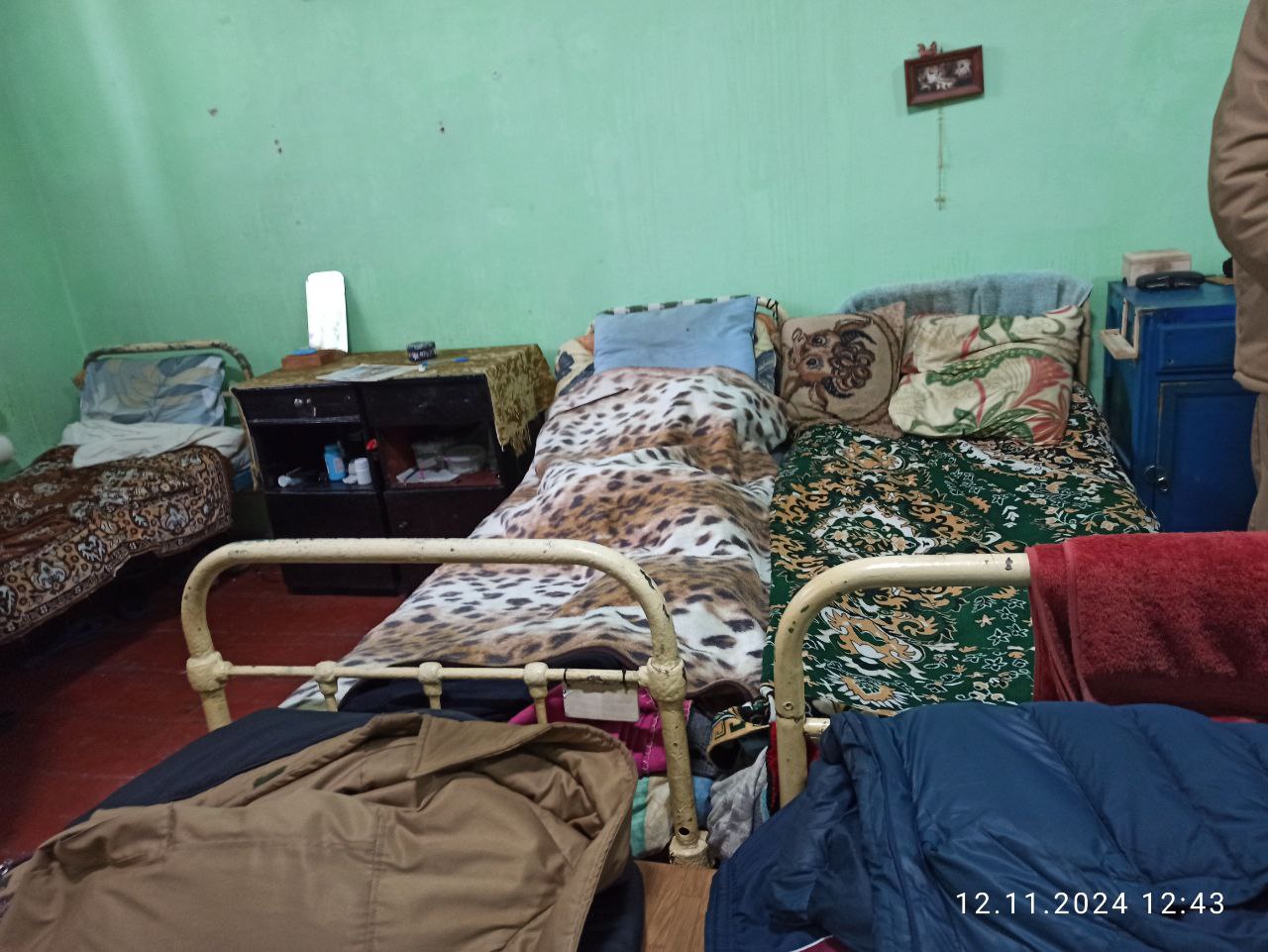
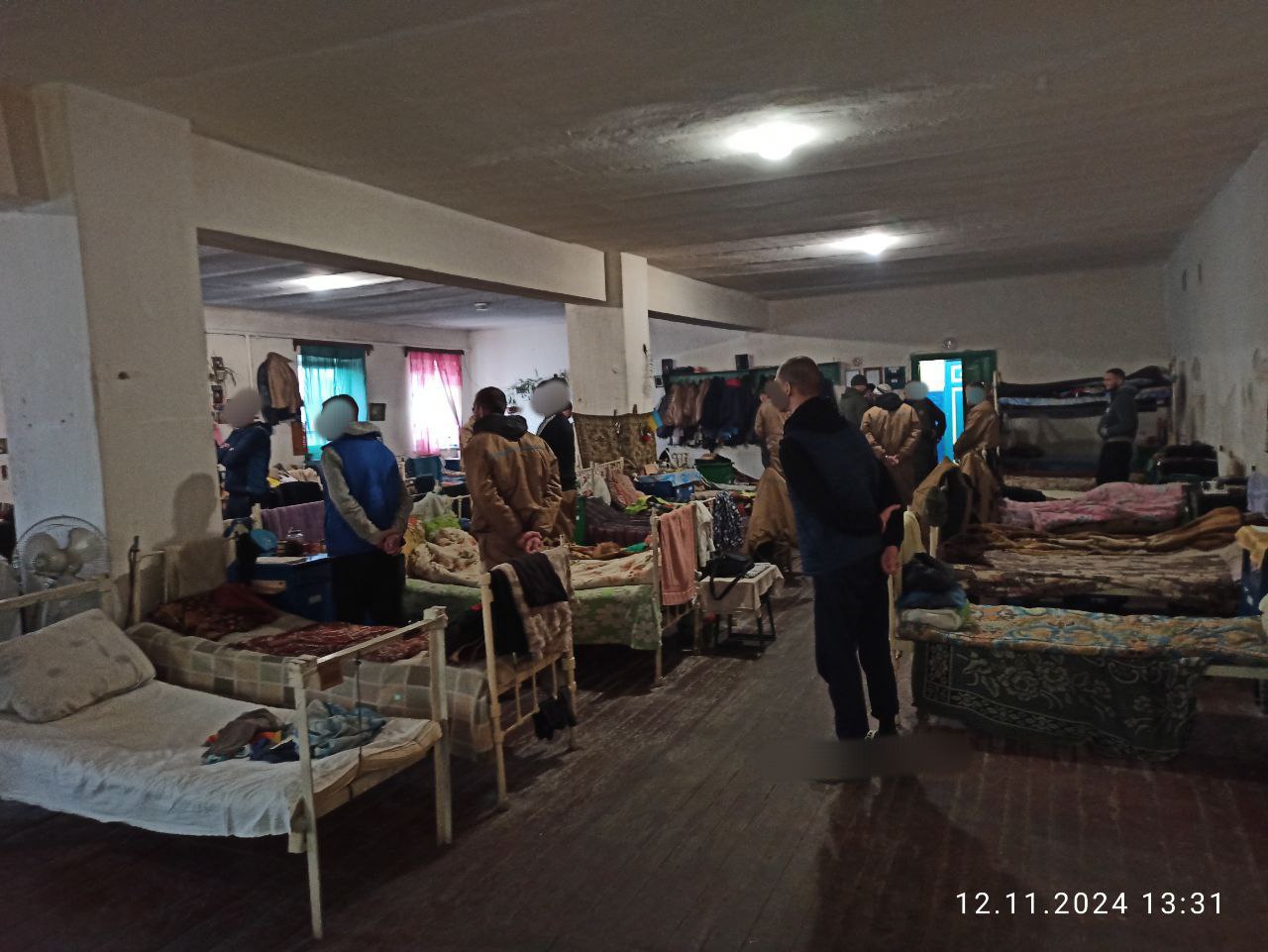
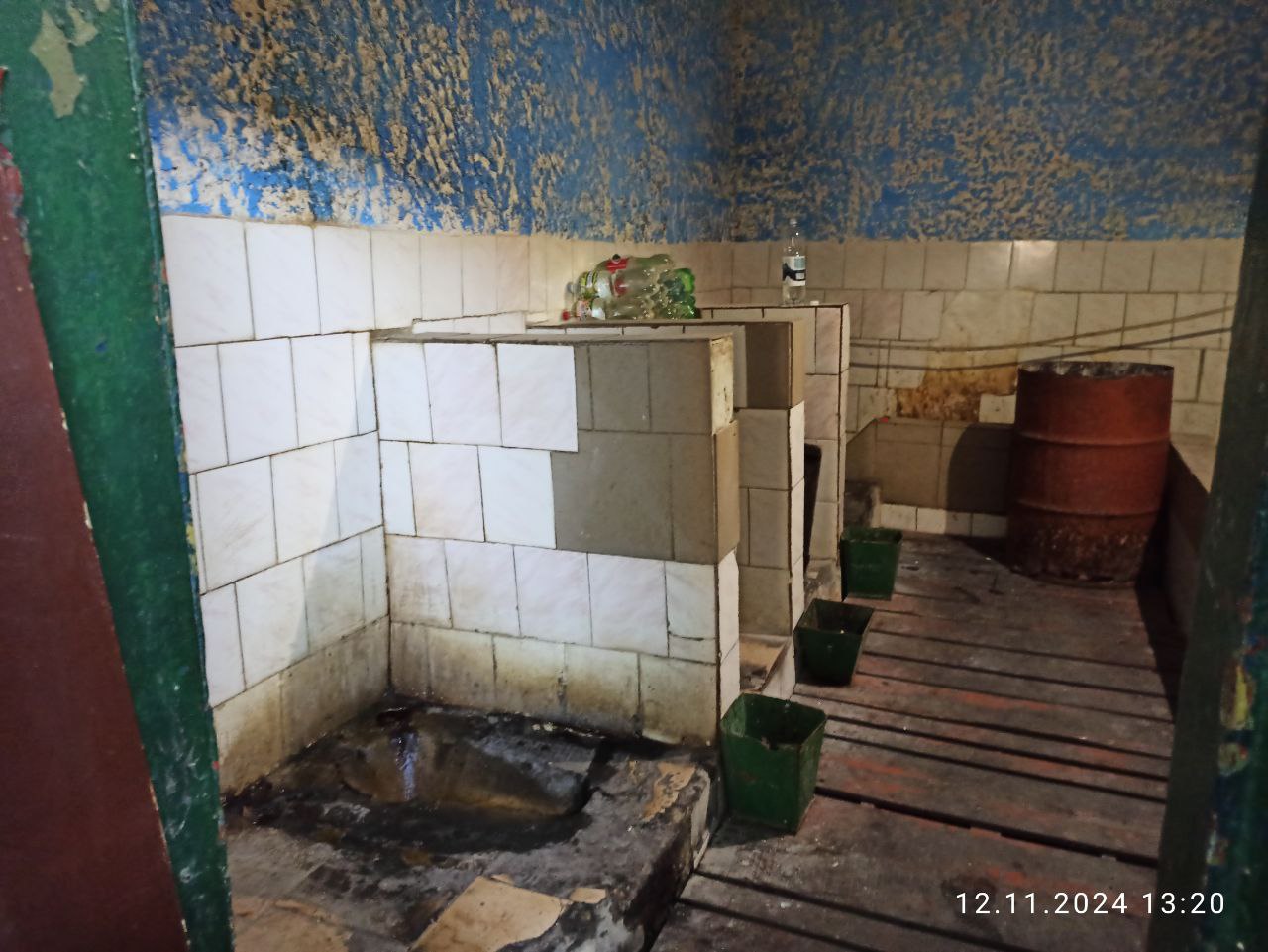
11. During the visit to the SPS department dormitories, it was established that the living conditions of convicts in some of them are unsatisfactory and violate their right to decent detention conditions.
Thus, in violation of the requirements of the Provision Norms, SPS department No. 6 lacks a number of premises, namely: a dining room; a room for storing food products; a room for storing the exchange fund of bedding, personal property, and special clothing; a storeroom for temporary storage of dirty bedding, personal property, and special clothing; a drying room.
It should be noted that there is a systematic violation of the procedure for organising the storage of convicts’ personal belongings in the institution. Thus, in all visited SPS departments, including those where major renovation work has recently been carried out, the monitoring group recorded the storage of convicts’ outerwear and footwear in the sleeping premises.
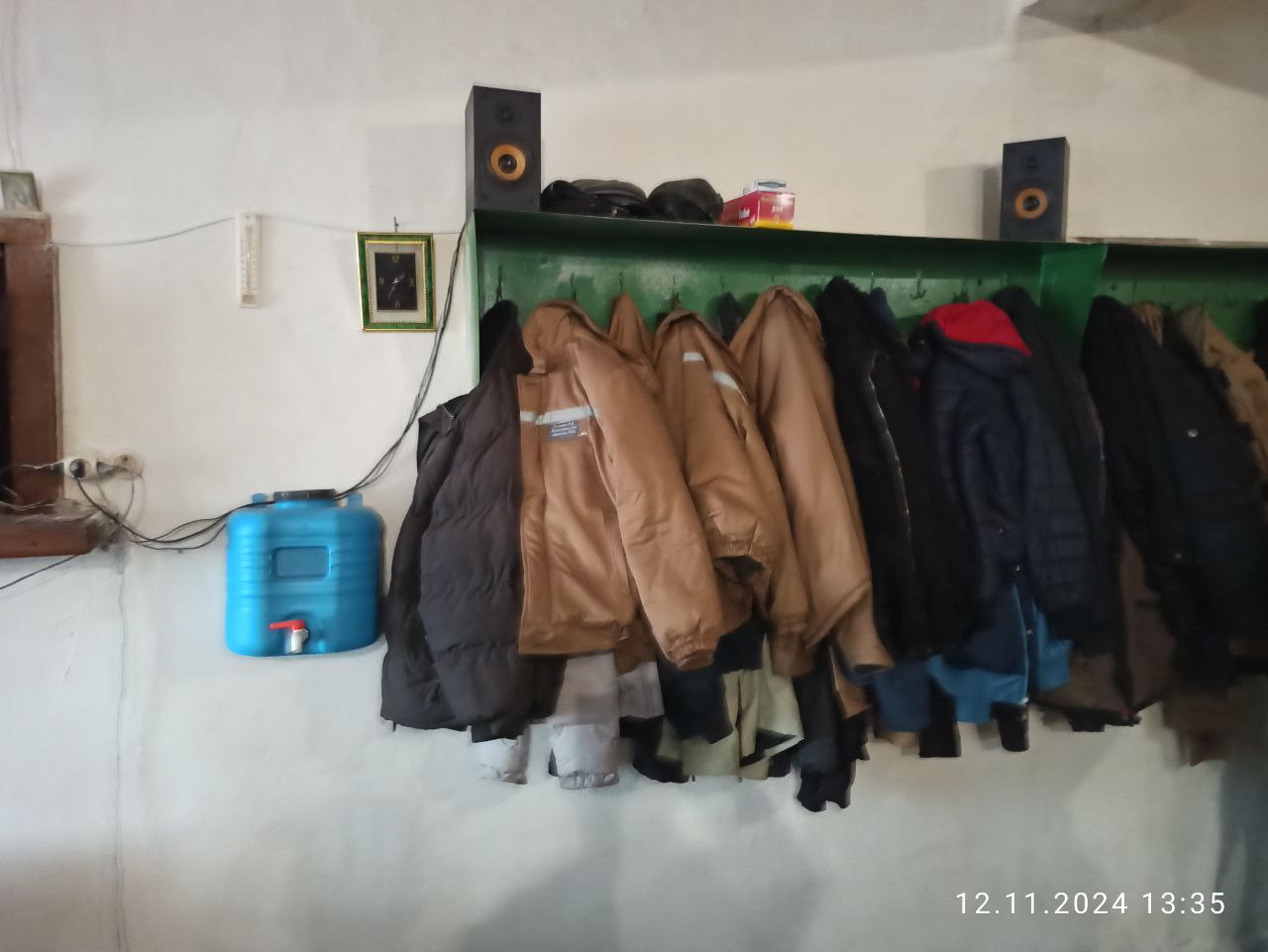
12. In violation of the requirements of the Provision Norms, there is no cloakroom in the institution’s dining room, which leads to the fact that convicts are forced to eat while wearing their outerwear.
13. In violation of the requirements of the Provision Norms, there is no restroom for staff in the dining room.
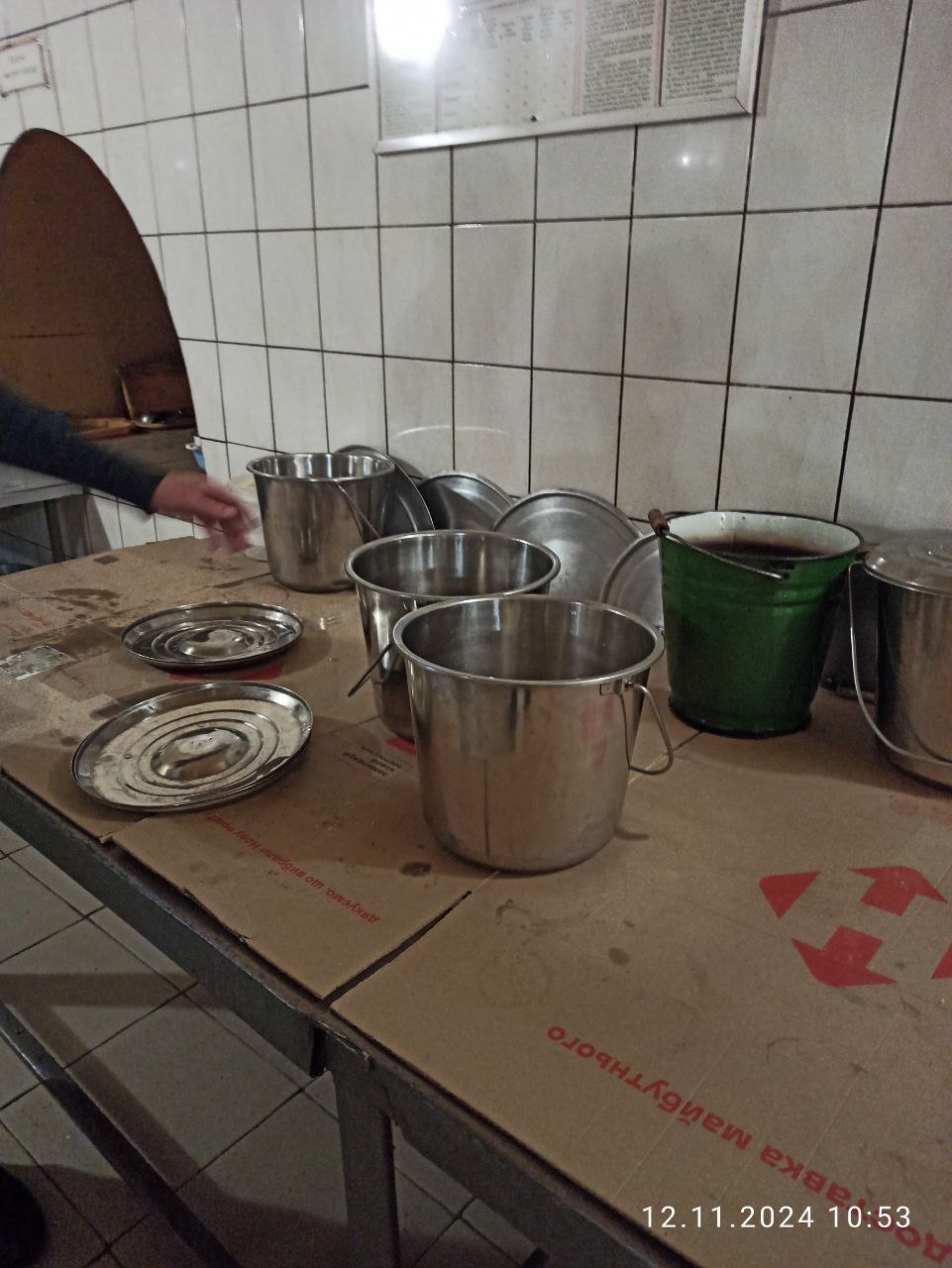
14. In violation of the requirements of paragraph 14 of Section V of the Regulation on the organisation of food provision in the State Criminal-Executive Service of Ukraine in peacetime, approved by Order of the Ministry of Justice of Ukraine dated 15 June 2021 No. 2160/5 (hereinafter — Regulation on food provision organisation), food for convicts is delivered from the institution’s dining room to the QDDU and DIZO units in buckets, not in labelled thermoses.
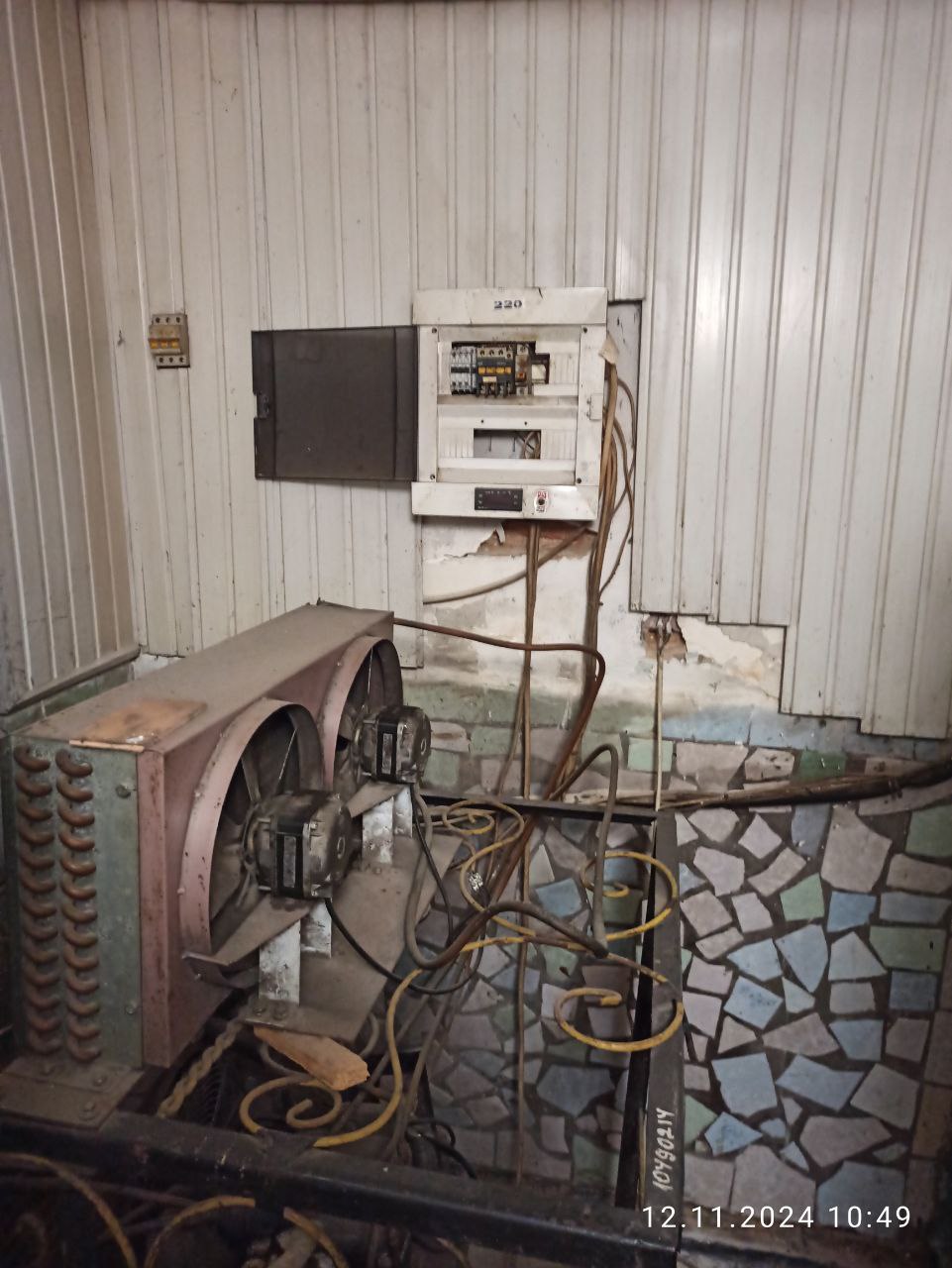
15. In the dining room premises, particularly in the cold storage chamber, the requirements of the Fire Safety Rules in Ukraine, approved by Order of the Ministry of Internal Affairs of Ukraine dated 30 December 2014 No. 1417, registered with the Ministry of Justice of Ukraine on 5 March 2015 under No. 252/26697 (hereinafter — Fire Safety Rules), are grossly violated, in particular: the electrical switchboard doors are open, and electrical wires are not properly insulated, which may lead to electric shock to convicts or institution staff and other negative consequences.
16. According to paragraph 3.1 of the Instruction on working conditions and wages of persons sentenced to restriction of liberty or deprivation of liberty, approved by Order of the Ministry of Justice of Ukraine dated 7 March 2013 No. 396/5, work is carried out on a voluntary basis on the basis of a civil law contract or an employment contract, which is concluded between the convict and a natural person-entrepreneur or a legal entity for whom the convicts perform work or provide services.
At the same time, it was established that the institution’s administration uses the labour of convicts in the positions of dining room workers without payment for two years. Thus, while examining the documentation, it was established that there was no employment contract concluded with convict B. (a kitchen worker) due to the absence of a passport.
17. The monitoring group established a number of violations in the organisation of laundry and bath services for convicts and detained persons. Thus, in violation of paragraph 2.14 of Section II of the Regulation on the organisation of laundry and bath services for persons held in penal institutions and pre-trial detention centres, approved by Order of the Ministry of Justice of Ukraine No. 849/5 dated 8 June 2021 (hereinafter — Regulation), the institution does not provide hairdressing services to convicts and detainees.
In violation of the requirements of the Provision Norms, the laundry lacks a shower room and a toilet for employees. In violation of the requirements of Rule 19.3 of the European Prison Rules, the right to privacy is not respected in the DIZO unit’s bath and shower room due to the lack of curtains on the shower partitions. In violation of the requirements of paragraph 2.11 of Section II of the Regulation, the forced supply and exhaust ventilation system does not work in the DIZO unit’s shower room.
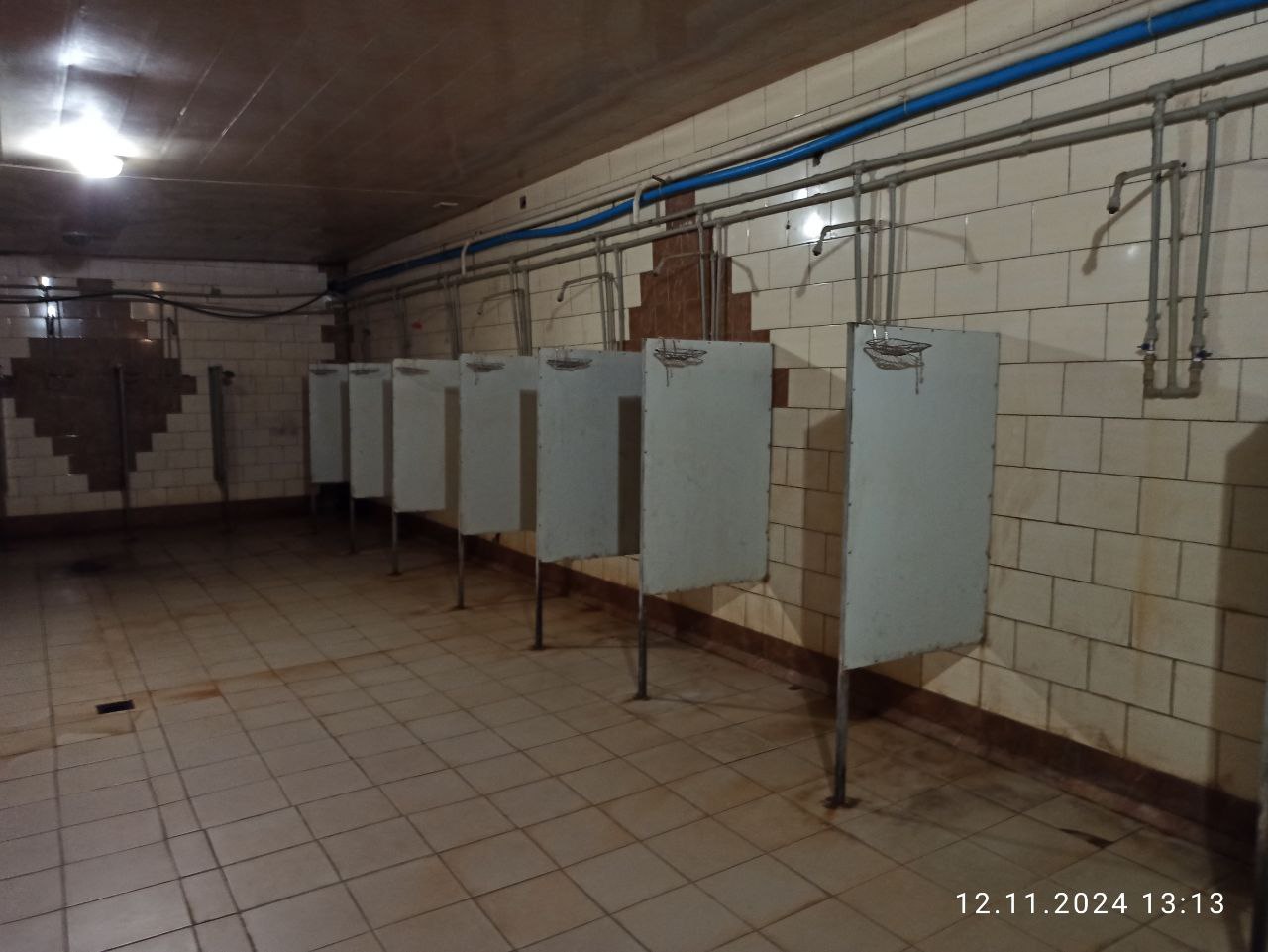
18. According to official documentation, the total staff shortage in the institution is 139 positions. The shortage of middle and senior commanding staff is 4 positions. The shortage of rank-and-file and junior commanding staff is 131 positions. At the same time, in the report to the Government of Ukraine on the results of the visit in 2023, the Committee emphasises that ensuring a positive climate in a penitentiary institution requires the presence of a professional team of staff who must be present in sufficient numbers at any given time in detention places.
Insufficient staff can only increase the risk of violence and intimidation among convicts. The shortage of frontline staff also undermines the quality and level of measures offered to convicts and jeopardises the prospect of preparation for release and social rehabilitation. In connection with this, the Committee calls on the Ukrainian authorities to take decisive measures to significantly increase the number of staff in penitentiary institutions of Ukraine where there is a low level of staffing, with the aim of strengthening the presence of security and supervision service staff inside the institutions. Measures must also be taken to put an end to 24-hour shifts for staff on duty. (CPT/Inf (2024) 20) paragraph 93).
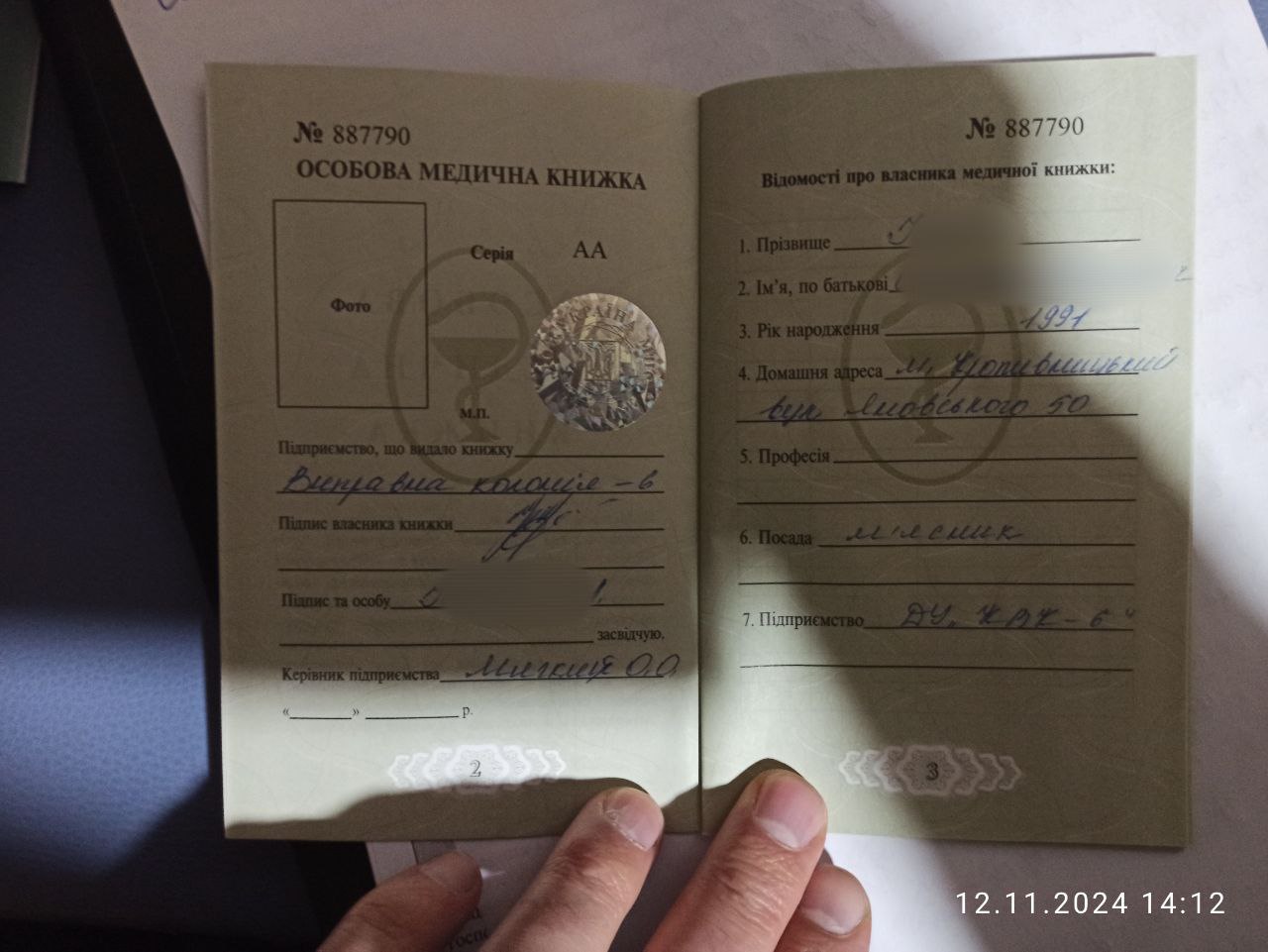
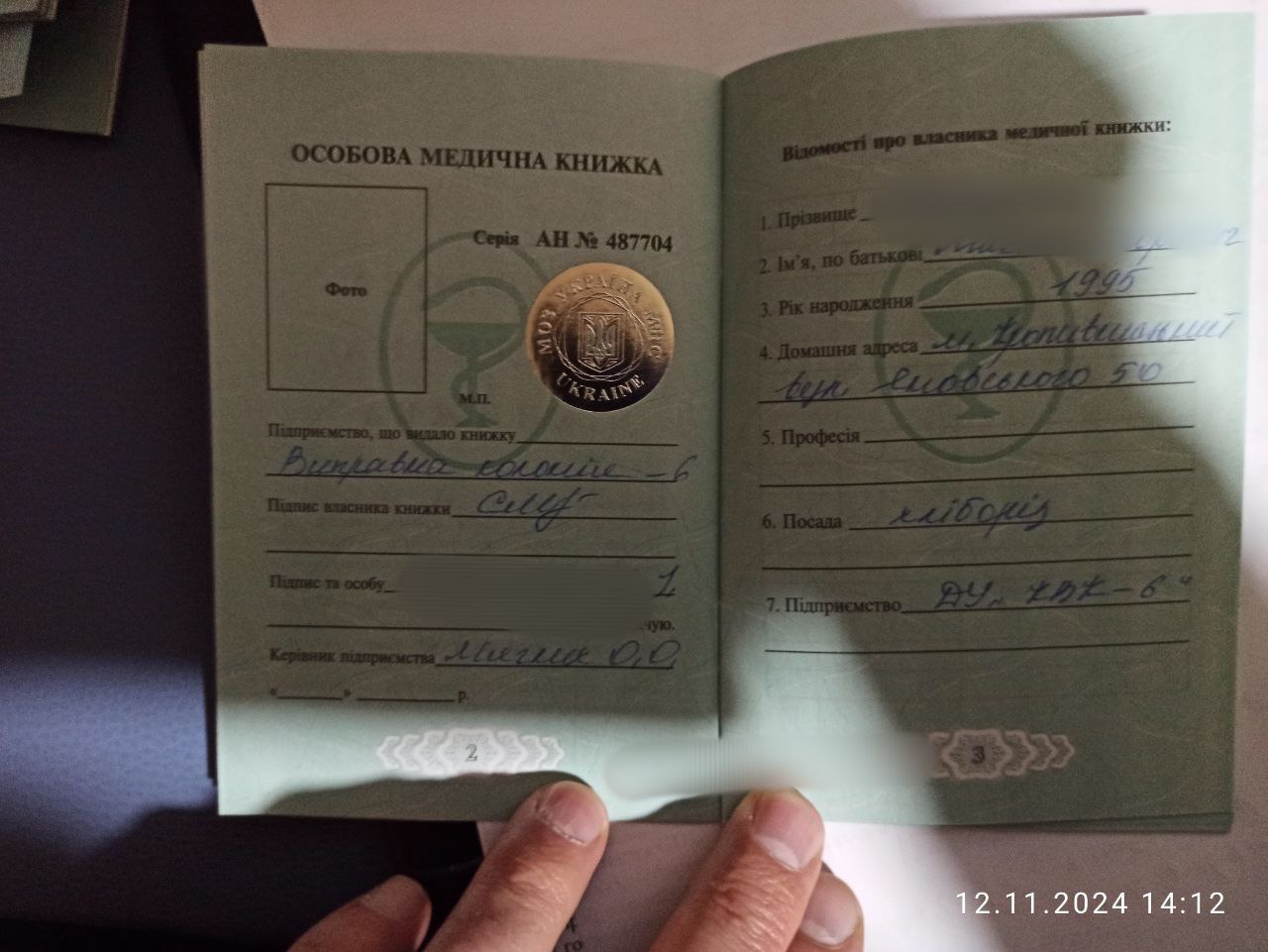
19. According to paragraph 7 of Chapter III of Section II of the “Procedure for organising the provision of medical care to persons sentenced to deprivation of liberty”, approved by the joint order of the Ministry of Justice of Ukraine and the Ministry of Health of Ukraine dated 15 August 2014 No. 1348/5/572 (hereinafter — Procedure), convicts who work at food facilities (except for work related to positions of sellers, managers of food and clothing warehouses, storekeepers) and the processing industry, in children’s homes, general secondary education institutions, vocational training units in special educational colonies, medical units (feldsher posts), and hospital facilities of the SCES (except for work related to the provision of medical care), laundries, baths, rooms for long-term visits, dormitories, clubs, water supply and sewage facilities, livestock breeding and rearing plots, undergo mandatory preliminary and preventive medical examinations in accordance with the Resolution of the Cabinet of Ministers of Ukraine dated 23 May 2001 No. 559 “On approval of the list of professions, production facilities, and organisations whose employees are subject to mandatory preventive medical examinations, the procedure for conducting these examinations, and the issuance of personal medical books”. For every convict of the specified category, primary accounting record form No. 1-OMK “Personal medical book” is opened, approved by Order of the Ministry of Health of Ukraine dated 21 February 2013 No. 150, registered with the Ministry of Justice of Ukraine on 23 April 2013 under No. 662/23194.
The monitoring group was provided with forged personal medical books of form No. 1-OMK, issued to convicts from among the maintenance staff, into which information regarding the passage of medical examinations and issuance by the state institution “Kropyvnytskyi Correctional Colony No. 6” was entered with the corresponding entry in the document.
At the same time, a personal medical book of form No. 1-OMK, the form and content of which are established by the order of the Ministry of Health of Ukraine dated 21 February 2013 No. 150, registered with the Ministry of Justice of Ukraine on 23 April 2013 under No. 662/23194, is an official document issued by an institution that has the right to issue such a document (which has a medical practice licence and an accreditation certificate), namely, a healthcare institution where the medical examination was conducted, and which grants the right to admit employees of certain professions whose activity is related to serving the population and may lead to the spread of infectious diseases to work. The state institution “Kropyvnytskyi Correctional Colony No. 6” does not belong to such institutions.
Medical Unit No. 6 of the branch of the State Institution “Centre for Healthcare of the State Criminal-Executive Service of Ukraine” in the Cherkasy and Kirovohrad regions
During the visit, the monitoring group studied the medical documentation, inspected the premises of the medical unit for their compliance with the requirements of the legislation of Ukraine and international standards, and identified shortcomings in the work of Medical Unit No. 6, which lead to violations of the rights of convicts held in the state institution “Kropyvnytskyi Correctional Colony No. 6”, in particular:
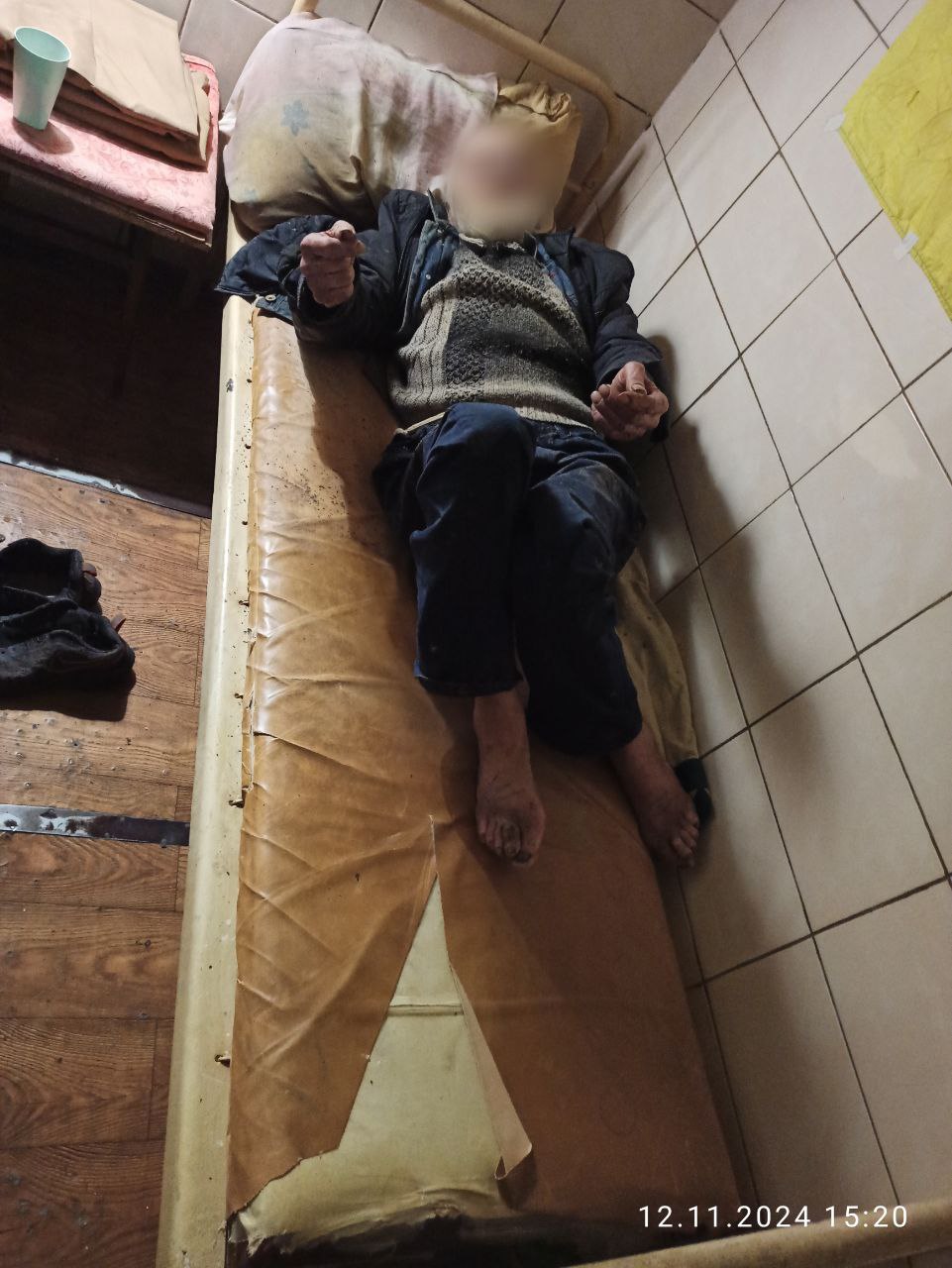
1. In violation of the “Rules for the use of physical restraint and (or) isolation when providing psychiatric care to persons suffering from mental disorders, and forms of primary accounting documentation”, approved by the order of the Ministry of Health dated 24 March 2016 No. 240 (hereinafter — Rules), two people suffering from mental disorders were found in the isolation ward for individuals with mental disorders, one of whom had been in the isolation ward premises in a lying position for a long period of time, was unable to care for himself, and was without bedding and in dirty casual clothes.
At the same time, in violation of paragraph 9 of the Rules, the isolation ward for individuals with mental disorders is not properly equipped. Specifically, there is no access to fresh air due to the lack of a window and supply and exhaust ventilation, there is no sanitary facility, and there is no container with boiled drinking water.
In violation of Article 115 of the Criminal-Executive Code of Ukraine, in the isolation ward, where there are 3 beds, the requirements regarding the living area standard per convict in stationary treatment conditions (no less than 5 m²) are violated. These circumstances indicate a violation of the convicts’ right to healthcare and medical care and can be regarded as cruel, improper, or degrading treatment.
At the same time, in accordance with paragraph 43 of the Third General Report of recommendations of the European Committee for the Prevention of Torture and Inhuman or Degrading Treatment or Punishment (CPT/Inf(93)12-part) (hereinafter — Committee), a mentally ill prisoner should be kept and cared for in a hospital facility with sufficient equipment and properly trained personnel. Such a facility could be an ordinary (civil) psychiatric hospital or a specially equipped psychiatric facility within the penitentiary system.
In addition, there was a convict in the isolation ward who, according to the provided information, is in the medical unit around the clock, occupies a sleeping place in the isolation ward, and performs the function of an orderly. During the conversation, he reported that he belongs to the category of convicts known as “outcasts”, and is engaged by medical personnel to perform work on caring for the seriously ill and as an orderly, for performing dirty work, including cleaning in the wards and the corridor of the medical unit.
At the same time, the Committee has repeatedly recommended ending the practice of using convicts as assistants in medical units and as orderlies. (Committee report on the results of the visit to Ukraine in 2005 (paragraph 132. CPT/Inf (2007) 22), in 2013 (paragraph 151. CPT/Inf (2014) 15), in 2017 (paragraph 86. CPT/Inf (2018) 41).
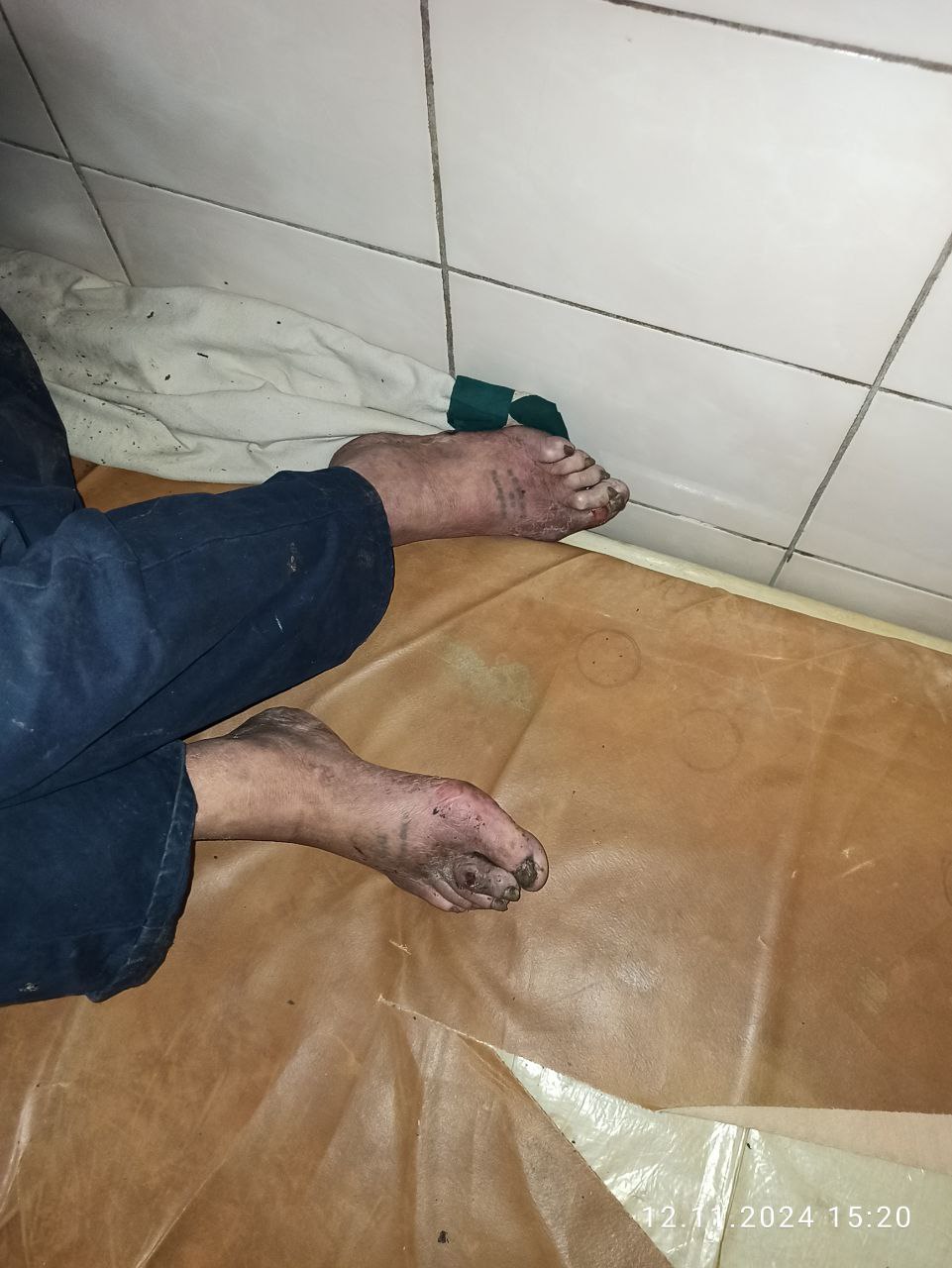
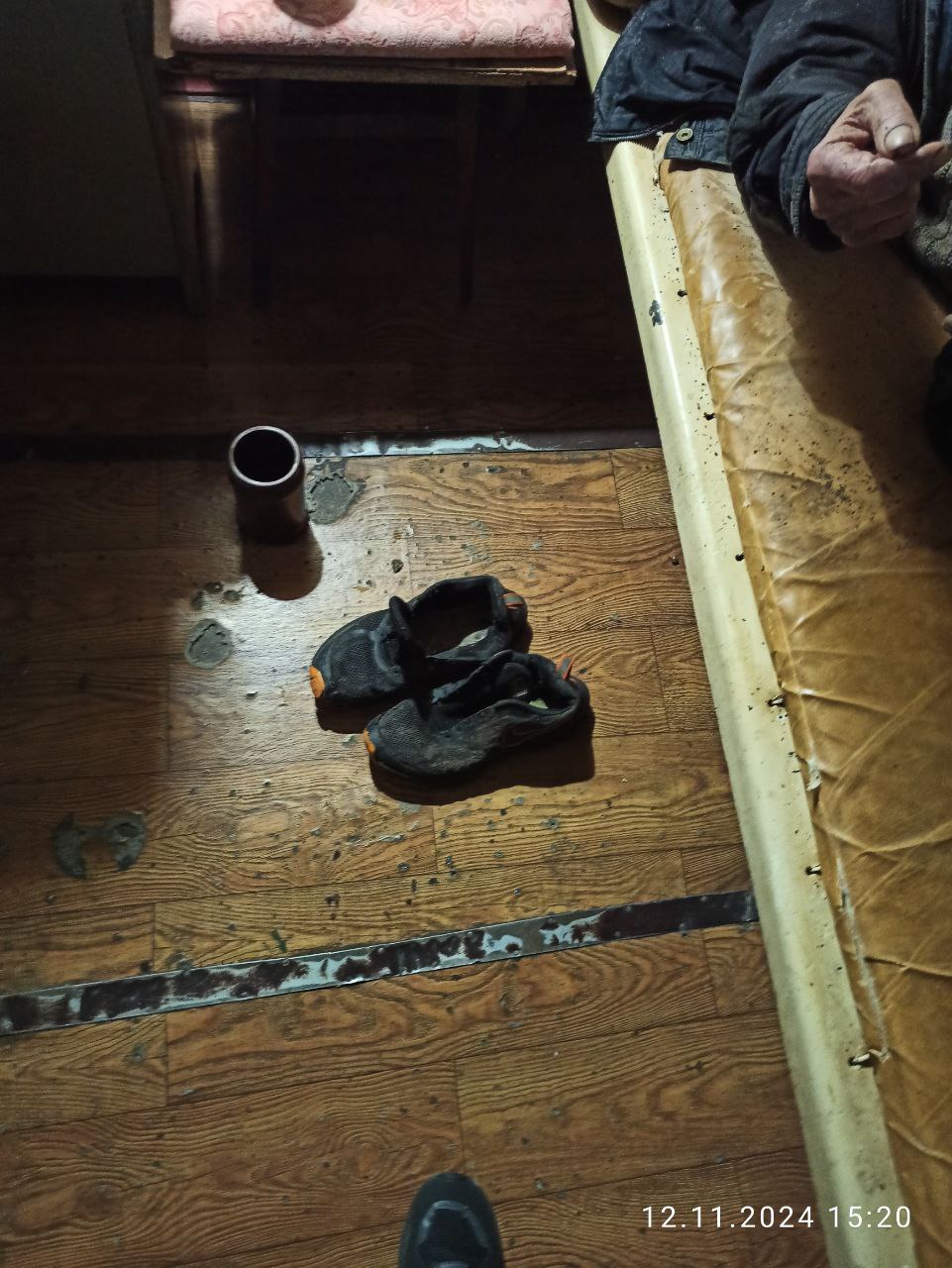
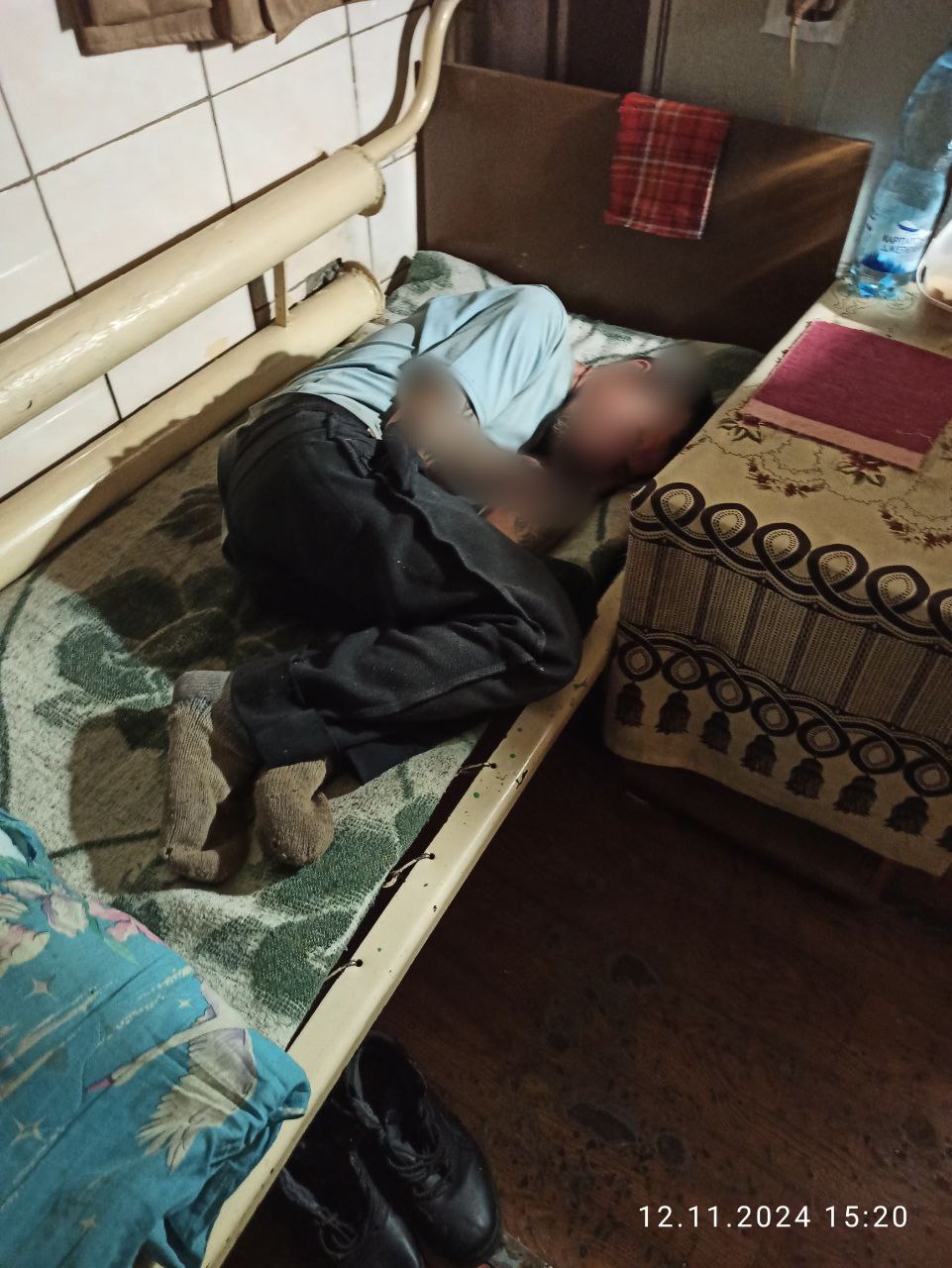
2. During the study of medical documentation, it was established that in the medical cards of an outpatient (form 025/o), photographs of existing bodily injuries are not attached to the compiled certificates, as provided for in paragraph 3 of Section I, Chapter II of the joint Order of the Ministry of Justice of Ukraine and the Ministry of Health of Ukraine dated 15 August 2014 No. 1348/5/572 “On approval of the Procedure for organising the provision of medical care to persons sentenced to deprivation of liberty” (hereinafter — Procedure).
At the same time, the Committee in its report on the results of the visit to Ukraine in 2023 states that any traumatic injuries discovered during a medical examination should be photographed in detail, and photographs together with body diagrams should be kept in the individual medical card of the person. (CPT/Inf (2024) 20) paragraph 82).
3. In the medical unit, the provision of opioid substitution maintenance therapy (hereinafter — SMT) for persons with mental and behavioural disorders resulting from opioid use is not organised, in accordance with the Procedure for conducting opioid substitution maintenance therapy for persons with mental and behavioural disorders resulting from opioid use, approved by Order of the Ministry of Health of Ukraine dated 27 March 2012 No. 200.
Drug-dependent persons are not provided with social and psychological support, cognitive behavioural therapy (CBT), relapse prevention, motivational interviewing, mutual aid groups, etc.
Thus, these individuals are deprived of the opportunity to receive SMT, which violates their right to choose methods of treatment in accordance with Article 38 of the Law of Ukraine “Fundamentals of Legislation of Ukraine on Healthcare”.
At the same time, the Committee in its report on the results of the visit to Ukraine in 2023 states that entering a penitentiary institution is an opportunity to solve a problem related to drugs, and therefore it is important that appropriate assistance be offered to all interested persons, and therefore appropriate medical care should be available in all institutions.
The assistance offered to such persons must be diverse; substitution therapy programmes for persons with drug addiction should be combined with genuine psychosocial and educational programmes for persons with opioid addiction who are unable to stop drug use.
Furthermore, access to SMT programmes in institutions should be easily available, and they should also be managed by penitentiary doctors who should undergo special training on issues related to drug use. (CPT/Inf (2024) 20) paragraph 86).
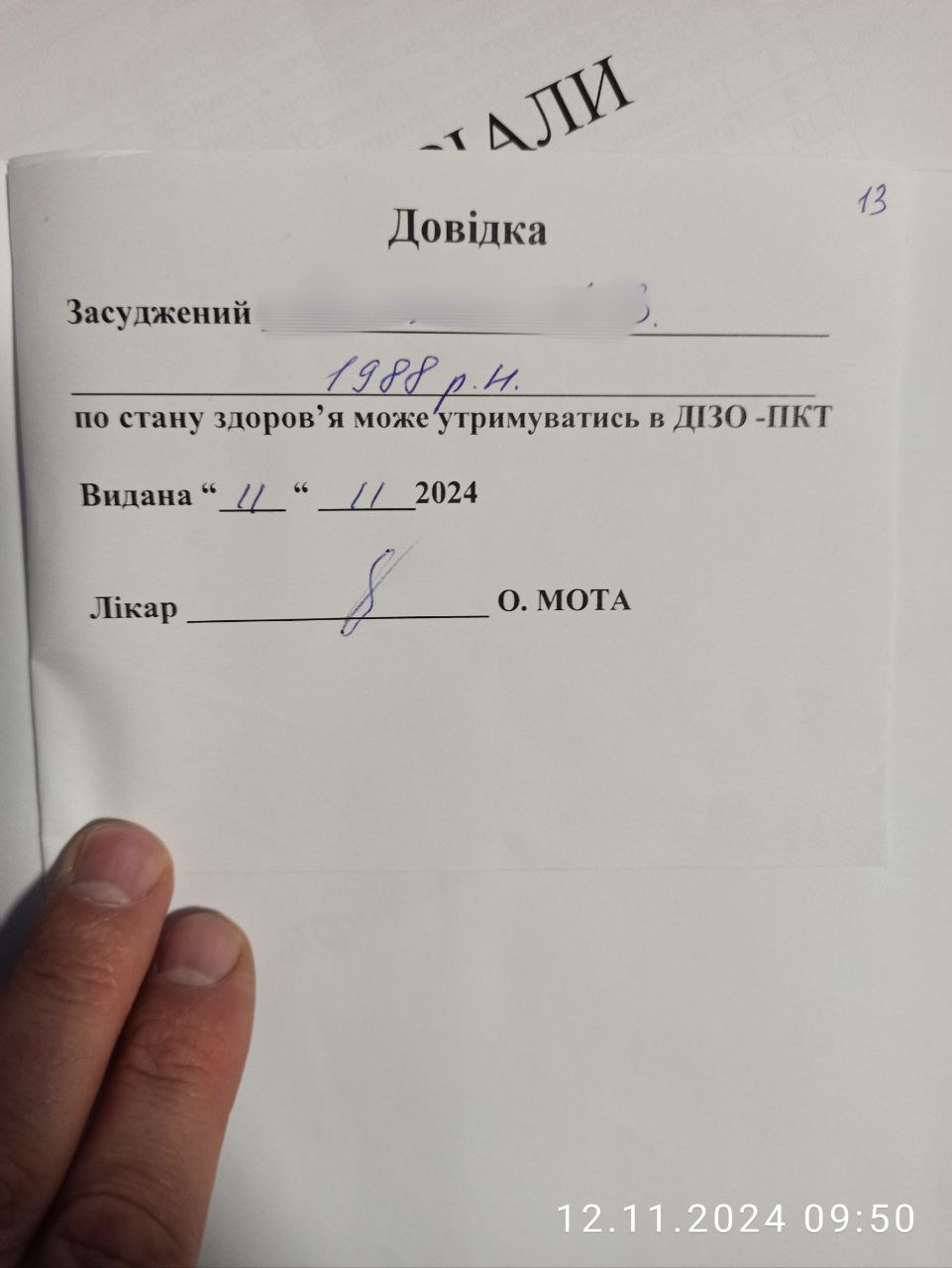
4. During the inspection of the DIZO unit, the monitors established that when a convict is placed in a disciplinary isolation ward, it is practiced to include in the case file a medical certificate containing the state of health and according to the conclusion of which the convict can be held in a DIZO or PKT due to their state of health.
The discovered facts certify that the institution’s staff possess confidential information regarding the state of health of the convicts who are in the DIZO unit. This violates the requirements of Article 39-1 of the Law of Ukraine “Fundamentals of Legislation of Ukraine on Healthcare” regarding the right of persons to secrecy about their state of health.
At the same time, the Committee has repeatedly emphasised that the obligation of penitentiary doctors to certify the fitness of convicts for serving a disciplinary penalty is unlikely to contribute to the development of positive relations between the doctor and the patient.
In principle, medical personnel should never participate in any part of the decision-making process regarding the application of any type of solitary confinement, except in cases where this measure is applied for medical reasons. On the other hand, medical personnel should be very attentive to the condition of convicts who are in solitary confinement.
Medical personnel must be immediately informed about every such placement and must visit the convict immediately after placement, and then regularly, at least once a day, and provide them with prompt medical assistance and treatment if necessary. Medical personnel must inform the institution’s administration if the convict’s health is seriously threatened due to solitary confinement. (CPT/Inf (2024) 20) paragraph 104).
5. In violation of the requirements of subparagraph 5 of paragraph 5 of Section II of the Procedure, for 7 patients who are on inpatient treatment in the hospital, primary accounting record form No. 003/o “Medical card of an inpatient” has not been opened, approved by Order of the Ministry of Health of Ukraine dated 14 February 2012 No. 110, into which all data regarding treatment and diagnostics in the medical unit’s inpatient facility should be entered, including those obtained during the examination of the convicted patient, with a prescription sheet.
6. Convicted persons are not offered the signing of informed voluntary consent for diagnostics and treatment, in accordance with the Instruction on filling out primary accounting record form No. 003-6/o “Informed voluntary consent of the patient for diagnostics, treatment, and for surgery and anaesthesia and for the presence or participation of participants in the educational process”, approved by Order of the Ministry of Health of Ukraine dated 14 February 2012 No. 110.
Thus, it was established that there is an absence in the inpatient medical cards No. 003/o of informed voluntary consent for diagnostics and treatment signed by the patient, which may indicate the absence of voluntary consent of patients for the application of methods of diagnostics, prevention, and treatment to them and is a violation of Article 43 of the Law of Ukraine “Fundamentals of Legislation of Ukraine on Healthcare” and paragraph 47 of the CPT Standards.
7. In violation of the Procedure for organising the provision of medical care at primary, secondary (specialised), and tertiary (highly specialised) levels using telemedicine, approved by Order of the Ministry of Health of Ukraine dated 19 October 2015 No. 681, the medical unit staff are deprived of the possibility to make requests for telemedicine consulting and receive consultation for the provision of medical care to convicted persons due to technical reasons.
8. In the medical unit, there are no separate offices for a general practitioner — family doctor, infectious disease doctor, psychiatrist, and dermatologist. These doctors conduct appointments for sick detainees and convicted persons in one room, which does not ensure confidentiality and can lead to a violation of the right to privacy during medical examinations.
9. In violation of the requirements of the State Building Standards of Ukraine V.2.2-17:2006 “Buildings and structures. Accessibility of buildings and structures for low-mobility groups of the population”, conditions for accommodating people with disabilities have not been created in the medical unit.
10. In violation of paragraph 37 of the Resolution of the Cabinet of Ministers of Ukraine No. 285 dated 2 March 2016 “On approval of Licensing conditions for conducting economic activities in medical practice”, there is no document in the medical unit confirming free access to buildings and premises of the medical institution for low-mobility groups of the population, the receipt of which is mandatory.
11. In violation of the requirements of the Standards of medical care for HCV in adults, approved by Order of the Ministry of Health of Ukraine dated 15 January 2021 No. 51, not all persons with suspected viral hepatitis C undergo PCR testing, due to which they do not receive the necessary treatment, which can lead to a deterioration of their state of health and the spread of the specified infectious disease among convicts and detainees. In addition, on the day of the visit, drugs for the treatment of viral hepatitis C were missing in the medical unit’s pharmacy.
12. In violation of the Measures and Means for preventing infection when providing care to patients, approved by Order of the Ministry of Health of Ukraine dated 3 August 2020 No. 1777, only one isolation ward for infectious patients is equipped in the medical unit, which makes it impossible to simultaneously place patients with dangerous infectious diseases separately from each other and from other convicts.
13. In violation of the requirements of the Equipment Supply Schedule for one workplace of a dentist and a dental technician, approved by Order of the Ministry of Health of Ukraine dated 11 April 2005 No. 158, there is no dental X-ray machine in the medical unit, which makes it impossible to conduct an in-depth dental examination of convicts and does not ensure the timely provision of proper dental care.
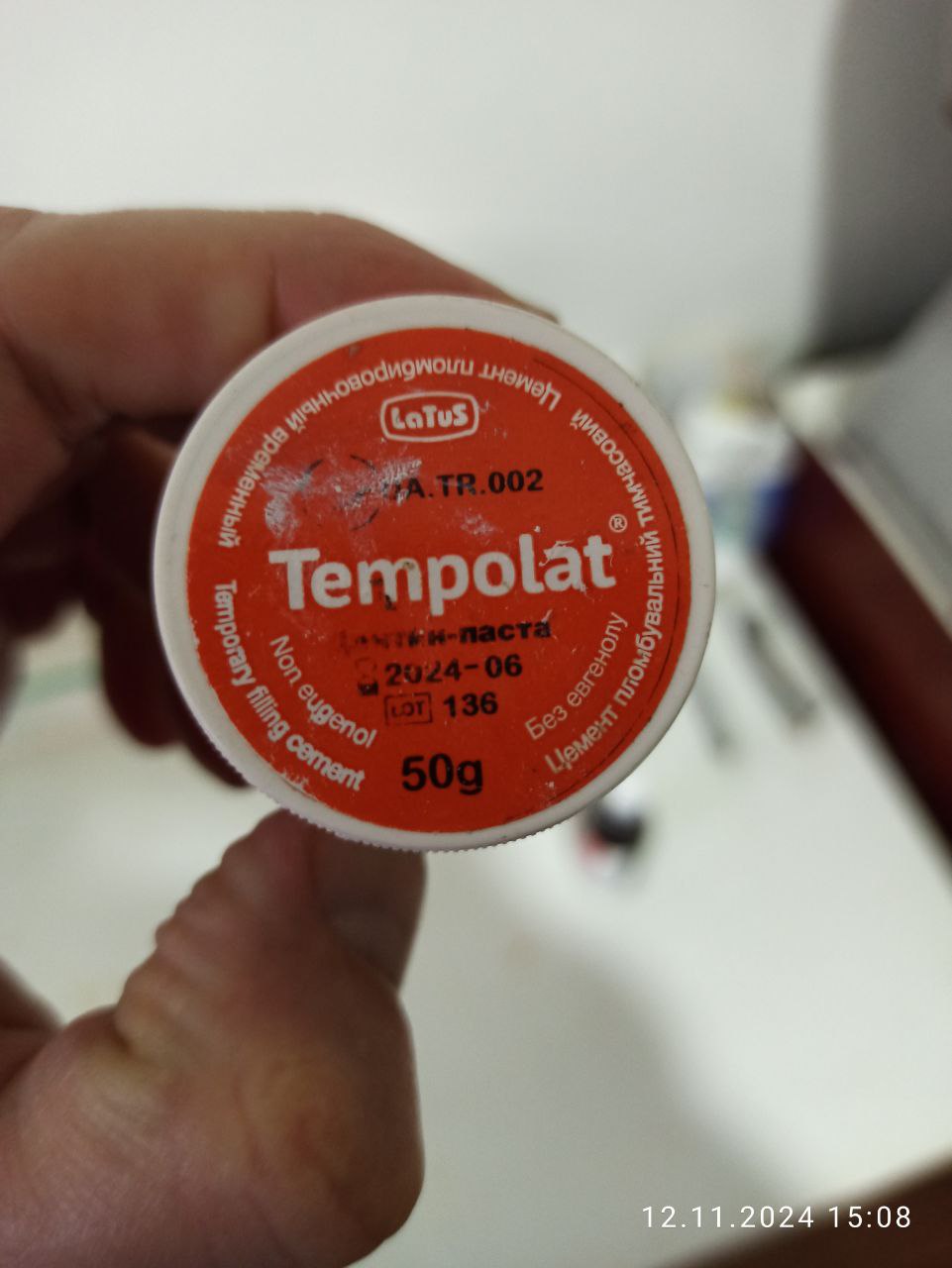
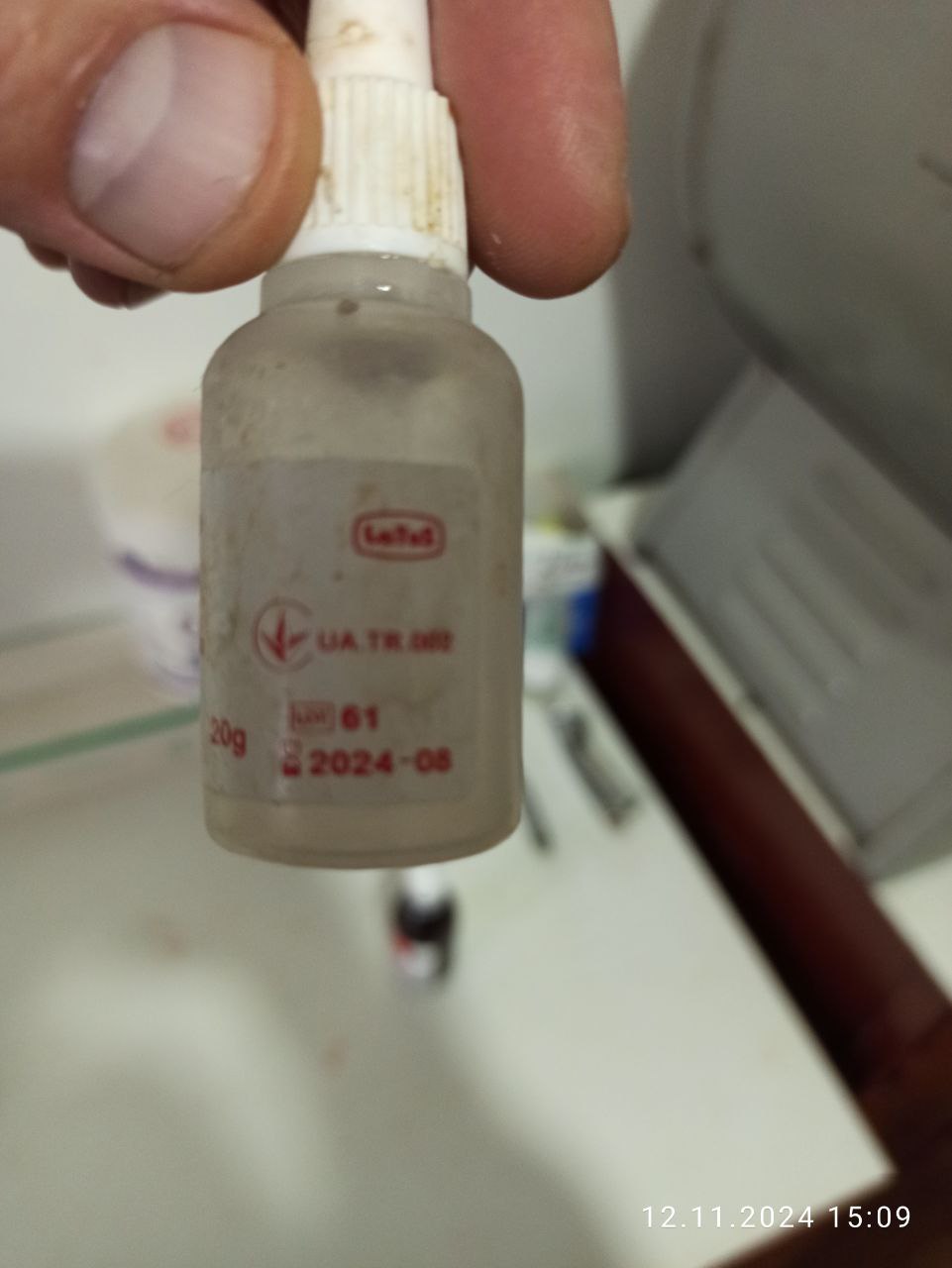
14. In violation of the requirements of paragraph 5 of Section I of the “Rules for storage and quality control of medicines in medical and preventive institutions”, approved by Order of the Ministry of Health of Ukraine dated 16 December 2003 No. 584, during the inspection of the dentist’s office in the medical unit, medicines were found whose storage period had expired.
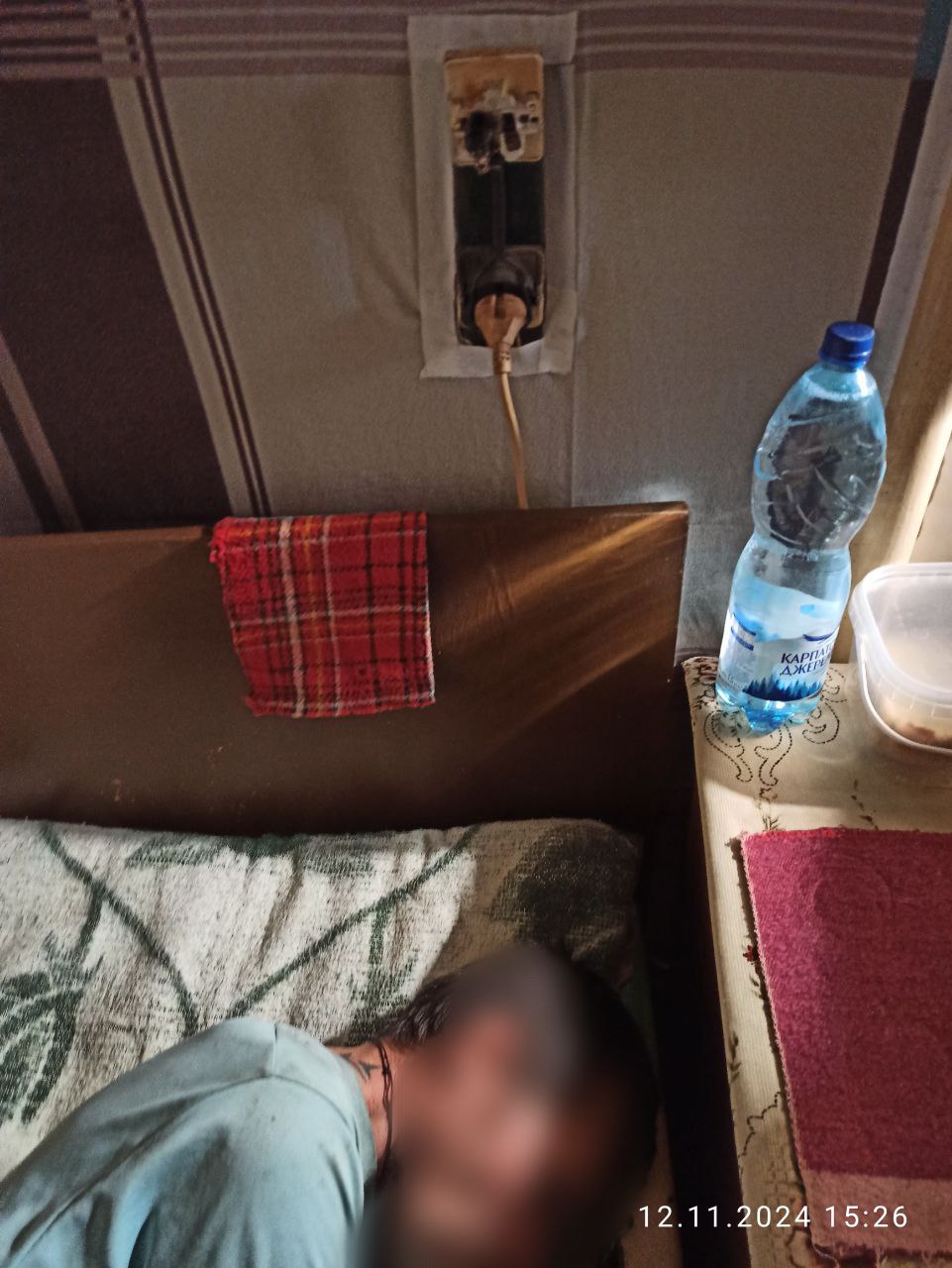
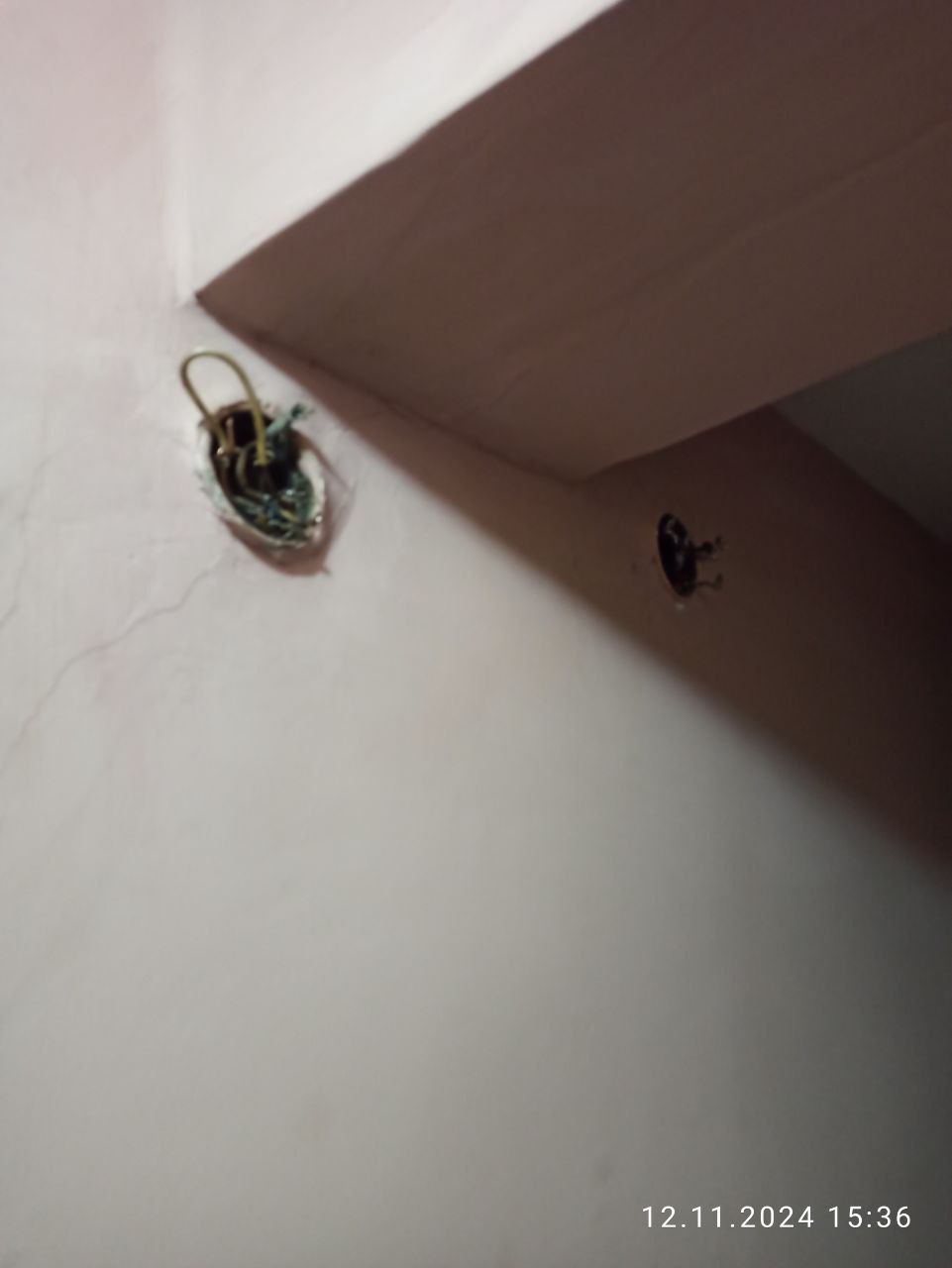
15. In violation of the Fire Safety Rules in Ukraine, approved by the Ministry of Internal Affairs of Ukraine dated 30 December 2014 No. 1417 (hereinafter — Rules), the medical unit premises are not equipped with fire extinguishing and fire alarm systems. In the isolation ward for individuals with mental disorders, the sockets are damaged, and electrical wires are not properly insulated, which may lead to electric shock to convicts or medical unit staff and other negative consequences.
16. The doctors’ office and X-ray room premises are not provided with fire extinguishers, which is a violation of the requirements of paragraph 3.6 of Chapter 3 of Section V of the Rules and a violation of paragraph 10.18 of Chapter 10 of the State Sanitary Rules and Norms “Hygienic requirements for the arrangement and operation of X-ray rooms and the performance of X-ray procedures” approved by Order of the Ministry of Health of Ukraine dated 4 June 2007 No. 294, registered with the Ministry of Justice of Ukraine on 7 November 2007 under No. 1256/14523.
17. In violation of the requirements of the Norms for the belonging of bedding, special clothing, and special footwear (inventory property) for convicts undergoing treatment in medical and preventive institutions, institutions with the rights of medical facilities, and medical units at penal institutions and pre-trial detention centres, approved by Order of the Ministry of Justice of Ukraine dated 20 February 2012 No. 280/5, convicts in the inpatient facility do not receive hospital property (hospital suit, robe, and slippers).
18. In accordance with the requirements of paragraph 7 of part 1 of the Resolution of the Cabinet of Ministers of Ukraine dated 22 December 2023 No. 1394 “Some issues of implementing the programme of state guarantees of medical care for the population in 2024”, the NHSU pays for medical services provided under paper-based referrals for patients held in penal institutions or pre-trial detention centres of the State Criminal-Executive Service until the creation of technical capability by healthcare institutions of the State Criminal-Executive Service to issue electronic referrals is ensured.
However, due to the lack of concluded declarations with a primary care physician by the convicted persons, they do not have the opportunity to receive the necessary medical services at the expense of the NHSU, which leads to a violation of the requirements of paragraphs 4 and 5 of Article 4 of the Law of Ukraine “Fundamentals of Legislation of Ukraine on Healthcare”.
Recommendations:
- Stop the practice of degrading the honour and dignity of convicts upon arrival at the institution by forcing them to perform acts that degrade human dignity;
- Stop the practice of degrading human dignity in the DIZO during door opening;
- Stop the practice of using cell premises where the width of the walls is less than 2 metres;
- Ensure compliance with the standards of the Provision Norms in the QDDU;
- Stop the practice of engaging convicts to gratuitous work in the QDDU;
- Stop the practice of prohibiting reading literature in the DIZO;
- Stop the practice of violating fire safety;
- Stop the practice of using gratuitous labour in the kitchen;
- Provide convicts working on household jobs with properly formatted 1-OMK medical cards;
- Take measures aimed at eliminating the identified human rights violations and preventing torture and other cruel, inhuman, or degrading treatment and punishment in Medical Unit No. 6 of the branch of the State Institution “Centre for Healthcare of the State Criminal-Executive Service of Ukraine” in the Cherkasy and Kirovohrad regions;
- Ensure control over the proper maintenance of medical documentation in accordance with the Procedure for organising the provision of medical care to persons sentenced to deprivation of liberty, approved by joint order of the Ministry of Justice of Ukraine and the Ministry of Health of Ukraine dated 15 August 2014 No. 1348/5/572 and other regulatory legal acts;
- Fulfil the requirements of paragraph 37 of the Resolution of the Cabinet of Ministers of Ukraine No. 285 dated 2 March 2016 “On approval of Licensing conditions for conducting economic activities in medical practice”;
- Ensure the accessibility of the institution’s buildings in accordance with the State Building Standards of Ukraine V.2.2-17:2006 “Buildings and structures. Accessibility of buildings and structures for low-mobility groups of the population”;
- Ensure the provision of proper psychiatric medical care in accordance with the Law of Ukraine “On Psychiatric Care”;
- Ensure the receipt of informed consent from patients for examination and treatment in the established form;
- Ensure timely and proper fixation of bodily injuries in convicts;
- Stop the practice of doctors certifying the state of health of convicts and detainees when placing them in the DIZO/PKT unit;
- Stop the practice of using convicts as assistants in medical units and institutions;
- Provide the medical unit with hospital property (hospital suit, robe, and slippers);
- Provide the medical unit’s pharmacy with all necessary medicines and medical devices;
- Ensure the adoption of measures for the proper storage of medicines;
- Ensure the equipment of the isolation ward for individuals with mental and behavioural disorders in accordance with the requirements;
- Ensure compliance with the established living area standard per one convicted person in accordance with the requirements of Article 115 of the Criminal-Executive Code;
- Ensure proper medical care for persons suffering from viral hepatitis C;
- Equip the fire-fighting system in accordance with established requirements;
- Ensure the proper operation of the telemedicine complex for doctors to make requests for telemedicine consulting;
- Ensure the possibility of receiving substitution maintenance therapy based on a diagnosis of mental and behavioural disorders resulting from opioid use;
- Ensure the equipment of the necessary number of isolation wards for infectious patients.