Report on the Results of the Monitoring Visit to Zhytomyr Correctional Colony No. 4
General Information
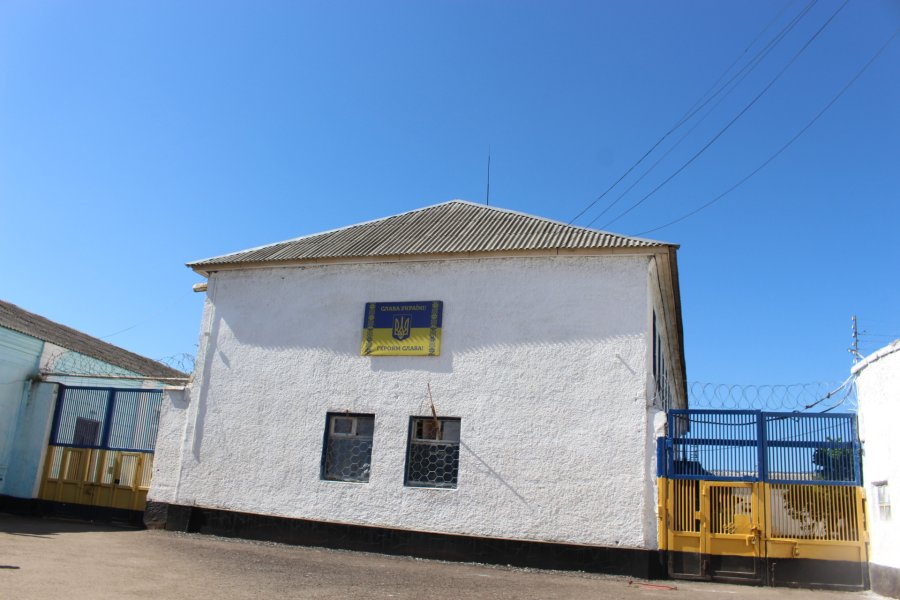
Zhytomyr Correctional Colony No. 4 is located at: 172 Nezalezhnosti Avenue, Zhytomyr.
The head of the institution is Colonel of the Internal Service Oleksandr Yosypovych Bochkovskyi.
The institution consists of a production zone, a canteen, a residential area with social and psychological service units, a disciplinary cell/chamber-type premises unit, a medical unit, a laundry and bathhouse complex, a disciplinary isolation/chamber-type premises unit, a shop, a library, and administrative premises.
The authorised staff size of the institution is 343 positions. The actual number is 206 positions, of which 56 are women, accounting for 27.18%. The overall staff shortage in the institution is 41.39%.
The planned capacity of the institution is 1,240 people. The actual number is 1,179 people.
There are eight social and psychological service units in Zhytomyr Correctional Colony No. 4. Throughout the current year, 209 people have arrived at the institution.
In 2023, seven people died; seven people have also died in the current year. 214 people are employed under civil-law contracts. Four people were in the disciplinary isolation unit in DPK-3. There are two people undergoing treatment in the medical unit.
There are 50 people registered with HIV/AIDS. The operational preventive register of the institution included: 30 individuals prone to suicide; 20 prone to self-harm; nine prone to escape. Throughout 2023–2024, not a single complaint from convicts regarding inadequate detention conditions and inadequate medical care was recorded. Seven people have Group II disabilities, and 20 have Group III disabilities.
Convicts do not have personal access to tablets with internet connection.
The monitoring group conducted interviews with 184 convicts.
Humanitarian needs: replacement of sleeping beds in residential premises.
Preliminary Observations
The previous visit to Zhytomyr Correctional Colony No. 4 by the monitoring group was carried out on 11 April 2023.
Based on the results of the previous visit to the institution, it was established that:
- The practice of having no complaints from convicts regarding the actions (inaction) of the institution’s management suggests that either the convicts are being persecuted for filing complaints, or they see no point in submitting them;
- Meagre wages, which can be equated to slave labour;
- Solitary confinement in disciplinary isolation units/chamber-type premises;
- Inadequate conditions of detention for convicts in residential premises;
- Lack of personal access for convicts to tablets with internet connection;
- Absence of short-term contact visits;
- Violations of fire safety regulations;
- Some premises are in a dilapidated state;
- Inadequate provision of medical care.
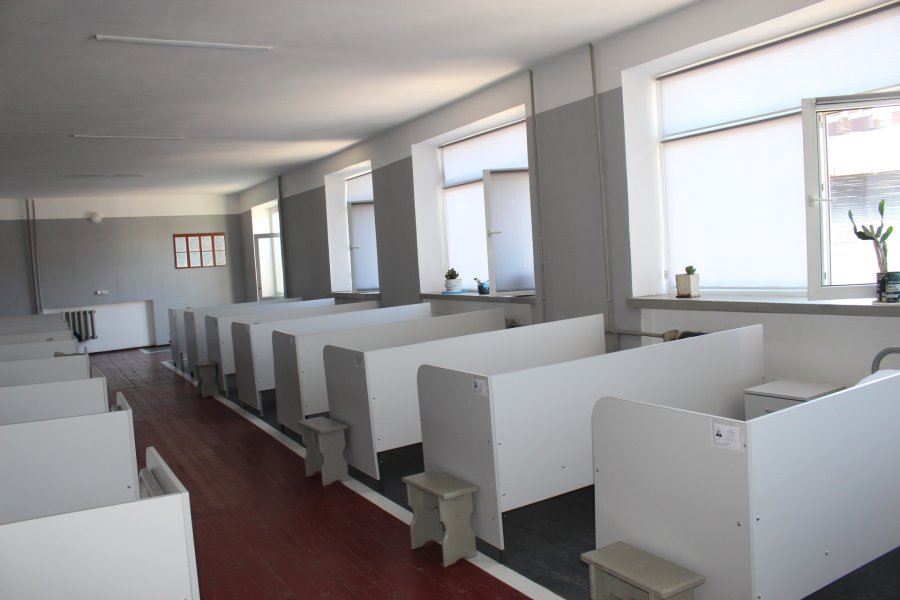
The recommendations provided following the previous visit were partially implemented, namely: capital repairs were carried out in the residential premises.
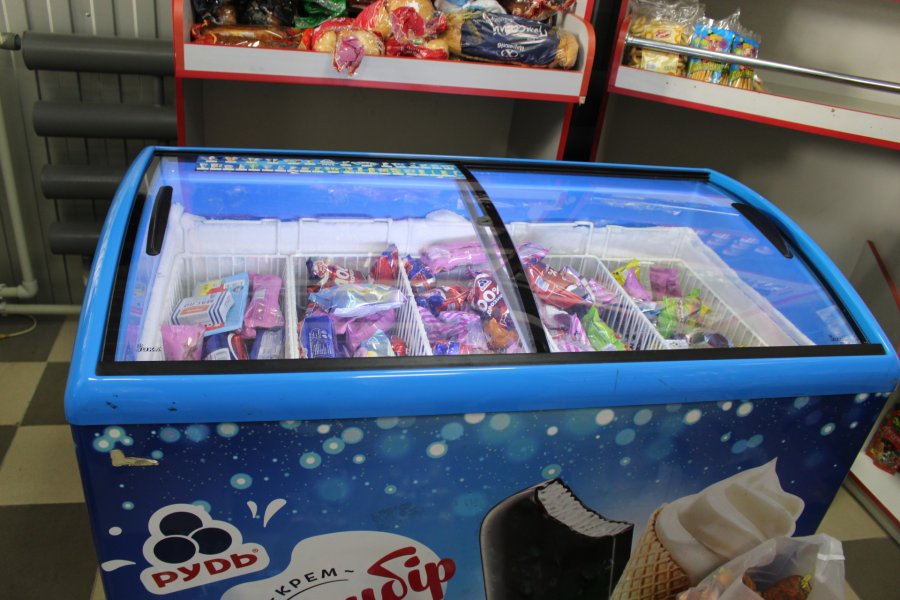
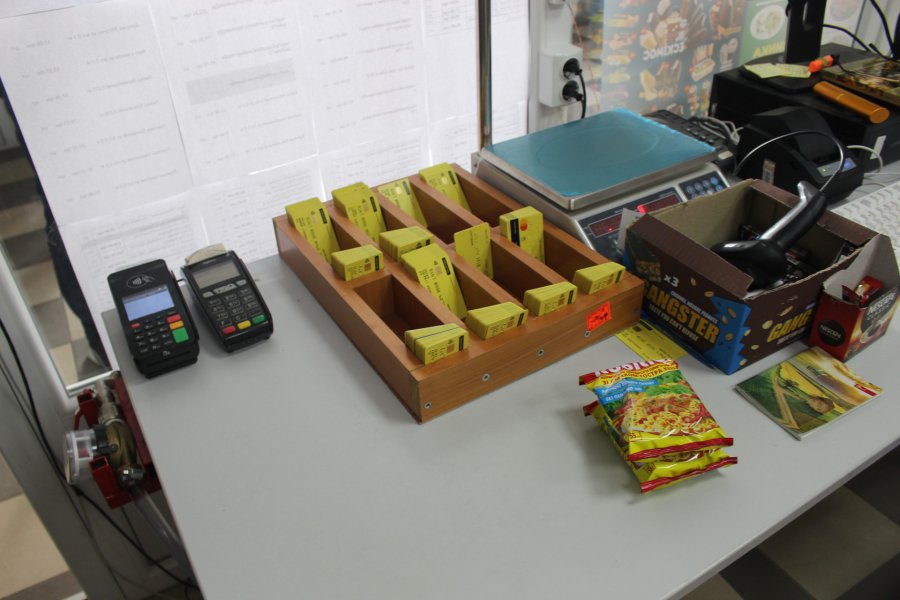
A renovated shop is functioning with a large assortment of goods, where convicts can pay with bank cards, which is a positive practice. About 500 convicts in the institution have their own bank cards.
Medical Unit No. 4 of the Branch of the State Institution “Centre for Health Care of the State Criminal-Executive Service of Ukraine” in Zhytomyr Region
The head of Medical Unit No. 4 of the branch of the state institution “Centre for Health Care of the State Criminal-Executive Service of Ukraine in Zhytomyr Region” (hereinafter—the medical unit) is Pavlo Vatslavovych Yavorskyi.
The inpatient department of the medical unit has five wards for somatic patients, designed for 10 beds, and one infectious isolation ward designed for four beds. According to the staffing schedule, the following positions are vacant: general practitioner—family doctor (1 post); radiologist (0.5 post); radiological laboratory technician (0.5 post).
On the day of the visit, four people were in the inpatient department of the medical unit. During the visit, the monitoring group studied the medical documentation and examined the premises of the medical unit for compliance with the requirements of Ukrainian legislation and international standards. Defects were identified in the operation of Zhytomyr Medical Unit No. 4, which lead to violations of the rights of convicts and persons held in custody in Zhytomyr Correctional Colony No. 4, in particular:
1. Violation of the convicts’ right to protection from torture or inhuman or degrading treatment or punishment (Article 3 of the Convention for the Protection of Human Rights and Fundamental Freedoms) and violation of the right to health care and medical assistance (Article 49 of the Constitution of Ukraine)
1.1 In violation of Clause 37 of the Resolution of the Cabinet of Ministers of Ukraine No. 285 of 02.03.2016 “On Approval of Licensing Conditions for Carrying Out Economic Activities in Medical Practice,” there is no document confirming free access to the buildings and premises of the medical institution for persons with limited mobility, the obtaining of which is mandatory.
1.2 In accordance with the requirements of Clause 7, Part 1 of the Resolution of the Cabinet of Ministers of Ukraine of 22.12.2023 No. 1394 “Some Issues of Implementing the Programme of State Guarantees of Medical Services for the Population in 2024,” the National Health Service of Ukraine (NHSU) pays for medical services provided based on paper referrals for patients held in penal institutions or pre-trial detention centres of the State Criminal-Executive Service until the health care institutions of the State Criminal-Executive Service create the technical capability to issue electronic referrals. However, due to the lack of declarations concluded by convicts with a primary health care physician, they do not have the opportunity to receive the necessary medical services at the expense of the NHSU, which leads to a violation of the requirements of Paragraphs 4 and 5 of Article 4 of the Law of Ukraine “Fundamentals of Legislation of Ukraine on Health Care.”
1.3 In violation of the requirements of Subclause 5, Clause 5 of Section II of the “Procedure for Organizing the Provision of Medical Care to Persons Sentenced to Imprisonment,” approved by the joint order of the Ministry of Justice of Ukraine and the Ministry of Health of Ukraine of 15.08.2014 No. 1348/5/572 (hereinafter—the Procedure), for two patients who were in the medical unit’s isolation ward for persons with mental disorders, primary accounting record Form No. 003/o “Medical Card of an Inpatient,” approved by the order of the Ministry of Health of Ukraine of 14.02.2012 No. 110, had not been created. All data regarding treatment and diagnosis in the inpatient department of the medical unit should be entered into this card, including data obtained during the examination of the convicted patient, along with a prescription sheet.
1.4 In violation of the requirements of the Instruction on Filling Out Primary Accounting Record Form No. 003-6/o “Informed Voluntary Consent of the Patient to Diagnostics, Treatment, and Surgery and Anaesthesia and to the Presence or Participation of Participants in the Educational Process,” approved by the order of the Ministry of Health of Ukraine of 14.02.2012 No. 110, an absence of informed voluntary consent for diagnostics and treatment signed by patients staying in the inpatient isolation ward for persons with mental disorders was established.
The above may indicate a lack of voluntary consent from patients for the application of diagnostic, preventive, and treatment methods, which is a violation of Article 43 of the Law of Ukraine “Fundamentals of Legislation of Ukraine on Health Care” and Clause 47 of the recommendations of the European Committee for the Prevention of Torture and Inhuman or Degrading Treatment or Punishment (CPT/Inf(93)12-part) (hereinafter—CPT Standards).
1.5 The medical unit has not organized the provision of Opioid Substitution Therapy (OST) for persons with mental and behavioural disorders due to opioid use, in accordance with the Procedure for Providing Opioid Substitution Therapy for Persons with Mental and Behavioural Disorders Due to Opioid Use, approved by the order of the Ministry of Health of Ukraine of 27.03.2012 No. 200.
1.6 Drug-addicted individuals are not provided with social-psychological support, cognitive-behavioural therapy (CBT), relapse prevention, motivational interviewing, self-help groups, etc.
Thus, these individuals are deprived of the opportunity to receive OST, which violates their right to choose methods of treatment in accordance with Article 38 of the Law of Ukraine “Fundamentals of Legislation of Ukraine on Health Care.” At the same time, the European Committee for the Prevention of Torture and Inhuman or Degrading Treatment or Punishment expresses a clear position that prisoners should have access to Opioid Substitution Therapy (OST) to the same extent as free individuals, and that this should correspond to the general principle of equivalence of medical care in penal institutions and among free individuals (Report of the Committee on the Results of the Visit to Ukraine in 2009 (140.CPT / Inf (2011) 29); 2013 (164.CPT/Inf (2014) 15)).
1.6 The monitoring group established the existing practice of segregation and stigmatisation of a particularly vulnerable category of convicts, which is based on the negative influence of the informal prison hierarchy and leads to discrimination and unacceptable restrictions in the recognition, implementation, and enjoyment of the universally recognized fundamental right to respect for human dignity of these individuals. For instance, convicts classified as “rejected” reported that they are forced to remain in isolation from the general mass of convicts, are subjected to harassment, threatening, intimidating, and humiliating statements, eat separately, wash their personal clothing and bed linen separately, and are prone to a high level of violence from other convicts.
At the same time, the European Committee for the Prevention of Torture and Inhuman or Degrading Treatment or Punishment constantly emphasizes in its reports the need to combat violence and intimidation among prisoners. In its Report on the Results of the Visit to Ukraine in 2017 (59. CPT/Inf (2018) 41), the Committee notes that prison authorities must act proactively to prevent violence by one prisoner against another.
Combating the phenomenon of violence and intimidation among prisoners requires that the number of prison staff be sufficient. Staff must also be attentive to signals that problems exist and be properly trained to intervene when necessary. Both initial and periodic training programmes for staff at all levels must address the issues of curbing violence among prisoners.
Furthermore, the management and staff of all penitentiary institutions should be alerted to the need for constant increased vigilance and the use of all available means to prevent and combat violence and intimidation among prisoners. This should include carrying out an individualized assessment of prisoners’ risks and needs, constant monitoring of their behaviour (including identifying potential offenders and victims), proper reporting of confirmed and suspected incidents of intimidation/violence among them, and thorough investigation of all incidents.
2. Lack of medical equipment, medical supplies, and medicinal products in the medical unit. Violation of fire safety rules
2.1 The medical unit is not equipped with functional fluorographic/X-ray equipment, as a result of which convicts and detainees do not undergo diagnostic examinations of the thoracic cavity to timely detect respiratory diseases, which indicates the impossibility of conducting early tuberculosis diagnosis in the medical facility.
2.2 In violation of the requirements of the Equipment List for a dental practitioner and dental technician workstation, approved by the order of the Ministry of Health of Ukraine of 11.04.2005 No. 158, the medical unit lacks a dental X-ray machine, which makes it impossible to conduct in-depth dental examinations of convicts and does not ensure the timely provision of proper dental care.
2.3 During the inspection of the defibrillator’s functionality, it was established that the electrodes were missing. At the same time, the European Committee for the Prevention of Torture and Inhuman or Degrading Treatment or Punishment recommended that medical services in all visited prisons (and all other penitentiary institutions in Ukraine) be equipped with life-saving equipment for doctors (Report of the Committee on the Results of the Visit to Ukraine in 2017, 87. CPT/Inf (2018) 41).
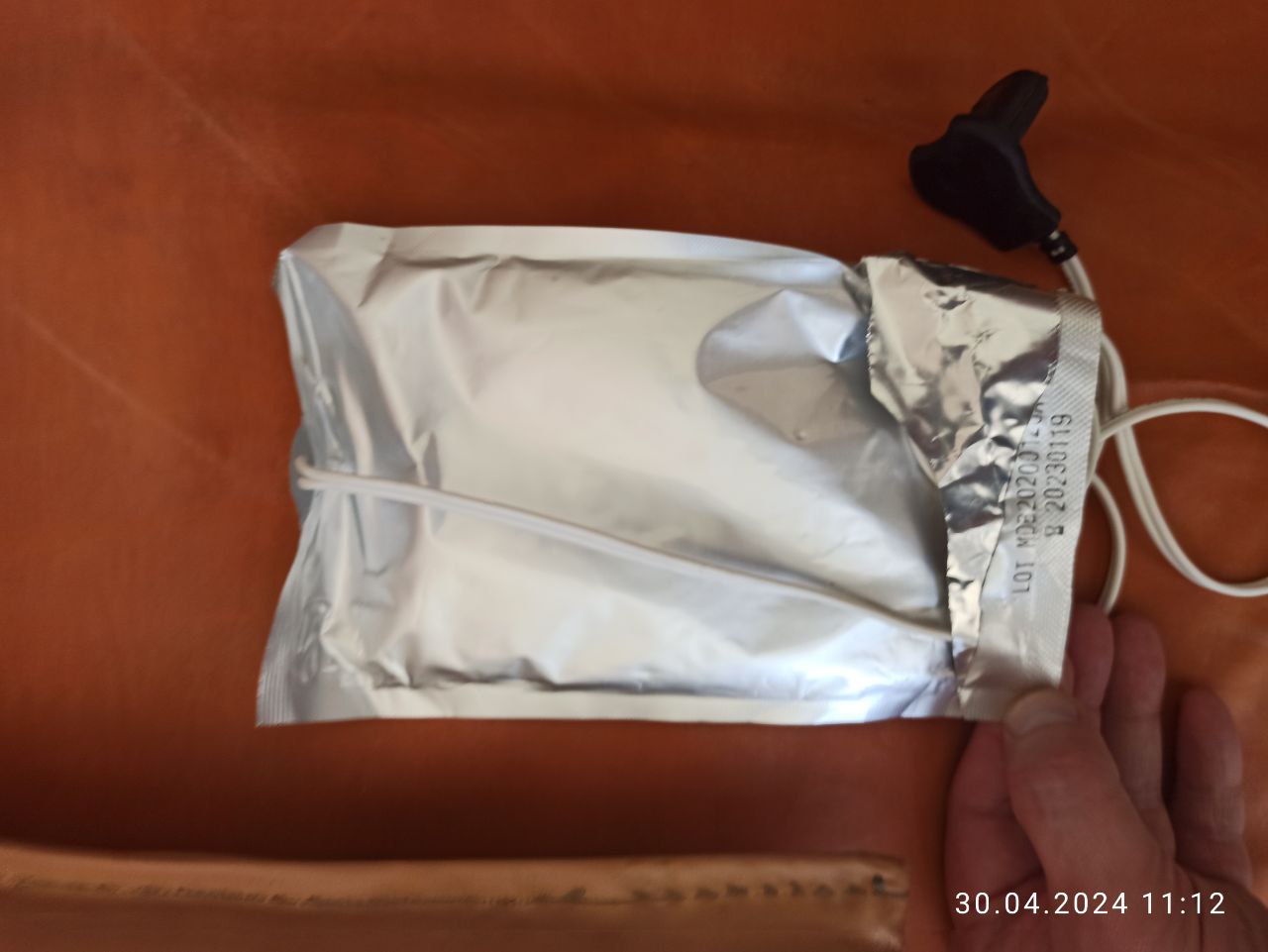
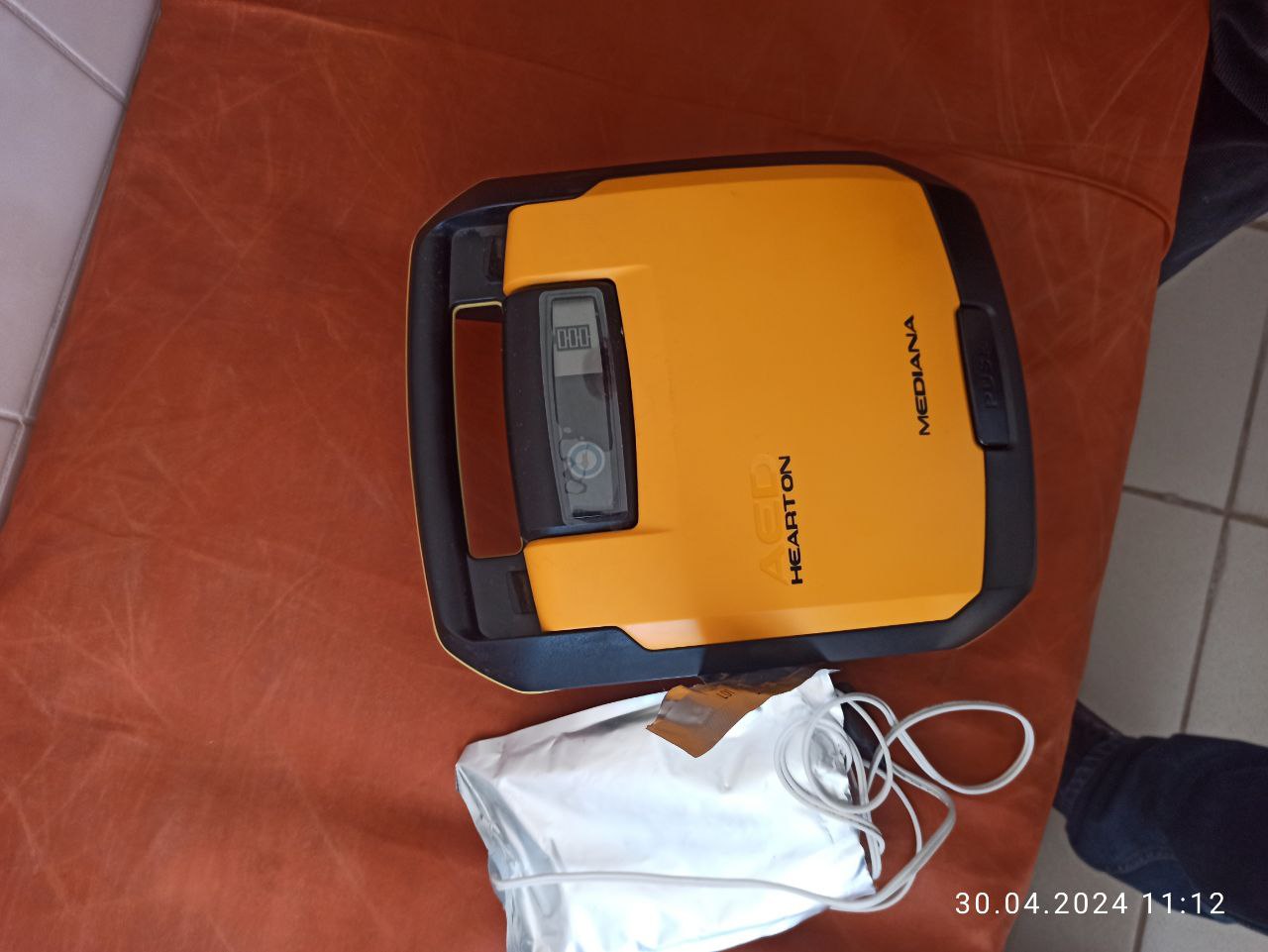
2.4 In violation of the requirements of the order of the Ministry of Health of Ukraine of 16.12.2003 No. 584 “On Approval of the Rules for Storage and Quality Control of Medicinal Products in Treatment and Preventive Institutions,” medicinal products are stored without regard for the temperature conditions specified by the manufacturers. In the cabinet of the manipulation room, 10 packs of the medicinal product “Vitaxon” were recorded, the storage conditions of which cannot exceed a temperature of 8°C. Furthermore, due to the lack of an installed air conditioner in this room, it is impossible to maintain the air temperature in accordance with the requirements of the instructions for the use of medicinal products during the summer period (Clause 4 of Section II, Paragraph 9 of Clause 3 of Section V of the order of the Ministry of Health No. 584 as amended by the order of the Ministry of Health No. 610 of 03.04.2022).
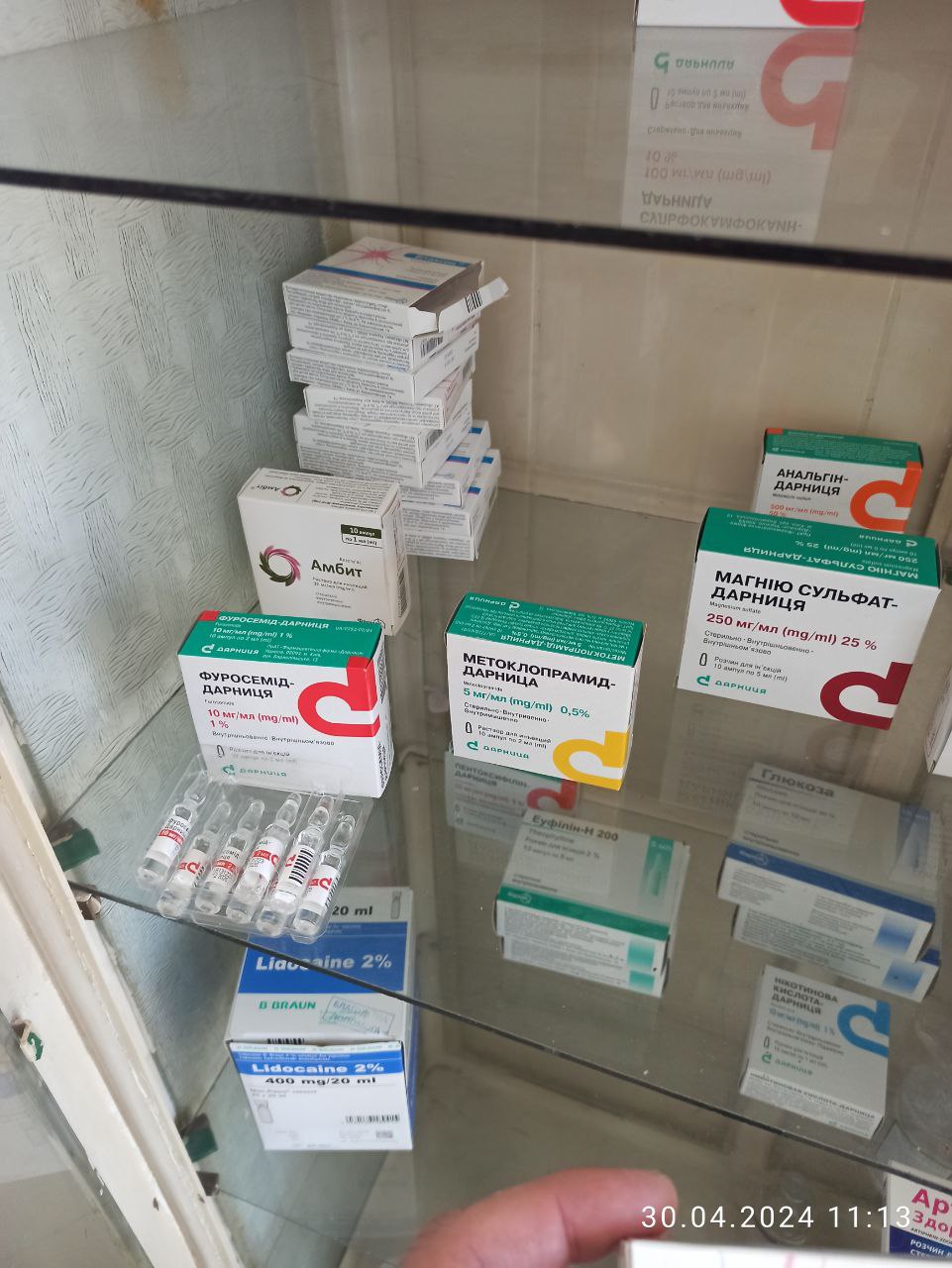
2.5 During the inspection of the dental office, a lack of filling material was discovered, as a result of which dental filling is not performed, which violates the patients’ right to receive proper dental care.
2.6 In violation of the Procedure for Organizing Medical Care at the Primary, Secondary (Specialized), and Tertiary (Highly Specialized) Levels Using Telemedicine, approved by the order of the Ministry of Health of Ukraine of 19.10.2015 No. 681, the medical unit staff are deprived of the possibility of making requests for telemedicine consultation and receiving consultations for the provision of medical care to convicts due to technical reasons.
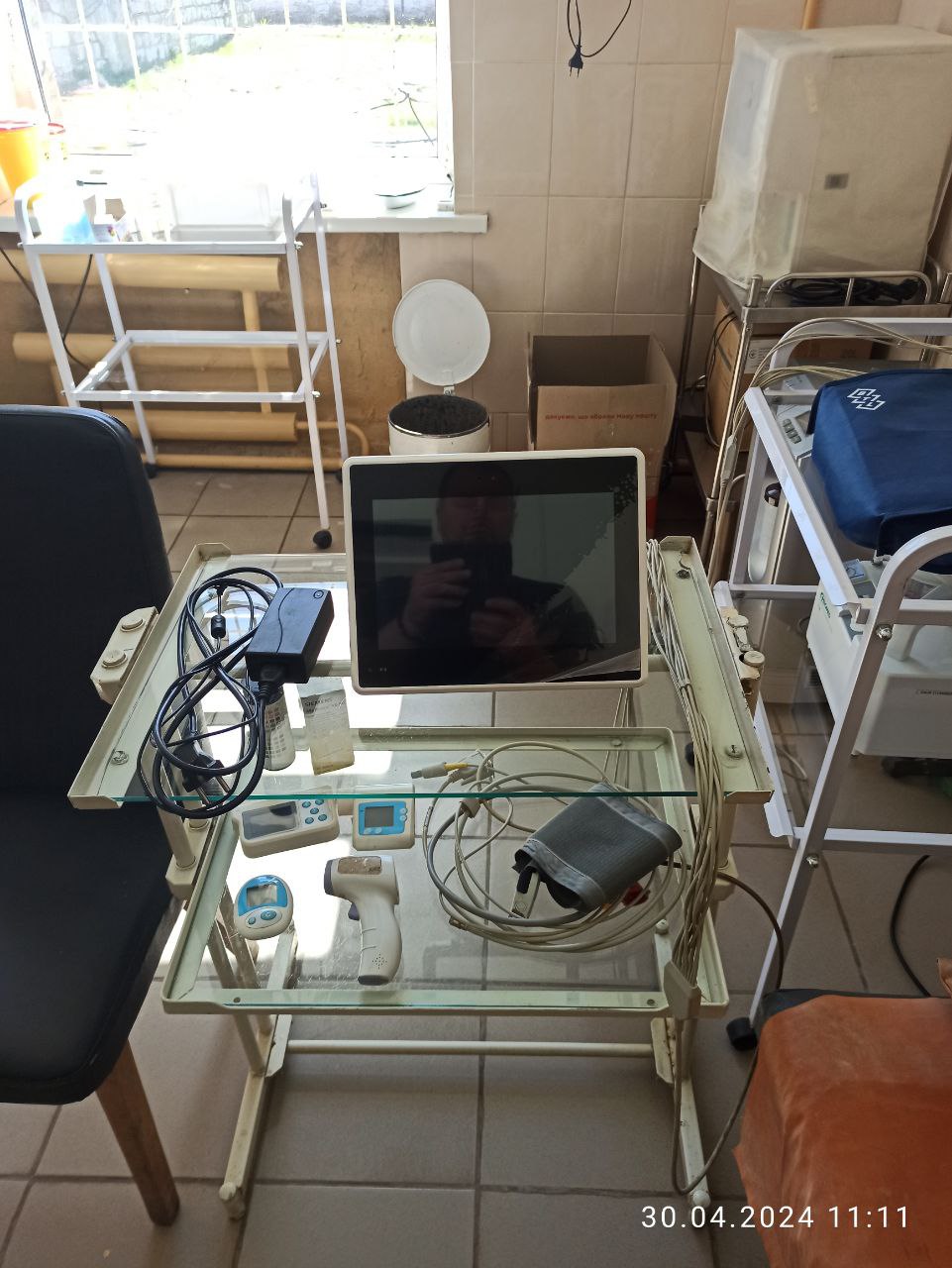
2.7 In violation of the requirements of the Norms of Entitlement to Bedding, Special Clothing, and Special Footwear (Inventory Property) for Convicts undergoing treatment in medical and preventive institutions, institutions with the status of medical ones, and in medical units at penal institutions and pre-trial detention centres, approved by the order of the Ministry of Justice of Ukraine of 20.02.2012 No. 280/5, convicts do not receive hospital property (hospital suit, robe, and shoes). Convicts stay in the inpatient department in their everyday clothes, sometimes with their own bedding.
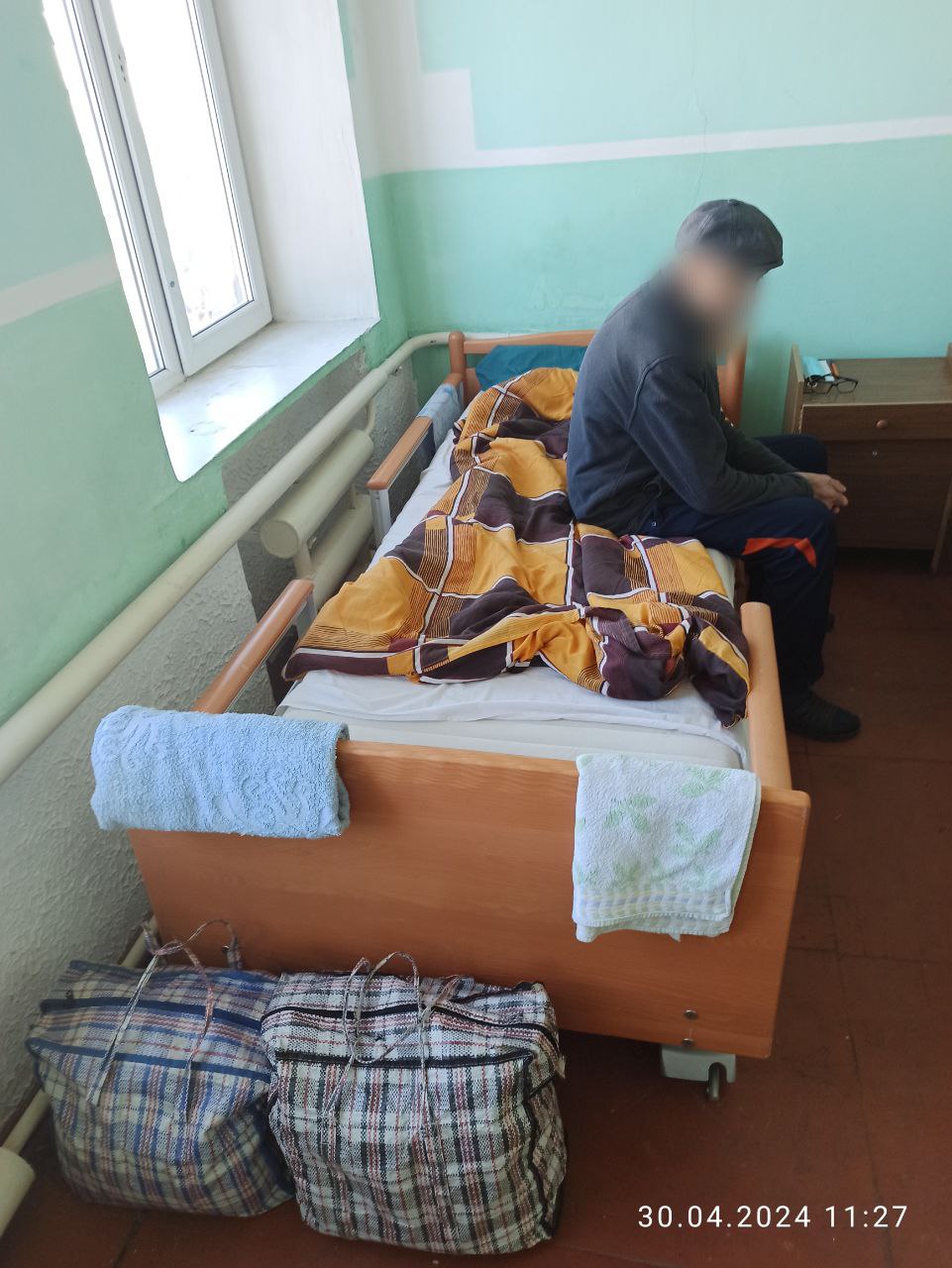
2.8 There is no hot water supply in the doctors’ offices; the workstations of medical personnel do not meet the requirements of current legislation and violate Article 19 of the Law of Ukraine “Fundamentals of Legislation of Ukraine on Health Care” and Article 13 of the Law of Ukraine “On Occupational Health and Safety.”
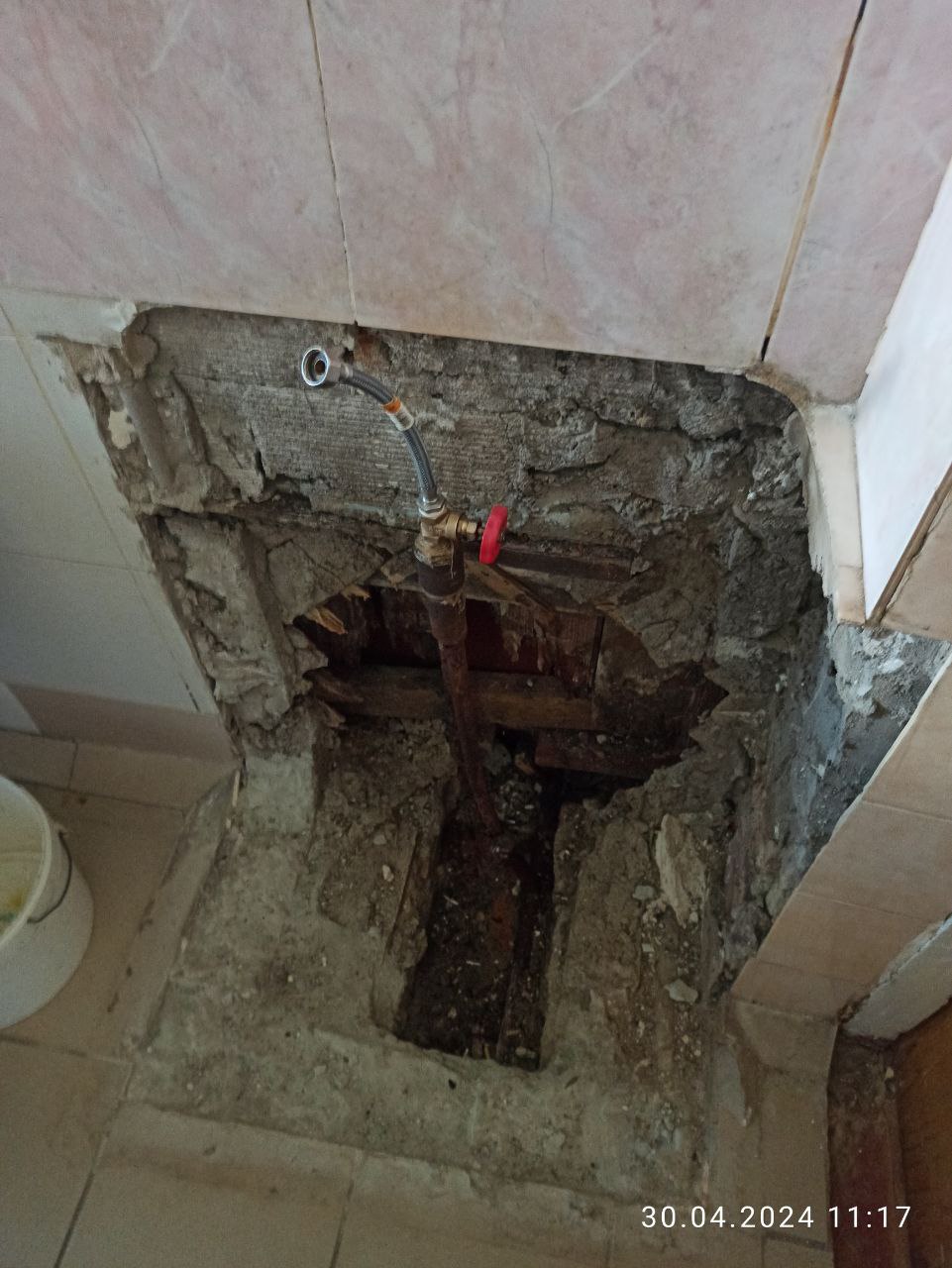
2.9 In violation of the Fire Safety Rules in Ukraine, approved by the Ministry of Internal Affairs of Ukraine on 30.12.2014 No. 1417, the premises of the medical unit are not equipped with fire extinguishing and fire alarm systems.
3. Violation of the right to proper psychiatric care
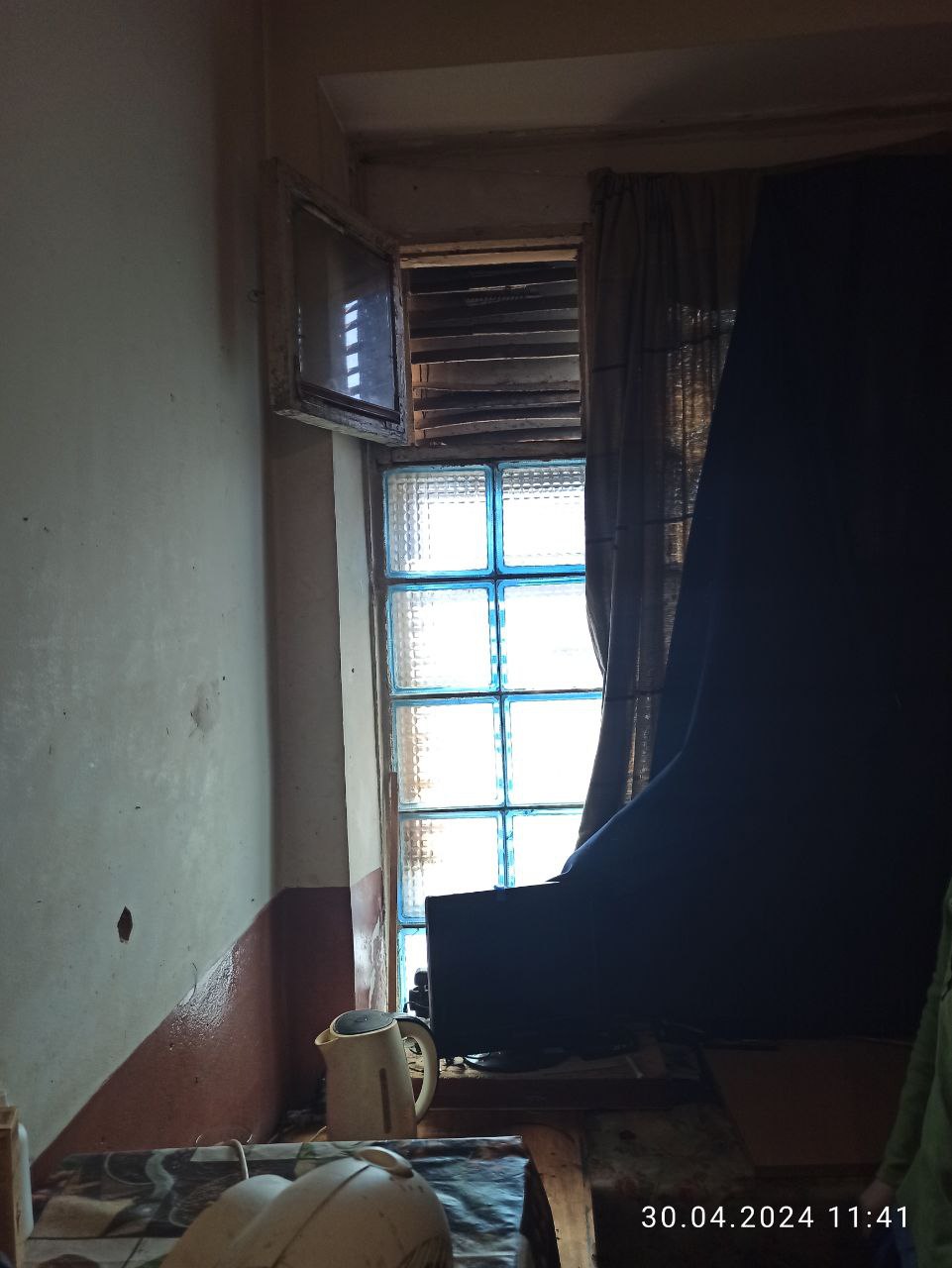
3.1 In violation of Clause 9 of the Rules for the Application of Physical Restraint and (or) Isolation when Providing Psychiatric Care to Persons Suffering from Mental Disorders, approved by the order of the Ministry of Health of Ukraine of 24.03.2016 No. 240, registered with the Ministry of Justice of Ukraine on 15.04.2016 under No. 570/28700, the isolation ward for persons with mental disorders is not equipped properly: there is no access to sanitary facilities that meet hygiene requirements and allow for privacy; there is no supply-and-exhaust ventilation; there is no container with boiled drinking water.
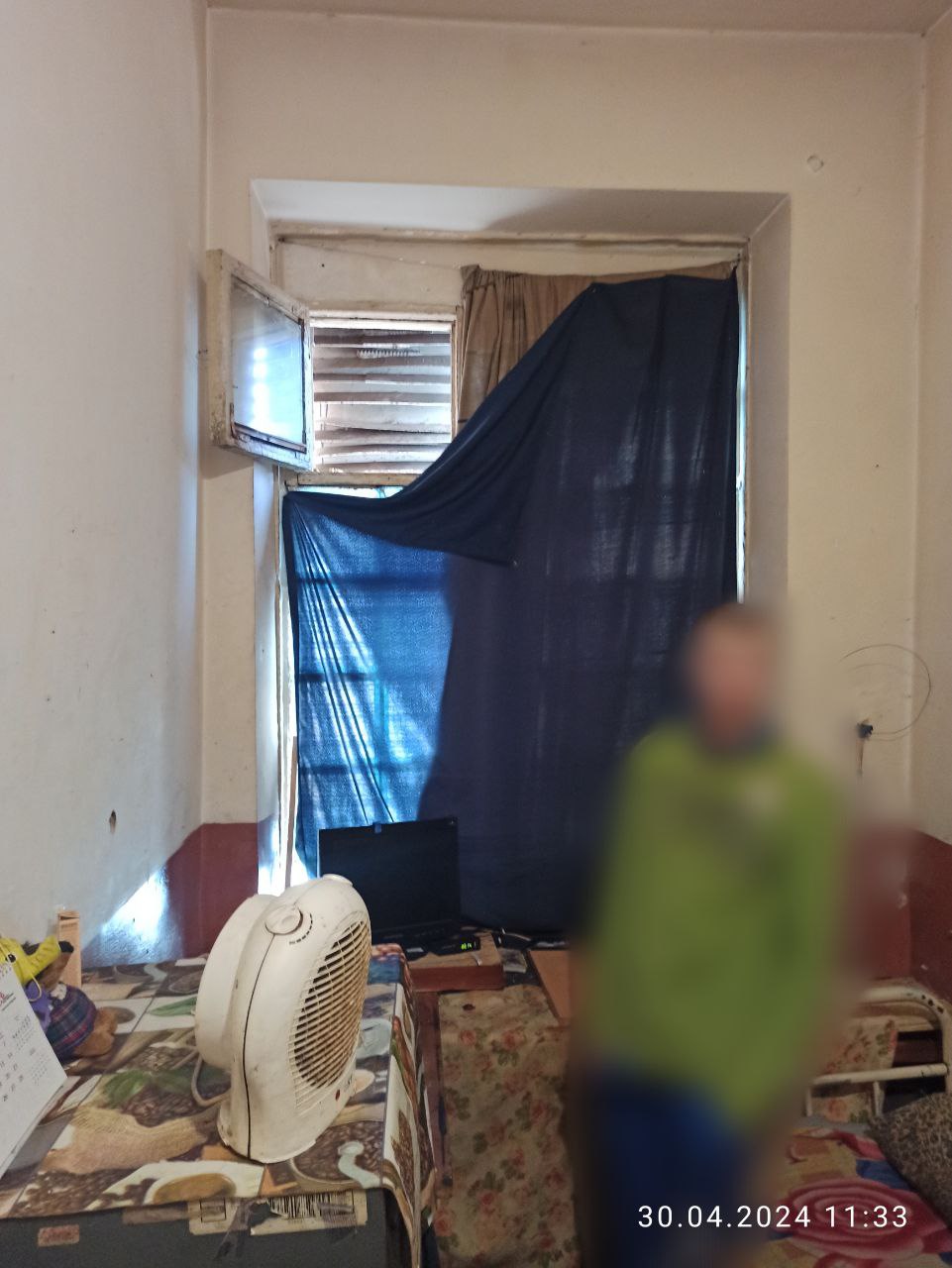
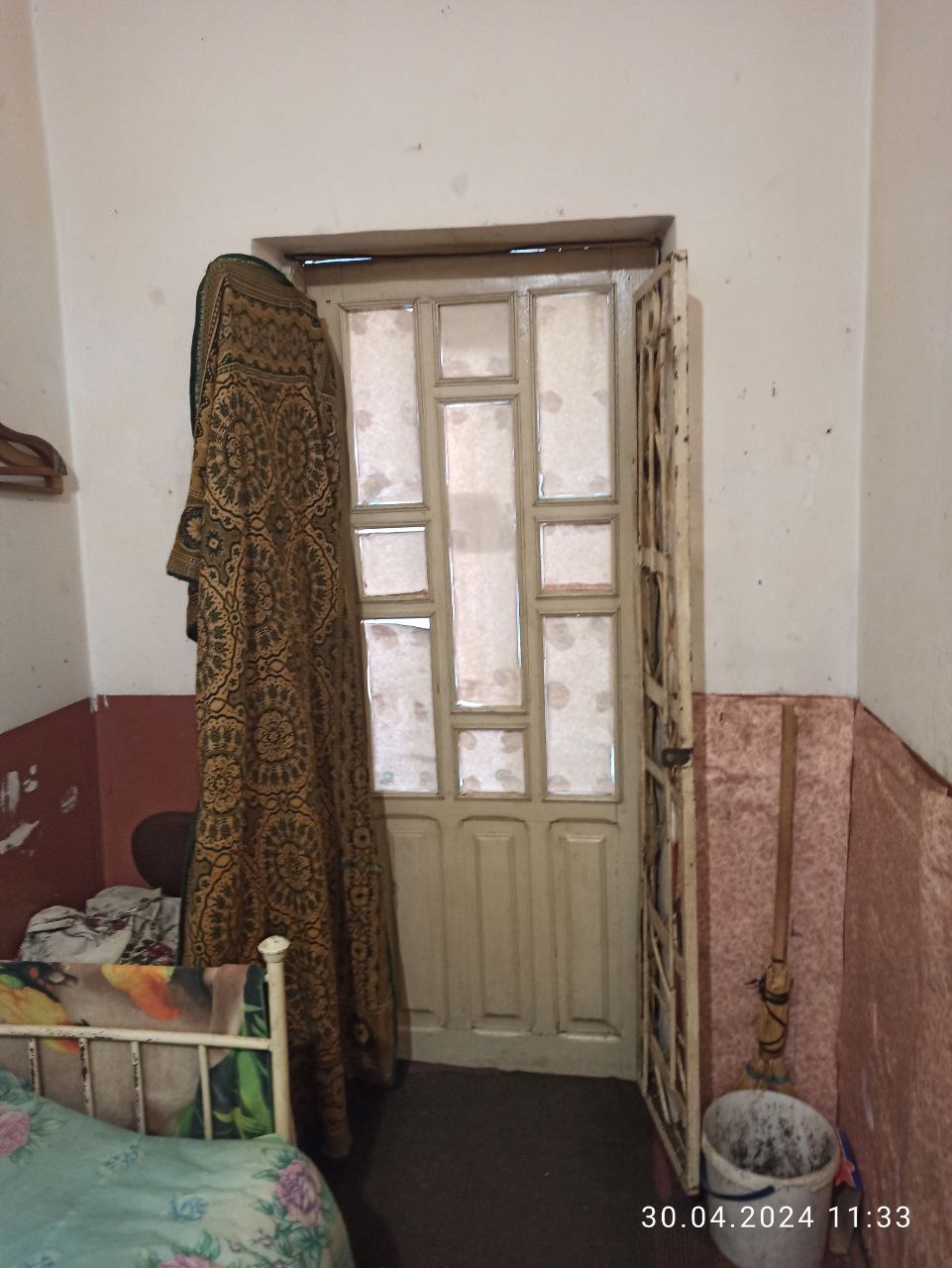
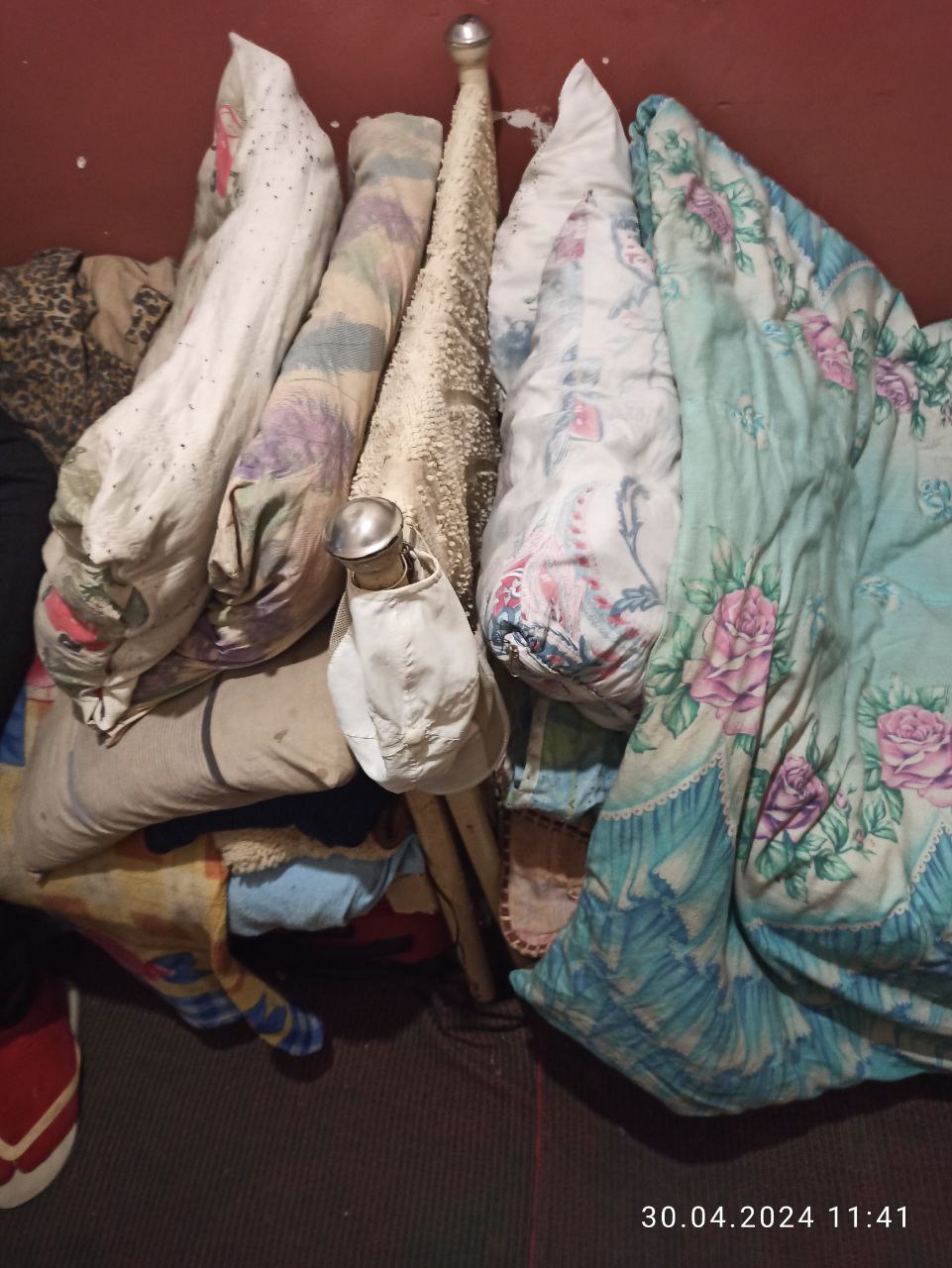
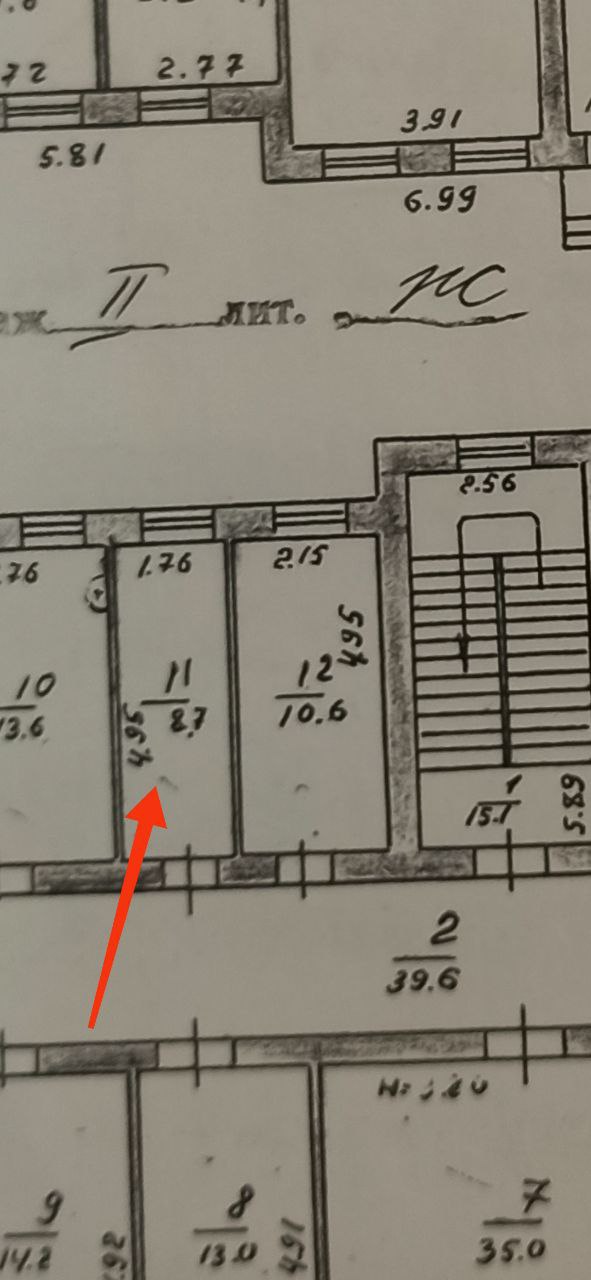
3.2 In violation of Article 115 of the Criminal Executive Code of Ukraine, the requirements regarding the standard of living space per convict under inpatient treatment conditions (not less than 5 m²) are not observed in the isolation ward. The total area of this room, where two beds are located, according to the building plan, is only 8.7 m². The beds are located right next to each other. The standard of proper natural lighting is not observed in the isolation ward.
4. Failure to comply with infection control and epidemiological surveillance
4.1 In violation of the Measures and Means for Preventing Infection when Providing Patient Care, approved by the order of the Ministry of Health of Ukraine of 03.08.2020 No. 1777, the medical unit is equipped with only one isolation ward for infectious patients, which makes it impossible to simultaneously house patients with dangerous infectious diseases separately from each other and from other convicts.
4.2 In violation of the requirements of Clause 1 of Section II of the Infection Control Standard for Health Care Institutions Providing Care to Tuberculosis Patients, approved by the order of the Ministry of Health of 01.02.2019 No. 287, the requirements for isolating tuberculosis patients are not met in the medical unit; the ward is used by more than one or two people (one ward-cell for four beds).
5. Violation of the convicts’ right to proper sanitary and hygienic conditions during their stay in a health care facility
5.1 Individual premises of the medical unit do not meet the requirements of Article 22 of the Law of Ukraine “On Ensuring Sanitary and Epidemic Well-being of the Population” and Clause 53 of the CPT Standards. The ward-cells of the medical unit require repair work and the replacement of sanitary-technical equipment. The wards are significantly cluttered with personal belongings; the bedding and some mattresses need to be replaced.
5.2 In violation of the “State Sanitary-Anti-Epidemic Rules and Norms on Handling Medical Waste,” approved by the order of the Ministry of Health of Ukraine of 08.06.2015 No. 325, the branch of the State Institution “Centre for Health Care of the State Criminal-Executive Service of Ukraine” in the Zhytomyr region has not concluded an agreement with a specialized institution for the disposal of medical waste, due to which the proper collection, sorting, and disposal of medical waste has not been organized in the medical unit since the beginning of 2024.
6. Violation of the rights of persons with disabilities (Article 9 of the UN Convention on the Rights of Persons with Disabilities)
6.1 Dispensary supervision is carried out for 28 persons with disabilities. Of these, 9 people have Group II, and 21 have Group III. At the same time, in violation of the requirements of the Law of Ukraine “On Rehabilitation of Persons with Disabilities in Ukraine,” persons with disabilities do not receive proper diagnostic, treatment, and rehabilitation measures given the information confirming persistent impairment of body functions caused by diseases and consequences of injuries that lead to limitations in normal daily activities.
During the study of the medical documentation of the convicts, it was established that not all persons with disabilities have individual rehabilitation programmes (hereinafter—IRP). Furthermore, the recommendations of the IRP are not being fulfilled, due to which the convicts are not receiving proper diagnostic, treatment, and rehabilitation measures given the information confirming persistent impairment of body functions caused by diseases and consequences of injuries that lead to limitations in normal daily activities.
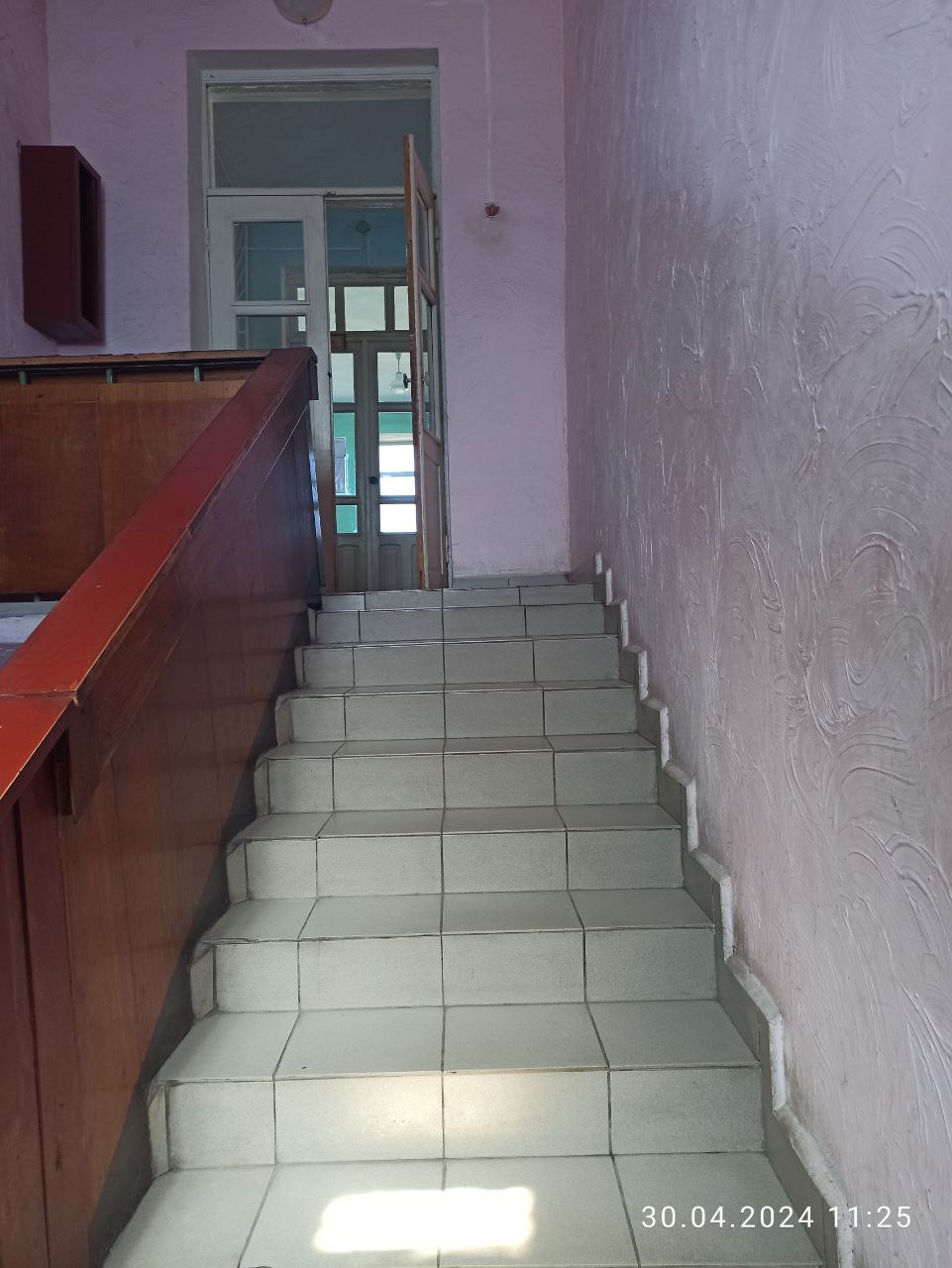
6.2 In violation of the requirements of the State Building Norms of Ukraine V.2.2-17:2006 “Buildings and Structures. Accessibility of Buildings and Structures for Persons with Limited Mobility,” conditions for housing people with disabilities have not been created in the medical unit. The inpatient department and the dental office are located on the second floor (there are no ramps, handrails, etc.).
7. Violation of the rights of persons with hepatitis C
In violation of the requirements of the Standards of Medical Care for HCV in Adults, approved by the order of the Ministry of Health of Ukraine of 15.01.2021 No. 51, not all persons with suspected viral hepatitis C undergo PCR testing, due to which they do not receive the necessary treatment, which may lead to the deterioration of their health and the spread of this infectious disease among convicts and detainees.
8. Violation of the rights of convicts and detainees during initial and preventive medical examinations
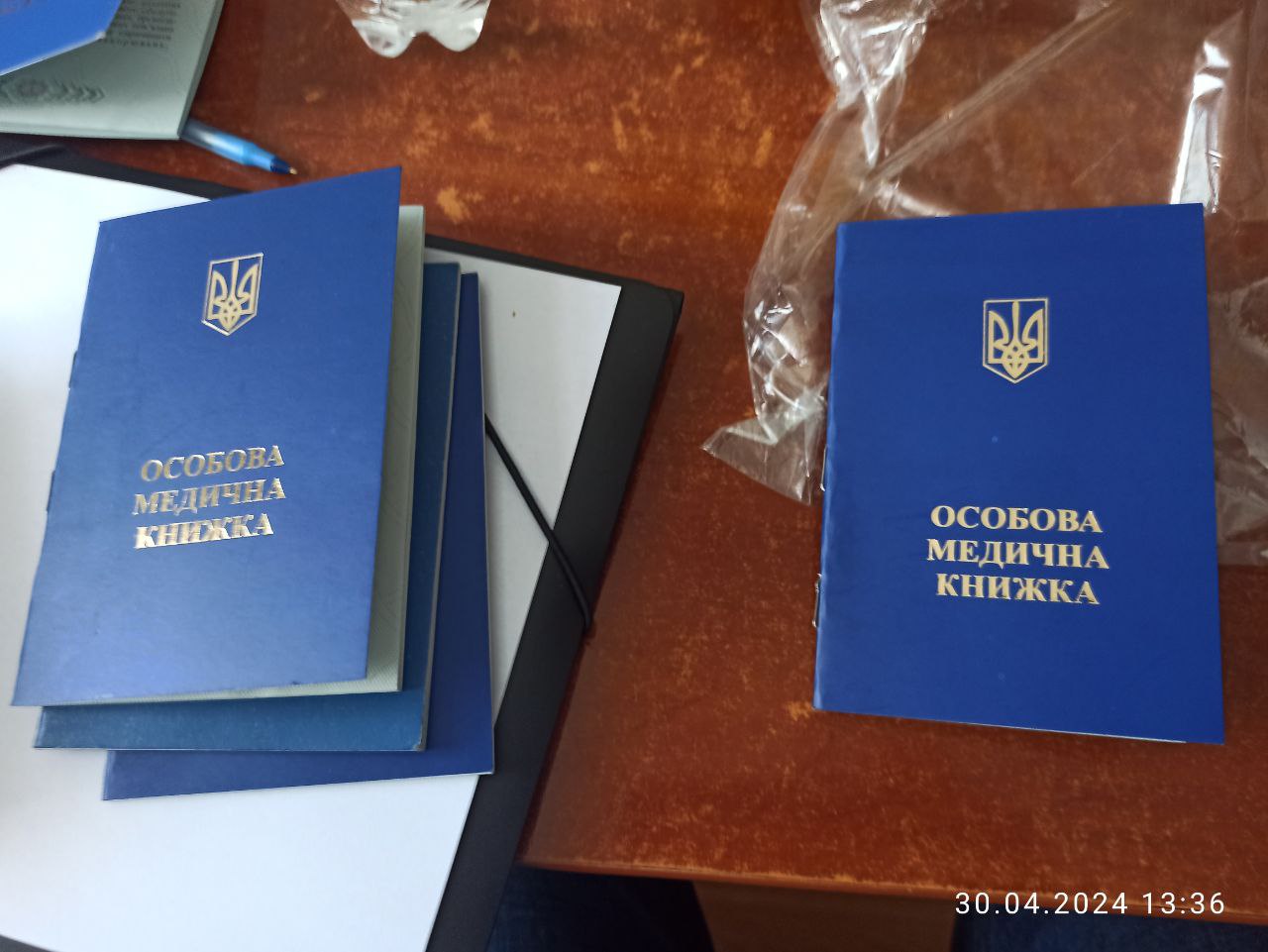
According to Clause 7 of Chapter III of Section II of the Procedure, convicts working at catering facilities (except for jobs related to positions of salespeople, managers of food and clothing warehouses, storekeepers), the processing industry, in children’s homes, general secondary education institutions, professional training units in special educational colonies, medical units (feldsher stations) and hospitals of the State Criminal-Executive Service (except for jobs related to the provision of medical care), laundries, bathhouses, rooms for long-term visits, dormitories, clubs, water supply and sewage facilities, livestock breeding and rearing sections, undergo mandatory preliminary and preventive medical examinations in accordance with the Resolution of the Cabinet of Ministers of Ukraine of 23.05.2001 No. 559 “On Approval of the List of Professions, Industries, and Organizations Whose Employees Are Subject to Mandatory Preventive Medical Examinations, the Procedure for Conducting These Examinations and Issuing Personal Medical Books.” For each convict of the specified category, primary accounting record Form No. 1-OMK “Personal Medical Book,” approved by the order of the Ministry of Health of Ukraine of 21.02.2013 No. 150, registered with the Ministry of Justice of Ukraine on 23.04.2013 under No. 662/23194, is created.
At the same time, the monitoring group recorded the absence of a personal medical book for two canteen workers and the absence of examination results in the medical documentation, which are conducted by medical specialists (including laboratory, clinical, and other tests) required for admission to work at food facilities.
9. Inadequate detention conditions in the disciplinary isolation unit/chamber-type premises
Violation of the right to decent conditions of detention (Article 25 of the Universal Declaration of Human Rights, Article 48 of the Constitution of Ukraine).
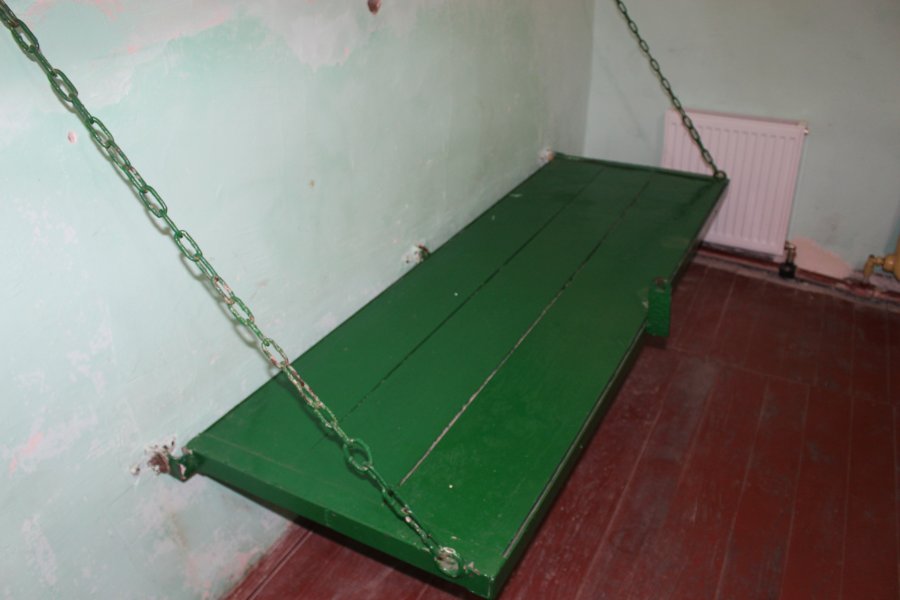
Since 2015, amendments have been made to the normative-legal acts regulating the activities of correctional colonies, and the provision that provided for fixing beds to walls in disciplinary premises during the daytime has been excluded.
Despite this, in the institution’s disciplinary isolation unit premises, the means for such fixing remain, which creates conditions for possible abuse by the institution’s staff and acts as an additional punitive element during punishment, since convicts are deprived of the opportunity to sit and lie on the bed during the day.
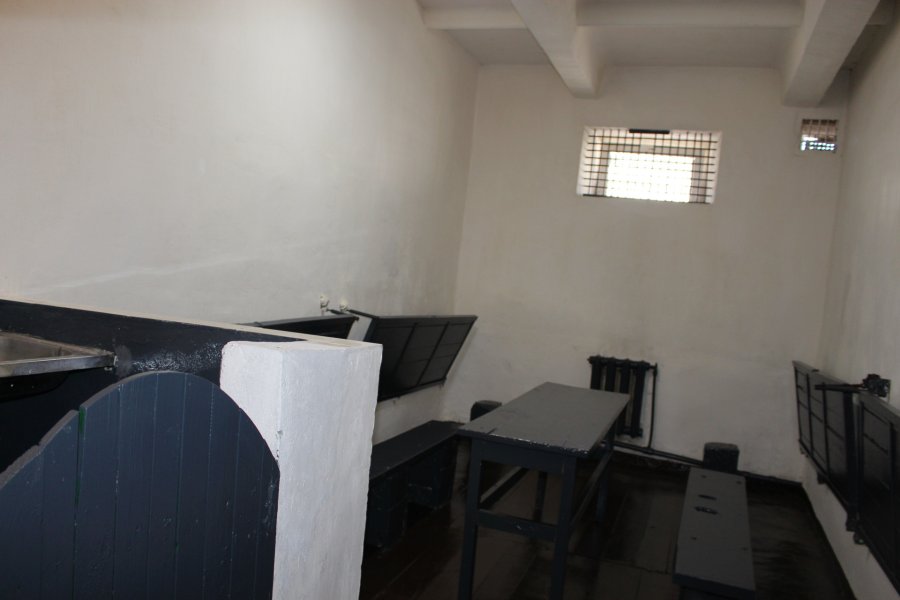
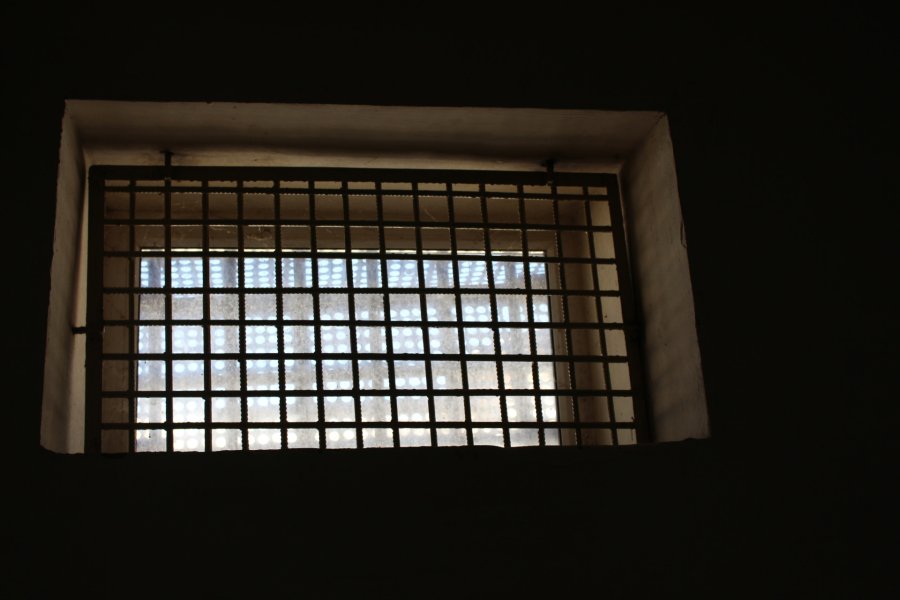
In some disciplinary isolation cells, excessive window grating has been installed; also, convicts cannot open the window themselves.
In the disciplinary isolation unit/chamber-type premises cells, solitary confinement is practiced, which violates the convicts’ right to human dignity and the right to communicate with other convicts.
10. Violation of the right to work and social protection
10.1 Violation of the right to work and protection against exploitation (Article 4 of the Convention for the Protection of Human Rights and Fundamental Freedoms, Article 43 of the Constitution of Ukraine).
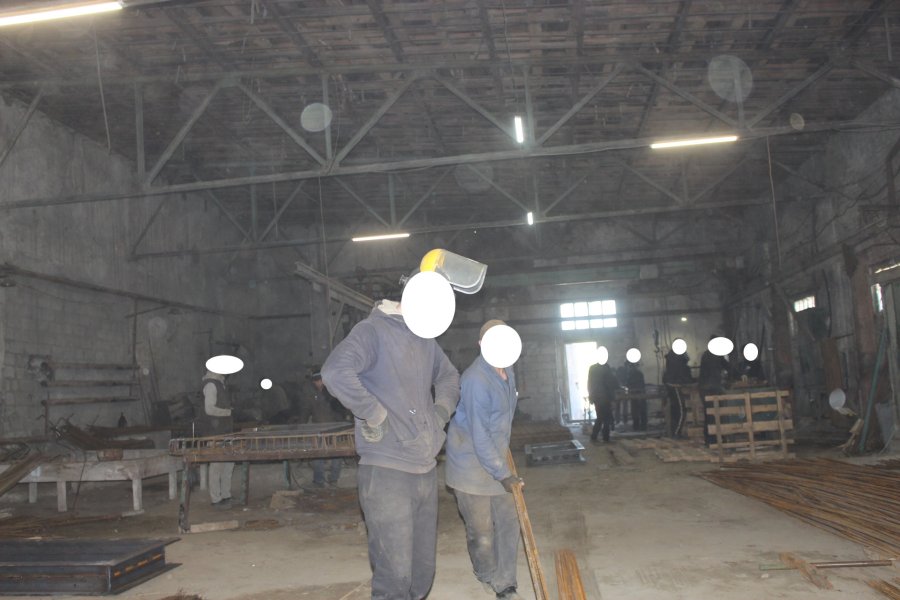
During the visit to the canteen, it was established that the institution’s administration uses the labour of convicts without payment. On the day of the visit, 34 convicts were working in the canteen, and none of them were officially employed, meaning they do not receive a salary; consequently, their work experience is not counted, and they do not have social guarantees.
All 34 convicts are employed in the institution’s canteen without pay, as persons involved in carrying out work on the improvement of the institution, in accordance with Clause 5 of Article 118 of the Criminal Executive Code. According to the information received, the working day of such workers, in hourly terms, does not differ from those workers who should receive a salary for their work, or is even longer.
The interviewed convict P., who works at dishwashing, reported in a private conversation, which excluded eavesdropping or listening in, that he started work at seven in the morning and would work until 21:00.
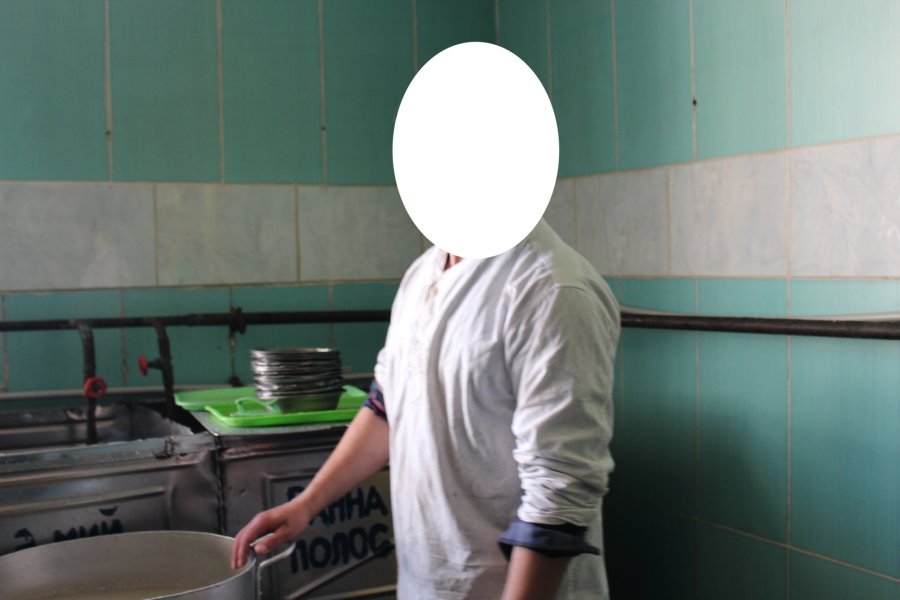
He had this work schedule throughout the week, including Saturday and Sunday, that is, without days off. Such a practice can be considered slave labour. Also, for individuals who work without pay, their work period will not be included in the work record, which, in accordance with Article 12 of the Law of Ukraine “On Pension Provision,” must be at least 25 years for the assignment of old-age pensions, and deprives them of the right to corresponding social guarantees. In addition, in accordance with the requirements of Clause 5 of Article 118 of the Criminal Executive Code, convicts should be involved in the performance of work on the improvement of the correctional colony in order of priority, and this work cannot be on a permanent basis.
10.2 According to Article 119 of the Criminal Executive Code, the labour of persons sentenced to imprisonment is paid according to its quantity and quality. In addition, Clause 5.1 of the Instruction on Working Conditions and Wages of Persons Sentenced to Restriction of Liberty or Imprisonment, approved by the order of the Ministry of Justice of Ukraine of 07.03.2013 No. 396/5, states that the salary accrued to convicts, provided they meet the output quota or working time duration, cannot be less than the legislatively established minimum wage. Convicts should receive the minimum wage.
At the same time, according to civil-law contracts and certificates of work performed, the average earnings of convicts working in the institution’s production area are about 1,112 hryvnias, and in the workshop—about 2,639 hryvnias, which is significantly less than the minimum wage in the country, which as of August 2023 is 6,700 hryvnias.
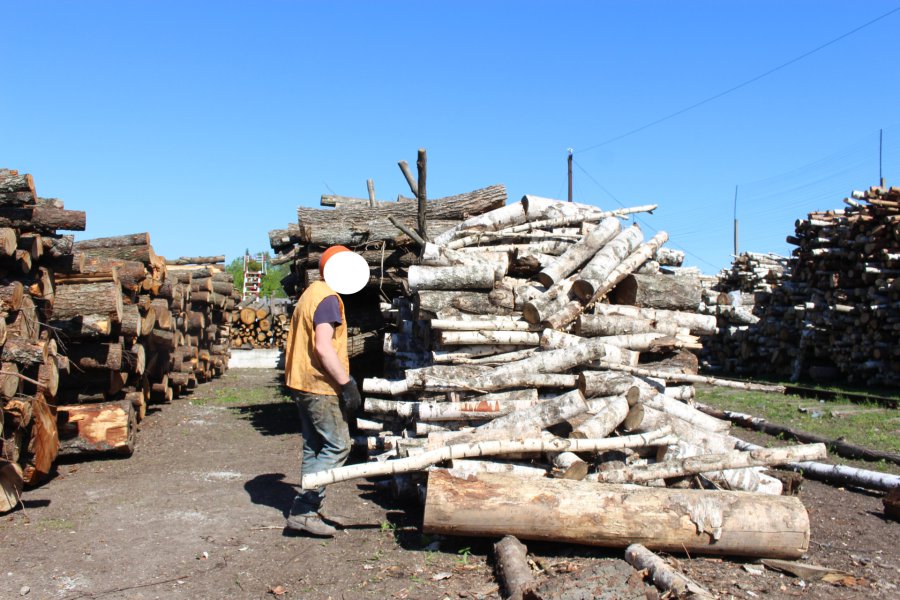
At the same time, it is worth noting that workers from among the convicts who work in the institution’s production area and workshops produce goods and systematically perform defined labour functions, which is a sign of labour legal relations; therefore, it is necessary to conclude not civil-law contracts, but employment contracts with such workers.
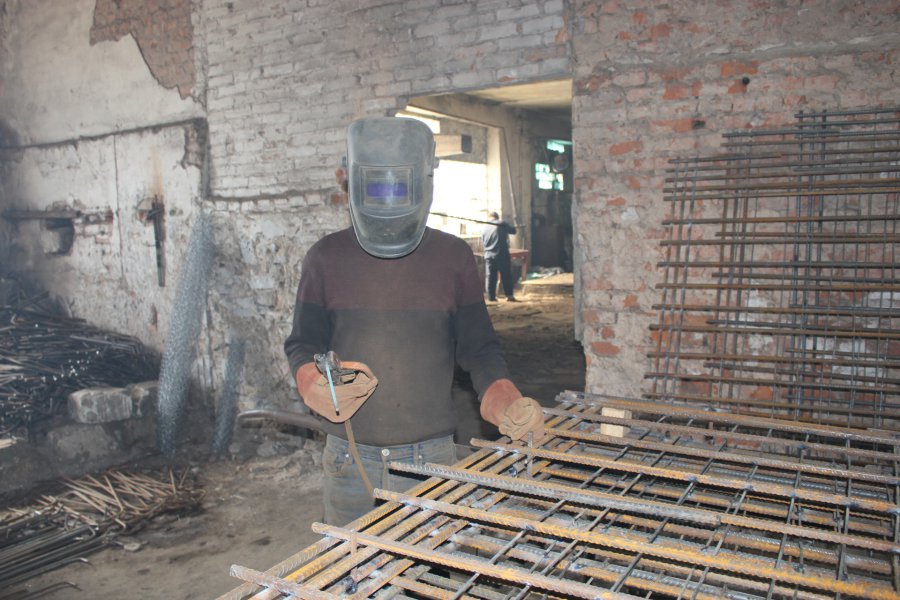
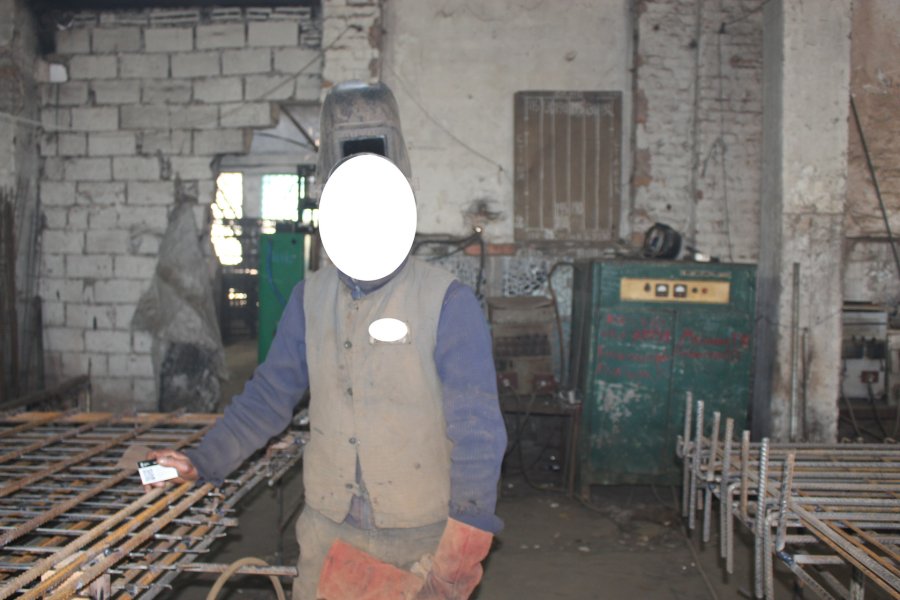
10.3 The profession of electric welder is the most common job under harmful and hazardous working conditions in the country’s labour market. The certification of workplaces for such workers is mandatory if harmful and hazardous conditions exist. Failure to conduct the certification properly leads to a violation of the workers’ rights—in fact, while performing harmful or heavy work, such individuals do not receive the compensations and social guarantees provided by legislation (shortened working day, increased pay, additional annual leave, etc.).
If certification has not been conducted properly and workers are not provided with proper guarantees and compensations, every worker working in harmful and hazardous conditions can apply to the court (Art. 221 of the Labour Code of Ukraine) and demand compensation for material and moral damage.
In the institution’s production area, convicts working as electric welders do not undergo the corresponding certification.
11. Other violations
In the Report of the Government of Ukraine on the results of the CPT visit to Ukraine [CPT/Inf (2020) 40], it is stated that during visits to places of detention, detainees and convicts spoke very reluctantly with the delegation, clearly worrying about their safety, and expressed their fear of possible reprisals from staff or convicts who help staff, as soon as the delegation left the institution.
During the visit to the institution and the conducting of confidential interviews, most of the convicts refused to communicate with the representatives of the monitoring group or answered with stock phrases that boiled down to: “You will leave, but we have to live here.” The above contradicts the principle that the administration of the institution should ensure positive relationships between staff and convicts, and that staff should treat convicts humanely and decently, without forgetting about safety, as this will not only reduce the risk of ill-treatment but will also contribute to improving control and safety.
The lack of tablets in the personal possession of convicts is a cause for concern. According to Appendix 5 to the Internal Regulations of Penal Institutions, a convict is allowed to have a tablet computer in their personal possession without the possibility of hardware support for any types of SIM cards, with software-blocked cameras, a charger for it (1 pc.), a keyboard (1 pc.), and wired headphones without a microphone (1 pc.).
12. Inadequate housing conditions
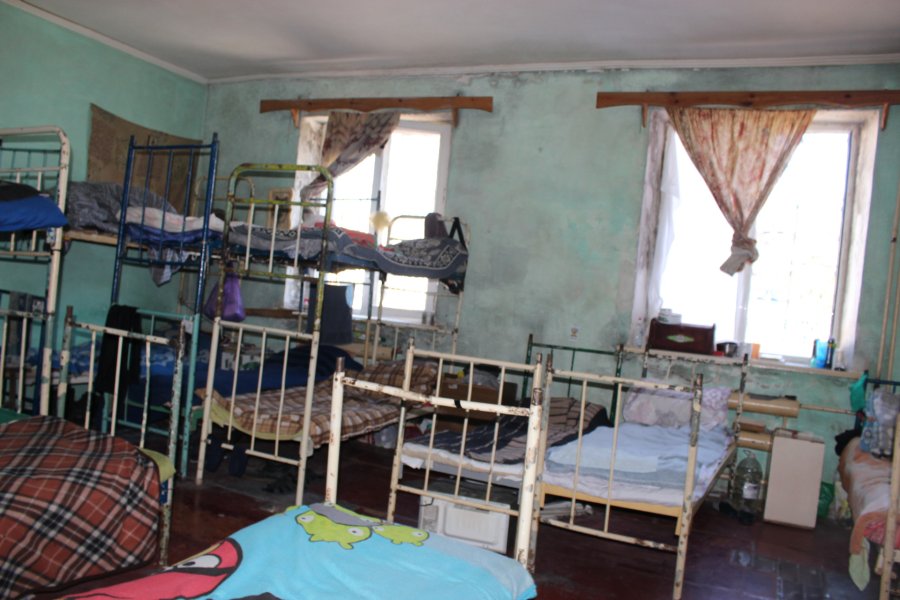
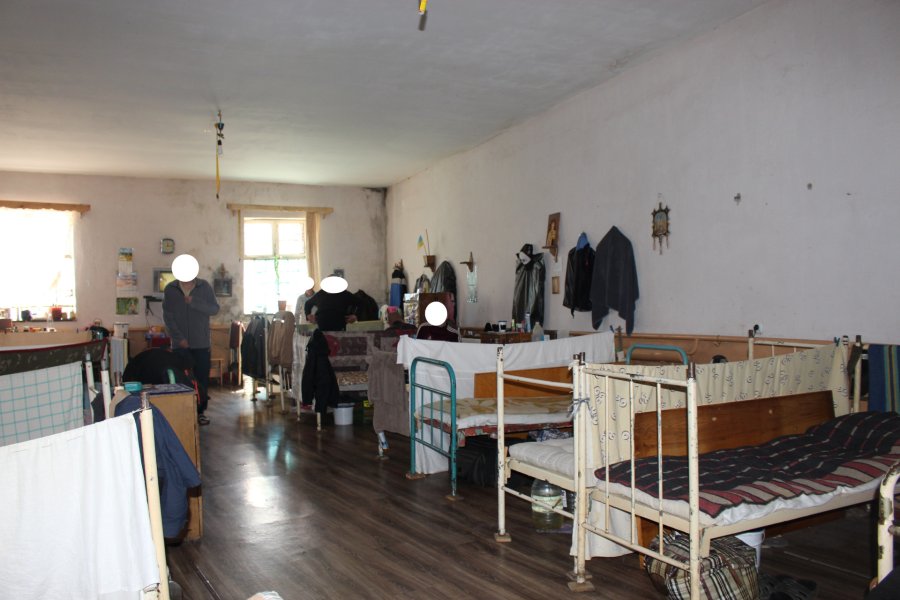
In the residential premises of social and psychological service unit No. 5, sleeping beds are located right next to each other, which violates the convicts’ right to privacy.
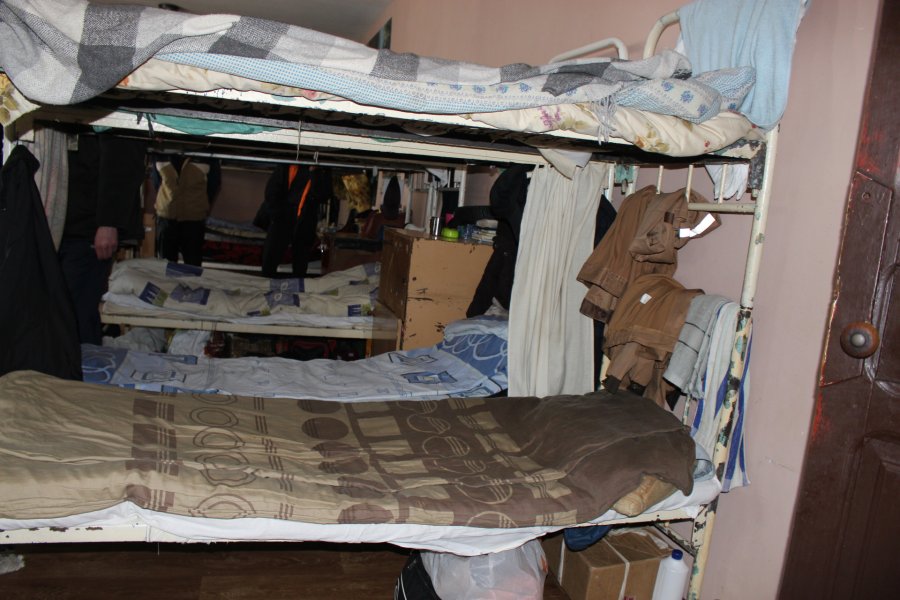
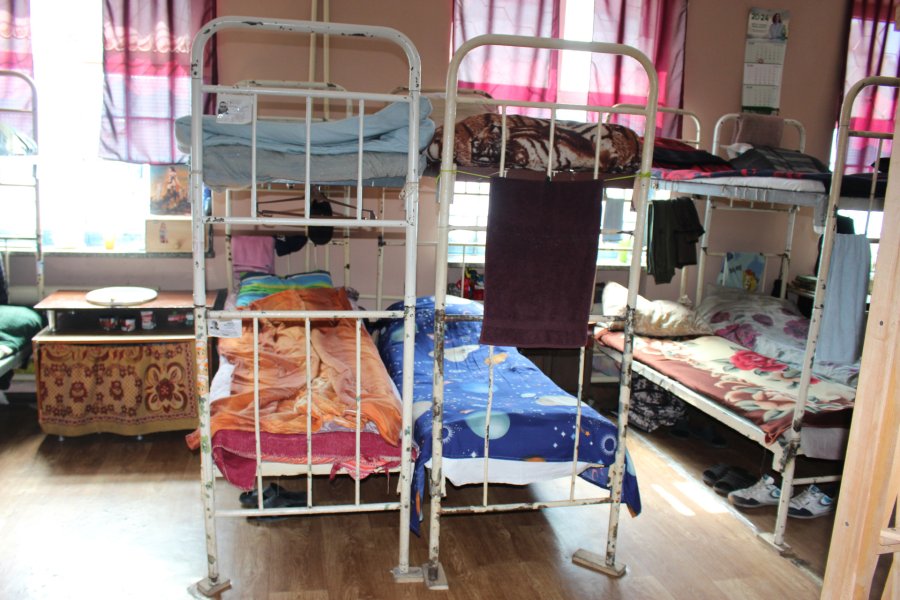
In the sleeping quarters of social and psychological service unit No. 1, where mainly elderly and disabled men are held, there is insufficient air and insufficient natural lighting. At the time of the visit, the general lighting indicator was 45 lux, despite the fact that, according to Appendix G “Regulatory Indicators of Lighting for Residential Building Premises,” DBN V.2.5-28:2018 “Natural and Artificial Lighting,” approved by the order of the Ministry of Regional Development, Construction and Housing and Communal Services of Ukraine of 03.10.2018 No. 264, the illumination of working surfaces in bedrooms and residential rooms should be 150 lux.
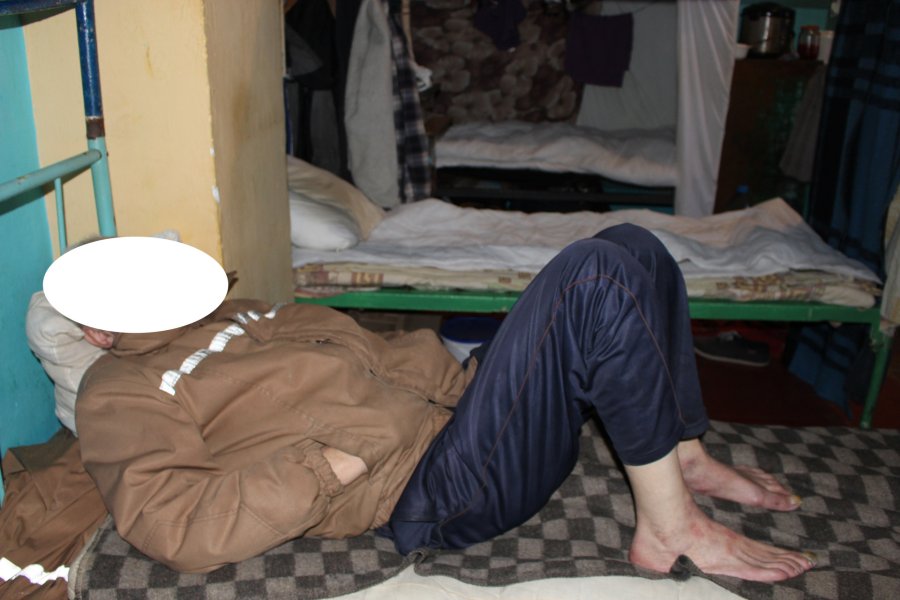
In social and psychological service unit No. 1, there was a convict P., who was lying dressed on a sleeping bed without bedding. According to the convicts, he is virtually non-verbal. The head of the medical unit reported that the convict had suffered a hypertensive crisis. The question arises: why was the convict in such a condition not hospitalized in a special medical facility?
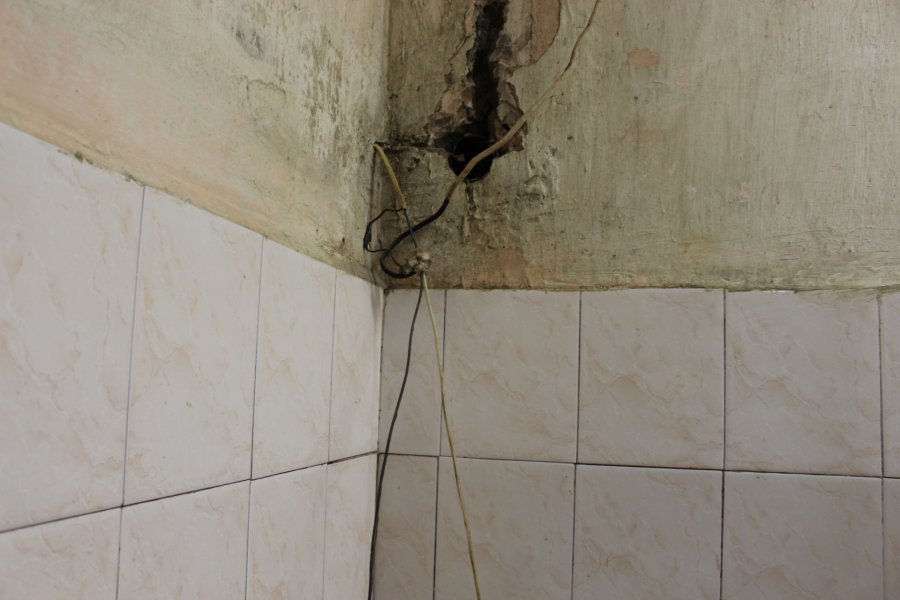
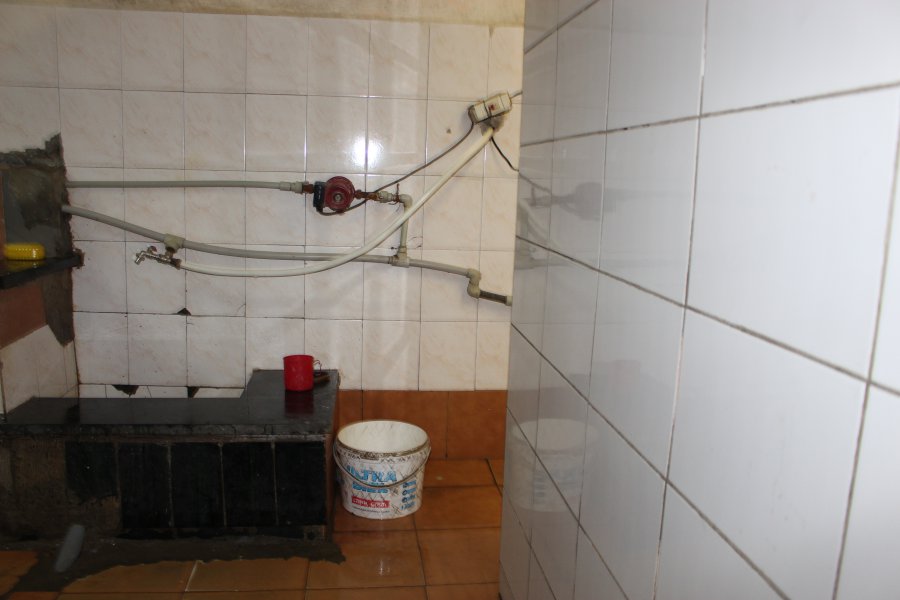
In some premises, dangerous electrical wiring was noticed. This creates fire-hazardous conditions.
Recommendations:
- Take measures aimed at eliminating identified human rights violations and preventing torture and other cruel, inhuman, or degrading treatment or punishment in Medical Unit No. 4 of the branch of the Centre for Health Care of the State Criminal-Executive Service of Ukraine in the Zhytomyr region;
- Ensure control over the proper maintenance of medical documentation in accordance with the Procedure for Organizing the Provision of Medical Care to Persons Sentenced to Imprisonment, approved by the joint order of the Ministry of Justice of Ukraine and the Ministry of Health of Ukraine of 15.08.2014 No. 1348/5/572, and other normative-legal acts;
- Fulfill the requirements of Clause 37 of the Resolution of the Cabinet of Ministers of Ukraine No. 285 of 02.03.2016 “On Approval of Licensing Conditions for Carrying Out Economic Activities in Medical Practice”;
- Carry out measures to combat the negative influence of the informal prison hierarchy, stop the practice of allowing the stigmatisation and discrimination of convicts;
- Equip the medical unit with an X-ray machine for the timely conducting of radiological examinations;
- Ensure the accessibility of the institution’s buildings in accordance with the State Building Norms of Ukraine V.2.2-17:2006 “Buildings and Structures. Accessibility of Buildings and Structures for Persons with Limited Mobility”;
- Provide convicts with agreements with physicians who provide primary medical care in health care institutions of the Ministry of Health of Ukraine;
- Ensure that informed consent of patients for examination and treatment is obtained in the established form;
- Provide the medical unit with hospital property (hospital suit, robe, and slippers);
- Provide the medical unit pharmacy with all necessary medicinal products and medical devices, in particular for the provision of dental care;
- Ensure measures for the proper storage of medicinal products;
- Ensure the proper disposal of medicinal products and medical devices;
- Ensure the equipment of the necessary number of isolation wards for infectious patients;
- Ensure the equipment of the isolation ward for persons with mental and behavioural disorders in accordance with requirements;
- Ensure compliance with the established norm of space per convict, in accordance with the requirements of Article 115 of the Criminal Executive Code;
- Provide proper medical care to persons suffering from viral hepatitis C;
- Ensure the proper accounting of preventive examinations;
- Equip the fire safety system in accordance with established requirements;
- Ensure the proper operation of the telemedicine complex for doctors to make requests for telemedicine consultation;
- Ensure the possibility of receiving Opioid Substitution Therapy based on a diagnosis of mental and behavioural disorders due to opioid use;
- Carry out the replacement of pads for the external automatic defibrillator;
- Ensure the conducting of proper medical examinations for persons working with food products and the issuance of personal medical books;
- Ensure the implementation of individual rehabilitation for persons who need it;
- Dismantle the locks of folding beds in the disciplinary isolation unit cells;
- Stop the practice of solitary confinement in the disciplinary isolation unit/chamber-type premises;
- Stop the practice of using unpaid convict labour in the canteen;
- Review the practice of implementing the convicts’ right to paid work in accordance with labour legislation;
- Ensure certification acts for workplaces with harmful production;
- Additionally explain to convicts the norms of legislation that regulate the right to use a personal tablet;
- Ensure convicts have a sufficient level of lighting in residential premises;
- Conduct repair work in places with fire-hazardous electrical wires.
The preventive monitoring visit was carried out within the framework of the project “Reducing Prisoner Suffering in the Context of the War in Ukraine,” funded by the government of Denmark in partnership with DIGNITY — Danish Institute Against Torture, in accordance with the Optional Protocol to the Convention against Torture and Other Cruel, Inhuman or Degrading Treatment or Punishment, taking into account the provisions of the Standard Minimum Rules for the Treatment of Prisoners and the decisions of the European Court of Human Rights, based on Article 24 of the Criminal Executive Code of Ukraine — Visiting Penal Institutions. The visit was carried out by a group of monitors from the Kharkiv Human Rights Protection Group and the NGO “Protection of Prisoners of Ukraine.” The visit was conducted by monitors:
- Didenko Andrii Andriyovych — Assistant to the People’s Deputy of Ukraine Yaroslav Yurchyshyn;
- Zuikov Serhii Yuriyovych — Assistant to the People’s Deputy of Ukraine Kostiantyn Kasai, member of the public council under the Ministry of Justice of Ukraine;
- Tsvilyi Oleh Volodymyrovych — member of the public council under the Ministry of Justice of Ukraine.
Date of visit: 30 April 2024
Date of previous visit: 11 April 2023