“If you want a ‘tarochka’ — ask for permission” — report on the results of the monitoring visit to Temnivska Penal Colony No. 100
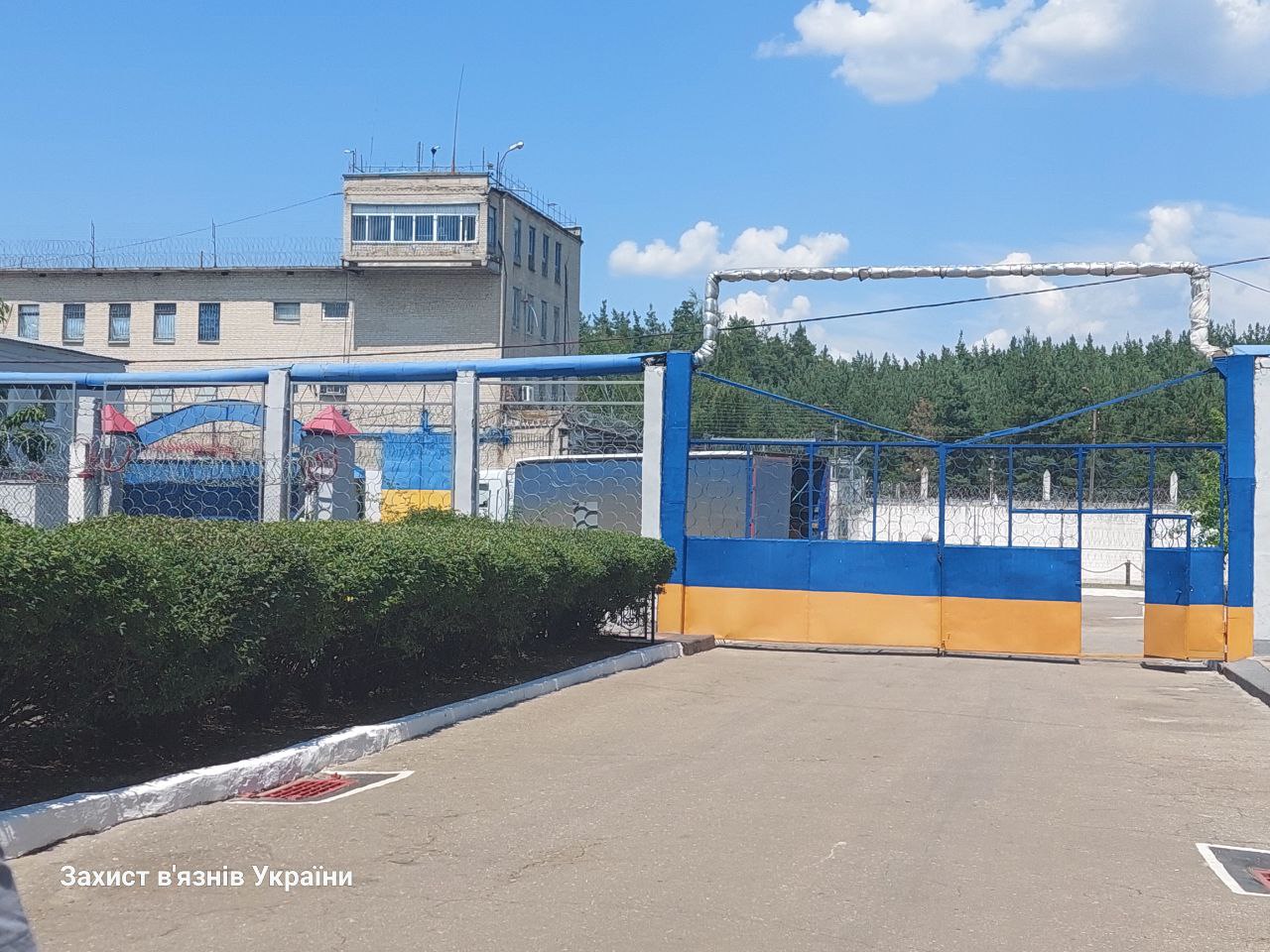
This material is intended to highlight the general situation regarding human rights violations and includes an analysis, recommendations, and statistical data. We continue to investigate the degree of human rights compliance in penitentiary institutions in the Kharkiv region.
We are seeking answers to refute or confirm information received from convicts and their relatives, who claim that it is precisely in Kharkiv penal institutions that systemic and brutal human rights violations occur, and that convicts assigned to serve their sentences in Kharkiv region penal facilities very often commit acts of suicide and self-harm, or intentionally commit illegal acts in order to receive an additional sentence, so as to avoid serving their time in Kharkiv region correctional facilities.
The preventive monitoring visit was carried out within the framework of the project “Reducing Prisoners' Suffering in the Context of the War in Ukraine”, financed by the government of Denmark in partnership with DIGNITY — Danish Institute Against Torture, in accordance with the Optional Protocol to the Convention against Torture and Other Cruel, Inhuman or Degrading Treatment or Punishment, taking into account the provisions of the United Nations Standard Minimum Rules for the Treatment of Prisoners and the decisions of the European Court of Human Rights, on the basis of Article 24 of the Penal Code of Ukraine — Visiting correctional institutions. The visit was carried out by a group of monitors from the Kharkiv Human Rights Protection Group and the NGO “Protection of Prisoners of Ukraine”. The visit was conducted by the following monitors:
- Andrii Andriiovych Didenko — Assistant to the People's Deputy of Ukraine Yaroslav Yurchyshyn;
- Serhii Yuriiovych Zuikov — Assistant to the People's Deputy of Ukraine Kostiantyn Kasai, member of the Public Council under the Ministry of Justice of Ukraine;
- Oleh Volodymyrovych Tsvilyi — Member of the Public Council under the Ministry of Justice of Ukraine;
- Kostiantyn Viktorovych Zaporozhtsev — Specialist in the field of forensic medical examination.
Date of the visit: 2 and 4 July 2024
Date of the previous visit: 17 June 2023
General information
TVK-100 is a medium-security correctional colony for holding men who have previously served sentences in places of deprivation of liberty.
The colony is located at the following address: 3 Kharkivska Street, Temnivka village, Kharkiv District, Kharkiv Region.
The head of the institution is Colonel of the Internal Service Oleh Valentynovych Naidyonov.
The institution consists of a production zone, a canteen, a residential zone with Social and Psychological Service (SPS) sections, a Quarantine, Diagnostics and Distribution (KDiR) section, a medical unit, a bath and laundry complex, a Disciplinary Isolation Ward (DIZO) / Chamber-Type Room (PKT) / Disciplinary Room (DPK) / Pre-trial Detention Centre (SIZO) section, a maximum-security sector for holding convicts sentenced to life imprisonment, a shop, a library, and administrative premises.
According to the institution’s administration, the established staffing level consists of 276.5 positions. The actual number is 232.5 positions. The total staff shortage for the institution is 44 employees.
The planned capacity of the institution is 1,145 people. The actual number of inmates is 641. There are three psychologists in the institution working with convicts and one working with staff.
There are 11 SPS sections in TVK-100.
During the current year, 1,332 people have arrived at the institution.
In 2024, five convicts died. 259 people are employed under employment contracts. One person was held in the DIZO, one in the PKT, four in the DPK, and two in the SIZO section. There are 13 people undergoing treatment in the medical unit. There are 70 people registered as HIV/AIDS positive. The operational-preventive register in the institution included: 11 people prone to suicide; 13 people prone to self-harm, and six people prone to escape.
During 2023–2024, no complaints were recorded from convicts regarding inadequate conditions of detention and inadequate provision of medical care. Six people have Group II disabilities, and 15 have Group III disabilities. No record of those shunned is kept in general.
The convicts have 65 tablets with internet access for their own use. 64 convicts have their own email addresses.
The monitoring group interviewed approximately 215 convicts.
Convicts frequently asked the monitors about the possibility of being transferred to another institution outside the Kharkiv region and requested assistance in obtaining conditional early release for service in the Armed Forces of Ukraine.
It is worth noting that throughout the current year, Russian shelling of the Kharkiv region has significantly increased. We remind you that in the north and north-east, the Kharkiv region borders the Belgorod region of the Russian Federation, in the east with the Luhansk region, and in the south-east with the Donetsk region. The institution continues to be in a danger zone; the convicts and staff need to be evacuated.
The institution’s staff all wear civilian clothing.
Preliminary observations
The previous visit to TVK-100 by the monitoring group was carried out on 17 June 2023. As a result of the visit, the following recommendations were sent to the management of the institution and the penitentiary department:
- Cease creating an atmosphere of fear and humiliation in the institution;
- Cease the practice of holding individuals in solitary confinement in DIZO/PKT/DPK;
- Cease the practice of prohibiting sitting on beds in cells and punishing for having eyes closed;
- Change the daily routine wake-up time in DIZO/PKT from 05:00 to 06:00;
- Cease the practice of prohibiting the possession of personal items and basic necessities in DIZO/PKT;
- Reduce the number of searches in DIZO/PKT cells;
- Cease the practice of prohibiting sitting on beds in residential premises;
- Cease the practice of allowing healthy convicts (orderlies) to live permanently in the hospital;
- Cease the practice of forcing convicts to wear masks in maximum-security cells;
- Cease the practice of staff using obscene language and other derogatory terms towards convicts;
- Cease the practice of granting some convicts authority to influence others, and abolish the unofficial SPP — the Order Section;
- Cease the practice of prohibiting the use of tablet computers and accessories for them;
- Cease the practice of using sick convicts as orderlies in wards;
- Cease the practice of patients in the hospital having to stand up and line up when doors are opened;
- Cease the practice of prohibiting the free movement of patients in the hospital, taking into account the specific categories of convicts;
- Assist convicts in restoring family ties lost due to the war.
The recommendations provided following the previous visit were partially implemented, specifically:
There is a trend of an increasing number of tablets for the convicts' personal use, the number of registered email addresses is increasing, and in the maximum-security sectors, convicts serving life sentences are no longer required to wear protective masks in their cells.
Facts discovered during the visit
1. Torture and ill-treatment. Protection against torture and other forms of ill-treatment (Article 5 of the Universal Declaration of Human Rights, Article 3 of the Convention for the Protection of Human Rights and Fundamental Freedoms, Article 28 of the Constitution of Ukraine, Article 127 of the Criminal Code of Ukraine)
During the visit to the institution, numerous complaints were received from convicts regarding torture, ill-treatment, intimidation, and the application of psychological violence against them. Thus, during confidential interviews, the majority of convicts reported that upon arriving at the colony in the Quarantine, Diagnostics and Distribution (KDiR) section, orderlies, in order to force them to perform actions contrary to the convicts' will, compelled them to clean toilets/bathrooms in a public and humiliating manner.
2. Order Section (SPP) and orderlies
2.1 In the report of the European Committee for the Prevention of Torture (hereinafter, the Committee) to Ukraine following the visit (CPT/Inf (2020) 40, paragraph 27), it is noted that in reports on previous visits, the Committee expressed serious concerns regarding the practice of using some prisoners as "orderlies" who perform control functions over other prisoners in residential premises and at work, and report any incidents or violations of the regime to the staff.
Therefore, the Committee noted with concern during the visit that this practice remains. Furthermore, despite repeated specific recommendations previously made by the Committee, the practice of using "orderlies" is officially provided for by the Internal Regulations of penal institutions; however, the Internal Regulations do not provide for "administrative" functions for them.
As previously emphasised, the Committee considers any partial delegation of responsibility for order and safety in prisons, which should be borne by the institution's regime officers, to be unacceptable. Such a practice exposes weaker prisoners to the risk of ill-treatment and exploitation by other prisoners. The Committee calls on the Ukrainian authorities to take all necessary steps — including legislative ones — to put an end to this practice. No prisoner (in any penitentiary institution in the country) should have power over other prisoners.
In the institution, there are at least 20 so-called "SPP" (Order Section) members; in Section 4 alone, about eight "SPP" members reside. "SPP" members stand in the way during the movement of convicts and perform supervisory functions. All orderlies and so-called "SPP" members have a clear hierarchy and subordination. The highest "positions" are held by convict K. — "commander of the residential zone" and convict F. — "commander of the industrial zone".
2.2 During the inspection of the KDiR section, it was established that a convict (orderly) had arbitrarily set up a sleeping place in the section and has the opportunity to independently visit the canteen and the SPS section to which he is assigned, which violates the requirements of Clause 2, Section 1 of the Regulation on the Quarantine, Diagnostics and Distribution section, approved by order of the Ministry of Justice of Ukraine No. 2300/5 of 04.11.2013. In the report following the Committee’s visit to Ukraine (CPT/Inf (2020) 40, paragraph 27), it is stated that in reports on previous visits, the Committee expressed serious doubts about the practice of using some prisoners as "orderlies" who perform control functions over other prisoners in residential premises and at work, and report any incidents or violations of the regime to the staff.
3. “Receiving the transport” (Arrival processing)
After new convicts arrive at the institution, they end up in the Quarantine, Diagnostics and Distribution (KDiR) section. After the convicts' arrival, in violation of the requirements of Clause 2, Section 1 of the KDiR Regulation, approved by order of the Ministry of Justice of Ukraine No. 2300/5 of 04.11.2013, the convicts are taken out to the area adjacent to the administration building, the so-called "plaz" (parade ground), where they are forced to clean the territory until the institution’s administration representatives allow the convicts to return to the KDiR section.
Convict S. reported: "After the transport arrives, everyone without exception must sweep the parade ground." In case of refusal at any stage of stay in the institution, disciplinary penalties in the form of placement in the DIZO are applied to the convicts, by falsifying case materials. Also, the convicts reported a practice of being placed in a so-called "stakan" (glass box), which is located in the duty unit on the top floor. Moreover, according to the convicts, the falsification often occurs with the consent of both parties, namely the convict and the administration of the institution.
Convicts who have gone through this procedure (cleaning the parade ground) note that under psychological pressure and threats of violence, including sexual violence, and transfer to the lowest caste in the informal prison hierarchy, they are forced to violate the regime of serving their sentence and to make a deal with the administration so that Article 391 of the Criminal Code of Ukraine is applied to them with subsequent transfer to another institution.
A similar incident in the context of forced cleaning in the KDiR section is cited by the Committee in its report on the results of the visit to Ukraine in 2020.
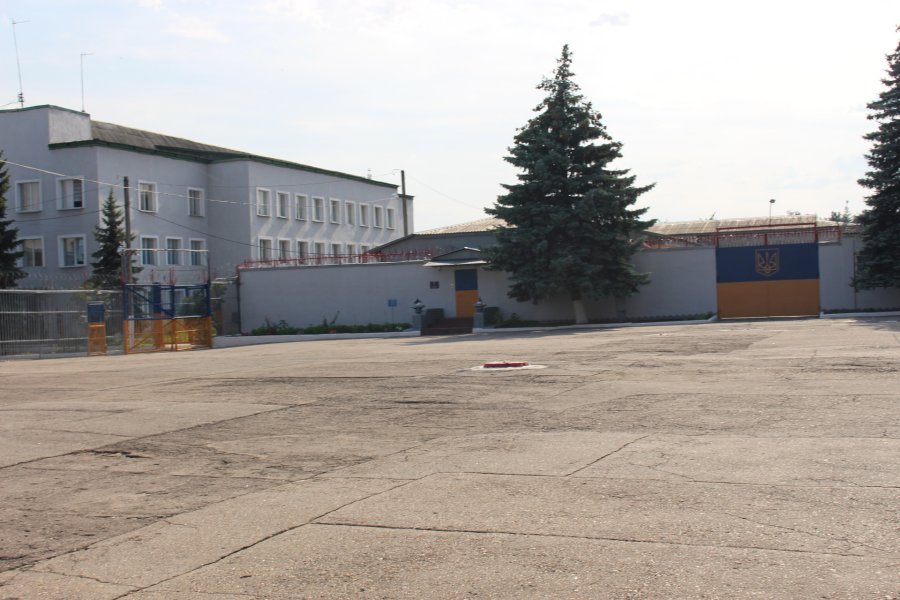
4. Artificial creation of a negative atmosphere in the institution
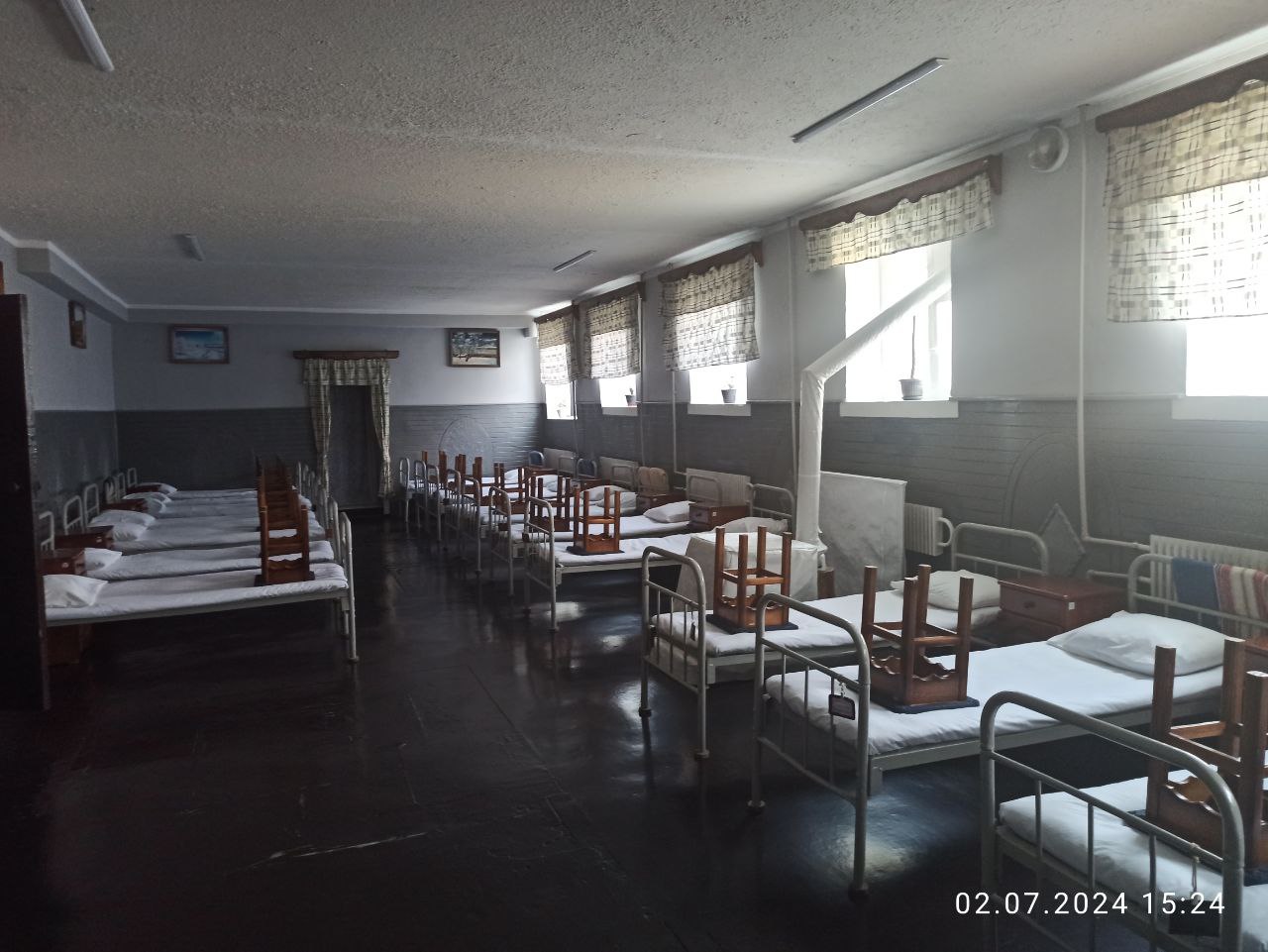
4.1 In violation of Appendix 8 to the Internal Regulations of penal institutions, approved by order of the Ministry of Justice of Ukraine No. 2823/5 of 28.08.2018 (hereinafter — the Rules), it was established that the institution's administration had arbitrarily introduced a prohibition on convicts using their sleeping places — sitting on beds and lying down during the day in their free time.
It is noted that the Committee's delegation received several credible allegations from prisoners who were or had previously been in this colony about recent physical ill-treatment by staff, which in some cases involved "orderlies". For example, one prisoner claimed that after arriving at Colony No. 100 in April 2020, he was subjected to ill-treatment by staff for three days until he agreed to wash the floor. The alleged ill-treatment, according to him, took place in the operative officer's office and took the form of placing the prisoner face down on the floor, one officer sitting on his back, and others pulling his legs and handcuffed hands upwards. (General report CPT/Inf (2020) 40, paragraph 21).
5. Fabrication of disciplinary offences
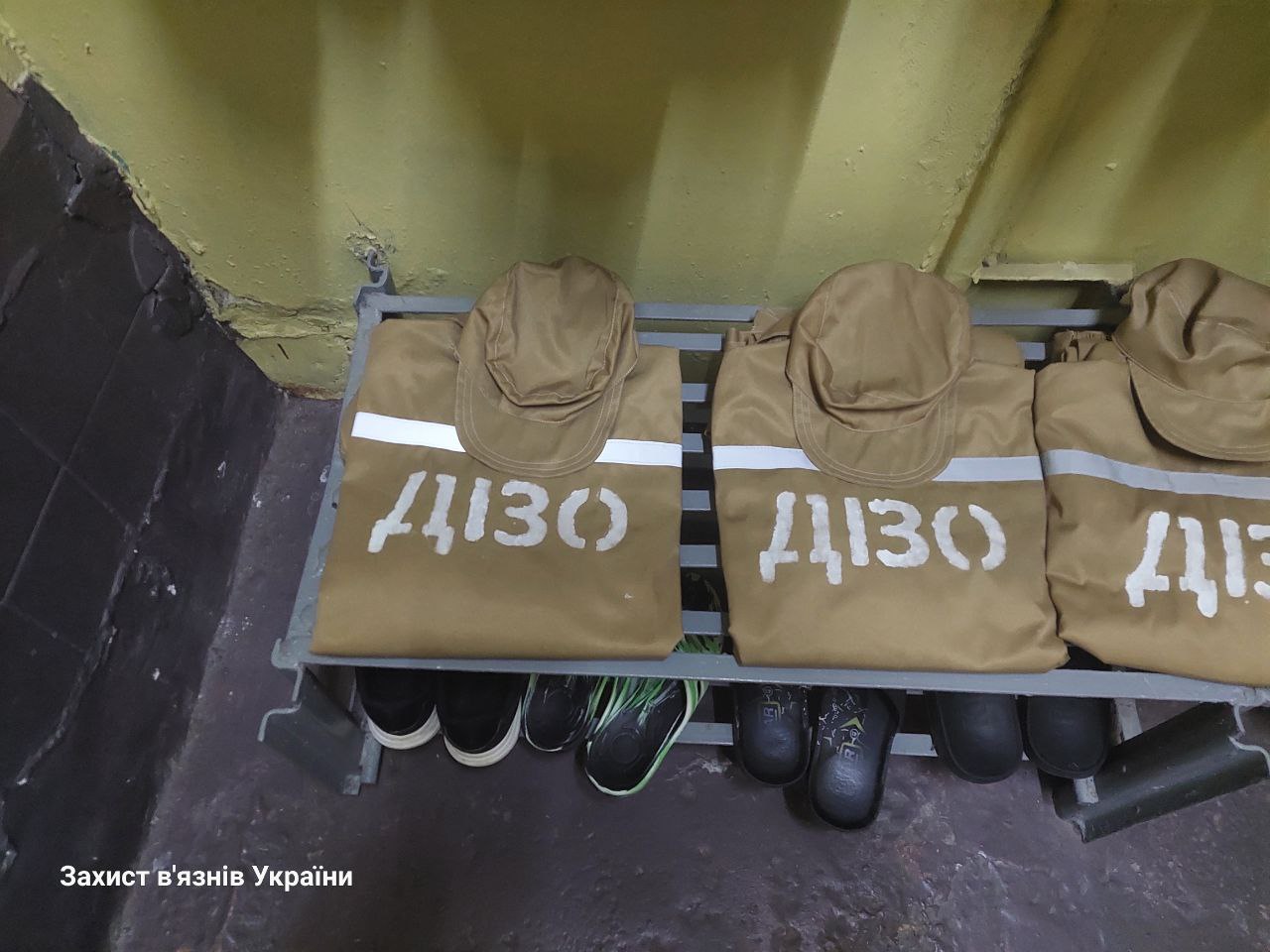
Convict B., who had experience of being held in the DIZO, informed the monitors that in order to fabricate disciplinary penalties, convicts serving disciplinary punishment in the DIZO/PKT are taken out to the exercise yard for cleaning; this is done demonstratively under video recording. After the convict refuses to clean, materials on a disciplinary offence are drawn up, namely — non-compliance with the legal requirements of the administration — refusal to clean.
At the same time, an orderly, B., works in the DIZO/PKT on a permanent basis, who during the interview stated that his functional duties include cleaning the premises, including the exercise yards. Several convicts reported on such a practice of fabrication of disciplinary penalties. For example, convict M. reported that he received a disciplinary penalty in the form of DIZO for refusing to clean the exercise yard.
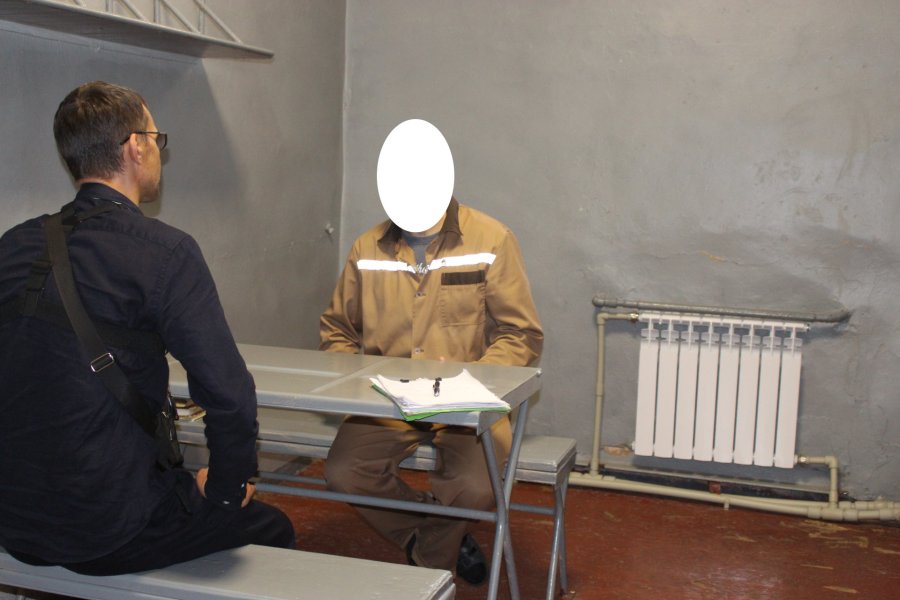
6. Illegal punishment by placement in the hospital
6.1 During a confidential conversation, the monitors established that practices of ill-treatment are applied to convicts, such as illegal placement for an indefinite period into special ward-cells located in the premises of the multi-disciplinary hospital on the territory of the institution. The monitors visited two ward-cells, No. 111-211, which the convicts had pointed out. A convict was staying in one of them. The convict could not explain the reasons for his stay in the hospital ward-cell, nor provide clear explanations. By his entire appearance, this convict showed a sense of fear and subsequently began to cry.
6.2 At the same time, facts of violation of Article 8 of the Convention and the requirements of Rule 19.3 of the European Prison Rules (Recommendation No. R (2006) 2 of the Committee of Ministers of member states) (hereinafter — EPR) were established in this ward-cell regarding the violation of the convicts' right to privacy, namely — the absence of doors in the bathrooms that allow convicts to have privacy.
6.3 It is also necessary to note the numerous complaints from convicts regarding the operation of radio speakers, which are installed in most hospital ward-cells and operate from wake-up time to lights out, without the ability to turn them off independently or regulate the volume. Furthermore, outdoor exercise is permitted for only one hour per day. Under inpatient treatment conditions, this can be regarded as ill-treatment.
6.4 In one of the mentioned wards, the window was equipped with frosted glass, and this is not an isolated case in this colony. The installation of such windows was recorded in the cells of the maximum-security sector and the KDiR section. In its report on the results of the visit to Ukraine in 2020, the Committee already drew attention to this and recommended that measures be taken in Colony No. 100 to review the design of the windows in the cells in order to allow prisoners to see what is outside the cell. (CPT/Inf (2020) 40, paragraph 48).
7. The “Ban”
In the institution, there is a widespread practice of segregation and stigmatisation of convicts, which consists of exclusion from the general population for an indefinite period by order of the administration and orderlies, for certain convicts (which means falling under the so-called “ban”). The “ban” is applied to convicts who might have failed to follow orders from the administration or orderlies, or those who expressed complaints about illegal actions/inaction of the administration regarding the violation of their rights.
The so-called “ban” consists of exclusion/isolation from the general mass of convicts. Any contact of other convicts with a person in this status is strictly prohibited. This “ban” means that the convict must constantly wear a standard-issue uniform, even in the SPS section, even in residential premises, despite the fact that convicts who are not under the “ban” wear the standard-issue uniform only in exceptional cases, and orderlies do not wear it at all.
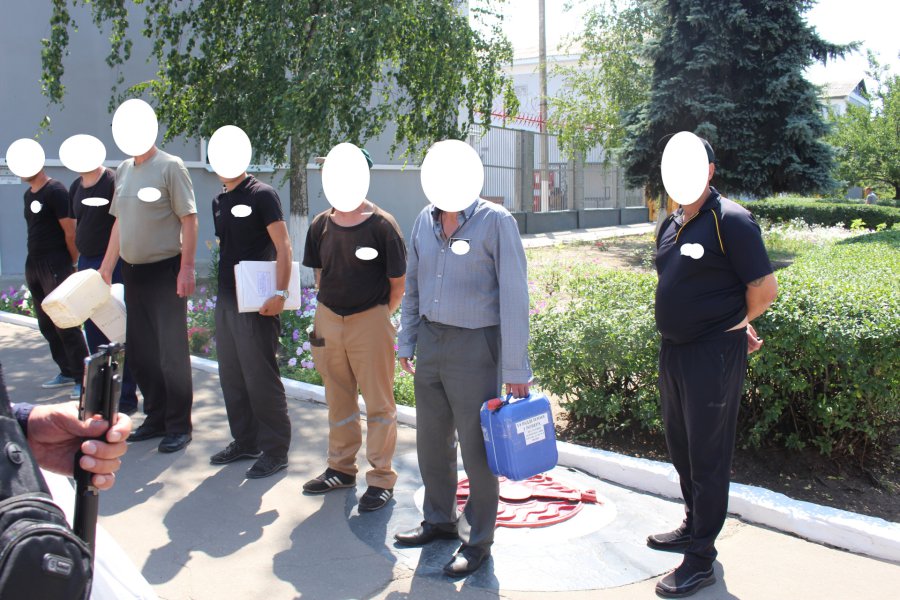
The convict is prohibited from communicating with other convicts. According to Clause 4, Section II of the Internal Regulations, convicts are prohibited from: “selling, gifting, or otherwise alienating items, products, and things in personal use to other persons for the benefit of others.” However, the administration of the institution abuses this rule in relation to convicts who are under the so-called “ban”.
For example, convict P. received the so-called “ban” for arguing with an orderly. After this, the section was lined up and the orderly informed everyone that convict P. was “under the ban”. After this, other convicts are afraid to communicate with convict P. so as not to end up in such a situation themselves. Convict P. has a cigarette, but no one will give him a light; convict P. has a pen, but no one will give him a sheet of paper; even during lunch, convict P. cannot ask for salt from other convicts.
Thus, unbearable conditions of stay are created in the institution. For example, a convict who was in this status reported that for some time the institution’s administration delayed the receipt of a parcel for a long period, which contained essential items, including hygiene products, due to which he could not use toilet paper for over two weeks. The administration refused to provide him with hygiene items, and other convicts were strictly forbidden from even communicating with him.
Similar treatment, restrictions, and obstructions were applied in almost everything: matters of daily life, work, rest, conditions, and the serving of the sentence as a whole, which made life in these conditions unbearable. Convict S. reported that he has been under the ban since 2022; even to ask for a “tarochka” (a piece of paper for rolling tobacco) one needs to get permission from the unit’s head orderly.
8. Atmosphere of fear in the institution
It is necessary to note the presence of an atmosphere of fear among the convicts. This was noticed during the collection of information. A large number of convicts responded with general phrases: “you know everything perfectly well yourself” or “you will leave, but we have to live here,” without going into details, fearing persecution and negative consequences from the administration. And this fear was completely justified, because two days after the visit, a close relative of one of the convicts, who was serving a sentence in this colony and had provided information to the group during the visit, contacted a member of the monitoring group. His message contained information that after the monitoring visit ended, when the monitors left the territory of the institution, everyone who had contact with the group was summoned at night by the institution’s staff and interrogated under threat regarding the information provided by the convicts.
The Committee draws attention to a similar situation in its report on the results of the visit to Ukraine in 2020. Thus, during the visit to Colony No. 100, the delegation had the impression that prisoners who did not always follow the administration’s orders and whom the staff considered capable of leading to disorder in the prison ran a significant risk of being subjected to ill-treatment, sometimes even severe. Furthermore, some prisoners claimed that they were afraid to complain about ill-treatment to external bodies because prison staff threatened them that this would lead to negative consequences.
In this regard, the Committee recommends regularly conveying a clear message to the management and staff of this colony that ill-treatment of prisoners in any form, including threats, is unacceptable and will be punished accordingly. It also recommends providing staff with a clear message that any threats or intimidation aimed at preventing the filing of complaints by prisoners are unacceptable. (General report CPT/Inf (2020) 40, paragraph 22).
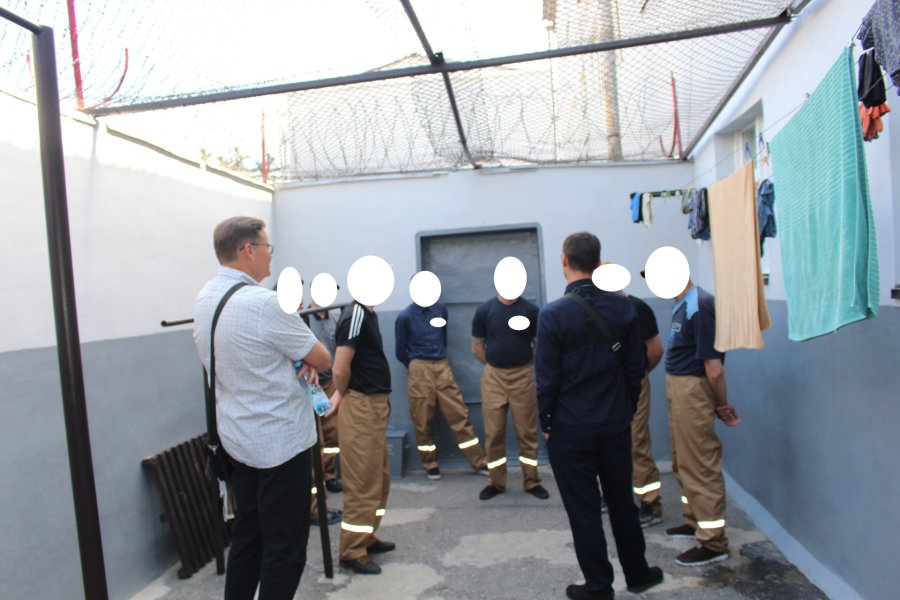
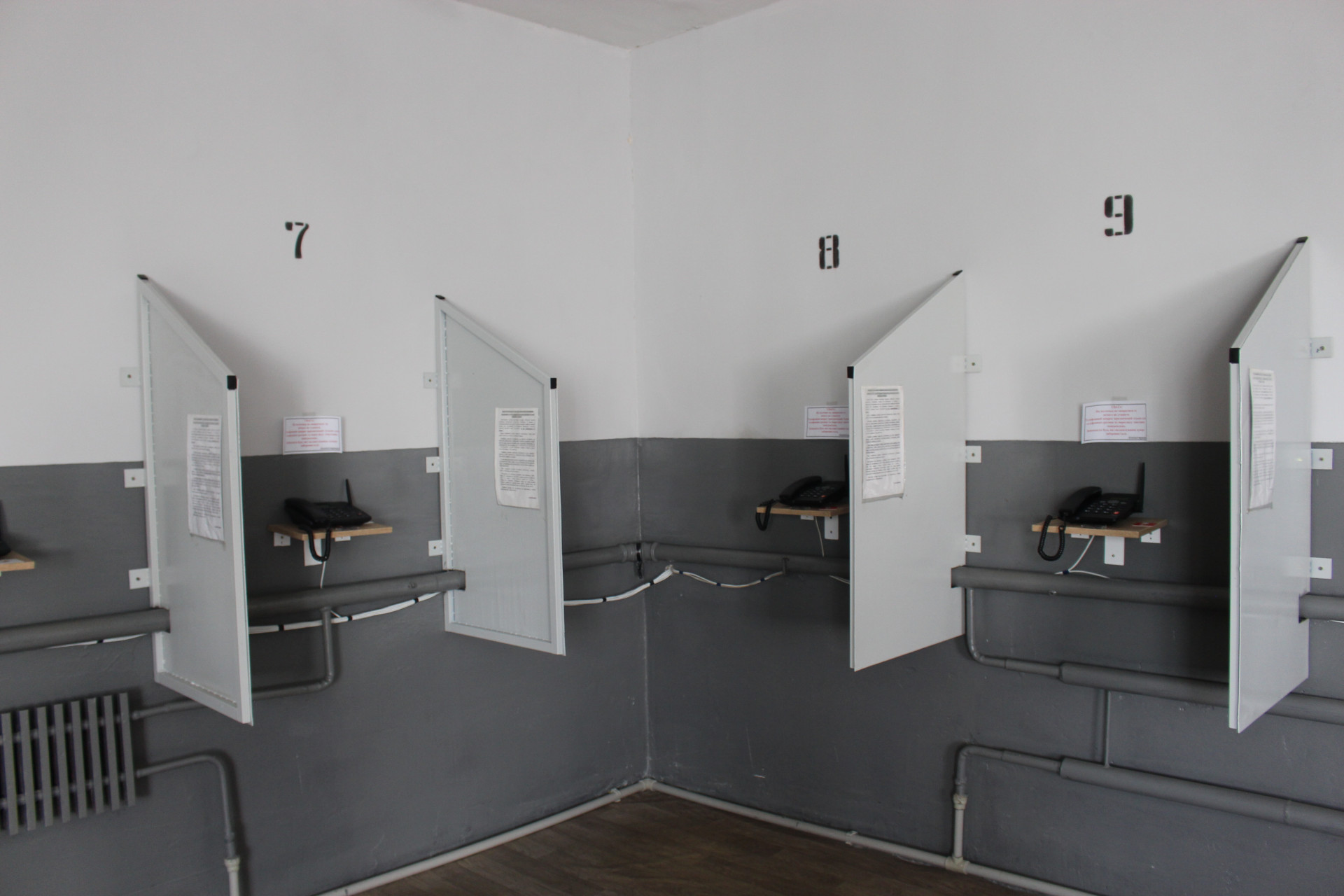
Also, the convicts reported that the practice of playing very loud music continues in the DIZO, which can be regarded as psychological pressure on the convicts. Also, interviewed convicts testified that during telephone conversations, SPP representatives listen to the phone calls and record the content. In the event that a convict complains to relatives about the conditions of detention or the failure to provide medical care, ill-treatment, and other human rights violations, the SPP can interrupt the conversation by disconnecting the line.
During the day, convicts are prohibited from sitting on their beds.
9. Maximum-security sector
9.1 When visiting the maximum-security sector, on the outer doors of the cells for holding convicts sentenced to life imprisonment, the placement of name cards was found, providing information with a brief description of the crimes committed by the persons located in the cells. In its report on the results of the visit to Ukraine in 2020, the Committee noted that this practice should be stopped, as it serves no reasonable purpose and, besides stigmatisation, has the effect of worsening relations between prisoners and prison staff. (General report CPT/Inf (2020) 40, paragraph 52).
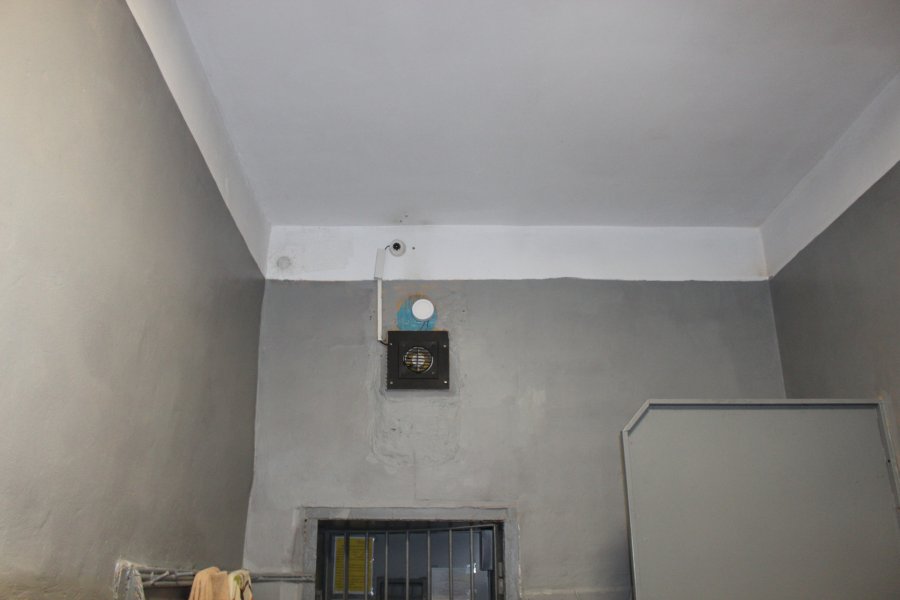
9.2 Clause 1, Section XXIII of Rules No. 2823/5 defines that supervision of convicts is a system of measures aimed at ensuring the serving and execution of criminal sentences in the form of restriction and deprivation of liberty, life imprisonment, and arrest through round-the-clock and constant control over the behaviour of convicts in their places of residence and work, the prevention and suppression of illegal actions on their part, and ensuring the requirements of isolation of convicts and the safety of the staff of penal institutions. Thus, during the inspection of the cells for holding convicts sentenced to life imprisonment, video surveillance cameras were recorded. At the same time, the Committee in its report to the Government of Ukraine following the visit to Ukraine in 2020 noted that the Ukrainian authorities should review the need for the use of video surveillance in the cells of Colony No. 100 (and, if appropriate, in other penitentiary institutions), in light of the above remarks.
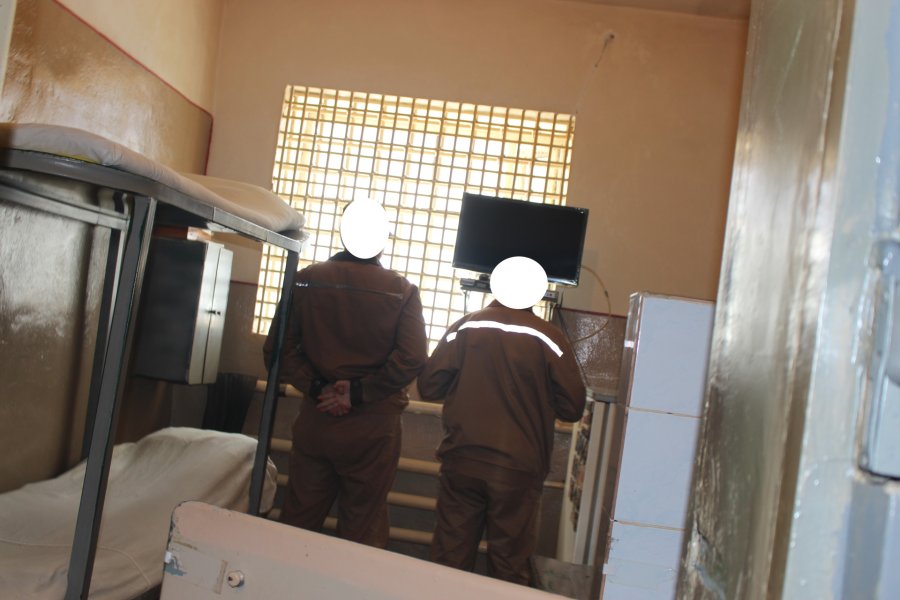
9.3 When visiting the maximum-security sector, the monitors recorded the continuation of a practice that degrades honour and dignity and has signs of ill-treatment, namely: convicts are forced to stand facing the wall with their hands behind their backs every time the cell door is opened. The Committee in its report to the Government of Ukraine following the visit to Ukraine in 2020 noted that such practices are not necessary from a security point of view and do not in any way contribute to positive relations between staff and prisoners, and called on the Ukrainian authorities to put an end to such practices immediately.
10. Ill-treatment and the desire of convicts to leave the region
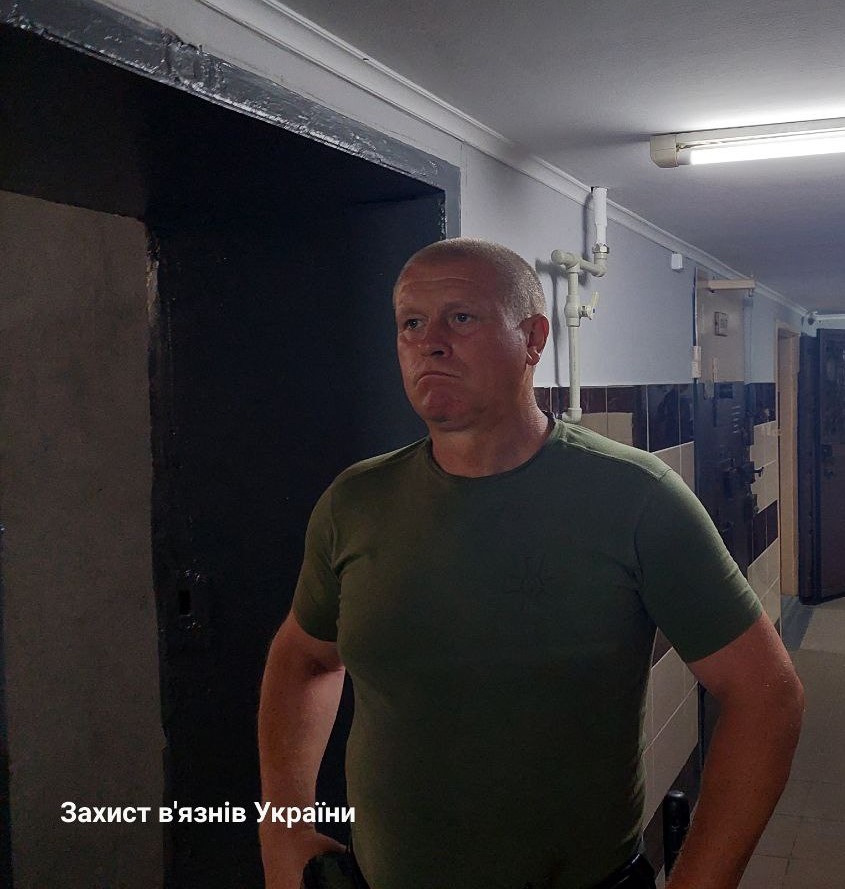
10.1 Convicts complained that among the colony’s management, the most cruelty is displayed by the CHPNK (Head of the Duty Shift) — Oleksandr Anatoliiovych Mordovin and operative officers Levchenko, Vitalov, and Lymar.
10.2 Four convicts were held in the DIZO/PKT premises who received charges under Article 391 of the Criminal Code of Ukraine; they are voluntarily prepared to accept a new sentence and receive an additional 1 year and 6 months in order to be transferred to serve their sentence outside the Kharkiv region.
10.3 Interviewed convicts reported that when they walk in formation, they must stop at every line. A disciplinary penalty can be received for any trifle. Convict V. reported that a penalty can even be received for a convict picking an apricot. And for violating the regime, they can be punished with placement in the MOB (Medical Unit) for up to six months.
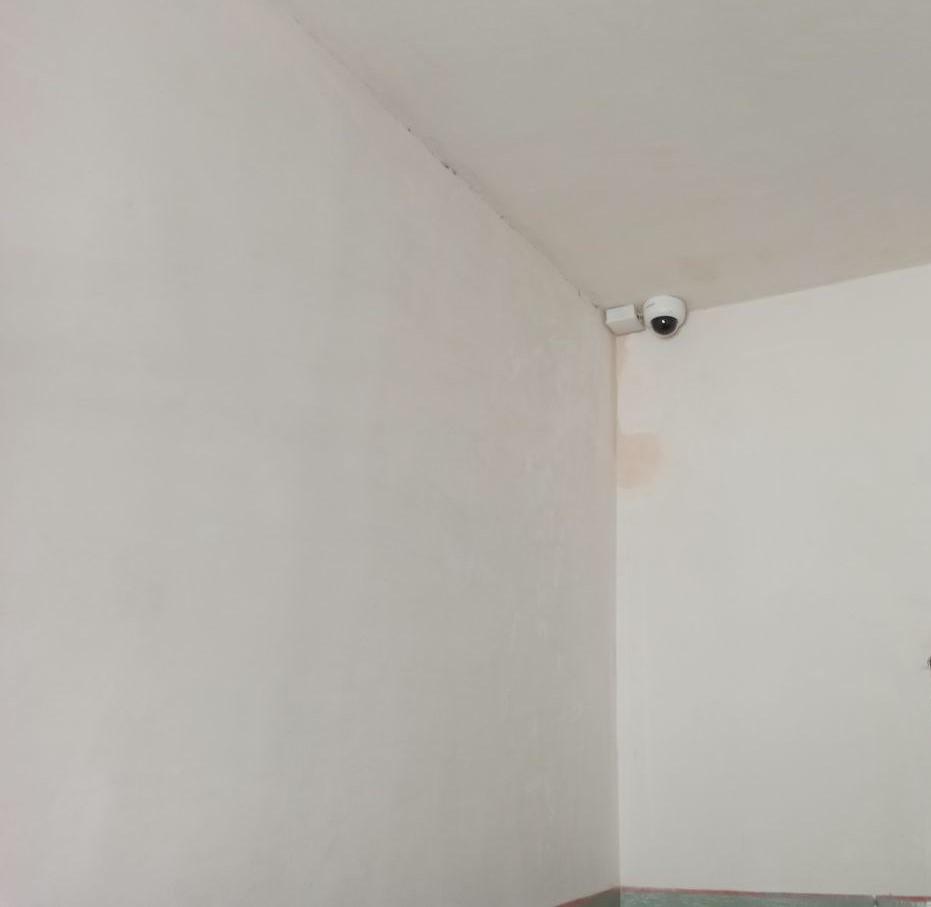
10.4 In the doctor’s office for outpatient reception of patients in the maximum-security sector, the monitors recorded an installed video surveillance camera. At the same time, according to Clause 8, Section VII of the Procedure for the use of technical means of supervision and control in correctional and educational colonies of the State Penitentiary Service of Ukraine, approved by Order of the Ministry of Justice of Ukraine No. 2025/5 of 26 June 2018 (registered in the Ministry of Justice of Ukraine on 02 July 2018 under No. 766/32218), the use of video cameras and portable video recorders is prohibited in premises (cells) in which medical examinations (check-ups) of convicts and personal strip searches are conducted.
This fact indicates the receipt by the institution’s staff of confidential information regarding the health status of convicted persons during a medical examination, manipulation, or procedure. This violates the requirements of Article 39-1 of the Law of Ukraine “Basics of Health Care Legislation of Ukraine” regarding the right of persons to the confidentiality of their health status, and Clause 9, Section I of the Procedure for organising the provision of medical care to convicts sentenced to imprisonment.
11. Decent conditions of detention. Violation of the right to decent conditions of detention (Article 25 of the Universal Declaration of Human Rights, Article 48 of the Constitution of Ukraine)
11.1 The equipment of the Quarantine, Diagnostics and Distribution section does not meet the standards for the treatment of prisoners and the conditions of their detention according to their functional purpose. Thus, in violation of the requirements of the Norms for provision with furniture, equipment, and household items for a medium-security correctional colony, approved by order of the Ministry of Justice of Ukraine No. 1118/5 of 27.07.2012 (hereinafter — Norms of provision), there are no utility rooms or rooms for storing food products.
11.2 In violation of the requirements of Clause 13.1 of the Norms of provision, there is no cloakroom in the Institution’s canteen, which leads to the fact that convicts are forced to eat while wearing outer clothing.
12. Violation of the right to work and social protection
12.1 According to Article 118 of the Penal Code of Ukraine, convicts sentenced to imprisonment have the right to work. Work is carried out on a voluntary basis on the basis of a civil-law contract or an employment contract. According to Article 26 of the Law of Ukraine “On Compulsory State Pension Insurance”, persons have the right to the appointment of an old-age pension upon reaching the age of 60, provided they have a certain insurance period.
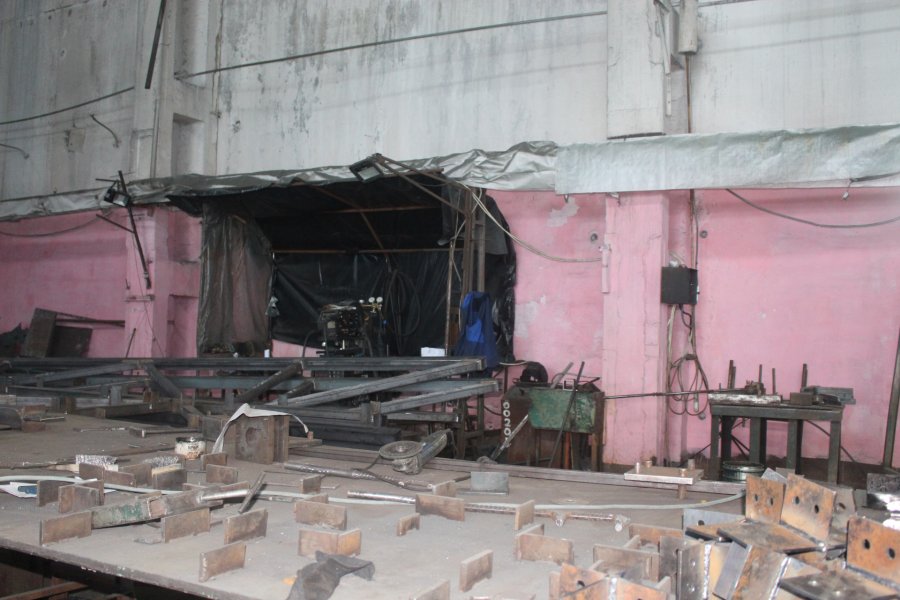
In violation of the requirements of paragraph nine of part one of Article 8 and part 1 of Article 118 of the Penal Code, convicts are engaged in work in the KDiR section without concluding an employment contract. In particular, convicts performing the functions of an orderly are involved in work on an unpaid basis.
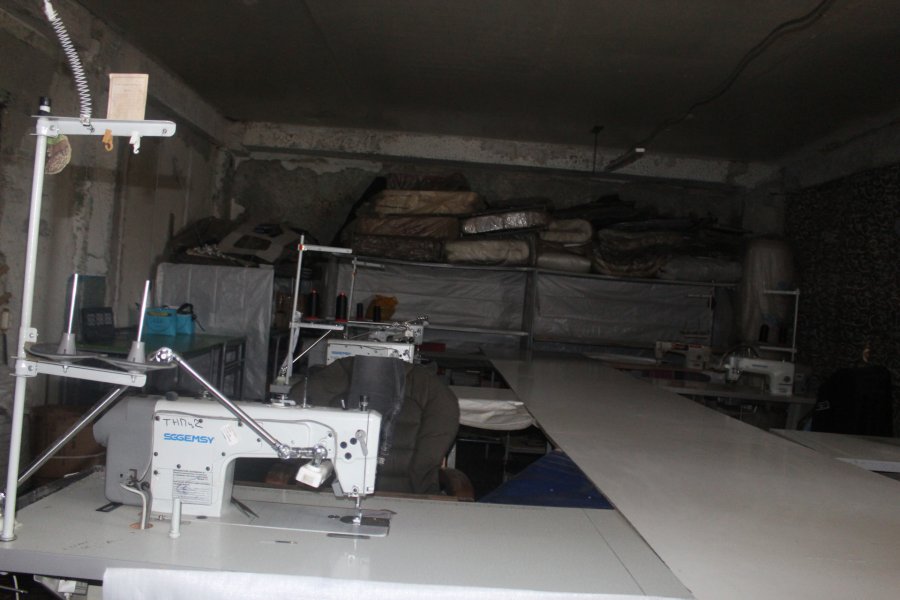
12.2 During the monitoring visit to the institution’s production area and workshops, working convicts were interviewed. Relevant documentation was checked. According to the administration, on the day of the visit, 206 convicts were working in production and workshops in the first shift. According to Article 119 of the Penal Code of Ukraine, the labour of persons sentenced to imprisonment is paid in accordance with its quantity and quality. In addition, in Clause 5.1 of the Instruction on conditions of labour and wages of convicts sentenced to restriction or deprivation of liberty, approved by order of the Ministry of Justice of Ukraine No. 396/5 of 07.03.2013, it is stated that the wages accrued to convicts, provided they meet production quotas or working time standards, cannot be less than the legally established minimum wage. Convicts must receive the minimum wage.
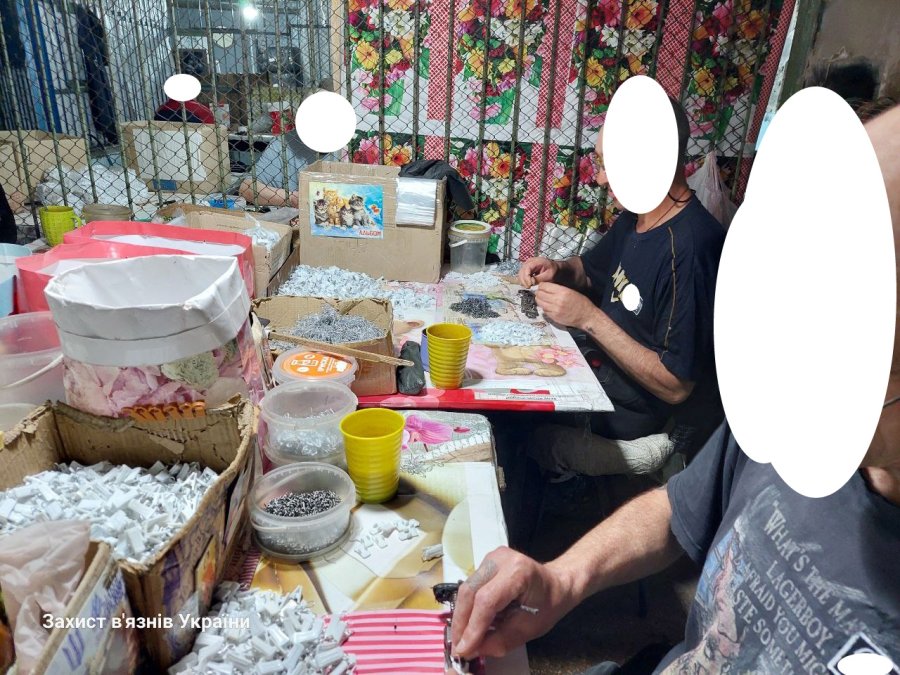
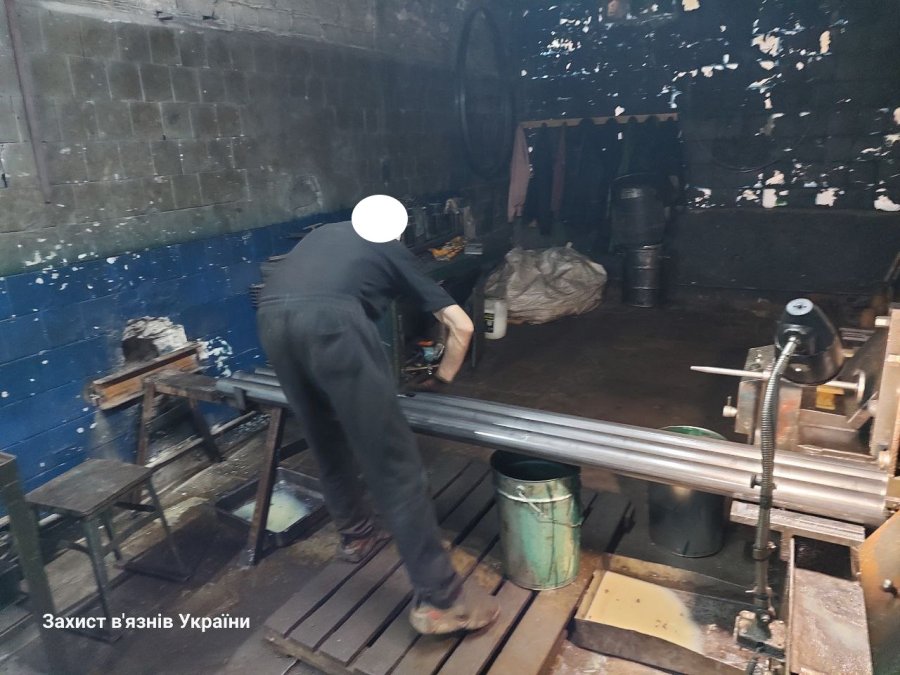
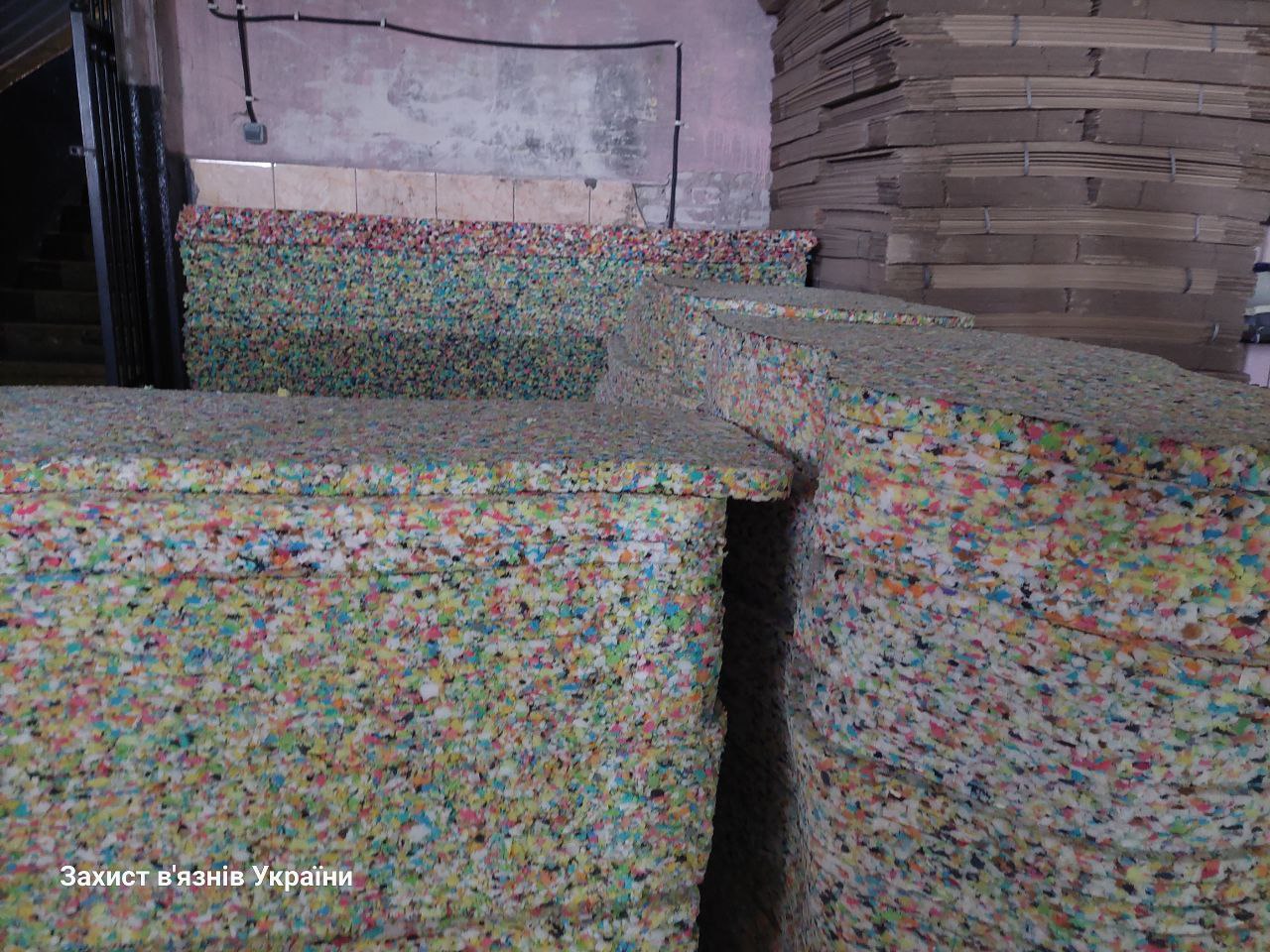
In confidential conversations, convicts reported that besides taking convicts to work with whom no legal relationship has been concluded, the practice of night shifts is used. It was also reported that convicts work beyond the standard working day, practically without weekends; the day off for the brigade is assigned by the foreman. During the summing up with the institution’s management, issues were raised regarding the use of night shifts and the involvement of convicts without concluding employment contracts. This information was not refuted by the management of TVK-100.
12.3 There is a widespread practice of engaging persons without a passport in work. Thus, convicts L. and K. work without a passport, and consequently do not have an employment record or corresponding social guarantees.
13. Remuneration of labour
Interviewed convicts reported that remuneration of labour occurs according to the following principle: nine people perform one operation. For the month, these nine convicts receive 14,500 hryvnias. Which amounts to 1,611 hryvnias.
According to the certificate of wages/remuneration that was accrued to convicts for May, convict T. received 1,622 hryvnias, convict Ch. — 2,028 hryvnias, convict B. — 2,028 hryvnias, convict I. — 2,028 hryvnias, convict U. — 811 hryvnias, convict S. — 202 hryvnias, convict S. — 528 hryvnias, convict M. — 608 hryvnias, convict P. — 608 hryvnias, convict S. — 418 hryvnias, convict M. — 508 hryvnias, convict L. — 405 hryvnias, convict Zh. — 202 hryvnias, convict M. — 271 hryvnia.
According to Article 119 of the Penal Code of Ukraine, the labour of persons sentenced to imprisonment is paid in accordance with their quantity and quality. In addition, in Clause 5.1 of the Instruction on conditions of labour and wages of convicts sentenced to restriction or deprivation of liberty, approved by order of the Ministry of Justice of Ukraine No. 396/5 of 07.03.2013, it is stated that the wages accrued to convicts, provided they meet production quotas or working time standards, cannot be less than the legally established minimum wage. Convicts must receive the minimum wage, which as of August 2023 is 6,700 hryvnias.
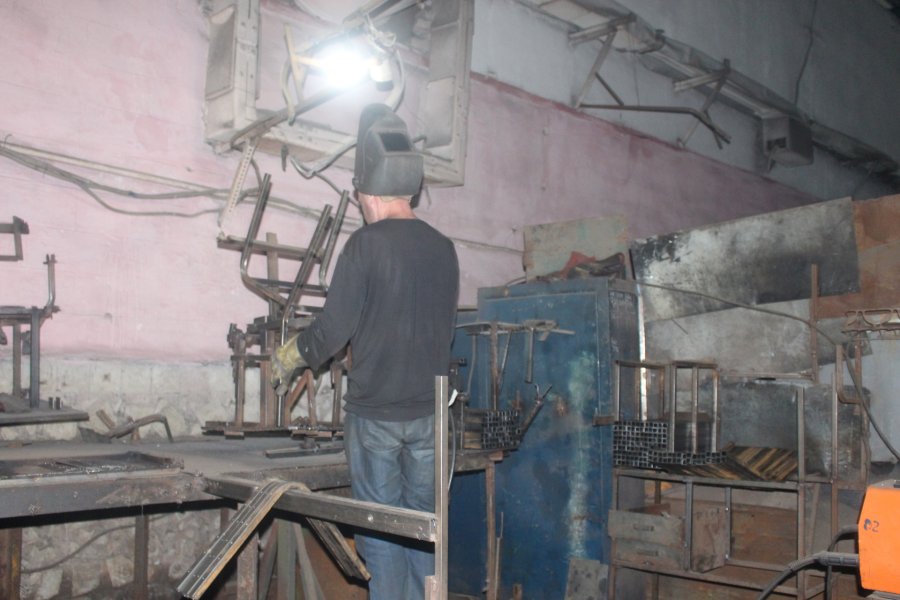
14. Convicts' working day
Convicts reported that the working day begins at 7:15 and ends at 19:00. If one counts the lunch break (one hour), the working day consists of 11 hours of continuous work, which is a gross violation of labour legislation. According to the Labour Code (KZpP), enterprises and organisations when concluding a collective agreement may establish a lower standard of working time duration than 40 hours per week. According to Art. 52 of the Labour Code of Ukraine, a five-day working week with two days off is established for employees.
Recommendations
To the Ministry of Justice:
Develop a step-by-step plan for the evacuation of convicts and the institution’s staff in case of danger.
To the management of OVK-25 and the management of the State Penitentiary Service:
- Conduct explanatory work among convicts regarding the implementation of their rights to appeal against the actions/inaction of the colony’s administration;
- Cease the practice of prohibiting convicts from sitting and lying on their beds during the day;
- Cease the practice of involving convicts (orderlies) in supervisory/security functions;
- Cease creating an atmosphere of fear and humiliation in the institution;
- Cease the practice of holding individuals in solitary confinement in DIZO/PKT/DPK;
- Cease the practice of allowing healthy convicts (orderlies) to live permanently in the hospital;
- Cease the practice of granting some convicts authority to influence others, and abolish the unofficial SPP — the Order Section;
- Cease the use of radio speakers and loud music in the hospital and DIZO/PKT/DPK without the possibility for convicts to independently regulate the volume and turn them off;
- Cease the practice of forcing convicts serving life sentences to stand facing the wall with hands behind their backs during door opening;
- Assist convicts in restoring family ties lost due to the war;
- Cease the practice of placing convicts in the premises of the multi-disciplinary hospital as a disciplinary punishment;
- Cease the practice of violating the right to work and social protection of convicts.