Report on the results of the monitoring visit to Temnivka Correctional Colony No. 100
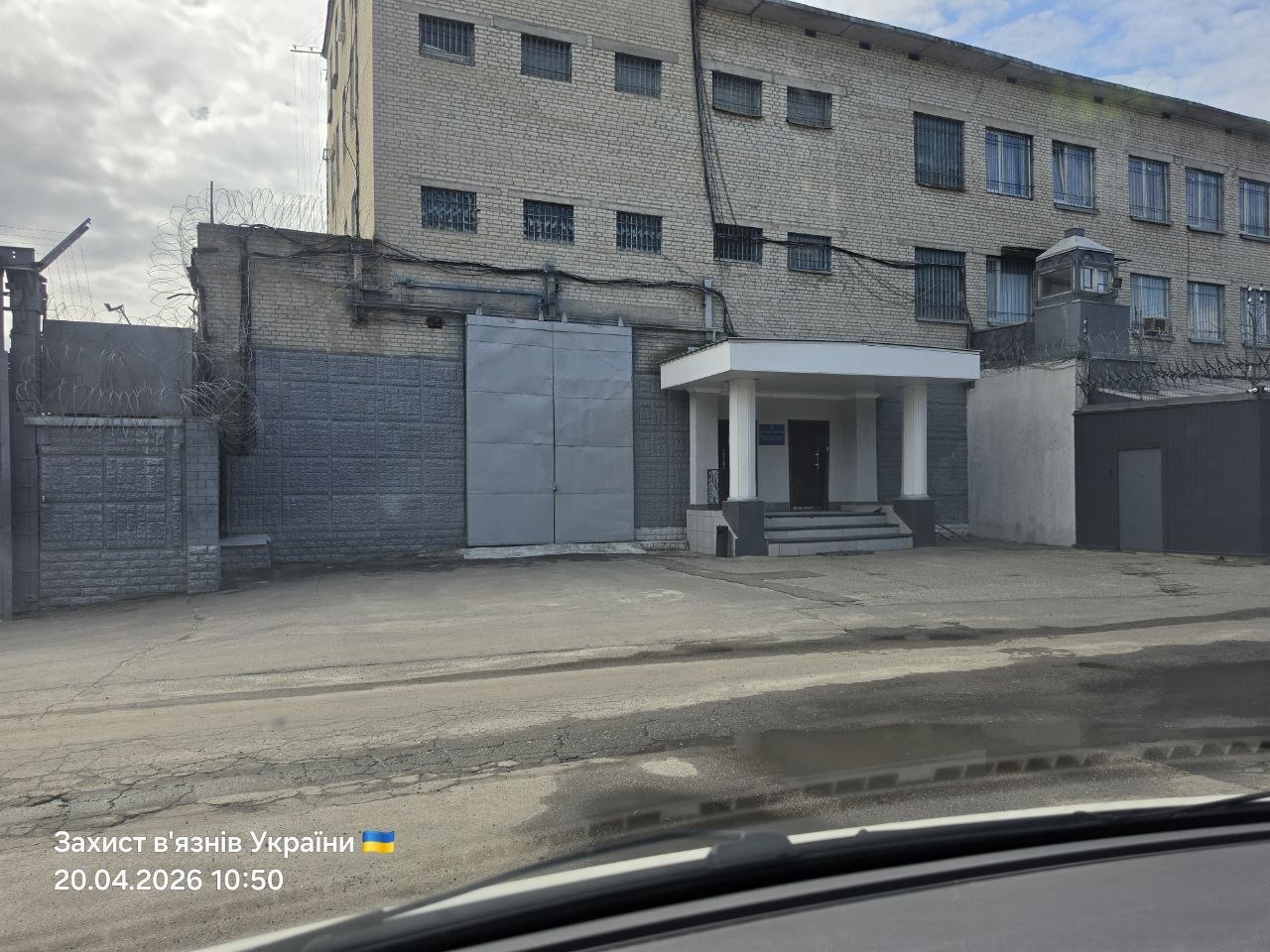
On 20 April 2026, in accordance with the Optional Protocol to the Convention against Torture and Other Cruel, Inhuman or Degrading Treatment or Punishment, taking into account the provisions of the United Nations Standard Minimum Rules for the Treatment of Prisoners (the Nelson Mandela Rules) and the case law of the European Court of Human Rights, and pursuant to Article 24 of the Penitentiary Code of Ukraine ‘Visiting correctional institutions’, a monitoring group from the Kharkiv Human Rights Protection Group and the NGO ‘Protection of Prisoners of Ukraine’ visited the State Institution ‘Temnivka Correctional Colony (No. 100)’ (TCC-100, the institution, the facility, the colony). Another unannounced routine visit was carried out, during which all facilities of the institution were inspected.
The previous visit took place on 2 July 2024 and 4 July 2024.
In preparing for the visit, the monitors used materials from appeals submitted by convicts and their relatives, materials from previous reports, as well as reports by monitors of the National Preventive Mechanism under the Commissioner for Human Rights of the Verkhovna Rada of Ukraine (NPM).
The visit was conducted as part of the project ‘Reducing the Suffering of Prisoners in the Context of War in Ukraine’, funded by the Danish Government in partnership with DIGNITY — Danish Institute Against Torture.
The visit was carried out by the following monitors:
- Andriy Didenko — assistant to the People’s Deputy of Ukraine Yaroslav Yurchyshyn, programme coordinator of the Kharkiv Human Rights Protection Group, with monitoring visit experience since 2014, an NPM (National Preventive Mechanism) monitor, and a member of the NPM Advisory Board;
- Serhiy Zuikov — assistant to the People’s Deputy of Ukraine Kostiantyn Kasai, member of the Public Council under the Ministry of Justice of Ukraine, member of the non-governmental organisation ‘Protection of Prisoners of Ukraine’, and an NPM monitor with many years of experience in monitoring visits;
- Oleh Tsvilyi — member of the Public Council under the Ministry of Justice of Ukraine, head of the non-governmental organisation ‘Protection of Prisoners of Ukraine’, with extensive experience in monitoring visits, specialising in issues of torture and cruel and inhuman treatment.
During the monitoring visit to TCC-100, a number of violations of the rights of convicts and detainees were identified, relating to the conditions of detention, safety, organisation of work, social protection, medical care, and compliance with international standards for the treatment of prisoners. In particular, facts were established regarding the use of informal mechanisms of influence on newly arrived convicts in the quarantine, diagnostics and distribution sector, violations of requirements regarding the placement of persons with mental disorders, and inadequate conditions of detention in the maximum-security sector, punishment cells, DIZO/PKT (disciplinary isolation cell / cell-type premises), the enhanced control sector, and the sector for holding pre-trial detainees. The monitoring group recorded insufficient natural light in cells, a lack of proper privacy in sanitary facilities, limited opportunities for out-of-cell activities and work for life-sentenced prisoners, and the absence of separate premises prescribed by regulations for the KDiR (quarantine, diagnostics and distribution), DPK (enhanced control sector), and other structural units of the institution. Violations of requirements regarding the equipment of punishment cells, provision of drinking water, ventilation, staff call buttons, and means of obtaining information were also revealed.
Particular attention is drawn to systemic violations of the labour and social rights of convicts, including the use of labour without proper documentation, discrepancies between actual employment and official records, signs of unpaid work, inadequate record-keeping of working hours, risks of incomplete payment of the single contribution to the compulsory state social insurance system, and violations of the convicts’ right to build up their insurance record. Additionally, facts regarding the use of labour in souvenir workshops outside proper legal regulation and control were established.
In addition, violations were identified in the organisation of bath and laundry services, the performance of sanitary treatment of convicts, the operation of the institution’s shop, the organisation of short-term visits, as well as problems related to staff shortages.
During the visit, issues of civil protection were also examined. It was established that DIZO/PKT premises, changing rooms of production areas, personal and bedding storage facilities, and a sanitary decontamination post are used to shelter convicts. At the same time, some of these premises are not equipped with proper ventilation and do not fully meet the requirements for civil protection shelters.
Overall, the results of the monitoring visit indicate the presence of systemic problems in ensuring appropriate conditions of detention, safety, work, and social protection of convicts, which require action by the institution’s administration, the Ministry of Justice of Ukraine, and other authorised bodies.
General information
TCC-100 is a medium-security correctional colony for holding men who have previously served sentences in places of deprivation of liberty. The colony is located at 3 Kharkivska Street, Temnivka village, Kharkiv district, Kharkiv oblast.
The head of the facility is Colonel of the Internal Service Oleh Valentynovych Naidionov.
The institution is located near the Udy River, approximately 35 km from the city of Kharkiv. The institution was established in accordance with an order of the Minister of Internal Affairs of the Ukrainian SSR dated 29 April 1982, which envisaged organising, as of 31 May 1982, a strict-regime corrective labour colony for holding convicted men. The newly created institution was assigned number 100 and the code name YUzh 313/100.
The project for establishing the institution envisaged the operation of its own production enterprise, whose main activity was to be the manufacture of parts and components for T-150 tractors in cooperation with the Kharkiv Tractor Plant. This approach corresponded to the model of extensive involvement of convicts in production activities characteristic of the Soviet prison system. After construction was completed, the first convicts arrived at the colony on 1 September 1984. Subsequently, the facility functioned as a strict-regime correctional colony for holding men sentenced to deprivation of liberty. Following Ukraine’s independence, the colony was integrated into Ukraine’s prison system and continued its activities within the structure of the State Department of Ukraine on the Execution of Punishments, and later within the system of the State Penitentiary Service of Ukraine.
The facility includes a duty station, a KDiR (quarantine, diagnostics and distribution) unit, SPS (social and psychological service) sectors, a canteen, a disciplinary isolation cell (DIZO), cell-type premises (PKT), an enhanced control sector (DPK), a maximum-security sector for holding convicts sentenced to life imprisonment, a medical unit, a bath and laundry complex, visitor rooms, a shop, a library, a parcel reception room, and administrative premises. Located on the territory of the institution is the State Institution ‘Temnivka Multi-profile Hospital No. 100’ of the branch of the State Institution ‘Center for Healthcare of the State Penitentiary Service of Ukraine in Kharkiv and Luhansk Oblasts’.
According to the data of the facility’s administration, the authorised staff consists of 276.5 posts, and the actual number is 230.5 posts. The total staff shortage across the institution is 46 employees. The planned capacity of TCC-100 is 1,145 people. At the time of the visit, 335 people were held in the institution, including 4 pre-trial detainees and 331 convicts. Ten SPS sectors are operational in the facility, while one sector is mothballed and another is undergoing renovation. The institution employs one staff psychologist and one psychologist working with convicts.
In 2026, 450 people arrived at the colony. In 2025, six convicts died. A total of 180 convicts are employed: 110 in production, 46 in the workshop, and 24 in facility maintenance work. The following were on the operational preventive register: 12 people prone to suicide, 5 prone to self-harm, and 4 prone to escape. In 2025, three people were released due to severe illnesses, and one person has been released in the current year.
In 2025–2026, not a single complaint was recorded from convicts regarding inadequate conditions of detention or inadequate medical care. Twenty-five people have disabilities: 7 people with Group II disability and 18 people with Group III disability. Convicts have 90 tablets in their personal use, and 52 email addresses are registered. In 2025, 13 cases of bodily injury during detention in the institution were recorded, and in 2026, there have been 2 such cases.
The monitoring group interviewed about 180 convicts during visits to production premises, workshops, SPS sectors, the SMRB (maximum-security sector), disciplinary facilities, and utility rooms, during general conversations while providing advice, answering questions, surveying for human rights violations, as well as during individual discussions, including on an anonymous basis.
Positive experience
During the monitoring visit to TCC-100, a number of positive practices were identified aimed at improving the conditions of detention of convicts, ensuring appropriate sanitary and living conditions, maintaining social ties, and creating a safer environment for staff and individuals held in the institution.
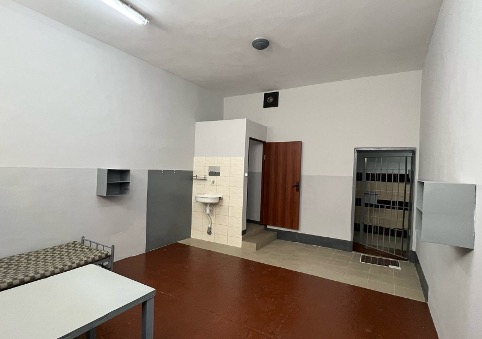
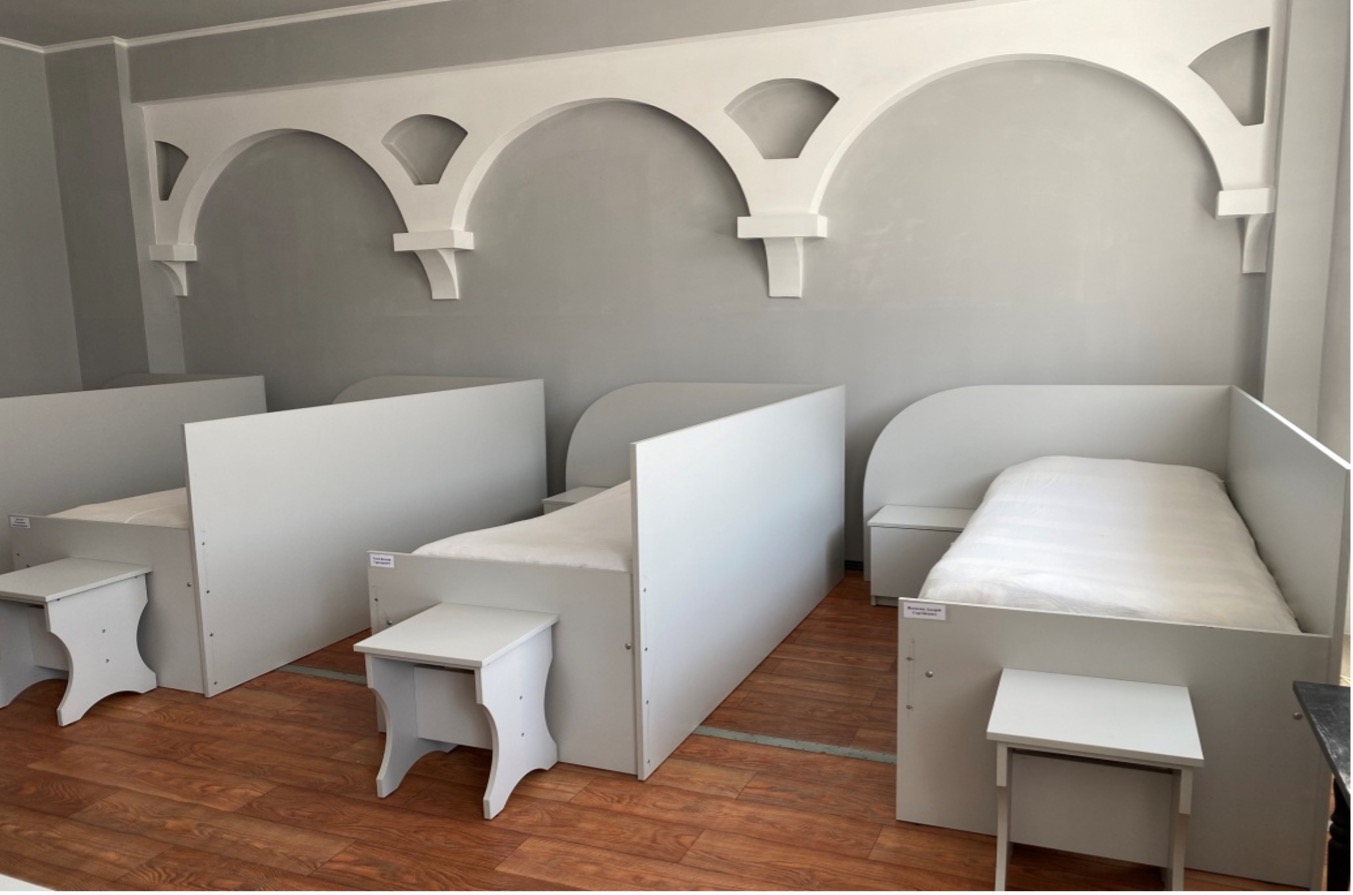
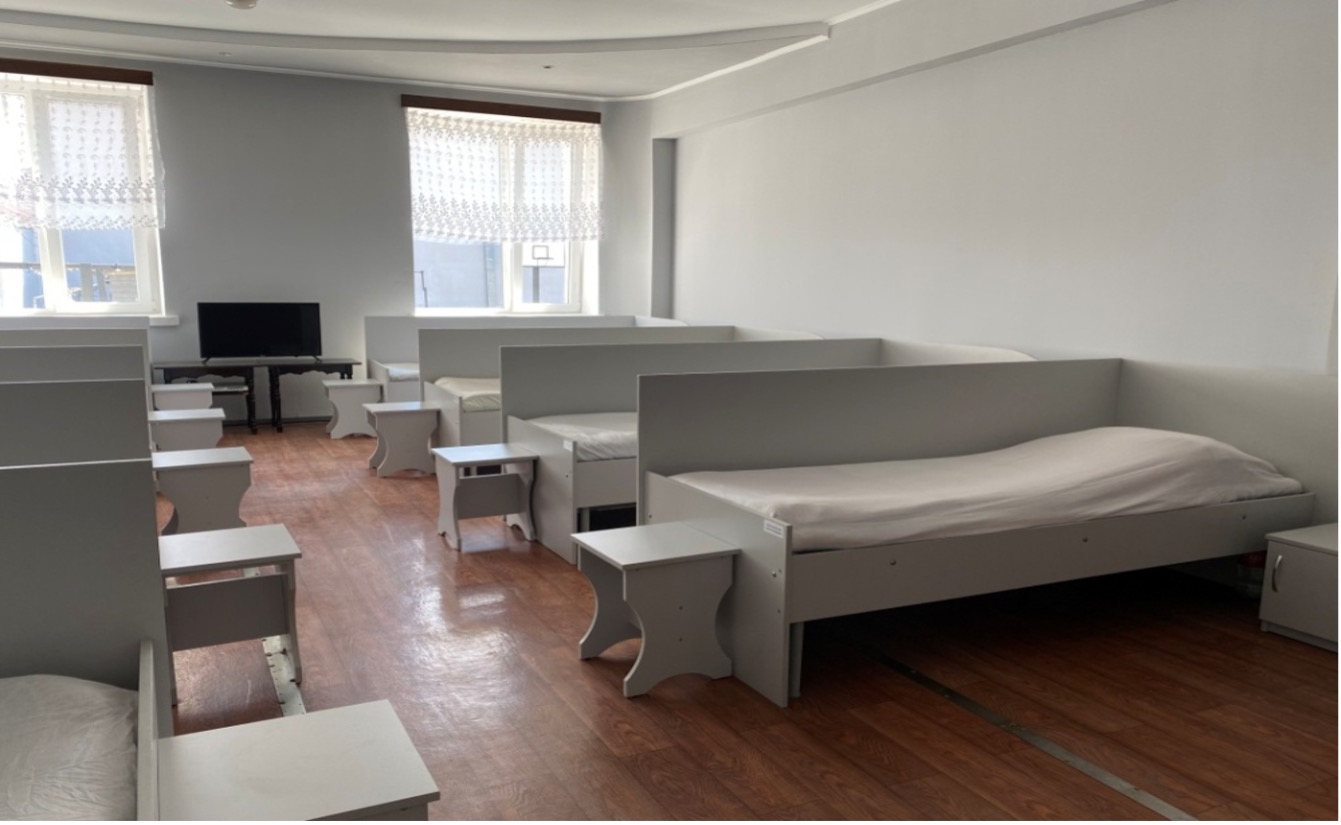
Among the positive changes, it is worth noting the renovation work in the residential quarters of the SPS units, taking into account the principle of ensuring individual space for convicts. Separate sleeping sections have been set up, providing a greater level of privacy and meeting sanitary and hygienic requirements. Another positive practice is the creation of a multi-bed cell-type room in the maximum-security sector for persons sentenced to life imprisonment, with properly equipped sleeping berths, dining areas, sanitary facilities, and shower cubicles.
The institution reconstructed the SMRB exercise yards and created conditions for joint walks of life-sentenced convicts, taking into account behavioral assessments, which helps maintain socialisation and reduce isolation. A positive aspect is the equipping of rooms for telephone calls, which helps convicts exercise their right to maintain socially useful ties with relatives and loved ones. Also, in 2025, Wi-Fi routers were installed in a number of SPS units to ensure convicts have access to the Internet in accordance with the requirements of penitentiary legislation.
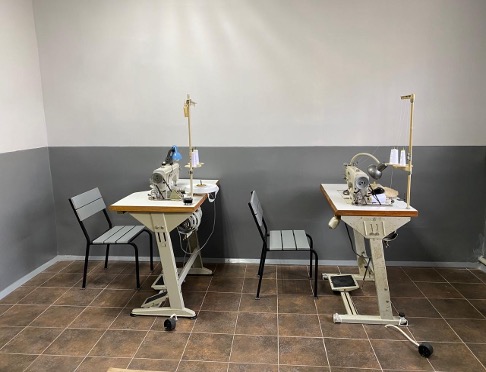
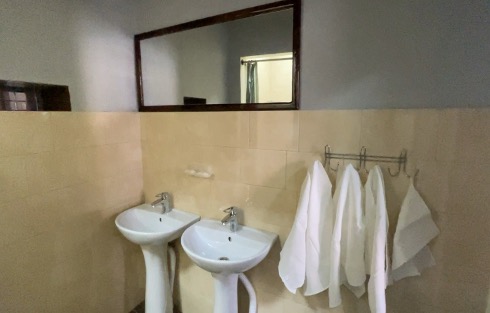
The creation of a psycho-emotional relief room and a hall for conducting group classes with convicts deserves attention and can be viewed as a positive practice in psychological support and resocialisation. The institution renovated sanitary facilities in residential sectors, updated food preparation rooms in the social rehabilitation sector, and refurbished premises for short-term and long-term visits. Of particular note is the equipping of rooms for short-term visits without solid dividing glass and intercom devices, which contributes to humanising the conditions of convicts’ communication with their loved ones.
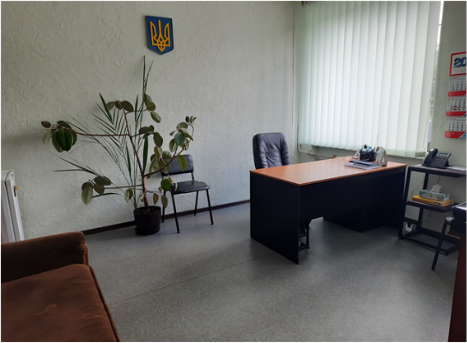
Positive practices include the renovation of DIZO/PKT cells and exercise yards, as well as the modernisation of lighting in the SMRB. To ensure proper conditions for staff service, the training classroom for junior inspectors of the security department, the rest and dining rooms for guard personnel, and the offices of the administrative building were renovated. Appropriate conditions were also created for the functioning of the canine service, including the reconstruction of enclosures and an obstacle course for service dogs.
Of special note are the measures aimed at ensuring the functioning of the institution under martial law and possible power outages. The institution secured the availability of backup power sources of various capacities, installed LED searchlights with solar panels, set up additional heating devices in dormitories and the shelter, replaced the heating system in several premises, and ensured a backup water supply from its own artesian well.
Identified violations of national and international legislation
During the monitoring visit, violations of national legislation and non-compliance with international recommendations on the treatment of prisoners were identified, leading to violations of the rights of convicted persons:
1. The monitoring group established that the administration and staff of the institution failed to ensure the proper organisation of work with newly arrived convicts. During the visit to the KDiR unit, the practice of involving certain convicts in performing functions related to maintaining order and controlling the behaviour of other convicts was recorded. In fact, the administration delegated to a convict (orderly / ‘dnyuvalnyi’) the authority to supervise newly arrived convicts and monitor their compliance with the daily schedule, which is unacceptable.
This contradicts the requirements of the third paragraph of point 4 of Section II of the Internal Regulations of Correctional Institutions, approved by Order of the Ministry of Justice of Ukraine No. 2823/5 dated 28 August 2018 (hereinafter referred to as the IRCI), as well as point 2 of Section I of the Regulations on the KDiR Unit, approved by Order of the Ministry of Justice of Ukraine No. 2300/5 dated 4 November 2013 (hereinafter referred to as the Regulations on the KDiR Unit).
In addition, during confidential discussions, convicts reported that the aforementioned orderly applies coercive and degrading practices to newcomers, in particular forcing them to perform humiliating actions publicly, including demonstratively cleaning the territory adjacent to the administrative building until permission is granted to return to the KDiR unit. According to the convicts, such actions are aimed at demonstrating submission and publicly defining a person’s ‘place’ in the informal hierarchical system of relations among convicts.
At the same time, the convicts noted that they were forced to agree to such actions due to fears of disciplinary sanctions, including placement in a disciplinary isolation cell (hereinafter referred to as the DIZO), with the prospect of being prosecuted under Article 391 of the Criminal Code of Ukraine.
The established facts may indicate that the institution’s administration uses practices that actually rely on an informal hierarchical system of relations among convicts. Forcing newcomers to perform publicly humiliating actions creates conditions for their artificial ‘positioning’ within this hierarchy and can be used as a tool of informal control.
This approach, even under the pretext of maintaining order or countering certain manifestations of the criminal subculture, is in fact implemented by delegating control functions to individual convicts and applying degrading practices, which is incompatible with the requirements of legislation and international standards for the treatment of prisoners. Such actions show signs of humiliating human dignity, contribute to the formation of discriminatory relationships among convicts, reinforce the criminal subculture, and create risks of psychological and physical violence.
These circumstances contradict the third paragraph of part one of Article 8 of the Penitentiary Code of Ukraine, Article 3 of the Convention for the Protection of Human Rights and Fundamental Freedoms, as well as the standards and recommendations of the European Committee for the Prevention of Torture and Inhuman or Degrading Treatment or Punishment (hereinafter referred to as the CPT). Thus, in its report on the results of its visit to Ukraine in 2020, the CPT expressed serious doubts about the practice of using certain prisoners as ‘orderlies’ (‘dnyuvalni’) who perform supervisory functions over other prisoners in residential areas and in production and report any incidents and regime violations to the staff.
In addition, despite specific recommendations previously made by the CPT, the practice of using ‘orderlies’ is also officially envisaged by the Internal Regulations of Correctional Institutions. As previously emphasised, the CPT considers that any partial abdication of responsibility for order and security in prisons, which lies with the security staff of the institution, is unacceptable. Such a practice exposes weaker prisoners to the risk of ill-treatment and exploitation by other prisoners. The CPT calls upon the Ukrainian authorities to take all necessary steps — including of a legislative nature — to put an end to this practice. No prisoner in any penitentiary institution in the country should have authority over other prisoners (CPT/Inf (2020) 40, paragraph 27).
Furthermore, in its report on the visit to Ukraine in 2023, the CPT calls on the Ukrainian authorities to develop and implement a comprehensive strategy to combat violence and intimidation among convicts and to overcome the phenomenon of informal hierarchy among convicts with all its negative consequences. In this context, the prison administration should also rationalise risk and needs assessment, classification, and allocation of individual convicts to ensure that convicts are not exposed to other convicts who might harm them (CPT/Inf (2024) 20, paragraph 45).
2. According to paragraph 43 of the 3rd General Report on the CPT’s Activities, the holding and treatment of persons with mental disorders should be carried out in medical facilities properly equipped and staffed with trained personnel. Such a facility can be either a civilian psychiatric hospital or a specialised psychiatric unit within the prison system (CPT/Inf (93) 12-part). According to Rules 18.6 and 18.7 of the European Prison Rules, shared accommodation is allowed only if the premises are suitable for this and the prisoners are compatible; where possible, prisoners should be given a choice before being allocated to sleep in a shared room.
At the same time, during the visit to the SMRB, in cell No. 9, the fact of long-term (over two years) joint holding of a life-sentenced convict Ye. with another person who has established mental disorders was established. Meanwhile, repeated requests regarding transfer to another cell remained without proper response from the institution’s administration. This creates risks of deterioration in the mental state of the convicts, the occurrence of conflict situations, and can also lead to psychological or physical violence, which indicates non-compliance with the principle of individualisation of detention and appropriate conditions of detention, and can be regarded as inconsistent with the requirements of Article 3 of the Convention for the Protection of Human Rights and Fundamental Freedoms.
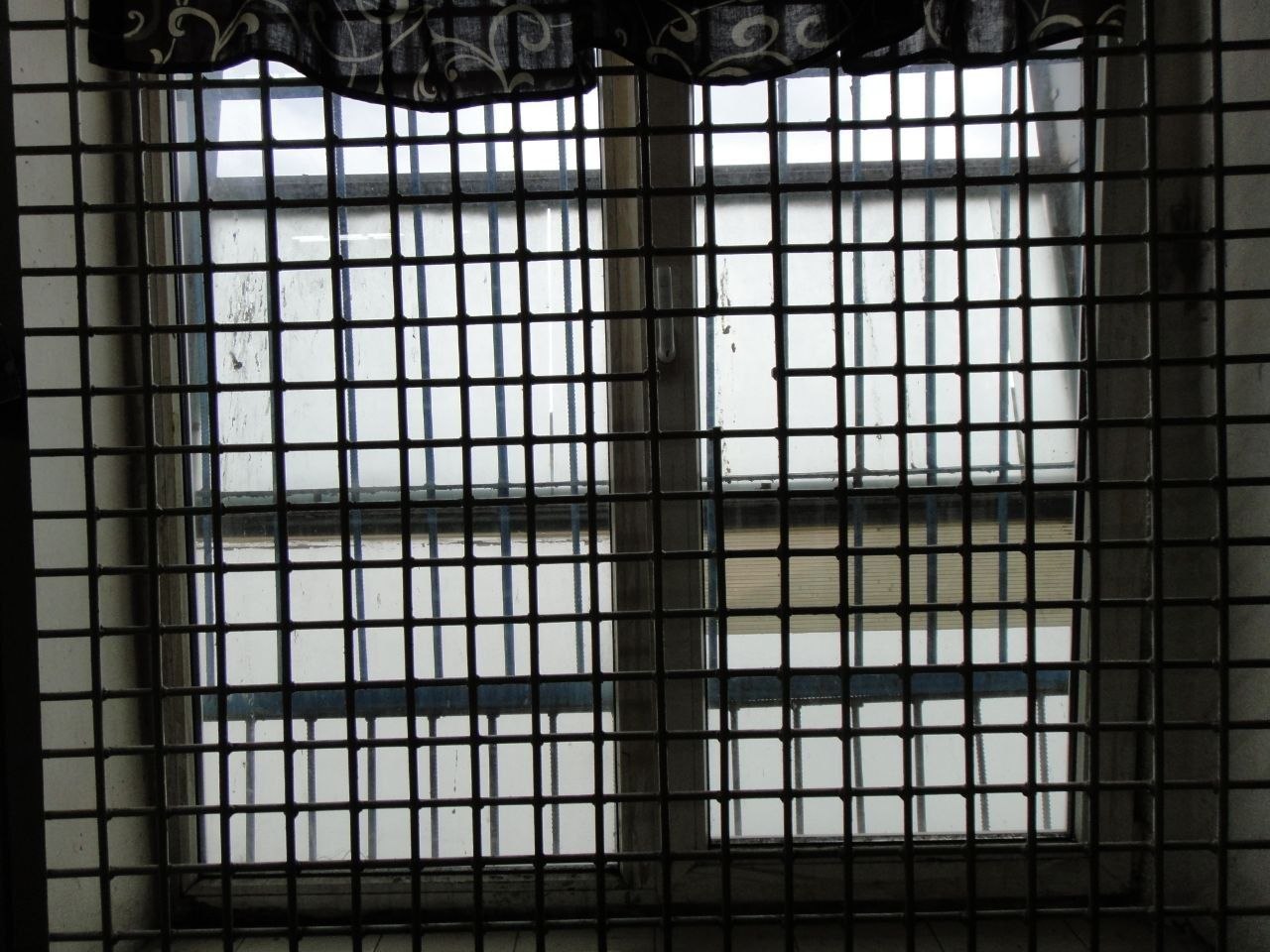
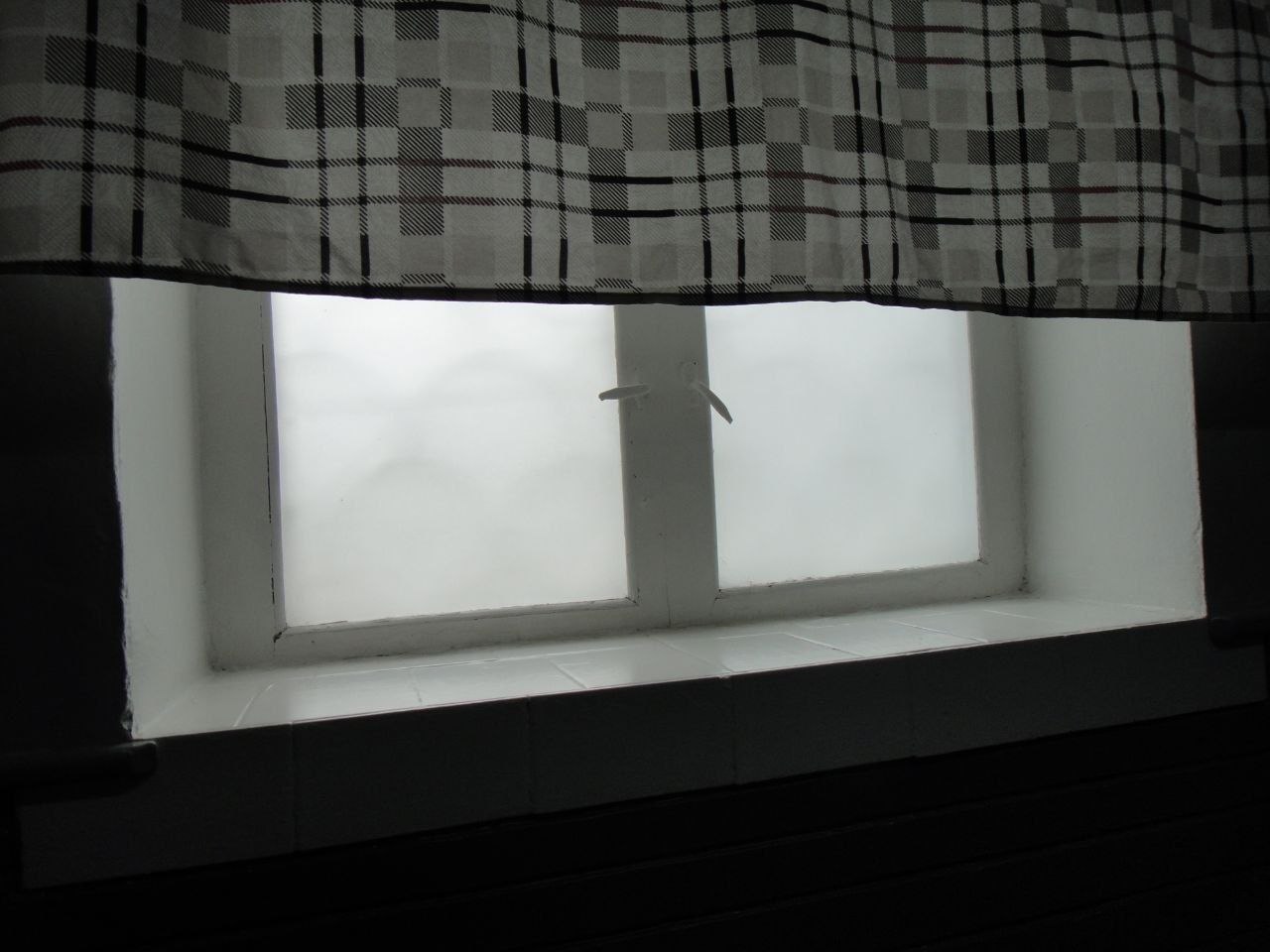
3. The arrangement of certain SMRB cells does not ensure appropriate conditions of detention of convicts, taking into account their individual needs, which fails to comply with international standards for the treatment of prisoners and established requirements. Thus, in the SMRB cells, a sufficient level of natural light is not ensured, as the windows are equipped with frosted (darkened) glass, which significantly restricts the penetration of daylight into the cells. Such conditions negatively affect the psycho-emotional state of the convicts and virtually deprive them of visual contact with the external environment. This does not comply with the requirements of Rule 18.2 (a) of the European Prison Rules and Rule 14 (a) of the United Nations Standard Minimum Rules for the Treatment of Prisoners (the Nelson Mandela Rules).
A similar violation was established in the KDiR residential premises. In its report on the results of the visit to Ukraine in 2020, the CPT had already drawn attention to this and recommended that the administration of Temnivka Correctional Colony (No. 100) take measures to review the design of windows in cells in order to allow prisoners to see outside their cell (CPT/Inf (2020) 40, paragraph 48).
3. Sanitary facilities in the SMRB cells are not equipped with partitions sufficient to ensure privacy, which is a violation of Rule 15 of the United Nations Standard Minimum Rules for the Treatment of Prisoners (the Nelson Mandela Rules). In the report on the results of the visit to Ukraine in 2020, the CPT recommended that the administration of Temnivka Correctional Colony (No. 100) take measures to ensure full separation of toilets in double cells (CPT/Inf (2020) 40, paragraph 48). 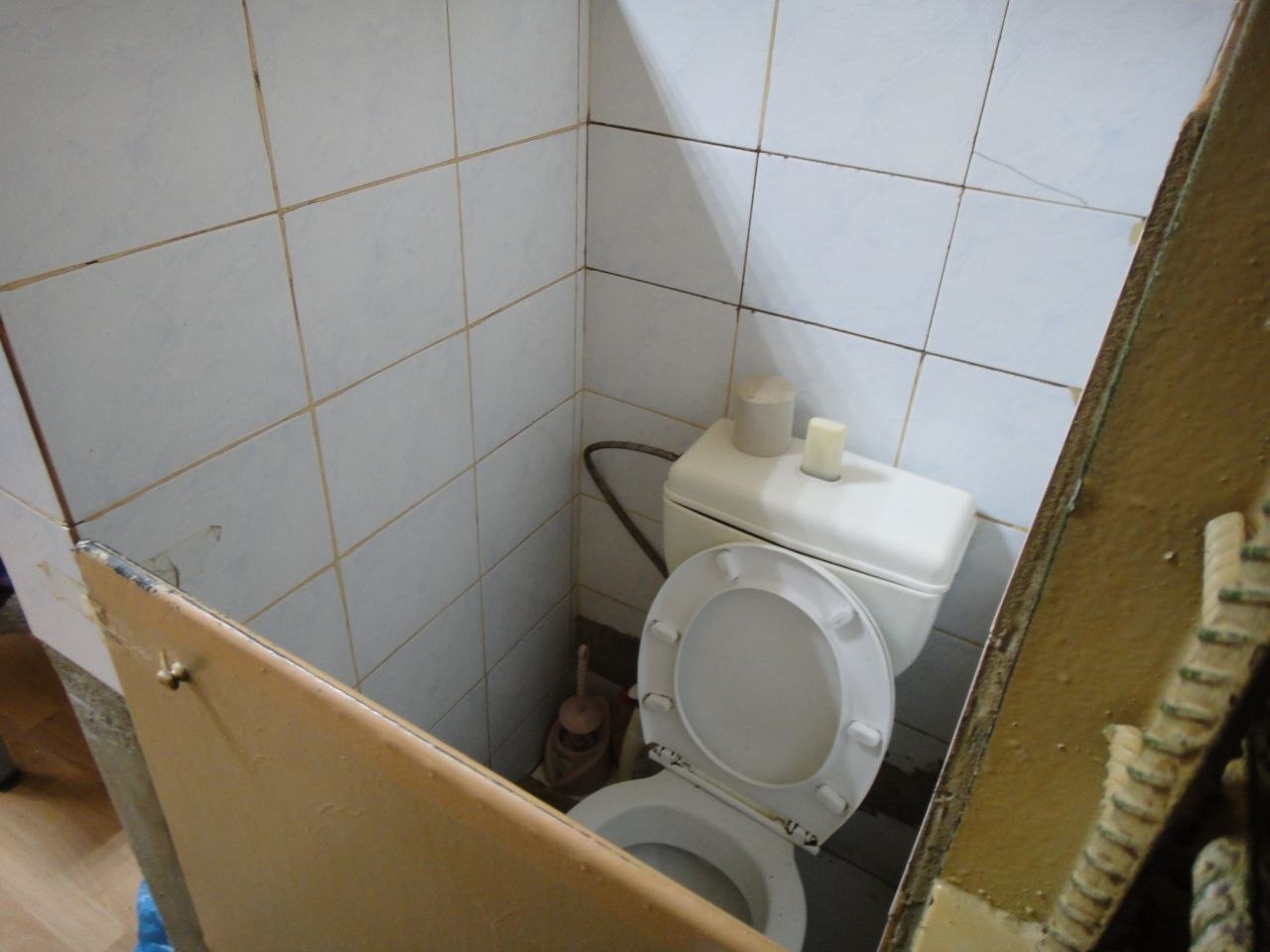
4. The monitoring group established that the staff of the institution does not provide life-sentenced convicts with alternative types of out-of-cell activities. Relevant activities are conducted sporadically, and the number of workplaces in the SMRB workshops is extremely limited, making it impossible to realise the right to work for all convicts who wish to work. In violation of the Norms for the Provision of Furniture, Inventory and Household Items in a Maximum-Security Correctional Colony, approved by Order of the Ministry of Justice of Ukraine No. 1118/5 dated 27 July 2012 (hereinafter referred to as the Provision Norms), there is no room for educational work in the SMRB of the institution.
In addition, there is no room for religious services in the specified sector, which violates the requirements of point 8 of Section XX of the IRCI and the Provision Norms.
Particular attention should be paid to the organisation of morning exercises in accordance with the daily schedule (Annex 8 to the IRCI). Due to the lack of a separate area, convicts are forced to perform physical exercises directly in their cells. At the same time, the area of double cells Nos. 1–14, according to the room area measurement act, does not exceed 8.8 m² (excluding the sanitary facility), which objectively makes it difficult or impossible to fully perform physical exercises.
This in fact leads to excessive isolation of convicts and restricts the realisation of their fundamental rights while serving their sentence.
In the report on the results of the visit to Ukraine in 2020, the CPT recommended that Temnivka Correctional Colony (No. 100) develop a regime for life-sentenced prisoners, in particular by providing a wider range of purposeful activities outside cells. The CPT also recommended increasing the number and size of exercise yards to ensure the possibility of proper physical activity, and to create conditions for contacts between prisoners from different cells, including during walks. 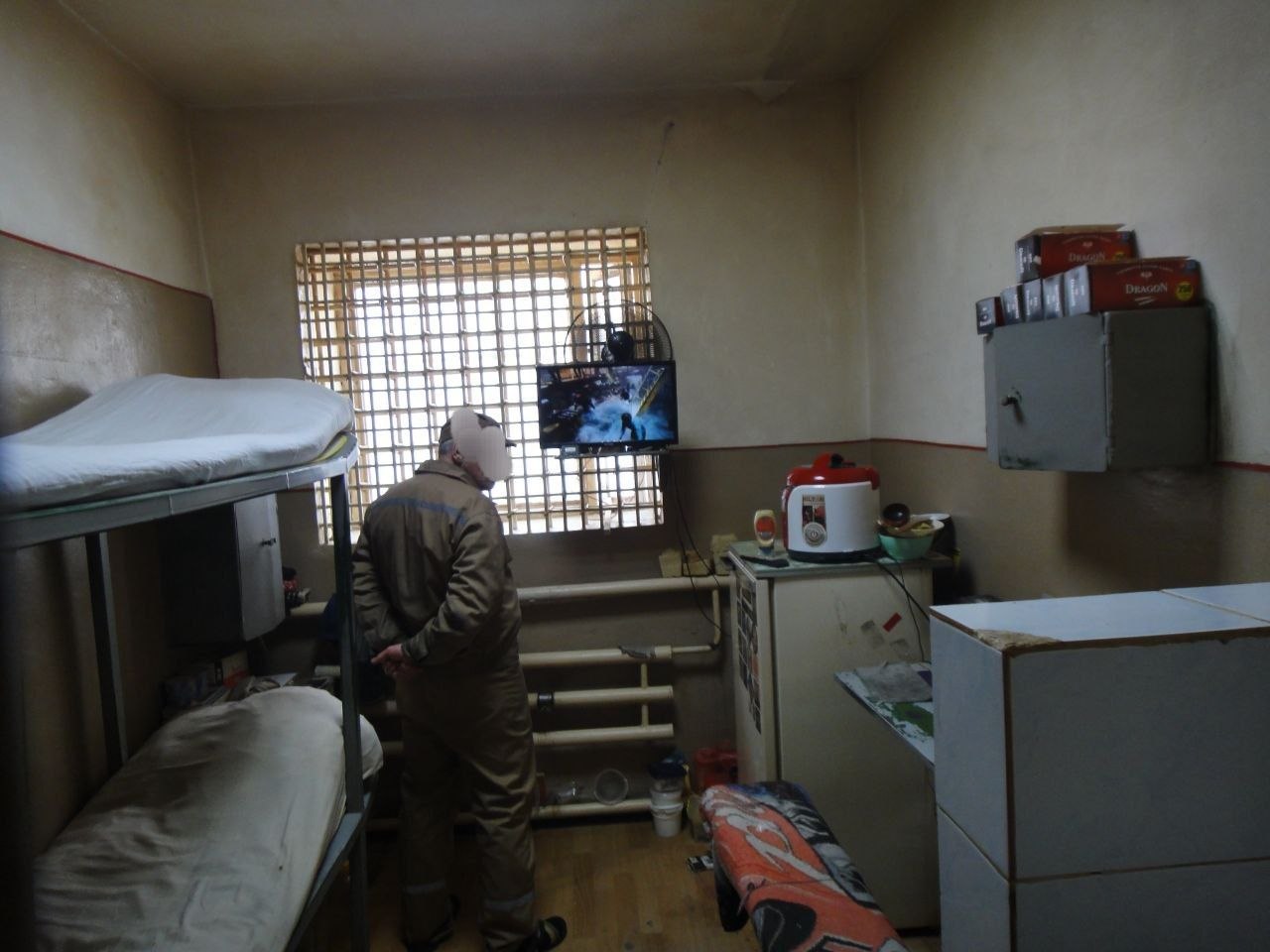
6. During the visit to the SMRB punishment cells, it was established that the conditions of detention of convicts do not meet established standards for the treatment of prisoners, fail to provide appropriate living, sanitary, and hygienic conditions, and lead to violations of their rights. In the report on the results of the visit to Ukraine in 2012, the CPT states that single cells should have a living space of at least 6 m² excluding the sanitary facility, and the distance between the walls should be at least 2 m (CPT/Inf (2013) 23, paragraph 45). However, the monitoring group established the use of premises for holding convicts that do not meet these requirements. In particular, when measuring the area of the punishment cell, it was found that the distance between the walls is less than 2 m, which does not comply with the CPT’s recommendations. 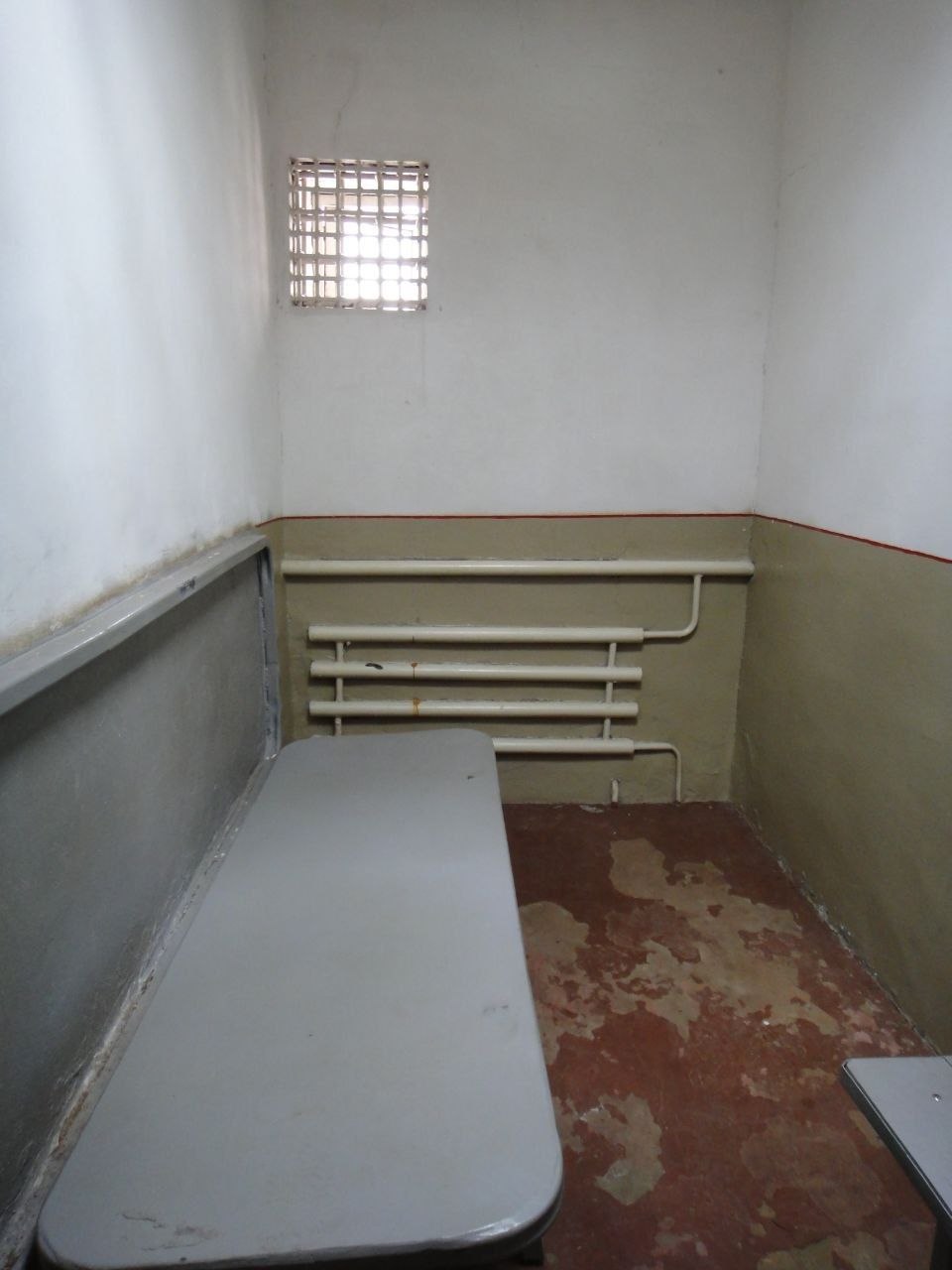
7. In violation of point 4 of Section IV of the Procedure for the Use of Technical Means of Supervision and Control in Correctional and Reformatory Colonies of the State Penitentiary Service of Ukraine, approved by Order of the Ministry of Justice of Ukraine No. 2025/5 dated 26 June 2018 (hereinafter referred to as the Procedure for the Use of Technical Means), the punishment cell is not equipped with staff call buttons, which makes prompt contact of convicts with the institution’s staff difficult.
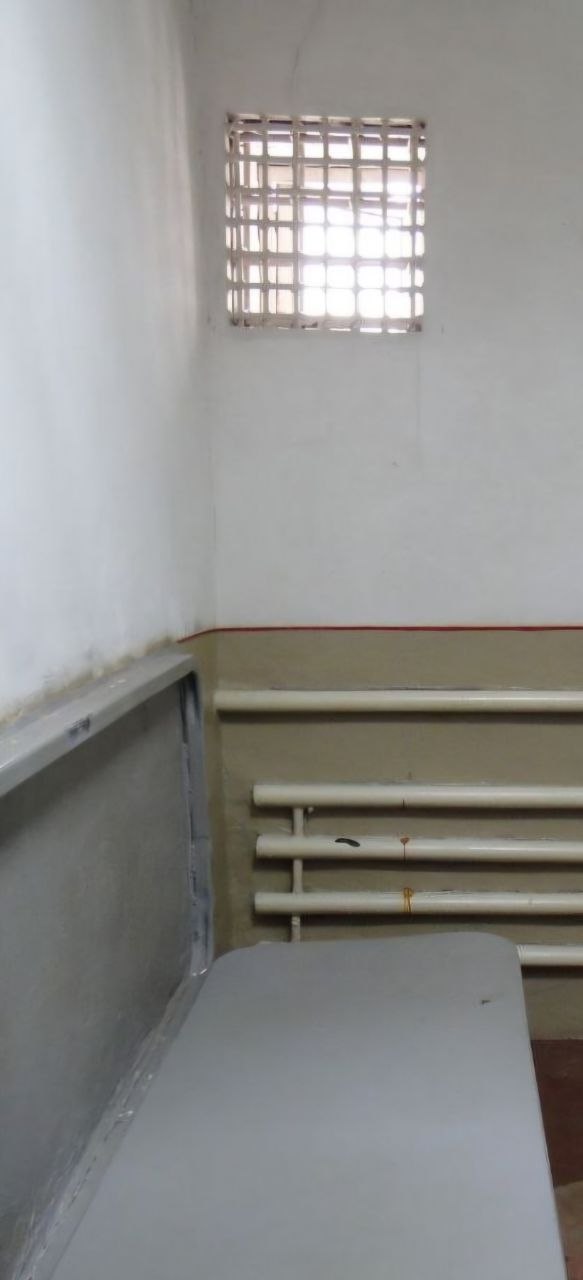
8. In the punishment cell, an appropriate level of natural light is not ensured, as the cell window is located at a significant height, is small in size, and has excessive grating, as a result of which natural light practically does not penetrate the room. This does not comply with the requirements of Rule 18.2 (a) of the European Prison Rules and Rule 14 (a) of the United Nations Standard Minimum Rules for the Treatment of Prisoners (the Nelson Mandela Rules).
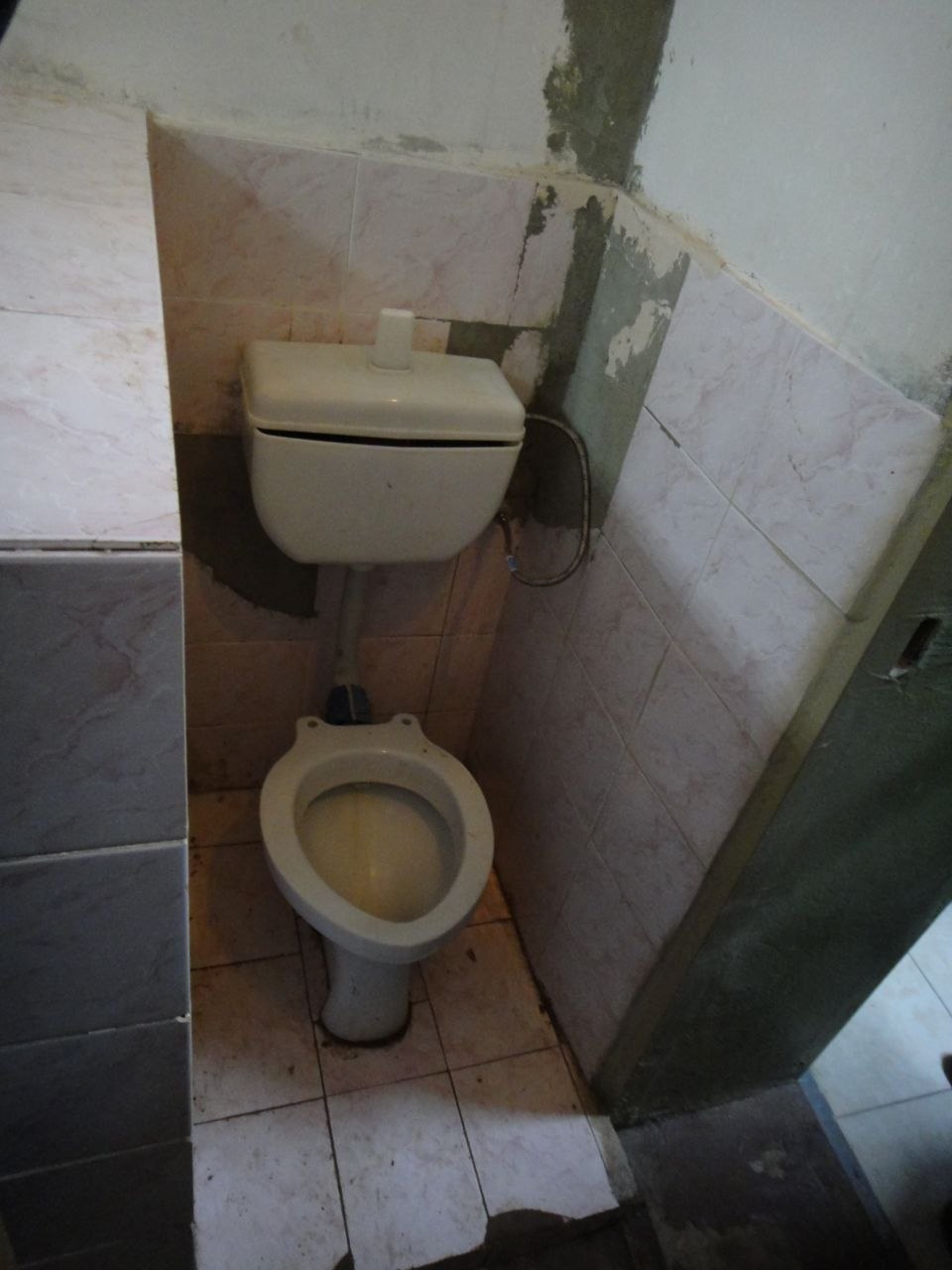
9. The toilet is not equipped with partitions and doors that guarantee privacy, which violates Rule 19.3 of the European Prison Rules and Rule 15 of the United Nations Standard Minimum Rules for the Treatment of Prisoners (the Nelson Mandela Rules).
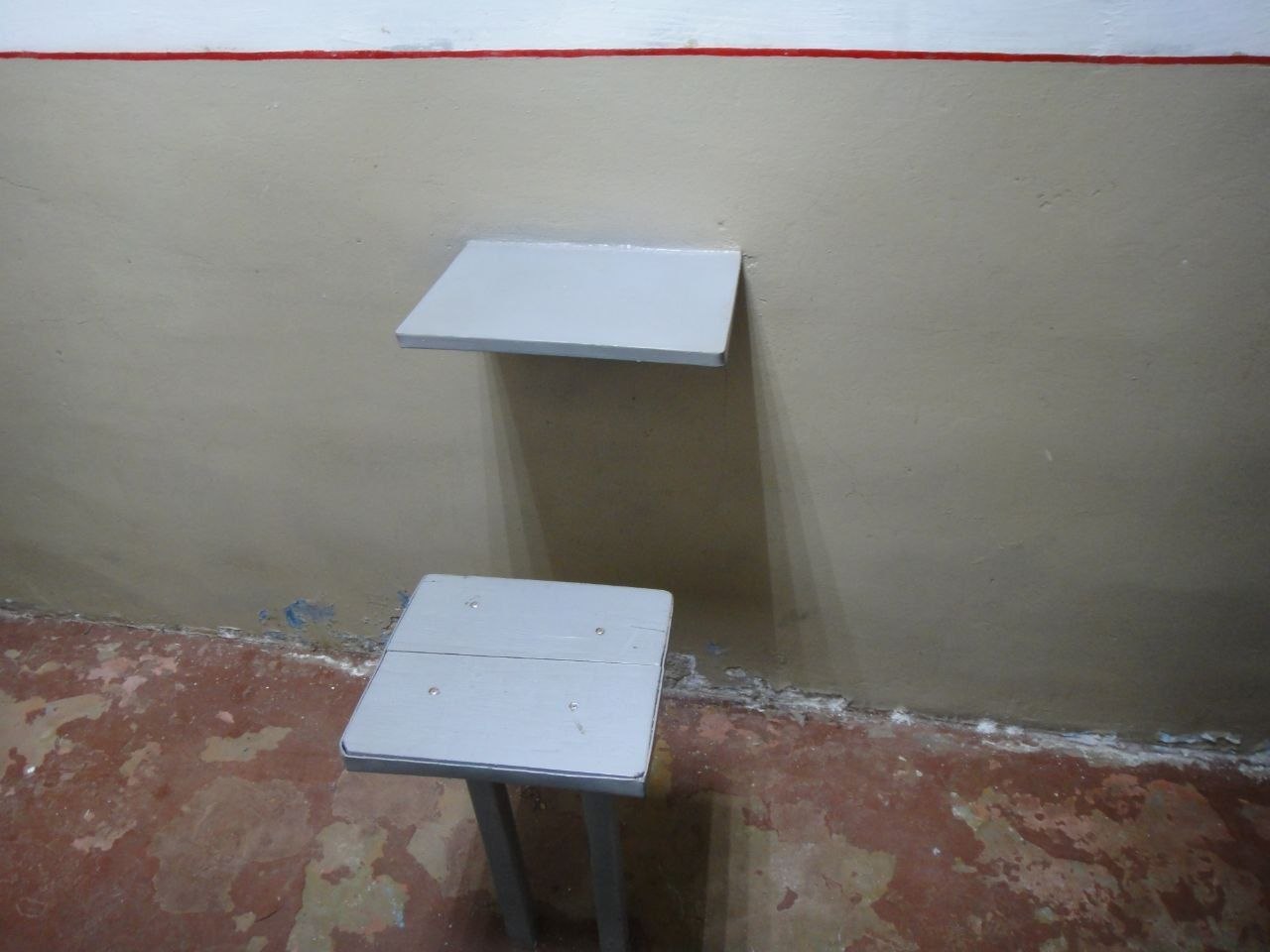
10. In violation of the requirements of Rule 22.5 of the European Prison Rules, Rule 22.2 of the United Nations Standard Minimum Rules for the Treatment of Prisoners, and the Provision Norms, the room is not provided with a 15-litre drinking water tank with a water tap, a lid, a mug, and a basin.
11. In the SMRB punishment cell, the mechanical ventilation does not work, and it is impossible to open the window on one’s own. At the same time, in its 11th General Report, the CPT notes that security measures should never involve depriving prisoners of access to natural light and fresh air, to which every prisoner is entitled. Moreover, the lack of sunlight and fresh air creates conditions conducive to the spread of diseases, in particular tuberculosis (CPT/Inf (2001) 16, paragraph 30).
12. The radio installation in the punishment cell does not function, which contradicts the requirements of point 3 of Section XX of the IRCI and Rule 63 of the United Nations Standard Minimum Rules for the Treatment of Prisoners (the Nelson Mandela Rules).
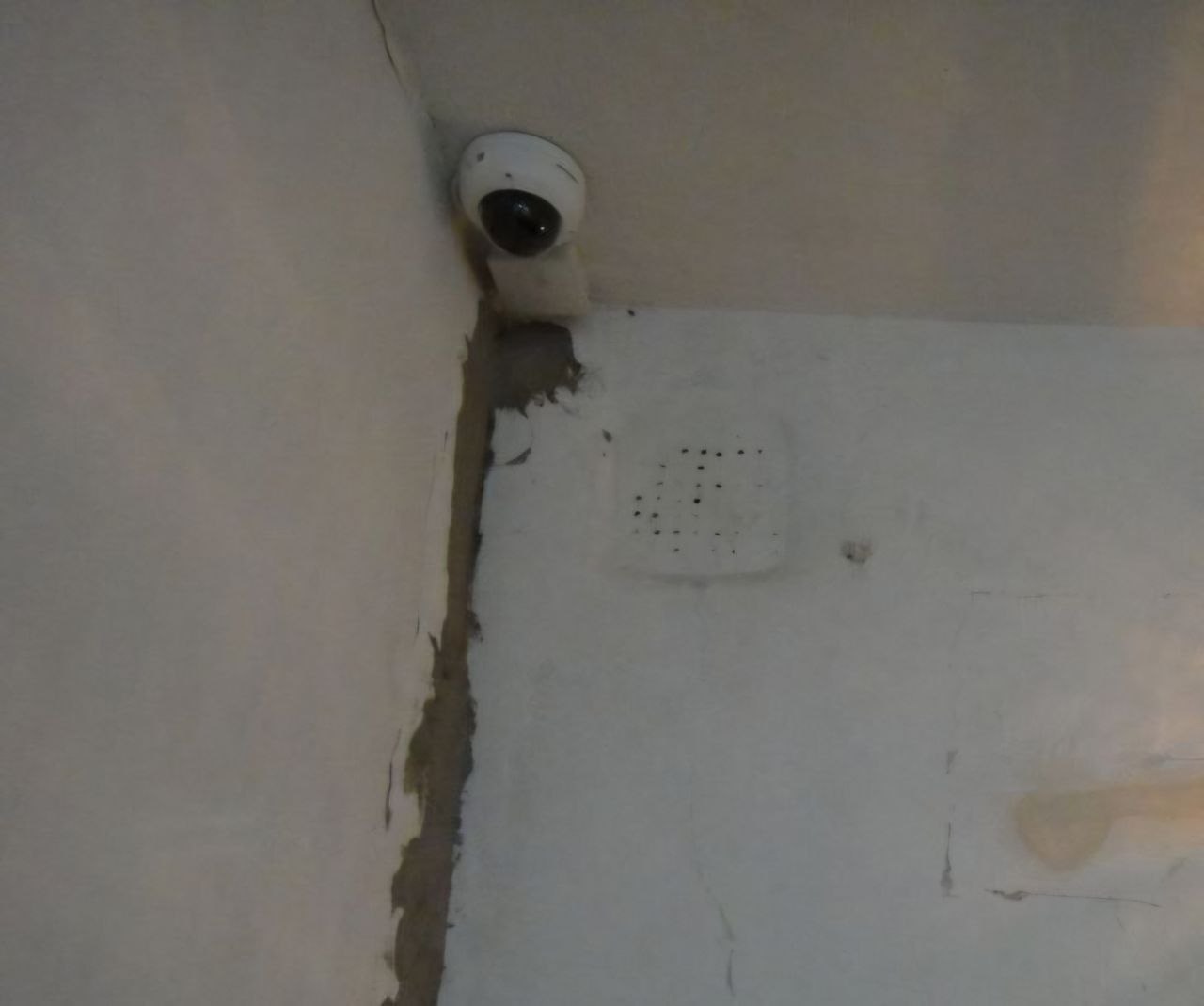
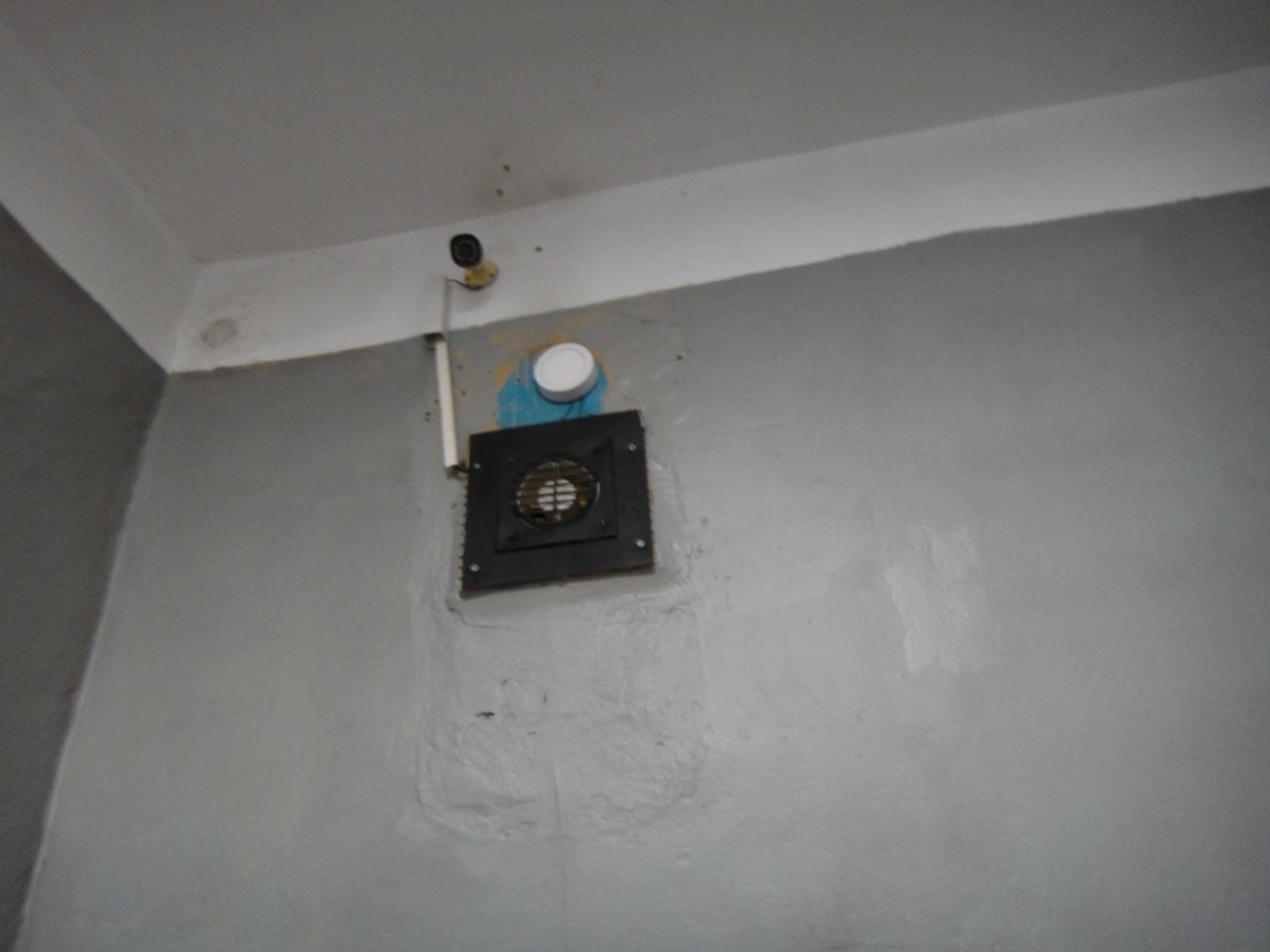
13. Point 1 of Section XXIII of the IRCI defines supervision of convicts as a system of measures aimed at ensuring the serving and execution of criminal sentences in the form of restriction and deprivation of liberty, life imprisonment, and arrest through round-the-clock and constant monitoring of the behaviour of convicts in their places of residence and work, preventing and stopping illegal actions on their part, and ensuring the requirements of isolation of convicts and the safety of the staff of correctional institutions. Thus, during the inspection of cells in the SMRB, DIZO, and the residential premises of the KDiR unit, installed video surveillance cameras were recorded.
At the same time, in its report on the results of the visit to Ukraine in 2012, the CPT criticised excessive intrusion into privacy due to the installation of video cameras in convicts’ living quarters. The CPT noted that video surveillance in cells can be a useful safeguard in individual cases, for example, when a person is considered to raise concerns about the risk of self-harm or suicide, or if there are specific suspicions that a convict is carrying out certain actions in the cell that could compromise security. However, any decision to apply video surveillance to a specific convict must always be based on an individual assessment of real risks and must be regularly reviewed. Video surveillance is a serious intrusion into the private lives of prisoners and makes the regime even more repressive, especially when applied over a long period of time (CPT/Inf (2013) 23, paragraph 52).
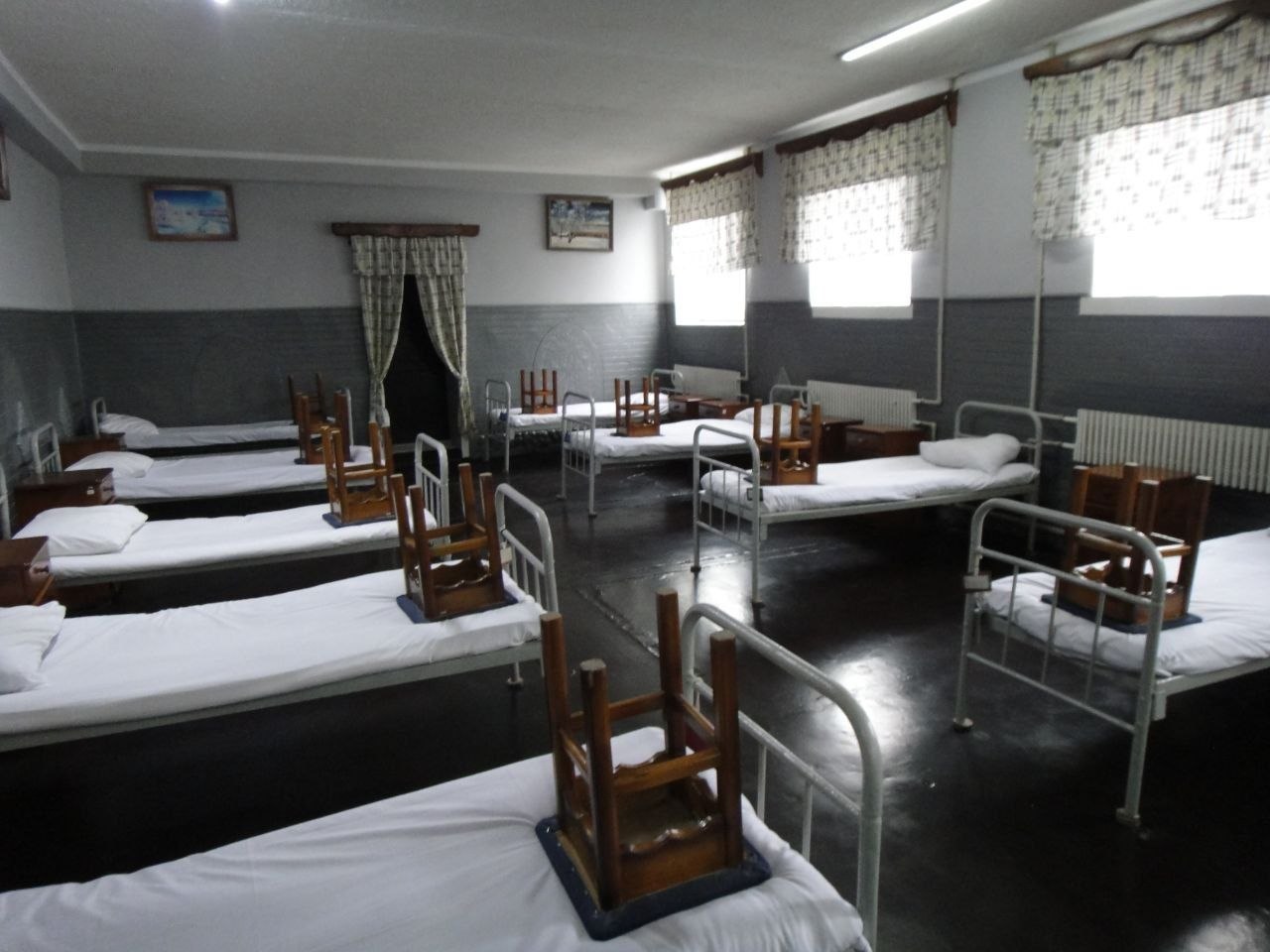
14. The monitoring group established that the material and living provisions of the KDiR unit do not fully comply with established regulatory requirements. Thus, in violation of the requirements of the Provision Norms, a number of rooms are missing in the unit, namely: an educational work room; a food storage room; a room for storing the exchange stock of bedding, clothing, and protective wear; a storage room for temporary storage of dirty bedding, clothing, and protective wear; a cloakroom; and a utility room. The absence of these rooms or their improper equipping leads to violations of sanitary and hygienic standards, complicates the maintenance of cleanliness and order in the premises where convicts are held, which in turn negatively affects the overall sanitary condition of the institution.
15. During the monitoring visit, systemic violations of legislative requirements in the sphere of work and social protection of convicts were identified, showing signs of labour exploitation, concealment of actual labour relations, and a lack of proper control on the part of the institution’s administration.
This contradicts the provisions of Articles 118–120 of the Penitentiary Code of Ukraine, Article 23 of the Universal Declaration of Human Rights, Article 43 of the Constitution of Ukraine, the Labour Code of Ukraine, as well as the requirements of ILO Convention No. 29 on Forced Labour.
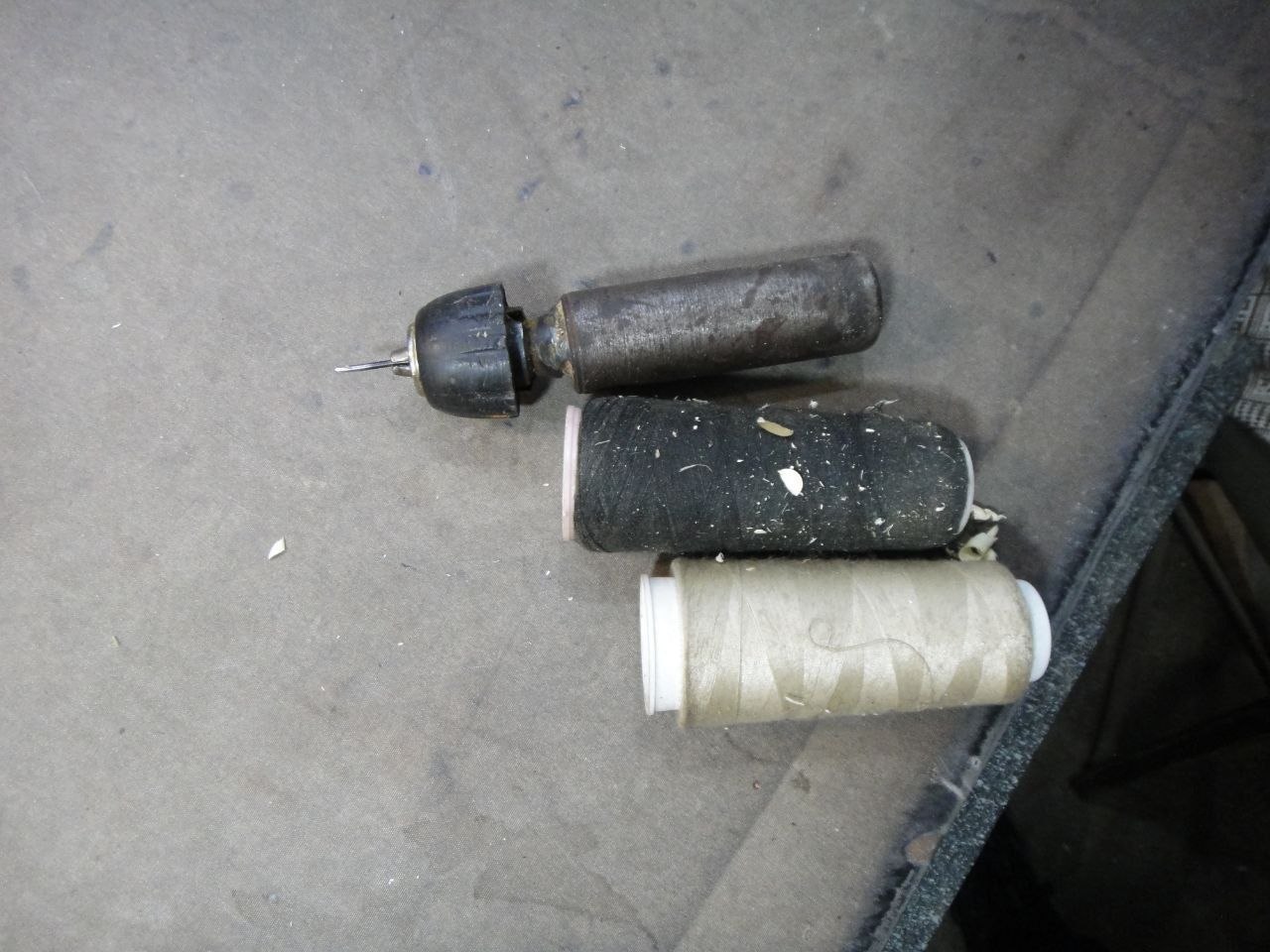
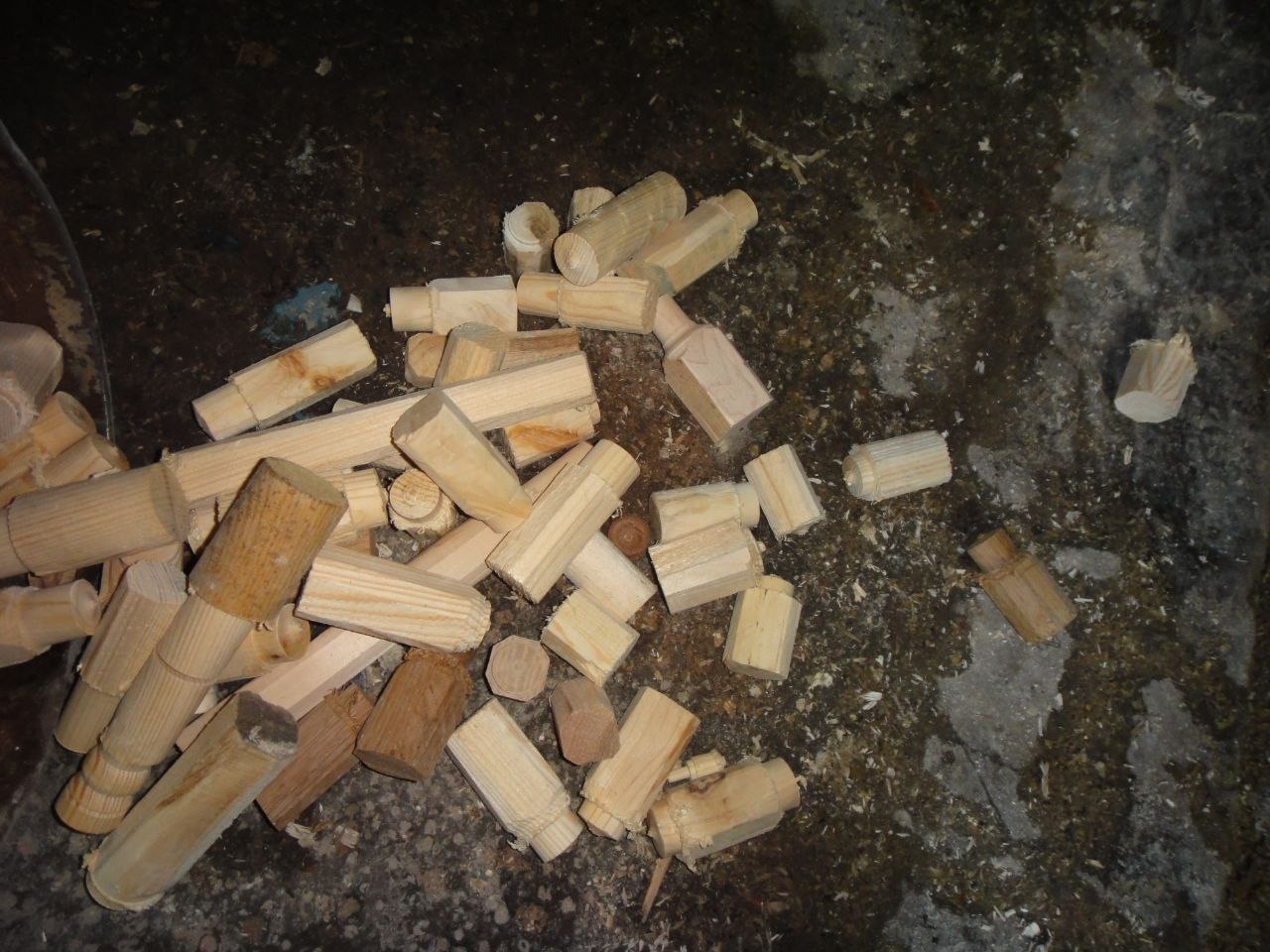
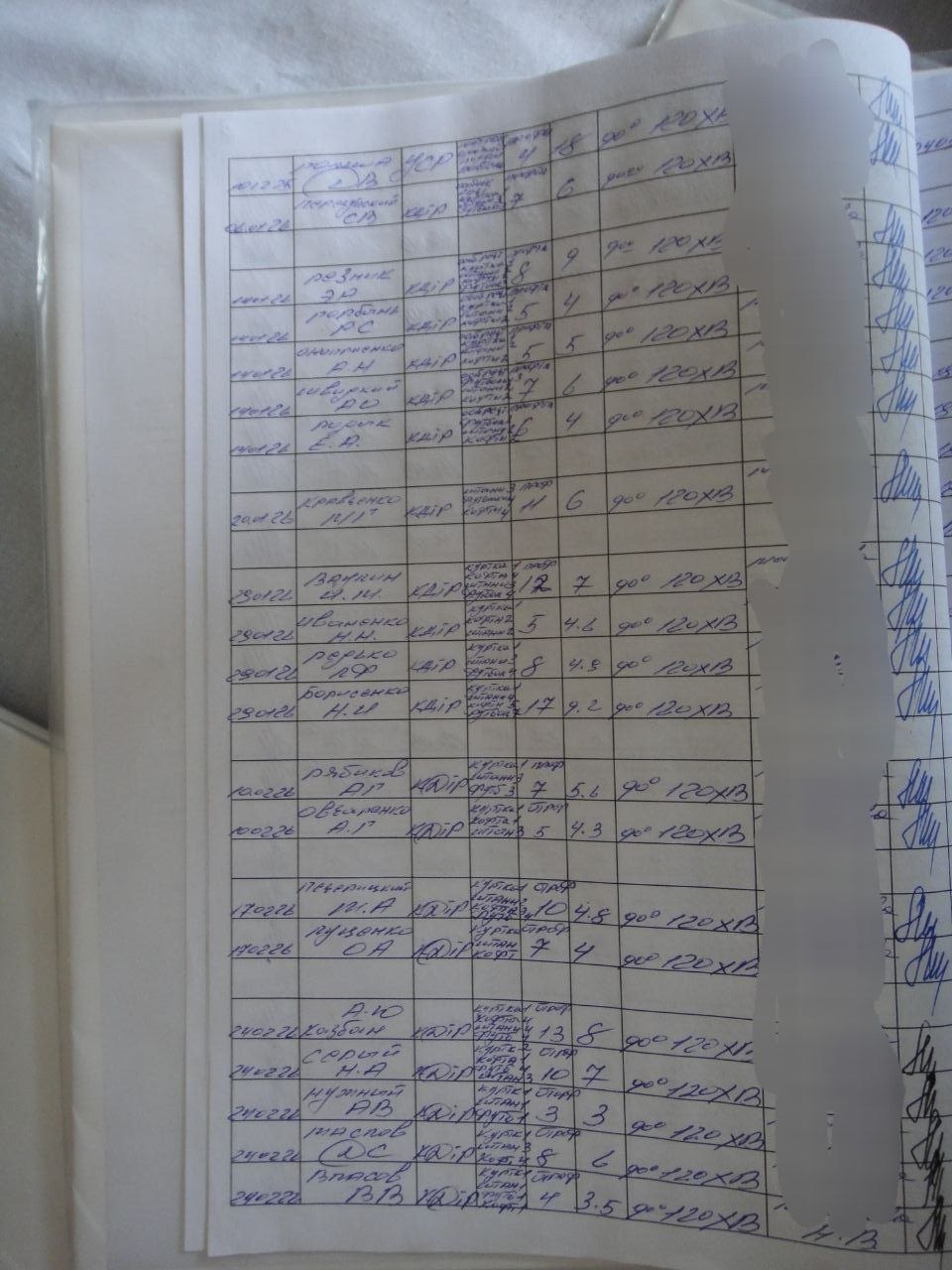
During the visit, the monitoring group discovered three souvenir workshop premises, located on the first floor (the second floor in Ukrainian terms) of the carpentry section of the industrial zone, which are equipped with workplaces with tools for manufacturing wooden products, equipment, a gas welding post, workpieces, products in the manufacturing stage, and finished products. Personal belongings of convicts, heating appliances, and containers with paint and varnish materials were also recorded.
At the same time, the staff of the institution did not provide for review the work orders for deploying convicts to work in these workshops, which violates the requirements of point 5.7 of Section V of the Regulations on the Workshop of a Correctional Institution, Remand Prison, approved by Order of the Ministry of Justice of Ukraine No. 442/5 dated 22 March 2012, registered with the Ministry of Justice of Ukraine on 22 March 2012 under No. 437/20750 (hereinafter referred to as the Regulations on the Workshop). No records of work performed by convicts involved in work in the workshops are kept by the production staff, which contradicts the requirements of point 7.2 of Section VII of the Regulations on the Workshop; in particular, no logbook of issuing shift assignments and recording performed work is maintained in the workshop sections.
In addition, the monitoring group established that the organisation of souvenir production does not meet the requirements of Section VI of the Regulations on the Workshop, namely: there is no order defining the location of the section and the list of persons entitled to access it; there is no information plaque indicating the responsible official, the hours of operation, and the list of staff members entitled to access; there is no display board with samples of products; convicts are not assigned to specific workstations; there is no proper storage place for cutting tools (a pantry or a lockable cabinet), while record-keeping and issuance of tools are not maintained, tools are not marked, and are stored uncontrollably at workstations; no record of manufactured products is kept; and the prescribed documentation, such as the logbook of assigning convicts to workstations and equipment, the tool issuance and return logbook, and the souvenir product inventory logbook, is not maintained.
It should be noted that during the monitoring group’s visit, during confidential communication with convicts, it was reported that shortly before the arrival of the monitoring group, some of the convicts who worked in the souvenir workshops had, on the instructions of the staff, stopped working and removed workpieces, products under manufacture, finished products, and equipment from the territory of the industrial zone with the aim of concealing them. It is likely that they did not have time to remove some of the products, and therefore their remnants were hidden in the carpentry section and subsequently recorded by the monitoring group.
Furthermore, during confidential communication with convicts, it was established that their involvement in work in the specified workshops is carried out without concluding employment contracts or civil law contracts and without appropriate remuneration, which violates the requirements of part one of Article 118 and part one of Article 120 of the Penitentiary Code of Ukraine.
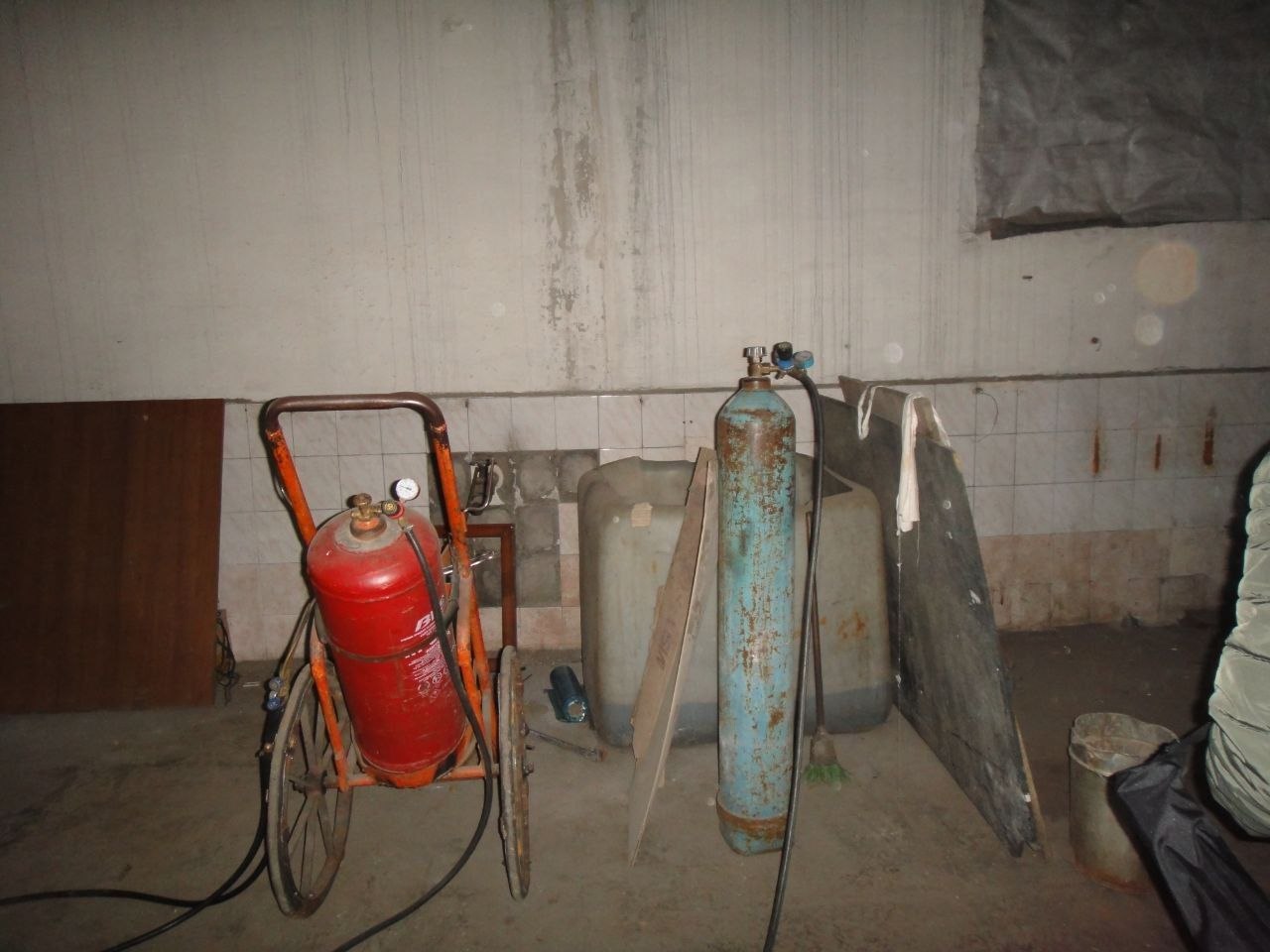
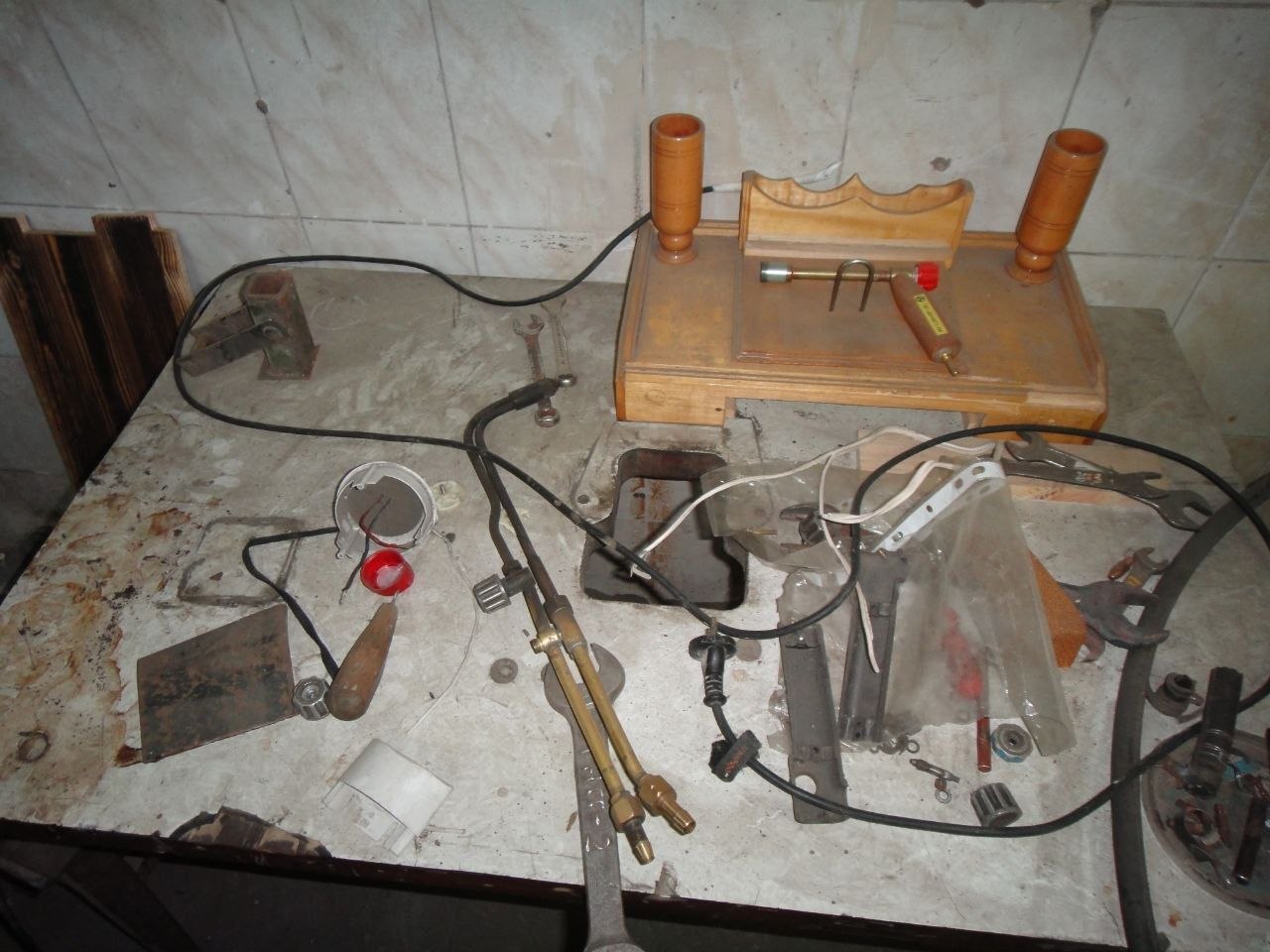
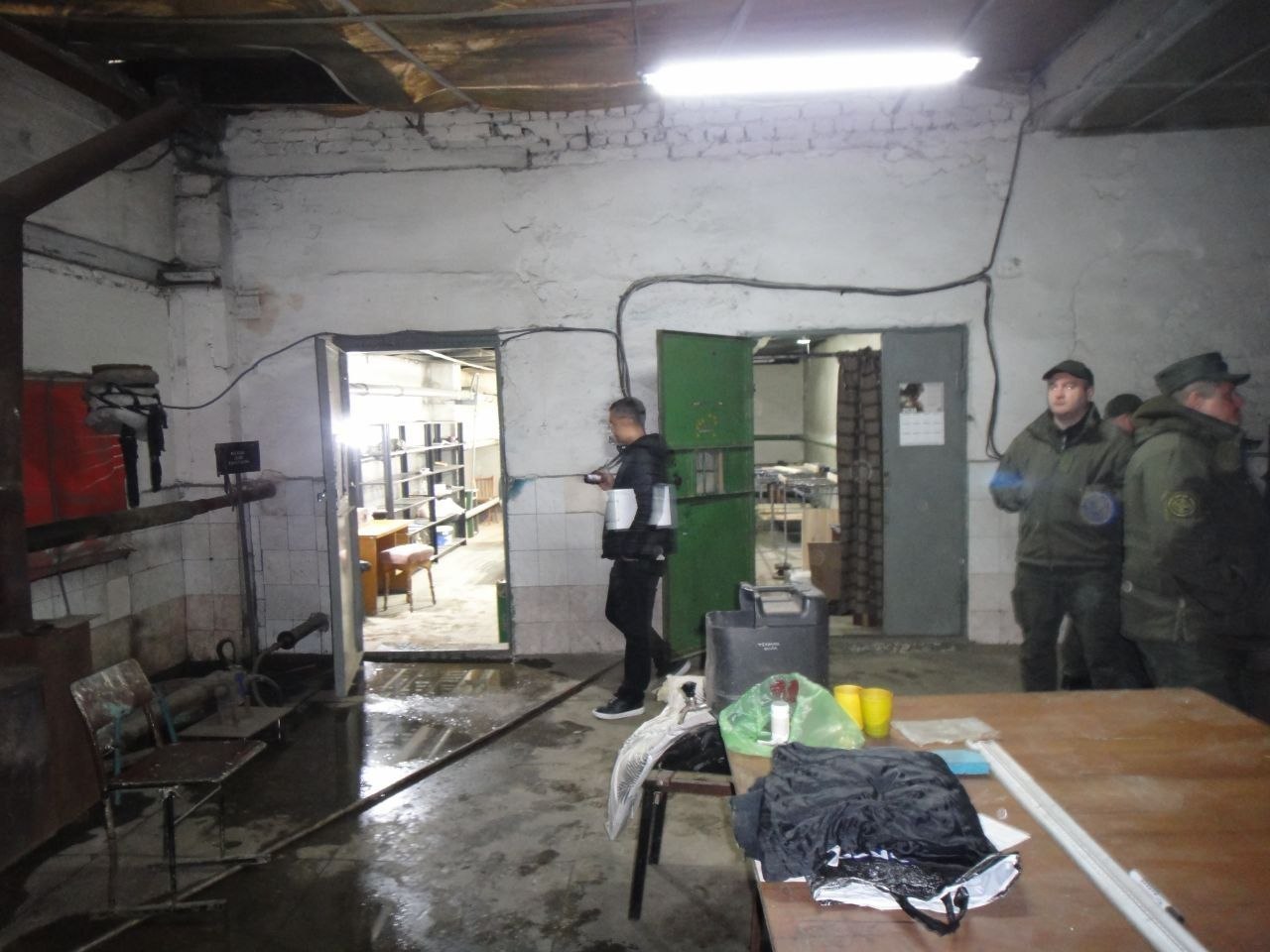
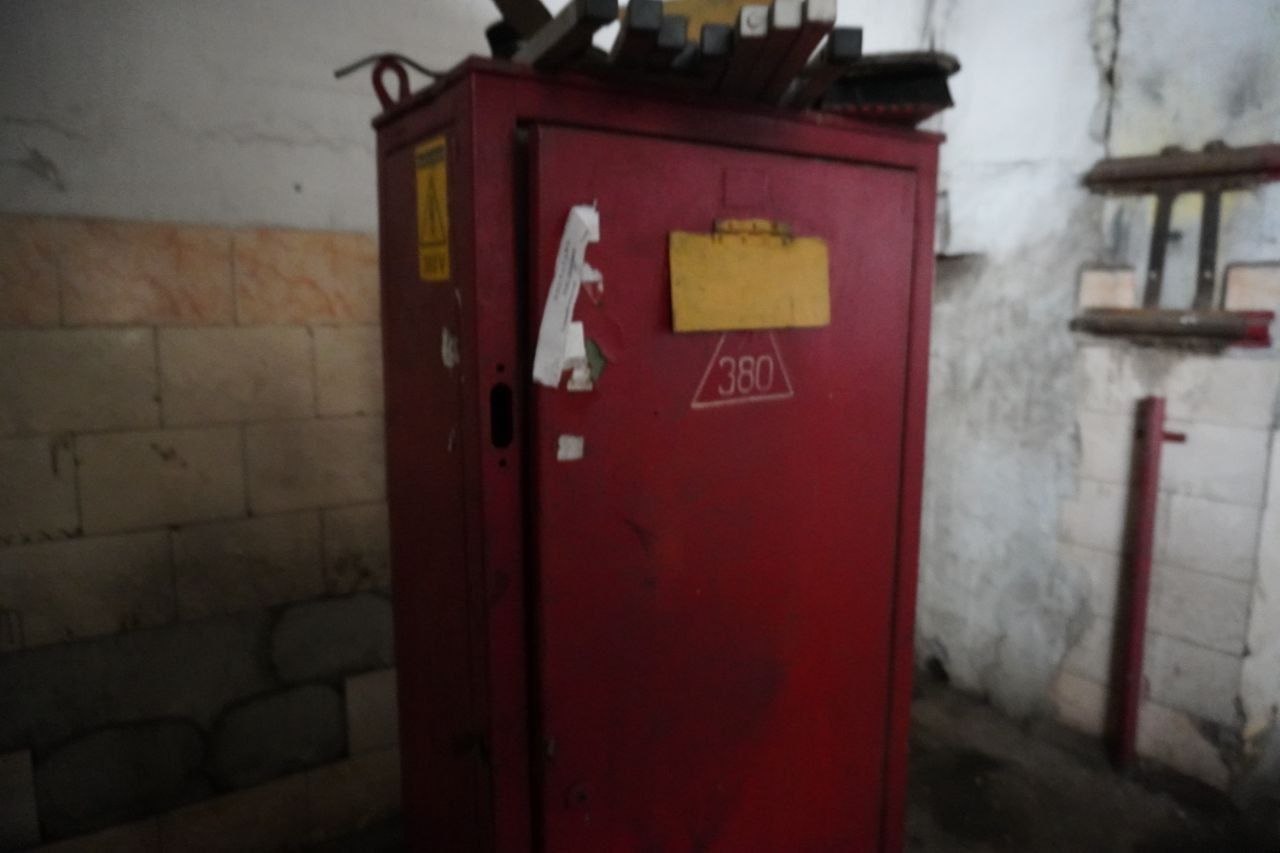
16. In the souvenir workshop premises and other premises of the carpentry section of the industrial zone, violations of the requirements of the Fire Safety Rules in Ukraine, approved by Order of the Ministry of Internal Affairs of Ukraine No. 1417 dated 30 December 2014, registered with the Ministry of Justice of Ukraine on 5 March 2015 under No. 252/26697 (hereinafter referred to as the Fire Safety Rules), were allowed. In particular, the door of the electrical switchboard room remains open, which poses a real threat of electric shock to convicts and staff of the institution, and increases the risk of emergency situations of a technological nature. In addition, the gas welding post is kept in an improper condition: gas cylinders are placed without proper fixation, the work area is cluttered with foreign objects, there are signs of high humidity in the room (dampness, wet floor), and there is no fire extinguisher.
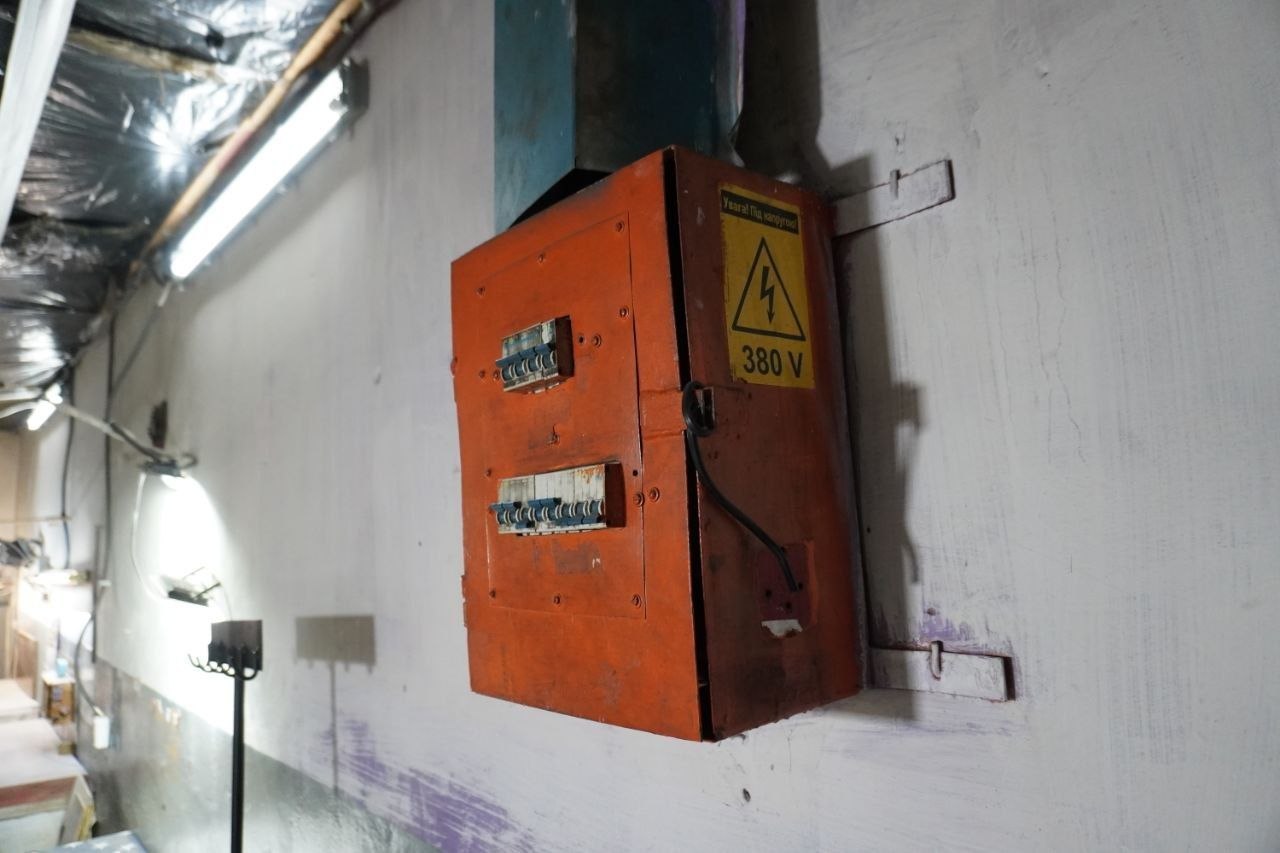
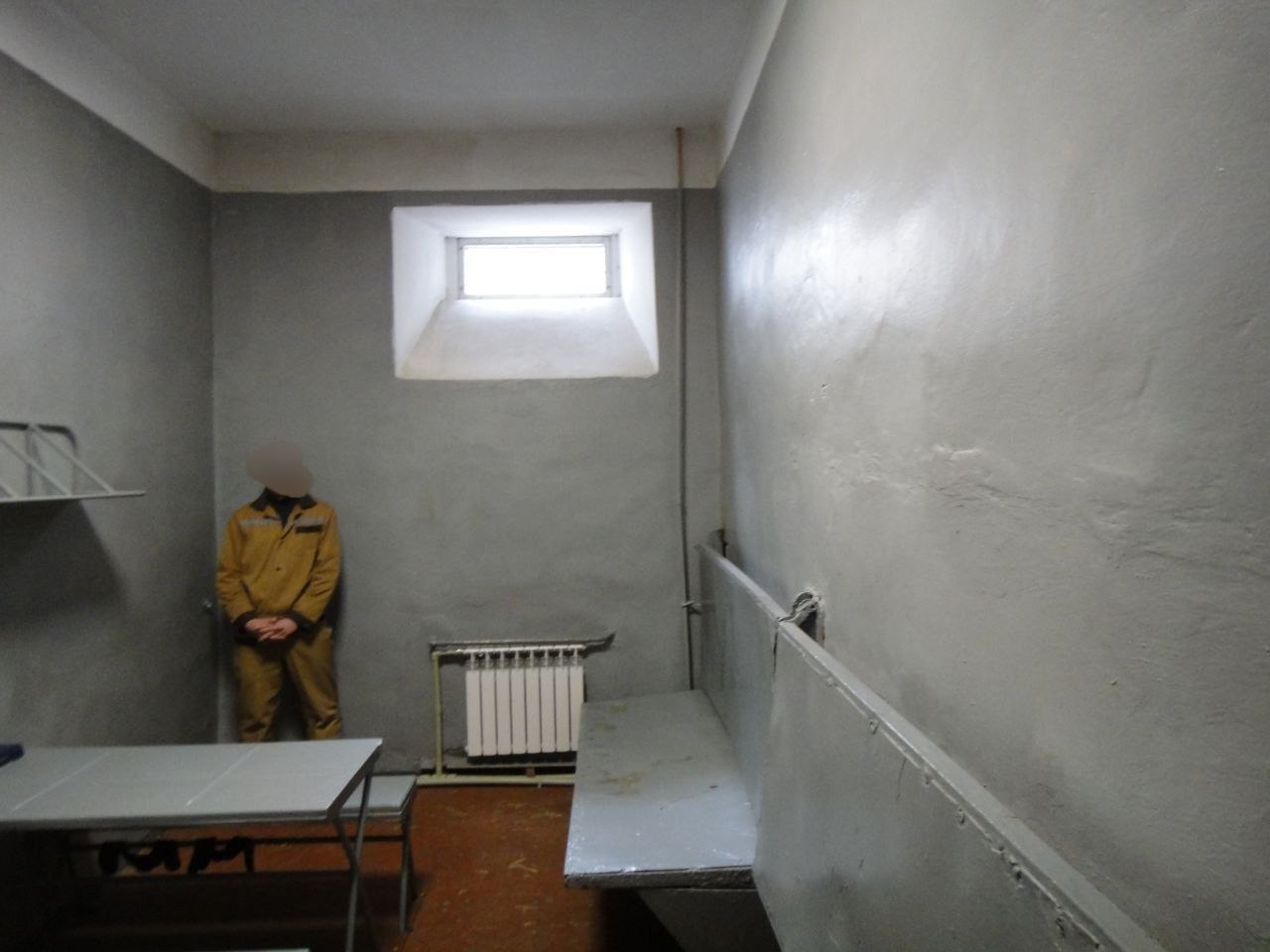
17. The arrangement of certain premises of the disciplinary isolation cell and cell-type premises (hereinafter referred to as the DIZO/PKT) does not fully comply with established standards for the treatment of prisoners and fails to ensure appropriate conditions of detention, taking into account their needs. Thus, in the DIZO/PKT cells, an appropriate level of natural light is not ensured, as the cell windows are small in size, located at a significant height, and have excessive grating, as a result of which access to natural light is restricted and insufficient to ensure normal conditions of stay. It is impossible to open the window on one’s own.
These conditions create additional psychological discomfort for convicts and detainees due to the restricted visual contact with the external environment. This does not comply with the requirements of Rule 18.2 (a) of the European Prison Rules and Rule 14 (a) of the United Nations Standard Minimum Rules for the Treatment of Prisoners (the Nelson Mandela Rules).
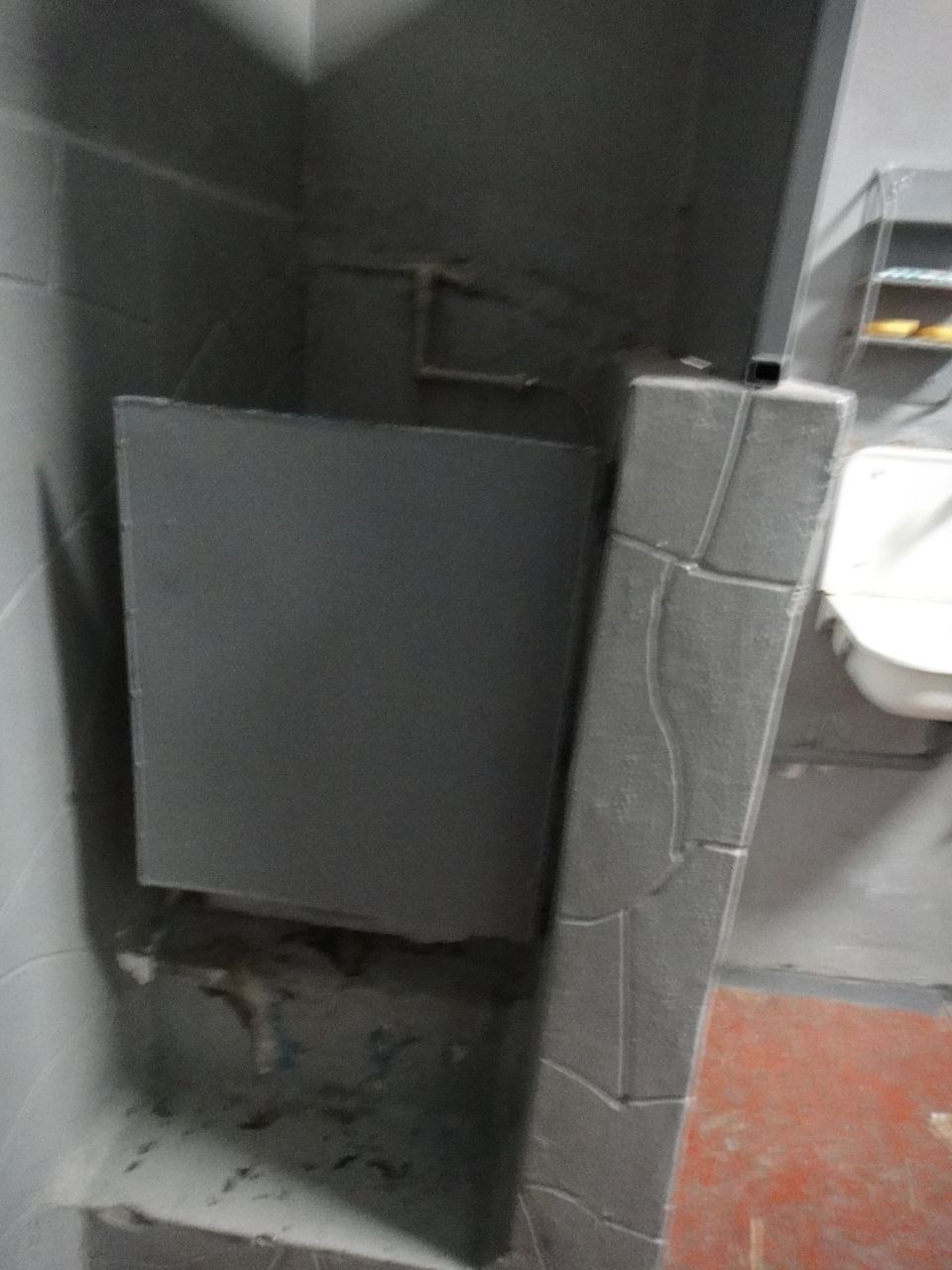
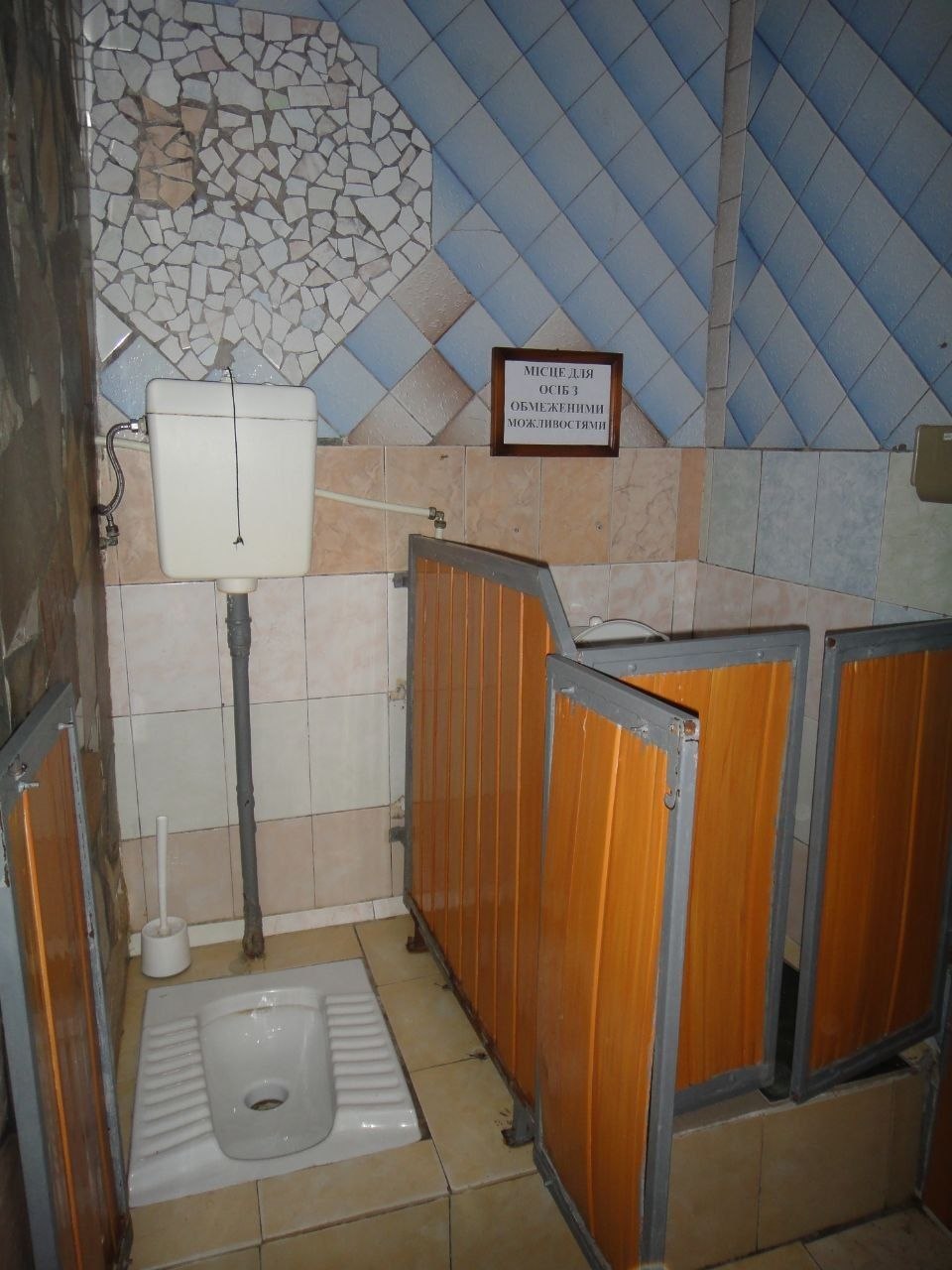
18. Sanitary facilities in the DIZO/PKT cells are not equipped with partitions sufficient to ensure privacy, which violates Rule 15 of the United Nations Standard Minimum Rules for the Treatment of Prisoners (the Nelson Mandela Rules). A similar violation was established in the sector for holding pre-trial detainees and the KDiR unit.
19. During the visit to the DPK, it was established that the material and living provisions of the sector do not fully comply with established regulatory requirements. In fact, there is only one cell available, which is located in the sector for holding pre-trial detainees, where renovation works are being carried out. At the same time, in violation of the requirements of the Provision Norms, a number of rooms are missing, namely: an educational work room; a food storage room; a dining room; a room for storing personal belongings of convicts; a room for storing the exchange stock of bedding, clothing, and protective wear; a storage room for temporary storage of dirty bedding, clothing, and protective wear; a cloakroom; a utility room; and a drying room.
The absence of these rooms or their improper equipping leads to violations of sanitary and hygienic standards, complicates the maintenance of appropriate sanitary conditions and order in the places where convicts are held, and negatively affects the overall state of the institution.
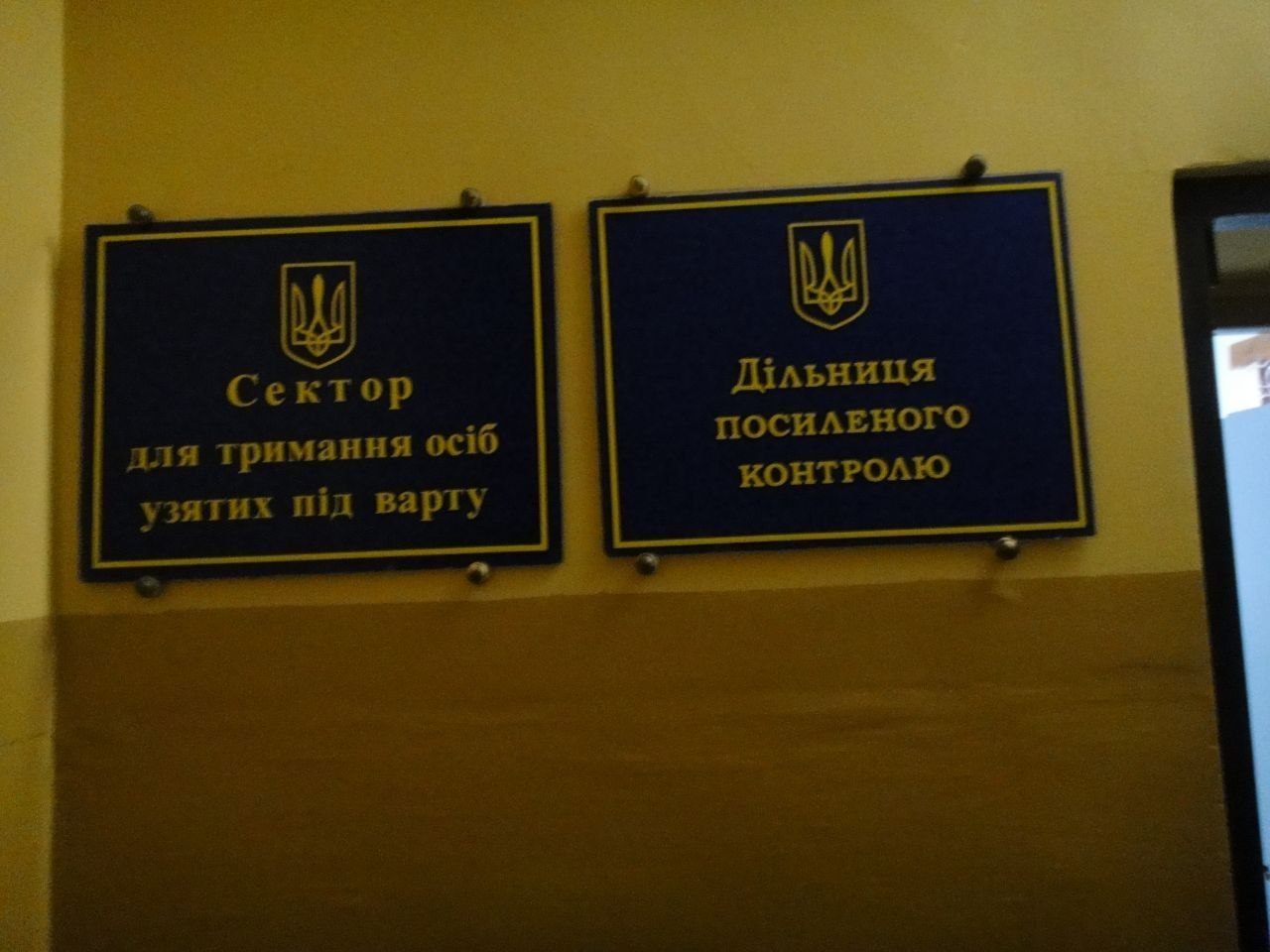
20. During the visit to the sector for holding pre-trial detainees, it was established that individual detainees are held alone in cells for a long time, despite the fact that such cells are designed to hold 11–13 people. In particular, a pre-trial detainee held in cell No. 3 has been in solitary confinement since December 2025, which is for over four months. At the same time, according to paragraph 53 of the 21st General Report of the CPT, solitary confinement can have extremely damaging consequences for the psychological, somatic, and social health of a person, which can arise immediately and worsen depending on the duration of the measure and its degree of uncertainty over time. Furthermore, such conditions can create opportunities for deliberate ill-treatment of prisoners out of sight of other prisoners and the institution’s staff (CPT/Inf (2011) 28).
Regarding the provision of physical activity and recreation outside the cells, detainees are formally guaranteed the right to a daily walk in the open air lasting at least one hour. At the same time, no alternative types of out-of-cell activities are offered by the institution’s staff. In this context, in its 2023 report, the CPT expresses concern about the long-term stay of persons in such conditions and calls on the authorities to develop programmes of activities for pre-trial detainees, as well as to ensure the equipping of more spacious exercise yards with the possibility of physical exercise and a proper view (CPT/Inf (2024) 20, paragraph 58).
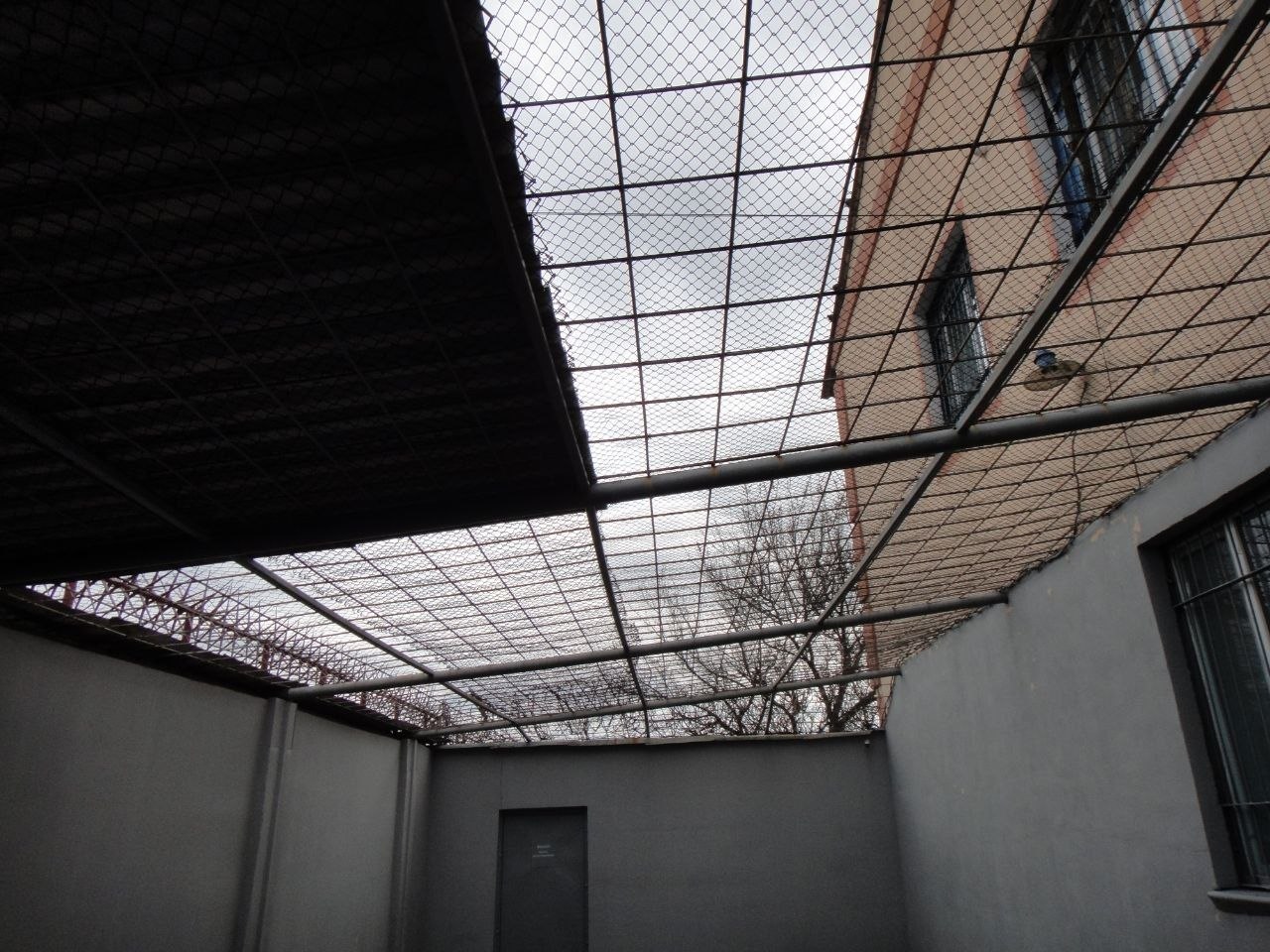
21. The exercise yard of the sector for holding pre-trial detainees and the DPK is not equipped with sufficient shelter from atmospheric precipitation. At the same time, in its 2nd General Report, the CPT notes that daily outdoor exercise should take place in an area of sufficient size. The outdoor exercise area should, as far as possible, be equipped with a shelter in case of inclement weather (CPT/Inf (92) 3, paragraph 48).
22. During the monitoring group’s visit to the institution, it was established that the institution’s shop lacks gloves, mirrors, combs, devices for the consumption of tobacco products and inhalation of aerosols (vapour) without combustion, as well as chargers for them, the availability of which is prescribed by Annex 5 to the IRCI.
23. The monitoring group identified a number of violations in the organisation of bath and laundry services for convicts and detainees. In violation of the requirements of point 4 of Section XXII of the IRCI and point 3.19 of Section III of the Regulations on the Organisation of Bath and Laundry Services for Persons Held in Correctional Institutions and Remand Prisons, approved by Order of the Ministry of Justice of Ukraine No. 849/5 dated 8 June 2021 (hereinafter referred to as the Regulations on the Organisation of Bath and Laundry Services), compliance with sanitary, hygienic, and anti-epidemic requirements is not ensured in the institution. In particular, sanitary treatment of convicts arriving at the institution is not carried out. Thus, on 17 April 2026, convicts arrived at the institution, but there is no information about their bathing in the logbook of bath visits.
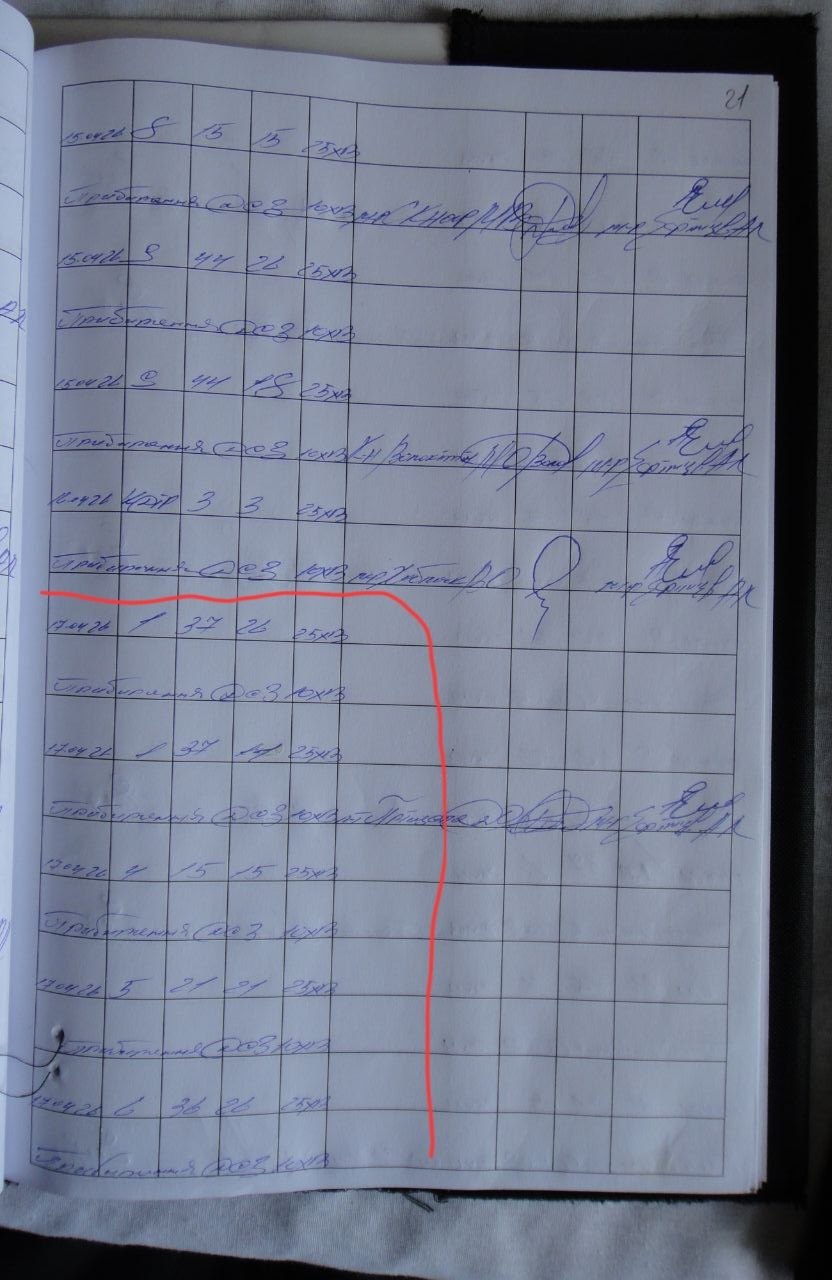
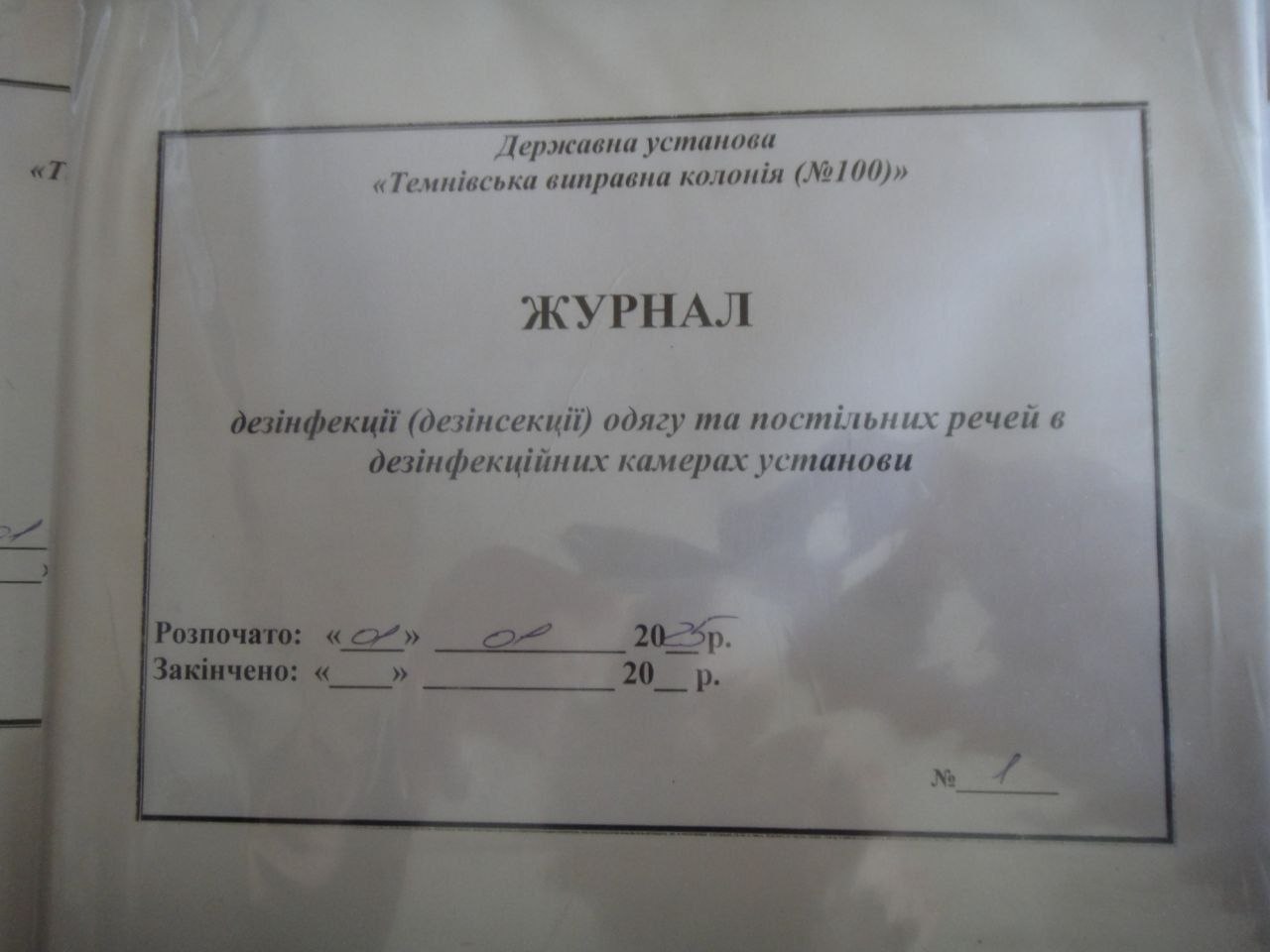
24. In violation of the requirements of point 3.19 of Section III of the Regulations on the Organisation of Bath and Laundry Services, the fulfillment of sanitary, hygienic, and anti-epidemic requirements is not properly ensured. In particular, sanitary treatment of convicts and pre-trial detainees is not carried out in full as a routine measure (once a month). During the inspection of the register of disinfection (destruction of pathogenic microorganisms) and disinfestation (destruction of insects and ticks — vectors of infectious diseases) of personal clothing and bedding in the institution’s disinfection chambers, it was established that since the beginning of 2026, such measures have been carried out exclusively for newly arrived convicts held in the KDiR unit.
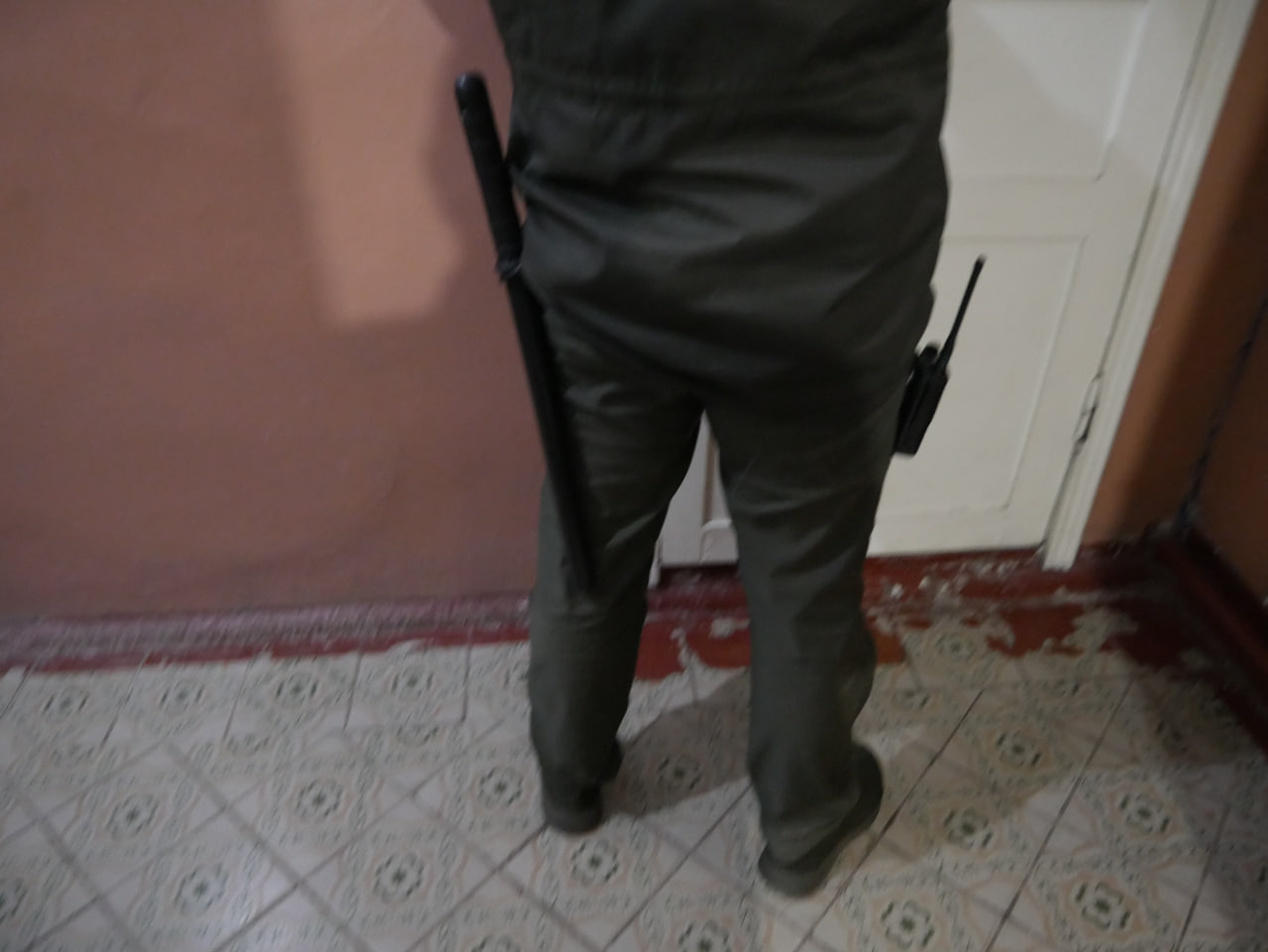
25. During the visit, the monitoring group recorded that the staff of the institution who are in direct contact with convicts openly carry special means, in particular rubber truncheons. At the same time, according to the eighth paragraph of point 1 of Section XXVI of the IRCI, the carrying of special means by the staff of correctional institutions within the protected territory of a correctional institution should, as far as possible, be concealed from view as much as possible.
At the same time, the CPT recommends that prison staff who work in direct contact with prisoners should not carry special equipment (such as rubber truncheons, handcuffs, and tear gas canisters) openly before prisoners, as such carrying hinders the establishment of normal relations between staff and prisoners (CPT/Inf (2011) 29, paragraph 85; CPT/Inf (2013) 23, paragraph 23; CPT/Inf (2014) 15, paragraph 166).
26. According to the information provided by the administration, in 2025, convicts in TCC-100 were granted 242 short-term visits, 38 of which took place in a non-contact manner — through solid dividing glass using an intercom device.
At the same time, in the CPT report on its 2023 visit to Ukraine, the CPT emphasises that for all categories of convicts, open visits (for example, at a table) should be the rule, and closed ones the exception, the use of which is permitted only on the basis of reasoned and justified decisions after an individual assessment of the potential risk of a specific convict. In this regard, the CPT calls on the Ukrainian authorities to review the procedure for conducting short-term visits in penitentiary institutions to ensure that they are, as a rule, conducted in open conditions (CPT/Inf (2024) 20, paragraph 99).
27. According to sub-paragraph 5 of point 2 of Section IV of the Regulations on the Programme of Differentiated Educational Influence on Convicts ‘Preparation for Release’, approved by Order of the Ministry of Justice of Ukraine No. 1418/5 dated 16 May 2016, registered with the Ministry of Justice of Ukraine on 17 May 2016 under No. 735/28865, the staff of the institution’s social and psychological service who directly organise and implement measures under the ‘Preparation for Release’ programme are obliged to assist convicts in obtaining (renewing) the passport of a citizen of Ukraine, the registration number of the taxpayer’s account card (RNOKPP), other personal documents, as well as in applying for pensions.
At the same time, 18 convicts require the issuance of a Ukrainian citizen passport, and 19 need to obtain the RNOKPP, which indicates insufficient work by the department of social-educational and psychological work to ensure the issuance of necessary documents for convicts who do not have them.
28. According to official records, as of 21 April 2026, the staff shortage in the institution amounts to 46 posts. At the same time, in its report on the 2023 visit to Ukraine, the CPT emphasises that ensuring a positive climate in a penitentiary institution requires a professional team of staff who must be present in sufficient numbers at any given time in places of detention. An insufficient number of staff can only increase the risk of violence and intimidation among convicts. The shortage of front-line staff also undermines the quality and level of activities offered to convicts and compromises the prospect of preparation for release and social rehabilitation.
In this regard, the CPT calls on the Ukrainian authorities to take decisive steps to substantially increase the number of staff in Ukrainian penitentiary institutions where understaffing is observed, with a view to strengthening the presence of security and supervision staff inside the institutions. Steps should also be taken to put an end to the 24-hour shift system for duty personnel (CPT/Inf (2024) 20, paragraph 93).
29. During the monitoring visit, the state of ensuring the safety of convicts during air raids and the possibilities of using civil protection shelters on the territory of the institution were examined. According to the institution’s administration, DIZO and PKT premises are used to shelter convicts serving life sentences during air raid alerts. For convicts serving fixed-term sentences, changing rooms of production areas, personal belongings storage rooms, and bedding and property storage facilities are designated as basic shelters. During the inspection, it was established that these premises are located below ground level and can be used as basic shelters against shrapnel and secondary damage factors. Seating is available in the rooms, a supply of drinking water has been set up, and direction signs to the shelter and evacuation signs have been installed. The administration also reported the presence of a second emergency exit, which is an important condition for the safe stay of people in protective structures.
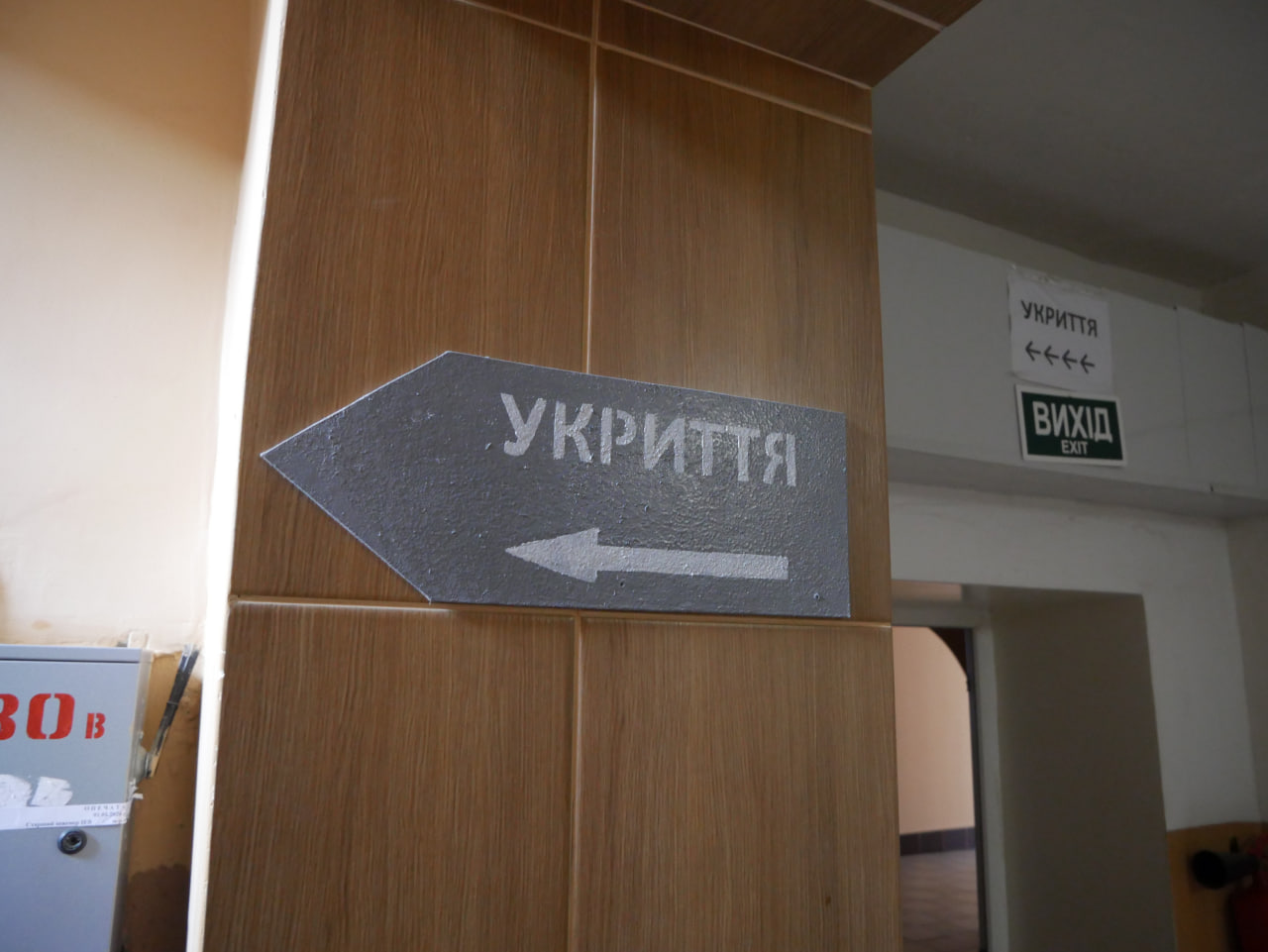
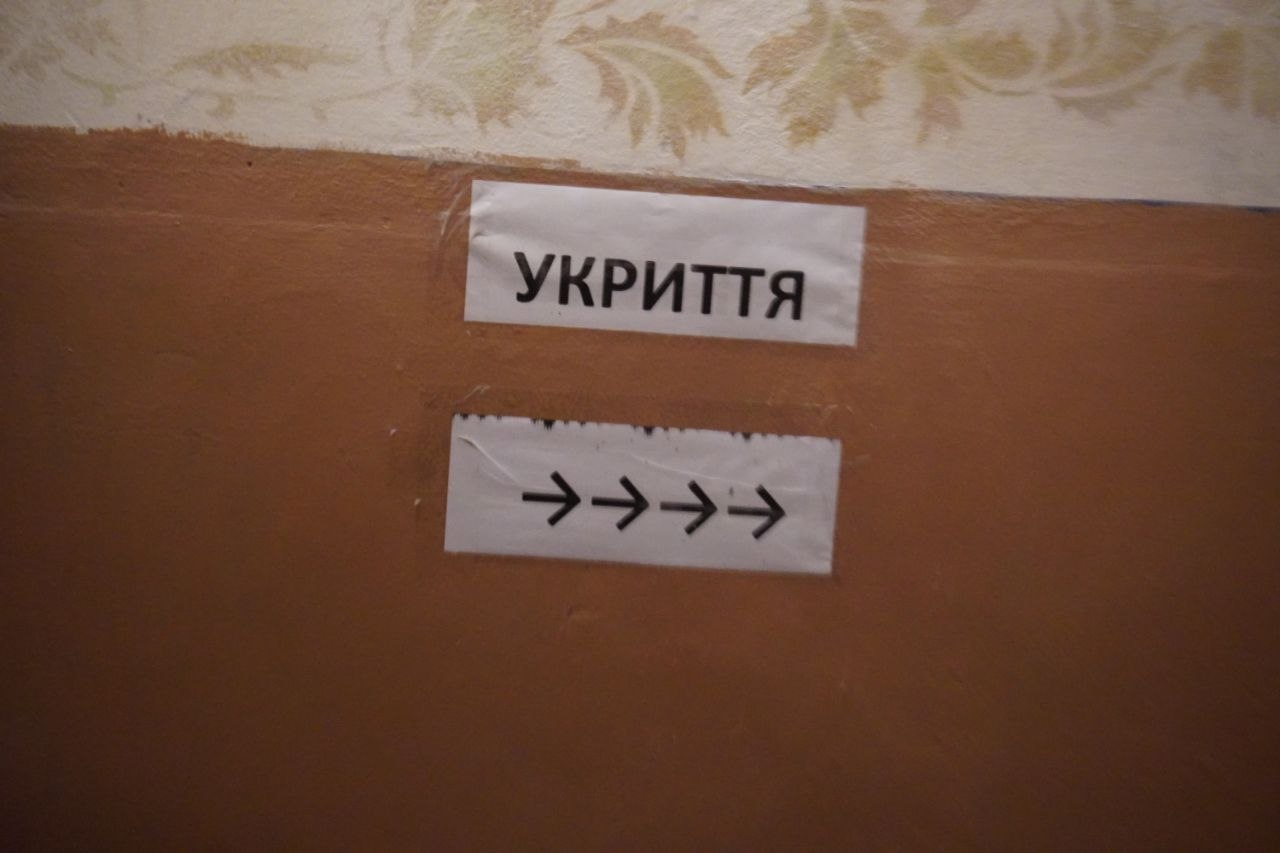
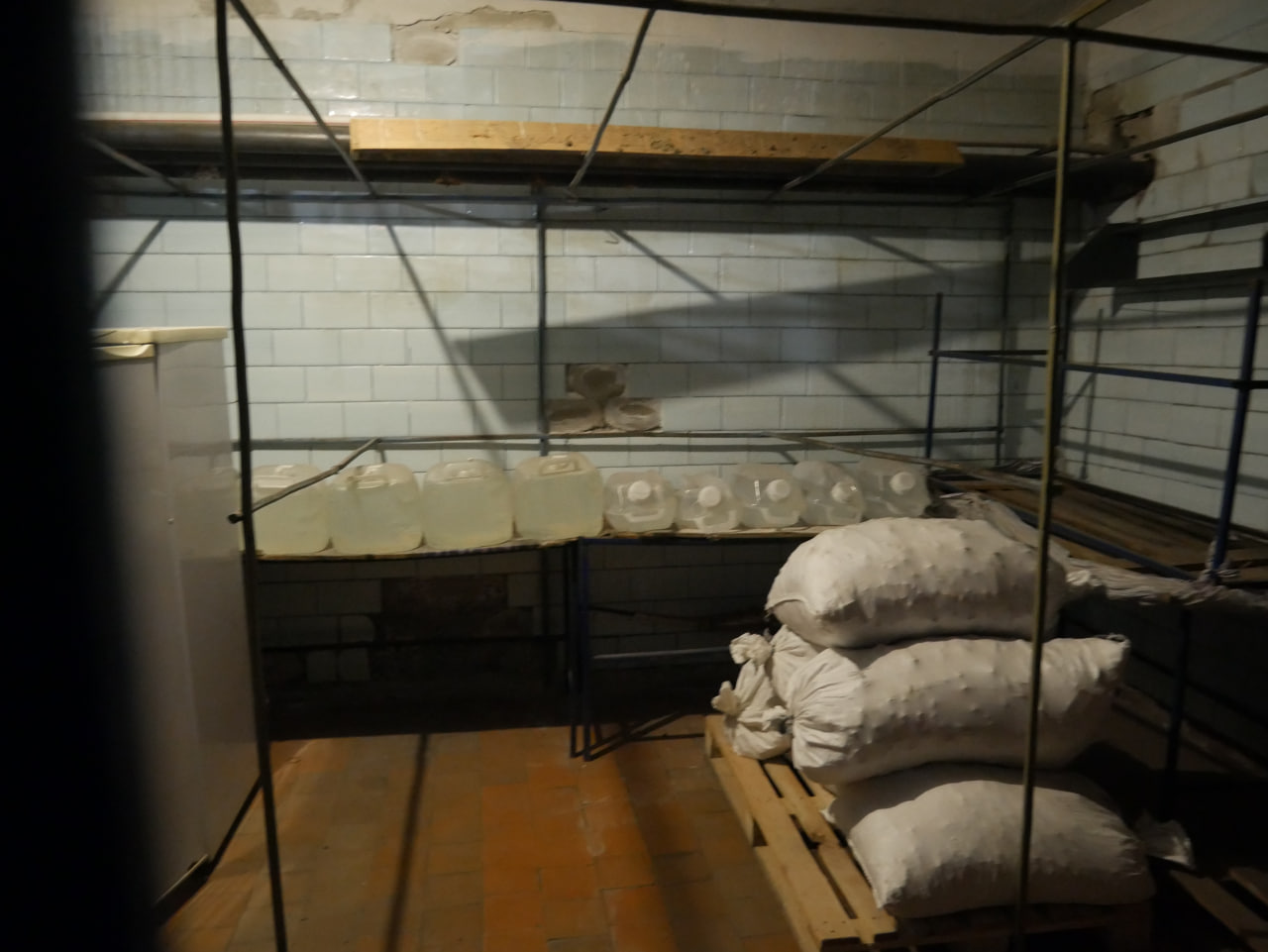
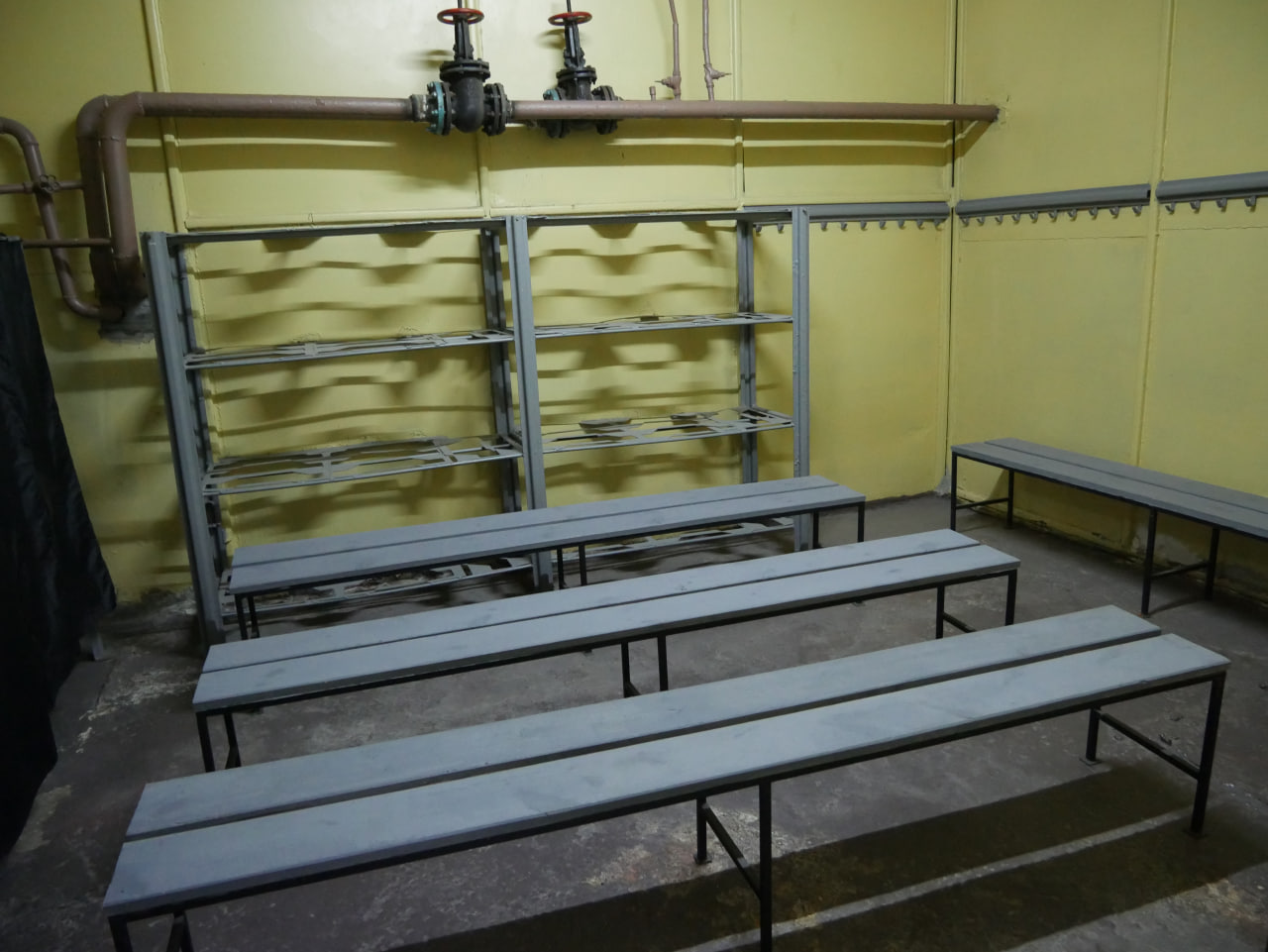
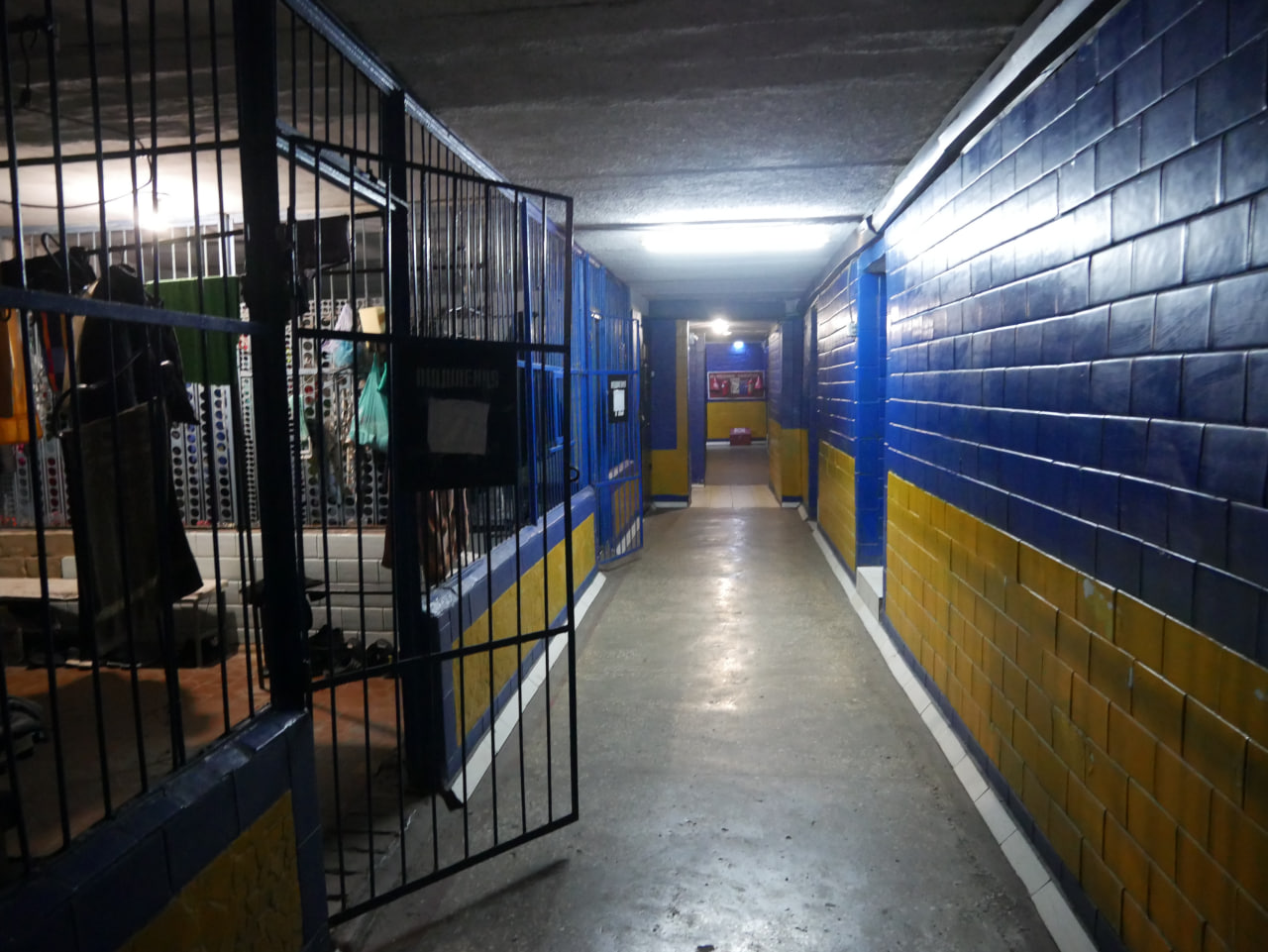
At the same time, during the monitoring visit, it was established that the DIZO/PKT premises designated for sheltering life-sentenced convicts are not equipped with a forced ventilation system. The lack of proper air exchange can pose risks to the lives and health of individuals in the event of a long stay of a significant number of people during an air raid, especially in the summer period or during the simultaneous placement of a large number of convicts. In accordance with the requirements of the Civil Protection Code of Ukraine and the Requirements for the Maintenance and Operation of Civil Protection Shelters, approved by Order of the Ministry of Internal Affairs of Ukraine No. 579 dated 9 July 2018, shelters must ensure conditions for the safe stay of people, including proper air exchange.
Separately, the sanitary decontamination post was inspected, which the administration uses as a basic shelter for staff and certain categories of convicts. In this room, there is a second emergency exit, a medical worker’s room is equipped, and places for people to stay have been set up. According to the administration, the room is equipped with a ventilation system. During the visit, no signs of emergency condition or unsuitability of these premises for use as a basic shelter were found.
At the same time, the monitoring group points out that the use of changing rooms, personal belongings stores, and bedding storage rooms as shelters is temporary and of a forced nature, and does not fully correspond to the purpose of civil protection shelters. These premises are not equipped with autonomous life-support systems, stocks of sanitary and hygienic products, and means for ensuring long-term stay of people, which can negatively affect the level of convicts’ safety in the event of prolonged missile attacks or repeated air strikes.
In view of the ongoing armed aggression of the Russian Federation against Ukraine and regular massive missile strikes on the territory of the state, it is advisable for the institution’s administration to take additional measures to bring the existing shelters into compliance with the requirements of civil protection legislation, in particular to ensure proper ventilation of the premises designated for sheltering convicts, to create the necessary stock of medicines and sanitary and hygienic products, and to conduct an assessment of the actual capacity of shelters, taking into account the maximum number of people who can be in the institution at one time.
30. During the monitoring visit to the state institution, it was established that a wide system of employing convicts operates in the institution, which covers the production areas of woodworking, carpentry, facility maintenance, repair and locksmith-lathe works, a painting section, as well as other types of productive and auxiliary activities. Convicts’ labour is organised both at the facilities of the institution’s enterprise and in workshops, as well as for meeting the internal economic needs of the colony. Documents provided by the administration indicate the use of fixed-term employment contracts concluded in accordance with Article 118 of the Penitentiary Code of Ukraine.
At the same time, an analysis of the actual organisation of labour, shift assignment logbooks, work orders, hourly check logbooks, records of convicts leaving the sectors, payroll statements, and other documents indicates systemic violations of the labour and social rights of convicts. It has been established that a significant part of the documentation is maintained pro forma and contains substantial discrepancies between the actual use of convicts’ labour and official record-keeping documents. In particular, the hourly check logbook was actually filled in beforehand for the entire day, which precludes its use as a reliable tool for monitoring the actual presence of convicts at their workstations. Similarly, a discrepancy was established between the shift assignment logbooks and work orders in certain production sections.
In the carpentry section, according to the work orders, 28 people were deployed to work: 6 on the drum, 4 at the sawmill, and 18 on box making. At the same time, in the shift assignment logbook as of 20 April 2026, a smaller number of workers was actually recorded: 5 on the drum, 2 at the sawmill, and 17 on box making. Thus, the official documents contain discrepancies regarding at least four individuals, which indicates improper labour accounting and the possible use of labour outside official documentation.
Particular attention should be paid to the actual use of the labour of convicts whose names are missing from the work orders and payroll documents. Thus, it was established that L. performed the functions of an orderly for about a year, cleaning administrative premises and performing work at the inter-zone checkpoint (KPK). Similarly, P. performed work at the inter-zone checkpoint (KPK) and utility functions for about a year. However, their names are missing from the work orders and payroll statements. This indicates the actual use of labour without proper registration of employment relations, without remuneration, and without payment of the single contribution to compulsory state social insurance.
During the analysis of the documentation, it was established that convicts K. and M. had been performing lathe and locksmith work since 2 January 2026, according to the shift assignment logbook, but their names are missing from the work orders of the respective production sections. This indicates the use of labour outside official accounting. Facts were also established regarding the involvement of convicts in work without proper provision of personal protective equipment. In the painting section, convicts performed work without respirators, which contradicts the requirements of the Law of Ukraine ‘On Occupational Safety’, Article 119 of the Penitentiary Code of Ukraine, and the Rules on Occupational Safety when Working with Paint and Varnish Materials.
Separately, documentation was examined regarding convict P., a stateless person who has been officially employed in the manufacture of wire products since 2025. Available documents confirm that he does not have a passport or any other identity document. Despite this, the convict was deployed to work. Furthermore, the payroll statements contain data on payments credited to him. This situation indicates improper documentation of employment relations and calls into question the proper safeguarding of his right to social insurance and the recording of his insurance record.
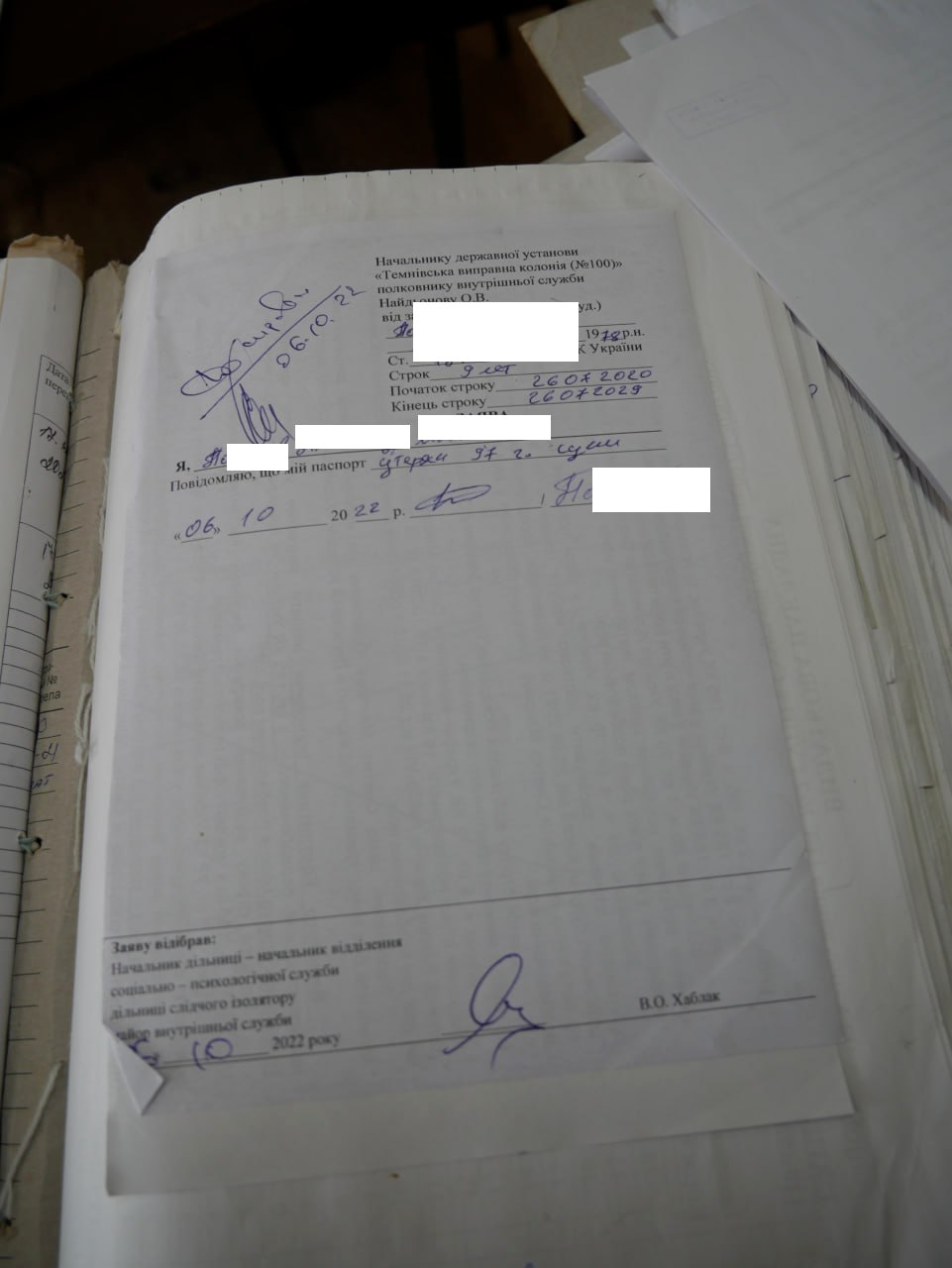
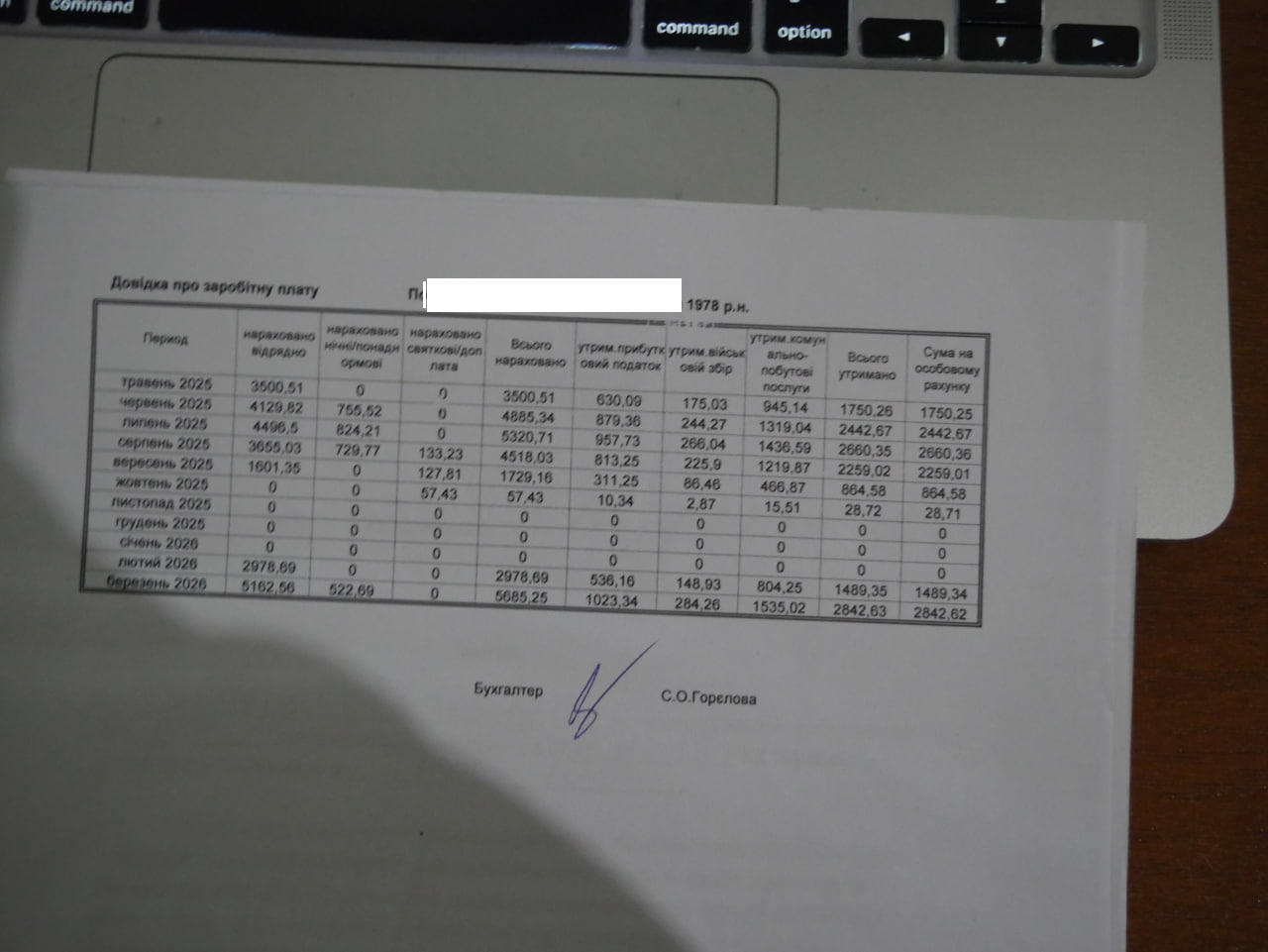
An analysis of the payroll statements for March 2026 indicates the presence of substantial disproportions between the actual nature of the work performed and official salary payments. A significant number of convicts worked six days a week, performing continuous production tasks, yet official payments were minimal or did not correspond to the volume of work performed. In particular, regarding convict K., for March 2026, a total payment of only 300 UAH is recorded. Regarding M. — 2,677.29 UAH. Regarding S., who worked on the drum for about six months, 1,001.93 UAH was paid. Regarding T. — 1,703.25 UAH. Regarding V., who performed wood cleaning — 1,604.22 UAH. At the same time, other convicts working at the same production facilities received significantly higher amounts. This indicates the absence of a transparent wage mechanism and a risk of arbitrary determination of payment amounts.
At the same time, certain convicts, for whom documentation is available, were formally included in the payroll statements. Thus, for P., a payment of 7,619.30 UAH is recorded, for S. — 5,571.42 UAH, for Ch. — 8,589.61 UAH, for T. — 8,548.75 UAH, for P. — 8,480.20 UAH, and for H. — 8,500.30 UAH. However, even in these cases, the documents do not contain confirmation of the proper payment of the single contribution to compulsory state social insurance in an amount sufficient to build up a full insurance record.
A separate analysis of the documents regarding the payment of the single contribution to compulsory state social insurance indicates signs of incomplete safeguarding of the convicts’ right to compulsory state social insurance. A significant portion of convicts received official payments lower than the minimum wage, but the documents contain no confirmation of additional payments of the single contribution to compulsory state social insurance up to the minimum insurance contribution level.
According to the Law of Ukraine ‘On the Collection and Accounting of the Single Contribution to Compulsory State Social Insurance’ and the Law of Ukraine ‘On Compulsory State Pension Insurance’, for a full calendar month to be credited to the insurance record, the single contribution to compulsory state social insurance must be paid for the individual in an amount not less than the minimum insurance contribution. Otherwise, the insurance record is credited proportionally to the actually paid contribution.
In its jurisprudence, the Supreme Court has repeatedly emphasised that it is the employer who is obliged to ensure the proper calculation and payment of the single contribution to compulsory state social insurance, and the employee’s right to an insurance record cannot be made dependent on the employer’s improper performance of its duties. The legal positions of the Supreme Court are based on the premise that the purpose of paying the single contribution to compulsory state social insurance is to ensure real social protection for the individual and to build up their pension rights.
In the context of the labour of convicts, this is of particular significance, as Article 122 of the Penitentiary Code of Ukraine explicitly guarantees convicts the right to state social insurance and the inclusion of periods of paid labour in their insurance record. At the same time, the established facts indicate a risk that the actual working periods of a significant number of convicts will not be credited to their full insurance record due to the absence or insufficiency of payments of the single contribution to compulsory state social insurance.
Furthermore, an analysis of the template employment contracts provided by the administration indicates the formal character of their conclusion. Although the contracts contain general references to the Labour Code of Ukraine and the Penitentiary Code of Ukraine, they do not in fact provide a real mechanism for protecting the labour rights of convicts. The terms of the contracts do not contain any specific mechanism for recording working hours, guarantees of fair remuneration, proper provision of personal protective equipment, or the procedure for paying the single contribution to compulsory state social insurance and ensuring an insurance record. Meanwhile, the actual working conditions recorded during the monitoring visit differ significantly from the conditions formally stipulated by the contracts.
The combination of established facts indicates the systemic nature of violations of the labour and social rights of convicts, manifested in the use of labour without proper registration, pro forma maintenance of accounting documentation, the absence of a transparent wage mechanism, the possible incomplete calculation and payment of the single contribution to compulsory state social insurance, discrepancies between the actual work performed and official documents, as well as the improper provision of safe working conditions.
Such actions contradict Articles 43 and 46 of the Constitution of Ukraine, Articles 118–122 of the Penitentiary Code of Ukraine, the Labour Code of Ukraine, the Law of Ukraine ‘On Occupational Safety’, the Law of Ukraine ‘On Compulsory State Pension Insurance’, the Law of Ukraine ‘On the Collection and Accounting of the Single Contribution to Compulsory State Social Insurance’, the European Prison Rules, the United Nations Standard Minimum Rules for the Treatment of Prisoners (the Nelson Mandela Rules), and the case law of the European Court of Human Rights regarding the prohibition of forced and unregistered labour.
Recommendations:
1. Cease the practice of delegating control, supervision, and order-maintenance functions over other convicts to convicts, ensure that these functions are performed exclusively by the institution’s staff, and take measures to prevent manifestations of informal hierarchy, discrimination, degrading treatment, and violence among convicts.
2. Ensure individualised placement of convicts, including persons sentenced to life imprisonment, taking into account their mental state, compatibility, and safety, and take measures to respond appropriately to requests for transfer to other cells.
3. Ensure an adequate level of natural light in the cells of the maximum-security sector, the KDiR unit, punishment cells, and DIZO/PKT, in particular by removing structural obstacles to daylight access and ensuring the possibility of visual contact with the external environment.
4. Equip sanitary facilities in the maximum-security sector, DIZO/PKT, KDiR, and the sector for holding pre-trial detainees with partitions and doors that ensure an adequate level of privacy.
5. Expand the range of out-of-cell activities for life-sentenced convicts, ensure access to work, educational, cultural, recreational, and religious activities, set up premises for educational work and religious services, and provide conditions for full physical activity.
6. Bring the punishment cells of the maximum-security sector into compliance with international standards regarding area, cell width, natural light, ventilation, and material and living provisions.
7. Equip punishment cells with staff call buttons and ensure their proper functioning.
8. Provide punishment cells with a drinking water tank in accordance with established regulatory requirements.
9. Ensure the functioning of mechanical ventilation in punishment cells and other premises where proper air exchange is lacking.
10. Ensure the functioning of the radio installation system in punishment cells.
11. Review the practice of using video surveillance in convicts’ living quarters and ensure its use is based exclusively on an individual assessment of risks and needs.
12. Bring the material and living provisions of the KDiR unit into compliance with the requirements of regulatory legal acts, ensuring the availability of all prescribed rooms.
13. Eliminate violations of legislation in the field of labour and social protection of convicts, ensure proper registration of employment relations, maintain reliable labour accounting, ensure timely and fair remuneration, and ensure proper calculation and payment of the single contribution to compulsory state social insurance.
14. Ensure proper organisation of the activities of production areas and souvenir workshops in accordance with legislative requirements, including maintaining accounting documentation, assigning convicts to specific workstations, and keeping inventory of tools and finished products.
15. Eliminate violations of fire safety requirements in the industrial zone, ensure proper maintenance of electrical switchboards, gas welding posts, and other high-hazard facilities.
16. Bring the conditions of detention in DIZO/PKT into compliance with national and international standards, ensuring adequate lighting, ventilation, and privacy when using sanitary facilities.
17. Bring the material and living provisions of the enhanced control sector into compliance with the requirements of regulatory legal acts and ensure the functioning of all prescribed rooms.
18. Cease the practice of long-term solitary confinement of pre-trial detainees without proper justification and provide them with appropriate programmes of out-of-cell activities.
19. Equip the exercise yards of the sector for holding pre-trial detainees and the enhanced control sector with shelters from atmospheric precipitation.
20. Ensure the availability in the institution’s shop of the entire list of goods prescribed by the Internal Regulations of Correctional Institutions.
21. Ensure that sanitary treatment is conducted for all newly arrived convicts and detainees, as well as regular disinfection and disinfestation of personal clothing and bedding in accordance with established requirements.
22. Ensure that special means are carried in a concealed manner by the institution’s staff during direct contact with convicts.
23. Ensure that short-term visits are conducted predominantly in open conditions, and apply non-contact visits only as a result of an individual risk assessment.
24. Step up efforts regarding the issuance of passports of citizens of Ukraine, registration numbers of taxpayer account cards, and other necessary documents to convicts.
25. Take measures to fill vacant staff positions in the institution and ensure an adequate level of staffing.
26. Bring existing shelters and basic protective structures into compliance with the requirements of legislation in the field of civil protection, ensuring proper ventilation, supplies of drinking water, medicines, and sanitary and hygienic products, and conducting an assessment of their actual capacity.
27. Ensure the involvement of convicts in paid labour exclusively on the basis of properly executed employment contracts or civil law contracts in accordance with the requirements of Articles 118–120 of the Penitentiary Code of Ukraine.
28. Cease the practice of using convicts’ labour without proper documentation, without remuneration, and without reflecting actual work performed in work orders, record books, and other mandatory documents.
29. Ensure the maintenance of reliable records of working hours, performed work, movement of convicts to workplaces, and results of production activities in accordance with the requirements of legislation and regulatory legal acts of the Ministry of Justice of Ukraine.
30. Conduct an investigation into the facts of using the labour of convicts whose details are missing from employment and payroll documents, and take measures to eliminate identified violations.
31. Ensure a transparent, clear, and documented mechanism for calculating convicts’ wages in accordance with the amount of time worked, complexity, and volume of work performed.
32. Ensure the proper calculation and payment of the single contribution to compulsory state social insurance for all convicts involved in paid labour, in amounts necessary to realise the right to compulsory state social insurance and build up an insurance record.
33. Conduct an audit of compliance with legislative requirements regarding the payment of the single contribution to compulsory state social insurance for convicts who worked for a full calendar month, and take measures to eliminate cases of incomplete build-up of the insurance record.
34. Ensure proper implementation of the requirements of Article 122 of the Penitentiary Code of Ukraine regarding the state social insurance of convicts and the inclusion of periods of paid labour in their insurance record.
35. Ensure proper and safe working conditions for convicts, including timely provision of personal protective equipment, special clothing, and other safety equipment depending on the nature of the work performed.
36. Bring the activities of production areas, souvenir workshops, and other workplaces of convicts into compliance with the requirements of legislation on occupational safety, fire safety, and industrial sanitation.
37. Ensure proper control over the activities of the institution’s industrial facilities, the maintenance of record-keeping documentation, and compliance with the labour and social rights of convicts when they are involved in work.
38. Take measures to document employment relationships and social insurance of convicts who do not possess a passport of a citizen of Ukraine or other identity documents, while simultaneously ensuring the issuance of such documents in accordance with the procedure established by law.
39. Conduct an internal investigation into the facts of possible concealment of employment relations, the use of convicts’ labour outside official accounting, and the improper safeguarding of their labour and social rights.