Report on the Results of the Monitoring Visit to the Multidisciplinary Hospital of the Health Care Center of the State Penitentiary Service of Ukraine at Temnivska Penal Colony No. 100
The material is aimed at highlighting the general situation regarding human rights violations and contains an analysis, recommendations, and statistical data. We continue to investigate the degree of respect for human rights in the penitentiary institutions of the Kharkiv region.
We are seeking answers in order to refute or confirm information received from convicts and their relatives, who claim that it is precisely in the Kharkiv correctional facilities that systemic and brutal human rights violations occur, and that convicts who are distributed to serve their sentences in the penitentiary institutions of the Kharkiv region very often commit acts of suicide and self-harm, or deliberately commit illegal acts in order to receive an additional sentence to avoid serving their time in the correctional facilities of the Kharkiv region.
The preventive monitoring visit was carried out as part of the project “Reducing the Suffering of Prisoners in the Context of the War in Ukraine”, funded by the government of Denmark in partnership with DIGNITY — Danish Institute Against Torture, in accordance with the Optional Protocol to the Convention against Torture and Other Cruel, Inhuman or Degrading Treatment or Punishment, taking into account the provisions of the Standard Minimum Rules for the Treatment of Prisoners and the decisions of the European Court of Human Rights, on the basis of Article 24 of the Criminal Executive Code of Ukraine — Visiting correctional institutions. The visit was conducted by a group of monitors from the Kharkiv Human Rights Protection Group and the NGO “Protection of Prisoners of Ukraine”. The visit was conducted by the following monitors:
- Didenko Andriy Andriyovych — Assistant to the People's Deputy of Ukraine Yaroslav Yurchyshyn;
- Zuikov Serhiy Yuriyovych — Assistant to the People's Deputy of Ukraine Kostiantyn Kasai, member of the Public Council under the Ministry of Justice of Ukraine;
- Tsvilyi Oleh Volodymyrovych — Member of the Public Council under the Ministry of Justice of Ukraine;
- Zaporozhtsev Kostiantyn Viktorovych — Specialist in the field of forensic medical examination.
Date of the visit: 4 July 2024
Date of the previous visit: 17 June 2023
General Information
State Institution “Temnivska Multidisciplinary Hospital No. 100” of the Branch of the State Institution “Health Care Center of the State Penitentiary Service of Ukraine in the Kharkiv and Luhansk Regions” is a closed-type hospital for the inpatient treatment of sick persons (men and women) sentenced to imprisonment.
The hospital is located at the address: 17 Tadytska Street, Kharkiv.
The head of the institution is Olena Mykhailivna Yelizeva.
The hospital includes a therapeutic department, a surgical department, an outpatient polyclinic department, a neurological department, and a clinical diagnostic laboratory.
On the day of the visit, there were 50 patients in the hospital, including 19 in the therapeutic department, 17 in the surgical department, and 14 people in the neurological department. As part of the visit, all premises were inspected, and communication took place with all patients.
The staff of the multidisciplinary hospital provides for a total of 57.0 positions, of which: 21 doctor positions, 29 middle medical personnel positions, two pharmacist positions, one pharmacist assistant position, and four junior medical personnel positions.
There are 6.25 vacant positions, of which: doctors — 1.75 positions (0.5 psychiatrist positions, 0.5 functional diagnostics doctor positions, 0.25 ultrasound diagnostics doctor positions, 0.5 endoscopist doctor positions), middle medical personnel — three positions (one position for a nurse in the outpatient preventive department, 1.5 positions for a paramedic in the outpatient preventive department, 0.5 X-ray laboratory technician positions), pharmacist — 0.5 positions.
During the 6 months of 2024, two people died.
During the current period, a total of seven Medical Advisory Commission (MAC) meetings were held. Seven sick convicts were considered, including three regarding the presence of a disease determined by the List of Diseases that are grounds for submitting materials to the court for the release of convicts from further serving of the sentence.
Three people were released from serving their sentences; in 2023, there were 11 people. Court refusals involved three people; in 2023, there were none.
As of 1 June 2024, there are 77 people on the dispensary register.
There was one newly identified HIV-infected person in the first three months of 2024 (one person was identified during a medical examination). All HIV-infected convicts are consulted by an infectious disease specialist with the prescription of ART. 73 people are receiving ART.
As of 01.06.2024, there are 60 people on the dispensary register with chronic viral hepatitis C (the diagnosis was confirmed by PCR). At the same time, 55 people suspected of having viral hepatitis C require confirmation of the diagnosis by PCR. Furthermore, on the day of the visit, convicts in the hospital were not being tested for viral hepatitis C using rapid tests due to their absence. According to information provided by the hospital's medical staff, 35 people are receiving treatment for HCV infection. At the same time, on the day of the visit, there were no drugs available in the hospital for the treatment of viral hepatitis C.
There are 22 convicts with disabilities on the register. Group II — six people, Group III — 16 people.
During the first five months of 2024, three patients with active tuberculosis were identified, including two cases of newly diagnosed tuberculosis.
Preliminary remarks:
- Stop the practice of healthy convicts (orderlies) residing permanently in the hospital;
- Stop the practice of using sick convicts as ward orderlies;
- Stop the practice of patients standing up and lining up in the hospital when doors are opened;
- Stop the practice of prohibiting the free movement of patients in the hospital, taking into account the specifics of the categories of convicts.
The recommendations provided following the previous visit were partially implemented, namely: the monitors did not record the permanent residence of healthy convicts (orderlies) in the hospital.
Violations of National Legislation and Non-compliance with International Recommendations in the Sphere of Treatment of Prisoners
1. During a confidential interview, the monitors established that cruel treatment practices are applied to convicts, such as illegal placement for an indefinite period in special chamber-wards located on the premises of the multidisciplinary hospital on the territory of the institution.
The monitors visited two chamber-wards, No. 111-211, which were pointed out by the convicts. In one of them, there was a convict who could not explain the reasons for his stay in the hospital’s chamber-ward, nor could he provide clear explanations. With his whole appearance, this convict showed a feeling of fear and subsequently began to cry.
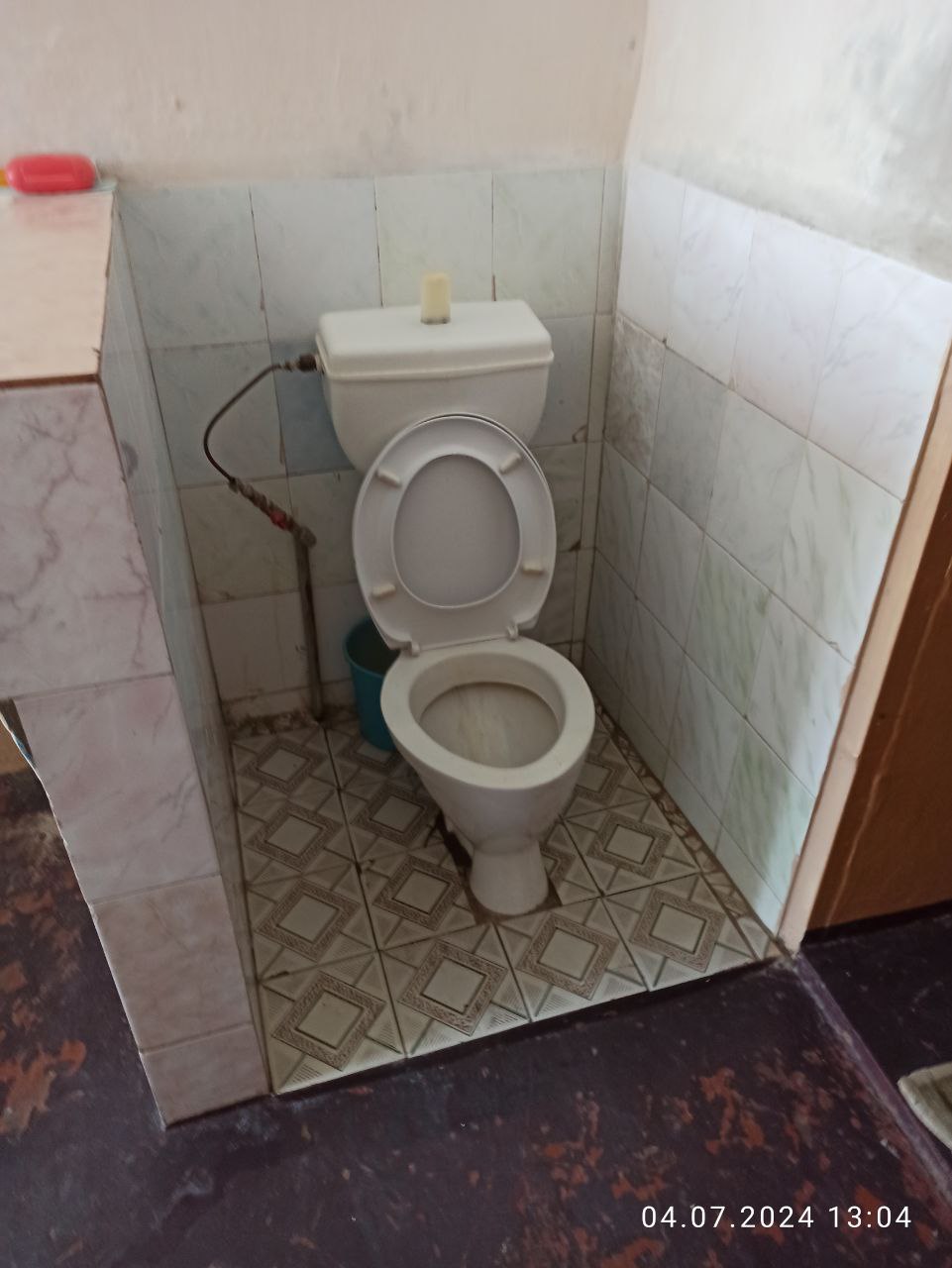
At the same time, facts of violations of Article 8 of the Convention and the requirements of Rule 19.3 of the European Prison Rules (Recommendation No. R (2006) 2 of the Committee of Ministers of member states) (hereinafter — EPR) were established in this chamber-ward regarding the violation of the convicts’ right to privacy, namely, the absence of doors in the bathrooms that would allow convicts to have privacy.
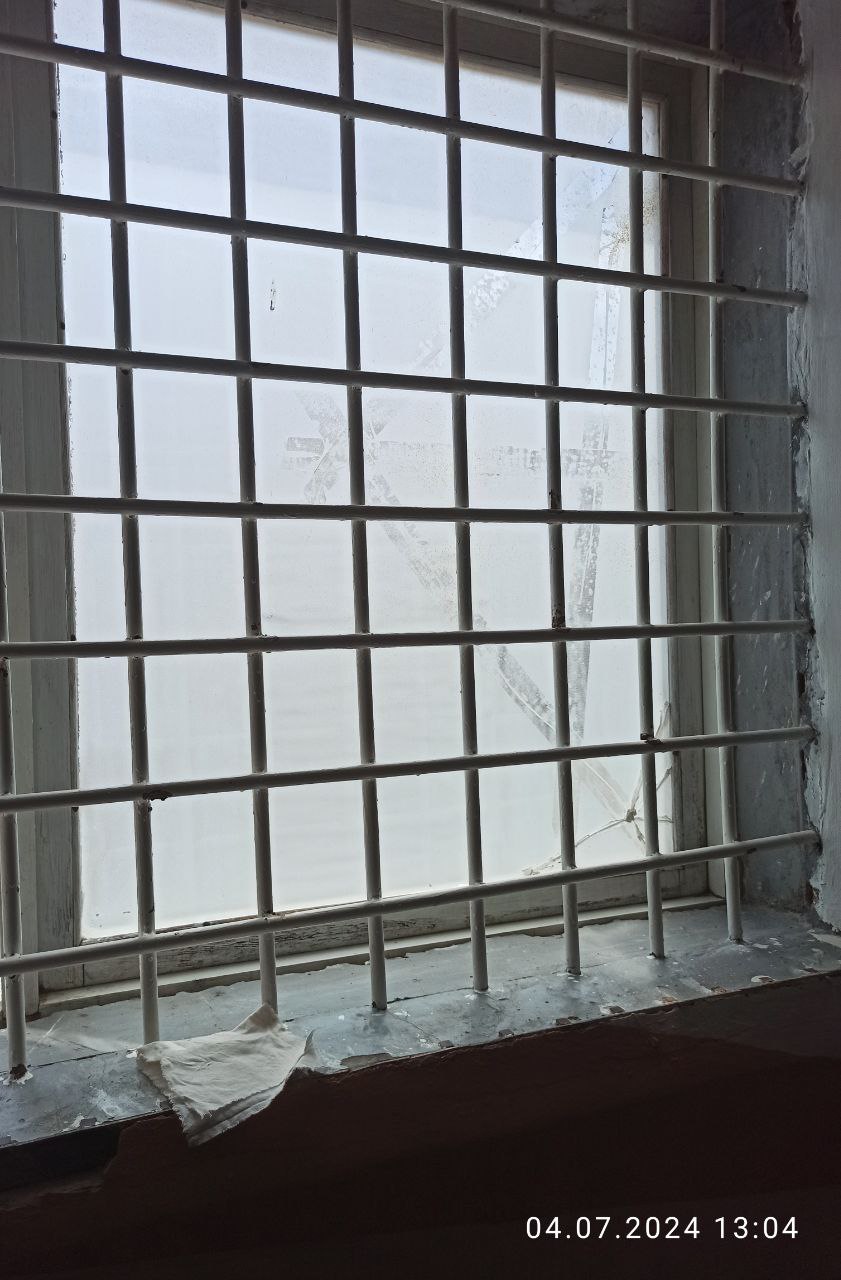
In one of the mentioned wards, the window was equipped with frosted glass, and this is not an isolated case in this institution. In its report on the results of the visit to Ukraine in 2020, the European Committee for the Prevention of Torture and Inhuman or Degrading Treatment or Punishment (hereinafter — the Committee) had already drawn attention to this and recommended taking measures in Colony No. 100 to review the window design in the cells to allow prisoners to see what is outside the cell. (CPT/Inf (2020) 40, paragraph 48).
It is also necessary to note the numerous complaints from convicts regarding the lack of electrical sockets in the chamber-wards and the operation of radio points, which are installed in most of the hospital's chamber-wards and operate from wake-up time to lights out, with no possibility to turn them off independently or adjust the volume.
Furthermore, outdoor exercise is permitted for only one hour per day. In conditions of inpatient treatment, this can be regarded as cruel treatment. At the same time, under similar circumstances, the Committee, in its report on the results of its 2023 visit to Ukraine to the Lviv Multidisciplinary Hospital, expressed concern that patients were not offered any out-of-ward activities, except for daily one-hour walks in the fresh air, which took place in small courtyards, and recommended taking measures in the hospital to improve the regime provided to patients and to consider the possibility of increasing the duration of outdoor exercise. (CPT/Inf (2024) 20, paragraph 89).
2. During the visit, the monitors established that there are convicts in the hospital who perform the function of orderlies. Thus, the institution's management and medical staff delegated to the orderlies the right to exercise constant supervision over convicts in the hospital ward and the institution, and to control their compliance with the internal daily routine and work.
At the same time, the Committee has repeatedly recommended ending the practice of using convicts as assistants and orderlies in medical units. (Committee report on the results of the 2005 visit to Ukraine (paragraph 132, CPT/Inf (2007) 22), in 2013 (paragraph 151, CPT/Inf (2014) 15), in 2017 (paragraph 86, CPT/Inf (2018) 41).
In addition, in its report on the results of the 2023 visit to Ukraine, the Committee reiterated its position that any partial abdication of responsibility for order and security in a prison, which properly belongs to the competence of staff, is unacceptable, and once again called on the Ukrainian authorities to finally put an end to the aforementioned practice. No convict should have power over other convicts. (CPT/Inf (2024) 20, paragraph 47).
3. According to the order on the distribution of convicts and persons taken into custody who require inpatient medical care to the health care institutions of the Health Care Center of the State Penitentiary Service of Ukraine, men and women requiring palliative care from correctional institutions and pre-trial detention centres in the Poltava, Sumy, Cherkasy, Chernihiv, and Kharkiv regions are sent to Temnivska Multidisciplinary Hospital No. 100.
At the same time, there is no palliative care department in the hospital to provide palliative care in inpatient conditions, in accordance with paragraph 4 of Section IV of the “Procedure for Providing Palliative Care”, approved by the Order of the Ministry of Health of Ukraine of 04.06.2020 No. 1308. In accordance with the “Procedure for Providing Palliative Care”, the main components of palliative care are medical, social, spiritual, and psychological support for the patient. At the same time, the hospital lacks a license to conduct economic activities for medical practice in the necessary medical specialties, which does not ensure the proper organisational, personnel, and technological requirements for the material and technical base of the hospital to carry out psychological support for a palliative patient.
4. During the inspection of the Disciplinary Isolation Unit (DIZO), the monitors established that upon placing a convict in a disciplinary isolation unit, it is practiced to attach a medical certificate to the case file, which contains the state of health and according to the conclusion of which the convict can be kept in the DIZO, PKT (chamber-type facility), or Punishment Cell due to their state of health. The revealed facts testify that the institution’s employees possess confidential information regarding the state of health of convicts who are in the DIZO.
The above violates the requirements of Article 39-1 of the Law of Ukraine “Fundamentals of Ukrainian Legislation on Health Care” regarding the right of persons to secrecy about their state of health. At the same time, the Committee has repeatedly emphasised that the obligation of prison doctors to certify the fitness of convicts for disciplinary punishment is unlikely to contribute to the development of positive relationships between doctor and patient. In principle, medical personnel should never participate in any part of the decision-making process regarding the application of any type of solitary confinement, unless this measure is applied for medical indications.
On the other hand, medical personnel must be very attentive to the condition of convicts who are in solitary confinement. Medical personnel must be immediately informed about every such placement and visit the convict immediately after placement, and then regularly (at least once a day), and provide them with prompt medical assistance and treatment if necessary. Medical personnel must notify the institution's administration if the convict's health is subject to a serious threat due to solitary confinement. (CPT/Inf (2024) 20, paragraph 104). In addition, the above contradicts paragraphs 43.2 and 43.3 of the European Prison Rules.
5. In violation of paragraph 37 of the Resolution of the Cabinet of Ministers of Ukraine No. 285 of 2 March 2016, “On Approval of Licensing Conditions for Conducting Economic Activities in Medical Practice”, the hospital lacks a document confirming free access to the buildings and premises of the medical institution for persons with limited mobility, the receipt of which is mandatory.
6. In accordance with the requirements of paragraph 7 of part 1 of the Resolution of the Cabinet of Ministers of Ukraine of 22 December 2023 No. 1394 “Some Issues of Implementing the Program of State Guarantees of Medical Services for the Population in 2024”, the National Health Service of Ukraine (NHSU) pays for medical services provided based on paper referrals for patients held in correctional institutions or pre-trial detention centres of the State Penitentiary Service, until the creation of technical capability by health care institutions of the State Penitentiary Service to issue electronic referrals is ensured.
However, due to the lack of concluded declarations with a primary health care physician by convicts, they do not have the opportunity to receive the necessary medical services at the expense of the NHSU, which leads to a violation of the requirements of paragraphs 4 and 5 of Article 4 of the Law of Ukraine “Fundamentals of Ukrainian Legislation on Health Care”.
7. Substitution Maintenance Therapy (SMT) for persons with mental and behavioural disorders due to opioid use is not organised in the hospital, in accordance with the Procedure for Conducting Substitution Maintenance Therapy for persons with mental and behavioural disorders due to opioid use, approved by the Order of the Ministry of Health of Ukraine of 27.03.2012 No. 200.
Drug-addicted persons are not provided with socio-psychological support, cognitive-behavioural therapy (CBT), relapse prevention, motivational interviewing, self-help groups, etc.
Thus, these persons are deprived of the opportunity to receive SMT, which violates their right to choose methods of treatment, in accordance with Article 38 of the Law of Ukraine “Fundamentals of Ukrainian Legislation on Health Care”.
At the same time, the Committee, in its report on the results of the 2023 visit to Ukraine, notes that entering a penitentiary institution is an opportunity to solve a problem related to drugs, and therefore it is important that appropriate assistance is offered to all interested persons. Consequently, appropriate medical care must be available in all institutions. The assistance offered to such persons must be diverse: substitution therapy programs for persons with drug addiction must be combined with genuine psychosocial and educational programs for persons with opioid dependence who are unable to stop using drugs.
Furthermore, access to SMT programs in institutions must be easily accessible and managed by prison doctors, who must undergo special training on issues related to drug use. (CPT/Inf (2024) 20, paragraph 86). In addition, the medical drug “Naloxone” is absent in the hospital, which makes it impossible to provide emergency medical assistance in cases of opiate overdoses.
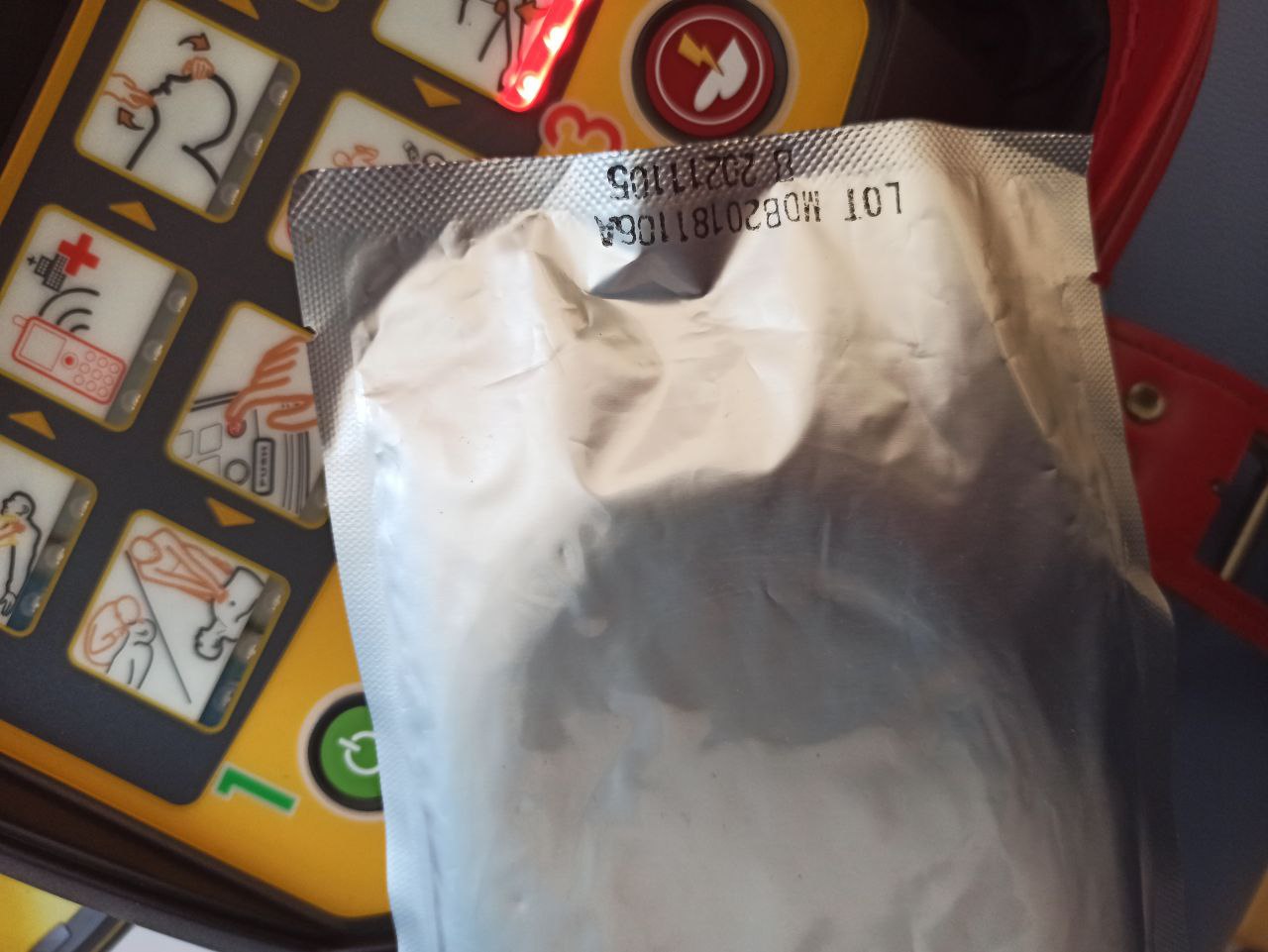
8. During the inspection of the defibrillator's functionality, it was established that the expiration date of the electrodes had passed. At the same time, the European Committee for the Prevention of Torture and Inhuman or Degrading Treatment or Punishment recommended that medical services in all visited prisons (and all other penitentiary institutions in Ukraine) be equipped with life-saving equipment for doctors (Committee report on the results of the 2017 visit to Ukraine, (CPT/Inf (2018) 41) paragraph 87).
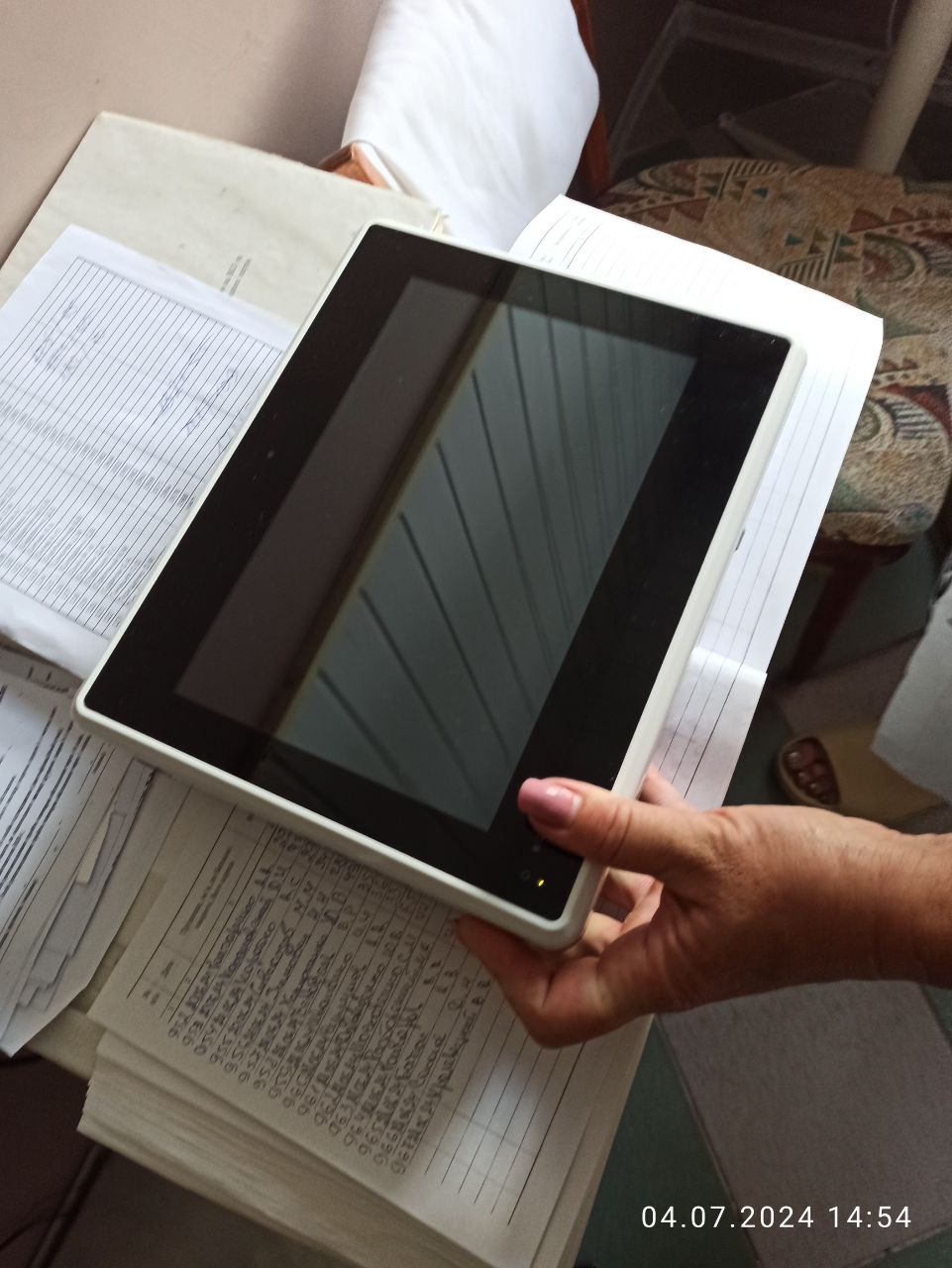
9. In violation of the Procedure for organising medical care at the primary, secondary (specialised), and tertiary (highly specialised) levels using telemedicine, approved by the Order of the Ministry of Health of Ukraine of 19.10.2015 No. 681, the medical unit staff are deprived of the opportunity to make requests for telemedicine consultation and receive advice for providing medical care to convicts due to technical reasons.
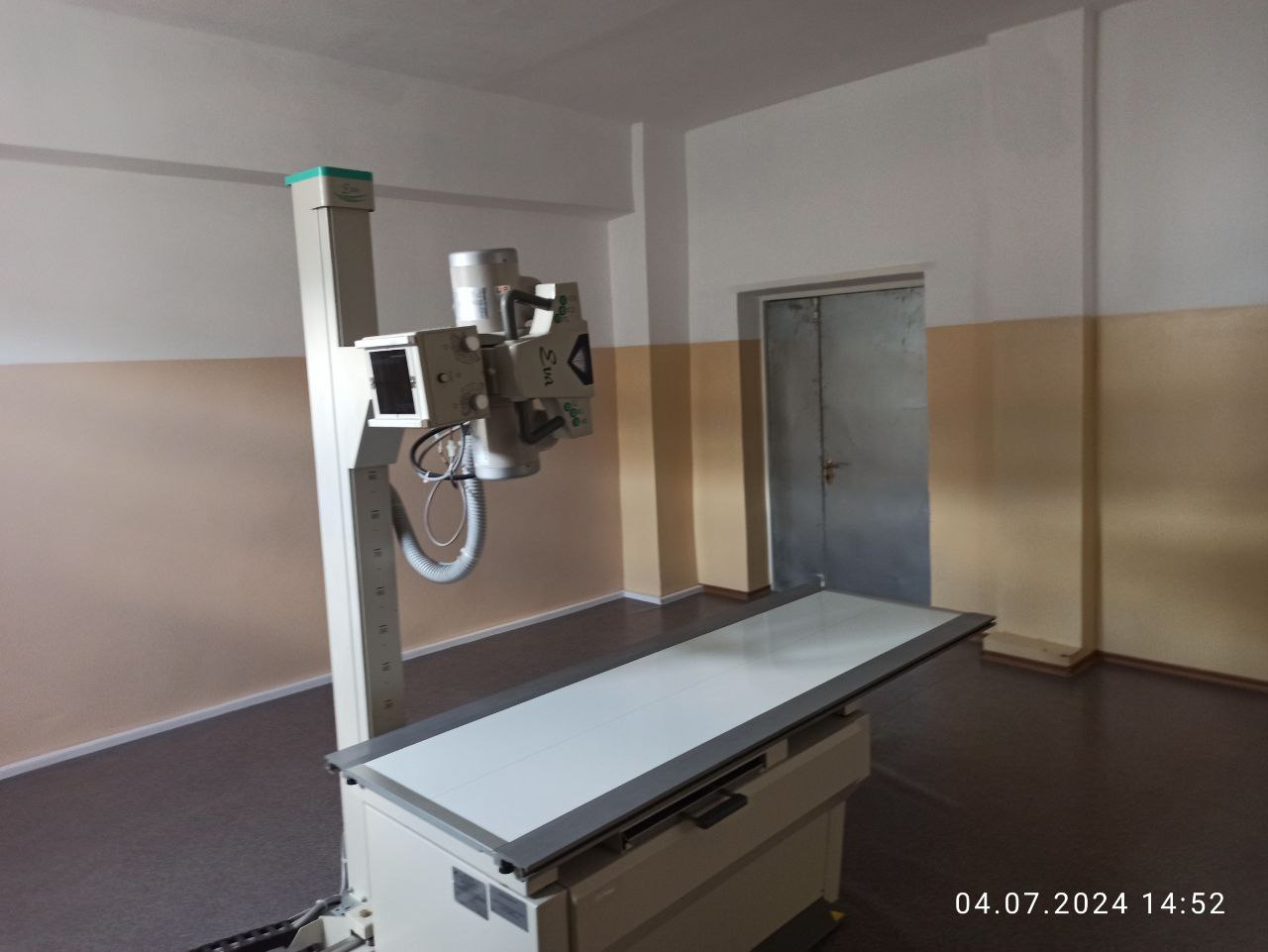
10. In violation of the requirements of the Equipment Table for one workplace of a dentist and dental technician, approved by the Order of the Ministry of Health of Ukraine of 11.04.2005 No. 158, there is no dental X-ray machine in the hospital, which makes it impossible to conduct an in-depth dental examination of convicts and does not ensure the timely provision of proper dental care.
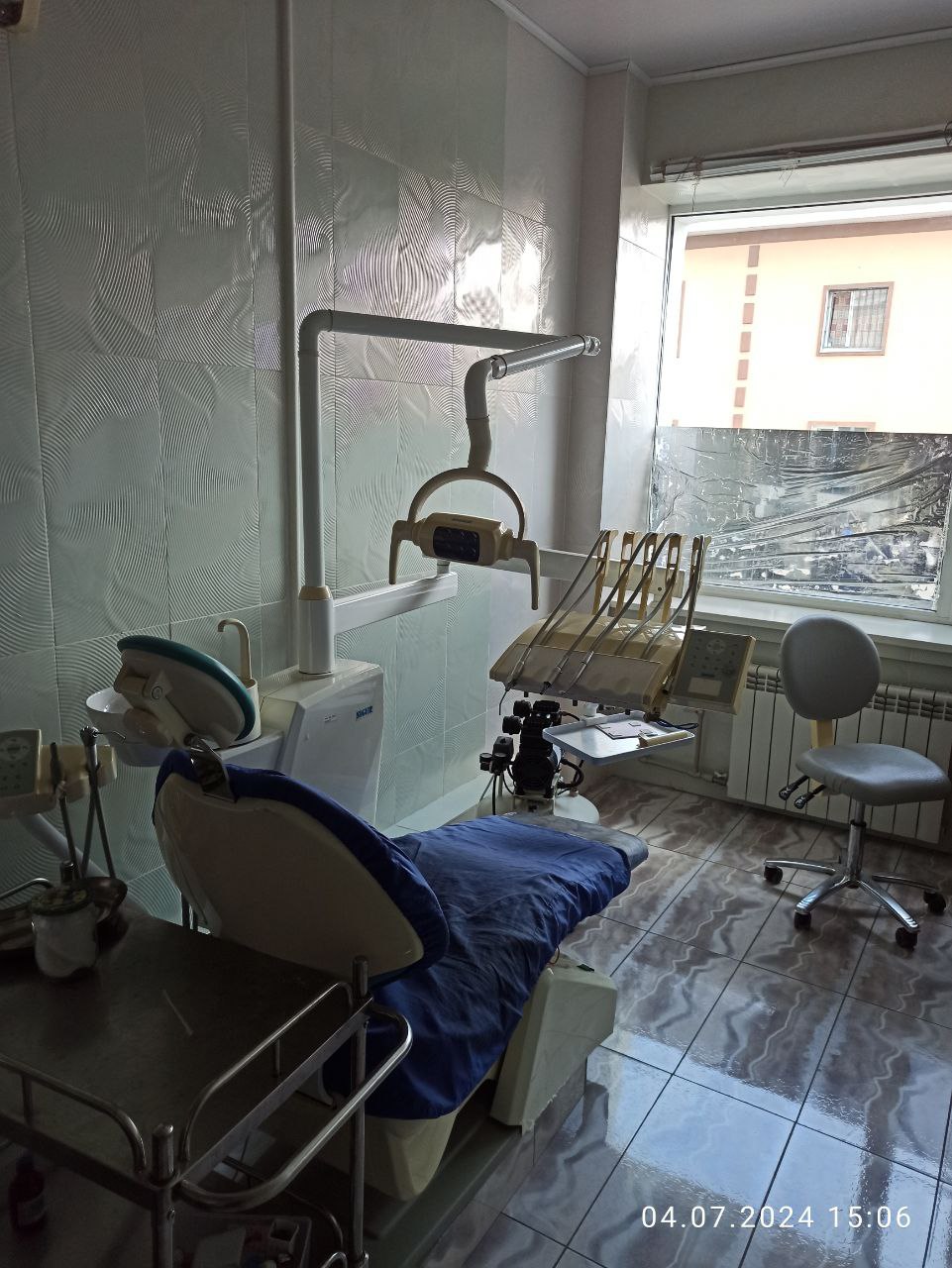
11. In violation of the requirements of paragraph 7 of Chapter 2 of Section III of the Procedure for organising the provision of medical care to persons sentenced to imprisonment, approved by the joint order of the Ministry of Justice of Ukraine and the Ministry of Health of Ukraine of 15.08.2014 No. 1348/5/572 (hereinafter — the Procedure), sick convicts are placed in chamber-wards not on the basis of an established diagnosis and the medical staff's decision to refer them to a specialised hospital department, but by the decision of the institution's staff.
12. According to the requirements of the Standards for bedding, special clothing, and special footwear (inventory property) for convicts undergoing treatment in medical-preventive institutions, institutions with the rights of medical facilities, and medical units at correctional institutions and pre-trial detention centres, approved by the order of the Ministry of Justice of Ukraine of 20.02.2012 No. 280/5, convicts receive hospital property (hospital suit, robe, and slippers). In accordance with the requirements of Part 2 of Article 115 of the Criminal Executive Code of Ukraine (hereinafter — CEC), convicts are provided with clothing, linen, and footwear according to the season, taking into account gender and climatic conditions. Furthermore, paragraph 20.1 of the European Prison Rules (Recommendation No. R (2006) 2 of the Committee of Ministers of member states) states that prisoners who do not have their own clothing must be provided with clothing that is suitable for the climate.
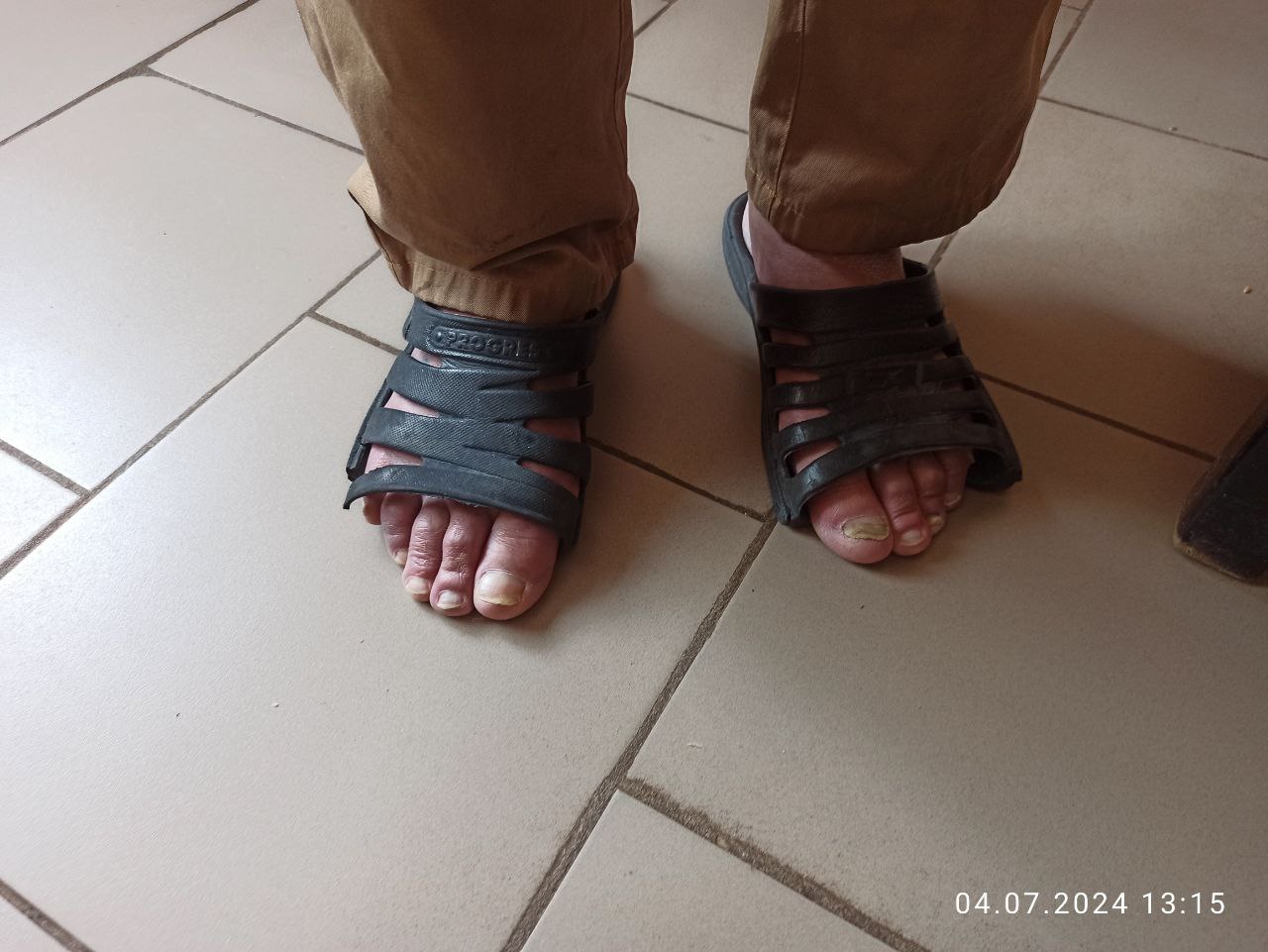
At the same time, in violation of the above, convicts are in the hospital in everyday clothing, with their own bedding. Moreover, the monitors discovered a convict who was undergoing inpatient treatment and was not provided with footwear, and therefore was forced to walk in torn and unusable slippers. These circumstances indicate a violation of the right to health and medical care and can be regarded as cruel, improper, or degrading treatment.
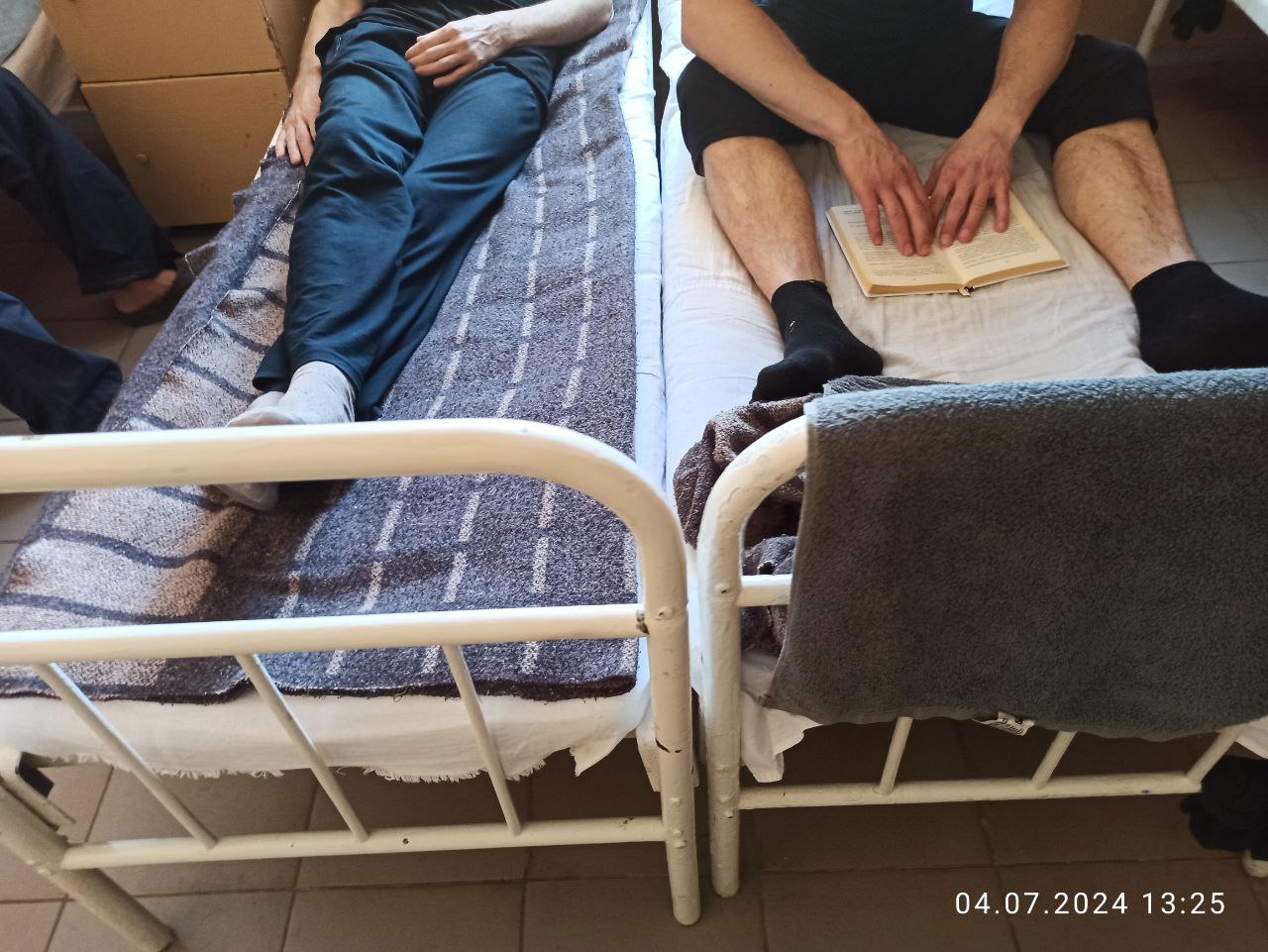
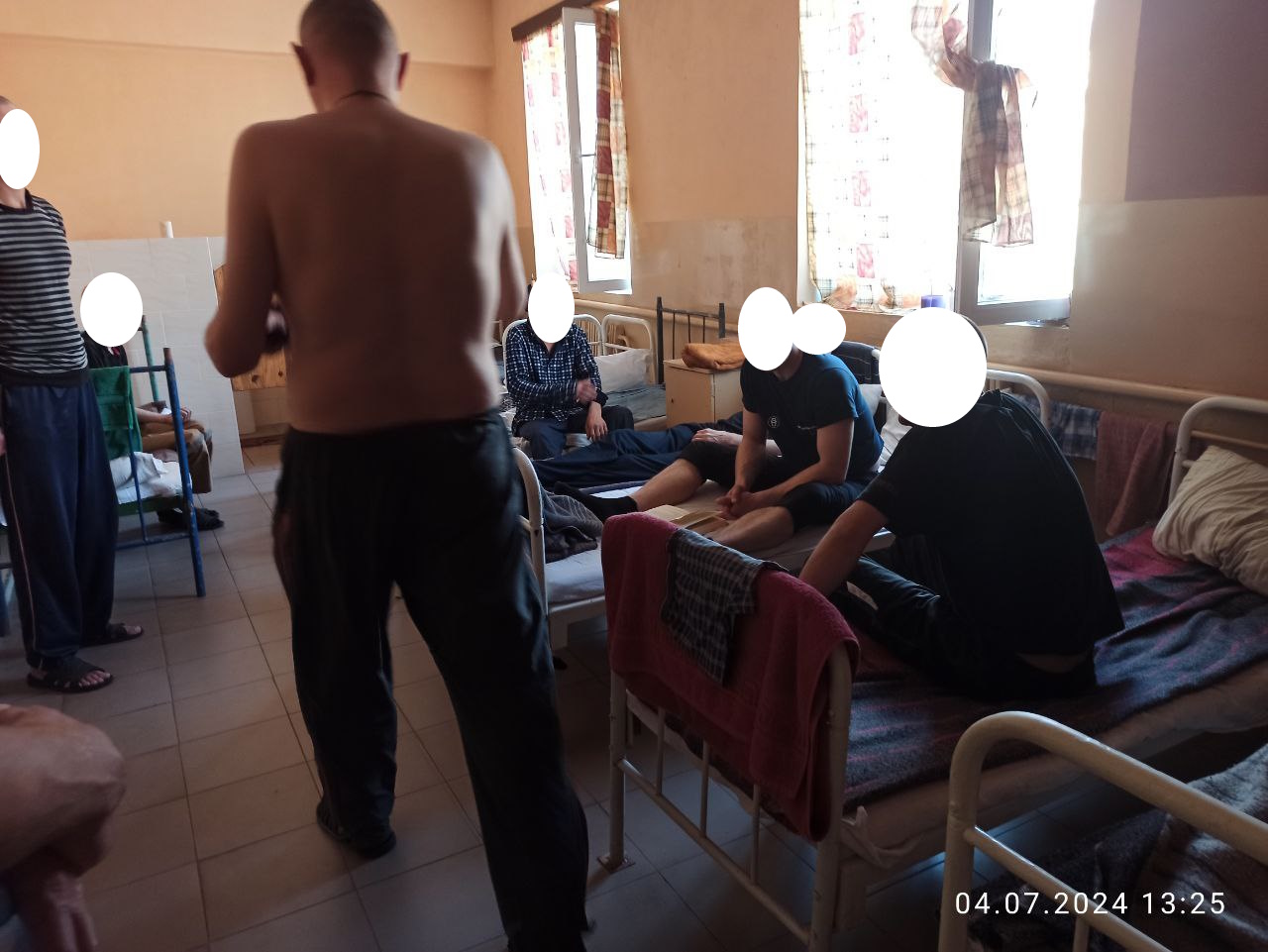
13. In violation of Article 115 of the Criminal Executive Code of Ukraine, in ward 1-28, the requirements regarding the standard of living space per convict in conditions of inpatient treatment (not less than 5 m²) are violated; beds are located right next to each other, which does not provide convicts with personal space and violates Rule 18.1 of the European Prison Rules.
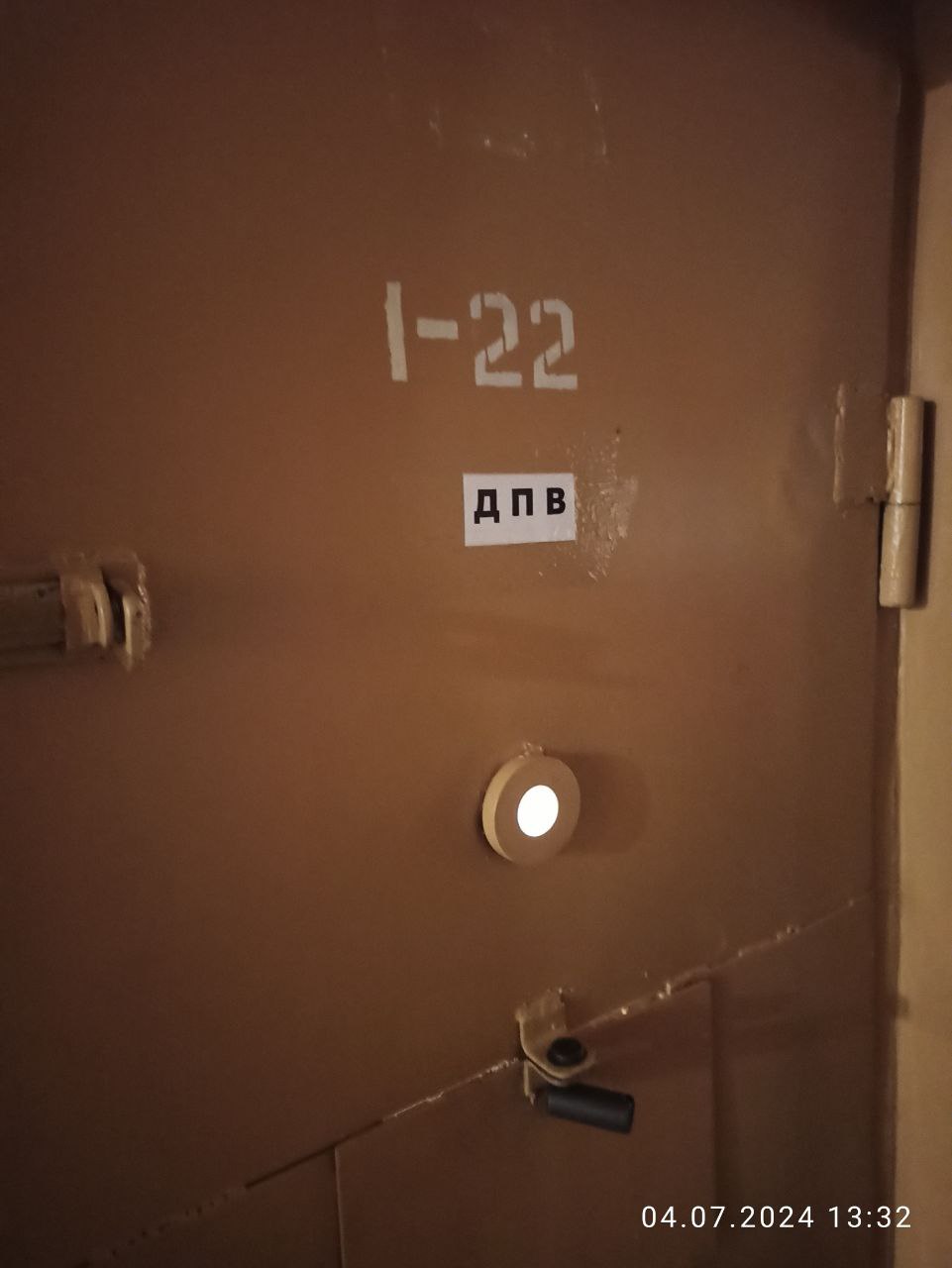
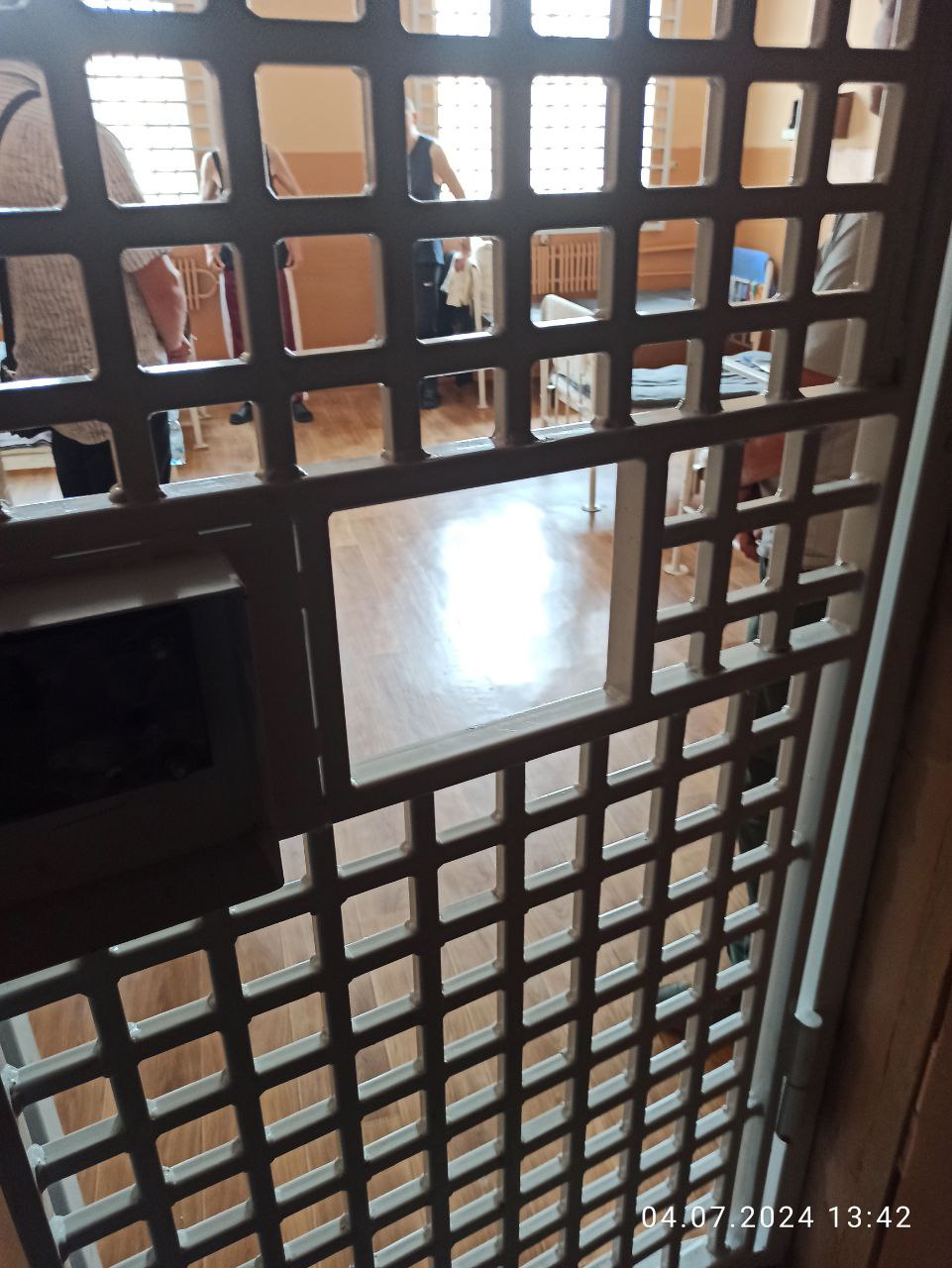
14. During communication with patients among those sentenced to life imprisonment, it was established that in chamber-ward 1-22, the medical staff continues the systematic practice of conducting medical examinations and medical procedures, in particular — injections to convicts through the bars.
At the same time, the Committee criticises excessive security measures and considers such practices unacceptable, as they infringe upon the dignity of prisoners, hinder the development of proper relationships between medical staff and patients, and possibly interfere with establishing an objective medical opinion. (Committee report on the results of the 2009 visit to Ukraine (paragraph 129, CPT/Inf (2011) 29), in 2012 (paragraph 50, CPT/Inf (2013) 23).
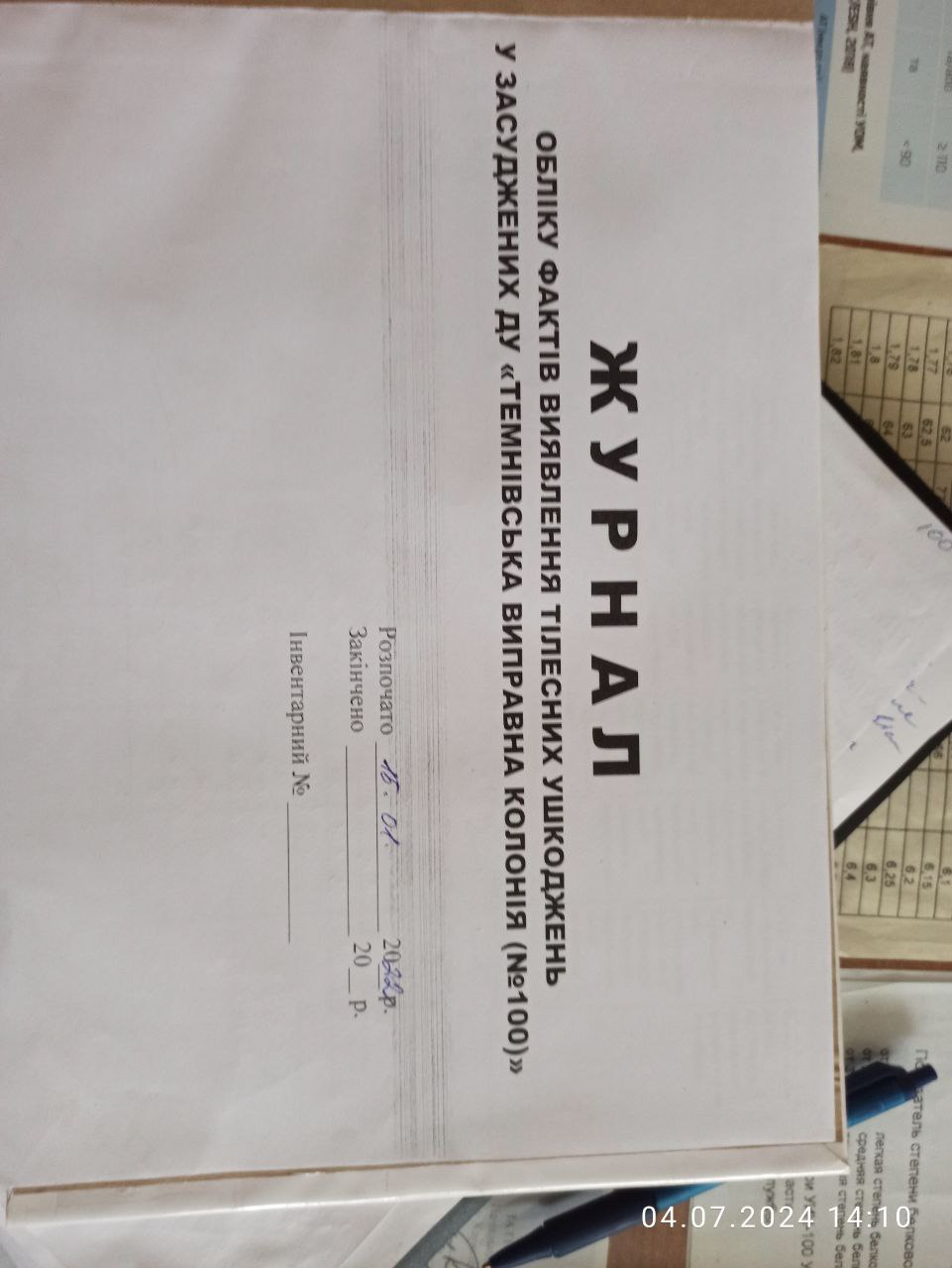
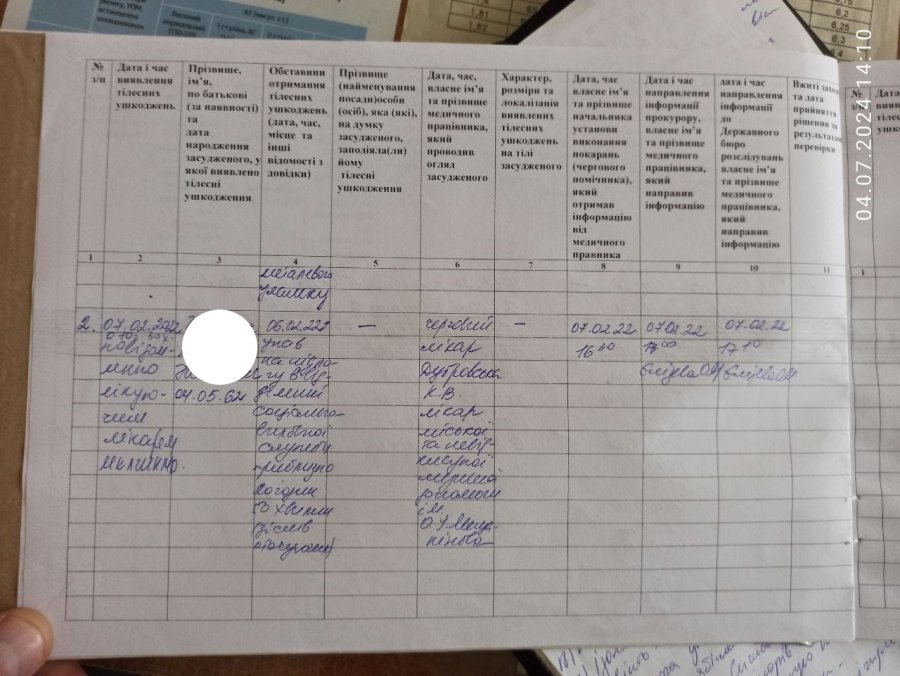
15. According to the injury register, not a single case was recorded in the institution for 2023 and 2024. The last entry is dated 07.02.2022. Such a low level of injury registration, considering the actual number of convicts, indicates the absence of applications by convicts to the outpatient preventive department of Temnivska Multidisciplinary Hospital No. 100 upon receiving bodily injuries and a formal approach to the registration of bodily injuries by medical workers during medical examinations of convicts.
The failure to properly record bodily injuries does not comply with paragraph 60 of the Committee's recommendations (CPT/Inf(93)12-part), which states that medical services in places of detention can contribute to the prevention of violence against persons held in custody through the systematic registration of bodily injuries, as well as, if necessary, through informing the appropriate authorities.
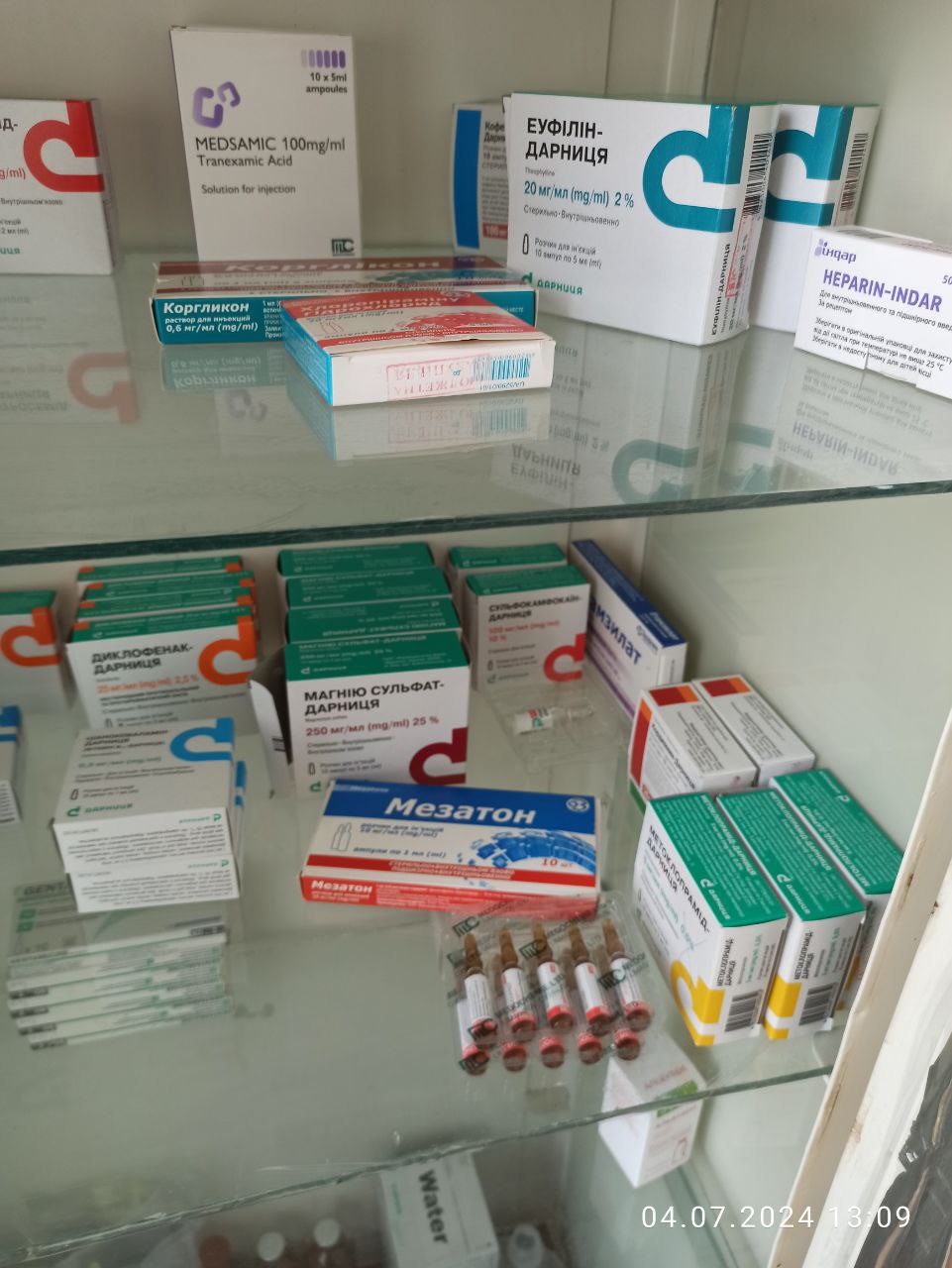
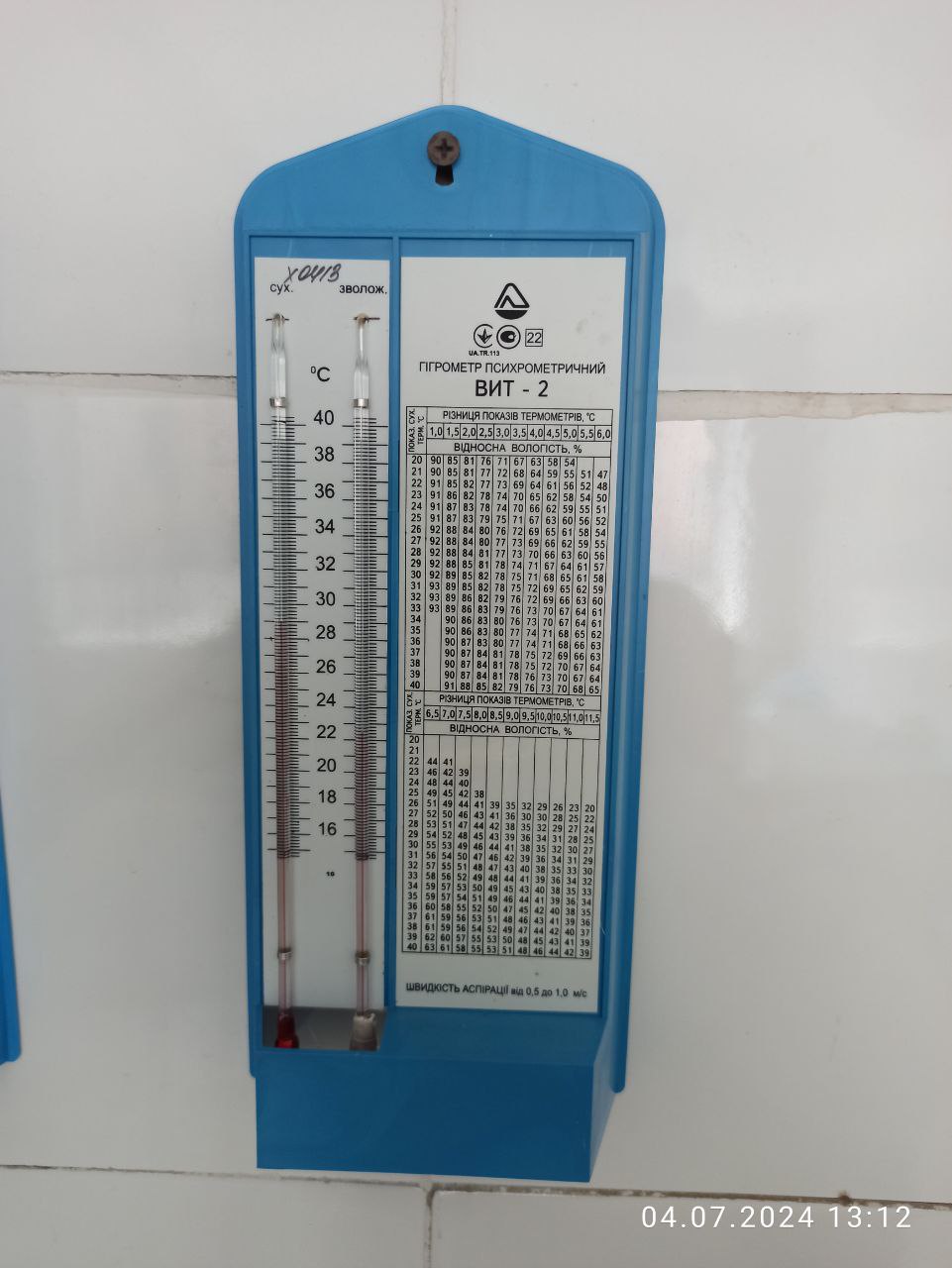
16. In violation of the requirements of the Order of the Ministry of Health of Ukraine of 16.12.2003 No. 584 “On Approval of Rules for Storage and Quality Control of Medicinal Products in Medical-Preventive Institutions” (hereinafter — Storage Rules), medicinal products are stored without taking into account the temperature regimes specified by manufacturers. Thus, in the room where medicinal products were stored, the storage conditions for which cannot exceed a temperature higher than 25°C, the temperature reached 29°C.
17. In violation of the “State Sanitary-Epidemiological Rules and Norms regarding the Handling of Medical Waste”, approved by the Order of the Ministry of Health of Ukraine of 08.06.2015 No. 325, the branch of the State Institution “Health Care Center of the State Penitentiary Service of Ukraine” in the Kharkiv and Luhansk regions has not concluded an agreement with a specialised institution for the disposal of medical waste, in connection with which the hospital has not organised proper collection, sorting, and disposal of medical waste since the beginning of 2024.
18. In violation of the requirements of the Standards of Medical Care for HCV in adults, approved by the Order of the Ministry of Health of Ukraine of 15.01.2021 No. 51, not all persons suspected of having viral hepatitis C undergo PCR testing, in connection with which they do not receive the necessary treatment, which can lead to a deterioration in their health status and the spread of the specified infectious disease among convicts and detainees.
19. In violation of the requirements of the State Building Norms of Ukraine V.2.2-17:2006 “Buildings and Structures. Accessibility of buildings and structures for groups with limited mobility”, conditions for accommodating people with disabilities have not been created in the hospital.
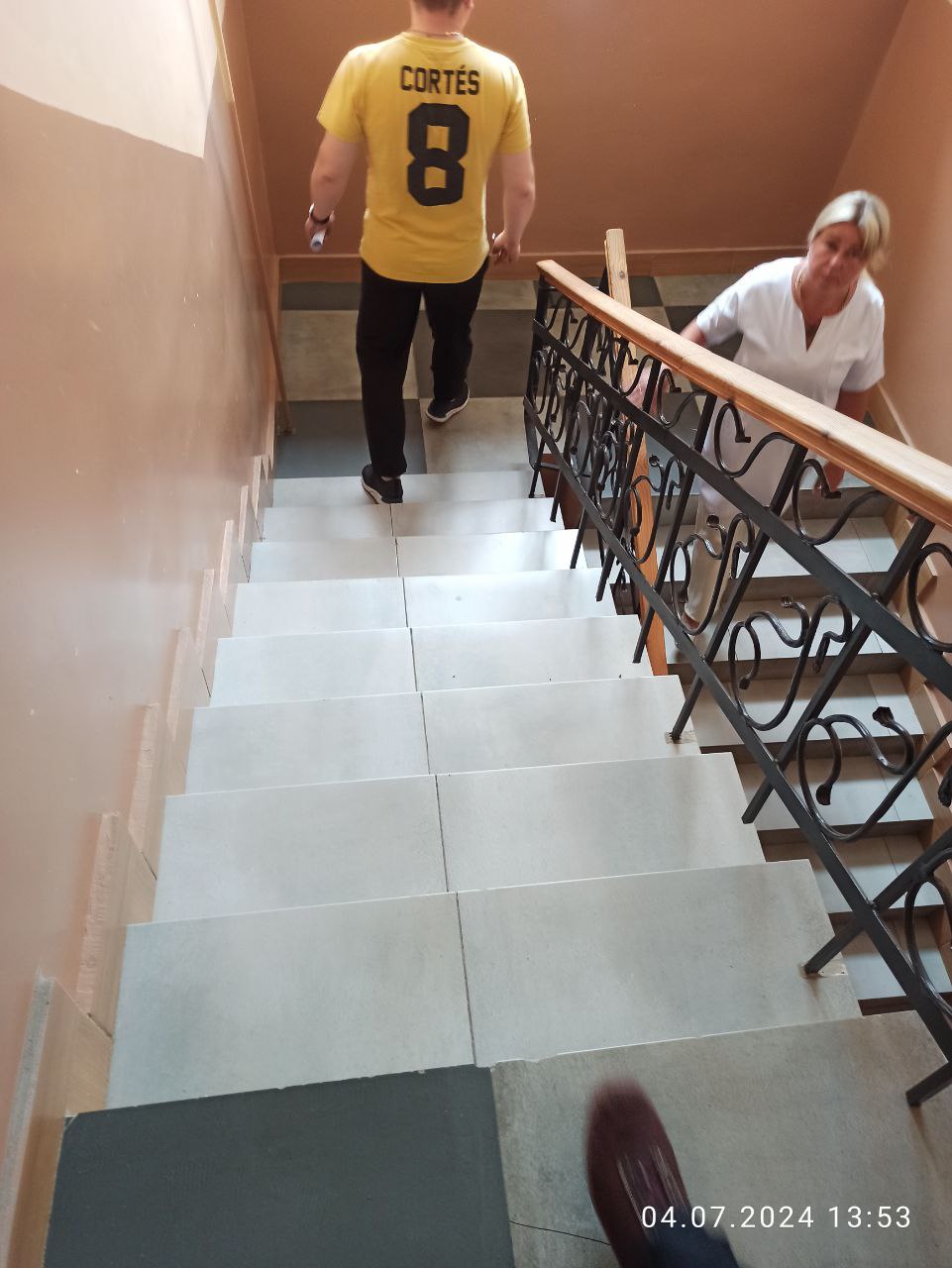
20. In violation of the Fire Safety Rules in Ukraine, approved by the Ministry of Internal Affairs of Ukraine on 30.12.2014 No. 1417 (hereinafter — the Rules), the hospital premises are not equipped with fire extinguishing and fire alarm systems.
21. The premises of the doctors’ office and the X-ray room are not equipped with fire extinguishers, which is a violation of the requirements of paragraph 3.6 of Chapter 3 of Section V of the Rules and a violation of paragraph 10.18 of Chapter 10 of the State Sanitary Rules and Norms “Hygienic requirements for the arrangement and operation of X-ray rooms and conducting X-ray procedures”, approved by the Order of the Ministry of Health of Ukraine of 04.06.2007 No. 294, registered with the Ministry of Justice of Ukraine on 07 November 2007 under No. 1256/14523.
22. In violation of the Measures and Means for preventing infection during patient care, approved by the Order of the Ministry of Health of Ukraine of 03.08.2020 No. 1777, the hospital is equipped with only one isolation ward for infectious patients, which makes it impossible to simultaneously place patients with dangerous infectious diseases separately from each other and other convicts.
Recommendations:
- Take measures aimed at eliminating the identified human rights violations and preventing torture, other cruel, inhuman, or degrading treatment and punishment in the hospital;
- Provide the hospital staff with specialist doctors according to needs;
- Ensure the further referral of palliative patients to municipal health care institutions that have the appropriate organisational, personnel, and technological conditions for the proper accompaniment of such patients;
- Fulfill the requirements of paragraph 37 of the Resolution of the Cabinet of Ministers of Ukraine No. 285 of 2 March 2016 “On Approval of Licensing Conditions for Conducting Economic Activities in Medical Practice”;
- Ensure the accessibility of the institution's buildings in accordance with the State Building Norms of Ukraine V.2.2-17:2006 “Buildings and Structures. Accessibility of buildings and structures for groups with limited mobility”;
- Ensure proper conditions for patients’ stay in wards, in compliance with the norms of space per person and temperature regime;
- Stop the practice of doctors certifying the state of health of convicts and detainees upon their placement in the DIZO/PKT unit;
- Ensure timely and proper registration of bodily injuries of convicts;
- Stop the practice of using convicts as orderlies in the hospital;
- Ensure measures are taken for the proper storage of medicinal products;
- Ensure proper disposal of medicinal products and medical devices;
- Provide the medical unit with hospital property (suit, robe, and hospital slippers);
- Ensure the equipment of the necessary number of isolation wards for infectious patients;
- Ensure proper medical care for persons suffering from viral hepatitis C;
- Equip a fire protection system in accordance with established requirements;
- Ensure proper operation of the telemedicine complex for doctors to make requests for telemedicine consultation;
- Ensure the possibility of receiving substitution maintenance therapy based on a diagnosis of mental and behavioural disorders due to opioid use;
- Replace the pads for the external automated defibrillator;
- Eliminate violations of Fire Safety Rules;
- Stop the practice of distributing patients based on operational considerations rather than diagnosis.