Report on the Findings of a Monitoring Visit to Lviv Penitentiary Institution No. 19
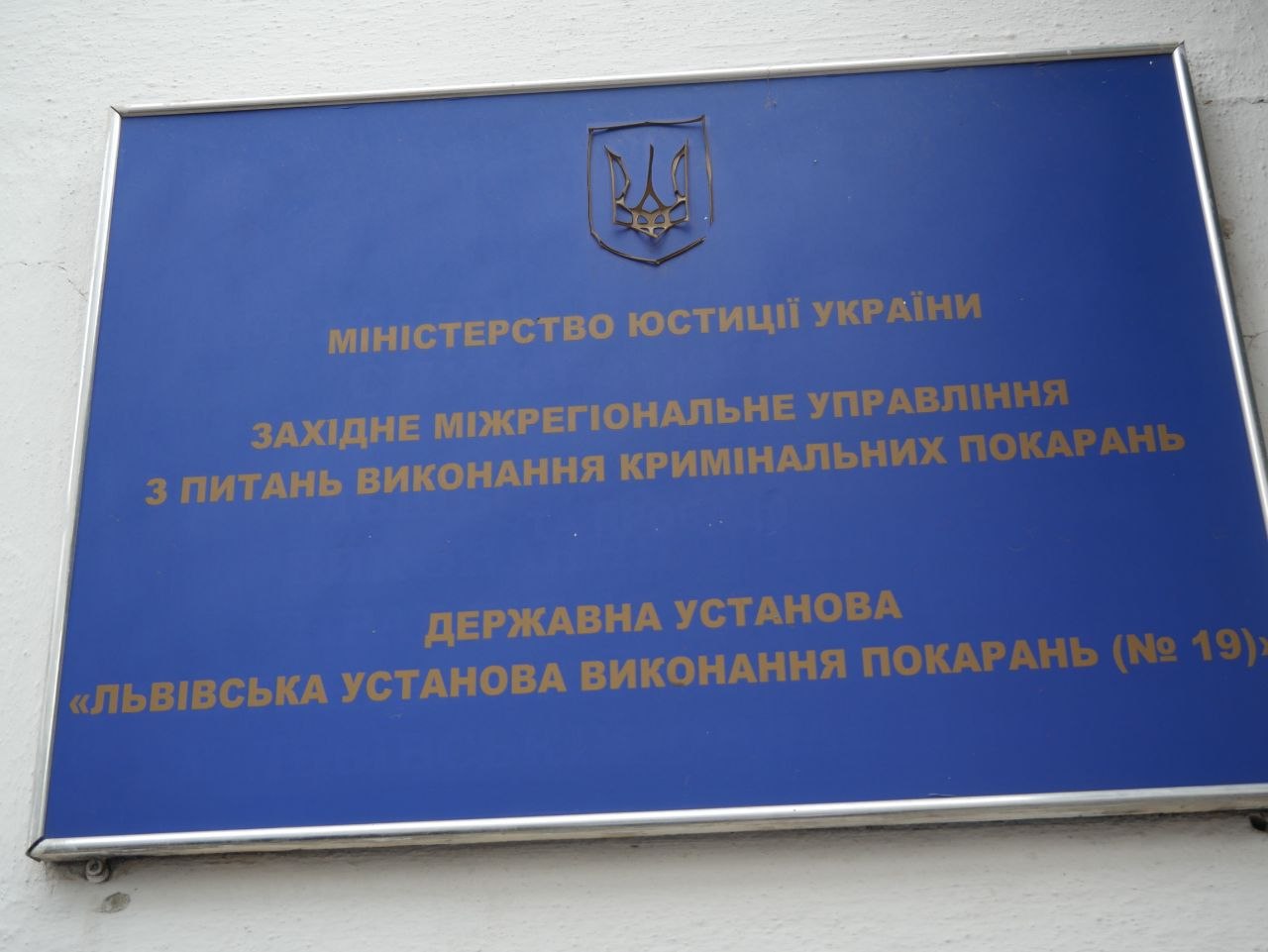
On 17 September 2026, pursuant to the Optional Protocol to the Convention against Torture and Other Cruel, Inhuman or Degrading Treatment or Punishment, taking into account the provisions of the United Nations Standard Minimum Rules for the Treatment of Prisoners (the Nelson Mandela Rules) and the jurisprudence of the European Court of Human Rights, and on the basis of Article 24 of the Criminal Executive Code of Ukraine (‘Visits to Penitentiary Institutions’), a monitoring group from the Kharkiv Human Rights Protection Group and the NGO ‘Protection for Prisoners of Ukraine’ conducted a visit to the State Institution ‘Lviv Penitentiary Institution No. 19’ (hereinafter ‘LPI-19’, ‘the institution’, or ‘the facility’).
The visit was carried out as a planned, unannounced inspection. The previous visit took place on 17 March 2025. During the inspection, all facilities across the institution were examined.
In preparing for the visit, the monitors reviewed petitions and complaints from detainees, convicted prisoners, and their relatives, materials from earlier visits, as well as the report by monitors of the National Preventive Mechanism under the Ukrainian Parliament Commissioner for Human Rights (NPM).
The visit was carried out under the project ‘Seeking Justice for Survivors’, funded by the Ministry of Foreign Affairs of Denmark with the support of the DIGNITY — Danish Institute Against Torture.
The visit was conducted by the following monitors:
- Andriy Didenko — Assistant to Yaroslav Yurchyshyn, People’s Deputy of Ukraine; Programme Coordinator at the Kharkiv Human Rights Protection Group; conducting monitoring visits since 2014; NPM monitor; member of the NPM Advisory Council;
- Serhiy Zuykov — Assistant to Kostiantyn Kasai, People’s Deputy of Ukraine; member of the Public Council under the Ministry of Justice of Ukraine; member of the NGO ‘Protection for Prisoners of Ukraine’; NPM monitor with extensive experience in monitoring visits;
- Oleh Tsvilyi — member of the Public Council under the Ministry of Justice of Ukraine; Head of the NGO ‘Protection for Prisoners of Ukraine’; with extensive experience in monitoring visits, specialising in issues relating to torture and cruel, inhuman, or degrading treatment.
The monitoring visit to LPI-19 identified a series of violations of domestic legislation and international standards governing the treatment of detainees and convicted prisoners.
The monitors documented instances of non-compliance with statutory minimum living space standards, the use of cells measuring less than 6 m², insufficient natural lighting, an absence of adequate ventilation, unsatisfactory sanitary and technical conditions in certain premises, and a lack of privacy when using sanitary facilities. Shortcomings were also identified in the layout of the reception and transit department, alongside breaches of confidentiality during initial medical examinations, inadequate organisation of bathing and laundry services, the non-functioning of the internal radio broadcast system, and an absence of necessary information regarding human rights protection mechanisms in disciplinary confinement cells (punishment cells).
The team recorded the practice of affixing notices indicating the offences committed by convicted persons onto their personal lockers — a measure that is inherently stigmatising — as well as the routine practice of holding short visits behind partition glass. Substantial shortcomings were uncovered in the organisation of social, educational, and psychological interventions for life-sentenced prisoners, notably a complete lack of organised out-of-cell activities. Furthermore, despite the provision of tablet computers, life-sentenced prisoners are effectively deprived of any access to the internet.
An examination of the arrangements for prisoner labour revealed discrepancies between recorded working hours and the actual employment of individual prisoners, the systematic deployment of catering facility staff on weekends, as well as risks of improper recording of working time, underpayment of wages, incorrect accrual of the single social contribution (SSC), and compromised entitlement to state pension insurance records.
Particular concern was raised by the condition of two premises designated as emergency shelters for detainees and convicted prisoners during air-raid alerts. Both spaces lack secondary emergency exits, ventilation, sewage infrastructure, and functioning sanitary facilities, posing substantial risks to life and health.
At the same time, the monitoring group noted several positive practices, including the refurbishment of certain living and communal quarters, the fitting of partitioned sanitary facilities that guarantee privacy, and the provision of a well-equipped gymnasium.
Overall, the findings of the monitoring visit demonstrated that, alongside positive improvements in physical amenities, substantial problems remain in the institution regarding detention conditions, compliance with labour and social rights, the organisation of rehabilitative work, contact with the outside world, and the safeguarding of the security and safety of detainees and prisoners.
General Information
LPI-19 functions as a pre-trial detention facility (SIZO). It accommodates individuals suspected or accused of criminal offences who have been remanded in custody as a preventive measure, as well as convicted prisoners, including those sentenced to life imprisonment.
At the time of the visit, the institution was headed by Denys Viktorovych Liorens.
The facility comprises a duty unit, an admissions and processing department, a catering facility (kitchen), cell blocks for adult males, females, and juvenile detainees, a maximum-security sector for life-sentenced prisoners, transit cells, an institutional maintenance unit, punishment cells, a medical unit, a bath and laundry complex, visiting rooms, a prison shop, a library, parcel reception facilities, and administrative offices.
Located on the premises of the institution is Multi-Field Hospital No. 19 of the State Institution ‘Healthcare Centre of the State Criminal-Executive Service of Ukraine’.
According to information provided by the administration, as of the date of the visit, the establishment’s authorized staffing stood at 320 posts, with an actual strength of 215.75 posts, representing a staff deficit of 104.25 posts. Two psychologists work at the institution: one assigned to the department for social, educational, and psychological work, and the other to the human resources department.
The facility’s designated capacity is 1,072 persons. On the day of the monitoring visit, the facility housed 693 individuals: 451 pre-trial detainees, 195 convicted prisoners, 17 extradited persons, and 30 life-sentenced prisoners held in the maximum-security sector.
The institution has a total of 181 cells, of which 175 were operational and 6 were undergoing refurbishment. In addition, there are 12 storage and auxiliary rooms, including a bathhouse, a chapel, a classroom, and a resocialisation room. There are 5 punishment cells.
In the course of 2026, 2,881 persons were admitted to the institution. In 2025, 16 deaths of detainees and convicted prisoners were recorded, of which 7 occurred within the facility’s accommodation blocks and 9 in hospital. In 2026, 12 deaths were recorded, of which 6 occurred in the accommodation blocks and 6 in hospital.
Eighteen convicted prisoners are engaged in paid work: 11 are employed under employment contracts and 7 under civil-law contracts.
There are 39 individuals registered as living with HIV/AIDS. Sixty-five patients were undergoing inpatient treatment in the medical unit (hospital). In 2025, seven individuals were released from custody on medical grounds; in 2026, three individuals were so released.
Twenty-three individuals are placed on preventive monitoring registers as at risk of suicide, seven as at risk of self-harm, one as an escape risk, and five as persistent violators of the established disciplinary regime. In 2025, one suicide was recorded; no suicides were recorded in 2026.
According to the administration, no complaints concerning inadequate detention conditions or substandard medical care were received from detainees or convicted prisoners during 2025 and 2026.
Twenty-two persons with disabilities are held in the facility: 1 person has a Group I disability, 6 have Group II, and 15 have Group III disabilities.
According to administrative data, the average monthly maintenance expenditure per detainee or convicted prisoner is UAH 8,272.60. The same amount is cited for prisoners serving life sentences.
Prisoners possess 24 tablet computers for personal use. Twenty-six individuals belong to the category of prisoners subject to social exclusion (‘outcasts’).
In 2025, 64 instances of bodily injuries were recorded at the facility, of which 4 were sustained upon arrival and 60 occurred during detention. In 2026, 94 instances of bodily injuries were recorded, including 17 sustained upon arrival and 77 sustained during detention.
During the monitoring visit, the team interviewed approximately 290 detainees and convicted prisoners. Interactions took place during cell inspections, collective discussions, legal consultations, and question-and-answer sessions. Individual confidential interviews were also conducted with prisoners, including on terms of anonymity. Primary attention was directed to human rights compliance, detention conditions, access to medical assistance, the treatment of detainees and convicted prisoners, and the effective exercise of their statutory rights.
Positive Practices
During the visit to LPI-19, the monitoring team noted several positive practices aimed at upgrading physical living conditions, renovating sanitary and hygiene facilities, and establishing decent standards for daily institutional life.
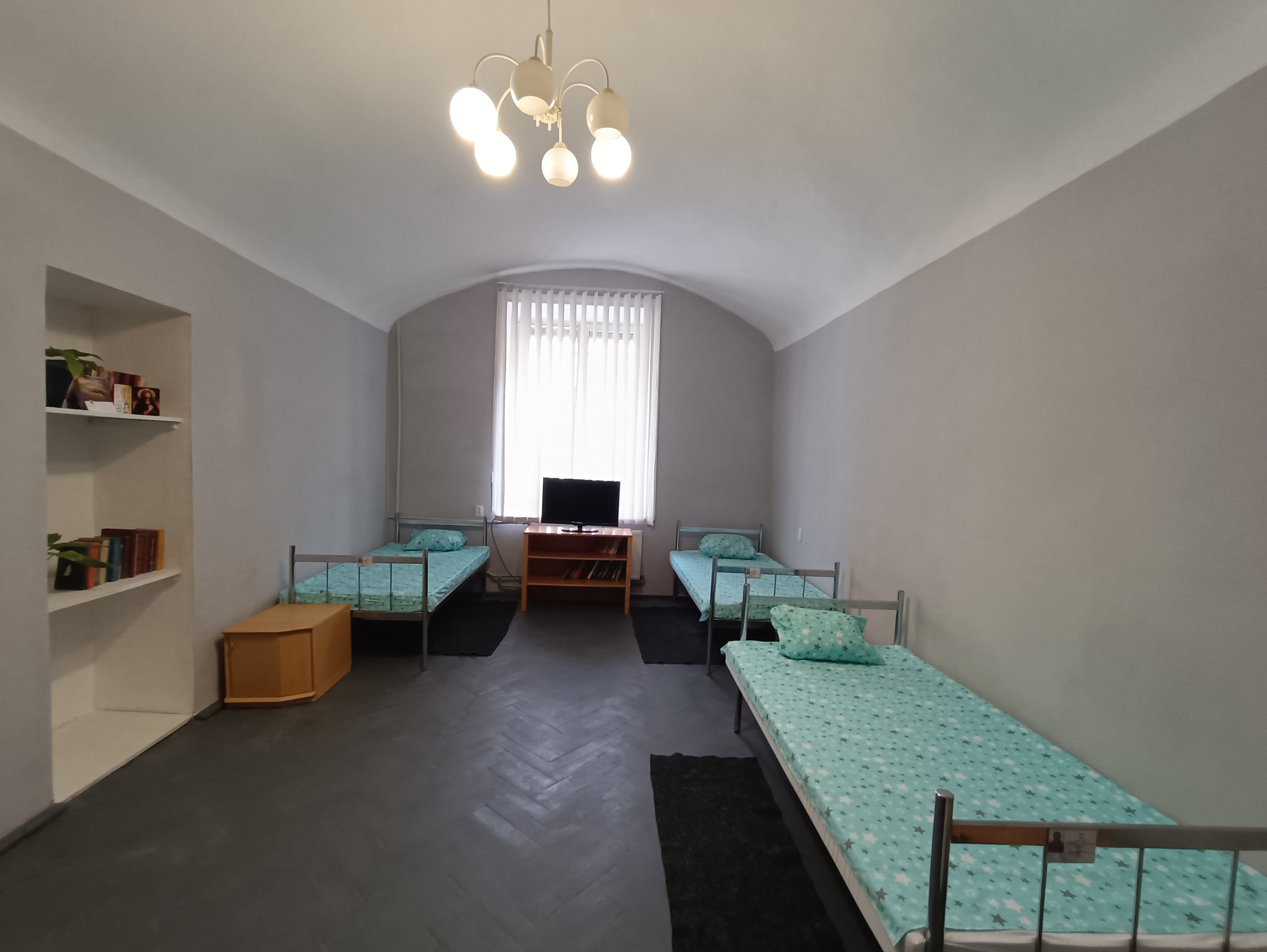
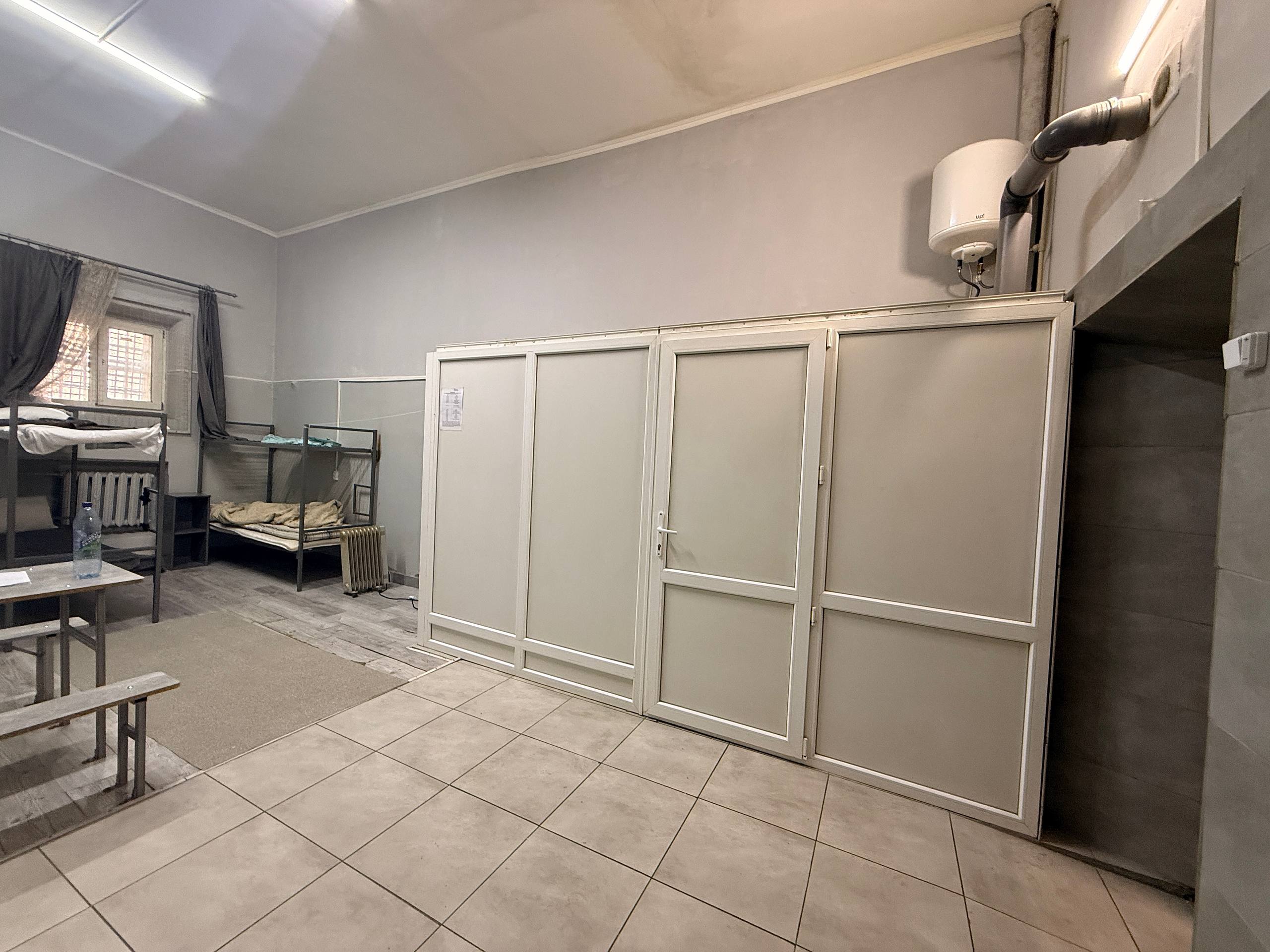
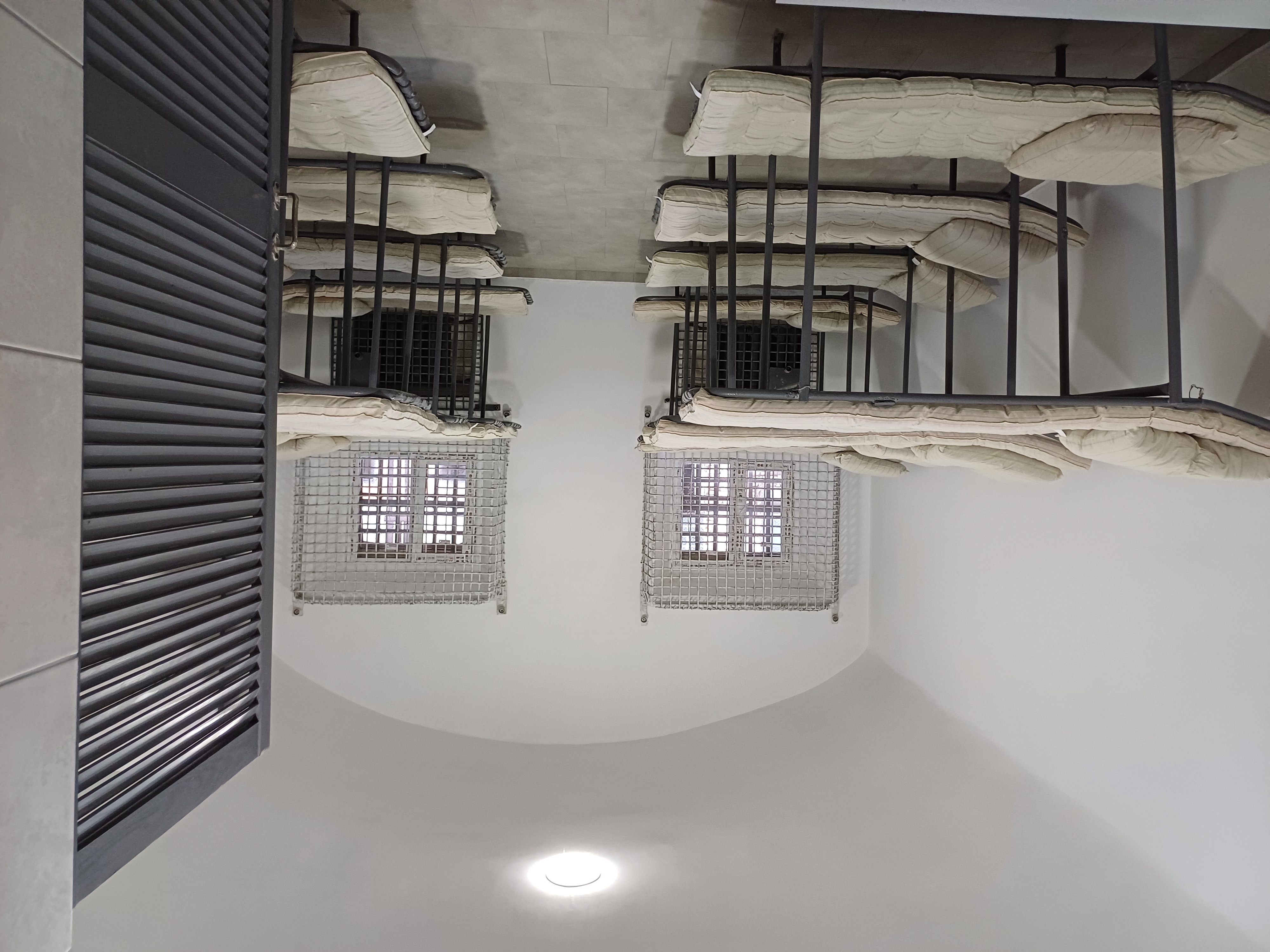
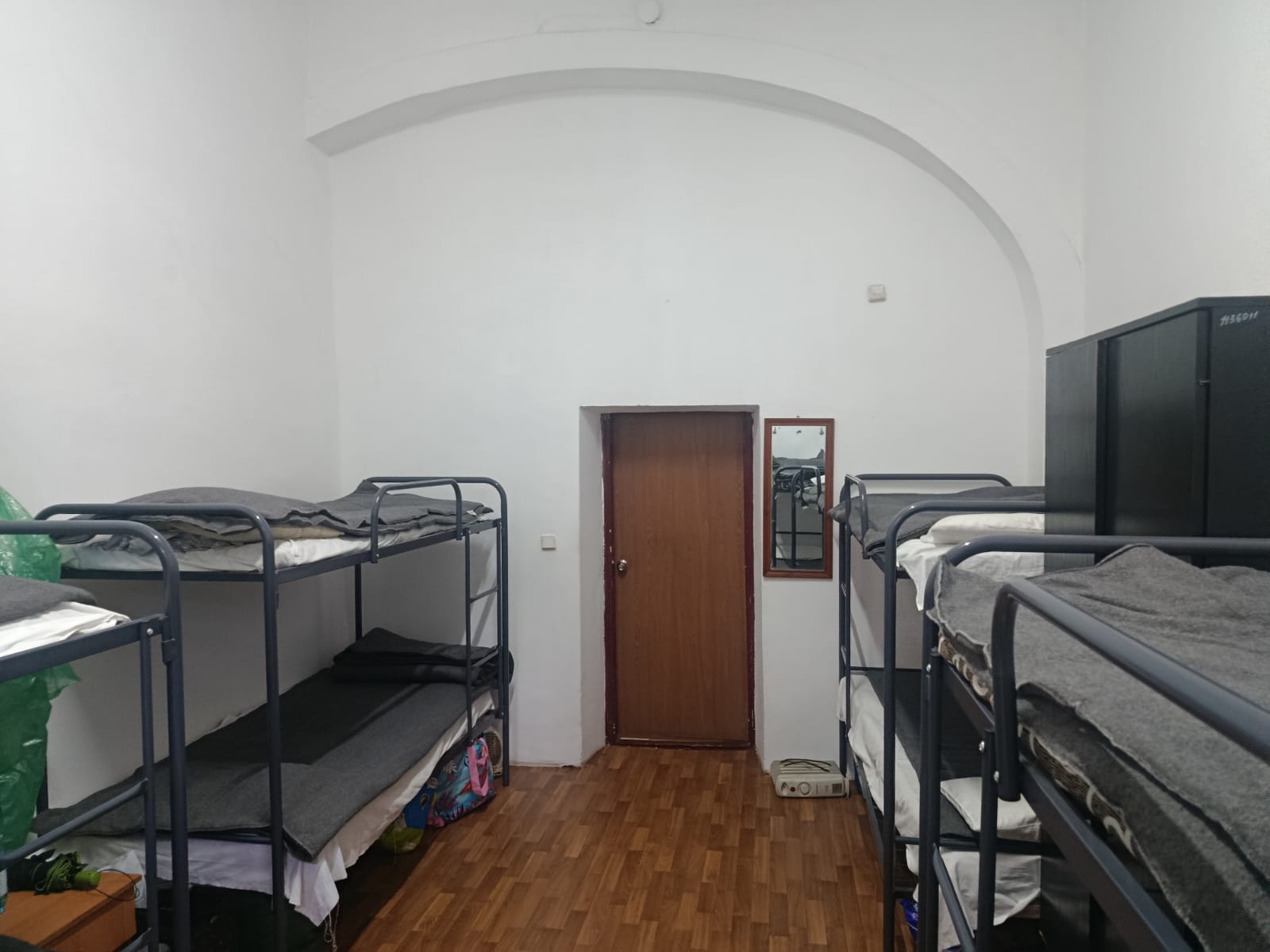
In particular, positive recognition must be given to the renovation and refurbishment of certain living and communal quarters. Newly refurbished rooms feature new doors and window units, renewed wall and ceiling finishes, modern flooring, and artificial lighting. Several quarters have been fitted with the requisite furniture, beds, and household articles. The application of modern decorative materials fosters improved sanitation and creates more comfortable living quarters.
Particular attention should be drawn to the provision of partitioned sanitary and washing facilities equipped with shower trays, toilet pans, washbasins, and water heaters. The sanitary cubicles are separated from the rest of the living space by opaque, full-height partitions with doors, thereby guaranteeing privacy during hygiene routines. The walls and floors are tiled with ceramic tiles, and appropriate plumbing fittings have been installed. This layout represents a positive benchmark for upholding privacy and human dignity when using sanitary facilities.
The refurbishment of specific dormitories is likewise commendable; these have been renovated, fitted with two-tier metal bunks complete with mattresses and bedding, and finished with new flooring and wall coatings. These rooms have windows that afford natural daylight, as well as artificial lighting fixtures. However, these commendable conditions reflect solely the inspected premises and cannot be assumed to apply across the facility’s entire residential stock.
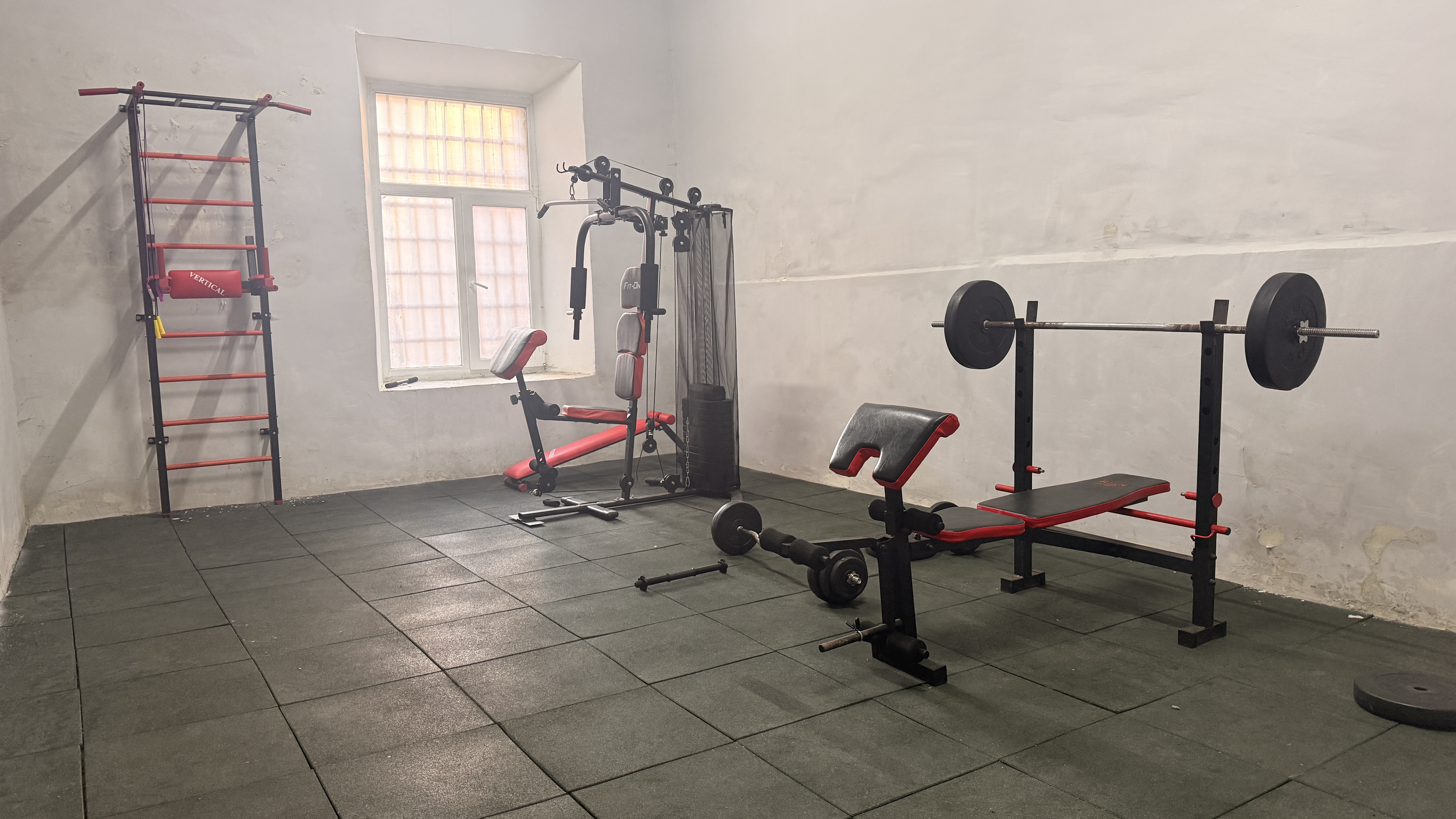
Among the positive developments, mention must also be made of an equipped physical fitness room. The gym is furnished with resistance-training machines, wall bars, a bench press station, dumbbells, and other sports equipment. The floor has been laid with specialised athletic surfacing. The provision of such a facility provides the necessary prerequisites for maintaining physical fitness and spending leisure time constructively. Nevertheless, the actual schedule and accessibility of the gymnasium for detainees and convicted prisoners were not determined during the inspection.
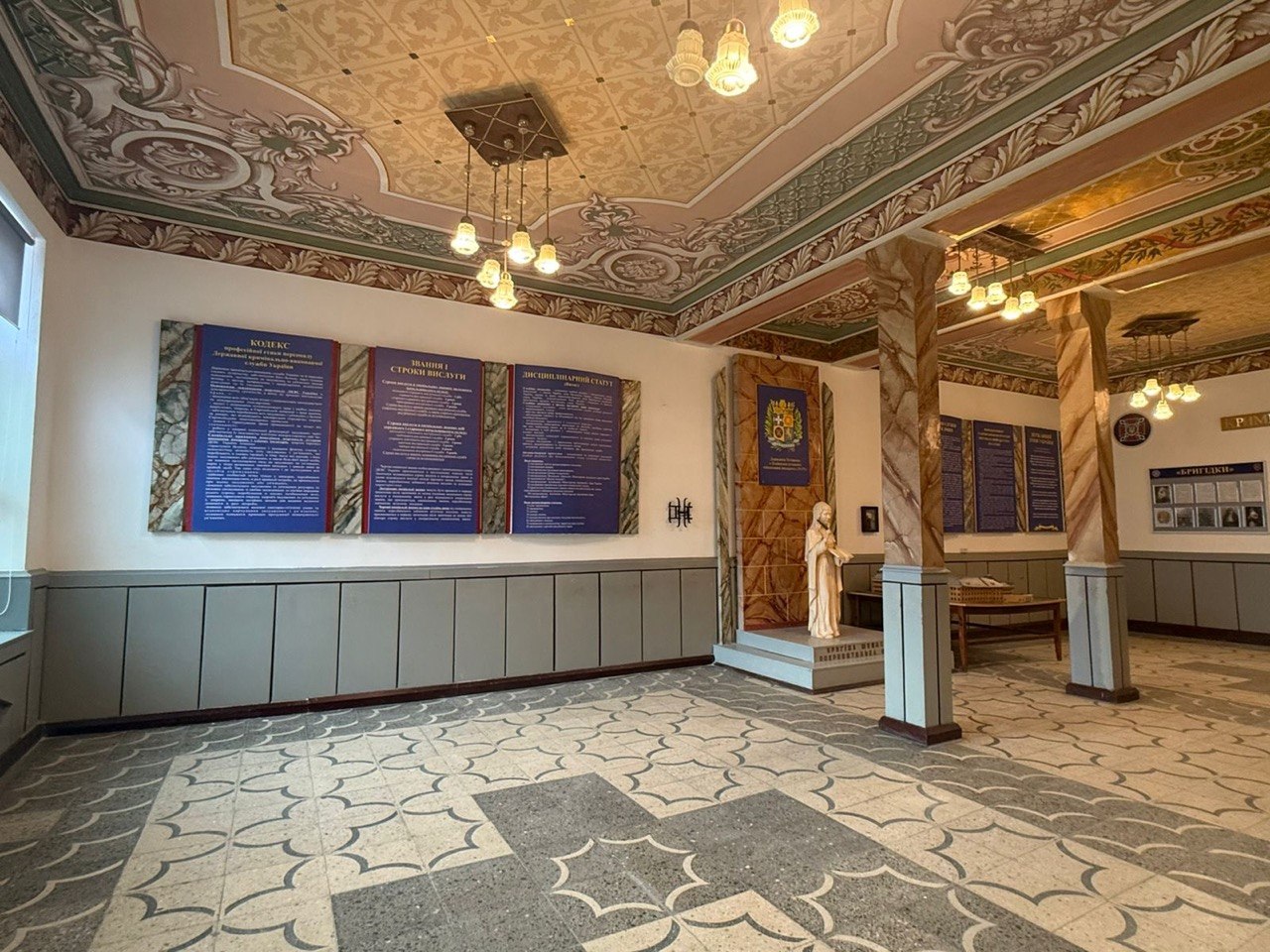
Furthermore, the facility has constructed a spacious staff briefing room. It is tastefully finished, well lit, and equipped with informational displays covering operational duties, discipline, and the history of the institution. The presence of this dedicated room creates an appropriate setting for staff training and informational meetings.
Accordingly, the inspection of these specific areas of the facility revealed positive advancements in material and technical provision, sanitary fittings, and spatial design. The practice of fully enclosing sanitary facilities to ensure privacy, the modernisation of dormitories, and the provision of a gymnasium warrant particular praise. These measures serve as positive examples of improving detention conditions and should serve as models for the ongoing modernisation of other penal institutions and pre-trial detention centres.
Violations of Domestic and International Law Identified
1. During the monitoring visit, a series of systemic violations was documented, notably the failure to comply with statutory living space standards for persons held on remand, along with other deficiencies indicative of inadequate detention conditions. Such conditions may amount to inhuman or degrading treatment and could prompt further applications against Ukraine before the European Court of Human Rights under Article 3 of the Convention for the Protection of Human Rights and Fundamental Freedoms.
In contravention of Article 11 of the Law of Ukraine ‘On Pre-Trial Detention’ and Rule 13 of the UN Standard Minimum Rules for the Treatment of Prisoners (the Nelson Mandela Rules), 11 persons were held in cell No. 161, whereas according to the institution’s official floor-area certification, the cell is designated to hold 10 persons. The floor area of the cell, according to the official certificate, is 25.82 m². Consequently, the actual floor area per detainee was a mere 2.34 m², falling below the statutory minimum standard of 2.5 m² established for persons held on remand.
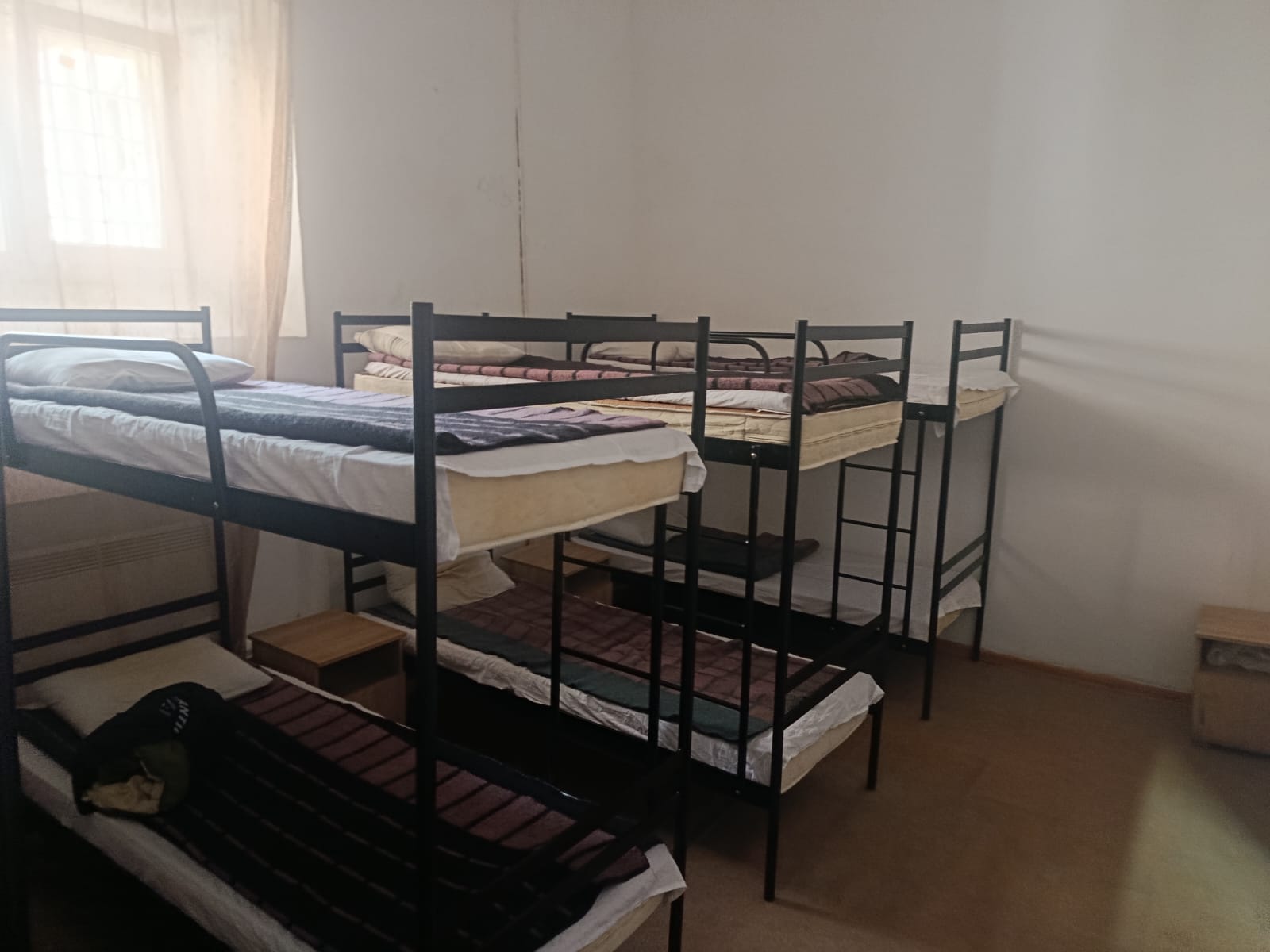
Furthermore, in violation of Paragraph 1 of Chapter 2 of Section III of the Internal Rules of Pre-Trial Detention Facilities of the State Criminal-Executive Service of Ukraine, approved by Order of the Ministry of Justice of Ukraine No. 1769/5 of 14 June 2019 (hereinafter ‘the SIZO Internal Rules’), the number of sleeping berths installed in several cells exceeded the maximum permissible number required to ensure the statutory living space per person. Specifically, such infractions were identified in cells Nos. 38, 45, 161, among others.
This infraction creates conditions vulnerable to abuse by the administration and staff regarding statutory space entitlements, and deprives detained persons of adequate personal space within their cells.
Paragraph 13 of the 7th General Report of the European Committee for the Prevention of Torture and Inhuman or Degrading Treatment or Punishment (hereinafter ‘the CPT’ or ‘the Committee’) notes that severe overcrowding generates unhygienic conditions, a persistent lack of privacy, and an unbearable burden on medical services and institutional infrastructure. The Committee concludes that, in many instances, the negative consequences of overcrowding amount to inhuman or degrading conditions of detention (CPT/Inf (97) 10).
Moreover, in its report on its 2023 visit to Ukraine, the Committee once again called upon the Ukrainian authorities to revise the legal standards governing living space for remand prisoners, with a view to guaranteeing at least 4 m² of living space per prisoner in multi-occupancy cells, excluding the area occupied by in-cell sanitary annexes (CPT/Inf (2024) 20, paragraph 38).
2. Paragraph 59 of the CPT’s 21st General Report states that any cell measuring less than 6 m² should not be used to accommodate prisoners (CPT/Inf (2011) 28). In the report on its 2012 visit to Ukraine, the Committee reiterated that single cells must have a minimum living space of 6 m², excluding the sanitary annexe, and that the distance between walls must not be less than 2 m (CPT/Inf (2013) 23, paragraph 45).
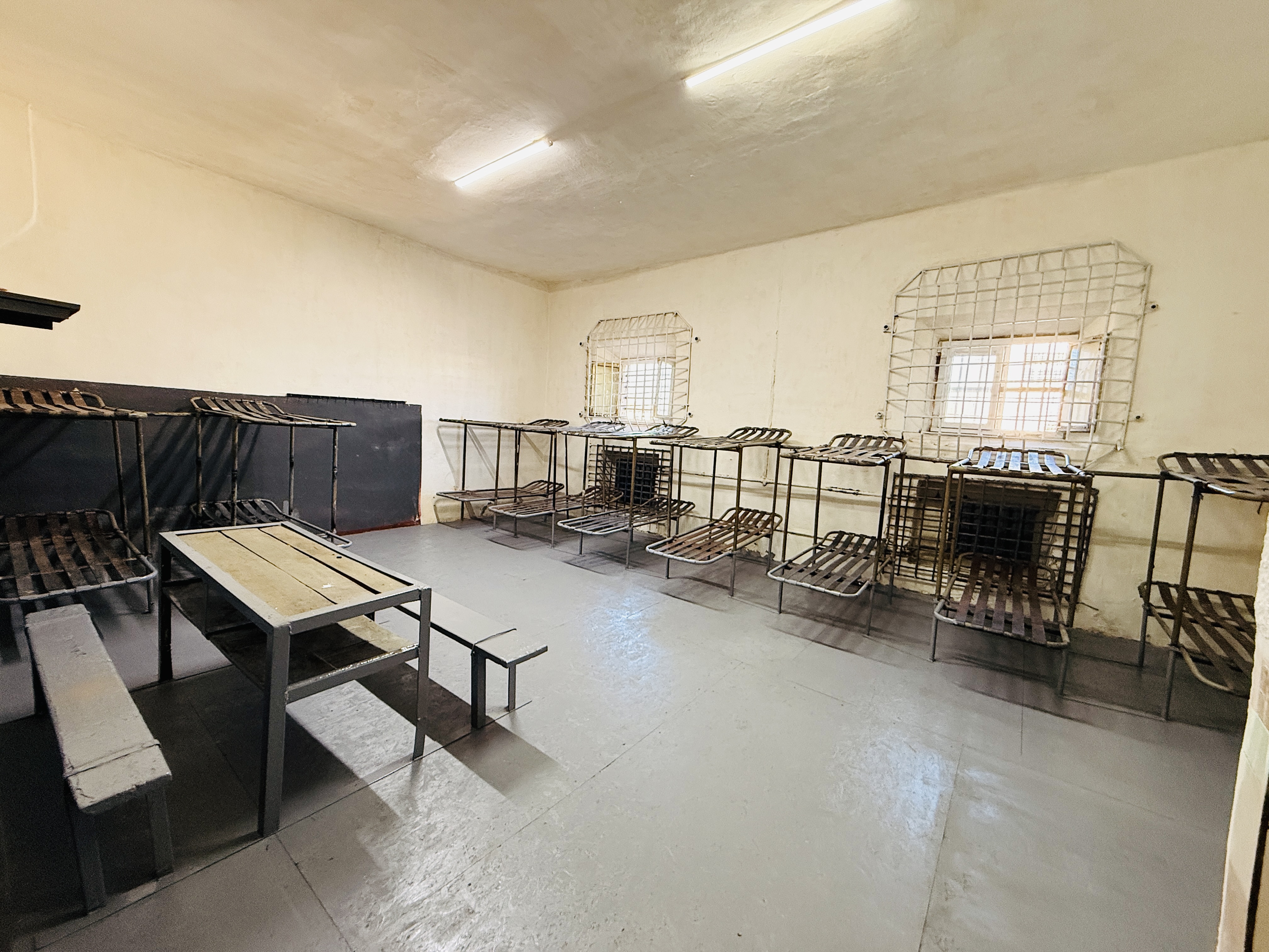
Nevertheless, the monitoring team documented the active use of cells Nos. 13, 14, 15, 19, 20, 35, 38, 39, 40, 45, 49, and 50, all of which measure less than 6 m² according to the facility’s official measurement records. Measurements taken in cell No. 14 revealed that the distance between opposite walls was less than 2 m, falling short of established standards.
3. The design and layout of the aforementioned cells fail to provide appropriate conditions of detention suited to the individual needs of detainees and convicted prisoners, breaching international standards for the treatment of prisoners as well as domestic regulations.
The cramped floor area — less than 6 m² excluding the sanitary annexe — combined with a wall-to-wall distance of under 2 m in certain cells, severely restricts free movement within the space and is liable to cause genuine physical distress.
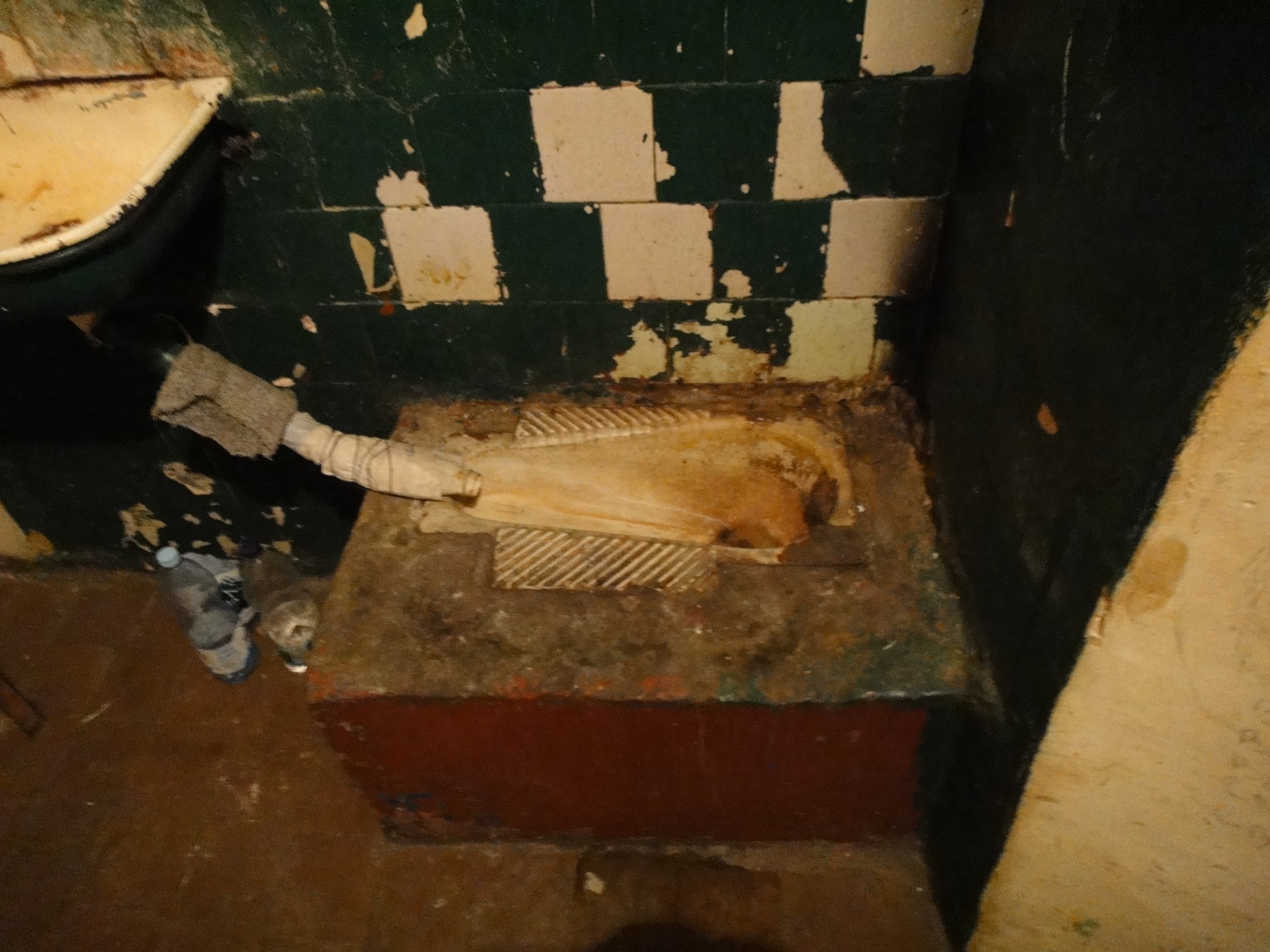
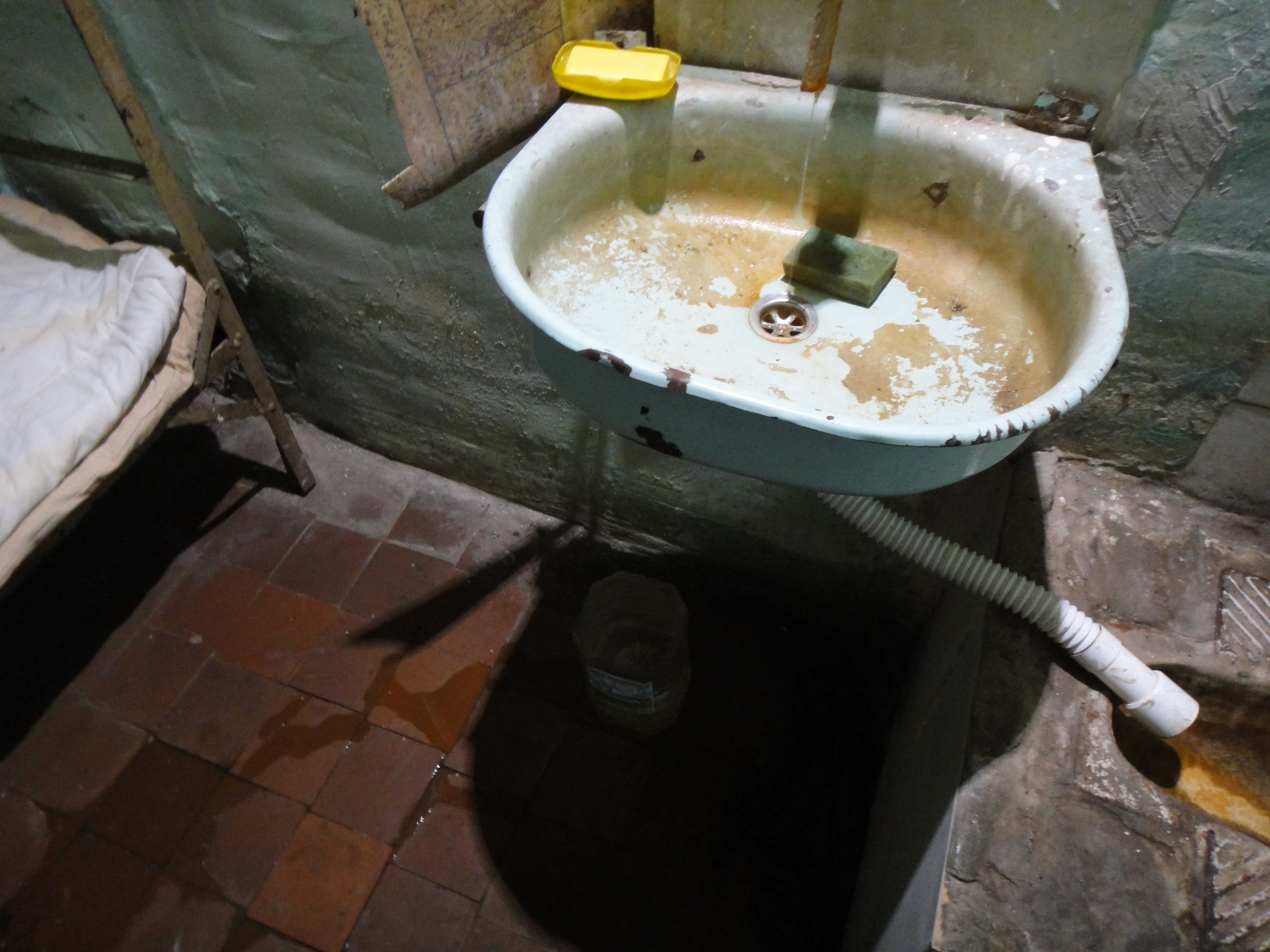
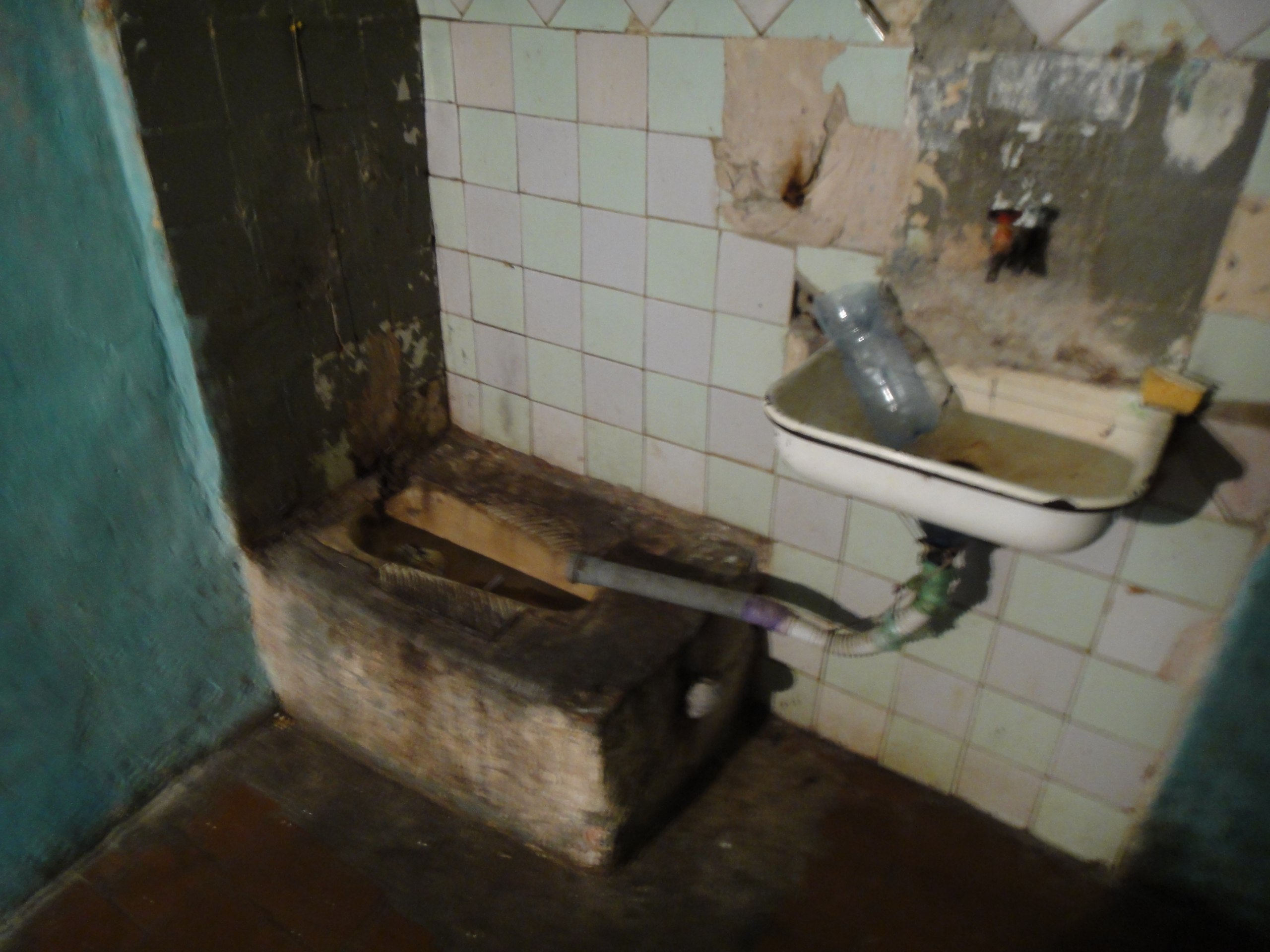
4. The sanitary facilities in these cells, notably Nos. 13–17, are in a dilapidated state, fail to meet basic hygiene standards, and require full renovation alongside the replacement of plumbing fixtures. The sanitary annexes lack proper flush toilets and reliable flushing mechanisms, as well as doors and adequate partition screening to ensure privacy during use.
Such conditions fail to show proper respect for human dignity, fall short of basic hygiene requirements, and contravene Rule 19.3 of the European Prison Rules and Rule 15 of the Nelson Mandela Rules.
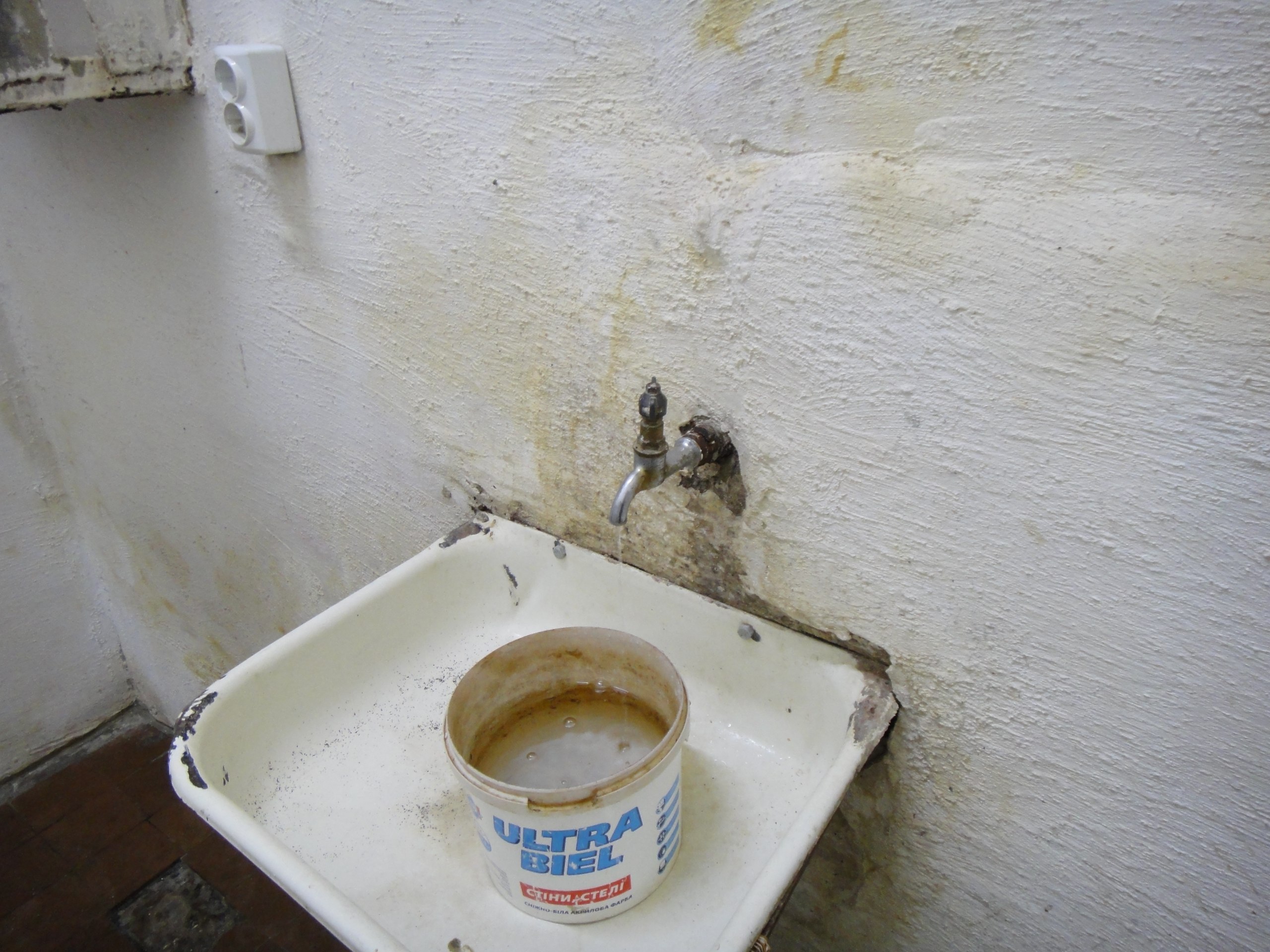
5. The cells in question lack adequate access to natural light, as their windows are completely obstructed, effectively preventing daylight from penetrating the living space. This situation causes discomfort to the occupants and renders it impossible to read or carry out other activities by natural light, in breach of Rule 18.2 (a) of the European Prison Rules and Rule 14 of the Nelson Mandela Rules.
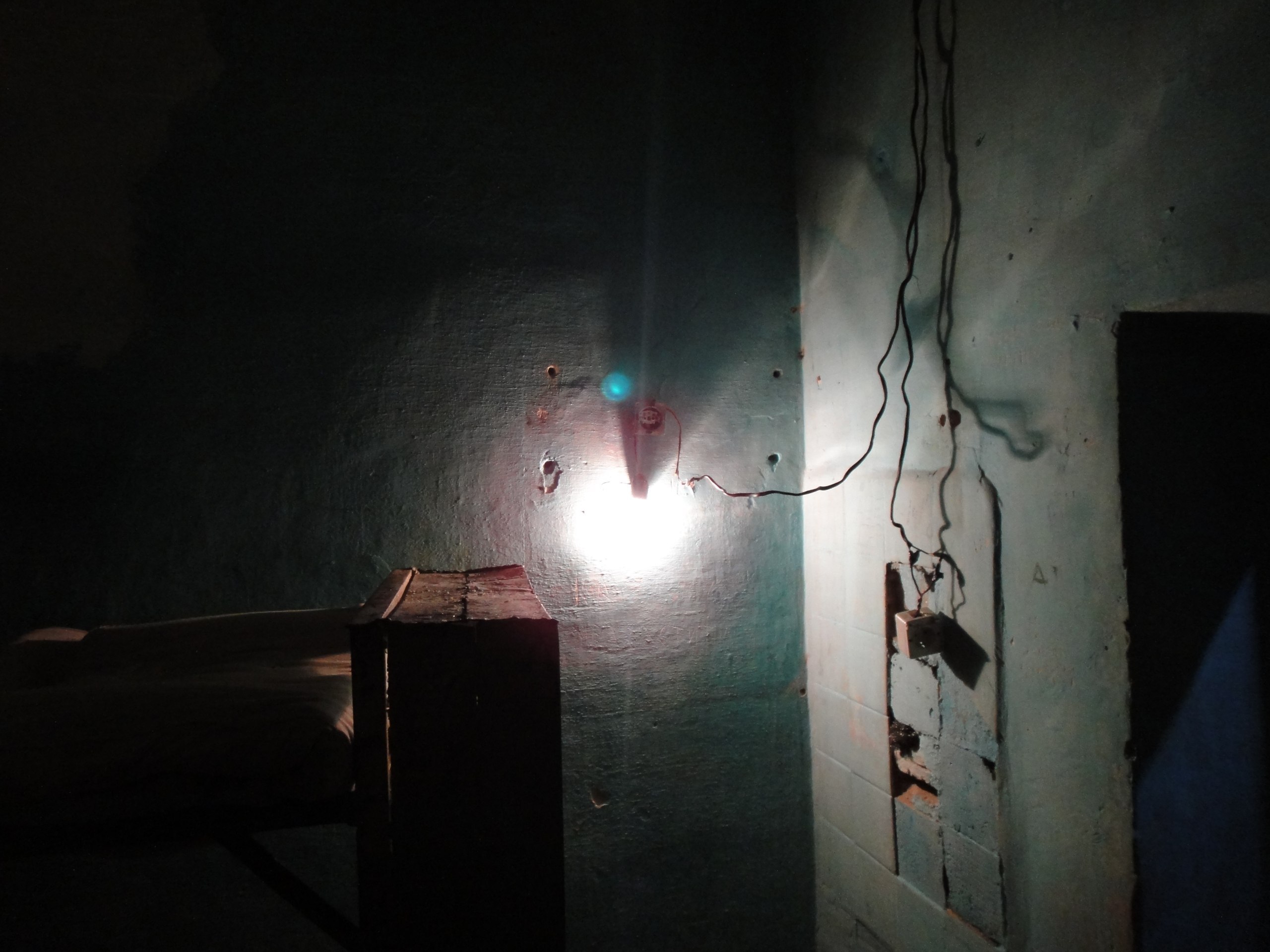
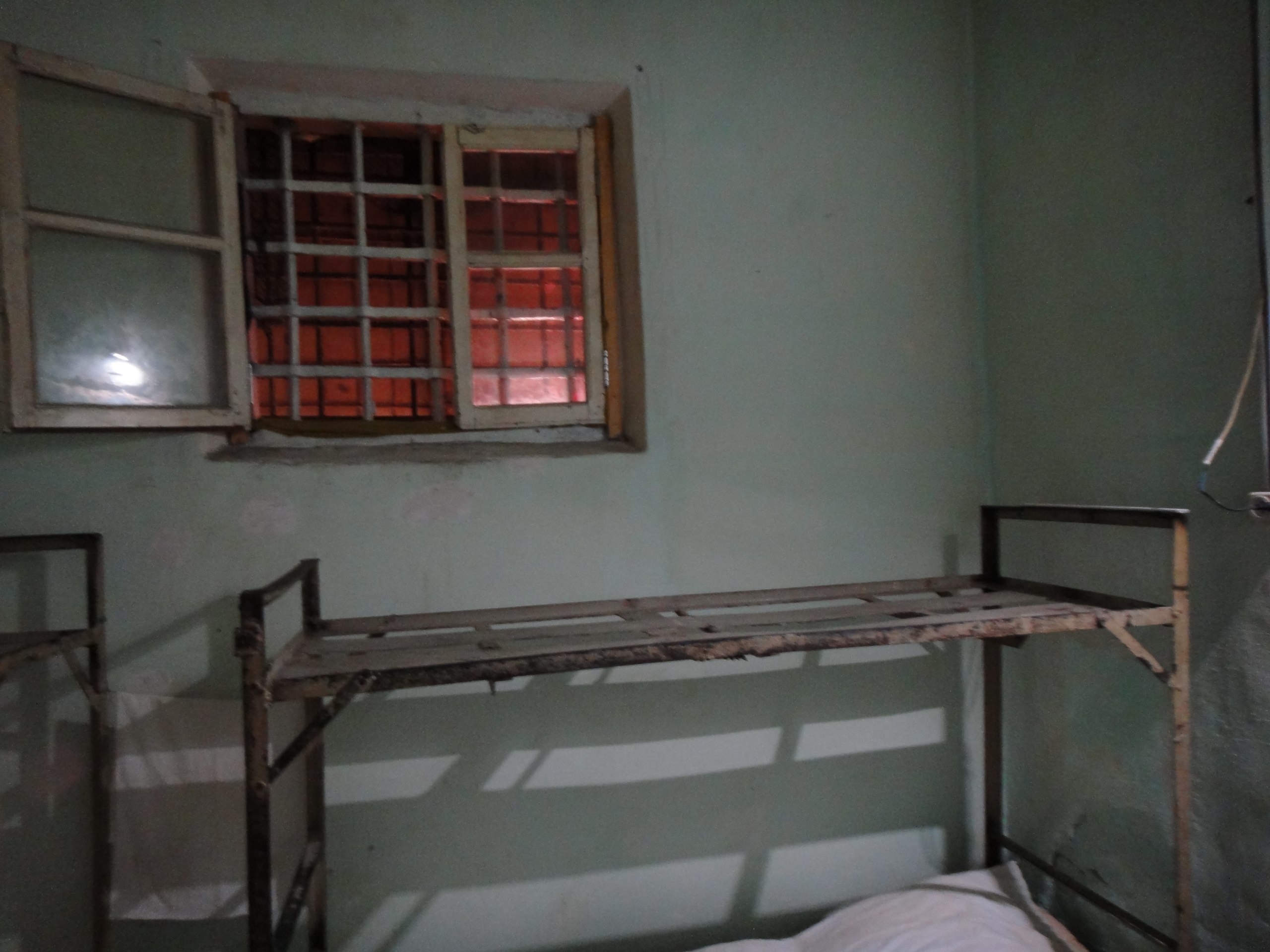
6. Mechanical ventilation systems were non-operational in these cells, which breaches Rule 13 of the Nelson Mandela Rules.
In its report on its 2023 visit to Ukraine, the CPT called upon the Ukrainian authorities to take the necessary measures to improve material conditions of detention, in particular by reducing cell occupancy so that each remand prisoner has at least 4 m² of living space excluding in-cell lavatories; maintaining all prisoner accommodation, including sanitary facilities, in an adequate state of repair and hygiene; conducting frequent, regular disinfestation; ensuring adequate access to natural light and ventilation in cells; and equipping in-cell sanitary annexes with full-height partitions from floor to ceiling (CPT/Inf (2024) 20, paragraph 58).
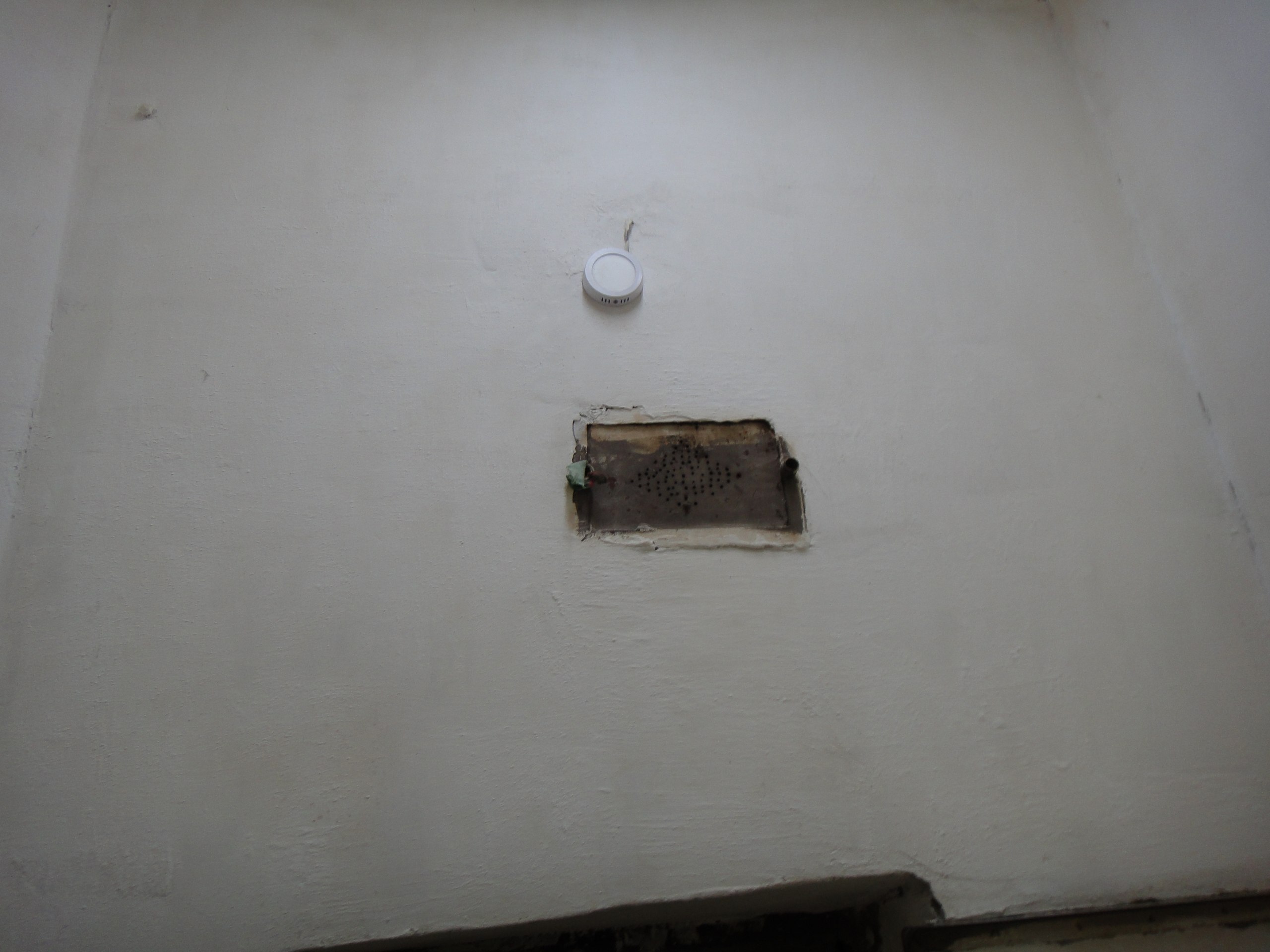
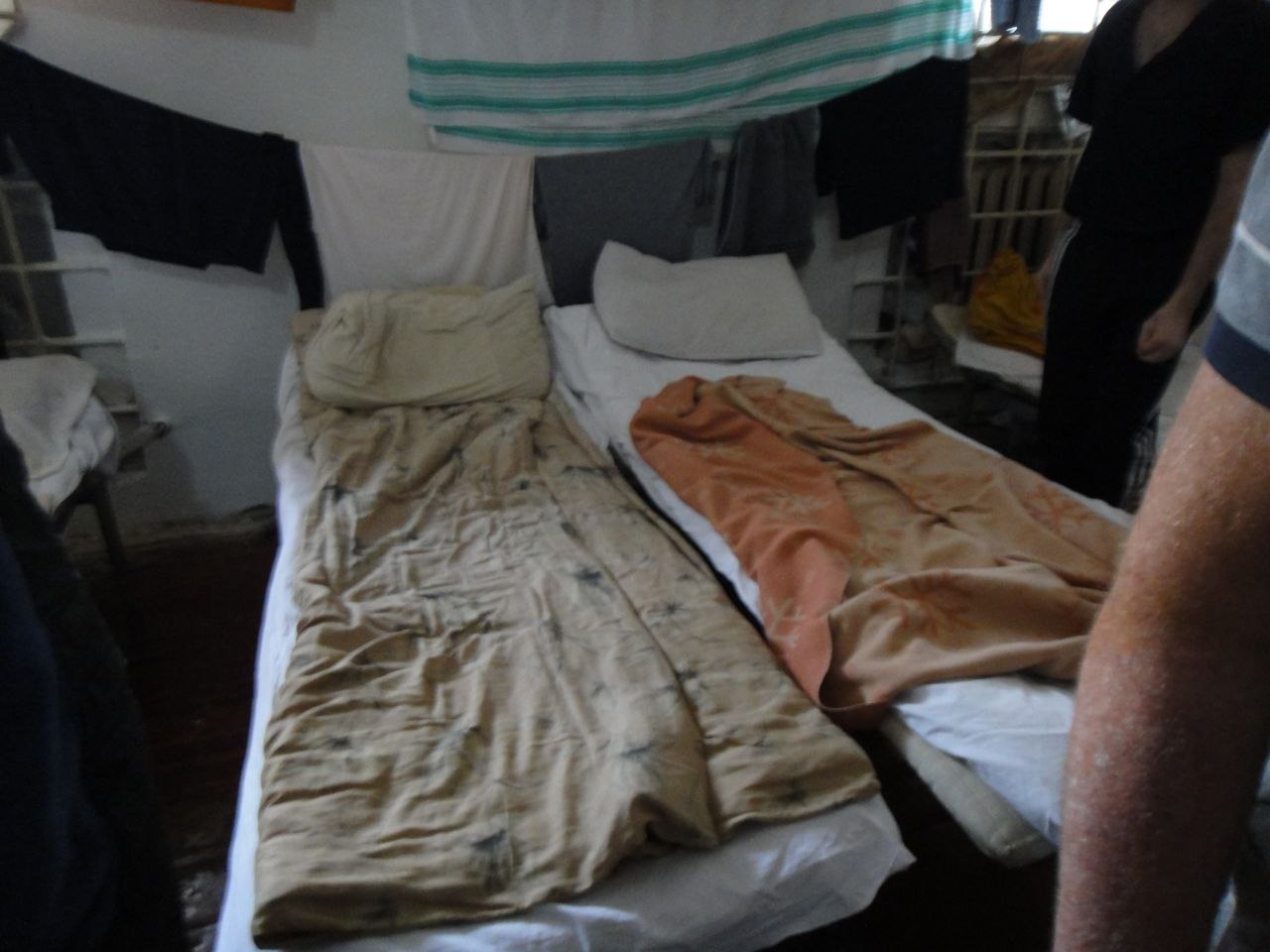
7. The accommodation was found to violate Article 8 of the Convention for the Protection of Human Rights and Fundamental Freedoms, which guarantees the right to respect for private life. Contrary to Rule 18.1 of the European Prison Rules, beds in several cells were placed side by side with no intervening gap, depriving detainees of basic personal space. This violation was observed, inter alia, in cell No. 94.
8. An inspection of the reception and transit department revealed that its layout and fittings do not fully comply with the Standards for the Provision of Furniture, Inventory, and Household Equipment to Pre-Trial Detention Facilities, approved by Order of the Ministry of Justice of Ukraine No. 1118/5 of 27 July 2012 (hereinafter ‘the Provision Standards’), or with Rules 13, 14, 15, and 22.2 of the Nelson Mandela Rules.
In breach of the Provision Standards, the reception department lacks the following mandatory rooms: an office for the regime and security department, a quarantine cell, and an isolation cell for sick prisoners.
Moreover, the monitoring team established that medical screenings of newly arrived individuals in the reception department are performed by a medical worker inside the search room in the presence of custodial staff — that is, under conditions lacking adequate privacy and confidentiality. This creates a grave risk of confidential medical data being disclosed to facility staff and other inmates during examinations.
This practice contravenes Paragraph 7 of Chapter 2 of Section X of the SIZO Internal Rules, Article 39-1 of the Law of Ukraine ‘Fundamentals of the Legislation of Ukraine on Healthcare’ regarding the right to medical confidentiality, as well as Paragraph 9 of Section I of the Procedure for the Provision of Medical Care to Convicted Prisoners, approved by Joint Order of the Ministry of Justice of Ukraine and the Ministry of Health of Ukraine No. 1348/5/572 of 15 August 2014 (hereinafter ‘the Healthcare Procedure’).
Furthermore, the absence of a designated quarantine cell and an infirmary isolation room in the reception unit creates fertile ground for the transmission of infectious illnesses among inmates, increases the risk of epidemiological outbreaks, and impedes the timely detection and isolation of sick persons, thereby endangering both prisoners and institutional staff.
9. Temporary holding cells Nos. 2, 4, and 5 for remanded prisoners are not furnished with drinking-water containers, thereby depriving occupants of unhindered access to drinking water.
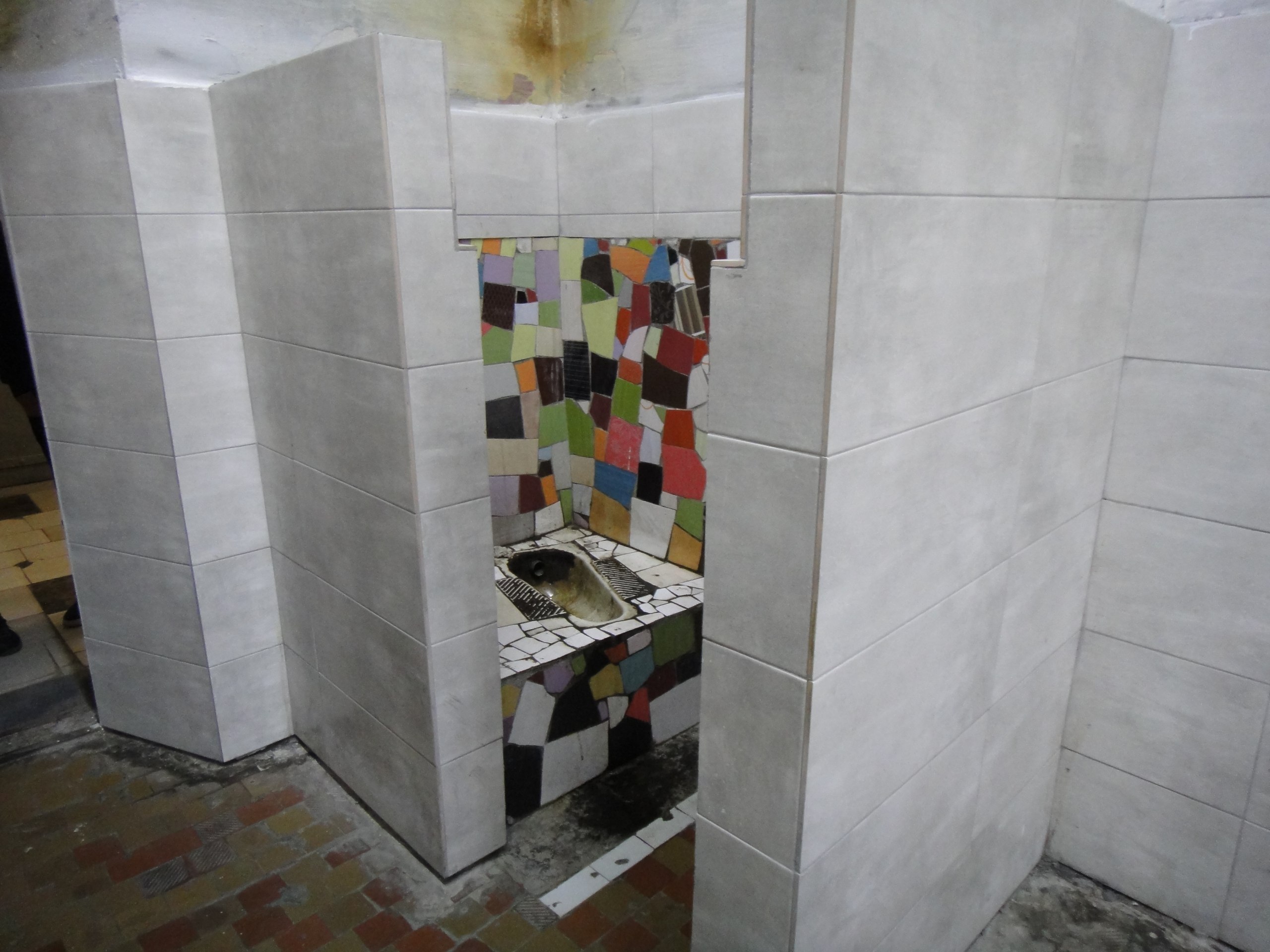
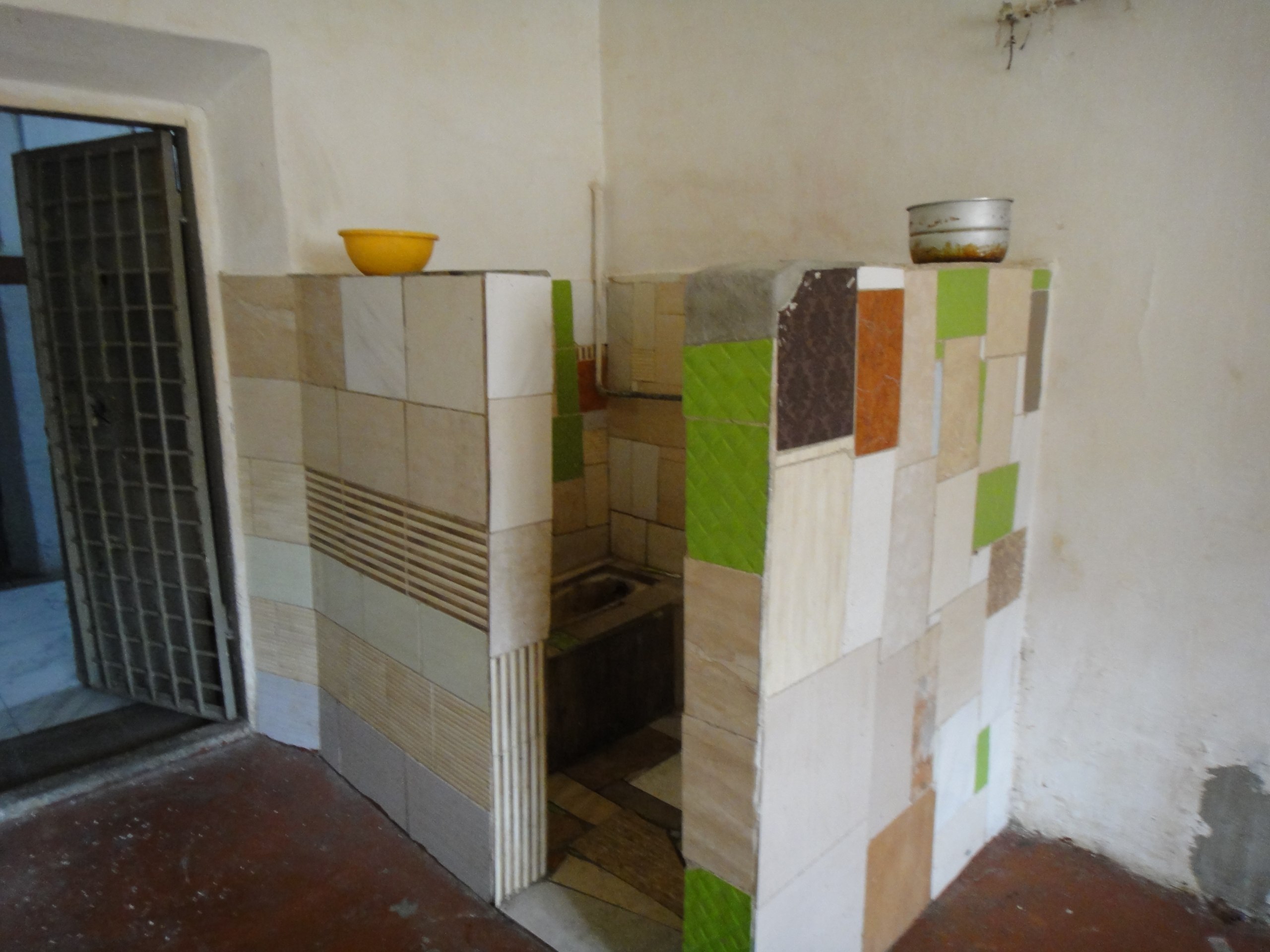
10. The sanitary facilities in the temporary holding rooms are not fitted with partitions or doors to ensure privacy during use.
An identical violation was documented in several of the institution’s disciplinary punishment cells.
11. Mechanical ventilation systems were non-operational in the temporary holding cells.
An identical violation was documented in several disciplinary punishment cells.
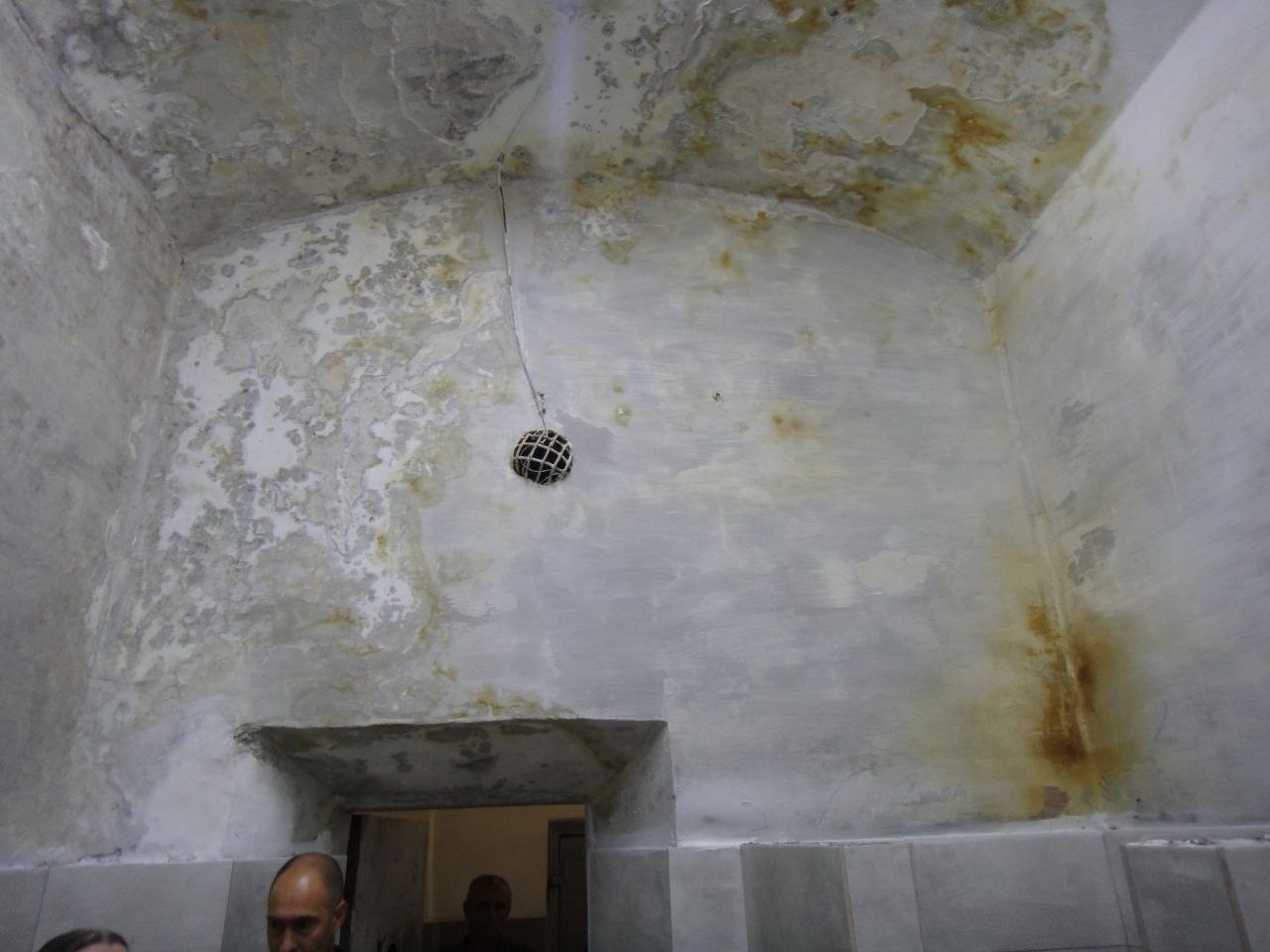
12. The internal radio broadcast network in the regular and punishment cells is entirely non-functional, contravening Paragraph 2 of Chapter 3 of Section VIII of the SIZO Internal Rules and Rule 63 of the Nelson Mandela Rules.
13. During the inspection of the punishment cells, it was established that visible reference notices were lacking, specifically those setting out telephone helplines, postal addresses, and email contacts for the Ministry of Justice of Ukraine, the Ukrainian Parliament Commissioner for Human Rights, the European Court of Human Rights, the State Bureau of Investigation, the Prosecutor General’s Office, regional and district prosecution services, the Interregional Directorate, the Department, the Commission for the Consideration of Complaints Regarding Inadequate Conditions in Pre-Trial Detention and Penal Institutions, and the Regional Centre for Free Legal Aid.
This failure contravenes Paragraph 14 of Chapter 2 of Section II of the SIZO Internal Rules.
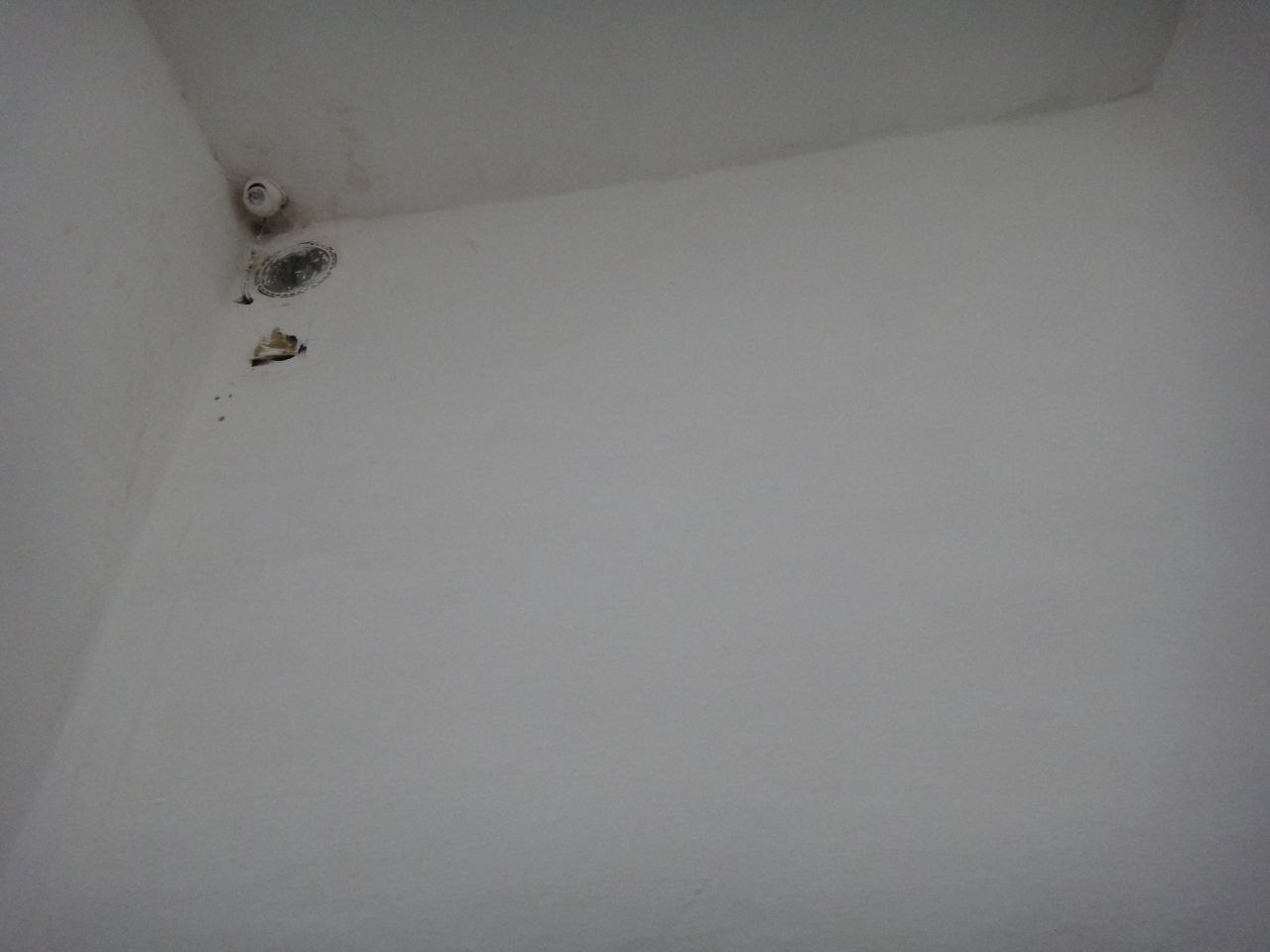
14. Paragraph 4 of Chapter 2 of Section III of the SIZO Internal Rules provides for the use of audiovisual, electronic, and other technical monitoring devices to maintain security, prevent escapes, forestall criminal offences, and ensure order.
During the inspection of the punishment cells, the monitoring group noted that video surveillance cameras had been installed.
In its report on its 2012 visit to Ukraine, the CPT stressed that video surveillance within living accommodation represents a major intrusion into prisoners’ private lives and renders the detention regime far more oppressive, particularly where it is prolonged (CPT/Inf (2013) 23, paragraph 52).
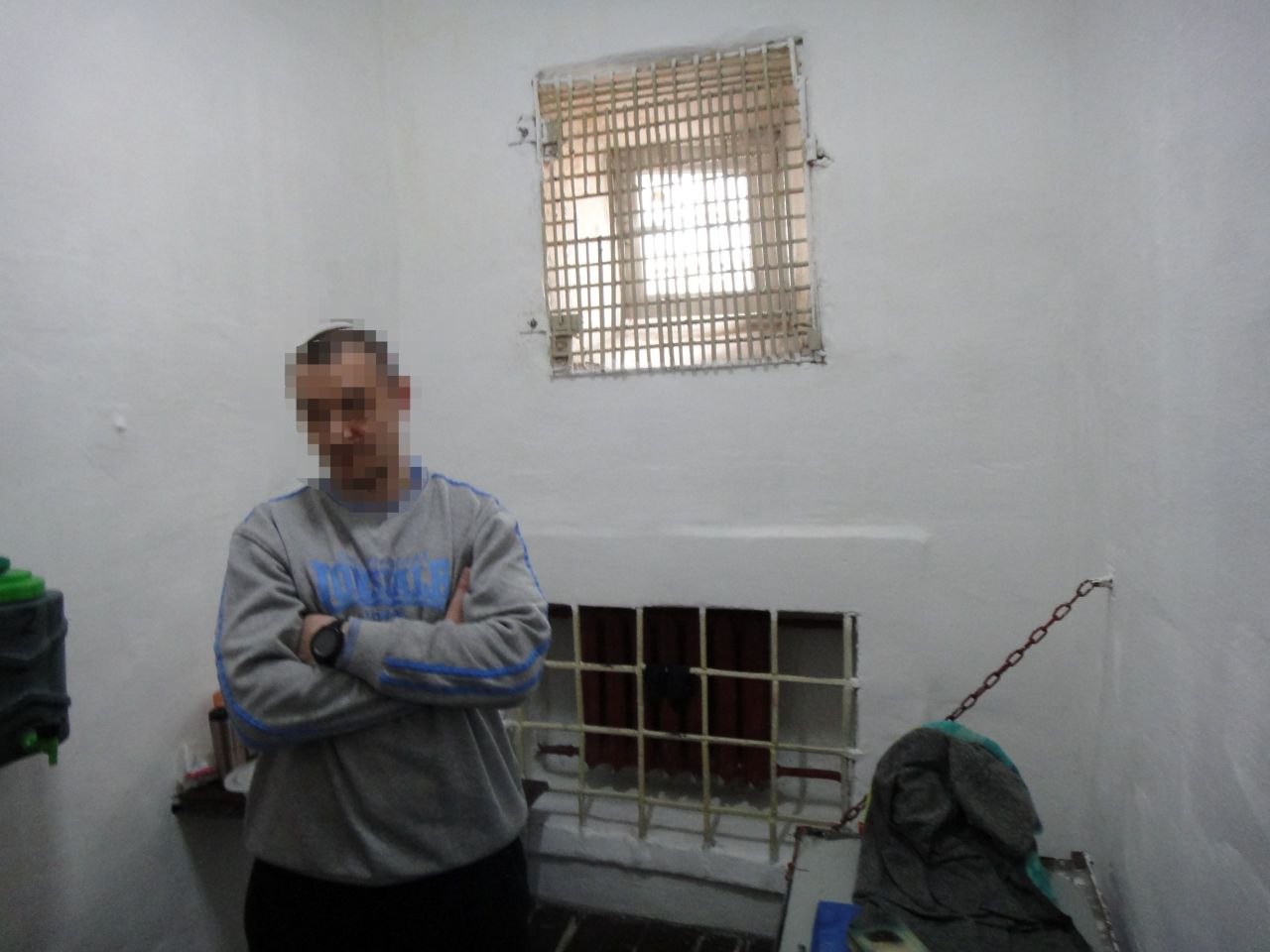
15. The disciplinary cells lack sufficient natural daylight, as their windows are situated high on the wall, are small, and are heavily barred, with the result that daylight scarcely enters the room.
This contravenes Rule 18.2 (a) of the European Prison Rules and Rule 14 of the Nelson Mandela Rules.
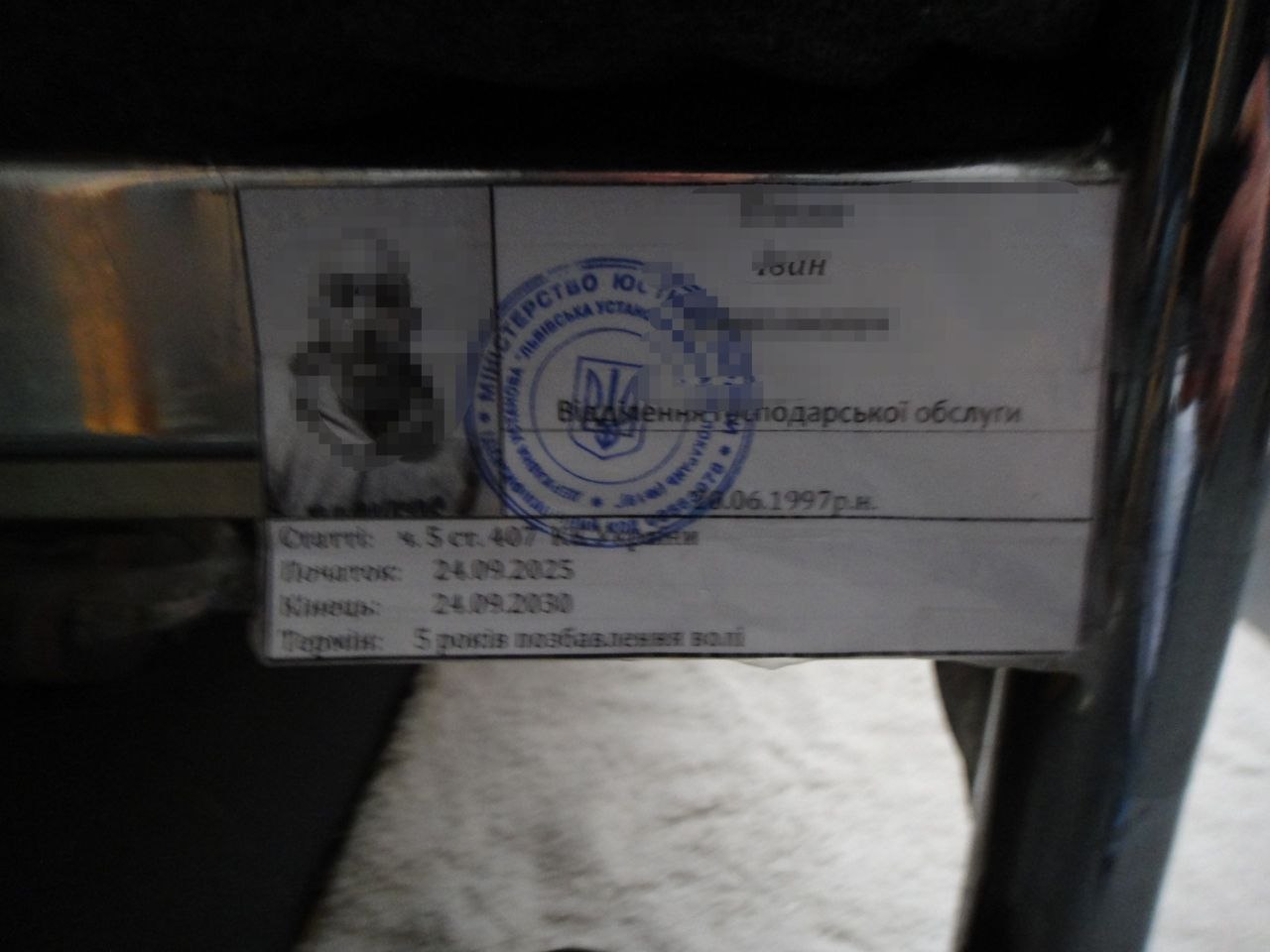
16. During the visit to the social and psychological service unit (hereinafter ‘SPS unit’) for convicted prisoners assigned to institutional maintenance duties, name cards displaying a concise description of the crimes committed by the occupants were seen affixed to personal clothing lockers.
In its report on its 2020 visit to Ukraine under identical circumstances, the CPT emphasised that such a practice must be brought to an end, as it serves no legitimate purpose and, beyond being stigmatising, damages relations between inmates and custodial staff (CPT/Inf (2020) 40, paragraph 52).
17. The premises of the SPS unit for prisoners assigned to maintenance work fail to satisfy the Provision Standards. In particular, the following designated rooms are missing: a room for religious worship; a room for storing replacement stocks of bedding, personal kit, and specialised clothing; a storeroom for the temporary holding of soiled bedding, clothing, and work garments; a cloakroom; a domestic/utility room; and a drying room.
The lack of these requisite facilities leads to breaches of sanitary and hygiene norms. The inadequate organisation of personal property storage impairs cleanliness and tidiness in prisoner accommodation, deteriorating overall hygiene conditions.
18. The monitoring group identified multiple irregularities in the provision of bathing and laundry services for prisoners and detainees.
During the visit, it was established that detainees and prisoners are allowed to use the bathhouse only once a week. This falls short of Rule 19.4 of the European Prison Rules, which provides that prisoners must have access to a shower or bath, preferably daily, but at least twice a week, as well as Paragraph 3.1 of Section III of the Regulations on the Organisation of Bathing and Laundry Services for Persons Held in Penal Institutions and Pre-Trial Detention Facilities, approved by Order of the Ministry of Justice of Ukraine No. 849/5 of 8 June 2012, registered with the Ministry of Justice of Ukraine on 13 June 2012 under No. 947/21259 (hereinafter ‘the Bathing and Laundry Regulations’), which prescribes bathing for convicted prisoners and remand detainees at least twice a week.
19. In breach of Paragraph 2.14 of Section II of the Bathing and Laundry Regulations, no hairdressing or barber services are provided to convicted prisoners.
20. In breach of Paragraph 2.11 of Section II of the Bathing and Laundry Regulations, the mechanical forced supply-and-exhaust ventilation systems in the bathhouse and laundry are inoperative.
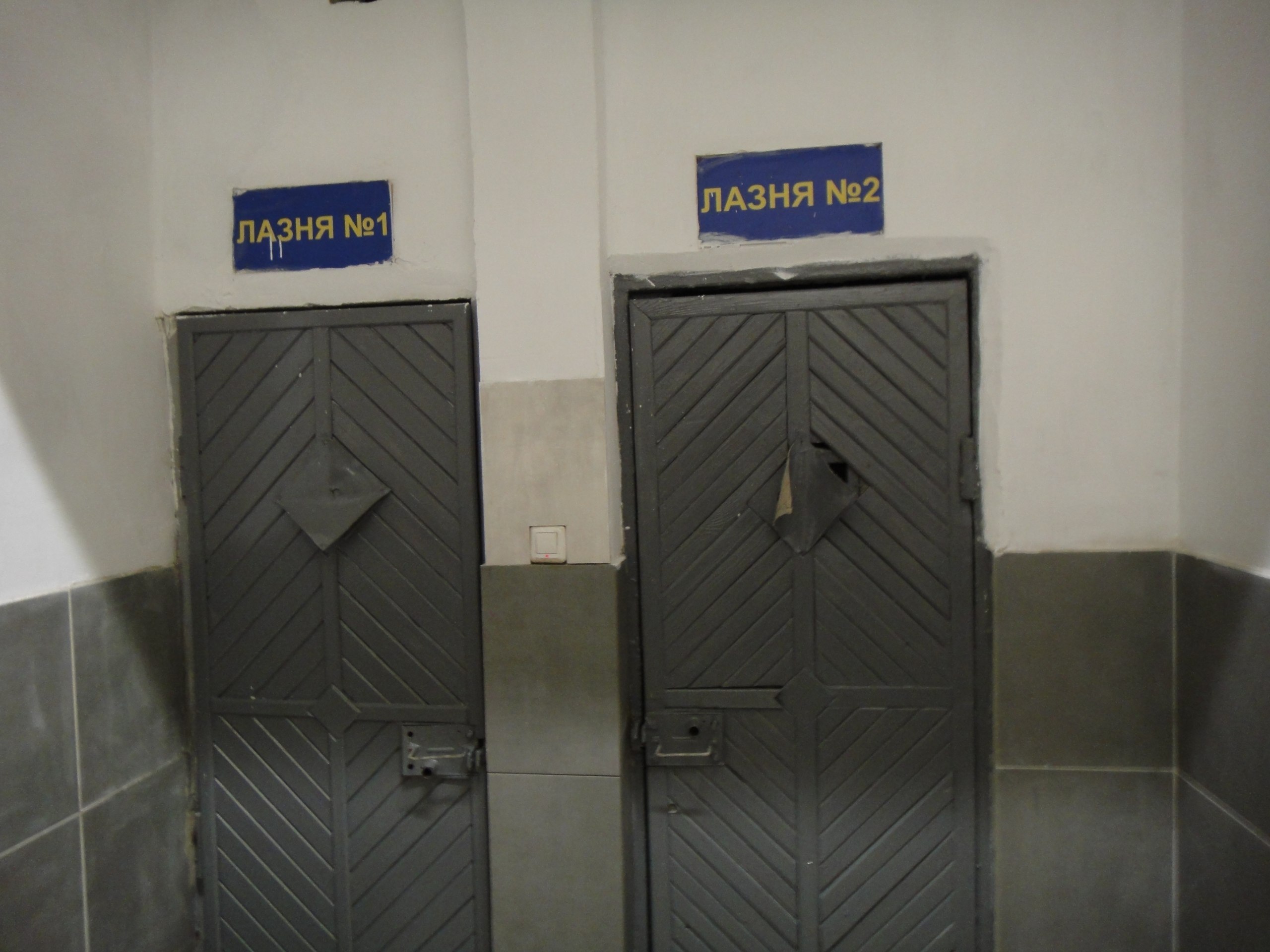
21. Contrary to Rule 19.3 of the European Prison Rules, privacy was infringed in shower rooms Nos. 1 and 2 due to the absence of curtains on the shower partitions. This defect was rectified immediately following the monitoring visit.
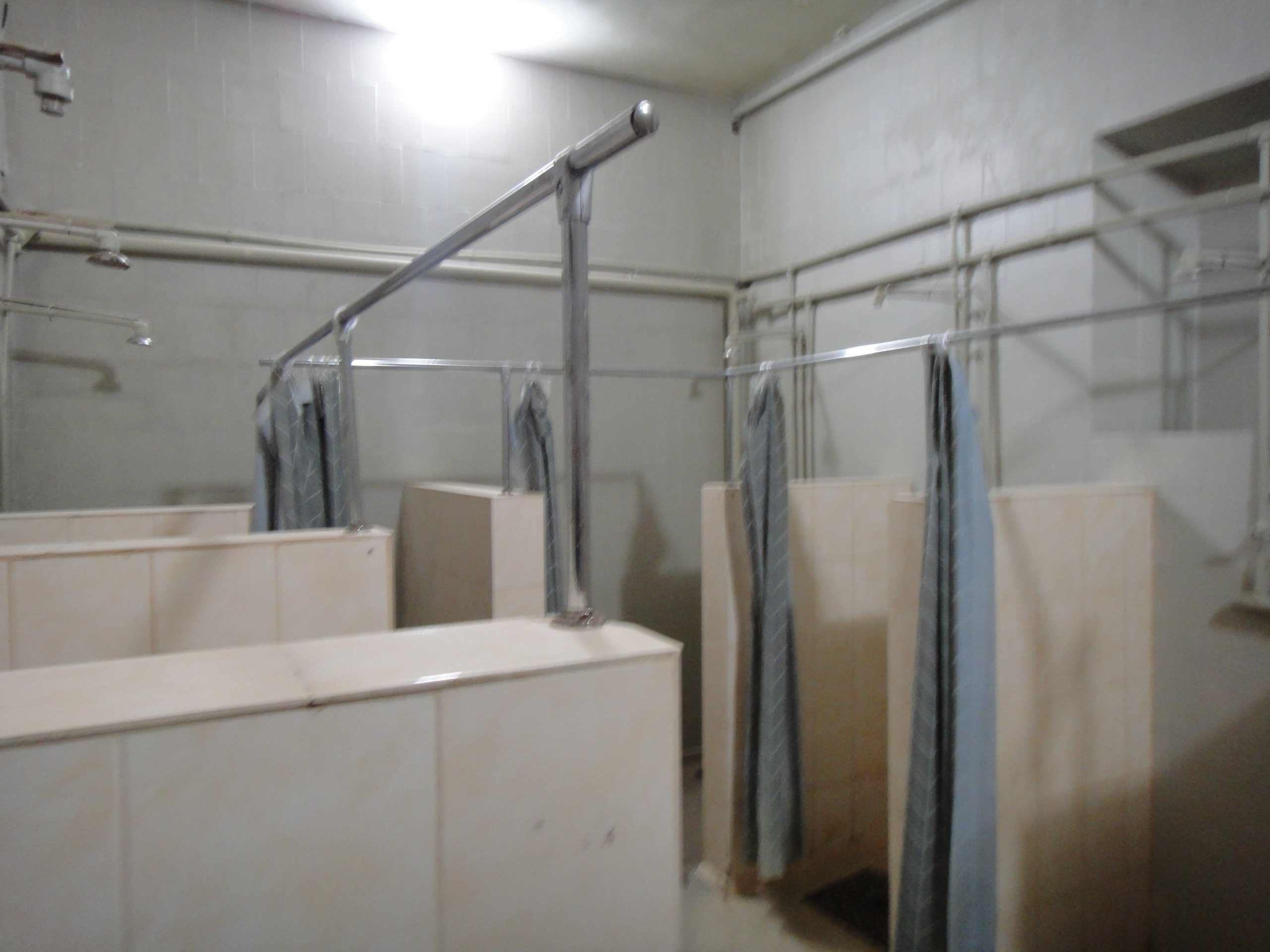
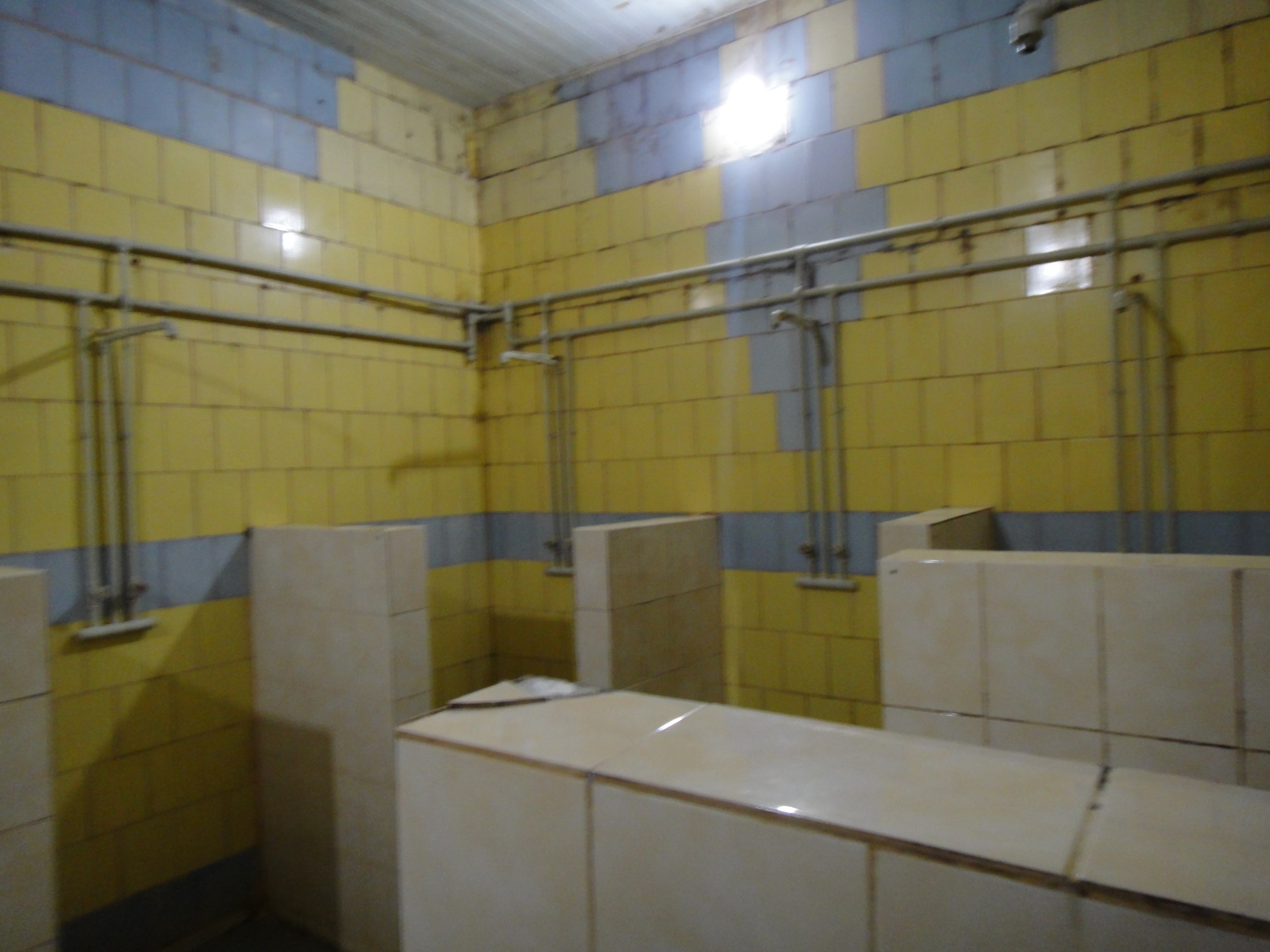
22. In breach of Appendix 3 to the Bathing and Laundry Regulations, the laundry is devoid of a dedicated staff shower and a staff rest room.
23. The monitoring team observed that institutional staff in direct daily contact with prisoners openly carry special means of restraint and defence, specifically rubber batons.
Under the eighth paragraph of Paragraph 8 of Chapter 1 of Section V of the SIZO Internal Rules, staff carrying special means within the secure perimeter of a detention facility must, where practicable, keep them concealed from view.
Furthermore, the CPT recommends that prison officers in direct contact with prisoners should not carry special equipment, such as batons, handcuffs, or tear gas canisters, openly in their sight. The overt display of such equipment is counterproductive to establishing positive staff-prisoner relations (CPT/Inf (2011) 29, paragraph 85; CPT/Inf (2013) 23, paragraph 23; CPT/Inf (2014) 15, paragraph 166).
24. According to administrative records, 956 short visits were conducted at Lviv Penitentiary Institution No. 19 from the start of 2026 between detainees/convicted prisoners and their relatives or other individuals. Of these visits, 913 were conducted in a closed, non-contact manner — across a solid glass partition using an intercom telephone.
In its report on its 2023 visit to Ukraine, the CPT reiterated that for all categories of convicted prisoners, open visits (e.g. across a table) should be the general rule, and closed visits the exception, permitted only on the basis of a reasoned and individualized risk assessment.
Accordingly, the Committee urged the Ukrainian authorities to revise visiting arrangements in penal institutions so that short visits are conducted, as a rule, under open conditions (CPT/Inf (2024) 20, paragraph 99).
25. Official records indicated that the institution had 23 unfilled staff posts as of 17 September 2026.
In its 2023 report on Ukraine, the CPT underscored that a positive institutional climate requires a professional team of staff present in sufficient numbers at all times in detention areas. Low staffing levels increase the risk of inter-prisoner violence and intimidation. An insufficient number of staff working directly with prisoners also undermines the quality and range of activities on offer, severely compromising preparation for release and social rehabilitation.
The Committee therefore called upon the Ukrainian authorities to take decisive steps to substantially increase custodial staffing in understaffed institutions, thereby reinforcing custodial and supervisory staff presence within the facilities. Decisive measures should also be taken to end the practice of staff working 24-hour shifts (CPT/Inf (2024) 20, paragraph 93).
26. The monitoring visit examined the status of social, educational, and psychological interventions for life-sentenced prisoners, focusing on individualized work, the application of recidivism risk assessment tools, participation in educational and rehabilitative programmes, and opportunities for purposeful out-of-cell activities.
The monitoring revealed that structured out-of-cell activities for life-sentenced prisoners remain extremely limited. Pastoral care visits take place systematically, providing spiritual support and maintaining outside connections. However, life-sentenced prisoners are not engaged in any systematic educational, cultural, sporting, or other rehabilitative activities outside their cells.
Thus, despite the positive practice of pastoral ministry, opportunities for purposeful out-of-cell engagement remain severely restricted, negatively affecting social interaction, personal development, communication skills, and the objectives of reform and resocialisation.
Such a detention regime has particularly detrimental effects on prisoners serving life sentences: prolonged social isolation in the absence of constructive occupation increases the risk of institutionalisation, desocialisation, and deterioration of psycho-emotional health. Yet it is precisely for this category of prisoner that structured, sustained individual and group rehabilitative work is essential, given the length of their sentences.
The monitoring team specifically examined the practical application of the ‘CASSANDRA’ subsystem within the Unified Register of Convicted Persons and Detainees, which is used to evaluate the risks of reoffending and determine prisoners’ criminogenic needs.
Monitors interviewed the staff member responsible for operating this subsystem. According to the officer, risk assessments are performed by designated officers of the social and psychological service, psychologists, and other appointed officials, guided by formal methodology and regulatory guidelines.
According to the explanations provided, risk assessments are conducted upon a prisoner’s arrival and periodically thereafter — an initial assessment no later than 30 days post-admission, followed by periodic re-evaluations according to the assigned risk level. However, the mere compilation of a risk assessment does not in itself signify that follow-up individual rehabilitative work is properly organised.
The interview revealed that assessment data are drawn from the prisoner’s personal file, performance reports, conduct and disciplinary records, staff observations, and other materials. Active participation by the prisoner in generating and reviewing the data that shape their risk score is vital to ensuring objective outcomes.
According to the staff member, prisoners may submit explanations or objections regarding recorded data. However, the subsystem does not allow prisoners to log their objections directly into the database. It was further stated that assessments may be appealed through general administrative channels, but in practice there is no dedicated, specific appeal mechanism.
The manner in which prisoners are informed of risk assessment outcomes calls for scrutiny. According to staff explanations, prisoners are briefed on the results during individual counselling. Nevertheless, the available records do not demonstrate whether every prisoner receives comprehensive written findings, is given access to the case documentation, or has an effective means of formally challenging the content.
While the institution operates the ‘CASSANDRA’ subsystem, its use has not translated into regular out-of-cell rehabilitative programming for life-sentenced prisoners. The risk assessment remains an isolated administrative exercise, while practical opportunities for interventions targeted at reducing the identified risks remain scarce.
Under Article 6 of the Criminal Executive Code of Ukraine, the reform of a convicted person is defined as a process of positive personality changes that foster a willingness to engage in self-directed, law-abiding behaviour. Social and educational work is defined by law as one of the primary means of reform and resocialisation.
Article 123 of the Code provides that social and educational work with convicted persons is conducted to develop a commitment to socially useful activity, a conscientious attitude towards labour, adherence to legal requirements and standard social norms, and to raise general educational and cultural levels. These provisions apply equally to life-sentenced prisoners, adapted to the specific constraints of their security regime.
Furthermore, Article 124 of the Code outlines the main areas, forms, and methods of educational work, including moral, legal, vocational, aesthetic, physical, and sanitary education. The absence of structured out-of-cell activities severely impedes the practical execution of these statutory mandates.
According to Rule 102 of the European Prison Rules, the regime for convicted prisoners shall be designed to enable them to lead a responsible and crime-free life. Rule 103 stipulates that the regime should be tailored to individual needs and provide access to appropriate programmes and activities.
The Nelson Mandela Rules are of paramount relevance here. Rule 4 underlines that prison administrations should provide education, vocational training, work, and other remedial assistance to promote personal development and social reintegration. Rule 5 underscores the need to minimise differences between prison life and life at liberty that tend to lessen the responsibility of the prisoners or the respect due to their dignity.
In this context, the jurisprudence of the European Court of Human Rights concerning the requirement to provide life prisoners with a realistic prospect of release and opportunities for personal rehabilitation is critical. In Petukhov v. Ukraine (No. 2) (Application no. 41216/13, 12 March 2019), the ECtHR stressed the need for a review mechanism for life sentences that takes into account the prisoner’s progress towards rehabilitation. The lack of constructive rehabilitative activities and opportunities for self-improvement impedes prisoners from demonstrating such progress.
Thus, the monitoring visit demonstrated significant shortcomings in the organisation of social, educational, and psychological work with life-sentenced prisoners. Despite using the ‘CASSANDRA’ subsystem for risk assessment, the institution provides no structured out-of-cell activities to address the individualized needs identified by that assessment.
Under these conditions, social and educational work fails to sustain social skills, promote personal development, or encourage positive behavioural change. This state of affairs demonstrates a failure to implement the statutory objectives of reform and resocialisation set out in Articles 6, 123, and 124 of the Criminal Executive Code of Ukraine, and breaches international prison standards on daily regimes.
27. The monitoring visit examined the exercise of the right to internet access, electronic correspondence, and video calls by life-sentenced prisoners.
It was found that while life prisoners are provided with tablet computers, these devices lack actual internet connectivity. During confidential interviews, prisoners stated that they had been unable to access the internet for the preceding year.
The dedicated computer room allocated for internet access by life prisoners was under renovation at the time of the visit and was not in use. Consequently, life-sentenced prisoners had no means of accessing the internet, either via their tablets or within a designated facility room.
Furthermore, the monitors observed an absence of register logs for internet usage, video calls, outgoing emails, or records of registered email addresses and access passwords. The absence of these records makes it impossible to determine how frequently prisoners use communication services, the volume of services delivered, or whether applicable regulations are observed.
Pursuant to Article 8 of the Criminal Executive Code of Ukraine, convicted persons have the right to maintain contact with the outside world in the manner prescribed by law. Article 110 of the Code guarantees prisoners the right to access the global internet, including creating an email account and using it under administrative supervision. While the law permits certain operational restrictions, it does not provide for a blanket prohibition on internet access based solely on the fact that an individual is serving a life sentence.
The procedure for exercising this right is governed by the Internal Rules of Penal Institutions, approved by Order of the Ministry of Justice of Ukraine No. 2823/5 of 28 August 2018. Distributing tablet devices without connectivity does not constitute compliance with this statutory right. Nor does ongoing maintenance in a computer classroom relieve the administration of its legal duty to guarantee access through alternative means.
These circumstances must also be evaluated under Article 8 of the Convention for the Protection of Human Rights and Fundamental Freedoms, which protects the right to respect for private and family life and correspondence. Although the Convention does not guarantee an unqualified right to unrestricted internet access, restrictions on maintaining family and social ties must be lawful, necessary, and proportionate.
Access to modern communications is particularly critical for life prisoners, who endure prolonged segregation from society. The opportunity to maintain family contact, exchange emails, access information, and use statutory communications represents an essential safeguard against social degeneration and is a cornerstone of humane treatment.
The monitoring team thus confirmed that life-sentenced prisoners are completely deprived of internet access, a situation that has persisted for approximately one year according to inmate testimony. Despite the physical presence of tablets, internet connectivity is absent, the computer room is out of service, and official logs are not kept.
These combined findings indicate a failure to uphold prisoners’ rights to internet access as protected by Articles 8 and 110 of the Code and the prison regulations, substantially restricting their ability to maintain familial and social ties and to utilise modern means of communication.
28. During the monitoring visit, the team inspected the premises designated by the administration as air-raid shelters for detainees and convicted prisoners during air alerts and other threats arising from the armed aggression of the Russian Federation against Ukraine.
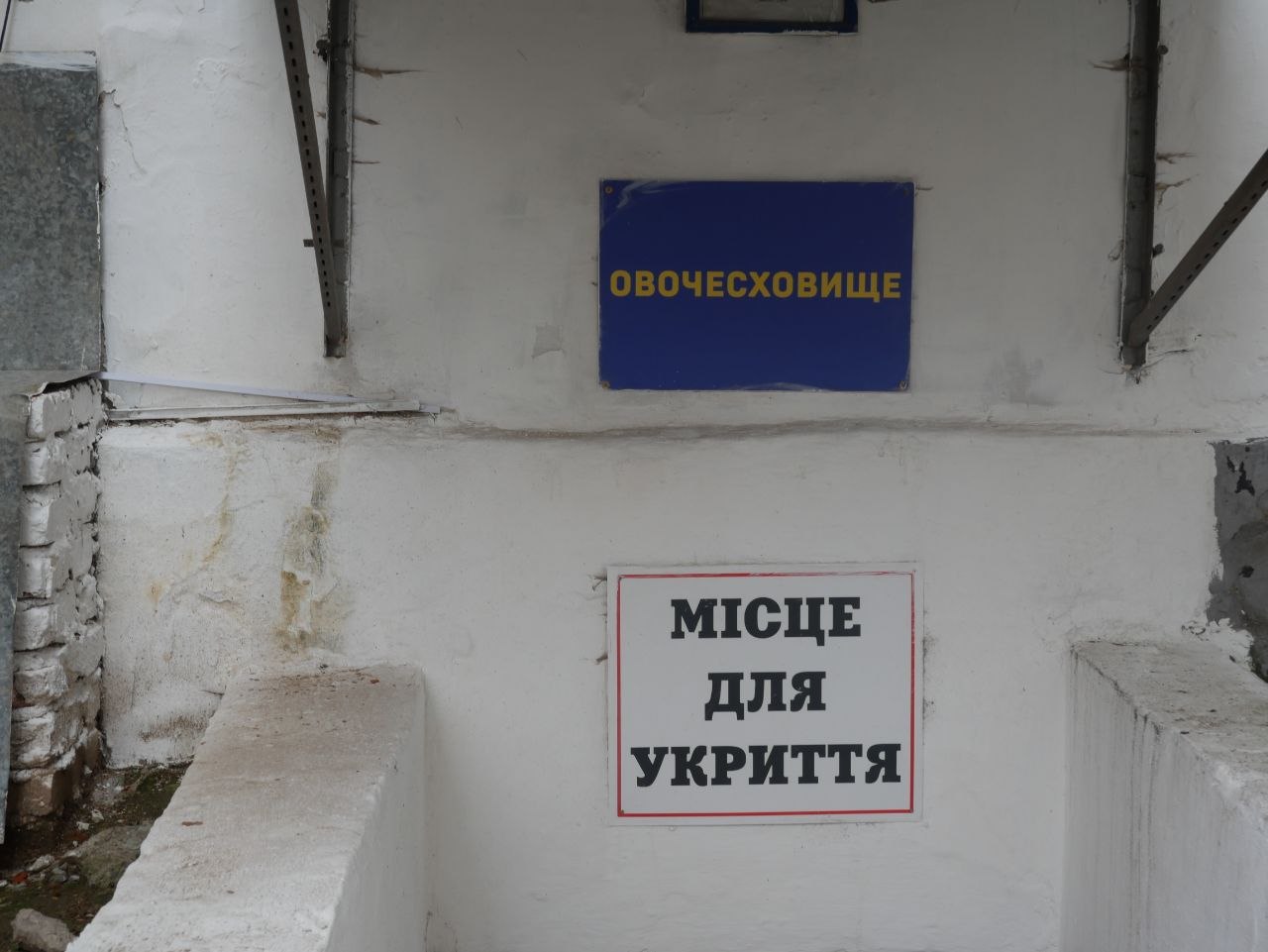
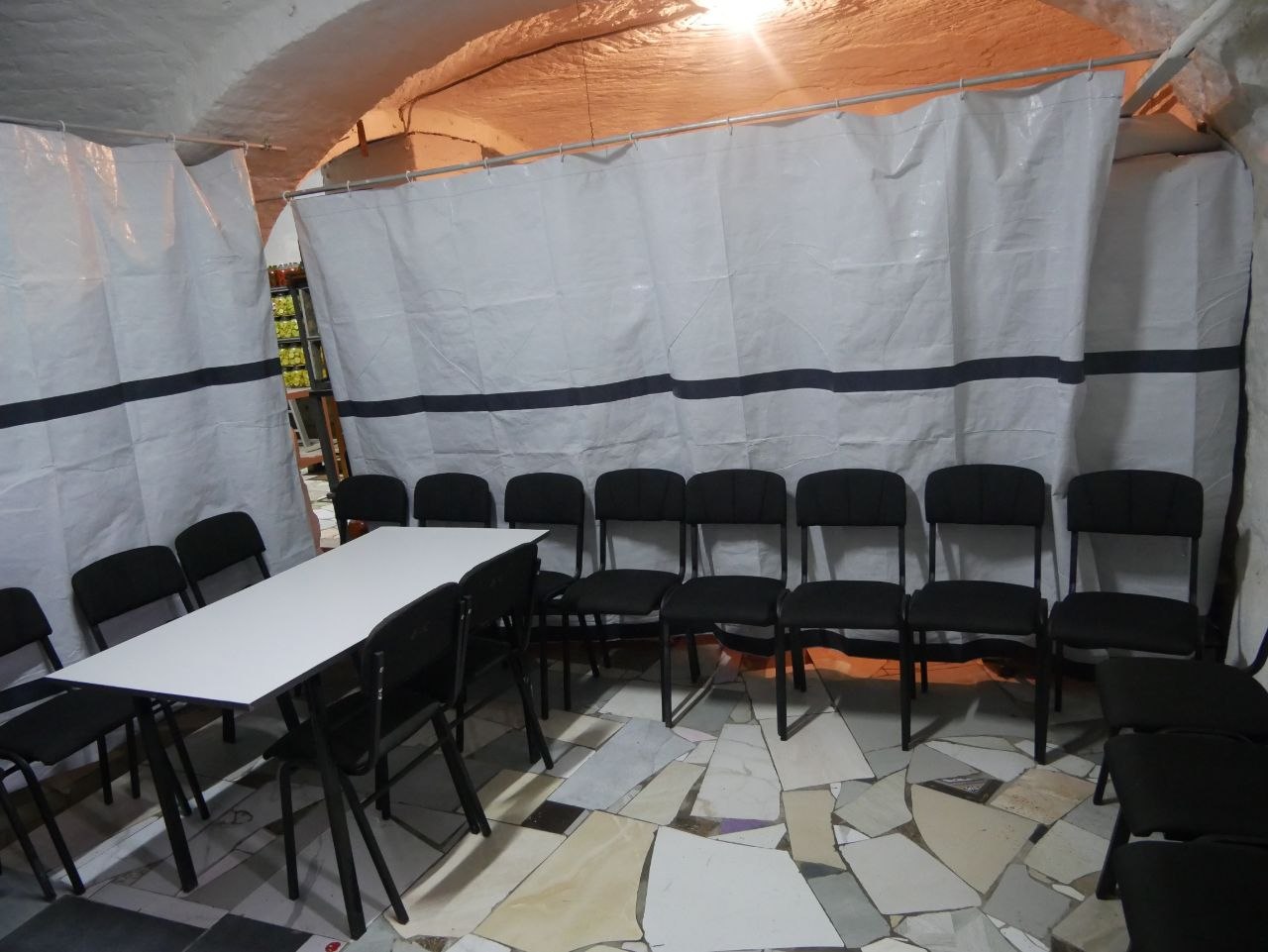
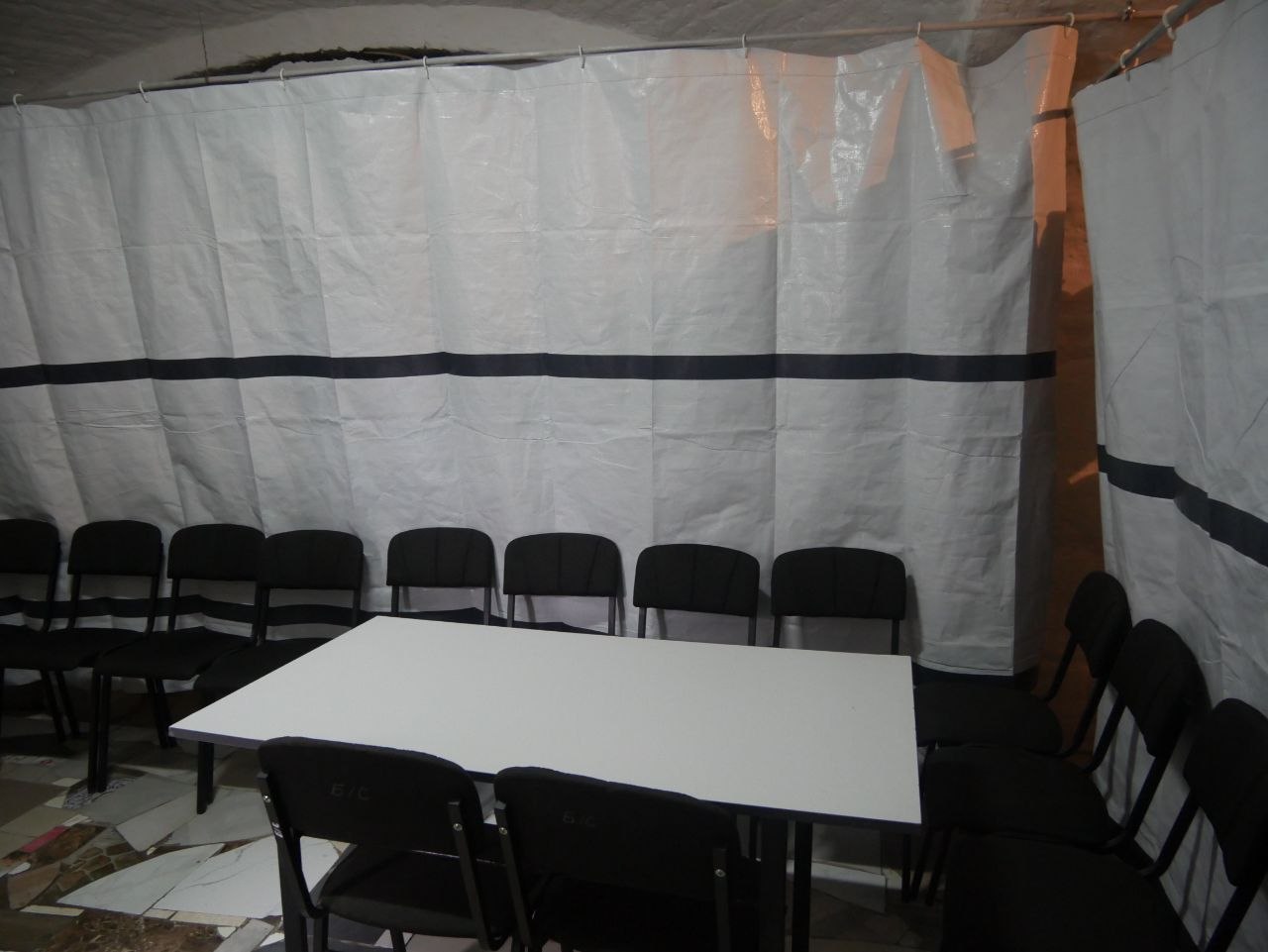
The administration has designated two areas for this purpose, both originally designed and built as root cellars (vegetable storage basements). Both are situated in the basement levels of buildings and are used as bomb shelters.
An inspection of the first shelter revealed that it is equipped with seating, including benches and chairs. Part of the interior is divided by temporary synthetic sheeting. The room features a vaulted ceiling, artificial lighting, and a floor partially laid with ceramic tiles. However, it lacks a second emergency escape exit, a ventilation system, and a drainage/sewage system. There are no sanitary fixtures or toilets installed.
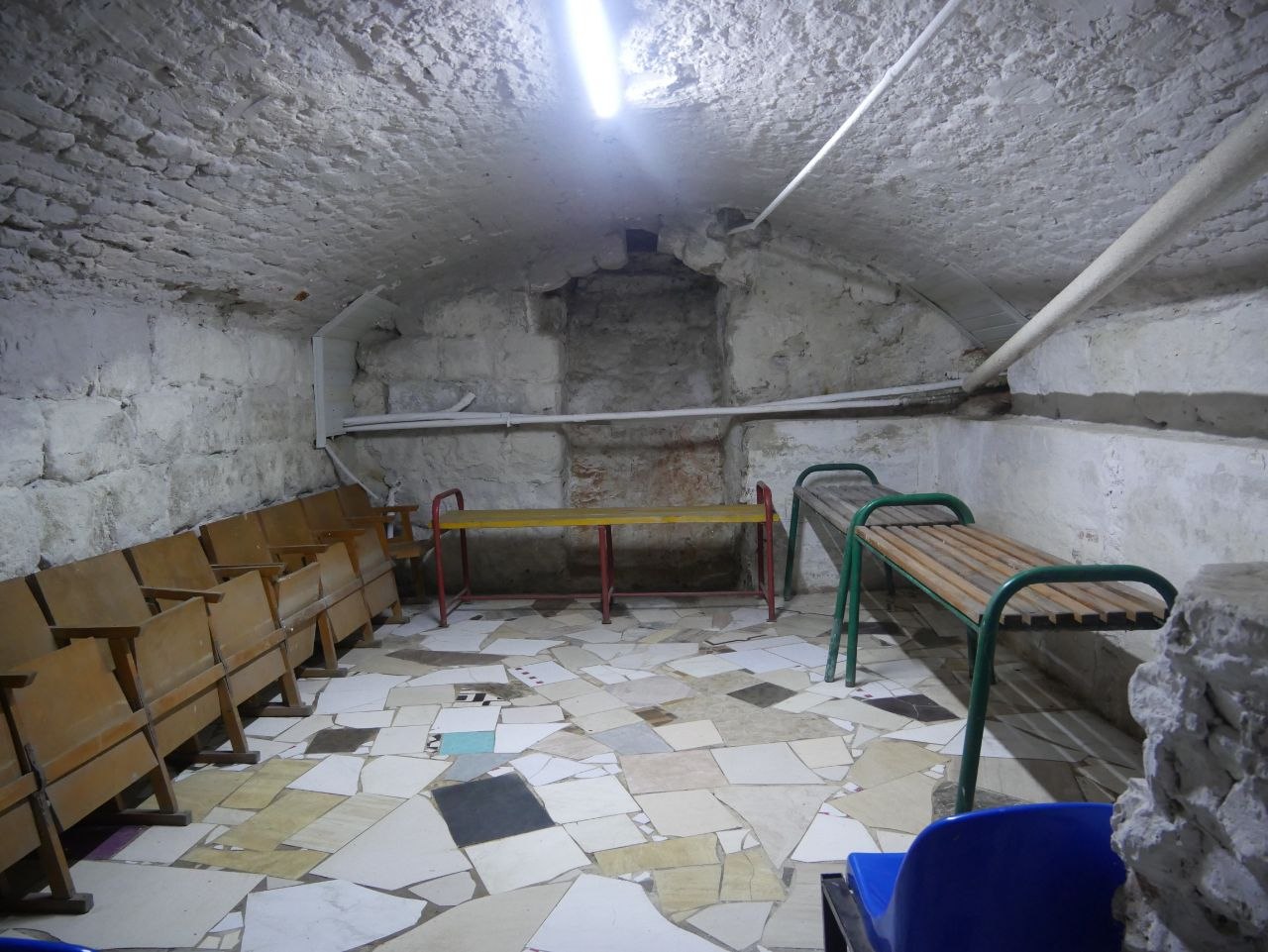
The second shelter is likewise an underground vegetable store. Benches and artificial lighting were present. The walls and ceiling are heavily dilapidated, with uneven surfaces and crumbling plaster. As with the first shelter, there is no second emergency exit, no ventilation system, and no sewerage. No sanitary facilities of any kind are provided.
Both premises designated as emergency shelters suffer from identical, critical structural deficiencies. The absence of a secondary exit impedes safe evacuation should the primary entrance become blocked by fire, falling debris, or structural collapse during an attack.
The absence of ventilation in these subterranean spaces poses acute risks of oxygen depletion and air fouling, particularly if large numbers of people are sheltered simultaneously for extended periods. The total lack of sewerage and latrines makes it impossible to maintain basic hygiene during prolonged air alerts.
These hazards are magnified in a custodial environment where detainees and prisoners are locked inside and cannot evacuate independently or seek safer locations. The responsibility for ensuring their shelter and safety rests entirely with the facility administration.
Under Article 32 of the Code of Civil Protection of Ukraine, the protection of life against emergency hazards is effected, inter alia, by sheltering individuals in appropriate protective structures and dedicated defensive civil protection facilities.
The specific requirements for establishing, cataloguing, maintaining, operating, and using civil protection shelters for staff, convicted persons, and detainees across the State Criminal-Executive Service of Ukraine are prescribed by the Procedure approved by Order of the Ministry of Justice of Ukraine No. 601/5 of 5 March 2024, registered with the Ministry of Justice of Ukraine on 7 March 2024 under No. 337/41682.
The proper outfitting, upkeep, and operation of protective shelters for prisoners falls squarely within the statutory remit of the State Criminal-Executive Service of Ukraine under the Ministry of Justice. The absence of secondary emergency exits, ventilation, sewage, and sanitary facilities documented in both shelters constitutes an engineering failure that threatens human life and health, rendering these spaces unfit for safe, prolonged human occupancy during air alerts.
Any determination of the fitness of these spaces must consider their official registration status, technical parameters, and civil protection regulatory standards applicable to the State Criminal-Executive Service of Ukraine.
The repurposing of former vegetable cellars lacking ventilation, wastewater drainage, and alternative escape routes raises serious questions as to whether they can provide a safe haven. Simply labelling a basement a shelter and installing benches does not satisfy mandatory safety standards. Ensuring that shelters are viable and safe is the direct obligation of the institutional management and the competent executive bodies of the State Criminal-Executive Service of Ukraine.
In sum, the monitoring team established that both spaces used as air-raid shelters at LPI-19 are makeshift vegetable cellars lacking second emergency exits, ventilation, sewerage, and latrines.
These compound deficiencies present significant dangers to human life and health, particularly during prolonged confinement in an enclosed basement, and preclude any finding that safe shelter is provided. This is all the more critical given that prisoners have no autonomy to seek shelter elsewhere, meaning their protection is the non-delegable duty of the state, acting through the prison administration and supervisory bodies.
29. The monitoring visit examined compliance with the labour and social rights of convicted prisoners and pre-trial detainees, with reference to the legal basis for employment, contractual documentation, working hours, rest entitlements, wage calculations and disbursements, payment of the Single Social Contribution (SSC), and the recording of pensionable service credit.
The monitoring team reviewed fixed-term employment contracts, timesheets, payroll ledgers, SSC payment records, food quality control logs, and sharp-implement inventory registers provided by the administration. The documentary records were cross-referenced against statements regarding actual working conditions gathered in interviews with workers.
Analysis of these records revealed discrepancies between officially recorded working hours and actual duties performed. While timesheets for certain workers recorded a six-hour working day, 21 working days per month, and a total of 126 hours worked, other logs and interviews indicated regular work on rest days and, in some cases, daily shifts of far greater duration.
The organisation of work in the kitchen warrants particular scrutiny. The food quality control log indicated that convicted prisoners B. and S. were systematically deployed in meal preparation on rest days. These entries attest to regular operational work, which is directly relevant to assessing the accuracy of timesheets and compliance with weekly rest entitlements.
Prisoner B. is employed as a cook on a 0.75 fractional contract. However, entries in the food quality register demonstrate that he works continuously, including on weekends. The part-time status specified in his contract must reflect actual hours worked. Understating working hours in official logs leads to unpaid wages and breaches statutory rest guarantees.
Convicted prisoners S., H., and P. are formally employed as bakers on 0.75 fractional posts. However, S. is also recorded in the kitchen quality log as carrying out food preparation duties. All hours worked must be recorded, whether performed in the bakery or in the general kitchen. Contractual fractions cannot be used to conceal unrecorded overtime work.
Prisoner Kh., according to statements taken in a confidential interview, works as an assistant cook seven days a week with no days off. This arrangement breaches statutory weekly rest guarantees. The actual duration of his shifts is relevant not only to work-rest schedules, but also to his correct remuneration.
Prisoner I. stated that he had worked for six months in the vegetable preparation unit peeling potatoes. According to his account, his working day runs from 06:00 to 17:00, amounting to 11 hours per day on site.
Even after factoring in breaks for meals and rest, this reported schedule diverges sharply from the six-hour daily shift recorded in timesheets. The absence of documented break schedules makes it impossible to determine the precise number of hours worked.
The team also examined the employment of K., a pre-trial detainee remanded in custody. K. reported that he had been working as a bricklayer for six months. Given his procedural status, his employment must be evaluated under the specific provisions of the Law of Ukraine ‘On Pre-Trial Detention’.
Under Article 16 of that Law, remand prisoners may be engaged in work only with their express consent and in accordance with statutory safeguards. The documentation provided does not reveal what legal instrument authorised K.’s employment on construction duties, how his hours are logged, or whether he is paid for his labour.
The reported duration of this work demonstrates that this was not ad-hoc institutional maintenance of up to two hours daily performed on a roster, but systematic employment.
Inspections of kitchen operations also revealed irregularities in the sharp-implement register. The log records the deadline for returning implements and the actual return time, but omits the time of issue. Consequently, the log does not reflect how long a tool was in an individual’s possession, impairing inventory control and proper accountability.
A critical issue remains whether remuneration corresponds to hours worked. While income records provided by the administration contain individualized data, employees are identified in parts of these records solely by their taxpayer identification numbers (RNTRC). The documentation provided did not allow all figures to be matched conclusively to the specific prisoners who reported long daily hours, weekend work, and additional duties.
Nevertheless, these findings are directly relevant to wage calculations. Employment on a 0.75 fractional post requires pay proportional to actual hours worked or output. Where a worker regularly exceeds contractual hours, that overtime must be logged and paid in accordance with the law.
Under Article 30 of the Law of Ukraine ‘On Remuneration of Labour’, an employer must maintain an accurate record of work performed and an accounting of payroll expenses. Article 56 of the Labour Code of Ukraine establishes that part-time employment must not result in any limitation of an employee’s labour rights.
Thus, employing prisoners on a part-time basis does not exempt the administration from its duty to keep accurate records of all hours worked, respect statutory rest entitlements, and provide fair pay for work performed.
The payment of the Single Social Contribution (SSC) is equally important, as earnings and contributions determine prisoners’ future pension rights. Under Article 24 of the Law of Ukraine ‘On Compulsory State Pension Insurance’, pensionable service is calculated from individualized registry records, and crediting periods depends on compliance with statutory contribution requirements.
Where the monthly contribution paid falls below the statutory minimum and there are no legal grounds to credit a full month, service credit may be calculated proportionally to the amount paid. However, for workers subject to minimum contribution rules, the employer must apply the statutory minimum contribution threshold regardless of actual earnings.
Consequently, the formal execution of an employment contract and the logging of nominal wages do not in themselves guarantee the proper accrual of pension entitlements. Accurate calculation of the contribution base, full payment of social contributions, and proper reporting to the state register of insured persons are essential.
In the absence of reliable, individualised cross-referencing of the documents provided, it is impossible to determine with certainty the specific duration of pensionable insurance records credited to each of the convicted prisoners in question, or to calculate the extent of any underpayments.
These circumstances must also be evaluated in light of the provisions of Article 119 of the Criminal Executive Code of Ukraine, which defines the legal framework for the employment of convicted prisoners; Article 50 of the Labour Code of Ukraine concerning normal working hours; Article 67 of the Labour Code regarding days of rest; and Articles 69–72 of the Labour Code, which govern working-time records and compensation for work performed on days of rest. The application of these safeguards must, moreover, take into account the specific legal regulations governing prisoner labour established under penal legislation.
The systematic performance of work on rest days, reports of excessively long shifts, and discrepancies between different record-keeping logs point to clear risks that actual hours worked are being improperly recorded. Such divergences may undermine the accurate calculation of wages, the determination of the contribution base for the Single Social Contribution (SSC), and the realisation of prisoners’ rights to social security.
Thus, the findings of the monitoring visit demonstrate substantial problems in the organisation and formal recording of labour for several convicted prisoners in the institution. Most telling are the documentary records confirming the systematic deployment of kitchen workers on rest days, testimonies of long daily working hours, and the discrepancy between contractual part-time arrangements and the volume of work actually performed.
Taken together, these circumstances indicate serious risks of infringement upon the rights to fair remuneration, weekly rest, and social security. At the same time, the available records do not provide an adequate basis for calculating the exact sums of unpaid wages or underpaid SSC contributions, nor for quantifying the actual loss of pensionable insurance credit incurred by individual prisoners.
Recommendations:
1. Ensure compliance with the statutory minimum living space standard per remanded individual, preventing cell overcrowding and ensuring that no cell accommodates more occupants than its actual floor area permits.
2. Cease the accommodation of prisoners in single cells measuring less than 6 m², and ensure compliance with international standards regarding minimum floor area and the distance between cell walls.
3. Ensure that cells are maintained in an adequate sanitary and technical condition, including by refurbishing sanitary annexes, equipping them with serviceable plumbing, functioning flush mechanisms, and opaque partitions with doors to guarantee privacy during use.
4. Ensure adequate access to natural light and the proper operation of ventilation in regular cells, punishment cells, and the reception and transit department. Remove obstructions that block daylight, restore the functionality of ventilation systems, and ensure proper air exchange.
5. Guarantee adequate personal space for detainees and convicted prisoners through the proper arrangement of beds in cells, preventing them from being placed immediately adjacent to one another.
6. Bring the facilities of the reception and transit department into full compliance with established standards, providing all requisite rooms, specifically a quarantine cell, an isolation cell for the sick, and an office for the regime and security department.
7. Ensure that initial medical screenings of newly arrived individuals are conducted in conditions of privacy and confidentiality, excluding non-medical staff from the room unless their presence is explicitly justified by security requirements.
8. Equip temporary holding rooms for remanded persons with adequate drinking water dispensers, and install partitions and doors in sanitary annexes to ensure privacy.
9. Restore the internal radio broadcast system in regular and punishment cells in accordance with the requirements of the Internal Rules of Pre-Trial Detention Facilities.
10. Post up-to-date information in punishment cells detailing available human rights protection mechanisms, including telephone helplines, postal addresses, and email addresses for the Ukrainian Parliament Commissioner for Human Rights, prosecution authorities, the Ministry of Justice of Ukraine, the State Bureau of Investigation, the European Court of Human Rights, and other competent bodies.
11. Ensure respect for the right to privacy in punishment cells, specifically by reviewing the use of video surveillance in light of the principles of necessity, proportionality, and international standards for the treatment of prisoners.
12. Cease the practice of affixing name cards detailing committed criminal offences onto prisoners’ personal lockers, as this practice is stigmatising and incompatible with respect for human dignity.
13. Bring the communal and living amenities of the social and psychological service unit for prisoners assigned to institutional maintenance into line with statutory standards, providing the necessary rooms for storing personal belongings, bedding, and specialised workwear, as well as rooms for domestic chores and other statutory requirements.
14. Guarantee detainees and convicted prisoners access to a bath or shower at least twice a week, provide proper hairdressing/barber services, ensure the functioning of supply-and-exhaust ventilation, fit shower cubicles with partitions ensuring privacy, and bring laundry facilities into compliance with established standards.
15. Enforce regulations governing the carriage of special means of restraint and defence by staff, in particular ensuring that rubber batons are carried in a concealed manner within the secure perimeter of the facility, in accordance with the recommendations of the European Committee for the Prevention of Torture.
16. Ensure that short visits for detainees and convicted prisoners with relatives and other individuals are conducted, as a rule, under open conditions without solid partition glass, except where physical contact restrictions are strictly justified by an individualised risk assessment and properly substantiated.
17. Ensure adequate institutional staffing levels, prioritising personnel who directly supervise and conduct social, educational, and psychological work with detainees and convicted prisoners.
18. Ensure that individual social, educational, and psychological interventions with life-sentenced prisoners are conducted systematically, taking into account their individual needs, risk assessment outcomes, and the objectives of reform and resocialisation.
19. Organise regular out-of-cell activities for life-sentenced prisoners, including educational, cultural, sporting, rehabilitative, and other purposeful pursuits designed to maintain social skills, foster personal development, and mitigate the adverse impacts of prolonged isolation.
20. Ensure the practical application of risk assessment findings from the ‘CASSANDRA’ subsystem in planning and delivering individualised rehabilitative interventions. Ensure that prisoners are properly apprised of assessment results, provided with opportunities to submit explanations and objections, and given access to established appeal procedures.
21. Secure effective internet access for life-sentenced prisoners, including via their tablet computers or specially equipped workstations, irrespective of ongoing renovation work in the computer classroom.
22. Uphold the right of life-sentenced prisoners to electronic correspondence and video calls in accordance with statutory procedures, and ensure the diligent maintenance of prescribed registers tracking internet, video link, and email usage.
23. Ensure that premises designated as air-raid shelters for detainees and convicted prisoners are properly fitted out in accordance with civil protection legislation. Rectify identified deficiencies, notably the absence of secondary emergency exits, ventilation, sewage, and sanitary facilities, and ensure that only premises whose suitability has been officially certified are used to shelter people.
24. Ensure the proper formalisation of employment relations with convicted prisoners and remanded individuals in accordance with their legal status, the nature of duties performed, and actual terms of employment.
25. Maintain accurate, individualised records of all hours actually worked by prisoners, including work on rest days, overtime, and the performance of additional operational tasks. Eliminate discrepancies between timesheets, operational registers, and actual employee engagement.
26. Ensure adherence to statutory working hours, the right to weekly rest, and statutory pay enhancements for work on rest days, particularly for prisoners employed in the kitchen, bakery, and vegetable preparation unit.
27. Ensure the calculation and payment of wages or remuneration in full accordance with work actually performed, the proper recording of hours for part-time workers, and the payment for all actual hours worked in compliance with statutory guarantees.
28. Ensure the correct, individualised calculation and payment of the Single Social Contribution for every working prisoner pursuant to statutory requirements, ensure accurate reporting to the register of insured persons, and ensure the proper crediting of pensionable service for periods of actual paid employment.
29. Maintain the sharp-implement register properly by recording the exact times of issue and return, as well as the individuals responsible for receiving and using such tools, in order to guarantee complete accountability and control over their circulation.
30. Remedy all identified violations of the rights of detainees and convicted prisoners, and implement effective internal monitoring to ensure compliance with domestic legislation and international standards governing the treatment of persons deprived of their liberty, particularly with regard to conditions of detention, safety, rehabilitative interventions, labour rights, and access to statutory means of communication.