Report on the Results of a Monitoring Visit to Lviv Multidisciplinary Hospital No. 19
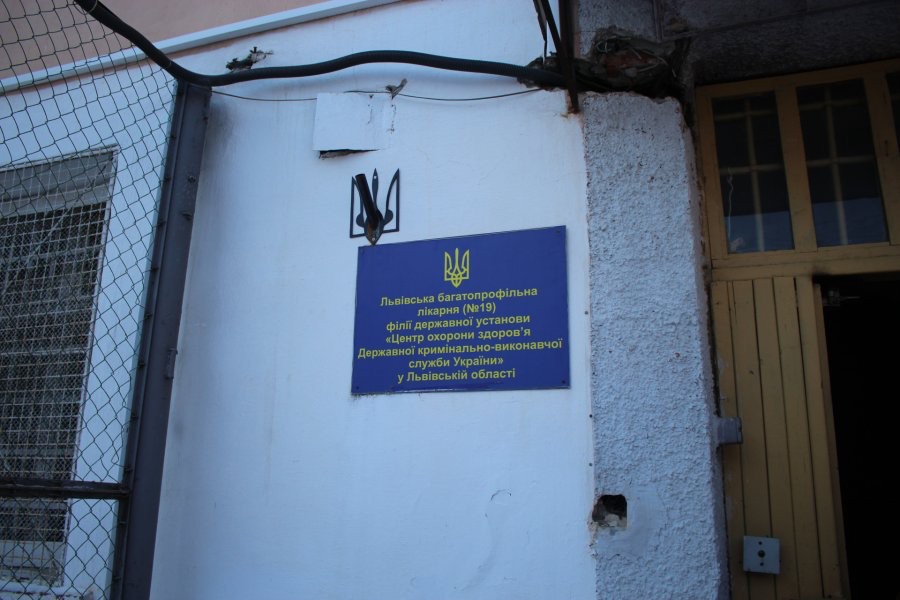
On 18 September 2026, pursuant to the Optional Protocol to the Convention against Torture and Other Cruel, Inhuman or Degrading Treatment or Punishment, taking into account the provisions of the UN Standard Minimum Rules for the Treatment of Prisoners (the Nelson Mandela Rules) and the case law of the European Court of Human Rights, and on the basis of Article 24 of the Criminal Executive Code of Ukraine, ‘Visits to Penitentiary Institutions’, a monitoring group from the Kharkiv Human Rights Protection Group and the NGO ‘Protection for Prisoners of Ukraine’ conducted a follow-up visit to Lviv Multidisciplinary Hospital No. 19 of the branch of the State Institution ‘Healthcare Centre of the State Criminal-Executive Service of Ukraine’ in Lviv Region (hereinafter referred to as ‘the hospital’, ‘the institution’, or ‘the facility’).
The visit was carried out on a routine, unannounced basis. The previous visit took place on 17 March 2025.
In preparing for the visit, the monitors drew on appeals from detainees, convicted persons, and their relatives, materials from earlier reports, as well as the report by monitors of the National Preventive Mechanism under the Ukrainian Parliament Commissioner for Human Rights (NPM).
The visit was carried out as part of the project ‘Seeking Justice for Survivors’, funded by the Ministry of Foreign Affairs of Denmark and supported by DIGNITY — the Danish Institute Against Torture.
The visit was conducted by monitors:
- Andrii Didenko — assistant to Yaroslav Yurchyshyn, People’s Deputy of Ukraine; programme coordinator at the Kharkiv Human Rights Protection Group; conducting monitoring visits since 2014;
- Serhii Zuykov — assistant to Kostiantyn Kasai, People’s Deputy of Ukraine; member of the Public Council under the Ministry of Justice of Ukraine; member of the NGO ‘Protection for Prisoners of Ukraine’; possesses extensive experience in monitoring visits;
- Oleh Tsvilyi — member of the Public Council under the Ministry of Justice of Ukraine; head of the NGO ‘Protection for Prisoners of Ukraine’; possesses extensive experience in monitoring visits, specialising in issues of torture and cruel and inhuman treatment.
During the monitoring visit to Lviv Multidisciplinary Hospital No. 19 of the branch of the SI ‘Healthcare Centre of the State Criminal-Executive Service of Ukraine’ in Lviv Region, a number of violations of domestic legislation and international standards governing the treatment of persons deprived of their liberty were identified.
In particular, the monitors established a failure to observe the statutory living space allowance per patient, overcrowding in certain wards, substandard sanitary, hygienic, and living conditions, inadequate ventilation and lighting, and a lack of proper privacy. Shortcomings were also identified in the organisation of medical care, notably delays in medical examinations, inadequate documentation of bodily injuries, institutional staff interference in patient accommodation, and the co-location of transit convicts with inpatients undergoing treatment.
Particular concern is raised by non-compliance with infection control standards, inadequate isolation of tuberculosis patients, the absence of proper conditions for palliative care, limited access to the diagnosis and treatment of viral hepatitis C, and deficiencies in safeguarding the rights of persons with disabilities. Breaches of medical confidentiality were also established, including the use of video surveillance in hospital wards, the conduct of medical examinations in the presence of non-medical personnel, and the presence of a metal grille partition in the treatment room. In addition, restrictions on internet access, deficiencies in the maintenance of exercise yards, and fire safety violations were identified.
At the same time, the monitoring group noted positive changes in the hospital’s operations, such as ongoing refurbishment, the upgrading of medical equipment, the expansion of diagnostic capabilities, and improved living conditions for certain categories of patients. A crucial role in implementing these measures was played by cooperation with the International Committee of the Red Cross and the Healthcare Centre of the SCES of Ukraine.
Overall, the monitoring results demonstrate that, despite positive developments in the hospital’s material and technical infrastructure, a number of systemic problems remain. These adversely affect patients’ living conditions, the accessibility and timeliness of medical care, and the observance of their fundamental rights. The totality of the violations identified calls for comprehensive measures to bring the hospital’s activities into full compliance with domestic legislation and international human rights standards.
General Information
Head of the Hospital: Taras Mykhailovych Peteychuk.
The facility has a capacity of 125 beds, in accordance with Order No. 47-OD of the Healthcare Centre of the SCES of Ukraine dated 22 March 2023, ‘On Changes in the Structure of Lviv Multidisciplinary Hospital No. 19 of the Branch of the Healthcare Centre of the SCES of Ukraine in Lviv Region’.
The hospital comprises:
- a therapeutic department with 40 beds (20 general therapeutic, 10 neurological, 5 female psychiatric, and 5 palliative care beds);
- a surgical department with 40 beds (30 surgical and 10 oncological beds);
- a psychiatric department with 45 beds, based at the State Institution ‘Drohobych Correctional Colony No. 40’ (43 beds for male convicts and 2 beds for life-sentenced prisoners).
The Outpatient Clinic Department (hereinafter referred to as the OCD) provides medical care to detainees and convicted persons in the State Institution ‘Lviv Penitentiary Institution No. 19’. It operates one ward-cell for somatic patients with a 5-bed capacity. The tuberculosis unit consists of 4 ward-cells with a capacity of 15 beds.
Efforts are underway at the institution to fill vacant healthcare posts at Lviv Multidisciplinary Hospital No. 19. The staffing level for physicians stands at 77.2%, and for middle-grade medical personnel at 86.9%. The overall staffing level across the hospital is 75.2%.
The following positions remain vacant: general practitioner/physician — 1 post; surgeon — 1 post; dermatovenerologist — 1 post; nurse-anaesthetist — 1 post; theatre nurse — 1.5 posts; disinfection operator — 1 post; maintenance worker — 1.5 posts; junior nurse — 1 post; junior patient care nurse — 1 post; feldsher — 2 posts; addiction specialist (narcologist) — 1 post; head of the psychiatric department — 1 post; psychiatrist — 2 posts; junior nurse — 1 post.
The facility provides opioid agonist maintenance therapy to patients suffering from substance dependence. As of 18 September 2026, 73 individuals were enrolled in the maintenance therapy programme at the OCD of Lviv Multidisciplinary Hospital No. 19.
During 2026, 6 deaths were recorded at the facility.
Over the first eight months of 2026, the Medical Advisory Commission (MAC) reviewed whether convicted persons met the criteria for submitting case files to court pursuant to Article 537 of the Criminal Procedure Code of Ukraine.
During the period under review, 6 MAC sessions were held, during which 6 sick convicts were assessed for conditions included in the List of Diseases that serve as grounds for submitting materials to court for the release of convicts from further serving their sentences. Three individuals were released from serving their sentences (compared to 4 in 2025); the court denied release to 3 individuals (compared to 6 in 2025).
The MAC refused to submit materials to court in respect of 5 individuals due to a lack of statutory grounds.
The hospital’s Medical Advisory Commission conducts assessments to refer patients for evaluation of their daily functioning by expert evaluation teams (EETs) in order to determine the degree of temporary or permanent loss of working capacity among convicts at their place of sentence. Seventeen individuals have been reviewed; disability status was not granted to 3 individuals.
Maintenance and facility management: Routine repairs have been completed in ward No. 201. Refurbishment work is currently underway in the tuberculosis unit of the OCD of LMH No. 19 and in ward No. 200. Ward No. 203 has been renovated, partial repairs have been carried out in other wards, and plumbing fixtures and electrical wiring have been replaced. Flooring in the ground-floor corridor is being replaced. A toilet door has been replaced and installed in ward No. 198. A washbasin has been replaced in ward No. 187. The sanitary unit in ward No. 205 has been retiled. The grounds adjacent to the hospital have been tidied up.
During the monitoring visit, the team examined medical records, inspected the hospital’s premises, and conducted individual interviews (surveys) with convicted and remanded prisoners. These activities revealed shortcomings in the organisation of healthcare provision that result in violations of the rights of the individuals concerned.
Positive Developments
During the monitoring visit to the hospital operating on the premises of the SI ‘Lviv Penitentiary Institution No. 19’, the monitoring group noted positive changes aimed at improving patient living conditions, modernising the material and technical base, and expanding medical care capabilities.
According to the hospital administration, a comprehensive programme of repairs and organisational measures has been undertaken over the past two years, covering clinical, diagnostic, sanitary, and auxiliary premises.
In particular, an endoscopy suite and an ultrasound diagnostics room have been refurbished and equipped. A dedicated central sterile services room has been established with clear demarcation between clean and dirty zones; the autoclaving room has been renovated, and its equipment has undergone technical servicing. These measures are designed to enhance the quality of diagnostic procedures, instrument sterilisation, and overall clinical workflows.
The upgrading of medical equipment deserves positive recognition, notably the support provided by the International Committee of the Red Cross (ICRC). Through this partnership, the operating table was replaced with a modern electromechanical unit, and a defibrillator with cardiac rhythm monitoring and cardioversion functions was acquired. Furthermore, with the assistance of the Healthcare Centre of the State Criminal-Executive Service of Ukraine, the hospital was provided with a portable ultrasound scanner. This unit expands examination options for bedridden and reduced-mobility patients without the need to transfer them, and enables on-site diagnostics in departments that lack stationary ultrasound units.
Particular mention should be made of the introduction of 24-hour Holter ECG monitoring, which enables long-term surveillance of cardiac activity and enhances the diagnosis of cardiac arrhythmias.
Another important area of improvement has been the upgrading of living conditions for patients. Wards have been refurbished, and, with ICRC support, outdated beds have been replaced with articulated, multi-section hospital beds that permit patient repositioning and facilitate nursing care for patients with restricted mobility.
On the ground floor, a dedicated ward has been fitted out for patients with reduced mobility, complete with an adapted sanitary unit, grab rails, and wheelchair ramp access. A ramp has also been installed at the hospital entrance, handrails have been mounted on staircases, flooring has been replaced on the first floor and partially on the ground floor, and cosmetic repairs have been completed in the corridors.
In addition, a separate storage room for convicts’ personal belongings has been provided, and refurbishment works have been completed in the surgical department’s nursing station, the doctors’ offices in both the surgical and therapeutic departments, and the hospital’s administrative and staff offices.
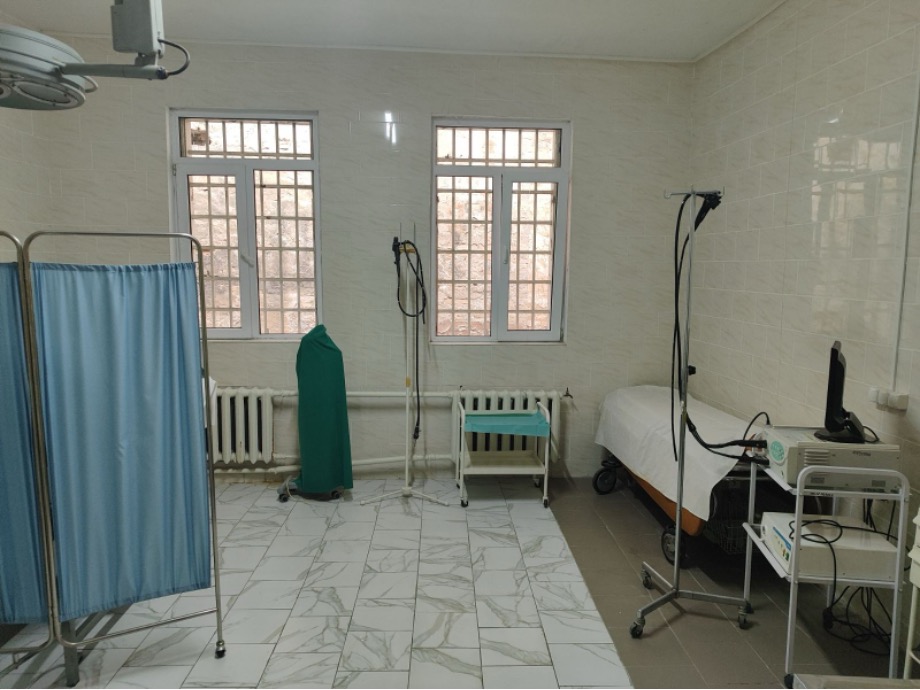
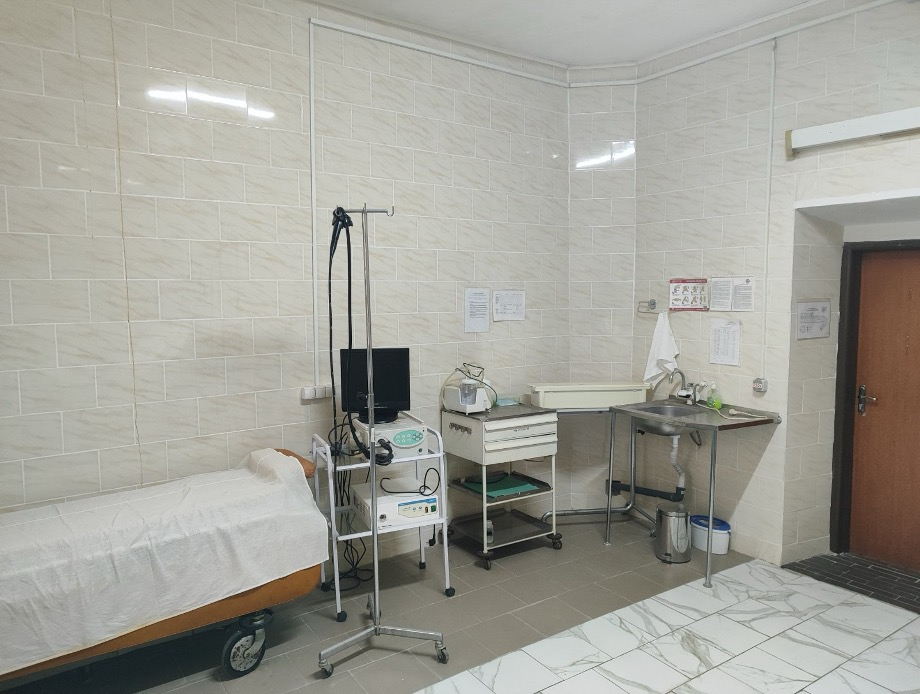
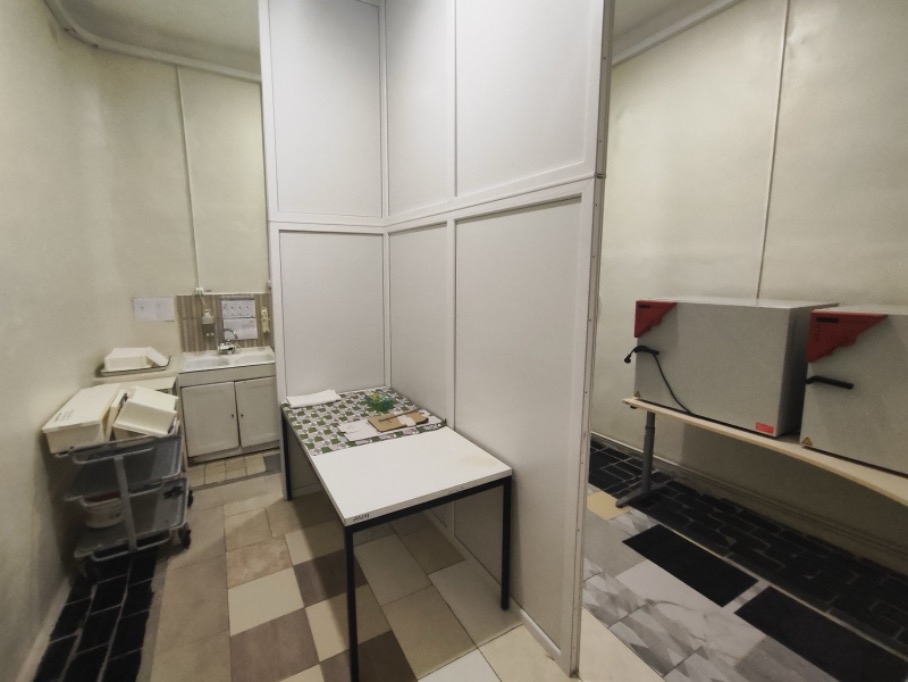
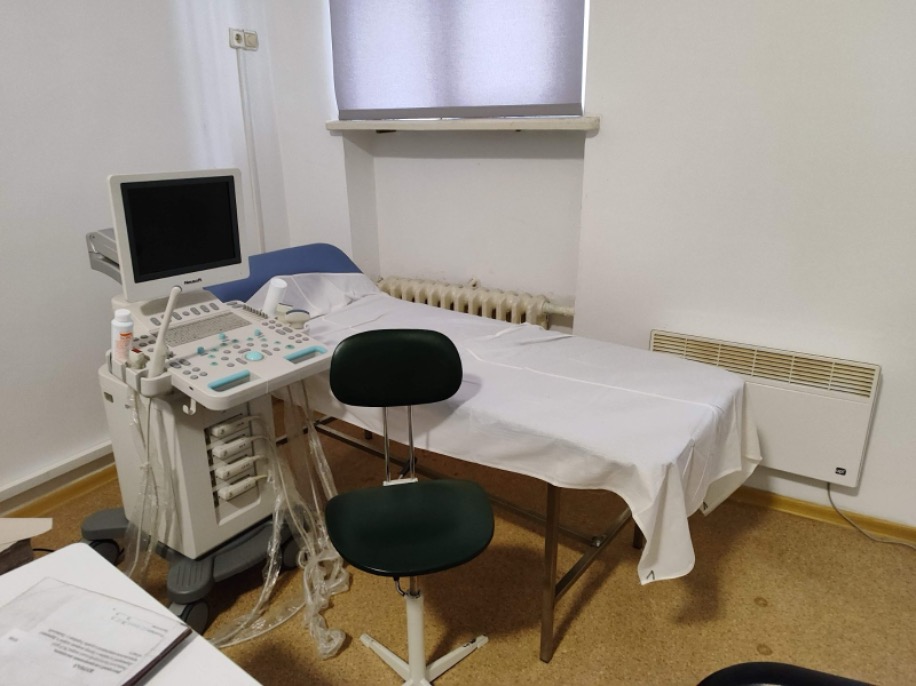
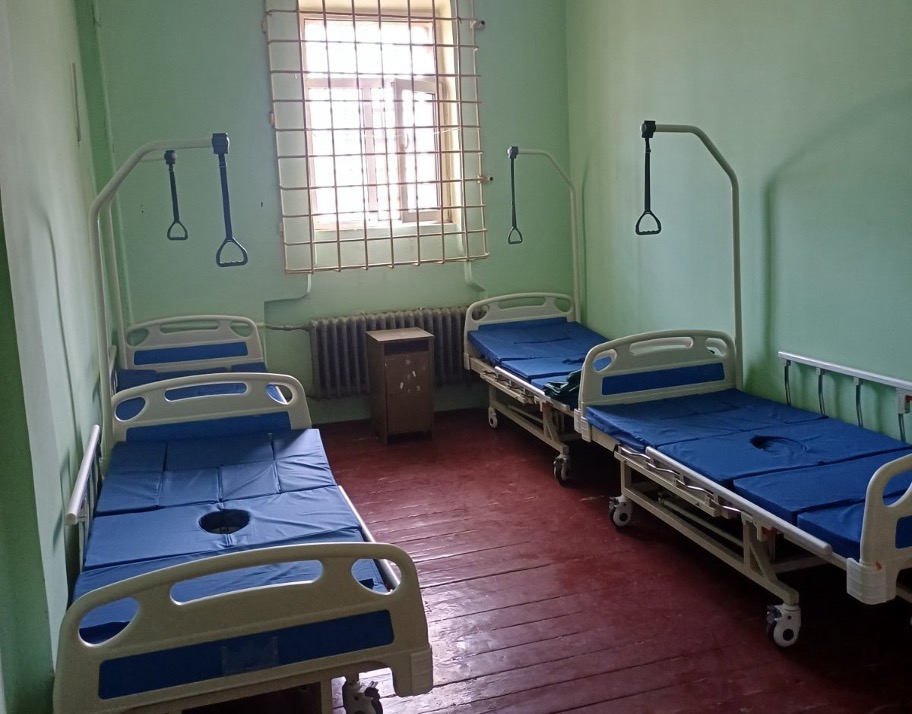
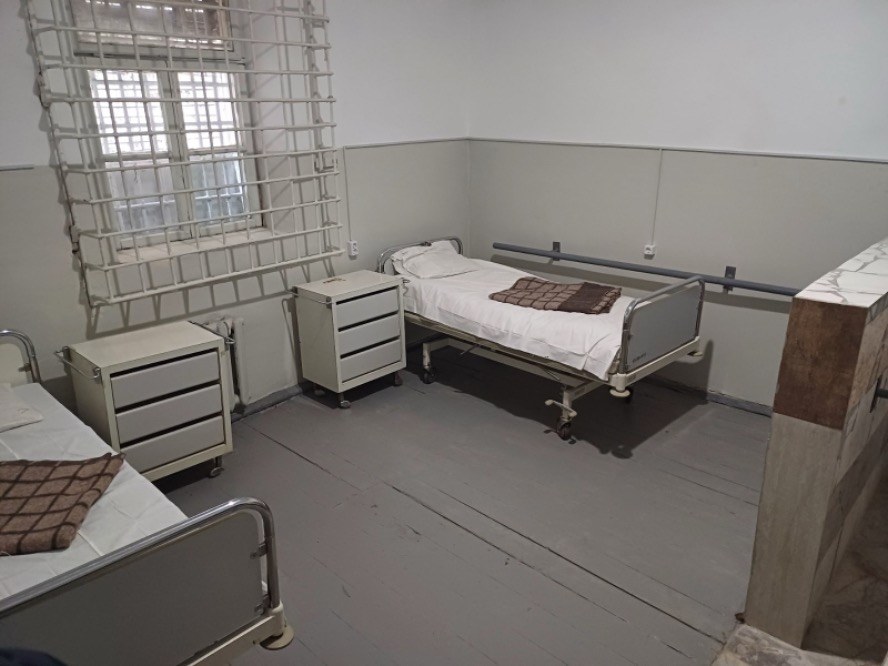
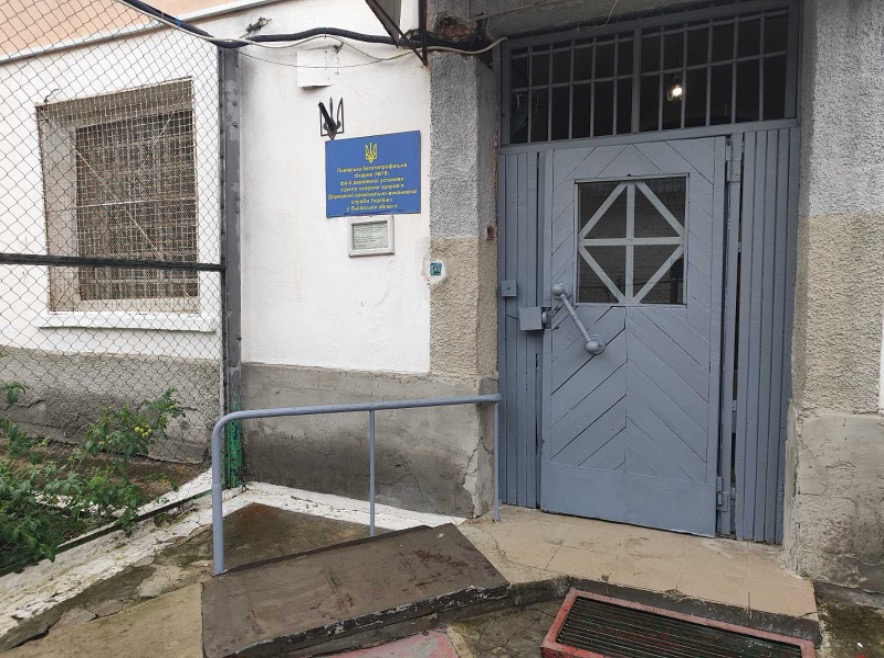
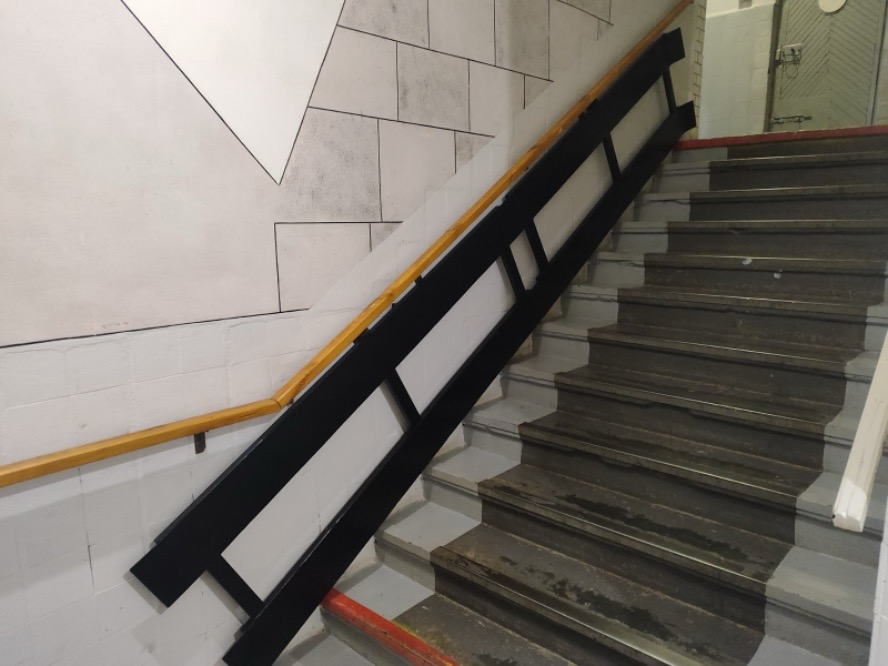
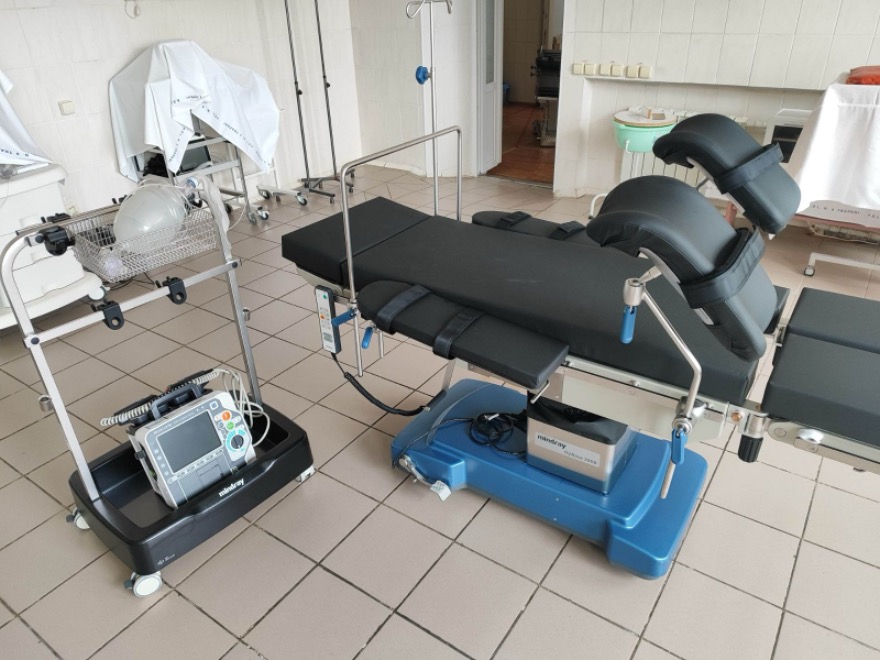
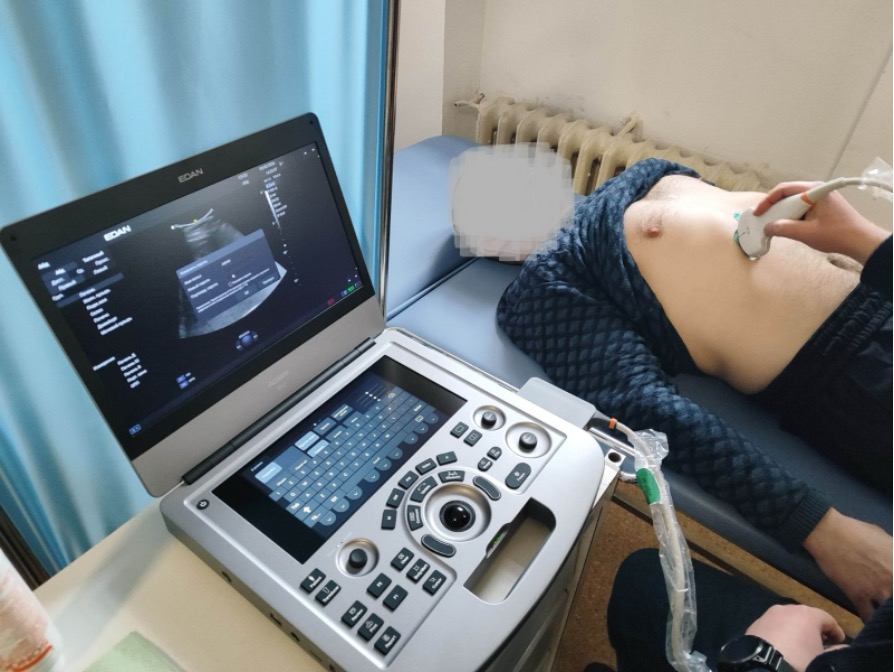
Thus, the findings of the monitoring visit demonstrate positive progress in the phased modernisation of the hospital’s infrastructure, the improvement of patient accommodation, and the introduction of advanced diagnostic modalities. The constructive cooperation between the hospital administration, the International Committee of the Red Cross, and the Healthcare Centre of the SCES of Ukraine warrants particular commendation, having facilitated measures to improve the accessibility of healthcare and foster a more therapeutic environment for individuals held in detention.
Identified Violations of Domestic and International Law
1. During the monitoring visit, a series of systemic violations was documented, notably the failure to comply with statutory living space standards for accommodating convicted persons in healthcare facilities, alongside other deficiencies indicating substandard detention conditions. Such conditions may amount to inhuman or degrading treatment and could generate fresh applications against Ukraine before the European Court of Human Rights under Article 3 of the Convention for the Protection of Human Rights and Fundamental Freedoms.
Specifically, in violation of Part 1, Article 115 of the Criminal Executive Code of Ukraine (hereinafter ‘CEC of Ukraine’) and Rule 13 of the UN Standard Minimum Rules for the Treatment of Prisoners (the Nelson Mandela Rules), the statutory living space requirement for convicted inpatients — not less than 5 m² per person — was not observed.
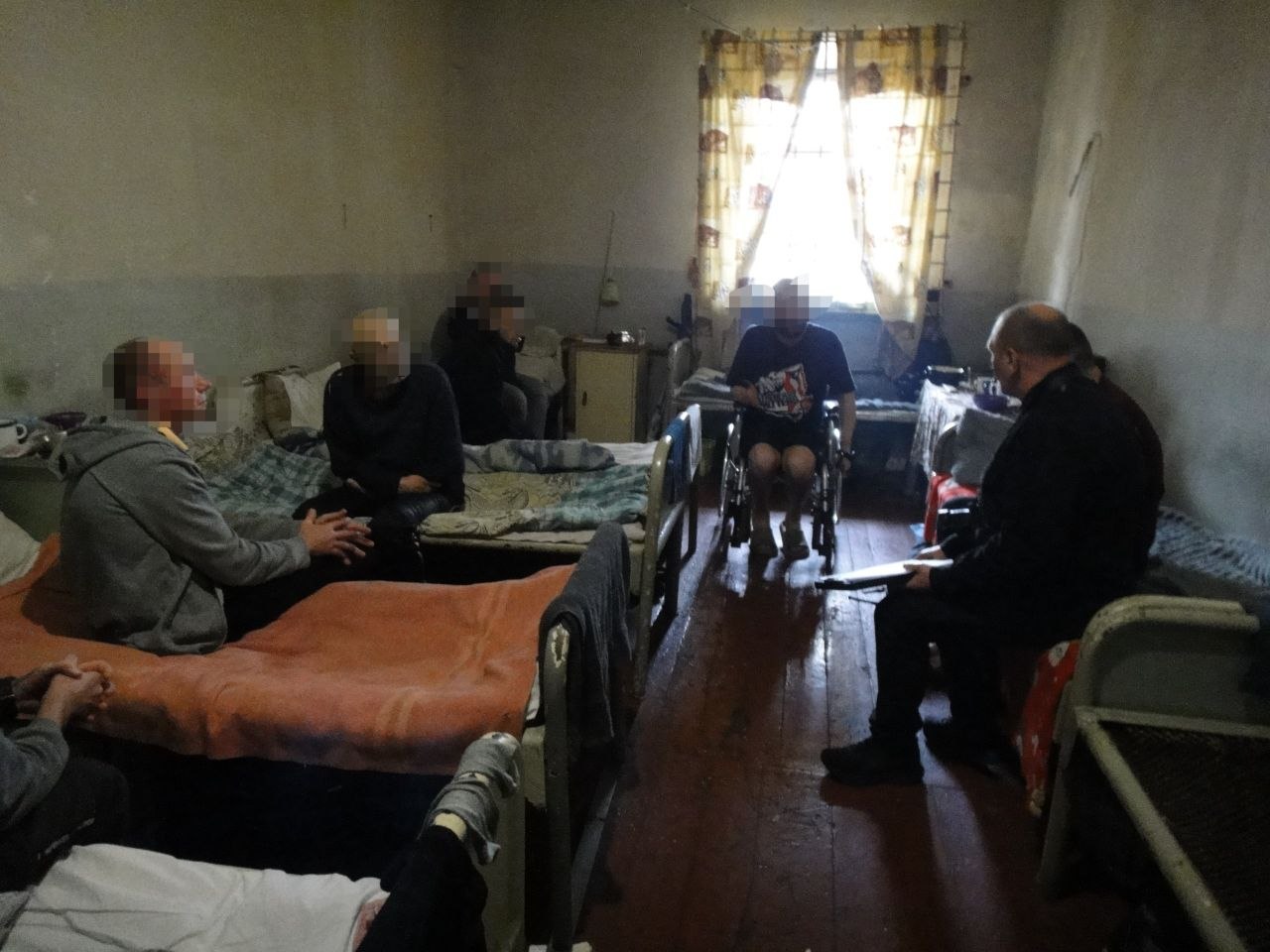
For example, in ward No. 194, which accommodated 7 patients, the room measured 27.84 m² according to the measurement certificate. Consequently, the actual living space available per convicted person was only 3.97 m². Identical violations were established in wards No. 191 and No. 198.
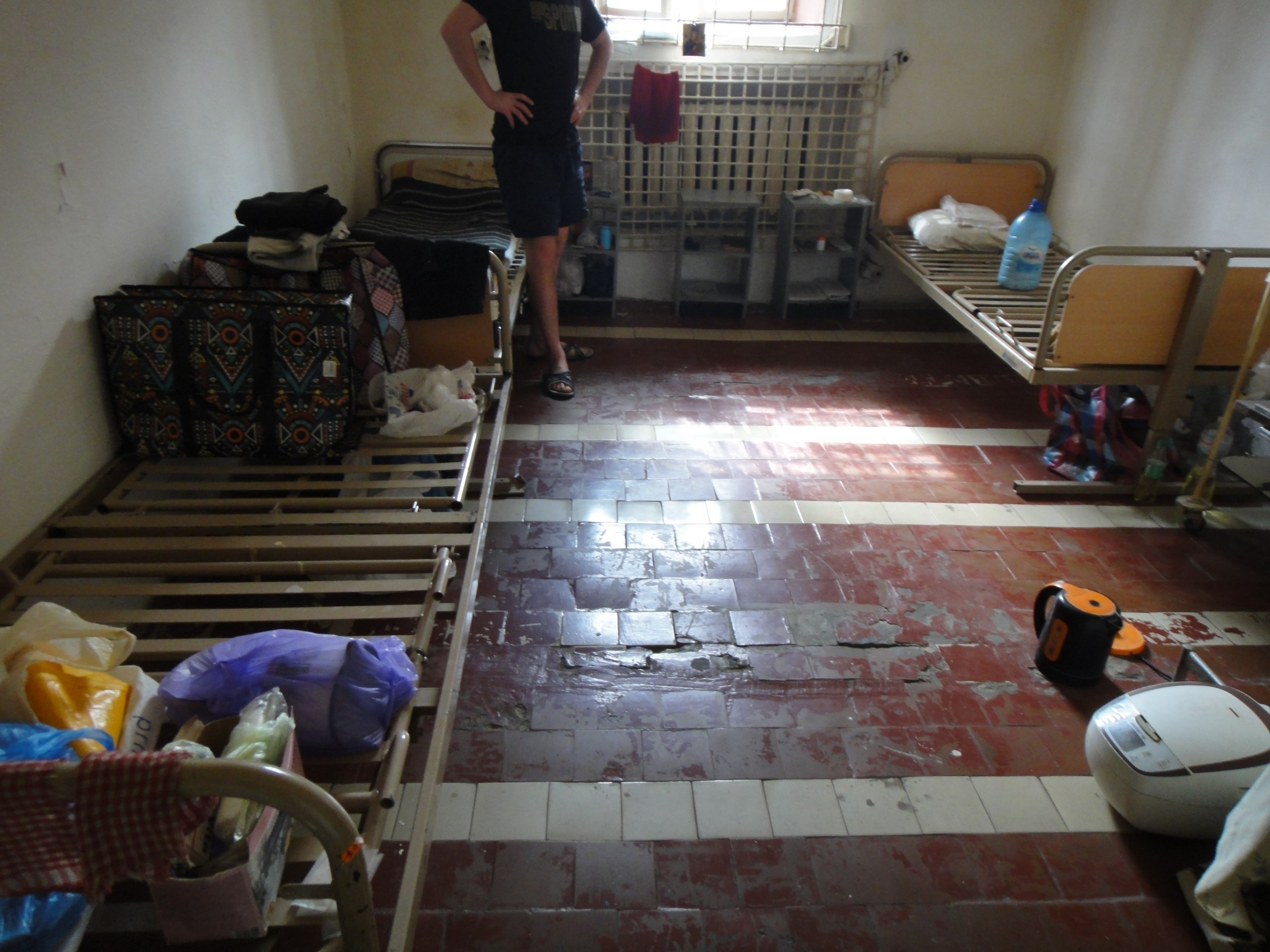
Moreover, across several wards — notably Nos. 182, 183, 191, 194, and 198 — the actual number of installed beds exceeds the permissible capacity, thereby precluding adherence to the statutory standard of at least 5 m² per patient.
This situation creates a persistent risk of non-compliance with statutory living space norms and deprives patients accommodated in these wards of sufficient personal space.
Paragraph 13 of the 7th General Report of the European Committee for the Prevention of Torture and Inhuman or Degrading Treatment or Punishment (hereinafter ‘the Committee’ or ‘the CPT’) states that overcrowding in detention accommodation leads to unhygienic conditions, constant lack of privacy, and overburdened healthcare services and infrastructure. The Committee concludes that, in many instances, the negative impact of overcrowding amounts to inhuman or degrading conditions of detention (CPT/Inf (97) 10).
2. Certain hospital wards fail to meet the requirements of clauses 8.3.2.4, 8.3.2.7, and 8.3.5.1 of the State Building Standards of Ukraine DBN V.2.2-10:2022 ‘Healthcare Facilities’.
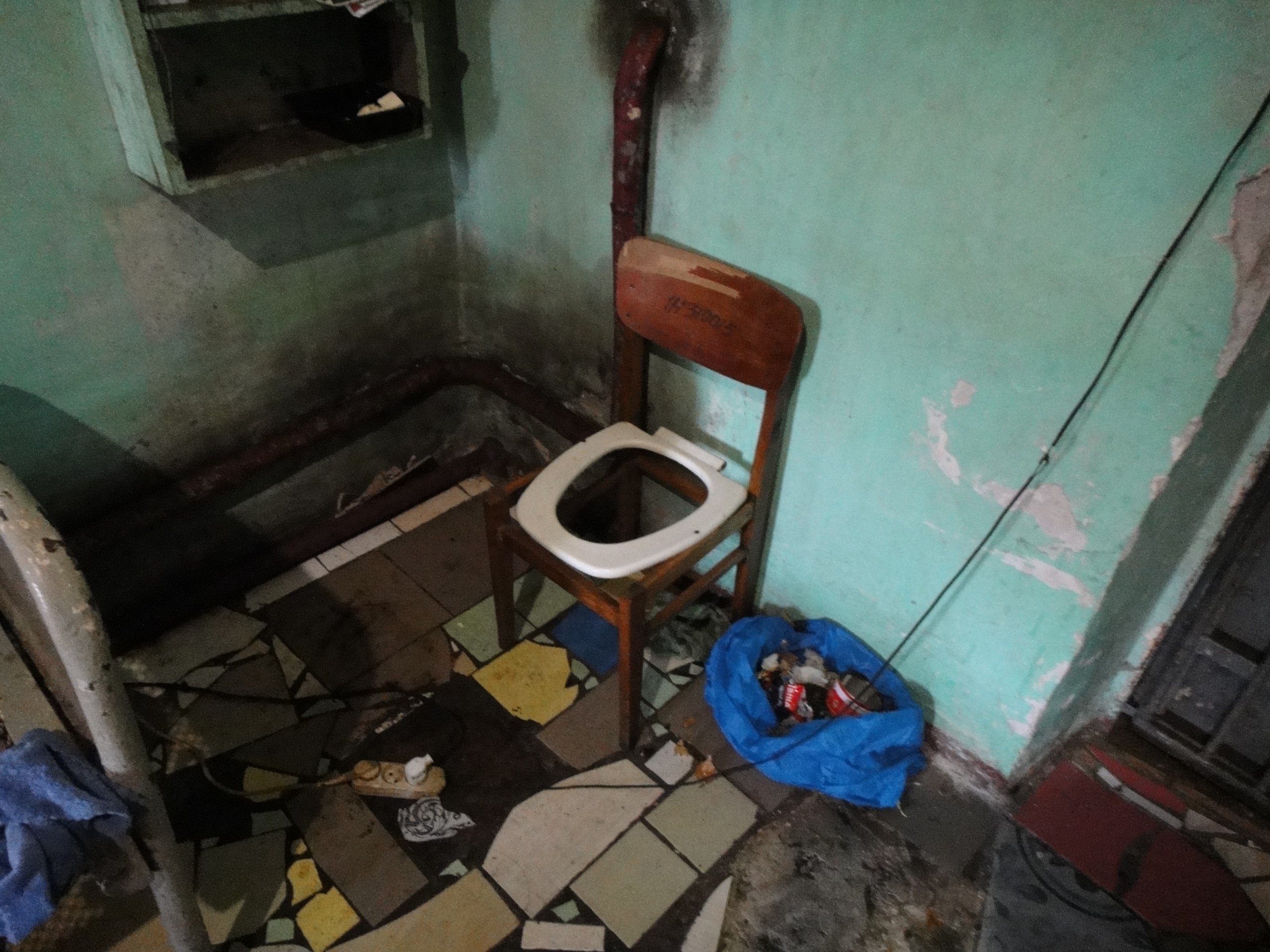
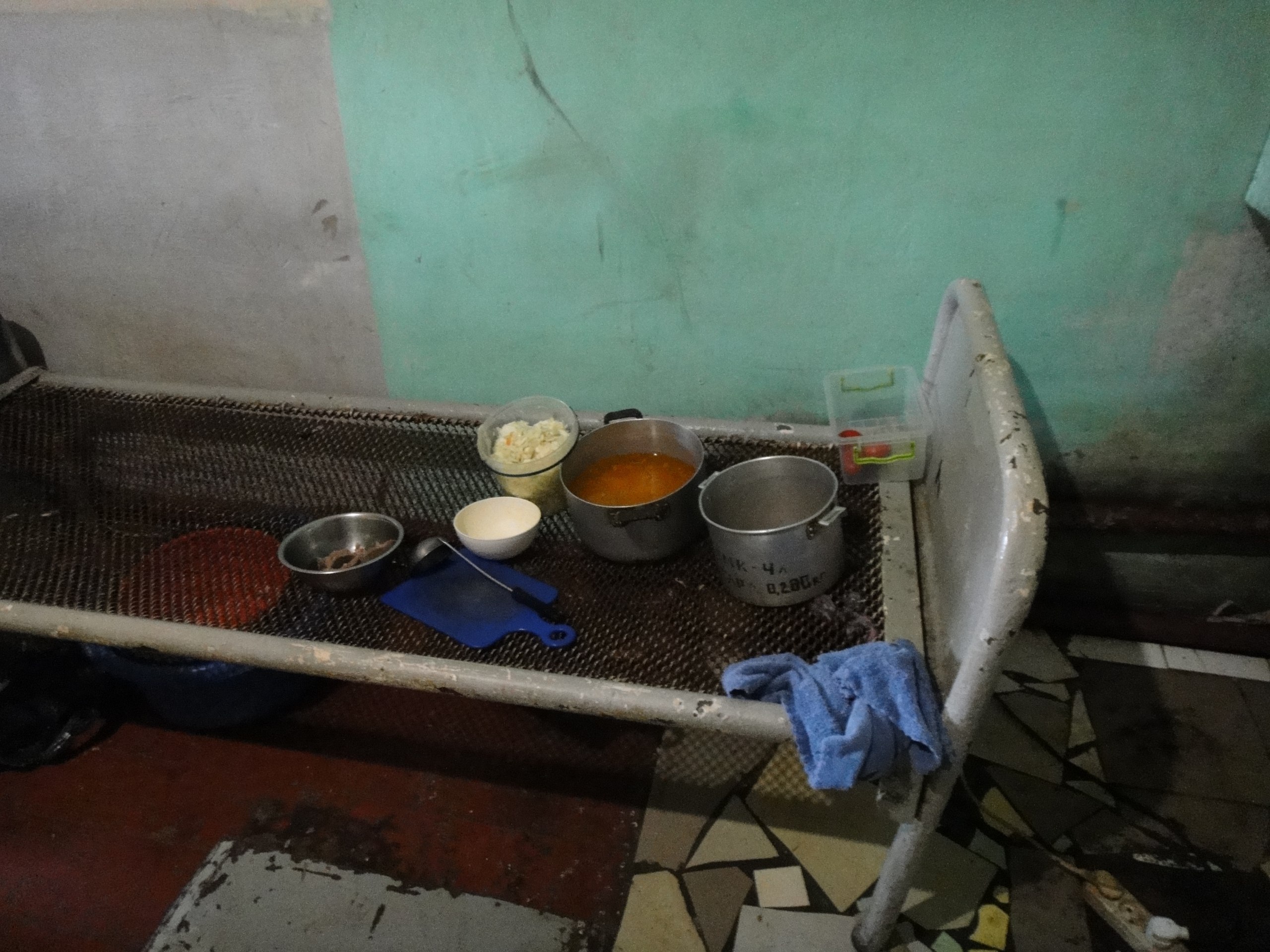
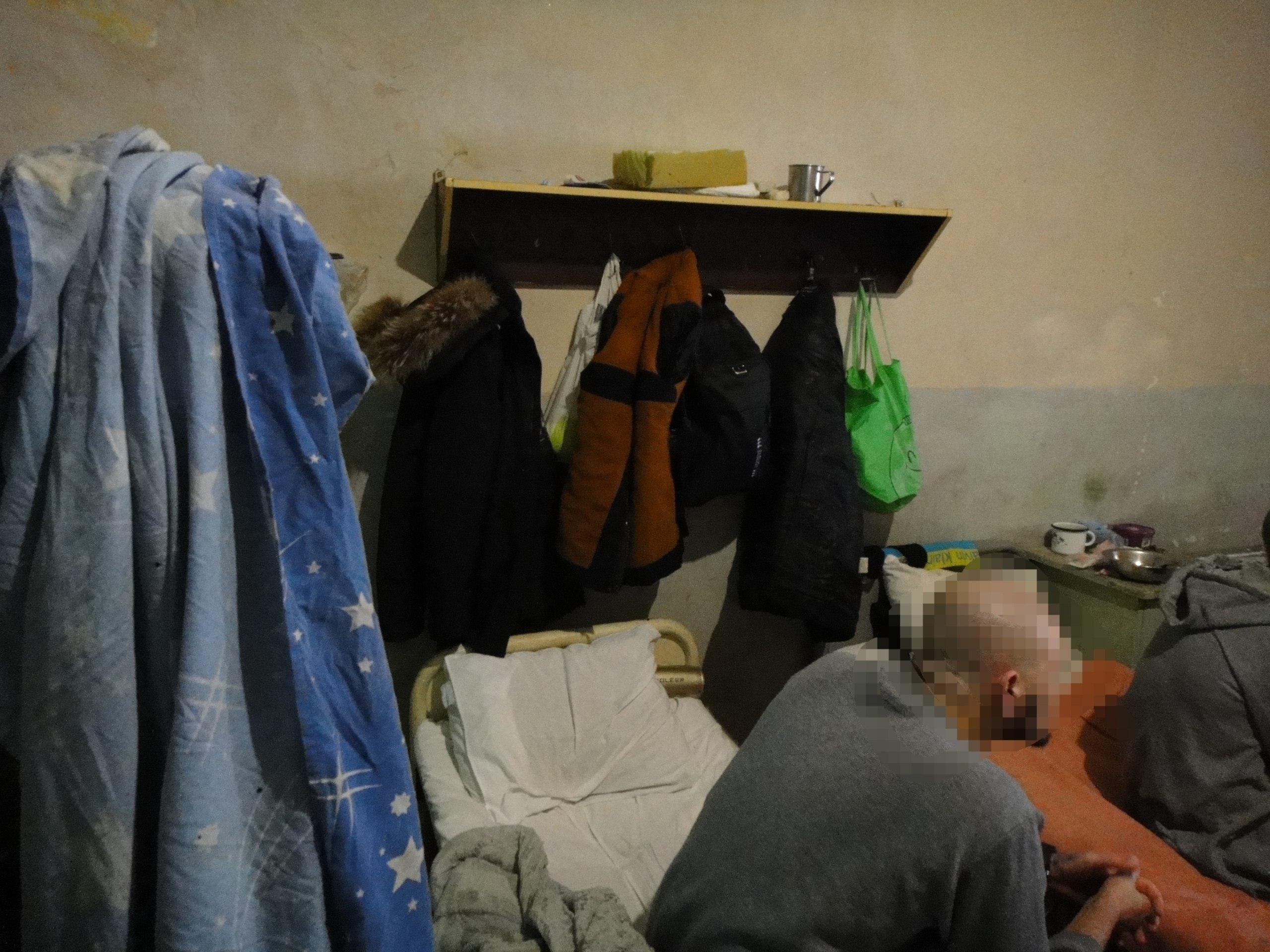
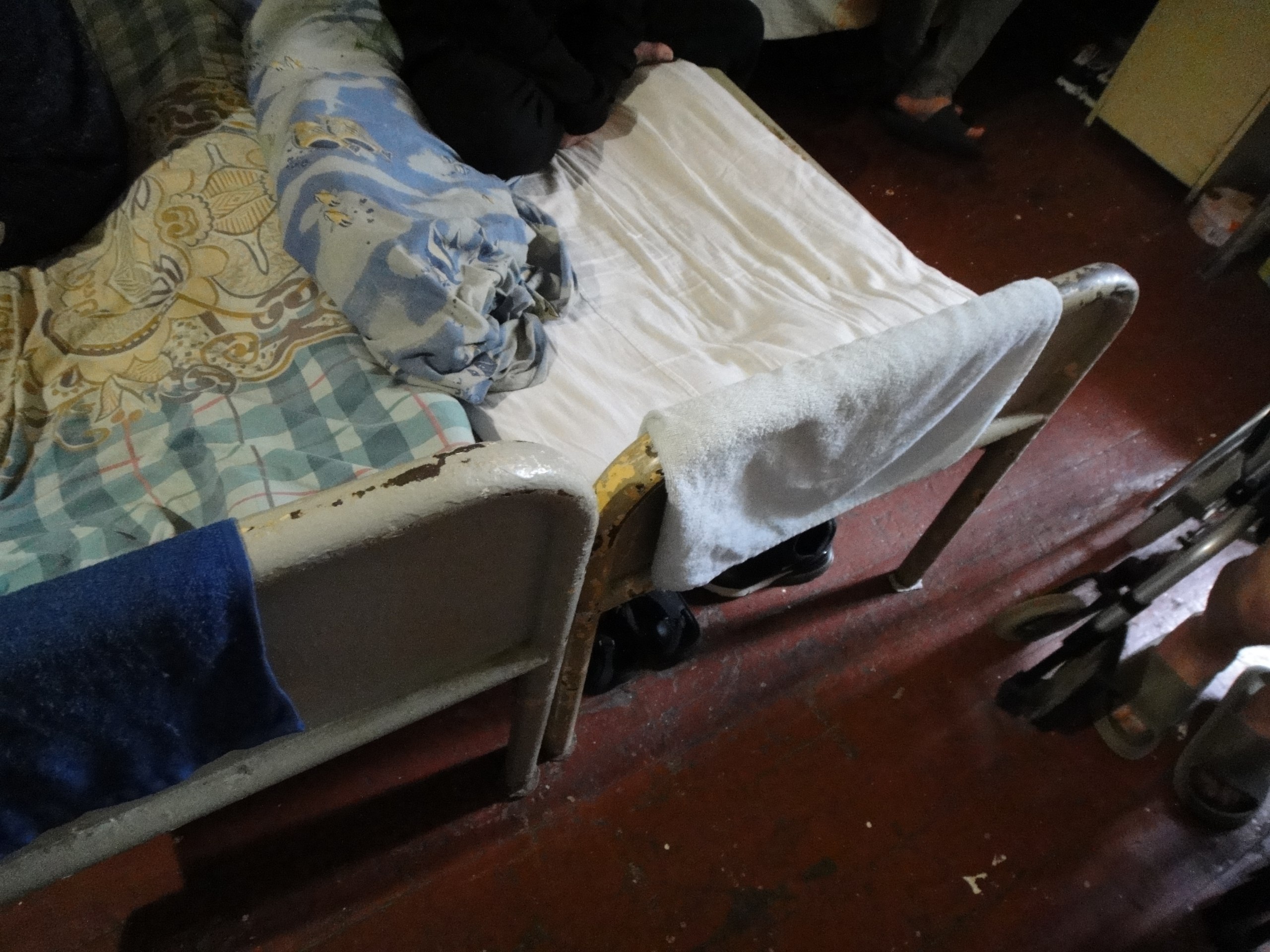
Specifically, the floorspace in several wards is insufficient, causing beds to be placed right against one another. Such arrangements prevent access to beds from at least three sides. The wards lack adequate furniture for storing patients’ personal belongings, including wardrobes and bedside lockers in sufficient quantities. Furthermore, the wards are not equipped with shower cubicles.
Artificial lighting levels are insufficient for comfortable reading. Mechanical ventilation systems are non-operational, and sanitary facilities lack doors and/or proper screening partitions to ensure privacy during use.
Several wards require refurbishment, including the replacement of sanitary fittings, electrical installations, and flooring.
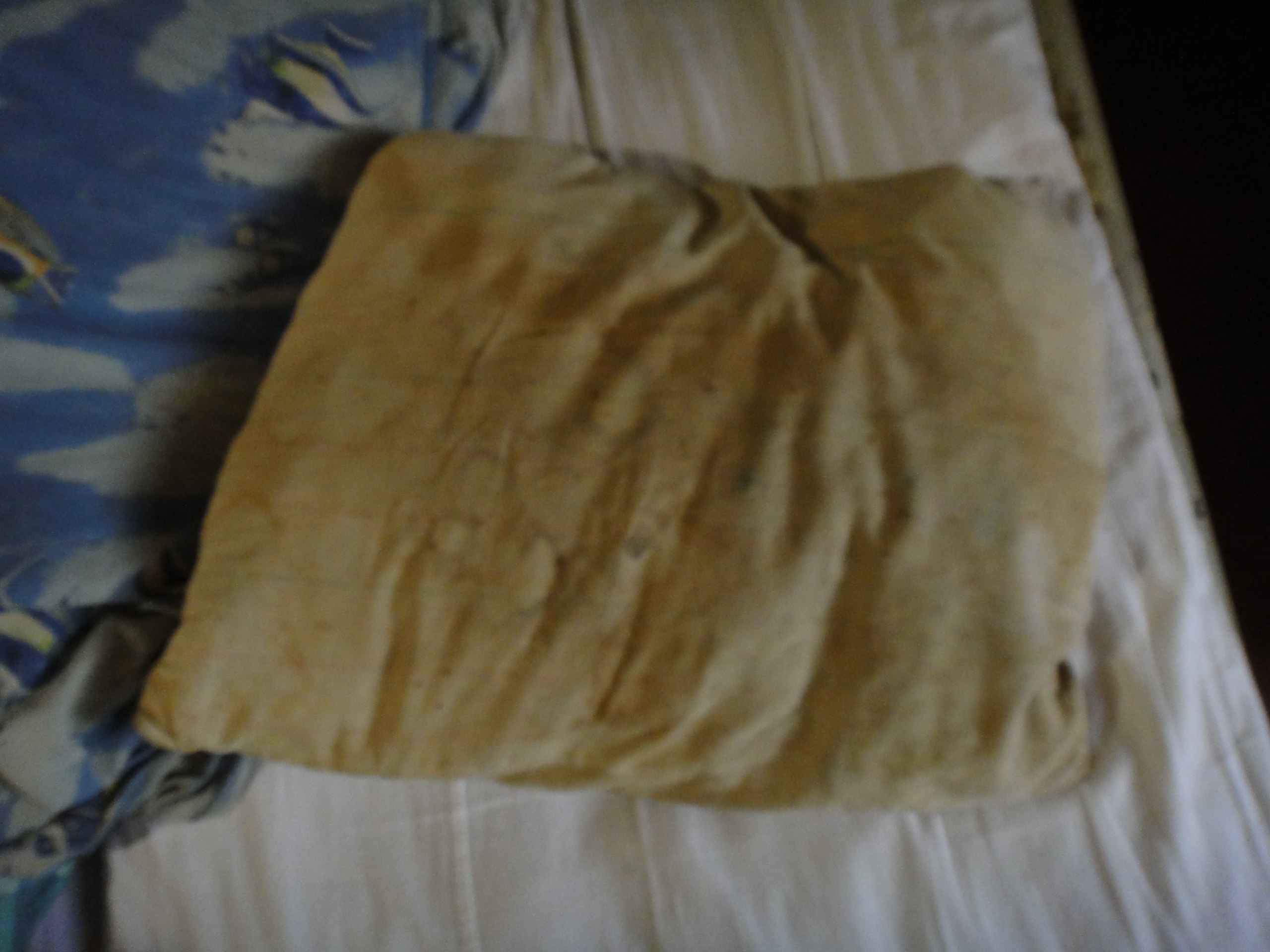
A persistent unpleasant odour was noted in the wards, and several exhibited signs of unsanitary conditions. Significant clutter was observed, with patients’ personal effects strewn across wards and equipment obstructing the hospital corridor. Certain items of bedding, particularly pillows and mattresses, are heavily worn and require urgent replacement.
The combination of these shortcomings demonstrates substandard living conditions for patients and fails to comply with paragraph 53 of the CPT’s 3rd General Report (CPT/Inf (93) 12-part), as well as Rules 13, 14, and 15 of the UN Standard Minimum Rules for the Treatment of Prisoners (the Nelson Mandela Rules).
3. During the visit, the monitoring group established that the hospital’s healthcare staff fail to ensure the proper recording and documentation of bodily injuries sustained by persons deprived of their liberty.
Pursuant to clause 2.11, Section II of the Procedure for Interaction between Healthcare Facilities of the State Criminal-Executive Service of Ukraine and Healthcare Facilities on the Provision of Medical Care to Remanded Persons, approved by Joint Order No. 239/5/104 of the Ministry of Justice of Ukraine and the Ministry of Health of Ukraine dated 10 February 2012 (hereinafter ‘the Interaction Procedure’), whenever bodily injuries are detected on a remanded person, the healthcare professional who discovered them must draw up a certificate in triplicate, setting out in detail:
- information concerning the circumstances of the injury — including any written statement, oral or written explanation by the individual regarding the date, time, and location of the incident, the manner in which the injuries were inflicted, details of the perpetrator(s) alleged by the person, and other relevant circumstances;
- an exhaustive medical description of the individual’s state of health, the nature, dimensions, and precise anatomical location of the injuries;
- the medical professional’s reasoned conclusion regarding the consistency between the account provided by the individual and the objective clinical findings.
The medical professional must attach primary health record Form No. 511/o (‘Certificate on the Recording of Bodily Injuries’, approved by Order No. 110 of the Ministry of Health of Ukraine dated 14 February 2012, registered with the Ministry of Justice on 28 April 2012 under No. 661/20974) and photographs of the injuries. Two copies of the certificate and its attachments are placed in the individual’s personal file and Outpatient Medical Record No. 025/o, while the third copy is handed directly to the examined person.
In contrast, the monitoring group identified instances where healthcare personnel, upon detecting injuries, merely completed Form No. 511/o; instead of drawing up the certificate in triplicate and executing the full suite of actions prescribed by the Interaction Procedure, the clinician simply submitted an internal memorandum to the governor of the institution.
This constitutes a violation of clause 2.11, Section II of the Interaction Procedure and reflects improper procedural documentation of bodily injuries.
The failure to document bodily injuries properly runs contrary to paragraph 60 of the CPT recommendations, which highlights that prison healthcare services can significantly contribute to the prevention of ill-treatment of detained persons through the systematic recording of injuries and, where appropriate, notifying the relevant authorities (CPT/Inf (93) 12-part).
4. In violation of clause 7, Chapter 2, Section III of the Procedure for the Provision of Medical Care to Convicted Persons Deprived of Liberty, approved by Order No. 1348/5/572 of the Ministry of Justice of Ukraine and the Ministry of Health of Ukraine dated 15 August 2014 (hereinafter ‘the Medical Care Procedure’), patients are allocated to ward-cells not on the basis of a clinical diagnosis and medical decision to admit them to a specialised department, but at the discretion of institutional custodial staff.
5. During the inspection of ward No. 194, monitors established that convicted prisoners in transit through the SI ‘Lviv Penitentiary Institution No. 19’ were co-located in the inpatient ward alongside patients undergoing medical treatment. This practice was attributed to an acute shortage of space in the institution’s transit cells.
Such co-location fails to ensure the segregation of transit prisoners from inpatients receiving medical care and creates unnecessary health risks for both categories of individuals. This violates clause 1, Chapter 5, Section II of the Medical Care Procedure.
6. During confidential interviews with convicted persons, the monitoring group received numerous complaints regarding the non-provision or substandard provision of medical care. In particular, inpatients undergoing treatment reported that, despite daily visits by junior nursing staff, examinations by their attending physician were subject to delays of up to a week or more.
Such delays undermine the patients’ right to timely healthcare and informed participation in their treatment, running contrary to clause 3, Chapter 3, Section III of the Medical Care Procedure.
7. The hospital’s authorised structure provides for 5 palliative care beds. However, there is no dedicated inpatient palliative care ward within the facility, which fails to comply with clause 4, Section IV of the Procedure for the Provision of Palliative Care, approved by Order No. 1308 of the Ministry of Health of Ukraine dated 4 June 2020.
8. In ward No. 184, which accommodates life-sentenced prisoners undergoing medical treatment, the monitors observed active video surveillance cameras.
Under clause 8, Section VII of the Procedure for the Use of Technical Surveillance and Control Devices in Correctional and Educative Colonies of the State Criminal-Executive Service of Ukraine, approved by Order No. 2025/5 of the Ministry of Justice of Ukraine dated 26 June 2018 (registered with the Ministry of Justice on 2 July 2018 under No. 766/32218), the use of video cameras and body-worn cameras in medical wards and healthcare units is strictly prohibited.
This practice allows non-medical custodial staff to access confidential information regarding prisoners’ health during medical examinations, manipulations, or clinical procedures. Furthermore, it directly breaches statutory safeguards protecting medical confidentiality.
9. The monitoring group established that medical examinations of newly arrived detainees in the admissions unit are conducted in a search room in the presence of non-medical staff, under conditions that completely undermine privacy and confidentiality.
This creates an inherent risk of confidential health information being disclosed to custodial officers and fellow detainees present during the examination process.
This practice contravenes clause 7, Chapter 2, Section X of the Internal House Rules of Remand Prisons of the State Criminal-Executive Service of Ukraine, approved by Order No. 1769/5 of the Ministry of Justice of Ukraine dated 14 June 2019 (hereinafter ‘SI House Rules’), the statutory provisions governing medical confidentiality, and clause 9, Section I of the Medical Care Procedure.
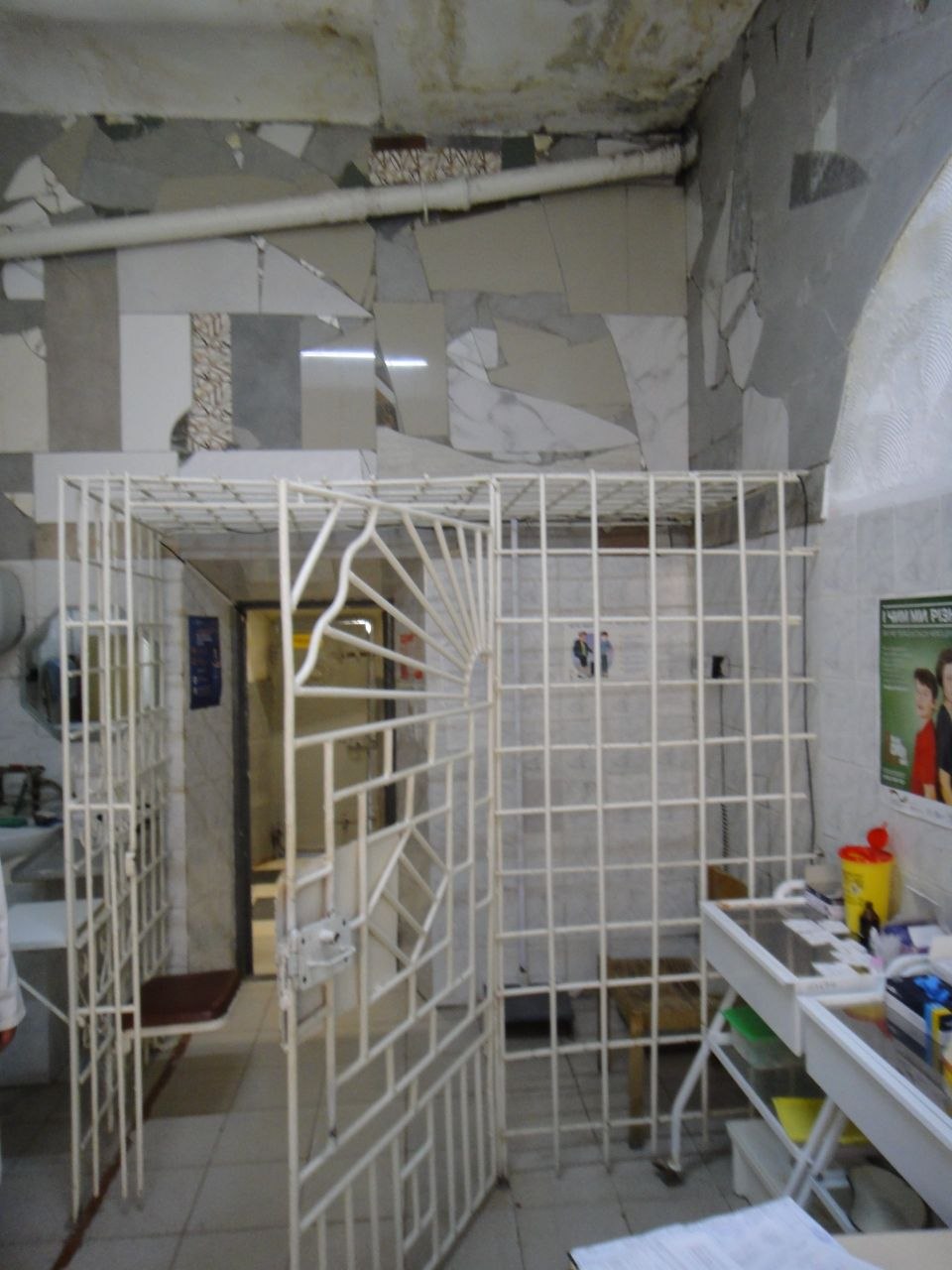
10. The monitoring group identified a metal grille partition inside the outpatient treatment room, through which medical examinations and clinical procedures for convicts and remand prisoners are carried out.
In its report on the 2020 visit to Ukraine, the CPT expressed serious concern regarding the use of cages or barred partitions in medical examination rooms, inside which prisoners are placed during consultations and medical interventions, including injections.
The Committee has reiterated that, while exceptional security measures may be justified in individual cases, the systematic confinement of prisoners in cages during medical consultations or procedures violates their dignity, impairs the therapeutic relationship between patient and clinician, and can severely hinder accurate clinical diagnosis.
The Committee accordingly urged the Ukrainian authorities to dismantle immediately all cages and barred enclosures in medical rooms and to put an end to this practice across all penal institutions (CPT/Inf (2020) 40, paragraph 60).
11. In breach of clause 8, Chapter 5, Section II of the Medical Care Procedure, the hospital’s inpatient unit lacks an equipped isolation room for prisoners presenting with psychiatric disorders who pose a danger to those around them.
12. The hospital operates infectious isolation rooms for patients with tuberculosis. However, in violation of the Measures and Resources for Preventing Infection during Patient Care, approved by Order No. 1777 of the Ministry of Health of Ukraine dated 3 August 2020, as well as clause 4, Chapter 1, Section X of the SI House Rules, the medical unit is not equipped with an isolation ward for patients with enteric (gastrointestinal) infections.
This failure compromises proper patient isolation and creates a heightened risk of infectious outbreaks, running contrary to infection control requirements in healthcare provision.
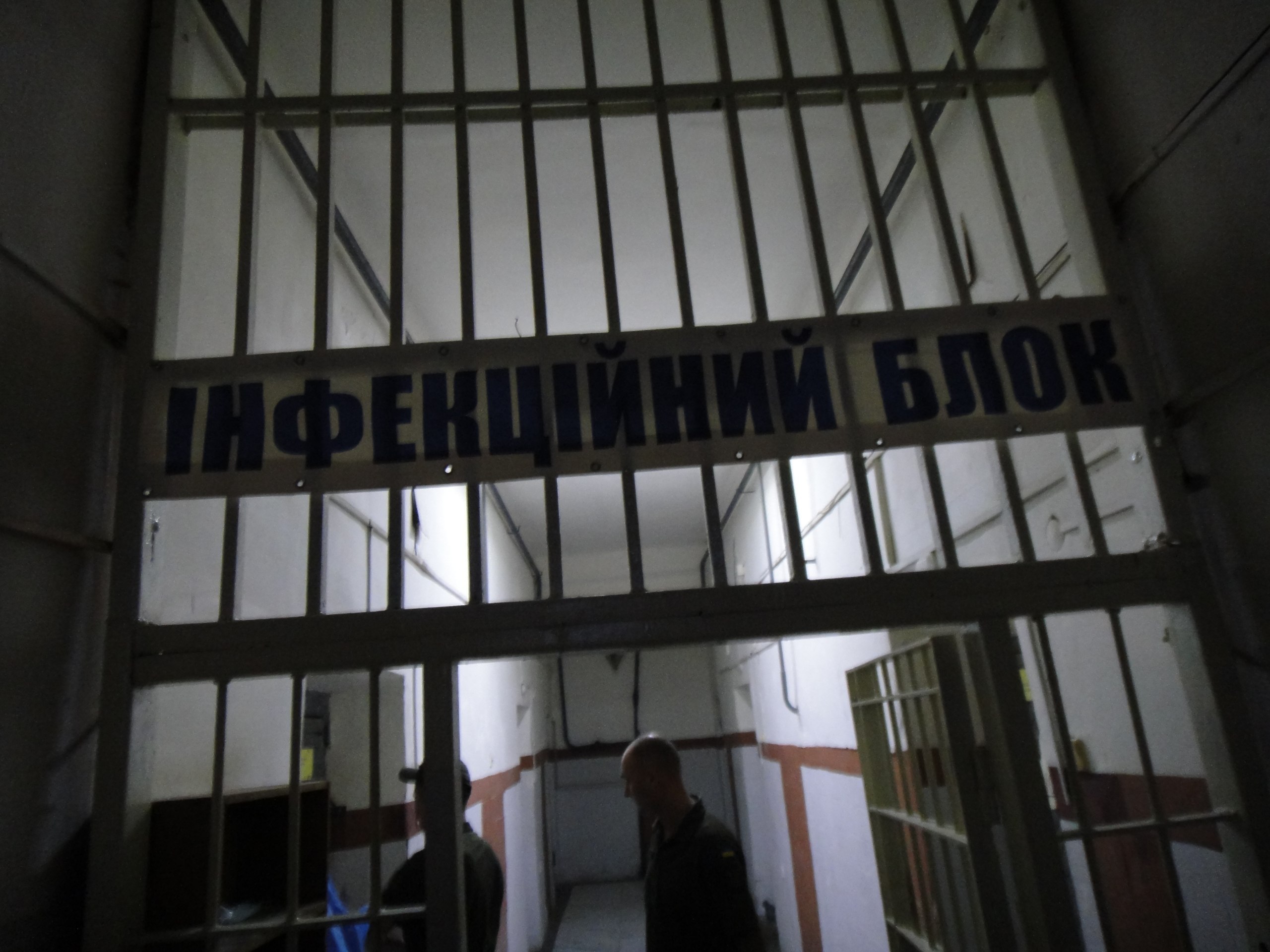
13. In violation of clause 2, Section II of the Infection Control Standard for Healthcare Facilities Providing Care to Tuberculosis Patients, approved by Order No. 287 of the Ministry of Health of Ukraine dated 1 February 2019 (hereinafter ‘the TB Standard’), tuberculosis isolation protocols are not being observed.
Specifically, ward-cells Nos. 107, 108, 109, and 110 are being used to house more than one or two patients each, with single ward-cells accommodating three beds.
14. Although the inpatient hospital contains infectious isolation wards for tuberculosis patients, these premises do not comply with sanitary and hygienic norms or the requirements of State Building Standards DBN V.2.2-10:2022 ‘Healthcare Facilities. General Provisions’.
Specifically, the wards designated for these patients lack shower cubicles, obliging patients to use communal sanitary facilities alongside other detainees in the institution.
The lack of self-contained facilities prevents effective patient isolation, fosters the transmission of infectious diseases, and poses a direct threat to the health of both prisoners and healthcare personnel.
15. In violation of the Supply Norms for Bedding, Special Clothing, and Footwear (Inventory Property) for Convicted Persons Undergoing Treatment in Healthcare Institutions, Units with Hospital Status, and Medical Units of Penal Institutions and Remand Prisons, approved by Order No. 280/5 of the Ministry of Justice of Ukraine dated 20 February 2012, patients are not issued with hospital clothing, such as patient pyjama suits, dressing gowns, or hospital slippers.
Consequently, inpatients remain in the hospital in their everyday civilian clothes, and several were found using their own bedding or sleeping without any bedding at all.
16. In violation of the Standards of Medical Care for Viral Hepatitis C in Adults, approved by Order No. 1178 of the Ministry of Health of Ukraine dated 23 July 2025, not all individuals with suspected hepatitis C — numbering 42 persons as of 18 September 2026 — undergo the mandatory confirmatory PCR testing.
Consequently, they are deprived of appropriate antiviral treatment, creating a substantial risk of disease progression and onward transmission among the prison population.
17. Active medical surveillance is maintained over 22 individuals with disabilities (1 person with a Group I disability, 6 with Group II, and 15 with Group III).
However, in breach of the Law of Ukraine ‘On the Rehabilitation of Persons with Disabilities in Ukraine’, these individuals are not provided with adequate diagnostic, therapeutic, and rehabilitative interventions tailored to their persistent functional impairments arising from illness or trauma that restrict everyday life activities.
A review of medical files revealed that one disabled prisoner lacked an Individual Rehabilitation Programme (IRP). The absence of an IRP makes it impossible to deliver the prescribed measures and recommendations necessary to maintain and restore impaired bodily functions.
18. Contrary to the requirements of State Building Standards DBN V.2.2-40:2018 ‘Inclusiveness of Buildings and Structures. General Provisions’, the hospital has failed to establish accessible and barrier-free conditions for persons with disabilities.
19. In breach of paragraph 37 of Resolution No. 285 of the Cabinet of Ministers of Ukraine dated 2 March 2016, ‘On Approving the Licensing Conditions for Carrying out Medical Practice’, the hospital lacks the mandatory certified report confirming unobstructed access to the healthcare facility’s buildings and premises for persons with reduced mobility.
20. In violation of the Procedure for Organising Medical Care at Primary, Secondary (Specialised), and Tertiary (Highly Specialised) Levels Using Telemedicine, approved by Order No. 681 of the Ministry of Health of Ukraine dated 19 October 2015, hospital staff are unable to send requests for telemedicine consultations or obtain specialist advice for prisoner healthcare due to technical constraints.
21. In breach of the Equipment Schedule for Dental and Dental Technician Workstations, approved by Order No. 158 of the Ministry of Health of Ukraine dated 11 April 2005, the medical unit lacks a dental X-ray machine. This precludes thorough dental examinations and prevents the timely provision of necessary dental care.
22. Duty medical personnel fail to provide sanitary supervision over prisoner bathing routines, as well as oversight of the cleaning, disinfection of shower rooms, and the conduct of body inspections, as required by paragraphs 3.10 and 3.11 of the Regulations on the Organisation of Bathhouse and Laundry Services for Persons Held in Penal Institutions and Remand Prisons.
Contrary to paragraph 3.11, Section III of the said Regulations, the feldsher’s inspection station for conducting body checks and administering first aid to prisoners in shower rooms Nos. 1 and 2 is unequipped — lacking even a desk and chair — thereby rendering it impossible to conduct proper medical examinations or deliver primary care.
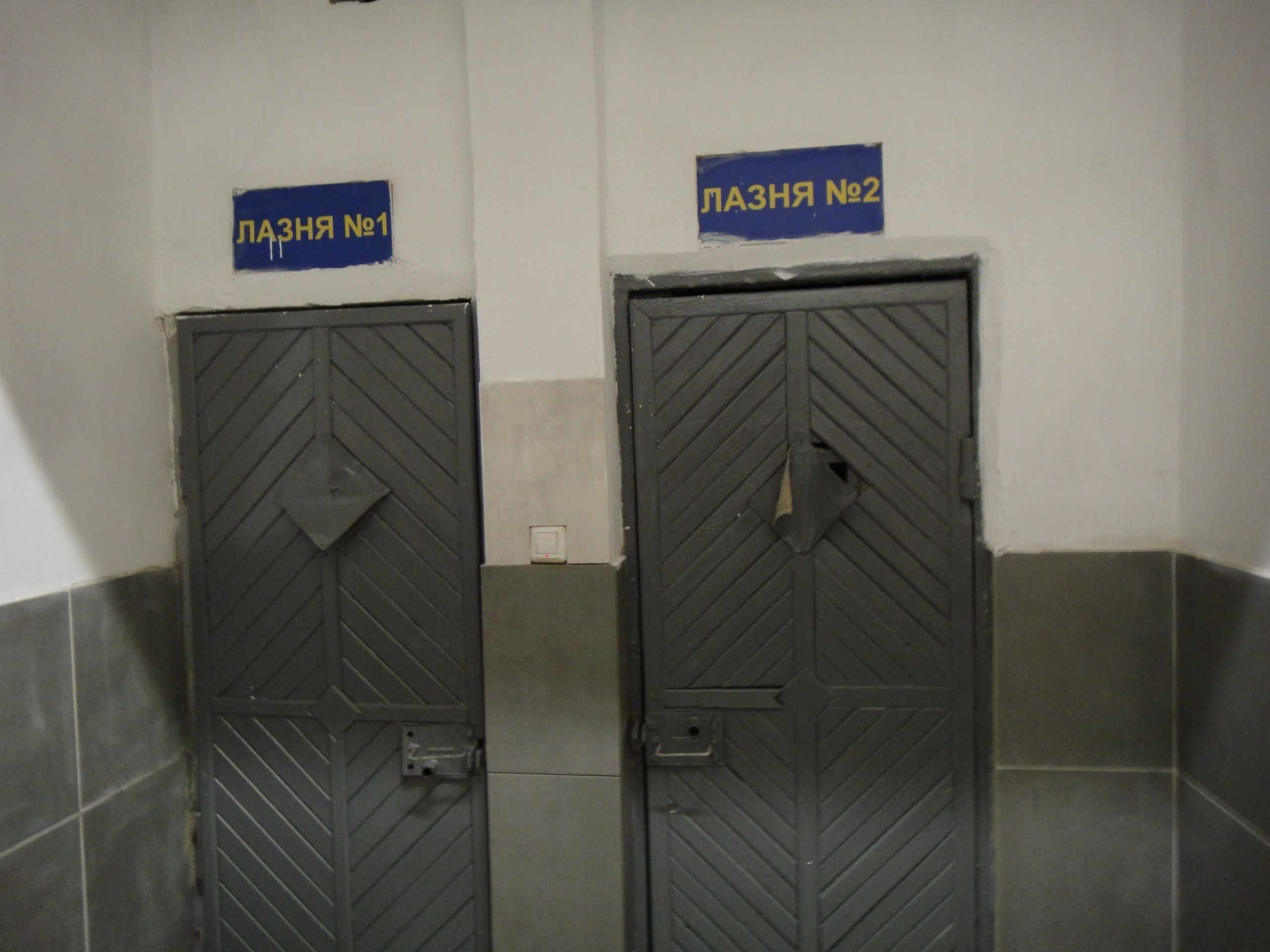
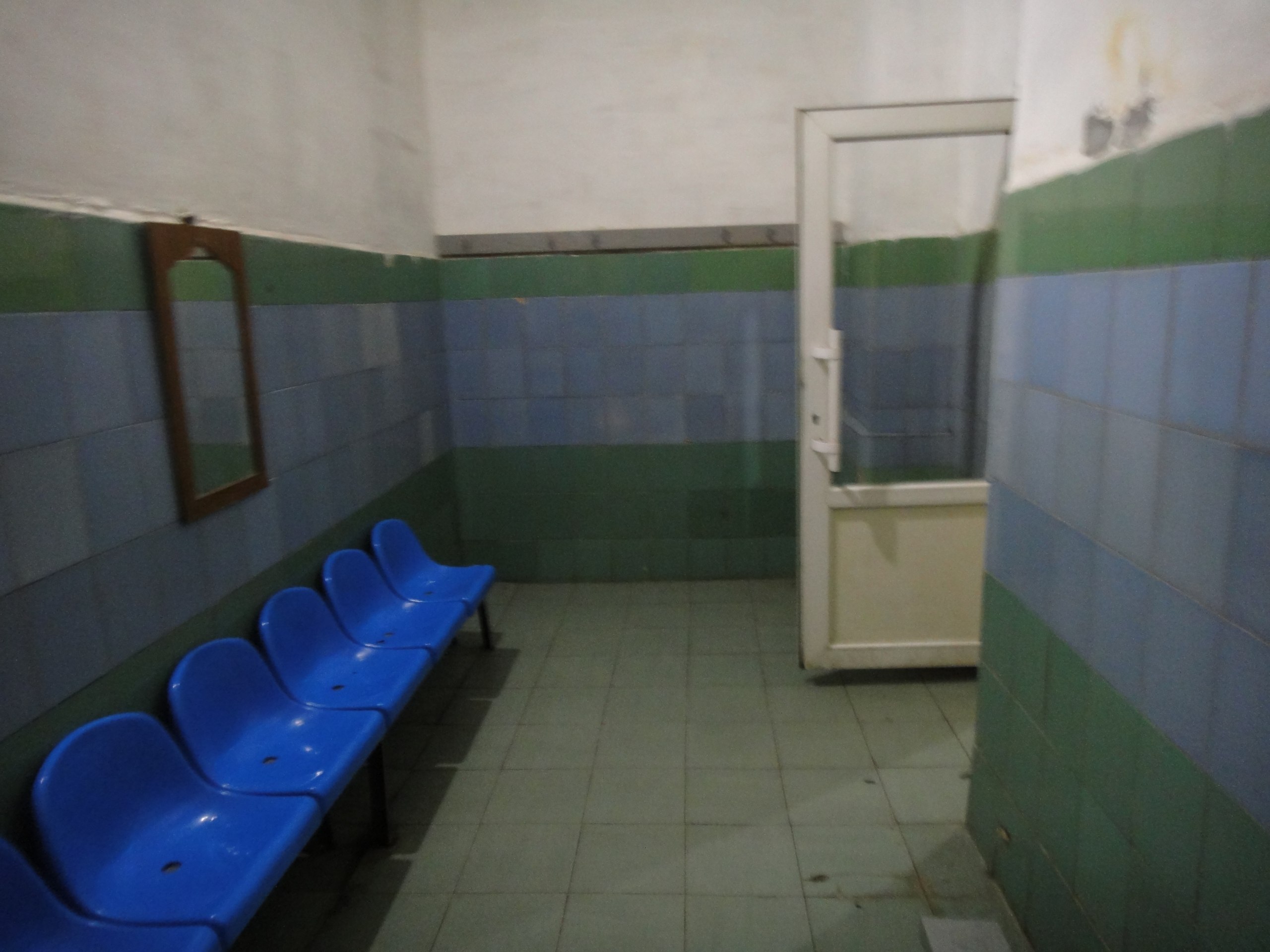
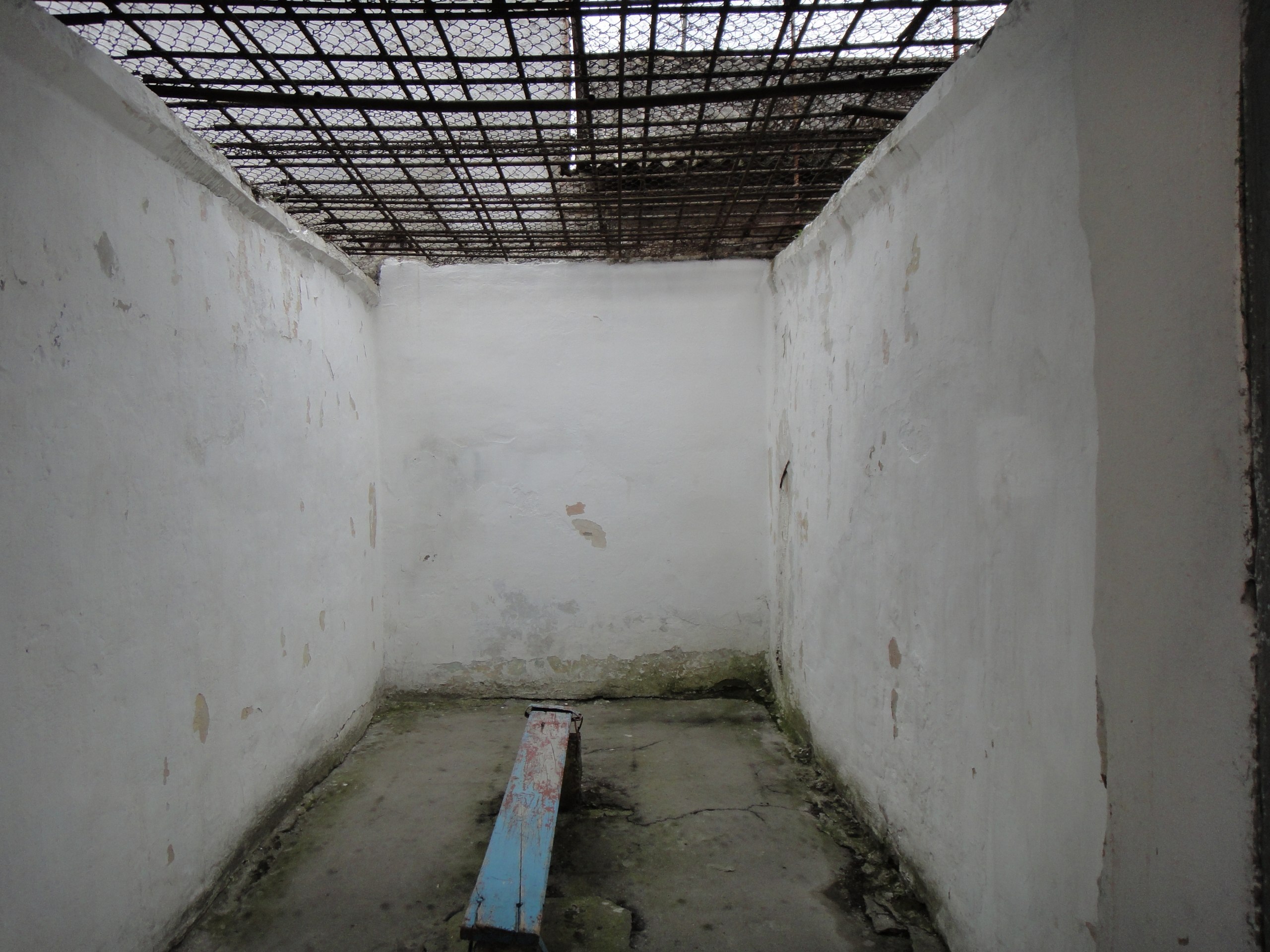
23. The hospital’s exercise yards are in urgent need of repair. The principal deficiencies identified include damaged ground surfacing — cracks, potholes, and unevenness that pose a risk of physical injury — and a complete absence of sports equipment or other facilities for physical exercise.
In this regard, the CPT has repeatedly recommended redesigning exercise yards whose layout offers, ‘at best, a view of the sky’ (CPT/Inf (2014) 15, paragraphs 122, 127).
24. In violation of Part 5, Article 110 of the Criminal Executive Code of Ukraine, convicted prisoners undergoing inpatient treatment are denied the right of access to the internet.
The denial of internet access restricts their ability to obtain information, exercise their rights to education and self-improvement, and maintain social contacts, which fails to adhere to paragraph 63 of the CPT recommendations (CPT/Inf (93) 12-part).
25. In breach of the Fire Safety Rules in Ukraine, approved by Order No. 1417 of the Ministry of Internal Affairs of Ukraine dated 30 December 2014, the hospital premises are not equipped with fire suppression or automatic fire alarm systems.
Recommendations:
1. Take prompt measures to eliminate the identified human rights violations and prevent torture and other cruel, inhuman or degrading treatment or punishment at Lviv Multidisciplinary Hospital No. 19 of the branch of the State Institution ‘Healthcare Centre of the State Criminal-Executive Service of Ukraine’ in Lviv Region.
2. Ensure strict oversight over the proper maintenance of medical records in accordance with the Procedure for the Provision of Medical Care to Convicted Persons Deprived of Liberty, approved by Joint Order No. 1348/5/572 of the Ministry of Justice and Ministry of Health dated 15 August 2014, the Procedure for Interaction between Healthcare Facilities of the SCES of Ukraine and Healthcare Facilities on the Provision of Medical Care to Remanded Persons, approved by Joint Order No. 239/5/104 dated 10 February 2012, and other relevant regulatory acts.
3. Fully staff the hospital with specialist doctors and nursing personnel in line with clinical needs.
4. Ensure the prompt and proper recording and documentation of bodily injuries sustained by convicted and remanded persons.
5. Take urgent steps to bring patient accommodation conditions into full compliance with Part 1, Article 115 of the CEC of Ukraine, the UN Standard Minimum Rules for the Treatment of Prisoners (the Nelson Mandela Rules), and the recommendations of the CPT, specifically by eliminating ward overcrowding and ensuring the minimum living space standard of at least 5 m² per person, as well as rectifying other identified deficiencies to prevent inhuman or degrading treatment and avert violations of Article 3 of the European Convention on Human Rights.
6. Bring material and domestic conditions in hospital wards and communal areas into line with DBN V.2.2-10:2022 standards, the Nelson Mandela Rules, and CPT recommendations by properly arranging bed spaces to ensure safe access and personal space, supplying adequate furniture and sanitary fixtures, guaranteeing access to safe drinking water, adequate lighting, functional ventilation, and privacy, and undertaking necessary repairs while eradicating unsanitary conditions.
7. Ensure that sick convicts are allocated to hospital wards strictly according to their clinical diagnoses and medical decisions, eliminating any interference by custodial staff in medical placement.
8. Provide a properly equipped isolation room for individuals presenting with mental and behavioural disorders who pose a danger to others, in accordance with regulatory requirements.
9. Ensure that attending physicians carry out regular, timely medical rounds and examinations of all inpatients, in full compliance with established standards.
10. Cease the practice of accommodating prisoners in the inpatient department who do not require hospital treatment, ensuring that wards are utilised exclusively for inpatient medical care.
11. Dismantle video surveillance cameras installed in hospital patient wards.
12. Dismantle the metal grille partition in the outpatient department’s treatment room and bring conditions for clinical consultations and procedures into line with CPT recommendations, thereby ensuring full respect for the human dignity of prisoners and detainees.
13. Equip and maintain a sufficient number of isolation rooms for patients with infectious diseases.
14. Establish and operate a dedicated palliative care department within the hospital pursuant to clause 4, Section IV of the Procedure for the Provision of Palliative Care, approved by Order No. 1308 of the Ministry of Health of Ukraine dated 4 June 2020, and furnish it with the necessary medical equipment, pharmaceuticals, and trained staff for inpatient palliative care.
15. Strictly adhere to tuberculosis patient isolation protocols in line with the Infection Control Standard.
16. Ensure the formulation and implementation of Individual Rehabilitation Programmes for all eligible persons with disabilities.
17. Ensure the physical accessibility of the facility’s buildings in compliance with State Building Standards DBN V.2.2-40:2018 ‘Inclusiveness of Buildings and Structures. General Provisions’.
18. Comply with the requirements of paragraph 37 of Resolution No. 285 of the Cabinet of Ministers of Ukraine dated 2 March 2016, ‘On Approving the Licensing Conditions for Carrying out Medical Practice’.
19. Ensure the full technical functionality of the telemedicine system so that medical staff can request specialist telemedicine consultations.
20. Provide all individuals with suspected viral hepatitis C with immediate access to confirmatory PCR testing, and ensure prompt access to direct-acting antiviral therapy for all confirmed cases.
21. Supply the hospital with the full complement of patient clothing and linen, including pyjama suits, dressing gowns, and hospital footwear.
22. Equip the dental clinic with a dental X-ray machine and essential instruments to enable comprehensive dental diagnostics and care.
23. Ensure strict compliance with paragraphs 3.10 and 3.11 of the Regulations by arranging proper medical supervision during prisoner bathing and fitting out the feldsher’s workstation in the shower facility to enable physical examinations and primary care delivery.
24. Refurbish the exercise yards by repairing surface damage, installing physical exercise equipment, and creating outdoor conditions that satisfy CPT standards.
25. Eliminate all identified fire safety violations.