Report on the results of the monitoring visit to Dnipropetrovsk Correctional Colony No. 89
On 10 March 2017, a monitoring group consisting of Dmytro Reva, Maryna Davydova and Serhii Hryhorash paid an unannounced monitoring visit to Dnipro Correctional Colony No. 89. The facility specialises in housing prisoners suffering from various forms of tuberculosis.
At the beginning of the visit, the monitors visited the maximum-security block, which also houses the disciplinary isolation cell (DIZO) and the penitentiary cell-type room (PKT). At the time of the monitors' visit, five people were in the disciplinary isolation cell, and there was no one in the PKT. None of those placed in the DIZO disputed the management's decision regarding the penalty imposed (the reasons for placement were the discovery of money and insulting an administration representative). For two prisoners with tuberculosis who were in single cells in the DIZO, special, more humane conditions were established – the bed remained unfastened and made (according to the rules, between 05:00 and 21:00, the bed in the DIZO must be put away, and the bedding removed to another cell or storeroom). The bed linen looked fresh. The plumbing is in need of repair.
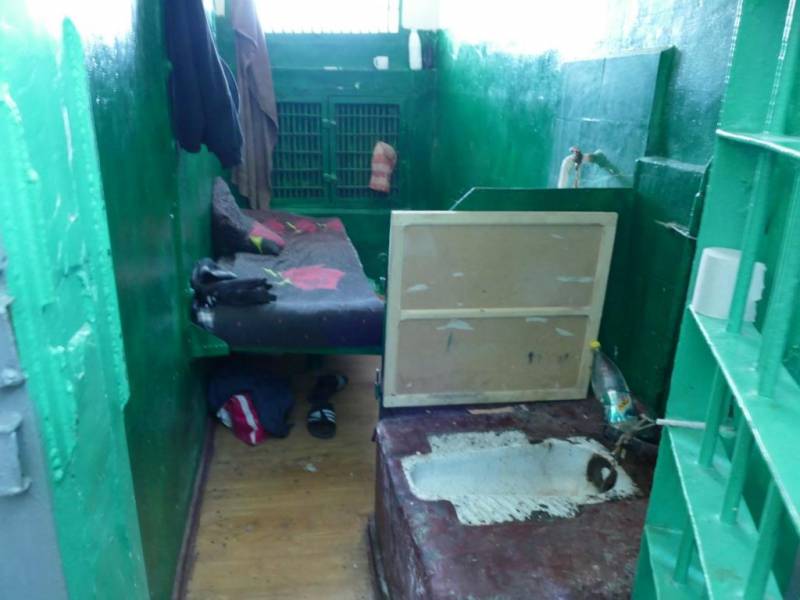
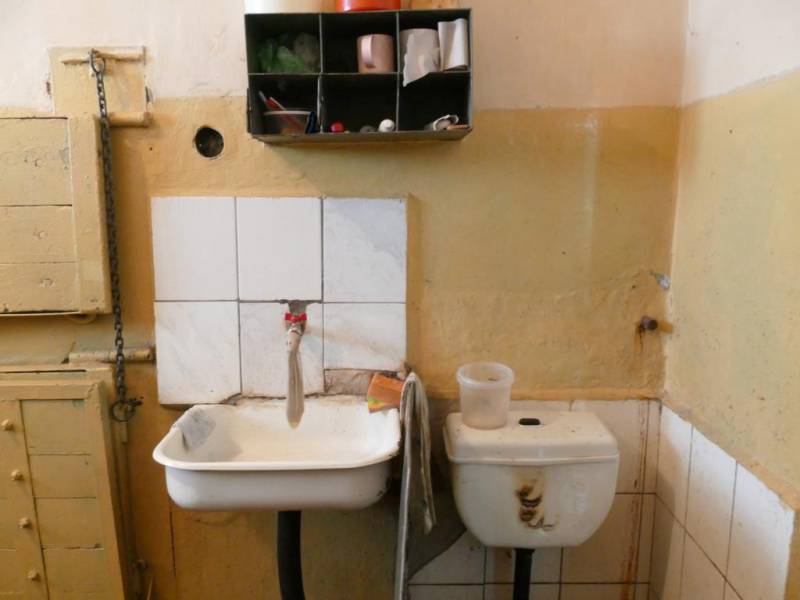
In the same block – the maximum-security block – the cells for life-sentenced prisoners are located; there are 36 such individuals in the colony in total. The group had the opportunity to speak with every life-sentenced prisoner. The cells in the maximum-security block are cramped and stuffy, and most are very smoky. The cells house between one and three people (they are in single cells either by their own request or due to security requirements). Almost every cell is in need of major repairs. Some washbasins are leaking, as evidenced by a rag wrapped around the taps.
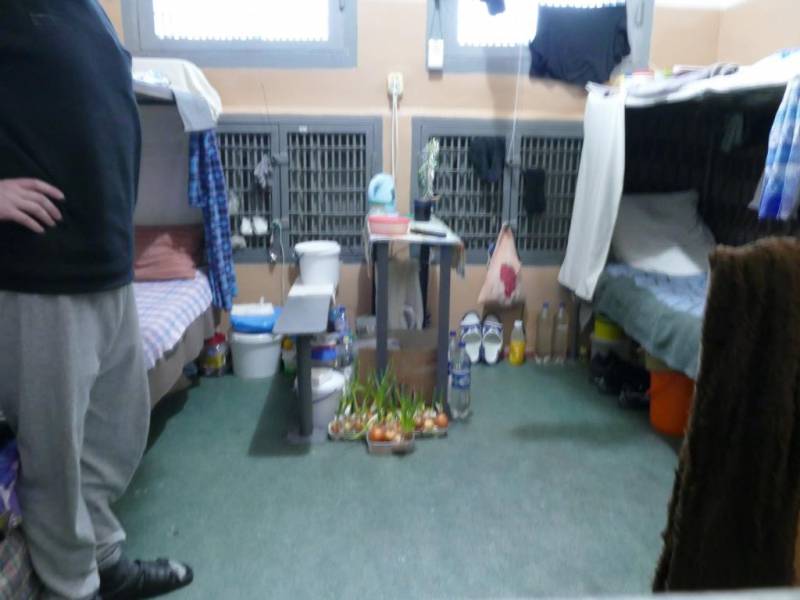
Most cells have televisions; two did not, which a prisoner complained about. The cells contain books, bed linen, kettles and fans; in some cells, onions are grown to have access to vitamins. There is a shower room in the block, and it was being used at the time of the monitors' visit. According to the prisoners, they are not restricted in their ability to make phone calls (one can call every day upon submitting a request), there is an opportunity for remote higher education, and access to the Internet for educational purposes is provided. One prisoner, who has hepatitis, complained that only plastic tableware is allowed for use, which he claims is an additional source of toxins.
There were no specific complaints from the prisoners regarding the conditions of detention. According to them, the food, temperature, lighting, fresh air and medical treatment were all at an appropriate level. The monitors arrived during lunchtime. The menu included soup, pearl barley porridge with meat, beetroot salad and bread from the facility's own bakery. Near the maximum-security block, there is an equipped space for walks, where prisoners are taken according to a set schedule. The courtyard has benches, a pull-up bar and parallel bars. In one of the yards, there were improvised weights made from plastic containers filled with sand. In conversations with the monitors, the vast majority of complaints concerned unfair punishment; in some cases, the case had been returned for review and was still pending consideration.
The monitors were asked questions regarding changes to the legislation regulating the penitentiary system. One prisoner complained about the Pension Fund, which he believes is violating his rights. Another prisoner, a citizen of the Republic of Moldova, had a question regarding his transfer to his home country to serve his sentence.
Medical Unit
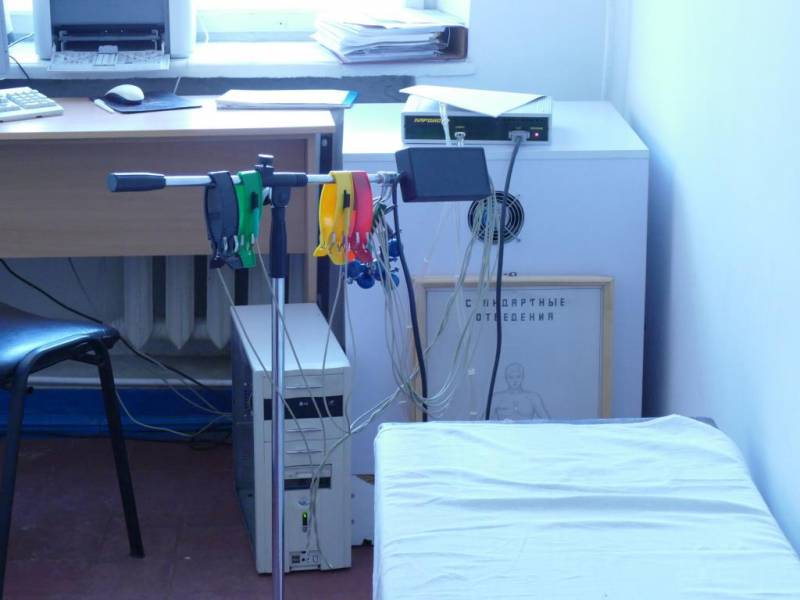
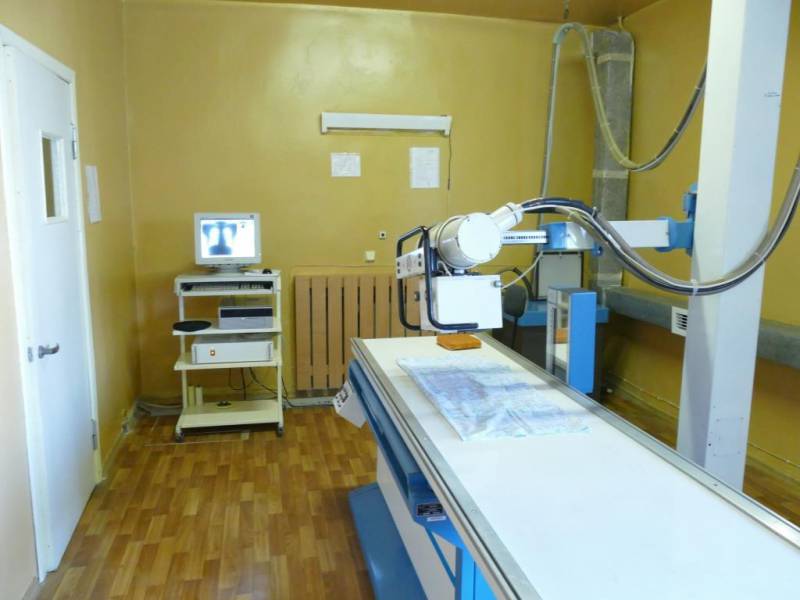
The medical unit of Correctional Colony No. 89 is designed for 400 beds; currently, about 300 are occupied, with the number fluctuating depending on the transfer of prisoners. The hospital's specialisation is pulmonary tuberculosis and HIV/AIDS. According to the staff, there are currently 158 people in the colony diagnosed with HIV/AIDS who are receiving antiretroviral therapy, and tuberculosis patients receive fortified nutrition. Due to the fact that the colony is located within the city, the medical unit is 100% staffed with all necessary specialists; for surgical interventions, prisoners are transported to city hospitals. The building has a dental office, an ultrasound examination room, a fluorograph, digital and standard X-ray machines, and modern laboratory equipment for detecting tuberculosis and identifying the stage of the disease, etc. Prisoners have the opportunity to use the services of invited doctors free of charge and take an HIV/AIDS test. During the monitors' visit, one of the prisoners was undergoing this exact procedure. According to the staff, the medical unit is short of refrigerators for storing medicines, but they are well-supplied with other preparations and equipment. Mortality in the colony last year was 21 people, mainly HIV-infected individuals in the final stages of the disease.
The inpatient ward for tuberculosis patients is located in a separate building from the laboratories, with two to eight people in each ward. There are no privileged wards; all patients are divided according to the level of safety they pose to others (open or closed form of TB).

Industrial Zone
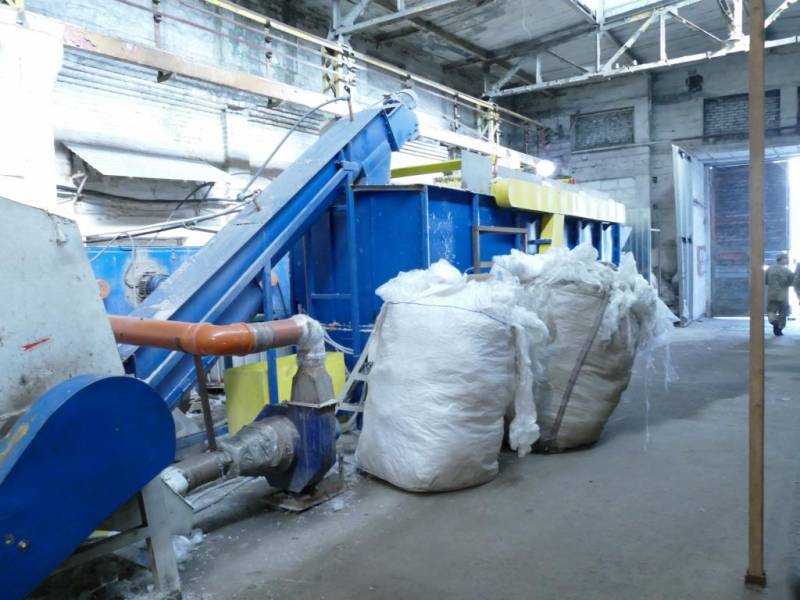
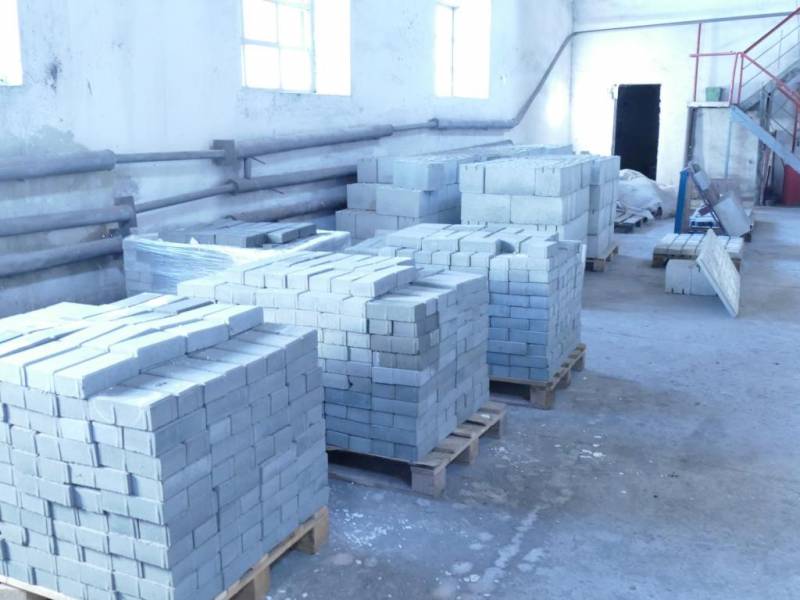
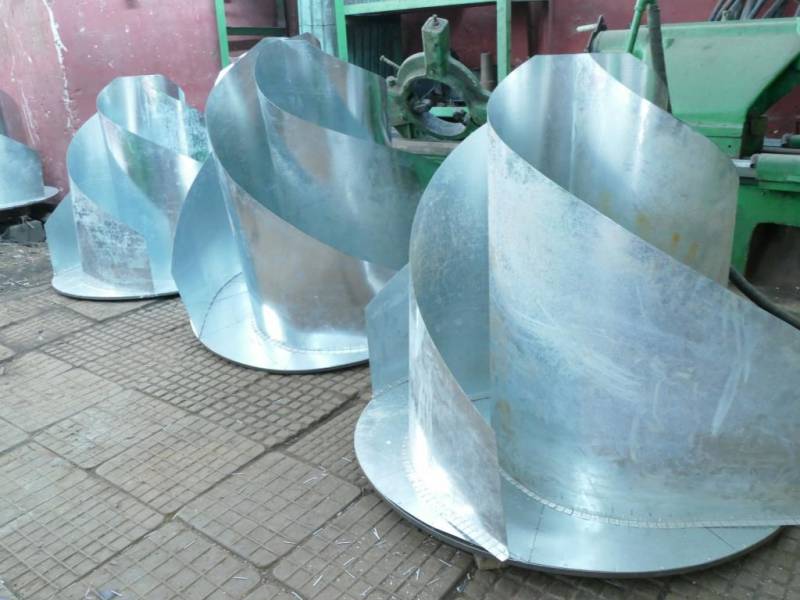
The industrial zone of Correctional Colony No. 89 is divided into several workshops. In total, depending on seasonal work, about 100 people work here. There is a metal processing workshop, a workshop for manufacturing paving slabs and blocks is being launched, and a raw material sorting workshop (plastic bags) is operational. The manager reported that the colony is able to provide work to all interested prisoners, but notes that with the changes in legislation, which made work optional, the number of those willing has decreased significantly. Prisoners' wages depend on the number of hours worked and range from 700 to 2,900 UAH, which are credited to the prisoner's personal account, a fact confirmed by the prisoners themselves. Currently, a production line for metal-plastic windows is planned to be launched, and the foundry is not working. There are no equipped rest areas in the industrial zone, but after work, prisoners have the opportunity to change clothes and wash in the general bathhouse.
Recreational zone and canteen
The canteen of Correctional Colony No. 89 is located in a separate building, together with the kitchen. The building, which according to the administration was built by German prisoners in 1947, looks dark and untidy, and there are plans to carry out cosmetic repairs this year. The kitchen is clean, but the poor condition of the building is obvious – the roof is sagging inwards and is held up by metal pipes. Next to the kitchen is the facility's own bakery.
Recreational zone
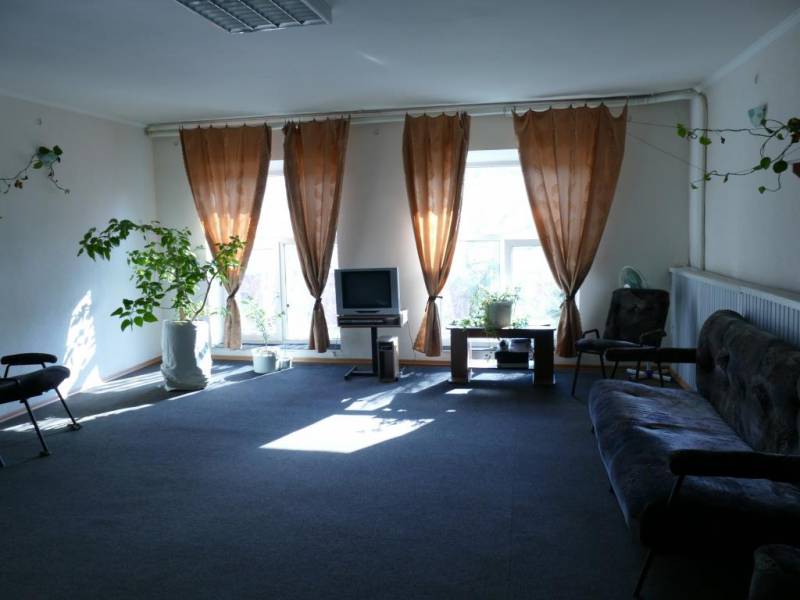
The colony has an evening school where 40 prisoners are receiving secondary education; there is a library and a psychological decompression room. The facility has a church, with a separate room allocated where services are held every Saturday. In total, representatives of eight religions serve sentences in the colony; according to the staff, activists of religious organisations are allowed on the territory. There is a psychologist's office, which prisoners have the opportunity to visit privately.