Monitoring visit to the State Institution “Dnipro Correctional Colony No. 89”
I. General information
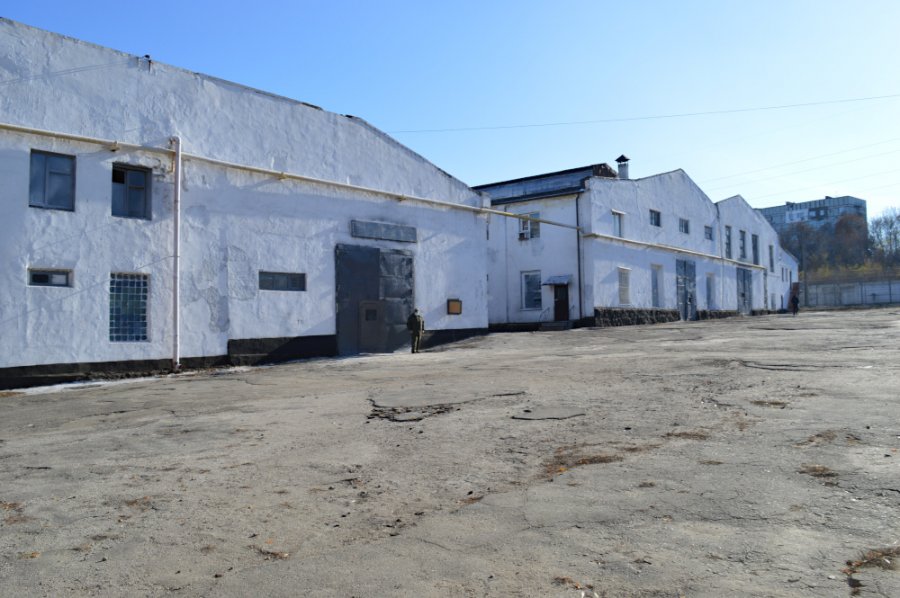
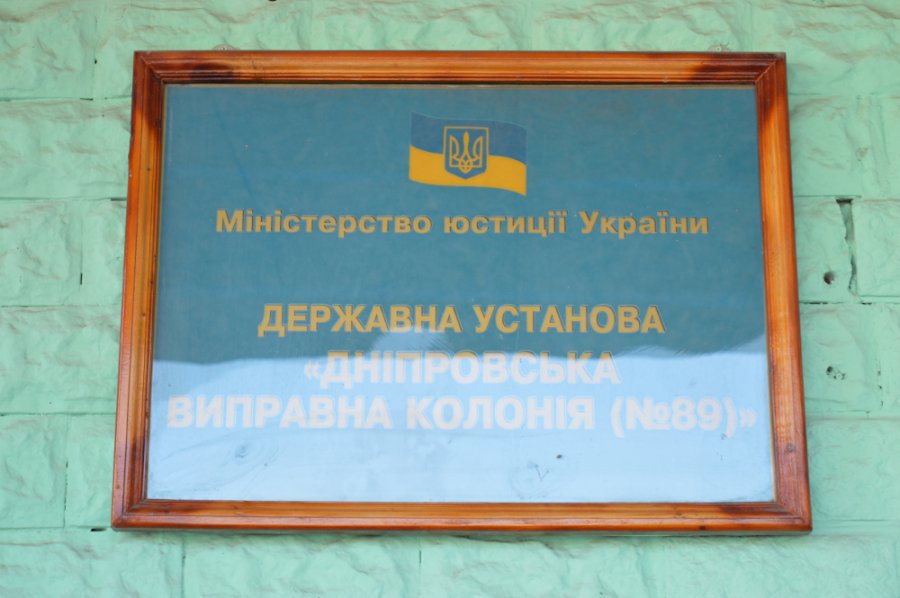
On 11 November 2021, a monitoring group consisting of an assistant to the People’s Deputy, Maksym Revyakin, and two journalists – Hanna Ovdiienko and Pavlo Shvab – visited the State Institution “Dnipro Correctional Colony No. 89”. This is a medium-security facility for men who have previously served custodial sentences. A maximum-security sector and a specialized tuberculosis hospital operate within the colony. The colony was founded in 1945 as a camp for prisoners of war after the Second World War. Currently, 384 inmates are serving their sentences in the colony. The planned capacity of the institution is 993 persons.
At the entrance to the colony, the monitors were met by the first deputy head of the institution. He checked their documents and asked them to wait for a few minutes in order to report to the management. A few minutes later, the monitors heard a message broadcast over the loudspeaker on the colony grounds, warning the inmates and staff about the inspection.
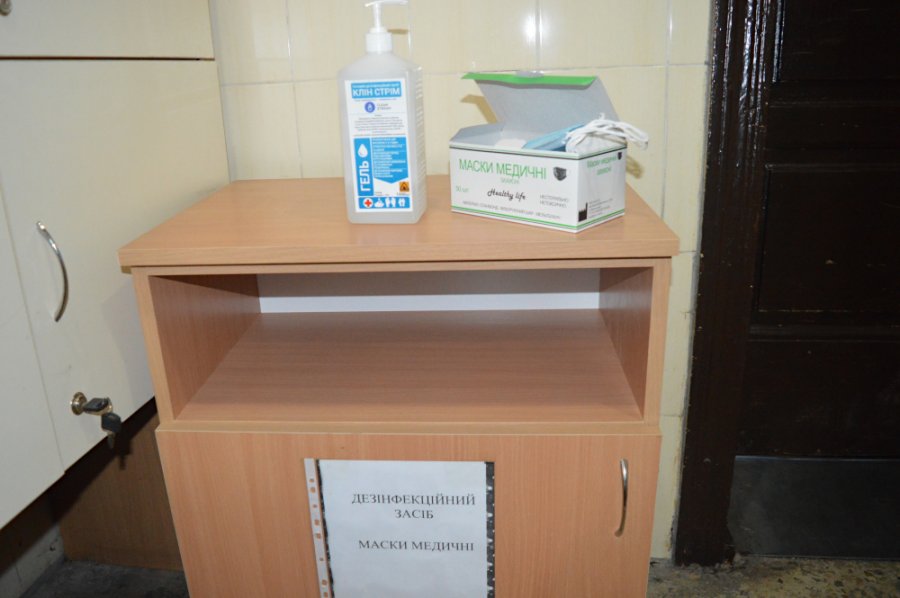
Following this, the head of the colony came out to the monitors, checked their documents once more, and granted them access to the premises. Upon entry, the monitors underwent temperature screening and were offered antiseptic, masks, and gloves.
II. Maximum-security sector
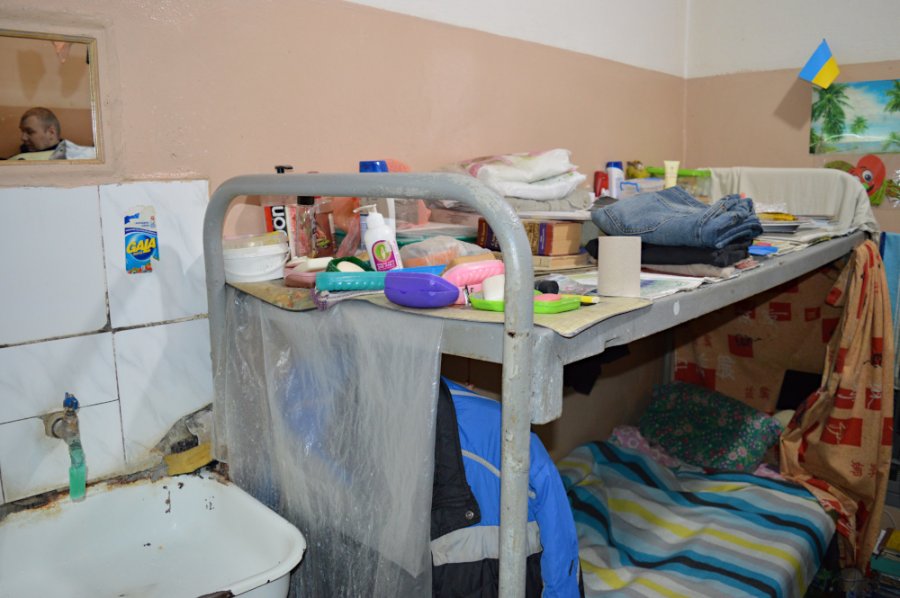
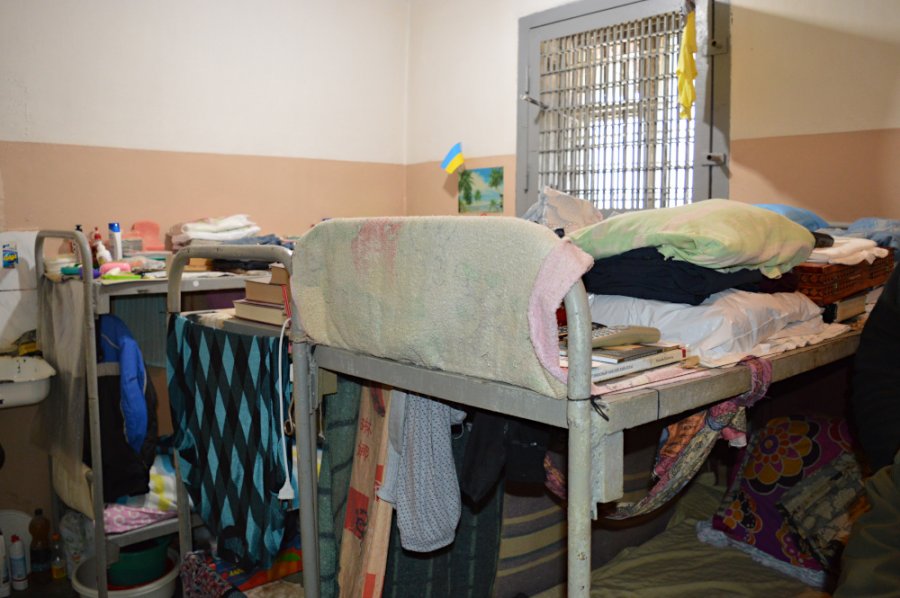
The monitors first visited the maximum-security sector. In this sector, inmates are housed in two-, three-, and four-bed cells. There is little free space in the cells for life-sentenced prisoners, and in the multi-bed cells, there is almost none. The cells are equipped with bunk beds. The aisles between the beds are very narrow, and the upper bunks are almost unoccupied.
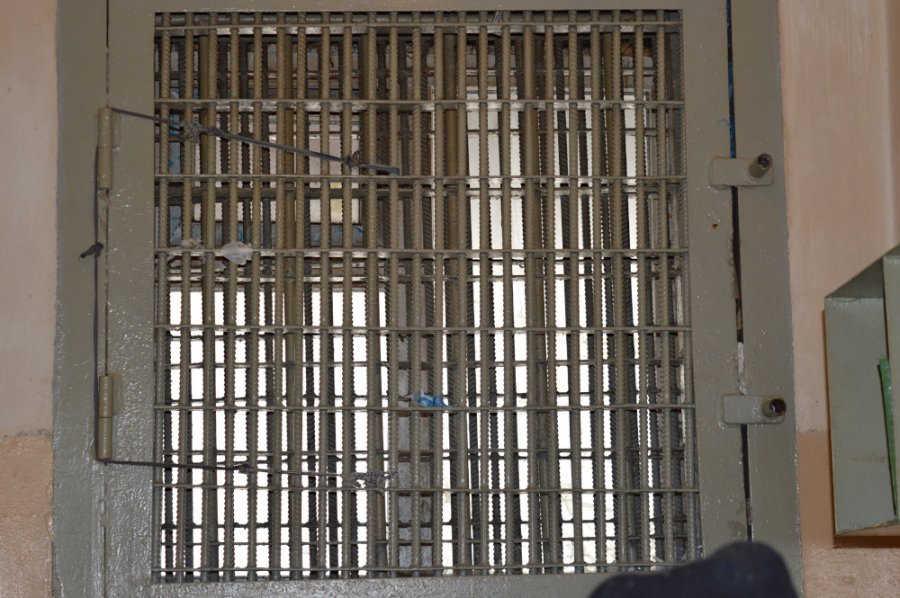
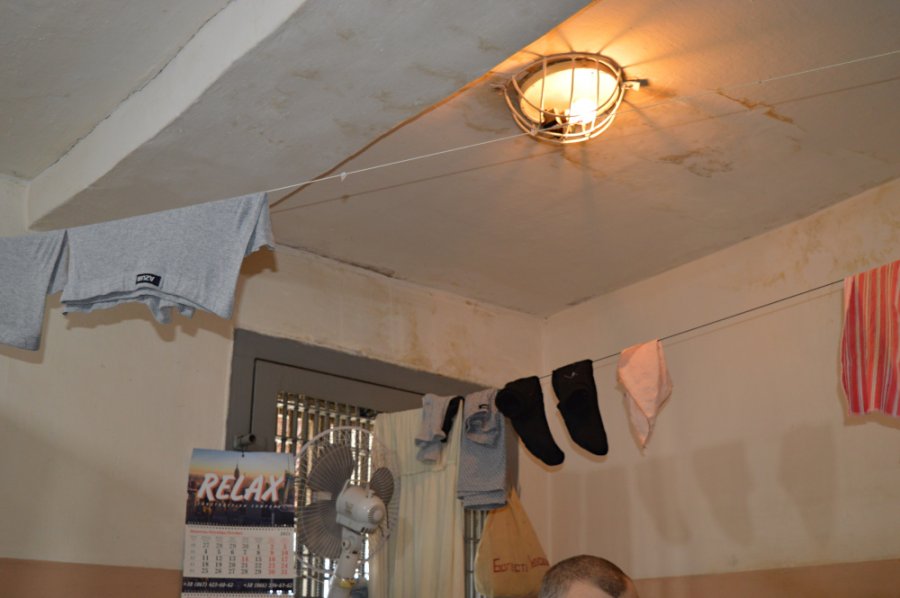
The cells are bright, although the windows are excessively barred and additionally covered with an external canopy. At the time of the visit, there was no heating in the facility. Staff members reported that the heating system is autonomous and had already been activated; however, the radiators were cold. Consequently, some inmates were using electric heaters. In some cells, the monitors observed traces of past flooding on the ceilings.
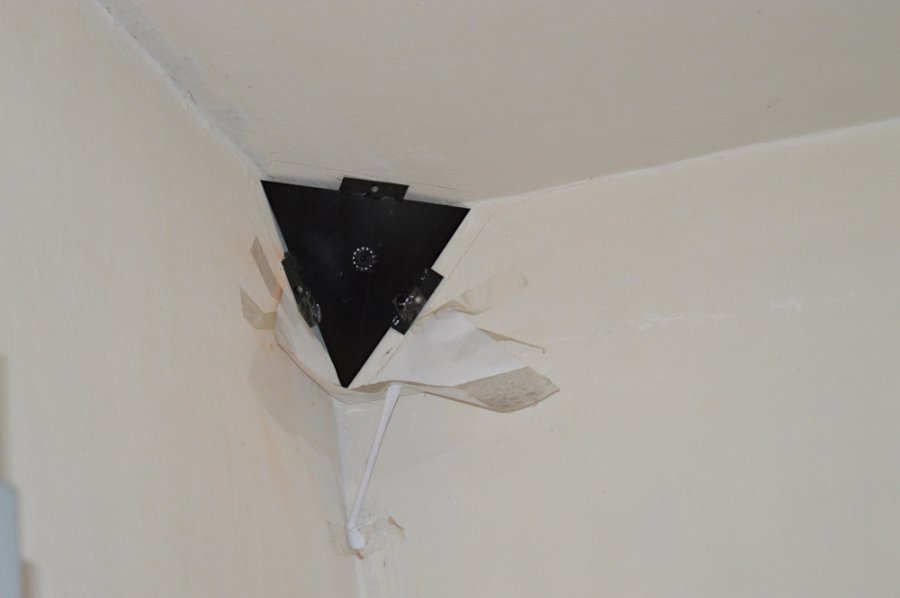
The cells are under 24-hour video surveillance. The angle of the video cameras does not cover the toilet, yet some inmates still complained about the surveillance, arguing that it violated their right to privacy.
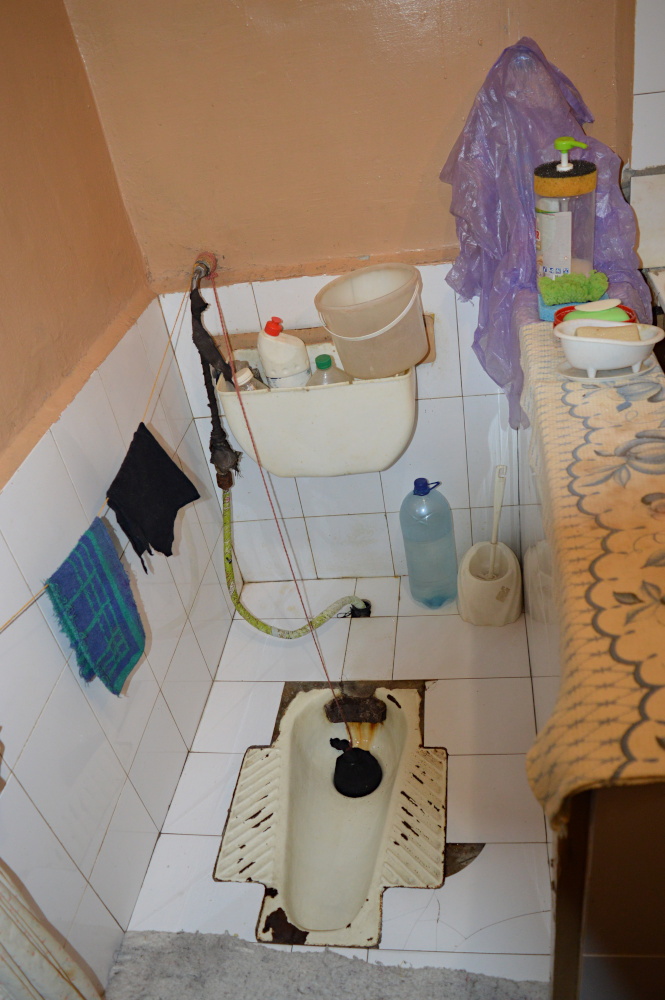
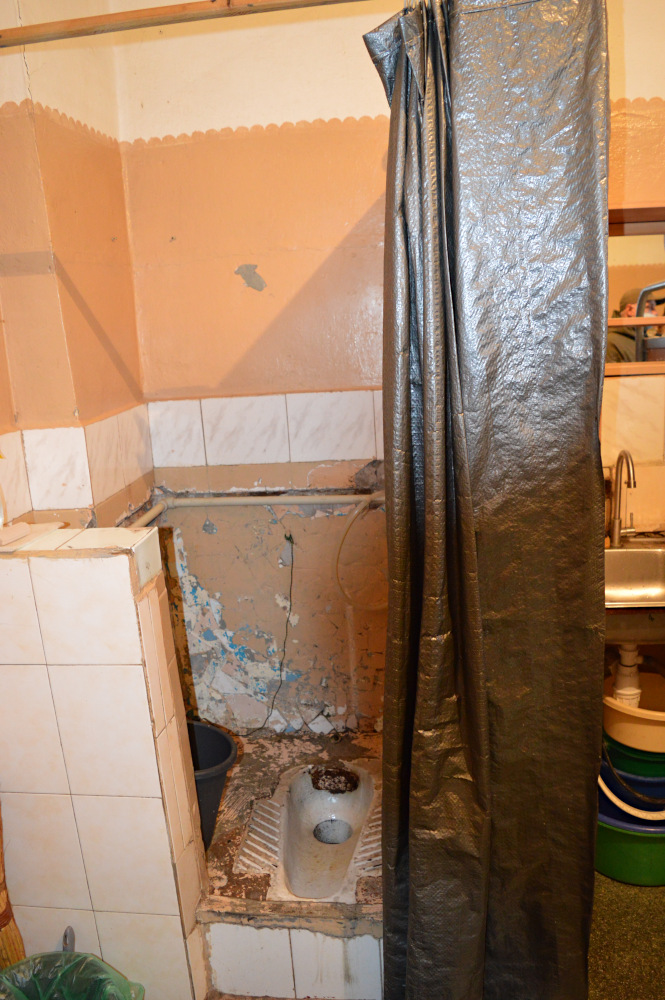
The toilets in the cells are separated from the living area by a low wall, the height of which does not allow the inmates to have proper privacy. In some cells, the inmates themselves have hung curtains to screen the toilets. The sewage drain of the toilet was plugged with a makeshift stopper to eliminate a specific unpleasant odour.
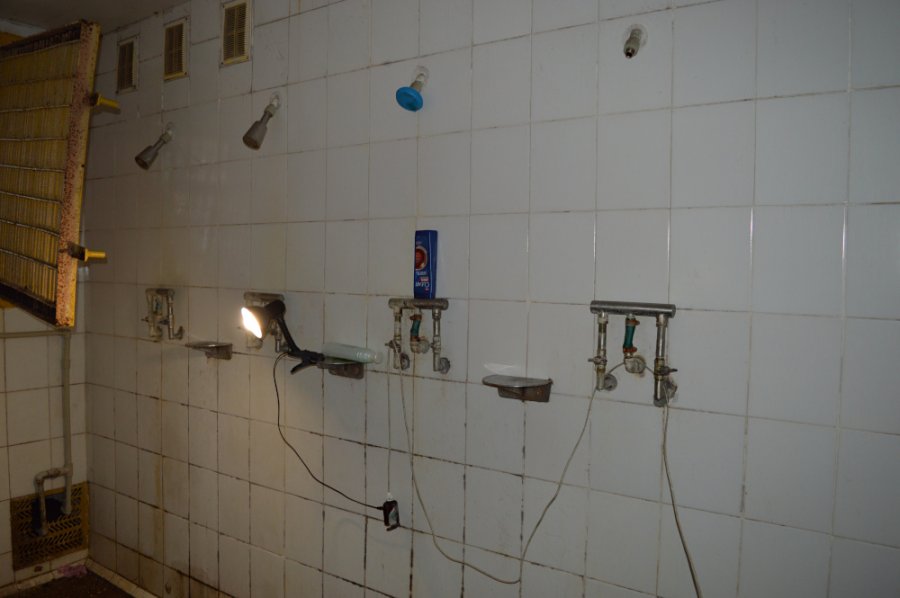
On the day of the visit, cosmetic repairs were being carried out in the bathhouse for life-sentenced prisoners. The administration assured that the work would be completed that very day. There are no partitions between the washing areas. Inmates can adjust the water temperature themselves.
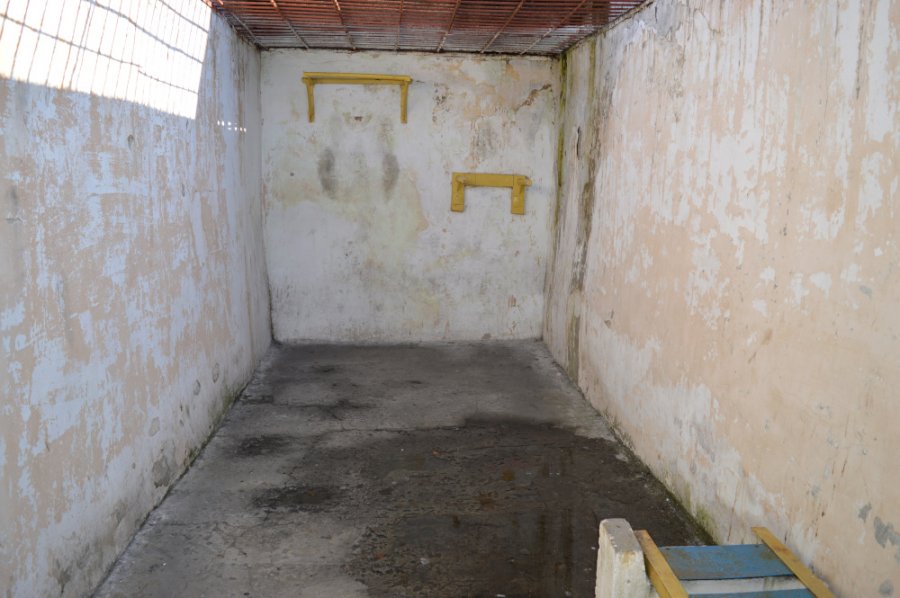
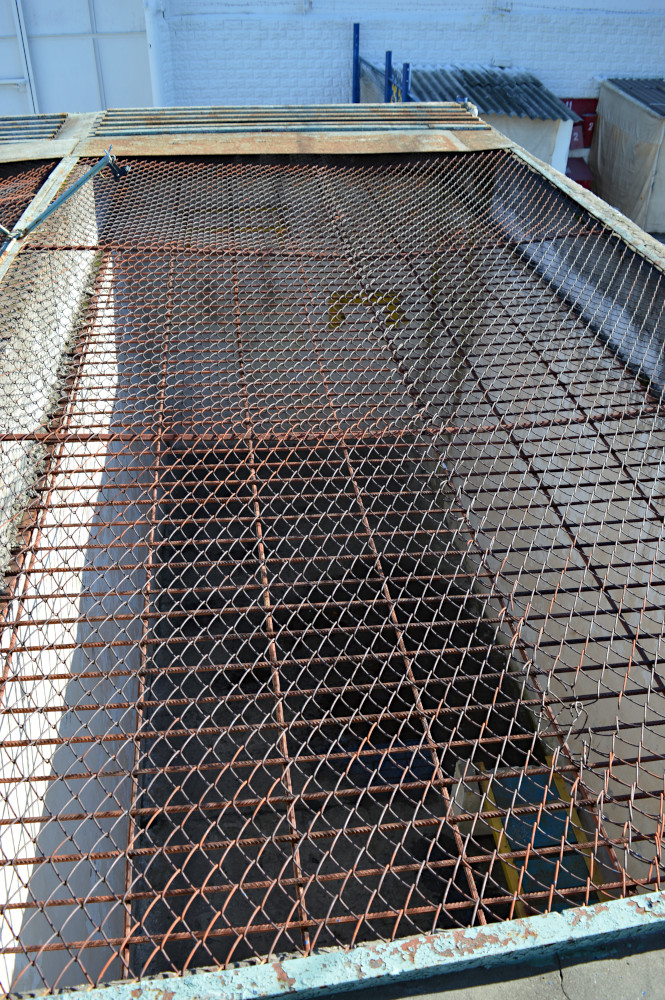
The exercise yards are in an inadequate condition. Moreover, they are not protected from atmospheric precipitation in any way.
III. Specialized tuberculosis hospital
On the day of the visit, 86 inmates were staying in the specialized tuberculosis hospital. The facility treats multidrug-resistant tuberculosis. A medical-consultative commission operates at the hospital, providing conclusions on whether an inmate is eligible for release due to health conditions. Over the past year, 8 inmates were deemed eligible for release.
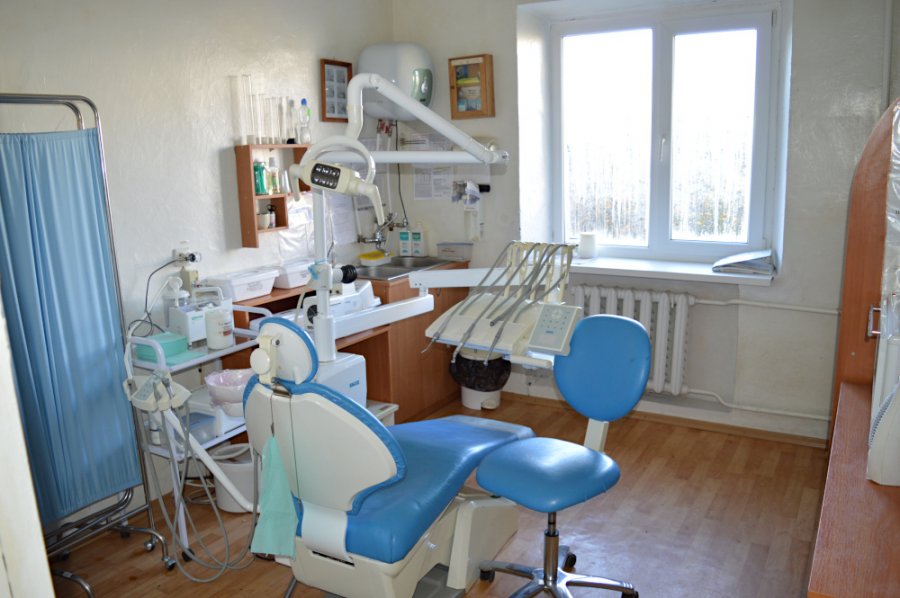
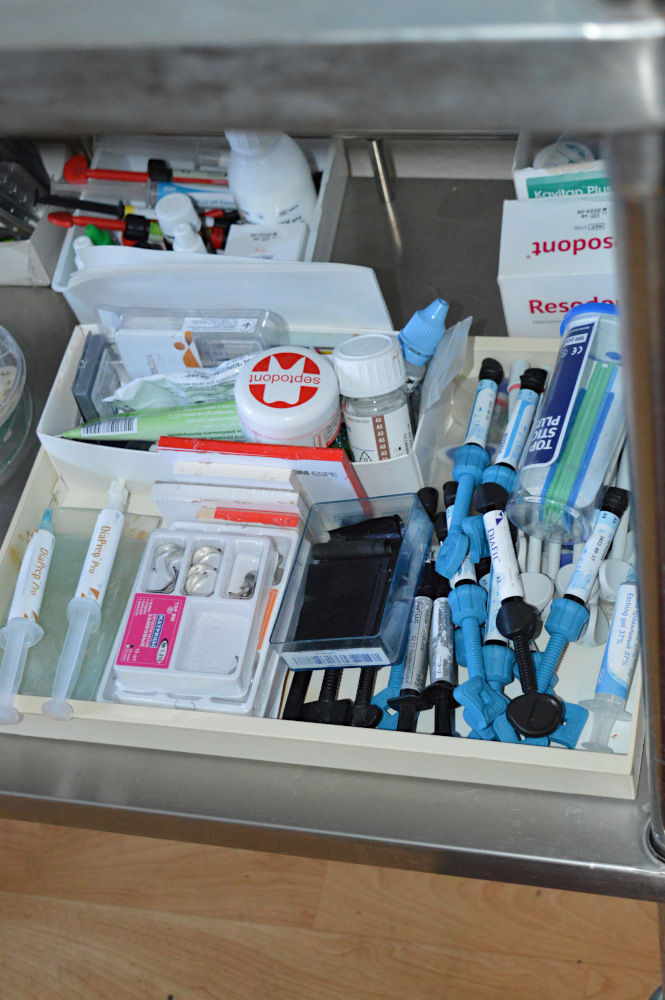
The hospital has a dental office. Inmates have the opportunity to see a dentist for treatment and tooth extractions. Since the beginning of the year, 3,013 medical procedures have been performed.
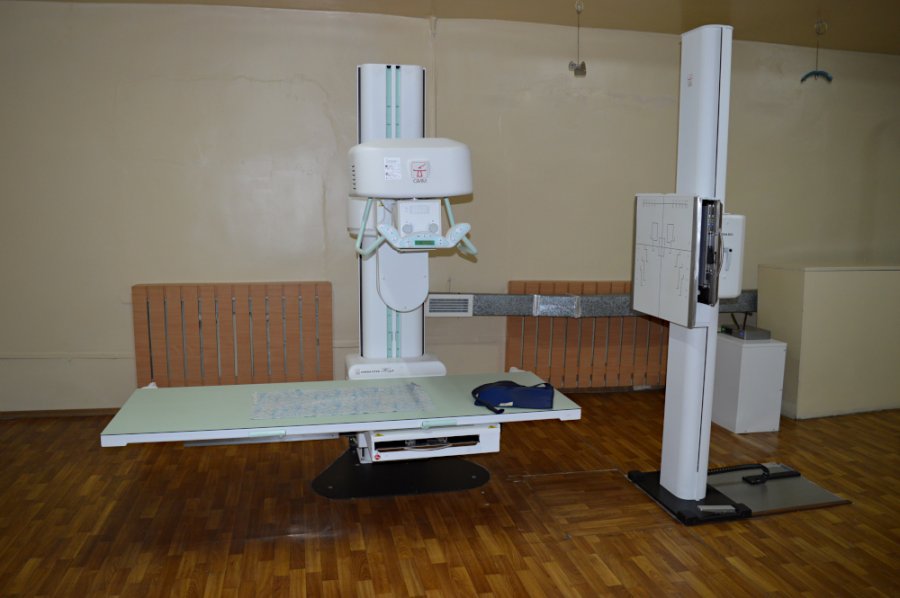
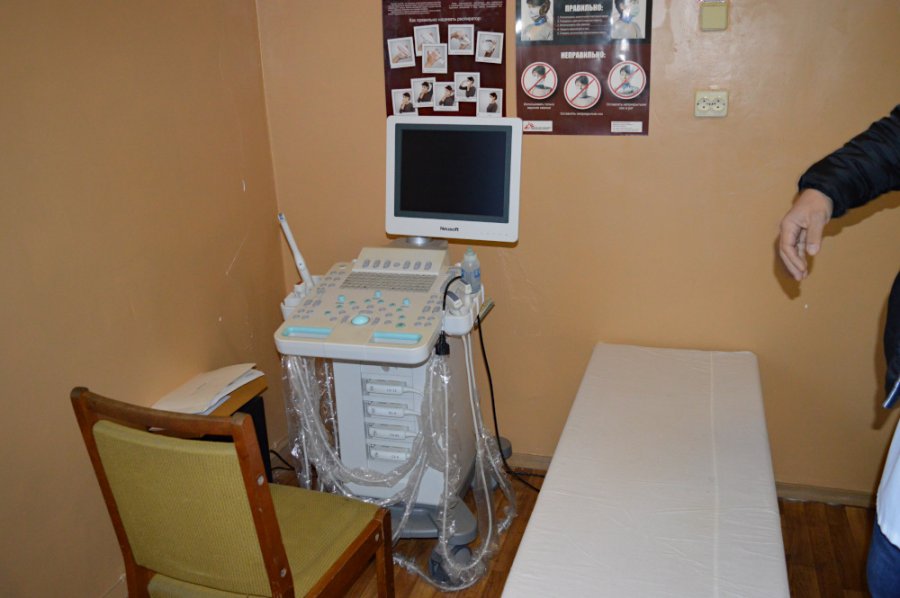
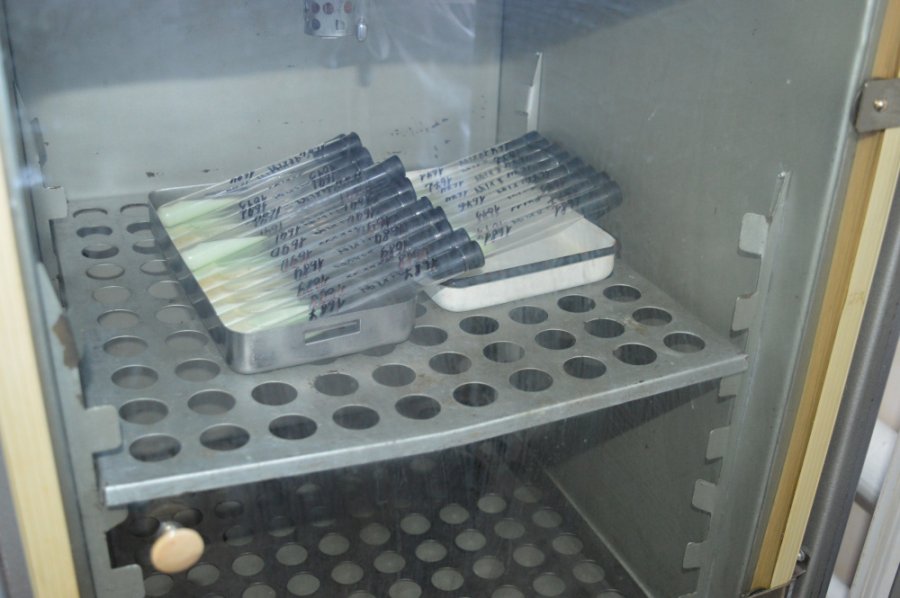
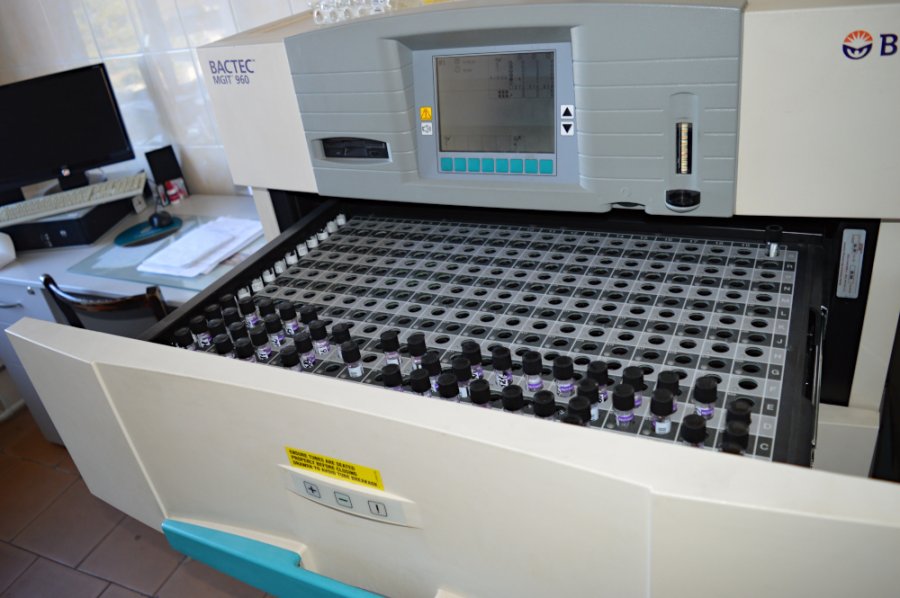
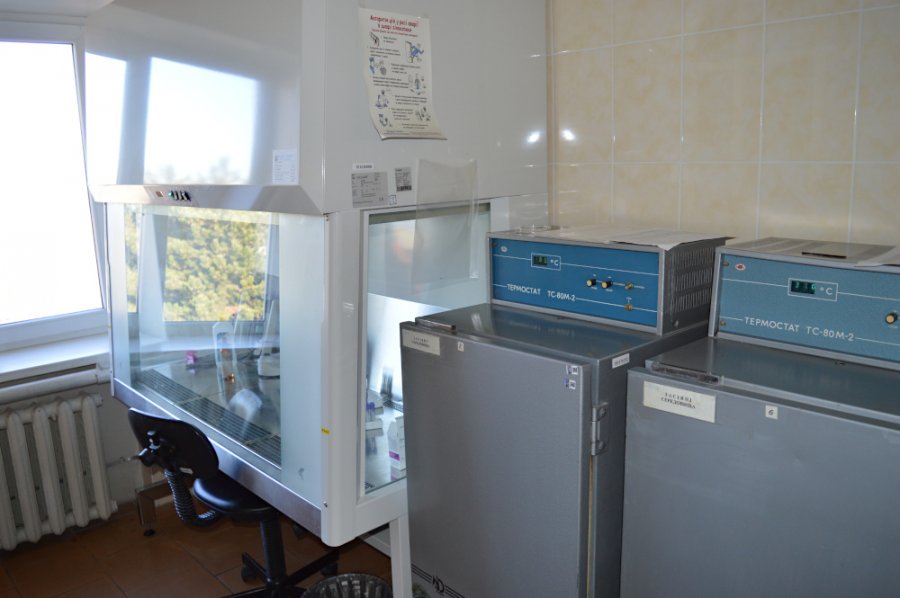
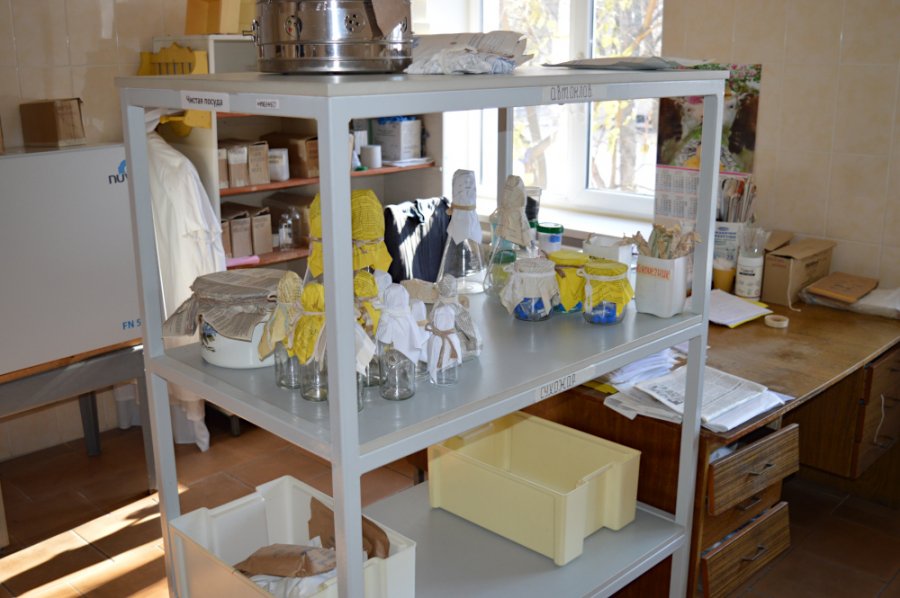
The facility is also equipped with modern Italian X-ray equipment and an ultrasound diagnostic machine. The facility’s laboratory has the capacity to conduct both general clinical analyses and tests for tuberculosis, HIV viral load, and hepatitis. Tests for CD4 cell counts are conducted at the regional laboratory of the HIV/AIDS Centre. The laboratory is equipped with modern machinery.
IV. Hospital inpatient unit
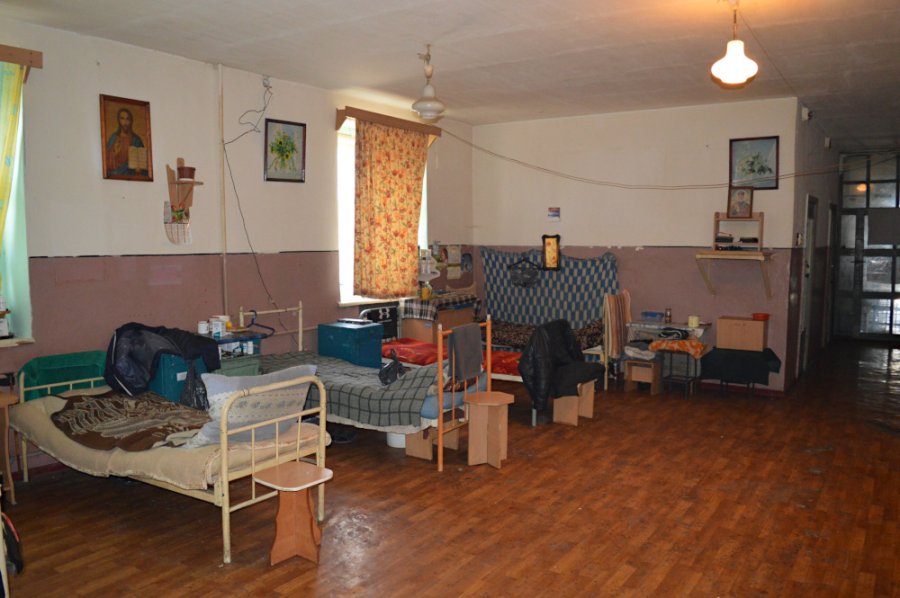
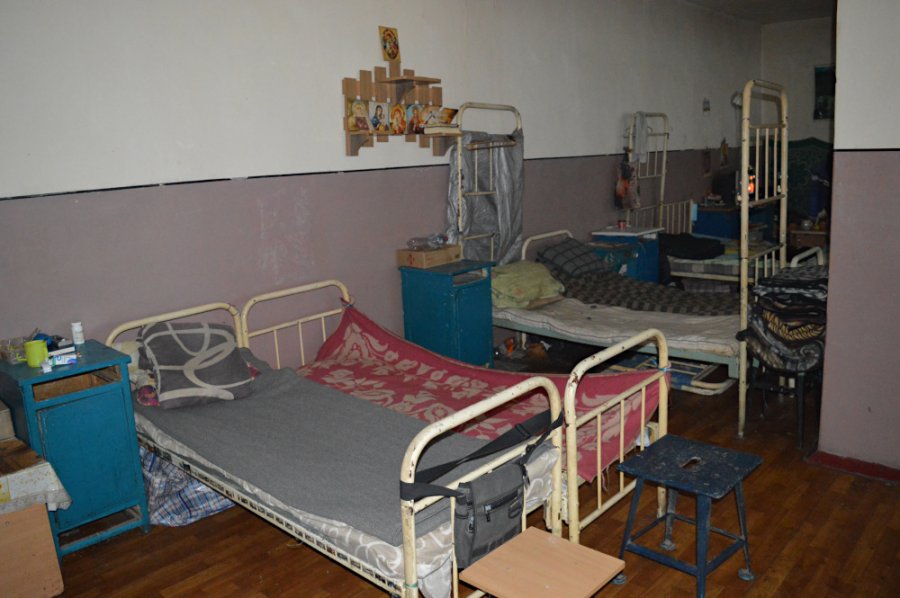
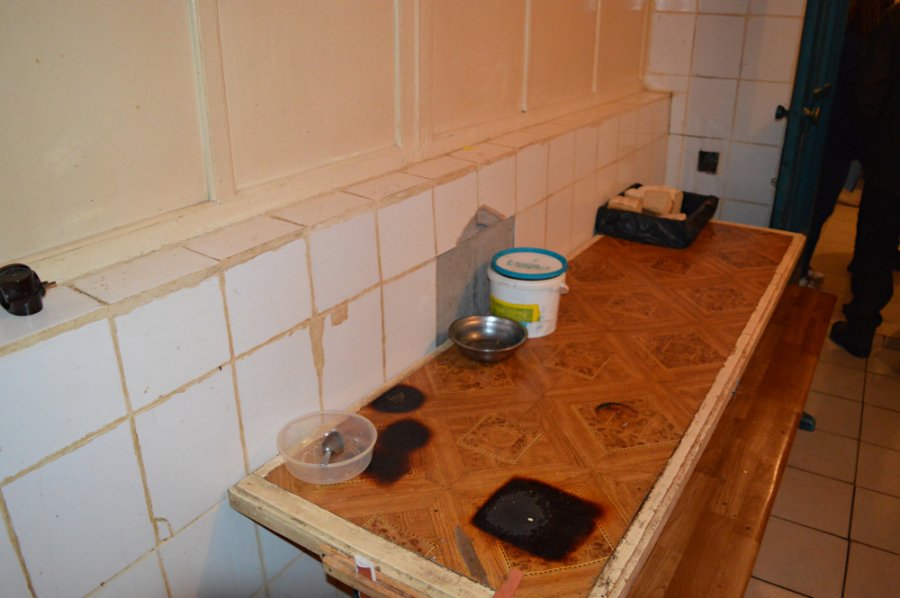
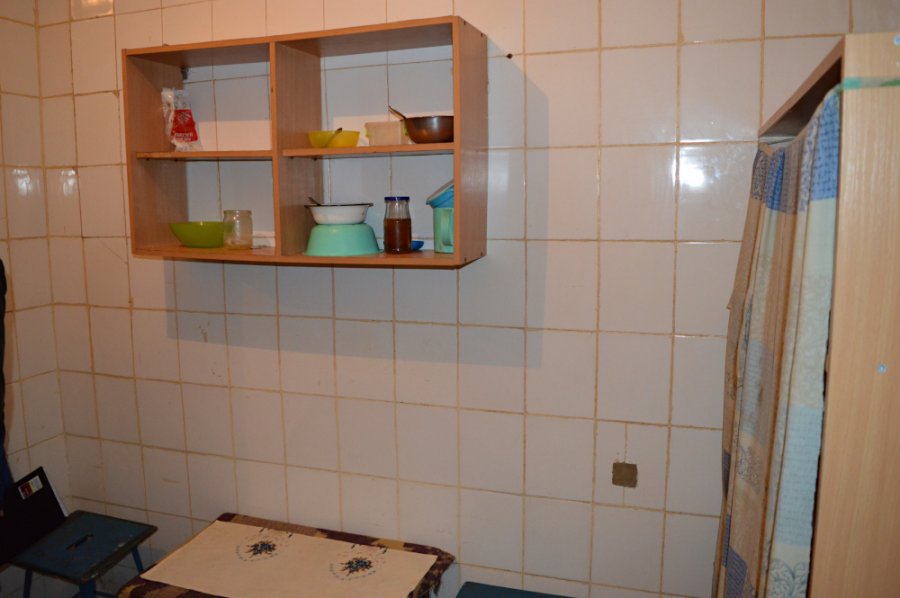
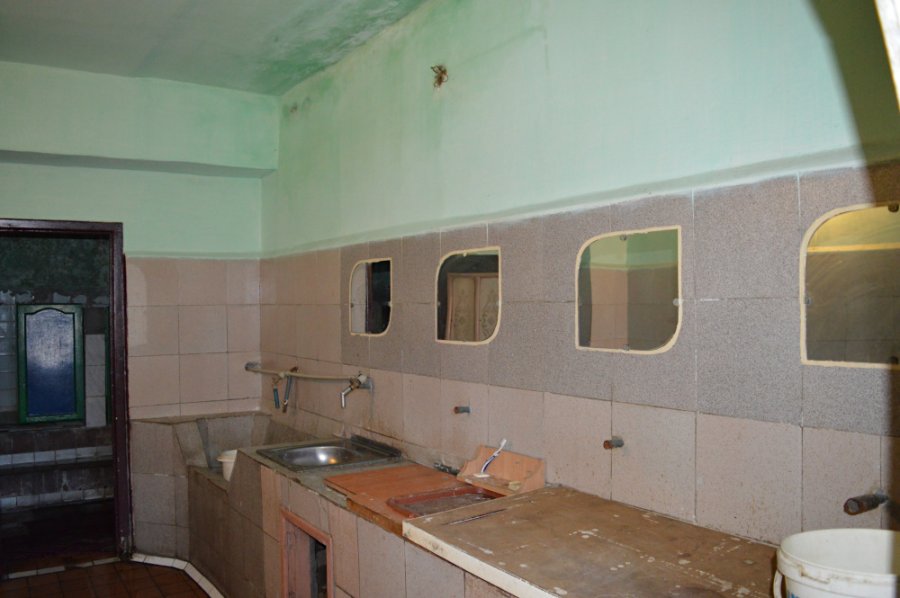
The monitors visited the residential wards of the tuberculosis hospital. These are barrack-type wards. The bedrooms are equipped with single-level beds and have sufficient free space. However, on one side, the beds are placed close together, while on the other, they are spaced apart. There are no personal identification cards for the inmates on the beds. In the opinion of the monitors, the sleeping quarters are in need of repair. The ward kitchen is in an unsatisfactory state. There is no drinking water container in the kitchen.
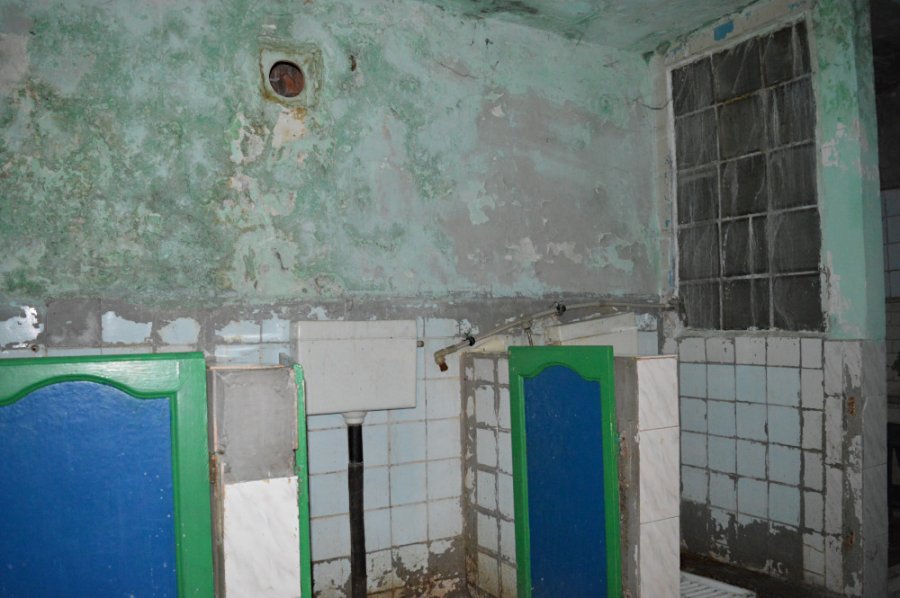
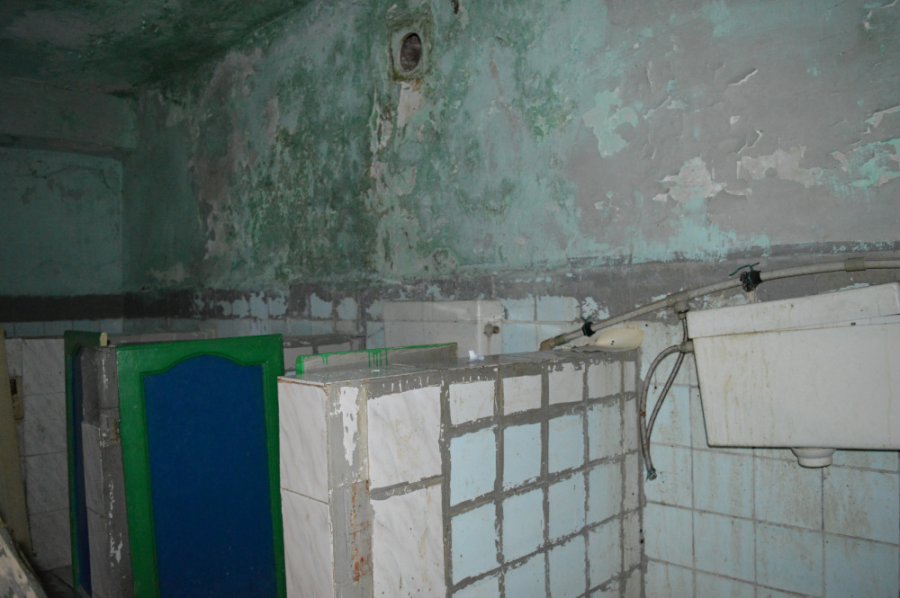
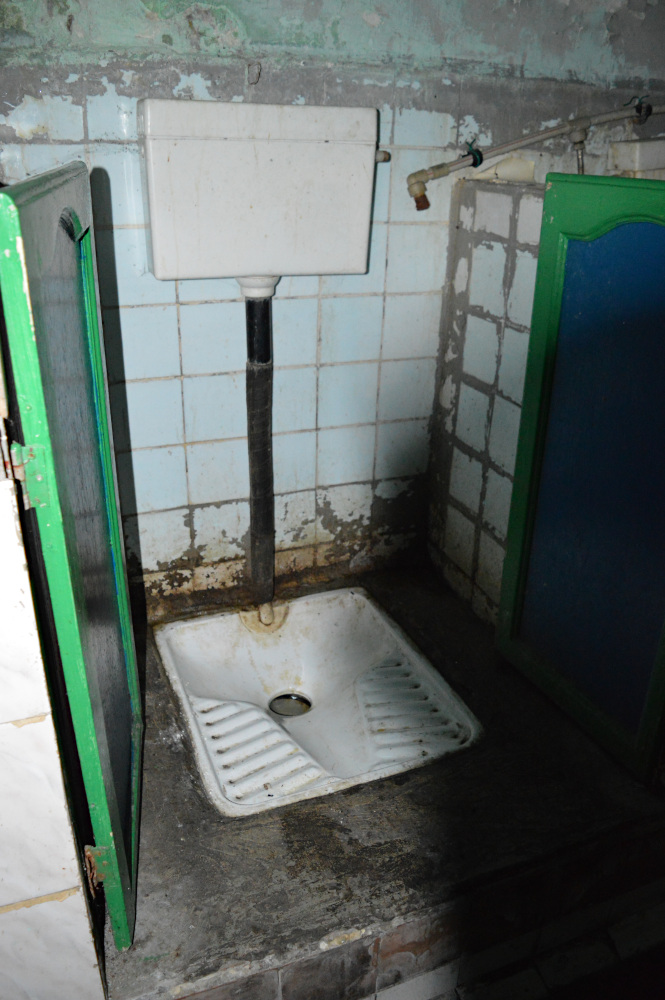
There is no light in the toilet room. The walls in the sanitary facilities are in a terrible condition, with peeling paint and mould. Out of four toilets, only one is in use, as the others are broken. There is only one functional washbasin. Other taps for washbasins have been welded shut.
V. Residential zone
There are five residential wards in the institution. They include both dormitory-style and barrack-type accommodations. Two of the wards have been renovated. Approximately fifty per cent of the windows have been replaced with metal-plastic ones. The renovated residential wards have undergone cosmetic repairs. Plywood partitions have been installed on the beds to ensure privacy.
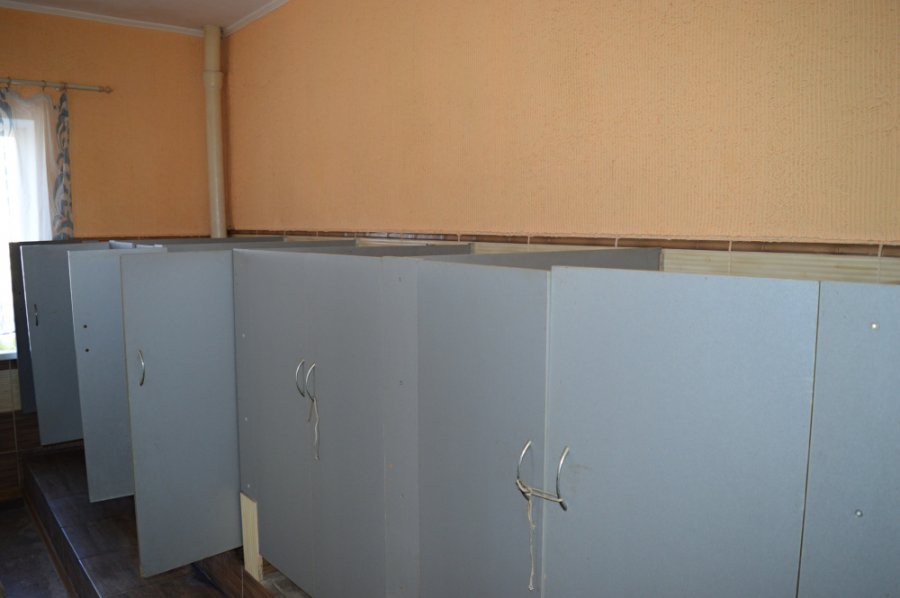
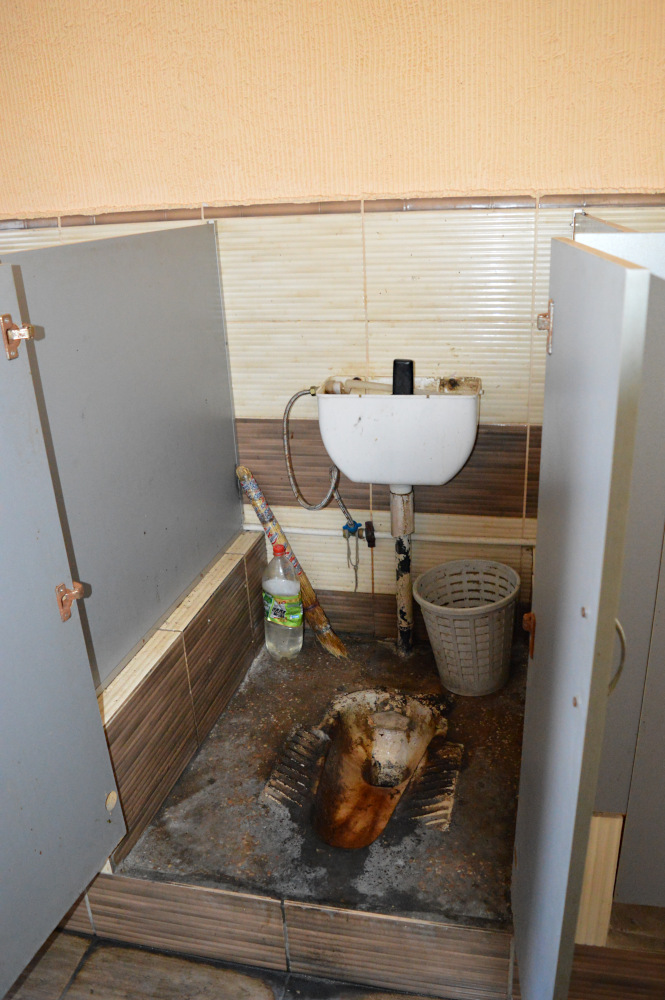
The sanitary rooms have been renovated. The toilets are partitioned off with walls and doors of medium height. There are sufficient washbasins in the sanitary room.
The dining room is equipped with a microwave and a kettle and has undergone cosmetic repairs. There is no drinking water container in the kitchen.
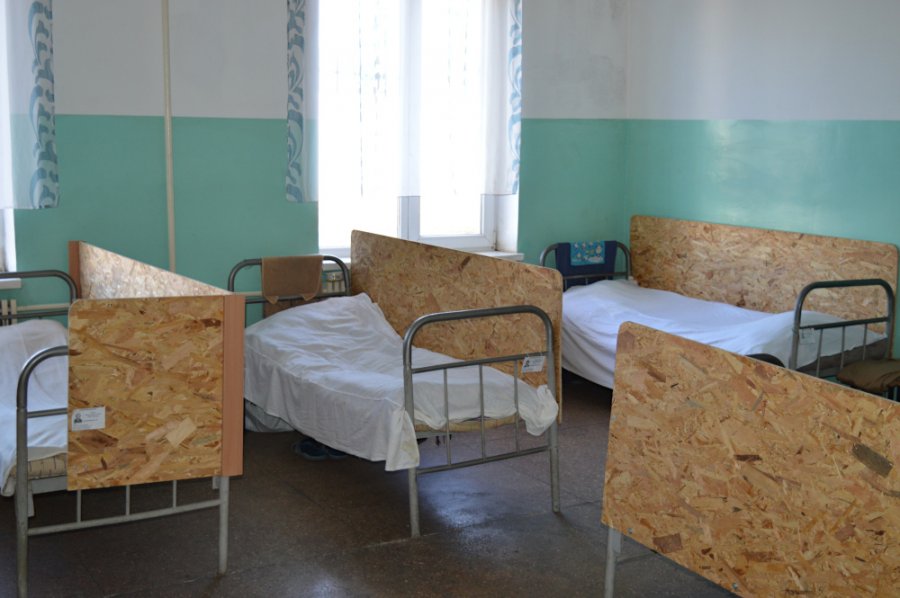
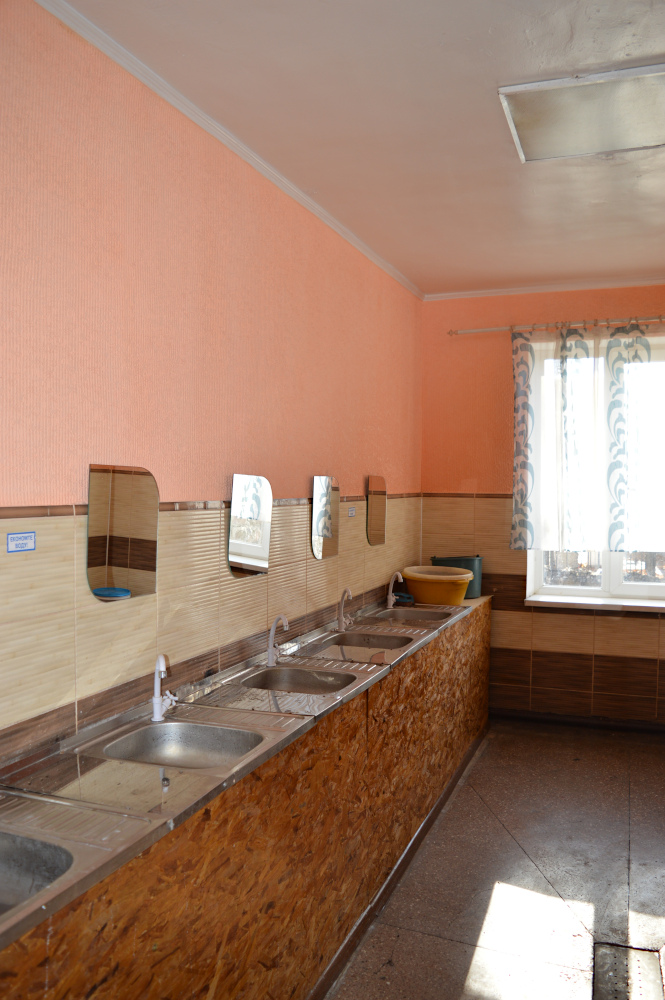
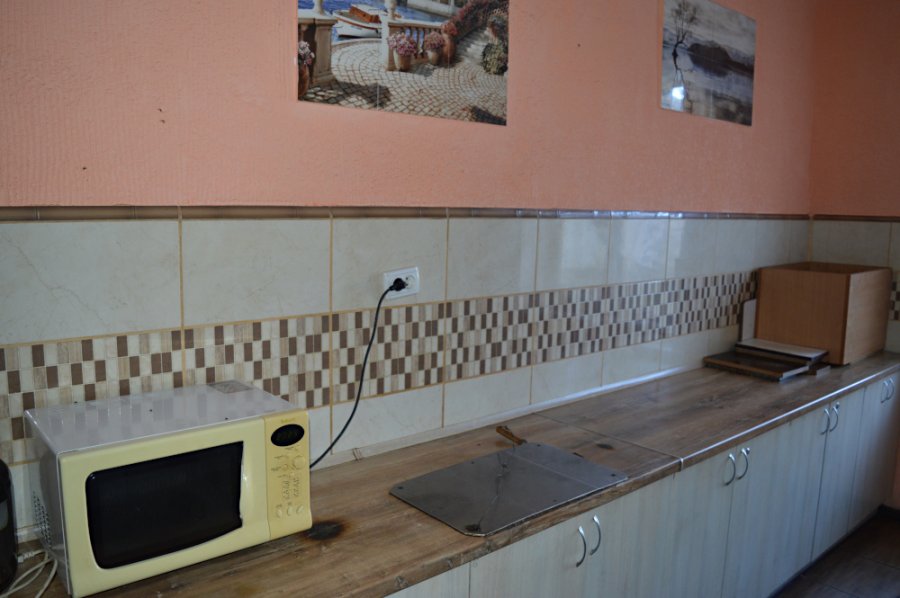
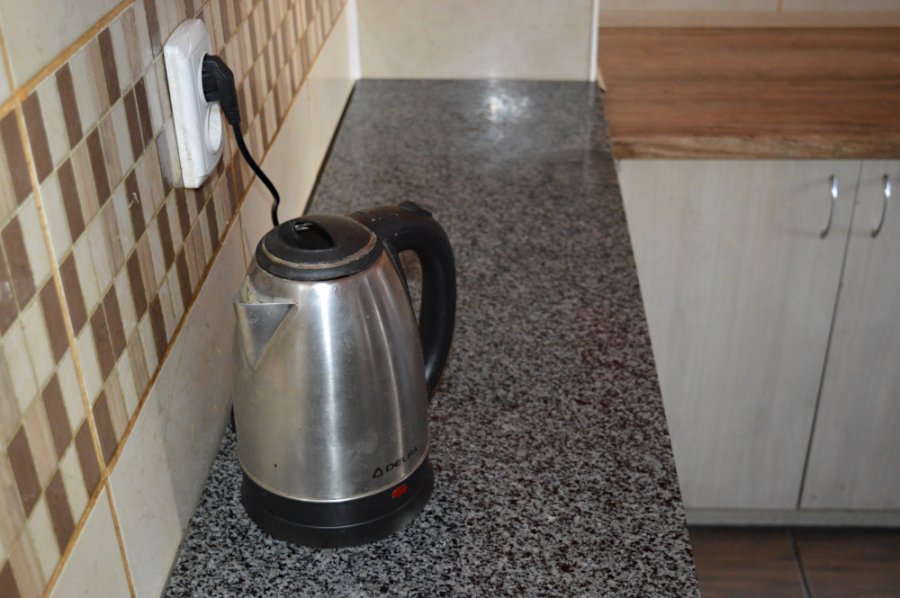
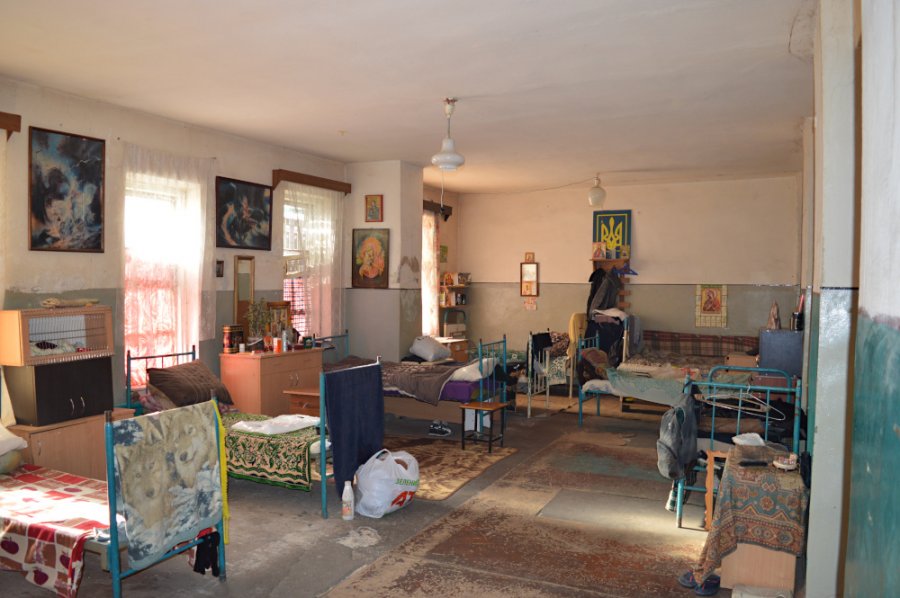
The non-renovated wards are of the barrack type. They are in a satisfactory condition but require repairs. The beds are old. On some beds, the mattresses are too thin. There is no flooring in the sleeping area, other than old carpets. The premises receive sufficient daylight.
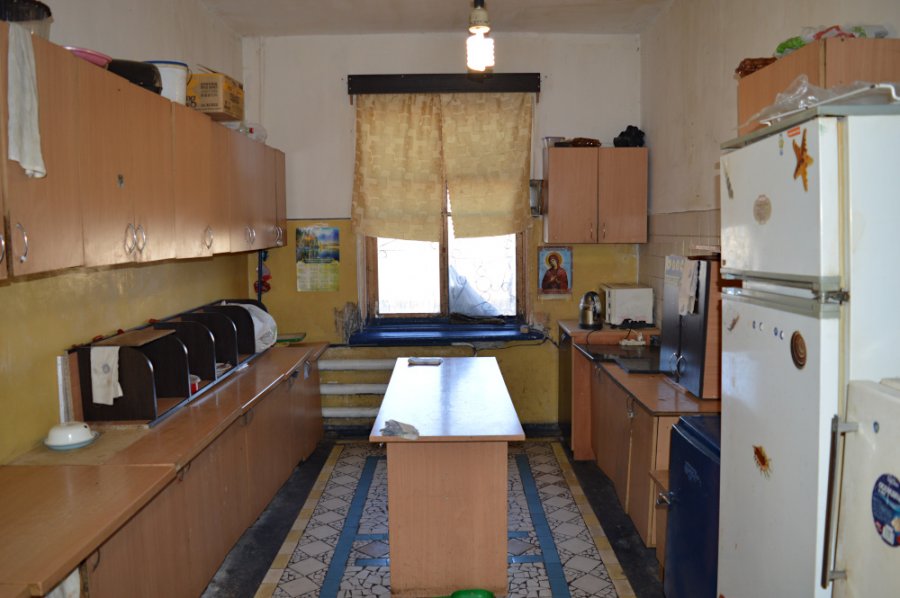
The ward kitchen is also outdated. As in the other wards, there is no drinking water container. The kitchen contains a refrigerator, a microwave oven, and a kettle. The window is covered with old rags.
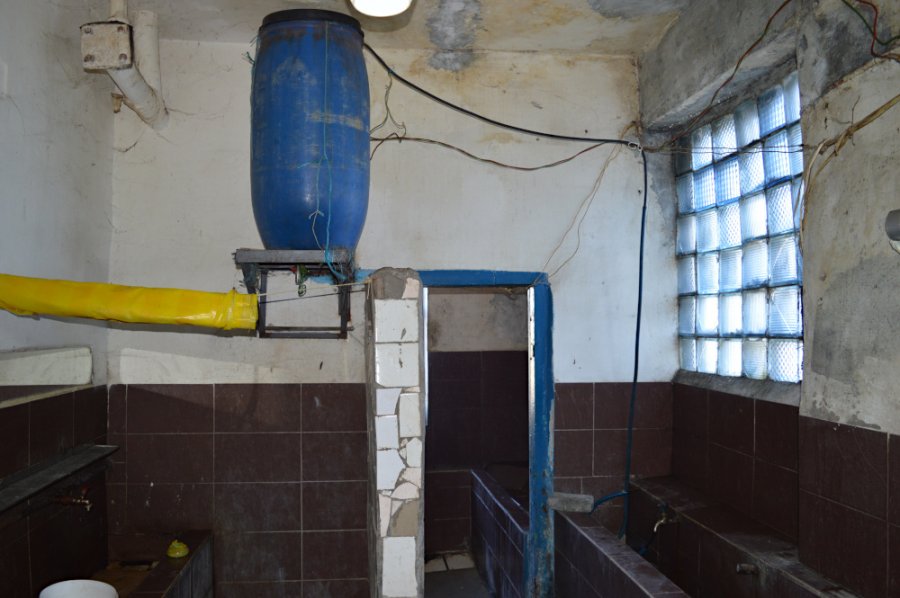
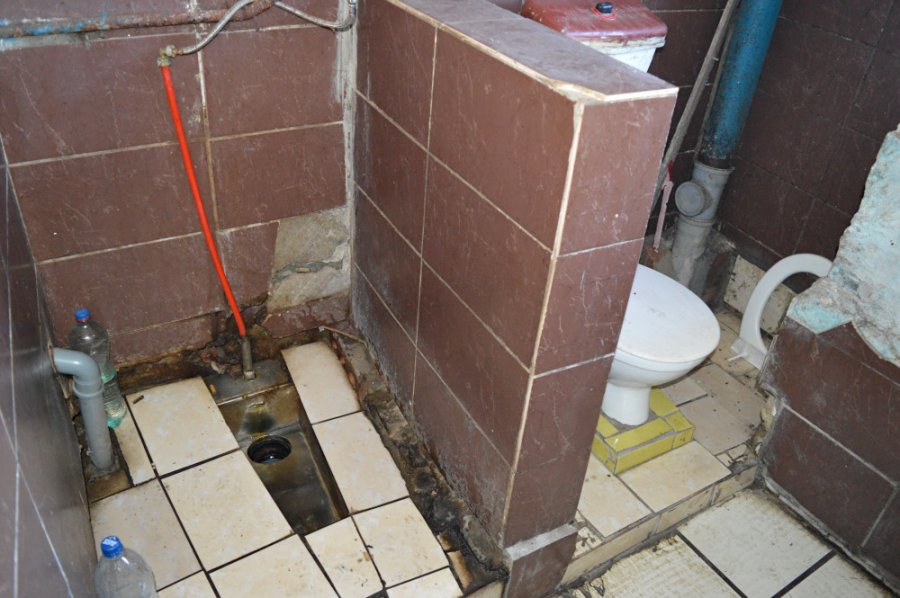
The sanitary rooms are in a poor material and living condition. There are traces of past flooding and mould on the walls and ceiling. The sanitary unit features a washing system with some taps missing. The toilets are separated from each other by small walls.
VI. Kitchen and canteen
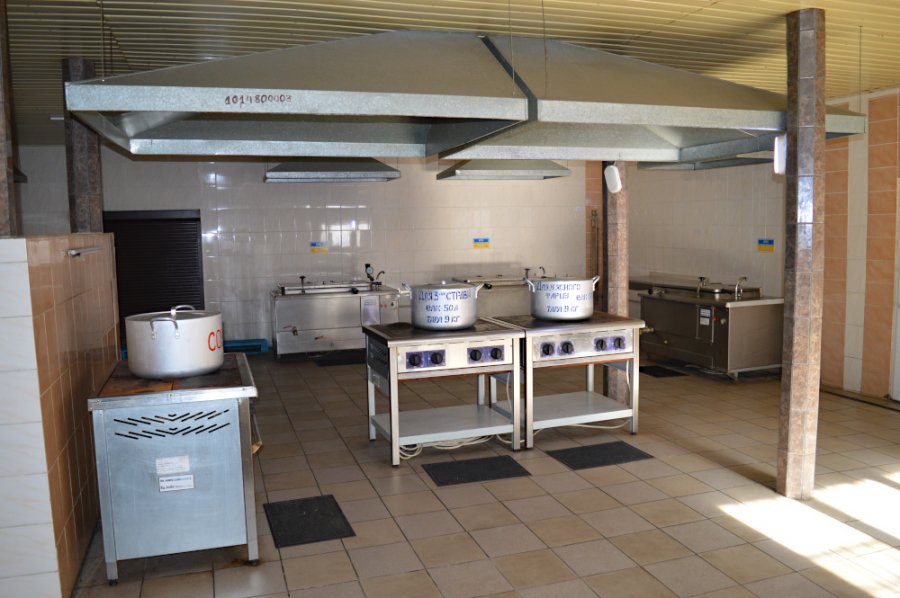
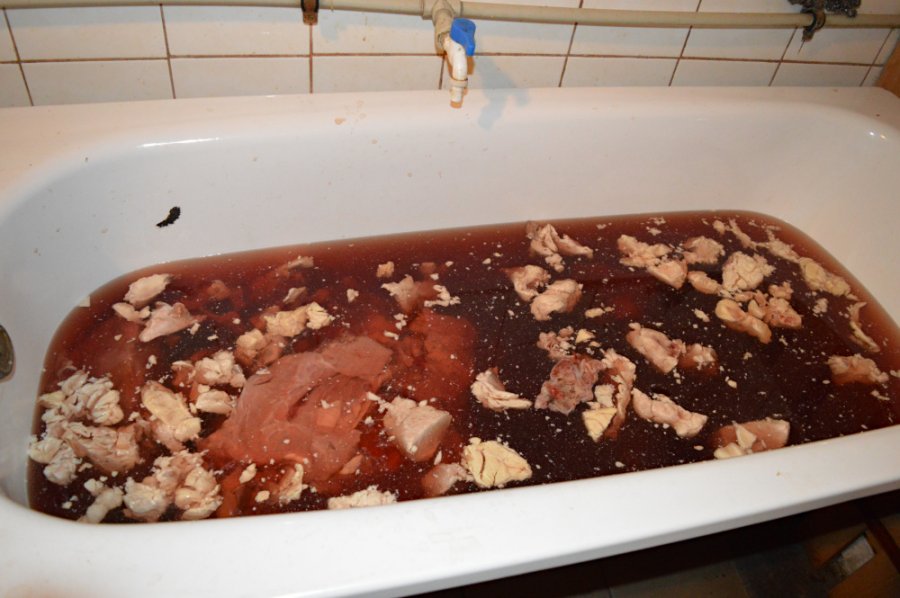
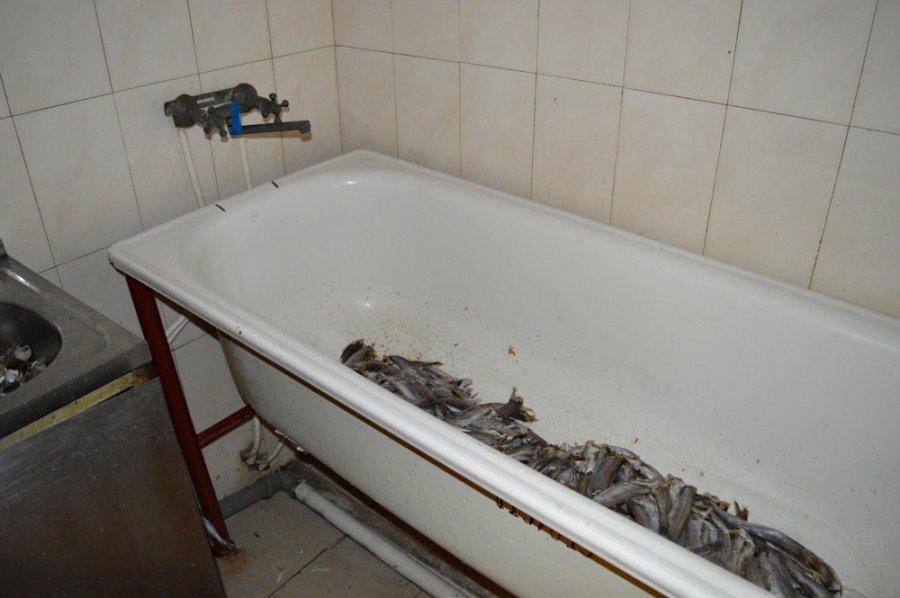
The institution’s kitchen has recently undergone renovations. The kitchen equipment is functional and clean. At the time of the visit, beef was being defrosted in the meat processing department under proper sanitary conditions. The meat did not have an unpleasant odour. In the fish processing department, fish was also being defrosted under proper sanitary conditions.
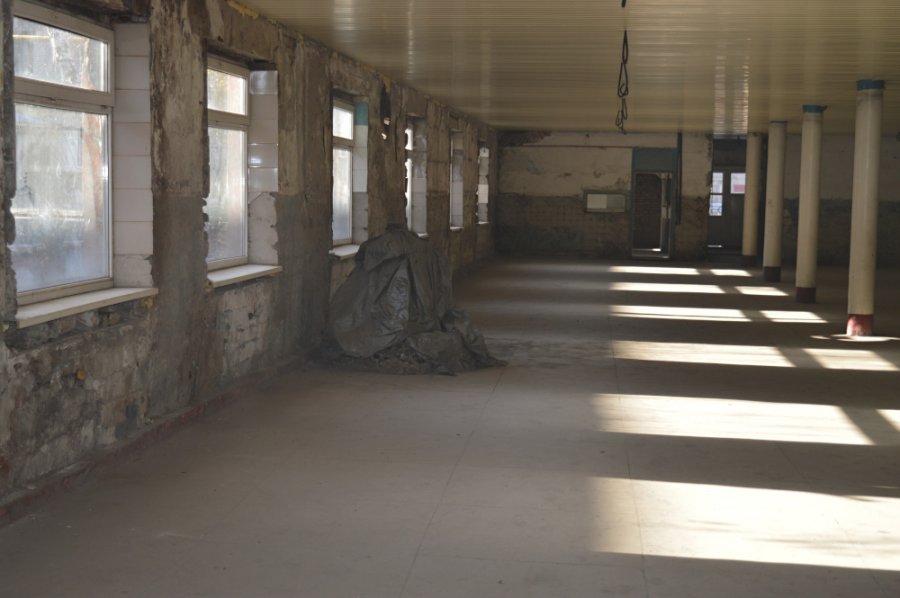
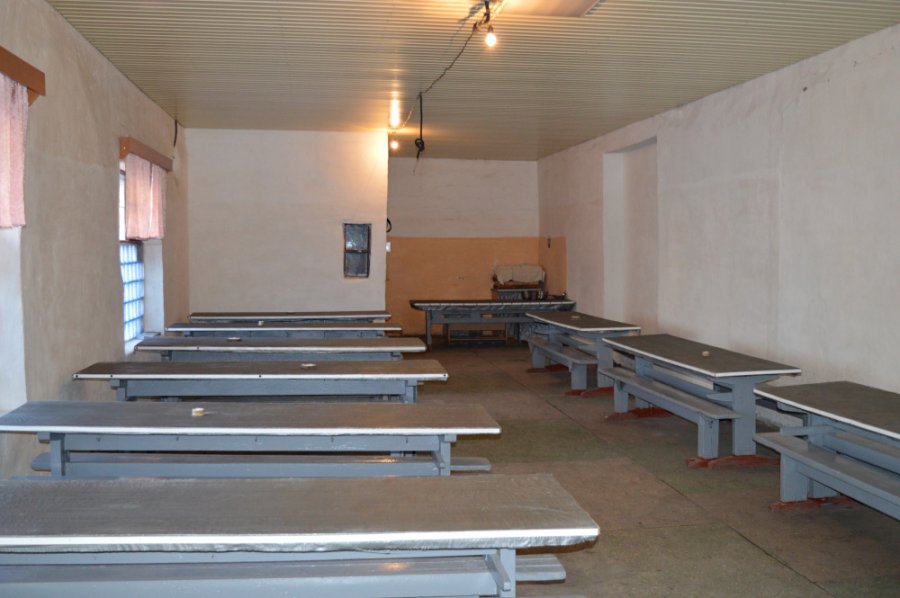
The institution’s canteen was undergoing repairs at the time of the visit. Consequently, the inmates were forced to eat in a temporarily equipped canteen.
VII. Production
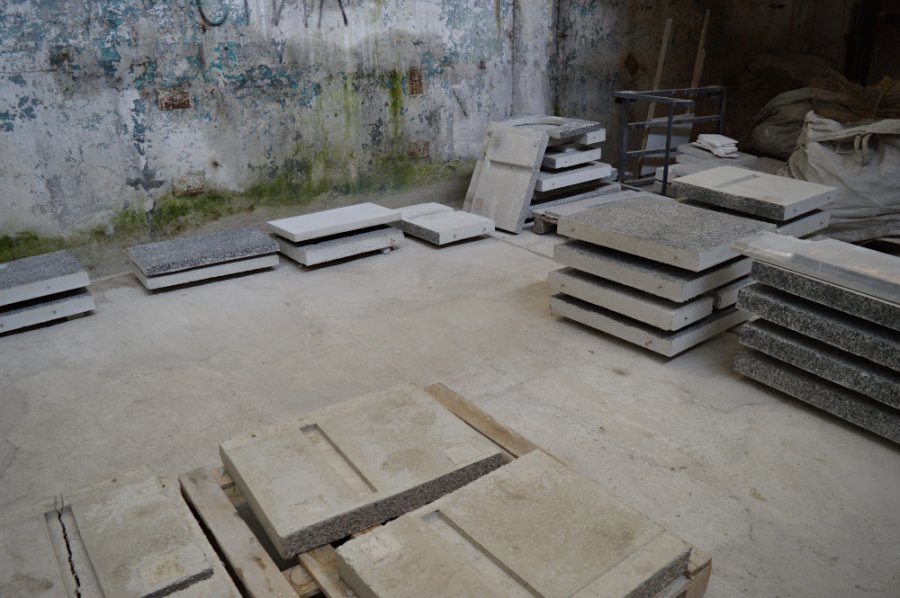
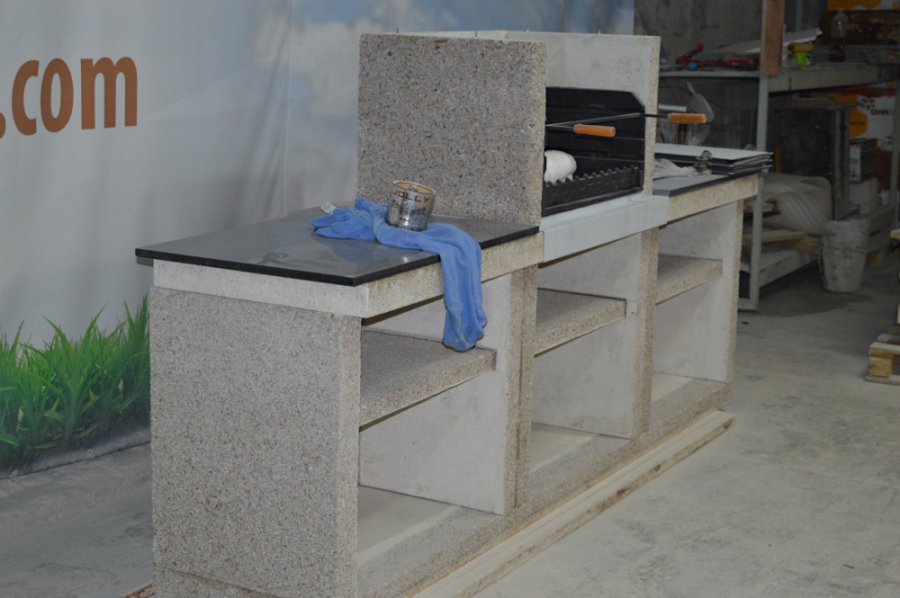
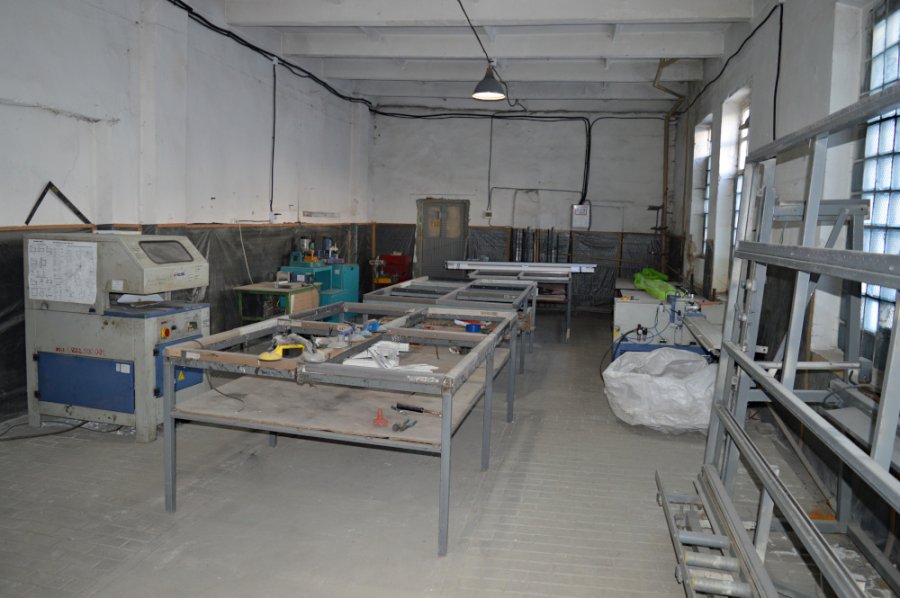
At the time of the visit, a workshop for moulding concrete products was operational, and a line for manufacturing metal-plastic windows was being commissioned.
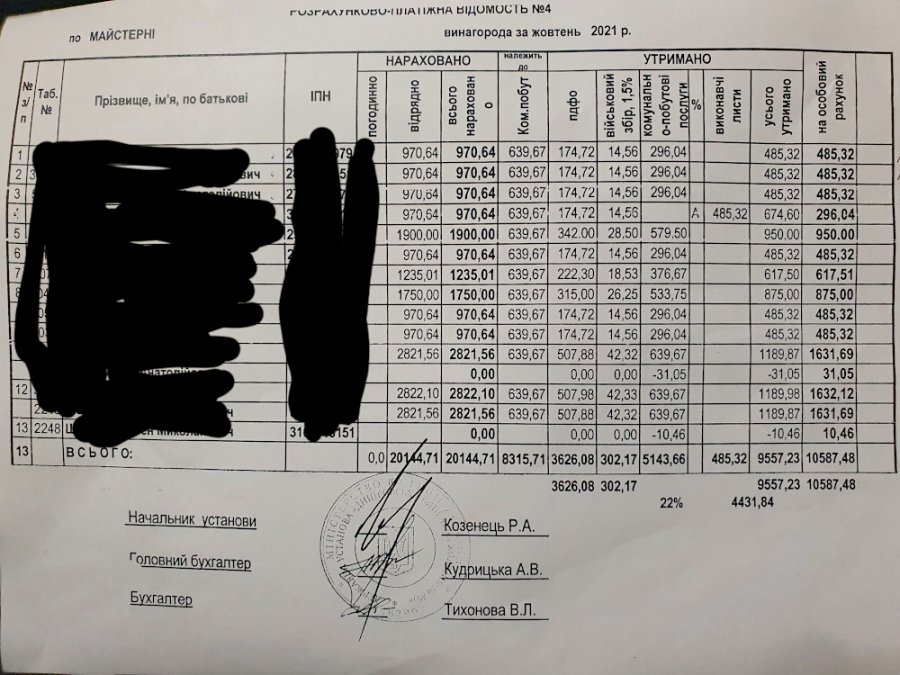
The monitors spoke with the workers, who reported that they were employed under civil-law contracts. Regarding the amount of remuneration, the monitors were informed that the inmates supposedly receive a salary of 4,000 hryvnias after all deductions. However, according to official data provided by the institution’s administration, the maximum salary after all deductions for October was 1,632 hryvnias and 12 kopecks. There are no signatures of the inmates in the salary accrual records.