Report on the Results of a Monitoring Visit to Dnipropetrovsk Specialized Tuberculosis Hospital No. 89
General Information
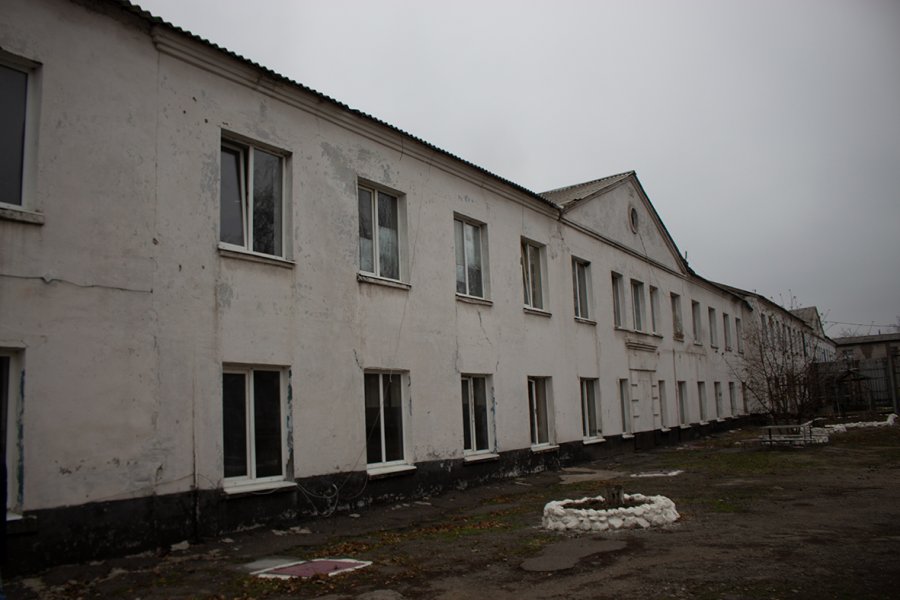
The tuberculosis hospital consists of the following departments: an administration building with a consultative-diagnostic block, an outpatient clinic with a quarantine, diagnostics and distribution unit, and an investigative isolation ward, a clinical-diagnostic laboratory, a pharmacy and pharmacy warehouse, an intensive care unit, four wards for the treatment of patients with active tuberculosis, an MIO office, and auxiliary premises.
According to the staffing schedule, the institution is staffed with 96 positions, including: doctors — 34 positions, nursing staff — 44 positions, and junior staff — 18 positions. Vacant positions: Head of Department — one position (called up for service in the Armed Forces of Ukraine), phthisiologist — one position (called up for service in the Armed Forces of Ukraine). All personnel hold the appropriate certificates regarding specialisation and category.
As of 7 December 2023 (since the beginning of 2023), 16 convicted persons have died in the hospital; among them, eight submissions were considered by the Medical Advisory Commission (MAC) and materials were transferred to the court, while eight persons died suddenly or had been in the hospital for a short term. At the same time, five convicted persons died in the correctional colony, and one committed suicide. Information regarding all fatal cases was provided to the Prosecutor's Office and the Police. For comparison, in 2022, 11 convicted persons died in the hospital, and 13 in the institution (two from disease, 11 from methanol poisoning, and one from suicide).
As of 7 December 2023, 12 submissions from convicted persons were considered at MAC meetings. Among the 12 persons whose documents were in court, four were released under Article 84 of the Criminal Code of Ukraine and discharged from the hospital, one died during the appeal period after a positive court decision, and seven died during the court proceedings.
The tuberculosis hospital is designed for 240 beds. As of 7 December 2023, there are 242 patients in the hospital. Dispensary supervision is provided for: 133 HIV-infected persons (132 of whom are receiving ART). There are 25 persons with mental disorders. The Head of the Hospital is O. V. Yurchenko.
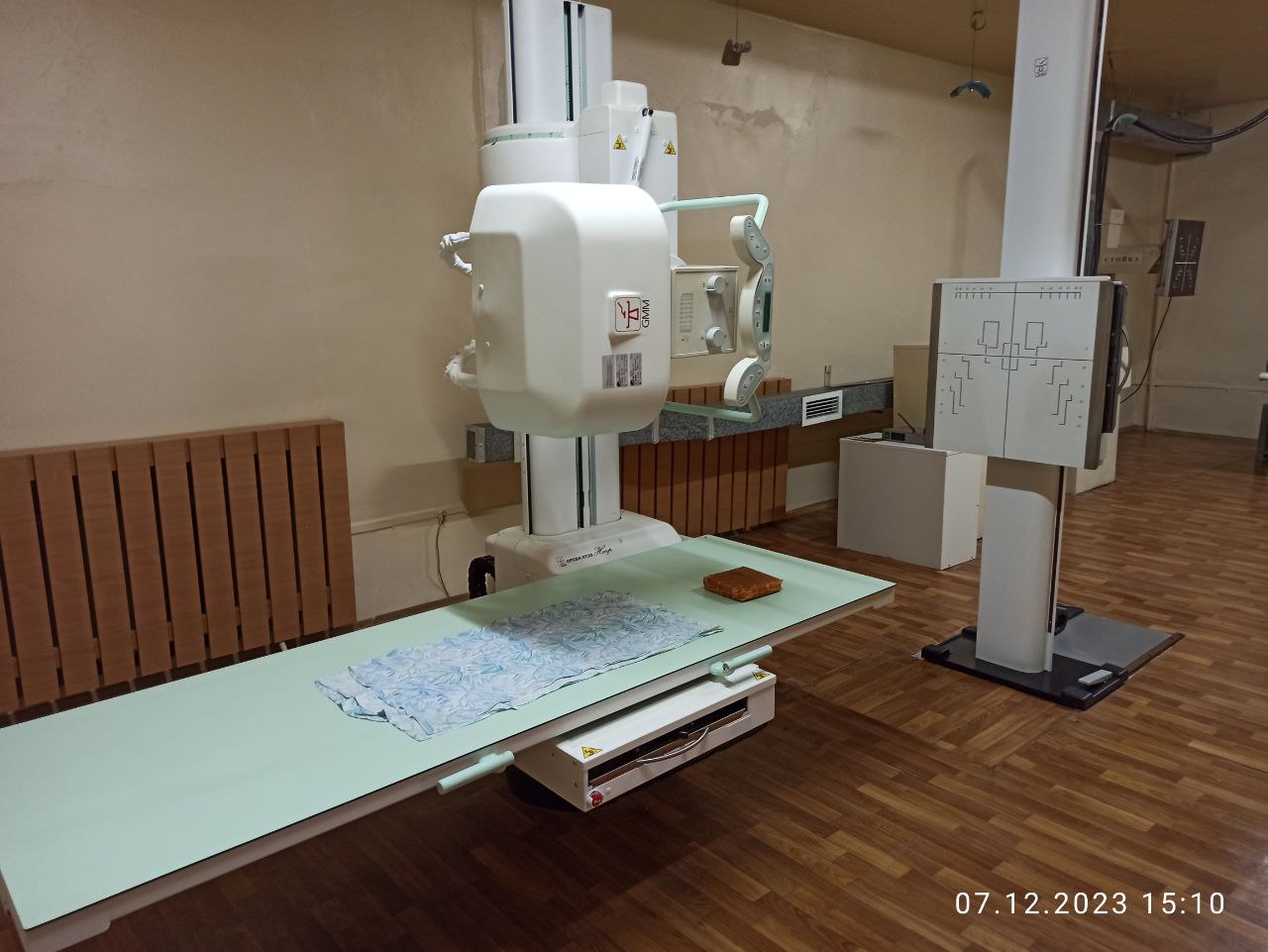
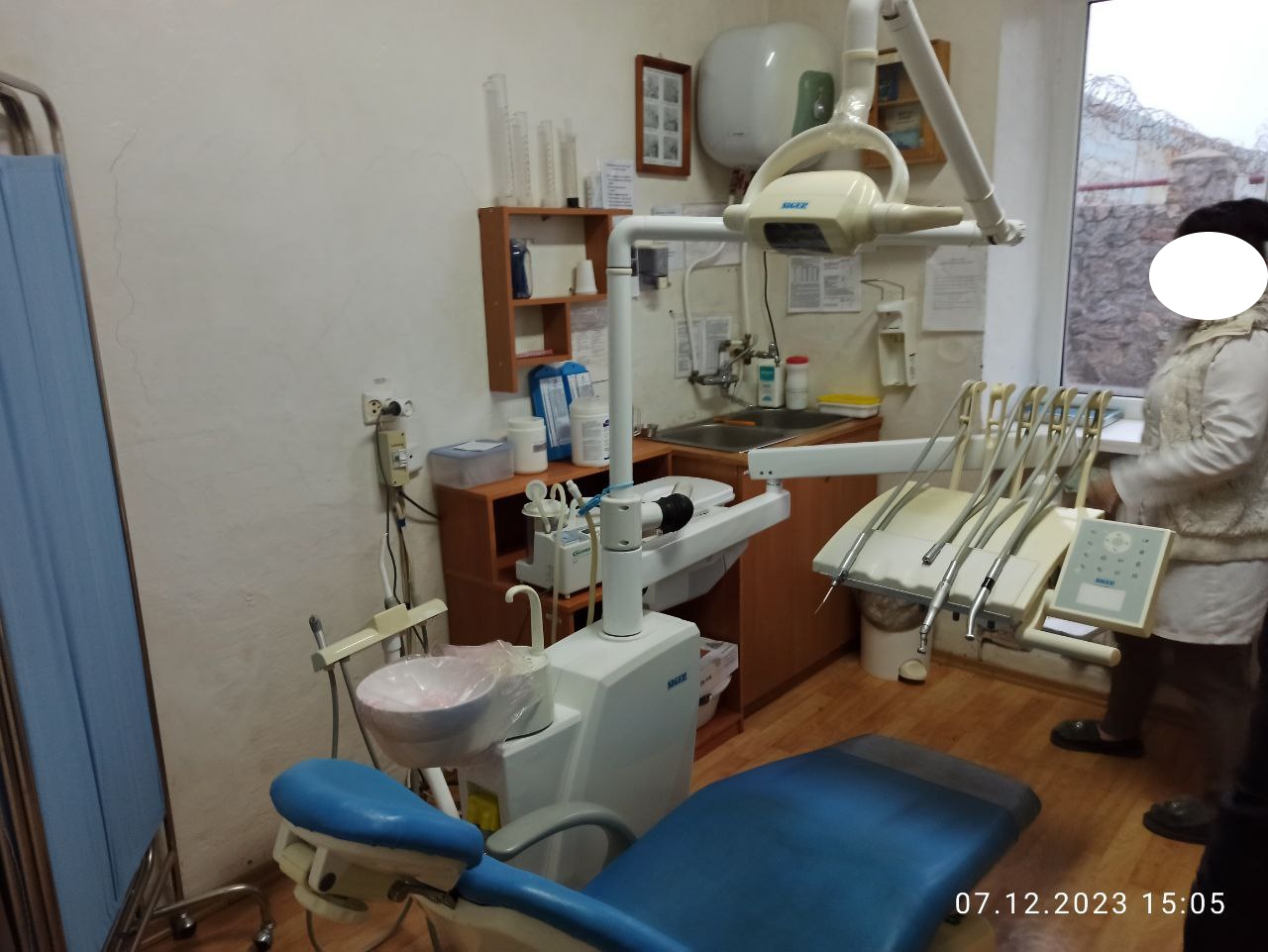
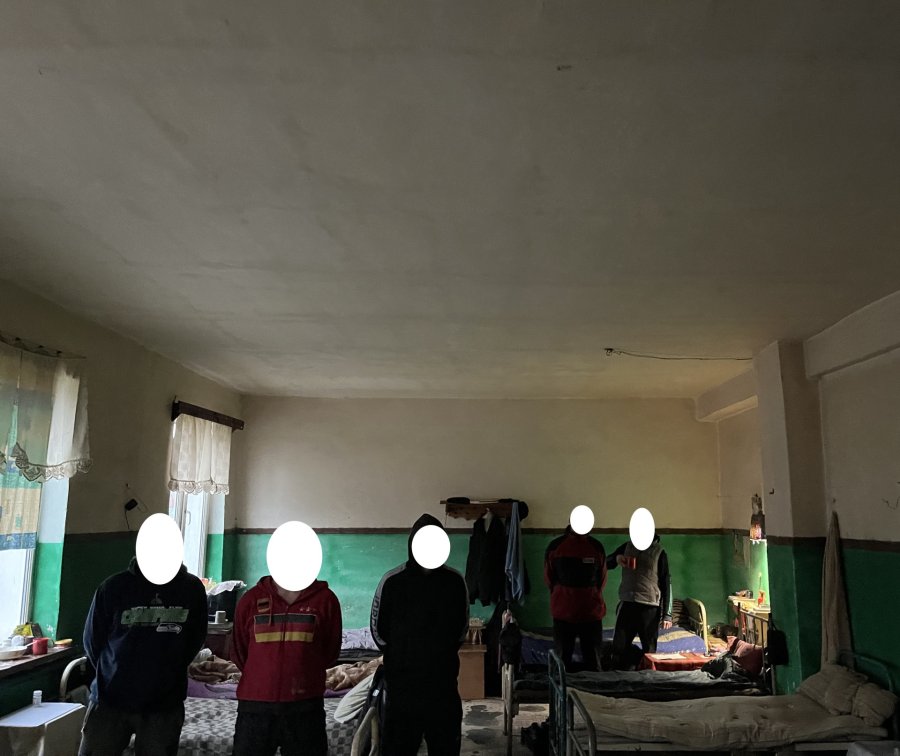
During the visit, the monitoring group examined documentation related to the operation of the institution, inspected the hospital premises, and checked the patient wards for compliance with the requirements of Ukrainian legislation and international standards.
During the visit, deficiencies were identified in the operation of the hospital, leading to violations of the rights of convicted persons and detainees when providing medical assistance in the hospital and the outpatient preventive department of the hospital, in particular:
1. Violation of the right of convicted persons to protection against torture or inhuman or degrading treatment or punishment, and violation of the right to health protection and medical assistance
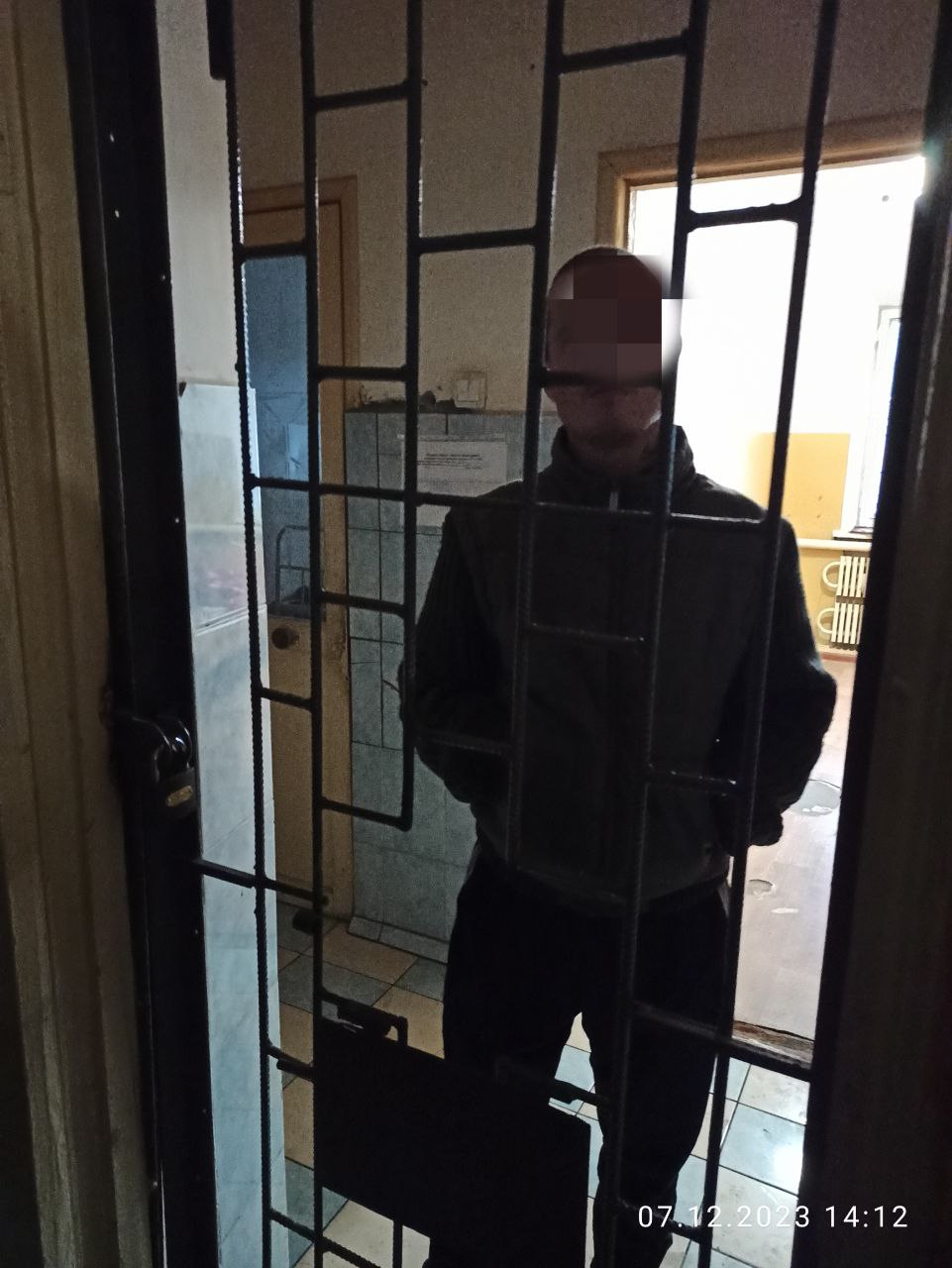
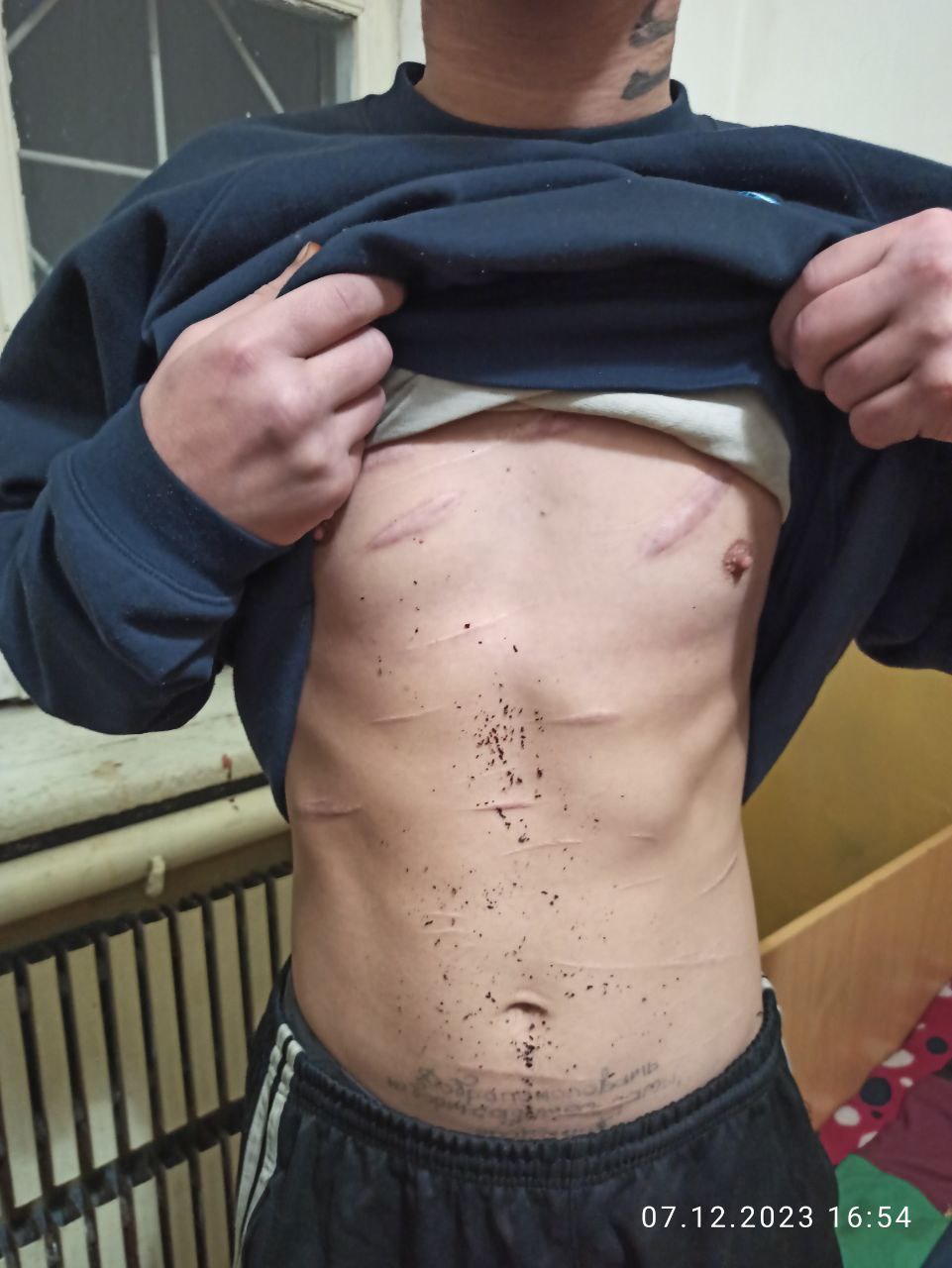
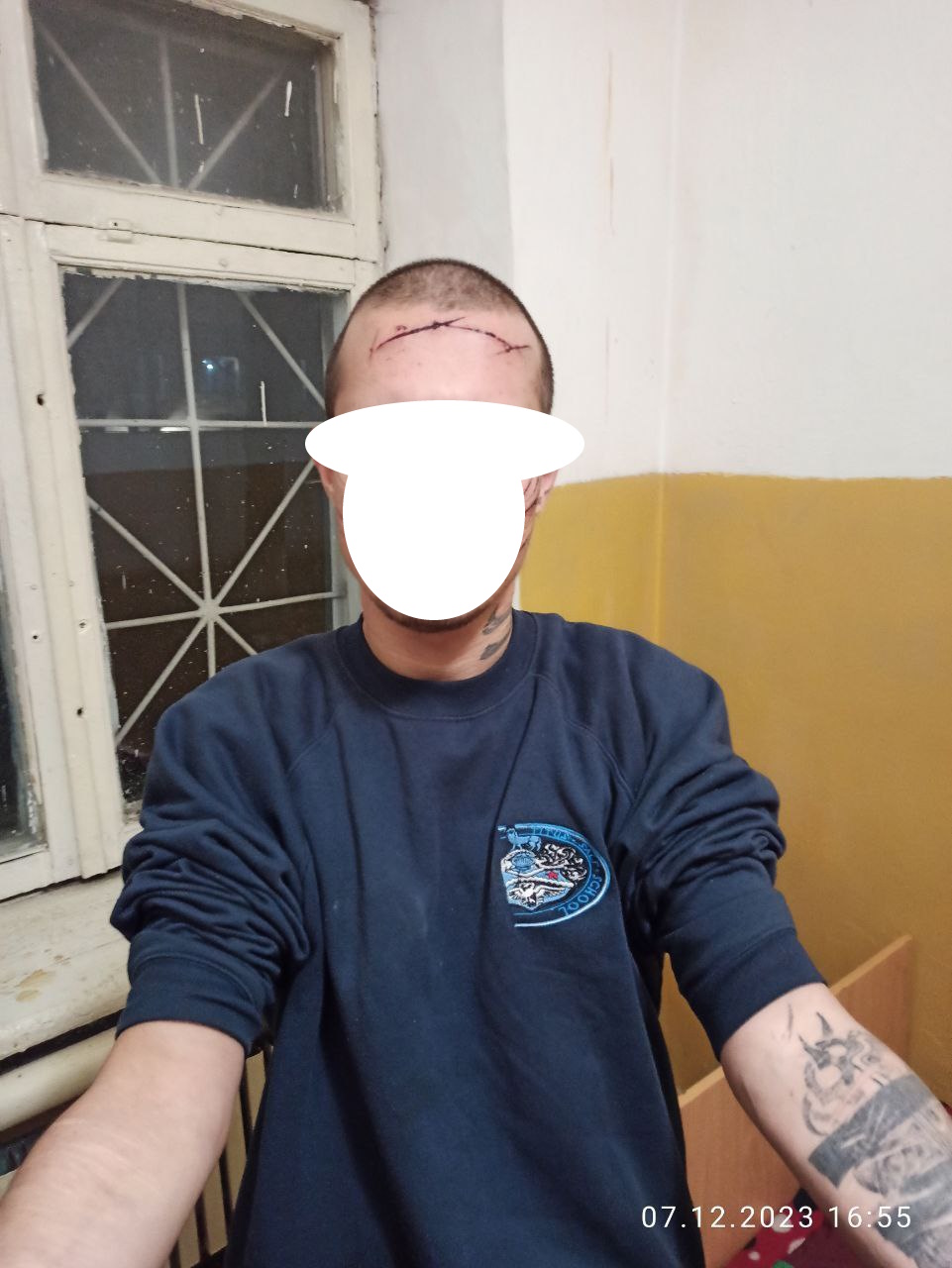
1.1 In the isolation ward for persons with mental disorders, two persons were found behind metal bars, one of whom suffered from mental disorders, and the other from somatic diseases. Thus, the principle of isolation — the separation of a person who, due to their mental state, poses an immediate danger to themselves or others — is grossly violated. The man with mental disorders had been in the isolation ward for over a week; he was in an agitated state, behaved inappropriately, and had numerous superficial incised wounds on his face which, according to medical documentation, he had self-inflicted. These circumstances and the fact that a person suffering from mental disorders was placed with a person with somatic diseases indicate a violation of the right of convicted persons to health protection and medical assistance and may be regarded as cruel, inhuman, or degrading treatment.
1.2 Not all patients undergoing inpatient treatment at the hospital have form No. 003/o “Medical Record of an Inpatient” for primary accounting documentation established for them.
1.3 Convicted persons are not offered the opportunity to sign informed voluntary consent for diagnostics and treatment.
1.4 The hospital has not organized the provision of Opioid Substitution Therapy (OST) for persons with mental and behavioural disorders due to opioid use. Drug-addicted persons are not provided with socio-psychological support, cognitive-behavioural therapy (CBT), relapse prevention, motivational interviewing, or self-help groups, etc.
1.5 The hospital does not maintain “Control Card of Dispensary Supervision for an HIV-infected person” No. 030-5/o.
1.6 Due to the lack of declarations concluded by convicted persons with a primary care physician, they do not have the opportunity to receive the necessary medical services funded by the NHSU, which leads to a violation of the requirements of paragraphs 4 and 5 of Article 4 of the Law of Ukraine “Fundamentals of Ukrainian Legislation on Healthcare”.
1.7 The institution does not maintain a logbook for recording the results of preventive medical examinations.
2. Violation of the right of convicted persons and detainees to information about their health status, methods of treatment, and the right to confidentiality regarding health status
During the inspection of the Disciplinary Isolation Cell (DIZO) area, monitors established that when a convicted person is placed in a disciplinary isolation cell, it is standard practice to attach a medical certificate to the file. This certificate contains information about the individual's health status and diagnosis and concludes that the convicted person, based on their health condition, can be held in a DIZO, a cell-type facility, or a punitive cell. The discovered facts indicate that staff members of the institution possess confidential information regarding the health status of convicted persons held in the DIZO unit. This violates the requirements of Article 39-1 of the Law of Ukraine “Fundamentals of Ukrainian Legislation on Healthcare” regarding the right of individuals to confidentiality of health information. Furthermore, the European Committee for the Prevention of Torture and Inhuman or Degrading Treatment or Punishment has repeatedly recommended that doctors should not certify that the state of health of convicted persons allows for placement in a DIZO/cell-type facility. Medical professionals working in correctional facilities act as the prisoners' personal doctors, which ensures positive relations between doctor and patient. The aforementioned practice undermines positive relations between convicted persons and doctors. In addition, it contradicts paragraph 43.3 of the European Prison Rules.
3. Failure to comply with infection control and epidemiological surveillance
3.1 In the medical unit, the requirements for isolating tuberculosis patients are not met; wards are used for more than one or two persons (one ward-cell contains four to five beds), the doors to the wards are not equipped with sealed thresholds or edge seals, and air recirculation using mechanical ventilation is not provided.
3.2 Patients are not fully provided with personal protective equipment, strict control over compliance with the mask regime is not exercised among prisoners in the territory of the institution, and daily temperature screening of convicted persons is not conducted.
4. Violation of the right of convicted persons to proper sanitary and hygienic conditions in a healthcare facility
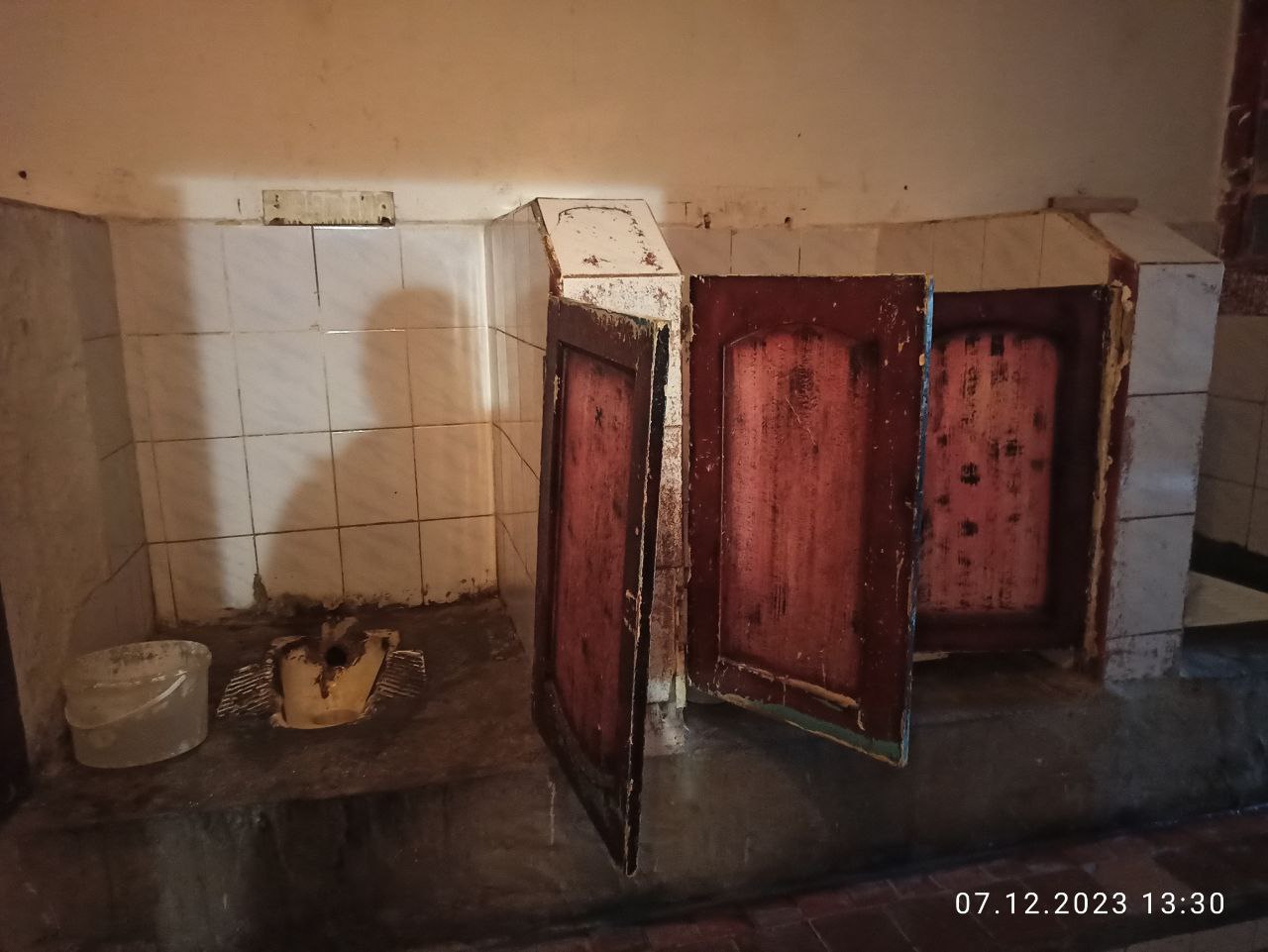
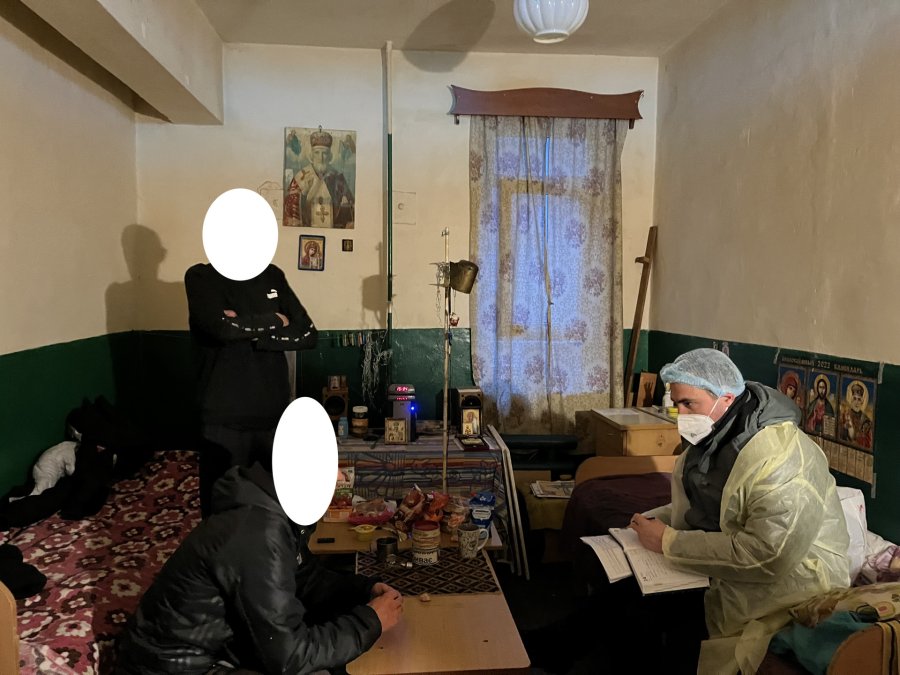
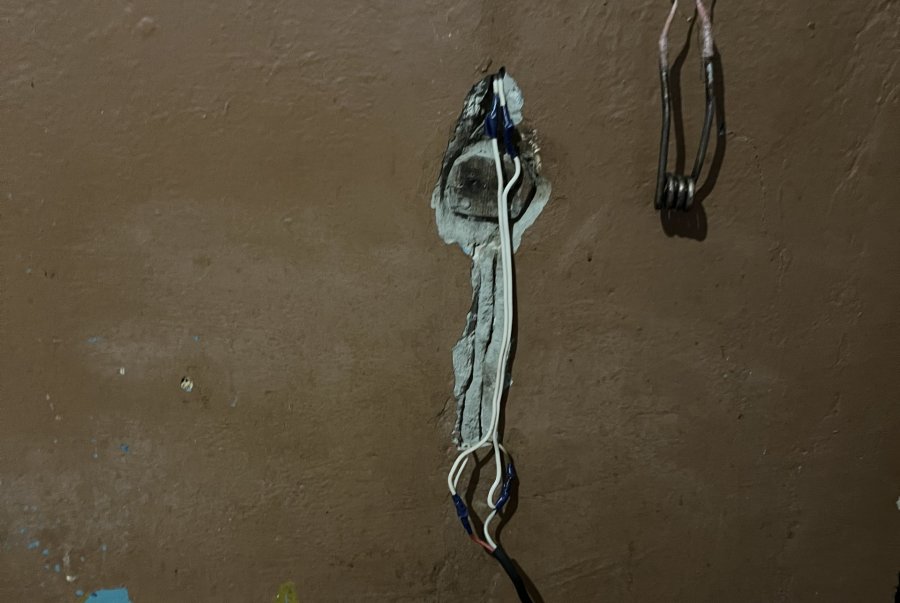
4.1 The hospital premises require repair work, including the replacement of sanitary equipment and electrical wiring. There is a persistent unpleasant odour, poor sanitation, excessive humidity on the ceilings of some cell premises, walls covered with mould, significant clutter with personal belongings, floors and bathrooms are dirty, bedding is damp, and mattresses need replacement.
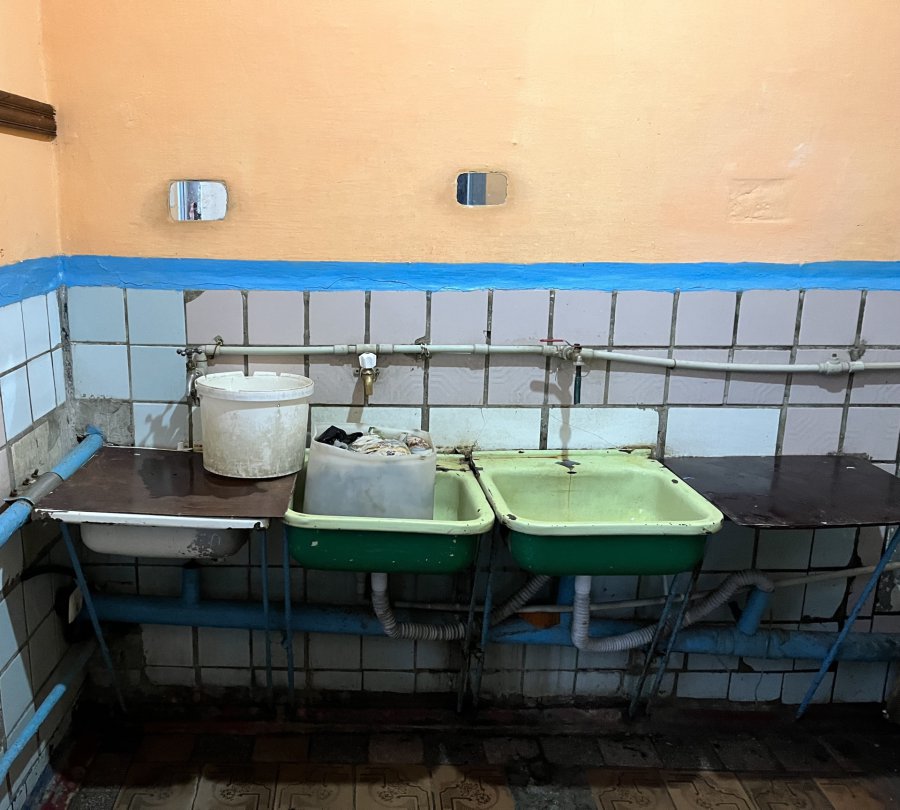
4.2 In the hospital wards, the requirements regarding the minimum living space per convicted person in inpatient conditions (not less than 5 m²) are violated. The area of the ward should be calculated for placing a bed with the possibility of approaching it from three sides. At the same time, in the ward for the treatment of patients with active tuberculosis, the beds are placed right next to each other.
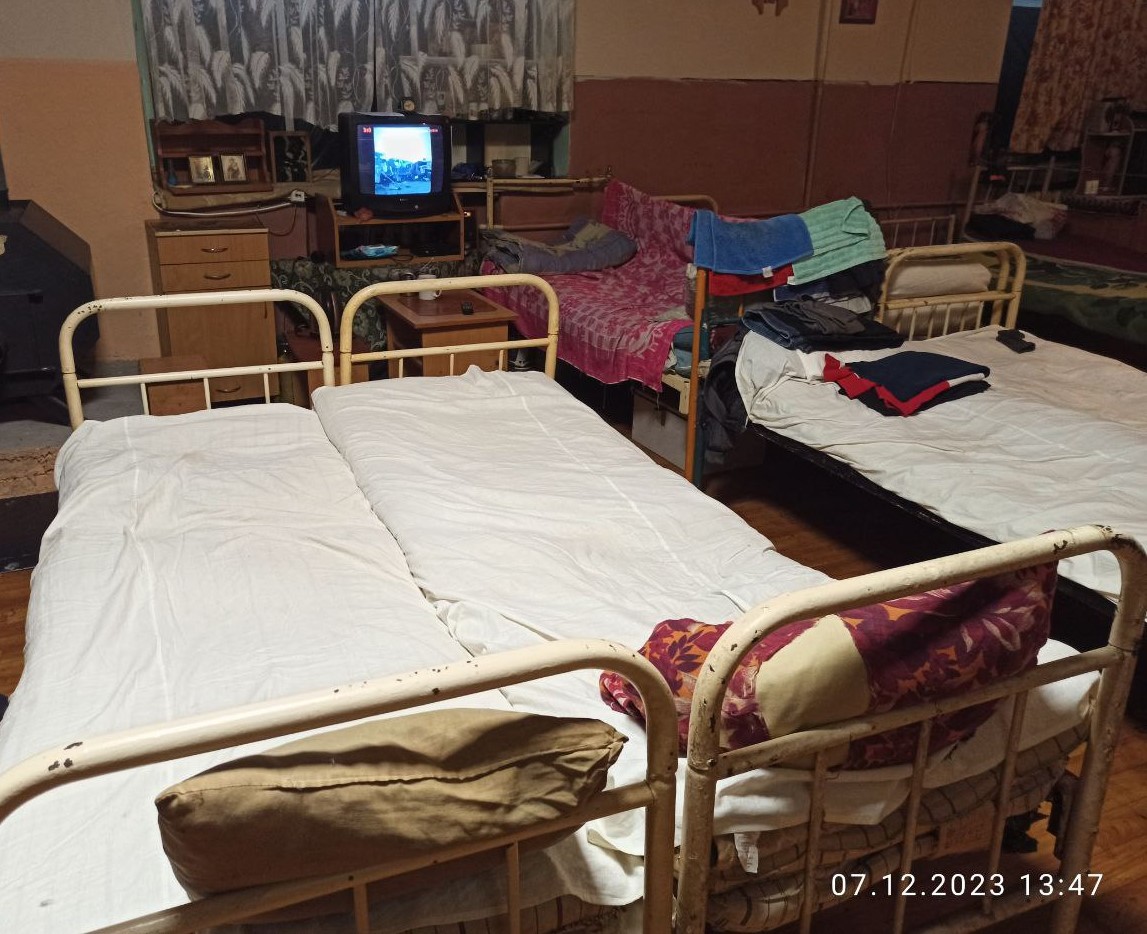
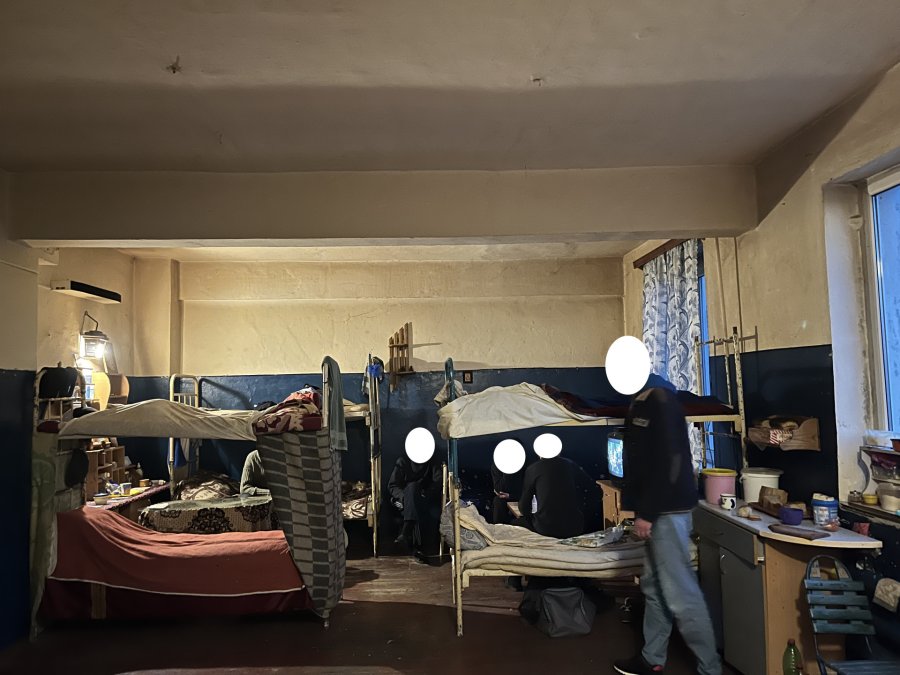
4.3 Convicted persons do not receive hospital property (a suit, gown, and hospital shoes). Convicted persons remain in the inpatient facility in their everyday clothes, sometimes using their own bedding.
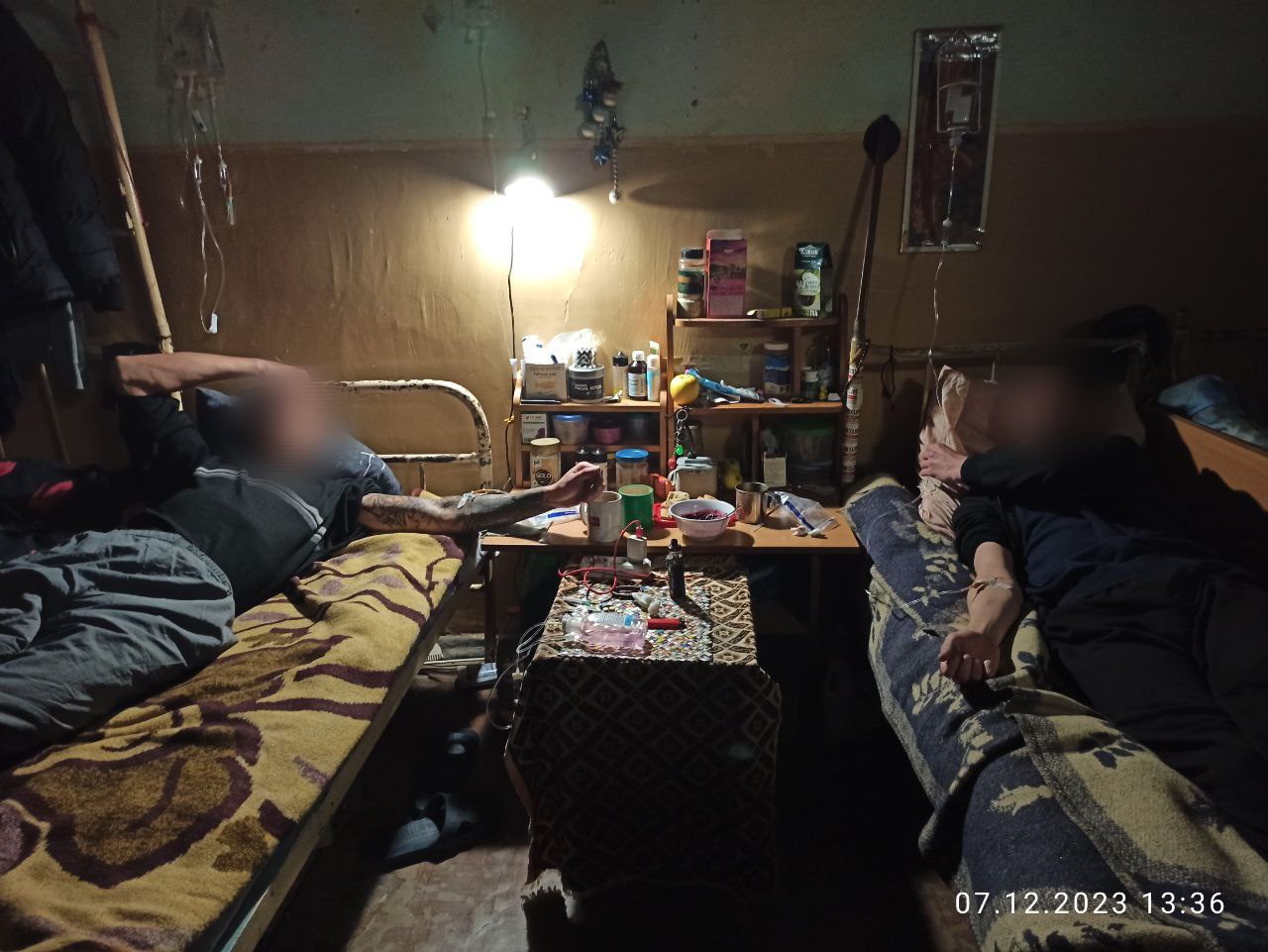
5. Violation of the rights of persons with viral hepatitis C
During 2023, 615 tests for viral hepatitis C were conducted in the medical unit, of which 196 persons were suspected of having the disease. 96 persons were tested using the PCR method. Not all persons with suspected viral hepatitis C undergo PCR testing, due to which they do not receive the necessary treatment, which may lead to a deterioration of their health and the spread of this infectious disease among convicted persons and detainees. In addition, the hospital pharmacy is not provided with drugs for the treatment of viral hepatitis C (HCV).
6. Violation of the rights of persons with disabilities (Article 9 of the UN Convention on the Rights of Persons with Disabilities)
6.1 Dispensary supervision is provided for 26 persons with disabilities. Of these, 4 persons have group II disability; 22 persons have group III disability. Persons with disabilities do not receive proper diagnostic, therapeutic, and rehabilitation measures, despite information confirming persistent impairment of bodily functions caused by diseases or the consequences of injuries, which restricts normal life activities. While studying the medical documentation of the convicted persons, it was established that not all persons with disabilities have individual rehabilitation programmes (IRP). Furthermore, the recommendations of the IRP are not being fulfilled.
6.2 The institution has not created conditions for accommodating persons with disabilities (ramps, handrails, etc., are absent).
7. Violation of fire safety rules
7.1 The hospital premises are not equipped with fire extinguishing and fire alarm systems.
7.2 The doctor’s office and the X-ray room are not equipped with fire extinguishers.
The aforementioned failures do not ensure safe conditions for patients in the inpatient facility and may pose a threat to their life and health.
8. Inadequacy of the medical unit in terms of equipment, medical devices, and medicines
8.1 The hospital lacks a dental X-ray machine, which makes it impossible to conduct an in-depth dental examination of convicted persons and does not ensure the timely provision of proper dental care.
8.2 During the inspection of the defibrillator's functionality, it was established that the electrodes were missing.
9. Other violations
9.1 The hospital has no internet access. The interviewed convicted persons claimed that they do not have the opportunity to send emails to the Prosecutor's Office of Ukraine or the Ukrainian Parliament Commissioner for Human Rights.
9.2 In the intensive care unit, there was a patient R., sentenced to one year and six months of restriction of liberty. When asked why this patient is not in a civilian hospital but in a penal institution, the administration replied that he is being criminally prosecuted on a new charge. At the same time, this institution is not an investigative isolation ward.
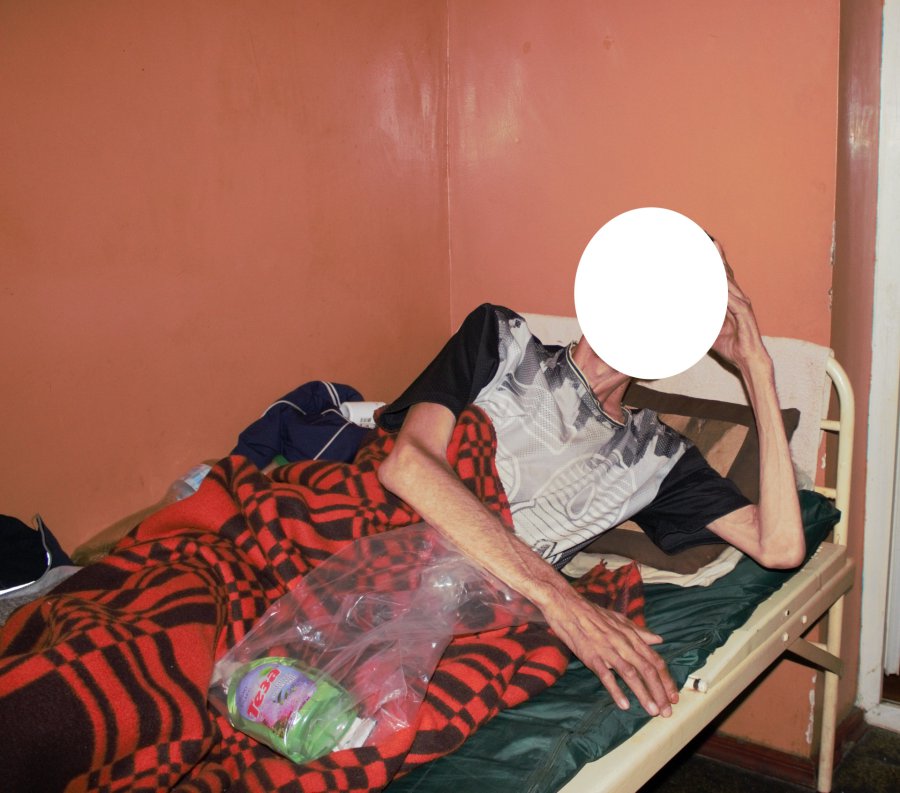
9.3. Convicted person G. introduced himself as the senior orderly of the hospital and stated that he has been working for five years without pay.
9.4 Convicted person Z. complained about the quality of the dietary food; he claimed that one egg is issued per week and butter is put into the porridge, making it unclear whether there is butter and what its quantity is.
9.5 In the third ward for tuberculosis patients, there is only one light bulb for the entire ward, and the convicted persons complain of the cold.
9.6 Convicted person P. from the fourth ward complained about his health and the quality of his treatment.
9.7 Convicted person S. requested an investigation regarding the end date of his sentence. The convicted person claimed that his sentence had expired and that he was being held in the institution illegally. Having familiarized ourselves with the relevant documentation and obtained explanations from the institution's management, it was clarified that the issue regarding the legality of the detention of convicted person P. is under consideration by the court and monitored by the prosecutor's office.
Recommendations:
To the Ministry of Justice of Ukraine:
Take measures aimed at eliminating the identified human rights violations and preventing torture, and other cruel, inhuman, or degrading treatment or punishment at the Dnipropetrovsk Specialized Tuberculosis Hospital No. 89, a branch of the State Institution “Centre for Healthcare of the State Criminal-Executive Service of Ukraine” in the Dnipropetrovsk and Donetsk regions.
To the State Institution “Centre for Healthcare of the State Criminal-Executive Service of Ukraine”:
- Ensure the provision of proper psychiatric medical assistance in accordance with the Law of Ukraine “On Psychiatric Care”.
- Carry out repair work in the hospital premises.
- Organise the provision of opioid substitution therapy to persons who require it.
- Cease the practice of doctors certifying the health status of convicted persons when they are placed in a DIZO/cell-type facility.
- Timely examine and treat persons suspected of having viral hepatitis C.
- Observe measures for social distancing of convicted persons under quarantine restrictions, as well as the right of convicted persons to personal space and privacy.
- Properly maintain medical documentation.
- Provide proper dental care.
- Provide dietary nutrition to convicted persons with chronic diseases.
- Replace the pads for the external automatic defibrillator.
- Improve the accessibility of hospital premises for persons with limited mobility.
- Implement individual rehabilitation programmes for persons with disabilities.
- Comply with fire safety requirements in the hospital.
- Ensure control over the maintenance of proper sanitary and hygienic conditions in the inpatient facility.
- Ensure proper record-keeping of preventive examinations.
- Cease the practice of putting butter into porridge and issue it in individual portions.
- Ensure access to the internet for convicted persons.
A preventive monitoring visit to Multidisciplinary Hospital No. 89 (SI “Centre for Healthcare of the SCES of Ukraine in the Dnipropetrovsk and Donetsk Regions”) was carried out by the Kharkiv Human Rights Protection Group, EPLN, and the SI “Protection of Prisoners of Ukraine”. The monitoring group consisted of an assistant to the People's Deputy of Ukraine Kostiantyn Kasai, members of the Public Council under the Ministry of Justice of Ukraine Serhiy Zuikov, an assistant to the People's Deputy of Ukraine Yaroslav Yurchyshyn, Kharkiv Human Rights Protection Group programme coordinator Andriy Didenko, as well as an expert of the working group of international partners of Ukraine on prison reform Hugues de Suremain. The purpose of the visit: analysis of the observance of human rights in places of detention during the war. The visit was conducted within the framework of the project “Reducing the Suffering of Prisoners in the Context of the War in Ukraine”, funded by the government of Denmark in partnership with DIGNITY — Danish Institute Against Torture.
Date of the visit: 7–8 December 2023
Editor: Emiliia Prytkina