Report on the results of a monitoring visit to the Dnipropetrovsk Specialized Tuberculosis Hospital No. 89
On 20 December 2025, in accordance with the Optional Protocol to the Convention against Torture and Other Cruel, Inhuman or Degrading Treatment or Punishment, and taking into account the provisions of the UN Standard Minimum Rules for the Treatment of Prisoners (the Mandela Rules) and the decisions of the European Court of Human Rights, and based on Article 24 of the Criminal Executive Code of Ukraine — “Visiting penal institutions”, a monitoring group from the Kharkiv Human Rights Protection Group and the NGO “Protection of Prisoners of Ukraine” conducted a follow-up visit to the Dnipropetrovsk Specialized Tuberculosis Hospital No. 89 of the branch of the State Institution “Health Care Centre of the State Criminal-Executive Service of Ukraine” in the Dnipropetrovsk and Donetsk regions (hereinafter — the hospital, the institution, the facility).
A planned visit was conducted without prior notice. The previous visit took place on 27 December 2024.
In preparation for the visit, the monitors used materials from complaints filed by prisoners/convicts and their relatives, materials from previous reports, and the report of the monitors of the National Preventive Mechanism under the Commissioner for Human Rights of the Verkhovna Rada of Ukraine (NPM).
The visit was carried out within the framework of the project “Reducing the suffering of prisoners in the context of the war in Ukraine”, funded by the government of Denmark in partnership with DIGNITY — Danish Institute Against Torture.
The visit was conducted by the following monitors:
- Andriy Didenko — assistant to the People's Deputy of Ukraine Yaroslav Yurchyshyn, programme coordinator of the Kharkiv Human Rights Protection Group, with experience in monitoring visits since 2014;
- Serhiy Zuikov — assistant to the People's Deputy of Ukraine Kostiantyn Kasai, member of the public council under the Ministry of Justice of Ukraine, member of the NGO “Protection of Prisoners of Ukraine”, with many years of experience in monitoring visits;
- Oleh Tsvilyi — member of the public council under the Ministry of Justice of Ukraine, head of the NGO “Protection of Prisoners of Ukraine”, with extensive experience in monitoring visits, specialising in issues of torture and cruel, inhuman treatment.
During the monitoring visit to the outpatient preventive department of the hospital, systemic violations were identified in the organisation of medical care and the conditions of stay for convicts. The unauthorised involvement of convicts in performing the duties of orderlies in the inpatient unit with the actual delegation of the personnel's control and supervisory powers to them was recorded; there was also improper maintenance of medical documentation, including the absence of inpatient medical records, records of hospitalisation, preventive check-ups, and informed voluntary consent for treatment; a lack of organisation of substitution maintenance therapy and psychosocial support for persons with drug addiction; violations of requirements regarding dispensary supervision, rehabilitation, and the provision of rights for persons with disabilities; and limited access to telemedicine consultations and specialised medical care, including dental care and treatment for viral hepatitis C.
Furthermore, significant violations of material, living, sanitary, hygiene, fire safety, and security requirements were established in the hospital premises: unsatisfactory technical condition of the departments, unsanitary conditions, lack of proper water supply, ventilation, lighting, equipped restrooms, and isolation wards; the use of hazardous heating equipment; the absence of fire alarms and fire-extinguishing equipment; improper organisation of laundry and bathing services and medical examinations; violations of the right to medical confidentiality during the stay of persons in the disciplinary isolation unit (DIZO); the use of metal bars in medical premises; non-compliance with drug storage conditions; failure of medical staff workplaces to meet occupational health and safety requirements; as well as unreasonable restrictions on convicts' access to the Internet during treatment. The combination of these facts points to a systemic failure to adhere to national and international standards in the field of healthcare and the treatment of persons deprived of liberty.
General Information
The Head of the Dnipropetrovsk Specialized Tuberculosis Hospital No. 89 of the branch of the State Institution “Health Care Centre of the State Criminal-Executive Service of Ukraine” in the Dnipropetrovsk and Donetsk regions is O.V. Yurchenko.
The tuberculosis hospital (240 beds) consists of the following units: an administrative building with a consultative and diagnostic block, an outpatient polyclinic department with a quarantine, diagnostic, and distribution ward and a pre-trial detention ward, a clinical diagnostic laboratory, a pharmacy and pharmaceutical warehouse, an intensive care unit, 4 wards for the treatment of patients with active tuberculosis, an office for medical information support, and auxiliary premises.
In the outpatient polyclinic department with a quarantine, diagnostic, and distribution ward and a pre-trial detention ward, initial medical examinations of patients are conducted, along with the analysis of medical history data and the results of laboratory tests known prior to their admission to the tuberculosis hospital; additional examinations and consultations are conducted as necessary, after which the distribution of patients is ensured in accordance with the established diagnosis and the profile of the department. At the same time, this unit provides medical services to convicts of the social-psychological service departments of the colony, the maximum-security sector, and the pre-trial detention ward (dispensary examinations, provision of urgent and planned medical care). In doing so, the wards for the treatment of patients with active tuberculosis are organised in compliance with infection control requirements and the segregation of patient flows, and include:
- an intensive care unit with 8 beds (MBT (+), contagious form);
- the first ward with 75 beds for patients with drug-resistant tuberculosis with bacteri excretion and preserved sensitivity to fluoroquinolones (MBT (+));
- the second ward with 57 beds for patients with drug-resistant tuberculosis with bacteri excretion and resistance to fluoroquinolones (MBT (+));
- the third ward with 45 beds for patients with drug-resistant tuberculosis without bacteri excretion with preserved sensitivity (MBT (−), active form);
- the fourth ward with 45 beds for patients with drug-resistant tuberculosis without bacteri excretion with resistance to fluoroquinolones (MBT (−), active form);
- an outpatient polyclinic department with a quarantine, diagnostic, and distribution ward and a pre-trial detention ward with 10 beds (MBT (+), contagious form).
The hospital's staffing table: a total of 94.25 positions for the institution, of which: physicians — 35 positions, mid-level medical personnel — 42.25 positions, junior medical personnel — 16 positions, non-medical specialists — 1 position. All staff possess relevant certificates regarding specialisation and category. Medical specialities: higher category — 10, first category — 8, second category — 4; mid-level medical personnel: higher category — 20, first category — 1, second category — 3.
According to information provided by the hospital staff, the following positions are vacant: clinical psychologist — 0.5 FTE; paramedic — 1 FTE; phthisiatrician (TB specialist) — 1 FTE; junior medical nurse/junior medical brother — 1.5 FTE; medical nurse/medical brother — 0.5 FTE; X-ray laboratory assistant of the X-ray room — 1 FTE; clinical pharmacist of the pharmacy — 1 FTE; pharmacist of the pharmacy — 1 FTE; pharmacy assistant — 1 FTE.
As of 2024–2025, the performance indicators of the Dnipropetrovsk Specialized Tuberculosis Hospital No. 89 are as follows. At the beginning of the reporting period in 2024, there were 238 patients in the institution; in 2025, there were 180 persons.
During 2024, 294 patients were admitted, and 352 were discharged; in 2025, 209 were admitted and 260 were discharged, respectively. Upon completion of their sentences, 53 convicts were discharged in 2024, and 28 in 2025. Due to recovery, 251 persons were discharged in 2024, and 211 in 2025. One person was released on parole in 2024; no such cases were recorded in 2025. In accordance with Article 84 of the Criminal Code of Ukraine, 1 convict was released in 2024, and 5 in 2025. Due to decriminalisation, 10 persons were discharged in 2024, and 8 in 2025. 17 persons were transferred to other institutions in 2024, and 1 in 2025. The number of patients at the end of the reporting period in 2024 was 180 persons, and 129 in 2025.
In 2024, 18 convicts died in the hospital of the Dnipropetrovsk Specialized Tuberculosis Hospital No. 89, and 5 convicts died in the residential area of the institution; the total number of deaths for the year was 23 persons. In 2025, as of 18 December 2025, 7 convicts died in the hospital, and 5 in the residential area; the total number of deaths was 12 persons.
In 2024, materials concerning 9 convicts were submitted to the medical-consultative commission; during the judicial review process, 7 persons died, and 2 convicts were released due to health reasons. In 2025, as of 18 December 2025, 7 convicts were reviewed by the medical-consultative commission; during the court review process, 2 persons died, and 5 convicts were released.
For each lethal case, the administration of the institution provided relevant information to the prosecutor's office and the National Police. The release of convicts from serving their sentences due to health reasons under Article 84 of the Criminal Code of Ukraine is carried out on the basis of decisions of the medical-consultative commission of the Dnipropetrovsk Specialized Tuberculosis Hospital No. 89, created by order of the State Institution “Health Care Centre of the State Criminal-Executive Service of Ukraine” dated 26 April 2024, No. 42-OD-TSA, in accordance with the List of diseases that are grounds for submitting materials to court for the release of convicts, approved by the order of the Ministry of Justice of Ukraine and the Ministry of Health of Ukraine dated 15 August 2014, No. 1348/5/572 (as amended).
As of 18 December 2025, there are 19 persons with disabilities in the institution, of whom there are no persons with group I disability, 5 persons with group II disability (2 in the hospital and 3 in the residential area), and 14 persons with group III disability (8 in the hospital and 6 in the residential area). No expired dates for establishing or re-examining disability groups were found. The institution is provided with 2 wheelchairs and 5 pairs of crutches.
As of 18 December 2025, there are 109 patients with HIV infection under dispensary supervision, of whom 43 are treated at the Dnipropetrovsk Specialized Tuberculosis Hospital No. 89, and 66 are in the residential area. All 109 patients receive antiretroviral therapy. Since the beginning of the year, 514 persons have been screened for viral hepatitis C using rapid tests, of whom 226 had a positive result and 288 a negative one. 114 patients were examined using the PCR method, of whom 93 have a confirmed diagnosis. 86 persons are under supervision with viral hepatitis C, 31 patients have been treated in total, and other convicts are on the waiting list for the prescription of treatment regimens. All information regarding examinations, consultations, check-ups, and treatment of HIV-infected persons is recorded in medical documentation and in the “MIS HIV” patient registry.
As of 18 December 2025, 35 cases of bodily injuries were recorded (in 2024 — 25).
Positive Experience
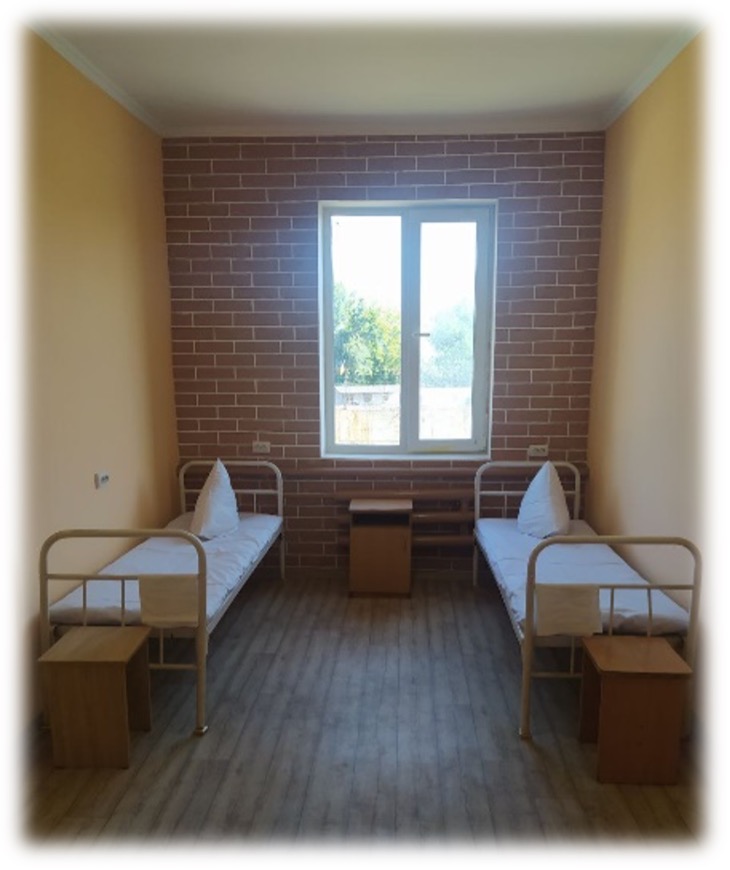
During the monitoring visit to the hospital, some positive examples of improvement in material and living conditions for patients were recorded. In particular, some hospital wards have been renovated: the premises are in a proper sanitary condition, with clean walls and floors, a sufficient level of natural light, functional window units, and individual beds with bedding. The layout of the wards ensures the possibility of free movement and the minimum necessary personal space for patients.
Certain premises of the hospital appear functionally organised and adapted for the long-term stay of persons undergoing treatment, which indicates an attempt by the administration to ensure more dignified conditions within the available resources. The presence of updated wards can be seen as an example of targeted positive changes aimed at improving the conditions of detention and treatment for convicts and prisoners.
At the same time, the mentioned positive practices are fragmentary in nature and require systemic implementation across all hospital departments, taking into account national requirements and international standards in the field of healthcare and the treatment of persons deprived of liberty.
Violations of national and international law identified
During the monitoring visit, violations of national legislation requirements and non-compliance with international recommendations in the field of prisoner treatment were identified, leading to a violation of the rights of convicted persons.
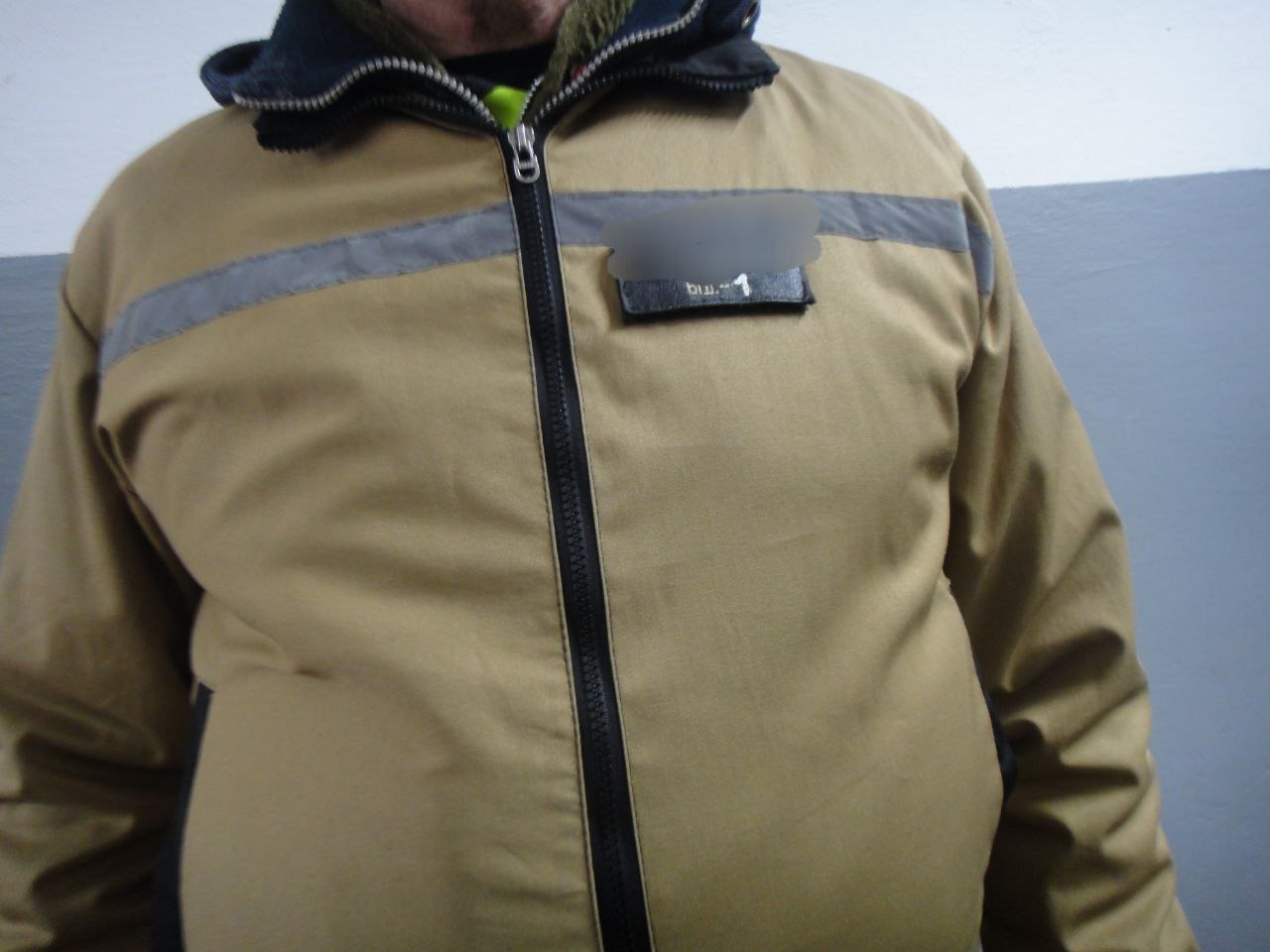
1. In violation of the tenth paragraph of clause 2 of section XVII of the Internal Regulations of Penal Institutions, approved by the order of the Ministry of Justice of Ukraine dated 28 August 2018, No. 2823/5 (hereinafter — Internal Regulations), two convicts are present around the clock in the inpatient unit of the outpatient preventive department of the hospital (hereinafter — OPD), performing the duties of orderlies.
During a confidential conversation, one of them reported that he is tasked with performing various works, including caring for the seriously ill, cleaning premises, and that he occupies a sleeping place in one of the inpatient wards. The second convict noted that he is the senior orderly of the OPD and is tasked with performing work to maintain order and control over other convicts in the inpatient unit.
Thus, the management of the institution and the medical staff have delegated to the orderlies the right to exercise constant supervision over convicts, to control their compliance with the daily schedule, and to perform functions that belong exclusively to the officials of the institution and the medical staff.
This violates Article 96 of the Criminal Executive Code of Ukraine (hereinafter — CEC of Ukraine) and clause 4 of section II of the Internal Regulations.
It must be noted that the practice of using orderlies in the OPD inpatient unit was recorded during the previous visit, which indicates the systemic nature of the violations and the ignoring of recommendations provided to the administration of the State Institution “Dniprovsk Correctional Colony (No. 89)” and the management of the Dnipropetrovsk Specialized Tuberculosis Hospital No. 89.
Furthermore, the European Committee for the Prevention of Torture and Inhuman or Degrading Treatment or Punishment (hereinafter — the Committee) has repeatedly recommended ending the practice of using convicts as assistants in medical units and as orderlies. In particular, this is stated in the Committee's reports on the results of visits to Ukraine: 2005, paragraph 132, CPT/Inf (2007) 22; 2013, paragraph 151, CPT/Inf (2014) 15; 2017, paragraph 86, CPT/Inf (2018) 41.
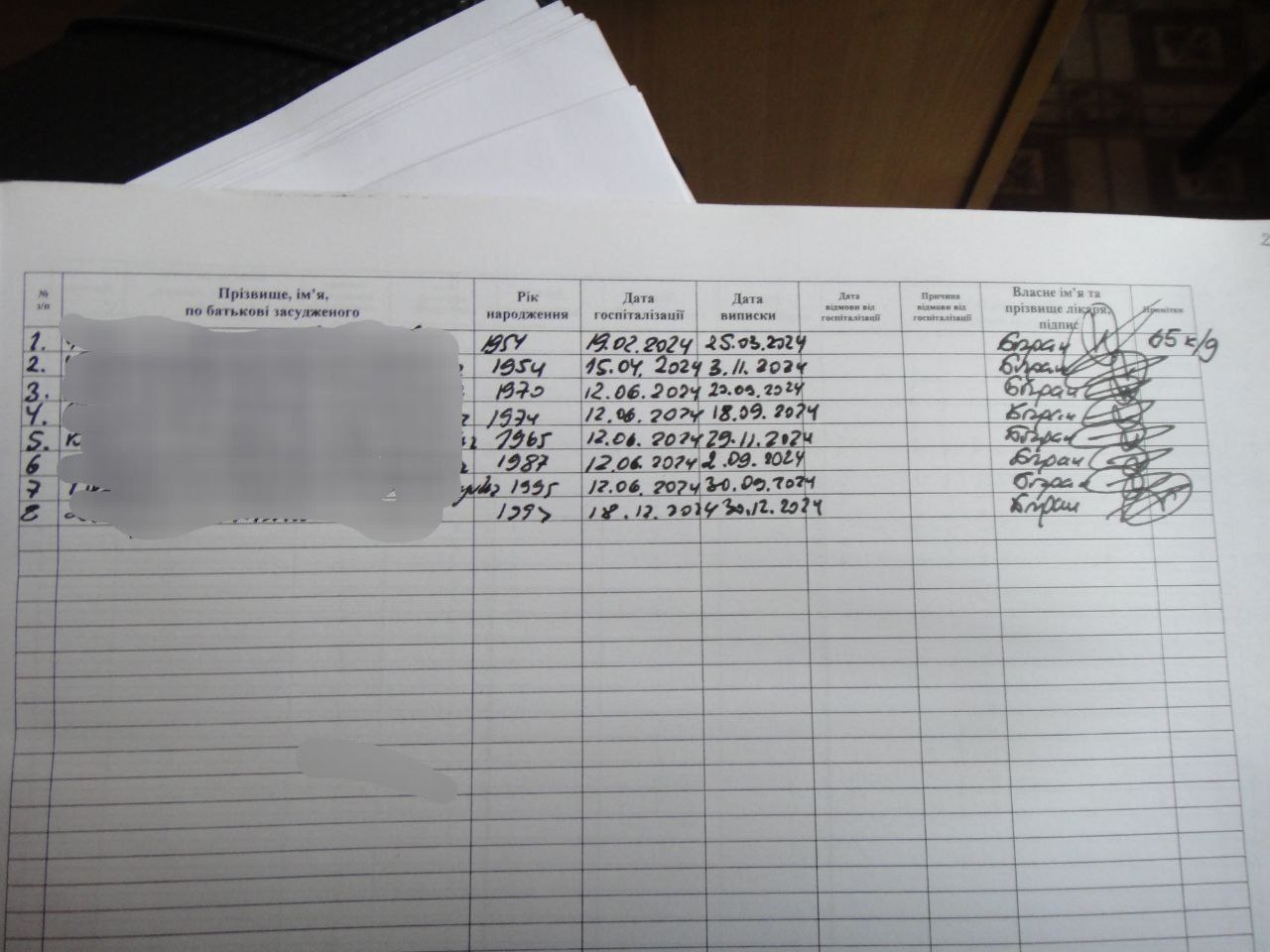
2. During the visit, the monitoring group established that for four out of eight patients who were undergoing inpatient treatment in the outpatient polyclinic department of the hospital, form of primary accounting documentation No. 003/o “Medical record of an inpatient”, approved by the order of the Ministry of Health of Ukraine dated 14 February 2012, No. 110, had not been created. All data regarding treatment and diagnostics in the hospital, including the results of the convict's examinations and the prescription sheet, must be entered into this form. The 24-hour stay of the specified number of persons in the inpatient unit is confirmed by the institution's personnel and the corresponding entry in the Logbook of hourly checks by the institution's administration and the shift on duty.
The violation identified contravenes the requirements of clause 5 of chapter 5 of section II of the Procedure for organising the provision of medical care to convicts to imprisonment, approved by the order of the Ministry of Justice of Ukraine and the Ministry of Health of Ukraine dated 15 August 2014, No. 1348/5/572 (hereinafter — Procedure for organising medical care).
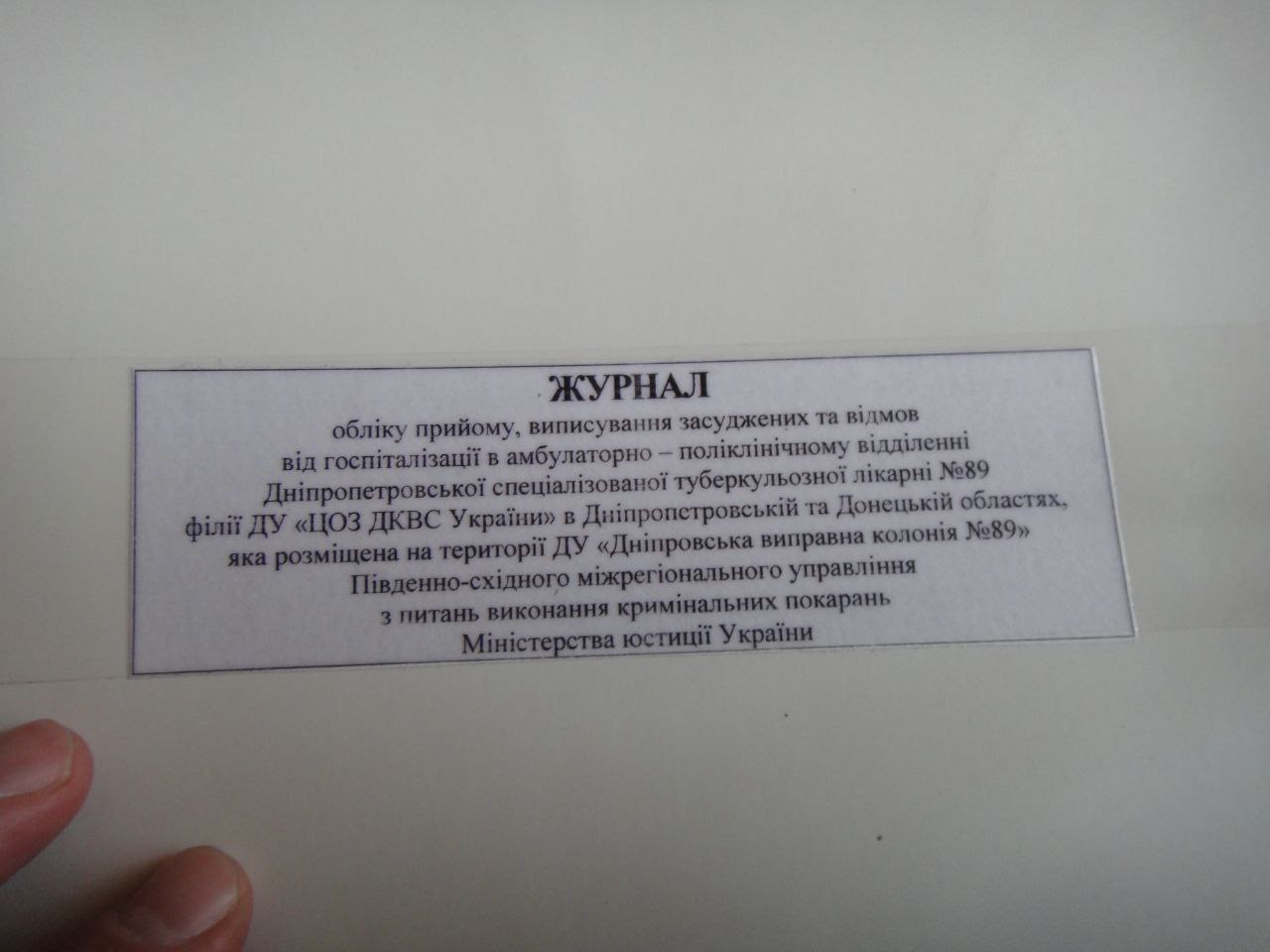
3. In violation of clause 4 of chapter 5 of section II of the Procedure, data on new arrivals to the OPD inpatient unit have not been entered by medical personnel into the logbook for recording the admission, discharge of convicts, and refusals of hospitalisation, the form of which is provided in Annex 6 to this Procedure, starting from 30 December 2024.
4. In violation of the requirements of the Instruction on completing the form of primary accounting documentation No. 003-6/o “Informed voluntary consent of the patient to diagnosis, treatment, and for surgery and anaesthesia and for the presence or participation of participants in the educational process”, approved by the order of the Ministry of Health of Ukraine dated 14 February 2012, No. 110, it was established that there was a lack of informed voluntary consent for diagnosis and treatment signed by patients who were undergoing inpatient treatment in the outpatient polyclinic department of the hospital.
The above may indicate the absence of voluntary consent of patients to the application of methods of diagnosis, prevention, and treatment concerning them, which is a violation of Article 43 of the Law of Ukraine “Fundamentals of Ukrainian legislation on healthcare” and clause 47 of the recommendations of the European Committee for the Prevention of Torture and Inhuman or Degrading Treatment or Punishment (CPT/Inf(93) 12-part).
5. In violation of clause 6 of chapter 3 of section II of the Procedure, the hospital does not maintain a “Logbook for recording the results of undergoing a preventive medical examination”, the form of which is provided in Annex 4 to the Procedure, which indicates improper conduct of preventive examinations.
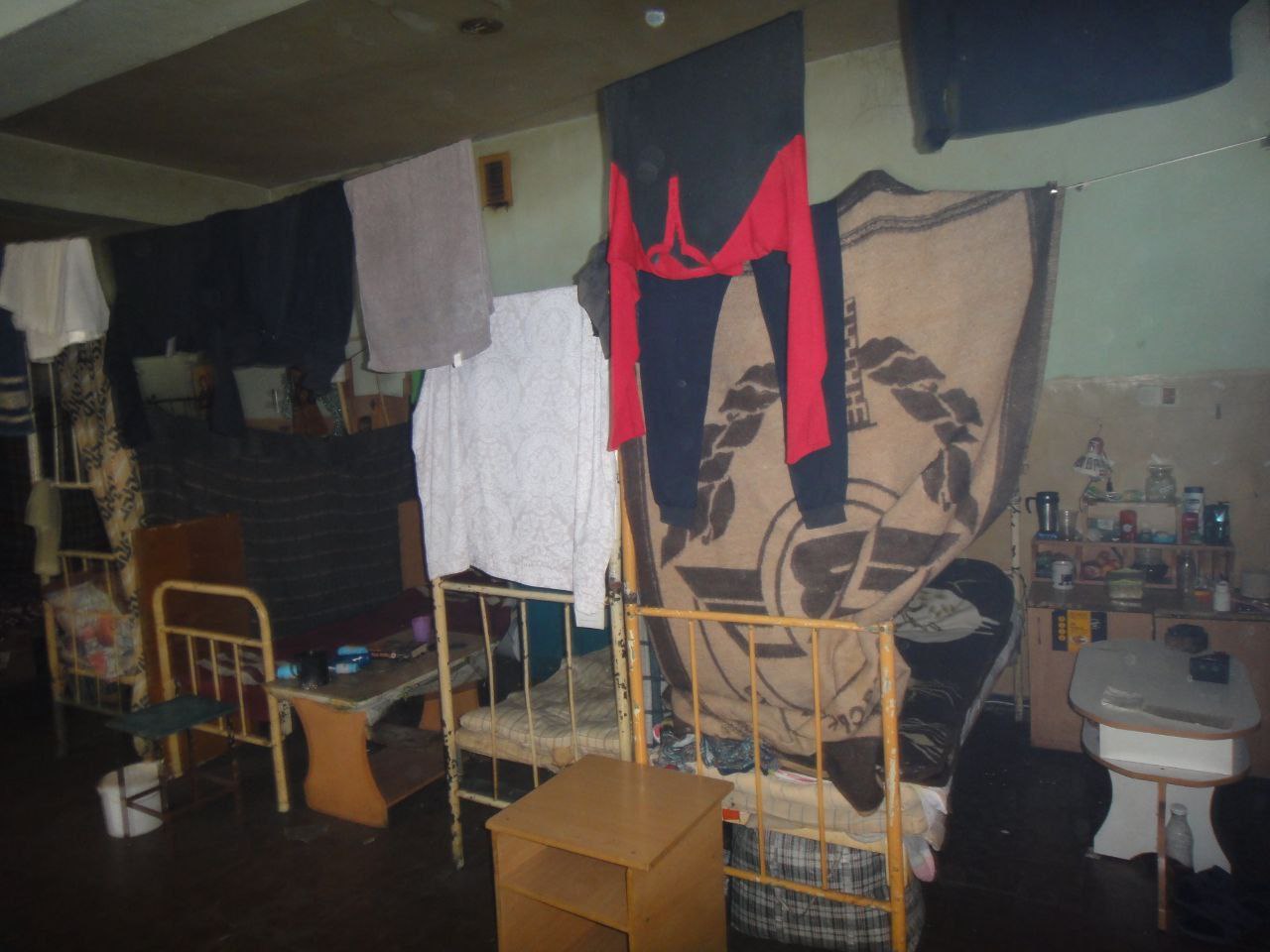
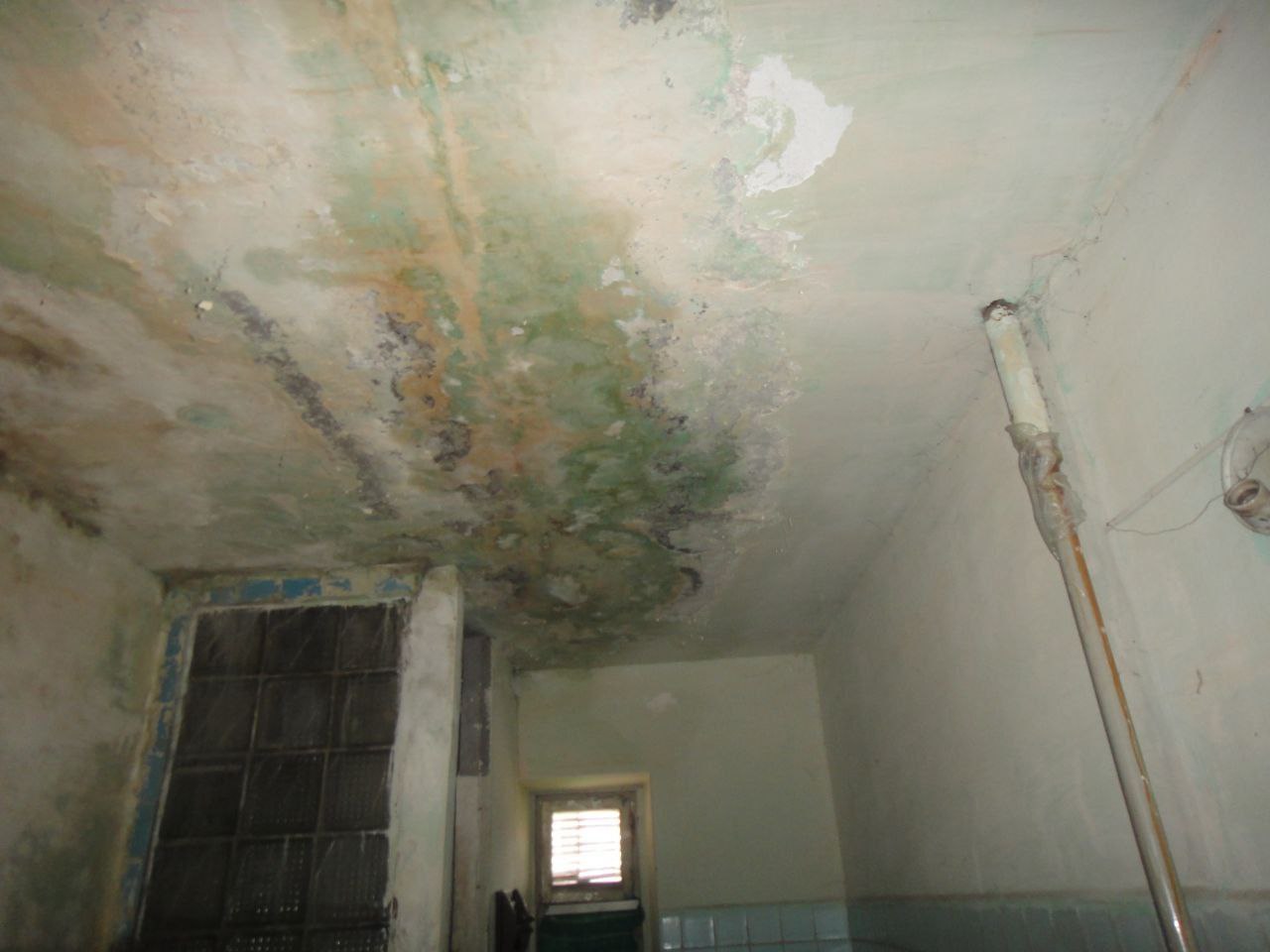
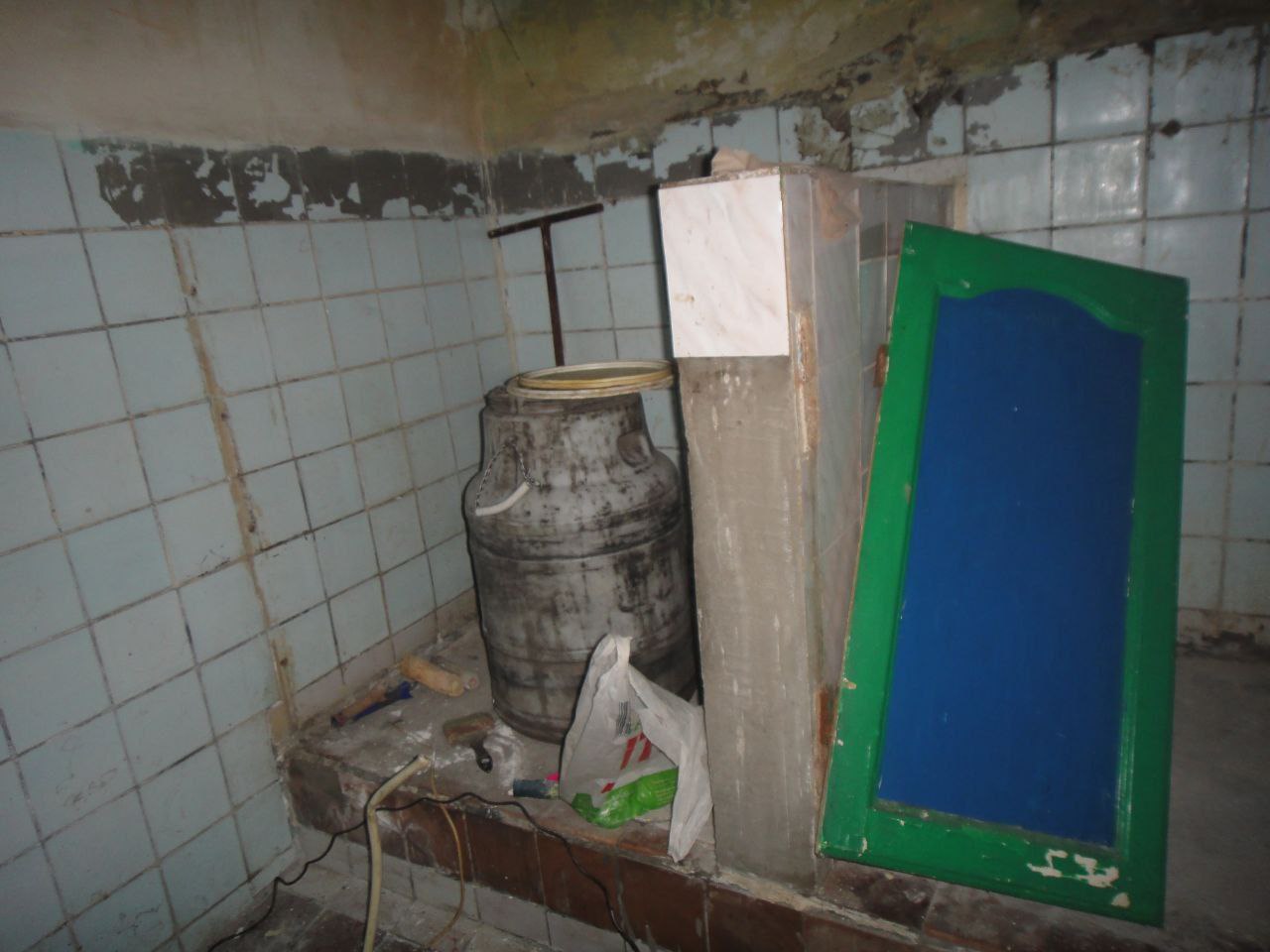
6. In violation of parts one and two of Article 115 of the Criminal Executive Code of Ukraine, the hospital premises, in particular the fourth ward for patients with drug-resistant tuberculosis without bacteri excretion with resistance to fluoroquinolones (MBT (−), active form), require major repairs with the replacement of sanitary-technical equipment and electrical wiring. In the ward, an unpleasant odour and unsanitary conditions are observed; the walls of some premises are covered with mould due to water leakage, and there is significant clutter with personal belongings. The floor and the bathroom are dirty; bedding, pillows, and mattresses need to be replaced. The bathroom and shower do not meet basic sanitary and hygienic requirements.
The restrooms are not equipped with toilet bowls and a water flushing system, and they also lack sufficient doors and partitions that ensure the possibility of privacy, which is a violation of rule 19.3 of the European Prison Rules.
The premises are not provided with drinking water tanks, which is a violation of rule 22.5 of the European Prison Rules and relevant norms.
The premises are not provided with a proper level of natural and artificial lighting and ventilation, which creates inappropriate conditions for the treatment process and the stay of patients.
Beds are located close to each other, which violates the requirements of the State Building Norms of Ukraine V.2.2-10:2022 “Healthcare institutions” and clause 18.1 of the European Prison Rules, limiting the personal space of patients.
Washing and drying of clothes is carried out by convicts in the premises, which indicates improper organisation of the provision of laundry and bathing services in the institution.
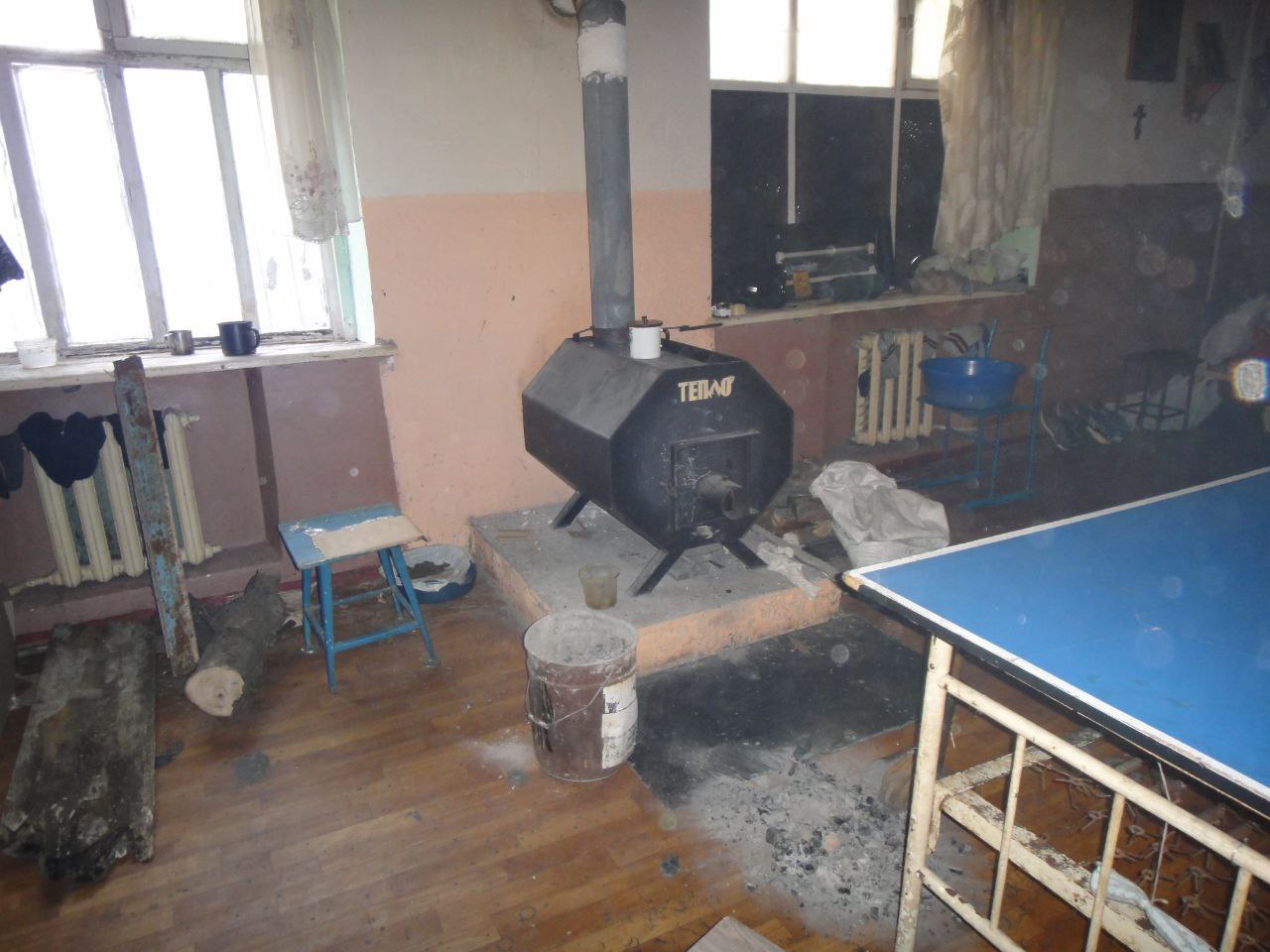
Due to the improper operation of central heating, a metal wood-burning “Bulerjan” stove is used in the ward to heat patients. The use of this equipment does not meet medical safety requirements, sanitary-hygienic norms, and fire safety rules, creating a direct risk to the life and health of patients and personnel. Thus, firewood, cardboard boxes, and other combustible materials are stored next to the stove; a bucket with ash and the presence of ash on the linoleum floor covering constitute a potential source of smouldering and ignition.
Furthermore, the hospital premises are not equipped with fire-extinguishing systems and fire alarms, which is a gross violation of the requirements of the Fire Safety Rules in Ukraine, approved by the order of the Ministry of Internal Affairs of Ukraine dated 30 December 2014, No. 1417.
The above does not comply with clause 53 of the recommendations of the CPT Committee (CPT/Inf(93) 12-part) and clauses 13, 14, 15, and 22.2 of the UN Standard Minimum Rules for the Treatment of Prisoners (the Mandela Rules), due to which the conditions of stay and treatment of patients do not meet international standards for the treatment of persons deprived of liberty.
7. The hospital has not organised the provision of substitution maintenance therapy (hereinafter — SMT) for persons with mental and behavioural disorders resulting from opioid use in accordance with the Procedure for conducting substitution maintenance therapy for persons with mental and behavioural disorders resulting from opioid use, approved by the order of the Ministry of Health of Ukraine dated 27 March 2012, No. 200.
Drug-addicted persons are not provided with psychosocial support, cognitive-behavioural therapy (CBT), relapse prevention, motivational interviewing, self-help groups, etc.
Thus, these persons are deprived of the opportunity to receive SMT, which violates their right to choose methods of treatment in accordance with Article 38 of the Law of Ukraine “Fundamentals of Ukrainian legislation on healthcare”.
At the same time, the Committee in its report following the visit to Ukraine in 2023 notes that entering a penal institution is an opportunity to solve the problem associated with drugs, and therefore it is important that relevant help is offered to all interested persons; consequently, appropriate medical services must be available in all institutions. The help offered to such persons must be diverse; substitution therapy programmes for persons with drug addiction should be combined with genuine psychosocial and educational programmes for persons with opioid addiction who are unable to stop using drugs.
Furthermore, access to SMT programmes in institutions should be easily accessible, and they should also be managed by prison doctors who have undergone special training on issues related to drug use (CPT/Inf(2024) 20) paragraph 86).
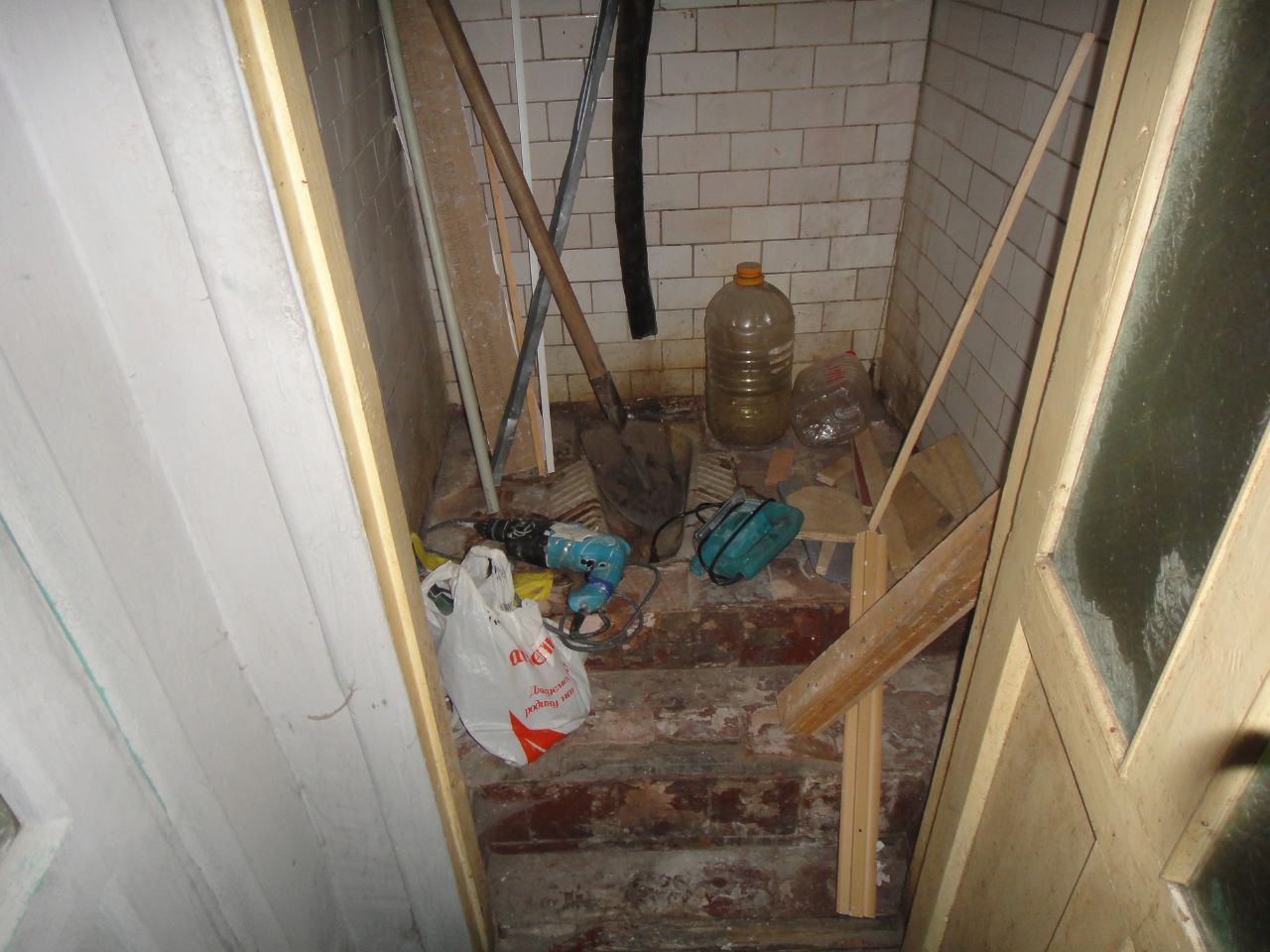
8. In violation of the requirements of the State Building Norms V.2.2-10:2022 “Healthcare institutions. Basic provisions”, the isolation ward for persons with infectious diseases is not equipped with a functioning sanitary facility and a shower cabin, which forces patients with infectious diseases to use shared sanitary facilities with other detained persons undergoing treatment in the OPD inpatient unit of the hospital. The absence of proper conditions makes the effective isolation of patients impossible, facilitates the spread of infectious diseases, and creates a health risk for both convicts and the institution's personnel.
9. In violation of clause 8 of chapter 2 of section II of the Procedure, there is no equipped isolation ward in the hospital inpatient unit for persons with mental disorders among convicts who pose a danger to those around them.
10. In violation of the requirements of the Norms of ownership of bedding, special clothing, and special footwear (inventory property) for convicts undergoing treatment in medical-preventive institutions, institutions with the rights of medical ones, and in medical units at penal institutions and pre-trial detention centres, approved by the order of the Ministry of Justice of Ukraine dated 20 February 2012, No. 280/5, convicted persons do not receive hospital property (suit, gown, and hospital slippers). Convicts stay in the inpatient unit in everyday clothes, sometimes with their own bed linen. Certain mattresses and pillows need to be replaced.
11. Dispensary supervision is carried out for 16 persons who have a disability: group II — 5 persons; group III — 14 persons. At the same time, in violation of the requirements of the Law of Ukraine “On rehabilitation of persons with disabilities in Ukraine”, persons with disabilities do not receive proper diagnostic, treatment, and rehabilitation measures given the information confirming a persistent impairment of bodily functions caused by diseases, consequences of injuries, which cause restrictions on normal life activity. Thus, during the study of the medical documentation of convicts, it was established that 1 person who has a disability lacks an individual rehabilitation programme (hereinafter — IRP). Furthermore, the recommendations of the IRP are not being fulfilled, due to which the person does not receive proper diagnostic, treatment, and rehabilitation measures.
12. In violation of the requirements of the State Building Norms of Ukraine V.2.2-40:2018 “Inclusivity of buildings and structures. Basic provisions”, conditions for accommodating people with disabilities have not been created in the hospital.
13. In violation of clause 37 of the Resolution of the Cabinet of Ministers of Ukraine No. 285 dated 2 March 2016 “On approval of Licensing conditions for the conduct of business activities in medical practice”, the medical unit lacks a conclusion confirming free access to the buildings and premises of the medical institution for low-mobility groups of the population, the receipt of which is mandatory.
14. In violation of the Procedure for organising medical care at the primary, secondary (specialised), and tertiary (highly specialised) levels using telemedicine, approved by the order of the Ministry of Health of Ukraine dated 19 October 2015, No. 681, the medical unit staff are deprived of the opportunity to send requests for telemedicine consultations and receive professional assistance for providing medical services to convicts due to technical limitations.
15. In violation of the requirements of the Table of equipment for one workstation of a dentist and a dental technician, approved by the order of the Ministry of Health of Ukraine dated 11 April 2005, No. 158, the medical unit lacks a dental X-ray machine, which makes it impossible to conduct in-depth dental examinations of convicts and does not ensure the timely provision of proper dental care.
16. In violation of the requirements of the Standards of medical care for viral hepatitis C in adults, approved by the order of the Ministry of Health of Ukraine dated 23 July 2025, No. 1178, not all persons (65 persons as of 19 December 2025) with suspected viral hepatitis C are undergoing the necessary PCR testing, due to which they are not receiving proper treatment, which may lead to a deterioration of their health and the spread of the said infectious disease among convicts and prisoners.
Furthermore, it was established that 60 patients with chronic viral hepatitis C (hereinafter — HCV) are registered in the hospital. As of the day of the visit, there was no antiviral therapy for the treatment of HCV in the hospital pharmacy. The absence of timely treatment increases the risk of disease progression, the development of liver complications, and creates a threat of the spread of infection among other patients, violating the patients' right to proper medical care.
17. During the inspection of the DIZO, monitors established that when a convict is placed in a disciplinary isolation unit, it is practiced to attach to the case a medical certificate or conclusion, which contains information about the state of health and according to which the convict can be kept in the DIZO/PKT due to health reasons. The identified facts confirm that the institution's employees possess confidential information about the health status of convicts who are in the DIZO ward. This violates the requirements of Article 391 of the Law of Ukraine “Fundamentals of Ukrainian legislation on healthcare” regarding the right of individuals to confidentiality regarding their state of health.
At the same time, the Committee has repeatedly emphasised that the obligation of prison doctors to certify the fitness of convicts to serve a disciplinary penalty is unlikely to contribute to the development of positive relations between the doctor and the patient. In principle, medical personnel should never participate in any part of the decision-making process on the application of any type of solitary confinement, except in cases where this measure is applied for medical reasons.
On the other hand, medical personnel are obliged to be very attentive to the state of convicts who are in solitary confinement. Medical personnel must be immediately informed of each such placement and must visit the convict immediately after placement, and then regularly, no less than once a day, and provide them with prompt medical assistance and treatment if necessary. Medical personnel must notify the institution's administration if the health of a convict is subject to serious threat due to solitary confinement (CPT/Inf(2024) 20) paragraph 104).
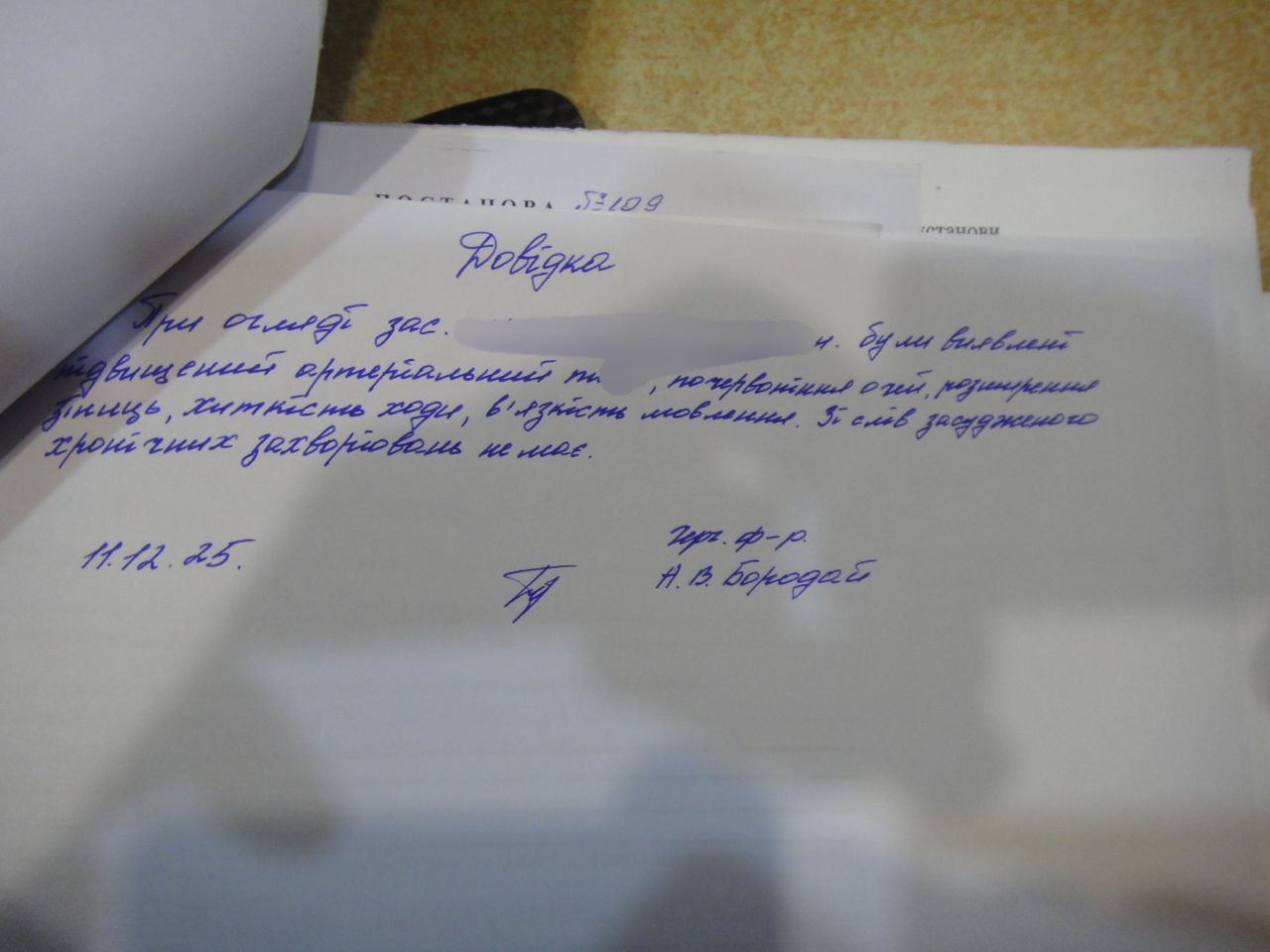
18. During the visit to the fourth ward for patients with drug-resistant tuberculosis without bacteri excretion with resistance to fluoroquinolones (MBT (−), active form), the monitoring group discovered the presence of metal bars, which are used to ensure the safety of medical personnel during interaction with convicts and prisoners, in particular during the distribution of medicinal products, examination, and consultations.
In its report on the results of the visit to Ukraine in 2020, the Committee expressed concern regarding the practice of installing bars or metal barriers in medical offices where prisoners were kept during medical procedures, in particular for administering injections. The Committee noted that although the application of additional security measures may be justified in isolated cases, the systemic practice of placing prisoners behind bars while receiving medical care grossly violates human dignity, interferes with the formation of trusting relationships between the patient and the doctor, and may hinder the objectivity of the medical conclusion.
The Committee strongly recommends that the Ukrainian authorities immediately dismantle the bars and barred structures from the medical units of institutions and completely cease such a practice in all penal institutions (CPT/Inf(2020) 40) paragraph 60).
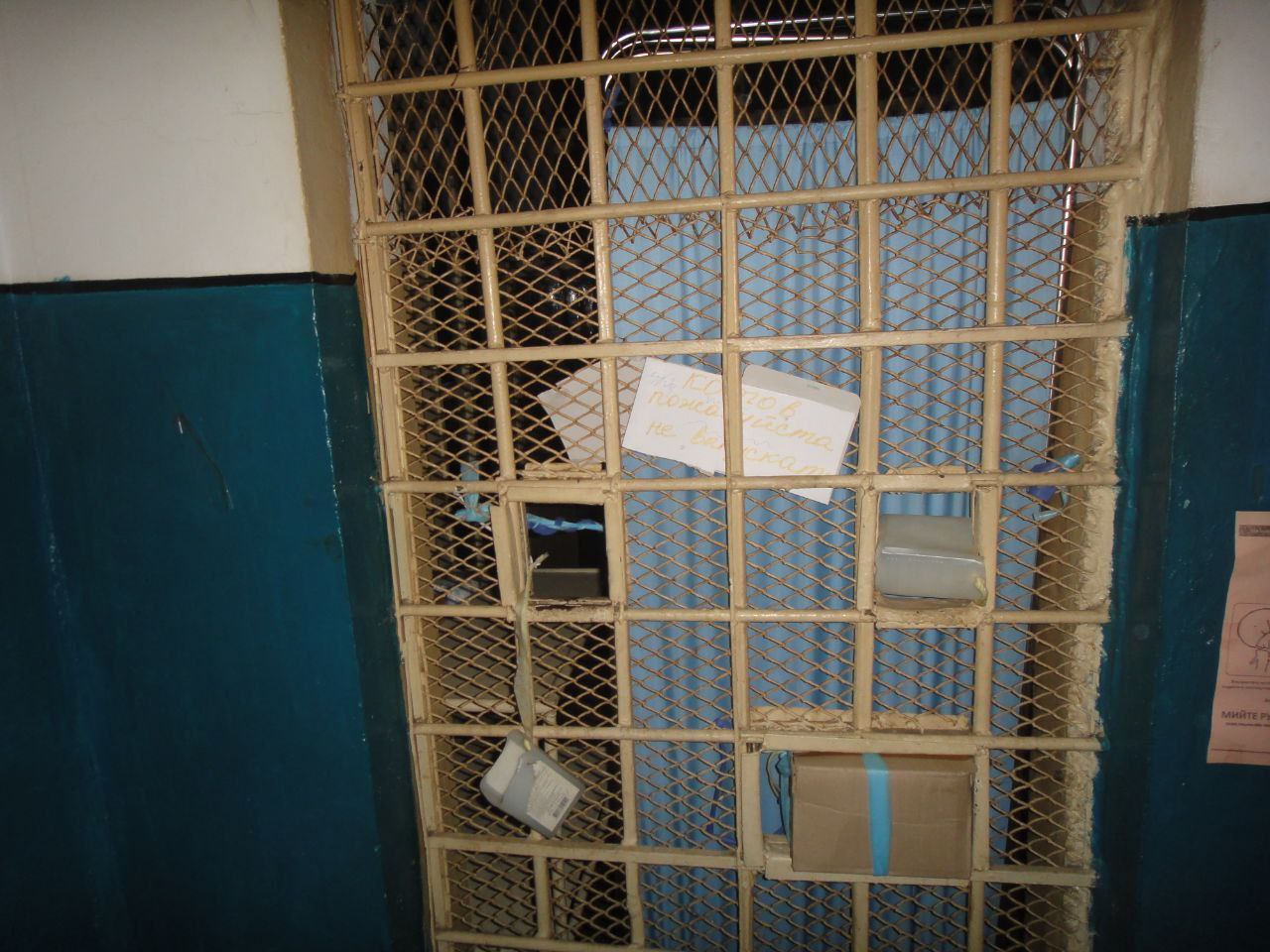
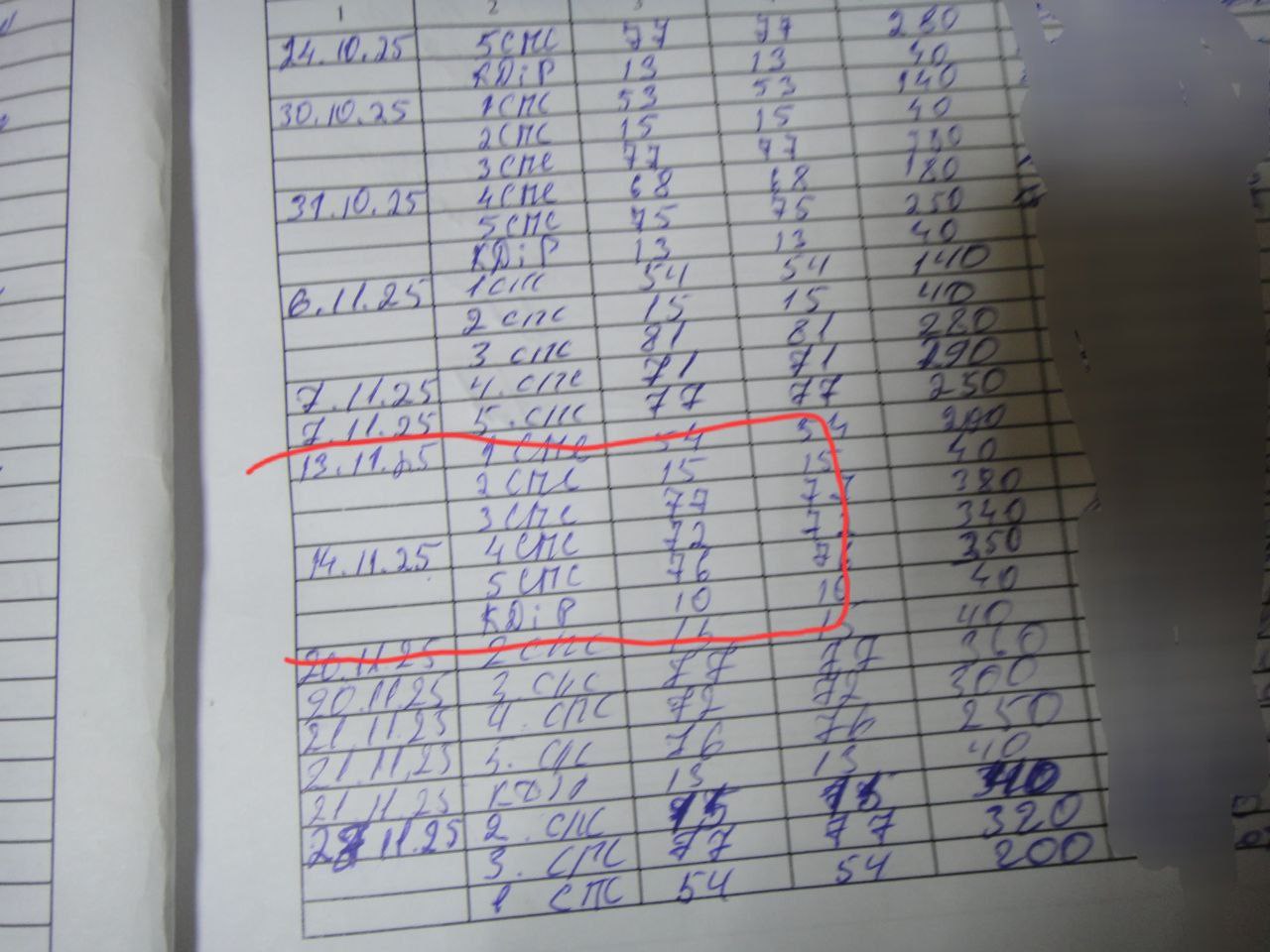
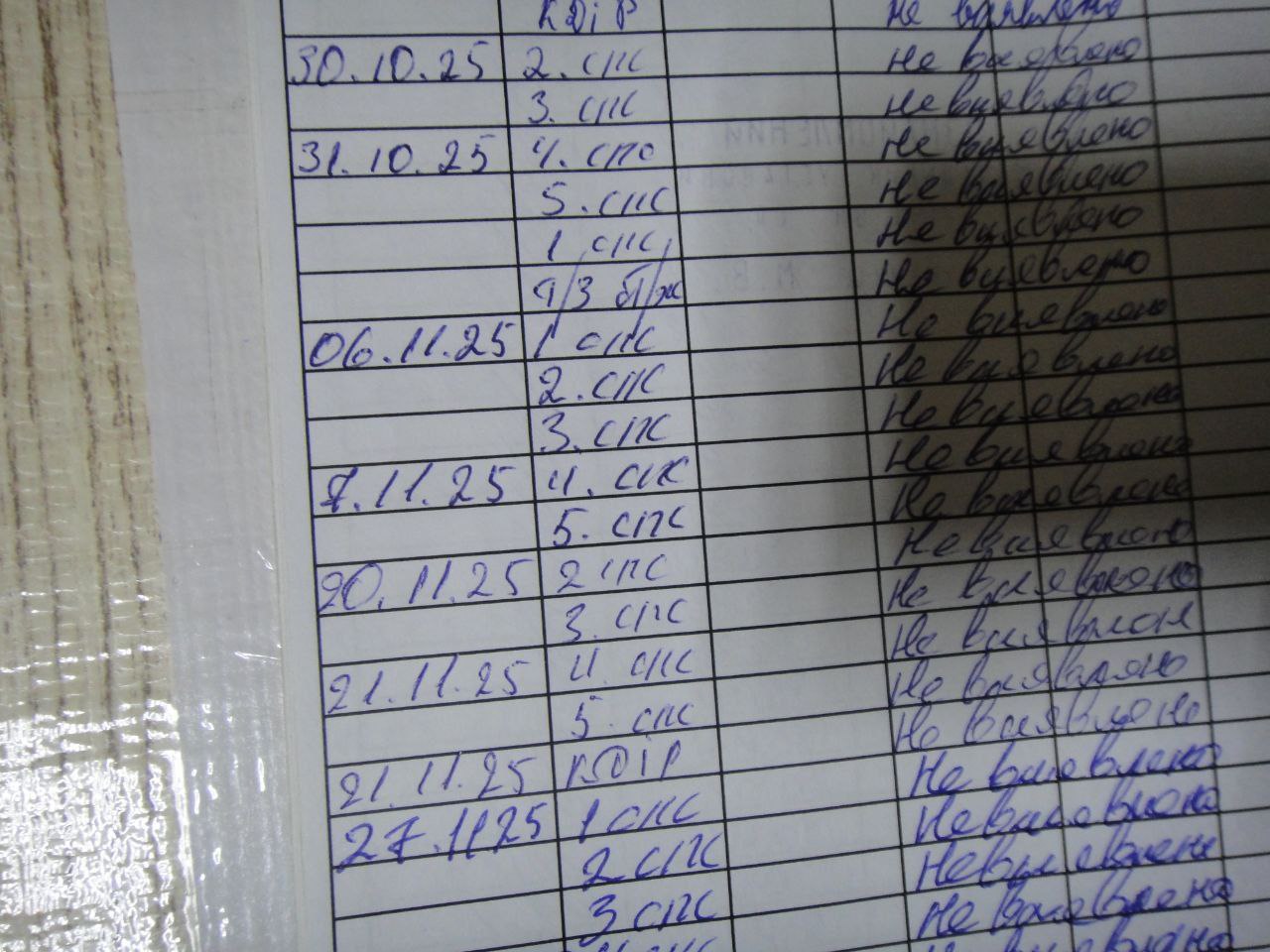
19. The monitoring group established that the medical worker on duty actually fails to ensure proper supervision of compliance with the order during the bathing of convicts and prisoners in the bathhouse, as well as control over the cleaning and disinfection of premises and the performance of mandatory medical (bodily) examinations, which are directly provided for by clauses 3.10 and 3.11 of the Regulations on the organisation of laundry and bathing services for persons held in penal institutions and pre-trial detention centres, approved by the order of the Ministry of Justice of Ukraine dated 8 June 2021, No. 849/5. According to the Logbook for recording the bathing of convicts in the bathhouse, on 14 November 2025, the bathing of convicts of social-psychological service departments No. 4 (72 persons), No. 5 (76 persons), and KDiR (10 persons) was carried out. At the same time, in the logbook of bodily examinations in the institution's bathhouse for the indicated date, there are no records, which indicates the actual non-performance or formal nature of the medical examinations, makes the proper recording of bodily injuries and the detection of diseases impossible, and creates a risk of concealing facts of violence, cruel or degrading treatment. Such an approach does not comply with clause 60 of the recommendations of the Committee (CPT/Inf(93) 12-part).
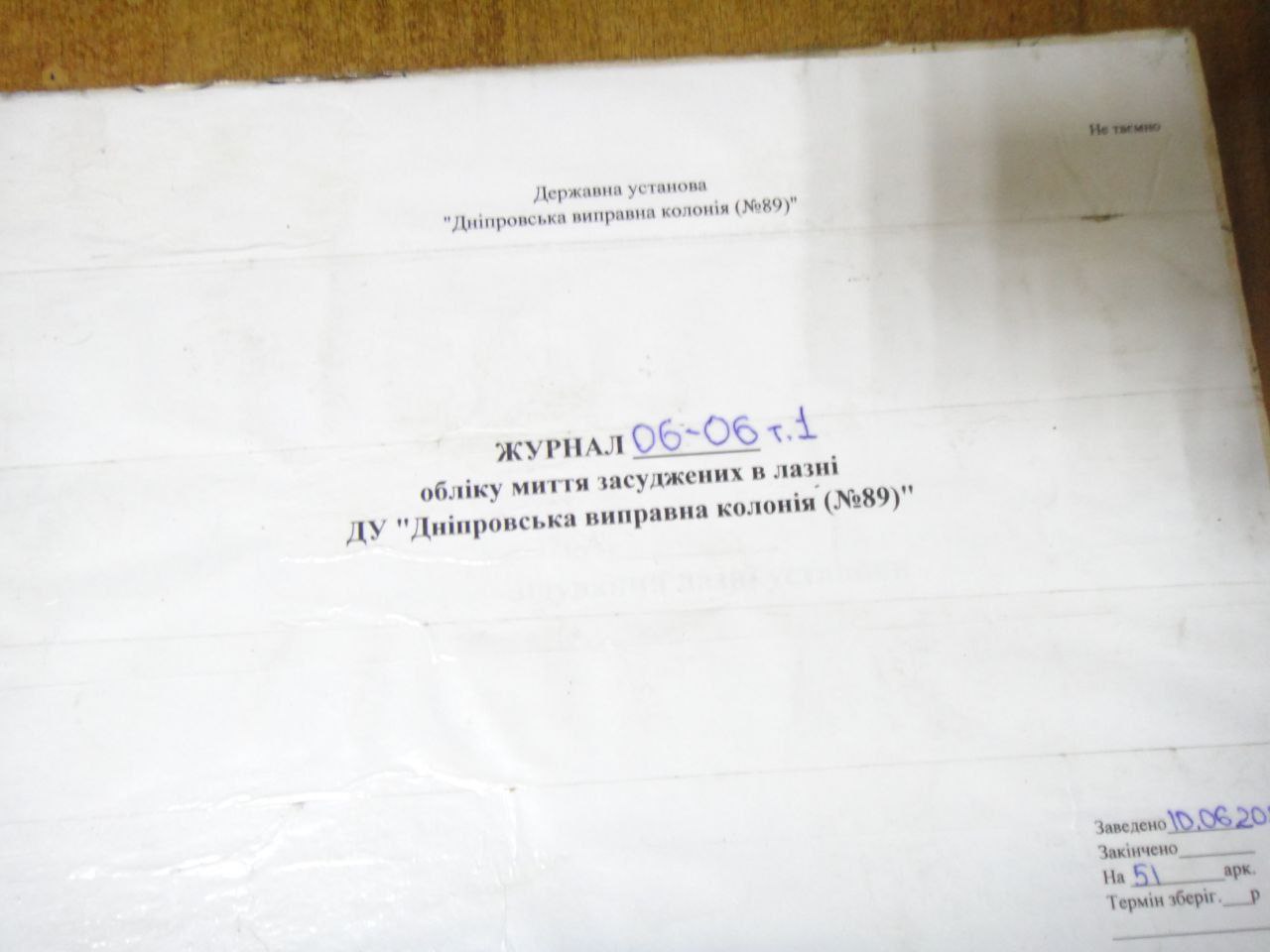
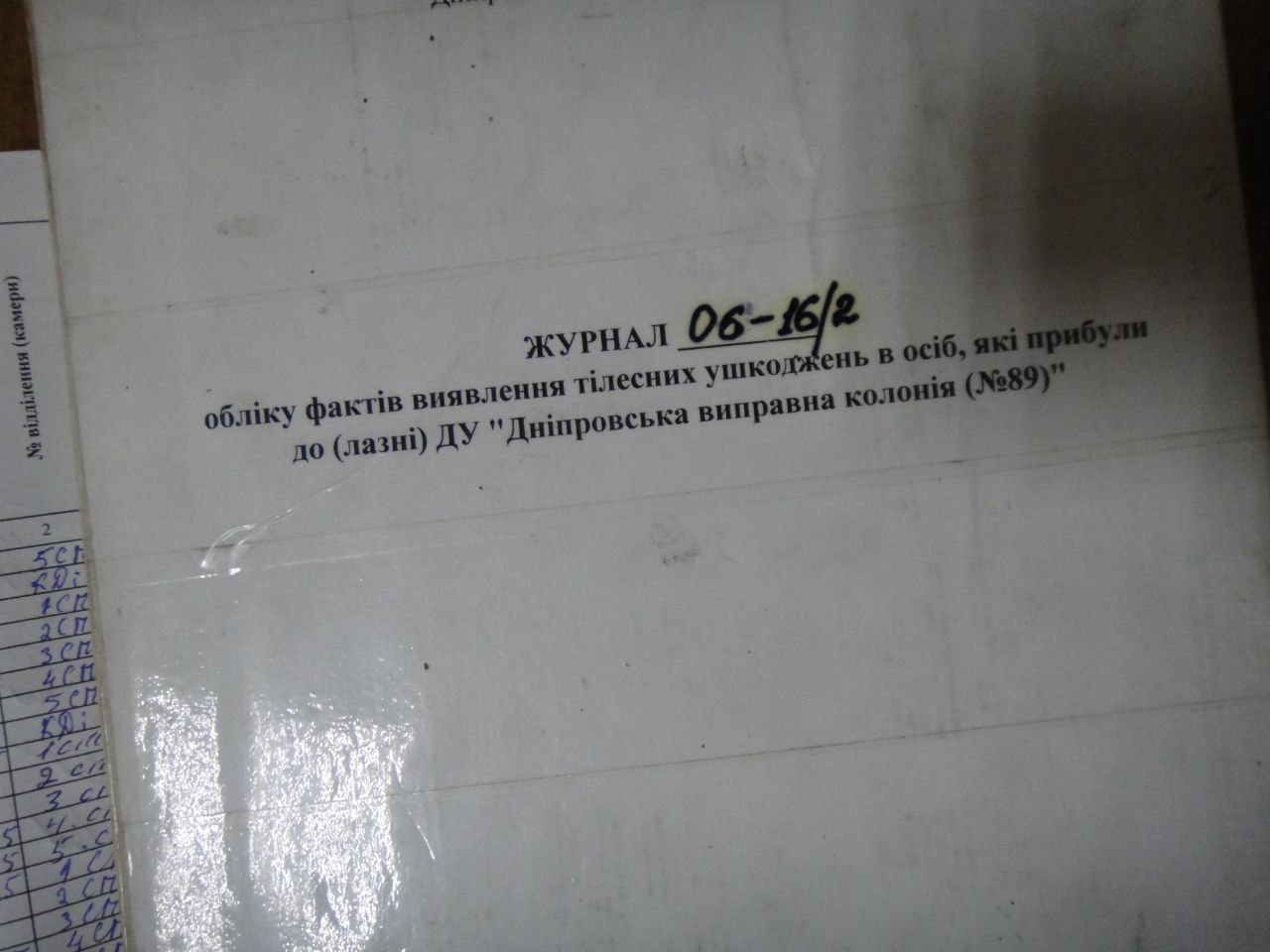
20. There is no hot water supply in the doctors' offices, and the workstations of medical personnel do not meet the requirements of current legislation and violate Article 19 of the Law of Ukraine “Fundamentals of Ukrainian legislation on healthcare” and Article 13 of the Law of Ukraine “On occupational safety”.
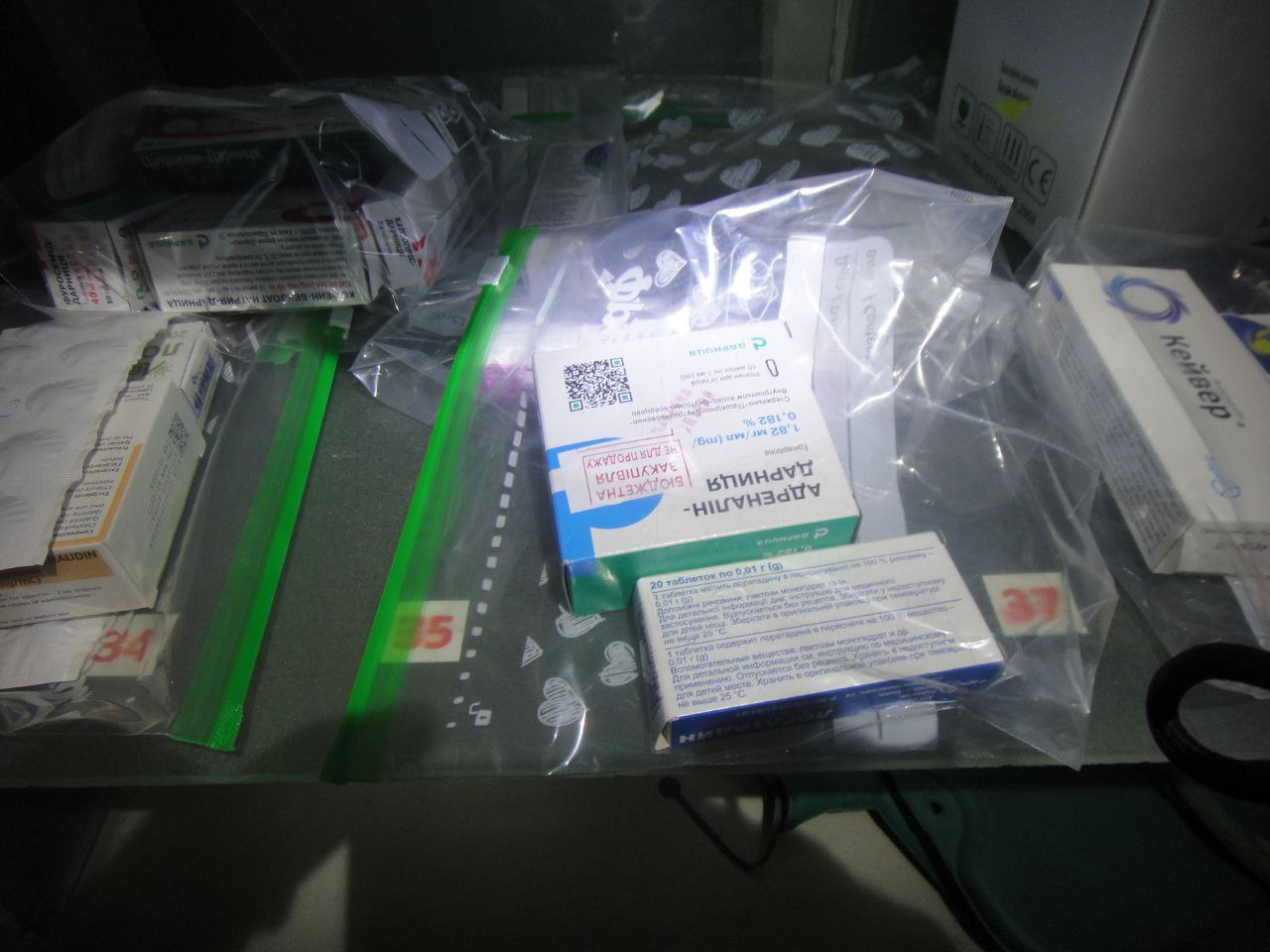
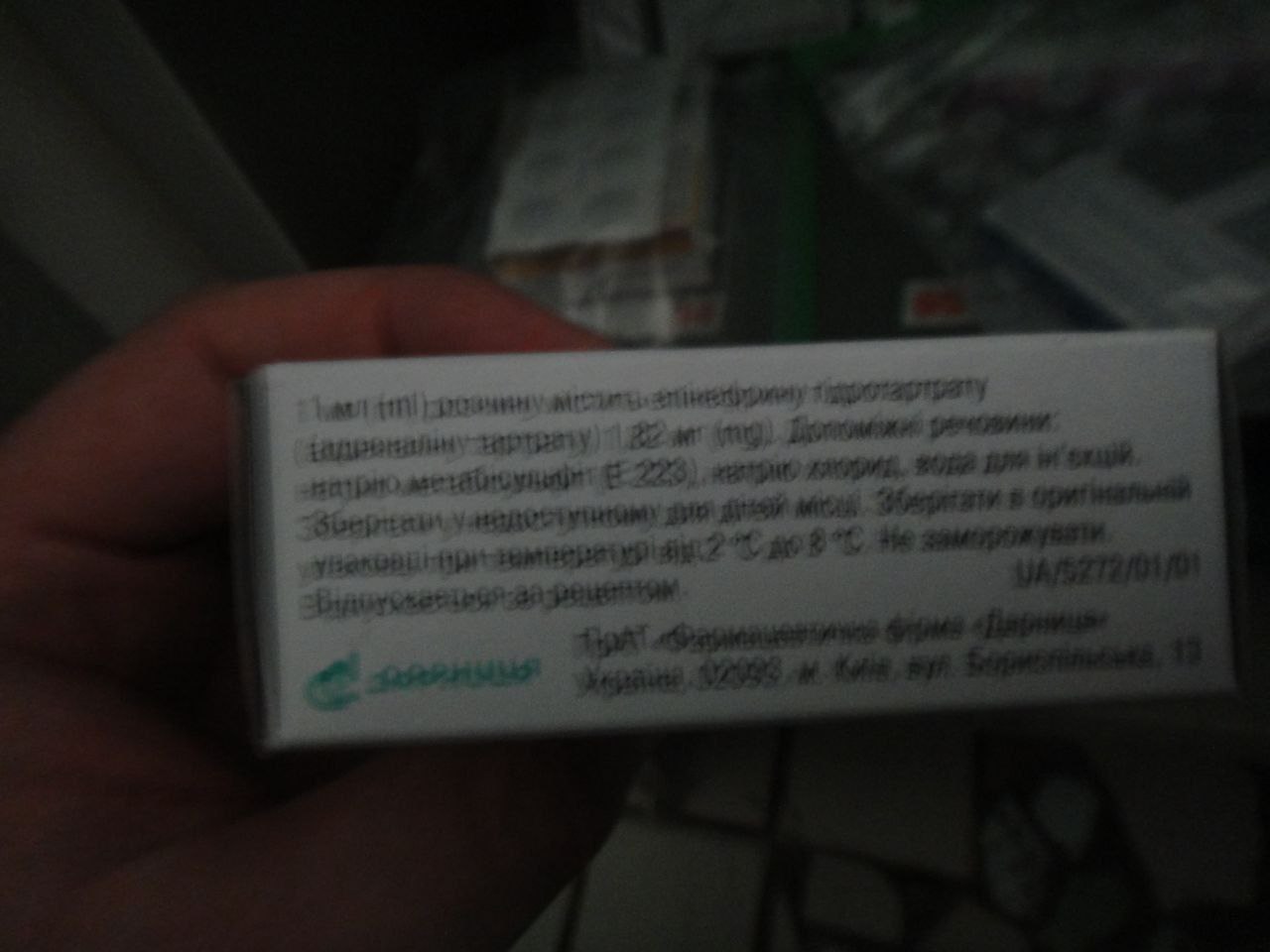
21. In violation of the requirements of the order of the Ministry of Health of Ukraine dated 16 December 2003, No. 584 “On approval of the Rules for storage and quality control of medicinal products in medical-preventive institutions”, medicinal products are stored without observing the temperature regimes established by the manufacturers. In particular, in the manipulation room, one package of the medicinal product “Adrenaline” was found in the cabinet, for which the established maximum storage temperature should not exceed 8°C. Failure to comply with the appropriate conditions may lead to a loss of the effectiveness of the medicinal products, which poses a risk to the life and health of patients.
22. In violation of part 5 of Article 110 of the Criminal Executive Code of Ukraine, convicts during their stay in the hospital are not provided with the right to use the global Internet network. The lack of access to the Internet limits their ability to receive information, exercise the right to education, self-education, and maintain social ties, which contradicts clause 63 of the recommendations of the Committee (CPT/Inf(93) 12-part).
Recommendations:
1. Take measures aimed at eliminating the identified violations of human rights and preventing torture, other cruel, inhuman or degrading types of treatment and punishment in the Dnipropetrovsk Specialized Tuberculosis Hospital No. 89 of the branch of the State Institution “Health Care Centre of the State Criminal-Executive Service of Ukraine” in the Dnipropetrovsk and Donetsk regions.
2. Ensure control over the proper maintenance of medical documentation in accordance with the Procedure for organising the provision of medical care to convicts to imprisonment, approved by the joint order of the Ministry of Justice of Ukraine and the Ministry of Health of Ukraine dated 15 August 2014, No. 1348/5/572, the Procedure for interaction between healthcare institutions of the State Criminal-Executive Service of Ukraine and healthcare institutions regarding the provision of medical care to persons taken into custody, approved by the joint order of the Ministry of Justice of Ukraine and the Ministry of Health of Ukraine dated 10 February 2012, No. 239/5/104, and other regulatory legal acts.
3. Provide the hospital staff with medical specialists and medical personnel in accordance with needs.
4. Stop the practice of using convicts as orderlies in the inpatient unit of the outpatient preventive department, ensuring that supervision, patient care, and control over compliance with the internal schedule are carried out exclusively by the institution's officials and medical personnel.
5. Ensure the maintenance of form No. 003/o “Medical record of an inpatient” for all patients undergoing inpatient treatment, in accordance with the requirements of the Procedure.
6. Ensure the receipt of informed consent of patients for examination and treatment in the established form.
7. Ensure compliance with clause 4 of chapter 5 of section II of the Procedure through mandatory and timely entry by medical personnel of information about all new arrivals to the OPD inpatient unit into the logbook for recording the admission, discharge of convicts, and refusals of hospitalisation in the form defined in Annex 6 to the Procedure.
8. Take urgent measures to bring the hospital premises, in particular the fourth ward for patients with drug-resistant tuberculosis, into compliance with the requirements of national legislation and international standards by conducting major repairs with the replacement of sanitary-technical equipment, electrical wiring, ensuring proper sanitary-hygienic conditions, lighting, ventilation, heating, and the organisation of laundry and bathing services. Ensure the elimination of fire safety violations, equip the building with fire alarm and fire-extinguishing systems, and create conditions that guarantee respect for the dignity, safety, and personal space of patients.
9. Ensure the possibility of receiving substitution maintenance therapy based on a diagnosis of mental and behavioural disorders resulting from opioid use.
10. Equip the isolation ward for patients with infectious diseases with a functional sanitary facility and shower, ensuring their isolation and reducing the risk of the spread of infections among patients and personnel.
11. Ensure the accessibility of the institution's buildings in accordance with the State Building Norms of Ukraine V.2.2-40:2018 “Inclusivity of buildings and structures. Basic provisions”.
12. Fulfill the requirements of clause 37 of the Resolution of the Cabinet of Ministers of Ukraine No. 285 dated 2 March 2016 “On approval of Licensing conditions for the conduct of business activities in medical practice”.
13. Ensure the proper operation of the telemedicine complex for doctors to make requests for telemedicine consultation.
14. Provide the medical unit with a dental X-ray machine and necessary equipment for conducting a full-fledged dental examination and treatment.
15. Ensure the equipment of the isolation ward for persons with mental and behavioural disorders in accordance with the requirements.
16. Ensure all persons with suspected HCV have access to PCR testing in the shortest possible time and organise the necessary antiviral treatment for persons with a confirmed diagnosis.
17. Provide the hospital with hospital property (suit, gown, and hospital slippers).
18. Ensure the maintenance of the logbook for recording the results of undergoing preventive medical examinations in accordance with the form in Annex 4 to the Procedure.
19. Ensure the observance of medical information confidentiality when placing convicts in the DIZO.
20. Dismantle the metal bars in the OPD of the hospital and bring the conditions of detention into compliance with the recommendations of the European Committee for the Prevention of Torture, ensuring dignified treatment of prisoners.
21. Ensure proper supervision by medical personnel during the bathing of convicts and prisoners in the bathhouse, systematic performance and recording of mandatory bodily examinations, and timely detection of bodily injuries and diseases.
22. Ensure the taking of measures for the proper storage of medicinal products.
23. Bring the working conditions of medical personnel into compliance with the requirements of legislation in the field of healthcare and occupational safety.
24. Provide convicts with access to the global Internet network to realise the right to information, education, and social connection maintenance.