Report on the results of the monitoring visit to the State Institution “Pervomaisk Correctional Colony (No. 117)”
General information
On 23 November 2018, a monitoring group of the Kharkiv Human Rights Protection Group, consisting of Volodymyr Hlushchenko, Hanna Ovdiienko, and Olena Richko, visited Pervomaisk Correctional Colony No. 117.
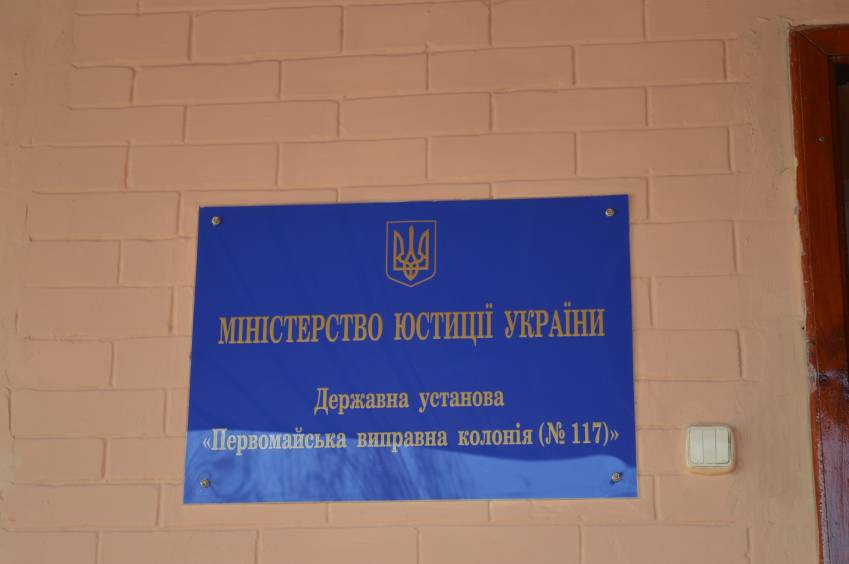
Currently, the State Institution “Pervomaisk Correctional Colony (No. 117)” is a minimum-security institution with general detention conditions (for the detention of men sentenced to a fixed-term of imprisonment). The planned capacity of the colony is 505 people. At the time of the visit, 245 people were being held in the institution, of whom 31 were employed.
Location: the correctional colony is located in the village of Pervomaiskyi; no further details are provided. In practice, finding the institution turned out to be a difficult task: the navigator does not know the location of the colony, and local residents whom we asked for directions pointed us along different routes. In total, the group wandered through the fields for more than 40 minutes until we happened upon the institution by chance.
As the Head of the institution, Kostiantyn Volodymyrovych Kozich, indicated in a private conversation, such a location is intended to ensure the safety of surrounding individuals and leads to a reduction in the risks of prisoner ‘escapes’.
On the other hand, as the monitors note, such a location of the colony can lead to the violation of the rights of the prisoners themselves, as representatives of state authorities or the public cannot instantly visit the institution and speak with the prisoners. Furthermore, it is extremely difficult for the relatives of prisoners to find the institution to visit them or deliver a package.
Members of the monitoring group themselves entered the institution without obstruction.
Production
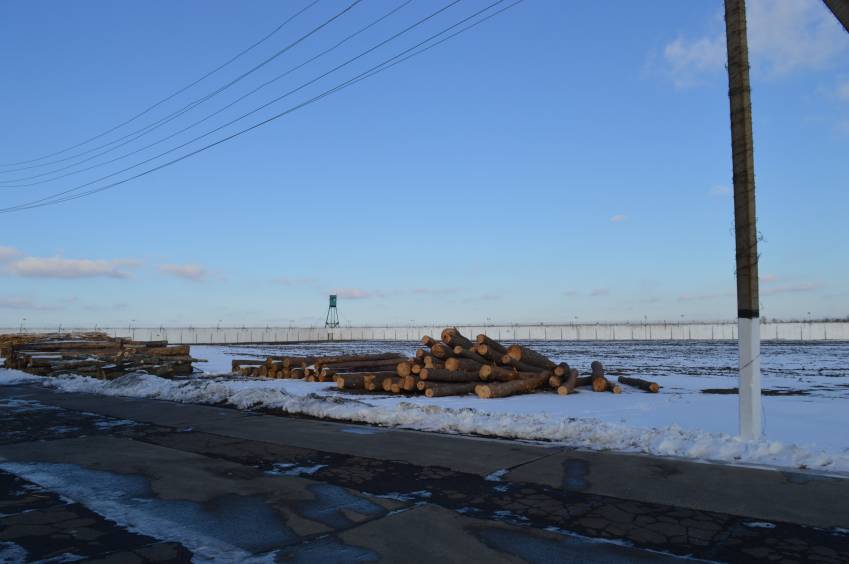
Woodworking production is active on the territory of the institution. According to official data provided by representatives of the administration, 31 people are employed in the institution. There is a sawmill and a workshop for assembling wooden crates.
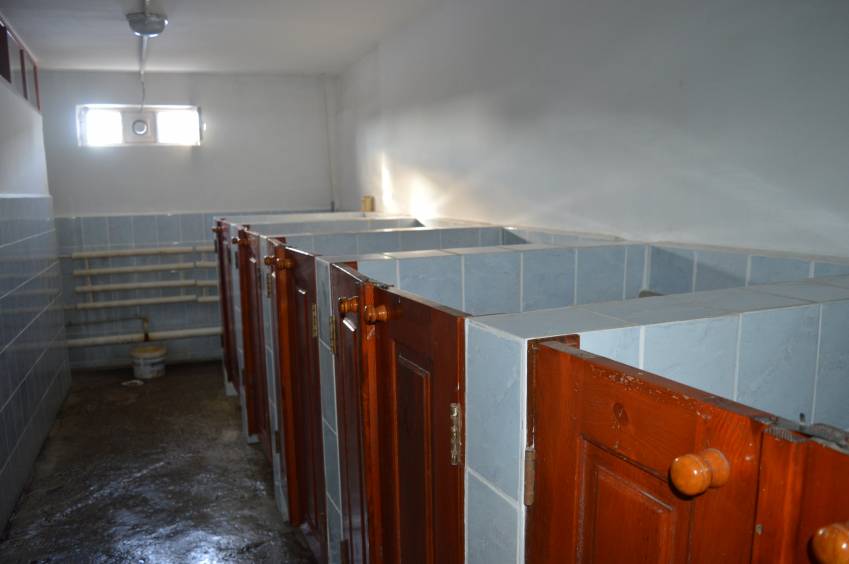
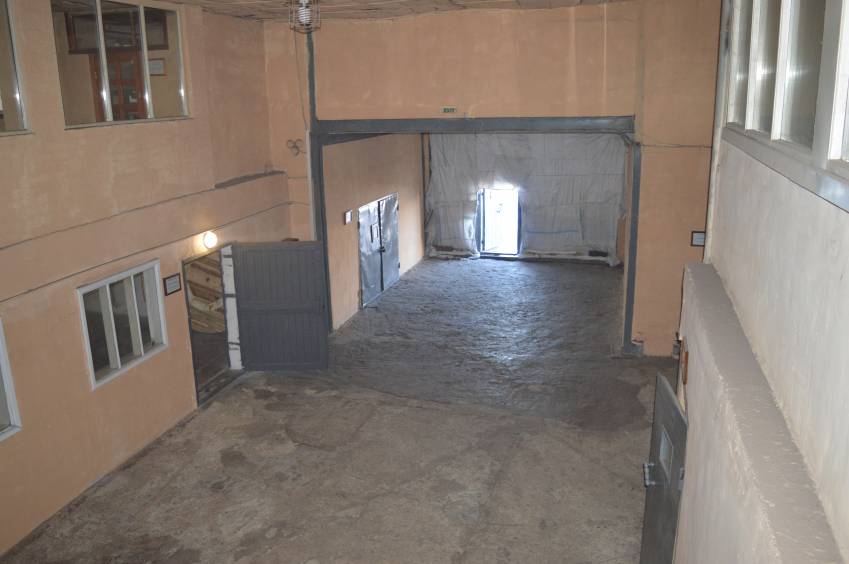
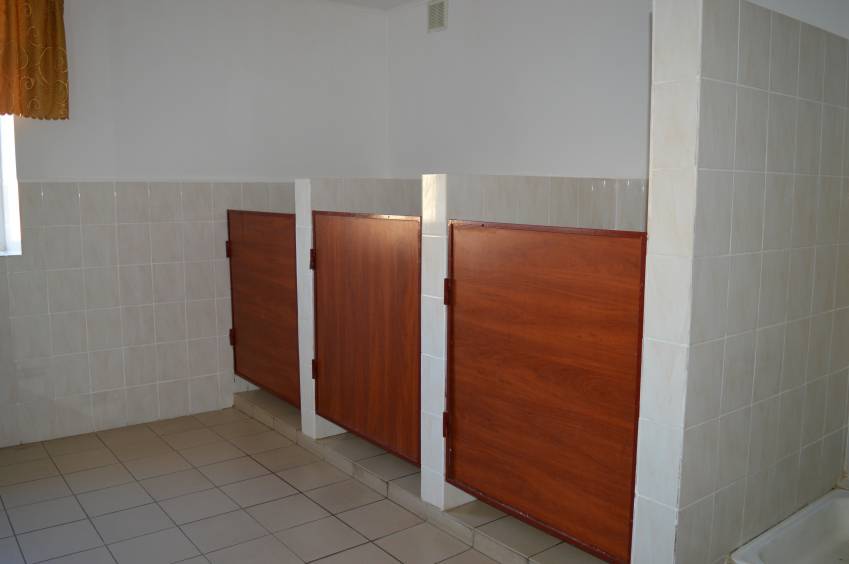
The production facility looks tidy, and cosmetic repairs have been carried out. A positive aspect is the presence of a renovated toilet room. The plumbing is new, and the stalls are separated, with individual doors.
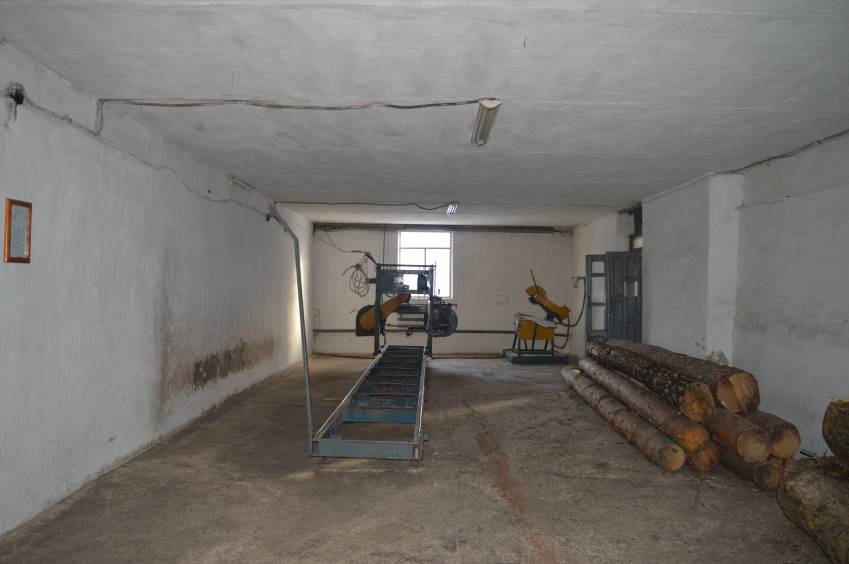
Prisoners work without special clothing, in their own clothes, although protective equipment was available: safety goggles at the sawmill.
In answering the most difficult questions from the monitors, the prisoners, as in other institutions, either became confused or remained silent. Among such questions: the duration of working hours and the amount of salary actually received.
The working prisoners themselves were confused about their working hours: some said they work from 10:00 to 16:30, others said from 8:00 to 15:45.
None of them were able to state the amount of their salary: some are working their first month and have not yet received money, some earn the ‘minimum wage’—how much is that now?—some reported that they earned about 400 hryvnias in the previous month, and another reported that they earn about 3,000 hryvnias between the four of them.
The administration asserts that employed individuals receive the minimum wage, taking into account all required deductions.
Canteen
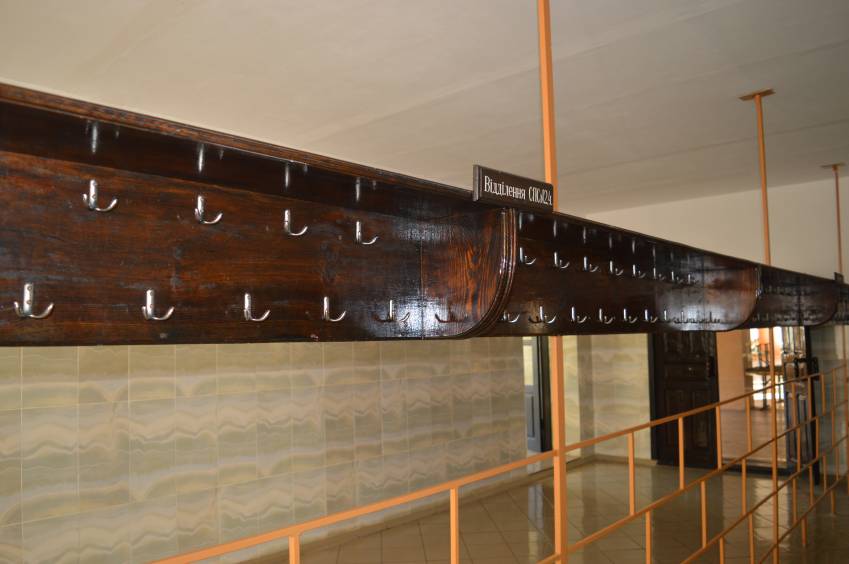
Next, our group visited the food unit. In front of the entrance to the dining hall, there is a corridor where coat racks are located, as well as an entrance to the washroom. The washbasins are new, and there is water, but soap is absent. The administration claimed that each prisoner brings their own soap and their own towel because it is not hygienic to use common towels; however, the monitors visited the canteen almost immediately after lunch, and the place where the soap should have been was completely clean and dry—it seemed that soap had never been there.
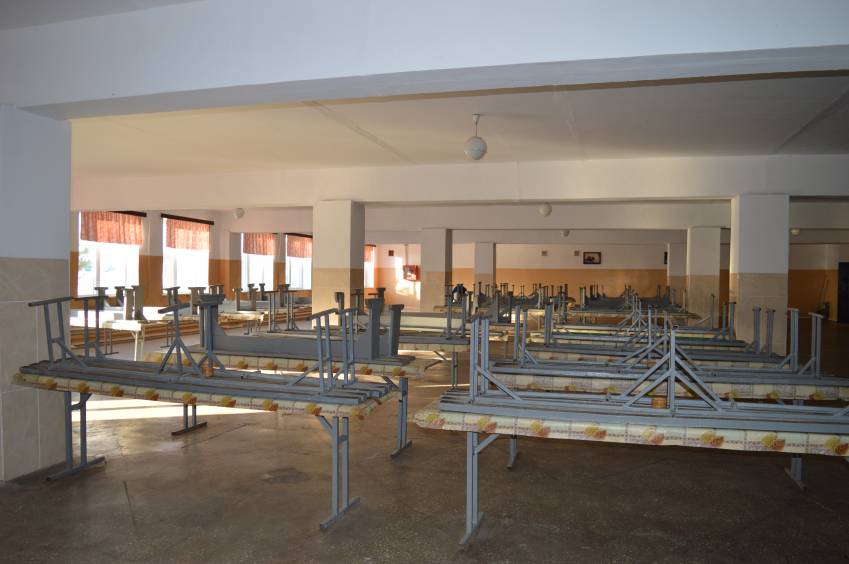
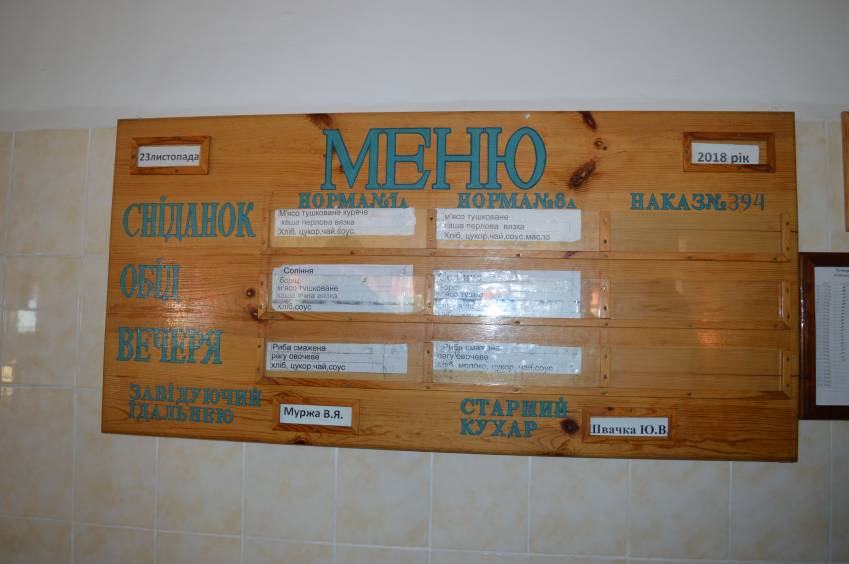
The dining hall premises themselves are spacious, bright, and clean, and decoratively furnished. There is a menu and information regarding the nutritional standards for prisoners.
The kitchen itself and the utility rooms are relatively clean; there is no stench in the kitchen, and bread is baked in the basement in a wood-fired oven. A few cooks work in the kitchen; the monitors cannot provide an exact number since, in addition to the cooks, ‘voluntary helpers’ work in the kitchen, peeling vegetables, cutting them, or performing cleaning duties. Such individuals do not receive funds for their labour. For dinner, they were preparing vegetable stew, peeling several buckets of potatoes, carrots, and cabbage.
The new electric stove, which was purchased through the ‘Prozorro’ system, was not found in the kitchen; as the administration representatives say, they are saving electricity, so the stove is not used.
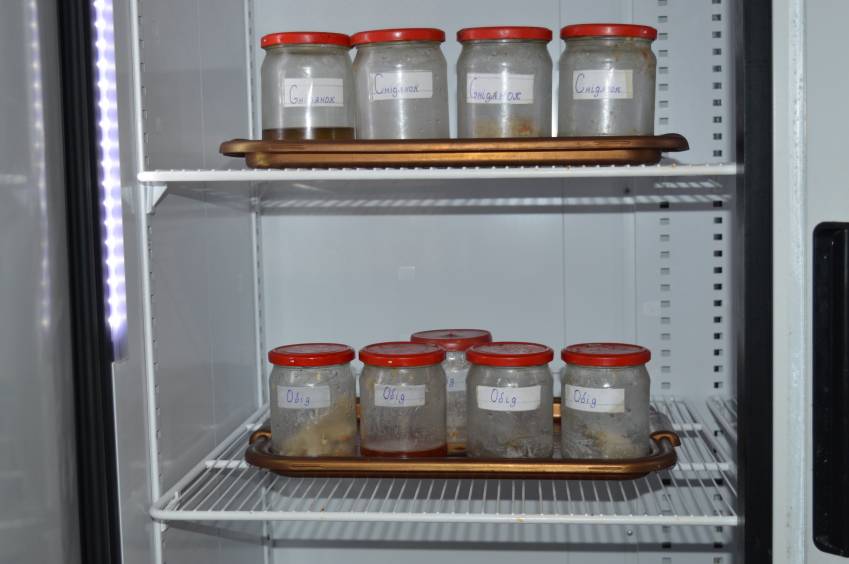
The refrigerators are empty; food is delivered exclusively for the day, and samples of the dishes are stored in the refrigerator.
Club, library, school
On the territory of the institution, there is a club for prisoners and a library; in addition, a school operates, in which 72 prisoners were studying.
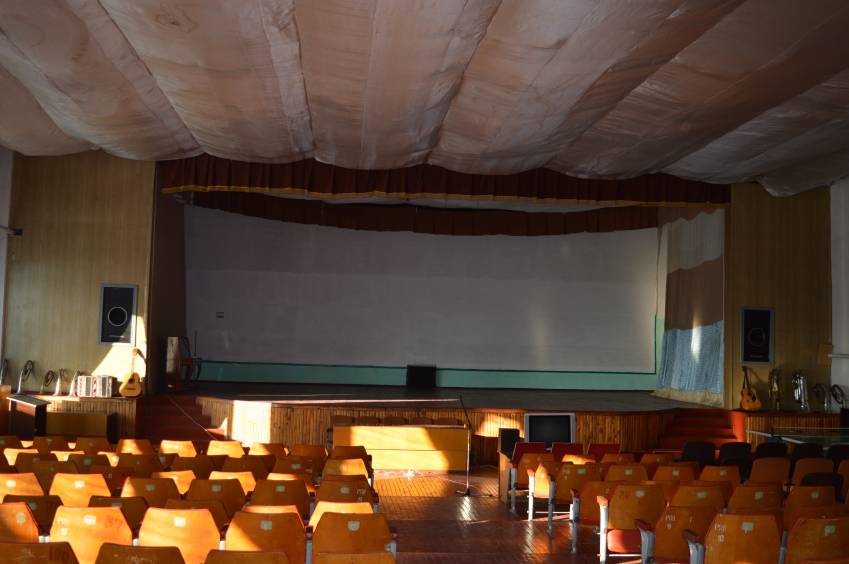
The club is spacious; on weekends, men prisoners have the opportunity to watch films. They are shown both popular new releases and educational ‘Docu Days’ films.
The library is not large, but there is enough fiction literature, and the prisoners read—about 60 people are regular readers; however, no legal literature was found in the library. The administration assured that a set of codes and other legal literature can be found in every detachment, but a sufficient amount of legal literature was not found in any of the detachments. All that the prisoners could demonstrate were printouts: excerpts from laws.
Living zone
The institution counts a total of 5 SPS detachments. Two buildings are used for detachments; other buildings are mothballed.
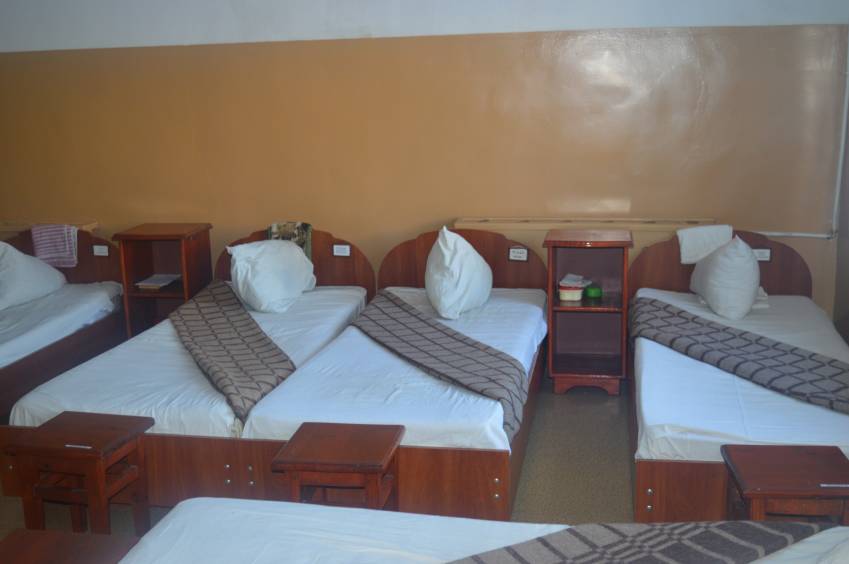
The detachments are somewhat similar to each other, but three have undergone complete renovation, and two have only had cosmetic repairs.
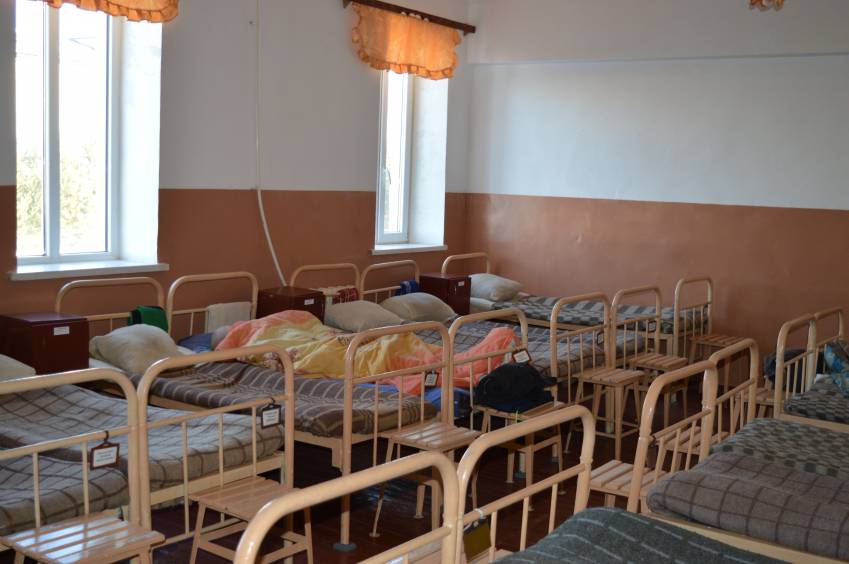
It is clean, bright, and sufficiently spacious in all detachments. Members of the monitoring group particularly noted the temperature in the living quarters—more than 20 degrees Celsius, and planned ventilation of the premises is carried out regularly.
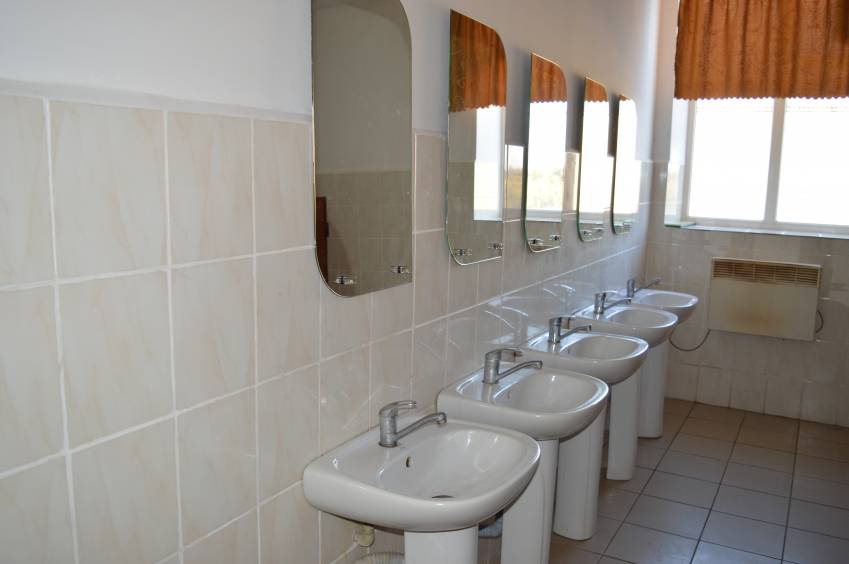
The plumbing in all detachments is new, toilets are fenced off by partitions and doors, and there is no unpleasant odour. In the detachments where major repairs have been carried out, there is a separate toilet room in each bedroom.
Medical unit
At the time of the visit, 10 prisoners were in the medical unit; the detention conditions were satisfactory, and the premises were warm.
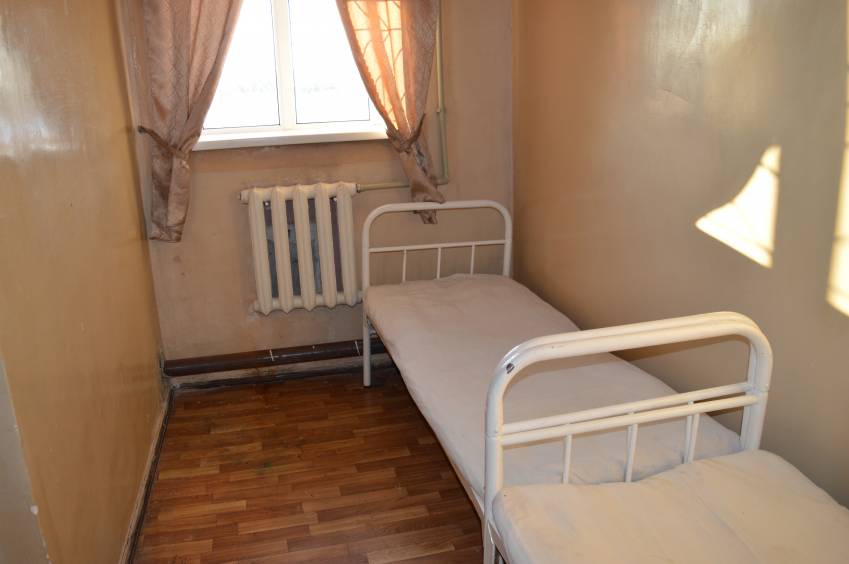
After the reform of the penitentiary system, only a medical assistant and a nurse remained working in the medical unit, and a therapist, radiologist, and laboratory assistant also work on a 0.25-time basis; other specialists are absent. In total, 10 specialists are provided for in the medical unit.
Bath-laundry complex
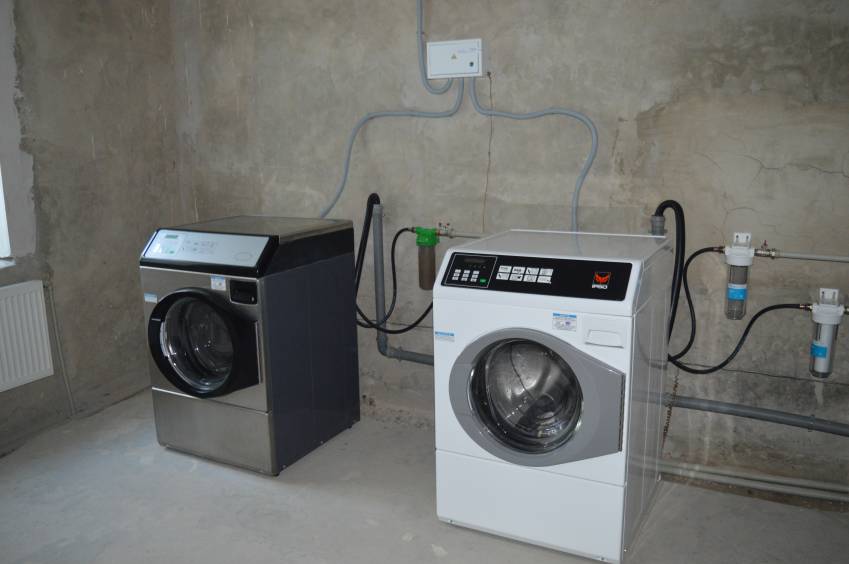
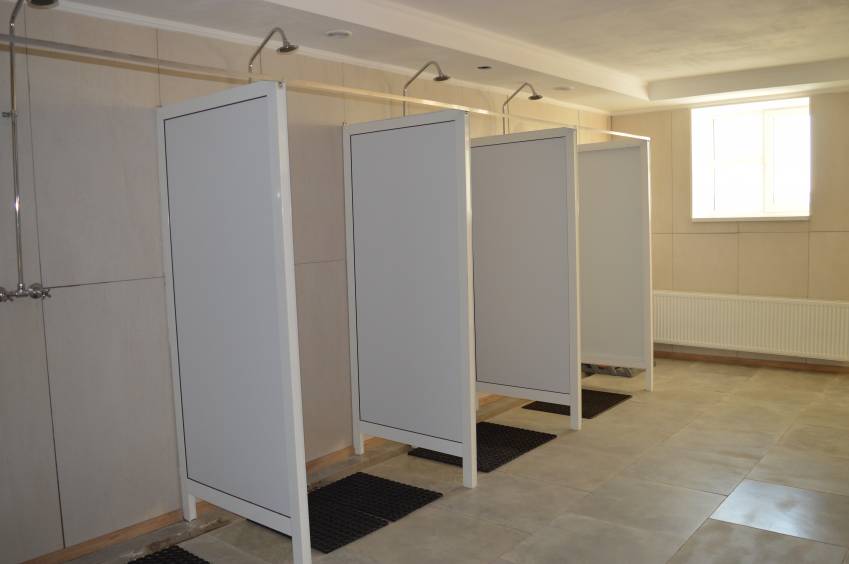
The premises of the bath-laundry complex are renovated; new washing machines and a dryer have been purchased. The bathhouse is clean, shower stalls are separated, and there are rubber mats; however, at the time of the visit, shower curtains were missing. The administration assured that they are being replaced and curtains will be provided in the near future.
DIZO/PKT
At the time of the visit, 7 people were held in DIZO/PKT (3 in DIZO and 4 in PKT, respectively). The exercise yards are standard; one of the yards is painted by a local ‘artist’ who was released early. The interviewed prisoners did not complain about the conditions of detention in DIZO/PKT, and did not challenge the reasons for their placement there.


Supported by the Federal Foreign Office of Germany