Report on the results of the monitoring visit to State Institution "Pervomaiska Correctional Colony (No. 117)"
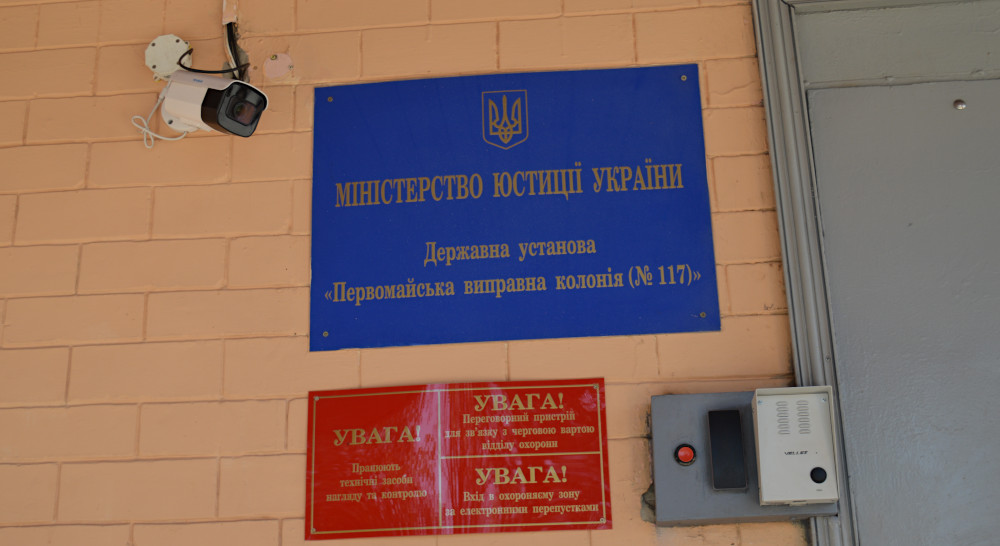
On 1 September 2020, a monitoring group of the Kharkiv Human Rights Protection Group consisting of Maksym Revyakin and Volodymyr Hlushchenko visited the Pervomaiska Correctional Colony No. 117.
At the present time, the State Institution "Pervomaiska Correctional Colony (No. 117)" is a minimum-security institution with general conditions of detention (for holding men sentenced to imprisonment for a fixed term). The planned capacity of the colony is 505 people. At the time of the visit, 224 people were held in the institution.
The colony is located in the village of Hrushyne, at 132 Pervomaiska Street. However, a navigator does not find such an address. The monitors had to spend about 30 minutes searching for the colony with the help of local residents.
After arriving at the colony, the monitors waited about 25 minutes for the duty officer, after which the duty officer took a photo of the documents and went somewhere. Only an hour after arrival were the monitors admitted to the institution.
Residential Zone
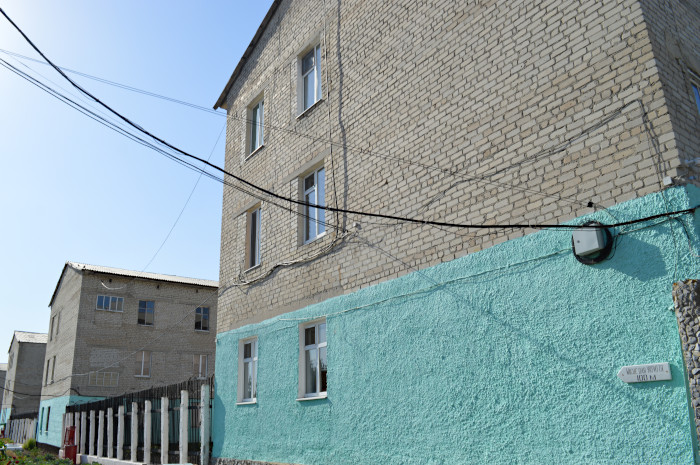
There are 5 social-psychological service units in the colony in two buildings, other buildings are mothballed.
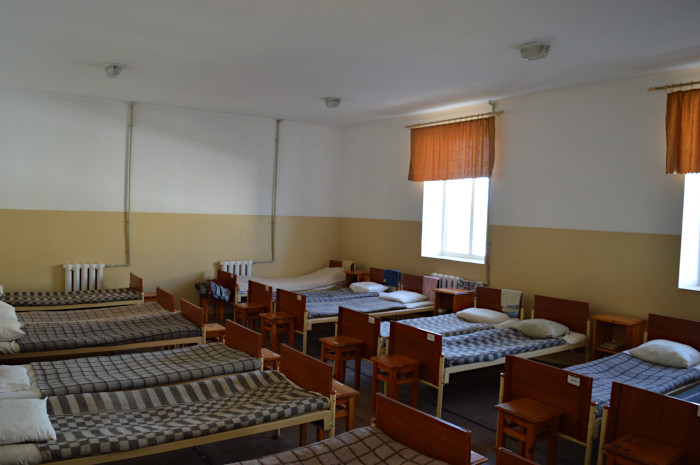
The units look tidy, clean, and bright, but the beds are placed very close to each other.
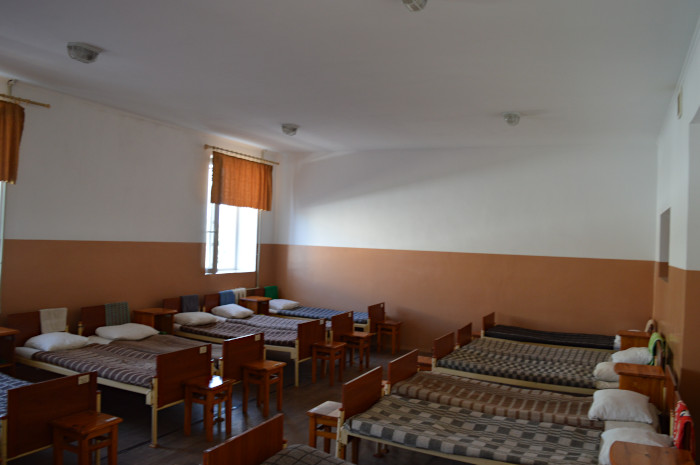
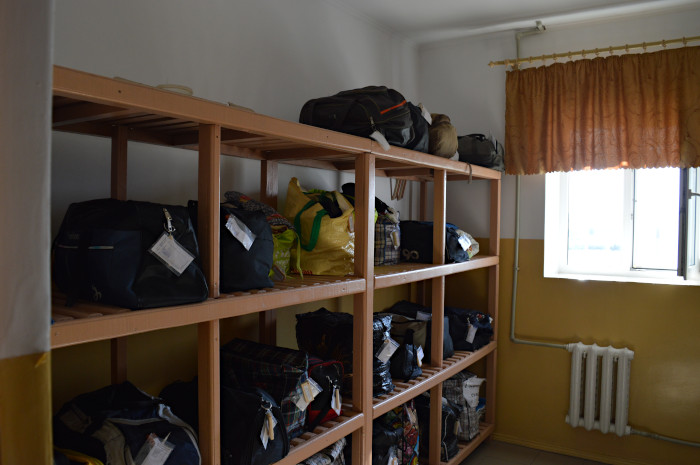
The units have rooms for storing the personal belongings of the convicts, where each bag has a tag with the name of the convict to whom it belongs.
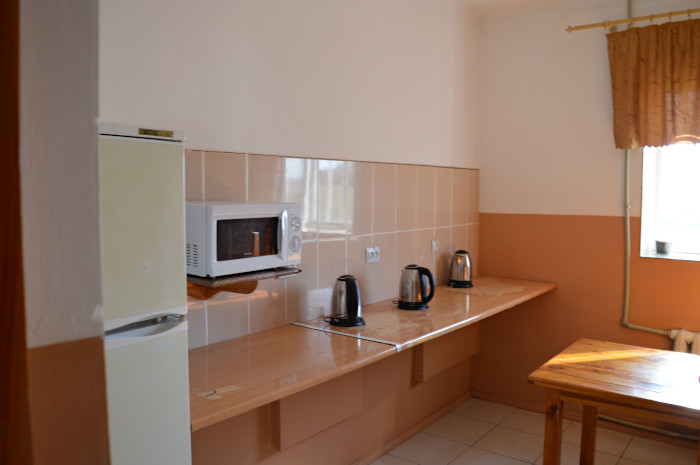
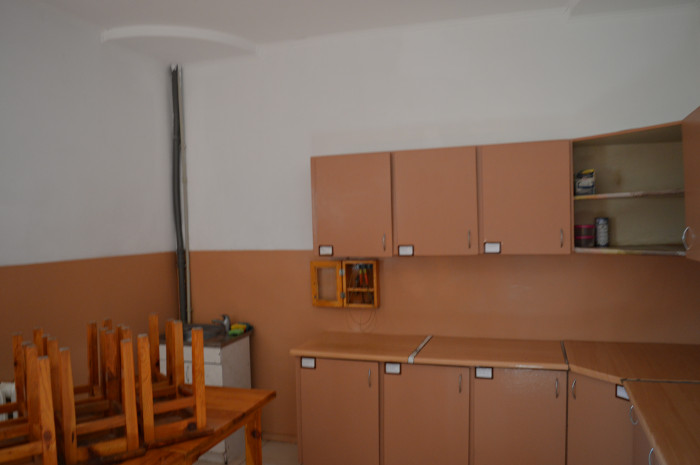
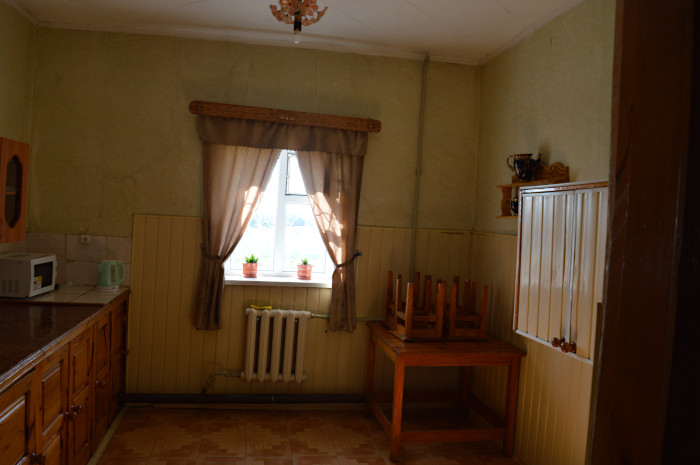
Dining rooms in the social-psychological service sectors also look tidy; kettles, a refrigerator, and a microwave oven are available.
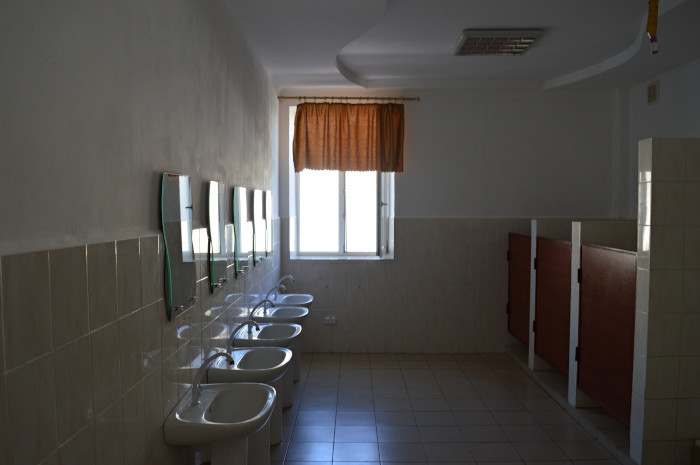
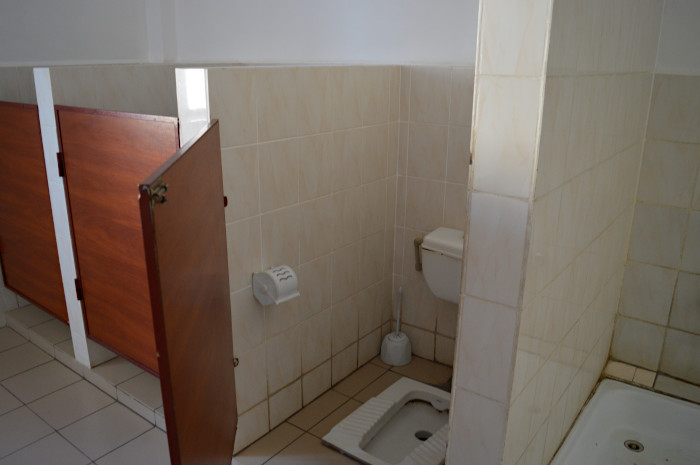
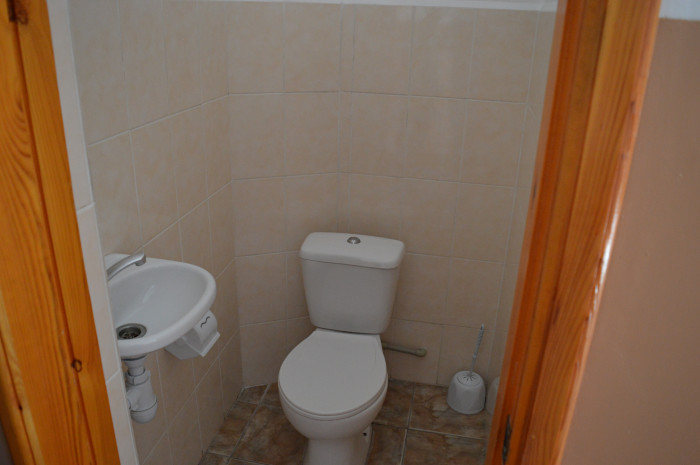
The plumbing in the units is functional; the toilets are separated by partitions and doors, which allows the prisoners to have sufficient privacy. In some bedrooms, there are separate bathrooms.
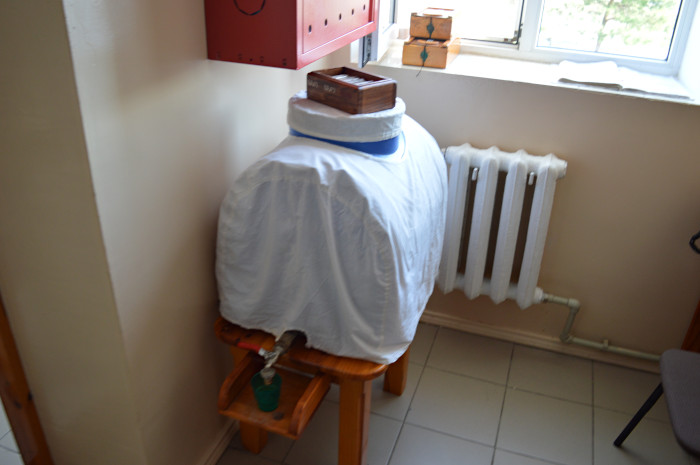
Drinking water is available in the premises.
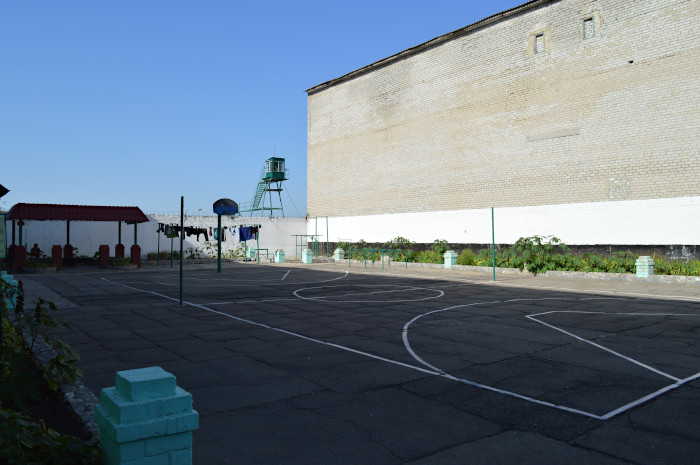
There is a basketball court in the yard of the local sector.
Medical Unit
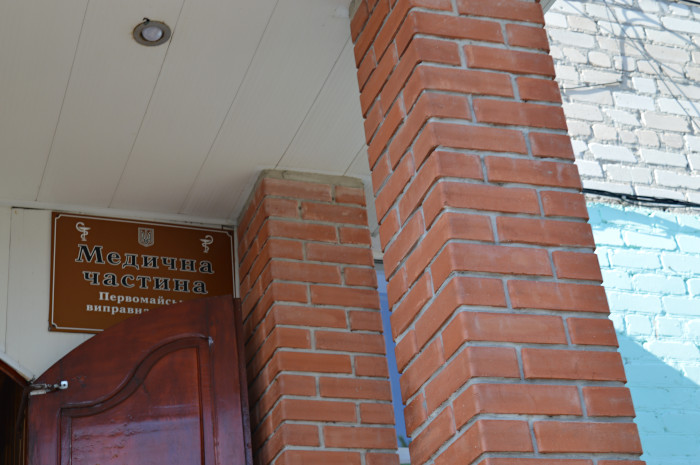
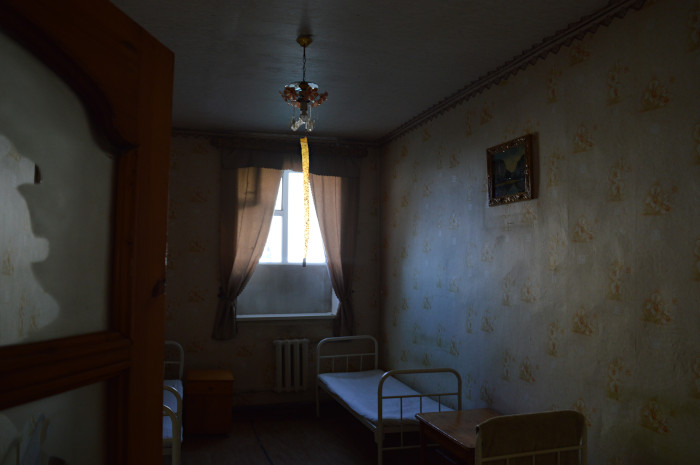
The medical unit looks old, and the wards are dark. During the visit, the medical staff in the unit was absent. The convicts did not complain about the quality of treatment.
Laundry
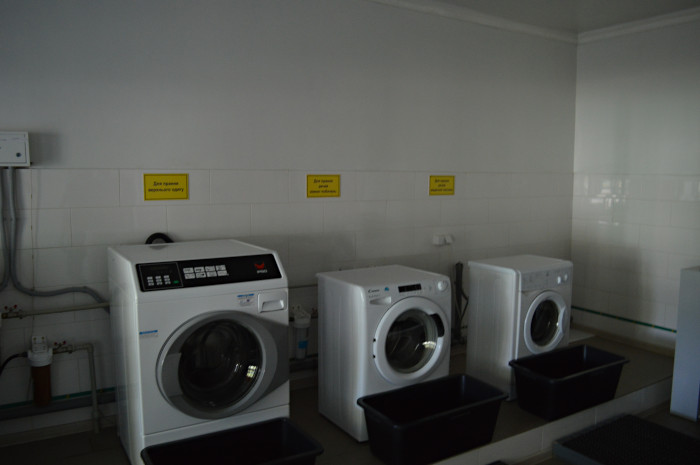
The laundry premises are renovated, and new washing machines and a tumble dryer have been purchased. The administration assured that the capacity of the washing machines and the tumble dryer is quite sufficient for the needs of the institution and the convicts.
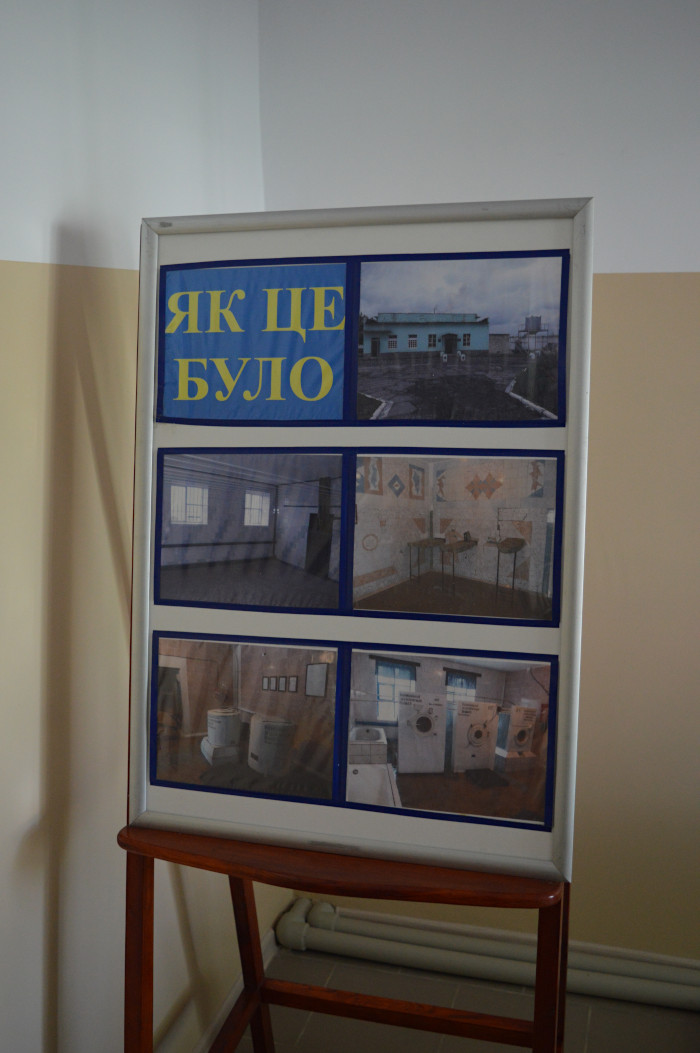
Production
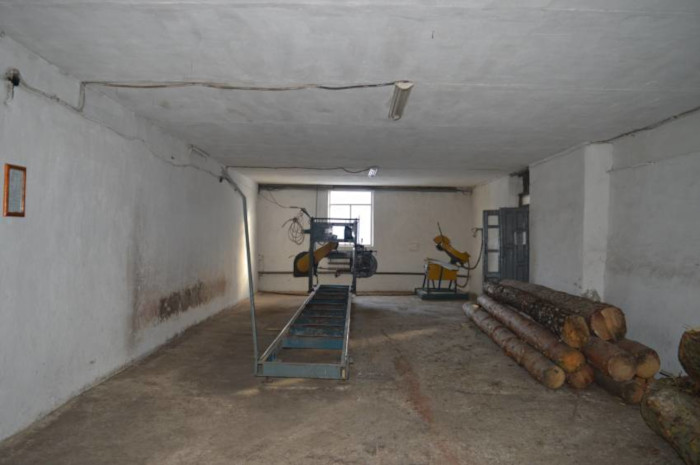
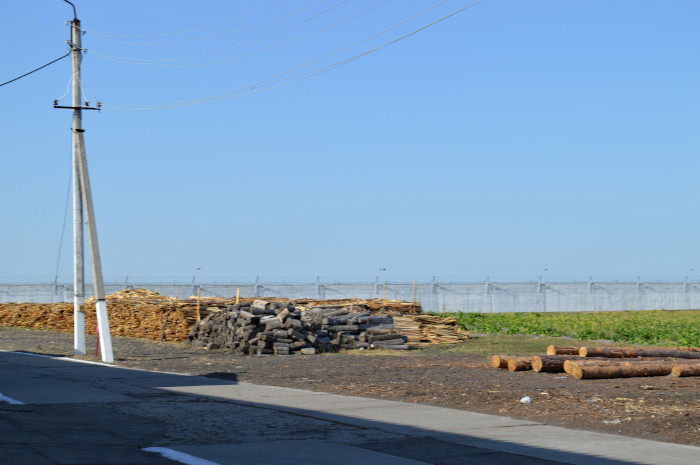
Production at the institution is absent, however, there is a workshop. In the workshop, wood is processed, and wooden boxes for bread are manufactured. There is also a slipper production workshop. The convicts work both for hourly pay and without pay at their own request.
Dining Hall
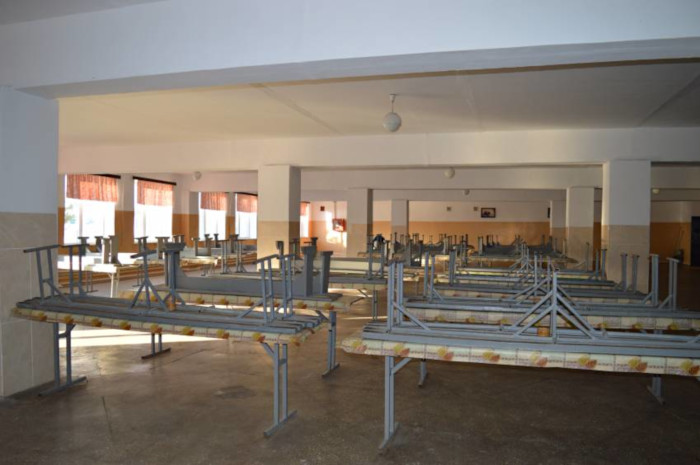
The monitors arrived at the dining hall immediately after lunch, so it was not possible to check the quality of the food and the safety of its preparation.
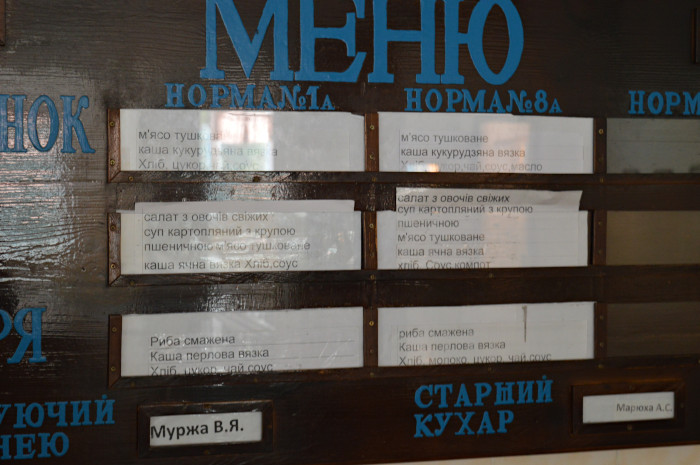
The dining hall premises are spacious and clean. There is a menu and information about the food standards for convicts, however, an unpleasant, stale smell is present. Food is served to the convicts in iron dishes, but the administration assured the monitors that these dishes are thoroughly disinfected and treated.
DIZO/PKT
At the time of the visit, one convict was held in the DIZO, and there were no convicts in the PKT. In total, 17 people were placed in the DIZO/PKT since the beginning of the year.
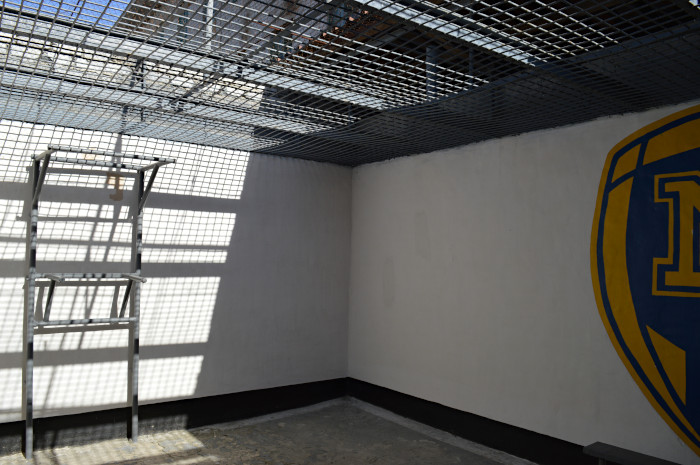
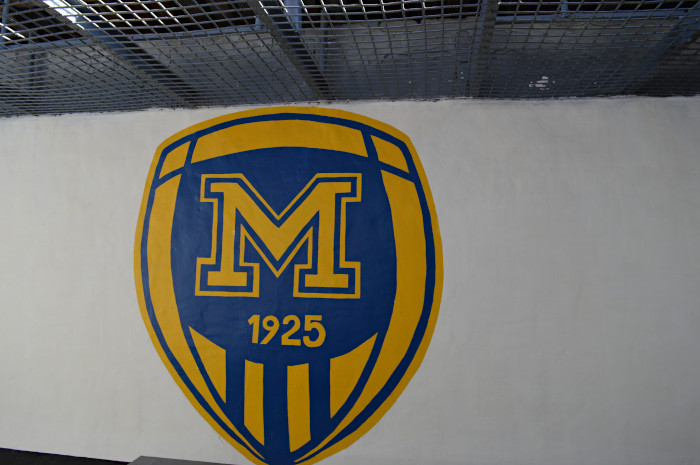
The exercise yards are standard, and one of the yards is painted with the emblems of the football club "Metalist 1925".
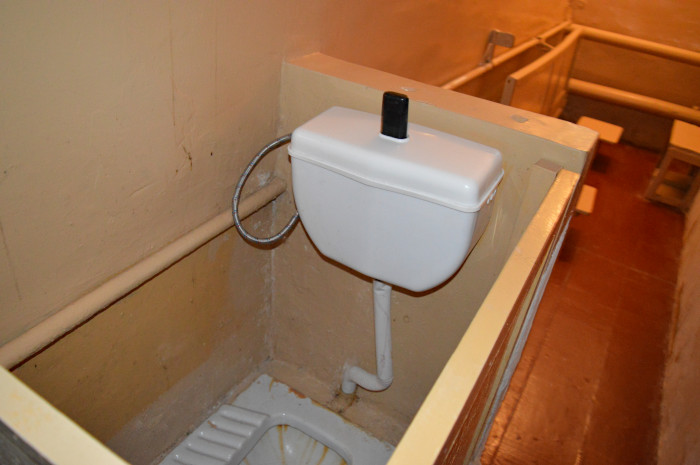
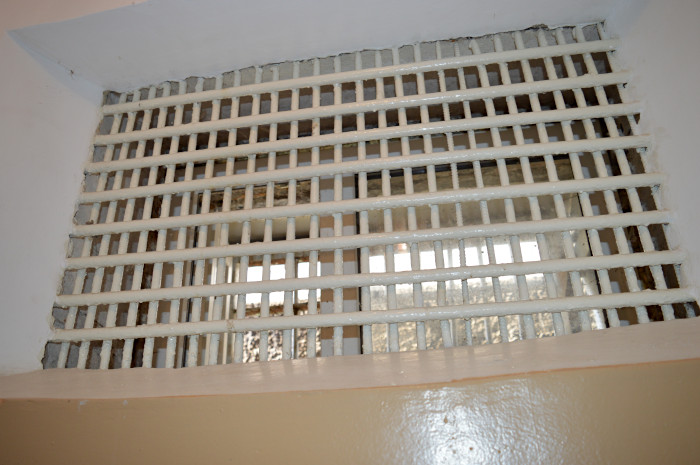
The DIZO/PKT cells are quite narrow, and dampness and cold can be felt. Sunlight almost does not pass through the small window. A convict cannot open/close the window himself; he needs to call the duty officer. The toilet is partitioned; water was present in the tap at the time of the visit.
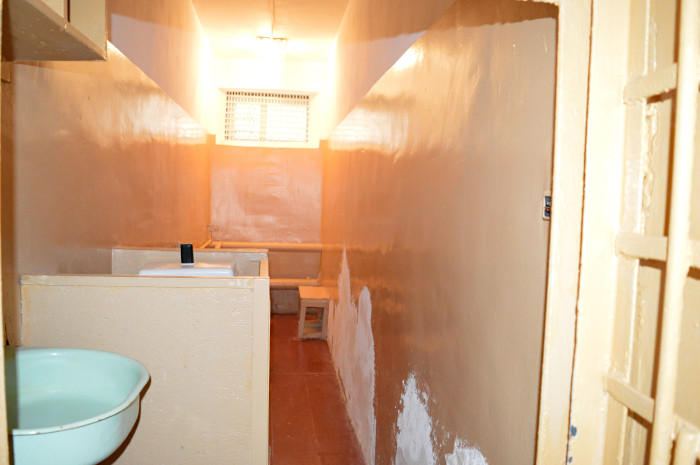
During the visit, an audio recording was playing loudly in the DIZO, which constantly repeated the rights and obligations of the convict. The DIZO inmate complained that the loud sound "drives him crazy" and gives him a constant headache.
Observance of Sanitary and Epidemiological Norms
The monitors did not have any significant remarks regarding the observance of sanitary and epidemiological norms. The institution's staff and the convicts wear protective masks, which are periodically renewed. At the checkpoint, at the entrances to the social-psychological service units and the dining hall, there are disinfectants. Every 2 hours, residential premises are cleaned using disinfectants and are necessarily ventilated. The administration of the institution assured that during walks and formations, the convicts observe a social distance of 2 metres. However, the monitors saw a column of convicts heading from the workshop to the residential premises, in which social distance was not observed.
EU Project "Resisting Torture, Cruel Treatment and Impunity in Ukraine"