Report on the Results of a Monitoring Visit to Pervomaiska Correctional Colony No. 117
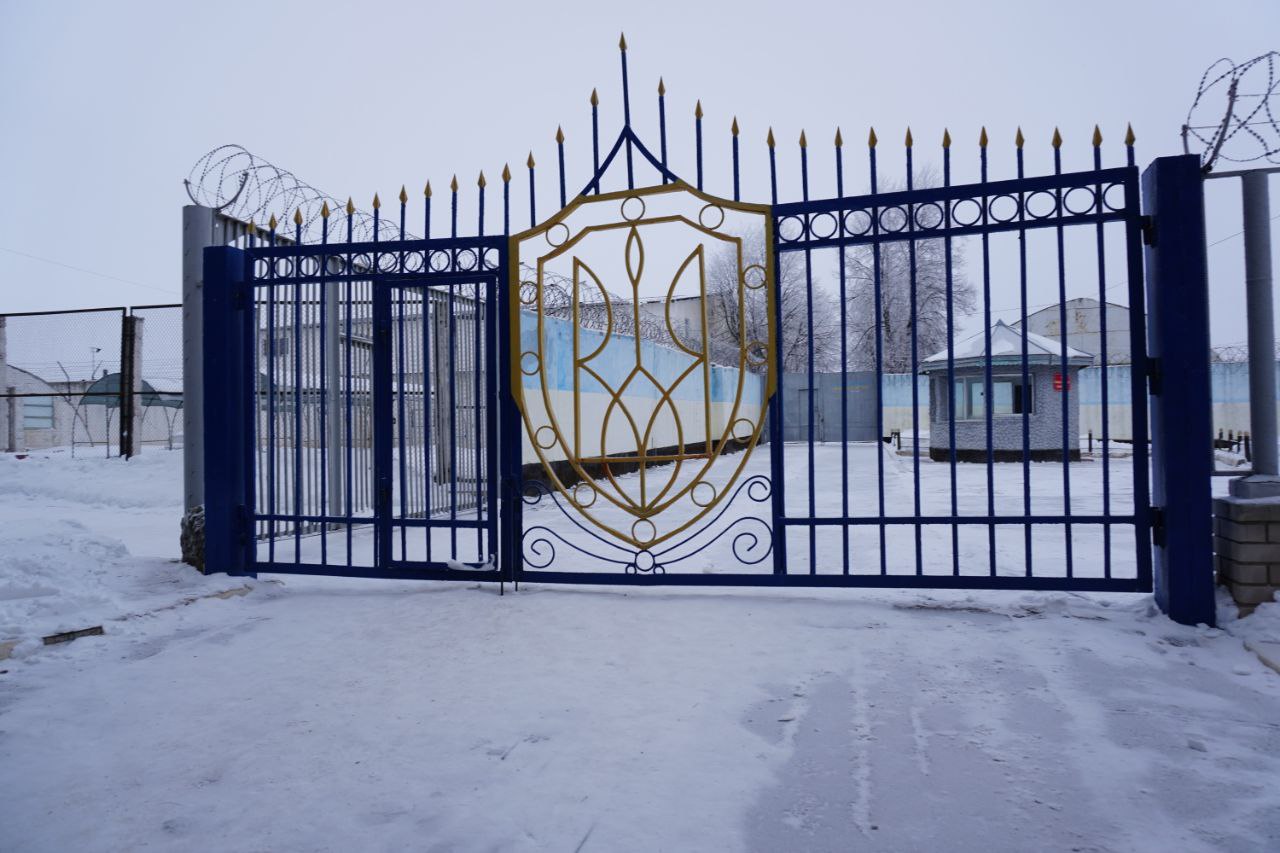
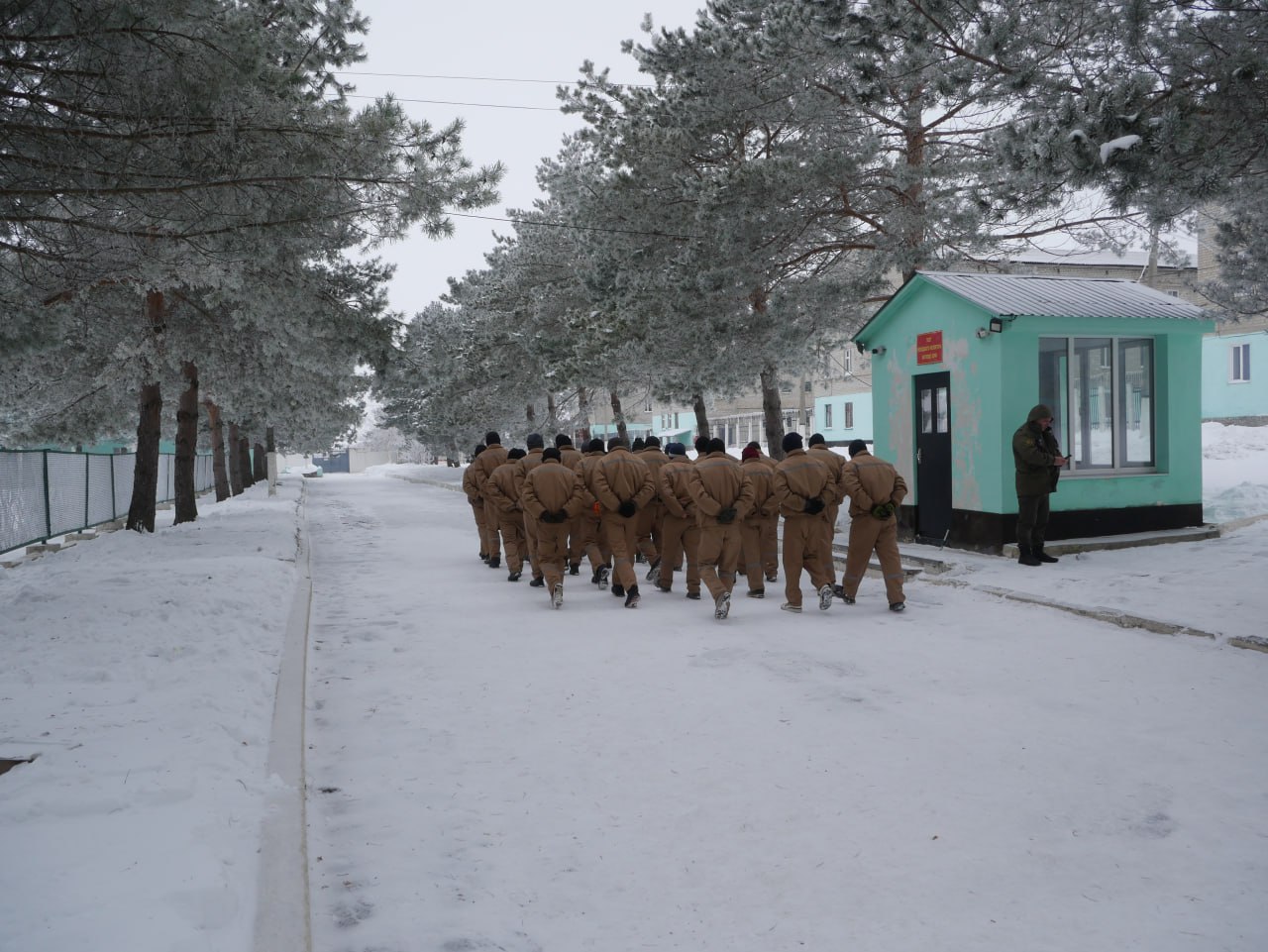
22 January 2026, in accordance with the Optional Protocol to the Convention against Torture and Other Cruel, Inhuman or Degrading Treatment or Punishment, taking into account the provisions of the United Nations Standard Minimum Rules for the Treatment of Prisoners (the Nelson Mandela Rules) and the rulings of the European Court of Human Rights, and on the basis of Article 24 of the Criminal Executive Code of Ukraine — ‘Visiting Penal Institutions’, a group of monitors from the Kharkiv Human Rights Protection Group and the NGO ‘Protection of Prisoners of Ukraine’ visited the state institution ‘Pervomaiska Correctional Colony (No. 117)’ (hereinafter — PCC-117, the institution, the facility, the colony).
A routine, unannounced visit was conducted, and all facilities within the institution were examined. The previous visit took place on 28-29 April 2025.
During the preparation for the visit, the monitors used materials from appeals made by convicted persons and their relatives, materials from previous reports, as well as reports from monitors of the National Preventive Mechanism under the Commissioner for Human Rights of the Verkhovna Rada of Ukraine (NPM).
The visit was conducted as part of the project ‘Reducing Prisoner Suffering in the Context of the War in Ukraine’, funded by the government of Denmark in partnership with DIGNITY — Danish Institute Against Torture.
The visit was carried out by the following monitors:
- Andriy Didenko — Assistant to the People's Deputy of Ukraine Yaroslav Yurchyshyn, Coordinator of programmes for the Kharkiv Human Rights Protection Group; he has experience conducting monitoring visits since 2014, is an NPM monitor (National Preventive Mechanism), and a member of the NPM advisory council;
- Serhiy Zuikov — Assistant to the People's Deputy of Ukraine Kostiantyn Kasai, member of the public council under the Ministry of Justice of Ukraine, member of the NGO ‘Protection of Prisoners of Ukraine’, and an NPM monitor with many years of experience conducting monitoring visits;
- Oleh Tsvilyi — member of the public council under the Ministry of Justice of Ukraine, Head of the NGO ‘Protection of Prisoners of Ukraine’, has extensive experience with monitoring visits, and specialises in issues of torture and cruel, inhuman, or degrading treatment.
During the monitoring visit to PCC-117, it was established that despite certain positive changes, systemic violations of the rights of convicted persons persist in the institution. Violations were identified regarding the procedure for admitting new arrivals to the Quarantine, Diagnostics, and Distribution (QDD) unit, inadequate conditions of detention, lack of privacy, and problems within disciplinary practice, social and educational work, material and household provision, access to essential goods, the state of the shelter, and the maintenance of safety. A shortage of personnel was also recorded, which negatively affects supervision, resocialisation, and overall security at the institution.
Systemic violations of the rights of convicted persons to work and social protection were also separately established. The formal registration of employment relationships does not ensure proper remuneration, adherence to working hours, or real social protection. A low level of remuneration, significant deductions from earnings, the formal nature of employment contracts, and the fact that certain kitchen staff work without days off were recorded.
In the field of healthcare, improper documentation of bodily injuries, an unsatisfactory state of inpatient premises, a shortage of medical staff, a lack of some necessary equipment and telemedicine capabilities, and a lack of proper preventative check-ups and fire safety elements were identified. The combination of these established facts indicates systemic violations of national legislation and international standards for the treatment of prisoners.
General Information
PCC-117 is a minimum-security correctional institution for the detention of men sentenced to imprisonment for a specific term.
The facility is located at the following address: 132 Prymiska Street, Hrushyne village, Lozova district, Kharkiv region, 64131.
The history of the state institution ‘Pervomaiska Correctional Colony (No. 117)’ began in 1983. Based on the order of the Ministry of Internal Affairs of the Ukrainian SSR dated 04 May 1983, No. 070, Correctional Labour Colony No. 65 of the general regime was created in the territory of the Pervomaiskyi district of the Kharkiv region. In June 1985, the colony was repurposed as a strict regime correctional labour colony. On 29 September 1985, the institution received its first group of convicted persons and began full-scale operations.
Following the declaration of Ukraine’s independence, the institution continued its operations as part of the criminal executive system of Ukraine. During the process of reforming the penal system, the colony was repurposed and given its modern name — state institution ‘Pervomaiska Correctional Colony (No. 117)’. Subsequently, the institution was classified as a minimum-security correctional facility with general detention conditions.
At the time of the visit, the head of the institution was Colonel of the Internal Service Kostiantyn Volodymyrovych Kozych.
The facility consists of a duty unit, a QDD unit (quarantine, diagnostics, and distribution ward), 5 Social and Psychological Service (SPS) wards, a kitchen, Disciplinary Cell (DC) premises, a medical unit, a laundry and bathhouse complex, visitation rooms, a shop, a library, a parcel reception room, and administrative premises.
According to the institution's administration, the authorised staff number consists of 218.5 positions. The actual number is 179 positions. The total shortage of personnel in the institution is 39.5 positions. The planned capacity of the facility is 480 persons. The actual number of persons detained in the institution is 86 convicted persons. In PCC-117, 3 SPS wards are mothballed. Two psychologists work at the facility: one for work with convicted persons and one for work with staff.
During 2025, 148 persons arrived at the colony. During 2024, 2 persons died, and during 2025, 1 person. The following were on operational-preventative records: 2 persons prone to suicide, 3 persons prone to self-harm, and 2 persistent violators of the detention regime.
During 2024–2025, no complaints regarding inadequate detention conditions or inadequate provision of medical care were recorded. One person has a Category III disability.
Convicted persons have 9 tablets for personal use, and 62 email addresses have been registered.
During 2024–2025, not a single case of bodily injury upon arrival at the institution or during the stay in the institution was recorded.
The group of monitors conducted interviews with approximately 55 convicted persons during visits to production areas, workshops, SPS wards, and utility rooms, and during general conversations providing consultations, answering questions, and polling regarding human rights violations, as well as individual communication with persons, including on conditions of anonymity.
Positive Experience
A pilot project regarding a novel approach to ensuring the supervision of convicted persons and maintaining law and order based on the principle of service in European countries, particularly in the Republic of Poland, has been implemented. Current repairs have been carried out on the cells of the disciplinary unit and cell-type premises, including the modernisation of lighting, the reconstruction of partitions, and the replacement of cell furniture. Renovation work has been carried out in the walking yards of the disciplinary unit, cell-type premises, and the increased supervision ward, with the installation of canopies covering at least 30% of the total area of the yard to protect against atmospheric precipitation.
In accordance with the order of the Ministry of Education and Science of Ukraine and the Ministry of Justice of Ukraine dated 09 January 2024, No. 14/74/5, ‘On the Establishment of the Pervomaiska Branch of the State Vocational and Technical Educational Institution "Temnivskyi Educational Centre No. 100"’, the Pervomaiska Branch of the State Vocational and Technical Educational Institution ‘Temnivskyi Educational Centre (No. 100)’ was created at the institution.
Detected Violations of National and International Legislation
During the monitoring visit, violations of the requirements of national legislation and non-compliance with international recommendations in the sphere of the treatment of prisoners were identified, leading to violations of the rights of convicted persons:
1. The procedure for admitting convicted persons to the institution does not fully comply with the requirements of current legislation, standards for the treatment of prisoners, and the conditions of their detention in accordance with their needs. In accordance with paragraphs 1 and 2 of Section II of the Regulation on the Quarantine, Diagnostics, and Distribution Ward, approved by the order of the Ministry of Justice of Ukraine dated 04 November 2013, No. 2300/5 (hereinafter — the Regulation on the QDD Ward), with the aim of organising work with newly arrived convicted persons, a working group is created by order of the head of the institution, consisting of deputy heads of the institution, heads of structural units, a psychologist, and a medical worker.
To plan the specified work, a programme for familiarising newly arrived convicted persons with the order and conditions of serving their sentence is developed annually and approved by the head of the institution. At the same time, during confidential communication with convicted persons and analysis of official documentation, the monitoring group determined that the members of the working group do not fully implement the measures envisaged by the specified programme. This is confirmed, in particular, by the absence of relevant entries in the register of visits to the QDD ward by representatives of the administration.
In particular, it was determined that the entry regarding the conduct of an event which, in accordance with the division of duties, was to be carried out by Occupational Health and Safety Engineer O.O. Koval, was actually entered by another member of the working group, while the signature of the official responsible for the event is absent from the register.
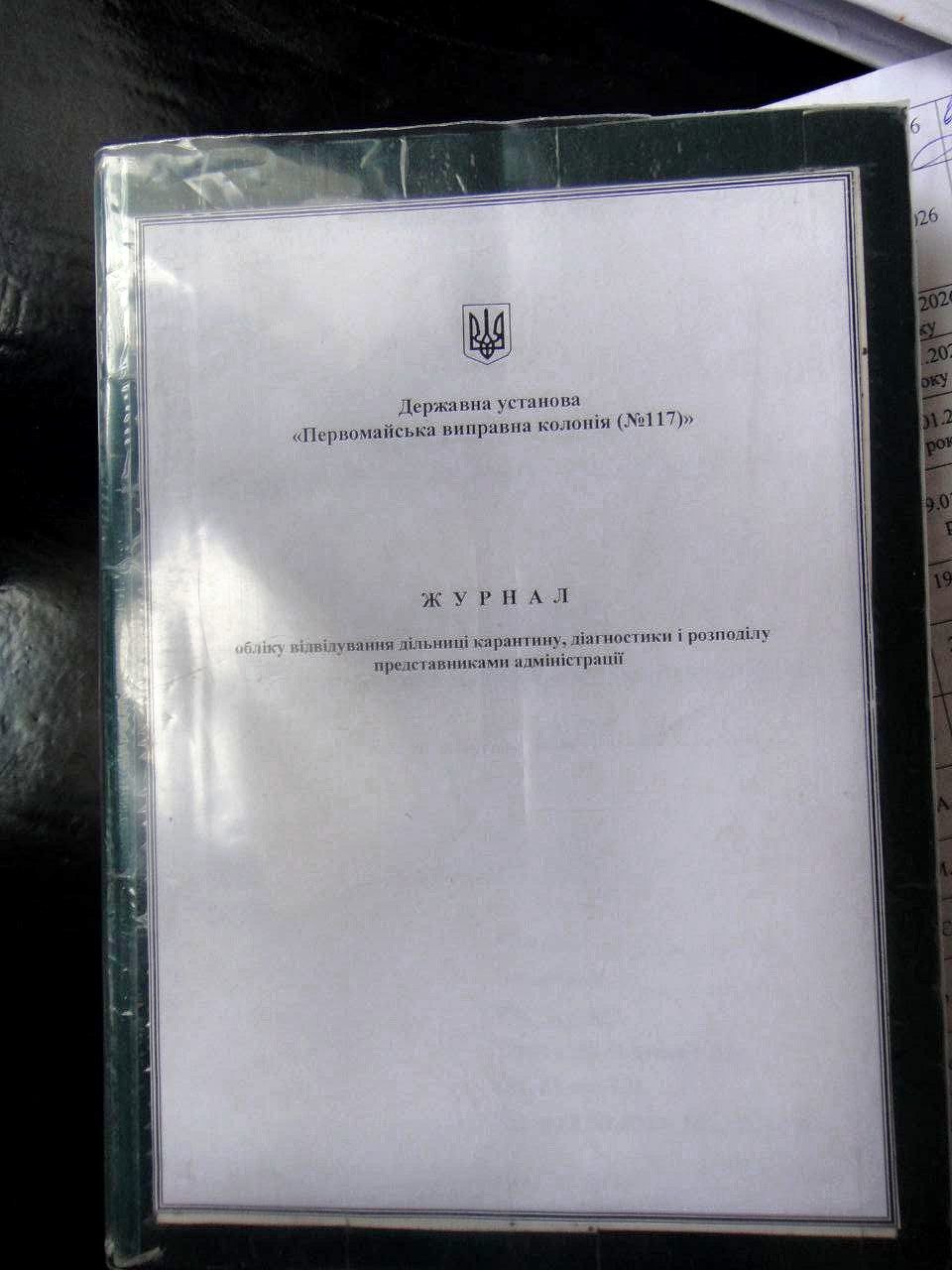
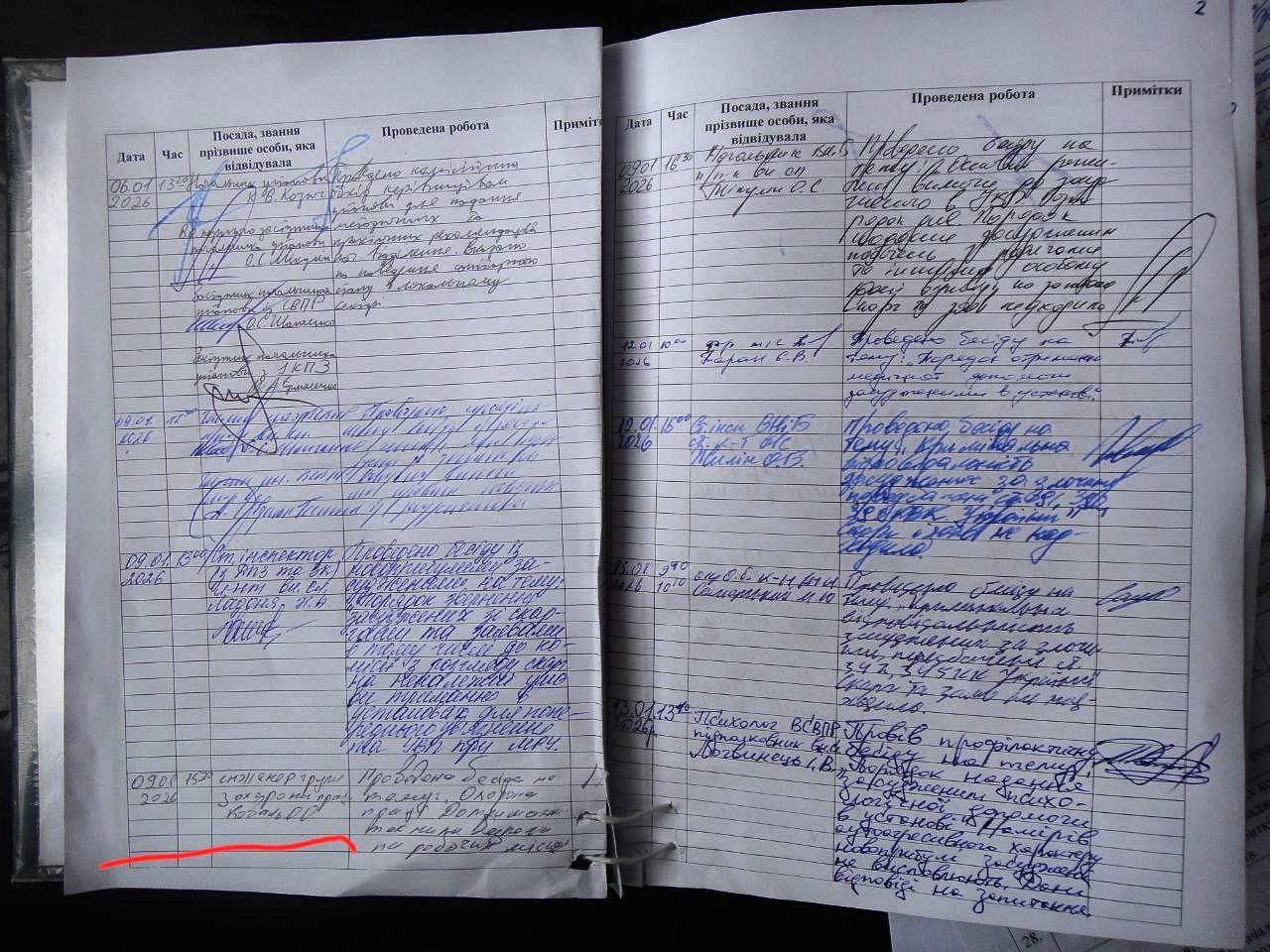
2. In violation of paragraph 1 of Section II of the Regulation on the QDD Ward, the head of the financial support and accounting department — the chief accountant — is not included in the working group for work with newly arrived convicted persons.
3. In accordance with paragraph 2 of Section I of the Regulation on the QDD Ward, newly arrived convicted persons are housed in the QDD ward to prevent uncontrolled communication with other convicted persons. At the same time, the monitoring group determined that newly arrived convicted persons visit the canteen, where they have the opportunity to contact other convicted persons of the institution, which violates the requirements for their isolation during their stay in the QDD ward.
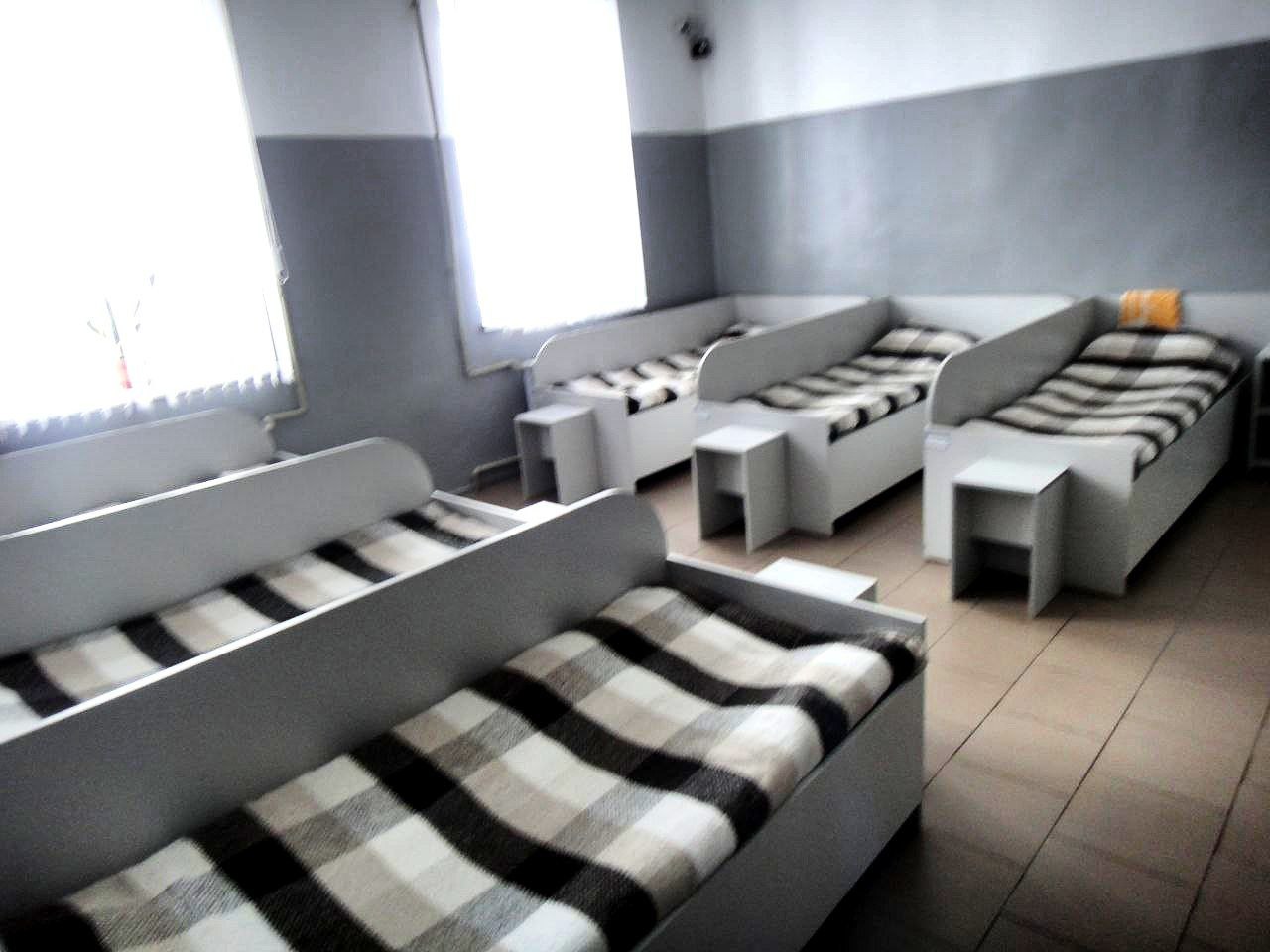
4. The monitoring group determined that the material and household provision of the QDD ward does not fully comply with established regulatory requirements. Thus, in violation of the requirements of the Standards for Provision with Furniture, Inventory, and Household Items of a Minimum-Security Correctional Colony with General Detention Conditions, approved by the order of the Ministry of Justice of Ukraine dated 27 July 2012, No. 1118/5 (hereinafter — the Provision Standards), the ward lacks a number of rooms, namely: a room for storing the exchange fund of bedding, clothing, and special protective clothing; a storeroom for the temporary storage of dirty bedding, clothing, and special protective clothing; a utility room; and a drying room.
The washing room is not equipped in accordance with the requirements of the Provision Standards, in particular with a shower cabin with a mixer and a shower head on a flexible hose, due to which proper conditions for maintaining the personal hygiene of convicted persons are not ensured.
In violation of the requirements of Rule 22.5 of the European Prison Rules, Rule 22.2 of the United Nations Standard Minimum Rules for the Treatment of Prisoners, and the Provision Standards, the residential premises of the ward are not provided with a 15-litre drinking water tank with a water tap, lid, mug, and basin. The restroom in the QDD ward is not equipped with sufficient partitions ensuring the possibility of privacy, which violates Rule 19.3 of the European Prison Rules and Rule 15 of the United Nations Standard Minimum Rules for the Treatment of Prisoners.
The absence of these rooms or their inadequate fitting creates conditions that do not meet household standards, makes it impossible to properly observe sanitary and hygienic requirements, and complicates the maintenance of cleanliness and order in the living quarters of the convicted persons.
Such a state of organisation of living conditions negatively affects the general sanitary state of the institution and does not comply with the requirements of the first part of Article 115 of the Criminal Executive Code of Ukraine. At the same time, in the Report of the Government of Ukraine on the results of the 2023 visit, the Committee called upon the Ukrainian authorities to take the necessary measures to improve the material conditions of detention, in particular, to keep all places where convicted and detained persons are housed, including sanitary facilities, in a proper state of repair and hygiene; to ensure regular and frequent disinfestation; to ensure sufficient access to natural light and ventilation in the cells; and to fully equip internal sanitary facilities with partitions, that is, from floor to ceiling (CPT/Inf (2024) 20) paragraph 58).
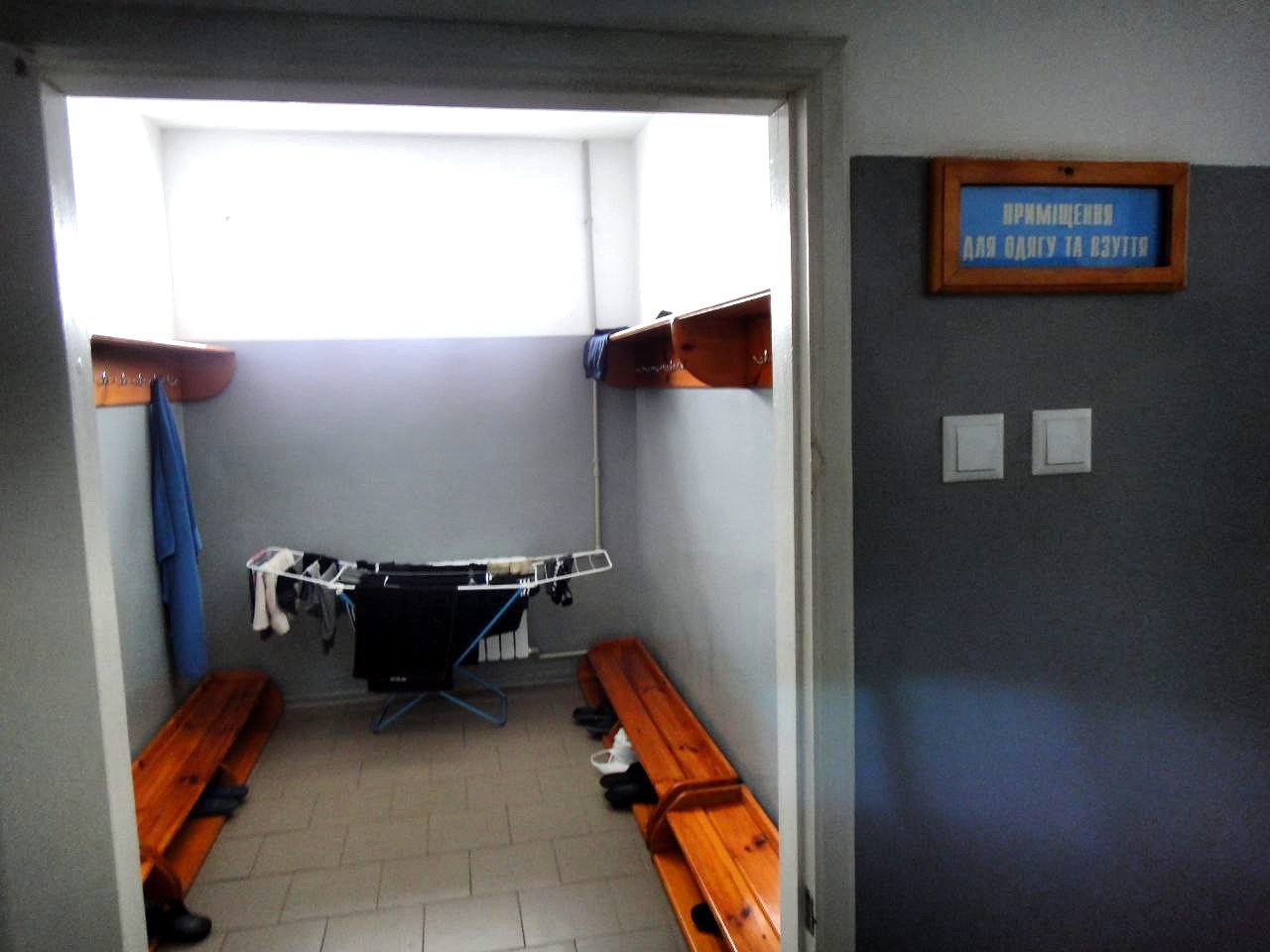
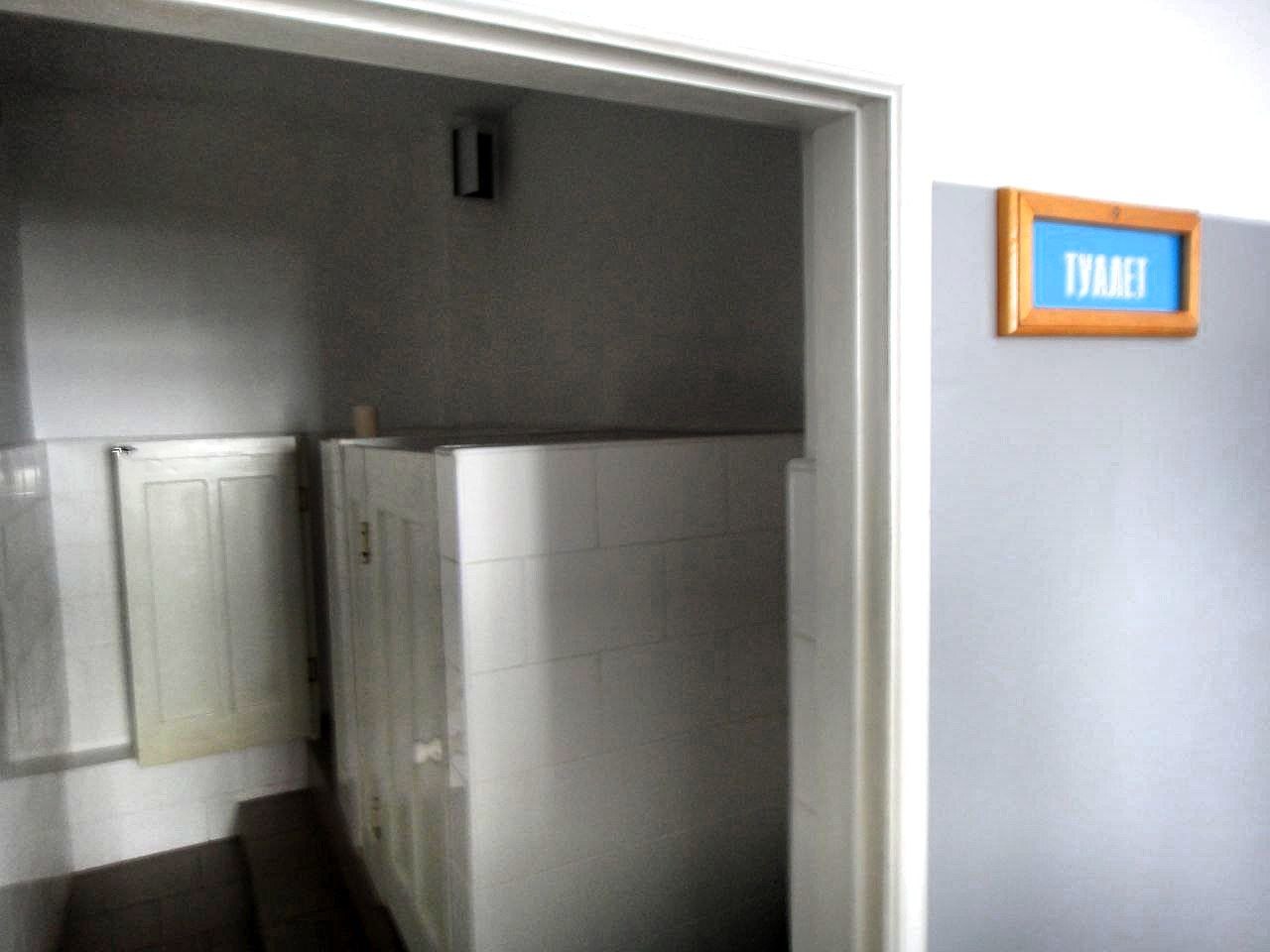
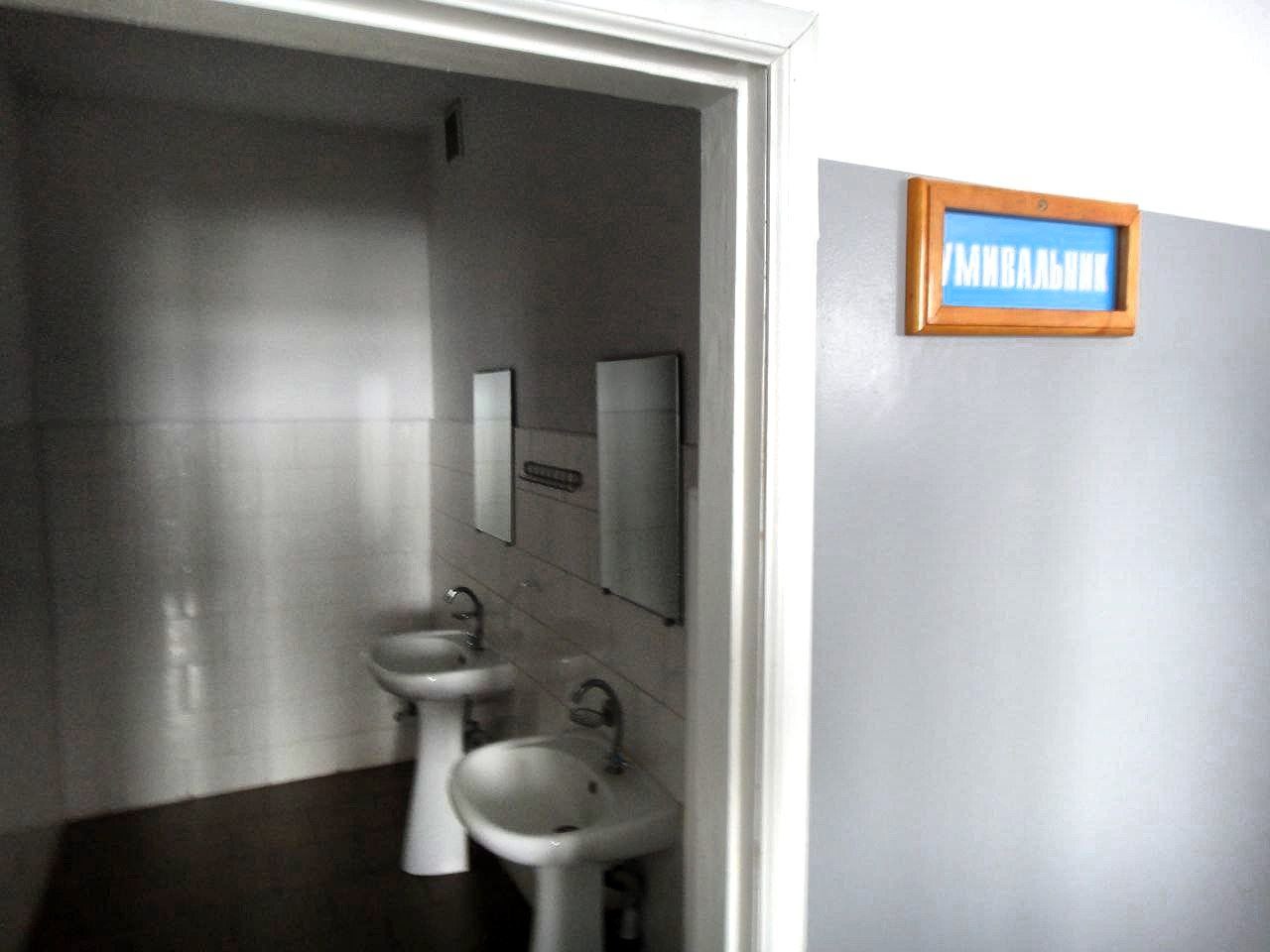
5. Paragraph 1 of Section XXIII of the Internal Regulations of Penal Institutions, approved by the order of the Ministry of Justice of Ukraine dated 28 August 2018, No. 2823/5 (hereinafter — the IRI), determines that the supervision of convicted persons is a system of measures aimed at ensuring the serving and execution of criminal punishments in the form of restriction of liberty, imprisonment, life imprisonment, and arrest through round-the-clock and constant control over the behaviour of convicted persons in their places of residence and work, preventing and stopping unlawful actions on their part, and ensuring the requirements for the isolation of convicted persons and the safety of the staff of penal institutions.
Thus, during the inspection of the residential premises of the QDD ward and the Social and Psychological Service department, installed video surveillance cameras were recorded. At the same time, in its report in 2012, the Committee criticised the excessive interference with privacy through the installation of video cameras in the residential premises of convicted persons: ‘The Committee agrees that video surveillance in cells can be a useful safeguard in specific cases, for example, when a person is considered to be of concern regarding the risk of self-harm or suicide, or if there are specific suspicions that a convicted person is carrying out certain actions in the cell that could jeopardise safety.
However, any decision to use video surveillance regarding a specific convicted person must always be based on an individual assessment of real risks and must be reviewed frequently on a regular basis. Video surveillance is a serious interference in the private life of prisoners and makes the regime even more repressive, in particular when applied over a long period of time’ (CPT/Inf (2013) 23) paragraph 52).
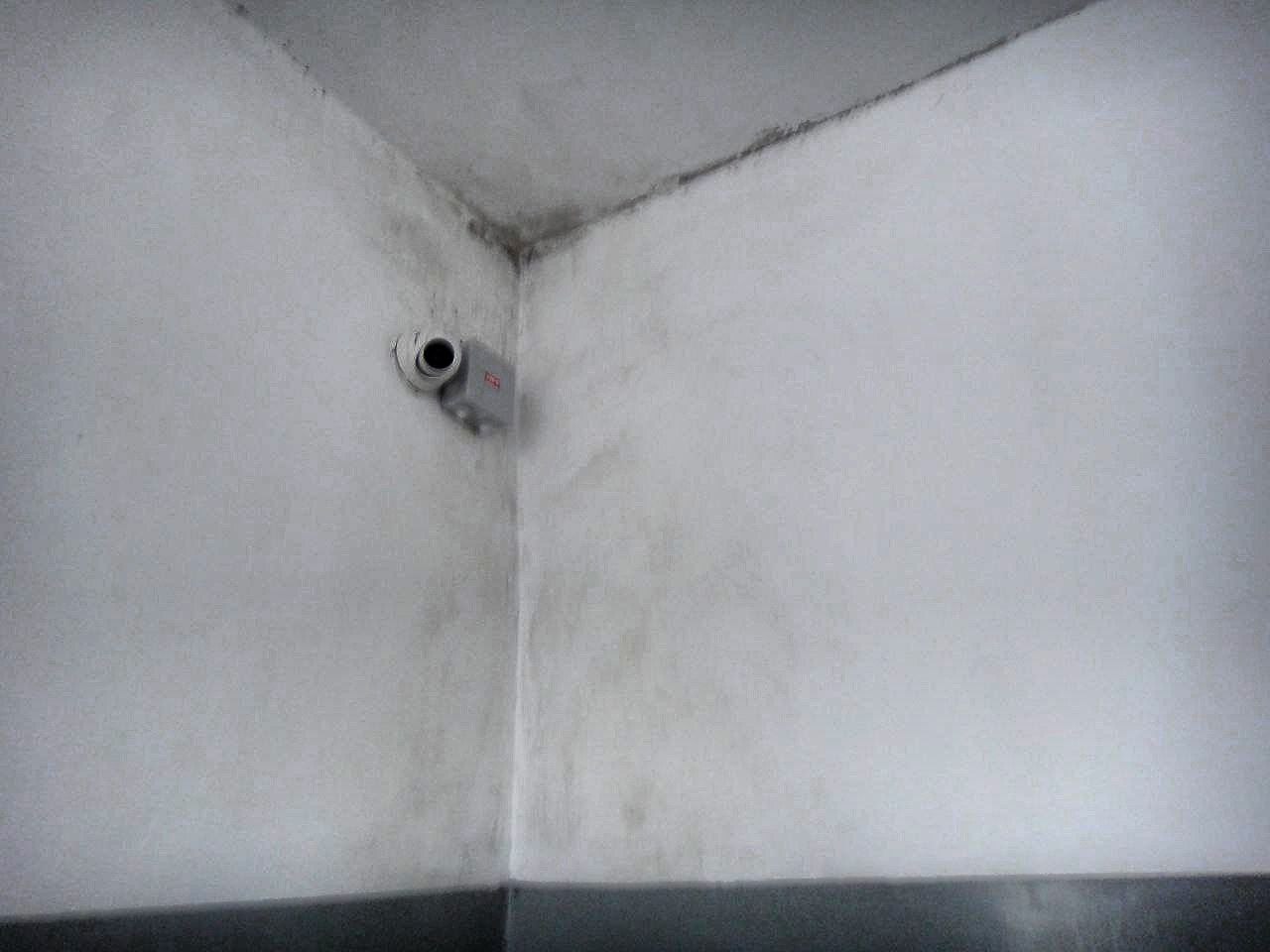
6. During the visit to the DC/CPT (Disciplinary Cell/Cell-type Premises), it was determined that the conditions of detention for convicted persons do not correspond to the established standards for the treatment of prisoners and do not ensure proper conditions of detention taking into account their needs, which contradicts the requirements of the first part of Article 115 of the Criminal Executive Code of Ukraine (hereinafter — the CEC of Ukraine) and paragraph 1 of Section XXII of the IRI.
It was determined that conditions for the detention of convicted persons have effectively been created in only one DC premise. Such an approach does not ensure the necessary isolation and violates the requirements regarding the separate detention of different categories of convicted persons. In particular, the arrangement of a separate disciplinary cell for those sentenced to restriction of liberty has not been ensured, which makes it impossible to apply a disciplinary penalty in the form of placement in a DC for a period of up to ten days to this category of persons, as provided for by the first part of Article 68 of the CEC of Ukraine.
Under such conditions, it is impossible to ensure the necessary regime of isolation and to prevent contact between those sentenced to imprisonment and those sentenced to restriction of liberty, which is a violation of the established requirements regarding their separate detention.
Also, the cell-type premises (hereinafter — CTP), the existence of which is provided for by the Provision Standards and the procedure for detention in which is defined by Article 134 of the CEC of Ukraine and other regulatory acts, are not functioning. In addition, the increased supervision ward (hereinafter — ISW), the procedure for the detention of convicted persons in which is provided for by Article 97 of the CEC of Ukraine and relevant regulatory acts, is not functioning.
7. In violation of the requirements of the Provision Standards, the DC/CTP lacks a number of rooms, namely: a room for the reception of convicted persons by the administration and medical staff, a room for storing personal belongings of convicted persons, a shower room, a room for undressing and dressing, a barber shop, etc. The absence of these rooms or their inadequate fitting leads to non-compliance with sanitary and hygienic requirements.
In particular, improper organisation of the storage of personal belongings complicates the maintenance of cleanliness and order in the premises where convicted persons are held, which negatively affects the general sanitary state of the institution. Furthermore, the lack of a separate room in the DC/CTP for the reception of convicted persons by medical staff necessitates medical examinations in the duty shift room, which does not ensure confidentiality and creates a risk of disclosing information about the health status of convicted persons to third parties, including the institution's staff.
This contradicts the requirements of the twenty-first paragraph of paragraph 6 of Section XXI of the IRI, Article 39-1 of the Law of Ukraine ‘Fundamentals of the Legislation of Ukraine on Healthcare’ regarding the guarantees of the right to medical confidentiality, as well as paragraph 9 of Section I of the Procedure for Organizing the Provision of Medical Care to Persons Sentenced to Imprisonment, approved by the joint order of the Ministry of Justice of Ukraine and the Ministry of Health of Ukraine dated 15 August 2014, No. 1348/5/572 (hereinafter — the Procedure).
8. Radios are absent in the cell premises of the DC, which contradicts the requirements of paragraph 3 of Section XX of the IRI and paragraph 63 of the United Nations Standard Minimum Rules for the Treatment of Prisoners.
9. In violation of paragraph 4 of Section IV of the Procedure for the Use of Technical Means of Supervision and Control in Correctional and Educational Colonies of the State Criminal Executive Service of Ukraine, approved by the order of the Ministry of Justice of Ukraine dated 26 June 2018, No. 2025/5 (hereinafter — the Procedure for the Use of Technical Means), it was determined that the DC cells are not equipped with staff call buttons, which complicates the operational contact of convicted persons with institution staff.
It should be noted that the administration of the institution attributes the lack of proper conditions in the DC to renovation work. At the same time, it was determined that such work had started at least before 28 April 2025, since its progress was recorded by the monitoring group during the previous visit to the institution, and as of the date of the current visit — 22 January 2026 — it remains unfinished.
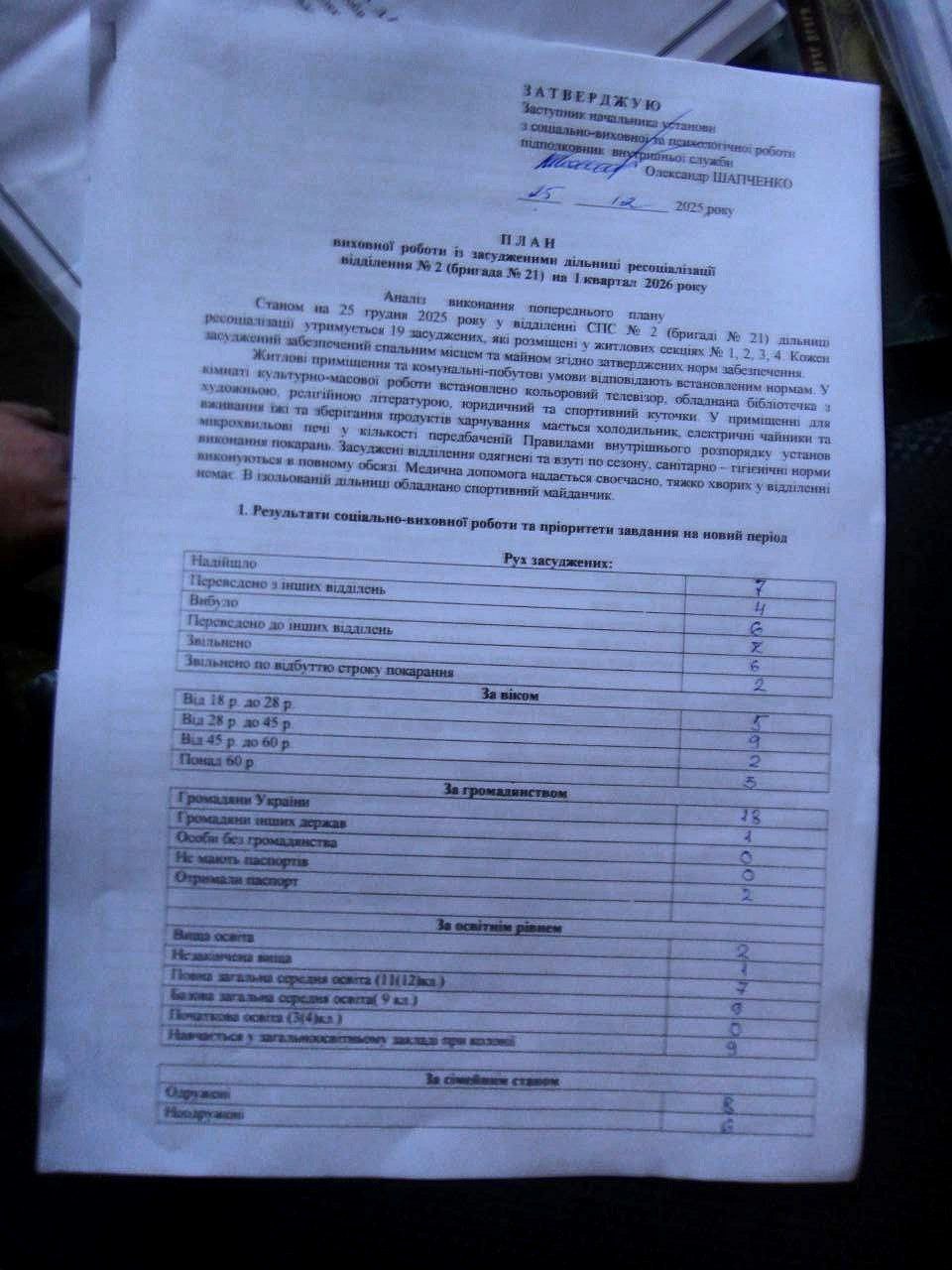
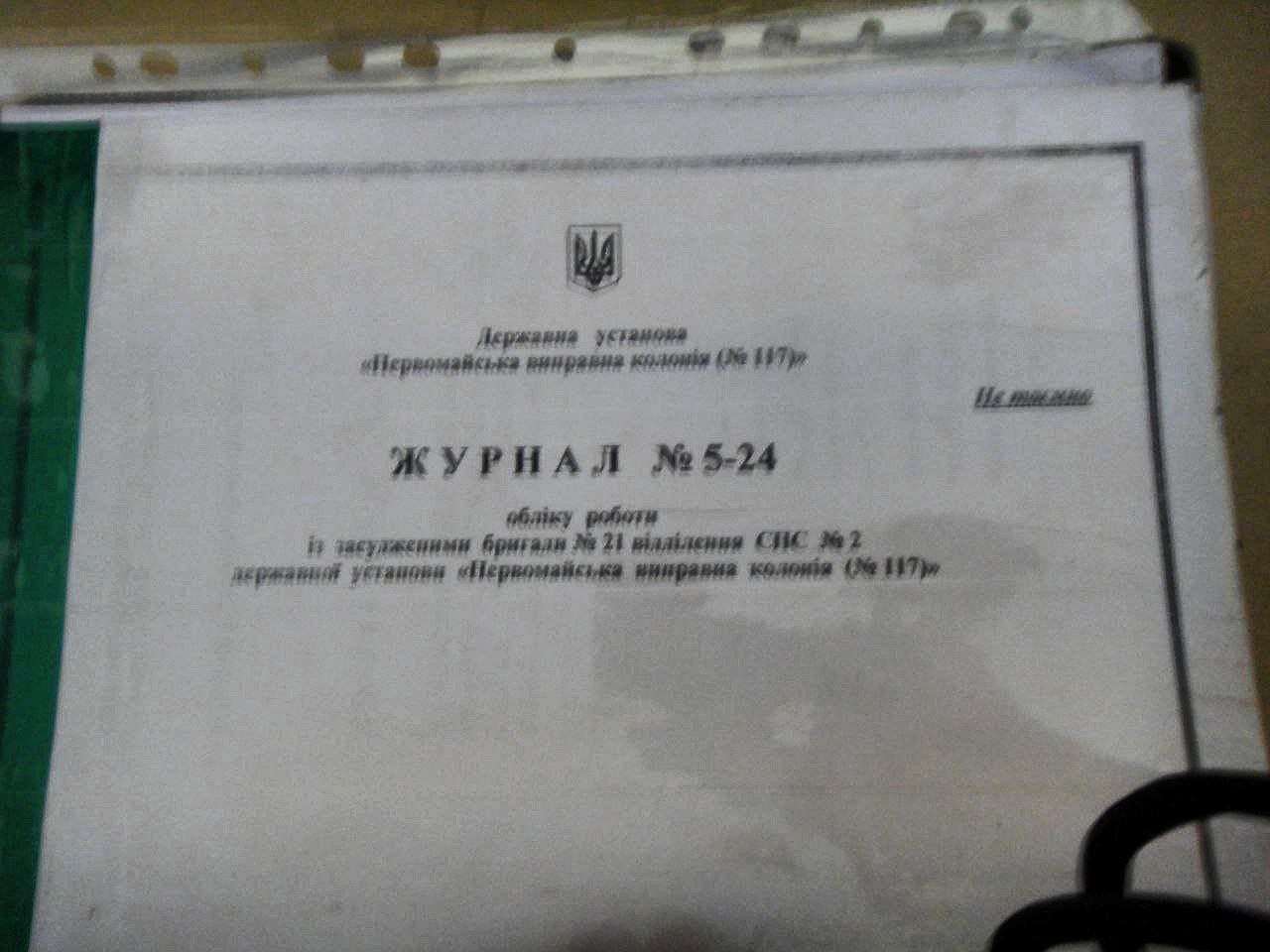
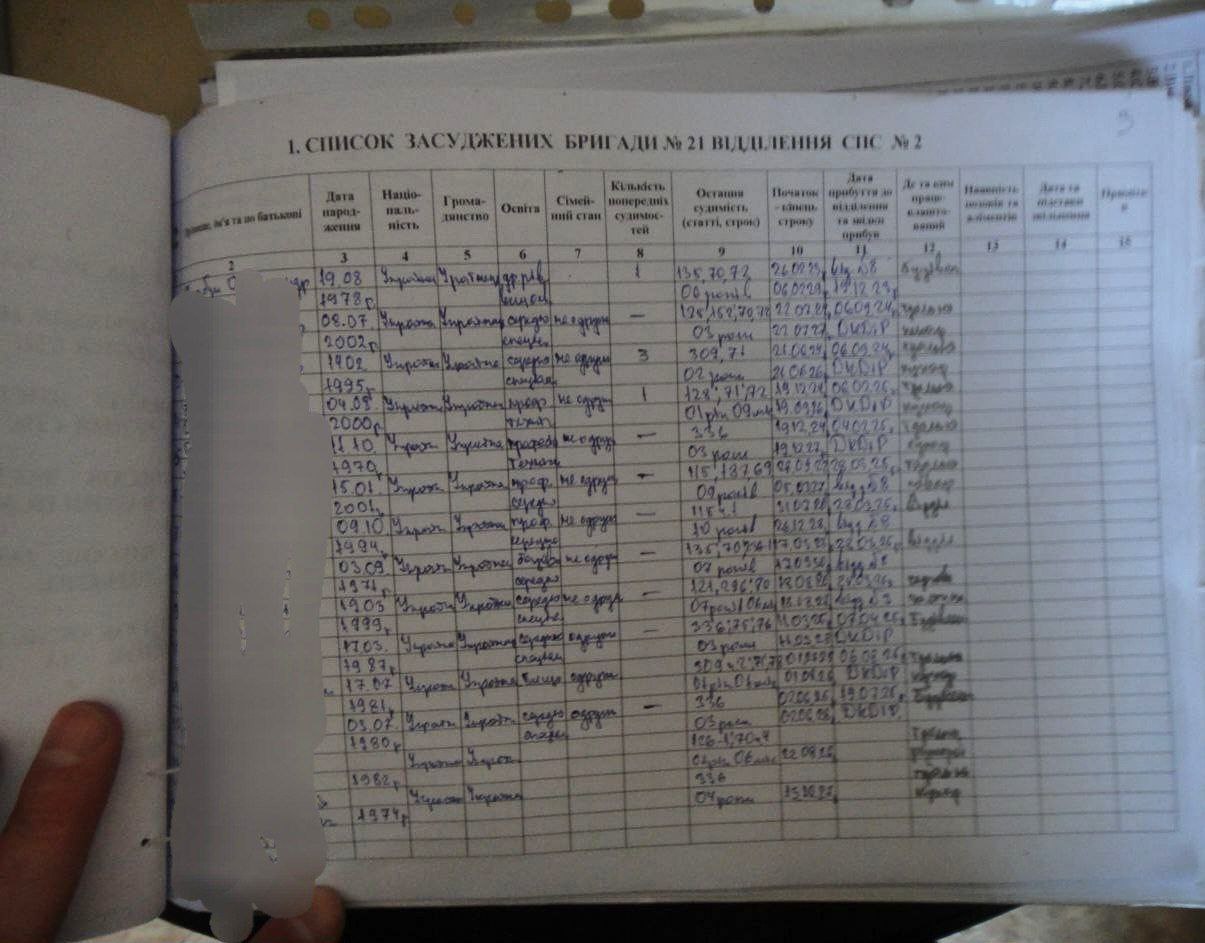
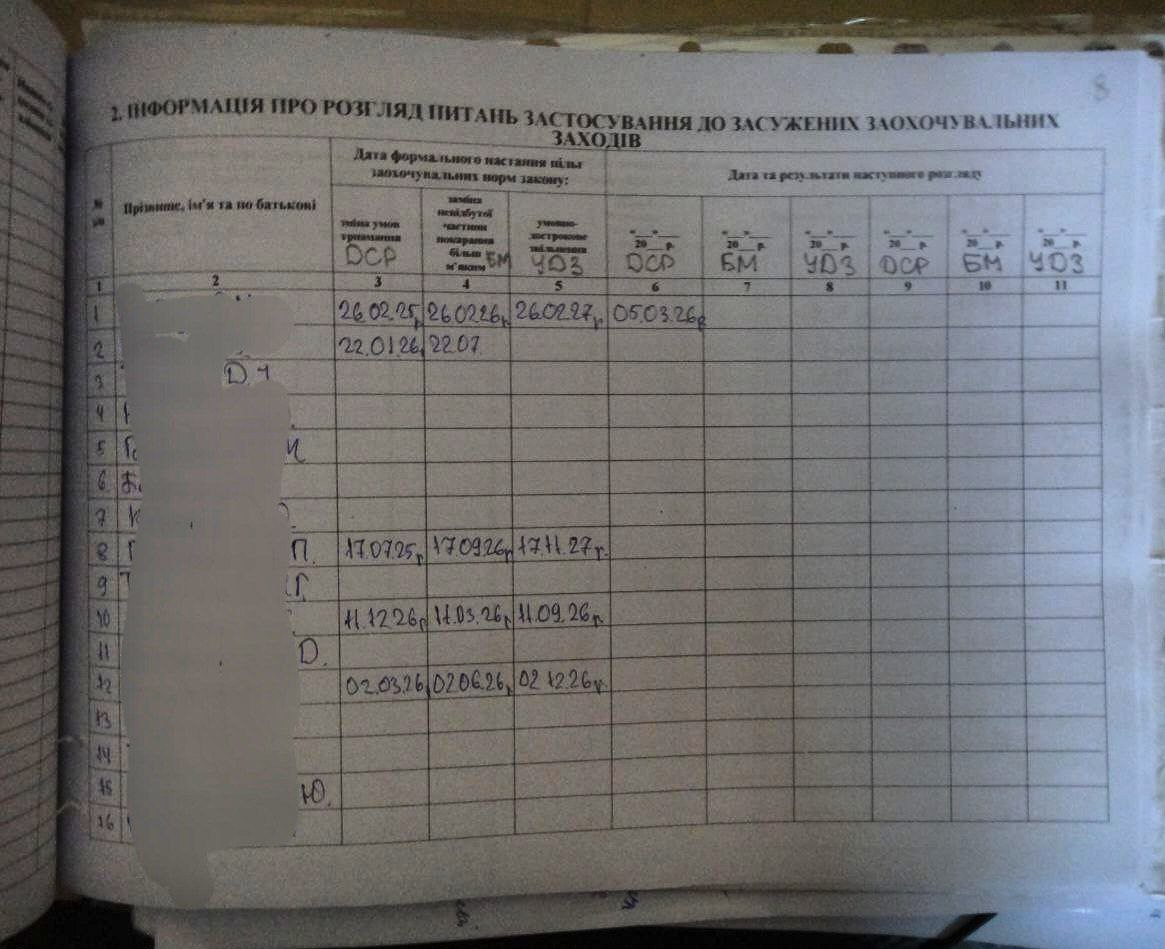
10. The monitoring group determined that the state of organisation and implementation of social, educational, and psychological work with convicted persons is unsatisfactory. In particular, it was determined that the head of the Social and Psychological Service (hereinafter — SPS) department does not ensure the implementation of measures provided for by the work plan with convicted persons for SPS Ward No. 2 for the 1st quarter of 2026 (hereinafter — the quarterly plan), which is confirmed by the explanations of convicted persons obtained during confidential communication, as well as by the absence of relevant entries regarding the implementation of measures in the quarterly plan. This contradicts the requirements of paragraph 20 of Section III and subparagraph 2 of paragraph 1 of Section IV of the Regulation on the Social and Psychological Service Department, approved by the order of the Ministry of Justice of Ukraine dated 04 November 2013, No. 2300/5, registered in the Ministry of Justice of Ukraine on 04 November 2013 under No. 1863/24395 (hereinafter — the Regulation).
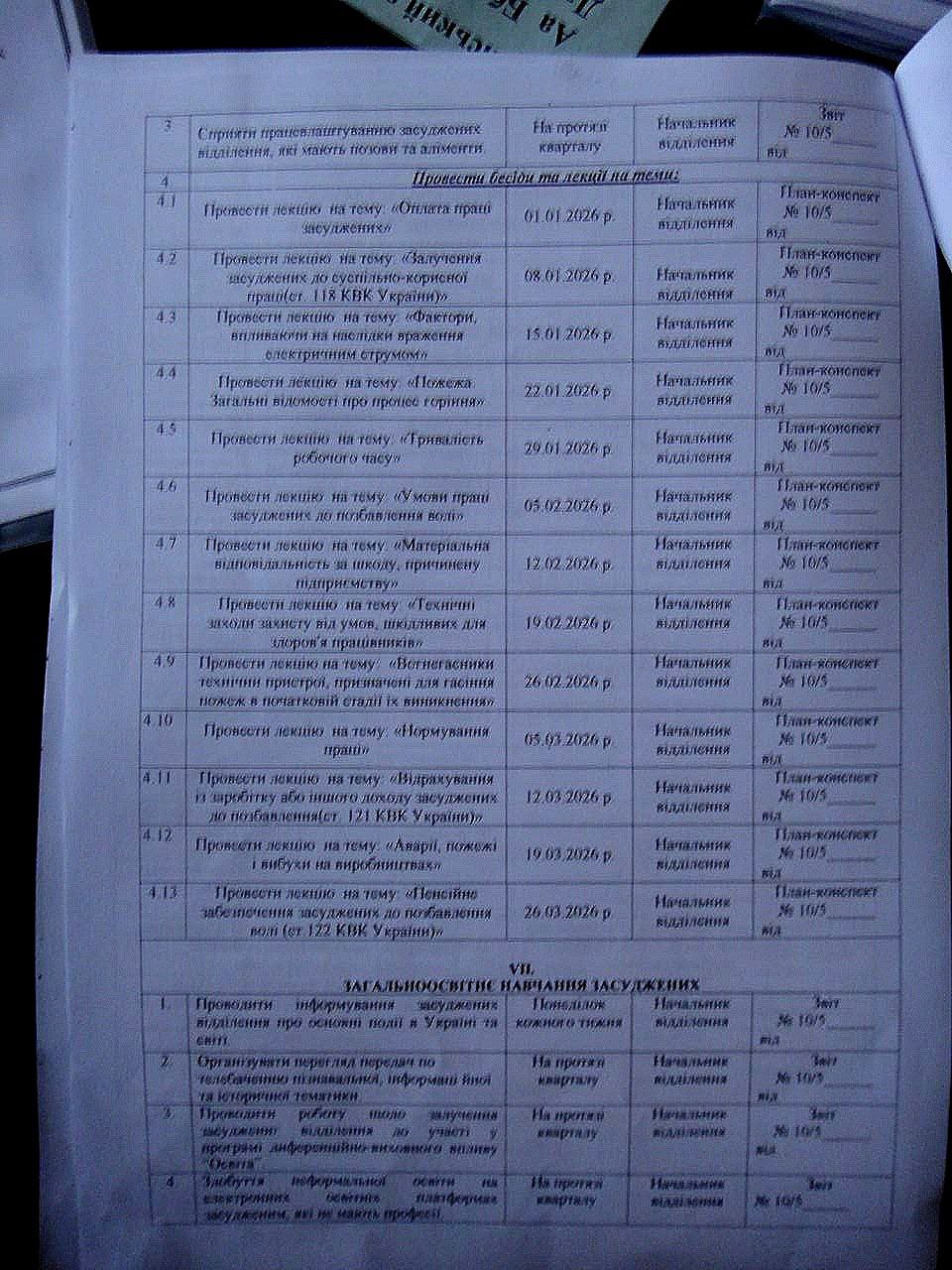
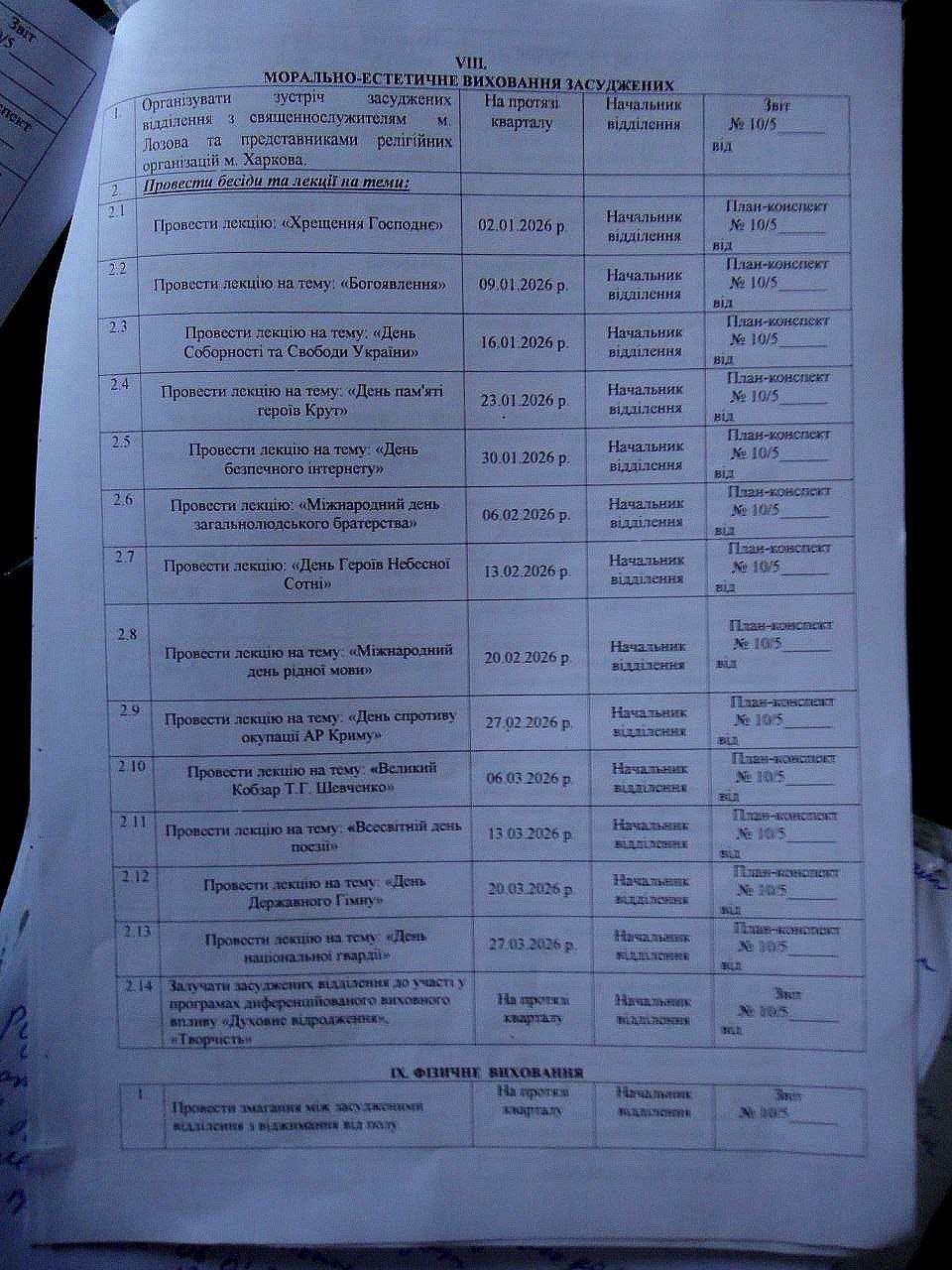
Furthermore, information is entered into the Register of Work with Convicted Persons of SPS Ward No. 2 untimely and incompletely. Thus, in the section ‘List of Convicted Persons’, information regarding education, marital status, and the date of arrival at the ward is absent for certain individuals. In the section ‘Information on the Consideration of Issues Regarding the Application of Incentive Measures to Convicted Persons’, the dates and results of the consideration of materials are not recorded, nor is information regarding the application of incentives and benefits provided for by law. These shortcomings indicate improper maintenance of official documentation and failure by the head of the SPS department to perform the functional duties assigned to him, which contradicts subparagraph 3 of paragraph 1 of Section IV of the Regulation.
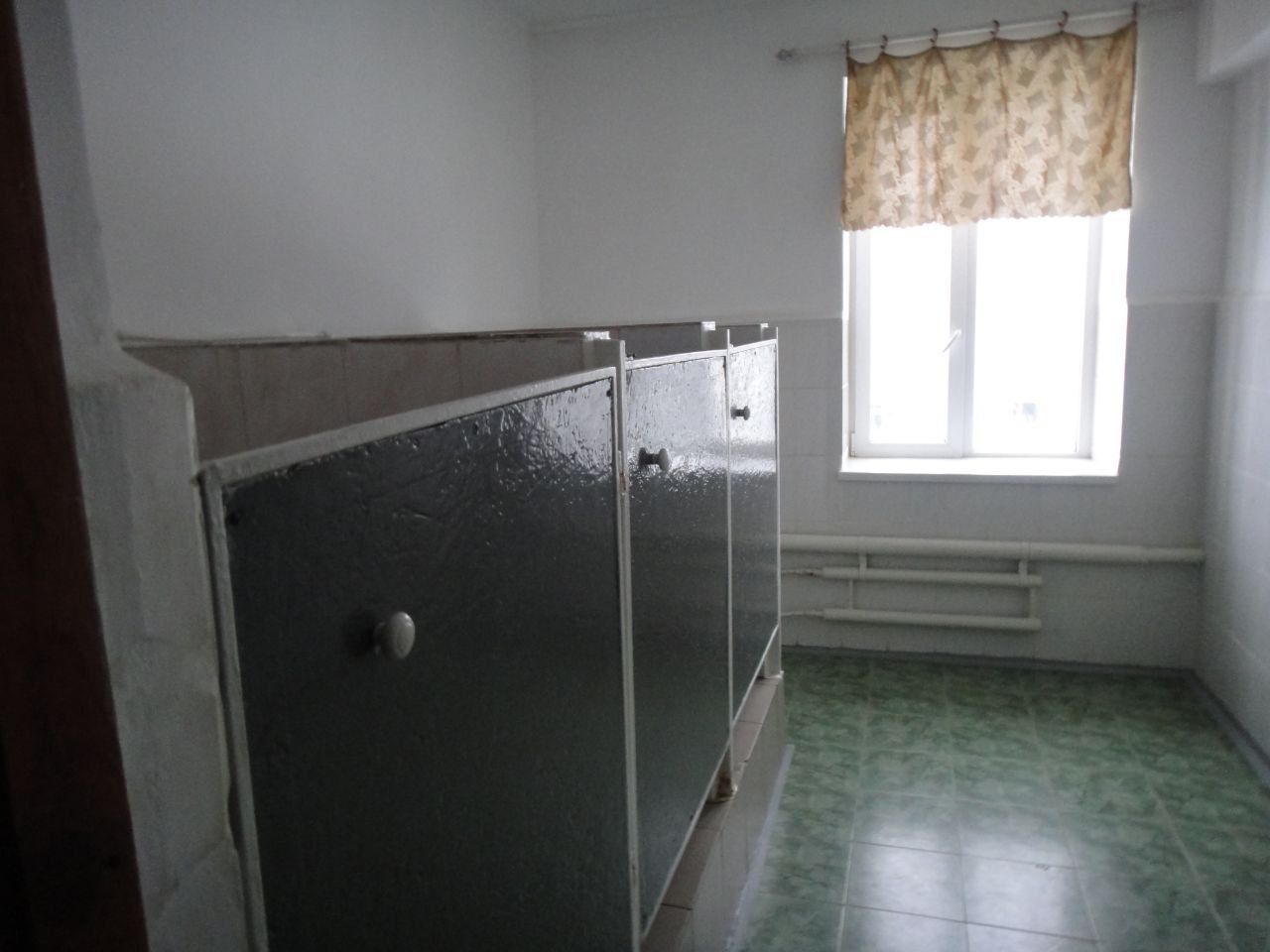
11. During the visit to SPS Ward No. 3 of the institution, it was determined that the sanitary facility is not equipped with sufficient partitions to ensure the possibility of seclusion and privacy during use, which violates the requirements of Rule 19.3 of the European Prison Rules and Rule 15 of the United Nations Standard Minimum Rules for the Treatment of Prisoners (the Nelson Mandela Rules).
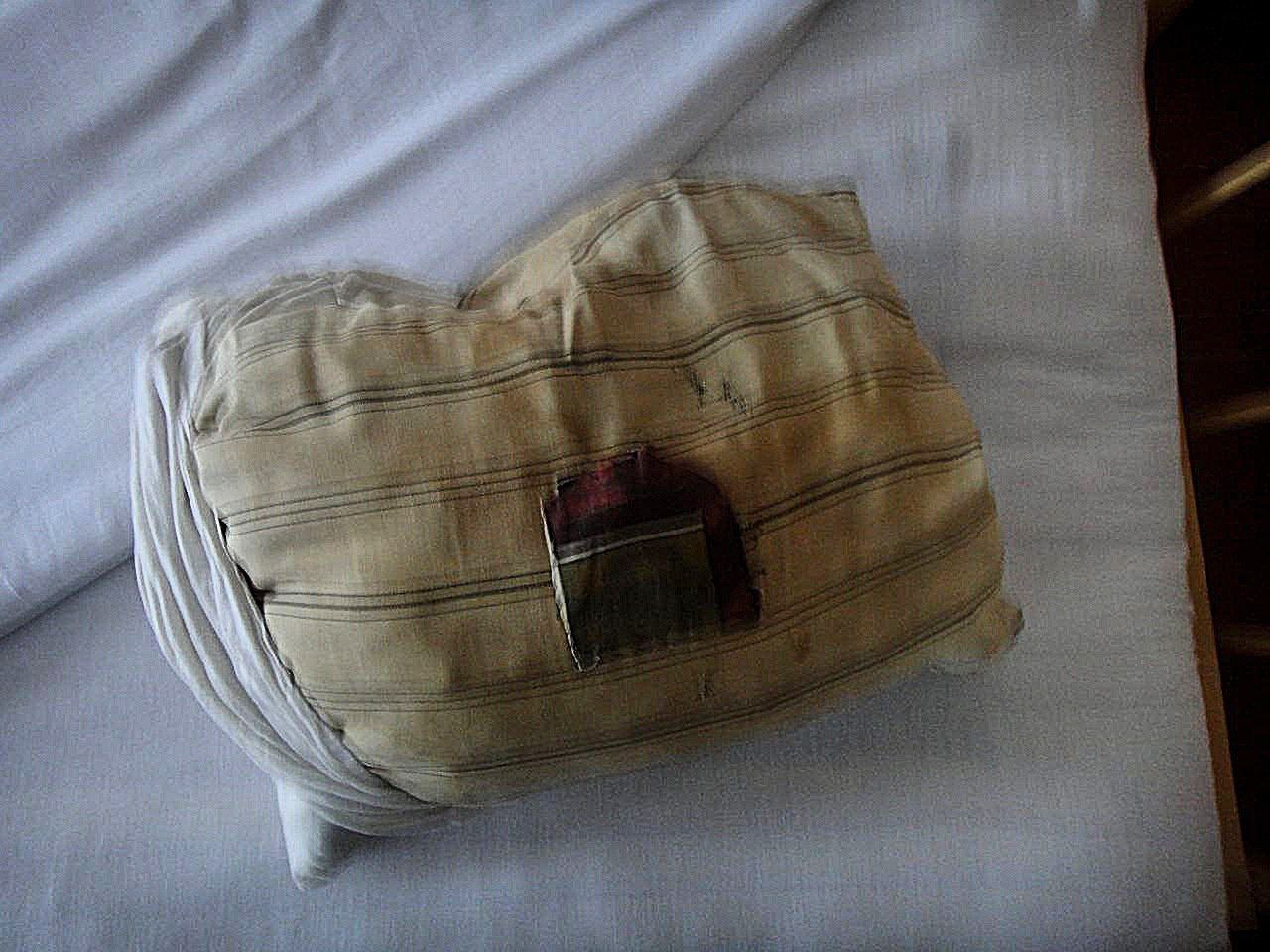
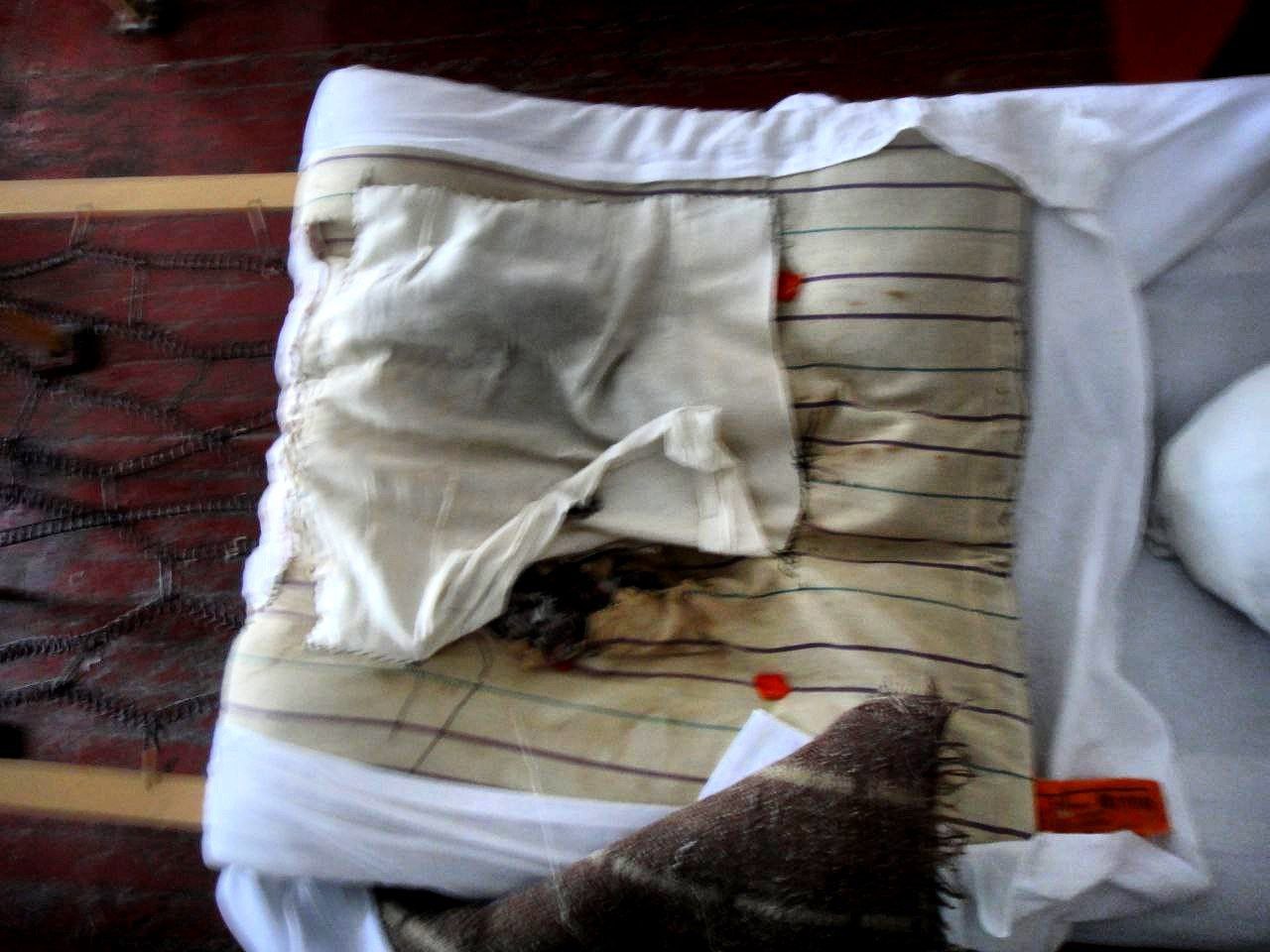
12. Some mattresses and pillows in the residential premises of SPS Ward No. 3 are in an unsatisfactory condition and require replacement, which contradicts the requirements of the Procedure for Providing Clothing and Standards of Entitlement to Clothing for Convicted Persons, approved by the order of the Ministry of Justice of Ukraine dated 20 February 2012, No. 280/5.
13. The monitoring group established facts regarding the involvement of certain convicted persons in cleaning work in the premises of the institution's duty unit. This contradicts the requirements of paragraph 2 of Section XVII of the IRI, which establishes a direct prohibition on using the labour of convicted persons for any work or positions in administrative buildings housing the personnel of penal institutions, as well as in premises where weapons, special means, alarm systems for preventing escapes, and access control systems are located and where official documentation is stored.
14. During the visit, the monitoring group determined that during personal searches of convicted persons with undressing in the search room, the institution's personnel conduct video recording using body-worn cameras. At the same time, in accordance with paragraph 8 of Section VII of the Procedure for the Use of Technical Means of Supervision and Control in Correctional and Educational Colonies of the State Criminal Executive Service of Ukraine, approved by the order of the Ministry of Justice of Ukraine dated 26 June 2018, No. 2025/5 (hereinafter — the Procedure), the use of video cameras and portable video recorders is prohibited in rooms (cells) where medical examinations (check-ups) of convicted persons are conducted, in personal searches with undressing, as well as in wards of medical units.
15. During the visit to the institution's library, the monitoring group determined that, contrary to the requirements of the third paragraph of paragraph 4 of Section XX of the IRI, the library's book collection does not include a copy of the Law of Ukraine ‘On the Prosecutor’s Office’.
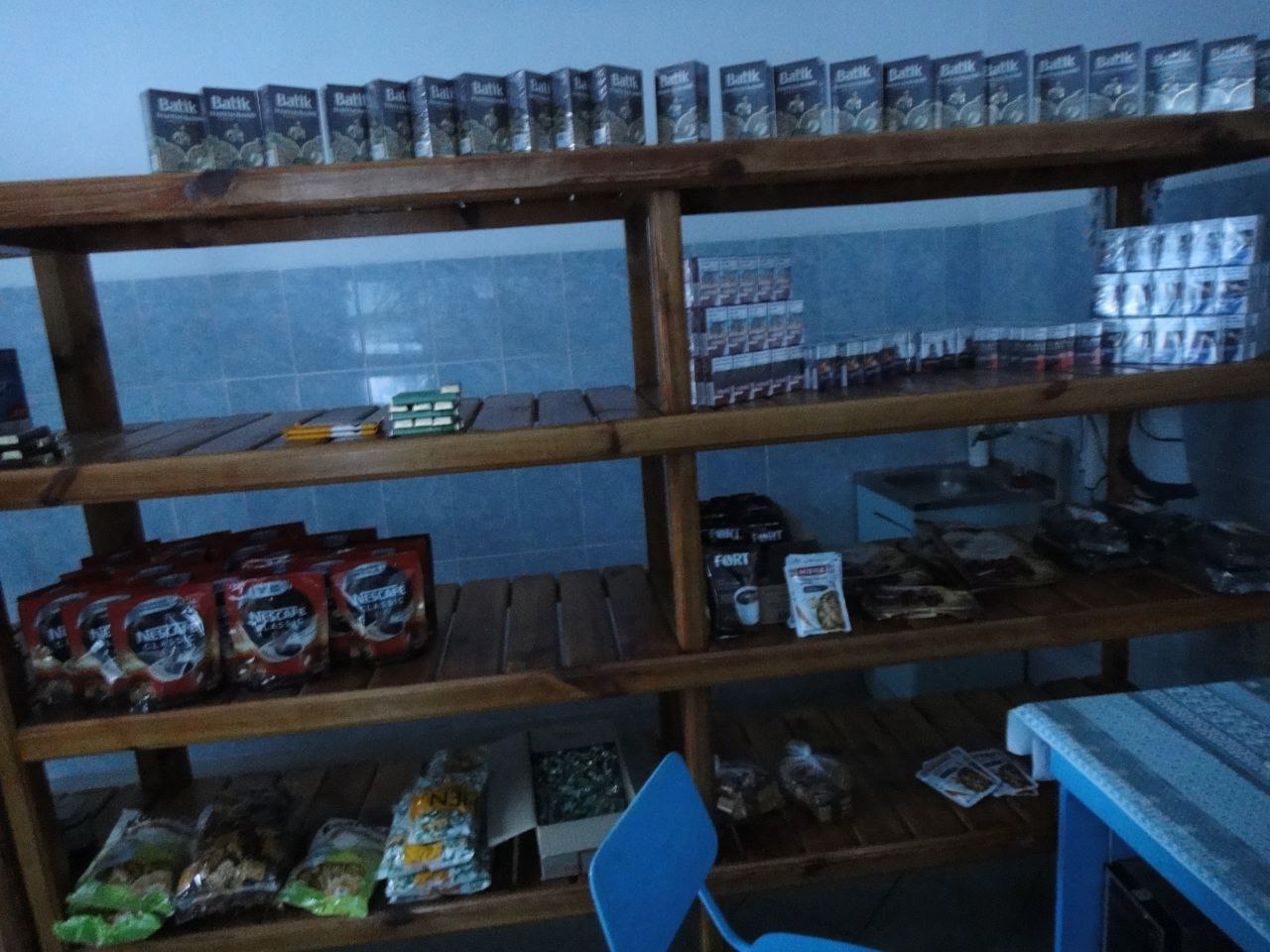
16. In order to implement the right of convicted persons and persons in detention to purchase food and essential items, provided for by Article 108 of the CEC of Ukraine, a shop operates at the institution. At the same time, the monitoring group determined that the requirement of paragraph 1 of Section XI of the IRI regarding the daily operation of the shop is not being met. According to the schedule established at the institution, the shop is open from Tuesday to Friday from 09:00 to 16:00.
17. During the visit to the institution, the monitoring group determined that the institution's shop lacks underwear, gloves, sports shoes, indoor slippers, watches, mirrors, writing paper, ballpoint pens, envelopes, and stamps, the availability of which is provided for by Appendix 5 to the IRI.
18. During the visit to the canteen, it was determined that the sanitary state of the premises is unsatisfactory, and the premises themselves require renovation work, which contradicts the requirements of paragraph 2 of Section V of the Regulation on the Organisation of Food Provision in the State Criminal Executive Service of Ukraine in Peacetime, approved by the order of the Ministry of Justice of Ukraine dated 15 June 2021, No. 2160/5 (hereinafter — the Regulation on the Organisation of Food Provision). Furthermore, in violation of the requirements of the Provision Standards, the canteen lacks a cold storage room and a rest room for cooks, and the wardrobe for personnel is not equipped with sanitary facilities, in particular a toilet and a shower cabin. The aforementioned indicates non-compliance with established sanitary-hygienic and household requirements regarding the organisation of food and the working conditions of personnel.
19. The monitoring group identified a number of violations in the organisation of bath and laundry services for convicted persons and persons in detention. In particular, in violation of the requirements of paragraph 2.14 of Section II of the Regulation on the Organisation of Bath and Laundry Services for Persons Detained in Penal Institutions and Pre-trial Detention Centres, approved by the order of the Ministry of Justice of Ukraine dated 08 June 2021, No. 849/5 (hereinafter — the Regulation), the institution does not provide hairdressing services to convicted persons and detainees. Furthermore, in violation of the requirements of paragraph 2.11 of Section II of the Regulation, the forced supply and exhaust ventilation system is not functioning in the laundry room, which does not meet the established sanitary-hygienic requirements and may negatively affect safe conditions of stay and work.
20. During the visit, the monitoring group recorded that the institution's personnel who are in direct contact with convicted persons openly wear special equipment, including rubber batons. At the same time, according to the eighth paragraph of paragraph 1 of Section XXVI of the IRI, the wearing of special equipment by the personnel of penal institutions within the guarded territory of a penal institution should be as hidden from others as possible. At the same time, the Committee recommends that prison officers working in direct contact with prisoners should not openly wear special equipment (such as rubber batons, handcuffs, and canisters equipped with tear gas) in front of prisoners. Such wearing prevents the establishment of normal relations between staff and prisoners (paragraph 85 CPT/Inf (2011) 29, paragraph 23 CPT/Inf (2013) 23, paragraph 166 CPT/Inf (2014) 15).
21. According to information provided by the administration, in 2025, at the state institution ‘Pervomaiska Correctional Colony (No. 117)’, 71 short-term visits were granted to convicted persons, 55 of which took place in a contactless manner — through solid partition glass using an intercom device. At the same time, in the Report of the Government of Ukraine on the results of the 2023 visit, the European Committee for the Prevention of Torture emphasises that for all categories of convicted persons, open visits, for example at a table, should be the rule, and closed visits should be the exception, the application of which is permitted only on the basis of justified and reasoned decisions after an individual assessment of the potential risk of a specific convicted person. In this regard, the Committee calls upon the Ukrainian authorities to review the procedure for conducting short-term visits in penal institutions with the aim of ensuring they are conducted, as a rule, under open conditions (CPT/Inf (2024) 20) paragraph 99).
22. According to official documentation, the shortage of personnel in the institution as of 20 January 2026 amounts to 39.5 authorised units. At the same time, in the Report of the Government of Ukraine on the results of the 2023 visit, the Committee emphasises that ensuring a positive climate in a penal institution requires the presence of a professional team of staff, who must be present in sufficient numbers at any moment in time in places of detention. An insufficient number of staff can only increase the risk of violence and intimidation between convicted persons. The shortage of staff on the front line also undermines the quality and level of measures offered to convicted persons and jeopardises the prospect of preparation for release and social rehabilitation. In this regard, the Committee calls upon the Ukrainian authorities to take decisive measures to significantly increase the number of personnel in penal institutions of Ukraine, where a low level of staffing is observed, with the aim of strengthening the presence of security and supervision staff inside the institutions. Measures must also be taken to put an end to the 24-hour shift for personnel on duty (CPT/Inf (2024) 20) paragraph 93).
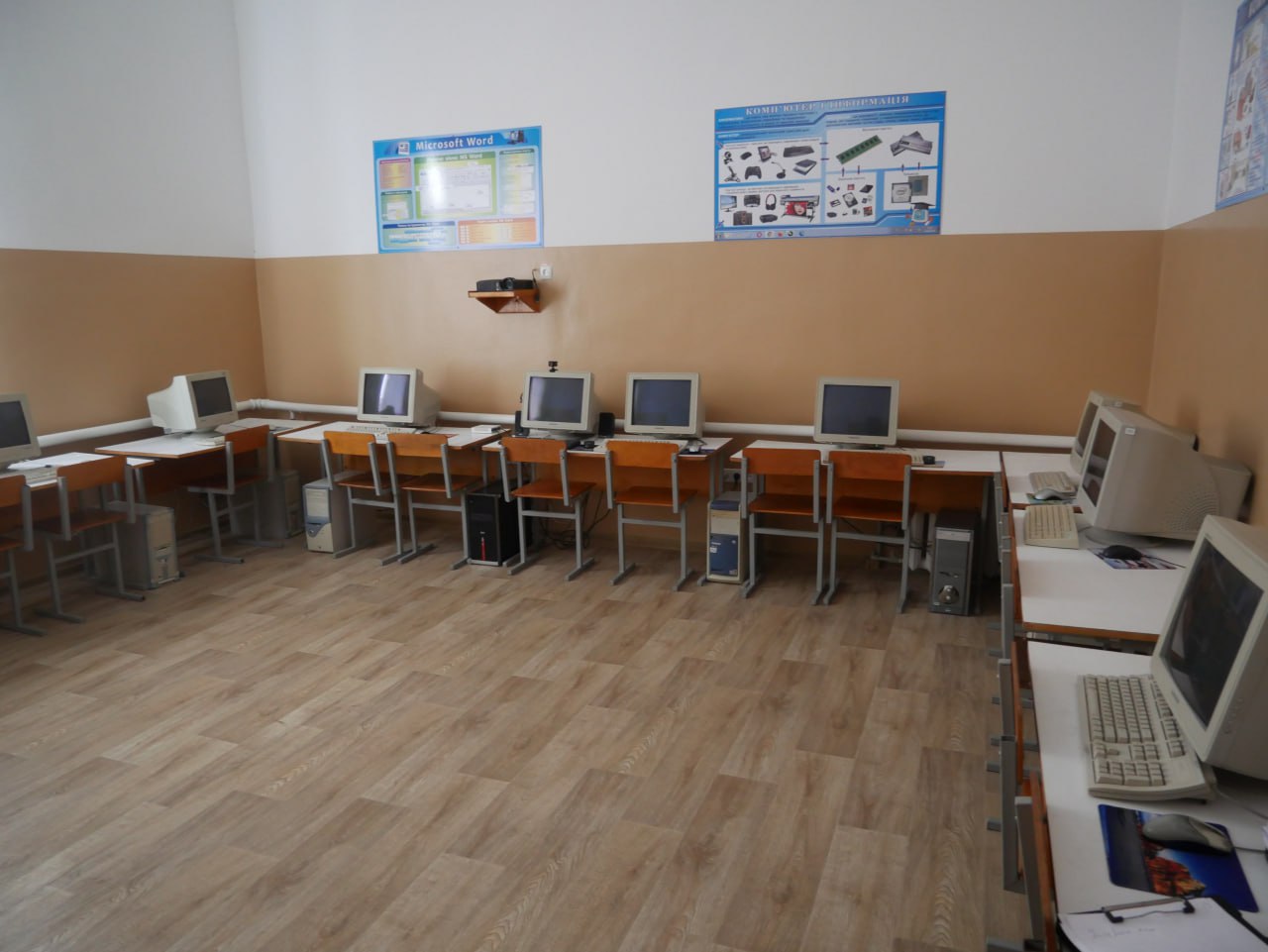
23. During the visit to the internet classroom, the presence of a significant number of outdated computer hardware components, which were technically and morally worn out, was recorded. The monitors confirmed that the available computers do not have access to the Internet, which makes it impossible to use them for educational, informational, and communication purposes. The absence of modern and functional computer equipment, as well as access to the Internet, contradicts the tasks provided for by Article 107 of the Criminal Executive Code of Ukraine regarding the facilitation of the resocialisation of convicted persons by involving them in educational programmes, as well as Rule 28.5 of the European Prison Rules, which recommends ensuring access for prisoners to modern means of education and communication. Such conditions limit the opportunities for convicted persons to receive up-to-date knowledge, use information resources, and develop skills necessary for successful adaptation after release, which is a component of the right to education and preparation for life at liberty.
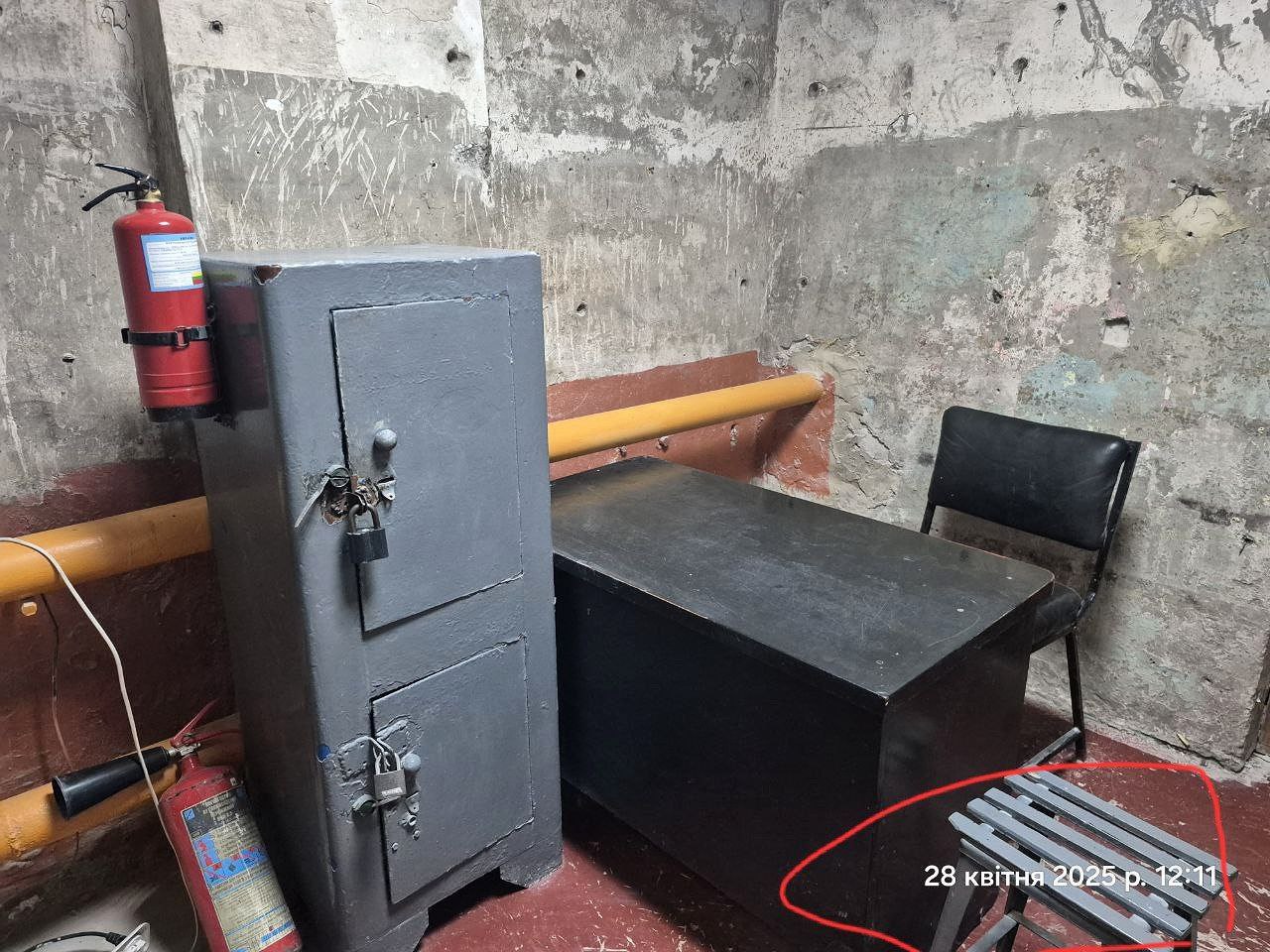
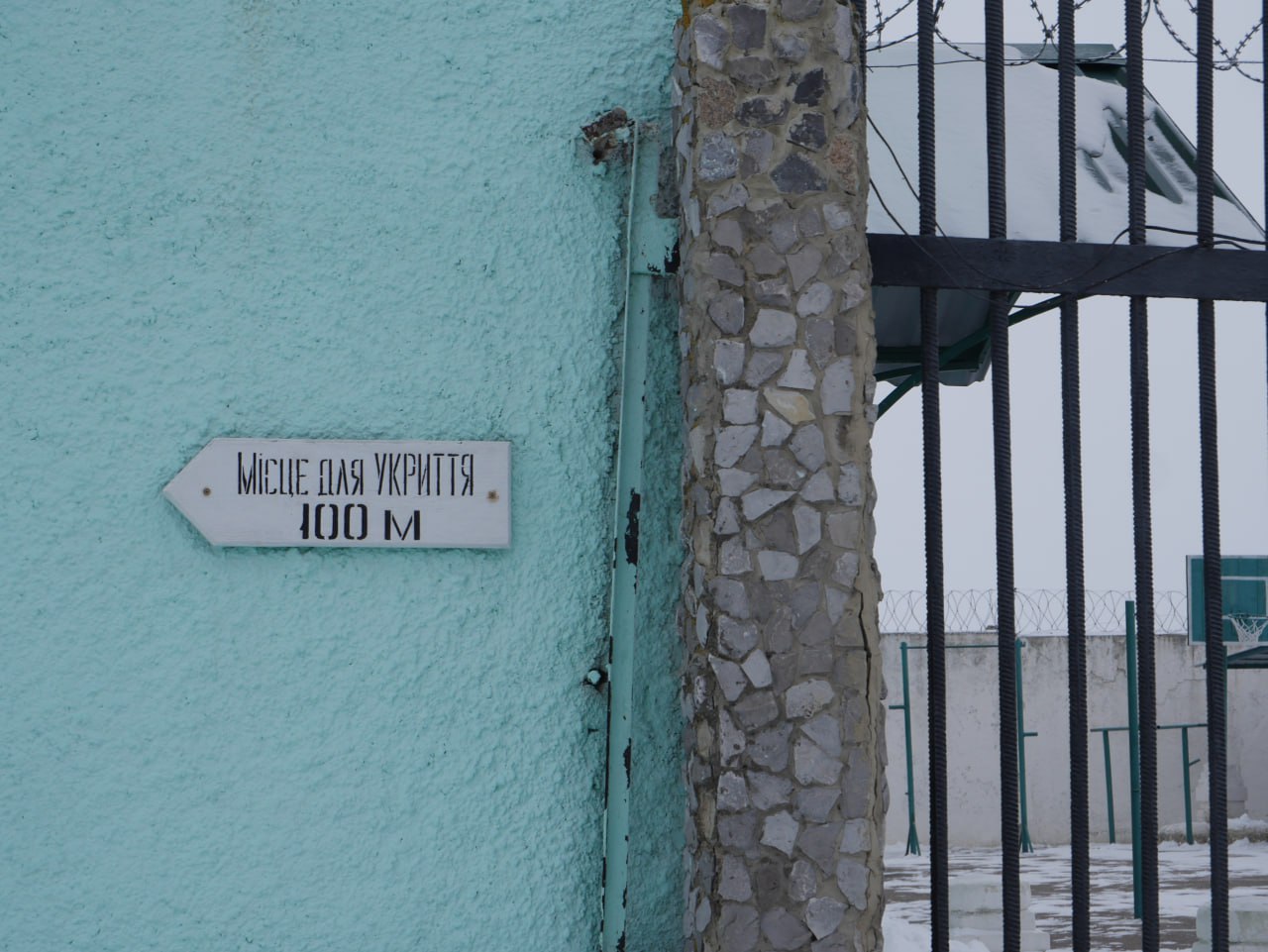
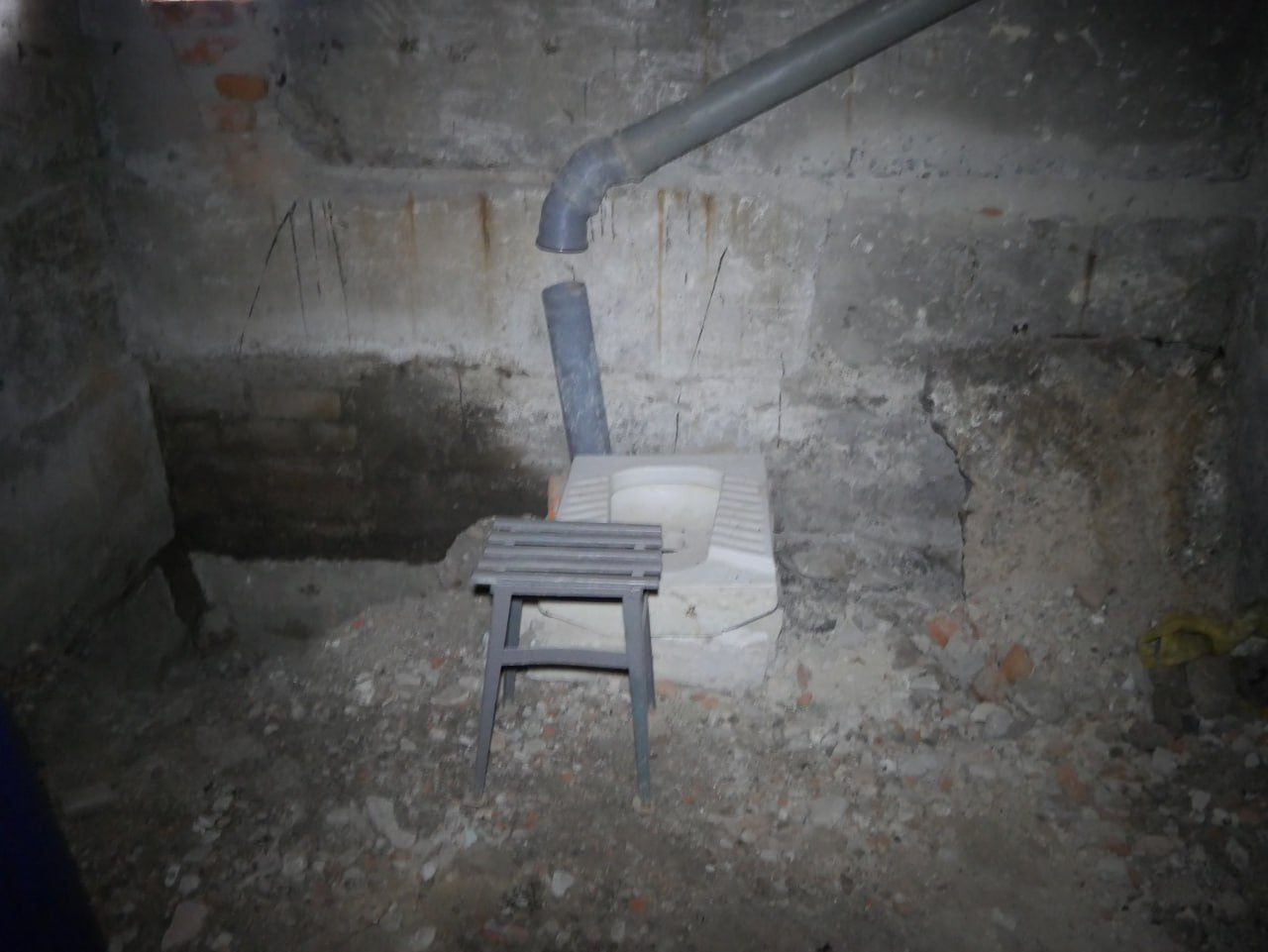
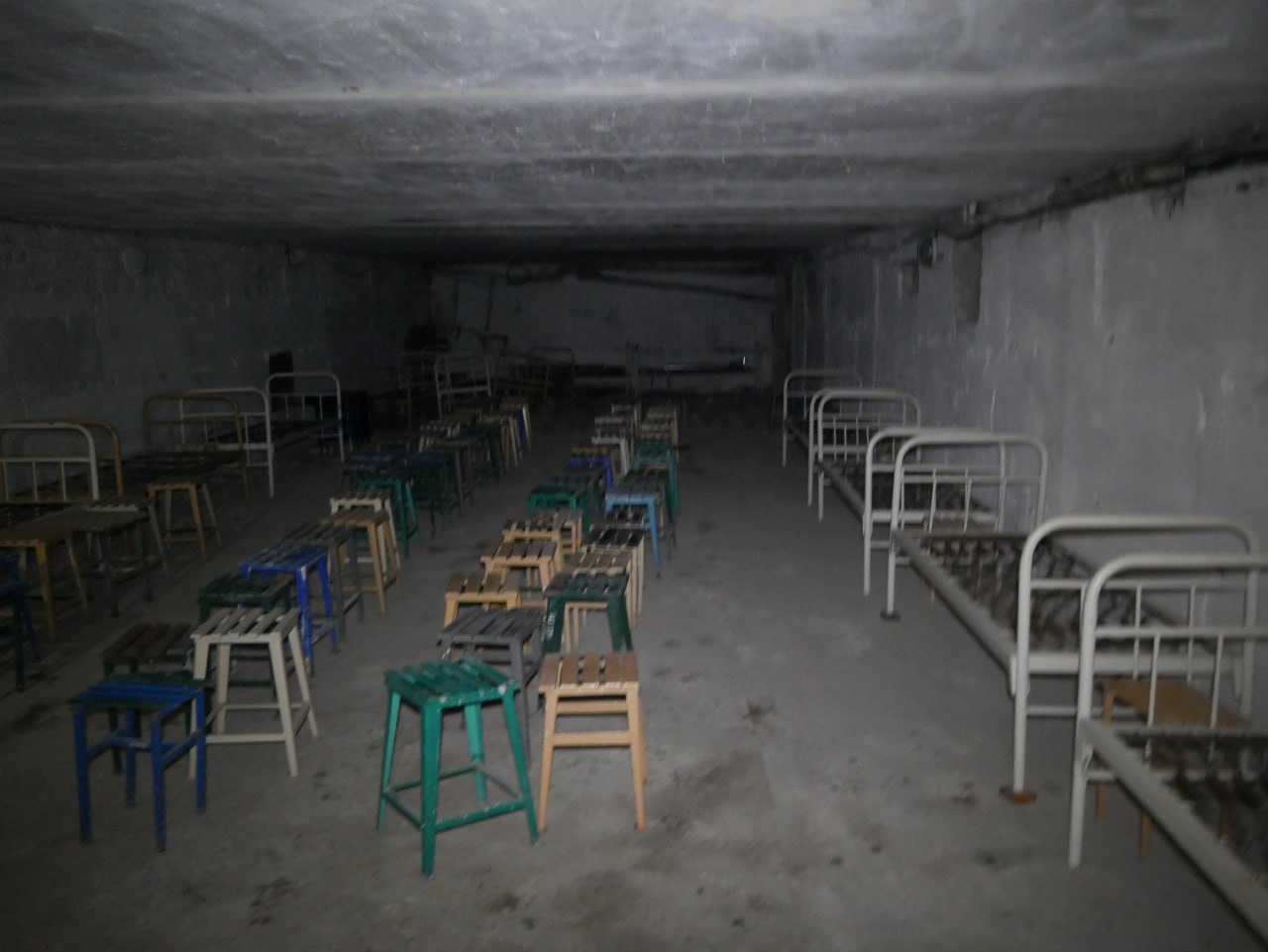
24. The monitoring determined that the shelter available at the institution is located in the basement, intended for storing vegetables. However, it does not meet the requirements of the Civil Protection Code of Ukraine, the Procedure for Creation and Maintenance of the Fund of Civil Protection Structures (Resolution of the Cabinet of Ministers of Ukraine dated 10 March 2017, No. 138), and the Requirements for the Maintenance and Operation of Civil Protection Structures (Order of the Ministry of Internal Affairs dated 09 July 2018, No. 579). The premises are not equipped with proper artificial lighting, water supply, or sewage systems, which makes it impossible to fit out a restroom and washbasin and does not allow for compliance with sanitary-hygienic norms. On the day of the visit, the administration had created a ‘mock-up’ of a restroom, not connected to the sewage system — an attempt to mislead the monitors. Also absent are a ventilation system, fire extinguishing equipment, first aid kits, and other elements necessary for the safe stay of people in the event of an emergency.
25. During the monitoring visit to PCC-117, the organisation of labour for convicted persons, the conditions of their involvement in work, the procedure for concluding fixed-term employment contracts, the recording of working hours, the accrual of wages, and the provision of social protection were examined. The analysis was carried out on the basis of documents provided by the institution's administration, in particular, lists of convicted persons involved in work, timesheets, registers of hourly checks of the presence of convicted persons at workplaces, payrolls for wages, payment documents regarding the payment of taxes and the unified social contribution, fixed-term employment contracts, registers of medical examinations of canteen workers, registers of issuing inventory, and other documents regulating the production activity of the institution.
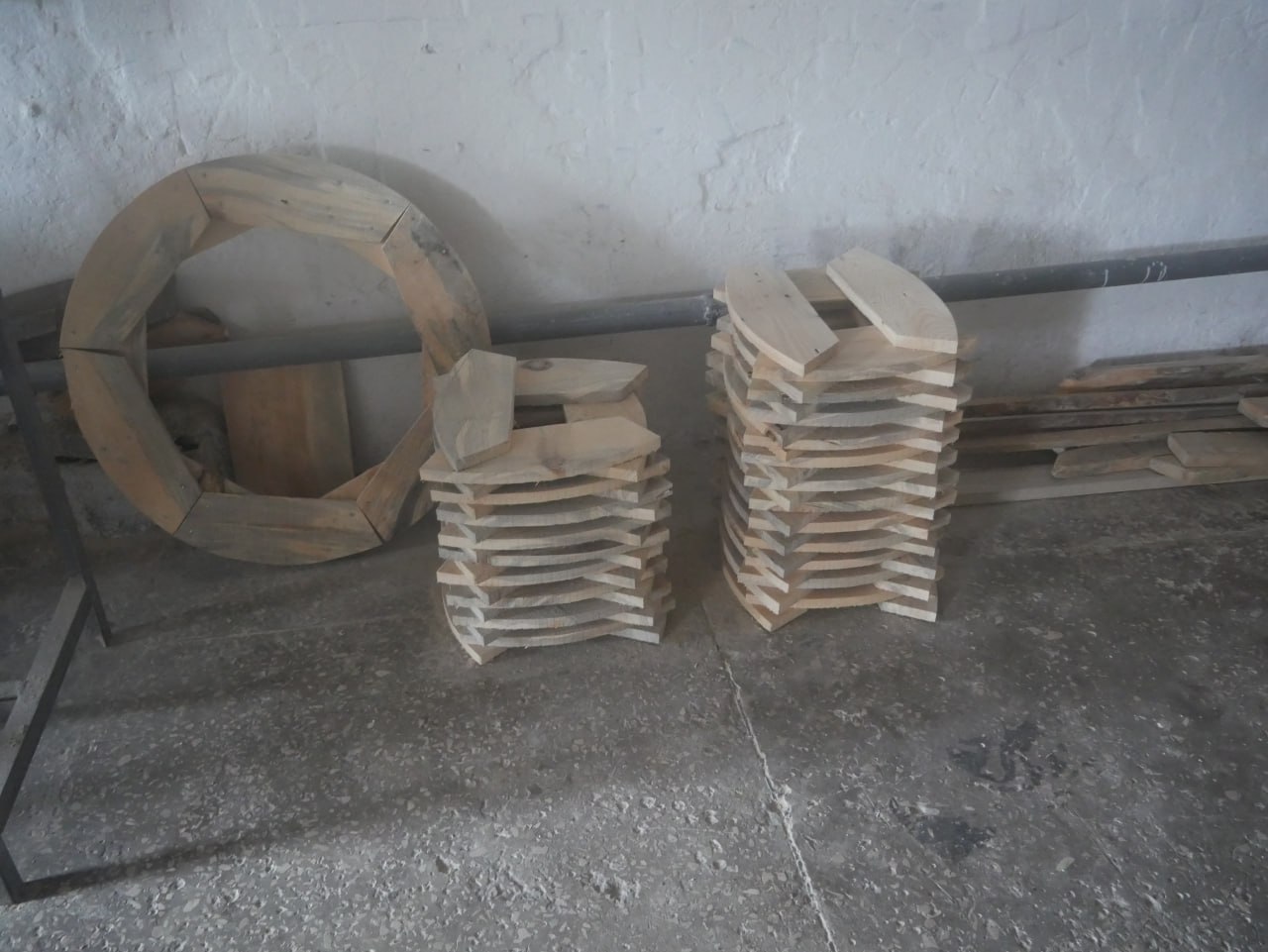
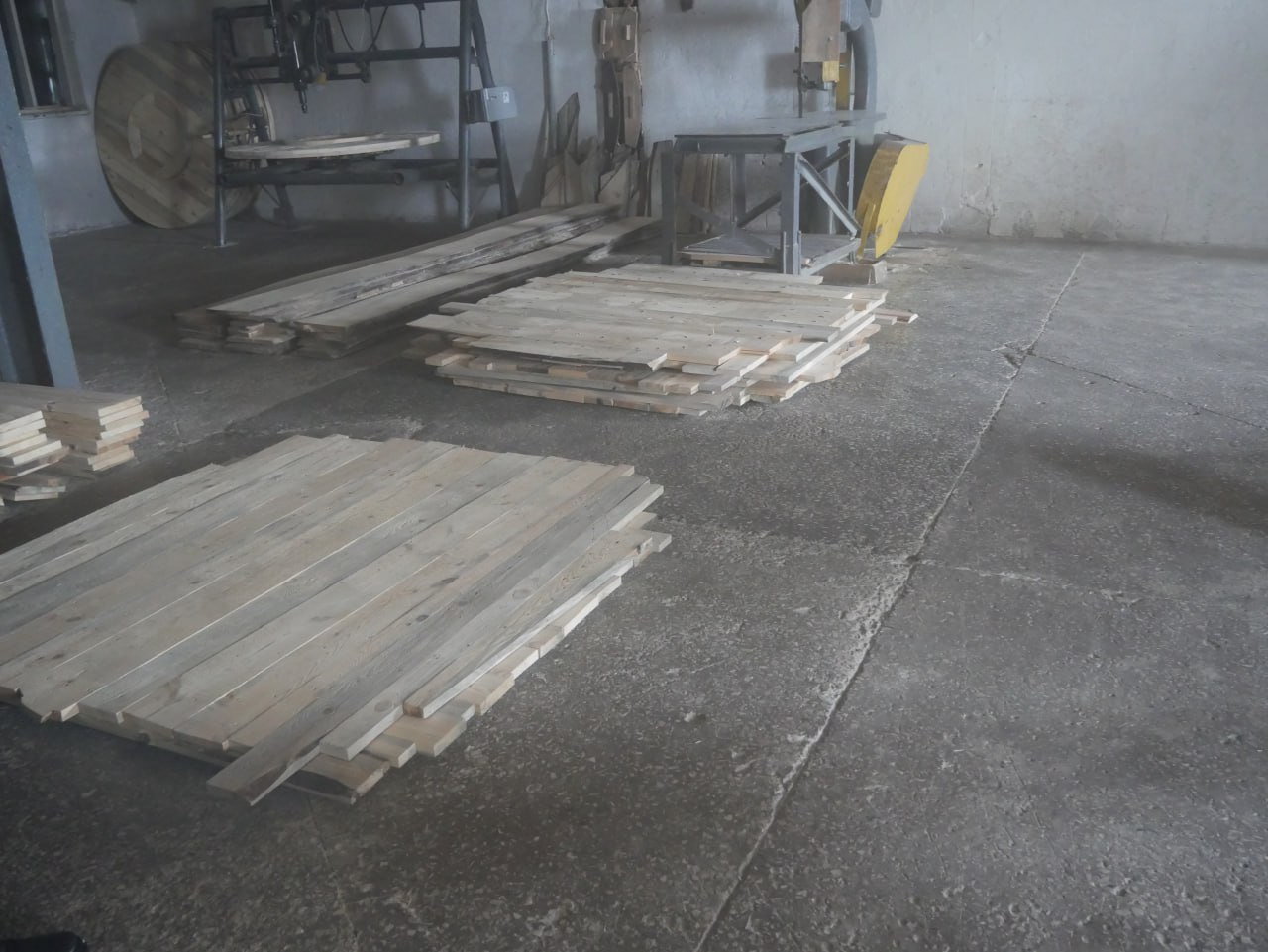
According to information provided by the institution's administration, 30 convicted persons are involved in paid work in production, and 5 persons are involved in household maintenance work. The main production areas of activity are the manufacture of wire products and woodworking. These types of production are carried out in the institution's production workshops under the guidance of production foremen. The organisation of work is brigade-based, which is confirmed by work orders and timesheets. In the timesheets and registers of hourly checks, the presence of convicted persons at workplaces during the working day is recorded, which makes it possible to determine the actual duration of their employment. The documents indicate that production activity is systemic and constant, and convicted persons are involved in work on a regular basis.
Certain convicted persons perform work in production for a long time. Thus, according to the provided documents, convicted person Kh. has been working in production for about eight months, convicted person B. has been working for over a year, and convicted person R. has also been involved in production work for a significant period. The duration of their work is confirmed by timesheets and other production accounting documents. Such duration of involvement of convicted persons in production activity indicates the permanent nature of the work performed, which by its content has signs of employment relationships that should be accompanied by proper registration, remuneration, and social guarantees.
A separate part of the work constitutes the activity of the institution's kitchen. According to the medical examination registers of canteen workers and other documents, four convicted persons work in the kitchen: Yu. (baker), T. (kitchen worker), T. (kitchen worker), and H. (kitchen worker). It was determined that Yu. has been working as a baker for approximately one year and six months. The working day starts approximately at 6 o'clock in the morning and lasts until the evening, which is due to the technological process of baking bread and preparing food products. The medical examination registers of the kitchen workers indicate that examinations were conducted before starting work virtually every day. The entries in the register are made without gaps, which indicates that these persons actually work every day without days off. Such a practice may indicate a violation of the requirements of labour legislation regarding the duration of working hours and the right of employees to weekly rest.
During the analysis of the inventory issuance register, it was determined that during the organisation of work in the kitchen, one employee is simultaneously issued seven kitchen knives. Such a practice indicates the imperfection of the control system over the circulation of potentially dangerous inventory and creates additional risks from the perspective of the safety of both the institution's staff and the convicted persons themselves.
During the monitoring visit, fixed-term employment contracts concluded with convicted persons were analysed. The content of these contracts provides for the performance of work in a defined profession or position, submission to the internal regulations of the institution, and receipt of wages for the work performed. At the same time, the analysis of the contracts shows that they are of a typical formal nature and do not contain detailed regulation of key elements of employment relationships, in particular working hours, the duration of the working day, the procedure for granting days off, terms of payment for overtime work, guarantees of leave, and other social guarantees. In most cases, the contracts only contain a general reference to compliance with labour legislation without specifying the terms of its implementation.
The analysis of payrolls regarding the wages of convicted persons working in production workshops showed that for December 2025, wages were calculated based on the actual time worked. The statement indicates that convicted persons Zh., I., K., M., and O., who work in the woodworking workshop, worked 134 hours each. The accrued wage for each person was 1,088.32 UAH. Mandatory deductions were made from this amount: personal income tax in the amount of 195.90 UAH, military tax in the amount of 54.42 UAH, deductions for utility services in the amount of 146 to 398 UAH, and in individual cases — alimony and other levies. As a result, after all deductions, from 272 to 544 UAH were actually credited to the personal accounts of the convicted persons. Thus, the real income of convicted persons after all deductions is extremely low and does not correspond to the volume of work performed.
Separate attention was paid to the analysis of the accrual and payment of the unified social contribution (USC). From the documents provided by the administration, it is evident that USC at a rate of 22% is accrued on the amount of accrued wages. The payroll indicates that the total amount of accrued wages for workers in the workshop producing wire products is 6,529.92 UAH, and the amount of accrued unified social contribution is 1,436.58 UAH. Such figures formally meet the requirements of the Law of Ukraine ‘On the Collection and Accounting of the Unified Contribution for Compulsory State Social Insurance’. The accrual of USC indicates that the administration of the institution acknowledges the existence of employment relationships with convicted persons and formally ensures their inclusion in the compulsory state social insurance system.
At the same time, the analysis of the structure of wage accrual and USC indicates that the base for the accrual of social contributions is an extremely low level of wages. According to the legislation, the USC ensures the formation of an individual’s insurance period and affects the future size of pension provision. As of 01 January 2026, the minimum wage in Ukraine is 8,647 UAH per month. In cases where the wage is lower than the minimum or amounts to only about one thousand hryvnias per month, the size of the paid contribution does not allow for the full formation of an insurance period and effectively deprives convicted persons of real social protection in the future. Thus, the formal accrual of USC does not guarantee effective social insurance and does not ensure the realisation of the purpose of the relevant legislation.
Additional analysis of timesheets and registers of hourly checks indicates that the actual employment of convicted persons may exceed the volume of work for which wages are accrued. The timesheets record the regular presence of convicted persons at workplaces during working days, six days a week, while the amount of wages remains lower than the minimum. Such a situation creates a risk of using the labour of convicted persons without proper payment or with underpayment.
The circumstances identified during the monitoring visit may indicate a violation of the requirements of national legislation, in particular Article 43 of the Constitution of Ukraine, which guarantees the right to work, proper and safe working conditions, and payment not lower than that defined by law. They may also indicate non-compliance with Articles 118–121 of the Criminal Executive Code of Ukraine, which regulate the procedure for involving convicted persons in work, the payment for their work, and the provision of social insurance. Furthermore, the practice of kitchen staff working without days off may contradict the provisions of Articles 50 and 70 of the Labour Code of Ukraine regarding the duration of working hours and the right to weekly rest.
The identified facts may also not correspond to international standards for the treatment of prisoners. The United Nations Standard Minimum Rules for the Treatment of Prisoners (the Nelson Mandela Rules) provide that the work of prisoners should be organised in such a way that it is not of an exploitative nature and ensures fair remuneration. The European Prison Rules determine that the working conditions of prisoners should be as close as possible to the working conditions in society. In a situation where convicted persons work full-time, and the actual amount of their remuneration after deductions is several hundred hryvnias per month, such conditions cannot be considered close to working conditions at liberty.
Summarising the results of the document analysis, it can be concluded that at PCC-117, a system for the registration of labour of convicted persons through the conclusion of fixed-term employment contracts, the maintenance of timesheets, and the accrual of wages with the payment of taxes and the unified social contribution formally functions. At the same time, the established facts indicate the presence of significant problems in the sphere of realisation of the rights of convicted persons to work and social protection, in particular in the form of a low level of remuneration, the actual work of kitchen staff without days off, the formal nature of employment contracts, and insufficient social protection due to a low base for the accrual of social contributions. In total, this indicates the necessity of bringing the practice of organising the labour of convicted persons into compliance with the requirements of national legislation and international standards in the sphere of human rights.
Medical Unit No. 117 of the branch of the state institution ‘Centre for Healthcare of the State Criminal Executive Service of Ukraine’ in Kharkiv and Luhansk regions
Acting Head of Medical Unit No. 117 of the branch of the state institution ‘Centre for Healthcare of the State Criminal Executive Service of Ukraine’ in Kharkiv and Luhansk regions — V.O. Yermolenko.
At the time of the visit, the positions of psychiatrist — 0.25 authorised units, and therapist — 0.25 authorised units, remained vacant.
During the monitoring visit, violations of the requirements of national legislation and non-compliance with international recommendations in the sphere of the treatment of prisoners were identified, leading to violations of the rights of convicted persons:
1. During the visit, the monitoring group determined that medical staff do not ensure the proper recording and documentation of bodily injuries of persons deprived of liberty. In accordance with paragraph 3 of Chapter 1 of Section II of the Procedure for Organizing the Provision of Medical Care to Persons Sentenced to Imprisonment, approved by the order of the Ministry of Justice of Ukraine and the Ministry of Health of Ukraine dated 15 August 2014, No. 1348/5/572 (hereinafter — the Procedure), in the event of the detection of bodily injuries in a convicted person, the medical worker who detected such injuries shall draw up a certificate in three copies, which shall detail: information (written statement, oral or written explanation of the convicted person) regarding the circumstances of receiving the bodily injuries (date, time, place of receiving, methods of infliction, information about the person(s) who, in the opinion of the convicted person, inflicted them), as well as other information regarding the receiving of bodily injuries; an exhaustive description of medical indicators characterising the state of health of the convicted person, the nature of the injuries, their size and location; and the medical worker’s assumptions based on the information provided by the convicted person and medical indicators, as well as a justification of their correlation. The medical worker shall attach to the certificate the form of primary accounting documentation No. 511/o ‘Certificate of Recording Bodily Injuries’, approved by the order of the Ministry of Health of Ukraine dated 14 February 2012, No. 110, registered in the Ministry of Justice of Ukraine on 28 April 2012 under No. 661/20974, and photographs of the convicted person’s existing bodily injuries. Two copies of the certificate and its annexes are attached to the materials of the personal file and the medical record of the outpatient patient No. 025/o, and the third copy is given personally to the convicted person who underwent the examination.
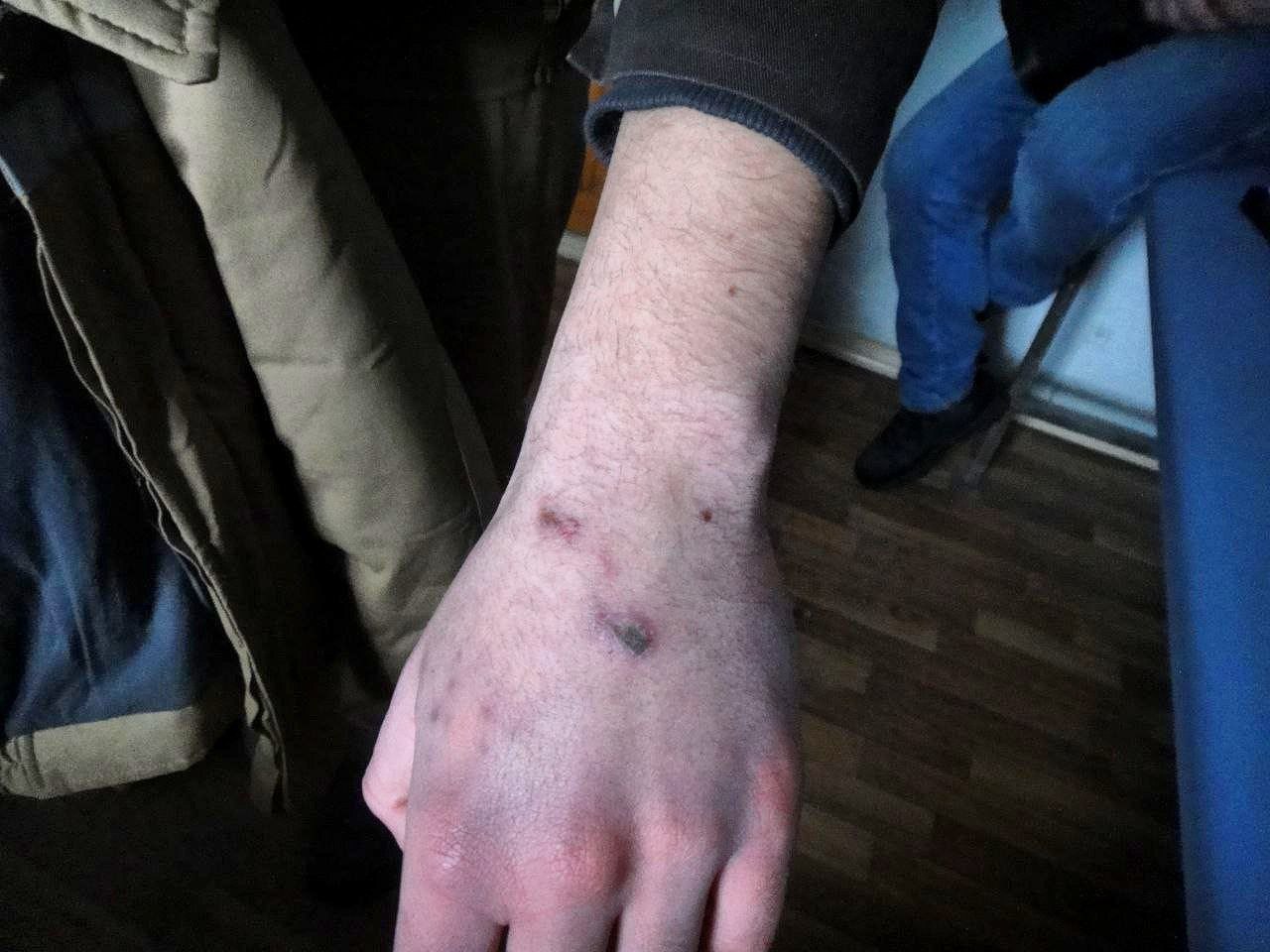
Instead, during the visit, the monitoring group identified facts of improper recording of bodily injuries. In particular, during an examination of a convicted person who was in the Quarantine, Diagnostics, and Distribution (QDD) ward on 22 January 2026, a contusion of the soft tissues of the left hand was detected. According to the convicted person, he received the specified injury on 12 January 2026 as a result of a fall on the stairs of the QDD ward. During the incident, the institution's personnel were present. After the fall, the convicted person was sent to the medical unit, where a medical examination was conducted and first aid was provided, which was confirmed by the medical worker who provided it. At the same time, despite the fact of seeking medical help and the presence of a bodily injury, the relevant information was not documented in the established order: the information is absent from the register of facts of detection of bodily injuries and in medical documentation. Thus, the bodily injury received on 12 January 2026 was not properly recorded for at least ten days, which indicates the untimely and improper performance by medical workers of their duties regarding the documentation of such cases.
Such actions (inaction) of medical workers may indicate improper performance of their professional duties regarding the mandatory recording of bodily injuries, create a risk of concealing facts of injury of convicted persons, and hinder the conduct of a timely and complete investigation into the circumstances of the incident. This leads to a violation of the right of convicted persons to proper medical care and proper medical documentation of injuries, and also complicates the effective investigation of incidents and holding the guilty persons accountable.
Furthermore, as determined during the monitoring visit, in cases of the detection of bodily injuries, medical staff effectively fill out only the form of primary accounting documentation No. 511/o without drawing up a certificate in three copies and without carrying out the full complex of actions provided for by the Procedure. This indicates a systemic violation of the requirements of paragraph 3 of Chapter 1 of Section II of the Procedure and improper organisation of the medical recording of bodily injuries. At the same time, the absence of proper recording of bodily injuries does not correspond to paragraph 60 of the Committee’s recommendations (CPT/Inf (93) 12-part), where it is stated that medical services in places of detention can contribute to the prevention of violence against persons held in custody by systematically recording bodily injuries, as well as, if necessary, by informing the relevant authorities.
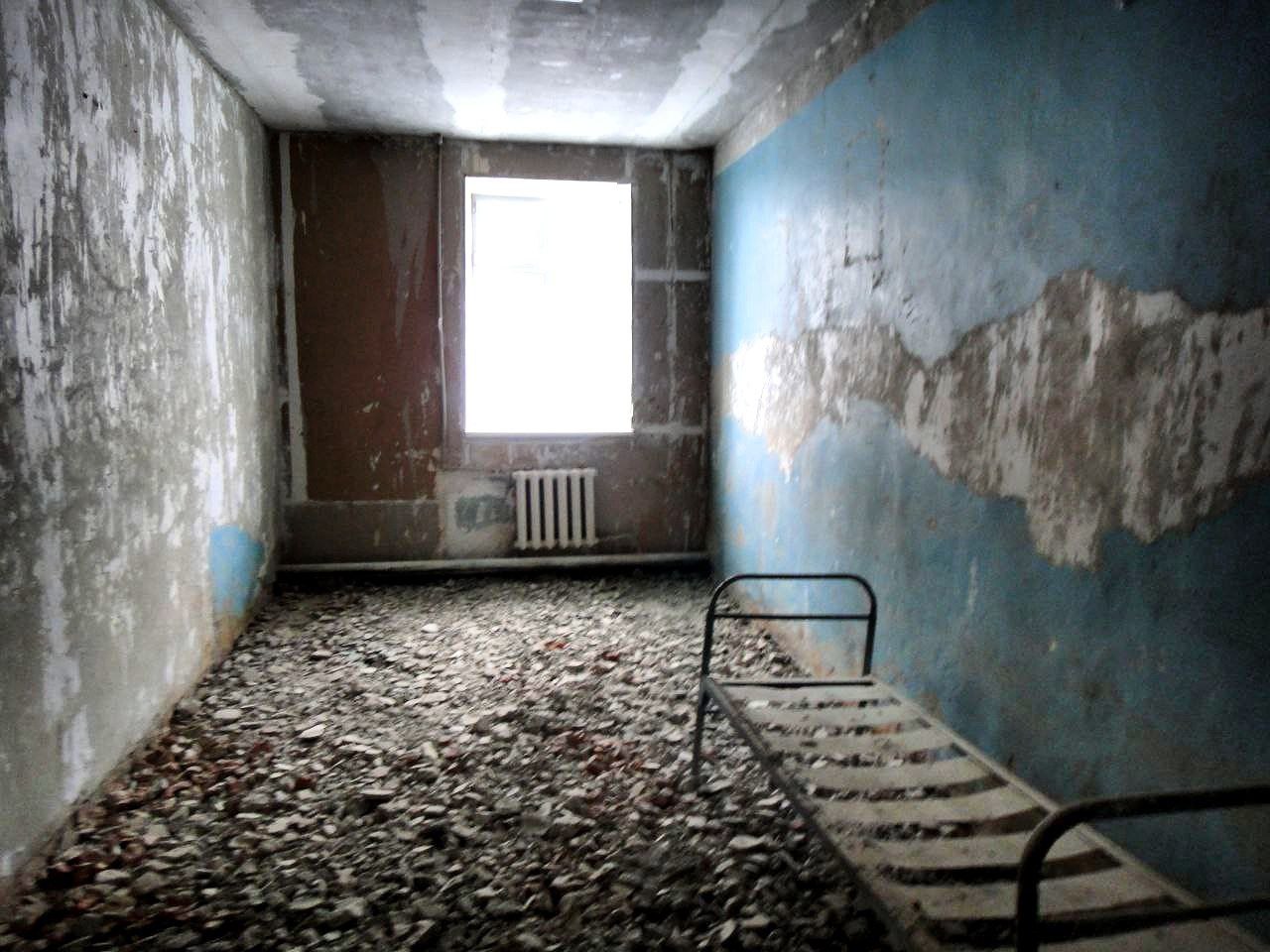
2. In violation of the first part of Article 115 of the Criminal Executive Code of Ukraine, the wards for inpatient patients and most other premises of the medical unit are improperly fitted out and are in an extremely unsatisfactory sanitary-technical state in connection with renovation work, which makes it impossible to house and keep people there. In fact, conditions have been created only in the isolation ward for infectious patients, designed for one person, which does not ensure the provision of inpatient medical care to convicted persons in full, the procedure for the provision of which is provided for by Chapter 5 of Section II of the Procedure for Organizing the Provision of Medical Care to Persons Sentenced to Imprisonment.
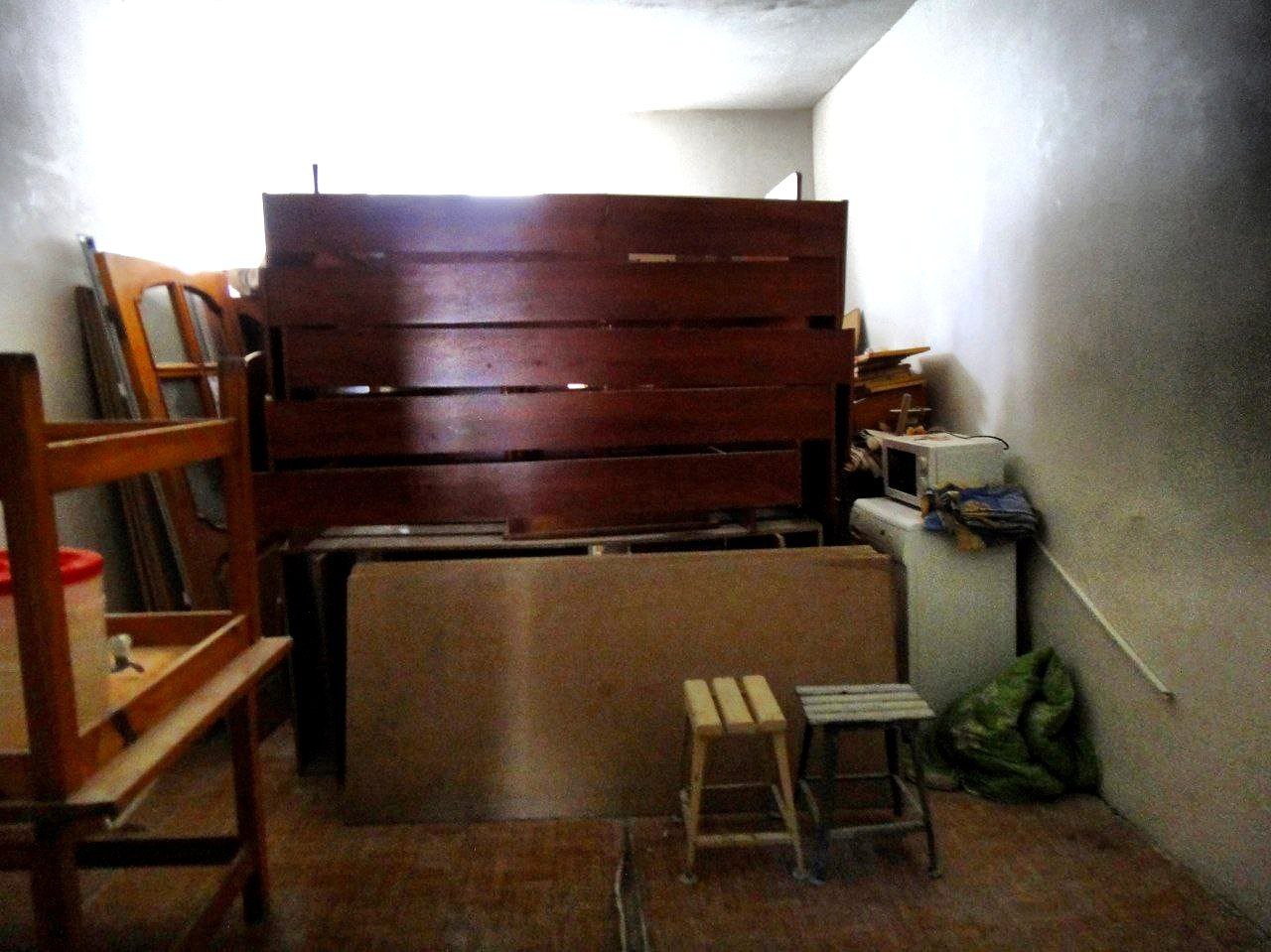
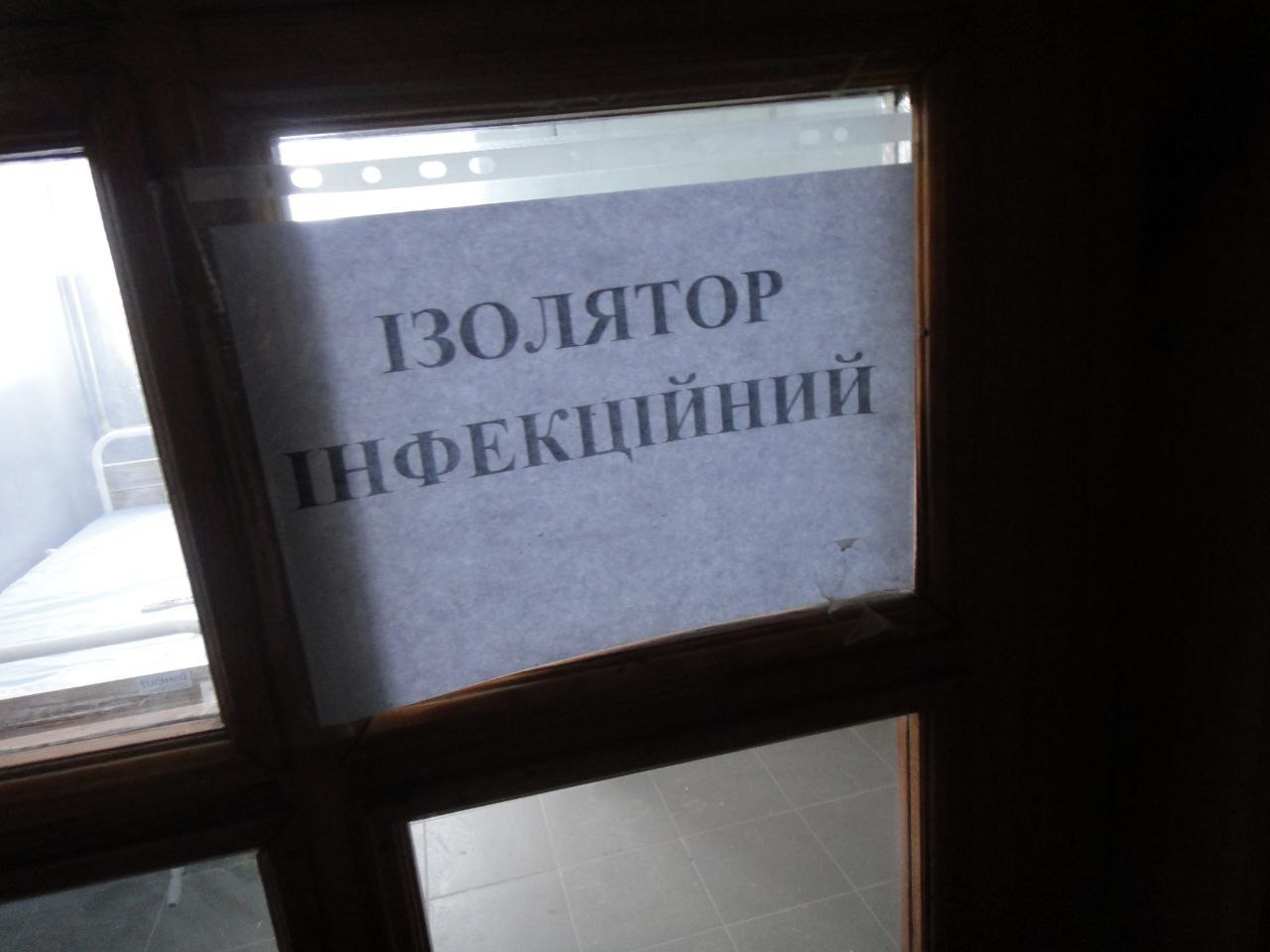
3. In the medical unit, the conduct of Substitution Maintenance Therapy (hereinafter — SMT) for persons with mental and behavioural disorders as a result of opioid use is not organised in accordance with the Procedure for Conducting Substitution Maintenance Therapy for Persons with Mental and Behavioural Disorders as a Result of Opioid Use, approved by the order of the Ministry of Health of Ukraine dated 27 March 2012, No. 200. Drug-dependent persons are not provided with social-psychological support, cognitive-behavioural therapy (CBT), relapse prevention, motivational interviewing, mutual aid groups, etc.
Thus, these persons are deprived of the opportunity to receive SMT, which violates their right to choose methods of treatment in accordance with Article 38 of the Law of Ukraine ‘Fundamentals of the Legislation of Ukraine on Healthcare’. At the same time, the Committee in the report on the results of the 2023 visit to Ukraine notes that entry into a penal institution is an opportunity to solve the problem related to drugs, and therefore it is important that appropriate assistance be offered to all interested persons; therefore, appropriate medical services should be available in all institutions. The assistance offered to such persons should be diverse; substitution therapy programmes for persons with drug dependence should be combined with genuine psychosocial and educational programmes for persons with opioid dependence who are unable to stop using drugs. Furthermore, access to SMT programmes in institutions should be easily available, and they should also be managed by prison doctors who have undergone special training on issues related to drug use (CPT/Inf (2024) 20) paragraph 86).
4. The position of clinical psychologist is vacant in the staff of the medical institution, which complicates the timely and effective provision of medical care in the sphere of mental health to convicted persons. In the report on the results of the 2023 visit to Ukraine, the Committee recommends further strengthening the provision of psychological assistance in institutions, as well as developing the training and role of prison psychologists, especially in the part of therapeutic clinical work with convicted persons. In this context, efforts must be made to recruit clinically trained psychologists, who should be part of the medical team and, in their work, should not combine two different roles, i.e., risk assessment and therapeutic clinical work (CPT/Inf (2024) 20) paragraph 85).
5. In violation of point 8, Chapter 5, Section II of the Procedure, there is no equipped isolation ward in the medical unit for persons with mental disorders who pose a danger to those around them.
6. In violation of point 2, Chapter 2, Section II of the Procedure, the medical unit is not provided with working fluorographic/X-ray equipment, as a result of which diagnostic examinations of the chest cavity organs are not conducted for convicted persons and detainees for the purpose of timely detection of respiratory diseases, which indicates the impossibility of early diagnosis of tuberculosis in the medical facility.
7. In violation of the Measures and means for preventing infection during patient care, approved by the order of the Ministry of Health of Ukraine dated 03 August 2020, No. 1777, only one isolation ward for infectious patients is equipped in the medical unit, which makes it impossible to simultaneously house patients with dangerous infectious diseases separately from each other and from other convicted persons.
8. In violation of the requirements of the State Building Norms of Ukraine V.2.2-40:2018 ‘Inclusivity of buildings and structures. Basic provisions’, no conditions have been created in the medical unit for the detention of persons with disabilities.
9. In violation of point 37 of the Resolution of the Cabinet of Ministers of Ukraine No. 285 dated 02 March 2016 ‘On approval of Licensing conditions for carrying out business activities in medical practice’, the medical unit lacks a conclusion confirming free access to the buildings and premises of the medical facility for persons with limited mobility, the obtaining of which is mandatory.
10. In violation of the Procedure for organising medical care at the primary, secondary (specialised), and tertiary (highly specialised) levels using telemedicine, approved by the order of the Ministry of Health of Ukraine dated 19 October 2015, No. 681, the staff of the medical unit are deprived of the possibility of sending requests for telemedicine consultations and receiving professional assistance for the provision of medical services to convicted persons due to technical limitations.
11. In violation of the requirements of the Equipment List for one workstation of a dentist and dental technician, approved by the order of the Ministry of Health of Ukraine dated 11 April 2005, No. 158, a dental X-ray machine is absent in the medical unit, which makes it impossible to conduct an in-depth dental examination of convicted persons and does not ensure the timely provision of proper dental care.
12. According to point 7, Chapter III, Section II of the Procedure, convicted persons working in catering facilities (except for work related to the positions of sellers, heads of food and clothing warehouses, storekeepers), the processing industry, children's homes, secondary education institutions, vocational training units in special educational colonies, medical units (feldsher stations), and hospital facilities of the SCES (except for work related to the provision of medical care), laundries, bathhouses, long-term visitation rooms, dormitories, clubs, and water supply and sewage facilities, undergo mandatory preliminary and preventive medical examinations in accordance with the Resolution of the Cabinet of Ministers of Ukraine dated 23 May 2001, No. 559 ‘On approval of the list of professions, production facilities, and organisations whose employees are subject to mandatory preventive medical examinations, the procedure for conducting these examinations and issuing personal medical books’. For each convicted person of the specified category, a primary accounting documentation form No. 1-OMK ‘Personal Medical Book’, approved by the order of the Ministry of Health of Ukraine dated 21 February 2013, No. 150, registered in the Ministry of Justice of Ukraine on 23 April 2013 under No. 662/23194, is opened.
At the same time, during the inspection of personal medical books of convicted persons working in the canteen, it was determined that these employees had not undergone the mandatory preventive medical examination. This violates the requirements of point 6 of the Rules for conducting mandatory preventive medical examinations of employees of certain professions, production facilities, and organisations whose activities are related to serving the population and may lead to the spread of infectious diseases, approved by the order of the Ministry of Health of Ukraine dated 23 July 2002, No. 280 (as amended by the order of the Ministry of Health of Ukraine dated 21 February 2013, No. 150).
13. In violation of the Fire Safety Rules in Ukraine, approved by the order of the Ministry of Internal Affairs of Ukraine dated 30 December 2014, No. 1417 (hereinafter — the Rules), the premises of the medical unit are not equipped with fire extinguishing and fire alarm systems.
Recommendations:
1. Ensure full implementation of the programme of work with newly arrived convicted persons in the QDD ward and proper documentation of all measures in the register of visits with the signatures of responsible officials.
2. Include the head of the financial support and accounting department — the chief accountant — in the working group for work with newly arrived convicted persons.
3. Stop the practice of taking newly arrived convicted persons to the canteen together with other convicted persons and ensure their proper isolation during their stay in the QDD ward.
4. Bring the material and household provision of the QDD ward into compliance with regulatory requirements, in particular, by outfitting the missing premises, providing the washing room with a shower cabin, the living quarters with a tank for drinking water, and the restrooms with partitions that ensure privacy.
5. Review the practice of installing and using video surveillance cameras in the residential premises of convicted persons and ensure their use only in exceptional cases based on an individual risk assessment.
6. Complete renovation work in the DC and ensure proper conditions for the detention of convicted persons in accordance with the requirements of legislation and international standards.
7. Ensure the operation of a separate disciplinary cell for those sentenced to restriction of liberty, and also restore the operation of the CTP and the increased supervision ward.
8. Outfit the DC/CTP with all premises provided for by the norms, including a room for the reception of convicted persons by the administration and medical staff, a room for storing personal belongings, a shower, a room for undressing and dressing, a barber shop, and other necessary premises.
9. Ensure that medical examinations of convicted persons are conducted in premises that guarantee confidentiality and compliance with the right to medical confidentiality.
10. Ensure radio coverage in the cell premises of the DC.
11. Equip the DC cells with staff call buttons to ensure operational contact between convicted persons and institution staff.
12. Ensure proper organisation of social, educational, and psychological work with convicted persons in the SPS departments, including the implementation of quarterly plans in full.
13. Ensure timely, complete, and accurate maintenance of the Register of Work with Convicted Persons, in particular, the entry of information about convicted persons and the results of the consideration of issues regarding the application of incentives and benefits.
14. Outfit the sanitary facility in SPS Ward No. 3 with partitions that ensure seclusion and privacy.
15. Replace the mattresses and pillows in the residential premises of SPS Ward No. 3 that are in an unsatisfactory condition.
16. Stop the involvement of convicted persons in work in the premises of the duty unit and other administrative premises where such involvement is prohibited.
17. Stop video recording of personal searches of convicted persons with undressing using body-worn cameras.
18. Equip the institution's library with a copy of the Law of Ukraine ‘On the Prosecutor’s Office’.
19. Ensure the daily operation of the shop in accordance with the requirements of the IRI.
20. Ensure the availability in the shop of all goods provided for by Appendix 5 to the IRI, in particular underwear, gloves, sports shoes, indoor slippers, mirrors, writing paper, ballpoint pens, envelopes, and stamps.
21. Bring the sanitary state of the canteen into compliance with established requirements and carry out the necessary renovation work.
22. Outfit the canteen with missing premises, in particular a cold storage room, a rest room for cooks, and sanitary facilities for personnel, including a toilet and a shower cabin.
23. Ensure the provision of hairdressing services to convicted persons and detainees within the framework of bath and laundry services.
24. Restore the operation of the forced supply and exhaust ventilation in the laundry room.
25. Ensure that the institution's personnel who are in direct contact with convicted persons do not wear special equipment openly.
26. Review the procedure for conducting short-term visits and ensure that open visits are the general rule, and contactless visits are the exception, applied only based on the results of an individual risk assessment.
27. Take measures regarding the staffing of the institution and the reduction of personnel shortages in authorised positions.
28. Take measures to move away from the practice of 24-hour shifts for personnel.
29. Update the computer hardware in the internet classroom and ensure that convicted persons have real access to the Internet for educational, informational, and communication purposes.
30. Bring the institution's shelter into compliance with the requirements of legislation in the sphere of civil protection, providing it with proper lighting, ventilation, water supply, sewage, a sanitary facility, fire extinguishing equipment, first aid kits, and other necessary elements.
31. Ensure proper legal registration of the labour of convicted persons in accordance with the actual nature and duration of the work performed.
32. Review the content of fixed-term employment contracts with convicted persons and include in them clear terms regarding working hours, duration of work, days off, remuneration, and guarantees of rest and social protection.
33. Ensure proper recording of the actual time worked by convicted persons by reconciling timesheets, registers of hourly checks, and payroll documents.
34. Review the procedure for the remuneration of convicted persons and ensure that its amount corresponds to the work actually performed and the time worked.
35. Eliminate violations of labour legislation in the canteen by ensuring weekly rest for workers, compliance with working time standards, and proper recording of work shifts.
36. Ensure proper control over the issuance and use of potentially dangerous inventory in the canteen, including knives.
37. Ensure not only the formal accrual but also the real effectiveness of the social protection of convicted persons through an appropriate level of remuneration and the payment of USC in a way that will ensure the actual formation of an insurance period.
38. Bring the organisation of the labour of convicted persons into compliance with the requirements of the Constitution of Ukraine, the Criminal Executive Code of Ukraine, the Labour Code of Ukraine, and international standards in the sphere of human rights.
39. Take measures aimed at eliminating the identified human rights violations and preventing torture, other cruel, inhuman, or degrading treatment and punishment in Medical Unit No. 117 of the branch of the state institution ‘Centre for Healthcare of the State Criminal Executive Service of Ukraine’ in Kharkiv and Luhansk regions.
40. Ensure control over the proper maintenance of medical documentation in accordance with the Procedure for organising the provision of medical care to persons sentenced to imprisonment, approved by the joint order of the Ministry of Justice of Ukraine and the Ministry of Health of Ukraine dated 15 August 2014, No. 1348/5/572, and other regulatory legal acts.
41. Provide the medical unit's staff with medical specialists in accordance with needs.
42. Ensure timely and proper recording of bodily injuries in convicted persons.
43. Ensure proper outfitting of all wards and premises of the medical unit with the aim of creating conditions for the full provision of inpatient medical care to convicted persons in accordance with the requirements of the first part of Article 115 of the Criminal Executive Code of Ukraine and Chapter 5 of Section II of the Procedure for organising the provision of medical care to convicted persons.
44. Ensure the possibility of receiving substitution maintenance therapy on the basis of a diagnosis of mental and behavioural disorders as a result of opioid use.
45. Ensure the outfitting of an isolation ward for persons with mental and behavioural disorders in accordance with the requirements of legislation.
46. Provide the medical unit with necessary diagnostic equipment, including an X-ray machine.
47. Ensure the outfitting of the necessary number of isolation wards for infectious patients.
48. Ensure the accessibility of the institution's buildings in accordance with the State Building Norms of Ukraine V.2.2-40:2018 ‘Inclusivity of buildings and structures. Basic provisions’.
49. Fulfil the requirements of point 37 of the Resolution of the Cabinet of Ministers of Ukraine No. 285 dated 02 March 2016 ‘On approval of Licensing conditions for carrying out business activities in medical practice’.
50. Ensure the proper operation of the telemedicine complex for requests by doctors for telemedicine consultation.
51. Provide the medical unit with a dental X-ray machine and the necessary equipment for conducting full dental examination and treatment.
52. Ensure that all canteen workers have personal medical books and the full complex of required medical examinations necessary for their admission to work in catering facilities.
53. Eliminate violations of fire safety requirements.