Monitoring visit to State Institution ‘Pervomaiska Corrective Colony No. 117’
I. General information
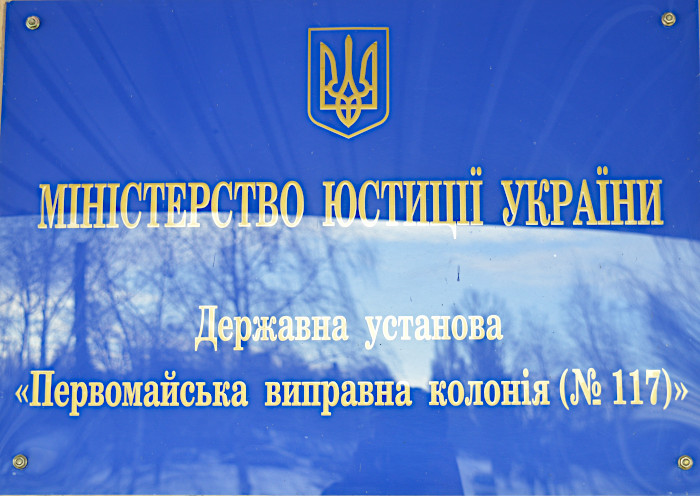
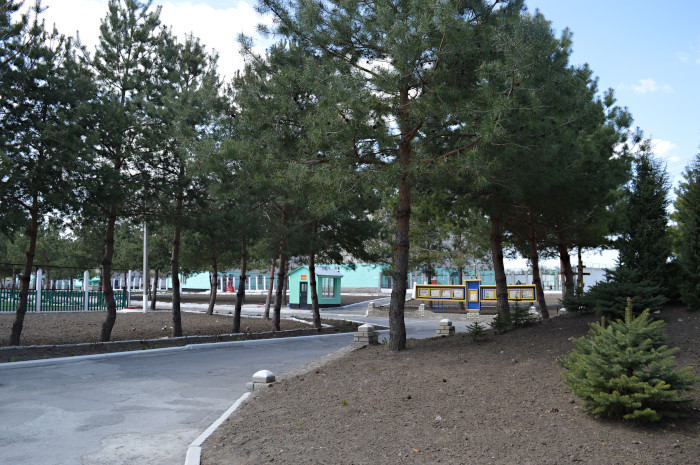
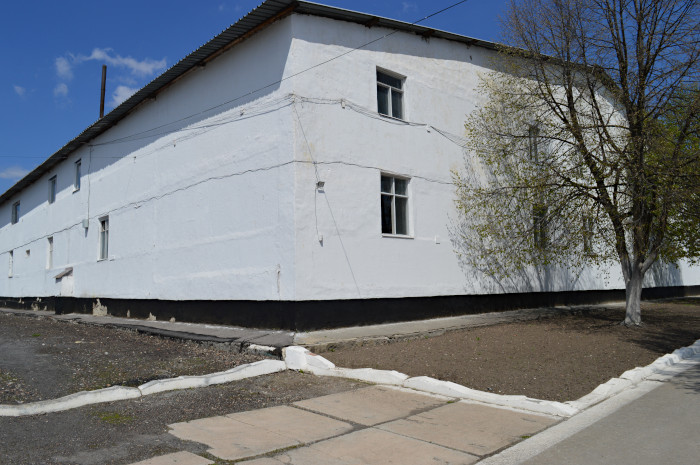
On 5 May 2021, a monitoring group consisting of Maksym Revyakin, an assistant to a People’s Deputy of Ukraine, and two journalists—Tamila Bespala and Pavlo Shvab—visited State Institution ‘Pervomaiska Correctional Colony No. 117’. The colony is located in a field near the village of Hrushyne, Pervomaisk community, Lozova district, Kharkiv region. This colony is a minimum-security prison for men sentenced to a fixed term with general conditions of detention. At the time of the monitoring visit, there were 222 people in the colony, and the administration staff numbered 180. The planned occupancy is 650 people. The colony has been operating since 1983.
II. Living quarters
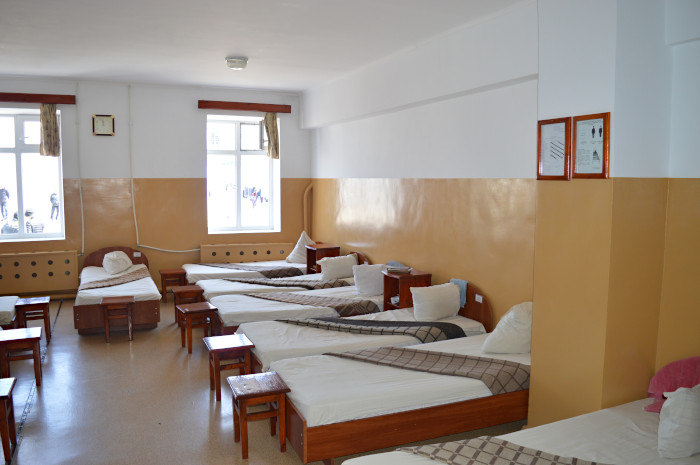
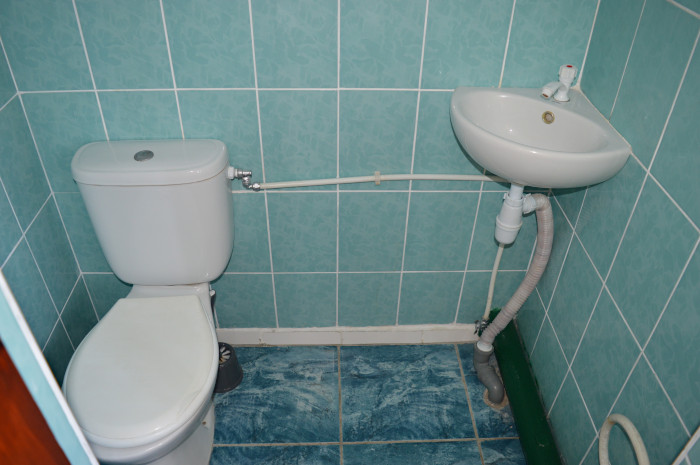
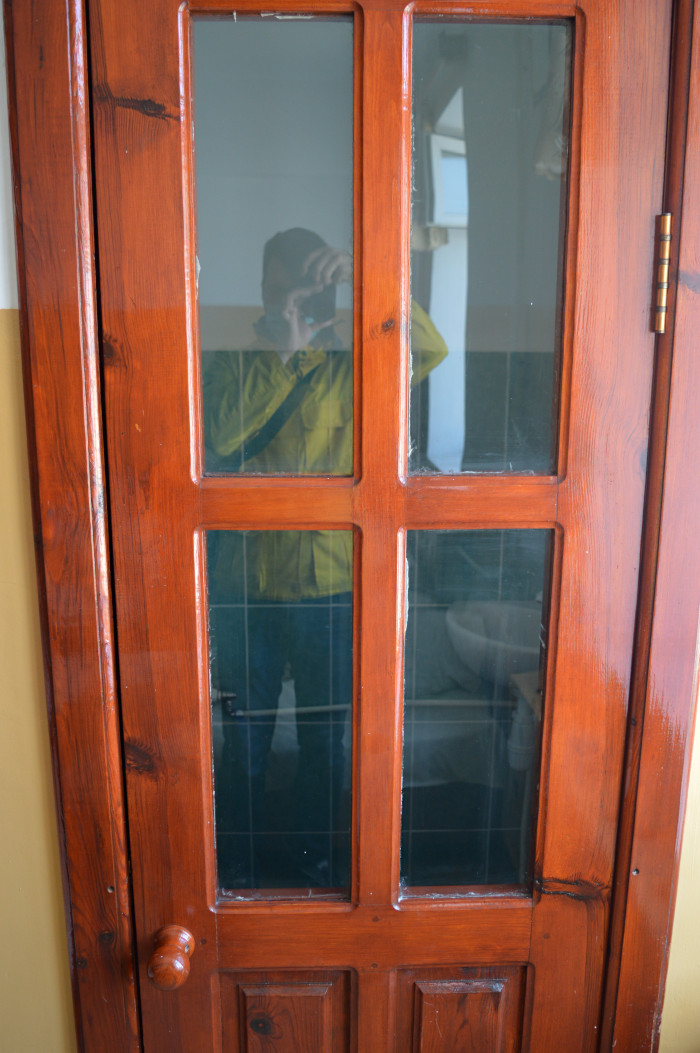
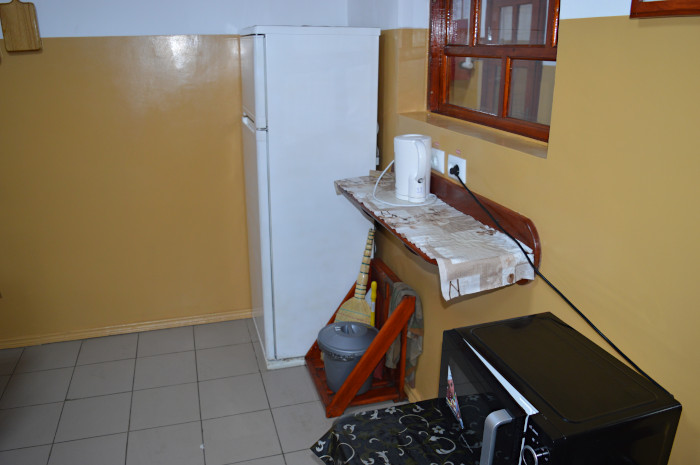
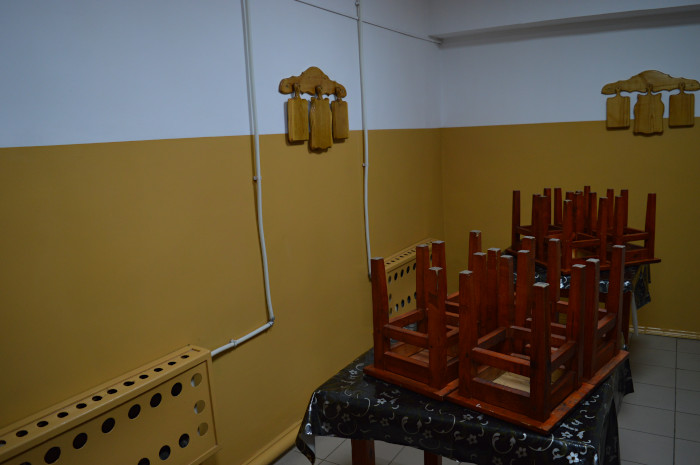
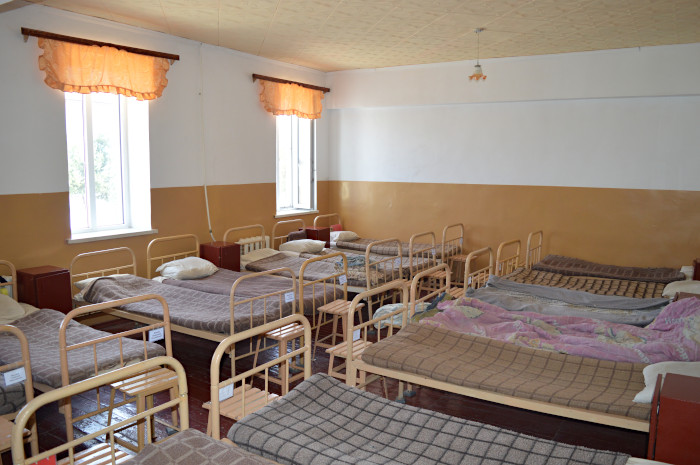
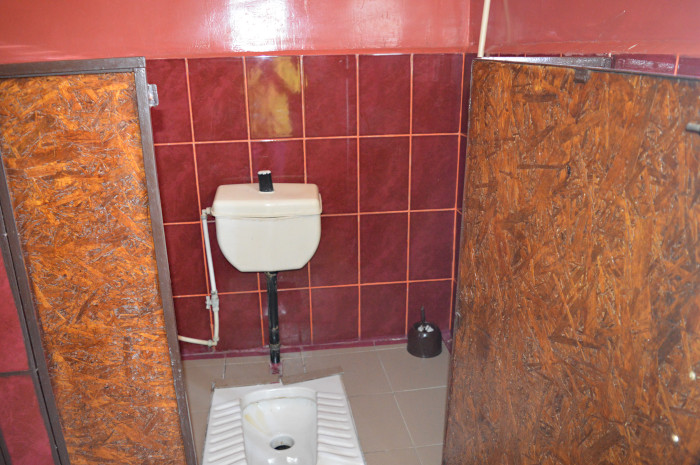
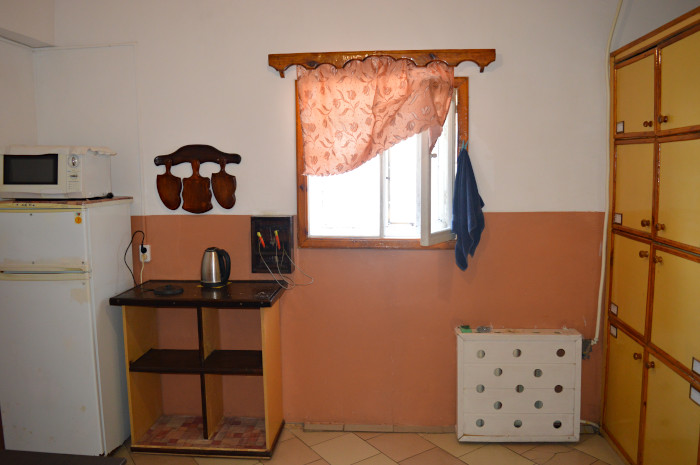
The monitoring group visited several living quarters. All quarters are of a block type. The first one visited had recently undergone cosmetic repairs. The living rooms were clean and tidy, and daylight entered without obstruction. The windows are metal-plastic and open freely for ventilation. In this unit, the toilet is located in each room, but the doors are made of large transparent glass, through which the entire toilet is visible. In the opinion of the monitors, this significantly violates the prisoners’ privacy. In the dining rooms, there are a couple of small tables and sparse kitchen utensils, including a refrigerator, an electric kettle, and a microwave oven. In the corridor, a tank with boiled drinking water is freely available. Other units have also undergone current cosmetic repairs. The living rooms are bright and receive enough sunlight, but the beds are placed close together, which violates the prisoners’ privacy. In these units, toilets are located in separate rooms. The partitions are of sufficient height, and the doors work and close, which ensures privacy and complies with the standards of the European Prison Rules. The dining rooms have similar kitchen utensils as in the previous living unit.
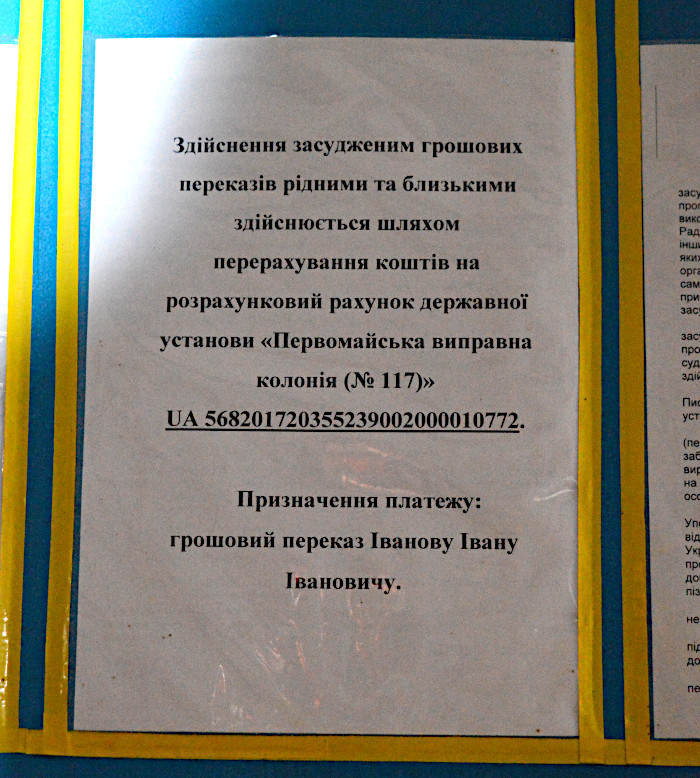
The monitors noted that in all living units, information about the possibility of receiving money transfers only through the institution’s account is displayed on information boards. The monitors note that this method of transferring funds makes prisoners dependent on the colony administration, creates a manipulative environment, and has a corrupt component.
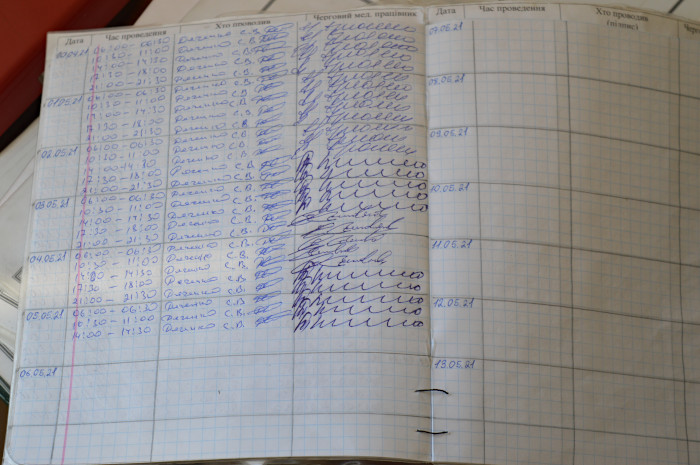
In addition, in the ‘Disinfection Log of the Living Unit’, work regarding disinfection is marked as completed in advance. Therefore, the monitors question the information provided in the Log and also believe that disinfection of living premises may not be taking place at all, which violates sanitary-epidemiological standards in the institution during the COVID-19 pandemic.
III. Medical unit
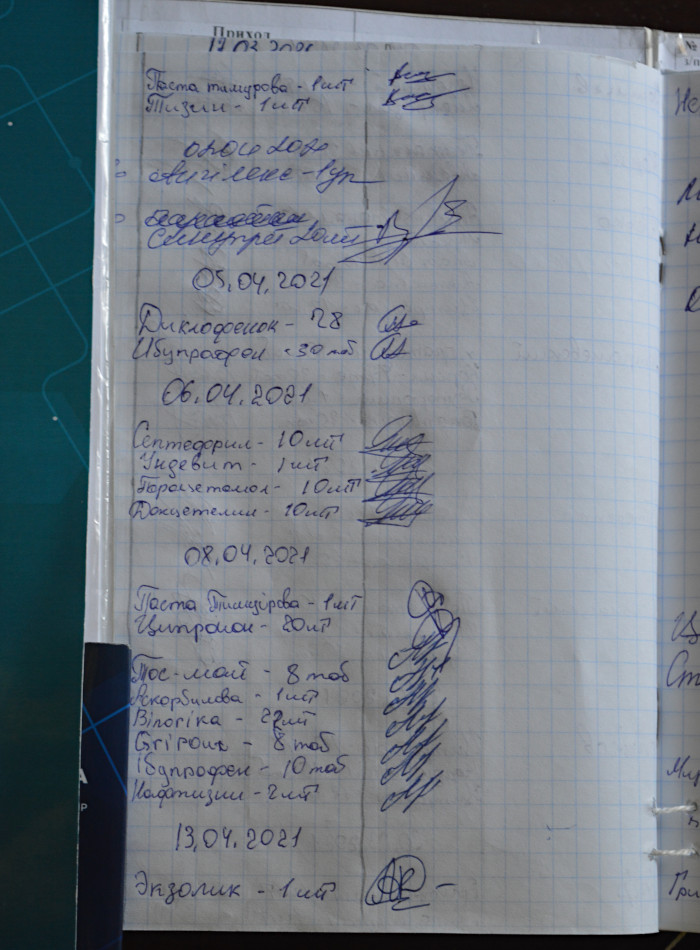
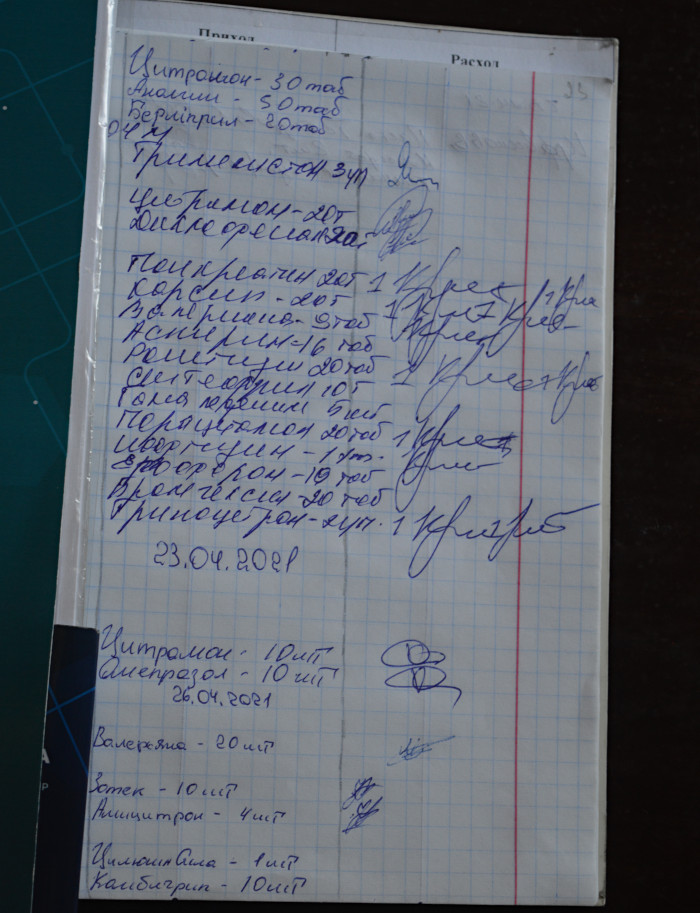
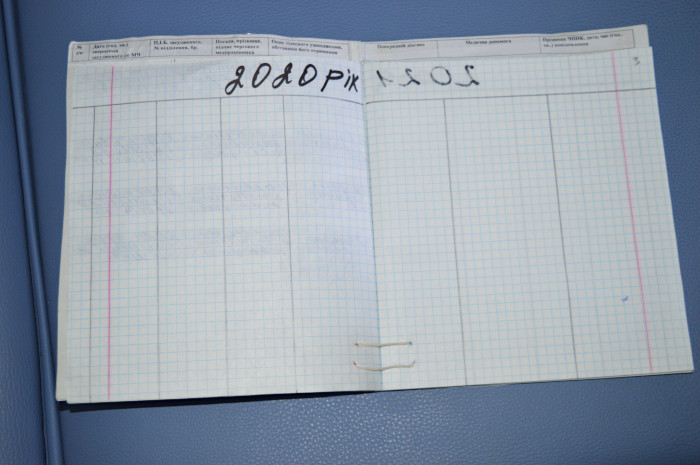
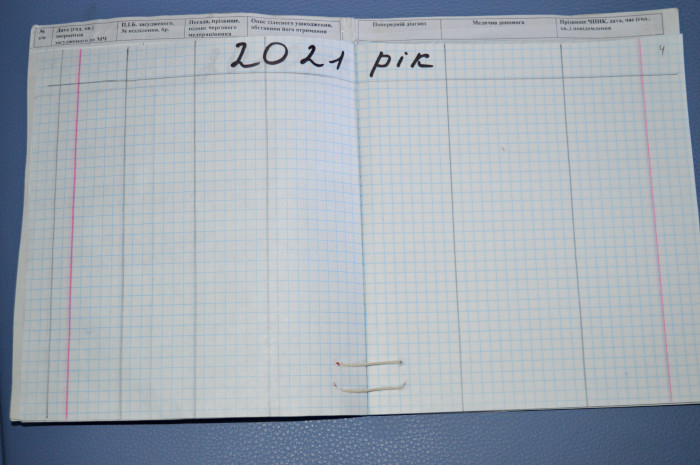
At the time of the visit, there were 8 people in the inpatient ward. According to the ‘Log of medicine handover from relatives’, almost only symptomatic medicines are transferred to the institution. According to the acting head of the medical unit at the colony, medicines are expected to arrive soon. There is not a single entry in the ‘Log of bodily injuries’ for 2020 and the current year. The monitors are concerned about this situation and believe that bodily injuries are not being recorded in the colony, even though there is production where, under any conditions, prisoners sometimes receive injuries.
The staff of medical workers is not fully staffed. In addition, there has been no head for almost six months.
In the medical unit, it was noted that there are 21 people in the colony suffering from HIV infection, one of whom is in stage IV. There are no individuals receiving opioid substitution therapy.
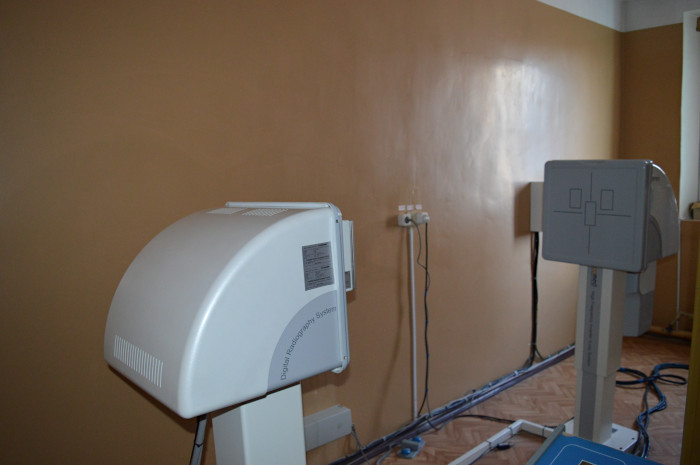
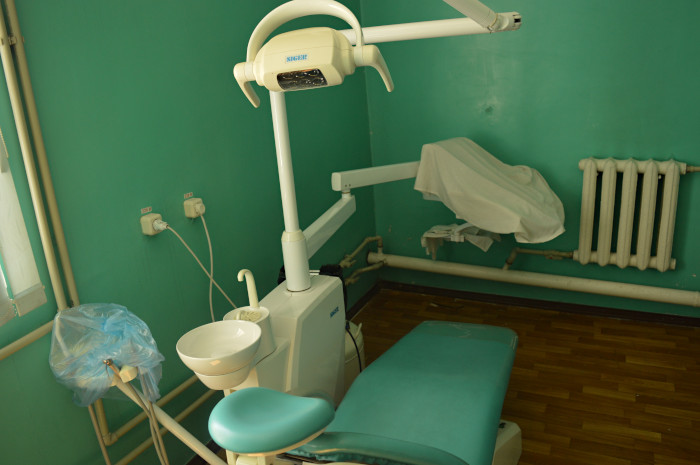
In 2020, only one death was recorded in the colony; according to a representative of the medical unit, the prisoner died as a result of intestinal obstruction (volvulus). In 2021, at the time of the visit, no deaths had been recorded in the colony. Also, a representative of the medical unit reported that fluorography is done once a year. The medical unit has a dentist—according to the medical unit representative, treatment and fillings are provided.
IV. Bath-laundry complex
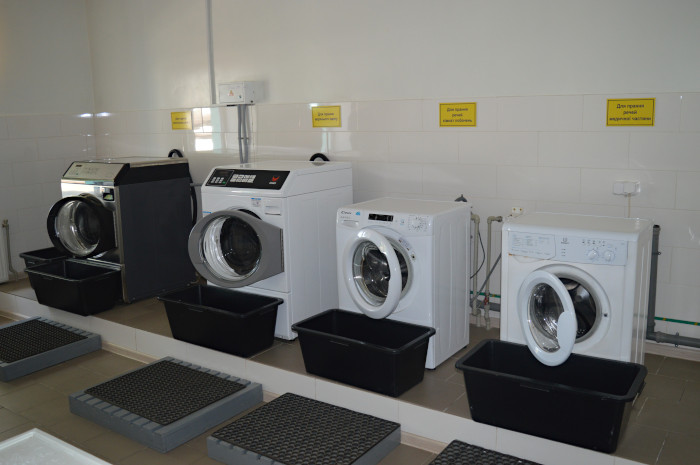
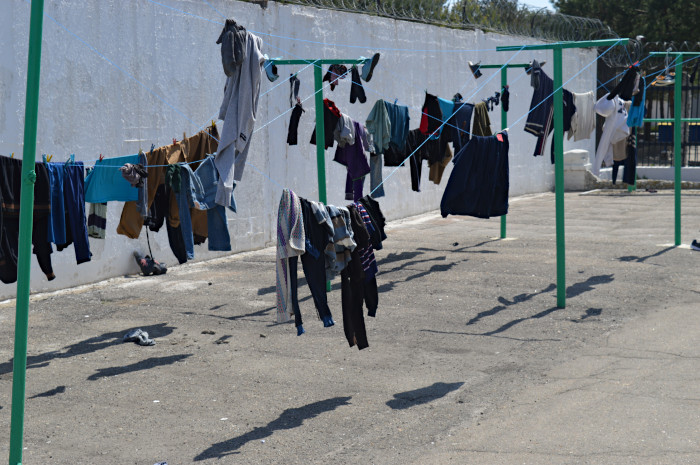
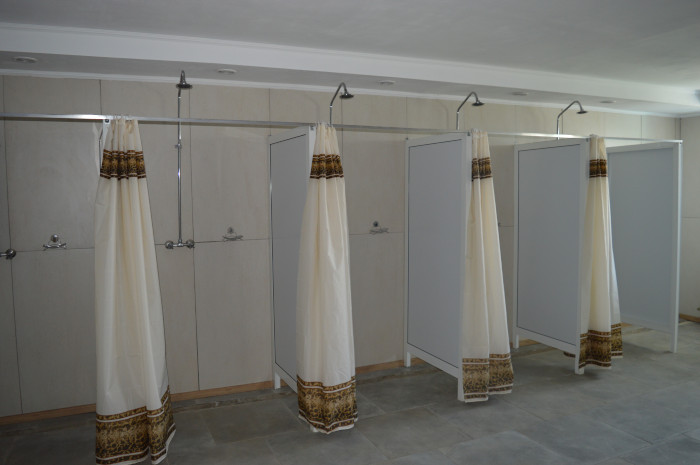
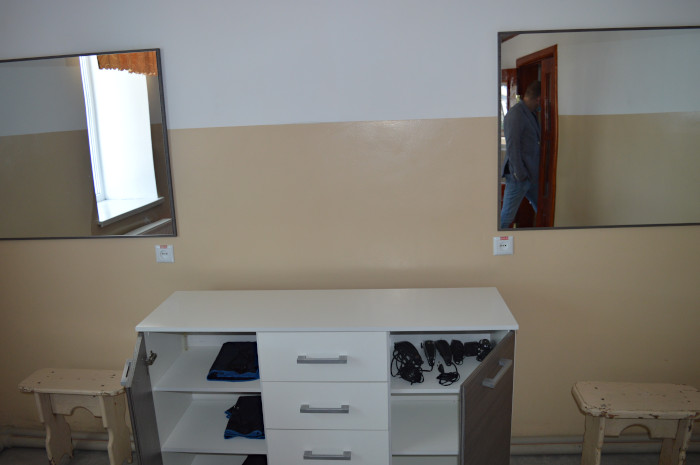
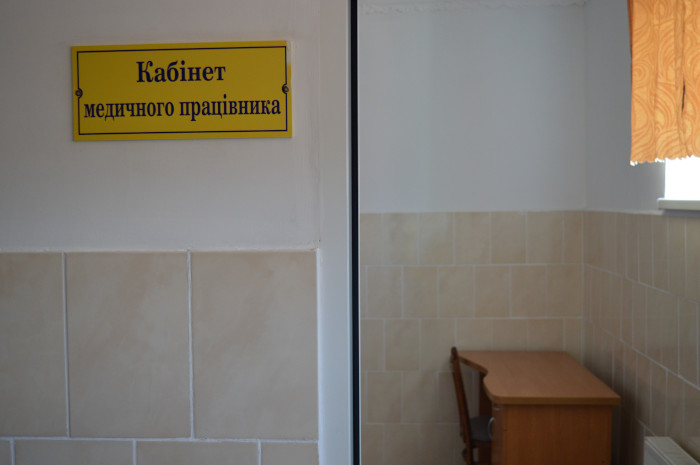
The bathhouse has four new washing machines. According to administration representatives, they fully meet the needs of the colony. However, the monitors noticed that in every yard near the units, clothing was drying that should have been drying in a specially equipped room in the laundry. This leads the monitors to believe that the colony’s laundry capacity does not meet the prisoners’ needs, or the quality of washing is unsatisfactory, so prisoners wash their own clothes in the units. Shower cubicles are partitioned, and there are curtains and floor mats. Water is heated by a boiler and a furnace. There is a barbershop and a paramedic’s office.
V. Canteen
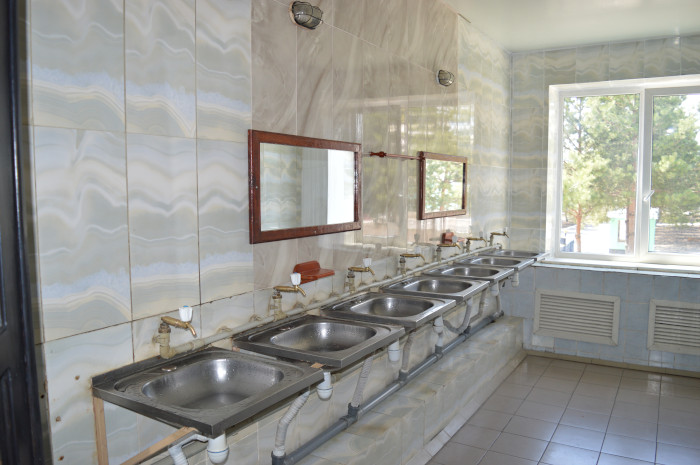
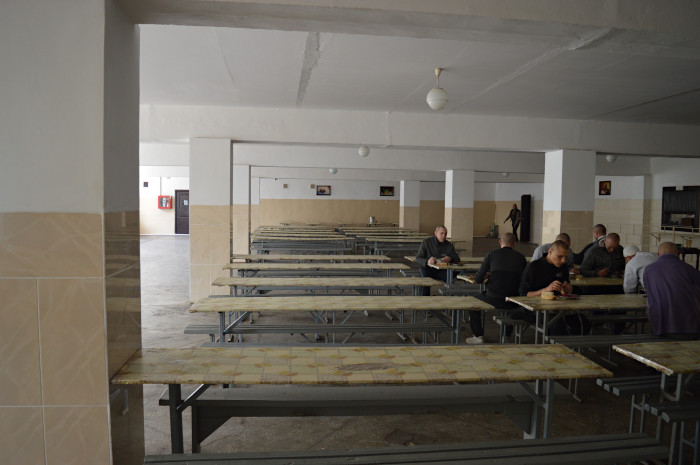
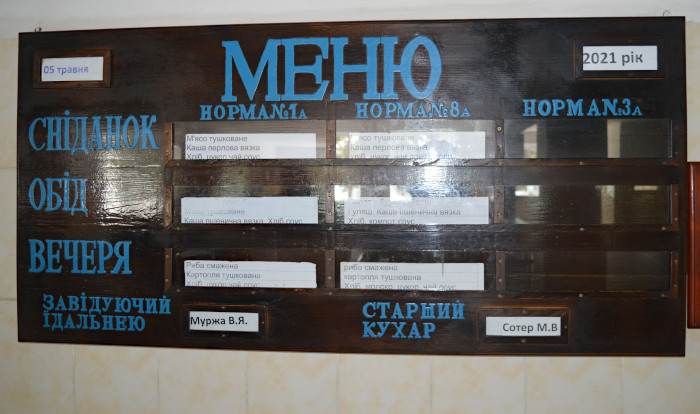
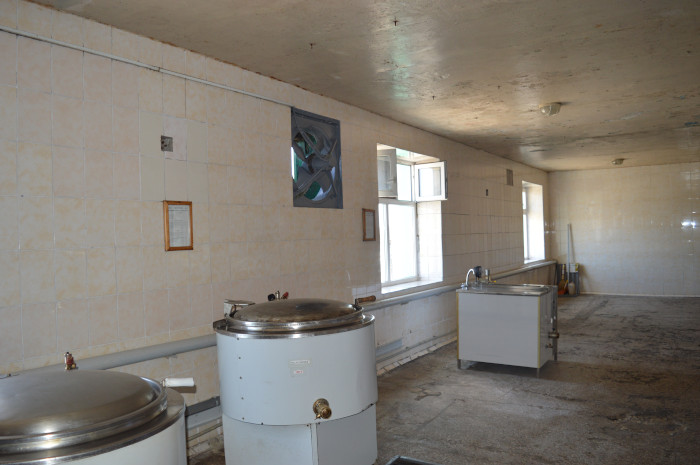
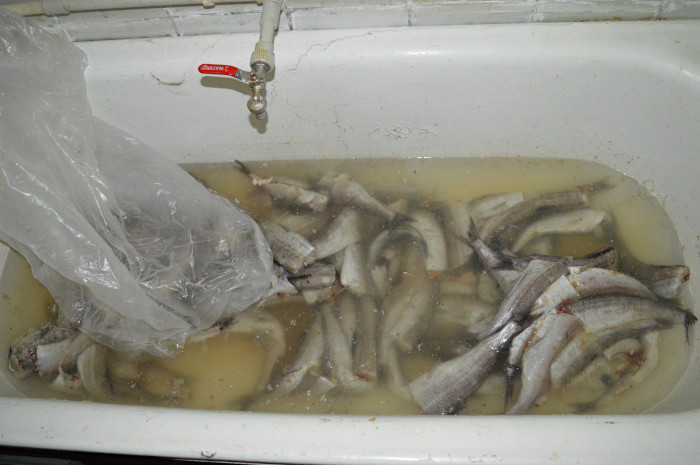
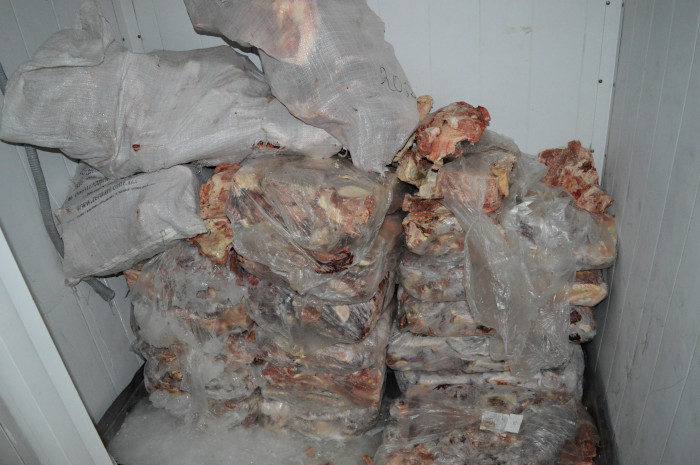
At the entrance to the canteen, there are hand basins, but no soap or towels. The canteen hall is spacious and bright. There is an information menu board. The kitchen hall needs repair, and the kitchen stoves are outdated. Fish was being defrosted in the fish workshop for dinner. Also, beef was stored in the refrigerator without airtight packaging in sugar bags.
VI. DIZO/PKT
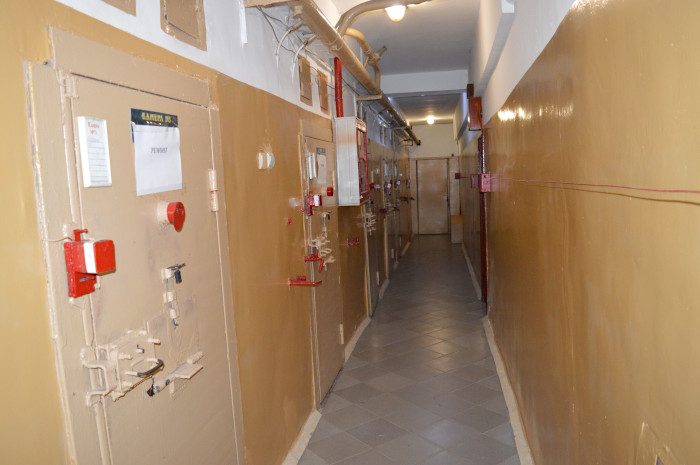
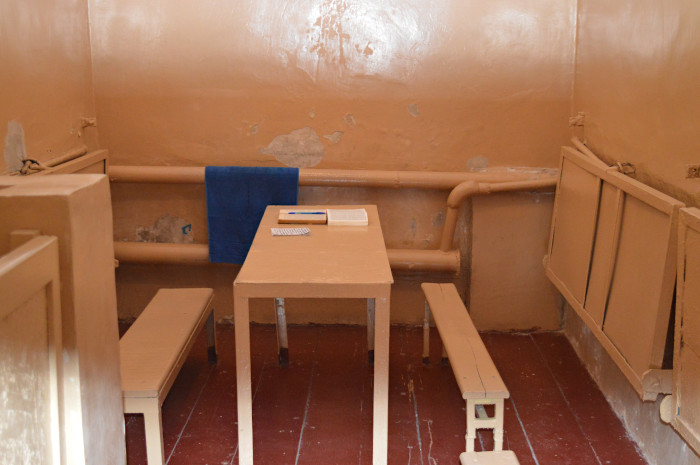
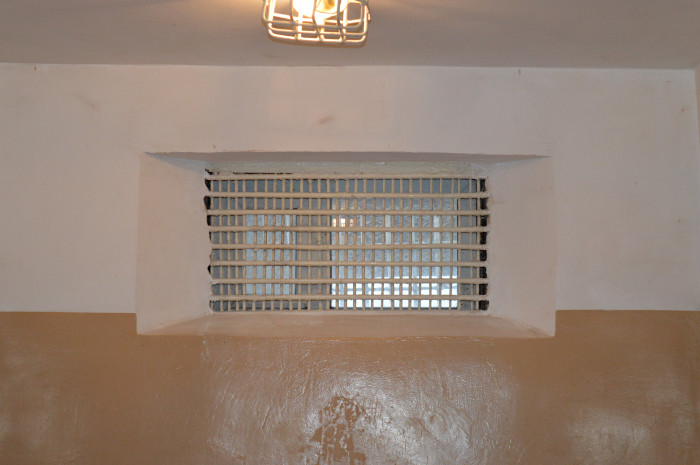
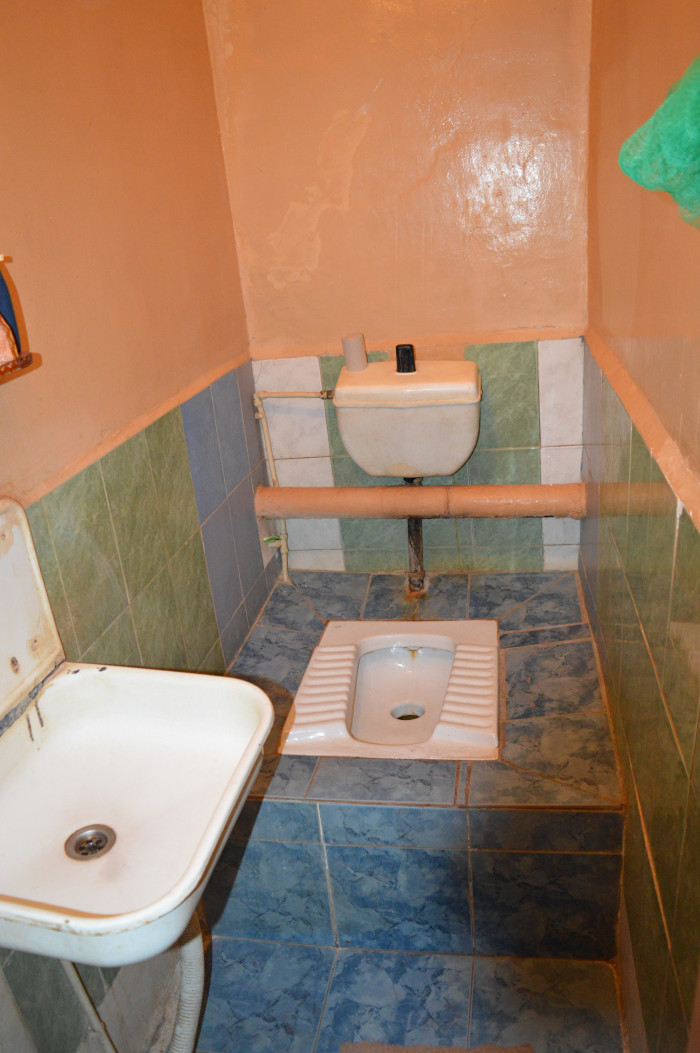
The disciplinary isolation unit is located in a semi-basement room. It is noticeable that cosmetic repairs have been carried out, but due to dampness, there is mould on the walls. The lighting is artificial, and the window is quite small, through which almost no sunlight enters. Moreover, it is not possible to open it independently. At the time of the visit, the beds in the cell where the prisoner was held were fastened to the wall, and the prisoner was forced to sit on a small bench all day. The toilet is not separated by a wall and is closed by a low door. The plumbing is old. At the time of the visit, one person was in the disciplinary isolation unit and 4 prisoners were in the PKT (high-security cell). Since the beginning of the year, 16 prisoners have been subjected to disciplinary action in the DIZO, and 8 in the PKT respectively.
VII. Production
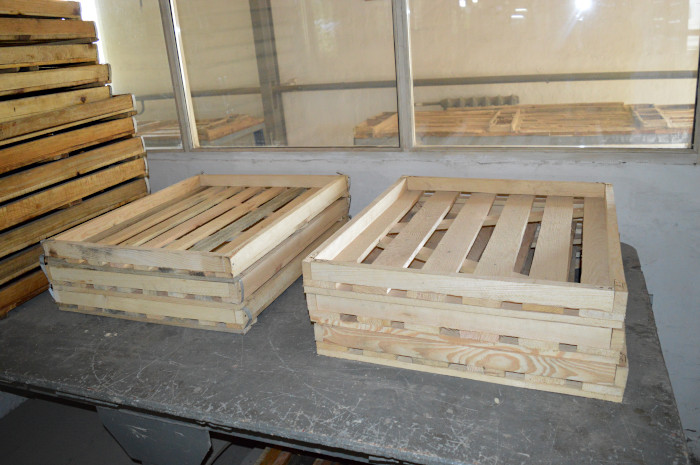
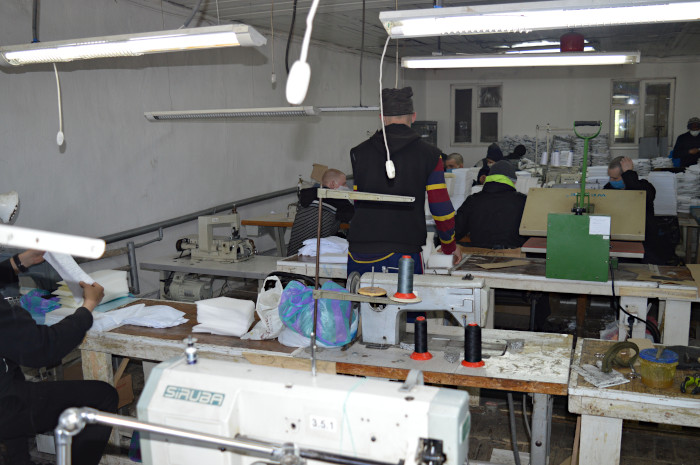
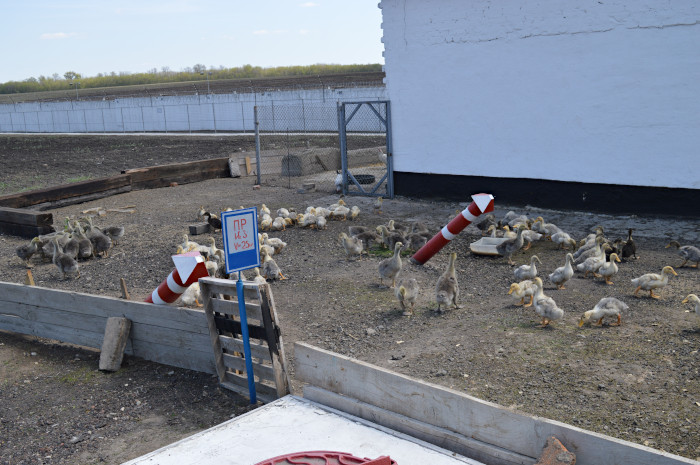
Production in the colony is represented by a sewing workshop and a workshop where wood products are manufactured, namely trays for transporting bread. They also raise their own domestic animals. Only 30 people work in the workshop. In the sewing workshop, they manufacture slippers for hotels. During a conversation in the workshop, the prisoners reported that they work from seven in the morning until eight in the evening. They receive remuneration for work averaging 400 UAH. In the sewing workshop, sewing machines were running loudly and there was a strong smell of plastic, but the prisoners did not have any individual protective equipment.

The project ‘Promoting the exercise of freedom from torture and the rights of prisoners to medical care in Ukraine based on international human rights standards’, funded by the Embassy of the Federal Republic of Germany in Ukraine.