Monitoring visit to State Institution ‘Dnipro Penal Institution No. 4’
1. General information
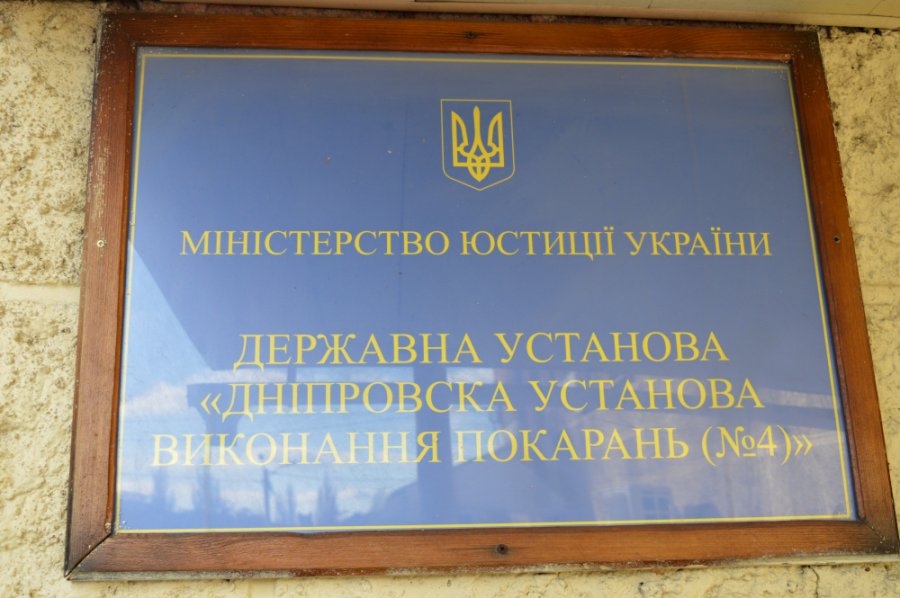
On 10 November 2021, a monitoring group, consisting of Maxim Revyakin, an assistant consultant to a People’s Deputy of Ukraine, and two journalists – Hanna Ovdiienko and Pavlo Shvab – visited State Institution ‘Dnipro Penal Institution No. 4’. This institution consists of a remand prison, a utility unit for convicts serving fixed-term sentences, a maximum-security sector for those sentenced to life imprisonment, and transit sectors for convicts. An inter-regional multidisciplinary hospital No. 4 also operates on the premises; however, the conditions and the quality of medical care provided there are so appalling that it warrants a separate article (see ‘A cancerous tumour on an already ailing prison medicine system’).
At the time of the visit, there were 1,528 convicts and detainees in the institution. The planned capacity of the institution is 2,196 persons. The administration consists of 385 staff members, although, according to the staffing table, there should be 428 positions.
The first mentions of this institution date back to 1826.
The monitors were met at the entrance by the First Deputy Head of the institution, Lieutenant Colonel of the Internal Service, B. K. Bilchenko. The monitors gained access to the institution without hindrance, in no more than 10 minutes. Upon entering the institution, temperature screening was not performed; however, an antiseptic agent was available at the entrance, and representatives of the institution’s administration were following anti-epidemic measures (a mandatory face mask policy). According to the administration, all willing staff members and prisoners had been vaccinated.
During the entire monitoring visit, the administration of the institution did not hinder the monitors in any way.
2. Maximum-security sector
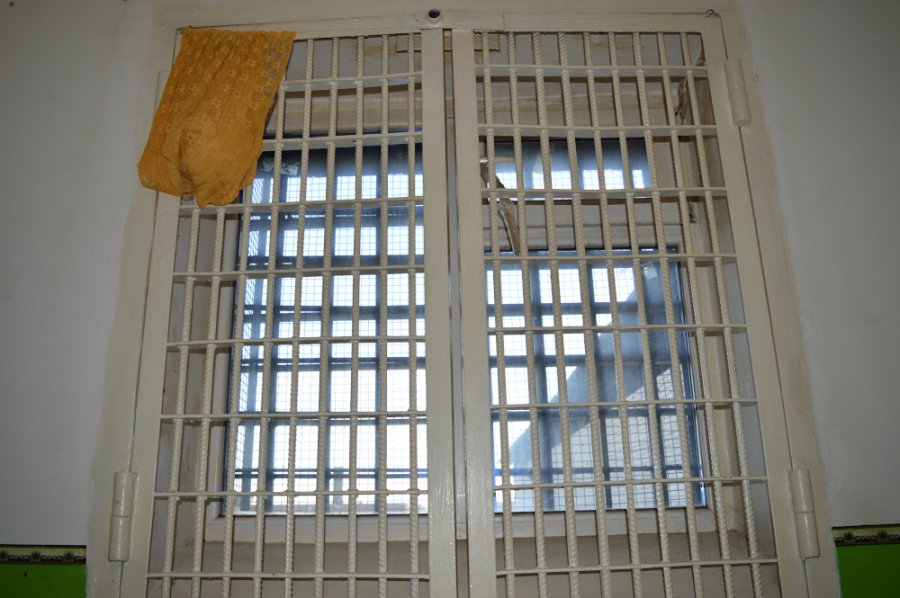
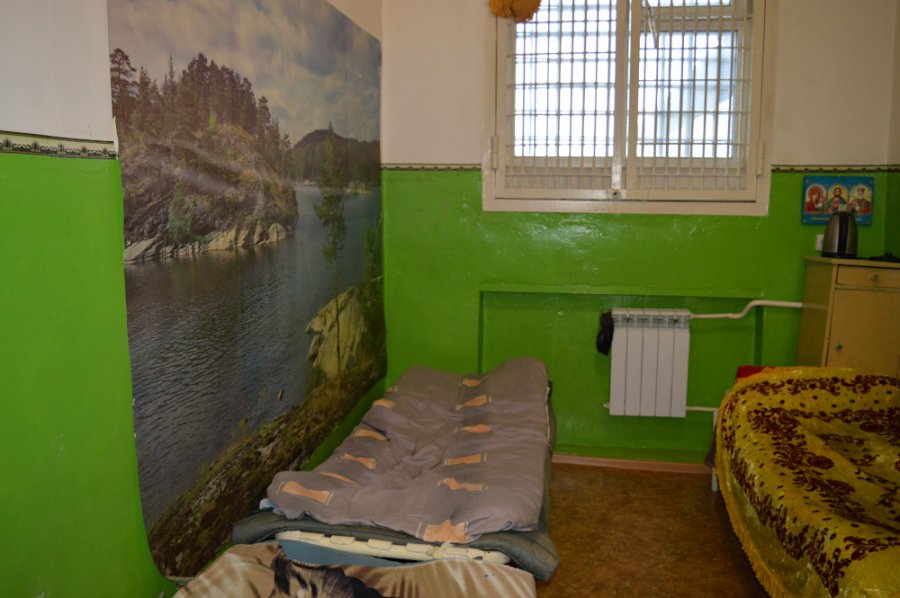
In the maximum-security sector, convicts reside 2–3 per cell. The area of the cells is 14.8 square metres. The cells appear small, but the statutory standard (4 square metres per person) is met – with at least 4.9 square metres per person.
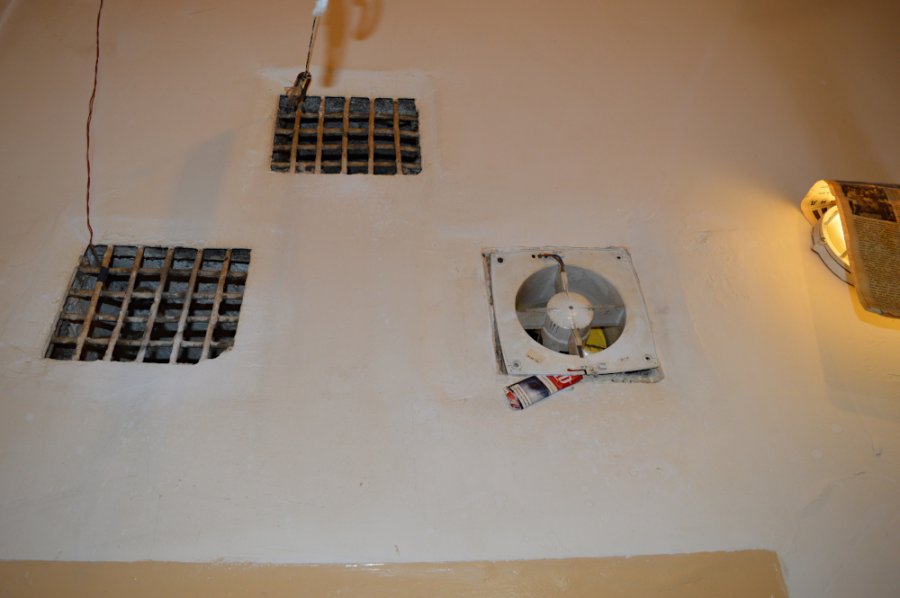
The cells have been cosmetically renovated. The windows in the cells are metal-plastic but are heavily barred, which prevents sufficient natural light from reaching the living quarters. The convicts have the ability to regulate the flow of fresh air into the cell; however, because the windows are located too high up, such regulation is significantly complicated. There is forced ventilation in the rooms.
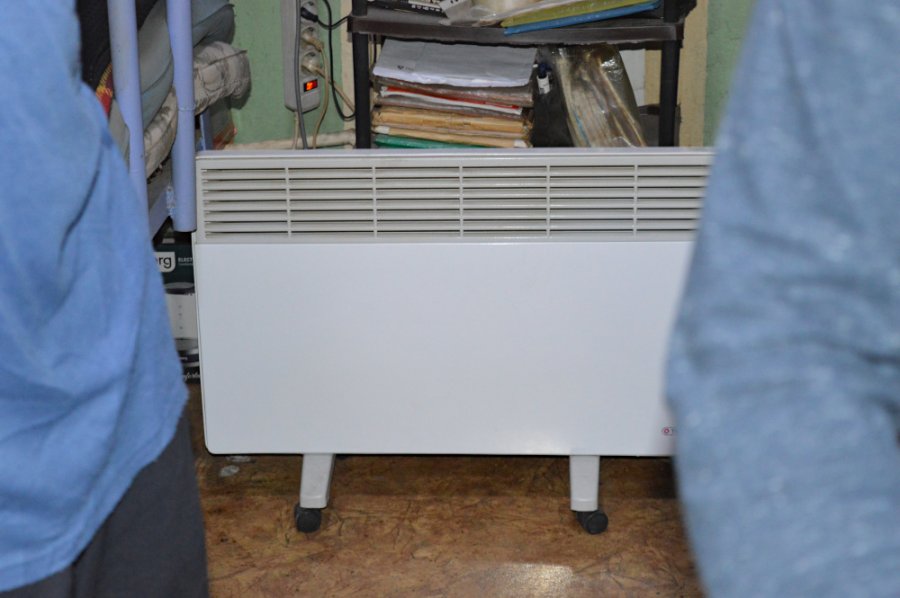
The administration of the institution claimed that central heating from the city had been turned on on the day of the visit. However, due to delays in the start of the heating season and the dilapidated state of the utility lines, the convicts are forced to use electric heating appliances. The administration does not hinder the convicts in this regard, and therefore the cells are warm.
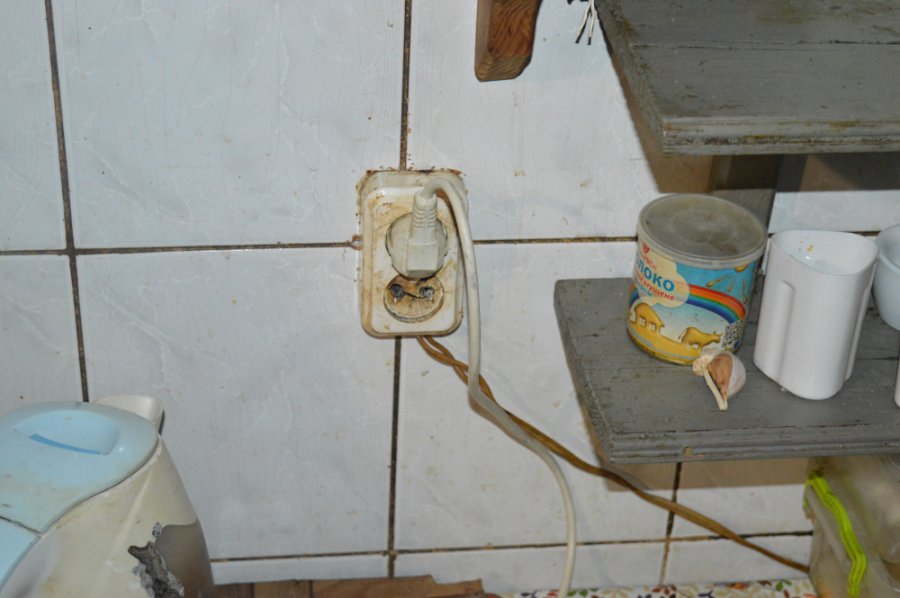
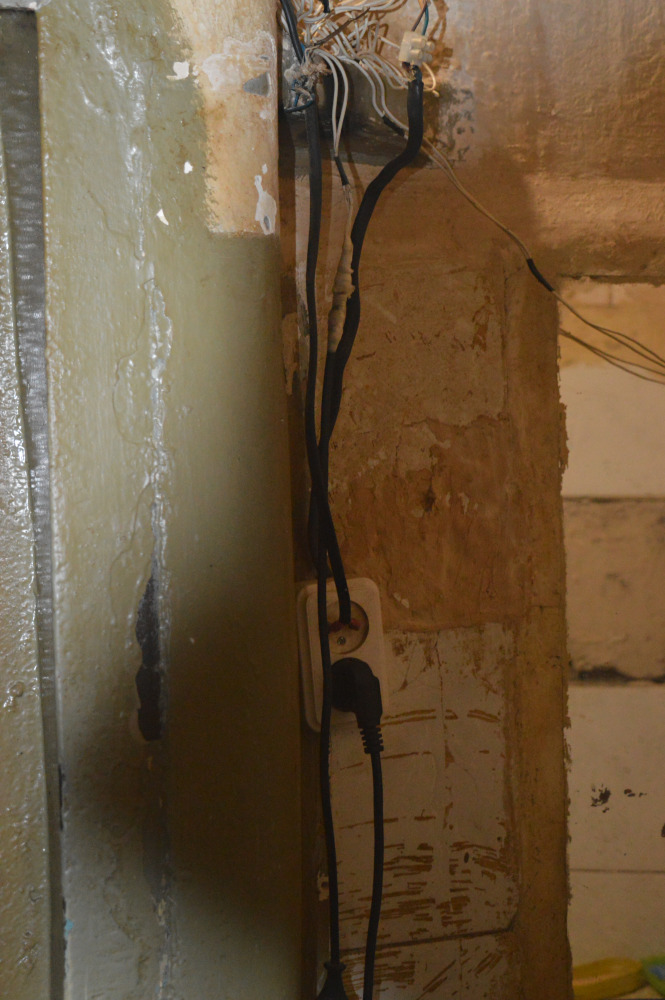
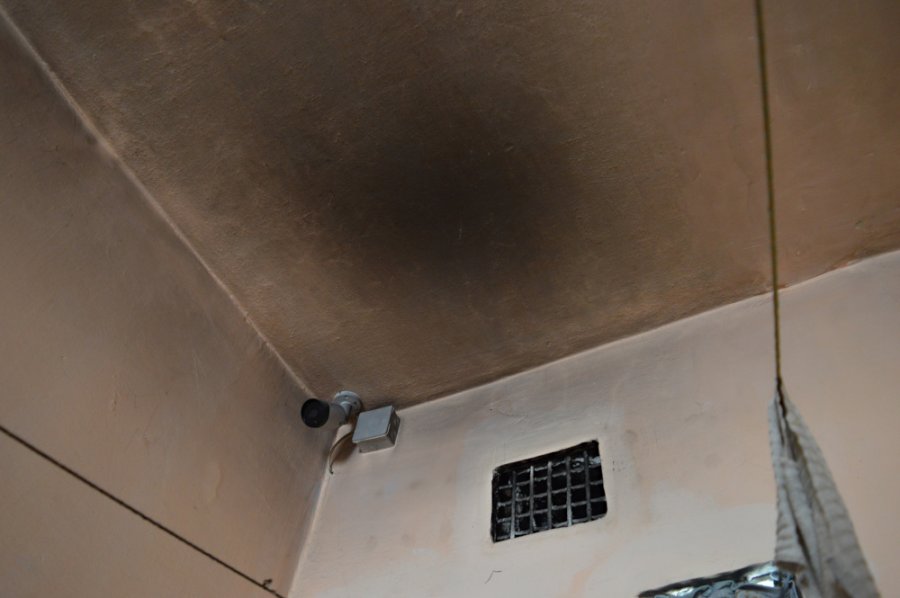
In some cells, electrical sockets are damaged, showing traces of past short circuits, which indicates a danger to the convicts.
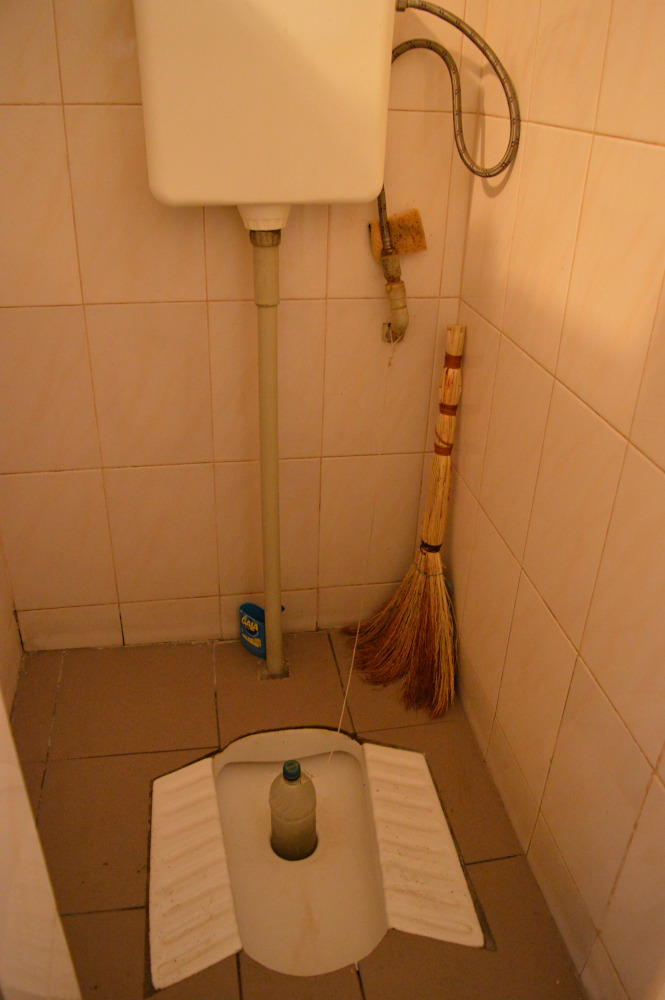
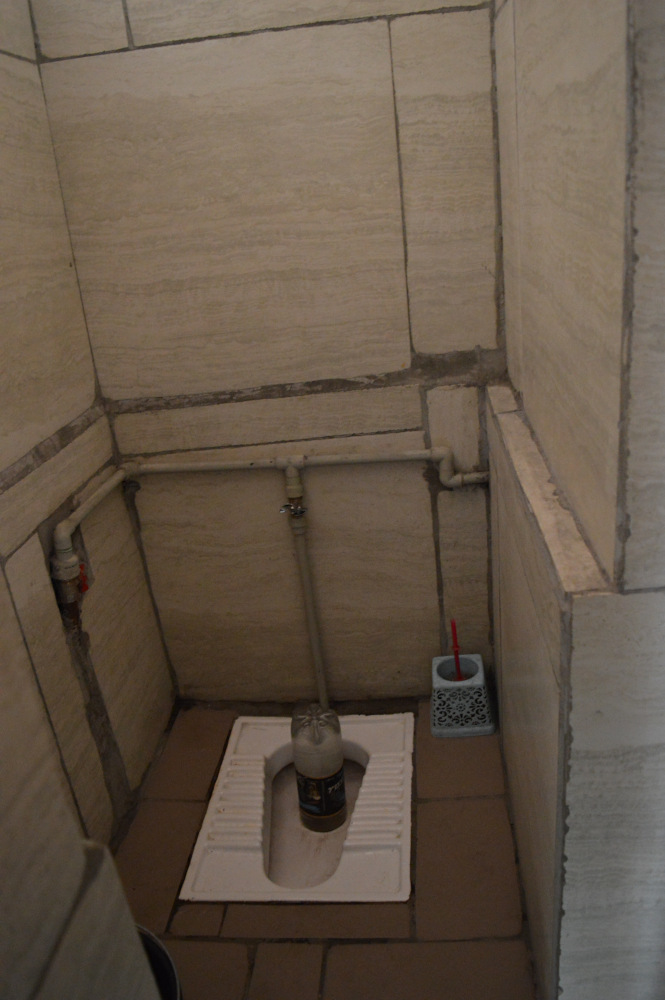
It must be noted positively that the toilets are adequately separated from the living area of the cell. High partitions and doors provide a sufficient level of privacy. This is not characteristic of most maximum-security sectors in penal institutions and correctional colonies. However, the sewage opening was plugged with a makeshift stopper to eliminate a specific unpleasant odour.
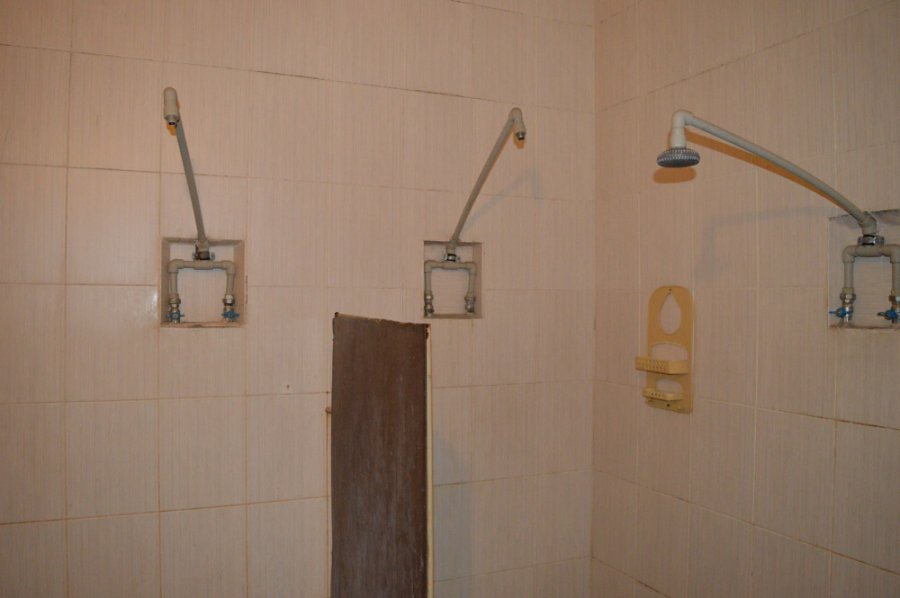
Convicts serving life imprisonment have the right to visit the bathhouse once a week, which contradicts the European Prison Rules, which recommend that convicts visit the bathhouse at least twice a week. The bathhouse is in proper condition. The convicts have the ability to regulate the water temperature themselves. Hot water is supplied to the bathhouse centrally, and an electric boiler is installed in the bathhouse in case of a central water supply shutdown. Three people can wash at the same time.
During the conversation, the convicts did not complain about the conditions of detention and noted their gradual improvement. The convicts confirmed the possibility of dialogue with the administration.

3. Transit sectors
There are two transit sectors operating in the institution. The first is intended for persons convicted to a fixed term of imprisonment whose stay in this institution, as a rule, does not exceed two weeks. The second is intended for convicts serving life imprisonment who, as a rule, arrive at the institution to participate in court hearings regarding the review of judicial decisions concerning them, which takes quite a long time.
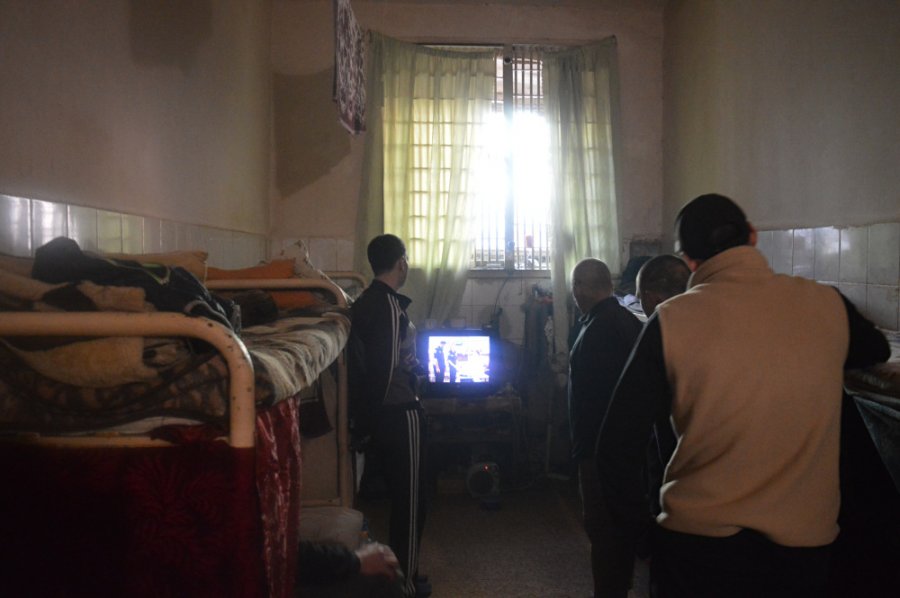
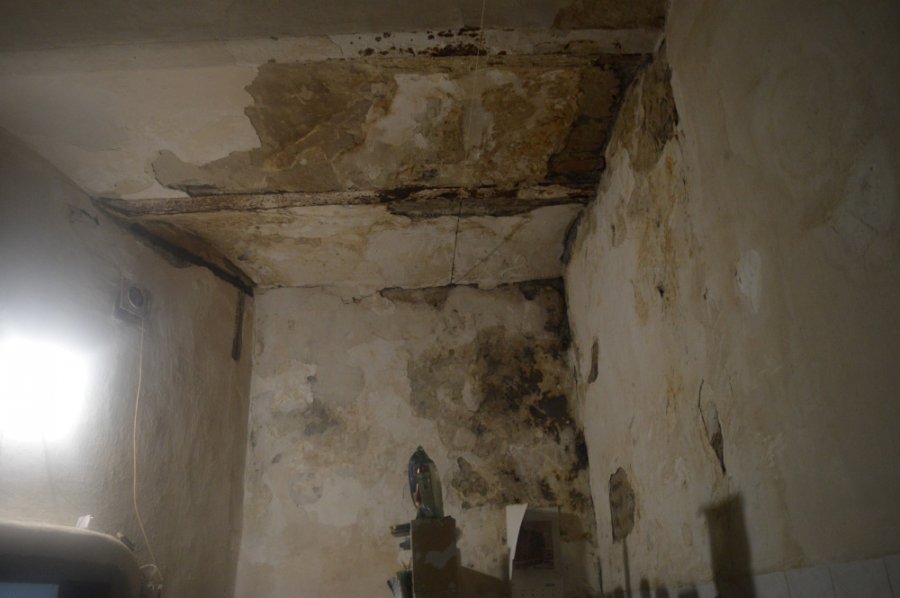
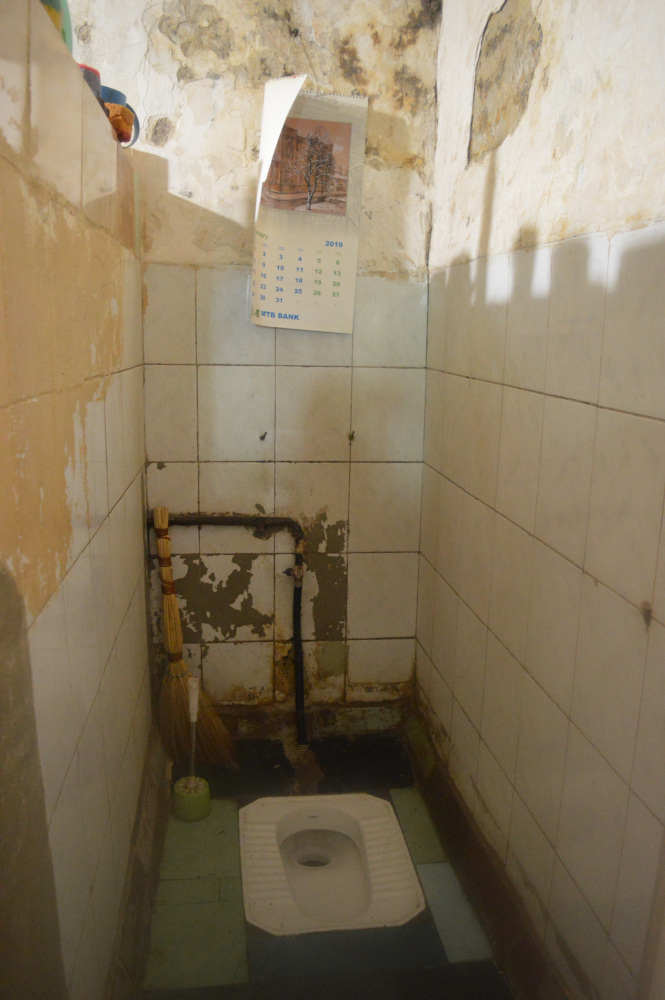
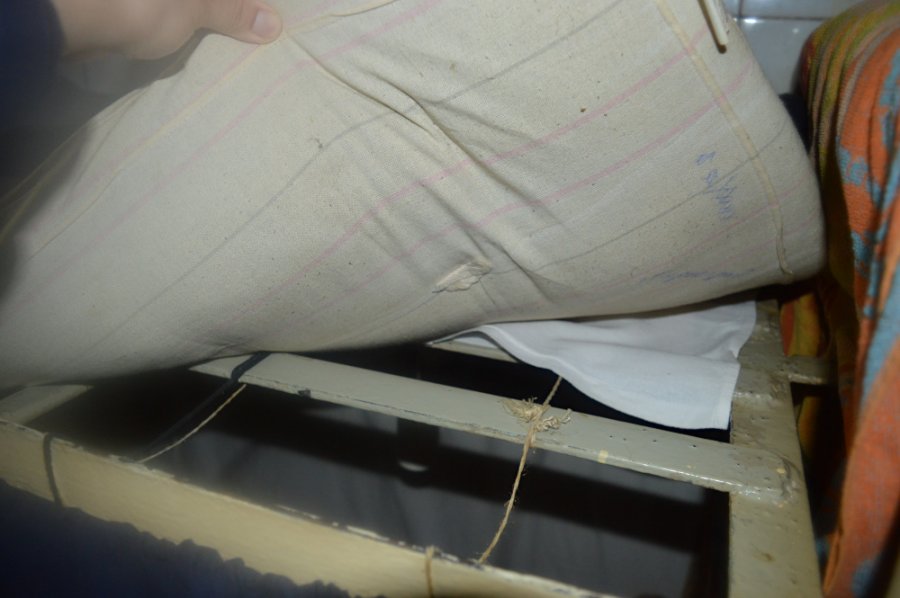
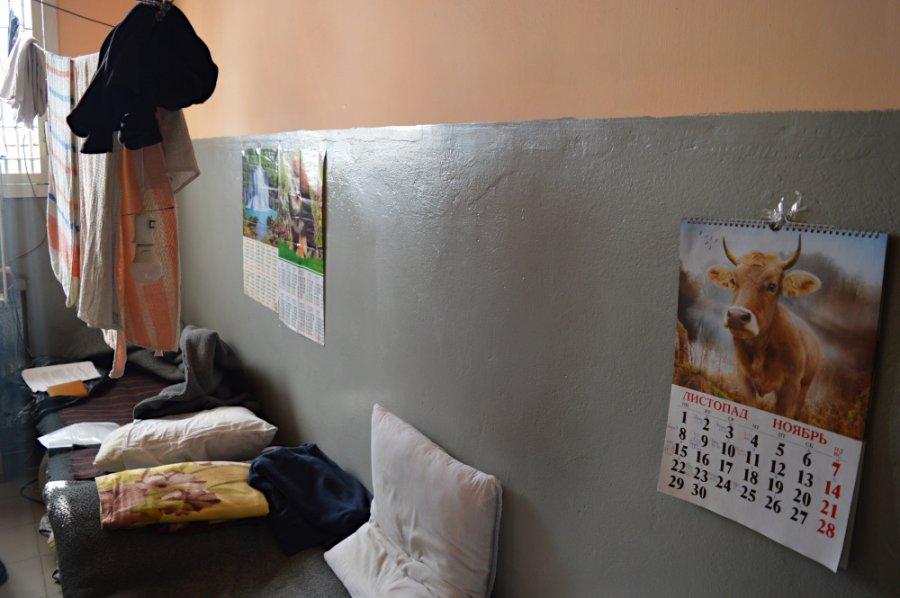
In the first sector, the cells are located in the oldest building of the institution. The walls of the cells are covered in mould. In some places, plaster has fallen off the walls. The toilets are separated from the living area of the cell by partitions, but the doors are too small, which does not allow the convicts to have privacy. The electrical wiring is damaged as a result of past short circuits.
On the day of the monitors' visit, the cell was completely full of convicts, who were accommodated on bunk beds.
The reason for the poor conditions in the cells is the lack of funding for the institution from the state budget. For example, all funding for 2020 for the improvement of the conditions of detention of convicts (KEKV 2210) amounted to 444.9 thousand hryvnias, while the budget request for this expenditure item amounted to 11,023.2 thousand hryvnias. With such limited funding and the high occupancy of the institution, the administration is unable to improve conditions in all sectors simultaneously and must set priorities.
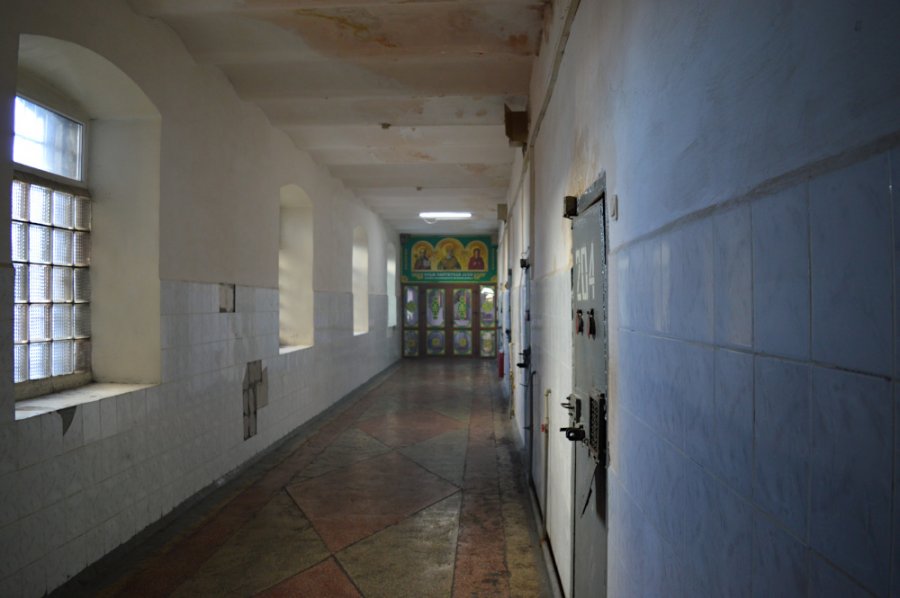
For instance, the transit sector for life-sentenced prisoners was recently moved from the dilapidated basement premises to the third floor of a new building. This was carried out in compliance with numerous rulings of the European Court of Human Rights (by analogy with the pilot judgment ‘Sukachov v. Ukraine’) regarding inhuman conditions of detention in the institution. Today, the conditions of detention in the transit sector are similar to those in the maximum-security sector. Renovation works in this sector were 100 per cent completed with the help of benefactors.
The cells have been completely renovated. The windows in the cells are metal-plastic. Sufficient natural light enters the rooms. The toilets are separated from the living area by a high partition and a door, which meet the requirements for privacy.
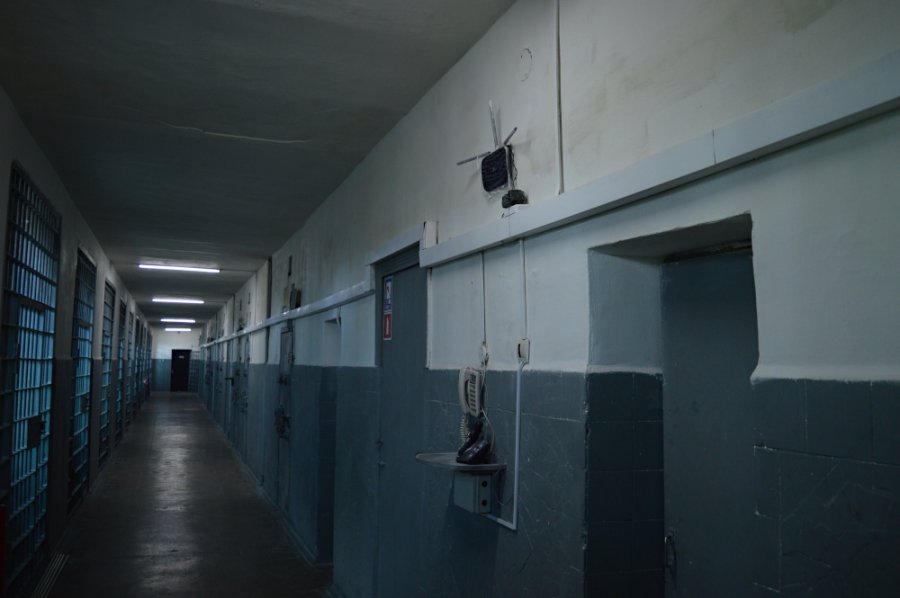
There are three telephone stations located in the department, thanks to which the convicts can call landlines and mobile phones. Three Wi-Fi routers have also been installed to provide the convicts with internet access. Telephone calls and internet access are free of charge. However, the convicts complained about the surveillance of their telephone conversations, including conversations with lawyers, by a colony employee who organizes the connection. Also, some convicts pointed to the low speed of the internet, which, however, was not confirmed.
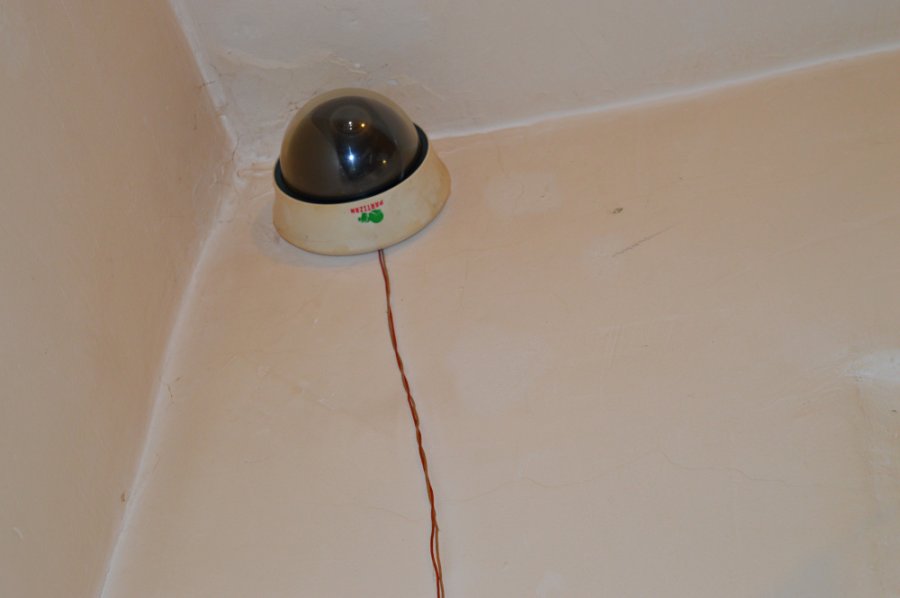
Some convicts also complained about 24-hour video surveillance of them in the cells. They noted that such surveillance is carried out by female staff, which violates their right to privacy. They are forced to get dressed and perform sanitary and hygienic procedures under constant video surveillance by persons of the opposite sex. The monitors note that 24-hour video surveillance is carried out in compliance with the instructions approved by the Ministry of Justice of Ukraine, and representatives of the colony’s administration do not have the right not to comply with it.
As in other sectors, the convicts complained about the absolute lack of medical care.
At present, the convicts are forced to wash in the general bathhouse, because the bathhouse of the sector is in the final stages of renovation.
4. Exercise yards
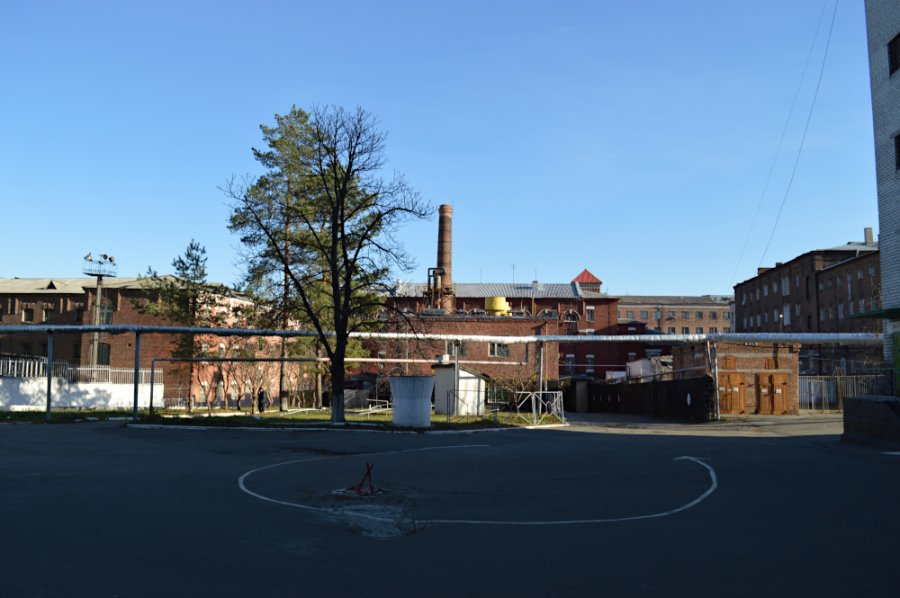
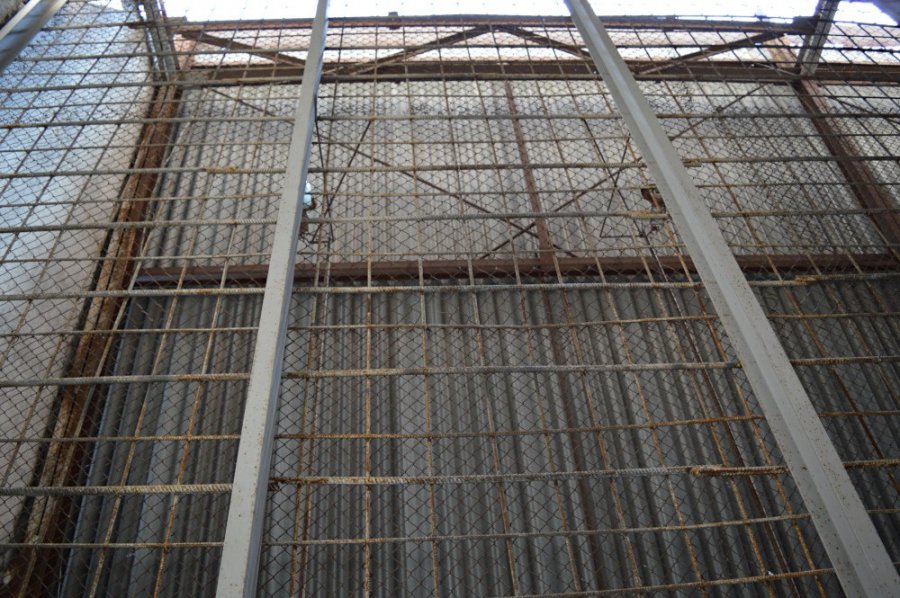
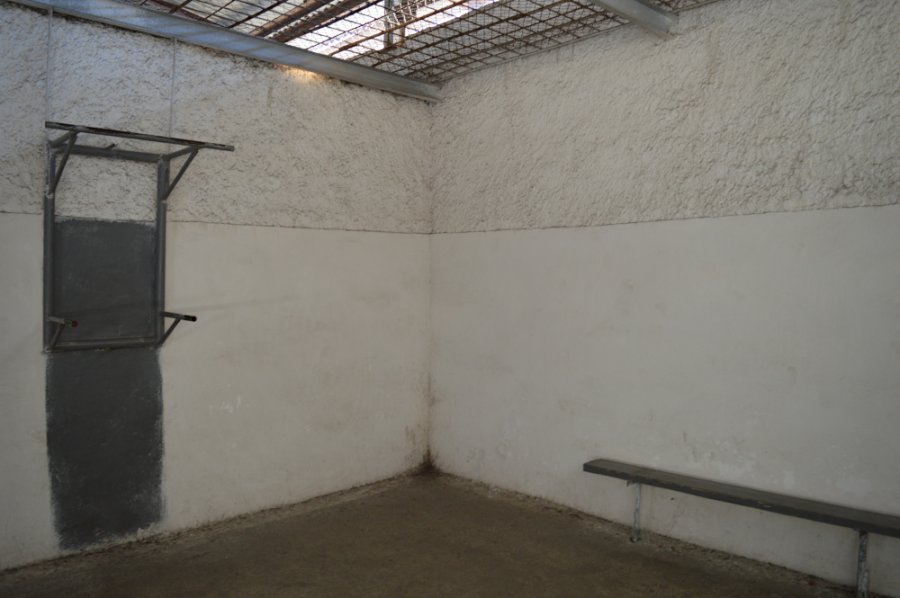
The exercise yards of the institution are located on the roof of the building, and light barely reaches them – one gets the impression of being in a closed cell with a small opening for light to enter. This is due to Soviet building standards, which did not take into account European standards for the detention of prisoners and their treatment. At the moment, it is impossible to eliminate such deficiencies due to the peculiarities of the building’s design.
5. Kitchen
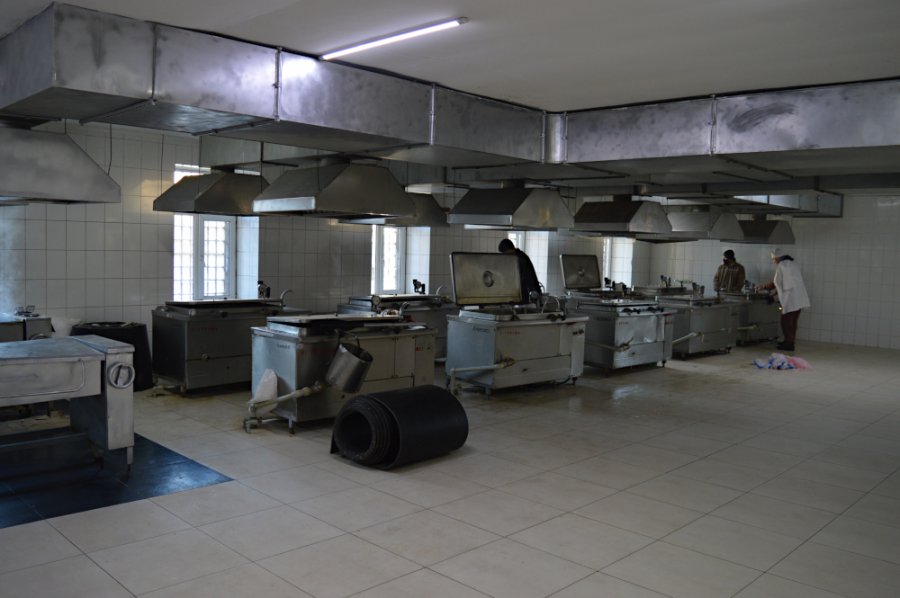
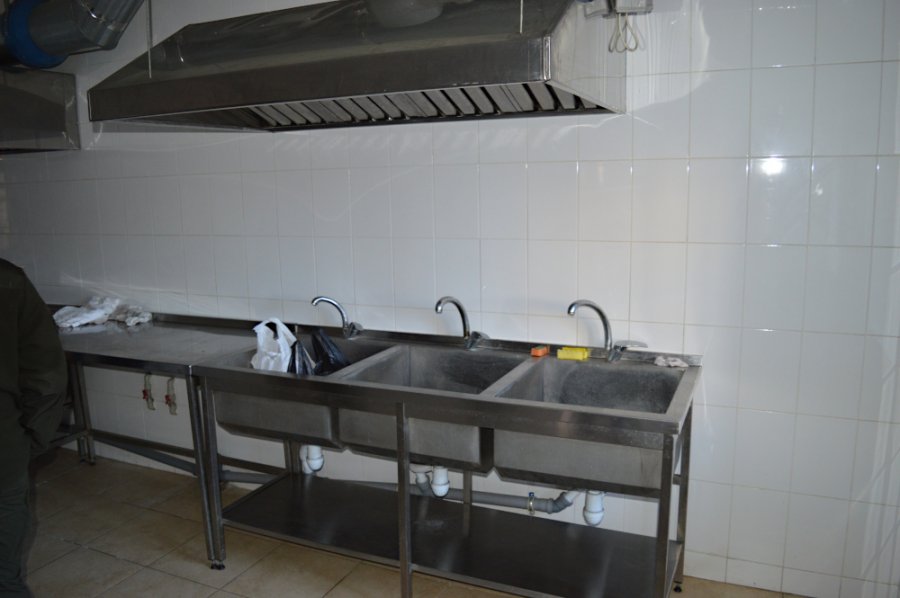
A major renovation was recently carried out in the kitchen. New forced ventilation and extractor hoods have been installed in the kitchen, as well as new kitchen equipment.
At the time of the visit, dinner was being prepared in the kitchen. The monitors noted the pleasant smell of fried fish.
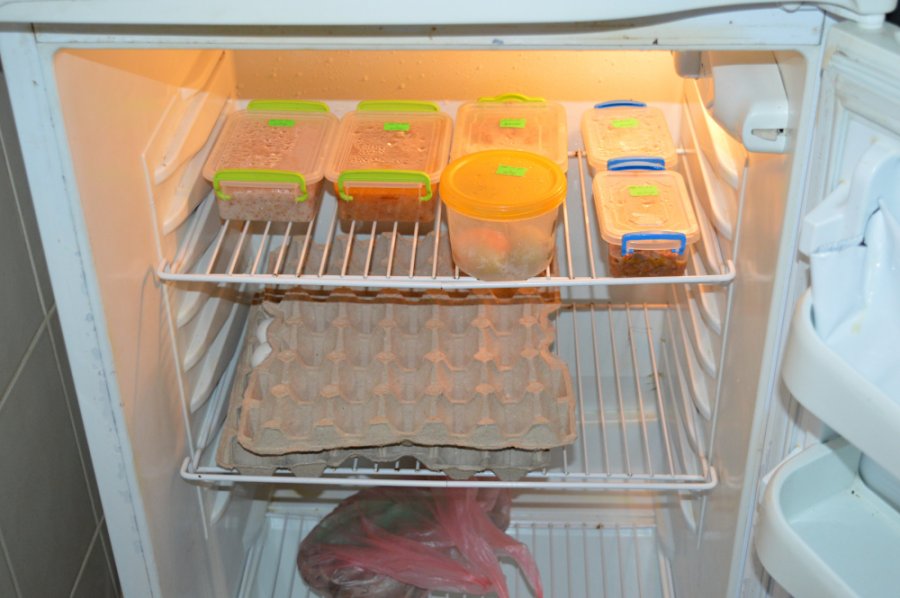
Some of the convicts complained about the quality of the food in the institution, in particular, pointing out that they do not receive, or do not receive in full, dietary meals.