Monitoring visit to the State Institution “Dnipro Institution for the Execution of Sentences No. 4”
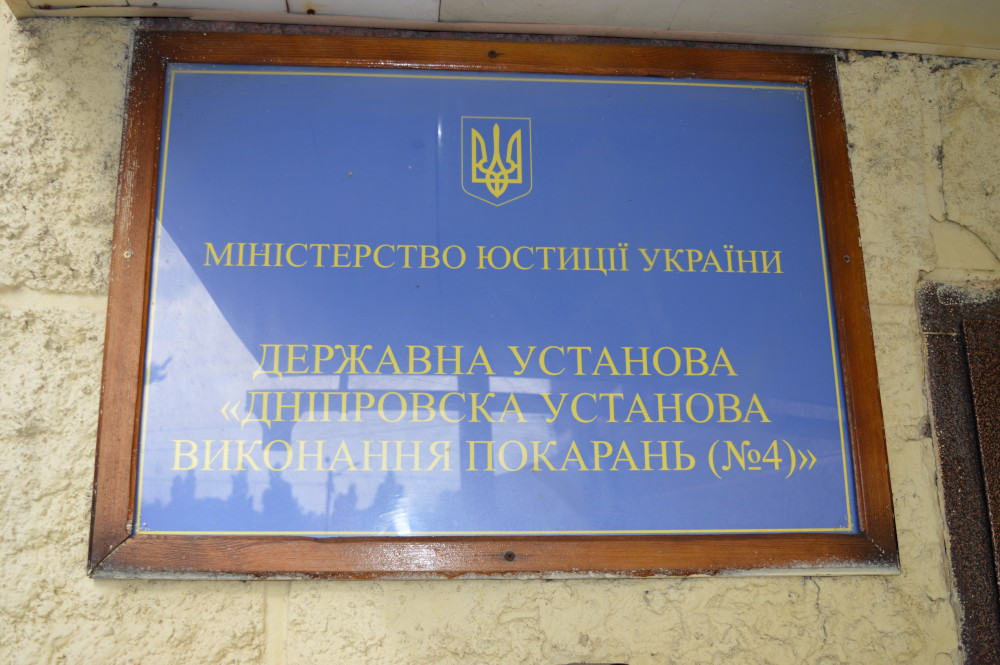
On 19 November 2022, a monitoring group consisting of an assistant to a People's Deputy of Ukraine, Kostiantyn Kasai, a member of the Public Council under the Ministry of Justice of Ukraine Serhii Zuikov, an assistant to a People's Deputy of Ukraine, Yaroslav Yurchyshyn, Kharkiv Human Rights Protection Group (KHPG) programme coordinator Andrii Didenko, and journalist Oleksii Yaroslavtsev, carried out a repeat visit to the state institution “Dnipro Institution for the Execution of Sentences No. 4”.
The report on the previous visit to this institution is available at this link.
The main tasks of the preventive monitoring visit were to analyse the institution's operations during the war, the observance of human rights and freedoms, and to compare findings with the previous visit.
The head of the institution is Colonel of the Internal Service Viktor Viktorovych Yermachenko. The monitoring group visited the cells of those in pre-trial detention, transit cells, and the medical unit.
General Information
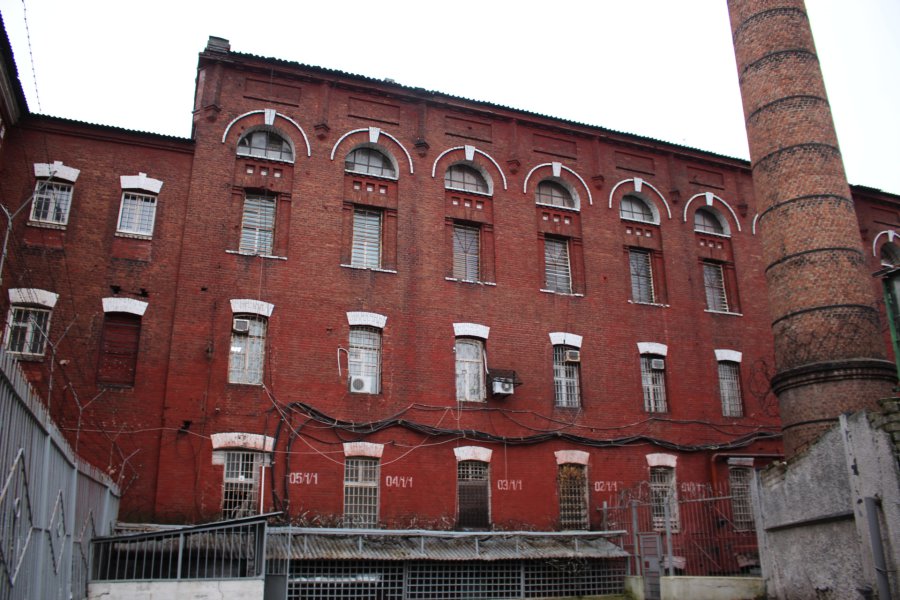
The state institution “Dnipro Institution for the Execution of Sentences (No. 4)” serves as both a remand prison and an inter-regional multi-disciplinary hospital. The waiting time to gain access to the facility was 47 minutes.
According to the facility’s administration, the ratio of prisoners (convicts) to staff is 3.9 prisoners per staff member. The cost of maintaining one prisoner (convict) per day is 124.60 hryvnias.
During the current year, 4,105 prisoners/convicts have arrived at the institution.
In 2021, 19 people died, and in 2022, 13 people died. 79 people were employed, 48 of whom were under employment contracts. The average monthly salary is 3,018 hryvnias. There were 44 people in the medical facility under the Health Care Centre of the State Penitentiary Service on the premises, and 1 person in a Ministry of Health facility.
43 people are registered as prone to suicide; 32 as prone to self-harm; and 10 as prone to escape.
32 people are registered as malicious violators of the detention regime. Due to severe illness, 4 people were released in 2021, and 4 in 2022. During 2021 and 2022, not a single complaint regarding inadequate detention conditions or improper medical care was registered.
In 2021, 8 people were released, 3 of whom were released on parole and 5 transferred to a more lenient detention regime. In 2022, 26 people were released, 19 of whom were released on parole and 7 transferred to improved detention conditions.
There were 32 ambulance calls in 2021. In the current year, there were 55. In 2021, 134 cases of bodily injury were recorded upon arrival, and 98 cases during the stay at the institution. As of 2022, 221 cases were registered upon arrival, and 87 during the stay in the facility.
This year, special equipment was used 15 times: 5 times handcuffs, and 10 times physical force.
Repairs are underway in the rooms and wards of the medical unit.
The premises are outdated and require major repairs.
Medical Unit
The head of the medical unit, Ihor Ihorovych Bohdan, categorically refused to provide any information regarding the unit's activities — statistical data, as well as logs concerning medical documentation, in particular, the staffing table indicating staff positions, logs of bodily injuries, logs of preventive examinations, pre-registration logs for outpatient appointments, etc. This practice of withholding medical documentation has been repeatedly documented by monitors, which indicates the administration's desire to conceal the institution's activities.
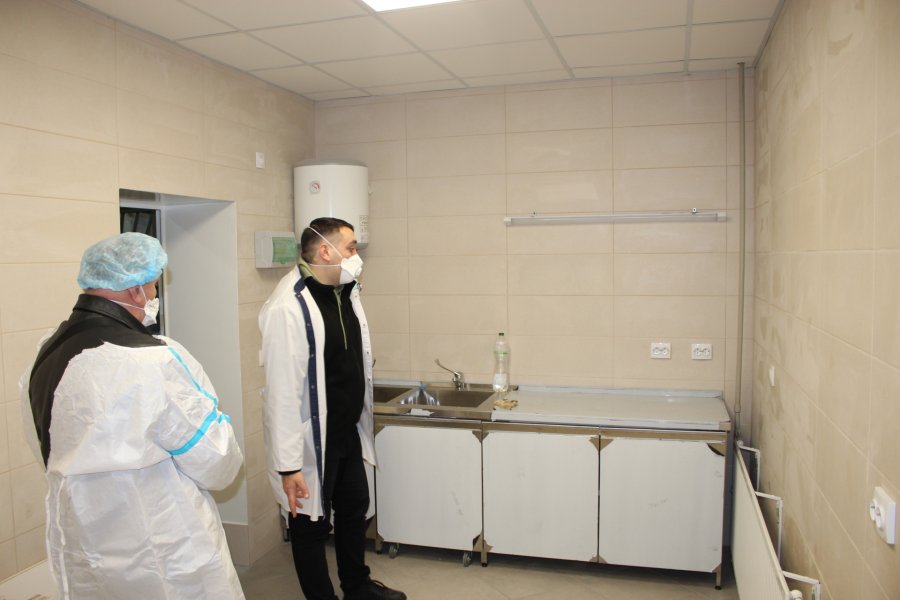
The tuberculosis post and infectious disease isolation ward were visited.
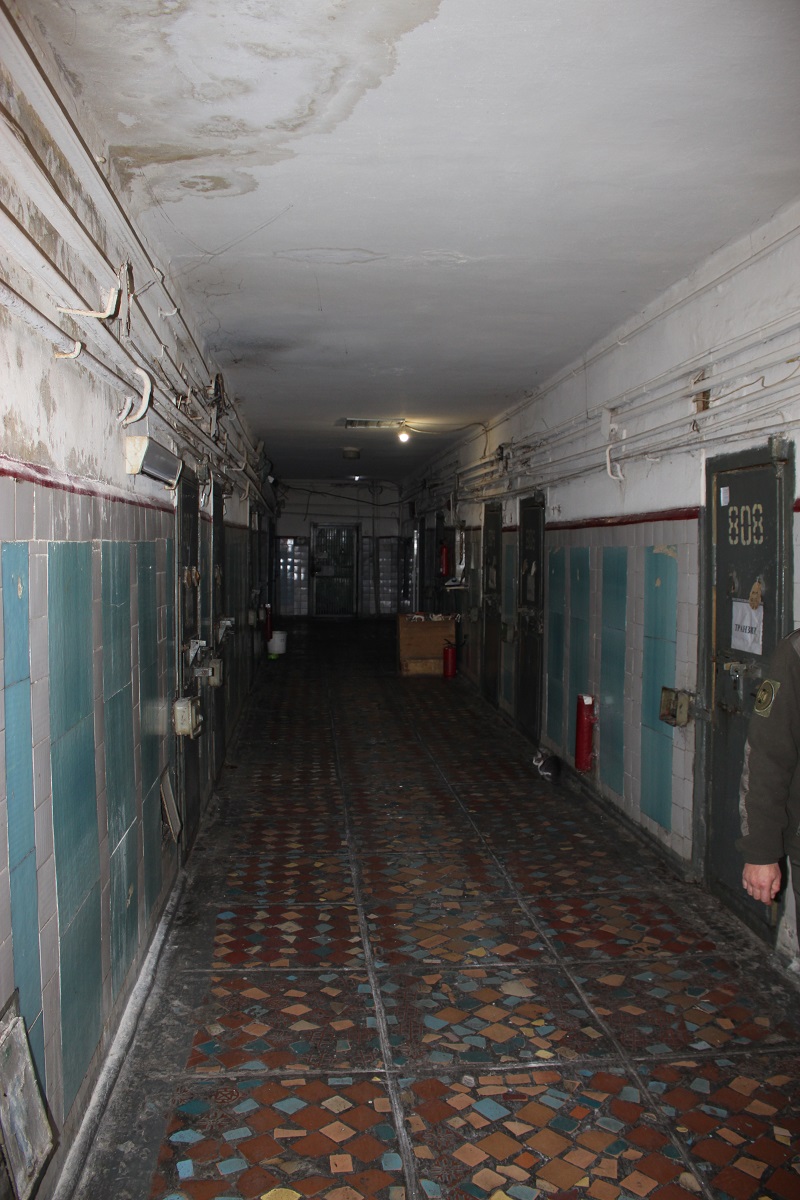
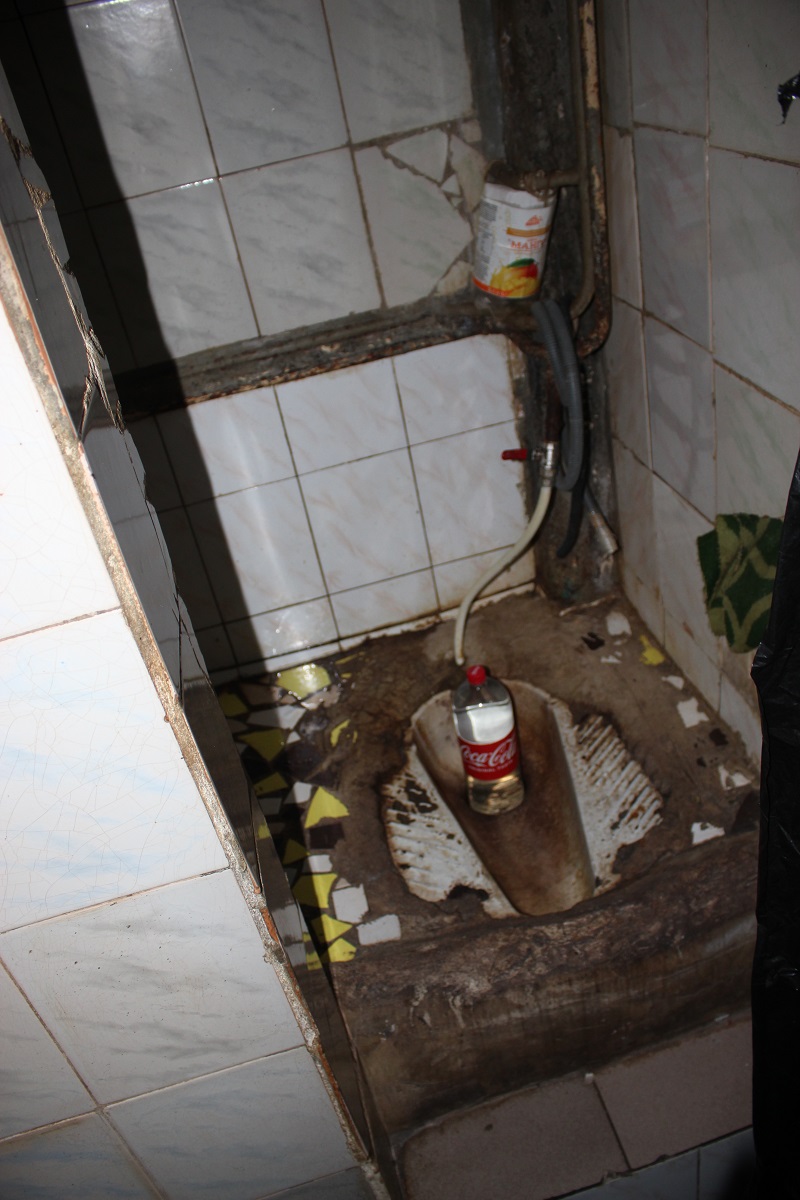
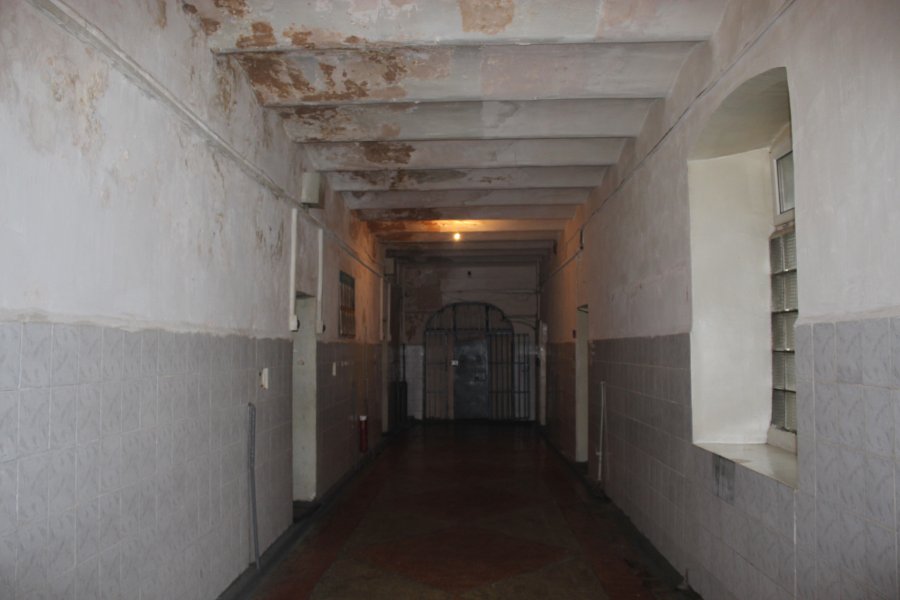
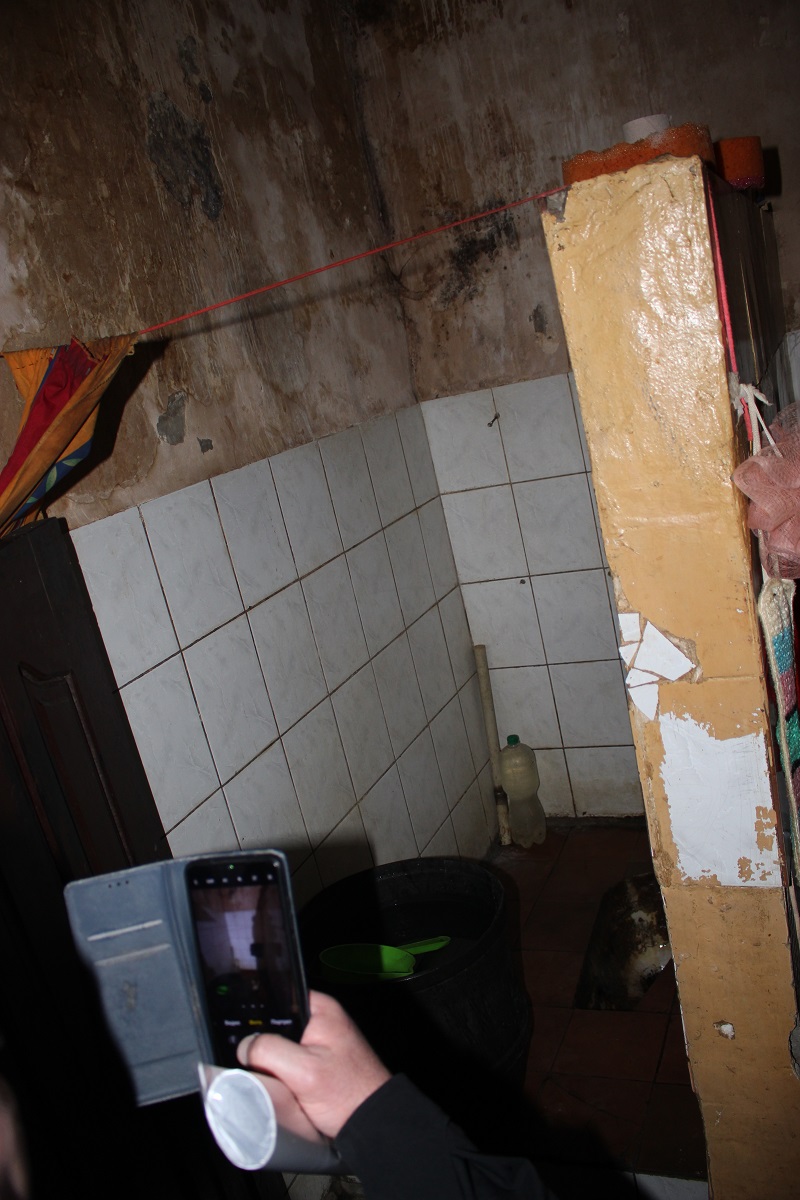
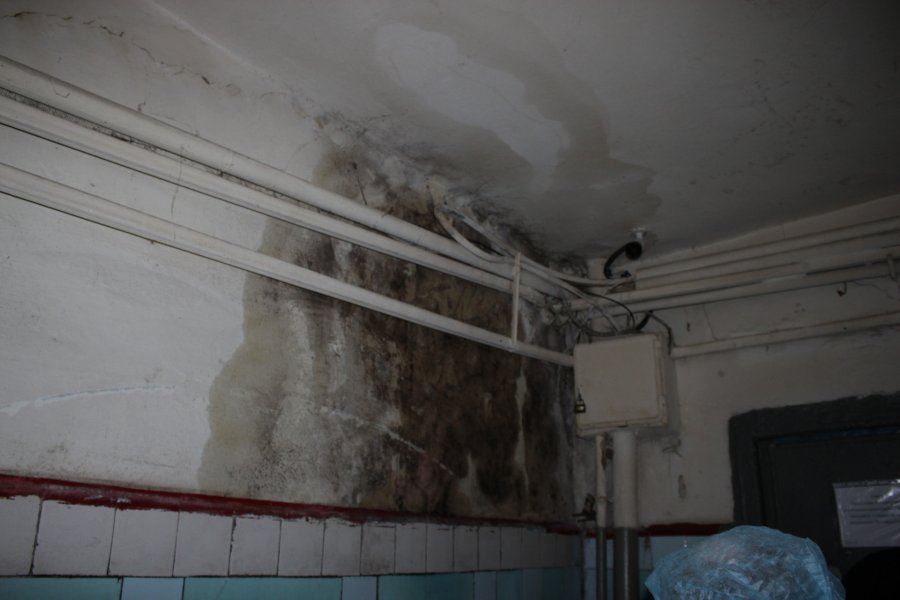
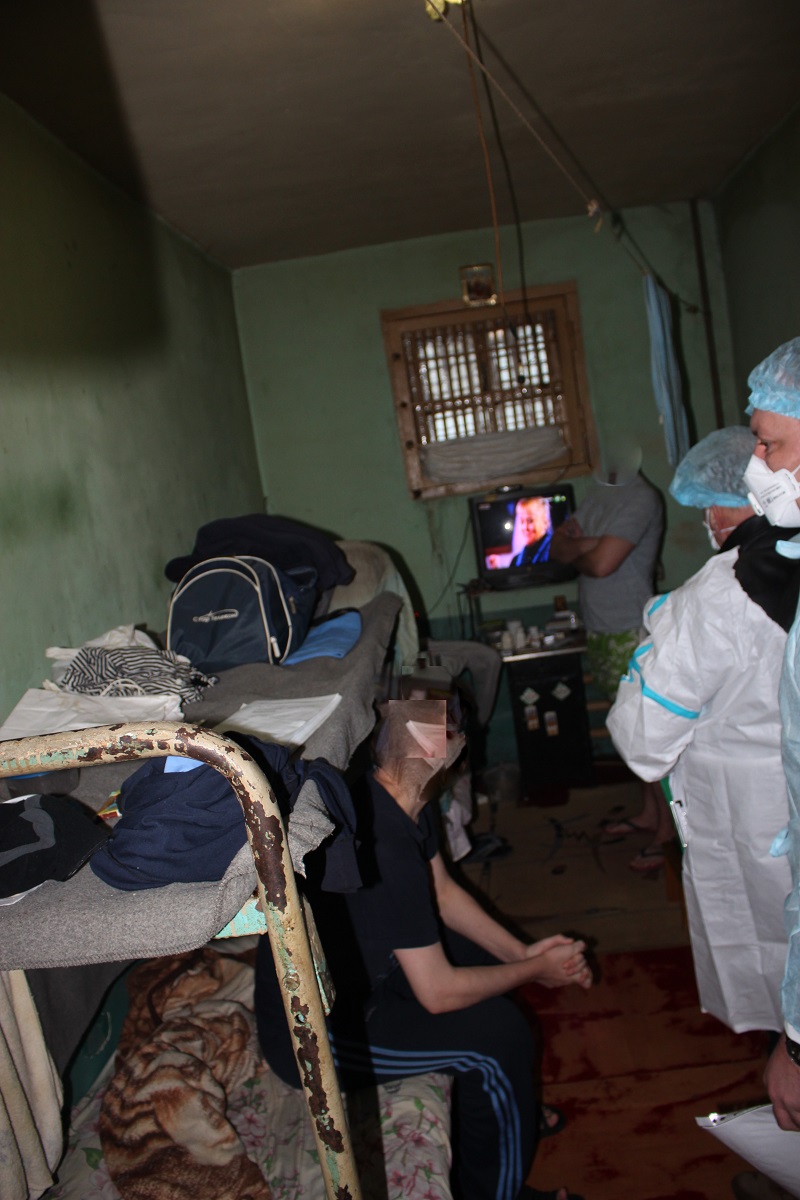
One can only enter the tuberculosis block wearing protective clothing. The form of the patients' disease is indicated on each cell. The cells are overcrowded and in a dire, dilapidated state.
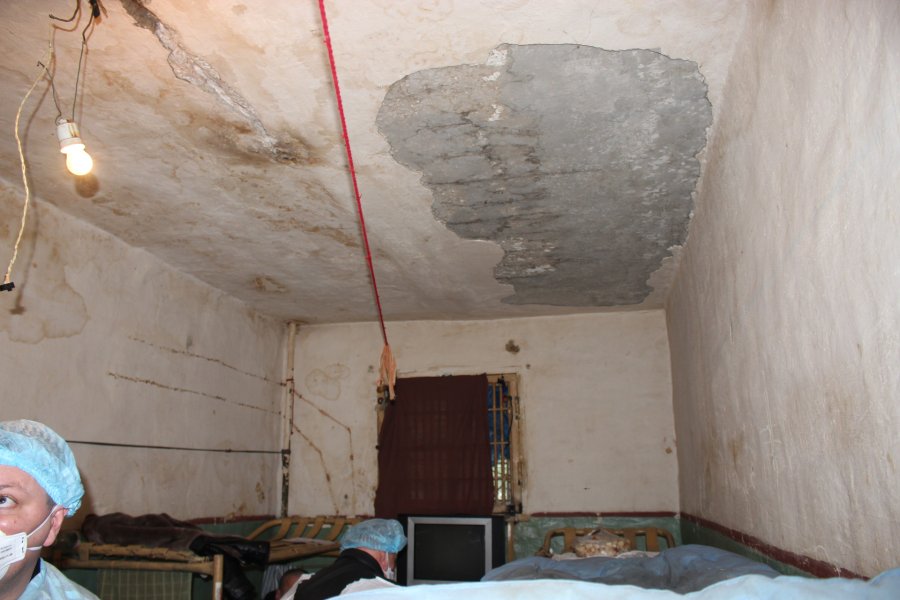
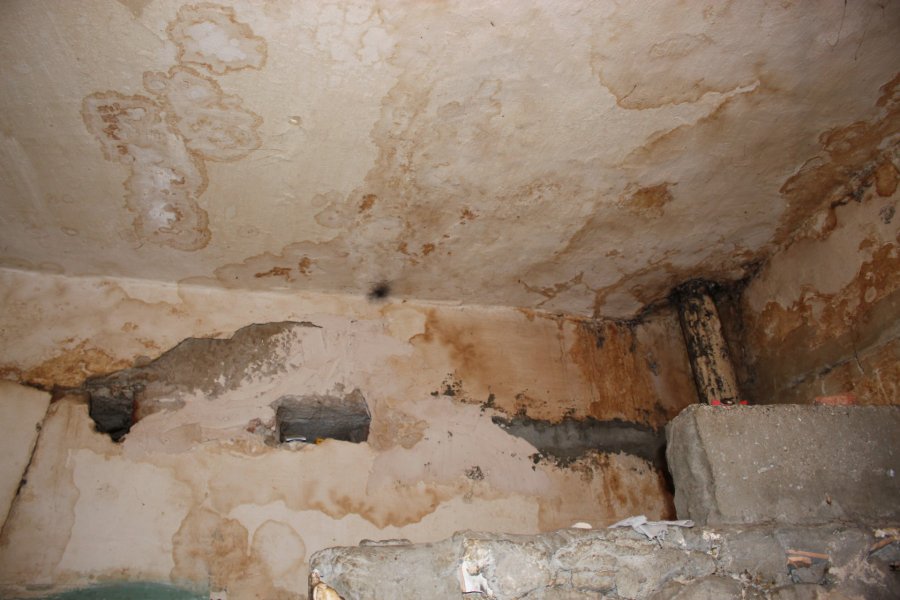
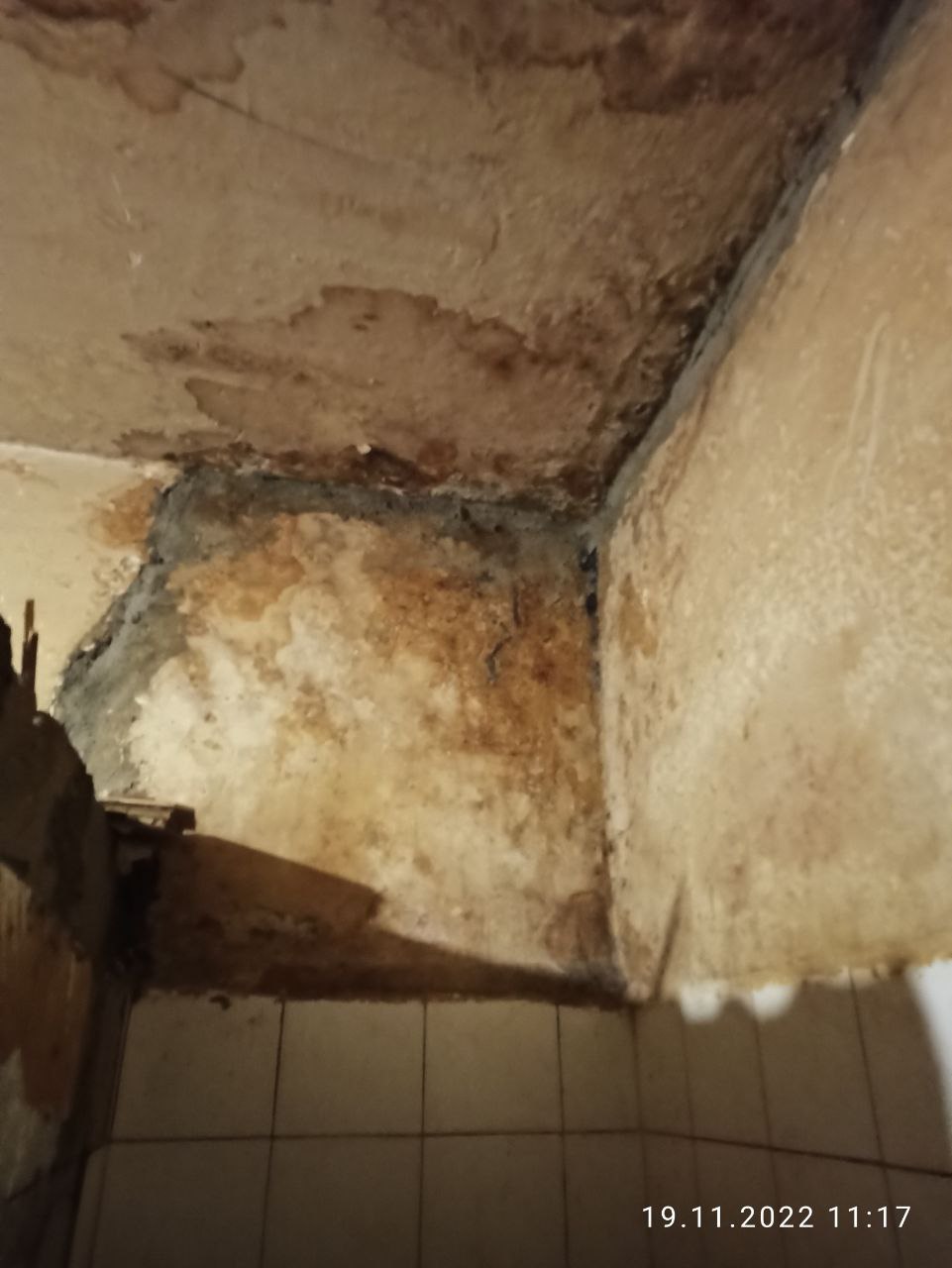
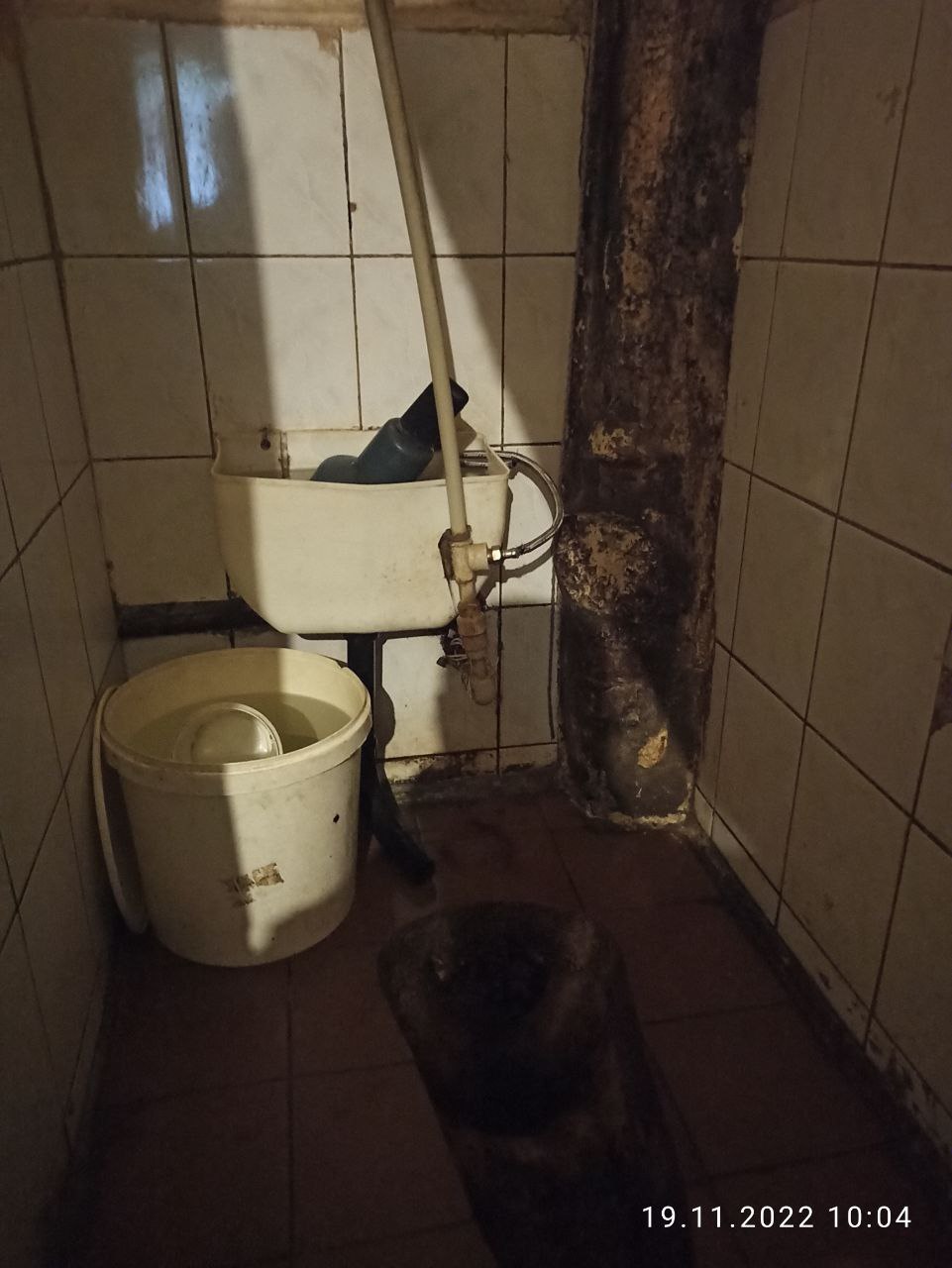
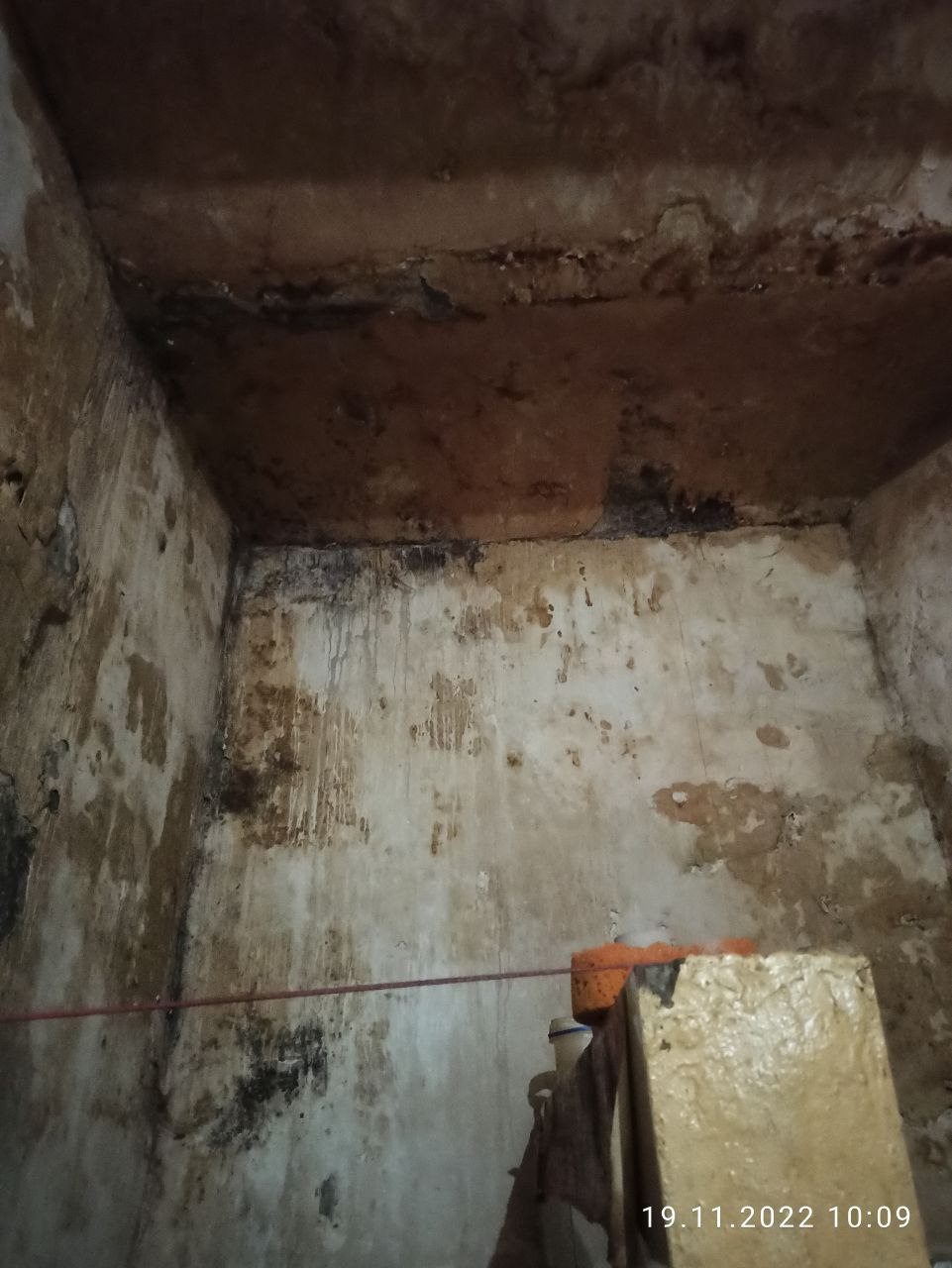
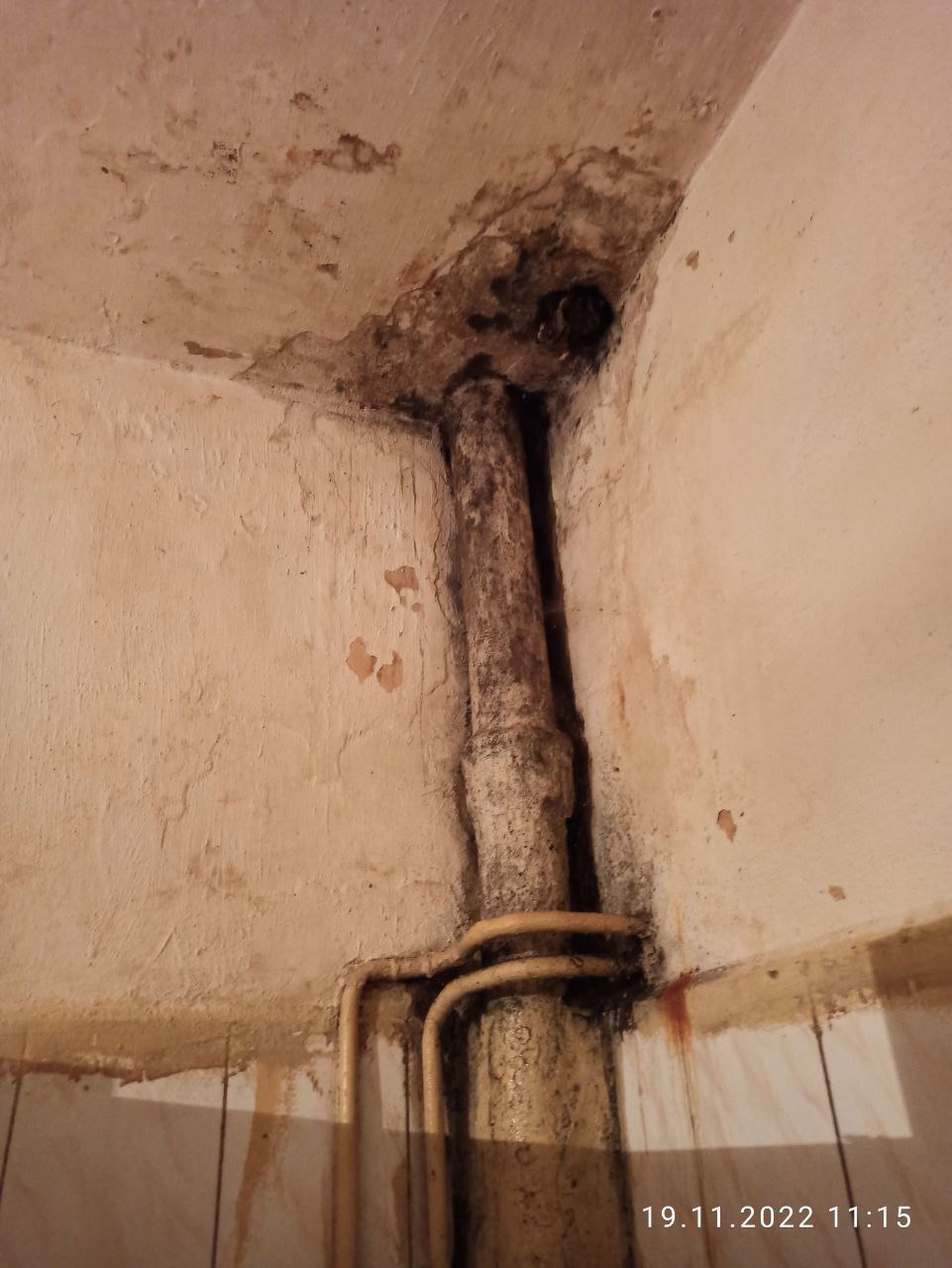
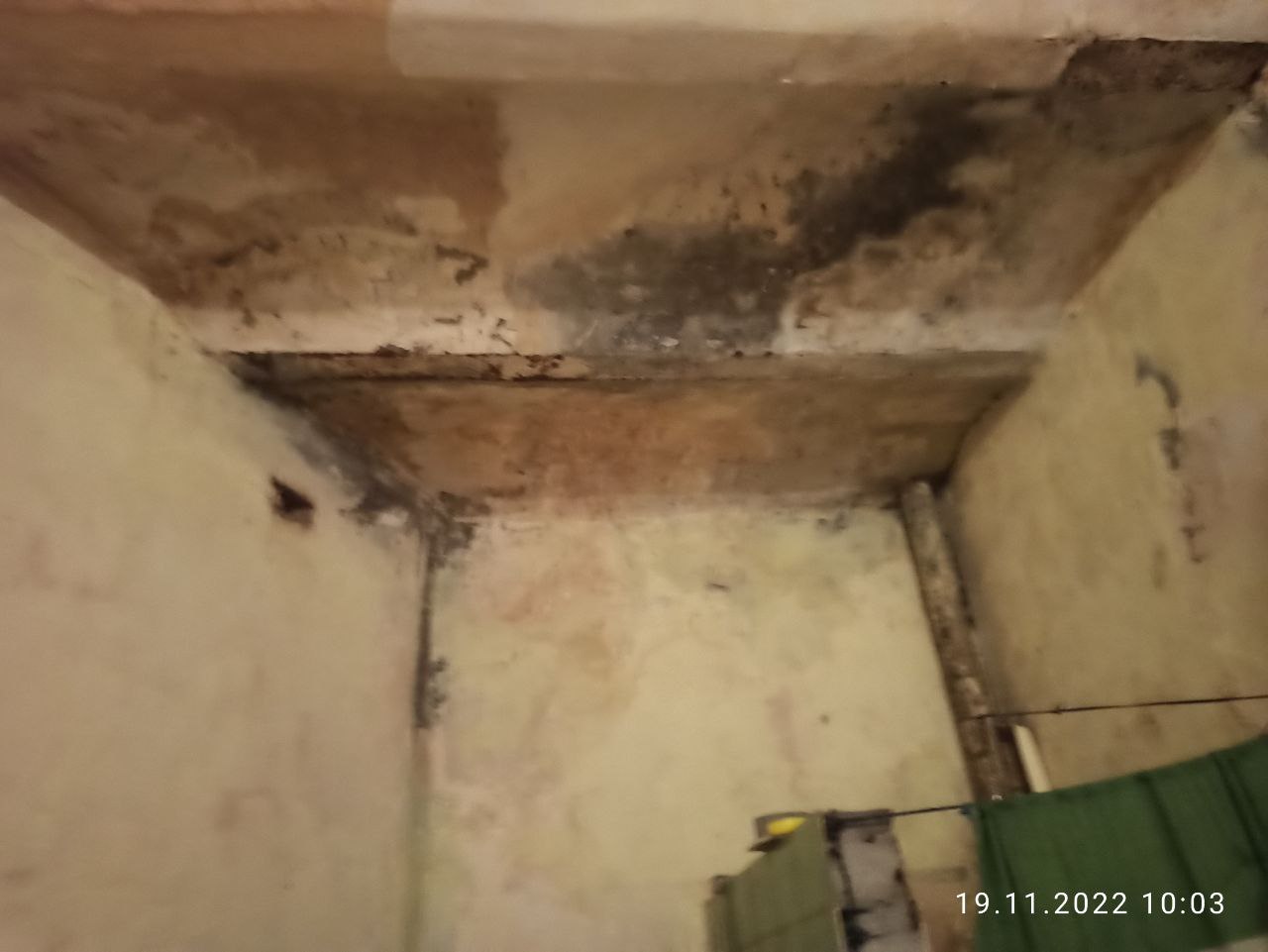
In one small cell, there were 5 people. The patients stated that they were convicts waiting to be transferred to a specialized closed-type medical institution. The prisoners complained about the presence of cockroaches in the cell.
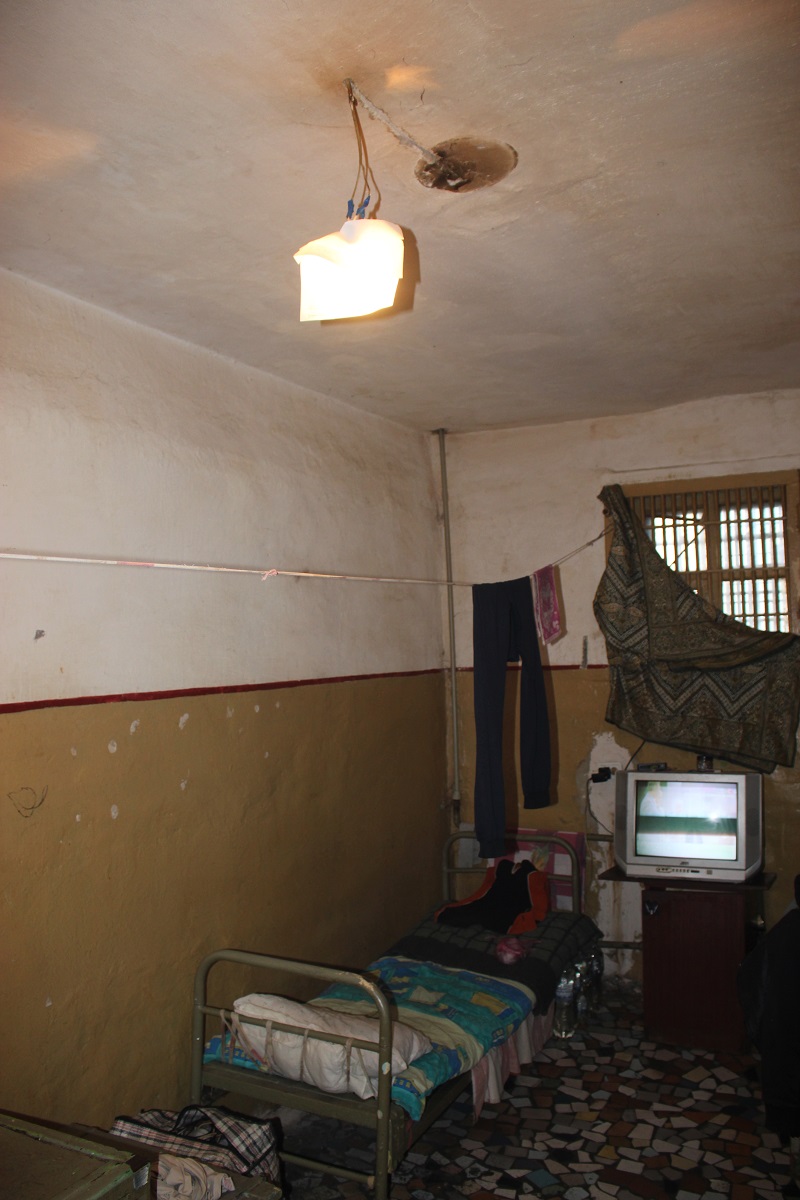
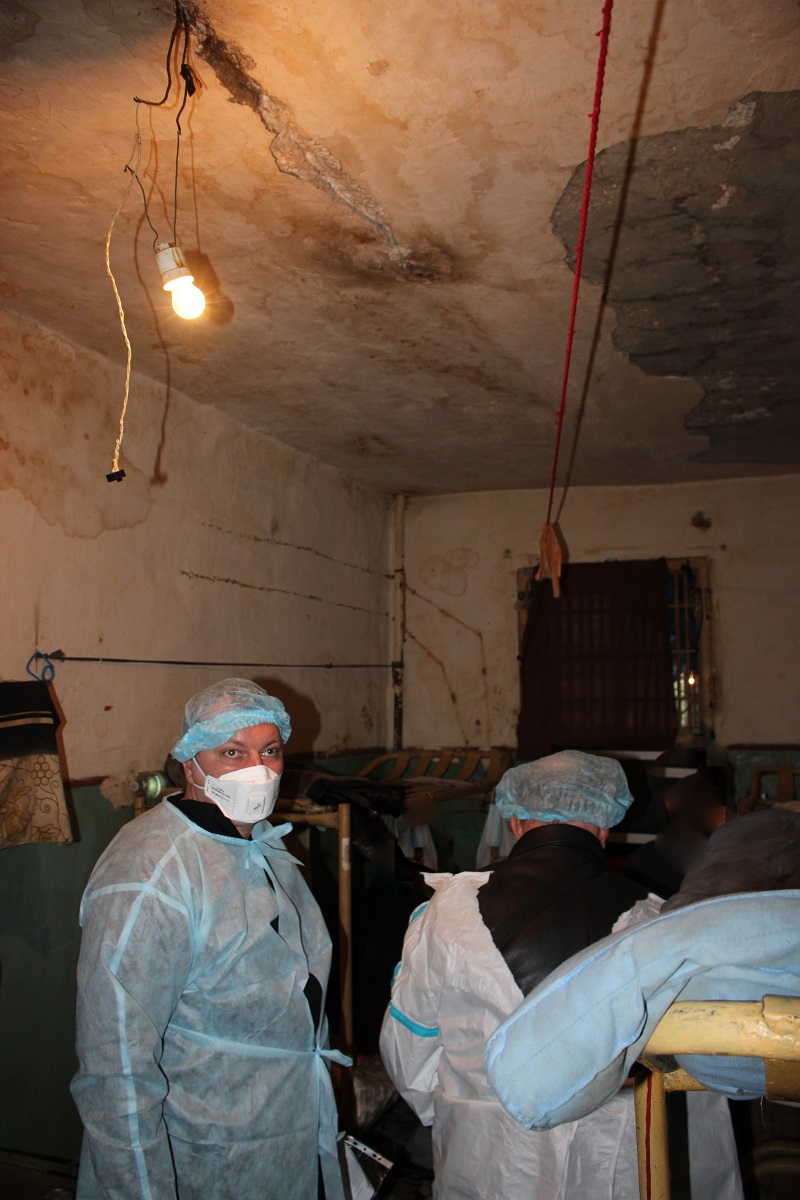
Convict P., who is 67 years old and a defendant in a case, does not receive a pension and has no relatives.
Two convicts, who had been in the cell for two weeks, had no bed linen.
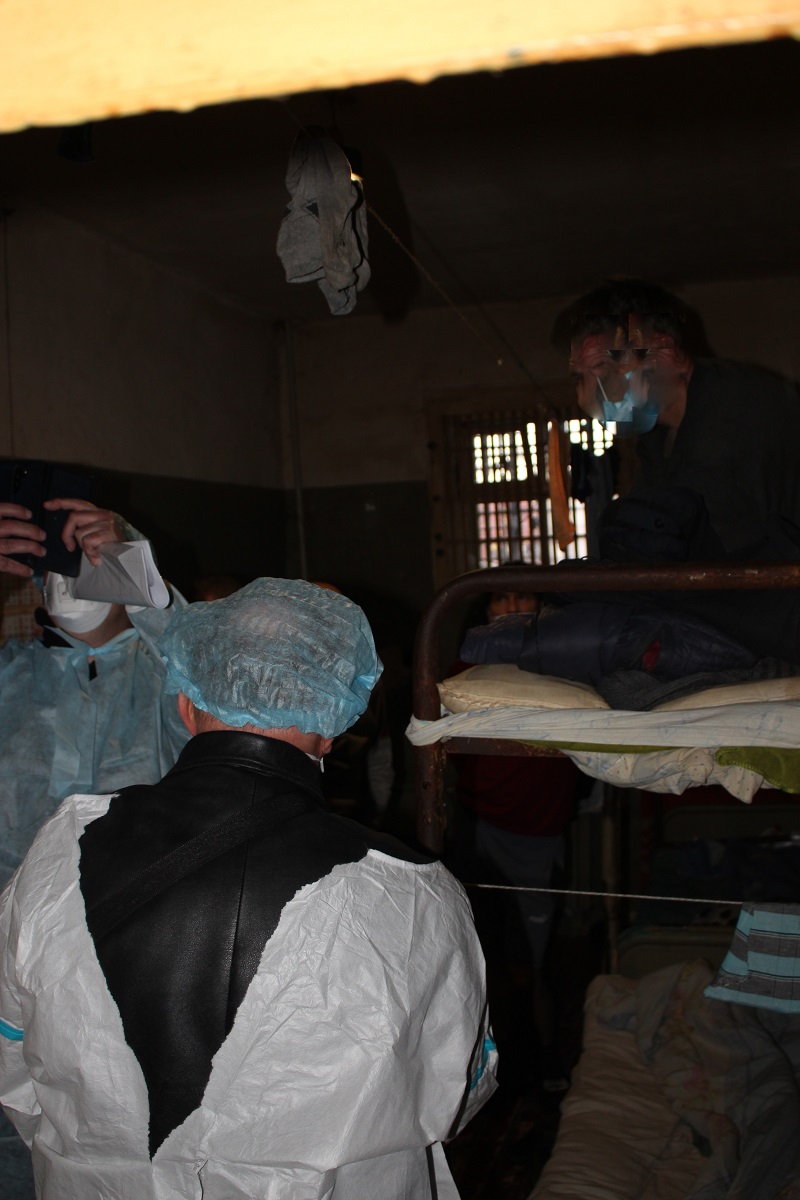
Another prisoner complained that he had neither a spoon nor a plate.
There were three women in the transit cell. The women were waiting to be transferred to the specialized tuberculosis hospital at Colony No. 63. While being held in the transit cell, they do not receive treatment. At the time of the monitors' visit, they had been without treatment, according to them, for two weeks already.
There are no drinking water tanks in the cells.
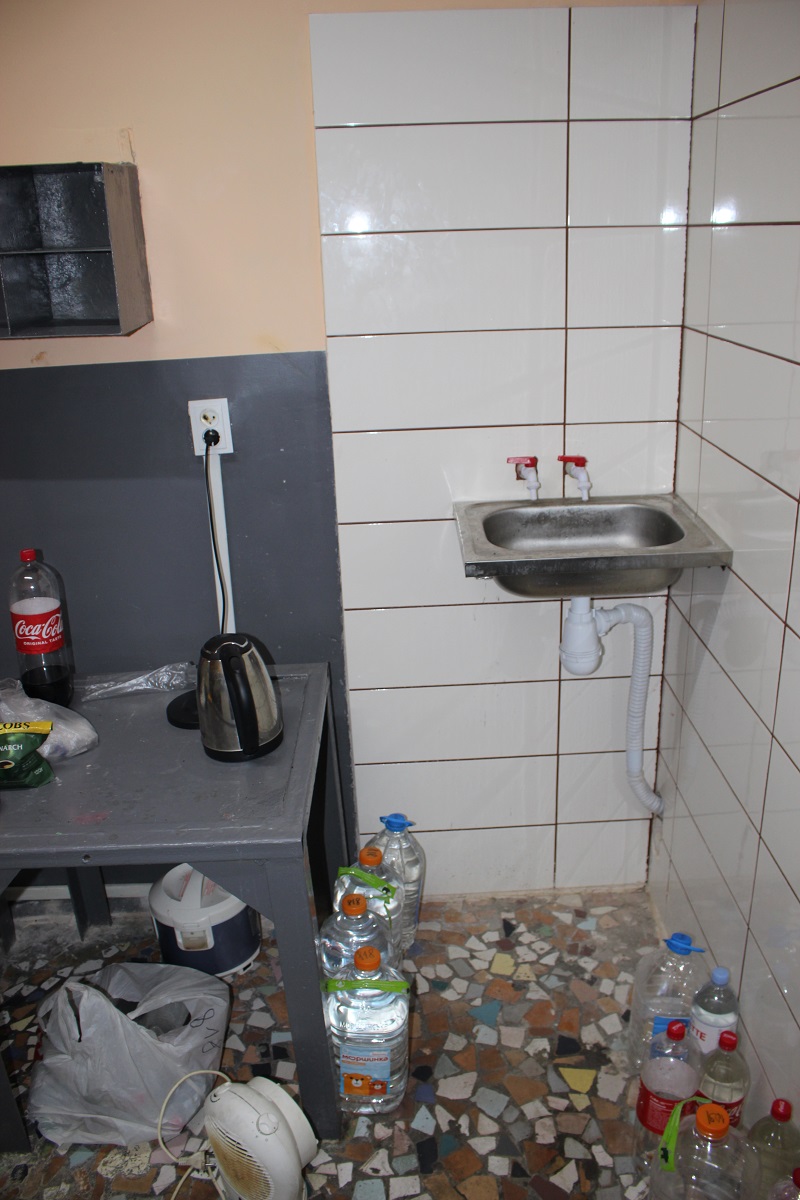
Some cells are being renovated.
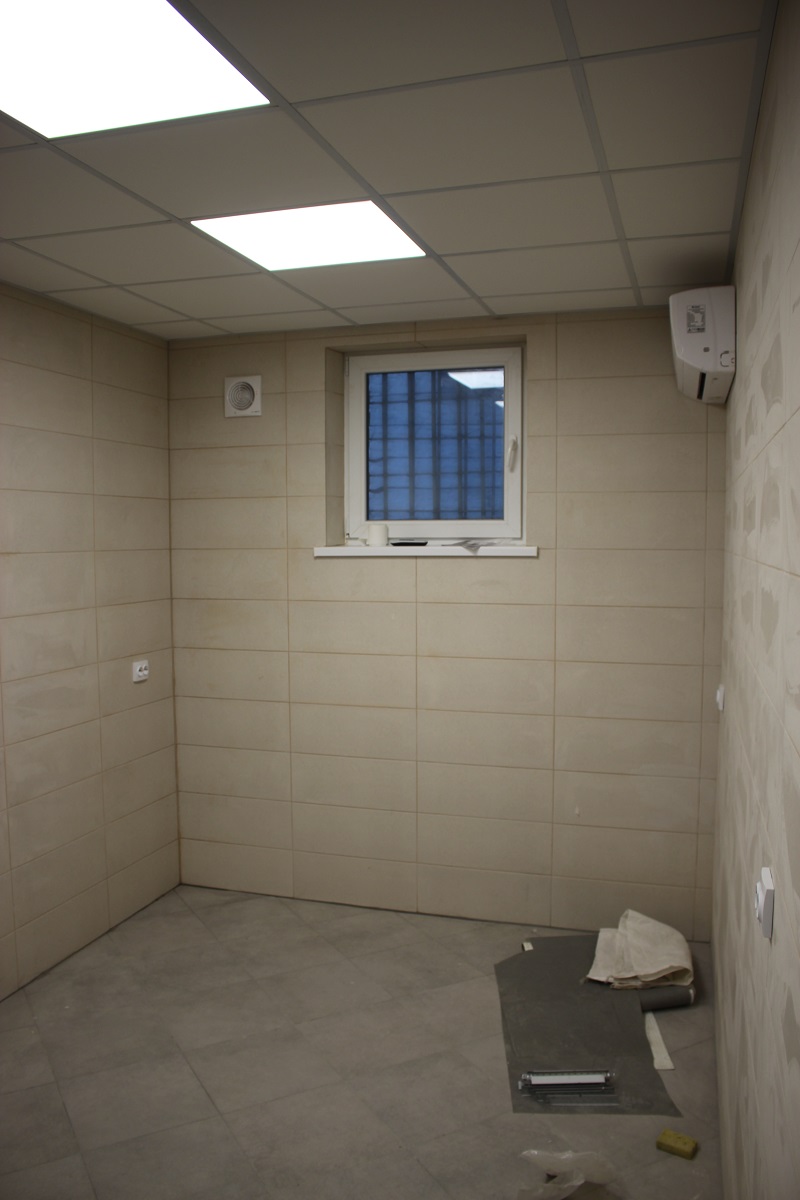
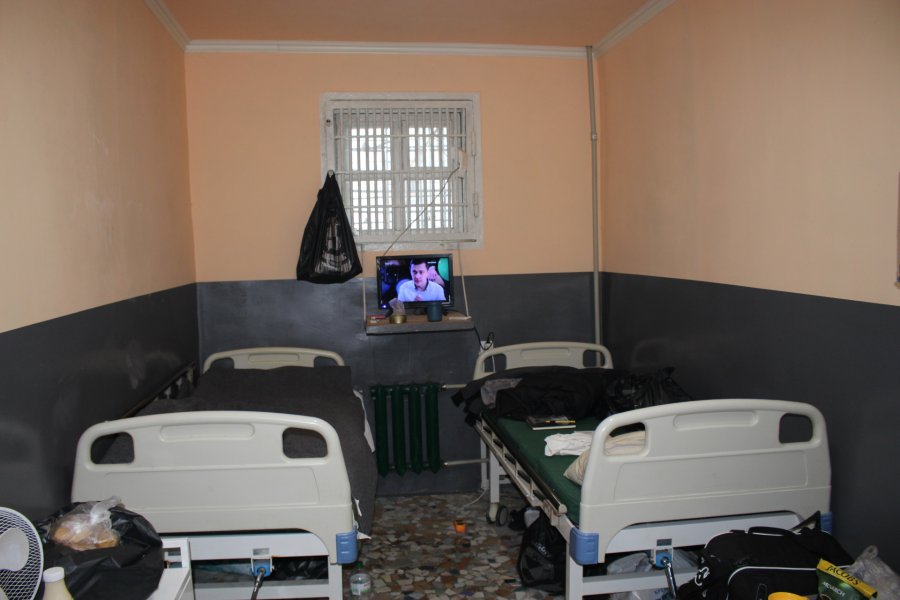
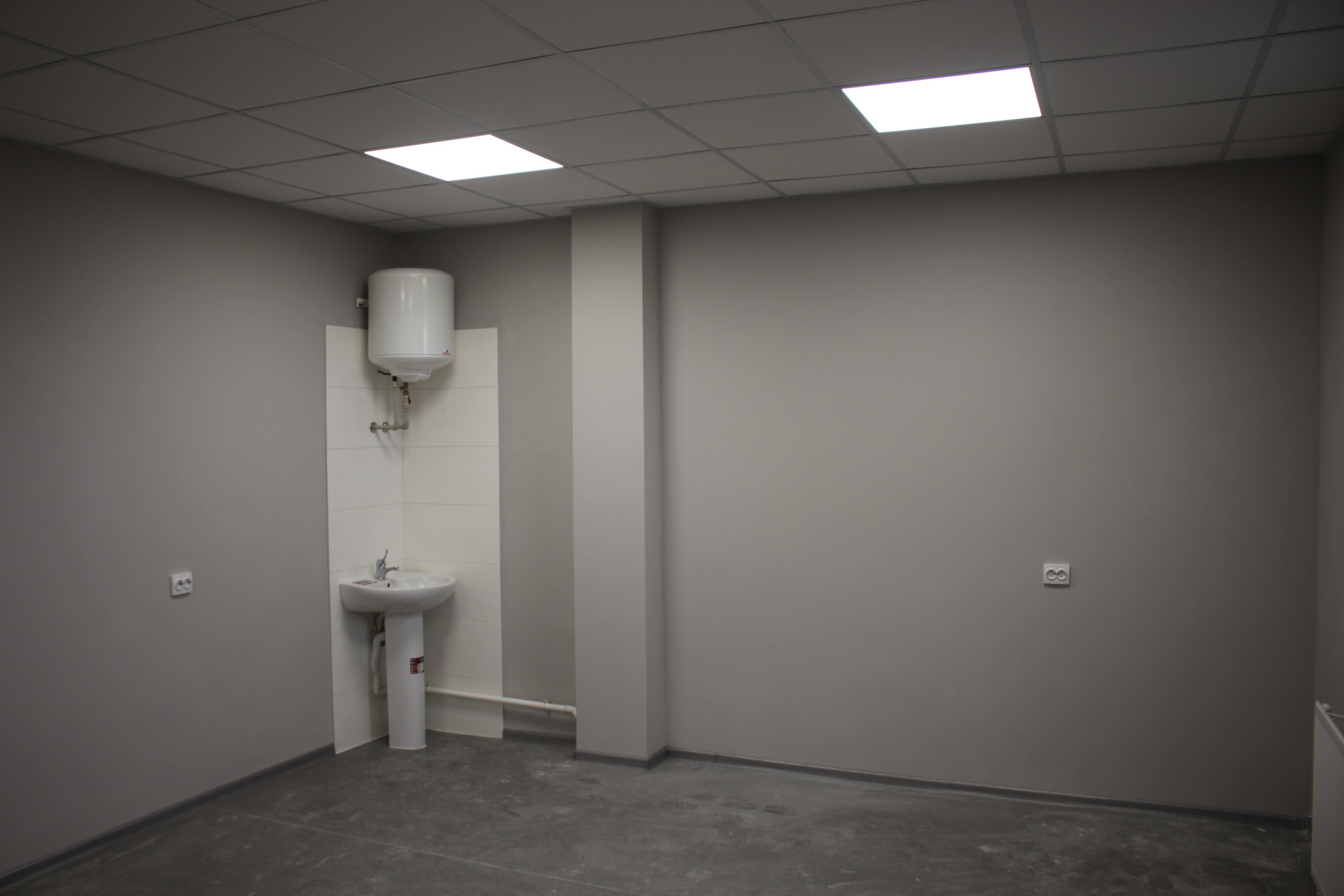
There are 5 wards in the inpatient facility. In some wards, there were convicts who were waiting for transfer. They do not have bed linen.
Convict K. complained of feeling unwell, stating that he could not even get out of bed and could not eat anything. The chief physician reported that the patient was experiencing drug withdrawal syndrome.
Transit Cells
There are 8 cells in the transit department in total. They hold convicts who are en route to other institutions to serve their sentences. Due to the unrenovated premises, the detention conditions are poor: the cells are damp, the air is stale, and the cells are overcrowded.
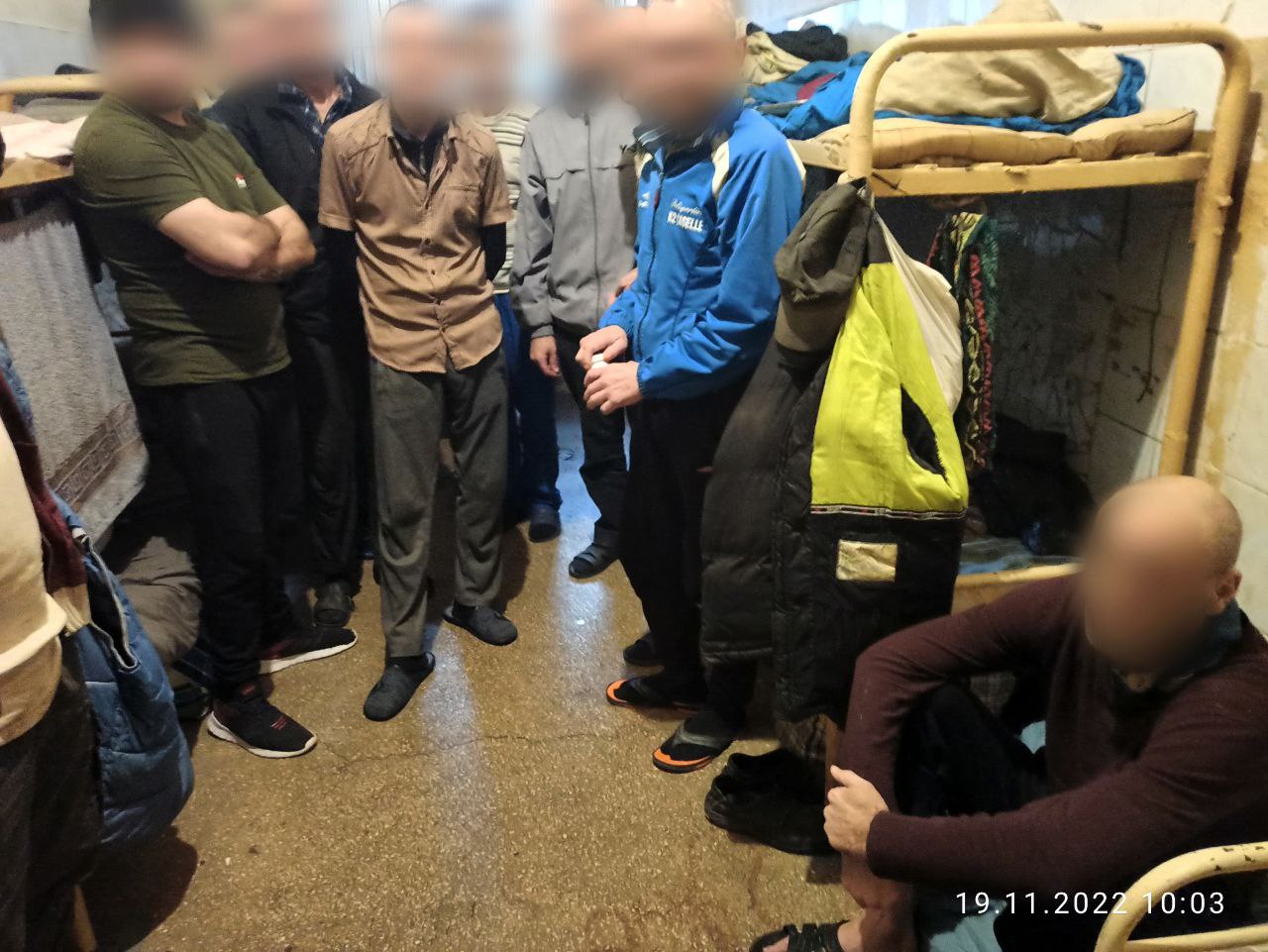
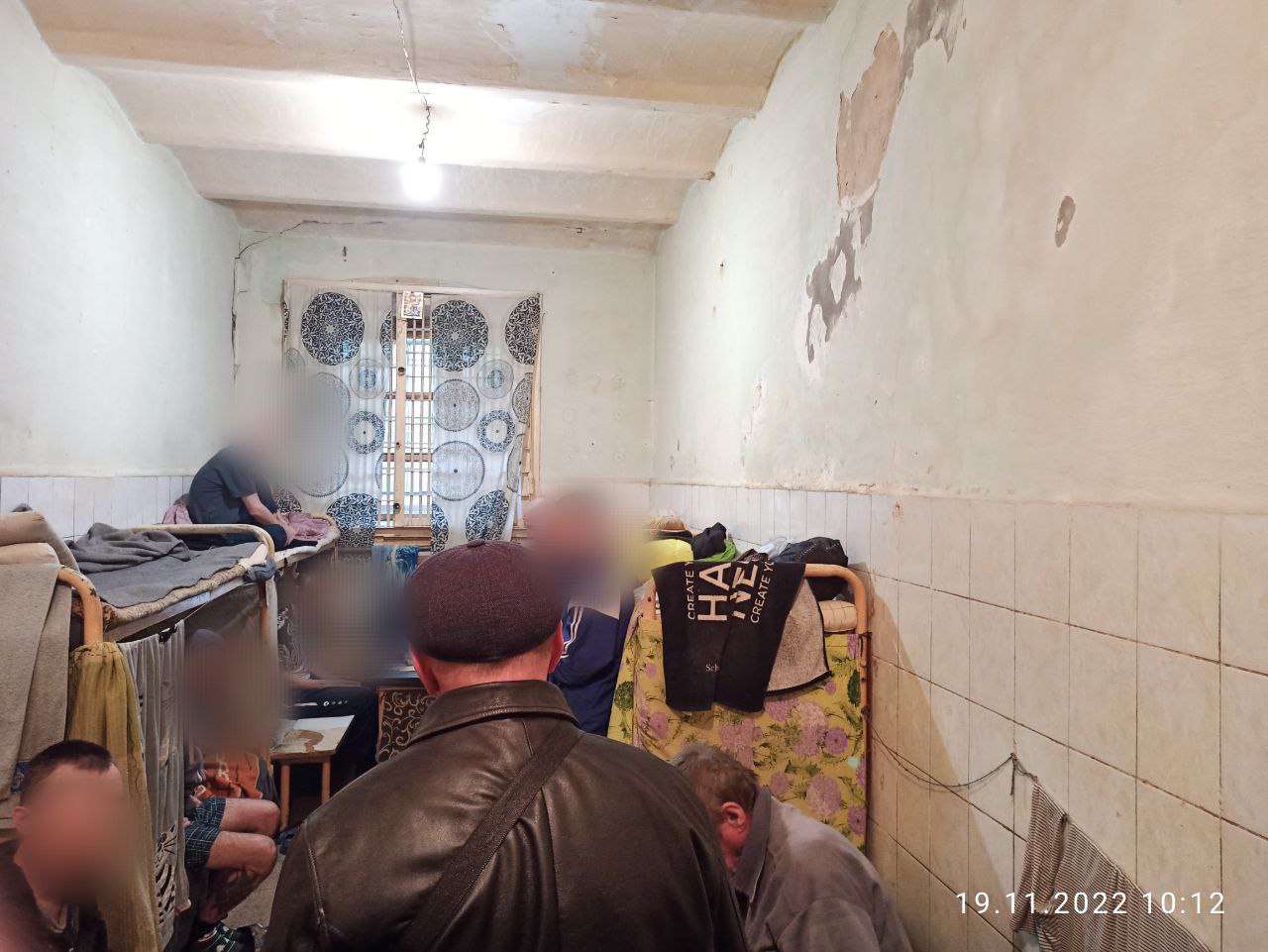
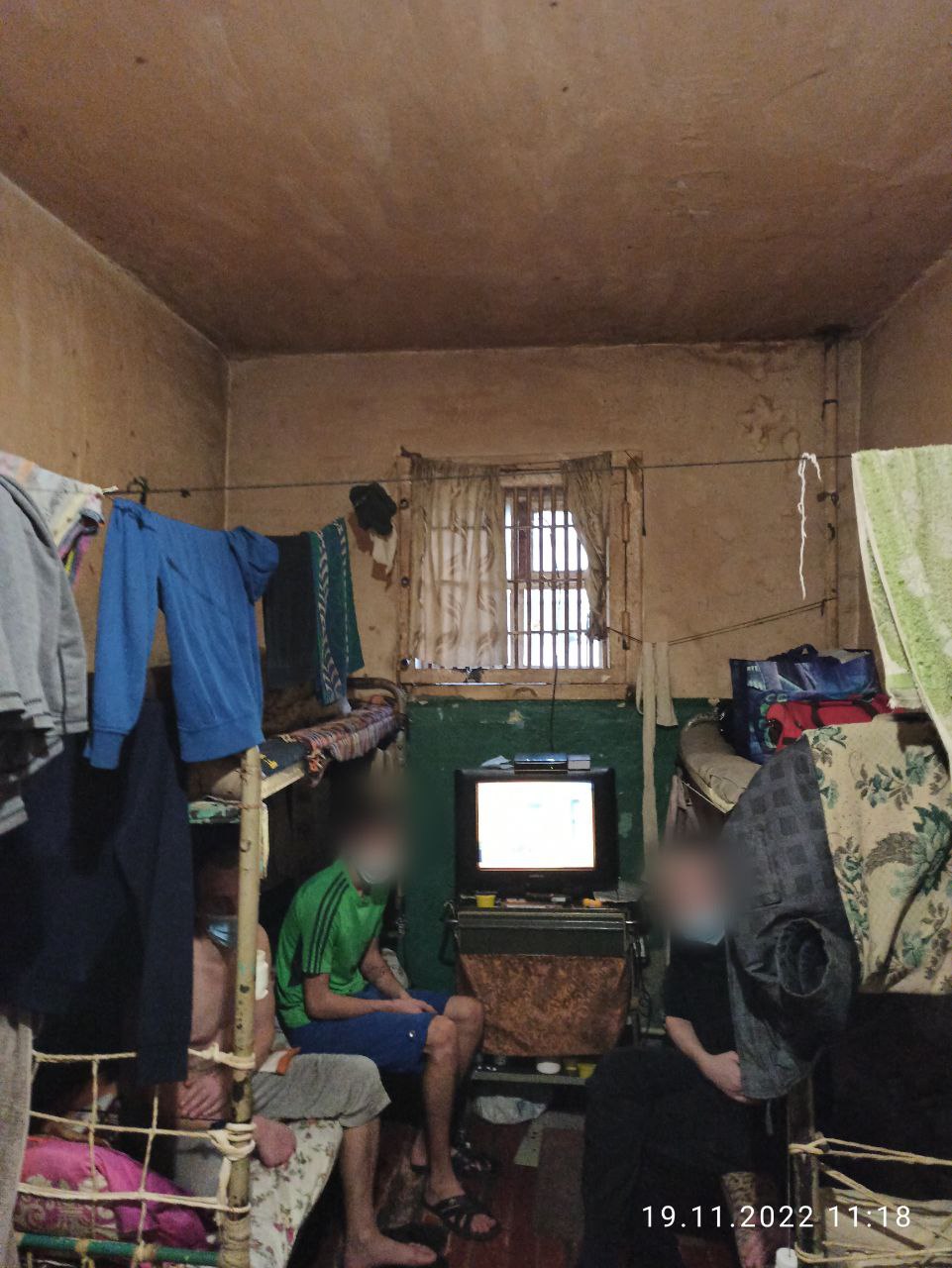
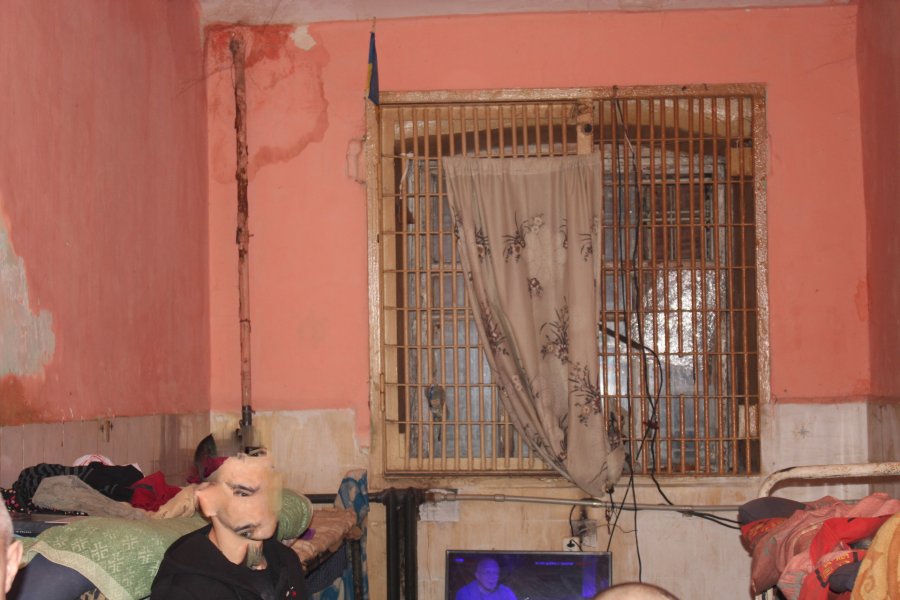
In the transit cell, there is convict B., who is almost deaf. He is 70 years old and has been serving his sentence for the second year. He was transferred from Oleksiivska Correctional Colony No. 25. He does not remember what he was convicted for, nor what he is serving his sentence for. He also does not know if he has a disability, and does not know if he receives a pension. He is serving a sentence under Part 3 of Article 185, with a term of 5 years.